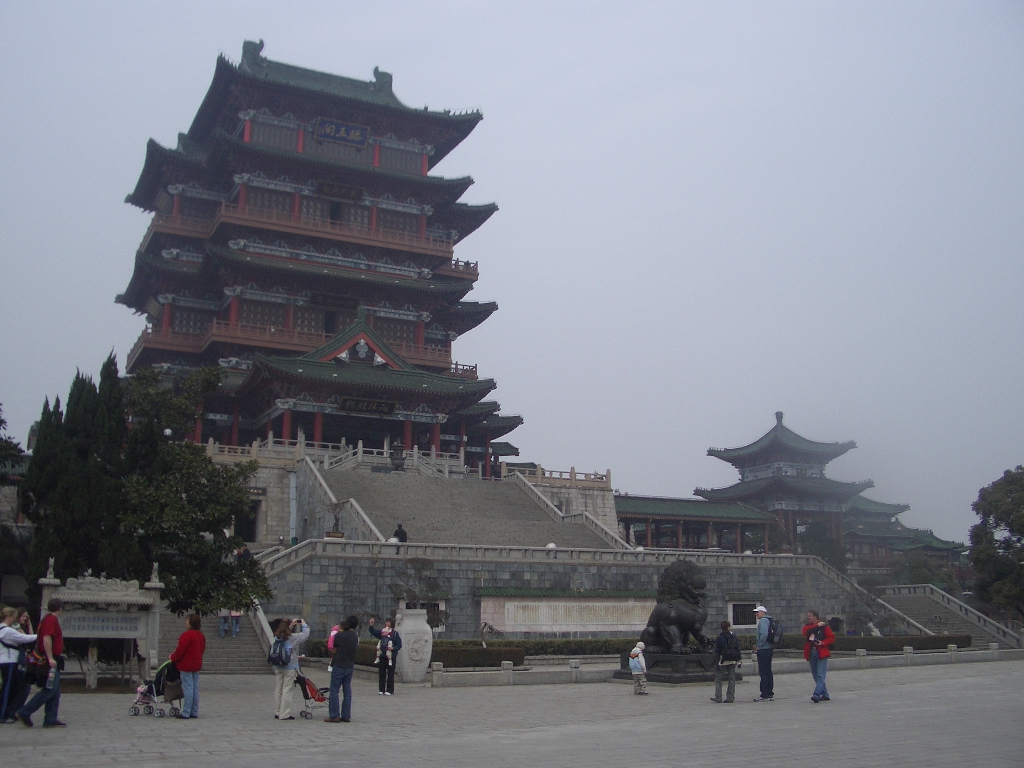
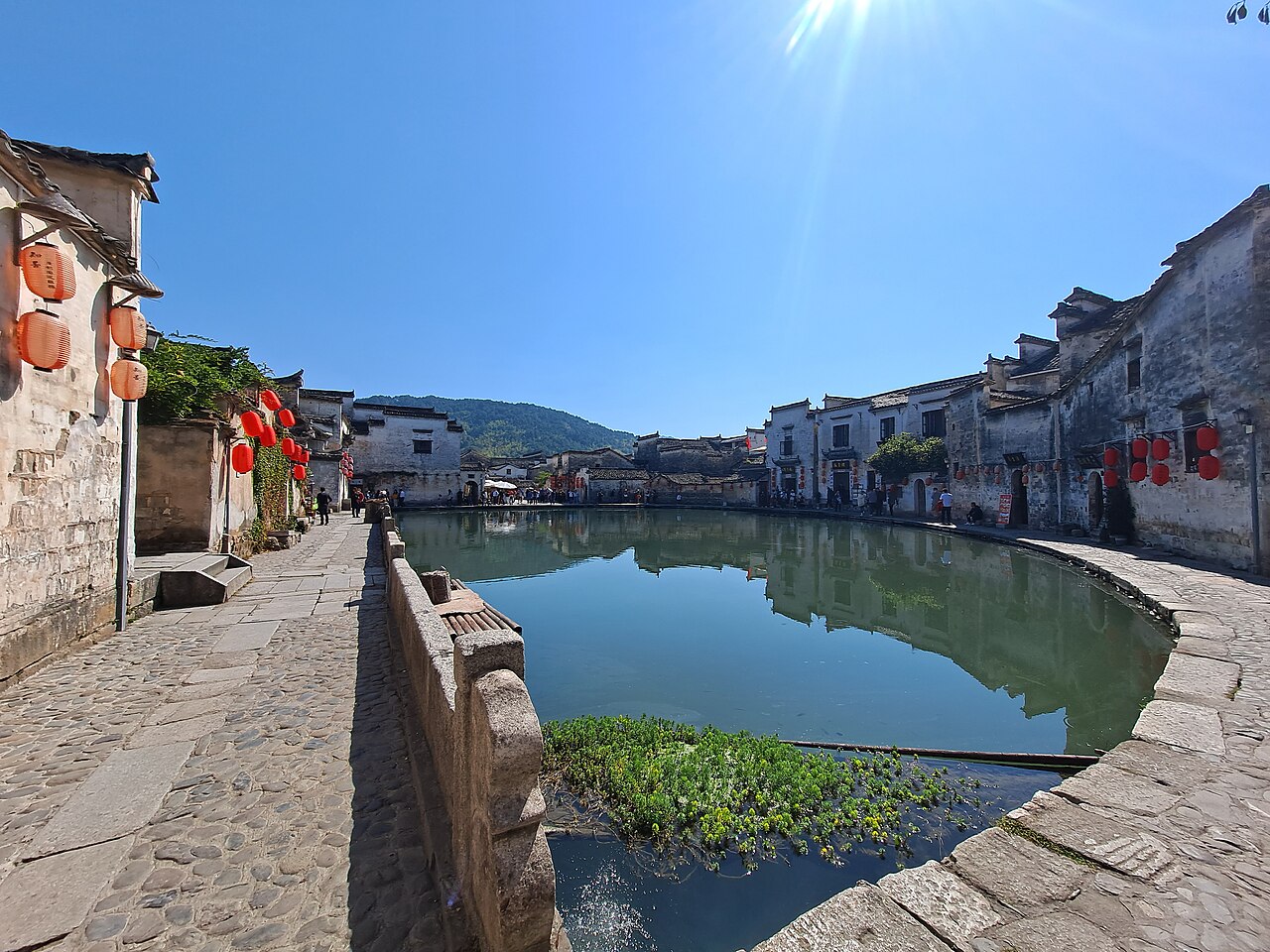
Hefei has been a regional capital for most of two thousand years, and for most of that time it has been a place you defended rather than a place you visited: a river junction behind a ring of water, guarding the road from the north China plain down into the Yangtze delta. The old city still shows it — a moat-turned-park loops the centre, and the sights cluster inside it.
Its name is a description, not a label: 'Hefei' means the meeting of the Fei waters, where the eastern and southern branches of the Fei River converge. That water gave the city its greenery — Hefei likes to call itself a garden city, and with the Huancheng park ribbon and two forested hills on the outskirts, it more or less is.
What puts Hefei on the map for Chinese visitors is two men from opposite ends of its history. Bao Zheng, the Song-dynasty official who became the nation's symbol of an honest judge, was born just outside the city and is buried here; Li Hongzhang, the late-Qing statesman who founded the Beiyang Fleet, built his family mansion on what is now the main shopping street. Between them they anchor the whole old town.
And it is a gateway. Lake Chao, one of China's five largest freshwater lakes, lies on the southern edge of the city; the water town of Sanhe is a short drive out; and the high-speed rail line to Huangshan puts the Yellow Mountains and the Hui villages of Hongcun and Xidi about an hour and a half away.