Yangzhou · Jiangsu

Yangzhou Tours & Private Tour Packages 2026 | Slender West Lake, Old Town | JoyoTour

Yangzhou is the canal city of slow mornings — Slender West Lake, the salt-merchant gardens of Ge and He, morning tea in a hundred-year-old teahouse and Huaiyang cuisine, one of China's four great schools.

The short version

Yangzhou is the city on the Grand Canal that the whole of China has been told to visit in the third lunar month — a compact old town of canals, salt-merchant gardens and willow-fringed water where 2 days is the right stay, at ¥500–1,000 a head. Slender West Lake costs ¥150 in season, the two great gardens ¥45 each, and a ¥220 combo ticket covers the lake, both gardens, Daming Temple and the canal. Come in April for the blossom and the tourism festival; eat morning tea before 10am. Nanjing is about an hour and a half away by train or coach.

JiangsuProvince
March–April for blossom and the tourism festival; September–October for the moon festivalBest months
YTYAirport
Connect via hubDaily intl. flights
Prefer it arranged for you? A city built by salt merchants who had more money than restraint — gardens, a narrow lake, and the best breakfast in China. Yangzhou travel guide →

The place itself

What Yangzhou is actually like

Yangzhou has been famous for so long that the fame itself is part of the place. Every Chinese traveller knows the line about going down to Yangzhou in the third month when the blossom is like smoke; the emperors came, the poets came, and the salt merchants who paid for it all built gardens so they would have somewhere to receive them.

It sits on the north bank of the Yangtze where the Grand Canal crosses it, and that intersection is the whole story. For most of two thousand years the canal was the north–south arterial of the empire, and the salt administration sat here, so the city was rich in a way that left physical evidence: at its peak there were more than 200 private gardens inside the walls, and the eighteenth-century verdict was that Hangzhou wins on lake and hills, Suzhou on its markets, and Yangzhou on its gardens.

What survives is smaller and quieter than that, which is why it is nice to visit. Slender West Lake is a narrow ribbon of water threaded with bridges and pavilions; Ge Garden and He Garden are the two great survivors of the salt era, one famous for rockery, the other for a 1,500-metre double corridor; and the old town around Dongguan Street is a grid of lanes, workshops and food stalls that people still live in.

It is also the easiest city in China to eat well in. Huaiyang cuisine — one of the country's four great schools, older than most of them — was refined here by merchants who had the money to be fussy, and it shows in the knife work, the gentle seasoning and the breakfast culture of teahouses that open at dawn and finish by ten.
75°E75°E90°E90°E105°E105°E120°E120°E135°E135°E20°N20°N30°N30°N40°N40°N50°N50°N ChangchunKashgar BeijingBeijingXi'anXi'anShanghaiShanghaiChengduChengduGuilinGuilinHangzhouHangzhouZhangjiajieZhangjiajieTibet · LhasaTibet · LhasaYunnan · KunmingYunnan · KunmingSichuan · ChengduSichuan · ChengduQinghai · XiningQinghai · XiningGansu · LanzhouGansu · LanzhouXinjiang · UrumqiXinjiang · UrumqiInner Mongolia · HohhotInner Mongolia · HohhotGuangzhouGuangzhouShenzhenShenzhenHarbinHarbinDalianDalianShenyangShenyangChangbai MountainChangbai MountainKunmingKunmingDaliDaliShuheShuheLijiangLijiangXiamenXiamenGulangyuGulangyuFuzhouFuzhouLugu LakeLugu LakeXishuangbanna · JinghongXishuangbanna · JinghongShangri-LaShangri-LaNanchangNanchangHefeiHefeiHongcunHongcunWuhanWuhanChangshaChangshaFenghuang Ancient TownFenghuang Ancient TownLushanLushanWuyuanWuyuanMount Heng (Hengshan, Hunan)Mount Heng (Hengshan, Hunan)HuangshanHuangshanWudang MountainWudang MountainLuoyangLuoyangYuntai MountainYuntai MountainRizhaoRizhaoYantaiYantaiLianyungangLianyungangSanqing MountainSanqing MountainTianjinTianjinDatongDatongTaiyuanTaiyuanPingyaoPingyaoWutai MountainWutai MountainHulunbuir · HailarHulunbuir · HailarThe Forbidden CityThe Forbidden CitySanyaSanyaHaikouHaikouBeihaiBeihaiNanningNanningGuangxi · NanningGuangxi · NanningHuizhouHuizhouZhuhaiZhuhaiWuyi MountainWuyi MountainBeidaiheBeidaiheShanhaiguanShanhaiguanBaiyangdianBaiyangdianQinhuangdaoQinhuangdaoYesanpoYesanpoJiuzhaigouJiuzhaigouMount SiguniangMount SiguniangHailuogouHailuogouDaocheng YadingDaocheng YadingShunan Bamboo SeaShunan Bamboo SeaDujiangyanDujiangyanQingcheng MountainQingcheng MountainQingdaoQingdaoMount TaiMount TaiJinanJinanWeihaiWeihaiQufuQufuPenglaiPenglaiChangdaoChangdaoNanjingNanjingSuzhouSuzhouZhouzhuangZhouzhuangTongliTongliWuxiWuxiYangzhouYangzhouZhenjiangZhenjiangChangzhouChangzhouWuzhenWuzhenXitangXitangXixi WetlandXixi WetlandNingboNingboMount PutuoMount PutuoQiandao LakeQiandao LakeShaoxingShaoxingZhoushanZhoushanHengdianHengdianYandang MountainYandang MountainZhejiang · HangzhouZhejiang · HangzhouHong KongHong KongHong Kong Outlying IslandsHong Kong Outlying IslandsHong Kong ShoppingHong Kong ShoppingMacaoMacaoTaipeiTaipeiKaohsiungKaohsiungTaiwan · TaipeiTaiwan · TaipeiUrumqiUrumqiNorth Xinjiang · UrumqiNorth Xinjiang · UrumqiQinghai LakeQinghai LakeMount EmeiMount EmeiLanzhouLanzhouMount HuaMount HuaDunhuangDunhuangGannan · LanzhouGannan · LanzhouSichuan–Tibet Highway (G318) · Chengdu (CTU)Sichuan–Tibet Highway (G318) · Chengdu (CTU)KangdingKangdingLhasaLhasaNyingchiNyingchiNamtsoNamtsoChongqingChongqingQiandongnan · GuiyangQiandongnan · GuiyangLiboLiboGuiyangGuiyangZhenyuanZhenyuanHuangguoshuHuangguoshu
Destination — click to open the guide Province or autonomous region Provincial capital Major river

Pins are plotted from real latitude and longitude on a 5° graticule. This is a schematic orientation diagram, not a political map — no boundaries are drawn.

What not to miss — Yangzhou

01

Slender West Lake

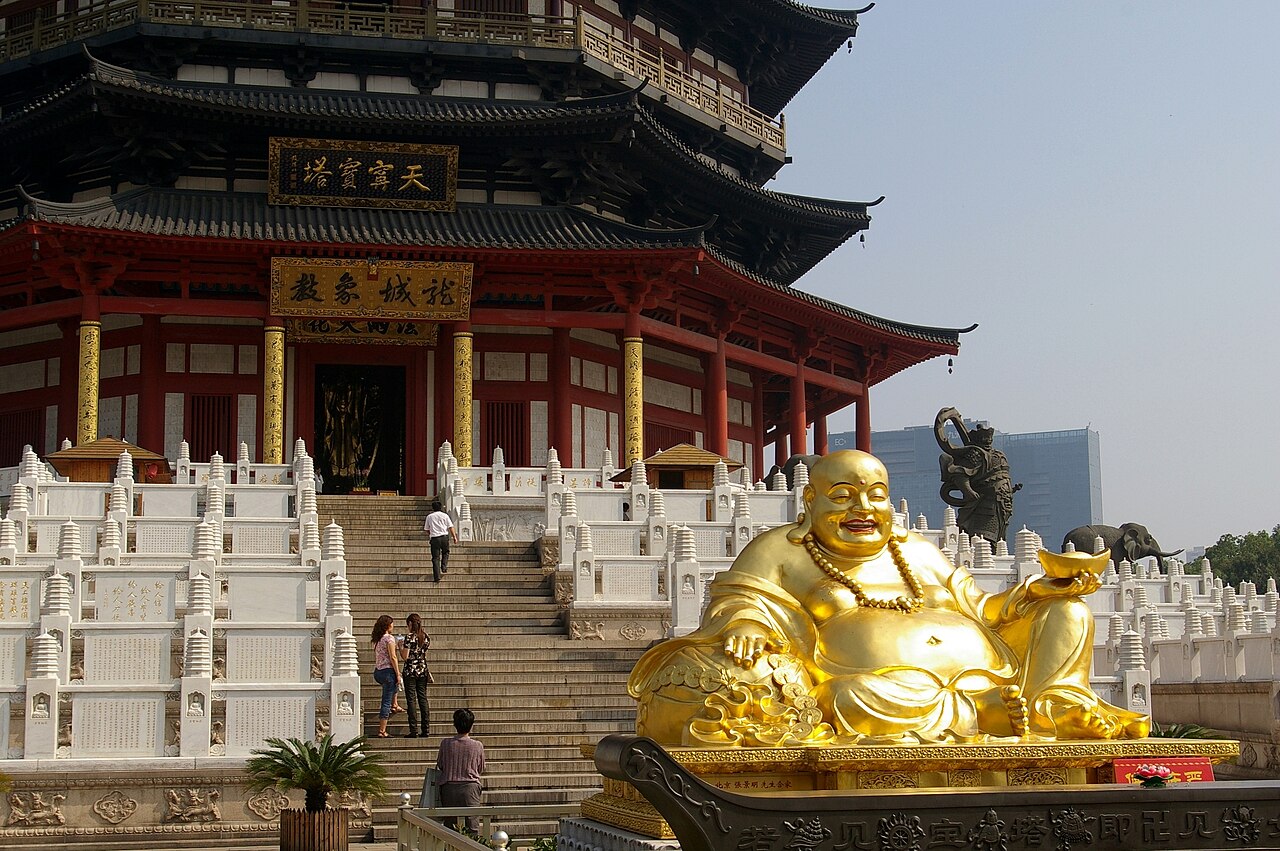
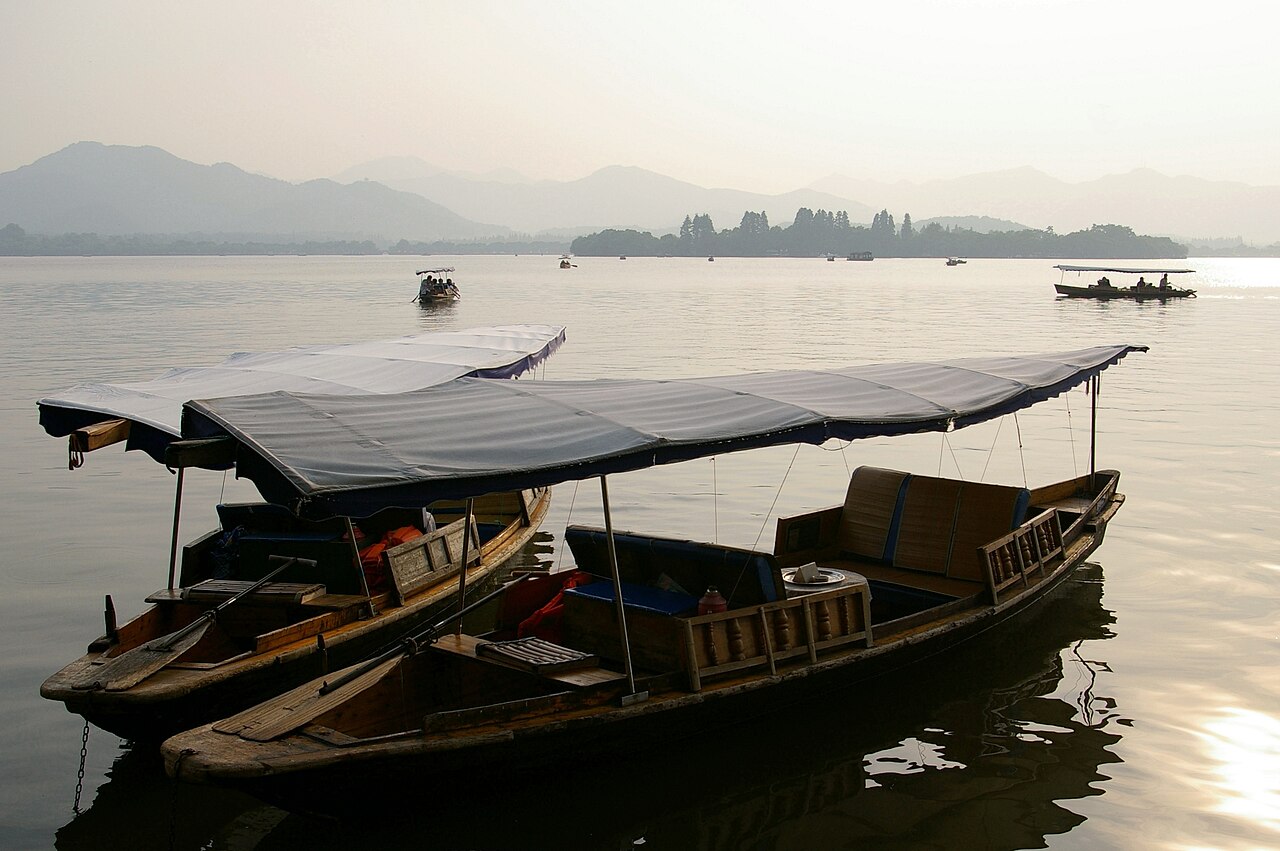
A narrow, winding ribbon of water with willows trailing into it, 'thin' because it is — the Qianlong-era poet named it for a slimmer, more delicate version of Hangzhou's West Lake. The Five-Pavilion Bridge is the symbol of the city, the White Tower was supposedly built overnight by salt merchants to please an emperor, and the best way round is by boat.

02

Ge Garden and its four seasons

Built by a salt merchant on the site of a Ming garden, with bamboo and rock as its whole vocabulary — even the name is half of the character for bamboo. Its Four Seasons rockery is a unique survival: spring in bamboo shoots, summer in grey Taihu limestone, autumn in yellow Anhui stone, winter in quartz-flecked Xuan stone.

03

He Garden, the last great garden of the Qing

Built by a diplomat who had served in France, and called the finest garden of the late Qing. Its signature is a 1,500-metre double-decked corridor that lets you walk the whole garden on two levels in any weather — and it has been the location for nearly a hundred films and TV series.

04

Morning tea

The city wakes in the teahouses. Fuchun, founded in 1885 as a flower nursery and now the orthodox house of Huaiyang dim sum, and Yechun in its little garden by the water: three-diced buns, crab-roe soup dumplings, dry-braised shredded tofu, jade-green shaomai, and the house tea. Be there before ten.

05

Daming Temple and the qionghua

A temple founded in the Southern Dynasties on a ridge north-west of the lake, with the memorial hall to the monk Jianzhen, who crossed to Japan and never came back, and a pagoda you can climb for the whole city. In April the rare qionghua blooms here, and the city's tourism festival runs 18 April to 18 May.

06

The old town and the canal

Dongguan Street and Dongquanmen are the historic core — over a hundred lanes with names like something out of a song, old granary rows, oil and rice shops, and food at every few metres. The Grand Canal section through the city is free to walk, and at night the banks are the best free thing in Yangzhou.

Getting there and away

Yangzhou Taizhou International (YTY) is jointly built by the two cities and sits about 30 km from central Yangzhou; the airport bus leaves from Fengleshang Street by the Friendship Hall for about ¥25, and there is also a direct coach to Nanjing Lukou International for around ¥66 if you are flying long-haul from there. By rail, Yangzhou station is in Hanjiang district on Wenchang West Road, reached by buses 22 and 26, with direct trains to Beijing, Nanchang, Xi'an and Chengdu plus around 18 services passing through; from Nanjing there are about eight trains a day taking roughly 1 hour 20 minutes. Coaches are often handier: the west station runs to Nanjing roughly every 15–30 minutes for ¥34 and to Suzhou in about three hours for ¥62.

The city is small and flat. Buses are a flat ¥2 and mostly self-service, with Wenchang Pavilion downtown as the hub; the tourist bus line from the west station links He Garden, the old ferry crossing, Ge Garden, the Shi Kefa memorial, Slender West Lake, Guanyin Hill, Daming Temple and the Jianzhen library in one run. Taxis start at ¥7 for 3 km (¥8 at night) plus a ¥1 fuel surcharge, and almost anywhere in town costs under ¥10. In the old east quarter, where the lanes are too narrow for anything else, pedicabs start at ¥4 — agree the price before you get in.

Best time to visit — Yangzhou

MonthWeatherCrowdsVerdict
January12°C / 4°C · cool, dampQuietGood
February14°C / 6°C · cool, dampVery busyGood
March18°C / 10°C · clear and mildModerateBest
April24°C / 16°C · clear and mildModerateBest
May28°C / 21°C · cool, dampBusyOK
June32°C / 25°C · very hot, humidModerateOK
July35°C / 28°C · cool, dampBusyAvoid
August34°C / 27°C · cool, dampBusyAvoid
September29°C / 23°C · very hot, humidModerateOK
October24°C / 17°C · clear and mildVery busyBest
November18°C / 11°C · clear and mildQuietBest
December13°C / 6°C · cool, dampQuietGood

How many days do you need?

Two days is the honest length and it is a pleasant two days. Day one is the classic run: morning tea at Yechun, Slender West Lake by boat, out of the north gate into Daming Temple, then He Garden for the corridors. Day two is Ge Garden, the folk-collection museum you get free with your Ge Garden ticket, and the lanes and food of Dongguan Street. A third day buys the tombs at Hanlingyuan, the Tang city site, or an afternoon doing nothing but teahouses and a foot bath — which is a legitimate Yangzhou day.

Plan these days properly

Frequently asked questions

When is the best time to visit Yangzhou?

March and April, which is what 'going down to Yangzhou in the third month' refers to — misty rain, willow, peach and the rare qionghua in flower, and the tourism festival running 18 April to 18 May. September and October bring the 'half the moon' culture festival, when the fifteen arches of the Five-Pavilion Bridge each hold a moon. Winter is quiet, the lake mists over, and there are hot springs.

Are the tickets expensive?

Not by Chinese standards, except for the lake — Slender West Lake went up to ¥150 in high season, ¥120 off, with student and other concessions. Everything else is modest: Ge Garden, He Garden, Daming Temple and Zhuyuwan are ¥45 each in season. The ¥220 combo covering the lake, both gardens, Daming Temple and the canal saves real money if you are doing all of them.

What is morning tea and how early do I have to be?

It is the city's institution: tea, dim sum and noodles from dawn, and it mostly finishes by 10am — the state-run teahouses are winding down by 1pm and the famous items are gone. Go to Fuchun on Deshengqiao Street or Yechun in its garden on Fengle Xiajie, order three-diced buns, crab-roe soup dumplings and dry-braised shredded tofu, and be sitting down by eight.

What should I eat in Yangzhou?

Huaiyang food, which is gentle, precise and not spicy. Yangzhou fried rice done properly, crab-roe lion's head, dry-braised shredded tofu, Wensi tofu soup cut into threads, salted goose, and the 'three heads' of the city — the whole braised pig's head, the crab-roe lion's head and the deboned silver carp head. For snacks, the thousand-layer cake and jade shaomai pair known as the two marvels of Yangzhou.

Is Yangzhou worth it if I have already seen Suzhou's gardens?

Yes — they are not the same thing. Suzhou's gardens are the classical ideal refined; Yangzhou's were built by salt merchants with more money than restraint, mixing imperial scale with Jiangnan detail, and Ge Garden's four-season rockery is something you will not see anywhere else. Historically, it was Yangzhou's gardens that were called the finest under heaven, not Suzhou's.

How do I get to Yangzhou from Nanjing or Shanghai?

From Nanjing it is easy either way — about eight trains a day taking roughly 1 hour 20 minutes, or coaches from the west station every 15–30 minutes for ¥34. From Shanghai the train takes a long time, and the usual advice is to go to Zhenjiang first and change to a coach, or to take the direct expressway route by car.

Tell us your dates.
We'll do the rest.

Free itinerary design, a revised plan within one working day, and nothing charged until you approve the final version.

  • Free itinerary planning by a destination specialist
  • A revised draft within one working day
  • Nothing is charged until you approve the final version.

No spam. No sales calls. Just a real itinerary from a real person.