Xining
The provincial capital and your acclimatisation stop — 2,275 m, with Dongguan Mosque, a Muslim quarter of excellent hand-pulled noodles, and the Qinghai Museum.
Qinghai · Qinghai
Qinghai Province is entered through Xining, its capital, and gives you Qinghai Lake, Kumbum Monastery and the Qinghai–Tibet Railway at a gentler altitude than Tibet. Private Qinghai tours from US$219 a day.
The short version
The place itself
Qinghai is where the Tibetan Plateau meets the old Silk Road, and for travellers that combination is unusually forgiving. The province carries Tibetan monastic culture, Hui Muslim markets and Mongolian grassland, all reached through Xining, its capital at a manageable 2,275 metres.
That altitude is the point. Most first-time visitors to Qinghai have none of the trouble they would at Lhasa's 3,650 metres, yet they still get the monasteries, the butter lamps and the high, wide landscapes. Kumbum Monastery outside Xining is one of the six great Gelugpa monasteries and needs no permit at all.
Qinghai is also the practical way to enter Tibet. The rail journey from Xining to Lhasa crosses the Tanggula Pass at 5,068 metres in daylight — arguably the finest train ride in Asia — and the gradual ascent makes it far safer than flying straight into Lhasa.
Pins are plotted from real latitude and longitude on a 5° graticule. This is a schematic orientation diagram, not a political map — no boundaries are drawn.
The provincial capital and your acclimatisation stop — 2,275 m, with Dongguan Mosque, a Muslim quarter of excellent hand-pulled noodles, and the Qinghai Museum.
China's largest lake, a wall of blue at the end of a long plateau road. In July the fields either side are yellow rapeseed.
Kumbum Ta'er Si, 25 km from Xining — butter sculptures, debate courtyards and one of the great monasteries of the Gelugpa order.
Board in Xining and cross the Hoh Xil wilderness, passing antelope and permafrost before Tanggula Pass.
A mirror-flat salt pan where you can walk out onto the reflection — best after rain, before wind.
A seasonal nesting site for bar-headed geese on Qinghai Lake's western shore.
The Potala Palace, Everest Base Camp and prayer flags over the plateau — entered gradually by rail so the altitude does not hit you all at once.
From US$2,490/per person
View tourXi'an to Dunhuang along the Hexi Corridor: desert fortresses, camel treks at Mingsha Shan and the caves of a Thousand Buddhas.
From US$2,690/per person
View tourXining Caojiapu International (XNN) has frequent links from Beijing, Shanghai, Xi'an, Chengdu and Lanzhou. Most international visitors connect domestically.
High-speed rail from Xi'an takes about 4 hours, which makes Qinghai an easy extension to any Xi'an or Silk Road itinerary.
From Xining, the Qinghai–Tibet Railway runs daily to Lhasa. We always build in two nights in Xining first for altitude adjustment.
| Month | Weather | Crowds | Verdict |
|---|---|---|---|
| January | 2°C / -12°C · bitterly cold, clear | Quiet | Avoid |
| February | 5°C / -9°C · bitterly cold, clear | Very busy | Avoid |
| March | 10°C / -3°C · bitterly cold, clear | Moderate | Good |
| April | 15°C / 3°C · bitterly cold, clear | Moderate | Good |
| May | 19°C / 8°C · bitterly cold, clear | Busy | OK |
| June | 22°C / 12°C · clear and mild | Moderate | Best |
| July | 23°C / 14°C · clear and mild | Busy | Best |
| August | 22°C / 13°C · clear and mild | Busy | Best |
| September | 19°C / 9°C · clear and mild | Moderate | Best |
| October | 14°C / 2°C · bitterly cold, clear | Very busy | Good |
| November | 7°C / -6°C · bitterly cold, clear | Quiet | Good |
| December | 2°C / -11°C · bitterly cold, clear | Quiet | Avoid |
Four days covers Xining and Qinghai Lake comfortably: two nights in Xining for Kumbum Monastery and acclimatisation, then two days looping the lake. Add two more if you are continuing to Lhasa by rail.
Plan these days properly
Xi'an
National Tour Guide Certificate, English
★★★★★4.9276 reviews
Liu Yun worked two field seasons on an excavation team outside Xi'an before he ever led a tour, and he still carries a small trowel in his day bag in case someone asks what the soil looks like. He presents the Terracotta Army as an industrial project — kilns, quotas, quality control — rather than a miracle. Fifteen years in, he is the guide other Xi'an guides call when a museum curator comes to town.
He explained the army as a production line, not a legend. Our teenagers asked questions for two hours straight.
David K., Australia
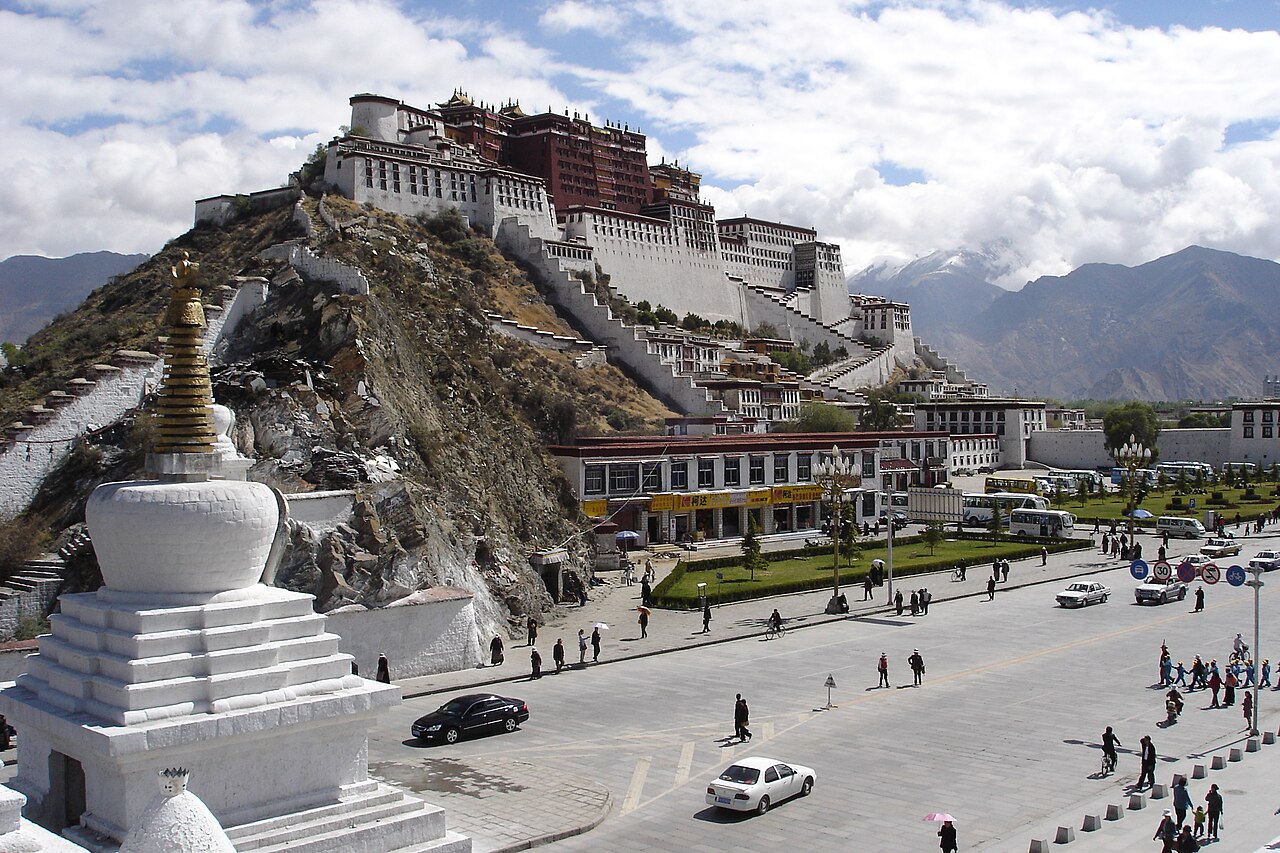
Lhasa, Tibet
National Tour Guide Certificate, English and Tibetan
★★★★★4.9156 reviews
Tsering Dorje was born in a village two hours from Lhasa, entered a monastery at thirteen and left at twenty-two, so he explains Tibetan Buddhism the way practitioners live it: what a full prostration costs, why you always walk clockwise, which chapels close on which days. He is also the most practical guide on the plateau. He carries oxygen, watches your walking pace, and will cut a visit short if your saturation drops.
At 5,200 metres he checked my oxygen, slowed the group down, and never once made me feel like a burden.
Marie L., France
 Traditions
Chinese Festivals: The Calendar, the Dates and the Crowds
Lunar dates mean the calendar moves every year — and two of the festivals move several hundred million people at once. Plan around them or plan into them, but never by accident.
8 min read
Peoples
China's Ethnic Minorities: 55 Groups, and Where to Meet Them
Roughly one in twelve people in China is not Han. Their languages, crafts and festivals are the least visited part of the country, and in several regions the most rewarding.
8 min read
Traditions
Chinese Festivals: The Calendar, the Dates and the Crowds
Lunar dates mean the calendar moves every year — and two of the festivals move several hundred million people at once. Plan around them or plan into them, but never by accident.
8 min read
Peoples
China's Ethnic Minorities: 55 Groups, and Where to Meet Them
Roughly one in twelve people in China is not Han. Their languages, crafts and festivals are the least visited part of the country, and in several regions the most rewarding.
8 min read
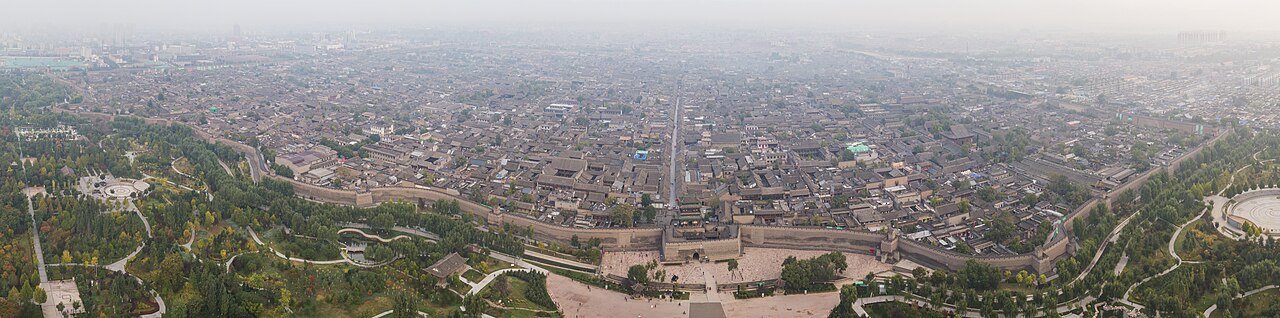
 Xi'an
Shaanxi · 6 tours
Xi'an is the capital of Shaanxi Province and where the Silk Road began. Forty kilometres east of the city, 8,000 terracotta warriors have stood in for
Tibet
Tibet Autonomous Region · 1 tours
The Tibet Autonomous Region is entered through Lhasa, its capital, and it is the one destination in China that requires planning rather than booking:
Xi'an
Shaanxi · 6 tours
Xi'an is the capital of Shaanxi Province and where the Silk Road began. Forty kilometres east of the city, 8,000 terracotta warriors have stood in for
Tibet
Tibet Autonomous Region · 1 tours
The Tibet Autonomous Region is entered through Lhasa, its capital, and it is the one destination in China that requires planning rather than booking:
 Gansu
Gansu · 1 tours
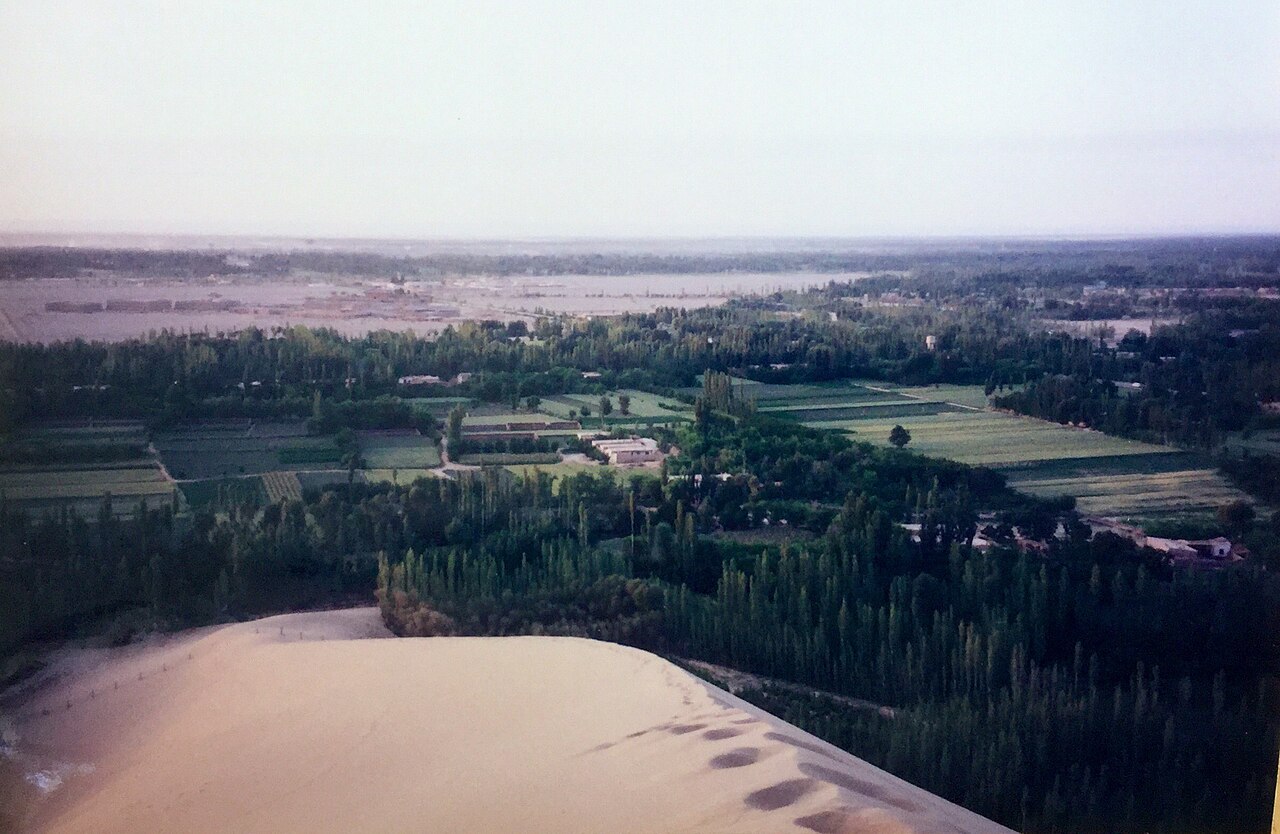
Gansu Province is the 1,600 km corridor that carried the Silk Road between China and Central Asia, and it is entered through Lanzhou, its capital. Wes
Gansu
Gansu · 1 tours
Gansu Province is the 1,600 km corridor that carried the Silk Road between China and Central Asia, and it is entered through Lanzhou, its capital. Wes
Xining. Qinghai Province is entered almost always through its capital Xining, which sits at 2,275 metres and is the starting point for trips to Qinghai Lake and for the Qinghai–Tibet Railway to Lhasa.
No. Qinghai Province is open to foreign visitors without a Tibet Travel Permit. You only need the permit for the Tibet Autonomous Region, which begins beyond Golmud on the railway line.
About 150 km west of Xining, roughly 2.5 hours by road. Most itineraries loop out one side of the lake and back the other, overnighting near Jiangxigou or Heimahe.
Less than in Tibet. Xining is 2,275 m and Qinghai Lake about 3,200 m, both below the level where most people struggle. We still build in two nights in Xining before going higher.
June to September. July is the standout, when the rapeseed fields around Qinghai Lake are in bloom. Winter is bitterly cold with most tourist facilities closed.
Free itinerary design, a revised plan within one working day, and nothing charged until you approve the final version.