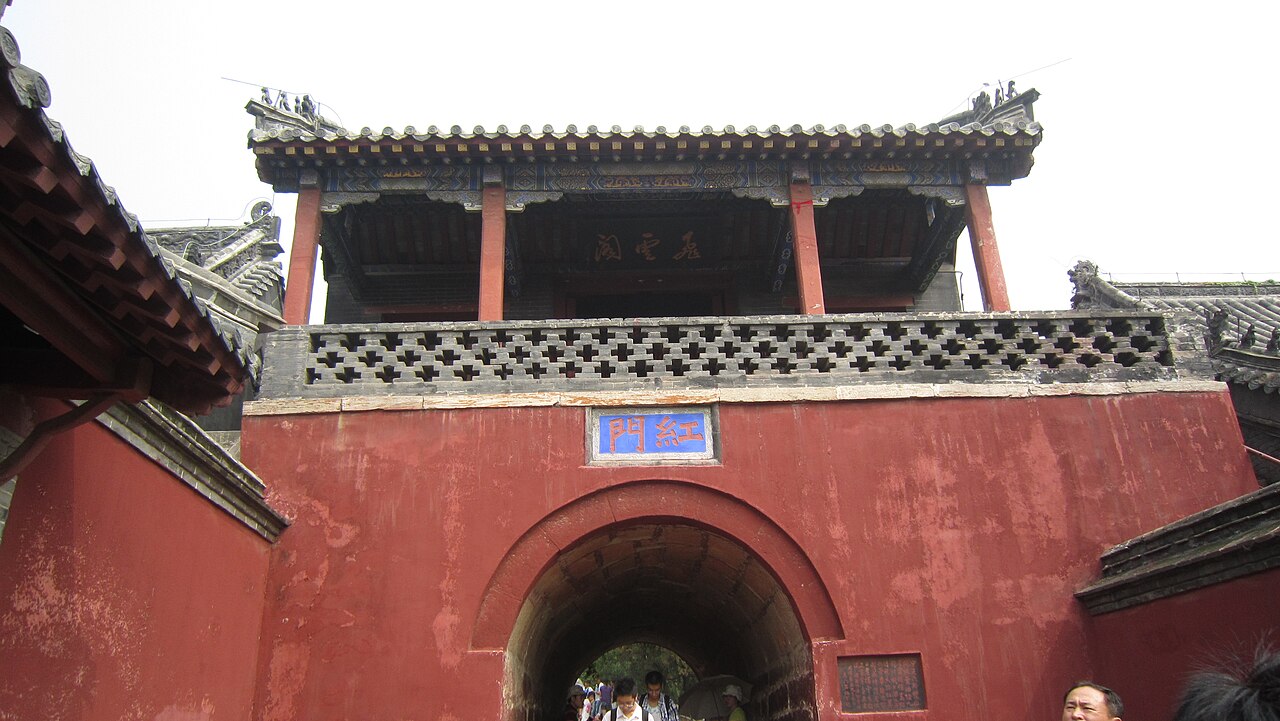
Jinan · Shandong

Jinan Tours & Private Tour Packages 2026 | Springs, Daming Lake, Mount Tai | JoyoTour

Jinan, the 'City of Springs', is Shandong's unhurried capital — artesian springs in the streets, Daming Lake, Thousand Buddha Mountain and the best home-style Lu cuisine.

The short version

Jinan is the capital of Shandong and the 'City of Springs' — about 700 natural springs well up inside the city, feeding a lake at its centre and the craft canals around it. Two days cover it comfortably: one for Baotu Spring, Daming Lake and the old canal lanes, one for Black Tiger Spring, Qianfo Mountain and the city centre. It is 1 hour from Mount Tai and about 2 hours from Qingdao by high-speed rail.

ShandongProvince
September–October after the summer rains, when the springs surge and the maples turnBest months
TNAAirport
Connect via hubDaily intl. flights
Prefer it arranged for you? A provincial capital with 700 springs under the pavement — people still queue at the spouts to fill their kettles. Jinan travel guide →

The place itself

What Jinan is actually like

Jinan has a trick no other Chinese capital has: the city is built on top of its own drinking water. Around 700 springs rise inside the built-up area, and in the old quarter they still surface in backyards and lanes — you will see people crouched at the roadside filling jugs from a spout, not for decoration but for the kettle.

It sits between Mount Tai to the south and the Yellow River to the north, which is the whole explanation for the water. Rain and snowmelt from the mountain soak down through limestone, run north under the plain, and are forced back up where the rock meets impermeable layers — right where the city stands. The result is the 'four great spring groups' of Baotu, Black Tiger, Pearl and Five-Dragon, plus the thousand-year-old moat that actually runs on spring water.

For all its springs, Jinan is a low-key capital. It was the seat of Qi and a walled city for more than 2,000 years, and in the 20th century it was the setting for two of China's best-loved pieces of writing about a place: Lao She's essay 'Winter in Jinan' and Liu E's novel The Travels of Lao Can, both of which fixed the image of willows, springs and old lanes. The poets Li Qingzhao and Xin Qiji — 'the two An of Jinan' — were born here.

Practically, it is small and flat enough to walk across in a day, and it makes the perfect base for the province: Mount Tai an hour south, Qufu's Confucian temples an hour further, Qingdao two hours east. Come for two days, eat seriously, and use it as the hinge of a Shandong trip.
75°E75°E90°E90°E105°E105°E120°E120°E135°E135°E20°N20°N30°N30°N40°N40°N50°N50°N ChangchunKashgar BeijingBeijingXi'anXi'anShanghaiShanghaiChengduChengduGuilinGuilinHangzhouHangzhouZhangjiajieZhangjiajieTibet · LhasaTibet · LhasaYunnan · KunmingYunnan · KunmingSichuan · ChengduSichuan · ChengduQinghai · XiningQinghai · XiningGansu · LanzhouGansu · LanzhouXinjiang · UrumqiXinjiang · UrumqiInner Mongolia · HohhotInner Mongolia · HohhotGuangzhouGuangzhouShenzhenShenzhenHarbinHarbinDalianDalianShenyangShenyangChangbai MountainChangbai MountainKunmingKunmingDaliDaliShuheShuheLijiangLijiangXiamenXiamenGulangyuGulangyuFuzhouFuzhouLugu LakeLugu LakeXishuangbanna · JinghongXishuangbanna · JinghongShangri-LaShangri-LaNanchangNanchangHefeiHefeiHongcunHongcunWuhanWuhanChangshaChangshaFenghuang Ancient TownFenghuang Ancient TownLushanLushanWuyuanWuyuanMount Heng (Hengshan, Hunan)Mount Heng (Hengshan, Hunan)HuangshanHuangshanWudang MountainWudang MountainLuoyangLuoyangYuntai MountainYuntai MountainRizhaoRizhaoYantaiYantaiLianyungangLianyungangSanqing MountainSanqing MountainTianjinTianjinDatongDatongTaiyuanTaiyuanPingyaoPingyaoWutai MountainWutai MountainHulunbuir · HailarHulunbuir · HailarThe Forbidden CityThe Forbidden CitySanyaSanyaHaikouHaikouBeihaiBeihaiNanningNanningGuangxi · NanningGuangxi · NanningHuizhouHuizhouZhuhaiZhuhaiWuyi MountainWuyi MountainBeidaiheBeidaiheShanhaiguanShanhaiguanBaiyangdianBaiyangdianQinhuangdaoQinhuangdaoYesanpoYesanpoJiuzhaigouJiuzhaigouMount SiguniangMount SiguniangHailuogouHailuogouDaocheng YadingDaocheng YadingShunan Bamboo SeaShunan Bamboo SeaDujiangyanDujiangyanQingcheng MountainQingcheng MountainQingdaoQingdaoMount TaiMount TaiJinanJinanWeihaiWeihaiQufuQufuPenglaiPenglaiChangdaoChangdaoNanjingNanjingSuzhouSuzhouZhouzhuangZhouzhuangTongliTongliWuxiWuxiYangzhouYangzhouZhenjiangZhenjiangChangzhouChangzhouWuzhenWuzhenXitangXitangXixi WetlandXixi WetlandNingboNingboMount PutuoMount PutuoQiandao LakeQiandao LakeShaoxingShaoxingZhoushanZhoushanHengdianHengdianYandang MountainYandang MountainZhejiang · HangzhouZhejiang · HangzhouHong KongHong KongHong Kong Outlying IslandsHong Kong Outlying IslandsHong Kong ShoppingHong Kong ShoppingMacaoMacaoTaipeiTaipeiKaohsiungKaohsiungTaiwan · TaipeiTaiwan · TaipeiUrumqiUrumqiNorth Xinjiang · UrumqiNorth Xinjiang · UrumqiQinghai LakeQinghai LakeMount EmeiMount EmeiLanzhouLanzhouMount HuaMount HuaDunhuangDunhuangGannan · LanzhouGannan · LanzhouSichuan–Tibet Highway (G318) · Chengdu (CTU)Sichuan–Tibet Highway (G318) · Chengdu (CTU)KangdingKangdingLhasaLhasaNyingchiNyingchiNamtsoNamtsoChongqingChongqingQiandongnan · GuiyangQiandongnan · GuiyangLiboLiboGuiyangGuiyangZhenyuanZhenyuanHuangguoshuHuangguoshu
Destination — click to open the guide Province or autonomous region Provincial capital Major river

Pins are plotted from real latitude and longitude on a 5° graticule. This is a schematic orientation diagram, not a political map — no boundaries are drawn.

What not to miss — Jinan

01

Baotu Spring

The first of the city's 72 named springs and its proudest, where three jets of water bubble up day and night from a clear blue pool. The park around it holds 20-odd more springs, a memorial hall to the poet Li Qingzhao, and a teahouse that brews with the spring water itself.

02

Daming Lake

The natural lake at the centre of the old city, formed where the springs gather, framed by willows and lotus and dotted with pavilions, halls and island temples. In summer the lotus fills it; the poets and emperors who left their marks on the shore left their names too.

03

Black Tiger Spring & the moat

Three carved stone tiger heads spout the spring water into the canal with a roar, and locals line up all day to fill bottles. The moat around the old city is the only one in China fed entirely by springs — take the sightseeing boat and let it thread the springs and the lake together.

04

Thousand Buddha Mountain

A 285 m hill just south of the centre, the northern tail of the Taiyi range, whose Tang-era Xingguo Temple and cliff of carved Buddhas give it its name. Half an hour up, with the best panorama of the whole city and a genuine local morning scene of singers and exercisers.

05

The old lanes: Furong Street & Kuanhouli

Furong Street, the 432 m 'first snack street of Shandong', sits among the Pearl Spring wells and does cheap street food all day. Kuanhouli, just south of the springs, is its tidier modern cousin — eating houses and teahouses in rebuilt grey-brick lanes.

06

The city's teahouse culture — and springs you can drink

Half Jinan's pleasure is a cup of tea brewed with water straight from the spout, and the old teahouses by the springs do exactly that. Pair it with a bowl of tianmo and a slab of braised pork belly and you have eaten the city's breakfast like a local.

Getting there and away

Jinan Yaoqiang International (TNA) sits about 30 km north-east of the centre, with domestic flights and a handful of international links; the airport bus runs to the main rail and bus stations for about ¥20. The city is a major rail hub — the Beijing–Shanghai high-speed line stops at Jinan West station, and Jinan station handles the slower trains — so Beijing is about 1.5 hours and Shanghai about 4. The metro, BRT and buses make the whole centre easy without a car.

Inside the city everything worth seeing sits within a few kilometres: Baotu Spring, Daming Lake, Black Tiger Spring and the old lanes are all walkable from each other, and the sightseeing loop bus and the moat boat cover the rest. For Mount Tai, Qufu or the springs at Zhangqiu, high-speed rail or a private car is the quick way out.

Best time to visit — Jinan

MonthWeatherCrowdsVerdict
January4°C / -4°C · dry, coldQuietAvoid
February6°C / -1°C · dry, coldVery busyAvoid
March14°C / 5°C · dry, coldModerateGood
April21°C / 12°C · clear and mildModerateBest
May27°C / 18°C · clear and mildBusyBest
June31°C / 23°C · hot, humidModerateOK
July32°C / 25°C · hot, humidBusyOK
August30°C / 24°C · hot, humidBusyOK
September26°C / 19°C · clear and mildModerateBest
October20°C / 12°C · clear and mildVery busyBest
November12°C / 4°C · dry, coldQuietGood
December5°C / -2°C · dry, coldQuietGood

How many days do you need?

Two days is comfortable and enough to do it justice: day one for Baotu Spring, Five-Dragon Pool, Daming Lake and the old canal lanes; day two for Black Tiger Spring, the moat boat, Thousand Buddha Mountain and the city centre at night. A third day is what turns Jinan into a base — Mount Tai an hour south, the Confucian temples at Qufu an hour beyond, or the odd, beautiful stone forest at Lingyan Temple.

Plan these days properly

Frequently asked questions

When is the best time to visit Jinan?

Autumn — September and October — when the summer rains have pushed the springs to their strongest, the heat has broken and the maple valley at Hongyegu turns red. Spring is pleasant but can be dry and dusty; summer is hot and humid; winter is cold, but the springs still run and the warmed water steams in the frost.

Is Jinan worth visiting, or just a stop on the way to Mount Tai?

Worth two days of its own. The springs are genuinely unusual — a capital city where water wells up in the streets and locals drink it from the source — and the old lane-and-canal quarter is lovely to wander. Add the best home-style Lu cuisine in the province and it earns its place rather than just being a gateway.

Can I drink the spring water?

At the public taps and at teahouses, yes — people do it all day, and tea brewed with Baotu or Black Tiger water is the local ritual. Away from the official filling points the water is untreated, so in hot weather treat it with common sense and don't drink from random pools.

What should I eat in Jinan?

This is the home kitchen of Lu cuisine. Order sweet-and-sour Yellow River carp, nine-turn intestines, quick-fried double crunch, braised pork knuckle and milk-broth cattail shoots. For breakfast, join the locals for a bowl of tianmo, a peppery millet porridge, with youxuan pastry and a hunk of braised pork belly on rice.

How do I get from Jinan to Mount Tai?

Very easily — it is the standard pairing. High-speed trains run the 90 km to Tai'an in about an hour, dozens a day, and there is also a coach service from the long-distance stations. Many visitors sleep in Jinan and day-trip the mountain, though staying in Tai'an lets you start the sunrise climb at a civilised hour.

Do people speak English in Jinan?

Not much beyond large hotels. Signage at the major springs and the museum usually has English, but buses, taxis and small restaurants are Chinese-only. Have your destinations written in Chinese, carry a translation app, and keep some cash for buses and the lakeside stalls.

Tell us your dates.
We'll do the rest.

Free itinerary design, a revised plan within one working day, and nothing charged until you approve the final version.

  • Free itinerary planning by a destination specialist
  • A revised draft within one working day
  • Nothing is charged until you approve the final version.

No spam. No sales calls. Just a real itinerary from a real person.