City guide · Shandong

Jinan travel guide: Baotu Spring, Daming Lake, the old lanes and the moat boat

A provincial capital with 700 springs under the pavement — people still queue at the spouts to fill their kettles.

  • Known forSprings, Daming Lake, Lu cuisine
  • Typical spend¥800 / person / 2 days
  • Ideal length2 days
  • PaceEasy — flat, walkable, close together

Reviewed by our Beijing team Updated 2026-10-10

The short version

Jinan is the capital of Shandong and the City of Springs — around 700 natural springs rise inside the built-up area, 136 of them in 2.6 square kilometres of old town, feeding Daming Lake at the centre and the only spring-fed city moat in China. Two days covers it: one for Baotu Spring, Five-Dragon Pool, Daming Lake and the canal lanes, one for Black Tiger Spring, the moat boat and Thousand Buddha Mountain. Entry to the main springs runs ¥5–40, the moat boat is ¥10 a stop, and the city is flat enough to walk across in a day.

  • Baotu Spring, the finest spring under heaven, is ¥40 and holds twenty-odd more named springs, a Li Qingzhao memorial hall and a teahouse that brews with the spring water itself.
  • Black Tiger Spring is free, and locals queue all day to fill bottles from the three carved tiger heads — you can drink it, and the teahouses brew tea with it.
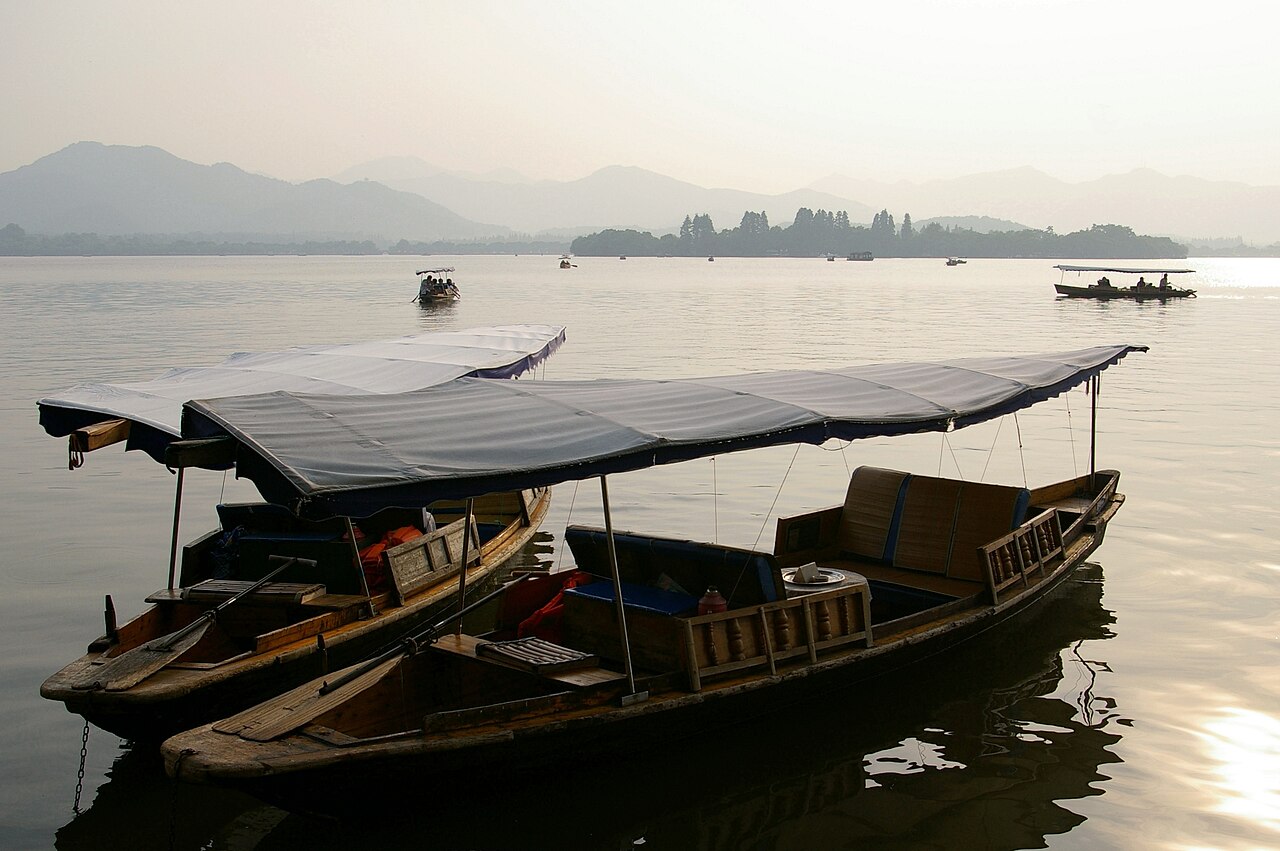
  • The moat around the old city is the only one in China fed entirely by springs; a boat threads the springs and the lake at ¥10 a stop or ¥100 for the full loop.
  • Everything worth seeing sits within a few kilometres of everything else — even Thousand Buddha Mountain is only about 10 km out — so you need no car.
  • This is the home kitchen of Lu cuisine: sweet-and-sour Yellow River carp, nine-turn intestines, milk-broth cattail shoots, and the morning bowl of peppery millet porridge called tianmo.

City guide

First impressions

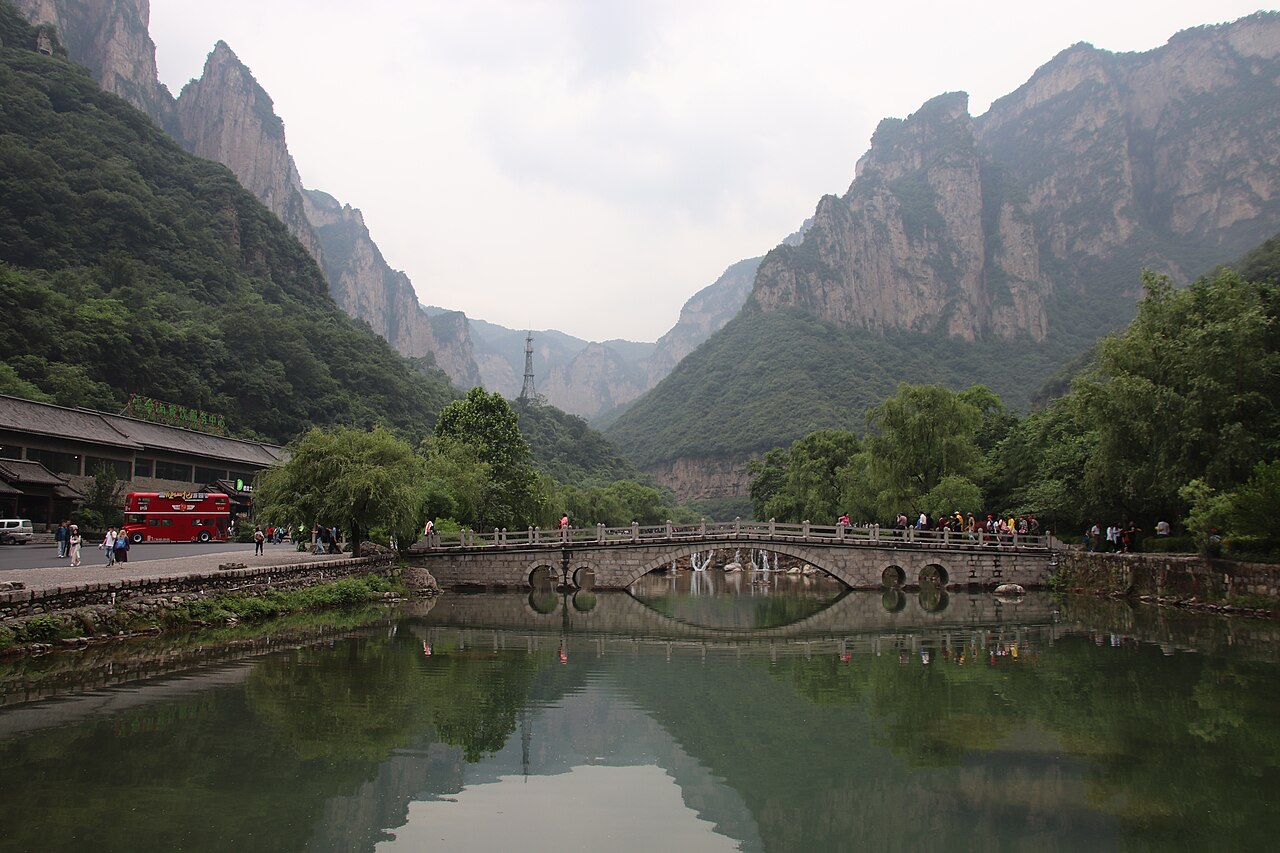
Photographs from the coast, and what other travellers wrote afterwards.

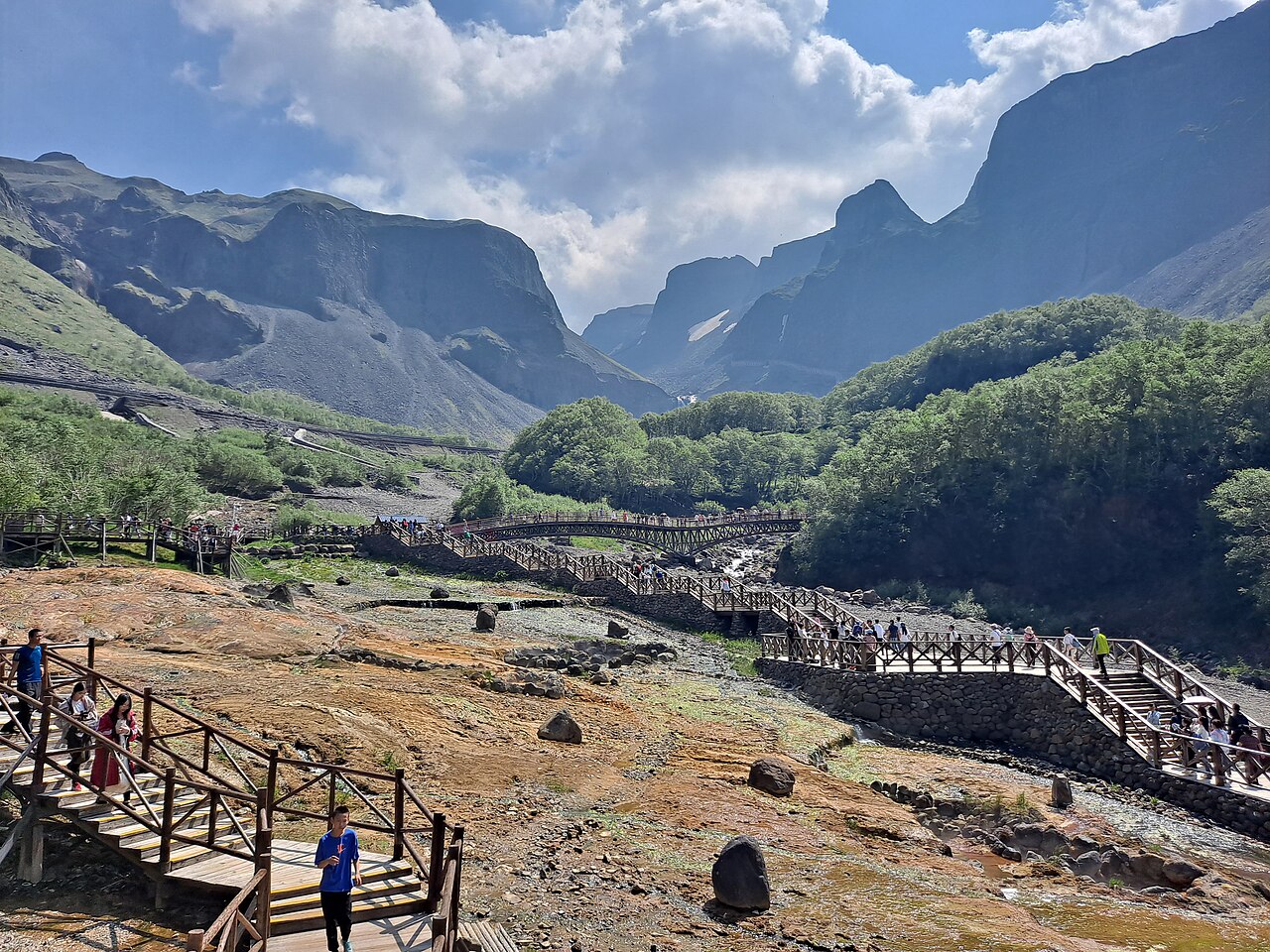
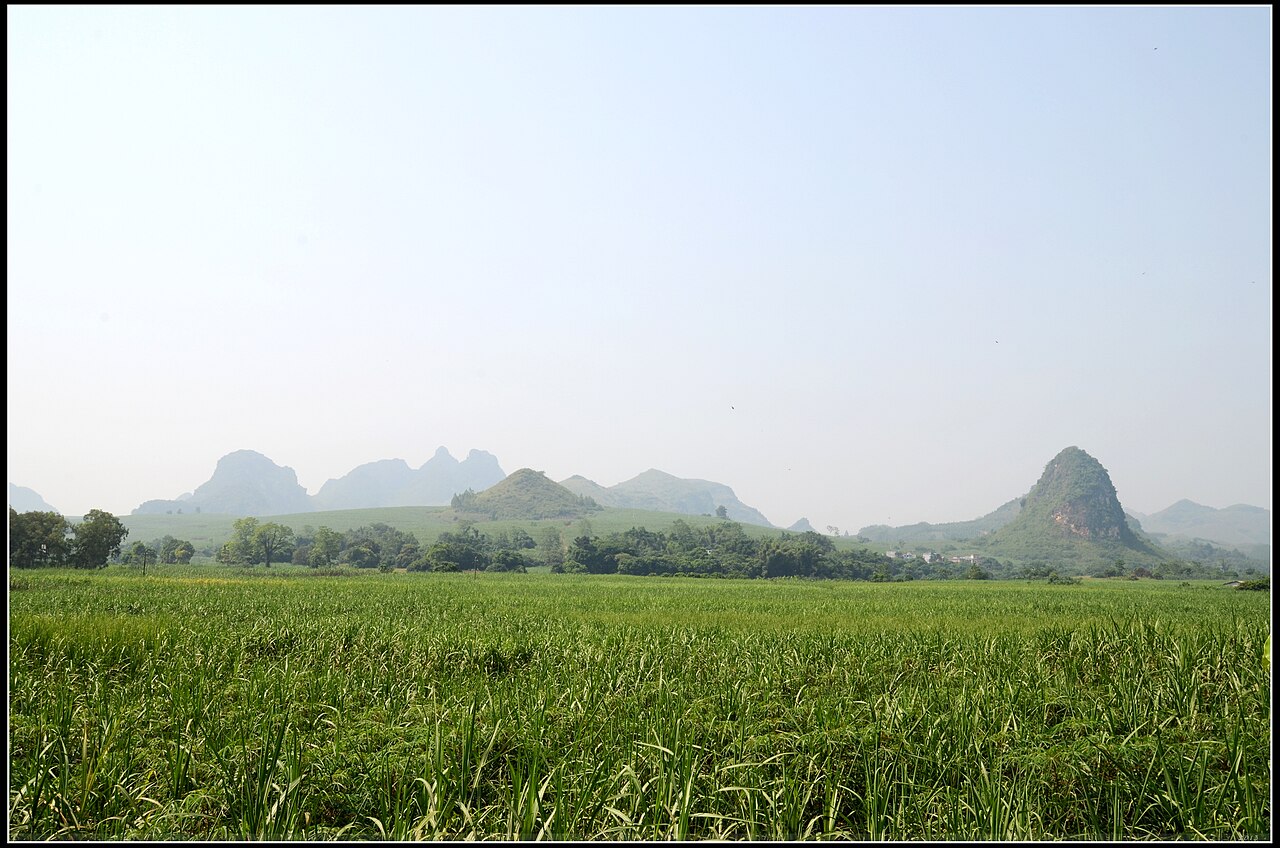
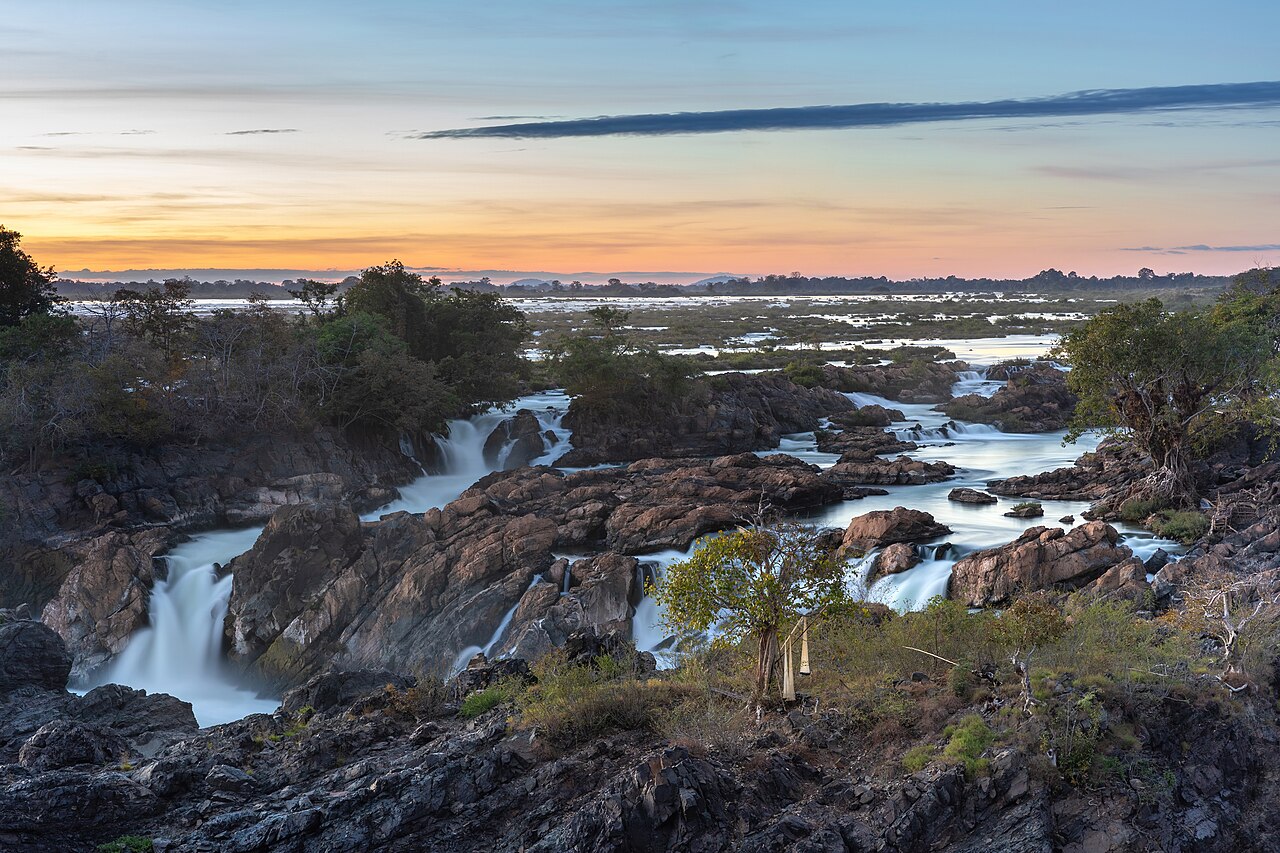
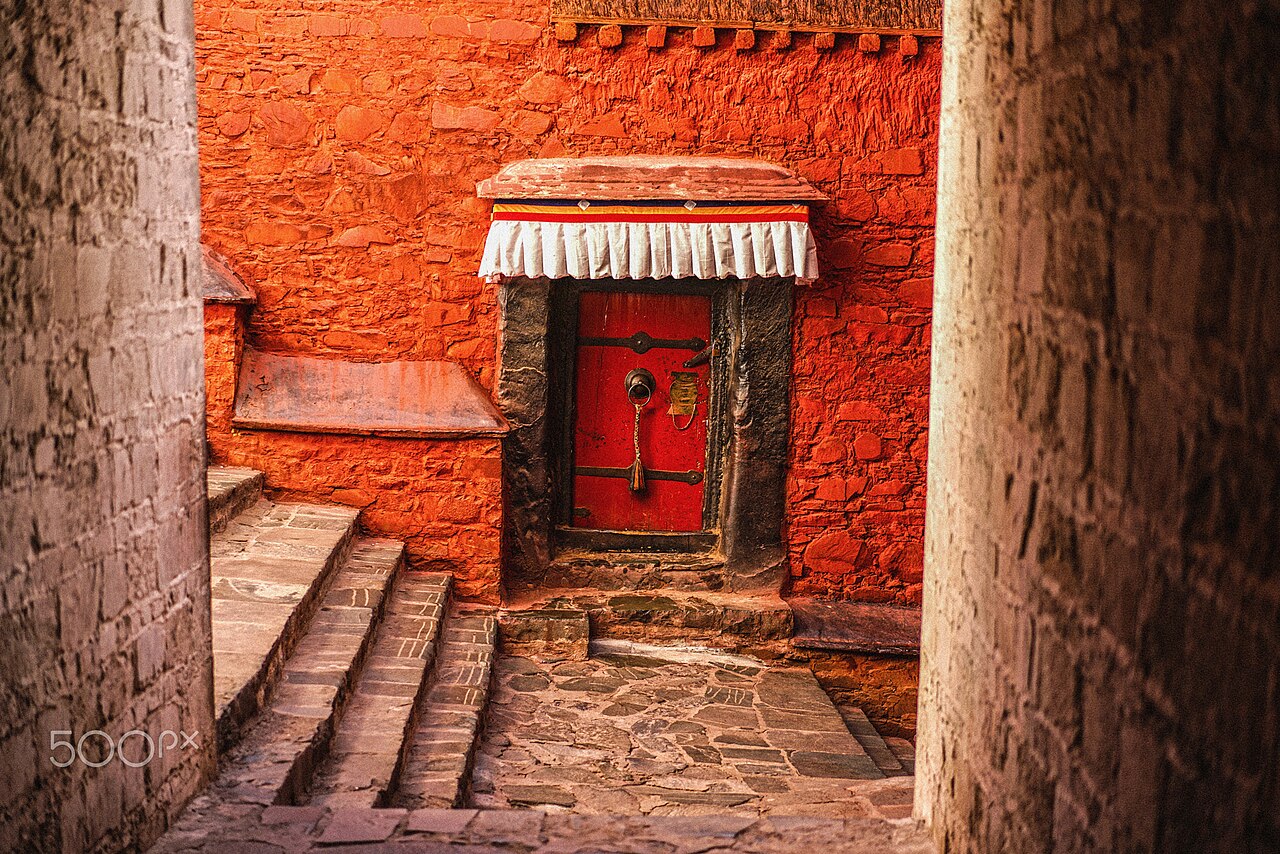
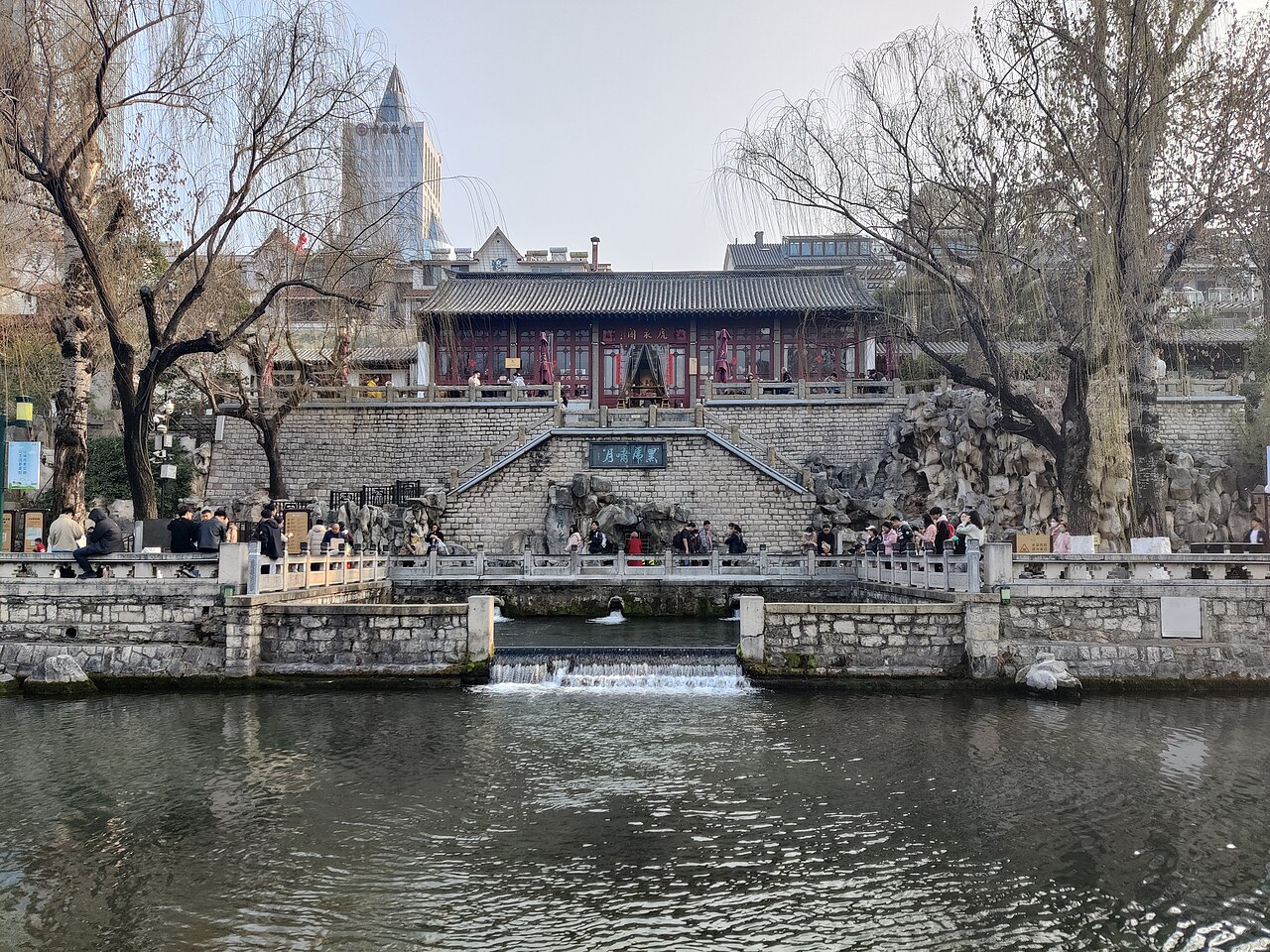
The three jets of Baotu Spring
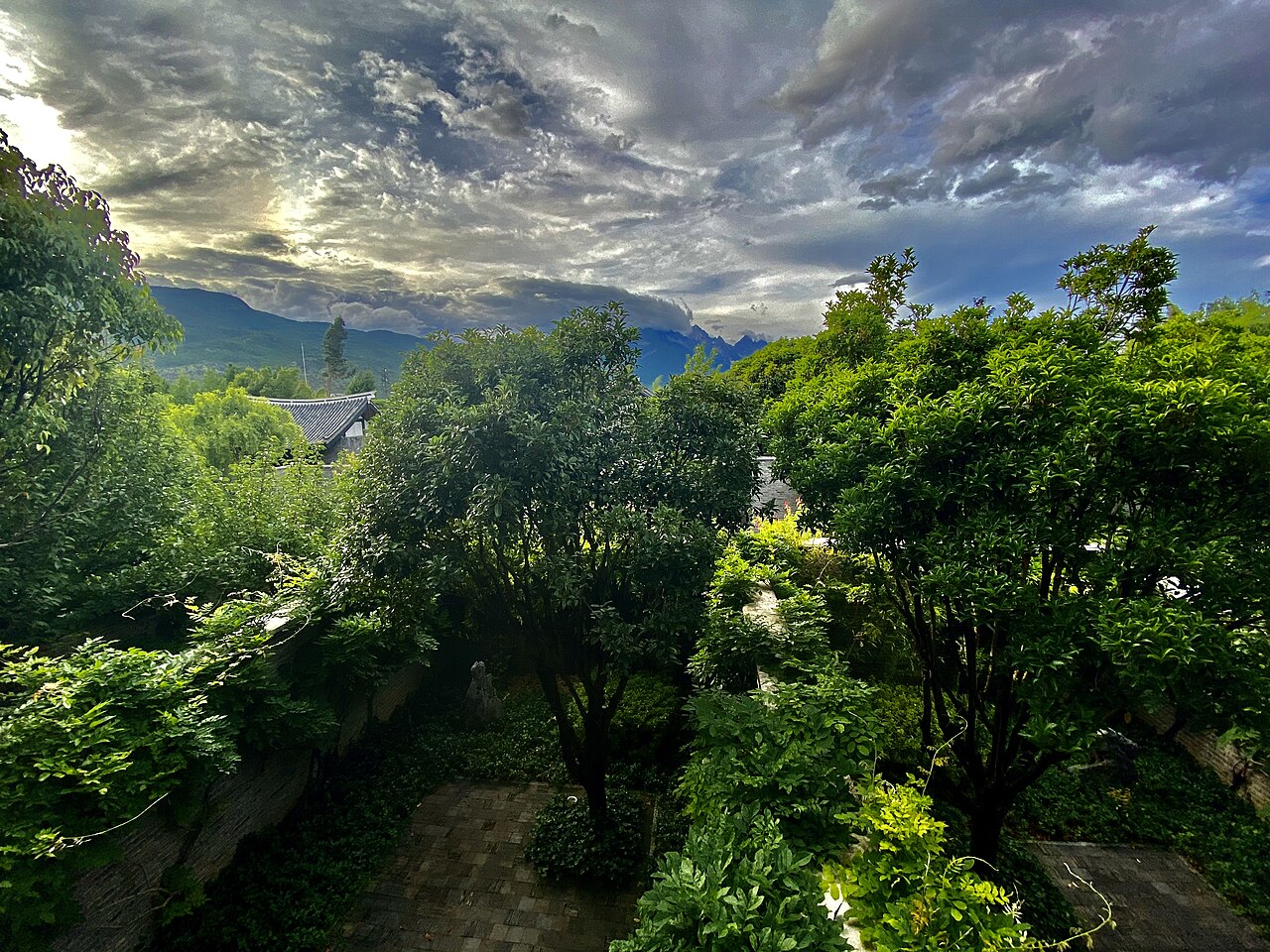
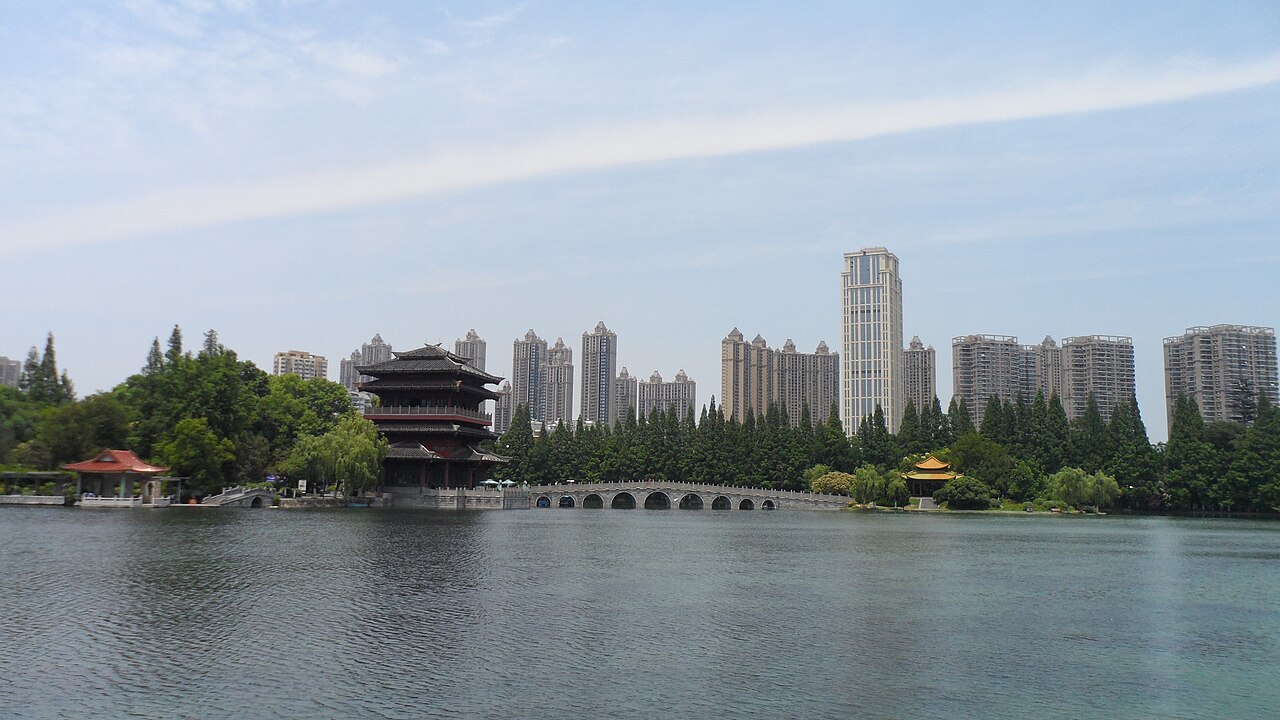
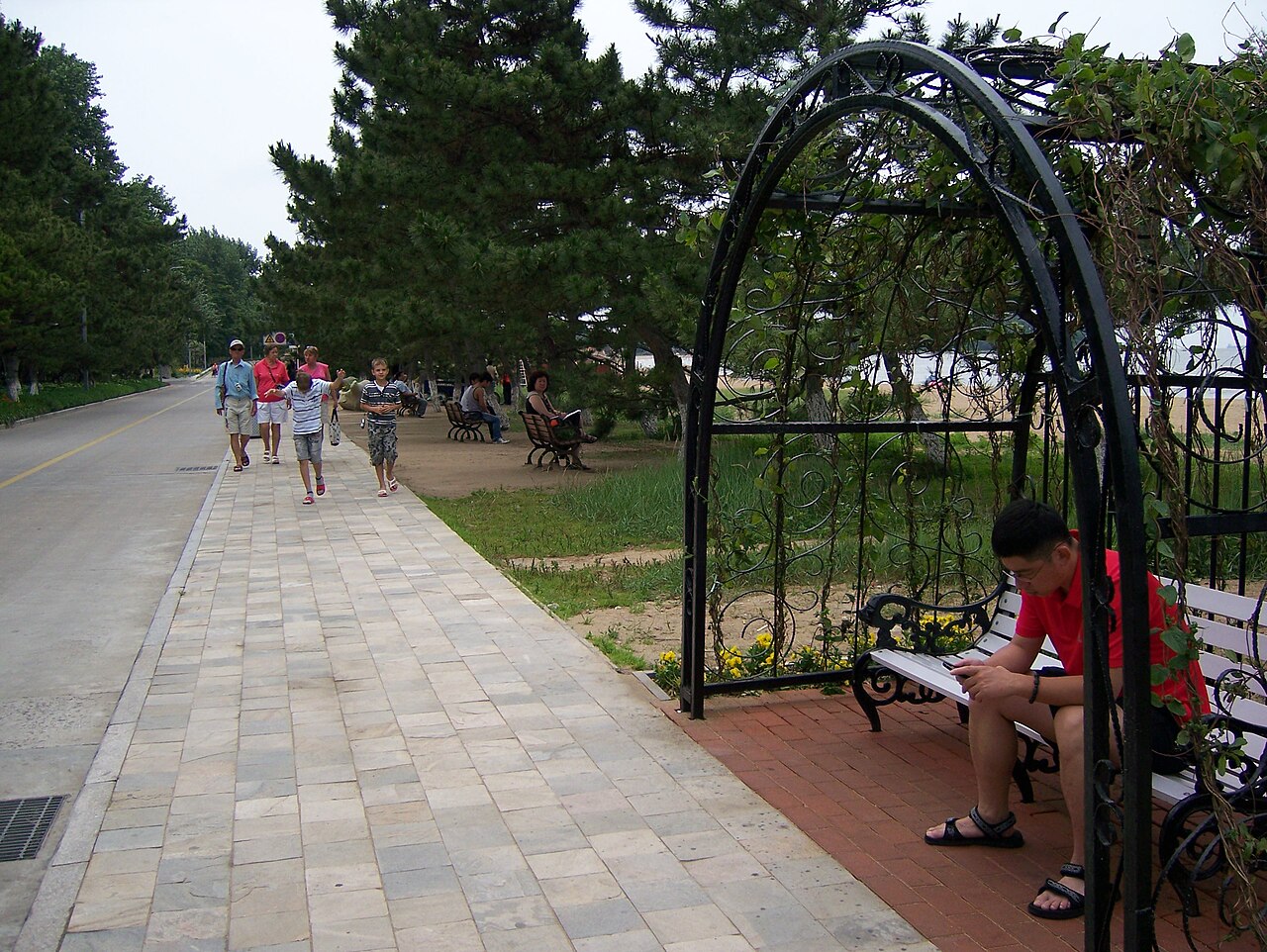
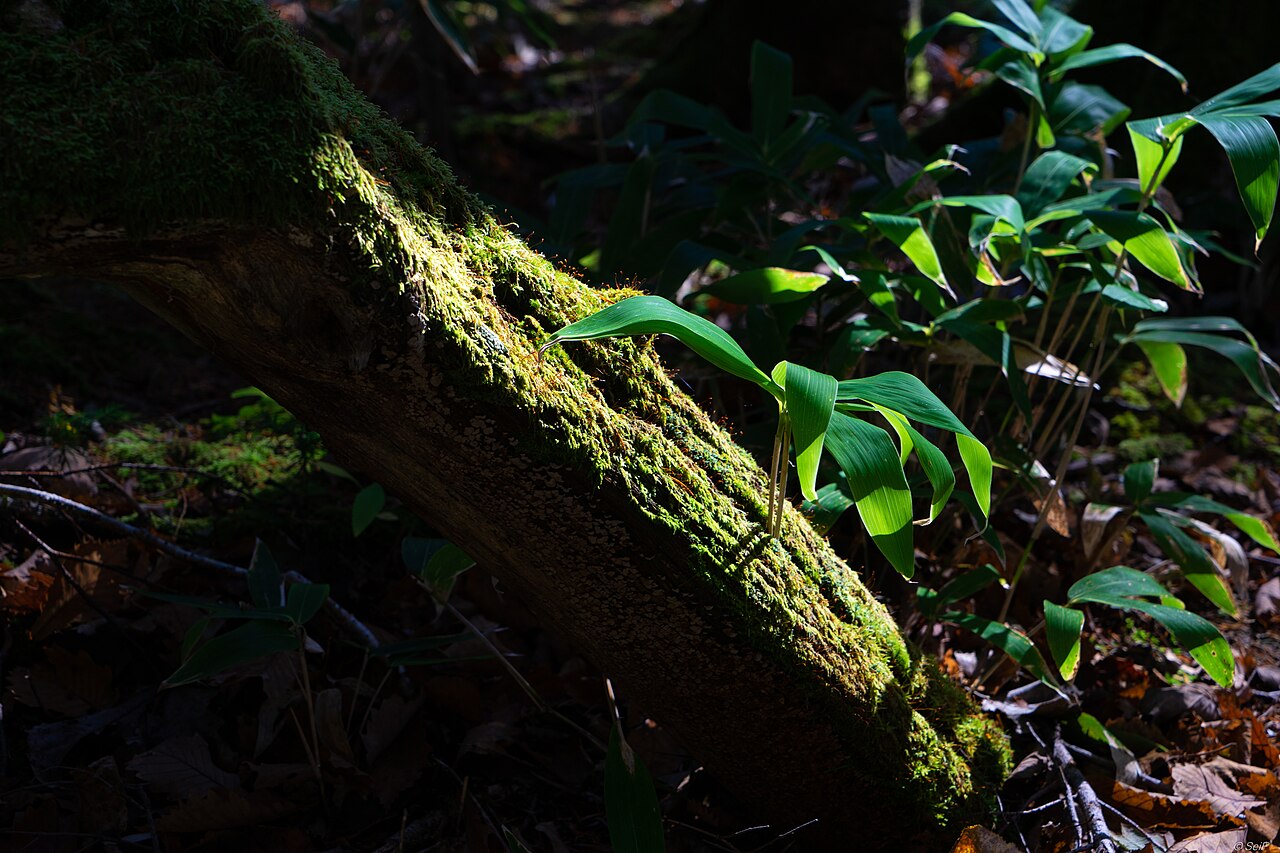
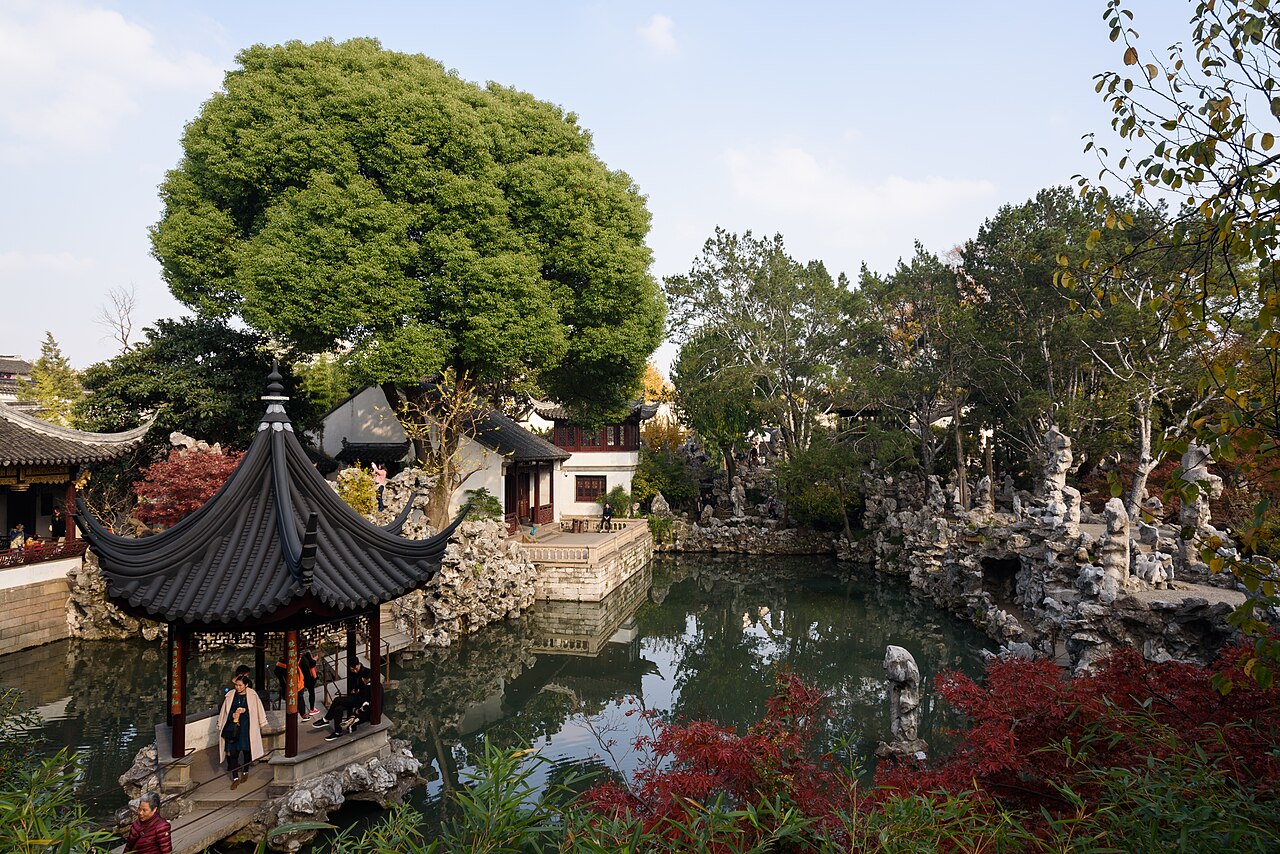
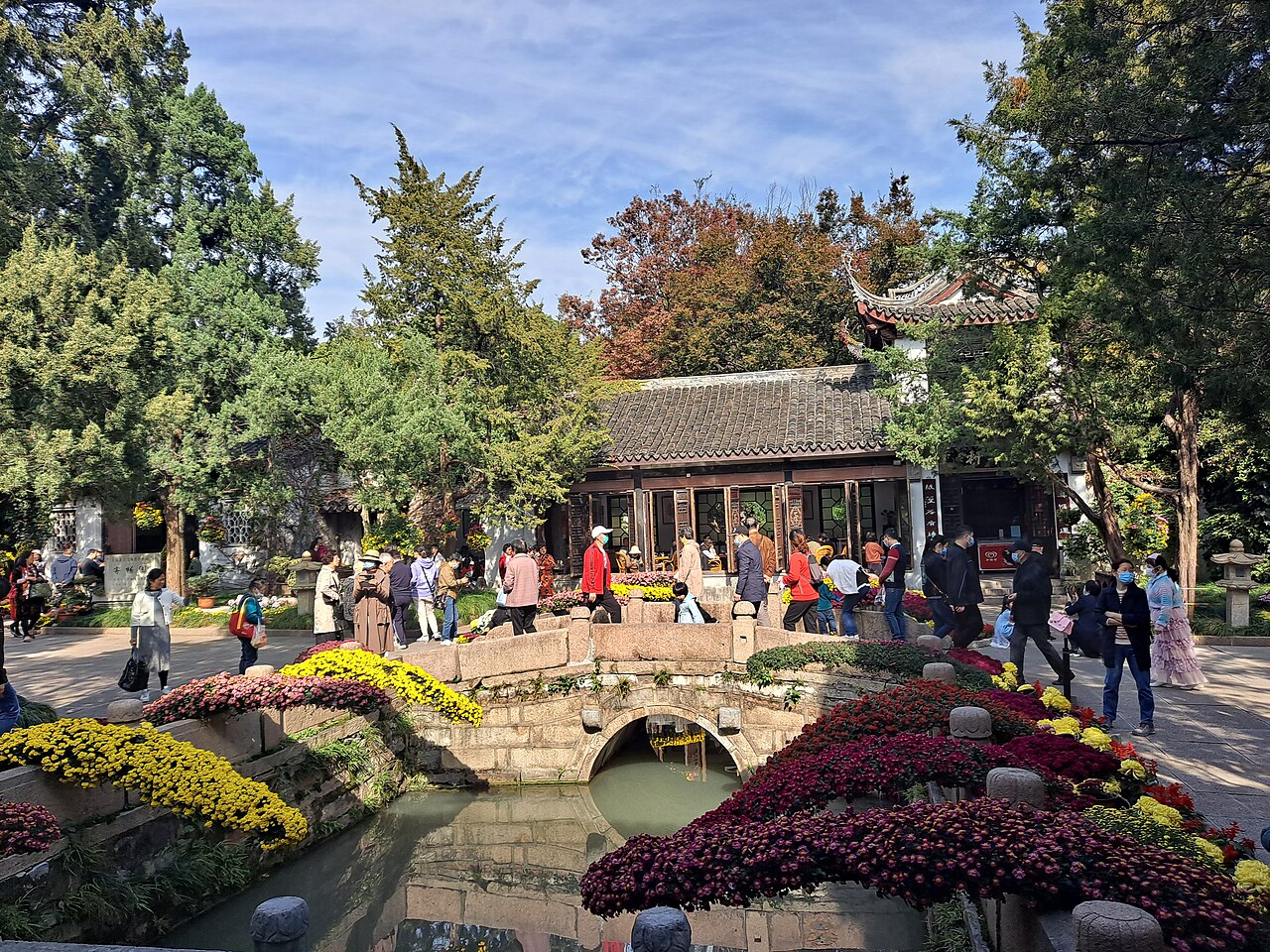
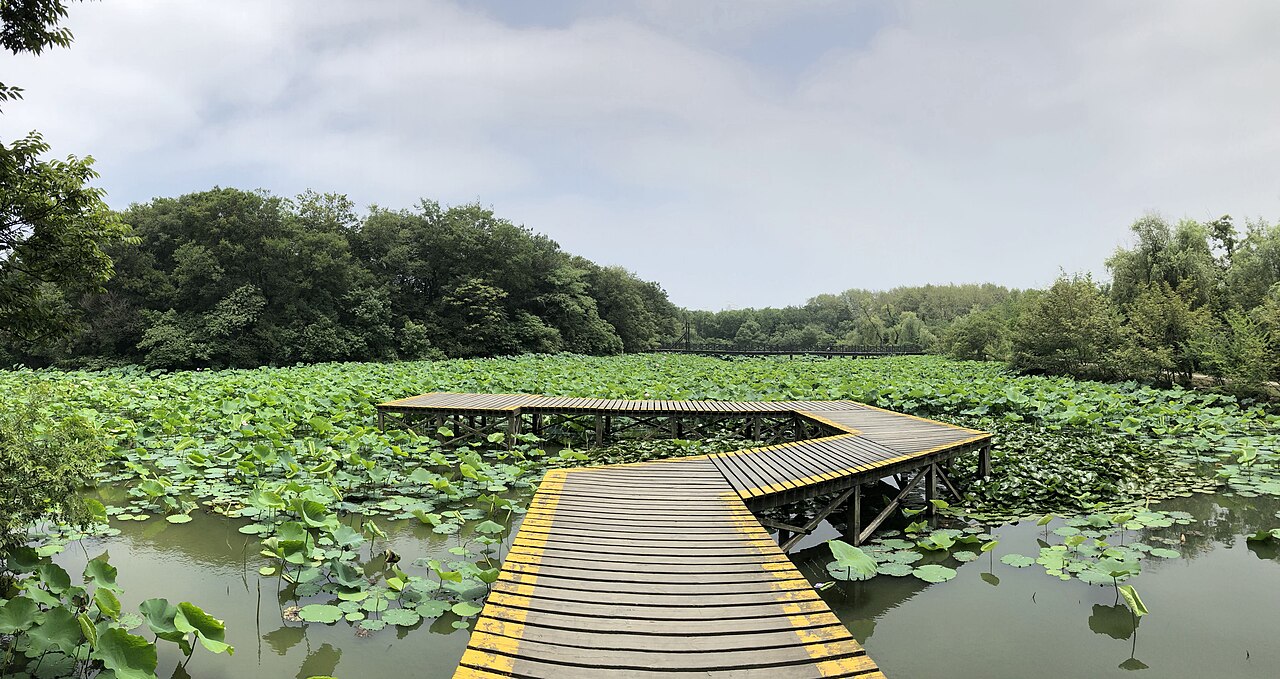
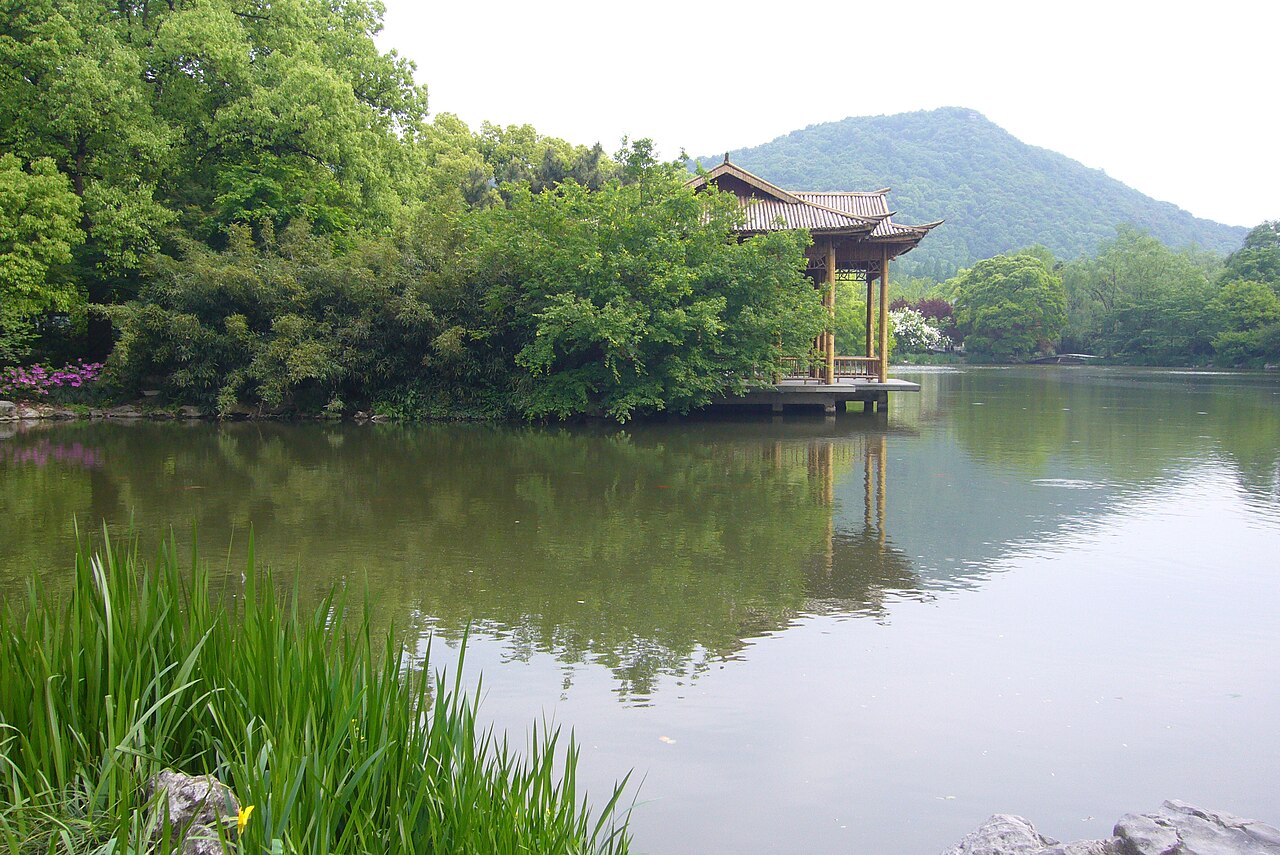
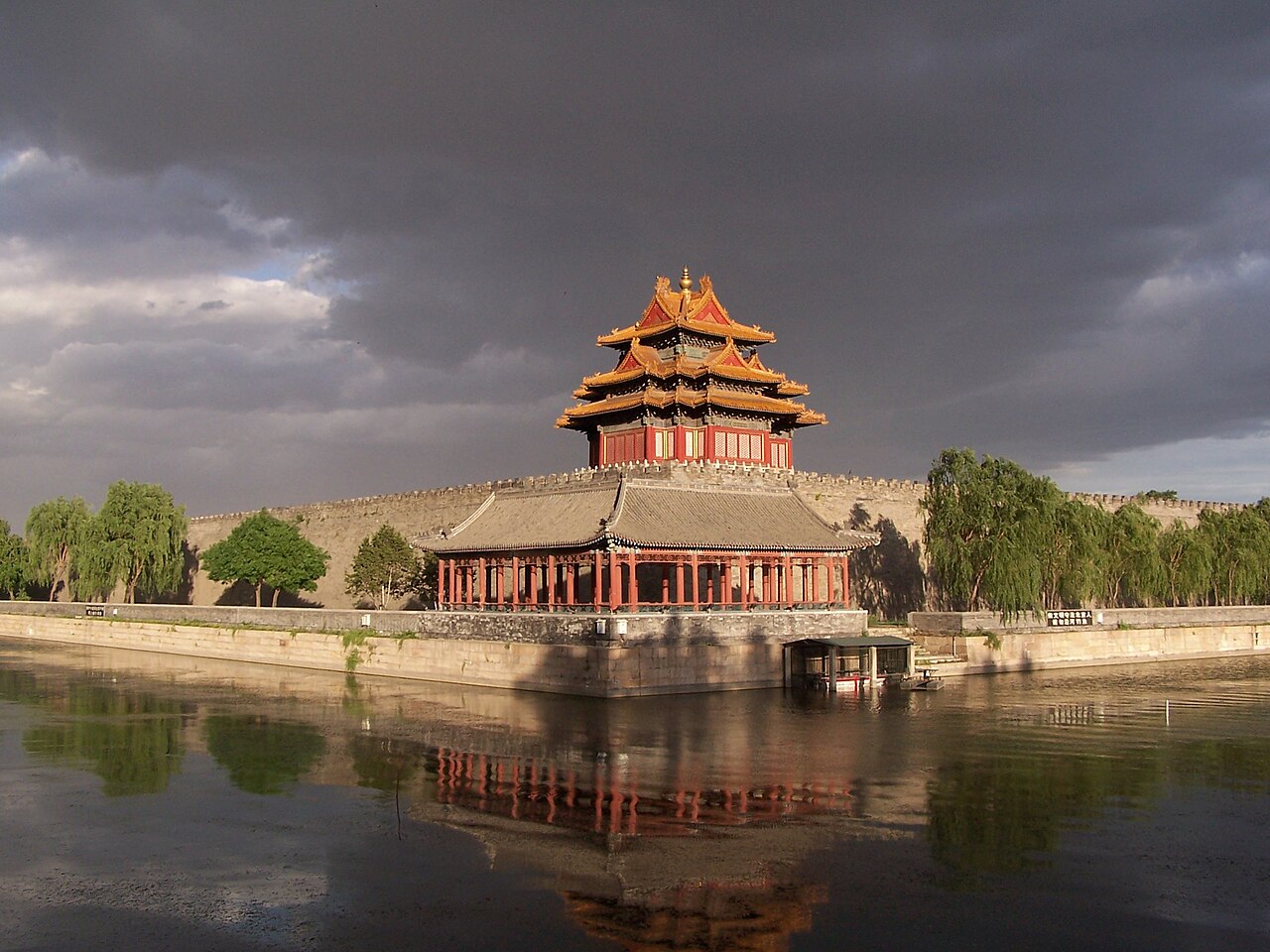
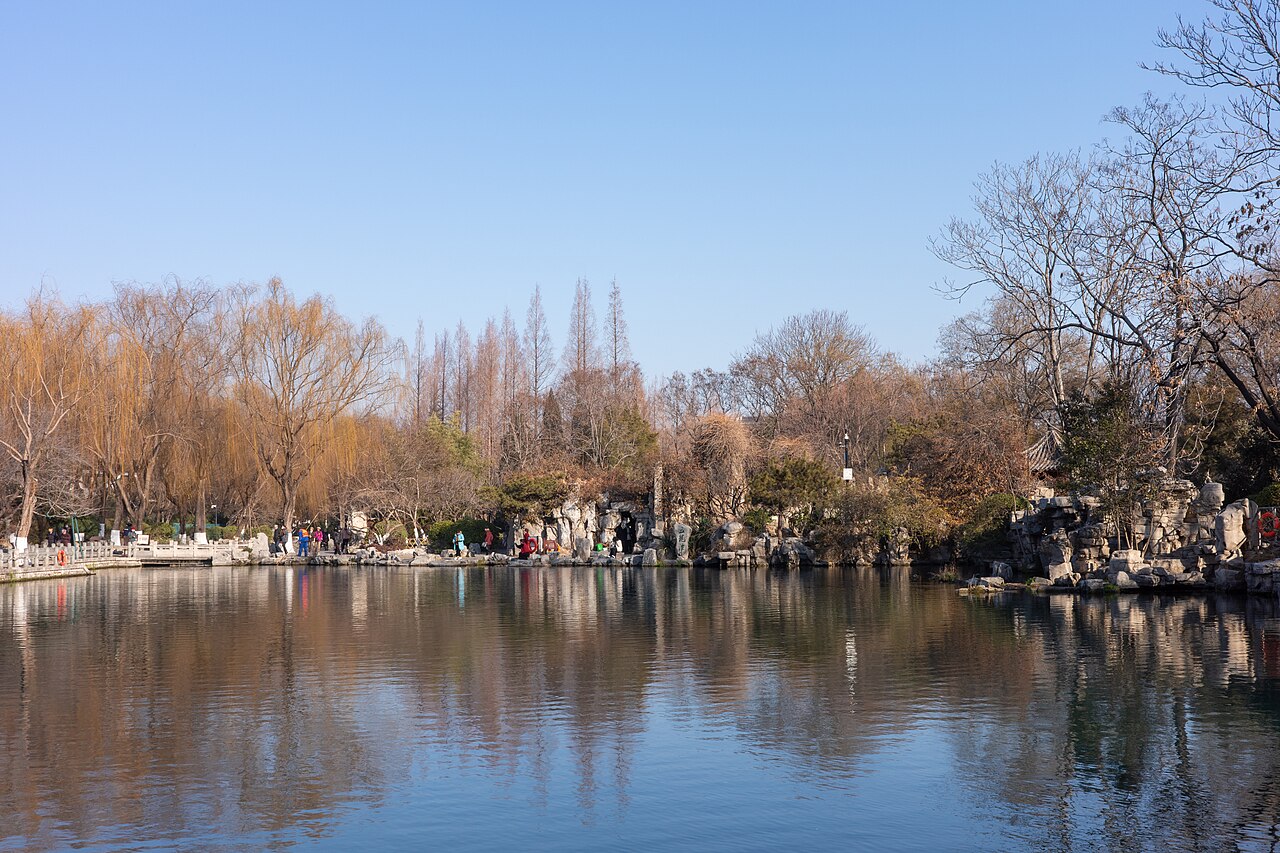
Willows and pavilions on Daming Lake
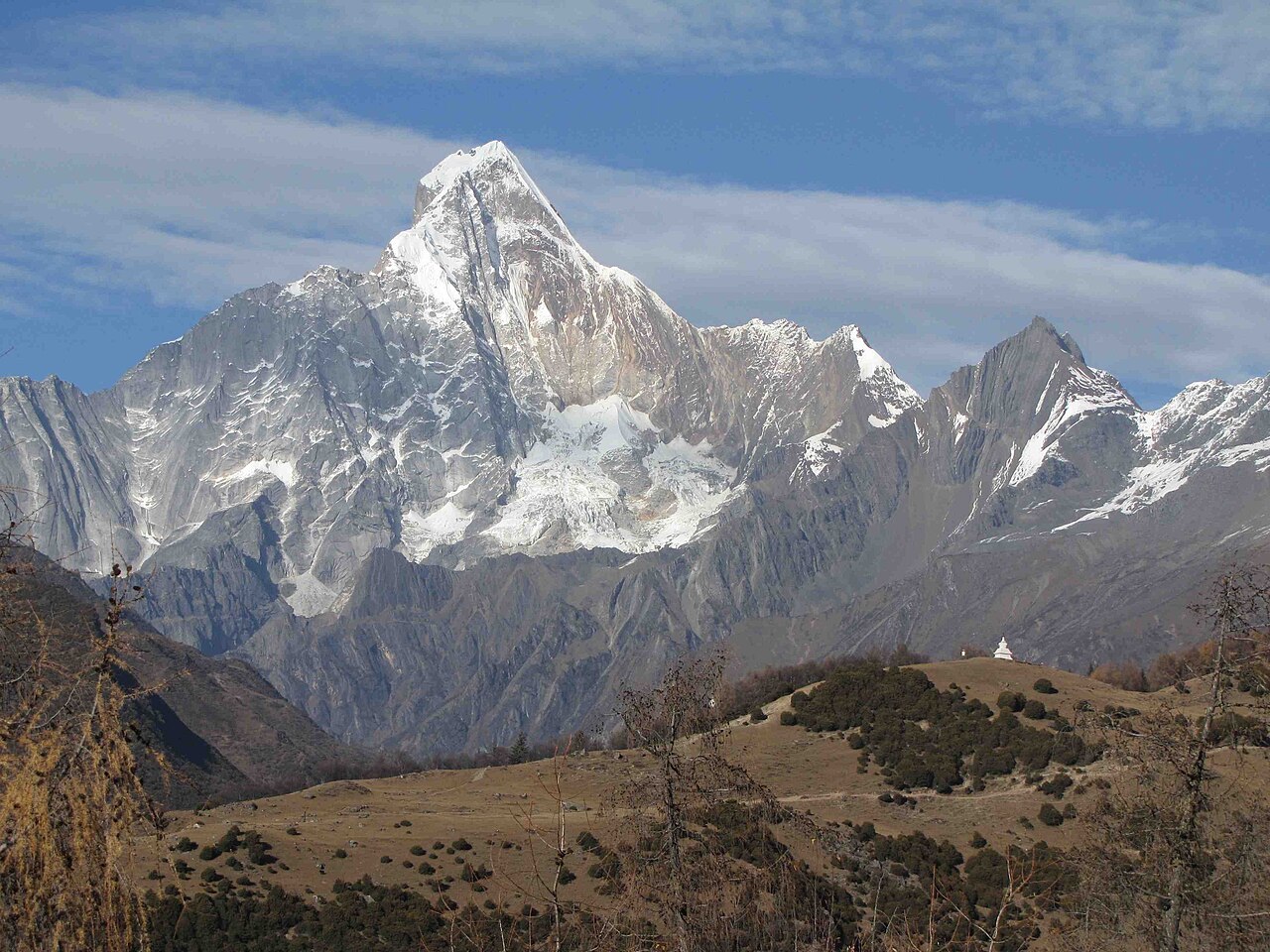
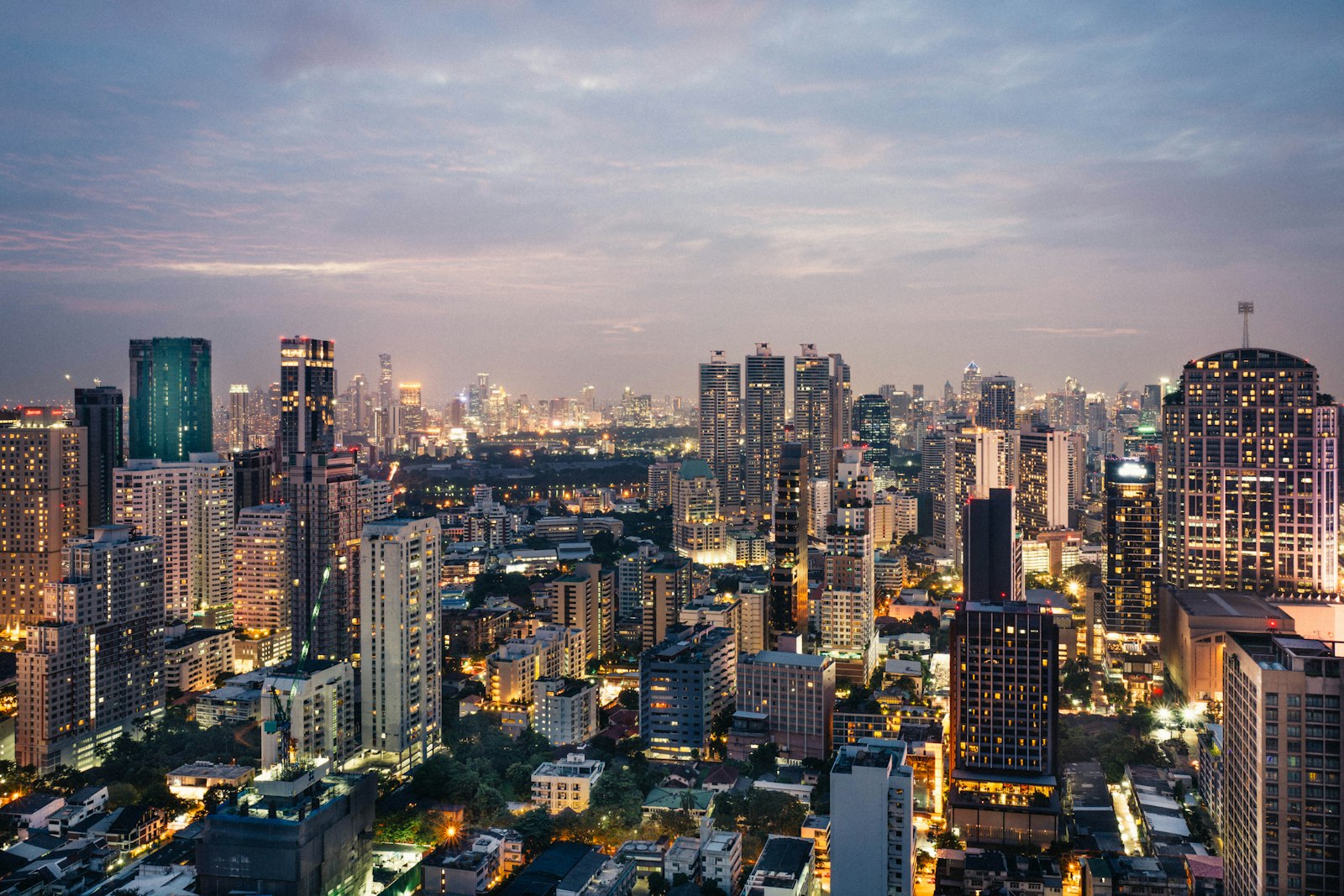
Black Tiger Spring, where locals fill their bottles
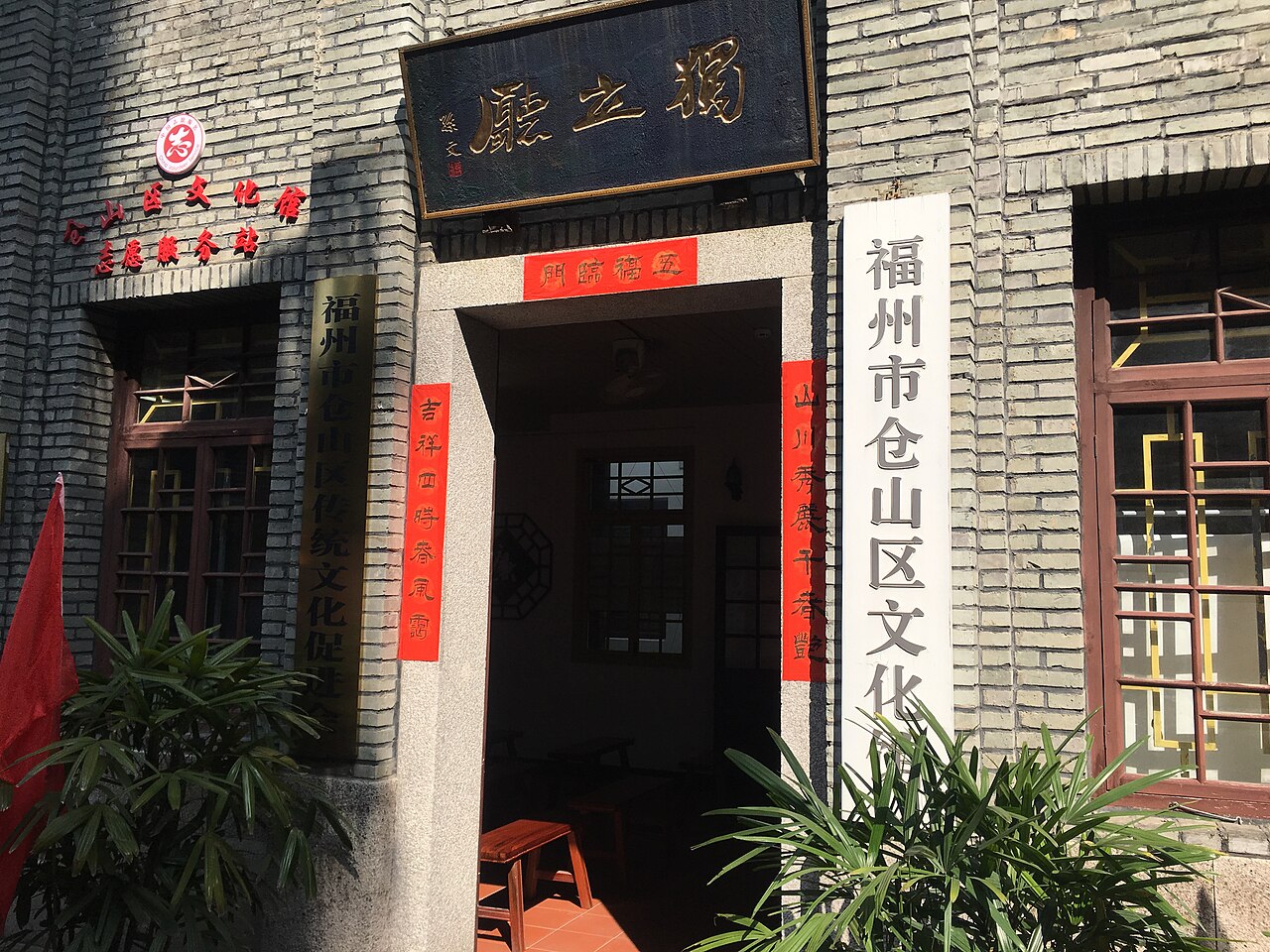
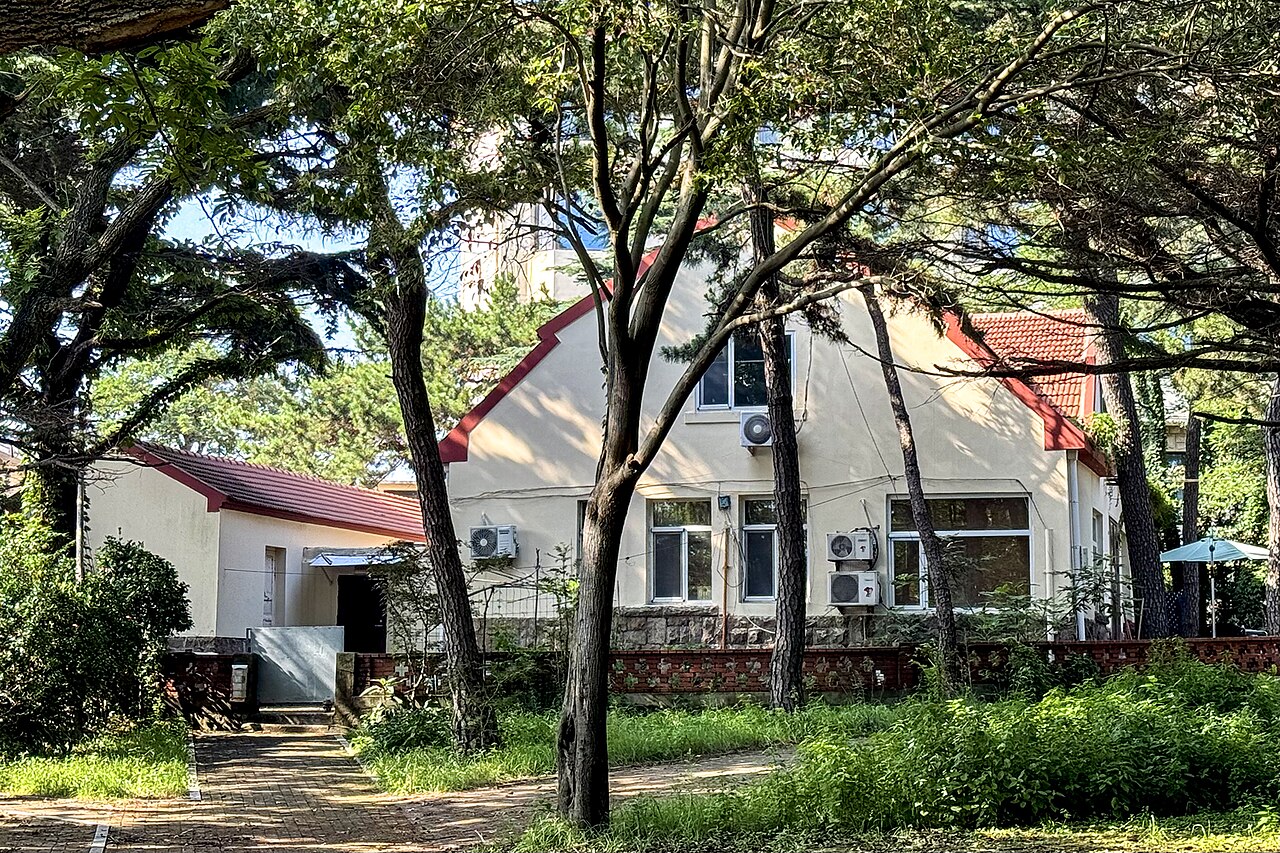
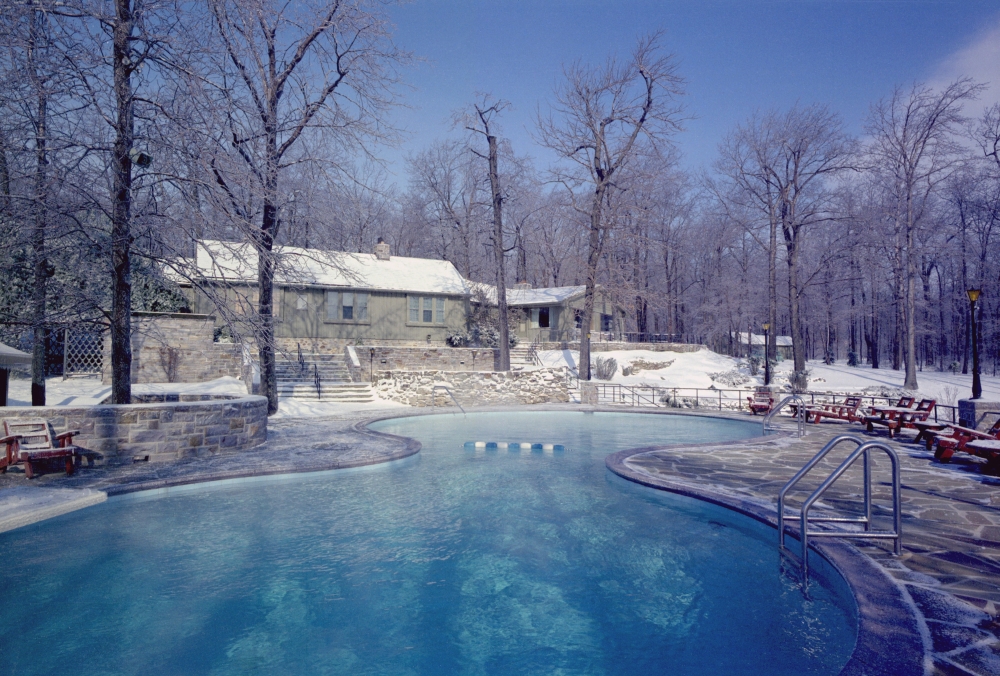
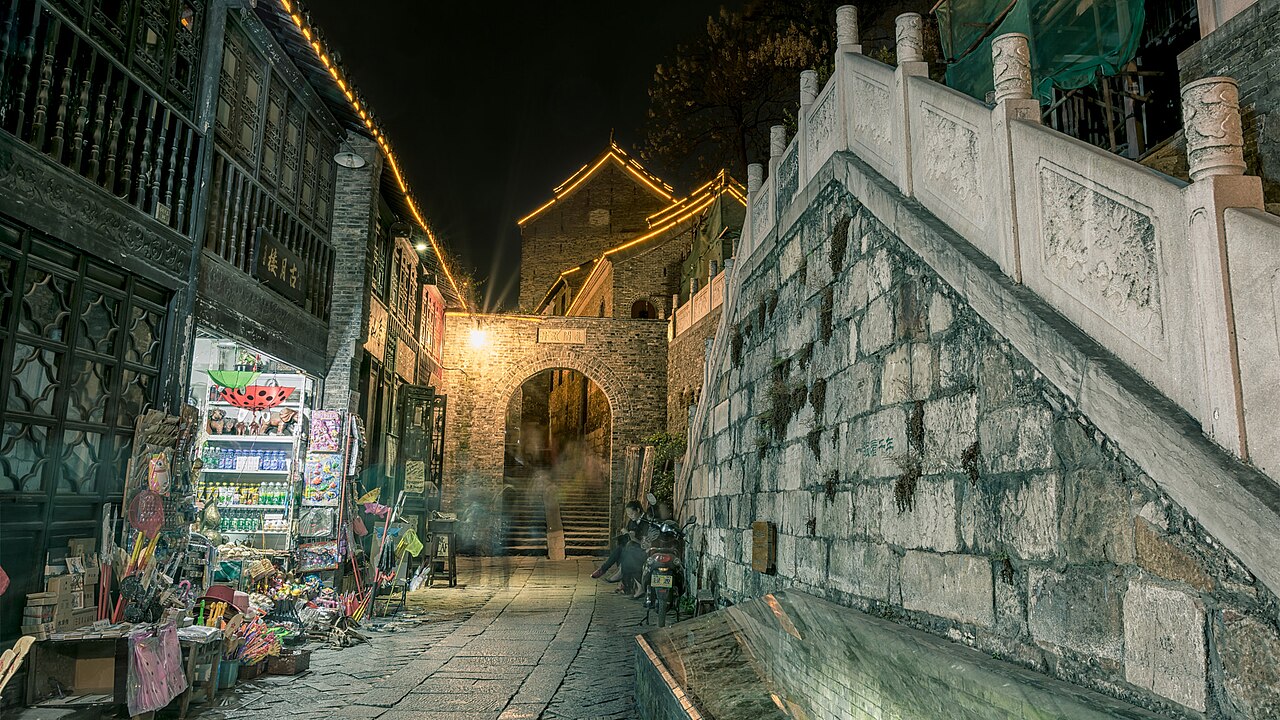
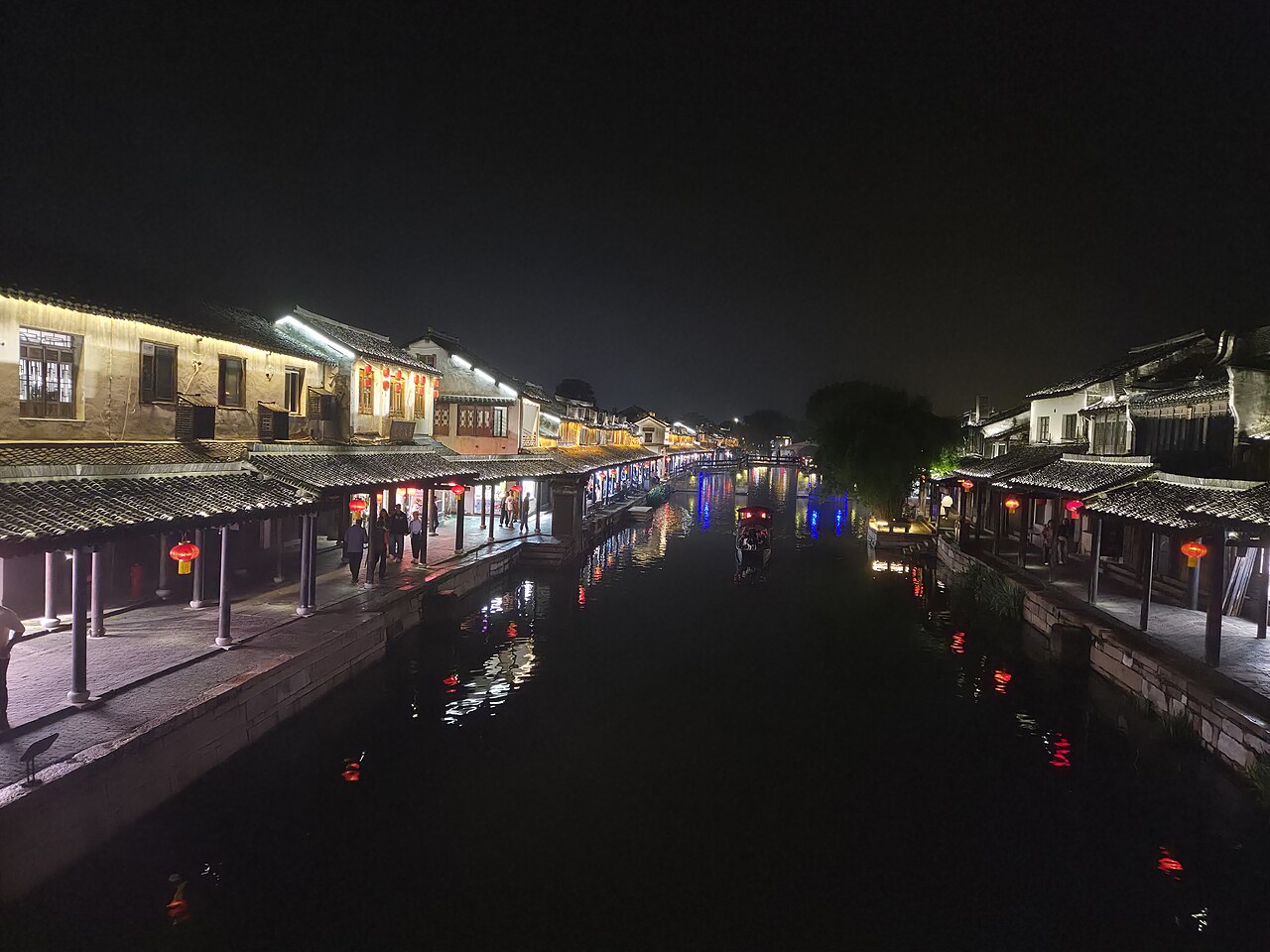
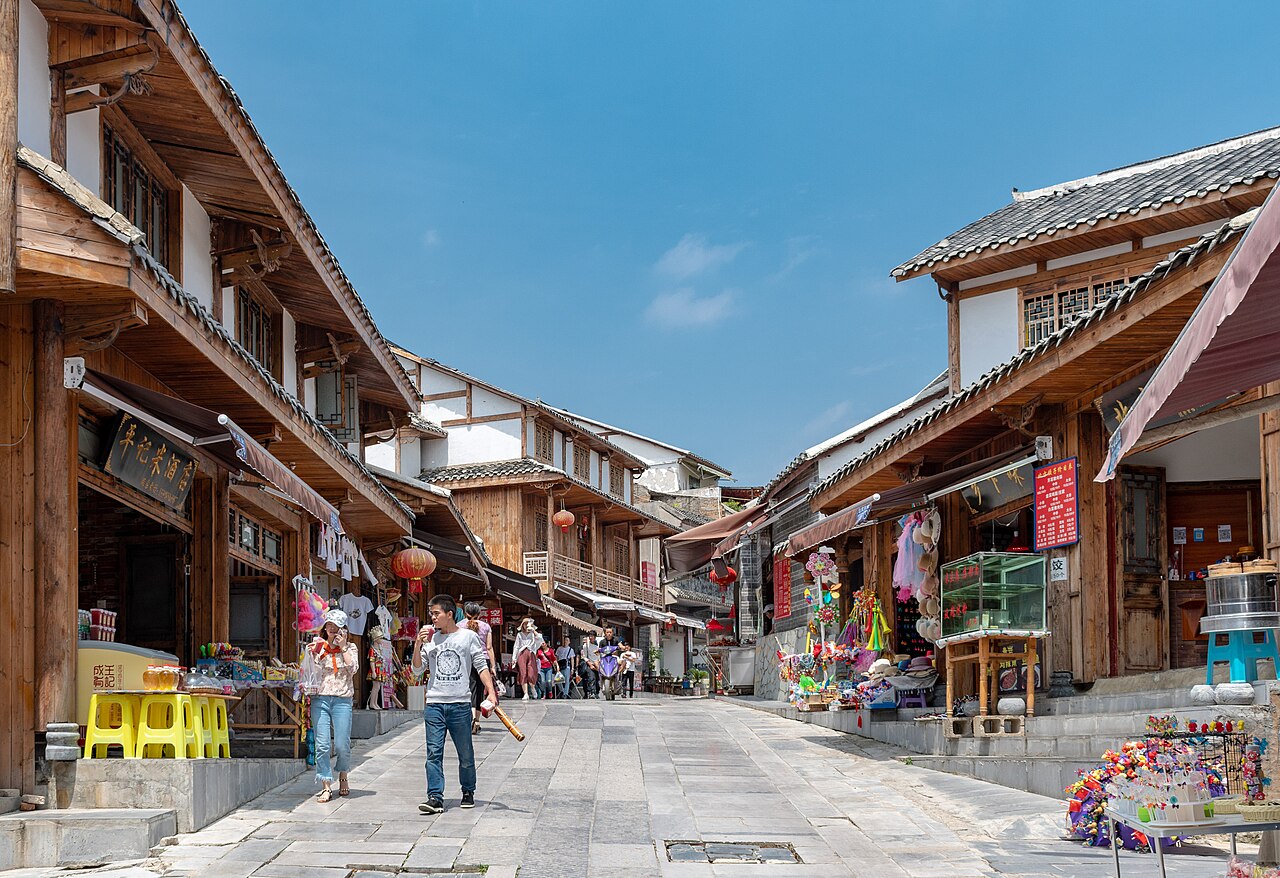
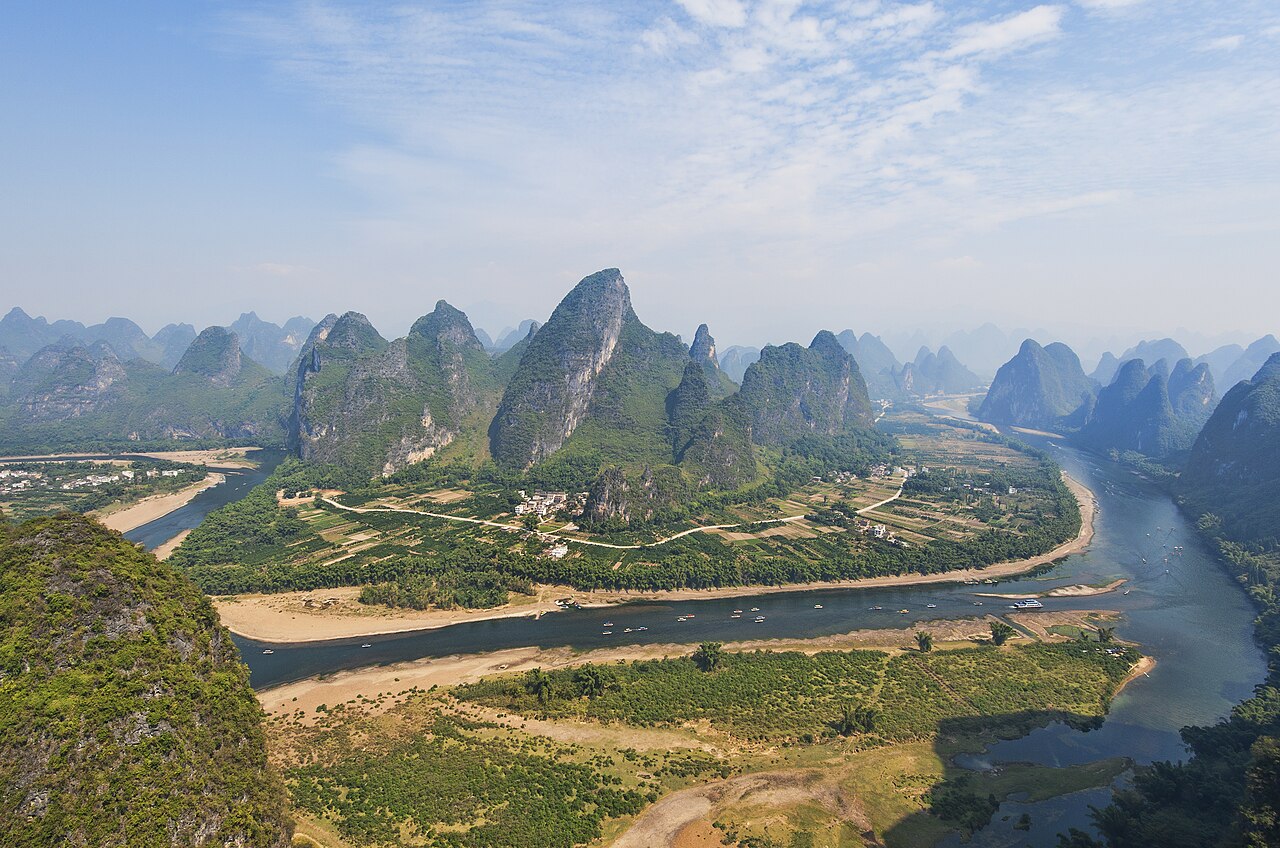
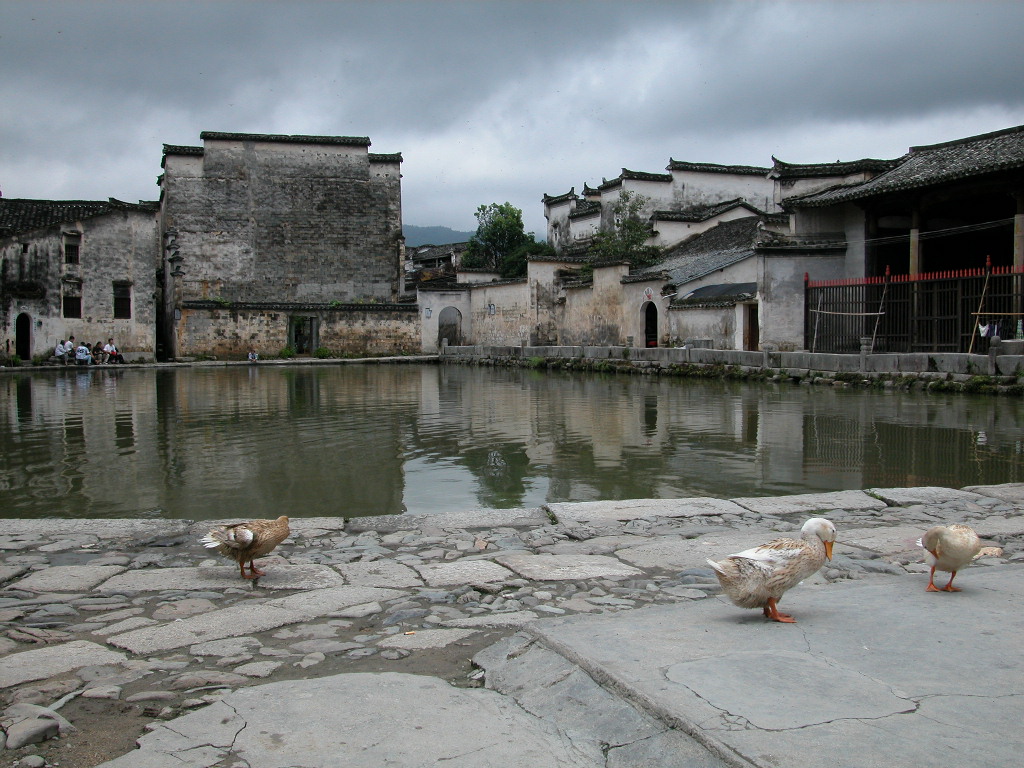
Spring water running past the old lanes

In the middle of a busy modern city, Daming Lake, Baotu Spring, Thousand Buddha Spring, Black Tiger Spring, Pipa Spring and Pearl Spring sit like bright beads strung through old Jinan — and they make it perfect. I once said that having seen Water Margin you never want to read its sequels; I say now that having seen Jinan's springs you never want to see another spring.

A traveller's note, 'No Springs After Jinan'

I always thought well of Shandong people, and after Jinan I thought better of them: warm, ready to help, taxi drivers who do not cheat you, honest shopkeepers, platefuls of food — everything I imagined northerners to be. But if you think Shandong people are not sharp, you are very wrong indeed.

A traveller's note, 'Jinan: First Look at the North'

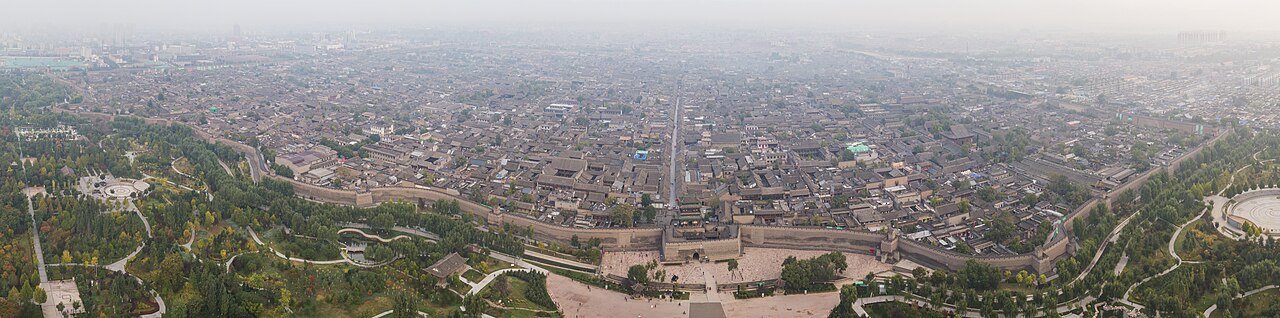
Jinan has a trick no other Chinese capital has: the city is built on top of its own drinking water. Some 700 springs rise inside the built-up area, and in the old quarter they still surface in courtyards and lanes. You will see people crouched at a roadside spout filling jugs, not for the tourists but for the kettle.

The geography explains it. Jinan sits with Mount Tai to the south and the Yellow River to the north; rain and snowmelt soak down through limestone, run north beneath the plain, and are forced back up where the rock meets impermeable layers — right where the city stands. Hence the four great spring groups of Baotu, Black Tiger, Pearl and Five-Dragon, 136 springs inside 2.6 square kilometres, and a thousand-year-old moat that runs on spring water.

For all that water, Jinan is a low-key capital. It was a walled city for more than two thousand years, and in the twentieth century it became the setting for two of the best-loved pieces of Chinese writing about a place: Lao She's essay Winter in Jinan and Liu E's novel The Travels of Lao Can, which together fixed the image of willows, springs and old lanes. The poets Li Qingzhao and Xin Qiji — the two An of Jinan — were both born here.

Practically, it is small, flat and walkable, and it makes the perfect hinge for the province: Mount Tai an hour south, the Confucian temples at Qufu an hour beyond that, Qingdao two hours east. Come for two days, eat seriously, and use the third to go somewhere else.

Jinan

Don't leave without

Seven things that are worth rearranging a day for.

  1. Fill a bottle at Black Tiger Spring and drink it
  2. Watch the three jets at Baotu Spring and drink tea brewed with that water
  3. Take the moat boat through the old city
  4. Eat breakfast the way locals do: porridge, oil pastry, braised pork
  5. Climb Thousand Buddha Mountain before seven, with the shouters
  6. Walk the old lanes: Furong Street, Qushuiting Street, Wangfu Pond

Highlights

Six reasons to come

Springs you can drink

Roughly 700 springs rise inside the city, with four great groups and 136 named springs in the old town. People queue at the spouts with bottles and jugs all day, and the teahouses brew with the same water. Watching a city use its own groundwater is the whole reason to come.

Baotu, the finest under heaven

First of Jinan's seventy-two named springs, where three jets push up day and night from a clear blue pool. The park holds twenty-odd more springs, a memorial hall to the poet Li Qingzhao, and a teahouse at the water's edge. ¥40, and the number everyone quotes.

The old lanes and the moat

Furong Street, Qushuiting Street, Jianzi Lane, Laohuaqiangzi Street — lanes as good as any hutong in Beijing, with spring water running beside them and families still washing and drawing water at the edge. The moat around the old city is the only one in China fed entirely by springs.

Thousand Buddha Mountain and Lingyan Temple

A 285 m hill south of the centre, the northern tail of the Mount Tai range, whose Tang-era Xingguo Temple and cliff of carved Buddhas gave it its name. Out in Changqing, Lingyan Temple is first among the four great monasteries of the land and holds the statues Liang Qichao called the finest sculpture in China.

Big bowls of Lu cuisine

Jinan is the home kitchen of Lu cuisine, the first of China's eight great cuisines, and it is the school of it that locals actually eat. Sweet-and-sour carp, nine-turn intestines, braised knuckle, milk-broth cattail shoots — savoury, generous, and cheap in the places that matter.

Acrobatics, and free crosstalk

Fenmo, the Jinan acrobatic troupe's Peking-opera-infused show, is the city's best night out. And at Chenguang Teahouse in the Daguanyuan market, the crosstalk is free on Saturday nights — a comedian's son founded the place, in a city that was once one of the three great variety stages in China.

Suggested routes

Two days in the spring city

One day in the old city

1 day days

Springs, lake and lanes in one walking loop — the classic first day, and the whole city in miniature.

  1. Day 1

    Springs, lake, lanes, moat

    After breakfast, start at Baotu Spring, the finest under heaven, and take in the other springs in the park — Gold Thread, Shuyu, Mapao. Come out of the north gate and Five-Dragon Pool is straight across the road.

    Follow the moat north to the south-west gate of Daming Lake and climb Huibo Tower for the willows and the lotus. Out of the south gate, walk east into Qushuiting Street — old houses on one side, spring water with green weed swaying in it on the other.

    Follow the street to Pearl Spring inside the provincial government compound, where bubbles rise off the floor like scattered pearls. On the way, walk the flagstones of Xigengdao Street, look at the green water of Wangfu Pond, and detour into Furong Street for cheap snacks.

    South again to the shopping at Henglong Plaza, then Quancheng Square, the city's front room with its blue spring sculpture. East of it is Black Tiger Spring, where three stone tiger heads roar water into the moat, and next to it Liberation Pavilion. Finish there.

    Stops: Baotu SpringFive-Dragon PoolDaming LakeQushuiting StreetPearl SpringFurong StreetQuancheng SquareBlack Tiger Spring
Two relaxed days

2 days days

The same spring loop, plus the hill, the park and a show. The pace most people actually want.

  1. Day 1

    Springs and old streets

    The classic loop: Baotu Spring, Five-Dragon Pool, Daming Lake, the old quarter, Quancheng Square and Black Tiger Spring. Or swap part of it for the boat and see the spring landscape belt from the water.

    Evening in the lanes around Furong Street and Quancheng Road — this is where the cheap food and the evening crowds are.

    Stops: Baotu SpringFive-Dragon PoolDaming LakeBlack Tiger Spring
  2. Day 2

    The hill, the park, the show

    Get up early for Thousand Buddha Mountain — if you can manage four in the morning you even get a sunrise, and the real attraction is the dawn crowd who come up to shout and exercise. Bus to the stop, walk south to the main gate; the hill is under 300 m and takes less than an hour.

    Buy incense at the gate rather than inside, and keep your wallet handy — there are a lot of attractions on the hill. The best view is the whole city from the top.

    After lunch, Quancheng Park, the largest city park in the country and the old botanical garden. Finish with Fenmo, the acrobatic show, at the Pearl Spring hotel — a proper ending to two days.

    Stops: Thousand Buddha MountainQuancheng ParkFenmo acrobatics

Sights

What to actually go and see

Finest under heaven

Baotu Spring

The symbol of Jinan and first of its seventy-two named springs, where three jets of water push up day and night, several feet high when the water is strong. The name is onomatopoeic as well as elegant — it imitates the sound of the spring. The park holds twenty-odd more named springs, plus the Eying Shrine, a memorial hall to Li Qingzhao, the Guanlan Pavilion and the Bamboo Garden.

Where
1 Baotu Spring South Road, city centre
Ticket
¥40
Hours
7:00–21:00
Phone
0531-86920439
Buses
K54, K96, 41, 85, 102, 104, tour 66
Festivals
Lantern fair from the first day of the lunar year for a month; chrysanthemum show; spring-water festival in late September

Tip The Wanghe Pavilion teahouse in the north-east corner of the park brews with spring water — that cup is the reason people say the water tastes of something. Come early if you want the three jets without a wall of shoulders.

The city's lake

Daming Lake

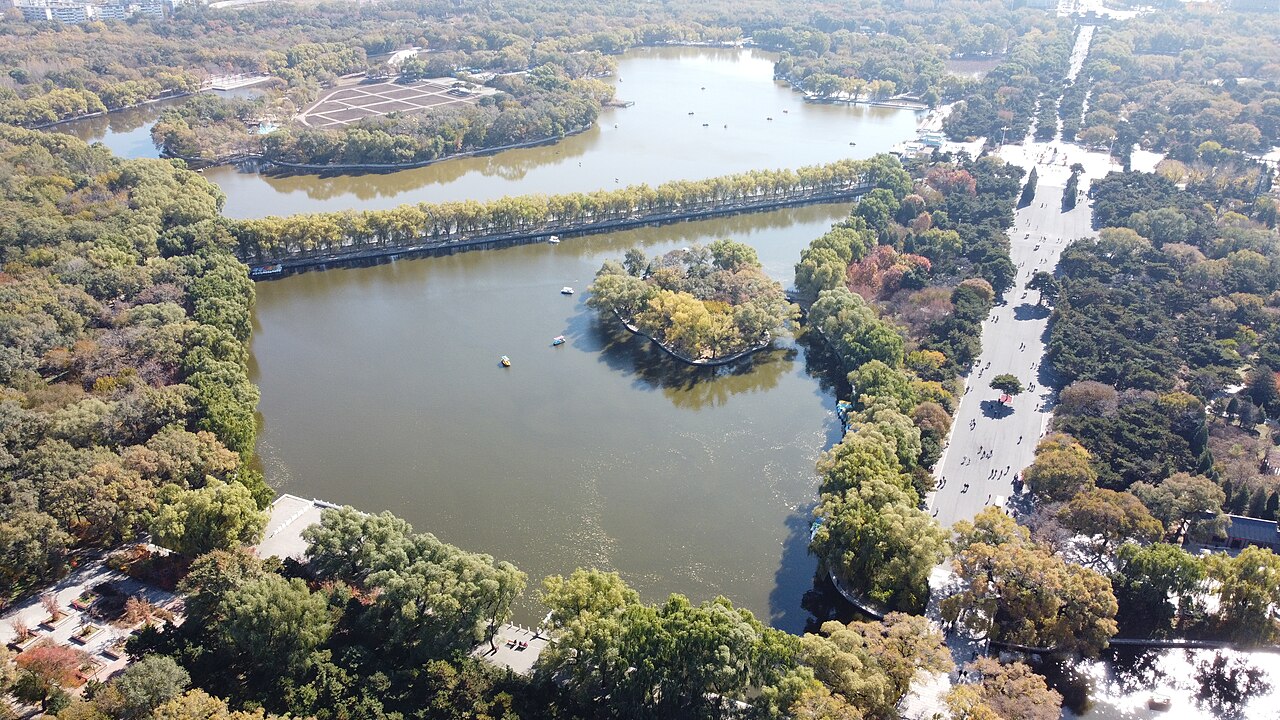
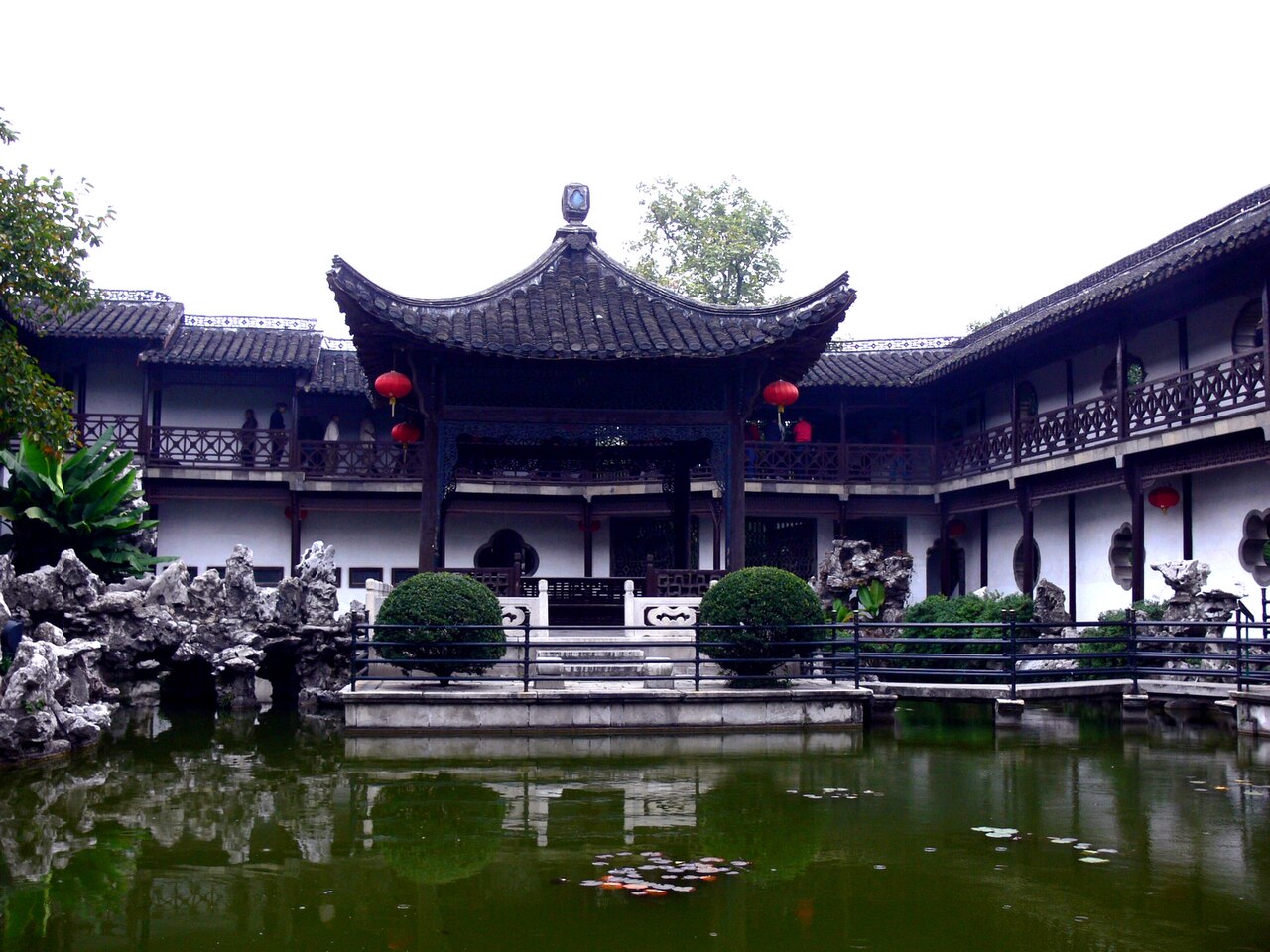
A natural lake formed where the springs gather, thick with lotus in summer and fringed with willow, and dotted with more than thirty monuments — Lixia Pavilion, the Tie Gong shrine, Nanfeng Shrine, the North Pole Temple. 'Lotus on four sides, willow on three, hills over half the city and the lake over the rest' is the line everybody quotes.

Where
271 Daming Lake Road, Lixia
Ticket
Old garden ¥30; combined tickets ¥35, ¥40 or ¥45; new zone — Chaoran Tower ¥40, Qiuliu Poetry Society ¥5, Jiaxuan Shrine ¥10
Hours
6:30–17:30 low season, 6:30–18:30 high season
Phone
0531-86088900
Buses
K98, K91, 6, 11, 30, 31, 41, 63, 83, tour 66

Tip Summer is the season — lotus and green water together. The old garden has a sightseeing shuttle (¥10 return, hailed like a bus); the new zone one costs ¥20. Buy combination tickets at the gate, not inside, where they cost double.

Free and local

Black Tiger Spring and the moat
One of the four great spring groups: the water comes out through three carved stone tiger heads with a roar like a tiger, and people queue all day to fill bottles. The moat around the old city is the only one in China fed entirely by springs, and it threads nearly every sight in the city together — hence the local saying that you have not been to Jinan until you have floated the moat.

Where
South bank of the moat, below Liberation Pavilion
Ticket
Free
Hours
All day
Buses
Bus 5 from the long-distance station
Moat boat
¥10 a stop, ¥100 for the full loop; Black Tiger Spring — Quancheng Square — Baotu — Five-Dragon — Daming Lake — Sima Dock — Little East Lake — Old East Gate — Black Tiger Spring
Tip Bring an empty bottle. This is the spring people actually drink from, and the queue is the point of the visit. The boat ticket does not include entry to the parks it passes.

Quietest spring group

Five-Dragon Pool

Twenty-six old named springs scattered through one small park, making up the Five-Dragon group — the least crowded of the four and the one where the water is clearest. Five yuan, and directly across the road from the north gate of Baotu Spring, so it costs you nothing in time.

Where
18 Kuangshi Street, Baotu Spring North Road (at the Communist Youth League crossing)
Ticket
¥5
Hours
7:00–18:00
Phone
0531-86921741
Buses
5, K59, 101 to Baotu Spring North Gate; 41, 66, K91 to West Gate

Tip Do it immediately after Baotu, while you are already standing there. Small park, twenty minutes, and it is the one where you can hear the water rather than the crowd.

Springs in the lanes

Pearl Spring and Wangfu Pond

Pearl Spring is Jinan's third famous spring, inside the provincial government compound — the Shandong governor's residence under the Ming and Qing, with a plaque written by the Qianlong emperor. Strings of white bubbles rise off the floor as though pearls were being scattered. Around it, the Pearl group: Chu Spring, Xiting Spring, Shun Spring, Yuhuan Spring, Taiyi Spring.

Pearl Spring
North-west of the Pearl Spring compound, north side of Quancheng Road — free, all day; buses 3, 5, 101, K50
Wangfu Pond
Mid-section of Wangfu Pond Street, off Quancheng Road — free, all day; buses 3, 101, K50, K54 to Furong Street
Note
Wangfu Pond, properly the Zhuoying Spring, is named from Qu Yuan's line about washing one's hat strings; people still swim in it

Tip Wangfu Pond is the most democratic spring in Jinan — the banks are literally the walls of people's houses, and in summer somebody is always in it. Walk Xigengdao's flagstones between the two.

Old lanes

Qushuiting Street and Furong Street

Qushuiting Street runs from Daming Lake in the north to Xigengdao in the south, and it is the street that still looks like the book: old houses of grey brick and broken tile on one side, clear spring with weed swaying in it on the other, residents washing rice and clothes at the edge. Furong Street, 432 m and named for the Furong Spring beneath it, is called the first snack street of Shandong and runs cheap food from morning to night.

Qushuiting Street
West of Daming Lake South Gate — free, all day; tour bus 777 to Daming Lake South Gate, or 11 and K95 to Daming Lake
Furong Street
North side of the Quancheng Road pedestrian street — free, all day; buses 3, 101, K50, K54 to Furong Street
Old lanes nearby
Jianzi Lane, Laohuaqiangzi Street, Qifeng Street, Xigengdao Street

Tip A few yuan buys you a full stomach on Furong Street. Walk it slowly, then cut through to the springs behind it — the lanes and the water are the same sight seen from two sides.

The southern hill

Thousand Buddha Mountain

A Buddhist mountain and one of Jinan's three great sights, once called Lishan because the sage Shun is said to have ploughed at its foot. At 285 m it is the northern tail of the Mount Tai range; from the top, Daming Lake is a mirror below and the Yellow River a ribbon beyond. Xingguo Temple from the Tang, the Guanyin Garden, the Thousand Buddha Cliff, the Tang locust tree pavilion and the Ten Thousand Buddha Cave.

Where
South-east of the city centre
Ticket
¥30 (Xingguo Temple ¥5, Guanyin Garden ¥3, Ten Thousand Buddha Cave ¥15)
Hours
6:30–18:30
Phone
0531-82662325
Buses
64, 85, K56, K68, BRT3 to the main gate
Best season
Autumn — clear air, the best long view

Tip There is a cable car at ¥30 return, but the hill is under 300 m — walk it. Come before seven if you can: the dawn crowd shouting and exercising is the most Jinan thing on this list. Buy incense at the gate.

The city's front room

Quancheng Square

The central square of the provincial capital, ringed by hill, spring, river and city — old town to the north, Baotu Spring to the west, Thousand Buddha Mountain green to the south, Liberation Pavilion to the east. It is the only square in China awarded UNESCO's International Art Square title, and the blue sculpture of a spring at its heart is the symbol of the city.

Where
69 Luoyuan Street, Lixia (at the Baotu Spring south road junction)
Ticket
Free
Hours
All day
Buses
14, 106, 123, 165, K51, K91, K96, K100

Tip Come at night. The fountain show and the lit towers around the square are what the city does with its evenings, and it costs nothing.

Out in Changqing

Lingyan Temple

North-west of Mount Tai in Wande, Changqing: founded in the Eastern Jin, at its height under the Tang, and ranked first among the four great monasteries of the land. The Ming writer Wang Shizhen said a trip to Mount Tai was incomplete without it; the arhat statues in the Thousand Buddha Hall were called by Liang Qichao the finest sculpture in China. Xuanzang stayed here translating sutras, and emperors came to worship after performing the rites on Tai.

Where
Wande, Changqing district, about 8 km off national road 104
Ticket
¥45
Hours
9:00–17:00
Phone
0531-87468099
Getting there
Off the Beijing–Fuzhou expressway at Wande, north about 200 m on road 104, then east about 9 km following the signs — roughly ten minutes from the motorway

Tip This is a half-day with a car, and the single best temple trip within reach of Jinan. Pair it with Mount Tai or do it on the day you leave town.

Free and indoors

Hongjialou Cathedral and the Shandong Museum

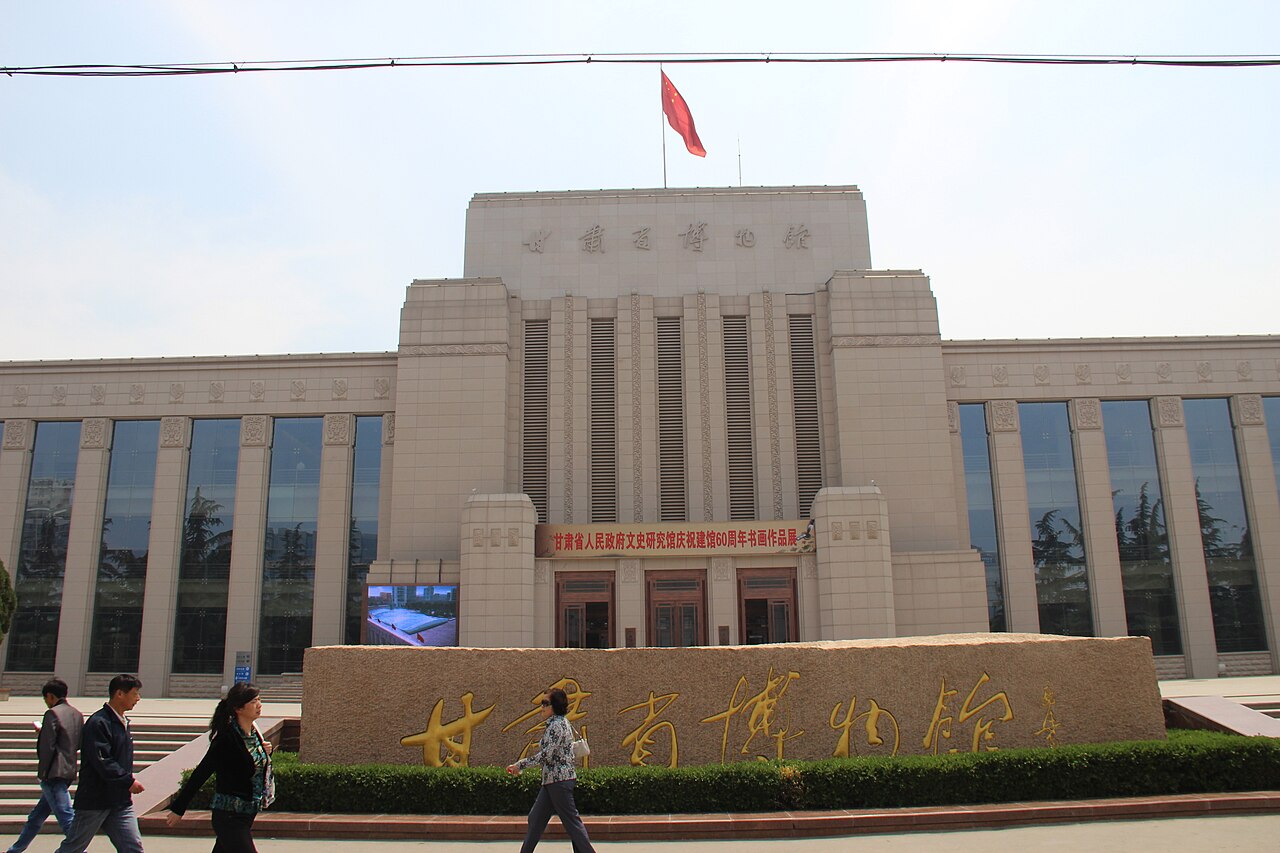
Hongjialou is a twin-towered Gothic church begun in 1901, the largest Catholic church in north China and one of the three most famous in the country, built with Boxer indemnity money. The Shandong Museum, out on Jingshi Road, holds one of the country's largest collections of oracle bones and the Han bamboo strips of The Art of War and Sun Bin's Art of War — one of the decade's great archaeological finds.

Cathedral
1 Hongjialou, Licheng — free, 8:00–17:00; buses 1, 30, 75, 113, 118, K107, K98
Museum
11899 Jingshi Road — free, 9:00–17:00, closed Mondays
Museum buses
1, 115, 119, K139 to Xiajing Village; BRT-5, 202 to Huayang Mingyuan; 18, 62, 63, 150 to Yijian Xincun

Tip Two free, weather-proof hours. Do the museum on a Monday-free day and the cathedral on the way back into town.

Food

The home kitchen of Lu cuisine

Sweet-and-sour Yellow River carp

The city's signature: carp from the deep water of the Yellow River, golden head and tail, firm flesh, in a sharp, garlicky sweet-sour sauce. By local custom the head, tail and remaining sauce are made into a soup afterwards — called head-and-tail soup, or paddling.

Nine-turn intestines

A Jinan classic: pork intestines blanched, deep-fried, then filled with a dozen-odd seasonings and braised slowly. Sour, sweet, fragrant, hot and salty all at once, red and glossy, soft to the bite. The dish by which a Lu kitchen is judged.

Quick-fried double crunch

A Shandong speciality said to have been invented here: pig stomach tip and chicken gizzard, flash-fried in boiling oil so the parts that normally need hours of stewing come out in seconds. It was called fried double slices until customers started praising how crisp and tender it was.

Milk-broth cattail shoots

Cattail shoots from Daming Lake — pale, tender, faintly sweet — cooked with daylily buds and mushrooms in a white broth. The broth is thick and milky, the shoots crisp, the flavour quiet in a way people either find extraordinary or odd. Try it once.

Spiral oil pastry

Jinan's snack: crisp outside, soft inside, scallion running through it, golden and oily, shaped like a coil — hence the name. Locals eat it hot with a bowl of chicken-thread wonton, which is the correct way.

Braised pork on rice

The everyday dish of the city, and the reason the fast-food chain that sells it is packed at noon and evening. A slab of braised belly over rice, salty-sweet, soft enough to cut with a chopstick. Thirteen yuan if you eat where the locals eat.

Braised pork knuckle

Made in Jinan since the early twentieth century: soft, rich, fine-grained and red-glossy, the meat falling off the bone while the skin stays whole. Salty, mellow, deeply aromatic — good for anyone from eight to eighty, and cheap.

Yellow-braised chicken

Chicken with bamboo shoots and wood ear, braised until the meat gives way, with the sauce poured over rice. Sweet-savoury, unpretentious, and the dish that has quietly spread from Jinan across the country.

Where to eat

Six kitchens worth the walk

Master's kitchen

Cui Yiqing Lu cuisine

Opposite Daming Lake, down the lane from the park's south gate. The master is over ninety and no longer cooks, but he sits upright in the room himself, which sets the tone for the whole meal. This is the serious Lu kitchen of the city.

Where
13 north end of Xiandong Lane, Lixia
Average spend
About ¥64 / person
Hours
11:00–14:00, 17:00–22:00
Phone
0531-86085427

Old Lu house

Chunjiang Restaurant

A long-established Lu restaurant with a decent room, a short walk west of the north gate of Baotu Spring — the obvious stop if you have been spring-hopping all morning. Order the family platter, nine-turn intestines, quick-fried kidney, three-style fry and sweet-and-sour pork. There is a guotie branch in Jianzi Lane nearby that has its own following.

Where
56 Gongqingtuan Road, Lixia
Average spend
About ¥49 / person
Phone
0531-86927292
Buses
1, 3, 5, 82, 101, 104, K50, K51, K59 to Gongqingtuan Road

Old brand

Cao Bao bun shop

Founded in the 1930s and named for the nickname of its honest, slow-spoken founder. Thin skins, plenty of juice, more than ten fillings led by the pork soup bun. The business is inexplicably good for a shop of its size, and it is a real Jinan institution.

Where
15 Puli Street, Shizhong (near Baotu Spring)
Average spend
About ¥21 / person
Hours
8:30–20:30
Phone
0531-86921454

Cheap and famous

Meng family braised knuckle

Made in Jinan since the early twentieth century: knuckle braised until it is soft and red-glossy, the meat off the bone with the skin still whole, salty and mellow and deeply fragrant. Rich without being greasy, and about thirty yuan a head.

Where
19 Yingxian Street, Tianqiao (south of Jihua Building, near Shunhe West Road)
Average spend
About ¥30 / person
Phone
0531-81814406

Century-old stall

Yixiangzhai Huang family roast meat

The Huang family has been roasting meat in Jinan since the Guangxu reign and took the shop name in 1917 — a hundred years in the city. Roast pork, soy-braised beef shin and roast duck are what they sell, and sixteen yuan buys a great deal of it.

Where
South end of Beitan Street, Jingyi Road, Tianqiao (near the chestnut stall)
Average spend
About ¥16 / person
Best for
The cheapest good meat in the old town

Local fast food

Chaoyixing

The chain famous for braised pork on rice, with branches all over the city and a loud local following — cheap and good, and the fastest way to eat what ordinary Jinan people actually eat for lunch. The main branch is by the railway station, two hundred metres down the lane west of the exit.

Where
Station West Street, Tianqiao (west of the railway station exit)
Average spend
About ¥13 / person
Note
Lunch and dinner only — it is closed in between

Where to stay

Stay near the springs, walk everywhere

Closest to everything

Lishe business hotel, by Quancheng Square

Twenty-eight metres from the spring sculpture on Quancheng Square, with Baotu Spring, Thousand Buddha Mountain, Daming Lake and Black Tiger Spring all around it. If you want to step out of the door and be at a spring in five minutes, this is the one.
Where
151 Heihuquan West Road
Price
From ¥144 / night
Phone
0531-86060288

Budget chain

Seven Days, Quancheng Square

On the north-east corner of Quancheng Square: twenty metres to the moat, 500 m to the square, ten minutes on foot to Baotu Spring, twenty to Daming Lake, and next door to the shopping and Furong Street. Everything about it is location.

Where
59 Heihuquan West Road
Price
From ¥177 / night
Phone
0531-82389288

By the lake

Jinjiang Inn, Daming Lake

In a quiet spot by the lake with transport, sights, food and entertainment all clustered around it. Good value, and the right base if your plan is early mornings on the water and evenings in the lanes.

Where
11 Tongyuanju Front Street, Tianqiao
Price
From ¥149 / night
Phone
0531-86027999

Near the station

Dongtu business hotel

A tourist-class hotel in the Daguanyuan business district, next to Wanda Plaza and the financial district, about a kilometre from the railway station and two from the main coach station. Convenient if you are arriving or leaving by train.

Where
269 Jingsi Road, Huaiyin
Price
From ¥130 / night
Phone
0531-86157888

Mid-range

Yijia guest rooms, Lishan Road

Small American-mixed design with wrought-iron furniture, comfortable and reasonably fashionable — the sort of room that costs a little more than a chain and feels like it. East of the centre, handy for the university quarter.

Where
105 Jiefang Road, Lixia
Price
¥158–208 / night
Phone
0531-83125888

Top of the range

Hyatt Regency, by Wanda Plaza

Next to Wanda Plaza and close to the main sights, ten minutes by road to Baotu Spring, Daming Lake and Thousand Buddha Mountain, and about thirty-five minutes to the airport, with floor-to-ceiling windows over the city. The expensive option, and the one with the view.

Where
187 Jingsi Road, Shizhong
Price
¥920–2,070 / night
Phone
0531-88281234

Getting around

How to reach Jinan and move through it

By air

Jinan Yaoqiang International (TNA) sits about 30 km north-east of the centre. The airport coach costs ¥20 and takes about an hour, running to Daming Lake north gate and the railway station square by day and to Lishan Road South and the Yiquan Senxin Hotel for late arrivals; from the city, line 1 leaves the station square hourly from 6:00 to 19:00 and line 2 leaves the Yiquan Senxin.

Airport
Jinan Yaoqiang International (TNA), about 30 km north-east; hotline 0531-96888
Coach fare
¥20 single; about an hour
City to airport
Line 1 from the railway station square, hourly 6:00–19:00; line 2 from the Yiquan Senxin Hotel
Taxi
Roughly ¥100 into the centre

By train

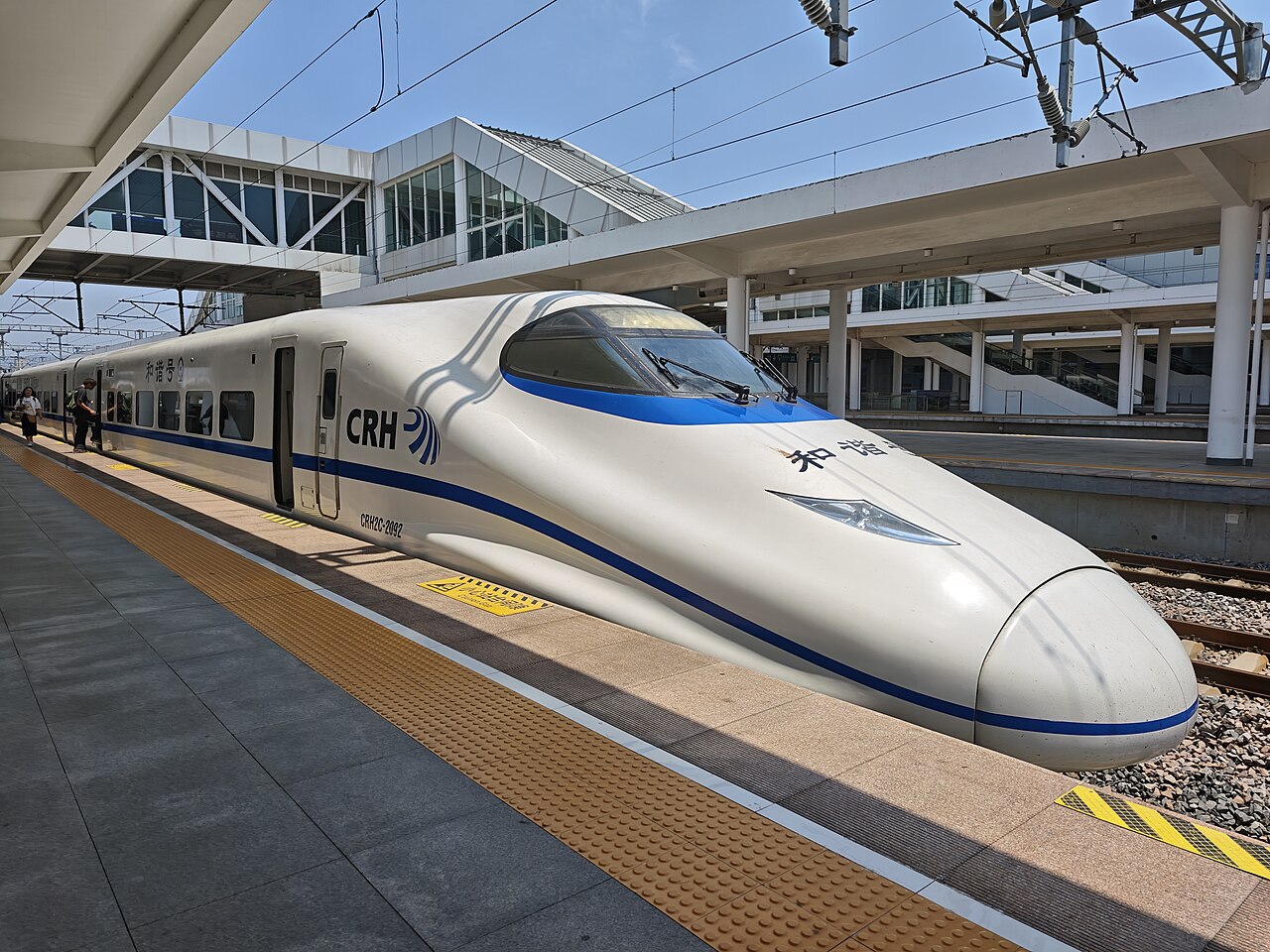
Jinan is one of the country's major rail junctions, where the Beijing–Shanghai, Qingdao–Jinan, Handan–Jinan and high-speed lines cross. Three stations: Jinan station, the oldest and busiest, in the city; Jinan East, the secondary stop for services to the peninsula; and Jinan West, one of five originating terminals on the Beijing–Shanghai high-speed line, with around 150 trains a day.

Jinan station
19 Chezhan Street, Tianqiao — the main and oldest station
Jinan West
Dajinzhuang Road, Huaiyin — high-speed; buses K156, K157
Jinan East
Zhanminghu North Road, Tianqiao — services towards the peninsula
Times
Beijing about 1.5 hours, Shanghai about 4

Jinan West and Jinan station are more than 20 km apart, and with buses slow and taxis dear, locals invented taking the train between them — eight services a day, from ¥6, sixteen minutes. It only works if you build in the ticketing time.

By coach

Coaches are the standard way to travel inside Shandong — Qingdao, Tai'an, Qufu, Yantai all connect by road. There are seven long-distance stations; the main one is on Jiluo Road in the north of the city, and the one by the railway station square handles a lot of arrivals.

Main terminal
Jinan long-distance bus station, 131 Jiluo Road, 0531-85812447
By the station
Railway station square coach station, south side of the square, 0531-86014114
Tourist station
71 Yingshan Road, 0531-88316116
East station
113 Gongye South Road, 0531-88934987

City buses and BRT

Cheap and dense: BRT lines at ¥1 with free transfers inside the stations, ordinary buses ¥1 or ¥2, trolleybuses 101–104 at ¥1 and K-prefixed air-conditioned routes at ¥2. Sightseeing routes to the outskirts run at weekends from 2 April to 31 October. Tour bus 777 is an open-top double-decker looping the springs, with commentary.

BRT
Six lines, ¥1, free transfer inside the station
Ordinary buses
¥1–2; trolleybuses 101–104 ¥1
Tour bus 777
Quancheng Square — Baotu Spring — Five-Dragon — Daming Lake — moat park — Liberation Pavilion loop, ¥12, every 20 minutes, 9:00–17:00
Season
777 runs 9:00–17:00, with evening runs 18:00–21:00 from May to October; suspended November to March

By taxi

Metered from ¥7.50 for 3 km including a ¥1 fuel surcharge, then ¥1.50 per km to 6 km and ¥2.25 beyond, with waiting charged at ¥1 per five minutes and a further ¥0.50 fuel surcharge per ride. Higher rates after dark.

Flagfall
¥7.50 / 3 km including the fuel surcharge, plus ¥0.50 per ride
Per km
¥1.50 after 3 km, ¥2.25 after 6 km; higher at night
Waiting
¥1 per 5 minutes below 12 km/h

You rarely need one: the sights are all within a few kilometres of each other and the flatsuit walking better than driving.

The moat boat and the spring shuttle

Two ways to let the water do the work. The moat boat runs the spring landscape belt — Black Tiger Spring, Quancheng Square, Baotu Spring, Five-Dragon Pool, Daming Lake, Sima Dock, Little East Lake, Old East Gate, back to Black Tiger Spring — at ¥10 a stop or ¥100 for the whole loop. Separately, the four main sights run a free shuttle: buy any one park ticket at any of their gates and ride to the next one for nothing.

Moat boat
¥10 per stop, ¥100 for the full loop (park entry not included)
Free shuttle
Buy any ticket at Daming Lake, Baotu Spring, Thousand Buddha Mountain or Five-Dragon Pool and ride between them free
Daming Lake shuttle
Old garden line ¥10 return; new zone line ¥20 return

Shopping

What to carry home

Dong'e donkey-hide gelatine

The tonic of tonics, ranked with ginseng and deer antler as one of the three treasures of Chinese medicine, and made in Dong'e county in Shandong. The Dong'e brand has been the name in gelatine for so long that it has become almost synonymous with the product itself. Buy it from a proper shop, not a market stall.

Pingyin roses

Grown around Pingyin south-west of the city and used for tea, preserves and rose oil. Cheap, light, and the most pleasant-smelling thing you can bring back from Shandong — the dried buds keep well and make a decent cup.

Muyu stone teaware

Muyu stone comes from Mantou Mountain in Changqing and is a rare hollow stone, nicknamed the resurrection stone or phoenix egg, supposed to bring luck and turn away harm. Teapots, cups and caddies are carved from single blocks of it — heavy, odd, and unmistakably a Jinan souvenir.

Lu embroidery

The representative embroidery of Shandong, worked on patterned ground fabric with strong twisted double-ply thread, in the folk subjects people actually like: figures, mandarin ducks, butterflies and hibiscus. Clothes and household things, but also framed pieces meant purely for looking at.

Black pottery and dough figurines

The two craft souvenirs you will see all over the old town: polished black pottery from the Longshan tradition, and the small coloured dough figures that have been made here for generations. Both are light, cheap, and sold in the Daguanyuan market alongside the local dates and dates-and-walnut sweets.

Crosstalk at Chenguang Teahouse

Not a thing to buy but a thing to do, and free: Jinan was one of the three great variety stages of China and the saying ran that you learned in Tianjin and proved yourself in Jinan. Chenguang Teahouse, founded by the son of Sun Shaolin, still puts on free crosstalk on Saturday nights in the Daguanyuan market.

Practical

The numbers you will actually need

The whole city fits into a day's walking if you keep it tight, and two if you do not. The one mistake people make is drinking the water without thinking: it is untreated spring water, and in July that matters.

Key ticketsBaotu Spring ¥40; Daming Lake old garden ¥30 (combination tickets ¥35/¥40/¥45); Thousand Buddha Mountain ¥30; Five-Dragon Pool ¥5; Lingyan Temple ¥45; Baimai Spring ¥50; Black Tiger Spring, Pearl Spring, Wangfu Pond, Furong Street, Quancheng Square and the cathedral free
HoursBaotu 7:00–21:00; Daming Lake 6:30–17:30 / 18:30; Five-Dragon 7:00–18:00; Thousand Buddha Mountain 6:30–18:30; Lingyan 9:00–17:00; museum 9:00–17:00, closed Mondays
BoatsMoat boat ¥10 a stop, ¥100 the full loop; Daming Lake shuttle ¥10 old garden, ¥20 new zone; tour bus 777 ¥12
Best monthsSeptember–October: the summer rain has pushed the groundwater up, so the springs are at their strongest, and Hongyegu turns red. Winter has its own version — the springs never freeze and steam in the cold
Drinking the waterFine at the public spouts and in teahouses; the water is untreated, so do not gulp it in hot weather or drink from pools away from the filling points
FestivalsBaotu lantern fair from the first day of the lunar year for a month; Daming Lake lotus festival and mid-autumn moon evening; Thousand Buddha Mountain temple fair at Chongyang, matchmaking fairs on the third day of the third lunar month and at Qixi
ComplaintsJinan tourism complaints 0531-87937762; Shandong tourism complaints 0531-82963423
HospitalsShandong Provincial Hospital, 324 Jingwu Weiqi Road, 0531-87938911; Qilu Hospital, 107 Wenhua West Road, 0531-82169114; Jinan Military General Hospital, 25 Shifan Road, Tianqiao, 0531-51666114

Tips

Small things that make a big difference

Go easy on the water

You can drink it — people do all day — but the filling points are untreated. In hot weather do not gulp it down, and do not drink from the pools away from the official spouts. Tea brewed with it is the safest and best introduction.

Respect the low ground in summer

Jinan has had heavy summer rain in recent years and the low-lying parts of the city flood. When it rains, do not shelter in a dip or an underpass, and give yourself extra time to get anywhere.

Walk it, do not drive it

The sights are remarkably concentrated — the furthest, Thousand Buddha Mountain, is only about 10 km out — and everything else is a few kilometres apart. Take the bus or your own feet; a car is a liability in the old town.

Do the hill at dawn

Thousand Buddha Mountain before seven is a different place: the shouting crowd, the exercisers, the whole city below you in flat morning light. It is also the only time the climb is pleasant in July.

Buy incense at the gate

On the hill there are a lot of built attractions and a lot of people selling things. Buy what you need at the entrance, keep your wallet where you can feel it, and treat the hillside add-ons as optional.

Buy combination tickets at the gate

Daming Lake's combined tickets — for the old theatre and the stone hall — cost half as much bought at the entrance as they do once you are inside. Same principle as the free inter-park shuttle: ask at the gate before you walk in.

Background

Why Jinan is the way it is

Nine thousand years, and a city named for a river

Jinan takes its name from its position south of the Ji River — in the old scheme of three mountains, five peaks and four waterways, the Ji was one of the four, though the Yellow River has since taken its channel. The city leans on Mount Tai to the south and crosses the Yellow River to the north, high in the south and low in the north, with a warm-temperate semi-humid monsoon climate: dry windy spring, hot wet summer, clear dry autumn, cold snowless winter. The topography makes the extremes sharper here than in the country around it.

People have lived here since the early Neolithic, some 9,000 years ago; the Longshan culture, named in 1928 for the town of Longshan in the eastern suburbs, is four to five thousand years old. Qi built a city here in the Spring and Autumn period; from the Western Jin it was the administrative seat of commandery, province and prefecture; by the Tang it was prosperous enough that the iron-working Qin family — of Qin Qiong fame — was a local institution. Marco Polo described its gardens and silk in startling terms in the Yuan, and from the Ming it has been the capital of Shandong. South about 70 km is Tai'an and Mount Tai; 60 km further, Qufu — together the so-called line of mountain, water and sage.

The two An, and everyone else

Du Fu wrote that this ancient pavilion is old and that Jinan has produced many famous men, and the city has spent two thousand years proving it. The medical sage Bian Que of the Warring States, the Han scholar Fu Sheng, the Tang chancellor Fang Xuanling and the general Qin Qiong were all locals. The Song gave it the two poets known as the two An of Jinan — Li Qingzhao, the restrained one, and Xin Qiji, the one who wrote of looking back and finding her in the dim light — and between them they cover both halves of the Chinese literary temperament.

In the twentieth century two outsiders fixed the city in the national imagination: Liu E in The Travels of Lao Can and Lao She in his essay on winter in Jinan, between them establishing the picture of willows, springs and old lanes that everyone still carries. Locals also have their own habit of address — calling a stranger teacher as a form of respect, which people put down to two thousand years of Confucian habit. Lao She's challenge still stands: if you cannot picture it, come and look.

Four faiths on one street map

Buddhism has flourished here since the Sui and Tang; the monk Yijing followed Xuanzang to India and translated more than a hundred sutras, and the city is full of Buddhist sites — the Four Gate Pagoda in Licheng, the oldest stone pagoda in China, and Xingguo Temple on Thousand Buddha Mountain, a national key temple. Daoism has its Yuan-dated North Pole Pavilion on the shore of Daming Lake, sacred to the Dark Warrior.

Islam has the mosque on Libaishi Street, one of the earliest mosques in China, whose two great round rear windows carved with Koranic text are a rare treasure of Chinese Islamic art. Catholicism has Hongjialou, built by Dutch missionaries with Boxer indemnity money and still the largest church in north China. The city also counts forty-eight minority nationalities among its people, the largest by far being the Hui.

Travel with them

Jinan in print, on screen and in music

Book

The Travels of Lao Can

Liu E

Ranked by Lu Xun among the four great indictment novels of the late Qing, it follows an itinerant doctor who drifts through the country, refuses office, and involves himself in other people's troubles. Liu E knew Shandong and loved Jinan, and the book paints the city — spring water at every door, willow at every house — in plain, bright prose.

Book

So, Jinan

Niu Guodong

Illustrated throughout, it covers the sights and the local history: classical buildings and courtyard houses, old commerce and street life, customs and cultural character. Finish it and you will both know the city's hills and water better and understand how it became what it is.

TV

A Beauty in the North

Directed by Wang Wenjie, 2009

A thirty-four-part drama of warlord-era Jinan: a scholar's two children are stolen by traffickers on the journey north and bought by a poor couple who run a steamed-bun shop. The sister grows up, learns Shandong ballad singing and then Peking opera, and becomes a star — the city's underworld told through one family.

Music

Spring Water, Lotus

Sung by Qu Quancheng

Among Chinese-style pop, this record is unusually clean and plain rather than ornate — which is exactly why it suits a slow walk round Daming Lake with the lotus out. Play it with the water in front of you and it lands.

The questions visitors ask us most about Jinan, answered plainly.

Frequently asked questions

Prices and practical details are reviewed every month by our Beijing team and updated the day a rule changes.

When is the best time to visit Jinan?

Autumn, and specifically September and October. The summer rains have pushed the groundwater up, so the springs are at their strongest, the heat has broken, and the maple valley at Hongyegu turns red. Lao She said autumn was Jinan's own season and he was right. Spring is pleasant but dry and dusty; summer is hot and humid; winter is cold but the springs keep running and steam in the frost.

Will I be able to eat the food?

Very likely. Lu cuisine is savoury, fresh and fragrant rather than hot, and most dishes are not spicy at all, so anyone avoiding chilli can eat freely. Portions in Shandong are large — glance at the next table before ordering and think about waste rather about going hungry.

Are the springs still worth seeing in winter?

Yes, and they are stranger than in summer. Spring water is warmer than the air, so it never freezes: it comes out of the ground and condenses into vapour, misty close up and cloud-like from a distance. Early morning and just after snow are the best moments.

Is Jinan worth visiting, or just a stop on the way to Mount Tai?

Worth two days of its own. A capital city where water wells up in the streets and residents drink it from the source is genuinely unusual, the lane-and-canal quarter is lovely to wander, and the home-style Lu cuisine is the best in the province. It earns its place rather than merely being a gateway.

Can I drink the spring water?

At the public spouts and in the teahouses, yes — people do it all day, and tea brewed with Baotu or Black Tiger water is the local ritual. But that water is untreated: do not gulp it down in hot weather, and do not drink from pools away from the official filling points.

What should I eat in Jinan?

Start with sweet-and-sour Yellow River carp — the fish is golden, the flesh firm, and by local custom the head, tail and leftover sauce come back as a soup. Then nine-turn intestines, quick-fried double crunch, milk-broth cattail shoots from Daming Lake, and braised pork knuckle. For breakfast, join the queue for a bowl of tianmo with a spiral oil pastry.

How do I get from Jinan to Mount Tai?

Very easily — it is the standard pairing. High-speed trains run the 90 km to Tai'an in about an hour, dozens a day, and coaches leave roughly every twenty minutes taking about eighty minutes for ¥25. Many people sleep in Jinan and day-trip the mountain; staying in Tai'an is what lets you start the sunrise climb at a civilised hour.

Do people speak English in Jinan?

Not much beyond the large hotels. Signage at the main springs and the museum usually has English, but buses, taxis and small restaurants are Chinese-only. Have your destinations written in Chinese on your phone, carry a translation app, and keep some cash for buses and the lakeside stalls.

Related reading

Related reading

Visas Do I Need a Visa for China? Requirements, Costs and How to Apply China's entry rules changed more in the last three years than in the previous twenty. Here is exactly who needs a visa, what it costs, how long it takes and which passports now walk straight through. 9 min read Visas China's 240-Hour Visa-Free Transit: Who Qualifies and How It Works Ten days in China with no visa application, no fee and no fingerprints — if you hold the right passport and leave for a third country. Here is the rulebook, port by port. 8 min read Money Paying in China: Alipay, WeChat Pay, Cards and Cash Roughly nine in ten urban payments in China now run through a phone. Set up two apps before you fly, carry a modest cash float, and you will never be stuck at a till. 8 min read Transport China's High-Speed Rail: How to Book, What It Costs, How Fast It Goes The fastest way to cross China is also the most pleasant. Here is how to book a ticket with a foreign passport, what the three classes actually give you, and how to survive a Chinese station at rush hour. 9 min read Planning Best Time to Visit China: Month by Month, Region by Region China is the size of Europe, so 'the best month' depends on where you stand. Here is the month-by-month answer for the north, the Yangtze valley, the south and the plateau. 8 min read Planning What to Pack for China: The Complete 2026 Checklist Twenty thousand steps a day, three climate zones and a phone that has to do everything. This is the list we give our own travellers, minus the things they never used. 7 min read Food Chinese Food Culture: Eight Cuisines, One Table There is no such thing as Chinese food. There is Cantonese, Sichuan, Hunan, Jiangsu, Zhejiang, Fujian, Anhui and Shandong — and knowing which one you are eating changes everything. 8 min read Traditions Chinese Tea Culture: Six Classes, One Pot, Two Fingers Tea in China is not a beverage category, it is a social technology: it fills silences, seals deals and sets the pace of a meal. Here is how to sit down in one and not look lost. 7 min read Traditions Chinese Festivals: The Calendar, the Dates and the Crowds Lunar dates mean the calendar moves every year — and two of the festivals move several hundred million people at once. Plan around them or plan into them, but never by accident. 8 min read Etiquette Chinese Etiquette: What Matters, What Does Not, and Why Most etiquette advice for China is either obvious or wrong. These are the dozen behaviours that actually change how you are treated, and the reasoning behind each. 7 min read

Tell us your dates.
We'll do the rest.

Free itinerary design, a revised plan within one working day, and nothing charged until you approve the final version.

  • Baotu Spring, the finest spring under heaven, is ¥40 and holds twenty-odd more named springs, a Li Qingzhao memorial hall and a teahouse that brews with the spring water itself.
  • Black Tiger Spring is free, and locals queue all day to fill bottles from the three carved tiger heads — you can drink it, and the teahouses brew tea with it.
  • The moat around the old city is the only one in China fed entirely by springs; a boat threads the springs and the lake at ¥10 a stop or ¥100 for the full loop.

No spam. No sales calls. Just a real itinerary from a real person.