City guide · Zhejiang

Xixi Wetland travel guide: boat or foot, what the ¥80 ticket covers, and when the reeds turn white

Ten square kilometres of marsh inside Hangzhou, and the only way into half of it is a boat.

  • Known forUrban wetland, sculled boats, autumn reeds
  • Typical spend¥200–300 for a day
  • Ideal length1 day
  • PaceSlow — stop counting the sights

Reviewed by our Beijing team Updated 2026-10-10

The short version

Xixi Wetland is a 10.08 sq km urban wetland in western Hangzhou — the first park in China to combine city, farming and cultural wetland, under 5 km from West Lake, and worth one full day. The ticket is ¥80 at the gate but ¥15–20 cheaper booked online; the park opens 08:00–17:30 from April to October and 08:30–17:00 in winter. Take a sculled boat from Zhoujia pier (about 1.5 hours), then walk the land route back (three to four hours), and come in autumn for the reeds and the persimmons.

  • Book online. The gate price is ¥80 flat; booked in advance it is ¥15–20 less and you collect at the ticket office without queueing.
  • Do water first, land second. A sculled boat covers in 1.5 hours what three to four hours on foot cannot: the narrow channels where reeds brush the gunwales.
  • Last gate and boat tickets go an hour before closing — 16:30 in summer, 16:00 in winter. Arrive at opening or you will be walking behind a queue.
  • Grab a free map at the ticket office and ignore anyone at the gate offering to guide you. With the map, you do not need them.
  • Do not sleep inside the park. It is expensive and pointless — Xixi is well inside Hangzhou and a day is all it needs.

City guide

First impressions

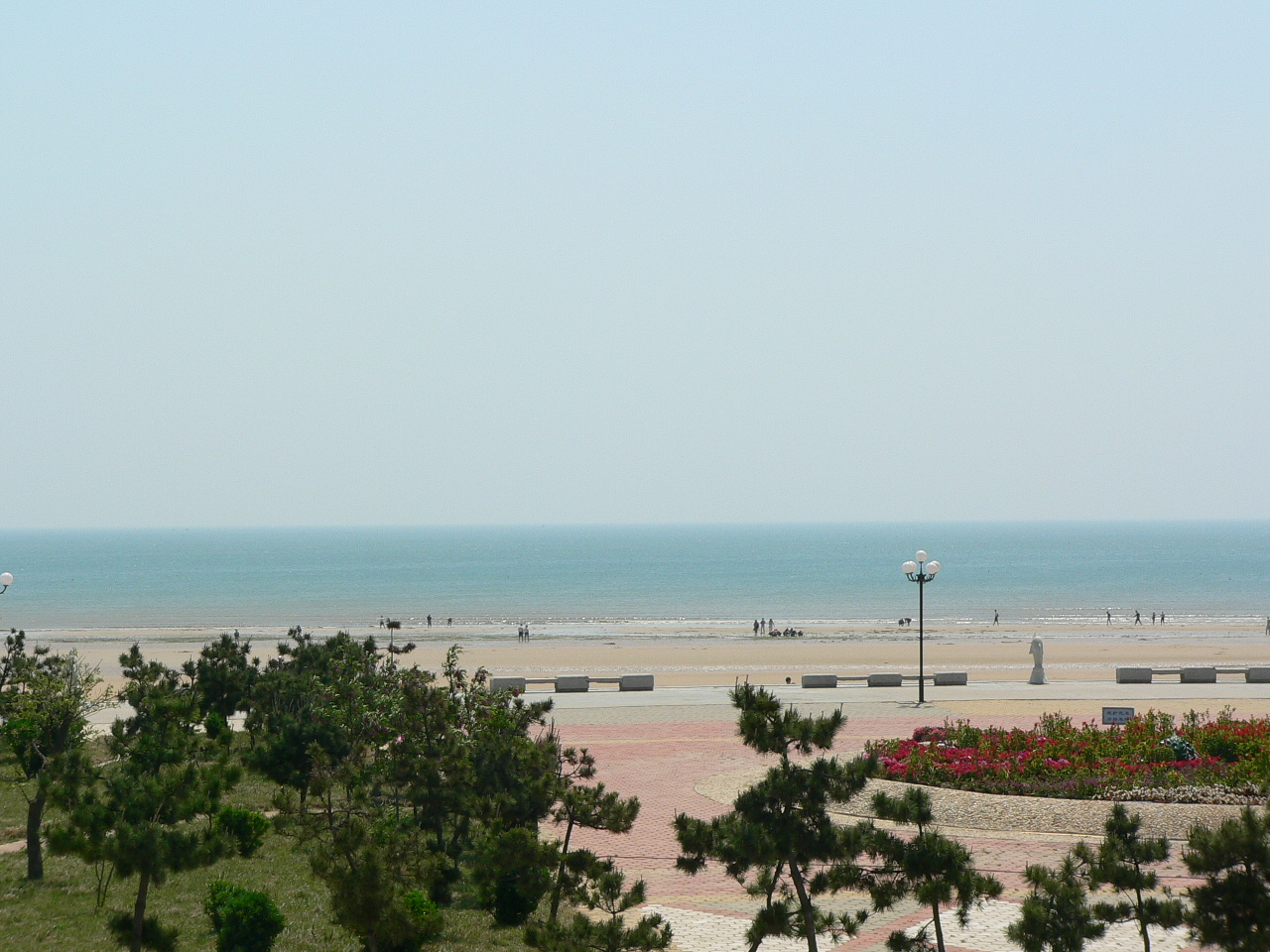
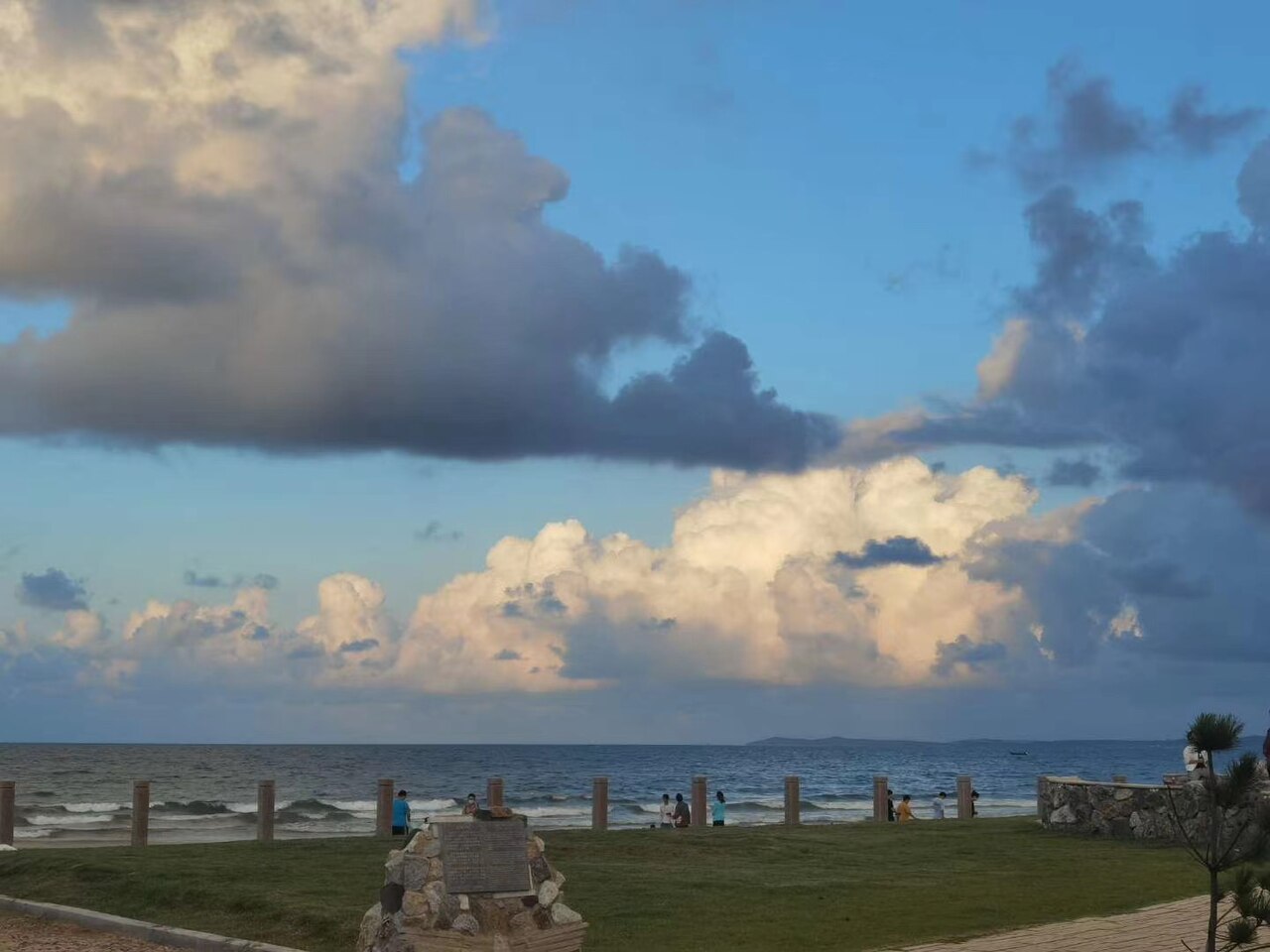
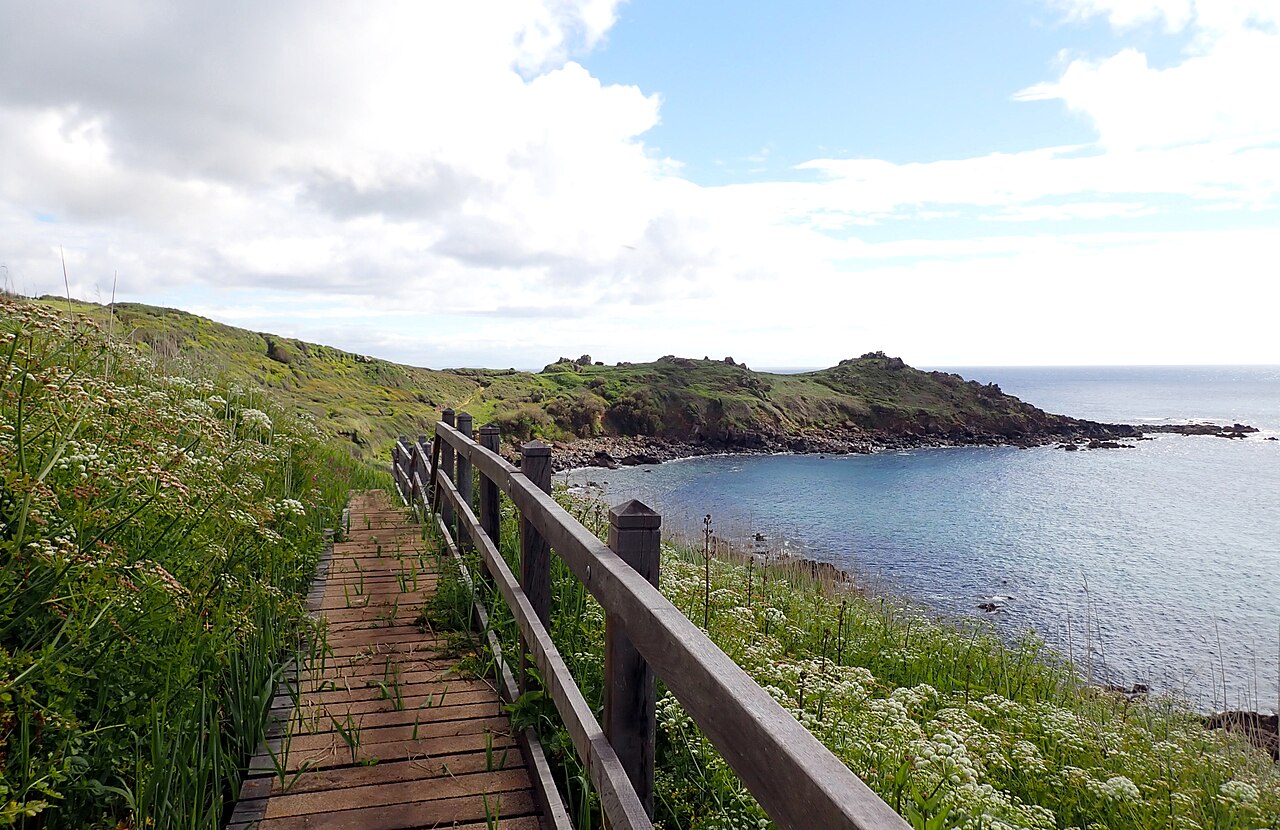
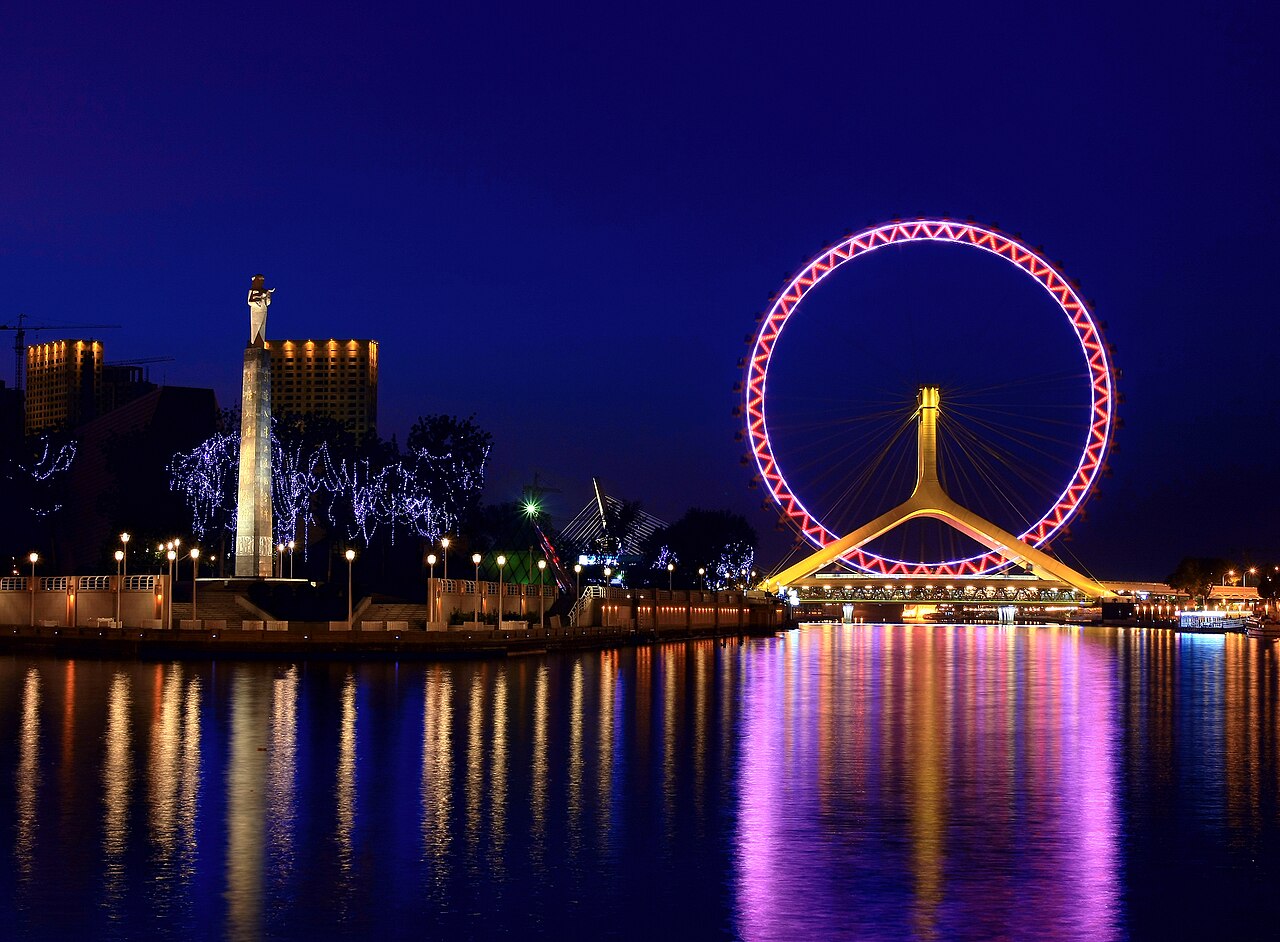
Photographs from the coast, and what other travellers wrote afterwards.

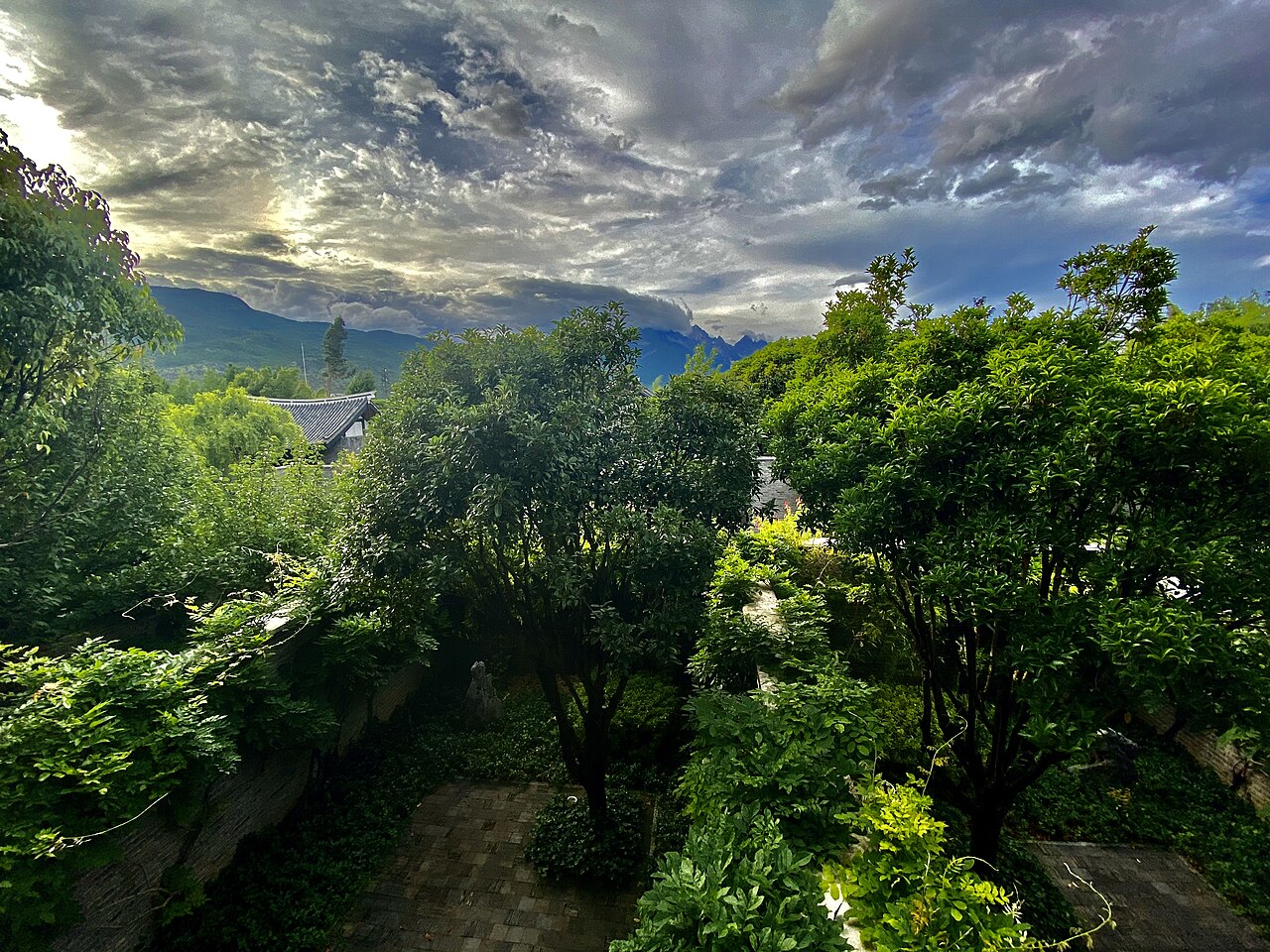
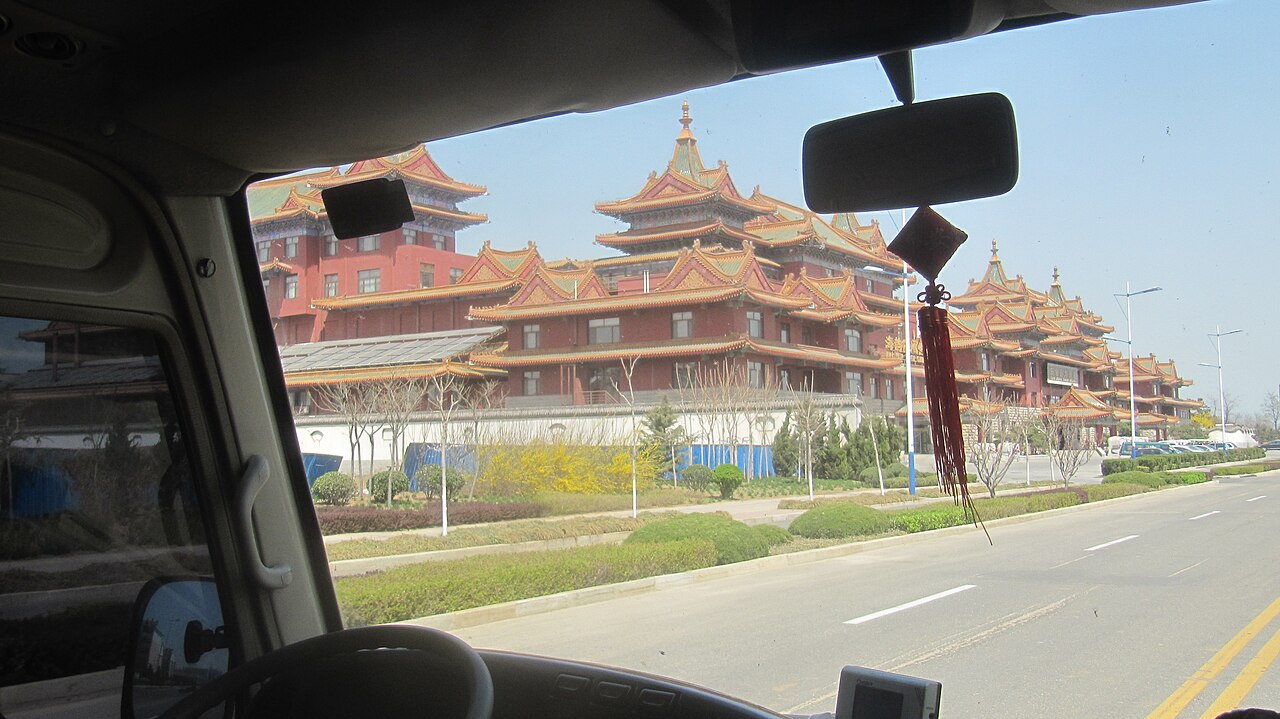
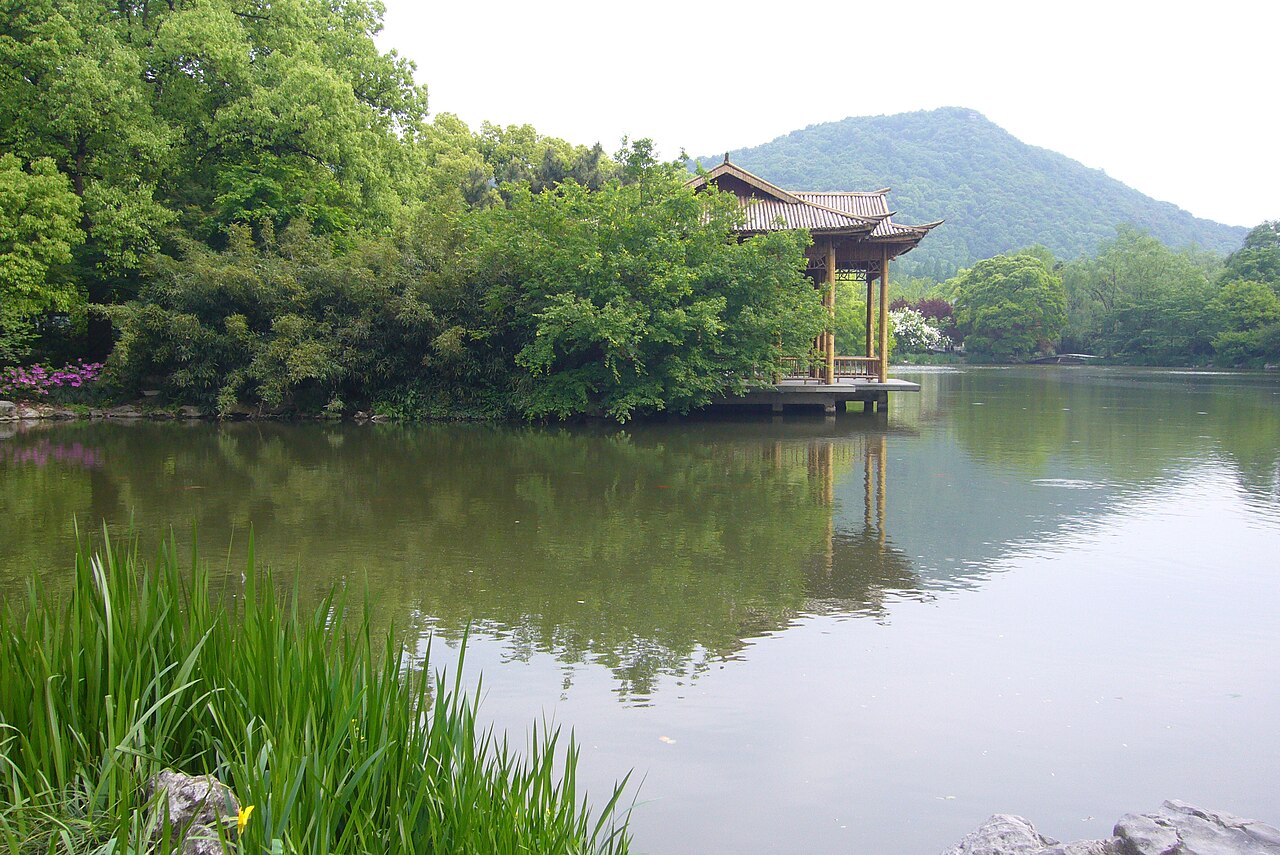
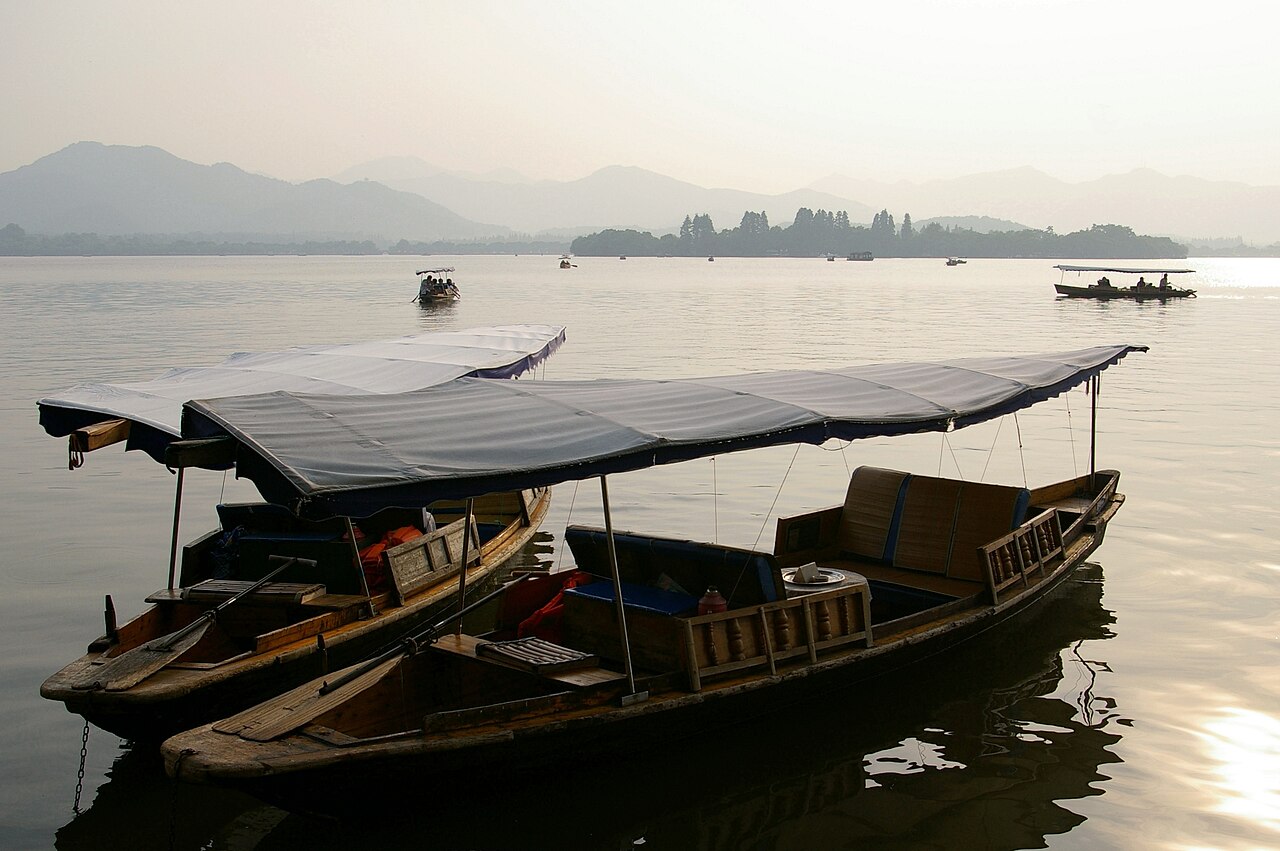
A sculled boat working a narrow channel between the reeds
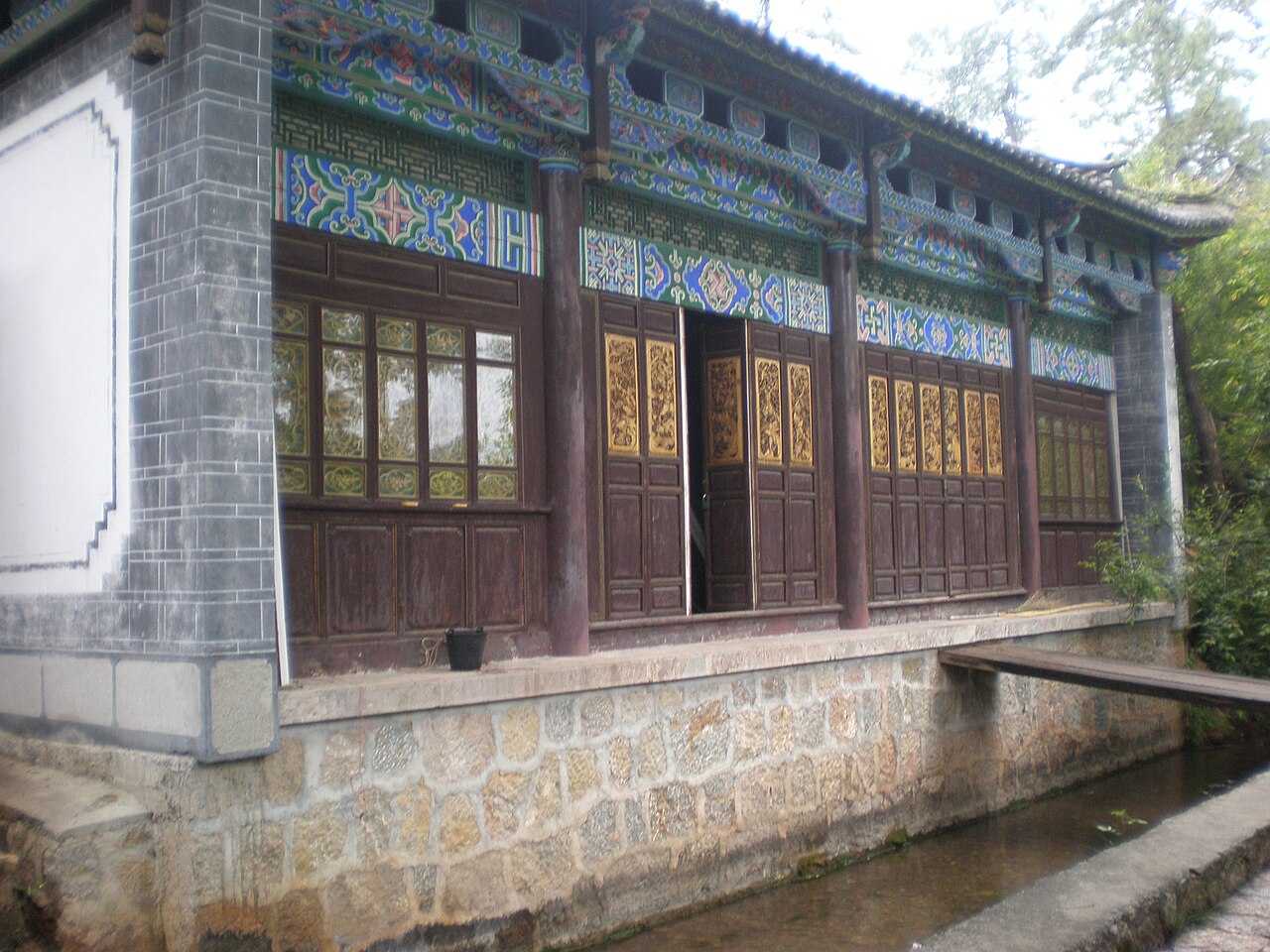
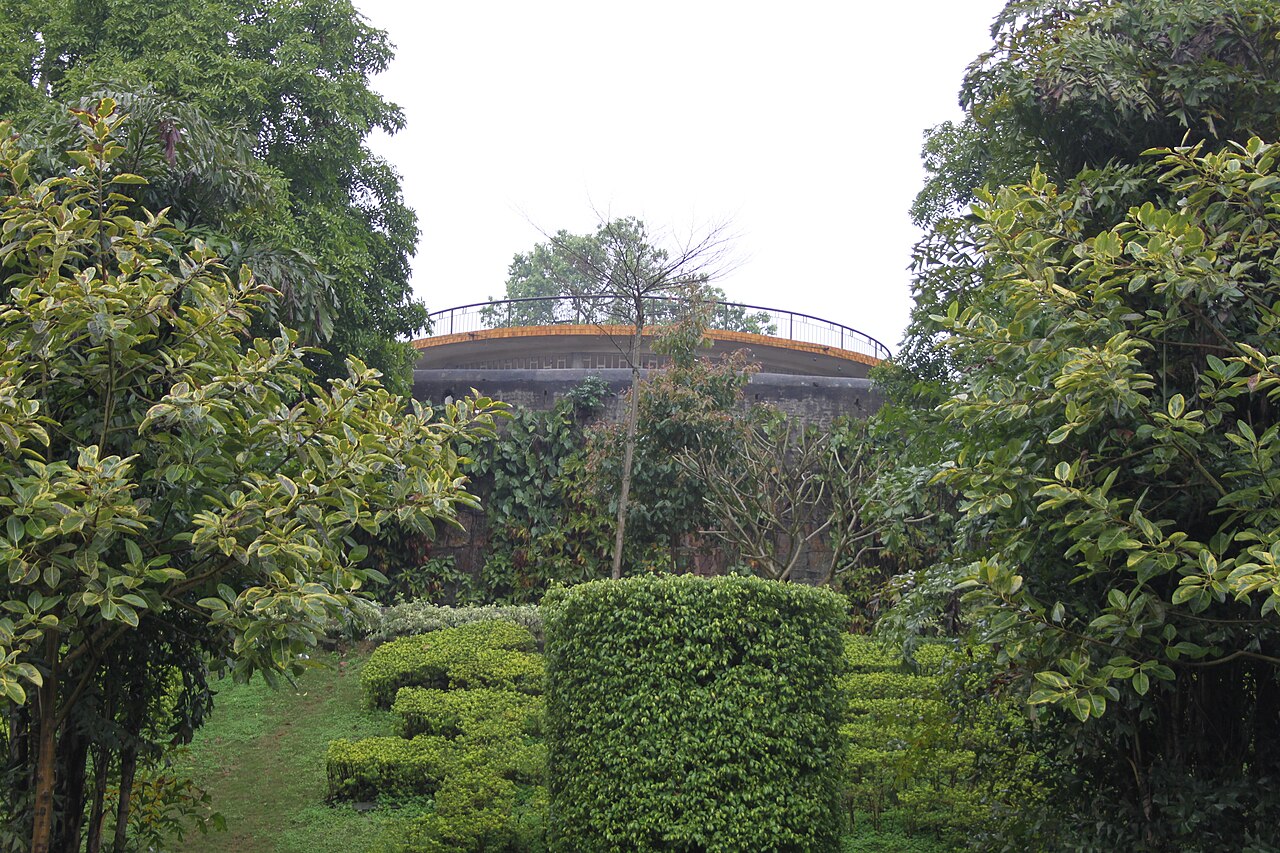
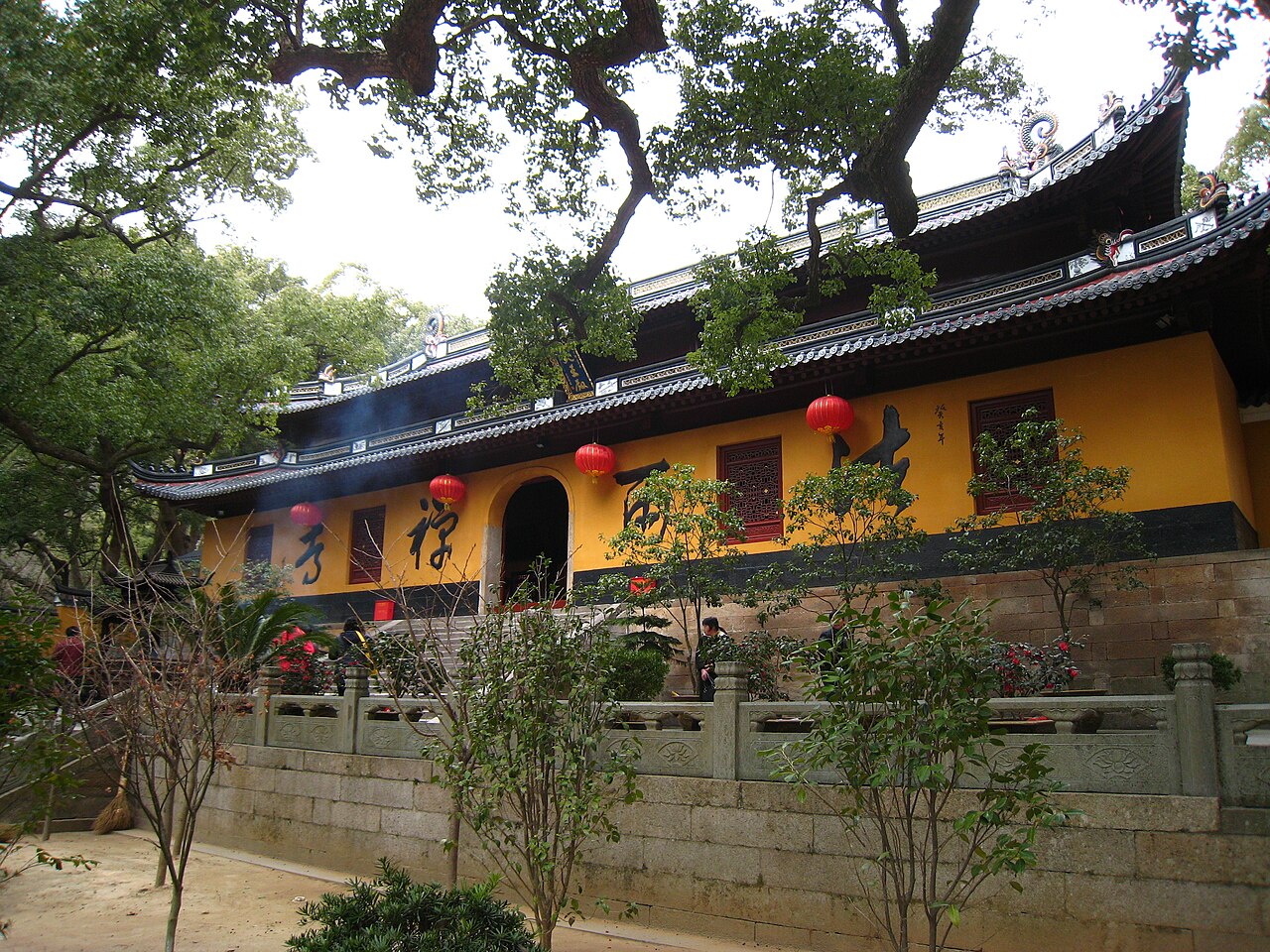
Qiuxue Nunnery, on its island in the middle of the wetland
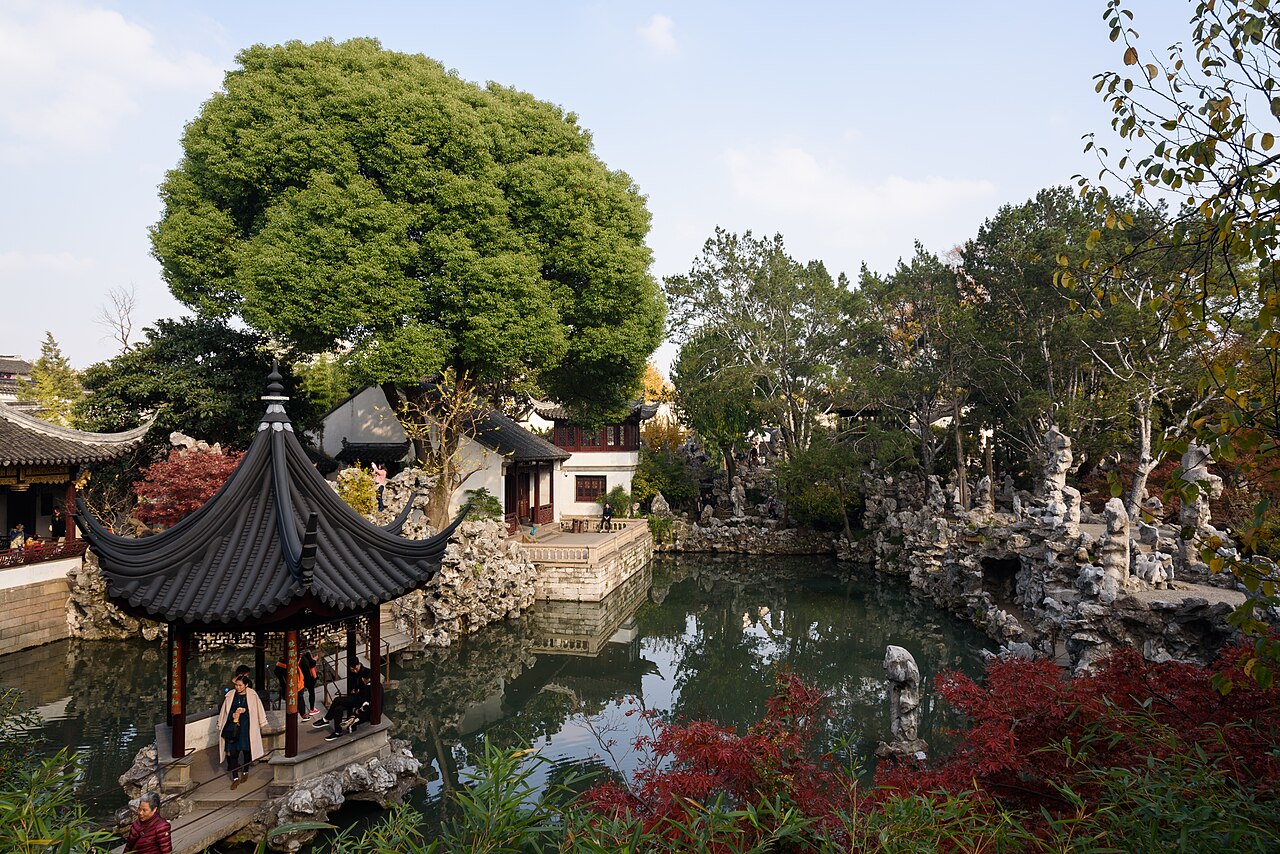
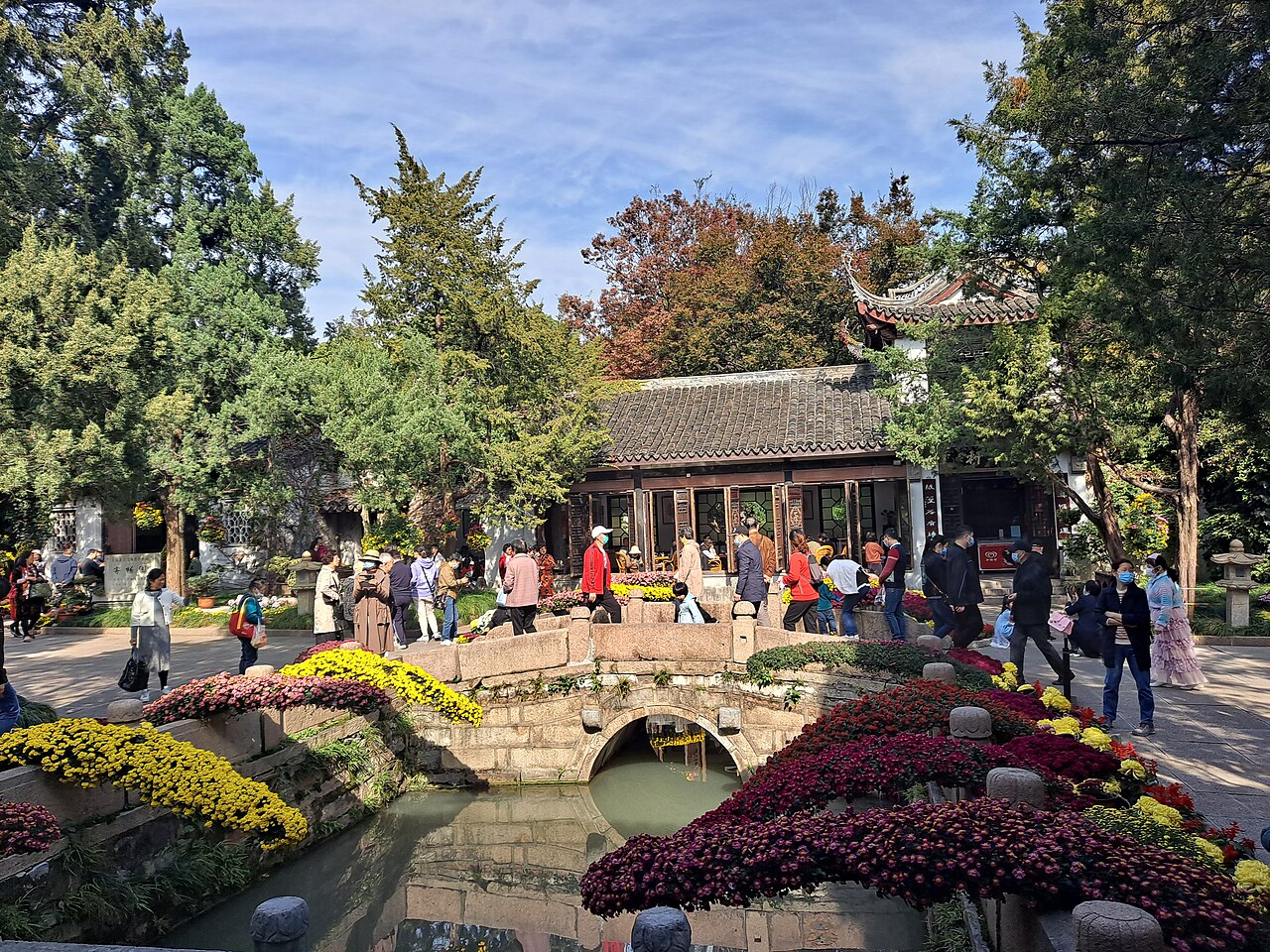
A three-holed stone slab bridge on the land route
Persimmons and reeds on the dykes in autumn

The charm of Xixi is not in any particular sight. Once you are in among it, you forget the names of the spots — what you remember is a tree, a bridge, a blade of grass, a flower, a bird. — A note in the source guide

A traveller's note in the source guide

Rowing is the best way in. There is no channel too narrow for the small boats, and the sense of a winding path leading somewhere hidden is absolute. — A note in the source guide

A traveller's note in the source guide

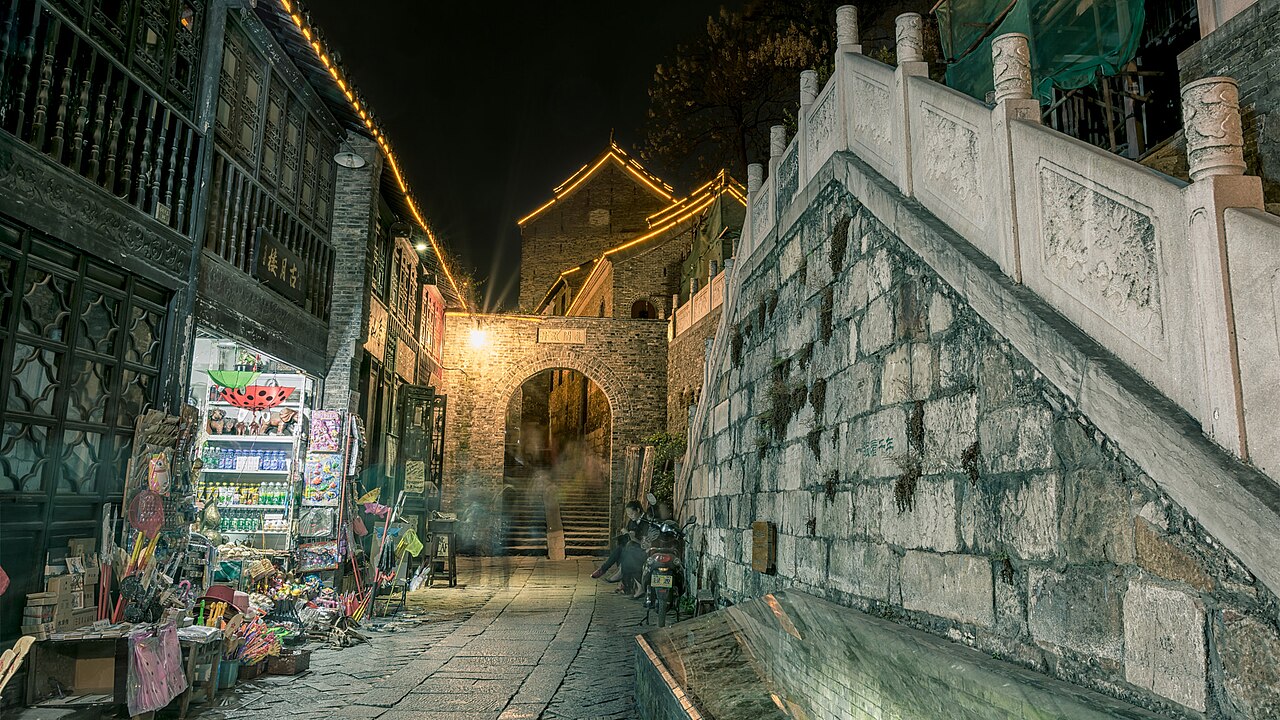
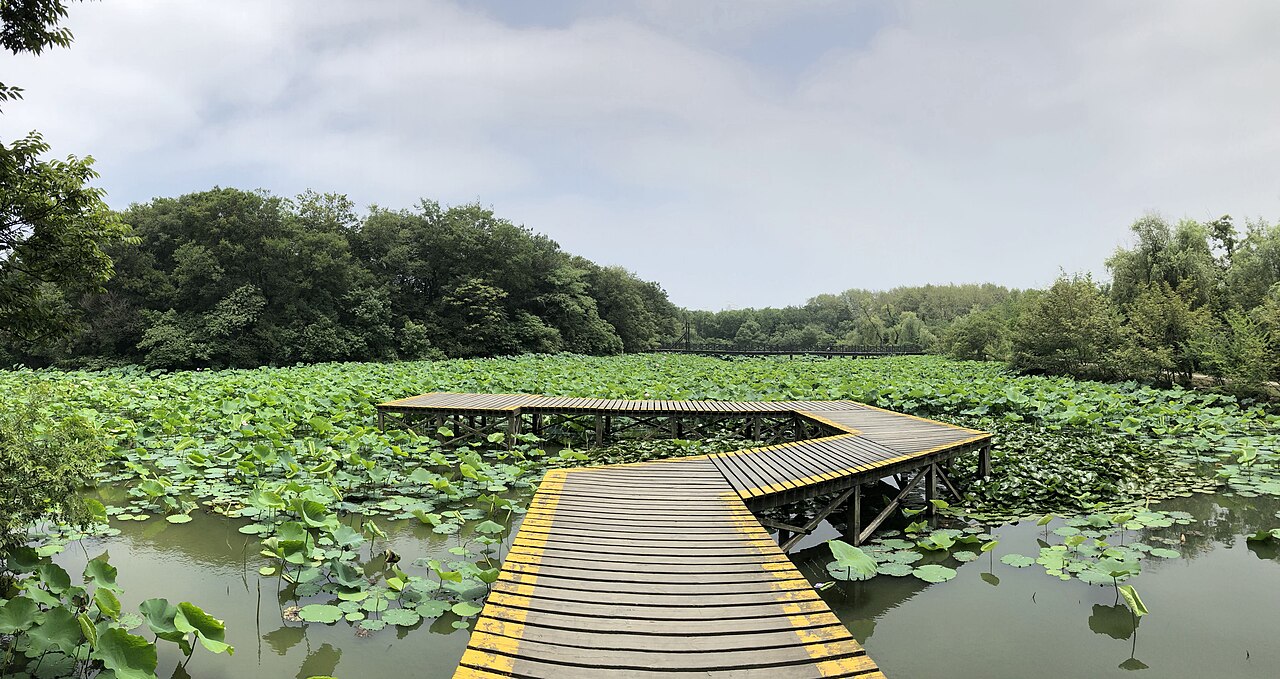
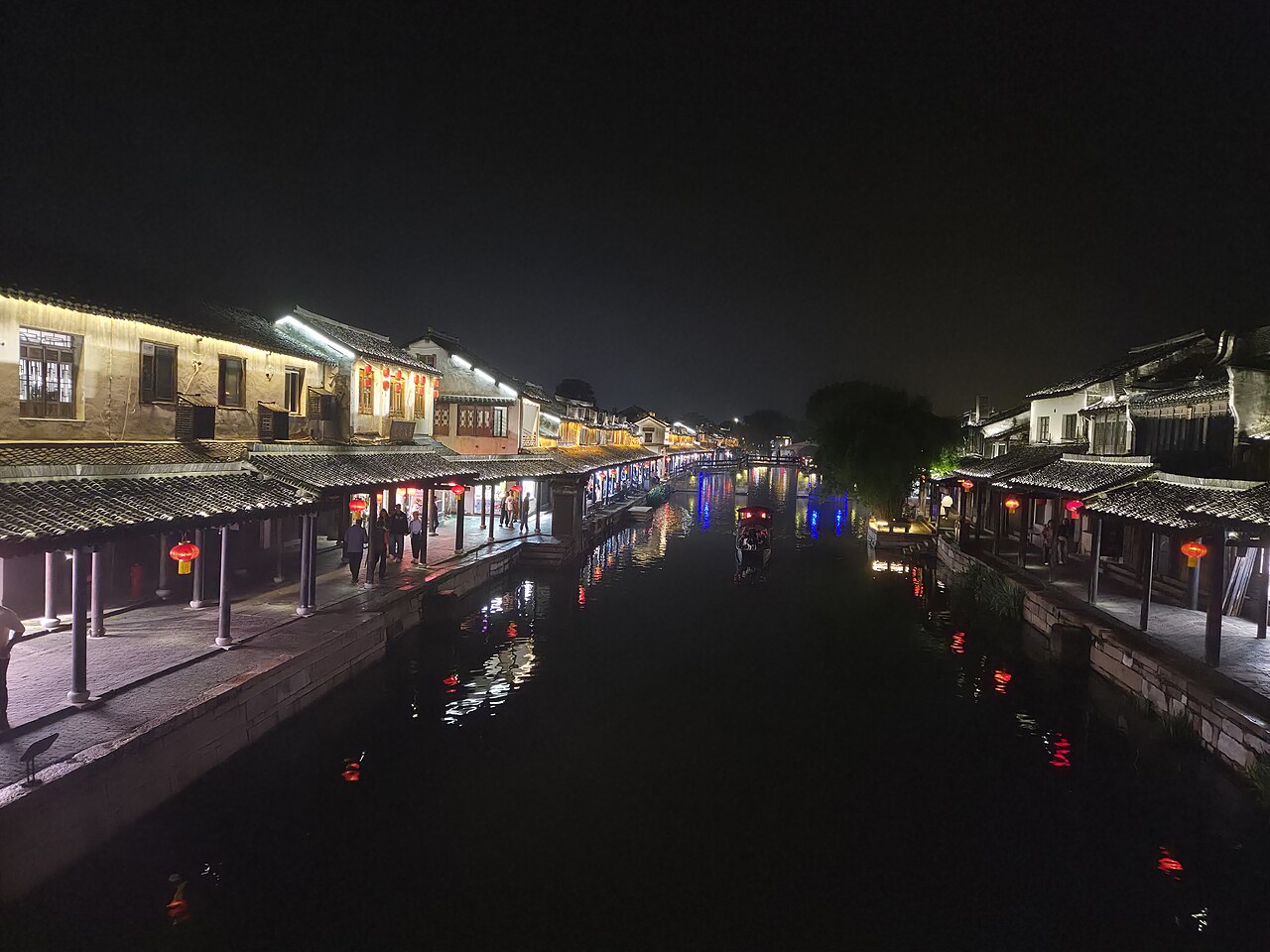
Xixi does not look like a park. It looks like a place a city grew around and then decided not to pave. Ten square kilometres of channels, fish ponds, reed beds and persimmon trees sit inside Hangzhou's western districts, five kilometres from West Lake, and the water grid is old enough that the Song court established a town here in 988 — which is why Xixi is described locally as a thousand-year-old town as well as a wetland.

The character is deliberate spareness. Reeds, mulberry, bishop's-wood, low bridges, old cottages, a few scholars' villas tucked among the trees. The four words used for it — cold, wild, thin, elegant — mean something closer to austere than to barren: this is a working landscape of dykes and fish ponds that scholars once hid in, not a garden built to be looked at.

What it asks of you is a decision about how to move. The park's own advice is unambiguous: the best way to see Xixi is to float, because a small boat goes where no path does. But the land route gives you the gardens — Meizhu Villa, with its plums and bamboo; Xixi Thatched Hall, built by a Ming academician who wanted exactly this kind of quiet; Gao's Manor, where the Kangxi emperor once stepped off a boat — and the stone slab bridges that the boat slips under without you noticing.

It is also the only big sight in Hangzhou that closes early and stops selling tickets earlier still. Gate and boat sales end an hour before the park shuts: 16:30 from April to October, 16:00 from November to March. Get there at opening, do the water route while the light is low and the channels are quiet, then walk back through the gardens and be out with the afternoon still ahead of you.

Xixi Wetland

Don't leave without

Seven things that are worth rearranging a day for.

  1. Take the sculled boat from Zhoujia pier and let the boatman point out the If You Are The One boats
  2. Drink a ¥1 bowl of Xixi tea on Hezhu Street
  3. Watch the reeds go white at Qiuxue Nunnery in autumn
  4. Picnic in the flower beds with supplies bought at a supermarket outside
  5. Walk the flat three-holed stone slab bridges built by the Qing mason Zhang Daxian
  6. Climb the free viewpoint tower on the edge of the park for the whole wetland at once
  7. Buy a Xixi flower basket and a strip of malt sugar on Hezhu Street

Highlights

Six reasons Xixi is worth a day

A marsh inside a city of ten million

Xixi is a rare in-town secondary wetland: 10.08 sq km of channels, ponds and reed beds less than 5 km from West Lake, and the first park in China to hold urban, farming and cultural wetland in one boundary. Nowhere else in the country offers that combination this close to a downtown.
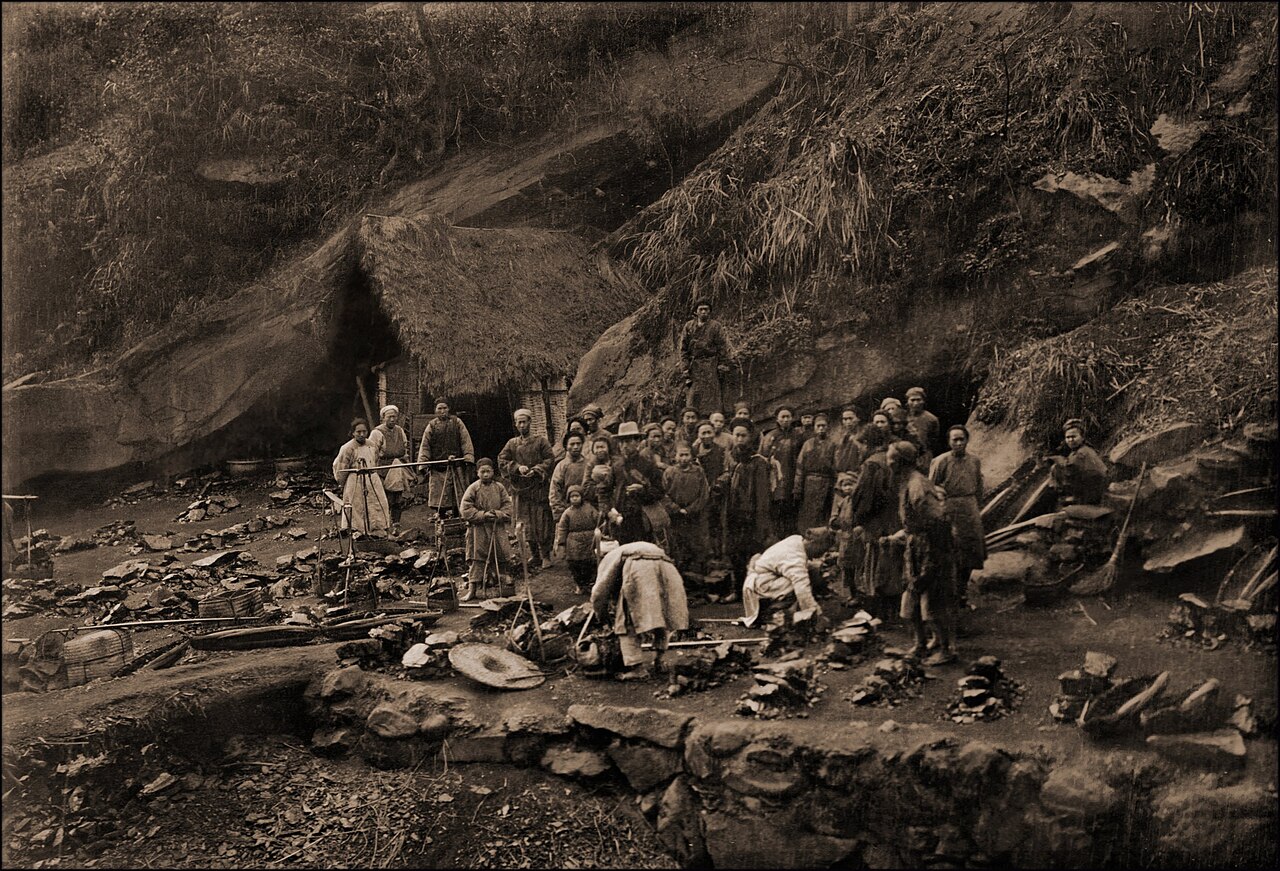
The boat goes where the path does not

The park's own verdict: floating is the best way in, because no channel is too narrow for the small boats. A sculled boat from Zhoujia pier takes about 1.5 hours down water that closes over your head in reeds, and the boatman will tell you which vessel Ge You sat in during If You Are The One.

Reeds in autumn, persimmons on the dykes

The two images Xixi is known for. Around Qiuxue Nunnery the reed beds turn into an unbroken white in autumn, and wild duck break out of them and cut across the channel as your boat approaches. On the dykes, the persimmons come red at the same season.

Scholars hid here on purpose

Xixi Thatched Hall was built by Feng Mengzhen, a late-Ming chancellor of the Imperial College, because he was drawn by the place's cold, wild, thin and elegant character. Xixi Waterside Pavilion held the Lanxi Book House and the Yongshu Library for reading and storing books; Meizhu Villa was named for plum and bamboo, the two plants that stand for integrity.

A ¥1 bowl of tea

Xixi tea has had a reputation of its own since long before Longjing was famous — locally rated at ten times Longjing. On Hezhu Street it comes in a white bowl, deep-coloured and sweet on the palate, at ¥1 a bowl. There is no better-value drink in Hangzhou.

Bridges built for carrying poles

Xixi's characteristic bridge is the three-holed flat stone slab bridge: level deck, no railings or very low ones, built by a Qing Daoguang-era mason named Zhang Daxian. No slope and no rail meant it was cheap and a farmer with a load could walk straight across. Many older bridges — Wenyu, Dexian, Yingchun — are gone, remembered only by their stories.

Suggested routes

Water, land, or the combination that actually works

The classic water route

1 day days

The signature circuit: all water, and the whole reason people come.

  1. Route

    Zhoujia village — Meizhu — Bo'an — Yanshui Fishery — Xiaogu Bridge — Deep Pool Mouth

    Board at Zhoujia pier just inside the main gate and take the boat out. The route runs through Meizhu Villa, past Bo'an and the Yanshui fishing hamlet, under Xiaogu Bridge and out at Deep Pool Mouth, the walled harbour that cannot be reached except by boat.

    Watch for Duck Bend on the way: the name comes either from the shape of the bend, crooked like a duck's neck, or from the flocks of ducks that feed in the shallows there. Either way it is the wildest corner of the park.

    Stops: Zhoujia pierMeizhu VillaYanshui FisheryDuck BendDeep Pool Mouth

  2. Note

    If you enter from Zijin'gang Road instead

    Run the same route backwards. The park's classic boat circuit assumes the Wen'er West Road entrance; entering from the other side simply reverses the order and finishes at Zhoujia village instead of starting there.

    Stops: Zijin'gang Road gate

The land route

1 day days

Everything on foot, including the wetland botanic garden and the gardens.

  1. Route

    Zhoujia village — Meizhu — Bo'an — Yanshui Fishery — Xiaogu Bridge — Deep Pool Mouth — Hezhu Street — Fu Dyke — Gao's Manor

    Start at Zhoujia village and walk round through Meizhu and Bo'an to the Yanshui fishing hamlet, then out at Deep Pool Mouth with its three enormous old camphor trees, and on to Hezhu Street for the shops and a ¥1 bowl of tea.

    Finish along Fu Dyke and into Gao's Manor, the Kangxi-era villa, before completing the loop back to Zhoujia village.

    Stops: Zhoujia villageDeep Pool MouthHezhu StreetGao's Manor

  2. Note

    Where to picnic

    The point of the land route is that it has grass. At lunchtime find a patch of flowers beside the water, spread the cloth you brought, and eat with the sky for a roof and the birds for company. The route also passes the wetland botanic garden, so you get two things for one walk.

    Stops: Flower bedsWetland botanic garden

Water and land combined

1 day days

The one the park recommends: boat in, walk back out.

  1. By water

    Zhoujia pier — Meizhu Villa — Xixi Plum Villa — Xixi Waterside Pavilion — Qiuxue Nunnery

    Board at Zhoujia pier and let the boatman set the pace down the inner channels. You pass Meizhu Villa, Xixi Plum Villa and Xixi Waterside Pavilion — the scholars' reading and book-storing pavilions, alongside the Lanxi Book House — and step off at Qiuxue Nunnery, in the middle of the open water.

    Stops: Zhoujia pierMeizhu VillaXixi Waterside PavilionQiuxue Nunnery

  2. On foot

    Yanshui Fishery — Xiaogu Bridge — Deep Pool Mouth — Hezhu Street — Fu Dyke — botanic garden — Gao's Manor — Zhoujia village

    Walk out from the nunnery to the Yanshui fishing hamlet, cross Xiaogu Bridge, take in Deep Pool Mouth and Hezhu Street, then follow Fu Dyke past the wetland botanic garden and Gao's Manor and back to Zhoujia village.

    Do not try to see everything. The guide's own warning is that Xixi rewards not being greedy: take the water and the land, drift, and leave the rest.

    Stops: Yanshui FisheryHezhu StreetBotanic gardenGao's Manor

Sights

What to actually go and see

The heart of the wetland

Qiuxue Nunnery

First built in the Song and originally called Dasheng Nunnery; the Ming brothers Shen of Xixi rebuilt it and brought in a noted monk, and the late-Ming scholar Chen Jiru gave it its present name from the Tang line 'autumn snow veils the fishing boat'. Zhou Qingyun of Nanxun rebuilt it between 1919 and 1921. It stands on an island in the most central water of the wetland, walled by reeds that go white and cold in autumn, and is the core of the 'eight autumn-snow views'.

What it is
Two courtyards — Buddhist in front, a hall of poets behind, stone path to the gate
Reached
Only by small boat; it sits surrounded by water
Best for
Watching reeds; duck flight as you approach

Tip Come in autumn and stay on the boat a moment before landing — the reeds read best from the water, and the ducks put on the show on the approach.

Boats only

Deep Pool Mouth

Also called Deep Pool Harbour, in Shenkantou village, Jiangcun. The banks break off all round and there is no way into the harbour without a boat — the old Nanzhangzi records say it cannot be crossed without one, and that a dragon lives in the unfathomable deep. Three enormous old camphor trees give one bank a sense of history and silence while the opposite bank is busy; the contrast is the point.

Where
Jiangcun, on the water route
Dragon boats
The Jiangcun dragon-boat gathering is held here every Dragon Boat Festival
"Dragon Boat Gathering"
The four-character name is said to have been granted by the Qianlong emperor
What is raced
Skill, not speed — the 'flower' dragon boats

Tip Stand on the camphor-tree bank for five minutes. Everyone rushes past to the busy side, and the quiet side is the one you will remember.

The Kangxi villa

Gao's Manor

Also called Xixi Villa, built between 1657 and 1664 as the Xixi retreat of Gao Shiqi, a man whose career began with the Kangxi emperor noticing his calligraphy on a plaque reading 'the Son of Heaven values heroes' at a rebuilt Guandi temple — Gao was then selling paintings in the temple market to survive after his father's death and repeated examination failures. Kangxi visited by boat in 1689, wrote the two characters 'bamboo window' and a poem in which the lines run 'smoke-blue at the bamboo window, snow-scented on the plum bank'.

Built
Between 1657 and 1664
Who
Gao Shiqi, Hanlin academician and Kangxi's confidant
Dining
The Linliu Thatched Hall restaurant is inside; ¥50–100 a head

Tip Eat here if you are going to eat inside the park at all — the courtyard setting is the best of the park's restaurants and the prices are the same as the others.

Plum and bamboo

Meizhu Villa

Built by the Qing scholar Zhang Cibai near Qiu family gate, south of Bo'an. Plum stands for solitary integrity and bamboo for upright character, and the name declared the owner's own — friends from across Jiangsu and Zhejiang, among them Fei Danxu, Zhang Tingji, Wei Qiansheng, Qian Du and Dai Xi, inscribed and painted for him. Under his reputation the villa became well enough known to restore 'seeking plum at Xixi' as one of Hangzhou's famous scenes.

Built by
Zhang Cibai, Qing scholar
Why named
Plum for integrity, bamboo for uprightness
Dining
A restaurant in the villa, ¥50–100 a head

Tip Come in late winter or early spring if you want the plum in flower; the rest of the year it is a quiet bamboo courtyard worth ten minutes.

A Ming scholar's hideaway

Xixi Thatched Hall

The villa of Feng Mengzhen, chancellor of the Imperial College in the late Ming, built beside Yongxing Temple on Anle Hill because he was drawn by Xixi's cold, wild, thin and elegant character. The buildings divide north and south around a fish pond: the south front block is a two-storey 'Twin Snow Hall' in the style of a wealthy Hangzhou household, open and high; behind it the study, named 'True Studio', doubles as a Buddhist room; to the north a thatched pavilion reached by a little bridge was for viewing plum, playing with bamboo and drinking.

Built by
Feng Mengzhen, late-Ming chancellor of the Imperial College
Where
Meizhu leisure area, southeast of the park
Character
Secluded setting, deep views

Tip The 'cold, wild, thin, elegant' phrase is the key to the whole park. Read it here and the rest of Xixi makes sense.

Books and blossom

Xixi Waterside Pavilion and Xixi Plum Villa

Xixi has always produced scholars, and the Waterside Pavilion is where they came to store books, read and meet friends — today it holds the Lanxi Book House and the Yongshu Library, so you can follow the reclusive scholars' deliberate withdrawal into the thick of the trees. Xixi Plum Villa sits in the southeast beside the Qiuxue Nunnery protection zone; the plum along the Southern Song imperial road here has been famous since the Song, and the 'Cold-Detached Life Tea House' is named for the line 'bamboo shading the plum, deep and still and clear — here fame and profit both go cold'.

Waterside Pavilion
Lanxi Book House and Yongshu Library
Plum Villa
Southeast of the park, beside the Qiuxue protection zone
Tea
The 'Cold-Detached Life' tea house

Tip Both are quiet and both are small. They are the places that explain why Xixi is called a cultural wetland rather than just a wet one.

Shopping and tea

Hezhu Street

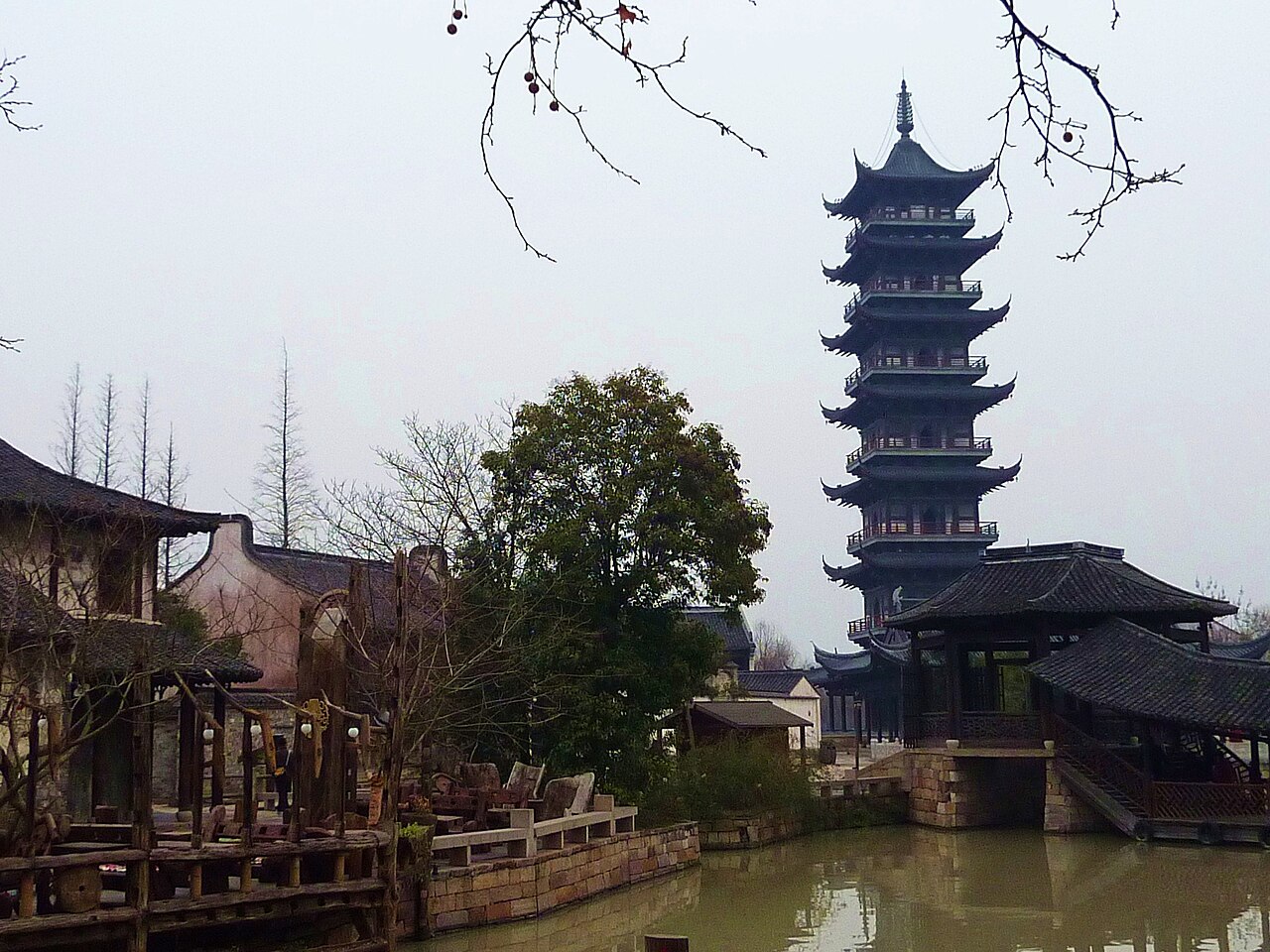
The park's leisure and shopping street, showing Xixi's folk culture and local produce. In the tea houses you drink Xixi tea, rated by locals at ten times Longjing; in the shops you buy Xixi flower baskets, blue calico, Xixi rice wine, rice cakes and the Gudang flat persimmon. Traditional crafts have settled here too, and on the square by the Hezhu pagoda you can catch the Xixi boat-boxing, the eighteen weapons, dragon and lion dances.

What to drink
Xixi tea in a white bowl, ¥1
What to buy
Flower baskets, blue calico, rice wine, malt sugar, persimmons
Performances
Boat-boxing, eighteen weapons, dragon and lion dances on the pagoda square

Tip Buy your tea here rather than at the gate shops. And buy the malt sugar for the pulling, not just the eating.

Birds and 600 plants

Wetland botanic garden and Xialongtan

The botanic garden covers about 55 hectares of open ground with more than 600 plant species — sit on the bank, watch the aquatic plants and eat the malt sugar you bought on Hezhu Street. Xialongtan is the largest natural ecological protection zone in the park, thick with aquatic and land vegetation and wildlife, and a birdwatcher's paradise: staff have put up a viewing platform so you can watch whole flocks rise at once.

Botanic garden
About 55 hectares, 600-plus species
Xialongtan
Largest natural protection zone in the park
Birdwatching
A staff-built viewing platform

Tip The best hour here is early morning, when the birds are moving and the tour groups have not arrived.

Activities

Things to do beside looking

Dragon Boat Festival

The Jiangcun dragon-boat experience

For Xixi village the high point of the year is dragon-boating — praying to the dragon king for fair weather and for the village to prosper, and the one day the men of the village all gather. Jiangcun's boats come in three styles: the fully decorated, the half decorated and the bare. They are not raced for speed but judged on skill, and the four-character name 'dragon boat gathering' is said to have been granted by the Qianlong emperor.

Price
From about ¥280 a head
Where
Deep Pool Mouth and the Jiangcun water
When
Dragon Boat Festival; the gathering draws crowds

Tip At ¥280-plus a head it is not cheap, but if your dates fall on the festival it is the one thing in Xixi that cannot be done on any other day.

Cast a net

The fisherman experience

You go out on a small sculled boat with a boatman and a fisherman, and learn to throw the net — do not underestimate it, a wet net has real weight in it. The water at Xixi holds many species and the flesh is genuinely sweet. At the end you take away roughly 3.5 jin of fish, prawns and vegetables that you caught.

Format
Boatman plus fisherman, net-casting
Take home
About 3.5 jin of fish, prawns and vegetables
Why
The fish here is excellent and the net is heavier than it looks

Tip Go early in the day; the fish cooperate better and you will have the catch in hand before the park fills.

The cheap lunch

A picnic among the flowers

The guide's own recommendation, and the best-value meal available in Xixi: shop at a supermarket before you arrive, then spread a cloth in a patch of flowers beside the water with the sky for a roof, grass for a carpet, flowers for a screen and insects and birds for company. It genuinely improves the food and the day.

Where
Any of the flower beds along the land route
Cost
Supermarket prices rather than ¥50–100 a head
Best with
Something bought on Hezhu Street for afterwards

Tip Bring a bag for your own rubbish. This is a working wetland and the reeds are not a bin.

Near the park

The free viewpoint tower

Just outside the wetland there is a free viewing area with a small tower on it. Climb to the top and you get the whole wetland laid out at once — the only place you can see the shape of the thing rather than being inside it.

Cost
Free
What it gives
The only overview of the wetland
When
Good light, before the haze builds

Tip Do it at the start of the day if you can. Seeing the whole plan first makes the boat route much easier to follow.

If you have spare hours

The incense of the temples and the old shrines

Scattered through the park are the smaller religious and domestic sites: Jiang Xianggong Shrine, founded by the Jiang clan in the Southern Song Jianyan era and now standing on Hezhu Street; Qushui Nunnery, praised in the Xixi Hundred Verses for its winding streams, golden chrysanthemum and snow plum, and now a centre of Buddhist culture; Xixi Households, a reconstruction of local farm life using real implements; and Jiaolu Nunnery with the Li and Hang shrines, once where scholars met to play chess, write and paint.

Jiang Xianggong Shrine
Southern Song Jianyan era, on Hezhu Street
Qushui Nunnery
Buddhist culture, praised in the Xixi Hundred Verses
Jiaolu Nunnery
Scholars' gathering place, with the Li and Hang shrines

Tip These are the filler that makes a slow day. If you are moving at the pace Xixi wants, you will run into all of them anyway.

Food

What to eat and drink at Xixi

Xixi tea in a white bowl

Longjing is China's most famous tea, but Xixi tea has had a reputation of its own since long ago. It comes in a plain white bowl, deep in colour, sweet on the palate, at ¥1 a bowl on Hezhu Street. Locals put it at ten times Longjing; at a yuan a bowl you can test the claim yourself.

Xixi rice wine

Made by fermenting steamed glutinous rice with the wine starter, and eaten with the grains still in it. You can also boil it up with water, drop in an egg for sweet wine-lees egg, or add brown sugar or honey. The alcohol content is low enough that nobody gets drunk. Cold in summer it cools you right through; hot in winter with dates or an egg it is sweet and warming.

The Xixi three treasures

Green plum, wine-cured dried fish and dried bamboo shoots — the three things Xixi is known for producing. Try them even if you decide afterwards that they are not extraordinary; they are the product of the villagers' own labour, and the dried fish in particular travels well.

Ecological and farmhouse cooking

The park's restaurants all serve the same thing: Xixi ecological dishes and local farmhouse cooking, which in practice means river fish, wild vegetables, bamboo and free-range chicken done in the Hangzhou style. It is good, it is not subtle, and it runs ¥50–100 a head.

Malt sugar

Sold on Hezhu Street and permanently popular. It is very sweet, but the point is as much the pulling as the eating — buy a piece and work it between your hands until it goes pale and glossy. It is the cheapest entertainment in the park.

Gudang flat persimmon

The local persimmon, sold on Hezhu Street and along the dykes in season. Autumn at Xixi means two colours: white reeds and these, hanging orange-red over the water.

Rice cakes and rice-paste balls

The Hezhu Street snack trade: steamed rice cakes and glutinous balls, cheap and portable, and exactly the thing to be eating while you walk the stone paths. Buy a couple and keep walking.

Where to eat

The park's own kitchens

Ecological and farmhouse

Shenkantou Old Stove Restaurant

The park's principal kitchen, serving Xixi ecological dishes and local country cooking in a room fitted out old-style — eight-immortal tables and benches, an L-shaped counter — with windows to look out over the water while you eat. The strongest of the park's restaurants.

Address
Inside Deep Pool Mouth
Average spend
¥50–100
Hours
08:30–16:30
Phone
0571-88106620

In the Kangxi villa

Gao's Manor Linliu Thatched Hall

Set inside Gao's Manor, and eating there feels like stepping back into the Kangxi era — a genuinely different experience from the other park restaurants. The cooking is decent and the service is the best of the group.

Address
Inside Gao's Manor
Average spend
¥50–100
Hours
08:30–16:30
Phone
0571-88106696

The quiet one

Xixi Plum Villa restaurant

Inside Xixi Plum Villa, and it feels like eating in a very out-of-the-way hamlet — bamboo and flowers at the window, entirely unspoilt. People finish the meal and still do not want to leave.

Address
Inside Xixi Plum Villa
Average spend
¥50–100
Hours
08:30–16:30
Phone
0571-88106688

Bamboo view

Meizhu Villa restaurant

Inside Meizhu Villa. The menu is much the same as everywhere else in the park, but if your walk brings you past at lunchtime it is worth stopping — the bamboo at the window does improve the food.

Address
Inside Meizhu Villa
Average spend
¥50–100
Hours
08:30–16:30
Phone
0571-88106620

The splurge

Yuehu Tower, Xixi Royal Court Hotel

A high-end Chinese hotel restaurant at the entrance to Gao's Manor, with showy fittings, Hangzhou cooking and Xixi ecological dishes. Come here for the room and the service rather than the value; it is the most expensive table in the park.

Address
At the entrance to Gao's Manor
Average spend
¥100–150
Hours
08:30–16:30
Phone
0571-88191777

What the guide recommends

Your own picnic

Every restaurant in the park costs ¥50-plus a head, and the guide's honest advice is not to eat in them at all. Shop at a supermarket on the way, spread a cloth among the flowers beside the water, and eat with the view for free. It is the single best-value meal in Xixi.

Where
Any flower bed along the land route
Average spend
Supermarket prices
Why
Nothing in a scenic area is cheap, and the grass is better anyway

Where to stay

Do not sleep in the wetland

The honest advice

Why not to stay inside

The source guide is blunt: do not stay in Xixi. The hotels inside are expensive, and there is no reason to pay for them — the park is not far from the city centre, the transport is good, and one day is all the place needs. Stay where the buses and metro are and leave early.

Reason one
The lodgings inside are pricey
Reason two
Xixi is close to central Hangzhou and well served
Reason three
The park needs a day, not a night
Instead
Book in the city and be at the gate at opening

The oldest in Hangzhou

Hangzhou International Youth Hostel

Hangzhou's first youth hostel, not near Xixi but 50 metres from West Lake and very well connected. Chinese architectural and aesthetic details give it real character: a relaxed courtyard, a garden terrace, and the open Blue Water cafe next door. It is in the golden location of the city and it fills up — book a long way ahead.

Address
101-3 Nanshan Road, Hangzhou
Price
From ¥55
Phone
0571-87087891

Quiet, near the food

Hangzhou Wushan Post International Youth Hostel

At the foot of 'Heavenly Wind over Wushan', one of Hangzhou's ten new scenes — quiet despite being central. Buses to Wushan Square or Qingbo Gate both work; from No. 7 Siyi Road turn left and walk about a hundred metres up the hill. Hefang Street is close, which makes it the choice for anyone who came to eat.

Address
22 Zhongshan Middle Road, Shangcheng District, Hangzhou
Price
From ¥45
Phone
0571-87018790

Practicalities

What to book instead

Anything with a bus or metro line to the park works, and the two things that matter are an early start and a booked bed. Hangzhou has hostels on Nanshan Road, Wushan Square and Hupao Road; the mid-range chains cluster in the university district and around Wushan Square; and the luxury hotels sit at Wulin Square and on West Lake. Book online in advance, or ring 114 on the day and let them find you a room in your price band rather than walking from door to door.

Hostels
Nanshan Road, Wushan Square, Hupao Road
Mid-range
University district and Wushan Square
High-end
Wulin Square and the West Lake shore
Booking
Online in advance, or 114 on the day

Shopping

What to carry home

Xixi flower basket

The best thing to buy here. It is on Hangzhou's intangible-heritage protection list, it is entirely local, and it is already being exported — but very few people still know how to make one. There are twelve varieties, including the five-point-star basket, the handbag basket, the hair basket and the six-cornered basket.

Xixi boat model

Neatly made and small enough to carry, and an accurate scale reproduction of a real Xixi boat — it looks good on a shelf at home. Around ¥50–60, which is fair for the work in it. Buy one and take it home.

Malt sugar

Permanently popular on Hezhu Street. Very sweet, but people are buying the pulling as much as the taste — couples in particular are urged not to miss the process. Pull it between you until it goes pale.

The Xixi three treasures

Green plum, wine-cured dried fish and dried bamboo shoots. The guide's own warning: taste them and do not regret it even if you find nothing remarkable, because they are the product of the villagers' work. The dried fish is the one that travels.

Xixi embroidery

Almost every Xixi household raised silkworms, and the embroidery shop on Hezhu Street sells only embroidery — the pieces are genuinely fine and worth collecting. Being hand-made, they are not cheap; if that bothers you, walk past.

Paper-cuts, silk scarves and fans

The rest of the park's own souvenir line: a distinctive paper-cut series, silk scarves printed with the three dykes and ten scenes, silk fans, and self-brewed rice wine. None of it is expensive, and all of it is local.

Where to shop

Hezhu Street is the one shopping street inside the wetland and everything above is sold there. For anything else, the park is inside Hangzhou — the city's supermarkets and the Wushan and Hefang areas have the same goods at ordinary prices.

Getting around

How to reach Xixi and move through it

By air

Hangzhou Xiaoshan International Airport is in Xiaoshan, about an hour from the centre, with three terminals. The airport bus is the normal way in at ¥20, and it leaves from the waiting room north of Door 5 on the first floor of the terminal.

Airport to city
07:30–09:30 every 30 min; 09:30–17:00 every 15 min; 17:00–21:00 every 20 min
Stops
Chengzhan railway station, Grand Metro Park Hotel, Wulinmen ticket office (after 21:00, Wulin Square)
City to airport
05:30–09:00 every 30 min; 09:00–17:00 every 15 min; 17:00–21:00 every 30 min
Fare
¥20
Airport phone
0571-86661234, 0571-86661236

By train

Hangzhou has two working stations: Chengzhan in the city, which almost all trains use, and Hangzhou South in Xiaoshan, formerly Xiaoshan station, which takes most of the rest and currently stands in for the closed Hangzhou East. From the railway station there is a free shuttle to the relevant long-distance coach station. Book by phone or online rather than queueing at the ticket office.

Chengzhan
1 Chengzhan Square, Huancheng East Road; 0571-87829983
Hangzhou South
Zhanqian Road, Xiaoshan; buses 301 and 537 to the centre and West Lake
Between the two
Bus 537 interval service
Booking
Phone or online rather than at the counter
Warning
The station area is chaotic and full of unlicensed coaches — do not take the unofficial buses

By coach

Hangzhou has four main long-distance coach stations: Jiubao Centre for Ningbo and Shanghai, the South station for Wenzhou and Fujian, the West station for Anhui and Jiangxi, and the North station for Suzhou and Nanjing. The coach centre is the largest and now holds most of what the old East station used to run.

Jiubao Centre
71 Genshan West Road — Ningbo, Shanghai, Jiangsu
South station
407 Qiutao Road, Shangcheng — Guangdong, Fujian
West station
357 Tianmushan Road — Huangshan, Nanchang
North station
766 Moganshan Road — Nanjing, Suzhou

By metro and bus

Hangzhou metro line 1 opened in November 2012, ¥2 to ¥8 a ride. Buses cost ¥1–4 — K-prefixed services are generally ¥2, B-prefixed rapid buses ¥3–4 — and most fares halve in March, April, October and November. Almost all city buses are exact-fare with no change given, so carry coins. Most stops have electronic boards showing how many metres away each bus is.

Metro line 1
¥2–8 per ride, opened November 2012
Bus fares
¥1–4; K routes ¥2, B routes ¥3–4
Half price
March, April, October and November on most routes
Tourist routes
Y-prefixed lines to West Lake, Nanshan Road, Liuhe Pagoda, Songcheng — Y4, Y5 and Y8 are the best known
Bus hotline
0571-85191122

By taxi, bike and boat

Taxis flag at ¥11 for 3 km including the ¥1 fuel surcharge, then ¥2.5 a kilometre, rising to ¥3.75 beyond 10 km; four minutes of waiting counts as one kilometre. Public bikes come on a ¥300 card (¥200 deposit, ¥100 ride credit) with the first hour free, and a service point roughly every 300 m, most of them 24-hour. The Grand Canal water bus runs a half-hourly service from 07:00 to 18:00 at ¥3 off-peak and ¥5 at peak.

Taxi flagfall
¥11 for 3 km, then ¥2.5/km; ¥3.75/km beyond 10 km
Public bike
¥300 card, first hour free, a point about every 300 m
Canal water bus
Genshan, Wulinmen, Xinyifang, Gongchenqiao — ¥3 off-peak, ¥5 peak, 07:00–18:00
Driving
Weekday peak-hour plate restrictions in the scenic area; spring and autumn weekends run odd-even alternate days
Out-of-town cars
Have your hotel register you with traffic police and leave the restricted zone within four hours

Tips

Small things that make the trip

Book the ticket online, then walk past the queue

¥80 at the counter, ¥15–20 less booked in advance, and you collect at the ticket office. It is the easiest money you will save in Hangzhou and it also buys back your queueing time.

Get there at opening and leave before the crush

The park opens at 08:00 in summer and 08:30 in winter, and gate and boat sales stop an hour before closing. Xixi has been busy since If You Are The One was filmed here — start early and you still get the channels to yourself.

Take a free map and wave off the guides at the gate

Free maps are available in the ticket office and you do not need anyone to walk you round. Anyone who approaches you at the entrance offering to guide is selling something you already have.

Bring a picnic

Every restaurant in the park runs ¥50–100 a head. Buy at a supermarket before you arrive, spread a cloth in the flowers beside the water, and eat with the sky for a roof and the birds for company.

Watch your step — the marsh bites

There is a great deal of marsh and bog inside the park. The guide's warning is direct: there is a lot of beauty here, but be careful, because there are traps in the beauty. Stay on the paths and the boardwalks.

Do not carve anything

Every visitor to every place should look after the monuments and the planting. No scratching names into rock, bark or paintwork — this applies doubly in a protected wetland that is also someone's thousand-year-old town.
Practical

The numbers you will actually need

Xixi is a marsh with a ticket booth, not a list of monuments. Take the boat, walk a little, drink the ¥1 tea, and leave before the ticket office stops selling.

Ticket¥80 at the gate; booked online in advance it is ¥15–20 cheaper and collected at the ticket office
Opening hours1 Apr–31 Oct, 08:00–17:30, gate and boat tickets stop selling 16:30; 1 Nov–31 Mar, 08:30–17:00, sales stop 16:00
Time neededAbout 1.5 hours by boat; three to four hours on foot; a combined day for both
Best monthsSpring and autumn. From March the flower festival begins; autumn brings clear air, osmanthus, white reeds and red persimmons
Getting inNo station or airport at the park — arrive in Hangzhou (HGH, ¥20 airport bus) and take metro line 1 plus a bus. The classic entrance is on Wen'er West Road; entering from Zijin'gang Road reverses the route
ActivitiesJiangcun dragon-boat experience from about ¥280 a head at Dragon Boat Festival; fisherman experience takes home about 3.5 jin of fish, prawns and vegetables
EatingAll park restaurants ¥50–100 a head except Yuehu Tower at ¥100–150; all open 08:30–16:30. Xixi tea ¥1 a bowl on Hezhu Street
Useful numbersTourism complaints 0571-96123; bus hotline 0571-85191122; Hangzhou tourist centre (Huanglong) 0571-87961729; (Wushan) 0571-87809951
HospitalsHangzhou Hospital of TCM, 453 Tiyuchang Road, 0571-85827888; Zhejiang Provincial People's Hospital, 158 Shangtang Road, 0571-85239988; First Hospital of Zhejiang, 79 Qingchun Road, 0571-87236352

Background

Why Xixi is the way it is

Six stages, and a lake that came and went

Xixi has passed through six phases: a distant prototype, formation under the Han and Tang, development under the Song and Yuan, flourishing under the Ming and Qing, shrinking under the Republic, and rebirth now. Four or five thousand years ago the low, wet ground here was flooded by the spring and summer torrents off Tianmu Mountain and became a lake; in drought the lake dried back to wetland. That appearing-and-vanishing behaviour is what historians call the prototype stage.

From the first year of the Eastern Han Xiping era to the end of the Five Dynasties, roughly a thousand years, the wetland formed. In the Song it took a further step: in 988, the first year of the Song emperor Taizong's Duan'gong era, the court formally established Xizhen town here, which is why Xixi can legitimately call itself a thousand-year-old town. Under the Ming and Qing the economy and culture on both banks advanced — fish farming, silkworms, bamboo and shoots, tea, fruit and vegetables became the specialities of the suburban countryside. After the Republic the wetland shrank steadily, and in the 1950s the founding of townships and factories across the Xixi area reduced it further.
Cold, wild, thin, elegant

Xixi sits on the edge of the subtropical monsoon belt: four clear seasons, plenty of light, abundant rain, and rich plant and animal life. Its listed character — white reeds and red persimmons, green mulberry and blue water, green bamboo and scented plum, egrets in flight and swallows on the wing, frogs calling and fish jumping — is summed up in the four characters cold, wild, thin and elegant, all of it natural rather than arranged.

An old poem praises it in the same terms: a thousand qing of reeds, ten li of islets, a dwelling fit for moon and better for autumn, yellow oranges and red persimmons and purple water-caltrop — enough to want nothing from the ten-thousand-household marquises. That is the ideal Xixi was describing: a place where living off the water was genuinely enough.

Why it survived inside a city

The reason Xixi still exists is that it was never worth draining. It was a working landscape — fish ponds, mulberry dykes, bamboo, persimmons — that fed the western edge of Hangzhou, and by the time the city reached it, the value of leaving water in the middle of a city had become obvious. It is now the first national wetland park in the country to combine urban wetland, farming wetland and cultural wetland in one boundary, and together with West Lake and Xiling it makes up Hangzhou's 'three xis'.

What that means practically is that Xixi is not a reconstruction. The boat channels, the dykes and the ponds are the original working fabric, the villas are real scholars' retreats, and the local marriage custom of fetching the bride by boat — the bridal sedan chair set in the bow and sculled to her house and back — comes from a place where no road reached. Go looking for a finished attraction and you will be disappointed. Go looking for a marsh that a city decided to keep, and it is one of the best things in Zhejiang.
The questions visitors ask us most about Xixi Wetland, answered plainly.

Frequently asked questions

Prices and practical details are reviewed every month by our Beijing team and updated the day a rule changes.

How much is the Xixi Wetland ticket?

¥80 at the gate, with no discount available on the day — that is the price. Booked online in advance you save ¥15–20 and collect the ticket at the ticket office, which also skips the queue. Gate and boat ticket sales stop an hour before closing: 16:30 from April to October and 16:00 from November to March.

Should I see Xixi by boat or on foot?

Boat first, then foot — and if you only have time for one, take the boat. From Zhoujia pier a sculled boat runs about 1.5 hours through channels no path reaches, past Meizhu Villa, Xixi Plum Villa, Xixi Waterside Pavilion and out at Qiuxue Nunnery. Walking takes three to four hours and gives you the gardens and the bridges instead.

How long does it take to see Xixi Wetland?

About 1.5 hours by boat, three to four hours on foot, and a combined day for both. The park's suggested routes are loops starting and finishing at Zhoujia village, so you never end up at an unfamiliar gate. Most people find the walking takes longer than they planned because they stop.

When is the best time to visit Xixi Wetland?

Autumn, closely followed by spring. Hangzhou is hot in summer and damp and cold in winter, so the shoulders are best. From March the flower festival starts; in autumn the air is clear, osmanthus is out, and the two signature sights are at their peak — reeds turned white around Qiuxue Nunnery and persimmons red on the dykes.

Is food expensive inside Xixi Wetland?

Restaurants inside run ¥50–100 a head for Hangzhou cooking, so the honest advice is to shop at a supermarket before you arrive and picnic on the grass among the flowers. Nothing inside a scenic area is cheap anywhere, but Xixi's are not extortionate either, and eating with the water in front of you is worth the markup once.

Should I stay overnight inside Xixi Wetland?

No. The lodgings inside the park are expensive, and there is no reason to pay for them: Xixi is close to central Hangzhou, well served by bus and metro, and one day covers it. Stay anywhere with good transport in the city and be at the gate when it opens.

Do I need a guide at Xixi?

No. Take a free map at the ticket office and ignore anyone at the gate offering to walk you round — with the map you can find everything yourself. The routes are loops and the signage inside is adequate; the one thing to watch is the clock, because ticket sales stop an hour before the park closes.

What should I buy at Xixi?

The Xixi flower basket is the real souvenir — a Hangzhou intangible-heritage craft, twelve varieties including the five-point star, the handbag and the six-cornered baskets, and very few people still make them. Then malt sugar from Hezhu Street, Xixi rice wine, blue calico, dried fish and bamboo-shoot dried in the Xixi 'three treasures', and a model of a Xixi boat at around ¥50–60.

Related reading

Related reading

Visas Do I Need a Visa for China? Requirements, Costs and How to Apply China's entry rules changed more in the last three years than in the previous twenty. Here is exactly who needs a visa, what it costs, how long it takes and which passports now walk straight through. 9 min read Visas China's 240-Hour Visa-Free Transit: Who Qualifies and How It Works Ten days in China with no visa application, no fee and no fingerprints — if you hold the right passport and leave for a third country. Here is the rulebook, port by port. 8 min read Money Paying in China: Alipay, WeChat Pay, Cards and Cash Roughly nine in ten urban payments in China now run through a phone. Set up two apps before you fly, carry a modest cash float, and you will never be stuck at a till. 8 min read Transport China's High-Speed Rail: How to Book, What It Costs, How Fast It Goes The fastest way to cross China is also the most pleasant. Here is how to book a ticket with a foreign passport, what the three classes actually give you, and how to survive a Chinese station at rush hour. 9 min read Planning Best Time to Visit China: Month by Month, Region by Region China is the size of Europe, so 'the best month' depends on where you stand. Here is the month-by-month answer for the north, the Yangtze valley, the south and the plateau. 8 min read Planning What to Pack for China: The Complete 2026 Checklist Twenty thousand steps a day, three climate zones and a phone that has to do everything. This is the list we give our own travellers, minus the things they never used. 7 min read Food Chinese Food Culture: Eight Cuisines, One Table There is no such thing as Chinese food. There is Cantonese, Sichuan, Hunan, Jiangsu, Zhejiang, Fujian, Anhui and Shandong — and knowing which one you are eating changes everything. 8 min read Traditions Chinese Tea Culture: Six Classes, One Pot, Two Fingers Tea in China is not a beverage category, it is a social technology: it fills silences, seals deals and sets the pace of a meal. Here is how to sit down in one and not look lost. 7 min read Traditions Chinese Festivals: The Calendar, the Dates and the Crowds Lunar dates mean the calendar moves every year — and two of the festivals move several hundred million people at once. Plan around them or plan into them, but never by accident. 8 min read Etiquette Chinese Etiquette: What Matters, What Does Not, and Why Most etiquette advice for China is either obvious or wrong. These are the dozen behaviours that actually change how you are treated, and the reasoning behind each. 7 min read

Tell us your dates.
We'll do the rest.

Free itinerary design, a revised plan within one working day, and nothing charged until you approve the final version.
  • Book online. The gate price is ¥80 flat; booked in advance it is ¥15–20 less and you collect at the ticket office without queueing.

  • Do water first, land second. A sculled boat covers in 1.5 hours what three to four hours on foot cannot: the narrow channels where reeds brush the gunwales.
  • Last gate and boat tickets go an hour before closing — 16:30 in summer, 16:00 in winter. Arrive at opening or you will be walking behind a queue.

No spam. No sales calls. Just a real itinerary from a real person.