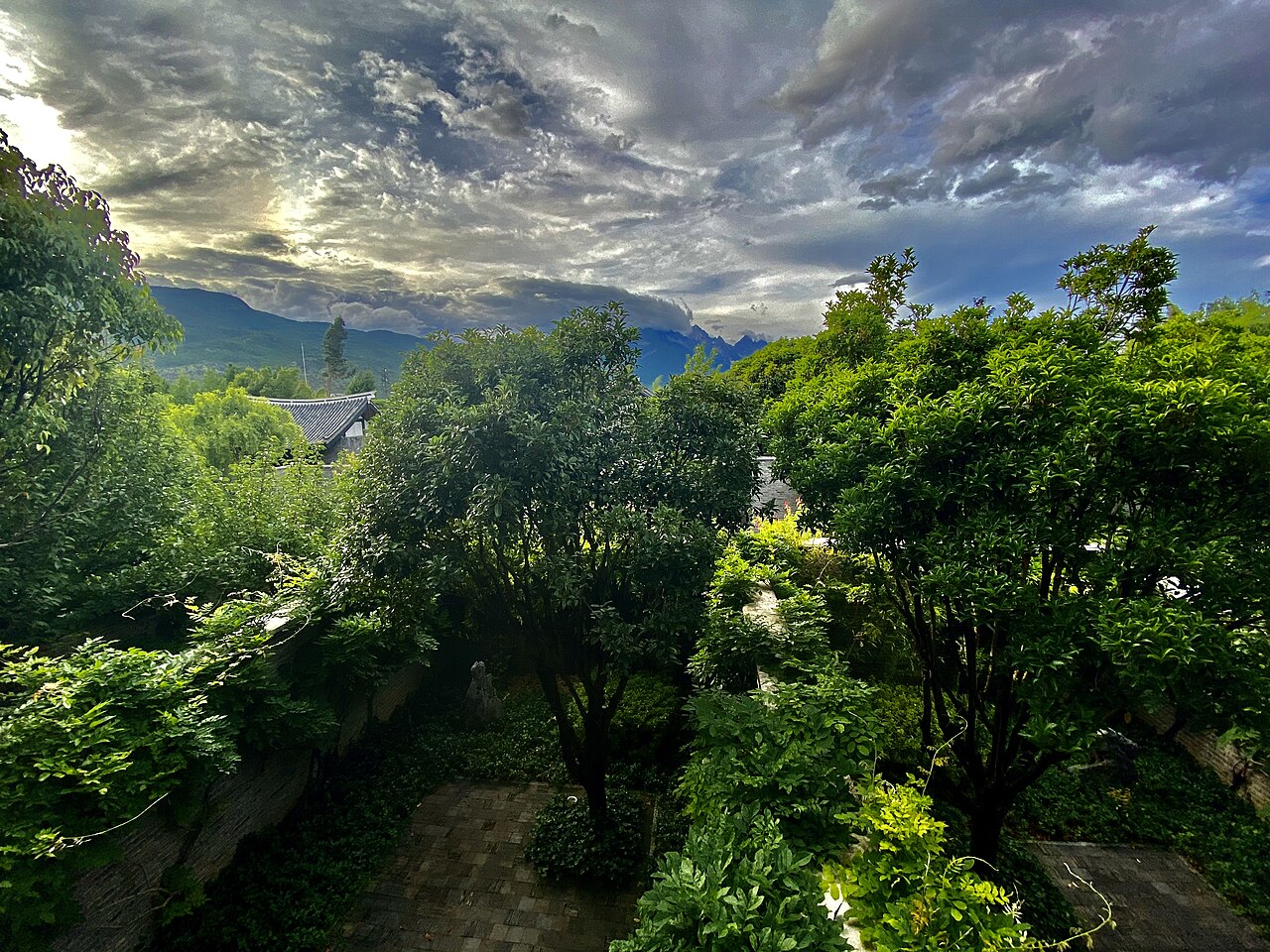
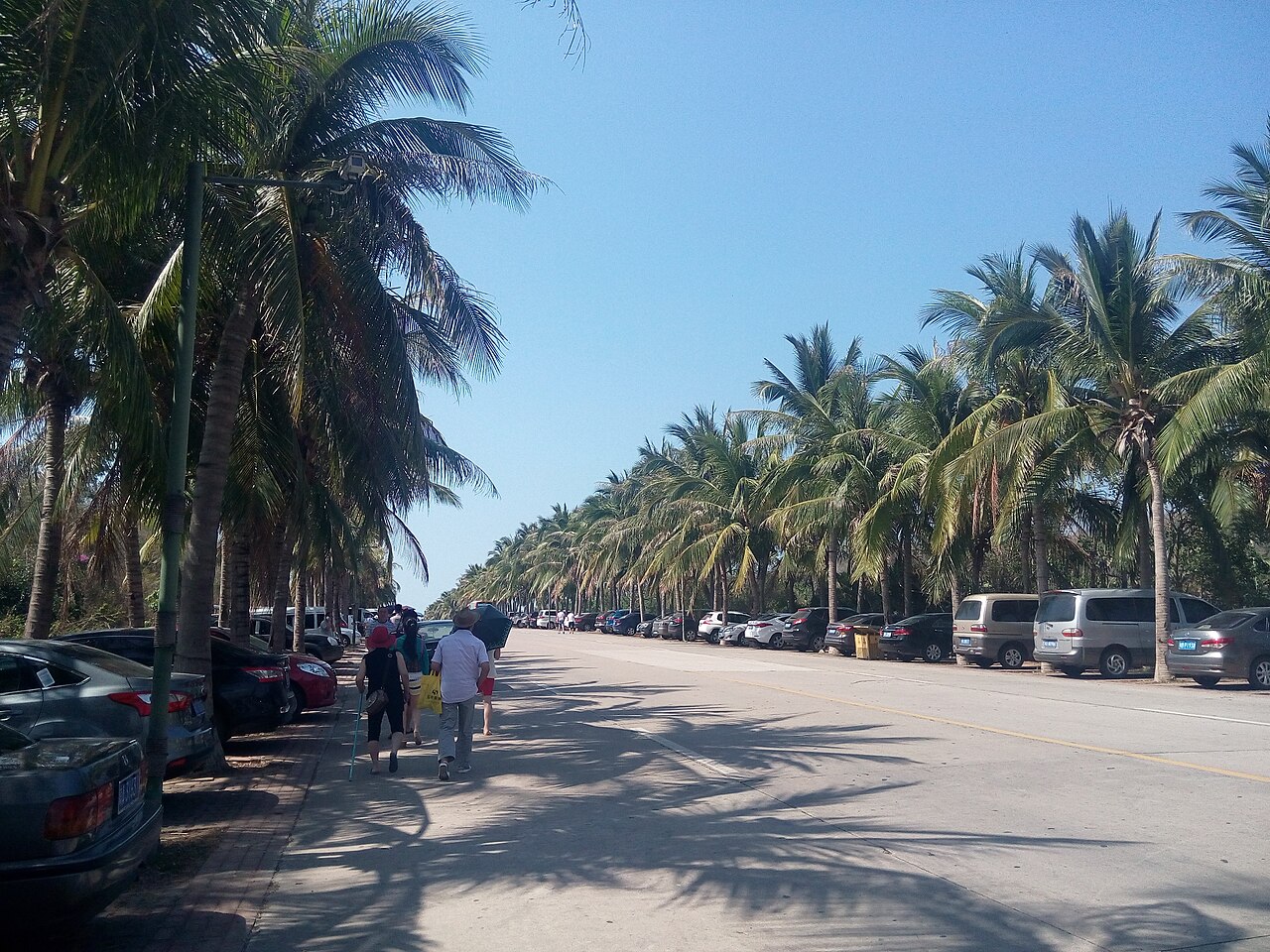
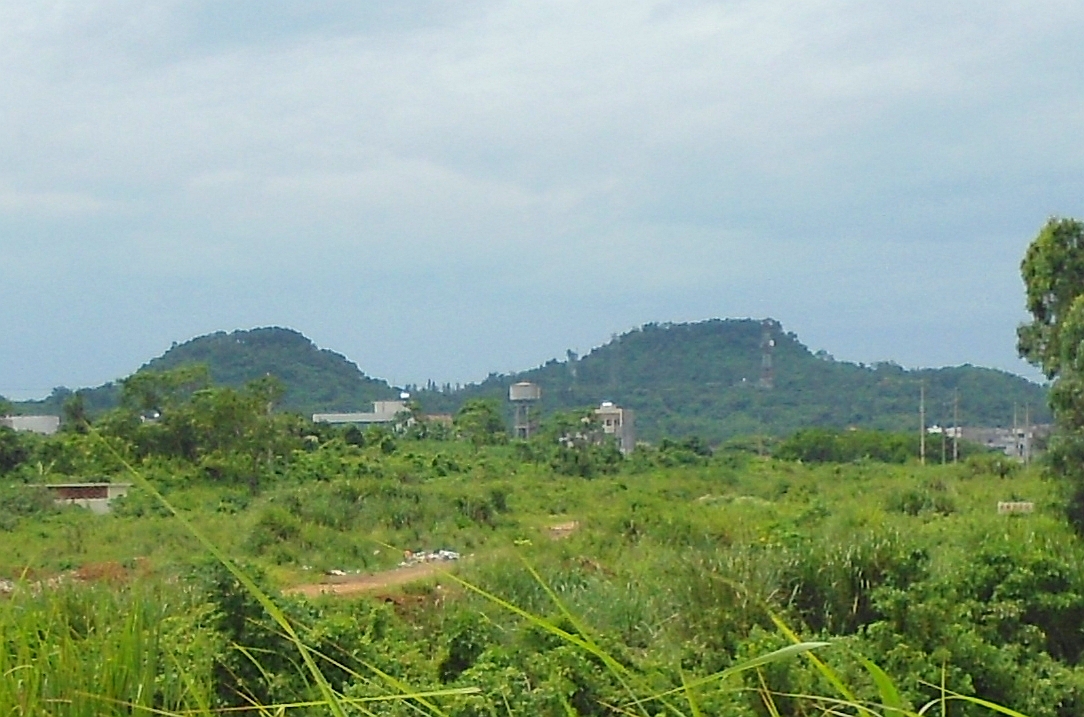
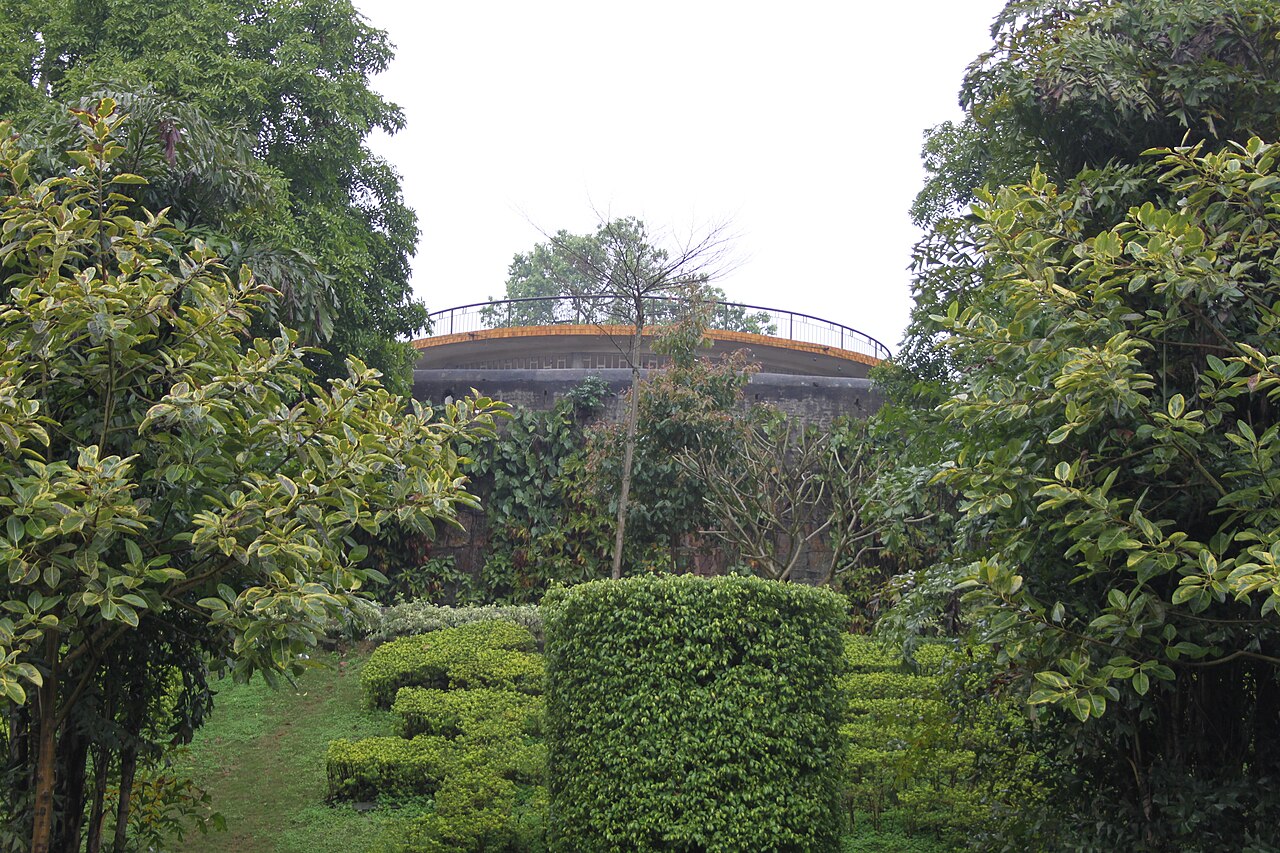
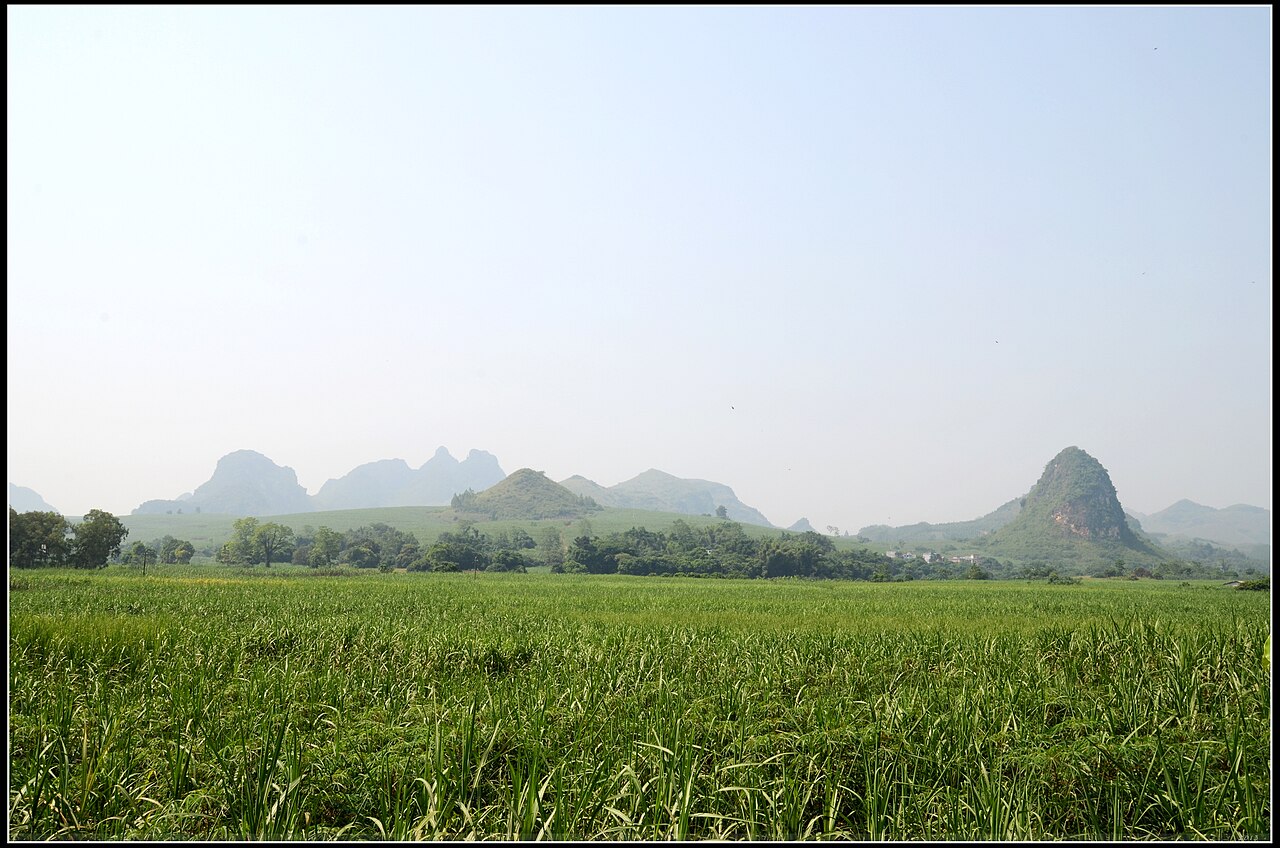
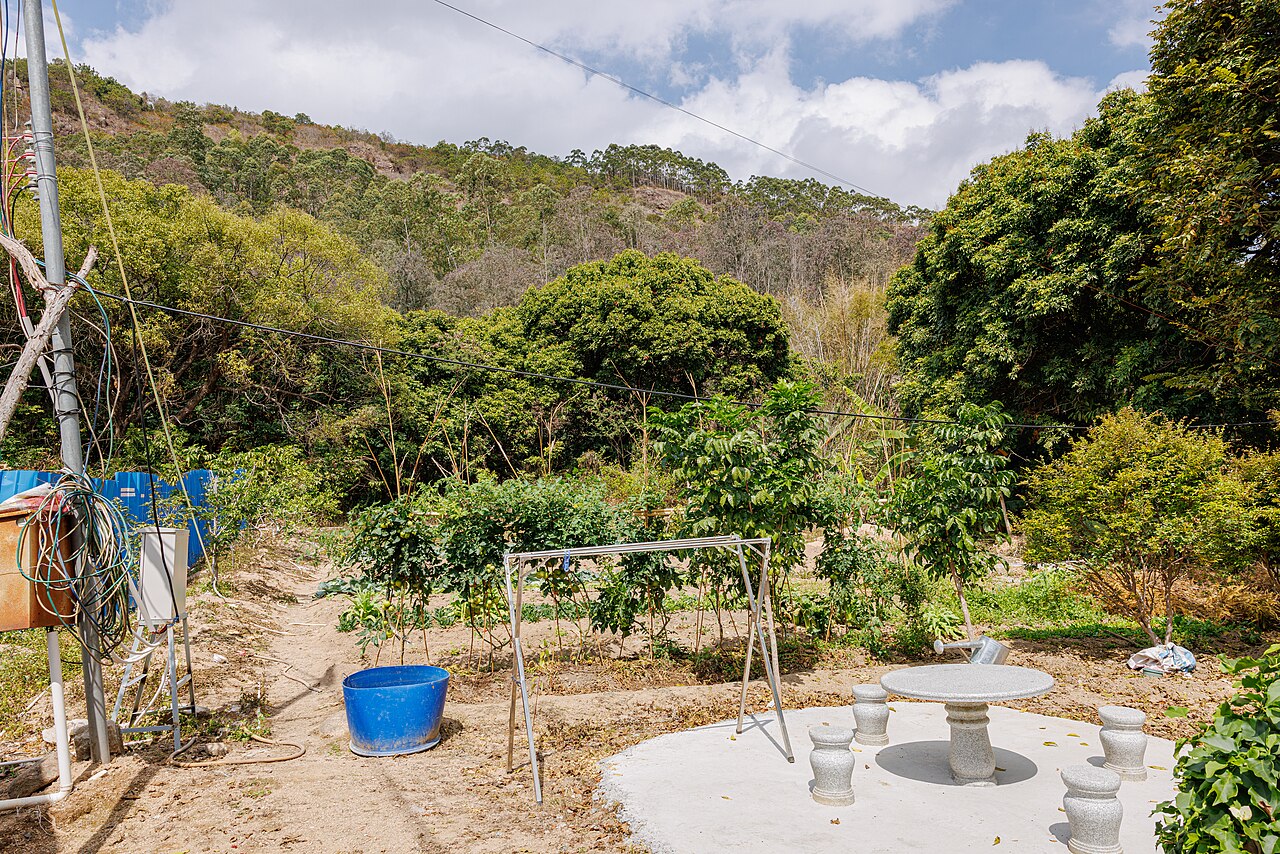
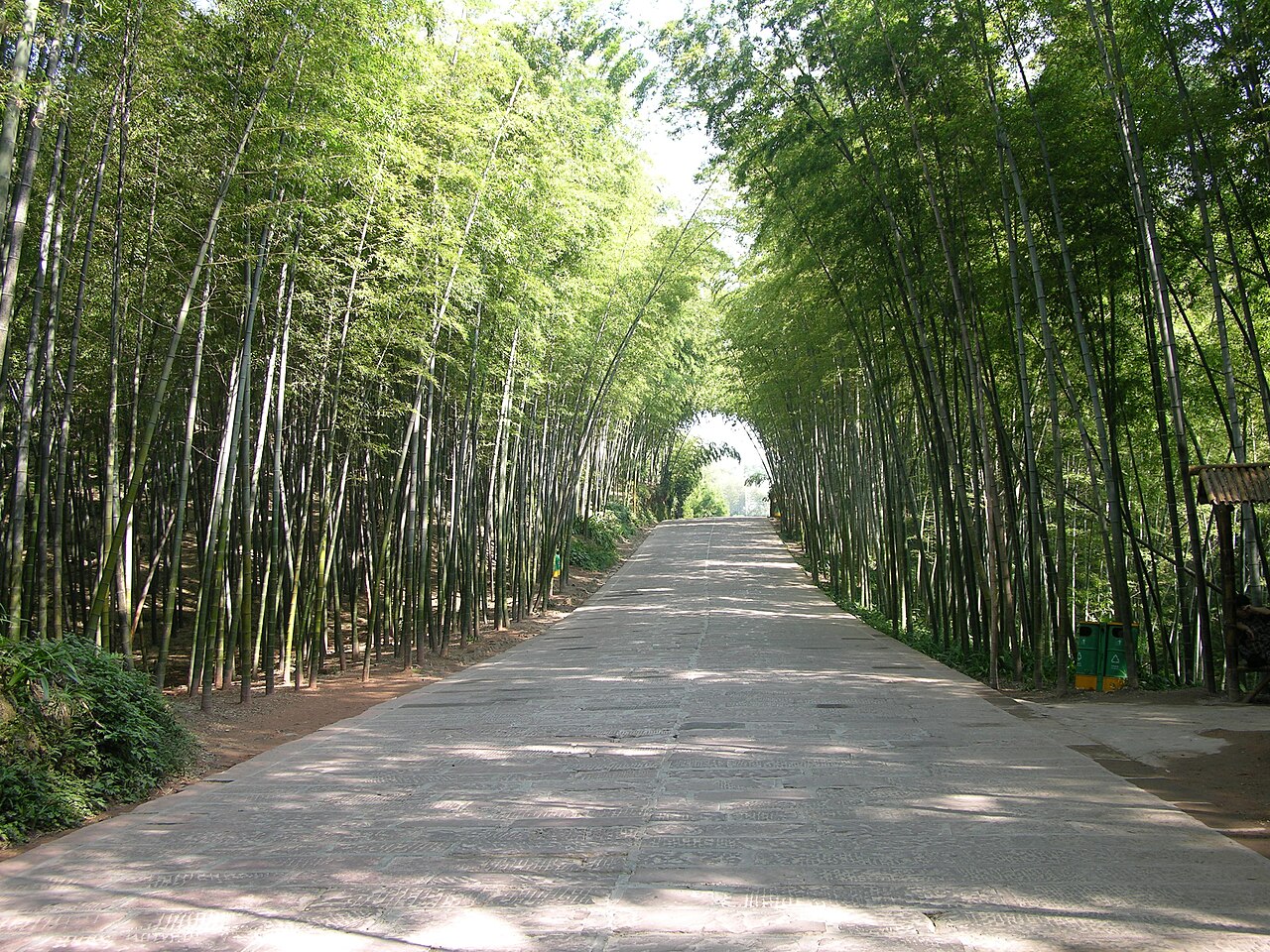
Flying down the road under those tall dark-green tropical plants, everything gives off a faint herbal smell, mixed with the clean wet earth after rain. It makes you want to close your eyes and just breathe it in, in tune with the land.
Traveller note — 'A Xishuangbanna Free-and-Easy Trip'
Only after coming here did I learn that Pu'er tea isn't from Pu'er at all — it's from Xishuangbanna. The six great tea mountains are all in Banna, and the drink travelled out along the old tea-horse road from right here.
Traveller note — 'A Xishuangbanna Free-and-Easy Trip'
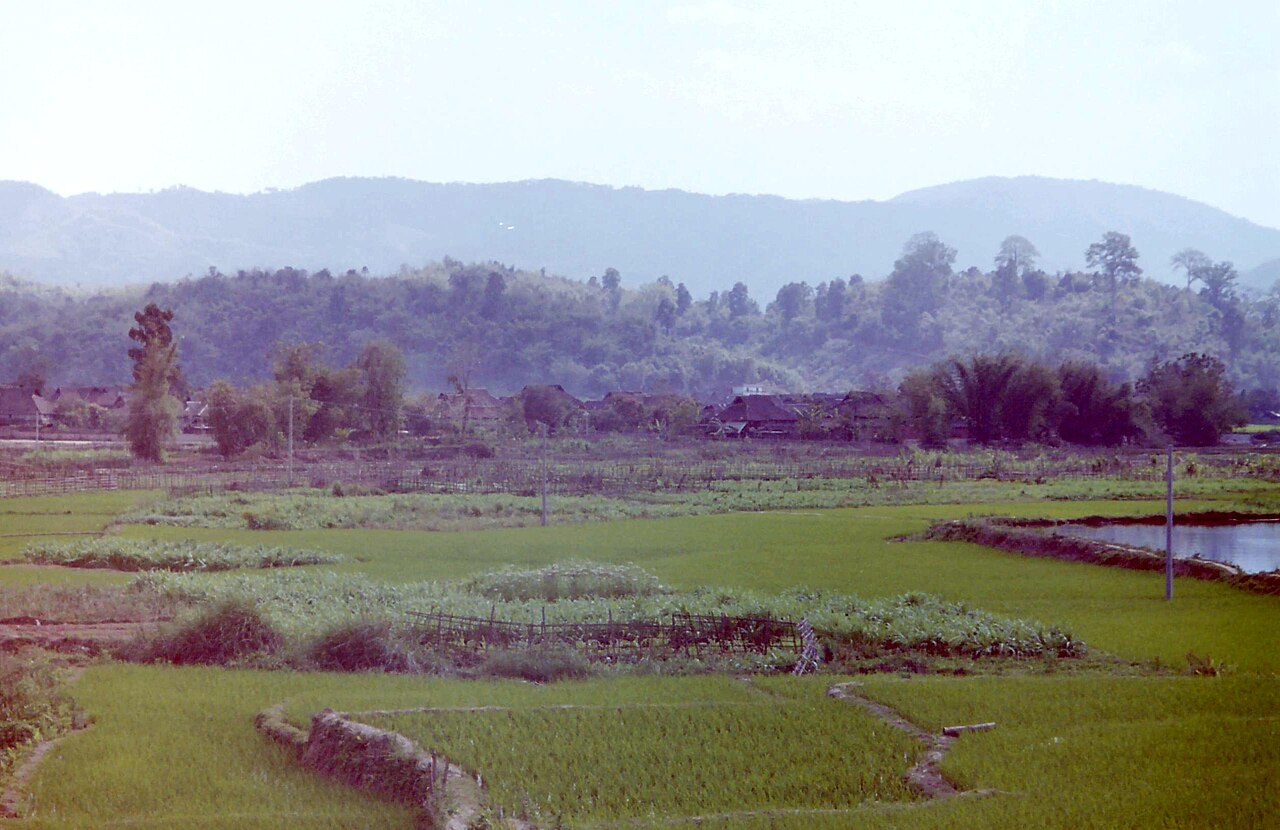
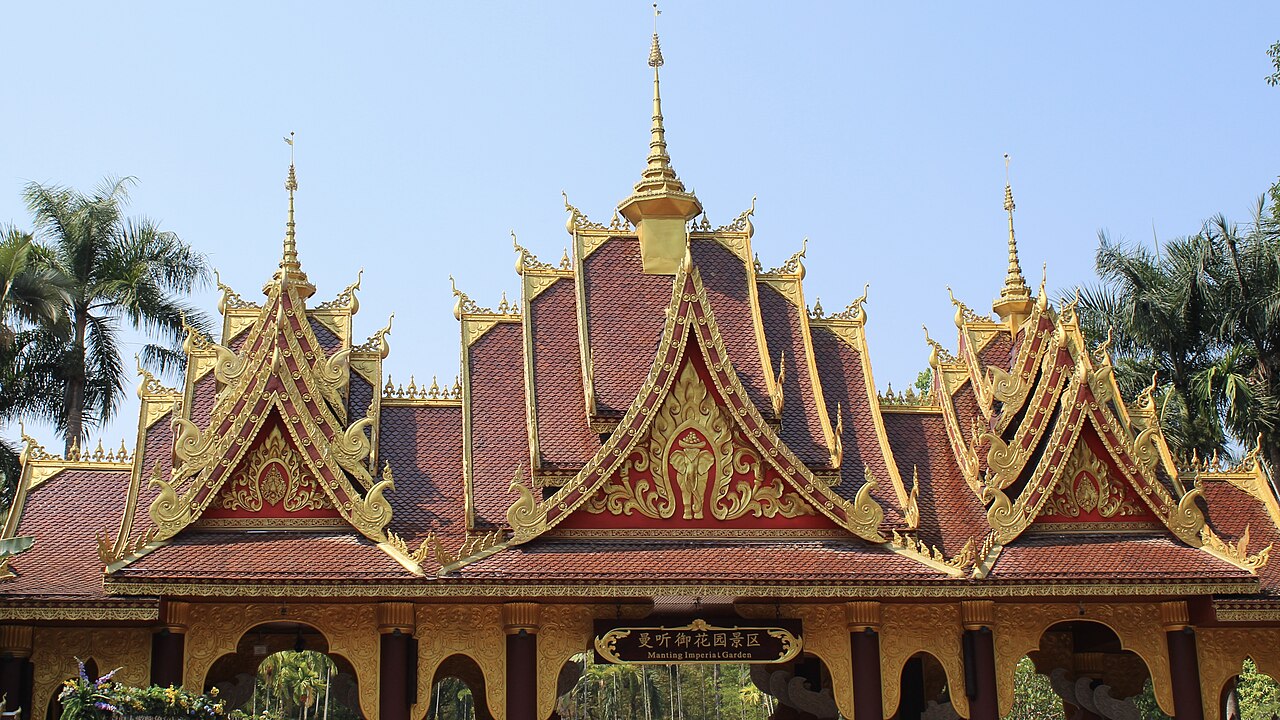
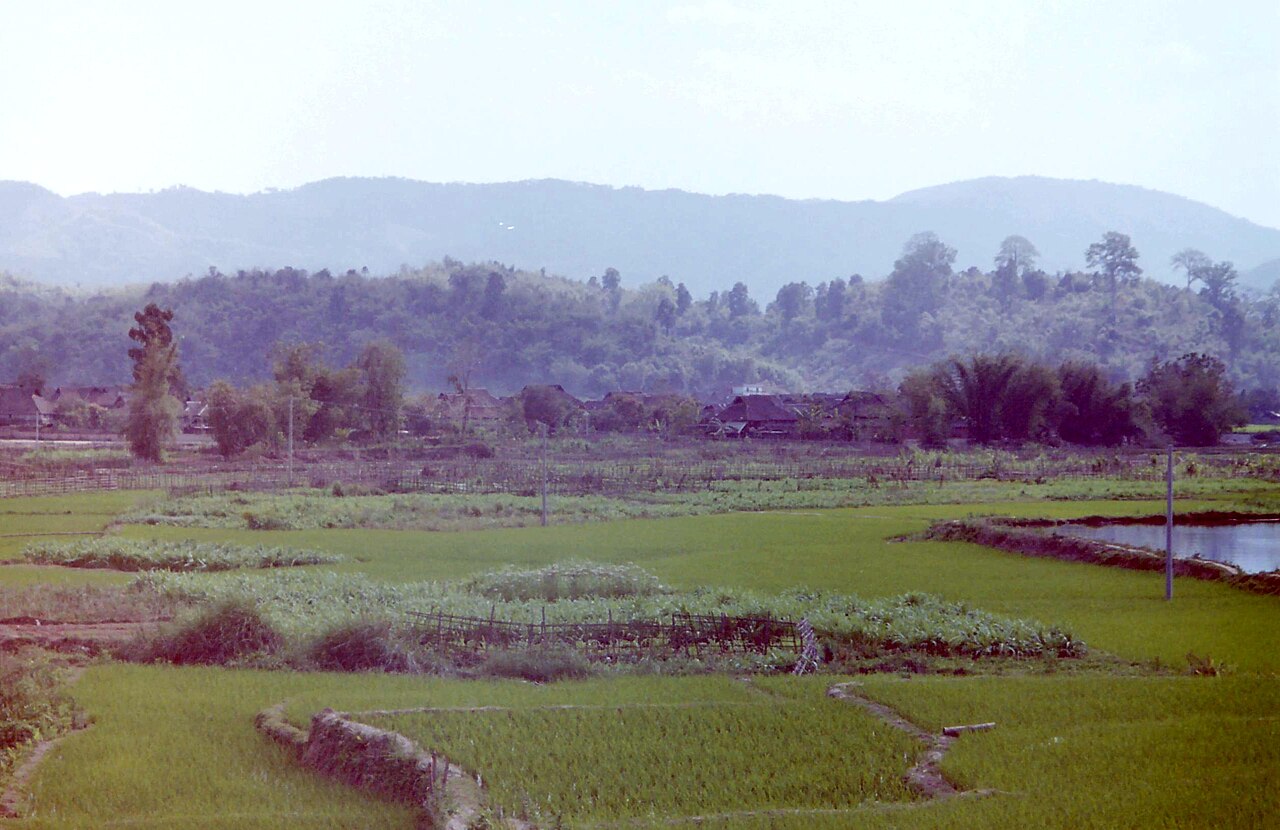
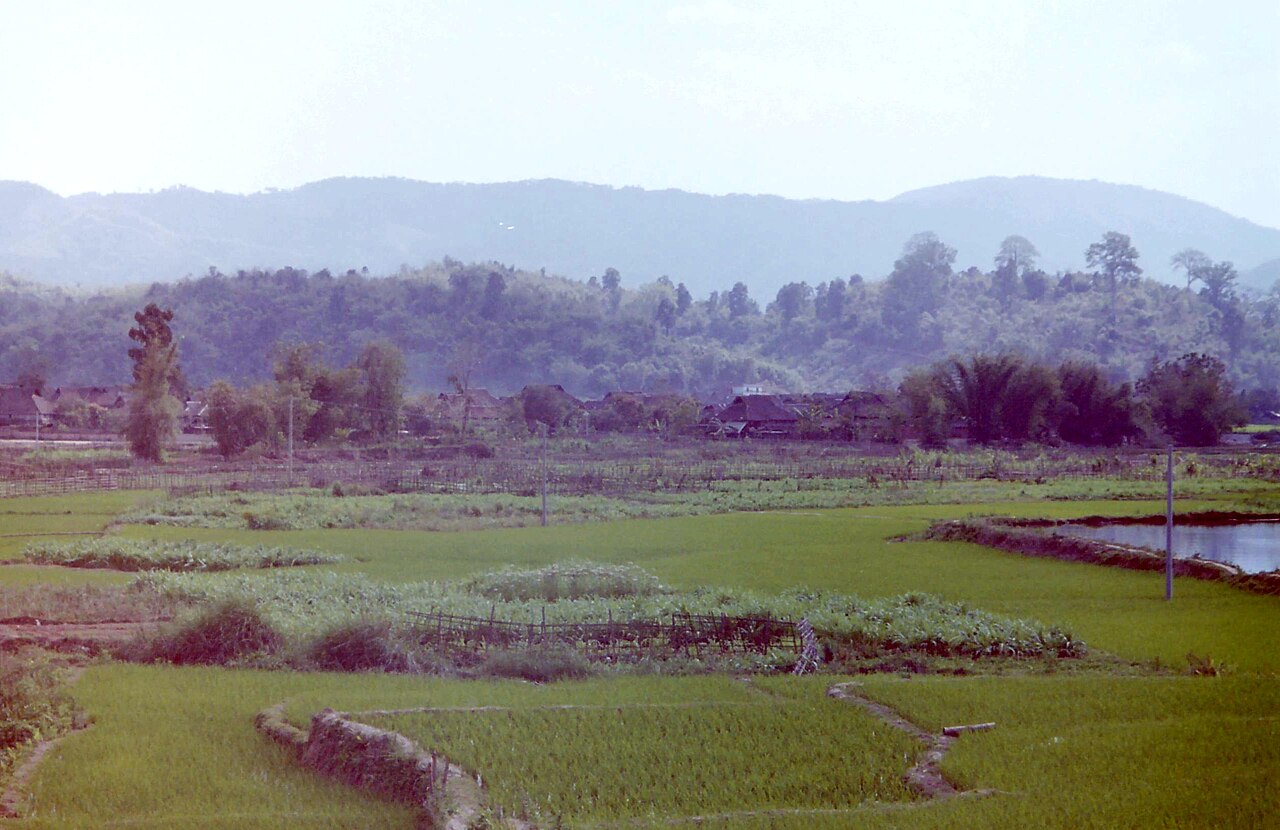
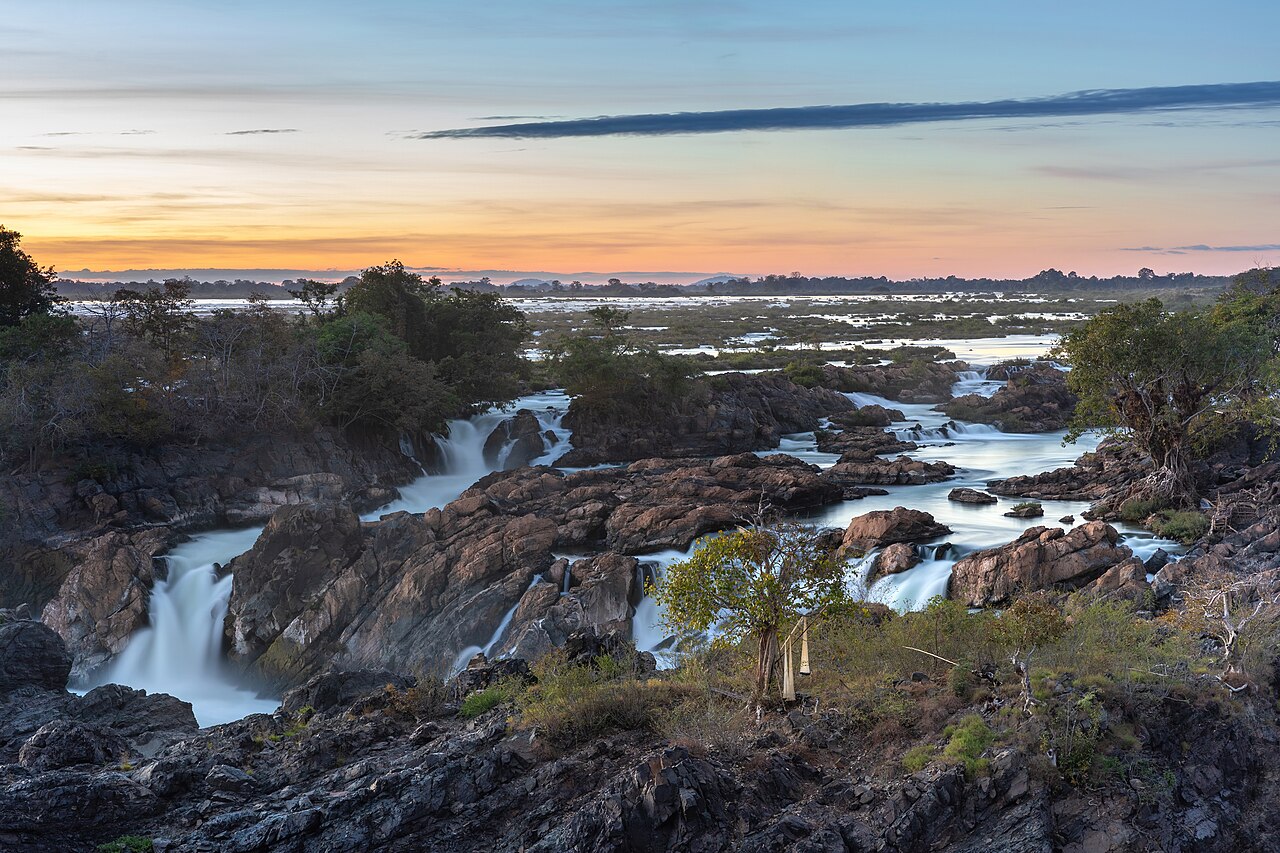
Xishuangbanna is the corner of China that does not feel Chinese: a sliver of the tropics at the country's south-west tip, against Laos and Myanmar, where rubber and banana grow along the road, the rainforest drips, and the Lancang — the Mekong in its upper course — runs the whole length of the prefecture. The majority people are Dai, whose language, food and Buddhist temples have far more in common with Thailand and Laos than with Beijing.
The name means 'twelve rice fields' in Dai, from the twelve districts the Ming carved out here in 1570, and its capital, Jinghong, is where almost every trip begins. From there the classic loop heads north to the rainforest and the elephant valley, east to the great botanical gardens at Menglun, and south to the Dai villages of Ganlanba, where a daily water-splashing show stands in for the festival.
This is also the birthplace of Pu'er tea. The six great tea mountains that made the drink famous all lie within the prefecture, and the old tea-horse road that carried it westward started here. Between the rainforest, the elephants, the temples and the tea, there is a great deal packed into one small, warm, very green corner of the map.
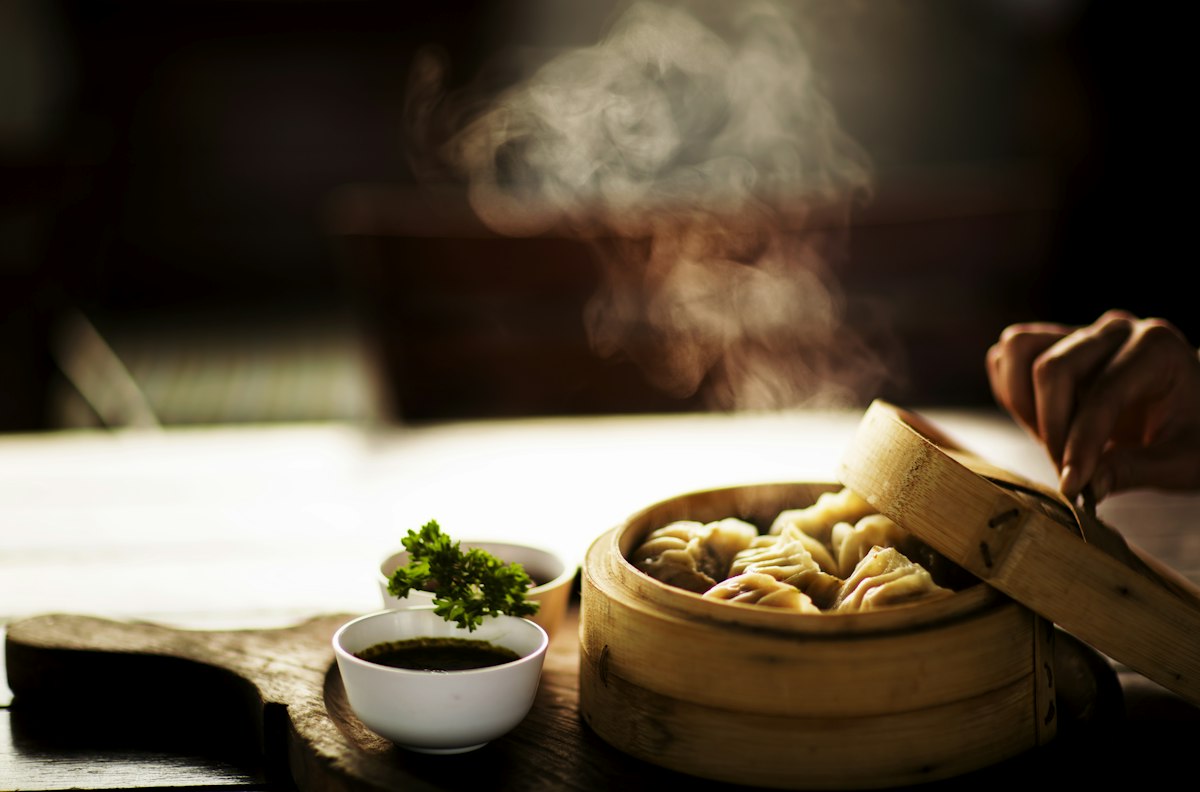
The rhythm is unhurried and the food is outstanding — sour, grilled and herbal, built on lemongrass, pineapple and river fish — and the evenings belong to the night markets along the Mekong. Come for the tropical novelty; stay for the Dai culture underneath it.