City guide · Zhejiang

Qiandao Lake travel guide: how the through-ticket works, the boat timetable, and which islands are worth the stop

A thousand islands that did not exist sixty years ago, and the cleanest big-lake water in China.

  • Known for1,078 islands, clean water, fish head
  • Typical spend¥800 for 2 days
  • Ideal length2 days
  • PaceModerate — boats, then the edges

Reviewed by our Beijing team Updated 2026-10-10

The short version

Qiandao Lake is a reservoir of 1,078 islands in Chun'an county, Zhejiang — the cleanest big-lake water in China, and two days is the right length. One ¥150 through-ticket (¥120 in winter, students half) covers any island in any lake zone, and you register at the gate for a ¥10 fee if you want to spread it over two days. The public cruise boats run on a bus-style timetable at ¥45 a head, and the one thing you must eat is the organic fish head. Budget about ¥800 and come between September and November.

  • The ticket is a through-ticket, not a per-island ticket: ¥150 in season, ¥120 in winter, students half. Register at the gate and pay ¥10 if you want to use it over two days.
  • Boats have run bus-style since 2012, at ¥45 a head — anything you read dated earlier is wrong. Central zone leaves 08:00–09:00 and 10:00–10:40; southeast zone at 08:40, 09:20, 10:00, 11:00 and 13:00.
  • Meifeng is the one viewpoint worth climbing: more than 300 islands from the platform, best visibility in autumn. Cable car ¥25 up, ¥20 down, ¥40 return.
  • Eat the fish head in town, not on the boat. A resort tureen of thick soup is ¥368 and feeds five; a village farmhouse does whole bighead at ¥28 a jin.
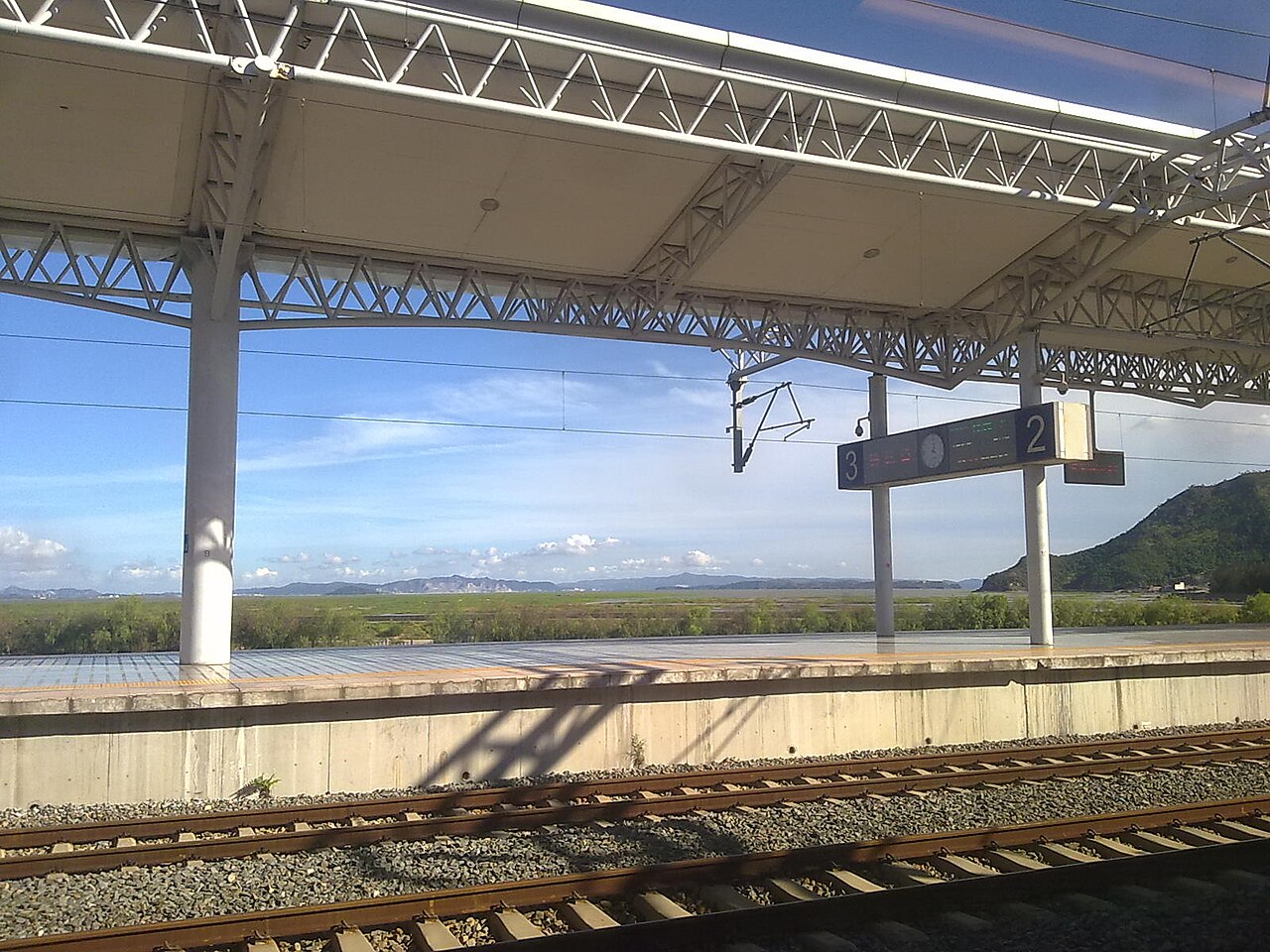
  • Do not book the Qiandao Lake railway station — it is in Jiande, not at the lake. Coach from Hangzhou West station every 30 minutes, two hours, ¥60.

City guide

First impressions

Photographs from the coast, and what other travellers wrote afterwards.

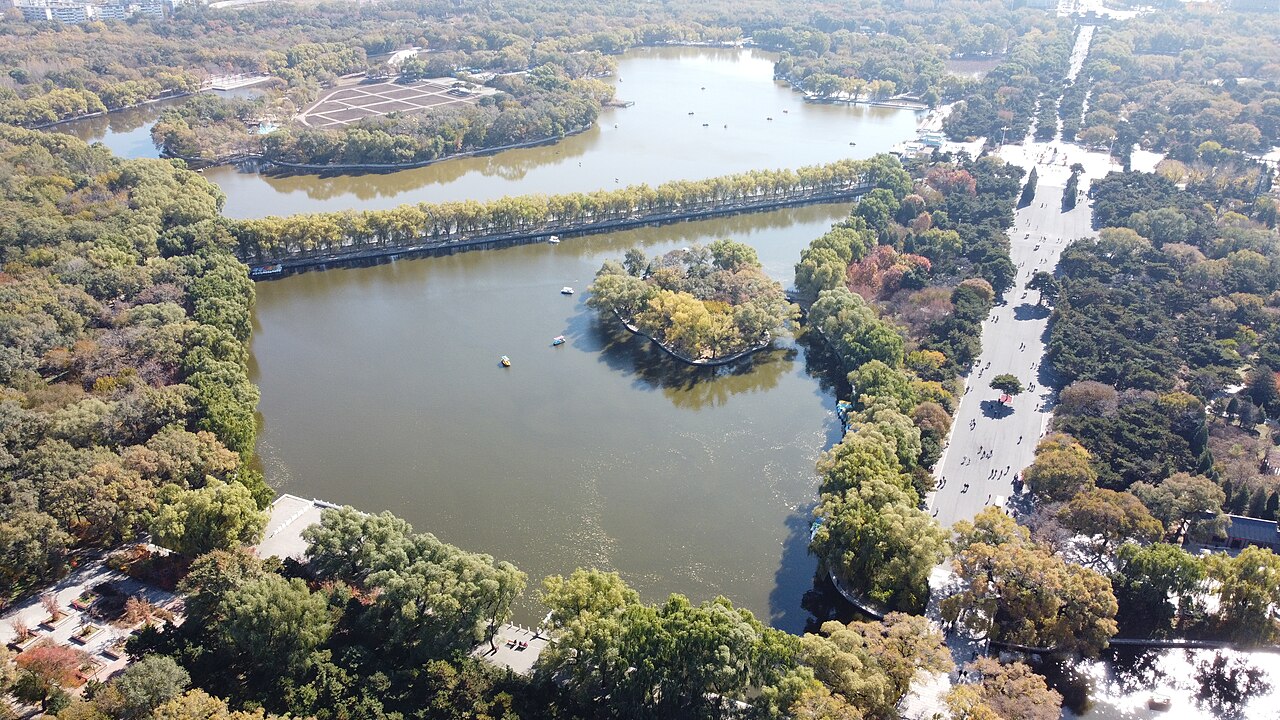
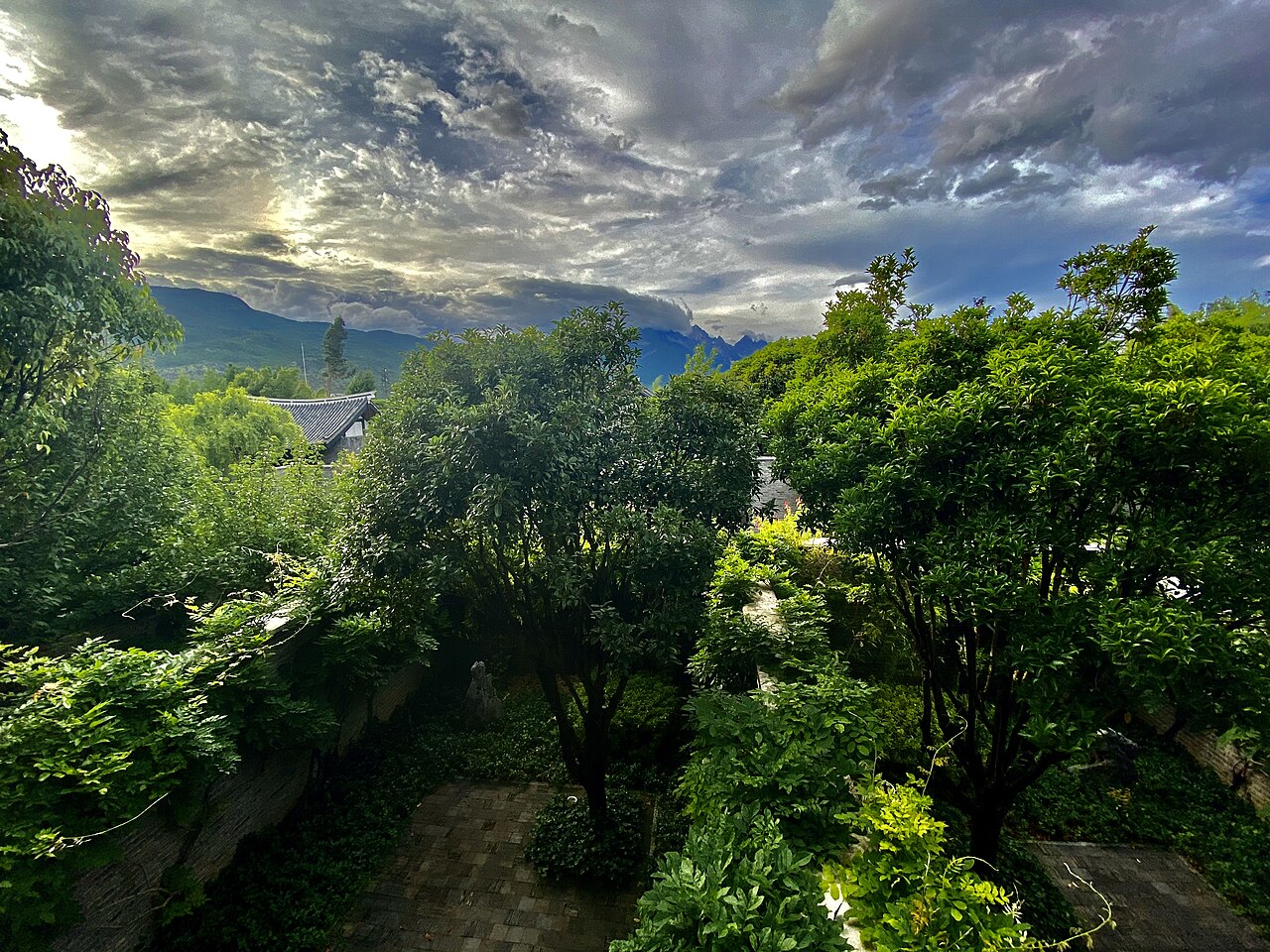
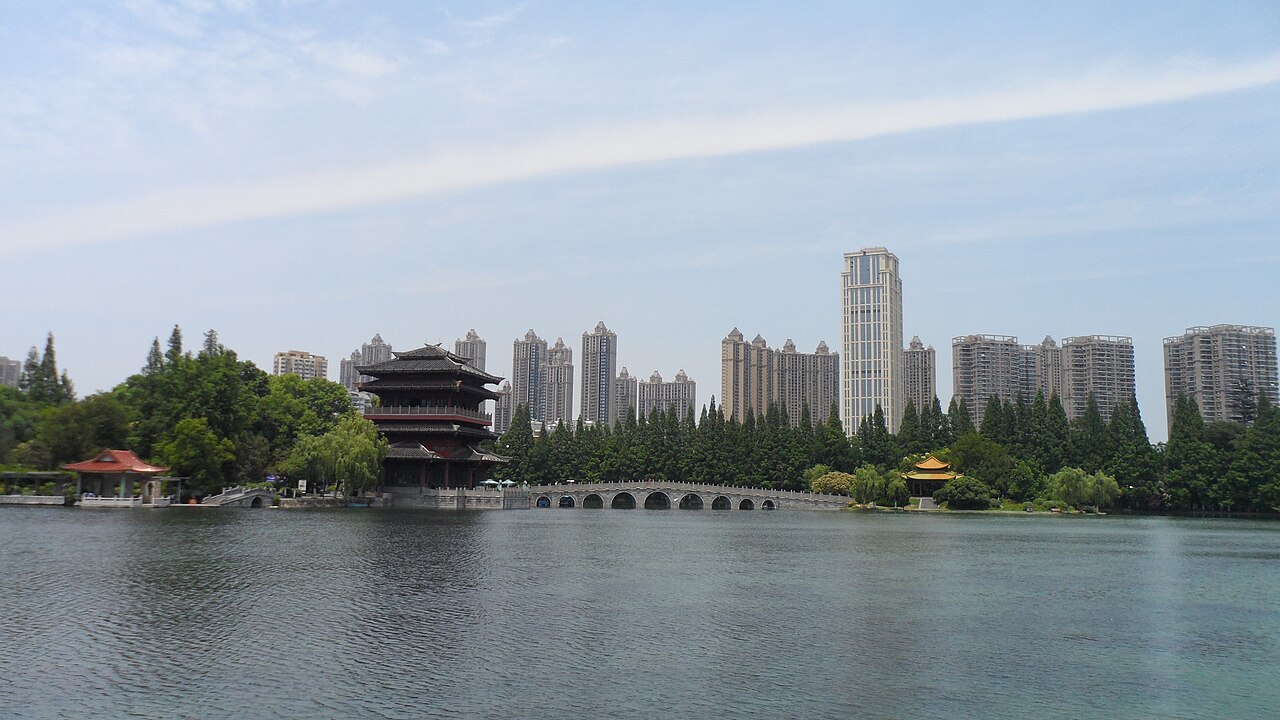
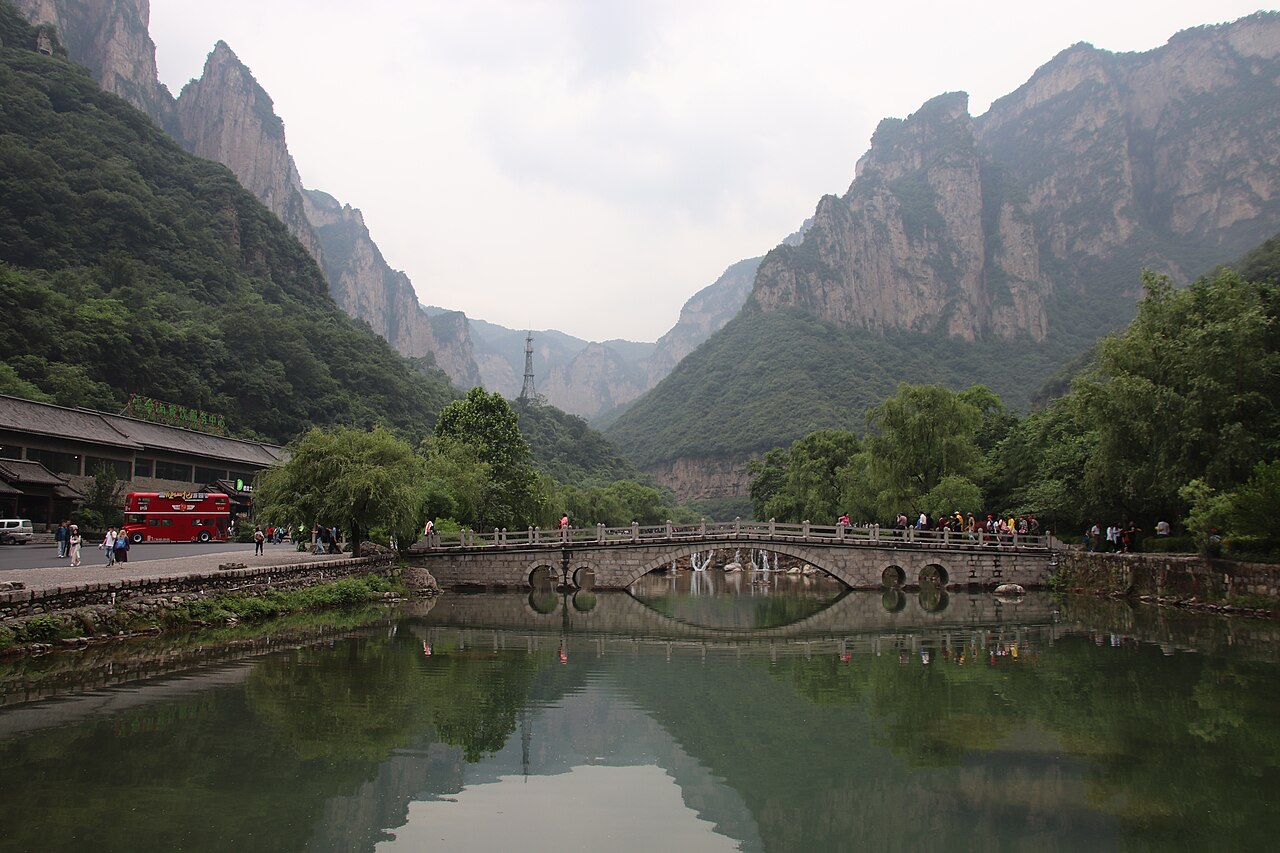
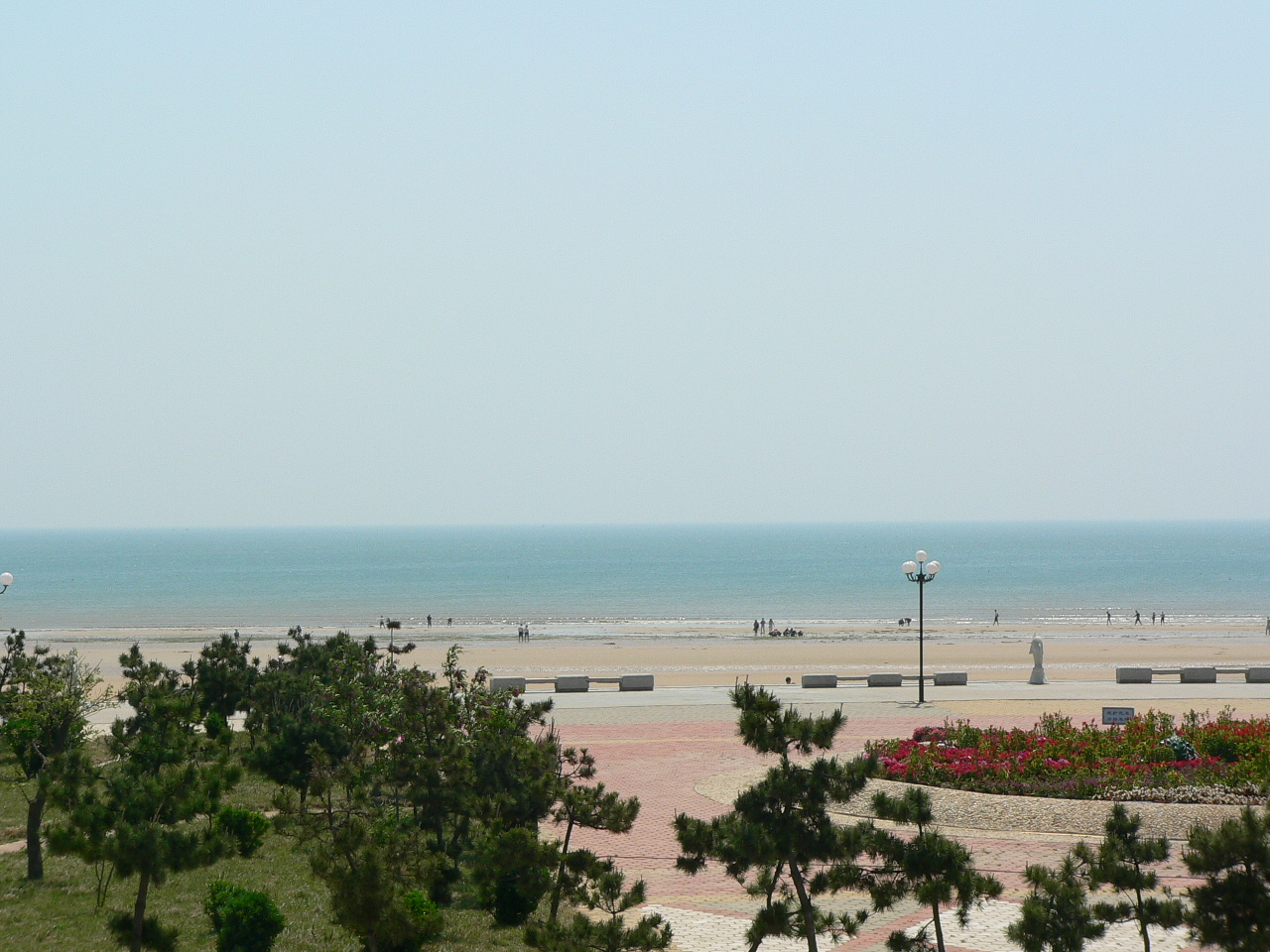
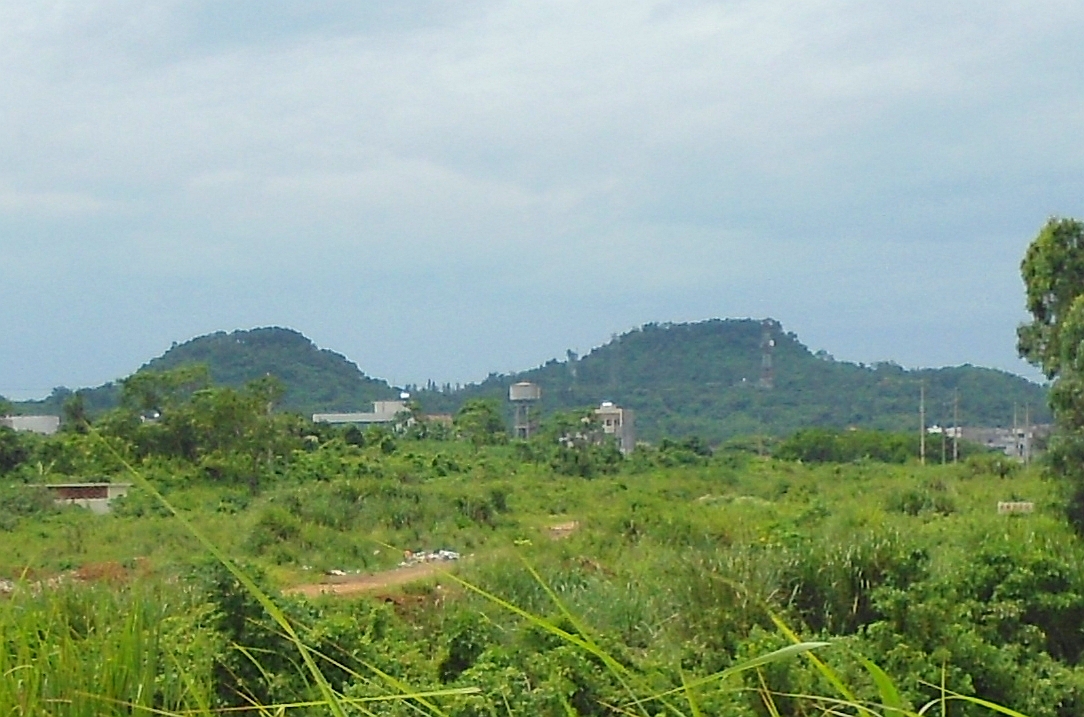
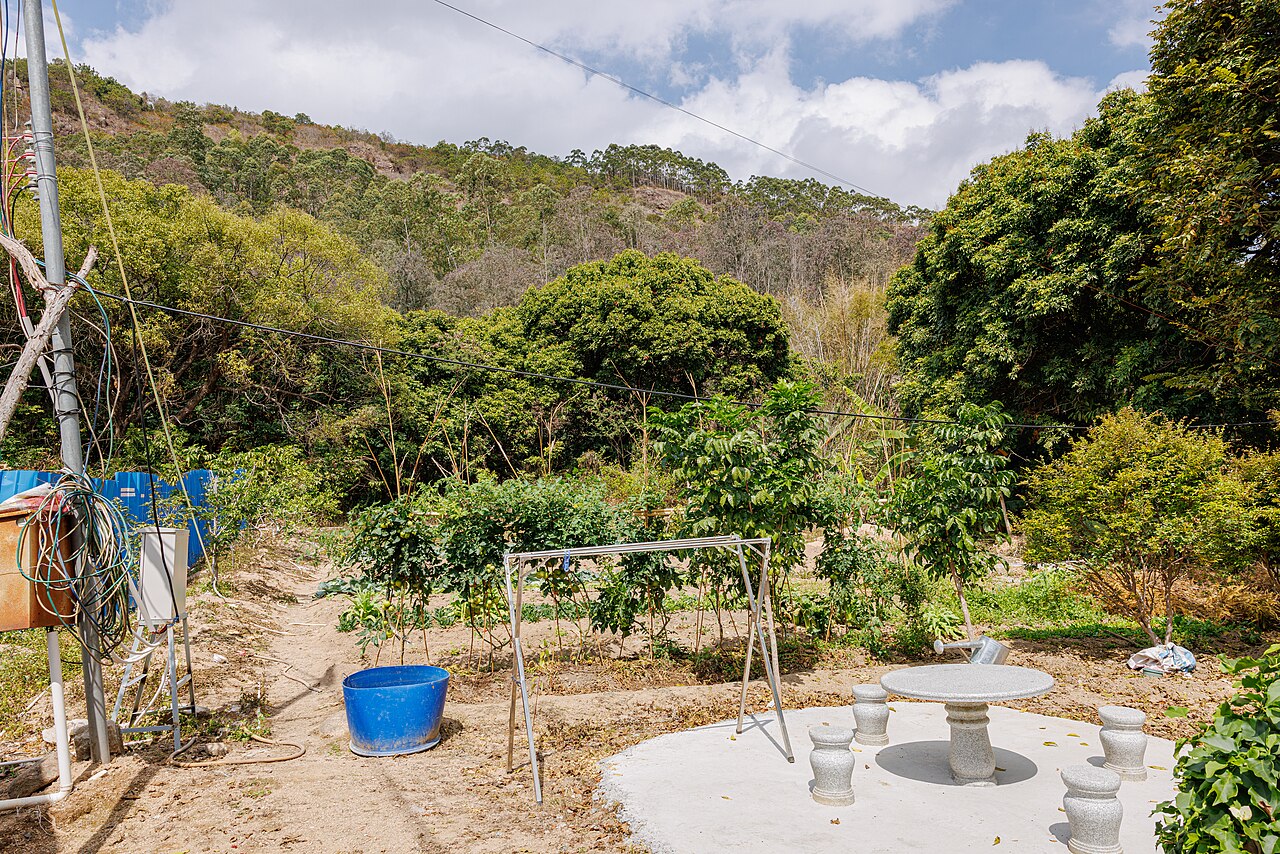
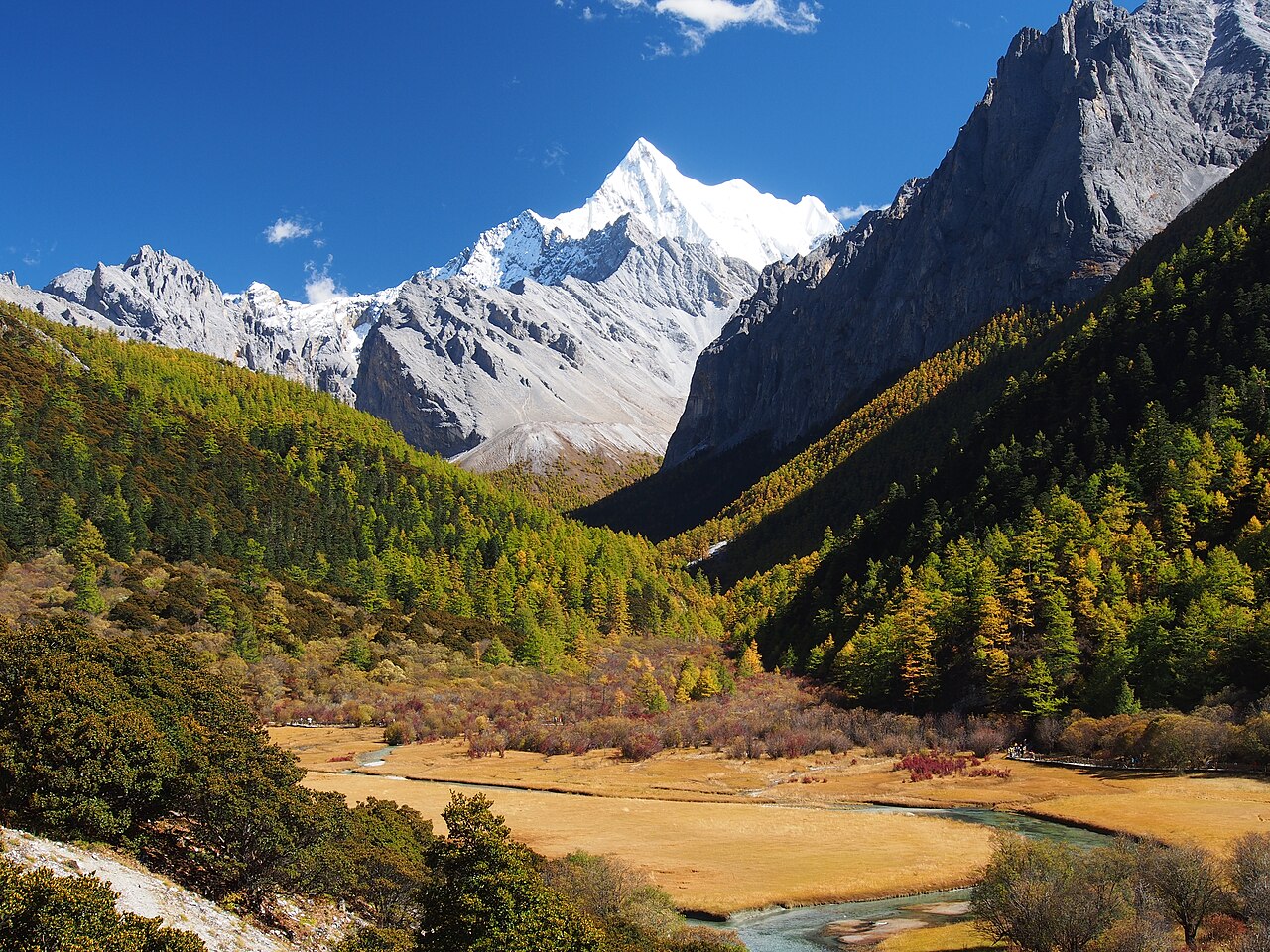
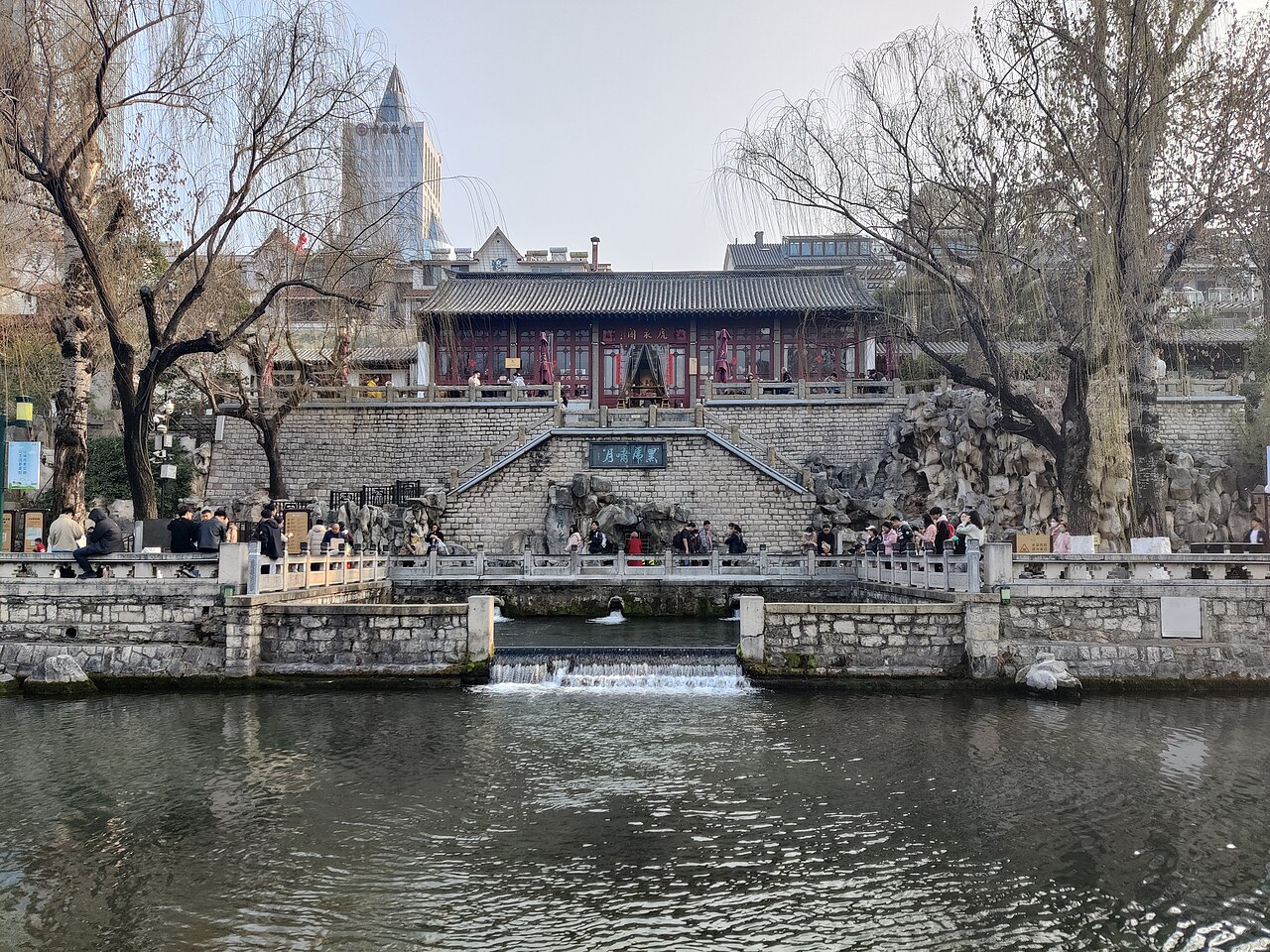
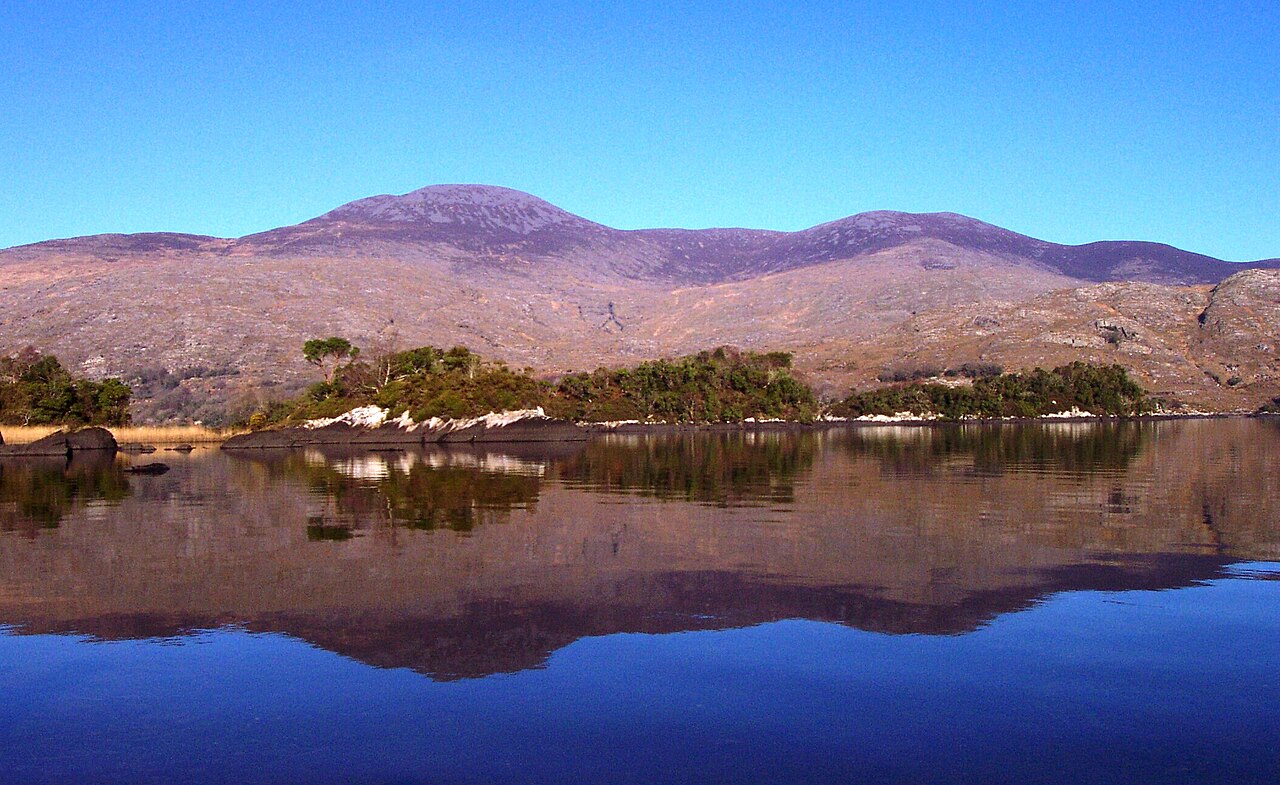
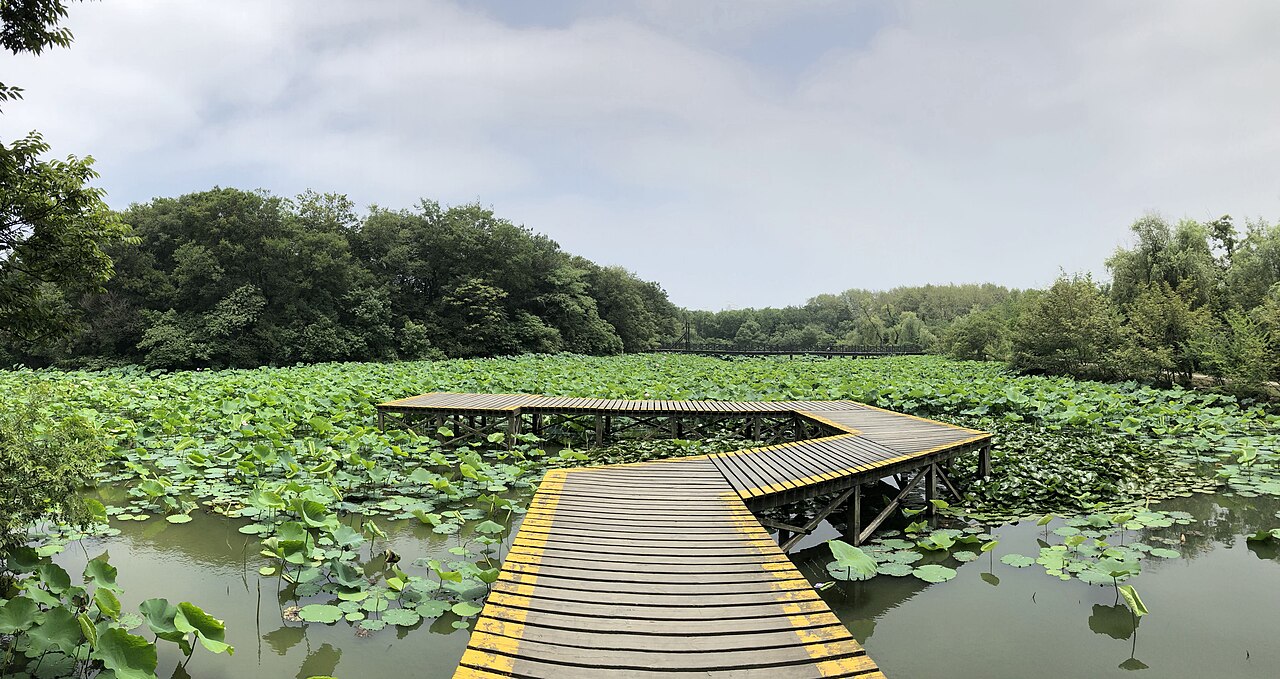
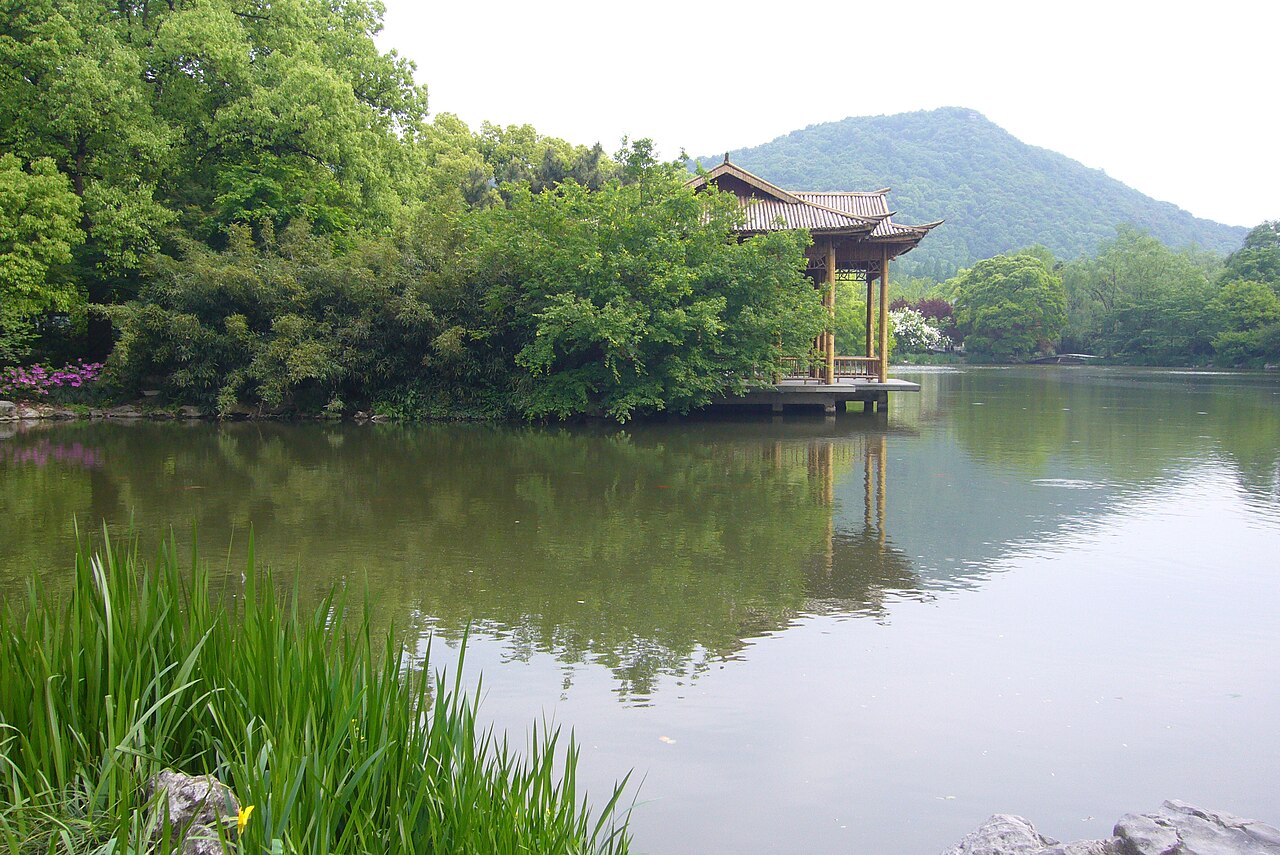
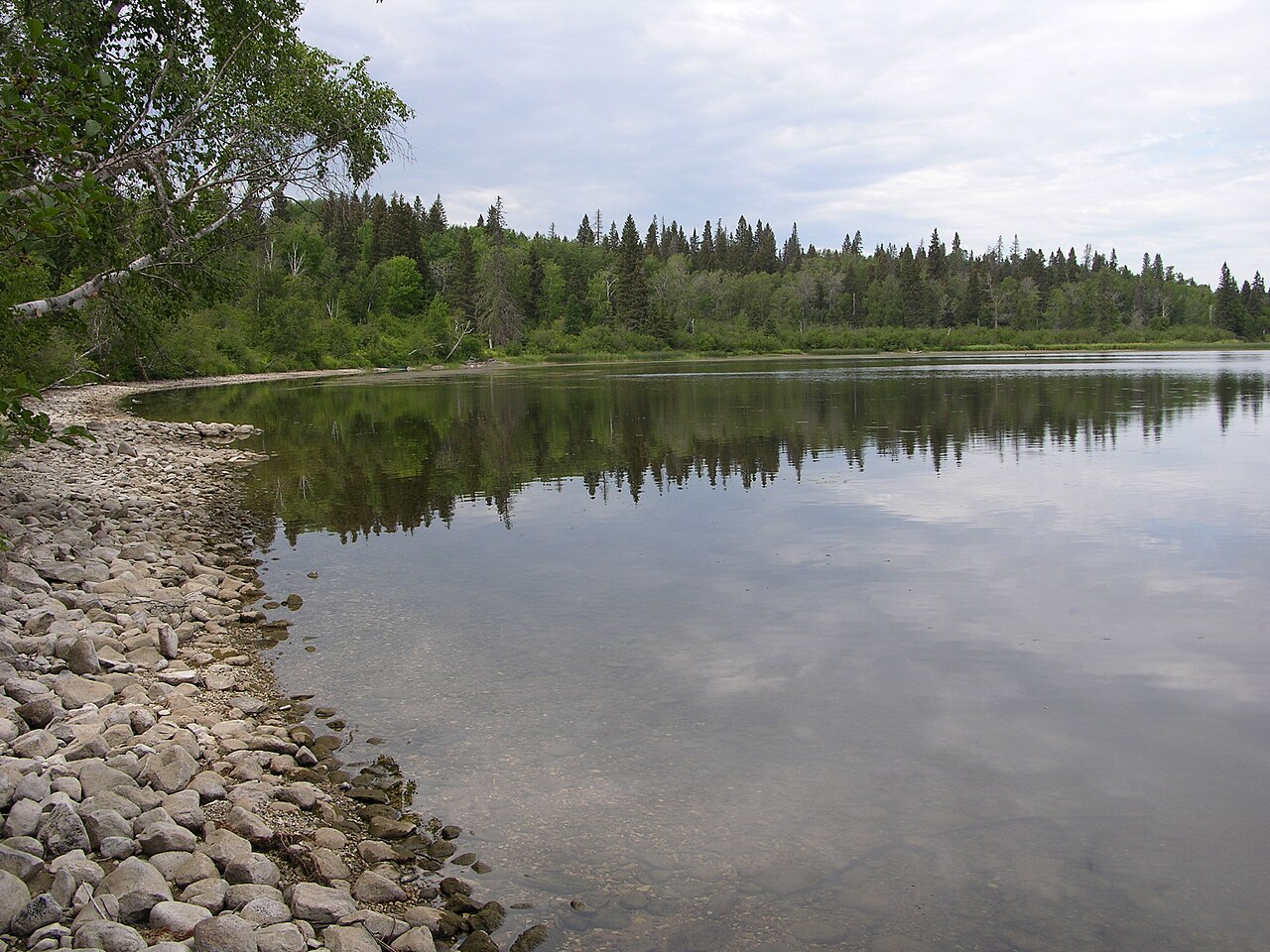
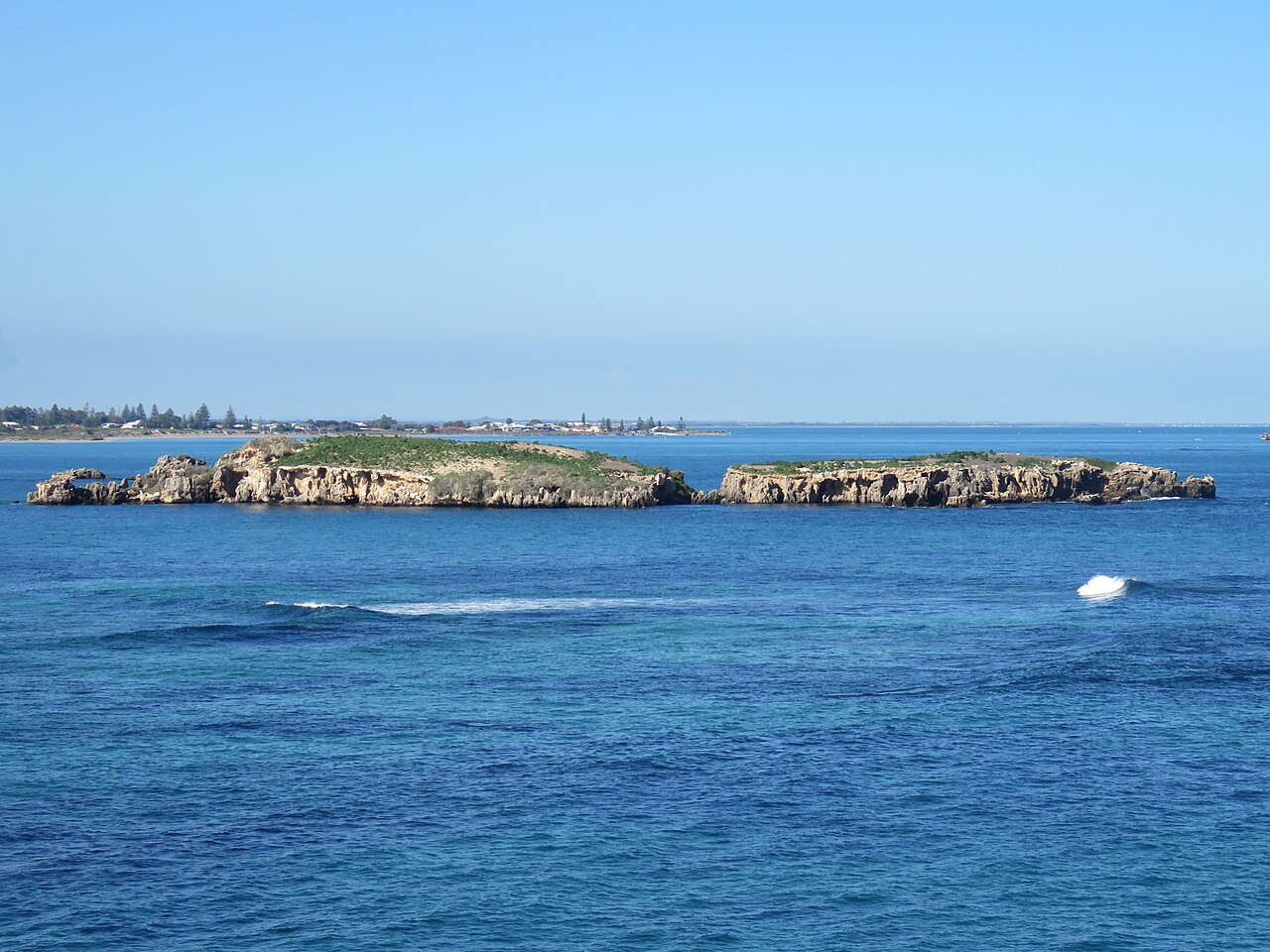
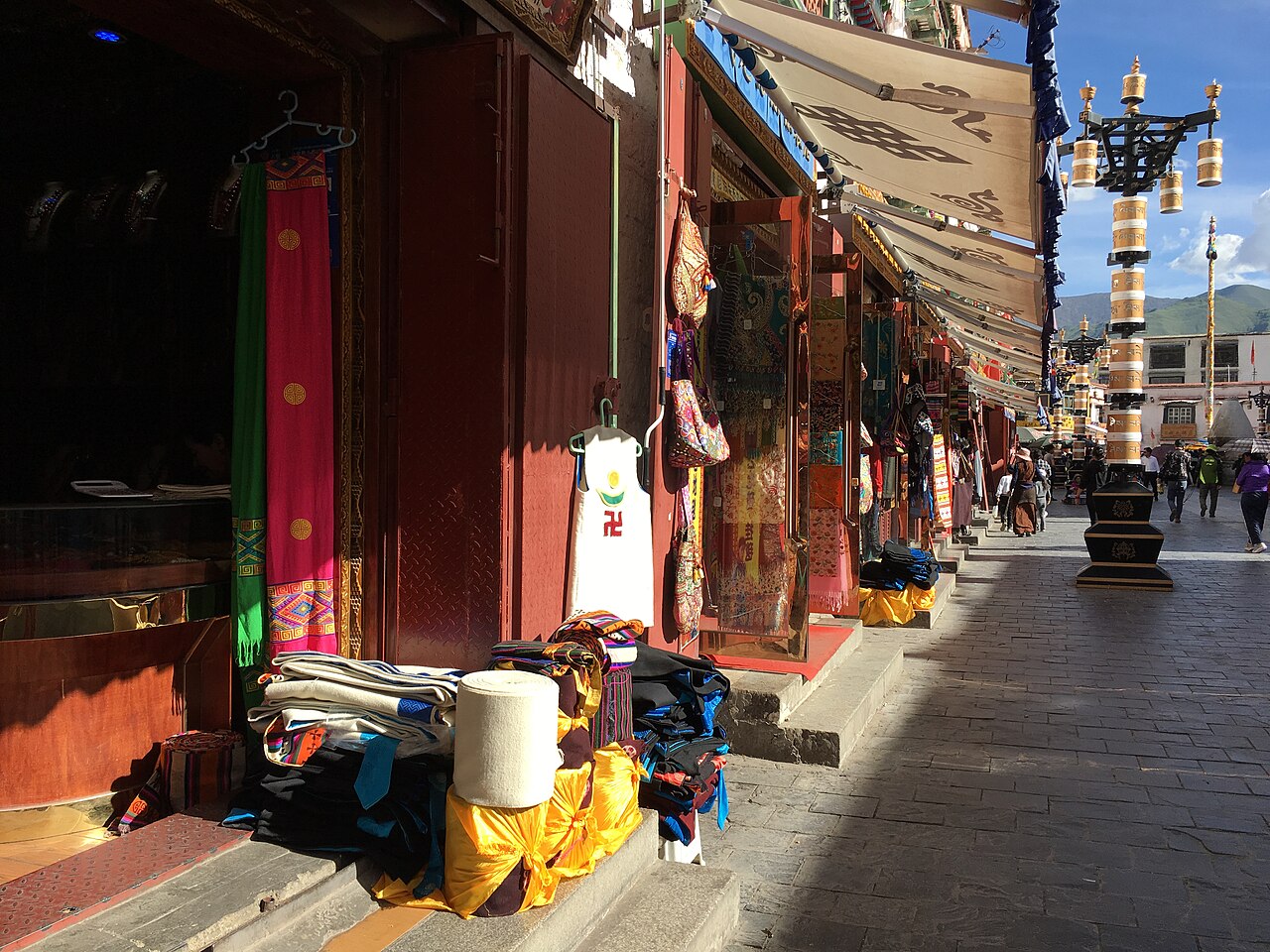
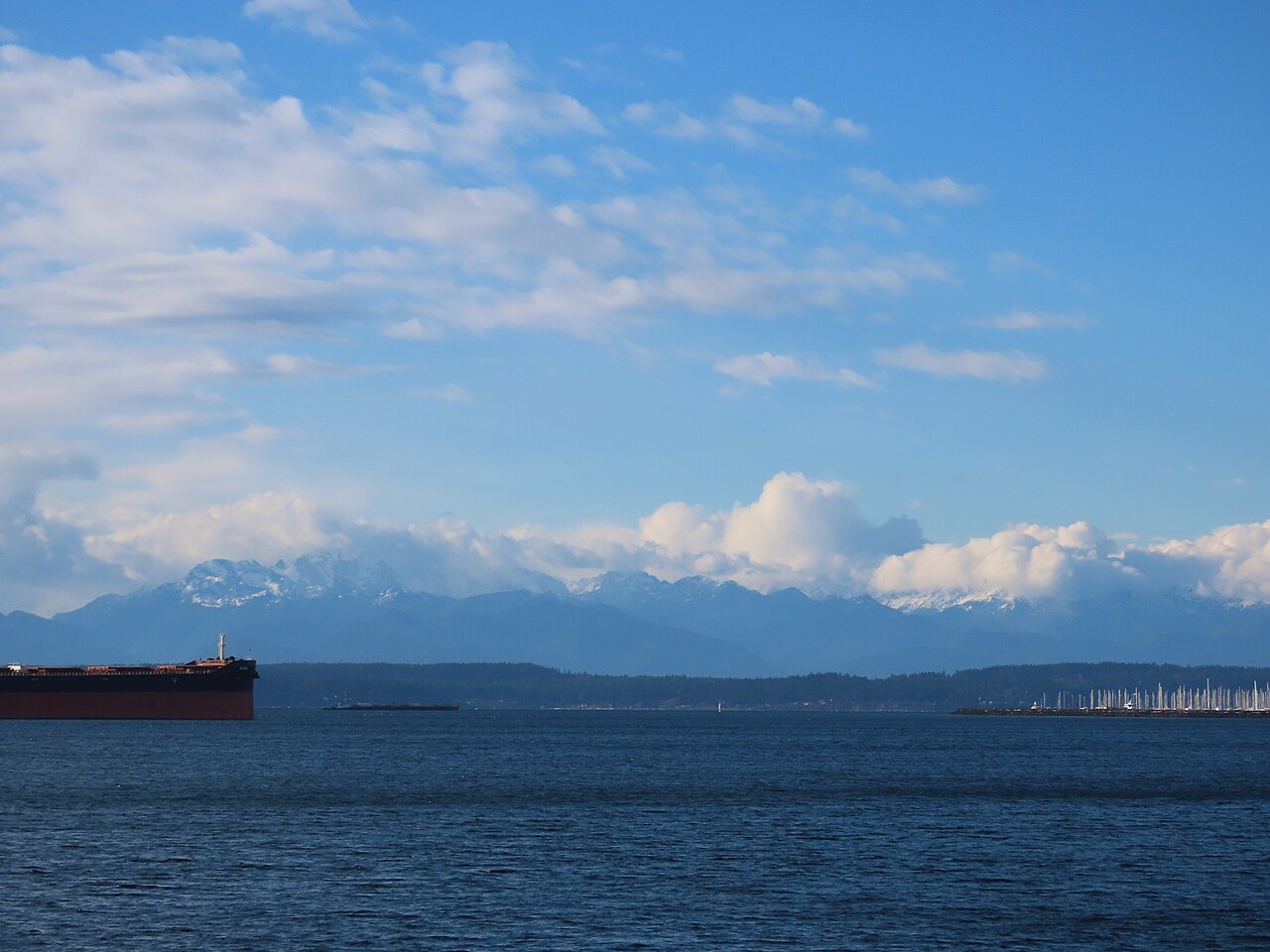
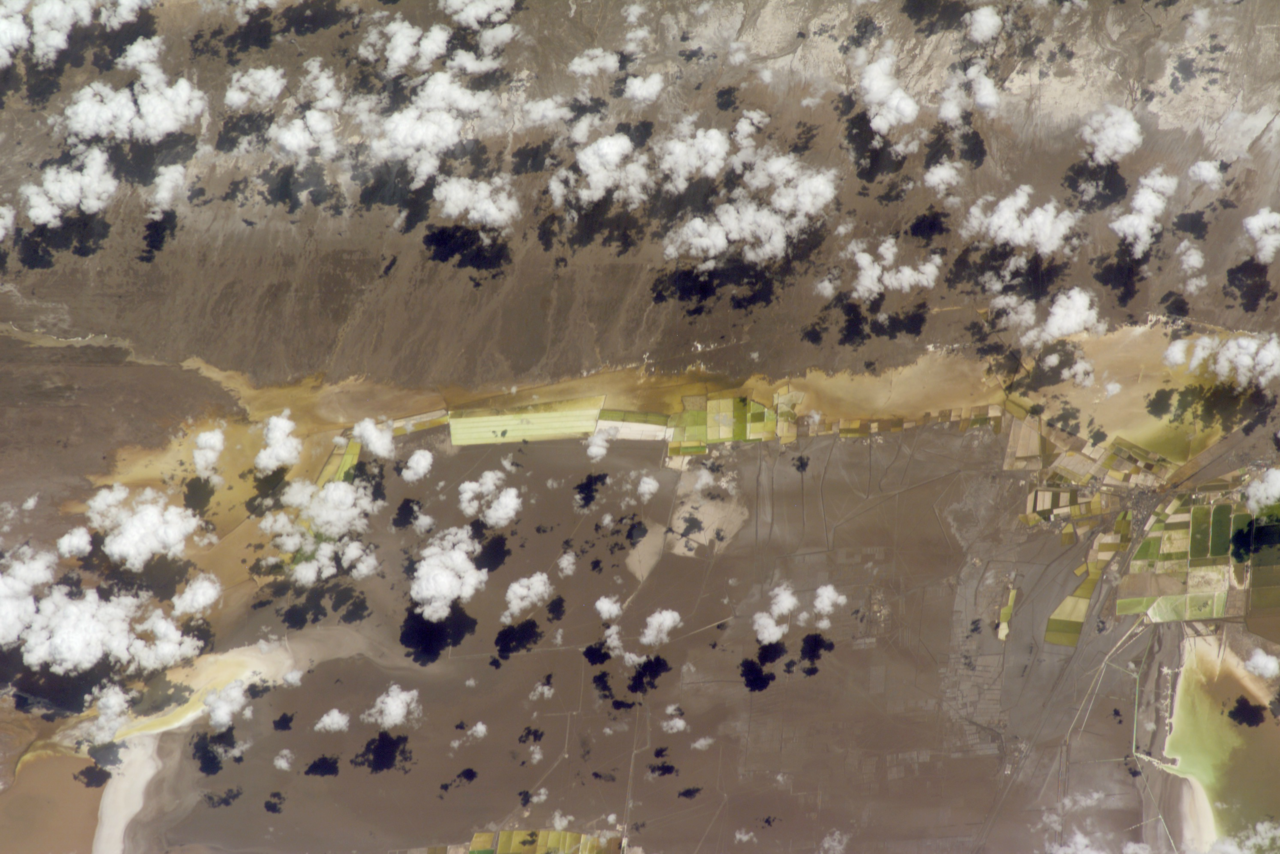
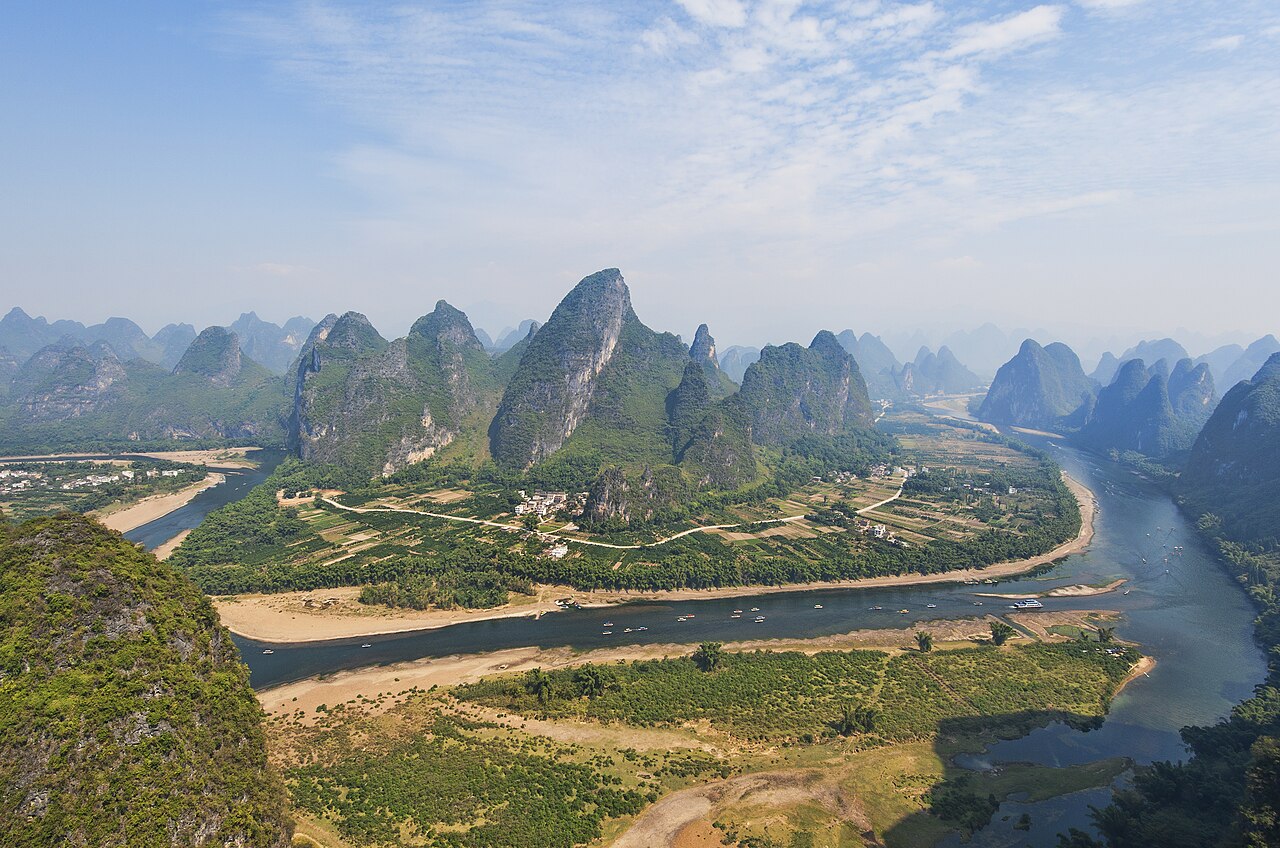
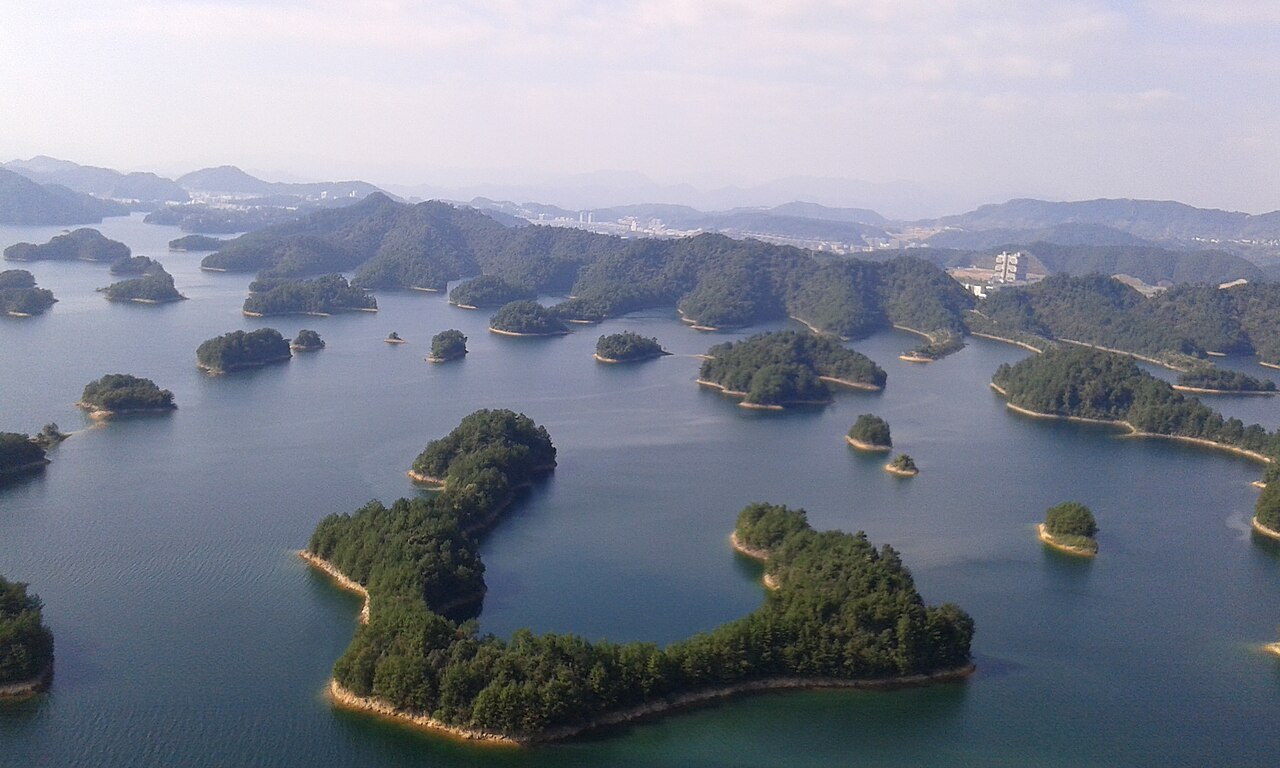
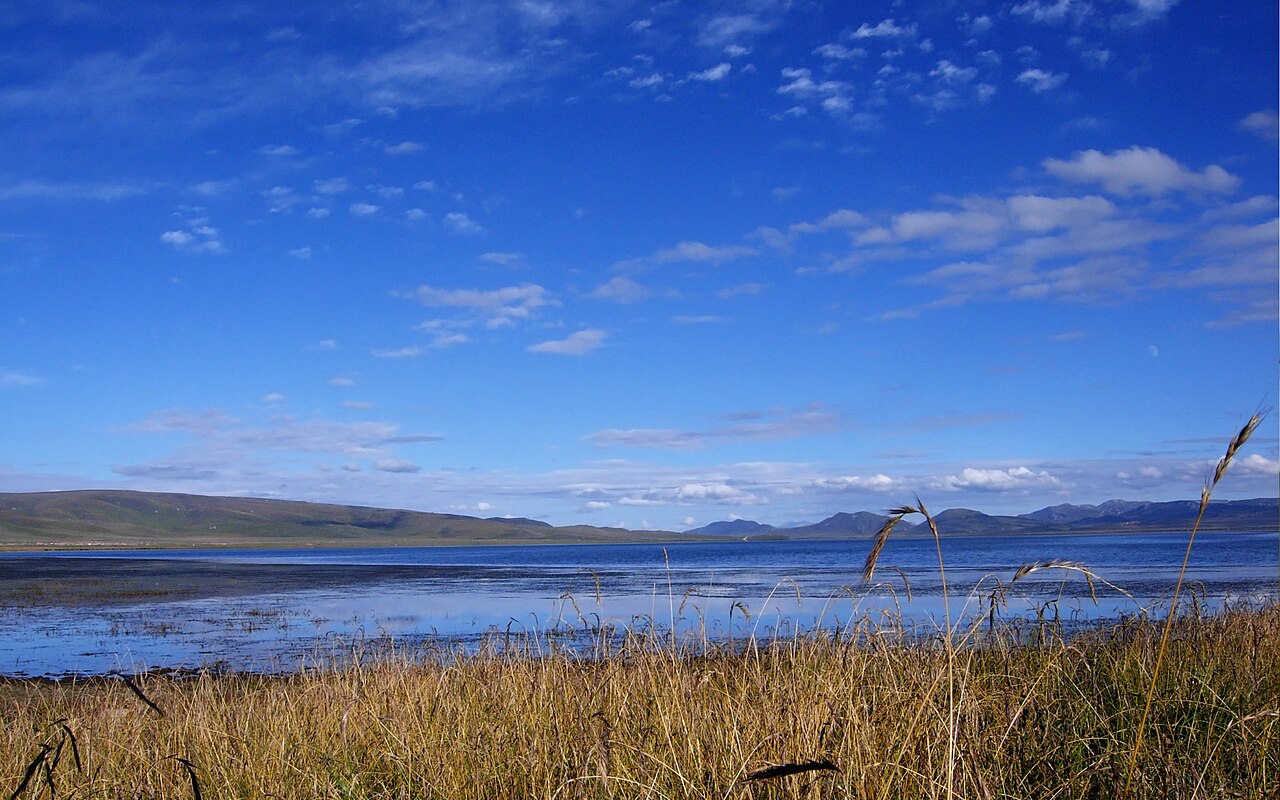
Islands scattered across the central lake zone
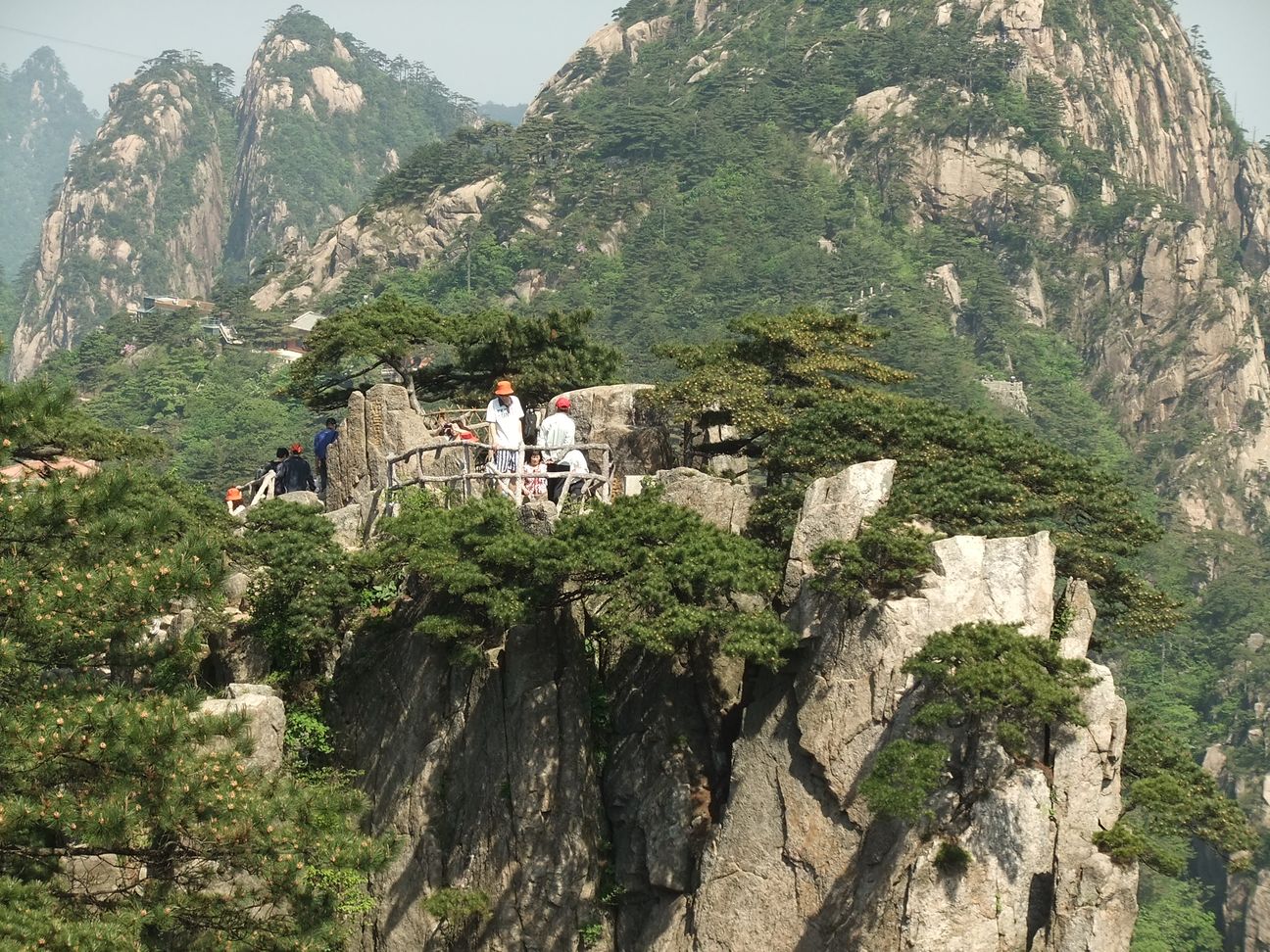
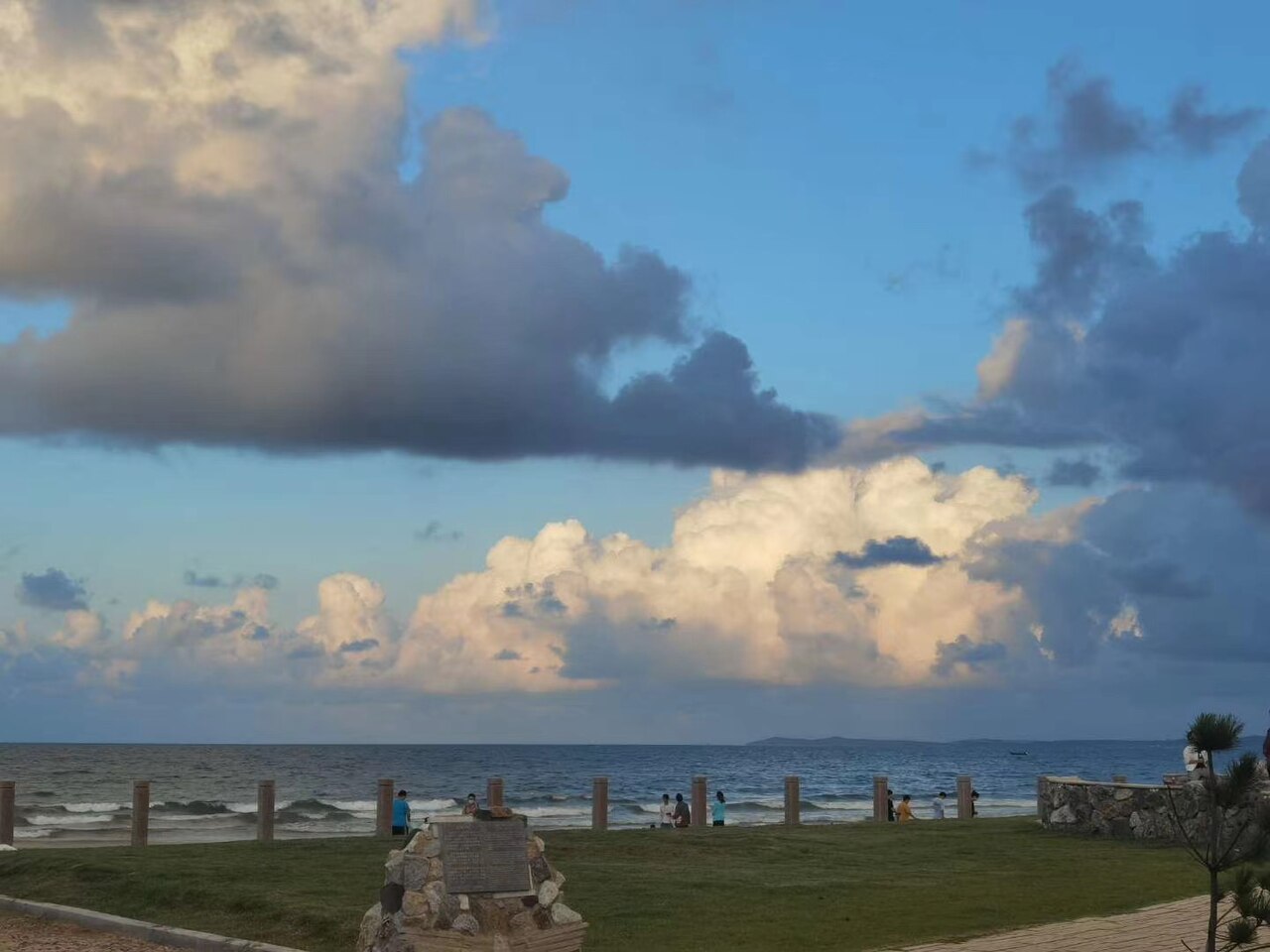
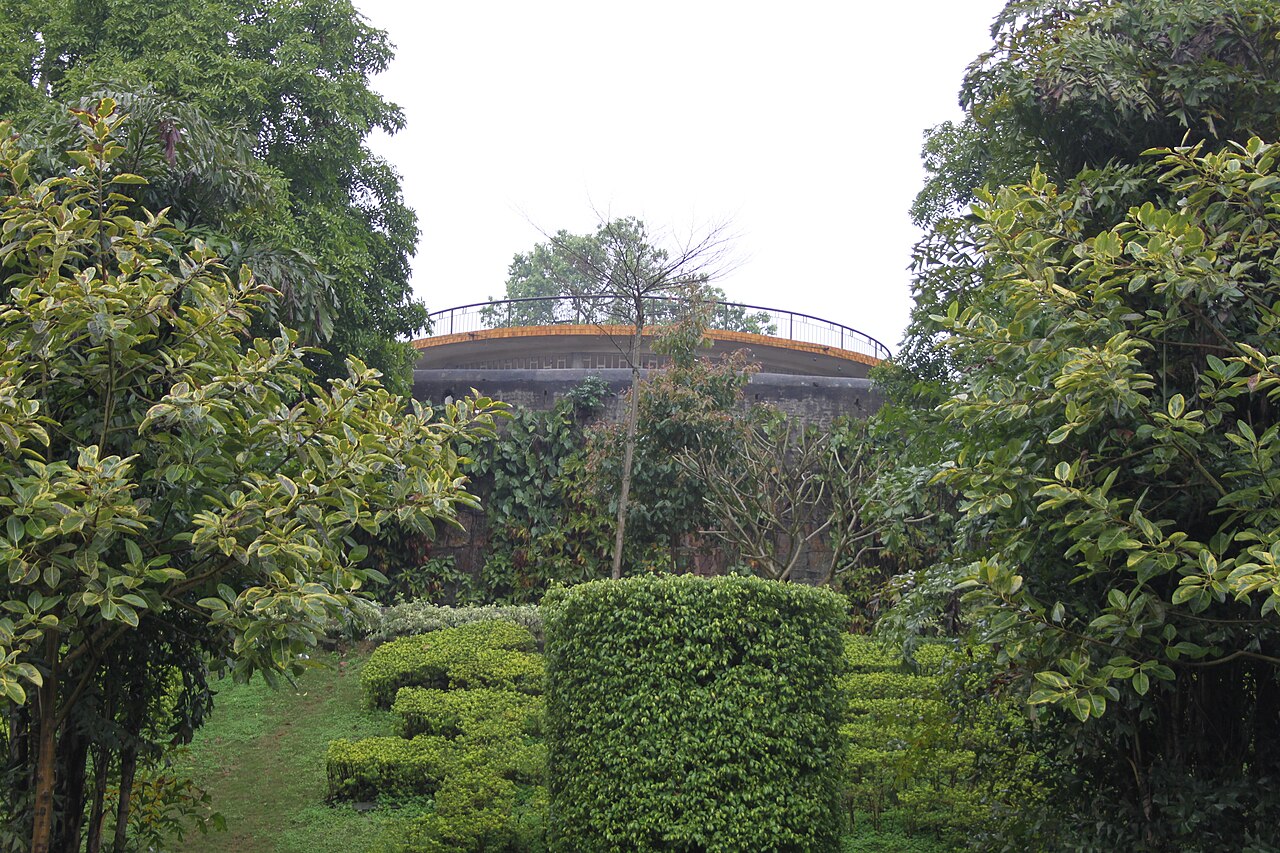
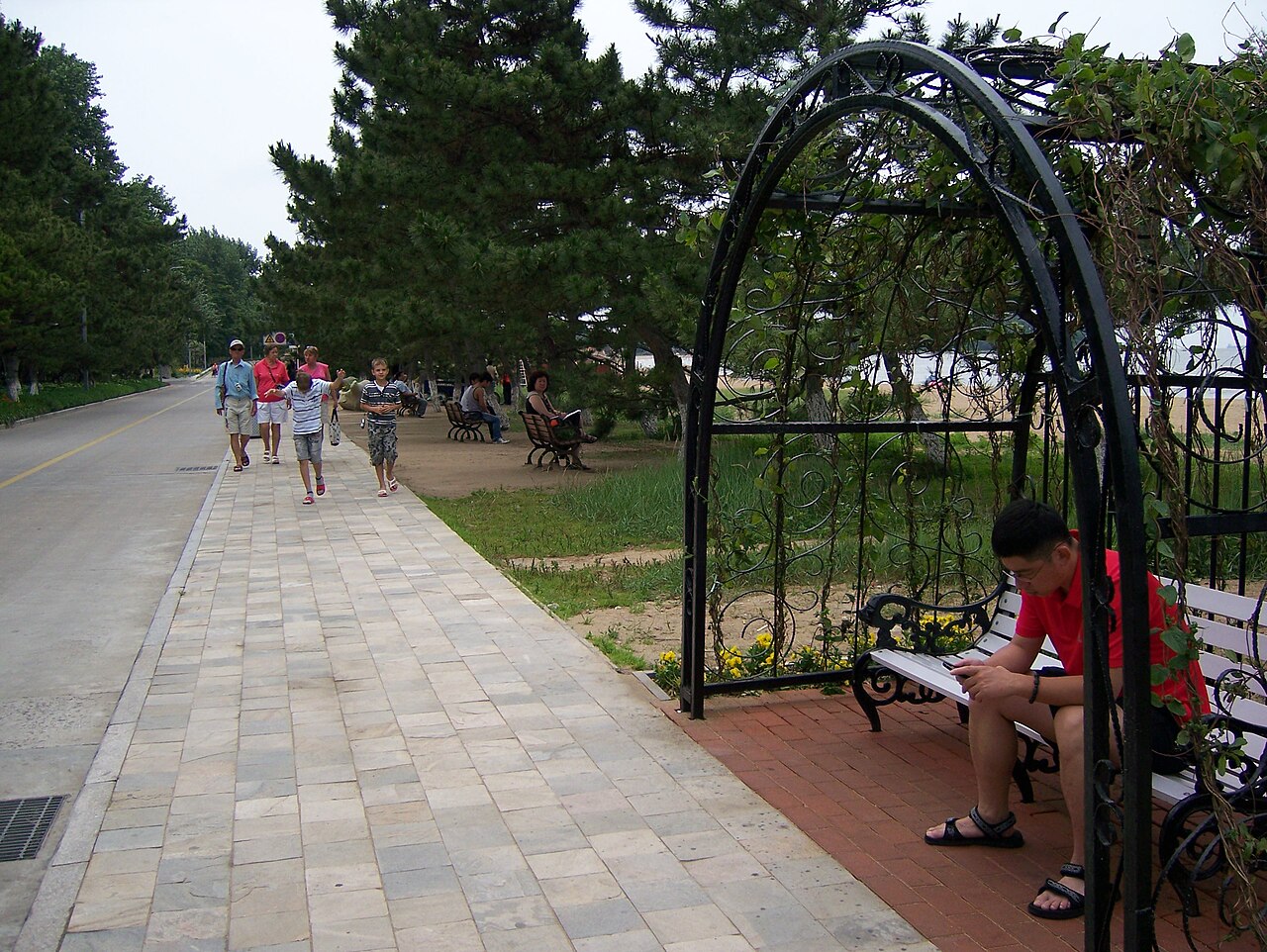
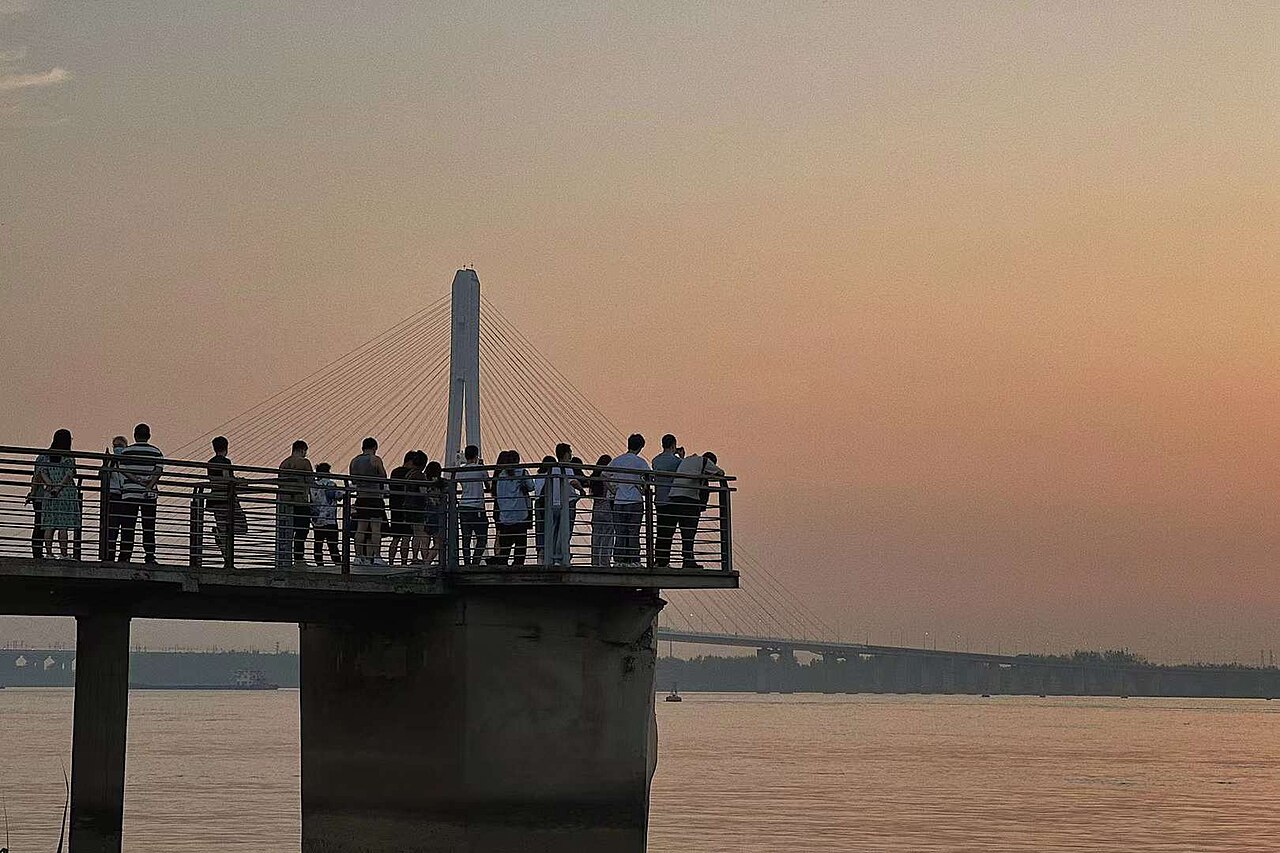
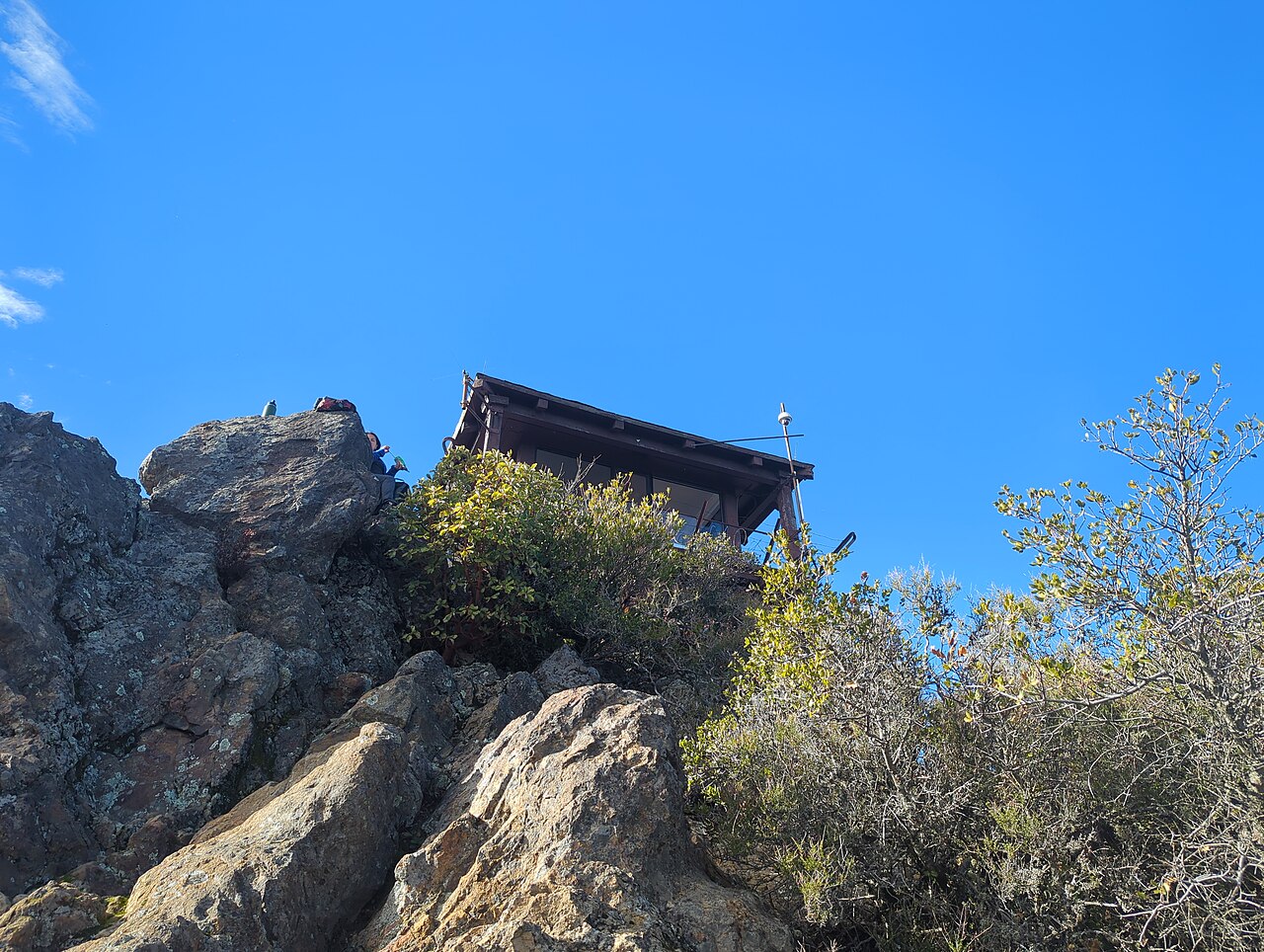
The viewing platform on Meifeng Island
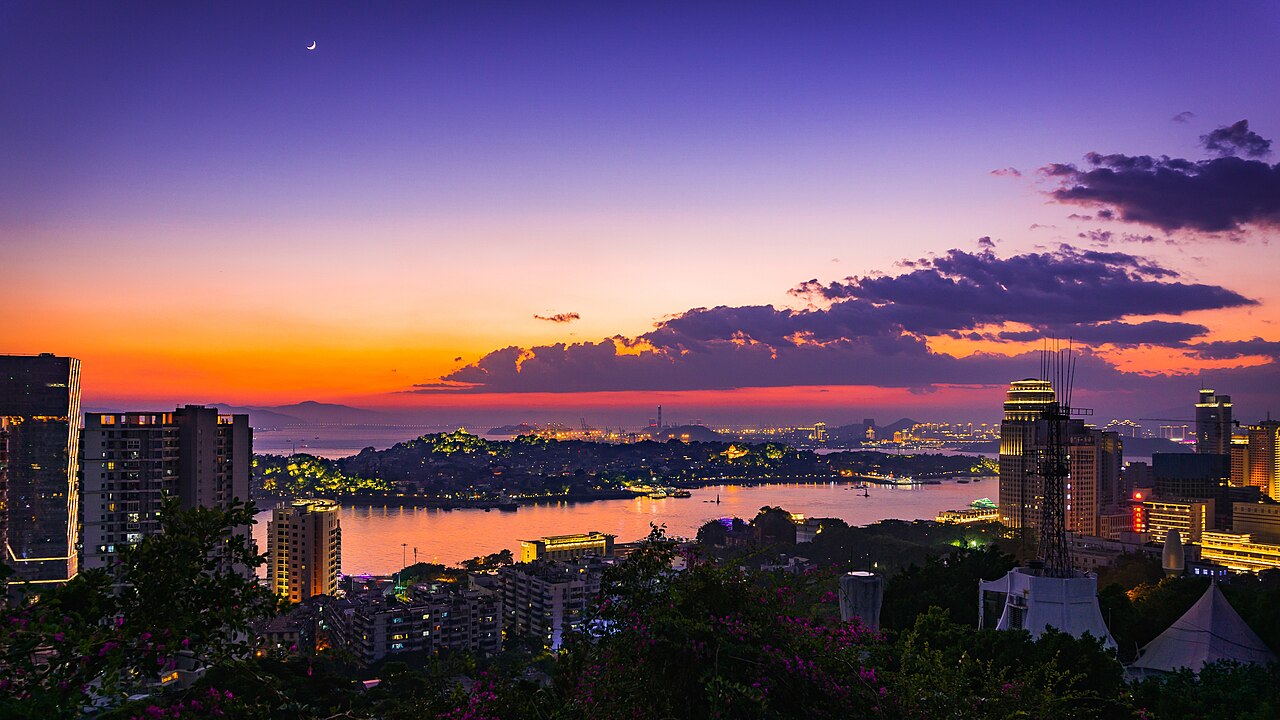
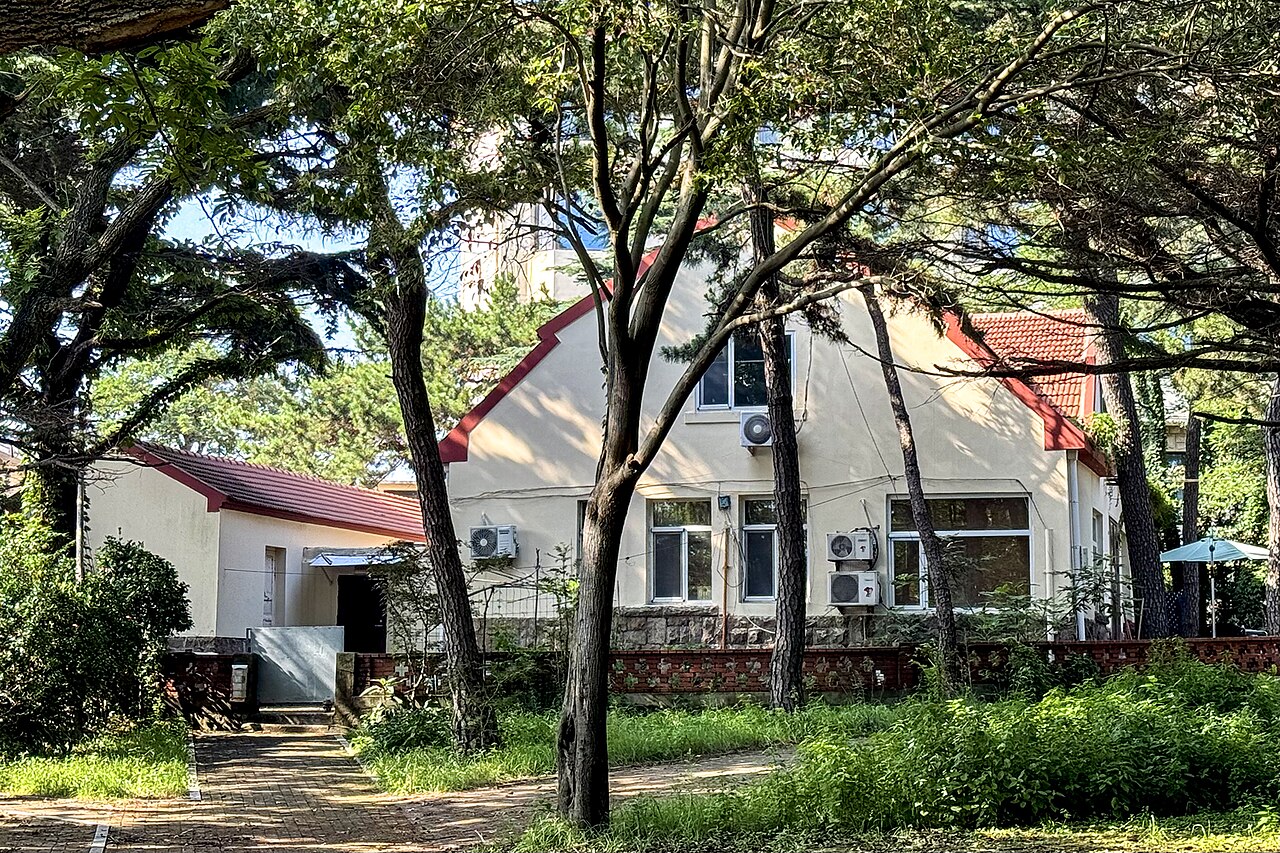
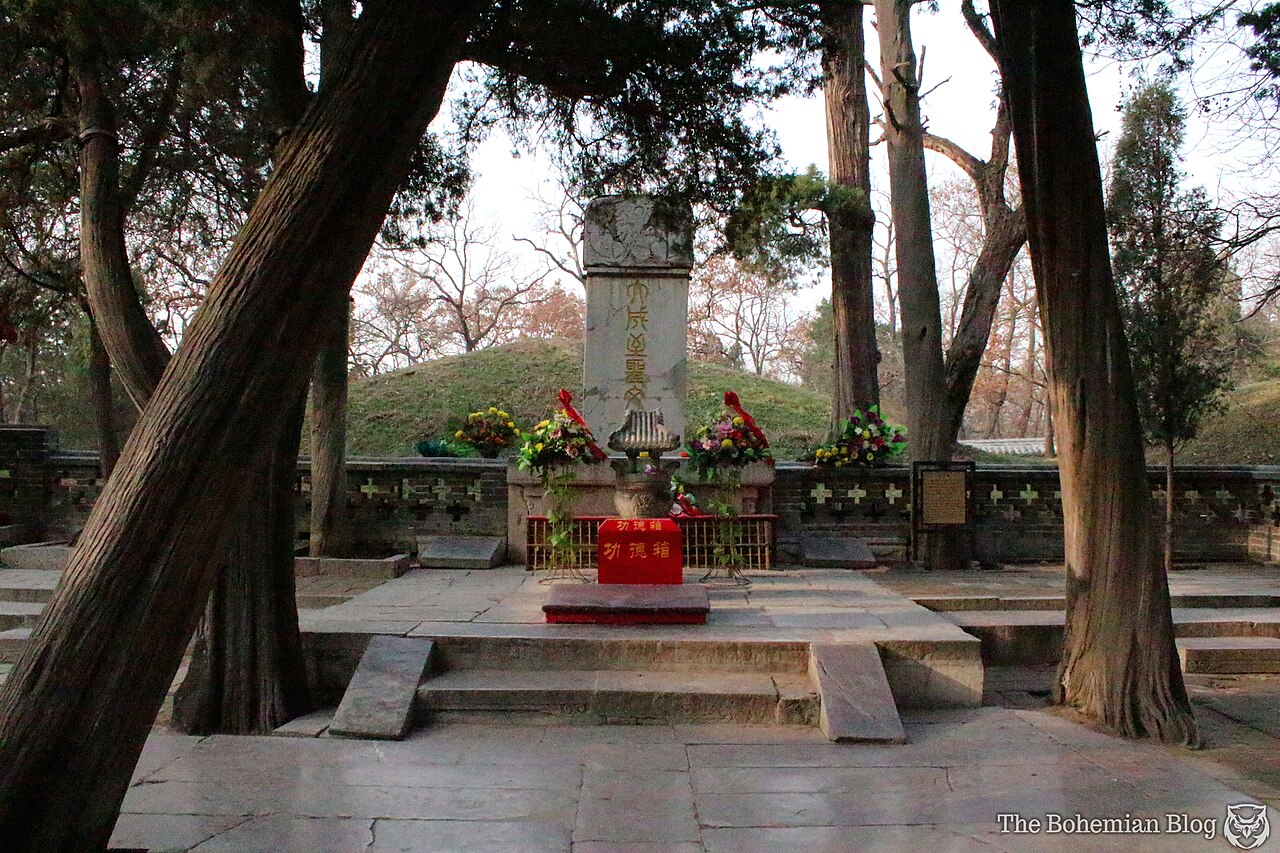
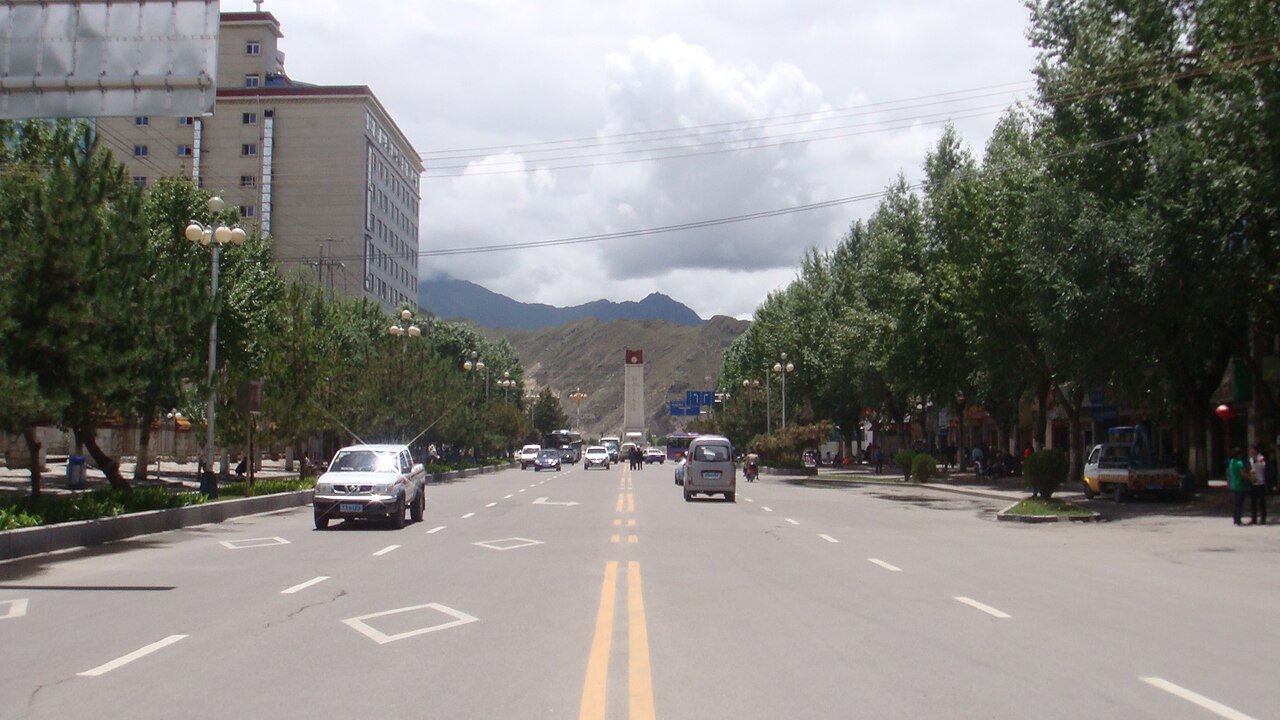
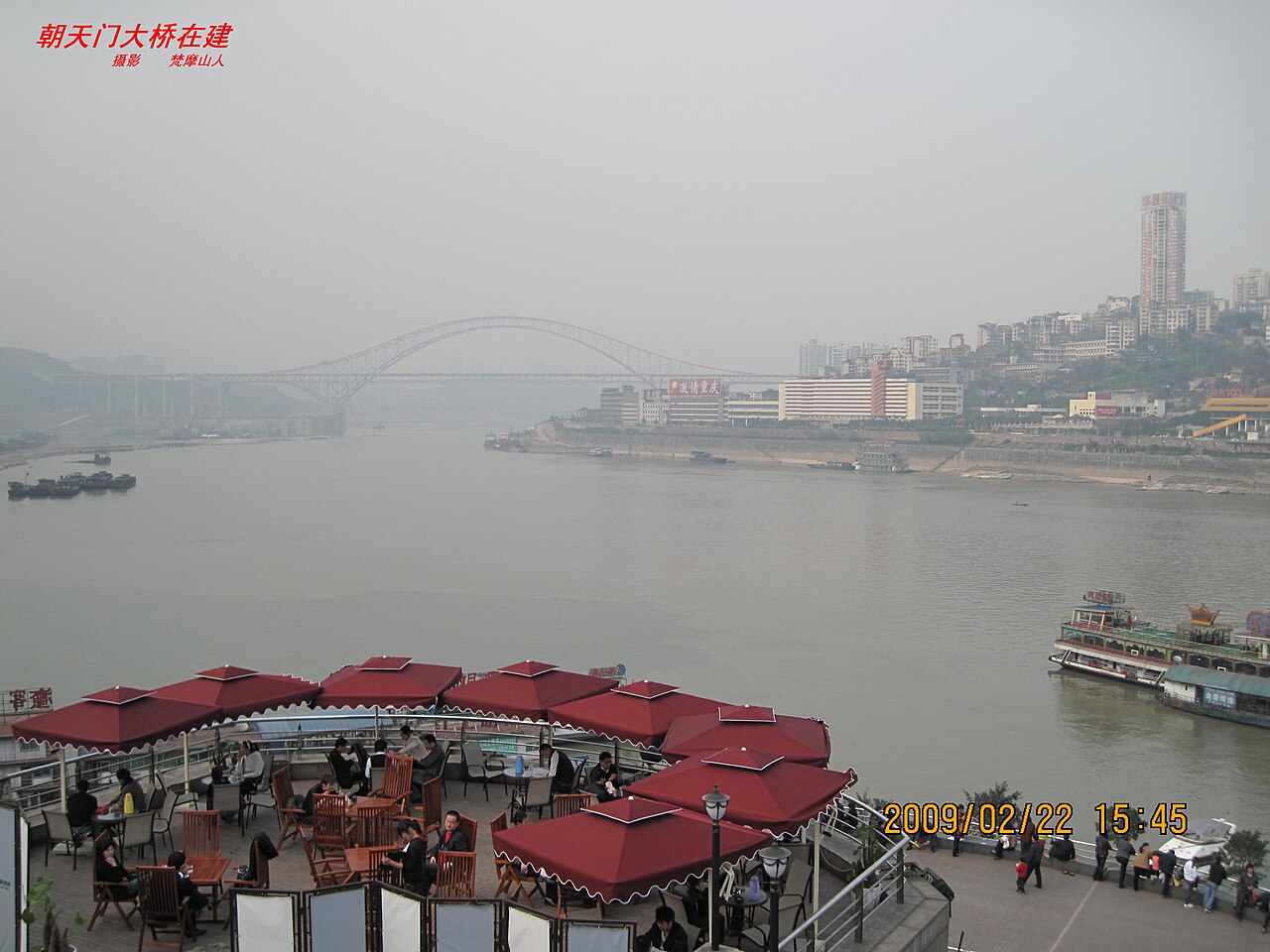
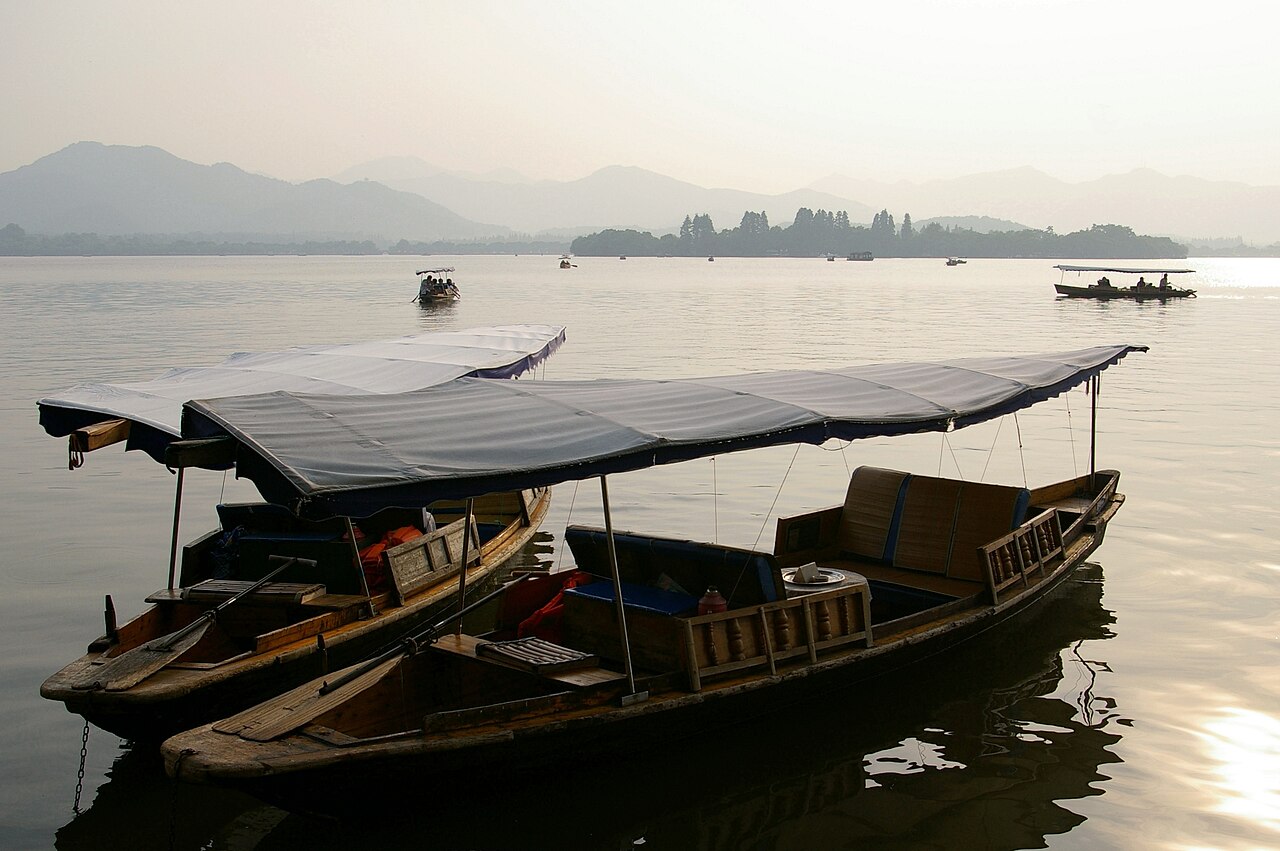
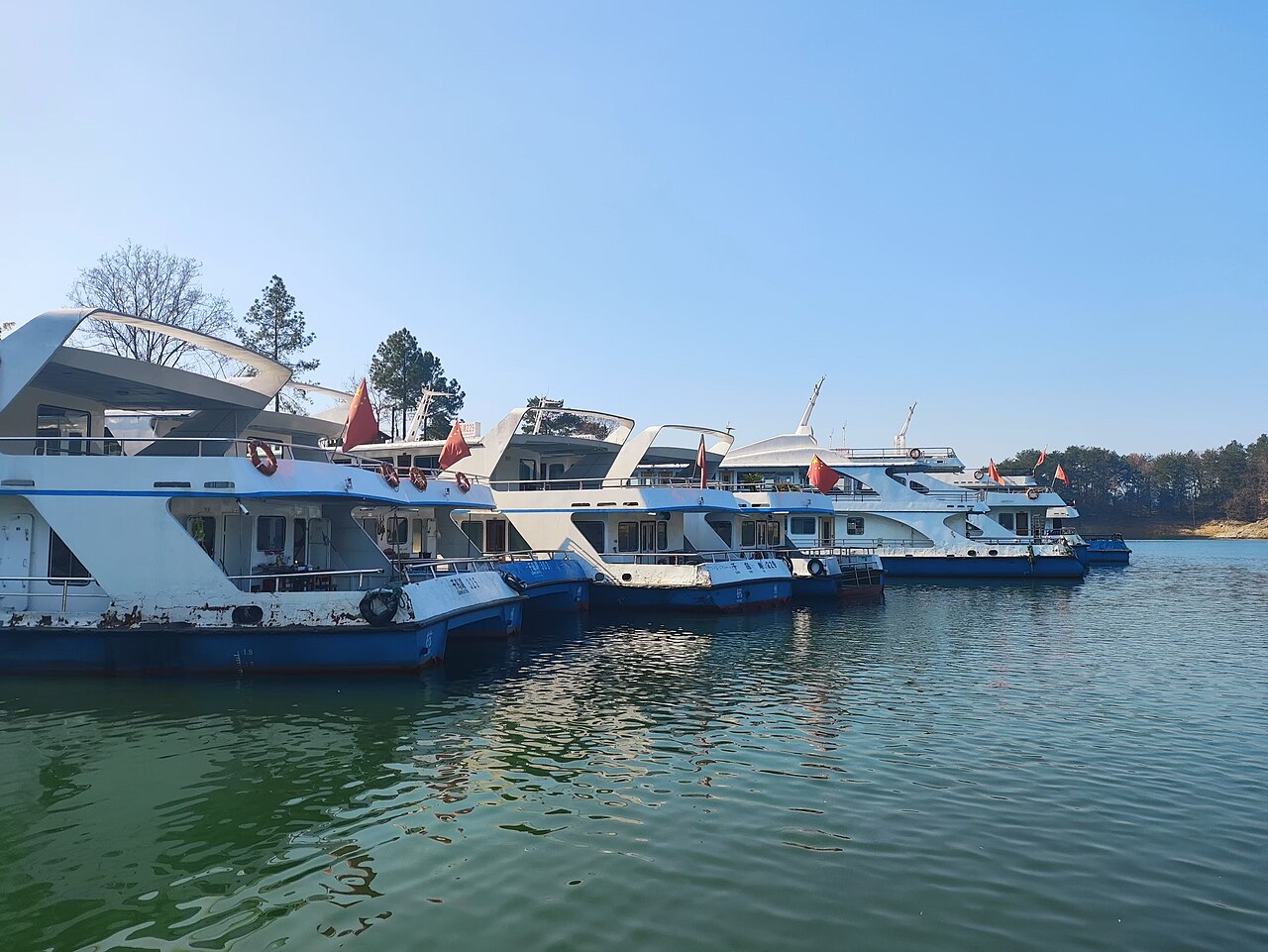
A cruise boat leaving the tourism pier in the morning
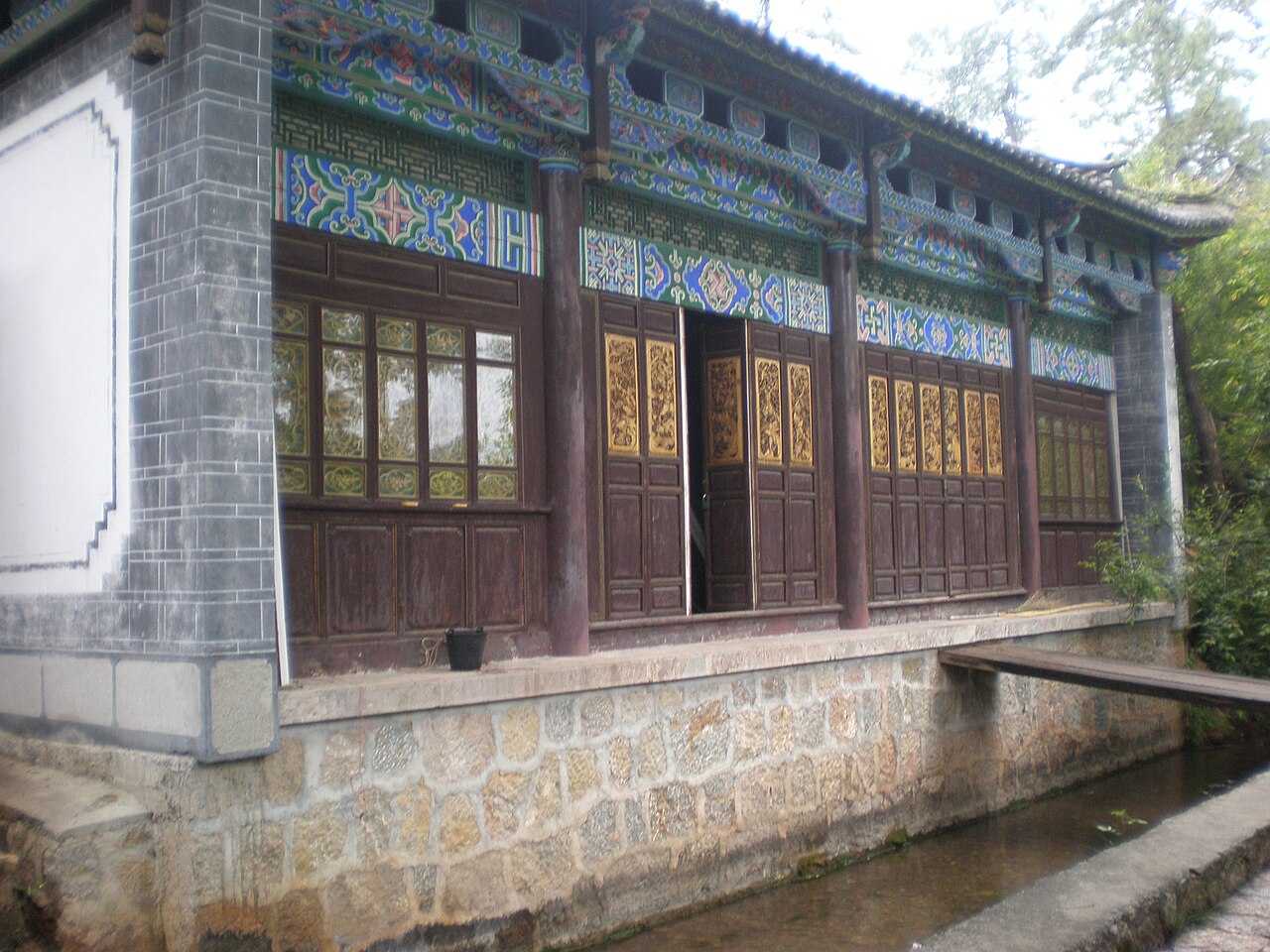
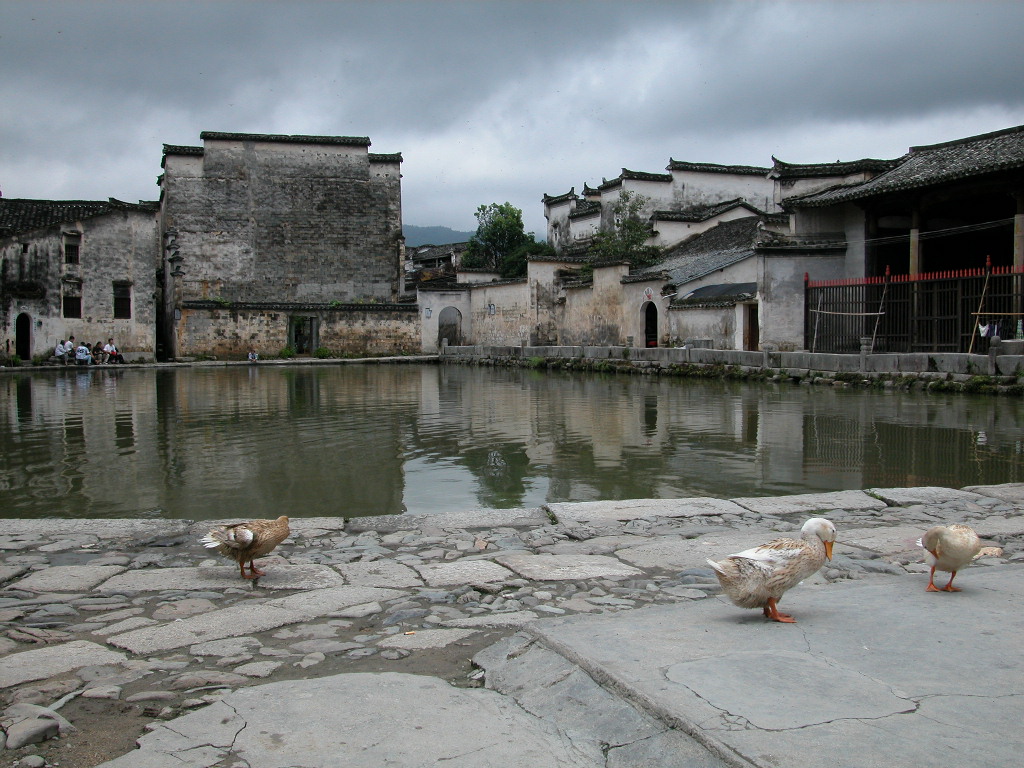
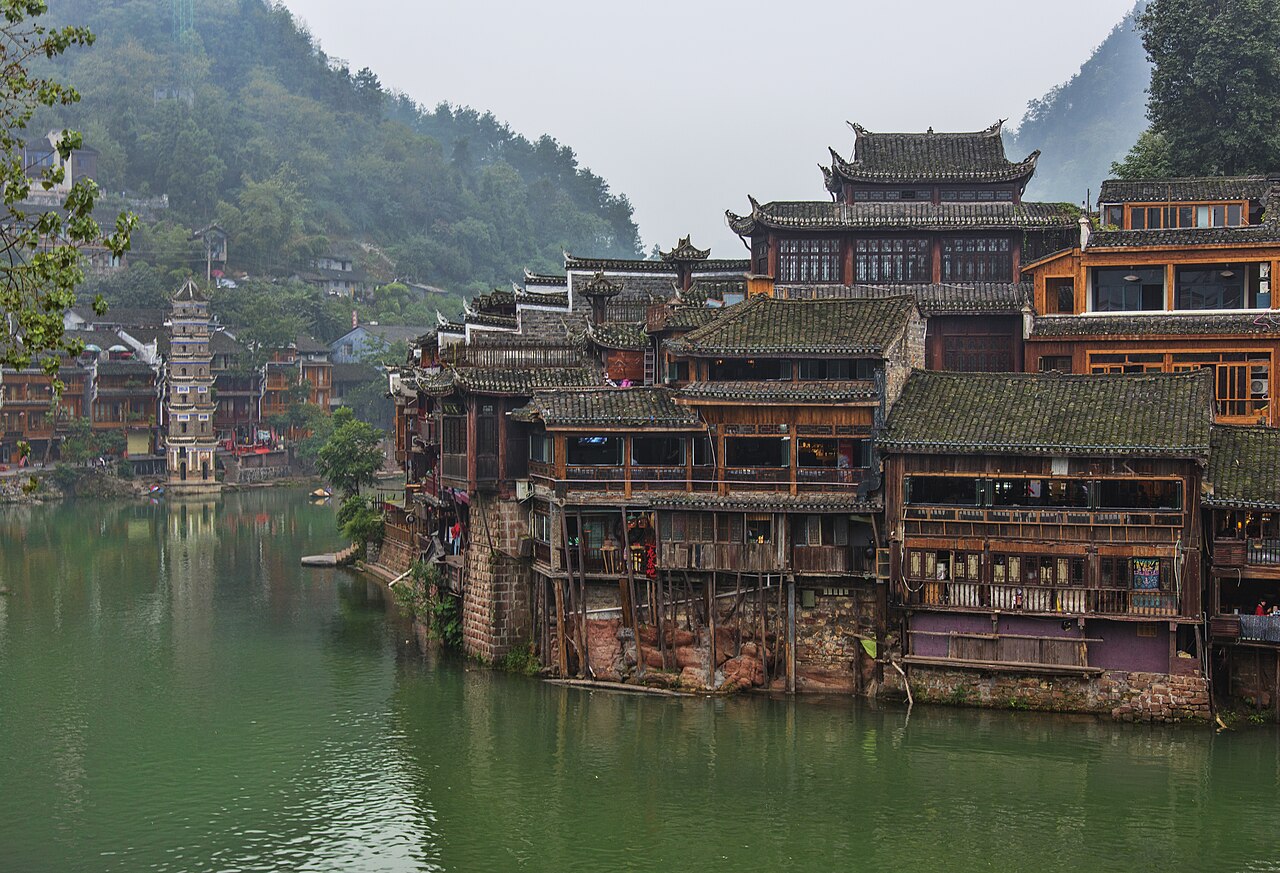
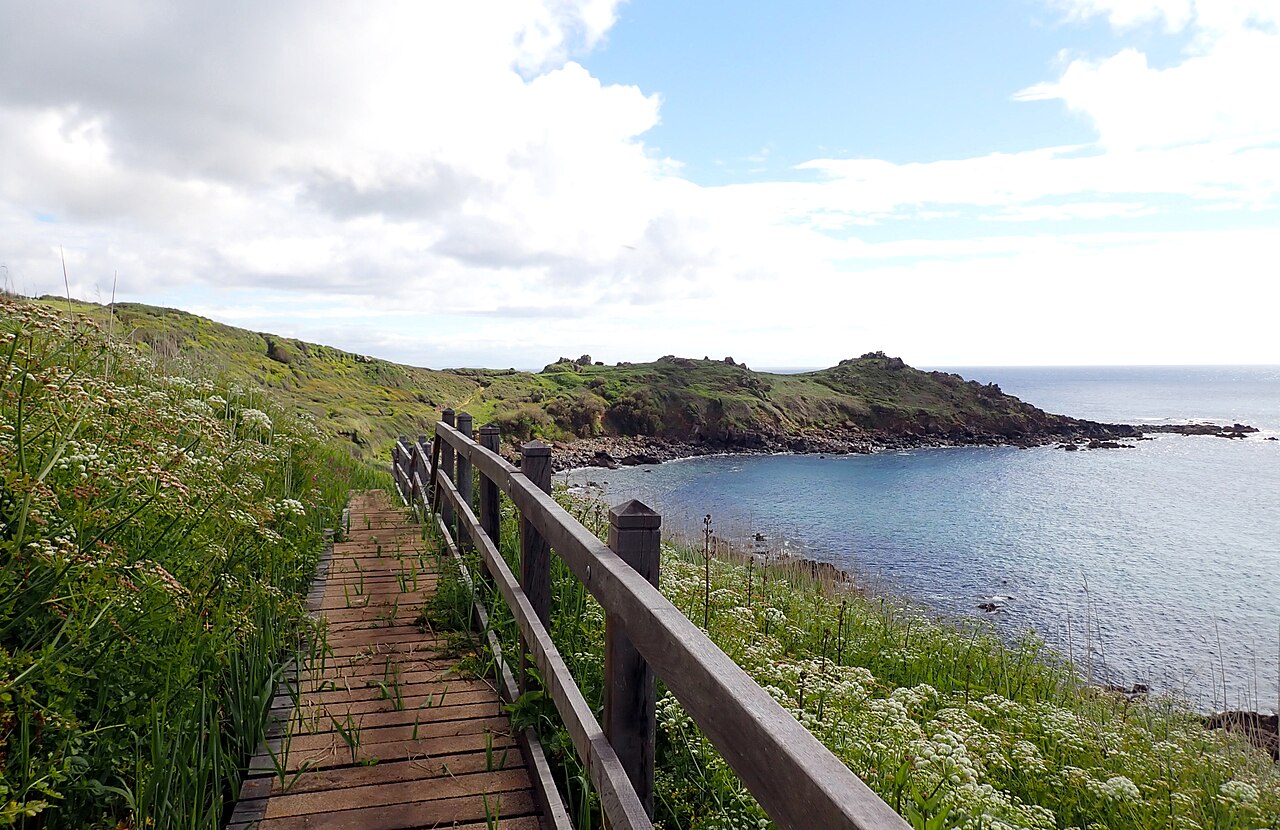
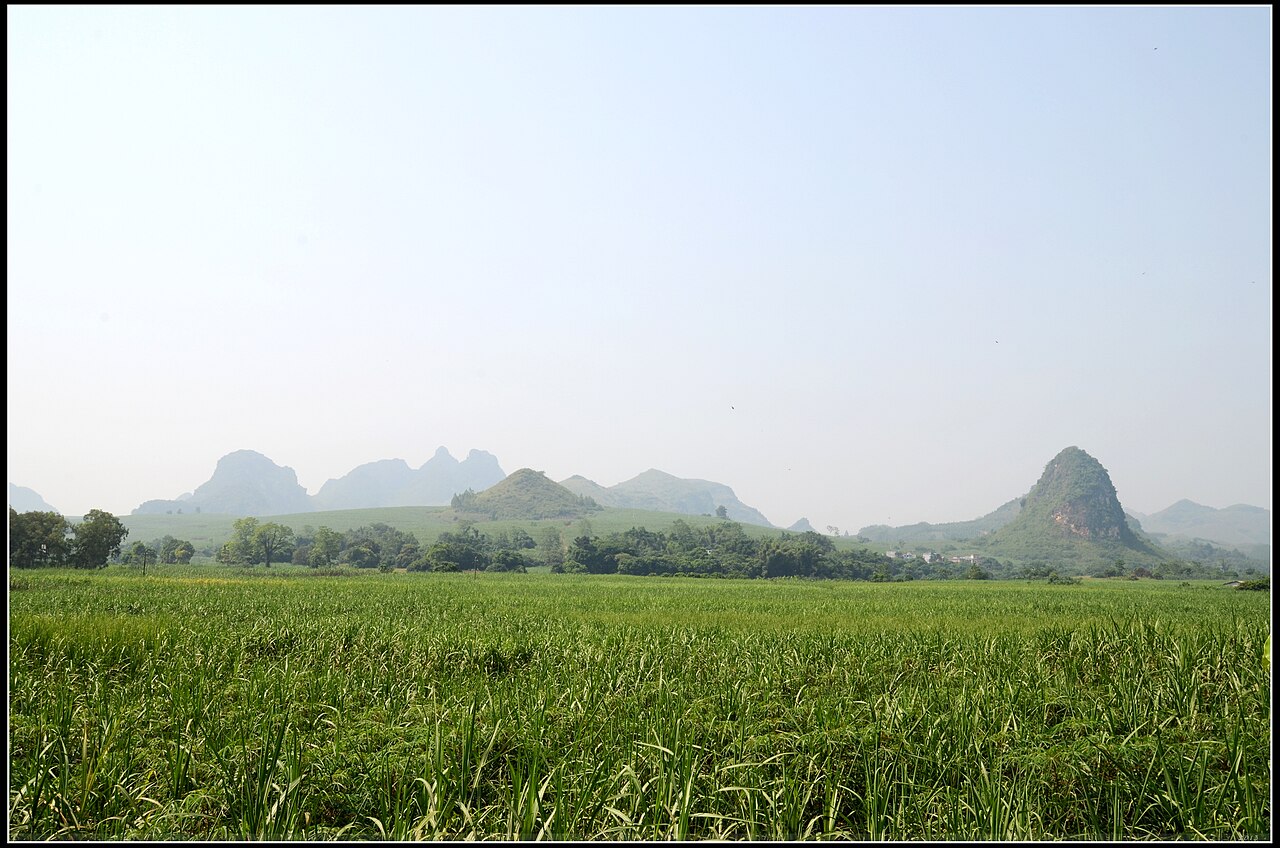
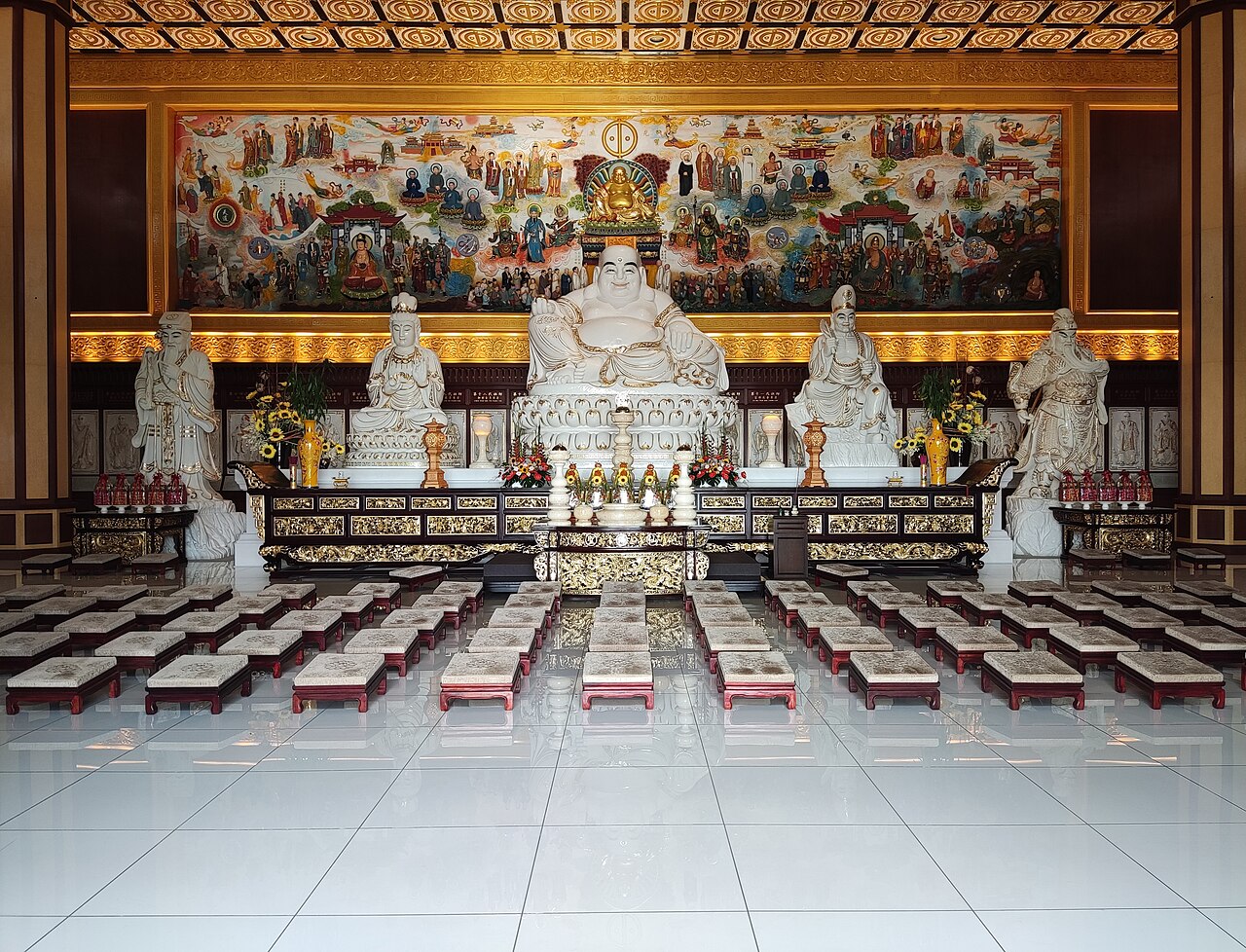
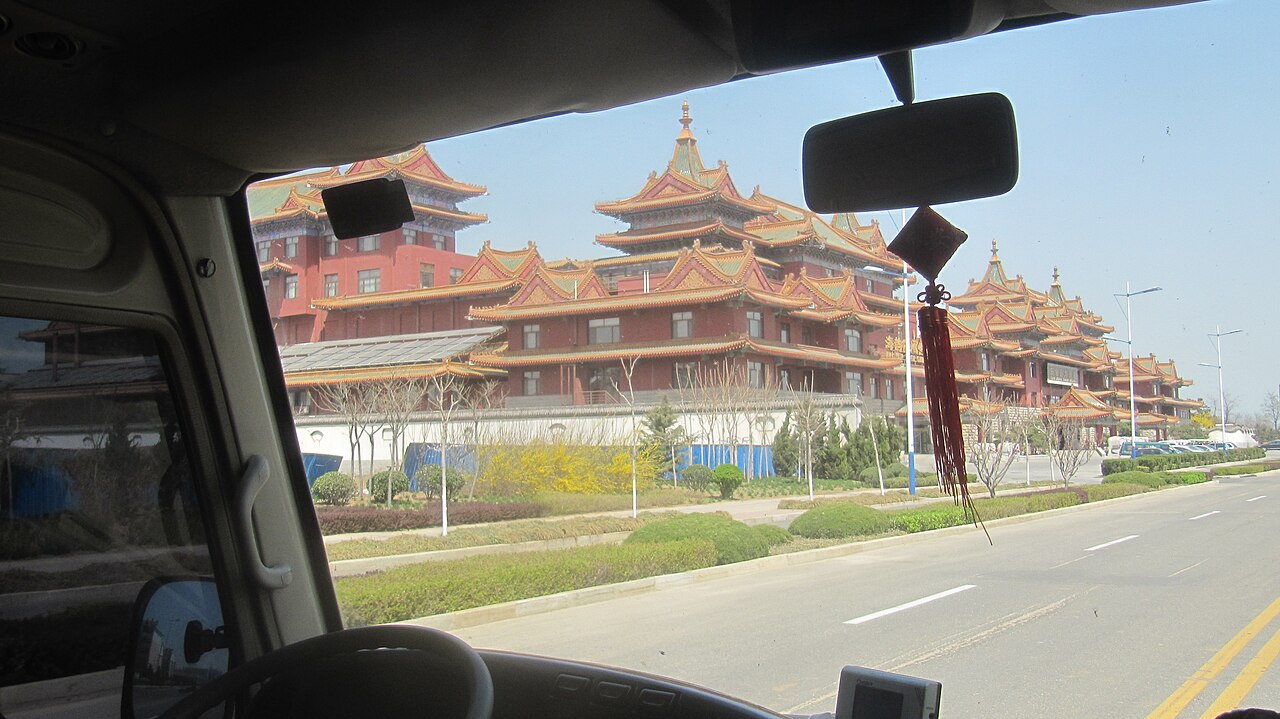
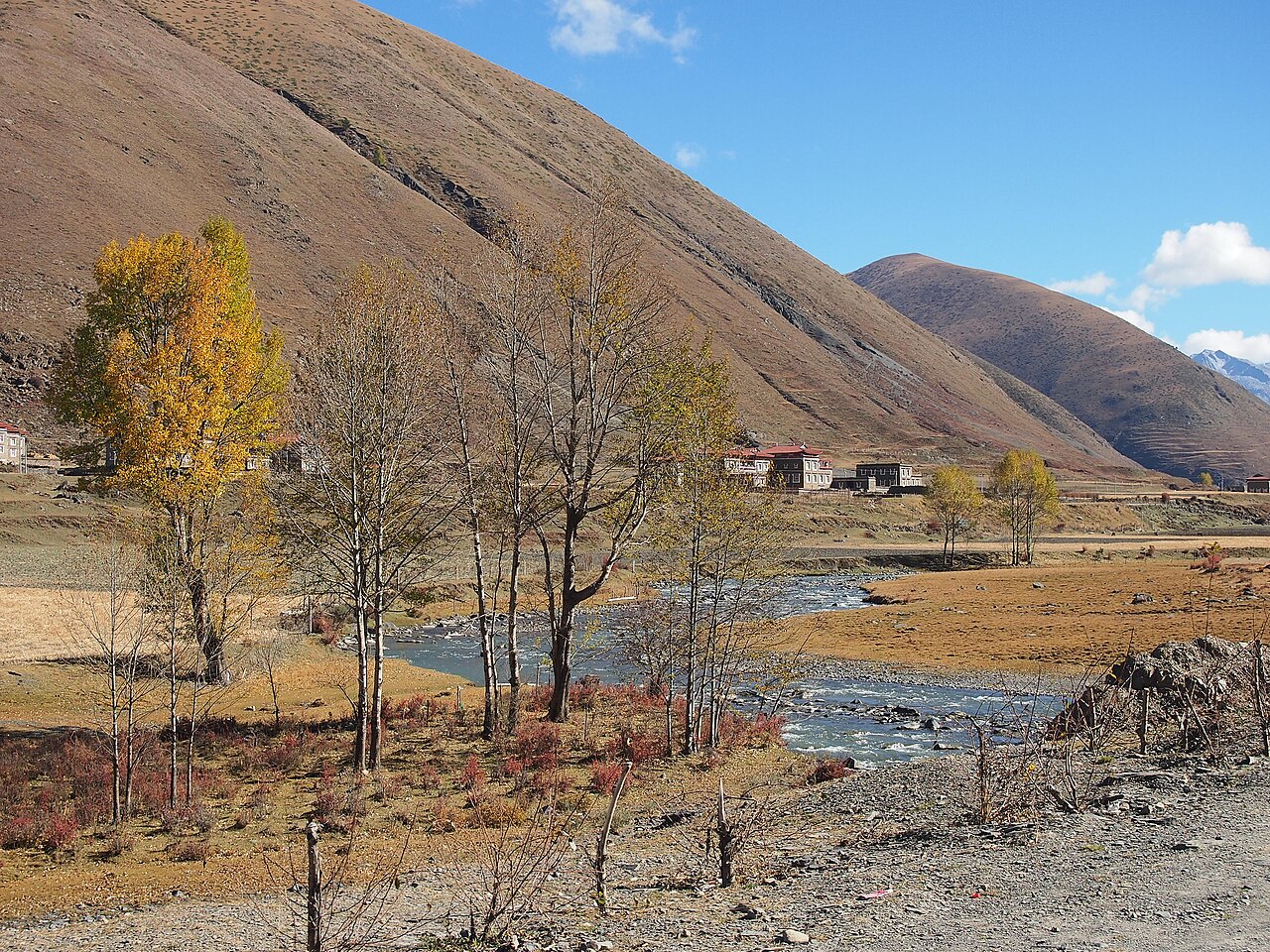
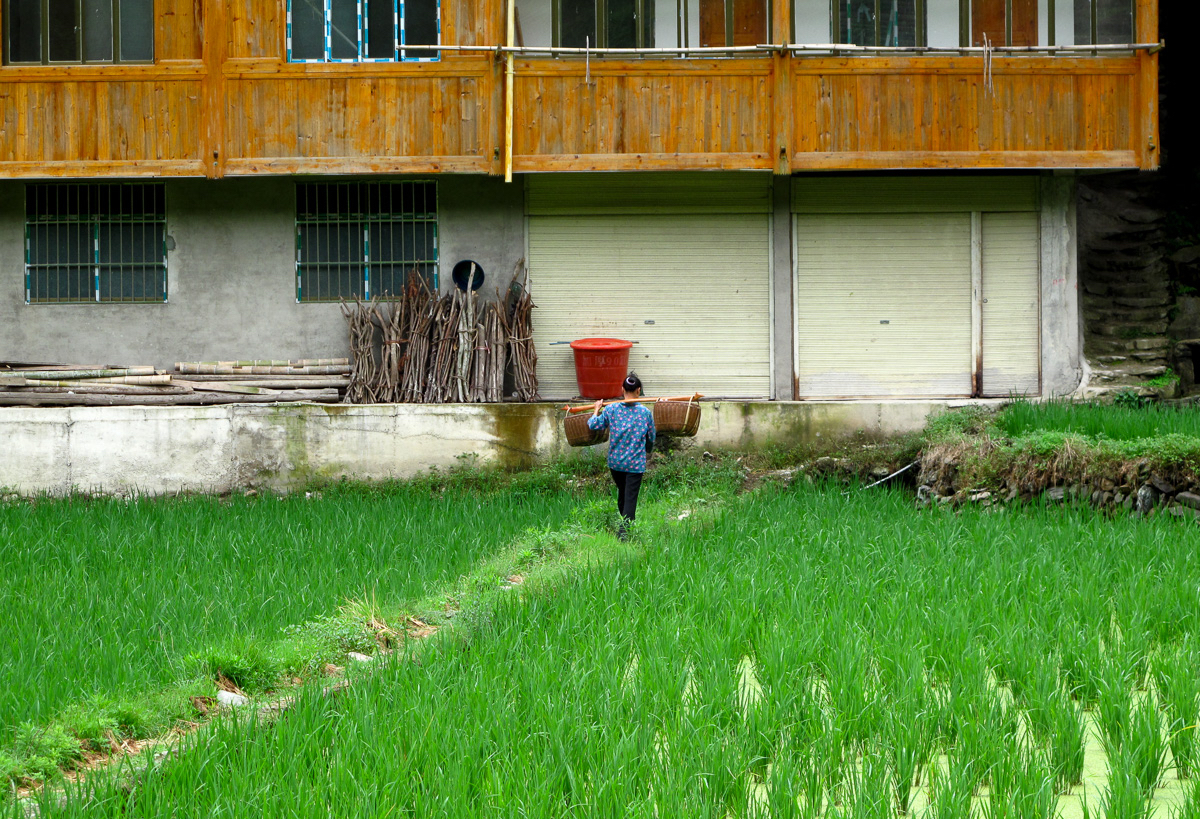
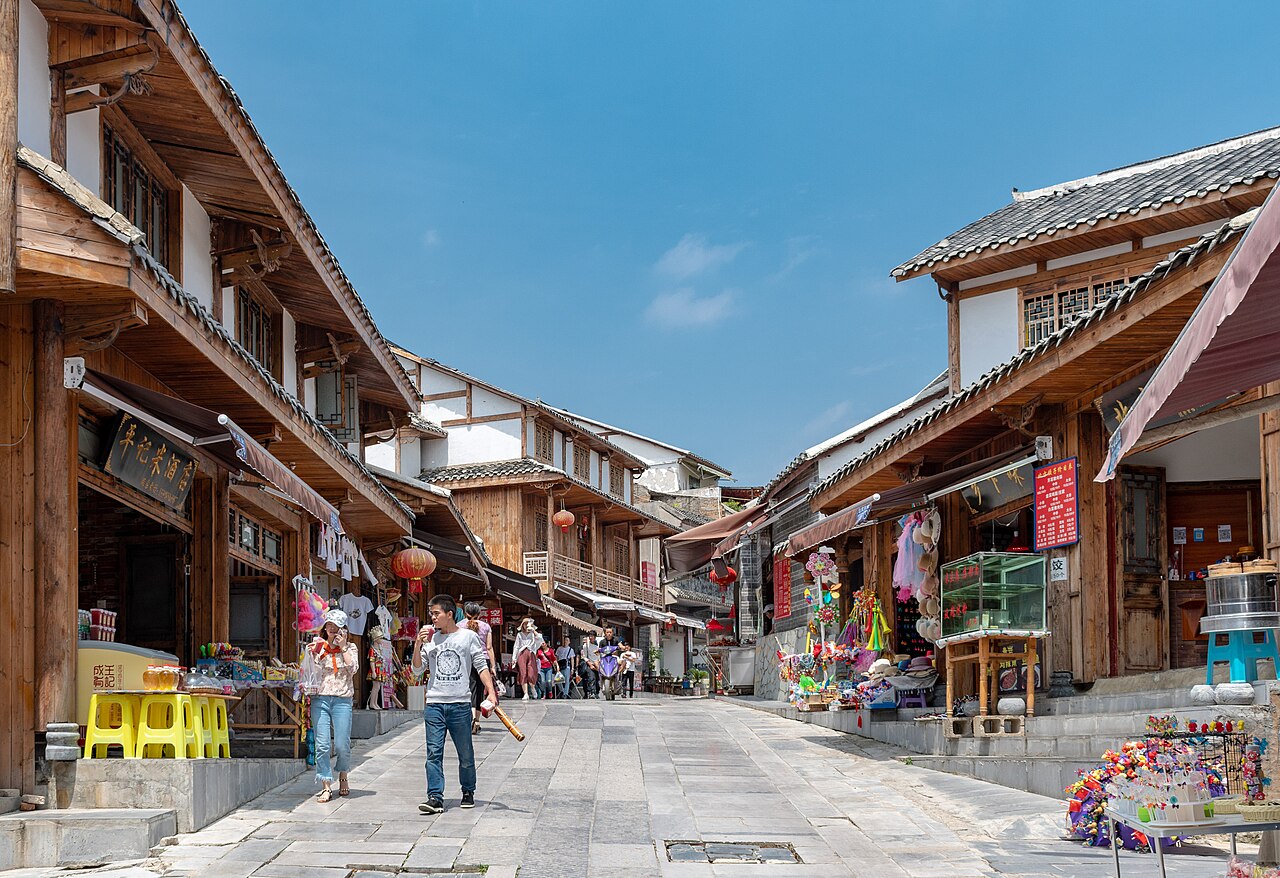
Qiuchuan village, with the stream running between the Huizhou houses

The water is the best in the country among the big lakes, and the name 'thousand islands under heaven' is deserved. One thousand and seventy-eight islands, each with its own posture and its own grace. — A traveller's note in the source guide

A traveller's note in the source guide

Come to Qiandao Lake and eat the big fish head, or do not call yourself someone who travels for food. Order a tureen of fish-head soup and you will be eating what is in the pot and thinking about what is still in the lake. — A traveller's note in the source guide

A traveller's note in the source guide

This is a landscape with a date on it. Sixty years ago there was no lake here, only the Xin'an River valley and two county towns. Then the dam went in, the water rose, and the hills behind it became islands — 1,078 of them, by the current count. Chun'an county town moved uphill in 1959, and the two older walled cities, He Cheng and Shicheng, went under with their gate towers and their eighteen hundred years still standing on the lake bed.

What replaced them is the cleanest large body of water in China, and the reason a bottled-water company could build a national brand on the sentence 'Nongfu Spring is a little sweet'. It is not a wilderness experience — this is a working reservoir on the Hangzhou–Qiandao Lake–Huangshan corridor, 129 km from Hangzhou, and it is set up for visitors.

Being honest about it helps: most of the developed islands carry recent attractions. There is a snake island with tens of thousands of snakes, a monkey island with six troops, a lock island, a pontoon bridge with a hundred-pound carp under it. Nobody comes for those individually. You come to be out on the water among a thousand of them, to climb Meifeng once for the overview, and then to eat — this is one of China's four big freshwater-fish bases and the first national organic-fish farm, and the fish head is the dish the whole region is known for.

The second day is where the county earns its keep. Qiuchuan village, with seventy per cent of its buildings Ming and Qing Huizhou houses, is free and has farmhouse beds at ¥50–60. The forest oxygen bar is ¥60 and fifteen minutes out of town. In summer there are eight different raft runs. And if you ride, the 185 km loop round the lake is one of the better long day-rides in the country.

Qiandao Lake

Don't leave without

Seven things that are worth rearranging a day for.

  1. Climb Meifeng for the overview — then count how many islands you can actually see
  2. Eat a whole organic fish head, in town, not on a tour boat
  3. Walk the floating bridges on Moonlight Island and find the hundred-pound carp
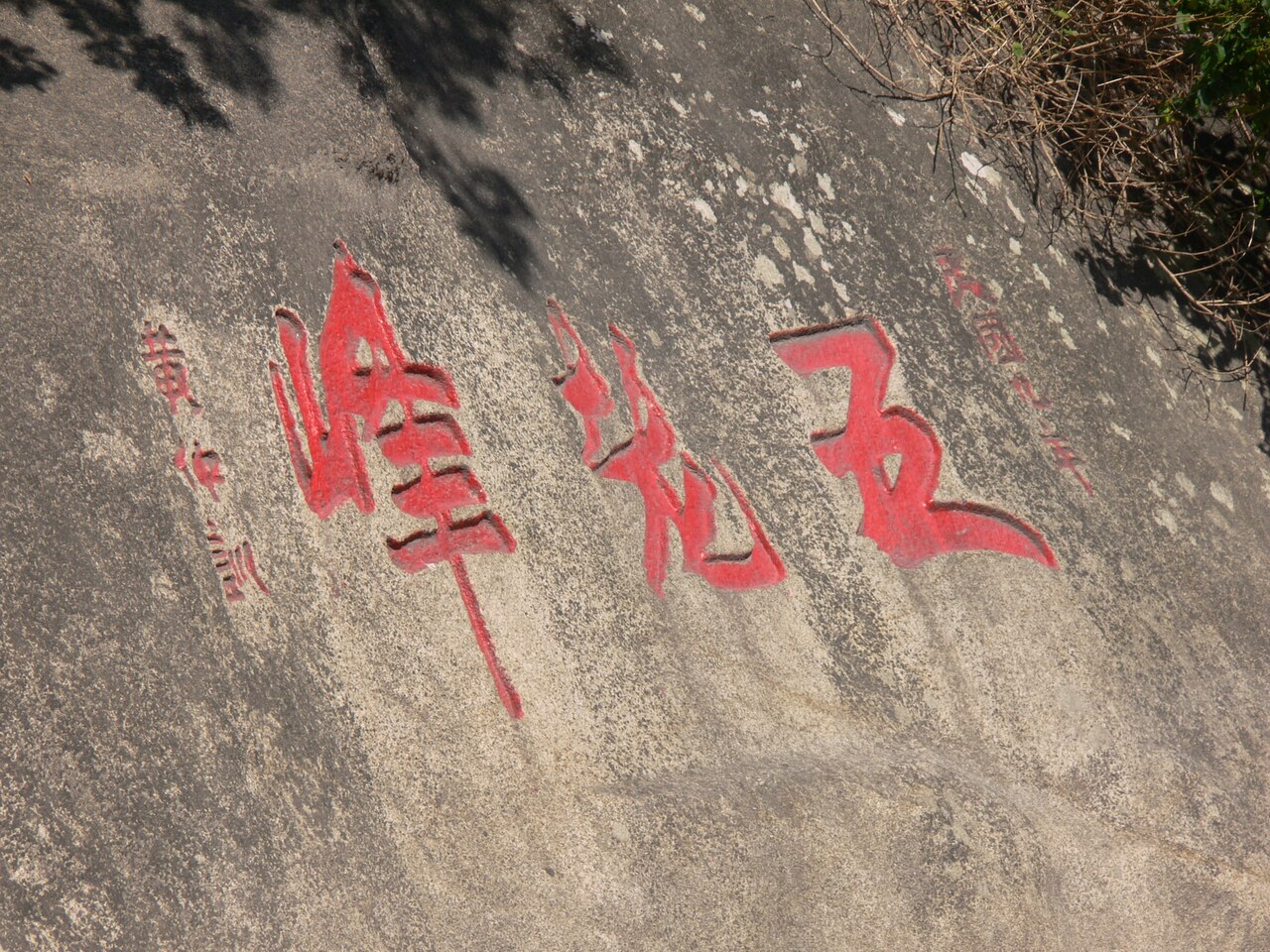
  4. Find Hai Rui's longevity character at Longshan — it reads the same upside down
  5. Spend a night in Qiuchuan village, where 95% of the villagers are named Wang
  6. Take the ¥15 passenger boat to Shendu if you are going on to Huangshan
  7. Buy dried fish and Qiandao jade-leaf tea on Xiushui Street

Highlights

Six reasons Qiandao Lake is worth two days

The water, full stop

Of all China's big rivers and lakes, this water ranks first for quality. That is not a slogan — it is why a bottled-water company put its name on it. On a calm morning the lake goes glassy and the islands sit on it doubled, and you can see down further than you would expect from a boat.
A landscape that is younger than your parents

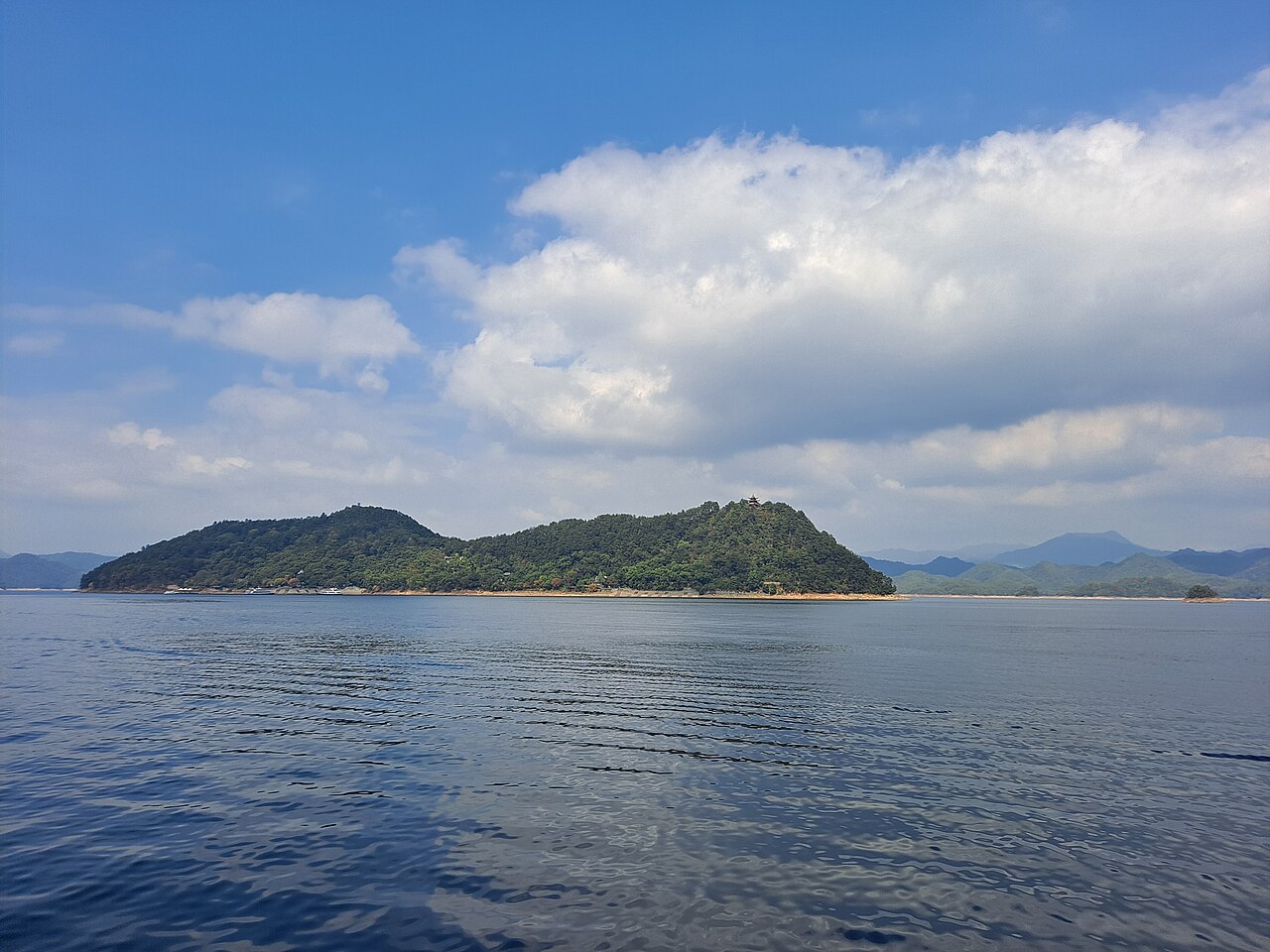
The lake has been on the map for fifty-odd years. High ground became islands when the dam closed; two county cities with eighteen centuries of history are still standing on the bottom. It gives the place an odd, deliberate feel — brand-new scenery built out of very old country.

Meifeng, the view that defines it

'Without climbing Meifeng you have not seen the real Qiandao Lake.' More than 300 islands from one platform, on a peninsula named for its scholar, from a hill named because five linked summits make the shape of a plum blossom. Autumn gives the best visibility; the cable car saves you the climb.

The fish head

One of the country's four big freshwater-fish bases and the first national organic-fish farm. The dish is the head — braised or in soup, priced by size, with a broth that is rich and clean at the same time. Order it once at a real restaurant, not on a tour boat, where the guide says both the price and the cooking disappoint.

Qiuchuan, a village that survived

Seven hundred years old, in a valley with water running through it, about seventy per cent of it Ming and Qing Huizhou houses with carved beams and the waterside pavilions most village houses never had. The houses line the stream in the shape of the character for 'king', and ninety-five per cent of the villagers are surnamed Wang. Free, and farmhouse beds ¥50–60.

More water sports than anywhere else

Para-sailing, water planes, jet skis, surf runners, speedboats, rubber boats, diving to swim with the fish — Wenxin Island is the base, and the range is the widest in the country. Add eight separate raft runs from April to October and a 185 km cycle loop, and the lake turns out to be an activity destination as much as a scenery one.

Suggested routes

Two days, one day, or a deeper three

The leisure two days

2 days days

The standard trip: one day on the islands, one day on the edges of the county.

  1. Day 1

    Meifeng — Moonlight Island — Shenlong Island — Monkey Island — Santan Island

    The lake's own way of playing is islands plus water: cross between them by boat and walk within them. Start at Meifeng for the overview, then Moonlight Island, where four islets are joined by floating bridges and you can walk between them instead of sailing.

    Shenlong Island is the snake island, with dozens of venomous and non-venomous species; Monkey Island is a monkey kingdom with six troops spread over the islets. Santan Island's fortress-inheritance buildings and its food are the surprise of the day.

    Stops: Meifeng IslandMoonlight IslandShenlong IslandMonkey IslandSantan Island

  2. Day 2

    Forest oxygen bar — Qiuchuan village

    Start in the forest oxygen bar, fifteen minutes out of town, where old trees and streams fill the air with the negative ions and plant volatiles that make the place worth its name.

    Then go to Qiuchuan, in Langchuan township. The Huizhou houses are in good condition — white walls and dark tiles, heavy where they should be, nimble where a stream runs past. Stay the night in a village farmhouse and eat there.

    Stops: Forest oxygen barQiuchuan village

The essence in one day

1 day days

Only one day? This one has nature, culture, religion and dinner in it.

  1. Morning

    Meifeng — Longshan Island

    Go to the central zone first. 'Without climbing Meifeng you have not seen the real Qiandao Lake' — the viewing platform is the photographic spot, so take the cable car up and play on the grass slide on the way down.

    Then Longshan Island, for the Half-Acre Pond, the Stone Gorge Academy and the Hai Rui shrine, which together carry the deep Xin'an culture of this county. Have lunch on Longshan.

    Stops: Meifeng IslandLongshan Island

  2. Afternoon

    Huangshanjian — Mishan Island

    Cross to the southeast zone. Huangshanjian is the tallest island in the Pearl chain and the second great overview: more than ninety islands below you, strung out like pearls, with a deep gorge running between it and Xianshan to the southeast.

    Finish at Mishan, 0.36 sq km of Zen — the island where the story of the three monks and no water to drink is set, with a temple still busy with worshippers. Then back to town for a proper fish-head dinner.

    Stops: HuangshanjianMishan IslandFish-head dinner

The deeper three days

3 days days

Two days for the lake and its neighbourhood, one for the outer county.

  1. Day 1

    Meifeng — Wulong Island — Longshan — Shenlong Island

    Start on Moonlight Island for the romance, then Longshan for the Half-Acre Pond, the Stone Gorge Academy and the Hai Rui legacy. Eat on Longshan, and finish at the snake island.

    Stops: Moonlight IslandLongshan IslandShenlong Island

  2. Day 2

    Huangshanjian — Mishan — Guihua Island — Tianchi Island

    Take the cable car or walk up Huangshanjian in the morning for the island chain. Then Mishan for the temple — a good place to sit down after the climb — lunch in the scenic area, then Guihua Island, named for the wild osmanthus growing out of the karst cracks, and finally Tianchi to feed the birds.

    Stops: HuangshanjianMishan IslandGuihua IslandTianchi Island

  3. Day 3

    Stone forest — forest oxygen bar

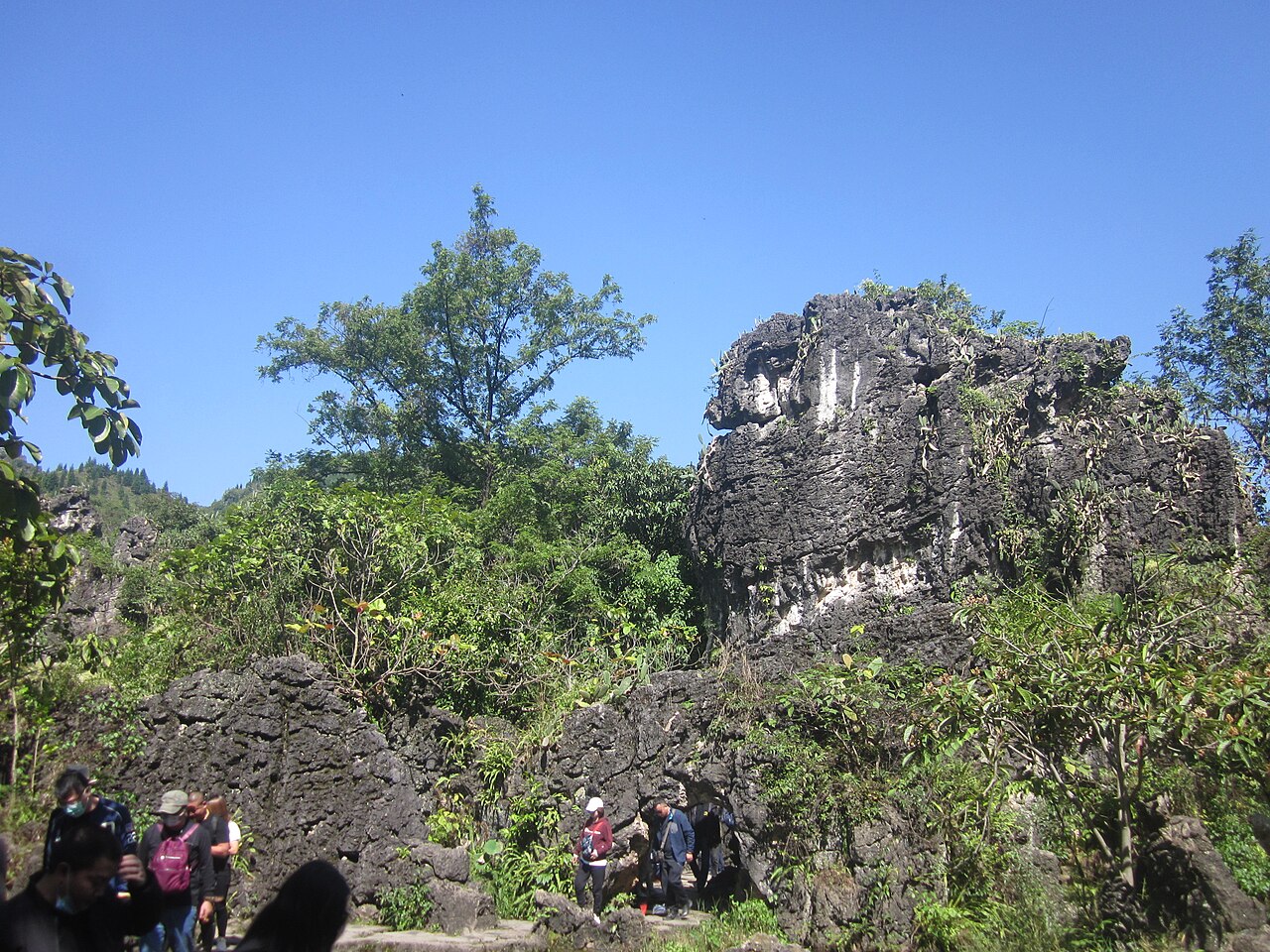
    Spend the morning in the Qiandao Lake stone forest, one of China's four great stone forests and called the first of them in east China — crawl the labyrinth, climb the rock faces, pass through the stone doors and squeeze along the fissures, quite possibly ending up back where you started.

    After two and a half days on the move, spend the last afternoon breathing in the forest oxygen bar.

    Stops: Stone forestForest oxygen bar

Sights

Islands and outer sights worth the stop

The overview

Meifeng Island

On the Scholar Peninsula at the west end of the central zone, named because five linked hills make the shape of a plum blossom in flower. Climb to the viewing platform and more than 300 islands of every size lie below you — it is the best high viewpoint on the lake, and the local saying is that without climbing Meifeng you have not seen what Qiandao Lake actually is.

Ticket
Included in the ¥150 through-ticket
Cable car
Up ¥25 adult / ¥15 child; down ¥20 / ¥10; return ¥40 / ¥20, insurance included
Suggested time
2 hours
Best at
Autumn, when visibility is highest

Tip Ride up and walk or slide down. The classic version is the cable car up and the grass slide down, which is more fun than it sounds and cheaper than the return ticket.

The culture island

Longshan Island

Longshan has been a noted place in western Zhejiang for centuries — the local rhyme runs 'the iron well at Tong Bridge, Little Gold Hill, the Stone Gorge Academy, living Longshan'. The island lies 5.5 km from Qiandao Lake town and is named for a ridge shaped like a dark dragon. It carries the Hai Rui shrine, the Stone Gorge Academy, the Half-Acre Pond and a bell tower, and is the lake's signature cultural sight.

Ticket
Included in the through-ticket
Suggested time
1–2 hours
What to look for
The longevity character in the Hai Rui shrine
Lunch
Eat on the island

Tip Find the 'longevity' stele. Hai Rui built the character out of four others — birth, mother, seven, ten — and it still reads as longevity when you turn it upside down.

Walk the bridges

Moonlight Island

Originally Five-Dragon Island, facing Qiandao Lake town across the water and the best-known cluster on the lake: Lock Island, Bird Island, the Garden of True Delight and Strange-Stone Island joined into one by three pontoon bridges — Fish-Delight, Lucky and Scholar. You can abandon the boat and walk between the islands, which is the whole point.

Ticket
Included in the through-ticket; Scholar Bridge and the Lock Museum add ¥10
Suggested time
1–2 hours
Fish-Delight Bridge
Carp over 100 jin, including one nicknamed the White Lady
Lucky Bridge
The longest water pontoon in the country; the saying is 'cross the Lucky Bridge and all goes well'

Tip Buy the ¥10 add-on for the Scholar Bridge and the lock museum only if you care; the bridges and the carp are free with the through-ticket and are the better part of it.

The second overview

Huangshanjian and the southeast zone

In the Pearl island chain, Huangshanjian is the highest island in it. Look northwest and ninety-odd islands lie below you like pearls dropped on water; look southeast and a deep gorge runs between Huangshanjian and Xianshan; look southwest and the open lake runs to the horizon with Laoshan Island hazy in it. This is the earliest-developed part of the lake and, for many, the best natural scenery on it.

Ticket
Included in the through-ticket
Cable car
¥50 return, ¥30 one way
Suggested time
1–1.5 hours
Boat
Southeast-zone cruise, departing 08:40, 09:20, 10:00, 11:00, 13:00

Tip Locals say the islands below Huangshanjian arrange themselves into the shape of a character. Find it before you look it up.

Zen and stone pools

Mishan Island and Tianchi Island

Mishan is 0.36 sq km of temple and legend — this is where the story of the three monks and no water to carry is set, and the Mishan Chan Temple still draws worshippers. 'A blue lake and green hills hide an old temple' is the traditional description. Tianchi, also called Gemstone Hill, a kilometre north, has seven man-made stone pools on its summit: the Southern Song quarried the tea-garden stone here for palaces, stelae and arches in Lin'an, and the pits filled with water and became the Heavenly Pools.

Mishan ticket
Included; suggested time 1 hour
Tianchi ticket
Included; suggested time 1–1.5 hours
On Tianchi
Hundred-Dragon stele gallery, Tianchi fish-watching, the four-step waterfall, the stone-culture display
Boat
Southeast-zone cruise, Huangshanjian — Tianchi — Mishan

Tip Mishan is the quietest island in the developed group. If the animal islands have worn you out, this is where to sit down.

The built ones

Shenlong, Monkey and Guihua islands

Shenlong Island is the snake island — dozens of species, venomous and not, in a display the guide calls a scroll of humans and snakes dancing together. Monkey Island, main island of the Yunmeng chain and more than a kilometre from its neighbours, is a monkey kingdom: two main troops, short-tailed macaques and rhesus, with a contact village, an education gallery and a trained-monkey arena. Guihua Island is the oldest developed sight on the lake, named for the wild osmanthus growing out of its karst fissures — genuine karst, fragrant in season, with paths that twist out of sight.

Shenlong Island
Snakes; 1 hour
Monkey Island
Two troops; 1 hour. Do not feed by hand — throw food on the ground
Guihua Island
Karst and wild osmanthus; 1 hour
Tickets
All included in the through-ticket

Tip Take these for what they are — small, built, and good with children. On Monkey Island, throw the food down rather than offering it; they bite.

Wetland in the southwest

Longchuan Bay

In the southwest zone, 42 km from Qiandao Lake town and about 40 minutes by the Qianfen road, where islands and inlets interlock to make the 'lake within an island, island within a lake' that gives the place its name — the only lake-type wetland on Qiandao. Beyond the scenery there is a full programme: a sightseeing bus, an electric boat, a big-pot communal meal, an old film show, a reconstructed Educated Youth-era village, a water park, field archery, fishing, a tofu workshop, a tea house, and catching fish in the mud.

Ticket
¥100 in season (Mar–Nov), ¥80 in winter (Dec–Feb)
Internal transport
¥20 a head, covering the electric cart and the return painted boat
Getting there
Qiandao Lake town over the Qiandao Lake bridge, Qianfen road, to the southwest tourism pier at Jiangjia
Phone
0571-65025699 / 64865799 / 64866888

Tip This is the best single answer to 'the islands are built, what is not?' Go for the wetland and the old-film evening, not for the activities list.

The best thing on land

Qiuchuan village

In Langchuan township, seven hundred years old, with about seventy per cent of its buildings Ming and Qing Huizhou houses — carved and painted beams, and the waterside pavilions, towers and fish pools that most village houses do not have. Seen from outside, the village is narrow at the mouth and wide in the belly, which is classic fengshui. A clear stream runs right through it, the houses lining it in the shape of the character for 'king' — and it happens that ninety-five per cent of the villagers are surnamed Wang.

Ticket
Free
Getting there
Sunshine coach station, buses towards Fenkou 06:30–17:00, every 30 minutes, ¥14
Farmhouse stay
¥50–60 a day per person, meals included
Phone
0571-64965721 / 64965809

Tip Stay the night. Arriving with the day-trippers and leaving with them misses the one thing a 700-year-old village has that an island does not — an evening.

The outer county

Stone forest, forest oxygen bar and Jiupaojie

The Qiandao Lake stone forest is one of China's four great stone forests and called the first of them in east China — strange rock, cliffs, old paths and spirit caves, the peaks in shapes people call a natural animal museum. The forest oxygen bar sits on the edge of the southeast zone by national road 320, fifteen minutes from town: ancient trees, streams and waterfalls, air full of negative ions and plant volatiles. Jiupaojie, in Pingmen township 70 km out, is named for its nine waterfalls, whose roar gives the place its name; its villagers are largely descended from Wang Xizhi, and the poor roads have kept it unusually intact.

Stone forest
¥100; from town over Jiangbu bridge and round the lakeside road, or the 06:20 and 14:10 boats from Xiyuan pier
Forest oxygen bar
¥60; bus from in front of the Fish-Flavour Restaurant; 0571-64877126
Jiupaojie
¥80; bus to Linqi ¥12 hourly, then the Shangxi village bus ¥5.5, two a day; 0571-65020416
Jiupaojie festival
The waterfall festival in mid-July, with professional waterfall descents

Tip If you only have one outer day, take Qiuchuan. If you have two, add the stone forest — it is the most surprising of the three and the least advertised.

Activities

Water, rafts and the long ride

The widest range in China

Water sports at Wenxin Island

Wenxin Island is the base: para-sailing and water planes overhead, surf runners, jet skis, speedboats and rubber boats on the surface, and diving to swim with the fish below. For relaxed options there are the Forrest Gump boat and the couples' boat. It is the fullest water-sports menu in the country, and the reason the lake turns out to suit people who thought they were coming to look at scenery.
Where
Wenxin Island, central zone
Suggested time
2–3 hours
On offer
Para-sailing, water plane, surf runner, jet ski, speedboat, rubber boat, diving, plus the gentle boats

Tip Go on a weekday morning. Prices and queues both improve, and the water is calmest before the afternoon wind gets up.

Eight runs

Rafting, April to October

Between April and October the hills and gorges round the lake run with hundreds of streams, and eight rafting operations have been set up on them, each with its own character. Jiulongxi is the gentle one, 3.88 km at the foot of Jinzijian, Chun'an's second-highest peak, and the pick for a relaxed drift. Jiupaojie claims to be China's number-one waterfall raft — narrow bed, big drop, fast water, deep pools. Jinfeng Gorge runs 800 metres through a tunnel. Wuqiangxi is the slow one, with natural pools, and the right choice for children and older travellers.

Jiulongxi
¥158, including entry, return transfer, guide and insurance; bus from Sunshine station to Zuokou
Jiupaojie
¥100
Jinfeng Gorge
¥108, including entry and internal transport; bus from Sunshine station towards Weiping, get off at Zhufeng junction
Wuqiangxi
¥100; bus from Sunshine station to Fenkou, every 20 minutes

Tip Bring a dry set of clothes and a pair of plastic flip-flops to change into afterwards. And leave anything valuable behind — if you capsize, neither the operator nor the insurer will pay for cash or phones lost.

For riders

The 185 km cycle loop

The lake has drawn a growing crowd of serious and amateur cyclists, and riding the Qiandao Lake loop is both a challenge and a pleasure: quiet inlets, long climbs that test the legs, old villages, islands and still water, cloud and light. The route runs from the tourism pier along Menggu Road and the Chunyang road, over Jiangbu bridge, through Anyang, Dashi, Fengshuling and Fenkou, then along the Qianfen road through Langchuan, Jiangjia and Jieshou and back over the Qiandao Lake bridge.

Distance
185 km
Route
Tourism pier — Menggu Road — Chunyang road — Jiangbu bridge — Anyang — Dashi — Fengshuling — Fenkou — Qianfen road — Langchuan — Jiangjia — Jieshou — Qiandao Lake bridge
Passes
Jiangbu bridge, Santan Island, Xuyuan forest farm, Fengshuling power station, Qiuchuan old houses, Longchuan Bay, Jiangjia town, Meifeng, Xiaojinshan
Note
Qiandao Lake spur roads are strictly speed-camera controlled if you drive the same route

Tip Ride it over two days and sleep at Jiangjia or Fenkou. Doing 185 km in one push means riding the best sections in the dark.

The lit shore

Night on the water

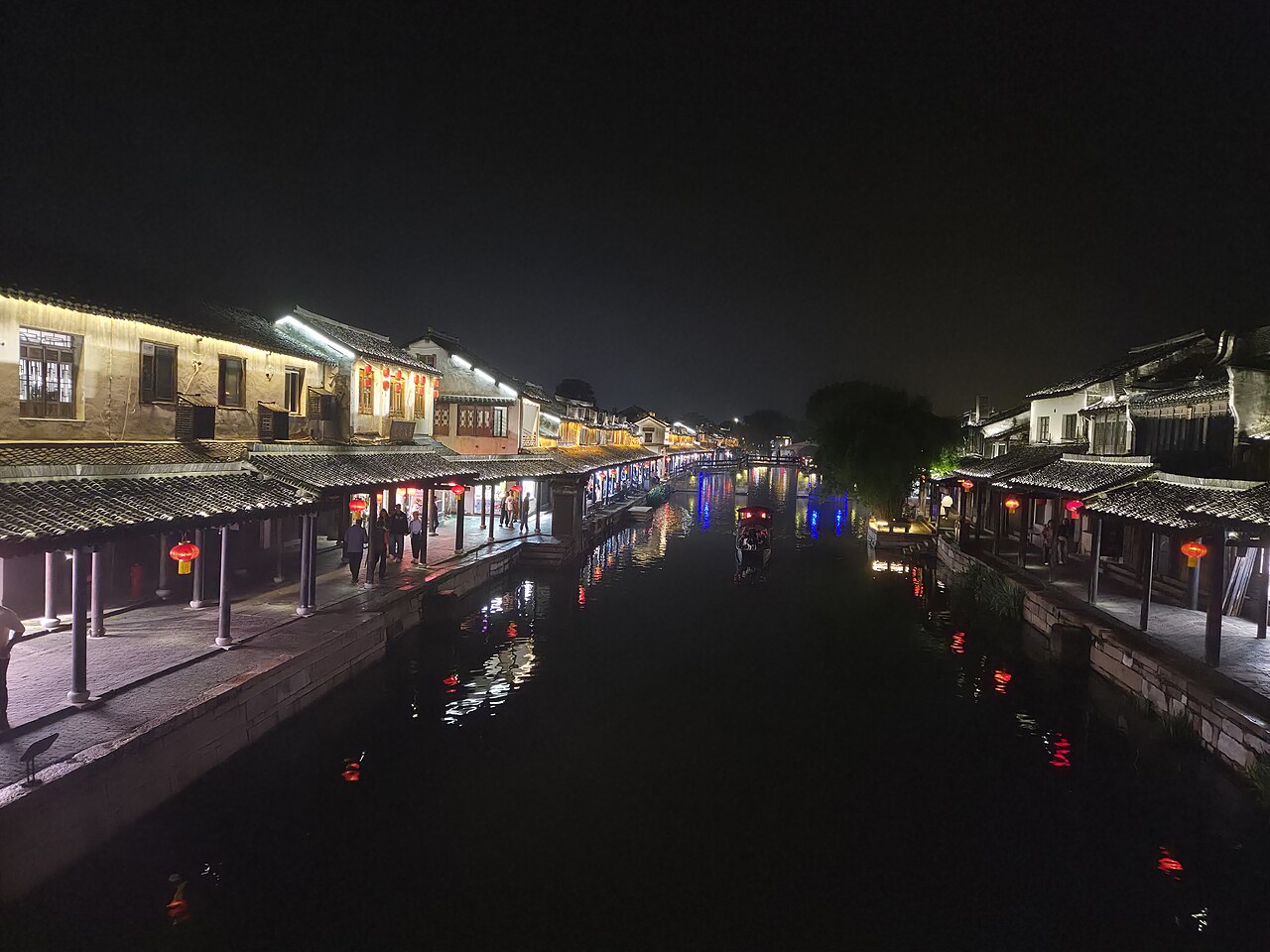
A different version of the lake: from a boat at night, the shoreline lights come on and the whole thing reads as lake-town rather than reservoir. Some say water is lovelier by night than by day, with the lamps along the bank and the water moving under them.

Where
The tourism pier, on the evening departures
Best at
Dinner time, when the shore lights are all on
Pair with
The fish-head dinner afterwards

Tip Do it on your first evening rather than the last — it is the best orientation you can get for what the town actually is.

Food

What Qiandao Lake eats

Qiandao Lake fish head

The dish the whole place is known for, and the one to order first. Cooked every way — braised, or in soup — and priced by the size of the head. The broth is slick and rich without being heavy, the flesh tender and clean, and the plate comes loaded. No visit counts without one.

Wild bamboo-shoot stew with fish head

The dried bamboo comes from the high country of northern Chun'an: wild young shoots, steamed and then baked, which makes them dark-coloured, strongly flavoured and, locally, a 'health vegetable' said to sharpen appetite and clear heat. Stewed with the organic fish as the main ingredient and Tianping stone-shoots as the partner, it is the most local combination on the menu — smooth fish, fragrant shoots, thick pure broth.
Eight-treasure fish head

The richer version: the head cooked with eight additions, which varies by kitchen but always means a deeper, more layered broth. Order it if you have four or more people and want something more substantial than the plain soup.

Steamed mandarin fish and clear-soup fish balls

The lake's fish beyond the head. Mandarin fish steamed plain, because the flesh is good enough not to need anything, and fish balls in a clear soup that tastes of the water rather than of seasoning. Both are the light counterpoint to the rich head.

Wild boar ribs in pepper salt and silver-fish soup

The mountain side of the menu. Wild boar ribs, crisp and salty with pepper, and a soup of silver fish — tiny, pale and sweet, the lake's smallest catch and one of its best.
Chayuan dried tofu

Sold in every market in Chun'an. Glossy, pliant enough to roll without cracking, with a flavour that keeps going after the chew. It is said the Qianlong emperor made it tribute on his tour of the south, and the cakes are still stamped with a character from his reign.
Qiandao Lake beer

Clean, sweet and genuinely good, and the right thing to drink with a plate of pepper-salt ribs. Two bottles on the table are normal. It is one of those local beers that does not travel, which is a reason to drink it here.

Where to eat

Fish head, and where to have it

The classic fish head

New Century Resort Chinese restaurant

The position is the point — the windows look straight out over Qiandao Lake, so you eat with the view in front of you. The fish head comes in several styles; the small thick-soup fish head is ¥368 and is in fact a very large tureen, enough for five people. This is the one everyone names.

Address
888 Sunshine Road, Qilin Peninsula, Chun'an
Average spend
¥176
Phone
0571-64811000
Order
Small thick-soup fish head, ¥368, feeds five

Where locals go

Shunfenggang

A local favourite near the passenger pier: snacks on the ground floor, stir-fried dishes upstairs, good value and honest cooking. Order the country free-range chicken casserole, tea-scented wild rabbit, red trout, the fish-and-goat pot, or the spicy fried crab.

Address
Near the passenger pier, Renmin Road junction, Qiandao Lake town, Chun'an
Recommended
Country chicken casserole, tea-scented wild rabbit, red trout, fish-and-goat pot, spicy crab

Farmhouse cooking

Xianshan Restaurant

Entirely farmhouse cooking, well made, and busy for that reason. The free-range chicken soup is the dish to order — and note the local touch, chicken blood in the soup, which is how Chun'an farmhouses make it.
Address
Xianshan Peninsula, Qiandao Lake town, Chun'an (near the InterContinental)
Average spend
¥73
Order
Free-range chicken soup, with chicken blood in it

Haggle first

The three night markets

Qiandao Lake town has three stall clusters: the Qiandao Lake night market by the passenger pier, the Xiyuan market by Xiyuan pier and the Dongguahu market on Xin'an North Road. Prices are about the same as a mid-range restaurant rather than cheap, so you must haggle — and keep track of what you were quoted for each dish, or the bill will surprise you.
Qiandao Lake market
By the passenger pier
Xiyuan market
By Xiyuan pier
Dongguahu market
Xin'an North Road
Rule
Haggle, and remember the price of each dish you ordered

Cheapest and best value

A village farmhouse in Qiuchuan

Qiuchuan has farmhouse places offering beds and food at ¥50–60 a day per person. One of them, Waiwaijia outside town, is a five-storey house with small rooms that are at least not damp — most hotels around the lake are — a private bathroom, a shower and a bit of space to dry clothes. The food won a gold medal in the local farmhouse cooking competition, and bighead carp runs ¥28 a jin, about ¥50 a head.

Address
118 Dongzhuang village, Langdaling, Qiandao Lake town, Chun'an
Price
¥100 a night; about ¥50 a head to eat
Phone
0571-64805853
Fish
Bighead carp at ¥28 a jin

The one warning

Where not to eat the fish head

Do not eat the organic fish head on the tour boats. The guide is blunt about it: have it in town, where both the price and the cooking are better. The boats charge for the convenience of being on the water, not for the kitchen.

Avoid
Organic fish head on the tourist boats
Instead
A restaurant in Qiandao Lake town or a farmhouse in Qiuchuan
Why
Prices and cooking both disappoint on the boats

Where to stay

Lake-view rooms, farmhouses and two resorts

Read this first

What to expect

Qiandao Lake town is well supplied at every level. Farmhouse inns cover the budget end and are genuinely cheap; the most popular choice is a lake-view hotel in town, which offers the best value at around ¥300. The resorts each occupy their own island, with every hotel facility and a full set of water sports, and they are expensive — New Century and Tianqingdao are the two best known, running into four figures. Wenxin Island and Phoenix are inside the central zone, one island each, at ¥300–700.

Budget
Farmhouse inns, cheapest option
Most popular
Lake-view hotel in town, about ¥300
Resorts
New Century and Tianqingdao, ¥1,000-plus
Island resorts
Wenxin Island and Phoenix, ¥300–700
Winter
Standard rooms fall to ¥50–60, about two-thirds off

The famous one

New Century Resort

Built against the hill and over the lake, in a position that is hard to fault — the view from the hilltop beats the shoreline by a distance. Rooms are comfortable and well equipped, large, and the whole lake is visible from the window. The dining room serves a very good fish head, peacocks stroll the grounds and the service is attentive. Expensive, but at five-star rates it is defensible.

Address
888 Sunshine Road, Qilin Peninsula, Chun'an
Price
¥936
Phone
0571-65018088 / 65018388
Getting there
Buses 2 and 5 to Sunshine Resort

The best rooms

Qiandao Lake InterContinental

On Xianshan Peninsula, with the best setting of the lot — the hilltop view is in a different class from the shoreline. Rooms are large, comfortable and fully equipped, with the whole lake visible from the window.

Address
Xianshan Peninsula, Qiandao Lake town, Chun'an (near Xianshan Restaurant)
Price
¥1,260
Phone
4008825398 for reservations, 88818888 for the front desk

The value choice

Waiwaijia

Outside town at Langdaling, a five-storey house with small rooms — but not damp, which most hotels around the lake are — a private bathroom, a shower and a little space to hang washing. The food is the reason to stay: gold medal in the local farmhouse cooking competition, bighead carp at ¥28 a jin, about ¥50 a head.

Address
118 Dongzhuang village, Langdaling, Qiandao Lake town, Chun'an
Price
¥100
Phone
0571-64805853
Eat
About ¥50 a head; bighead carp ¥28 a jin

Something different

Count Cruise, the boat hotel

Sleeping aboard the Count Cruise is the unusual option: six decks with leisure, dining and entertainment facilities and a large open-air stage garden, moored at the tourism pier. A genuinely different way to spend a night on the lake rather than beside it.

Address
Qiandao Lake tourism pier, Chun'an
Price
¥277
Phone
0571-64821888

Cheap and clean

Shangkeyou Express and Jiupao Inn

Shangkeyou sits on the lake shore with lake views from the rooms, 600 m from Qiandao Lake Square and a short walk to Xiushui Street. Rooms are large, clean and fully equipped. Jiupao Inn, out in the Jiupaojie scenic area 68 km from town, is the cheap base for that corner — clean, free wifi all day, helpful service and a view of the scenic area from the window.

Shangkeyou
8F, 17 North Lakeside Road, Qiandao Lake town — ¥269 — 0571-64966999
Jiupao Inn
No. 10, Jiupaojie scenic area, Shangxi village — ¥80 — 0571-64995918
Note
Jiupaojie is 68 km from Qiandao Lake town

Shopping

What to carry home

Dried fish

The lake is full of fish of every size and it is the country's first organic-fish farm. Sun-dried or baked, salted or plain, some of it a metre long and hung up in the shops in rows — a genuinely striking sight. There are also simply-packed versions, cut into sections and sealed, which keep for months. The easiest thing to take home from Chun'an.

Qiandao jade leaf

Grown in cloud and mist on the high hills around the lake, originally sold as Qiandao Lake Dragon Well. Thick, straight, flat leaves with white down, green with visible tip, a lasting clean aroma, a yellow-green liquor and a full, brisk taste. The tea visitors like most.

Mountain walnuts

Also called small walnuts or small hickory nuts, a rare Chinese tree oilseed and one of the plant world's survivors — only Chun'an and Lin'an grow it, and Chun'an produces forty per cent of the national crop. Unsaturated fat runs above ninety-five per cent, easily absorbed and, by local account, protective against heart disease.

Seedless persimmon

Chun'an's persimmon: large, and with a better texture than most. Buy them in season, and if you are driving, buy them at a market in town rather than at a scenic-area shop.

Qingxi dragon inkstone

The story is that Hai Rui, as magistrate of Chun'an, noticed the stone of Dragon-Eye Hill here was jet-black and easy to work, sent someone to learn the craft, and named the resulting inkstone the Qingxi dragon inkstone. The stone is hard and fine-grained: it mists when you breathe on it and never dries out, and it is rated with the Duan and She inkstones.

Shanyue hemp embroidery

Local craft with more than 1,700 years behind it, in patterns called 'dragon and phoenix in auspicious harmony', 'a hundred birds paying court', 'golden rooster sporting with chrysanthemum'. Used to decorate rooms and clothing, and it carries a genuinely old feeling.

Where to shop

The Qiandao Lake tourism products street runs along Xiushui Street at the tourism pier: lake on one side, speciality and craft shops on the other. Yejiaojiao Green Food City is the largest and fullest speciality supermarket in town, with several branches, and its tribute-fish and kudzu-starch lines have won national food awards — pricier than a market, but good.

Getting around

How to reach Qiandao Lake and move on it

By air

There is no airport at the lake. Hangzhou Xiaoshan (HGH) is the usual arrival and there are three ways on from it, in ascending order of cost: public transport at ¥65 all in, a taxi to the coach station, or a chartered van all the way.

Option 1
Airport bus to the railway station ¥20, bus 49 to the West coach station ¥2, coach to Qiandao Lake ¥43
Option 2
Taxi from the airport to the West coach station, about ¥180, then the ¥43 coach
Option 3
Chartered 7- or 9-seat business van airport to Qiandao Lake, ¥1,300 all-in — tolls, parking and driver
Note
Zhoushan and other regional airports do not serve this route

By train

Do not book the Qiandao Lake railway station. It is not at the lake — it is at Maozhuyuan in neighbouring Jiande city, and runs two trains a day to Jinhua and Yiwu. Boat connections to Maozhuyuan leave Xiyuan pier at 06:30, 08:50, 10:30 and 14:00, returning at 08:30, 10:40, 12:20 and 16:00. Everyone else takes the train to Hangzhou and coaches from there.

Qiandao Lake station
At Maozhuyuan, Jiande — not at the lake
Trains from there
Two a day, to Jinhua and Yiwu
Xiyuan pier to Maozhuyuan
06:30, 08:50, 10:30, 14:00; returns 08:30, 10:40, 12:20, 16:00
Ticket office in town
4-4 Xin'an South Road, near Qiandao Lake Square; 08:00–20:00; 0571-64833999

By coach

The ordinary way in. Hangzhou West station to Qiandao Lake long-distance station, every 30 minutes from 06:00 to 18:50, about two hours, ¥60; returns 05:20–18:20. Shanghai's south long-distance station runs three departures a day. Huangshan has one through coach each way with the New National Line.

Hangzhou to Qiandao Lake
06:00–18:50, every 30 minutes, about 2 hours, ¥60
Qiandao Lake to Hangzhou
05:20–18:20, every 30 minutes, ¥60
Shanghai to Qiandao Lake
08:00, 09:00, 14:20; about ¥100. Returns 07:45, 13:50, 14:30; about ¥122
Huangshan to Qiandao Lake
Departs the scenic area 06:30, arrives at the tourism pier 09:40; returns 14:30
Stations in town
Long-distance station, 123 Xin'an Street, 0571-64811876; Sunshine station, Sunshine Road, 0571-64827497

By boat

The lake has 23 navigable routes totalling 341 km and 127 piers of every size, reaching northwest to Shexian in Anhui. The public cruise boats run bus-style at ¥45; the passenger boats to Shendu are the budget way to cross; and the long-distance pier handles high-speed boats to Jiangjia, Fenkou, Weiping and Zitong.

Cruise boats
¥45 a head, ¥25 for children 1.2–1.5 m
Central zone
Departs 08:00–09:00 and 10:00–10:40, and 12:00–13:00
Southeast zone
Departs 08:40, 09:20, 10:00, 11:00, 13:00
To Shendu, Anhui
06:00 and 11:40 from Qiandao Lake; 07:30 and 11:30 back; 5 hours; ¥15
Pier enquiries
0571-64812799

By car, bus and taxi

Driving from Hangzhou is 129 km by the Hangxinjing expressway and its Qiandao Lake spur, about 90 minutes; from Shanghai it is about 316 km; from Huangshan about 175 km with only two toll stations. In town, nine bus routes run at ¥1, including K004 direct to the new tourism pier, 06:00–22:00 every 10–15 minutes. Taxis here are close to the cheapest in China: ¥2 a head on the main roads, ¥2 more for a detour through the lanes, ¥5 to start the meter further out, and if the taxi is not full the driver will stop and take you anyway.

From Hangzhou
Hangzhou South junction, Hangqian expressway, right at Yangxi, then the Qiandao Lake spur — 129 km, about 90 minutes
From Shanghai
About 316 km via the Hangzhou ring road
From Huangshan
About 175 km, two toll stations
Town buses
Nine routes, ¥1; K004 to the new tourism pier, 06:00–22:00, every 10–15 minutes
Taxis
¥2 a head on main roads, ¥5 to start the meter; four people can hire a whole taxi for ¥8
Parking
Tourism pier ¥4 an hour for a car, ¥5 for a large vehicle; hotels park you free

Tips

Small things that make the trip

Ignore anything about the boats dated before 2012

The boats have run on a bus-style timetable since 2012 with fixed departures and fixed fares. Every independent-boatman arrangement, every haggled price and every 'take you to the islands' offer described in older material is out of date.

Do not follow guides who promise no ticket

There are touts who tell you that you do not need a ticket. They take your money, put you on a boat, and the boat goes somewhere that is not the main scenic area. Buy at the gate.

Register for the second day before you first board

If you want the through-ticket to cover two days, you must apply to the scenic-area staff before your first trip out, with your ID, and pay ¥10 a head. Do it on arrival — you cannot do it retroactively.

Eat the fish head in town, not on the boat

The guide is blunt: the organic fish head on the tourist boats disappoints on both price and cooking. Have it at a restaurant in Qiandao Lake town or at a farmhouse in Qiuchuan, where a whole bighead runs ¥28 a jin.

Bring sun protection — the island summits are exposed

A sun umbrella, a hat and sunglasses are worth packing. There is no shade on the main peaks, and the glare off the water doubles the exposure. In April and May bring rain gear too.

On Monkey Island, throw the food down

Do not tease the monkeys or feed them from your hand — drop the food on the ground. They bite, and the warning is in the guide because it happens.

Practical

The numbers you will actually need

The lake is the reason to come and the fish is the reason to stay. Everything else — the animal islands, the lock bridges, the souvenir streets — is optional.

Through-ticket¥150 from 1 March to 30 November; ¥120 from 1 December to the end of February; students half price. Covers any island in any lake zone, not the outlying sights. Two-day use: register first, ¥10 a head
Cruise boats¥45 a head, ¥25 children 1.2–1.5 m. Central zone 08:00–09:00, 10:00–10:40, 12:00–13:00; southeast zone 08:40, 09:20, 10:00, 11:00, 13:00
CharterLuxury yacht ¥150 a head based on six; leisure yacht ¥2,500 a trip; whole boat from ¥1,350 based on thirty, each extra person ¥45. No whole-boat charters on golden-week or high-season weekends
Cable carsMeifeng: up ¥25 adult / ¥15 child, down ¥20 / ¥10, return ¥40 / ¥20. Huangshanjian: ¥50 return, ¥30 one way
Outlying sightsLongchuan Bay ¥100 season / ¥80 winter, plus ¥20 internal transport; stone forest ¥100; forest oxygen bar ¥60; Jiupaojie ¥80; Qiuchuan village free
RaftingJiulongxi ¥158, Jinfeng Gorge ¥108, Jiupaojie ¥100, Wuqiangxi ¥100 — April to October
Best monthsSep–Nov, 12–18°C, least rain, best visibility. Annual mean 17°C, extremes 41.8°C and −7.6°C, 1,430 mm of rain over 155 days
Useful numbersTourist hotline 400-8811-988 or 0571-64831113 / 65022530; central-zone pier 0571-64816244; southeast-zone pier 0571-64881959; boat enquiries 0571-64812799; complaints 0571-24810000; taxi complaints 96520
HospitalsChun'an First People's Hospital, Qiandao Lake town, 0571-64813550; Chun'an Second People's Hospital, Fenkou, 0571-64851260

Background

Why Qiandao Lake is the way it is

A county that drowned to make a lake

Chun'an was established as a county in the thirteenth year of the Eastern Han Jian'an era, more than 1,800 years ago, and long called itself 'fine hills and clear water, a land of documents'. Its old county seat, built by He Qi in 209 and therefore also called He Cheng, was a strategic town on the Zhejiang–Anhui border. The old seat of Sui'an county, moved here in 621 under Tang Wude, was called Shicheng and had eight gate towers. In 1959 both were submerged to build the Xin'an River reservoir, and the present county town of Qiandao Lake was moved from He Cheng in October of that year.

That is the fact underneath the scenery: this is a lake with two drowned cities in it, and the migration that followed broke the local culture almost completely. How to carry a tradition forward after that has been the county's standing problem ever since. The people who are properly Chun'an live in stone-tiled houses, wear hemp-embroidered skirts, listen to Mu opera, watch bamboo-horse dances and eat thin, crisp, fragrant corn cakes — and sing, in the local rhyme, 'feet on the white-charcoal fire, hands round a corn cake, next to the emperor it is me.'

Water, islands and a name

Qiandao Lake sits between 118°58′ and 119°17′ east and 29°31′ and 29°41′ north, at the northern edge of the subtropical monsoon belt. The high forest cover and the mass of water moderate it: warm and humid, four distinct seasons, annual mean 17°C, extremes of 41.8°C and −7.6°C, 1,430 mm of rain across 155 days. It is the main component of the Fuchun River–Xin'an River–Qiandao Lake national scenic area.

It is 129 km from Hangzhou and about 140 from Huangshan, which is why it sits as the middle link on the famous city–water–mountain route, and why it is reachable from Shanghai, Jiangsu, Anhui, Jiangxi and Fujian. It is a reservoir less than sixty years old that has become the defining landscape of a county with eighteen centuries of history behind it.

What it is now

The lake has 23 navigable routes totalling 341 km and 127 piers, running northwest into Anhui. It is one of the country's four big freshwater-fish bases and its first certified organic-fish farm, which is why the fish head is on every menu and why 'Chun' is a brand rather than a place. Its tea, walnuts, persimmons and dried fish supply the souvenir trade on Xiushui Street.

It also carries the county's own folk arts, which the migration nearly took with it: the bamboo-horse dance, Mu opera — one of China's 315 local operatic forms, found only in Chun'an, with simple plots, comic and farcical by preference, sung to the erhu in Huguang, three-foot and miscellaneous tunes — and the local 'three carvings' in wood, stone and brick. Come for the water and the fish if you like. The reason to come back is that there is a real, old, slightly damaged culture underneath the resort.

The questions visitors ask us most about Qiandao Lake, answered plainly.

Frequently asked questions

Prices and practical details are reviewed every month by our Beijing team and updated the day a rule changes.

How does the Qiandao Lake ticket work?

It is a through-ticket: ¥150 from 1 March to 30 November, ¥120 from 1 December to the end of February, students half price, valid for any island in any lake zone — but not for the outlying sights such as the stone forest, the forest oxygen bar or Longchuan Bay. To use it over two days you must register with the scenic-area staff before your first trip out and pay a ¥10 per-person fee.

How much are the boats at Qiandao Lake?

¥45 a head on the public cruise boats, ¥25 for children 1.2–1.5 m. They have run on a bus-style timetable since 2012 — central-zone departures 08:00–09:00 and 10:00–10:40 in the morning, 12:00–13:00 in the afternoon; southeast zone at 08:40, 09:20, 10:00, 11:00 and 13:00. Chartering: a luxury yacht is ¥150 a head based on six people, a leisure yacht ¥2,500 a trip, and a whole boat ¥1,350 based on thirty.

Which islands should I actually get off at?

Meifeng for the view, Longshan for the Hai Rui shrine and the Stone Gorge Academy, Moonlight Island for the floating bridges and the giant carp. In the southeast zone, Huangshanjian for the second-best overview and Mishan for the temple. Skip the animal islands unless you specifically want them — they are the most obviously built of the lot.

How do I get to Qiandao Lake?

Coach from Hangzhou West station, every 30 minutes from 06:00 to 18:50, about two hours, ¥60. From Hangzhou Xiaoshan airport, take the airport bus to the railway station (¥20), bus 49 to the West coach station (¥2) and the coach (¥43), or a taxi to the coach station for about ¥180. Do not book the Qiandao Lake railway station — it is at Maozhuyuan in Jiande, with two trains a day to Jinhua and Yiwu, and it is not at the lake.

What is there to eat at Qiandao Lake?

The fish head first: braised or in soup, priced by size, with a broth that is slick, rich and full of aromatics. Then wild bamboo-shoot stew with fish head, eight-treasure fish head, steamed mandarin fish, clear-soup fish balls, wild boar ribs in pepper salt and silver-fish soup. Chayuan dried tofu, stamped with a character from the Qianlong reign because he made it tribute, is in every market. And the local beer is genuinely good.

When is the best time to visit Qiandao Lake?

September to November: 12–18°C, the least rain, and the best visibility from Meifeng, where you can count more than 300 islands. April and May are also good but wetter — bring rain gear. Winter is the underrated option: the water is at its clearest, there are no crowds, and a standard room falls to ¥50–60, about two-thirds below high season.

Is Qiandao Lake worth visiting for one day?

Yes, if you take the 'essence' route: Meifeng and Longshan in the central zone in the morning, Huangshanjian and Mishan in the southeast in the afternoon, and a fish-head dinner in town. You will see the lake rather than the county. Two days is meaningfully better because the second one gets you Qiuchuan village, which is the best thing in Chun'an that is not water.

Can I visit Qiandao Lake on the way to Huangshan?

Yes, and there is a trick for it. Instead of the cruise ticket, buy the ¥15 passenger-boat ticket from Qiandao Lake pier to Shendu — five hours across the lake, the same water, arriving in Anhui where you can pick up a bus to Shexian every half hour. You do not get to land on any islands, but the guide's own view is that most of what is on them was built recently anyway.

Related reading

Related reading

Visas Do I Need a Visa for China? Requirements, Costs and How to Apply China's entry rules changed more in the last three years than in the previous twenty. Here is exactly who needs a visa, what it costs, how long it takes and which passports now walk straight through. 9 min read Visas China's 240-Hour Visa-Free Transit: Who Qualifies and How It Works Ten days in China with no visa application, no fee and no fingerprints — if you hold the right passport and leave for a third country. Here is the rulebook, port by port. 8 min read Money Paying in China: Alipay, WeChat Pay, Cards and Cash Roughly nine in ten urban payments in China now run through a phone. Set up two apps before you fly, carry a modest cash float, and you will never be stuck at a till. 8 min read Transport China's High-Speed Rail: How to Book, What It Costs, How Fast It Goes The fastest way to cross China is also the most pleasant. Here is how to book a ticket with a foreign passport, what the three classes actually give you, and how to survive a Chinese station at rush hour. 9 min read Planning Best Time to Visit China: Month by Month, Region by Region China is the size of Europe, so 'the best month' depends on where you stand. Here is the month-by-month answer for the north, the Yangtze valley, the south and the plateau. 8 min read Planning What to Pack for China: The Complete 2026 Checklist Twenty thousand steps a day, three climate zones and a phone that has to do everything. This is the list we give our own travellers, minus the things they never used. 7 min read Food Chinese Food Culture: Eight Cuisines, One Table There is no such thing as Chinese food. There is Cantonese, Sichuan, Hunan, Jiangsu, Zhejiang, Fujian, Anhui and Shandong — and knowing which one you are eating changes everything. 8 min read Traditions Chinese Tea Culture: Six Classes, One Pot, Two Fingers Tea in China is not a beverage category, it is a social technology: it fills silences, seals deals and sets the pace of a meal. Here is how to sit down in one and not look lost. 7 min read Traditions Chinese Festivals: The Calendar, the Dates and the Crowds Lunar dates mean the calendar moves every year — and two of the festivals move several hundred million people at once. Plan around them or plan into them, but never by accident. 8 min read Etiquette Chinese Etiquette: What Matters, What Does Not, and Why Most etiquette advice for China is either obvious or wrong. These are the dozen behaviours that actually change how you are treated, and the reasoning behind each. 7 min read

Tell us your dates.
We'll do the rest.

Free itinerary design, a revised plan within one working day, and nothing charged until you approve the final version.

  • The ticket is a through-ticket, not a per-island ticket: ¥150 in season, ¥120 in winter, students half. Register at the gate and pay ¥10 if you want to use it over two days.
  • Boats have run bus-style since 2012, at ¥45 a head — anything you read dated earlier is wrong. Central zone leaves 08:00–09:00 and 10:00–10:40; southeast zone at 08:40, 09:20, 10:00, 11:00 and 13:00.
  • Meifeng is the one viewpoint worth climbing: more than 300 islands from the platform, best visibility in autumn. Cable car ¥25 up, ¥20 down, ¥40 return.

No spam. No sales calls. Just a real itinerary from a real person.