City guide · Shandong

Penglai travel guide: the pavilion, the free walled harbour, the cableway and how to get to Changdao

China's immortals' coast — a Song-dynasty naval harbour you can walk for free, a mythology nobody ever found, and the ferry to 32 islands.

  • Known forPenglai Pavilion, immortals, mirages, seafood
  • Typical spend¥600–900 / person / day incl. hotel
  • Ideal length2 days, 3 with Changdao
  • PaceEasy — one morning of climbing, one lazy afternoon

Reviewed by our Beijing team Updated 2026-10-10

The short version

Penglai is the small city on Shandong's north coast that the Chinese imagination gave to the immortals, and a ¥100 through ticket covers nine of its ten things-to-do — Penglai Pavilion on its red cliff, the naval museum, Qi Jiguang's birthplace and more. The other headline attraction costs nothing: the walled Song-dynasty water city at the foot of the cliff is free and is the most complete surviving ancient naval base in China. Two or three days is right, May is the month for mirages, and the ferry to Changdao leaves from Penglai port every 30 minutes in season. It is an hour from Yantai and about 6 hours by coach from Jinan, Shandong's capital.

  • Buy the ¥100 through ticket rather than the ¥85 version — it includes Qi Jiguang's birthplace, which costs ¥20 on its own.
  • Children under 1.3 m, anyone over 70 with ID, retired cadres and serving military all get in free; the cross-sea cableway is ¥30 one way or ¥50 return and is not part of the ticket.
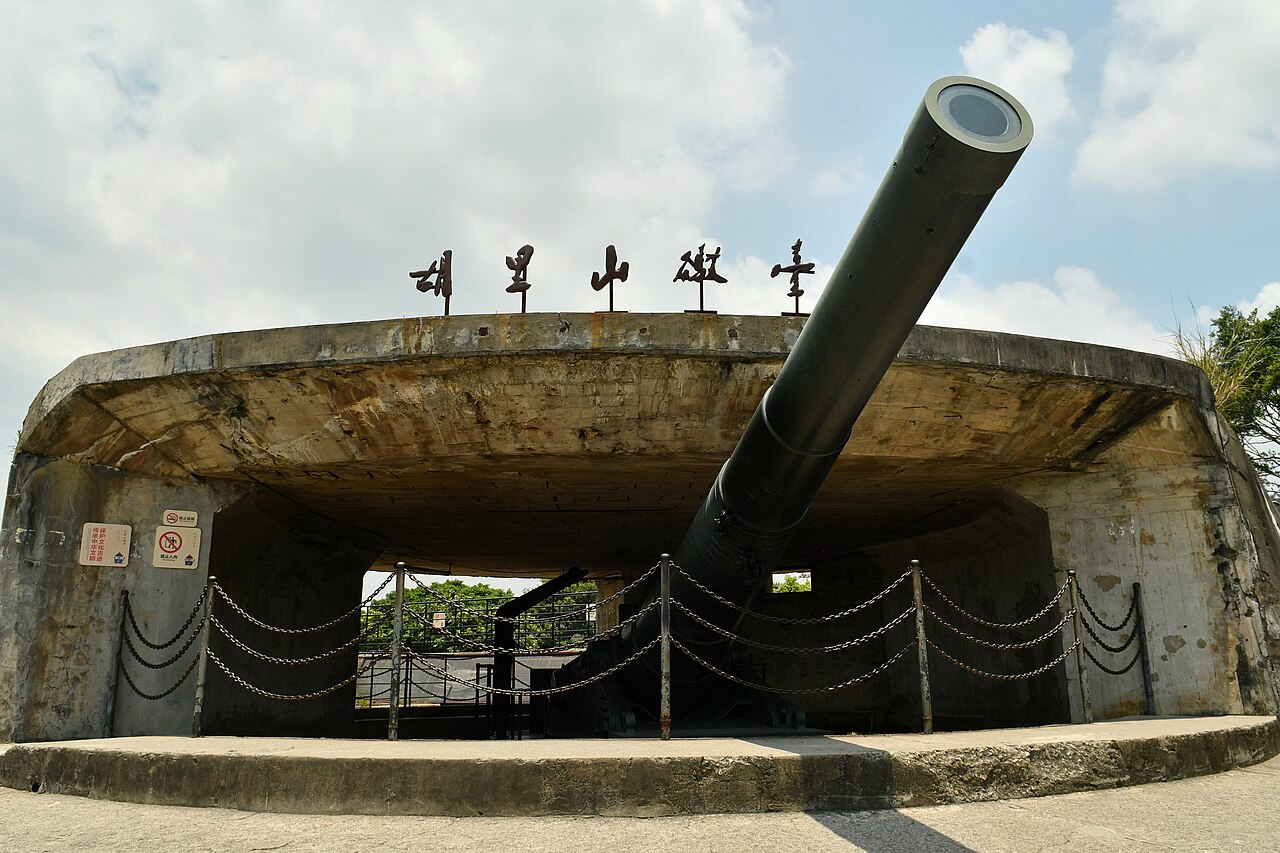
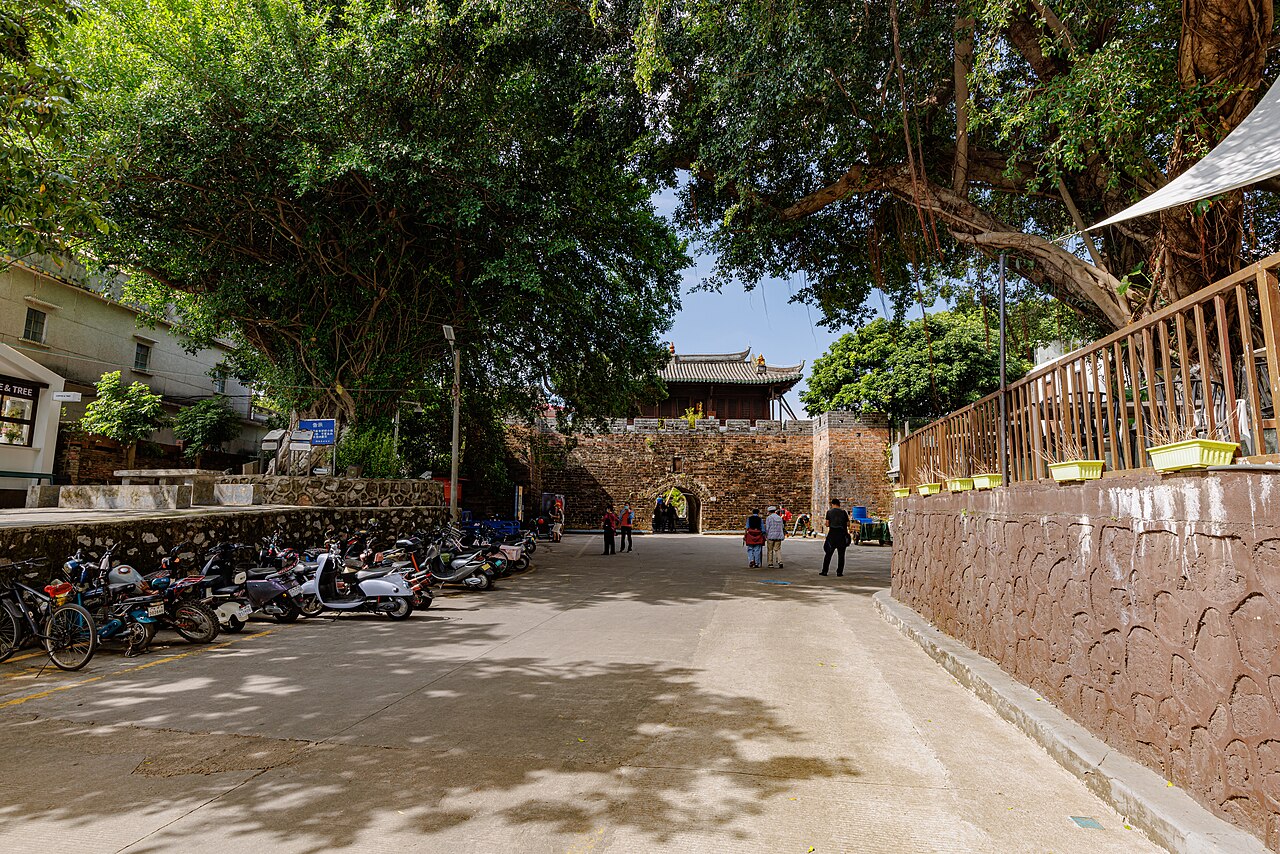
  • The walled water city below the pavilion is free and genuinely rare — a Song boat station rebuilt in stone in 1376, 270,000 square metres of breakwater, quay, lighthouse, walls and gun platforms.
  • In the fishing villages of Mozhikou you can buy your catch at the market in the morning and cook it in the guesthouse kitchen yourself, which is the cheapest good meal on this coast.
  • This is one of China's serious wine regions; many of the châteaux combine vineyards, cellars and tasting rooms with accommodation, so a visit is an afternoon rather than a formality.

City guide

First impressions

Photographs from the coast, and what other travellers wrote afterwards.

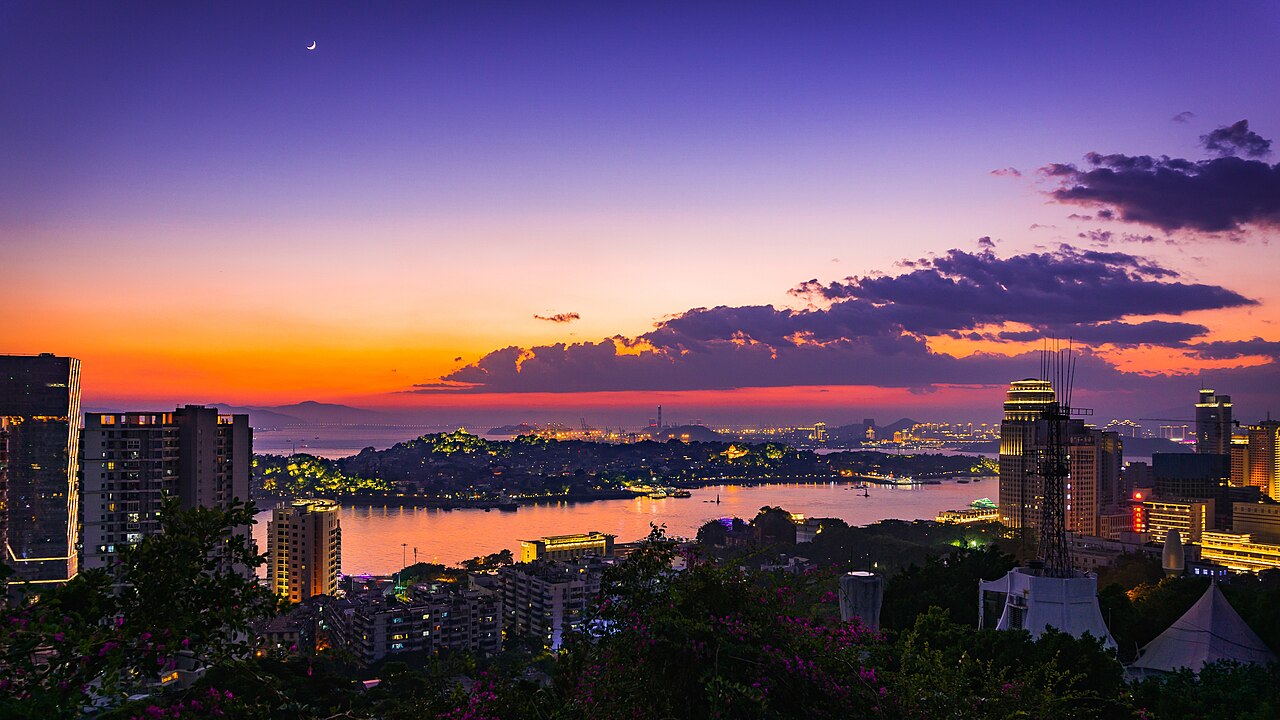
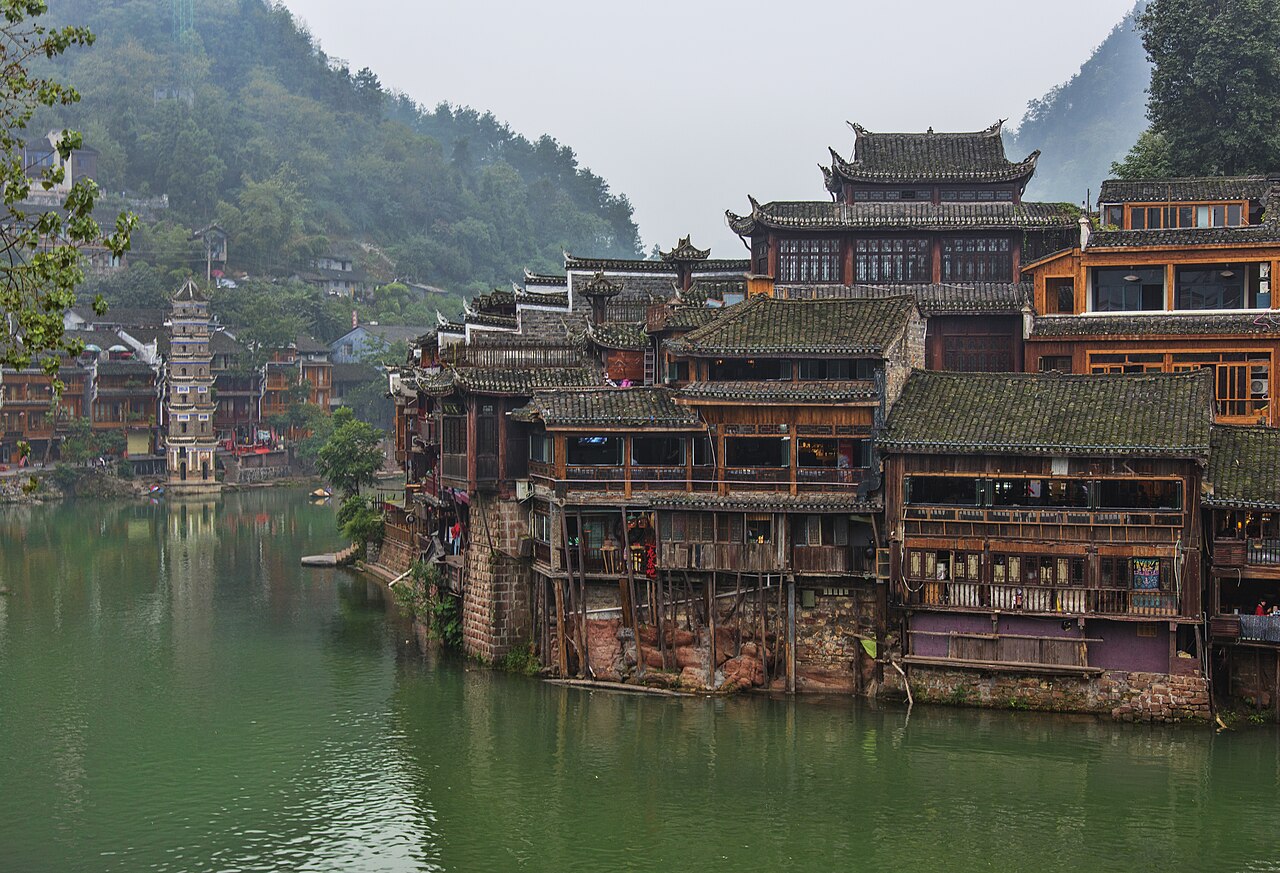
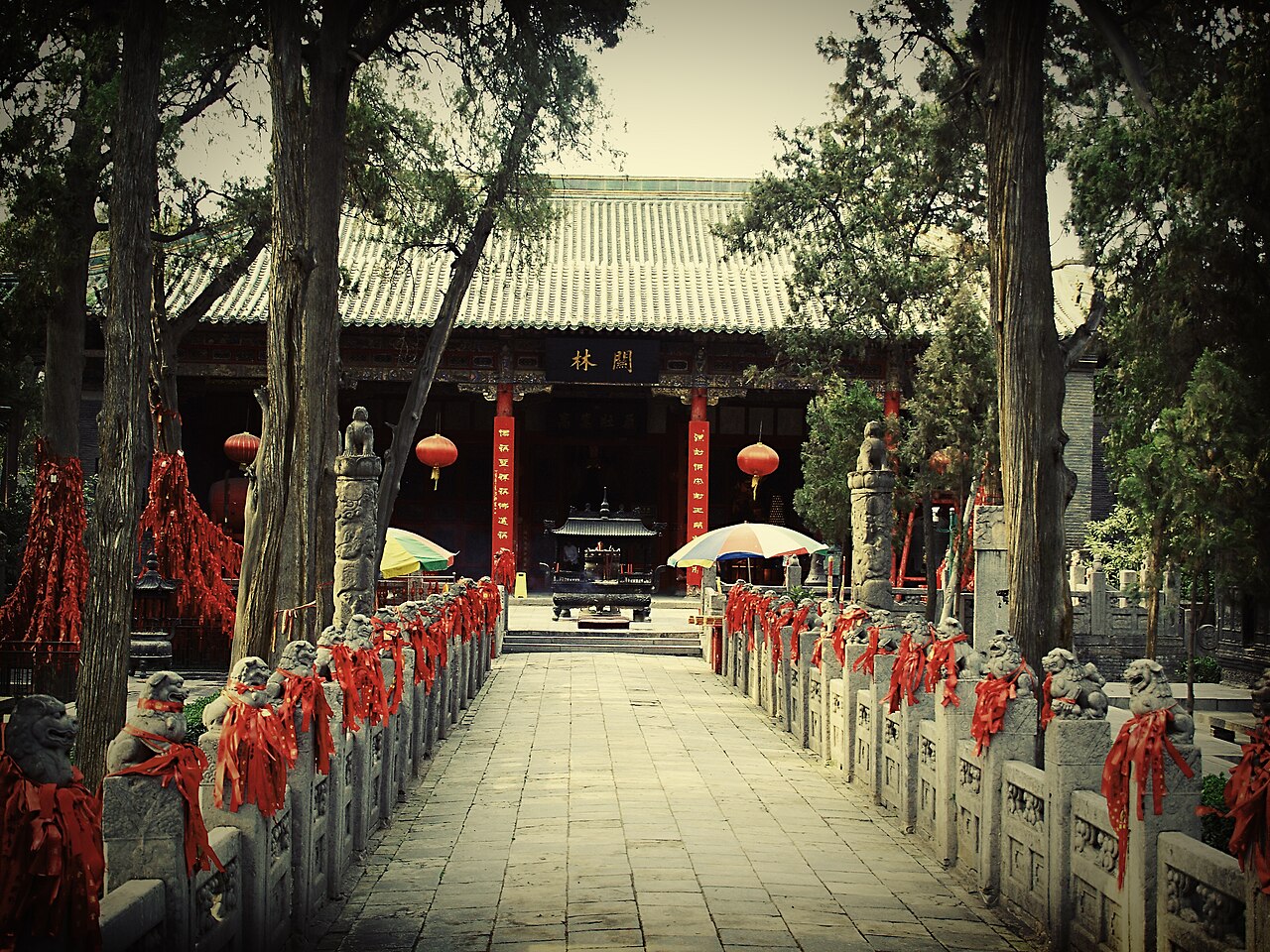
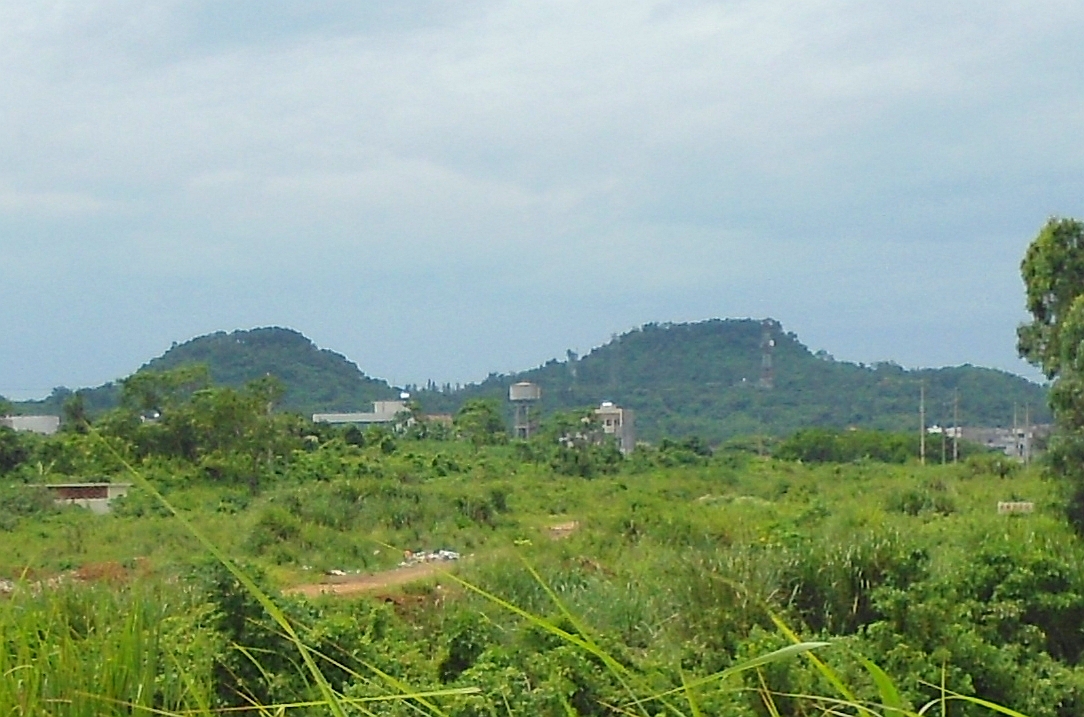
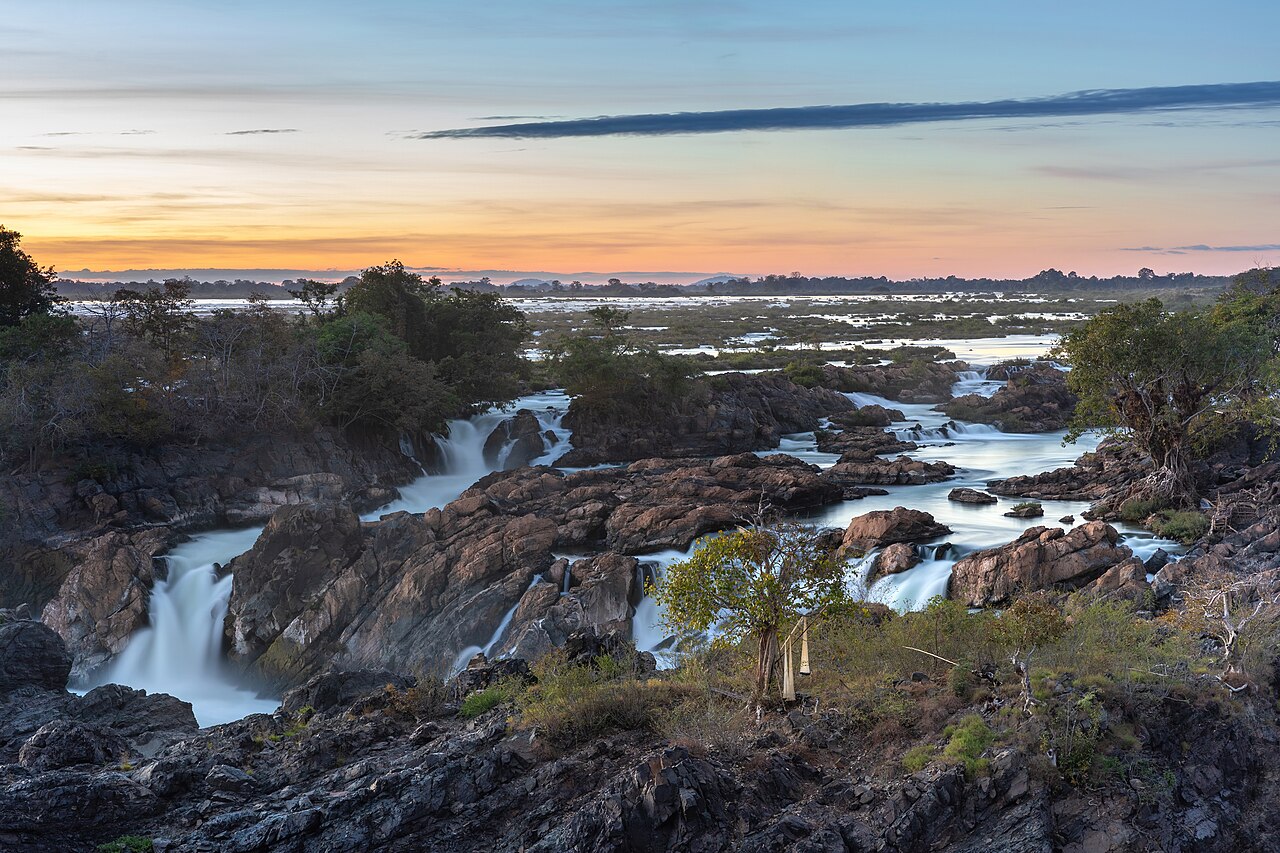
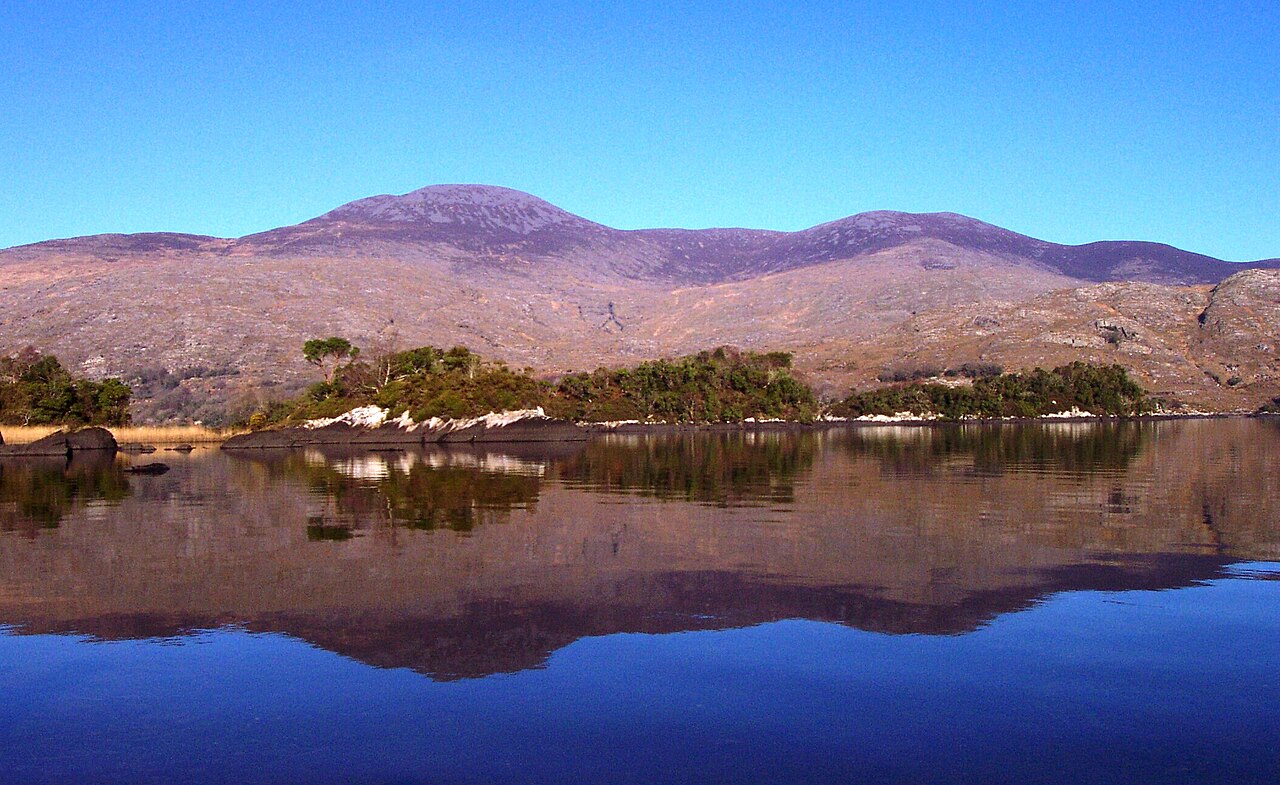
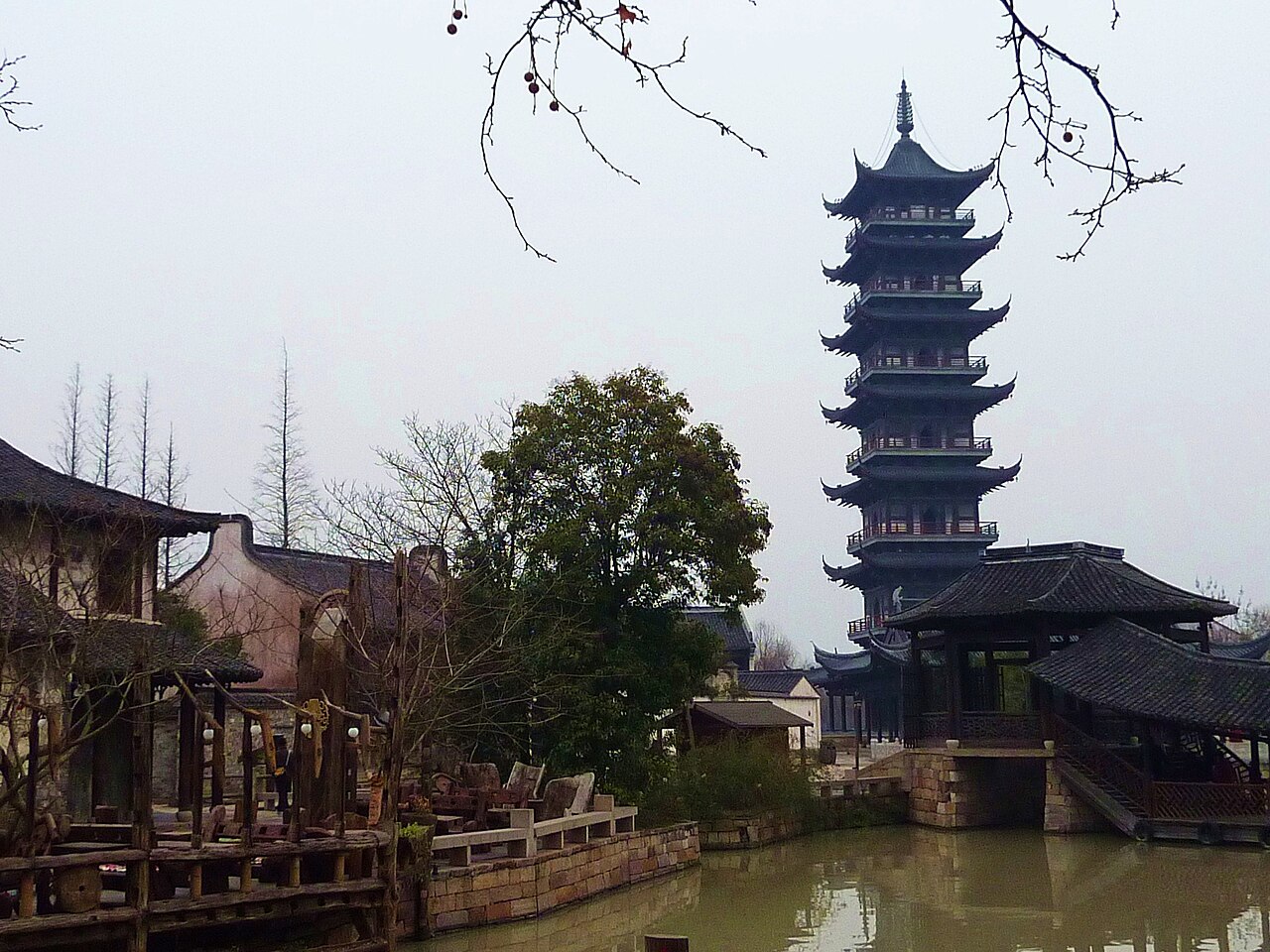
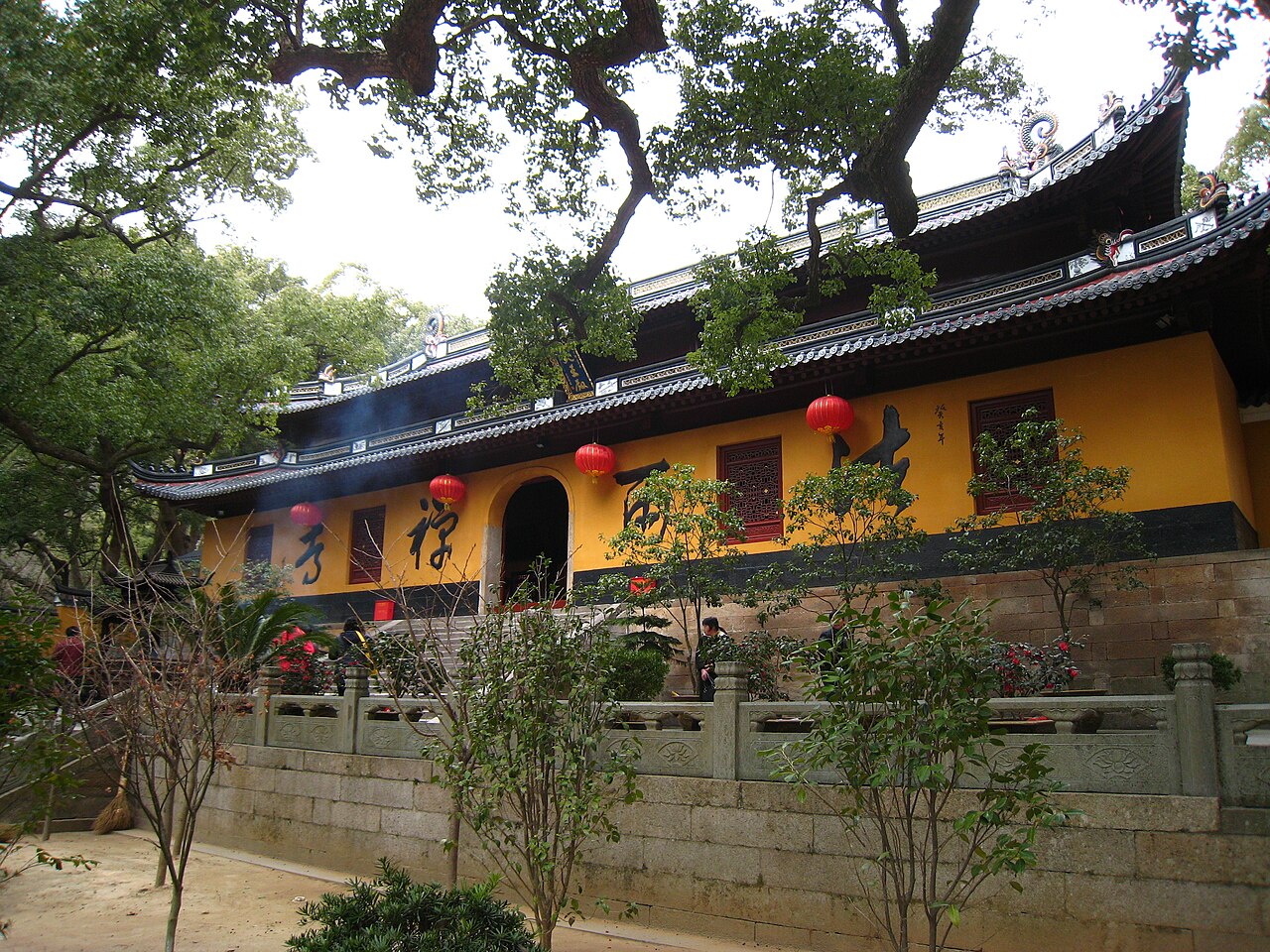
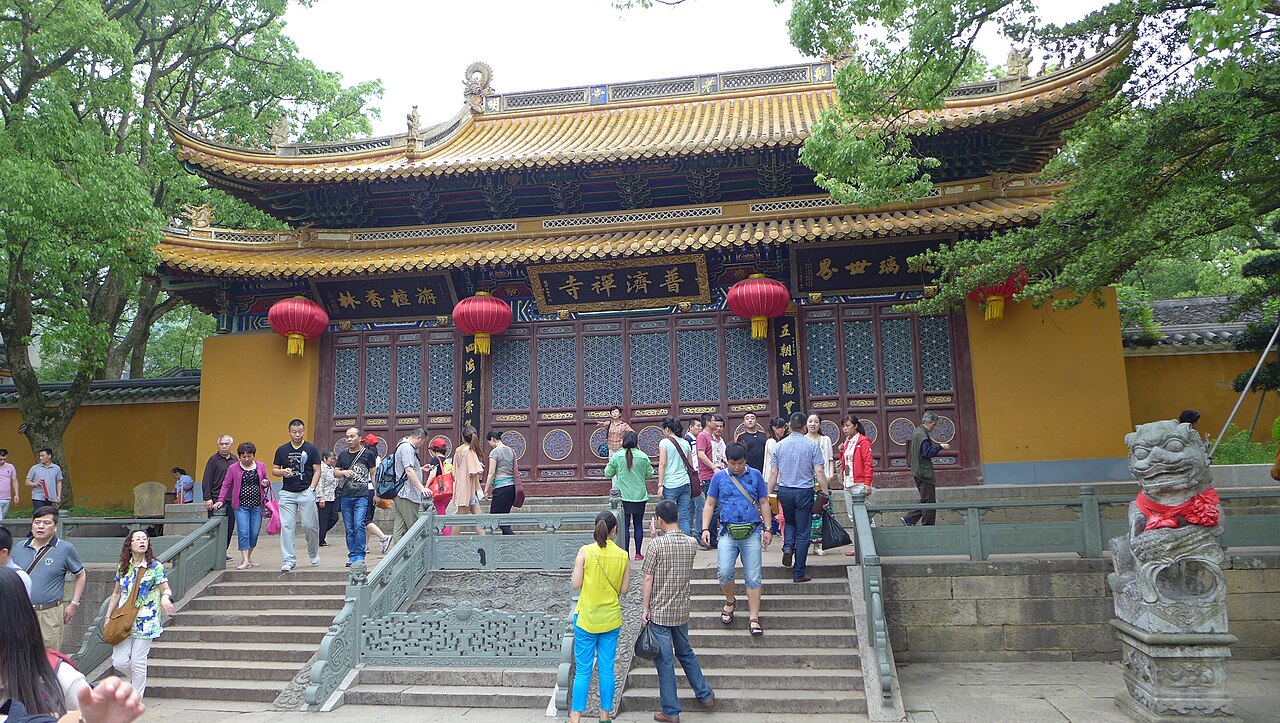
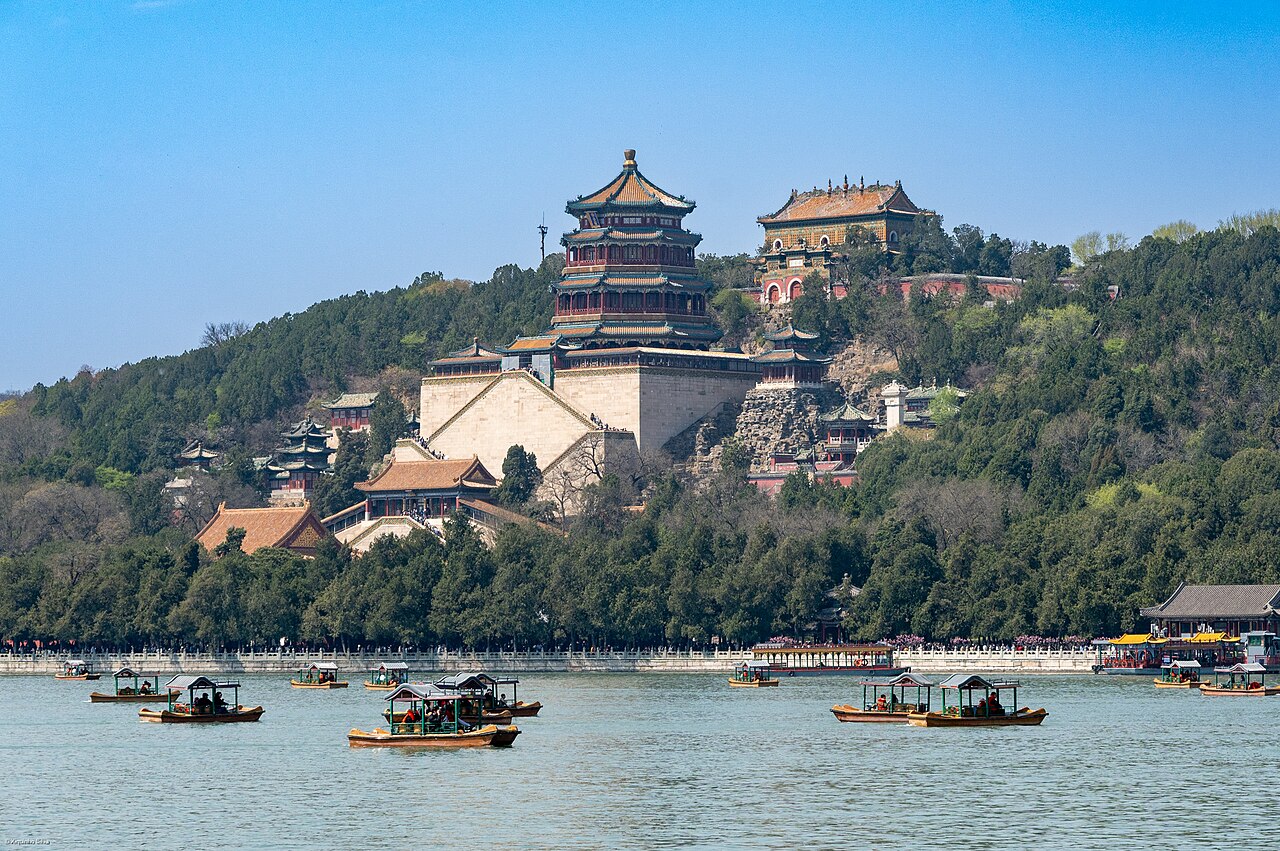
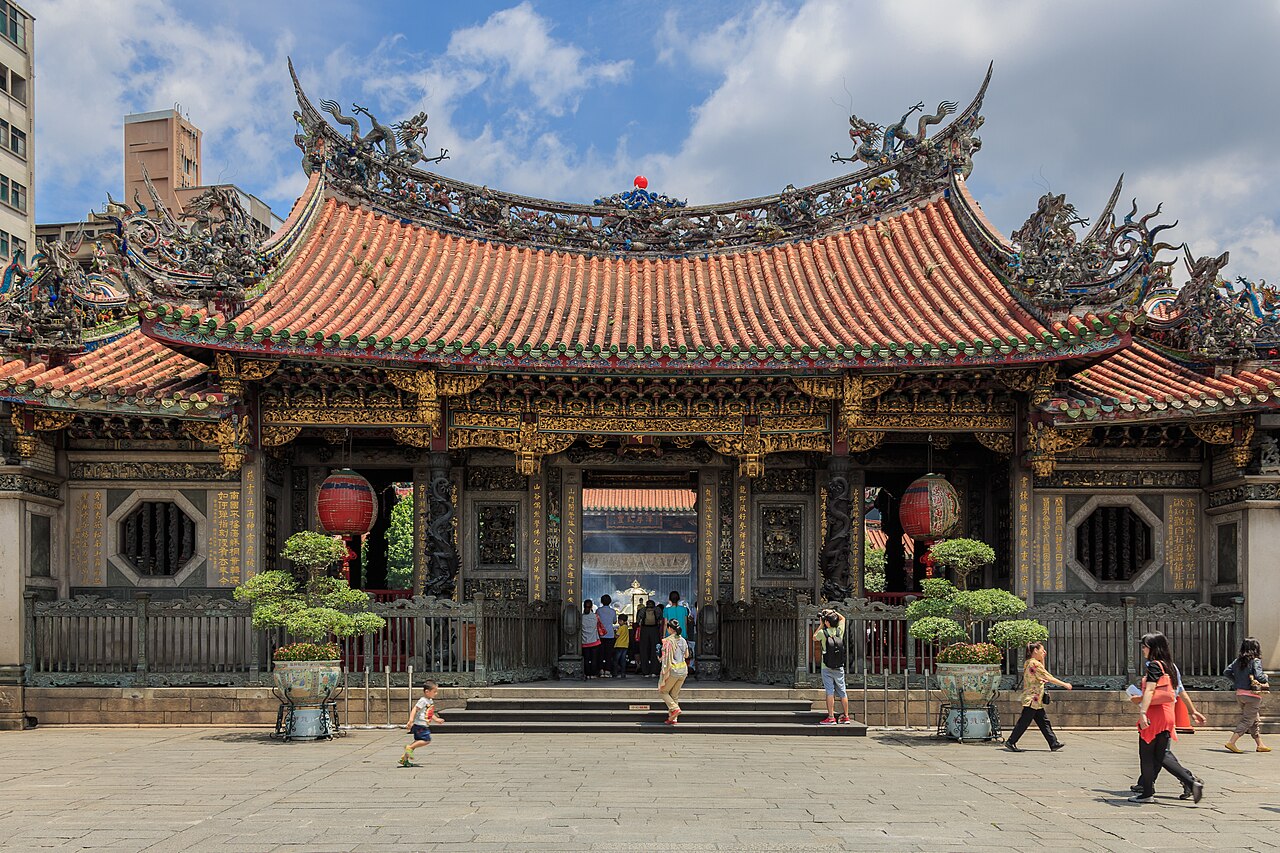
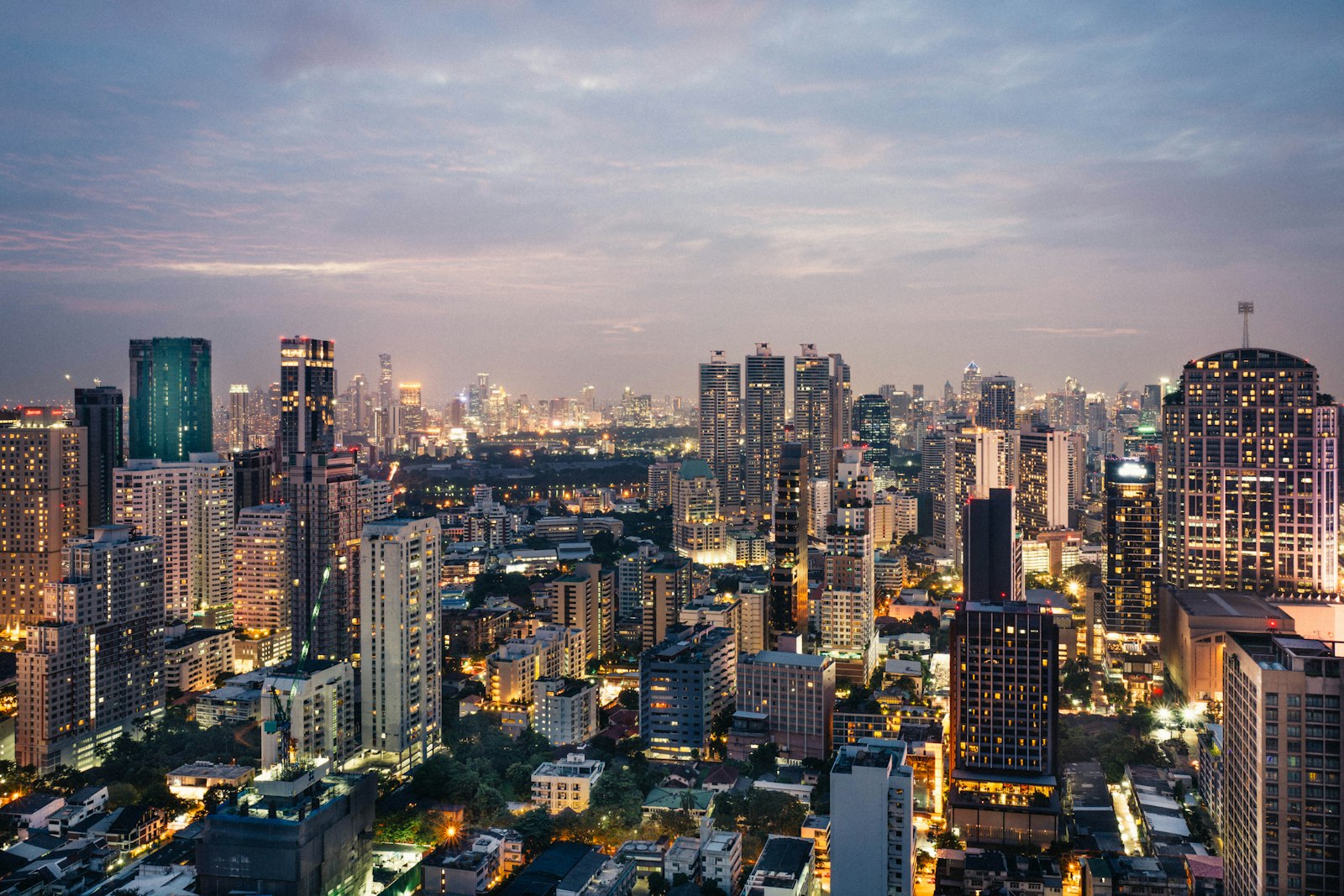
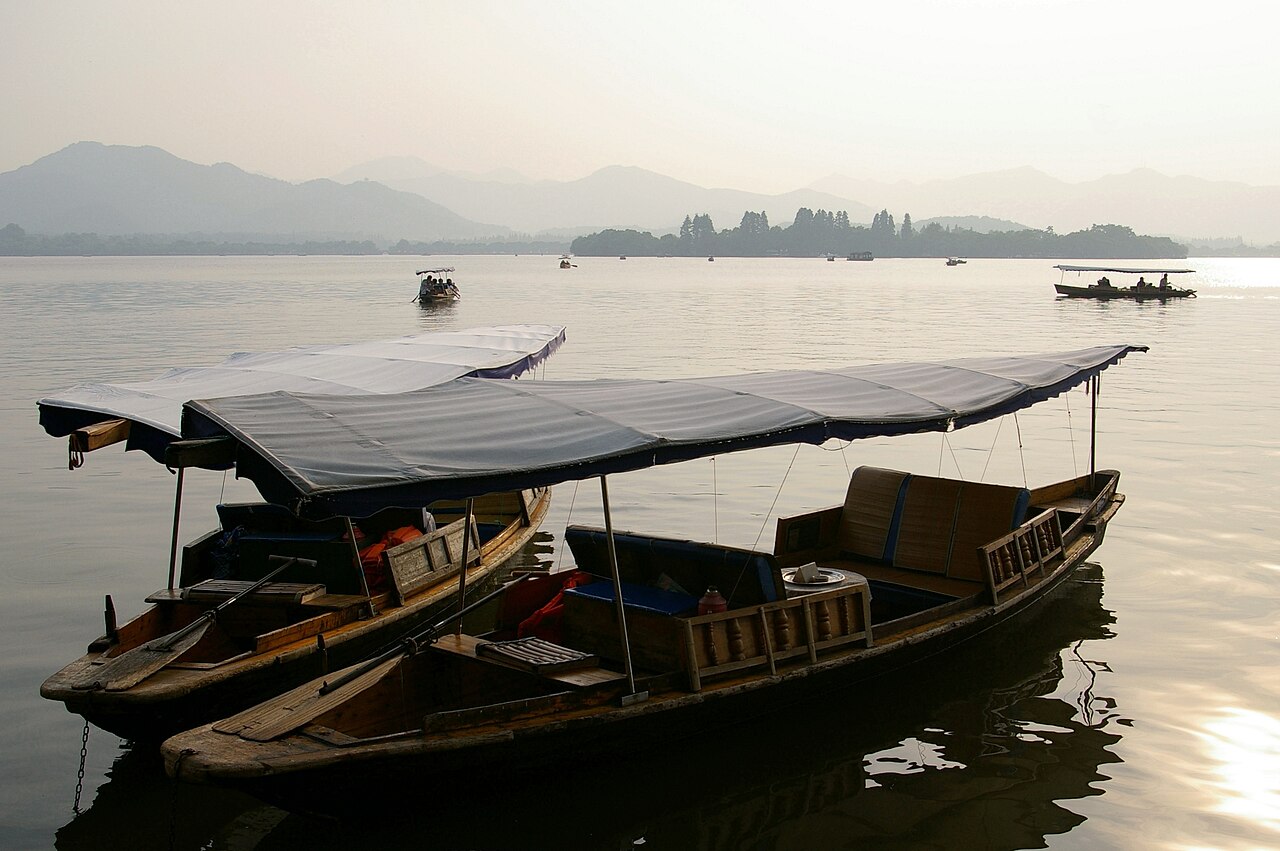
Penglai Pavilion on the red Danai cliff, looking out over the strait
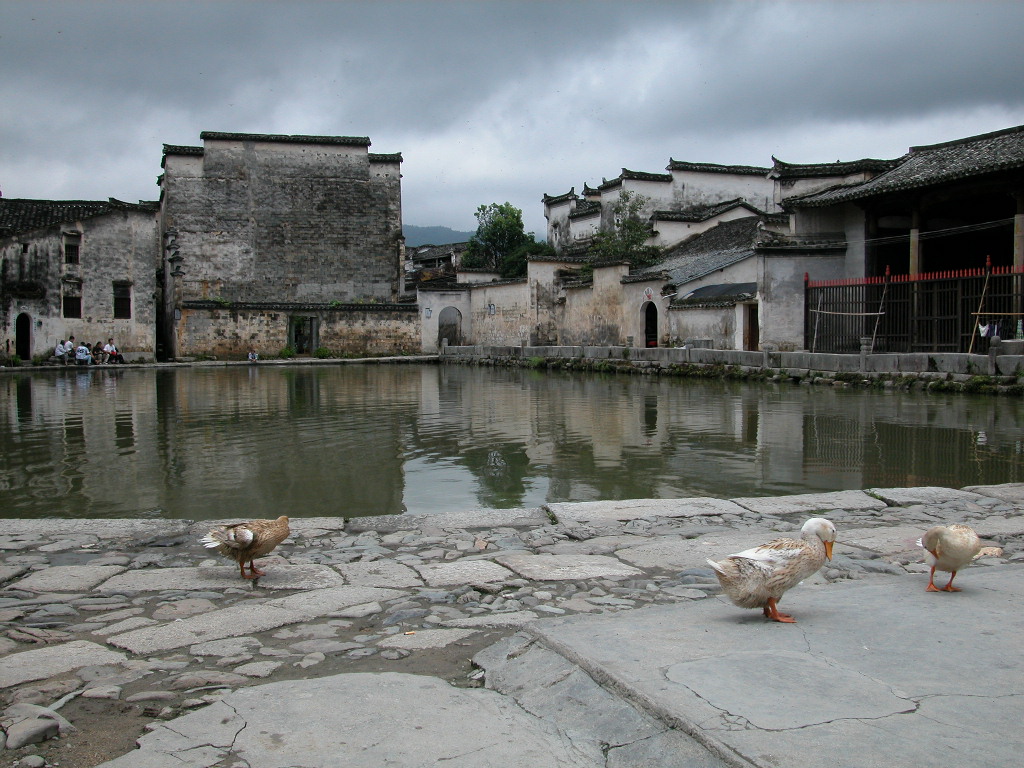
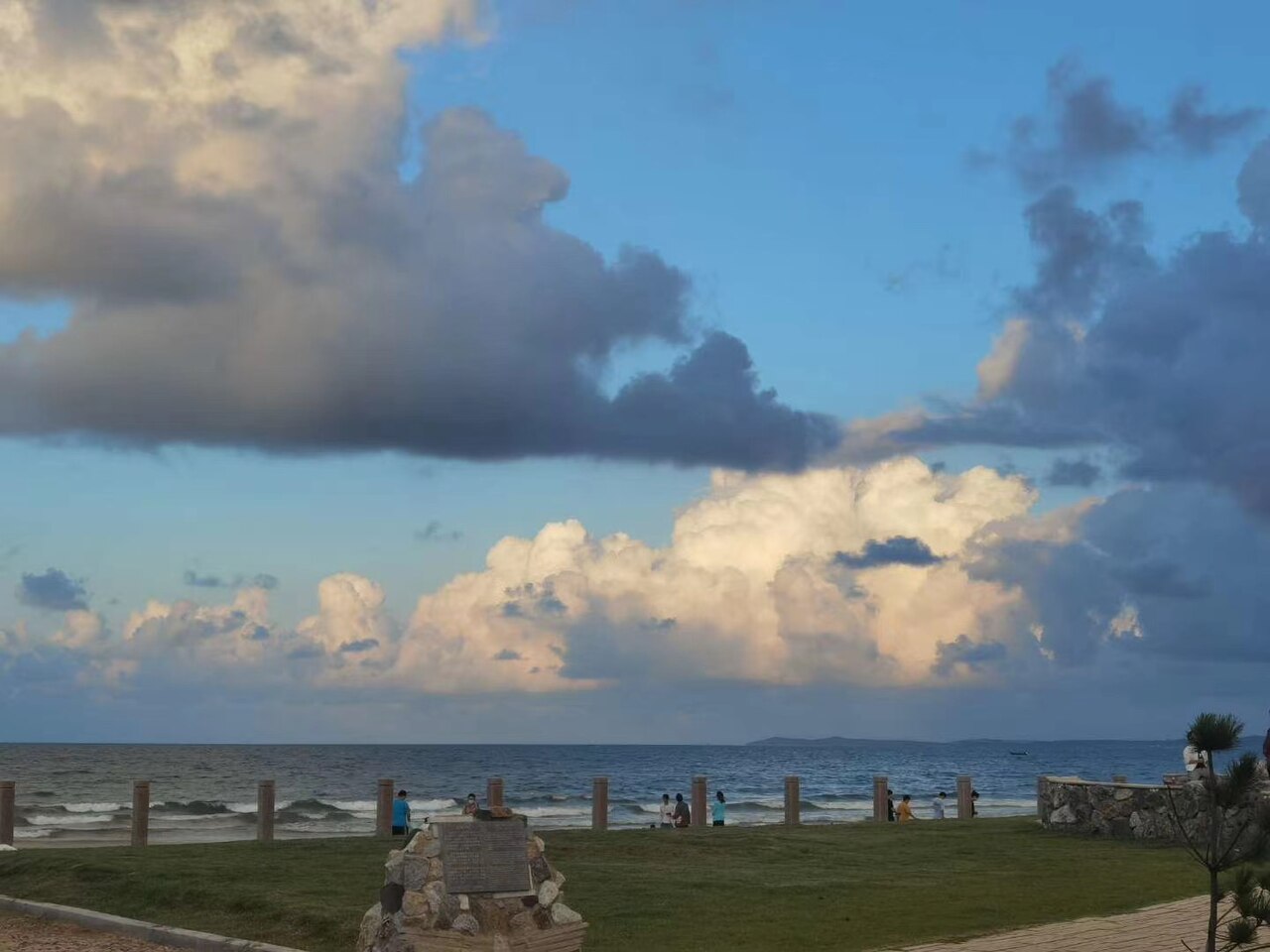
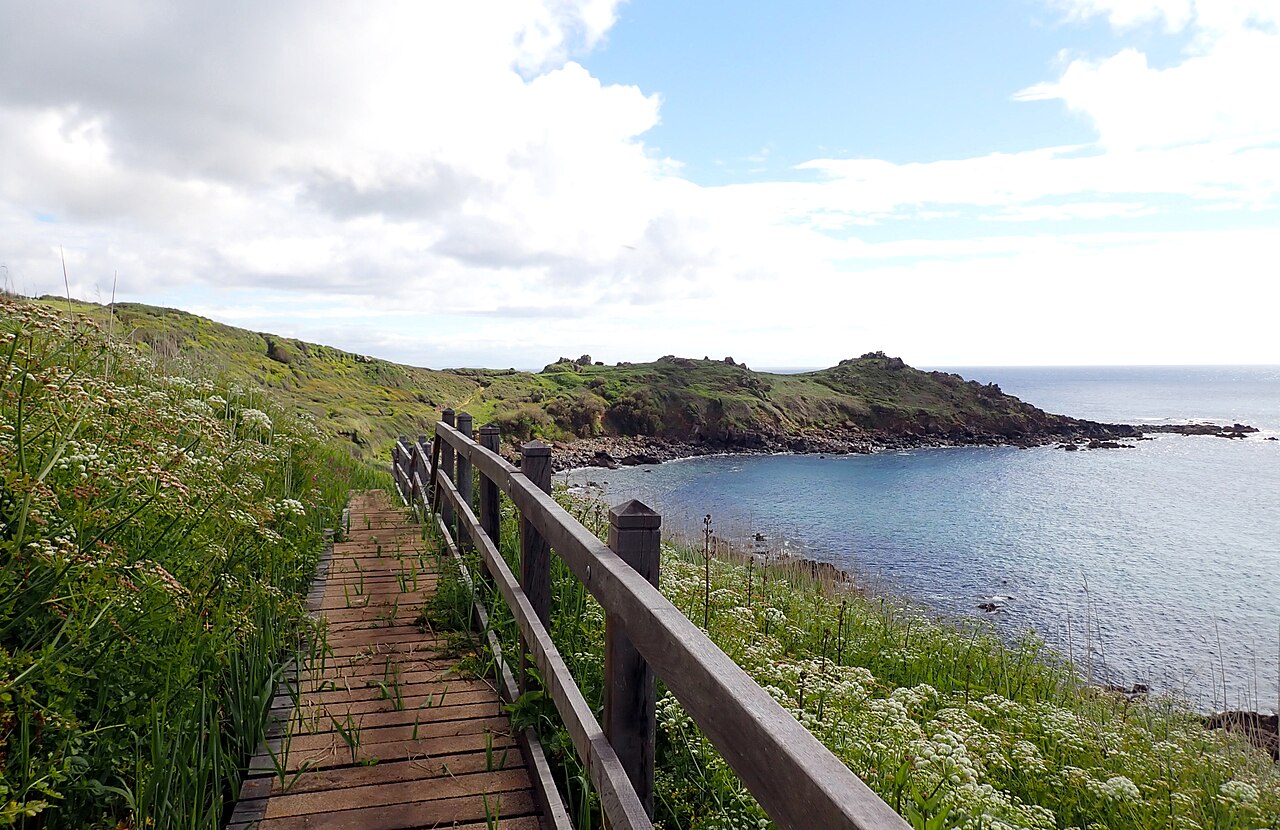
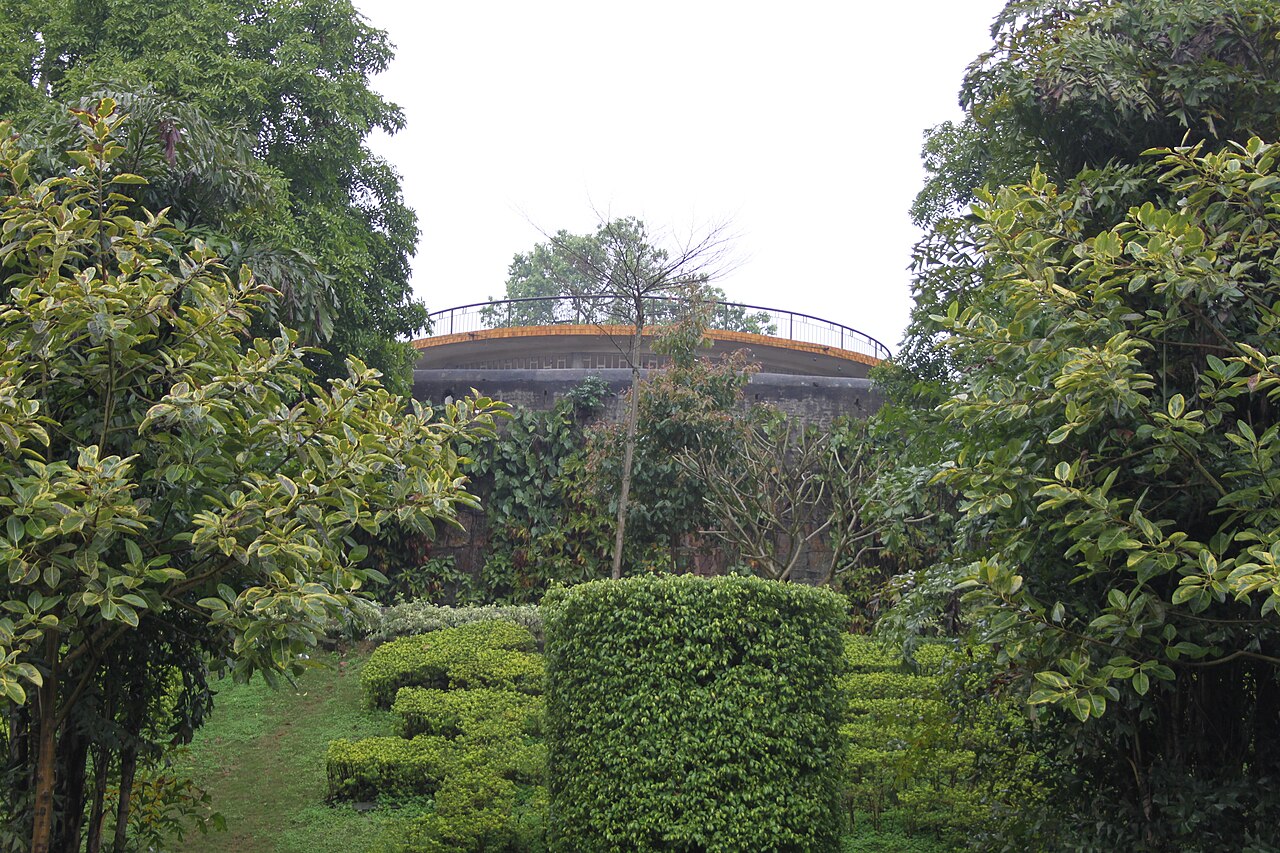
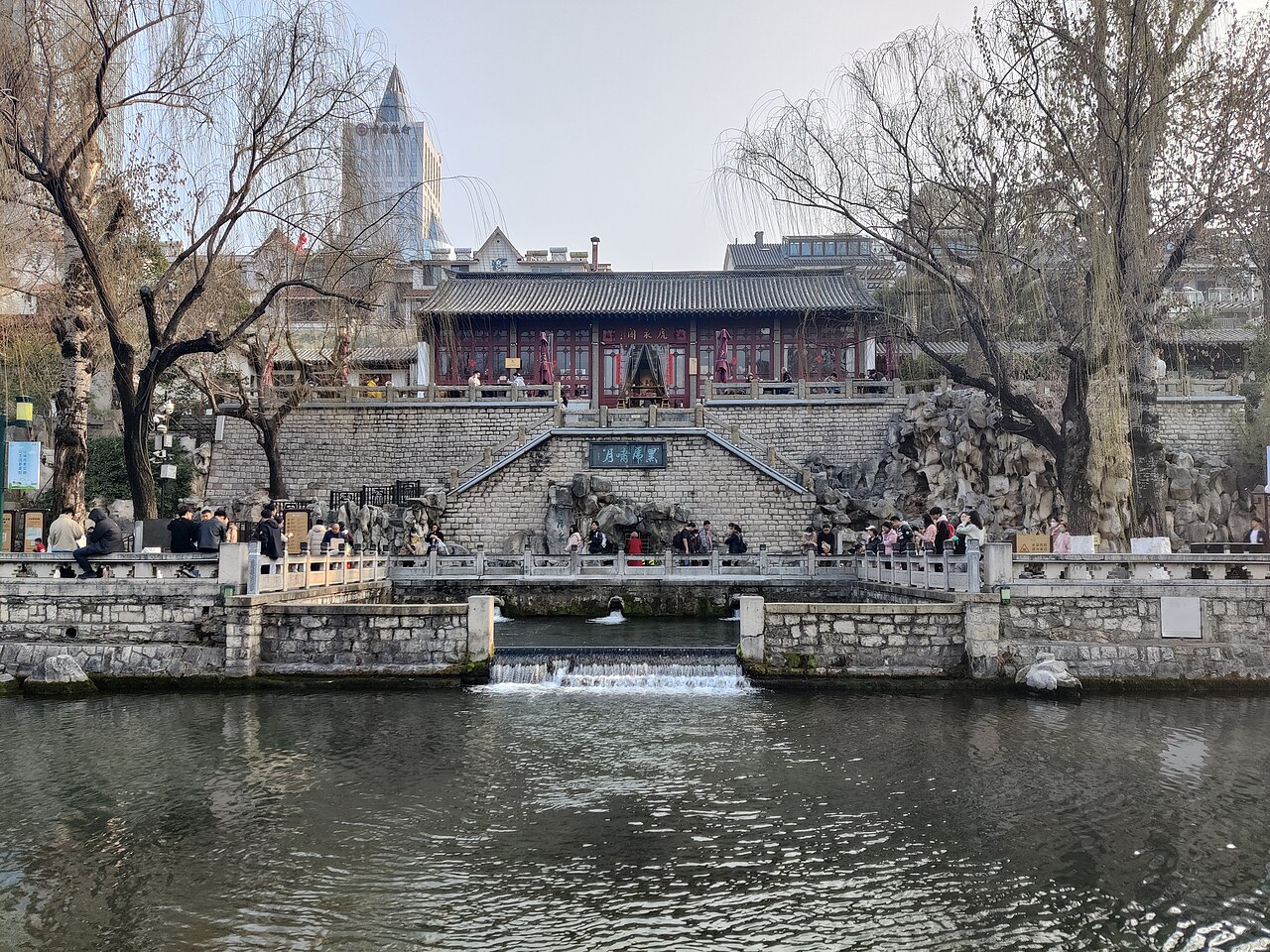
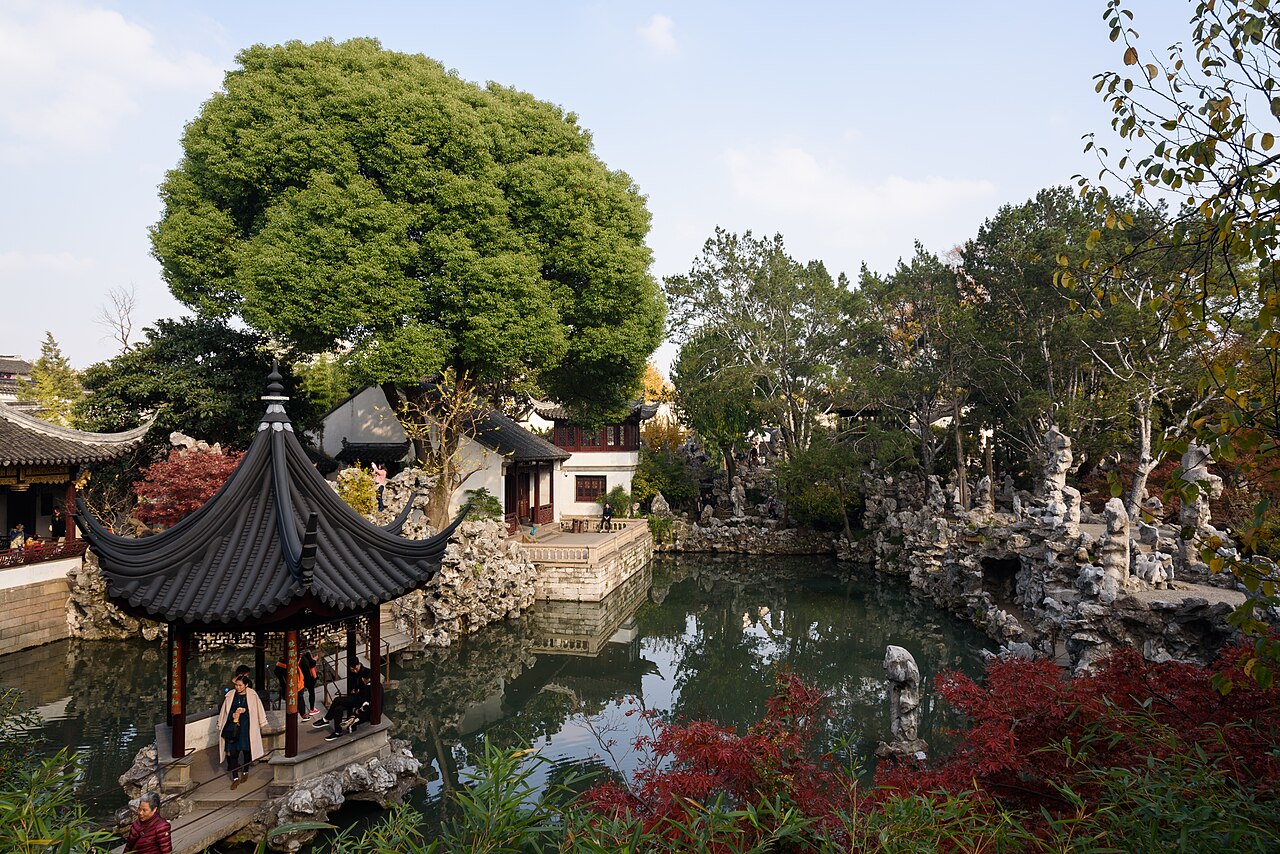
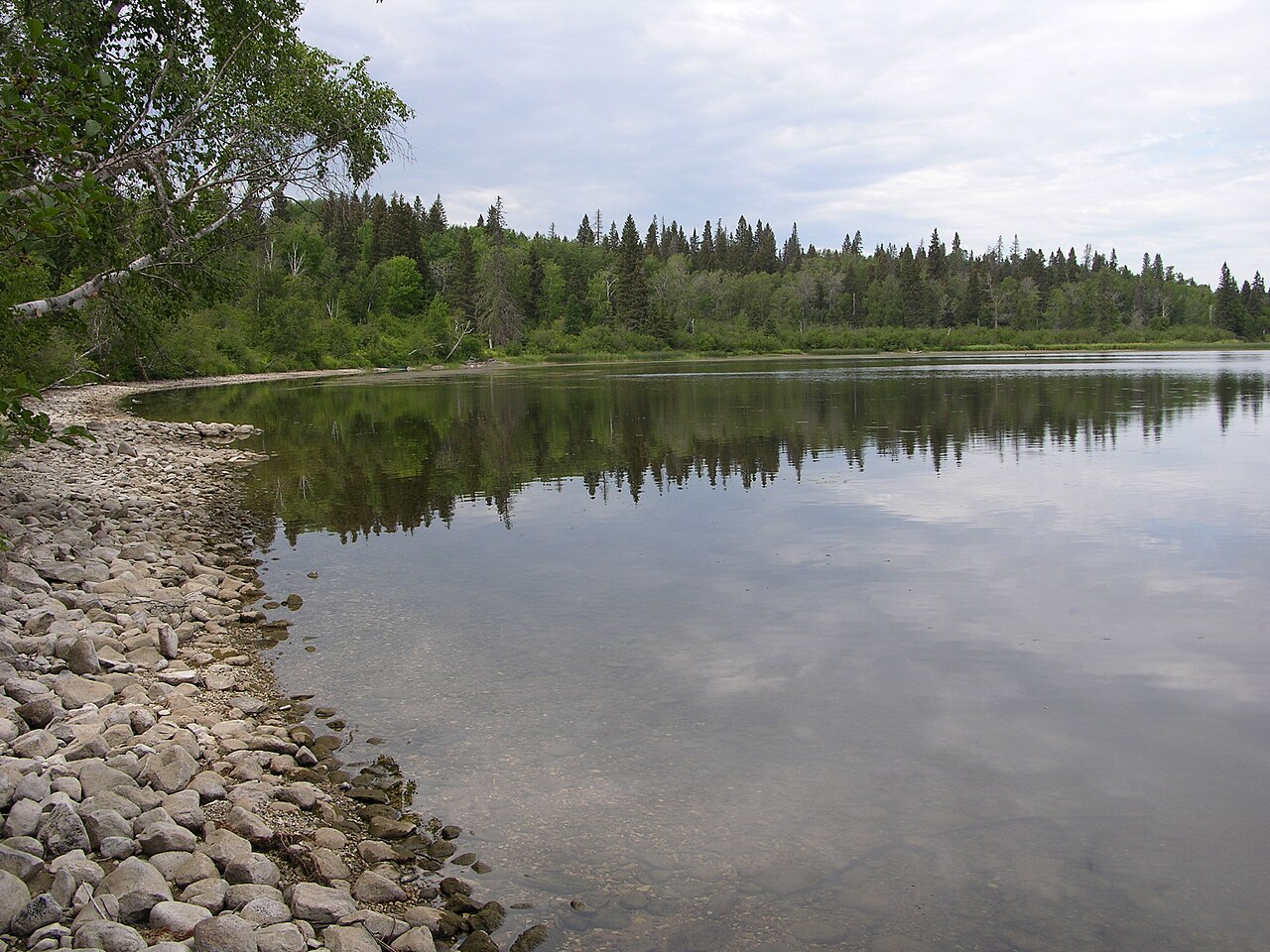
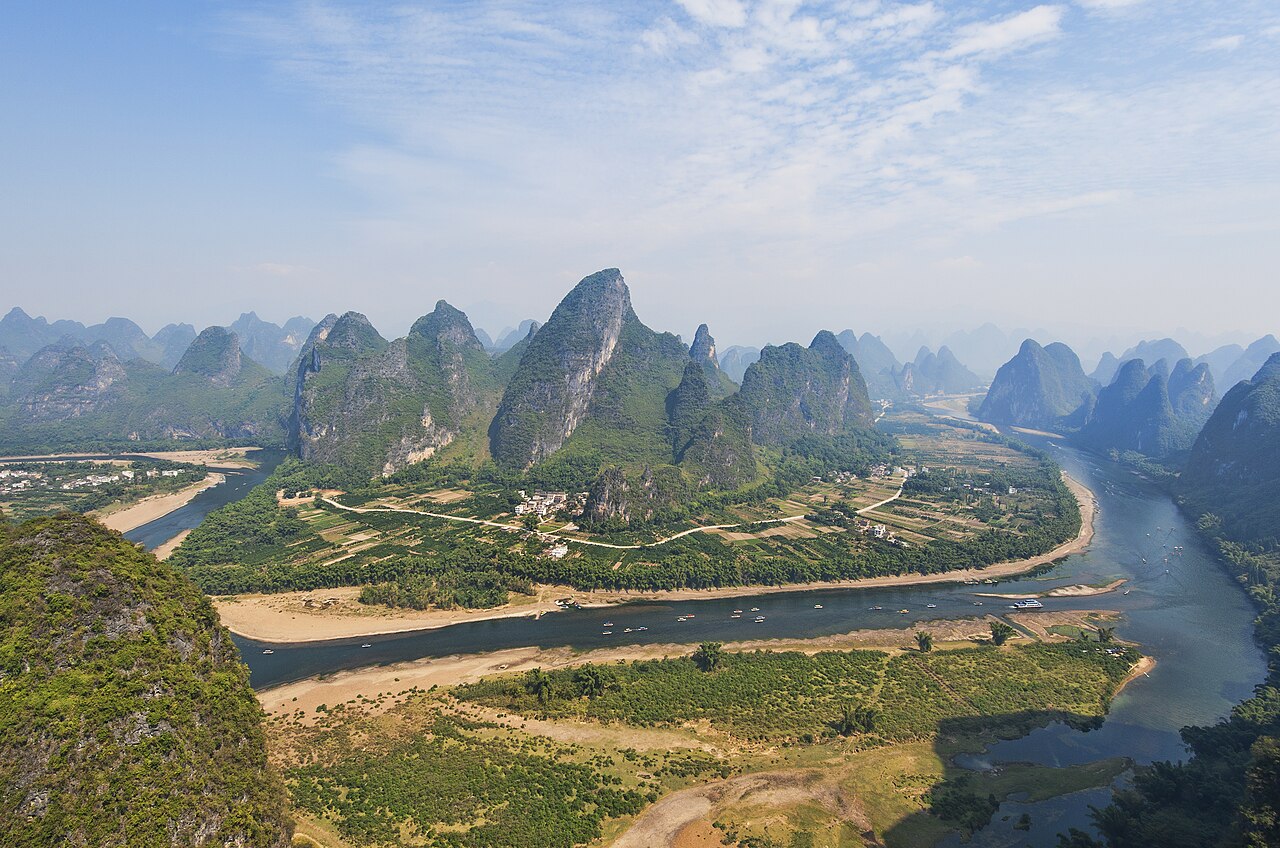
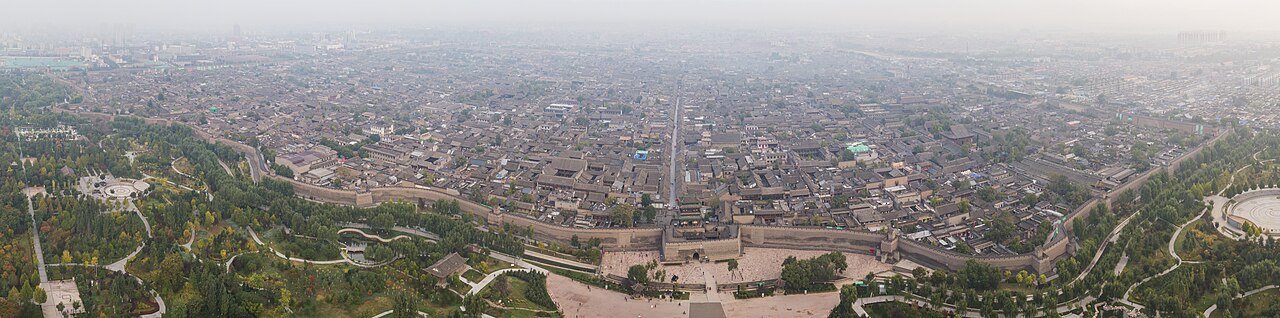
The walled water city at the foot of the cliff — free, and nobody there
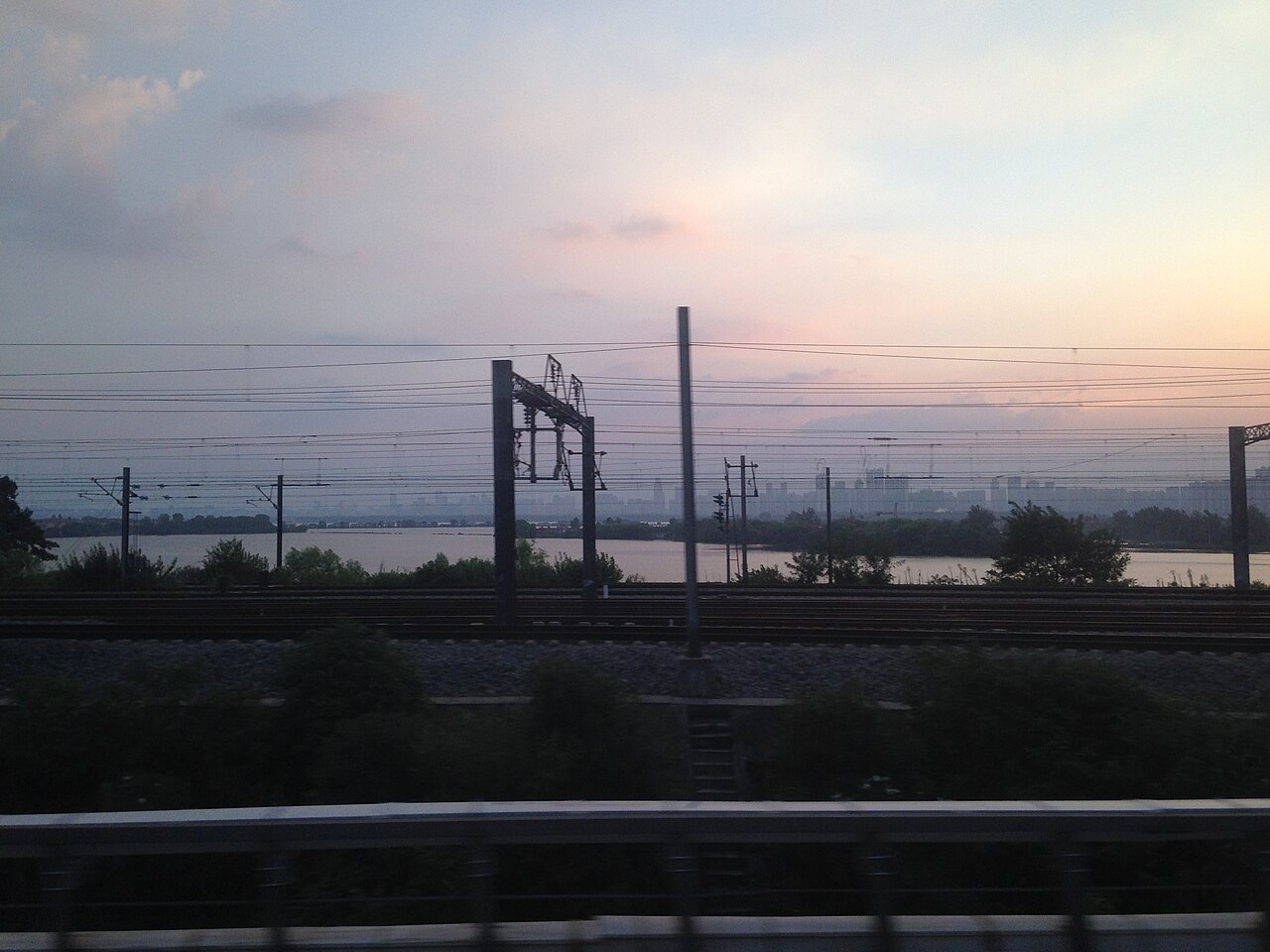
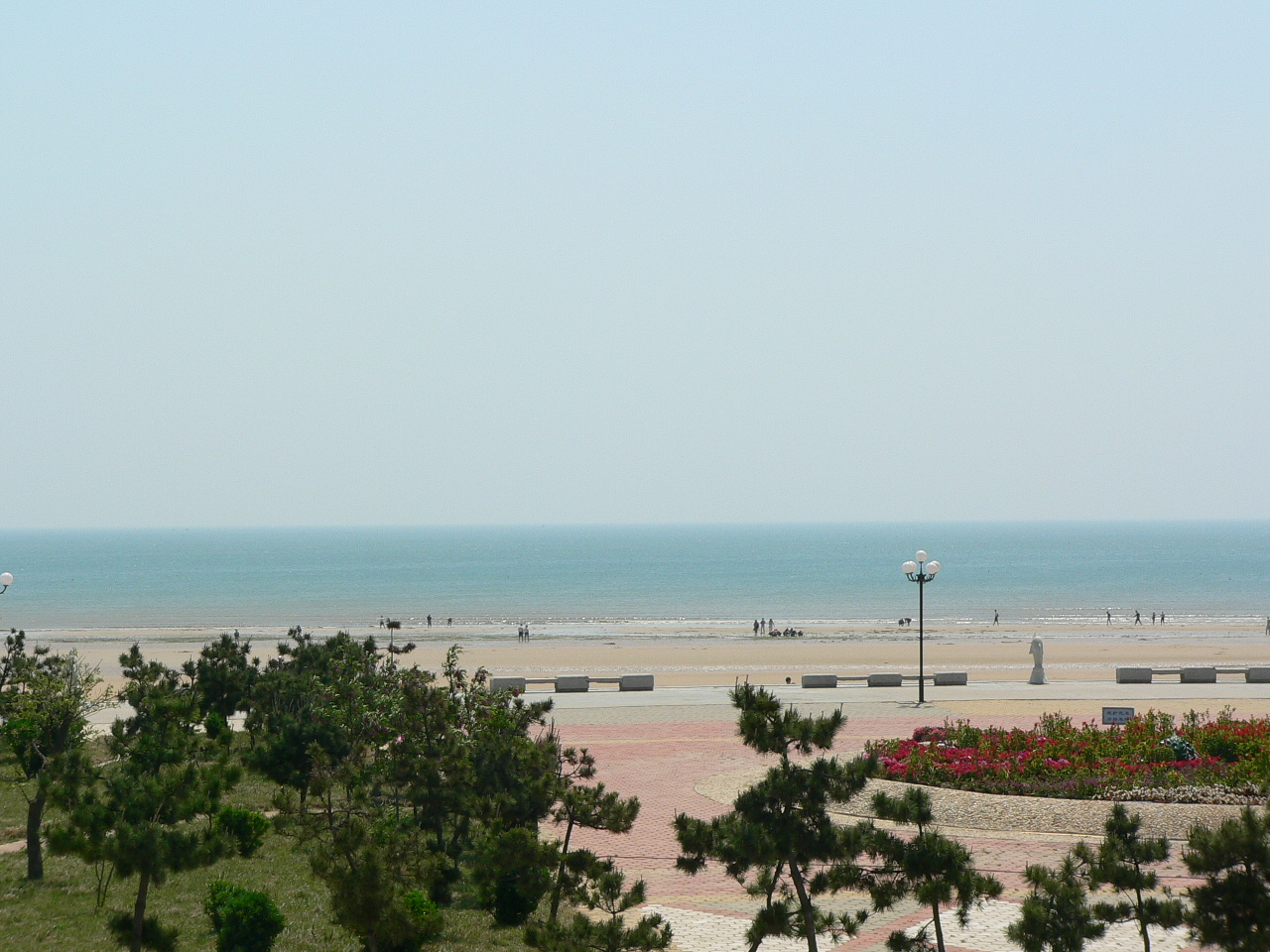
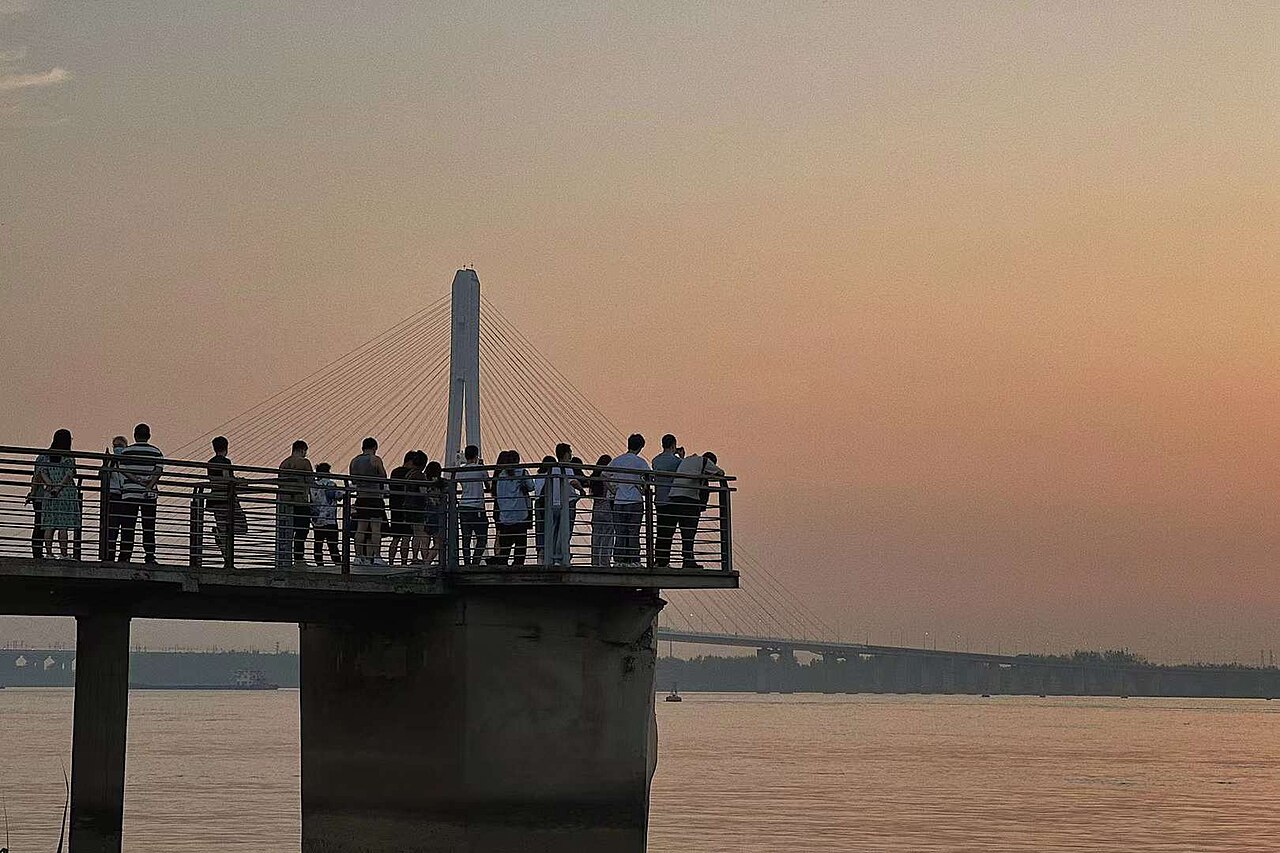
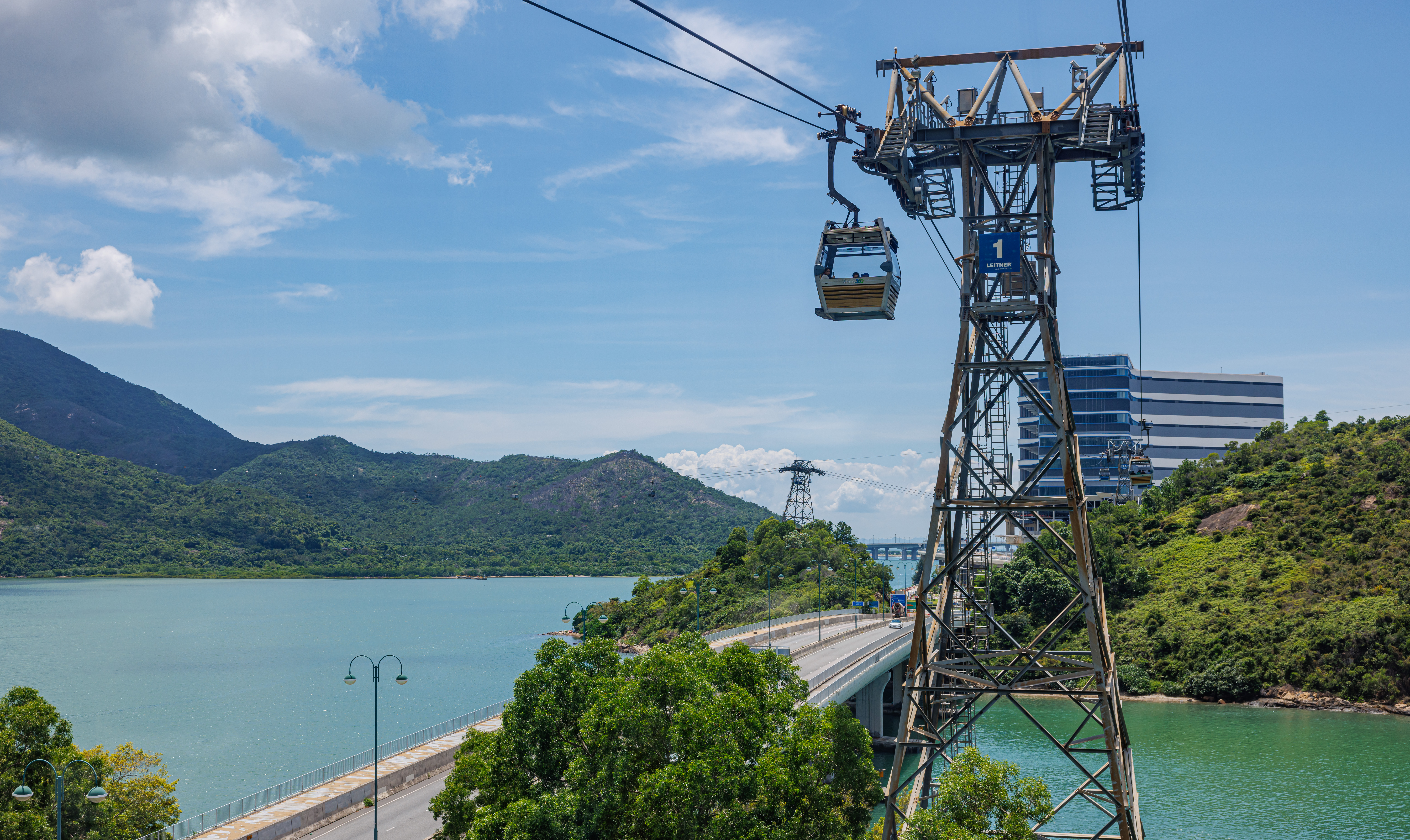
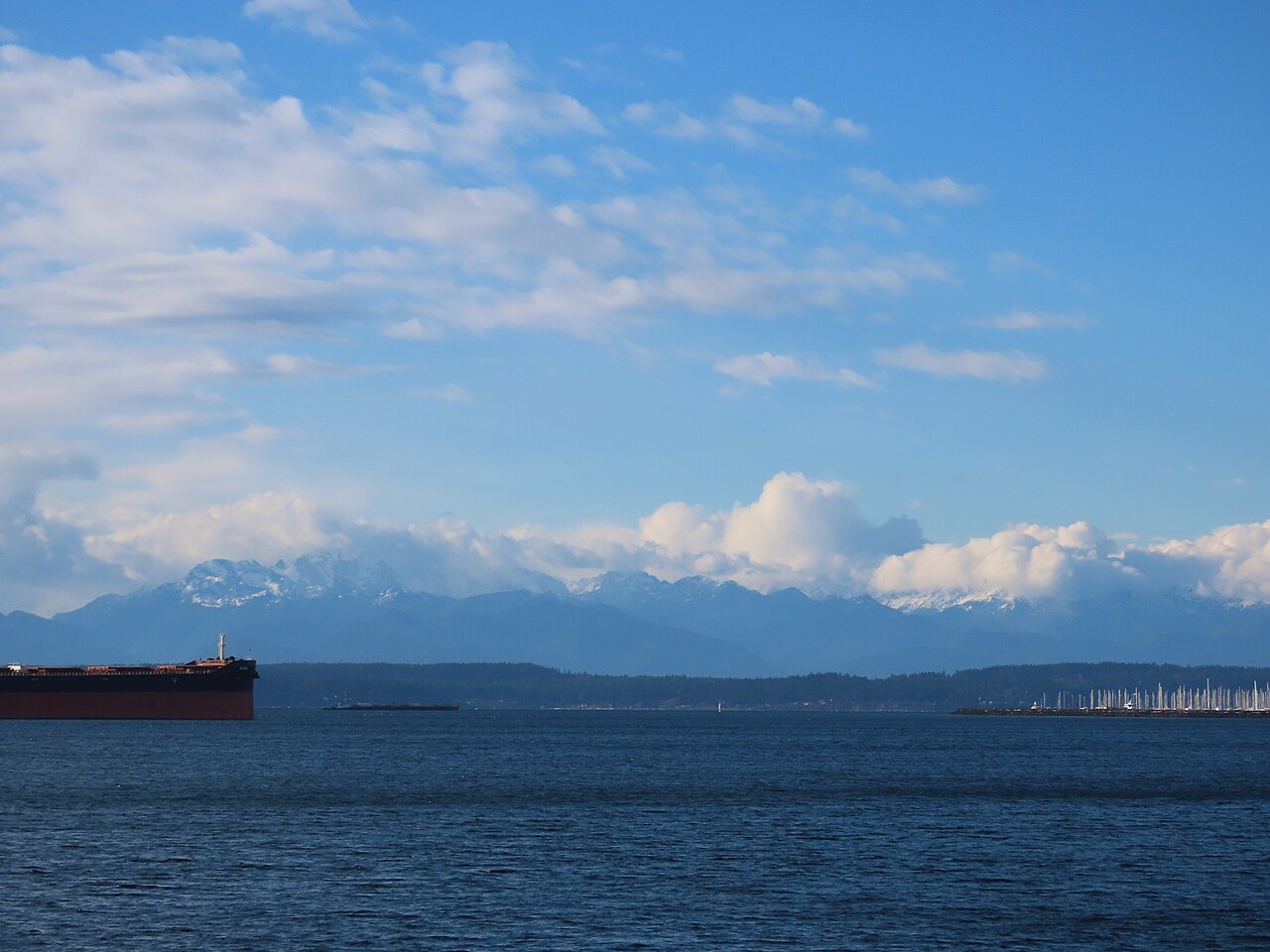
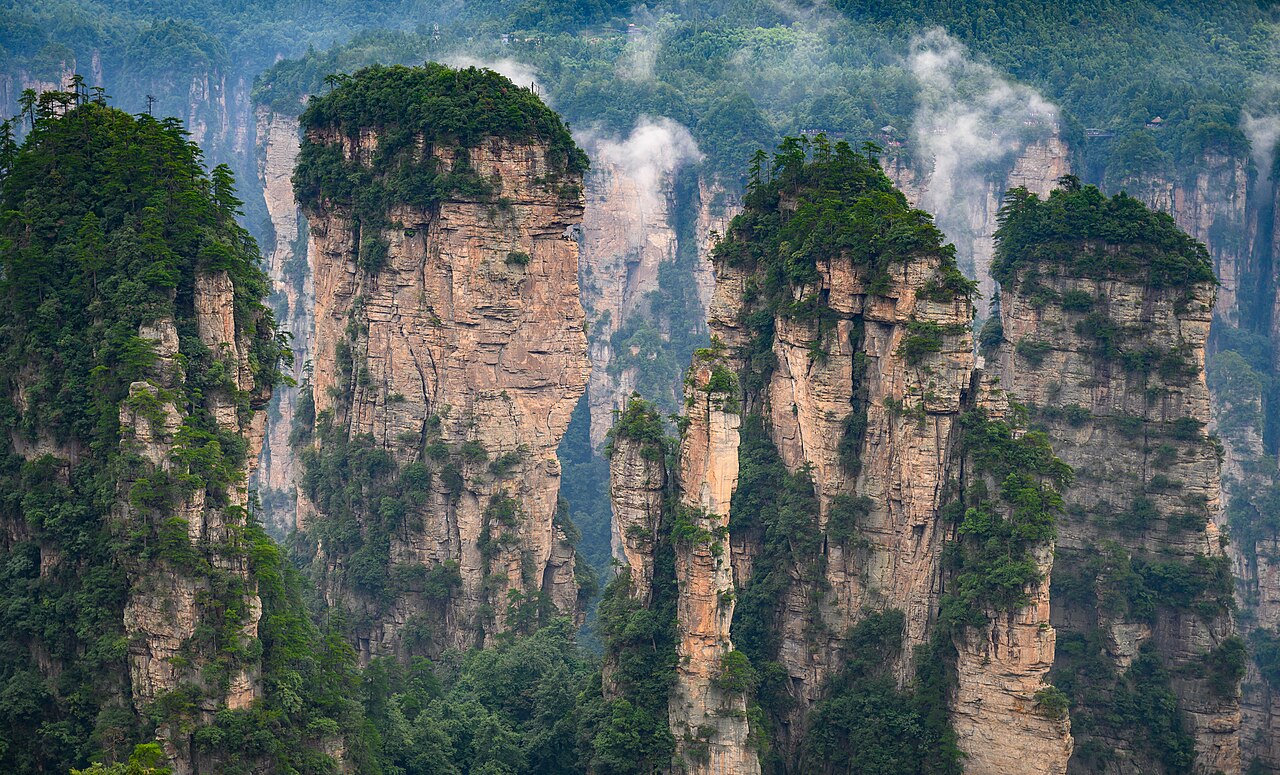
The yellow-sea–bohai-sea line seen from the cross-sea cableway
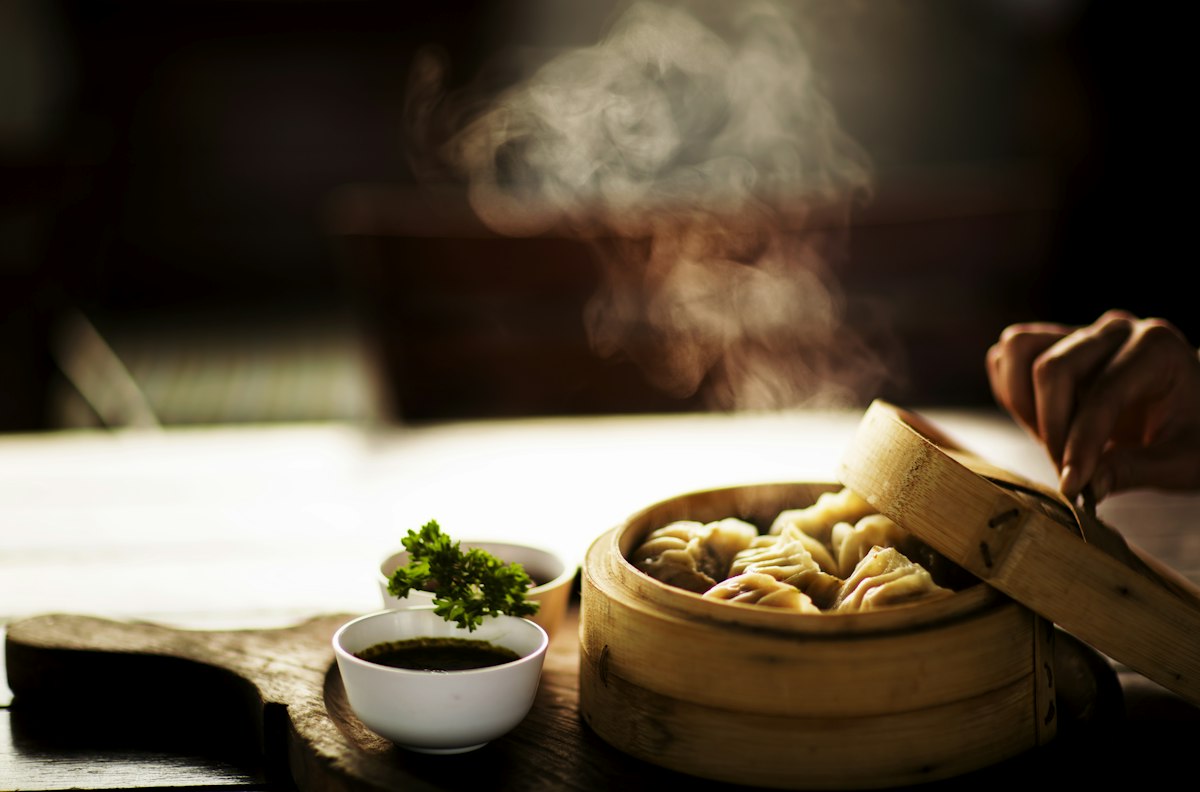
Steamered sea bream and abalone at a fishing-family table

Four days in a row I got up at half past three and walked to the shore for the sunrise, and four days in a row there was fog and I slunk back to bed. On the fifth the alarm went off several times before I dragged myself out, and I wandered down late — it was already four. And there it was: the sun getting up at exactly the right moment.

A traveller's note, 'Cultivating Immortality: Penglai and Changdao'

Out of noisy Beijing I came for the first time to the Penglai of legend, where the Eight Immortals showed what they could do. It is a clean city, the air smells of grass and salt water, blue sea and a sheer red cliff and old green buildings and yellow sand, and something in you gets cleaned out as well. People say this is where you become immortal. Maybe immortality is a stick of incense on the pavilion, or two shadows lying side by side on the sand, or sitting at a window with the sea in front of you waiting for spring.

A traveller's note, 'Looking for Immortals in Penglai'

People have always wanted to believe that somewhere out on the blue water there are islands with palaces on them, music drifting off them, and whoever finds them stops dying. Penglai is where the Chinese put that idea. The name itself was given by Emperor Wu of Han when he had a city built here in 133 BC, and the story did not start with him: Qin Shi Huang came east in 219 BC looking for the holy mountain and the elixir, and Eight Immortals story has them setting off across this water.

Underneath the mythology sits the reason anybody cared. Below the cliff is a walled harbour: first a Song-dynasty boat station built in 1042 to berth warships, then rebuilt in stone in 1376 into a naval base covering 270,000 square metres, narrow at the north and wide at the south, its water gate, breakwater, quay, lighthouse, walls, gun platforms and moat all still legible. It is the most complete ancient naval base standing in China, and it costs nothing to walk.

On the cliff above it is Penglai Pavilion, one of the country's four great towers, and teasingly called a single building when it is really six — Maitreya Temple, Dragon King Palace, Tianhou Palace, the Pavilion itself, the Hall of the Three Pure Ones and the Hall of Lü Dongbin — across 32,800 square metres. Below it hangs the ornate Immortal Bridge, structurally odd and mythologically the exact spot the Eight Immortals stepped off from. Stand in it on the right morning and the mist does the rest.

Practically speaking it is also just a resort. Long coastline, decent sand, notably cheap sea-view rooms compared with other Chinese seaside cities — roughly ¥400–600 a night for a sea-view standard room at a starred hotel in high season, though you should book two weeks out. And it is the departure point for Changdao, 32 islands across the strait.

Penglai

Don't leave without

Seven things that are worth rearranging a day for.

  1. Walk the free walled water city before you climb to the pavilion
  2. Buy prawns at the market and cook them in your guesthouse kitchen
  3. Be at the harbour before dawn for a sunrise over the strait
  4. Eat a bowl of Penglai noodles before the shops close at lunchtime
  5. Ride the cross-sea cableway for the two-sea line from above
  6. Visit a winery in the afternoon, then cross to Changdao

Highlights

Six reasons this coast earned its legend

The pavilion is really six buildings

Penglai Pavilion is counted among China's four great towers, and it is not a tower: it is 32,800 square metres of Maitreya Temple, Dragon King Palace, Tianhou Palace, the Pavilion itself, the Hall of the Three Pure Ones and the Hall of Lü Dongbin, set on the red Danai cliff with the sea on three sides. The ornate Immortal Bridge below it is where the Eight Immortals are said to have stepped off.
A free, walled naval base

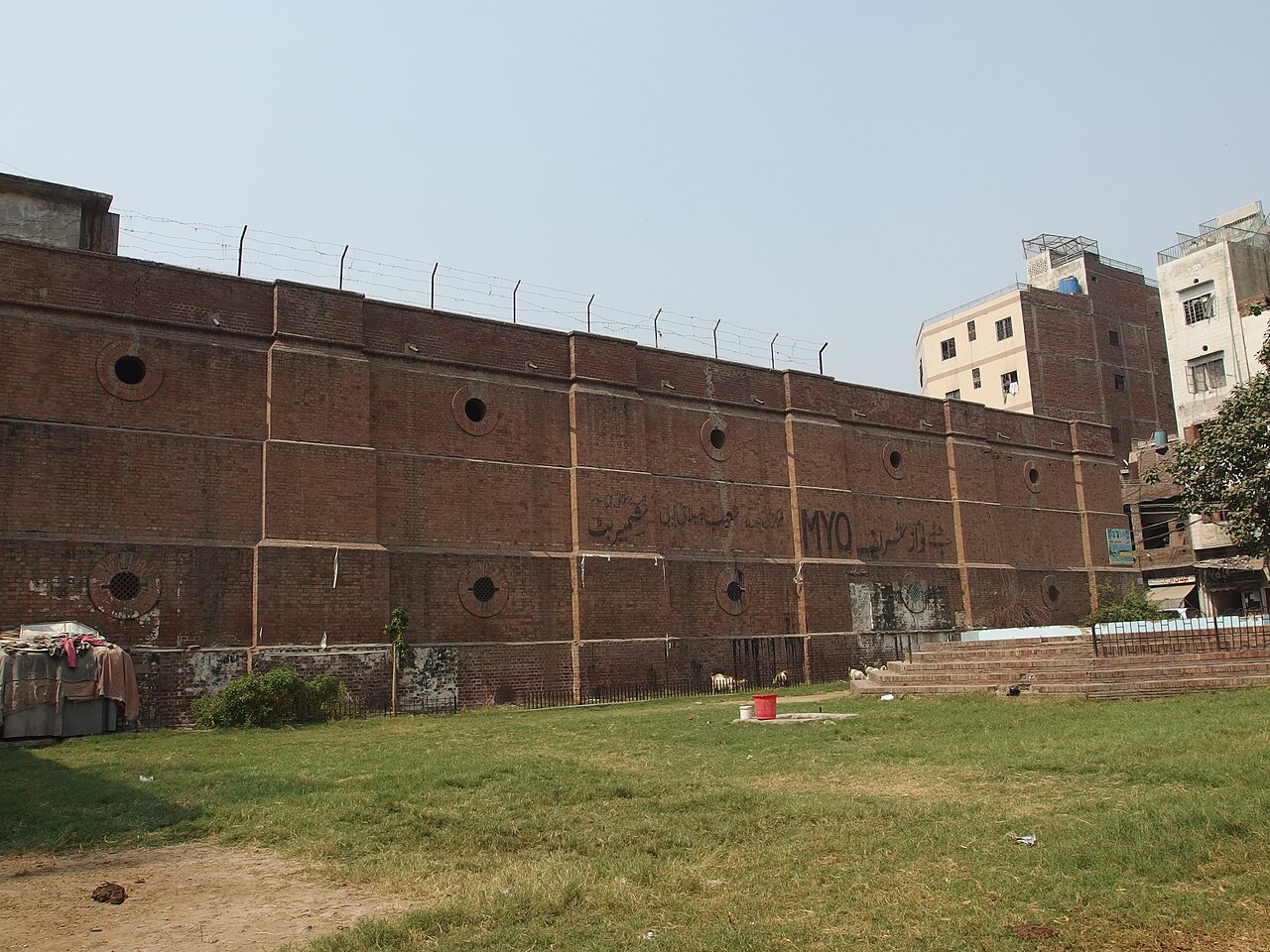
Nothing else in China survives like the water city under the cliff. It began as a Song boat station in 1042 and was walled in stone in 1376: water gate, breakwater, wave platform, quay, lighthouse, ramparts, gun platforms, moat. It backs onto the hill and controls the sea, and it costs nothing to walk. Almost everybody skips it.

One mountain, two seas

Tianheng Mountain at the peninsula's northern tip is 72 metres high, sheer on three sides, and carries a lighthouse whose line to the Lüshun light marks the boundary between the Yellow Sea and the Bohai. Stand at the rail and watch turbid water on one side of the line, blue on the other. The ¥30 cableway over the strait shows it from above.

108 tonnes of jade

Sanxian Mountain is a modern classical garden built on the three-island myth, and European tourists walk past the point of it: it holds the largest single-piece jade reclining Buddha in the world at 108 tonnes, plus a 72-tonne jade standing Guanyin and a 260-tonne eleven-faced Guanyin. The treasure hall is full of genuinely national-grade work.

Cook your own catch

The fishing villages here — Mozhikou above all — hand you the keys to the kitchen. Buy prawns, scallops, abalone or sea bass at the market in the morning and cook them yourself for a fraction of what a restaurant would charge. It is the cheapest excellent meal on the Shandong coast and the reason to stay in a family guesthouse rather than a hotel.

Wine, seriously

Penglai and the rest of the Yantai prefecture are famous worldwide as wine-grape country, dotted with châteaux that combine vineyards, cellars and tasting rooms with places to sleep. A visit is a proper afternoon. Ask your hotel or the tourism bureau to arrange it — the estates are spread out and not all take walk-ins.

Suggested routes

A day, two days, or a third across the water

The city of immortals in a day

1 day days

The compressed version. Penglai is small enough that one well-planned day gets you the whole argument.

  1. Day 1

    Pavilion, then Sanxian Mountain

    Go early to Penglai Pavilion on the red cliff. The through ticket covers nine sites within the scenic area, so take your time through the six buildings, the Immortal Bridge and the view out to sea — this is the spot that gets called the celestial realm.

    Come down off the cliff and walk the free walled water city before lunch. It is the most underrated thing in Penglai and it is thirty minutes from the pavilion gate.

    Afternoon: Sanxian Mountain, next to the Eight Immortals park and within sight of the pavilion. Do not ration your camera — the whole place reads like a textbook of classical garden design. Finish the day eating and sleeping in a fishing household, which runs to a few dozen yuan and is genuinely good value.

    Stops: Penglai PavilionWalled water citySanxian MountainMozhikou village

The deep two days

2 days days

What Penglai actually deserves: the cliff and the gods one day, the sea and the modern attractions the next.

  1. Day 1

    Penglai Pavilion and Sanxian Mountain

    Climb to the pavilion first thing, when the light is low and the mist has not burnt off. Inside the scenic area you also get the Dragon King Palace, Tianhou Palace, the naval museum with its excavated ancient ships, Qi Jiguang's birthplace and more — nine sites on one ticket.
    Walk the water city below, then cross to Sanxian Mountain for the afternoon: the Three Harmonies Hall, Penglai Immortal Isle, Fanghu Splendour, the Jade Buddha Temple, the eleven-faced Guanyin pavilion and the treasure hall.

    Stops: Penglai Pavilion scenic areaNaval museumQi Jiguang's birthplaceWalled water citySanxian Mountain

  2. Day 2

    Polar ocean world and Zhifu Island

    Penglai Polar Ocean World is billed as Asia's largest ocean park — polar bears, belugas, dolphins, sea lions, seals and close to a thousand species, with the largest cylindrical tank in the world and the largest indoor rainforest in Asia. Half a day if you have children.

    Then take a boat out to Zhifu Island, one of the islands Qin Shi Huang visited on his eastern progresses. Sleep in Yantai or Weihai afterwards if you are continuing along the coast.

    Stops: Penglai Polar Ocean WorldZhifu IslandYantai or Weihai

Three days with Changdao

3 days days

The version that adds the islands. Penglai is the only way in, and the crossing takes half an hour.

  1. Day 1

    The coast and the gods

    Pavilion and water city in the morning, tianheng Mountain and the two-sea line in the early afternoon, Sanxian Mountain last. Watch the sunset from the harbour rather than from the beach.

    Eat seafood in Mozhikou and sleep cheaply. If you are driving, leave the car in Penglai — taking it across costs ¥140 each way and the roll-on ferry only sails when full.

    Stops: Penglai PavilionTianheng MountainSanxian MountainMozhikou

  2. Day 2

    Across to Changdao

    Down to the port for an early boat. The crossing is 7 nautical miles and takes about 40 minutes, or 25 on the fast boat, and from the deck you look back at Penglai Pavilion standing on its cliff, which is the photograph.

    On the islands: the north line first — Jiuzhangya, Ou Chi Bay, Immortal Bridge, Yueya Bay, the seal enclosure and Wangfu Reef — and finish at Linhai Park for the sunset at the meeting point of the Yellow Sea and the Bohai.

    Stops: Penglai portJiuzhangyaYueya BayLinhai Park

  3. Day 3

    The gull island, then back

    The boat out to Waniao Island is the one trip everybody takes. You cannot land — it is uninhabited and protected — so you drift in under the cliffs while tens of thousands of gulls work the air around you, and everybody throws bread. Hard crusts throw better.

    Back to Penglai in the afternoon, then either east along the coast to Yantai and Weihai or back towards Jinan. Two nights on the islands is better than one if you can manage it.

    Stops: Waniao IslandPenglai portYantai or Weihai

Sights

What to actually go and see

The one everybody comes for

Penglai Pavilion

One of China's four great towers, standing on the north face of the Danai cliff above Penglai with the sea on three sides. Standing in it you understand immediately why every generation filed this under 'celestial realm'. The complex occupies 32,800 square metres and is not one building but six — Maitreya Temple, Dragon King Palace, Tianhou Palace, the Pavilion itself, the Hall of the Three Pure Ones and the Hall of Lü Dongbin — terraced up the hill so the roofs answer each other. Below the pavilion hangs the structurally strange and very lovely Immortal Bridge, mythologically the place the Eight Immortals set off from.

Where
7 Yingbin Road, Penglai
Through ticket
¥100 covering nine sites including Qi Jiguang's birthplace, the naval museum and the Yellow Sea–Bohai line
Without Qi Jiguang's birthplace
¥85
Qi Jiguang's birthplace alone
¥20
Cableway
¥30 one way, ¥50 return — not included in the ticket
Free entry
Children under 1.3 m, over-70s with ID, retired cadres, serving military
Getting there
City bus 8 to Penglai Pavilion West Garden; taxi from the coach station is the flagfall
Enquiries
0535-5621111

Tip Buy the ¥100 ticket rather than the ¥85 one — Qi Jiguang's birthplace is ¥20 alone, so the through ticket is a discount and a simplification at the same time. Go before ten in the morning.

Free, and almost empty

The walled water city

On the eastern side of the Danai cliff in the north-west of the city, this began in 1042 as a Song-dynasty boat station for berthing warships, and in 1376 the Ming walled it in stone on the same foundations. It covers 270,000 square metres, wide at the south and narrow at the north, irregular and rectangular, backed against the hill and commanding the sea. Its water gate, breakwater, wave platform, quay, lighthouse, walls, gun platforms and moat survive intact, which makes it the most complete ancient naval base standing in China — and it explains why this coast mattered.

Where
East side of Danai Mountain, north-west Penglai
Ticket
Free
Area
270,000 square metres
Built
Song boat station from 1042; walled in stone in 1376

Tip Walk it either before or after the pavilion, never instead of it, and combine the two — twenty minutes down the hill is all it takes, and you will have the place largely to yourself.

Jade on an industrial scale

Sanxian Mountain

A large modern classical garden beside the Eight Immortals park and within sight of the pavilion, built on the myth of the three immortal islands — Penglai, Fangzhang and Yingzhou. Its constituent pieces read like a catalogue: the Three Harmonies Hall, Penglai Immortal Isle, Fanghu Splendour, Yingzhou Wonderland, the Yingzhou Academy, the treasure hall, the Jade Buddha Temple, the eleven-faced Guanyin pavilion and Wanfang Anhe. Three objects are the point: the largest single-piece jade reclining Buddha in the world at 108 tonnes, a whole-jade standing Guanyin at 72 tonnes, and an eleven-faced Guanyin at 260 tonnes. The treasure hall holds a great deal of national-grade art.

Where
9 Haibin Road, Penglai
Ticket
¥120
Enquiries
0535-5664777
Getting there
Yantai–Penglai express coach to the long-distance station, then taxi or the scenic-area shuttle; ticket holders ride the shuttle free from beside the coach station

Tip People who dislike 'new old' architecture still come out impressed, so do not write it off. Go in the afternoon once you have done the cliff, when the light is better on the white stone.
The story itself

The Eight Immortals park

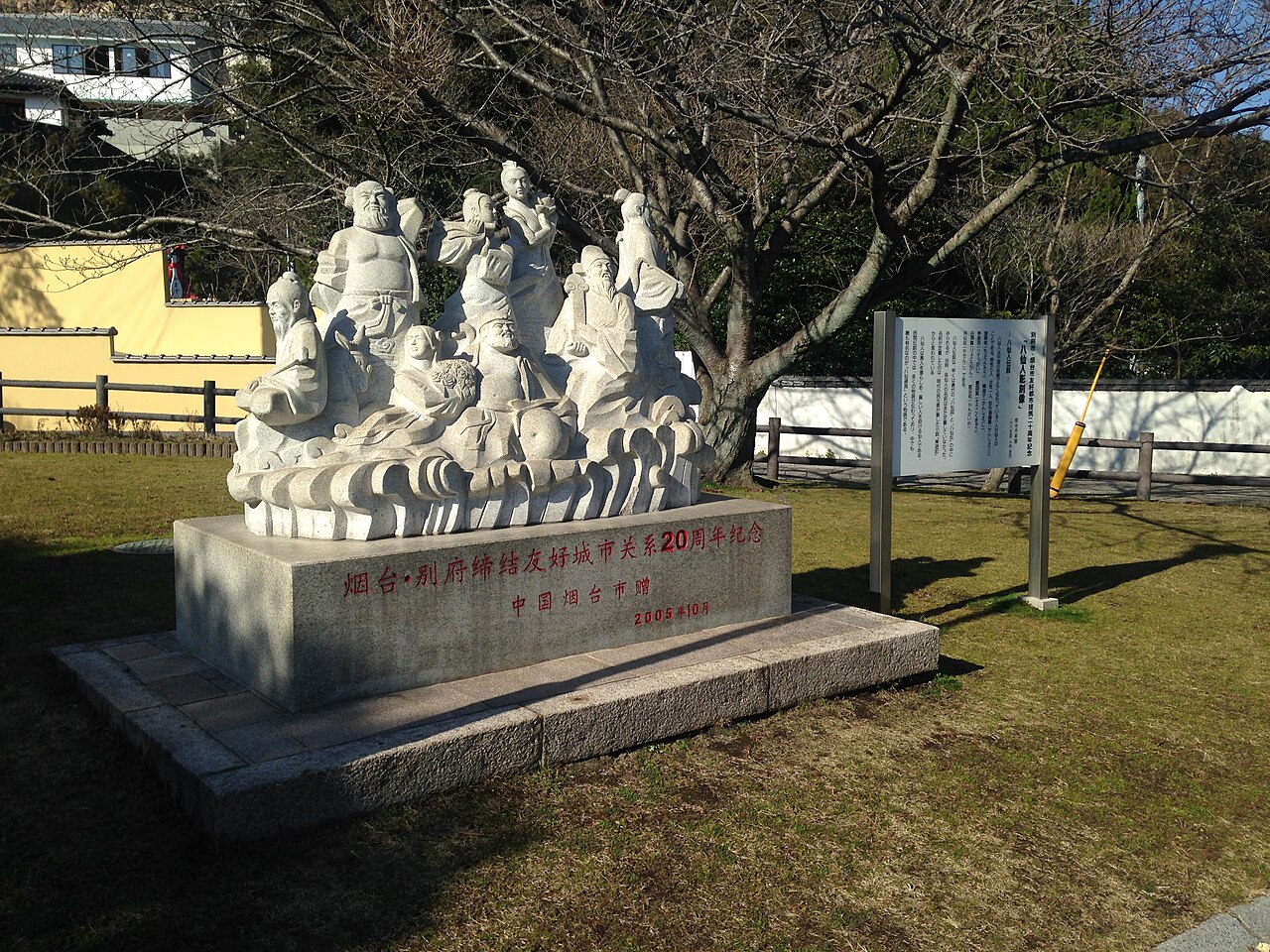
A scenic area distinctive to the Jiaodong peninsula, with wide open sea in front of it and views worth the trip on their own. Theming is Taoist, drawn from the Penglai myths and built around the Eight Immortals crossing, and the design puts classical buildings into an artful garden facing the sea. In late spring and early summer this is one of the stretches where mirages and mirage-like distortions are reported over the water.

Where
North side of Binhai Avenue, Penglai
Ticket
¥80; no student discount; over-65s with a senior card pay half
Enquiries
0535-5664777
Getting there
Free scenic-area shuttle for ticket holders from the crossing by Penglai coach station

Tip Note the ¥80 ticket when budgeting — there is no student discount here, which catches people out. Combine it with Sanxian Mountain next door.

Children or nothing

Penglai Polar Ocean World

Billed as Asia's largest ocean world, holding close to a thousand marine species from around the globe: polar bears, belugas, dolphins, sea lions and seals, plus turtle and shark halls, a polar animal hall, underwater galleries, an undersea theatre, a seal pool, an education hall and the dolphin and sea lion show theatre. It also claims the largest cylindrical tank in the world and the largest indoor rainforest in Asia.

Where
88 East Haigang Road, Penglai
Ticket
¥120
Enquiries
0535-5927999
Getting there
Bus 3 to Ocean World stop; ticket holders ride the scenic shuttle free from just north of the crossing by the long-distance coach station

Tip With children this is half a day and then some; without them, walk past. Also worth knowing that the family film 'Ocean Friends' was shot here, which is not nothing to a nine-year-old.

Included in the ¥100 pass

Qi Jiguang's birthplace

Qi Jiguang was the Ming general who trained the navy here and broke the Japanese pirate raids, and this quarter is where he came from. Around the site survive two imperial archways granted in the Jiajing reign and the Qi Jiguang ancestral hall built under Chongzhen, both listed at national and provincial level. The scenic area itself takes in the Qi mansion, a weapons hall, the rear garden and Archway Street. It is also the home of the weapons barbecue street, which is less silly than it sounds.

Where
Zhonglou West Road, Penglai
Ticket
¥20 alone; included in the ¥100 through ticket
Enquiries
0535-5642624
Getting there
City bus 5

Tip Thirty to forty minutes, and the easiest way to make the ¥100 through ticket rather than the ¥85 one obviously worth paying. Do it on the same day as the pavilion.

One mountain, two seas

Tianheng Mountain

West of the Danai cliff and 2.5 km from Penglai town, this headland stands at the northernmost tip of the Shandong peninsula, so it is also called Dengzhou Cape or simply Old North Mountain. Its rock is reddish, an iron-bearing quartzite of the Sinian period, 72 metres high, sheer and thousand-foot sheer on the east, north and west faces. The lighthouse on top and the light on Old Iron Mountain at Lüshun share a survey line, and that line is the boundary between the Yellow Sea and the Bohai — hence 'one mountain divides two seas'. On the shaded side the swell has cut through the rock into shapes nobody could carve.

Where
West side of Danai Mountain, 2.5 km from Penglai
Height
72 metres
The line
This lighthouse to Lüshun's Old Iron Mountain light divides the Yellow Sea from the Bohai
Getting there
Within the Penglai Pavilion scenic area — check at the gate whether your ¥100 through ticket covers this section

Tip Come for the two-sea line rather than the climb, and pair it with the cross-sea cableway, which gives you the same boundary from above. The rock underfoot is quartzite — wear shoes with grip.

Quiet and old-fashioned

Penglai Aquarium

On the east side of the south section of the old-market street, its main gate facing the little harbour, built in period style. It is aimed at teaching rather than spectacle: an aquarium, a specimen hall of aquatic animals, and the attached Juxian Palace. The display gallery uses horizontal viewing windows set into a loop corridor with lighting, aeration, air conditioning, water heating and circulation, holding around sixty species and near a thousand fish; at the north end a large panoramic tank reproduces tides and currents for migratory species. The specimen room runs to 241 specimens and around 80 photographs across six themes.

Where
East side, south section of Penglai old-market street
Ticket
¥20
Enquiries
0535-3994034; visitor centre 0535-3213218
Size
56 square metres of specimen displays, six themes

Tip Only worth it with children or if you have an afternoon to kill in bad weather — but at ¥20, and right in the old market street, it fills a rainstorm cheaply.

Deliberately tacky

Baxian Magic Palace

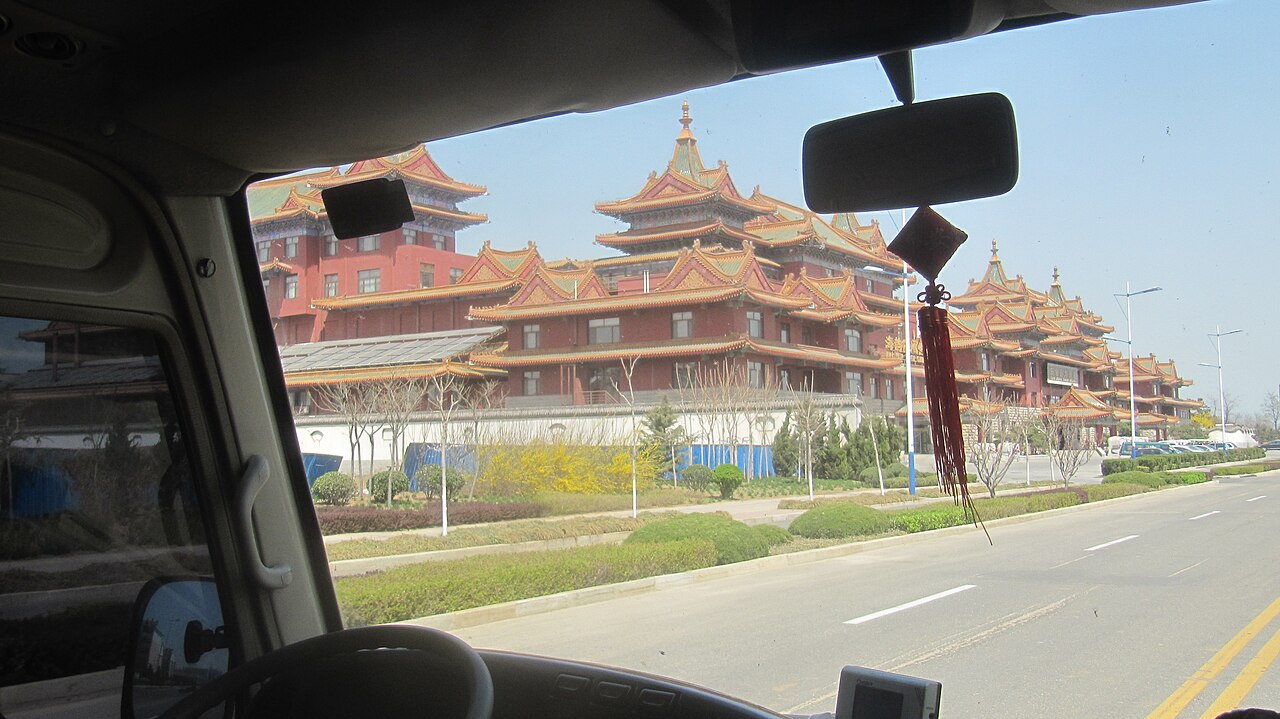
On the shore east of the water city, a big modern attraction built around the story of the Eight Immortals travelling east from the novel 'Journey to the East'. It faces west with a tiger-head gate and glazed tile eaves, eight relief carvings of the immortals' treasures above the door, and a 5,000 square metre plaza outside. Inside are forty-odd scenes employing more than two hundred figures of humans, demons and gods, run on sound, light and electricity — from the crossing itself to the dragon king going to war, the burning of the eastern sea, moving mountains to fill the sea, the battle with the heavenly soldiers and Guanyin's mediation.

Where
East of Penglai city
Ticket
¥10
Scale
40 scenes, over 200 figures

Tip At ¥10 it is the cheapest hour in Penglai and children love it. Adults who enjoy mid-1990s animatronics unironically will have a wonderful time; everybody else should walk past.

The actual point

Penglai's coast, doing nothing

Penglai is famous enough as a retreat that the absence of a plan is the plan. You can dive, or go out with the fishing boats to haul nets and fish, or spend the day picking up coloured shells on the sand and the evening lying on the beach breathing sea air and listening to the swell. Every one of the sea-related activities here is worth trying once.

Best hours
Early morning for a walk and sunrise; evening for swimming at the bathing beach
Watch out
Tides change faster than people expect on the rocks
Where
The bathing beach west of town and the shoreline below Mozhikou

Tip If you only do one unplanned thing, make it a dawn walk. The traveller who needed five mornings to catch one sunrise did the arithmetic right and it was worth it.

Food

Noodles, donkey, and things pulled off the boat

Penglai noodles

The local breakfast and the cheapest good thing in town. Hand-pulled very thin and springy — the local verb for making them is 'throwing' — served in a broth made from true sea bream thickened with mung-bean starch and seasoned with soy, wood ear, sesame oil, star anise and Sichuan pepper. Distinctly of the sea, and about ¥2 a bowl.

Penglai braised donkey

Red, translucent, perfumed and tender, and the best cold plate to eat with a drink anywhere in Shandong. It was invented in 1857 by Huang Kaiji just outside Penglai's south gate; three generations of his family specialised in it and took it to Shanghai, Yingkou and Yantai. The boast is that Penglai braised donkey has no equal under heaven.

Steamed sea bream

The sea bream, also written jiaji, came first among sea fish for the Qing naturalist Hao Yixing, who noted it is found only around Dengzhou and Laizhou, that it is richly fat and eats beautifully, and that the head bones and eyes are the best parts. There is a saying pairing sea bream with mackerel tail. Steaming is the best treatment because it changes nothing. Figure ¥60–80 a fish.

Salt fish with cornbread

Fishermen's food that has outlived its origins. Fresh sea fish salted and dried by the shore, roasted crisp outside and tender within, eaten with fragrant cornbread: crisp bread, sweet-salty-fresh fish. The claim — that even the Manchu-Han banquet cannot match it — is not entirely a joke. Sold briskly in the cornbread shops and restaurants of Mozhikou.

Penglai abalone

The wrinkled-disk abalone is the best of the abalones: large, thick, fine-fleshed, sweet, and nourishing enough to be called the crown of seafood. Sliced and flash-fried, stir-fried, braised or blanched it turns sweet, delicate and tender. Locals point out it also helps wounds heal, so eat it after you cut your foot on the rocks.

Scallops with egg white

A canonical Fushan dish and the sort of everyday thing every Fushan restaurant cooks: dried scallop steamed with spring onion, ginger and clear stock, then a separately steamed egg white floated over it and the scallop scattered on top, finished with stock and sesame oil. The white is lotus rising from water, the scallop kernels pomegranate seeds leaving the husk. Delicate, and astonishingly good with wine.

The Eight Immortals banquet

The set banquet of Penglai's top hotels: eight cold plates, eight hot dishes and one hot soup, built on prawns, sea cucumber, scallop, sea crab, red whelk and sea bream. The cold plates are arranged to imitate the treasures the Eight Immortals carried; the hot dishes are shaped to represent Penglai's own scenery; the soup is eight seafoods in chicken stock. It is a performance as much as a meal.

Seafood hotpot

Exactly what it sounds like: you pick the seafood you want and eat it in a light clear broth that lets the thing itself speak. A dozen or so hotpot places around Penglai's water-city community will let you choose your own ingredients. Simple, very fresh, and superior to almost any cooked-to-order seafood dish in town.

Where to eat

Two-yuan noodles and fifty-yuan fishing tables

Breakfast institution

Jianxing restaurant (Penglai noodles)

A bowl for ¥2, and it is very good: noodles fine and chewy, broth dark and savoury, portions generous, value absurd. The catch is the hours — this is a breakfast and lunch place and it is shut by the afternoon and evening. Around ¥10 a head if you order properly.

Where
124 Nanguan Road, near the construction management bureau
Average spend
About ¥10 / person
Hours
Mornings and lunch only — it does not open afternoons or evenings

Best word of mouth

Old Captain fishing guesthouse

In Mozhikou village, very close to Penglai Pavilion and the Eight Immortals park, so you can walk out afterwards along the shore in the dark. It does rooms as well as food, which is the sensible combination here. Mantis shrimp ¥28 a plate and all of them female; the salt fish with cornbread is what everybody recommends; every kind of seafood is alive when you order it and the pricing is fair.

Where
281 Mozhikou village, near Sanxian Mountain
Average spend
About ¥50 / person
Order
Salt fish with cornbread, mantis shrimp ¥28, whatever came off the boat

Most authentic

Mozhikou specialities

A fishing-family restaurant with real character, serving very fresh seafood alongside the local Penglai dishes. Good flavour, big portions, and notably cheap for what arrives. If you only eat one proper sit-down meal in a fishing village here, make it this one.

Where
Mozhikou village, Penglai
Average spend
About ¥57 / person
Phone
0535-5609228

Locals recommend it

Yihai fishing guesthouse

The owner's hospitality is locally famous, which is a Chinese way of saying the food is honest and you will be looked after. The two dishes to order are salt fish with cornbread and mackerel dumplings, and the room is clean. About ¥10 a head, which is a remarkable number for Penglai.

Where
298 Mozhikou village, near the Sanxian Mountain scenic area
Average spend
About ¥10 / person
Phone
15098567771
Order
Salt fish with cornbread, mackerel dumplings

The other Penglai dish

Hejian donkey burgers

Donkey in every form: burgers with donkey meat, donkey soup and offal soup, cold plates of donkey offal, and snow-rice congee to go with them. Plenty of locals will send you here specifically for a couple of the burgers to take away. Around ¥17 a head and it is the honest local lunch if noodles are not your thing.

Where
Zhonglou West Road, Penglai
Average spend
About ¥17 / person
Order
Donkey burger, donkey offal soup

The novelty one

Qi Jiguang weapons barbecue street

A Shandong provincial demonstration food street inside the Qi Jiguang birthplace scenic area, mixing speciality dining with immortals-and-martial-arts themes and claiming to be the first street in the world to turn weapons into tableware and cooking equipment. Through the shopfront windows sit the barbecue rooms, warm ochre, plain but careful. The signature dish arrives on a model war chariot about 20 cm long, its sockets bristling with skewers threaded on 'bamboo arrows'. Grilled fish, grilled meat, crisp outside, tender inside.

Where
Zhonglou West Road, Qi Jiguang birthplace scenic area
Also serves
The Eight Immortals banquet, the Qi family banquet, Eight Immortals snacks and hotpot
Getting there
City bus 5

Where to stay

Sea-view rooms are cheap here — book two weeks out

The right answer

A fishing family guesthouse, Mozhikou

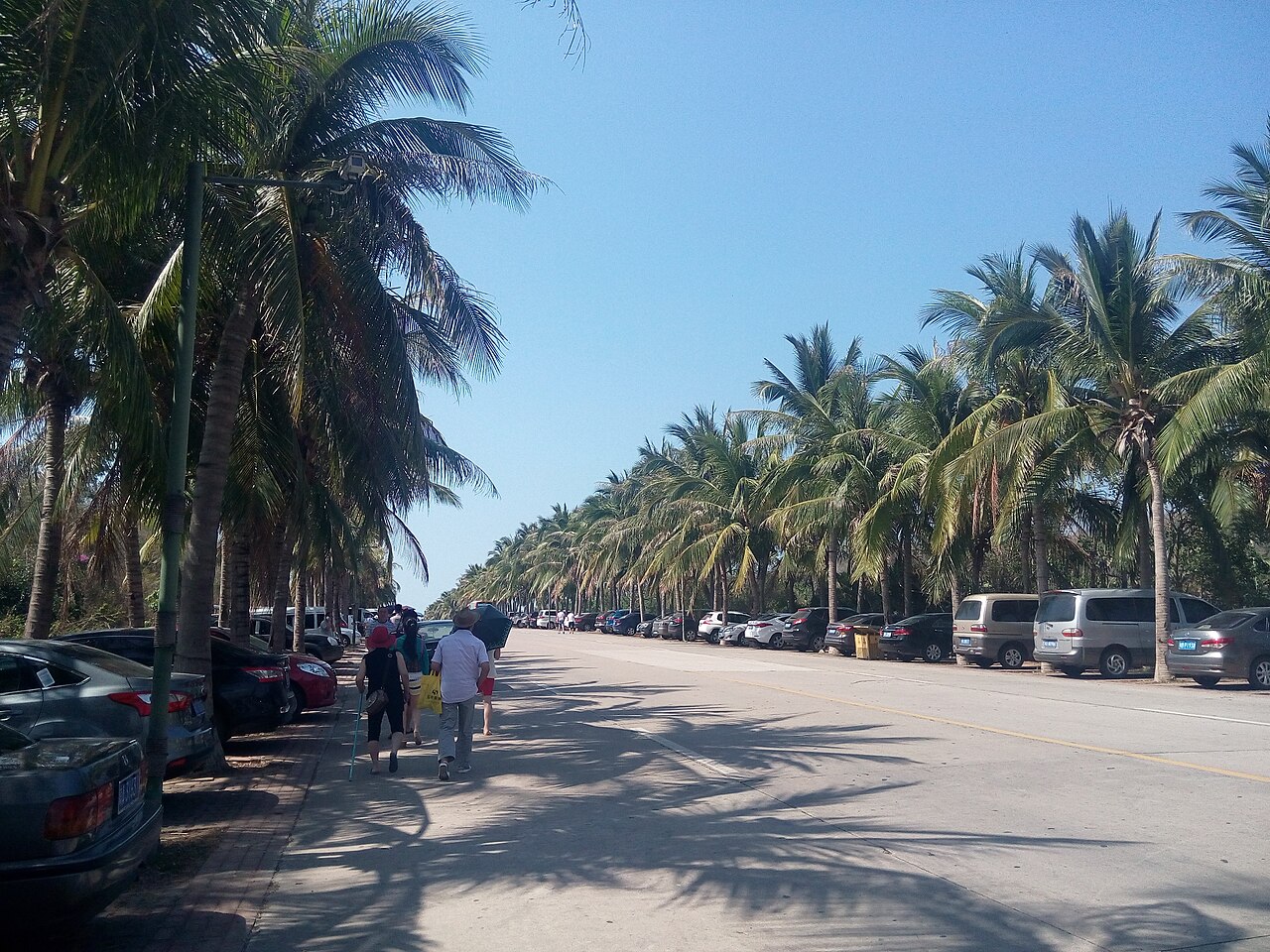
Penglai's long coastline means most hotels sit on it, and because there are so many sea-view rooms they are cheaper than anywhere else in China with a comparable view. But the real argument for a fishing-family guesthouse is the kitchen: buy your seafood at the market in the morning and cook it yourself. Beds from about ¥70 a night, including two or three meals a day in many cases.
Where
Mozhikou and Xinghai Road below Penglai Pavilion
Price
From about ¥70 / night; many include board
Best for
Cooking your own catch, walking to the sights, low cost

Next to the pavilion

Yantai Penglai Pavilion Hotel

Immediately beside Penglai Pavilion in the prime spot, with a pleasant setting and easy transport, and designated as a foreign-visitor hotel. Rooms are decorated with care and are comfortable, with international and domestic direct-dial phones, hot water round the clock and cars for hire.

Where
59 Dengzhou Road, Penglai
Price
From ¥118
Phone
0535-5955888

Best value near the port

Penglai Pengda Goldengulf Hotel

West of the bathing beach, Penglai Pavilion and Tianheng Mountain, with the tourist pier immediately to its north — the big boat to Changdao takes 45 minutes from there. The position could not be better, the rooms are very clean, the service is good and the value is outstanding. The obvious pick if you are crossing to the islands.

Where
80 Haigang Road, Penglai
Price
From ¥300
Phone
0535-5832277

Homely, central

Penglai Fig Tree guesthouse

Right in the centre of town — the rooms feel homely and the service gets consistently good reviews from visitors. It is close to the sea, you can cycle to the shore in the evening, and getting around from there is easy.

Where
East of Haijingyuan compound, 8 Haishi Road (west of Xiaozhao village)
Price
From ¥120
Phone
0535-5966799

The best appointed

Huaxi Hotel

Probably the highest-standard hotel in Penglai, very close to the coach station and Liqun mall, and less than five minutes' walk from the sea. Facilities are complete, rooms are large and bright, service is warm and the breakfast is decent. From ¥460.

Where
686 Beiguan Road, near the long-distance coach station
Price
From ¥460
Phone
0535-5607000 / 5821222

Most popular budget

Xiaoshidao youth apartments

The most popular budget address in Penglai and the position explains why: 500 m from the main bus station, 500 m from Penglai Pier, 100 m from the pavilion, 500 m from the polar ocean world, and — crucially — 60 m from the seafood market. Rooms are all twins, there is a canteen, and you can buy the freshest seafood for the least money and cook it yourself.
Where
138 Xiaoshidao Street, Penglai
Price
From ¥96
Phone
13153549979
Distances
100 m to Penglai Pavilion, 60 m to the seafood market

Getting around

How to reach Penglai and move through it

By coach

Penglai has no railway station, so for most visitors the coach is the answer. The station is at 166 Zhonglou North Road, barely a kilometre from Penglai Pavilion, reached by buses 2, 3, 4, 5, 6 and 7. Interprovincial services run to Beijing, Nanjing, Xuzhou, Shanghai and Tianjin — Xuzhou every other day, the rest daily, most fares ¥100–300, most departures before midday except the 14:00 to Tianjin.
Yantai
06:00–18:00, every 15 minutes, about an hour, ¥10
Qingdao
05:10–16:00, hourly, 4 hours, ¥36–41
Weifang
06:00–17:00, hourly, 4 hours, ¥26
Jinan
8 departures a day, 6 hours, ¥56 or ¥76
Weihai
3 a day, ¥24
Tai'an
06:00–13:00, every 30 minutes, 7 hours, about ¥150

By air and rail

There is no Penglai station, so rail passengers go to Yantai and continue by coach — coming out of Yantai station, walk 200 m west to Yantai Beima Road coach station, where the run to Penglai takes about 80 minutes and costs around ¥15. Yantai Penglai International Airport is about an hour east; Qingdao's airport and port lie 200 km south and handle the long-haul connections.

Via Yantai
Train to Yantai, then Beima Road coach station, 200 m west of the station
Coach onward
About 80 minutes, about ¥15
Nearest airport
Yantai Penglai International (YNT), about an hour east
Also
Qingdao airport and port, 200 km south

By road

Driving is straightforward: four high-grade national and provincial roads cross the county including the 206 expressway, putting Yantai's airport and station 60 km east and Qingdao's port 200 km south. Sample routes: from Jinan take the Wei-Lai and Wei-Wu expressways via Weifang — 211 km to Weifang, then 207 km to the Penglai exit; come off at Penglai West and continue to Penglai port and the Changdao ferry.

From Jinan
Wei-Lai and Wei-Wu expressways, about 418 km total
From Beijing
Via Tianjin outer ring, Cangzhou, Dezhou and Jinan
Local taxi
Flagfall ¥7 for 3 km then ¥1.50 / km; deluxe ¥8 then ¥1.80 / km

By city bus

Standard fares are ¥1 and services generally run 06:00–18:00. Some routes are driverless with a fare box, so carry small change. A card is worth having if you are staying a while: ordinary cards give 20% off, student cards 50%, and issuing costs a ¥20 deposit — bring ID for an adult card, or household register plus a passport photo for a school-age one. Read the refund terms before you hand the deposit over.

Fare
¥1 standard
Hours
Roughly 06:00–18:00
Card
Ordinary 20% off, student 50%; ¥20 deposit
Warning
Carry coins — some services have no conductor

By ferry to Changdao

Penglai is the only way onto the islands. Penglai port sits at the north end of Haigang Road beneath Tianheng Mountain — bus 5, or ¥5 in a taxi from the coach station. In season there is a sailing roughly every 30 minutes between 06:30 and 17:30, taking about 40 minutes; off season the gap stretches to 40–50 minutes. A faster boat does the crossing in 25 minutes. Sources differ on the fare: ¥23 for the ordinary crossing, ¥15 for the fast boat. You can see Penglai Pavilion from the water on the way out.

Port enquiries
0535-5642551
In season
About every 30 minutes, 06:30–17:30, about 40 minutes
Fast boat
25 minutes; around ¥15
Cars
Roll-on service, ¥140 each way, sails when full — generally better left in Penglai

By ferry onwards

Penglai is a working port with four harbours, two of them national first-class open ports, nine berths, and roll-on cargo and passenger routes to Lüshun and Dalian that make it the shortest sea link between east China and the north-east. To Lüshun there are two sailings a day in each direction — departures at 12:00 and 20:00, returns at 14:00 and 20:00, five hours' sailing. Penglai New Port in the development zone east of town runs three luxury car-and-passenger ferries a day to Dalian.

To Lüshun
Two sailings daily each way; depart 12:00 and 20:00; return 14:00 and 20:00; 5 hours
Penglei New Port
Development zone east of the city; bus 2
To Dalian
Three luxury car-and-passenger ferries daily

Shopping

What to carry home

Dried seafood

The obvious penglai souvenir and the one relatives expect: prawn meat, roasted fish fillet, shredded fish, dried scallop adductor, dried squid, seaweed, dried abalone, spiny sea cucumber, scallops, folded oyster and sea bream. Sold in general stores, food shops and street stalls, and it travels.

Shell carving and pearls

The representative Penglai souvenirs are shell carvings and pearl necklaces, and there are all sorts of woven grass goods, cheap and rather charming. Scallop shells have been made into decorative shell carving here since long before tourism — the local fishery is 5,000 years old.

Penglai drawn-thread embroidery

A Chinese-Western hybrid technique: threads are drawn out of cotton or linen along a pattern and the remainder sewn together to leave openwork. The most famous variety here is Penglai bobbin lace, named for the shuttle that does the work; Penglai and Muping are its two production centres. Fine, thick in hand, quite unlike anything else.

Zigzag scallop

The scallop Penglai farms most. Two shells with radiating ribs in a fan shape, brown shelled with blue-white or purple-red markings, genuinely handsome. The flesh is fine, sweet and nourishing and it was a luxury food here thousands of years before anybody used the word luxury — people were harvesting scallop along this coast 5,000 years ago.

True sea bream

Fine-grained, sweet, nourishing, and eaten here for a very long time. Some goes into tins and some is smoked, and it is ranked among the very best food fish in the sea. It is also the fish that makes Penglai noodles taste the way they do — the broth is built from it.

Spiny sea cucumber

The best of China's twenty-plus edible sea cucumbers and one of Penglai's important products. High protein, no cholesterol, a tonic food, and called the crown of seafood. Buy it dried and whole, and check it has been dried properly rather than salted into weight.

Dengzhou old market street

Penglai's best-known shopping district, right by Penglai Pavilion and busy since merchants first gathered here. Its eastern side is imitation antique garden architecture housing the Dengzhou money house, Changsheng inn, the water-city fish merchant, the old-market restaurant and the old-market bazaar; since the 1990s the seaward side has been a souvenir market.

Penglai Chinese Rare Stones hall

Bath beach east, fishing port west: wholesales and retails natural odd stones, antiques, calligraphy and painting, pearls and jade, landscape bonsai, seafood and tourist crafts, with a branch by the main gate of Penglai Pavilion. At 28 Dongying Street.

Practical

The numbers you will actually need

Two things that shape a Penglai trip more than anything else in this file. First, the sea is cold in May even when mirage season is at its best, so plan mist rather than swimming. Second, Penglai is the gateway rather than the destination for a lot of people — if you are here to cross to Changdao, do the pavilion and the free water city first, because they are the two things the islands cannot give you.

Best monthsMay to October. May has the most mirages; the sea is swimmable from July. Peak hours at the sights run 08:00–10:00 and 15:00–17:00
Key ticketsPenglai Pavilion through ticket ¥100 for nine sites; ¥85 without Qi Jiguang's birthplace; birthplace alone ¥20; cableway ¥30 single / ¥50 return; Sanxian Mountain ¥120; polar ocean world ¥120; Eight Immortals ¥80; water city free
Free entryChildren under 1.3 m, over-70s with ID, retired cadres with valid documents, serving military with their officer's or soldier's certificate
Getting inCoach station, 166 Zhonglou North Road, 1 km from the pavilion. Yantai ¥10 every 15 minutes; Qingdao ¥36–41; Jinan ¥56–76, 8 a day; Weihai ¥24, 3 a day. No railway — go via Yantai
Getting aroundCity buses ¥1, roughly 06:00–18:00; card gives 20% off, student card 50%. Taxis ¥7 for 3 km then ¥1.50 / km, deluxe ¥8 then ¥1.80
To ChangdaoPenglai port, north end of Haigang Road, bus 5 or ¥5 by taxi. In season about every 30 minutes 06:30–17:30, about 40 minutes crossing; fast boat 25 minutes. Around ¥23, or ¥15 on the fast boat. Port enquiries 0535-5642551
MedicalPeople's Hospital, 89 Xianhou Road, 0535-5642036. Penglai Second People's Hospital, Daxindian No.1 village, 0535-5711287
Money and postAgricultural Bank of China Penglai branch, 174 Zhonglou East Road, 0535-5643587; China Construction Bank Nanguan office, 49 Zhonglou East Road, 0535-5649827. Post code 265600 (Changdao is 265800); Penglai post office, 156 Nanguan Road, 0535-5616901
TourismPenglai tourism bureau, 171 Beiguan Road, 0535-5631111

Tips

Small things that change how the day goes

Pay the ¥100, not the ¥85

The ¥85 ticket saves you fifteen yuan by dropping Qi Jiguang's birthplace, which costs ¥20 to enter on its own. Also check what else your version covers at the gate rather than assuming — the nine sites in the through ticket include the naval museum and the two-sea line.

Noodles are a morning job

Penglai noodles are a breakfast and lunch institution and the shops shut in the afternoon. Two yuan a bowl at the places locals use. If you sleep in, you miss them entirely.

Watch the tide on the rocks

When you are down among the rocks fishing or collecting shells, keep an eye on the water. Also wear sunglasses, apply sunscreen properly, and do not assume the sea is warm — cold water is part of why the seafood here is so good.

Book sea-view rooms two weeks out

Sea rooms are cheaper here than in comparable Chinese seaside cities — ¥400–600 a night at starred hotels in high season — but they are also the first to go. Two weeks ahead is the sensible booking horizon; further if you want a specific property.

Leave the car on the mainland

If you are heading to Changdao, taking the car costs ¥140 each way on a roll-on ferry that only sails when it is full and can be cancelled by weather. Walk on board instead, sort out a car on the island or skip one, and book your island bed before you cross.

Fog decides everything

This coast fogs over often enough that a traveller spent four consecutive 03:30 mornings missing the sunrise before catching it on the fifth. Check the forecast, build slack into anything that depends on a boat, and treat sunrise as a bonus rather than a booking.

Background

Why Penglai is the way it is

A navy before anything else

Penglai belongs to Yantai prefecture in Shandong and sits at the northernmost tip of the Shandong peninsula facing both the Bohai and the Yellow Sea, east towards Yantai, south towards Qingdao, and across the water from Tianjin, Dalian and the Korean peninsula. The gifts that made it — a harbour that commands the strait and a cliff that sees everything coming — also made it a naval base. The Song stationed ships here in 1042, the Ming walled it in 1376, and the surviving combination of water gate, breakwater, quay, lighthouse, walls and gun platforms makes it the most complete ancient naval harbour in the country.

The people who come from here read like a roll-call of Ming and Qing achievement. Su Shi served as prefect of Dengzhou and left the couplet about five days in Dengzhou and a thousand years of the Su shrine. Qi Jiguang was born in Penglai, trained the navy here and fought the pirate raids up and down the coast. Later came the Qing general Song Qing, the patriotic general Yu Xuezhong, the scientists Ge Tingsui, Liu Guangding and Yang Qi, the educators Zhou Rongxin and Yang Zhensheng, the writer Yang Shuo and the Mohist scholar Luan Diaofu.

Two thousand years old and a very even climate

Emperor Wu of Han toured east, built a city here and named it Penglai in 133 BC, which makes it more than 2,100 years old. Everything layered over that is ideological in the good sense: the Eight Immortals crossing and the mirage express what working people wanted — freedom, and a better life — while Qi Jiguang's navy fighting the pirates expresses patriotism and resistance to invasion. The opening of the maritime silk road and the prosperity of the Dengzhou port are this city's argument for opening to the world.

The climate helps explain why people keep coming: mid-latitude, warm temperate monsoon with continental character, an annual mean of 11.7°C, mean daily maximum 28.8°C and mean daily minimum -2.3°C, extremes of 38.8°C and -14.9°C. Annual precipitation is 664 mm, sunshine 2,826 hours, frost-free period averaging 206 days, relative humidity 65%, mean wind speed 5.2 m/s. There are no floods and typhoons do not reach here.

What the myth is actually for

Qin Shi Huang's eastern tour in 219 BC is the founding story of the search: he crossed Huang and Chui, went to Chengshan, climbed Zhifu, and he was looking for the holy mountain and the medicine that keeps you from dying. The Eight Immortals were going to a peony party on the Penglai immortal island across the eastern sea; Lü Dongbin, drunk, suggested they each cross the water showing off rather than sailing, which gave the language both the story and the phrase.

None of that is archaeology. But it is the reason this particular cliff has six temples on it, why emperors built temples here for two thousand years, and why a perfectly ordinary modern Shandong seaside town still trades under the name of a place nobody has ever managed to find.

Travel with them

Penglai in print, film and sound

Film

Ocean Friends

Directed by Qian Xiaohong

A boy who loves diving and marine animals lives with his grandfather, who works at an ocean park, and makes friends with all of them — including a young sea lion. Shot largely at Penglai Polar Ocean World, with a great deal of the dolphins and the sea-lion show doing the work. Take a nine-year-old.

Book

The Penglai Ancient Ships

Shandong Institute of Cultural Relics and Archaeology, Yantai Museum, Penglai Cultural Relics Bureau

The preliminary summary of the 2005 excavation, conservation and research, including the report on the 1984 dig of the No.1 ancient ship from the Penglai water city, and the standard work on the subject. Read it before you walk the walled harbour and every stone there changes meaning.

Book

Penglai

Published 2009, 130 pages

A book about what happens when cities stop being different. High urbanisation has wiped out what distinguished one from another: ring roads, public green space, malls, cinemas, schools, the same order everywhere — and the loss of the old houses, the old trees that shaded generations, the old trades people used to talk about. Walk Penglai after it and watch for what is left.

Music

Penglai Immortal Rhyme

Shanghai Symphony Orchestra

Recorded in 1994, one of three Taoist music albums the orchestra made with Taiwan's Wind Records, alongside 'Welcoming the Immortals' and 'The Three Pure Realms'. Serve it cold on the cableway.

The questions visitors ask us most about Penglai, answered plainly.

Frequently asked questions

Prices and practical details are reviewed every month by our Beijing team and updated the day a rule changes.

When is the best time to visit Penglai?

May to October. May is the month for mirages — this is the coast where they are reported most often, usually after rain and often in the early morning — though the water is still cold. July and August are for swimming and crowds. September and October are clear, warm enough and half empty, and are probably the best of it. Peak hours at the sights run 08:00–10:00 and 15:00–17:00.

Can I actually see a mirage?

You might, and May is your best chance. They appear over the water after rain on still days, usually early, and depend on a temperature layering nobody can schedule. Do not build a trip around it — the pavilion, the naval harbour and the food are a full visit on their own and the mirage is a bonus if it comes.

How do I get to the Changdao islands from Penglai?

From Penglai port at the north end of Haigang Road, 7 nautical miles across the strait. In season there is a boat roughly every 30 minutes between 06:30 and 17:30, taking about 40 minutes, and a fast boat that does it in 25. Sources differ on the fare: ¥23 for the ordinary crossing and ¥15 for the fast boat. Fog stops everything, so check the forecast and book your island bed before you cross.

What should I eat in Penglai?

Start with Penglai noodles — hand-pulled, local-called 'thrown noodles', thin and springy, in a broth made from real sea bream thickened with mung-bean starch and seasoned with soy, wood ear, sesame oil, star anise and Sichuan pepper. About ¥2 a bowl at the places locals use, and only until lunchtime. Then braised donkey, steamed sea bream at ¥60–80 a fish, salt fish with cornbread, abalone, scallops with egg white, and the Eight Immortals banquet if someone else is paying.

Is Penglai worth it, or should I go straight to Changdao?

Worth a day or two of its own. The pavilion is one of China's four great towers and the walled naval harbour below it is free and genuinely rare. Going straight to the islands means missing both. Do the pavilion in the morning, cross in the afternoon, and sleep on the islands.

Can I visit the wineries around Penglai?

Yes, and you should. This coast is one of China's serious wine regions with several internationally known estates, and the local wineries combine vineyard, cellar, tasting room and accommodation, so a visit is an afternoon rather than a formality. Because they are spread out and not all set up for walk-ins, ask your hotel or the tourism bureau to arrange one.

How many days should I allow?

Two days is honest: one for the pavilion, the water city, Tianheng Mountain and Sanxian Mountain, one for the polar ocean world and the beach. Three lets you put Changdao on the itinerary, which deserves a night. Add a fourth and you can follow the coast east to Yantai and Weihai.

What should I be careful about on the coast?

Watch the tide when you are down on rocks or shell collecting, because it comes in faster than people expect. Wear sunglasses and use sunscreen, and do not overestimate how warm the water is — it stays cold well into June, which helps explain why the seafood is so good. Carry your usual medicines with you.

Related reading

Related reading

Visas Do I Need a Visa for China? Requirements, Costs and How to Apply China's entry rules changed more in the last three years than in the previous twenty. Here is exactly who needs a visa, what it costs, how long it takes and which passports now walk straight through. 9 min read Visas China's 240-Hour Visa-Free Transit: Who Qualifies and How It Works Ten days in China with no visa application, no fee and no fingerprints — if you hold the right passport and leave for a third country. Here is the rulebook, port by port. 8 min read Money Paying in China: Alipay, WeChat Pay, Cards and Cash Roughly nine in ten urban payments in China now run through a phone. Set up two apps before you fly, carry a modest cash float, and you will never be stuck at a till. 8 min read Transport China's High-Speed Rail: How to Book, What It Costs, How Fast It Goes The fastest way to cross China is also the most pleasant. Here is how to book a ticket with a foreign passport, what the three classes actually give you, and how to survive a Chinese station at rush hour. 9 min read Planning Best Time to Visit China: Month by Month, Region by Region China is the size of Europe, so 'the best month' depends on where you stand. Here is the month-by-month answer for the north, the Yangtze valley, the south and the plateau. 8 min read Planning What to Pack for China: The Complete 2026 Checklist Twenty thousand steps a day, three climate zones and a phone that has to do everything. This is the list we give our own travellers, minus the things they never used. 7 min read Food Chinese Food Culture: Eight Cuisines, One Table There is no such thing as Chinese food. There is Cantonese, Sichuan, Hunan, Jiangsu, Zhejiang, Fujian, Anhui and Shandong — and knowing which one you are eating changes everything. 8 min read Traditions Chinese Tea Culture: Six Classes, One Pot, Two Fingers Tea in China is not a beverage category, it is a social technology: it fills silences, seals deals and sets the pace of a meal. Here is how to sit down in one and not look lost. 7 min read Traditions Chinese Festivals: The Calendar, the Dates and the Crowds Lunar dates mean the calendar moves every year — and two of the festivals move several hundred million people at once. Plan around them or plan into them, but never by accident. 8 min read Etiquette Chinese Etiquette: What Matters, What Does Not, and Why Most etiquette advice for China is either obvious or wrong. These are the dozen behaviours that actually change how you are treated, and the reasoning behind each. 7 min read

Tell us your dates.
We'll do the rest.

Free itinerary design, a revised plan within one working day, and nothing charged until you approve the final version.

  • Buy the ¥100 through ticket rather than the ¥85 version — it includes Qi Jiguang's birthplace, which costs ¥20 on its own.
  • Children under 1.3 m, anyone over 70 with ID, retired cadres and serving military all get in free; the cross-sea cableway is ¥30 one way or ¥50 return and is not part of the ticket.
  • The walled water city below the pavilion is free and genuinely rare — a Song boat station rebuilt in stone in 1376, 270,000 square metres of breakwater, quay, lighthouse, walls and gun platforms.

No spam. No sales calls. Just a real itinerary from a real person.