City guide · Xinjiang

Xinjiang travel guide: how to plan Urumqi, Kashgar, Ili and Kanas without wasting a day

Snow peaks, grassland, desert and oasis — one-sixth of China, and the longest road you will ever ride.

  • Known forSilk Road history, Altai and Tianshan mountains, grasslands, Uyghur and Kazakh culture
  • Typical spendCNY 3,000–10,000 for 7+ days
  • Ideal length10–14 days; 7 days minimum for one region
  • PaceRugged — long drives, early starts, thin air at altitude

Reviewed by our Beijing team Updated 2026-10-10

The short version

Xinjiang is worth at least 10 days, not 3 — the region covers 1.66 million sq km and a single internal flight can cost you half a day. Start in Urumqi (the provincial capital, reached by direct flights from Beijing, Shanghai, Guangzhou and Chengdu), then pick a direction: north to Kanas and the Altai grasslands, west to Ili for lavender and Sayram Lake, or south to Kashgar and the Pamir for the Silk Road old town and Muztagh Ata. Budget CNY 3,000–10,000 per person for 7+ days, and remember Xinjiang runs on Beijing time officially but lives two hours later — locals eat dinner at 21:00.

  • Xinjiang is 1.66 million sq km — roughly four times the size of California — and Urumqi, the capital, is the farthest major city on Earth from any ocean.
  • Heavenly Lake (Tianchi) is 100 CNY in high season (40 CNY from Nov 1 to Mar 31); the cable car and shuttle add 35 CNY each way, 20 CNY one-way.
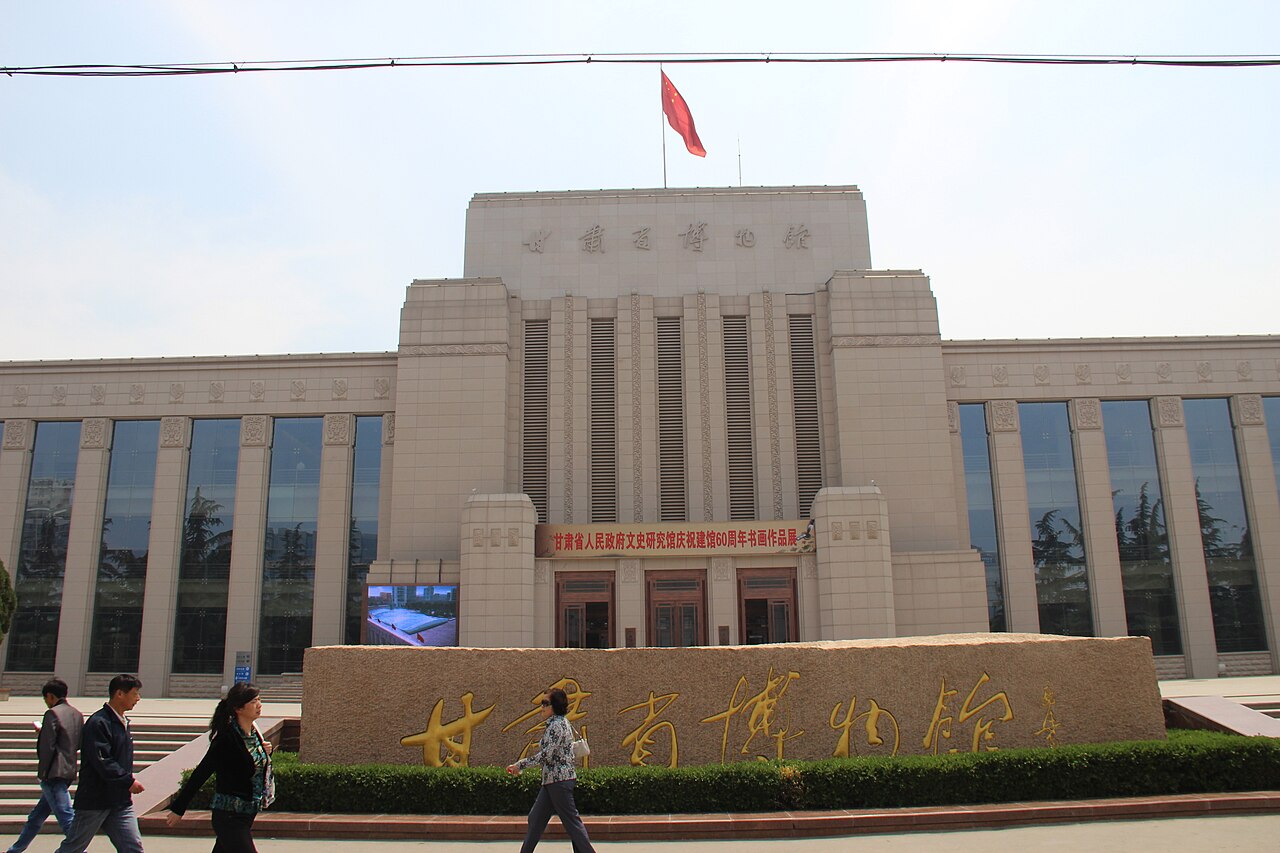
  • The Xinjiang Regional Museum in Urumqi charges 25 CNY and holds 32,000 objects, including a 3,800-year-old Loulan mummy and a free audio guide (100 CNY deposit).
  • Kashgar's Id Kah Mosque costs 15 CNY to enter; the old town around it is free and still home to roughly 600 households and 2,000 Uyghur residents.

City guide

First impressions

Photographs from the coast, and what other travellers wrote afterwards.

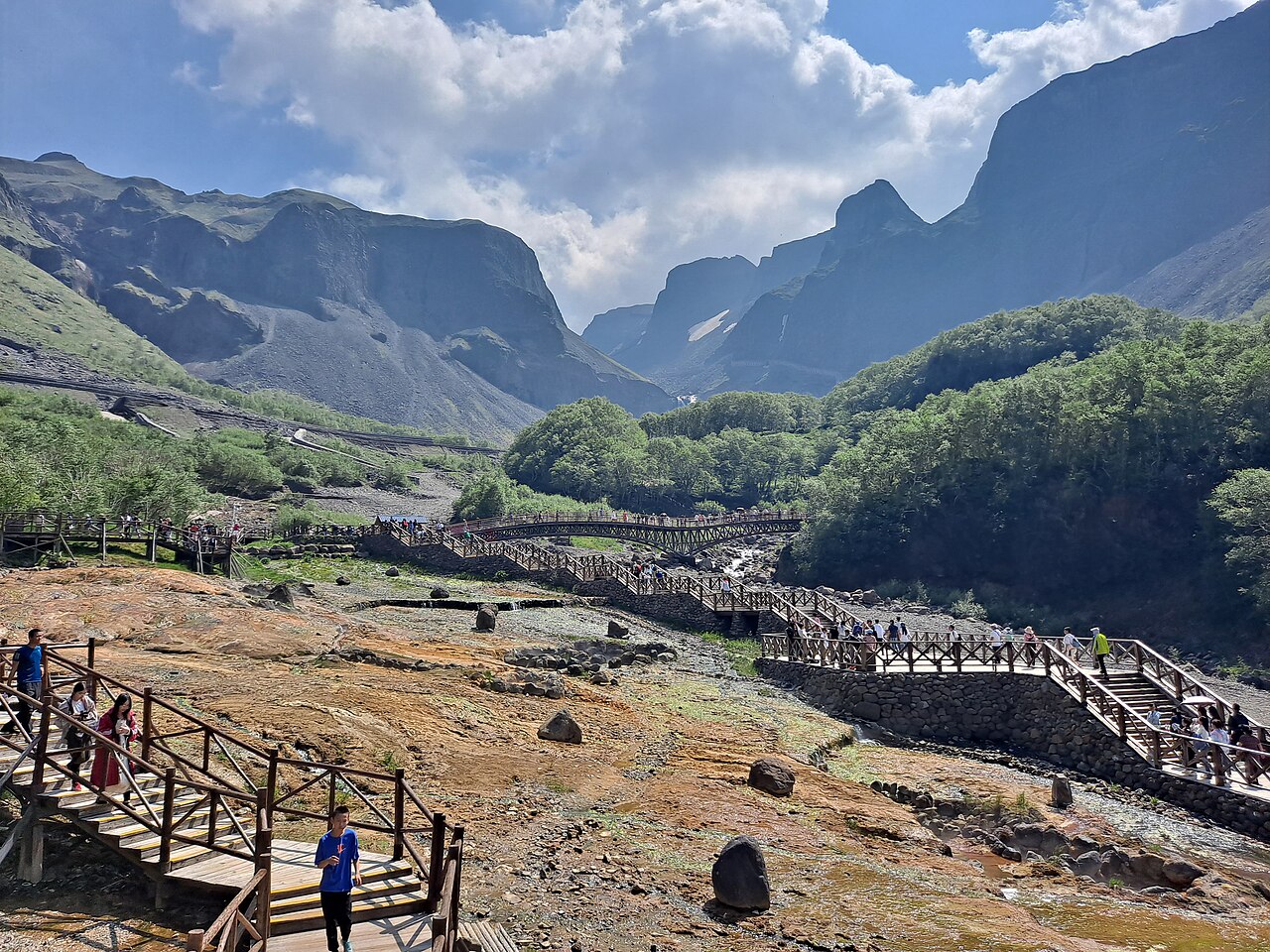
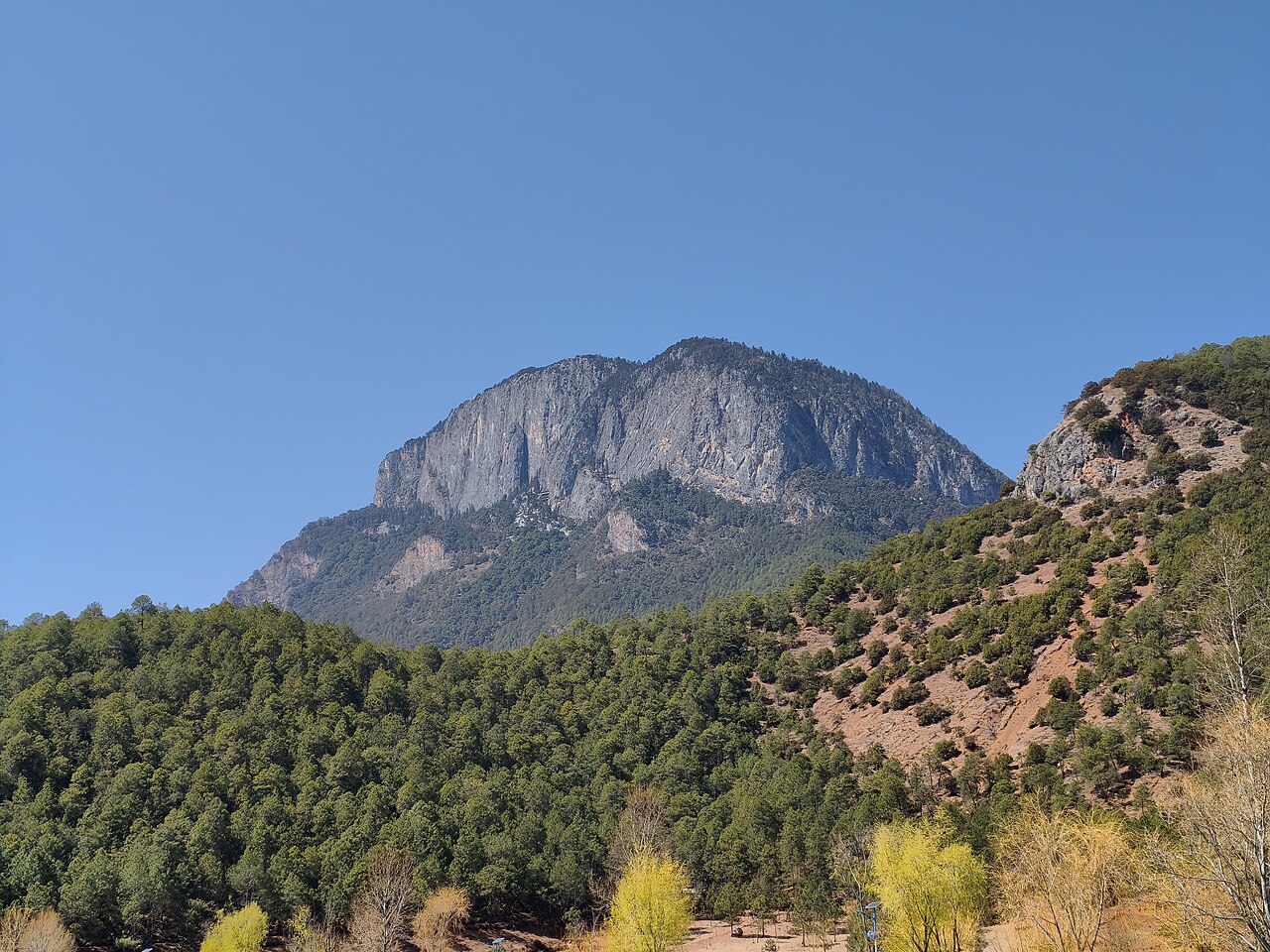
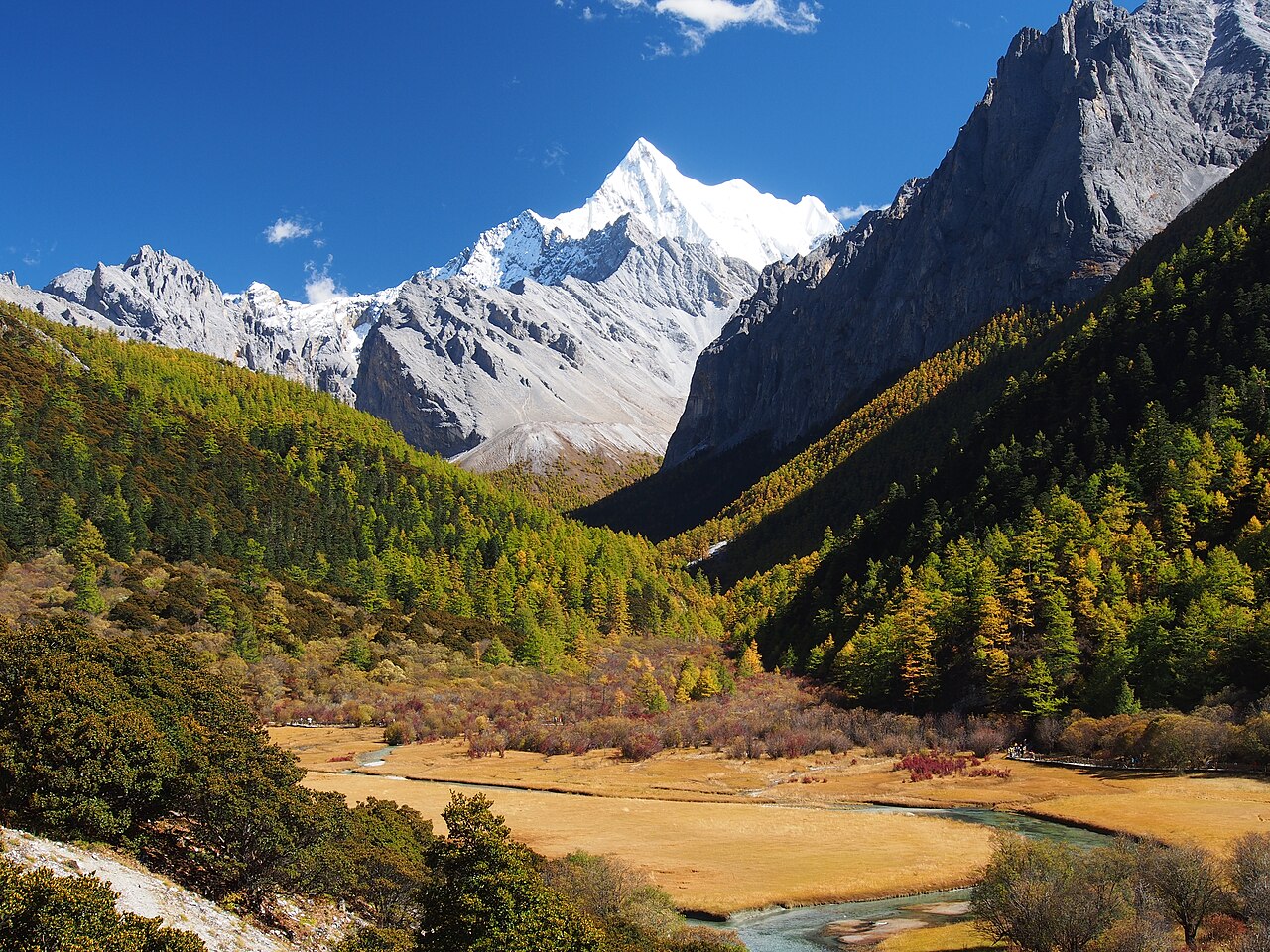
Bogda Peak above Heavenly Lake, 100 CNY entry in high season
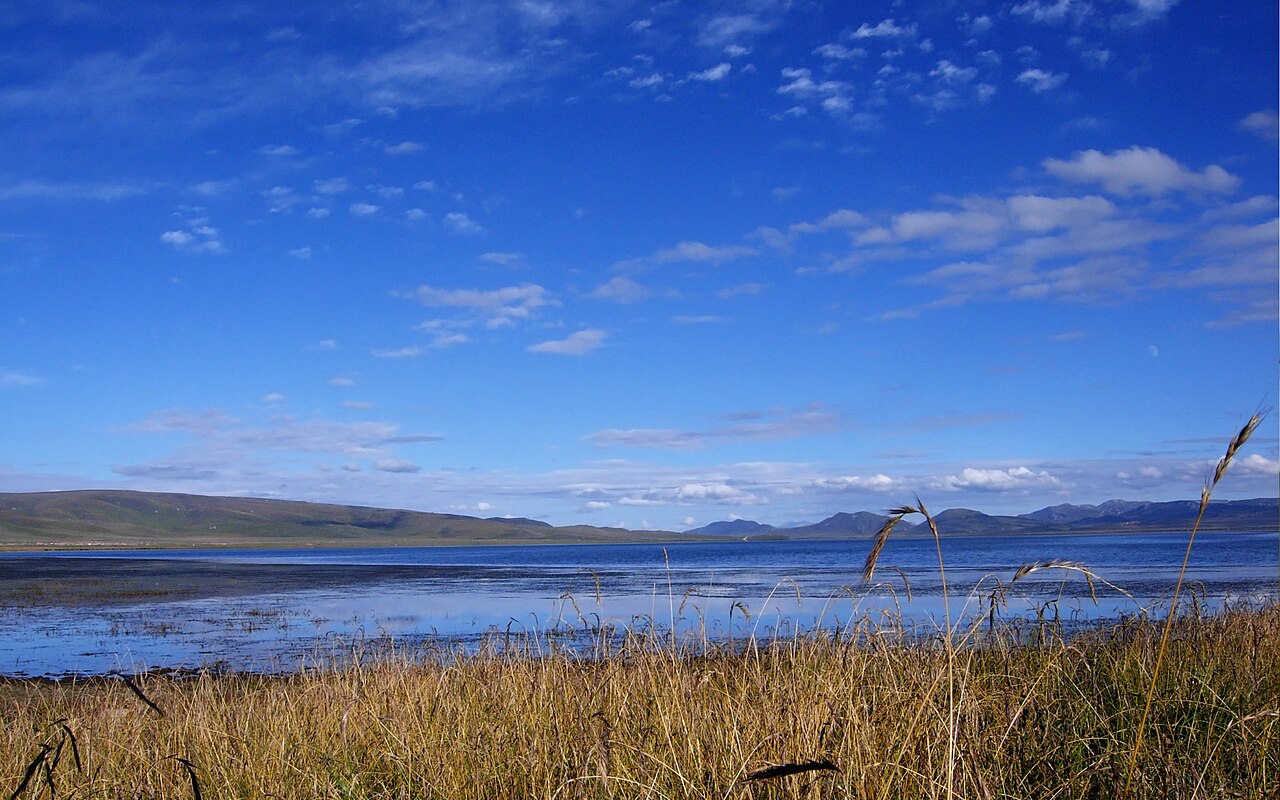
Sayram Lake at 2,070 m, the highest cold-water lake in Xinjiang
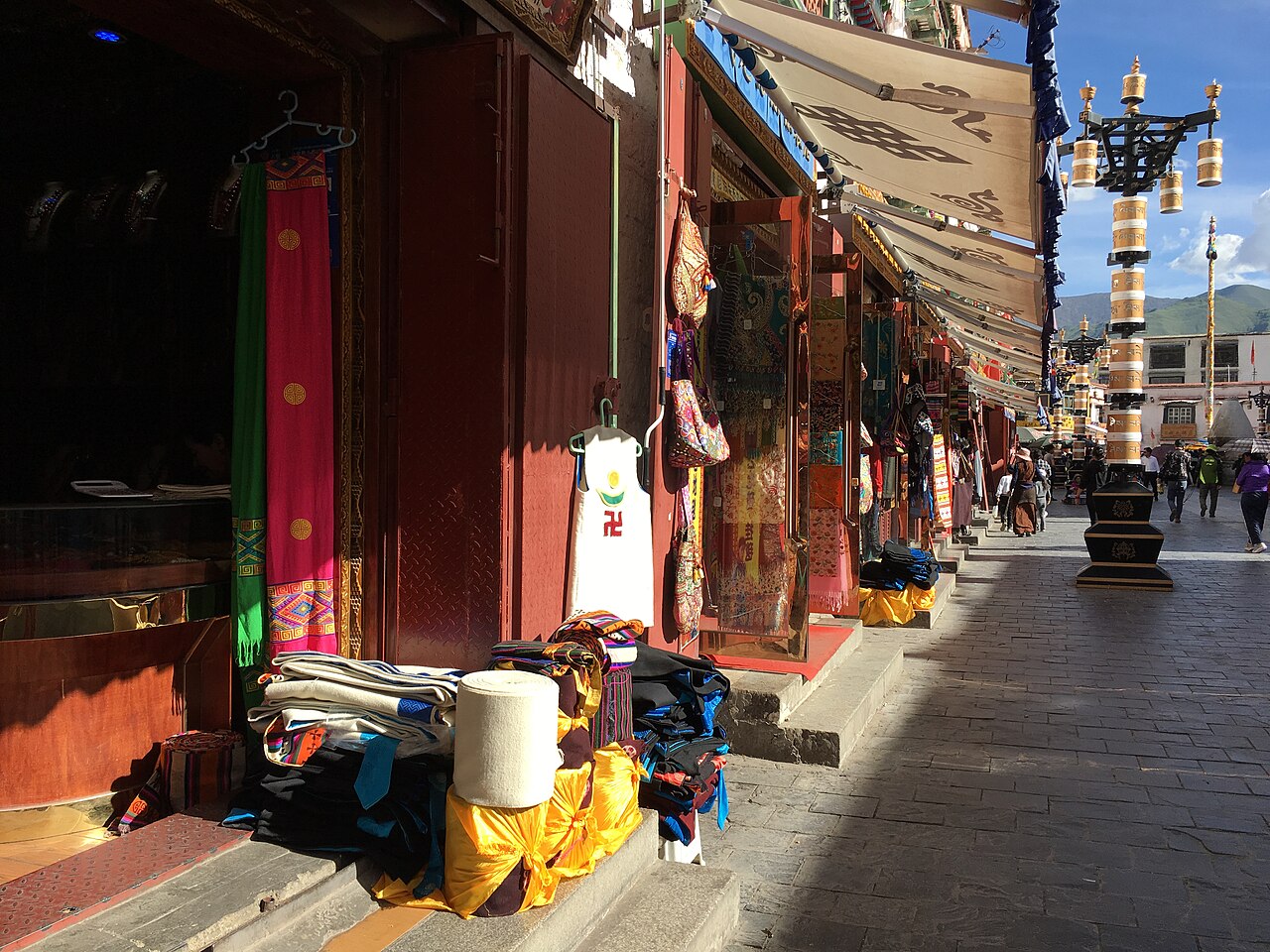
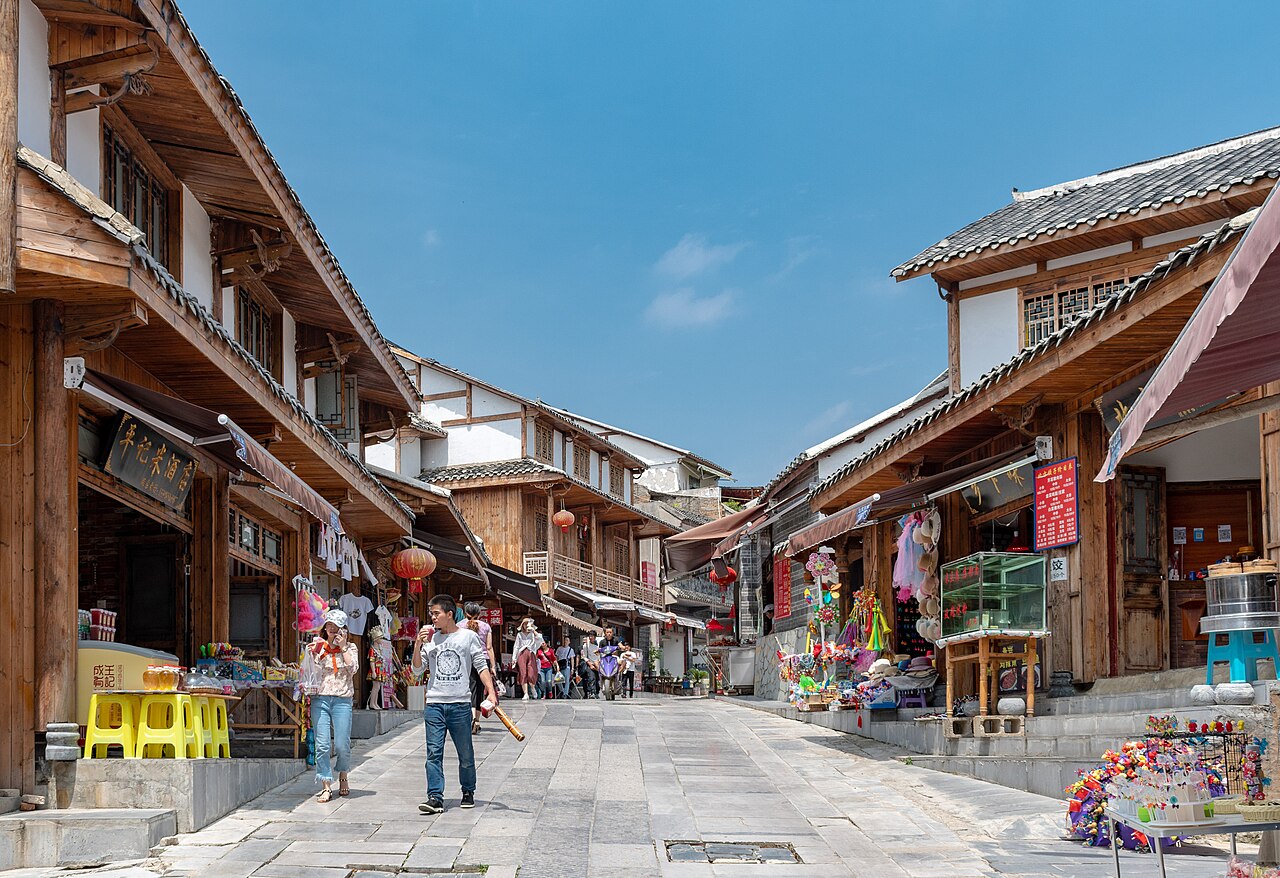
Kashgar old town lanes, still home to around 600 Uyghur households
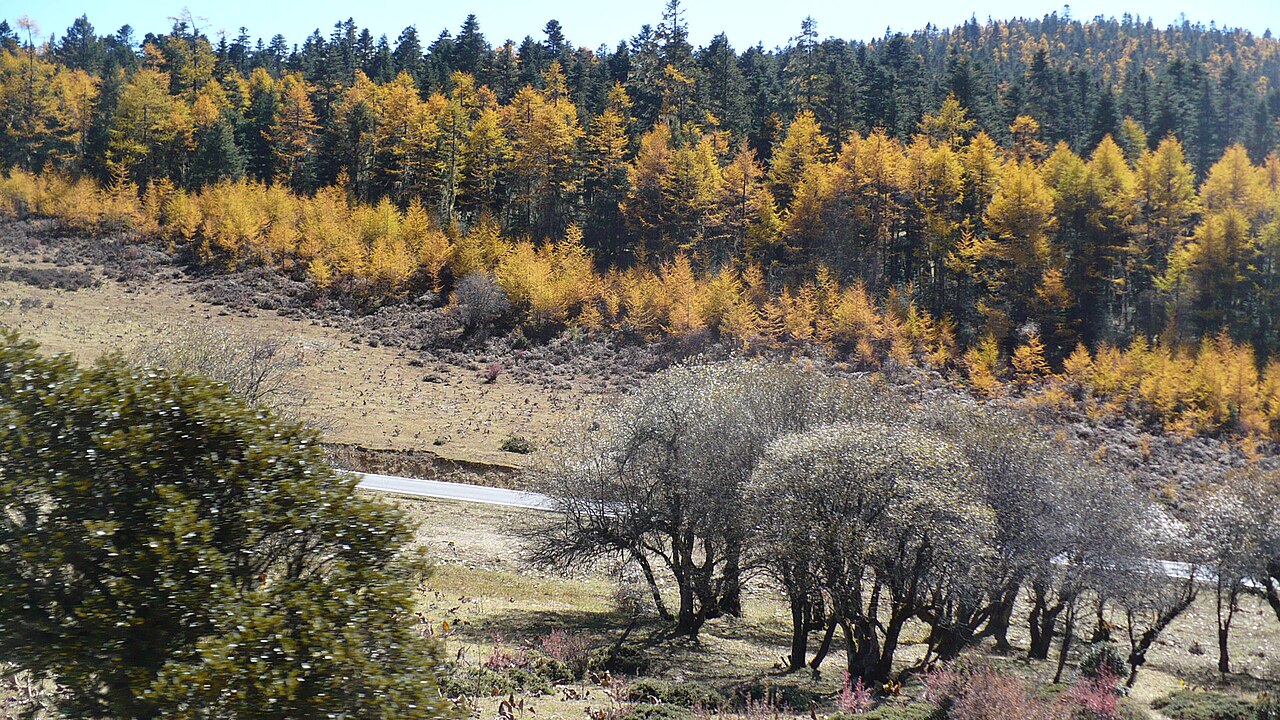
Kanas in early autumn, when the larch and birch turn four colours in one day

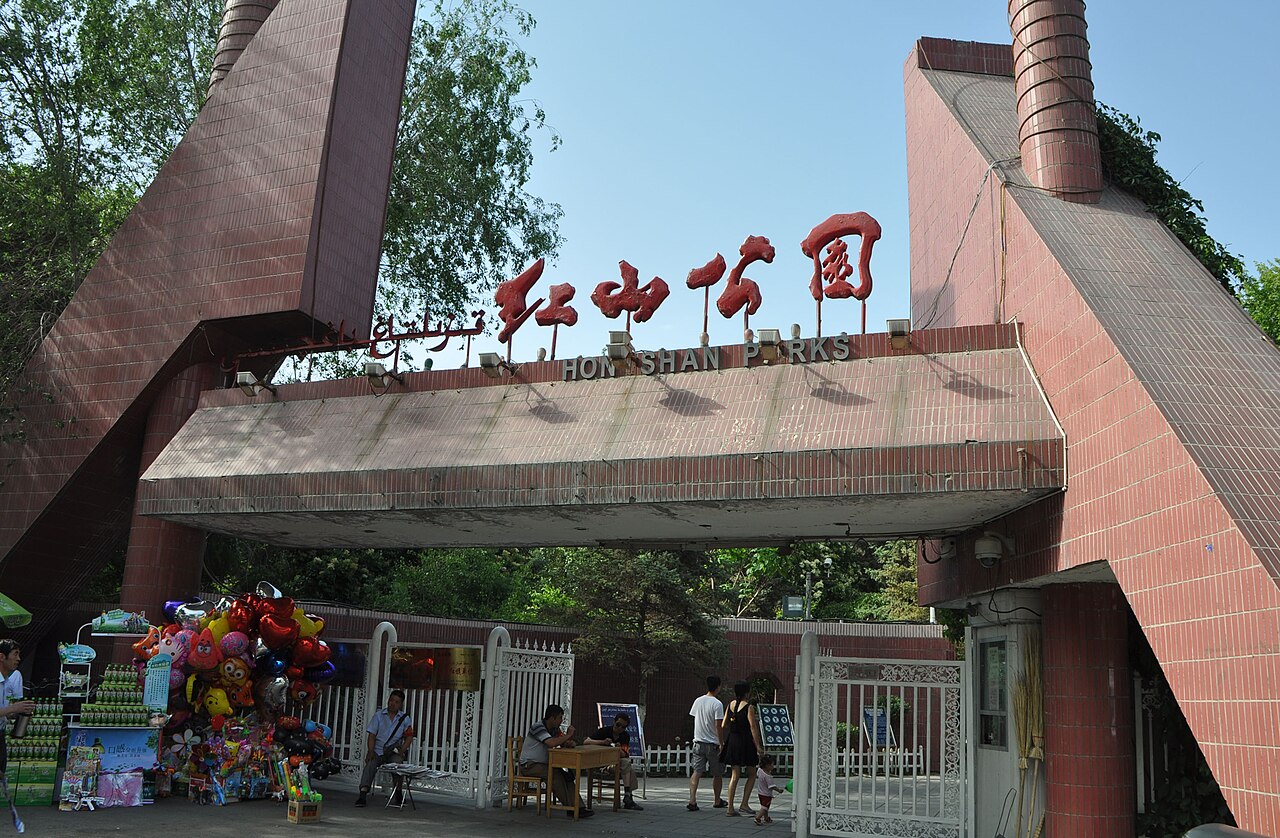
Standing on a Urumqi street you can see the snow-covered Tianshan in the distance. I climbed Red Hill and looked out over the whole city, everything thriving. Best of all, summer in Xinjiang is not hot at all — for someone like me who hates heat, this is a good place.

chencurl, 'Traveling West Alone'

Grapes, little apples, the apples are really good — full of juice, 3 yuan each, completely different from what I eat in Shanghai. I honestly think they beat Red Fuji and rock candy apples.

328329125, 'Just Go, Catching the Last Bus on a Northern Xinjiang Trip'

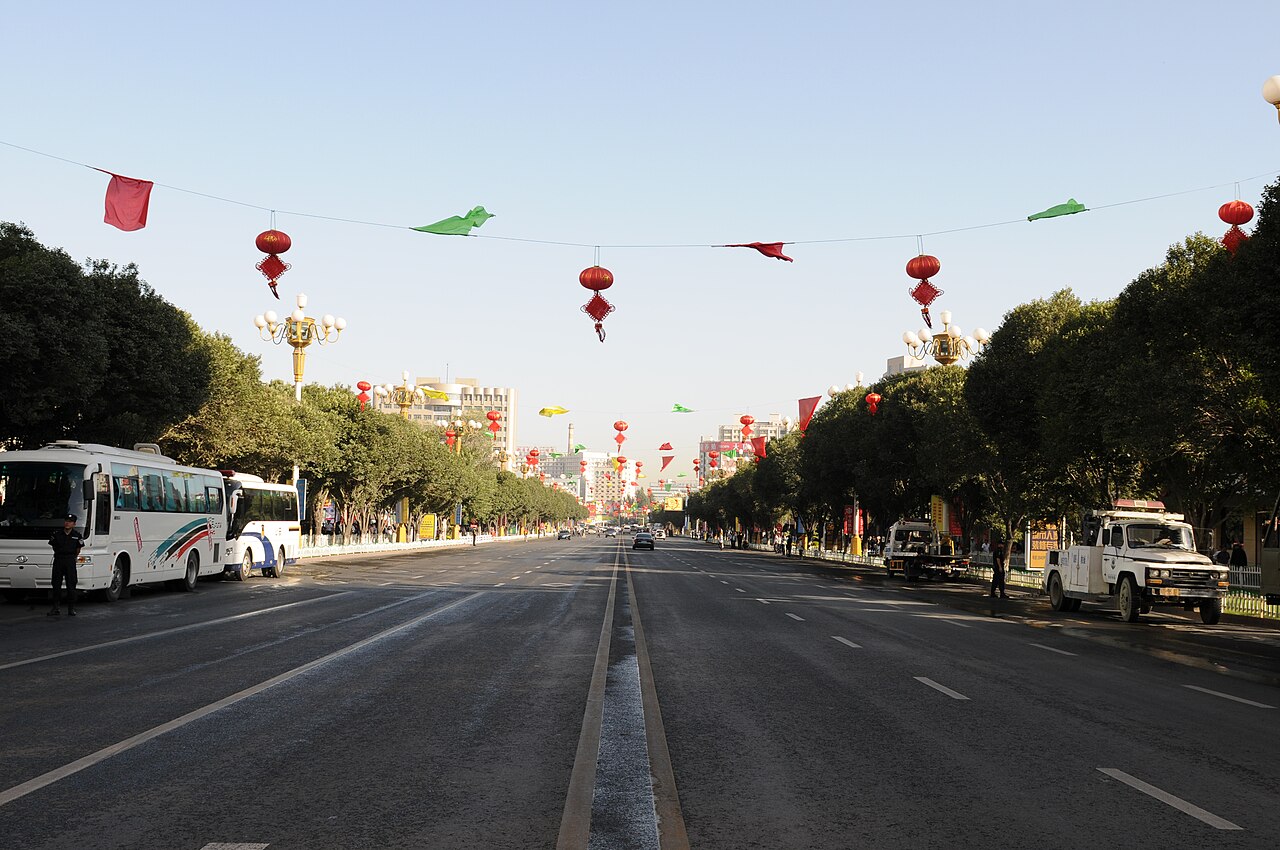
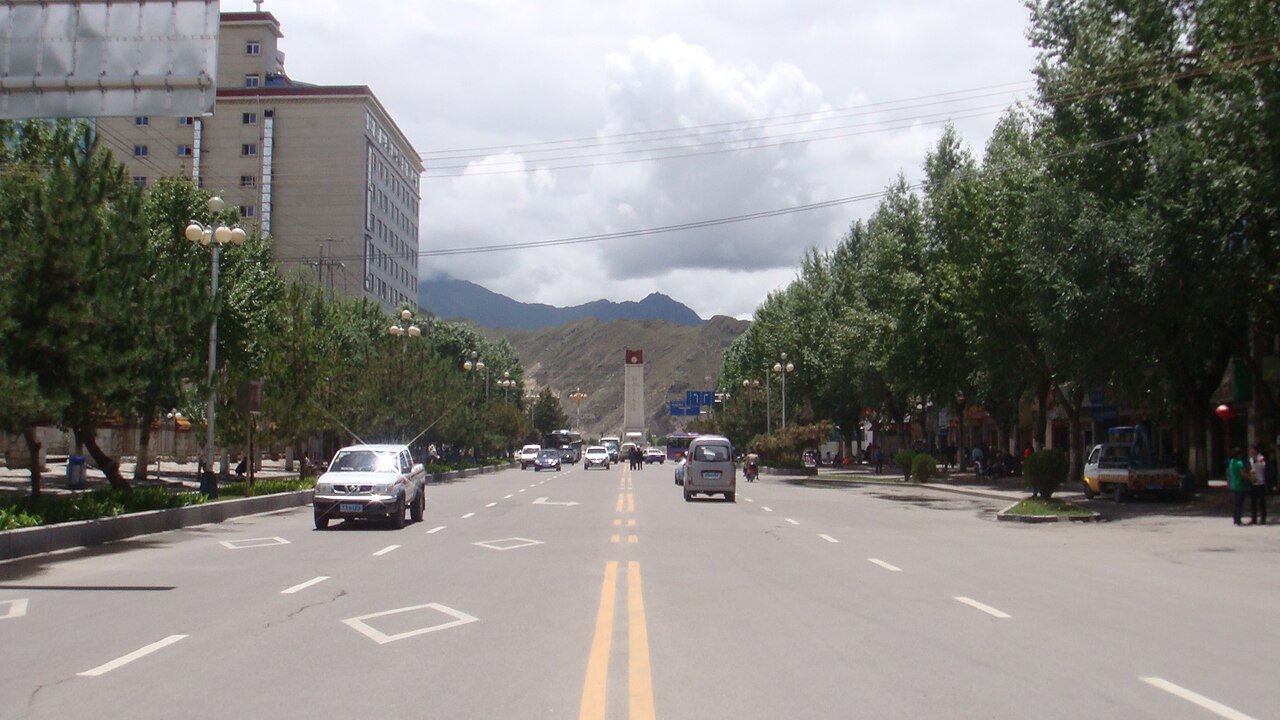
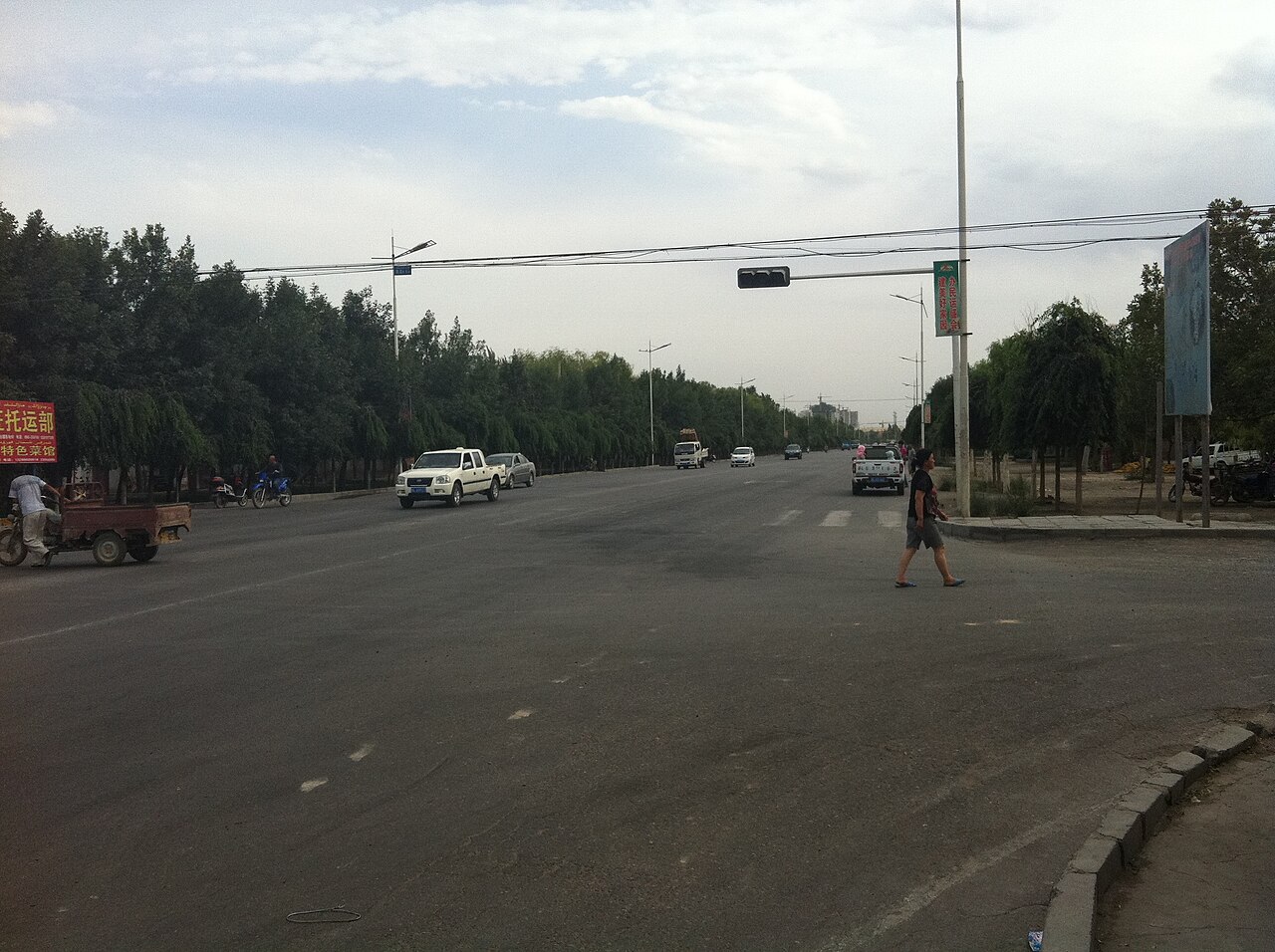
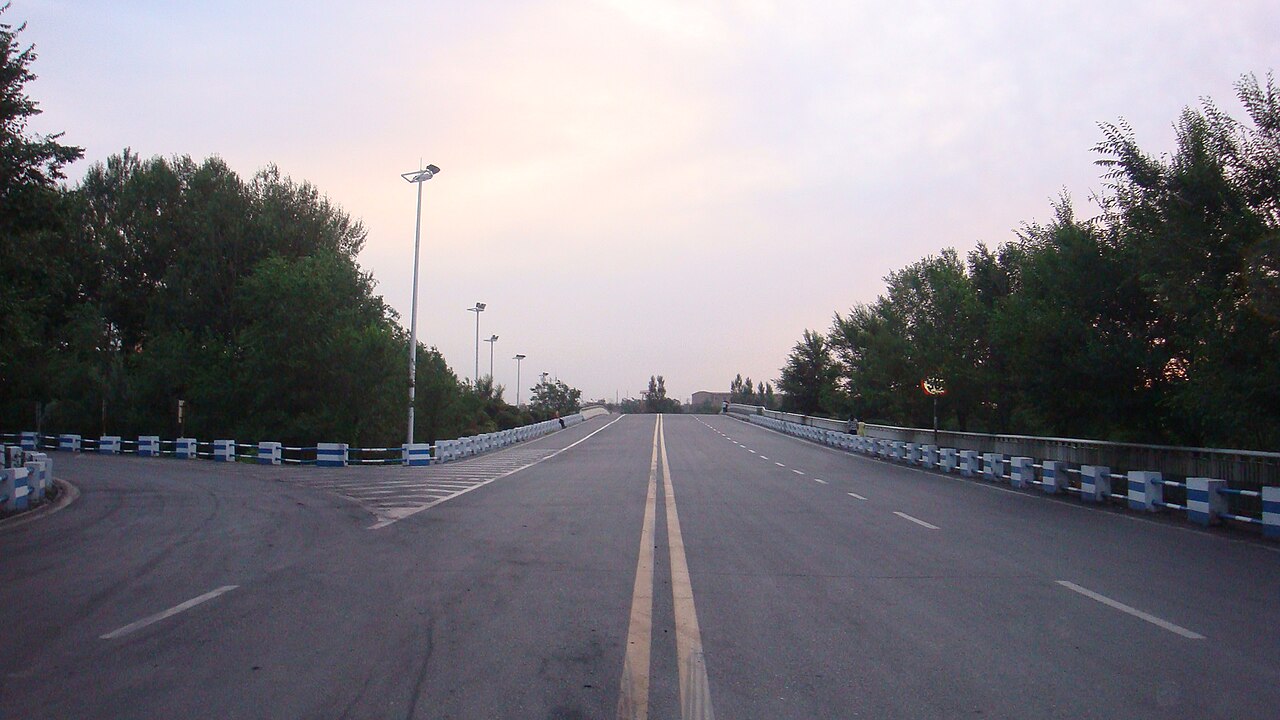
Fly into Urumqi and the first thing you notice is the snow ridge sitting on the city's forehead. Bogda Peak never melts, and on clear mornings it hangs above the traffic lights like a backdrop someone forgot to take down. Urumqi means 'beautiful pasture' in Mongolian, and although it is now a modern city of four million, the pasture is still visible from the overpass.

Head west and the landscape rearranges itself every hundred kilometres: grey Gobi, then poplar windbreaks, then suddenly a valley of green so saturated it looks painted. Sayram Lake sits at 2,070 metres, the highest and largest cold-water lake in Xinjiang, and the road hugs it for long enough that you stop taking photographs and just stare. Kazakh herders move their flocks across the highway here in spring and autumn, and nothing — not trucks, not tour buses — moves until the last sheep has crossed.

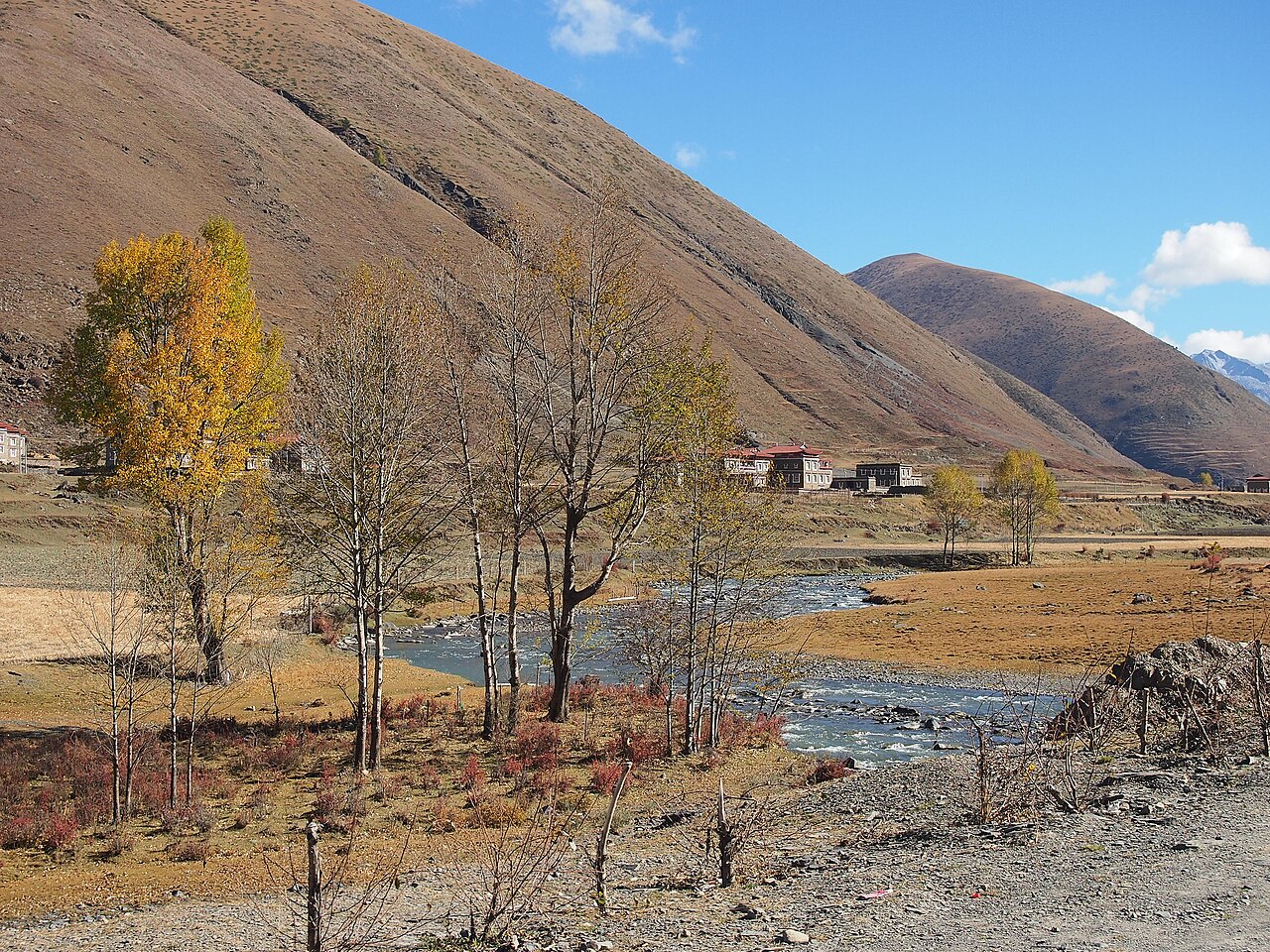
Go south instead and the story changes from scenery to people. Kashgar's old town is a maze of mud-brick lanes where children play football against thousand-year-old walls and copper smiths still hammer in open workshops. Drive another 300 km and the Pamir plateau opens up — Kara Kul lake at 4,300 metres, Muztagh Ata at 7,546, and the Khunjerab Pass into Pakistan at nearly 4,800 metres. This is the Xinjiang that surprises people who expected only desert.

Xinjiang

Don't leave without

Seven things that are worth rearranging a day for.

  1. Stand on the wooden boardwalk at Kanas and walk past the third bay, where the tour groups turn back
  2. Watch the Sunday livestock market in Kashgar — one of the last great Central Asian bazaars
  3. See lavender fields near Huocheng in June, planted from French Provence stock in 1964 and now covering over 13,000 hectares
  4. Camp beside Kara Kul lake under Muztagh Ata and wake up to a 7,546-metre wall of ice
  5. Eat hand-pulled noodles and lamb kebabs in a Urumqi backstreet near the Erdaoqiao bazaar, not in a hotel restaurant
  6. Ride the train from Urumqi to Yining — good weather gives you glaciers and wildflowers, bad weather gives you a sandstorm, and either way you are not driving

Highlights

Five reasons Xinjiang will wreck your sense of scale

Karakul Lake sits at 3,600 metres

The lake changes colour hour by hour — turquoise at noon, slate grey by evening — while 7,546-metre Muztagh Ata glares down at you from the far shore. The road there is only 217 km from Kashgar on the G314, but altitude hits hard: many visitors hire a local herder to carry bags and act as guide for the final uphill stretch to the glacier viewpoint.
Kanas in the last week of Septembe

Skip the July and August crush and come between 15 and 20 September, when the Siberian larch and birch turn four different colours in a single day. Independent walkers can follow the lakeside boardwalk all the way to the sixth bay; tour groups stop at the third. Entry to the Kanas scenic area costs around CNY 230 in high season.

A Sunday bazaar where nobody speak

Kashgar's old town still houses around 600 Uyghur families — roughly 2,000 people — living in lanes so tangled that outsiders get lost without a guide. The Sunday livestock market outside town is the real thing: donkeys, sheep, knife sharpeners and flatbread, no souvenir stalls in sight.

Twelve Muqam, played in the street

Forget the packaged theatre version. Real muqam happens when a dutar, a rawap and an ajik start trading phrases and passers-by, donkey-cart kids and grandmothers all join the circle. In Kashgar it is a UNESCO-listed art form; in practice it is a neighbourhood party that swallows you whole.

Sayram Lake, the highest cold-wate

171 km northwest of Yining on the G30, Sayram Lake sits ringed by snow peaks and, in spring, by yellow wildflowers and grazing sheep. Locals call it the 'lake on the ridge of the mountains' and tell stories about a lake monster and a magnetic field on the lakebed. Winter turns it into a frozen white plain.

Itinerary

Two three-day routes that actually fit together

North Xinjiang Express

3 days days

Urumqi as your base, then Turpan's desert and Heaven Lake's alpine water — both doable as long day trips, which saves you packing and unpacking.

  1. Day 1

    Land in Urumqi, eat, sleep off the

    Urumqi is the lowest-altitude city in Xinjiang and the natural first stop. Fly into Diwopu International (URC), 18 km from the centre — the airport bus runs every 30 minutes for CNY 10, a taxi is about CNY 40.

    Spend the evening at the Erdaoqiao Grand Bazaar. Shops run roughly 09:00–18:30, and in summer street vendors sell freshly made yoghurt and pomegranate juice pressed on the spot.

    Stops: UrumqiErdaoqiao International Grand BazaarHantengri Mosque

  2. Day 2

    Turpan and back — grapes, ruins an

    Turpan is a straightforward day trip from Urumqi and the classic introduction to the Silk Road's oasis towns. Bring a hat: this is one of the hottest, lowest places in China.

    Book your onward train tickets before you leave Urumqi — trains run on Beijing time while daily life here runs on Urumqi time, two hours behind. Miss that and you miss your train.

    Stops: TurpanUrumqi

  3. Day 3

    Heaven Lake under Bogda Peak

    Tianchi is best from May to October, when summer temperatures hover around 20°C. Entry is CNY 100, dropping to CNY 40 from 1 November to 31 March; the cable car and shuttle bus combo is CNY 35, a boat ride CNY 35.

    If you have the legs, ride up into the surrounding mountains — the spruce and larch forest is silent and wildflower-strewn. Go with someone who knows the trails or you will get lost.

    Stops: Tianchi (Heaven Lake)Bogda Peak

Kashgar and the Pamir

3 days days

The far south, where the Silk Road feels less like history and more like a Tuesday. Fly in, then push toward the Pakistani border.

  1. Day 1

    Old town, Id Kah Mosque, and a nig

    Kashgar airport (KHG) has year-round flights to Beijing, Shanghai, Guangzhou, Hong Kong and Urumqi, plus seasonal services to Xi'an, Jinan and Chengdu. A taxi to the centre costs about CNY 30 for the 10 km, plus a CNY 5 airport entry fee.

    Id Kah Mosque, the largest in Xinjiang, charges CNY 15. Dress properly — long trousers or a long skirt — out of respect. On Fridays the crowds spill from the courtyard right out onto the asphalt.

    Stops: Kashgar Old TownId Kah MosqueAyavag Road

  2. Day 2

    Karakul Lake and Muztagh Ata

    The 217 km drive up the G314 hides real danger despite the short distance — the road conditions are poor and the altitude climbs fast. But once you turn into the pass, snow peaks close in from every side and the light becomes almost unbearable.

    Karakul sits above 4,300 metres. The air is thin and the walk to the glacier involves several hundred metres of uphill. Budget for a local guide and pony if you are not acclimatised.

    Stops: Karakul LakeMuztagh AtaSubashi Grassland

  3. Day 3

    Tashkurgan, the stone fort and the

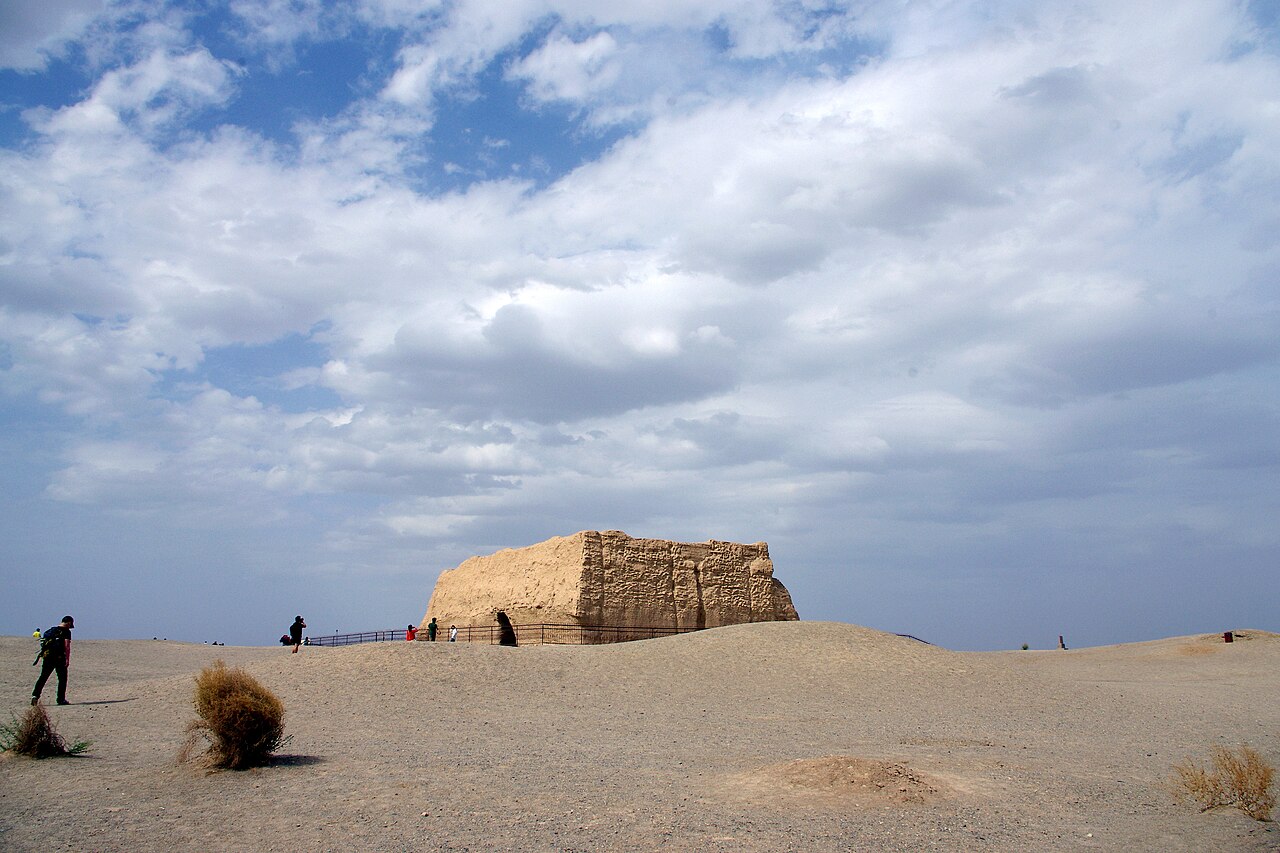
    Stone Fort (Tashkurgan) is a Tang dynasty ruin — only walls, a gun platform and house foundations remain of the outer city, though the inner fort and its northeast gate survive well enough to read the plan.

    Khunjerab Pass, at nearly 4,800 metres, is the China–Pakistan crossing on the Karakoram Highway. Since it opened to third-country travellers in 1986, more than 400,000 visitors from over 100 countries have crossed here.

    Stops: Tashkurgan Stone FortKhunjerab PassTajik homestay

Sights

Five places worth the long drive

Museum

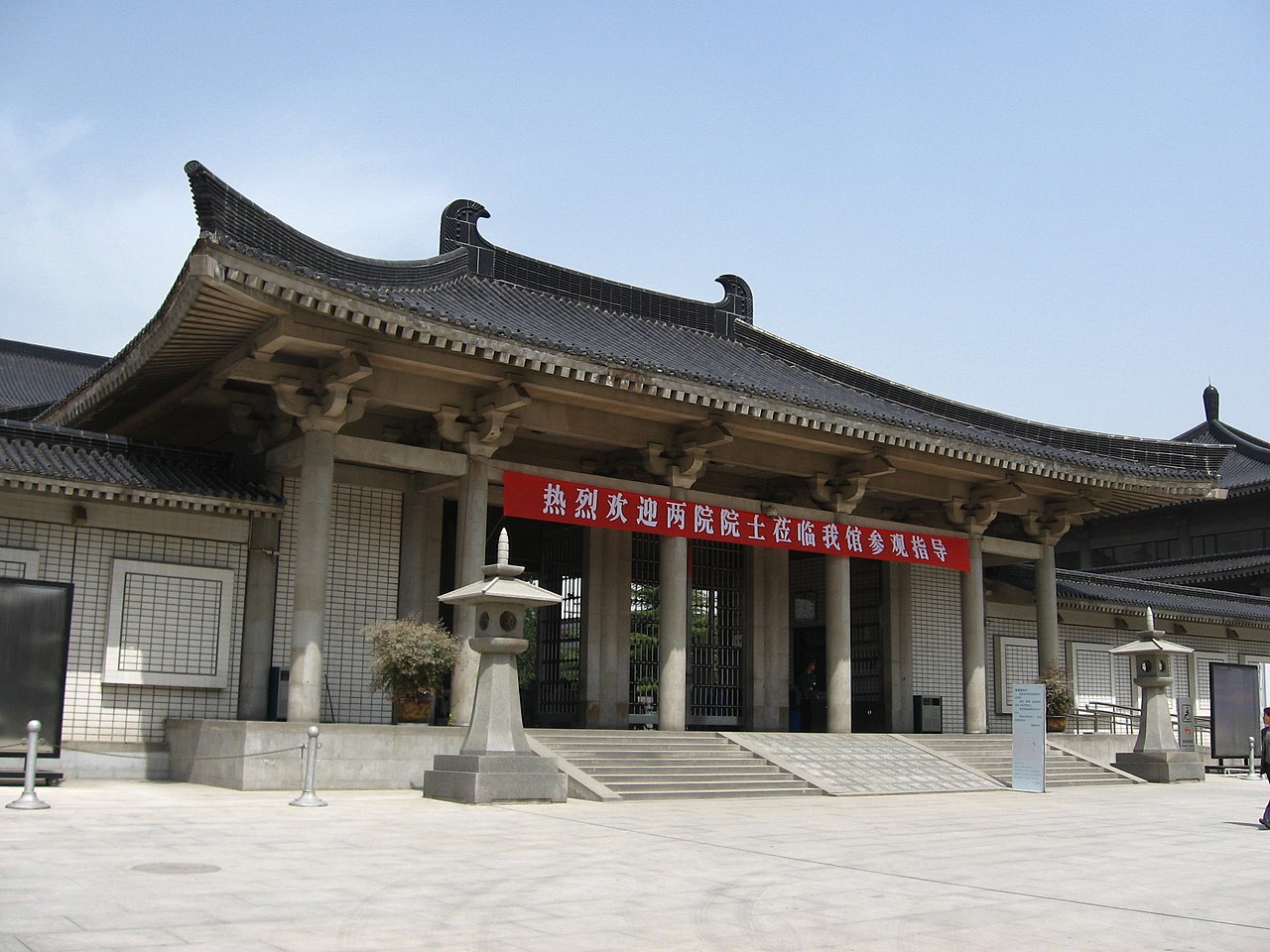
Xinjiang Regional Museum, Urumqi

32,000 objects, including bronze warrior figurines, the Zagunluk mummies and — the headline act — the 3,800-year-old Loulan Beauty. The permanent galleries cover the dress, daily life and ritual of twelve of Xinjiang's ethnic groups alongside a thousand-plus Silk Road finds. It is the single fastest way to understand what you are looking at for the rest of the trip.

Ticket
CNY 25
Audio guide
Free, CNY 100 deposit
Hours
Summer 09:30–19:00 weekdays, 10:00–18:00 holidays; winter 10:30–18:00
Closed
Spring Festival; winter public holidays
Address
Northwest Road, Saybag District, Urumqi

Tip The mummy hall is cold and dimly lit — bring a layer and give yourself a full hour. The museum runs on Beijing time, not Urumqi time, so check before you set out.

Lakes and forest

Kanas Lake and the six bays

The most famous sight in northern Xinjiang, and deservedly so: clean green water, wooden-roofed Tuva villages, and larch forest that goes gold in late September. The scenic area is split into six bays along the lake; tour buses only reach the third, which means the last three are yours if you walk.

Getting there
G217 to S232, roughly 242 km to Hemu farm, then 100 km north
Best window
15–20 September for colour and thinner crowds
Walking
Boardwalk along the lakeshore to the sixth bay
Stay
Family guesthouses at Hemu, Kanas or Jiadengyu, about CNY 40 per person

Tip If you want to walk in from Hemu, start at the wooden bridge and head west past Kanakule Lake — it is at least two hard days, and most people need three to four. The scenery beats anything inside the paid area.

History

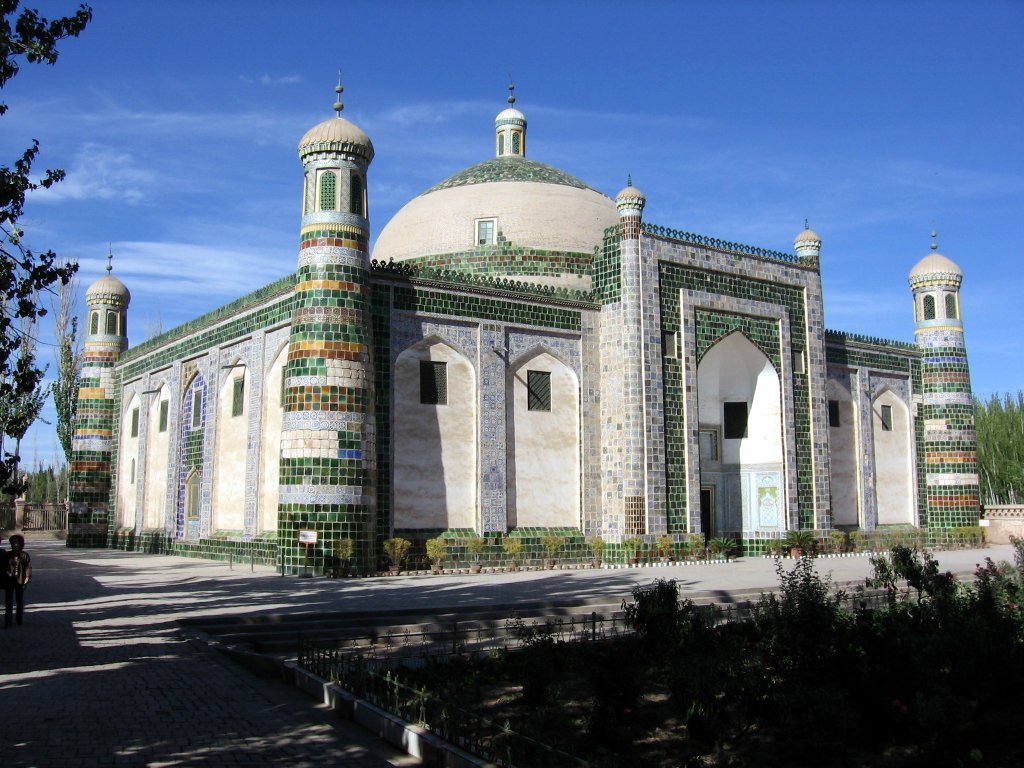
Apak Khoja Mausoleum (Xiangfei Tom

The tomb everyone calls 'Xiangfei's Tomb' contains no Xiangfei at all. It is the family burial ground of the Apak Khoja line of missionaries — the clan the legendary consort came from. The tiled dome and the quiet courtyard tell you more about Kashgar's religious history than any plaque.

Located
Northeast of Kashgar city
Best light
Late afternoon, when the glazed tiles flare
Time needed
1–1.5 hours
Combine with
Kashgar old town lanes and the Sunday livestock market

Tip Come on a weekday morning and you may have the whole courtyard to yourself. Photography inside the tomb chamber is not allowed.

Landform

Wucaitan (Five-Coloured Beach), Bu

A cliff-cut yardang landscape where the rock runs red, green, yellow, white and black, and the colours detonate at sunset. When the wind picks up, the gullies and overhangs produce low, uneven moaning — which is exactly why locals call this kind of terrain 'ghost city'. The desert, the oasis and the blue sky all stack up in one frame.

Getting there
G217 Shenhu Road exit onto S227 to Tuohongtai Bridge, 128 km
Best time
Sunset, and autumn above all
Time needed
2 hours
Wind
Force 10–12 gales are recorded here

Tip Bring a windproof jacket — the same wind that shapes the rock will sandblast your camera lens. A lens cloth is not optional.

Village

Baihaba village

A Tuva settlement of log cabins built on a narrow terrace between two streams, unchanged in structure for centuries. Every house is a single-log-walled box with a peaked roof and a ventilated loft between ceiling and roof for storing fodder and dried meat. Inside, the kang is covered with patterned felt and the walls with embroidered hangings.

Getting there
G217 to S227, turn at Buhayitelede Bridge onto S229, 277 km
Best hours
Sunset and misty early morning, when the smoke rises straight up
Stay
Village guesthouses, basic but warm
Bring
Cash — there are no ATMs

Tip This is a living village, not a set. Ask before photographing people, and never walk into a courtyard uninvited. If you want to see the famous morning smoke, be outside by 07:00.

Food

Five things to eat in Xinjiang (and one rule)

Polo (抓饭)

Lamb, carrots and rice cooked together in one pot, the carrot cut to roughly the size of a french fry. Uyghur home cooks fry the meat hard in plenty of oil first, then layer vegetables and raw rice into the pot so the rice is just covered by the broth. Order it at any Urumqi canteen for around CNY 25–35, and ask for the crusty bottom layer.

Laghman (拌面/拉条子)

Hand-pulled noodles served with a separate bowl of stir-fried lamb, tomato, pepper and celery, which you pour over yourself. This is the everyday lunch of Xinjiang, and the noodles are pulled to order, so it takes ten minutes and costs about CNY 20–30. Free noodle refills are standard; just ask.

Dapanji (大盘鸡)

Braised chicken with potatoes, green peppers and dried chillies in a big enamel basin, eaten with hand-pulled belt noodles dragged through the gravy at the end. A small portion feeds two; in Urumqi even the neighbourhood restaurant downstairs does a decent version. Expect CNY 80–120 for a medium.

Lamb kebabs (烤肉)

Sold by the skewer everywhere, charcoal-grilled and dusted with cumin and chilli. The meat is fresh enough that even a random roadside stall beats most restaurants back east. Roughly CNY 5–10 a skewer; three or four plus a naan is a full meal.

Naan (馕)

Around fifty varieties exist — meat-stuffed, onion, sesame, ring-shaped. Baked dry, it keeps for about a month in Xinjiang's climate, which is why it is the classic travel food. Buy them hot from a tandoor for CNY 3–8 and eat one with yoghurt and honey for breakfast.

Where to eat

Four places worth planning a meal around

Urumqi · market food

International Grand Bazaar food sq

The covered food floor of the Erdaoqiao Bazaar, where you can work through kebabs, laghman, samsa and fresh-pressed pomegranate juice in one sitting. Street stalls around the bazaar also sell Uyghur yoghurt set out in bowls and石榴 juice squeezed to order — both are worth the few yuan.

Address
Erdaoqiao commercial zone, Tianshan District, Urumqi
Opening hours
Most stalls 09:00–18:30, food square later in summer
Price
CNY 20–60 per person
Order
Kebabs, laghman, samsa, pomegranate juice, homemade yoghurt

Urumqi · local institution

Eighth Floor and the No. 2 bus

Named in the Dao Lang song, this is a downtown address rather than a single restaurant, and the surrounding streets are packed with regional kitchens — Hotan roast lamb, Kashgar noodles, Ili dairy. Come hungry and walk two blocks in any direction before choosing.

Area
City centre, Urumqi
Price
CNY 40–80 per person
Best for
Trying several regional cuisines in one evening
Tip
Go after 19:00, when the grills are at full heat

Kashgar · street eating

Kashgar old town snack lanes

Inside the 600-household Uyghur old town you can graze your way through baked samsa, hand-pulled noodles and lamb off the bone from family kitchens with a few tables. The lanes are genuinely confusing — hire a guide or accept that you will get lost, which is half the pleasure.

Address
Yawage Road area, Kashgar old town
Price
CNY 15–50 per person
Best time
Lunch and early evening
Note
Cash and small notes are easier than cards

Yining · regional speciality

Ili lamb and horsemeat kitchens

Ili is where you eat smoked horsemeat and horsemeat sausage, plus the small sweet apricots locals call 'hanged-dried' apricots. Any county-town restaurant in Yining will do it well; pair with lavenders products bought straight from the Huocheng farms for dessert.

Where
Yining city and county towns across Ili
Specialities
Smoked horsemeat, horsemeat sausage, dried apricots, lavender products
Price
CNY 40–90 per person
Season
Summer for fresh fruit, autumn for cured meat

Where to sleep

Three ways to base yourself in Xinjiang

Urumqi · 1–4 nights

Urumqi city centre hotels

Urumqi is the low-altitude, most economically developed city in Xinjiang and the natural first stop, with the widest range of accommodation in the region. Choose somewhere near the centre so you can reach the bazaar, the regional museum and the train stations easily, and use it as a base for Tianshan Tianchi and Turpan day trips.

Type
Budget guesthouses to five-star hotels
Location tip
Stay central, not near the airport
Why here
Best transport links and most choice in Xinjiang
Book ahead
Yes in July–September

Yining · 2–3 nights

Ili town guesthouses

Outside Yining city, county towns across Ili have a decent spread of mid-range and chain economy hotels, and they are the sensible base if you do not want to camp. Farm stays near the grasslands are essentially camping with a roof — fine in summer, grim in shoulder season.

Type
Chain economy hotels, county guesthouses, farm stays
Price
Budget from about CNY 100–200 a night
Avoid
Farm stays unless you accept camping-level comfort
Base for
Sayram Lake, Narati, Kalajun, Huocheng lavender farms

Altay · 2–4 nights

Altay and Kanas family guesthouses

If you want a proper hotel in Altay you have to stay in Altay city, where four- and five-star properties are plentiful. Once you head for Kanas, Wucai Pond or the salt lake, family-run guesthouses are the only option, somewhere between a hostel and a standard room, at roughly CNY 40 per person.

Altay city
Four- and five-star hotels available
Kanas / Hemu
Family guesthouses only, about CNY 40 per person
Best window
15–20 September for colour without the crowds
Note
Book early for the June–August peak

Getting around

Flights, trains and the long desert drives

Fly into Urumqi first

Almost every Xinjiang trip starts at Urumqi Diwopu International Airport (URC), about 18 km northwest of the city centre. It has nonstop domestic routes to Beijing, Shanghai, Guangzhou, Chengdu, Dunhuang, Lanzhou, Xi'an, Harbin and Qingdao, plus international links to Almaty, Tashkent, Moscow, Novosibirsk and Islamabad. Inside Xinjiang it also serves Korla, Kashgar, Hotan, Karamay and Altay — which is how you skip a 1,000 km drive.

Airport shuttle
Every 30 min, flat CNY 10
Public bus
Routes 27, 51, 535 to the centre
Taxi to downtown
About CNY 40
Urumqi to Kashgar flight
Around 2 hrs, daily year-round
Kashgar airport (KHG)
Taxi to centre about CNY 30, 10 km

Trains are the sane long-haul opti

Urumqi has two stations and they do different jobs. Train South Station is the one for passengers and sits on BRT Line 1 plus buses 8, 10, 16, 20, 36, 44, 50, 52, 58, 903, 906, 909 and 915; Train West Station is the departure point for South Xinjiang and most trains heading out of the region, reachable from the south station by bus 18 or 909, by a CNY 2 connecting train, or by a CNY 40–50 taxi. From Kashgar, the station is 6 km northeast of the centre and a taxi in costs CNY 10–13.

Urumqi South to Kashgar
Overnight sleeper, book 10+ days ahead
Urumqi to Yining
Sleeper train, the scenery is the point
Kashgar station
6 km from centre, taxi CNY 10–13
Connecting train South to West station
CNY 2
Tickets
Passport required, real-name booking

Long-distance buses reach the gaps

Buses fill in wherever the railway does not go, and in Xinjiang that is a lot of places. Urumqi has two main terminals: the North Suburb station (Nanhu North Road 437, tel 0991-4875555) sends buses to Bole, Qinghe and Burqin across North Xinjiang, while the South Suburb station (Yan'erwo Road 21, tel 0991-2866635) covers Aksu, Baicheng, Turpan, Kuqa and Korla. In Yining the main hubs are the Ili Prefecture Passenger Centre (Jiefang South Road 183, tel 0999-8121937), the Nongsi Shi station on Jungken Road, and the Dashijie long-distance station (Jiefang Road, tel 0999-8021343). Altay's station (Tuanjie Road 2-13, tel 0906-2311064) runs only 1–3 services a day to scenic areas, so confirm your departure time before you buy.

Urumqi North Suburb station
Bole, Qinghe, Burqin
Urumqi South Suburb station
Aksu, Turpan, Kuqa, Korla
Yining passenger centre
Tel 0999-8121937
Altay station
Tel 0906-2311064
Scenic-area services
Often only 1 departure a day

City transport and hiring a car

In Urumqi, city buses cost a flat CNY 1, outlying routes CNY 2, and after 10pm CNY 1.5; four BRT lines run, with Line 1 linking downtown to Train South Station. Taxis start at CNY 6 with CNY 1.6–1.8 per km after 3 km, and the drivers are almost all Han Chinese so language is not a problem — but in peak hours flagging one down is genuinely hard, and the private cars that pull over in commercial districts charge CNY 10 to start with a negotiated fare, which you should avoid on a first visit. In Yining buses are CNY 1 flat with private minibuses from CNY 0.5, and taxis start at CNY 5 with CNY 1.3–1.5 per km; for longer runs agree a price before you get in. If you drive yourself, a basic Santana with driver, fuel and tolls runs about CNY 450 a day, while a 4WD is CNY 900–1,200 — and in Kashgar, where you are heading for the mountains, hire the 4WD, because a normal car will leave you stranded when the weather turns.

Urumqi bus fare
CNY 1 city, CNY 2 outer, CNY 1.5 after 22:00
Urumqi taxi
CNY 6 flagfall, then CNY 1.6–1.8/km
Yining taxi
CNY 5 flagfall, CNY 1.3–1.5/km
Car with driver
From about CNY 450/day
4WD with driver
CNY 900–1,200/day
Non-local plate entry fee
CNY 7 per day in Urumqi

Shopping

What to actually carry home

Raisins, dates and dried fruit

Forget souvenir-shop prices. Locals in Urumqi buy raisins, almonds and walnuts at Beiyuanchun wholesale market, where quality is reliable and the price is fair. Better still, buy in South Xinjiang straight from a farmer — Hetian jujubes, grapes, Hami melon. If the seller does not speak Mandarin, get his grandson to translate and slip the kid some pocket money; everyone goes home happy and you pay a fraction of what the Han-run stalls charge.

Lavender products from Ili

Three varieties of French Provence lavender were introduced to the Ili valley in 1964, and the Huocheng base now covers more than 20,000 mu. Dried flowers, essential oil, sachets and soap are all sold cheap at the farm gates around Yining, and they travel far better than anything perishable.

Dried apricots and smoked horse me

Ili's specialities include smoked horse meat and horse-meat sausage, plus a small dried apricot locals call the 'hanged-dried' one — intensely sweet and genuinely excellent. Both keep well enough for the flight home if you pack them properly.

Skip the jade and the knives

Two things to walk past: jade, which is overwhelmingly fake in tourist markets, and traditional knives, which the airline will not let you bring back anyway. Yining's markets are also full of embroidered hats, which are useful the moment you step into a mosque — buy one and wear it rather than treating it as a souvenir.

Practical

The things that actually trip people up

Xinjiang is a 7-day-minimum destination and a 3,000–10,000 CNY destination, and it is genuinely tough going — long drives, thin air above 4,000 m, and 11–12 hour days on horseback if you go that route. If you are nervous enough to be frightened of it, stay home; the region rewards people who come prepared rather than people who come worried. Fruit and mutton are the two things you should eat relentlessly while you are here, because the sugar content is too high for the fruit to survive the journey out — what you buy back home is, at best, merely not sour. Our Xinjiang tour packages are built around this reality: private drivers, 4WDs where the roads demand them, and itineraries that leave room for the unplanned day in Kanas or a second morning at Karakul Lake. If you want the route mapped before you fly, start with our Xinjiang private tour options and let us handle the 1,000 km between the good bits.

Time zoneXinjiang runs on Urumqi time in daily life, but trains, flights and official schedules use Beijing time. The gap is two hours. Check your ticket twice — this is the single most common way travellers miss a train.
ID card or passportCarry it at all times. In Xinjiang you cannot check into a hotel, buy a train ticket, enter some sites or pass certain checkpoints without it. Leave it in the room and your day stops there.
Cash and weightEverything sold loose is weighed in grams and kilograms, not jin, so a 'small' bag of dried fruit is heavier and pricier than you expect. Markets and small shops are largely cash or WeChat Pay; bring more cash than you think you need for South Xinjiang.
Food and waterXinjiang water is hard, and drinking it right after a fruit binge is a fast route to a bad stomach. Fruit here has far more sugar than what you are used to — pace yourself. The same goes for mutton and dairy: they are extremely fresh and very rich, and many visitors from eastern China react badly to both in the first two days.
ClothingWhatever month you come, pack both a warm layer and sun protection. Day-night temperature swings are huge everywhere, north and south. A scarf and a long, loose robe beat any expensive sunscreen, and both are easy to buy locally.
EtiquetteNever eat, drink or smoke in front of a fasting Muslim during Ramadan. Do not point your feet at people, do not use your left hand to pass things, and do not compliment a stranger's looks — it is considered bad luck among northwesterners. Do not stare. Do not waste food. Do not fight your host for the teapot.
PhotographyThe light angle in Xinjiang is low, so add exposure for snow and cut about a stop and a half for dark subjects. Step half a metre back from your subject and you get a drone-like aerial look for free. For grassland shots the best ground is Tekes, not Nalati; for Kanas, come in May or June, when new growth and morning mist beat the autumn crowds.

Background

Xinjiang's deep background

A frontier that has been contested

Xinjiang has been tangled up with the Chinese heartland since the Han dynasty. Huns, Wusun, Rouran, Tibetans, Turks, Qiuci, Gaochang, Uyghurs, Western Liao, Dzungars — the list of peoples who have cycled through these oases, grasslands and mountain passes is long, and each left a layer. In 1875 the Qing government formally established Xinjiang Province, the first time the region was fixed as part of China's map; the capital moved from Yining to Dihua, today's Urumqi. In 1949 Wang Zhen marched in and took Urumqi, and Xinjiang came under the new People's Republic.

Desert climate, thirteen peoples,

Xinjiang is a classic temperate desert climate. Northern Xinjiang is mid-temperate and, sitting in the path of the westerlies, gets a little more rain; southern Xinjiang is warm-temperate and bone-dry. Day-night temperature swings are brutal everywhere — the old line about eating watermelon around the stove is not a joke. Bring both thin and thick clothes no matter the month, and consider dressing like locals: a scarf and a loose long robe beat any expensive sunscreen. Thirteen peoples have lived here for generations, scattered in mixed towns and concentrated villages; Han Chinese dominate the eastern and northern corps areas, while southern Xinjiang is Uyghur territory. Language is a real barrier — schools may teach Mandarin to children, but rural primary education cannot be relied upon, so in the south ask kids for directions, not adults.

Before you go

Watch, read, listen

Film

Visitors on the Icy Mountain (冰山上的

Zhao Xinshui, 1963

The film that made the Pamirs famous across China. Set in 1951 on the Xinjiang-Pamir plateau, it follows border troops and militia facing a spy ring — a bride brought in from outside turns out to be a planted agent. The Amir-and-Gulandam love story still lingers in Chinese memory, and the plateau scenery is the reason plenty of travellers add Tashkurgan to their route.

Music

Twelve Muqam of the Uyghurs

UNESCO Intangible Cultural Heritage

Forget the polished, staged version you may have seen on video. The real muqam is born among ordinary people, with no stage to keep it at arm's length. Once the drum starts the instruments answer each other — dutar, tanbur, rawap, satar — and passers-by, kids driving donkey carts and strangers from all directions join the dance and spin until nationality, clothing and age all fall away. Catch it live in Kashgar if you can.

Book

Travel notes from the western road

Various travellers and local tourism bureaus

The route diaries and impressions collected around this material — from the lavender fields of the Ili valley to the desert world of Tugan — are the best preparation for the distances involved. They remind you that Yining is not a stop you tick off but a place to slow down: 'You do not know how vast China is until you reach Xinjiang; you do not know how beautiful Xinjiang is until you reach Yining.'

The questions visitors ask us most about Xinjiang, answered plainly.

Frequently asked questions

Prices and practical details are reviewed every month by our Beijing team and updated the day a rule changes.

How many days do you need for Xinjiang?

Ten to fourteen days if you want more than one region. Seven days is enough for a single loop — either Urumqi plus Kanas, or Urumqi plus Ili, or Kashgar plus the Pamir. Trying to do north and south in a week means you spend most of it in airports and on trains, because Kashgar is 1,500 km from Urumqi.

Is Xinjiang safe for foreign travellers?

Yes — the practical risks are altitude, distance and heat, not crime. Personal safety is generally high, but expect ID checks at checkpoints and when buying train or plane tickets; carry your passport at all times. Photography near military or police facilities is not allowed and will be questioned.

What is the best time of year to visit Xinjiang?

June to September for the north — grasslands, lakes and Kanas are at their best, and Ili's lavender peaks in mid-June. Late September to mid-October is the single best window for Kanas autumn colour, specifically around 15–20 September. Avoid July and August if crowds bother you, and avoid the Ramadan month if you are travelling in southern Xinjiang, because many restaurants stay closed during daylight.

Do I need a permit to visit Xinjiang or the Pamir?

Foreign travellers need a border permit for the Khunjerab Pass and some Pamir areas, arranged in Kashgar and usually handled by your tour operator. Chinese nationals need a border defence permit for Taxkorgan and Khunjerab, obtainable in Kashgar. Ordinary travel to Urumqi, Turpan, Ili and Kashgar needs no special permit.

How do you get around Xinjiang without a car?

Fly between the three hubs — Urumqi, Kashgar and Yining — then hire a driver or join a small group for the last stretch. Urumqi has one airport (URC), 18 km northwest of the city; the airport bus runs every 30 minutes for 10 CNY and a taxi downtown is about 40 CNY. Long-distance buses reach most towns but only once or twice a day, so confirm departure times before you rely on them.

What should I know about food and etiquette in Xinjiang?

Xinjiang food is heavy on lamb, and portions are sold by the kilogram at markets — check before you point. Uyghur and Kazakh hosts are Muslim, so do not bring pork or alcohol into their homes, do not offer or accept things with your left hand, and dress modestly at mosques, some of which do not admit women or non-Muslims at all. Tap water is hard and will upset a sensitive stomach; drink bottled water for the first few days.
Related reading

Related reading

Visas Do I Need a Visa for China? Requirements, Costs and How to Apply China's entry rules changed more in the last three years than in the previous twenty. Here is exactly who needs a visa, what it costs, how long it takes and which passports now walk straight through. 9 min read Visas China's 240-Hour Visa-Free Transit: Who Qualifies and How It Works Ten days in China with no visa application, no fee and no fingerprints — if you hold the right passport and leave for a third country. Here is the rulebook, port by port. 8 min read Money Paying in China: Alipay, WeChat Pay, Cards and Cash Roughly nine in ten urban payments in China now run through a phone. Set up two apps before you fly, carry a modest cash float, and you will never be stuck at a till. 8 min read Transport China's High-Speed Rail: How to Book, What It Costs, How Fast It Goes The fastest way to cross China is also the most pleasant. Here is how to book a ticket with a foreign passport, what the three classes actually give you, and how to survive a Chinese station at rush hour. 9 min read Planning Best Time to Visit China: Month by Month, Region by Region China is the size of Europe, so 'the best month' depends on where you stand. Here is the month-by-month answer for the north, the Yangtze valley, the south and the plateau. 8 min read Planning What to Pack for China: The Complete 2026 Checklist Twenty thousand steps a day, three climate zones and a phone that has to do everything. This is the list we give our own travellers, minus the things they never used. 7 min read Food Chinese Food Culture: Eight Cuisines, One Table There is no such thing as Chinese food. There is Cantonese, Sichuan, Hunan, Jiangsu, Zhejiang, Fujian, Anhui and Shandong — and knowing which one you are eating changes everything. 8 min read Traditions Chinese Tea Culture: Six Classes, One Pot, Two Fingers Tea in China is not a beverage category, it is a social technology: it fills silences, seals deals and sets the pace of a meal. Here is how to sit down in one and not look lost. 7 min read Traditions Chinese Festivals: The Calendar, the Dates and the Crowds Lunar dates mean the calendar moves every year — and two of the festivals move several hundred million people at once. Plan around them or plan into them, but never by accident. 8 min read Etiquette Chinese Etiquette: What Matters, What Does Not, and Why Most etiquette advice for China is either obvious or wrong. These are the dozen behaviours that actually change how you are treated, and the reasoning behind each. 7 min read
Tell us your dates.
We'll do the rest.
Free itinerary design, a revised plan within one working day, and nothing charged until you approve the final version.
  • Xinjiang is 1.66 million sq km — roughly four times the size of California — and Urumqi, the capital, is the farthest major city on Earth from any ocean.
  • Heavenly Lake (Tianchi) is 100 CNY in high season (40 CNY from Nov 1 to Mar 31); the cable car and shuttle add 35 CNY each way, 20 CNY one-way.
  • The Xinjiang Regional Museum in Urumqi charges 25 CNY and holds 32,000 objects, including a 3,800-year-old Loulan mummy and a free audio guide (100 CNY deposit).

No spam. No sales calls. Just a real itinerary from a real person.