City guide · Zhejiang

Xitang travel guide: the covered corridor, the four bridges, the night boats, and why it rains here for a reason

Nine canals, 122 lanes, one long roofed corridor — and a town that still works for a living.

  • Known forCovered corridor, lanes, night lanterns
  • Typical spend¥300–500 for 3 days
  • Ideal length2–3 days
  • PaceVery slow — you are here to loaf

Reviewed by our Beijing team Updated 2026-10-10

The short version

Xitang is a canal town in Jiashan, Zhejiang — nine rivers meeting in the town, 122 stone lanes and the roofed riverside walk called the Mist and Rain Long Gallery — and it is the least commercialised of the great water towns. The old-town entrance pass is ¥50; the combined ¥100 ticket adds eleven sights, and boats run from the Songzi Laifeng bridge at ¥150 a boat by day. Two days and one night is right, budget ¥300–500 for three days, and come in April or whenever it is raining.

  • The ¥50 entrance pass gets you the town; the ¥100 combined ticket adds the eleven sights, and there are no separate small tickets — the sights always check.
  • Boats are hired at the Songzi Laifeng bridge pier: ¥150 a boat by day (ten people), a night seat ¥20 with a ticket or ¥30–40 without.
  • The night ticket, ¥50, runs on holidays and Friday–Saturday evenings (17:00–20:30) and covers the root-carving museum, the button museum and the West Garden.
  • Come for the two hours no day-tripper reaches: the misty morning, when the sculls cut the water, and the lit evening, when the lanterns go on.
  • Rain is the reason to come, not a reason not to — the roofed corridor keeps you dry while the town does its best impression of a Jiangnan ink painting.

City guide

First impressions

Photographs from the coast, and what other travellers wrote afterwards.

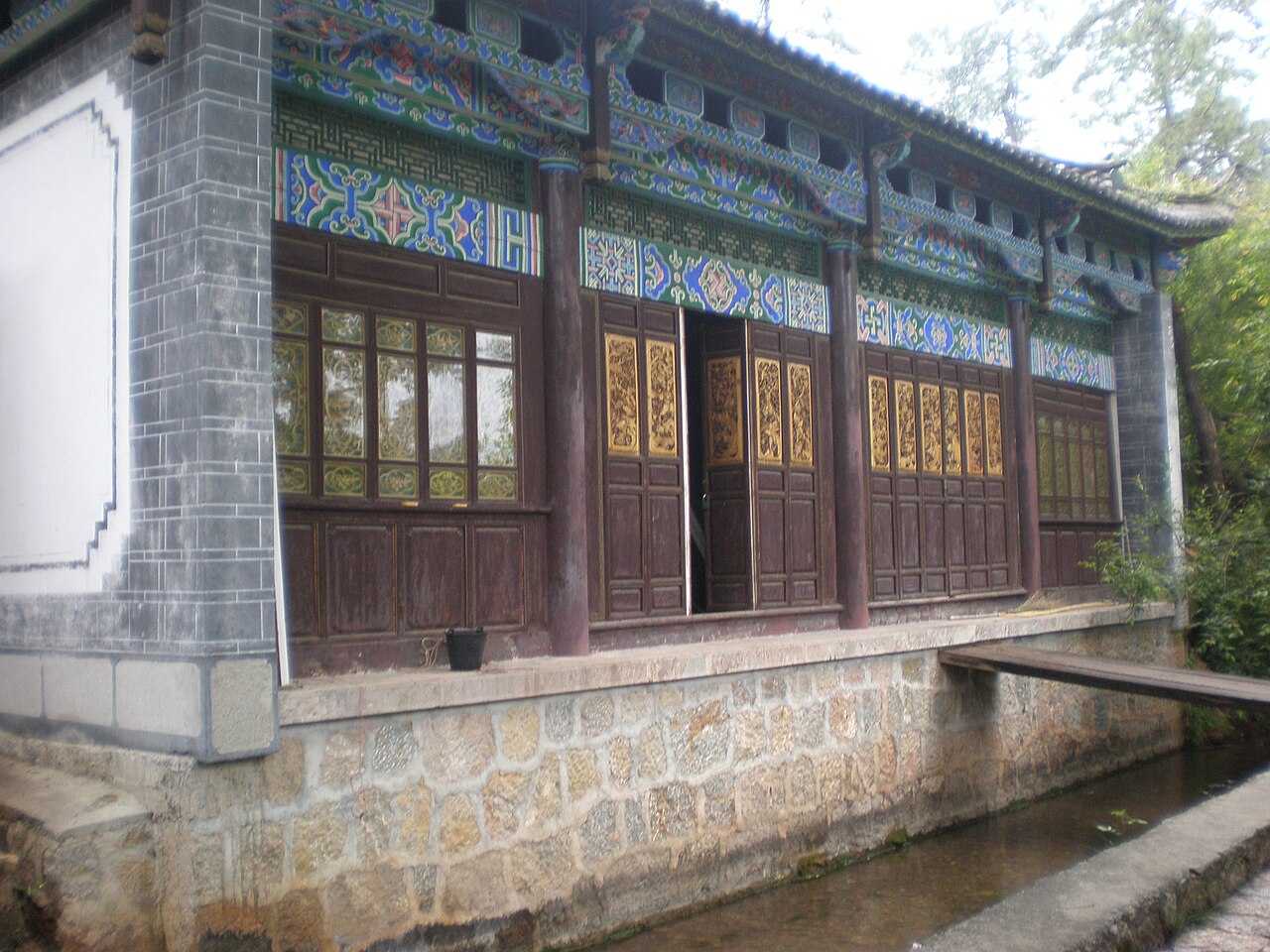
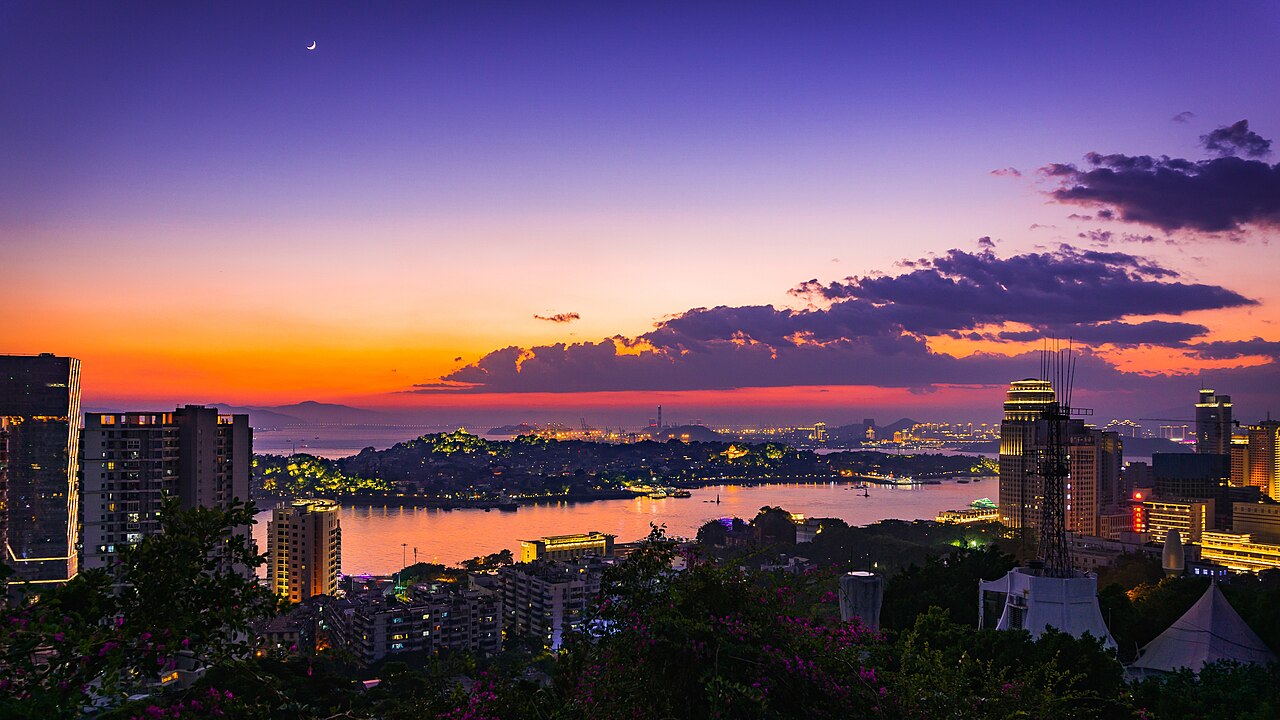
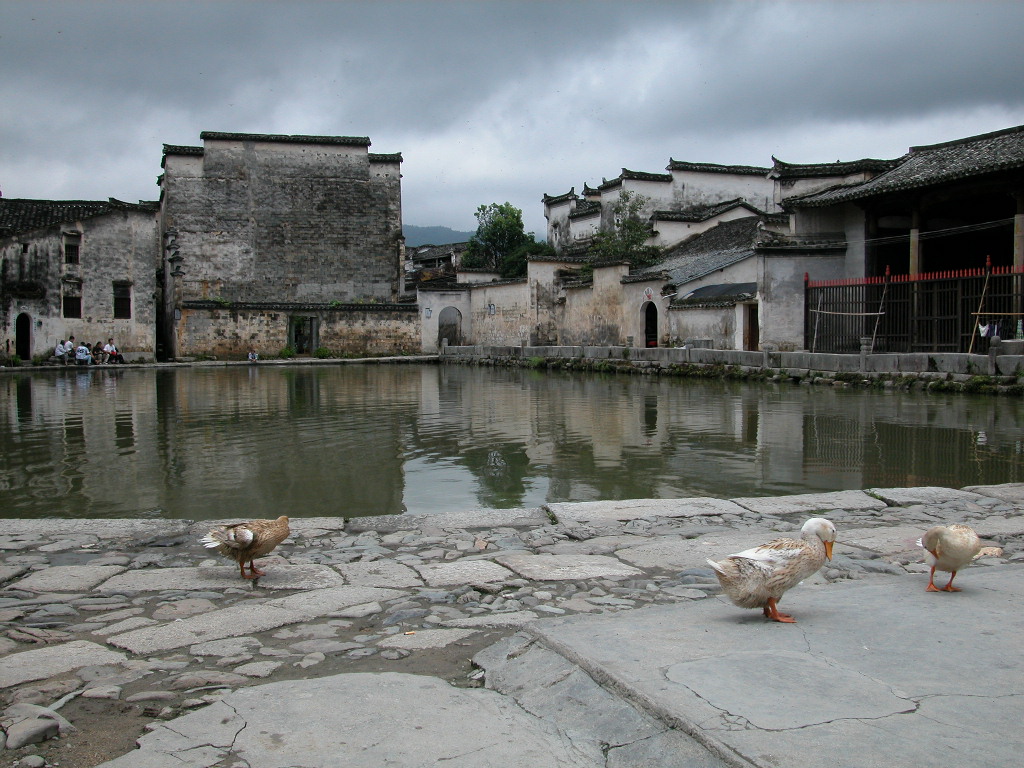
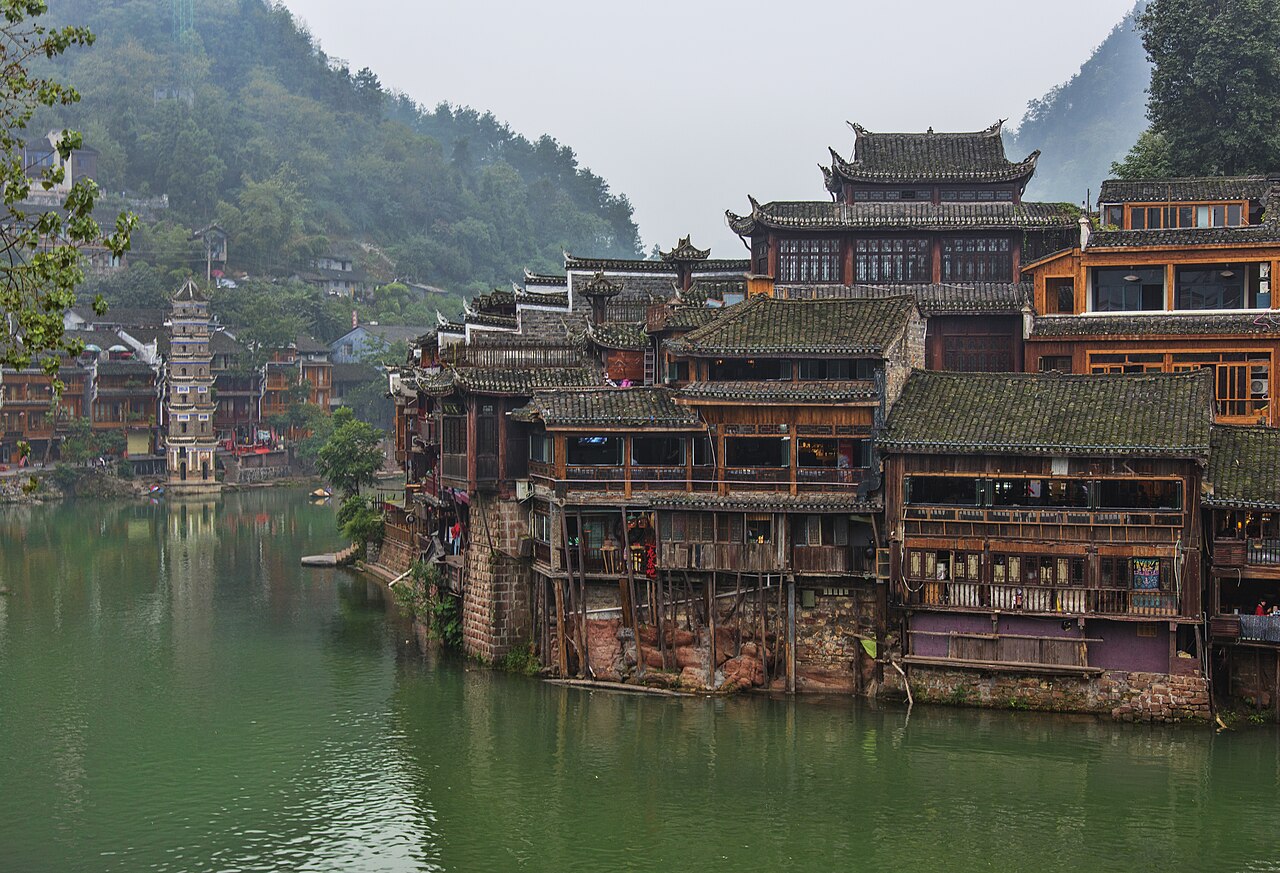
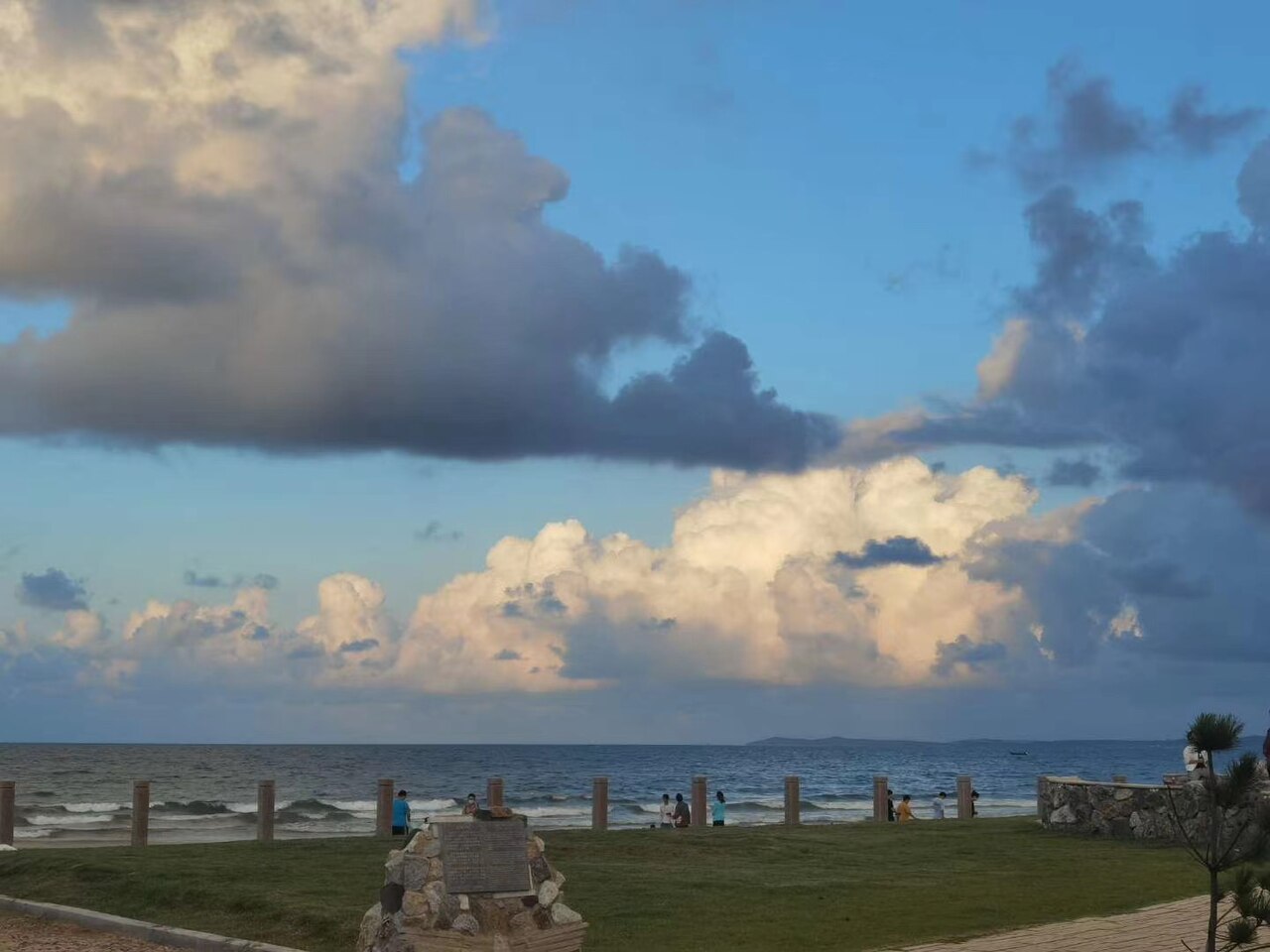
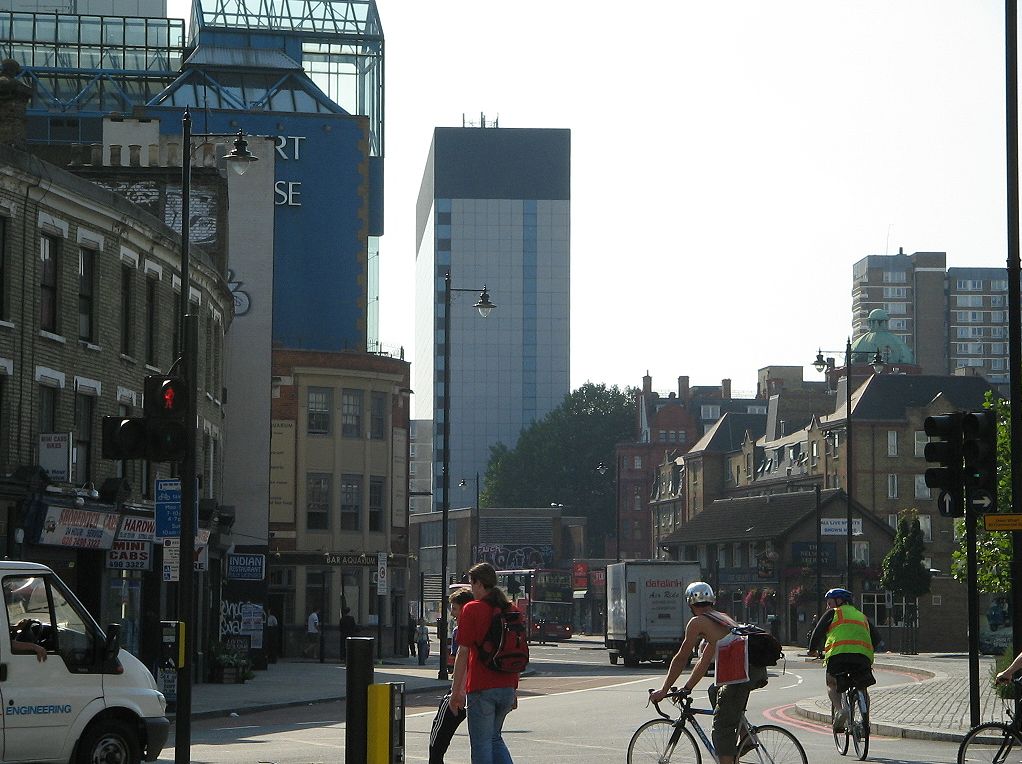
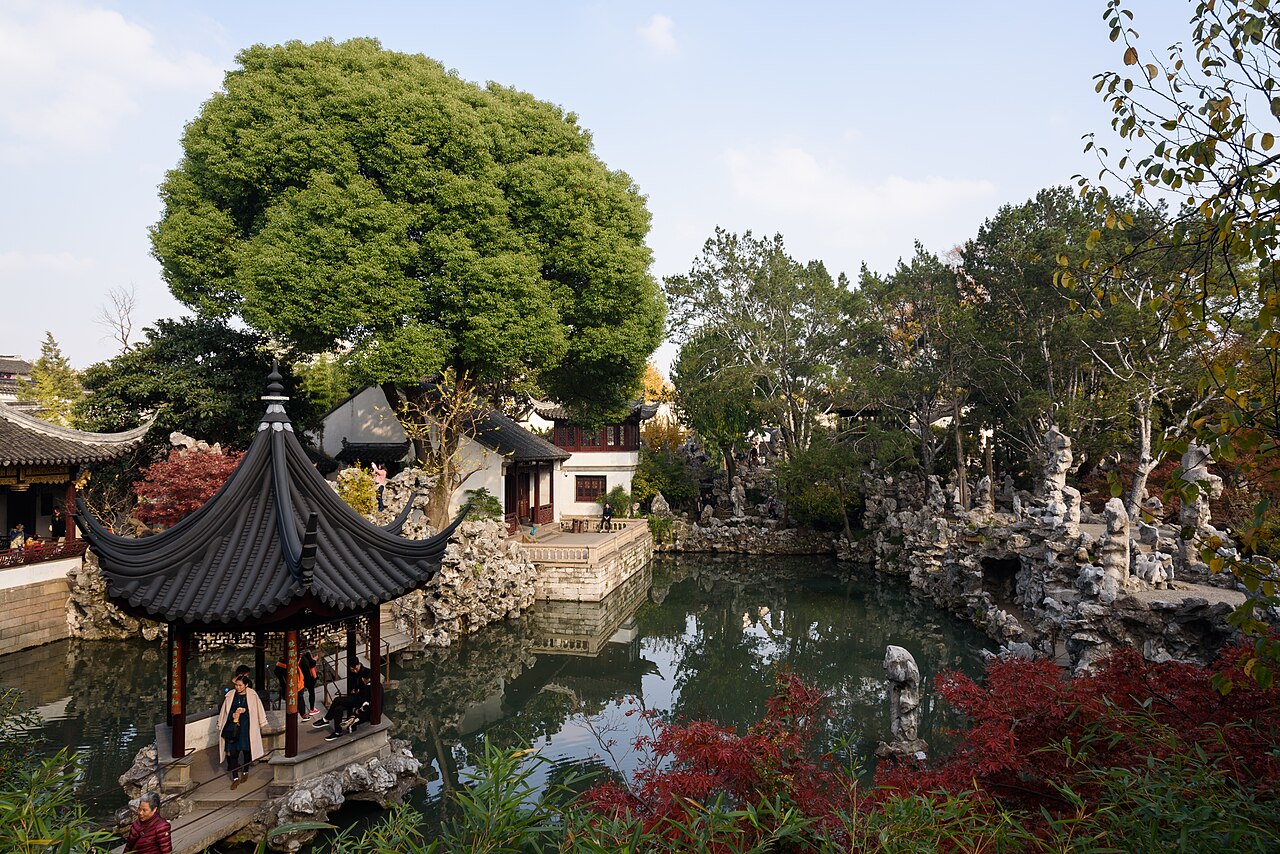
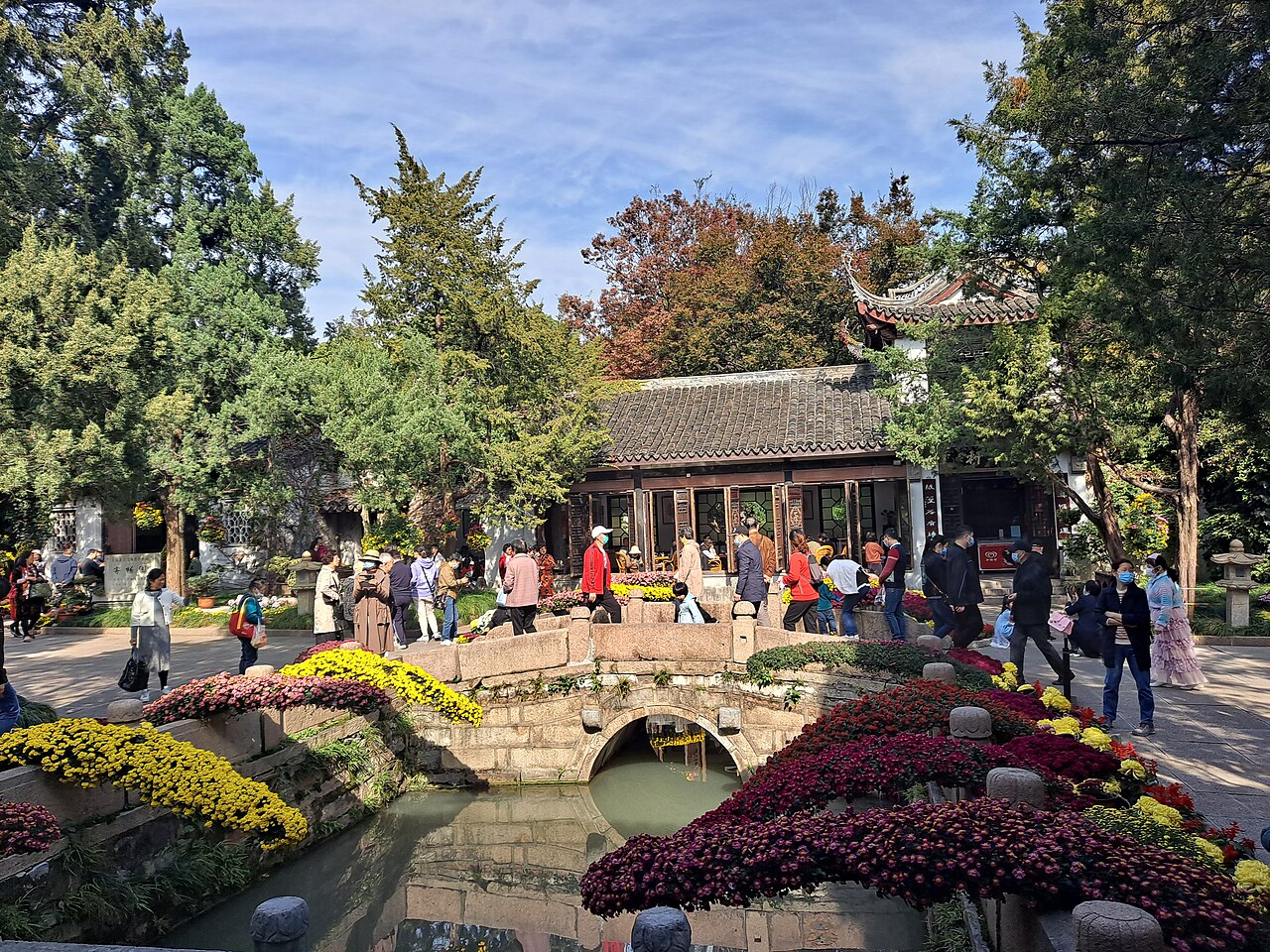
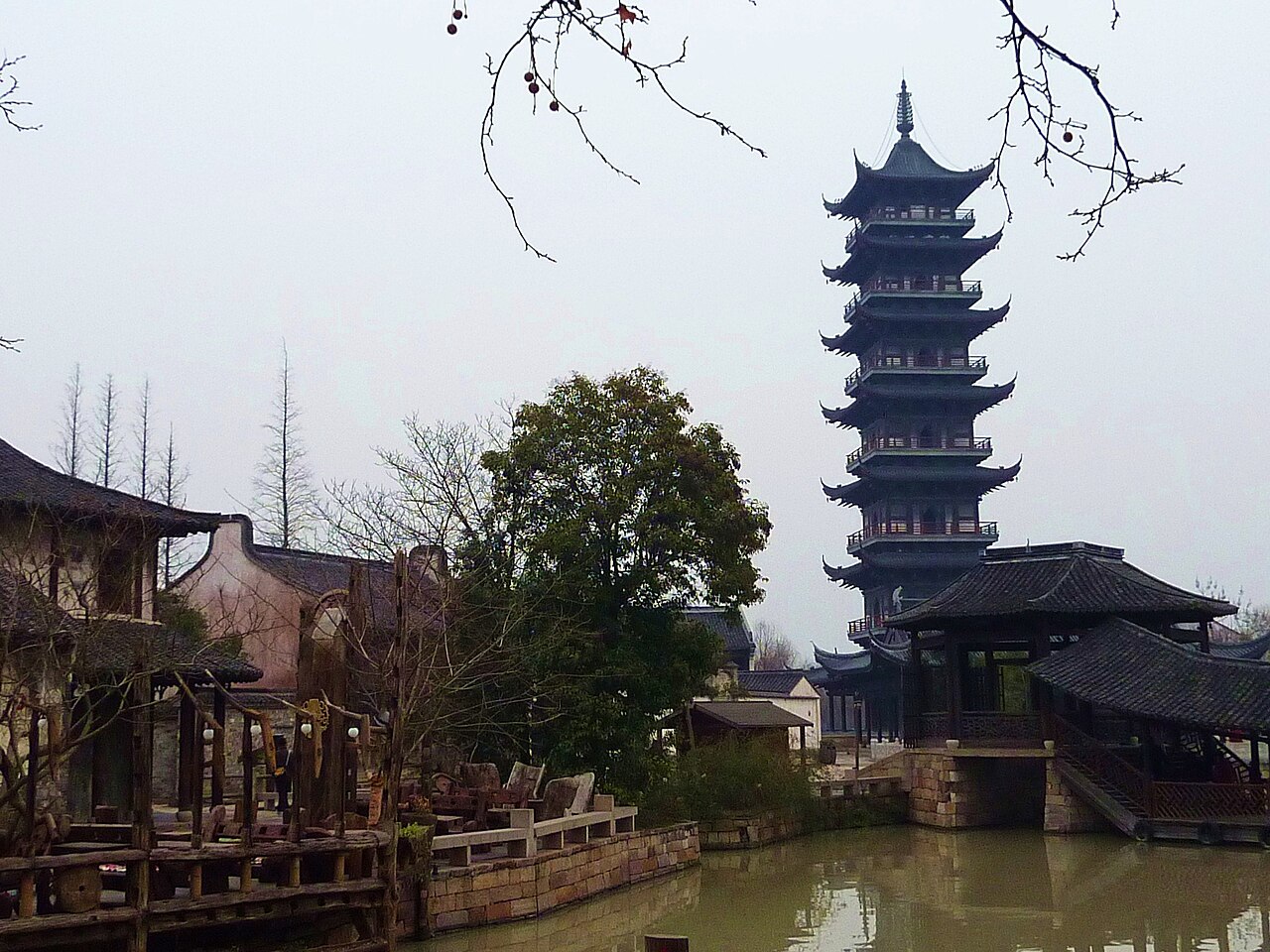
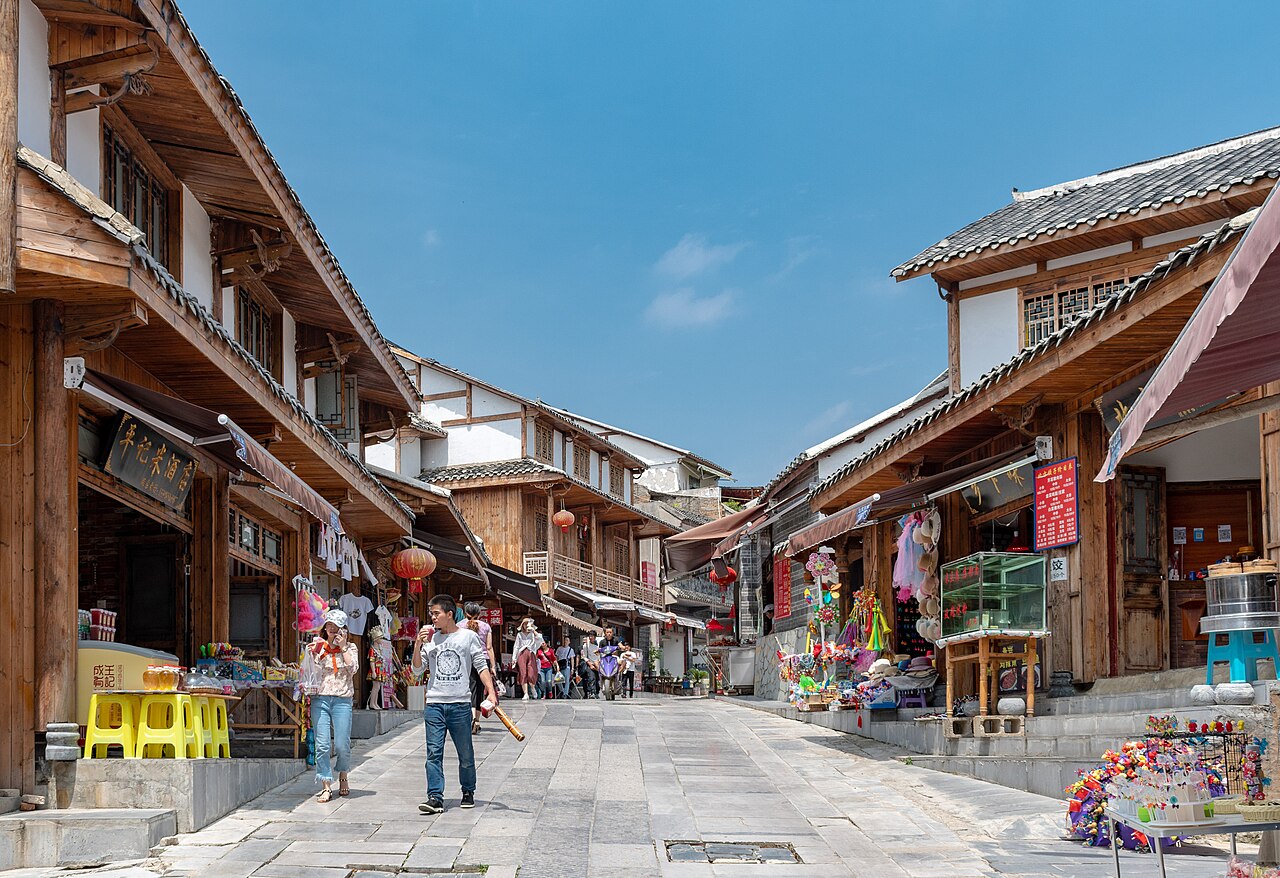
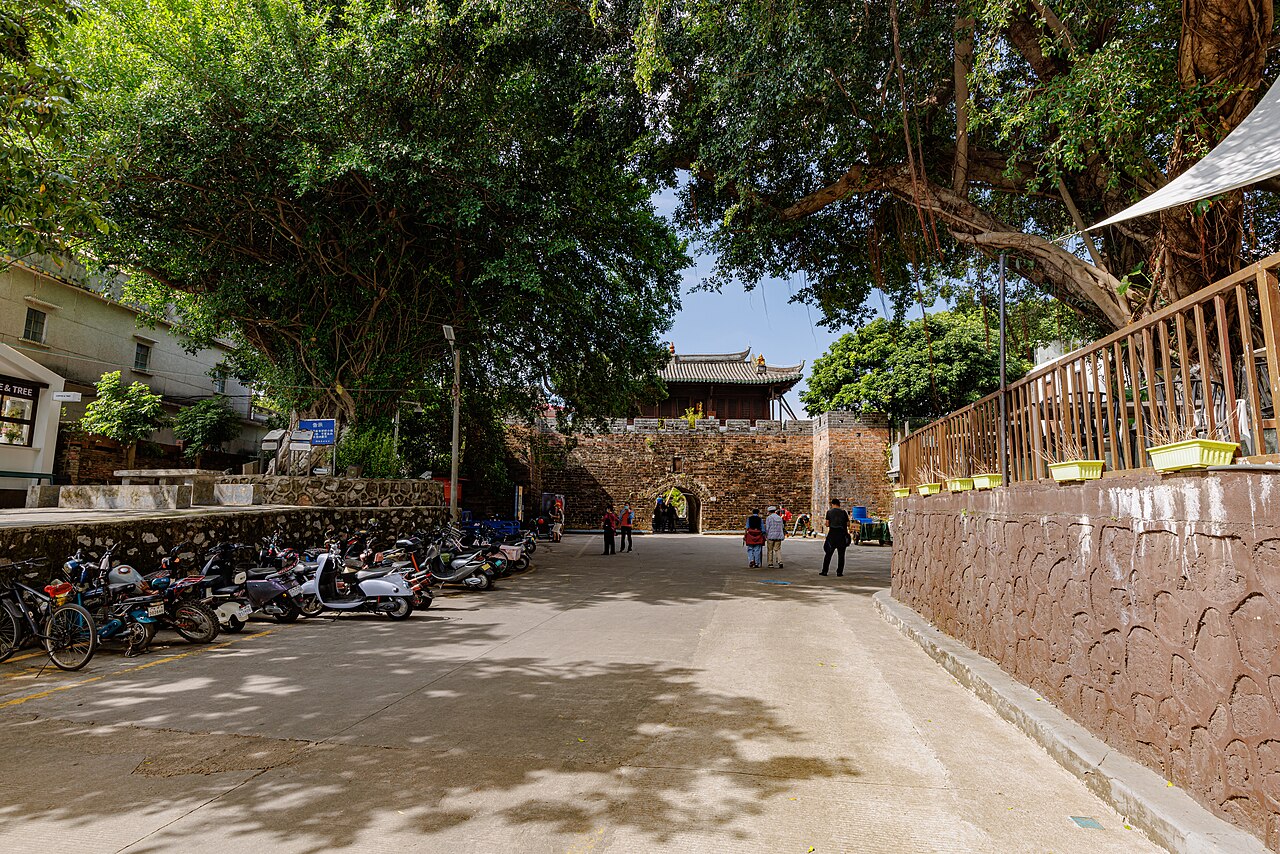
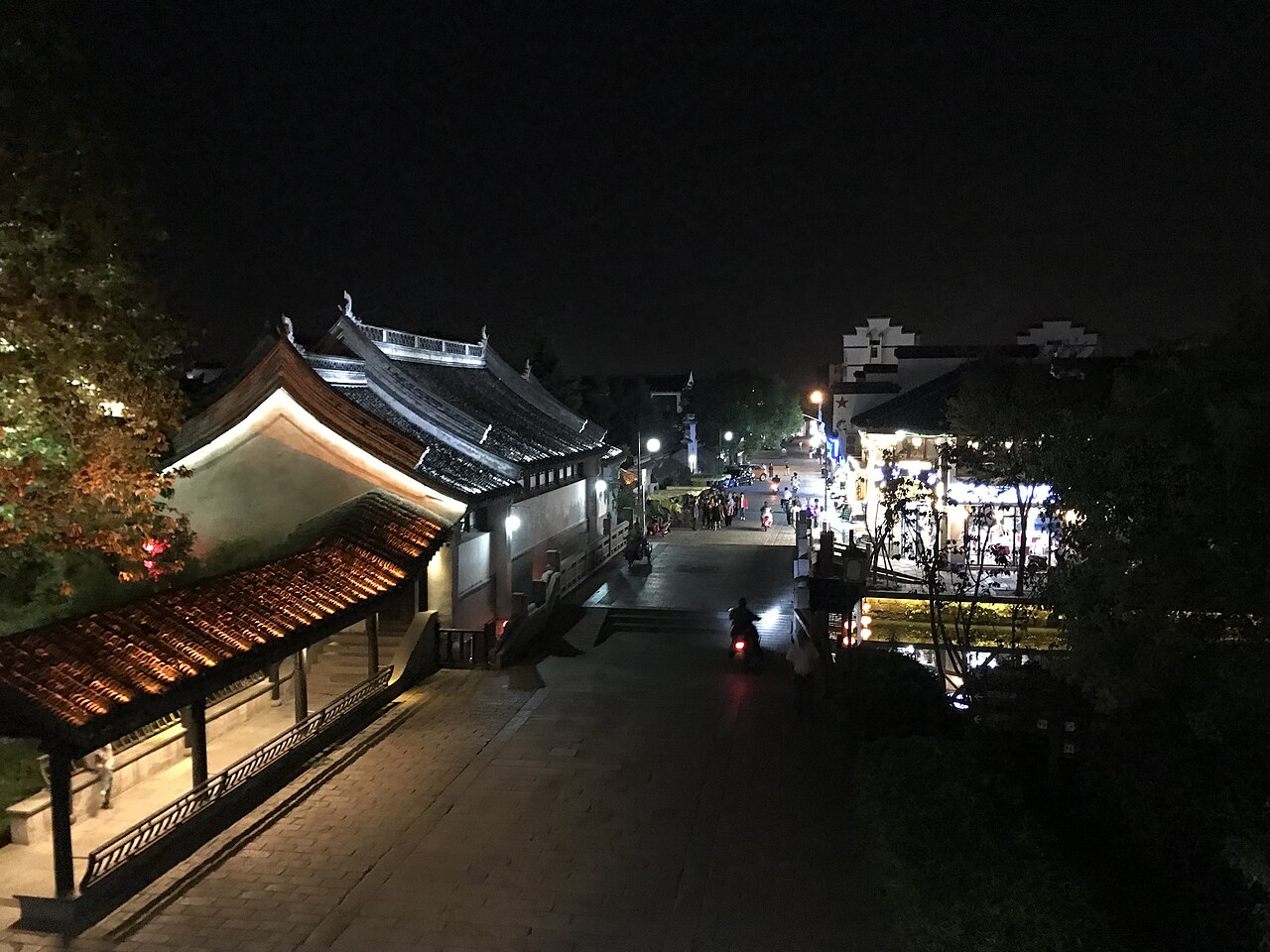
The Mist and Rain Long Gallery, Xitang's roofed riverside street
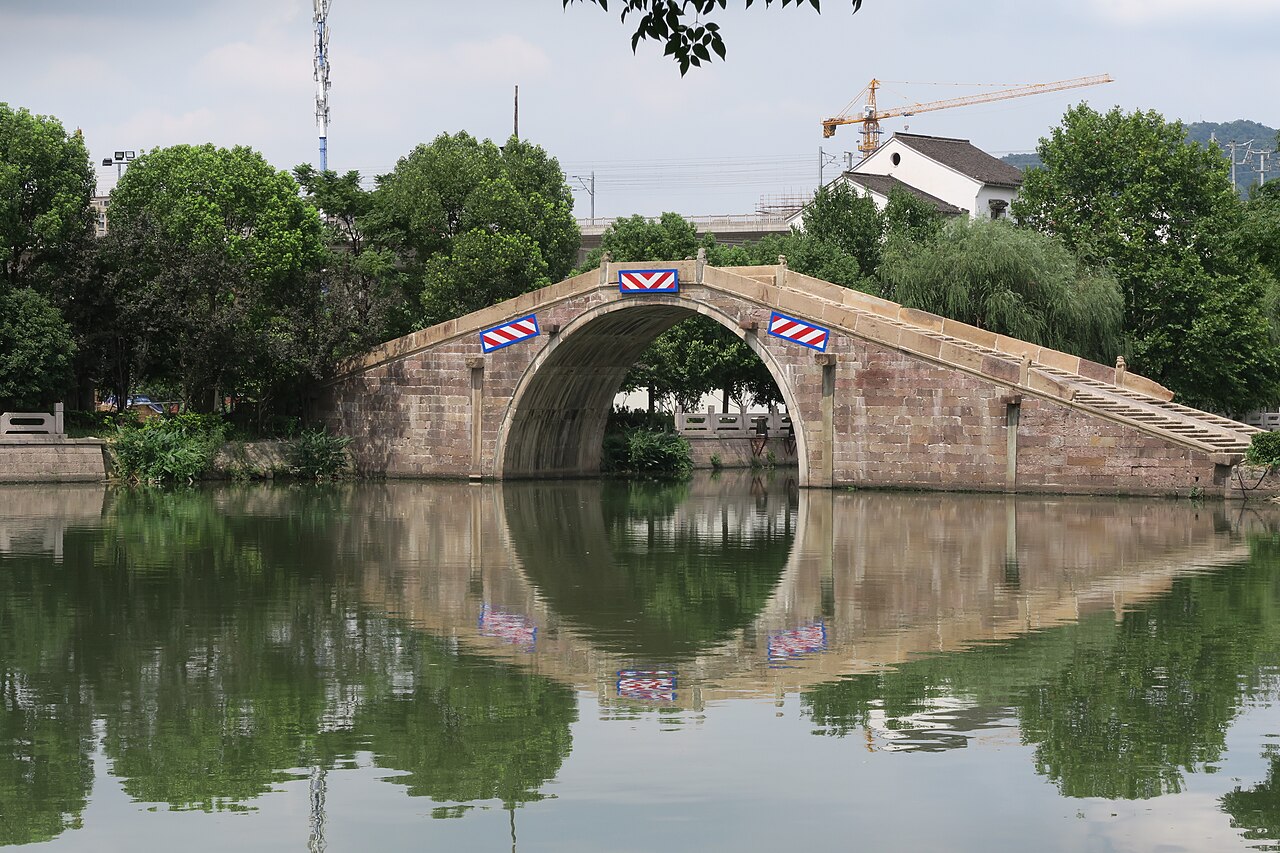
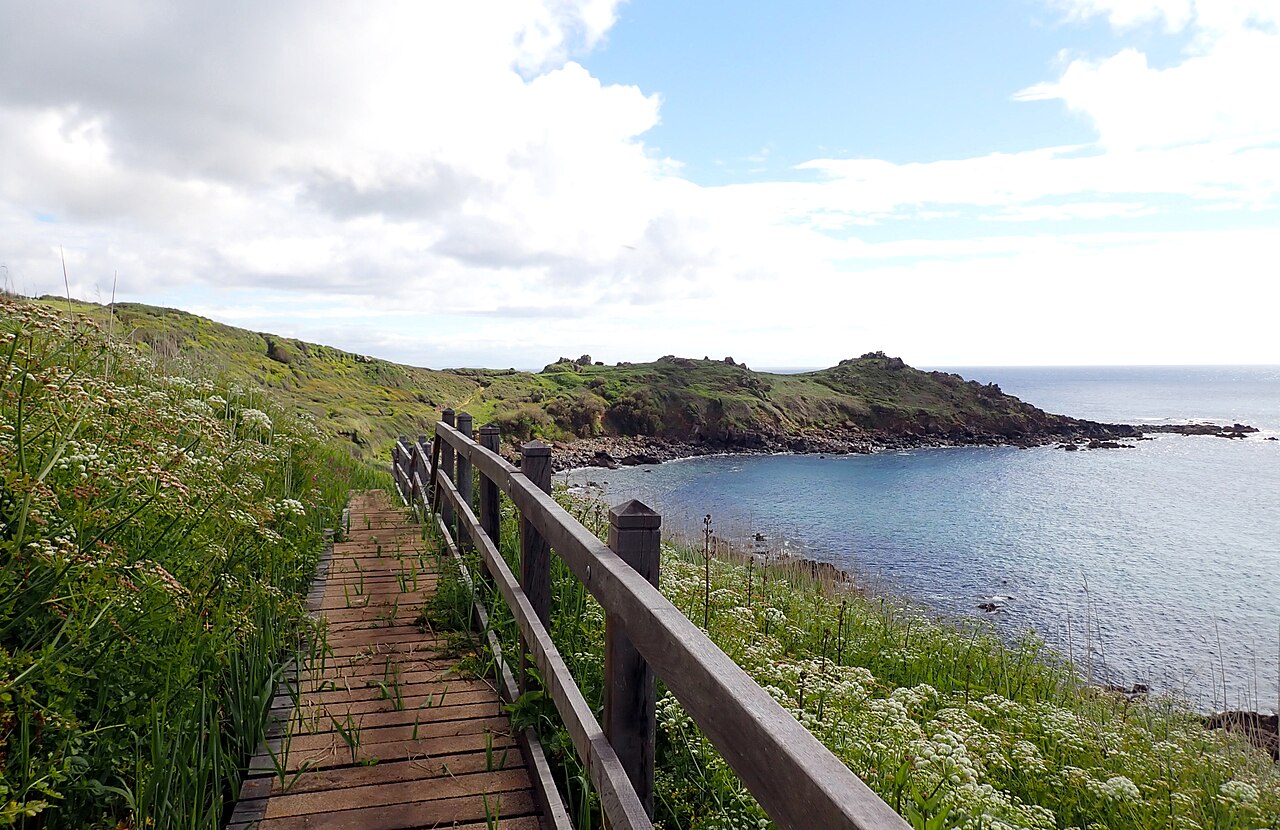
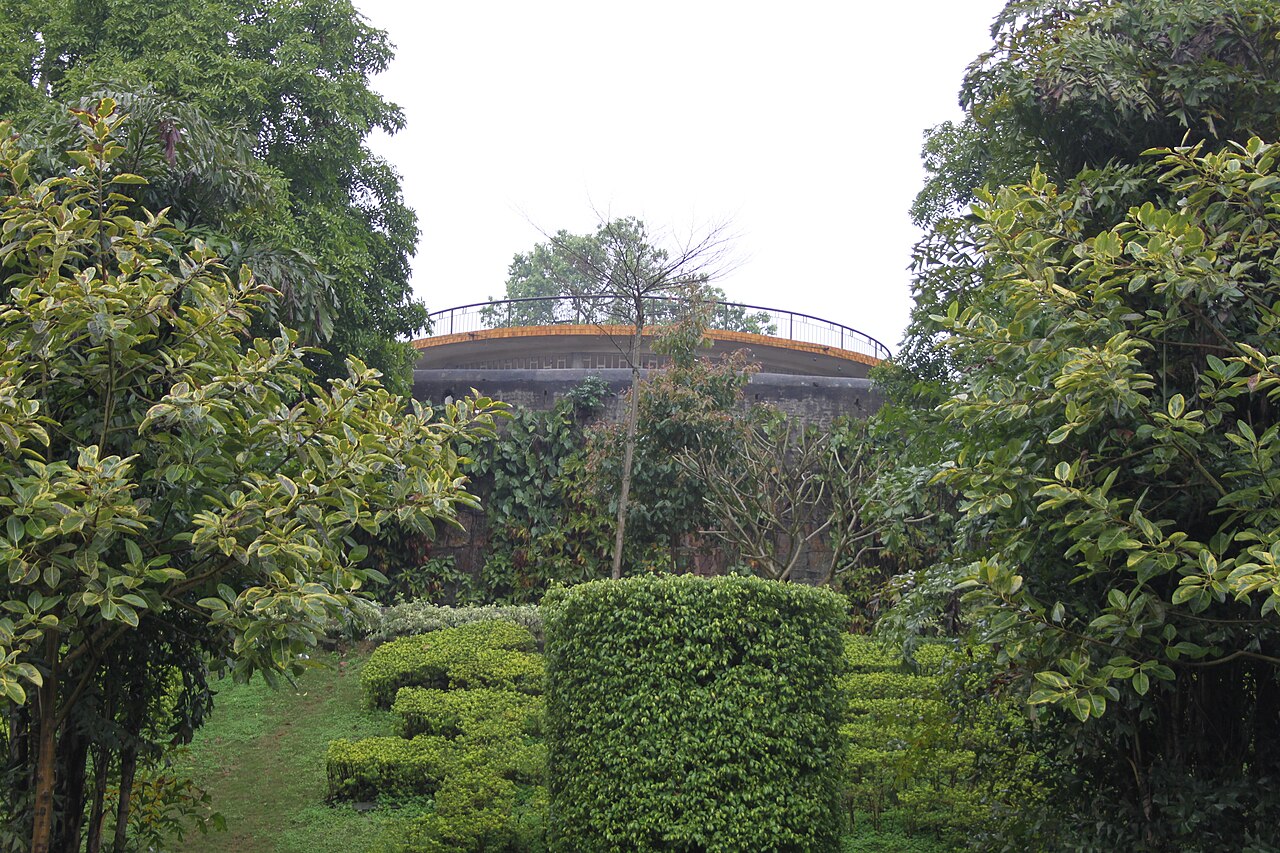
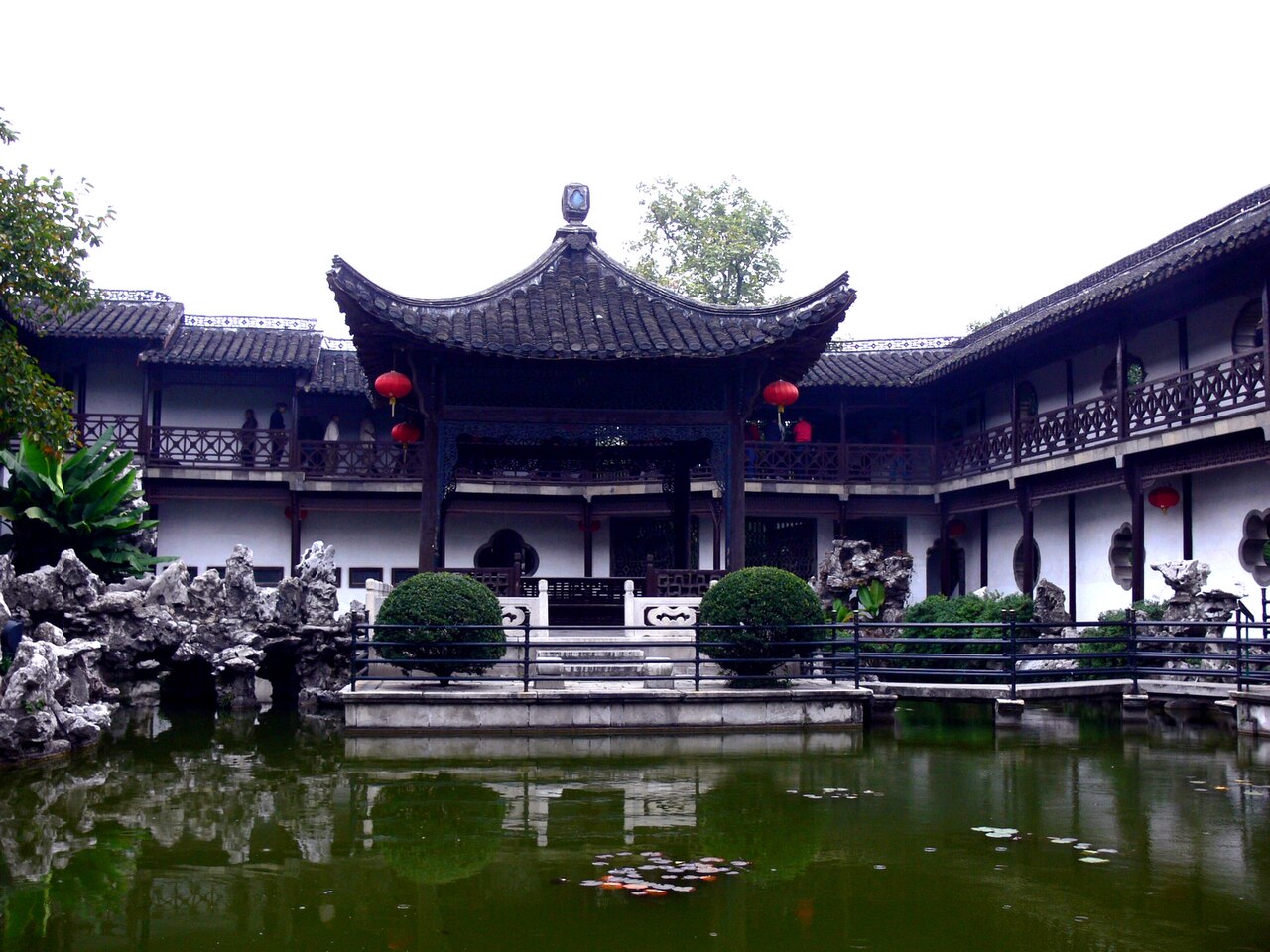
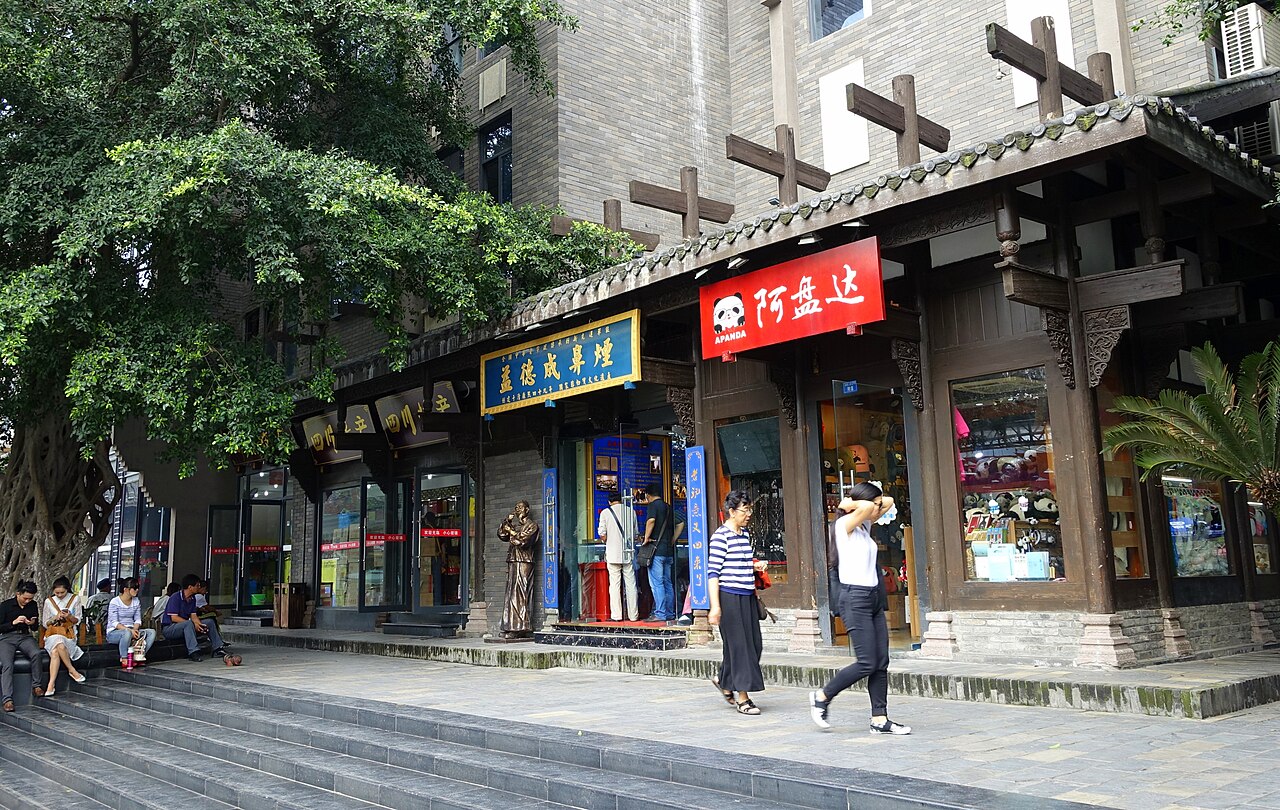
A stone bridge over one of the nine rivers that meet in the town
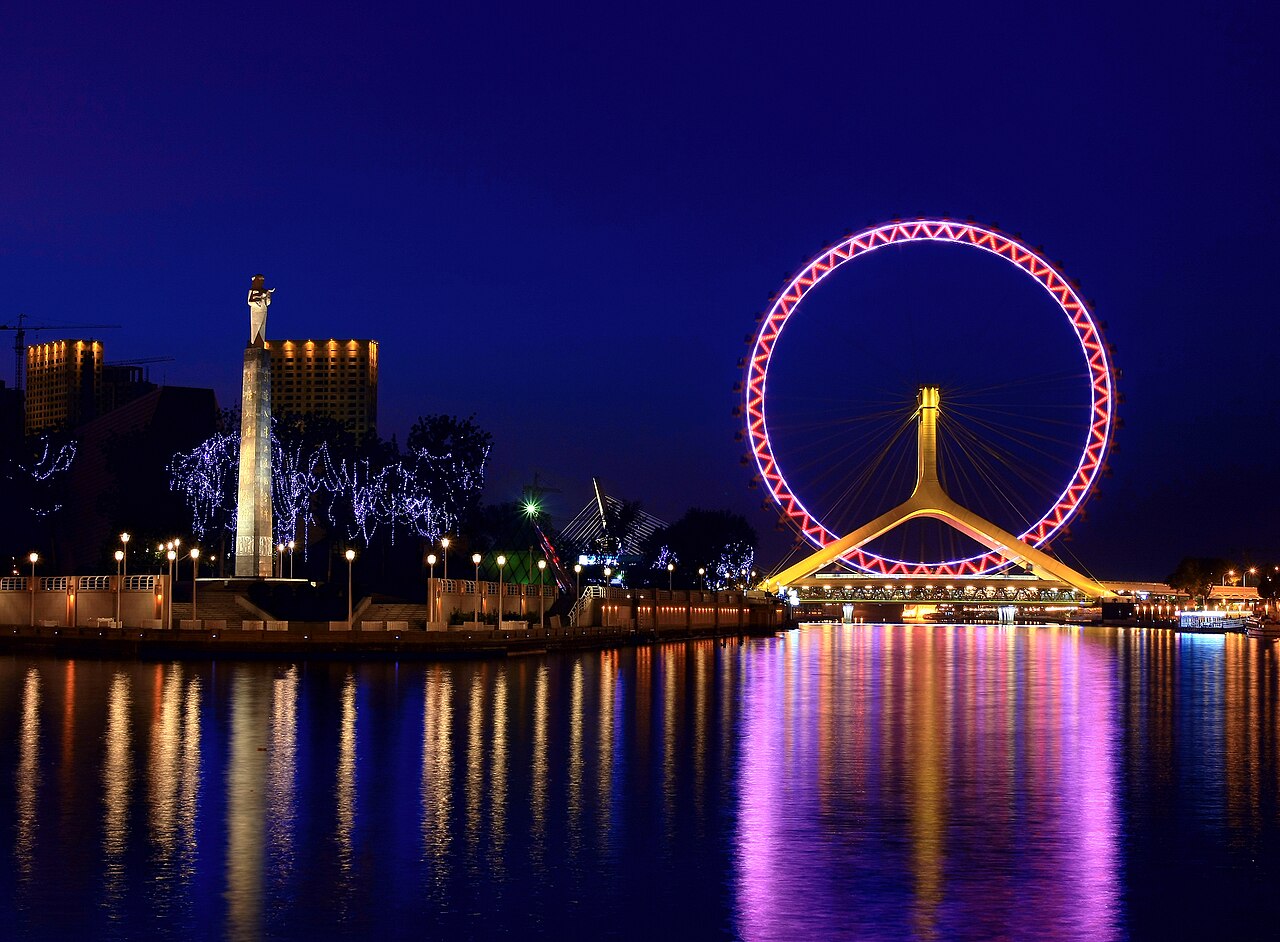
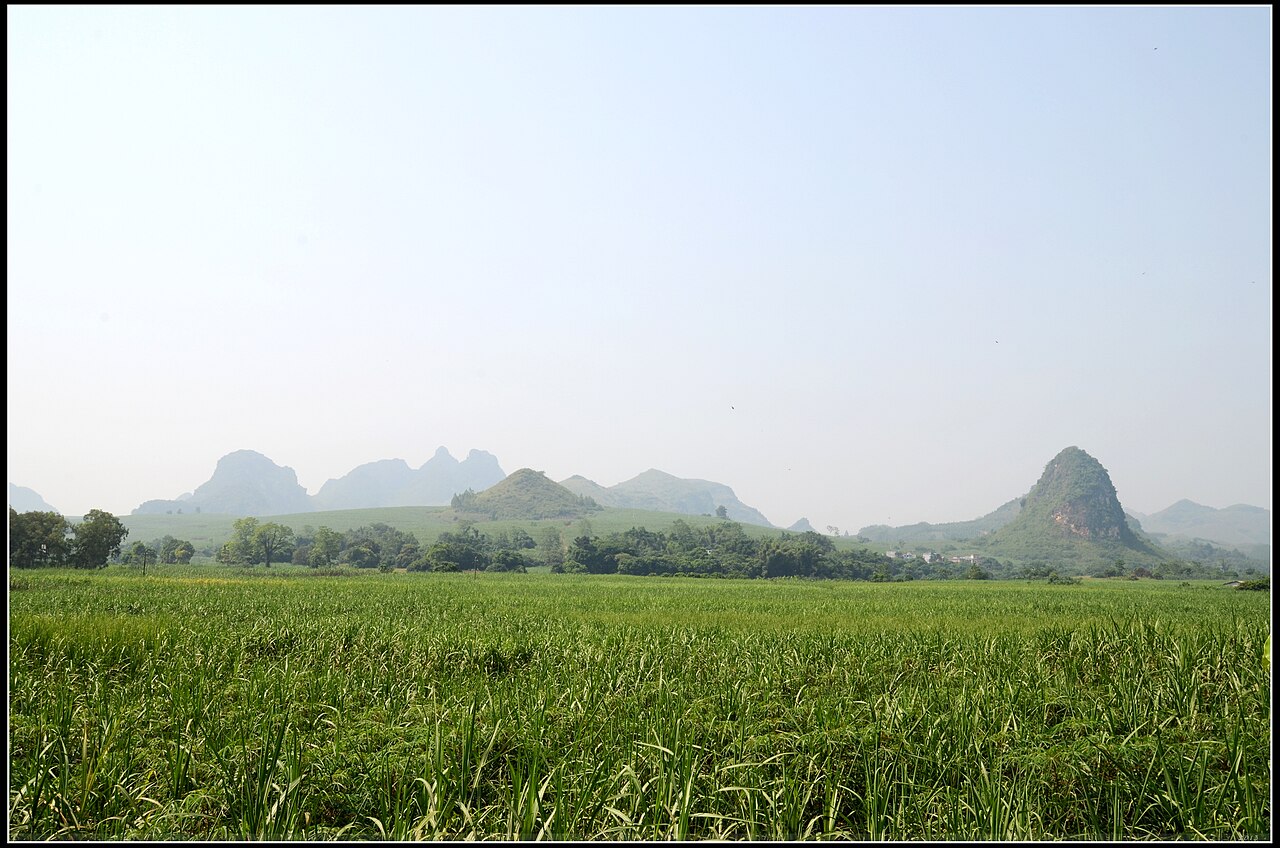
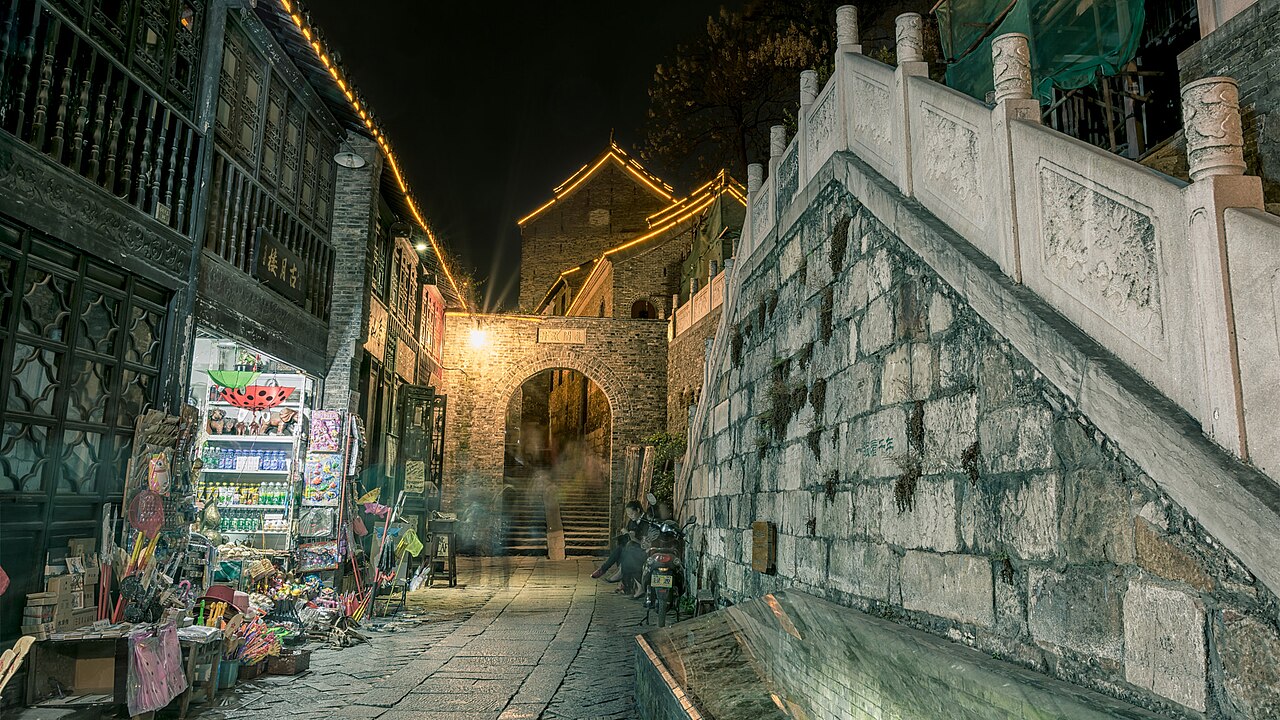
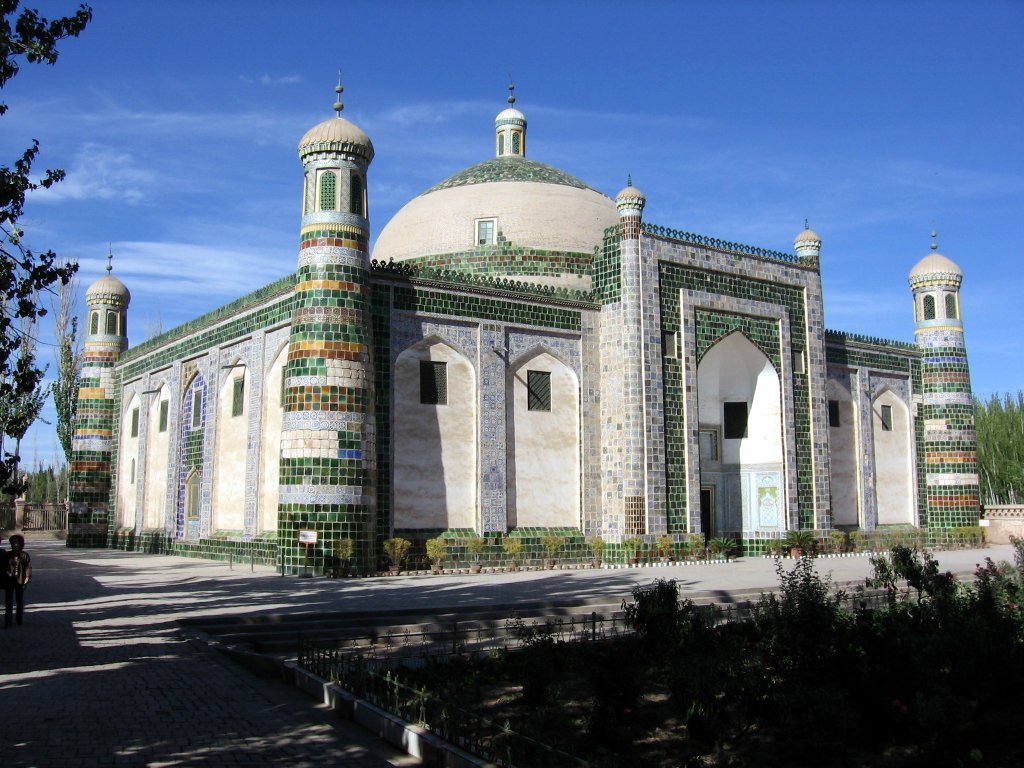
Lanterns reflected on the water after dark
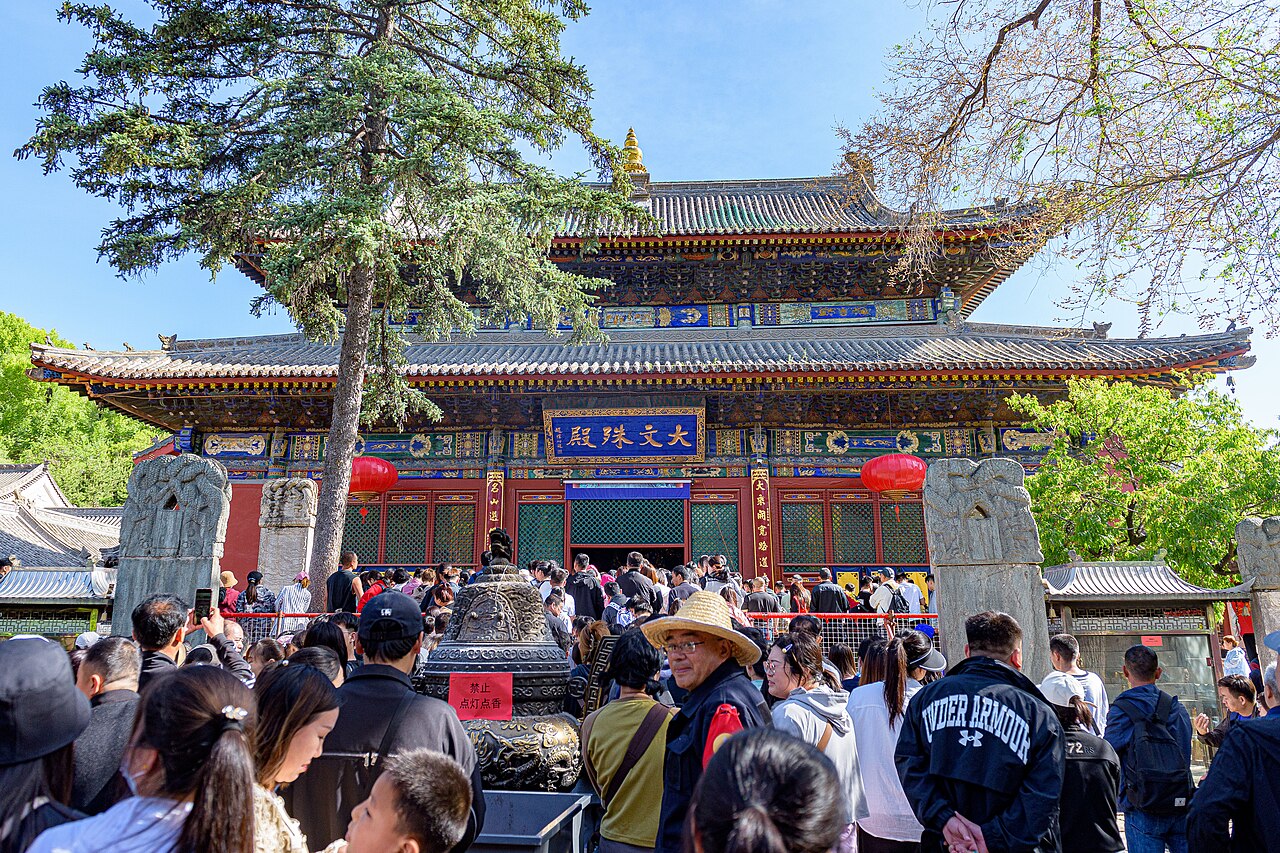
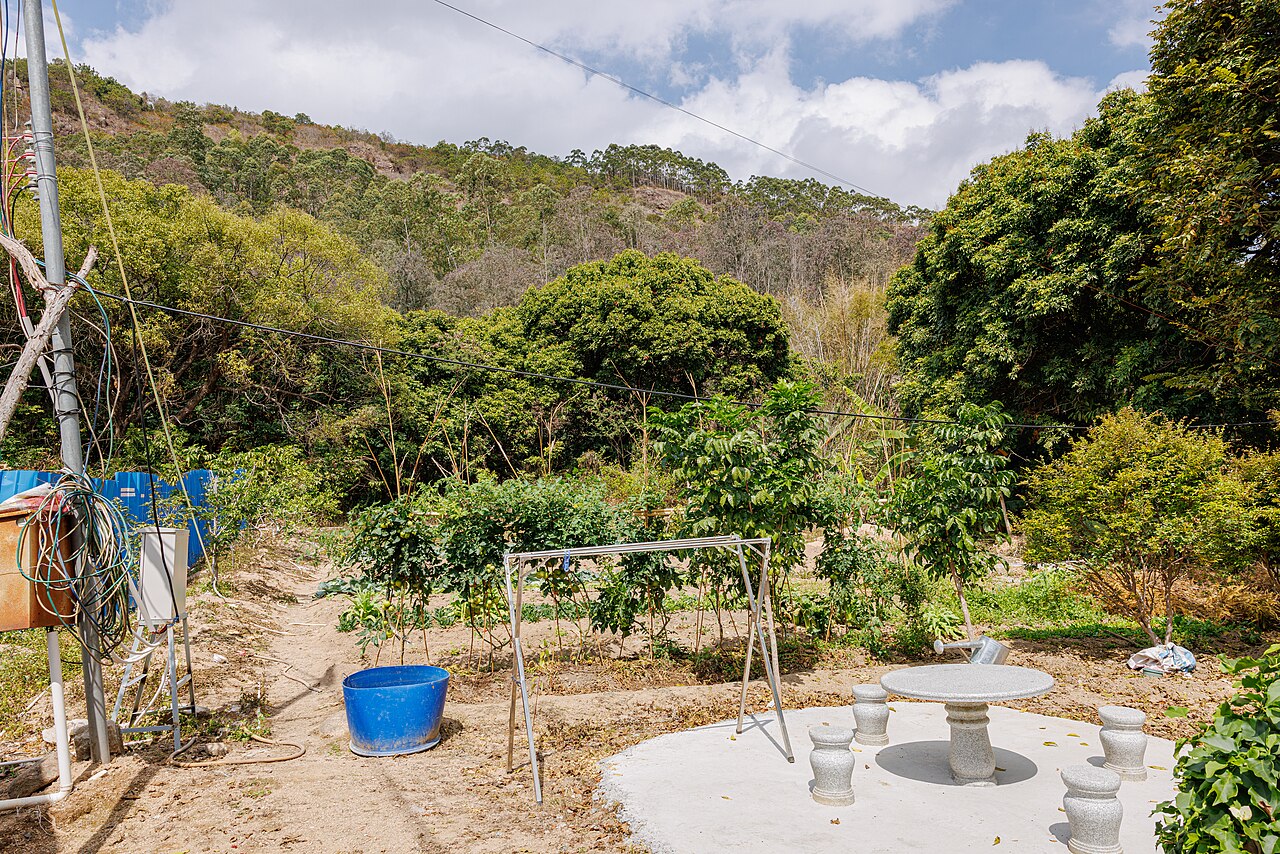
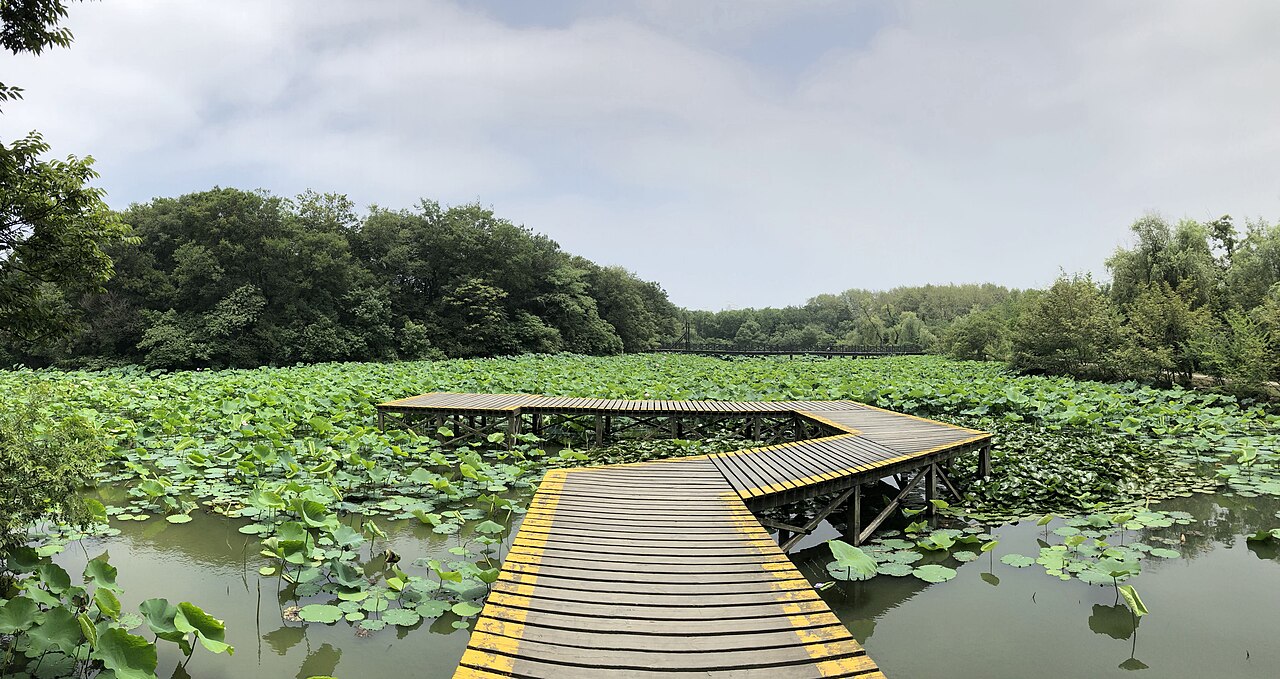
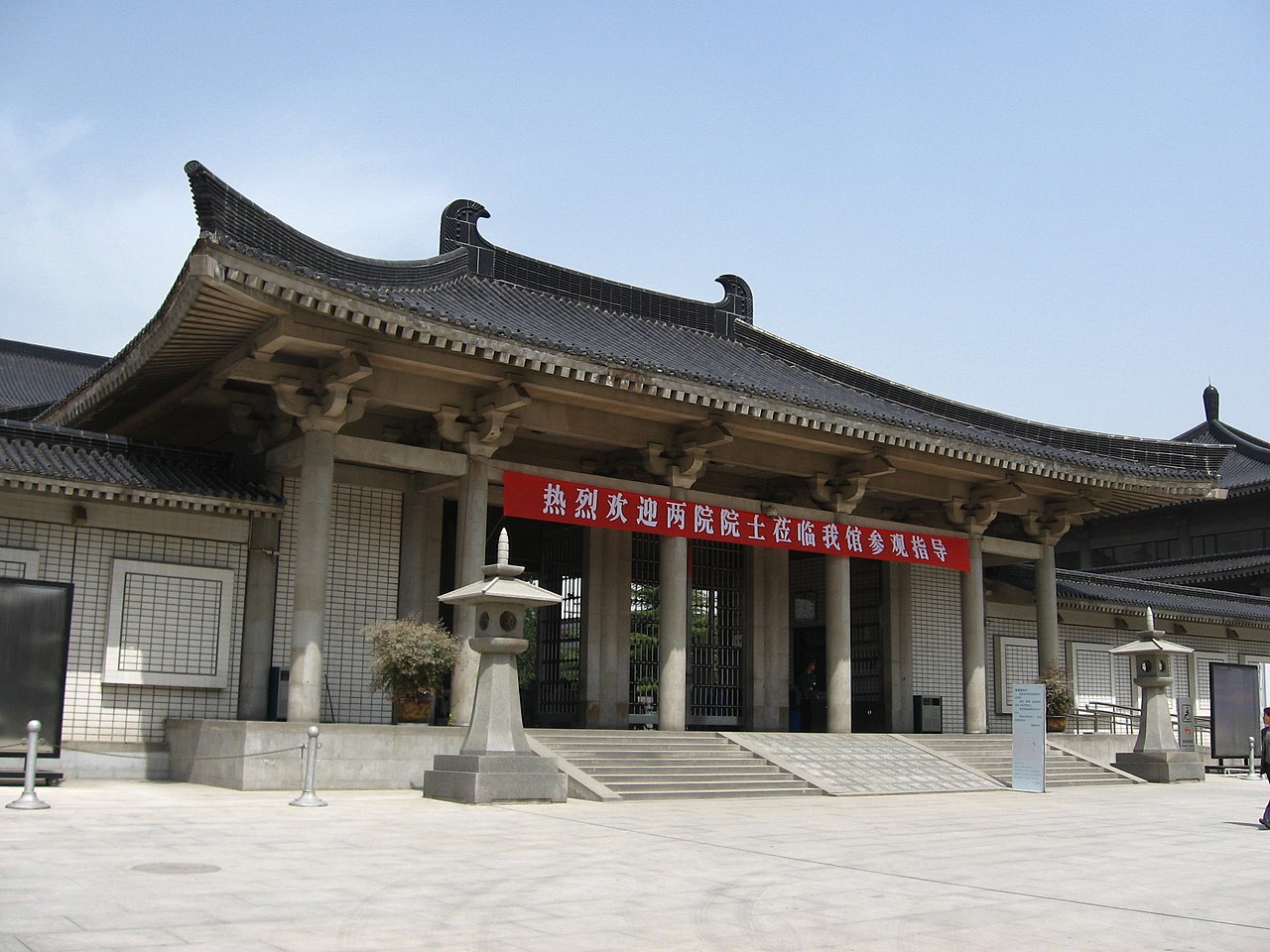
A narrow lane in the old town, walls close on both sides

Early, before anyone is about, walk on the flagstones and listen to your own footsteps and the occasional bird. You feel as if you are the young master of the house, born to own the whole courtyard. — 'Shanghai to Xitang'

A traveller's note in the source guide

Xitang is beautiful, and the rain made it more so — the misty Jiangnan feeling comes up off the water. Some people say rain ruins a trip; I say only the rain lets you feel the Jiangnan of mist and drizzle at all. — '2012: Hangzhou, Xitang, Wuyuan, three girls on the road'

A traveller's note in the source guide

Xitang is the water town for people who find water towns too tidy. Where Wuzhen and Zhouzhuang now run as attractions, Xitang kept its residents: people still get up at dawn, wash at the river steps, and shut the door at dusk. The town's own catchphrase runs: the water of the Spring and Autumn period, the town of the Tang and Song, the buildings of the Ming and Qing, the people of today. It is the last clause that makes it worth choosing.

Its character comes down to three things, and they are all structural. Bridges — beam, arch and zigzag, several of them visible from one another. Lanes — 122 of them, cut narrow as fire-breaks and named for what they are, the thinnest flagstones giving the Stone-Skin Lane its name. And corridors — the Mist and Rain Long Gallery, a roofed riverside street built house by house yet rising to one height line, so that it says nothing about who is rich and who is not.

The best advice in the source guide is also the simplest: come expecting a town, not a theme park, and behave like someone who lives here. Eat wontons at the roadside at eight in the morning, spend the afternoon on a riverside lounger, sit in a teahouse through the worst heat of the day, and stay up for Tangdong Street at night. There is no sight in Xitang worth rushing for; the town itself is the sight.

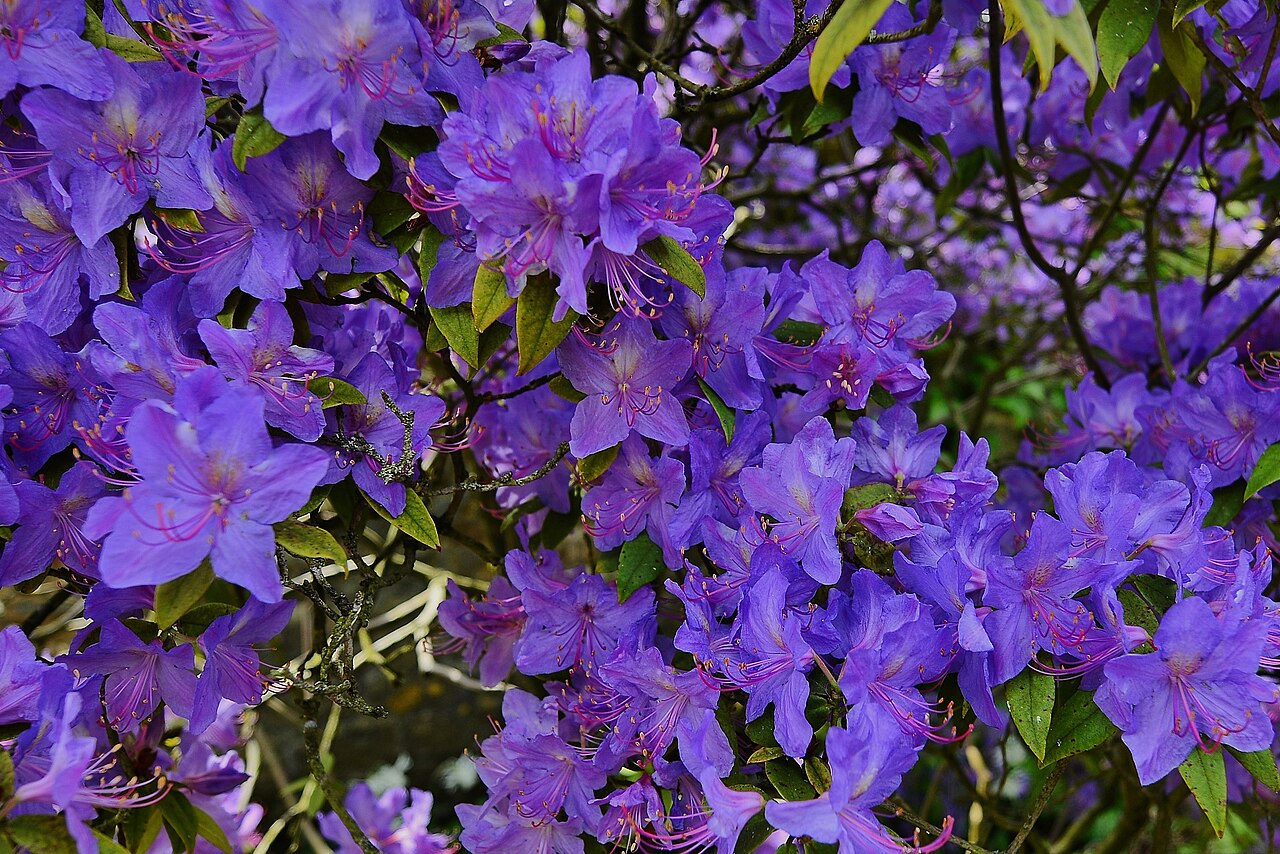
It is easy to reach, which is why it makes a good first water town — about 1.5 hours by coach from Shanghai and 2 from Hangzhou. Go in April for the azaleas, or go when it rains. The rain is not a problem: the covered corridor is the one place in a Jiangnan town built specifically for it, and the misty version of Xitang is the version people photograph.

Xitang

Don't leave without

Seven things that are worth rearranging a day for.

  1. Walk the Mist and Rain Long Gallery from end to end, ideally in the rain
  2. Stand on the Yongning bridge for the whole-town view
  3. Cross the Songzi Laifeng bridge — men left, women right
  4. Find the Stone-Skin Lane and walk it after rain
  5. Eat genuine Guan Laotai stinky tofu at ¥5 a box
  6. Set a lotus lantern on the water after dark
  7. Spend an evening on the bars of Tangdong Street
  8. Be up for the misty morning, when the town is at its most itself

Highlights

Why Xitang, and why not the others

The least commercialised of the great water towns

Nine rivers, eight districts, 122 lanes — and, unusually for a town of this size, people still living the old rhythm in it. Wuzhen and Zhouzhuang run as attractions; Xitang kept its residents. That single fact is the reason to choose it, and it changes what you do here.

A roofed street built for rain

The Mist and Rain Long Gallery is the town's signature: a covered riverside walk built house by house yet rising to one height line, so that it hides neither wealth nor poverty. It shades you in summer and keeps you dry in the rain, and in the rain it is the best place in town.

Bridges you can name, and one you can run

Yongning bridge for the view, Songzi Laifeng bridge for the couples' custom, Wolong bridge for the height it gained from a grieving monk, Anjing bridge for the traffic it still carries — and the fact that Tom Cruise ran across it in Mission: Impossible III.

Lanes narrow as a knife cut

122 lanes cut the town into fire-breaks and shortcuts; the Stone-Skin Lane is 0.8 m wide at its narrowest, between walls six to ten metres high. They are the reason Xitang feels older than it looks, and the best of them are the ones with no name on the map.

Lanterns, boats and a bar street

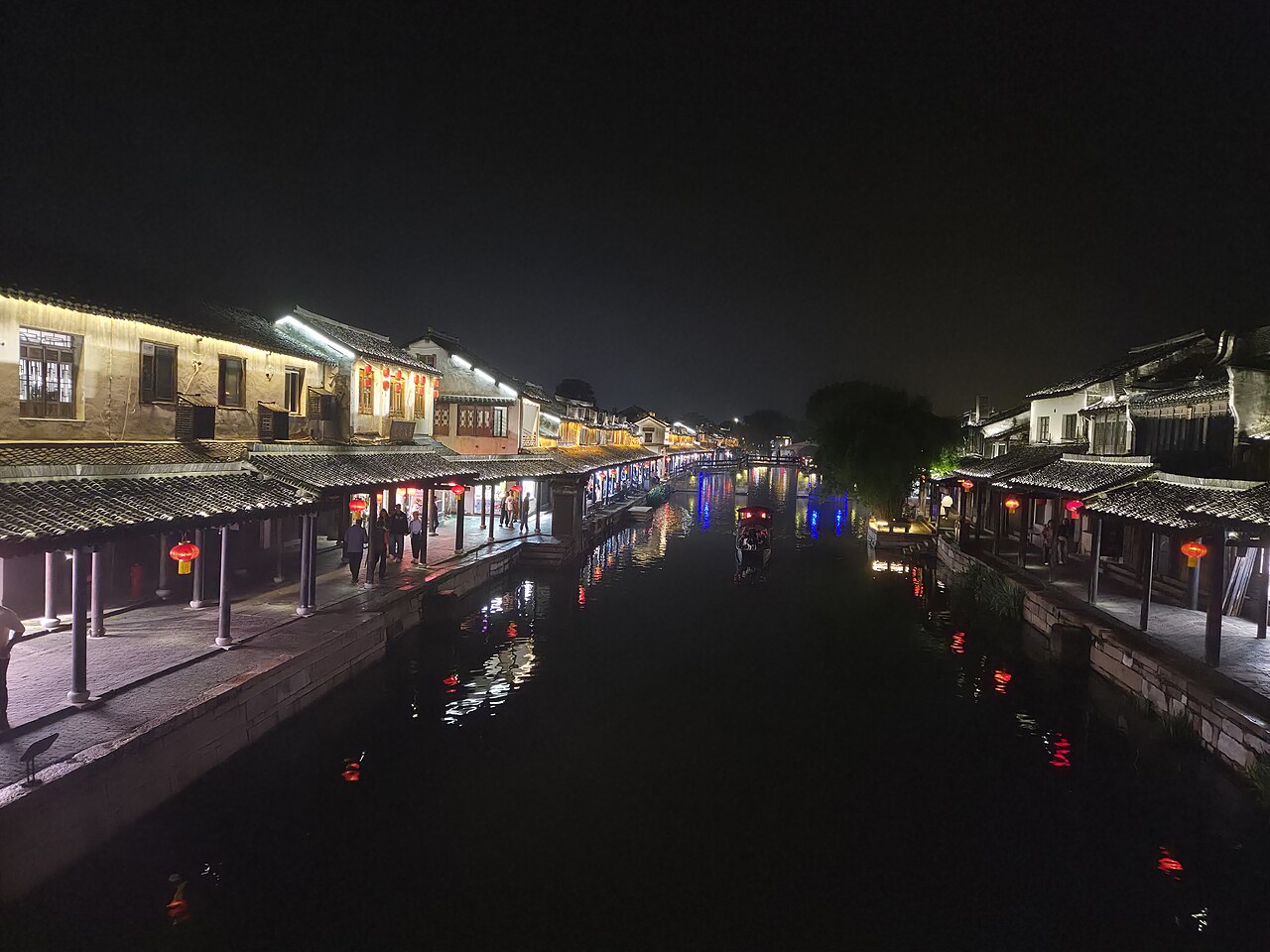
After dark the painted boats go out, the corridor lights up red, and lotus lanterns are set on the water at ¥1–8 a piece. Tangdong Street is the bar street, one small room after another with a guitar and a keyboard — nothing like a city's nightlife, and all the better for it.

A button town, and the story behind it

Xitang made its name — and its buttons — from river shell, and the Button Museum shows all dozen steps of making one, sometimes with the craftsman at work. It is one of six little museums here, and taken together they are what separates Xitang from a row of shops.

Suggested routes

One day, two days, or the slow three

The classic one day

1 day days

The standard loop: halls and bridges in the morning, the corridor at midday, gardens and lanes in the afternoon.

  1. Day 1

    Root-carving museum — Anjing bridge — Ni House — corridor — Zui Garden

    Arrive in the morning and enter by the Jijia Lane near the second car park. Start at the Zhang Zheng Root-Carving Museum, walk out to West Street and stop on the Anjing bridge for the view over the whole river.

    Head east to the Burning-Hong-Kong canal for the Ni House and the Sheng Tang temple, then double back up to the Mist and Rain Long Gallery in time for lunch — the corridor is lined with snacks and riverside restaurants. After eating, stroll to the Zui Garden, cross the Huanxiu bridge to West Street, and take in the Stone-Skin Lane, the Zhangfu Hall, the West Garden and the Button Museum before leaving.

    Stops: Zhang Zheng Root-Carving MuseumAnjing bridgeNi HouseMist and Rain Long GalleryZui GardenStone-Skin Lane

Two days, one night

2 days days

The way to do it: museums and the bar street on day one, the morning mist and the boats on day two.

  1. Day 1

    Museums, halls, then Tangdong Street

    Enter by Jijia Lane in the early afternoon and do the root-carving museum and the button museum first — take home a hand-made shell button as a souvenir. Cross West Street over the Anjing bridge, then east to the Burning-Hong-Kong canal for the Ni House and Sheng Tang.

    By now it is late; pick an inn on or near Tangdong Street, the bar street, and give the evening to it. Sit on a riverside lounger, watch the lanterns come on, and set a lotus lantern on the water.

    Stops: Root-carving museumButton museumAnjing bridgeNi HouseTangdong Street

  2. Day 2

    A late start, the corridor and the gardens

    Sleep in and eat Xitang food on Tangdong Street or West Street — but not too much, because the day is a long graze. Then head for the Mist and Rain Long Gallery and eat your way along it to the Zui Garden.

    Cross the Huanxiu bridge to West Street for cakes, wontons and tofu pudding, walk the Stone-Skin Lane, glance into the Zhangfu Hall, and finish at the West Garden before leaving.

    Stops: Mist and Rain Long GalleryZui GardenHuanxiu bridgeStone-Skin LaneZhangfu HallWest Garden

Three days, slow

3 days days

The route for people who want to stop moving: morning mist, teahouse afternoons, night boats, and a day at Jiaxing.

  1. Day 1

    Arrive, settle, and take the first evening slowly

    Enter, see the root-carvings, the buttons and some of the folk collections, then drift along West Street eating and looking. Cross the Anjing bridge, find a teahouse at the Burning-Hong-Kong canal and do nothing for an afternoon, then sleep on Tangdong Street to the sound of live music.

    Stops: West StreetAnjing bridgeBurning-Hong-Kong canal teahouse

  2. Day 2

    Dawn, then the boats, then the night

    Get up early for the town's best hour and walk the corridor north over the Wolong bridge and back, buying street stinky tofu and tofu pudding for breakfast. Cross to North Gate Street and up the Yongning bridge for the rooftops and horse-head gables, then the Mist and Rain Long Gallery into the afternoon.

    After lunch take a boat from the Songzi Laifeng bridge, visit the Zui Garden and the Memorial Temple to the Grain Escort King, and come back for the real event: the lit night, the river lanterns, the local opera on the water, and a second boat if you want one.

    Stops: Wolong bridgeYongning bridgeMist and Rain Long GallerySongzi Laifeng bridgeMemorial Temple to the Grain Escort King
  3. Day 3

    West Street in the morning, Jiaxing or home after

    Take West Street unhurried — cakes, crafts, lanes, and the West Garden, the Wang House and the Xue House for anyone who likes old courtyard buildings. Leave by the main gate, walk the Wu Guniang park by the ticket centre, and buy yellow wine and eight-treasure cake at the supermarket on Youdian Road before you go. Or push on to Jiaxing's South Lake, 50 minutes by bus.

    Stops: West StreetWest GardenWu Guniang parkYoudian Road supermarket

Sights

What to actually go and see

The signature

The Mist and Rain Long Gallery

A roofed street along the river, known as the Mist and Rain Long Gallery — in effect a covered walkway, built by each household yet rising to a single height line, which is why it reads as even and unhurried rather than as a show of money. Brick and timber, shading in sun and sheltering in rain; the covered part leans out over the river, so walking it in a downpour, watching the water run off the eaves, is the most nostalgic thing you can do in Xitang.

Ticket
Free
Hours
Open all day, all year
Best in
Rain — it is what the corridor is for

Tip Come back at dusk when the lanterns go on; the same corridor in the same hour looks like two different towns.

The view

Yongning bridge

Nothing special in itself, but the best vantage point in the town: from it you look down on Xitang whole, which is why every photographer stops here. The north bank carries the Chaonan Dai corridor, a long dragon of a covered walk where people and bicycles pass beneath; across the river the backs of the West Street houses rise unevenly, and the tall fire-gables and grey-brick roofs and stone bridges all fall into one frame.

Ticket
Free
Where
On the Xutang river, on North Gate Street
Best at
Late afternoon, when the light comes low along the water

Tip Go for the rooftops and the horse-head gables, not for a selfie — the value of this bridge is looking out, not standing on.

The one couples walk

Songzi Laifeng bridge

Built in 1637 as a three-span stone slab bridge, the story goes that a bird flew over as it was being built and the builders took it as an auspicious sign. Rebuilt in 1997 as a double gallery in the classical-garden style, with a partition wall, pierced windows and a passage each side. Newly married couples walk it left and right — the man's side for a son, the woman's for a daughter — so the bridge is also called the Couple's bridge.

Ticket
Free
Where
East side of Xiaotong Street
Custom
Couples walk it; men take the left, women the right
Boats
This is the pier for the town's sightseeing boats

Tip It is also the boat pier, so pair the crossing with a ride. On weekends local opera fans gather on the bridge to play and sing.

The tallest

Wolong bridge

A single-arch stone bridge and the tallest in the town, its square-capped posts and worn deck telling their own age. Historically it began as a small timber bridge in the Ming that turned treacherous in the rain; the story is that a bamboo craftsman named Zhu, having watched a pregnant woman drown on it, shaved his head, took up a mendicant's chain and begged for more than a decade to raise the money to build a stone bridge. It was begun in 1716 and finished after his death.

Ticket
Free
Where
Mouth of the river at North Gate Street
Built
Begun 1716 (Kangxi 55), after more than ten years of fundraising

Tip Look at the carving on the arch ring, not just the top of the arch — the craft is the reward for stopping halfway across.

The centre of town

Anjing bridge

Built in the Ming on the Xutang river, the old boundary between two districts — it linked the two, hence 'Anjing', quieting the border — and it is still the middle of the old town's traffic. From it you can see the plain-beam Yongning bridge and the zigzag Wan'an bridge, so all three of the common southern bridge types fall into view at once. Tom Cruise ran across it and out to the Wan'an bridge in Mission: Impossible III.

Ticket
Free
Where
On the Xutang river, on West Street
See from it
Yongning (beam), Wan'an (zigzag)
Film
Mission: Impossible III, Tom Cruise's run

Tip Stand on it for the bridge triple — it is the one spot where the town's three bridge forms line up, and the reason the guide recommends it first.

The town behind the front

The halls, the gardens and the lanes

The Stone-Skin Lane, 0.8 m at its narrowest between walls six to ten metres high, takes its name from flagstones thin as skin and is best after rain. The Zhangfu Hall is a Qing merchant's house named for the belief that sowing kindness reaps kindness. The Ni House, five courtyards deep off the Burning-Hong-Kong canal, was home to the modern official Ni Tianzeng. The Zui Garden, a three-courtyard scholar's garden, has 'three drunkennesses' to its name and holds a small print collection of the town.

Stone-Skin Lane
Free, open all day, at the top of West Street
Zhangfu Hall
In the ¥100 ticket or ¥10 alone; east of the Stone-Skin Lane
Ni House
In the ¥100 ticket or ¥15 alone; 33–35 Burning-Hong-Kong South
Zui Garden
In the ¥100 ticket or ¥5 alone; 31 Ta Bay Street

Tip This is where the ¥100 ticket earns itself. Do the halls in the middle of the day when the lanes are hottest and the courtyards are at their coolest.

The odd ones

The Button Museum and the Root-Carving Museum

Xitang is a button town, working river shell into buttons since the days when every shirt needed them; the Button Museum in the Xue House on West Street has six halls and shows the whole process, more than a dozen steps from punching and polishing to drilling, bleaching and shaping, sometimes with the craftsman at work below — and the button he makes can go home with you. The Zhang Zheng Root-Carving Museum holds more than a hundred root pieces and a set of halls that keep their Republican-era doors, floors and staircases.

Button Museum
Xue House, mid West Street; in the ¥100 ticket or ¥10 alone
Root-Carving Museum
Jijia Lane; in the ¥100 ticket or ¥10 alone
Note
The root-carving rooms are dim and no photography is allowed

Tip These are the two things you cannot see in any other water town. Do them even if you skip the bigger halls.

Temples with stories

The Memorial Temple to the Grain Escort King and the Sheng Tang
The Grain Escort King temple, called the Seventh Master's temple by locals, was built at the end of the Ming for a grain official named Jin who, passing through in a famine, gave away the grain he was escorting to keep the people alive and paid for it with his life; the throne reinstated him and the town built the temple, and his birthday on the third of the fourth lunar month draws a fair. The Sheng Tang, north on the Burning-Hong-Kong canal, was originally a shrine to the censor Pang Shangpeng and later took a statue of Guandi — and every New Year the town gathers here for toys, snacks and blessings.
Grain Escort King temple
Ta Bay Street, near Yingxiu bridge; in the ¥100 ticket or ¥15 alone
Sheng Tang
Burning-Hong-Kong north; in the ¥100 ticket or ¥15 alone
Fair
Third of the fourth lunar month, the Seventh Master's birthday

Tip Their roofs and eave-timbers are unusual for temples — the grain-temple's大殿 carries the beams of a merchant hall, planed smooth. Look up.

The local story

Wu Guniang park and the town's museums

A true love story is told here: in the late Qing the fifth daughter of the Yang landlord family at Tangdong village fell in love with a hired hand, Xu Atian, was opposed by her half-brother and died of it, and the tale was set to song and sung for a century. The Wu Guniang park at the west entrance to the old town, with its statue, its single-tile pavilion and its water stage, remembers her. Xitang also keeps a scatter of small folk museums — wood carving, root carving, costume, roof-tile, buttons, painting, yellow wine and lacquer — across the town.
Wu Guniang park
West entrance to the scenic area; in the ¥100 ticket
The story
The fifth daughter and Xu Atian, set to field song
Folk museums
Scattered across the old town, mostly in the ¥100 ticket

Tip If you like courtyards, add the Wang House and the Xue House on West Street, and the eight-treasure and yellow-wine collections, before you leave.

Food

What Xitang eats

Stinky tofu

The town's defining smell, and better than it sounds: fried crisp outside, soft within, with house sweet sauce and chilli. Guan Laotai's is the famous one, ¥5 for eight pieces, with a faintly nostalgic tang. Only shops carrying the registered Guan Laotai mark are genuine — the official shop is at 92 Shiban Road, the rest are authorised sellers or impostors.
Small wontons

Served in a small bowl with a proper broth, pickles, spring onion and lard; the wrapper is thin as rice paper and the filling is fresh. The portion is tiny — a big appetite will treat one bowl as a warm-up. Lu's Xian De Lai, run by an elderly couple with two tables, always has a wait and is worth it; you can take it away.
Lotus-leaf steamed pork

Glutinous rice and a few pieces of cured pork wrapped in a lotus leaf, faintly green-scented and lightly salted, best eaten hot and much like a meat zongzi in texture. ¥5, and the old Ma stall past the Mist and Rain Long Gallery is the recommended one — do not expect the leaf to be full of meat, because it is not.

Water chestnut cake

Xitang's traditional pastry, sold everywhere in many flavours — plain, osmanthus, mint, walnut, strawberry. Soft, sweet and chewy; most shops let you taste first, and it is worth buying the freshly cut kind rather than the pre-packed, which is noticeably better.

Malt sugar

Sold wound around a stick in a small ball, more fun than food: you work the two sticks and the sugar together and you are eight years old again. The taste is entirely natural and not too sweet — the original, unadorned sugar flavour, and worth trying once even if only for the ritual.

Osmanthus fermented-rice wine

Strong osmanthus with a light note of wine behind it, and it warms you through from the first sip; in summer there is a chilled version. Made from glutinous rice fermented with a starter, it is the south in a bowl — the old street-cry went: sweet — rice wine, want some? — sweet rice wine!

Steamed white-thread fish

Xitang is fish-and-rice country with ponds strung across the flatland, and the white-thread fish comes out of Fen Lake. Steamed, the flesh is clean and sweet with almost no muddy taste; when the ingredient is this good, plain steaming is the best treatment, and the flavour is the proof.

Eight-treasure cake and Jiaxing yellow wine

The eight-treasure cake is made with eight herbs — Chinese yam, poria, gorgon nut, coix seed, malt, hyacinth bean, lotus seed and hawthorn — plus glutinous flour and sugar; dark, crisp and sweet, and one of the south's classic pastries. The yellow wine, from the Jiashan distillery founded in the Tongzhi reign, is mild and mellow, with the Shanniang grade the best of the Fenhu series.

Where to eat

Kitchens worth sitting down in

Simple and local

Laopinfang

A small restaurant converted from an old house, plain and unaffected, cooking local dishes that are good value and tasty — two people and three dishes is plenty. The host is a straight talker and the signature is the wonton-and-old-duck casserole, the wontons soaking up the broth and the duck soup full-flavoured. The salted-and-peppered pumpkin is crisp and good. Service is not fussy; at busy lunchtimes help yourself to the water.

Address
39 North Gate Street, Xitang
Average spend
¥20–40

Second floor, by the bar street

Songzi Deyuelou

On the first floor a long passage, up the stairs and the room opens out; a small sign outside, so look for it or you will walk past. Clean and simple inside, red timber and white walls, blue calico and lattice windows. The cooking is proper Xitang food — the Songzi pork knuckle, soy-braised snails, salted-and-peppered pumpkin and steamed white fish; the flavour runs fresh and sweet. Sit by the window later on and the music from the bars below is at exactly the right volume.

Address
2nd floor, 15 Tangdong Street, Xitang (by the bar street)
Average spend
¥30–50
Phone
13666775488

Breakfast and snacks

The wonton shops

A small constellation of wonton shops that locals rate over the tourist names: Da Butong, the green-nutrition wontons and the face-to-face wontons. Come for breakfast or a mid-afternoon bowl, and pair it with street snacks rather than a full meal.

Names
Da Butong; green-nutrition wontons; face-to-face wontons
Known for
Small wontons, local favourite
Average spend
¥10–20

Eat as you walk

The street-food stalls

Xitang is a town you eat in on the move: stinky tofu, lotus-leaf steamed pork, wontons, water chestnut cake, malt sugar and osmanthus wine, all within a few steps of each other along the corridor and West Street. Budget ¥5–7 a snack and graze rather than sit down for lunch on day two.

Where
Mist and Rain Long Gallery and West Street
Average
¥5–7 a stall
Best
Guan Laotai stinky tofu; old Ma steamed pork

A drink, not a meal

Taverns for yellow wine

Xitang people drink a little yellow wine with no particular reason, so the town carries plenty of small wine houses serving the local Jiaxing brews — huadiao, shanniang and the Fenhu series. Sit with a cup on the water and you have the whole point of the town in one hand.

Where
Small taverns across the old town
Drink
Jiaxing yellow wine, huadiao and shanniang
Average
¥20–40

Night and shows

What is on after dark

Every evening

River lanterns

Setting lanterns on the water has always been Xitang's reserved activity for auspicious days, and near a thousand of them lit up at once give the water a colour it does not have by day. Any one of them is a wish, and with the thousand-metre corridor lit in red above, they are the best picture in the town. After dark almost every house sells them.

Price
¥1–8 each; buy several small ones and link them into a flower shape
Fireworks
¥2 a box, about ten to a box
Where to float
The back rivers — not the one the boats use, or they get knocked over

Tip Different colours carry different meanings, and the shop will tell you. Float them on the quieter water away from the boat routes.

On the water

The night boat

A slow circuit of the town by boat once the lanterns are lit is the other half of the night: drift past the arches, learn a snatch of a local tune from your boatman, and let the lit corridor go by at walking pace. The West Garden, the Zhang Zheng Root-Carving Museum and the Button Museum all stay open during the evening session.

Pier
Songzi Laifeng bridge
Day
¥150 per boat (up to ten people) with a ticket
Night
Single seat ¥20 with a ticket; ¥30–40 without
Scull hire
About ¥80 an hour

Tip Take the boat on your last night. On holidays and Friday–Saturday evenings there is also a ¥50 night ticket (17:00–20:30) for the three sights and the water performances.

Old meets new

Tangdong Street, the bar street

Xitang's bar street is one narrow road, and it is nothing like a city's nightlife — no neon and no commitment to getting drunk, just a guitar and a keyboard in each room and singers working through songs everyone knows. The names run Hongting, Banjiao, Tangchao, Xifeng Shouma, Guanghui Suiyue and Xitang Fengyin; the guests can take the mic themselves, which beats karaoke for the backing.

Where
Tangdong Street
Vibe
Small, simple, live acoustic
Bars
Hongting, Banjiao, Tangchao, Xifeng Shouma and others

Tip The town's habit is to sit in a riverside lounger first and move to the bars after; the two are minutes apart.

Holidays and festivals

Local opera on the water

The water stage stages Yue opera — 'The Five Daughters Pay Their Respects' among it — and the local field song 'The Fifth Daughter', with the villagers sitting on the far bank and visitors watching from the boats: stage and audience both part of the view. Running mainly on holidays and festival weeks.

Where
The water stage
When
Holidays and festival periods
What
Yue opera and the field song 'The Fifth Daughter'

Tip Watch from a boat if you can — the whole point is that the audience is part of the picture too.

Write to the future

Slow mail and the postcard shops

Xitang is full of small shops selling postcards, hung with blue calico and water-town patterns and more inventive designs, and several offer a slow-mail service — write to your future self and let the town hold it for years. Sending a card home before you leave is the one sentimental thing the source guide insists on: the person has gone, but the heart stays.

Where
Small shops across the old town
Service
Ordinary post and slow mail to a future date
Cost
A few yuan for cards and postage

Tip There is a post office at 68 Pingchuan Road if you want the official stamp rather than a shop's.

Sit and draw

Sketching the town

You will see people at easels all over Xitang — pencil, oil, ink — drawing the town in front of them. Watching a painter not paint, brush hovering, is its own pleasure: they are just sitting still and listening to the town breathe. Stand behind one for a while and you become part of someone else's picture.

Where
Along the corridor and the riverside
What
Sketching, oil and ink painting in the open
Best time
Morning and late afternoon light

Tip If you want the least crowded view of the town, go where the painters go — they always pick the good angle.

Shopping

What to carry home

Jiaxing yellow wine

The town drinks it with no particular reason, and the biggest yellow-wine base in the country is the Jiashan distillery right here, founded in the Tongzhi reign: huadiao, shanniang and the Fenhu series in more than twenty varieties, mild and mellow, with the shanniang the best of them. Buy the genuine, reasonably priced kind at a proper town supermarket rather than a scenic-area stall.

Eight-treasure cake

The south's classic pastry: eight herbs plus glutinous flour and sugar, dark, crisp and sweet, made in Xitang and sold in food shops inside and outside the scenic area, where you can taste before you buy. Lighter and more original in flavour than a Western cake, and it travels well.

Blue calico

Pick up a blue-calico scarf on a whim — warm on the shoulders at night and a good accessory by day — or the folding fans, ornaments and small goods made from it. Plenty of patterns, hard-wearing, and unmistakably of the region; if you like it, take it.

Water-chestnut cake and local sweets

Buy the freshly cut water-chestnut cake rather than the boxed kind, plus malt sugar, osmanthus wine and the other small local sweets. The food shops worth knowing include the Futang food factory, the Aniu and old Ma steamed-pork shops and the Xiangfu zongzi shop.

Where to shop inside

West Street and Tangdong Street are the two main shopping streets, packed with small shops selling crafts, clothing, postcards, blue calico, rough-weave scarves and silk quilts. Tempting, and the source guide's only warning is the obvious one: mind your wallet.

Where to shop outside

For cheap, honest, clearly priced shopping, go to Youdian Road outside the scenic area, where the town's own supermarkets and stores — Nonggongshang, Century Lianhua, Pacific and Jin Bali — sell local specialities at local prices. This is where the locals shop, and it is the better deal.

Where to stay

A room by the water, if you can get one

The default

Riverside guesthouses in the old town

Guesthouses inside the scenic area are mostly private, generally with air-conditioning, hot showers and old furniture. Riverside rooms cost a good deal more and are the ones that sell out; rooms set back off the water are quieter and still close to the main streets. In high season riverside rooms go fast and the price jumps, so book ahead and haggle. Most guesthouses will meet you and walk you into the scenic area through a side lane.

Where
Inside the scenic area, along the rivers
Price
Riverside doubles usually ¥100–160
Book
Ahead in high season; haggling is expected off-peak

Two minutes from everything

Yishui Lanting International Youth Hostel

Two minutes' walk from the Mist and Rain Long Gallery and the bar street, in a courtyard with solid timber tables and chairs in proper old style. Rooms run doubles, family rooms, four-beds and six-beds, the four- and six-bed dorms being the value options with private bathrooms, air-conditioning and TV. Wi-Fi covers the lounge, there are two free computers, and there is table football — built for younger travellers.

Address
1 and 2, Lane 102, West Street, Xitang
Price
Beds from ¥45 (six-bed)
Phone
0573-84562060

Warm and small

Wu Guniang guesthouse, 8090's Home

In Jijia Lane inside the scenic area: rooms warm and clean with a Jiangnan touch, not large but with everything you need — air-conditioning, water heater, good Wi-Fi — and the proprietress, Xiao Yu, is famously helpful.

Address
4 Jijia Lane, Xitang, Jiashan
Price
From ¥130
Phone
0573-84562396

Converted from a Ming-Qing house

Xitang Lijingyuan courtyard guesthouse

Built out of a Ming-Qing courtyard house, with the West Garden and the Huanxiu bridge at the door — and because it is not on a main street, the noise does not reach the rooms. Carved four-poster doubles and comfortable twin rooms, with front and back courtyards for idling: put the town's snacks on the stone table, sit on a stone stool and watch the water-wheel turn.

Address
3 Sujia Lane, Xitang
Price
From ¥160
Phone
0573-84565077

On the bar street

Xifeng Shouma inn (main house)

On the bar street inside the scenic area, busy at night — the ground floor is a bar, so you can drink and go straight upstairs to sleep, or take afternoon tea with music downstairs. Ask for a riverside room and watch the lights on the water before bed; Wi-Fi, air-conditioning and hot water included. For something quieter, there is a branch at the Jianxin Road junction.

Address
72 Tangdong Street, Xitang
Price
From ¥110
Phone
0573-84563432

Quiet, with a lotus pond

Xitang Fenghe Quyuan villa

A small Western-style house near the scenic area, reached by crossing the nine-turn bridge — a quiet three-storey courtyard with free parking beside a big lotus pond and a zigzag bridge over it, lovely in summer. Oddly placed and hard for outsiders to find, which is exactly the point; the owner is helpful and will lead guests into the scenic area. From ¥105.

Address
1 Chibang, Hechi village, Xitang
Price
From ¥105
Phone
15825734553

Getting around

How to reach Xitang and move through it

By air

Xitang has no airport. Shanghai Hongqiao is the closest, and the usual route is to land there and take a coach in from the South or General station. Hangzhou Xiaoshan and Shanghai Pudong also work, with a longer transfer by coach or high-speed rail.

Closest
Shanghai Hongqiao (SHA) — coach in from Shanghai South or General station
Also
Hangzhou Xiaoshan (HGH); Shanghai Pudong (PVG)
From Hongqiao
Coach to Xitang, about 1.5 hours

By train

The nearest station is Jiashan; Jiashan South is the high-speed station. Buses run to Xitang from Jiashan coach centre and from Jiashan station. You can also come via Jiaxing station or Jiaxing South and change at Jiaxing North coach station for the direct bus.

Jiashan coach centre
Bus K215 or K216, about 40 minutes, 06:00–17:50
Jiashan station
Walk 5 minutes to the bus terminal, bus K210, about 30 minutes, 06:00–17:30
Jiashan South (high-speed)
Bus K702 to Jiashan coach centre, then change
Jiaxing North coach station
Bus K152 direct, about 50 minutes, ¥7

By coach

The easiest way in from three directions. Shanghai, Hangzhou and Suzhou all run direct coaches, and although there is no station in the town, the coach stations are a short walk from the scenic-area gates.

From Shanghai South
07:10–17:54, every 40 min–1 hour, ¥32, about 1.5 hours
From Shanghai General
07:20–18:30, every 1–2 hours, ¥32
Shanghai tourist centre
09:15 out, 16:30 back, ¥140 return, with guide
From Hangzhou (Jiubao)
About ten a day, ¥37, about 2 hours
From Suzhou
South station 07:10–17:25; North Square 06:15–17:00; ¥37

By boat

Boats are the town's second road and are managed by the scenic area, so tickets are bought with your entrance ticket at the Songzi Laifeng bridge pier. Day and night are priced differently, and the night boat is the one worth paying for.

Day (with ticket)
¥150 per boat, up to ten people
Night, Sunday–Thursday
Single seat ¥20 with a ticket; ¥30 without; whole boat ¥150 with / ¥200 without
Night, Friday–Saturday, holidays
Single seat ¥20 with a ticket; ¥40 without; whole boat ¥150 with / ¥280 without
Pier
Songzi Laifeng bridge
Scull hire
About ¥80 an hour

On foot and by pedicab

You do not need to memorise a route — the town is small and the sights sit on both banks of the river, so following the water gets you everywhere. The other option is a pedicab guide: driver and guide at once, and they know private sights you would not otherwise find. About ¥15 a circuit; refuse anyone who quotes high or raises the price mid-ride.

Main way
Walk — follow the river and you will see everything
Pedicab guide
About ¥15 a circuit
Caution
Do not take one that quotes high or adds on mid-trip

By taxi and by car

Taxis flag at ¥8 and the run from the city to Xitang is ¥40–50; from the high-speed station it is ¥70–80. Driving in is straightforward from Shanghai, Hangzhou and Suzhou by expressway, with Xitang signposted from the Jiashan exits.

Flagfall
¥8
City to Xitang
¥40–50
High-speed station to Xitang
¥70–80
From Shanghai
Hu-Hang expressway to S32, Xitang exit, about 40 minutes
From Suzhou
Su-Jia-Hang expressway to Pingwang exit, then the 318 and Ping-Li road, about 1 hour

Tips

Small things that make the trip

Do not memorise the route — follow the river

The single most useful line in the source guide: Xitang is small and the main sights are on both banks, so walking along the water naturally takes you past all of them. There is no loop to plan, and planning one defeats the point.

Stay a night for the dawn and the dusk

The town's best features are the morning, the dusk and the night. Go up to the covered bridges in the evening — the dark river and the red lanterns are what people remember, and neither exists in the middle of a day trip.

Bring mosquito repellent in summer

If you come in summer, repellent is not optional — spray it on your clothes as well as your skin — and add sunscreen and anything that helps with heat. The flat water country is humid and hungry for blood in the warm months.

Take a pedicab guide, but agree the price

The pedicab drivers are half guide and know private sights worth finding. A fair price is about ¥15; anyone quoting high or adding on part-way through should be left standing, exactly as the guide warns.

Buy your specialities outside the gates

The local opinion is unanimous: buy local products at the town supermarkets on Youdian Road outside the scenic area rather than at stalls inside, where prices run higher. Yellow wine and eight-treasure cake in particular are cheaper and just as good outside.

Eat your way along rather than sitting down

Xitang's food is street food: ¥5–7 a stall, a few steps between each. The mistake is to book a big lunch and then have no room for the corridor's snacks. Graze the长廊 instead, and stop for the boat and the gardens when you need a break.

Practical

The numbers you will actually need

Xitang is the water town to come to without a plan. Follow the river, eat as you walk, and be outside at dawn and after dark — the middle of the day is for a boat, a teahouse or a nap.

Best monthsApril for the azaleas; all seasons work. North subtropical monsoon, average 15.9°C, about 1,169 mm of rain, about 2,017 hours of sun — spring wet, summer hot, autumn dry, winter cold
TicketsOld-town entrance ¥50; combined ticket ¥100 covering 11 sights; night ticket ¥50 on holidays and Friday–Saturday 17:00–20:30 covering three sights
Opening hoursThe old town is open around the clock; the ticketed sights close in the early evening; the night session runs 17:00–20:30 on holidays and Friday–Saturday
BoatsHired at the Songzi Laifeng bridge pier — day ¥150 a boat (10 people); night single seat ¥20 with a ticket, ¥30–40 without; whole night boat ¥150 with a ticket; scull hire about ¥80/hour
Getting inCoach from Shanghai ¥32 (about 1.5h), Hangzhou ¥37 (about 2h), Suzhou ¥37; or rail to Jiashan then bus K215/K216 or K210; Jiaxing North K152 direct ¥7
LocalWalk everywhere; pedicab guide about ¥15 a circuit; taxi ¥8 flagfall, ¥40–50 from the city, ¥70–80 from the high-speed station
Streets to knowTangdong Street (bar street), West Street (shops and sights), North Gate Street (Yongning and Wolong bridges), Shiban Road (genuine Guan Laotai tofu)
Useful numbersScenic-area ticket line 0573-84567890; police 0573-84563110; complaints 0573-84561502; local tourism bureau 0573-84051922

Background

Why Xitang is the way it is

The water of the Spring and Autumn, the town of the Tang and Song

The story goes that in the Spring and Autumn period Wu Zixu, opening up water transport for the salt trade, cut the Wuzi canal and led water down from the hills north of Xushan into this flatland — which is why Xitang is also called Xutang, the XU pond. Being flat and open, it took two more nicknames, Pingchuan and Xietang.

By the Tang Kaiyuan era there were already villages here, built along the water; in the Southern Song the villages began to form a market; in the Yuan a market town emerged by the water and trade began to flourish; by the Ming and Qing it was a major handicraft and commercial town of the south. The town's own summary of itself is the neatest line about it: the water of the Spring and Autumn period, the town of the Tang and Song, the buildings of the Ming and Qing, the people of today.

Nine rivers and 122 lanes

Xitang is one of the six great water towns of the south, in Jiashan county, Jiaxing, on flat ground thick with rivers. Nine waterways meet inside the town and cut it into eight districts, which the bridges then stitch back into one — the old names for the shape are 'nine dragons cradling a pearl' and 'eight directions of wind'. Flat, well-watered and quiet by nature, it sits at the southern edge of the northern subtropics, in the East Asian monsoon belt, alternating winter and summer winds, four seasons clear, at an average of 15.9°C and about 1,169 mm of rain a year.

The lanes are the other half of the structure: 122 of them across the town, long and narrow, fire-breaks as much as passages. The old distinction is worth knowing — lanes under the eaves were called nong, paths inside temples tang — and Xitang still keeps both senses. It is these lanes, and the covered corridors that rise to one height line, that give the town the texture the newer water towns have sanded off.

A living town, and what that asks of you

Xitang is on the preparatory list for world cultural heritage, one of China's first historic and cultural towns, and a favoured location for water-town film work. But its real distinction now is simply that people still live in it. The majority of residents are Han, the manners are warm and direct, and the sound of the oars is still a working sound rather than a staged one.

That is also the deal it offers the visitor: it is not set up to perform for you, so you get more out of it by adjusting to it. Come at the wrong hours expecting a show and you will find an ordinary small town; come at dawn and dusk, slow down, and the ordinariness is exactly the thing that is worth the trip.

The questions visitors ask us most about Xitang, answered plainly.

Frequently asked questions

Prices and practical details are reviewed every month by our Beijing team and updated the day a rule changes.

What is the best time to visit Xitang?

April is the best month — the azaleas are out and the temperature is kind — but Xitang genuinely works in every season: spring flowers, autumn mist, June crab in summer, and the Spring Festival in winter. The best hours of any day are the misty morning and the lit evening, which is why staying overnight matters far more here than in most towns.

Is Xitang worth a visit if Wuzhen already exists?

Yes, and for different reasons. Wuzhen is polished, lit and staged; Xitang is ordinary and lived-in, with residents still keeping the old rhythm. If you want the show, go to Wuzhen; if you want the sense of a working canal town and a lower price tag, pick Xitang. The two are about 45 minutes apart by shared car, so doing both is possible.

Do I need to pay to get into Xitang?

The old town alone is ¥50, and the sights check, so you cannot dodge into them. There are no separate small tickets any more — the ¥100 combined ticket covers all eleven sights. In the past people slipped in through a side lane in the evening; the guards have tightened, and to take a boat you need the ticket anyway. If you only want the lanes, the ¥50 pass is enough.

How much are the boats in Xitang?

They are hired by the boat from the pier at the Songzi Laifeng bridge. By day it is ¥150 for a boat of up to ten people with a ticket. After dark a single seat is ¥20 with a ticket, ¥30 without on Sunday to Thursday, and ¥40 without on Friday, Saturday and holidays. Hiring a boatman to scull you is about ¥80 an hour.

What should I eat in Xitang?

The street food. Genuine Guan Laotai stinky tofu is ¥5 for eight pieces, crisp outside and soft in, with house sweet and chilli sauces — only shops carrying the registered mark are real, and the official shop is at 92 Shiban Road. Then small wontons (Lu's Xian De Lai draws the queue), a lotus-leaf steamed pork for ¥5, water chestnut cake, malt sugar, osmanthus rice wine, and steamed white-thread fish from Fen Lake.

Where should I stay in Xitang?

In one of the old-town guesthouses, and ideally facing the water — though riverside rooms cost more and go fast in high season, so book ahead and haggle. Hostels start at ¥45 a bed, riverside doubles usually ¥100–160, and courtyard houses converted from Ming and Qing buildings run a little more. Many guesthouses will meet you and walk you into the scenic area through a side lane.

How do I get to Xitang from Shanghai or Hangzhou?

By coach. From Shanghai's South and General bus stations, direct services run roughly every 40 minutes to 2 hours from about 07:10 to 18:30 for ¥32 in about 1.5 hours; the tourist centre coach is ¥140 return with a guide. From Hangzhou's Jiubao centre, about ten a day for ¥37 in about 2 hours. For the return, a train from Jiashan South high-speed station has the most services.

What time does Xitang shut at night?

The old town itself is open around the clock, and the night is one of the best things about it — the boats run, the corridor fills with lanterns and the bars of Tangdong Street stay open late. The ticketed sights close in the early evening, though on holidays and Friday–Saturday evenings there is a ¥50 night ticket (17:00–20:30) covering the root-carving museum, the button museum and the West Garden, with music and local opera staged on the water.

Related reading

Related reading

Visas Do I Need a Visa for China? Requirements, Costs and How to Apply China's entry rules changed more in the last three years than in the previous twenty. Here is exactly who needs a visa, what it costs, how long it takes and which passports now walk straight through. 9 min read Visas China's 240-Hour Visa-Free Transit: Who Qualifies and How It Works Ten days in China with no visa application, no fee and no fingerprints — if you hold the right passport and leave for a third country. Here is the rulebook, port by port. 8 min read Money Paying in China: Alipay, WeChat Pay, Cards and Cash Roughly nine in ten urban payments in China now run through a phone. Set up two apps before you fly, carry a modest cash float, and you will never be stuck at a till. 8 min read Transport China's High-Speed Rail: How to Book, What It Costs, How Fast It Goes The fastest way to cross China is also the most pleasant. Here is how to book a ticket with a foreign passport, what the three classes actually give you, and how to survive a Chinese station at rush hour. 9 min read Planning Best Time to Visit China: Month by Month, Region by Region China is the size of Europe, so 'the best month' depends on where you stand. Here is the month-by-month answer for the north, the Yangtze valley, the south and the plateau. 8 min read Planning What to Pack for China: The Complete 2026 Checklist Twenty thousand steps a day, three climate zones and a phone that has to do everything. This is the list we give our own travellers, minus the things they never used. 7 min read Food Chinese Food Culture: Eight Cuisines, One Table There is no such thing as Chinese food. There is Cantonese, Sichuan, Hunan, Jiangsu, Zhejiang, Fujian, Anhui and Shandong — and knowing which one you are eating changes everything. 8 min read Traditions Chinese Tea Culture: Six Classes, One Pot, Two Fingers Tea in China is not a beverage category, it is a social technology: it fills silences, seals deals and sets the pace of a meal. Here is how to sit down in one and not look lost. 7 min read Traditions Chinese Festivals: The Calendar, the Dates and the Crowds Lunar dates mean the calendar moves every year — and two of the festivals move several hundred million people at once. Plan around them or plan into them, but never by accident. 8 min read Etiquette Chinese Etiquette: What Matters, What Does Not, and Why Most etiquette advice for China is either obvious or wrong. These are the dozen behaviours that actually change how you are treated, and the reasoning behind each. 7 min read

Tell us your dates.
We'll do the rest.

Free itinerary design, a revised plan within one working day, and nothing charged until you approve the final version.

  • The ¥50 entrance pass gets you the town; the ¥100 combined ticket adds the eleven sights, and there are no separate small tickets — the sights always check.
  • Boats are hired at the Songzi Laifeng bridge pier: ¥150 a boat by day (ten people), a night seat ¥20 with a ticket or ¥30–40 without.
  • The night ticket, ¥50, runs on holidays and Friday–Saturday evenings (17:00–20:30) and covers the root-carving museum, the button museum and the West Garden.

No spam. No sales calls. Just a real itinerary from a real person.