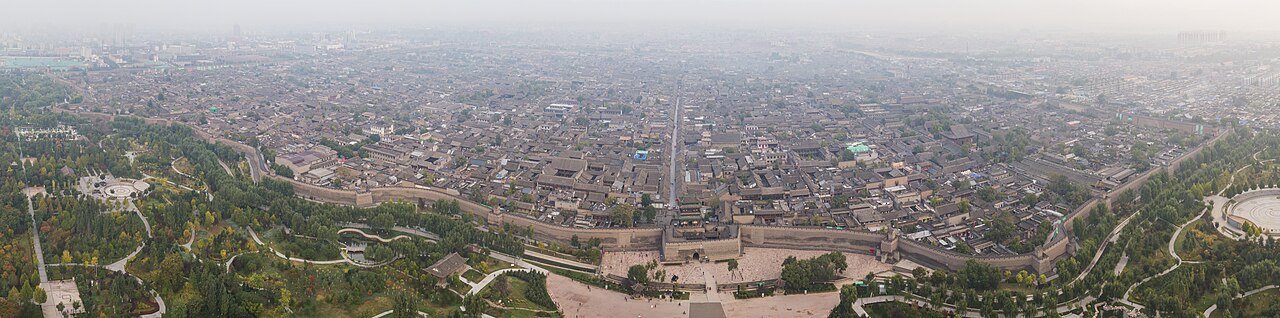
City guide · Zhejiang

Zhejiang travel guide: the trunk routes, which month suits which corner, and the rail skeleton that ties it together

One small, mountainous, absurdly rich province that holds a lake, two canal towns, a Buddhist island and a dead volcano.

  • Known forCanal towns, lake scenery, tea hills
  • Typical spend¥3,000–4,000 for 9 days
  • Ideal length6–9 days
  • PaceVaries — city walking, island ferries

Reviewed by our Beijing team Updated 2026-10-10

The short version

Zhejiang is the smallest of China's most-visited provinces — just over 100,000 sq km for 54.4 million people — and 9 days is the honest length for a first loop: three in Hangzhou with half a day at Xixi, half a day each in Wuzhen and Xitang, one in Shaoxing, one in Ningbo and two out on the Zhoushan islands. Budget ¥3,000–4,000 a head, excluding flights. The province runs on high-speed rail plus a dense coach network, with ferries for the 1,390 islands and one international airport at Hangzhou Xiaoshan.

  • Eleven prefecture-level cities: Hangzhou, Ningbo, Wenzhou, Shaoxing, Huzhou, Jiaxing, Jinhua, Quzhou, Zhoushan, Taizhou and Lishui. The terrain is summed up as seven parts mountain, one part water, two parts farmland.
  • The trunk loop is Hangzhou → Wuzhen → Xitang → Shaoxing → Ningbo → Zhoushan: about 9 days and ¥3,000–4,000, built on high-speed rail with one long coach leg and two ferry days.
  • The coastal high-speed line — Hangzhou, Ningbo, Taizhou, Wenzhou, and a stop at Yandangshan — is the backbone; coaches are cheaper, more frequent and reach the smaller towns.
  • Come in spring or autumn. Summers here are brutal, winters damp and raw, March to April is the plum-rain season, and Golden Week should be avoided outright.
  • The West Lake in Hangzhou is free and open to all, which is the single best argument for starting in Hangzhou in a province whose prices otherwise match Beijing's and Shanghai's.

City guide

First impressions

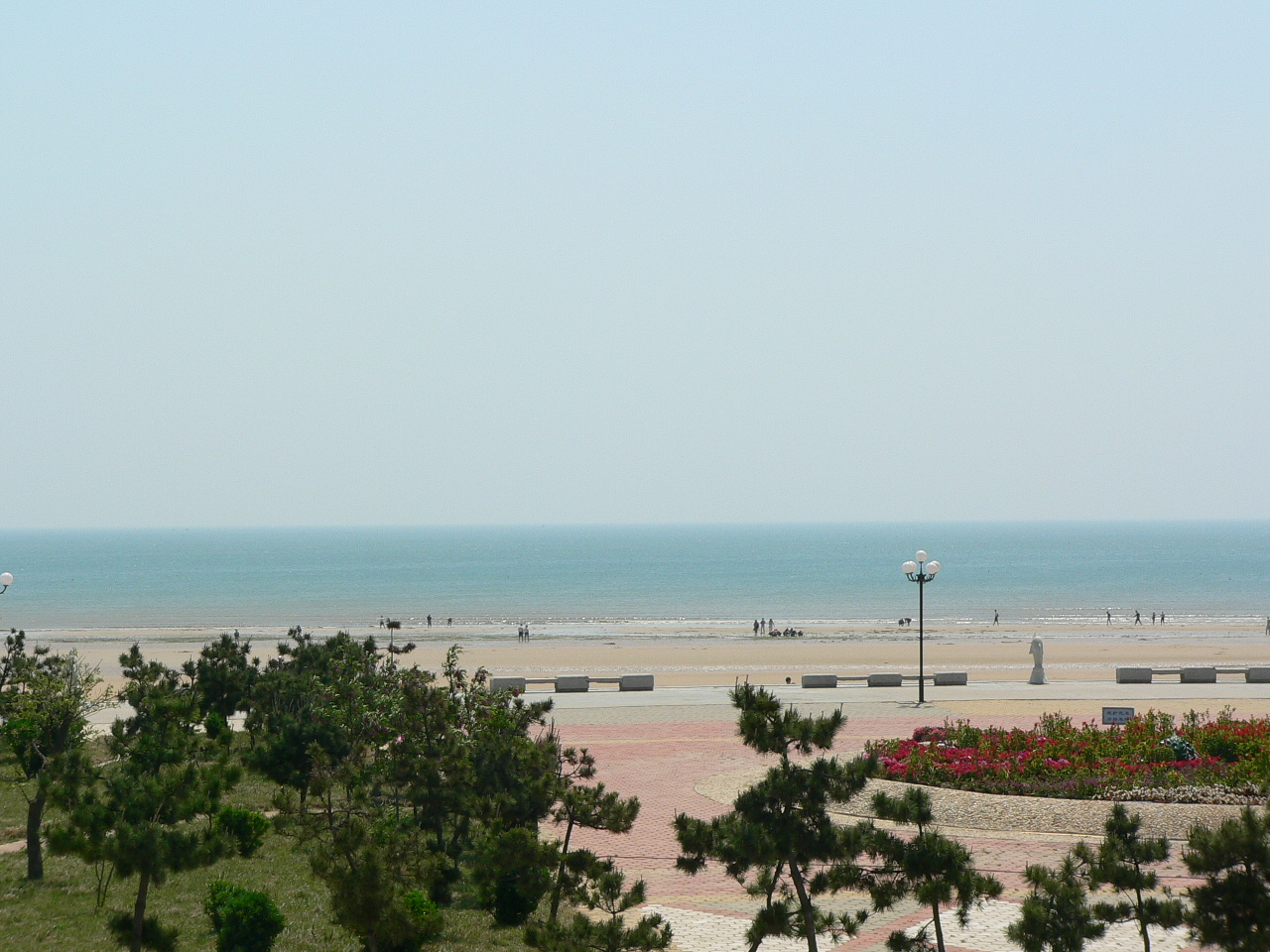
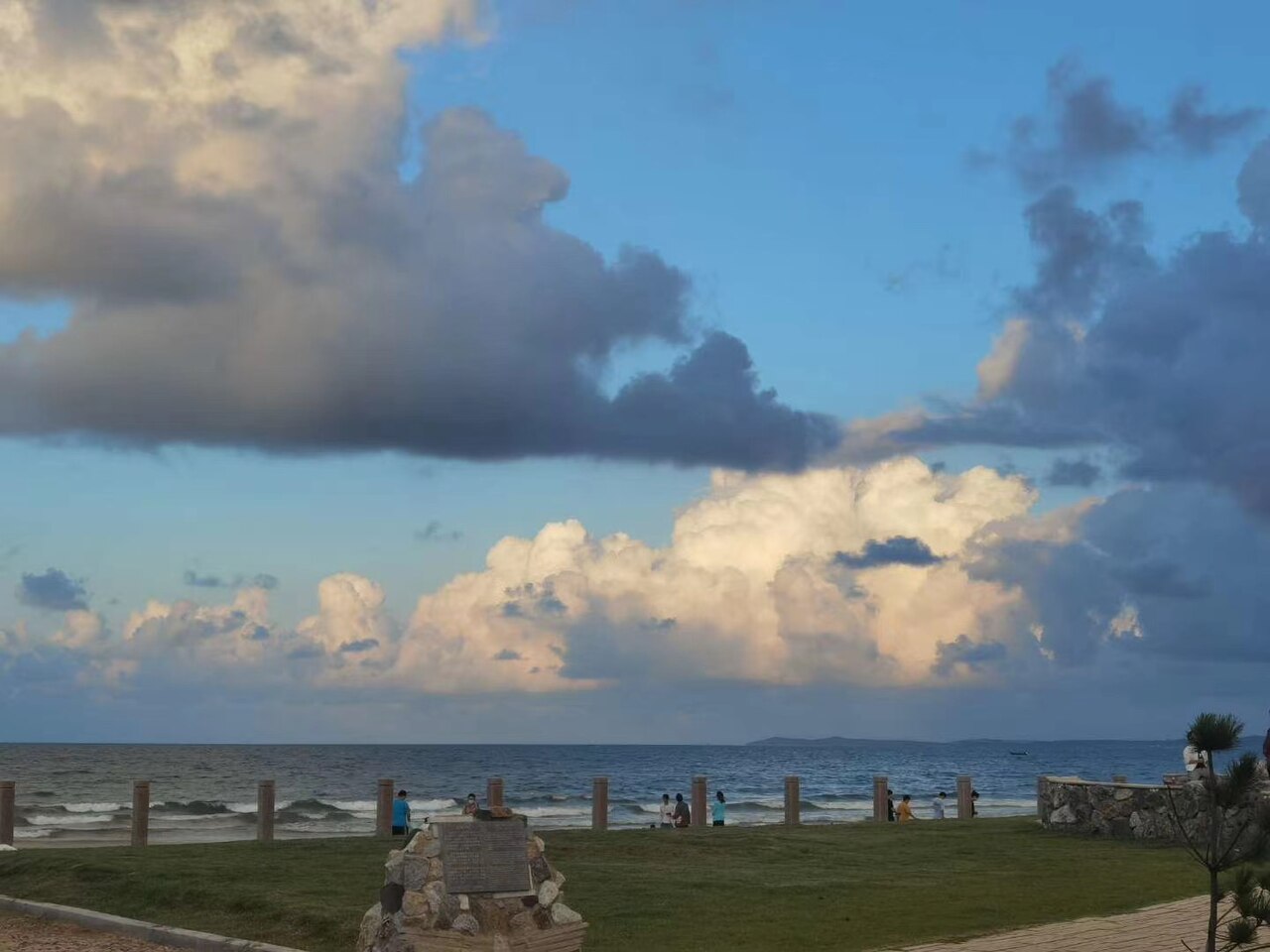
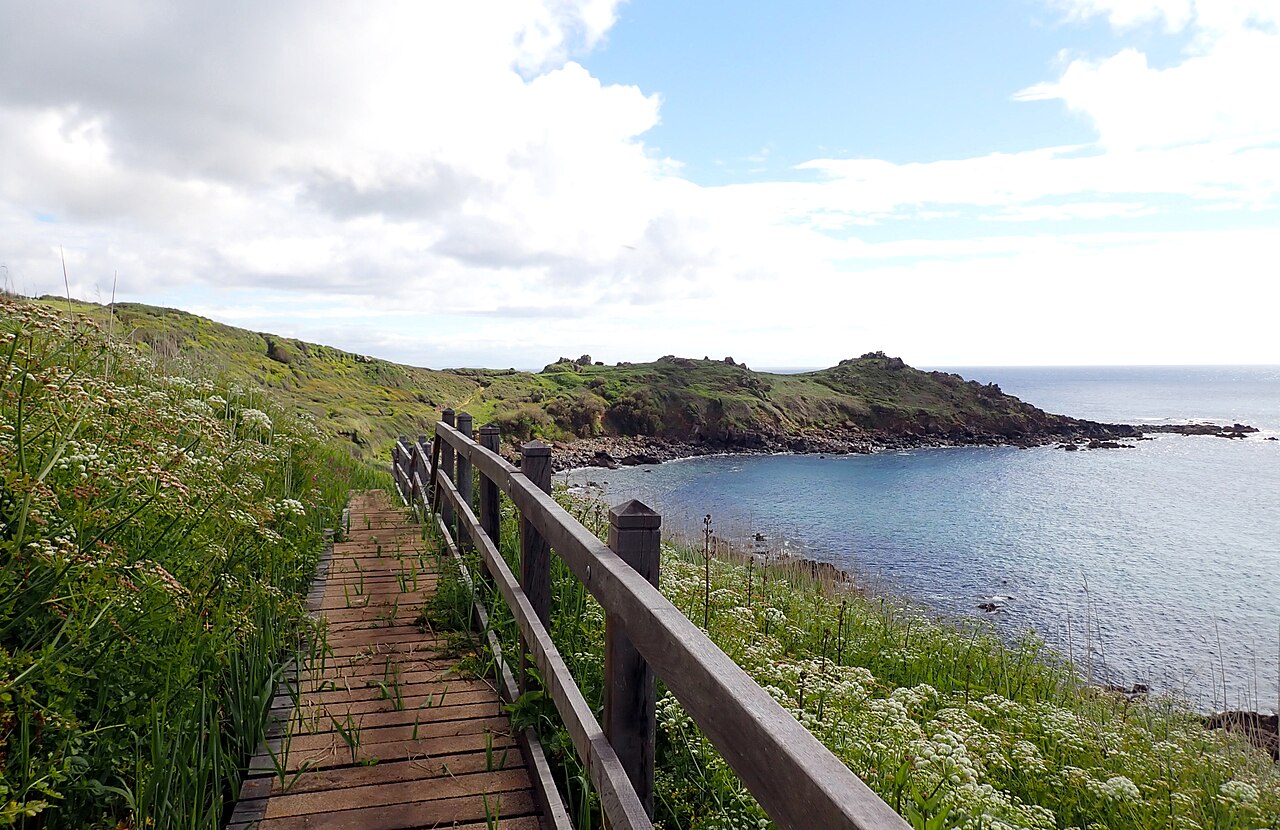
Photographs from the coast, and what other travellers wrote afterwards.

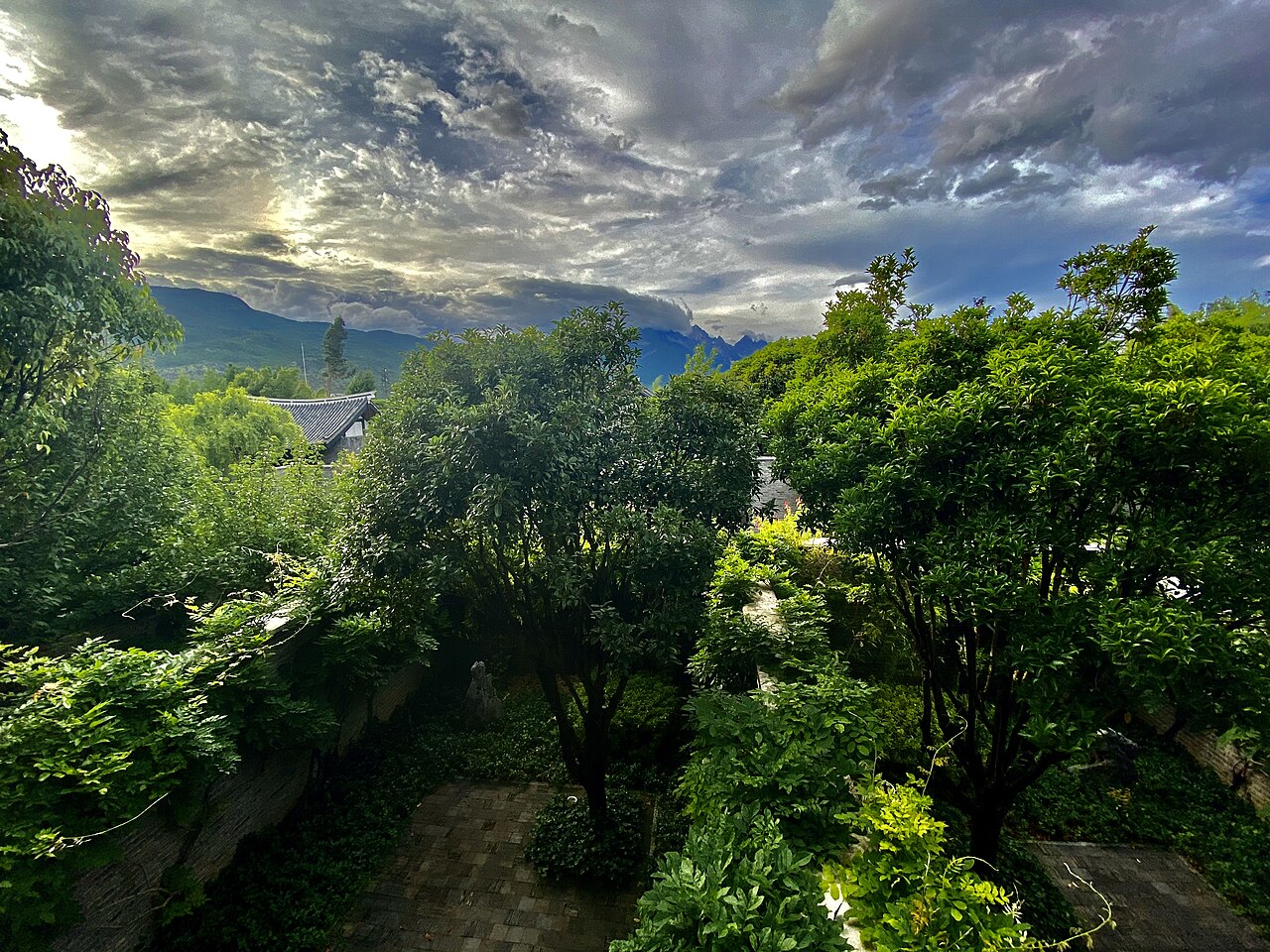
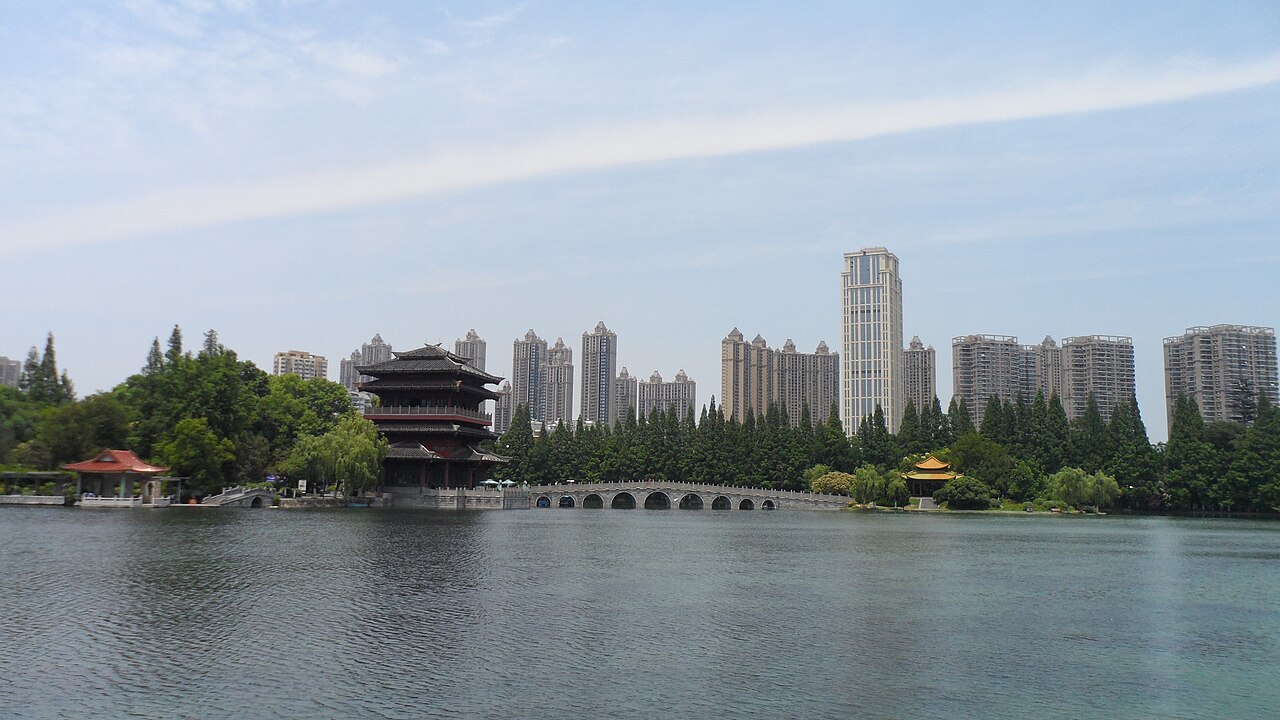
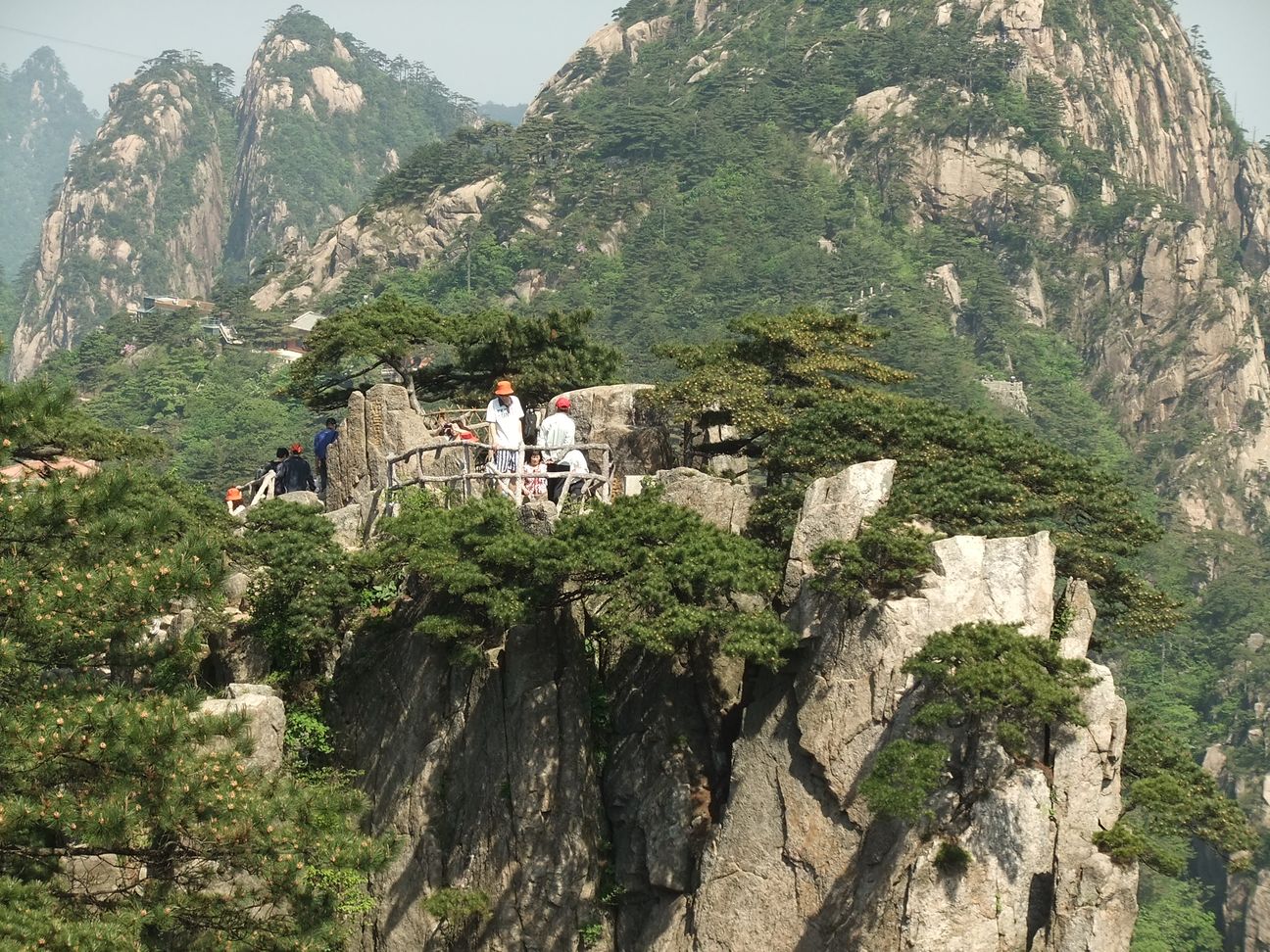
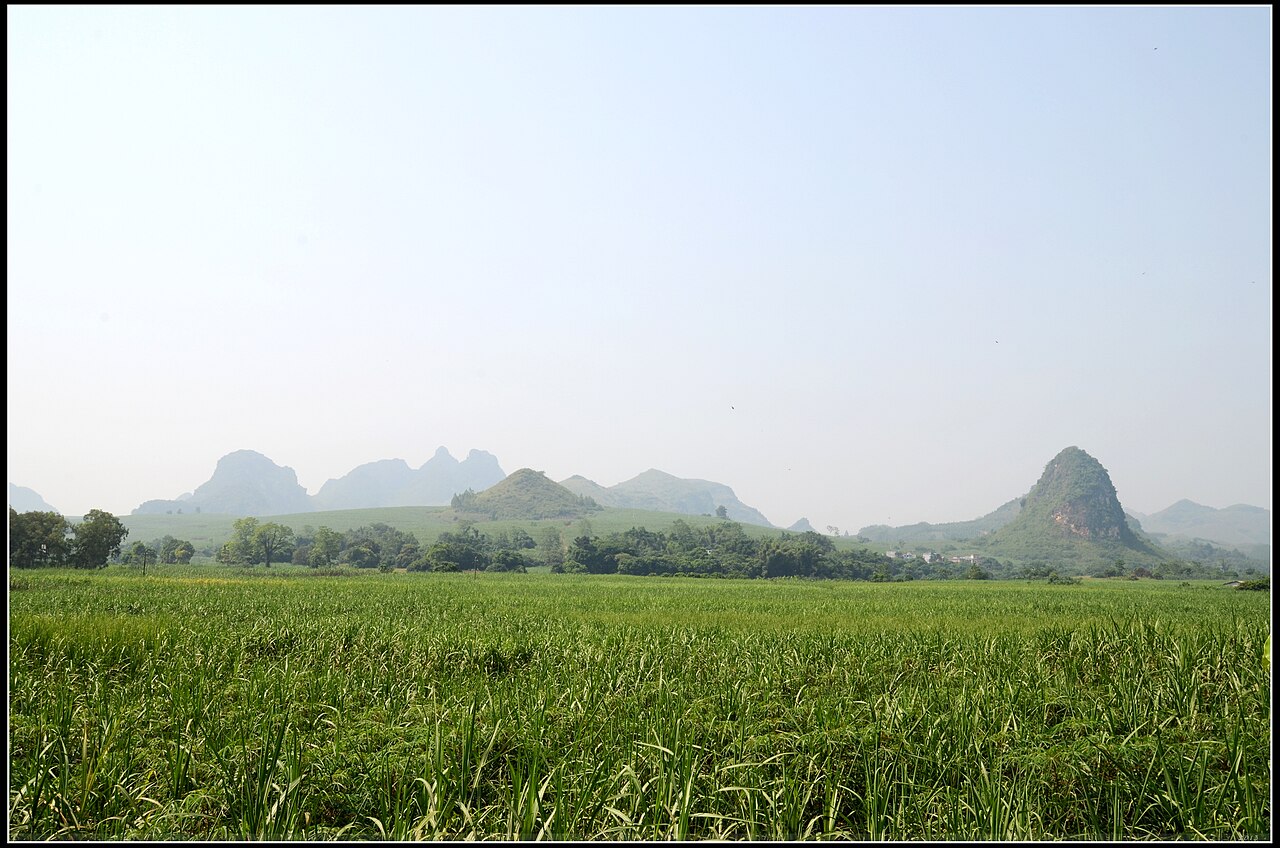
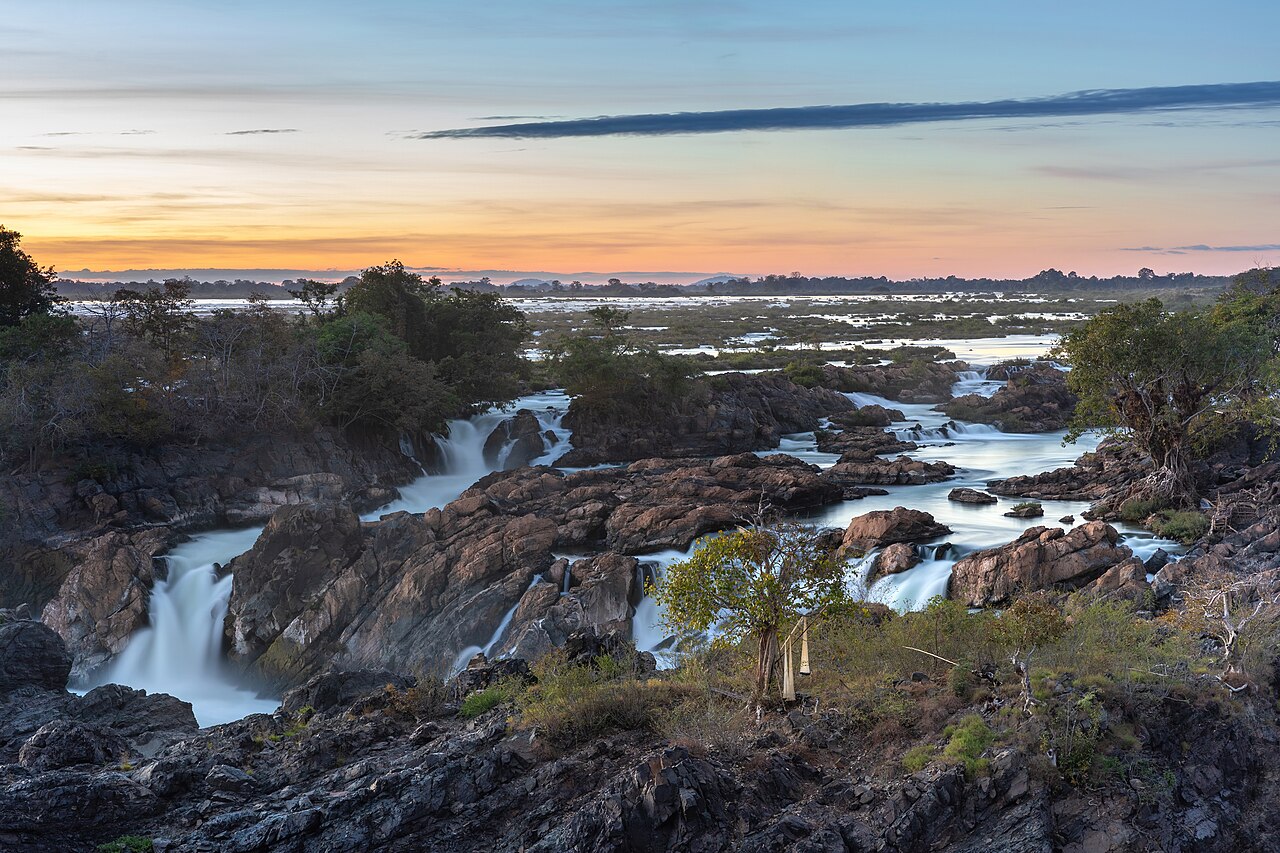
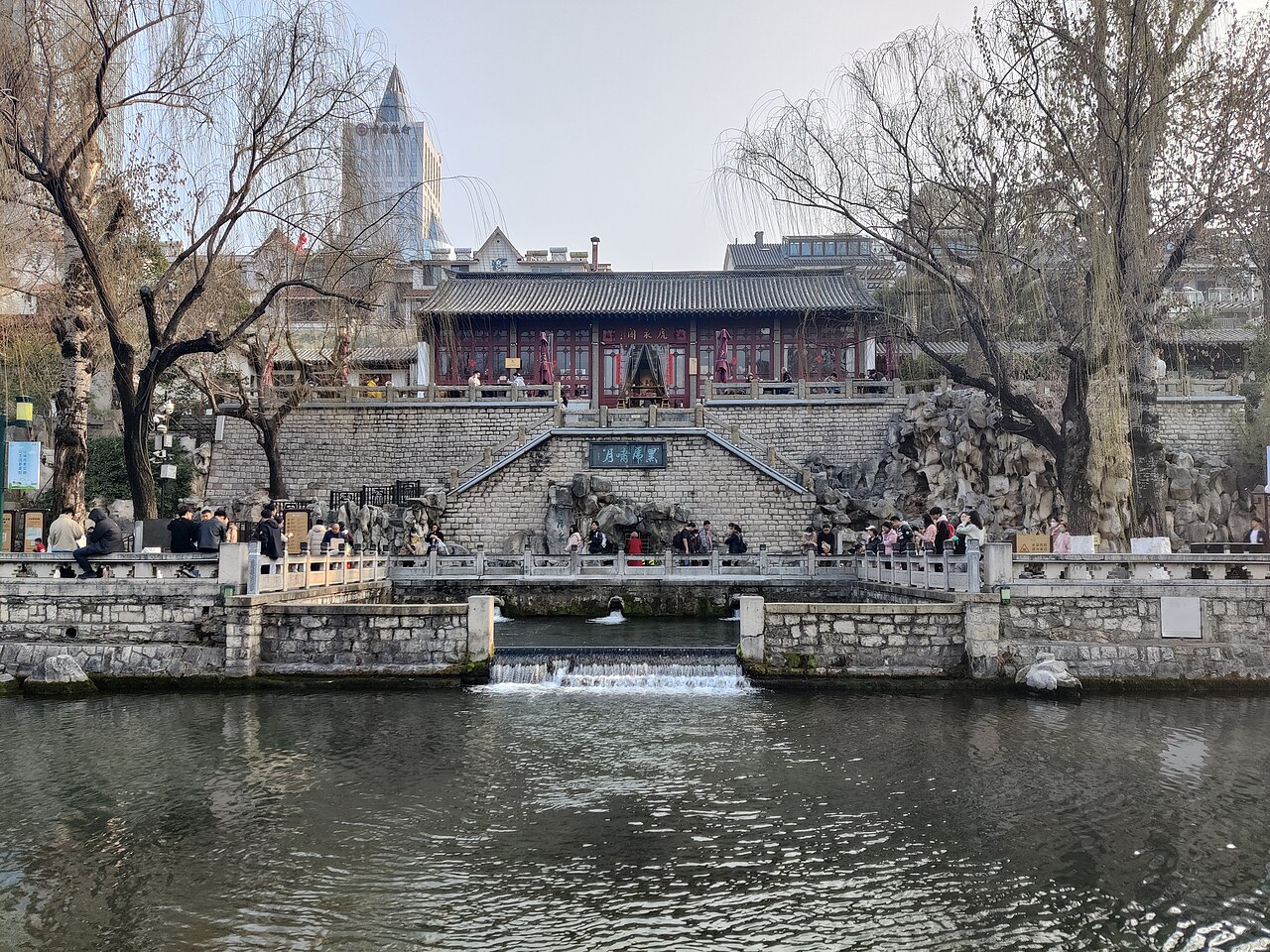
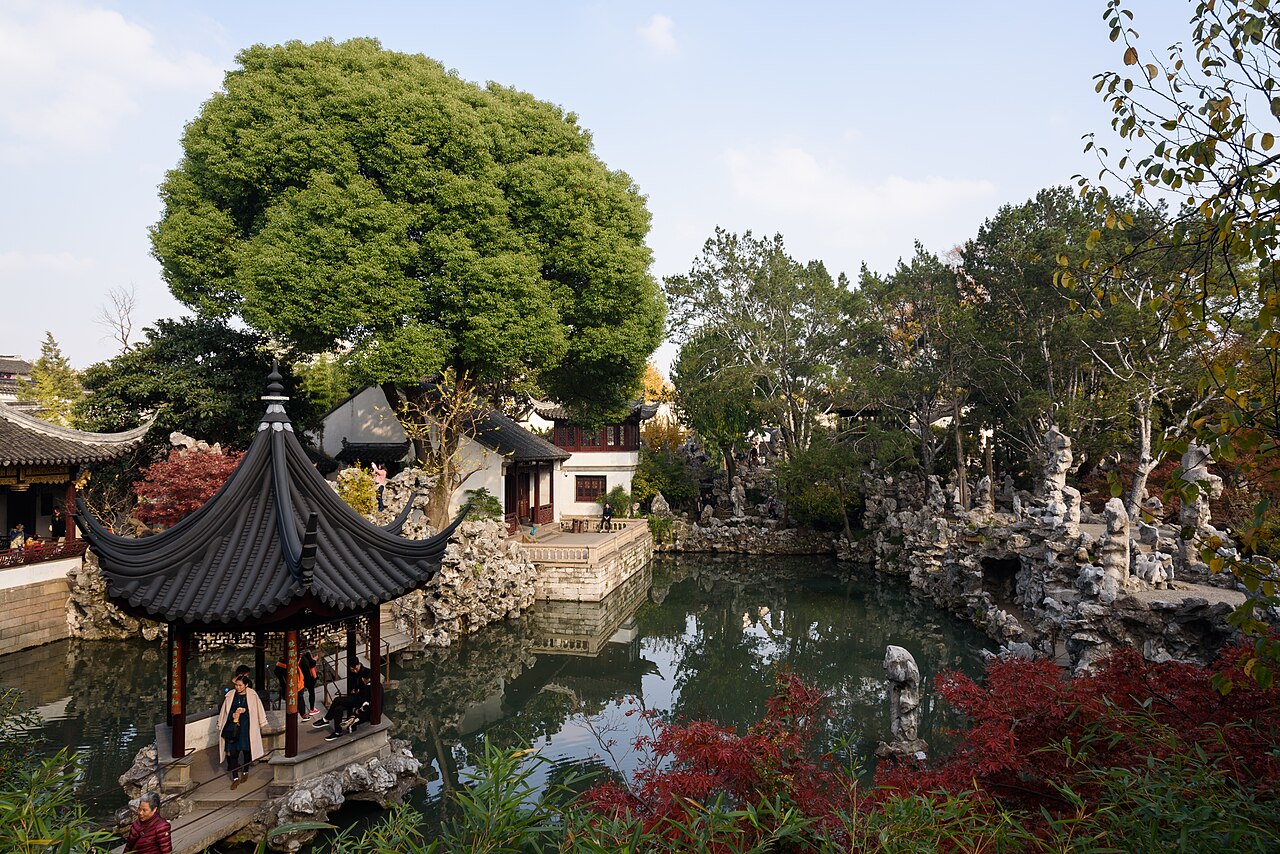
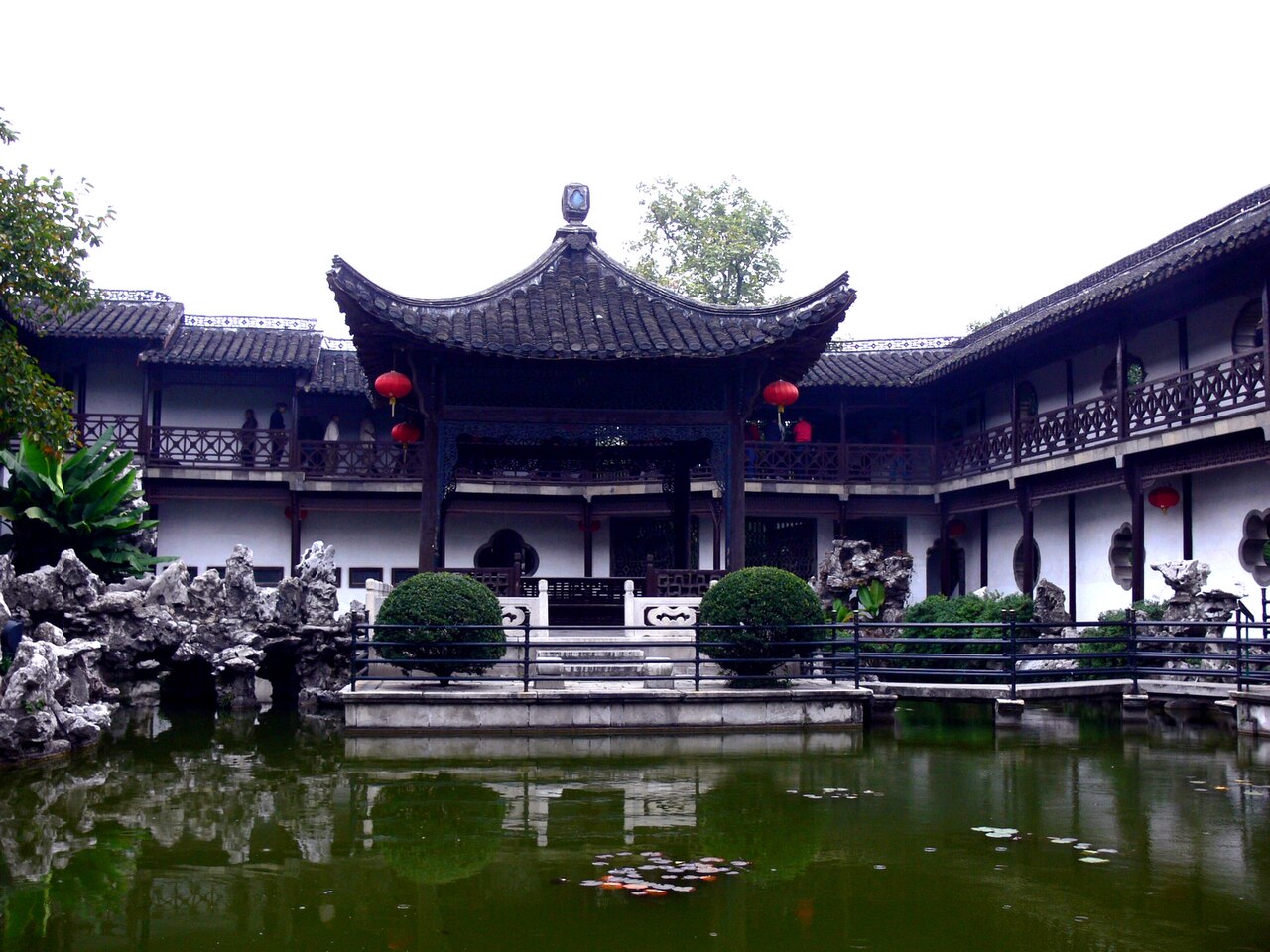
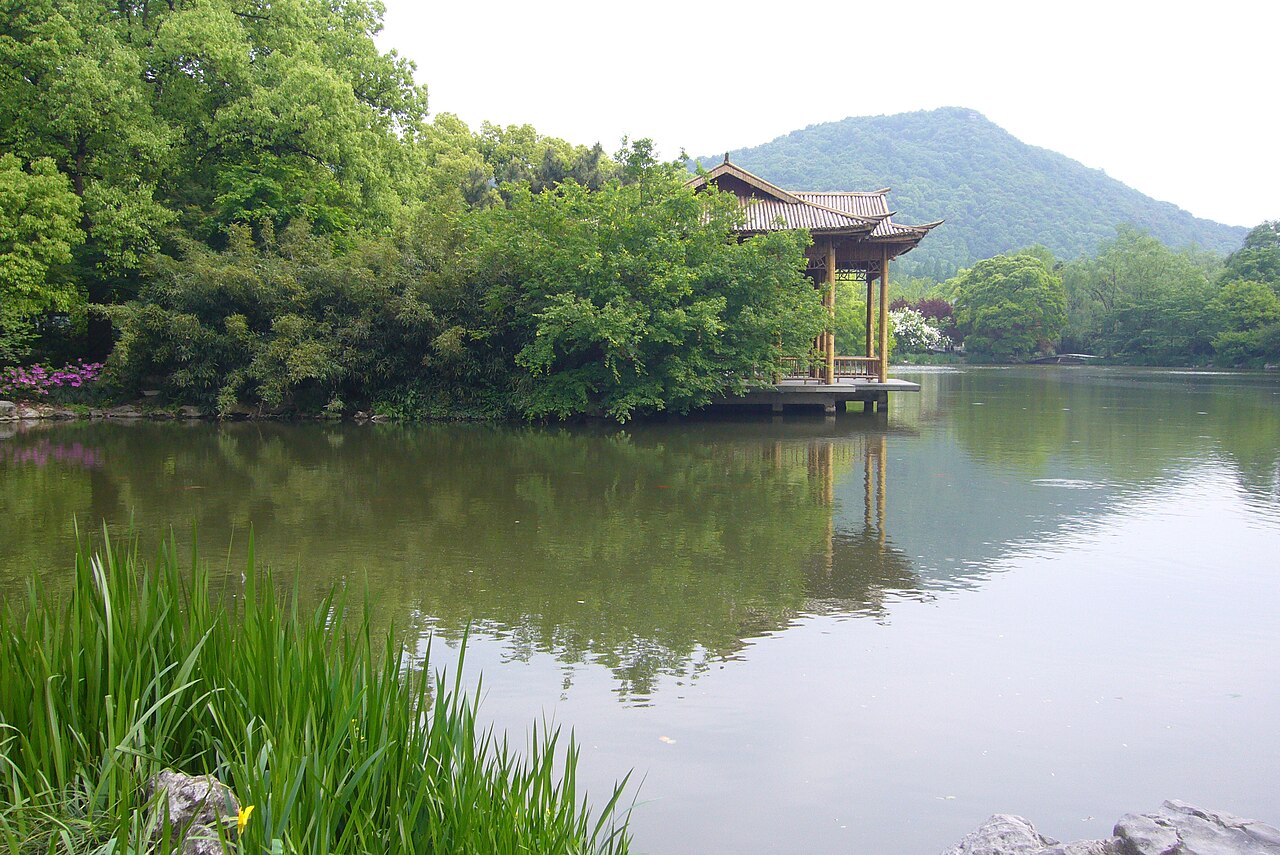
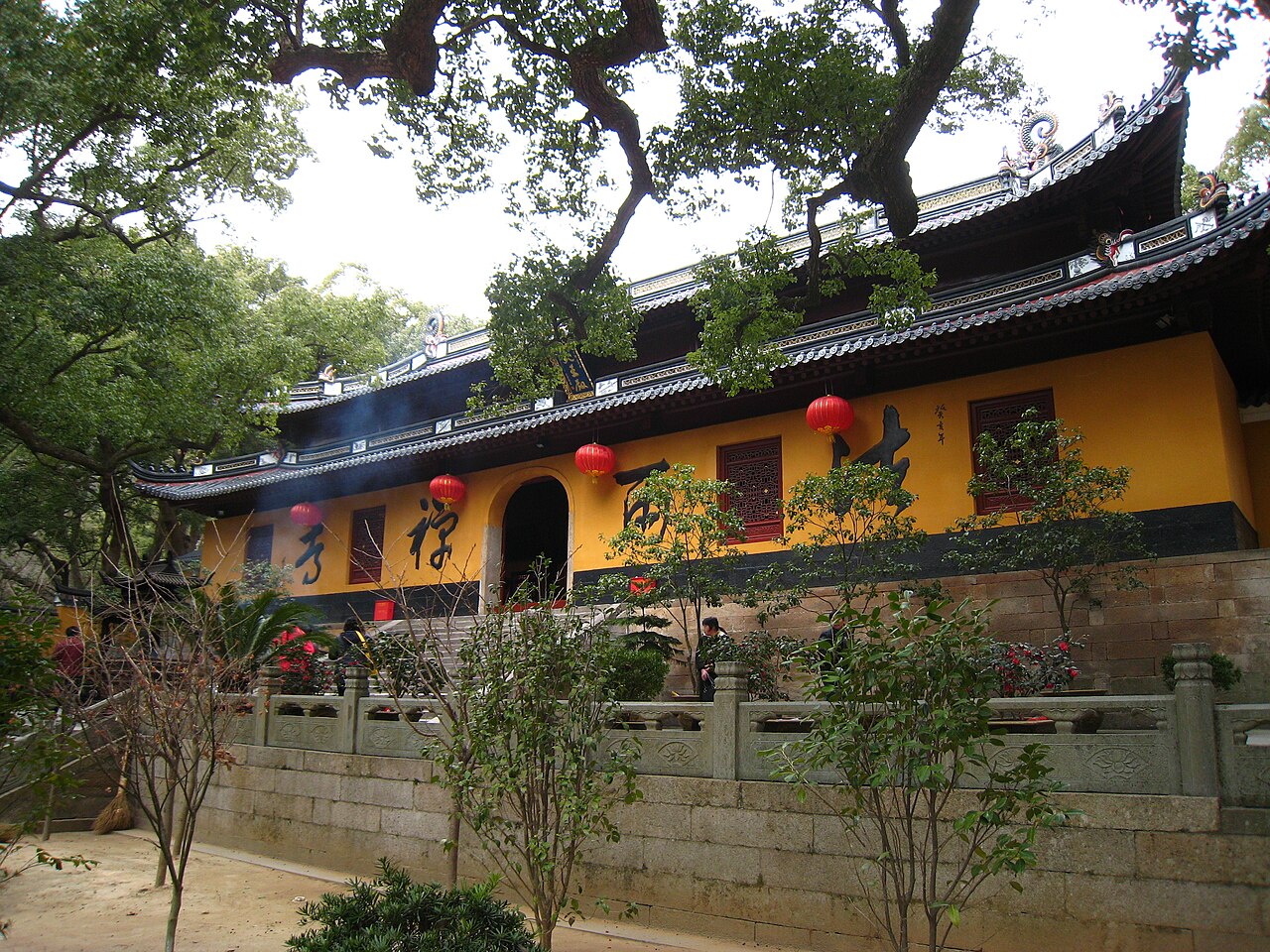
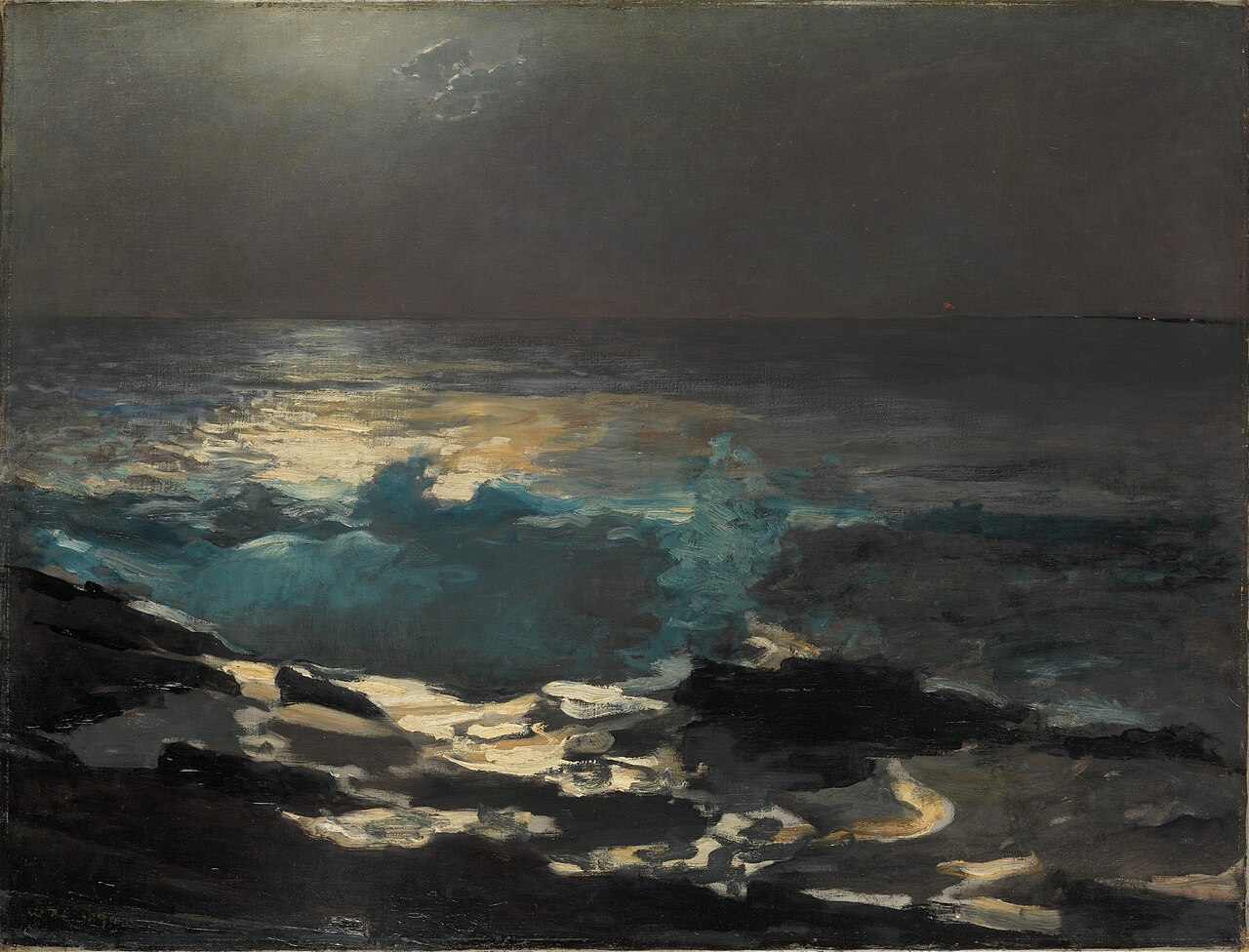
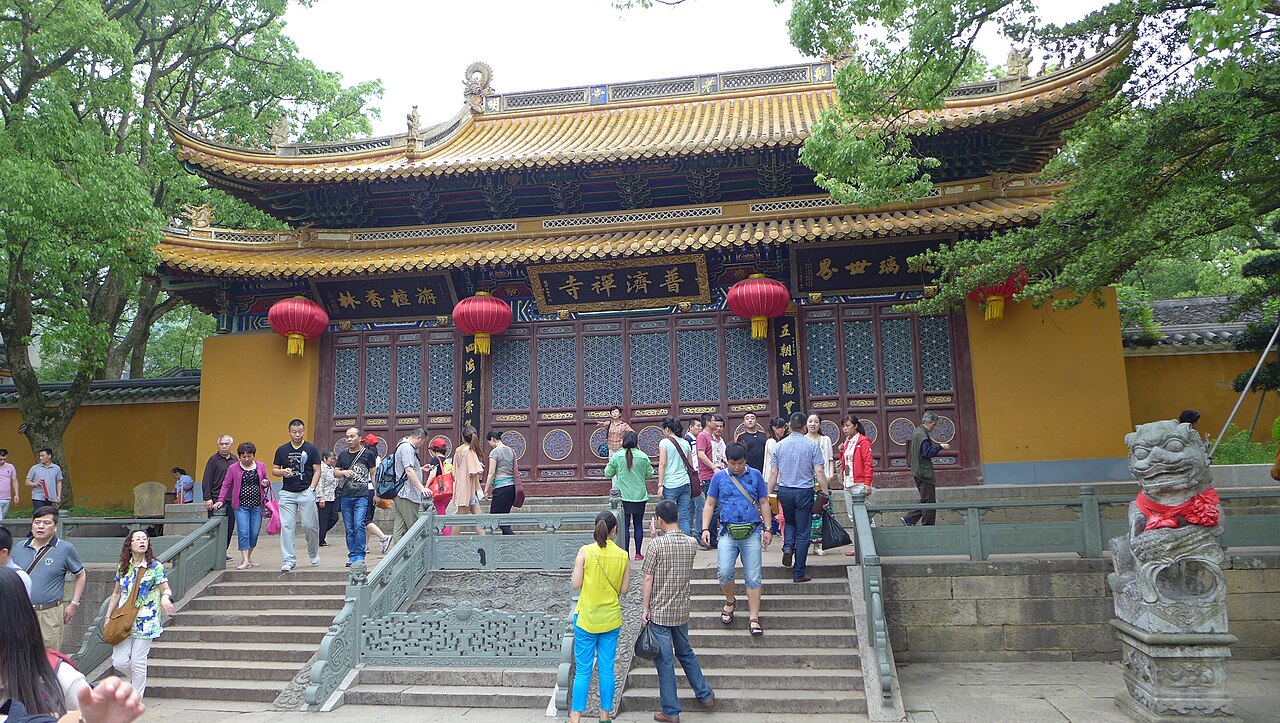
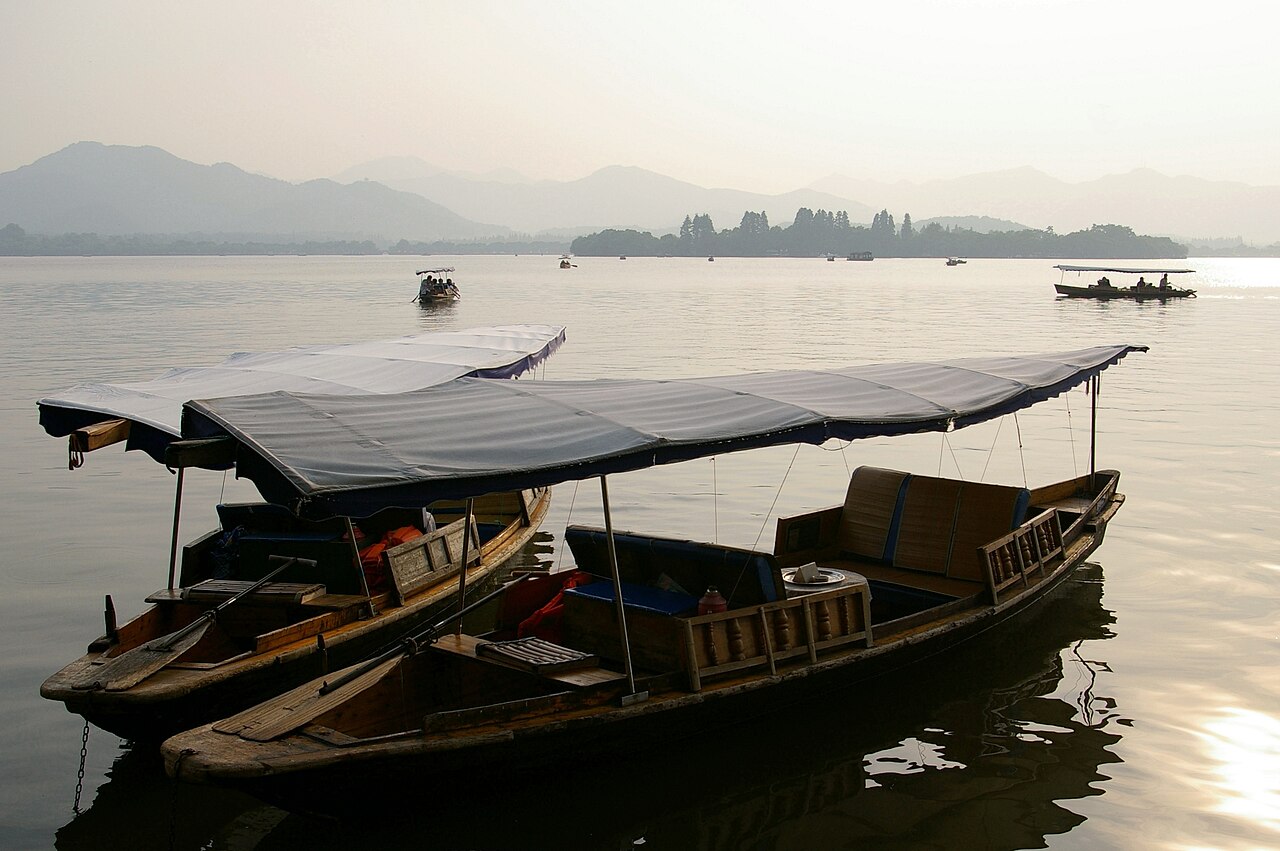
The West Lake in Hangzhou — free, and the reason most people come
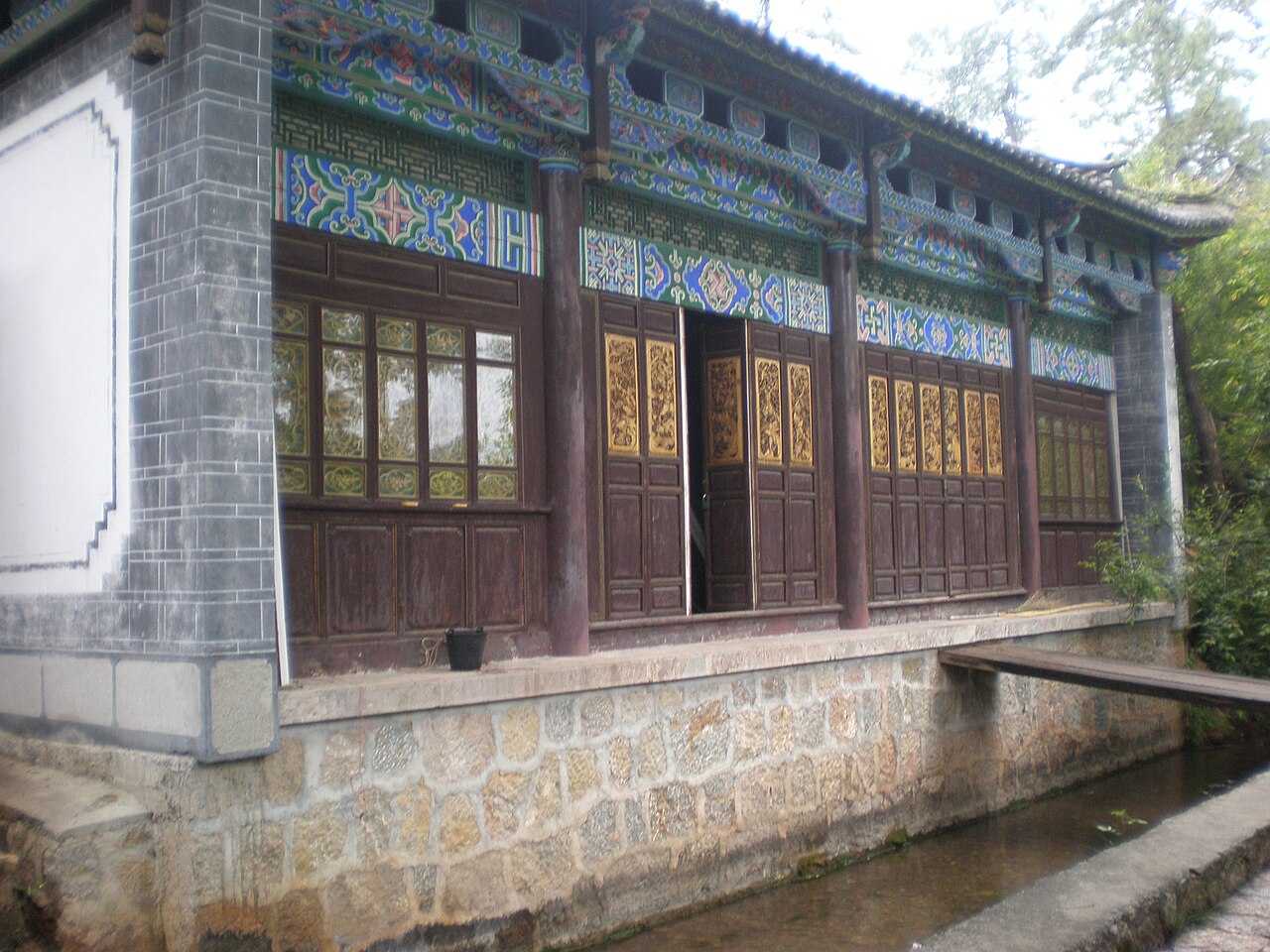
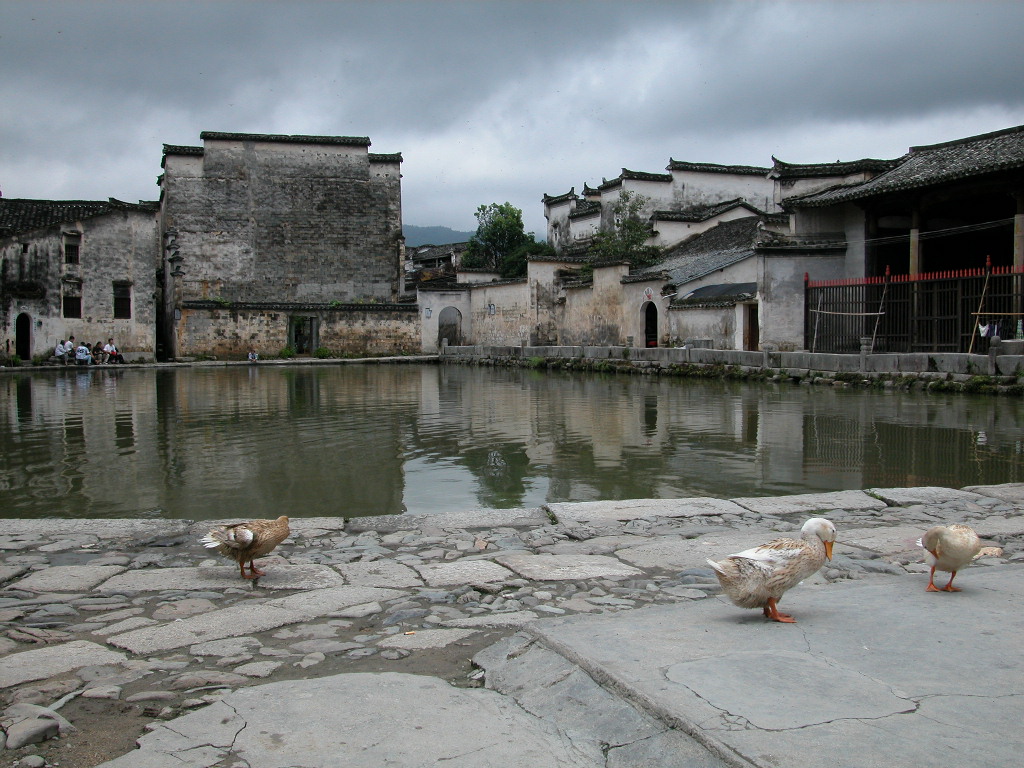
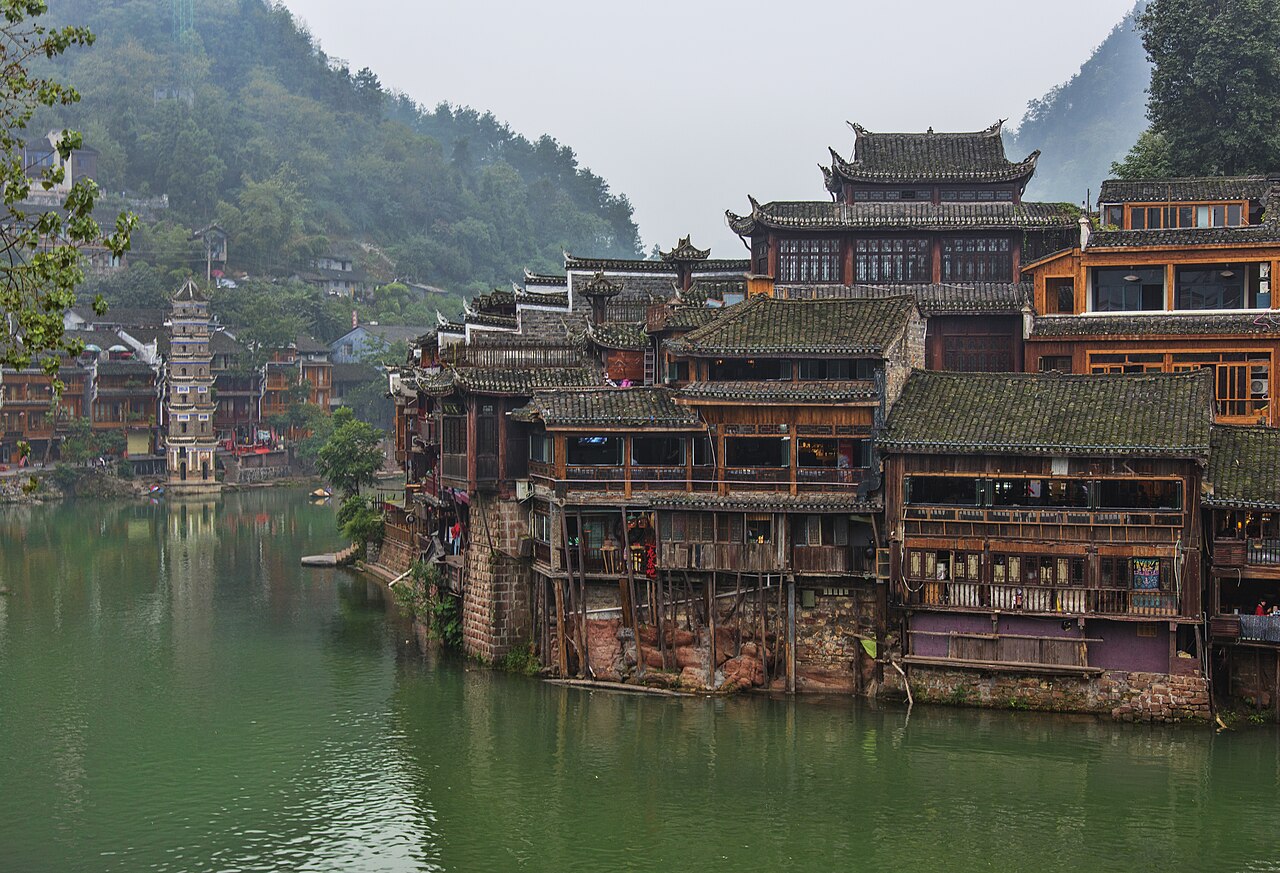
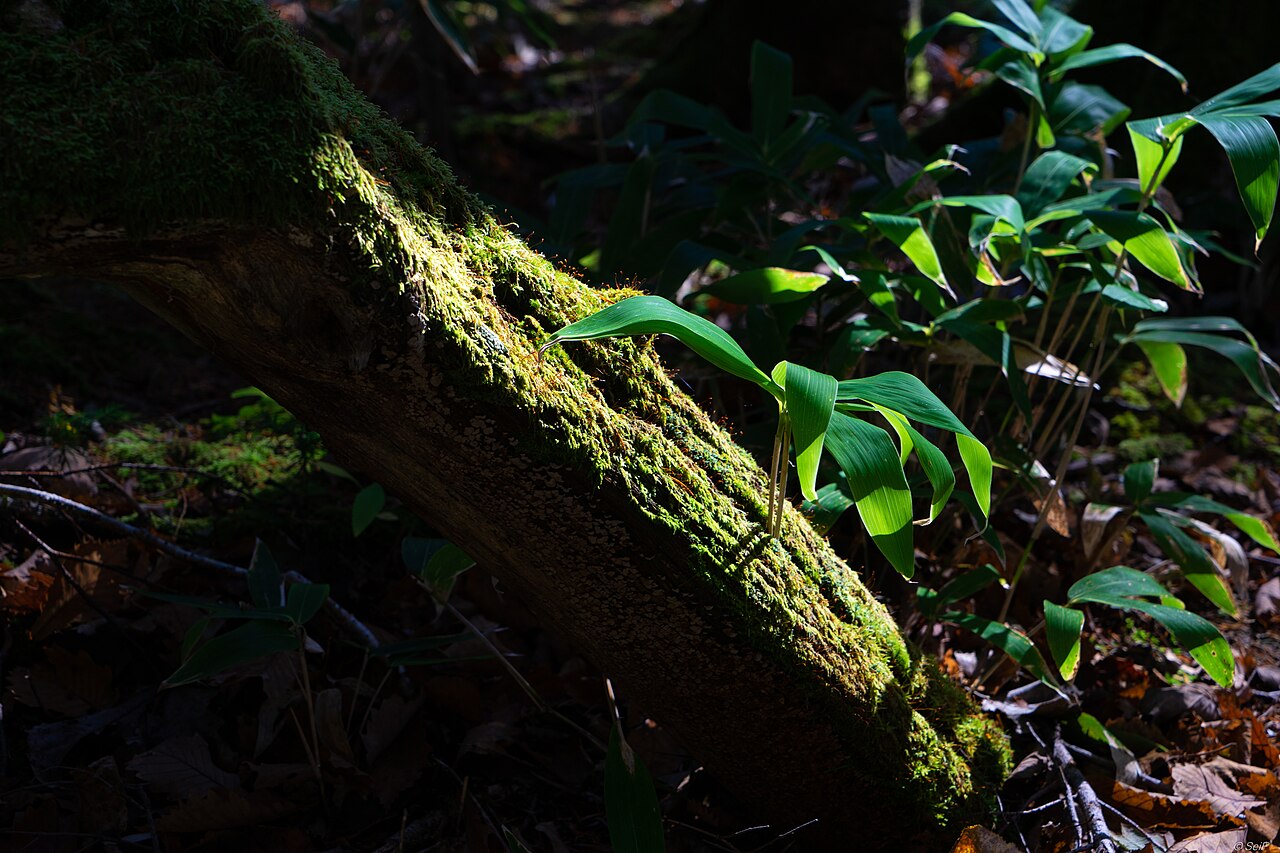
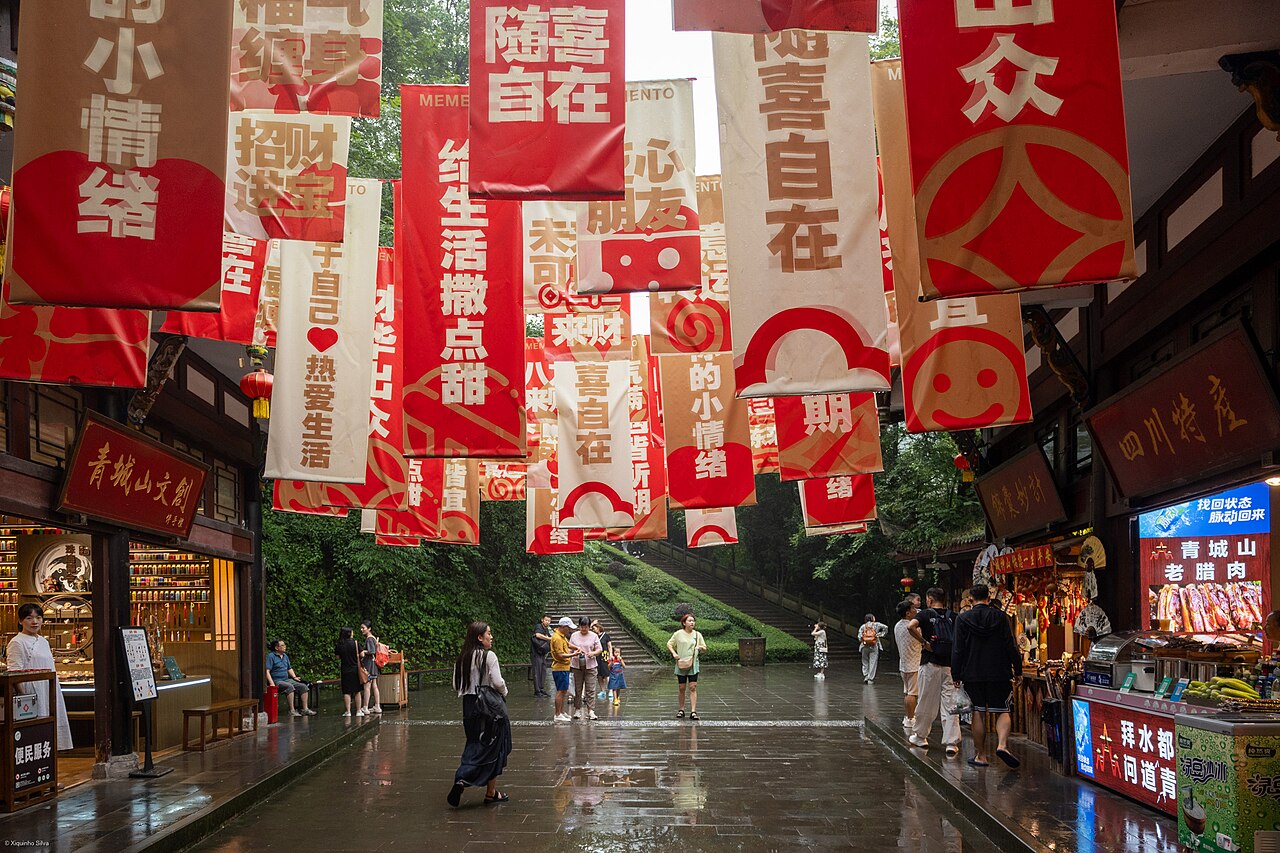
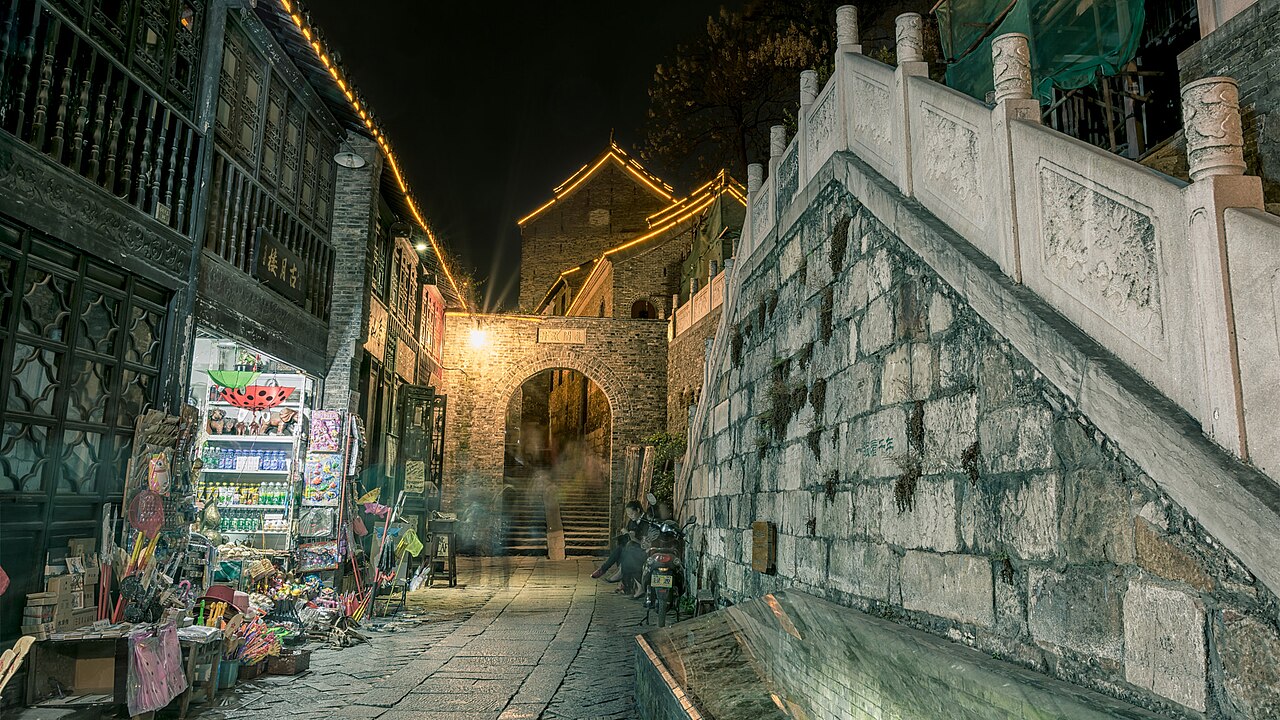
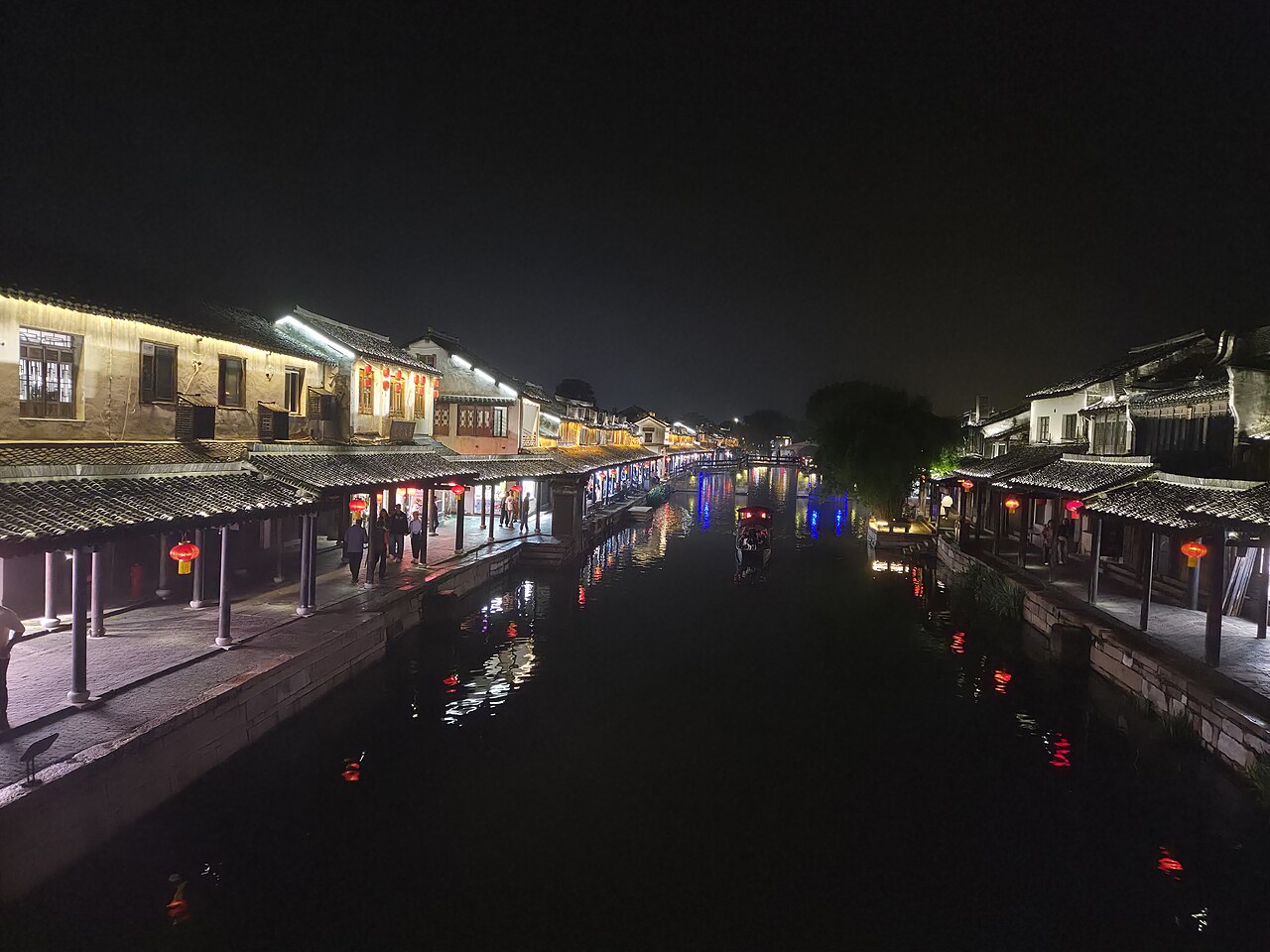
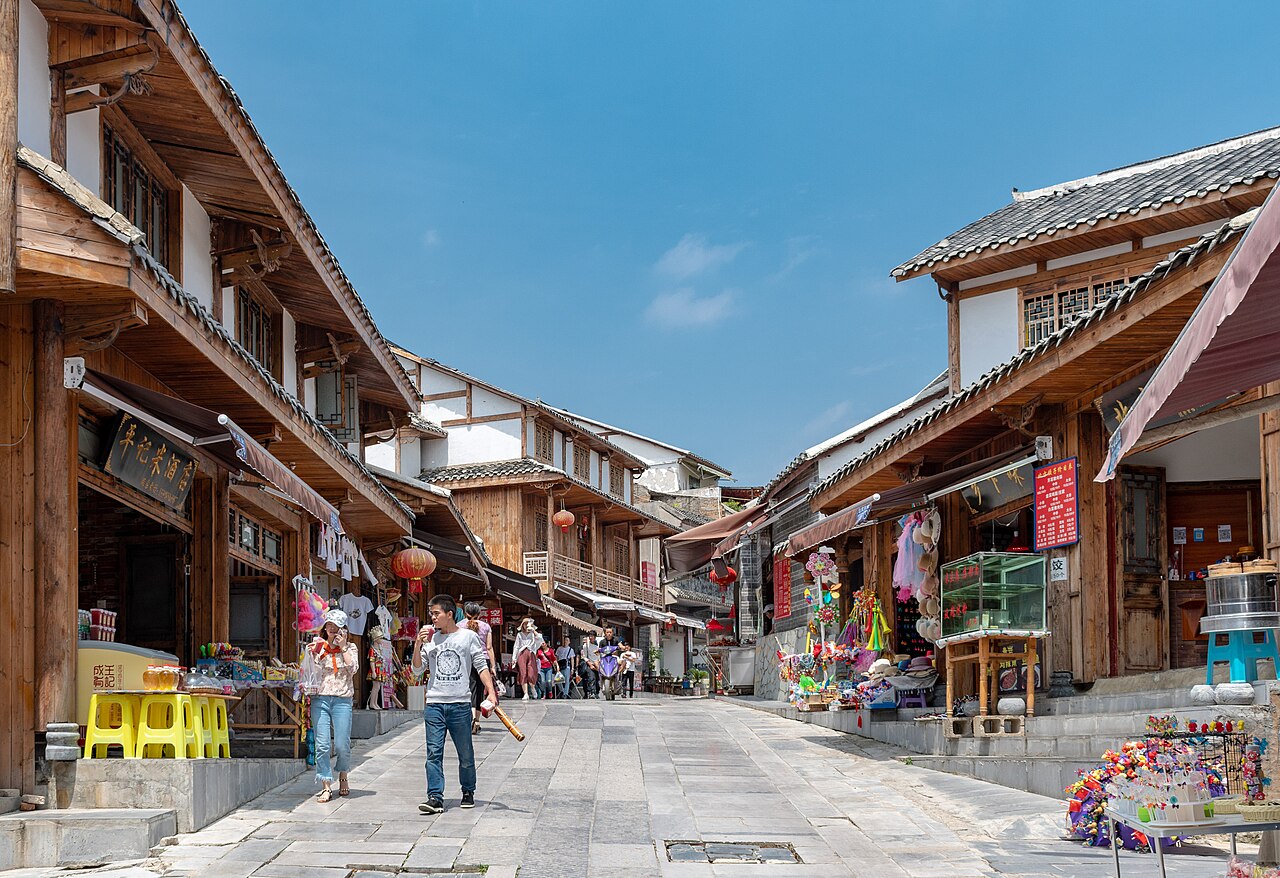
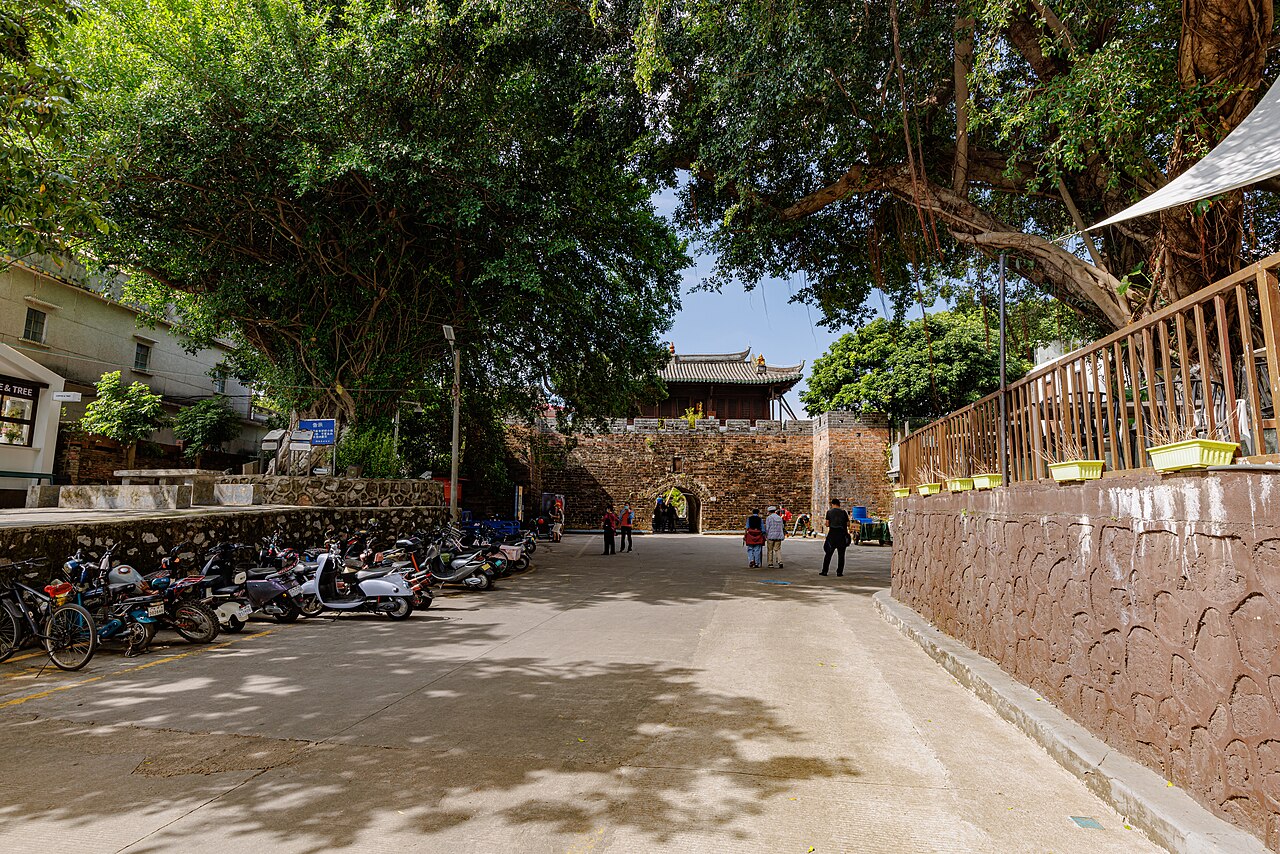
Wuzhen: a canal town that has been finished rather than frozen
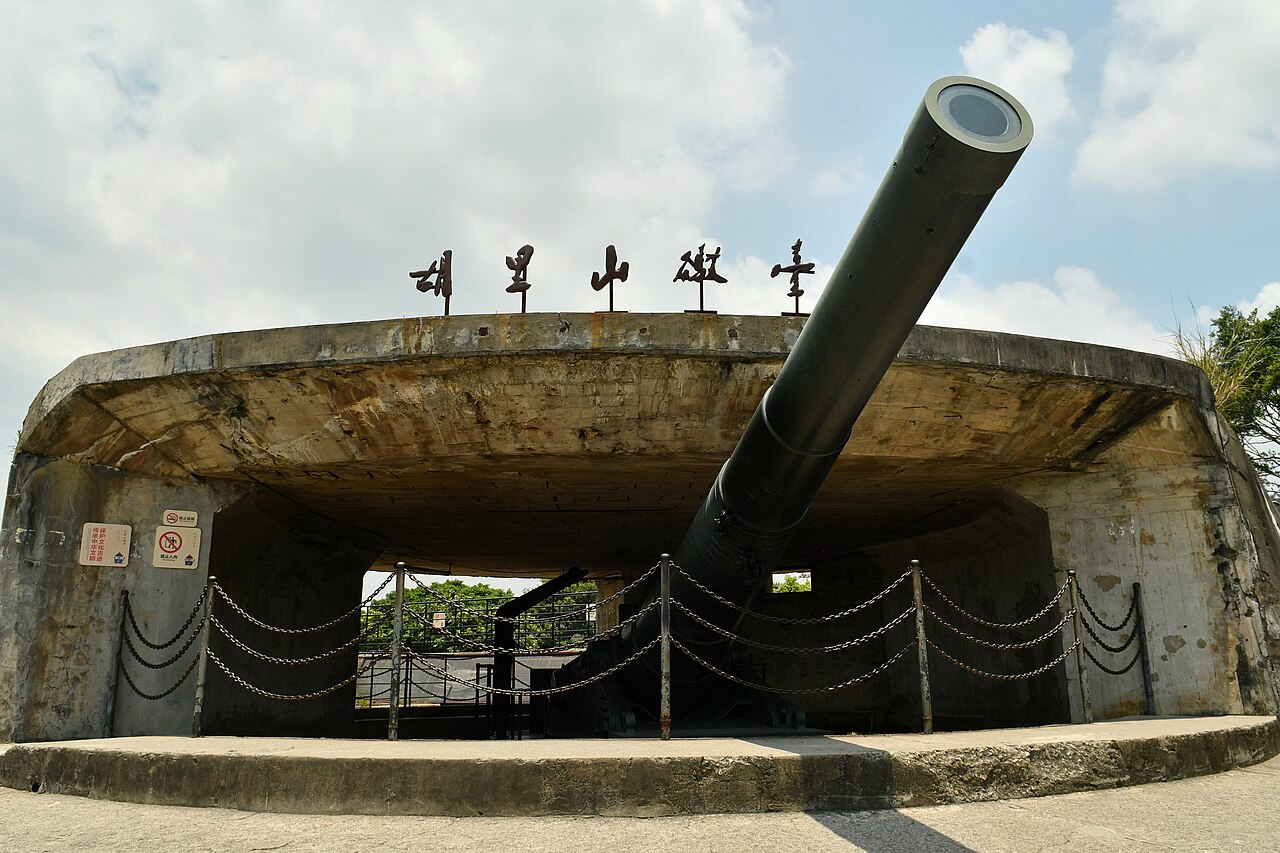
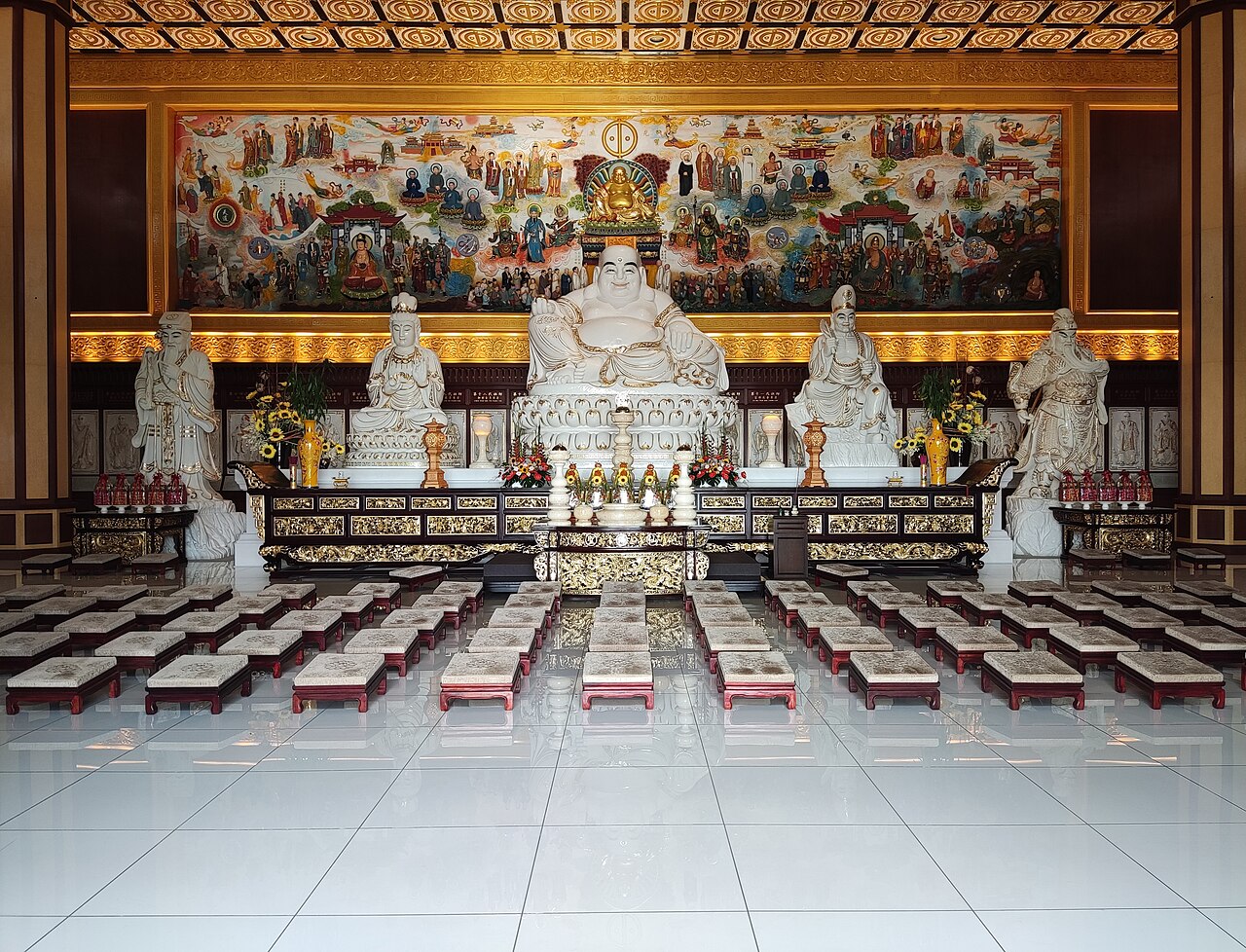
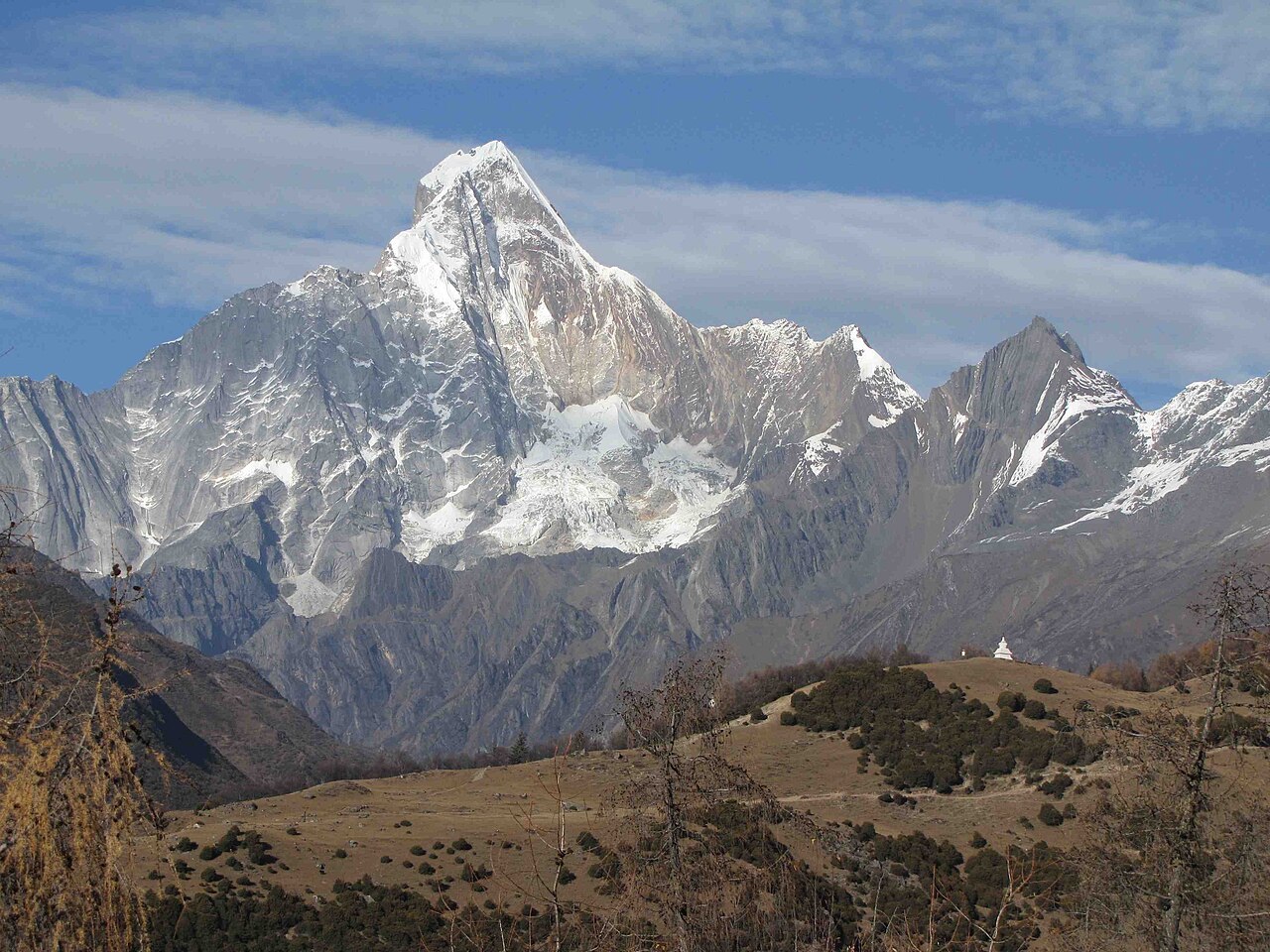
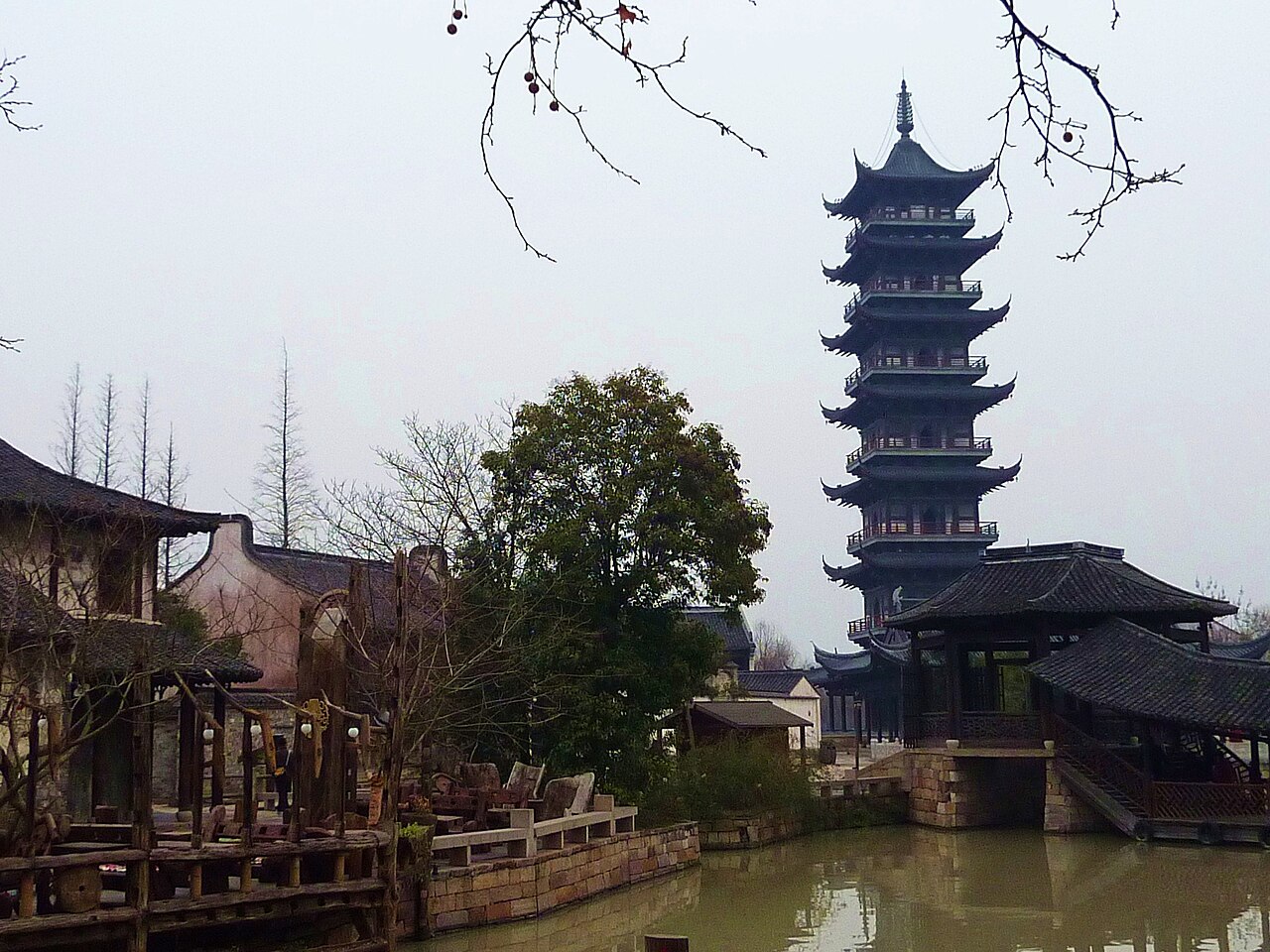
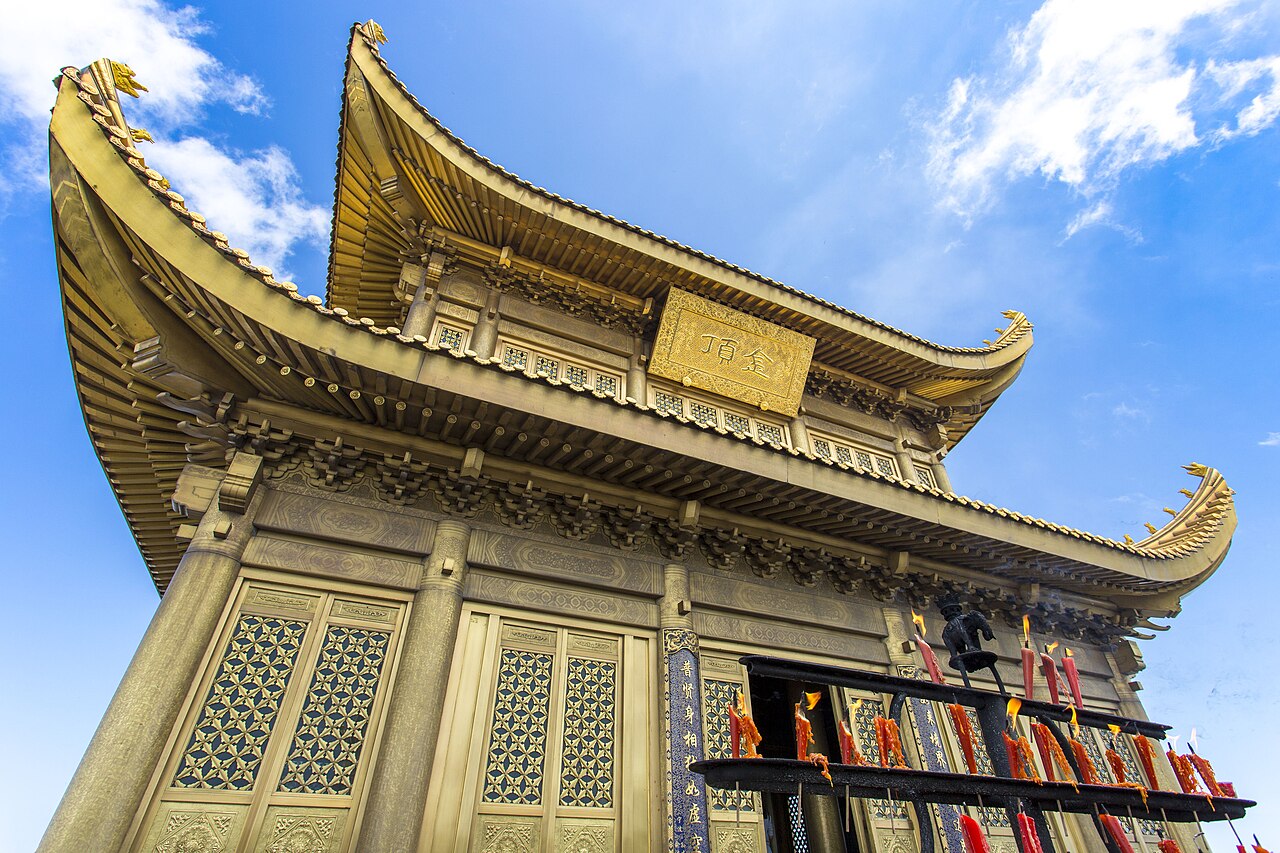
The 18 m bronze Guanyin over the incense on Putuo Mountain
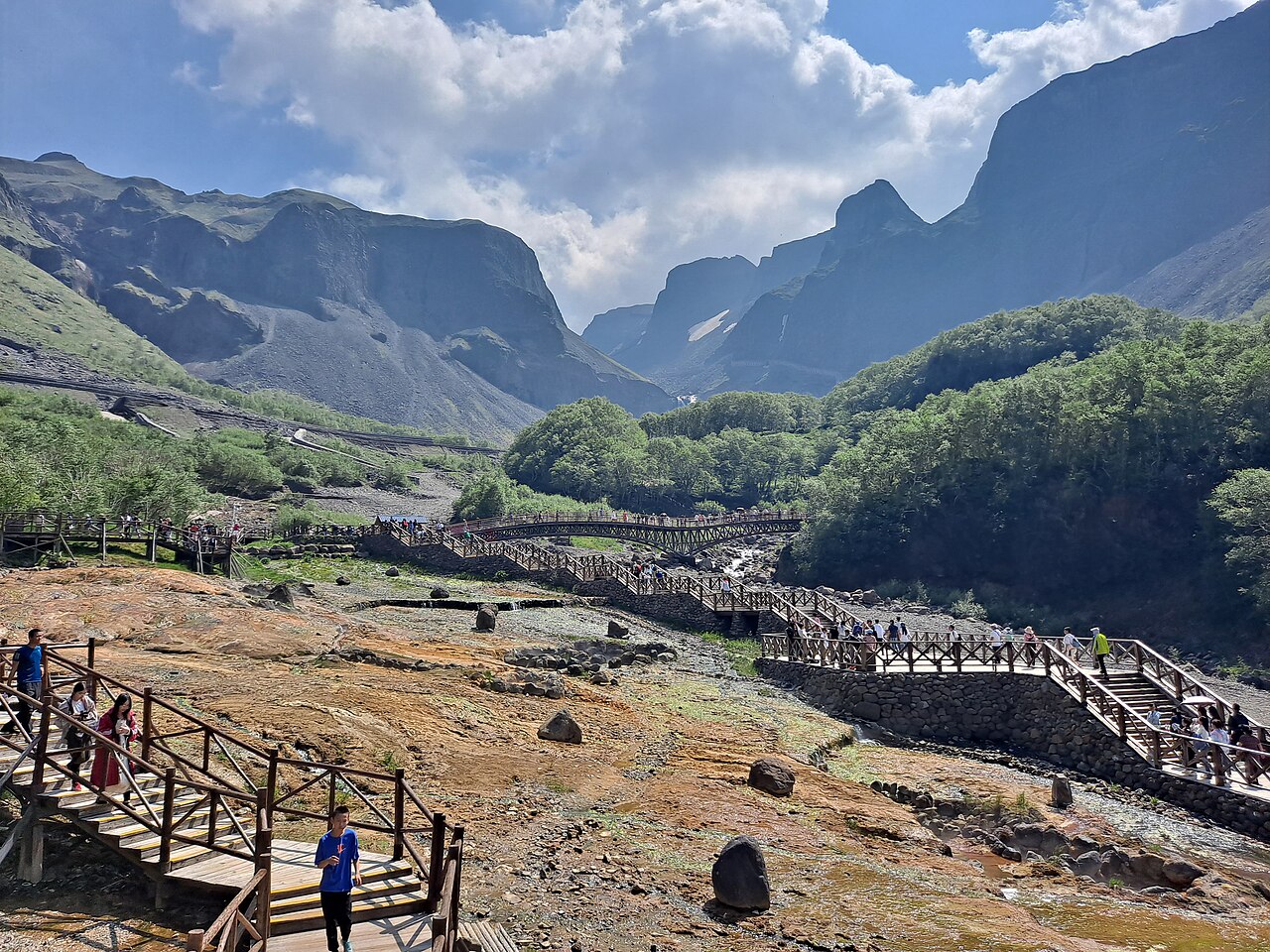
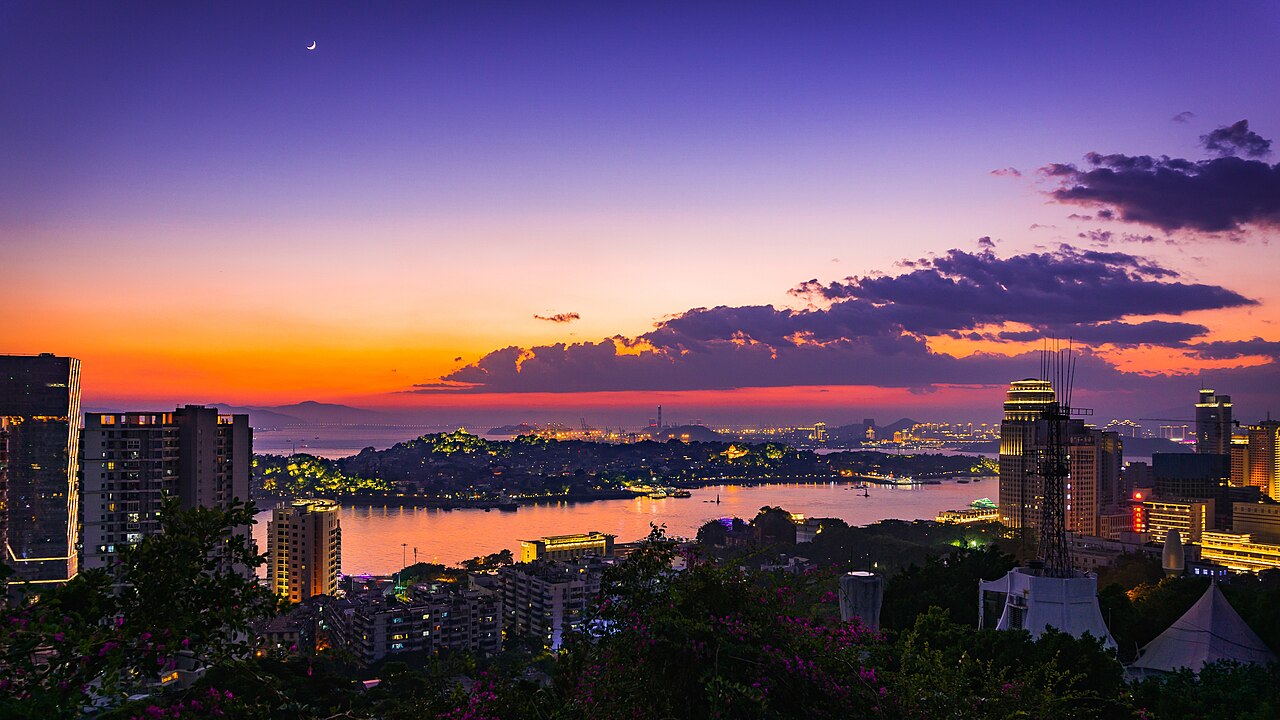
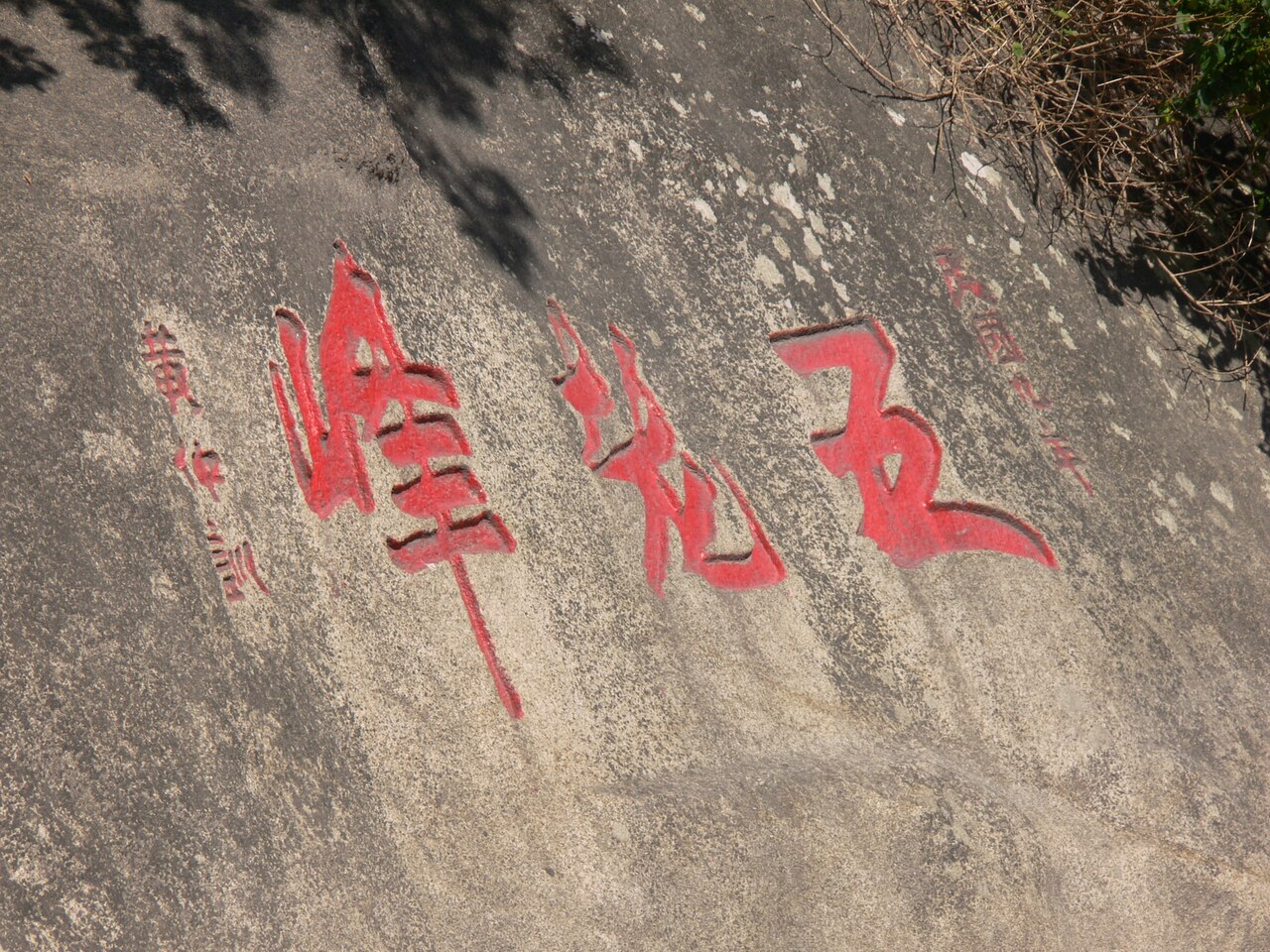
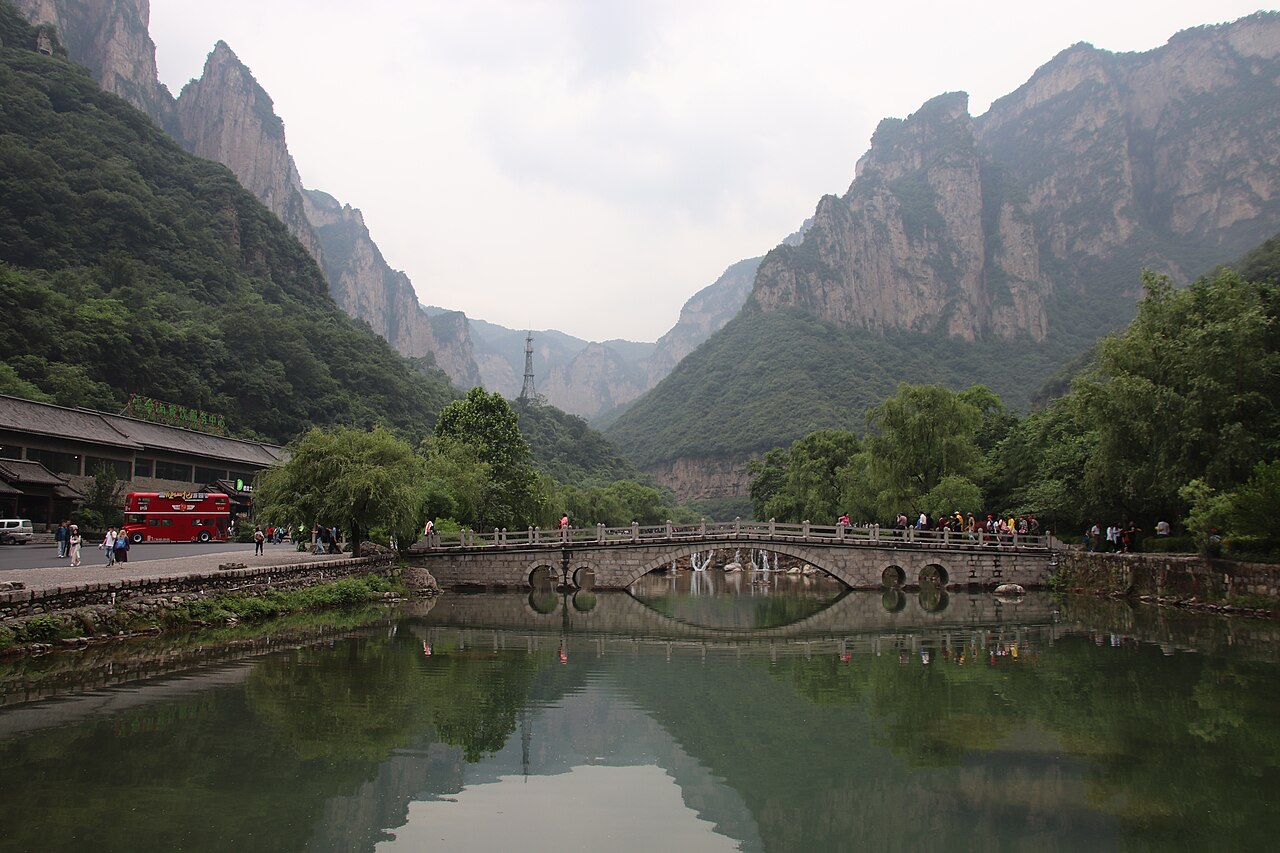
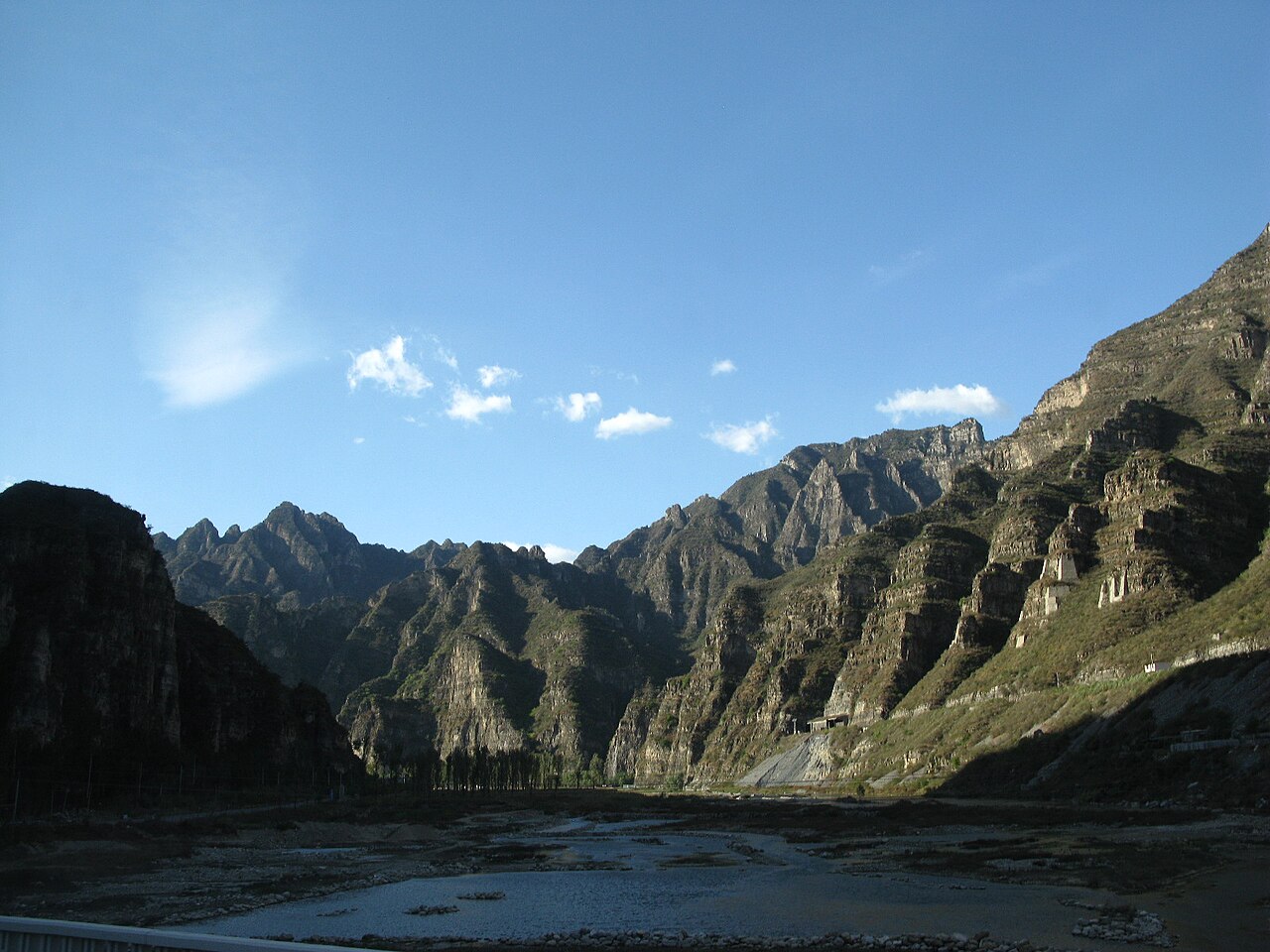
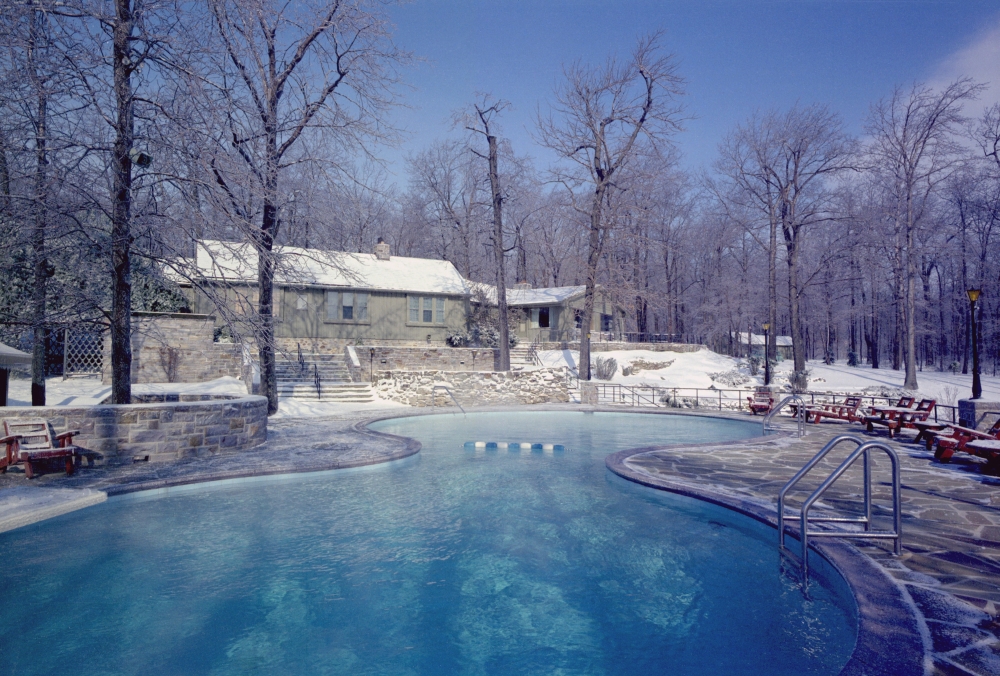
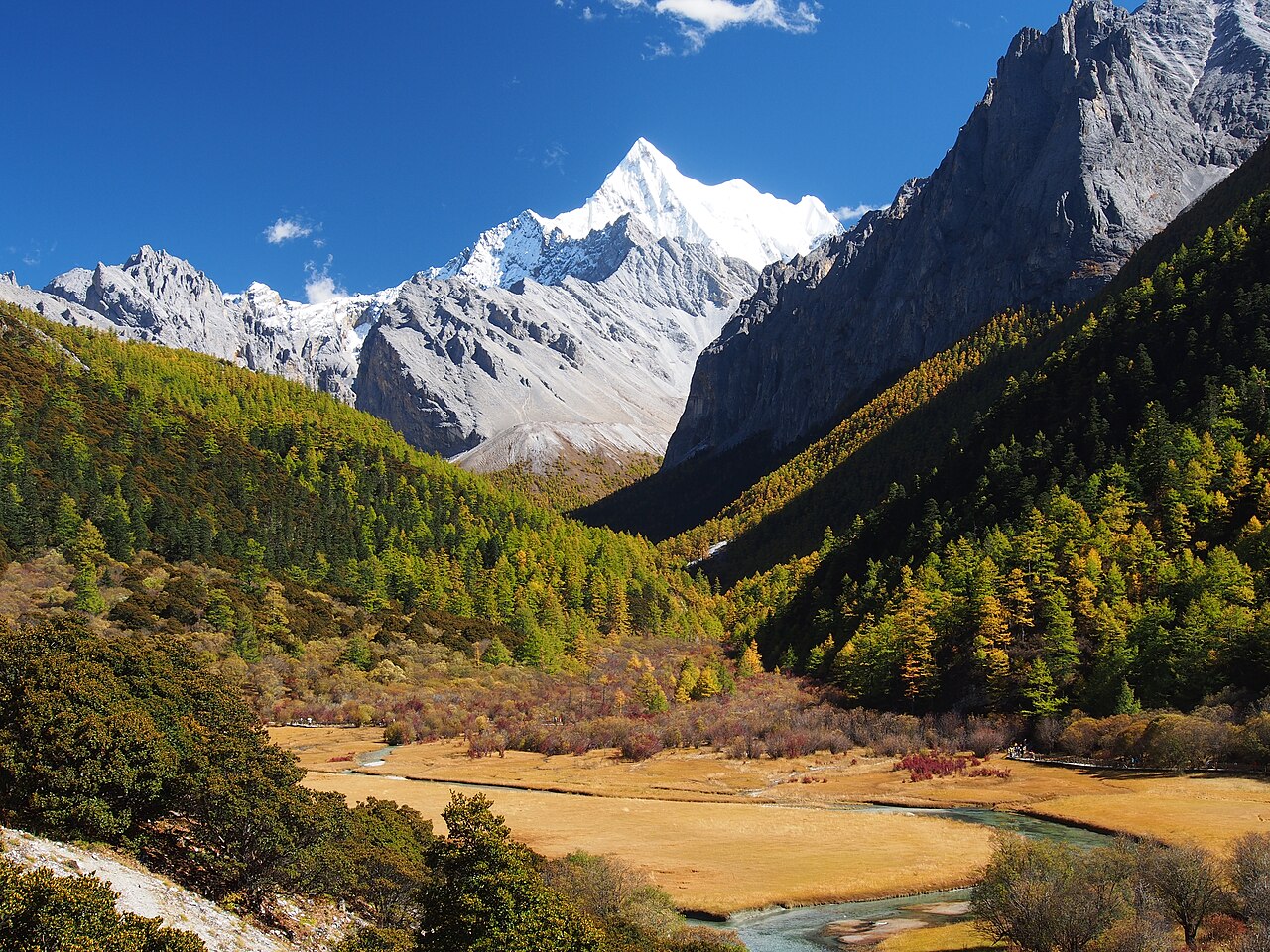
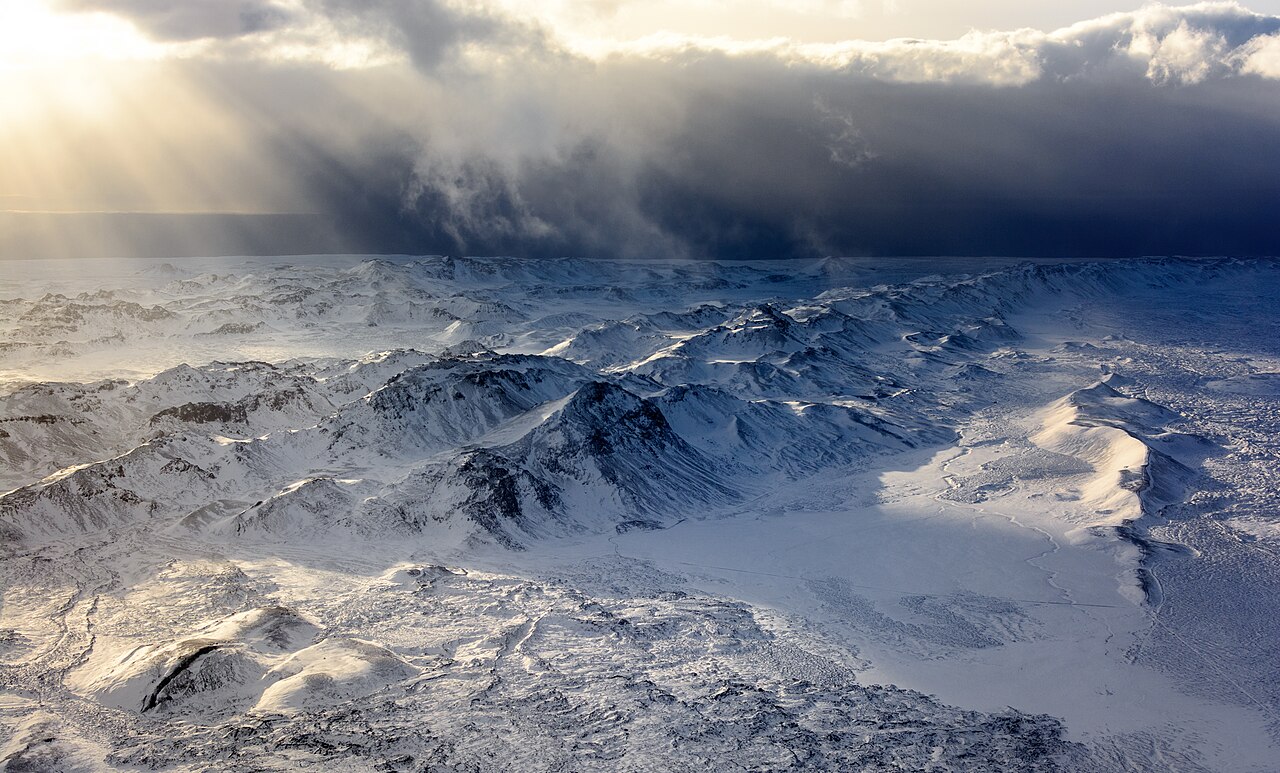
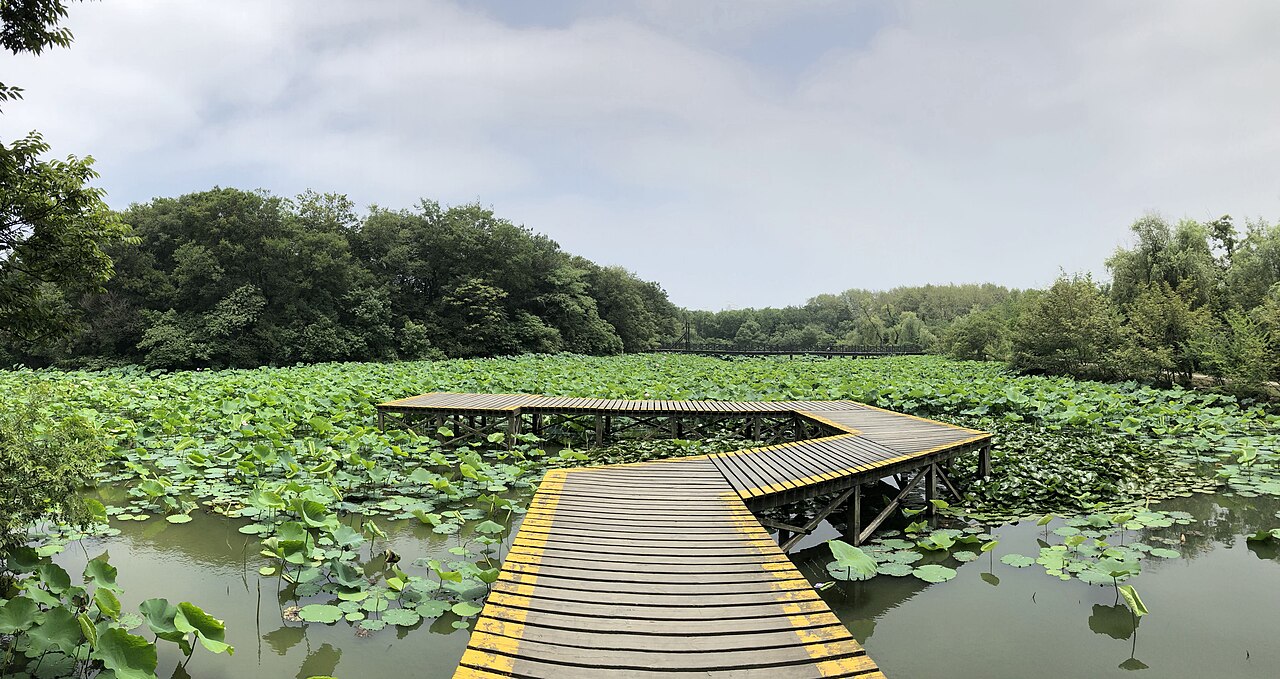
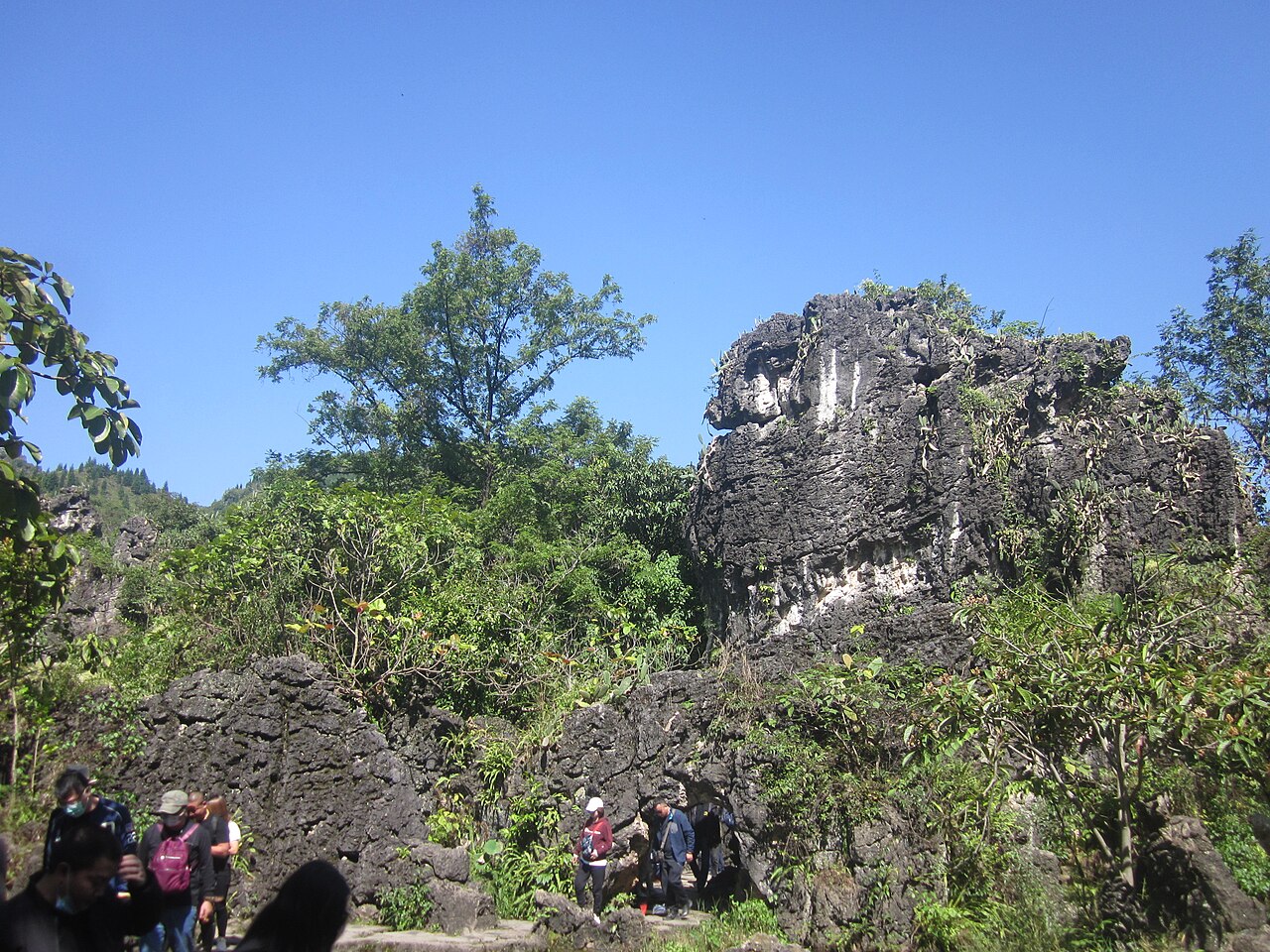
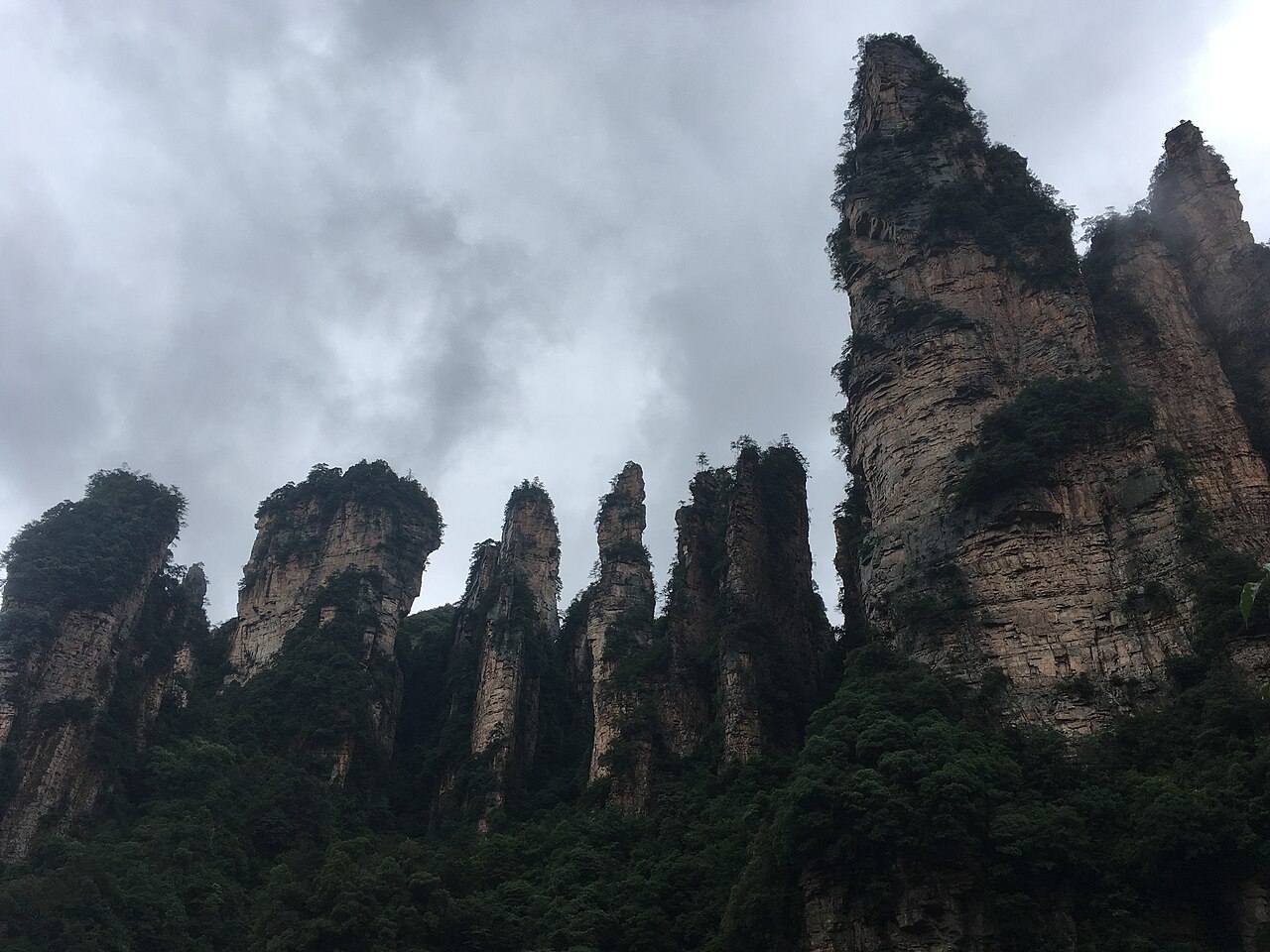
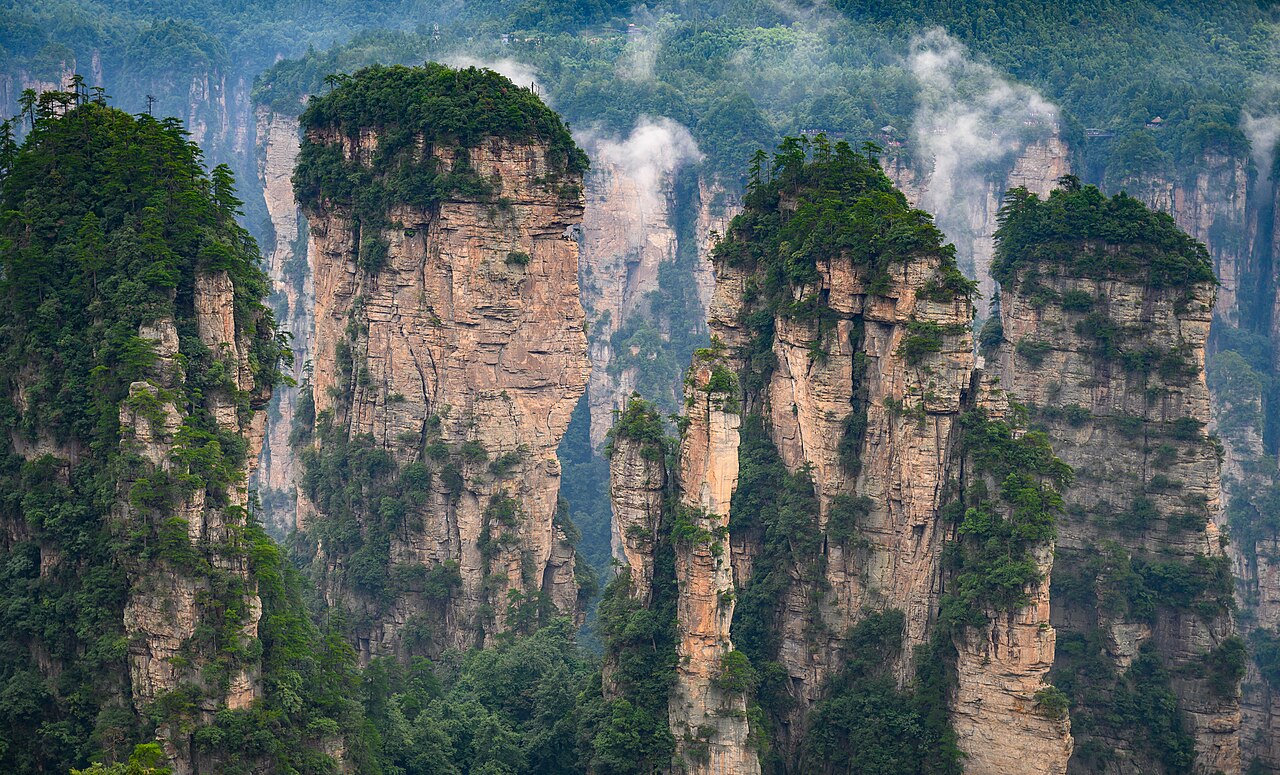
Yandangshan: a Cretaceous rhyolite volcano turned into scenery

Shaoxing is more than Lu Xun and more than Wang Xizhi. Its cultural depth kept surprising me, and the closer I got to it the more I had to look up. Here I found that the refinement of this region comes from the inside — it is the sediment of history. The soil here is too rich; it nourishes people too well. This is the water town among water towns, the Jiangnan above Jiangnan.

'Meeting Shaoxing in the rain', a traveller's note

Ningbo was not what I expected. I had always assumed it was a small city of old charm, something like Shaoxing, and I could not have been more wrong — the place is as busy as Beijing. Walking round Tianyi Square I thought I had wandered into Xidan. But I found the Ningbo I had in mind anyway, down the small lanes: white walls, black eaves, unhurried and at ease. I understood then that the Ningbo in my head was the old one, drowned inside all this bustle — catch it in the right light and the lustre still shows through.

'Plum rains: my Zhejiang trip in June', a traveller's note

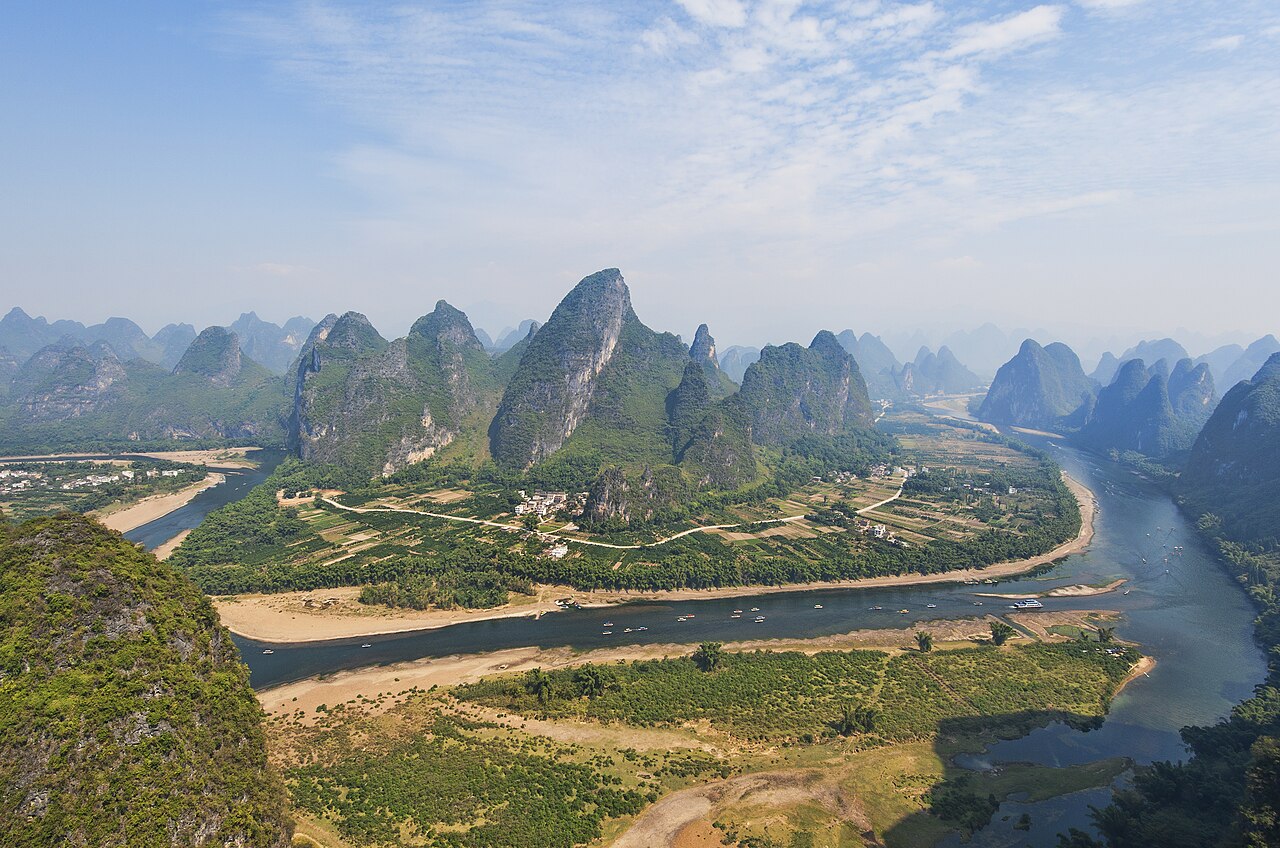
Zhejiang is a small province with an outsized reputation. It occupies the southern flank of the Yangtze Delta, pressed between the East China Sea on one side and Fujian, Jiangxi, Anhui, Shanghai and Jiangsu on the others, and it manages to be several quite different countries at once. There is the lake city of Hangzhou, which has been called paradise for eight hundred years. There are the canal towns of Wuzhen and Xitang, where the water still runs down the middle of the street. There are the tea hills above the West Lake, the Buddhist island of Putuo Mountain out in the Zhoushan archipelago, the studio backlot at Hengdian, and the rhyolite peaks of Yandangshan down on the Wenzhou coast.

The cliché is that Zhejiang is a soft province — willow, water, silk, a civilised and rather feminine sort of place. The truth is less tidy. The Qiantang, its largest river, empties into the sea in a tidal bore that people have travelled to watch since the Han dynasty, and the same coast that produces the bore also produces typhoons. Inland, the standard description is seven parts mountain, one part water, two parts farmland, and the high point — Huangmaojian in Longquan — reaches 1,929 m. Hangzhou is polished, wealthy and slightly languid; two hours south, Wenzhou is a city of traders famous across China for starting businesses nobody else would touch.

What holds the province together is money and movement. Zhejiang has been rich since the Southern Song moved its capital to Hangzhou, and the wealth shows in the food, the gardens and the sheer density of well-kept old towns. It shows just as much in the transport: Xiaoshan airport with three terminals, the coastal high-speed line, and coach services that reach villages. In practice that means you can circle the province properly — a lake, a canal town, a Buddhist island and an extinct volcano inside one nine-day trip.

Zhejiang

Don't leave without

Seven things that are worth rearranging a day for.

  1. Walk or cycle the whole West Lake in Hangzhou — it costs nothing
  2. Spend a night in Wuzhen and stay for the theatre festival if the dates work
  3. Eat breakfast in Xitang at a stall by the canal and do nothing else all morning
  4. Take a boat through the reed beds of Xixi wetland
  5. Climb Putuo Mountain for the 18 m bronze Guanyin and the three great temples
  6. Watch the Grand Dragon Waterfall drop 200 m after a summer storm at Yandangshan
  7. Spend an evening at a seafood stall on Shenjiamen harbour

Highlights

The six places the province is built around

Hangzhou — looking for spring on the Su Causeway

The capital, and the anchor of every Zhejiang itinerary. The West Lake sits inside the city and is entirely free; walking or cycling the loop is the whole point, and every one of the old and new ten scenes has a poem attached. Add Lingyin Temple in the hills, the tea villages at Longjing and Meijiawu, and the wetland at Xixi.

Jiaxing — drunk on canal-town atmosphere

The prefecture that holds both of the province's great canal towns. Wuzhen, in Tongxiang, is the polished one; Xitang, in Jiashan, is the shabbier and quieter one, famous for its 1,300 m of covered riverside walkways. Then there is South Lake, with the boat that started the Party and the Misty Rain Tower Jin Yong wrote about.

Ningbo — the small-fresh old city

The water towns gave it its freshness and Hemudu, 7,000 years of it, gave it its depth. It is where the maritime Silk Road and the porcelain road set out: the oldest bone flute, the oldest loom parts and the oldest ship's oar in the world were all found here, and the Tianyi Pavilion is the oldest private library still standing in China.

Shaoxing — tasting the warmth of the wine

The city of Lu Xun, of Wang Xizhi's Orchid Pavilion, of black-awning boats working the canals. It is a water town among water towns, and the yellow wine is the drink the place is built around — warm one up in a riverside tavern and drink it from a blue-and-white cup.

Zhoushan — hunting for Peach Blossom Island

The sea is the reason to go east: 1,390 islands, the Buddhist island of Putuo Mountain, the sand sculpture beaches of Zhujiajian, and the blue water of Dongji and Shengsi. Shenjiamen is the largest natural fishing harbour in China and its night market is the argument for staying the night.

Jinhua — walking into the movies

Hengdian is a backlot the size of a town: a Qin palace built for Chen Kaige, a 1:1 Forbidden City, a 19th-century Guangzhou and Hong Kong. Want to time-travel? Look up — half the faces walking past are on television. Two days, and stay for the night park.

Trunk routes

Four ways to cross the province

Four days: Hangzhou – Ningbo – Wenzhou

4 days days

The high-speed-rail sampler. Three cities, one lake, one theme park, one volcano — and very little waiting around.

  1. Day 1

    Hangzhou: West Lake, Su Causeway, Leifeng Pagoda, Broken Bridge

    Land in Hangzhou and start on the lake. Walk or hire a bike and take the circuit: Broken Bridge and the Bai Causeway first, then the Su Causeway, Leifeng Pagoda and Taiziwan Park, out to the Yanggong Causeway. Stop whenever you feel like stopping — the lake is the one sight in Zhejiang you do not have to queue for.

    Stay around the lake: it puts the old town, the tea hills and the night streets all within walking distance.

    Stops: West LakeSu CausewayLeifeng PagodaBroken Bridge

  2. Day 2

    Hangzhou: Lingyin Temple and the lake again

    Take the morning for Lingyin, hidden in the hills north-west of the lake — the name means the place where the immortals hid. Most people come to climb rather than pray, and the recommended ridge route runs Lingyin to Shangtianzhu, the Nine Dragons and Eight Pagodas, Tianmen Mountain, the Ten-Li Langdang ridge, Wuyun Mountain, Linhai Pavilion and down to Nine Creeks.

    Come back to the lake in the evening and walk the South Hill Road strip for the cafés and galleries.

    Stops: Lingyin TempleFeilai PeakSouth Hill Road

  3. Day 3

    Ningbo: Phoenix Mountain Harbour Park

    Train down to Ningbo and give the day to the theme park, then come back into town for the Moon Lake circuit and the old Bund — the Bund reads better at night than in daylight.

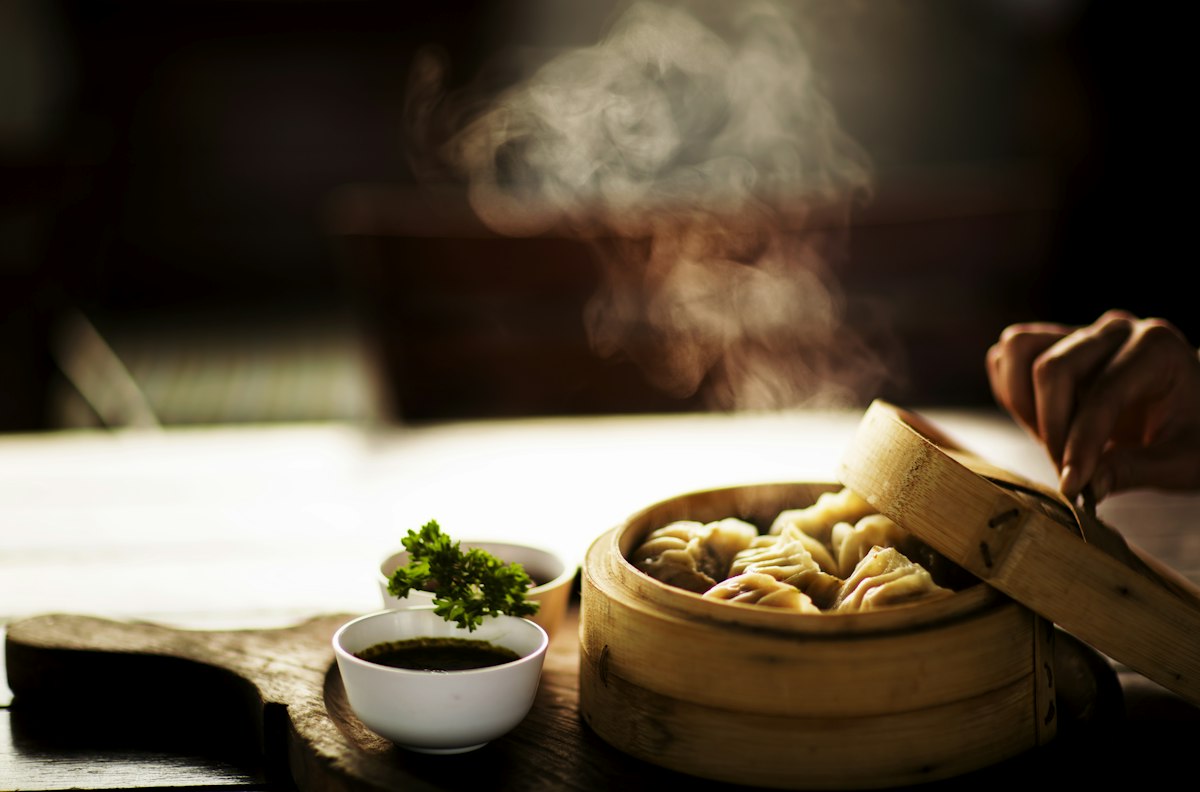
    Eat Ningbo: the dumplings, the seaweed and the salted-and-dried fish.

    Stops: Phoenix Mountain Harbour ParkMoon LakeOld Bund

  4. Day 4

    Wenzhou: Yandangshan

    Continue south to Yandang Mountain and spend the day on the peaks and the falls — Lingfeng, Lingyan and the Grand Dragon Waterfall. Sleep at the foot of the mountain.

    If you have an extra day, the Nanxi River in Yongjia is an hour away and much quieter.

    Stops: LingfengLingyanGrand Dragon Waterfall

Nine days: Hangzhou – Wuzhen – Shaoxing – Ningbo – Zhoushan

9 days days

The classic loop. Lake, tea, two canal towns, wine country, a port city and two days of islands.

  1. Day 1

    Hangzhou: Lingyin, West Lake, Hefang Street

    Lingyin in the morning, the lake in the afternoon, and Hefang Street after dark for the imitation Southern Song street, the Dingsheng cake and the Hu Qing Yu Tang pharmacy — still a working dispensary for Hangzhou people.

    Sleep in Hangzhou.

    Stops: Lingyin TempleWest LakeHefang Street

  2. Day 2

    Hangzhou: Longjing, Qinghefang, Southern Song Imperial Street, Qianjiang New City

    Morning up in the tea villages: taste at a grower's own house, it costs nothing, and the leaf is better and cheaper than in the city. In the afternoon walk Qinghefang and the Imperial Street, then cross to the new city across the river for the skyline.

    Move on to Shaoxing for the night.

    Stops: Longjing villageQinghefangQianjiang New City

  3. Day 3

    Shaoxing: Dayu's Tomb and the Orchid Pavilion

    South-east of the city, the tomb of Yu the Great who tamed the floods and lies buried here. Then the Orchid Pavilion, where Wang Xizhi and his friends floated wine cups down a winding stream and drank whatever stopped in front of them.

    Sleep in Shaoxing.

    Stops: Dayu's TombOrchid Pavilion

  4. Day 4

    Shaoxing: East Lake, Shen Garden, Lu Xun's childhood home, Cangqiao Straight Street

    The East Lake for the cliffs and the black-awning boats, Shen Garden for the Song garden and the story of Lu You and Tang Wan, then the Lu Xun precinct — the memorial hall, his ancestral house, the family home with the Hundred-Plant Garden, and the Sanwei Study.

    Finish on Cangqiao Straight Street and move on to Ningbo for the night.

    Stops: East LakeShen GardenLu Xun Native PlaceCangqiao Straight Street

  5. Day 5

    Ningbo: Qita Temple, Qing'an Guild Hall, Old Bund, Tianyi Square, Moon Lake

    The temple and the guild hall in the morning, the Bund and the square in the afternoon, Moon Lake at dusk — quieter than the West Lake and better for it.

    Sleep in Ningbo.

    Stops: Qita TempleQing'an Guild HallOld BundMoon Lake

  6. Day 6

    Ningbo: Xiantong Pagoda, the Drum Tower, Zhongshan Park, Zhang Cangshui's house, Tianyi Pavilion

    The old city core, then the Tianyi Pavilion — the oldest surviving private library in China, with its own ideas about fire, air and damp. Then cross to Zhoushan for the night.

    Stops: Xiantong PagodaDrum TowerTianyi Pavilion

  7. Day 7

    Zhoushan: Dinghai old city, Huangyangjian, the Opium War site, Shenjiamen

    Dinghai is the only historic island city in the country, with the Opium War memorial park on Zhushan above it. Climb Huangyangjian, 503.6 m, for the view over the archipelago, then finish at the harbour for the sunset and the night stalls.

    Stops: Dinghai old cityZhushan parkHuangyangjianShenjiamen

  8. Day 8

    Zhoushan: Peach Blossom Island

    Fast boat out to Taohua for the 1,370 m sweep of Tanwan Golden Sand, the Song-style sets of the Condor Heroes studio town below Sanhua Peak, and Anqi Peak at 540 m, the highest ground in the islands.

    Stops: Tanwan Golden SandCondor Heroes studio townAnqi Peak

  9. Day 9

    Wuzhen: East Side in the morning, West Side in the afternoon

    Come back to the mainland for the two halves of Wuzhen — the old residential and workshop quarter of the East Side in the morning, the canal-side stretch of the West Side after lunch. Sleep in Hangzhou, or take the late train out.

    Stops: Wuzhen East SideWuzhen West Side

Six days, the film route: Hangzhou – Jinhua – Wenzhou

6 days days

Xixi wetland and Hengdian are the two things you must not skip — a trip that lets you feel the emotion of 'If You Are The One' and step back into a hundred dynasties.

  1. Day 1

    Hangzhou: Lingyin, West Lake, Hefang Street

    The standard opening. Sleep in Hangzhou.

    Stops: Lingyin TempleWest LakeHefang Street

  2. Day 2

    Hangzhou: Xixi wetland

    Give the morning to the wetland park west of the city — boat it, or walk the banks. It is the sight that the film made famous, and it is still the best half-day in Hangzhou outside the lake. Move on to Jinhua for the night.

    Stops: Xixi wetland

  3. Day 3

    Jinhua: Shuanglong, Binghu and Taoyuan caves, the Lu residence

    The cave cluster north of Jinhua, then the Lu family complex — a proper old merchant house. Sleep in Jinhua.

    Stops: Shuanglong CaveBinghu CaveLu residence

  4. Day 4

    Jinhua: Hengdian — Qin Palace, the Qingming scroll, Dream Valley

    The full Hengdian day, and it is worth staying for Dream Valley after 16:00, when the volcano show runs. Sleep in Jinhua.

    Stops: Qin PalaceAlong the River During QingmingDream Valley

  5. Day 5

    Wenzhou: Chashan Five-Beauty Garden, Jiangxin Island

    Into Wenzhou and the city sights: the garden on Chashan and the island in the Ou river, which heads the list of the four famous islands of China. Eat Wenzhou: fish cake, fish balls, rice lamp cakes.

    Stops: Chashan gardenJiangxin Island

  6. Day 6

    Wenzhou: the Dongtou islands

    Out to Dongtou for the coast, then back to Wenzhou for the flight or train home.

    Stops: Dongtou islands

Five days, the deep island route: Zhoushan

5 days days

The version for people who came for the sea and would rather not see a city at all.

  1. Day 1

    Dinghai old city – Opium War site – Sanmao's ancestral house – Huangyangjian

    Start on the main island: the old city, the war site at Zhushan, the writer Sanmao's family home in Xiaosha, and the climb to the island's high point.

    Stops: Dinghai old cityOpium War siteSanmao ancestral houseHuangyangjian

  2. Day 2

    Putuo Mountain: the Guanyin, Chaoyin Cave, the three great temples

    A full day on the Buddhist island: the 18 m bronze Guanyin, the temple of the Guanyin who would not leave, Chaoyin Cave where the tide thunders in, then Puji, Fayu and Huiji temples.

    Stops: Nanhai GuanyinChaoyin CaveBukenqu Guanyin TemplePuji TempleFayu TempleHuiji Temple

  3. Day 3

    Zhujiajian: Mount Daqing, South Sand, the sand sculpture square, Wushi Tang

    Dawn on the high ridge, midday on the sand and in the sculpture square, and the black pebble beach in the late afternoon.

    Stops: Mount DaqingSouth SandSand Sculpture SquareWushi Tang

  4. Day 4

    Peach Blossom Island: Taohua Yu, Tanwan Golden Sand, Anqi Peak

    The quieter island, with the rock scenery, the long beach and the summit.

    Stops: Taohua YuTanwan Golden SandAnqi Peak

  5. Day 5

    Miaozihu and Dongfu Mountain

    The eastern isles, for the cliffs, the lighthouse and the cleanest water in the province. One boat a day — plan to be on it.

    Stops: MiaozihuDongfu Mountain

The cities

Eleven cities, and what each one is actually for

The capital

Hangzhou — the lake and the tea hills

Start here and give it three days. The West Lake is the only great sight in the province that costs nothing, and you can walk or cycle the entire circuit. Lingyin Temple sits in the hills behind it, the tea villages of Longjing and Meijiawu climb the slopes above, and Xixi wetland — made famous by 'If You Are The One', which cost it its free Mondays — spreads across the west of the city. If you are driving out, the Thousand Island Lake reservoir is the obvious day trip.

Best base
Around the West Lake, or Wulin Square for the top-end hotels
Free
The West Lake, in its entirety
Signature dishes
Dongpo pork, West Lake vinegar fish, begonia soup

The canal towns

Jiaxing — Wuzhen and Xitang

The prefecture is called the land of fish and rice and the home of silk, and it is Wuzhen and Xitang that earn it. Wuzhen, in Tongxiang, is one of the six great canal towns of the Yangtze Delta with 6,000 years behind it and a theatre festival in front of it; do the East Side in the morning and the West Side in the afternoon. Xitang, in Jiashan, is China's first batch of famous historic towns — bridges, lanes and 1,300 m of covered walkway along the water.

Wuzhen
In Tongxiang; East Side in the morning, West Side after lunch
Xitang
In Jiashan; bridges, lanes, covered walkways
Getting there
Tongxiang station on the Shanghai–Hangzhou high-speed line, then bus K282

The north-east

Ningbo — the port with a library inside

Ningbo set out the maritime Silk Road and the porcelain road, and the ground here has given up the oldest bone flute, the oldest loom parts and the oldest ship's oar in the world. The Tianyi Pavilion is the oldest private library still standing in China. Closer to the surface: Moon Lake, the Drum Tower, the old Bund — which reads better at night — and the biggest freshwater lake in the province, Dongqian, four times the size of the West Lake.

Signature
Tangyuan dumplings, Ningbo-style noodles, the 'stinky trio'
Out of town
Dongqian Lake, Cicheng old county, Baoguo Temple
Flying
Lishe airport, 12 km from the centre

Water town of scholars

Shaoxing — wine, scholars and a school reading list

Lu Xun wrote the place into everyone's head, so the Lu Xun precinct is where you start — the memorial hall, the ancestral house, the family home with the Hundred-Plant Garden, and the Sanwei Study; tickets are free against an ID card, capped at 2,000 reservations a day. Then the Orchid Pavilion, the East Lake's black-awning boats, Shen Garden, and Dayu's Tomb. The cooking is salty rather than sweet, and the yellow wine is what the city runs on.

Lu Xun precinct
Free with ID, 2,000 reservations a day
Also here
Orchid Pavilion, East Lake, Shen Garden, Dayu's Tomb
Getting there
No airport of its own; Xiaoshan is 30 minutes by road

The far east

Zhoushan — 1,390 islands

The archipelago city, named for the shape of its main island, which the locals say looks like a boat moored in the water. Putuo Mountain is one of the four great Buddhist mountains; Zhujiajian has the sand and the sculpture; Taohua is the wuxia island. Out at Dongji the water finally turns the deep blue that the mainland coast never manages. No trains — you fly, drive the bridges, or take a boat.

Islands
1,390, spread over 22,000 sq km of sea
Harbour
Shenjiamen, the largest natural fishing port in China
Getting there
Putuoshan airport (HSN) on Zhujiajian, or ferry

The middle

Jinhua — the backlot and the villages

Jinhua keeps itself modestly behind its scenery, which is why most people know Hengdian without knowing Jinhua. The studio town is the largest backlot in Asia — 12 bases, eight big scenic areas, a Qin palace and a 1:1 Forbidden City — and films and television shoot here year-round. Around it: the Shuanglong caves, the Bagua village laid out as an eight-trigram diagram by Zhuge Liang's descendants, and the Fangyan cliffs at Yongkang.

Hengdian
12 bases, 4,963 mu, eight scenic areas
Around it
Shuanglong Cave, Zhuge Bagua village, Fangyan
Getting there
Jinhua West station, or Yiwu airport 50 km away

The far south

Wenzhou and the south — volcano, river, islands

The southern end of the province is the most mountainous and the least visited. Yandangshan is a 120-million-year-old rhyolite volcano and a world geopark with 500-odd sights. The Nanxi River in Yongjia is called the finest water under heaven and the cradle of Chinese landscape painting. The Nanji islands are a national marine reserve. And the She minority counties around Jingning and Taishun — Jingning is the province's only minority autonomous county — carry a culture none of the canal towns have.

Yandangshan
5A, world geopark, eight scenic areas
Nanxi River
7 scenic areas, 800-odd sights
Getting there
Yongqiang airport, Wenzhou South station

Anchor sights

The ten places the routes hang on

Free

West Lake, Hangzhou

The lake sits in the middle of the city and every sight on it is free: from Broken Bridge and the Bai Causeway round to the musical fountain, Leifeng Pagoda, Taiziwan Park and the Yanggong Causeway. Walking or cycling is the right way to do it — walk a stretch, rest a while. Of the newer ten scenes, look out for Nine Creeks in Mist, Sweet Osmanthus Rain at Manjuelong, Dragon Well Tea and Precious Stone Hill in Rosy Cloud. Allow three hours.

Ticket
Free
Getting there
K7 from the main railway station to the Youth Palace or Broken Bridge
Suggested time
About 3 hours

Tip Chartering a whole boat costs ¥80 and the price is written on the boat. Do not take the boat that the touts with the elastic prices try to push you into — a friendly boatman will tell you stories all afternoon.

The film's doing

Xixi wetland, Hangzhou

West of the city, running from Wen'er West Road to Tianmushan Road and covering a great deal of ground: boat it, or fish off the bank, in spring for the green, in summer for the water caltrop, in autumn for the reeds, in winter for the plum. Eight sights opened in the first phase. It became famous through 'If You Are The One' — which is also why the free-Monday offer was withdrawn. Three quarters of the wetland is still free.

Ticket
¥80
Hours
Summer 07:30–17:30; winter 08:30–17:00
Getting there
Buses 83, 86, 118, 290, 193, 310, 356, 853, Y13, 860

Two kinds of canal town

Wuzhen and Xitang, Jiaxing

Wuzhen, on the northern edge of Tongxiang, is one of the six great canal towns — Zhouzhuang, Tongli, Luzhi, Xitang, Nanxun and Wuzhen — with 6,000 years of history and the name of Wudun and Qingdun before the present one. Its four old streets cross in the shape of the character for ten. Xitang is one of China's first batch of famous historic towns, and its three features are bridges, lanes and covered walkways; more than 1,300 m of those walkways survive.

Wuzhen
5A; East Side in the morning, West Side in the afternoon
Xitang
Bridges, lanes, 1,300 m of covered walkway
Getting there
K282 from Tongxiang high-speed station to Wuzhen bus station, first and last buses 07:40 and 17:50

Guanyin's island

Putuo Mountain, Zhoushan

One of the four great Buddhist mountains of China, ringed by sea, and called the first pure place among men. The three great temples are Puji, Fayu and Huiji; there is the 18 m bronze Guanyin on the shore, the Chaoyin Cave where the tide thunders, and the temple of the Guanyin who would not leave. A joint ticket covers most of the island.

Ticket
¥140 in January and December; ¥160 February to November; ¥200 at the major holidays
Temple incense tickets
¥5 at Puji and Fayu; ¥6 at the Guanyin
Getting there
Fast boat from Shenjiamen Banshengdong pier

Tip Book ahead at the big holidays, and note that on the three great incense days — the 19th of the 2nd, 6th and 9th lunar months — even locals lose their free entry and the island is at its most crowded.

The reservoir

Thousand Island Lake, west of Hangzhou

The great lake made when the Xin'an river was dammed west of Hangzhou, with more than a thousand islands standing out of it and water clear enough to be the province's drinking-water joke and its pride. It is the easiest substantial add-on to a Hangzhou base, reachable by coach, and the reason many itineraries give the capital four days rather than three.

Getting there
Coach from Hangzhou; also served from Jinhua's Shuangyu terminal
Pair with
Hangzhou, or break the Hangzhou–Jinhua leg here

The reading list

Lu Xun's Shaoxing

The Lu Xun native place precinct on Lu Xun Middle Road is a whole historic quarter: the memorial hall, the ancestral house, the family home with the Hundred-Plant Garden and the folk-custom exhibition, the Zhu family gatehouse and the Sanwei Study. Free tickets against an ID card, 2,000 a day. Then the Orchid Pavilion, the East Lake, Shen Garden, Dayu's Tomb and Cangqiao Straight Street.

Lu Xun precinct
Free with ID; reservation cap 2,000 a day
Hours
08:20–17:00; collect tickets 08:20–16:00
Getting there
Bus 7, 8 or 88 from the railway station; tourist bus from Hangzhou's Wushan Square at 08:20

The backlot

Hengdian, Jinhua

Asia's largest film base, built since 1996 in the Dongyang countryside and known as the Hollywood of the East: 12 shooting bases, roughly 4,963 mu, eight scenic areas including the Qin Palace, the Qingming scroll, the Ming-Qing palace, Guangzhou and Hong Kong Streets, and Dream Valley. Whole crews work here year-round.

Getting there
Yiwu is 36 km away; Jinhua West station for trains
Also here
Shuanglong and Binghu caves, Zhuge Bagua village

The volcano

Yandangshan, Wenzhou

The Cretaceous rhyolite volcano on the Wenzhou coast, opened up in the Northern and Southern dynasties, grown through the Tang, at its height in the Song, and called the finest sight under heaven. Its three wonders are Lingfeng, Lingyan and the Grand Dragon Waterfall; the Lingfeng night view and the Lingyan flying figures are each reckoned unmatched in China.

Hours
05:30–18:00
Getting there
Yandangshan station on the coastal high-speed line, ten minutes to Xianglingtou
Also here
Three-Stage Waterfall, Xiansheng Gate, Fang Cave, Yan Lake

The quiet south

Nanxi River, Yongjia

Called the finest water under heaven and the cradle of Chinese landscape painting, with seven scenic areas and more than 800 sights — the Stone Mast Crag, Cangpo village, Furong old village, the Lion Rock and the Lishui old street among them. The villages of the middle and lower river still keep their historical fabric, and the place is the province's only national scenic area prized for farmland-and-water rather than peaks.

Ticket
¥50
Hours
08:00–18:00
Where
Yongjia county, north of Wenzhou

The Wenzhou coast

Jiangxin Island and the Dongtou islands

Jiangxin Island stands in the Ou river north of the city, heads the list of China's four famous islands and is called the Penglai of the Ou. The Dongtou islands are further out, reachable by ferry from the Anlan Pavilion pier for ¥45, or by high-speed boat for a little more.

Jiangxin Island
¥25; 08:00–22:00
Dongtou ferries
From Wenzhou Port coastal terminal, ¥45
Getting there
Bus 3, 4, 6, 25, 27, 28, 29, 33, 42, 50, 102, 105, 106, 109, 202 to Anlan Pavilion

Timing

Which month belongs to which corner

Spring and autumn are the two seasons the province recommends for itself — the temperature and the humidity are both moderate, and the flowers are out.

March–AprilThe plum rains begin — carry an umbrella every day, rain or not. Taiziwan's cherry season runs late March to early April: more than a hundred Japanese early and late cherries, plus tulips. In Ningbo, the Changjie razor clam festival and the Sangzhou tea festival both fall in April.
Late AprilThe Hangzhou animation festival, 26 April to 1 May, at the Baima Lake animation plaza in Binjiang.
MayThe West Lake music festival, and Xiangshan's seafood festival over the May holiday at Songlan Bay. The best of the spring weather, before the summer heat.
JuneCixi's bayberry festival at Henghe, south of the city. Also the end of the plum rains and the start of the typhoon watch.
July–SeptemberTyphoon season on the coast — ferries to the islands can stop for a day or two. This is the window for Zhoushan's beaches, and for seeing the Grand Dragon Waterfall at full volume after a storm.
July–OctoberThe Zhoushan seafood festival runs out of Shenjiamen harbour: stall showcases, a seafood month, a folk arts gathering and the Shengsi mussel festival.
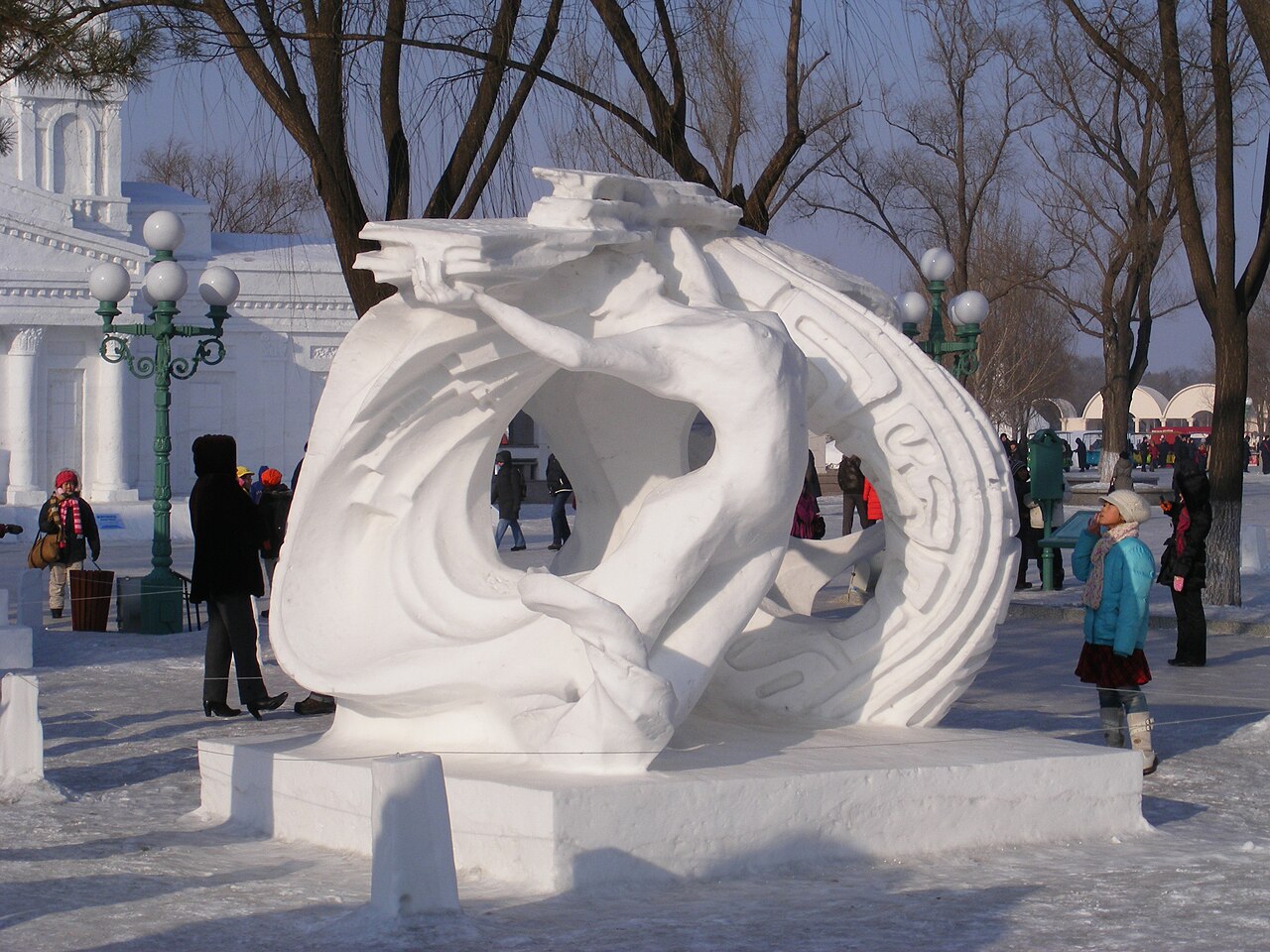
July–NovemberThe Zhoushan international sand sculpture festival on Zhujiajian, built as a competition with a new theme every year.
Mid-OctoberThe West Lake international fireworks, and the Hangzhou West Lake Expo running into early November.
OctoberThe Jinhua international Wong Tai Sin festival.
NovemberThe Putuo Mountain Nanhai Guanyin culture festival — grand dharma assemblies, Buddhist concerts, pilgrimages, a lotus lantern fair and exhibitions. The busiest fortnight after New Year.
AvoidGolden Week. On the Su Causeway you will find irritation, not the romance you came for.

Food

One cuisine, four schools, one hundred snacks

What Zhejiang cooking is

One of the eight great cuisines of China, and the four things its cooks agree on: be particular about the raw material, cook it with a distinctive hand, keep the original flavour, and make it carefully. The four schools are Hangzhou, Ningbo, Shaoxing and Wenzhou, and each tastes quite different from the others.

Hangzhou: clean and delicate

The signature is qing shuang bie zhi — clean, cool, deliberate. Ingredients are seasonal, the work is fine, the range is wide, salt and freshness are married rather than fought, and the result is light. Dongpo pork, West Lake vinegar fish, West Lake beef soup and West Lake water-shield soup are the four to order.

Ningbo: salt and sea

The Ningbo kitchen is about seafood, cooked by steaming, roasting and slow-braising so that fresh and salted meet. Tofu skin wrapped round yellow croaker, seaweed cubes, bamboo with salted greens — cheap and excellent — plus the 'stinky trio', the glutinous rice balls, the red-roe crab and Xikou flaky pastry.

Shaoxing: salt, not sugar

Shaoxing food is the savoury end of Jiangnan — salty, certainly not sweet. The kitchen works in freshwater fish and shellfish, poultry and beans, and wants things fragrant, crisp, soft and glutinous, in their own stock, light on oil and without chilli. Braised pork with dried mustard greens, drunken chicken, fennel beans, cream xiaopan and stinky tofu, and the yellow wine.

Wenzhou: the Ou kitchen

Light oil, light starch, heavy knife work, and seafood above all. The three masterpieces are three-shred beaten fish, quick-fried cuttlefish and brocade fish shreds. Then the snacks: fish cake, fish balls, beaten-fish soup, duck tongues, lamp-bowl cakes, pig-offal noodles, Changren wontons and Airen rice cakes.

Jinhua: ham and pastry

Jinhua cooking works by braising, steaming, stewing, simmering and frying, and it is famous for two things above all — the ham and the flaky pastry. Add the bergamot, Dongyang noodles, Jinhua soup dumplings, Lanxi egg pancakes, Pujiang wheat cakes, Pan'an pulled noodles and bayberry spirits.

Ten Zhejiang snacks

Wushan shortbread, Jinhua dried-greens pastry, horseshoe pastry, Pujiang wheat cakes, crab-roe soup dumplings, shrimp-roe noodles, Shaoxing stinky tofu, Zhoushan seafood noodles, bangbang chicken, and Jinhua ham and chestnut zongzi.

The old houses

Zhejiang's famous snack houses: Hangzhou's Zhiweiguan; Huzhou's Ding Lianfang and Zhu Laoda; Jiaxing's Wufangzhai; and Kuanyuan House, a century old and still doing Ningbo noodles.
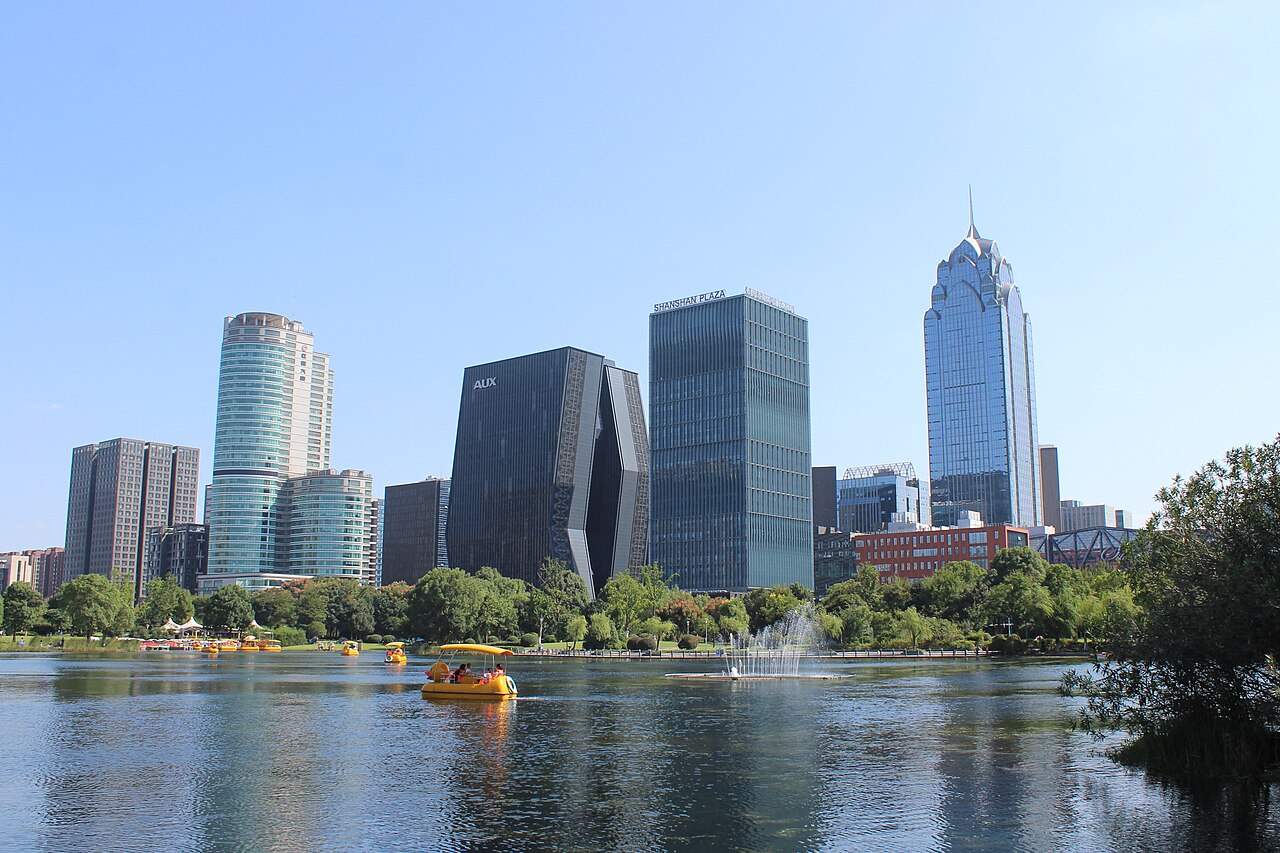
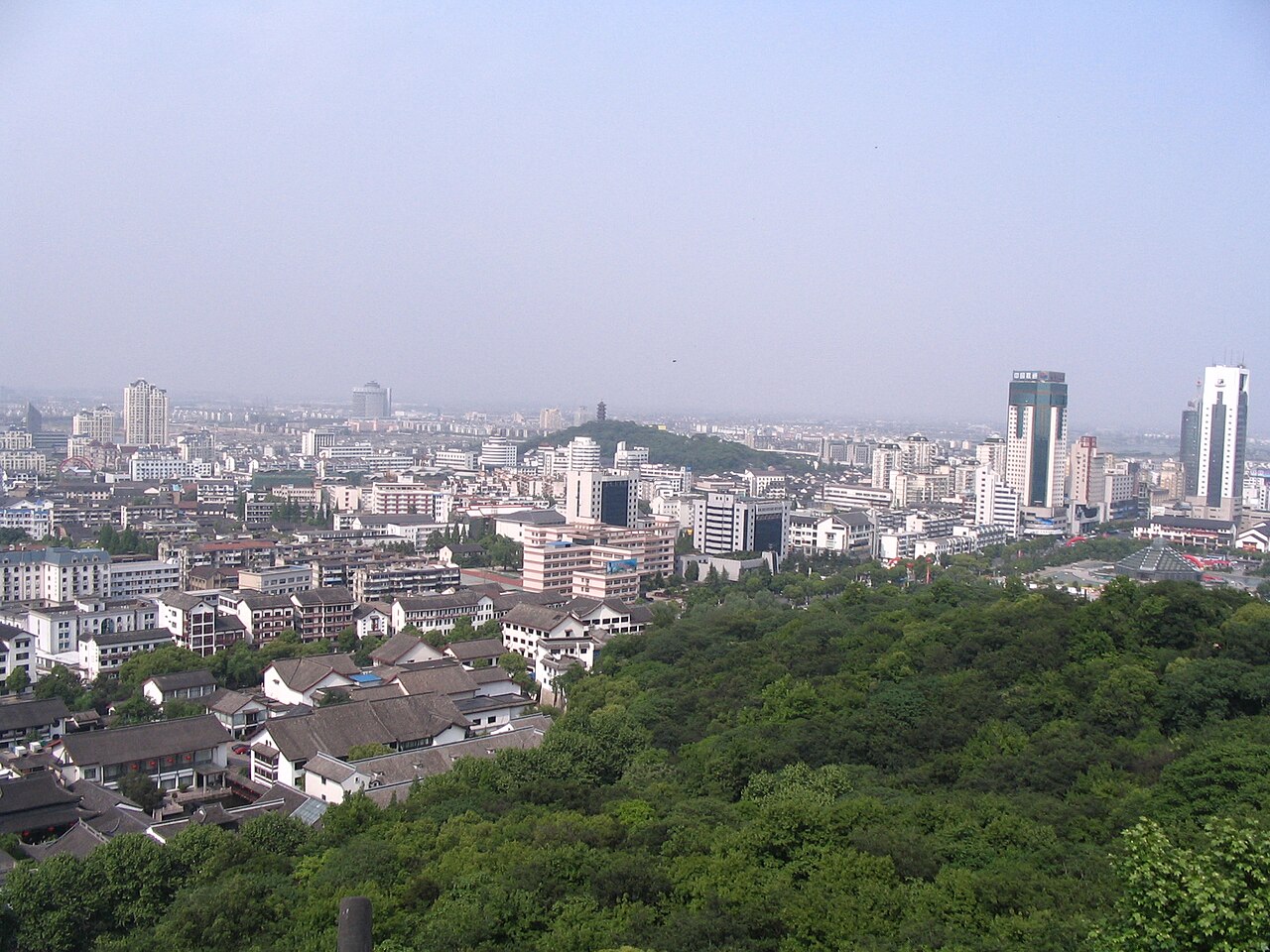
Where to eat

The houses that made Zhejiang's snacks

The Hangzhou name

Zhiweiguan, Hangzhou

The most famous of the old Hangzhou snack houses, and the one to go to for the local canon done properly — Dongpo pork and West Lake vinegar fish in the same meal, plus the lake's own water-shield soup. Expect it to be busy at every hour the city eats.

Known for
Hangzhou classics, snacks and dim sum
Order
Dongpo pork, vinegar fish, begonia soup
Tip
It is a Hangzhou institution — go slightly off-peak

A century of noodles

Kuanyuan House, Hangzhou

A hundred years old and still built around one thing, the Ningbo-style big noodle bowl: a broad bowl of noodles under a thick, dark, seafood-heavy topping. The plainest order on the menu is usually the right one.

Known for
Ningbo-style noodles
Age
Over a century old

The zongzi

Wufangzhai, Jiaxing

The name every Chinese traveller knows from motorway service stations, and better here than anywhere else. There is a branch near Hui Jing Garden, and a dozen yuan buys a rice bowl with a meat zongzi on the side, which is a perfectly good lunch.

Known for
Zongzi — the Jiaxing classic
Where
Near Hui Jing Garden
Order
Rice bowl plus a pork zongzi

The Huzhou pair

Ding Lianfang and Zhu Laoda, Huzhou

Huzhou's two old snack houses, both still working the same local repertoire of rice-and-bean sweets and noodle dishes that the rest of the province largely forgot. Worth an hour if your route crosses the northern plain.

Known for
Huzhou snacks and rice-and-bean sweets
Where
Huzhou, northern Zhejiang

The seafood

Shenjiamen night market, Zhoushan

If it is seafood you came for, this is where the province answers: a mile of stalls along the ten-li harbour cooking whatever came off the boats that morning. Walk the row and point at what is still moving.

Known for
Live seafood, cooked simply
Where
Bingang Road, Shenjiamen
Order
Beltfish, swimming crab, whatever is in season

Where to stay

Which district, city by city

The capital

Hangzhou — around the lake, or in the hostel villages

The top-end hotels cluster at Wulin Square and in the West Lake scenic area; the budget chains are in the university district and around Wushan Square; and there are some thirty-odd youth hostels now, plus a growing number of small design inns. The hostels sit mainly in three villages — Siyanjing (best transport, ten to fifteen minutes' walk to the Su Causeway), Qingzhiwu (lots of good food, next to the botanical garden) and Lingyin Baile (harder to reach but very quiet, good for summer heat).

Top end
Wulin Square and the West Lake scenic area
Budget
University district and Wushan Square
Hostels
Siyanjing, Qingzhiwu, Lingyin Baile

The canal towns

Jiaxing — Nanhu or the Yuehe quarter

There are plenty of hotels and guesthouses around South Lake, and the small private ones have room to haggle. Around Yuehe Street, local families rent rooms in their own houses — cheaper, and a better feel for the place. Book ahead in high season, and if you are here for Wuzhen or Xitang, consider sleeping inside the town instead.

Standard
Hotels near South Lake
Cheaper
Family rooms on Yuehe Street
Book ahead
Essential in peak season

The port

Ningbo — Haishu, near Tianyi Square

Hotels and restaurants cover every price bracket across Ningbo, so finding somewhere decent is not the problem. The best base is Haishu district close to Tianyi Square and the City God Temple — Moon Lake, the Tianyi Pavilion, Ningbo South station and the temple are all within reach. Alternatively stay where Haishu meets Jiangbei, by the Three Rivers confluence, for the night view.

Best base
Haishu, near Tianyi Square and the City God Temple
Alternative
Haishu–Jiangbei border, by the river confluence

The middle

Jinhua — near the sights, not the city

Jinhua's sights are scattered across its counties — Dongyang, Yiwu, Lanxi, Yongkang — so the sensible thing is to sleep near whichever one you are seeing. If you do stay in town, the north bank around People's Square is the centre and has the railway station; the south bank has the city government and a wide choice of hotels.

Best plan
Sleep near the sight you are visiting
In town
People's Square (north bank) or the government quarter (south)

The south

Wenzhou — Wuma Street or by the station

Wenzhou has several five-star hotels, which tells you how developed the trade is, and every price band in between. Wuma Street is the busy shopping centre and very close to Jiangxin Island. Around the railway station the hotel trade is dense — pick there if you are catching an early train.

Shopping base
Wuma Street, near Jiangxin Island
Early train
The railway station quarter

The islands

Zhoushan — Shenjiamen

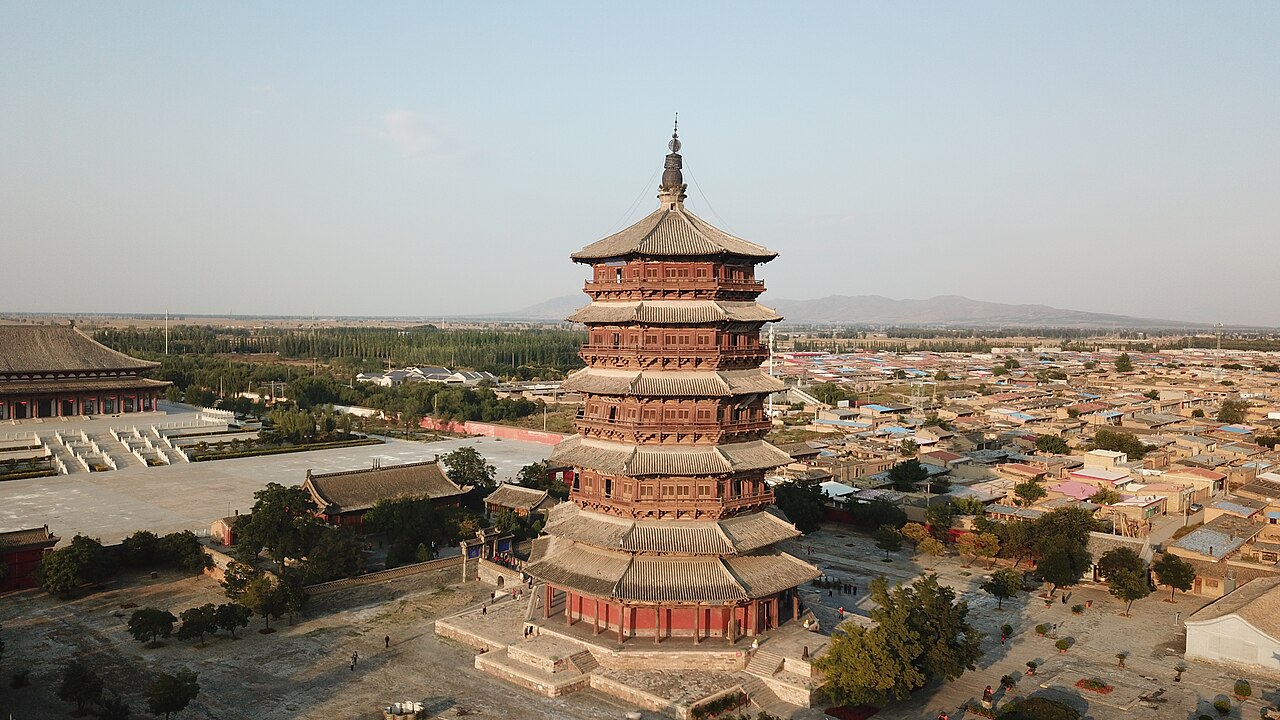
Accommodation on the main island concentrates in Dinghai and Shenjiamen, and families on the outer islands run guesthouses. For backpackers Shenjiamen is the right base — it sits next to the fishing harbour, the ferry piers and the coach station, so food, bed and the next boat are all within minutes, and it is the easiest place to leave from. Bingang Road and Donghai East Road are lined with hotels from about ¥150 to ¥500 a night.
Best base
Shenjiamen, near the piers and the market
Price
¥150–500 a night
Outer islands
Family guesthouses and fishermen's lodges

Shopping

Silk, ham, leather, pearls, tea

Hangzhou silk and the Wangxingji fan

The two classic Hangzhou takeaways. Department stores and brand shops here discount harder than elsewhere in the country, which is why Hangzhou has become a shopping city as well as a lake city; most of the famous shops sit on and around Yan'an Road.
Jinhua ham and Jinhua pastry

The two traditional specialities that made Jinhua's name abroad, alongside its flower tea, lotus-root starch and bergamot. Yiwu, in the same prefecture, has become the country's small-commodity capital — its trade city stocks almost every everyday manufactured good there is.

Ningbo dried mussels, mats and bayberries

Gonggan, also called shell vegetable, is dried mussel meat — sweet, and very nutritious; boil it, pick off the beard and the shell, and cook it with radish and seaweed. Ningbo mats are prized for being tight, crisp, soft and easy to store. The bayberry belt runs some 40 km of hills from Linghu in Cixi to Mazhu in Yuyao.

Haining leather city

Not to be missed if you are in Jiaxing. This is the national leader in the leather trade — the country's distribution centre for leather garments, fur coats, bags, hides and pelts, and the place where prices and trends are set. Phase one covers about 160,000 sq m across four floors. The one rule everybody repeats: bargain hard.

Shanxiahu pearl market, Zhuji

In Shaoxing's Zhuji, the largest pearl market in the country. Worth building into a Shaoxing day if jewellery is your weakness.

Wenzhou crafts

Wenzhou's tourist crafts are stone carving, rice-paste sculpture, dragon-whisker mats, Ou embroidery, Ou sculpture and Taishun lacquered chopsticks; the local produce is Ou tangerines and long-tailed anchovy. The shopping ring in town is made by Renmin Road, Wuma Road, Chan Street, Jiefang Road and Xinhe Street.

Transport

The skeleton: two airports, one coastal line, a wall of coaches

By air

Hangzhou Xiaoshan International Airport is the province's main gateway — three terminals, about an hour from the centre, and an airport bus at ¥20 (enquiries 0571-86661234 / 86661236). Two other airports matter regionally: Ningbo Lishe, 12 km from downtown with more than thirty domestic routes plus Hong Kong and Seoul, and Wenzhou Yongqiang in the far south. If you are flying to Hengdian, Yiwu is nearer than either.

Hangzhou Xiaoshan (HGH)
Main gateway; airport bus ¥20
Ningbo Lishe (NGB)
12 km from the centre; 30+ domestic routes, Hong Kong and Seoul
Wenzhou Yongqiang (WNZ)
Serves the far south and Yandangshan

By high-speed rail

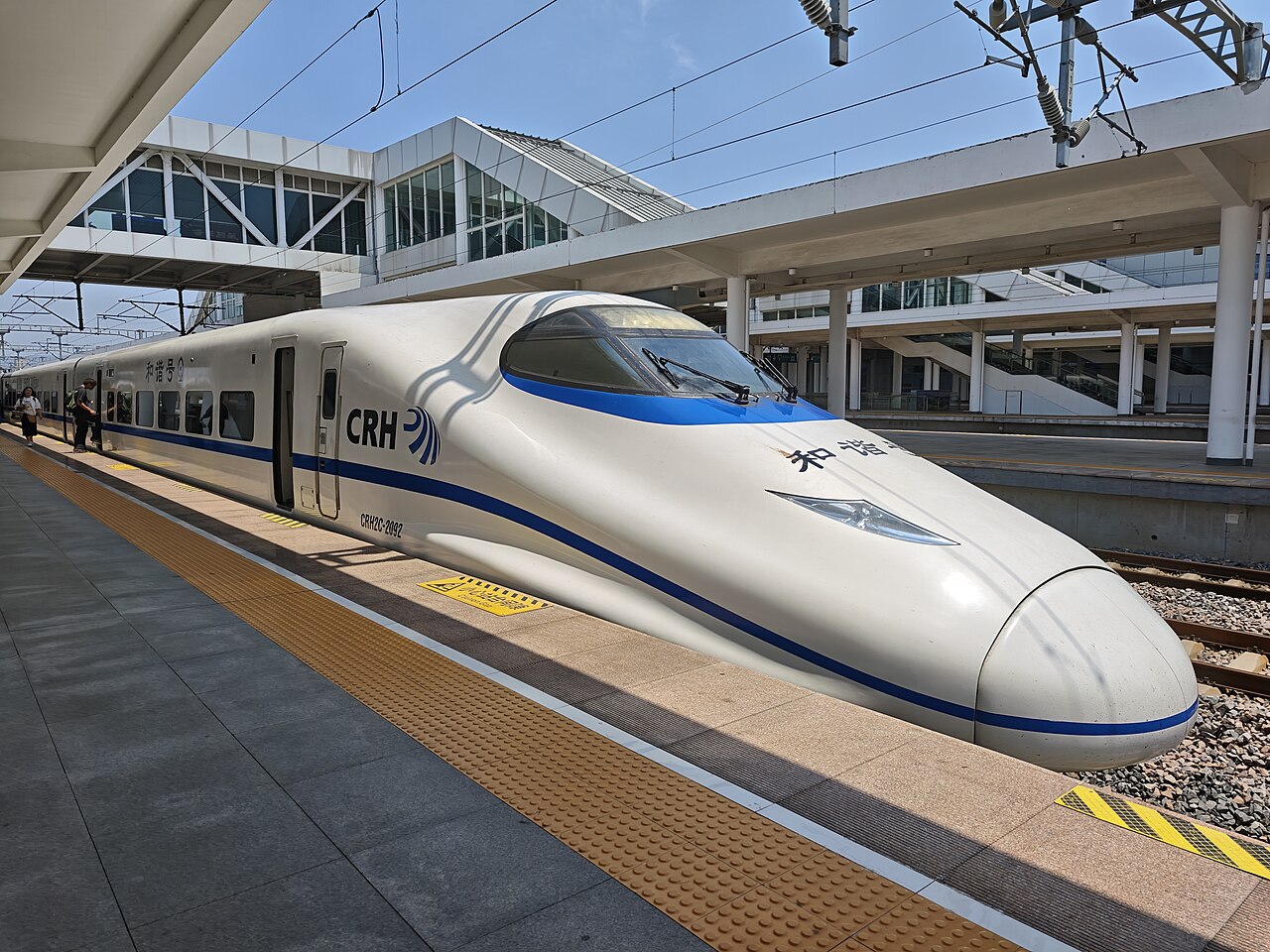
This is the province's spine. The coastal Ningbo–Taizhou–Wenzhou high-speed line carries most long-distance traffic, and it is why Yandangshan — once a long coach ride — now has its own station ten minutes from the scenic centre. Ordinary trains and the Hangzhou–Shaoxing line fill the gaps; Hangzhou's two working stations are the main city station and Hangzhou South, with Hangzhou East under reconstruction.

Coastal line
Hangzhou – Ningbo – Taizhou – Wenzhou
Yandangshan
Its own high-speed station, 10 minutes to Xianglingtou
Hangzhou stations
Main city station and Hangzhou South; East being rebuilt

Hangzhou railway station is chaotic — unlicensed private buses work the forecourt touting for passengers. Do not get on one.

By coach

Coaches are the connective tissue, cheaper than rail, more frequent and reaching towns the trains skip. Hangzhou has four main long-distance stations: Jiubao terminal for Ningbo and Shanghai, South for Wenzhou and Fujian, West for Anhui and Jiangxi, and North for Suzhou and Nanjing. Ningbo has six public stations, Wenzhou has the new South station plus East, Central, Huanglong and Shuangyu terminals, and Jinhua has West and South. There are free shuttle buses from Hangzhou railway station to the relevant coach terminal.

Hangzhou Jiubao
Ningbo and Shanghai
Hangzhou South
Wenzhou and Fujian
Hangzhou West
Anhui and Jiangxi
Hangzhou North
Suzhou and Nanjing

Islands and scenic areas

Two parts of Zhejiang do not work like the rest. Zhoushan has no railway at all — the cross-sea bridges carry road traffic to the main island and everything else is by ferry, with schedules that shift by season, tide and weather. And inside the big scenic areas, the sightseeing buses run to timetable in peak season and stop in the off-season, when fares no longer cover the tunnel tolls and parking; you then charter a car, roughly ¥150–200 a day. Confirm the boat the day before you move.

Zhoushan
No trains — fly, drive the bridges, or ferry
Scenic-area buses
Peak season only; chartered cars otherwise
Ferry rule
Confirm the day before

Practical

What the province tells you before you book

The short version: come in spring or autumn, base in Hangzhou, and give the islands their own two days.

Best seasonsSpring and autumn. Zhejiang's summer is unbearably hot and its winter is damp and cold, so do not come in either.
Plum rainMarch to April is the plum-rain season. Take an umbrella even when it is not raining — the sky will catch you out.
PricesZhejiang is famously rich and travel here is not cheap; compared with Beijing and Shanghai it may even be worse. But the West Lake is the best-value sight in China precisely because it is free, and beds start around ¥60.
Hangzhou busesHangzhou runs at an easy pace, public transport included — many buses do not run at weekends. Check the operating hours of the service you need before you set out.
Golden WeekDo not come. Walk the Su Causeway then and irritation is all you will get; the romance you came for will not be there.
Getting around the west lakeWalking or cycling is the right way — do a stretch, then stop. Three hours is a reasonable circuit.
Wuzhen and XitangBoth are in Jiaxing; Wuzhen in Tongxiang, Xitang in Jiashan. They are a couple of hours apart and pair naturally with Hangzhou.
IslandsZhoushan's 1,390 islands run from Putuo Mountain out to Dongji and Shengsi. Ferries are the only way out, and the blue water is at the far end.
LanguageMost of the province speaks Hui dialect, with Minnan, Manhua, Manjiang, She and Mandarin in pockets. English is fine in Hangzhou and at the big sights, thinner in the small towns.

Background

Rice, silk and a thousand years of people writing things down

The land of fish and rice

Zhejiang carries the titles land of fish and rice and home of silk, and the heavier one, land of culture. Its history is long and its economy has been developed for a very long time: after the national economic centre of gravity moved south into Jiangnan during the Eastern Jin and Southern dynasties, Zhejiang came from behind and led almost without interruption for a thousand years. The terrain is summed up as seven parts mountain, one part water, two parts farmland, tilting from the south-west down to the north-east across six zones: the northern plain, the western hills, the eastern hills, the Jinhua–Quzhou basin, the southern mountains, and the coastal plain with its islands. Huangmaojian in Longquan, at 1,929 m, is the highest point. The coast runs more than 6,400 km — the longest of any province — with over 3,000 islands, and 230,000 sq km of continental shelf shallower than 200 m.

From the Jande people to Hemudu

Zhejiang is one of the places Chinese civilisation started; there are more than a hundred Neolithic sites alone. The Jande people came first, then the primitive cultures of Hemudu, Majiabang and Liangzhu opened the chapter. Legend has it that the descendants of the emperor Shun were enfeoffed at Shangyu and Yuyao, that Yu the Great came here to control the water and was buried at Shaoxing, and that by pre-Qin times this was the centre of Baiyue culture. The Yue state of the Spring and Autumn period, the Sun Wu of the Three Kingdoms and the Wuyue of the Ten Kingdoms all began here.

The capital of the Southern Song

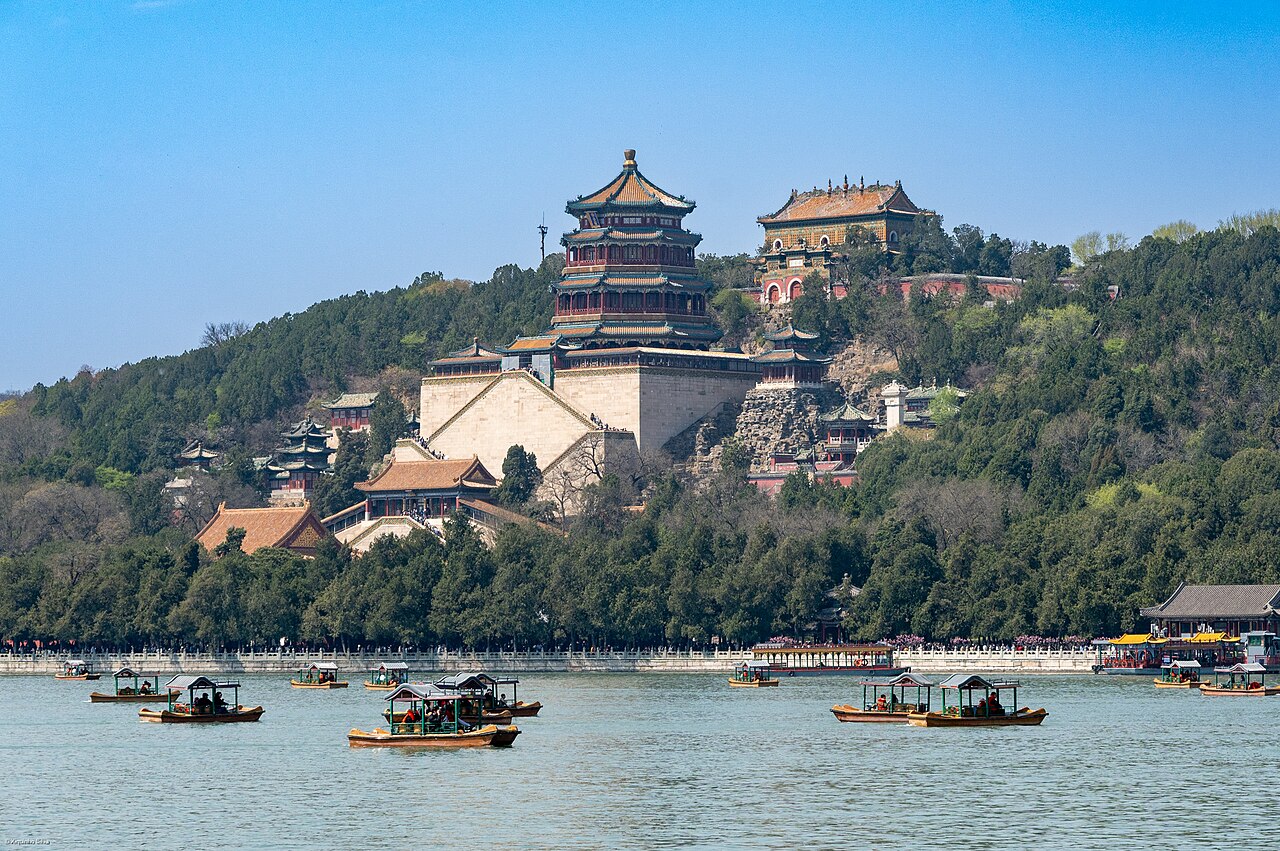
The Southern Song made Lin'an its capital, and Hangzhou became one of China's seven great ancient capitals; the Song City theme park still stands as a reminder. Of the country's first batch of famous historic cities, Hangzhou, Shaoxing and Ningbo all made the list. The monuments are innumerable: the Six Harmonies Pagoda, the Orchid Pavilion, Yu's Tomb. And the great temples line the route from Hangzhou east to Ningbo — Lingyin, Tiantai, Tiantong and Ashoka — with mountain shrines scattered through Jinhua and Lishui besides.
Where the culture still lives

Zhejiang's oldest theatre is the Southern drama, grown between the late Northern Song and the end of the Yuan and one of the earliest mature forms of Chinese opera — it went under many names, including Wenzhou variety play and Yongjia variety play. Yue opera began around Sheng county in Shaoxing and is now one of the five great opera traditions of China and a national intangible heritage; it was once called the little song troupe. In the hills of the south, Jingning is the province's only minority autonomous county and the home of much of its She population, while the covered bridges of Taishun are as plain and varied as anything in the province.

The questions visitors ask us most about Zhejiang, answered plainly.

Frequently asked questions

Prices and practical details are reviewed every month by our Beijing team and updated the day a rule changes.
How many days do I need for Zhejiang?

Nine days is the honest first loop: three in Hangzhou, half a day each in Wuzhen and Xitang, one in Shaoxing, one in Ningbo and two out on the Zhoushan islands. Six days covers Hangzhou, one canal town, Hengdian and Yandangshan; four days is really only Hangzhou, Ningbo and one extra stop.
When is the best time to visit Zhejiang?

Spring and autumn, when both the humidity and the temperature are moderate — the province's own tourist material says the same. Summer is scorching and winter is damp and raw, so skip both if you can. March and April is the plum-rain season: carry an umbrella every day, because the sky will surprise you.

Is Zhejiang expensive?

Yes, by Chinese standards — prices here can match or exceed Beijing's and Shanghai's. The great exception is the West Lake, which is completely free, so Hangzhou can still be done on a budget. Beds start around ¥60 and rooms run to several hundred a night, so the real variable is you.

How do I travel between cities in Zhejiang?

High-speed rail is the backbone. The coastal line links Hangzhou, Ningbo, Taizhou and Wenzhou, and most hops take one to three hours. Coaches are cheaper and more frequent and reach smaller towns and scenic areas. The exception is the sea: Zhoushan has no railway, so the islands are ferry-only and the timetables move with the weather.

Should I come during Golden Week?

No. Walk the Su Causeway during Golden Week and what you get is irritation, not the romance you came for. The same goes for the big incense days on Putuo Mountain and the opening fortnight of the sand sculpture festival — book very far ahead or shift your dates by two weeks.

Which canal town should I pick, Wuzhen or Xitang?

Wuzhen if you want the finished, theatrical version — 6,000 years of history, a proper theatre festival and a waterfront that has been staged for you. Xitang if you would rather have the shabbier, lived-in one, with 1,300 m of covered walkways and the smell of stinky tofu on every lane. If you have the time, do both; they are only a couple of hours apart.

Is there anywhere worth adding beyond the obvious names?

Yes. The Thousand Island Lake reservoir west of Hangzhou is worth a day, the Jinhua countryside around Hengdian has the Bagua village of Zhuge Liang's descendants, and the Nanxi River in Yongjia is the quietest good scenery in the south. The She minority counties around Jingning and Taishun add something none of the canal towns do.

Do people speak English in Zhejiang?

In Hangzhou, at the big sights and in the hotels, yes — and the high-speed stations are well signed. In the canal towns, on the islands and in the smaller cities, much less. Write your hotel, station and sight names in Chinese for taxi drivers, and keep a translation app on hand for restaurants and ticket offices.

Related reading

Related reading

Visas Do I Need a Visa for China? Requirements, Costs and How to Apply China's entry rules changed more in the last three years than in the previous twenty. Here is exactly who needs a visa, what it costs, how long it takes and which passports now walk straight through. 9 min read Visas China's 240-Hour Visa-Free Transit: Who Qualifies and How It Works Ten days in China with no visa application, no fee and no fingerprints — if you hold the right passport and leave for a third country. Here is the rulebook, port by port. 8 min read Money Paying in China: Alipay, WeChat Pay, Cards and Cash Roughly nine in ten urban payments in China now run through a phone. Set up two apps before you fly, carry a modest cash float, and you will never be stuck at a till. 8 min read Transport China's High-Speed Rail: How to Book, What It Costs, How Fast It Goes The fastest way to cross China is also the most pleasant. Here is how to book a ticket with a foreign passport, what the three classes actually give you, and how to survive a Chinese station at rush hour. 9 min read Planning Best Time to Visit China: Month by Month, Region by Region China is the size of Europe, so 'the best month' depends on where you stand. Here is the month-by-month answer for the north, the Yangtze valley, the south and the plateau. 8 min read Planning What to Pack for China: The Complete 2026 Checklist Twenty thousand steps a day, three climate zones and a phone that has to do everything. This is the list we give our own travellers, minus the things they never used. 7 min read Food Chinese Food Culture: Eight Cuisines, One Table There is no such thing as Chinese food. There is Cantonese, Sichuan, Hunan, Jiangsu, Zhejiang, Fujian, Anhui and Shandong — and knowing which one you are eating changes everything. 8 min read Traditions Chinese Tea Culture: Six Classes, One Pot, Two Fingers Tea in China is not a beverage category, it is a social technology: it fills silences, seals deals and sets the pace of a meal. Here is how to sit down in one and not look lost. 7 min read Traditions Chinese Festivals: The Calendar, the Dates and the Crowds Lunar dates mean the calendar moves every year — and two of the festivals move several hundred million people at once. Plan around them or plan into them, but never by accident. 8 min read Etiquette Chinese Etiquette: What Matters, What Does Not, and Why Most etiquette advice for China is either obvious or wrong. These are the dozen behaviours that actually change how you are treated, and the reasoning behind each. 7 min read

Tell us your dates.
We'll do the rest.

Free itinerary design, a revised plan within one working day, and nothing charged until you approve the final version.

  • Eleven prefecture-level cities: Hangzhou, Ningbo, Wenzhou, Shaoxing, Huzhou, Jiaxing, Jinhua, Quzhou, Zhoushan, Taizhou and Lishui. The terrain is summed up as seven parts mountain, one part water, two parts farmland.
  • The trunk loop is Hangzhou → Wuzhen → Xitang → Shaoxing → Ningbo → Zhoushan: about 9 days and ¥3,000–4,000, built on high-speed rail with one long coach leg and two ferry days.
  • The coastal high-speed line — Hangzhou, Ningbo, Taizhou, Wenzhou, and a stop at Yandangshan — is the backbone; coaches are cheaper, more frequent and reach the smaller towns.

No spam. No sales calls. Just a real itinerary from a real person.