
City guide · Tibet

Namtso travel guide: the world's highest saltwater lake, how to get there from Lhasa, and whether one day is enough

A 1,920-square-kilometre sheet of impossible blue at 4,718 metres, ringed by snow peaks and prayer flags.

  • Known forWorld's highest saltwater lake, prayer flags, night skies, sunrise
  • Typical spendCNY 150–500 per person per day
  • Ideal length1–2 days from Lhasa
  • PaceSlow — walk as if you have all the time in the world

Reviewed by our Beijing team Updated 2026-10-10

The short version

Namtso is worth the trip, but only if you accept the altitude: the lake sits at 4,718 metres, roughly 1,070 metres higher than Lhasa, and the drive from the Tibetan capital takes about 5 hours each way over a 5,190-metre pass. Admission is CNY 120 in high season (1 May–31 Oct) and CNY 60 in low season, plus a CNY 5 management fee for Tashi Peninsula. A same-day coach tour runs CNY 200–300 per person; staying one night in a tent guesthouse costs CNY 30–300 and is the only way to see sunrise or the Milky Way.

  • The lake is at 4,718 metres and the Zhainagla Pass you cross to reach it is 5,190 metres — spend at least 2–3 nights acclimatising in Lhasa (3,650 m) first.
  • High-season admission is CNY 120 (1 May–31 Oct), low season CNY 60, and Tashi Peninsula adds a CNY 5 management fee; carry cash, there is no reliable card machine.
  • Overnight accommodation is tent and tin-shed guesthouses on Tashi Peninsula only, CNY 30–300 per bed, no booking system — the景区 has no formal hotel.
  • Shuttle tours from Lhasa leave around 07:00, take 5 hours each way, and often allow only 1–2 hours at the lakeshore — make sure yours actually reaches Tashi Peninsula, not just the roadside near the pass.

City guide

First impressions

Photographs from the coast, and what other travellers wrote afterwards.

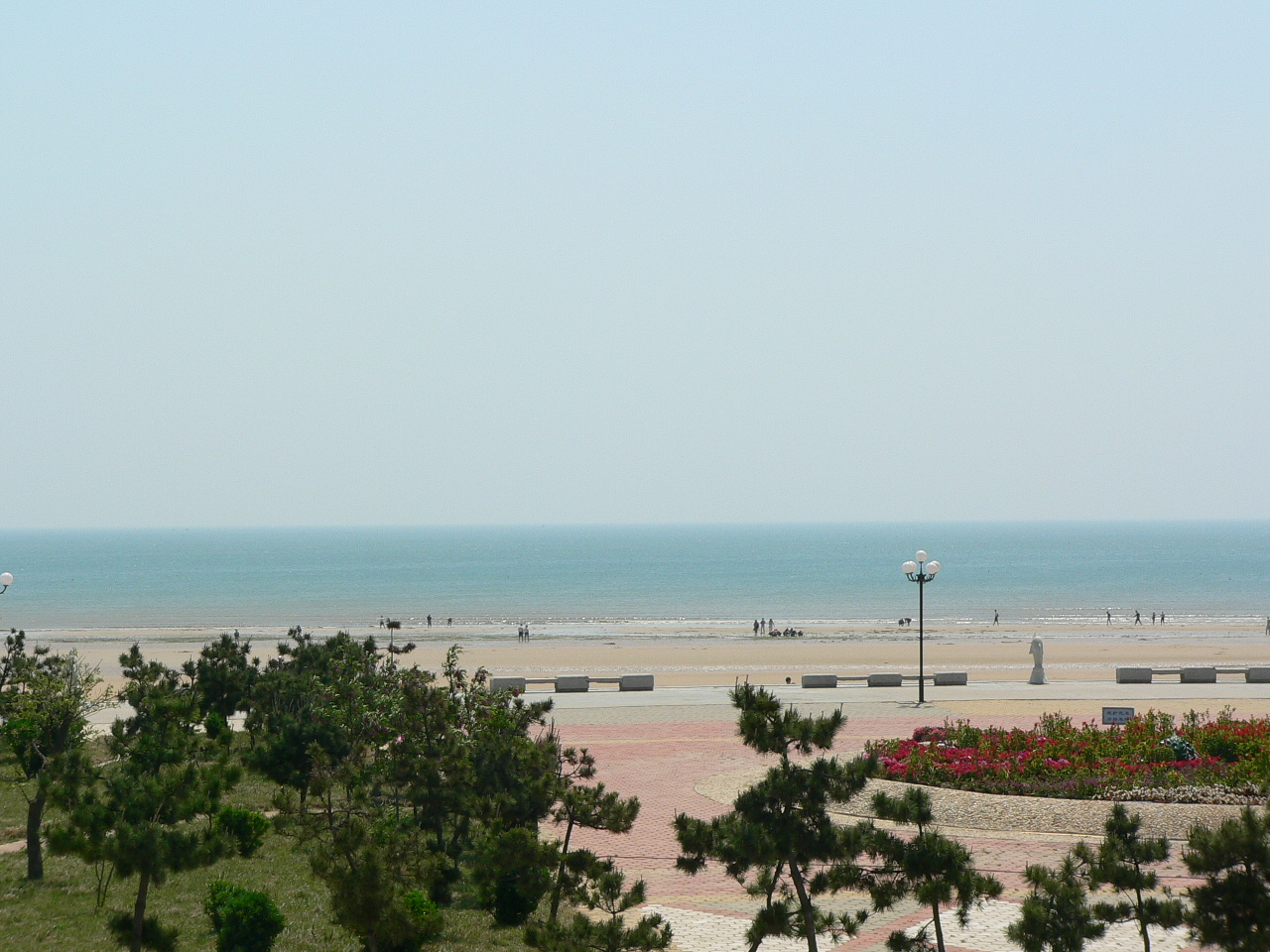
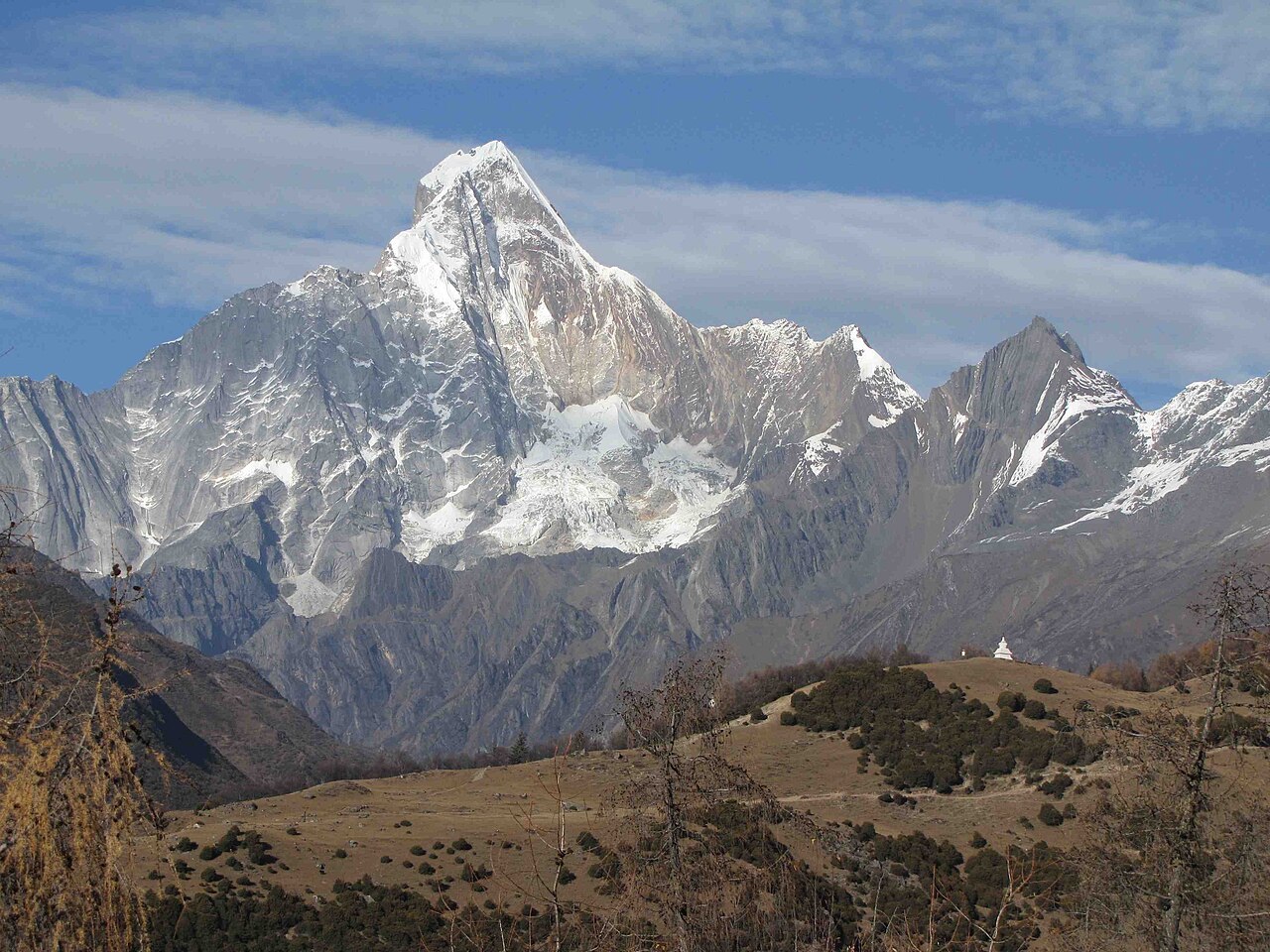
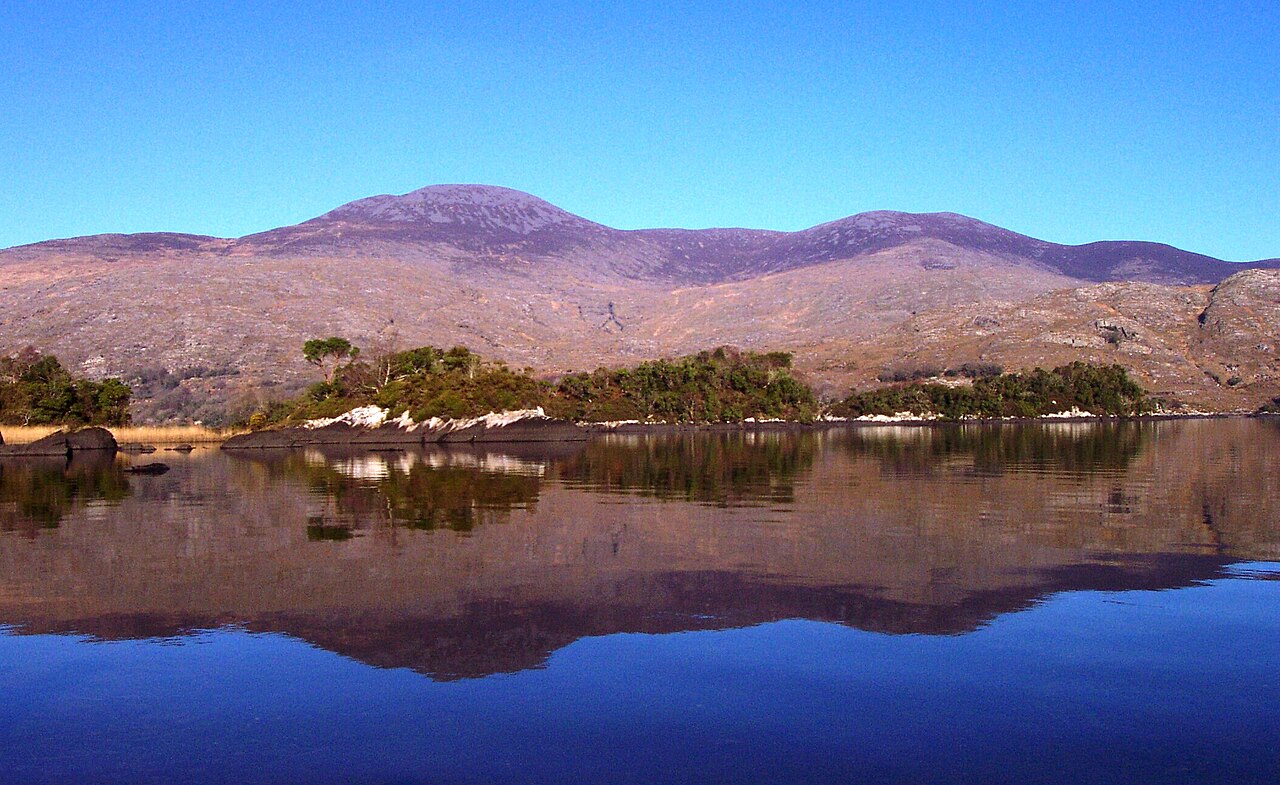
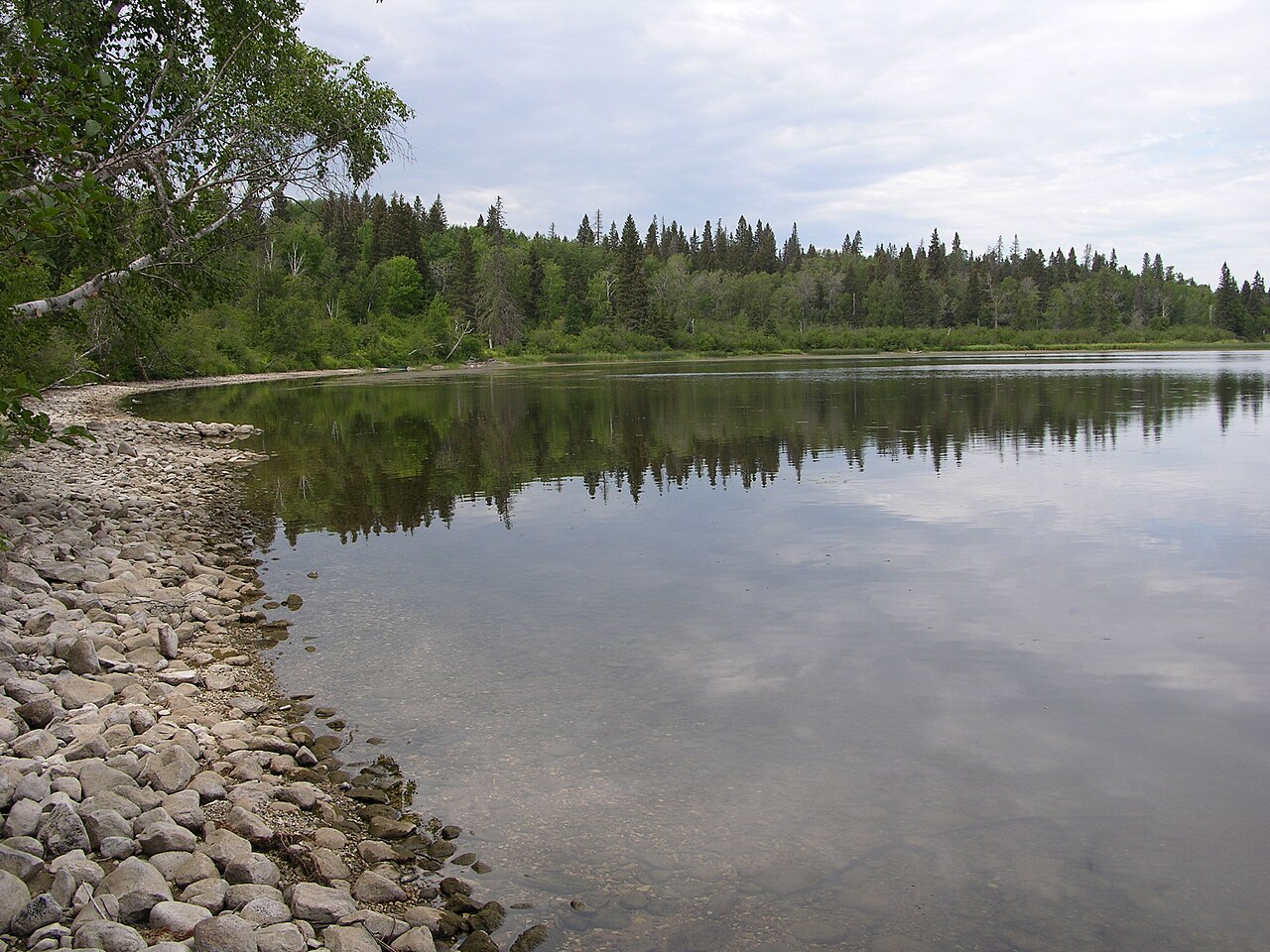
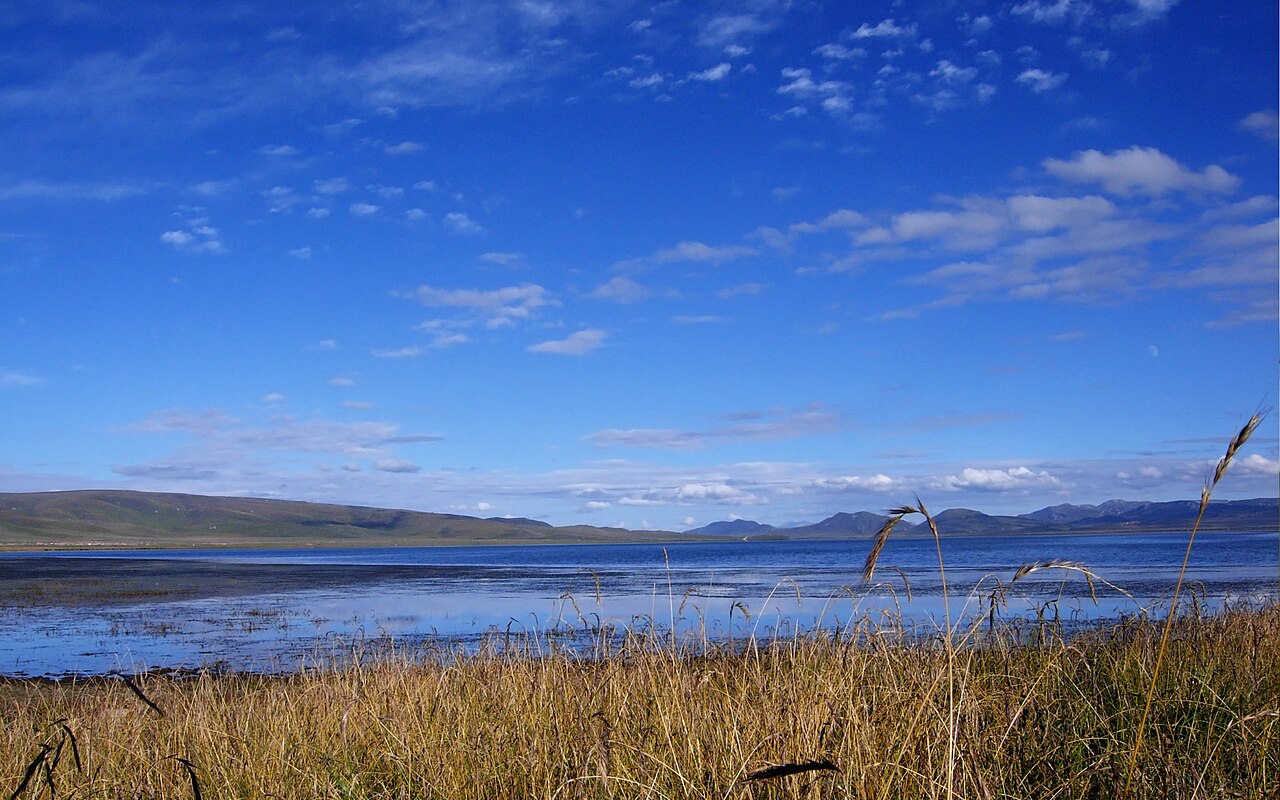
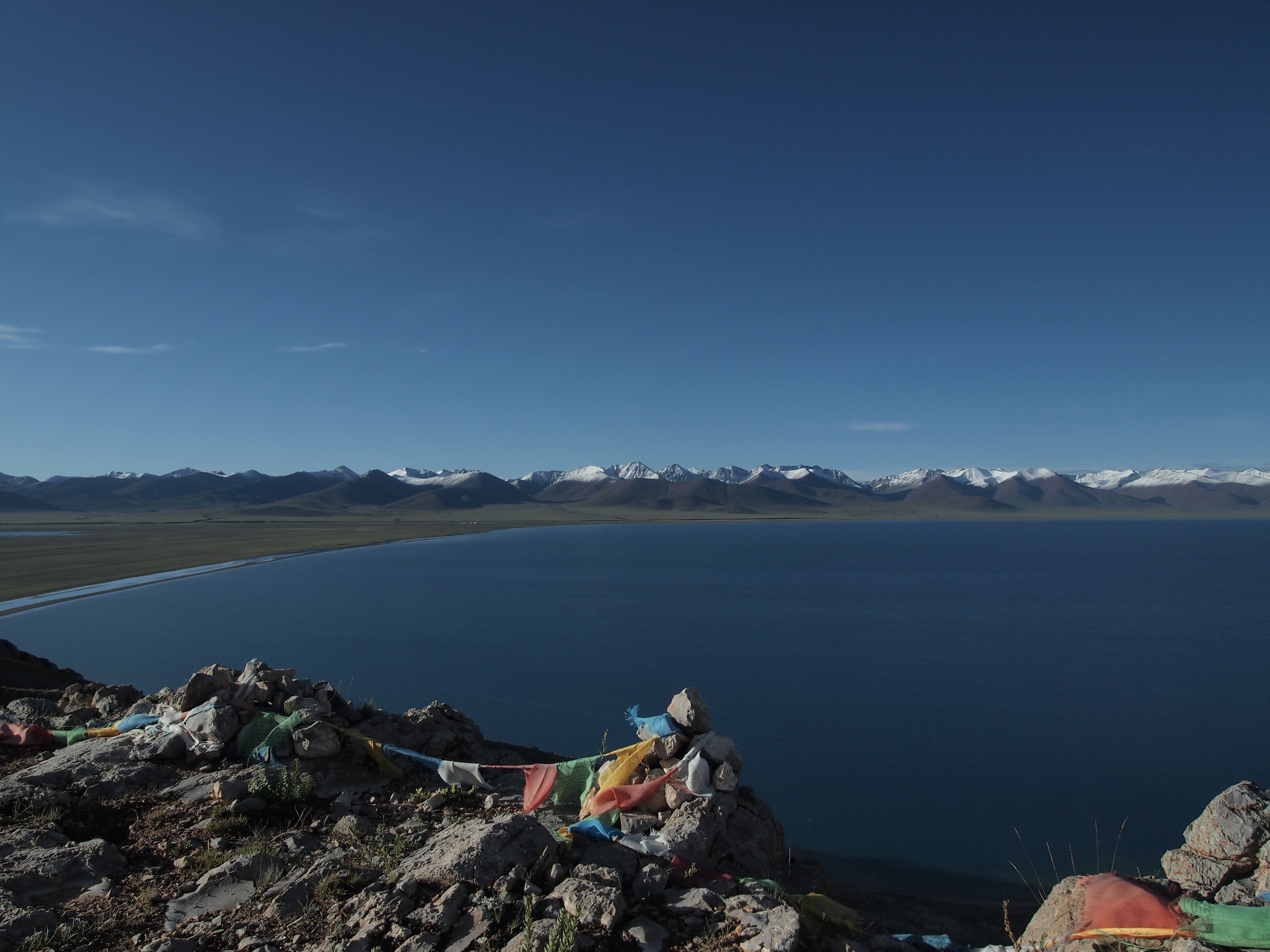
Namtso from the Zhainagla Pass, the first view after 5 hours of driving
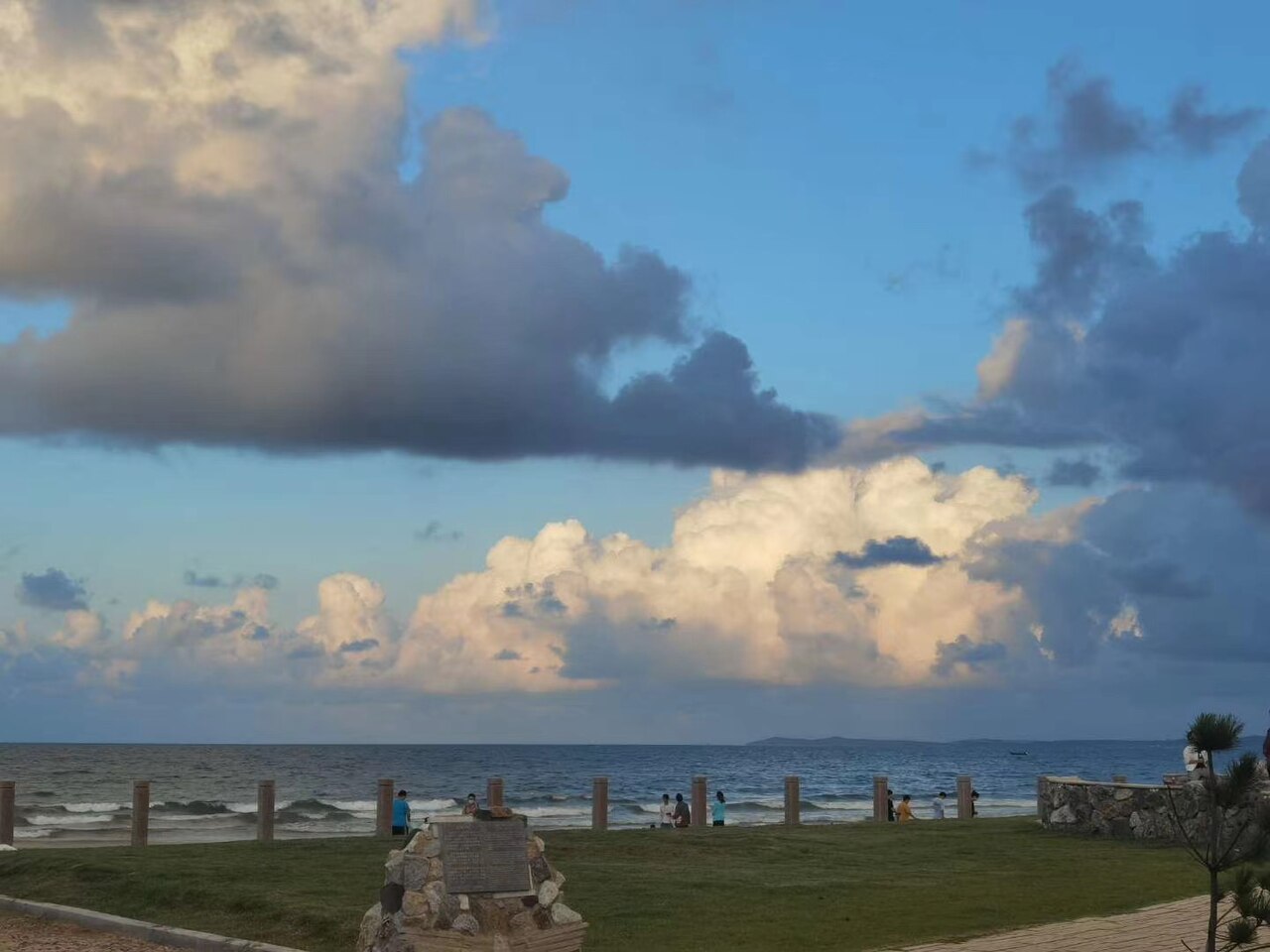
Prayer flags strung across the rocks at Tashi Peninsula
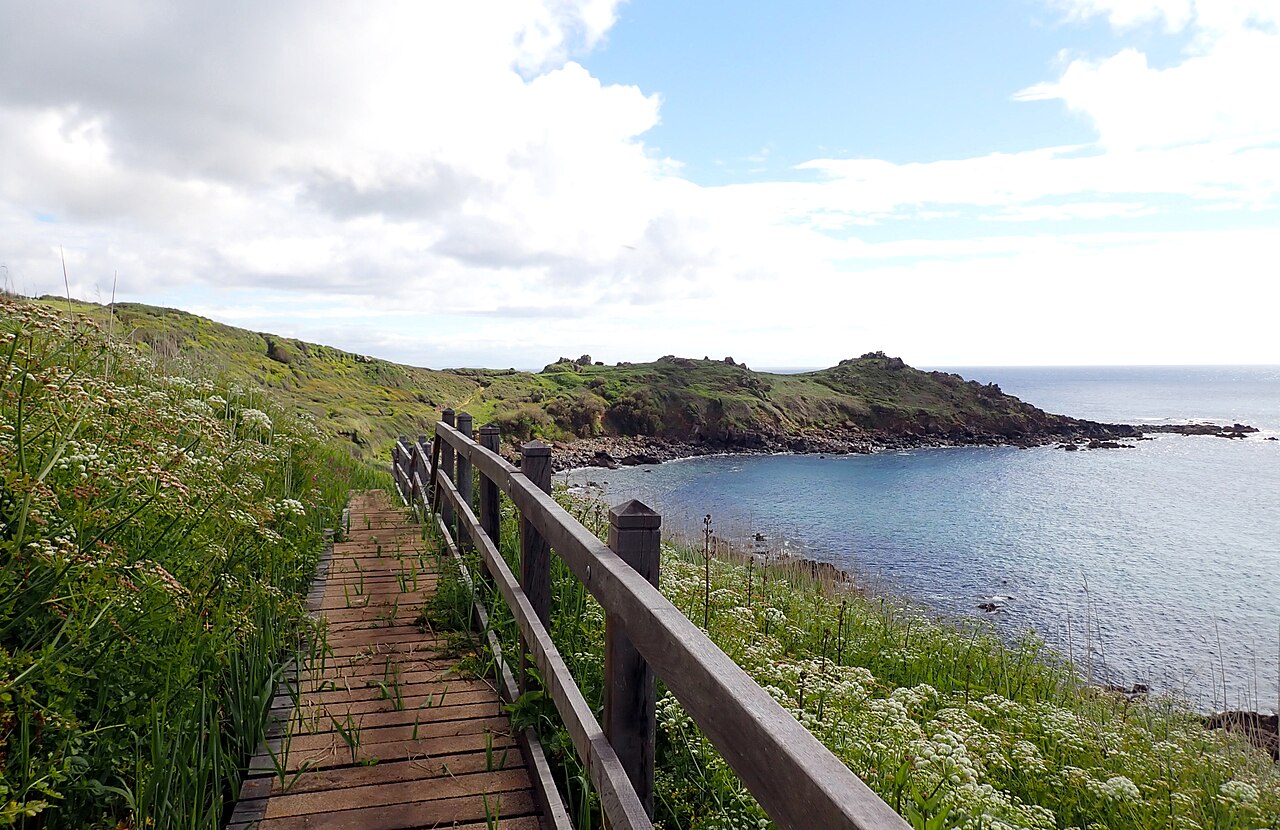
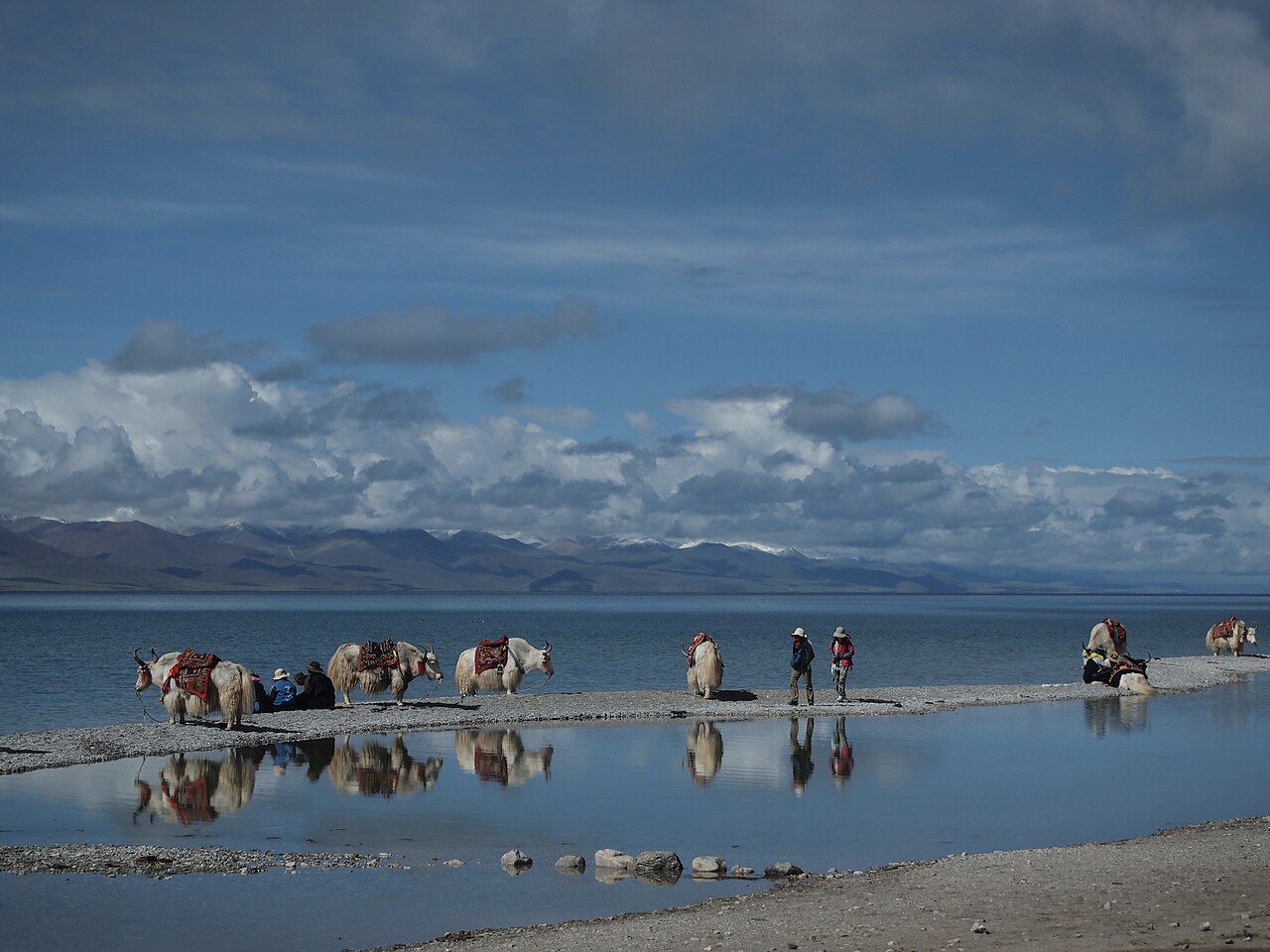
Yaks waiting for photographs on the shoreline, blankets and all
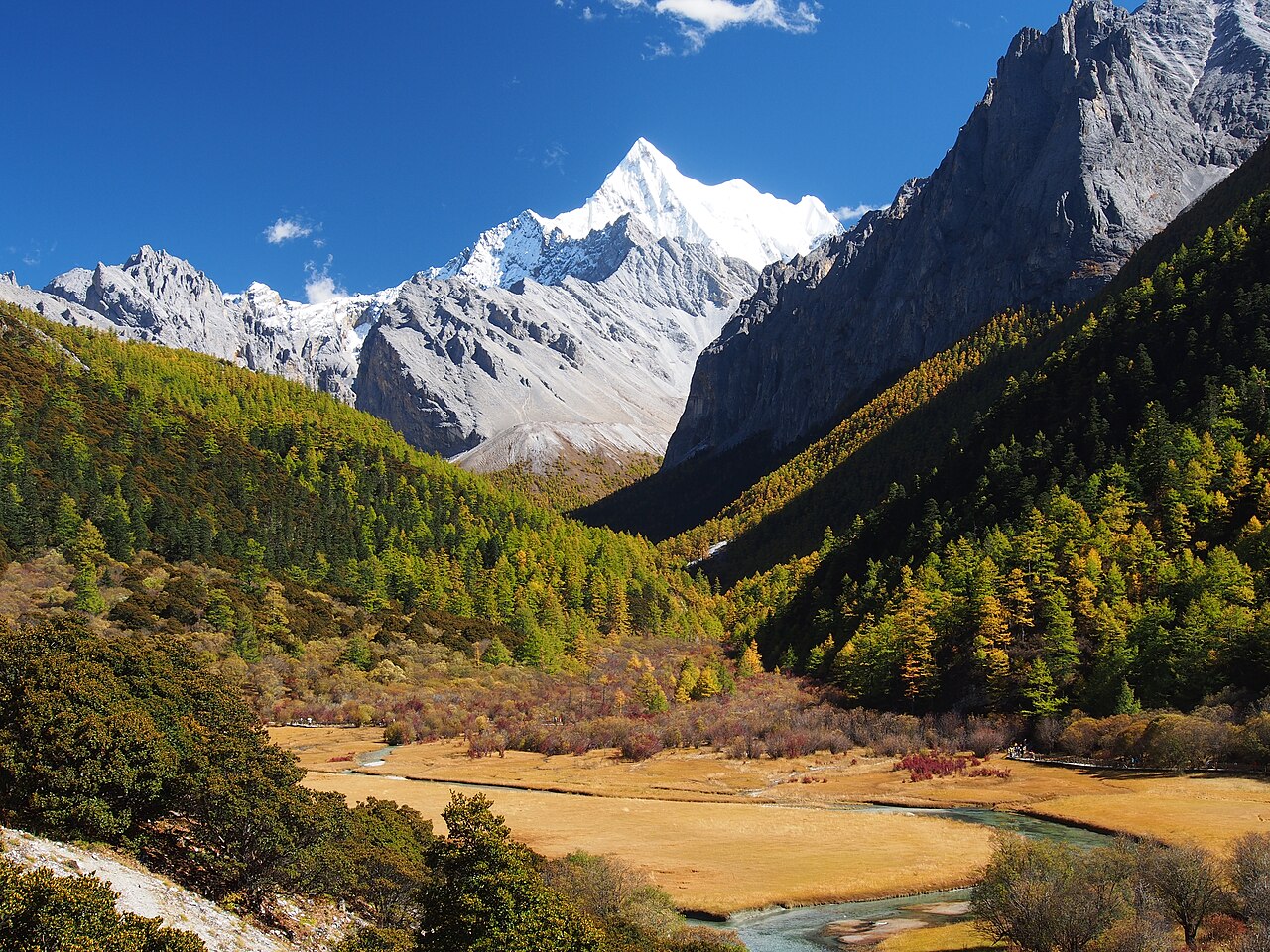
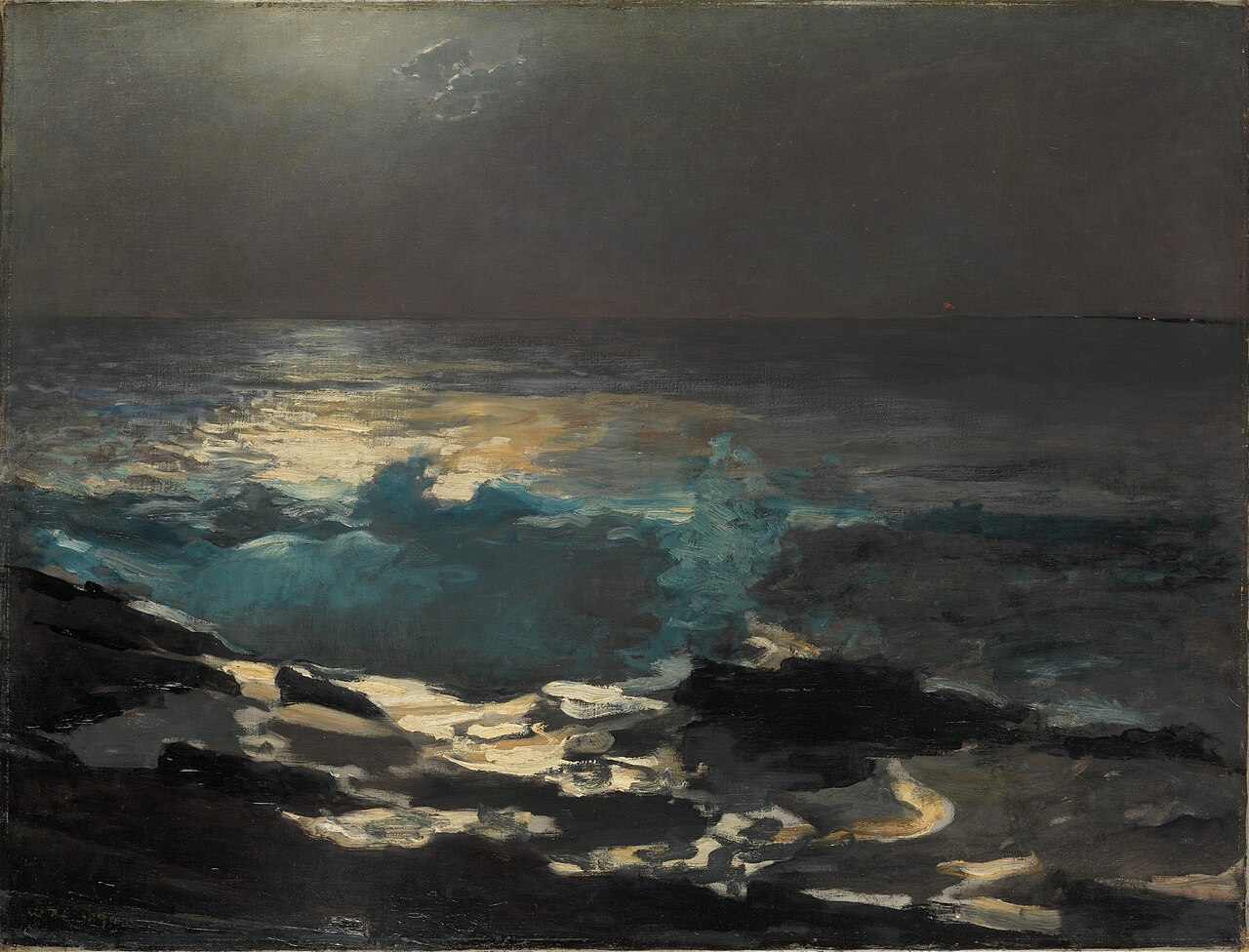
Sunset over Nyainqentanglha, mirrored in the lake

The lake was one long strip of blue hanging off the edge of the sky, and for a second I could not work out whether it was water or cloud. My brain knew it had to be a lake. My eyes were certain it was part of the sky.

Lanmu Xuelang, 'A Trip to the Holy Lake Namtso'

Namtso had been grey and overcast for a week. The day we arrived, it cleared. That is the whole trick with this lake — you need the weather on your side, and then it is the most beautiful place you have ever stood in.

Tan Shui Niu de Yiyu, 'Great Tibet — the Place Closest to Heaven'

You climb for hours through a brown, treeless valley, convinced the road is taking you somewhere entirely ordinary, and then the car tops the Zhainagla Pass at 5,190 metres and the whole thing opens up at once: a band of blue so saturated it reads as a mistake, sitting flat under a sky that seems to be the same colour. Nobody in the car talks for the first minute. Then everybody does.

The lake itself is enormous — 70 kilometres long, 30 wide, 1,920 square kilometres of saltwater fed by the glaciers of the Nyainqentanglha range. The water changes shade every hundred metres you walk: pale turquoise at the shallow edges, grey-blue where cloud shadows cross, and a near-black navy in the deep middle. Photographers have been trying to get it right for decades and mostly fail.

Tashi Peninsula, the low rocky finger that juts into the lake, is where everyone ends up. It has the guesthouse tents, the small Tibetan and Sichuanese kitchens, the mani stone piles, the yaks draped in coloured blankets waiting to be photographed, and the trails that lead up to viewpoints over the whole basin. Come for two hours and you will see a postcard. Stay the night and you will see why Tibetans call it a holy lake.

Namtso

Don't leave without

Seven things that are worth rearranging a day for.

  1. Watch the sunrise from the ridge above Tashi Peninsula — the Nyainqentanglha peak turns gold while the lake stays black
  2. Stay one night and look up: at 4,718 metres with almost no light pollution, the Milky Way is genuinely overhead
  3. Walk the kora path around the peninsula past the mani stone walls and the fluttering prayer flags
  4. Photograph the twin rocks — the 'welcoming stones' that locals treat as the lake's guardian gatekeepers
  5. Try the yak-riding along the shore, but agree the price in writing or in front of witnesses first
  6. Eat a bowl of tsampa with butter tea at a tent kitchen for breakfast — about CNY 2 a bowl and it settles the altitude nausea

Highlights

Why Namtso earns the 5-hour drive from Lhasa

A lake that looks like it was hung

At 4,718 m, Namtso is the highest saltwater lake in the world — higher than Lhasa by more than 1,000 m. The near-black blue, the snow wall of Nyainqentanglha behind it, the yak-hair tents and prayer flags along the shore: this is the image most people carry home from Tibet, and it does not disappoint in person.
Every angle is a photograph

You do not need a plan. Shoot the shoreline arc from the Lagen La pass, shoot the lake in the foreground with nomad horses behind it, shoot the reflection at sunrise. Wide and telephoto both earn their place in your bag, and a polarising filter takes the glare off the water so the blues read true.

Sunrise and sunset worth the cold

Sunrise and sunset are the reason photographers sleep here instead of day-tripping. Watch the sun crawl up out of the dark — one disc in the sky, one mirrored in the water — and stay for the afterglow, when the clouds catch red and the lake goes flat and mirror-still.

A night sky you can almost touch

Thin air at altitude means less atmosphere between you and the stars. The Milky Way is visible to the naked eye, bright enough to read by, and the silence at Tashi Peninsula after dark is total. Bring a headlamp and a tripod.

A working pilgrimage site, not jus

Namtso is one of Tibetan Buddhism's four great wrathful lakes and the seat of the deity Chakrasamvara. Pilgrims circle it, stack mani stones and toss offerings into the water; in the Year of the Sheep, one circuit here is said to equal 100,000 ordinary circuits. Walk quietly and let them have the shoreline.

Itinerary

Two 3-day Namtso routes that actually work

Classic overnight: Lhasa — Namtso

3 days days

The standard route, stretched to three days so you actually sleep beside the lake and catch both sunrise and sunset instead of being herded back into the van after 90 minutes.

  1. Day 1

    Lhasa to Tashi Peninsula

    Leave Lhasa around 07:00 for the roughly 5-hour drive north through Damxung. Climb over the Lagen La pass at 5,190 m for your first look at the lake, then drop to Tashi Peninsula and check into a tent guesthouse.

    Do not rush the altitude — walk slowly, drink water, and skip the celebratory run along the beach. Sunset is the reward for a slow first day.

    Stops: Lagen La pass (5,190 m)Namtso ticket gate and safety form checkpointTashi PeninsulaNamtso lakeshore

  2. Day 2

    Tashi Peninsula full day

    Climb the low ridge on the peninsula for the classic overhead shot of the lake, then walk the shoreline and explore the Mani stone piles, the Welcoming Stones and the Palms-Together Rock.

    Spend the middle of the day resting — altitude makes the afternoons heavy. Eat at one of the peninsula's Tibetan kitchens, then go back out for sunset at the water's edge.

    Stops: Tashi Peninsula viewpointWelcoming StonesPalms-Together RockMani stone wallsNamtso sunset point

  3. Day 3

    Sunrise, then back to Lhasa

    Get up before dawn in every layer you own and watch the lake turn from grey to gold. Pack out, walk the last stretch of shoreline for fresh light, then drive back to Lhasa, arriving late afternoon.

    Stops: Namtso sunriseTashi Peninsula shoreLagen La passLhasa

Extended loop with Damxung and Yan

3 days days

For travellers who already feel settled at altitude: add the hot springs and grasslands south of the lake so the drive becomes a proper Tibetan plateau trip rather than one long out-and-back.

  1. Day 1

    Lhasa to Damxung, then up to the l

    Drive Lhasa to Damxung, detouring to Yangpachen for the geothermal hot springs and the grassland views toward Nyainqentanglha. Continue to the ticket gate at the Namtso turnoff, collect your safety responsibility form from the traffic police, and cross Lagen La late in the day for golden-hour light on the water.

    Stops: Yangpachen hot springsDamxung grasslandsNamtso ticket gateLagen La passTashi Peninsula

  2. Day 2

    Lake day on foot

    Walk the peninsula ridge early, then follow the shore away from the parking area — heading about 100 m east gets you clear water and fewer people in your frame. Afternoon is for yak rides, mani stones and simply sitting still.

    If you have energy left, climb the high point above the guesthouses for a full panorama at sunset.

    Stops: Tashi Peninsula ridgeNamtso shoreline east of the carparkYak and horse riding areaPanorama viewpoint

  3. Day 3

    Sunrise and the road home

    Sunrise at the lake, breakfast at the guesthouse, then a slow drive back with a stop at the Damxung grasslands for nomad tents and grazing yaks before you rejoin the highway to Lhasa.

    Stops: Namtso sunriseDamxung grasslandsLhasa

Sights

What to see around the lake

Must-see

Tashi Peninsula

The only place on the lake with accommodation and food, and the base for every overnight stay. Low rocky hills, a stony shoreline, and a ridge you can climb in twenty minutes for the classic wide view of the lake with Nyainqentanglha behind it. This is also where you shoot sunrise and sunset.

Where
South shore of Namtso, roughly 30 km past the Lagen La pass
Entry
Included in the scenic area ticket
Best time
Sunrise and sunset; midday light is flat and harsh
Access
Roughly 5 hours by road from Lhasa

Tip Walk east along the shore about 100 m past the parked vans. The water there is clear instead of churned up, and the crowd thins to almost nothing.

Viewpoint

Lagen La pass

At 5,190 m this is the highest point of the drive and the first place the lake appears — a strip of blue suspended above the horizon so cleanly that it genuinely looks like it is hanging in the sky. Most group tours stop here for photos, and it is worth getting out despite the wind.

Altitude
5,190 m
Drive from Lhasa
About 4 hours to the pass
Facilities
None — no shelter, no toilets
Wind
Severe; hold onto hats and camera straps

Tip Do not treat this as your Namtso stop. Some cheap tours turn around here. Insist on reaching Tashi Peninsula, which is another 30 km beyond the pass.

Culture

Welcoming Stones (Yingbin Shi)

Two large boulders at the lake entrance, regarded as the guardian spirits of Namtso. Tradition holds that Namtso is a goddess who governs the wealth of the northern grasslands, so traders used to stop here and ask the gatekeepers' permission before circling the lake, praying for good business.

Also called
The lake's door gods
Location
Near the main lakeside access point
Entry
Free
Time needed
15–20 minutes

Tip Pilgrims leave offerings and add stones to the piles here. If you copy them, use your right hand and do not climb on the boulders.

Culture

Palms-Together Rock (Hezhang Shi)

A rock formation said to be the joined palms of Nyainqentanglha, the mountain god, and Namtso, the lake goddess — a pair of devoted lovers in Tibetan mythology. The shape is also read as the praying hands of Padmasambhava, founder of the Nyingma school, blessing all beings.

Meaning
The union of mountain god and lake goddess
Entry
Free
Location
Tashi Peninsula area
Photography
Best in low side light

Tip Pair it with the nearby Virtue and Vice Cave, where legend says the honest can squeeze through and the dishonest cannot. It is a folk parable, not a physical challenge — do not force it.

Landscape

Namtso grasslands

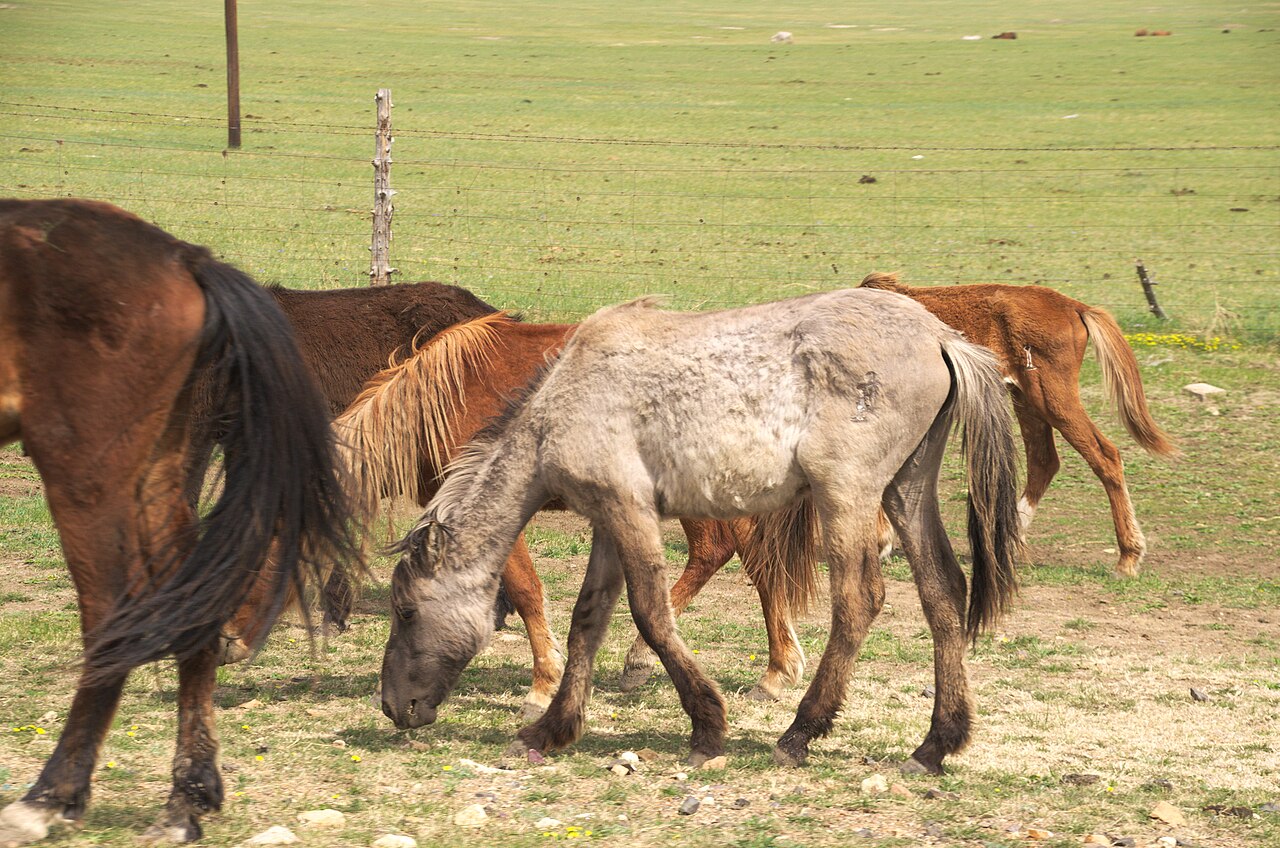
The drive from the pass down to the shore crosses open northern-Tibetan grassland scattered with nomad tents, grazing yaks and horses, marmots, blue sheep and hares. The colours change fast with the weather, and the whole stretch is worth keeping your camera switched on for.

Wildlife
Marmots, blue sheep, hares, raptors
Entry
Free — it is open rangeland
Best light
Early morning and the last two hours before sunset
Photo note
Shooting nomads' yaks or horses may cost about CNY 10

Tip If a herder's animals end up in your frame, expect to be asked for money — even if you delete the shot. Ask first, or keep livestock and children out of the composition.

Food & drink

What you eat at 4,718 metres

Tibetan yogurt (藏家酸奶)

Thick, tangy and slightly sweet, served in a bowl with sugar on the side. Every Tibetan-run tent kitchen on Tashi Peninsula has it, and the acidity genuinely helps settle a queasy altitude stomach. Cheap, too — a bowl runs CNY 10–15.

Butter tea (酥油茶)

Salty, buttery, faintly tea-like, and the single best thing you can drink up here. Tibetans drink it constantly for the calories and the warmth, and locals will tell you it eases altitude sickness. Order a thermos rather than a cup — it stays hot and you will finish it.

Tsampa (糌粑)

Roasted barley flour you mix with butter tea into a paste by hand. It tastes a bit like sesame paste, costs about CNY 2 a bowl, and is the standard local breakfast. Eat it before a sunrise shoot — it is dense, cheap and keeps you going.

Fried stuffed lung (炸灌肺)

Called 'luozha' in Tibetan, made from sheep's lung with butter and flour, boiled then fried. Pale brown, crisp outside, soft inside, and far tastier than the name suggests. Sitting at a lakeside table with this and butter tea, watching Nyenchen Tanglha, is the whole point of staying overnight.

Sweet cheese cake (酥酪糕)

A dense dairy dessert studded with dried fruit and nuts, pressed into round or square blocks and steamed. Traditionally served to guests as a gift pastry. It is rich — one piece between two people is plenty.

Where to eat

Four places to eat on the lake

Tibetan · Tashi Peninsula

Lamucuo Restaurant (拉木措饭馆)

One of the better-known Tibetan kitchens on Tashi Peninsula, serving yogurt, butter tea, tsampa and fried stuffed lung. Come here for the local food rather than the comfort — seating is basic, service is unhurried, and the view out the door is the reason you came.

Location
Tashi Peninsula, near the tent camp
Cuisine
Tibetan — yogurt, butter tea, tsampa, fried lung
Price
CNY 40–80 per person
Note
Cash is safer than cards up here

Tibetan & Sichuan · Tashi Peninsula

Tashi Island Baima Restaurant (扎西岛

The second of the two recommended kitchens on the peninsula. If yogurt and tsampa are not doing it for you, this is where you find Sichuan cooking — fried vegetables, noodles, egg dishes. Portions are big and prices are high, which is true of every kitchen here.

Location
Tashi Peninsula
Cuisine
Tibetan and Sichuan
Price
CNY 50–90 per person
Note
Hot water is free at every restaurant — bring your own dry food to cut costs

Sichuan · Tashi Peninsula

Sichuan-run kitchens along the ten

A row of small restaurants run by Sichuanese families who moved up to cook for travellers who cannot face another bowl of yogurt. Expect stir-fried greens, tomato and egg, noodles and rice. Everything tastes slightly of altitude and costs more than it would in Lhasa, because every ingredient is trucked over the 5,190-metre Lakenla Pass.

Location
Tent camp strip, Tashi Peninsula
Cuisine
Home-style Sichuan
Price
CNY 40–80 per person
Note
Open in high season only; many close November–April

Budget · Anywhere

Your own supplies, eaten with free

Honestly the smartest option for one of your meals. There is no cheap food here, and every restaurant and guesthouse will fill your flask with boiling water for nothing. Bring instant noodles, bread, nuts and chocolate from Lhasa, eat with a view of the lake, and spend your money on the things you cannot get anywhere else.

Location
Any tent, guesthouse or restaurant
Cuisine
Whatever you carried in
Price
Near zero
Note
This is also the lowest-waste option — rubbish removal up here is genuinely hard

Where to sleep

Three ways to spend the night at 4,718 m

Guesthouse · Best comfort on the peninsula

Sacred Lake Namtso Guesthouse (神湖纳

Sits right by the water with the lake out one side and Nyenchen Tanglha out the other. Rooms come in Tibetan and Chinese styles, both reasonably comfortable by Tashi Peninsula standards, and the guesthouse serves meals. In high season they run a big evening bonfire with Tibetan folk dancing, kora dancing and singing.

Price
CNY 30–200 per room, depending on standard
Phone
0891-6964312
Facilities
Beds, quilts, hot water, shared toilets, on-site kitchen
Booking
Not needed in high season — turn up and ask

Guesthouse · Simple and clean

Fangniuwa Hotel (放牛娃宾馆)

On the shore of the lake, looking out at blue water, low clouds and the Nyenchen Tanglha snow range. CNY 40 per person, tents kept clean and bedding soft and warm. Food and lodging both available on site. The pick if you want a step up from a bare tent without paying resort prices that do not exist here.

Price
CNY 40 per person
Facilities
Tent accommodation, clean bedding, meals available
Setting
Lakeside, facing Nyenchen Tanglha
Note
Bring your own towel and toiletries

Homestay · The cheapest night out here

Local family tents and mud-brick r

The most economical option: tents and small rooms put up by local families, some sleeping up to nine people, plus the mud-walled compounds at Damxung. Around CNY 10 per person. You sleep on a palm mat on the ground, it gets properly cold, and dung for the stove is sold by the bag at CNY 10. Local hosts are warm, but do not expect privacy or a hot shower.
Price
About CNY 10 per person
Facilities
Ground mat, shared bedding, stove heated with dung (CNY 10 per bag)
Location
Tashi Peninsula and Damxung town
Note
Camping is banned in the reserve — this is the legal budget alternative

Getting there & around

How to reach Namtso, and how to move once you're up there

Chartered car or shared minivan fr

There is no scheduled long-distance bus to Namtso — everyone comes from Lhasa by road, and the drive is roughly 5 hours one way over the Lakenla Pass at 5,190 m. In the low season a seat in a shared van runs about 150 CNY for a same-day return; in high season expect 240–260 CNY for an overnight return. Both include the park ticket but not food or lodging. Chartering the whole vehicle costs 1,200–1,800 CNY depending on the season and your haggling, or around 1,700 CNY through an agency in peak months. Ask at your hostel or hotel front desk — the backpacker guesthouses around the Barkhor have the most options — or find drivers waiting near the Potala Palace and Barkhor Street.

Drive time from Lhasa
About 5 hours each way
Highest pass
Lakenla, 5,190 m
Shared seat, low season
150 CNY (same-day return)
Shared seat, high season
240–260 CNY (overnight return)
Whole-car charter
1,200–1,800 CNY
What's included
Park ticket yes; meals and lodging no

Organised tour

Agencies all over Lhasa sell seats on day tours for about 200–300 CNY per person, covering transport and the park ticket but not meals. Vehicles are usually Jinbei vans or mid-size coaches. They leave around 7am and hold you at the lake for only 1–2 hours. If you intend to sleep on Tashi Peninsula, say so when you book — you can only ride back the next day if the following day's tour has a free seat. The critical trap: some drivers stop at the shoreline near the Lakenla Pass and call it done. Namtso's real sights are on Tashi Peninsula, so confirm before you pay that the van actually drives all the way there.

Day-tour price
200–300 CNY per person
Departure
About 7am from Lhasa
Time at the lake
Only 1–2 hours
Overnight option
Must be requested at booking
Watch out for
Vans that stop short of Tashi Peninsula

Self-driving

The road from Lhasa is good but climbs hard, with tight bends and sheer drops on both sides. Tibet runs a segment-based speed-limit system: you are timed between two checkpoints and fined for arriving early — over 50% over the limit can cost you your licence. Urban roads are capped at 40 km/h, national and provincial roads at 70 km/h. Shortly after you turn off at Damxung you reach an archway where you buy your ticket and collect a white 'safety responsibility' slip from the traffic police. Miss that slip and the next checkpoint fines you 200 CNY.

Urban speed limit
40 km/h
Rural road limit
70 km/h
Ticket gate
Archway past Damxung
Must collect
White safety slip
Fine for skipping it
200 CNY
Checkpoints
Timed between segments

Hitchhiking, cycling and hiking

Hitchhiking works but is slow. The thumbs-up sign means little to Chinese drivers — wave your whole arm instead, because they decide in a split second. Agency vans rarely stop, private charters rarely stop; your best odds are with self-driving tourists. Solo travellers get picked up more often. Cycling and motorbiking are both possible but the long continuous climbs and descents demand you check your brakes and replace worn pads before you set off. Hiking the whole way is a genuine feat — a handful do it, and the national hiking festival is held here each year.

Best hitchhike bet
Self-driving tourists
Gesture
Big arm wave, not thumbs-up
Cycling caution
Check brakes before the passes
Full hike
Done by very few
Hiking festival
Held annually at Namtso

Shopping

What to buy in Tibetan Namtso country

Tibetan knives

A long-standing Tibetan craft with real character — carried daily by locals for defence, as an eating tool and as decoration. Buy from licensed shops and check the airline rules before you fly, because blades cannot go in hand luggage.
Cordyceps (dongchong xiacao)

A prized tonic fungus harvested on the plateau, sold for immune support and fatigue. Prices are steep and quality varies wildly, so buy only from shops with a reputation to lose, and never from a roadside seller who won't name the grade.

Prayer flags, mani stones and smal

The obvious souvenir here, and a fair one. Buy them in Lhasa's Barkhor Street rather than at the lake, where the selection is thin and the prices are set for captive buyers.

Yak butter, barley flour and Tibet

Practical, packable and genuinely local. Barley flour (tsampa) is cheap and travels well — it makes an instant hot breakfast back at your hotel, and it's the same thing you'll be eating at the lake.

Practical

The things that actually matter up here

Entrance ticket120 CNY from 1 May to 31 October; 60 CNY from 1 November to 30 April. Add a 5 CNY management fee to enter Tashi Peninsula. If a local gives you a lift, the ticket is sometimes waived.
AltitudeNamtso sits at 4,718 m — over 1,000 m higher than Lhasa. Rest and acclimatise in Lhasa for a few days first, walk slowly on the peninsula, and don't get overexcited before sleep. Oxygen canisters cost 40 CNY small, 80 CNY large.
Altitude medicationStart taking rhodiola several days before you fly to Tibet; switch to Gaoyuan'an if you feel unwell after arriving. Ginseng helps with fatigue. All of these are sold in pharmacies across China and in Lhasa.
Cold and weatherTemperature swings are brutal and summer can still bring sudden snow and hail. Bring your heaviest layers, and if you're short, rent a down jacket or military coat on Tashi Peninsula for 30–80 CNY a day. A cold here can turn into high-altitude pulmonary oedema within a day.
Sun protectionUV is fierce and snow glare is painful. Sunglasses, a hat and sunscreen are not optional, summer or winter. Bring a torch too — you'll need it for night trips to the toilet, and the strong beam helps with the many stray dogs.
AccommodationNo proper hotels inside the park — only tents and tin-roofed rooms, mostly on Tashi Peninsula, 30–300 CNY. The nearest real hotel is in Damxung town. Lodging only operates in the travel season (mid-April to November); outside it you must go back to Lhasa the same day. Camping is banned.
Food and moneyEating is concentrated on Tashi Peninsula — Tibetan-run restaurants plus a few Sichuan places. Everything is expensive because every ingredient is trucked in, and altitude kills your appetite. Bring cash: there are no ATMs at the lake.

Background

The lake that Tibetans call heaven

What Namtso actually is

Namtso sits at 4,718 m, which makes it the highest saltwater lake in the world and the second-largest in China. It is roughly rectangular, about 70 km east to west and 30 km north to south, covering 1,920 sq km, with a maximum depth of 33 m holding 76.8 billion cubic metres of water. The name is Tibetan; the Mongolian name for the same water is Tengri Nor. Both mean sky lake, and the moment the road crests the Lakenla pass you understand why nobody bothered inventing a second word for it. The lake is fed by meltwater off the Nyenchen Tanglha range, has no outlet, and stays at a constant level year round — which locals will happily tell you is impossible and therefore sacred.

Pilgrimage, the sheep year and the

In the late 12th century the founder of the Taklung Kagyu school, Taklung Thangpa Tashi Pal, came to practise tantric rites on the lake and started the tradition of walking around it in the Year of the Sheep. Every twelfth year, pilgrims believe, the buddhas, bodhisattvas and protectors gather at Namtso and a single circuit made then counts as a hundred thousand ordinary ones. Devotees come from Tibet, Qinghai, Sichuan, Gansu and Yunnan, walking the full shoreline, and the whole thing peaks on the fifteenth day of the fourth Tibetan month. You will see the cairns everywhere: travellers and pilgrims alike add a stone as they pass. The lake was voted third among China's five most beautiful lakes by Chinese National Geography, which in a country with a lot of lakes is not a small thing.

Further reading

Films, books and songs that circle the lake

Film

July (七月)

Director Niu Le, 2006, 87 min

A Beijing photographer escapes a failing marriage on a commercial shoot to Namtso and meets an actress on the shore. It is a small, melancholy indie, and the lake scenes are the reason it still gets watched — the title was even released abroad as Namtso.

Book

Modern Environmental Processes and

Kang Shichang et al.

The serious version of the lake: five years of fieldwork (2005–2009) on glaciers, hydrology, lake-level change, soil chemistry and pollen in the basin. Dry, but if you have ever wondered how fast that ice is actually going, the numbers are all here.

Music

Light (光) — Suolang Wangmu; Namtso

Tibetan pop

Two songs that every driver on the Lhasa–Namtso road seems to own. Suolang Wangmu's Light lists water light, wave light, lake light, snow light and buddha light and prints them all on one face; Yundan Jiumei's Namtso compares the lake to a girl and the mountain to the man who guards her forever. Play either as you come over the pass and the lyrics stop being a metaphor.

The questions visitors ask us most about Namtso, answered plainly.

Frequently asked questions

Prices and practical details are reviewed every month by our Beijing team and updated the day a rule changes.

When is the best time to visit Namtso?

July and August are the most comfortable months — clear skies, the lake at its most vivid blue, and the snow-capped Nyainqentanglha peaks visible behind it. The Tibetan plateau's rainy season runs July–August, heavy snow closes the road from October to November, and from November to April the cold and dry air makes the region genuinely punishing. The lake is technically open year-round and frozen solid in winter, which is spectacular but only for the very well prepared.

How do I get to Namtso from Lhasa?

There is no public bus. You either charter a vehicle (CNY 1,200–1,800 for the whole car, more like CNY 1,700 through an agency in peak season), join a group tour (CNY 200–300 per person including transport and admission but not meals), or hire a seat in a shared 4WD from the backpacker hostels around Barkhor Street (CNY 150 per person in low season for a same-day return, CNY 240–260 in high season for an overnight). Driving time is about 5 hours each way. Self-driving, cycling and hitchhiking are all possible but come with serious altitude and safety caveats.

Do I need to worry about altitude sickness at Namtso?

Yes — this is the main thing that ruins trips. Namtso is at 4,718 metres, over 1,000 metres higher than Lhasa, and the pass you cross is 5,190 metres. Spend at least two or three nights in Lhasa before attempting it, start taking rhodiola (红景天) several days before you fly to Tibet, and carry altitude medication like Gaoyuan'an for the day itself. Walk slowly on the peninsula, do not run, do not drink alcohol the night before, and if you feel a bad headache plus nausea, turn around. Oxygen canisters are widely sold in Lhasa — small ones around CNY 40, large ones around CNY 80.

Can I stay overnight at Namtso, and what is the accommodation like?

Yes, but only on Tashi Peninsula, and only roughly from mid-April to November. There are no formal hotels — you are choosing between large tent guesthouses and flat-roofed tin rooms, with shared pit toilets, hot water in a thermos, and beds from CNY 30 to CNY 300 depending on how much comfort you want. Nothing can be booked in advance; you turn up and ask. Camping is officially prohibited. Bring your own sleeping bag liner, expect the temperature to drop below freezing even in summer, and ask for extra quilts when you check in.

Is one day enough for Namtso, or should I stay two?

One day gets you there and back but gives you only about 1–2 hours at the lake, arriving around midday when the light is flattest. Two days — driving out on day one, sleeping on the peninsula, and driving back the next morning — is what photographers and anyone who wants the sunrise does, and it is the version I would recommend if your body can handle a cold night at 4,718 metres. Everyone says the same thing afterwards: the sunset and the stars are the reason to stay.

What should I pack for Namtso?

Your warmest layers, without negotiation. Even in July the temperature can drop below freezing at night, and sudden summer snow or hail is normal. Bring a windproof shell, a hat, gloves, sunglasses (the UV off snow and water is brutal), high-SPF sunscreen, a headlamp for night toilet trips (there are free-roaming dogs), and cash — there are no ATMs and no working card readers. If you have forgotten outerwear, Tashi Peninsula rents down jackets and military coats for CNY 30–80 per day.
Related reading

Related reading

Visas Do I Need a Visa for China? Requirements, Costs and How to Apply China's entry rules changed more in the last three years than in the previous twenty. Here is exactly who needs a visa, what it costs, how long it takes and which passports now walk straight through. 9 min read Visas China's 240-Hour Visa-Free Transit: Who Qualifies and How It Works Ten days in China with no visa application, no fee and no fingerprints — if you hold the right passport and leave for a third country. Here is the rulebook, port by port. 8 min read Money Paying in China: Alipay, WeChat Pay, Cards and Cash Roughly nine in ten urban payments in China now run through a phone. Set up two apps before you fly, carry a modest cash float, and you will never be stuck at a till. 8 min read Transport China's High-Speed Rail: How to Book, What It Costs, How Fast It Goes The fastest way to cross China is also the most pleasant. Here is how to book a ticket with a foreign passport, what the three classes actually give you, and how to survive a Chinese station at rush hour. 9 min read Planning Best Time to Visit China: Month by Month, Region by Region China is the size of Europe, so 'the best month' depends on where you stand. Here is the month-by-month answer for the north, the Yangtze valley, the south and the plateau. 8 min read Planning What to Pack for China: The Complete 2026 Checklist Twenty thousand steps a day, three climate zones and a phone that has to do everything. This is the list we give our own travellers, minus the things they never used. 7 min read Food Chinese Food Culture: Eight Cuisines, One Table There is no such thing as Chinese food. There is Cantonese, Sichuan, Hunan, Jiangsu, Zhejiang, Fujian, Anhui and Shandong — and knowing which one you are eating changes everything. 8 min read Traditions Chinese Tea Culture: Six Classes, One Pot, Two Fingers Tea in China is not a beverage category, it is a social technology: it fills silences, seals deals and sets the pace of a meal. Here is how to sit down in one and not look lost. 7 min read Traditions Chinese Festivals: The Calendar, the Dates and the Crowds Lunar dates mean the calendar moves every year — and two of the festivals move several hundred million people at once. Plan around them or plan into them, but never by accident. 8 min read Etiquette Chinese Etiquette: What Matters, What Does Not, and Why Most etiquette advice for China is either obvious or wrong. These are the dozen behaviours that actually change how you are treated, and the reasoning behind each. 7 min read

Tell us your dates.
We'll do the rest.

Free itinerary design, a revised plan within one working day, and nothing charged until you approve the final version.
  • The lake is at 4,718 metres and the Zhainagla Pass you cross to reach it is 5,190 metres — spend at least 2–3 nights acclimatising in Lhasa (3,650 m) first.
  • High-season admission is CNY 120 (1 May–31 Oct), low season CNY 60, and Tashi Peninsula adds a CNY 5 management fee; carry cash, there is no reliable card machine.
  • Overnight accommodation is tent and tin-shed guesthouses on Tashi Peninsula only, CNY 30–300 per bed, no booking system — the景区 has no formal hotel.

No spam. No sales calls. Just a real itinerary from a real person.