
City guide · Xinjiang

North Xinjiang travel guide: Kanas, Hemu, Sayram Lake and the 3,000 km loop from Urumqi

Alpine lakes the colour of poured enamel, a village of log cabins under birch trees, and the last tear the Atlantic ever sheds.

  • Known forKanas Lake, Hemu village, Sayram Lake, lavender fields, Kazakh and Tuvan culture
  • Typical spendAbout CNY 5,000–6,000 for 11 days
  • Ideal length11 days for the full loop, 7 for Kanas only
  • PaceHard — long driving days, cold mornings, early starts

Reviewed by our Beijing team Updated 2026-10-10

The short version

North Xinjiang is worth 10 to 11 days and roughly CNY 5,000–6,000 per person, and the reason is simple: it holds the scenery the rest of China flies here for. The classic Urumqi–Burqin–Kanas–Hemu–Sayram Lake–Yining–Nalati–Bayinbuluke loop runs about 3,036 km, climbs over a 2,073 m alpine lake, and passes through four distinct landscapes — Gobi, oilfield, birch forest and high steppe — in a single drive. Come in June for lavender, July and August for grassland, or late September and early October when Kanas turns gold and the tour buses turn up in force.

  • Kanas tickets are CNY 150 in peak season (1 July–30 Sept), CNY 80 in shoulder season, and free from 1 November to 30 March — one ticket is valid for two days of entry.
  • The shuttle bus inside Kanas costs CNY 80 for one day, plus CNY 10 to re-enter with a hand stamp; the extra bus up to Fish-Watching Pavilion is CNY 30 one way.
  • Self-drive rentals run about CNY 900–1,200 per day for a 4WD including driver, fuel and tolls; a plain Santana is around CNY 450 per day.
  • Hemu charges CNY 60 entry, CNY 120 for the shuttle and CNY 20 village maintenance fee; a border permit is required separately for Baihaba.

City guide

First impressions

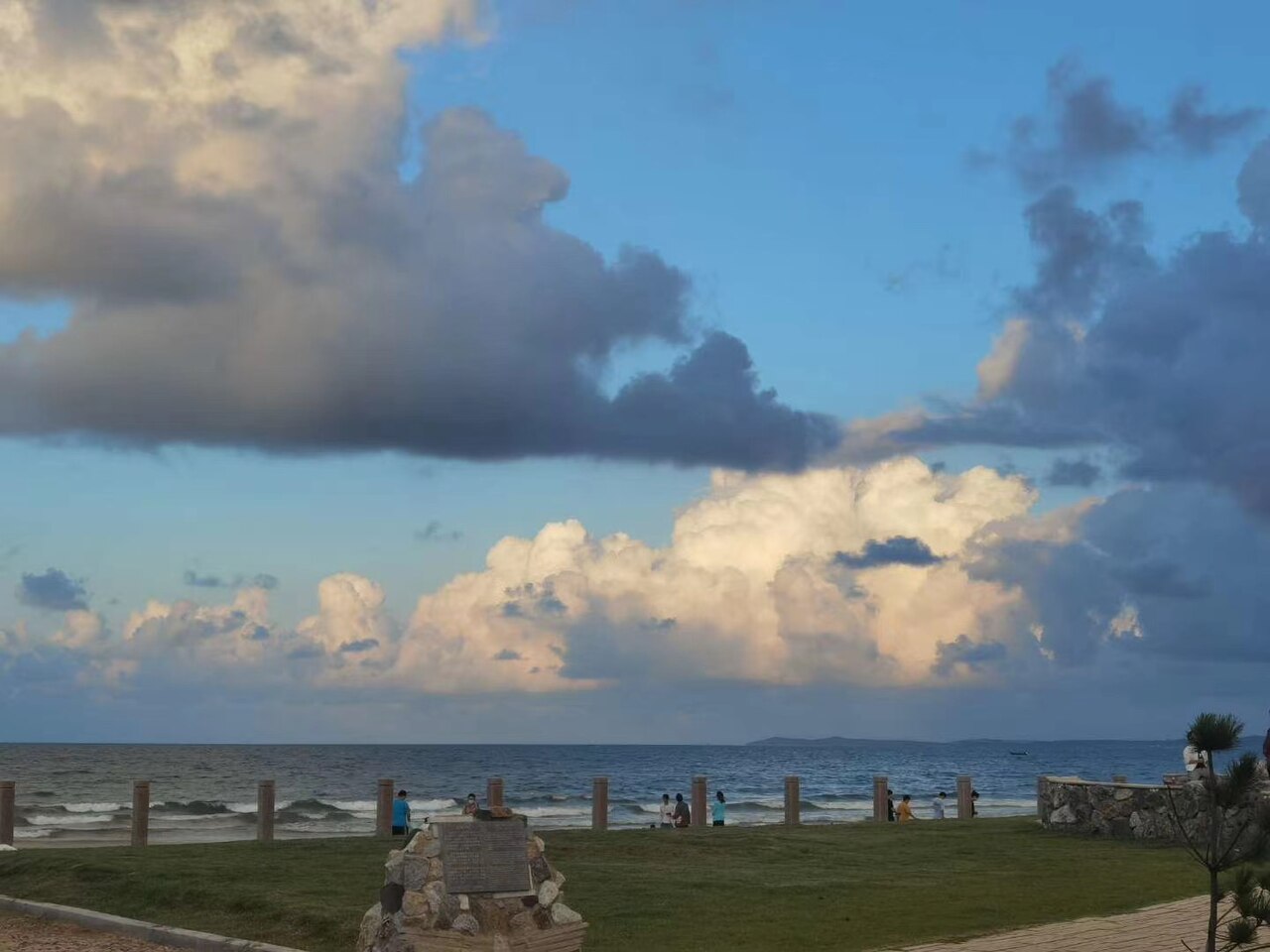
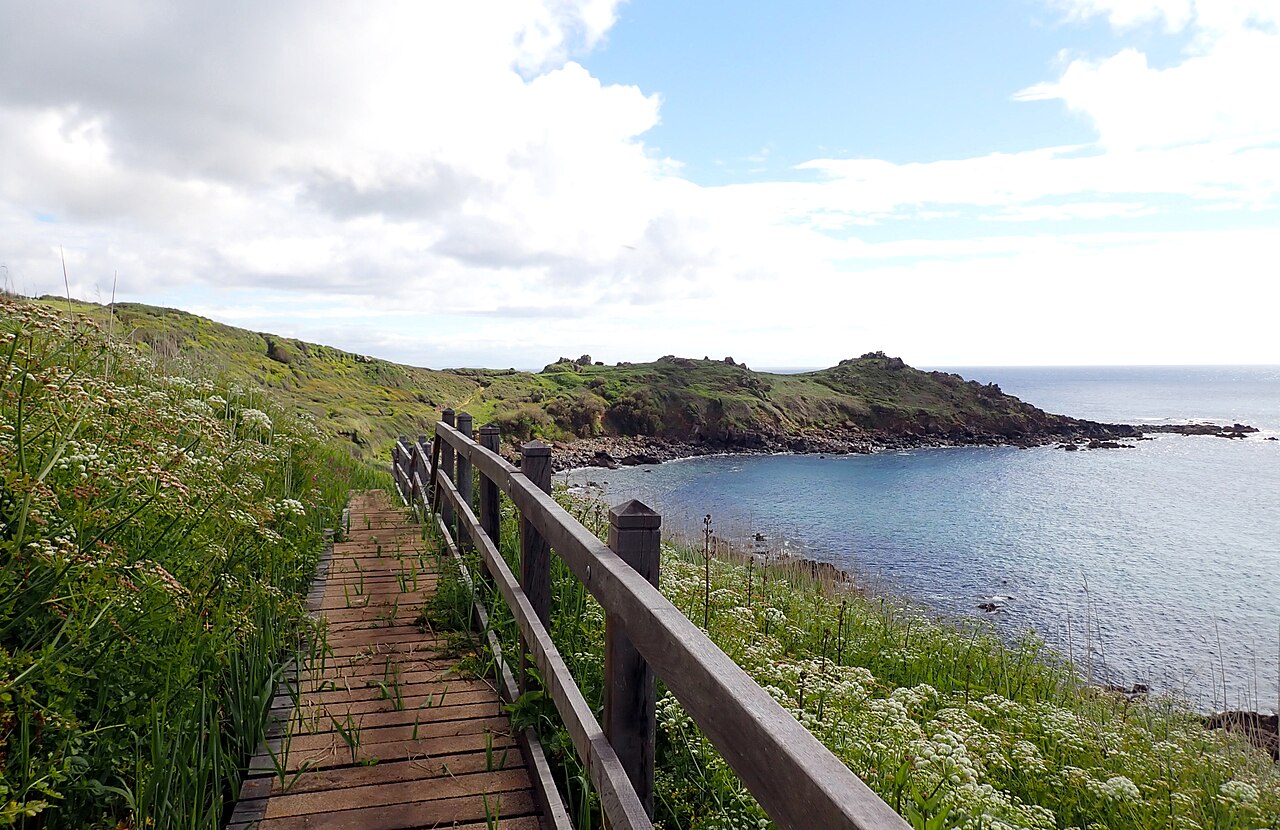
Photographs from the coast, and what other travellers wrote afterwards.

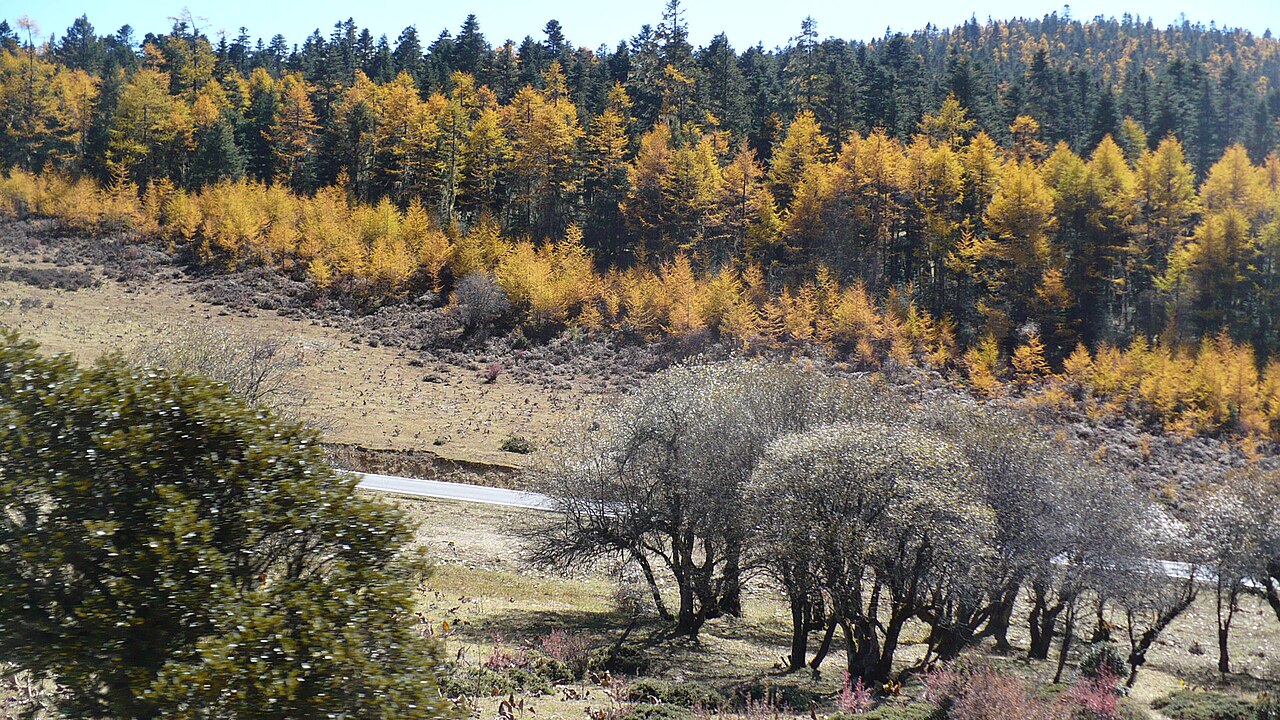
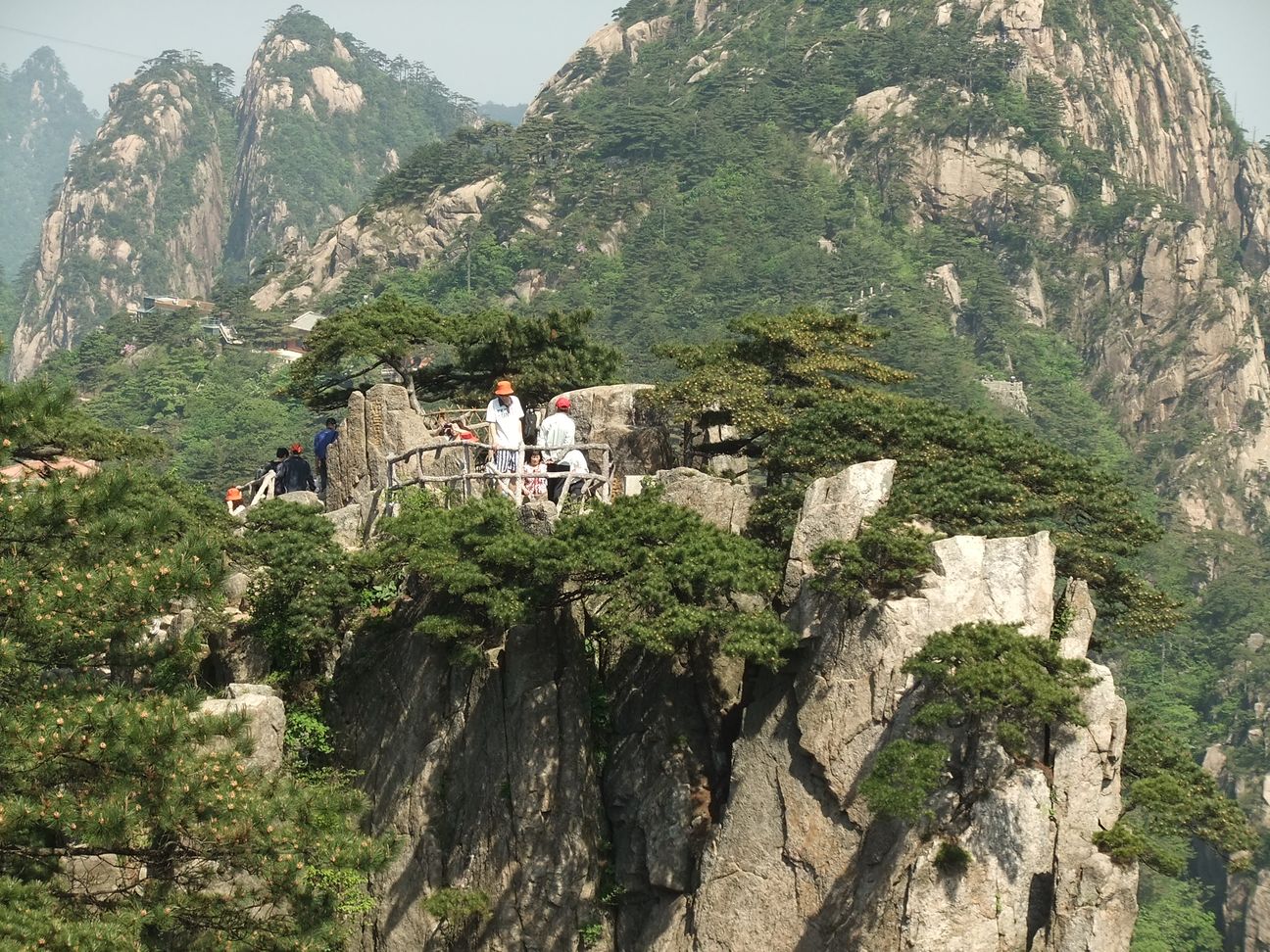
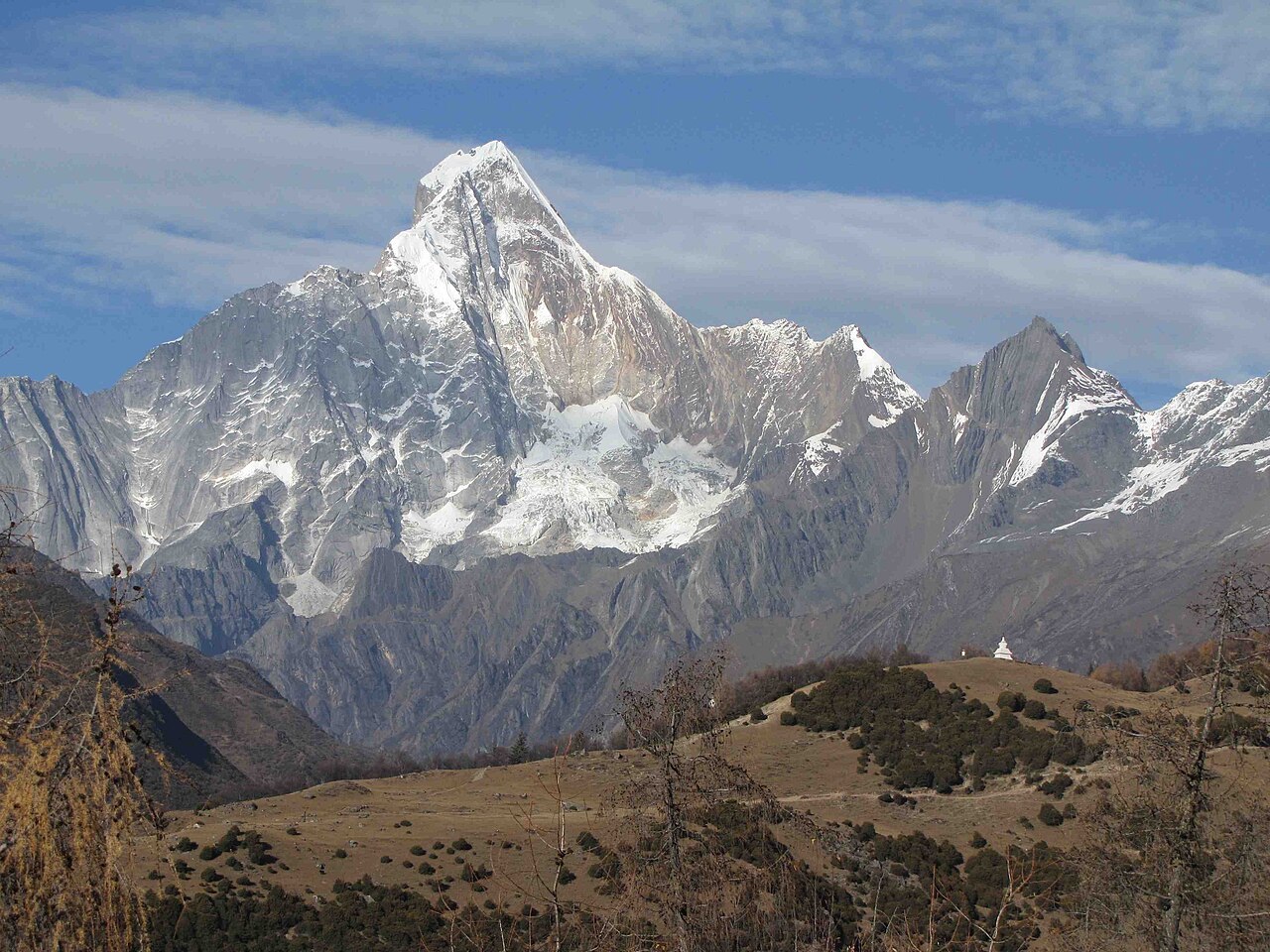
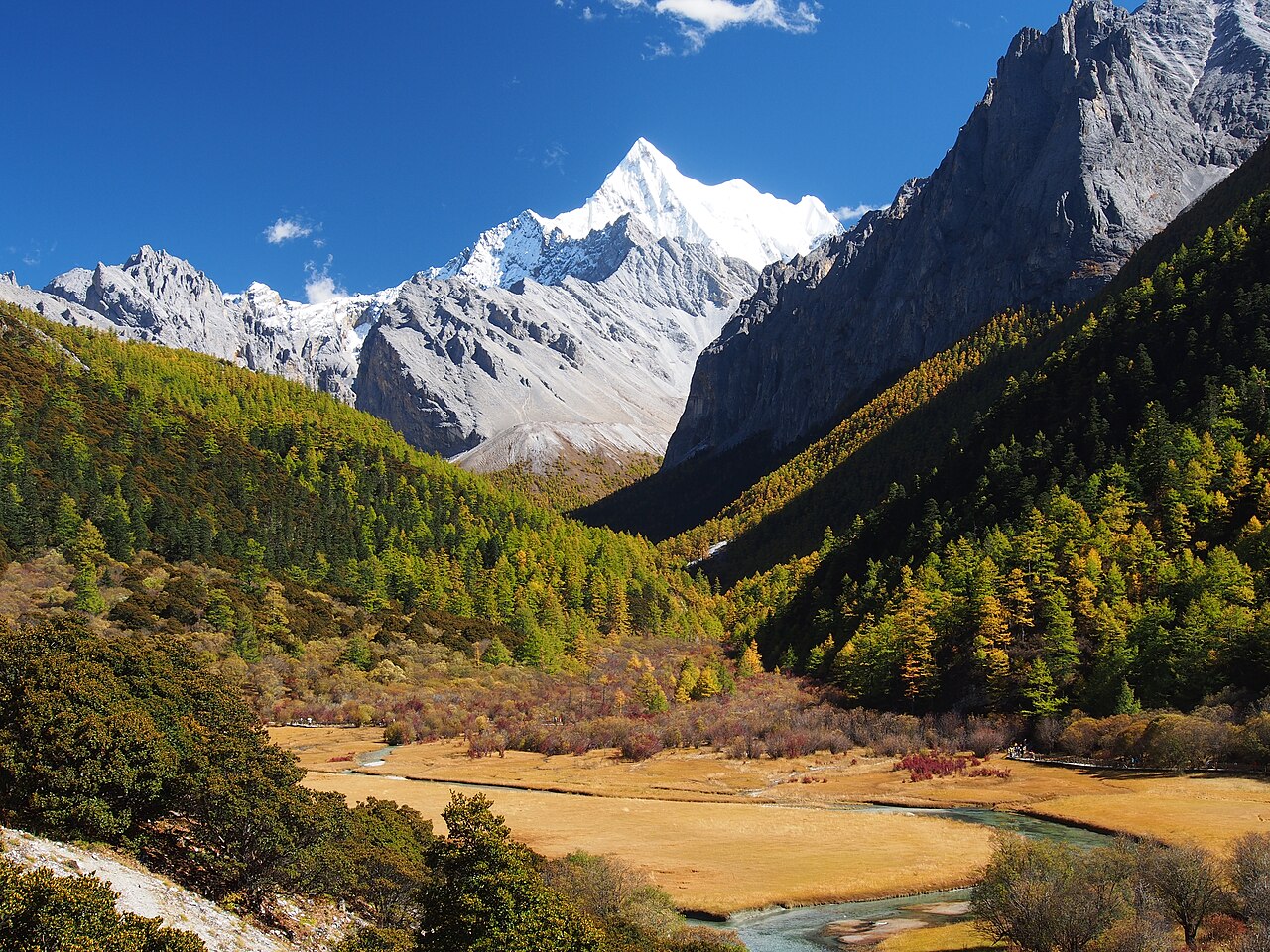
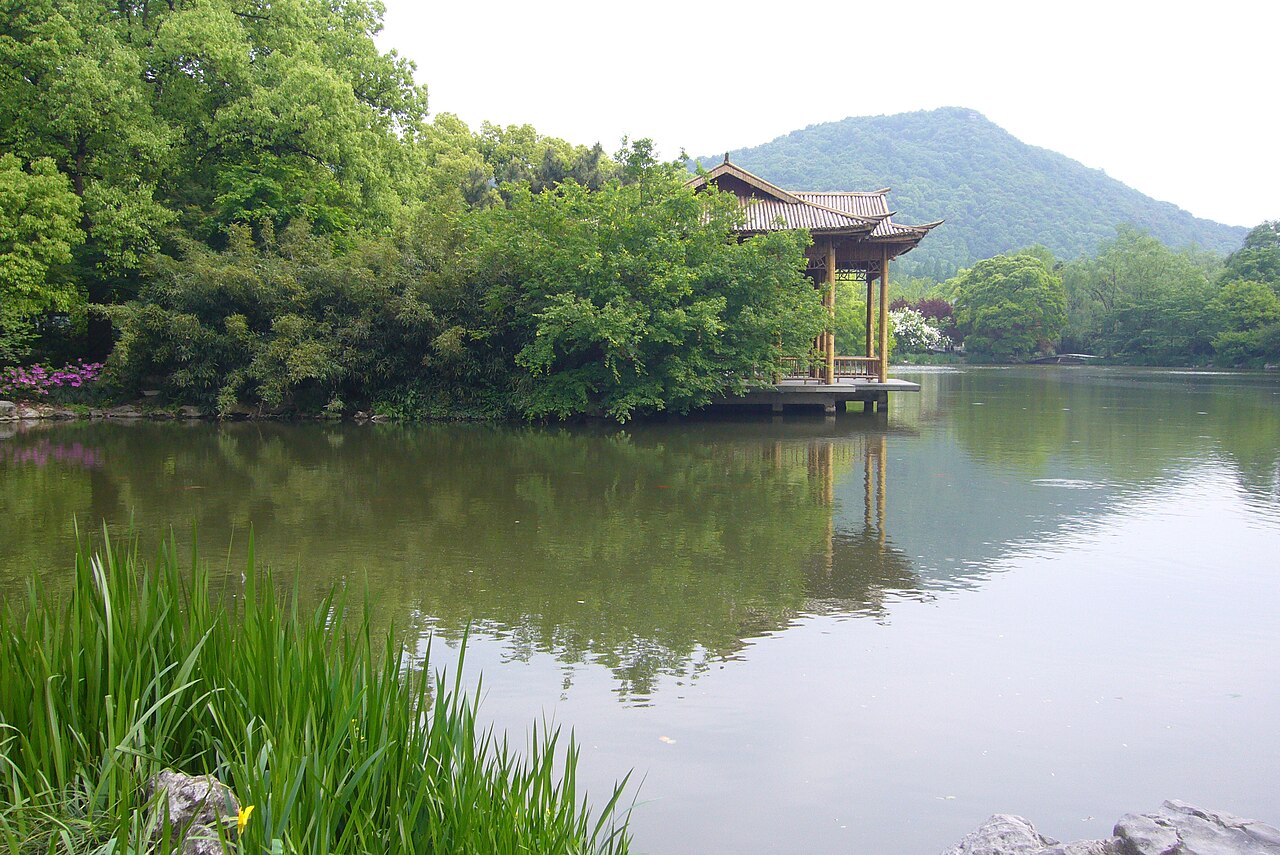
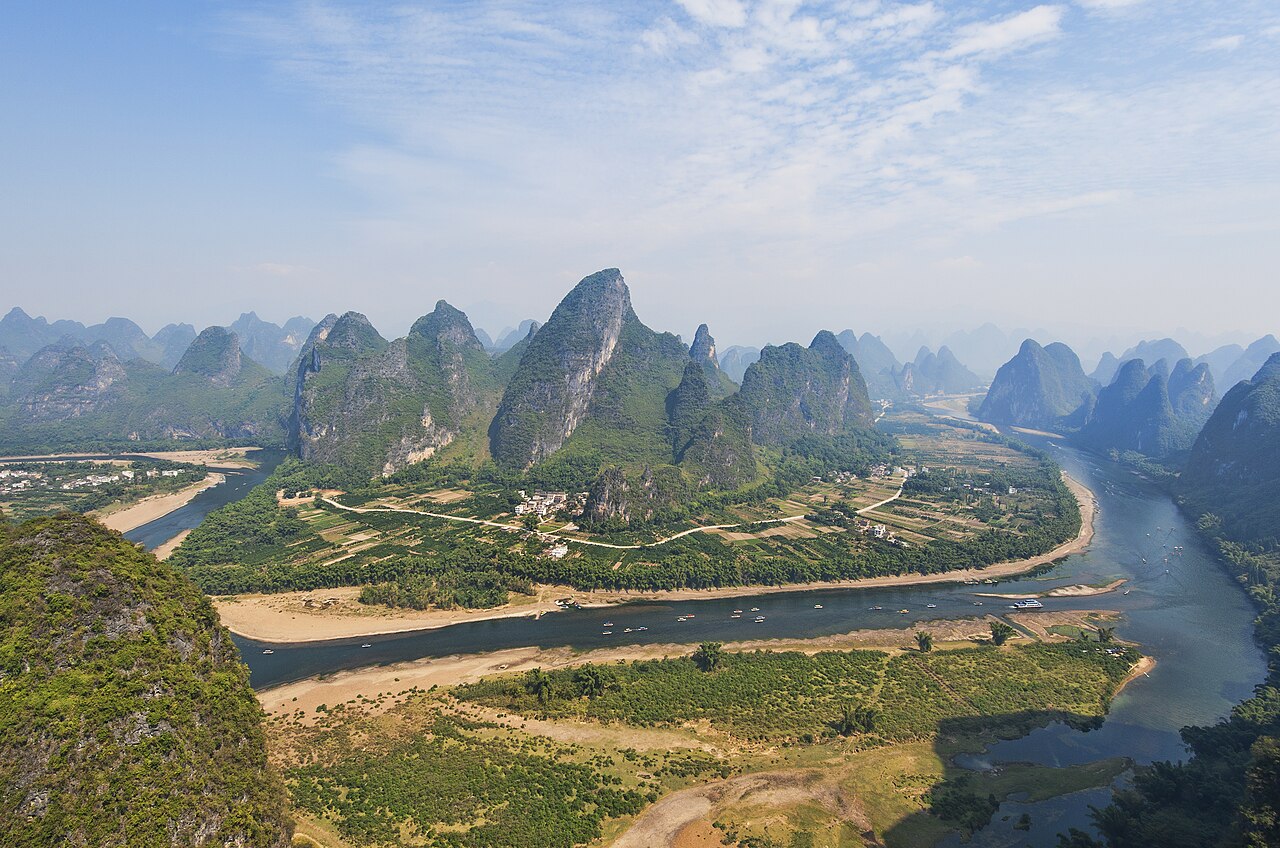
Kanas Lake in autumn, birch gold against water that shifts colour by the hour
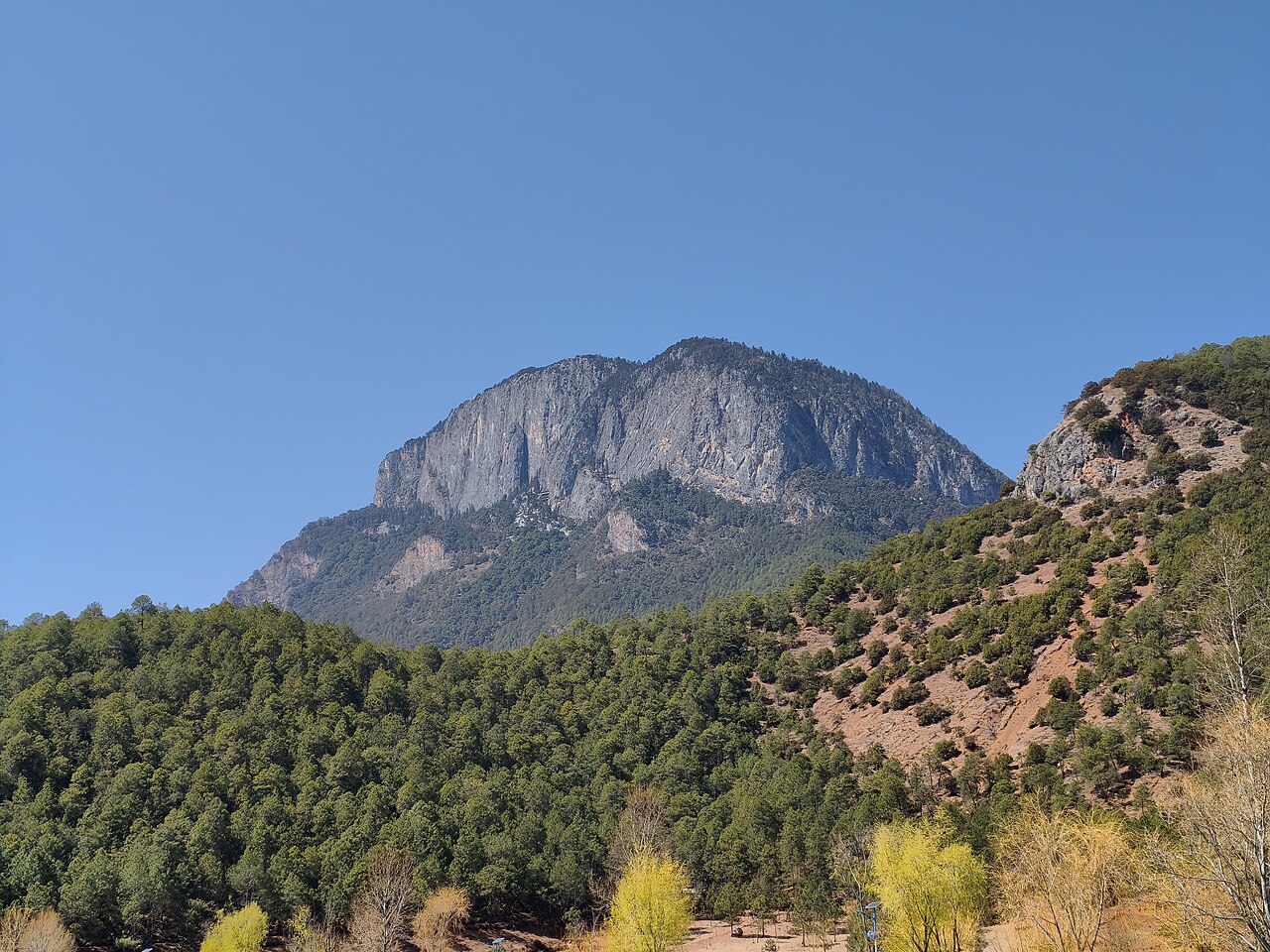
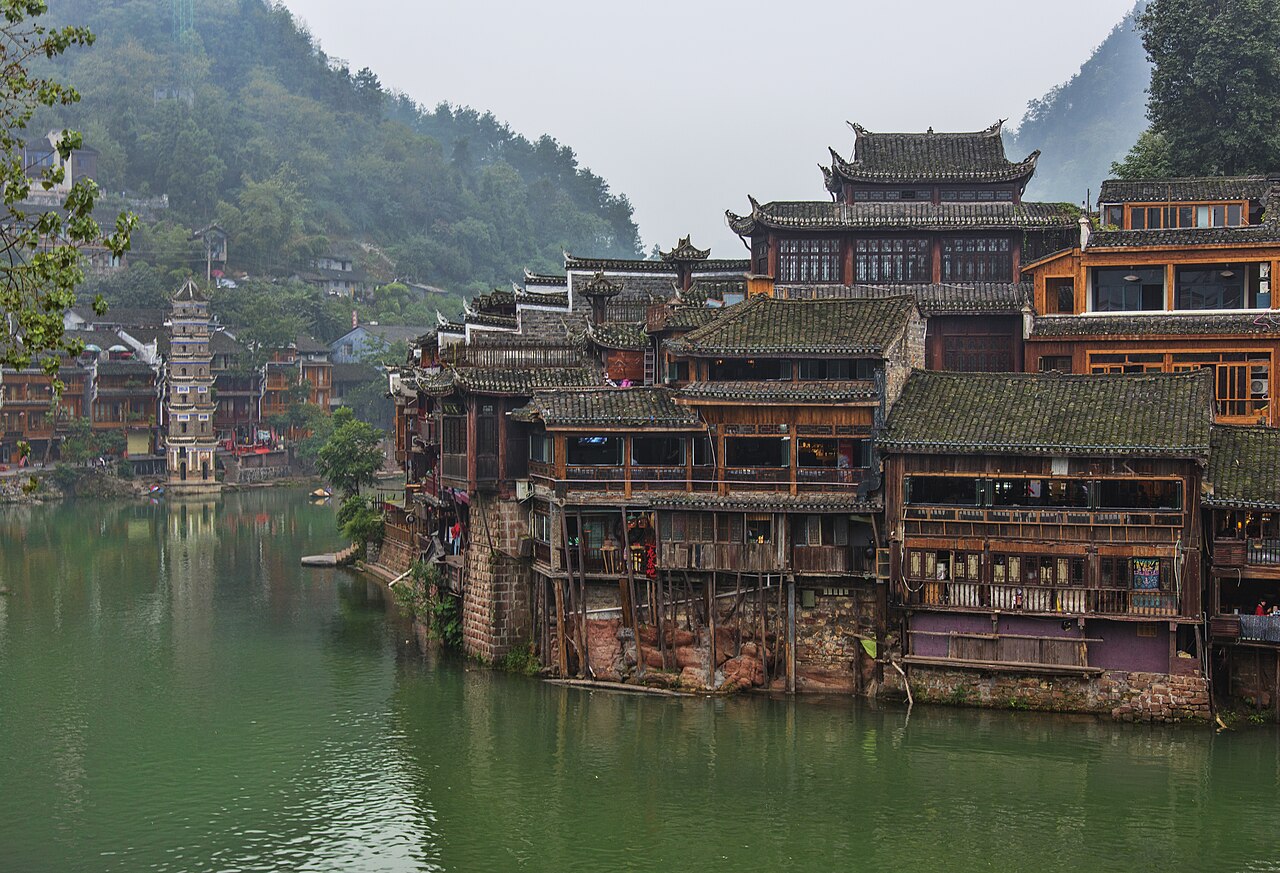
Hemu village: log cabins, smoke from the chimneys, birch forest behind
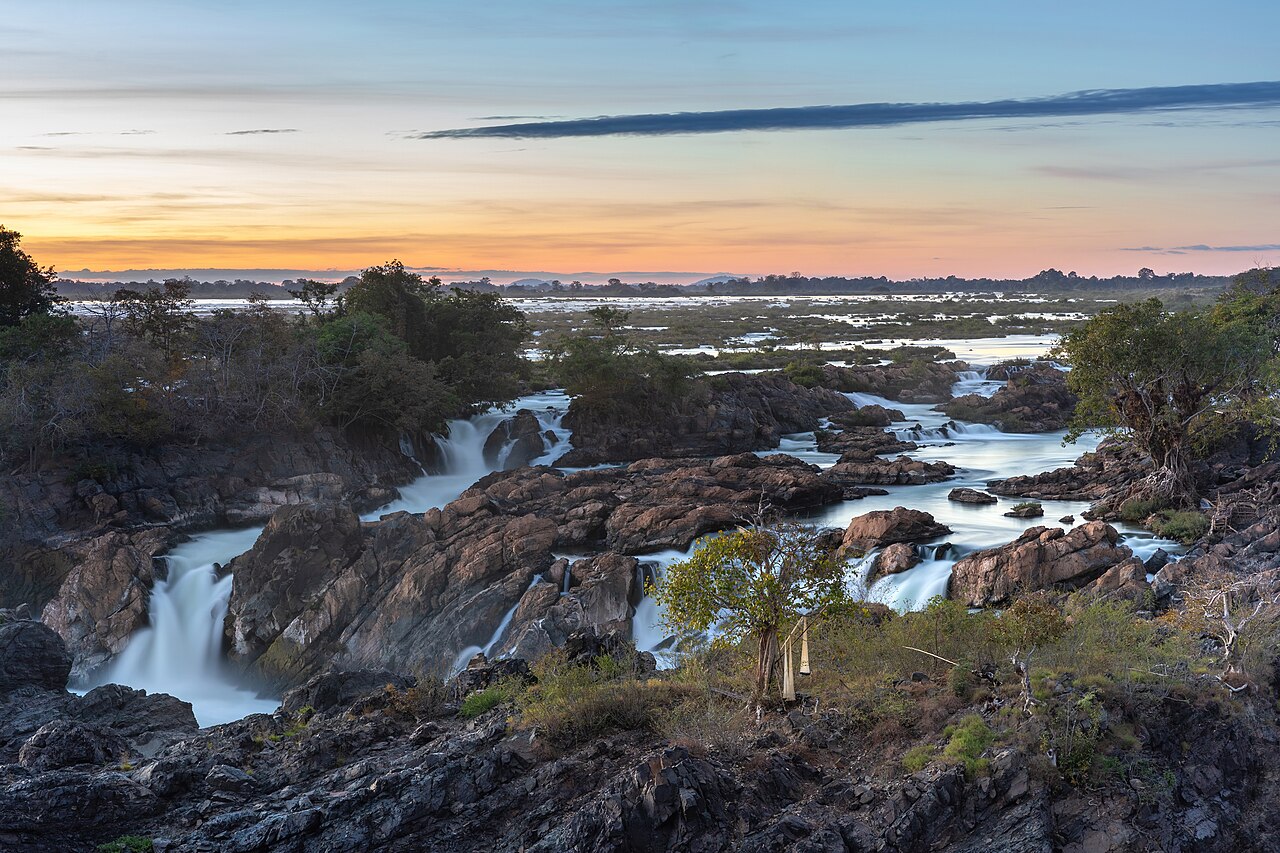
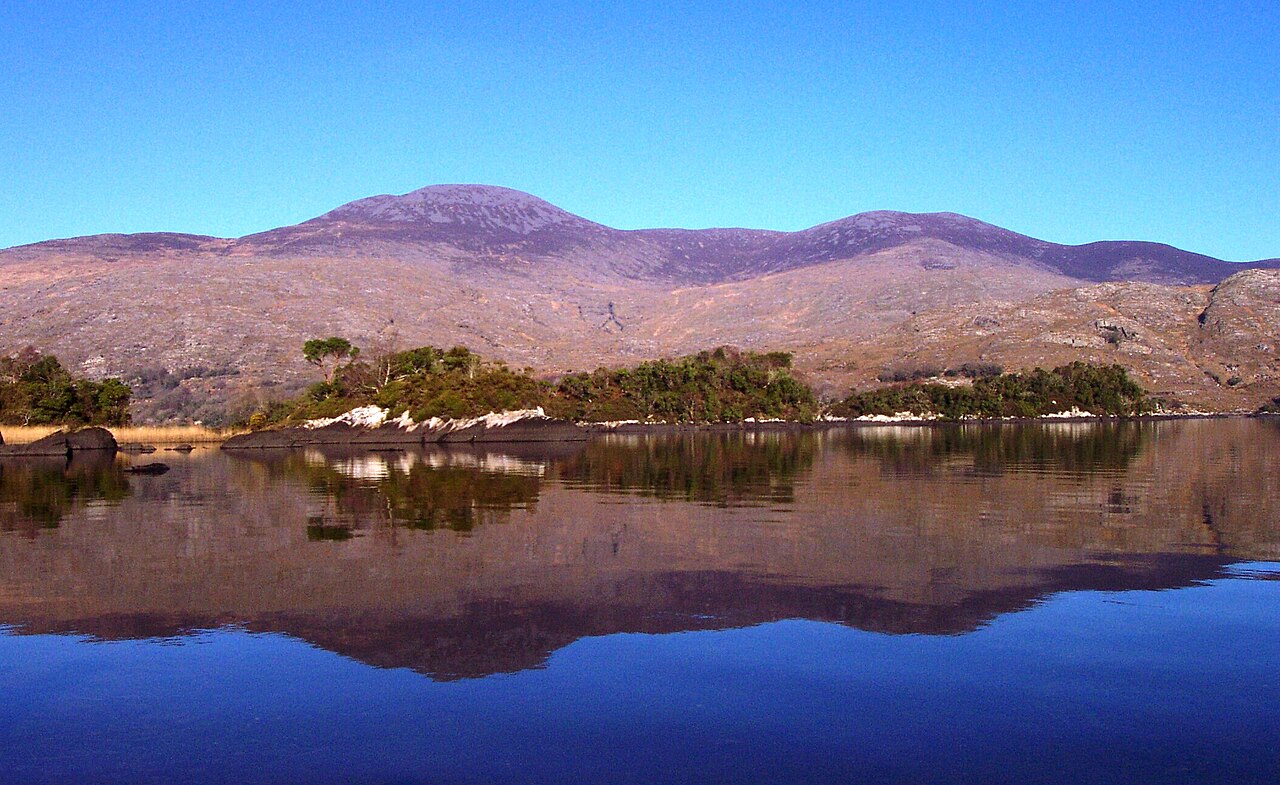
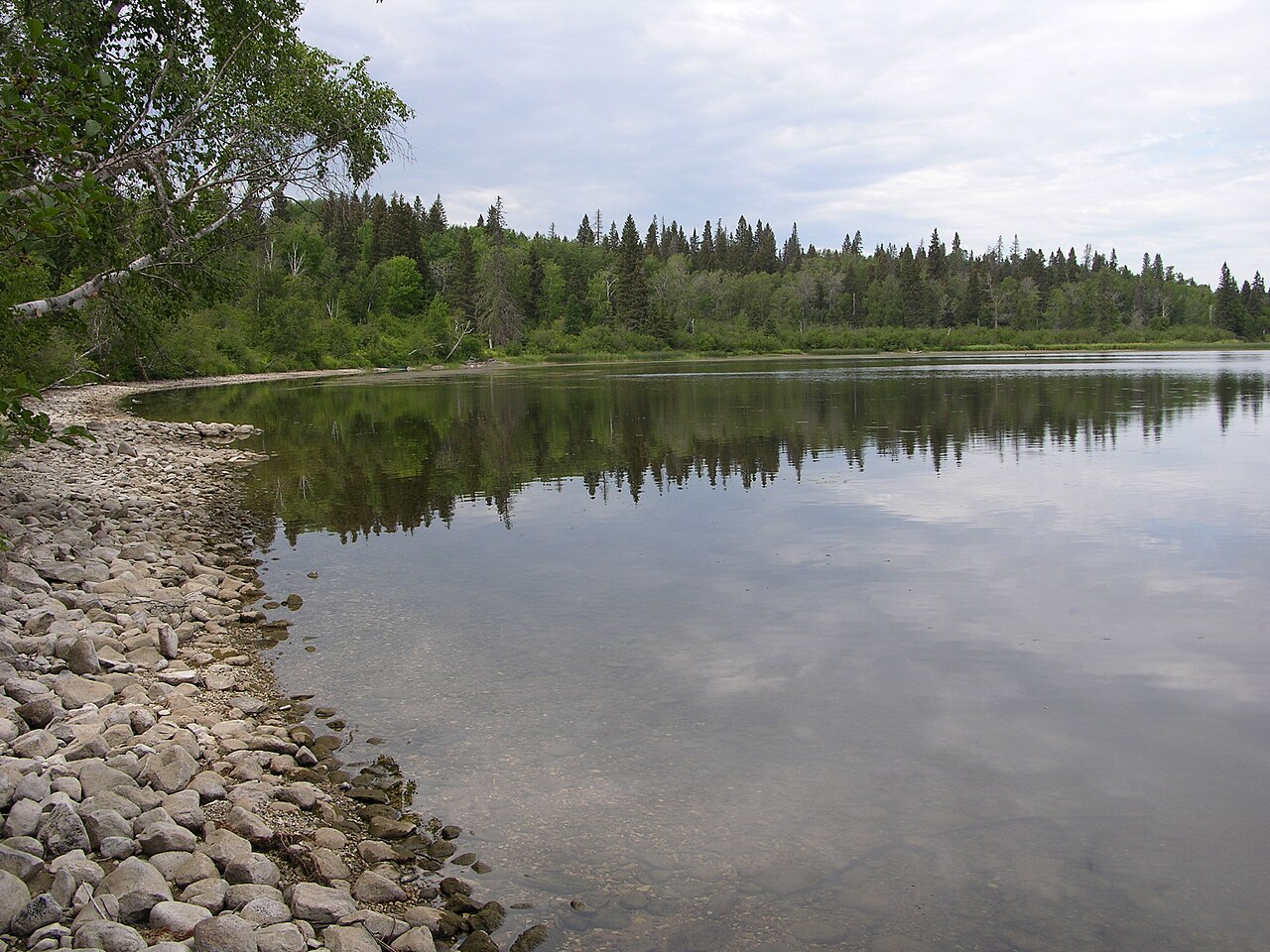
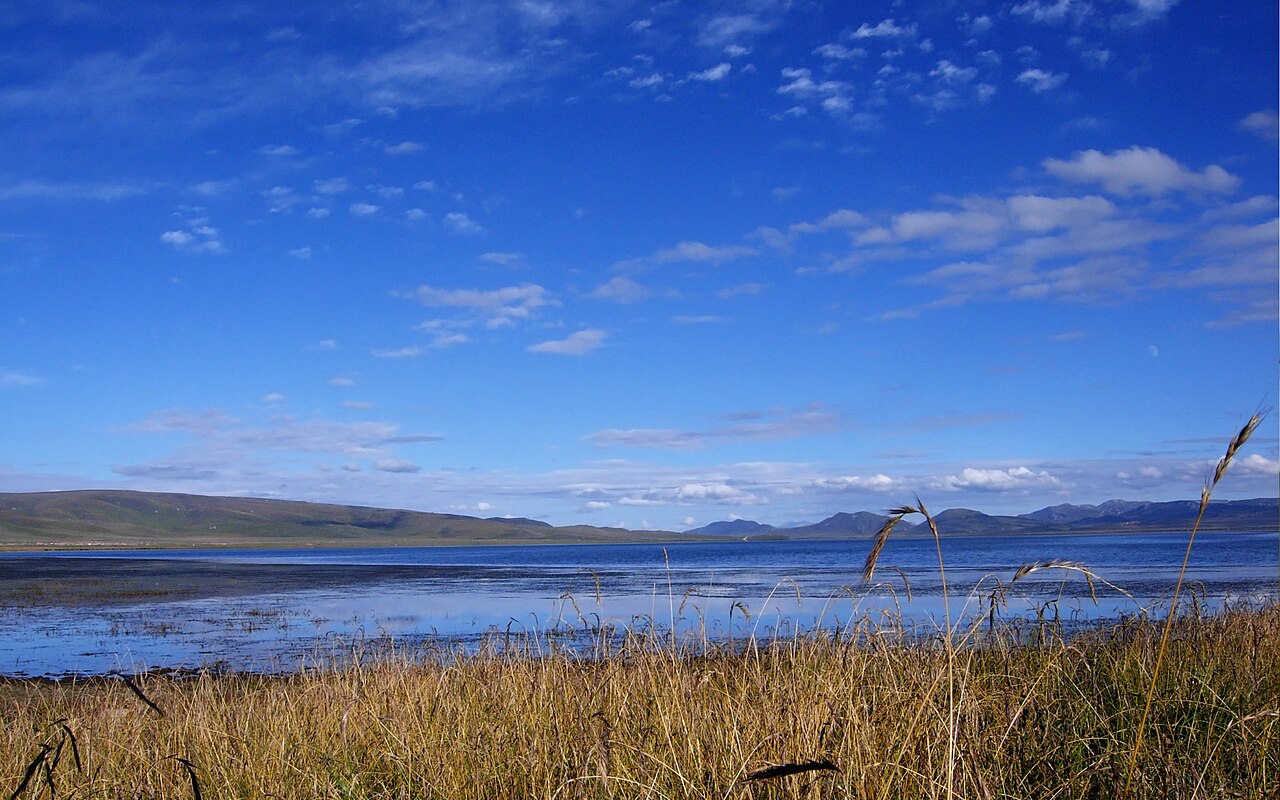
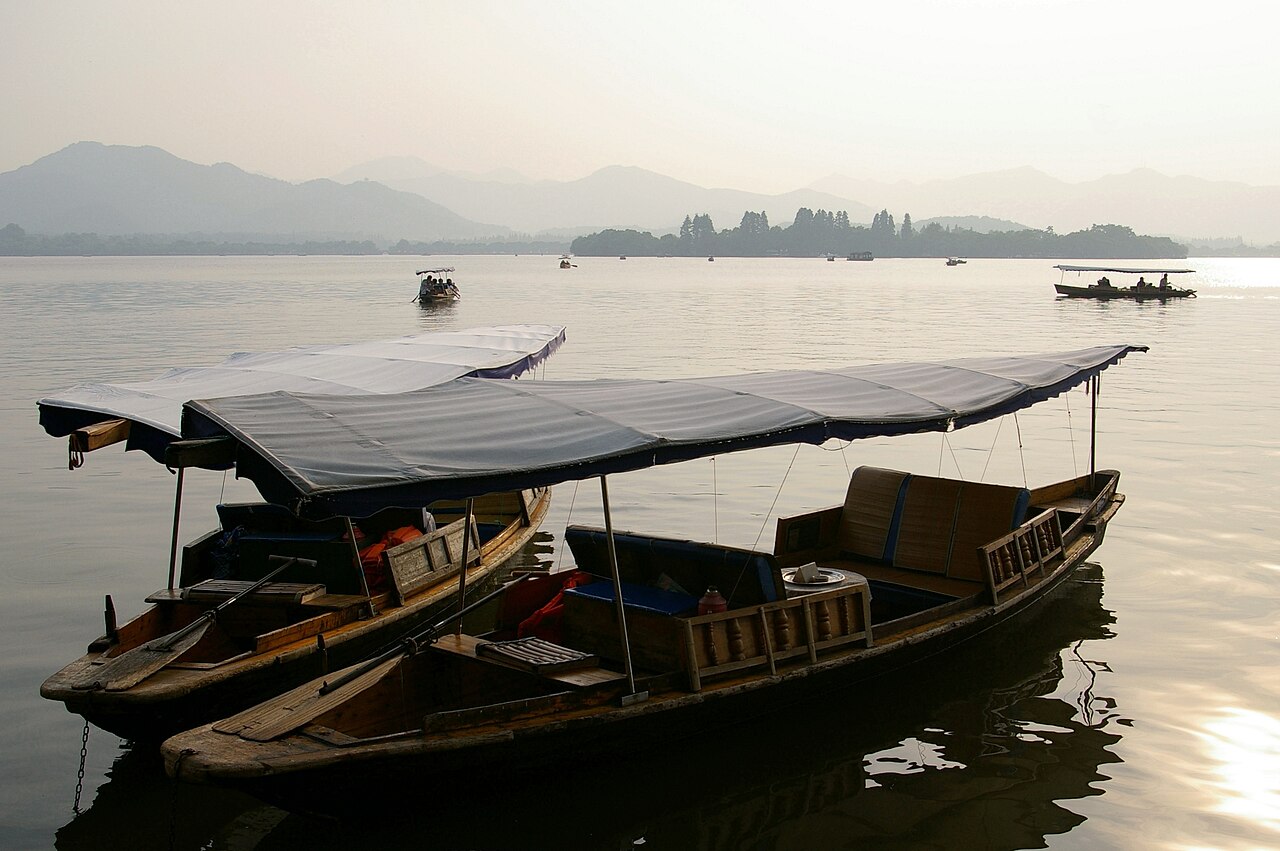
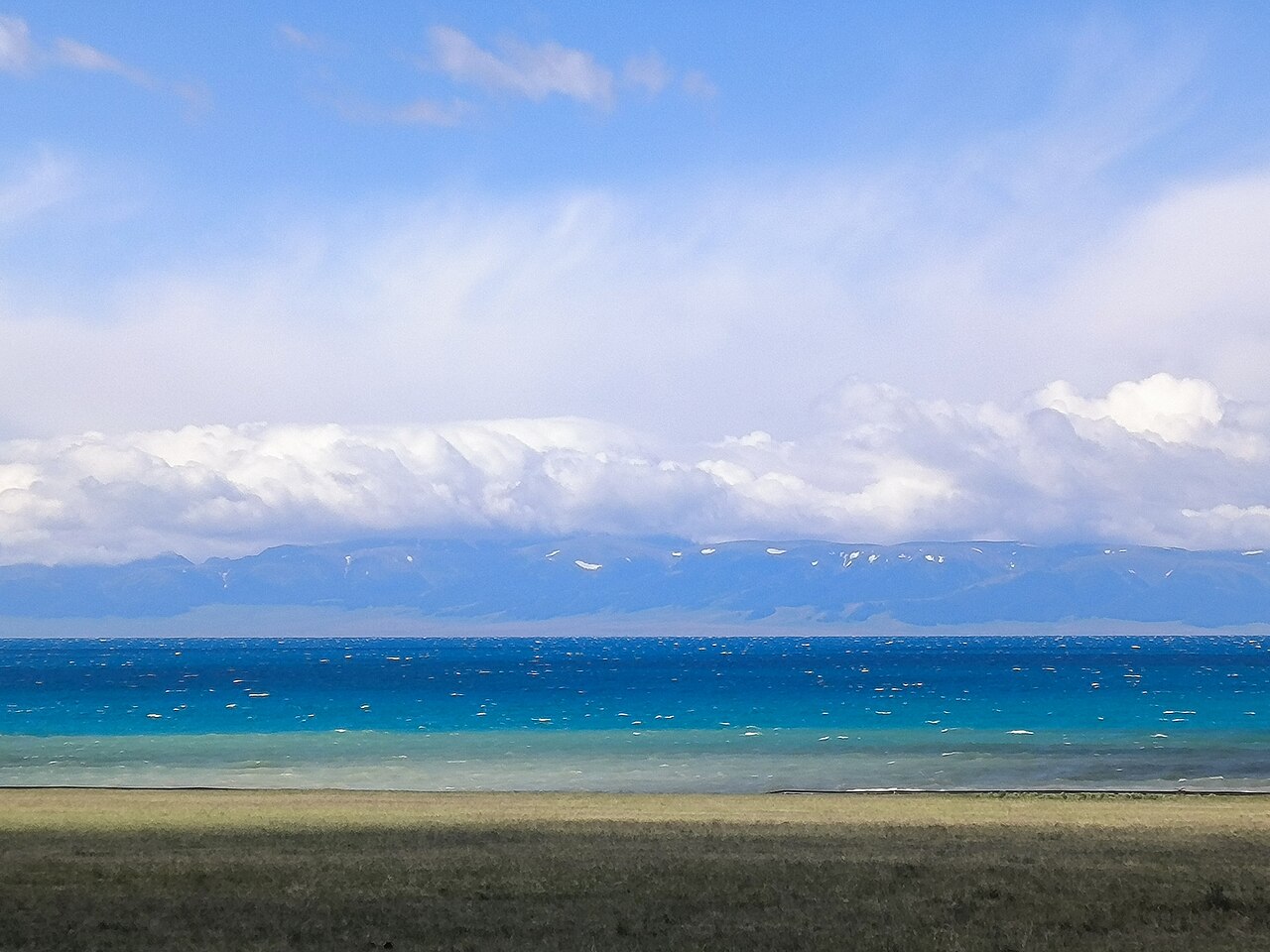
Sayram Lake at 2,073 m — the 'last tear of the Atlantic'
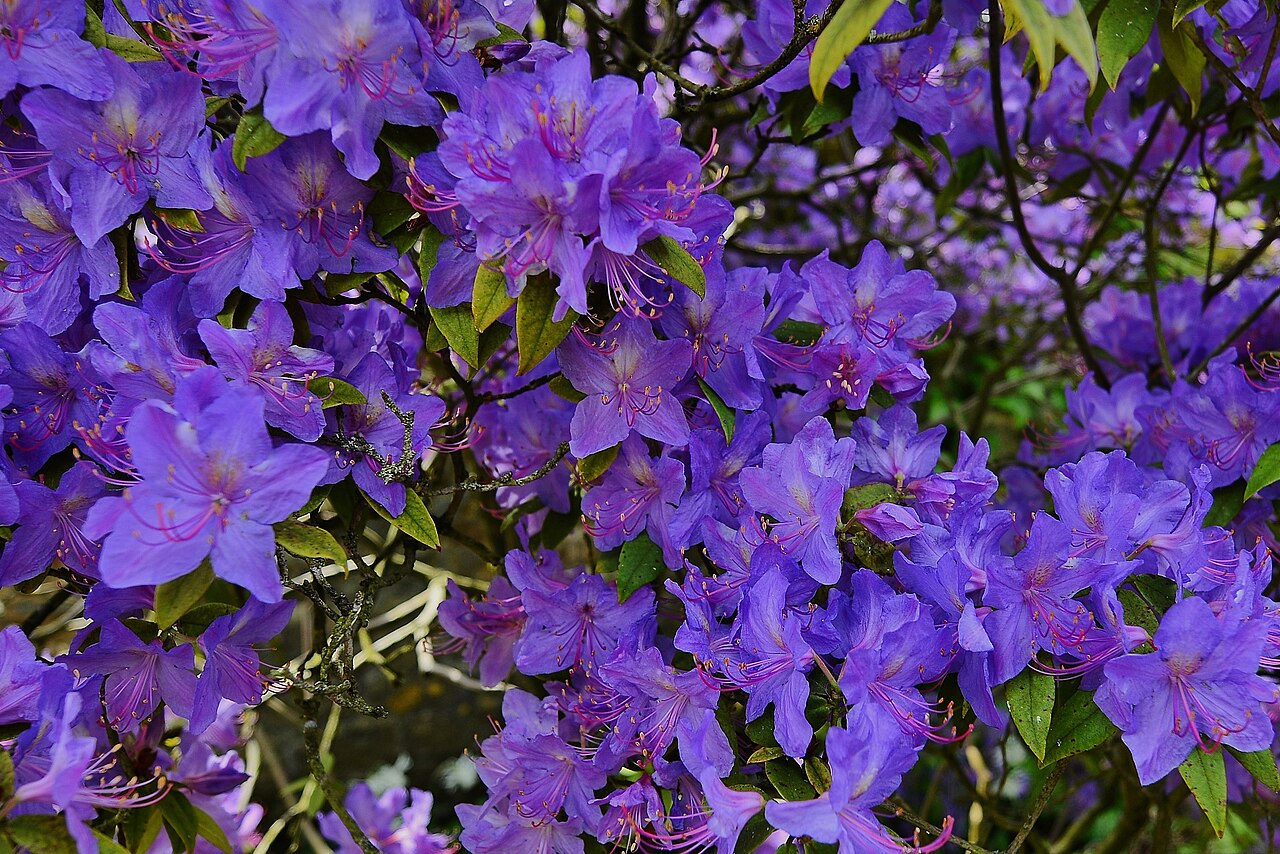
Lavender fields outside Yining, in bloom through June

We chose this route knowing it meant hardship, tears, exhaustion and legs that stopped working — and it also meant beauty. It is like standing inside an oil painting, the colours so clean and separate that it takes your breath away. I shot hundreds of frames and it made no difference: the real thing is a thousand times better than any photo.

Traveller's note, 'A Week of Self-Inflicted Suffering in Kanas'

I kept panicking that the bus would leave without me. Then I realised it just circles: ten minutes after Lotus Square we were back at Lotus Square. North Xinjiang is like that — you think you are covering ground, and the same mountains keep turning up outside the window.

Adapted from a traveller's Hong Kong–Macao diary

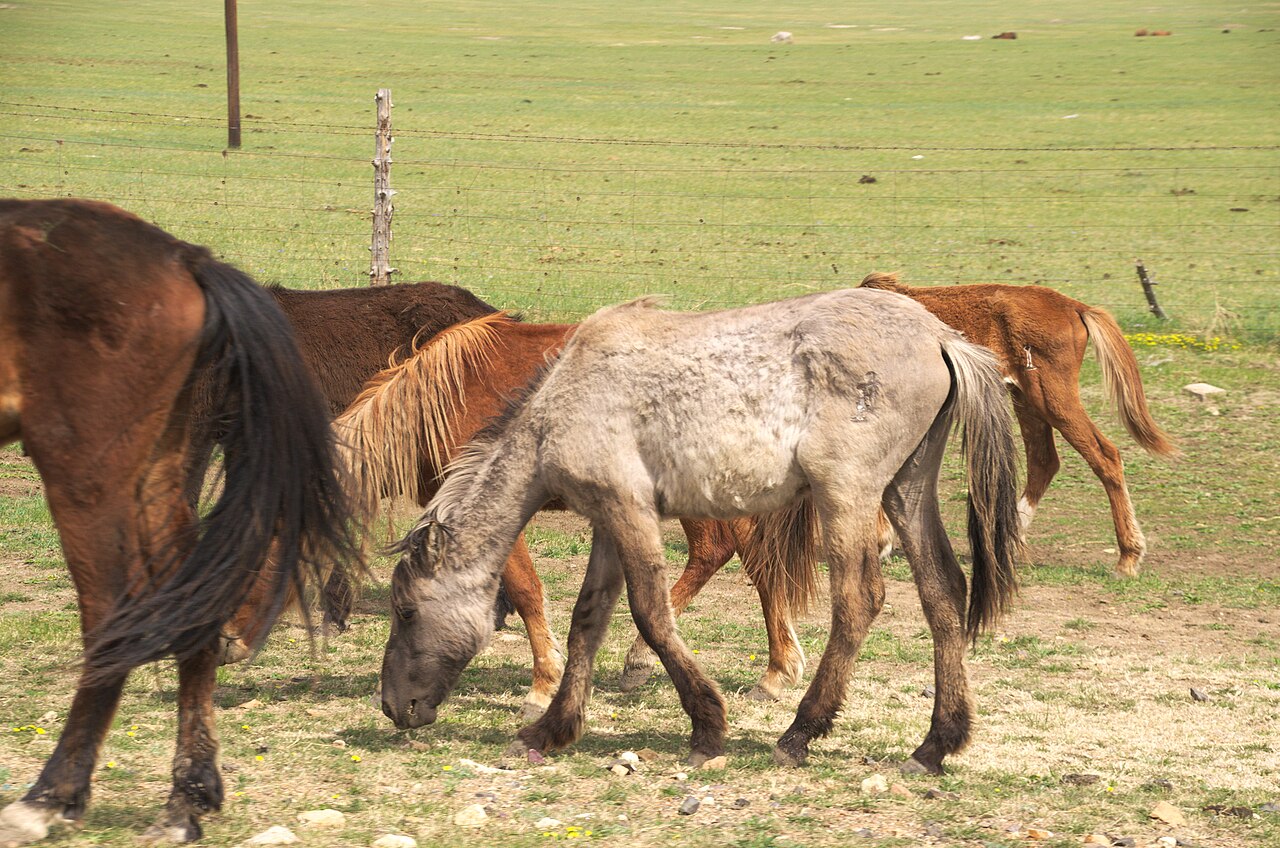
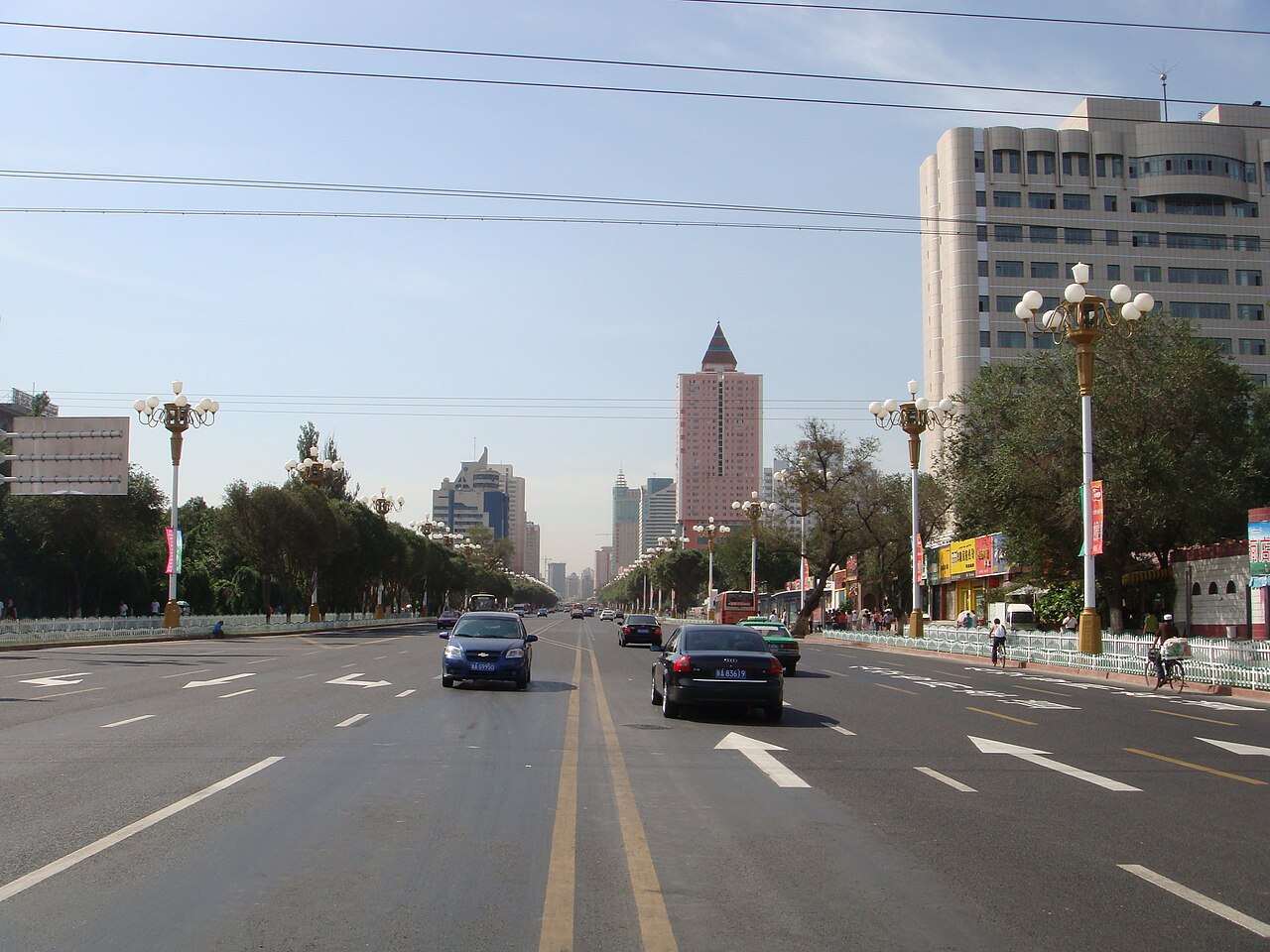
You start in Urumqi, a city of tower blocks sitting under the snow line of the Tianshan, and you end eleven days later having crossed a distance roughly equal to London to Istanbul. In between there is a night in Burqin eating grilled pike by the Irtysh, a morning standing above the mist on Shenxian Bay, and an afternoon on a grassland where the only sound is a horse cropping grass somewhere behind you.

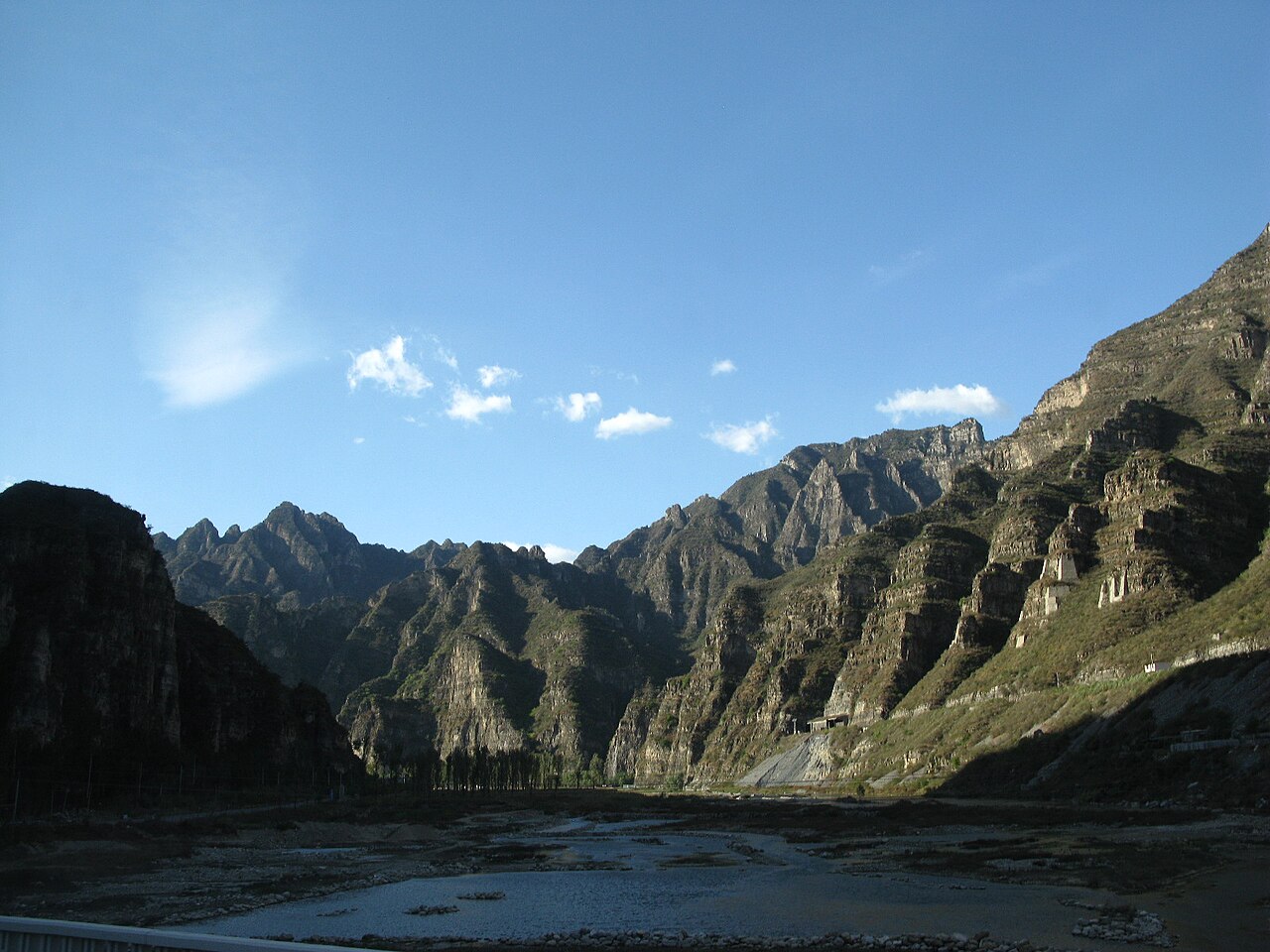
The landscapes do not blend into one another here — they switch. You leave oil country, where hundreds of pump jacks nod in unison across the desert, and two hours later you are climbing into spruce forest with a river running green beside the road. Then the forest opens onto steppe, and the steppe opens onto a lake so flat and pale it looks like a sheet of metal laid on the ground.

North Xinjiang is not a comfortable trip. Drives run five to eight hours, guesthouse bathrooms are basic, and the temperature can swing from 28°C at noon to 4°C after dark — Kanas averages just 4°C across the year. But the loop rewards the effort with the kind of scale that makes photographs useless, and with Kazakh and Tuvan hospitality that is genuinely, unguardedly warm.

North Xinjiang

Don't leave without

Seven things that are worth rearranging a day for.

  1. Stand above Shenxian Bay at dawn and watch the mist lift off the river in ribbons
  2. Climb to Fish-Watching Pavilion (2,030 m) for the only full view over Kanas Lake
  3. Spend a night in Hemu, the largest surviving Tuvan village, and eat breakfast in a log cabin
  4. See Wucaitan's striped clay cliffs at sunset, when the rock burns orange against the blue Irtysh
  5. Cross the Guozigou gorge to Sayram Lake — 2,073 m up, ringed by snow peaks
  6. Walk the lavender rows outside Yining in June and buy oil straight from the 65th Regiment farms

Highlights

Five reasons North Xinjiang is the trip of a lifetime

Kanas Lake and the autumn palette

Every September and October the birch and larch forests around Kanas turn gold, copper and deep red, and the lake beneath them shifts from jade to slate blue to silver depending on the light. Locals call it God's own palette, and after one morning at the Moon Bay you will agree. Go early; the tour buses arrive around 10am.
Sleep in a Tuvan village in Hemu

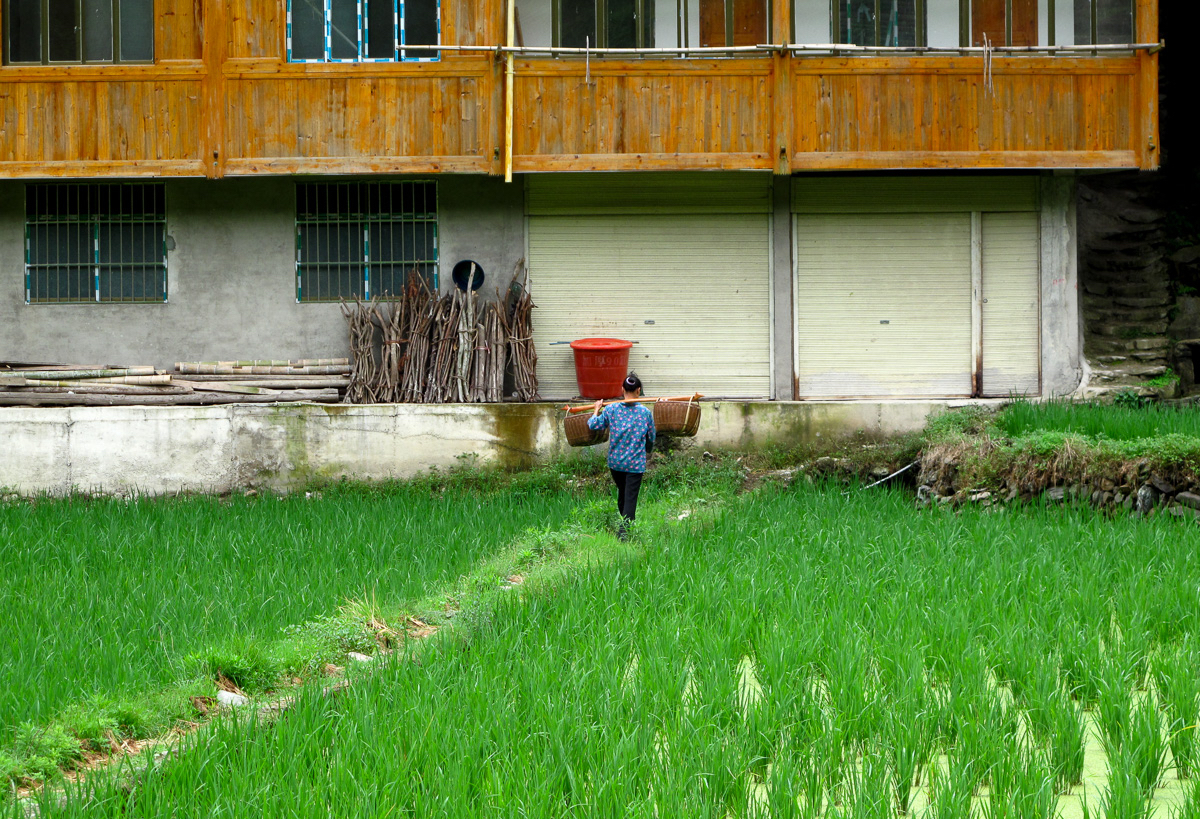
Hemu is the largest of the three remaining Tuvan villages, home to over 1,400 people who still live in log cabins half-buried in the soil to survive six months of snow. Waking to woodsmoke, mist and horses in the meadow is the single most memorable night of most North Xinjiang itineraries.

The lavender fields of Ili

From mid-June to early July the plains around Huocheng and the 65th Regiment turn purple for kilometres in every direction, a lavender sea that makes people whisper about Provence. Even at the height of summer it is never hot here, and the air smells faintly of perfume.

Nalati, the grassland in the sky

Nalati has been a herding ground for centuries — braided rivers, flat valley floors, snow peaks on the southern edge and wildflowers from June to September. Yurts scatter across the green like white pearls, and the annual Nadam fair brings horse racing and wrestling to the meadow.

The monster of Kanas Lake

Herdsmen have sworn for generations that something huge drags horses into the water at Kanas, and the stories only grew after sightings hit the national press in 1980. The Tuvan elders call it the lake spirit. Stand on the Fish-Watching Pavilion and decide for yourself.

Itinerary

Two ways to spend three days in the north

The Kanas autumn run

3 days days

The classic first taste of North Xinjiang: fly or drive to Buerjin, push up to the border village of Baihaba, then work through Kanas and Hemu at the peak of the fall colour. Best from mid-September to early October, and you must book beds in advance.

  1. Day 1

    Urumqi to Buerjin via Wucaitan

    Roughly 620km of highway from Urumqi to Buerjin, broken by a late-afternoon stop at the Wucaitan Rainbow Beach — the 'first beach under heaven', where the Irtysh River cuts between a bare eroded north bank and a green poplar south bank. Tickets are CNY 50 and the low sun is what makes the colours work.

    Stops: UrumqiWucaitanBuerjin Night Market

  2. Day 2

    Buerjin to Baihaba and into Kanas

    Drive to Jiadengyu, the gateway to the Kanas reserve, then head to Baihaba, the frontier village on the Kazakh border. You need a border permit for this. Walk the Golden Avenue, look for the China-Kazakhstan boundary marker, and sleep either in quiet Baihaba or inside the reserve so you can catch the dawn mist at Shenxian Bay.

    Stops: JiadengyuBaihabaGolden AvenueChina-Kazakhstan Boundary Marker

  3. Day 3

    Kanas Lake, the three bays and Hem

    Ride the shuttle from the lake mouth down through the birch forest to Wolong Bay, Moon Bay and Shenxian Bay — each one a different colour of water. Climb to the Fish-Watching Pavilion (CNY 30 plus CNY 60 round-trip shuttle) for the panorama over the whole lake, then either ride or drive across to Hemu village for the night.

    Stops: Wolong BayMoon BayShenxian BayFish-Watching PavilionHemu

Ili grasslands and the last tear o

3 days days

A gentler, greener loop through the western grasslands — Sayram Lake, the Khorgos border, the lavender fields and Nalati. Ideal from June to August when the grass is high and the wildflowers are out.

  1. Day 1

    Kuitun to Sayram Lake and Guozigou

    Sayram Lake sits at 2,073m, roughly 30km long and 20km wide, ringed by permanent snow peaks. It is nicknamed the last tear of the Atlantic because the moist air from that ocean dies here. Wildflowers bloom right around the shoreline. Continue through the Guozigou gorge — the old 'iron gate' — and sleep by the lake or in Qingshuihe town.

    Stops: Sayram LakeGuozigouQingshuihe

  2. Day 2

    Khorgos, Huiyuan and Yining

    Morning at the Khorgos border checkpoint (bring your ID — it is checked) for the gate and boundary marker, then Huiyuan Old Town for the Ili General's Office, the drum tower and the Lin Zexu residence. In June and July the lavender fields line the road; stop at the 65th Regiment for oil and dried flowers. Finish with sunset over the Yili River bridge and dinner on Hanren Street.

    Stops: KhorgosHuiyuan Old TownLavender FieldsYili River BridgeHanren Street

  3. Day 3

    Nalati and Bayanbulak

    Drive into the Nalati grasslands, one of the four great valley grasslands of the world, then continue to Bayanbulak, China's only swan reserve, for the Swan Lake and the famous Nine Bends at sunset. Bring binoculars for the swans and a jacket for the wind.

    Stops: Nalati GrasslandBayanbulakSwan LakeNine Bends

Sights

The stops that earn their detour

Lake · Must-see

Kanas Lake and the reserve

A 2,030m-high alpine lake where the water changes colour with the season and the weather, which is why locals call it the Chameleon Lake. Around it: the Wolong Bay sandbar shaped like a sleeping dragon, the S-bend Moon Bay with its two 'fairy footprints', and the marsh flats of Shenxian Bay, best seen at dawn when mist sits on the water.

Peak-season ticket
CNY 150 (1 Jul–30 Sep)
Off-season ticket
CNY 80 (15 Apr–30 Jun, 1–31 Oct)
Winter
Free entry (1 Nov–30 Mar)
Shuttle bus
CNY 80, valid one day; CNY 10 re-entry stamp
Tuvan home visit
CNY 50 per person
Fish-Watching Pavilion
CNY 30 plus CNY 60 return shuttle

Tip The ticket is valid for two days, so you can enter multiple times — use it. Locals say the dawn mist at Shenxian Bay is worth waking for, and they are right.

Village · Autumn

Hemu Tuvan village

The biggest of the three surviving Tuvan settlements, hemmed in between the Kanas and Hemu rivers. Log cabins stand half-sunk into the earth for warmth, roofs pitched to shed snow, and horses graze right up to the doorsteps. In autumn the surrounding forest is the single most photographed scene in North Xinjiang.

Entrance ticket
CNY 60
Shuttle bus
CNY 120
Village maintenance fee
CNY 20
Horse ride from Kanas
CNY 150–200
Population
About 1,400 Tuvan Mongols

Tip Book your bed weeks ahead for late September and early October — this is the peak of the golden season and cabins sell out.

Geology · Sunset

Wucaitan Rainbow Beach

A stretch of the Irtysh River, China's only river that flows into the Arctic Ocean, where the north bank is bare eroded yardang rock striped in ochre, red and grey, and the south bank is dense green poplar forest. The name means 'five-colour beach' and the colours only really ignite in the last hour of light.

Ticket
CNY 50
Location
Just outside Buerjin, on the road to Kanas
Best time
Sunset, roughly 19:00–21:00 in summer
Getting there
En route stop between Urumqi and Buerjin

Tip It is on the way to Kanas, so build it into your driving day rather than making a special trip — the low sun is what you are paying for.

Lake · Summer

Sayram Lake

A 2,073m alpine lake, about 30km long and 20km wide, surrounded by permanent snow mountains that mirror in the still water. In summer the shoreline is a carpet of wildflowers in red, yellow, blue and purple. In winter the lake freezes and the oval surface sits in the snowfield like a jade in white silk.

Altitude
2,073m
Nickname
The last tear of the Atlantic
Best months
June to September for flowers; winter for ice
Getting there
On the Kuitun–Yining road, near Guozigou

Tip Sleep by the lake if you can. The light at dusk and dawn over the snow peaks is the whole reason to come.

Grassland · Wildlife

Nalati and Bayanbulak grasslands

Nalati is a classic river-valley grassland with braided streams, flat meadows and snow peaks on the south edge, plus the Nadam fair each summer. Continue to Bayanbulak, China's only swan reserve, where the Kaidu River snakes through the marsh in the famous Nine Bends, a favourite sunset viewpoint for photographers.

Nalati best season
June to September, wildflowers in bloom
Bayanbulak highlight
Swan Lake and the Nine Bends at sunset
Bring
Binoculars for swans, a windproof jacket
Festival
Nadam fair on the Nalati grassland each summer

Tip Bayanbulak is high and windy even in midsummer — a fleece at sunset is not optional.

Food

What to eat in North Xinjiang: lamb, naan and river fish

Hand-grabbed rice (zhua fan)

Rice steamed with mutton, carrot and onion in lamb fat until every grain shines. Once the dish you served a guest of honour; in Urumqi it arrives on a plate for about CNY 25–35, and the sweet version with raisins and apricots is worth trying once.

Big-plate chicken (da pan ji)

Invented in Shawan County on the old G312 by a cook who was told his noodles were too dry, and now the signature dish of the whole region. Chicken braised with potato, green pepper and dried chilli, with hand-pulled belt noodles dropped in at the end. Order it for two people minimum; it's a CNY 80–120 plate.

Lamb skewers and roast whole lamb

Cumin, chilli and fat dripping onto charcoal — the reason the night markets exist. Skewers run CNY 5–10 depending on size. In Urumqi's Wuyi Xingguang night market the grill masters say the best time to eat them is after midnight, when the coals are at their hottest.

Naan and youtazi

Naan is the travel food of the north: baked in a tandoor with sesame and onion, crisp or soft, and light enough to carry a few in your pack for the long driving days. Youtazi is the flaky, tower-shaped steamed bread pulled apart at breakfast with milk tea.

Cold-water fish from the Irtysh

Buerjin's night market grills pike (gou yu) from the Irtysh — the only river in China that drains into the Arctic Ocean. Prices go by size: roughly CNY 10 for two small ones, CNY 20–25 for a single larger fish. Wash it down with kawas, a fizzy, lightly alcoholic honey-beer brewed locally from corn, barley and hops.

Where to eat

Restaurants and food streets worth the detour

Urumqi · night market

Wuyi Xingguang Night Market

The biggest open-air food street in the city and the single best introduction to northern Xinjiang cooking. Come hungry and order across several stalls rather than committing to one. Everything is grilled in front of you, so point at what looks good.

Signature
Lamb skewers, roast whole lamb, hand-grabbed rice, lamb-hoof stew
Best time
After 20:00; the grill crowd peaks around midnight
Budget
CNY 50–80 per person for a full graze
Getting there
Central Urumqi, walkable from the Erdaoqiao area

Urumqi · food district

Erdaoqiao food quarter

A cross-shaped cluster around the Shanxi Lane junction holding three of the city's biggest food halls — the Grand Bazaar banquet hall, the Erdaoqiao food theatre and the Minjie food house. Eat here if you want Uyghur cooking with music and dance rather than a plastic stool on the pavement.

Signature
Polo rice, laghman noodles, samsa pastries, kebabs
Location
Around the intersection of Jiefang South Road and Longquan Street
Budget
CNY 60–120 per person depending on the hall
Tip
Combine it with souvenir shopping at the Grand Bazaar next door

Urumqi · big-plate chicken

Xuezhan Da Pan Ji

Ask a local where to eat da pan ji and they will say "the blood bank" — a cluster of restaurants around the blood-donation centre that earned the nickname for serving the dish cheap and well. The chain has grown to three branches, but the original cluster is still the one people mean.

Signature
Da pan ji with belt noodles, plus cold vinegar cucumber to cut the oil
Price
Around CNY 80–120 for a large plate serving 2–3
Branches
Three across Urumqi; the original group is near the blood centre
Tip
Ask for extra noodles — they soak up the sauce better than the chicken

Buerjin · grilled river fish

Buerjin night market

The last proper meal before you climb into Kanas, and by common consent the best grilled fish in the north. It runs late — lights still blazing at midnight — and doubles as the town's souvenir strip, so you can eat and buy dried fish to take home in one stop.

Signature
Grilled gou yu (pike), other cold-water fish, kawas
Price
One fish around CNY 50; small ones CNY 10 for two
Hours
Evening until midnight or later
Tip
Buy dried pike, flatfish and wudaohei here for gifts — they travel well

Where to stay

Sleeping along the northern loop

Urumqi · budget

Urumqi hostel cluster

The city has a dense run of international youth hostels and they double as the best information desks in the region — owners are outdoors people who will tell you which roads are open, find you a driver and match you with other travellers to split a car. Book ahead for the late-September and October peak.

Options
Xinjiang Birch Hostel on Nanhu South Road (CNY 40 up); Wheatfield Hostel near Hongshan (CNY 55 up); Xinjiang Baolu Hostel in Xinshi district (CNY 45 up)
Why here
Driver introductions, shared-car hookups, road and weather updates
Location
All within reach of the railway station or the airport
Tip
Hostels are the cheapest way to assemble a group for the long drive north

Buerjin · family-run

Buerjin guesthouses and hostels

Buerjin is the mandatory staging point before Kanas, so rooms fill fast and prices climb through autumn. Family guesthouses and the town's youth hostels are the value play; some take volunteers on a room-and-board basis in season.

Options
Little White Deer Family Inn, No. 67 Shenxianwan Road (about CNY 100, run by a kindly Russian-ethnic couple); Buerjin Little White Sheep Youth Hostel, red-roofed villas (CNY 60 up)
Price
Budget CNY 60–100; expect rises August through October
Location
Shenxianwan Road area, walkable to the night market
Tip
Check in early and book the next night before you leave for Kanas

Kanas · inside the reserve

Kanas: herder homestays vs lakesid

Most hotels on the lake shore were closed to protect the reserve, so the choice is a herder's wooden cabin inside the park or a comfortable hotel outside it. If you want to see the dawn mist over Shenxian Bay, you have to sleep inside — the牧民之家 cabins in the old and new Tuvan villages are the affordable way.

Herder cabins
Tuvan Old Village about CNY 100 per person, New Village about CNY 50; CNY 10 extra for a hot shower
Lakeside hotel
Huanhu Shanzhuang, 260 beds, standard room about CNY 560 in peak season, tel 0906-6326666
Practical
No banks or internet in the reserve; food is expensive (a bowl of noodles CNY 40–50), so carry dry rations
Tip
Bring a sleeping bag if you plan to camp — permitted pitches are few

Getting around

How to reach North Xinjiang and how to move once you're in

Fly into Urumqi first

Almost every North Xinjiang trip starts at Urumqi Diwopu International Airport, 18 km northwest of the city centre and the western hub that feeds a dozen smaller airports across the region. From there you can hop straight up to Kanas or over to Yining without ever touching a highway.

Airport to city
Shuttle bus every 30 min, flat CNY 10; runs from the first landing until the last arrival
Diwopu airport code
URC — 116 routes to 60 cities including Beijing, Shanghai, Guangzhou, Hong Kong, Moscow
Urumqi to Kanas
60 min flight, full fare about CNY 1,260 — not daily, check dates before you build a plan
Urumqi to Yining
60 min flight, full fare about CNY 1,150
Kanas to Yining
Direct 1 h 10 min flight, full fare about CNY 1,450, also irregular

Train, with a transfer

Xinjiang has three main lines — Lanzhou–Urumqi, Turpan–Kashgar and the western Urumqi–Alashankou stretch. Trains reach the edge of the north but rarely the scenery, so you'll still switch to a bus or car at the end. Book early; the useful services sell out days ahead.

Urumqi to Kanas
Train to Beitun, then a 1.5 h road transfer to Burqin; only K9791/K9792 run, about 12 h from Urumqi
Urumqi to Yining
Direct trains to Yining or Yining East
Beitun station
Out in open country; bus from Beitun to Burqin costs CNY 17
Main Urumqi stations
Urumqi Station (South) at 135 Nanzhan Road — BRT1 and buses 2, 8, 10, 16, 20, 36, 44, 50, 52, 58, 902, 903, 906, 909, 915, 927

Self-drive or hired car

This is how North Xinjiang is actually done. Distances are brutal — the classic loop runs about 3,036 km — but the desert, gobi and poplar forest between the postcard stops exist only from a car window. Bring an SUV; the surfaces change fast and some sections are rough.

Rental, low season
Ordinary Santana from CNY 450/day, Apr–Jun
Rental, high season
4WD CNY 900–1,200/day, Jul–Oct, usually including driver, fuel and tolls
Urumqi to Burqin
619 km, then Burqin to the Kanas ticket gate 138 km — split it over two days
Urumqi to Ili
690 km, about 12 h by bus; hire a car locally in Yining
Loop tolls
Roughly CNY 10 at Urumqi, 30 Dahuangshan, 45 Qiakuer, 35 Burqin, 20 Ghost City, 20 Kuitun, 25 Sikeshu and smaller charges after that
Fuel warning
Fill up in Burqin — there are no petrol stations on the road up to Kanas

In the parks and around town

Inside Kanas everything moves by shuttle, horse or foot, and the shuttles are the only way to cover the lakeside stops in a day. In Urumqi itself the bus network is cheap and dense, with three BRT lines that run until midnight.

Kanas shuttle
CNY 80, valid one day, about 40 min each way; stamp your hand for CNY 10 to re-enter
Shuttle route
Jiadengyu – Tuojing Bay – Rowan Valley – Birch Forest – Wolong Bay – Moon Bay – Holy Spring – Shenxian Bay – Duck Marsh – Kanas village – Kanas Lake
Up to Fish-Viewing Pavilion
Extra CNY 30 one way, or CNY 60 return by shuttle
Urumqi city bus
CNY 1 flat, CNY 1.5 after 22:00; summer first bus 07:00, last 23:30
Urumqi taxi
CNY 6 flagfall, then CNY 1.6/km (CNY 1.8/km at night); men may not sit in the front passenger seat at night
Horse hire
CNY 150–200/day; Kanas to Hemu about CNY 150/day, to Baihaba CNY 200/day, plus CNY 50/day for a handler
Boat and raft
Sightseeing boat CNY 120 for about 40 min; rafting CNY 200 for 50–60 min (seasonal)

Shopping

What to actually buy in North Xinjiang

Dried cold-water fish

Burqin's night market sells the pike, flatfish, wuchanghe and small whitefish pulled from the Irtysh — China's only river that drains into the Arctic Ocean. Dried and vacuum-packed, they travel far better than any souvenir and cost a fraction of what you'd pay in a city. Buy after 22:00 when the stalls are roaring.

Kanas honey and dairy

Up in the mountains you'll find honey and milk products sold straight from the herders, including 'naogeda' — the hard, tangy dried cheese curds Kazakhs and Mongols have eaten for centuries. Sweet and sour versions exist; the sour one is the real thing and keeps for months.

Kazakh knives and handicrafts

Every Kazakh man carries a small folding knife, used for everything from skinning to saddle repair, and the decorated versions make genuinely useful gifts. Alongside them you'll find embroidered hats — the four-cornered 'duoba' — and felt work; prices are moderate and quality is honest.

Dried fruit, nuts and carpets

Urumqi is where you stock up: locals buy raisins and almonds at Hongqi Market rather than the tourist stalls, where quality is reliable and prices fair. Erdaoqiao Bazaar is the spectacle, with craftsmen working in the open — but it runs a little dearer. Xinjiang carpets, glossy and vividly patterned, are the heavyweight purchase. Don't haggle unless you intend to buy; walking away after naming a price reads as rude here.

Practical

The numbers, rules and warnings you need before you go

One rule that catches people out: prices in the parks are set for a captive audience, so stock up on naan, water and snacks in Burqin or Urumqi before you head up. Naan is light, filling and keeps for days — the single best thing to carry. If you want the mist over Shenxian Bay at dawn, you have to sleep inside the park, and the herders' family guesthouses (CNY 50–100 per person, CNY 10 extra for a hot shower) are the cheapest way to do it. For a custom route that stitches Urumqi, Kanas, Hemu and the Ili grasslands together without the driving, our Xinjiang private tour packages handle the permits and the long transfers.

MoneyBudget CNY 4,000–6,000 for a full North Xinjiang loop. Transport eats most of it. Kanas is where prices bite: a bowl of noodles with vegetables is CNY 40, a plate of shredded pork with vegetables CNY 100, a bowl of milk tea at least CNY 10, and a plate of noodles at the Blue Lake restaurant CNY 45. Guesthouse standard rooms in Kanas rise about CNY 200 a night from August to October.
Entry ticketsKanas CNY 150 in peak season (1 Jul–30 Sep), CNY 80 in shoulder season (15 Apr–30 Jun and 1–31 Oct), free in winter (1 Nov–30 Mar); one ticket is valid for two days with multiple entries. Hemu CNY 60 plus CNY 120 shuttle and CNY 20 village maintenance fee. Wucaitan CNY 50. Fish-Viewing Pavilion CNY 30 plus CNY 60 shuttle. Tuva home visit CNY 50, bonfire party CNY 40 (CNY 120 at Jiadengyu).
Best seasonJune to October. Lavender in Ili blooms in June, the grasslands are fattest in July and August, and Kanas turns gold in September and October — that last window is the one photographers plan their year around. Leaf colour shifts a little earlier or later each year, so ask locally before booking. Kanas averages just 4°C annually: mornings want a down jacket, afternoons want a T-shirt.
Border permitBaihaba sits on the Kazakhstan border and needs a border pass on top of your ID — arrange it before you travel, not at the checkpoint. Carry your passport or ID at all times; the Horgos checkpoint checks everyone, and police stops on night roads out of Urumqi are routine.
Safety and etiquetteNorth Xinjiang is generally the safest part of the region and most travellers meet nothing but hospitality. Dress and behave modestly, ask before photographing people, and avoid political and religious arguments. Pork is rare outside Tuva households and best not discussed. Nearly every herder you meet is a Kazakh or Tuva family who will offer you milk tea whether or not you asked.
Food you shouldn't skipLamb skewers, hand-grabbed rice, laghman noodles, baked samsa, naan, naan stuffed with meat, whole roast lamb, lamb offal, youtazi (steamed layered buns), big-plate chicken, Ili smoked horse sausage and smoked horse meat, sour milk curds and milk tea. Urumqi's Erdaoqiao food quarter and the Wuyi Starlight night market are the two easiest places to eat your way through the list — the best skewers come out after midnight.
Connectivity and healthSignal is weak or absent in parts of the parks, so don't rely on your phone for navigation or meeting points. Urumqi's hospitals are well equipped (emergency 0991-2833000; People's Hospital 0991-8564761), but Kanas has only a village clinic. Carry stomach medicine, cold medicine and rehydration salts; the altitude is modest but the temperature swings are not. ATMs and banks are everywhere in the cities and in Burqin, and nowhere in the parks.

Background

Nomads, lake monsters and a border that never sleeps

Who actually lives up here

North Xinjiang is Kazakh and Tuvan country. The Kazakhs you meet on the grassland are, in the old phrase, one happy person in every forty — a proverb they'll happily repeat over a bowl of kumis. In the Kanas valley the Tuvans, a Mongolian-speaking people, live in log cabins half sunk into the earth to survive a snowbound winter that can run six months. Around 1,400 Tuvans live in Hemu, the largest of the three remaining Tuvan villages.

They keep three big festivals: Tsagaan Sar (Lunar New Year, when the whole village races horses and wrestles on the ice), the Oboo festival in June when everyone ties a cloth strip to the sacred tree, and Zurukh — the 'winter-entering' festival on the 25th day of the 10th lunar month, when herders come down from the mountains, burn juniper and light butter lamps. If your dates land on any of them, rearrange your trip around it.

The lake monster nobody has caught

Kanas Lake has had a monster story for as long as anyone can remember. A herder supposedly left a dozen horses grazing by the shore, fell asleep, and woke to find the water stained red and hoofprints scattered on the bank. In 1980 the sightings reached the pages of Guangming Daily, and in June 2012 CCTV's flagship news programme aired footage of something long and dark moving under the surface.

Science says the 'monster' is almost certainly a taimen — a giant freshwater salmonid that can genuinely reach two metres. The old people by the lake insist it's a lake spirit, a protector. Either way, the second bay of the lake is where the sightings cluster, and a boat trip out there costs 120 yuan for about 40 minutes.

Reading & watching

What to read before you go

Book

The Travels of Marco Polo

Marco Polo

The chapters on the 'Province of Tenduc' and the Silk Road towns describe a desert-and-grassland world that has changed less than you'd think. Read it on the long Urumqi–Burqin drive and the landscape starts talking back.

Song

The Altai 'old skiing' long song

Traditional, Altai region

A thousand-year-old herding song about men with bows on their backs, skiing through the larch forest — proof that this corner of the Altai is one of the earliest places humans ever strapped boards to their feet. Ask a Tuvan elder about the 'suur' reed flute; one old man by the lake is said to be the last who can still play it.

Film

CCTV's Kanas Lake footage, Orienta

CCTV

The four minutes that restarted the lake-monster argument nationwide. Watch it the night before your boat trip and you'll spend the whole 40 minutes scanning the water like everyone else on board.

The questions visitors ask us most about North Xinjiang, answered plainly.

Frequently asked questions

Prices and practical details are reviewed every month by our Beijing team and updated the day a rule changes.

When is the best time to visit North Xinjiang?

June to October. June is for lavender around Yining and wildflowers on the grasslands; July and August give you the fullest, greenest steppe; late September and early October are the golden weeks at Kanas and Hemu, and also the busiest. Winter (November to March) means free Kanas tickets, snow up to a metre deep and horse sleds, but many facilities close.

Do I need to hire a car and driver in North Xinjiang?

For the full loop, yes — distances between sights are long, buses are infrequent and some stretches have no public transport at all. A 4WD with driver runs about CNY 900–1,200 per day including fuel, tolls and the driver's food and lodging; a sedan is around CNY 450. If you only want Kanas, you can take a flight to Kanas Airport and use the shuttle buses instead.

How much does an 11-day North Xinjiang trip cost?

Plan on CNY 5,000–6,000 per person for the classic loop, with transport eating the largest share. Flights within Xinjiang are expensive — Urumqi to Kanas is about CNY 1,260 full fare for a 60-minute hop, Urumqi to Yining about CNY 1,150 — and they do not run daily. Budget accommodation runs CNY 40–100 per person in hostels and family guesthouses.

Is North Xinjiang safe for foreign travellers?

Yes. North Xinjiang is generally considered safer and more relaxed than other parts of the region, and the Kazakh, Tuvan and other minority communities you meet on the loop are famously hospitable — there is a Kazakh saying that one in every forty people is a god of happiness. Carry your passport at all times, avoid discussing sensitive political topics, and remember that Baihaba is a border area requiring a permit and ID checks.

What should I pack for Kanas and the northern loop?

Layers, and more than you think. Bring a windproof shell or down jacket, fleece, T-shirts, thermals, hiking boots and a hat, plus sunglasses, gloves (you will want them for autumn photography) and sunscreen. Add stomach medicine, cold medicine and rehydration salts. If you are self-driving, also carry a tow cable, spare tyre, jack, engine oil and a 12V pump — there are no petrol stations on the Kanas road, so fill up in Burqin.

How many days do I need for North Xinjiang?

Eleven days for the full Urumqi–Burqin–Kanas–Hemu–Sayram Lake–Yining–Nalati–Bayinbuluke loop. If you have a week, cut the Ili Valley and do Urumqi, Wucaitan, Burqin, Baihaba, Kanas and Hemu only. Add two more days for Zhaosu and Kalajun, or one day for Turpan or Tianchi on the way back.

Related reading

Related reading

Visas Do I Need a Visa for China? Requirements, Costs and How to Apply China's entry rules changed more in the last three years than in the previous twenty. Here is exactly who needs a visa, what it costs, how long it takes and which passports now walk straight through. 9 min read Visas China's 240-Hour Visa-Free Transit: Who Qualifies and How It Works Ten days in China with no visa application, no fee and no fingerprints — if you hold the right passport and leave for a third country. Here is the rulebook, port by port. 8 min read Money Paying in China: Alipay, WeChat Pay, Cards and Cash Roughly nine in ten urban payments in China now run through a phone. Set up two apps before you fly, carry a modest cash float, and you will never be stuck at a till. 8 min read Transport China's High-Speed Rail: How to Book, What It Costs, How Fast It Goes The fastest way to cross China is also the most pleasant. Here is how to book a ticket with a foreign passport, what the three classes actually give you, and how to survive a Chinese station at rush hour. 9 min read Planning Best Time to Visit China: Month by Month, Region by Region China is the size of Europe, so 'the best month' depends on where you stand. Here is the month-by-month answer for the north, the Yangtze valley, the south and the plateau. 8 min read Planning What to Pack for China: The Complete 2026 Checklist Twenty thousand steps a day, three climate zones and a phone that has to do everything. This is the list we give our own travellers, minus the things they never used. 7 min read Food Chinese Food Culture: Eight Cuisines, One Table There is no such thing as Chinese food. There is Cantonese, Sichuan, Hunan, Jiangsu, Zhejiang, Fujian, Anhui and Shandong — and knowing which one you are eating changes everything. 8 min read Traditions Chinese Tea Culture: Six Classes, One Pot, Two Fingers Tea in China is not a beverage category, it is a social technology: it fills silences, seals deals and sets the pace of a meal. Here is how to sit down in one and not look lost. 7 min read Traditions Chinese Festivals: The Calendar, the Dates and the Crowds Lunar dates mean the calendar moves every year — and two of the festivals move several hundred million people at once. Plan around them or plan into them, but never by accident. 8 min read Etiquette Chinese Etiquette: What Matters, What Does Not, and Why Most etiquette advice for China is either obvious or wrong. These are the dozen behaviours that actually change how you are treated, and the reasoning behind each. 7 min read

Tell us your dates.
We'll do the rest.

Free itinerary design, a revised plan within one working day, and nothing charged until you approve the final version.

  • Kanas tickets are CNY 150 in peak season (1 July–30 Sept), CNY 80 in shoulder season, and free from 1 November to 30 March — one ticket is valid for two days of entry.
  • The shuttle bus inside Kanas costs CNY 80 for one day, plus CNY 10 to re-enter with a hand stamp; the extra bus up to Fish-Watching Pavilion is CNY 30 one way.
  • Self-drive rentals run about CNY 900–1,200 per day for a 4WD including driver, fuel and tolls; a plain Santana is around CNY 450 per day.

No spam. No sales calls. Just a real itinerary from a real person.