City guide · Shandong

Qingdao travel guide: the old town, Badaguan, Laoshan and what the beer actually costs

Red-tiled roofs, cold beer and a granite mountain that walks straight into the sea — the easiest good time on the Yellow Sea.

  • Known forBeer, red-roofed old town, Laoshan, seafood
  • Typical spend¥800–1,000 / person / 2 days
  • Ideal length3 days
  • PaceSlow — walk the shore, one mountain day

Reviewed by our Beijing team Updated 2026-10-10

The short version

Qingdao is a Yellow Sea port where a walkable German-era old town, free beaches and the Taoist mountain of Laoshan all sit within an hour of each other, and 3 days covers it comfortably. Almost nothing costs anything to walk into — Zhanqiao Pier, Badaguan, all six bathing beaches and the Olympic marina are free — so two people can eat seafood, drink draft beer and see the lot on roughly ¥800–1,000 a head over two days. Come in May–June or September–October; July and August bring the swimming, the crowds and the 16-day beer festival.

  • The outdoors is free. The pier, Badaguan, every bathing beach and the Olympic sailing marina cost nothing; the priciest usual ticket is the Laoshan day at ¥65–90.
  • Tsingtao has brewed here since 1903, and the museum on Dengzhou Road (¥60 high season) walks you through the old cells and hands you a glass of unfiltered wort at the end.
  • Laoshan is the only mountain range in China that rises straight out of the sea: 1,133 m of granite, Taoist temples, water and three separate cable cars.
  • Eat the way locals do — buy your catch at a market such as Yingkou Road or Huangdao Road and pay a nearby kitchen a few yuan a dish to cook it.
  • The international beer festival opens the second weekend of August and runs 16 days; if you want a room near Shilaoren that week, book a month out.

City guide

First impressions

Photographs from the coast, and what other travellers wrote afterwards.

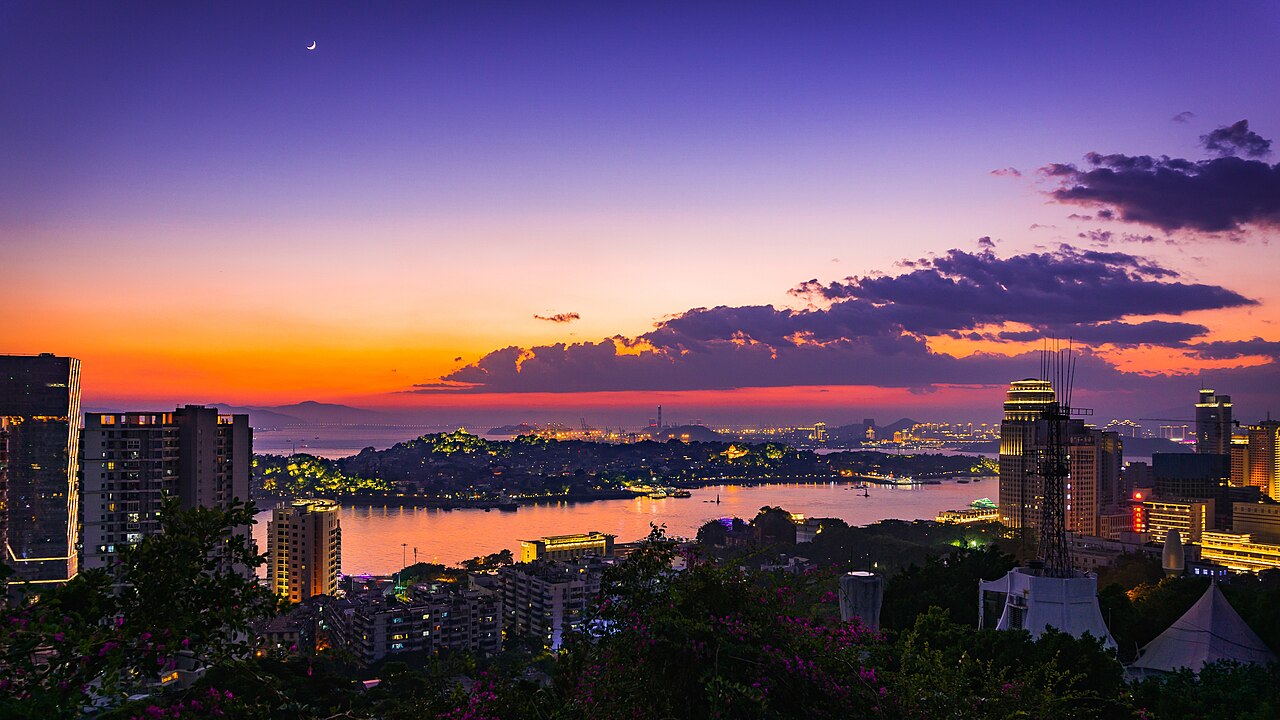
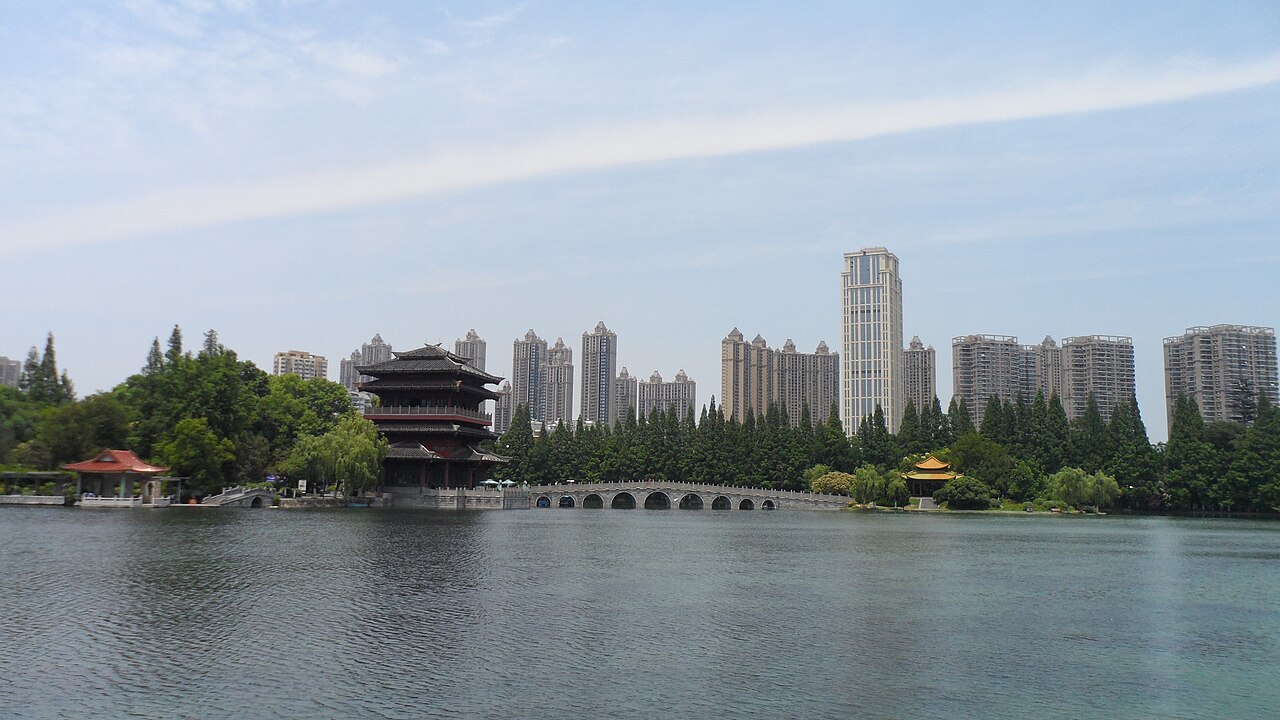
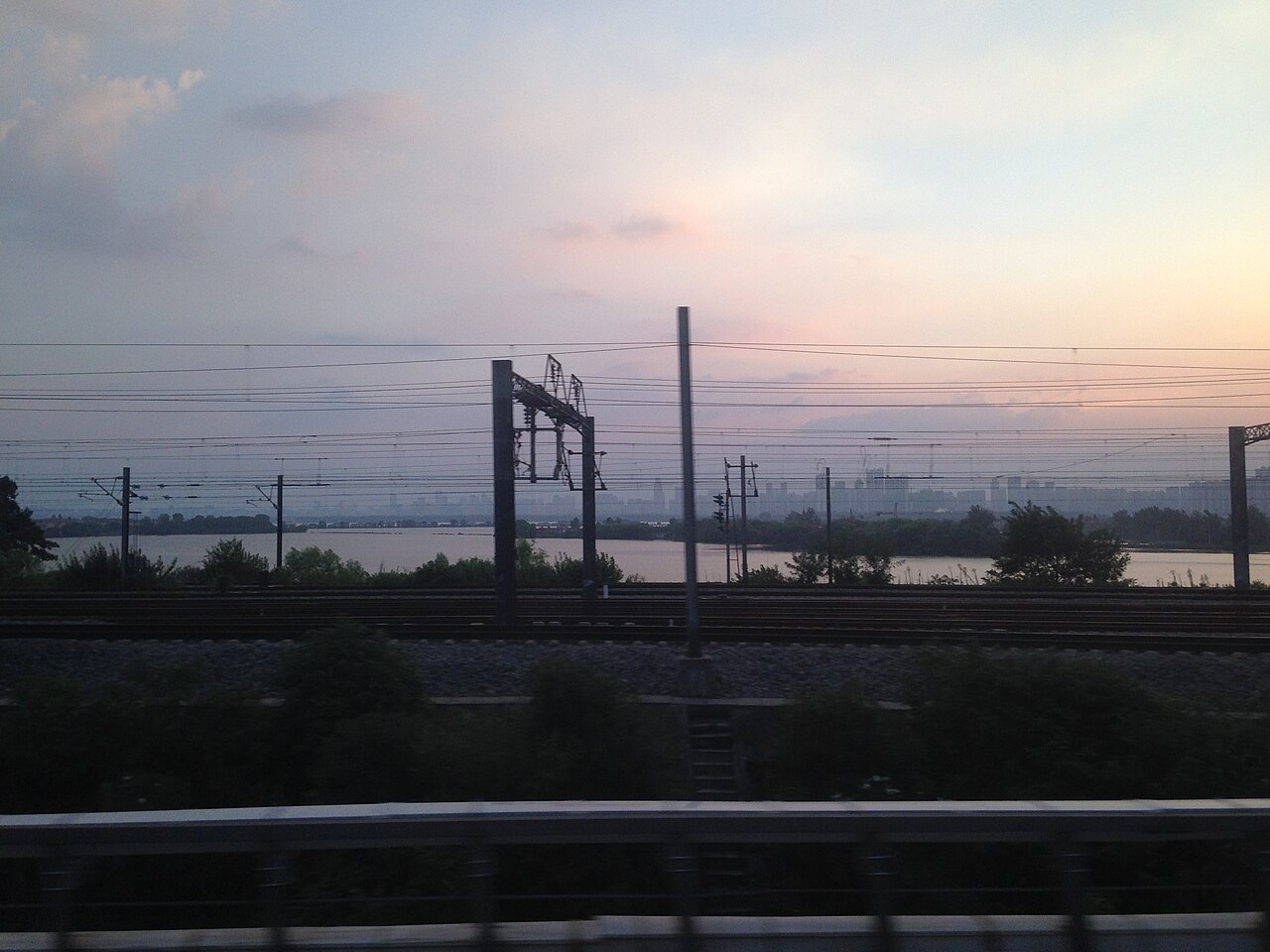
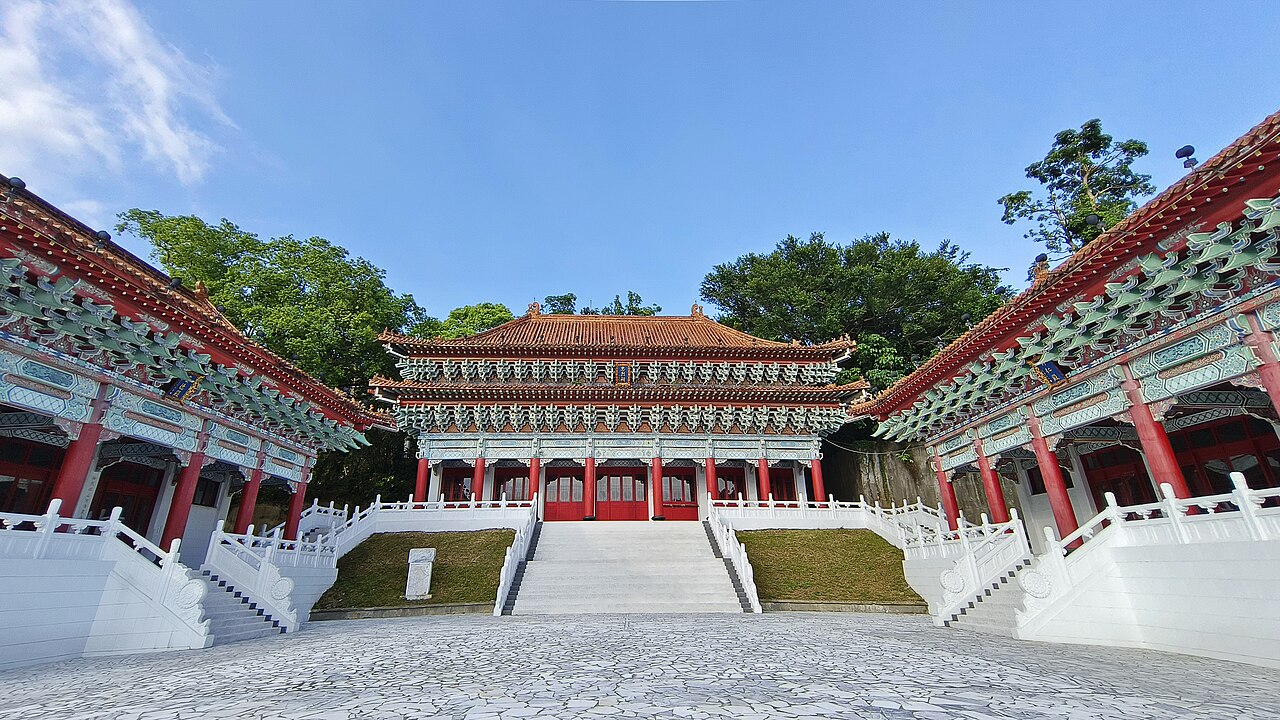
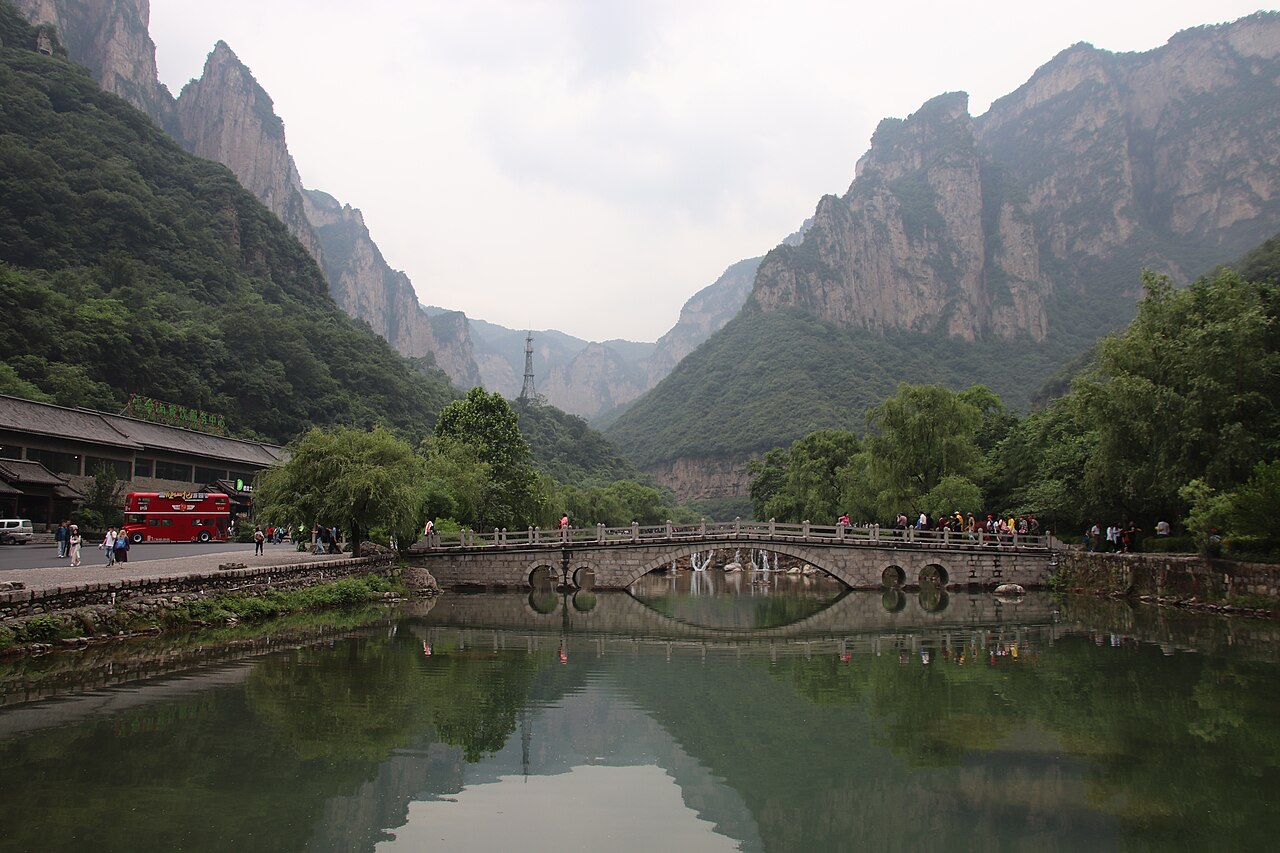
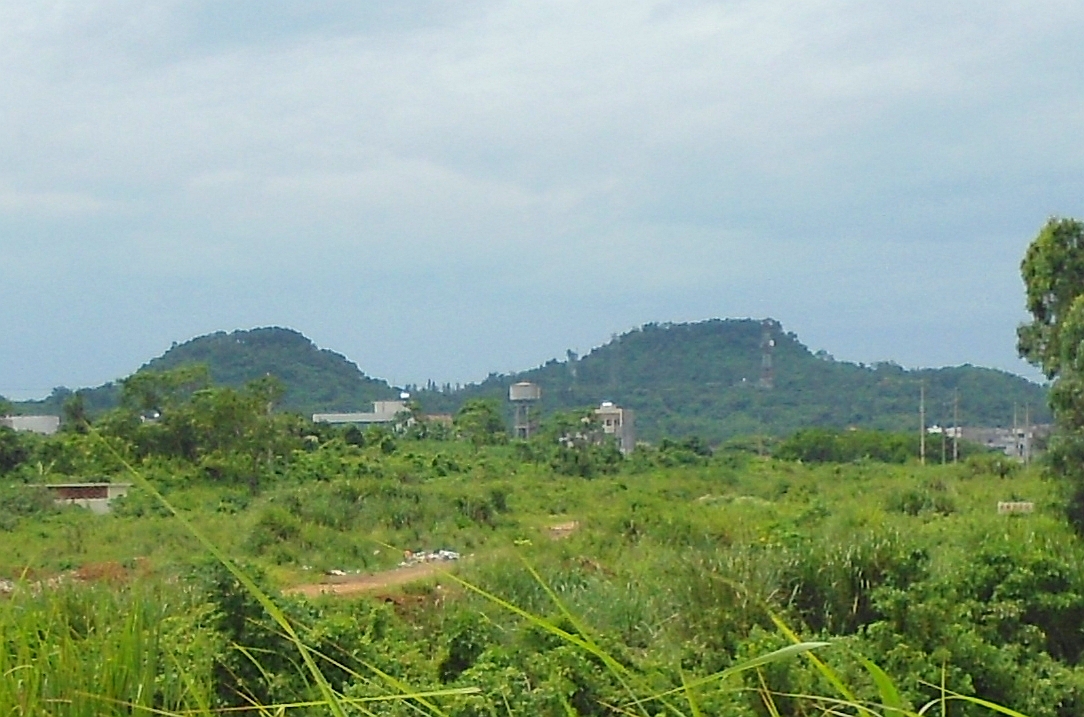
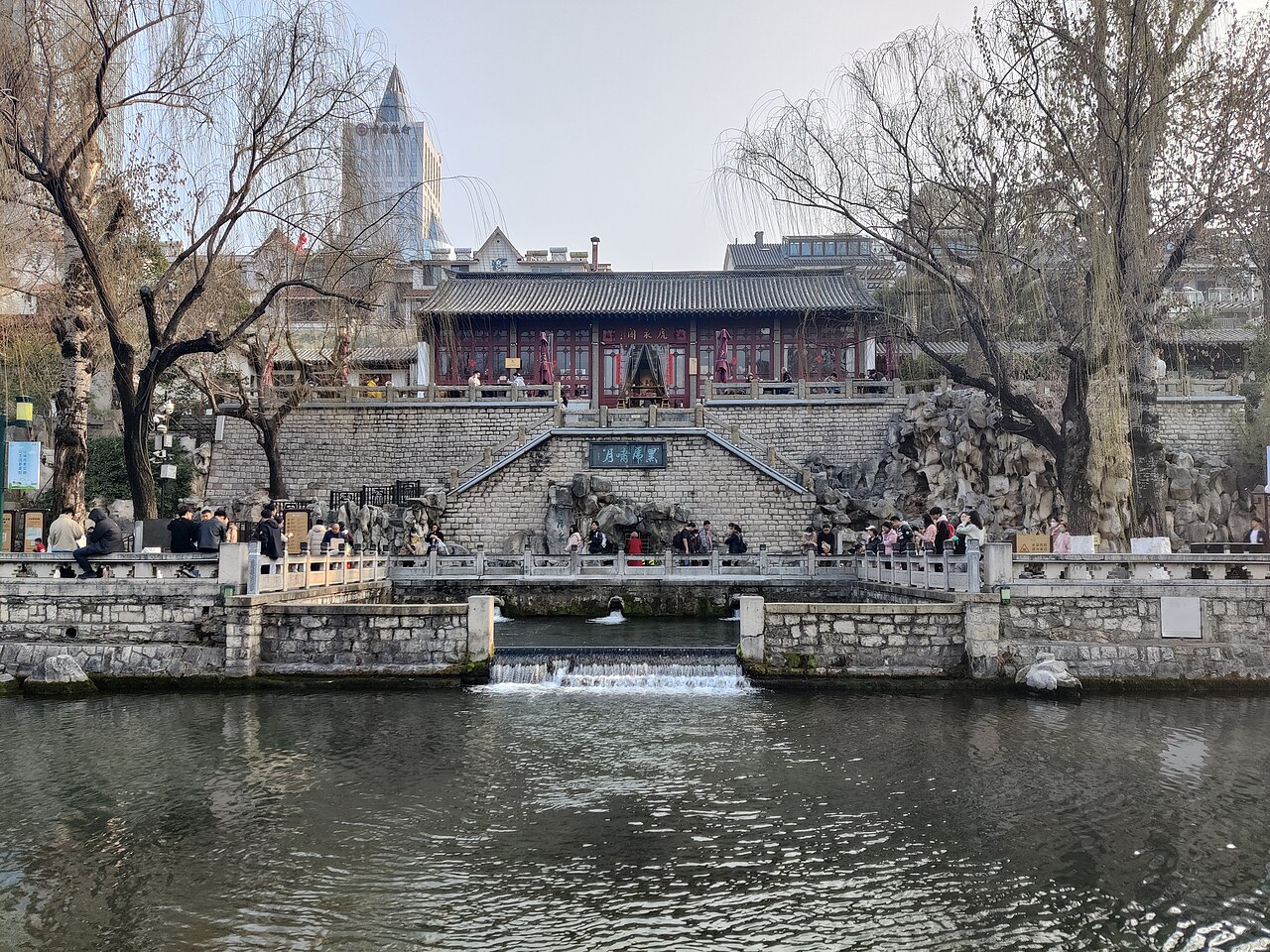
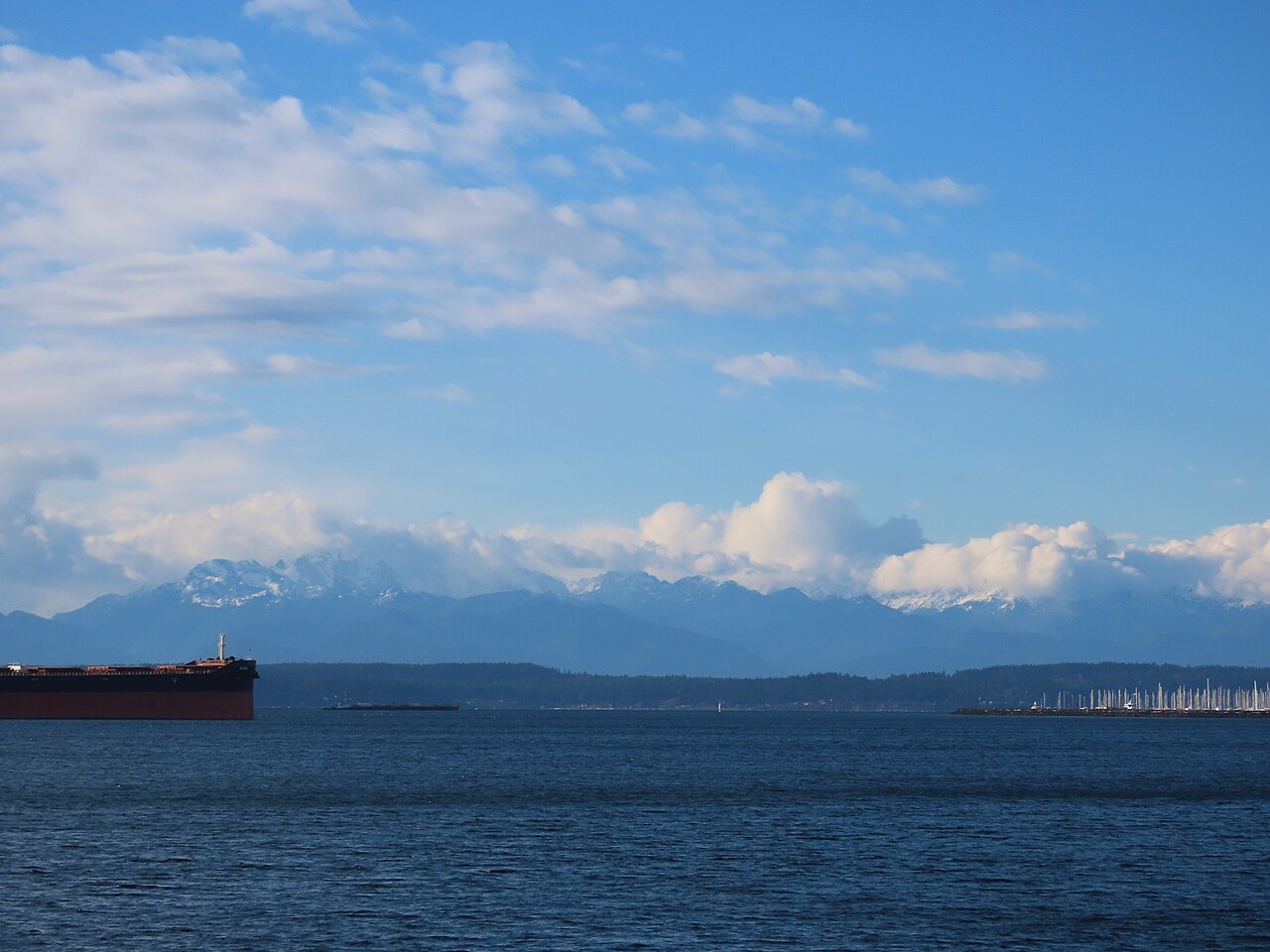
Zhanqiao Pier and the octagonal Huilan Pavilion
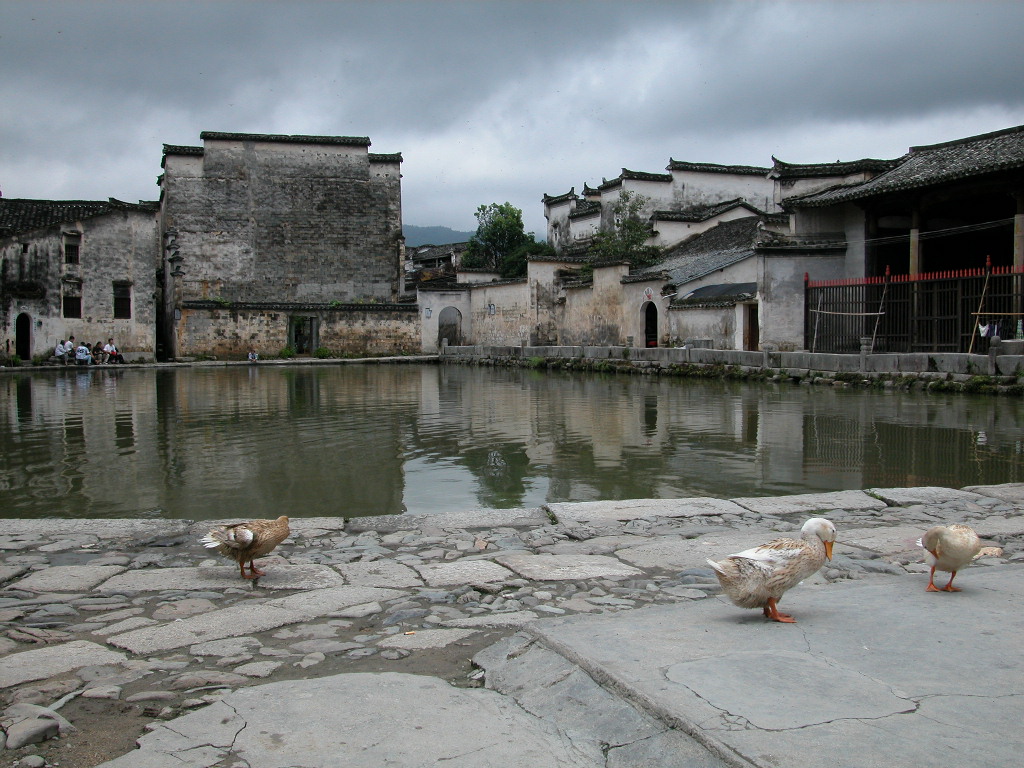
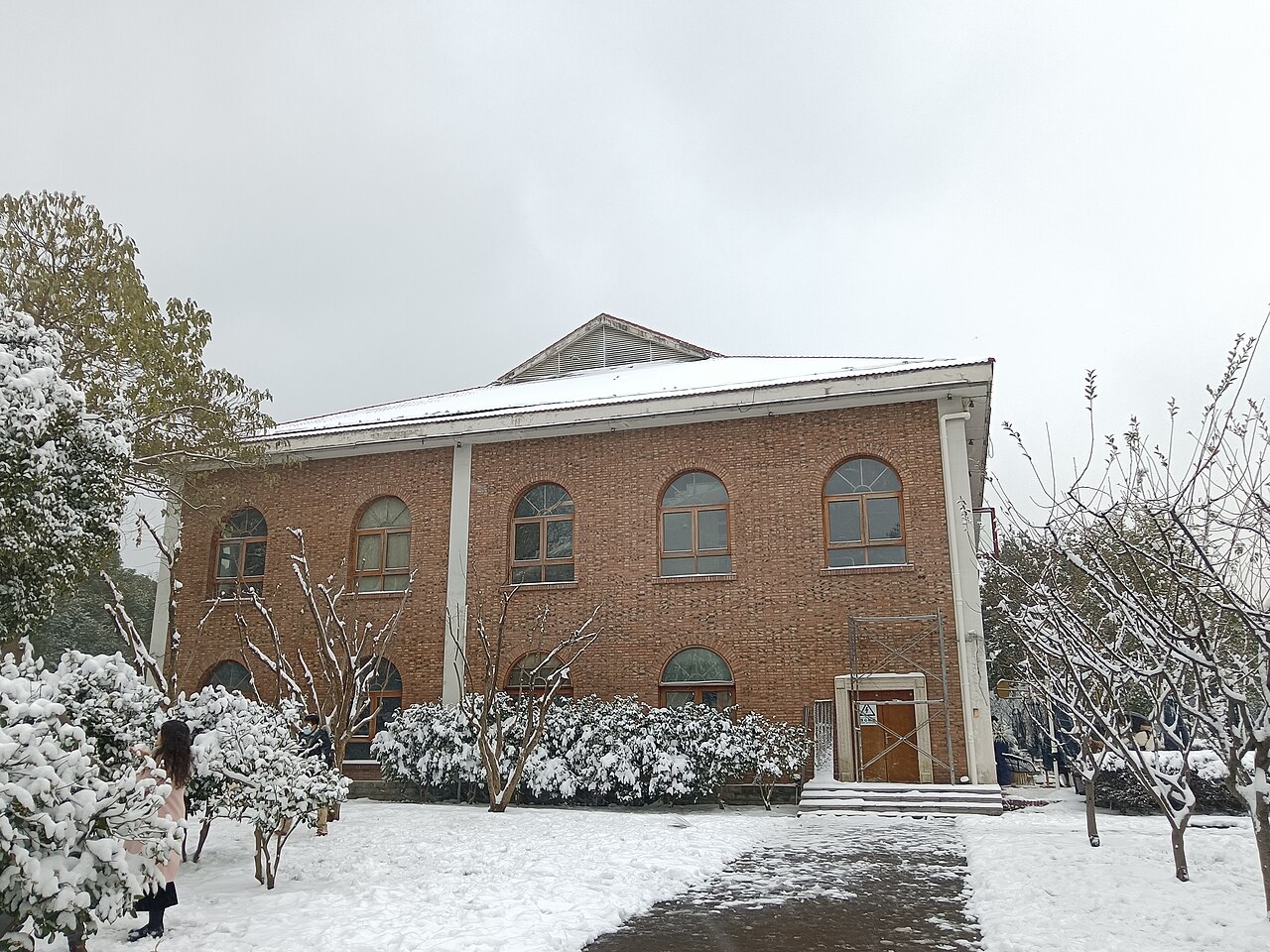
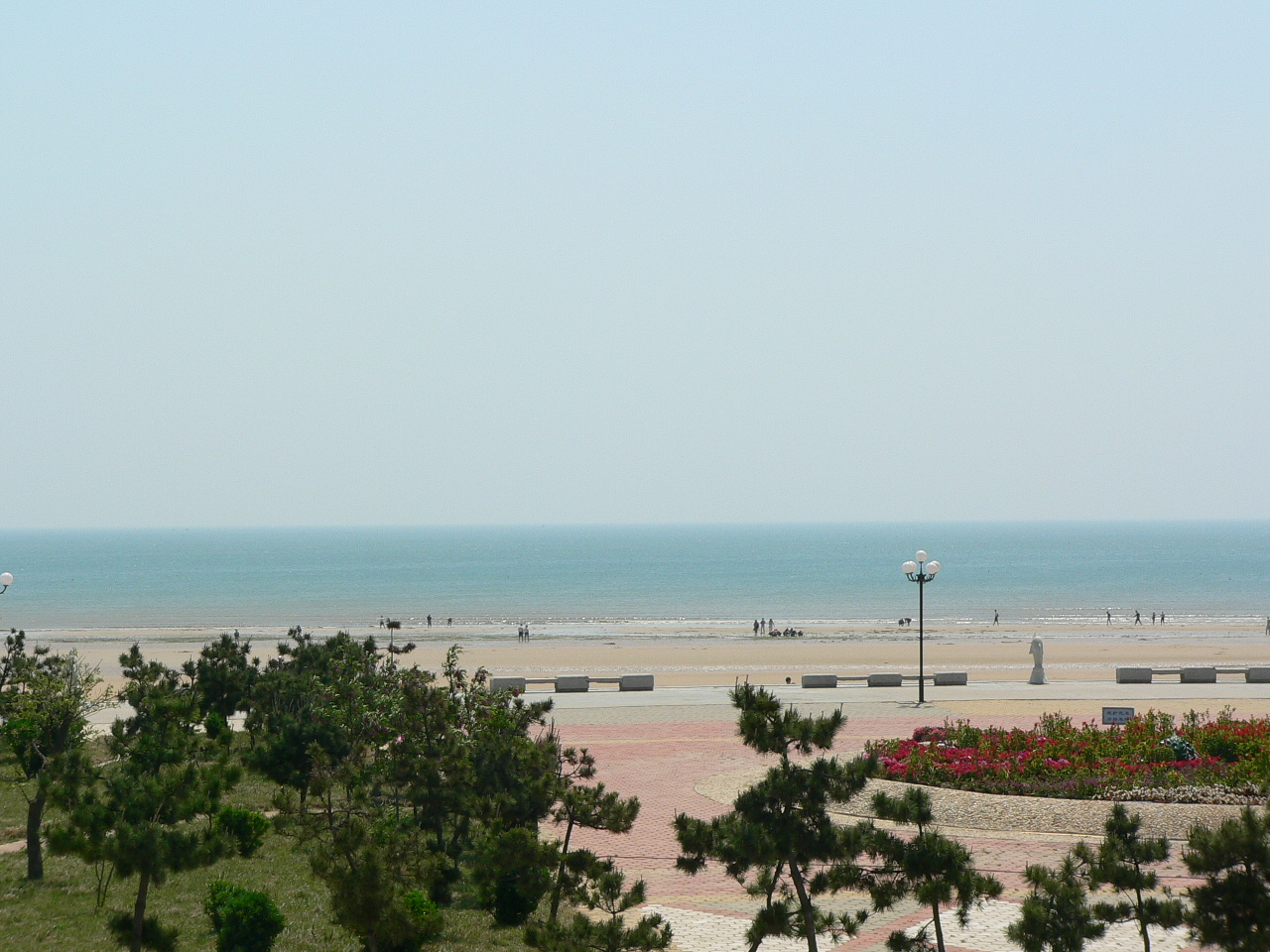
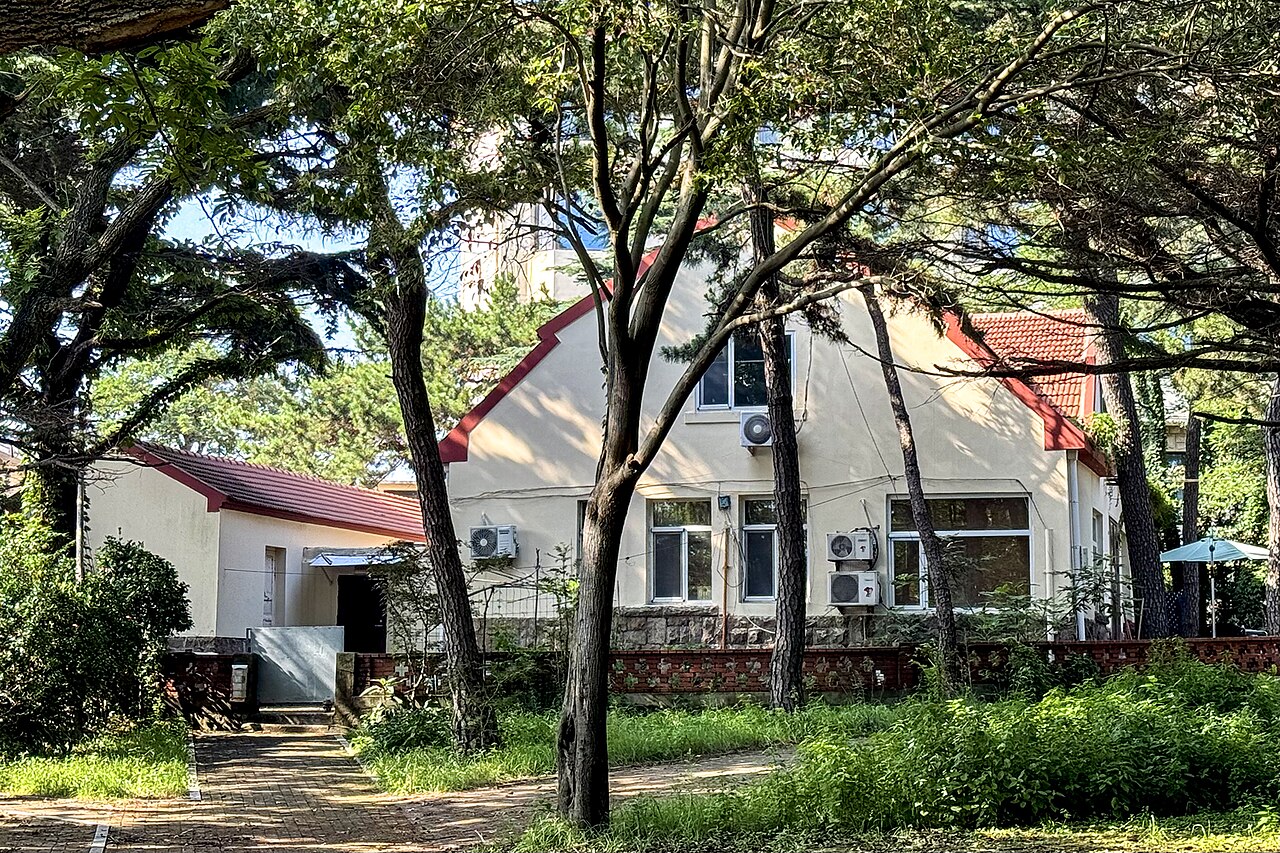
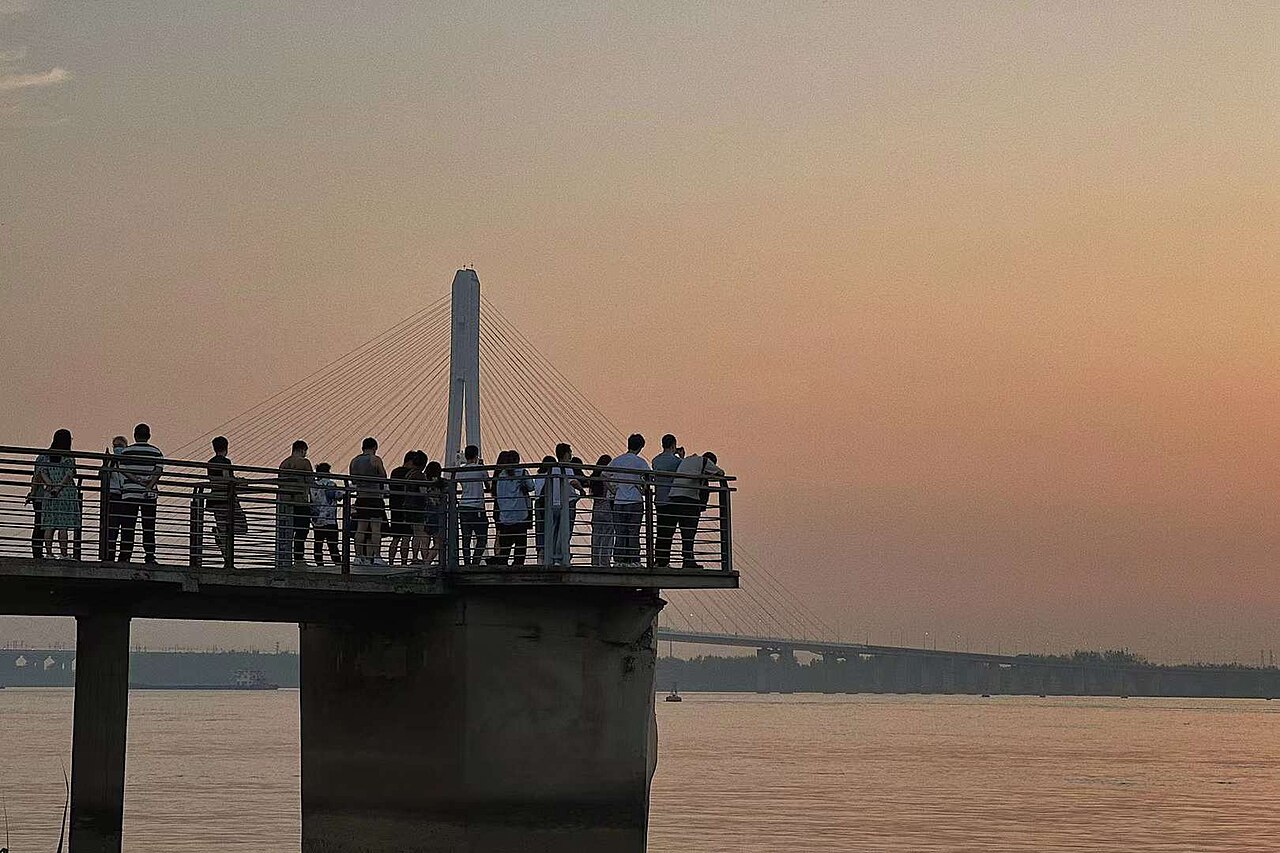
Villa roofs and green hills in the old town
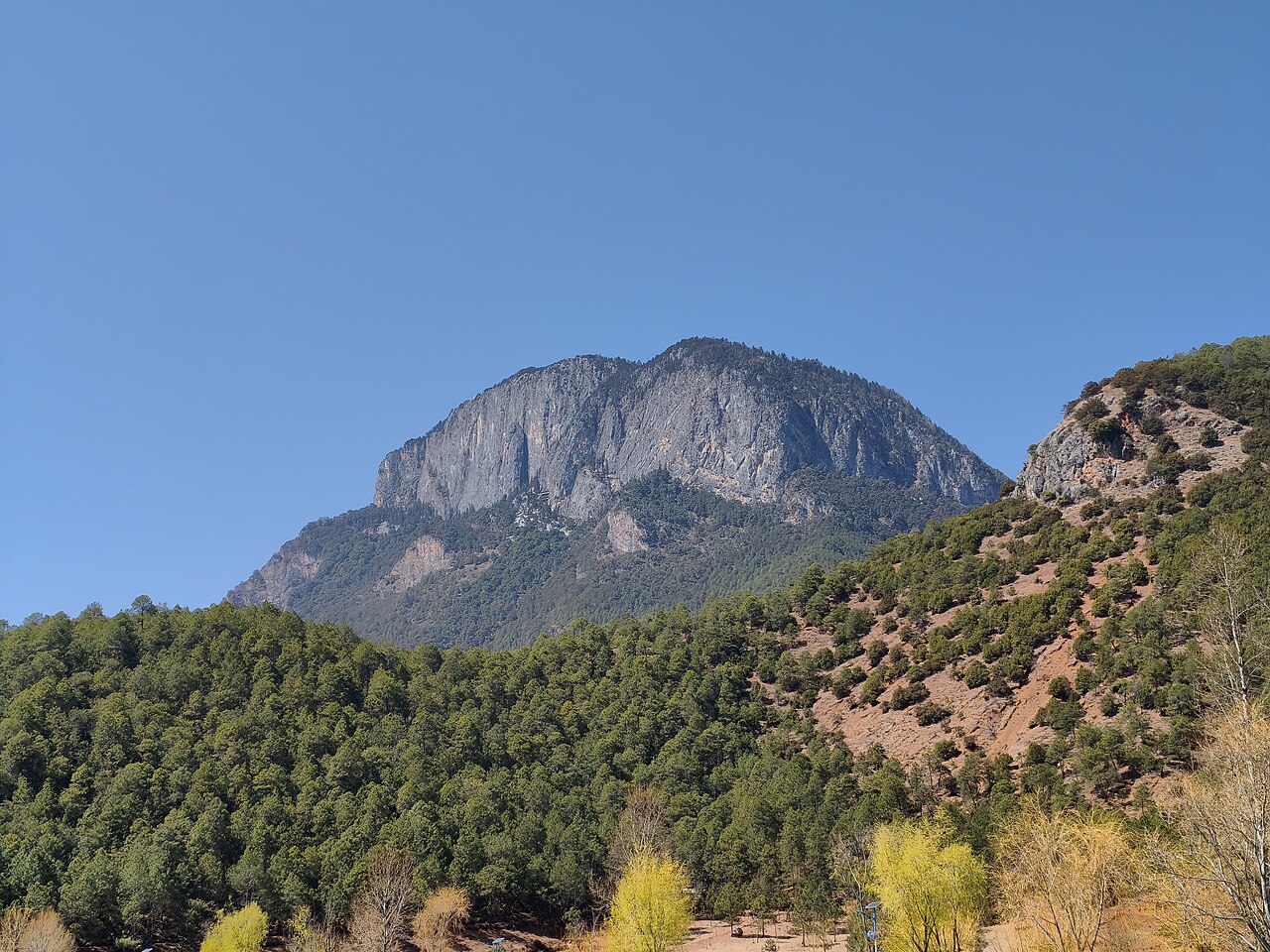
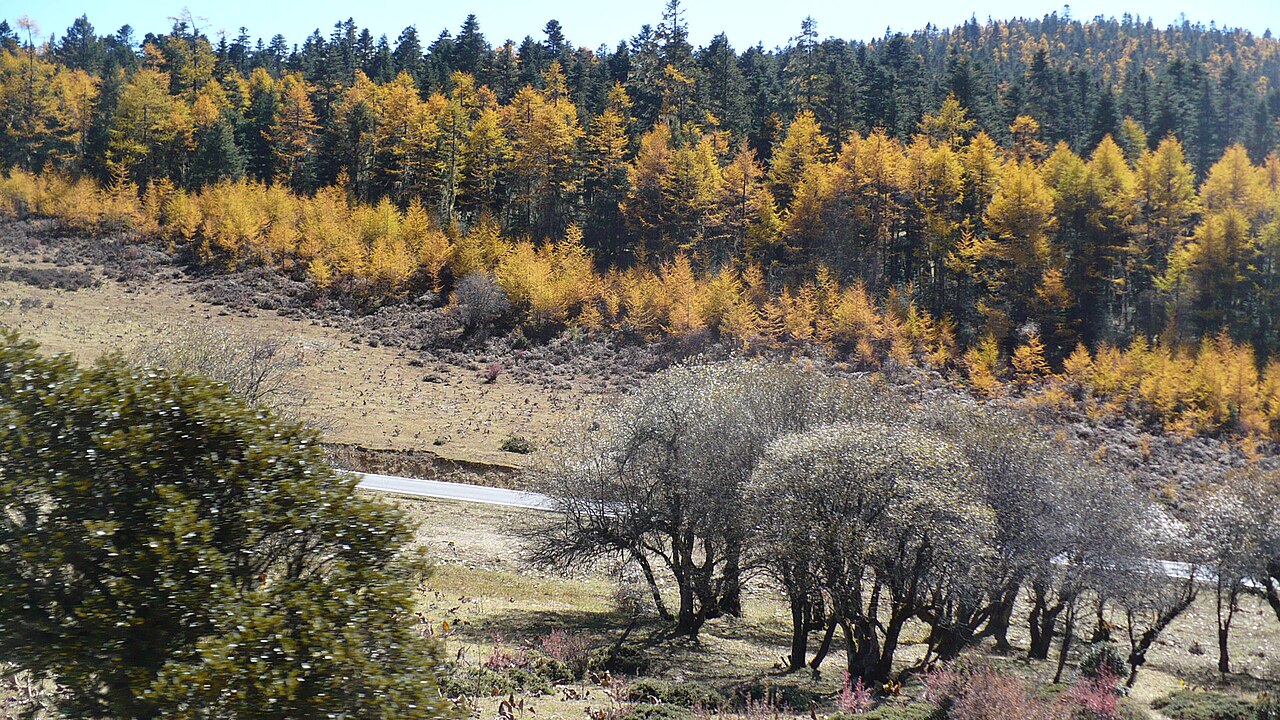
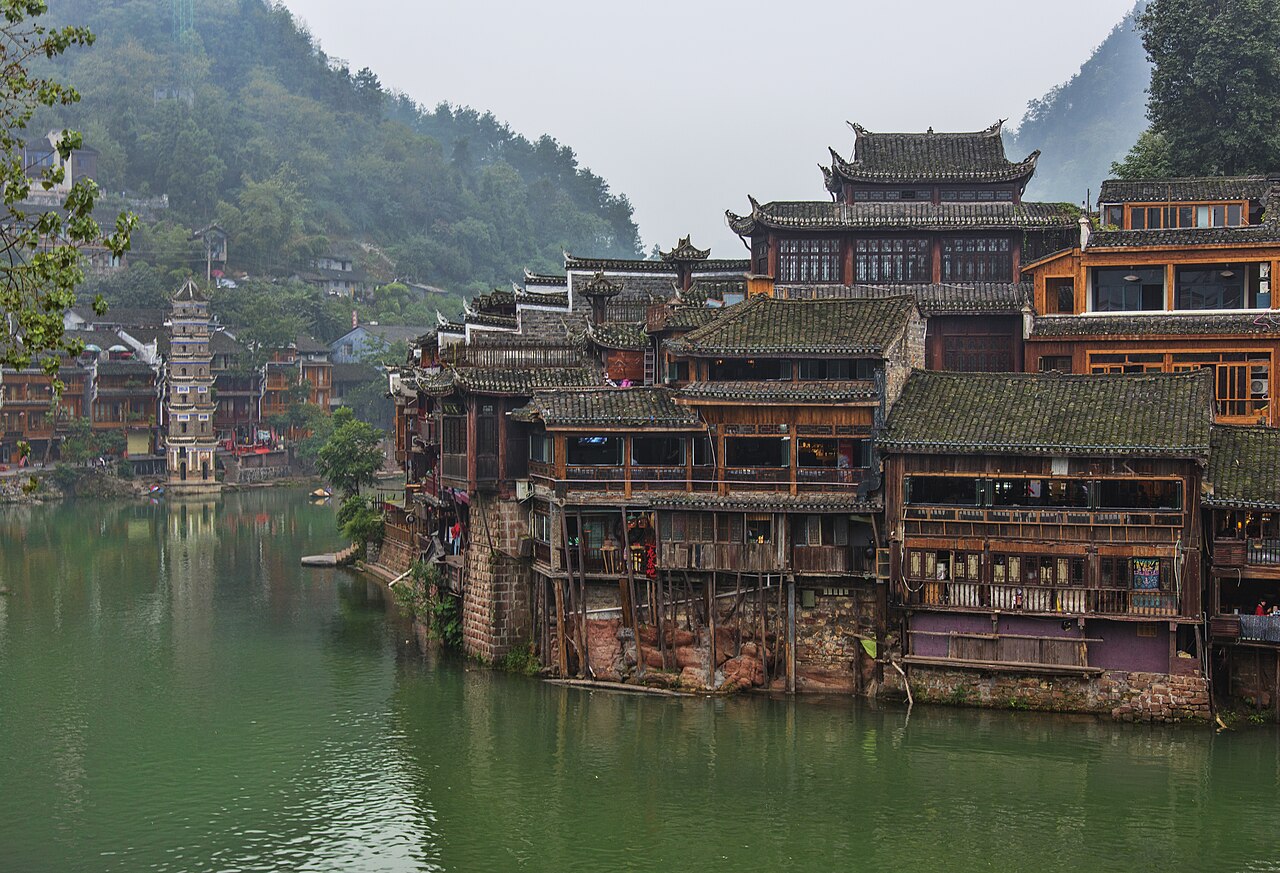
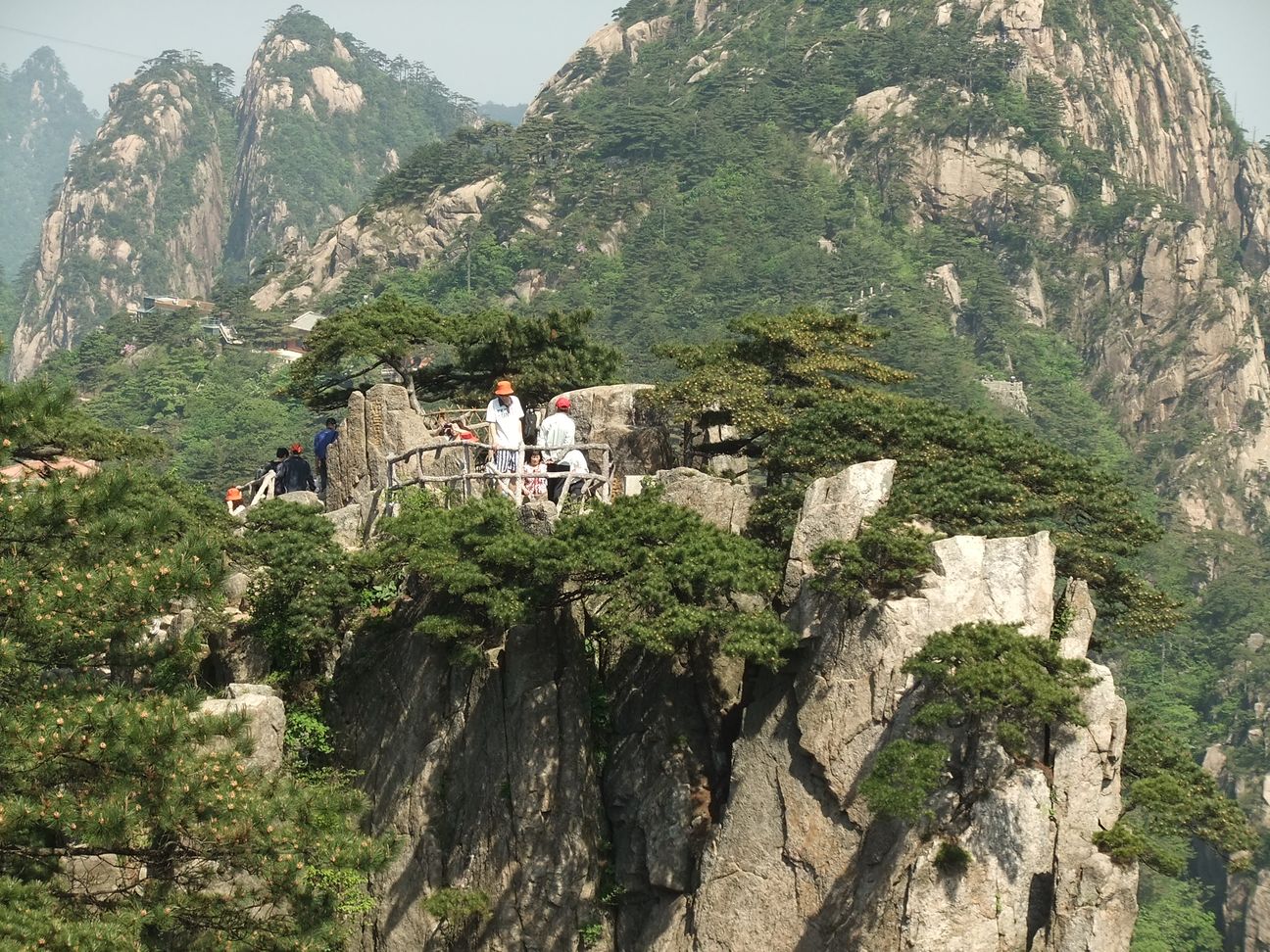
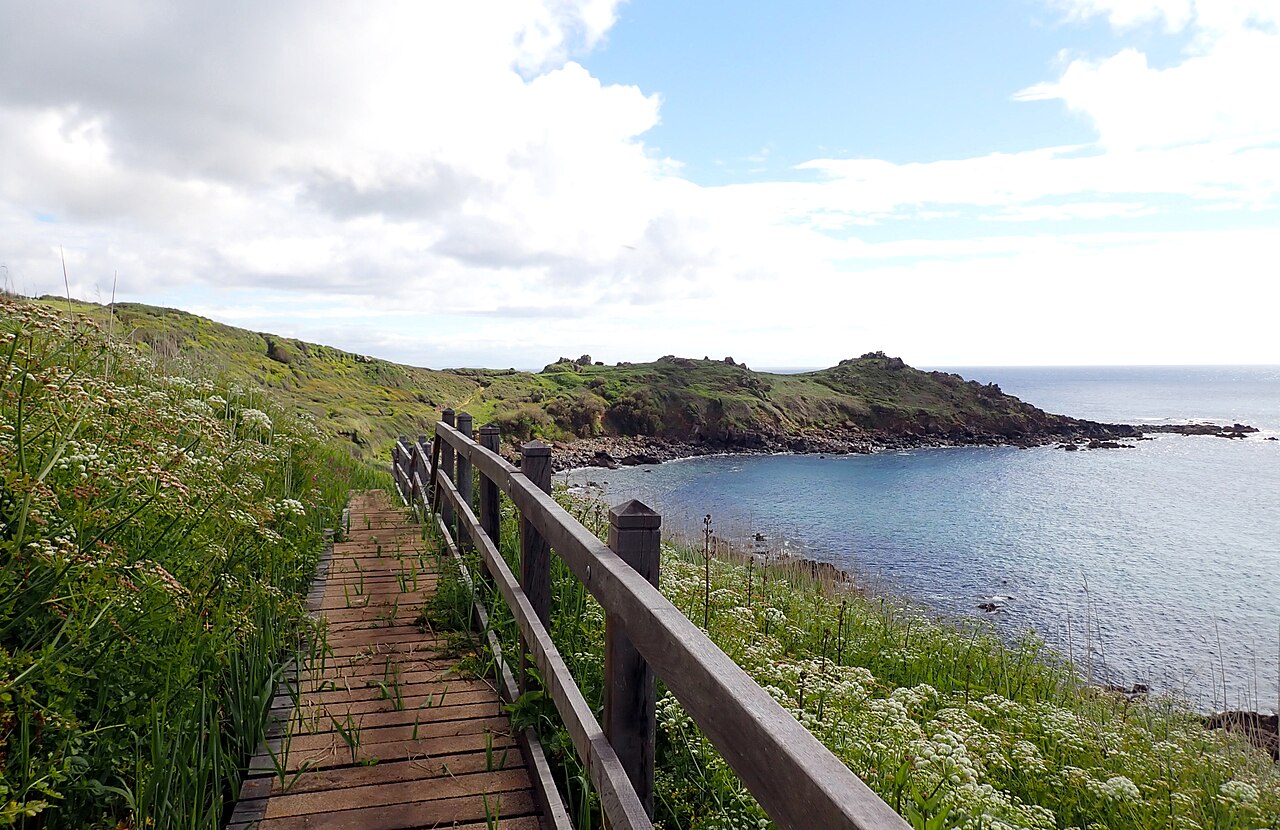
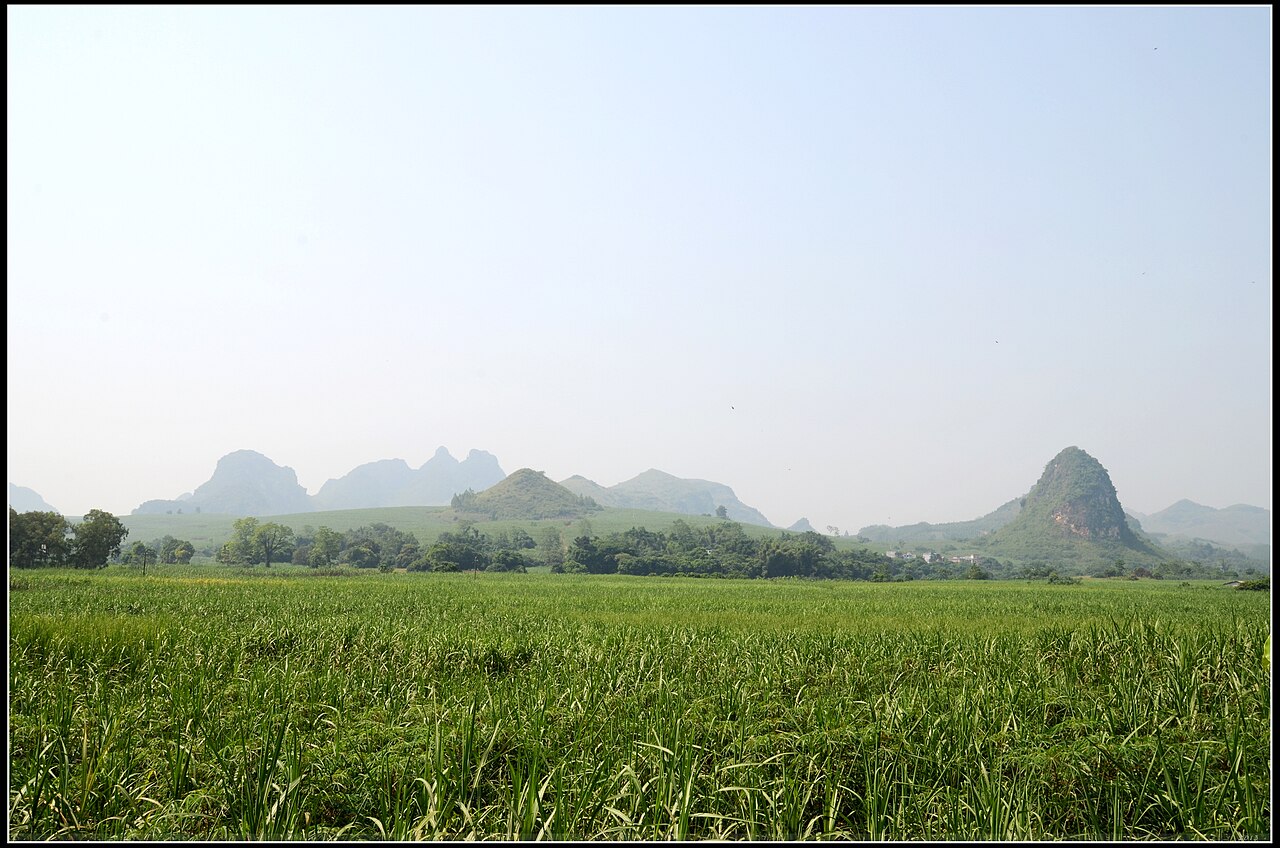
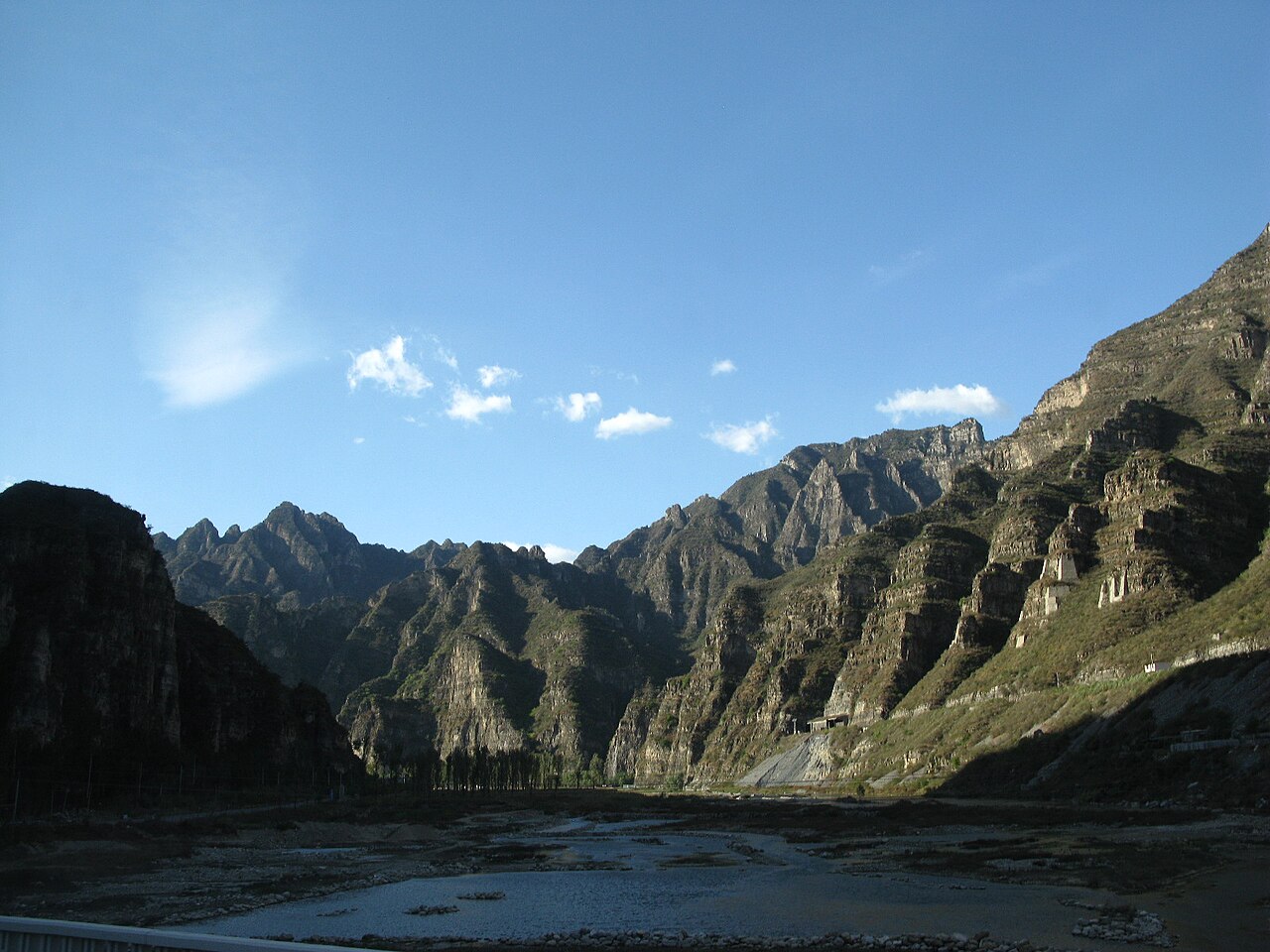
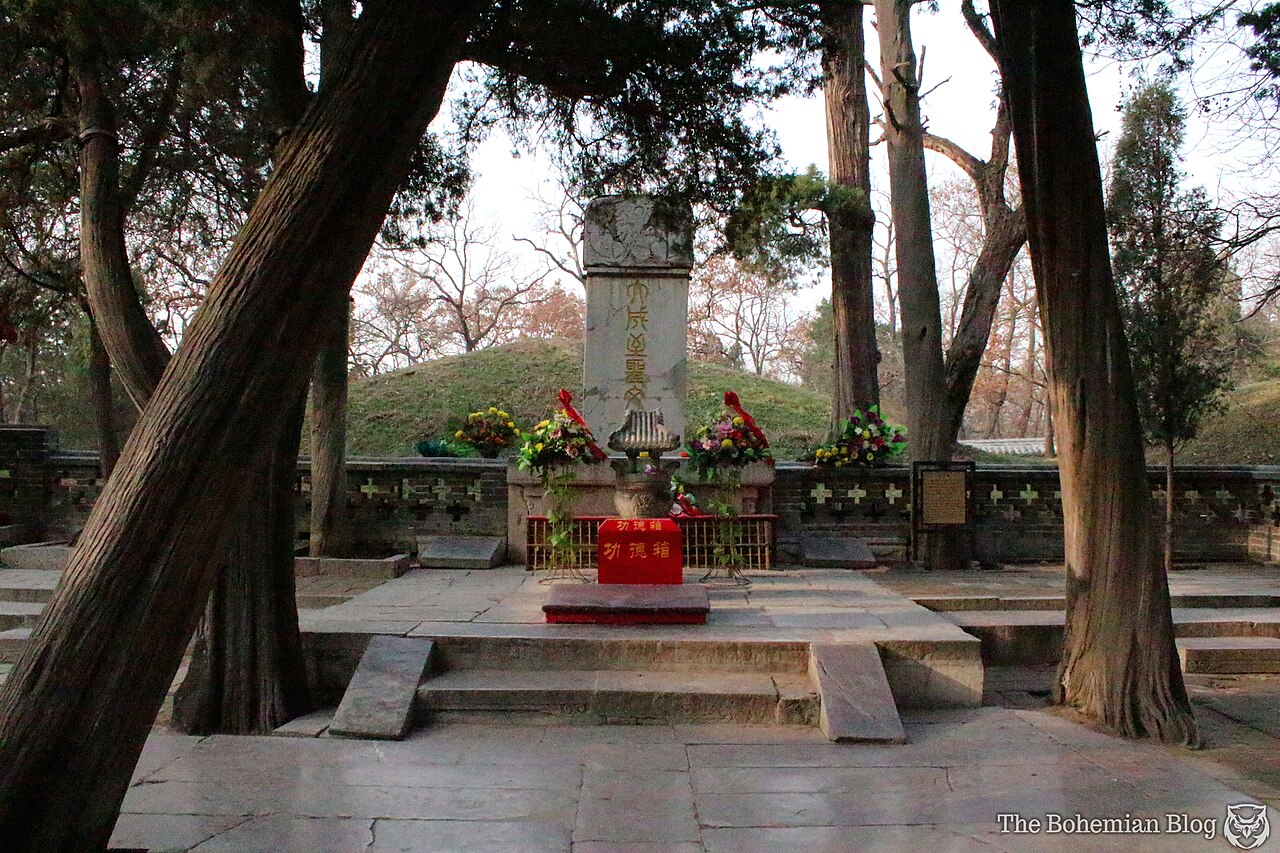
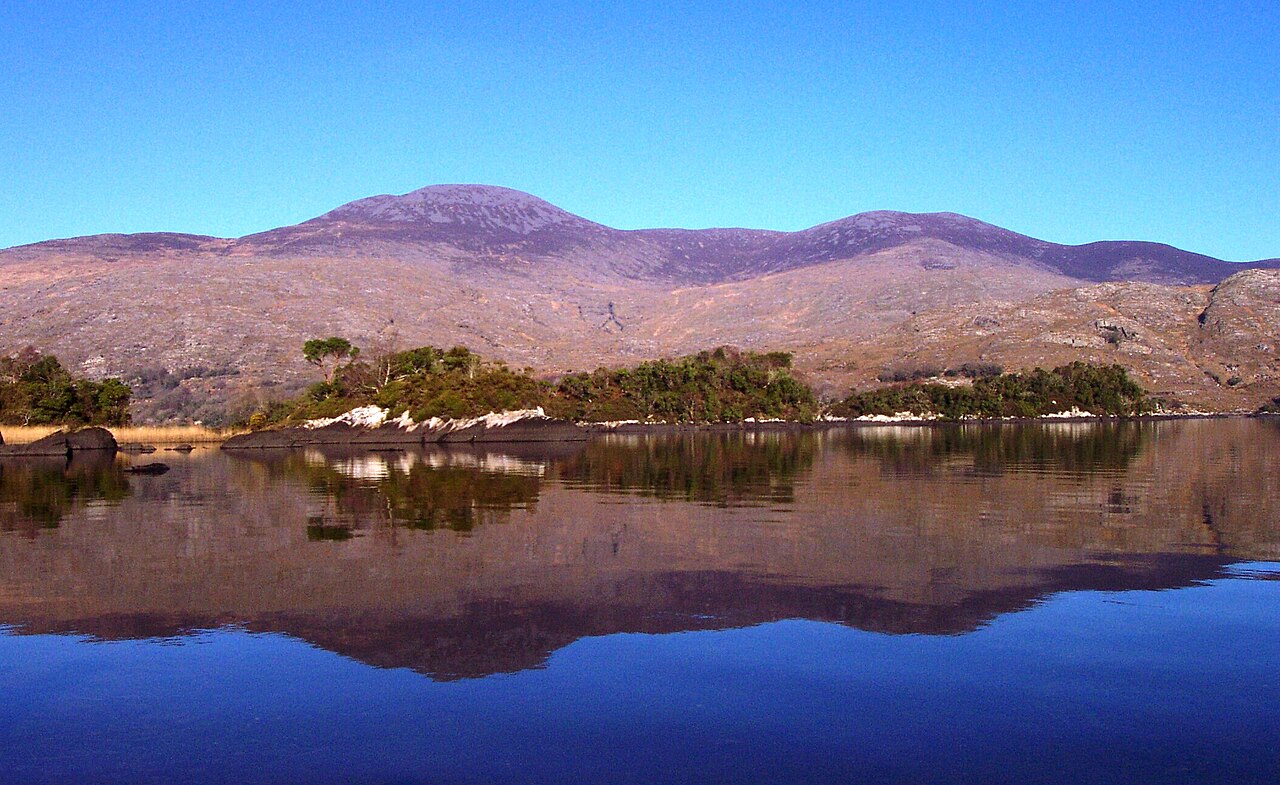
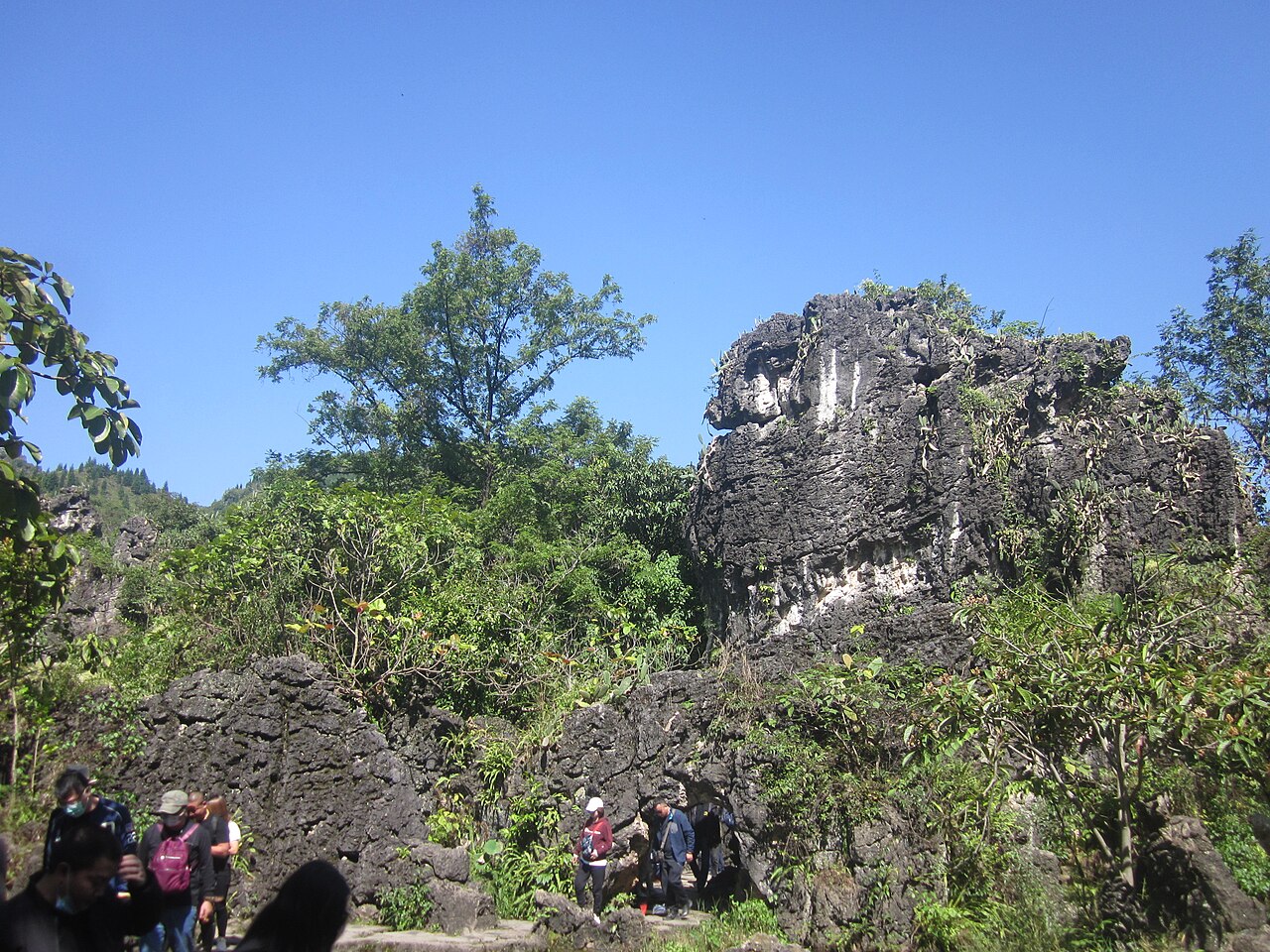
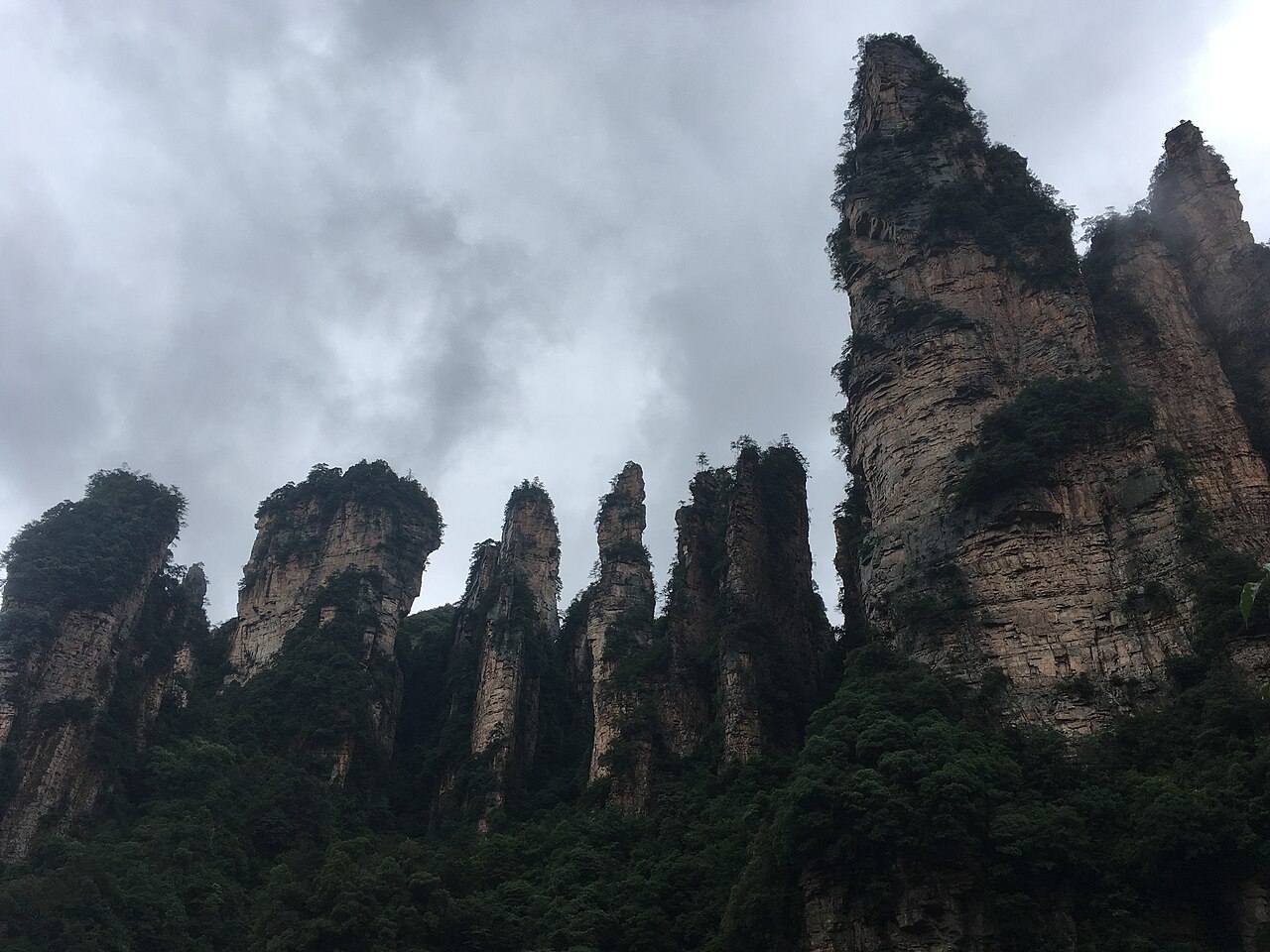
Granite cliffs and water on Laoshan
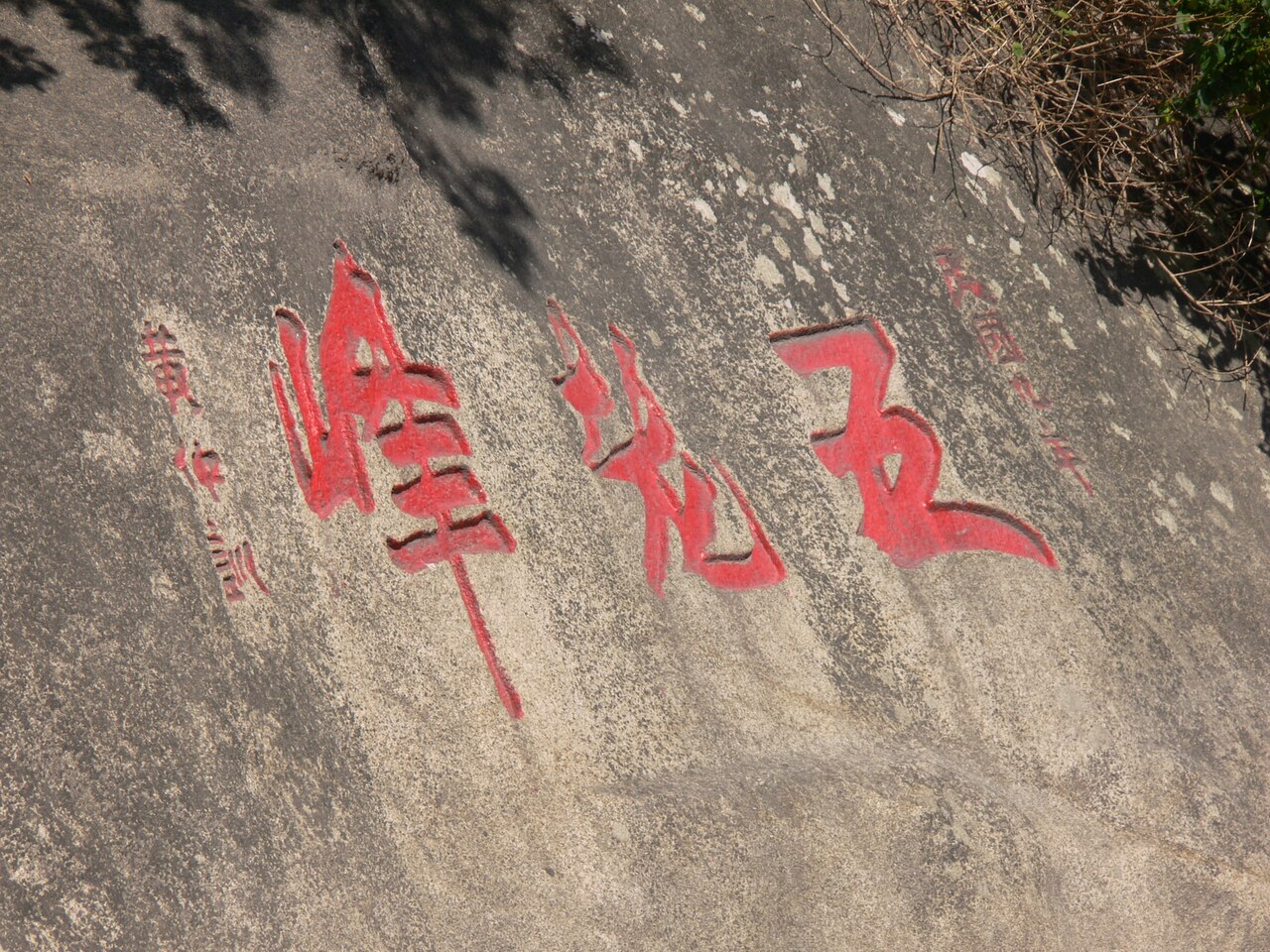
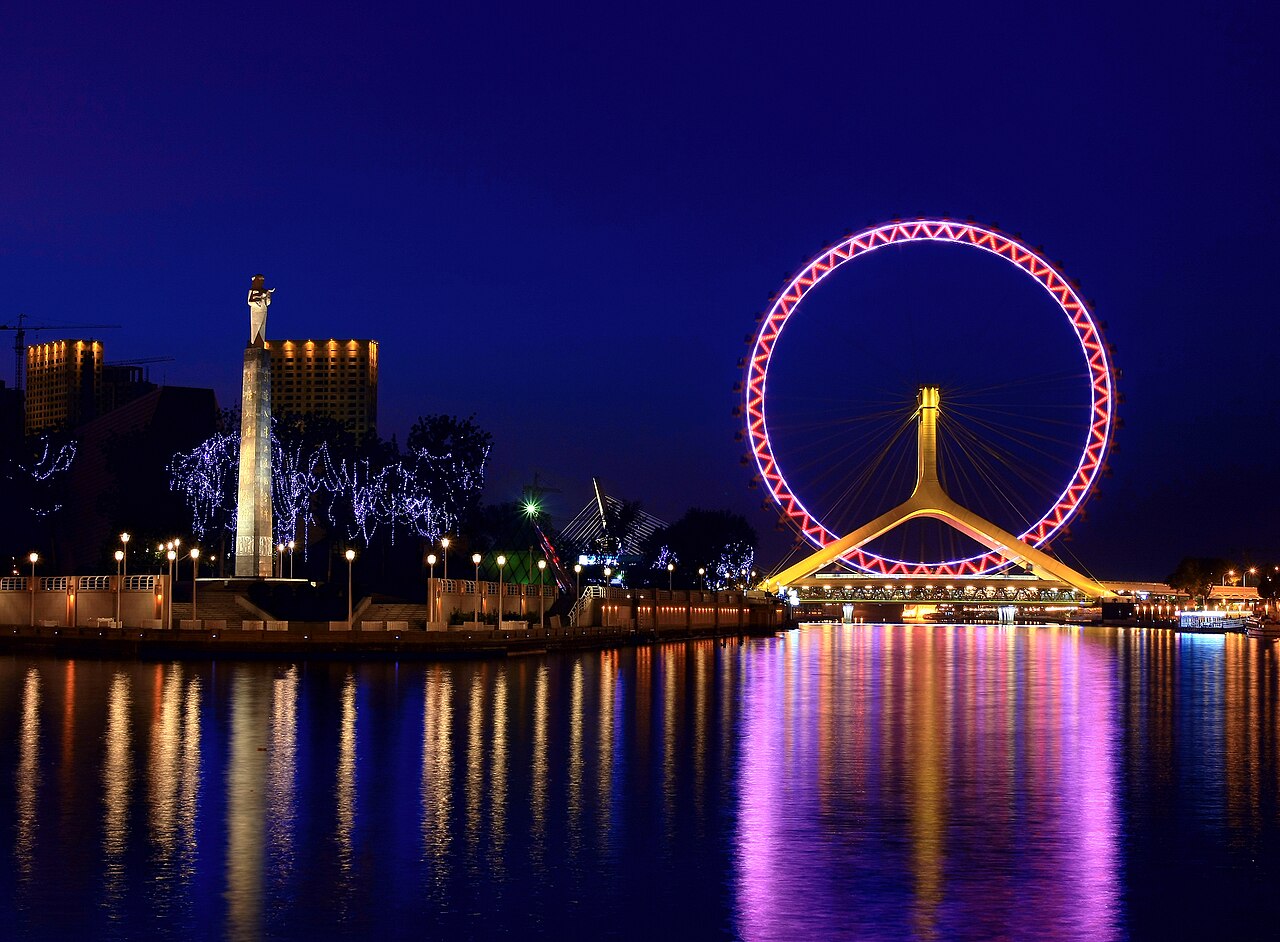
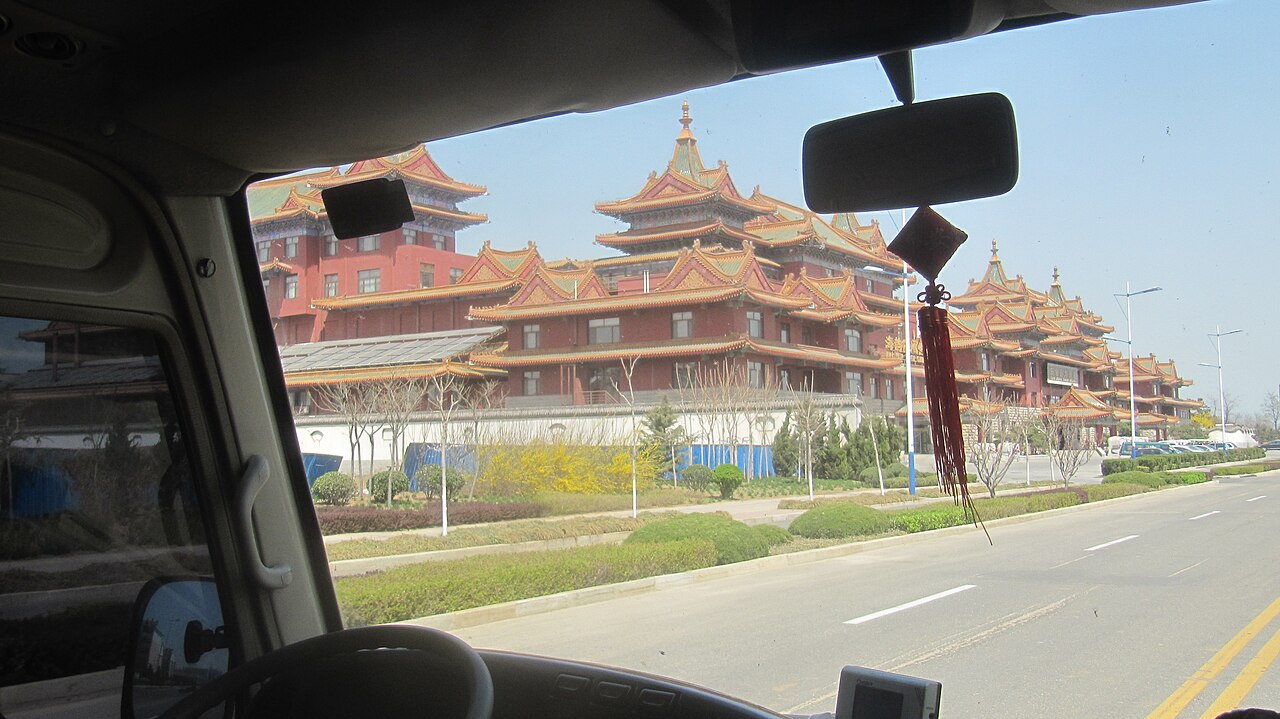
Draft beer and clams on Dengzhou Road

Qingdao pulls you in like nowhere else. It has no Maldives-blue water, but stand on the coast with the wind on you, watch the gulls, and you end up sharing the city with everyone else who loves the sea — and you go home happy.

A traveller's note, 'Fine Rain over Jiaozhou'

We came because we liked the city. It has none of Beijing's depth, none of Shanghai's or Hong Kong's gloss. And yet the sea has made it beautiful past all reason — once you have been, you do not want to leave.

A traveller's note, 'Cool Seaside North: Qingdao'

Qingdao is the one big Chinese port that people visit for pleasure rather than business. Its old town climbs a chain of low green hills above Jiaozhou Bay, and its postcard has not changed in a hundred years: red tiles, green trees, blue sea, blue sky. Walk a hundred metres inland from the water and you are in lanes of granite kerbs, plane trees and villas with shutters.

The German lease of 1897 left more than a railway. It left a villa quarter, a Gothic cathedral on Zhejiang Road, a governor's mansion on Longshan Road, and the brewery founded in 1903 that became Tsingtao. It also left a political fuse: when the 1919 peace conference handed the concession to Japan, the May Fourth Movement blew up, which is why the city's new-town centrepiece is a red sculpture of a wind called May. In the 1930s the writers arrived — Lao She wrote most of Camel Xiangzi at 12 Huangxian Road, Shen Congwen lived on Fushan Road, Wen Yiduo and Liang Shiqiu on Yushan Road.

Today Qingdao works as three cities stacked together: the old town around the pier and the cathedral; the crisp business city east along the harbour at May Fourth Square and the Olympic marina; and, an hour out, Laoshan, half national park and half temple, with its own spring water feeding the beer. Its pleasures are simple and seasonal — swim and eat clams in summer, cherry blossom at Zhongshan Park in late April, clear quiet autumn after that.

It is also genuinely easy. The whole shoreline is one walking route, buses cost ¥1–2, the metro reaches the airport, and nobody needs a car unless they are chasing the sand at Huangdao.

Qingdao

Don't leave without

Seven things that are worth rearranging a day for.

  1. Swim at Shilaoren, the longest beach in the city
  2. Drink proper Tsingtao on Beer Street, straight off Dengzhou Road
  3. Eat a seafood stall dinner at the Taidong night market
  4. Climb Laoshan and look back at the sea from the ridge
  5. Do the beer museum, tasting included
  6. Walk Badaguan before nine in the morning, with no plan

Highlights

Six reasons to get off the train

A city built around a beer

Tsingtao has brewed on Dengzhou Road since 1903, and the city still runs on it — from the museum tasting to the plastic bags of draft beer people carry home at dusk. Beer Street, outside the museum gate, is where the city eats shellfish at night.

Zhanqiao Pier and the old town

A 440 m finger of stone into Qingdao Bay, ending in the octagonal Huilan Pavilion that appears on every Tsingtao label. Free to walk, ¥4 to step inside the pavilion, and the best possible start to an old-town morning.

Badaguan, free and genuinely lovely

Ten quiet roads named after mountain passes, holding villas in more than twenty national styles — hence the city's nickname as a world architecture expo. Peach on Shaoguan Road, crape myrtle on Zhengyangguan, maple on Juyongguan, crab-apple on Ningwuguan.

Laoshan, straight out of the sea

The only mountain range in China that rises directly from the coast, 1,133 m at Julang Peak, riddled with Taoist temples, springs and the story of the Taoist priest that Pu Songling turned into a tale. Its granite built the Monument to the People's Heroes in Beijing.

Beaches that cost nothing

No.1 Bathing Beach by Badaguan is 580 m of fine sand in a sheltered bay; No.2 charges a token ¥2.5 and is half empty; Shilaoren runs 3 km; and Golden Beach over at Huangdao is a 3,500 m crescent. Only the paid one is quiet.

Sixteen days of beer in August

The international beer festival has run since 1991, opening the second weekend of August at the Beer City near Shilaoren — Asia's largest, with stages, parades and drinking contests. Come for it and expect the city to be full.

Suggested routes

Three days that cover Qingdao

The coastal walk

1 day days

One straight line along the shore: pier, park, beach, villas, square, marina. Do it on foot or by bike.

  1. Day 1

    Along the shoreline boardwalk

    Start at Zhanqiao Pier by the railway station while the light is still low. Walk east into Lu Xun Park, where a small path drops to the rocks, then onto No.1 Bathing Beach.

    Keep going and you drift into Badaguan without noticing; from there the road runs to the sea and on to May Fourth Square, with the Olympic sailing centre just beyond. Fast food along the way, or bring snacks. If you still have legs, bus out to the polar ocean park or Shilaoren.

    Stops: Zhanqiao PierLu Xun ParkNo.1 Bathing BeachBadaguanMay Fourth SquareOlympic Sailing Centre

Beer and street food

1 day days

The museum, the street outside it, and the night market the locals actually use.

  1. Day 1

    Museum, Beer Street, Taidong

    After breakfast, do the Tsingtao museum on Dengzhou Road: the packaging through the decades, the Republic-era cinema adverts, the original cells, the unfiltered wort, the export bottles. It takes about two hours and ends with a glass.

    Walk out of the gate onto Beer Street, the busiest eating street in the city, and eat shellfish with draft beer. Then go to Taidong — Qingdao's biggest shopping district, graffiti, endless small restaurants and a night market that runs from Taidong 3rd Road up to 8th Road.

    Stops: Tsingtao Beer MuseumBeer StreetTaidong night market
Sea and mountain

2 days days

The classic pair: the shoreline one day, Laoshan the next, with a bar night to finish.

  1. Day 1

    Old town and shore

    Pier first, then Xiaoyu Hill — 60 m, ten minutes up, and the best cheap view over Huiquan Bay. Come down to the Governor's House, the Protestant church and the old German administration building.

    Finish at St Michael's Cathedral on Zhejiang Road — the largest pipe organ in China, which you will only hear if you land a Sunday mass — and eat your way through Pichaiyuan, the old snack courtyard, in the evening.

    Stops: Zhanqiao PierXiaoyu HillGovernor's HouseSt Michael's CathedralPichaiyuan

  2. Day 2

    Laoshan, then the coast

    Enter at the Dahedong service centre, ride the free shuttle between the scenic spots — a genuine roller-coaster of a road — and walk Taiqing Palace and Yangkou, exiting at the Yangkou centre. Buses take you back into town.

    Cool off at Shilaoren, watch the boats at the Olympic marina, and finish with a drink in the bar strip near Hong Kong Garden.

    Stops: Taiqing PalaceYangkouShilaorenOlympic Sailing Centre

Sights

What to actually go and see

The symbol

Zhanqiao Pier

The 440 m stone pier with the octagonal Huilan Pavilion at its tip, built when the harbour was young and now printed on every bottle of Tsingtao. At high tide the surf slaps the seawall; at low tide the rust-coloured rocks and sand come out and the whole bay fills with people collecting shellfish. Thousands of gulls work the water on calm days.

Where
12 Taiping Road, Shinan — beside the railway station
Ticket
Free; ¥4 to enter Huilan Pavilion
Buses
2, 5, 6, 8, 25, 26, 218, 220, 223, 225, 301, 304, 305, 307, 311, 316, 320, 321, 501, 217, 801

Tip Walk out early, before the tour groups arrive, then turn around and walk straight up into the old town. Do not pay for the pavilion unless you want the stairs.

Sea mountain

Laoshan

The only mountain range in China that rises straight off the coast, and the one Pu Songling made famous in his story of the Taoist priest. Qin Shi Huang and Emperor Wu of Han came here looking for immortals; the mountain holds nine palaces, eight temples and seventy-two convents, and its granite is the stone of Beijing's Monument to the People's Heroes. The southern line mixes temples and coast; Beijiushui is the water valley; Julang is the high summit.

Where
Laoshan district, east of the city
Tickets, Apr–Oct
Julang ¥80; Taiqing–Yangkou ¥90; Beijiushui ¥65 — half price for students
Tickets, Nov–Mar
Julang ¥50; Taiqing–Yangkou ¥60; Beijiushui ¥40
Cable cars
Julang ¥40 one way / ¥80 return; Taiqing ¥45 / ¥80; Yangkou ¥35 / ¥60
Shuttle bus
Taiqing–Yangkou ¥40; Beijiushui ¥30; Julang ¥40
Buses from the city
304, 104, 802, 113 to Taiqing and Julang; 365, 110, 311, 112 to Beijiushui

Tip One zone per day. Riding the free shuttle between spots saves hours, and the mountain road itself is half the fun. Do not try to combine Taiqing and Yangkou with Beijiushui — they are on opposite sides.

Villa quarter

Badaguan

Ten shady roads laid out on the eastern side of Huiquan Point and named after famous passes, holding villas in Russian, English, French, German, American, Danish, Greek, Spanish, Swiss and Japanese styles. This is the quarter that earns Qingdao its reputation as a world architecture expo, and it is free, quiet and best walked with no plan at all.

Where
East of Huiquan Point, Shinan district
Ticket
Free
Buses
26, 304, 315, 31, 202, 212, 223, 228, 316, 321, 501, 801 to Wushengguan Road

Tip Go before nine. Each road has its own tree: peach on Shaoguan, crape myrtle on Zhengyangguan, maple on Juyongguan, cedar on Zijingguan, crab-apple on Ningwuguan.

City beach

No.1 Bathing Beach

The sheltered crescent at Huiquan Bay that Yu Dafu called the finest bathing beach in East Asia. Huiquan Point breaks the swell, so the water is calm and the sand — about 580 m long and 40 m deep — is fine and gently shelving. It fills up; the trick is the second and third beaches next door.

Where
23 Nanhai Road, Shinan — by Huiquan Square
Ticket
Free; No.2 beach charges ¥2.5 in summer
Season
Facilities run roughly 1 July–25 September: changing, showers, lockers, lifeguards
Buses
6, 15, 26, 31, tunnel buses 2 and 6 — Bathing Beach stop

Tip No.2 beach costs ¥2.5 and is a fraction as crowded. No parking at No.1 — if you drive, park further out and walk.

Longest beach

Shilaoren Beach

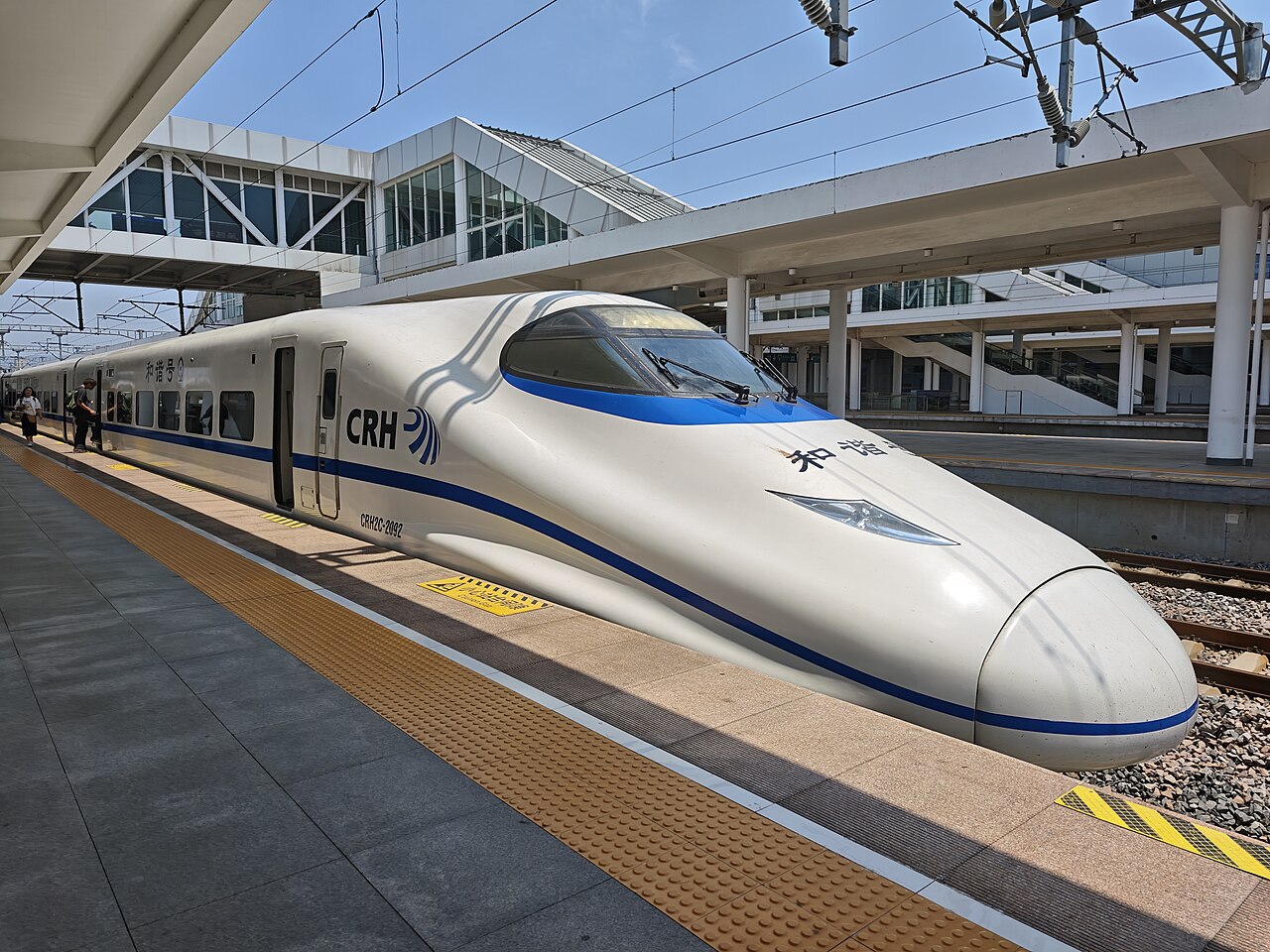
Three kilometres of sand at the south end of Haier Road, named for the sea stack at its western end that looks like an old man standing in the water. It is the biggest beach inside the city proper, set up for swimming, sailing, beach sport and doing nothing in particular.

Where
South end of Haier Road, Laoshan district
Ticket
Free
Hours
All day
Buses
606 from the north bus station to Liaoyang East Road, or 386 to the Shilaoren stop, then 300 m on foot

Tip Beach volleyball and group games are only allowed here and at Golden Beach. Swim inside the coloured marker buoys — that is where the lifeguards are watching.

Across the bay

Golden Beach, Huangdao

A 3,500 m crescent of yellow sand on Phoenix Island, west across Jiaozhou Bay, with clean shallow water and a proper surf rolling in off the Yellow Sea. It is the best sand in the municipality and the reason to cross the bay at all.

Where
Phoenix Island, Huangdao district
Ticket
Free
Season
Beach open all day; bathing season 1 July–15 September
Getting there
Sightseeing line 2 from the railway station, or tunnel buses 1 and 3 — about 6 minutes through the tunnel

Tip Combine it with the safari park and drive back over the 41.58 km Jiaozhou Bay bridge. Check the sea state before you commit a whole day to it.

Gothic landmark

St Michael's Cathedral

Built from 1872, the largest Gothic building in Qingdao and the tallest structure in the city until the 1980s. Inside is the largest pipe organ in China, destroyed during the Cultural Revolution and rebuilt with German help; it is only played at the Sunday morning mass, so time your visit if you want to hear it.

Where
15 Zhejiang Road, Shinan
Ticket
Free
Hours
Weekends 9:00–17:00
Buses
1, 367 to Hubei Road; or 5, 25, 301, 303, 304, 305, 311, 312, 316, 321, 501, 801 to the railway station

Tip Weekday masses are at 6 am; the Sunday main mass runs 8:00–9:00 and is the only one with the organ. The square in front is permanently full of wedding photographers.

German mansion

The Governor's House

Started in 1905 as the residence of the German governor of Jiaozhou, on the shoulder of Signal Hill, which is why locals still call it the admiral's house. Built in full Wilhelmine style as a statement of imperial weight and now open as a museum — you can finally see inside what people used to only imagine.

Where
26 Longshan Road, Shinan
Ticket
¥10–15
Buses
1, 220 to the hospital stop; or 6, 25, 801 to Daxue Road

Tip Thirty minutes is enough, and it pairs naturally with the Protestant church on Jiangsu Road and the old German administration building before you drop down to the cathedral.

Brewery

Tsingtao Beer Museum

The 1903 brewery on Dengzhou Road, opened as China's first beer museum: the company's history, its packaging through the decades, Republic-era film adverts, the old fermentation cells and the unfiltered wort drawn straight from the tanks. You finish with a tasting, and the street outside is the best place in town for beer and shellfish.

Where
56 Dengzhou Road, Shibei
Ticket
¥60 high season, ¥50 off-season
Hours
8:30–16:30
Phone
0532-83833437
Buses
11, 15, 25, 30, 104, 205, 219, 307, 367, 604 to Yan'an 1st Road, No.15 Middle School or Taidong

Tip Go mid-morning and eat on Beer Street straight afterwards — two hours for the museum, then lunch. The brewery next door still produces.

New town

May Fourth Square and the Olympic marina

The red Wind of May sculpture marks the square, named for the movement the city's own handover triggered; offshore is a fountain that throws water a hundred metres. Next door is the Olympic sailing centre, on the old Beihai shipyard site, where the 2008 regatta ran — long breakwaters, a white lighthouse, and a harbour that feels like Darling Harbour on a quiet night.

Where
Donghai West Road and 1 Yanyu Island Road, Shinan
Ticket
Free, open all day except during major events
Buses
31, 33, 104, 110, 125, 208, 224, 225, 232, 304, 311, 316, 321, 363, 374, 501, 801 to Yuanyang Square; 317 to Fuzhou Road South; 210, 231, 402 to the sailing base

Tip Come after dark. The night view across the marina to the lit towers of the new city is the best free thing in Qingdao after the beaches.

Food

Clams, mackerel and cold beer

Stir-fried clams

The dish Qingdao is judged on, and one of the city's ten signature snacks. The heat arrives late and keeps building — mild at first bite, warm by the third. Order it everywhere; nobody here makes it badly.

Mackerel dumplings

The city has a thing about its local mackerel: when it comes into season in spring, sons-in-law buy it for their fathers-in-law, hence the old saying about the fish jumping and the father-in-law smiling. The dumplings are the point — sweet, dense, faintly briny.

Prawns with cabbage

A plain home dish and one of the city's ten great dishes: the cabbage takes the sweetness of the prawns, the prawns stay firm and slightly sweet. Unfussy, and the dish that tells you whether a kitchen is honest.

Seaweed jelly

A Qingdao original, made from seaweed and agar into a translucent jelly, dressed with garlic, coriander, sesame oil, vinegar and salt. Cold, faintly of the sea, and the right thing to eat with beer in August.

Luting pig's trotters

Slow-braised until the collagen goes glossy and the sauce thickens — 'all the trotters under heaven, only Luting's' is the local boast. Vacuum-packed versions sell in supermarkets, so it travels.

Rib and rice casserole

Qingdao's own fast food: pork ribs stewed soft in a clay pot, ladled over rice so the broth soaks in. Cheap, filling, and the dish locals actually eat on a weekday.

Griddled squid

Not grilled over fire — cooked on a big iron plate, and locals order it by part: tentacle head, tentacle claw, tentacle tooth. About ¥5 a skewer at the famous stalls; the queue is the review.

Fried pork crackling

Pork belly pressed and fried until it keeps, then stewed with cabbage and tofu. Belly gives the best result — lean is dry, fat is cloying. Chewy, salty, and made for beer.

Where to eat

Six kitchens worth the walk

Street grill

Wangjie BBQ

The name everyone says first. Squid comes split into head, claw and tooth, with a house dipping sauce; mutton skewers, chicken hearts, tendon and crispy cartilage are the rest of the order. Grab a jug of fresh draft and stop worrying about the service — there is none.

Where
113 Zhongshan Road, Shinan (opposite the Zhongshan Road police post)
Average spend
About ¥20 / person
Phone
0532-82867147

Local fast food

Wanhechun rib casserole, Taidong

The standard-bearer for Qingdao's rib-and-rice: ribs stewed until they give, rice soaking up the dark broth. A chain with branches across the city, which in this case means consistency rather than compromise.

Where
66 Taidong 8th Road, Shibei (at Dacheng Road)
Average spend
About ¥20 / person
Phone
0532-83635626

Old Lu kitchen

Chunhelou

Open since 1897, a famous Lu-cuisine house and a national research centre for the cuisine; Kang Youwei and Liang Shiqiu both praised it. Crisp-fried chicken, nine-turn intestines that get better the longer you chew, shrimp dumplings with real filling, and sea cucumber with minced pork the way it has always been done.

Where
146 Zhongshan Road, Shinan (near Tianjin Road)
Average spend
About ¥60 / person
Phone
0532-82827371

Seafood feast

Haidao Fishing Village

An old-established name, a national Lu-cuisine restaurant, and the place to commit to a proper seafood dinner: wide menu, generous plates, ingredients that were swimming that morning. This is where the cuisine shows off.

Where
40 Yunxiao Road, Shinan
Average spend
About ¥90 / person
Phone
0532-85735588

Lu cuisine, done modern

Laozhuan Shandong Kitchen

The slogan is 'Lu cuisine can be fashionable', and the room backs it up — shadow-puppet lampshades, wooden tables, a menu that reads like a magazine. The nine-turn intestines are rich without being cloying; the vinegar-dressed jellyfish head is shockingly crisp.

Where
112 Minjiang Road, Shinan (near Nanjing Road)
Average spend
About ¥75 / person
Phone
0532-85721776

Local favourite

Zhengzhuang crackling seafood house

The pork crackling hotpot is what people come for, along with lotus root, seared shin beef, tiny shrimp and spinach in sweet bean sauce. Quiet room, big portions, very fresh seafood — the branch near the beer city is the handy one after a Laoshan day.

Where
9 Qinling Road, Laoshan (near the beer city)
Average spend
About ¥60 / person
Phone
0532-88968677

Where to stay

Old town or new town, then a bed

Best base for walkers

The old town, station to Zhongshan Road

Cheapest concentration of good-value rooms and the only sensible base if you want the pier, the cathedral, Pichaiyuan and Beer Street on foot. Every price band exists here, from hostel dorms to business hotels, and it is five minutes from the station.

Where
Shinan — around Zhongshan Road, Dagu Road and the station
Price
Dorms from ¥40; doubles ¥150–300
Best for
Old town on foot, night markets, beer street

Character stay

Observatory youth hostel

Qingdao's oldest hostel, a converted observatory on Guanxiang Hill — quiet on its hilltop, five minutes above the busy centre, with a rooftop café looking over the old town's roofs. Old buildings all around, and a hidden gem plenty of locals have never found.

Where
21 Guanxiang 2nd Road, Shinan
Price
6-bed ¥25, 4-bed ¥45, double ¥158
Phone
0532-82822626

Budget

Old Town international youth hostel

By the station, Zhongshan Road, the cathedral and the pier — a small, warm, slightly homely hostel with a lounge that people actually sit in. Eight-bed and six-bed rooms plus doubles; three minutes' walk from the east station exit.

Where
88 Dagu Road, Shinan
Price
8-bed ¥40, 6-bed ¥50, double ¥198
Phone
0532-82815210

By the sea

Wushengguan resort hotel

On Huiquan Bay, facing the bathing beach and backed by the protected Badaguan villas, with Zhongshan Park, the underwater world and the seaside boardwalk all within walking distance. Red tiles, green trees, blue water — the postcard, from your window.

Where
3 Wuchang Road, Shinan
Price
From ¥358 / night
Phone
0532-83888111

Business district

The new town, Hong Kong Road to Ningxia Road

Dearer than the old town and better connected to the marina, the sculpture square and the eastern beaches; the bar strip is around Zhangzhou 2nd Road. Stay here if your trip is sailing, shopping and night views rather than old lanes.

Where
Shinan — Hong Kong Middle Road to Ningxia Road
Price
From ¥298 / night
Best for
Marina, square, night views, bars

Getting around

How to reach Qingdao and move through it

By air

Qingdao Jiaodong International (TAO) replaced the old city-side Liuting airport in 2021 and sits about 40 km north-west of the centre, with daily flights to Korea and Japan and a dense domestic network. Metro line 8 runs into the city and airport coaches serve the main hotel strips, so you do not need a taxi.

Airport
Qingdao Jiaodong International (TAO), about 40 km north-west
Into town
Metro line 8, or the airport coach lines
Rail link
Coaches run through to the railway station — you can buy train tickets airside

By train

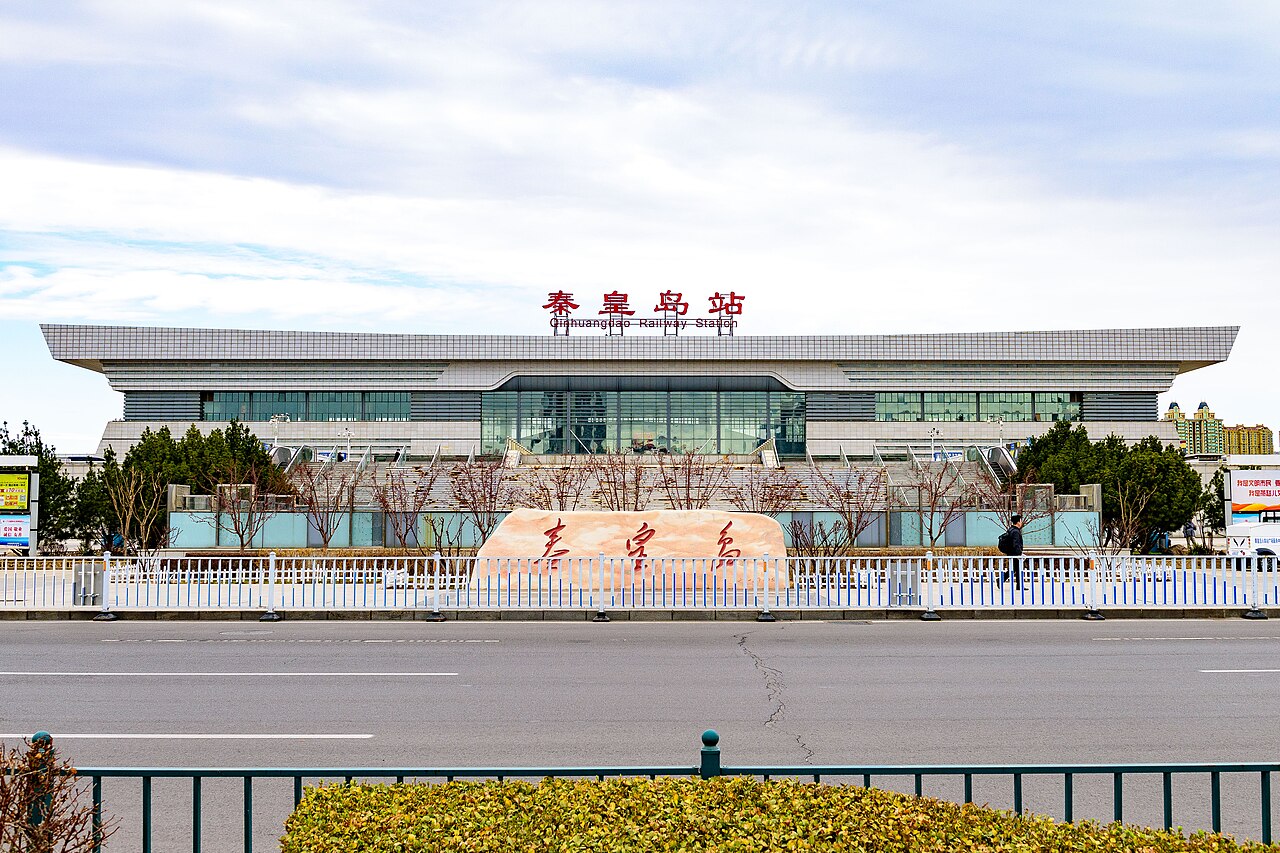
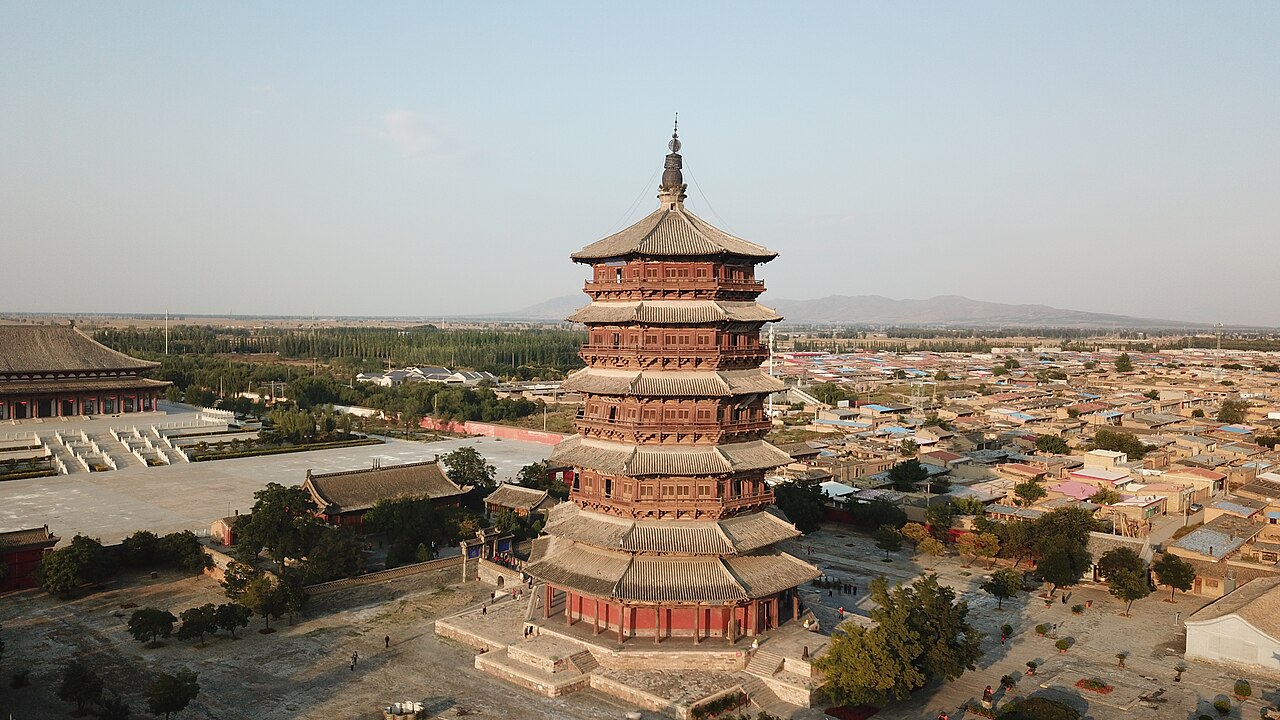
The old Qingdao station stands on Tai'an Road next to the pier, which makes it the single prettiest arrival in Shandong. High-speed services put Jinan about 2 hours away and Beijing about 3; there are also direct trains to Shanghai, Xi'an, Yantai and beyond.

Station
Qingdao station, 2 Tai'an Road — beside Zhanqiao Pier
From Jinan
About 2 hours by high-speed rail
From Beijing
About 3 hours, dozens of trains daily

By coach

The long-distance network is dense and useful for coastal hops to Yantai, Weihai and Rizhao. The main terminal is at Sifang, with a joint ticket office by the railway station and further stations at the eastern and northern ends of the city.

Main terminal
Qingdao long-distance station (Sifang), 2 Wenzhou Road, 0532-83776921
By the station
Railway station coach terminal, west plaza, 0532-82676842
East station
163 Shenzhen Road, Laoshan, 0532-88910011

By sea

Qingdao Port passenger terminal on Xinjiang Road runs two international routes all year — Incheon in Korea and Shimonoseki in Japan — plus domestic sailings to Dalian and Weihai. Inside the bay, the ferries to Huangdao are a cheap sightseeing trip in themselves.

Terminal
Qingdao Port passenger station, 6 Xinjiang Road
International
Incheon and Shimonoseki, several sailings a week
To Huangdao
Ferry from 06:30, every 15–20 minutes, ¥7; fast boat ¥9.50

By city bus

Cheap, clean and everywhere: ¥1 on a standard bus, ¥2 air-conditioned, no conductor. Routes 26, 316 and 501 run the coast and link the pier, Badaguan and the beaches in one line; tunnel buses 1–8 cross to Huangdao and Jiaonan.

Fare
¥1 standard, ¥2 air-conditioned
Coastal routes
26, 316, 501 — pier, Badaguan, beaches
To Huangdao
Tunnel buses 1–8; about 6 minutes under the bay

By taxi or car

Taxis are metered from ¥9 for the first 3 km, more at night and in premium cars. Drivers often seem to take long ways round, and sometimes they must: much of the city is one-way and hilly. In peak season you simply will not find a cab at the sights — take the bus.

Flagfall
¥9 / 3 km day, higher at night
Peak hours
17:00–19:00 — roads are narrow and jammed
Self-drive
Expect one-way streets and hill starts; carry an up-to-date map

Across the bay

Three ways to Huangdao, and all three are worth doing once: the ferry (¥7, from 06:30), the 7.8 km undersea tunnel (¥30 toll, or a 6-minute tunnel-bus ride), and the 41.58 km Jiaozhou Bay bridge (¥50), still the longest sea crossing of its kind.

Ferry
Qingdao–Huangdao ¥7, every 15–20 minutes from 06:30
Tunnel
¥30 toll by car; tunnel buses take about 6 minutes
Bridge
¥50 full length; links Qingdao, Hongdao and Huangdao

Shopping

What to carry home

Seafood, fresh or dried

Qingdao is one of China's main seafood producers and processors. Fresh: buy at the wholesale market on Nanshan Road, pack it in a chilled box with ice — good for about 24 hours, checkable on a flight but not shippable by courier. Dried: the wholesalers on Shichang 3rd Road, much cheaper than the supermarkets.
Laoshan Yunfeng tea

Grown on the mountain that rises out of the sea, in three series and some twenty grades — gong, chun and qing. Sold in the big city stores, but the honest way to buy it is directly from a grower up in Laoshan, where nearly every household plants tea.

Jimo rice wine

A millet wine from Jimo north of the city, brewed by the 'six ancient rules' — sound millet, timely starter, fragrant spring water, good clay vessels, clean fire, correct heat. Dark, warm and mellow, and classed in Chinese medicine as a tonic wine.

Shell carving

Local craft made from rare shells, using their natural colour and grain with the techniques of jade carving, wood carving and inlay — flat, relief and three-dimensional pieces, hanging pictures and screens. Sold in the big shopping districts and night markets.

Pork crackling

Belly pork defatted and pressed, seasoned with salt: chewy, savoury, an excellent snack or beer food. Zhengzhuang is the famous name and has several branches; buy it packed, and keep it out of the sun.

Wanggezhuang steamed buns

A 500-year-old dough craft from the Wanggezhuang subdistrict, where the buns are soft, springy and slightly sweet and now ship to Beijing, Shanghai, Hong Kong and Macau. The most Shandong souvenir there is.

Practical

The numbers you will actually need

Qingdao punishes over-planning. Pick one shoreline day, one mountain day and one evening on Beer Street, and leave the rest loose — the city is at its best when you are walking with no particular destination.

Best monthsMay–June and September–October. August averages 25.3°C and the city stays over 30°C for barely a week all year; January averages -0.9°C.
Key ticketsPier, Badaguan and beaches free; pavilion ¥4; beer museum ¥60 / ¥50; Laoshan ¥65–90 by zone; underwater world ¥120 / ¥100; governor's house ¥10–15
Beach seasonFacilities roughly 1 July–25 September (Golden Beach to 15 September); swim between the coloured marker buoys
FestivalsBeer festival: second weekend of August, 16 days, Beer City near Shilaoren. Ocean festival: July. Haiyun Temple sugar-haw fair: from the 16th of the first lunar month, a week
City buses¥1 standard, ¥2 air-conditioned; routes 26, 316, 501 run the whole coast
Buying seafoodCrabs: buy live, flip it — porcelain-white belly is good, waxy translucent is not; pinch a hind leg, hard is meaty. Shellfish: closed shells that snap shut when touched; clams from sand need purging, so buy in the evening
EmergenciesMaritime rescue 12395; traffic hotline 82817777; rail enquiry 95105175; long-distance bus enquiry 83718060
HospitalsAffiliated Hospital of Qingdao University, 16 Jiangsu Road, 0532-82911847; Eastern Municipal Hospital, 5 Donghai Middle Road, 0532-85937676

Tips

Small things that make a big difference

Buy it, then have it cooked

Do not look for a seafood restaurant — every restaurant here has seafood. Go to a market such as Yingkou Road or Huangdao Road, choose your own, and pay a kitchen next door a few yuan a dish to cook it. Fresher and far cheaper.
Swim between the flags

Never outside the lifeguard buoys, never in water you do not know — the deeper channels have taken people. No swimming after drinking, with open wounds, in thunderstorms, or in big swell; warm up first and watch for jellyfish.

Do not eat on the seafront

Locals almost never eat at the beachfront places; they exist for visitors. Walk two streets inland. In small places near the sights, pay before the kitchen starts cooking and arguments disappear.

Pack for damp and for cold evenings

Quick-drying clothes and a long-sleeved layer even in July — nights on the shore turn cool. Waterproof sandals rather than anything you care about; half the city wears flip-flops. Sunscreen is not optional.

Bring the stomach medicine

You will eat seafood, so pack something for diarrhoea and something for allergies before you fly. Ease in rather than eating five kinds on the first night, and skip the novelty species.

Do not trust a taxi's restaurant tip

Touts and drivers steer visitors to places that pay commission — check reviews before you spend. Take your own photos of prices at seafood stalls, agree the total before cooking starts, and take your rubbish off the beach with you.

Background

Why Qingdao is the way it is

Four thousand years before the beer

The area has been settled since the Neolithic: the Beiqian site in Jimo goes back 7,000 years, Sanlihe near Jiaozhou about 5,000, and the Yueshi culture site at Dongyueshi village 3,500–4,000 years. In the Eastern Zhou, Jimo was the second city of the state of Qi and one of the largest cities in the world at the time; in 468 BC King Goujian of Yue moved his capital north to Langya. Under the Qin, Langya was the only coastal commandery seat in the empire, and the First Emperor came here three times, sending Xu Fu's fleet out from Langya in search of immortality.

Modern Qingdao begins in November 1897, when Germany used the murder of two missionaries as pretext to occupy the bay; Kang Youwei's memorial to the Guangxu emperor about it helped trigger the Hundred Days' Reform. The leasehold was named Qingdao in 1899, the harbour and the Jinan–Qingdao railway were started, and in 1914 the city became the only Asian theatre of the First World War. In 1919 Paris handed the concession to Japan and the May Fourth Movement followed; Japan occupied the city again in 1938, and it was liberated on 2 June 1949.

A city on granite, facing three seas

Qingdao sits on the southern side of the Shandong peninsula on the Yellow Sea, ringed by Jiaozhou Bay: 863 km of coastline, 49 bays, 69 islands, 224 rivers. Low hills rise on three sides — Laoshan at 1,133 m to the east, the Zhushan range at 725 m to the west, the Daze range at 737 m to the north — and the city itself sits on granite, which is why its foundations are so good.

The climate explains the summer crowds: a temperate monsoon softened by the sea into something maritime, humid, moderate and slow to change. August averages 25.3°C and the temperature passes 30°C for less than a week a year; January averages -0.9°C. Summer arrives a month later than inland, winter fifteen to twenty days later. Hence the old nickname, the Switzerland of the East.

The decade the writers came

Deep Qi-Lu roots met modern Western culture here and produced something particular: in the 1930s Qingdao filled with writers. Kang Youwei, Shen Congwen, Wen Yiduo, Lao She, Liang Shiqiu, Wang Tongzhao, Xiao Jun and Xiao Hong all lived in the city, and Camel Xiangzi, Mountains and Rain, Birth and Death and Peach Blossom after the Calamity were all written on these streets. Nearly twenty Chinese-language papers and almost ten foreign ones were publishing at the time.

The addresses still stand and are worth a walk: Lao She at 12 Huangxian Road, Shen Congwen at 3 Fushan Road, Wen Yiduo at 4 Hongdao Road, Liang Shiqiu at 33 Yushan Road, Xiao Jun and Xiao Hong at 1 Guanxiang 1st Road. Five local performance traditions are national intangible heritage: maoqiang and liuqiang opera, Jiaozhou yangge, Jiaodong drum and Laoshan Taoist music.

Travel with them

Qingdao in print, film and song

Book

Qingdao Blues

Wang Zhanyun

There was always a city here — European in its grace, marked by history, half in motion and half still, its joys and sorrows evenly mixed. You catch glimpses of the past in the mornings and evenings, and the future hovering on the horizon: a Qingdao in progress, generous, blue and fashionable.

Book

Under the Moon and Other Stories

Shen Congwen

Written in 1932–33 while Shen was living at 3 Fushan Road, these stories are drawn from Buddhist scripture and reworked with humour into something pointedly about real life. They were his own favourites among his short fiction.

Music

Walking the Pier

MC Shazhou

Written and produced in a bedroom on a computer and a microphone, entirely in Qingdao dialect — the local accent is the whole point of it. Play it while you walk out to Huilan Pavilion and see if the bay matches.

Film

He-Man II

Directed by Ding Sheng, 2011

A hard-boiled action comedy shot in the city, with Liu Ye as a discharged navy diver with a head injury who keeps training, keeps standing up for strangers, and ends up against a robbery crew. The harbour and the coastline do the rest of the work.

The questions visitors ask us most about Qingdao, answered plainly.

Frequently asked questions

Prices and practical details are reviewed every month by our Beijing team and updated the day a rule changes.

What is the best time to visit Qingdao?

Late spring and early autumn. May–June is warm and dry with the cherry blossom just finished; September–October is the calmest and clearest. July and August are peak season — warmest sea, biggest crowds, beer festival — and winter is cold and windy but almost empty, which suits the old town beautifully.

Is Qingdao worth visiting if I don't drink beer?

Yes, easily. The beer is the hook, not the reason. You get a walkable old town of granite lanes and German villas, Badaguan, a serious Taoist mountain an hour away, and some of the best-value seafood in northern China. A full non-drinking three days here is not a stretch.

Which Laoshan route should I take?

Pick one zone and give it the day. The southern line — Taiqing through to Yangkou, ¥90 in high season — is the most complete, mixing temples with coast. Beijiushui (¥65) is the water-and-pools valley and the coolest walk in summer. Julang Peak (¥80) is the 1,133 m high summit. Shuttle buses between zones cost ¥30–40 and are worth paying for; walking between them is not a plan.

Can I camp on the beach in Qingdao?

Yes, but go in with your eyes open: the air is damp, so bring proper ground protection, and watch the tide — people have woken up ringed by water. Fire rules vary by beach, and the official bathing beaches shut their facilities outside the 1 July–25 September season.

Do I need a Qingdao bus card?

No. The discount is small, and buses take coins at ¥1 for a standard bus and ¥2 for an air-conditioned one. A card mainly saves you hunting for change; if you are here three days, just carry coins and skip the refund queue.

Should I book accommodation in advance?

Yes in high season. During the summer school holidays and the beer festival, good rooms go early and the well-reviewed ones go first. Even in spring, weekend rooms in the old town get tight, so book the moment your dates are fixed.

Will I be able to eat the food?

Almost certainly. Lu cuisine is mild, savoury and not spicy, and portions run large — look at the next table before you order. With seafood, ease in rather than going straight for a blowout: try a little, not five kinds at once, and skip the novelty items if your stomach is not used to them.

How do I get to Qingdao from Jinan or Beijing?

High-speed rail does it: about 2 hours from Jinan, roughly 3 from Beijing, dozens of trains a day. The old Qingdao station sits right beside Zhanqiao Pier, which makes for the prettiest arrival in the province; Jinan West and Qingdao North handle more of the fast services.

Related reading

Related reading

Visas Do I Need a Visa for China? Requirements, Costs and How to Apply China's entry rules changed more in the last three years than in the previous twenty. Here is exactly who needs a visa, what it costs, how long it takes and which passports now walk straight through. 9 min read Visas China's 240-Hour Visa-Free Transit: Who Qualifies and How It Works Ten days in China with no visa application, no fee and no fingerprints — if you hold the right passport and leave for a third country. Here is the rulebook, port by port. 8 min read Money Paying in China: Alipay, WeChat Pay, Cards and Cash Roughly nine in ten urban payments in China now run through a phone. Set up two apps before you fly, carry a modest cash float, and you will never be stuck at a till. 8 min read Transport China's High-Speed Rail: How to Book, What It Costs, How Fast It Goes The fastest way to cross China is also the most pleasant. Here is how to book a ticket with a foreign passport, what the three classes actually give you, and how to survive a Chinese station at rush hour. 9 min read Planning Best Time to Visit China: Month by Month, Region by Region China is the size of Europe, so 'the best month' depends on where you stand. Here is the month-by-month answer for the north, the Yangtze valley, the south and the plateau. 8 min read Planning What to Pack for China: The Complete 2026 Checklist Twenty thousand steps a day, three climate zones and a phone that has to do everything. This is the list we give our own travellers, minus the things they never used. 7 min read Food Chinese Food Culture: Eight Cuisines, One Table There is no such thing as Chinese food. There is Cantonese, Sichuan, Hunan, Jiangsu, Zhejiang, Fujian, Anhui and Shandong — and knowing which one you are eating changes everything. 8 min read Traditions Chinese Tea Culture: Six Classes, One Pot, Two Fingers Tea in China is not a beverage category, it is a social technology: it fills silences, seals deals and sets the pace of a meal. Here is how to sit down in one and not look lost. 7 min read Traditions Chinese Festivals: The Calendar, the Dates and the Crowds Lunar dates mean the calendar moves every year — and two of the festivals move several hundred million people at once. Plan around them or plan into them, but never by accident. 8 min read Etiquette Chinese Etiquette: What Matters, What Does Not, and Why Most etiquette advice for China is either obvious or wrong. These are the dozen behaviours that actually change how you are treated, and the reasoning behind each. 7 min read
Tell us your dates.
We'll do the rest.

Free itinerary design, a revised plan within one working day, and nothing charged until you approve the final version.

  • The outdoors is free. The pier, Badaguan, every bathing beach and the Olympic sailing marina cost nothing; the priciest usual ticket is the Laoshan day at ¥65–90.
  • Tsingtao has brewed here since 1903, and the museum on Dengzhou Road (¥60 high season) walks you through the old cells and hands you a glass of unfiltered wort at the end.
  • Laoshan is the only mountain range in China that rises straight out of the sea: 1,133 m of granite, Taoist temples, water and three separate cable cars.

No spam. No sales calls. Just a real itinerary from a real person.