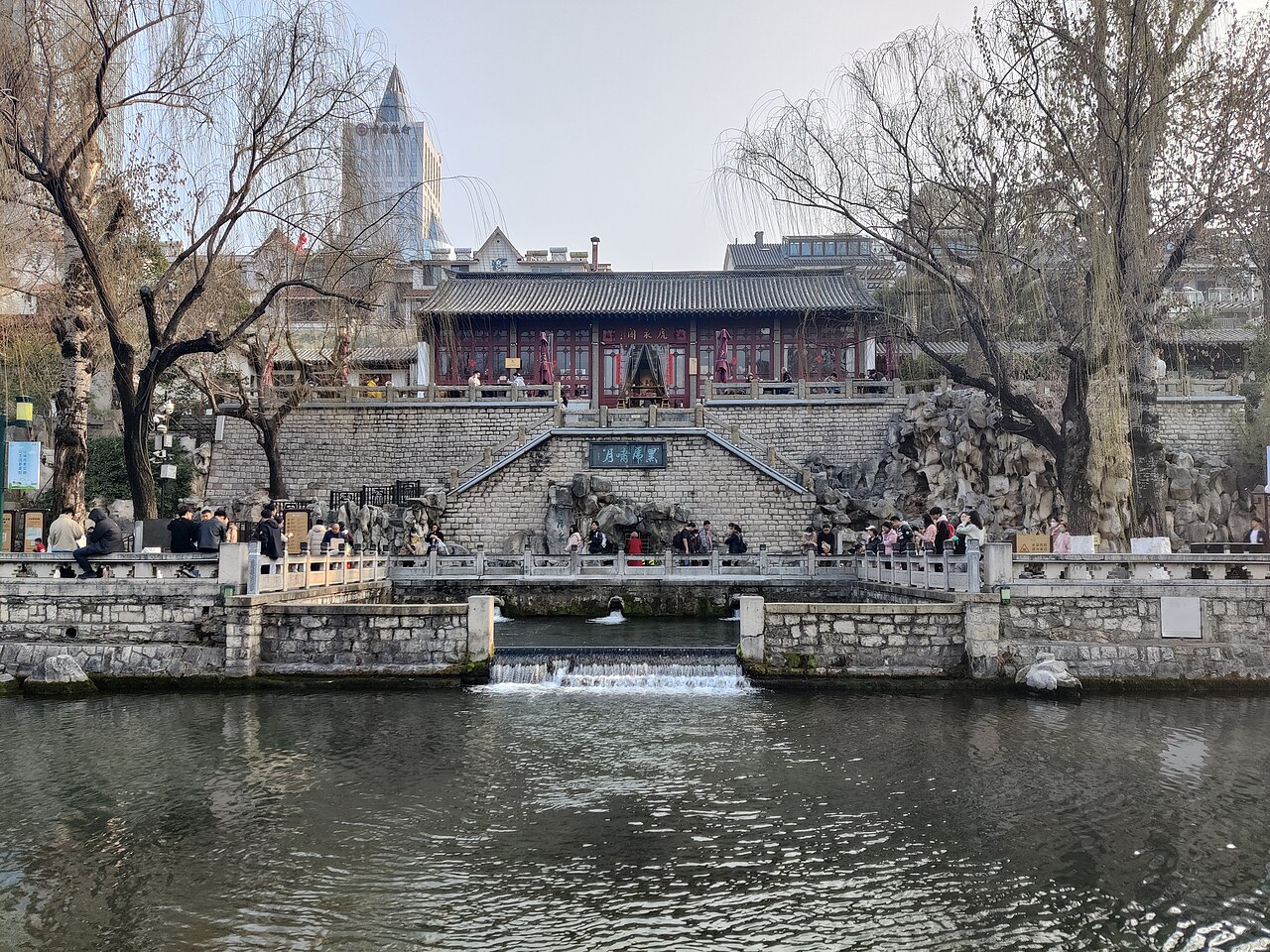
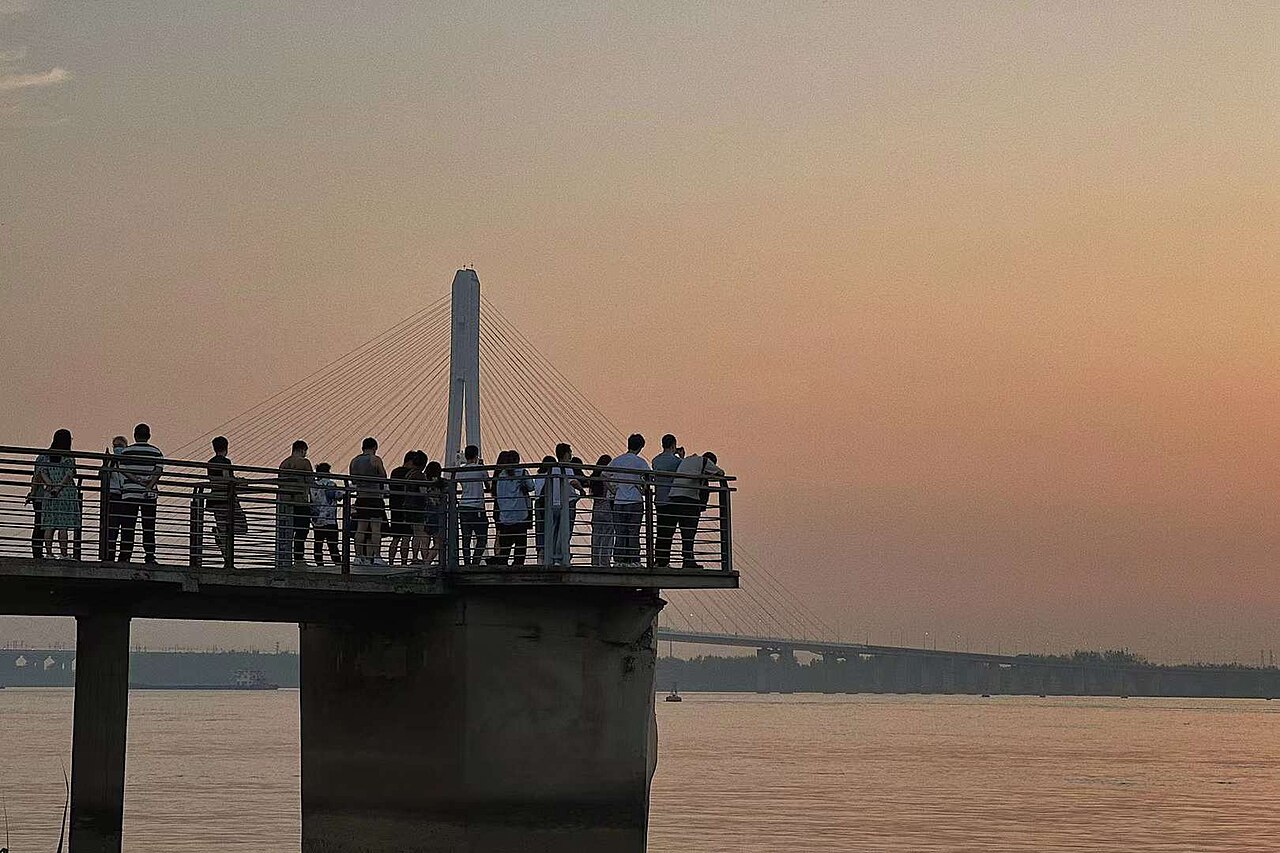
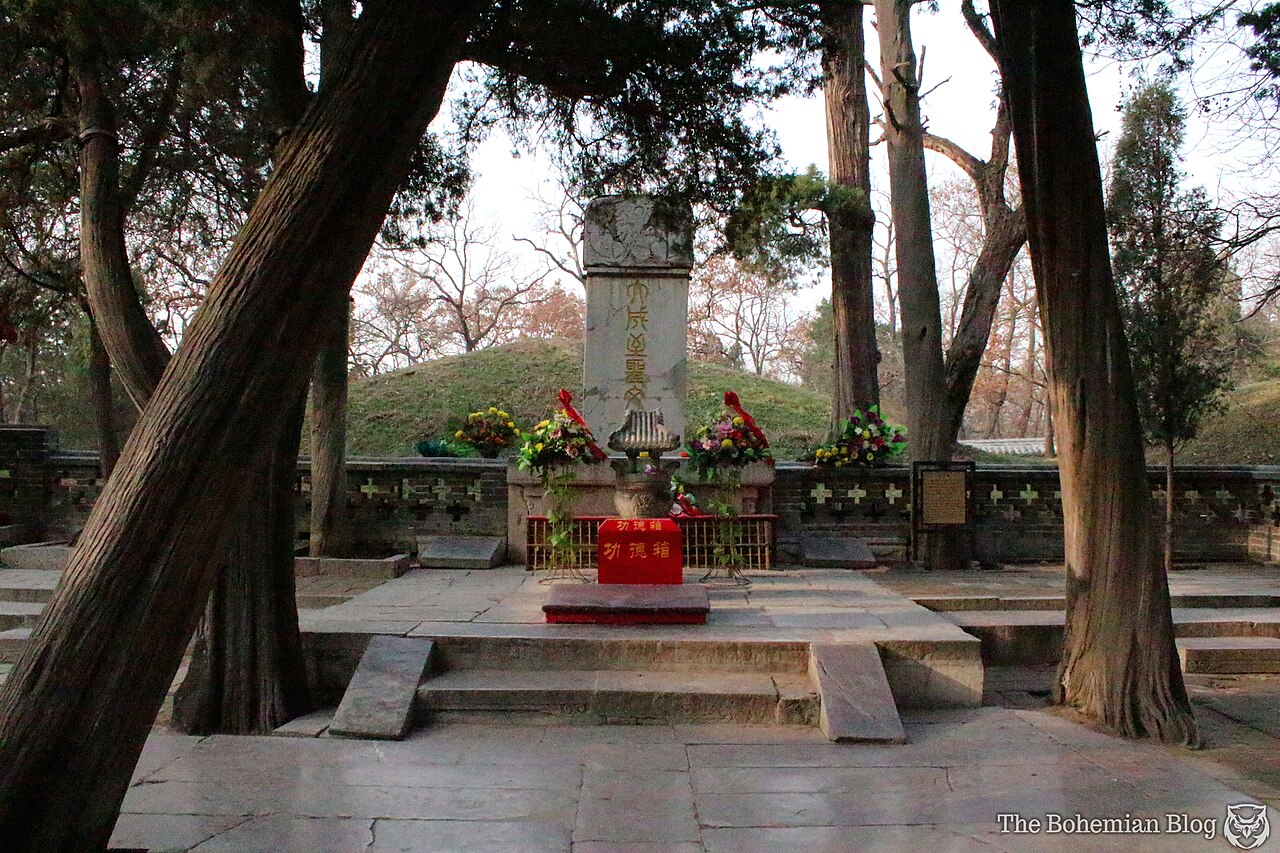
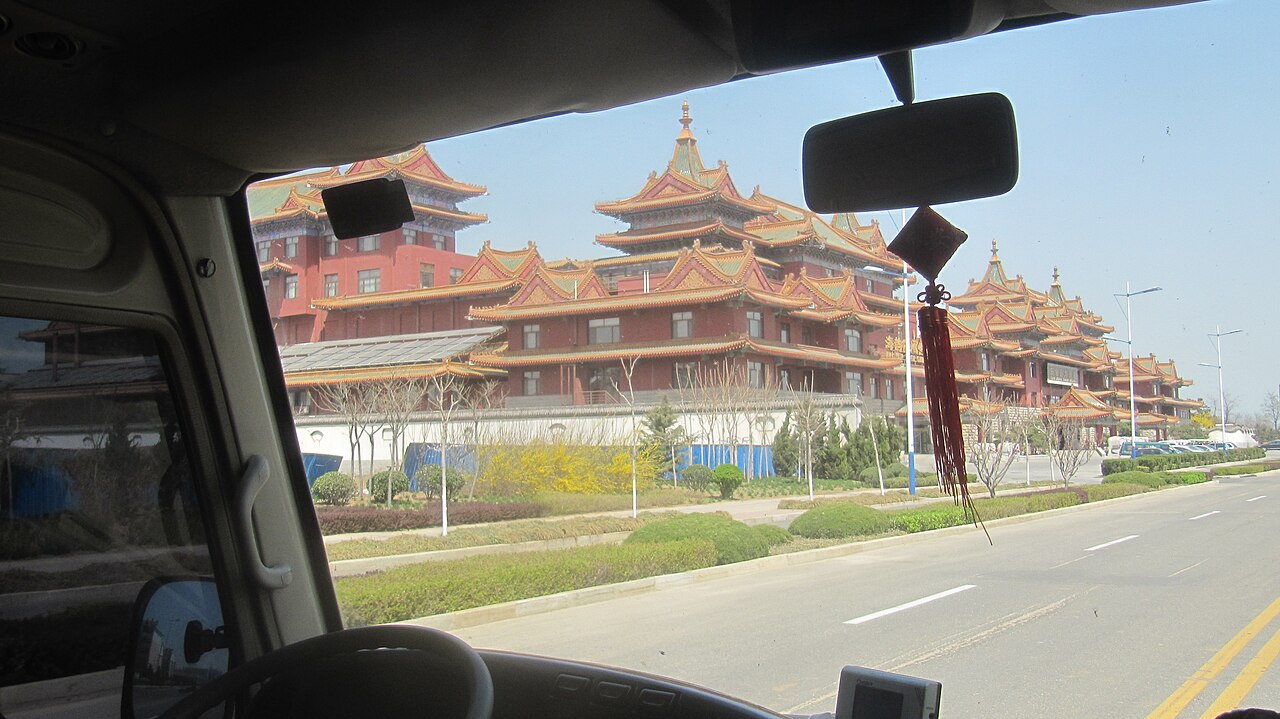
A city on the canal, crossed by a meridian
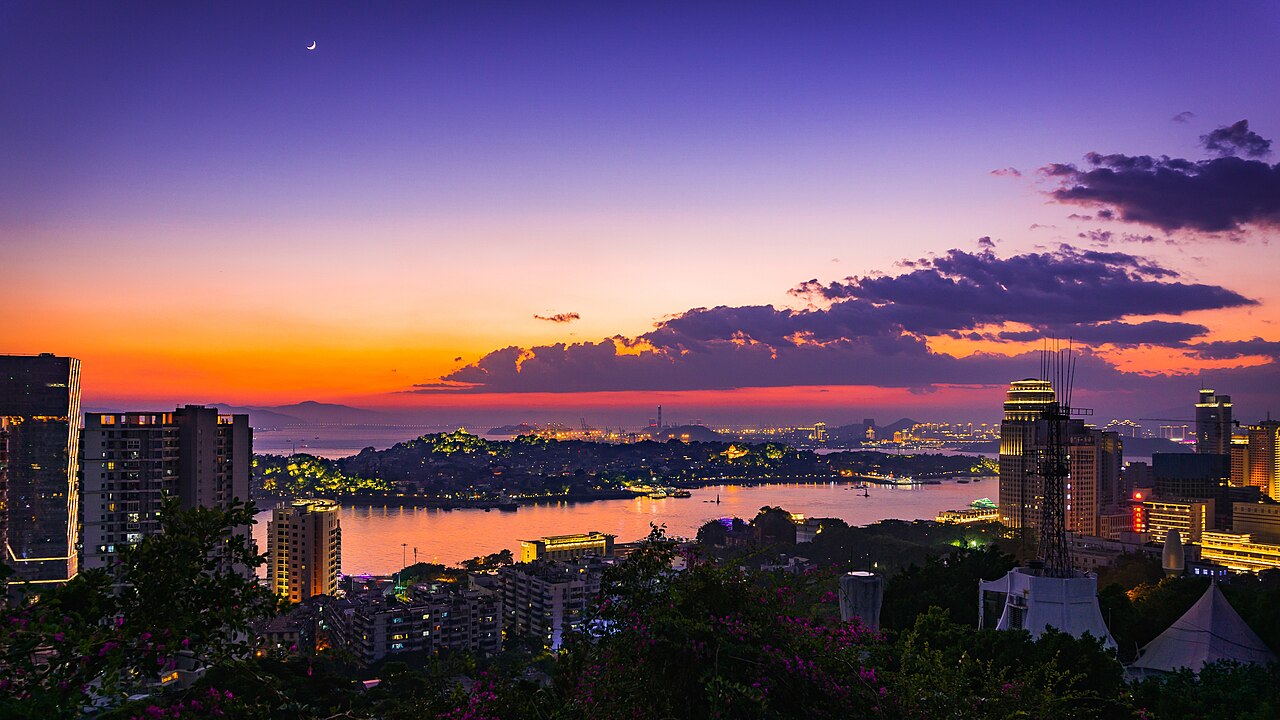
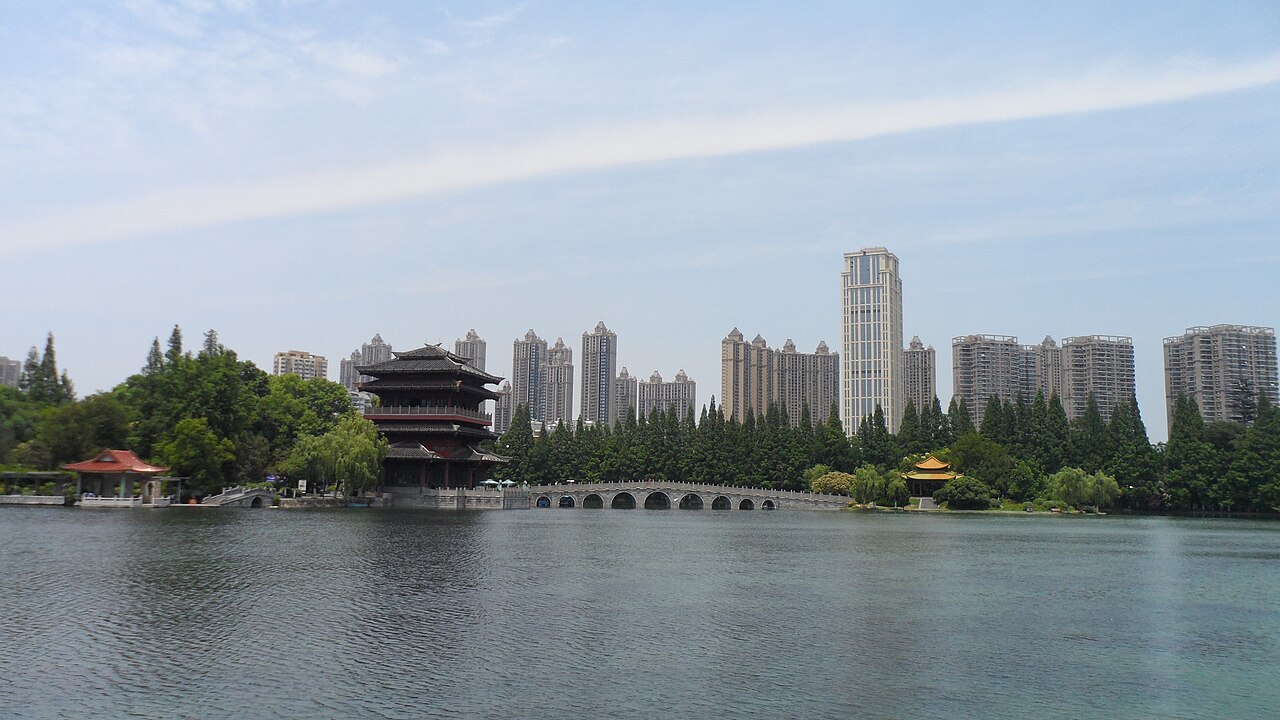
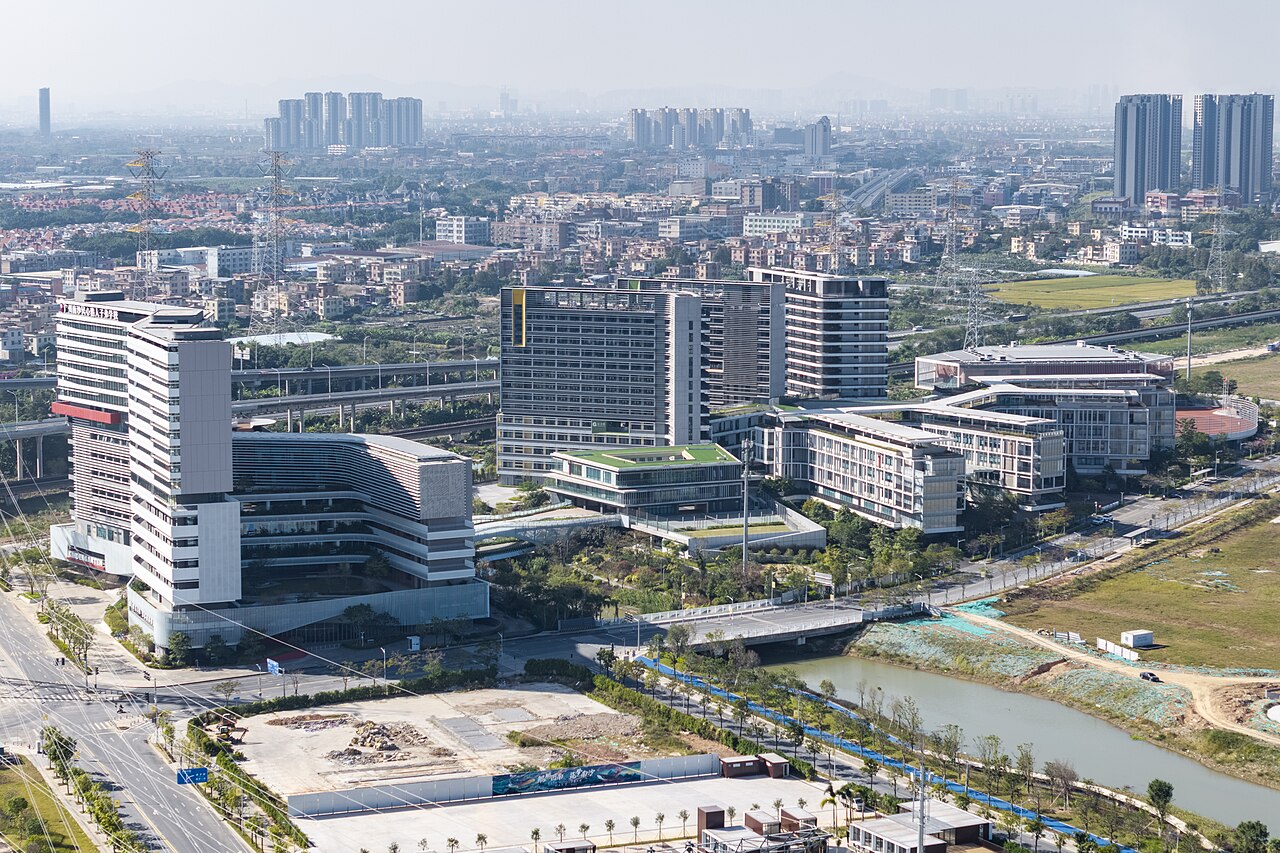
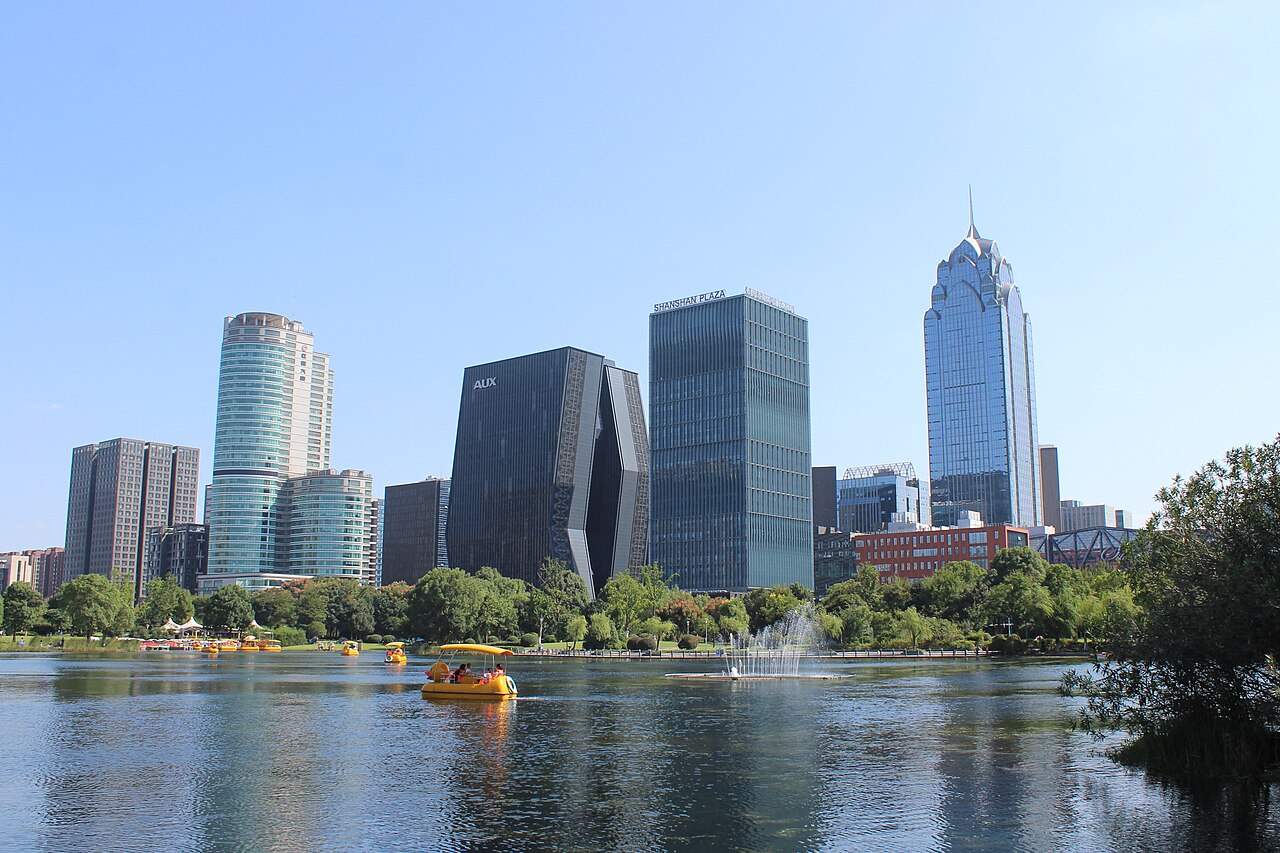
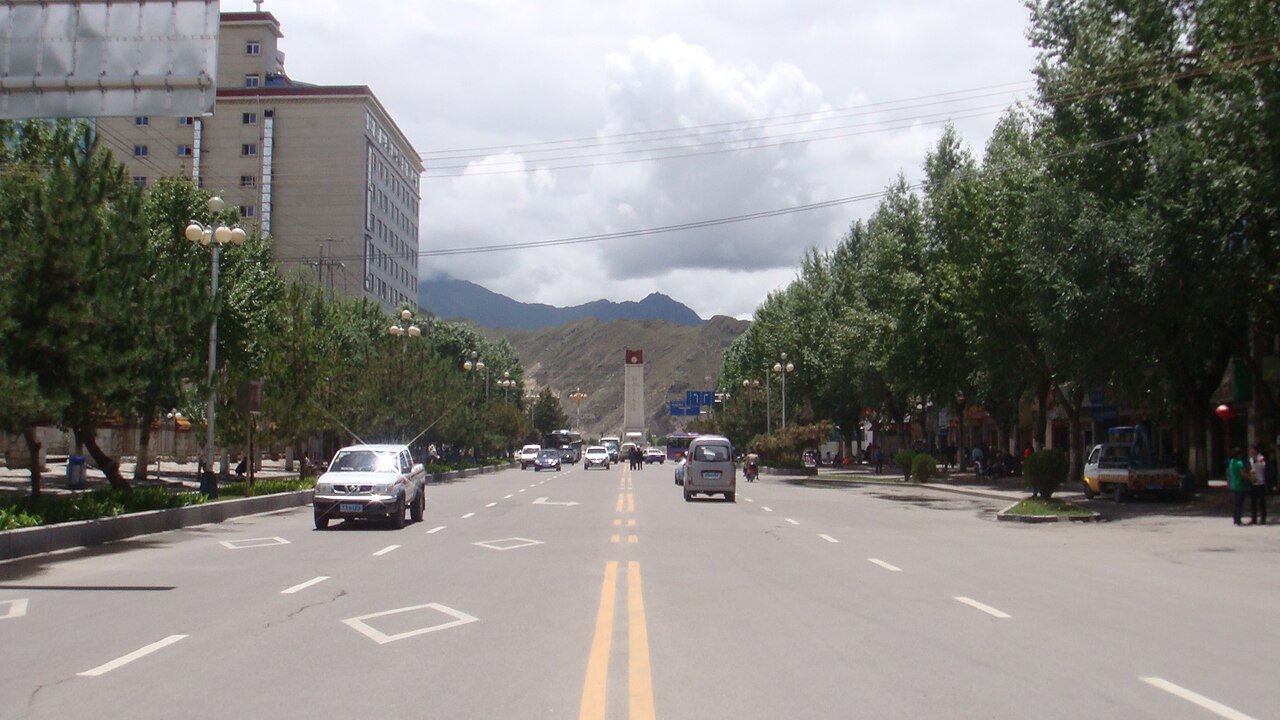
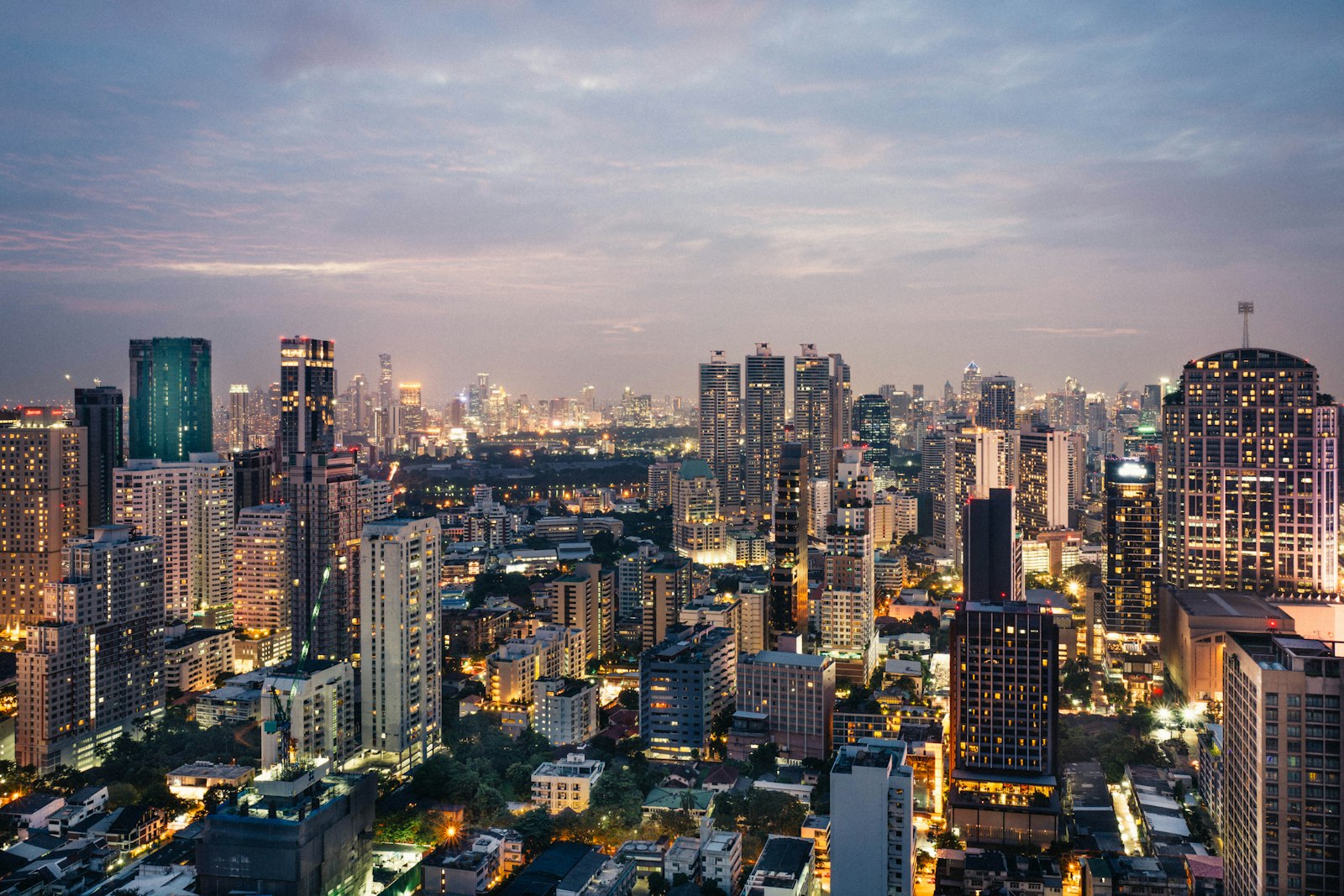
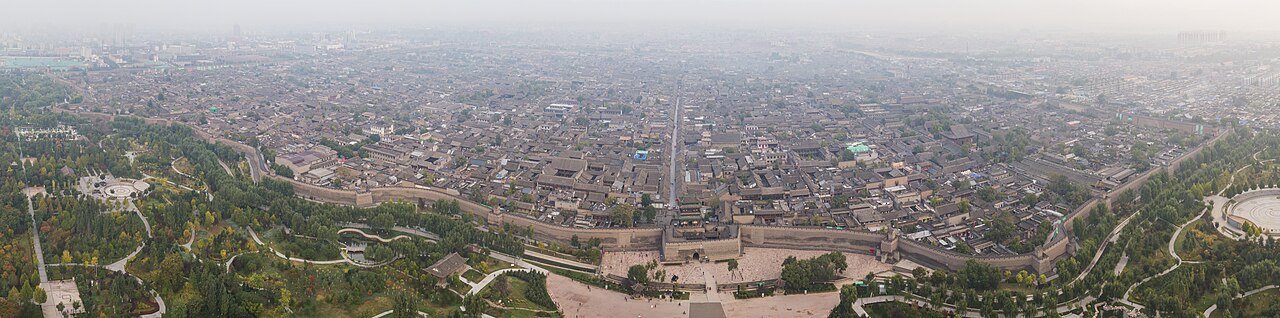
Changzhou sits in the south of Jiangsu, taking the Yangtze to the north and Taihu to the south, with the East China Sea to the east and Shanghai, Nanjing and Hangzhou all roughly equidistant. It is in the middle of the Yangtze delta and forms the Su-Xi-Chang metropolitan belt with Suzhou and Wuxi. It was established as a city in 1949 and now administers the two county-level cities of Jintan and Liyang and the five districts of Wujin, Xinbei, Tianning, Zhonglou and Qishuyan, over 4,385 square kilometres with about 4.5 million residents.
It is also the only sizeable Chinese city whose urban area is crossed by the 120th meridian east, and the city has made that fact into its eastern landscape axis — you will see it marked. The climate is northern subtropical and maritime: mild, wet, four distinct seasons, plum rain in late spring and early summer, hot wet summers that regularly pass 36°C, and damp, cold winters.
Two thousand five hundred years, from a man who kept his word
The city's history begins 2,500 years ago with Ji Zha, enfeoffed at Yanling, who was known among the states for good diplomacy, a command of ritual and music, and keeping his promises — the sort of reputation that gets a place named after you. In the Ming there was the educator Xie Yingfang, of whom it was said that the scholars of Wu competed to be his students and his virtue weighed heavy south of the Yangtze, and the writer and anti-pirate hero Tang Jingchuan. Under the Qing came the Yanghu school of prose led by Yun Jing, the Changzhou school of poetry led by Zhang Huiyan, the Changzhou school of painting led by Yun Nantian, and the Menghe school of medicine.
Modern Changzhou produced the reformist statesman Sheng Xuanhuai, the patriotic industrialist Liu Guojun and the painter Liu Haisu, and in scholarship Zhao Yuanren, Wu Zhihui and Wu Dingliang in the Republic, followed by more than fifty academicians of the Chinese Academy of Sciences and the Academy of Engineering, Hua Luogeng among them.
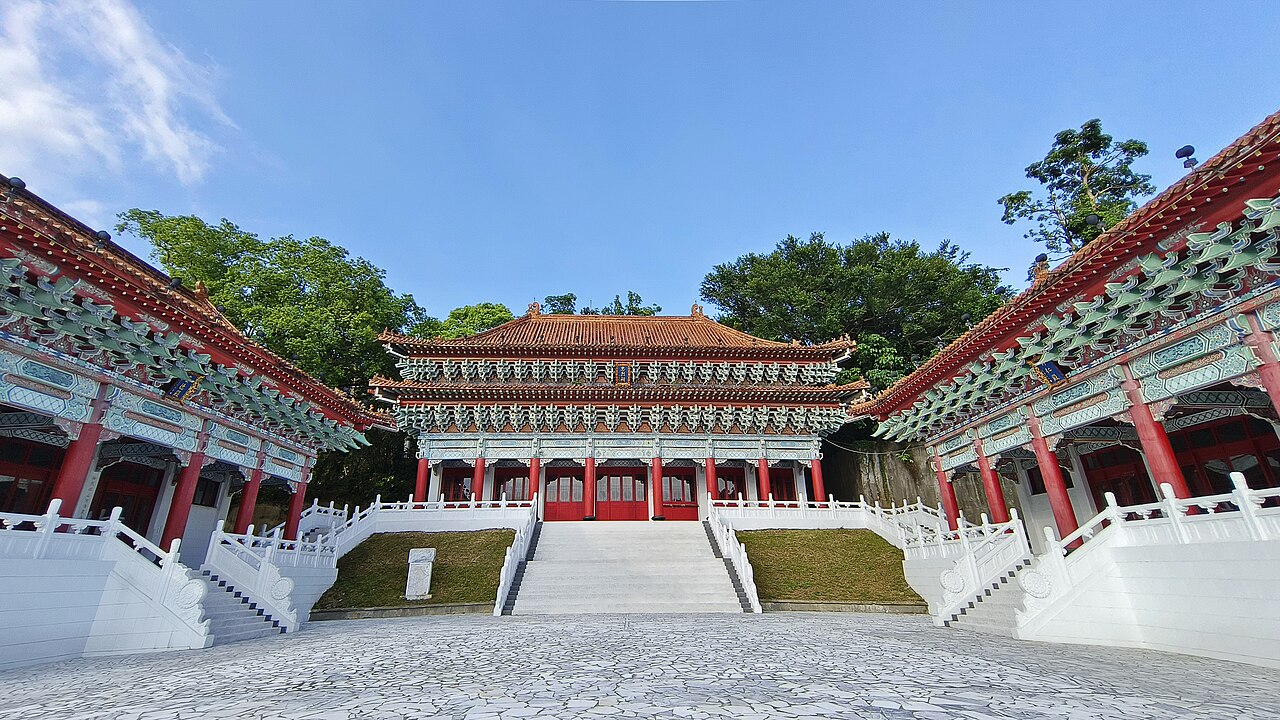
It is also a revolutionary city: Qu Qiubai, Zhang Tailei and Yun Daiying, all early leaders of the Chinese Communist Party, came from here, as did Li Gongpu and Shi Liang of the seven patriots. There is a memorial area for the three of Changzhou — the memorial hall plus the former homes of Qu Qiubai and Zhang Tailei and the Yun Daiying memorial square — and it is on the third national list of patriotic education bases. At Shuixi village in Liyang was the New Fourth Army's Jiangnan command, where Chen Yi and Su Yu fought.
Opera, tea and the leisure habits of a canal town
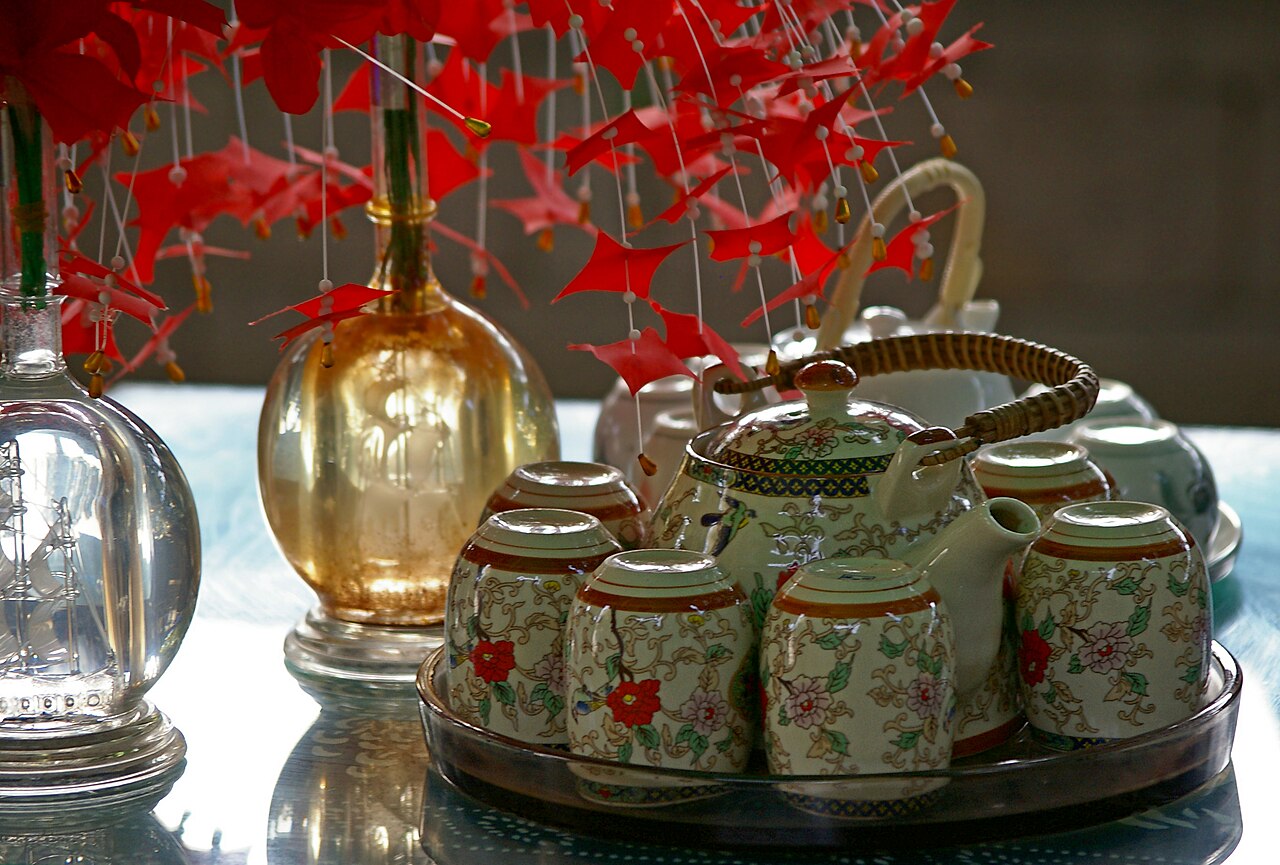
Changzhou sits on the old Wu-Yue border, in a land of fish and rice that grows good tea and supports good opera, and for a long time the three things old Changzhou liked best were drinking tea, watching opera and listening to story-telling. People went to the theatres and story houses for kunqu, for spoken storytelling and for Suzhou ballad-singing: on stage the Wu dialect sang of knitted brows and longing, of iron horses and partings; in the audience there were pots of strong tea bitter-then-sweet, dishes of crisp broad beans, and applause that filled the house.
The city's leisure has since diversified — KTV, bars, teahouses and cafés on every street, the Olympic sports centre and the grand theatre adding to it — and people now put more into their health and into getting out of town, so hiking and exercise at the weekends have become ordinary. But the teahouses survived, and so did the habit of sitting a long time over one pot.
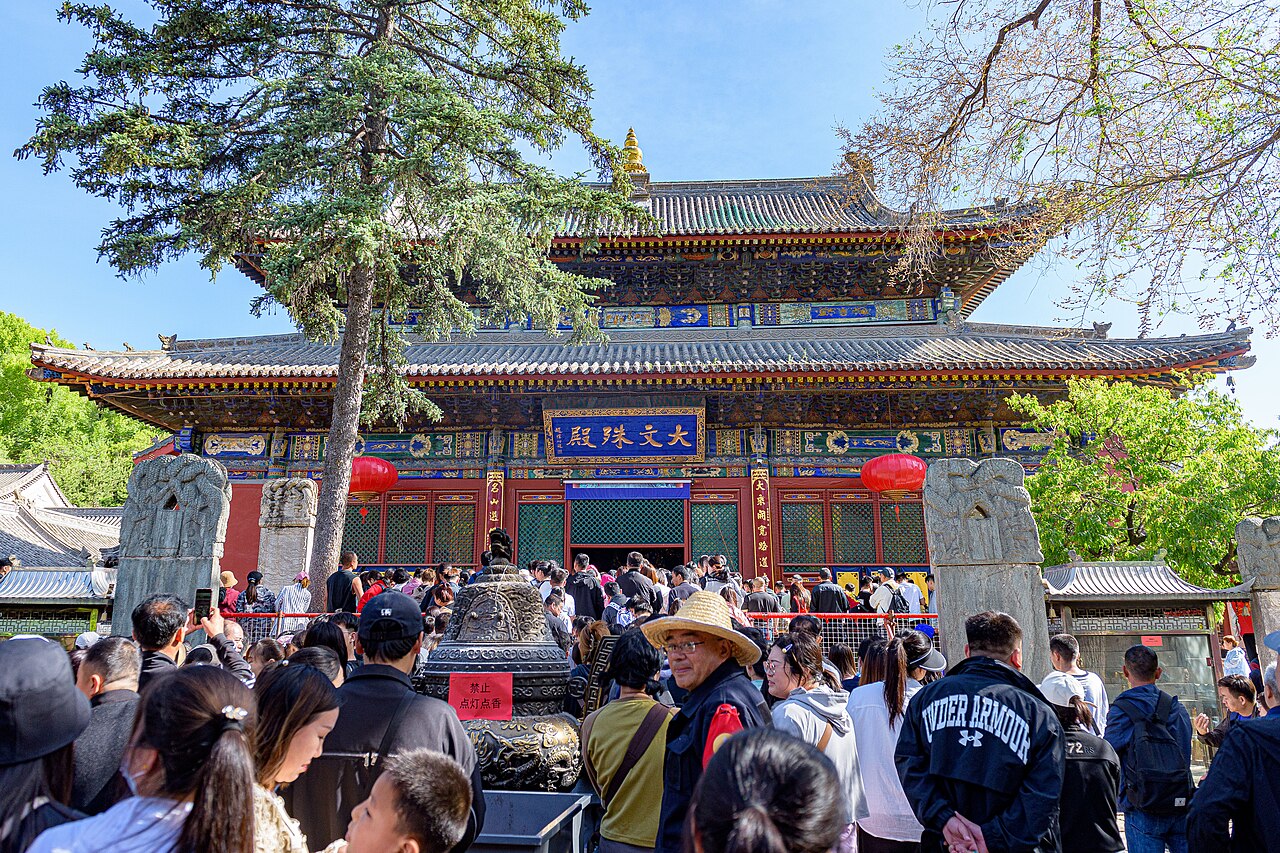
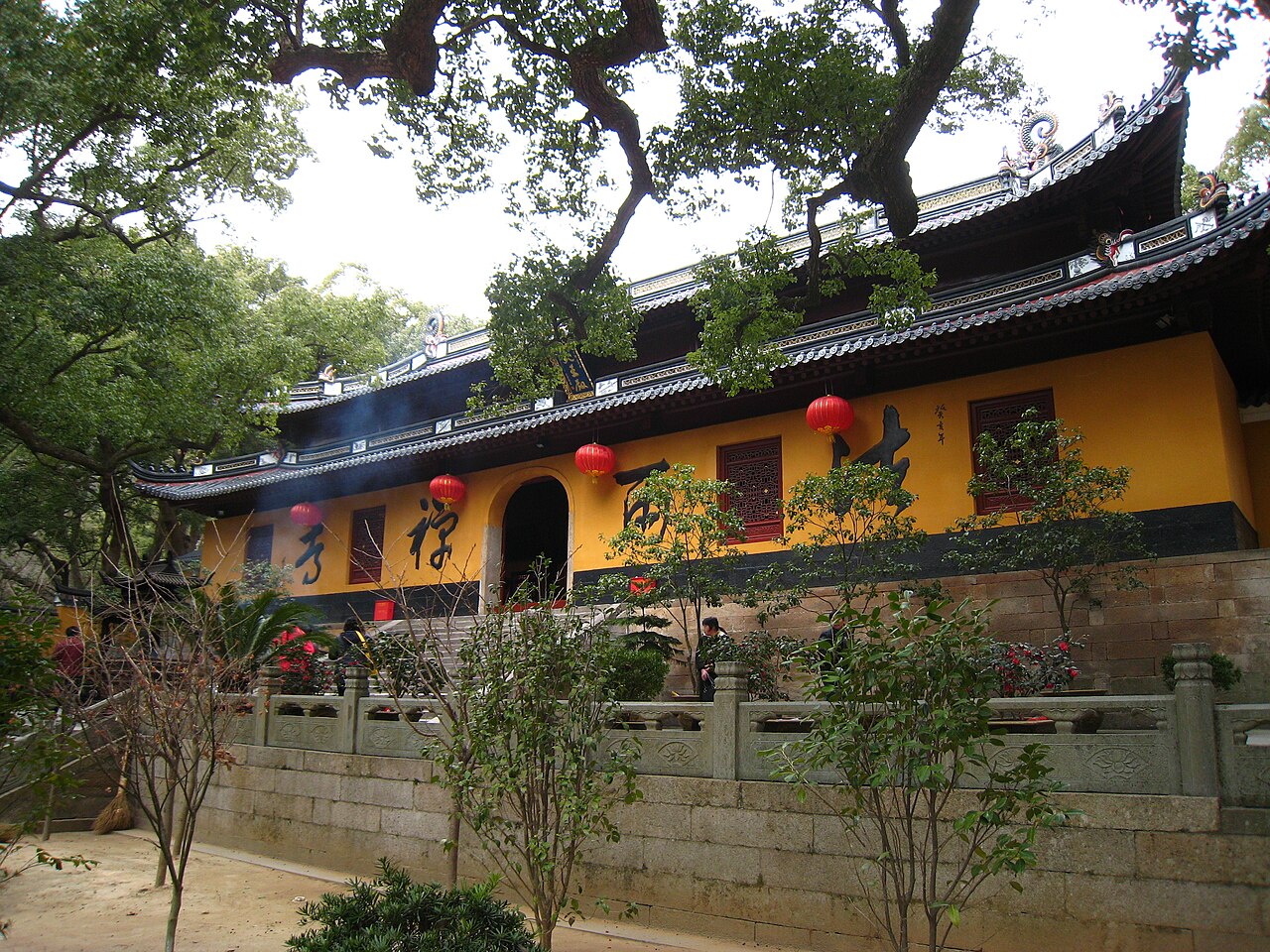
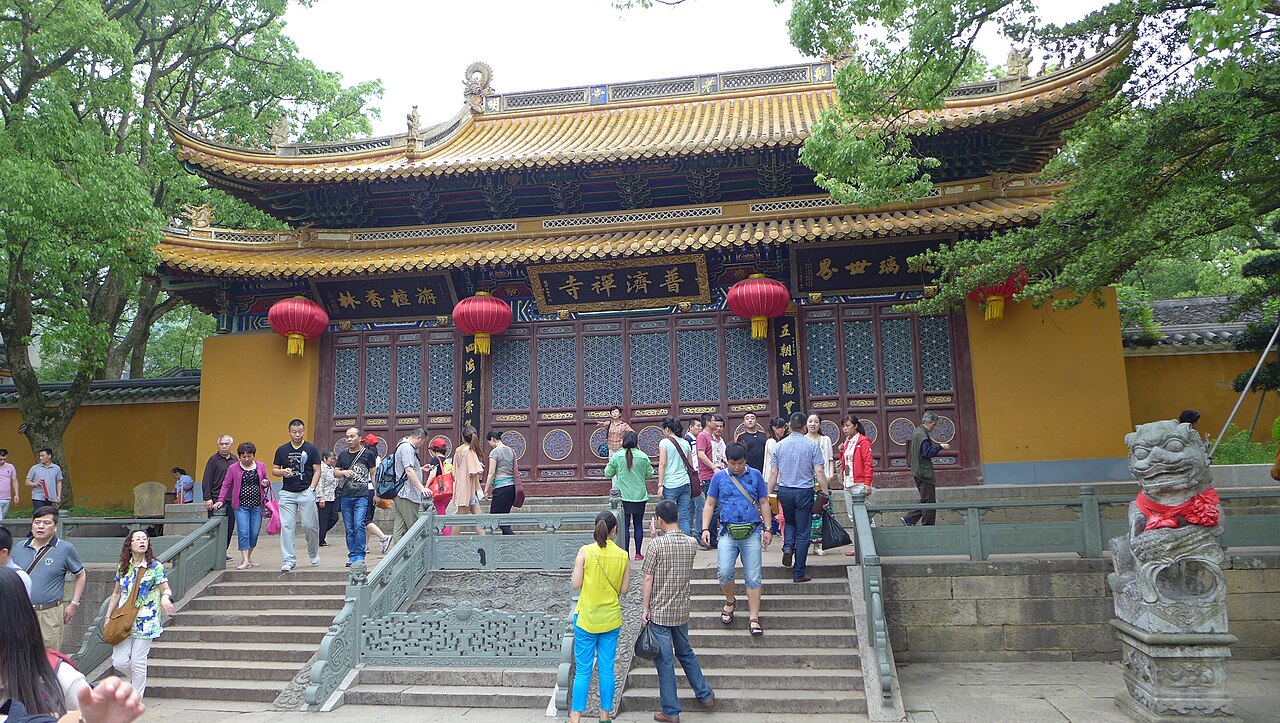
The festival year follows the old calendar as much as the new: the Tianning Temple fair on the 28th and 29th of the seventh lunar month, which in Ming and Qing times had grown into a market known far beyond the city; the New Year bell-ringing that Qianlong's temple still does; the rose lantern festival in late spring; and the Liyang tea festival in April and the Tianmu Lake beer summer in September, both of which are attached to things the countryside around the city actually produces.