City guide · Zhejiang

Shaoxing travel guide: the free Lu Xun ticket, every wupeng boat fare, and where to drink warm yellow wine

Two and a half thousand years of water-town China, and Lu Xun's house is free.

  • Known forLu Xun, Lan Ting, wupeng boats, yellow wine
  • Typical spend¥600–1,000 for 3 days
  • Ideal length2 days, 3 with the countryside
  • PaceComfortable — walking and boating

Reviewed by our Beijing team Updated 2026-10-10

The short version

Shaoxing is a 2,500-year-old water city in Zhejiang, 50 minutes by train from Hangzhou, and two days is enough for about ¥600–1,000. Lu Xun's former residence is free on presentation of ID — collect the ticket between 08:20 and 16:00 — Shen Garden is ¥40 by day and ¥70 for the night performance, and a black-awning wupeng boat is hired whole at ¥50 to ¥100 for three people. Take one boat, walk the old streets for nothing, and drink the wine warm.

  • Lu Xun's residence costs nothing but you need your passport or ID card with you: tickets are issued 08:20–16:00 for an 08:20–17:00 visit, online bookings are capped at 2,000 a day, and the ticket covers the memorial museum, the ancestral home, the house with Baicao Garden and Sanwei Study.
  • The wupeng boats are priced by the boat, not the person, three seats to a boat: ¥50 from Lu Xun's home to Shen Garden or Xianheng, ¥60–100 from City Square, ¥75–85 at East Lake, ¥50 at Dayu's mausoleum. Agree the fare before boarding.
  • Shen Garden is worth doing twice — ¥40 in daylight for the Song garden remains, ¥70 at night for the 19:40 performance with its Song-style opening ceremony and the Shuanggui hall show. Heavy rain cancels the night one.
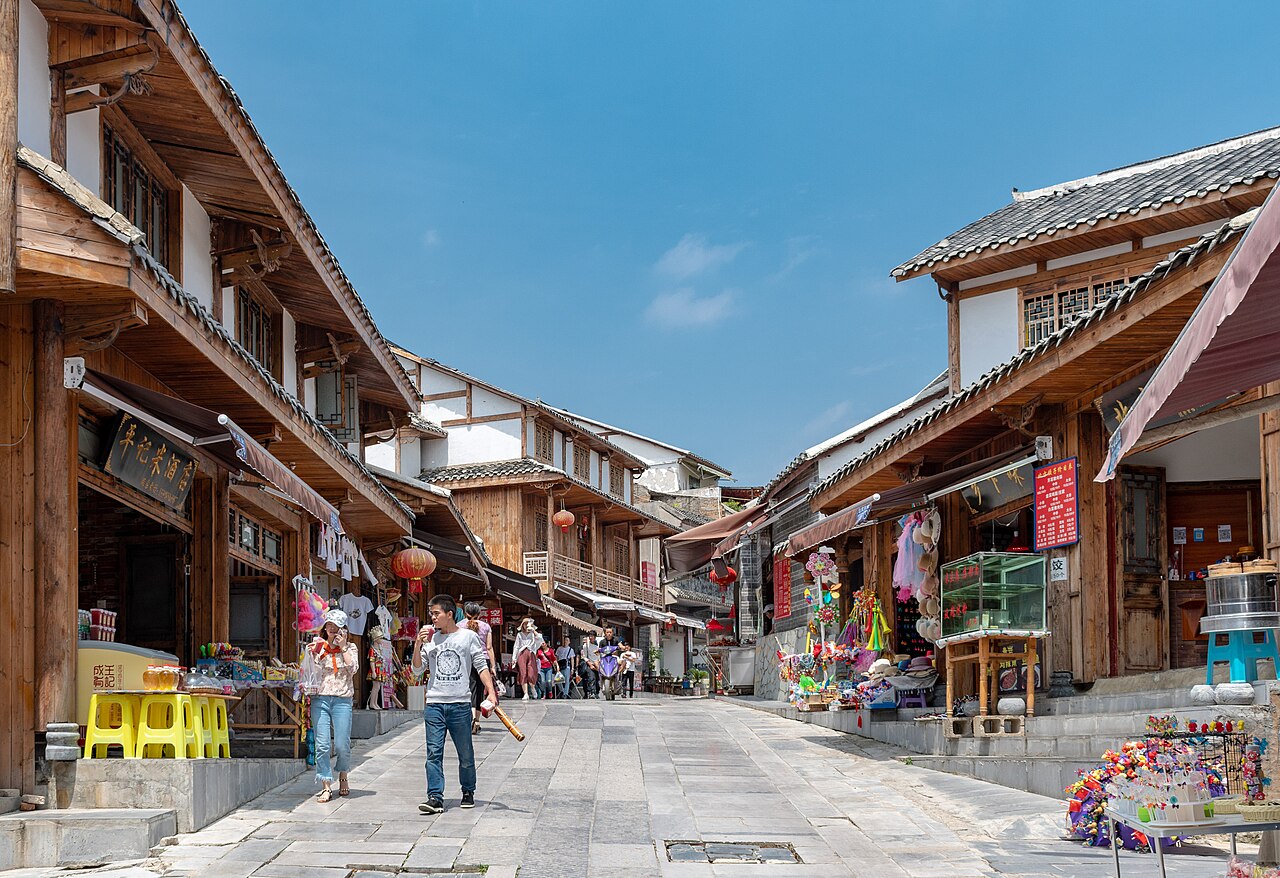
  • The best hours in Shaoxing are free: Cangqiao Straight Street, Baziqiao and its lane, Xixiaohe and Shimenkan are old streets where people still live, and they cost nothing to walk.
  • Buy your water before you go into a scenic area — a bottle inside is about ¥8 — and buy your specialities at a supermarket, not from the shoulder-carrying sellers who work the scenic areas.

City guide

First impressions

Photographs from the coast, and what other travellers wrote afterwards.

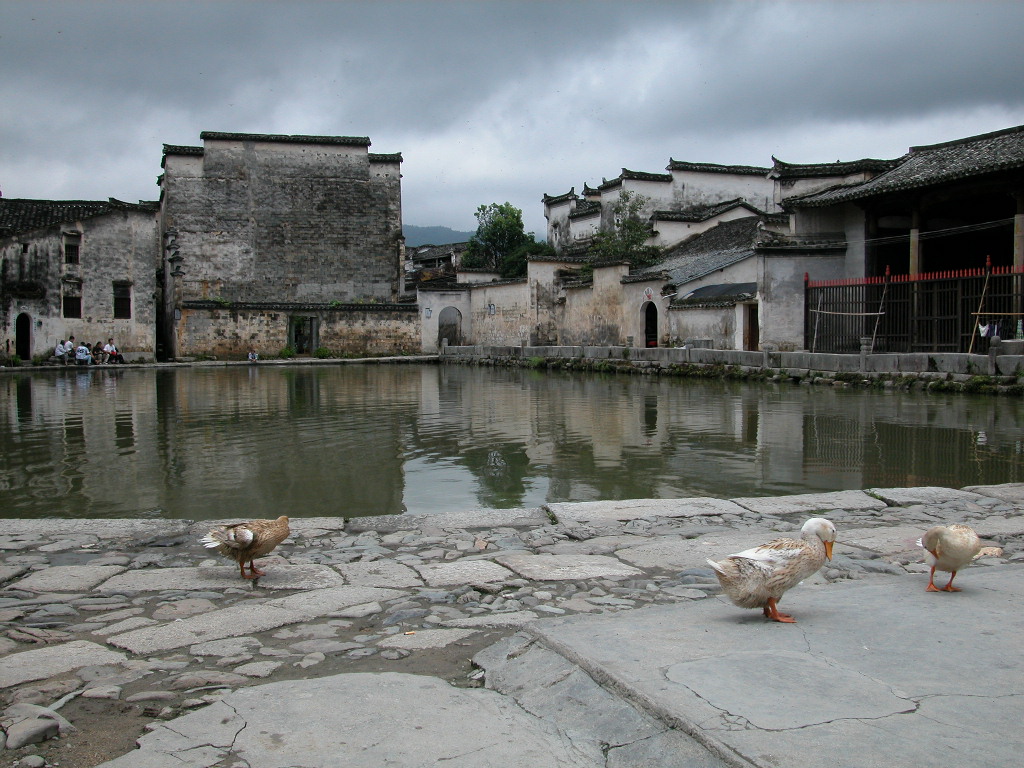
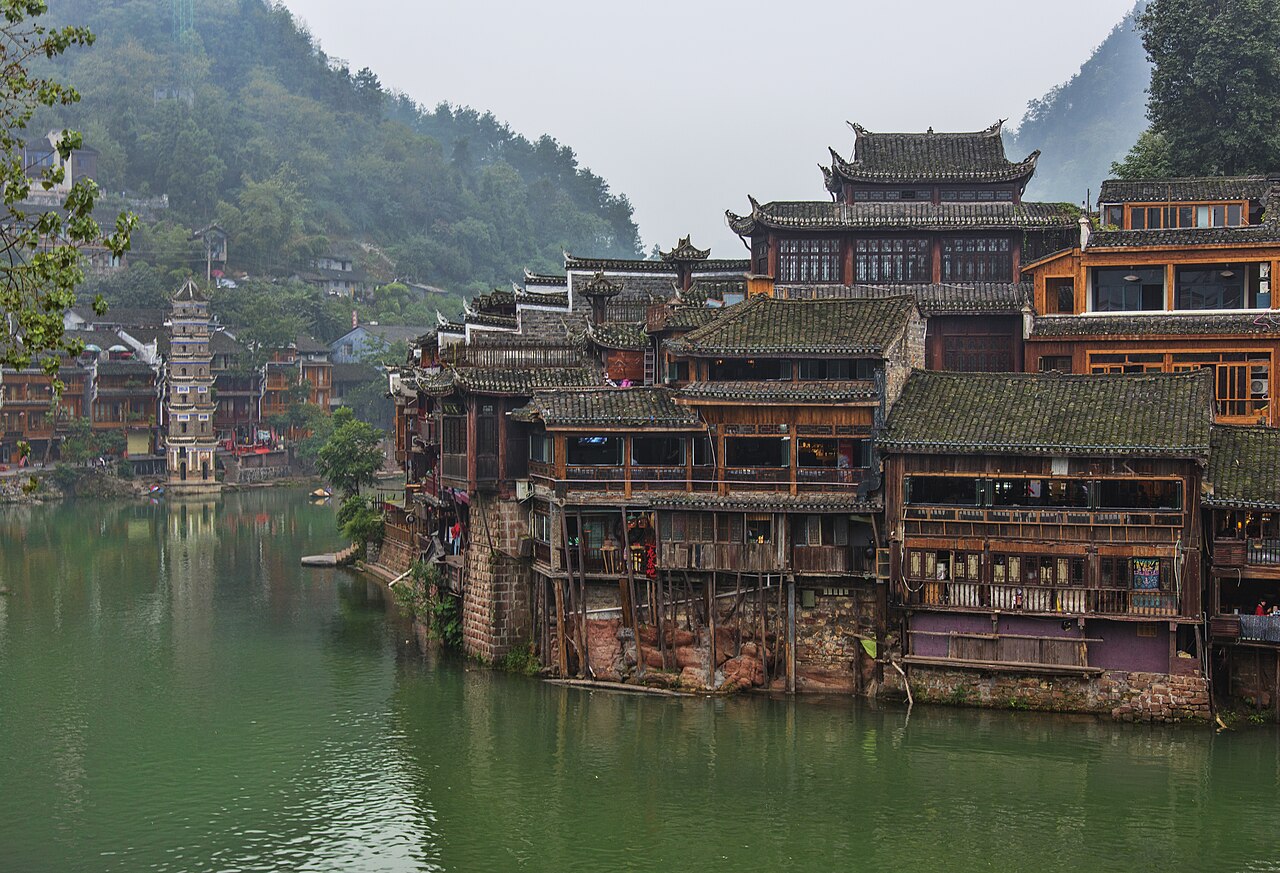
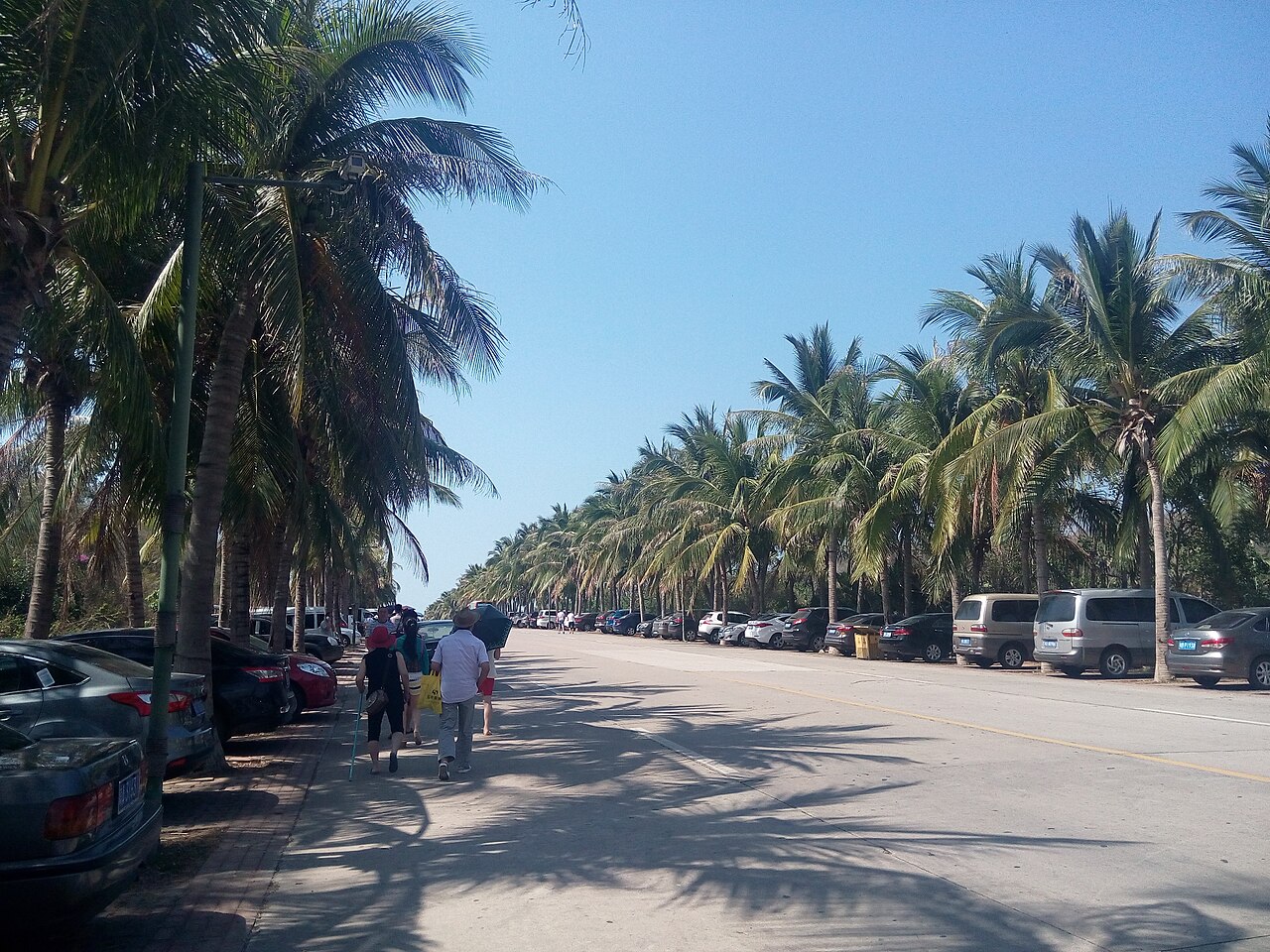
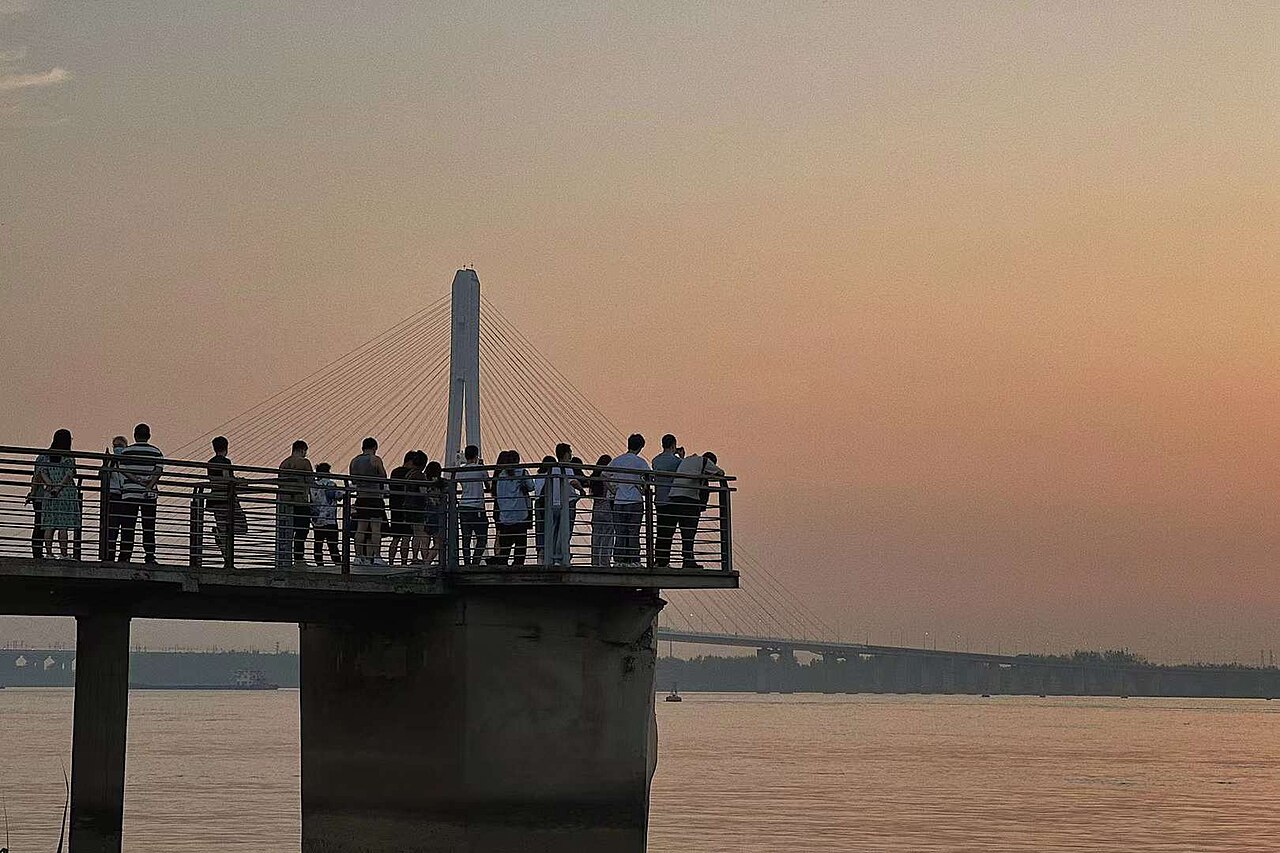
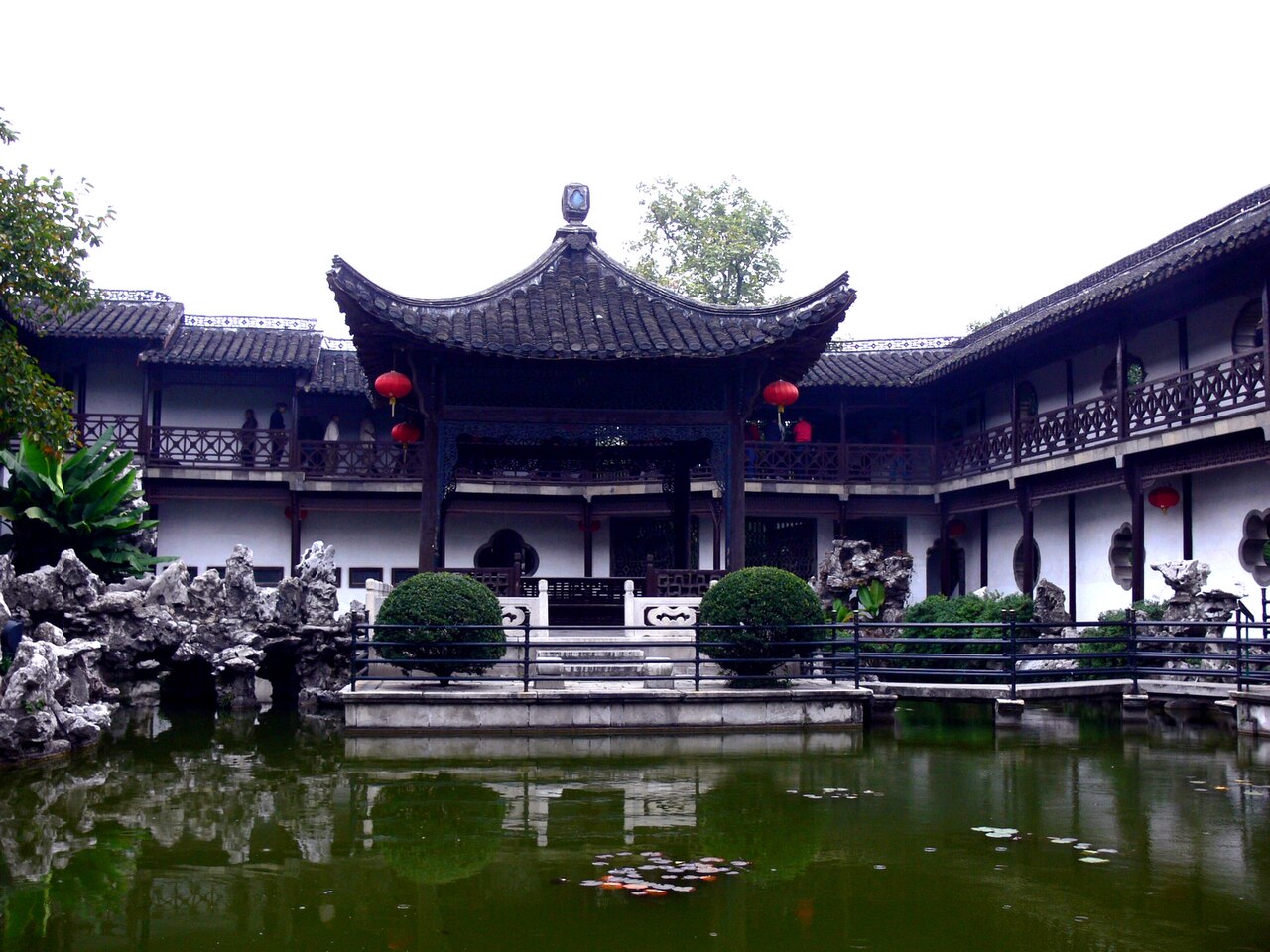
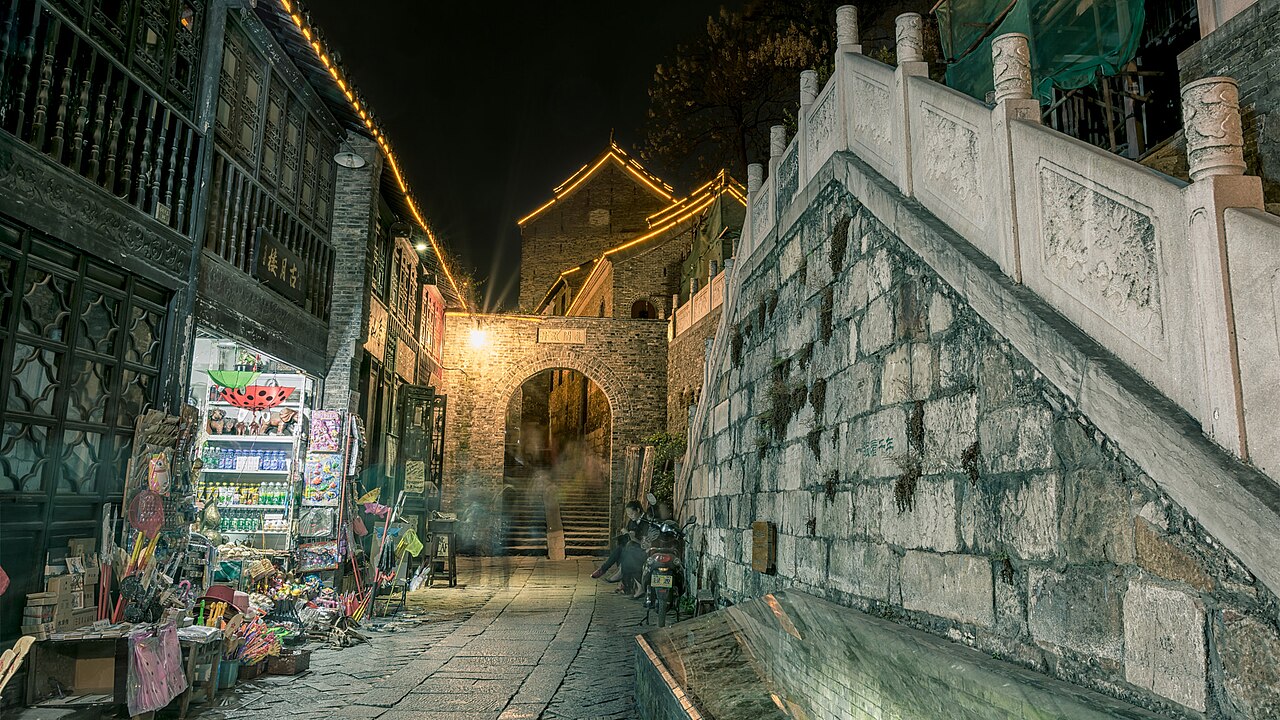
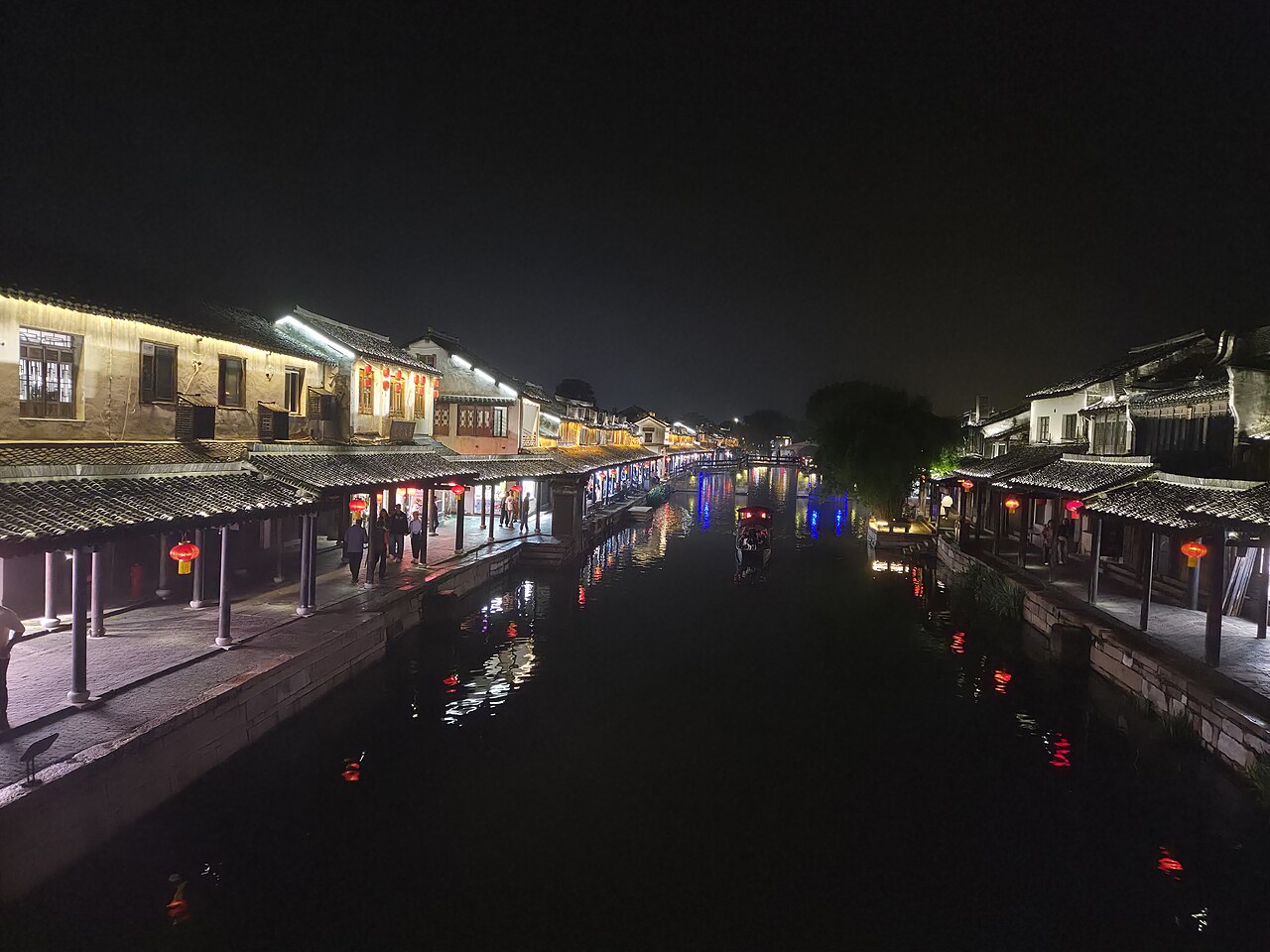
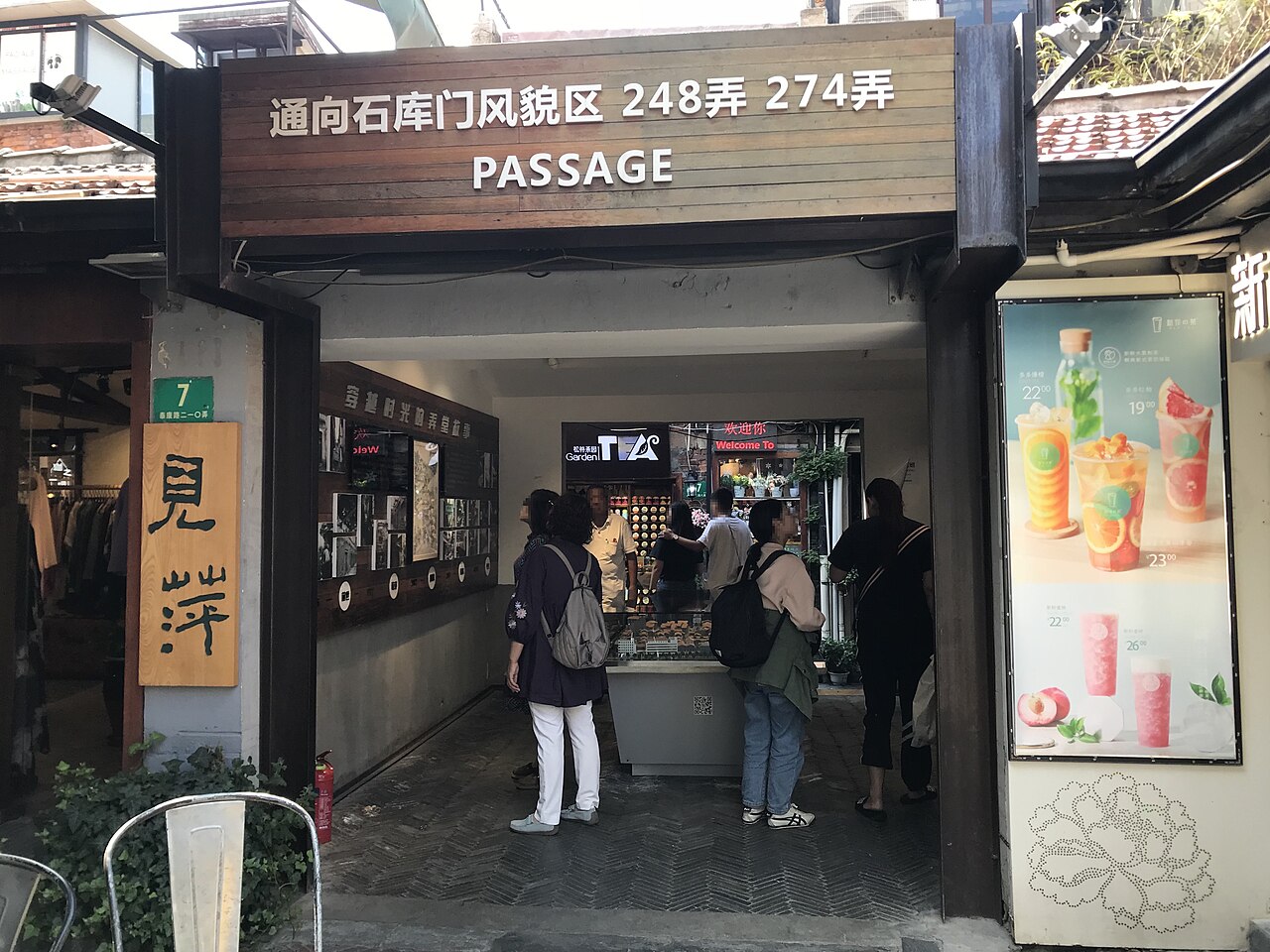
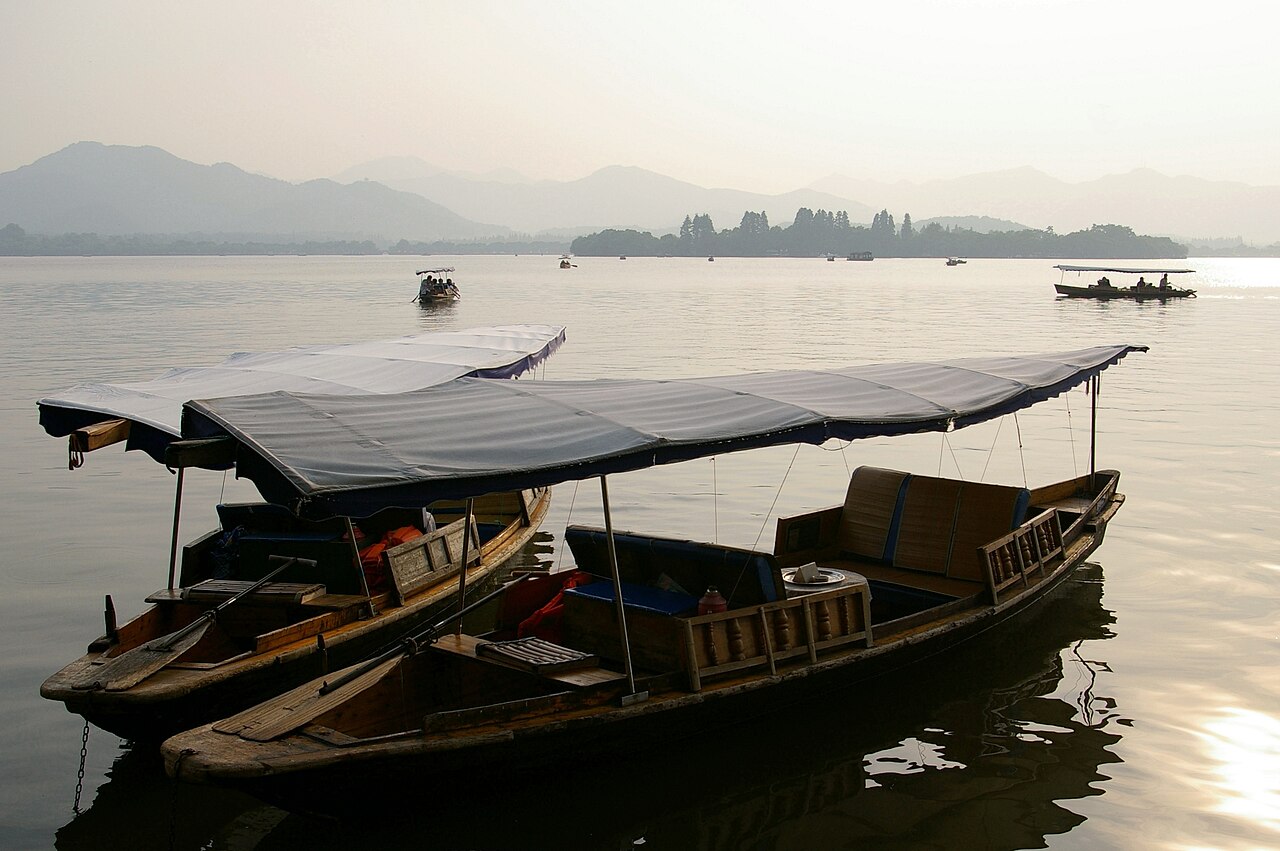
A black-awning boat on the canal behind Cangqiao Straight Street
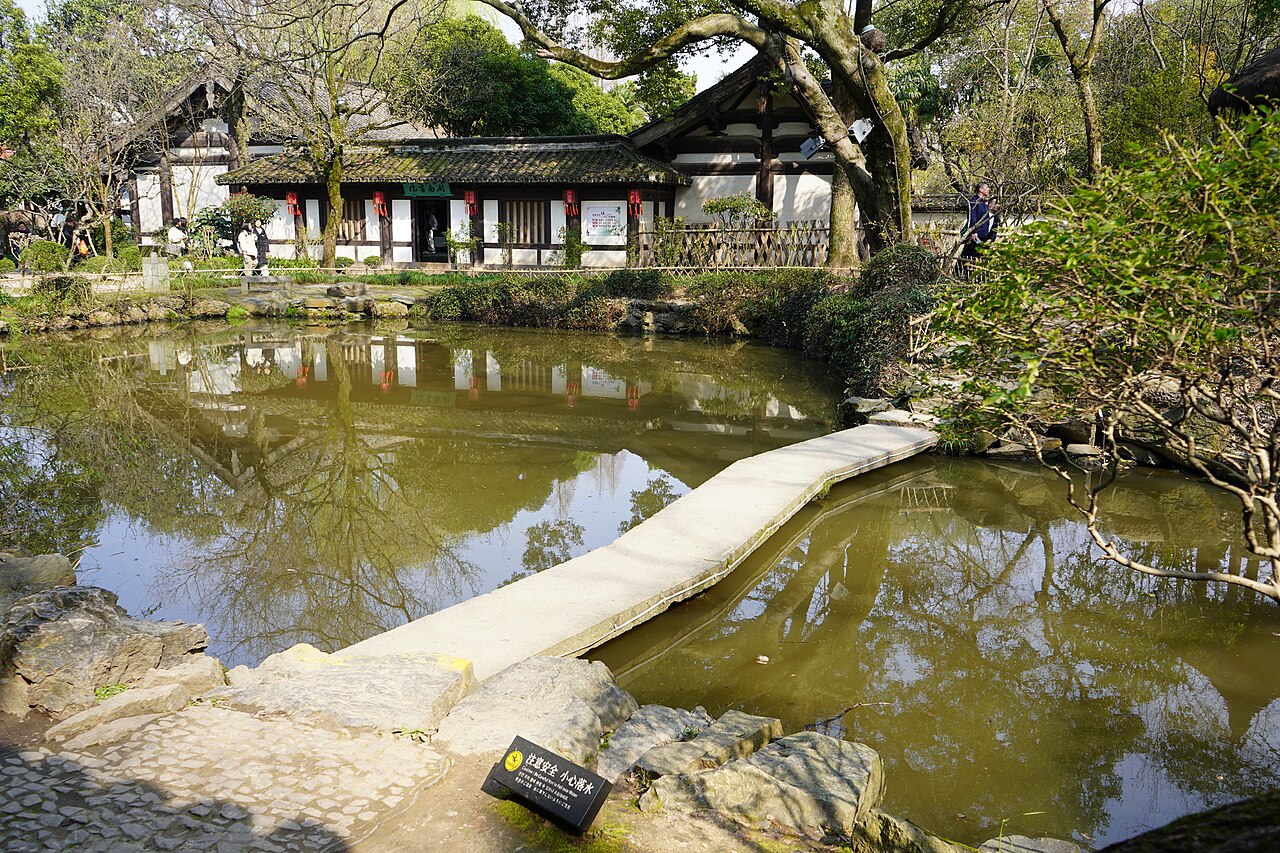
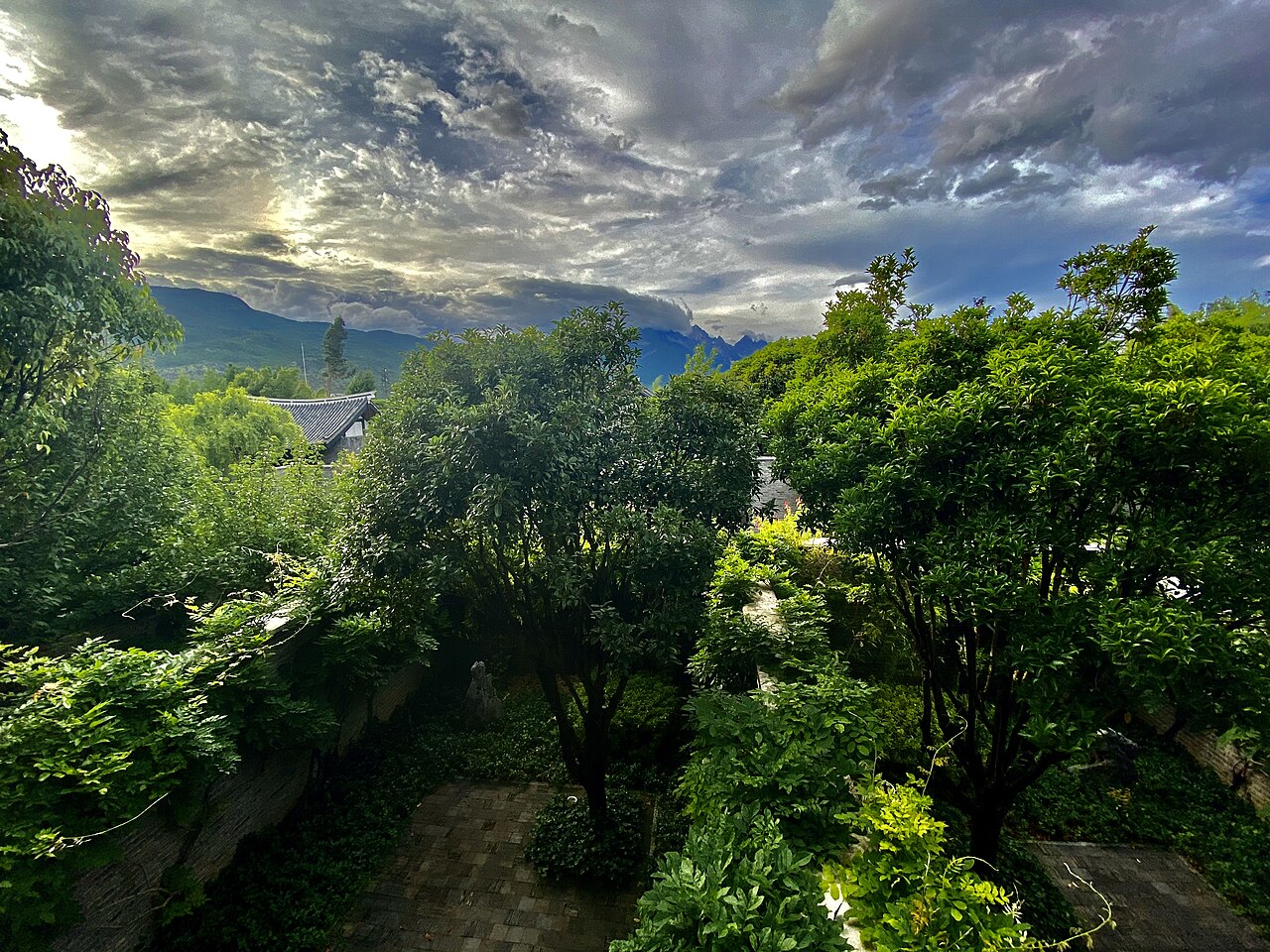
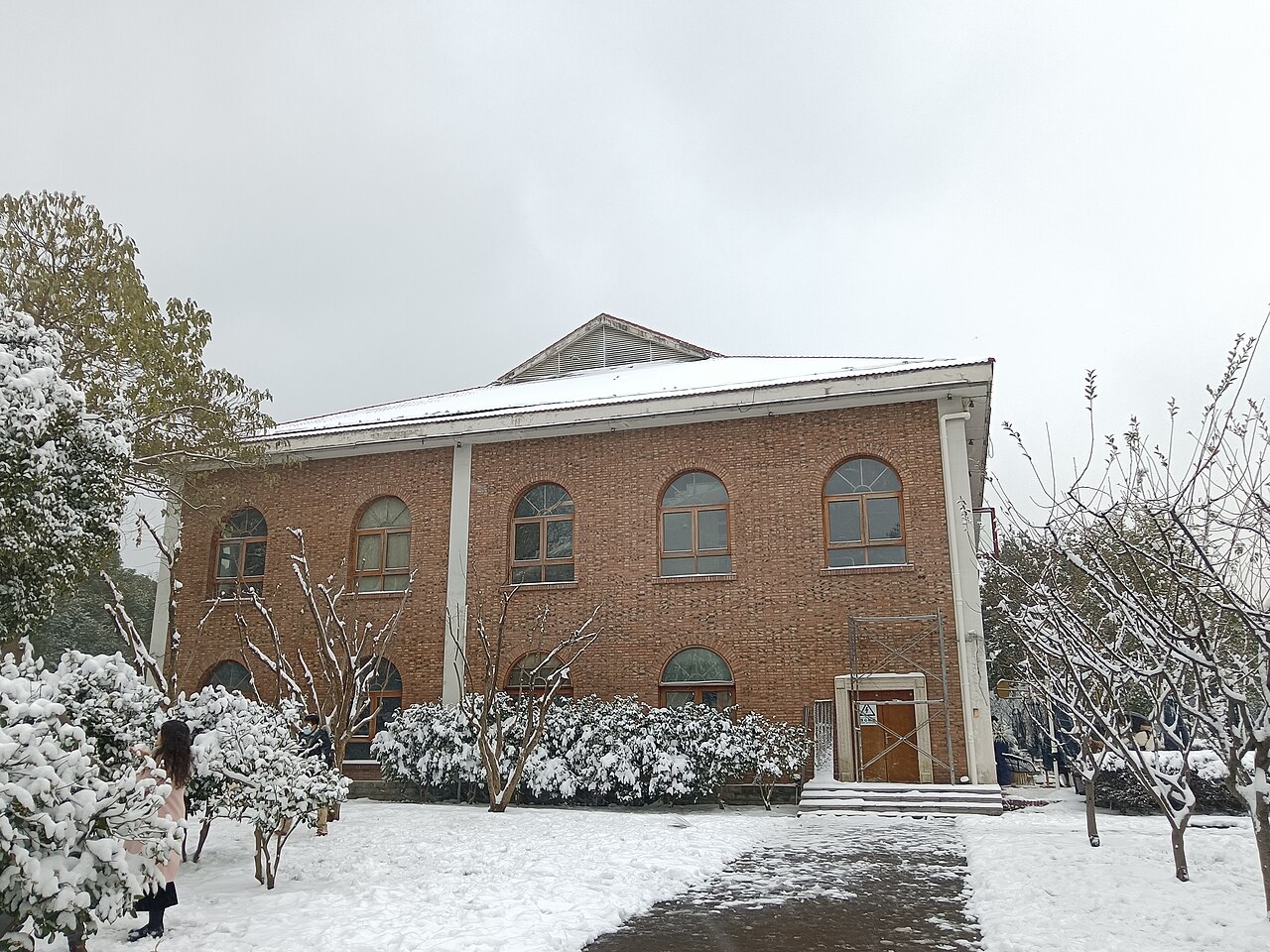
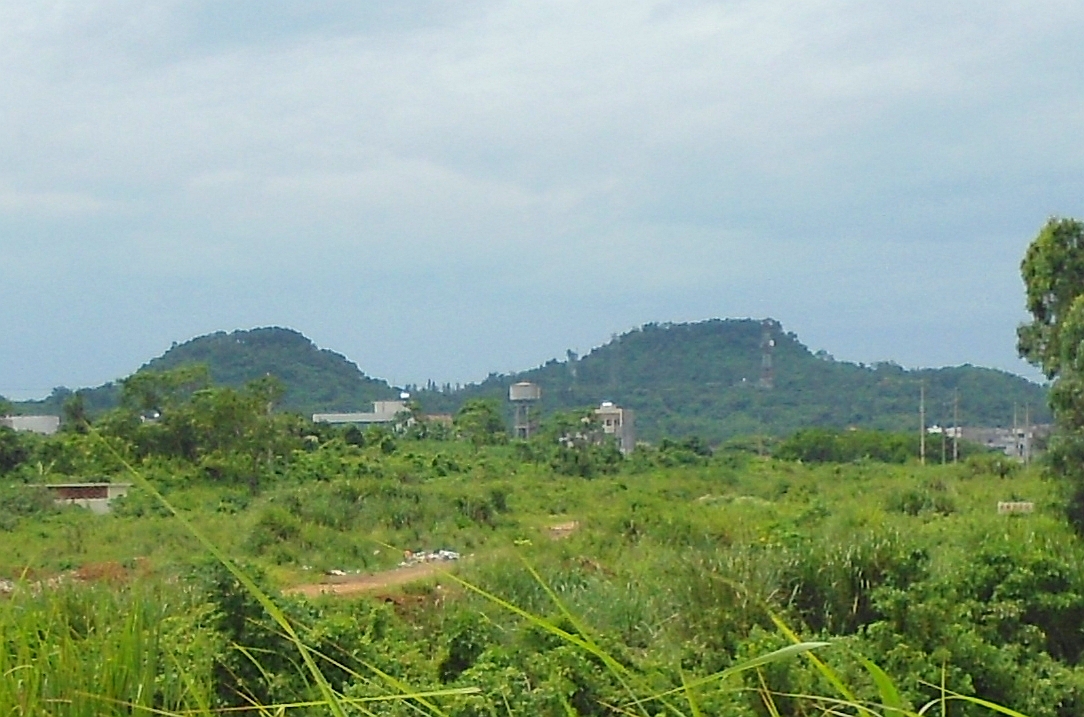
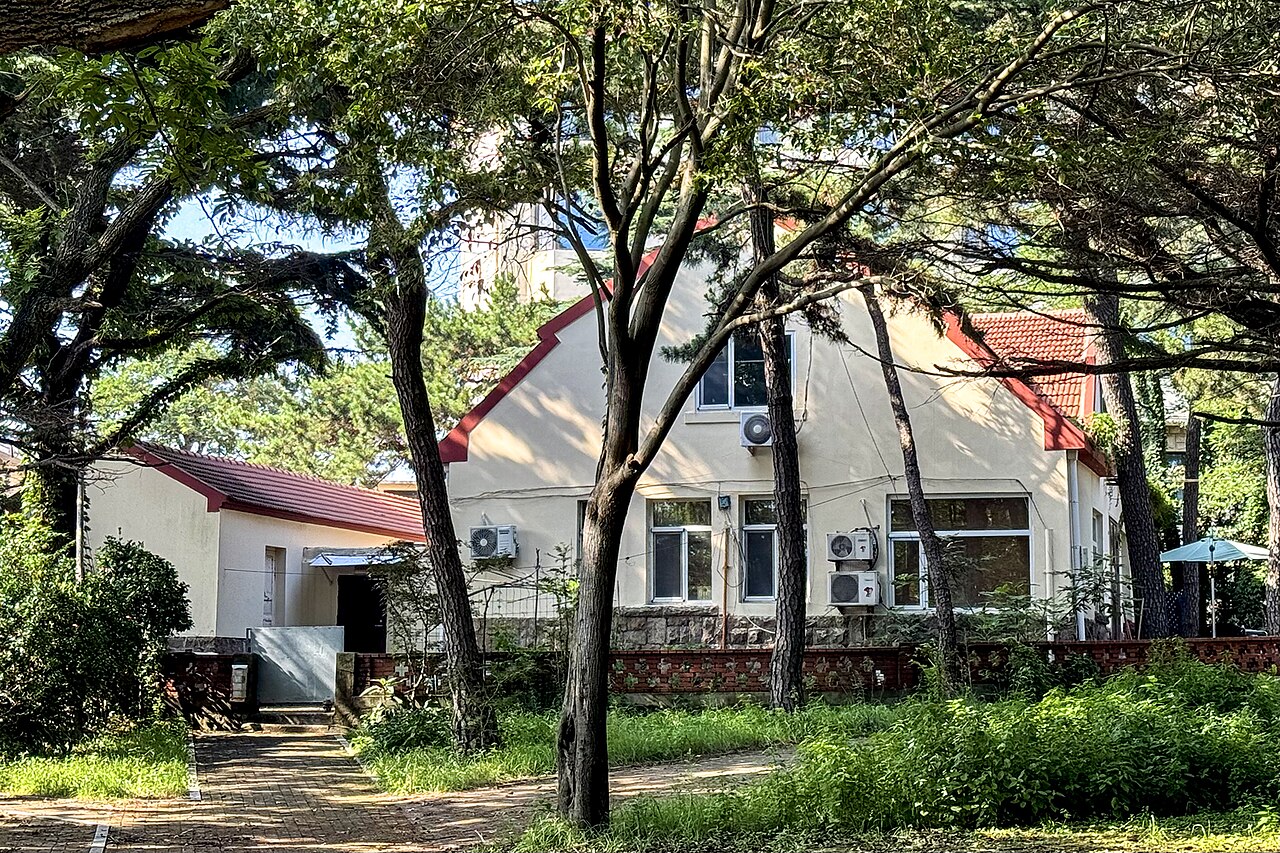
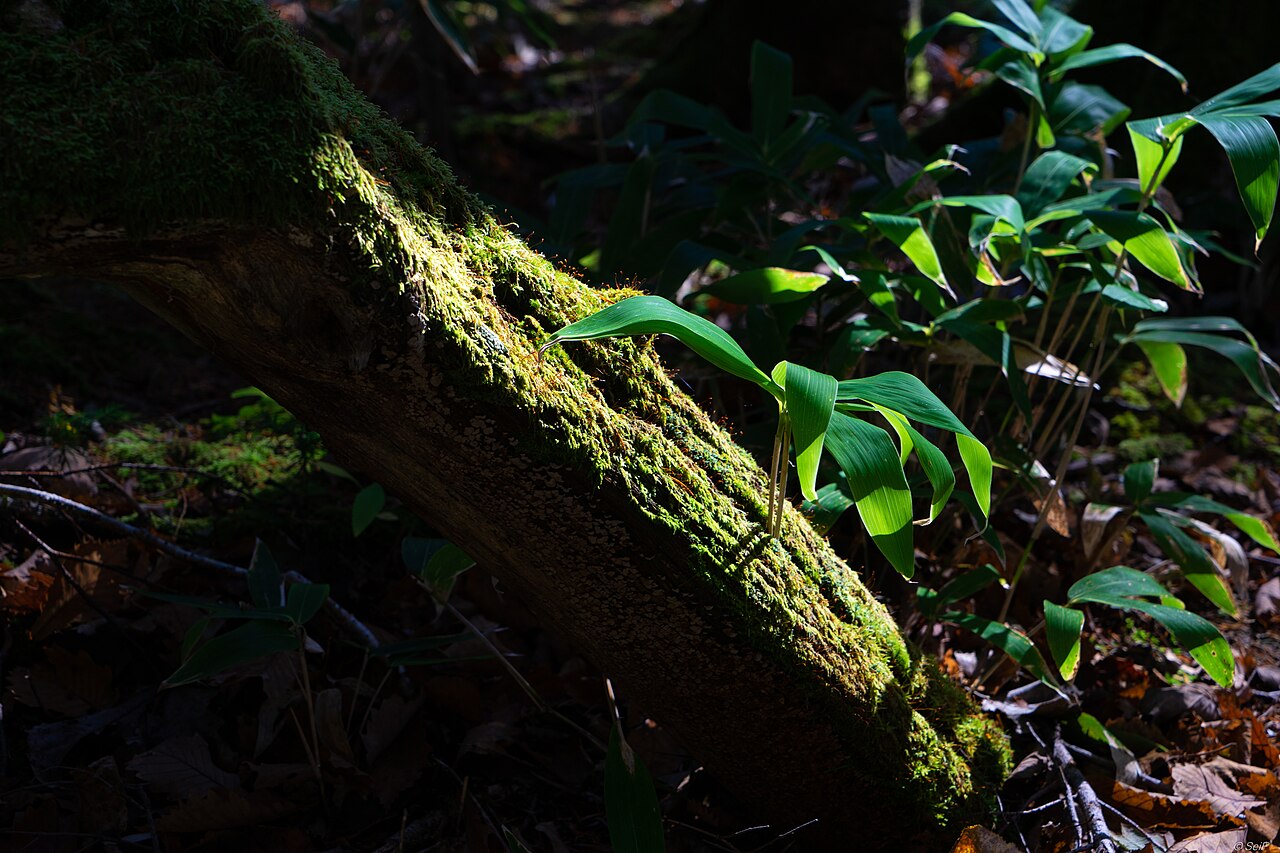
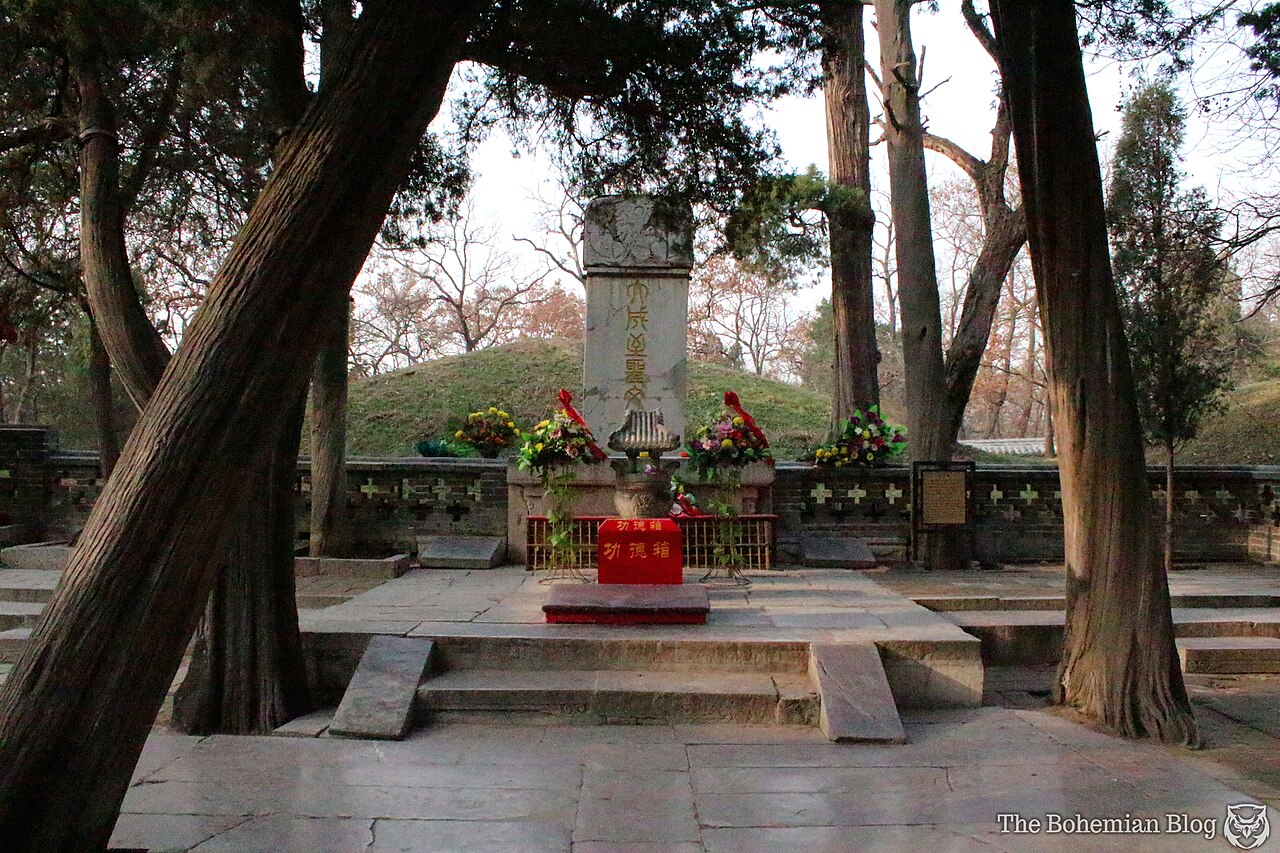
Baicao Garden behind Lu Xun's former residence
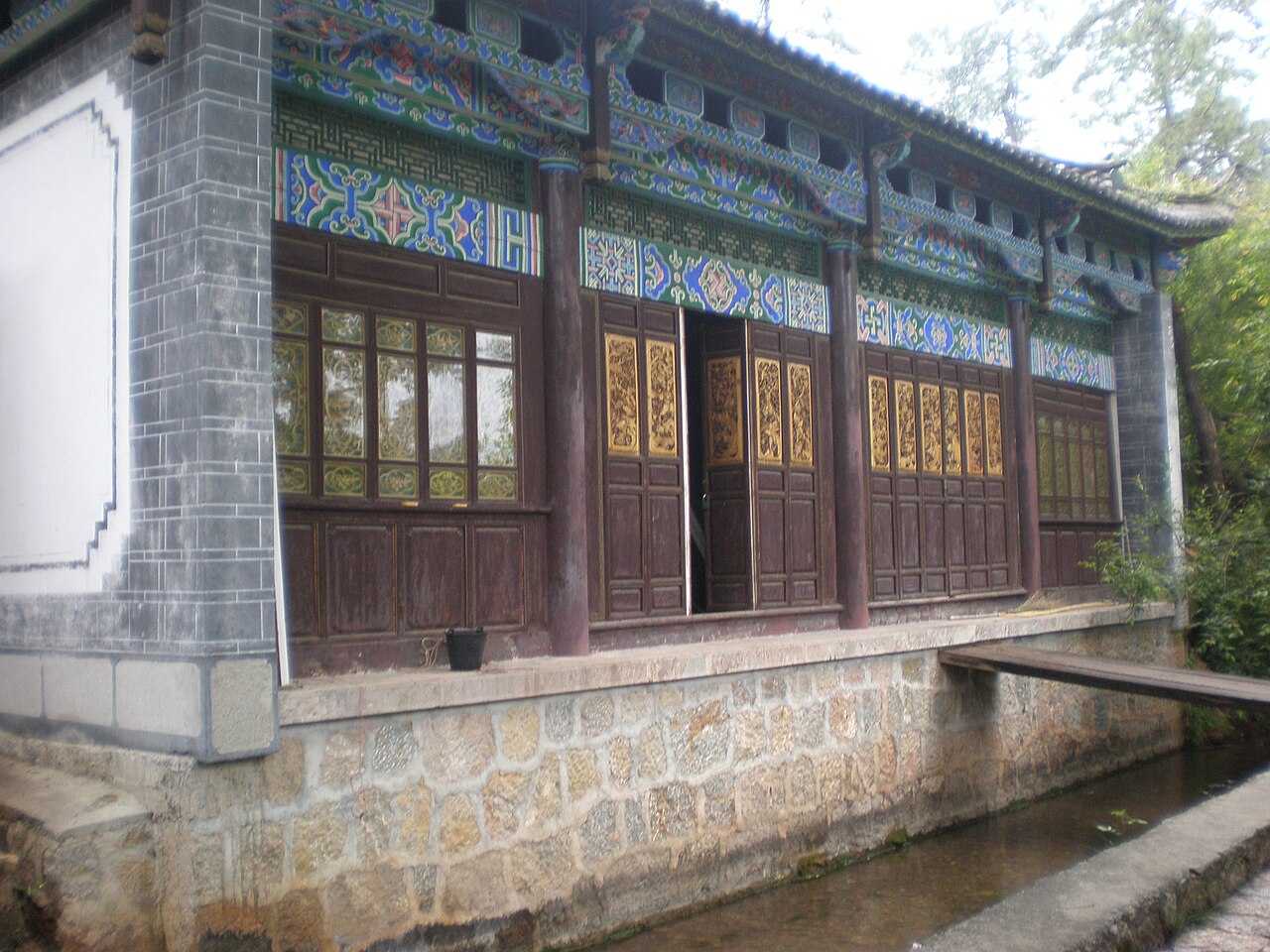
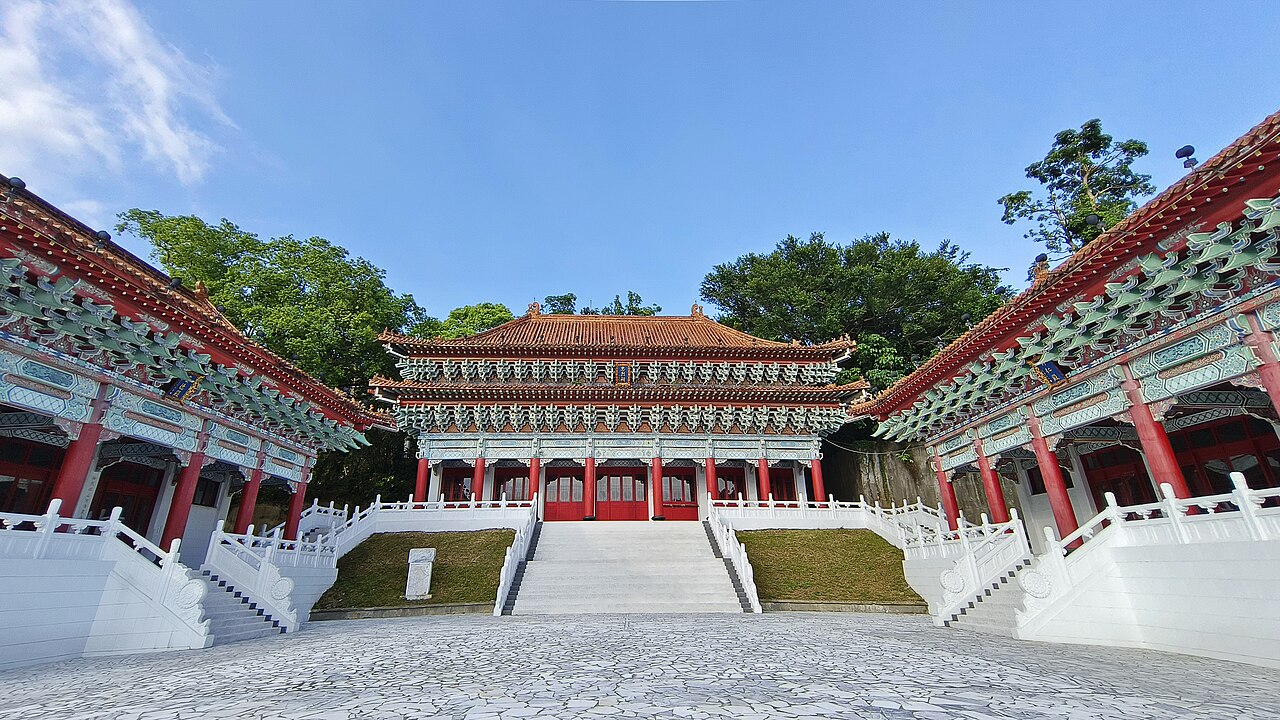
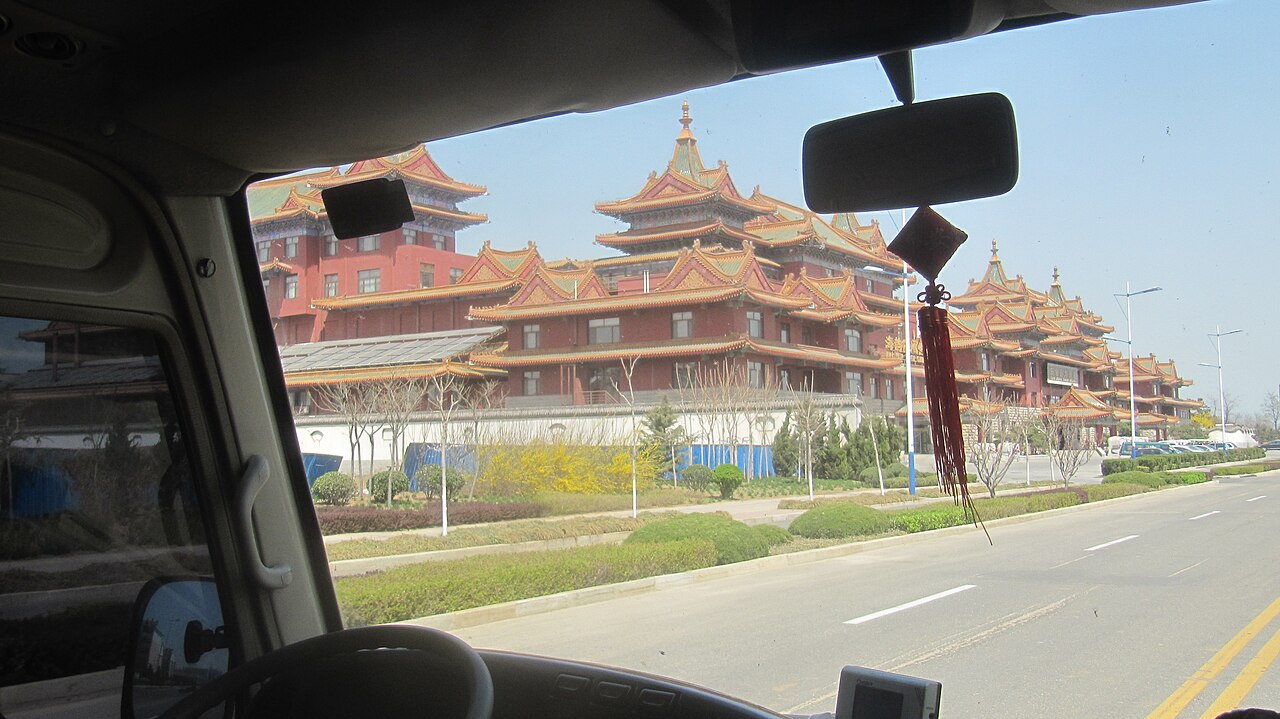
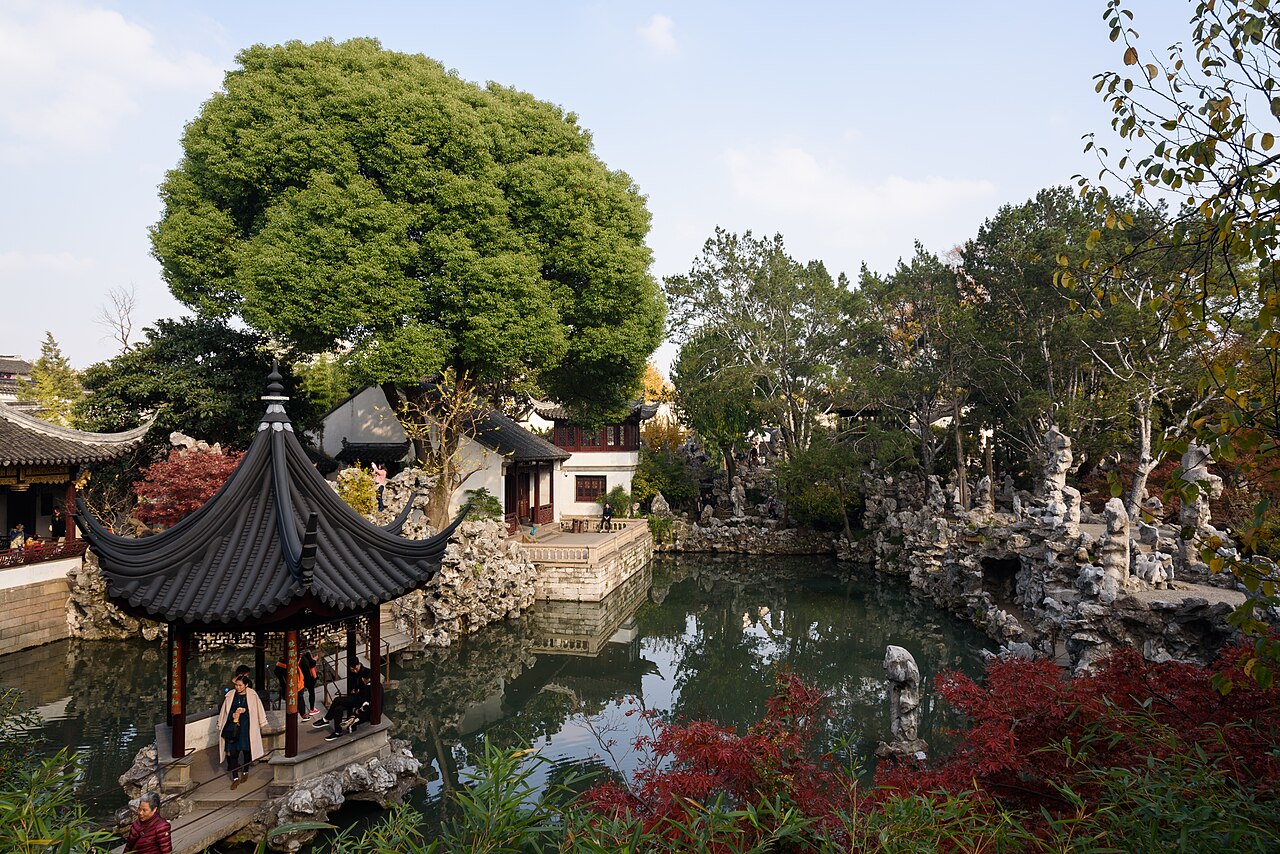
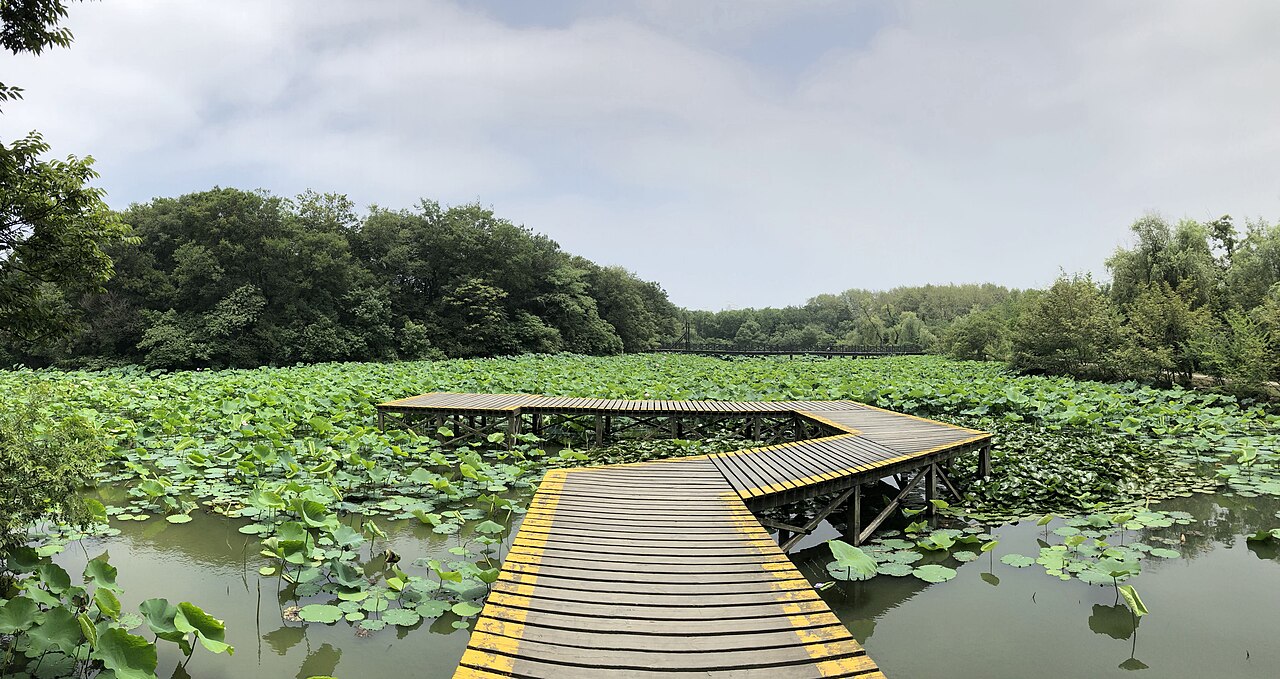
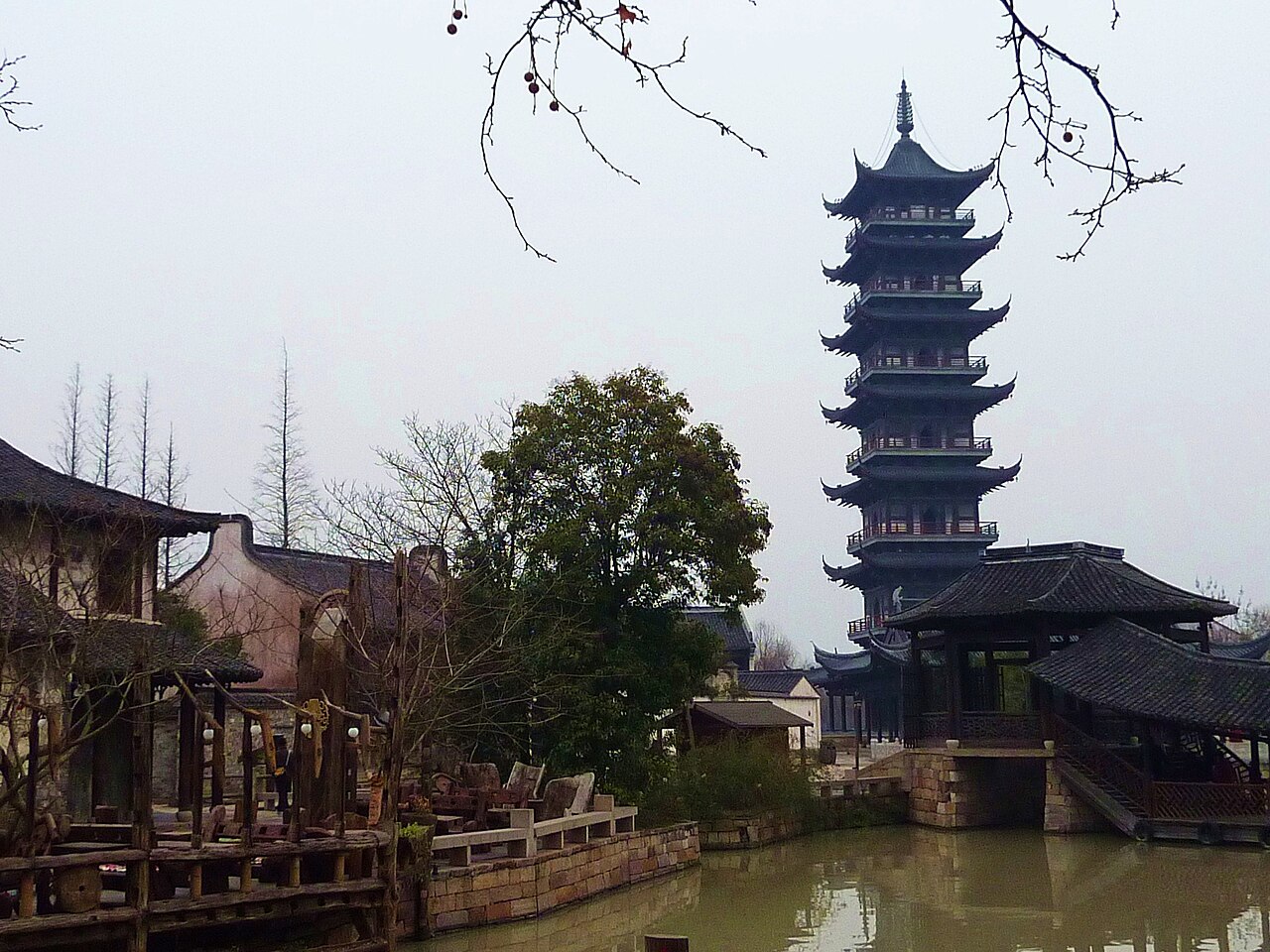
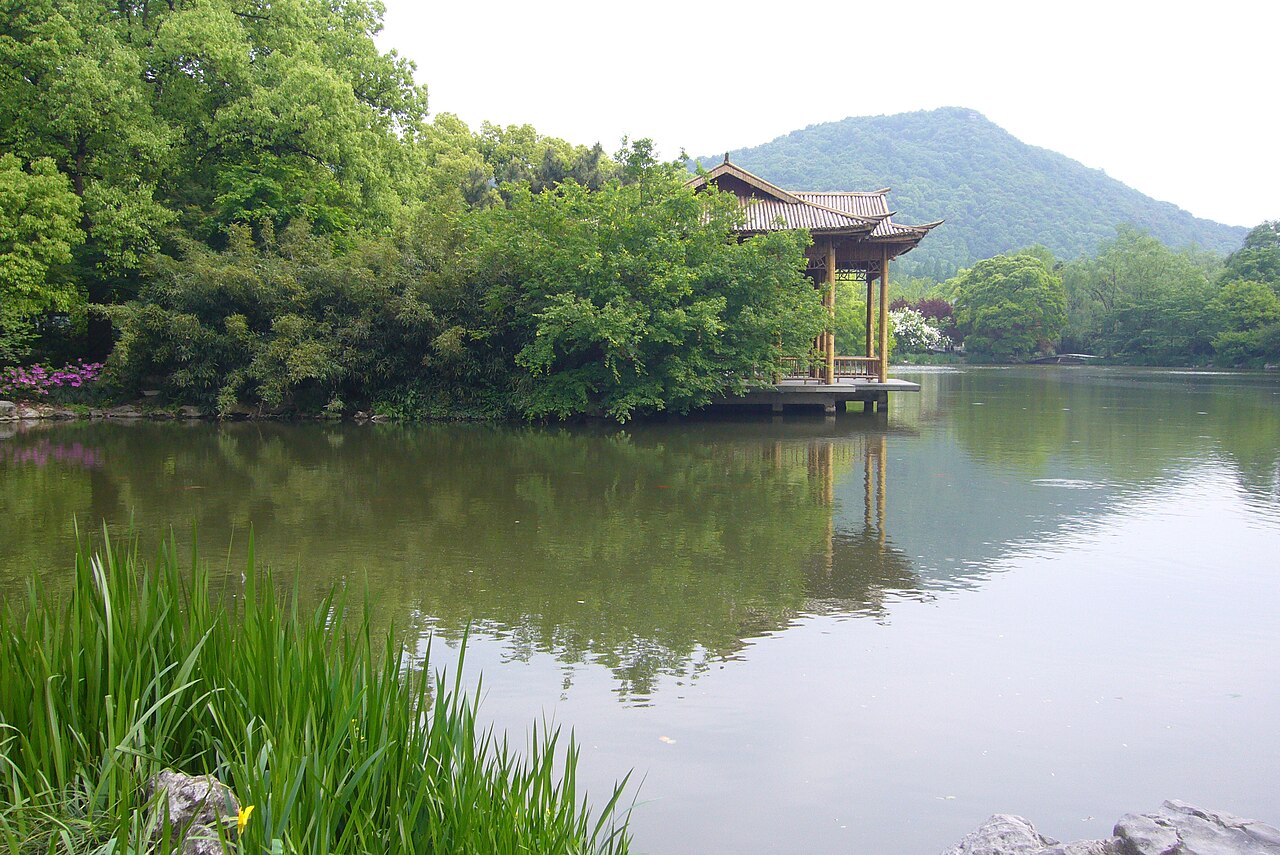
The Curving Water Pavilion at Lan Ting
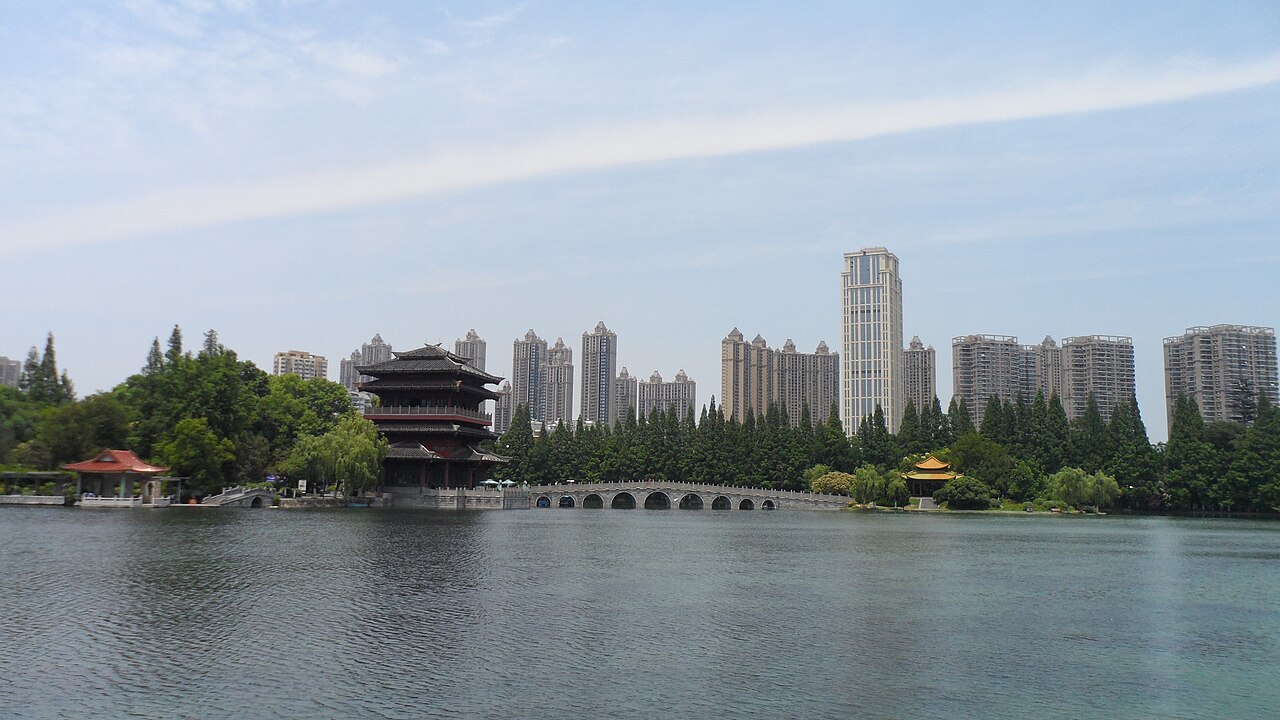
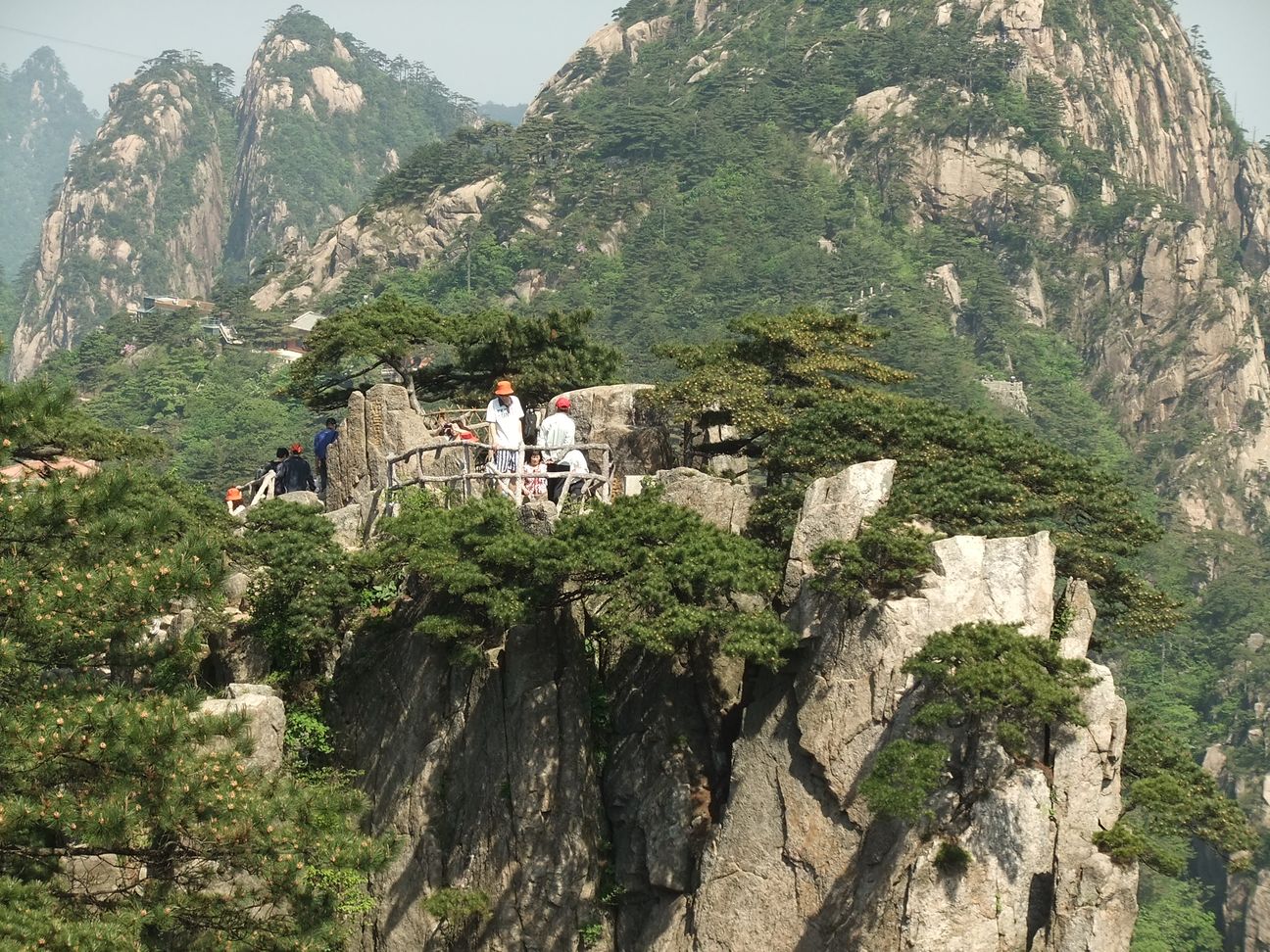
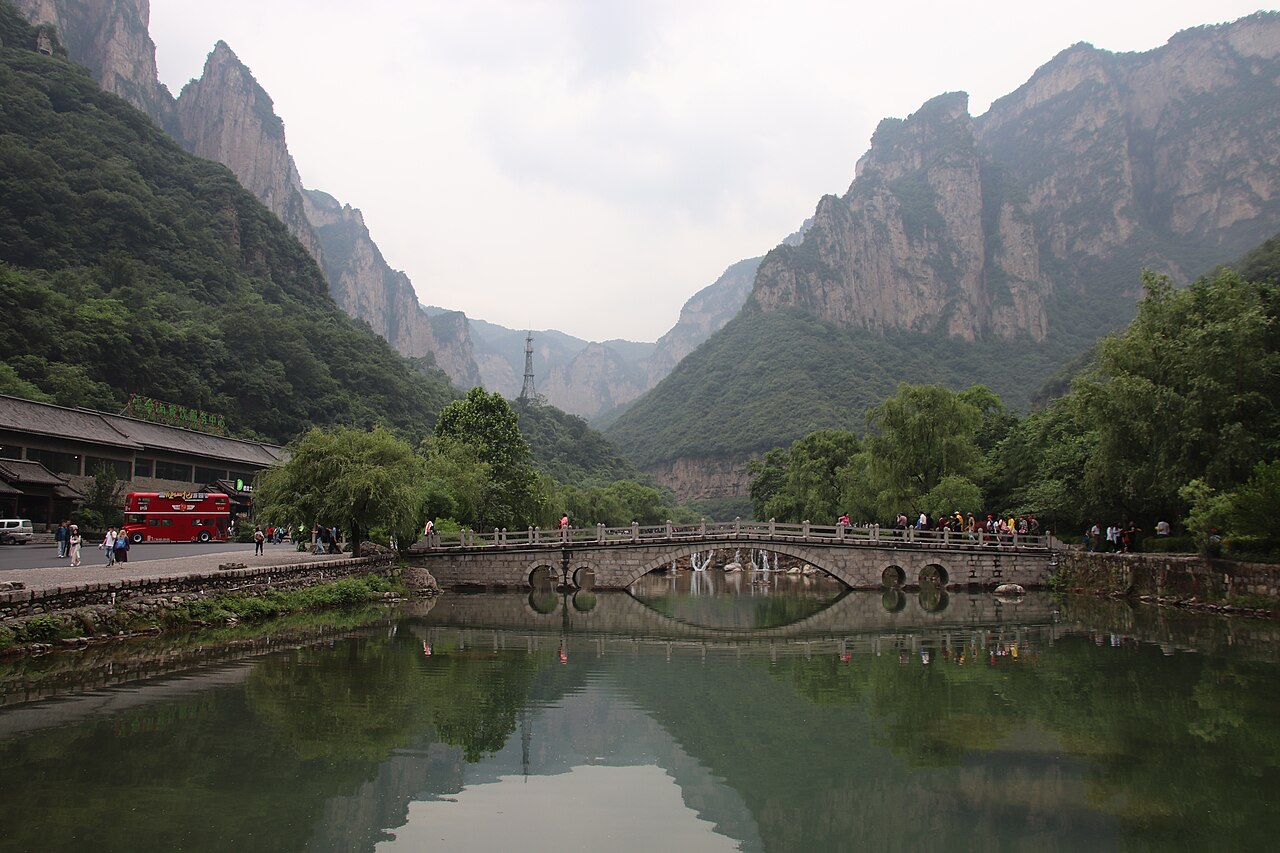
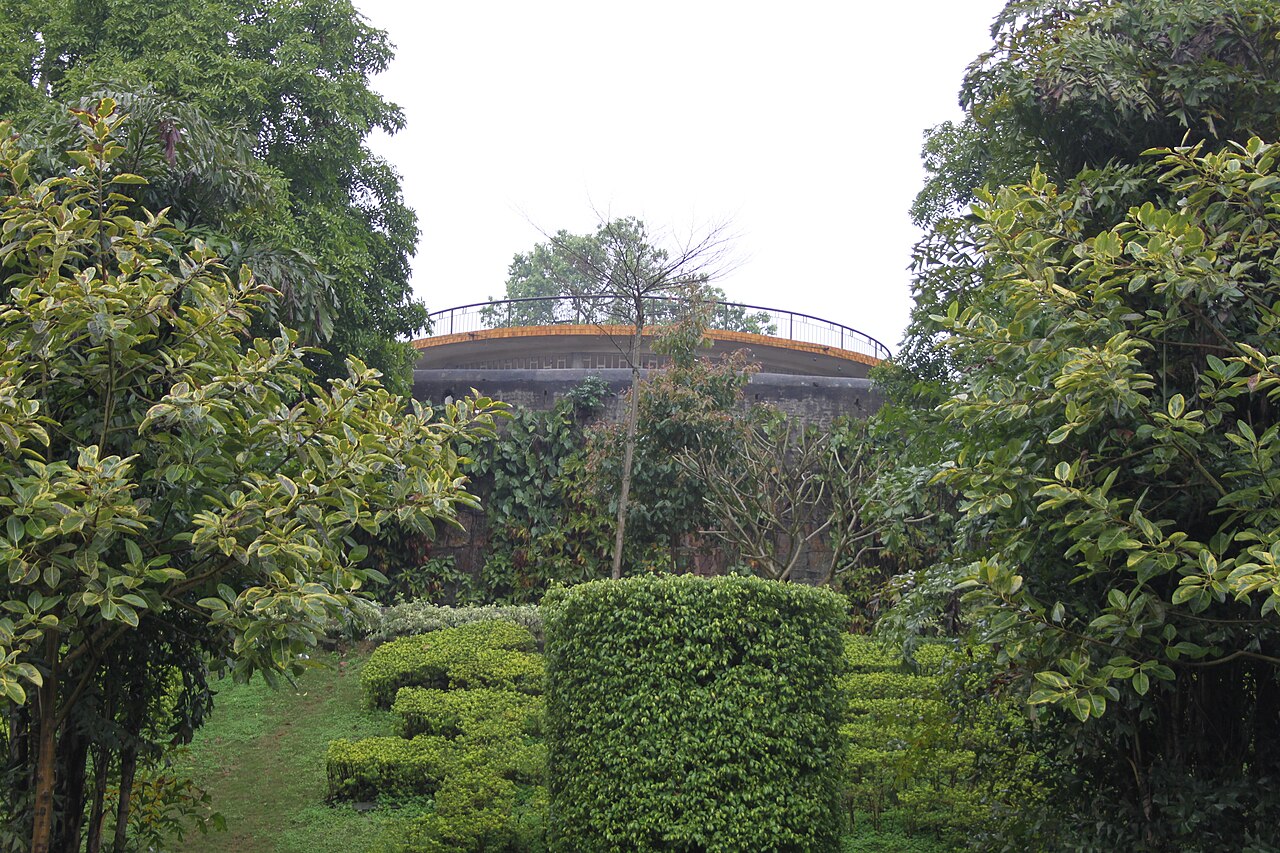
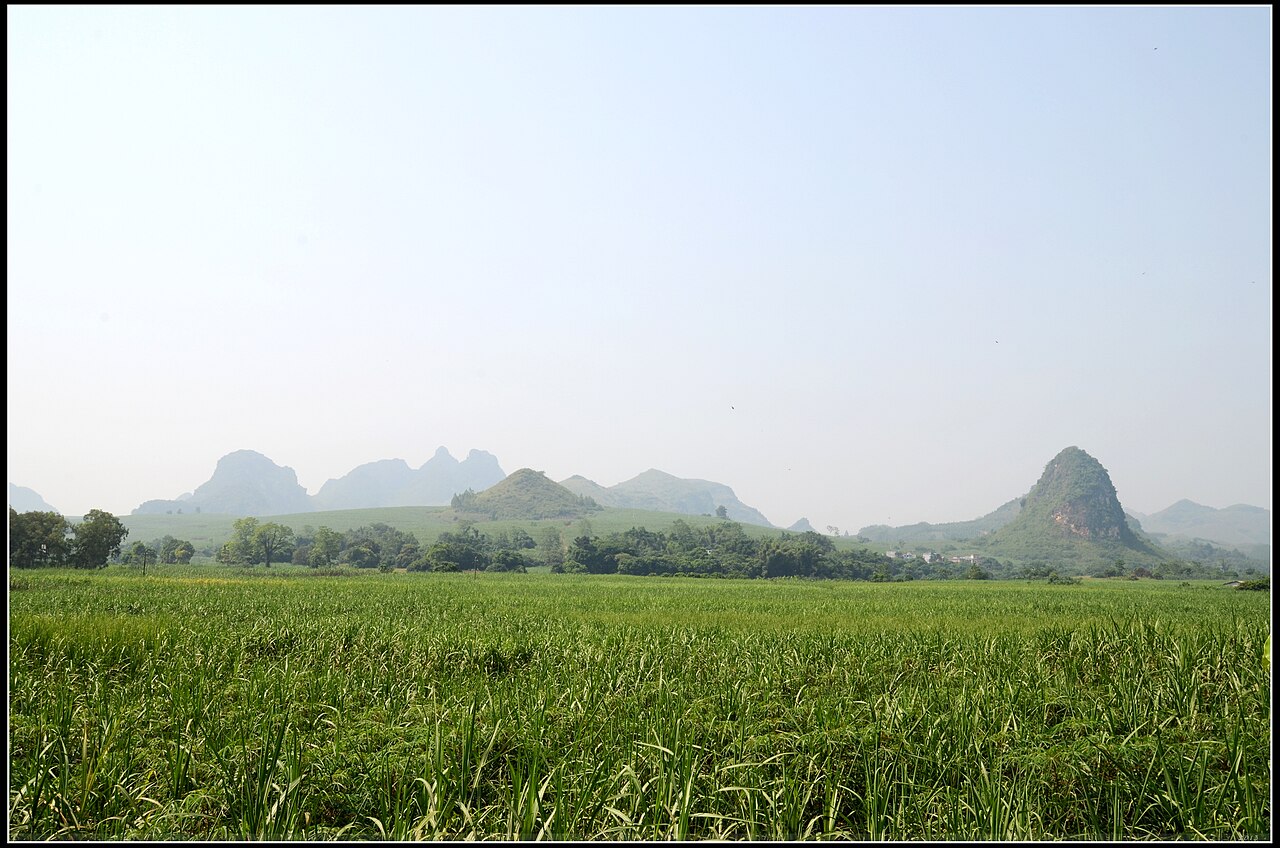
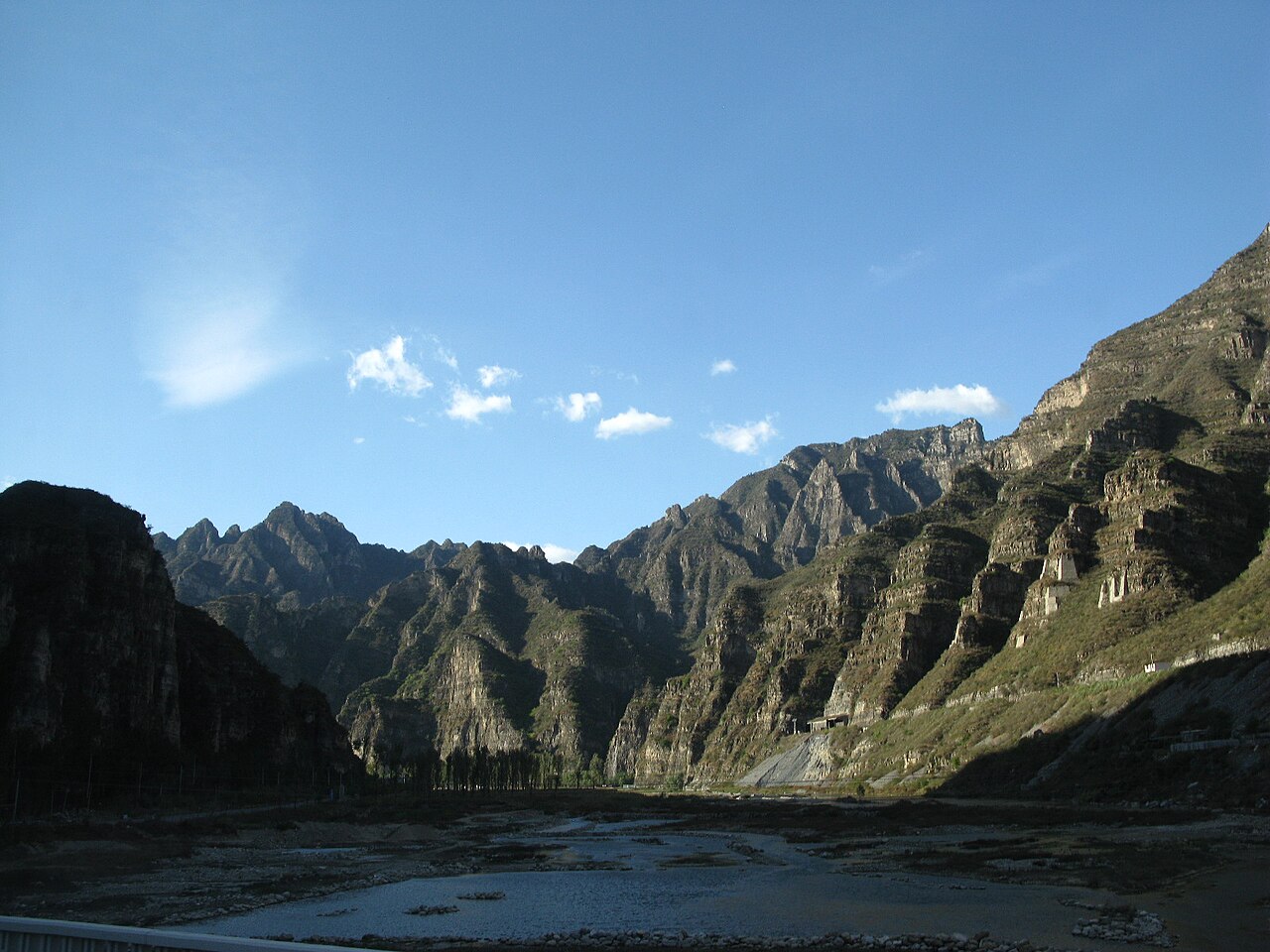
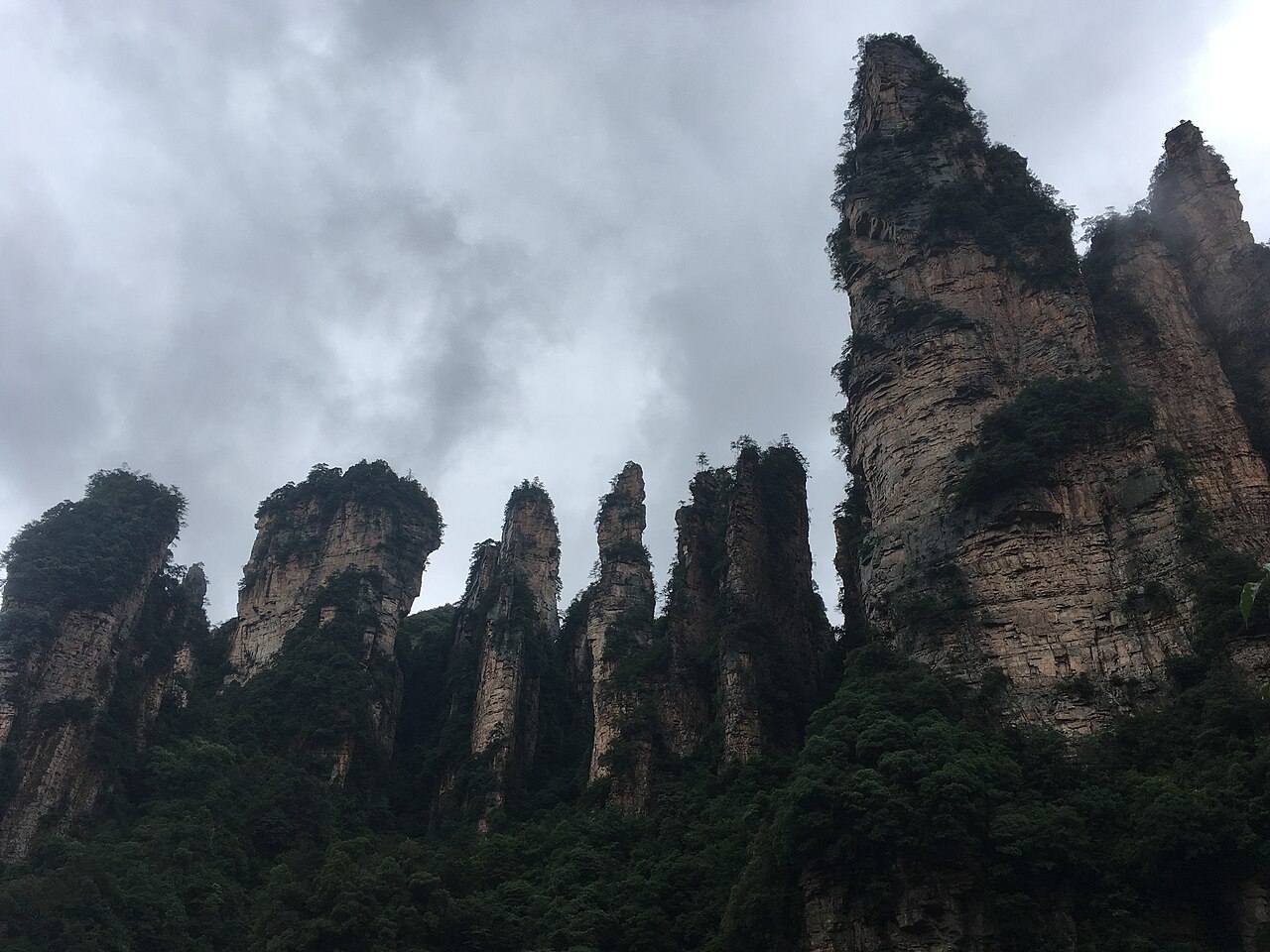
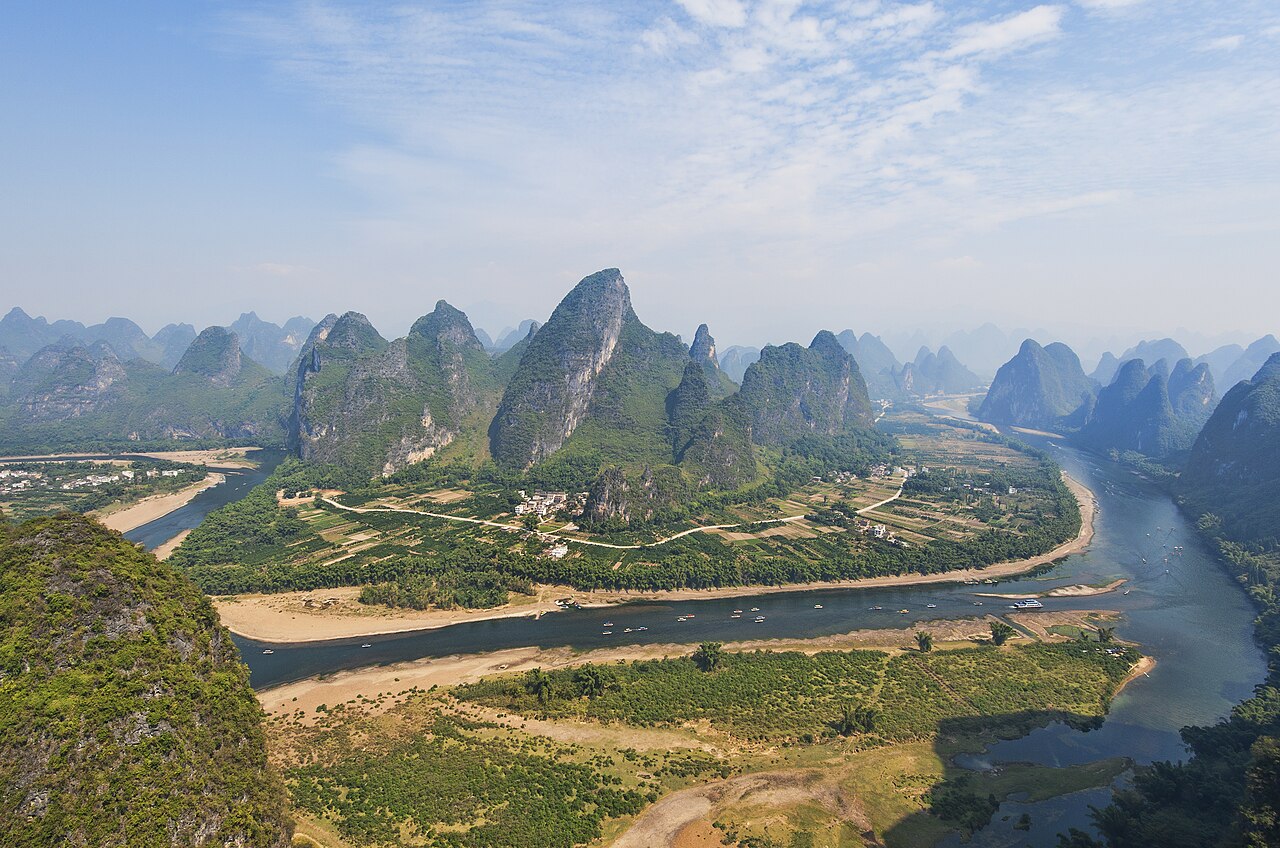
The cliffs and stone bridges of East Lake

Shaoxing made objects change and times overlap; I kept losing track of what dynasty I was standing in, as if I had crossed through and waited a thousand years. — A traveller's note in the source guide

A traveller's note in the source guide

The Jiangnan elegance here comes out of the bone, out of accumulated history. This soil is too rich, too good at feeding people. It is the water town among water towns, the Jiangnan above Jiangnan. — A traveller's note in the source guide

A traveller's note in the source guide

Most people arrive in Shaoxing carrying a textbook. Lu Xun set his best-known writing here and the city has organised itself around that fact: the house, the ancestral home, Sanwei Study where he sat as a schoolboy, Baicao Garden behind it with its vegetable beds and the smooth stone rim of the well. You can walk the whole thing in a morning and it costs nothing. Get there before ten, before the tour groups.

What surprises people is how much older than Lu Xun the place is. It was founded in 490 BC as the capital of the state of Yue, which is why Goujian's business of sleeping on brushwood and tasting gall belongs to this ground; Qin Shi Huang made it the seat of Kuaiji commandery in 222 BC, and the name came and went through the Han, the Sui and the Song until the city was formally named Shaoxing in 1983. Two and a half thousand years of that sit inside a town you can cross by bus for ¥1.

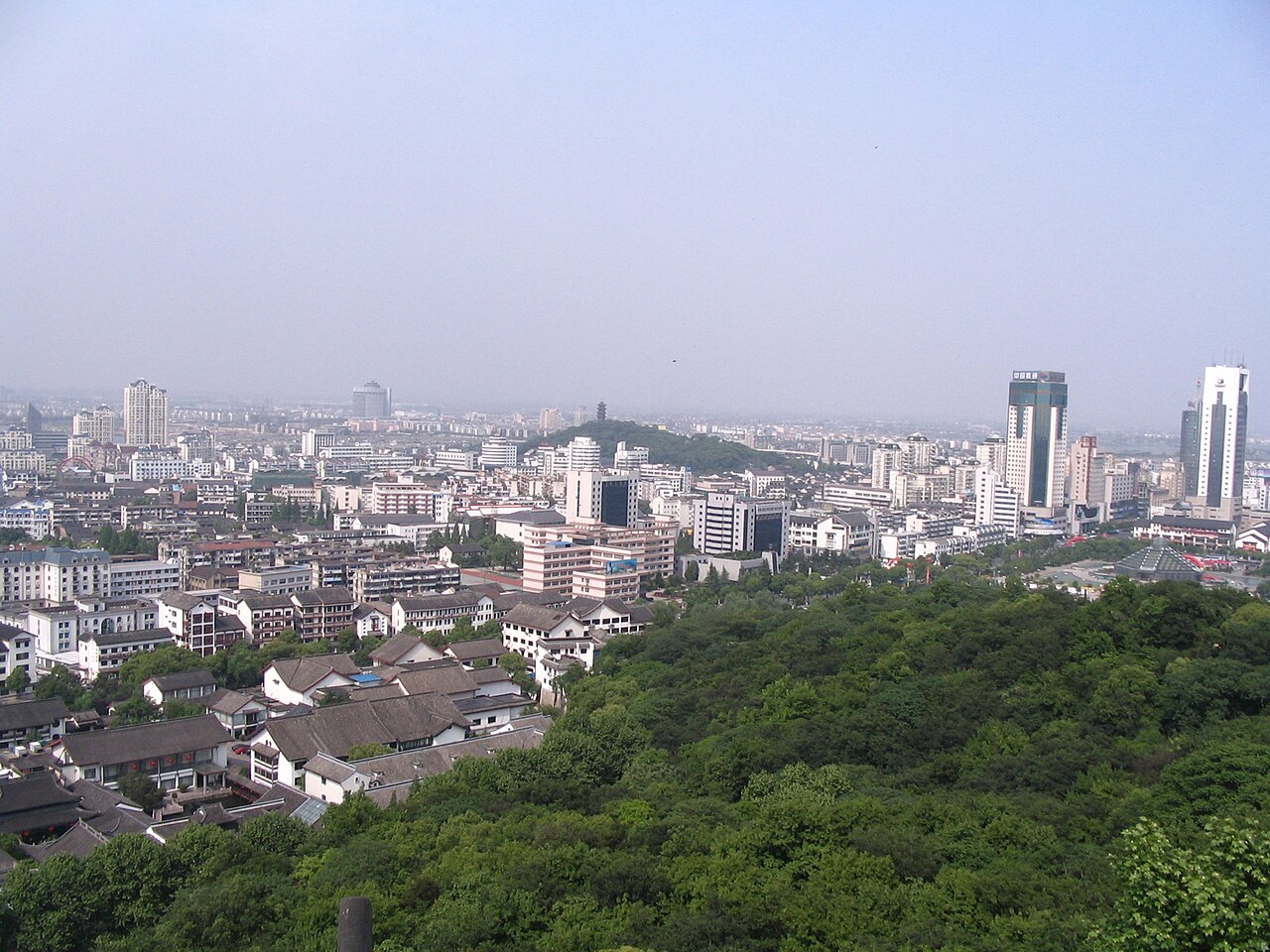
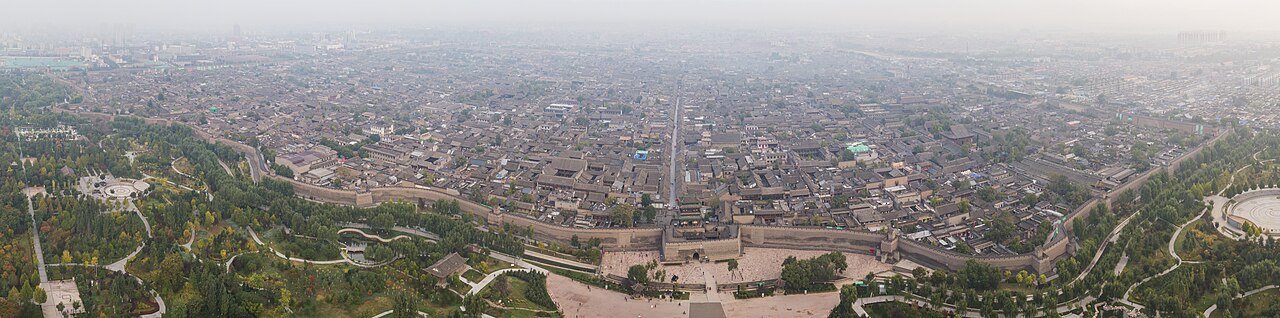
It is a water city first. The Jianhu system gathers the streams off Kuaiji Mountain and holds the whole town slightly above the ground, and along it sit the things the source guide calls the character of Shaoxing — the black-tiled gatehouses, the stone bridges, the old opera stages, the towpath, and the boats with black awnings over them. Take one. It is the one thing here you cannot do anywhere else.

Then there is the ink and the wine. At Lan Ting, Wang Xizhi wrote the preface that every Chinese schoolchild has tried to copy. At Shen Garden, Lu You and Tang Wan wrote the poems that kept a failed romance alive for nine hundred years. And the yellow wine, brewed with Jianhu water and drunk warm from a small blue-and-white cup, is what holds the whole thing together. Two days covers the classics; three if you want the quarry faces at Keyan or the five-stage falls at Wuxie.

Shaoxing

Don't leave without

Seven things that are worth rearranging a day for.

  1. Collect the free ticket at Lu Xun's residence and stand in Baicao Garden before the crowds arrive
  2. Hire a whole wupeng boat and go under the old bridges with someone sculling at the back
  3. Do Shen Garden twice — daylight for the Song remains, night for the 19:40 performance
  4. Sit at Lan Ting and copy a few characters on the sand table, then read the stele Pavilion front and back
  5. Take a wupeng boat into East Lake and walk back out along the shore
  6. Order half portions at Xunbaoji so one person can eat four dishes for ¥46
  7. Walk Cangqiao Straight Street end to end at dusk, when the residents are cooking

Highlights

Six reasons Shaoxing is worth two days

Lu Xun's world, and free

The best-preserved historic block in the city centre: the house, the ancestral home, Sanwei Study, Baicao Garden, plus the west wing of the ancestral house that never used to be open, the restored Zhou and Shou gatehouses, the Tugu shrine where Ah Q slept, and the folk-customs garden drawn from his stories. Free with ID. Be there when it opens.

A wupeng boat under the old bridges

The black-awning boat is the thing Shaoxing is a picture of. It is hired whole, sits three, and is sculled from the stern while you go under bridges built when the city was already old. At ¥50 for the run from Lu Xun's home to Shen Garden it is also the best value experience in town.

Lan Ting, where the calligraphy comes from

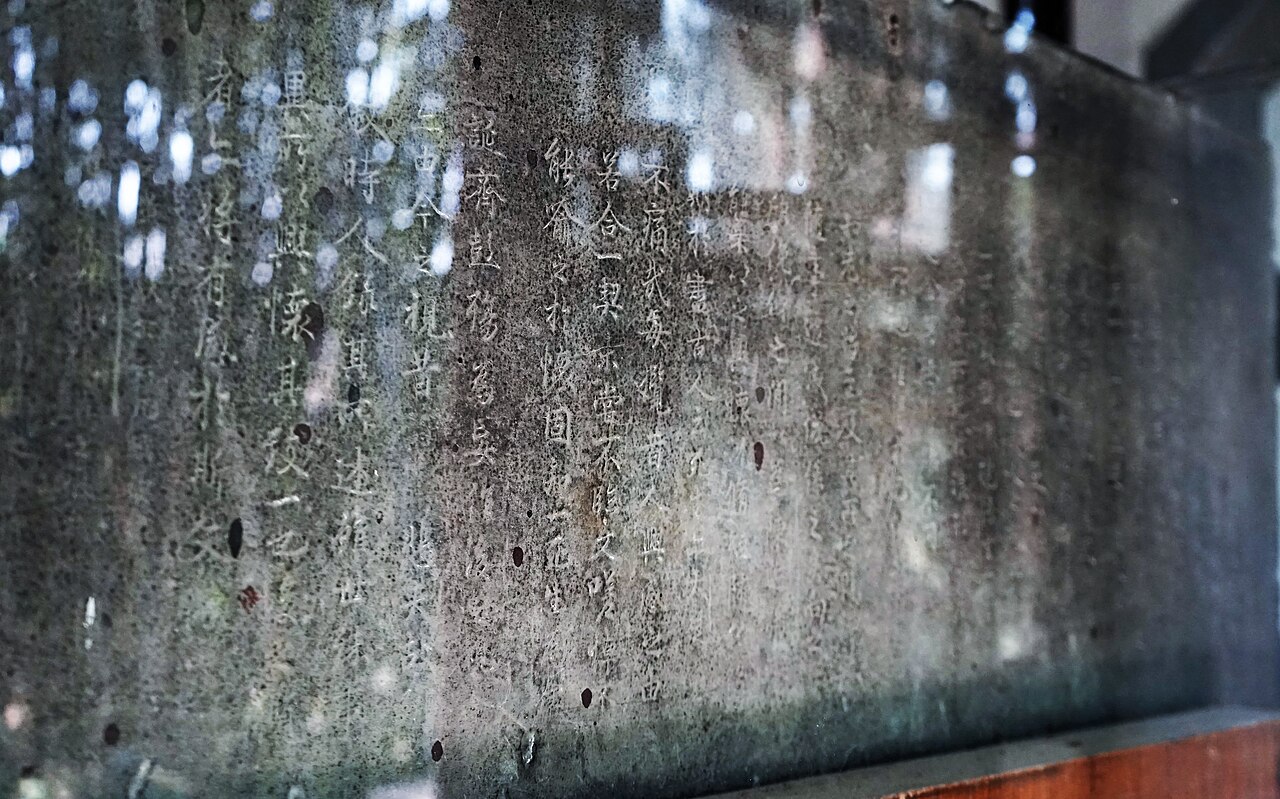
One afternoon in 353 AD: Wang Xizhi and forty-one friends, a purification rite, cups of wine floated down a winding stream, and a preface written to the poems that came out of it. The Goose Pool, the Curving Water Pavilion and the Imperial Stele Pavilion are still there, and the pavilion carries Kangxi's copy of the whole preface on the front and Qianlong's poem on the back.

Shen Garden, twice

A Song private garden with a Song gourd pond, a Song well and a Song mound still in it, and a love story attached that has lasted nine hundred years. By day it is a garden, ¥40. By night it is a performance, ¥70, with a Song-style opening ceremony, lantern walking and the Shuanggui hall show at 19:40.

Old streets you do not pay for

Cangqiao Straight Street is river, houses and stone paving under five old bridges, and it has been called a living display of Chinese heritage because people still live in it. Add Baziqiao — a Song bridge shaped like the character for eight, an ancient grade separation — plus Xixiaohe and Shimenkan, and you have the best afternoon in the city for nothing.

Wine, warmed, in a blue-and-white cup

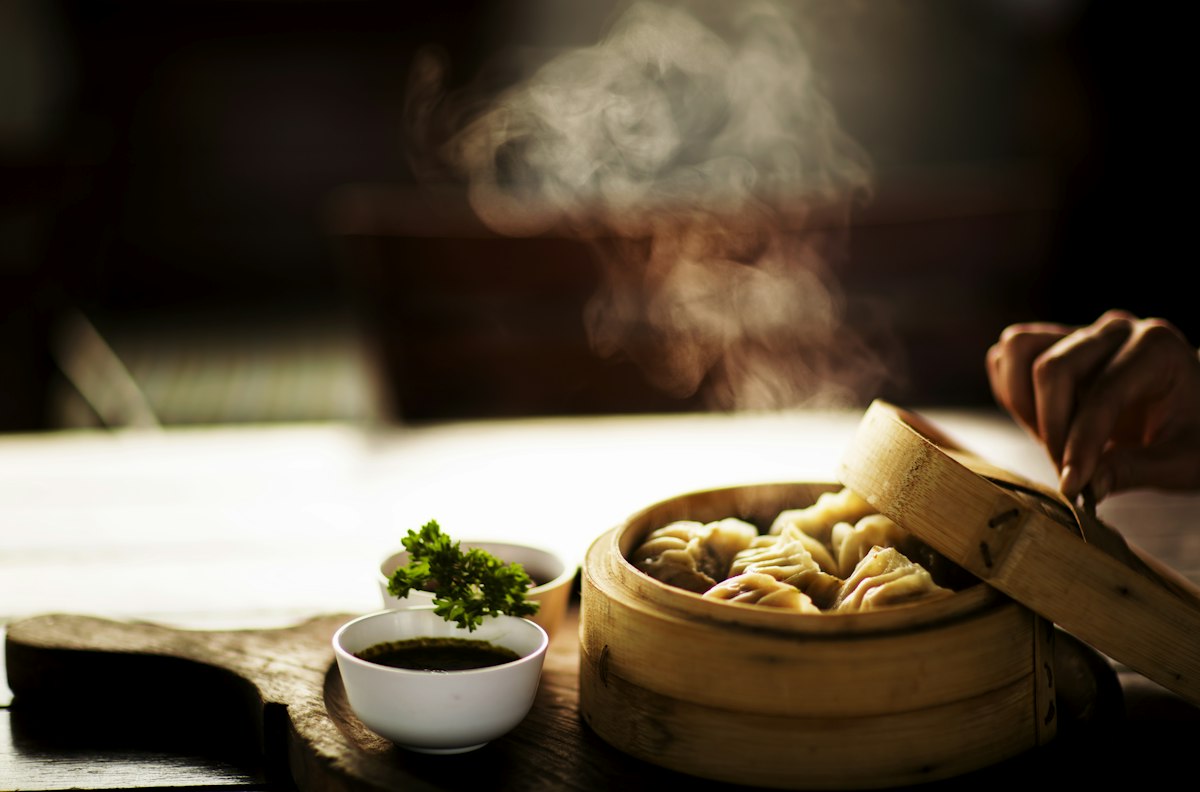
Shaoxing wine is made with Jianhu water and has been since the Spring and Autumn period. Locals call it old wine. Sit in a canalside tavern, have a pot warmed, drink it small with fennel beans and drunken chicken around it. At Xianheng, where Kong Yiji drank, a bowl is about ¥24 and a plate of beans ¥10.

Suggested routes

One day, the classic two, or a deeper four

The culture day

1 day days

Everything that made Shaoxing famous, in one long day, in the order the guide sets out.

  1. Morning

    East Lake

    Start at East Lake, out at the foot of Ruokui Mountain where a flooded quarry made cliffs, caves, stone bridges and black water. Take a wupeng boat in and walk back out along the shore so you see it from both levels — about 20 minutes on the water, ¥85 or ¥75 a boat.

    Sit on a stone bench with fennel beans when your legs give out, and listen for the water-side opera on the lake. It may well be a recording, but it works anyway.

    Stops: East LakeWupeng boatWater-side opera

  2. Afternoon

    Lu Xun's former residence

    Into town to Lu Xun's home. Collect the free ticket with your ID before 16:00, then walk it properly — the house, the ancestral home, Sanwei Study with its corner table, and Baicao Garden at the back.

    Eat nearby before or after: proper Shaoxing dishes and genuine local wine. Xianheng is on the same street; Xunbaoji is a short walk into Cangqiao Straight Street.

    Stops: Lu Xun's former residenceSanwei StudyBaicao GardenLunch on Lu Xun Middle Road

  3. Evening

    Shen Garden

    Shen Garden is five minutes' walk from Lu Xun's home. Do it in daylight for the garden and then decide whether to come back for the ¥70 night performance at 18:30.

    Finish the day reading the two poems on the wall — Lu You's and Tang Wan's — which is the reason anyone comes here at all.

    Stops: Shen GardenShen Garden by Night

The classic two days

2 days days

The route the guide calls free of detours: literature on one day, ink and water on the other.

  1. Day 1

    Dayu's mausoleum — Lan Ting

    Arrive by train and drop your bag; treat Lu Xun's home as your transport hub, since it is the busiest, best-connected corner of the city. First go and collect any ticket you booked online.

    Then out to Kuaiji Mountain for Dayu's mausoleum — the ¥50 through-ticket also covers the bird garden and Incense Burner Peak. Climb the spirit way past twelve pairs of stone beasts, over the Yugong bridge and through the star gate to the stele pavilion.

    Afternoon at Lan Ting, the holy place of calligraphy. If you are lucky you catch a curved-water ceremony in progress. Back to Lu Xun's home for dinner at Xunbaoji — half portions, so order the signature dishes — and sleep nearby.

    Stops: Lu Xun's former residenceDayu's mausoleum, Kuaiji MountainLan TingDinner at Xunbaoji Zhuangyuanlou
  2. Day 2

    East Lake — Shen Garden — Lu Xun's home — Cangqiao Straight Street

    Sleep in, then bus to East Lake. There is one route and it is simple: walk in along both banks of the lake. Eat Shaoxing specialities near the lake afterwards.

    Back to Lu Xun's home in the afternoon; Shen Garden is a five-minute walk from it and Cangqiao Straight Street is close by too, so do all three together. Zhou Enlai's ancestral home fits in if there is time.

    Finish in the old streets — stinky tofu, fennel beans, a pot of wine — and buy a bottle to take home. A rickshaw ride through the lanes is ¥3–5 to start.

    Stops: East LakeShen GardenLu Xun's former residenceCangqiao Straight Street

The deeper four days

4 days days

Two days of city, one of suburb, one of countryside — the full range of what the prefecture holds.

  1. Day 1

    Literature: Dayu's mausoleum and Lan Ting

    Arrive at Shaoxing station, eat something homely nearby, then out to Kuaiji Mountain — climb the thousand steps, stand under the statue of Dayu. Down again and bus to Lan Ting for the pavilions and the curved water. Sleep in Yuecheng district.

    Stops: Dayu's mausoleumLan Ting

  2. Day 2

    Water: East Lake, Shen Garden, Lu Xun's home, Cangqiao

    East Lake first, boat in and walk out. Then back to town: Lu Xun's home, Shen Garden and Cangqiao Straight Street are all within a short walk of each other, so do them in one go. Zhou Enlai's ancestral home if you still have energy. Same hotel.

    Stops: East LakeShen GardenLu Xun's former residenceCangqiao Straight Street

  3. Day 3

    Suburb: Keyan — Jianhu — Luzhen

    Early bus out to Keyan, where the ¥115 combined ticket also covers Jianhu and Luzhen, and do all three in order. Much of it is rebuilt, but the water-town feel is real and Luzhen has performers playing Ah Q and Xianglin's wife. Eat at one of the inns inside or bring your own.

    Try the fennel beans Kong Yiji loved, then move on and sleep in Zhuji.

    Stops: KeyanJianhuLuzhen

  4. Day 4

    Countryside: Wuxie

    Sleep in, then the Wuxie scenic area in Zhuji — five successive waterfalls dropping through a gorge between two peaks, water that has come ten-odd kilometres down from a source over 1,000 m up, with bamboo forest around it. ¥80, 07:30–17:00.

    With more time, add Xishi's home village or Anchang old town on the way back.

    Stops: Wuxie waterfallsXishi's home villageAnchang old town

Sights

The six that matter, with the prices that go with them

Free with ID

Lu Xun's former residence

The best-preserved and most culturally loaded historic block in central Shaoxing, and the reason most visitors come. It restores the house he grew up in and the places in it that anyone who read him at school will recognise, and it opens parts that were never open before — the west wing of the ancestral house, the restored Zhou and Shou family gatehouses, the Tugu shrine where Ah Q slept, and the folk-customs garden built from his stories. This is the place to read the work against the ground it came out of.

Ticket
Free on presentation of ID; a guide costs extra
Hours
08:20–17:00; tickets issued 08:20–16:00
Online booking
Memorial museum or Shaoxing tourism site; 2,000 a day
Address
241 Lu Xun Middle Road, Yuecheng district
Suggested time
2–3 hours

Tip Go at opening. By ten the tour groups are in Baicao Garden and the whole point of the place — standing in it quietly — is gone.

Song garden, and a night show

Shen Garden

Originally the private garden of a family named Shen, and already a famous garden in Shaoxing under the Song, when it was several times its present size. What survives from the Song is the gourd pond, the well and the earthen mound; the north-east corner holds the Lu You memorial hall. The reason to come is the story: Lu You and his cousin Tang Wan, married and forced apart, meeting again here years later and writing the poems that are still on the wall.

Day ticket
¥40, 08:00–17:00
Night ticket
¥70, 18:30–21:30; performance starts 19:40
Address
318 Lu Xun Middle Road, Yuecheng district
Getting there
Bus to Lu Xun's home (Party School) stop, or the east sightseeing line
Note
Heavy rain cancels the night performance

Tip Do both if you can. The ¥40 daylight visit is the garden; the ¥70 night one is a piece of theatre — Song opening ceremony, night market, lantern-lit walking and the Shuanggui hall show.

The calligraphy shrine

Lan Ting

Known worldwide for one piece of writing. In 353 AD Wang Xizhi and forty-one friends held a purification rite here, set cups of wine floating on a winding stream, and wrote poems; Wang wrote the preface to the collection, and it became the most copied piece of calligraphy in the language. The Goose Pool, the Curving Water Pavilion, the Lan Ting stele, the Imperial Stele Pavilion and the Right General's shrine are all still standing, among thick bamboo and a fast clear stream.

Ticket
¥40
Hours
08:00–17:00
Address
foot of Lanzhu Mountain, Lanting town, Shaoxing county
Getting there
Bus 23, 3 or 303 to the Lan Ting scenic stop, or the west sightseeing line
Look for
Kangxi's full copy of the preface on the front of the stele pavilion, Qianlong's poem on the back

Tip Inside the pavilion there is a sand table and a stone slab for practising characters — use them. The slight rise behind the pavilion is the best background for a photograph in the whole garden.

Boat in, walk out

East Lake

At the foot of Ruokui Mountain east of the city, where Qin Shi Huang is said to have stopped to water his horses on his eastern progress. A quarry that flooded, so cliffs, caves, stone bridges and dark water are interleaved, and the best way round it is one you choose deliberately: take a wupeng boat in and walk back out along the bank, so you get both views. There is water-side opera on the lake, and benches to sit on with fennel beans.

Ticket
¥40
Hours
08:00–17:00
Address
Yuecheng district, below Yuezhou bridge on national road 104
Getting there
Bus 1 or 29 to the East Lake scenic stop
Boat
Line A ¥85, line B ¥75, per boat of three, about 20 minutes

Tip Since 1 January 2013 the boatman must give the full commentary for the whole route free of charge, and may not ask passengers for anything. Queues form on public holidays.

The through-ticket

Dayu's mausoleum and Kuaiji Mountain

The burial place of Dayu, the hero who tamed the floods and the founder-king of the first dynasty, on the south-eastern edge of the city. Three parts: the tomb, the clan shrine and the temple. Enter by the spirit way under the arch that carries the name in a statesman's calligraphy, between twelve pairs of stone beasts, then over the Yugong bridge and through the blue-stone star gate and up to the stele pavilion. The shrine of the Si clan holds the thousand-year-old Yu well; the temple runs screen wall, stele pavilion, meridian gate, worship hall and great hall.

Ticket
¥50 Kuaiji Mountain through-ticket, covers the mausoleum, the bird garden and Incense Burner Peak
Hours
08:00–17:00
Address
Shouling village, Yuecheng district
Getting there
Bus to the Dayu mausoleum stop, or the east sightseeing line
Boat
¥50 either line from the mausoleum pier; sculled boat ¥10 a head

Tip Worth doing for the spirit way alone. You come for antiquities and leave with a bit of borrowed luck, which is a fair exchange for ¥50.

The Ming brick house

Zhou Enlai's ancestral home

A brick-and-tile house in Ming style behind a black bamboo-slat gatehouse of the kind Shaoxing does better than anywhere, where the Zhou family lived for generations — which is why the premier always called himself a Shaoxing man. Three halls, each separated by a skywell and linked by stone corridors, laid out with real formality and in an unmistakably local idiom. Afterwards walk over to the Baziqiao quarter for the street life.

Ticket
¥18
Hours
08:00–17:00
Address
369 Laodong Road, Yuecheng district
Getting there
Bus to Songmeiqiao or the mobile company stop, then walk
Combine with
Baziqiao and its old lane, free and open all day

Tip Only ¥18 and half an hour, and it is the quickest way to see what a Shaoxing gatehouse looks like from the inside.

Activities

Boats, night theatre, opera and the old streets

The one essential

Take a wupeng boat

The boat is named for the black-painted bamboo awning over it, and Shaoxing being a water town, the town is a world of boats. Hired whole, three seats, sculled from the stern; the narrow hull means you sit in the middle and do not stand up. The routes are fixed and the fares are published, but the operations are contracted out and prices drift upward, so confirm at the pier before you board.

From Lu Xun's home
¥50 east to Shen Garden, ¥50 west to Xianheng; pier by Dongchangfang bridge
City Square
North A ¥100, north B ¥80, south A ¥100, south B ¥60, presentation boat ¥180
East Lake
Line A ¥85, line B ¥75, about 20 minutes
Baziqiao
South ¥60, north ¥80
Dayu's mausoleum
¥50 either line; sculled boat ¥10 a head
Enquiries
0575-88369963 / 88369970

Tip Settle the price before you get in — the guide says some boats will negotiate. From the Qianguan lane landing it is a ten-minute walk to Lu Xun's home.

The evening

Shen Garden by Night

Shaoxing's night-tour piece, and the one thing in town you need to book an evening for. The sequence is a welcome at the pier, a Song-dynasty night market, the formal opening of the garden, walking the garden by lantern in the company of maids, the village wine ritual, the presentation of the blessing cakes and the gong that opens the opera. You then see the Shuanggui hall performance, which is the heart of it.

Ticket
¥70
Hours
18:30–21:30
Performance
Starts 19:40; cancelled in heavy rain
Address
318 Lu Xun Middle Road, inside Shen Garden
Getting there
Bus to Lu Xun's home (Party School) stop, or the east sightseeing line

Tip The hall performance is the reason to pay the extra ¥30 over the day ticket. Arrive by 18:30 to get through the garden before the show.

Local custom

Sit in a boat and listen to the water-side opera

Shexi is the old Shaoxing custom of staging opera for the earth god at the spring and autumn sacrifices, to thank and to ask. Lu Xun wrote that foreigners find Chinese opera too loud and too violent for a theatre, but that seen from a distance across a field it has its own quality. Ancient stages survive at Dong'an, Renjiaqiao, Fengyi, Dongzhou and Binshe, and at East Lake you can hear it from a wupeng boat on the water.

Where
East Lake, from a boat or the bank
What it is
Spring and autumn sacrificial opera, staged to thank the god and pray for blessing
Old stages
Dong'an, Renjiaqiao, Fengyi, Dongzhou, Binshe
Warning
What you hear may be a recording rather than live

Tip Honest note from a traveller in the guide: at the far end of East Lake the opera is audible from a long way off, and people standing nearby were saying it was not live. It still sounds right with that view.

Free, and the best of it

Walk the old streets, or take a rickshaw

Someone in the guide describes an old Shaoxing street as salted fish and salted pork hanging glossy under the eaves, a childhood memory, stone paving, a courtyard covered in creeper. Most of the old streets are Ming and Qing, built one street to one canal or one canal between two streets, full of gatehouses, stone bridges, food shops and craft stalls. The ones to walk are Cangqiao Straight Street, Xixiaohe Straight Street, Baziqiao Straight Street, the Lu Xun quarter and Shimenkan.

Cangqiao Straight Street
River, houses, stone paving; five old bridges; free, all day
Baziqiao Straight Street
Song bridge shaped like the character for eight; free, all day
Xixiaohe and Shimenkan
Living lanes, few visitors
Rickshaw
¥3–5 to start, human, electric and motor tricycles all available
Rule
Use licensed tricycles and fix the price before you get in

Tip One traveller cycled from Lu Xun's home to Cangqiao in about fifteen minutes while the rickshaw man quoted him classical allusions the whole way. The street was nearly empty of visitors and full of residents.

Seasonal

Drink wine at the curved water, Lan Ting

The thing Wang Xizhi's party actually did: cups of wine set floating down a winding stream, and when one stopped in front of you, you drank it and composed a poem. It is re-enacted at Lan Ting, and it is not a performance for tourists only — visitors join in with enthusiasm, some sing opera, some compose, and one traveller watched a child deliver his father's poem for him.

Where
The Curving Water Pavilion, Lan Ting
When
Around the calligraphy festival, lunar March to April
Cost
Included in the ¥40 Lan Ting ticket
Also
Sand and stone tables inside for practising characters

Tip It has the feel of a festival rather than a show. Go during the calligraphy festival if your dates are flexible.

Timing

The two festivals worth planning around

Two events in the Shaoxing year are worth moving your dates for. The Lan Ting international calligraphy festival has run since 1985 and includes the rite of purification, the curved-water ceremony, exhibitions, calligraphy auctions and an international symposium. The public sacrifice to Dayu has been held at the Yu temple every Qingming since 1995, and each year is larger than the last.

Lan Ting calligraphy festival
Lunar March–April, at Lan Ting
Public sacrifice to Dayu
Qingming festival, on Kuaiji Mountain
Houshan peach blossom festival
Spring, at Houshan
Yellow-wine festival
Autumn, in Shaoxing
Hutang osmanthus festival
Autumn, at Hutang

Tip April to June is high water and carries most of the spring festivals; September to November carries the wine and osmanthus ones. Either window is better than midsummer.

Food

What Shaoxing eats, and drinks

Fennel beans

The snack Kong Yiji made immortal, and the first thing to order. Originally just a cheap everyday nibble in Shaoxing, good value and filling, it became the standing wine accompaniment in every tavern in town and county because women and children would spend a few coppers on it too. Salty, dry, faintly aniseed, designed to make you drink.

Drunken chicken

Shaoxing is the home of huadiao wine, so of course there is drunken chicken: poached, then steeped in it. It smells strongly of wine, the flesh stays tender and juicy, and the taste keeps coming back at you afterwards. Cold drunken chicken out of the fridge on a muggy summer day is one of the better things you can eat in this part of China.

Pork belly with dried mustard greens

Meigancai is a cheap, traditional Shaoxing preserve — glossy black, deep in flavour, keeps forever — and braised with pork belly it produces the dish everyone names. The meat is soft and thoroughly seasoned and there is less fat than you expect. It is salty. It is meant to be. It is eaten with rice.

Stinky tofu

Compulsory reading if you want to understand Shaoxing food. It is fermented in amaranth-stem brine and comes steamed or fried; fried is common because it is easier to eat, steamed has more of the domestic, home-cooked taste and a real savouriness under the smell. People who like it move towards the smell. People who do not move away fast.

Cream xiaopan

A local sweet that looks like a small round white hat: a baked shell of flour and egg like a little bowl, capped with whipped egg white like a snow mountain. Better looking than it has any right to be and better eating than that. Worth trying once, from an old-street stall.

Shaoxing yellow wine

Locals call it old wine. Brewing here goes back to the Spring and Autumn period, and the wine is made with Jianhu water by a traditional process, which is why it tops the Chinese yellow-wine category. Guyue Longshan jiafan and Shaoxing huadiao in sealed jars are the two names to look for. Drink it warmed, from a small blue-and-white cup, in a canalside tavern.

How the cooking works

Shaoxing cooking is Jiangnan water-town cooking and it is savoury — at the very least, not sweet. Freshwater fish, shrimp and river shellfish, poultry and beans are the main materials; the cooking aims for crisp outside and soft and glutinous inside, for stock that is the dish's own, for light oil and for no chilli at all.

Where to eat

Two restaurants worth planning around, and the old-street snacks

Where Kong Yiji drank

Xianheng Hotel

Most visitors come here for Lu Xun, and this is the house he put into a story. Famous name, but the ordering is closer to a canteen than a restaurant: you load a meal card and then walk up to the counter and point at finished dishes, which apparently is how the place has worked for a hundred years. The braised pork with dried mustard greens is unambiguously the best thing on the counter; everything else is decent Jiangnan cooking. A bowl of wine is about ¥24 and a plate of fennel beans ¥10.

Address
179 Lu Xun Middle Road, Yuecheng district, near Lu Xun's former residence
Average spend
¥77
Phone
0575-85116666
Order
Pork with dried mustard greens, fennel beans, a bowl of warm wine, drunken chicken, hand-peeled bamboo shoots

Best value in town

Xunbaoji Zhuangyuanlou
Properly local Shaoxing cooking, and the useful thing about it is that most dishes can be ordered in half portions, so one person can eat four things instead of one. The signature scholar chicken, drunken crab and drunken chicken are all well marinated and the yellow wine is sweet and easy to drink. The room is done out in an antique style and it is busy — expect to queue at peak hours.

Address
Cangqiao Straight Street at Fuheng Street junction, Yuecheng district
Average spend
¥46
Phone
0575-85223317
Order
Scholar chicken, drunken crab, drunken chicken; half portions where you can
Snacks, not meals

The old-street stalls

The food you actually remember in Shaoxing is bought standing up: stinky tofu fried or steamed, fennel beans by the plate, cream xiaopan from a bakery window, hand-peeled bamboo shoots, and a pot of warmed wine at a canalside table. Cangqiao Straight Street and the lanes around Lu Xun's home are where they cluster, and the point of them is that they go with the street rather than with a tablecloth.
Where
Cangqiao Straight Street, the lanes off Lu Xun Middle Road
What
Stinky tofu, fennel beans, cream xiaopan, hand-peeled bamboo shoots
Drink
Yellow wine, warmed, from a blue-and-white cup
Price
A bowl of wine about ¥24, a plate of fennel beans about ¥10

Lunch with a view

East Lake, and eating near the water

Eat Shaoxing specialities at a restaurant near East Lake after you have walked the shore, or bring your own food into the scenic area. There are benches along the bank and the sensible plan is to sit on one with a bag of fennel beans and let the lake do the work.
Where
Restaurants near the East Lake scenic area
Or
Bring food in and eat on a bench by the water
Order
River fish, fennel beans, a pot of wine

Eat inside or bring it

Keyan, Jianhu and Luzhen, day three
If you are doing the ¥115 combined ticket out at Keyan, you can eat at the inns inside the scenic area — the Lu family inn, Yishiju tavern and Taisheng tavern — or bring your own. The fennel beans Kong Yiji loved are the thing to try here, in the fictional town built out of his fiction.

Inside the scenic area
Lu family inn, Yishiju tavern, Taisheng tavern
Or
Bring your own food
Try
Fennel beans, in Luzhen

Plan ahead

One thing to know about eating here

Shaoxing does not have many restaurants, and it is common to walk a whole street and pass only two or three. The highest concentration is around East Street and Lu Xun's former residence, which is another reason to base yourself on Lu Xun Middle Road. If you have a specific place in mind, check its hours before you set off across town for it.

Most restaurants
East Street and around Lu Xun's former residence
Warning
Long stretches with nothing — decide before you get hungry
Peak hours
Xunbaoji queues; go early or late

Where to stay

Two hostels under ¥40, and four hotels from ¥254

Read this first

Where to base yourself

Staying in Shaoxing is easy and the choice is obvious: somewhere on or near Lu Xun Middle Road in the centre, where the transport, the food and most of the sights are all within walking distance. That one street has everything from a five-star like Xianheng Grand Hotel down to small guesthouses with very good value, which is why the guide's own recommendation is simply to stay there.

Best area
Lu Xun Middle Road, in the centre
Why
Walking distance to Lu Xun's home, Shen Garden, Cangqiao Straight Street and the food
Budget
Hostel beds ¥34–39
Mid-range
¥254
Top end
¥359–528

Inside the old quarter

Lu Xun's Home International Youth Hostel

It sits inside Lu Xun's former residence quarter, and you open the window onto the picture: wupeng boats, stone paving, black felt hats, the canal, the stone bridge. The building is the former Song family gatehouse, a water-town house several hundred years old, kept in the traditional style and in genuine Ming and Qing condition — a courtyard layout with two yards as common space. The downside is that some rooms are not well soundproofed.

Address
558 Xinnan South Road, inside Lu Xun's former residence, by the west gate
Price
From ¥39, a bed in a six-bed room
Phone
0575-85080288
Note
Some rooms are thin on soundproofing

Quiet, by the park

Shaoxing International Youth Hostel

On Huanshan Road, with Fushan Park in front of it and Shaoxing Hotel and the Shaoxing friendship hall next door — green, fresh air and sun. It is designed in the idiom of a Shaoxing house: plain, quiet, warm, with cane chairs, stone stools, old wood tables and Chinese lanterns that visitors notice immediately. The four-bed rooms are a bit cramped, but the value is high.

Address
11 Huanshan Road, Yuecheng district
Price
From ¥34
Phone
0575-85151780
Note
Four-bed rooms feel tight; still good value

The garden hotel

Shaoxing Hotel

In the centre, across the road from Fushan Park, near the railway station and the coach station, with Sleeping Dragon Hill behind it — the hill named for Goujian sleeping on brushwood and tasting gall. The buildings are a plain, elegant complex of white walls, black tiles, winding corridors, little bridges, running water and planting, strongly local in character. It is a conference hotel, comfortable and fully equipped; the discounted rooms are small with bathrooms that are barely three-star, so book a deluxe room if that matters.

Address
8 Huanshan Road, at the Fushan West Road junction
Price
From ¥359
Phone
0575-85155888
Note
Discounted rooms are small; book deluxe if you care

The old five-star

Xianheng Grand Hotel

At the south end of Jiefang Road, the busiest commercial street in town. An old-style five-star and fully equipped; the lobby is large and dimly lit and the staff greet everyone who comes in. Rooms are big and the windows look onto Tashan Park and its trees. There are a lot of complimentary items — laundry and sauna are free — but the fittings are showing their age.

Address
680 Jiefang South Road, Yuecheng district
Price
From ¥528
Phone
0575-88068688
Note
Free laundry and sauna; fittings are dated

The mid-range pick

Harbour Hotel

Right in the centre on the main shopping street, with Feilai Hill park beside it, so transport, sightseeing and shopping are all close. An older hotel with some rooms refurbished; the deluxe rooms are comfortable and every room has broadband, with computers in the business rooms. There is a café with real character, which is a good place to sit down for half an hour.

Address
639 Jiefang South Road, at the Hechangtang junction
Price
From ¥254
Phone
0575-88051818
Note
Free broadband in every room; computers in business rooms

Shopping

What to take home, and where not to buy it

The black felt hat

Wearing one is the marker of a Shaoxing man. Modern ones are made of wool, which takes water without soaking it up and shrugs off mud, so it keeps the rain and the sun off, and the turned-up brim is used to hold a cigarette or a few notes. The cheapest, most recognisable thing you can buy here, and it packs flat.

Pearls, from the biggest market in the country

Zhuji, under Shaoxing, is the pearl country. Ninety-eight per cent of the world's freshwater pearls come from China and more than eighty per cent of China's come from Zhuji, so the range is wide and the prices are low. Shanxiahu pearl market has a thousand stalls and everything from jewellery and pendants to ornaments, pearl supplements and pearl cosmetics.

Shaoxing fermented tofu

Called mouldy tofu or vegetarian mock meat locally, and best eaten at breakfast with rice porridge. The red variety's brine is used to braise pork, which is a genuine local dish with a strong flavour; the wine-lees variety is used to steam tofu with spring onion, which does things to your appetite. Less famous than the wine and worth carrying home anyway.

Shaoxing xianggao crackers

A noted local cake, said to have been one of the eight tribute items sent to the Qing palace, and long known by the nickname of capital-bound crackers. Polished rice flour with cloves, cardamom, angelica, nutmeg, star anise and a ground spice mix, bound with white sugar, shaped and baked over white charcoal — golden not burnt, hard but not rock-hard, crisp and sweet, and held to settle the stomach and open the appetite.

Dried mustard greens

Salty, fragrant, with a long finish and it keeps indefinitely — people here still cure and sun-dry it at home as a matter of course. Beyond eating it on its own it goes into everything: pork belly, roast bamboo, braised fish, chicken, steamed tofu. Buy a bag to cook pork with at home and the smell will carry down the street.

Yue celadon

Shaoxing and Shangyu are where Chinese Yue celadon began, and it has a long history and a long reach — tribute to the imperial court, and a major Tang export. Thin body, even glaze, a blue-green colour that is bright and soft at once. If you like ceramics, this is the thing to carry.

Where to shop, and the one rule

Jiefang Road is the main commercial street, continuing to Lu Xun Road for Xianheng, Lu Xun's home and Cangqiao Straight Street and on to Shengli Road for the Qiu Jin statue and City Square. Shaoxing antique market by Baicao Garden has sixty-odd permanent shops and around a hundred temporary stalls, with dealers from Beijing, Shanghai and Nanjing. The rule: do not buy specialities inside the scenic areas. One traveller's summary is blunt — it is a swindle. Use a supermarket; Walmart under City Square has a specialities section.

Transport

Getting in, and moving around a town you can cross for ¥1

By air

Shaoxing has no civil airport of its own, but Hangzhou Xiaoshan is only about 30 km away and a 30-minute drive, and it has more than 160 routes to 104 destinations, so flying in and bussing across is the normal arrangement. The airport bus runs to Shaoxing city and to Keqiao new district, stopping at Keqiao by the Jinghu Hotel and in the city by the Margaret Hotel near the railway station square.

From the airport
07:20, 08:20, 09:40, 10:30, 11:20, 12:10, 13:00, 13:50, 14:40, 15:30, 16:20, 17:10, 18:00, 18:50, 20:00
From Shaoxing
06:00, 08:00, 08:50, then every 50 minutes to 18:30
Fare
¥30 to the city, ¥20 to Keqiao
Journey
40–50 minutes
Enquiries
0571-86662539 (08:00–23:00); 0575-85135301 (08:00–17:00)

By train

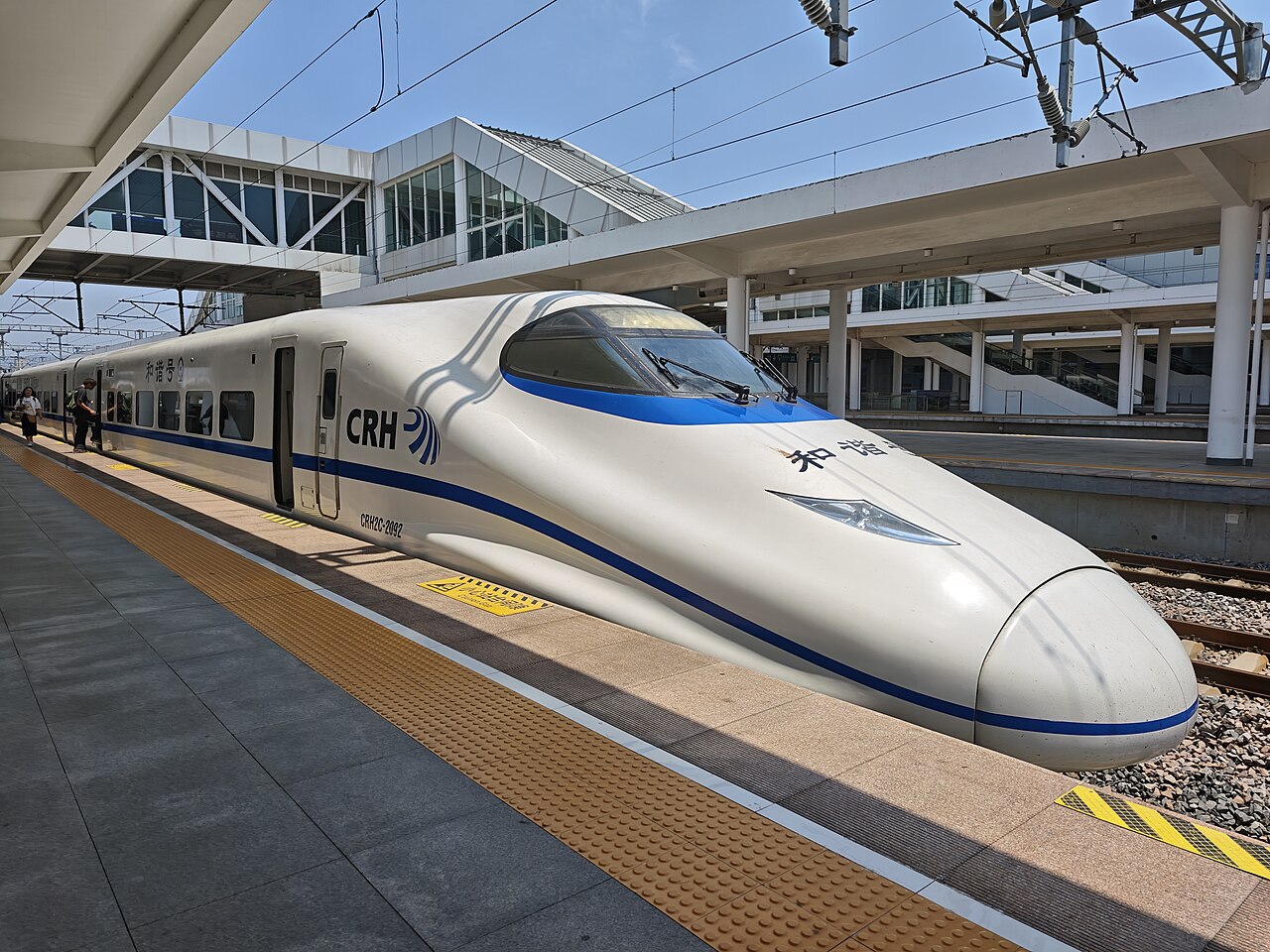
The passenger station is Shaoxing station, at Xiaochengbei bridge, north of the Margaret shopping centre; the Xiao–Yong railway runs through the city and a high-speed station is under construction, with fast trains currently calling at the existing one. About 37 trains a day run to Hangzhou station or Hangzhou South, 28 minutes on a fast train to two hours on a slow one, and about 1 hour 40 minutes east to Ningbo. Every train originating in Ningbo stops here, and you can book tickets from here for services originating in Hangzhou or Shanghai.

To Hangzhou
About 37 trains a day, 28 minutes to 2 hours
To Ningbo
About 1 hour 40 minutes
Booking
Hangzhou- and Shanghai-origin tickets can be booked in Shaoxing
Enquiries
0575-88022584
Warning
Check which station your ticket says — Shaoxing has one passenger station in use

By coach

Three long-distance stations. The central station on the east side of Chang'an roundabout on Zhongxing North Road handles cross-province services to Wenzhou, Shanghai, Suzhou, Huzhou, Xiaoshan, Changshu, Guangde, Cangnan, Bengbu, Nanchang and Xiamen; the east station on Huancheng East Road runs to the county cities — Zhuji, Xinchang, Shangyu, Shengzhou — and neighbours; the west station on the Second Ring West Road runs provincial routes plus Jiangsu, Fujian and Jiangxi. From Hangzhou East station, the ordinary coach is ¥20 and will let you get off at Keyan, while the ¥24 express runs straight through to the central station.

Central station
East of Chang'an roundabout, Zhongxing North Road; 0575-88022222
East station
516 Huancheng East Road; 0575-88644350
West station
390 Second Ring West Road; 0575-85151026
Hangzhou to Shaoxing
Ordinary ¥20, stops at Keyan; express ¥24, direct; about 1 hour
Hangzhou to Shaoxing by rail
28 minutes to 2 hours

Buses, taxis, tricycles and boats

Shaoxing is small. There are twenty-odd bus routes; the ones visitors use are 8 and 88 to Lu Xun's home, 1 to East Lake, 3, 23 and 303 to Lan Ting, and the 7 and 10 city loops, at ¥1 to start and ¥2 for a full ride. Two sightseeing lines leave the railway station: east to Houshan via Zhou Enlai's home and East Lake, returning past Qingteng Studio, the Lu Xun memorial, Shen Garden, Dayu's mausoleum and Incense Burner Peak; west to Lan Ting via Zhou Enlai's home, the Lu Xun memorial, Tashan and Qiu Jin's home. Taxis start at ¥7 for 2.5 km, then ¥2 a km plus ¥1 fuel surcharge, and the flag fall covers most city trips; Keyan is about ¥35 each way. Tricycles — pedal, electric and motor — start at ¥3–5.

City buses
¥1 to start, ¥2 full ride; 8 and 88 Lu Xun, 1 East Lake, 3/23/303 Lan Ting
Sightseeing east line
Station to Houshan via Zhou Enlai's home and East Lake
Sightseeing west line
Station to Lan Ting via Zhou Enlai's home, Lu Xun memorial, Tashan, Qiu Jin's home
Taxi
¥7 for 2.5 km, then ¥2 a km plus ¥1; Keyan about ¥35; hotline 0575-85333333
Tricycles
¥3–5 to start; use licensed ones and fix the price first
Wupeng boats
Per boat of three: ¥50 Lu Xun–Shen Garden, ¥60–100 City Square, ¥75–85 East Lake

By car

Driving in from Shanghai is about 180 km and 2–2.5 hours: the Shanghai–Hangzhou expressway via Fengjing, Jiaxing, Tudian and Chang'an, onto the Hangzhou ring road towards Shaoxing and Ningbo, past Xiasha and Xiaoshan onto the Hangyong expressway, off at the Shaoxing exit after Guali and Keqiao, then straight into the city — the toll gate is about 8 km out. From Nanjing it is the Nanjing–Hangzhou expressway, the ring road and the Huyong expressway to the same exit, about 4 hours. From Hangzhou, allow about 1 hour 20 minutes.

Shanghai to Shaoxing
About 180 km, 2–2.5 hours
Nanjing to Shaoxing
About 4 hours
Hangzhou to Shaoxing
About 1 hour 20 minutes
Toll gate to the city
About 8 km
Local tip
Suburban sights are where a taxi gets expensive — budget ¥35 each way to Keyan

Tips

Small things that make the trip

Tell the conductor where you are getting off

The one complaint everyone has: conductors on the buses to Keyan and Lan Ting call the stops in Shaoxing dialect and it is genuinely hard to follow. Say your stop clearly when you board, or watch the signs yourself, and if you are coming back by bus, find out when the last one leaves.

Buy water before you enter a scenic area

A bottle of water inside costs about ¥8. Stop at a shop outside the gate first. The same applies to food on day trips out of town — bring it in with you.

Bring sun, heat and insect protection in summer

Sunscreen, something for heatstroke and something for mosquitoes, plus a small fan. Shaoxing's annual mean is 16.5°C but the extremes reach 39.5°C, and the canals and old lanes are humid.

Do not buy specialities from the scenic-area sellers

There are vendors working the scenic areas carrying their stock by hand and shoulder, and they are too eager for a reason: the goods are usually not genuine and the quality is a gamble. Buy at a large supermarket or a specialist shop in the city instead.

Book the free Lu Xun ticket online if your dates are fixed

Tickets are free but capacity is capped at 2,000 a day for online reservations, and they are issued only between 08:20 and 16:00. Book through the memorial museum or the Shaoxing tourism site, and carry ID.

Fix the boat price and sit in the middle

Wupeng operations are contracted out and the fares drift upward; confirm the price at the pier before you board. The hull is narrow — sit in the middle and do not stand up. Presentation boats take four, ordinary ones three, including a baby in arms.

Practical

The numbers you will actually need

Almost everything worth doing in Shaoxing is either free or under ¥50. The boat is the one thing you should spend money on without thinking about it.

Main ticketsLu Xun's residence free with ID; Shen Garden ¥40 day / ¥70 night; Lan Ting ¥40; East Lake ¥40; Kuaiji Mountain ¥50; Zhou Enlai's ancestral home ¥18; Keyan–Jianhu–Luzhen ¥115; Wuxie ¥80
Wupeng boatsPer boat of three: Lu Xun–Shen Garden or –Xianheng ¥50; City Square ¥60/80/100/180; East Lake ¥75/85; Baziqiao ¥60/80; Dayu's mausoleum ¥50, sculled boat ¥10 a head
Opening hoursLu Xun's residence 08:20–17:00, tickets 08:20–16:00; Shen Garden 08:00–17:00, night 18:30–21:30; Lan Ting, East Lake, Dayu's mausoleum 08:00–17:00; Keyan 07:30–17:00 summer, 08:00–16:30 winter
Airport busHangzhou Xiaoshan to Shaoxing city ¥30, to Keqiao ¥20, 40–50 minutes. From the airport 07:20–20:00; from Shaoxing 06:00–18:30
TrainsAbout 37 a day to Hangzhou, 28 minutes to 2 hours; Ningbo about 1 hour 40 minutes. Enquiries 0575-88022584
Local transportBus ¥1–2; taxi ¥7 for 2.5 km then ¥2 a km plus ¥1, hotline 0575-85333333; tricycles ¥3–5
Tourist servicesShaoxing tourism bureau 0575-85223031; complaints 12301 and 96118; visitor centre 0575-85145000; wupeng boat enquiries 0575-88369970 and 88369963
HospitalsShaoxing Second Hospital, 141 Yan'an Road, 0575-88055555; Shaoxing Hospital of Traditional Chinese Medicine, 641 Renmin Middle Road, 0575-88644082
Post and banksLu Xun Road post office, 82 Lu Xun West Road, 0575-5133234; Keqiao post office, Keqiao, Shaoxing county, 0575-4078267; Bank of Communications, 320–324 Zhongxing South Road, 0575-88322213; ICBC, 483 Lu Xun Middle Road, 0575-85118092
ClimateSubtropical monsoon transition, four distinct seasons, annual mean 16.5°C, extremes 39.5°C and −10.1°C. Good all year; best April–June and September–November

Background

Why Shaoxing is the way it is

A city that was old before most of China was

Shaoxing's culture runs back to the Hemudu culture of the middle Neolithic, more than 7,000 years ago, and its history reads like a chronicle of the whole region. It was founded in 490 BC as the capital of the state of Yue. In 222 BC the first emperor, Qin Shi Huang, took Yue and made the land into Kuaiji commandery, administering more than twenty counties across what is now Jiangsu and Zhejiang. In 106 BC six more counties were added; in 129 AD the commandery was split, with the land south of the Qiantang keeping the name Kuaiji, and today's Shaoxing inside it.

In 589 Emperor Wen of Sui established Wu prefecture and renamed Kuaiji commandery as Kuaiji county, under Wu; Wu prefecture later became Shaoxing prefecture, which after 1949 became the Shaoxing people's government, and in 1983 Shaoxing city under Zhejiang. Two and a half thousand years of administration on one site, which is why the place feels settled rather than preserved.

The water city

Shaoxing cannot be separated from its water. The Jianhu system gathers the water of thirty sources on Kuaiji Mountain and lifts the whole town slightly, and along it are spread the things that make the picture: the Cloud Bone monolith and the great Buddha, the old town, the stone bridges, the towpath, the opera stages, the black-awning boats. Distant hills in shadow, green duckweed close in, mist, vapour — the guide describes it as a long scroll of ink wash laid out across the crossing channels and harbours.

Boats are the transport and the symbol. Named for the black-painted bamboo awning, they move light and rest idle, alone and particular or in fleets: the guide calls them the spirit of the water town and its landscape at once. Piers for them sit at City Square, Lu Xun's home, East Lake, Dayu's mausoleum, Keyan, Keqiao pier and Jianhu.

Ink, and a preface written in one afternoon

The literature is not only Lu Xun, though he is the reason most people come. The Preface to the Poems Collected at the Orchid Pavilion was written in 353 AD, in the ninth year of the Yonghe era of Emperor Mu of Jin, when Wang Xizhi and forty-one others including Xie An and Sun Chuo held a purification rite at Lan Ting in Shanyin, today's Shaoxing. He wrote the preface to the poems composed there, describing the beauty of the hills and water around the pavilion and the happiness of the gathering, and then the sense that good times do not last and that life and death are not ours to arrange.

And there is Yue opera, which began around Sheng county in the Shaoxing region and spread through Zhejiang, Shanghai and Jiangsu, one of the five great forms of Chinese opera and now national intangible heritage. It took shape at the end of the Qing out of a narrative singing style, absorbing the repertoire, tunes and stagecraft of other local forms, and was then called the little song troupe. Its music is clear, soft and turning, best at expressing feeling; its tunes fall into three main families and its roles into six.

The two festivals that matter

The Lan Ting international calligraphy festival has run since 1985 and includes the rite of purification, the curved-water ceremony, calligraphy exhibitions, exchange auctions and an international symposium on calligraphy and tourism — held at Lan Ting in the lunar third to fourth month. The public sacrifice to Dayu is held on Kuaiji Mountain at Qingming: the first one since 1949 took place at the Yu temple in 1995, and every year since, each one larger than the last, because for millennia the Yu mausoleum has been, like the Yellow Emperor's tomb, a marker in the minds of the Chinese people.

Between the two of them you have the whole of Shaoxing in one sentence: the place where the country's writing was made, and the place where its floods were stopped.

The questions visitors ask us most about Shaoxing, answered plainly.

Frequently asked questions

Prices and practical details are reviewed every month by our Beijing team and updated the day a rule changes.

Is Lu Xun's former residence really free?

Yes, and the free ticket is generous — it covers the Lu Xun memorial museum, the ancestral home, the house itself with Baicao Garden, the Shaoxing folk-customs exhibition, the Zhu family gatehouse and Sanwei Study. You need ID to collect it: tickets are issued 08:20–16:00 for an 08:20–17:00 visit. Online reservations through the memorial museum or the Shaoxing tourism site are capped at 2,000 a day. A guide costs extra if you want one.

How much is a wupeng boat?

Hired whole, three seats to a boat including a baby in arms, four on the larger presentation boats. From Lu Xun's home: ¥50 east to Shen Garden, ¥50 west to Xianheng. City Square: ¥100 north line A, ¥80 north B, ¥100 south A, ¥60 south B, ¥180 presentation boat. East Lake ¥85 line A, ¥75 line B, about 20 minutes. Baziqiao ¥60 south, ¥80 north. Dayu's mausoleum ¥50 either line, with a sculled boat at ¥10 a head. Operations are contracted out and fares drift up, so ask at the pier. Sit in the middle and do not stand.

Is there still a free shuttle between the sights?

No. A free bus linking Lu Xun's home, Kuaiji Mountain and Lan Ting ran over Spring Festival 2012 and has since been withdrawn. Ordinary buses still connect everything for ¥1–2, and two sightseeing bus lines leave the railway station: the east line to Houshan via Zhou Enlai's ancestral home and East Lake, and the west line to Lan Ting via Zhou Enlai's home, the Lu Xun memorial, Tashan and Qiu Jin's former home.

What should I eat in Shaoxing?

Fennel beans first — Kong Yiji's snack, cheap, salty, built to go with wine. Then drunken chicken, poached and steeped in huadiao; pork belly with dried mustard greens, dark and salty and falling apart; and stinky tofu, fermented in amaranth-stem brine, fried or steamed. Finish with cream xiaopan, a local thing like a small tart with a meringue cap. Shaoxing cooking is savoury rather than sweet, built on river fish, poultry and beans, aiming for crisp-outside-soft-inside textures and its own stock, light on oil and no chilli.

How do I get to Shaoxing from Hangzhou?

Train is easiest — about 37 departures a day, 28 minutes on a fast train to two hours on a slow one. Coaches from Hangzhou East station are ¥20 ordinary, which lets you break the journey at Keyan, or ¥24 on the express that runs straight to the central station. Driving is the Hangzhou ring road onto the Hangyong expressway and off at the Shaoxing exit, about 1 hour 20 minutes; 180 km and 2–2.5 hours from Shanghai, about 4 hours from Nanjing. From Hangzhou Xiaoshan airport the bus is ¥30 and takes 40–50 minutes.

When is the best time to visit Shaoxing?

April to June and September to November. April to June is high water, when the canals look their best and the Lan Ting international calligraphy festival and the Houshan peach blossom festival both run. September to November has the heat receding, and carries the yellow-wine festival and the Hutang osmanthus festival. The city works year-round — four clear seasons, an annual mean of 16.5°C — but summer wants sunscreen, a fan and insect repellent.

Is one day enough for Shaoxing?

It is possible and the source guide writes the route out: Lu Xun's residence, Shen Garden, East Lake, Lan Ting. You will be moving fast. Two days is the right shape — one for the literary axis of Lu Xun's home, Shen Garden and Cangqiao Straight Street, one for Dayu's mausoleum, Lan Ting and East Lake. Three days lets you add the ¥115 Keyan–Jianhu–Luzhen combined ticket or the Wuxie waterfalls out in Zhuji.

Where should I stay in Shaoxing?

On or near Lu Xun Middle Road, in the centre — it puts the transport, the food and most of the sights within walking distance. Budget beds run ¥34–39 at the two youth hostels, one of them inside the Lu Xun quarter itself in a restored Song family gatehouse; mid-range is ¥254 at Harbour Hotel; the two grand names are Shaoxing Hotel at ¥359 and Xianheng Grand Hotel at ¥528.

Related reading

Related reading

Visas Do I Need a Visa for China? Requirements, Costs and How to Apply China's entry rules changed more in the last three years than in the previous twenty. Here is exactly who needs a visa, what it costs, how long it takes and which passports now walk straight through. 9 min read Visas China's 240-Hour Visa-Free Transit: Who Qualifies and How It Works Ten days in China with no visa application, no fee and no fingerprints — if you hold the right passport and leave for a third country. Here is the rulebook, port by port. 8 min read Money Paying in China: Alipay, WeChat Pay, Cards and Cash Roughly nine in ten urban payments in China now run through a phone. Set up two apps before you fly, carry a modest cash float, and you will never be stuck at a till. 8 min read Transport China's High-Speed Rail: How to Book, What It Costs, How Fast It Goes The fastest way to cross China is also the most pleasant. Here is how to book a ticket with a foreign passport, what the three classes actually give you, and how to survive a Chinese station at rush hour. 9 min read Planning Best Time to Visit China: Month by Month, Region by Region China is the size of Europe, so 'the best month' depends on where you stand. Here is the month-by-month answer for the north, the Yangtze valley, the south and the plateau. 8 min read Planning What to Pack for China: The Complete 2026 Checklist Twenty thousand steps a day, three climate zones and a phone that has to do everything. This is the list we give our own travellers, minus the things they never used. 7 min read Food Chinese Food Culture: Eight Cuisines, One Table There is no such thing as Chinese food. There is Cantonese, Sichuan, Hunan, Jiangsu, Zhejiang, Fujian, Anhui and Shandong — and knowing which one you are eating changes everything. 8 min read Traditions Chinese Tea Culture: Six Classes, One Pot, Two Fingers Tea in China is not a beverage category, it is a social technology: it fills silences, seals deals and sets the pace of a meal. Here is how to sit down in one and not look lost. 7 min read Traditions Chinese Festivals: The Calendar, the Dates and the Crowds Lunar dates mean the calendar moves every year — and two of the festivals move several hundred million people at once. Plan around them or plan into them, but never by accident. 8 min read Etiquette Chinese Etiquette: What Matters, What Does Not, and Why Most etiquette advice for China is either obvious or wrong. These are the dozen behaviours that actually change how you are treated, and the reasoning behind each. 7 min read

Tell us your dates.
We'll do the rest.

Free itinerary design, a revised plan within one working day, and nothing charged until you approve the final version.

  • Lu Xun's residence costs nothing but you need your passport or ID card with you: tickets are issued 08:20–16:00 for an 08:20–17:00 visit, online bookings are capped at 2,000 a day, and the ticket covers the memorial museum, the ancestral home, the house with Baicao Garden and Sanwei Study.
  • The wupeng boats are priced by the boat, not the person, three seats to a boat: ¥50 from Lu Xun's home to Shen Garden or Xianheng, ¥60–100 from City Square, ¥75–85 at East Lake, ¥50 at Dayu's mausoleum. Agree the fare before boarding.
  • Shen Garden is worth doing twice — ¥40 in daylight for the Song garden remains, ¥70 at night for the 19:40 performance with its Song-style opening ceremony and the Shuanggui hall show. Heavy rain cancels the night one.

No spam. No sales calls. Just a real itinerary from a real person.