City guide · Zhejiang

Hengdian travel guide: which film sets are worth the ticket, when the live shows run, and how to do Dream Valley after dark

A backlot the size of a town, where the palaces are copies and the film crews are real.

  • Known forFilm sets, live shows, star-spotting
  • Typical spend¥1,000–2,000 for 2 days
  • Ideal length2 days
  • PaceBusy — a set every couple of hours

Reviewed by our Beijing team Updated 2026-10-10

The short version

Hengdian is the largest film backlot in Asia — a working studio town in Dongyang, Zhejiang, nicknamed China's Hollywood — and 2 days is the right length, one for the historical sets and one for Dream Valley after 16:00. Most sets are ¥95 to enter and the Ming-Qing Palace ¥100; a five-set combo is ¥390 and ¥650 with Dream Valley added. It is 36 km from Yiwu and 160 km from Hangzhou, and the sets are joined by a ¥1 loop bus.

  • Individual sets are mostly ¥95, the Ming-Qing Palace ¥100, the Pingyan Caves ¥80 and Dazhi Temple ¥20; the three combos run ¥350 (two sets plus Dream Valley), ¥390 (five sets) and ¥650 (five sets plus Dream Valley).
  • Dream Valley is night-only, 16:00–21:00, and its 'Fantasy Tai Chi' show uses the world's largest live volcano set — buy it inside a combo, not at the ¥195 gate.
  • Filming runs all year and some 7,500 registered extras live in town, so you may see a set, a star or a costumed lunch break — but never interrupt a shoot.
  • Concessions are real: under 1.2 m free, 1.2–1.5 m and serving soldiers, officers and disabled half price, seniors 30% off, teachers 20% off, and online booking is cheaper again.
  • Spring and autumn are the seasons to go; summer is hot and high-UV and August and September carry typhoon risk.

City guide

First impressions

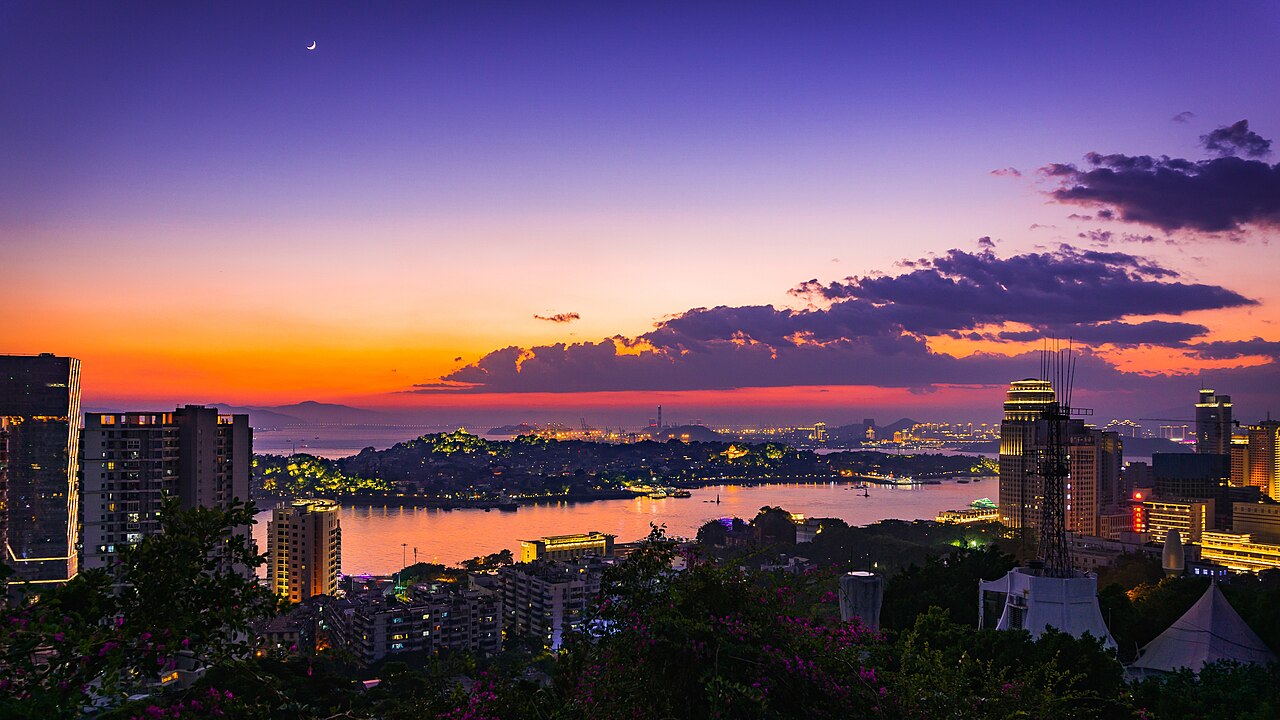
Photographs from the coast, and what other travellers wrote afterwards.

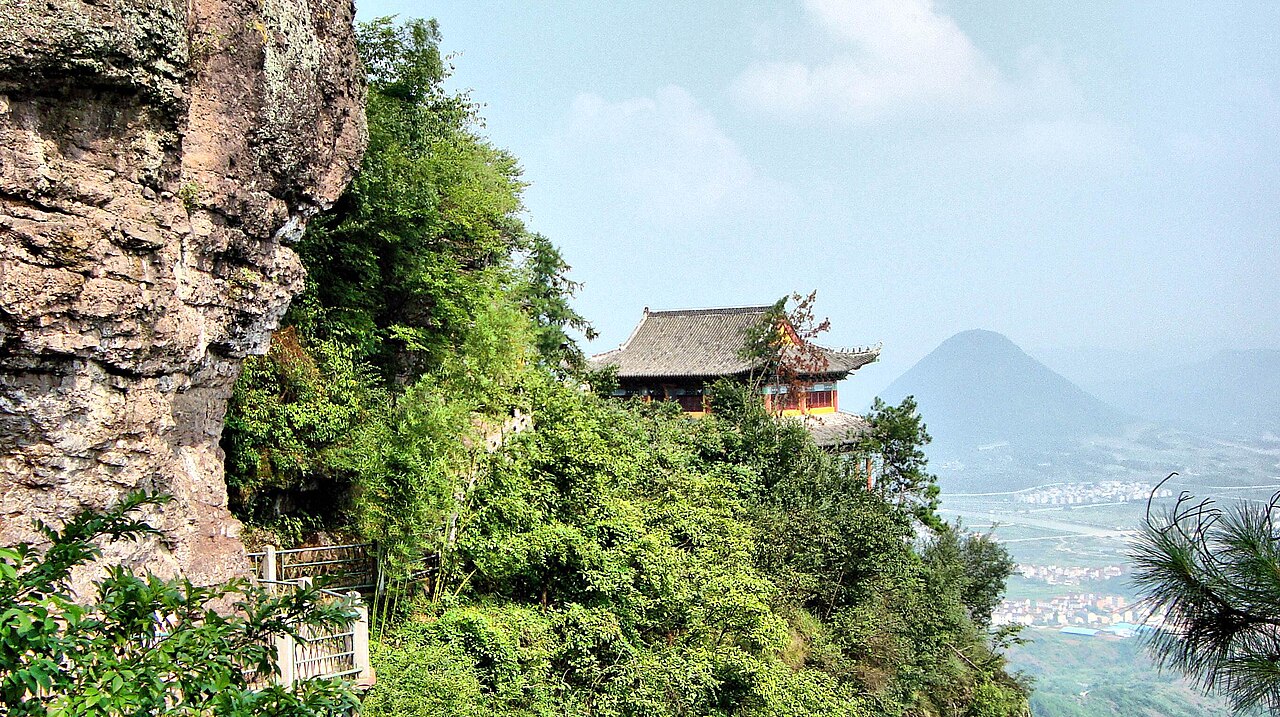
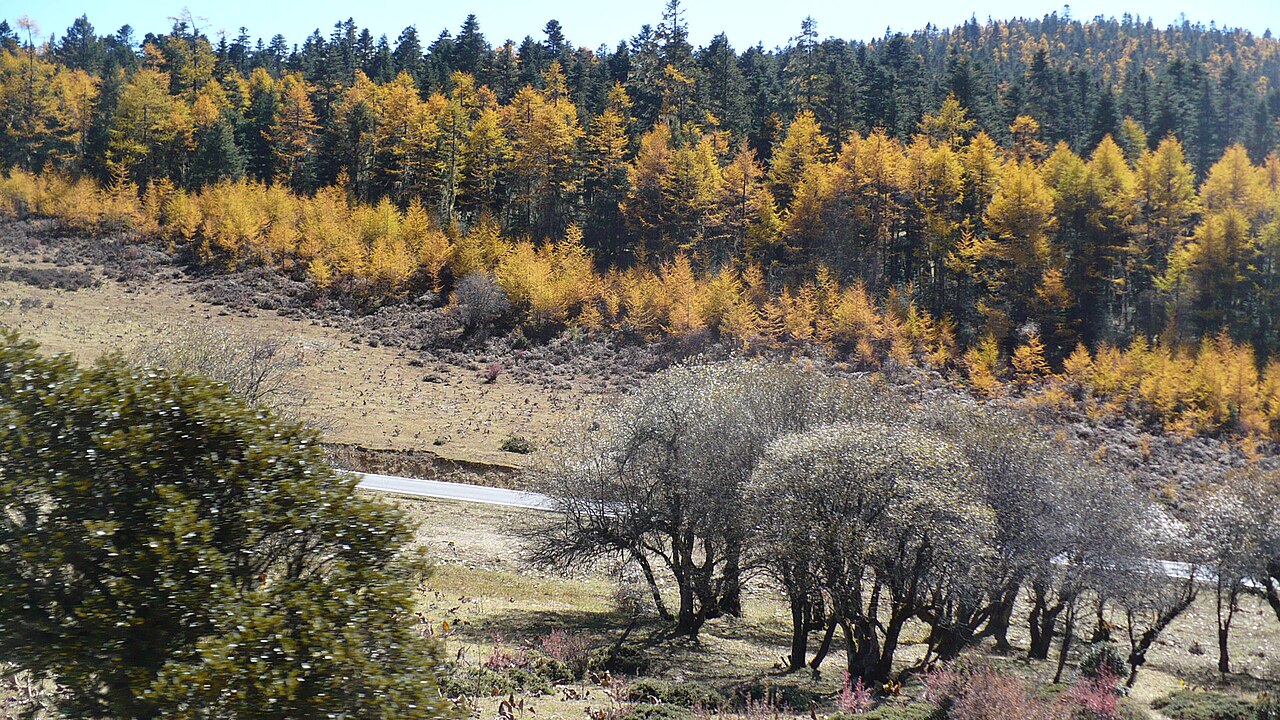
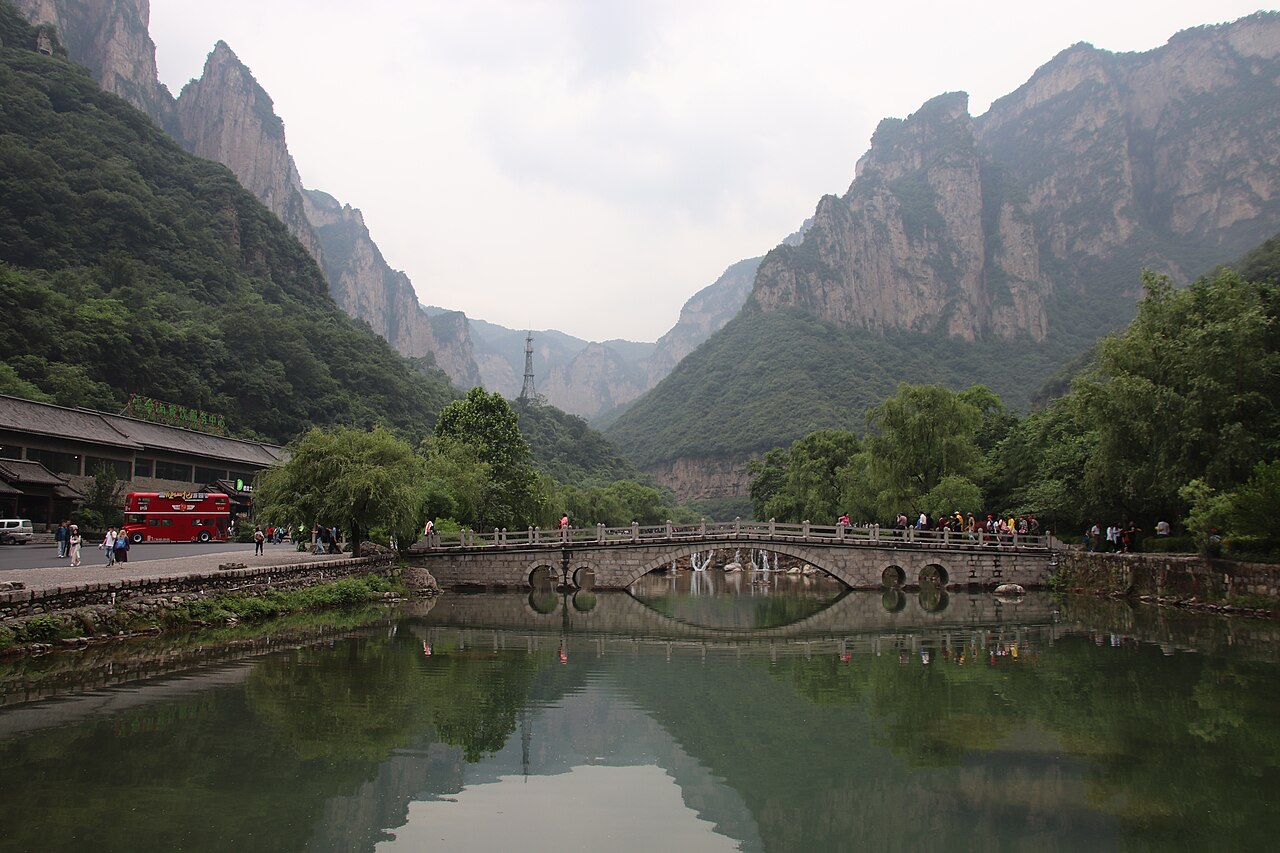
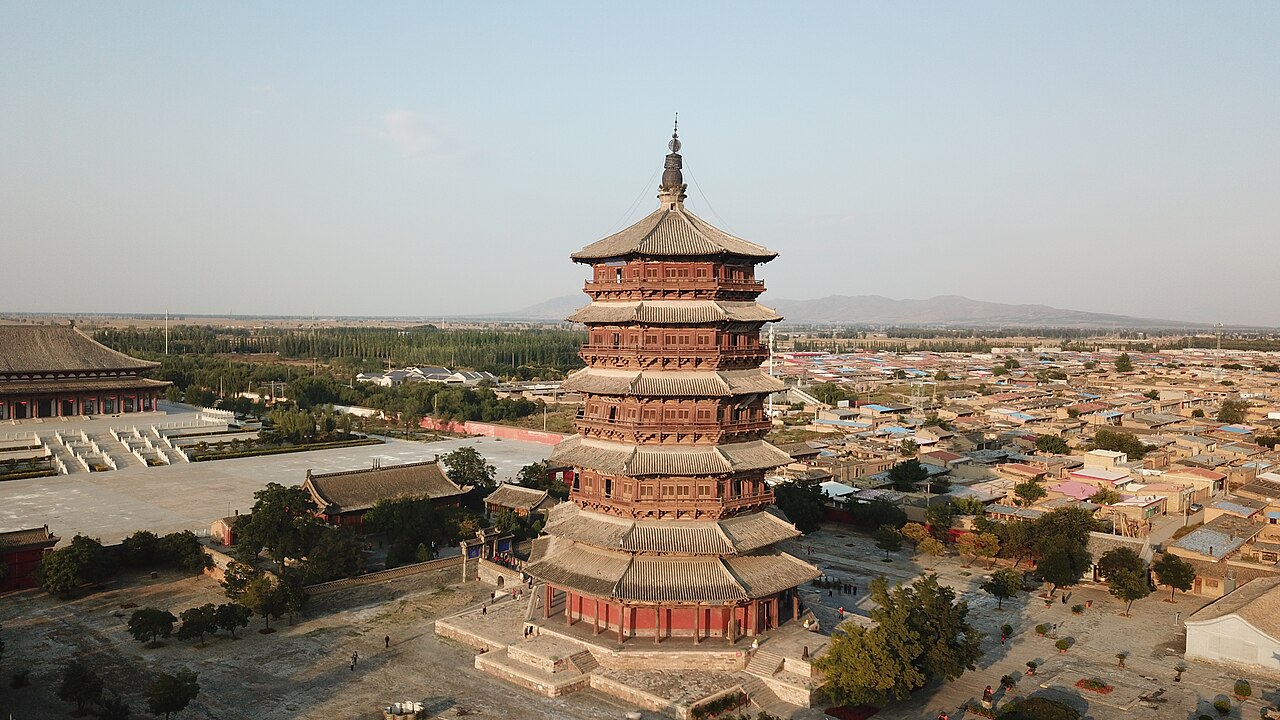
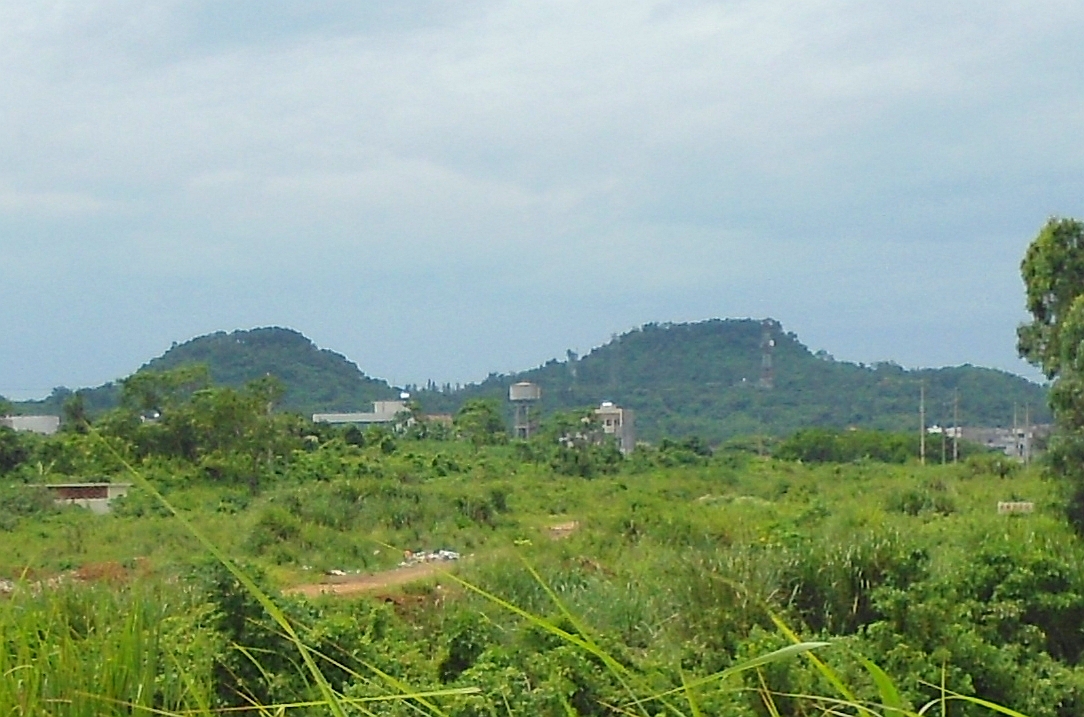
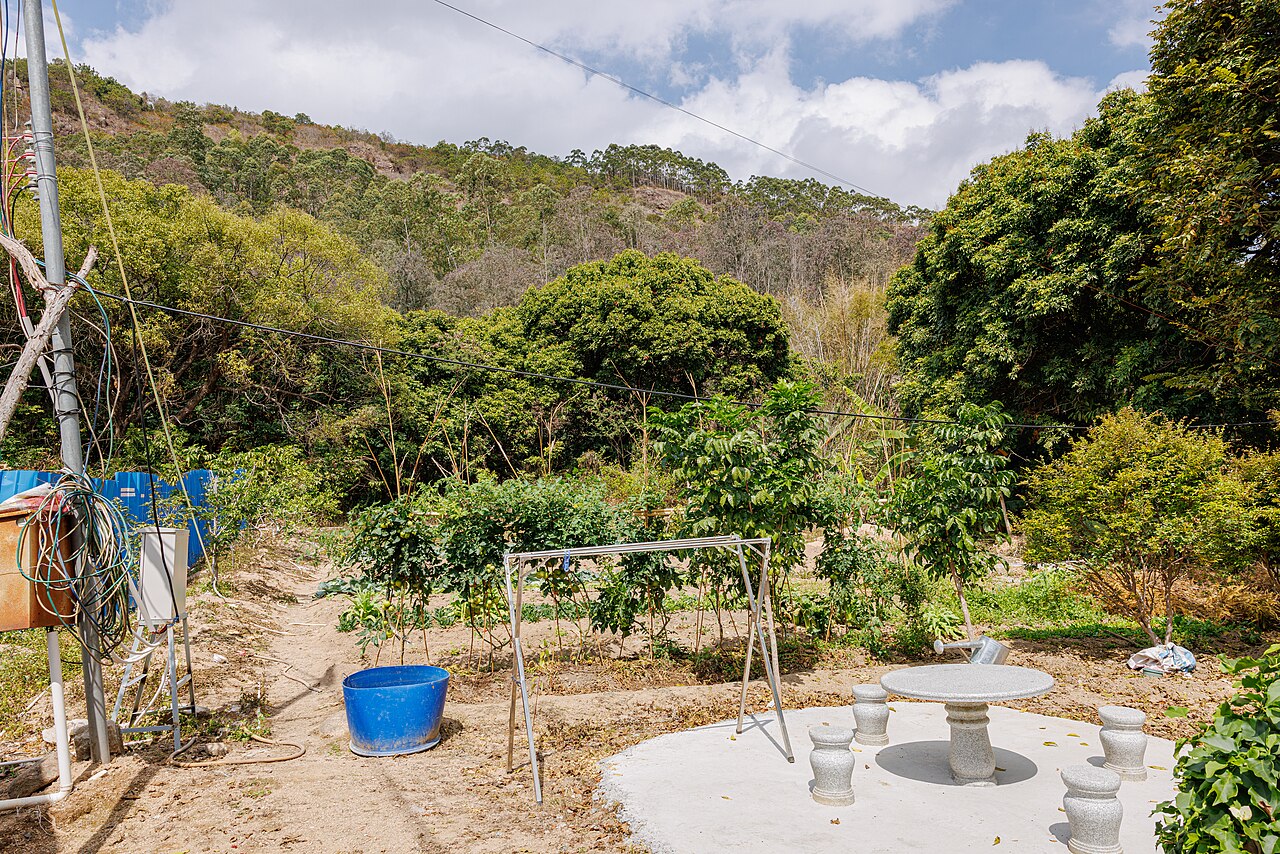
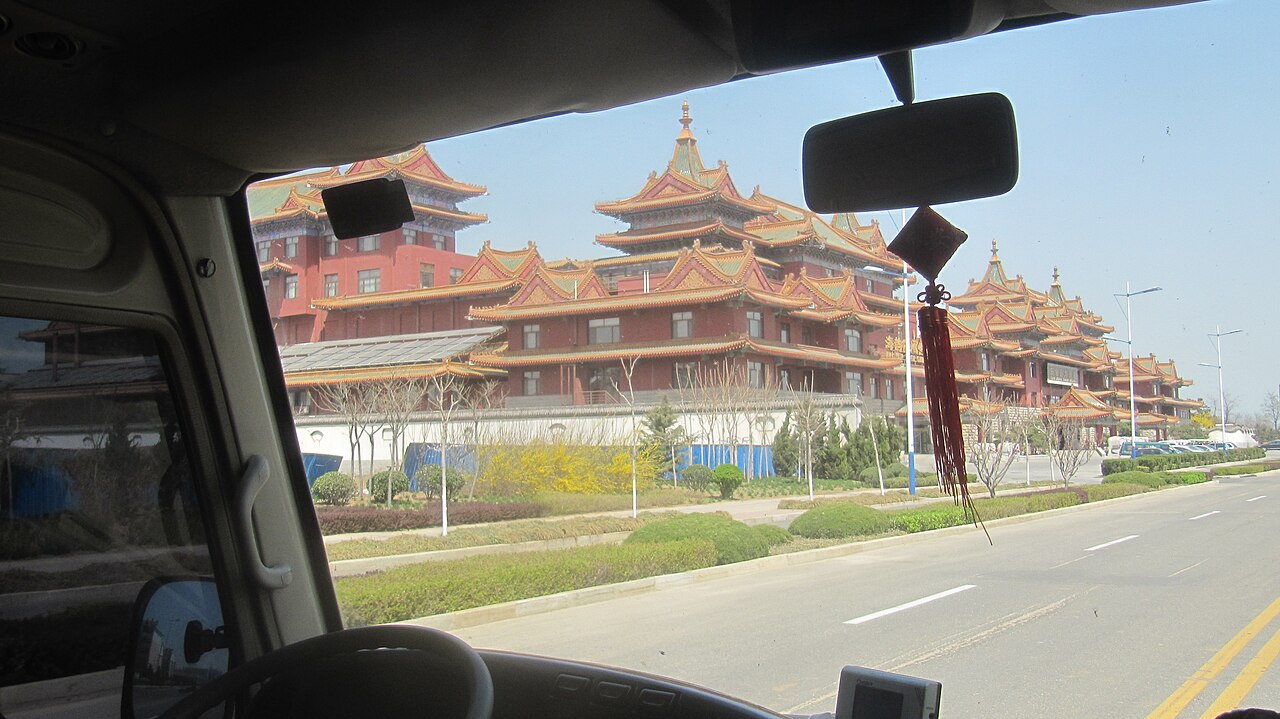
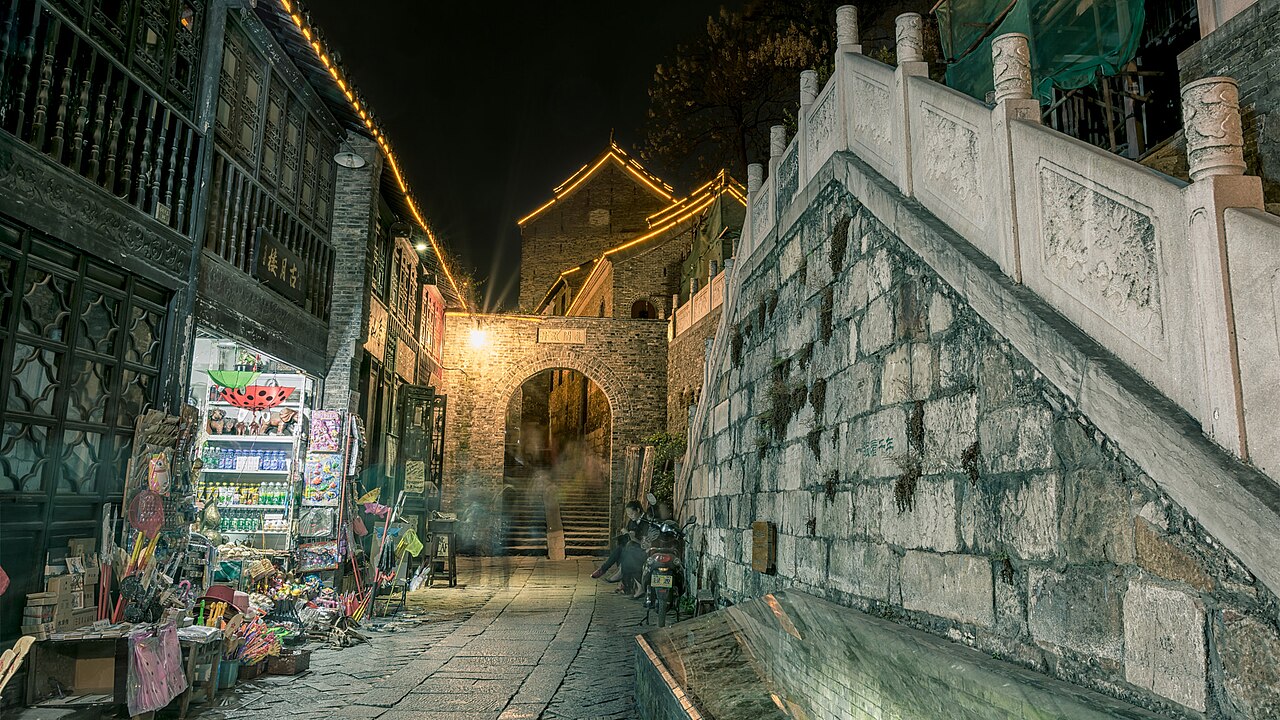
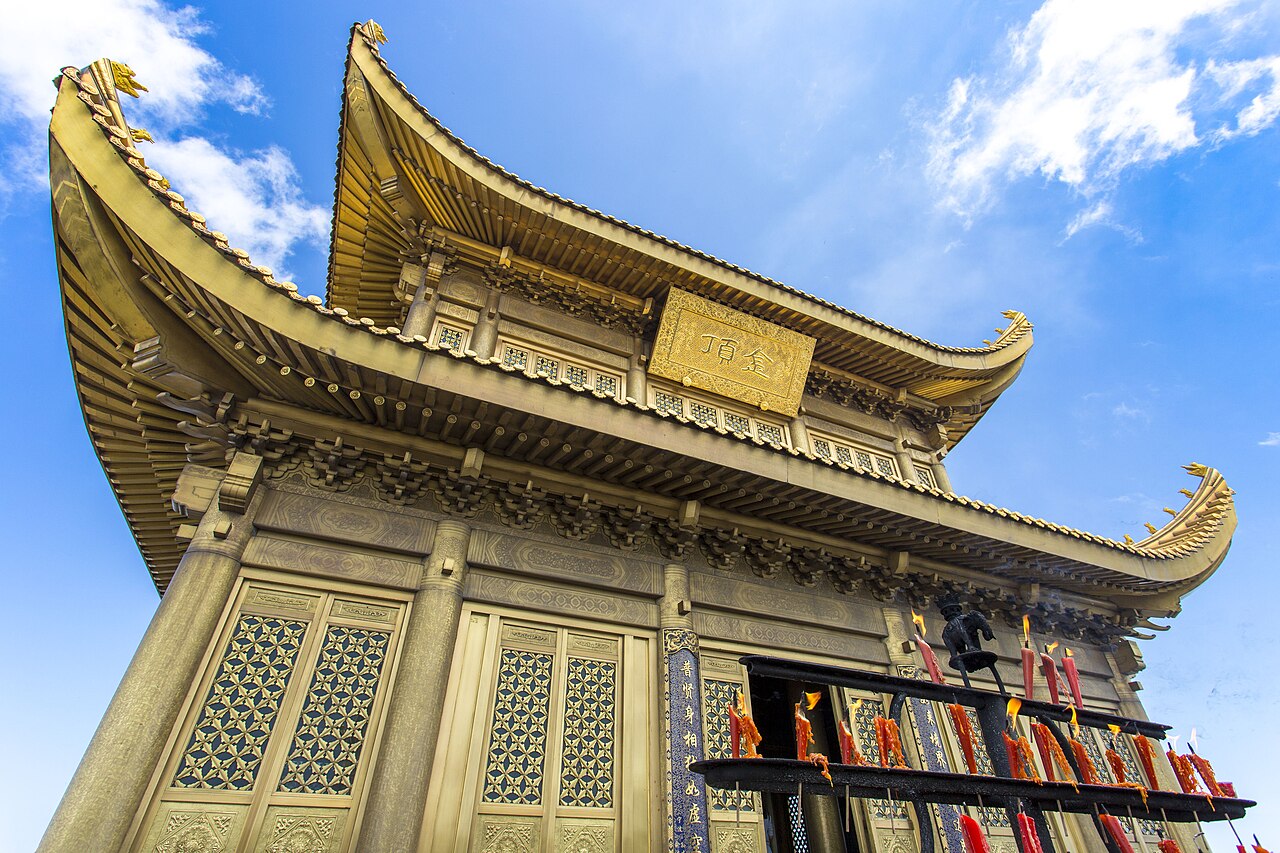
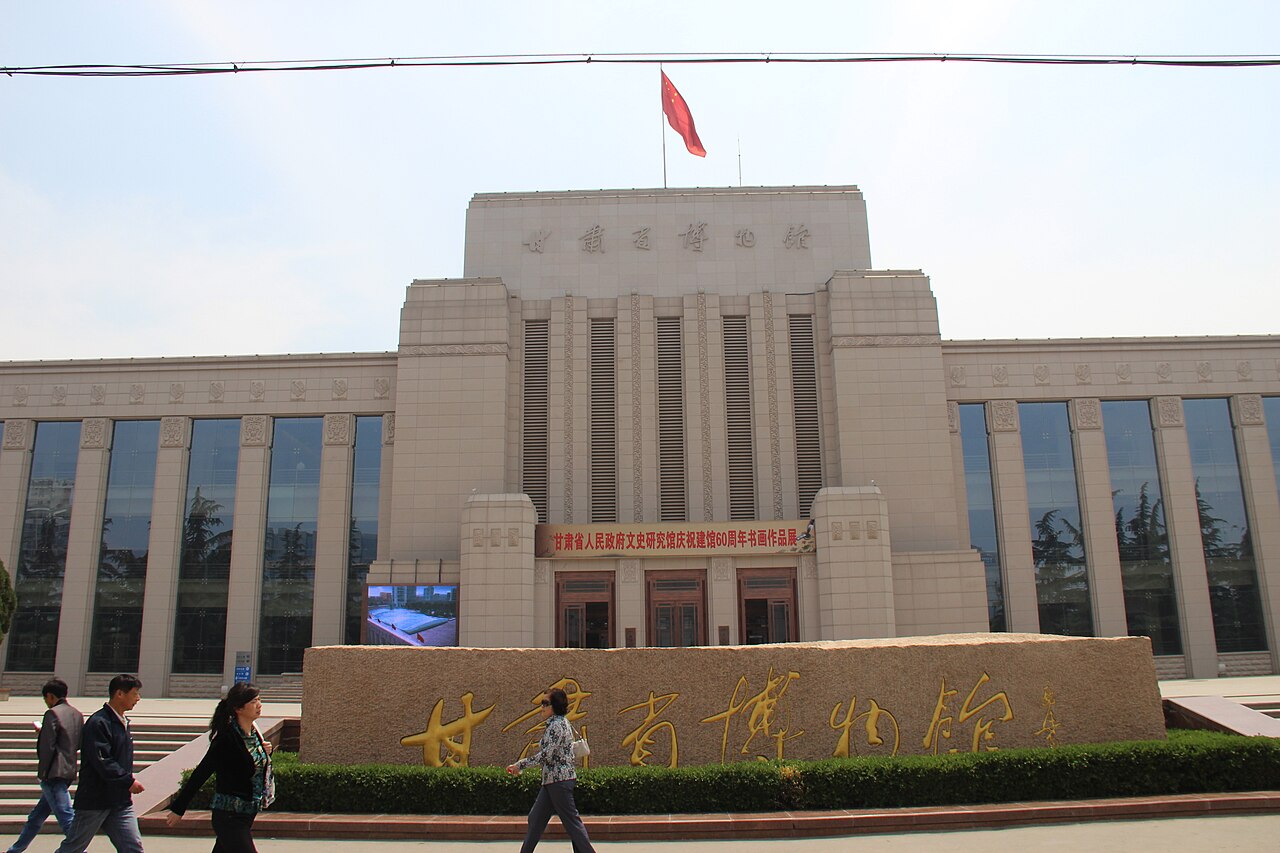
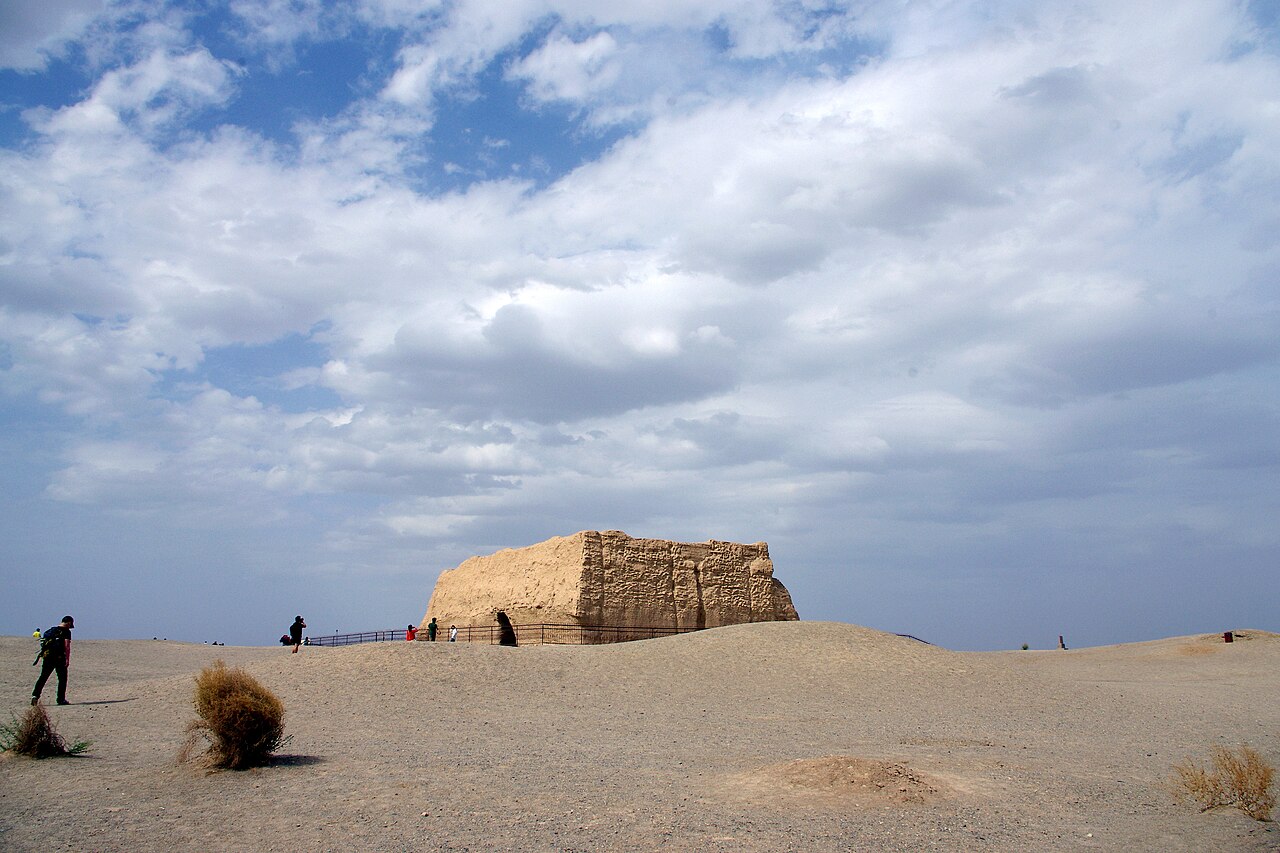
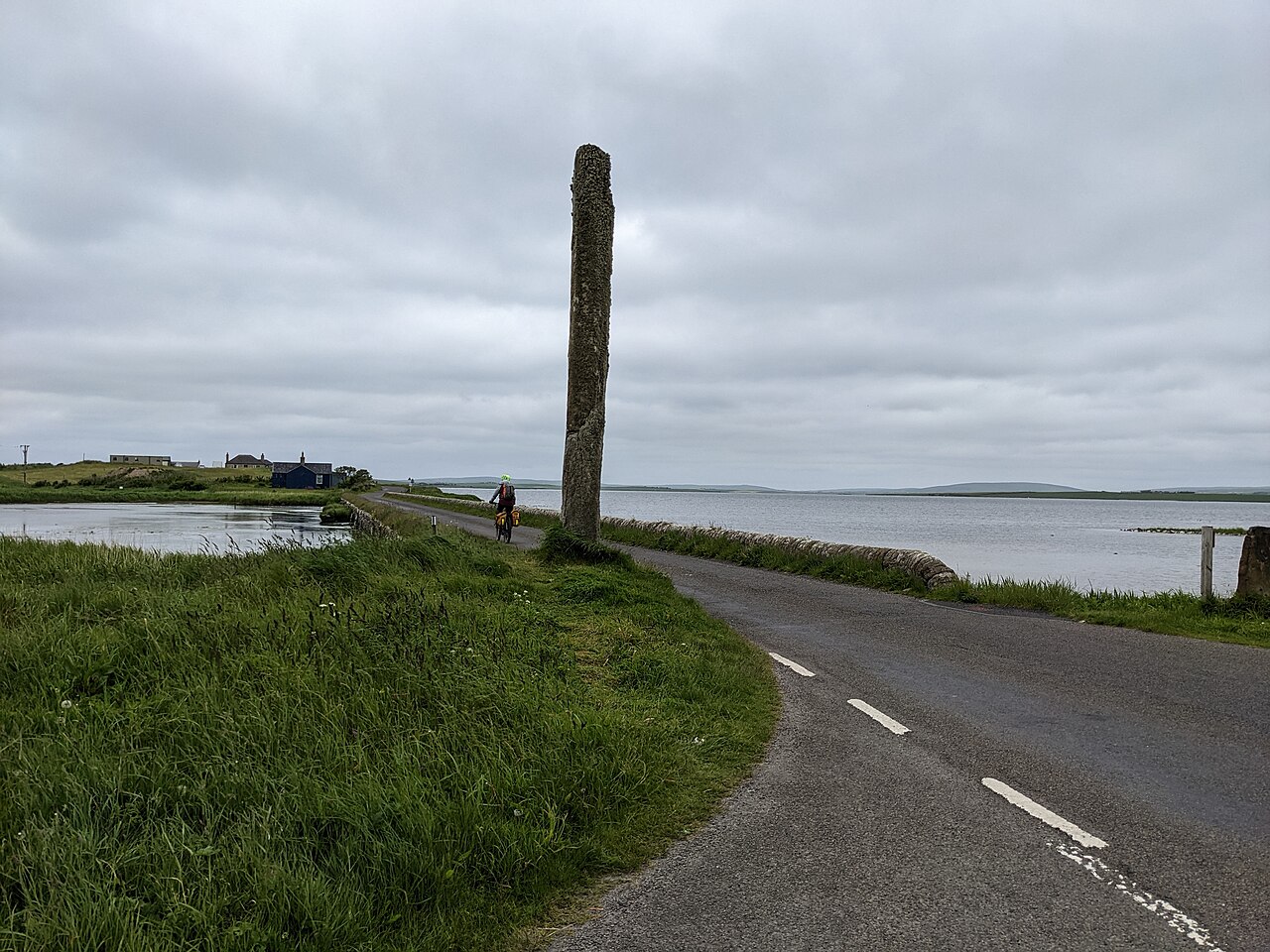
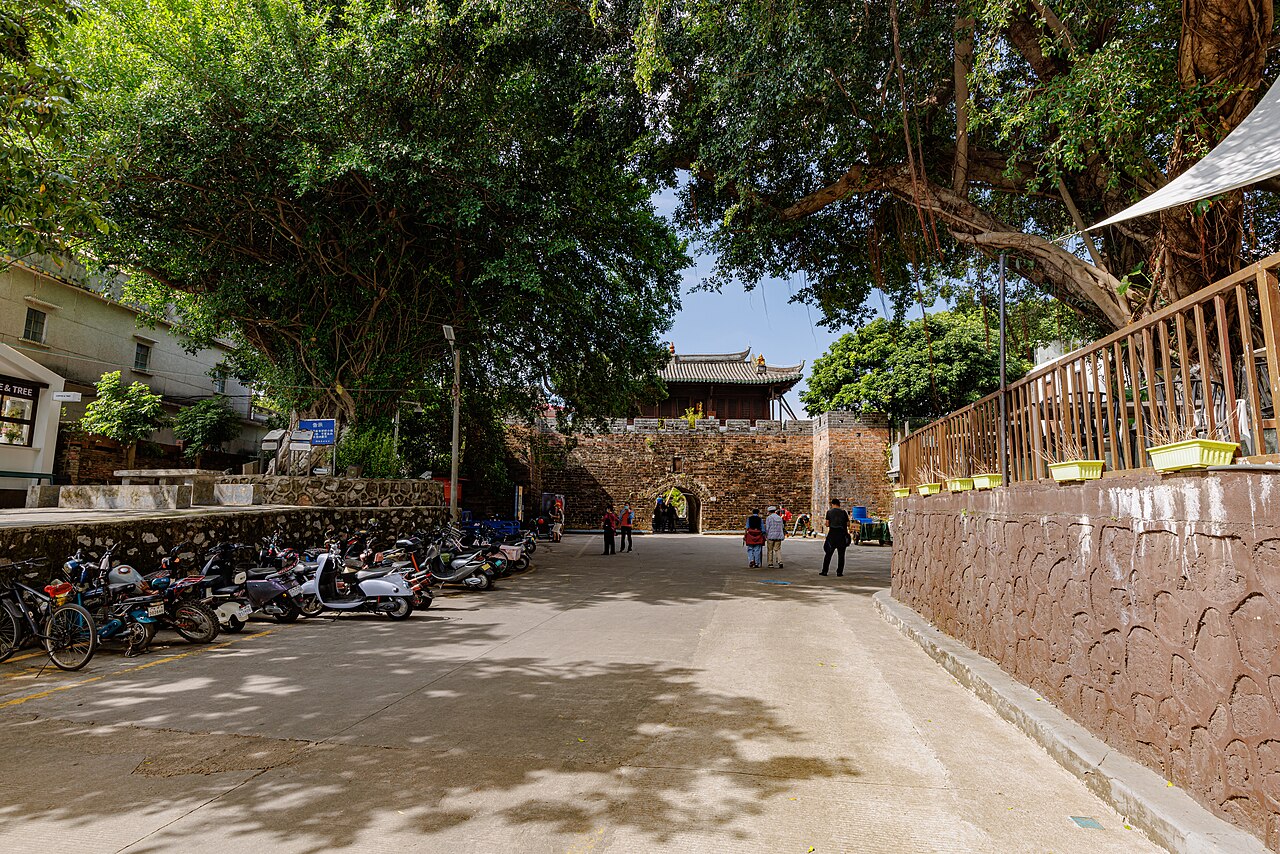
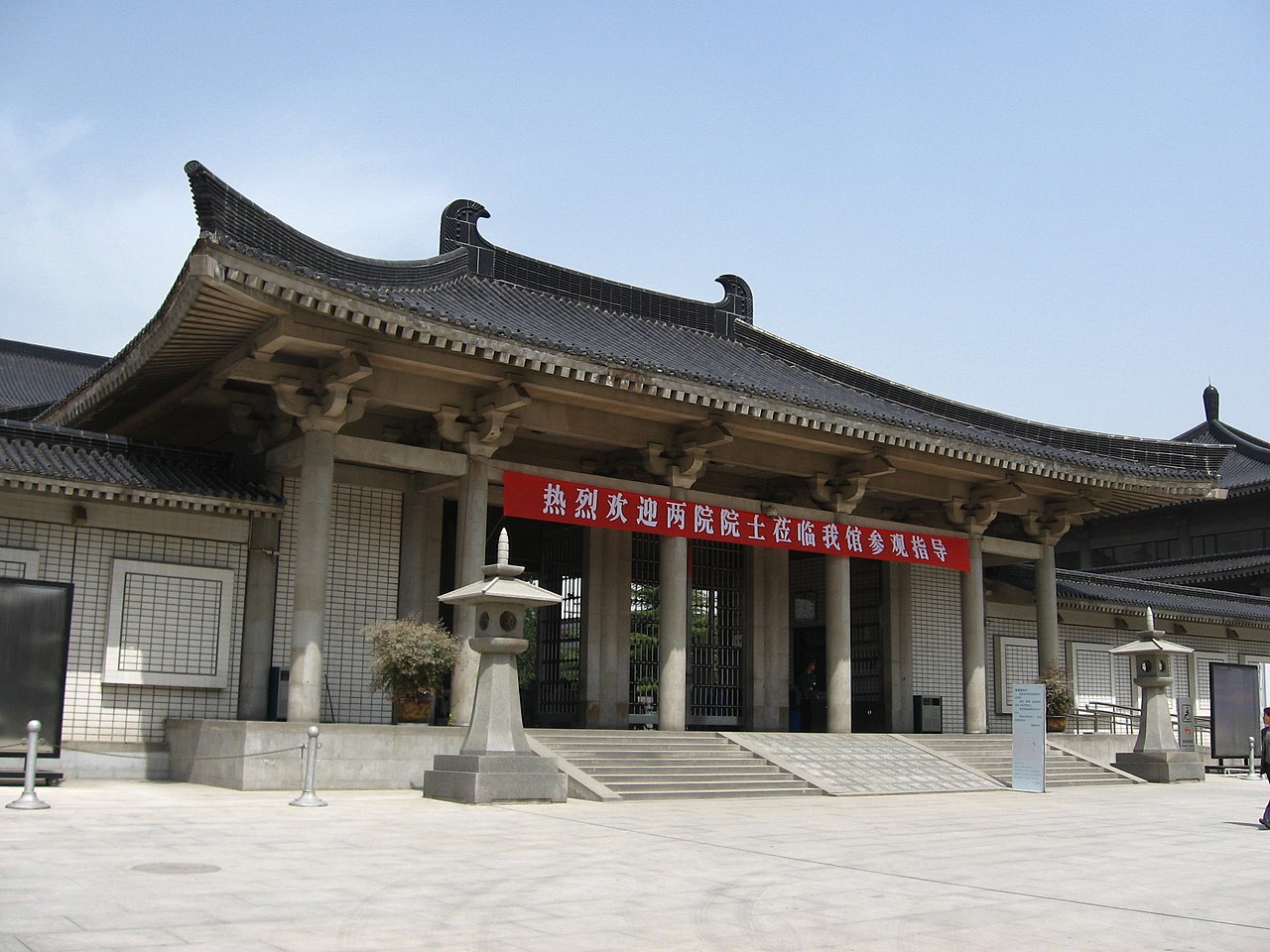
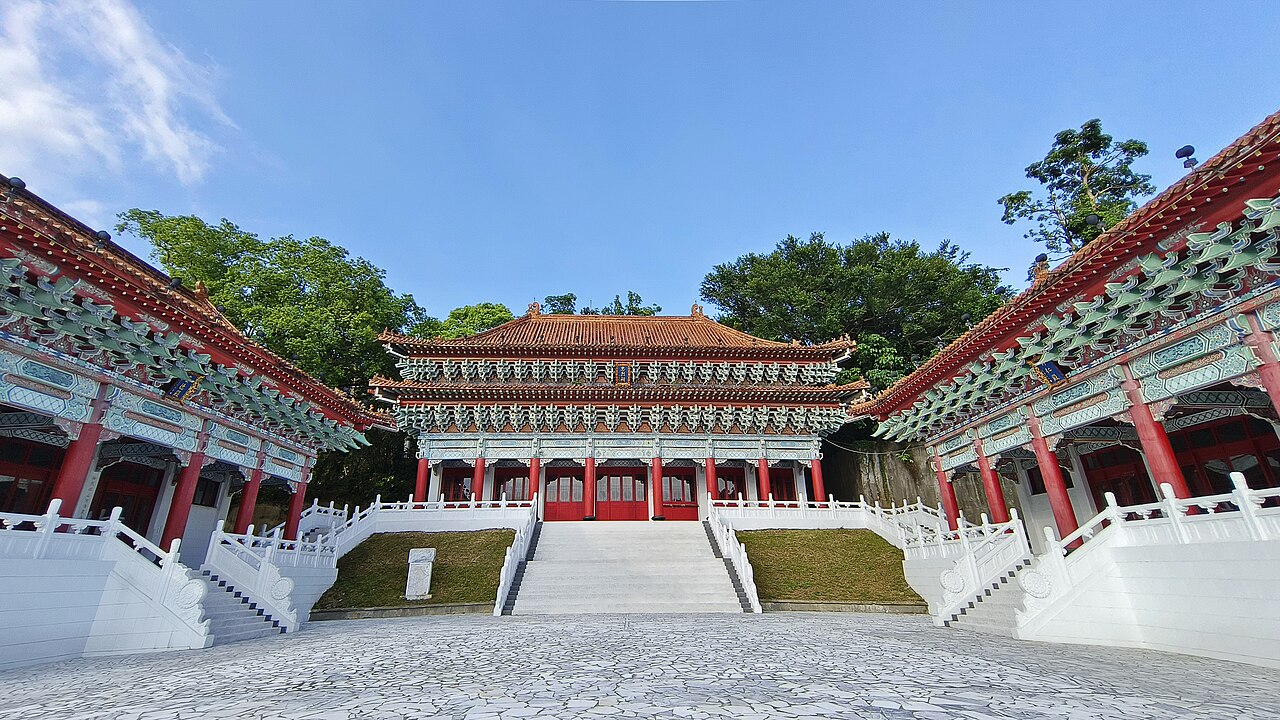
The Qin Palace, built for 'The Emperor and the Assassin' in the late 1990s
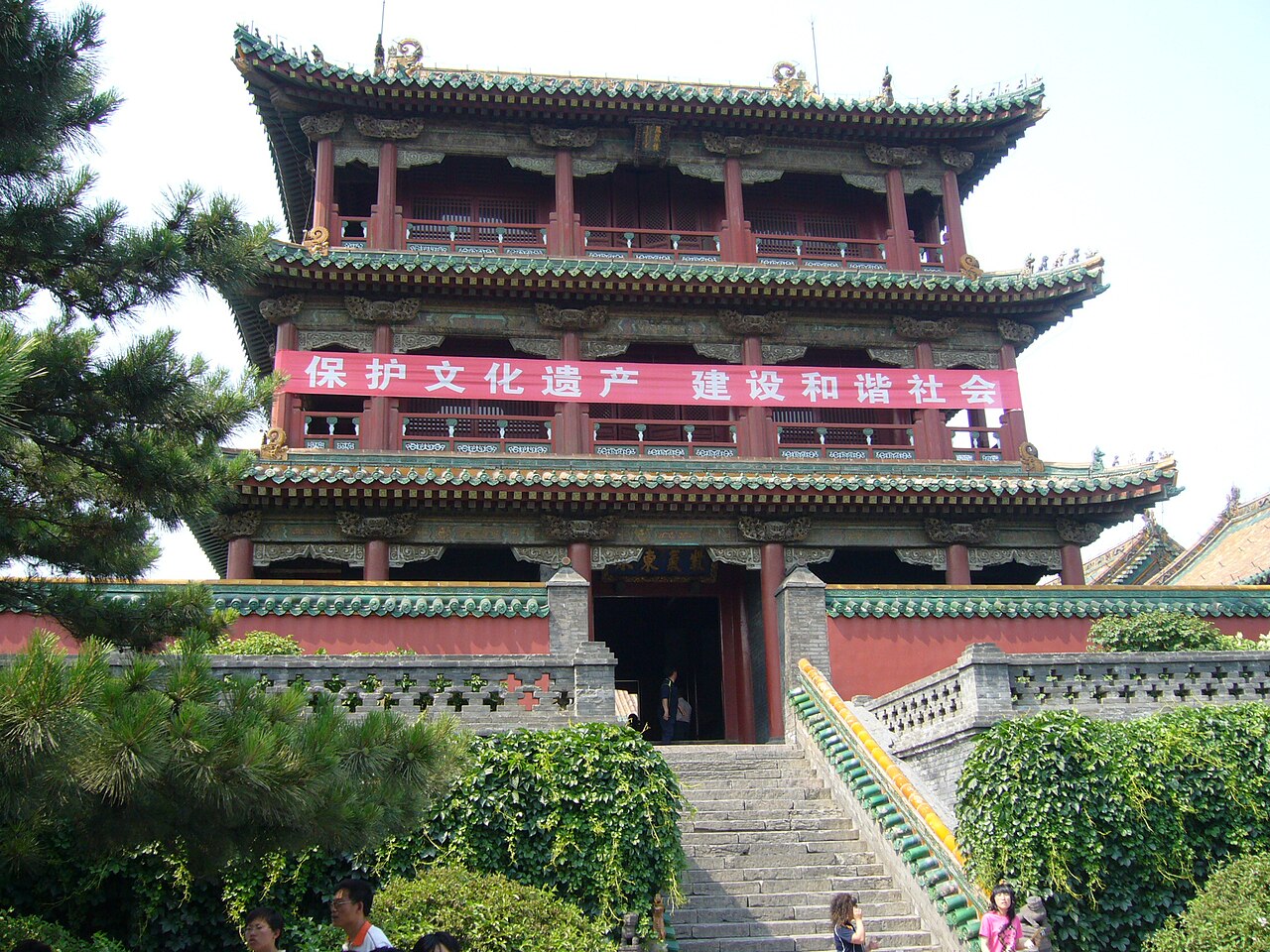
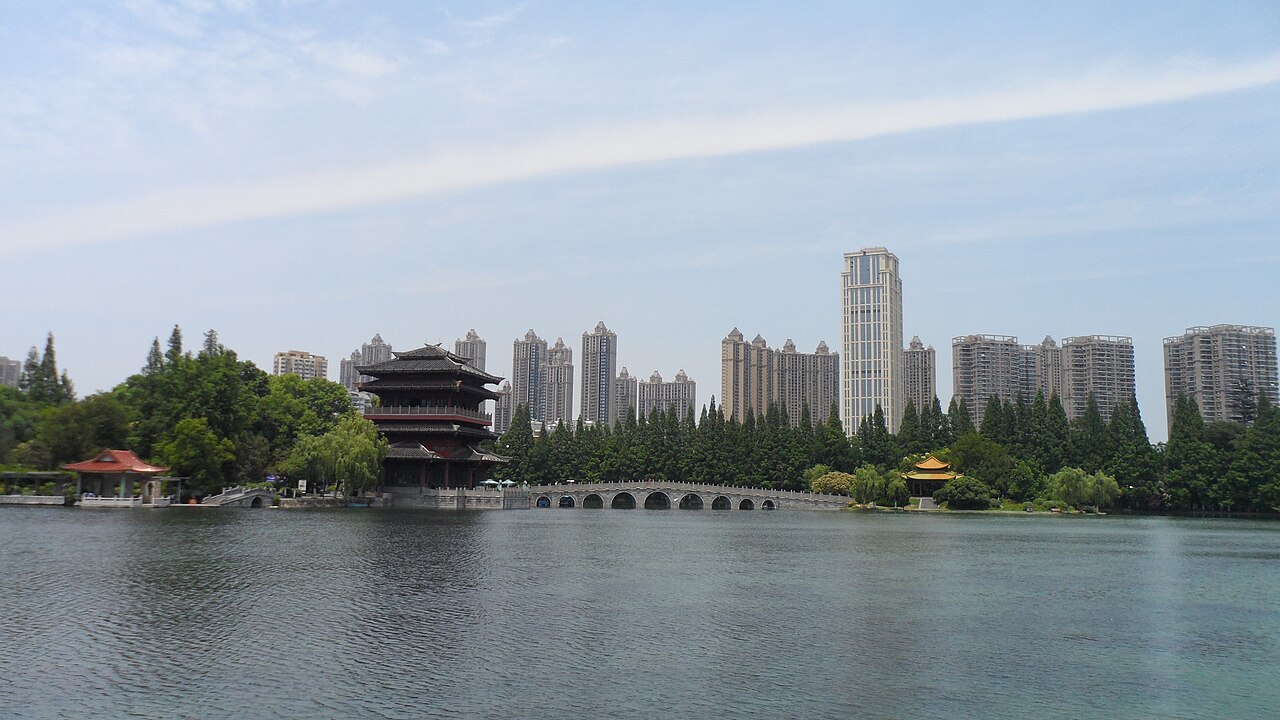
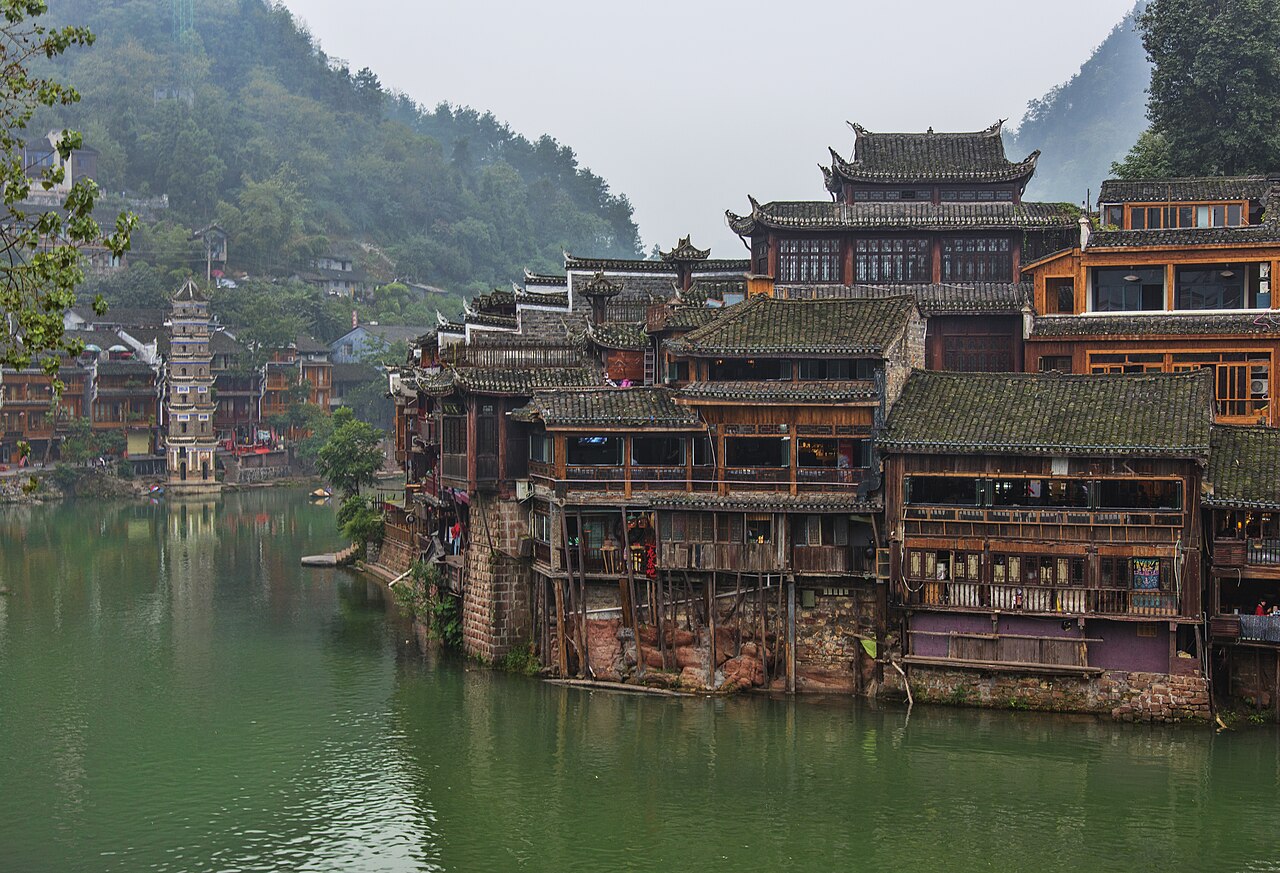
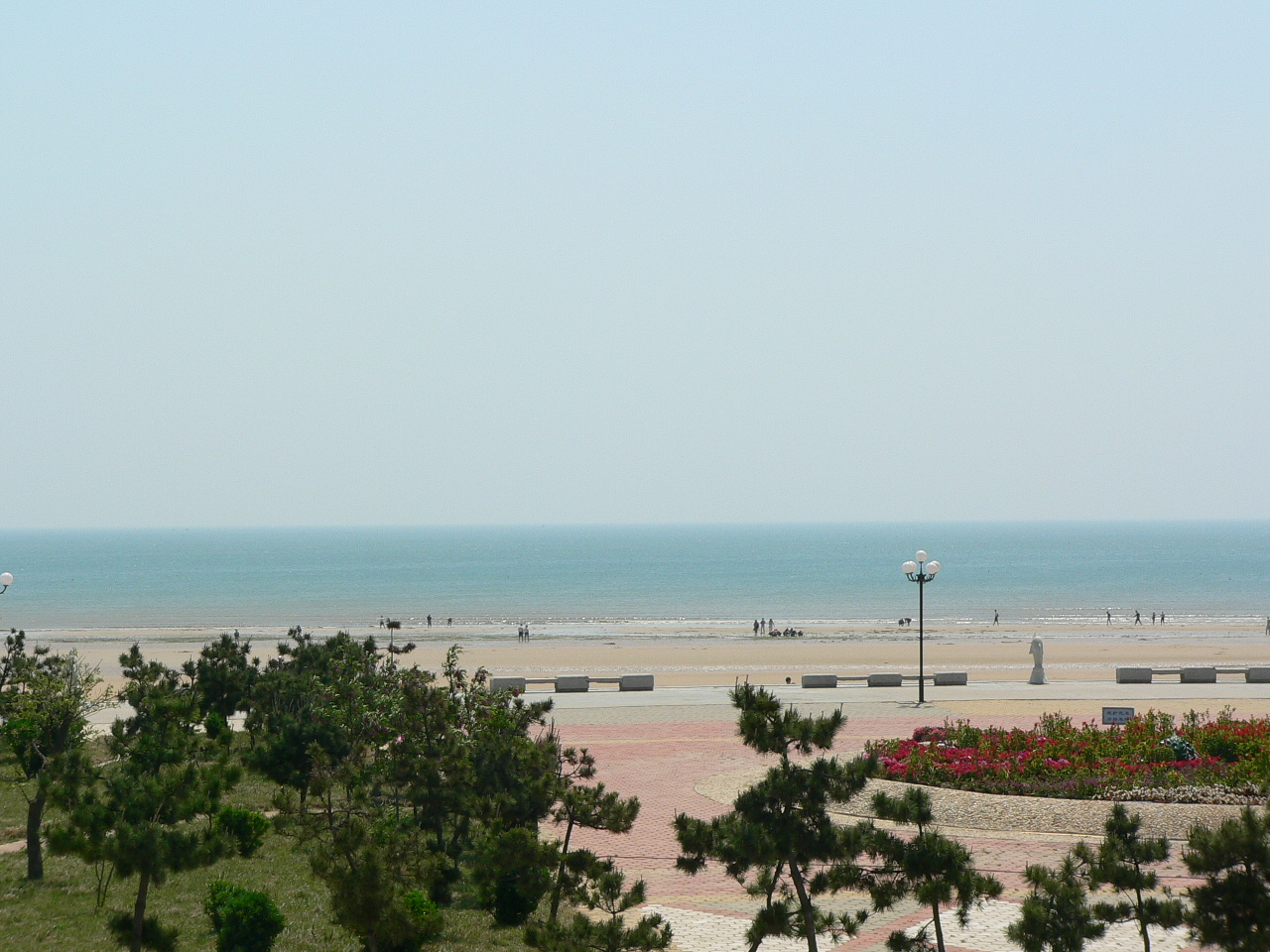
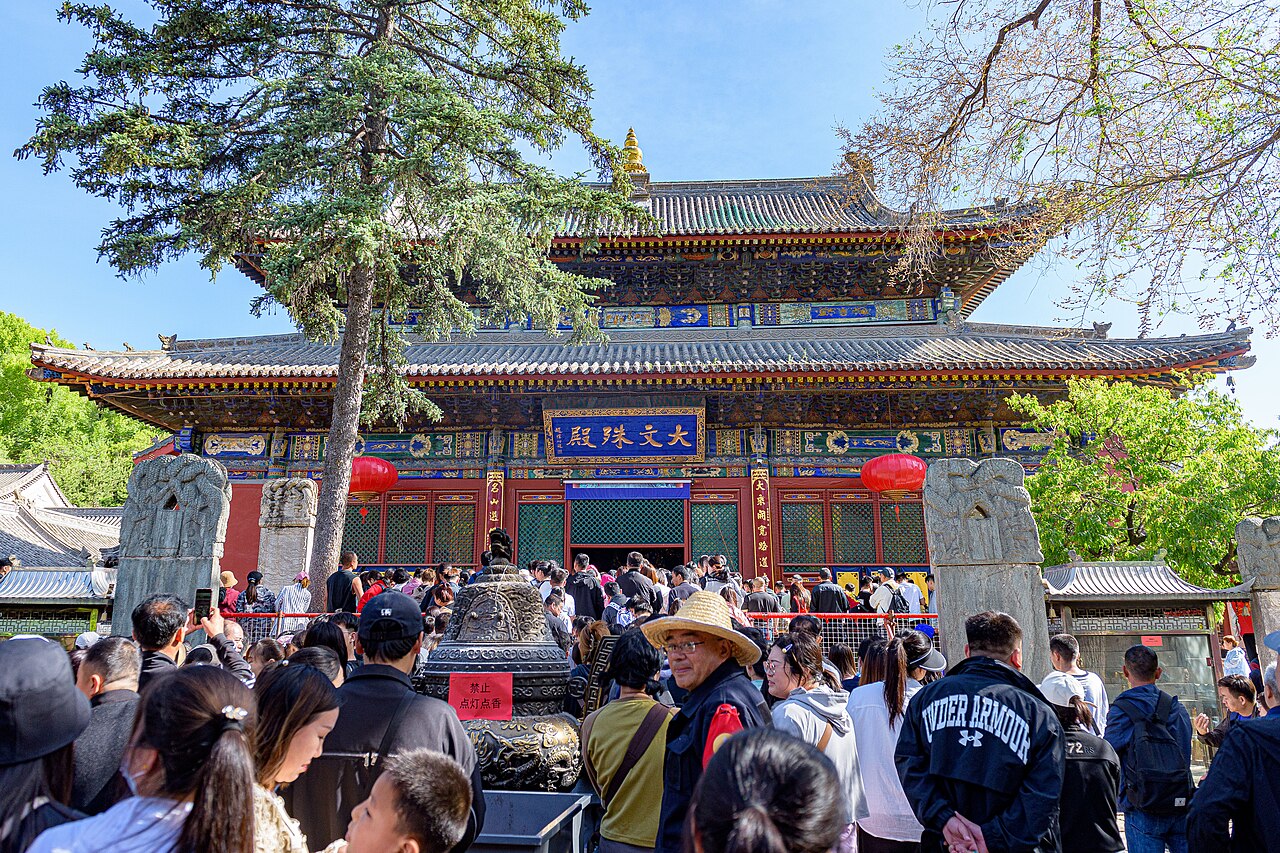
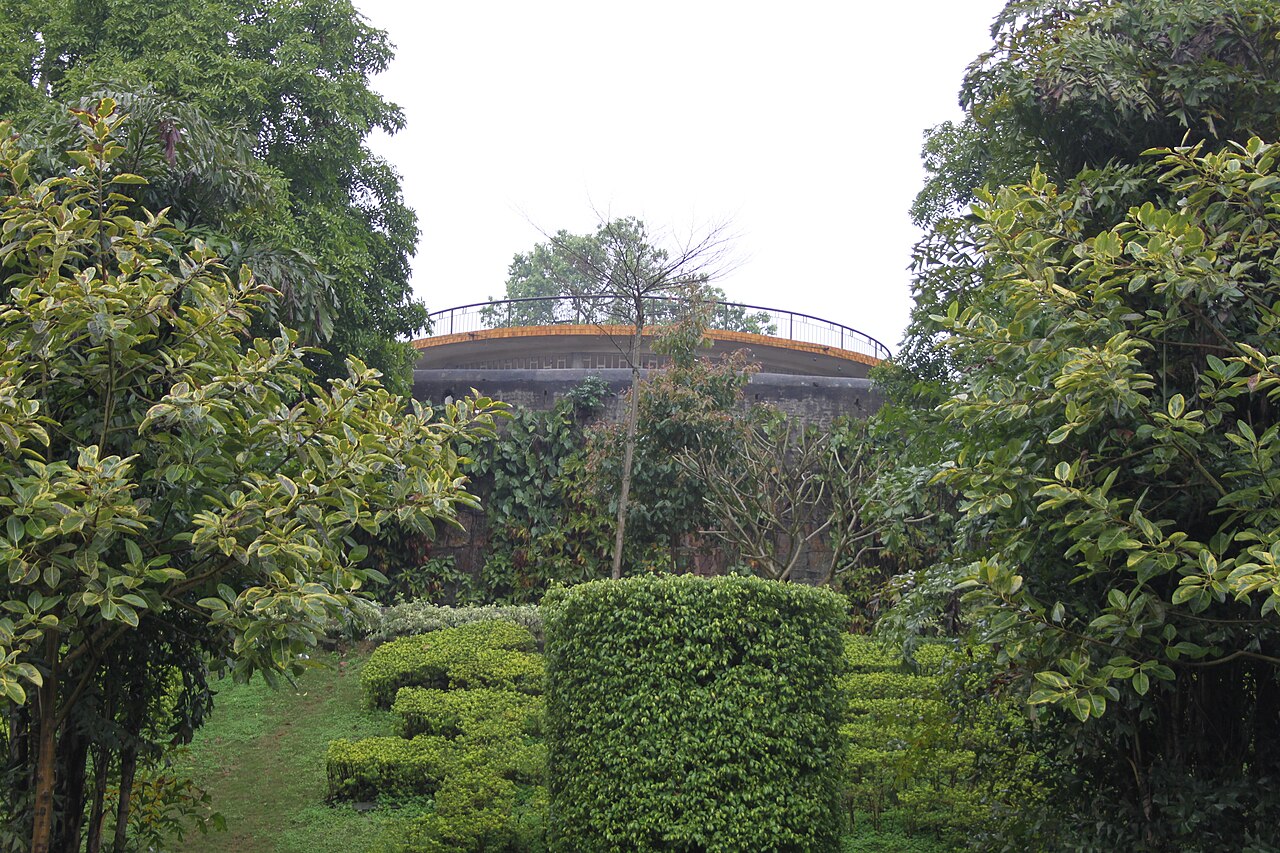
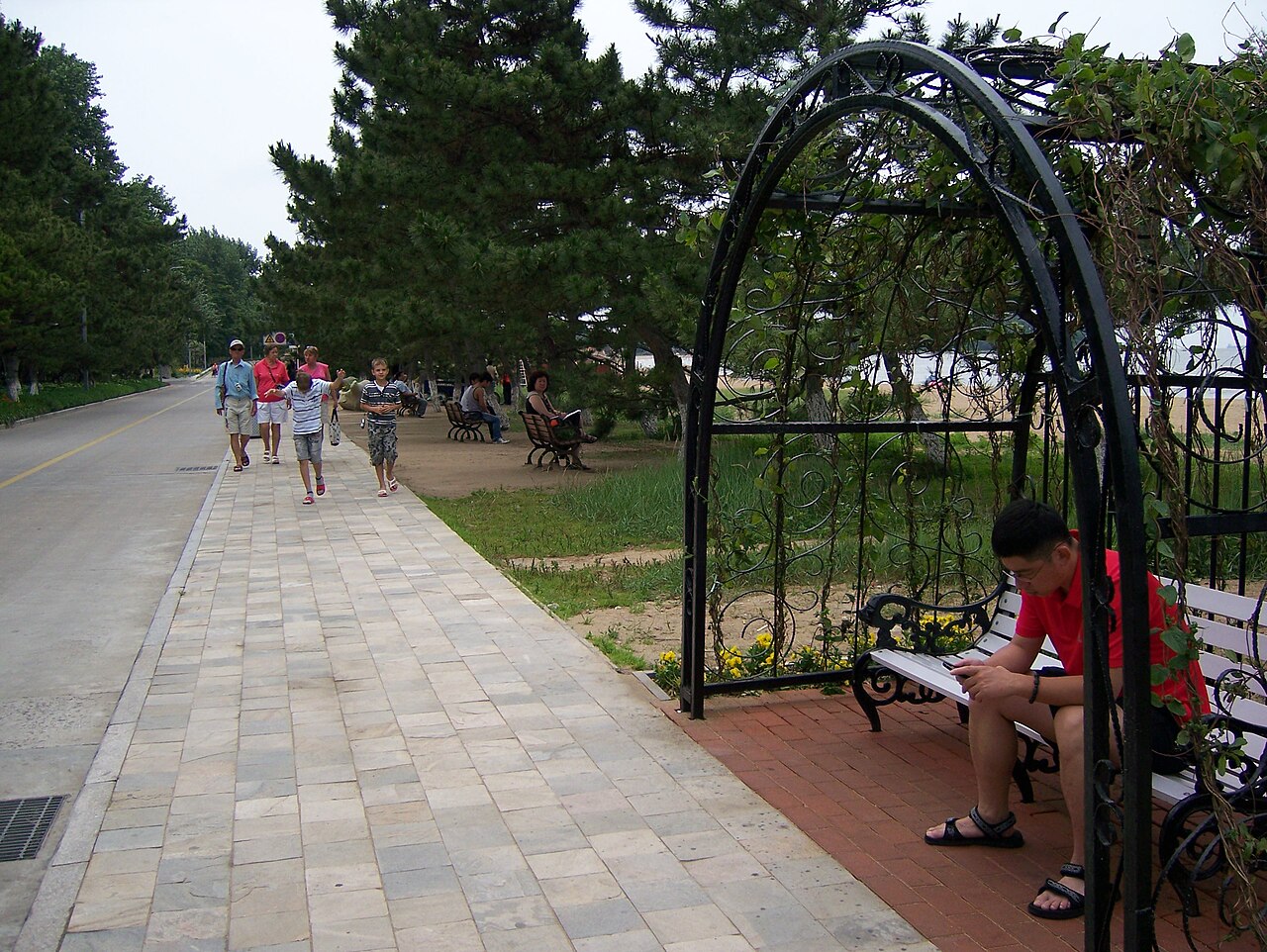
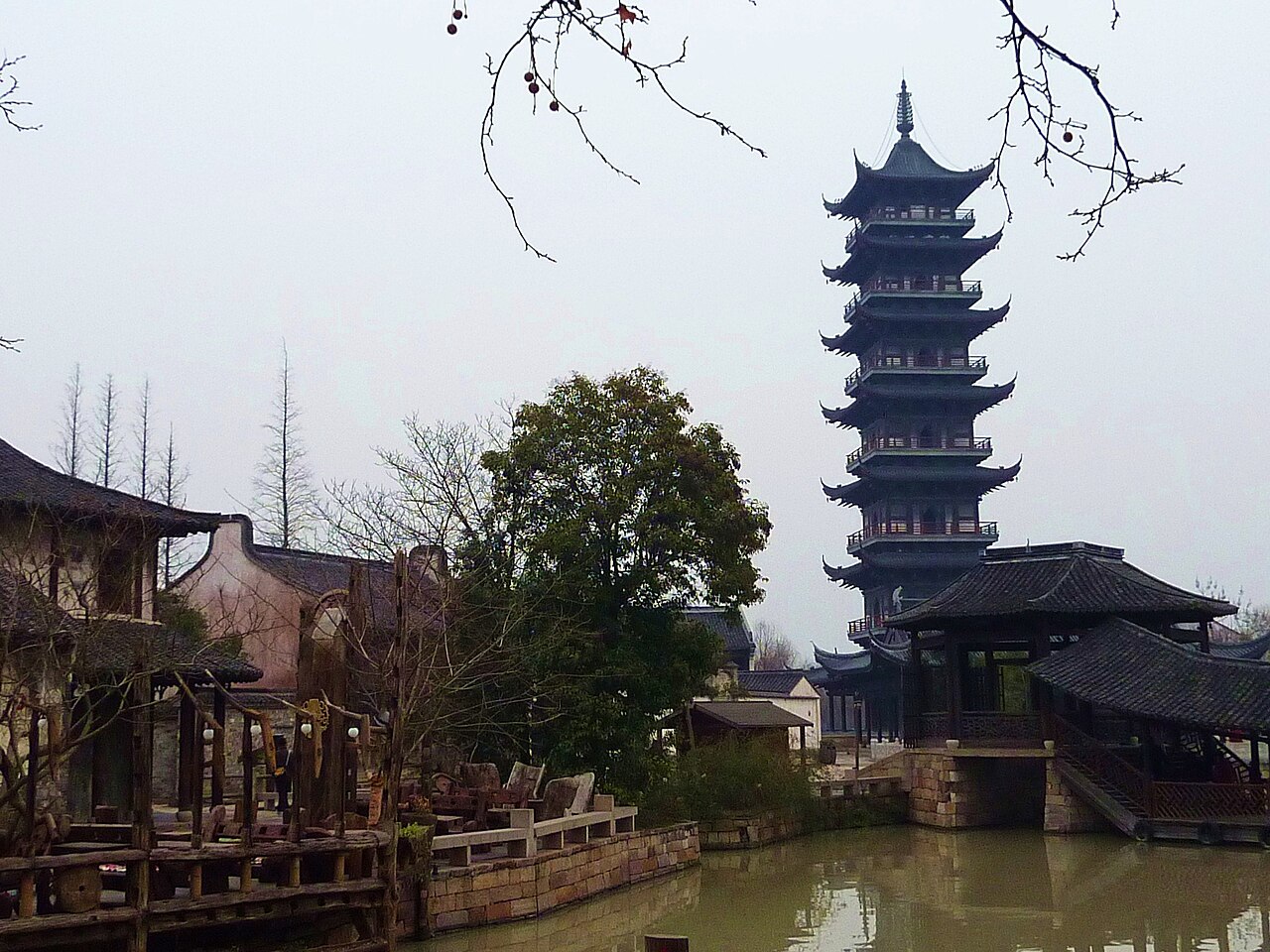
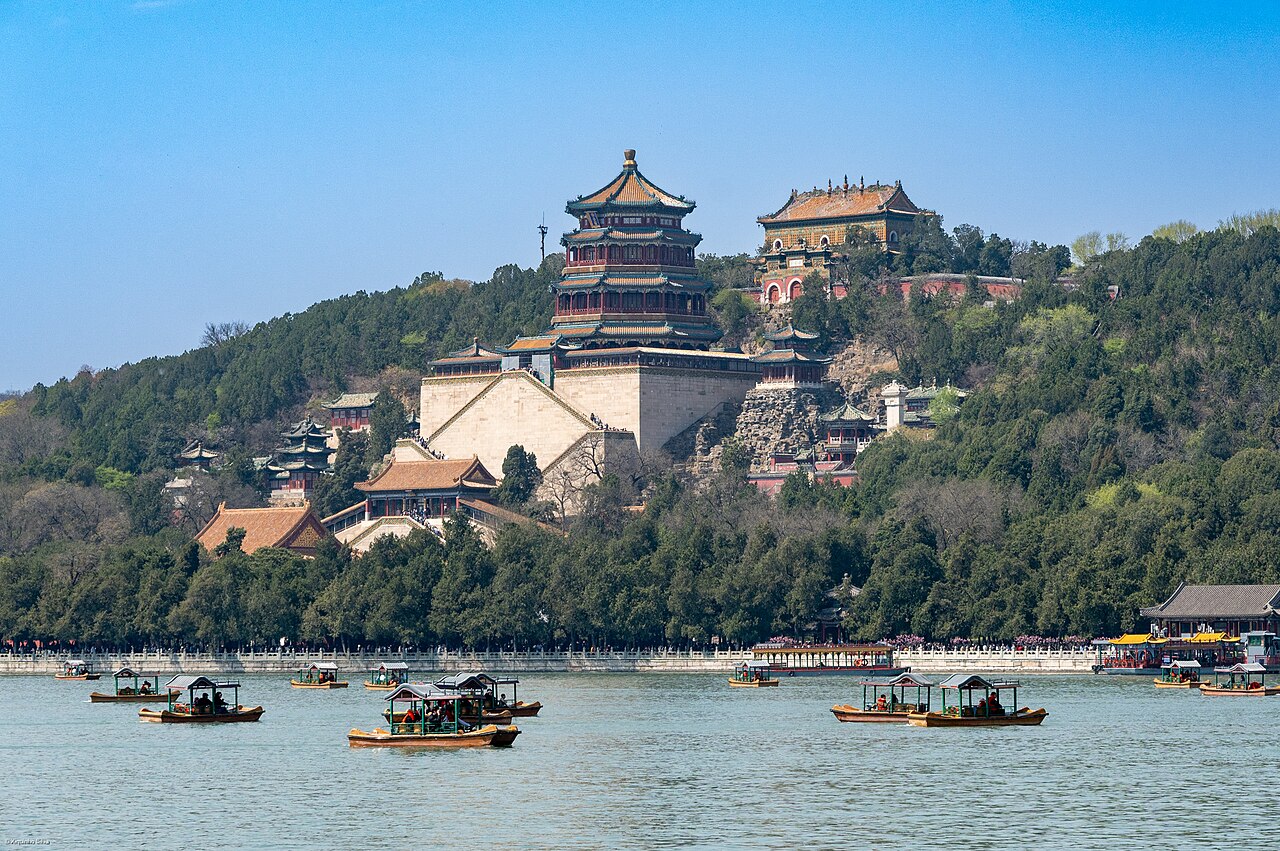
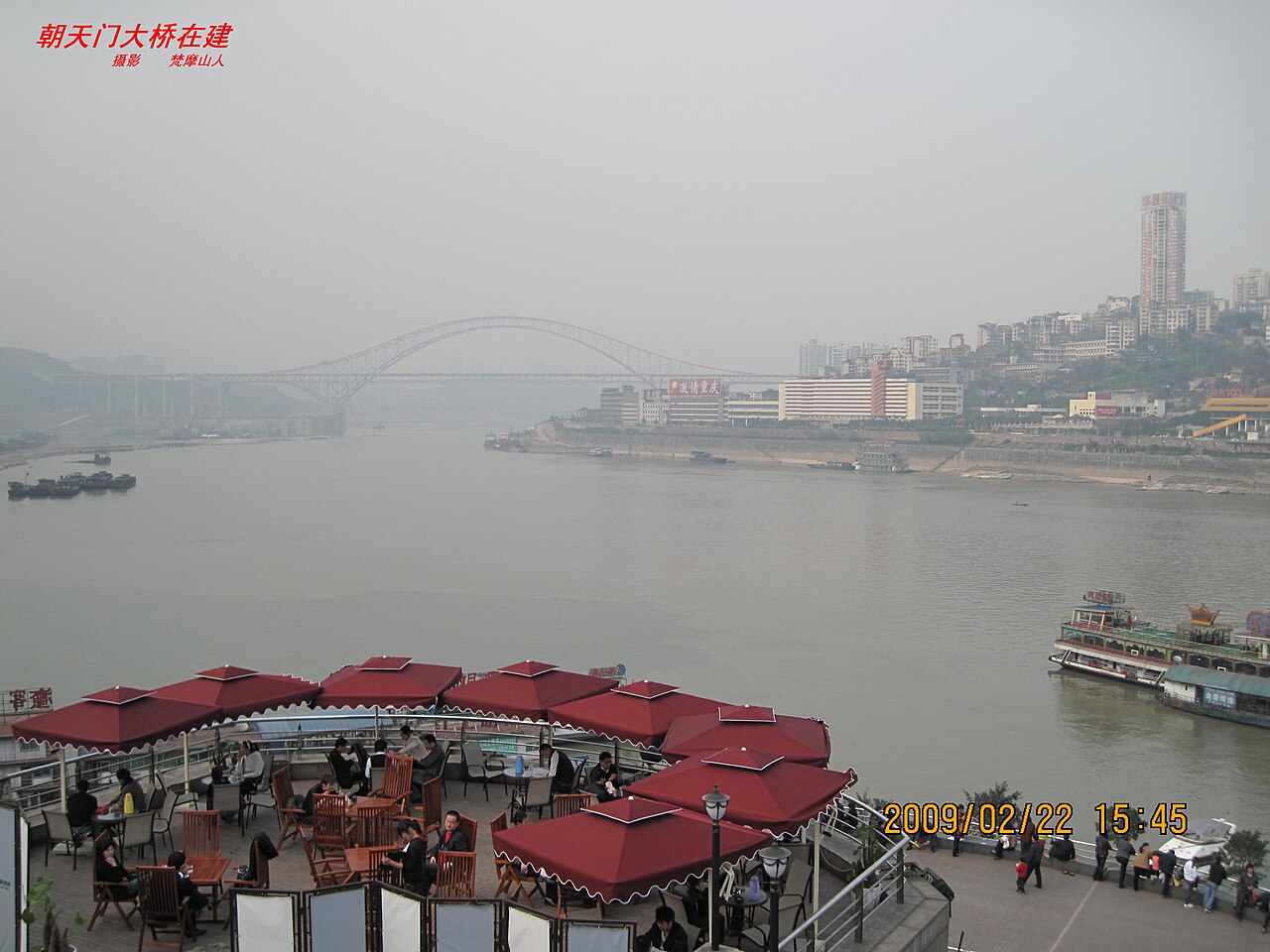
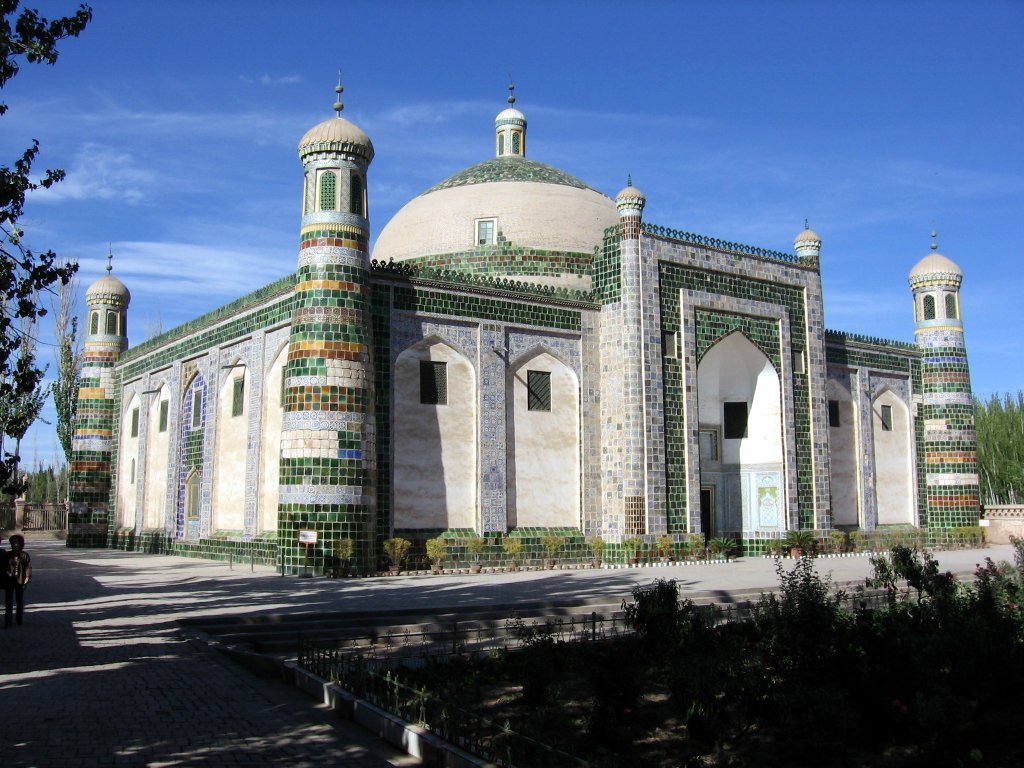
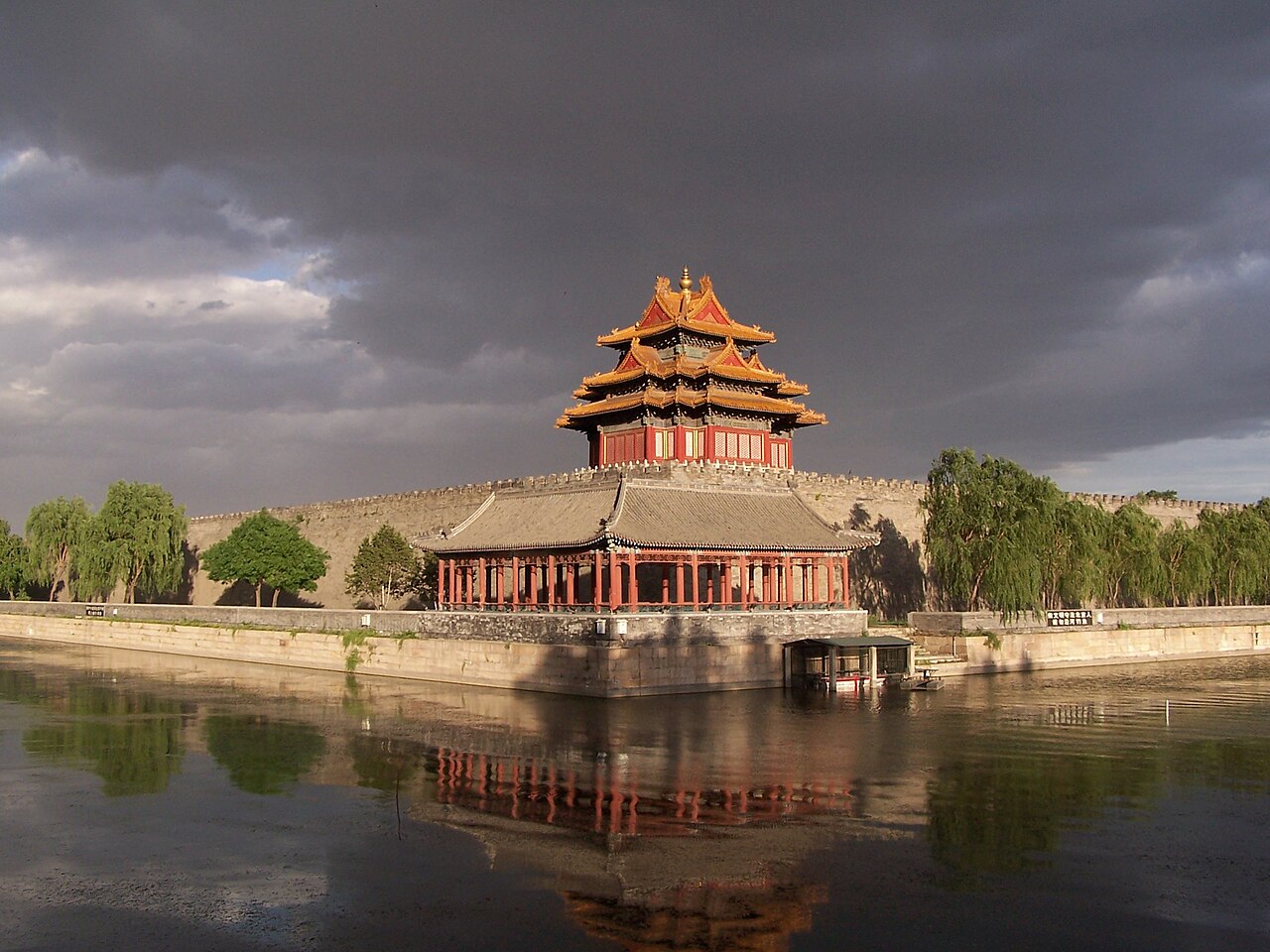
The Ming-Qing Palace, a 1:1 replica of the Forbidden City
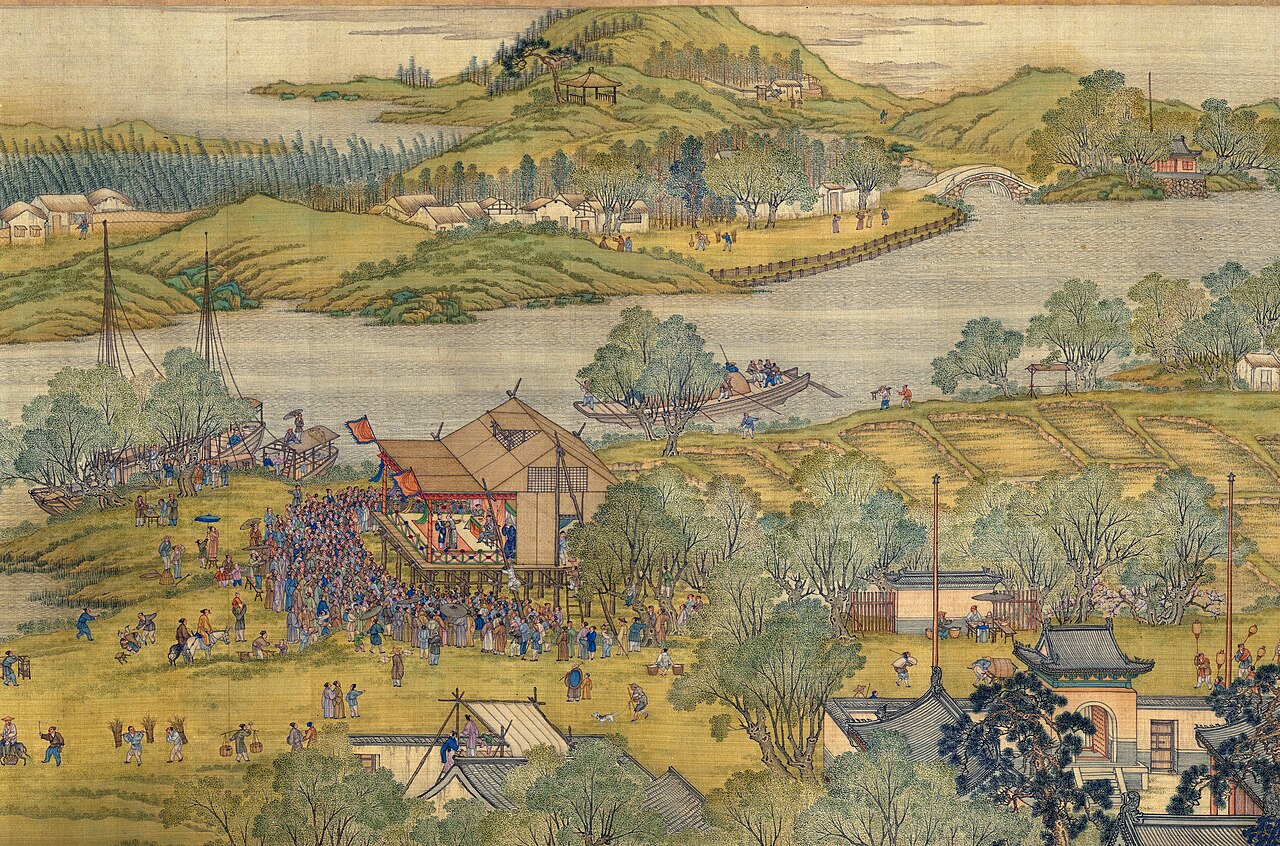
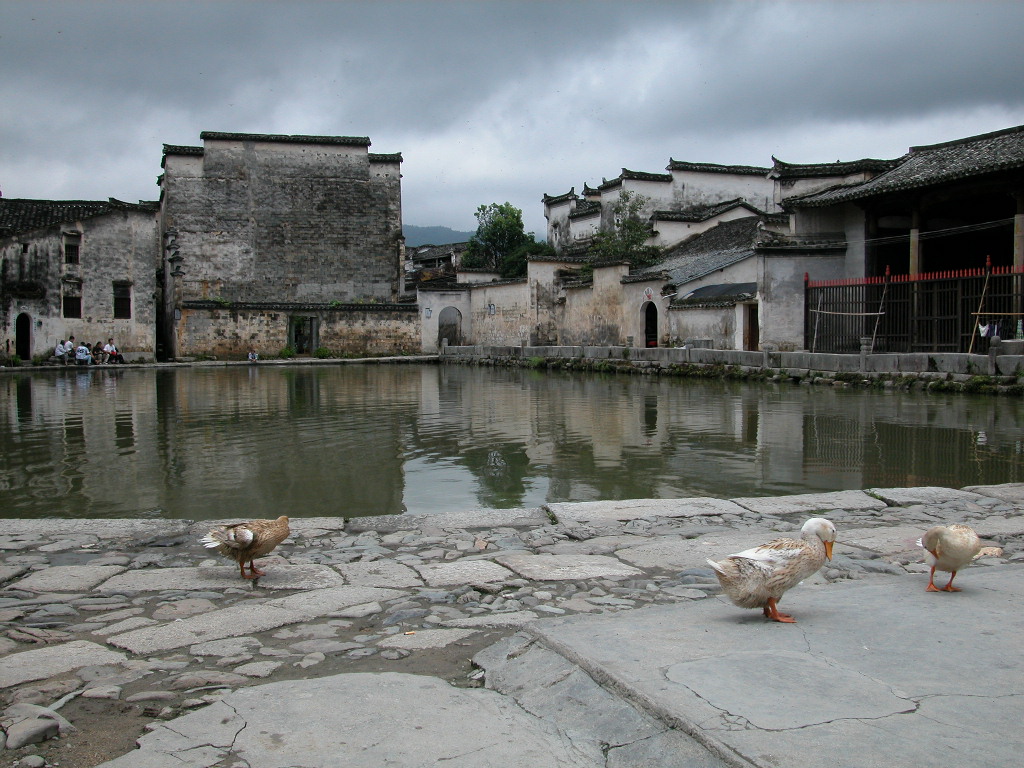
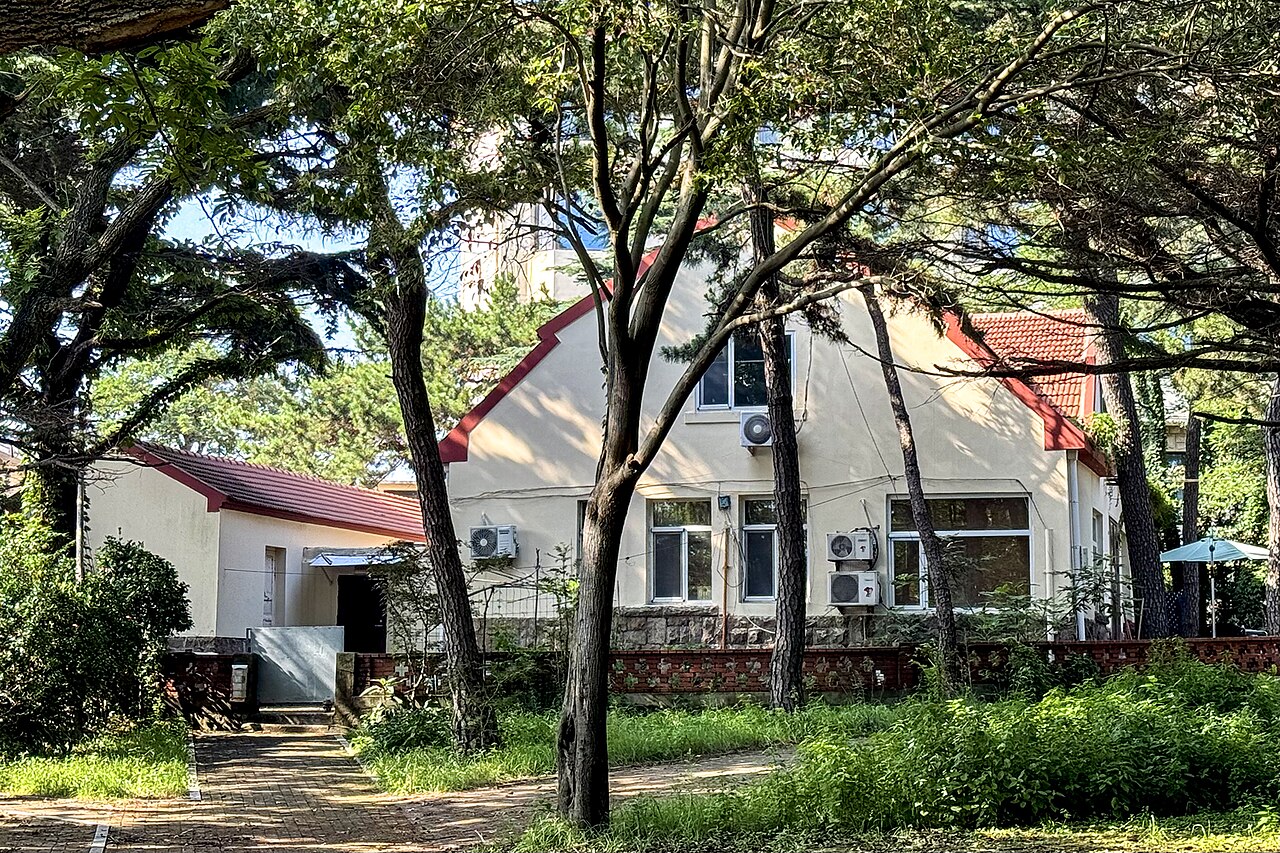
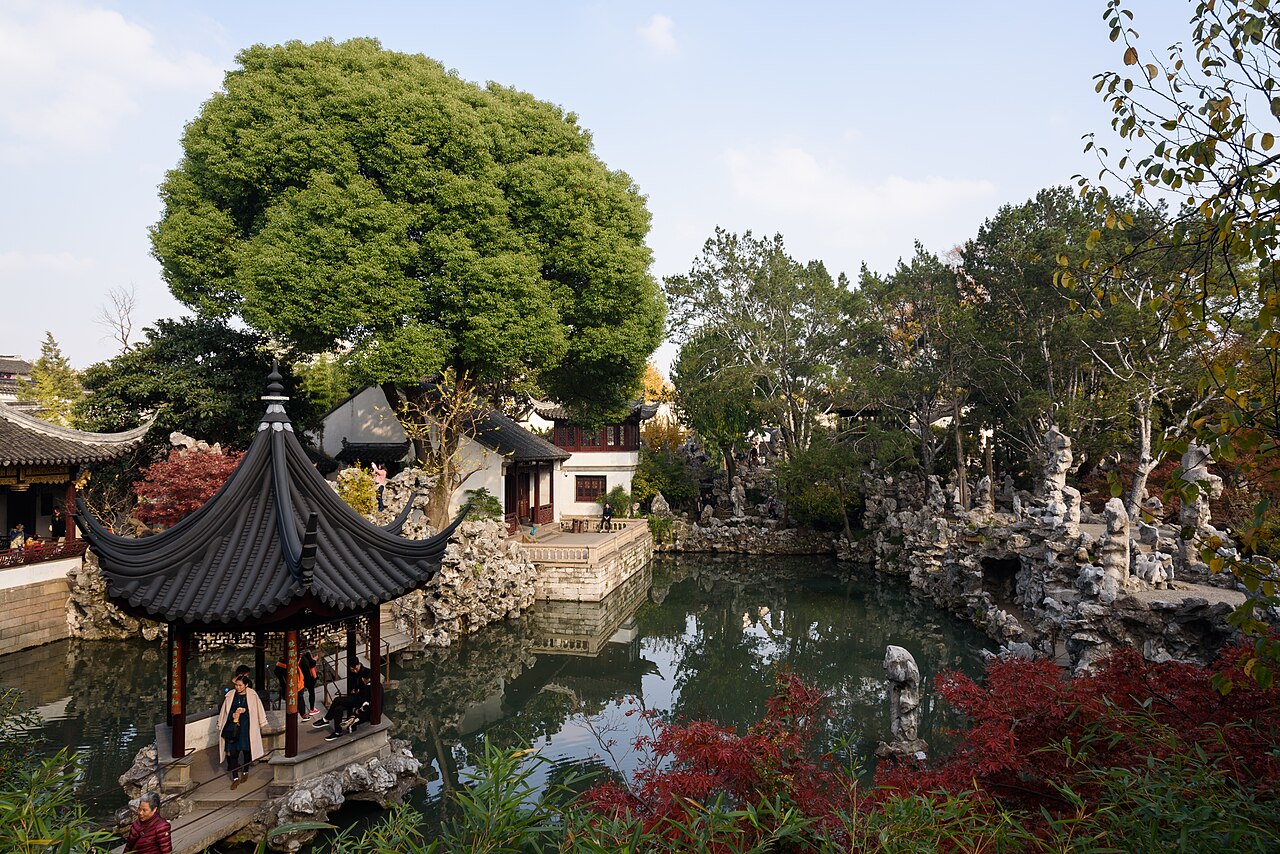
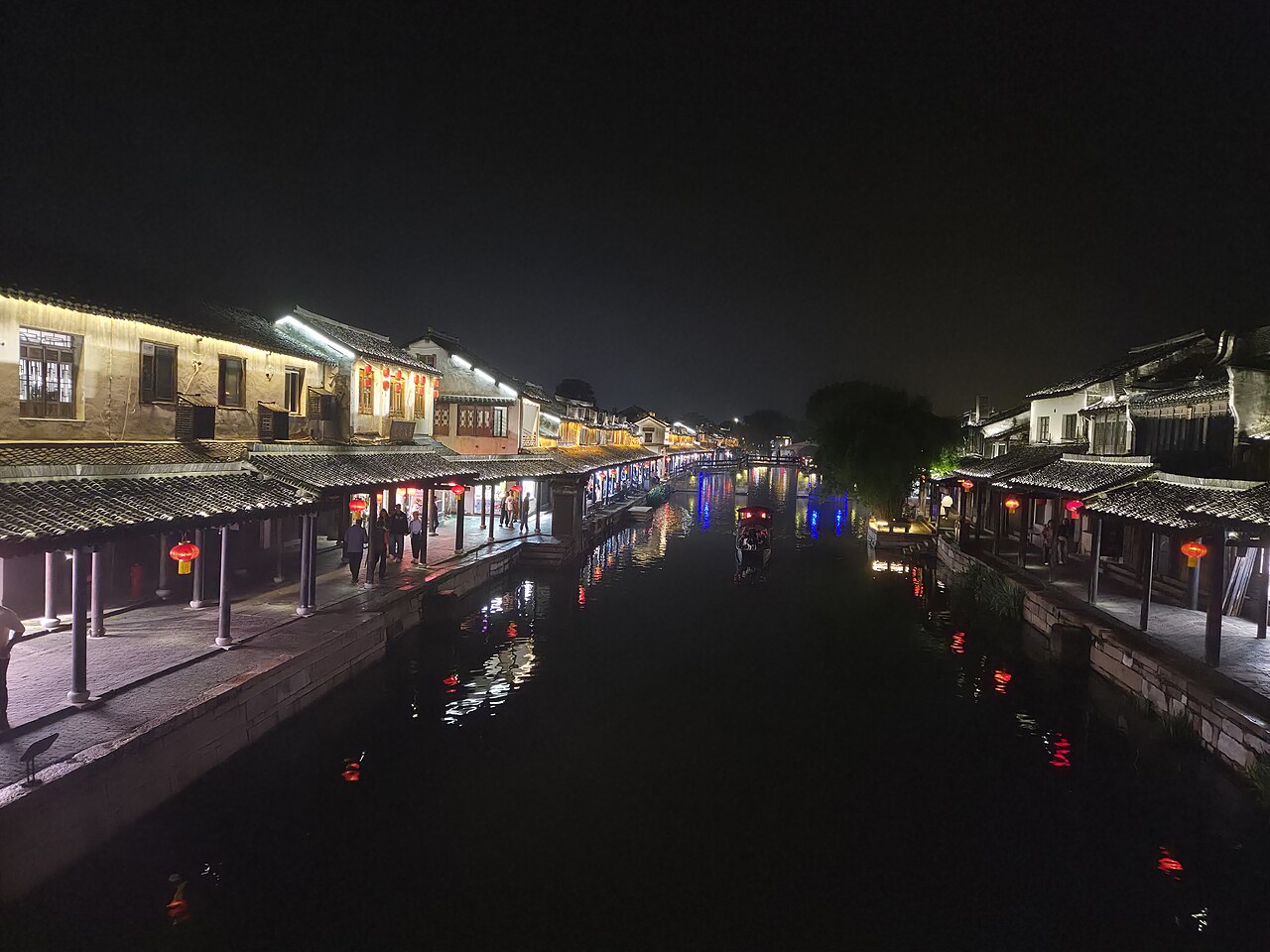
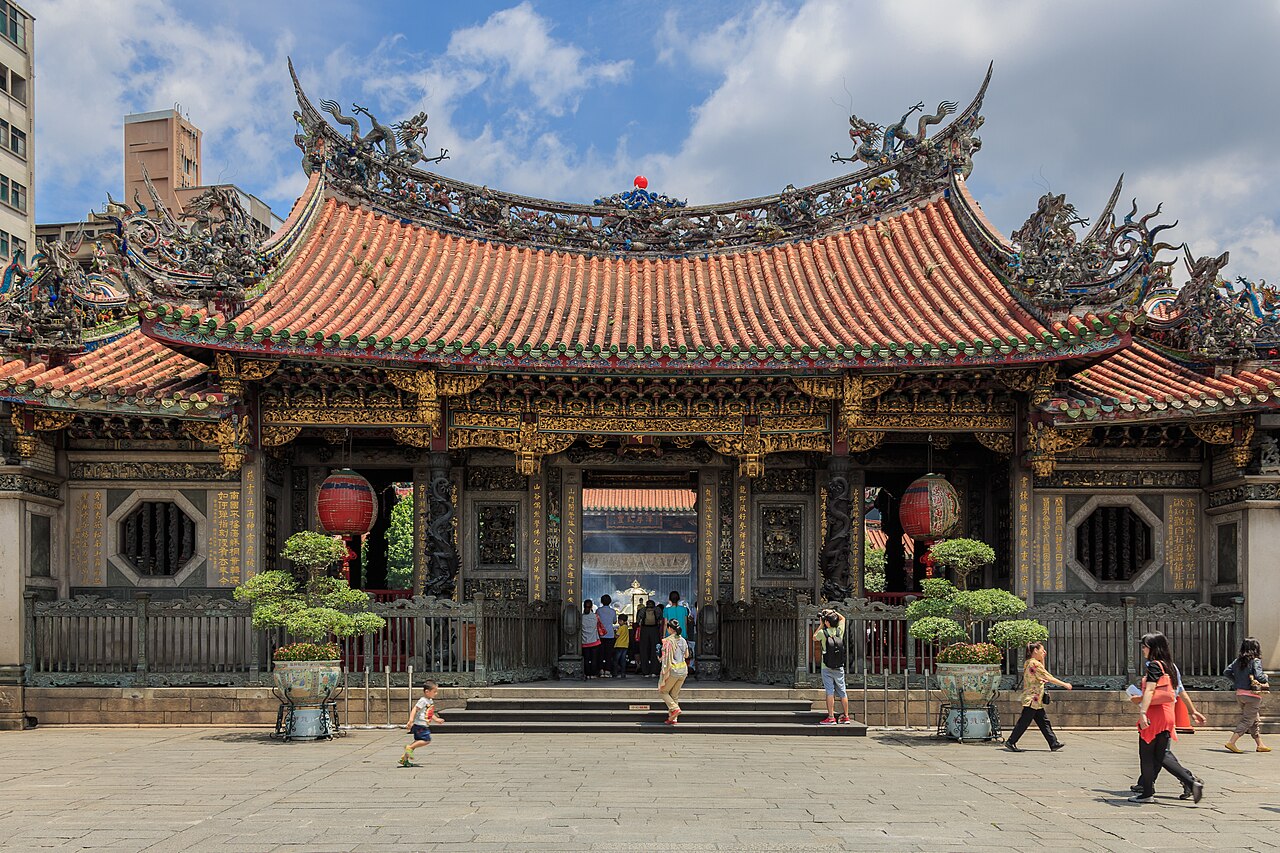
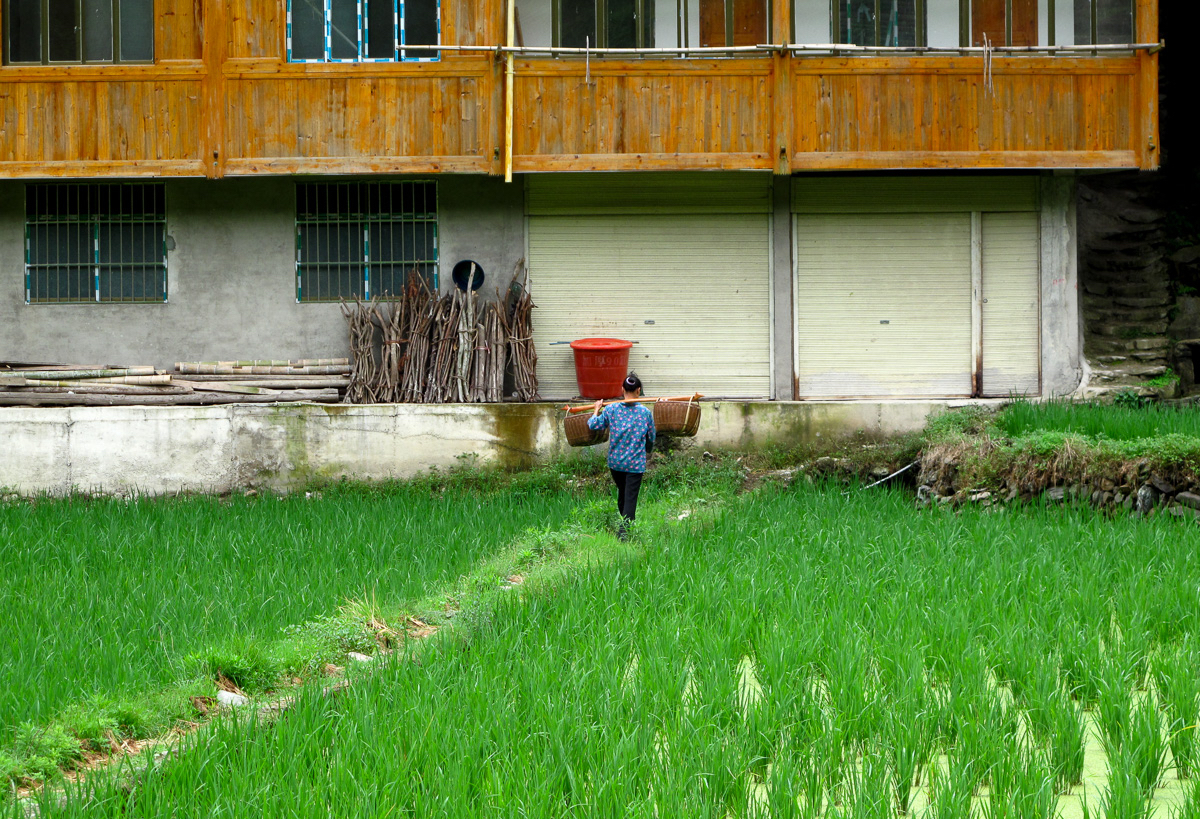
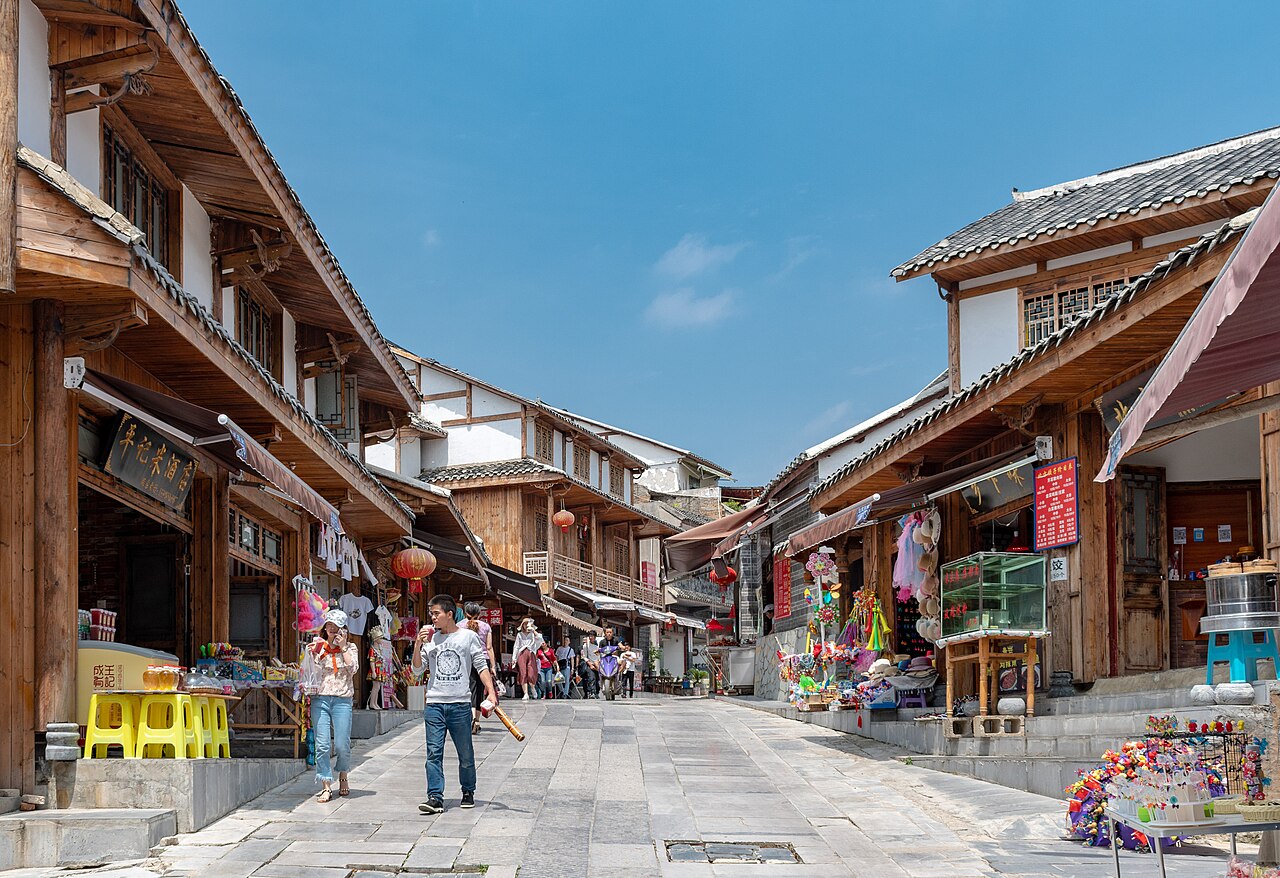
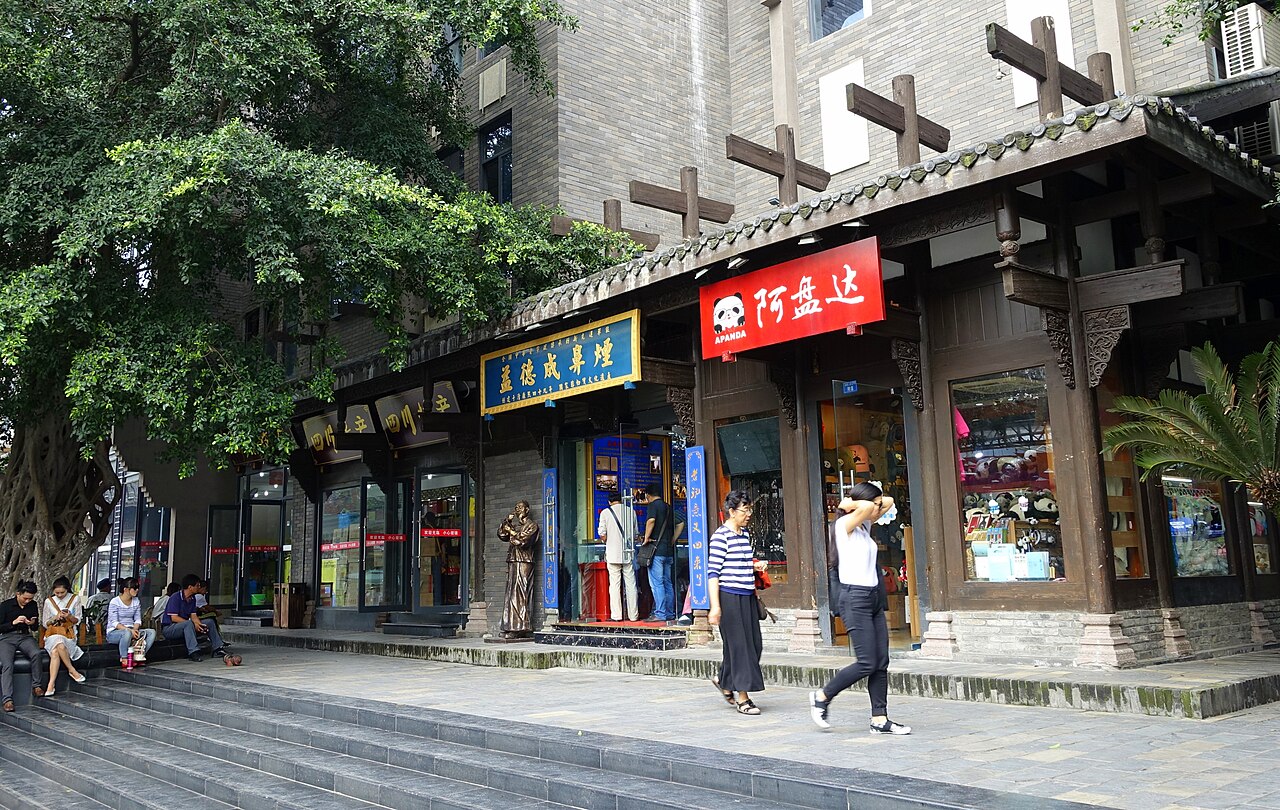
Costumed performers between shows on the Guangzhou Street set
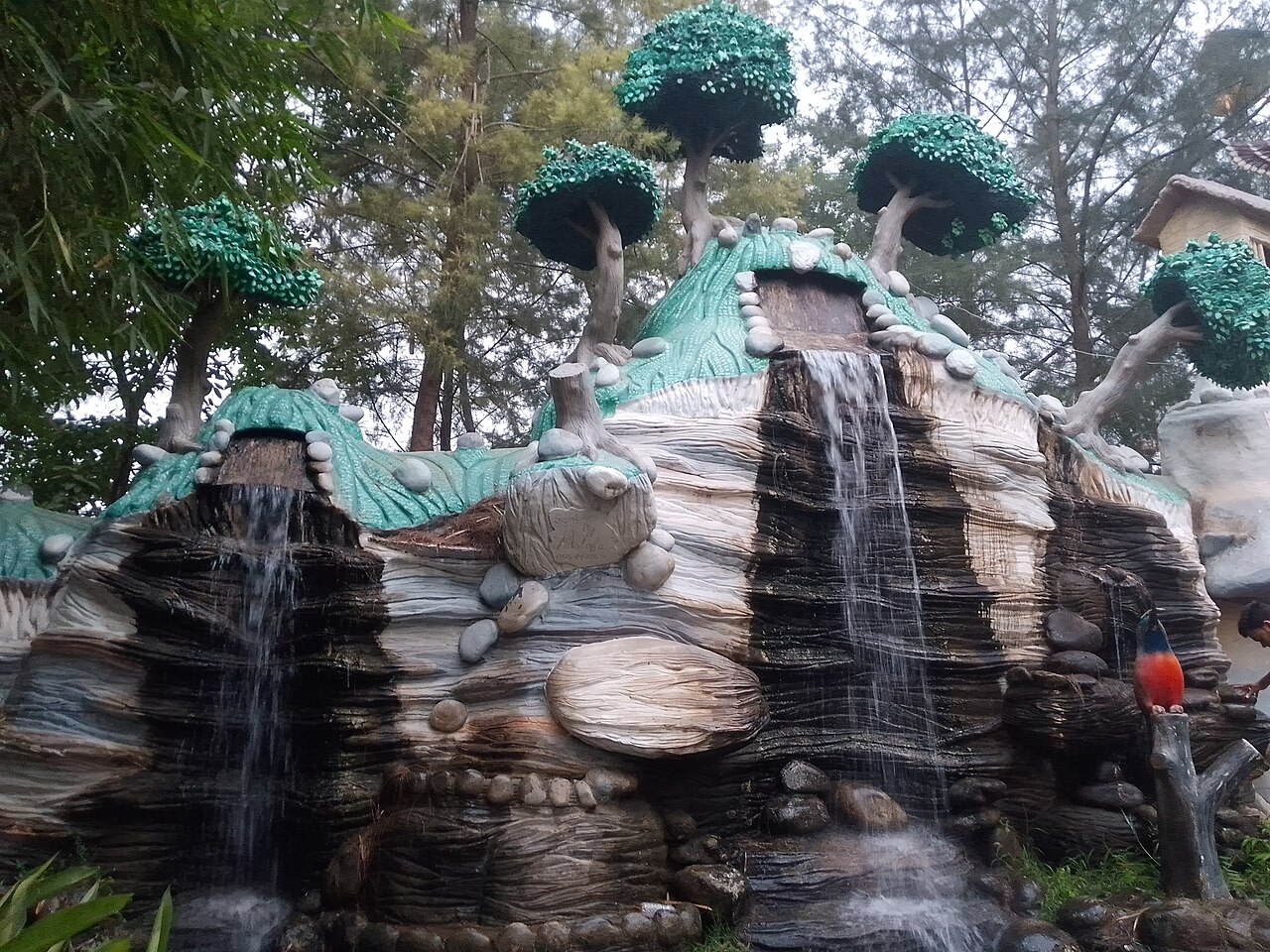
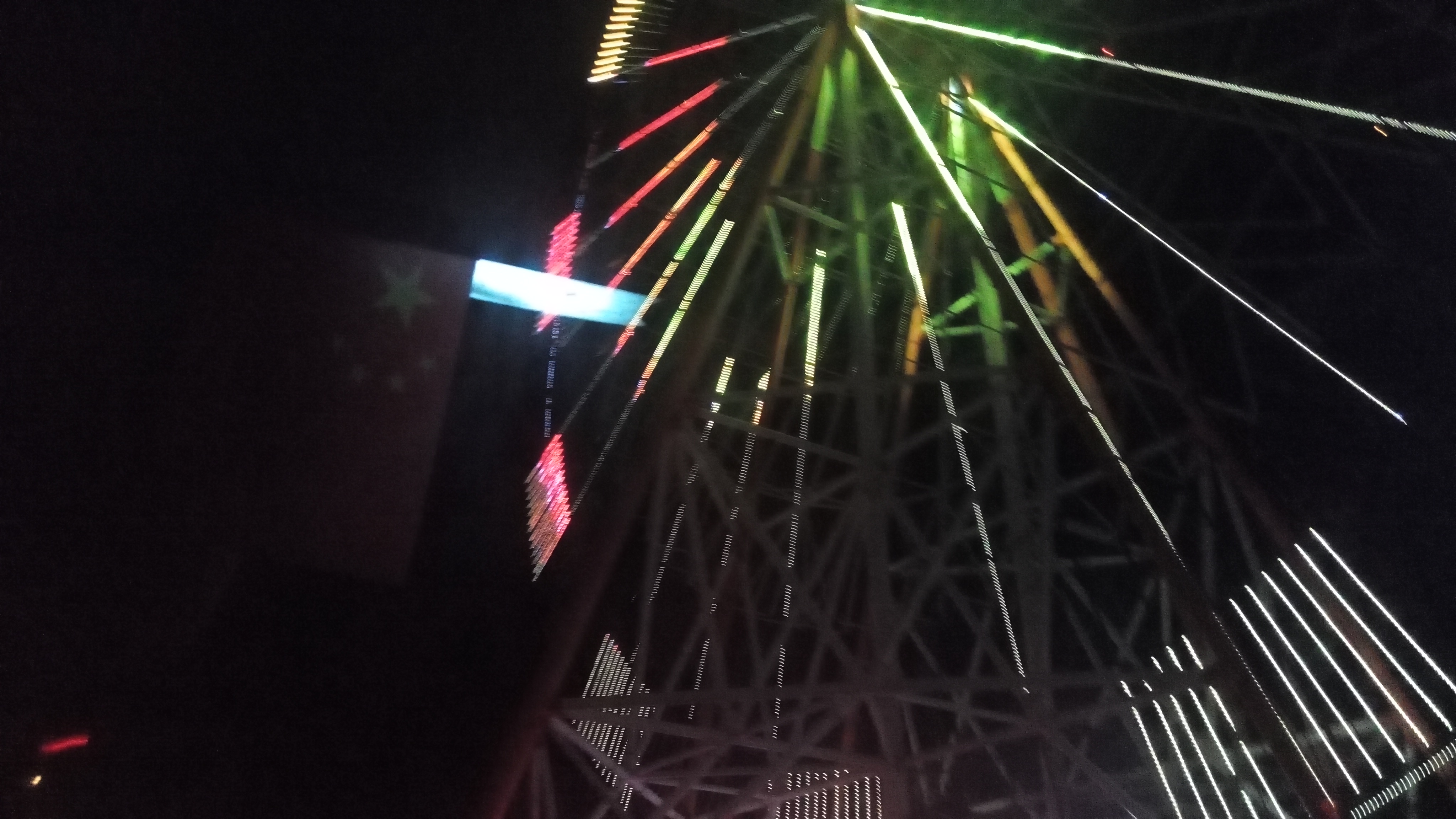
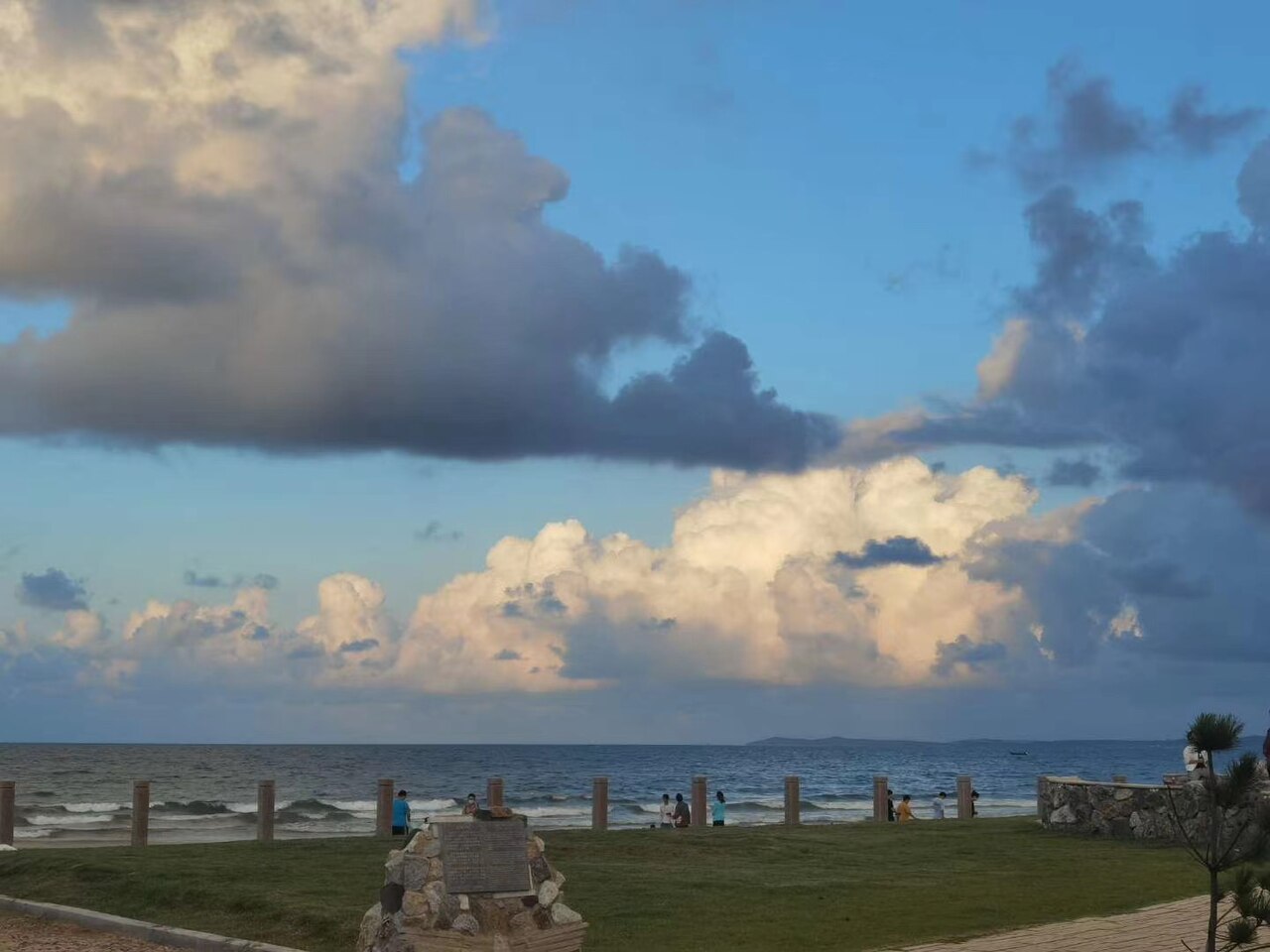
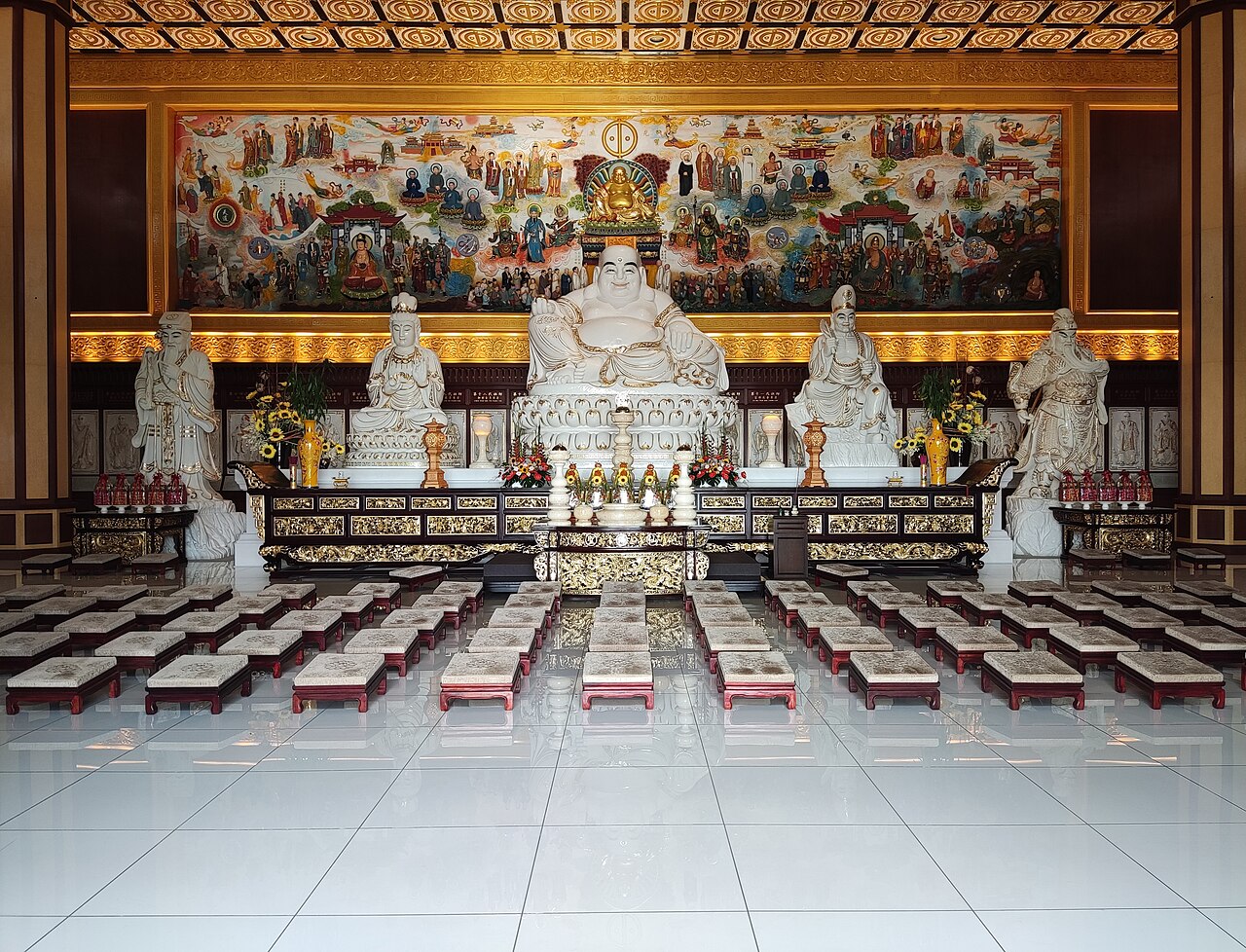
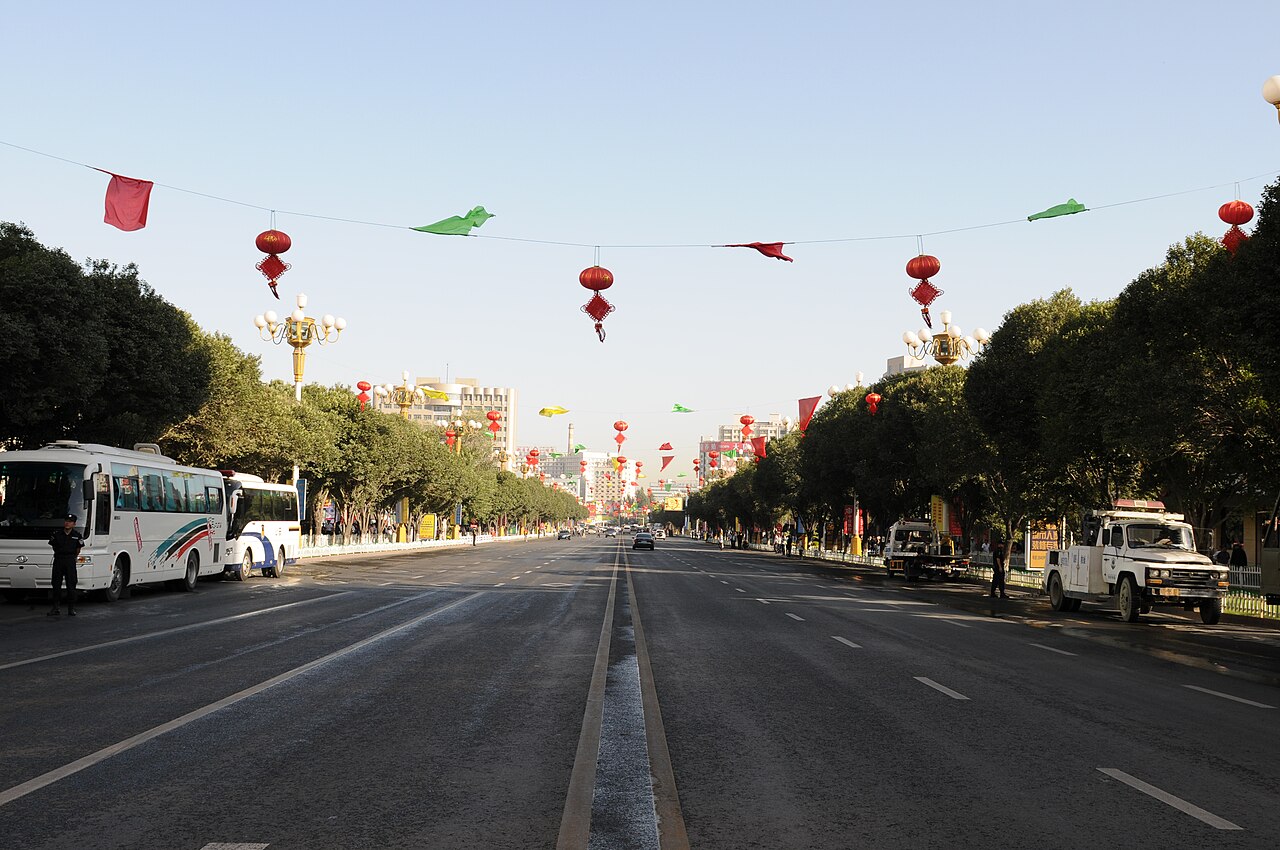
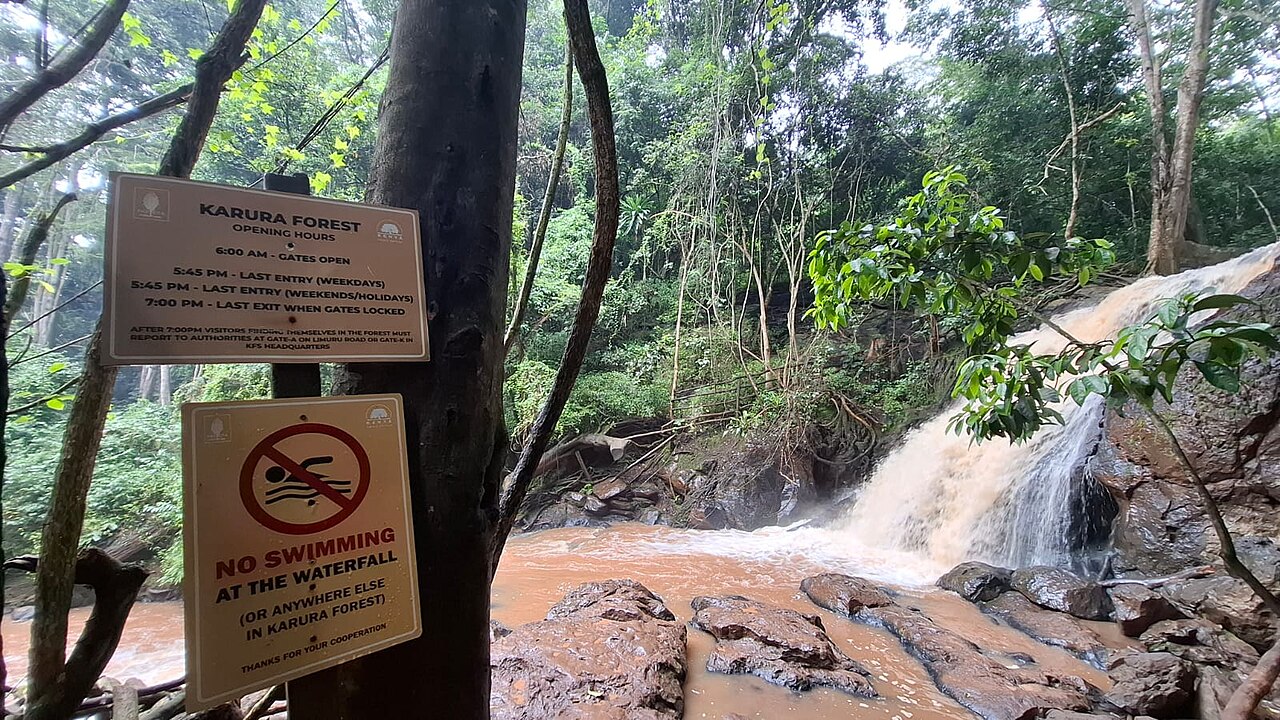
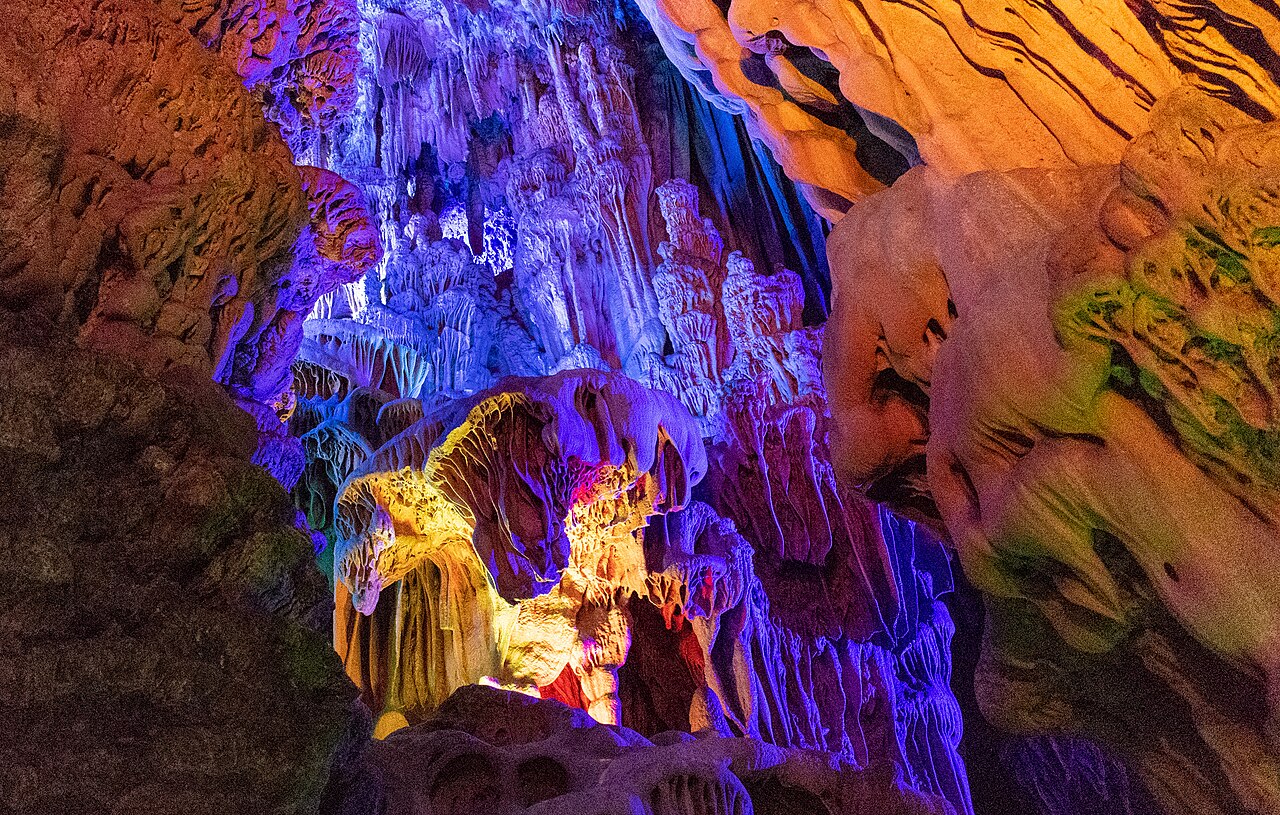
Dream Valley after dark, home of the 'Fantasy Tai Chi' spectacular

Everyone has a dream of travelling back through time — to be a prince, a princess, a scholar, a beauty. When those people appear on the screen the whole picture seems to glitter, and we wish we were one of them. And here is a dream factory that makes the fantasy real. This is Hengdian.

'One Day, A Thousand Years: a time-travel trip to Hengdian', a traveller's note

I thought the shows on TV were real until I grew up and realised I had only been watching drama, upgraded. The heroes I watched die are still alive. It is all fake — and it does not matter in the least. At Hengdian I finally got the feeling of walking inside a painting, inside a story.

'Let's go to Hengdian and travel through time', a traveller's note

Hengdian is a town that exists because of film. In 1996 the Hengdian Group built its first street — a 19th-century Guangzhou for Xie Jin's 'The Opium War' — and then it did not stop: a Qin palace, a 1:1 Forbidden City, a Song scroll town, a 19th-century Hong Kong, a night-time theme park. There are now more than a dozen sets across some 10 sq km, which is why the American trade press calls it China's Hollywood and why it earns a 5A tourism rating.

The honest thing to say up front is that almost none of it is old. The Qin Palace was built in the late 1990s; the Ming-Qing Palace is a replica; the water towns and courts are film sets. That does not matter as much as you would think, because the sets are built at full scale and to a real historical brief, and because the industry around them is genuine — crews shooting in the open, prop carts, costumed actors queueing for lunch. You are watching a factory that happens to be beautiful.

The live shows are the other half of the ticket and the part most visitors underestimate. Each set runs period performances through the day — a horse battle and a palace intrigue at the Ming-Qing Palace, a Song court music drama on the Qingming scroll, naval fights on the Guangzhou river — and after dark Dream Valley puts on 'Fantasy Tai Chi', one of the ten most influential tourism performances in China, staged around the largest live volcano set in the world.

And it is convenient. Yiwu is 36 km away and has the nearest airport, Hangzhou is 160 km north with shuttle coaches, Shanghai is about 3.5 hours by road, and inside the park a ¥1 bus loops every fifteen minutes between the sets. Two days is enough to see the main ones without sprinting; three, with the culture park and the cable car at the Pingyan Caves, is a holiday.

Hengdian

Don't leave without

Seven things that are worth rearranging a day for.

  1. Walk the Qin Palace's 2,289 m wall and stand in the 120 m-deep Sihai Guiyi hall
  2. Catch the 'Eight Banners Horse Battle' at the Ming-Qing Palace — 09:00 or 14:00
  3. Rent a costume and have your photo taken in the palace gardens
  4. Linger on the Guangzhou-Hong Kong streets where 'The Opium War' was shot
  5. Stay for the flood and volcano shows at Dream Valley after 16:00
  6. Ride the Pingyan Caves cable car for the whole park and the forest below
  7. Eat where the crews eat on Wansheng food street

Highlights

Six reasons it works despite being fake

The Qin Palace, a proper epic scale

Twenty-seven palace halls, a defensive wall 2,289 m long and 18 m high, and a main hall 120 m deep — built for 'The Emperor and the Assassin', which won Cannes' technical grand prize in 1999, and used since for 'Hero', 'The Myth' and 'The Mummy 3'. It is the set that proves a backlot can be more than a facade.

A 1:1 Forbidden City you can walk

The Ming-Qing Palace copies the real palace at full scale, mingling Ming, Qing and a little Republican architecture across four building families. It is where the palace dramas shoot, and where you can see the horse battle and the intrigue play without a hundred-thousand-person queue.

The 19th-century streets where it all began

The Guangzhou and Hong Kong set was Hengdian's first, built in August 1996 for Xie Jin's 'The Opium War', with the Pearl river running through the Guangzhou half and Queen's Road, the Governor's House and St John's Cathedral in the Hong Kong half. Hundreds of films later, it is still the most atmospheric corner of the park.

Live period shows, every set, every day

The performances are why Hengdian justifies two days: horse battles, palace intrigues, Song court dramas, naval clashes and the Huaxia culture show 'Longing for China'. They run to a timetable printed on each set's leaflet — grab one at the gate, or you will miss the shows and see only the walls.

The working industry around you

This is not a museum: 7,500-odd registered extras live in town, crews shoot in the open, and prop carts rattle past restaurants. The busiest places to brush past the business are the sets, the street kitchens, hotel lifts, the KTVs at night and the late coffee shops — and the studio says it welcomes eight million visitors a year.

Dream Valley, the park that only opens at night

From 16:00 the day sets hand over to a night-time film-experience park: a volcano that erupts, a flash flood, a haunted pirate house, an earthquake simulator and the five-chapter spectacular 'Fantasy Tai Chi' around the world's largest live volcano set. One of China's ten most influential tourism performances.

Suggested routes

One fast day, two calm ones, or two centred on time-travel

The time-travel day

1 day days

The single-day version, for a stop en route between Yiwu and the coast. A combo ticket and a brisk pace.

  1. Day 1

    Ming-Qing Palace, Guangzhou-Hong Kong streets, Qin Palace, Qingming scroll, Dream Valley

    Start at the Ming-Qing Palace and, if it appeals, rent a period costume for the palace gardens — the whole point of the day is to walk through history rather than read about it.

    Move to the Guangzhou and Hong Kong streets for the cross-cultural quarter, then after lunch take the Qin Palace and its shows 'Hero Fencing' and 'Dreaming Back to Qin and Han'. On to the Qingming scroll for 'A Dream of Bianliang' and 'Laughing Through the Gate of Heaven'.

    Finish after dark at Dream Valley — the rides plus 'Flash Flood and Mountain Torrent' and 'Fantasy Tai Chi'.

    Stops: Ming-Qing PalaceGuangzhou-Hong Kong StreetsQin PalaceQingming ScrollDream Valley

The classic two days

2 days days

The standard layout: big historical sets first, then the streets and the night park.

  1. Day 1

    Qin Palace, Qingming scroll, Ming-Qing Dwellings, Dream Valley

    Begin at the Qin Palace — the big one, and the source of 'Hero', 'The Promise' and 'Schemes of a Beauty'. Then walk the Qingming scroll, and if you are lucky a crew will be shooting and you can watch from the sidelines.

    After lunch go to the Ming-Qing Dwellings museum city, where you can step into the Peach Blossom Spring or take a night-tour of the Qinhuai river; 'The Warlords' and 'Detective Dee' were shot here.

    If you have the evening in you, end at Dream Valley — the international star street and the shows.

    Stops: Qin PalaceQingming ScrollMing-Qing DwellingsDream Valley

  2. Day 2

    Huaxia Culture Park, Guangzhou-Hong Kong streets, Ming-Qing Palace, Pingyan Caves

    First stop the Huaxia Culture Park, the heart of the Huaxia culture city and a one-of-a-kind theme park of Chinese civilisation — ten zones from the gate square to the four Buddhist mountains, the three-religion pagoda and the folk streets.

    Afternoon on the Guangzhou and Hong Kong streets, where you can walk the Victoria waterfront past the Hong Kong and Shanghai Bank and the Tavistock Gate from 'Naval Clash' without a passport. Then the Ming-Qing Palace for the horse battle and the intrigue play at their fixed times.

    If the replica architecture has tired you out, finish at the Pingyan Caves: ride the cable car over the forest and look down on the whole Hengdian park.

    Stops: Huaxia Culture ParkGuangzhou-Hong Kong StreetsMing-Qing PalacePingyan Caves
Two days of time-travel and the night park

2 days days

A looser version built around costumes, the star street and Dream Valley, with the culture park and caves as the slow half.

  1. Day 1

    Ming-Qing Palace, Guangzhou-Hong Kong streets, Dream Valley

    Costumes and palaces in the morning at the Ming-Qing Palace, then the two 19th-century streets in the afternoon — the most photogenic set in the park and the place to have your picture taken in regalia.

    Stops: Ming-Qing PalaceGuangzhou-Hong Kong StreetsDream Valley

  2. Day 2

    Qin Palace, Qingming scroll, Huaxia Culture Park, Pingyan Caves
    The Qin Palace and its shows first, the Qingming scroll second, the Huaxia Culture Park for the odd, unexpected Chinese-civilisation set, and the Pingyan Caves cable car at the end of the day to decompress.
    Stops: Qin PalaceQingming ScrollHuaxia Culture ParkPingyan Caves
Sights

What each set actually is

The epic

Qin Palace

A very large set holding 27 palace halls, with a 2,289 m wall standing 18 m high and a 120 m 'Qin-Han street' showing the market life of the period. The main hall, Sihai Guiyi, runs through front, middle and rear sections and is more than 120 m deep; its bracket-arms are built to an unusual span so the ceiling soars. To the west, the Huayang Terrace is a Yan palace in a totally different style — two royal courts in one base, two thousand years compressed into a walk. Built for 'The Emperor and the Assassin' (1999 Cannes technical grand prize) and used for 'Hero', 'The Emperor's Shadow', 'The Myth', 'Painted Skin' and 'The Mummy 3'.

Ticket
¥95
Hours
08:00–16:30
Suggested time
2 hours
Phone
0579-86556828

Tip See it in the morning if you can — the halls face east and the light is best before noon.

The replica palace

Ming-Qing Palace

The largest base in the park and a 1:1 copy of the Forbidden City, built to the court's architectural methods and adding something of Tang, Song and Yuan ritual and a Republican streak on top. Four building families come together — capital palaces, imperial gardens, princely courts and hutongs — reconstructing the official halls, streets and shops of an old imperial city. More than a hundred major productions have shot here, from 'The Banquet' to 'Curse of the Golden Flower', and the palace dramas keep coming: 'Palace', 'Empresses in the Palace', 'Scarlet Heart', 'The Palace Lock'.

Ticket
¥100
Hours
08:00–16:30
Suggested time
1–2 hours
Shows
'Eight Banners Horse Battle' 09:00 & 14:00; 'The Secret Palace Play' 10:00 & 15:00

Tip Rent a costume before you go in — it is the difference between looking at a palace and being photographed in one.

Where it began

Guangzhou and Hong Kong Streets

The founding set of Hengdian, built in August 1996 for Xie Jin's 'The Opium War'. The Guangzhou half is grid streets with the Pearl river through the middle, recreating a 19th-century trading city; the Hong Kong half is laid across a hillside and holds Queen's Road, Queen's Statue Square, the Governor's House and St John's Cathedral. It has hosted hundreds of productions, among them 'The Opium War', 'Lurk', 'Coming Home' and 'Yongzheng Dynasty'. The shows 'The Opium War' and 'Naval Clash' run here.

Ticket
¥95
Hours
08:00–16:30
Suggested time
3–4 hours
Included in
The five-set combos

Tip The 'Victoria coast' end is where the crews and newlyweds shoot most often — the most reliably photogenic corner in the park.

The painted city

Along the River During Qingming

A full set built from Zhang Zeduan's Northern Song painting: 120-odd buildings, six bridges, nine wharves, six boats and fourteen memorial arches, split into an outer city, an inner city and a palace city, with the Bian river winding through so that there is a city beyond the city and a river within the river. Shops stand shoulder to shoulder, the water is clear, and the whole thing reads as Song-dynasty capital luxury and marketplace noise at once. It stages 'A Dream of Bianliang' and 'Laughing Through the Gate of Heaven'.

Ticket
¥95
Hours
08:00–16:30
Suggested time
1–2 hours

Tip Climb the gate tower for the panorama — near, the whole base; far, the whole of Hengdian town.

The night park

Dream Valley

A 4-hour evening park spread over three zones — Hengdian old street, Jiangnan water town and the Dream Culture Village — built around natural spectacles and a lot of rides. There is a banyan forest, a Yardang landscape, the erupting volcano, a gaming arcade, the pirate ghost house, an earthquake science hall, a food street, a time-and-space waterfall, and the panoramic musical 'Fantasy Tai Chi'. The night is the point: this is where Hengdian turns from a museum into a theme park.

Ticket
¥195; ¥100 during the day-park closed season
Hours
16:00–21:00
Must-see
'Flash Flood and Mountain Torrent' and 'Fantasy Tai Chi'
Rating
'Fantasy Tai Chi' is one of China's ten most influential tourism shows

Tip The volcano show and the musical are back to back in the evening — check the times at the gate and build the rest of the night around them.

The other two

Huaxia Culture Park and the Ming-Qing Dwellings

The Huaxia Culture Park is the heart of the Huaxia culture city and a one-of-a-kind theme park of Chinese civilisation, blending history, art and entertainment across ten zones: the gate, the culture square, the historical corridor, the four Buddhist mountains, the three-religion pagoda, a fish-and-joy garden, a pagoda forest, a botanical garden, a folk street and a fairy terrace. The Ming-Qing Dwellings museum city is a working conservation, filming and exhibition site split into a Peach Blossom Spring and a Qinhuai river, dense with brick carving, timber carving and folk opera — where 'The Warlords' and 'Detective Dee' were shot.

Ticket
¥95 each
Hours
08:00–16:30
Suggested time
1–2 hours each

Tip These two are the slow half of a Hengdian trip and the calmest places to be when the palace sets are full.

Live shows

The performances you should not walk past

The big one

'Fantasy Tai Chi' at Dream Valley

The most famous single show in Hengdian and the reason to stay late: a five-chapter stage spectacular set around an erupting volcano, taking the deep symbols of the I Ching and making them concrete — bold imagery, lavish staging, and clear of any need to know the source text. It is rated one of the ten most influential tourism performances in China, and it is staged on the world's largest live volcano set.

When
Evening, inside Dream Valley
Where
Dream Valley
Verdict
A traveller's note calls it 'genuinely striking — ¥198 well spent, and better on a combo'

Tip Arrive early for a good seat; the volcano scene is the one everyone stands up for.

Horse and intrigue

Palace shows at the Ming-Qing Palace

'Eight Banners Horse Battle' at 09:00 and 14:00 is a full cavalry display in the palace grounds; 'The Secret Palace Play' at 10:00 and 15:00 is the plotting-and-poisoning counterpart. Together they are the most reliably scheduled performances in the park, which makes the palace the easiest set to plan a day around.

Horse battle
09:00 and 14:00
Palace play
10:00 and 15:00
Where
Ming-Qing Palace

Tip Get to the horse battle twenty minutes early — it draws the biggest daytime crowd.

Court and comedy

Song shows on the Qingming scroll

'A Dream of Bianliang' plays the dreamlike Song capital for all it is worth, and 'Laughing Through the Gate of Heaven' is the comic set-piece — a Yang family saga staged as broad entertainment. Both are short, colourful and easy to watch even with no Chinese, which makes this the friendliest set on the park for non-Chinese-speaking visitors.

Shows
'A Dream of Bianliang' and 'Laughing Through the Gate of Heaven'
Where
Along the River During Qingming set
Also here
The Dasongfang commercial area, with fortune-telling and 'dragon-whisker candy'
Note
Times are printed on the leaflet at the gate — pick one up

Tip The Dasongfang area inside the set is where to eat and buy craft between shows.

Ships and gunpowder

'The Opium War' and 'Naval Clash' on the riverside streets

The Guangzhou-Hong Kong set stages 'The Opium War' and 'Naval Clash' using the river and the wharves as they were built to be used — the naval show is the one that fills the set's waterfront, with the Tavistock Gate, the old HSBC building and the Victoria harbour as the backdrop. This is also the set most likely to have an actual crew working while you watch the performance.

Shows
'The Opium War', 'Naval Clash'
Where
Guangzhou-Hong Kong Streets
Also here
The Victoria-coast shops and the foreign-goods street

Tip Watch the naval show from the Victoria side, then walk back through the Guangzhou half at dusk when the lanterns come on.

Food

Dongyang farm cooking, plus every region of China

Mantou weng rou

The ceremonial banquet dish of Dongyang: a round steamed bun, flat-bottomed and domed, stamped with red 'joy' or 'longevity' characters for happy occasions, served one per person; the weng rou is cooked pork cut into triangular blocks of 150–250 g, the bigger the more impressive, braised until tender. Two blocks a person is the going rate.

Glutinous-rice sausage

A country dish, and mostly a New Year food: pork intestine cleaned and stuffed with glutinous rice and water, simmered slowly and eaten as is. Sliced and grilled or deep-fried it smells and tastes even better, and it is the sort of thing you find only in a family kitchen.

Acorn tofu

Acorns ground to a fine powder, soaked, settled and filtered several times to take out the astringency, then stirred into boiling water to a paste and set into a soft, coffee-coloured jelly. Cut into diamonds, dressed with sugar, rice vinegar and cold water — cooling, and by local belief a defence against summer damp.

Grilled tofu

Tofu cut into playing-card squares and pressed against an oiled wok wall until both sides brown. Farm kitchens stew it with greens and beansprouts, or with pickles and pork in a clay pot until it swells; eaten hot off the pan with soy and rice vinegar it is best of all.

Jinhua ham

The famous ham of the region — yellow-gold skin, a pipa shape, red-rose flesh, heavy aroma and a long shelf life; internationally known and traditionally credited with tonic properties. The single most carryable food souvenir from the region.

Jinhua flaky pastry

A pastry that wins on flakiness: crab-shell shaped, golden on both sides, layered like paper, savoury-sweet and crisp. The local snack that lingers longest on the palate afterwards.

The Wansheng food street menu

The street that feeds the crews covers every Chinese region in a few hundred metres — Chongqing 'Qiqi' hotpot, a proper Beijing lamb hotpot, northwest big-plate chicken, Jinhua clay-pot casseroles (bone, beef offal and sour-fish), Dongyang hand-pulled noodles, and Jinhua flaky pastries. If you cannot decide what you want, you want this street.

Old Dongyang noodle shop

Just a noodle shop, but a famous one — stars and locals both make the trip. The noodles are the draw, and the pineapple buns and egg tarts on the side are better than they have any right to be. On Wansheng food street.

Where to eat

The crew canteens and the star haunts

The centre of gravity

Wansheng food street

The single food street of the film town, and the fastest way to eat in Hengdian: one strip covering most of China's regional cooking, from Chongqing hotpot and Beijing lamb to northwest chicken and Jinhua casseroles. Star-spotting is a free side dish — crews, extras and actors all eat along here.

Where
Wansheng Street, Hengdian town
What to order
Any regional speciality that takes your fancy; the Jinhua casseroles are the local pick
Vibe
Loud, cheap, always busy

The star wall

Dacheng Xiaochu (Hong Kong-style cha chaan teng)

A long-established cha chaan teng in Hengdian town run by a Hong Kong owner, serving properly Cantonese food — good value, warm service, and a wall of photographs of the owner with the stars who have eaten here. The walls are the menu for celebrity-watchers.

Address
51 Baxian Street, Hengdian, Dongyang
Phone
13706795049
Recommended
Hong Kong curry beef brisket rice, BBQ pork plate, chicken cutlet in tomato sauce pasta, Hong Kong milk tea

Worth the queue

Old Dongyang noodle shop

Nothing more than a noodle shop, but one with a reputation that brings both stars and locals out of their way. Noodles first, then the snacks — pineapple buns, egg tarts and the like, all better than the setting suggests.

Address
Wansheng food street, Hengdian town
What to order
Hand-pulled noodles, then the bakery side-dishes

Eat inside the park

Around the sets

Nearly every set has a themed commercial area, so you can eat where you are: the Dasongfang commercial quarter inside the Qingming scroll, the underground imperial city at the Qin Palace, the foreign-goods street at the Guangzhou-Hong Kong set, and the Buddhist-artefact outlet at Dazhi Temple. Convenient rather than cheap, but it saves a coach ride in the middle of a schedule.

Qingming scroll
Dasongfang, with local snacks and fortune-telling shows
Qin Palace
Underground imperial city — snacks and bronze-and-jade souvenirs
Guangzhou-Hong Kong
Foreign-goods street — crystal, fabrics, toys
Dazhi Temple
Buddhist-artefact outlet — amulets and blessed objects

Where to stay

Sleep in town, walk to the sets

Central

Hengdian Xinghe Hotel

On Wansheng North Street in the middle of the town's commercial heart, close to supermarkets and banks, and within walking distance of both the Ming-Qing Palace and the Guangzhou-Hong Kong streets, with a shuttle between hotel and park. Convenient, mid-range, the safe default.

From
¥200 a night
Address
88 Wansheng North Street, Hengdian (near the Ming-Qing Palace)
Phone
0579-86011188

Old central

Hengdian Tourism Building

Attached to the Wansheng Street bridge and the riverside park, in the centre of the cluster of tourist sites, so moving between them is easy. The ground-floor west restaurant does regional street snacks; floors two and three are private rooms and a banquet hall.

From
¥220 a night
Address
1 Wansheng South Street, Hengdian, Dongyang
Phone
0579-86580000

Four-star

Hengdian International Trade Building

A four-star hotel covering lodging, dining, conferences, business and leisure, with singles through to presidential suites, two Chinese banquet halls, a western restaurant, and a menu that leans on Hangzhou and Jinhua cooking with seasonal and creative dishes each quarter. The comfortable choice.

From
¥230 a night
Address
18 Kangzhuang South Road, Hengdian, Dongyang
Phone
0579-86548222

Inside the park

Hengdian Bianjing Hotel

Set right by the Qingming scroll base, with the Qin Palace, the Jiangnan water town and Dazhi Temple all close by. Because it is so near the sets, a lot of production crews stay here to save travel time — the joke being that the star might be in the next room. The best base if your priority is early access before the gates open.

From
¥180 a night
Address
Beside the Qingming scroll set, Hengdian town
Phone
0579-86555511

Backpacker pick

Rongyi Hengdian International Youth Hostel

Inside the Ming-Qing Dwellings museum city (the non-ticketed part), five minutes' walk from Dream Valley. A two-storey pseudo-antique building, Lijiang guesthouse in style and the only one of its kind in Hengdian. Off the street, so it is very quiet and quite hard to find — the hunt is part of the charm. The owner's lobby is full of genuine antiques, and several productions have shot here.

From
¥99 a night
Address
8 Jinling Street, 288 Kangzhuang South Road, Hengdian (near Rongpin Club)
Phone
0579-86651177

Shopping

Ham, carvings and countryside goods

Jinhua ham

The region's famous ham and the easiest gift to carry: yellow-gold skin, pipa shape, red-rose flesh, rich aroma. Buy a whole leg at a proper shop rather than a stall, and ask about vacuum-packing before you fly.

Jinhua flaky pastry

The other Jinhua souvenir that travels well: crab-shell shaped, golden, layered like paper, savoury-sweet, and light enough to carry a box home. Buy it fresh and eat most of it before the flight.

Dongyang wood carving

One of China's four great schools of wood carving, and the reason the town is called a hometown of arts and crafts. The techniques run to more than ten — relief, round carving, pierced double-sided carving, inlaid coloured-wood carving — with a particular strength in high relief over many layers. If you collect craft, this is the thing.

Dongyang bamboo weaving

The other Dongyang craft, and a lighter, cheaper way to take the town's artistry home: fine woven baskets, containers and decorative pieces that show off the same precision as the wood carving.

'Bamian Feng' green produce

Hengdian's own mountain green-produce brand and now the park's strongest local speciality: black-rice cake, buckwheat cake, kudzu powder, candied dates, figs, almonds, high-mountain corn, wild bamboo-shoot goods, lily bulb, tea and an array of mushrooms. Practical, packable, not a bad gift for someone who cooks.

Shidong rice wine and where to buy

The local rice wine makes a good take-home too. Buy inside the sets — the Dasongfang quarter on the Qingming scroll, the underground imperial city at the Qin Palace, the foreign-goods street at the Guangzhou-Hong Kong set, and the temple outlet at Dazhi Temple, where amulets are blessed during Buddhist events. The town shops near the hotels carry the ham and pastries at better prices than the park.

Getting there

In from Yiwu, Hangzhou or Shanghai

By air

Yiwu Airport (YIW) is the nearest, 36 km away and connected to most Chinese cities; from the airport go to the Yiwu Jiangdong coach station and take the shuttle to Hengdian, every 30 minutes, about 30 minutes. Hangzhou Xiaoshan (HGH) also runs coaches to Hengdian at 10:30, 13:10 and 16:30, returning at 06:10, 09:00 and 13:10 (0579-86690371).

Nearest airport
Yiwu (YIW), 36 km
Yiwu airport to Hengdian
Jiangdong coach station shuttle, every 30 min, about 30 min
Xiaoshan coaches
Out 10:30/13:10/16:30; back 06:10/09:00/13:10

By train

There is no station at Hengdian; you come in via Yiwu. Alight at Yiwu station, take bus K805 to the Jiangdong coach station, then the shuttle to Hengdian — about an hour in all. The shuttle passes the Xinghe Hotel and terminates near the International Trade Building and the Yingxing Hotel, both convenient for the sets.

Railhead
Yiwu station
To the coach station
Bus K805
Thence to Hengdian
Shuttle, about 30 min

By coach

Hangzhou South station runs direct to the Hengdian resort for ¥64 (out 06:50, 08:00, 09:50, 10:50, 13:30, 14:10, 16:50, 17:50; back 06:10, 07:20, 10:00, 10:50, 13:10, 14:10, 16:30, 17:10). The Hangzhou tourist centre at Huanglong sports centre runs a return service for ¥60. Shanghai South station runs direct to Hengdian, or to Dongyang West, from where a shuttle leaves every ten minutes (about 20 minutes, ¥6). A taxi from Shanghai South to Hengdian is about ¥25 a head.

Hangzhou South
¥64, 8 departures a day
Hangzhou Huanglong centre
¥60, return service
Shanghai South
Direct, or via Dongyang West every 10 min
From Dongyang West
About 20 min, ¥6

On the ground

A tourist loop bus links every set — every 15 minutes, ¥1 a ride — running from the visitor centre at Houling Mountain through Guangzhou Street, the Ming-Qing Palace, the hotels, the old dwellings, the resort, Dream Valley, the Qin Palace, the Bianjing Hotel, the Qingming scroll and the Huaxia Culture Park. Taxis between sets are about ¥10; pedicabs ¥3–5; the little three-wheeled motor carts flag at ¥5 and never exceed ¥10 a run.

Loop bus
Every 15 min, ¥1 a ride
Taxi between sets
About ¥10
Pedicab
¥3–5
Motor cart
¥5 to flag, ¥10 maximum

Practical

Tickets, hours and small print

Small print that saves money: buying online beats the gate, and the combo beats buying set by set — but only if you actually use every set on it.

Set hoursMost sets run 08:00–16:30; Dream Valley is 16:00–21:00. Plan the day around the 16:30 shutdown and hand over to the night park.
Combo ticketsTwo sets plus Dream Valley ¥350; five sets ¥390; five sets plus Dream Valley ¥650. Buy online for a discount.
ConcessionsUnder 1.2 m free; 1.2–1.5 m, serving soldiers, officers and disabled visitors half price; seniors (men 60, women 55) 30% off; teachers 20% off.
Show timetablesEvery set prints its performance times on the leaflet and map at the entrance — pick one up first, or you will miss the shows.
Booking in seasonThere are plenty of rooms, but weekends and holidays fill up; book ahead, and look for the low-season 'ticket with a room thrown in' offers.
HospitalHengdian Group Hospital, 1 Yixue Road, Hengdian, 0579-86552120.
Tourist line0579-86547211; official site hengdianworld.com.

Background

How a hill town became a film factory

A town on a golden tourist line

Hengdian sits in Dongyang, in central Zhejiang, 36 km from the small-goods capital Yiwu, 90 km from Jinhua and 160 km from the provincial capital Hangzhou — inside the four-hour driving circle that takes in Jiangsu, Zhejiang, Shanghai, Fujian and Jiangxi. The climate is subtropical monsoon: mild, wet, four clear seasons, an annual average of about 17°C, 2,002 hours of sunshine and 1,351 mm of rain.

Thirty years of concrete

Since 1996 the Hengdian Group has invested well over three billion yuan in the backlot, building the Guangzhou and Hong Kong streets first, then the Qin Palace, the Ming-Qing Palace, the Qingming scroll, Dream Valley, the Huaxia Culture Park, the Pingyan Caves, Dazhi Temple, the Ming-Qing Dwellings and more — fourteen bases spanning thousands of years of history and, on the studio's count, two supersized modern sound stages. It is now the largest film base in Asia and a 5A-rated attraction welcoming about eight million visitors a year.

The Hengpiao

What turned a set into an industry was the service economy around it: prop-making, equipment and vehicle hire, costume and make-up, and above all a large body of extras. The Hengdian actors' guild registers more than 7,500 special and background performers — the 'Hengpiao', or Hengdian drifters, who come from all over China to work here. Meanwhile the list of directors and stars who have shot in town runs from Xie Jin, Chen Kaige and Zhang Yimou to Gong Li, Tony Leung, Zhang Ziyi and Chow Yun-fat.

A country leisure capital

The studios dragged the leisure industry up behind them. Within ten sq km there are now more than ten star-rated hotels and over 8,000 beds, plus amusement parks, nightclubs, sauna centres, a performance hall, a gym and a bowling alley, and a town centre full of bookshops, internet cafes, bars and teahouses cooking every regional style of Chinese food. The studio likes to call it a 'capital of Chinese country leisure' — and for a place built out of plywood and paint, it has made the title stick.

Travel with them

Watch and read before you go

Film

'Curse of the Golden Flower'

Zhang Yimou, 2006

The Zhang Yimou palace epic — a king (Chow Yun-fat) who seizes the throne, a queen (Gong Li) with a secret, and a family that comes apart over one festival night — shot largely on the sets you are about to walk through. Watch it and the Ming-Qing Palace becomes a film you have already been inside.

Film

'The Mummy: Tomb of the Dragon Emperor'

Rob Cohen, 2008

The Hollywood instalment shot at the Qin Palace: Rick and Evelyn O'Connell are pulled back for one last job, an artefact from a Shanghai museum has to go home, and an ancient emperor wakes up. Loud, silly and a useful reminder that these sets stand in for anywhere in China.

Book

'A Guide to the Luoyang Temples', annotated

Zeng Yulin

A travel companion rather than a history: collected impressions from journalists and visitors, with star encounters, shooting anecdotes and set-by-set introductions, put together as a practical handbook for the park and a good primer on what to look for on each street.

TV

'Empresses in the Palace'

shot at the Ming-Qing Palace

The Qing palace drama that helped define the modern genre, filmed on the replica palace — along with 'Palace', 'Scarlet Heart', 'The Palace Lock' and countless others. A few episodes will make the costumes, the courtyards and the intrigue shows land far harder when you see them in person.

The questions visitors ask us most about Hengdian, answered plainly.

Frequently asked questions

Prices and practical details are reviewed every month by our Beijing team and updated the day a rule changes.

How many days do I need in Hengdian?

Two days is the honest answer. Day one takes the historical sets — the Qin Palace, the Qingming scroll and the Ming-Qing Palace — and day two does the Guangzhou-Hong Kong streets and the Ming-Qing Dwellings in the morning, then Dream Valley from 16:00. One day only works with a combo ticket and a fast pace, and you will see buildings rather than performances.

What is the best ticket to buy?

If you want the night park, the five-set combo plus Dream Valley at ¥650 is the best value, covering the Qin Palace, Qingming scroll, Guangzhou-Hong Kong streets, Ming-Qing Palace, the Huaxia Culture Park and the Ming-Qing Dwellings. Two sets plus Dream Valley is ¥350 and five sets alone is ¥390. Buy online for a further discount, and check the concession list before you do.

When do the live shows run?

Each set runs several a day, so pick up the leaflet and map at the entrance — it lists the times. The fixed ones to plan around are the 'Eight Banners Horse Battle' at the Ming-Qing Palace (09:00 and 14:00) and 'The Secret Palace Play' (10:00 and 15:00); the Qingming scroll runs 'A Dream of Bianliang' and 'Laughing Through the Gate of Heaven'; the Guangzhou streets do 'The Opium War' and 'Naval Clash'. Dream Valley's shows are evening-only.

Is Dream Valley worth the extra money?

Yes, as part of a combo. It is a night park with a volcano eruption, a flash flood, a haunted house and an earthquake simulator, but the reason to stay is 'Fantasy Tai Chi' — five movements that turn the I Ching into a stage spectacular around the world's largest live volcano. Buy it within a combo and it is a fraction of the ¥195 stand-alone gate.

Can I see the actual filming?

Often, yes. Hengdian shoots all year — some 600 films and 3,000-plus TV episodes so far — and crews work in the open in many of the sets, so you can watch from a respectful distance. Do not walk into a frame, do not interrupt, and do not approach actors mid-take; the extras and staff are the ones most likely to stop and chat.

How do I get to Hengdian without a car?

Fly to Yiwu (YIW), then a shuttle from the Jiangdong coach station every 30 minutes (about 30 minutes). Or fly to Hangzhou Xiaoshan and take a shuttle at 10:30, 13:10 or 16:30. By train, alight at Yiwu and change to bus K805 and then a shuttle. By coach, direct services run from Hangzhou South (¥64) and the Huanglong centre (¥60), and from Shanghai South via Dongyang West.

What should I eat here?

Wansheng food street is the reliable answer — it spans every Chinese regional style and is where the production crews eat, from Chongqing hotpot to Beijing lamb hotpot to Jinhua sour-fish casserole. For Dongyang cooking proper, order the ceremonial steamed pork with buns, glutinous-rice sausage, acorn tofu and grilled tofu. The Hong Kong cha chaan teng on Baxian Street is the star-spotting staple.

Is Hengdian good for families with children?

Yes — it is one of the better family destinations in Zhejiang. Under-1.2 m children go free, the costumed shows are short and visual enough for young kids, Dream Valley is a genuine theme park after dark, and the sets are open and walkable rather than cramped. The main caution is the summer heat; spring or autumn is far easier on small children.

Related reading

Related reading

Visas Do I Need a Visa for China? Requirements, Costs and How to Apply China's entry rules changed more in the last three years than in the previous twenty. Here is exactly who needs a visa, what it costs, how long it takes and which passports now walk straight through. 9 min read Visas China's 240-Hour Visa-Free Transit: Who Qualifies and How It Works Ten days in China with no visa application, no fee and no fingerprints — if you hold the right passport and leave for a third country. Here is the rulebook, port by port. 8 min read Money Paying in China: Alipay, WeChat Pay, Cards and Cash Roughly nine in ten urban payments in China now run through a phone. Set up two apps before you fly, carry a modest cash float, and you will never be stuck at a till. 8 min read Transport China's High-Speed Rail: How to Book, What It Costs, How Fast It Goes The fastest way to cross China is also the most pleasant. Here is how to book a ticket with a foreign passport, what the three classes actually give you, and how to survive a Chinese station at rush hour. 9 min read Planning Best Time to Visit China: Month by Month, Region by Region China is the size of Europe, so 'the best month' depends on where you stand. Here is the month-by-month answer for the north, the Yangtze valley, the south and the plateau. 8 min read Planning What to Pack for China: The Complete 2026 Checklist Twenty thousand steps a day, three climate zones and a phone that has to do everything. This is the list we give our own travellers, minus the things they never used. 7 min read Food Chinese Food Culture: Eight Cuisines, One Table There is no such thing as Chinese food. There is Cantonese, Sichuan, Hunan, Jiangsu, Zhejiang, Fujian, Anhui and Shandong — and knowing which one you are eating changes everything. 8 min read Traditions Chinese Tea Culture: Six Classes, One Pot, Two Fingers Tea in China is not a beverage category, it is a social technology: it fills silences, seals deals and sets the pace of a meal. Here is how to sit down in one and not look lost. 7 min read Traditions Chinese Festivals: The Calendar, the Dates and the Crowds Lunar dates mean the calendar moves every year — and two of the festivals move several hundred million people at once. Plan around them or plan into them, but never by accident. 8 min read Etiquette Chinese Etiquette: What Matters, What Does Not, and Why Most etiquette advice for China is either obvious or wrong. These are the dozen behaviours that actually change how you are treated, and the reasoning behind each. 7 min read

Tell us your dates.
We'll do the rest.

Free itinerary design, a revised plan within one working day, and nothing charged until you approve the final version.

  • Individual sets are mostly ¥95, the Ming-Qing Palace ¥100, the Pingyan Caves ¥80 and Dazhi Temple ¥20; the three combos run ¥350 (two sets plus Dream Valley), ¥390 (five sets) and ¥650 (five sets plus Dream Valley).
  • Dream Valley is night-only, 16:00–21:00, and its 'Fantasy Tai Chi' show uses the world's largest live volcano set — buy it inside a combo, not at the ¥195 gate.
  • Filming runs all year and some 7,500 registered extras live in town, so you may see a set, a star or a costumed lunch break — but never interrupt a shoot.

No spam. No sales calls. Just a real itinerary from a real person.