City guide · Heilongjiang

Harbin travel guide: ice palaces on the Songhua, a tsarist cathedral, and how to survive -30°C

Minus 30 degrees, a frozen river you can walk across, and a cathedral built by Russians who never went home.

  • Known forIce festival, Russian architecture, skiing, Harbin beer, red sausage
  • Typical spendCNY 1,200–2,000 for 3 days
  • Ideal length3 days, 5 with a ski resort
  • PaceBrisk — daylight is short and the cold bites

Reviewed by our Beijing team Updated 2026-10-10

The short version

Harbin is worth 3 days in winter: Ice and Snow World alone justifies the trip, and the 1932 St. Sophia Cathedral, the cobbled Central Street with its 71 European buildings, and a frozen Songhua River you can walk across are all free or nearly so. Budget CNY 1,200–2,000 for three days including Ice and Snow World tickets, which run CNY 150 in the morning and up to CNY 330 on holidays. Come between January 5 and late February for the ice festival, or in July for the beer festival; the city sits at 45°N and daytime in midwinter lasts roughly 7:30am to 4:30pm.

  • Ice and Snow World opens 9:30–21:00; tickets are cheaper (about CNY 150) before noon and roughly double after, so go early and stay for the lights.
  • St. Sophia Cathedral costs CNY 20, or CNY 35 as a combined ticket with the Jewish New Synagogue; Central Street, the Flood Control Monument and the frozen river are free.
  • Daylight in midwinter runs only about 7:30am–4:30pm, malls shut at 20:30 and many buses stop around 19:00 — front-load every day.
  • Book winter accommodation weeks ahead; standard doubles in the city centre run CNY 150–200, while the historic Modern Hotel starts around CNY 350.

City guide

First impressions

Photographs from the coast, and what other travellers wrote afterwards.

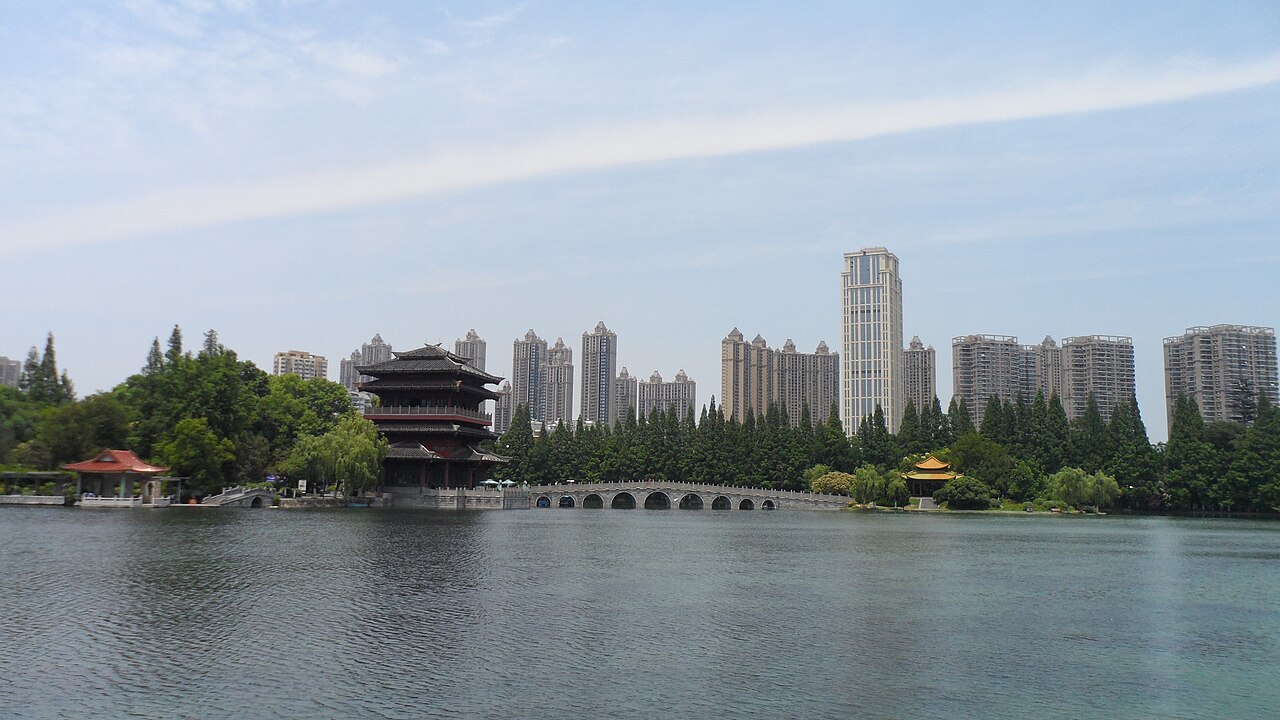
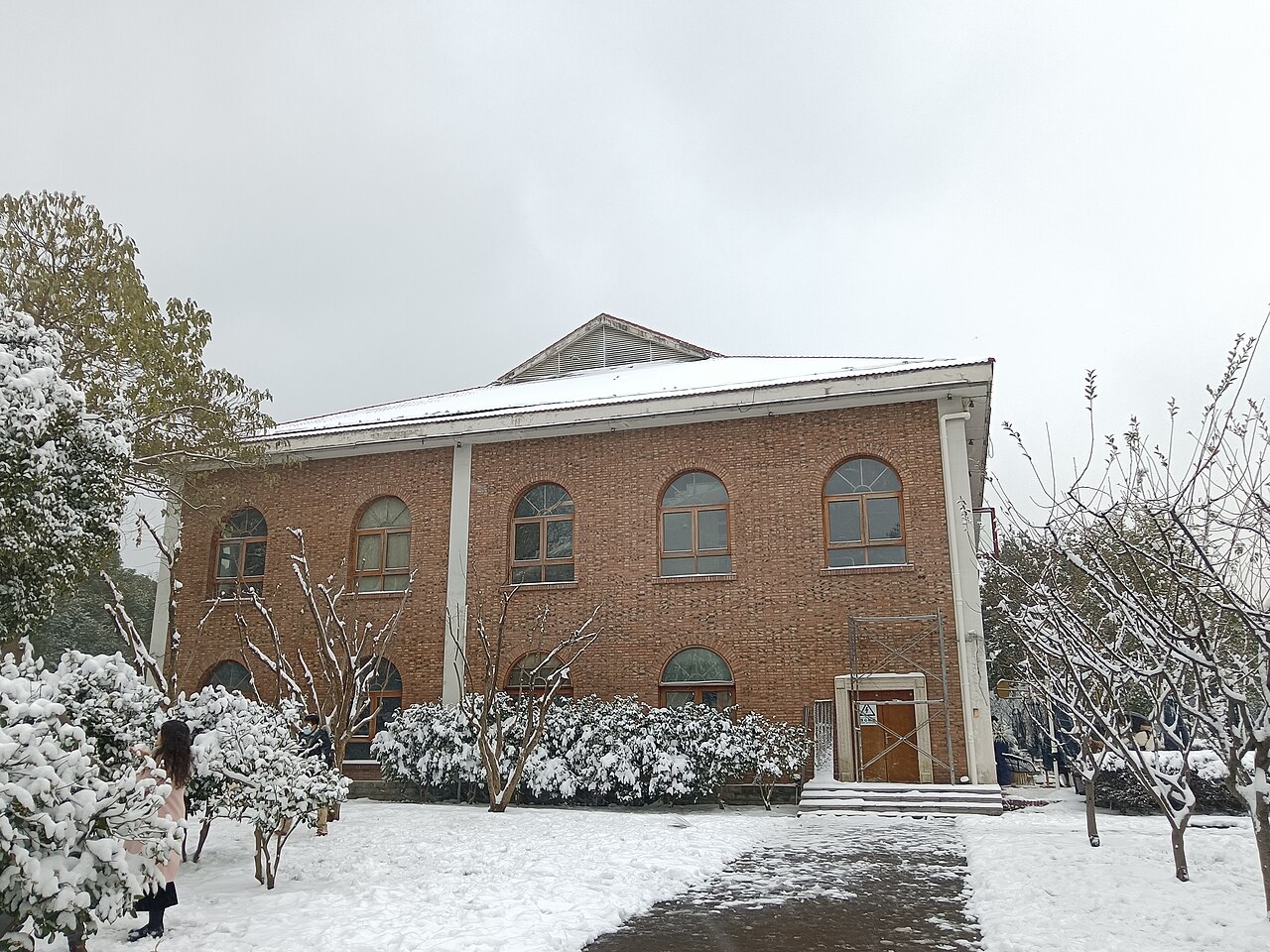
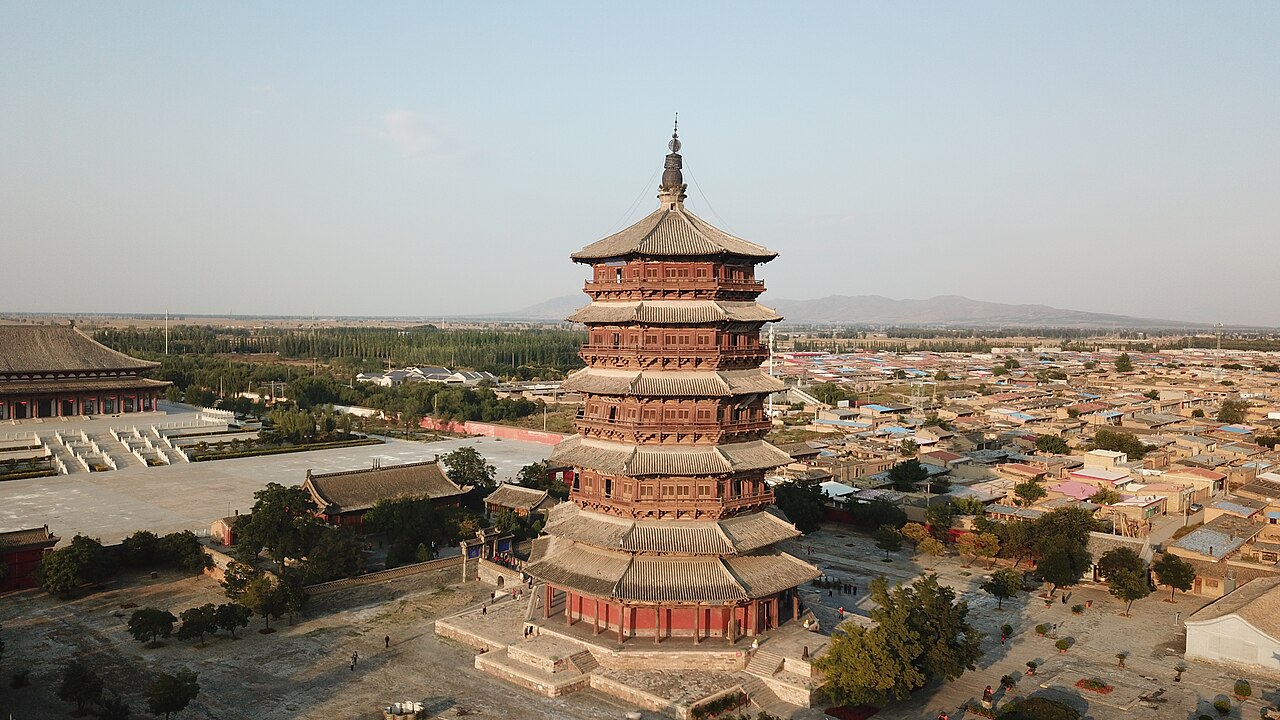
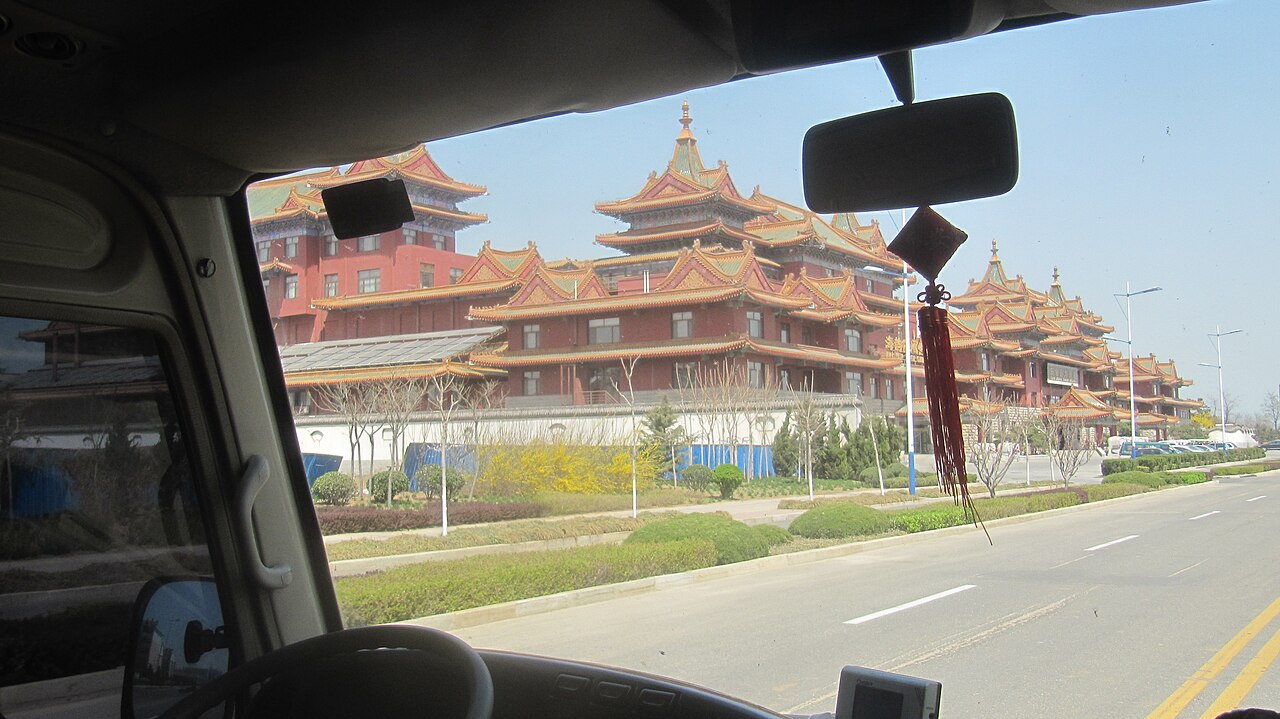
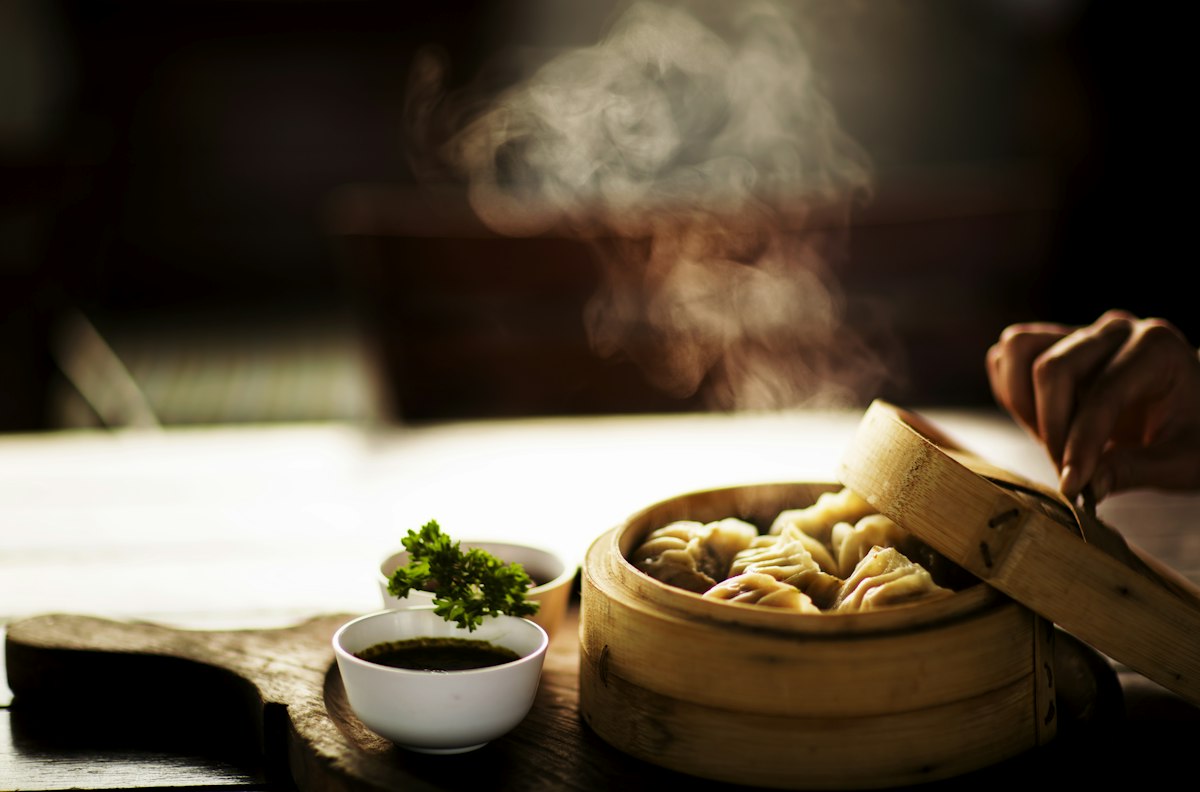
St. Sophia Cathedral under snow, red brick and seven bronze bells
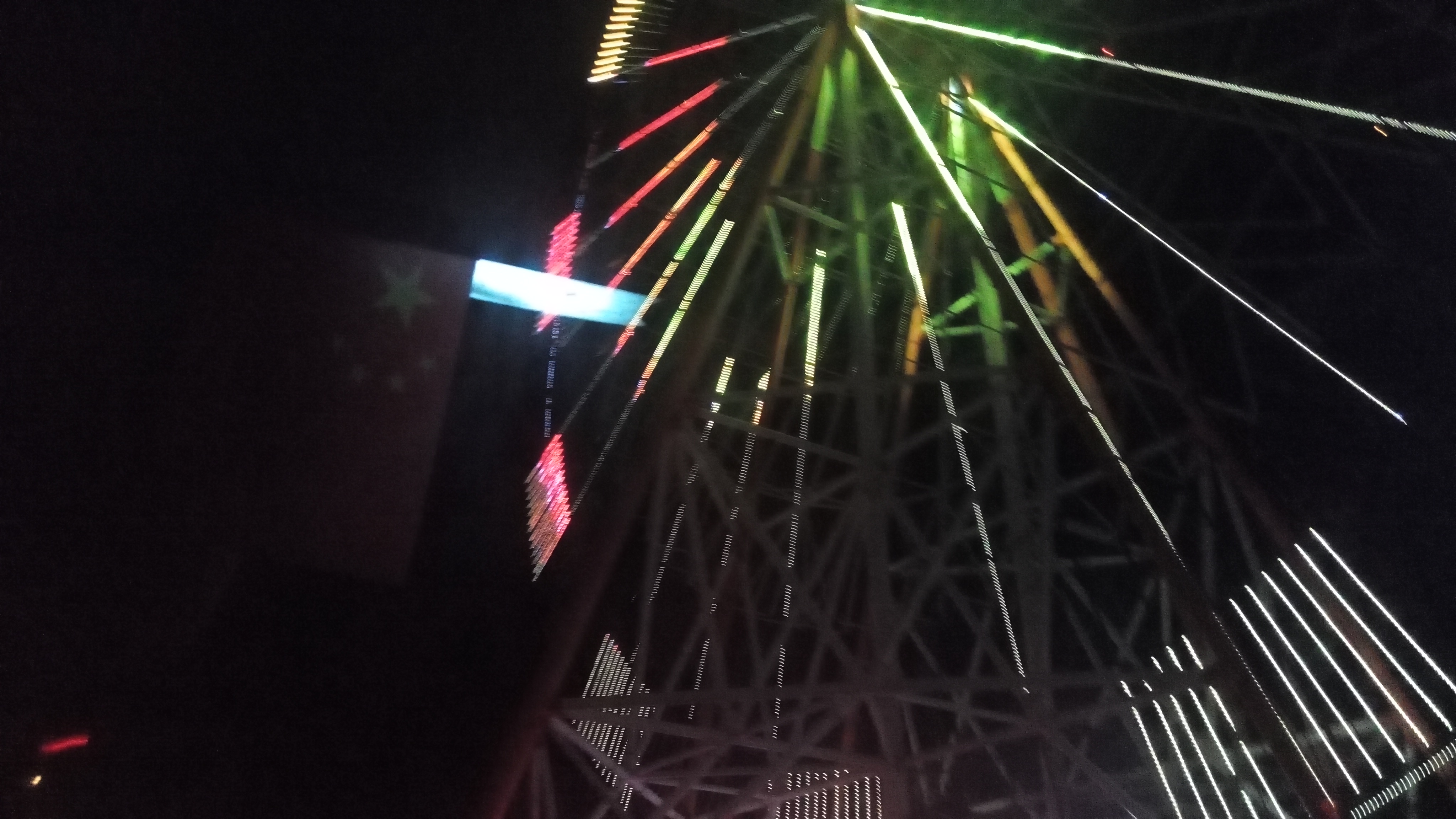
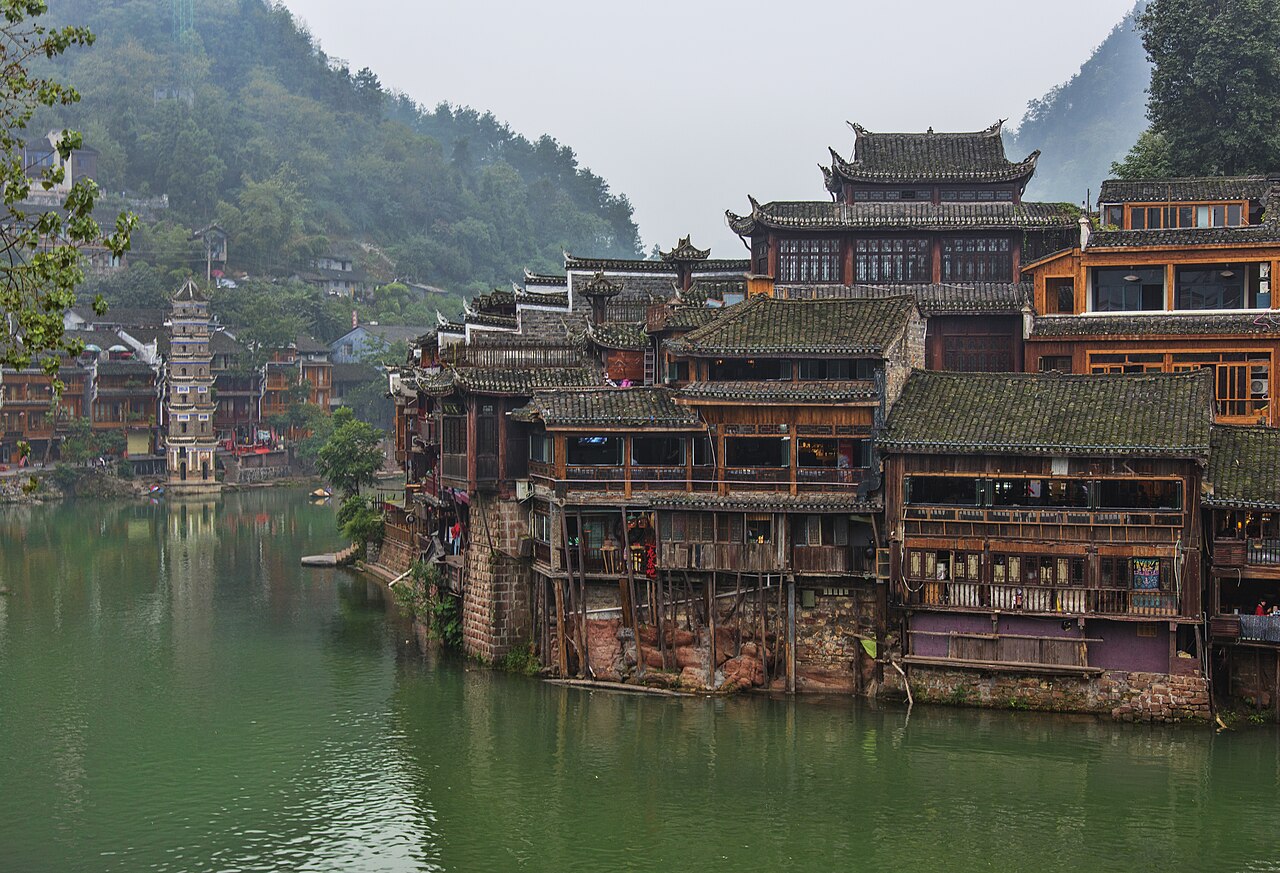
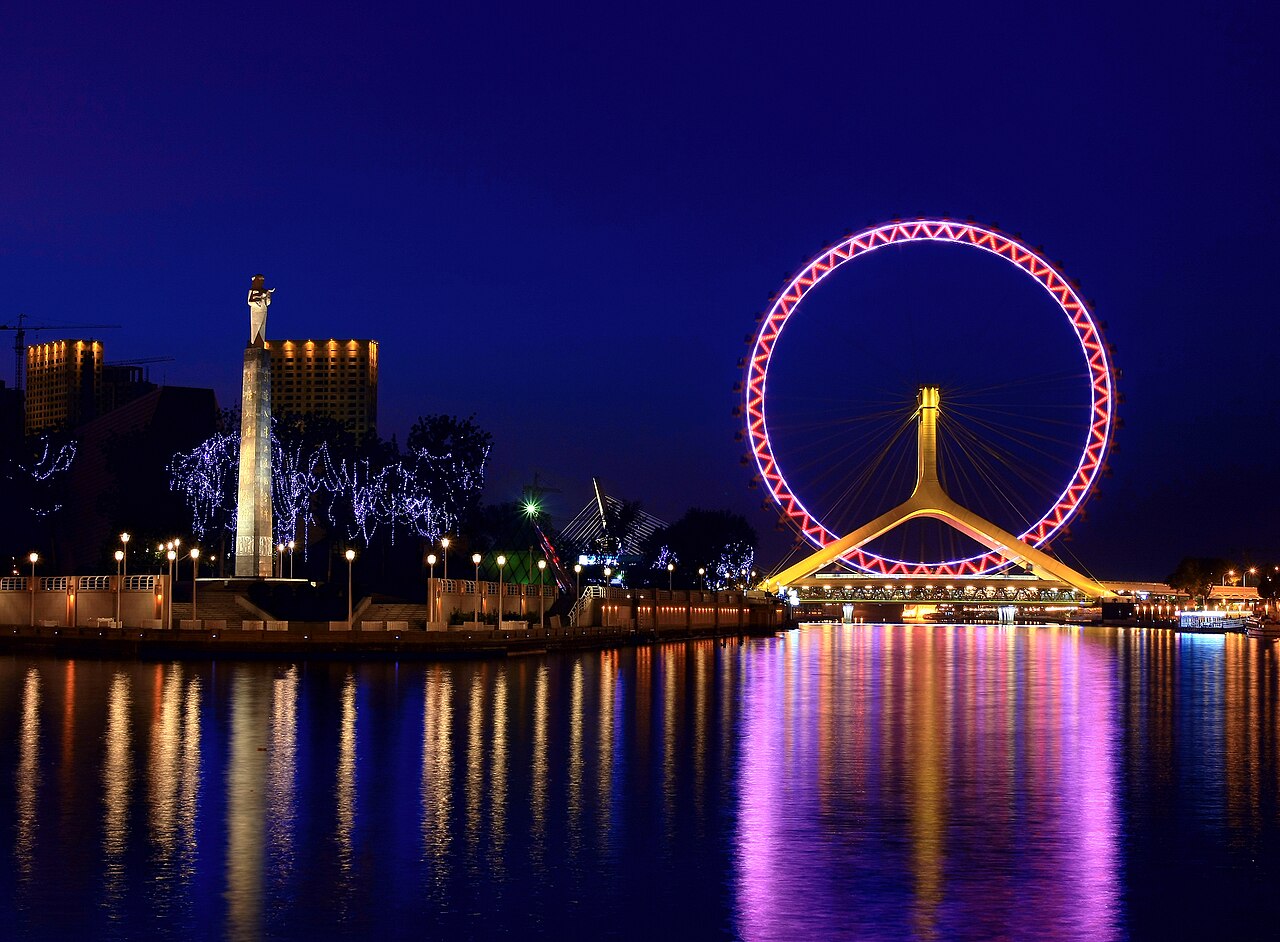
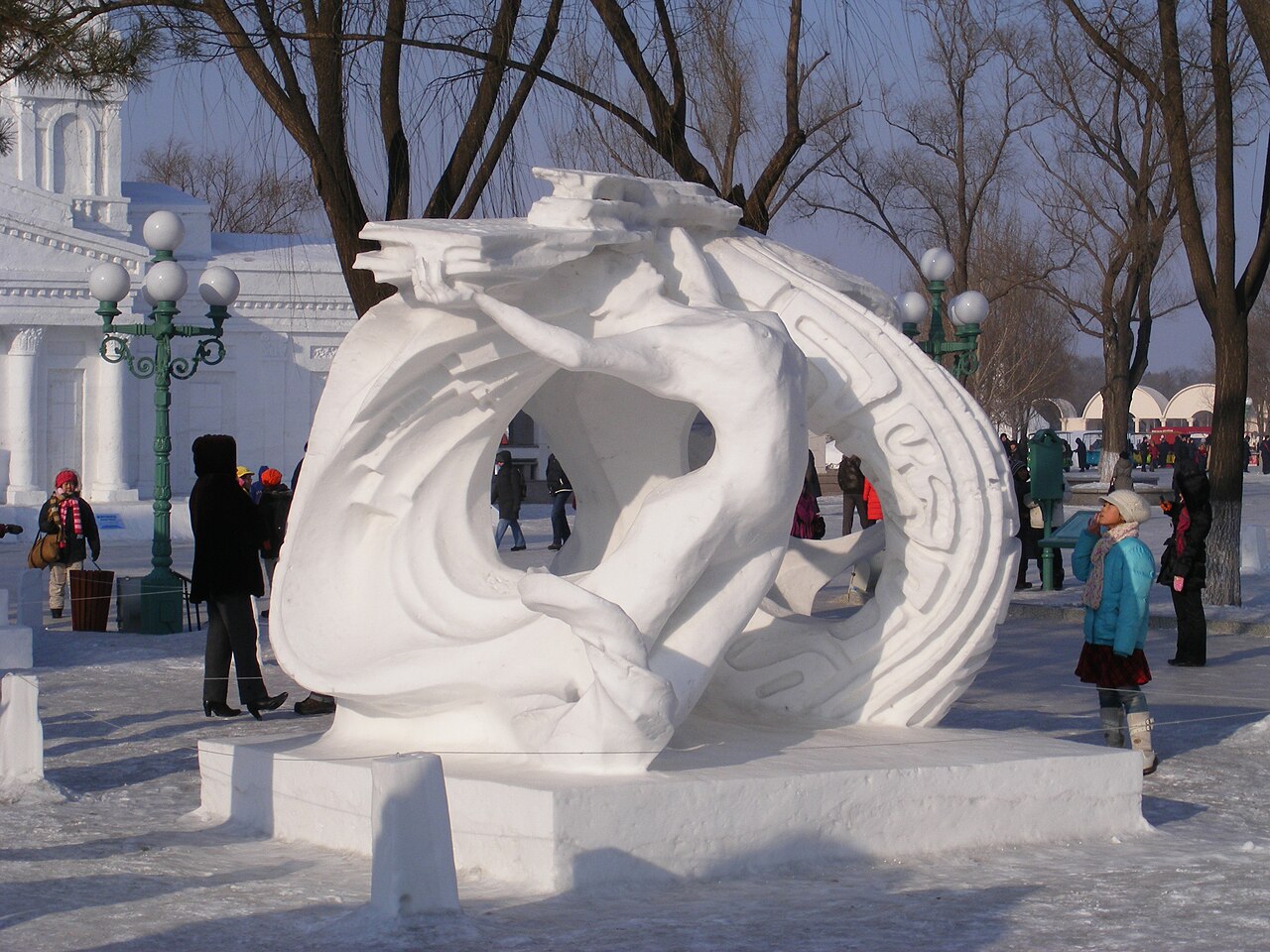
Ice and Snow World lit up after dark on the west side of Sun Island
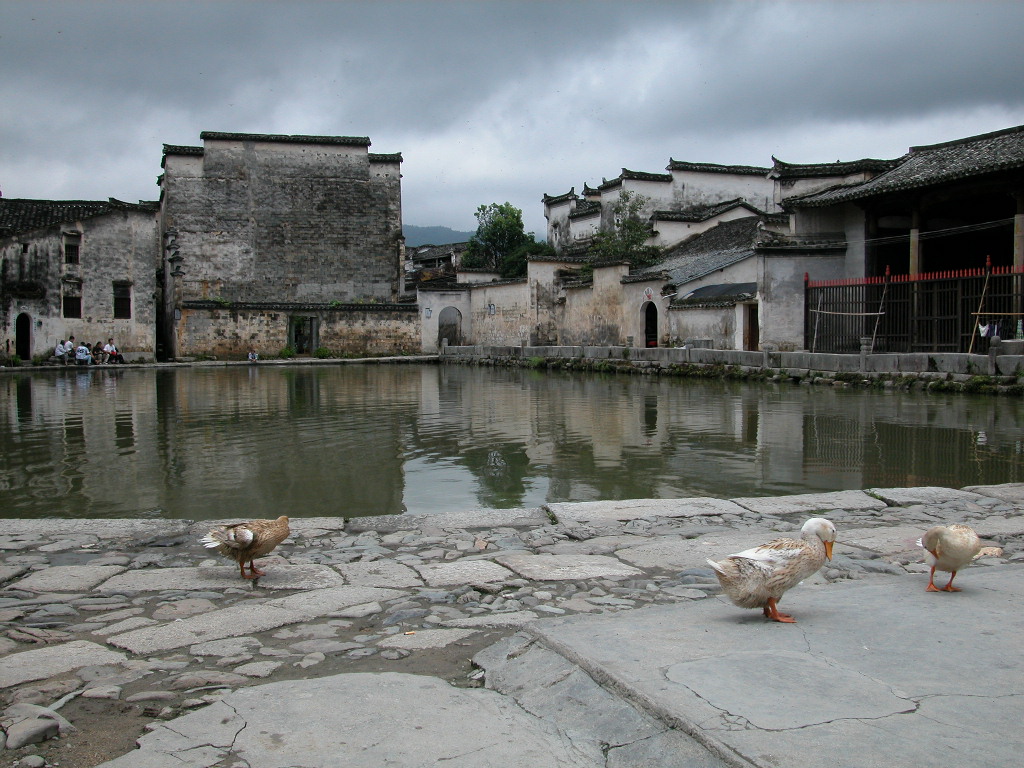
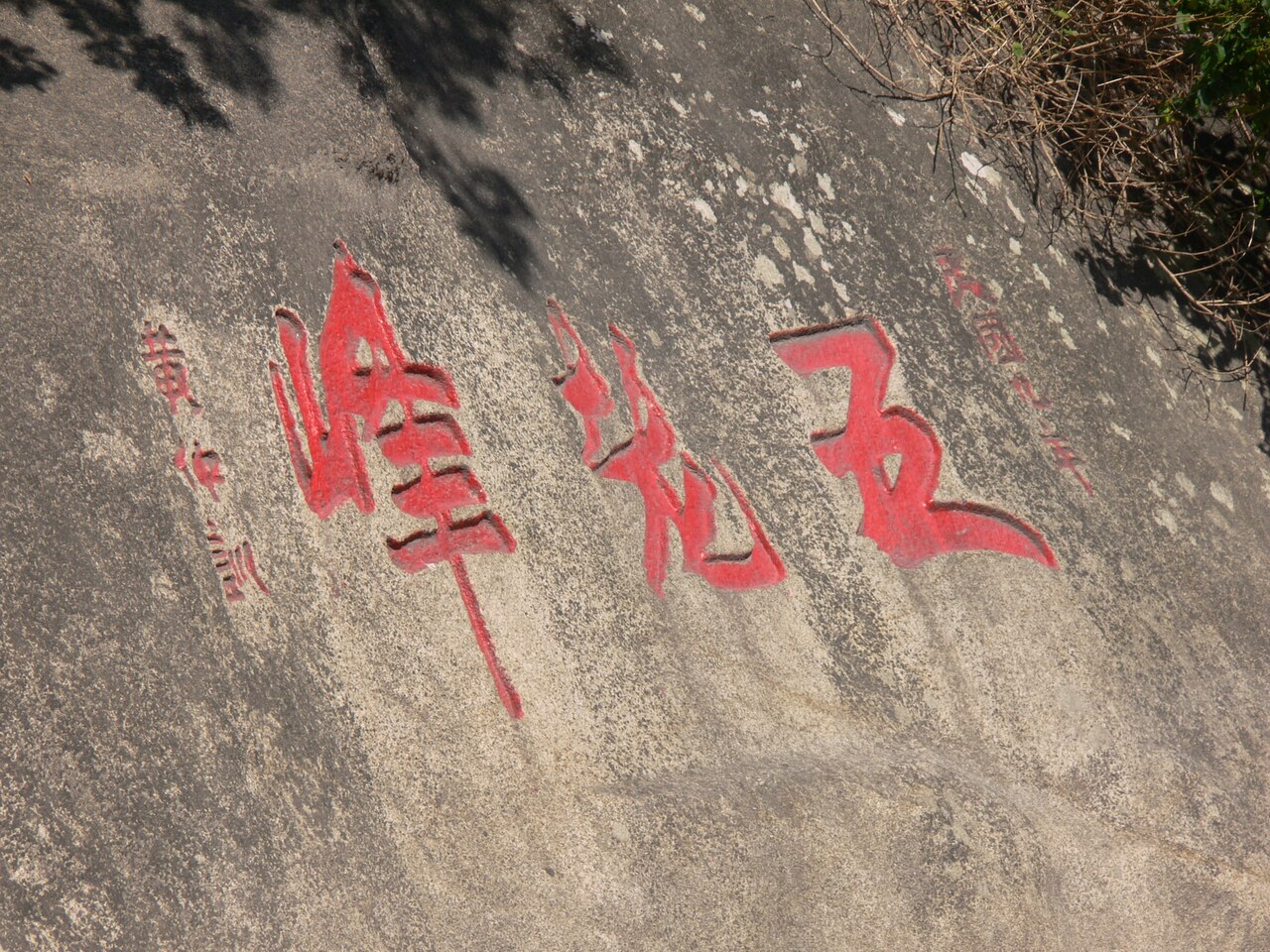
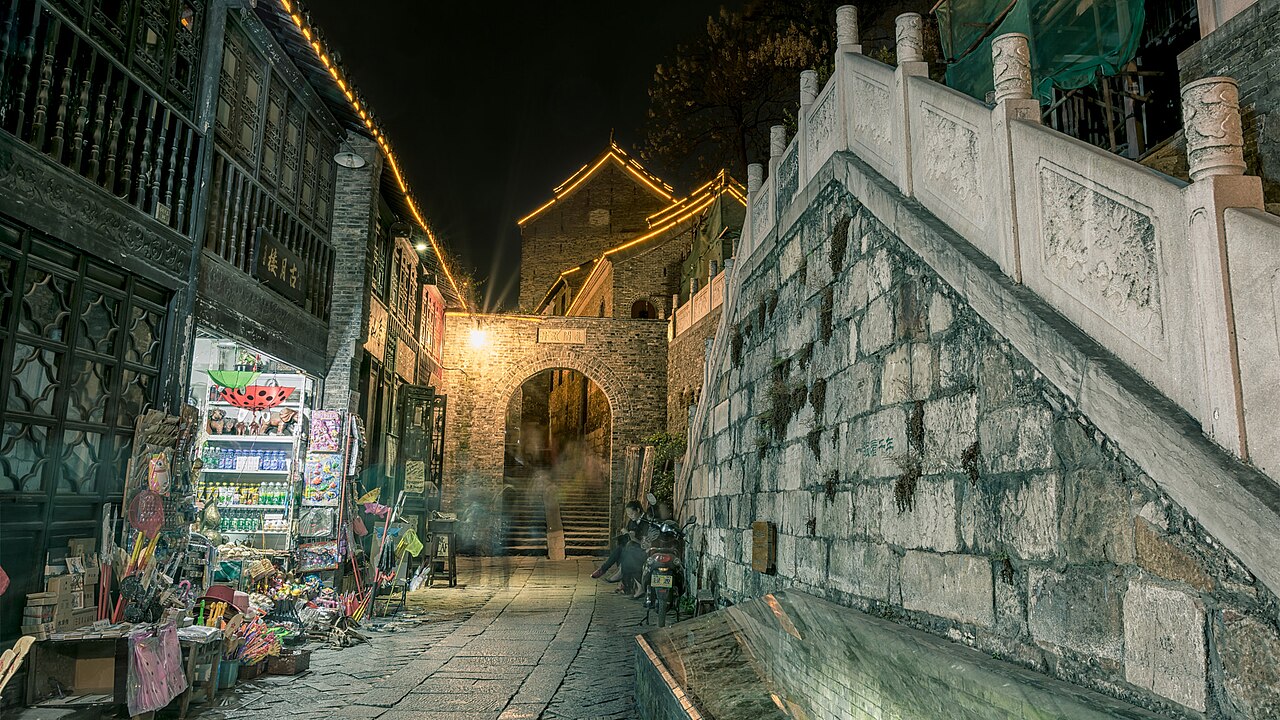
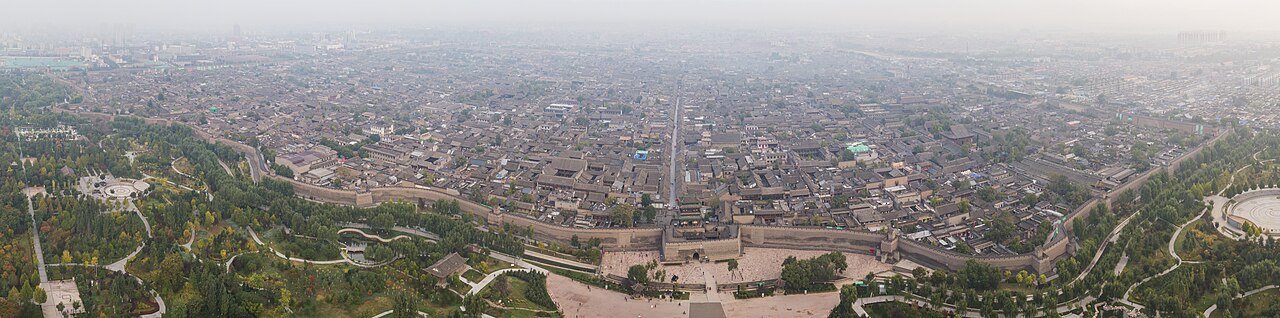
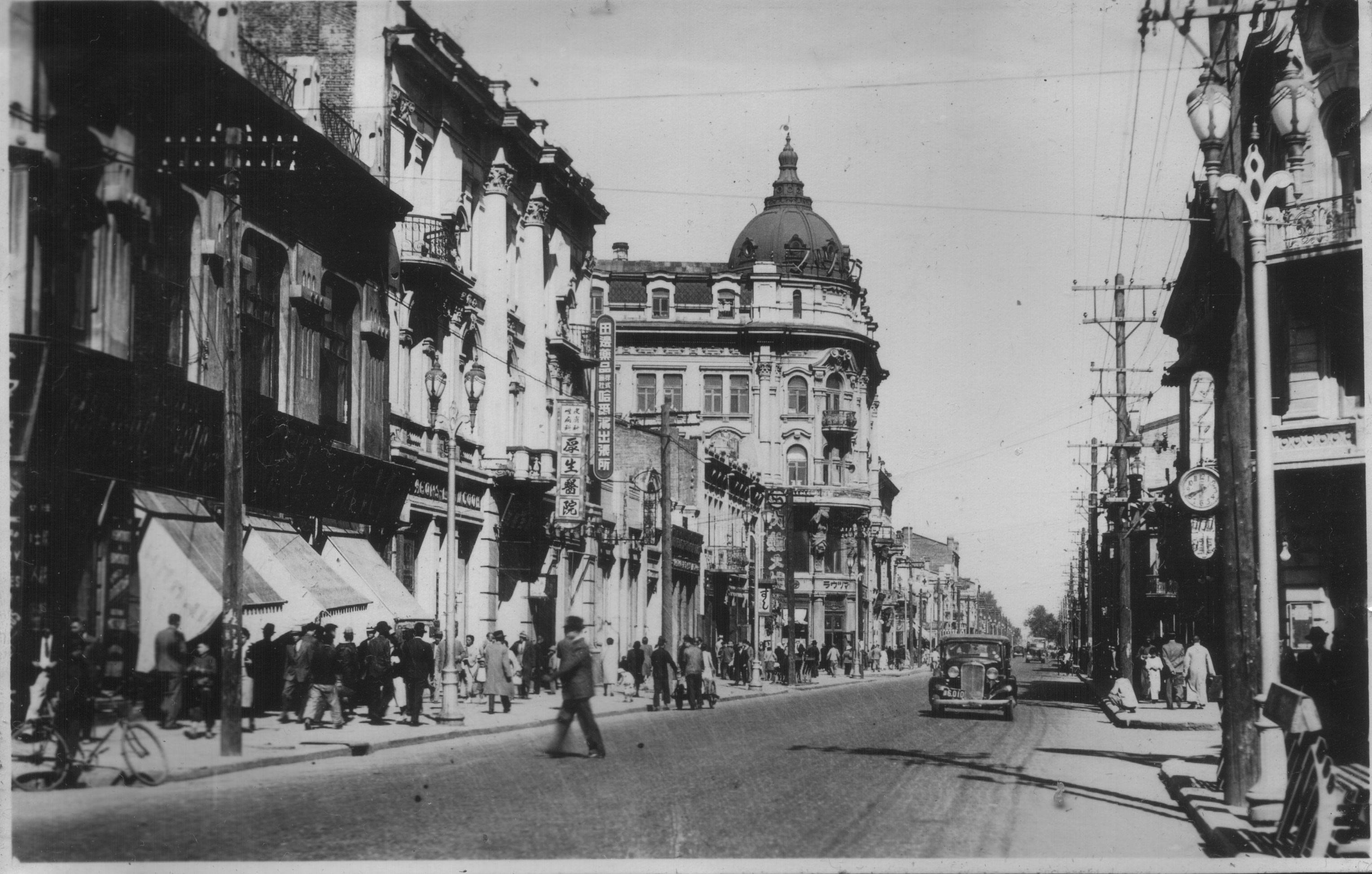
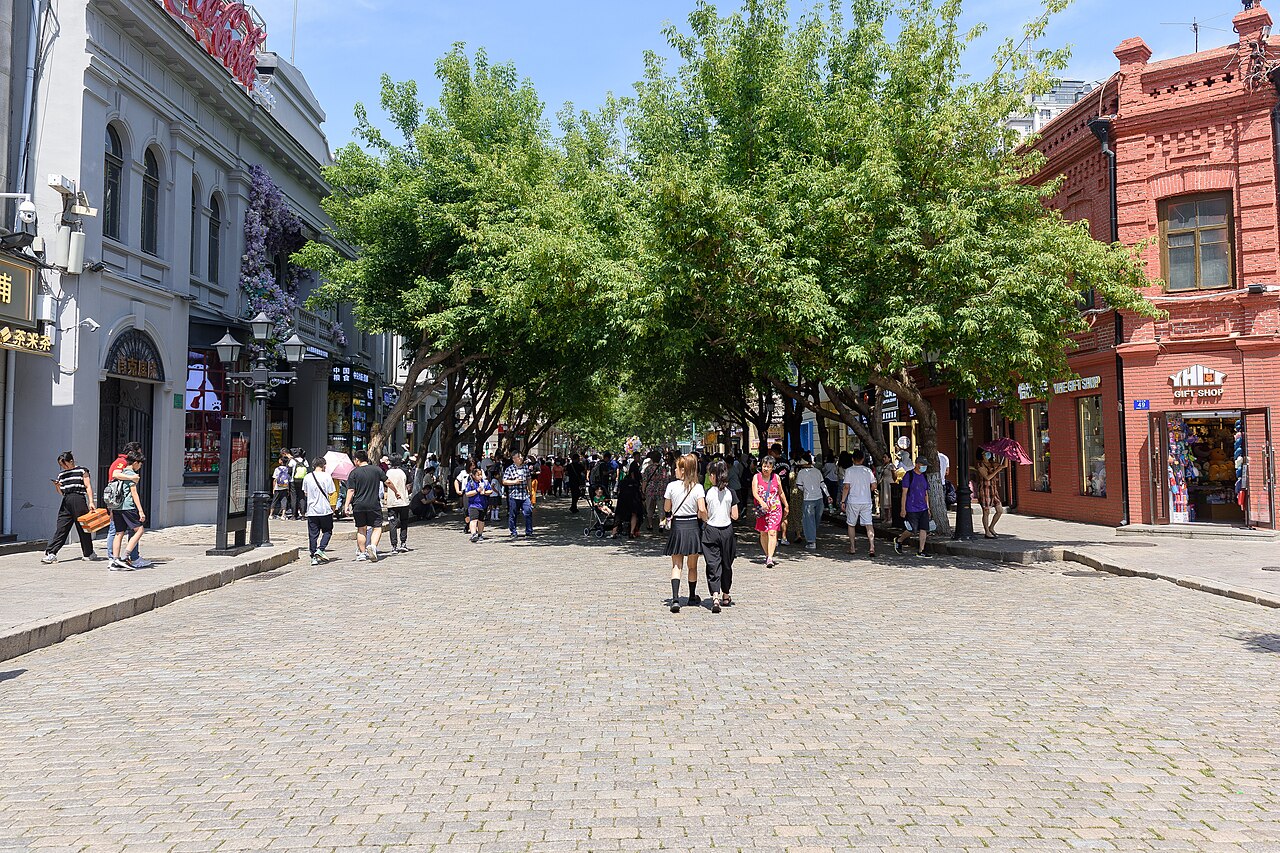
Central Street's 71 European facades, paved stone by stone
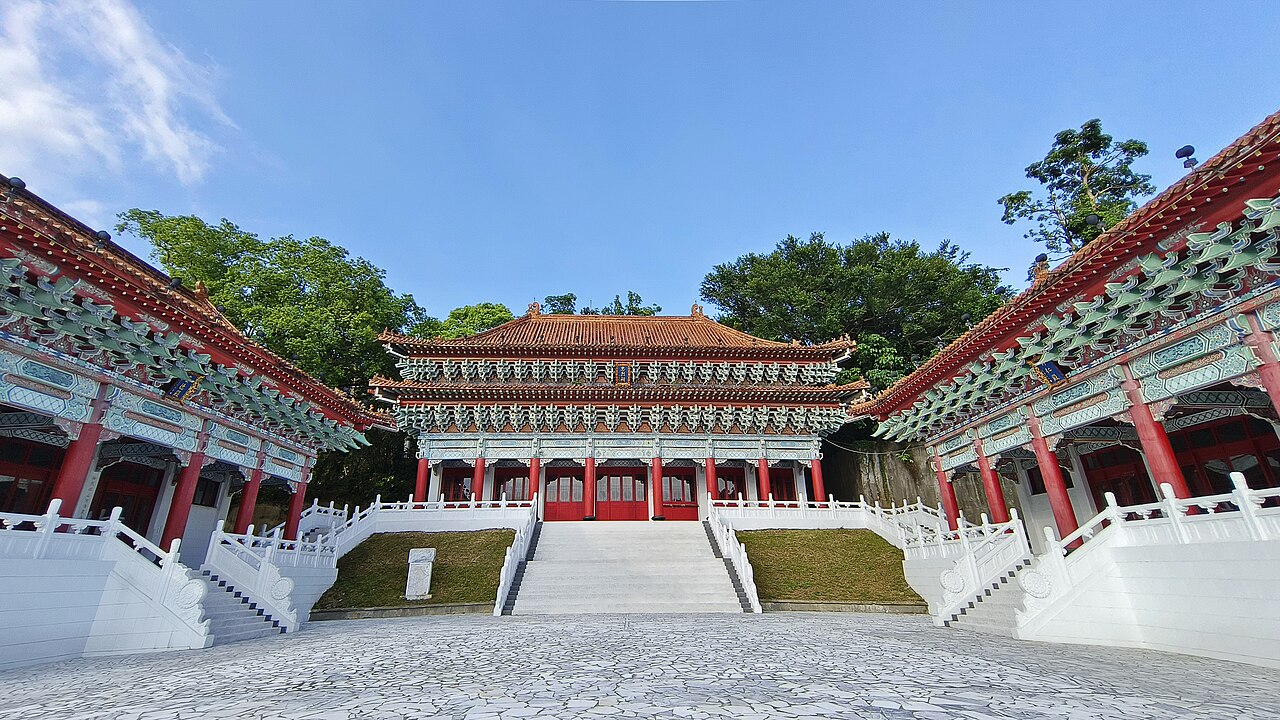
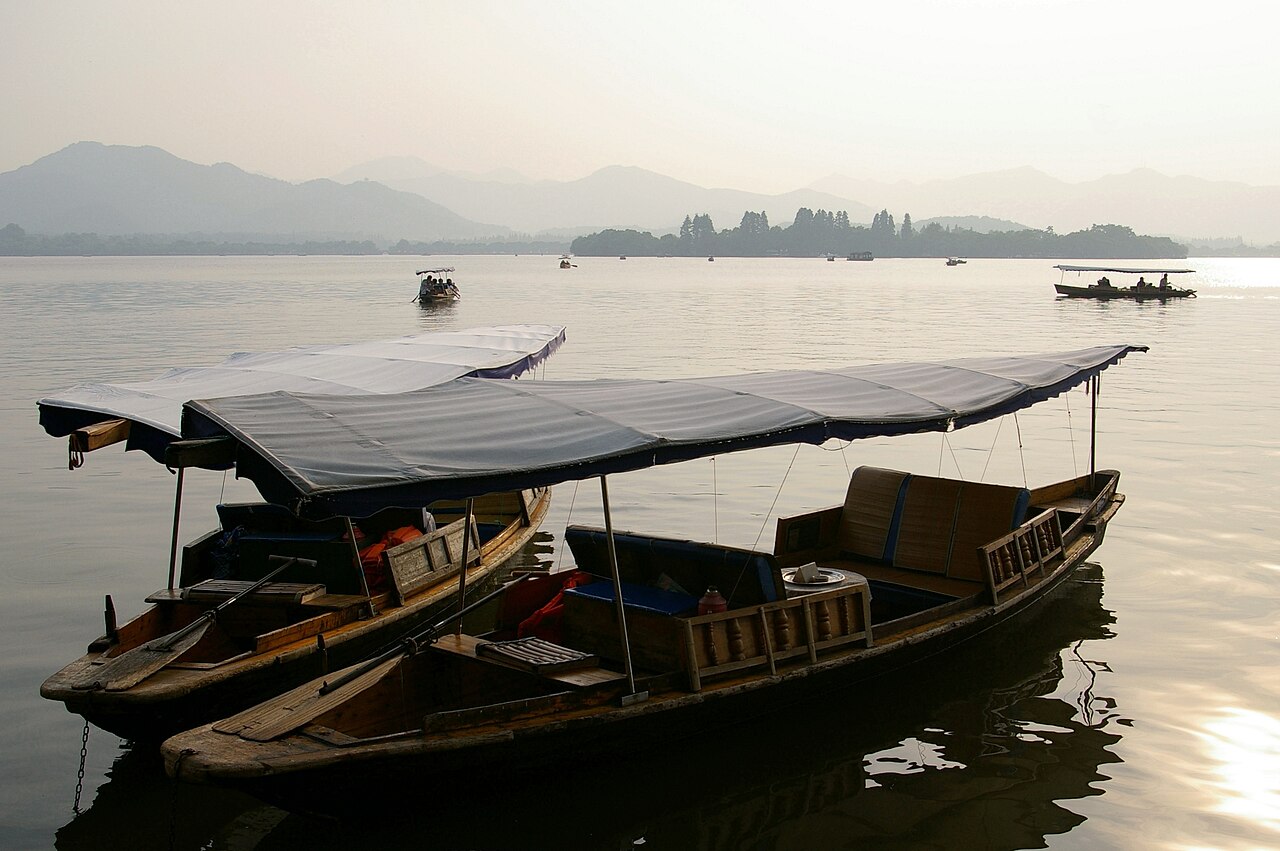
The Songhua River frozen solid, crossed on foot and by horse cart

First time in a place this cold — every day minus ten or lower! First time lying in the snow looking up at the sky and realising how comfortable that is. First time learning that saying 'I'm off to bed' at 5pm isn't strange at all. And we played cards every single evening of the trip.

Winter Colours of the Northeast: A White Christmas Dream

Ever since I can remember, whenever I passed by, there was always a long line of people buying Modern ice-cream bars and Modern bread.

Winter Colours of the Northeast: A White Christmas Dream

The first thing that hits you in Harbin is not the cold but the sound: snow squeaking underfoot, so dry and hard-packed it complains with every step. Then your eyelashes start to freeze, your breath comes out in a solid white plume, and you understand why locals walk fast and duck into doorways. Step inside any shop and the fog rolls over your glasses instantly, because indoors it is 25°C and outdoors it is minus 30.

Central Street is where the city shows its inheritance. Russians, Jews, Poles and Germans poured in after the Chinese Eastern Railway reached this bank of the Songhua in 1898, and they left behind a 1.4km pedestrian avenue paved with stones that reportedly cost one silver dollar each. Above you stand baroque facades, art nouveau balconies and gothic gables; below you, queues form year-round at the Modern ice-cream counter, no matter that it is deep winter.

Cross the river on foot once it freezes and the city turns genuinely strange. Horse carts wait on the ice, swimmers cut holes and lower themselves into the black water while a crowd films them, and on the far bank the Sun Island snow sculptures sit under a sky that goes pink by 3:30pm. Then you eat: pot-wrapped pork, sauerkraut and blood sausage stew, a five-jin Russian loaf of bread, and a bottle of the beer this city brewed first in all of China in 1900.

Harbin

Don't leave without

Seven things that are worth rearranging a day for.

  1. Walk onto the frozen Songhua River and take a horse-drawn sled across it to Sun Island
  2. Enter Ice and Snow World around 3pm so you catch the ice in daylight and again when the lights switch on
  3. Stand in front of St. Sophia Cathedral at night, when the square lights and the coloured fountains fire up
  4. Queue for a Modern ice-cream bar on Central Street in -25°C, exactly as everyone else is doing
  5. Eat a bowl of red borscht and pot-baked beef at Huamei, a Russian restaurant running since 1925
  6. Buy a Harbin red sausage and a five-jin Russian loaf at the Qiulin store's basement food hall

Highlights

Five reasons Harbin earns the name Ice City

A frozen city that glows after dar

Harbin Ice and Snow World is the headline act of the Harbin International Ice and Snow Festival, built on the west side of Sun Island from blocks cut out of the Songhua River. Daytime tickets (09:00–12:00) cost CNY 150 for adults and CNY 120 for children and students; after noon it jumps to CNY 300 for adults and CNY 160 for children and students, and CNY 330 on public holidays. Locals pay CNY 160 on Mondays only, and anyone over 70 or under 1.2 m gets in free. Get there around 15:00–16:00 so you see the carvings in daylight and then watch the whole park switch on.
Cold that resets your definition o

Winter lows sit around -30°C to -35°C, and in a bad year the mercury hits -40°C. Your eyelashes frost over, your breath comes out in solid white puffs, and the packed snow squeaks underfoot. One rule you do not break: never touch outdoor metal with damp hands, or you will leave skin behind. Daylight only runs roughly 07:30–16:30, so plan outdoor sightseeing inside that window.

Skiing you can laugh your way thro

You do not need to be able to ski to enjoy the snow — falling over in a heap is half the fun. Beyond the slopes, the parks rent out snow tubes, ice slides and snowmobiles. If you want a real mountain, Yabuli Ski Resort is about three hours away, with a top elevation of 1,374 m; lift and slope access starts at CNY 10, skiing runs CNY 140 for 2 hours, CNY 280 for half a day and CNY 380 for a full day, and an instructor is CNY 180 for two people for 2 hours.

Streets that look like a European

Central Street (Zhongyang Dajie) is one of Asia's longest pedestrian streets, lined with 71 European and European-style buildings — the paving stones were said to cost one silver dollar each a century ago. Add the Baroque St. Alekseyev Church on Gogol Street, the three churches along Dongdazhi Street near Qiulin Company, and the old lanes of Laodaowai, and you can walk a whole afternoon through borrowed architecture.

Russian food that never left

Ninety years ago more than half of Harbin's population was Russian, and the restaurants stayed. Huamei, founded in 1925 at 112 Central Street, serves borscht, potted beef, soft-fried mahi-mahi and pickles — expect CNY 50–100 per person, and ask for a table on the second floor, decorated like a miniature Kremlin. Portman, a short walk away at West 7th Street, adds live piano and violin and runs about CNY 90 per person.

Itineraries

Two three-day routes, one for the ice and one for the history

Classic Ice and Snow

3 days days

Built for first-timers from warmer places who want maximum ice, snow and lantern-lit nights. Heavy on outdoor time, so layer up and keep your phone in an inside pocket.

  1. Day 1

    Central Street, Sun Island, Ice an

    Start at Central Street by bus and browse the shops, then walk straight across the frozen Songhua River to Sun Island — in deep winter the ice becomes a road. Spend the afternoon on the island's Snow Sculpture Expo (CNY 150) and the Russian-style village, then walk or ride to the west side of the island for Ice and Snow World and stay until the lights come on.
    Stops: Central StreetSun IslandSnow Sculpture ExpoIce and Snow World

  2. Day 2

    St. Sophia, the flood monument, Qi

    Ride to the Harbin No. 1 Department Store or Fashion Building stop for St. Sophia Cathedral, then walk seven minutes west to Central Street for the Russian lunch you skipped yesterday. Follow the street to its end at the Flood Control Monument and stroll the riverbank, where ice games run all winter. In the afternoon head to Qiulin Company on Dongdazhi Street for red sausage and big bread, then finish with night views at St. Sophia or Gogol Street.

    Stops: St. Sophia CathedralCentral StreetFlood Control MonumentQiulin CompanyGogol Street

  3. Day 3

    A day on the slopes

    Pick a ski field near the city if you only want a taste of it, or commit to Yabuli three hours out if you want the big mountain and the rime ice on Dagukui. Rent gear on site, book a lesson if it is your first time, and keep your camera battery warm — cold drains it fast.

    Stops: Yabuli Ski ResortDagukui Peak

City Culture and Old Streets

3 days days

For photographers, street walkers and anyone who would rather read a city than queue for a slide. Almost everything here is walkable or a short bus ride, and almost nothing costs much.

  1. Day 1

    Qiulin, St. Sophia, Central Street

    Take a bus to Qiulin Company and look at the three churches on Dongdazhi Street — the Byzantine Protection of the Mother of God Church, the Gothic Sacred Heart Cathedral and the Nordic-style Nielayi Church. Then ride to the Architecture Art Square stop for St. Sophia (CNY 20, or CNY 35 combined with the New Jewish Synagogue), walk to Central Street for lunch, and follow the street to the river and the Flood Control Monument before crossing to Sun Island.

    Stops: Qiulin CompanyDongdazhi Street churchesSt. Sophia CathedralCentral StreetFlood Control MonumentSun Island

  2. Day 2

    Laodaowai and the Jewish quarter

    Be at Jingyu Street North Third Road by 07:30 for the morning market among the old buildings, then eat breakfast at the state-run Gengxin Restaurant on North Da Liu Dao Street — you buy a ticket first, then collect your food at the stove. Wander the cluster of Chinese Baroque houses from Jingyu and Jingyang streets up to North Twelfth Road, hunting for old names like Laodingfeng. In the afternoon move to Jingwei Street for the New Jewish Synagogue and its exhibition (CNY 25, open 08:30–16:30), then the Old Jewish Synagogue on Tongjiang Street, the Jewish school and the Tatar mosque.

    Stops: LaodaowaiGengxin RestaurantLaodingfengNew Jewish SynagogueOld Jewish SynagogueTatar Mosque

  3. Day 3

    Volga Manor

    Ride or drive about an hour to Volga Manor on the Ashi River, a 600,000 sq m Russian-themed estate of gardens, wetlands and bridges. Tickets are CNY 100 and it opens 09:00–18:00; the park runs Russian song and dance performances. Check group-buy sites the night before — discounted combo tickets are common.
    Stops: Volga ManorAshi River

Sights

What is actually worth your frozen fingers

Landmark

St. Sophia Cathedral

Built in 1932 and the largest surviving Orthodox church in the former Russian Far East, St. Sophia is a Byzantine cross-in-square plan in bare red brick, topped by a bell tower holding seven cast bronze bells. It now houses the Harbin Architectural Art Gallery and you can go inside on a ticket. Come back after dark for the coloured fountain show on the square in front — that is the photograph everyone wants. From the cathedral it is a seven-minute walk west to Central Street.

Ticket
CNY 20; combined ticket CNY 35 with the New Jewish Synagogue
Address
88 Toulong Street, Daoli District
Getting there
Buses 13, 28 or 74 to Architecture Art Square, then 150 m on foot; or buses 16, 64, 94, 101 or 103 to Harbin No. 1 Department Store, then about 500 m
Best time
Evening, for the illuminated facade and fountain

Tip If you wear glasses, switch to contacts for the trip — they fog the moment you step indoors or pull up a mask.

Historic street

Central Street

One of Asia's longest pedestrian streets and a genuine architectural gallery, with 71 European and European-style buildings along its length. The granite blocks under your feet were reportedly laid at one silver dollar apiece a century ago, which is why locals tell you to walk it slowly. It runs from near St. Sophia all the way down to the Songhua River, so you can string the cathedral, lunch and the riverfront into a single unhurried walk.

Length
Around 1.4 km, pedestrian only
Getting there
Buses 53, 113, 114 or 126 to Central Street or Youyi Road
Food
Huamei at No. 112, Portman at West 7th Street, Laochang Spring Pancake at No. 178
Don't miss
A Madie'er ice pop, sold from a box with no wrapper, summer or winter

Tip Shops close around 20:30 in winter and many buses stop by 19:00, so start your day early and eat dinner before eight.

Winter only

Ice and Snow World

The centrepiece of the Harbin International Ice and Snow Festival, on the west side of Sun Island across the river. It is not cheap, but a full-size city carved out of river ice and lit from inside is something you only see here. Inside you can ride ice slides, snow tubes and snowmobiles, and there are two free stage shows each night — a European song-and-dance revue performed entirely by foreign artists, and a hard ice-dance show. Each usually runs twice an evening, so check the times on arrival.

Ticket
09:00–12:00 CNY 150 adult / CNY 120 child or student; 12:00–21:00 CNY 300 adult / CNY 160 child or student; CNY 330 on public holidays; CNY 160 for Harbin residents on Mondays only
Free entry
Over 70s and children under 1.2 m
Hours
09:30–21:00
Getting there
Buses 13 (shuttle), 29, 88, 119, 125, 126 or 213; a taxi from Central Street costs about CNY 20–30

Tip Keep your ticket — most activities inside need it, some take a deposit that is refunded when you return the gear. Bring a bag for rubbish and a piece of stiff cardboard if you plan to ride the ice slides.

Old town

Laodaowai

The largest surviving cluster of Chinese Baroque architecture in China and the birthplace of the city — the earliest migrants who came here through the Guandong migration settled in this district. The buildings wear Western facades over Chinese courtyards, a style Harbin invented for itself. The protected zone runs east from the corner of Jingyang and Jingyu streets to Daowai Tenth Street. Some blocks are restored, some are original, and you can tell them apart on sight.

Getting there
Buses 107, 108, 109, 30, 31 or 3 to Jingyang Street, then 30 m to Jingyu Street
Old names
The former Laodingfeng pastry shop and the Hendeli optician
Local eats
Gengxin Restaurant (66 North Da Liu Dao Street), Zhang Bao Bao for pork-rib buns, Zhangfei Braised Pork (257 South Da Liu Dao Street), Hongguang Wonton (313 Jingyang Street)
Best time
Early morning, when the market fills the lanes

Tip Laodingfeng's three cakes — sponge, long-white and steamed — plus the triangular ice cake are the taste of a Harbin childhood. The Jingyu Street branch is at No. 392.

Park

Sun Island Scenic Area

The only river-floodplain wetland and grassland park inside a Chinese city centre, facing Stalin Park across the water. In summer it is white sand, green water and flowers — the city's best escape from the heat. In winter it turns into the Snow Sculpture Expo, and the Russian-style village on the island is worth an hour. You can reach it by cable car from Tongjiang Street, by ferry from the dock, or, once the river freezes hard, simply by walking across the ice.

Ticket
CNY 30; Snow Sculpture Expo CNY 150
Hours
08:00–18:00
Getting there
Buses 80, 85 or 88 to Sun Island junction; bus 29 to Sun Island; cable car from Tongjiang Street or ferry from the dock
Nearby
Cross to the west side of the island for Ice and Snow World

Tip If you want more wetland, the Jinhewan Wetland Park can be reached by boat from the Tongjiang dock in Daoli, or by bus 122 from the north gate of Shimao Binjiang.

Food

What to eat in Harbin: sweet-and-sour, salty, and served in portions that defeat you

Guo bao rou (锅包肉)

The dish Harbin invented. In the early 1900s, chef Zheng Xingwen at the Daotai government office reworked a traditional fried pork dish into a sweet-and-sour version to please Russian railway officials, and the name stuck. Crisp batter, glossy vinegar-sugar sauce, no vegetables to get in the way. Order it at Lao Chu Jia, where the chef is the fourth-generation descendant of the man who created it.

Sha zhu cai (杀猪菜)

A farmhouse winter stew that began as the meal eaten when a family slaughtered its New Year pig: big chunks of pork boiled in the pot, pickled cabbage (suan cai) cut in as it cooks, and blood sausage dropped in at the end. Served either as three separate plates — meat, cabbage, sausage — or all in one giant basin. Rich, sour, deeply savoury, and perfect at -25°C.
Madie'er ice cream bar (马迭尔冰棍)

Harbin's most famous street snack, sold from a window on Zhongyang Dajie since the Qing dynasty and eaten outdoors in all weathers, including January. No wrapper — they're stacked loose in a box and handed over bare. Sweet but not cloying, with a faint creamy tang. If you try the Madie'er yoghurt instead, add sugar; unsweetened it will make your face fold in on itself.

Harbin beer (哈尔滨啤酒)

China's first brewery opened here in 1900 — the Ulublevsky plant, ancestor of today's Harbin Beer — so this city has been drinking the stuff longer than anywhere else in the country. On the beer plaza at Xibadao Jie, just off Zhongyang Dajie, you can drink it fresh from wooden barrels. Cold, grainy and far better than the canned version.
Kwass (格瓦斯) and tanghulu (糖葫芦)

Kwass is a low-alcohol drink fermented from dried bread, brought here by Russians with the railway — first sip tastes like beer, but it's sweeter with none of the punch, and it goes down dangerously easily. Tanghulu is hawthorn skewered on a stick and glazed; in Harbin's winter it freezes rock-solid, so you have to work at each bite, and it photographs beautifully against the snow.

Where to eat

Four tables worth planning your day around

Russian, since 1925

Hua Mei Restaurant (华梅西餐厅)

The grande dame of Zhongyang Dajie, serving Russian food in a room with high vaulted ceilings that feels like a period film set. Sit on the second floor — the interior is modelled on the Kremlin. Order borscht, potted beef, soft-fried mahi-mahi, potted shrimp and pickles, with bread to mop it up. Book ahead in winter or expect to queue in the cold.
Address
112 Zhongyang Dajie, Daoli District
Phone
0451-84619818
Per person
CNY 50-100
Must-order
Borscht, potted beef, potted shrimp

Russian, with live music

Portman Western Restaurant (波特曼西餐厅

A few doors down from Hua Mei, a touch more polished and a touch more expensive. At lunch a Russian pianist and violinist play; at night there's a candle on every table and a violinist working the room. The house red wine is made on site and worth trying alongside the borscht, black-pepper steak, potted shrimp and creamy baked cod.

Address
53 Xiqidao Jie Leisure Area, Zhongyang Dajie, Daoli District
Phone
0451-84686888
Per person
About CNY 90
Must-order
House red, creamy baked cod

Dongbei home cooking

Lao Chu Jia (老厨家)

This is where guo bao rou comes from. Owner Zheng Shuguo is the fourth-generation heir of the chef who invented it, and every dish on the menu arrives with a story attached. Beyond the signature sweet-and-sour pork, go for the clear-braised lion's head meatballs, braised pork knuckle, house secret-recipe chicken, and smoked braised duck. Cheap for what it is.

Address
43 Huayuan Jie, Nangang District
Phone
0451-82826565
Per person
CNY 30-50
Must-order
Guo bao rou, smoked duck

Pancake rolls, 8 branches

Lao Chang Chun Bing (老昌春饼)

Spring pancakes — thin wrappers you fill yourself with meat, egg, shredded potato, spring onion and sauce, then roll up and eat by hand. There are eight branches across the city and every one of them is packed, so arrive before noon or after 1:30pm. Order the smoked pork, stir-fried potato slivers, soft-scrambled egg and spicy shredded pork.

Address
178 Zhongyang Dajie, Daoli District
Phone
0451-84685000
Per person
About CNY 30
Must-order
Smoked pork, soft-scrambled egg

Where to stay

Sleeping in Harbin: book early, stay central, and pick the right century

Four-star, on Zhongyang Dajie

Modern Hotel (马迭尔宾馆)

Built in 1906 in French Renaissance style, this is the address that made Zhongyang Dajie famous and it still trades on its history: the preparatory meeting for the first Chinese People's Political Consultative Conference was held here, and Song Qingling, Guo Moruo, Li Jishen and Xu Beihong all slept under this roof. You step out of the door straight onto the pedestrian street. Worth the splurge for one night in winter.

Address
89 Zhongyang Dajie (near Jiudao Jie), Daoli District
Phone
0451-84884099
From
CNY 350 per night
Best for
Location and old-world atmosphere

Four-star business, near the river

Jifeng Holiday Hotel (哈尔滨际丰假日酒店)

A solid mid-range choice a short walk from Zhongyang Dajie, the Flood Control Monument and Zhaolin Park, with Parkson and Mykal shopping five minutes away and St. Sophia ten. Rooms are plain but warm, which is what matters when it is -25°C outside. Good value if you want central without the heritage-hotel price.

Address
27 Xi'erdao Jie, Daoli District
Phone
0451-58857877
From
CNY 188 per night
Best for
Budget-conscious central stays

Hostel in a 1907 synagogue

Kaz International Youth Hostel (卡兹

The building is the former Harbin Jewish Synagogue, completed in 1907, when the city's Jewish community — local and from out of town — came here for the high holidays. It sits at the corner of Dongfeng Jie and Tongjiang Jie, ten minutes on foot from St. Sophia, the Flood Control Monument and the Songhua riverbank, with Sun Island and Ice and Snow World across the water. Dorms are the cheapest warm bed in the centre.

Address
82 Tongjiang Jie, Daoli District
Phone
0451-87654211
From
CNY 40 per dorm bed
Best for
Solo travellers and history nerds

Getting around

Flights, trains and how to move through a -25°C city

Arriving by air

Harbin Taiping International Airport (HRB) sits 30 km southwest of the city and handles 75 domestic, regional and international routes. The airport shuttle runs from the arrivals hall on the ground floor whenever a flight lands, stopping at Kang'an Road, Tongda Street, Anfa Bridge, Harbin Institute of Technology, the railway station and Wenchang Street before ending at the Civil Aviation Mansion (Zhongshan Road 99). Buses leave the city side every 30 minutes from 06:00 to 18:30, take about 50 minutes and you should board 2.5 hours before your flight.

Airport
Harbin Taiping International (HRB), 30 km from downtown
Shuttle to city
Every 30 min, 06:00-18:30, roughly 50 min
Terminal stop
Civil Aviation Mansion, Zhongshan Road 99
Station-to-airport bus
One daily departure, 06:30 from the square outside Harbin Station
Info line
0451-82894220

Arriving by train

Harbin is the second-biggest rail hub in the northeast after Shenyang, with three stations: Harbin Station (Ha Zhan) for most through trains, Harbin East (Ha Dong) for services starting or ending here, and Harbin West (Ha Xi) for high-speed and bullet trains. Bus 6 links the main and east stations. If you are heading on to Yabuli for skiing, high-speed trains from Harbin West cut the old three-hour road trip considerably.

Main stations
Harbin Station, Harbin East, Harbin West
High-speed
Harbin West handles all G and D trains
Station link
Bus 6 runs between Harbin Station and Harbin East
To Yabuli
High-speed rail from Harbin West; road takes about 3 hours

City buses

Over 100 bus routes cover the city and cost a couple of yuan, but be warned: Harbin gets dark early in winter and many routes stop running around 19:00, so check your line's last departure before you rely on it. Tourist minibuses run from Nangang long-distance bus station to the Flood Control Monument and Sun Island. Bus 13, 28 and 74 stop at the Architecture Art Square for St. Sophia; 53, 113, 114 and 126 serve Central Street.

Coverage
100+ routes across the city
Last buses
Many lines stop around 19:00 in winter
To St. Sophia
Bus 13, 28, 74 to Architecture Art Square
To Central Street
Bus 53, 113, 114, 126
To Old Daowai
Bus 107, 108, 109, 30, 31, 3 to Jingyang Street

Taxis and the metro

Taxis start at 8 yuan for 3 km plus a 1 yuan fuel surcharge, then 1.9 yuan per km by day and 2.5 yuan at night. In practice Harbin's taxis are the city's biggest tourist complaint: drivers refuse fares and pick up strangers to share the ride. Always queue in the official rank outside the railway station rather than accepting a tout, and remember drivers change shifts around 15:00, so hailing one between 15:15 and 16:30 is a nightmare. A cab from Central Street to Ice and Snow World costs about 20-30 yuan.

Flagfall
8 yuan for 3 km, plus 1 yuan fuel surcharge
Per km
1.9 yuan daytime, 2.5 yuan at night
Shift change
Around 15:00; avoid 15:15-16:30
Central Street to Ice World
About 20-30 yuan
Warning
Refusals and shared rides are common; use official ranks

Shopping

What to carry home from the frozen north

Harbin red sausage (hongchang)

The city's signature souvenir, made to an old European recipe and known locally by its Russian name, lidaosi. The big three are Ha Rou Lian, Qiulin and Shangwei. Buy Qiulin's from the ground floor of the Qiulin department store, but not too early in the day, aim for around 10:00, otherwise you get yesterday's stock. Shangwei on Hongqi Street sells from its own factory out back and is excellent, though the queue is long.

Big lieba bread

A Russian rye loaf that weighs a hefty 2.5 kg, with a slightly scorched crust and a soft, hoppy crumb fermented with hops. The sour tang takes getting used to, but most visitors come round to it. It keeps astonishingly well, roughly 20 days without spoiling, which makes it the easiest thing to fly home. Buy it from the basement food hall of the Qiulin building or any Qiulin counter.

Northeast mountain produce

Dried black fungus, mushrooms, dried fruit and wild mountain vegetables are all worth packing, and good wild black fungus travels well and cooks beautifully at home. You can also pick up the so-called Three Treasures of the Northeast, ginseng and deer antler, at fair prices, but be careful: fakes are common, so buy from reputable stores rather than street stalls.

Russian trinkets and sweets

Matryoshka dolls, ornaments, candies and chocolate with a Russian flavour are everywhere and cheap enough to buy by the handful for gifts. The best one-stop shop is the Qiulin Company at Dongdazhi Street 319 in Nangang District (0451-85938888), the century-old firm founded by Russian merchant I. Ya. Churin in Irkutsk in 1867 and moved here with the Chinese Eastern Railway.

Practical

Harbin logistics: tickets, hours, taxis and the cold that breaks your phone

Bring a student card if you have one — almost every major sight charges full price otherwise, and the savings add up fast. Agree on the price before you touch a snowmobile, sled or husky ride, and expect to be asked for money if you photograph the winter swimmers.

Ice and Snow World (冰雪大世界)Adult ticket 300 CNY for the 12:00–21:00 slot, 150 CNY if you enter between 09:00 and 12:00; 330 CNY on public holidays. Open 09:30–21:00. Ride the free shuttle from the Youyi Road junction, or take buses 13, 29, 88, 119, 125, 126 or 213. A taxi from Central Street costs 20–30 CNY.
Saint Sophia Cathedral20 CNY; a combined ticket with the Jewish New Synagogue is 35 CNY. Buses 13, 28 and 74 stop at Jianzhu Yishu Guangchang, 150 m away.
Sun Island Scenic Area30 CNY; the Snow Sculpture Expo inside is 150 CNY. Open 08:00–18:00. Bus 29 goes right to the island; buses 80, 85 and 88 stop at the island gate. In deep winter you can walk across the frozen Songhua River instead.
Siberian Tiger Park90 CNY, open 09:00–16:00. Take bus 14 to Gonglu Daqiao, change to 119 to Harbin University of Commerce (North Campus), then 122 to the park.
Volga Manor100 CNY, open 09:00–18:00. Buses 340 and Jiao 8 from Tongxiang Mall in Xiangfang District, changing at Cheng Gaozi for Jiao 8 Branch 3. A direct seasonal shuttle runs from Longta in autumn; call 0451-55156801 to confirm.
Getting thereHarbin Taiping International Airport is 30 km from the centre, with 75 domestic, regional and international routes. The airport bus leaves from outside the arrivals hall on the first floor whenever a flight lands, stopping at Kang'an Road, Tongda Street, Anfa Bridge, HIT, the railway station and Wenchang Street before terminating at the Civil Aviation Building. Going the other way it leaves from 99 Zhongshan Road every 30 minutes from 06:00 to 18:30, taking about 50 minutes.
Trains and long-distance busesThree main stations: Harbin Station (most through trains), Harbin East (trains starting or ending here) and Harbin West (high-speed). Bus 6 links the first two. Do not take long-distance coaches in winter if you can avoid it — the heating is weak and the icy roads make them far less safe than the train.
Taxis and metroTaxi flagfall is 8 CNY for 3 km plus a 1 CNY fuel surcharge, then 1.9 CNY per km by day and 2.5 CNY at night. Drivers pick up extra passengers and refuse fares, so queue at the official rank outside the station. Shift change is at 15:00, making 15:15–16:30 the worst time to find a cab. Buses are the better bet, but many lines stop running around 19:00.
Winter hoursDaylight runs roughly 07:30–16:30, so plan outdoor sights for the middle of the day. Most shops shut at 20:30. Keep your phone and wallet in an inside pocket — pickpockets work the railway station, the Qiumin department store area and the clothing market, and the heavy door curtains at shop entrances are their favourite cover.
Emergency numbersTourism complaints 0451-87010055 (provincial) or 0451-84664315 (city); directions hotline 0451-10109998. Hospitals include the First Affiliated Hospital of Harbin Medical University, 23 Youzheng Street, 0451-53643849.

Background

How a fishing village on the Songhua became the Paris of the East

A city with no walls

Harbin was the birthplace of two imperial dynasties, the Jin and the Qing, and its name comes from a Manchu word meaning honour or reputation. The modern city is barely more than a century old: it grew from a small fishing village on the Songhua River only after the Chinese Eastern Railway chose this stretch of riverbank as its Far Eastern hub in the 1890s. Within about thirty years it had become a trading city of consulates and merchants — 160,000 expatriates from 33 countries lived here, and 19 nations kept consulates. Russians, Jews, Poles, Germans and Tatars arrived with the railway, which is why the skyline is Byzantine, Gothic and Baroque rather than anything you would expect this far north.

Ice as an identity

Harbin sits between 44° and 46° north, the highest-latitude and coldest major city in China, with an annual average temperature of around 5°C and more than five months of ice on the river. That long winter is the whole reason for the Ice and Snow Festival, which opens every 5 January and simply has no closing ceremony — it runs until the ice starts to go at the end of February. The city is also known as the birthplace of Chinese beer: the Ulublevsky brewery, ancestor of Harbin Beer, opened here in 1900, and the beer festival each July turns Central Street into a parade of floats and barrel-shaped beer towers.

Further reading

Watch and read before you go

Film

The Eve of the Harbin Ice Festival

Documentary short

Twenty minutes of ice-block cutters at work on the Songhua and the cranes lifting translucent walls into place at Ice and Snow World. Watch it before you go and the finished park stops looking like a theme park and starts looking like three weeks of night shift.

Book

Harbin: The City of Railways

Local history title, available in the Jewish New Synagogue museum shop

The exhibition inside the synagogue covers the same ground in about an hour: how 20,000 Jews lived here between 1903 and 1962, and why the synagogues, the Tatar mosque and the Jewish school all sit within three blocks of Tongjiang Street.

Music

Russian choral and balalaika recor

Played live at Volga Manor and Portman Restaurant

Both the Russian restaurant on Central Street and the manor out past Cheng Gaozi run live piano, violin and folk-song sets in the evening. It is the fastest way to hear what the old émigré Harbin actually sounded like.

The questions visitors ask us most about Harbin, answered plainly.

Frequently asked questions

Prices and practical details are reviewed every month by our Beijing team and updated the day a rule changes.

When is the best time to visit Harbin?

Mid-January to late February for the ice festival — the Ice and Snow World and Sun Island snow sculpture expo run from around January 5 until the ice starts melting at the end of February. July is the other good window, for the beer festival and cool summer weather. Avoid March and April, when the ice turns to slush and rain; early October is beautiful when the maples turn, and May brings lilacs across the whole city.

I'm from a warm country — can I handle minus 30?

Yes, with the right layers. Winter lows sit around -30°C to -35°C, occasionally -40°C, but you are never outside for more than an hour or two at a stretch and every shop, bus and restaurant is heated to 20°C-plus. Wear a long down coat over wool layers, thermal underwear under thick trousers, and take a hat, scarf, thick gloves — not thin knit ones, which freeze your fingers fast — and boots with gripping soles. Buy the down coat before you arrive, not after: the walk from the station to a shop is short but brutal in a wool coat.

Is Ice and Snow World worth the ticket price?

Yes — it is the one thing almost nobody regrets paying for. Tickets for the 2013 edition were CNY 150 for adults entering 9:00–12:00, CNY 300 from 12:00–21:00, and CNY 330 on holidays; children and students paid CNY 120–160, and under-1.2m children and over-70s entered free. Go in the early afternoon so you see the ice palaces in daylight and stay through dusk for the lighting, and keep your ticket — most attractions inside require it and some take a deposit.

How do I get from Harbin Taiping Airport into the city?

Airport shuttles leave whenever a flight lands, from the exit on the first floor of the terminal, and run into town via Kang'an Road, Tongda Street, Harbin Institute of Technology, the railway station and Wenchang Street, ending at the Civil Aviation Building. Going the other way, buses leave from the Civil Aviation Building at 99 Zhongshan Road every half hour from 6:00 to 18:30, take about 50 minutes, and you should board 2.5 hours before your flight. There is also one direct train-station-to-airport bus daily, leaving the square in front of Harbin Station at 6:30.

Can I ski near Harbin without experience?

Absolutely — Yabuli, three hours away, is the big-name resort, but several smaller hills sit within an hour of the city and are better for a first attempt. Lift tickets at Yabuli cost CNY 140 for two hours, CNY 280 for a half day and CNY 380 for a full day, with instructors from CNY 180 per two people for two hours. Beginners should book a lesson, and non-skiers can still ride snow tubes, sleds and snowmobiles on the same slopes.

What should I eat in Harbin?

Start with pot-wrapped pork (guo bao rou), a sweet-and-sour dish invented here around 1900 for Russian railway officials, then suan cai pork stew with blood sausage, the dish northeastern farm families made at slaughter time. Eat Russian at Huamei, open on Central Street since 1925 — borscht, pot-baked beef, soft-fried mackerel — for roughly CNY 50–100 a head. Finish with a Modern ice-cream bar, a bottle of Harbin beer from a wooden barrel on Xibadao Street, and a glass of kvass, the low-alcohol bread drink the Russians brought with the railway.

Related reading

Related reading

Visas Do I Need a Visa for China? Requirements, Costs and How to Apply China's entry rules changed more in the last three years than in the previous twenty. Here is exactly who needs a visa, what it costs, how long it takes and which passports now walk straight through. 9 min read Visas China's 240-Hour Visa-Free Transit: Who Qualifies and How It Works Ten days in China with no visa application, no fee and no fingerprints — if you hold the right passport and leave for a third country. Here is the rulebook, port by port. 8 min read Money Paying in China: Alipay, WeChat Pay, Cards and Cash Roughly nine in ten urban payments in China now run through a phone. Set up two apps before you fly, carry a modest cash float, and you will never be stuck at a till. 8 min read Transport China's High-Speed Rail: How to Book, What It Costs, How Fast It Goes The fastest way to cross China is also the most pleasant. Here is how to book a ticket with a foreign passport, what the three classes actually give you, and how to survive a Chinese station at rush hour. 9 min read Planning Best Time to Visit China: Month by Month, Region by Region China is the size of Europe, so 'the best month' depends on where you stand. Here is the month-by-month answer for the north, the Yangtze valley, the south and the plateau. 8 min read Planning What to Pack for China: The Complete 2026 Checklist Twenty thousand steps a day, three climate zones and a phone that has to do everything. This is the list we give our own travellers, minus the things they never used. 7 min read Food Chinese Food Culture: Eight Cuisines, One Table There is no such thing as Chinese food. There is Cantonese, Sichuan, Hunan, Jiangsu, Zhejiang, Fujian, Anhui and Shandong — and knowing which one you are eating changes everything. 8 min read Traditions Chinese Tea Culture: Six Classes, One Pot, Two Fingers Tea in China is not a beverage category, it is a social technology: it fills silences, seals deals and sets the pace of a meal. Here is how to sit down in one and not look lost. 7 min read Traditions Chinese Festivals: The Calendar, the Dates and the Crowds Lunar dates mean the calendar moves every year — and two of the festivals move several hundred million people at once. Plan around them or plan into them, but never by accident. 8 min read Etiquette Chinese Etiquette: What Matters, What Does Not, and Why Most etiquette advice for China is either obvious or wrong. These are the dozen behaviours that actually change how you are treated, and the reasoning behind each. 7 min read

Tell us your dates.
We'll do the rest.

Free itinerary design, a revised plan within one working day, and nothing charged until you approve the final version.

  • Ice and Snow World opens 9:30–21:00; tickets are cheaper (about CNY 150) before noon and roughly double after, so go early and stay for the lights.
  • St. Sophia Cathedral costs CNY 20, or CNY 35 as a combined ticket with the Jewish New Synagogue; Central Street, the Flood Control Monument and the frozen river are free.
  • Daylight in midwinter runs only about 7:30am–4:30pm, malls shut at 20:30 and many buses stop around 19:00 — front-load every day.

No spam. No sales calls. Just a real itinerary from a real person.