City guide · Guangdong

Guangzhou travel guide: dim sum at dawn, free heritage streets, and how to eat your way through the Cantonese capital

A 2,200-year-old trading port where dim sum is a religion, colonial islands sit beside 600-metre towers, and the food never stops.

  • Known forDim sum and Cantonese food, colonial Shamian Island, Canton Tower, Pearl River nights
  • Typical spendAbout CNY 1,000–1,500 for 3 days
  • Ideal length3 days, 4–5 with Chimelong
  • PaceEasy — the old town is on foot, the rest on metro

Reviewed by our Beijing team Updated 2026-10-10

The short version

Guangzhou is worth 3 days: the historic core around Liwan and Yuexiu is walkable and mostly free, Canton Tower and the Pearl River give you the skyline shots, and the food alone justifies the trip — a full day of eating runs about CNY 150–250 per person. Almost every headline sight is free or under CNY 20: Shamian Island, Yuexiu Park, the Chen Clan Ancestral Hall (CNY 10) and the Sacred Heart Cathedral cost nothing or loose change, while Canton Tower's 433m observation deck is CNY 150 and Chimelong Safari Park is CNY 200. Come October to November for dry, mild weather; the Spring Festival flower markets in January–February are their own spectacle.

  • Dim sum breakfast at a teahouse like Taotao Ju runs about CNY 50–80 per person and is the single most Cantonese thing you can do — go before 9am to beat the queue.
  • Most of the old city is free: Shamian Island, Yuexiu Park and the Sacred Heart Cathedral cost nothing, the Chen Clan Ancestral Hall is CNY 10, the Nanyue King Museum CNY 12.
  • Canton Tower's 433m deck is CNY 150 and the rooftop Ferris wheel another CNY 130 (CNY 180 in winter); the Pearl River night cruise runs CNY 48–148 depending on deck.
  • The metro (lines 1, 2, 3, 5, 8 and more) reaches every major sight for CNY 2–9; buy a Yang Cheng Tong card for CNY 80 (CNY 30 deposit, CNY 50 credit).

City guide

First impressions

Photographs from the coast, and what other travellers wrote afterwards.

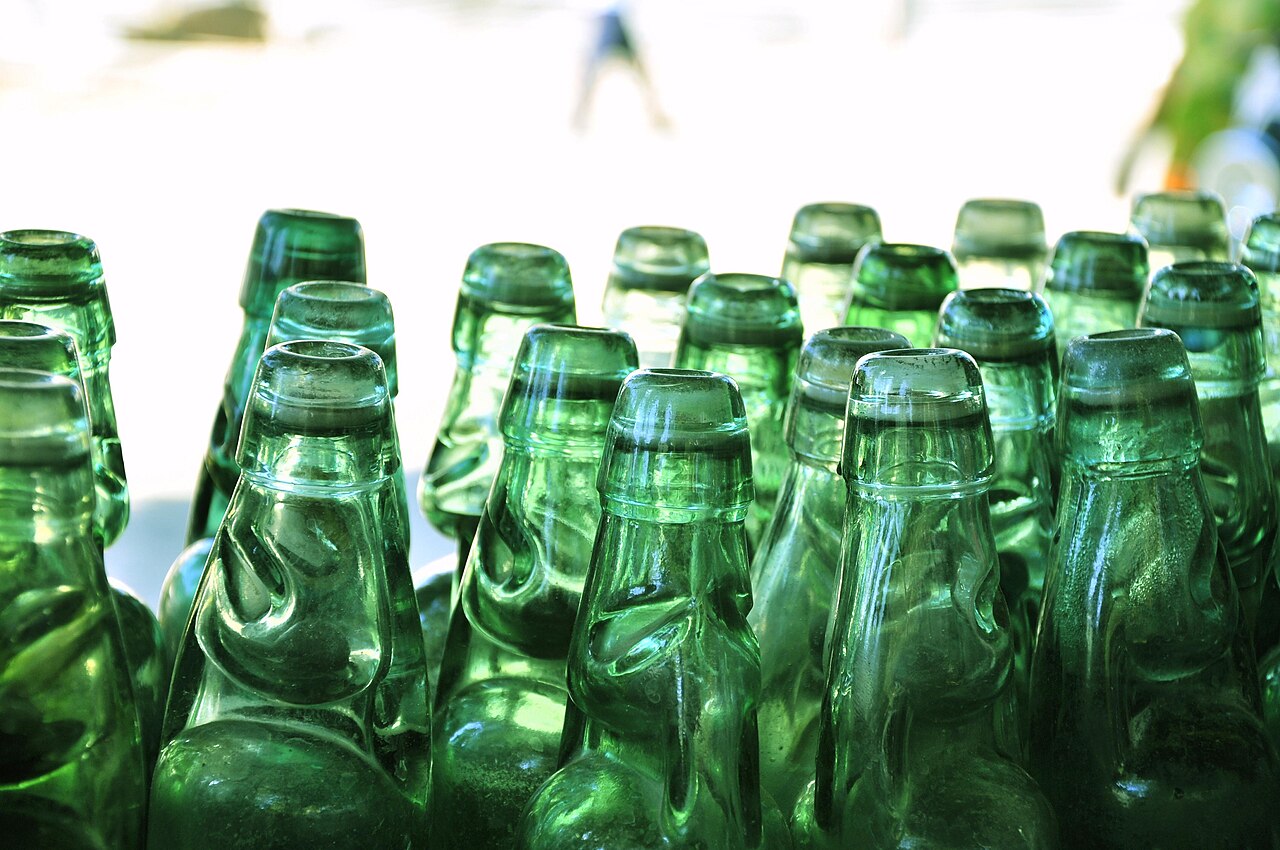
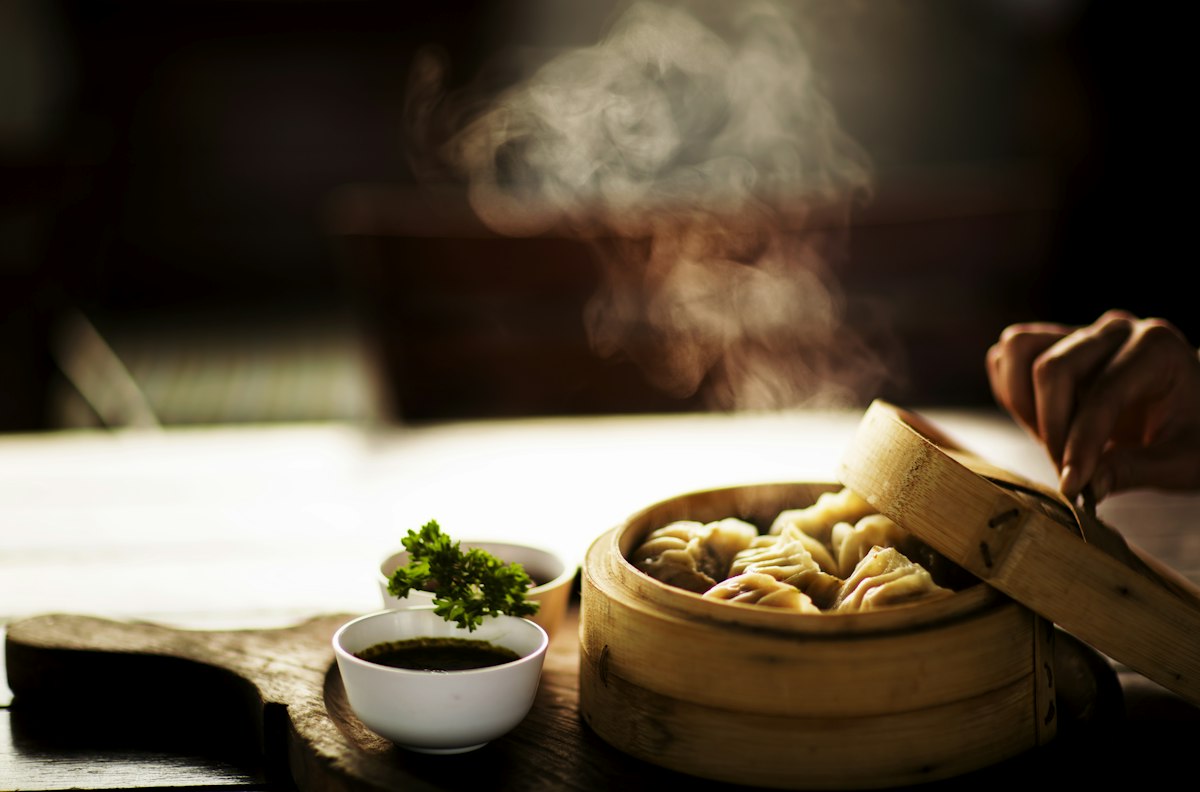
Shrimp dumplings (har gow) at a Liwan teahouse, the heart of a Cantonese breakfast
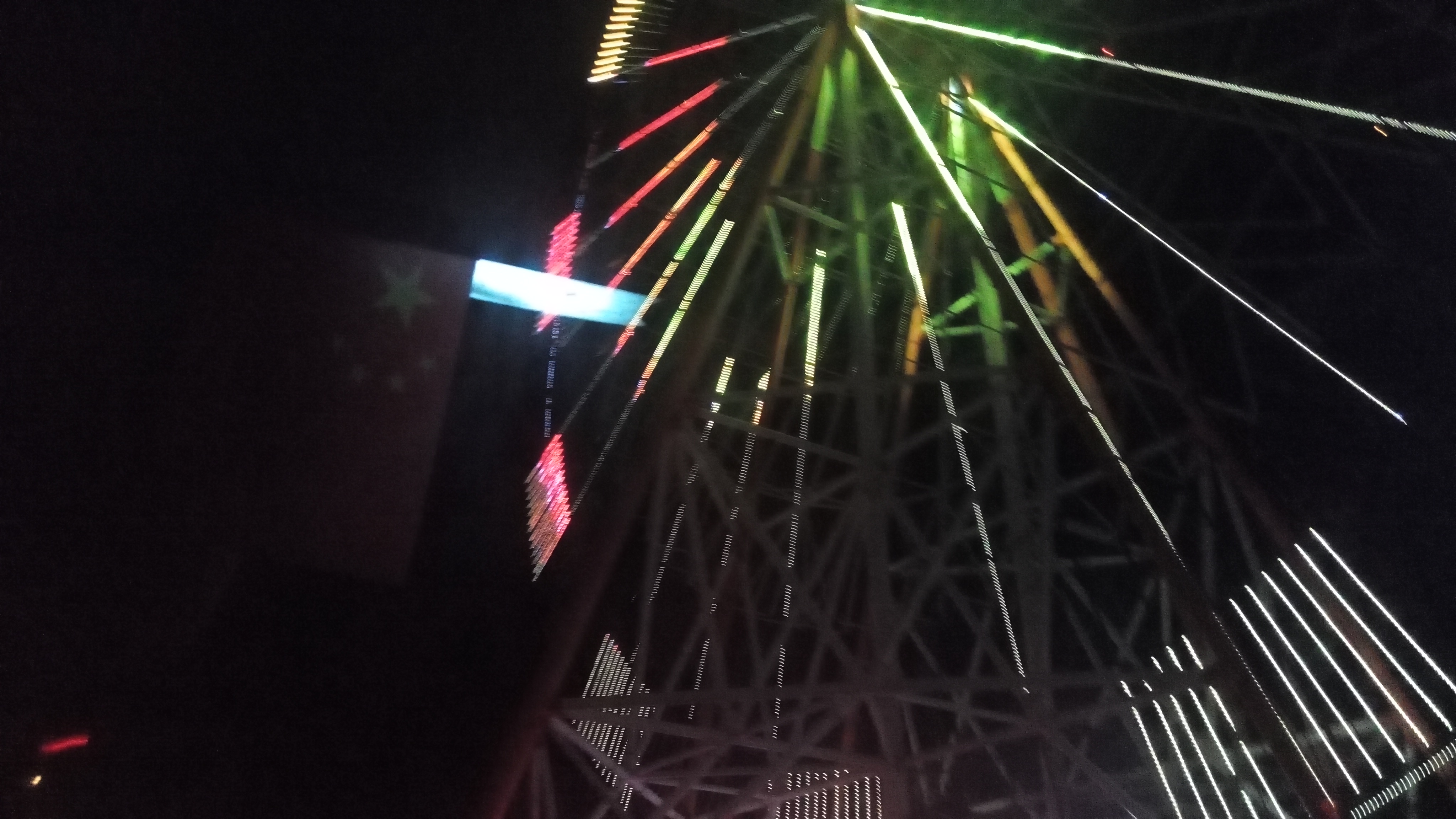
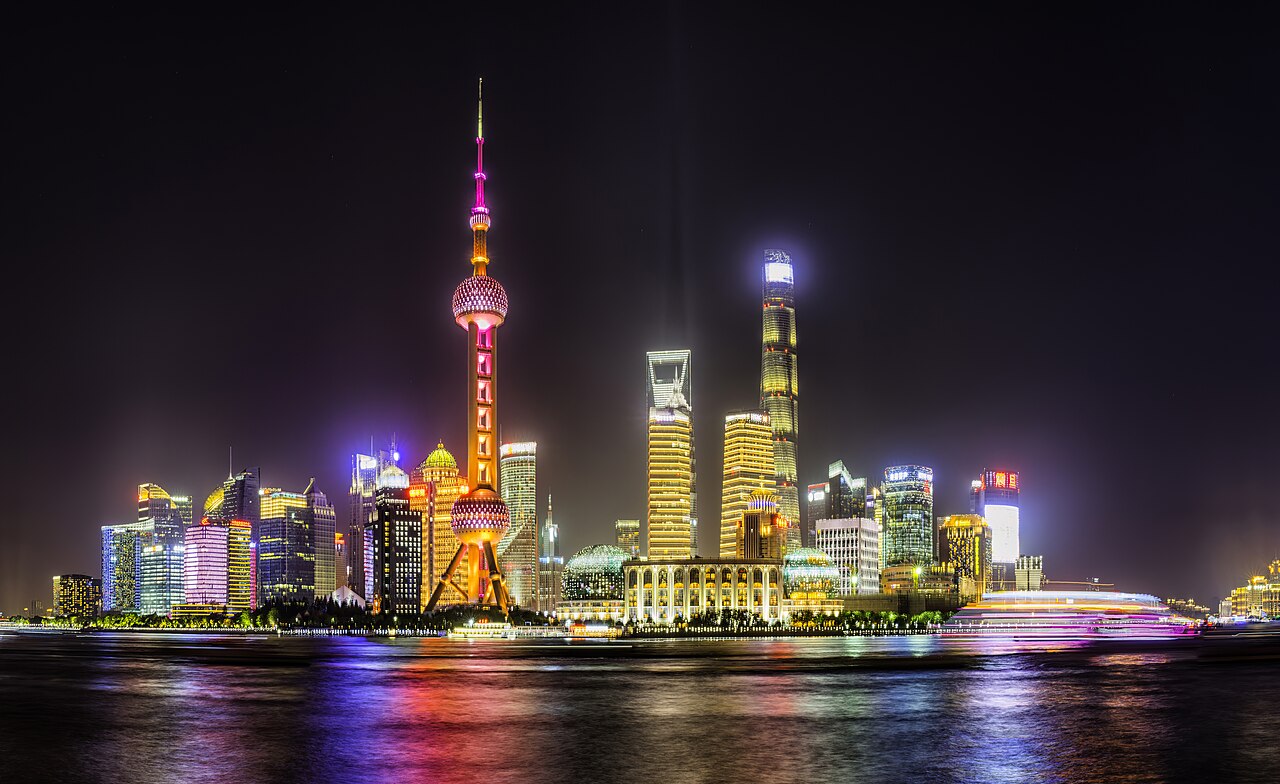
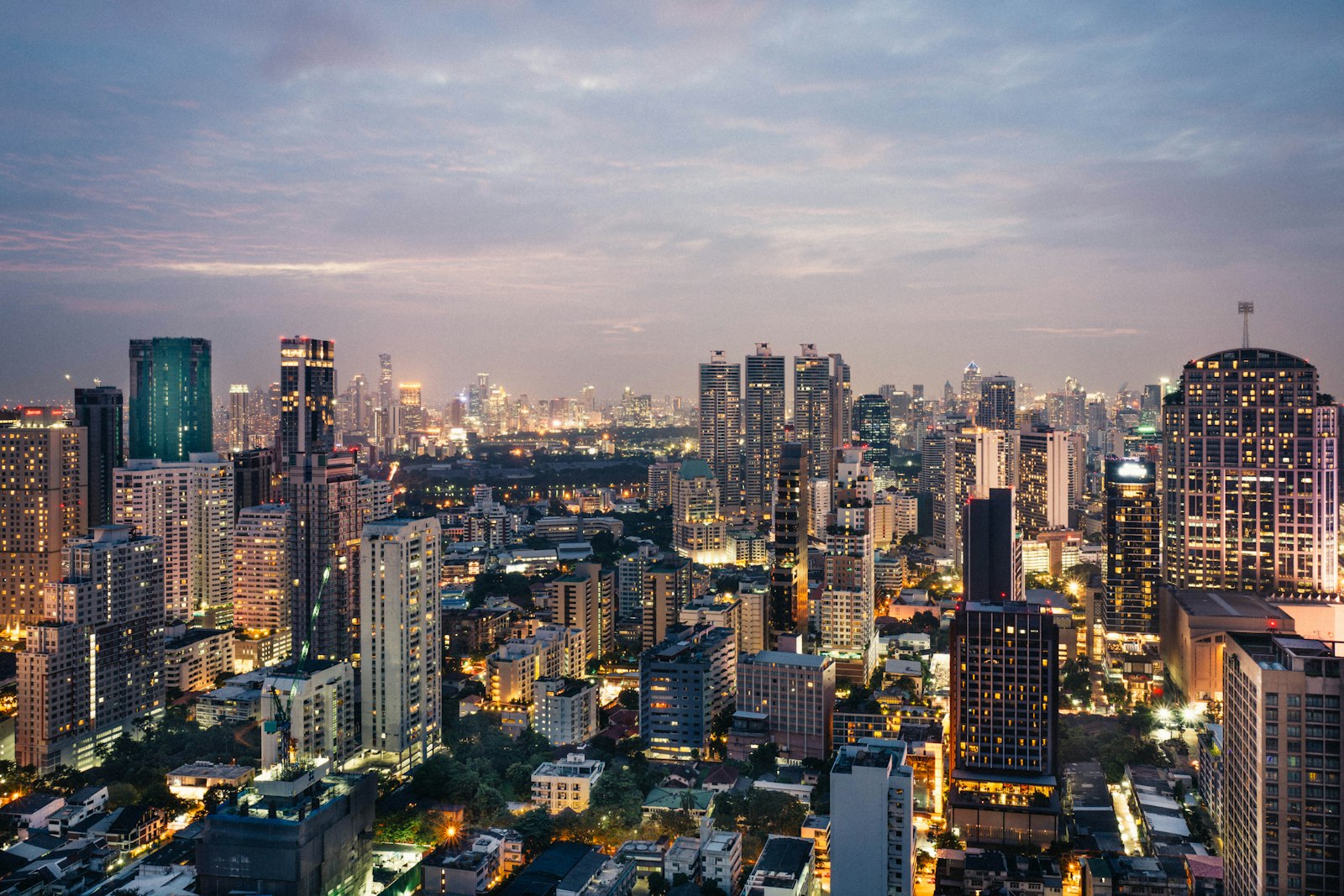
Canton Tower glowing over the Pearl River after dark
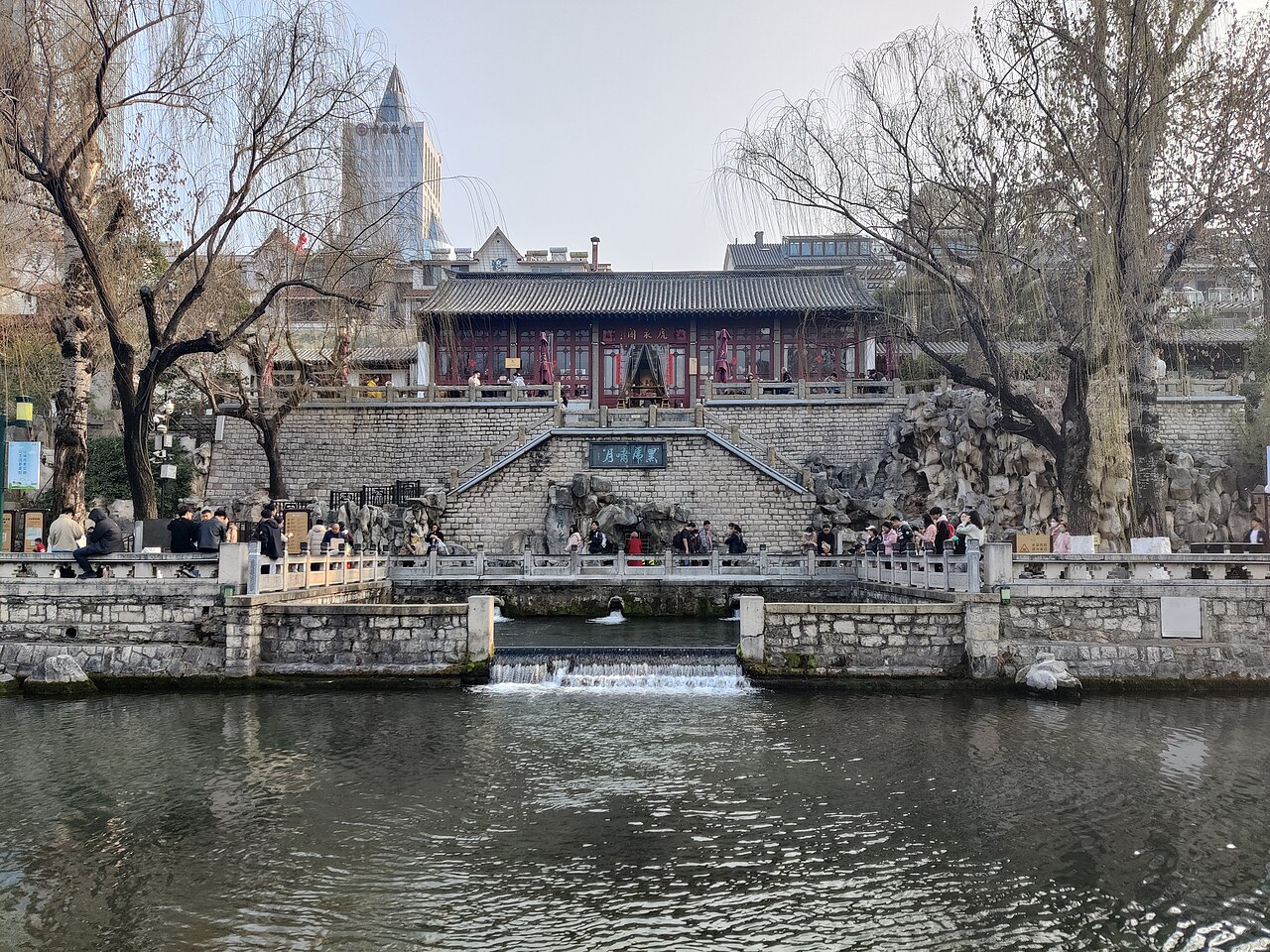
Colonial-era architecture on car-free Shamian Island
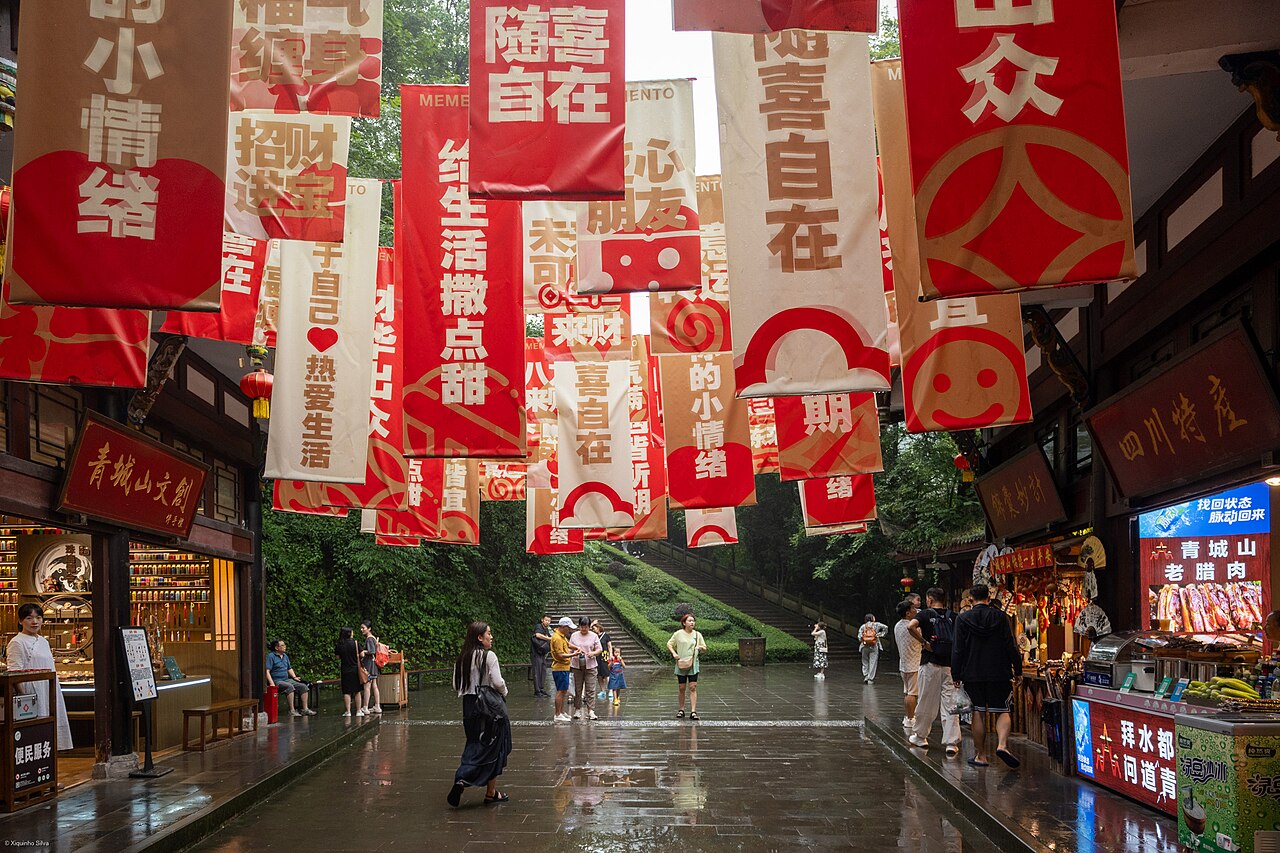
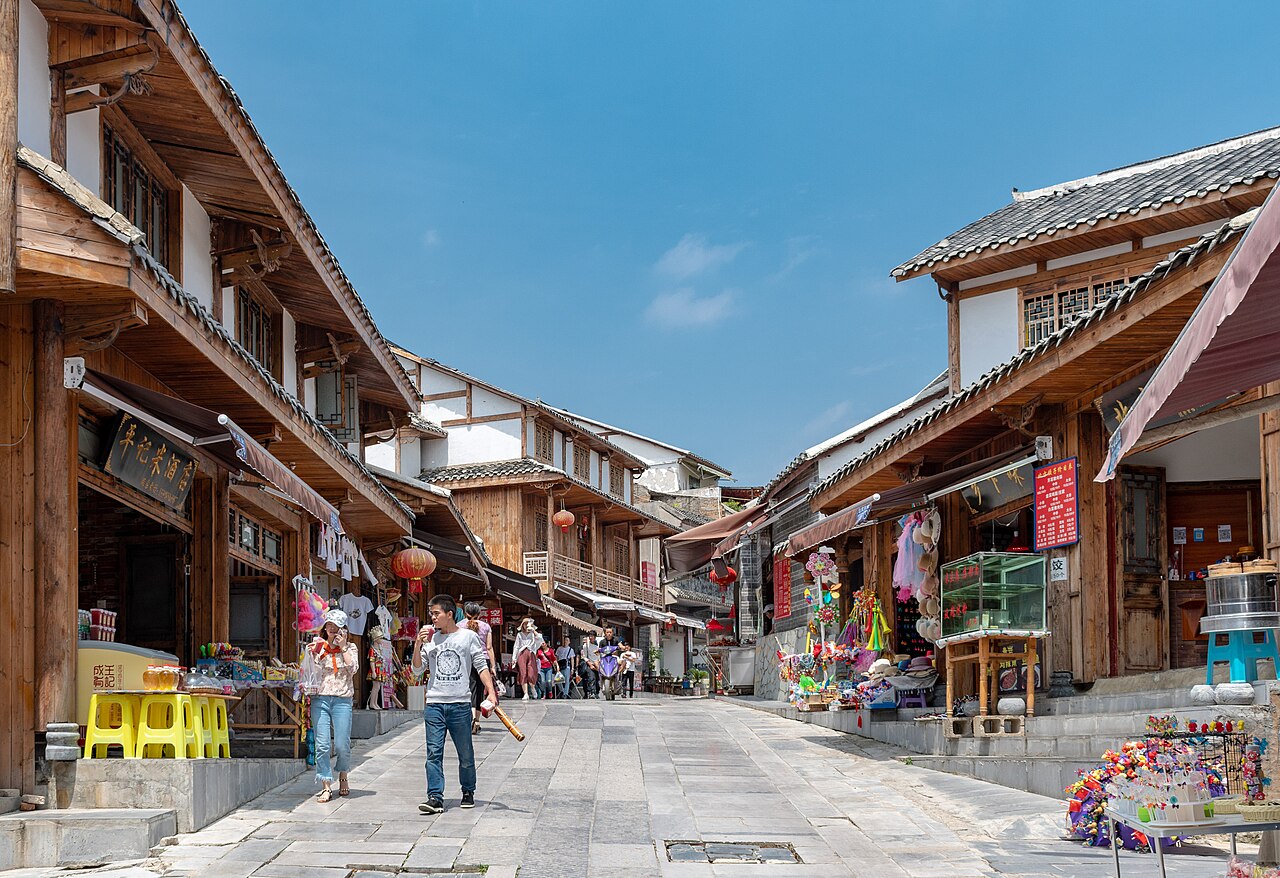
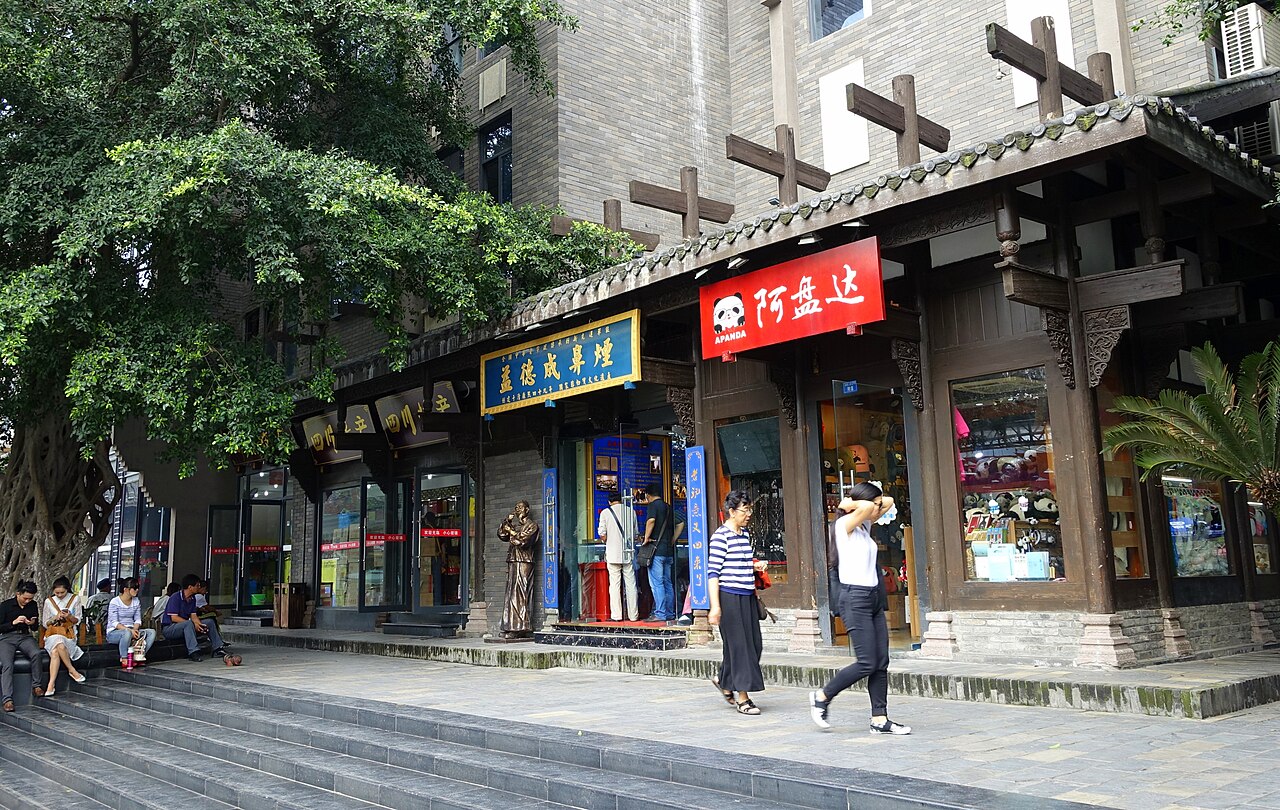
The arcaded qilou shopfronts of Shangxiajiu pedestrian street

Guangzhou is a big city that never makes you feel small — it is prosperous but hugely tolerant, modern but still traditional, a bit chaotic but full of life.

Leisure Guangzhou 4-Day Trip

The food is everywhere — big restaurants, tiny stalls, even the dodgy-looking places. Every third step there's another one, and I never once ate something bad. So many flavours, none of them repeated, and cheap.

Three Meals a Day, Forever a Lingnan Native

Guangzhou wakes up early and eats first. By 7am the teahouses of Liwan are full of retirees nursing a pot of pu'er, ordering shrimp dumplings two at a time, reading the paper and arguing about nothing in particular. This is not a show put on for tourists — it is simply how the city has started its day for a century, and sliding into a chair beside them is the best introduction you will get.

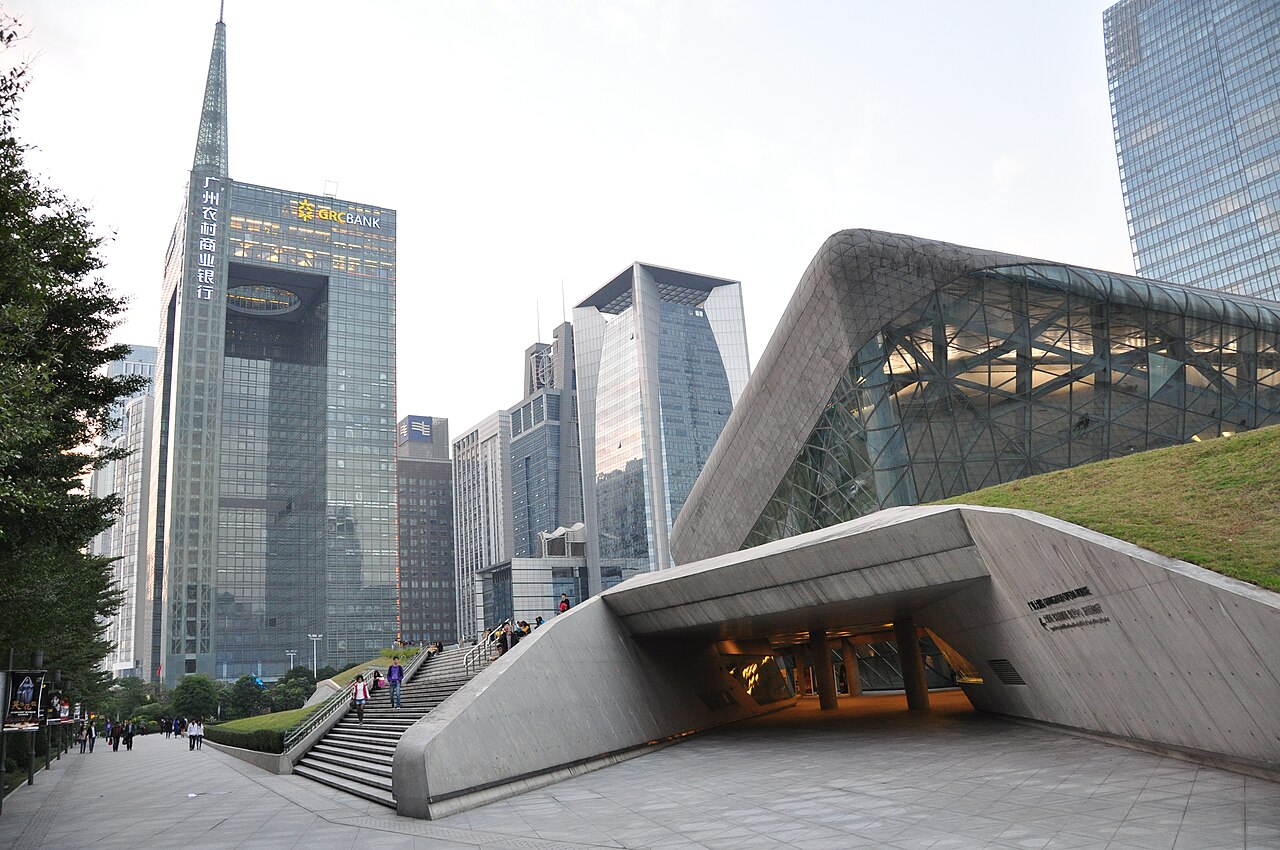
Step out of the teahouse and the city splits in two. To the west, Liwan's arcaded qilou streets and the leafy, car-free lanes of Shamian Island still carry the bones of the old trading port, with 150-odd European buildings left over from the foreign concessions. To the east, Zhujiang New Town throws up glass towers and the 600-metre Canton Tower, its waist pinched like a slingshot, glowing pink and green across the river after dark.

What ties it together is the table. Cantonese cooking is the most exported Chinese cuisine on earth, and eating it here — fresh, cheap, unhurried — resets your idea of what it should taste like. You will spend more of your budget on food than on tickets, and you will not regret a yuan of it.

Guangzhou

Don't leave without

Seven things that are worth rearranging a day for.

  1. Eat a proper dim sum breakfast at a century-old teahouse like Taotao Ju or Lianxiang Lou
  2. Wander Shamian Island's car-free colonial lanes under the banyan trees at dusk
  3. Ride the open-top Ferris wheel on Canton Tower's 450m rooftop and look straight down the Pearl River
  4. Trace the arcaded qilou shopfronts of Shangxiajiu and duck into its old lanes
  5. Take a night cruise past the illuminated riverfront, boarding at Tianzi Pier
  6. Spend a full day at Chimelong — safari park, theme park or the water park in summer

Highlights

Five reasons Guangzhou rewards a slow traveller

Dim sum as a morning ritual, not a

Guangzhou is where yum cha was born, and locals still treat it as the slowest hour of the day — a pot of pu'er, two or three bamboo baskets, no rush. Order har gow, siu mai, chicken feet and a custard bun, and let the trolley come to you. Budget around CNY 60–100 per person at a proper old teahouse like Taotao Ju on Dishipu Road.
Shamian Island: 150 buildings of b

This former colonial concession holds more than 150 European-style structures across 42 standout examples — neo-baroque, mock-Gothic, veranda and neoclassical — plus 150-odd old banyan trees. It is completely free and open all day, five minutes on foot from Huangsha Station on Metro Line 1. Come at dusk when the wedding photographers thin out.

The Pearl River after dark, from w

The riverfront lights up around 19:00 and the Canton Tower changes colour on the hour. Night cruises run from Tianzi Pier (Yanjiang Road, near Beijing South Road) and tickets step up in tiers from CNY 48 to 148. Ignore the touts working the pier approach — buy at the official window only.

Xiguan's arcade streets and old ho

Shangxiajiu Pedestrian Street is the commercial face of Xiguan, but the real draw is the qi lou arcades — continuous covered colonnades built from the early 20th century so shoppers could walk rain-free in subtropical weather. Duck into any side lane off Dishipu Road and the crowds vanish. A Xiguan old house visit costs CNY 10.

Cantonese food that never misses

Rice-noodle rolls, double-skin milk pudding, roast meats, white-cut chicken, turtle jelly, congee with pork liver and kidney — Guangzhou's food is cheap, varied and remarkably consistent. Silver Ji Rice Noodle Rolls on Shangjiu Road and Nanxin Dessert on Dishipu Road are the two addresses to memorise. Budget CNY 1,000–1,500 for three days including food, transport and a mid-range bed.

Itineraries

Two ways to spend three days in Guangzhou

Classic Guangzhou: old town, islan

3 days days

A low-effort loop that hits the historic core, the colonial island and the modern skyline, all linked by Metro Lines 1 and 2. Book your Canton Tower ticket online the day before — the 433 m observation deck (CNY 150) sells out on weekends.

  1. Day 1

    Yuexiu Park, Beijing Road, Shamian

    Start at Yuexiu Park (free, 06:00–21:00), the city's biggest green space, and find the Five Rams statue that gave Guangzhou its nickname, plus the 28 m Zhenhai Tower. Ride Metro Line 2 to Beijing Road for lunch and shopping, then walk Shamian Island in the afternoon light. Finish with a night cruise from Tianzi Pier and a stop at Flower City Square and Haixinsha.

    Stops: Yuexiu ParkBeijing Road Pedestrian StreetShamian IslandPearl River night cruiseFlower City SquareHaixinsha

  2. Day 2

    Chimelong, all day

    Give the whole day to Chimelong in Panyu — either Chimelong Paradise (CNY 200, 09:30–18:00, nearly 70 rides including the vertical and ten-loop coasters) or the Safari World (CNY 200, 09:00–18:30, with a drive-through zone at CNY 200 per car, CNY 280 on holidays). If the weather turns cool, swap in the Chimelong Circus instead. The Chimelong Hotel on Yingbin Road starts around CNY 798 and puts you next door.

    Stops: Chimelong ParadiseChimelong Safari WorldChimelong Water ParkChimelong International Circus

  3. Day 3

    Lizhiwan, Wenchang Temple, Shangxi

    Begin at Lizhiwan Creek, the so-called Little Qinhuai, for old Xiguan canal scenery. Wander Longjin West Road and Wenchang South Road, then take afternoon tea at Taotao Ju on Dishipu Road. Spend the last hours in the Shangxiajiu arcades buying preserved sausage and cakes to take home.
    Stops: Lizhiwan CreekWenchang TempleShangxiajiu Pedestrian StreetTaotao Ju

Six-day deeper cut, if you have th

3 of 6 days shown days

For return visitors or anyone who wants the temples, the revolutionary history and the southern coast as well as the classics. Days 1–3 follow the classic loop above; these are days 4 to 6.

  1. Day 4

    Foshan Ancestral Temple, Wong Tai

    Take the Guangfo Metro to the Foshan Ancestral Temple, founded in the Northern Song and the heart of Foshan culture, with a lion dance at 15:00 and a Ip Man Hall inside. Ride back to Xilang for the Guangzhou Wong Tai Sin Temple, which has a mango tree over a century old. Continue by metro to the Chen Clan Academy (CNY 10, 08:30–17:30), the best-preserved and most lavishly decorated ancestral hall in Guangdong. End on Beijing Road.
    Stops: Foshan Ancestral TempleGuangzhou Wong Tai Sin TempleChen Clan AcademyBeijing Road

  2. Day 5

    Whampoa Military Academy, 1911 Rev

    Head to Huangpu for the Whampoa Military Academy (CNY 15, 09:00–17:00, closed Mondays), which trained commanders for both the anti-Japanese war and the civil war. Reach it via Metro Line 8 to Pazhou, bus 262 to Xinzhou Pier, then the ferry. Afterwards cycle the greenway on Bio-Island — flat, empty and best in the hour before sunset.

    Stops: Whampoa Military Academy1911 Revolution MuseumGuangzhou International Bio-Island

  3. Day 6

    Lingnan Impression Park, Haizhu La

    Lingnan Impression Park (CNY 60, 09:00–17:00) on Xiaoguwei Island recreates Lingnan village life with lanes, ancestral halls and shops across 16.5 hectares. Move on to Haizhu Lake, the city's second-largest artificial lake and its self-styled green heart. Close the trip with one more river cruise.

    Stops: Lingnan Impression ParkHaizhu LakePearl River night cruise

Sights

The sights worth your hours

Skyline

Canton Tower

China's tallest tower and the fourth tallest in the world, standing 125 m back from the south bank of the Pearl River and facing Haixinsha Island across the water. The E observation deck at 433.2 m is the standard ticket. On top sits the world's highest horizontal Ferris wheel, 450 m up, with 16 crystal capsules that take about 20 minutes per revolution.

Ticket
CNY 150 for the 433.2 m E deck
Ferris wheel
CNY 130, CNY 180 in winter
Hours
08:30–23:00
Getting there
Metro to Chigang Tower or Canton Tower, then walk

Tip Book online a day ahead. Go up about 45 minutes before sunset so you get daylight, golden hour and the light show on one ticket.

Free · Architecture

Shamian Island

A sandbank at the fork of the Pearl River that served as the colonial concession, now a car-light island of 150-plus European buildings and more than 150 old trees. Look for the red-brick customs club at Nos. 2–6 Shamian Main Street, the old HSBC building at No. 54 with its domed rooftop pavilion, and the veranda-style block at No. 48. Our Lady of Lourdes chapel at No. 14 is small but mock-Gothic at the entrance.

Ticket
Free
Hours
Open all day
Address
Shamian, by the White Swan Pool, Liwan District
Getting there
Metro Line 1 to Huangsha, 5 minutes on foot

Tip The White Swan Hotel is here, which is why the island stays quiet and green. Weekday mornings are the calmest.

Heritage · CNY 10

Chen Clan Academy

Built as the Chen family's ancestral hall in the late Qing, this is the most complete and most ornately decorated traditional building in Guangdong and a summary of Lingnan architectural craft in one courtyard. The wood, brick, stone and ceramic decoration is the reason to come, along with the folk art collection inside.

Ticket
CNY 10
Hours
08:30–17:30
Address
34 Enlongli, Zhongshan 7th Road
Getting there
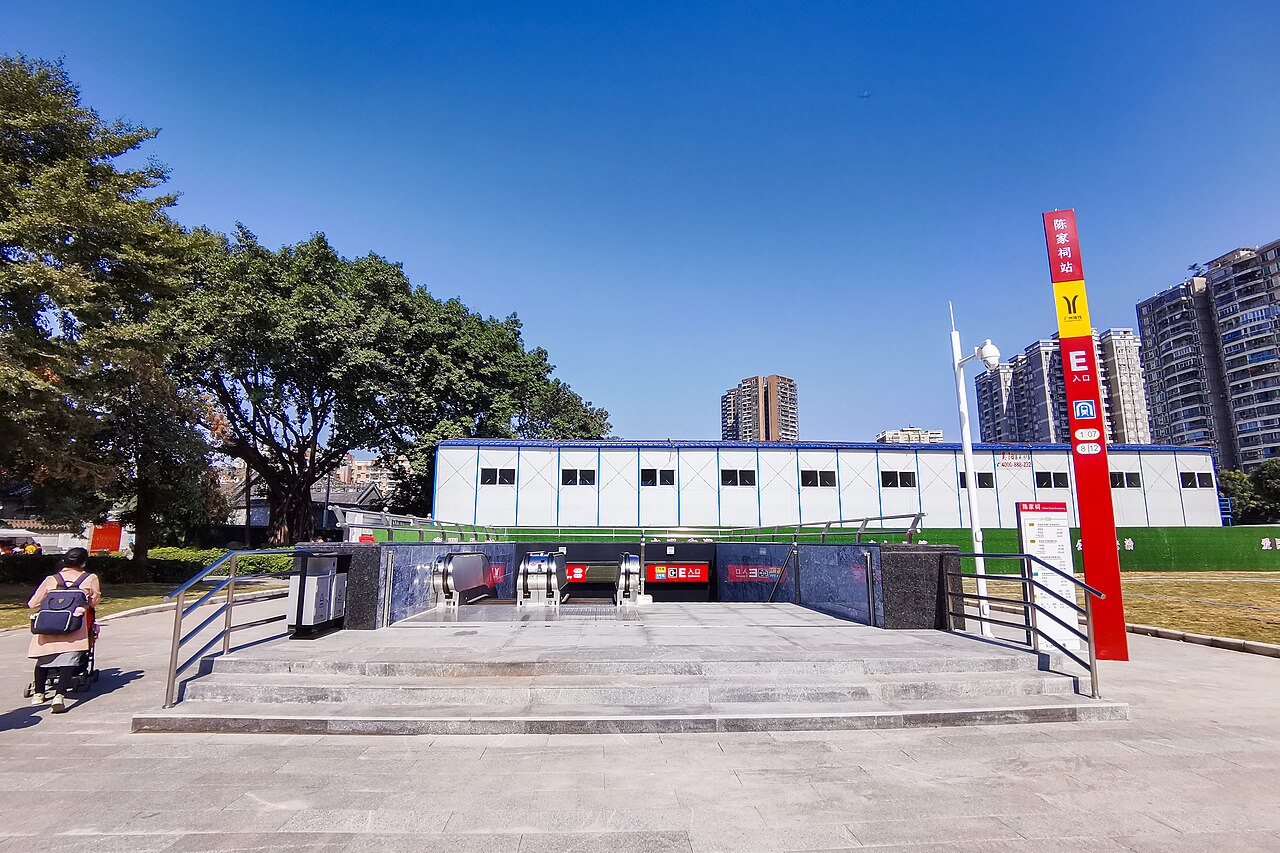
Metro Line 1 to Chen Clan Academy

Tip Pair it with a walk through the surrounding Liwan lanes — the neighbourhood is as interesting as the building.

Free · City landmark

Yuexiu Park

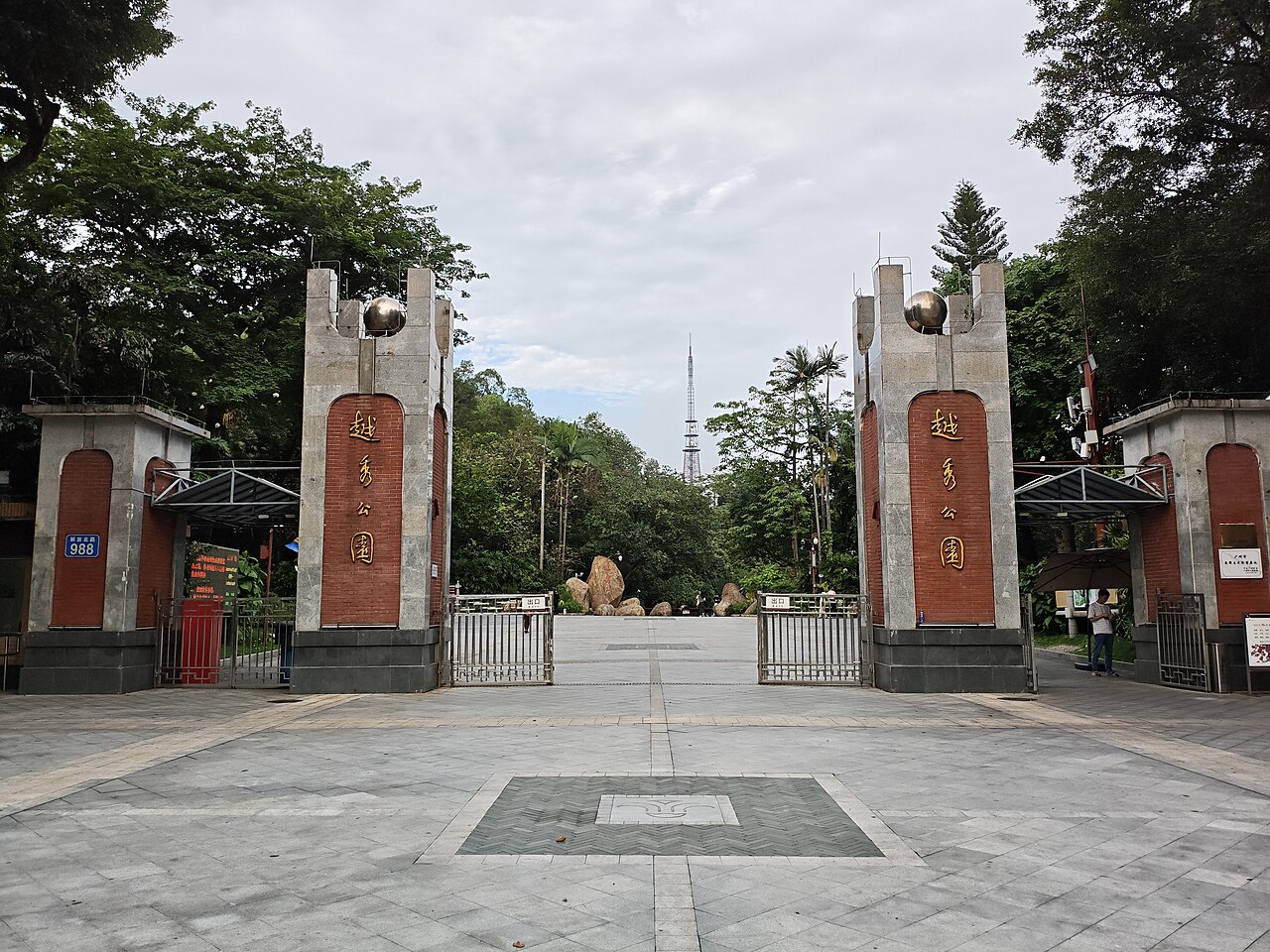
The largest comprehensive park in Guangzhou, named for the Western Han terrace that Zhao Tuo of Nanyue built on the hill. Zhenhai Tower, also called the Five-Storey Tower, is 28 m of Ming brickwork with a view over the whole city from the top floor. At ground level the Five Rams Sculpture is the city emblem, and the story behind it is where the name Goat City comes from.

Ticket
Free
Hours
06:00–21:00
Address
960 Jiefang North Road, Yuexiu District
Getting there
Metro Line 2 direct to the main gate

Tip Come at 07:00 and you will share the hill with tai chi groups rather than tour flags.

Free · Gothic

Sacred Heart Cathedral

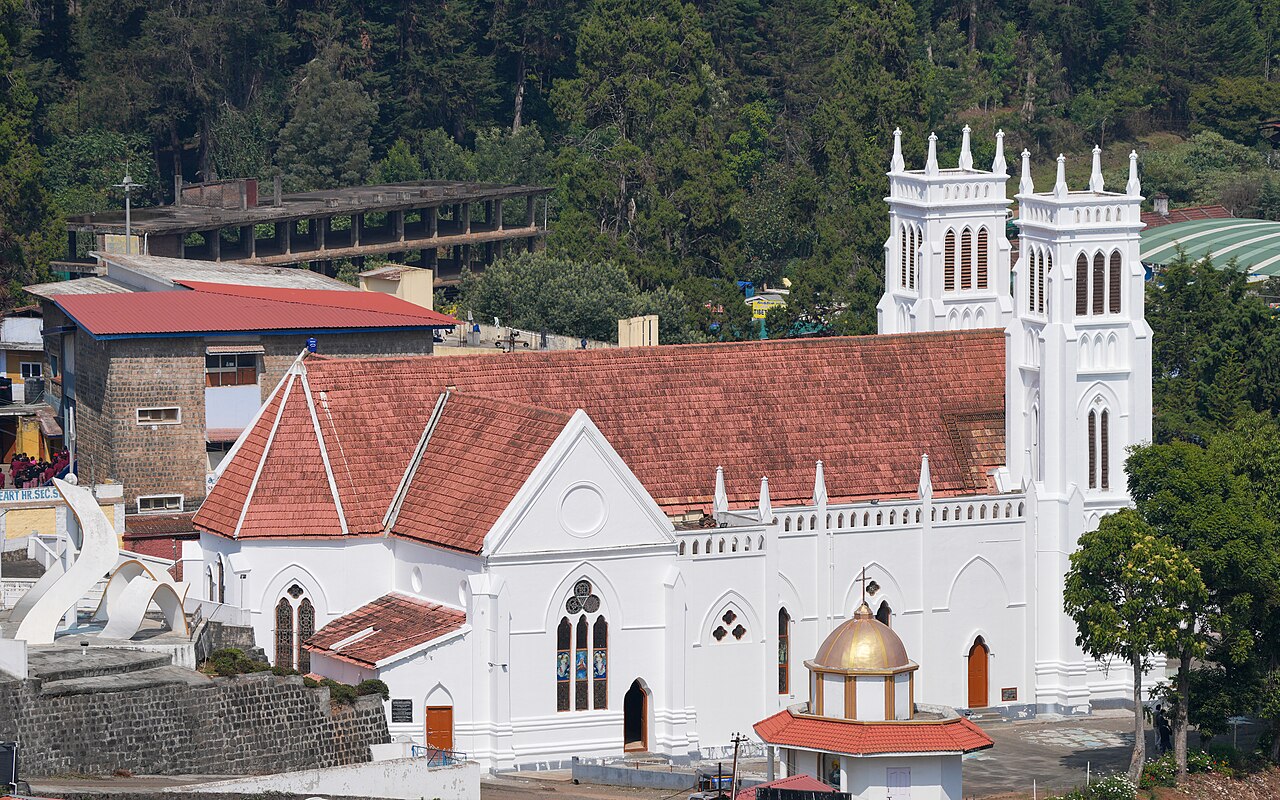
Built between 1863 and 1888 — 25 years of work — and known locally as the Stone House because every wall and pillar is granite. It is the grandest Catholic church in the Guangzhou diocese and the twin spires are visible from a long way down Yide Road.
Ticket
Free
Hours
08:00–17:30
Address
Yide Road, Guangzhou
Getting there
Metro Line 2 to Haizhu Square, exits B1 or B2, then 5 minutes west

Tip It sits in the middle of the dried-seafood wholesale street, so the approach smells of scallops and shrimp — part of the fun.

Food

Five things you have to eat in Guangzhou

Shrimp dumplings (har gow)

The benchmark dish of any dim sum order. A proper har gow has a wrapper thin enough to read a newspaper through, pleated into at least ten folds, and a whole prawn inside that snaps when you bite it. If the skin is thick or gluey, walk out.

Rice noodle rolls (cheung fun)

Steamed sheets of rice batter rolled around pork, prawns or vegetables, drowned in sweet soy. You'll see them made on a stretched muslin cloth in old shops — the 'cloth-pulled' version is silkier than the machine-made kind. A standard breakfast, about CNY 8–15 a plate.

Roast meats (siu mei)

Char siu, roast goose, crispy-skinned pork belly — hanging in every second shop window by mid-afternoon. The best is carved to order and glazed with a sauce on the sweet side. Buy vacuum-packed lap cheong (cured sausage) at Guangzhou Restaurant or Huangshanghuang to take home.

Double-skin milk custard (shuang p

Set twice so it forms a delicate skin on top, served warm or cold, silky and only lightly sweet. It's the classic Cantonese dessert, and it's supposed to be soothing rather than heavy — a bowl is about CNY 12–20.

Slow-simmered soup (lao huo liang

Cantonese soup is a medicine cabinet in a bowl: three hours on the stove with pork bones, dried scallop, lotus root or coconut. Order the whole-coconut version with silky fowl and you'll understand why locals treat soup as the point of the meal, not a side.

Where to eat

Four tables to book (or queue for)

Dim sum institution

Taotao Ju

A century-old teahouse on Shangxiajiu that still runs on the old rhythm — a pot of pu'er, two or three baskets, nobody rushing you out. Go before 9am for a seat without a wait; the queue by 11am is real. Order the durian pastry, har gow, chicken feet and custard buns, and note the trolley service is a show in itself.

Signature
Durian pastry, har gow, chicken feet, custard buns
Address
20 Shifu Road, Liwan District (near Datong Road)
Phone
020-81389632 / 020-81396111
Budget
About CNY 60–100 per person
Best time
Before 9am for dim sum

Cheung fun specialist

Yinji Rice Noodle Rolls

The Shangxiajiu branch of a chain that has been pulling rice sheets by hand for decades. The rolls are slick, thin and generous with filling, and the place is loud and always full — share a table without complaint, that's the deal.

Signature
Beef cheung fun, sampan congee, prawn cheung fun
Address
79 Shangjiu Road, Liwan District (near Guangfu Road)
Phone
020-81713013
Budget
About CNY 15–30 per person
Note
Cash is simplest; queues move fast

Dessert, old-school

Nanxin Milk Dessert

A Liwan dessert shop where the double-skin milk custard and ginger-milk curd are measured against every other version in the city. The ginger hit is strong and the milk is clean and fragrant; the beef tripe in broth is a savoury counterpoint worth ordering. Tables are shared, so expect to sit with strangers.

Signature
Double-skin milk, ginger milk curd, beef tripe, mango pomelo sago
Address
47 Shifu Road, Liwan District (near Baohua Road)
Phone
020-81389904
Budget
About CNY 20–40 per person
Note
Shared tables are normal here

Soup specialist

Dayang Double-Boiled Soup

A tiny, long-running shop where the whole coconut double-boiled with silky fowl is the order everyone comes for — the coconut sweetens and deepens the broth, and one bowl resets an entire day of eating. Portions are big; go hungry or split one.

Signature
Whole-coconut silky fowl soup, coconut quail soup
Address
160-1 Wenming Road, Yuexiu District (near Wende Road)
Phone
020-83327931
Budget
About CNY 30–60 per person
Note
Soup sells out; go before 8pm

Where to stay

Three bases, three budgets

Mid-range, central

Baiyun Hotel

A long-established four-star on Huanshi Dong Road, which is where Guangzhou's biggest cluster of high-end hotels sits — five minutes' walk from the Friendship Store and the bar street, and easy for Line 5. Rooms are comfortable rather than flashy, and the location is the reason to book: you're in the middle of the business district with the metro and dim sum both close by.

From
About CNY 398 per night
Address
367 Huanshi Dong Road, Yuexiu District
Phone
020-83333998 ext. 3128
Best for
First-timers who want a central, walkable base

Budget, good transport

Jinjiang Inn (Pazhou Complex)

A clean, no-frills chain hotel in Tianhe with a metro station (Line 5 Keyun Lu) right outside and reliably fast Wi-Fi — the value pick of this list. Rooms are small and plain, but you're paying for location and a decent bed, not atmosphere.

From
About CNY 189 per night, standard room
Address
336 Huangpu Avenue Middle, Tianhe District
Phone
020-66611116
Best for
Solo travellers and anyone on a tight budget

Resort, families

Chimelong Hotel

Booked as part of the Chimelong complex in Panyu, flanked by the safari park, the water park and the circus, with the only hotel atrium in China where white tigers and flamingos live. Stay here and you walk to the parks instead of commuting an hour each way — the single biggest reason families pick it.

From
About CNY 798 per night
Address
Yingbin Road, Panyu District (near Guangzhou South Station)
Phone
020-84786838
Best for
Families doing two days of theme parks

Getting around

Flights, high-speed rail and the metro that reaches everything

By air

Baiyun International Airport sits about 28 km north of the city centre in Baiyun and Huadu districts, and it is one of China's three main hub airports. Terminal A handles international flights plus all domestic carriers except China Southern; Terminal B is China Southern and its group airlines. Arrivals exit straight from the arrivals hall — only metro and car-park access send you down to level B1. Airport enquiries: 020-36066999, gbiac.net.

Airport
Baiyun International (CAN)
Distance to centre
About 28 km / 45–60 min by metro
Metro link
Line 3 north extension to Airport South
Airport bus
Routes to major hotels and both rail stations

By rail

Guangzhou runs three passenger stations and they are not interchangeable. Guangzhou South takes the high-speed through-trains that barely stop en route; Guangzhou East serves the Guangzhou–Shenzhen line and trains toward Beijing–Kowloon and Fujian; the old Guangzhou Station keeps the slower, cheaper, many-stop services, which is still your best bet for smaller cities.

Guangzhou South
Panyu, Shibi village — metro Line 2
Guangzhou East
Tianhe, Linhe West Rd — metro Lines 1 & 3
Guangzhou Station
Yuexiu, Huanshi West Rd — metro Lines 2 & 5
Booking line
020-95105105 (nationwide rail hotline)

By road and sea

Guangdong's coach network is dense and cheap, and buses also run in from Guangxi, Hunan and Fujian. On the water, Guangzhou has several passenger ports — Suigang, Zhoutouzui, Zengcheng Xintang, Panyu Lianhuashan and Nansha — with services to Hong Kong and to cities around the delta.

Coach
Multiple long-distance stations around the city
Ferry to Hong Kong
Lianhuashan and Nansha passenger ports
Nansha port
Gateway to the Pearl River estuary
Local buses
2 yuan air-conditioned, 1 yuan non-A/C

Getting around town

The metro already covers Lines 1, 2, 3, 4, 5, 8, the Guangfo line and the APM shuttle, and it hits nearly every sight you will want — fares run 2 to 9 yuan. Buses start around 06:00 and run to 22:00 with night routes after that. Taxis are metered at 10 yuan flagfall, then 2.6 yuan per km after 2.3 km, and the cars come in many colours because each colour is a different company. Buy a Yangcheng Pass (80 yuan — 30 deposit, 50 loaded) at convenience stores and banks; it works on buses, taxis, metro and ferries, and gets you 5% off metro single fares.

Metro fare
2–9 yuan
Taxi
10 yuan flagfall, 2.6 yuan/km
Yangcheng Pass
80 yuan (30 deposit + 50 credit)
Sightseeing bus
Open-top double-decker along the river

Shopping

What to carry home from Guangzhou

Cured meats

Cantonese lap cheong — sweet, fatty, wind-dried sausage — is the classic edible souvenir. Guangzhou Restaurant's Qiuzhifeng line and Huangshanghuang are the two names locals trust, and every supermarket has a dedicated cured-meat counter, so you do not need to hunt down a specialty shop.

Traditional pastries

Wife cakes, husband cakes, chicken仔 biscuits, almond cakes and blind-man cakes are sold at the old houses — Taotaoju, Lianxianglou, Guangzhou Restaurant — or at bakery chains like Donghaitang, Ronghua and Saint Anna. Lianxianglou's lotus-paste mooncakes are the benchmark; its pineapple cakes and custard buns travel well too.

Dried seafood

Dried oysters, scallops, squid and longan flesh make easy gifts, with fish maw, shark's fin, sea cucumber and abalone at the top end. Supermarkets stock the basics, but for volume and quality go to the Yide Road dried-seafood market — and go with someone who can spot the fakes.

Craft and jade

Hualinsi Jade Street specialises in jade, rosewood and blackwood furniture; Wende Road is the culture street for antiques, old books and birds-and-flowers; Haizhu has the electrical and fabric markets. If you want textiles or electronics, buy there rather than in a mall.

Practical

The small print that saves you a wasted afternoon

Guangzhou rewards slow travel: pick two or three districts a day rather than chasing a checklist across the whole city, and leave room for a long morning at a teahouse — that is the actual attraction. Book your Guangdong itinerary through our Guangzhou tour packages and we will handle the metro cards, teahouse reservations and the Pearl River cruise so you only have to decide what to eat next.

MoneyBudget roughly CNY 1,000–1,500 for three days. Most sights are free or under CNY 20, but hotel rooms run high and the food is where you will actually spend.
Best monthsOctober and November — mild, dry, breezy, and good weather often stretches into mid-November. April–June is the rainy season, August–September is hot and typhoon-prone, and January–February brings the Spring Festival flower markets.
Closed daysHuangpu Military Academy is shut Mondays (9:00–17:00 otherwise). Chen Clan Ancestral Hall runs 8:30–17:30, Nanyue King Museum 9:00–17:30, both daily.
Cash and cardsKeep small notes for buses and metro machines. The Yangcheng Pass solves most of it, and it also pays at some supermarkets, fast-food counters and all 7-Eleven stores.
SafetyWatch your bag in crowds, especially around the railway stations. Do not linger at the stations, keep your phone out of sight on dark streets and in the urban villages, and skip the touts at the Tianzi Pier who try to sell you a river cruise — buy at the official window instead.
HealthGuangzhou food is rich and the portions generous; pace yourself over the first two days rather than eating five meals on day one. Emergency hospital: Guangdong Provincial People's Hospital, 106 Zhongshan 2nd Rd, 020-83827812.
Useful numbersTourist complaints 020-81078277; tourist information 020-86666666; Guangzhou Tourism Bureau, 13–15/F Dongfang Finance Building, 140 Dongfeng West Rd, 020-81078225. Plan routes on zuoche.com.

Background

Cantonese roots: five rams, a silk road port and a language you'll hear everywhere

A city named after five goats

Legend says Guangzhou was founded by five immortals who rode down on five-coloured rams, gave the starving locals rice and vanished, leaving the animals turned to stone. That is why the city is nicknamed Yangcheng, the City of Rams, and why the Five Rams Statue in Yuexiu Park is the city's emblem rather than some abstract sculpture. The first settlers here go back to 214 BC, when Qin emperor's armies marched south and took the South China Sea coast.

China's southern gate for two thou

Guangzhou sits on the north bank of the Pearl River, and that position made it China's most important southern port for most of recorded history. Under the Tang dynasty (618-907) it was the departure point of the Maritime Silk Road; the Portuguese traded here in the 16th century and the British in the 17th. Even when China shut its doors to the outside world, the Canton Fair kept Guangzhou as the one place where Westerners could still do business. That trading instinct is why the city feels more outward-facing than most of inland China.

Cantonese, the local dialect, is not a variation of Mandarin but a separate language, and you will hear it in Hong Kong and Macau too. Yueju, or Cantonese opera, switched from stage Mandarin to Cantonese in the late Qing so ordinary people could follow the revolutionary plots; it was added to the UNESCO Intangible Cultural Heritage list in 2009. The other local obsession is soup: a Cantonese family judges its cook by the slow-simmered laohuo liangtang, and if you are invited to one, the whole meal is built around it.

What to watch for on the street

The arcaded qilou buildings that line Dishipu Road, Shangxiajiu, Zhongshan Road and Yide Road were built from the early 20th century, with the ground floor open to the street under a covered walkway and apartments above. They are the practical answer to a subtropical climate that delivers both blazing sun and sudden rain, and they are the single most distinctive piece of Guangzhou architecture you will walk under without noticing.

Further reading

Three things to watch, read and listen to before you go

Film

A City That Is Vanishing (正在消失的羊城)

Xie Wenjun, 2010, 42 min, Cantonese

A short documentary shot as a Beijing Film Academy graduation project, produced by Tian Zhuangzhuang. It follows the loss of Guangzhou's old arcades, tea houses and Dongshan villas to redevelopment, and it is the honest, unsentimental counterpart to every glossy travel promo about the city. Watch it on the plane over and you will look at the new towers differently.

Book

Xuncheng Ji: Guangzhou (寻城记·广州)

Tian Fei and Li Guo

Part history, part walking guide, arranged by neighbourhood. It covers the imperial examination academy cluster at Yuexiu, the old clan halls on Shenjing island, the colonial streets of Shamian, the granite bulk of the Sacred Heart Cathedral and the Republican-era lanes off Xianlie Road. The best single volume to carry if you want the story behind the buildings rather than just the photo.
Music

Moonlight Shines on Yangcheng (月光光

Dongshan Shaoye

A Cantonese pop track that stitches together a children's rhyme, Cantonese opera, rap and R&B, and became a viral hit among Guangzhou listeners within weeks of release. It is the easiest way to hear what modern Cantonese sounds like when it is not trying to be Mandarin pop. Pair it with He Jie's Guangzhou Love, an Asian Games theme-song finalist, for something more stadium-sized.
The questions visitors ask us most about Guangzhou, answered plainly.
Frequently asked questions

Prices and practical details are reviewed every month by our Beijing team and updated the day a rule changes.

When is the best time to visit Guangzhou?

October to November — mild, dry and breezy, with clear skies that last until mid-November. Spring (March–April) is warm but wet and humid; summer (June–September) is hot, sticky and typhoon-prone; January–February is cool but brings the Spring Festival flower markets, when the 'Flower City' lives up to its name.

Is Guangzhou expensive to travel in?

No — it is one of the cheaper big Chinese cities for sightseeing, since most attractions are free or under CNY 20. Budget around CNY 1,000–1,500 for three days including mid-range accommodation (roughly CNY 200 a night), metro fares (CNY 2–9 a ride) and a lot of eating. Where you will overspend is on food, happily.

How do I get around Guangzhou?

The metro is the answer for almost everything — lines 1, 2, 3, 5 and 8 cover the main sights, fares run CNY 2–9, and trains start around 6am and run past 10pm. Buy a Yang Cheng Tong card (CNY 80, with CNY 30 deposit) for a 5% discount on metro rides, or just use single tickets. Taxis start at CNY 10 for the first 2.3km, then CNY 2.6/km.

What food should I not leave Guangzhou without trying?

Start with dim sum — har gow, siu mai, rice noodle rolls and char siu bao — then work through roast meats (Cantonese barbecue), white-cut chicken, double-skin milk pudding, and a bowl of slow-boiled soup. For a single meal, order a rice noodle roll (changfen) for breakfast, a plate of roast goose for lunch, and double-skin milk for dessert.

Is Guangzhou worth visiting for the Canton Fair?

If you are in town for the Canton Fair (April and October), yes — but book hotels weeks ahead, because prices double and the Pazhou area fills up. Outside fair dates the same hotels are far cheaper, and the city is much easier to enjoy. Many travellers pair a fair visit with a day on Shamian Island and a dim sum breakfast.

Can I visit Guangzhou and Shenzhen or Hong Kong in one trip?

Easily. Guangzhou South Station runs high-speed trains to Shenzhen in about 30 minutes and to Hong Kong West Kowloon in under an hour, and there are direct ferries from Nansha and Lianhuashan to Hong Kong. Many travellers use Guangzhou as a base and day-trip out, or slot it into a longer Pearl River Delta route.

Plan this trip

Prefer it arranged for you?

The same places, with a driver, an English-speaking guide and the tickets already bought.

9 days · Food

Culinary China: Dumplings to Dim Sum

Nine days eating across four regional cuisines, with cooking classes, market walks and a Chengdu hotpot night that goes late.

★★★★★4.9 112 reviews

From US$1,780/per person

View tour

Guangzhou

Cantonese Dim Sum & Old Guangzhou Day Tour

Morning tea at a hall that opens before 07:00, then the Chen Clan Ancestral Hall, Shamian Island and the medicine shops of the old town.

From US$99/per person

View tour

Guangzhou

Canton Tower & Pearl River Day Tour

The city from 450 metres, a Cantonese dinner on the south bank, then an hour on the water while the riverfront lights come up.

From US$109/per person

View tour

Guangzhou

Lingnan Gardens & Shunde Food Day Tour

A Qing-dynasty garden in Shunde, a village of silk and fish ponds, and the Cantonese country cooking that Guangdong's chefs grew up on.

From US$95/per person

View tour

Related reading

Related reading

Visas Do I Need a Visa for China? Requirements, Costs and How to Apply China's entry rules changed more in the last three years than in the previous twenty. Here is exactly who needs a visa, what it costs, how long it takes and which passports now walk straight through. 9 min read Visas China's 240-Hour Visa-Free Transit: Who Qualifies and How It Works Ten days in China with no visa application, no fee and no fingerprints — if you hold the right passport and leave for a third country. Here is the rulebook, port by port. 8 min read Money Paying in China: Alipay, WeChat Pay, Cards and Cash Roughly nine in ten urban payments in China now run through a phone. Set up two apps before you fly, carry a modest cash float, and you will never be stuck at a till. 8 min read Transport China's High-Speed Rail: How to Book, What It Costs, How Fast It Goes The fastest way to cross China is also the most pleasant. Here is how to book a ticket with a foreign passport, what the three classes actually give you, and how to survive a Chinese station at rush hour. 9 min read Planning Best Time to Visit China: Month by Month, Region by Region China is the size of Europe, so 'the best month' depends on where you stand. Here is the month-by-month answer for the north, the Yangtze valley, the south and the plateau. 8 min read Planning What to Pack for China: The Complete 2026 Checklist Twenty thousand steps a day, three climate zones and a phone that has to do everything. This is the list we give our own travellers, minus the things they never used. 7 min read Food Chinese Food Culture: Eight Cuisines, One Table There is no such thing as Chinese food. There is Cantonese, Sichuan, Hunan, Jiangsu, Zhejiang, Fujian, Anhui and Shandong — and knowing which one you are eating changes everything. 8 min read Traditions Chinese Tea Culture: Six Classes, One Pot, Two Fingers Tea in China is not a beverage category, it is a social technology: it fills silences, seals deals and sets the pace of a meal. Here is how to sit down in one and not look lost. 7 min read Traditions Chinese Festivals: The Calendar, the Dates and the Crowds Lunar dates mean the calendar moves every year — and two of the festivals move several hundred million people at once. Plan around them or plan into them, but never by accident. 8 min read Etiquette Chinese Etiquette: What Matters, What Does Not, and Why Most etiquette advice for China is either obvious or wrong. These are the dozen behaviours that actually change how you are treated, and the reasoning behind each. 7 min read
Tell us your dates.
We'll do the rest.

Free itinerary design, a revised plan within one working day, and nothing charged until you approve the final version.

  • Dim sum breakfast at a teahouse like Taotao Ju runs about CNY 50–80 per person and is the single most Cantonese thing you can do — go before 9am to beat the queue.
  • Most of the old city is free: Shamian Island, Yuexiu Park and the Sacred Heart Cathedral cost nothing, the Chen Clan Ancestral Hall is CNY 10, the Nanyue King Museum CNY 12.
  • Canton Tower's 433m deck is CNY 150 and the rooftop Ferris wheel another CNY 130 (CNY 180 in winter); the Pearl River night cruise runs CNY 48–148 depending on deck.

No spam. No sales calls. Just a real itinerary from a real person.