City guide · Beijing

Forbidden City travel guide: tickets and the 7-day rule, the central axis, the Six Palaces and the Halls of Treasures

Beijing's 600-year imperial palace — 8,700 rooms behind a 72-hectare wall, and the largest surviving wooden palace complex on earth.

  • Known forImperial palace · 8,700 rooms · central axis
  • Typical spend¥60–80 ticket + ¥10 + ¥10 for the two exhibitions
  • Ideal lengthHalf a day (4 hours for the full visit)
  • PaceSteady walk — one-way, south to north

Reviewed by our Beijing team Updated 2026-10-10

The short version

The Forbidden City is Beijing's imperial palace — 980 surviving buildings and around 8,700 rooms inside a 72-hectare walled compound, and the largest surviving wooden palace complex in the world. Tickets are real-name and timed, released online 7 days ahead, and the museum is closed on Mondays. Walk it south to north along the central axis in half a day: enter at Meridian Gate, exit at the Gate of Divine Prowess.

  • Real-name, timed tickets are released online exactly 7 days ahead — book the moment the window opens.
  • The museum is closed every Monday (except public holidays) and the busiest hours are 10am–2pm.
  • The visit is one-way: in through Meridian Gate in the south, out through the Gate of Divine Prowess in the north.
  • Two hours covers the central axis; four adds the Six Palaces, the Halls of Treasures and the Halls of Clocks.
  • The Halls of Treasures and the Halls of Clocks cost ¥10 each on top of the main ticket and are worth every yuan.

City guide

First impressions

Photographs from the coast, and what other travellers wrote afterwards.

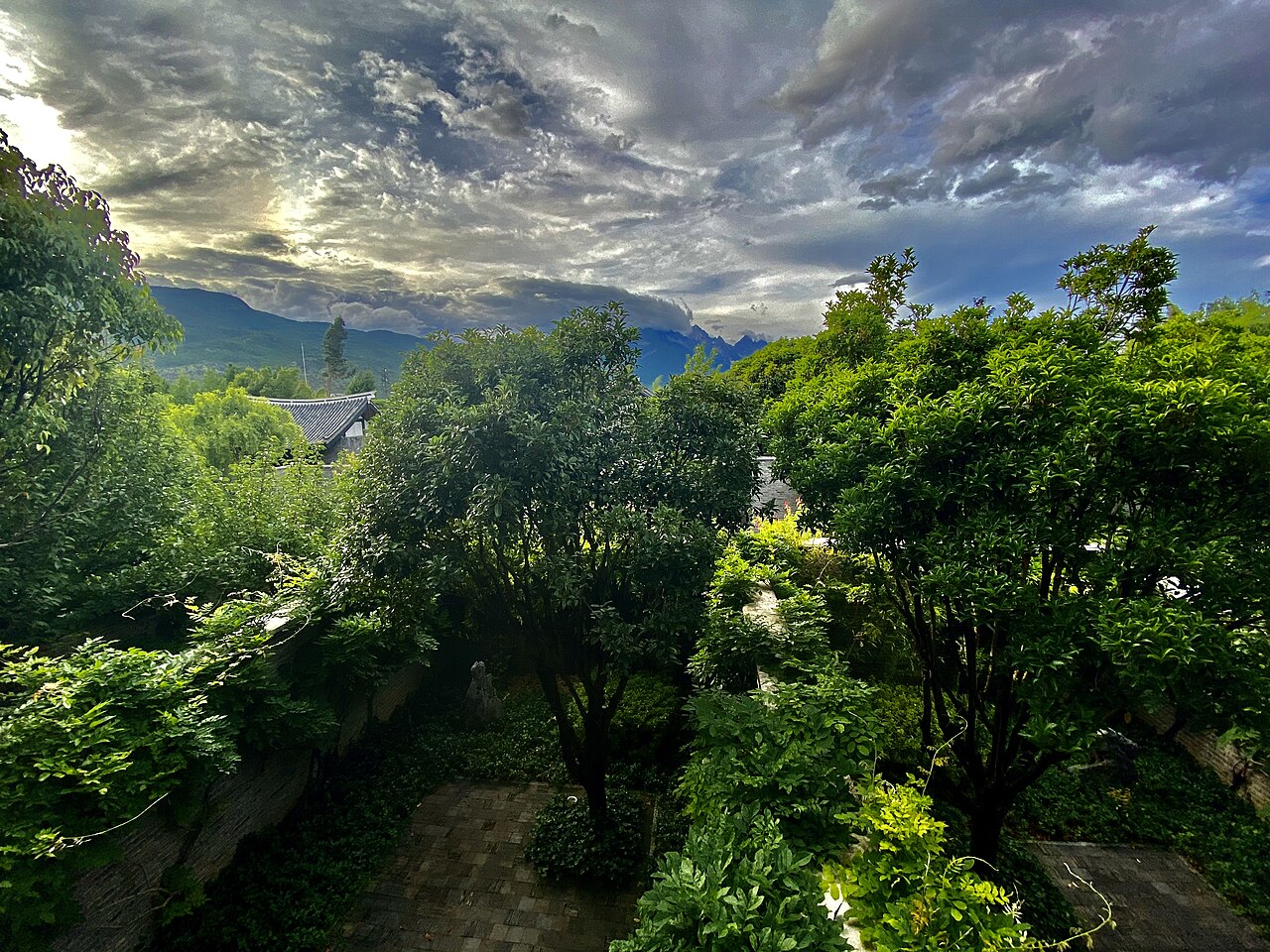
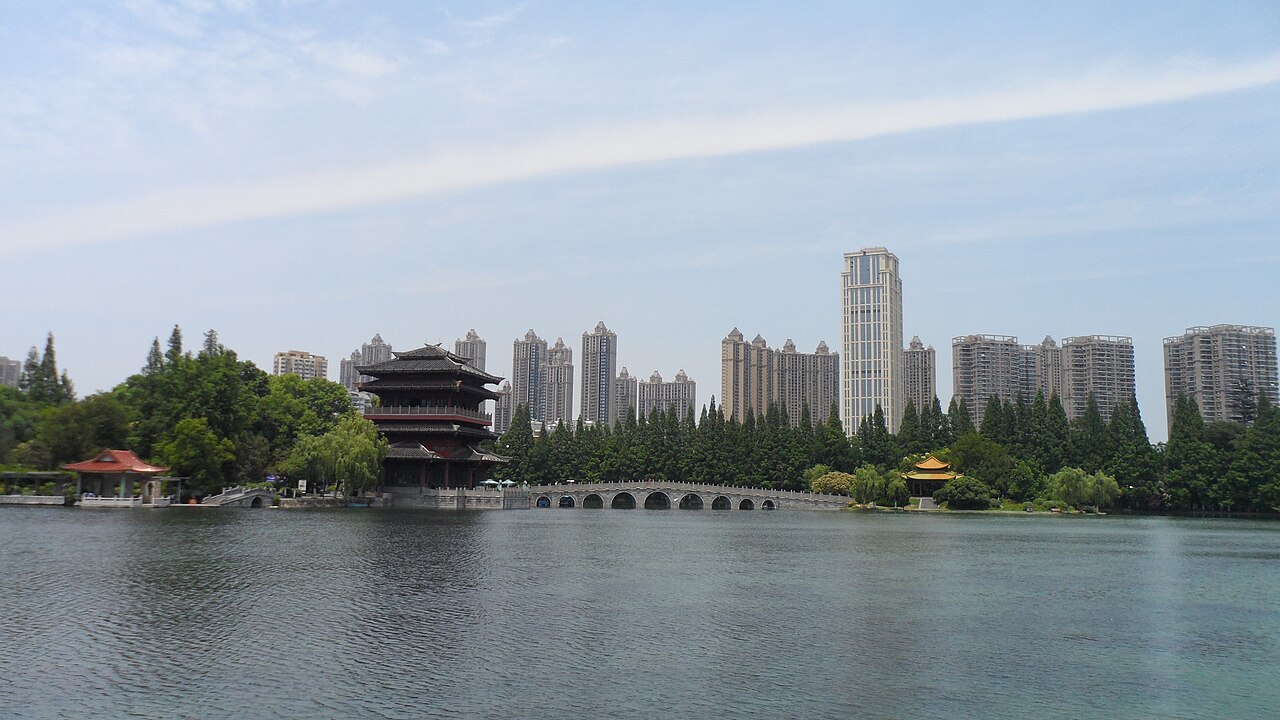
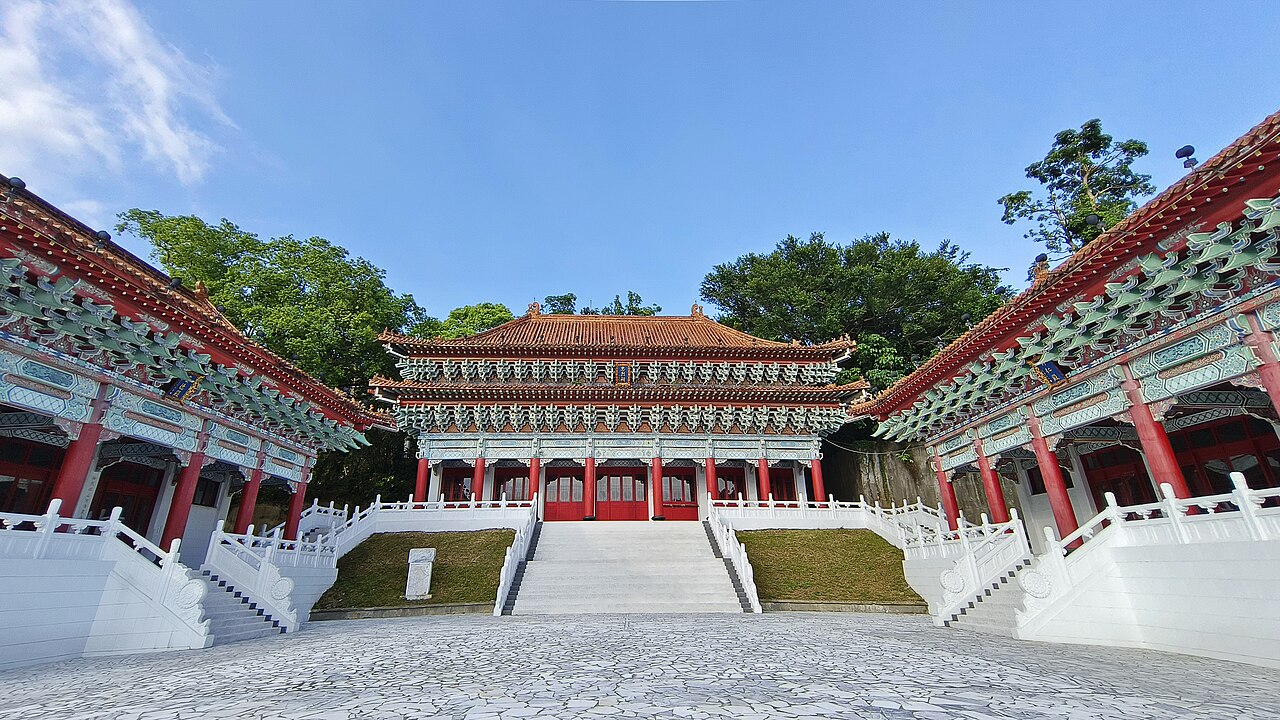
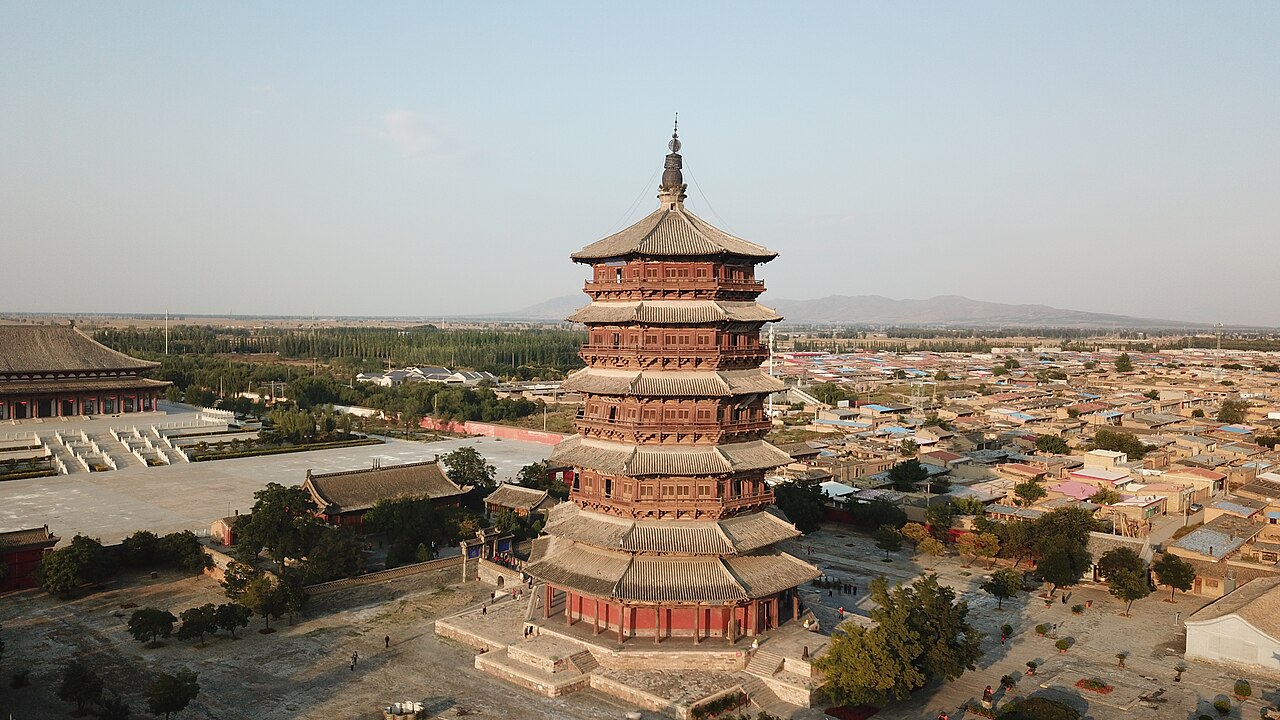
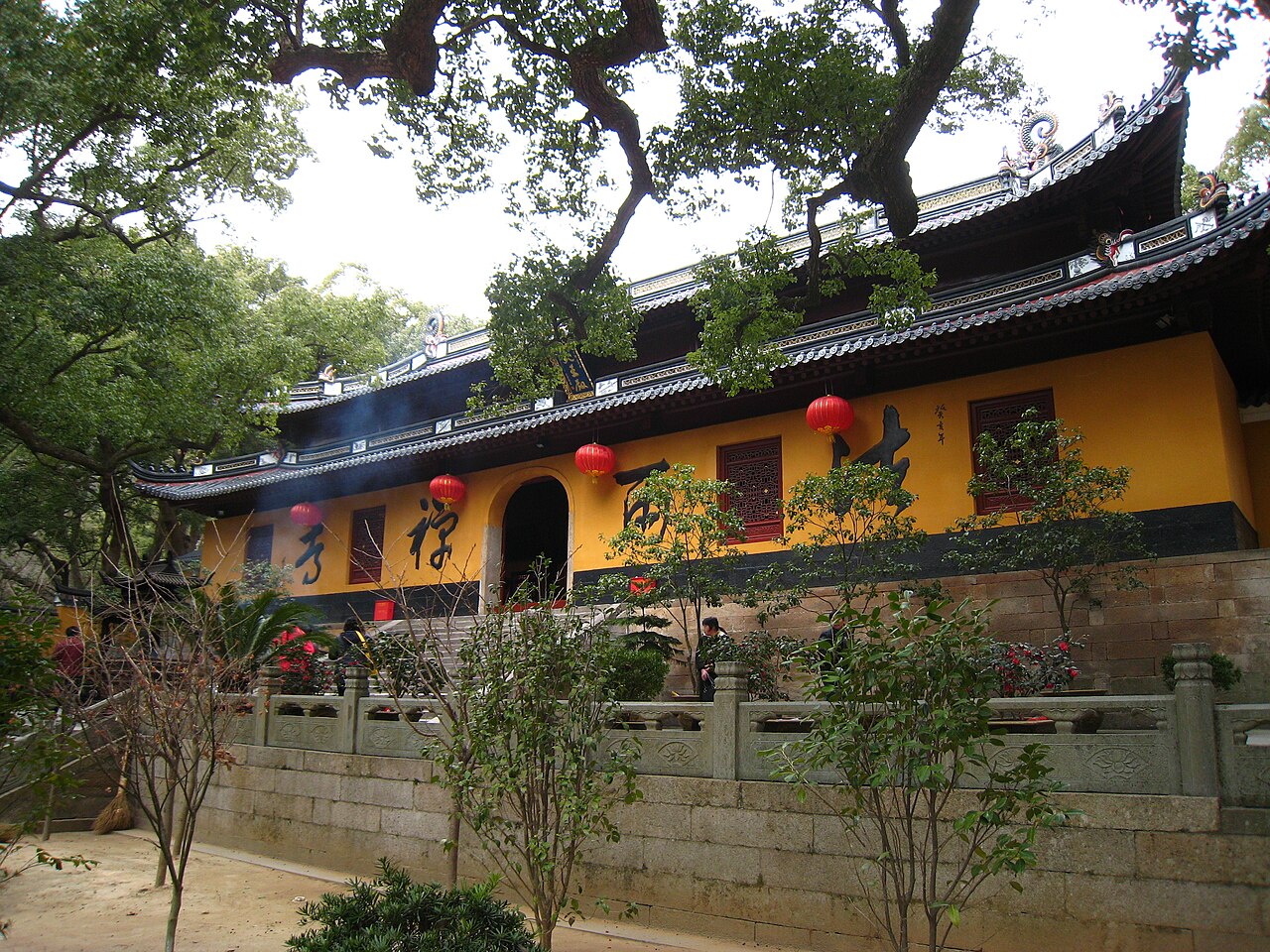
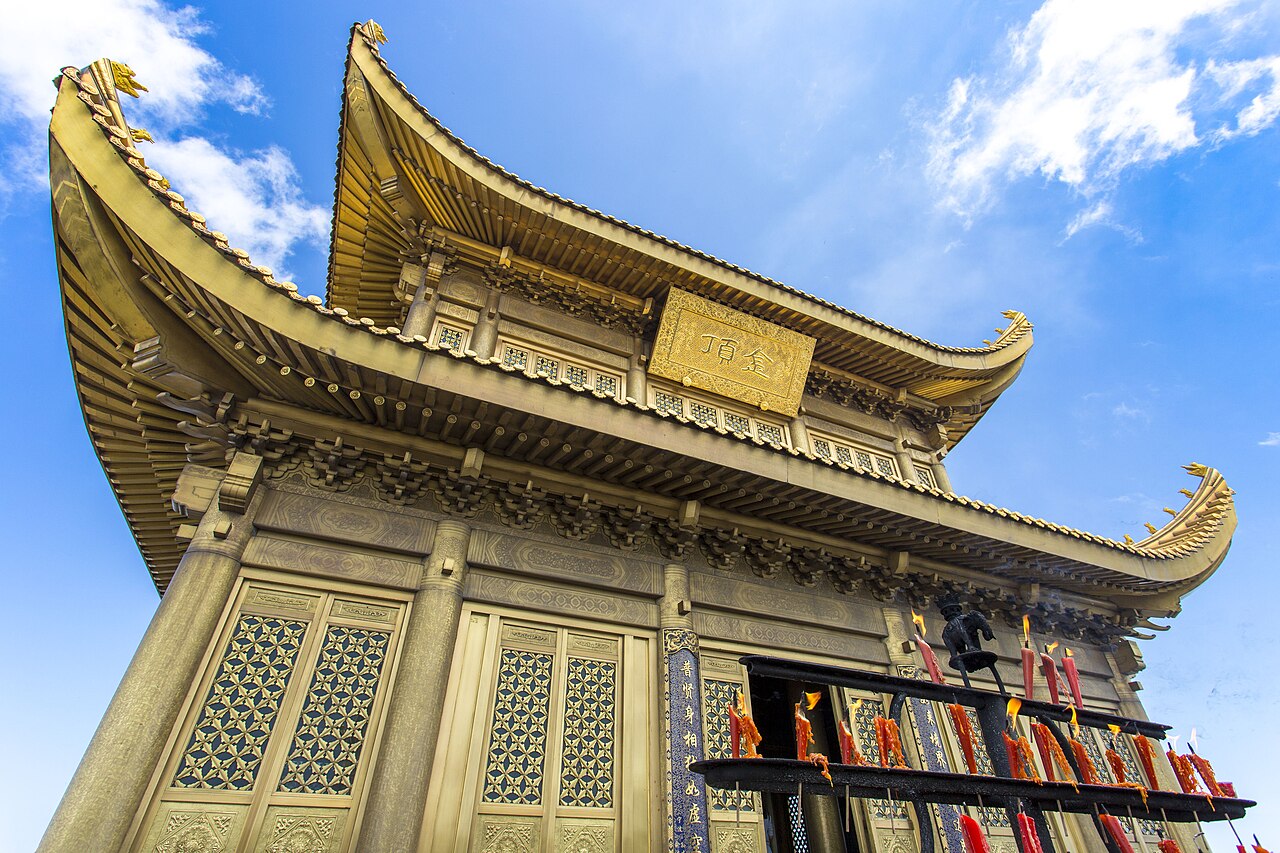
The Hall of Supreme Harmony on its three-tier marble terrace
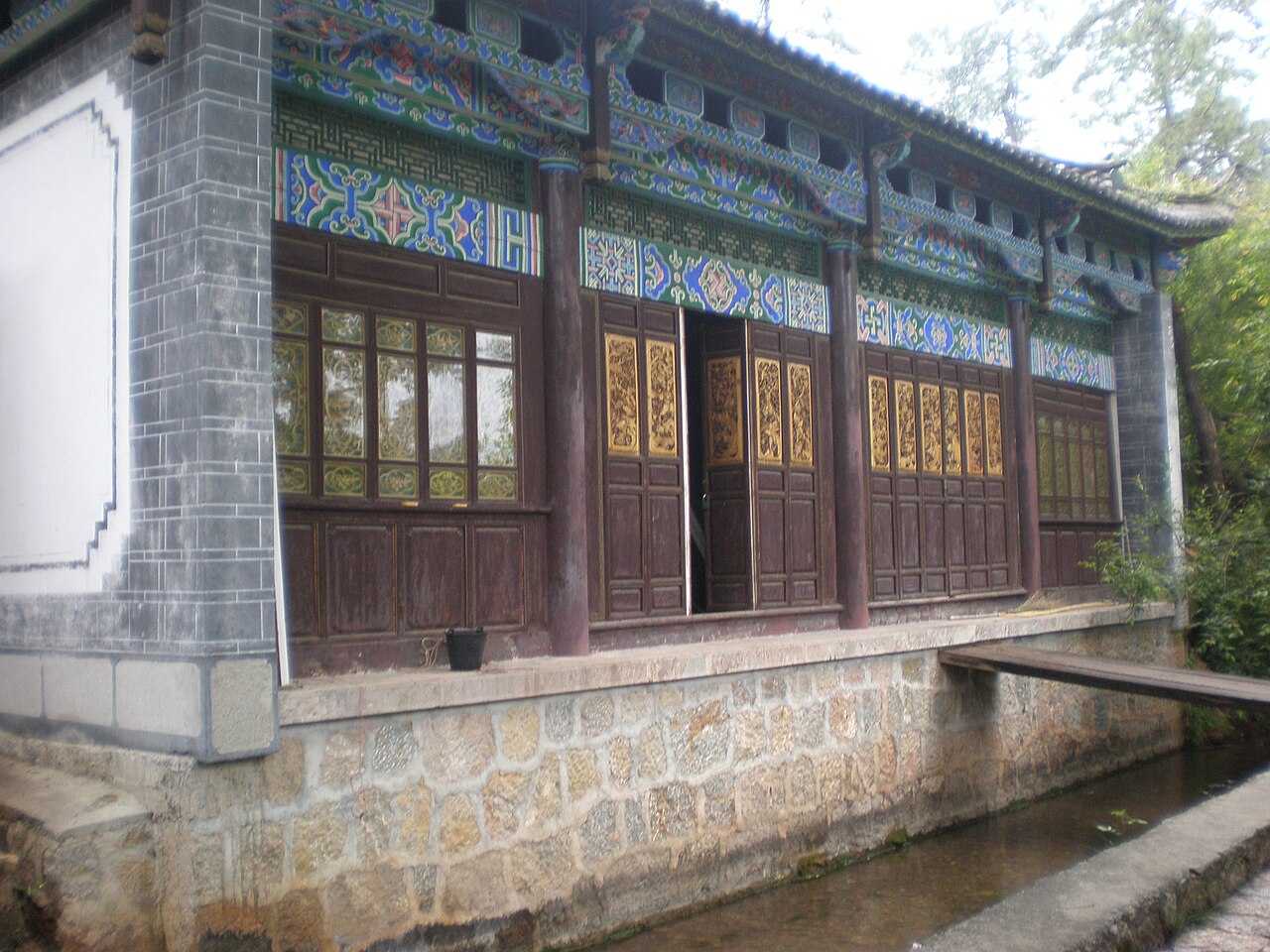
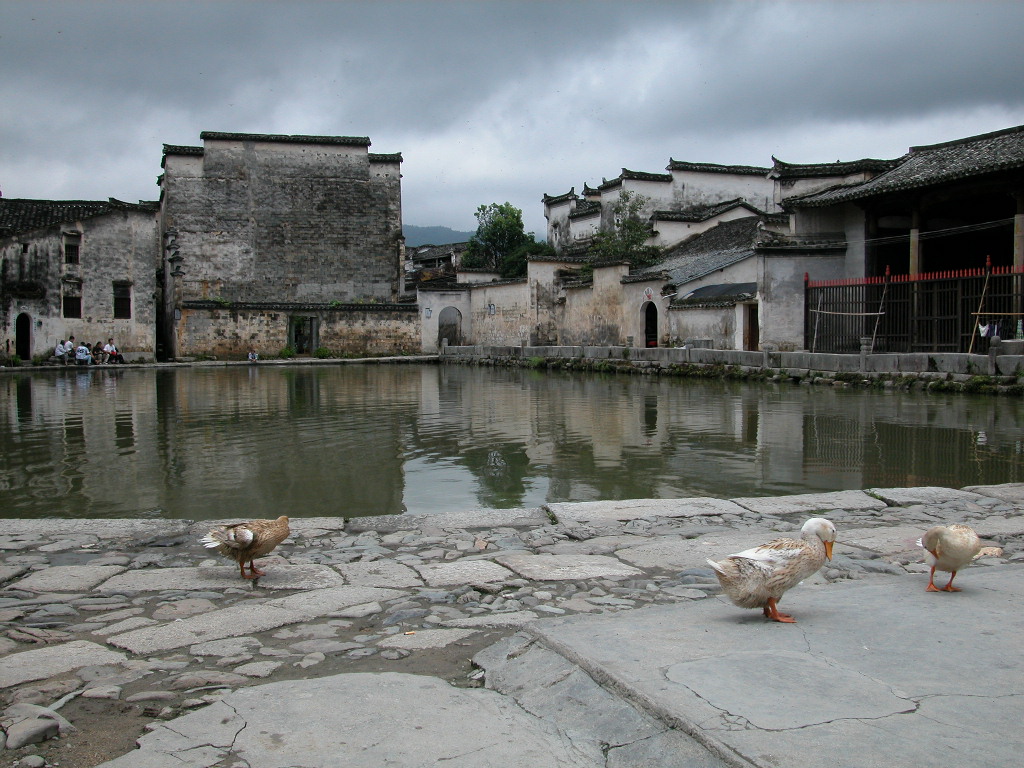
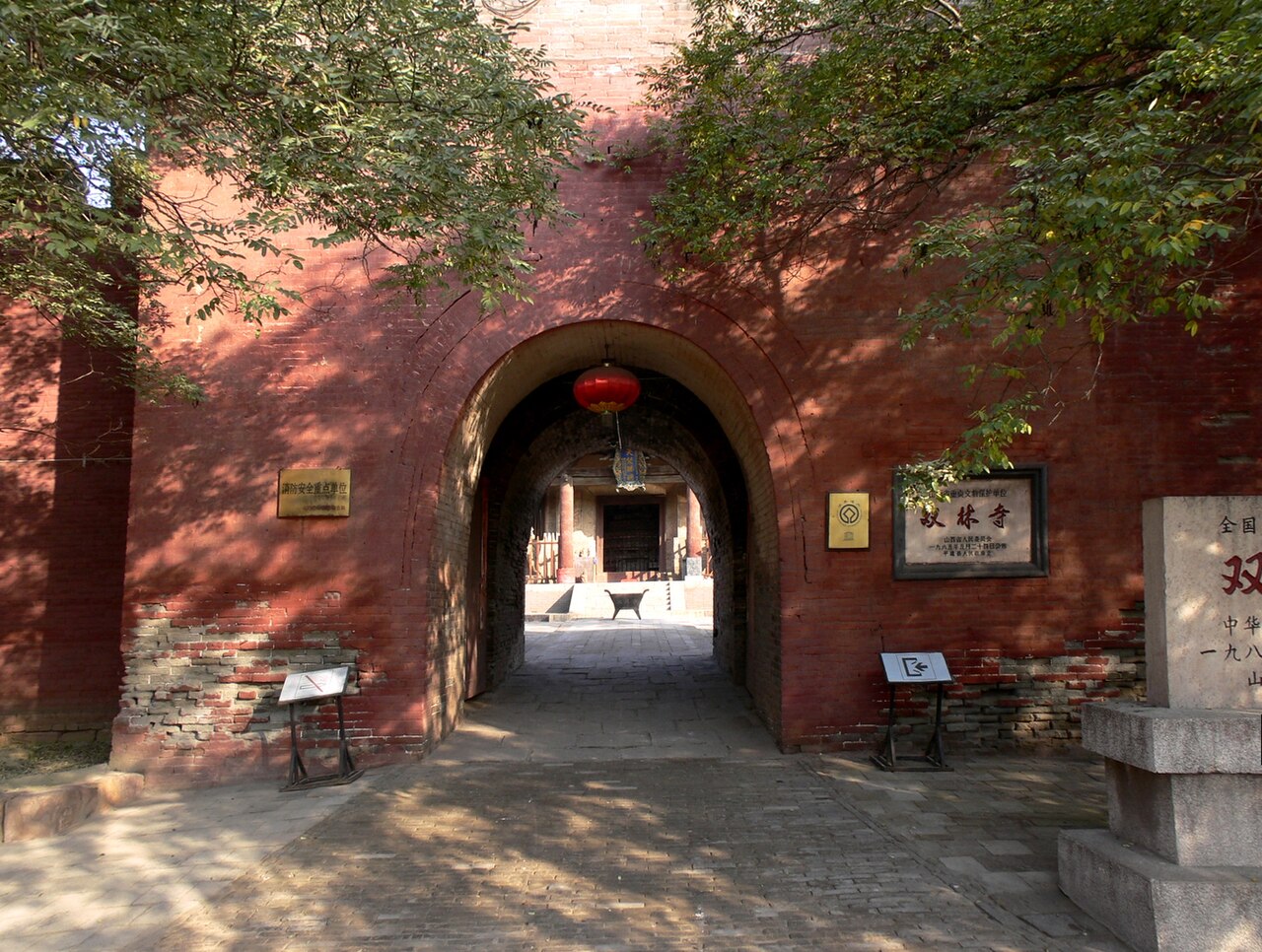
The inner-court palaces along the central axis
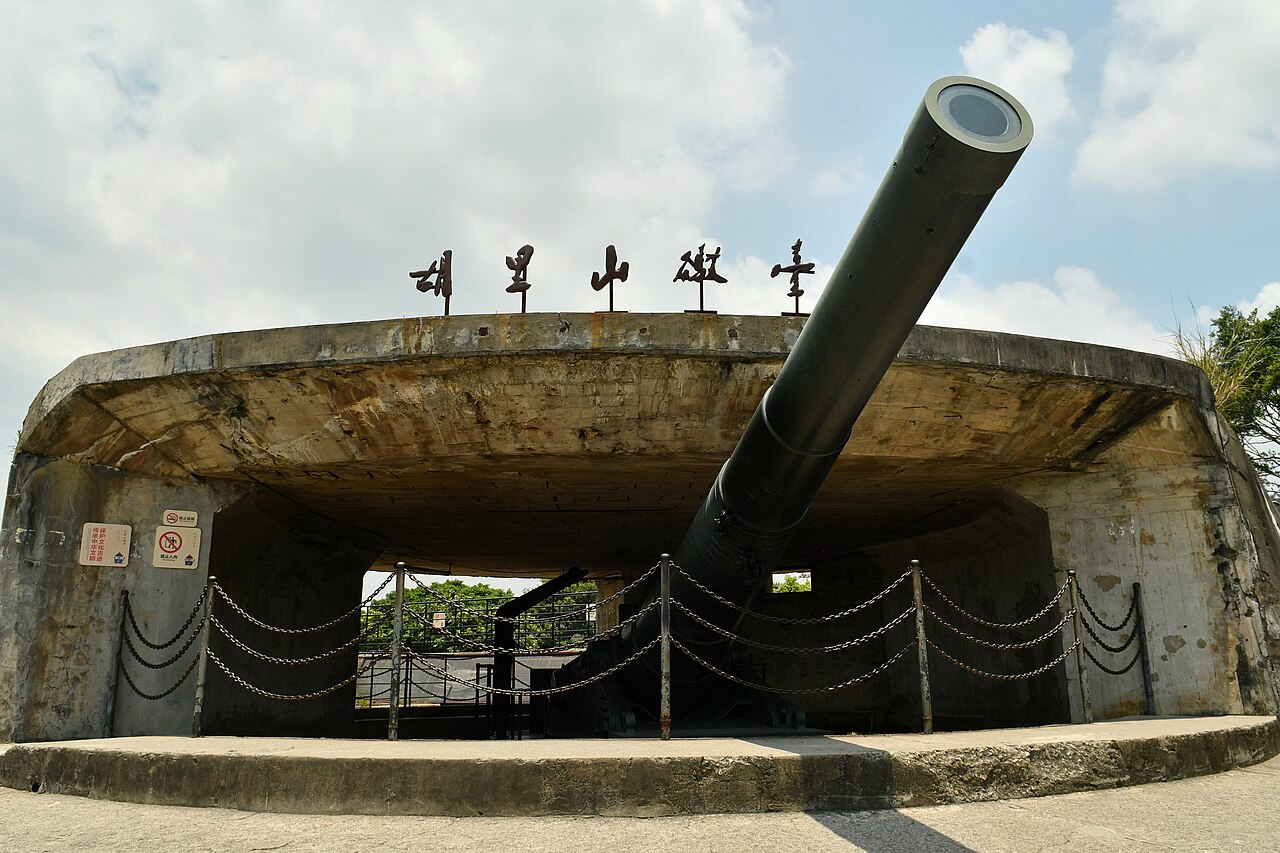
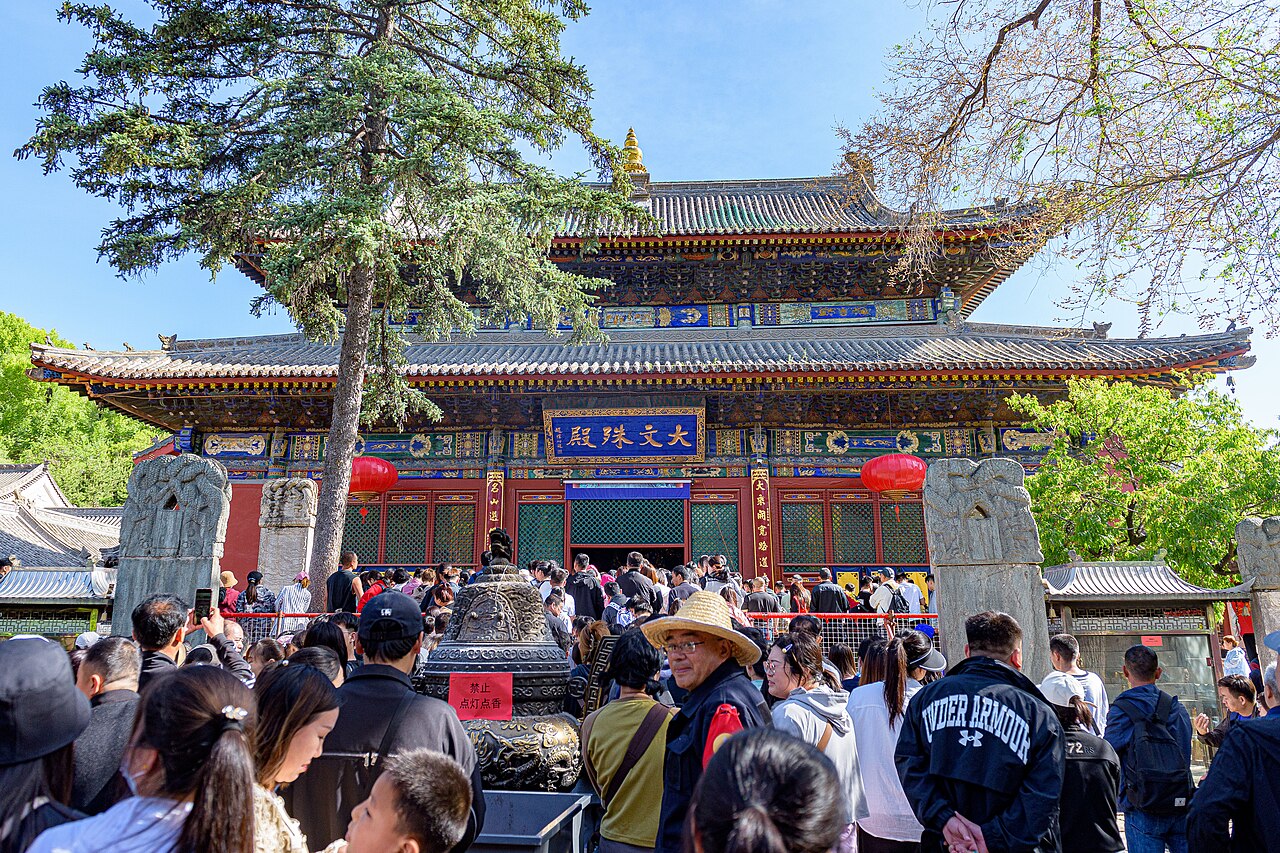
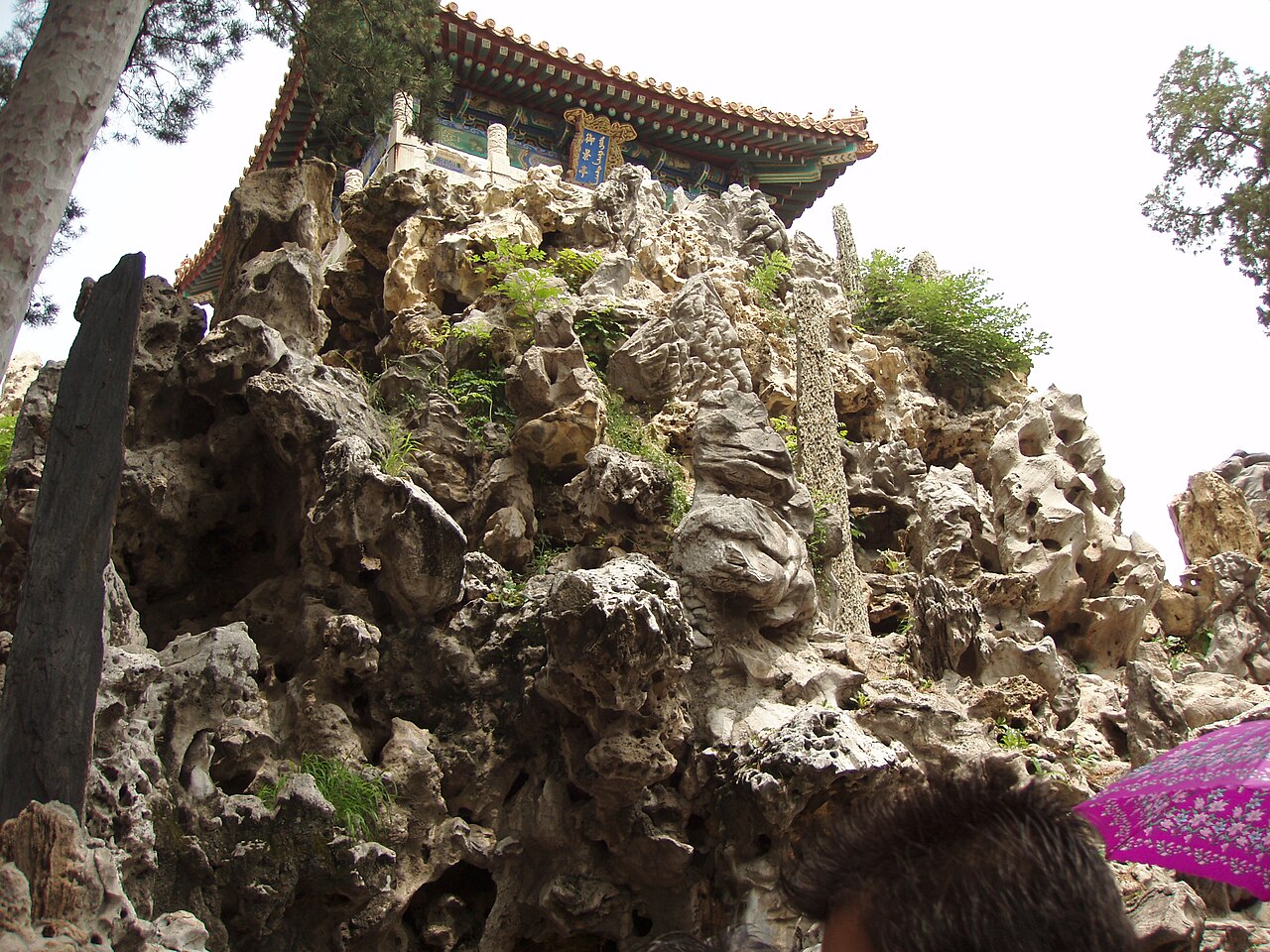
The imperial garden at the north end of the axis
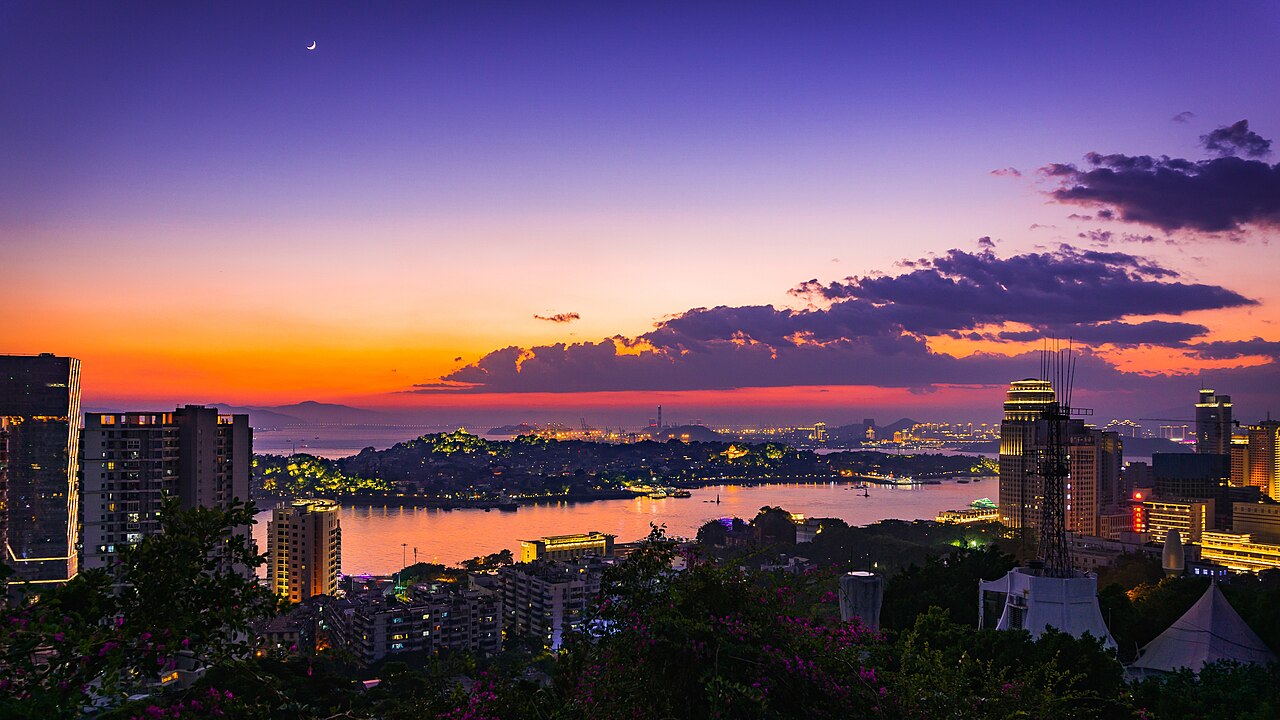
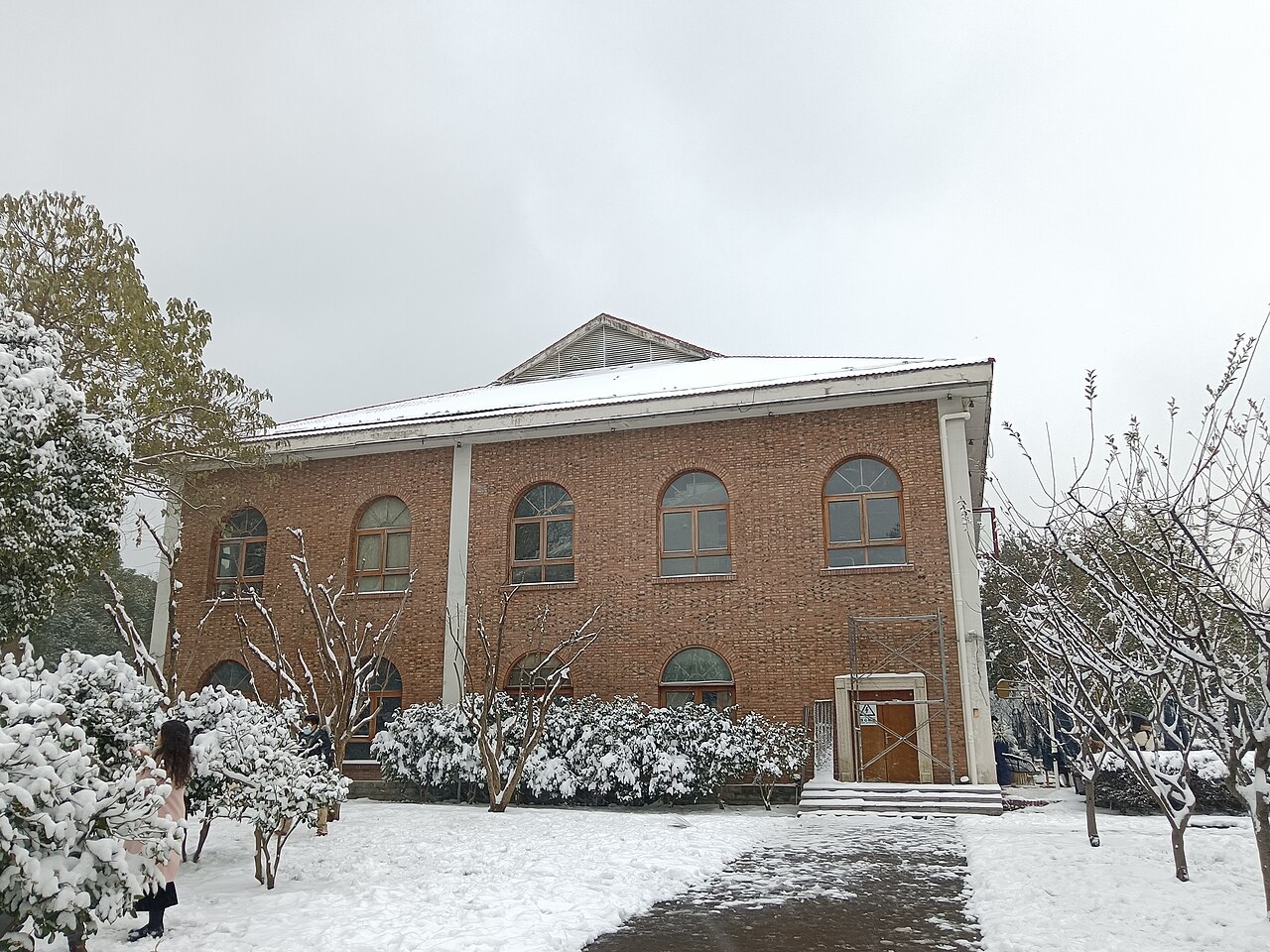
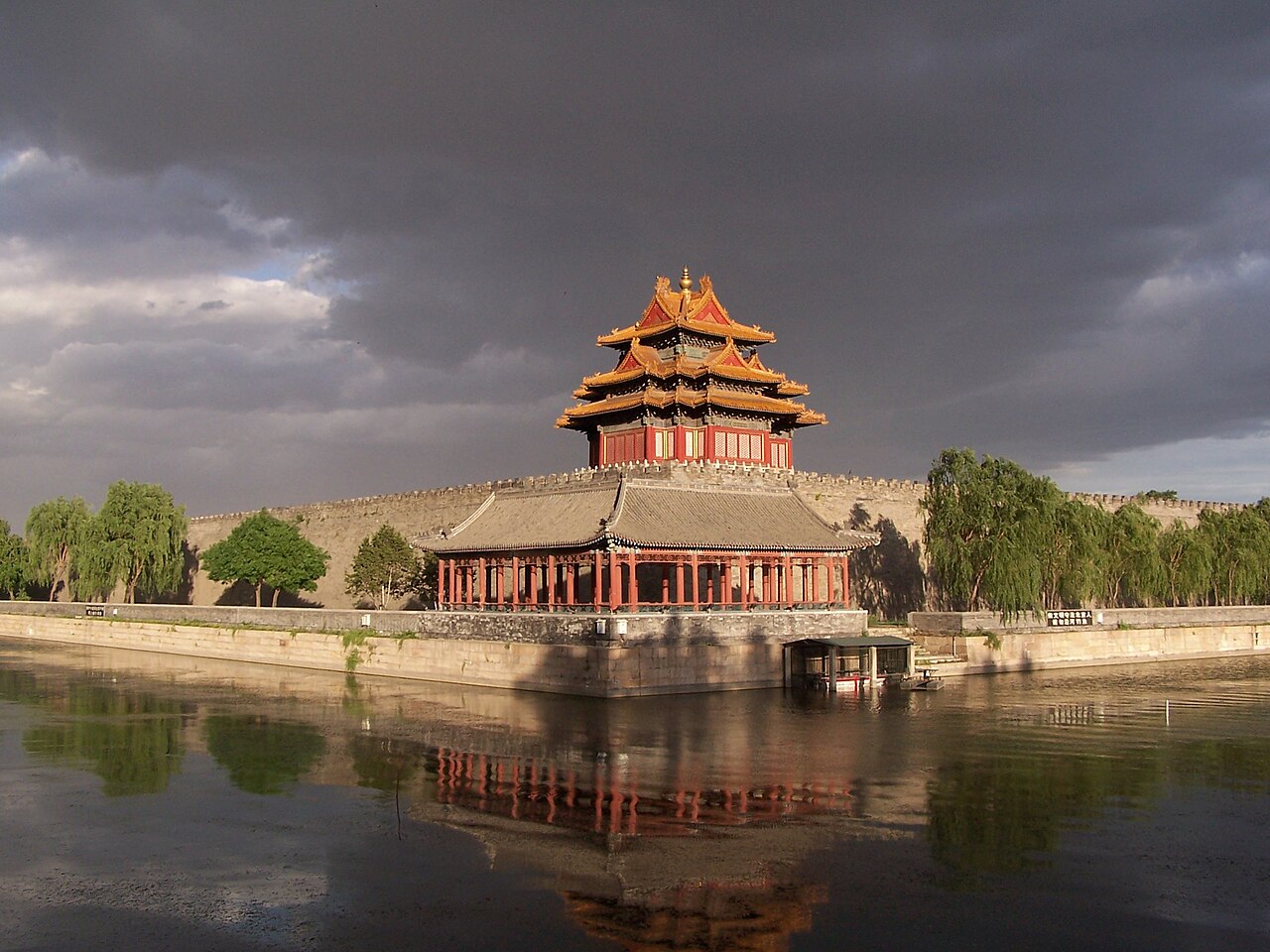
A corner tower and the moat at dusk

The Forbidden City is almost too familiar to every Chinese person. Every night the television has some drama set inside it; seeing those long-familiar names over the gates is still thrilling.

Traveller note — 'Five Free Days in Beijing'

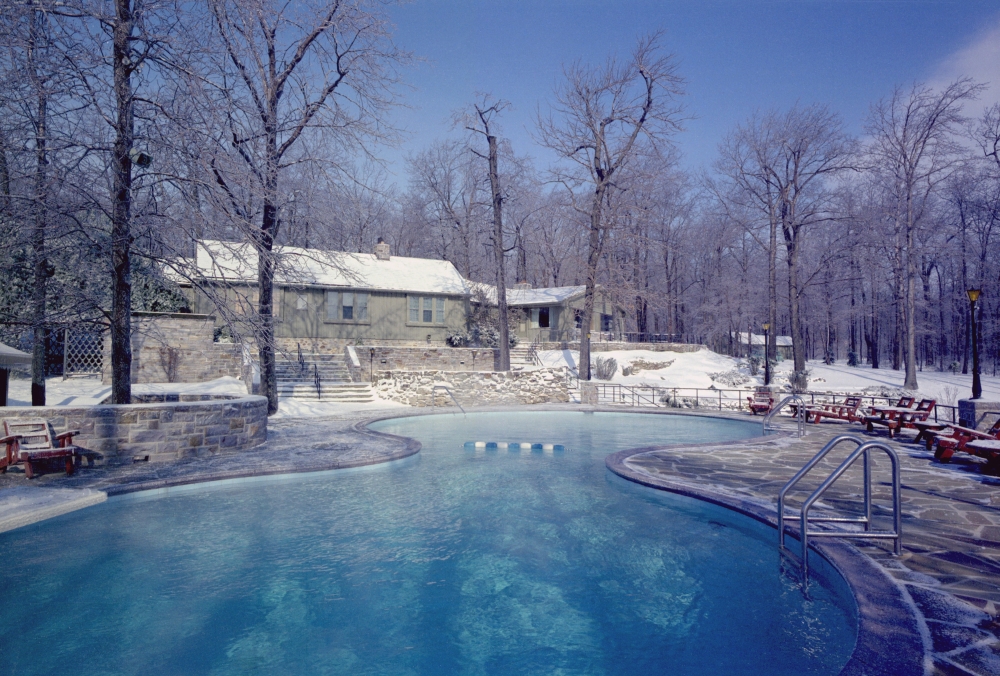
We came late, the snow had mostly melted, and we did only the central axis in a rush — but the setting sun fell across the roofs and the whole place glittered gold against the snow.

Traveller note — 'The First Snow in Deep-Autumn Beijing'

The Forbidden City is the reason Beijing is laid out the way it is. Twenty-four emperors of the Ming and Qing ruled from behind these walls between 1420 and 1911, and the whole city still arranges itself around this rectangle at the centre — the temples to the south, the lakes to the north-west, the ring roads running along the line of the old city walls.

Almost everything you have seen on screen is here: the Hall of Supreme Harmony on its three-tier marble terrace, the gilded dragon throne, the private palaces of the inner court, the imperial garden. But the compound is far larger than the postcards suggest, and the wrong way to see it is to charge down the central axis in an hour. The right way is to leave the axis for the quieter east and west palace courts, where the courtyards breathe again.

Plan around the mechanics, because they decide whether the day works. The museum caps daily numbers and sells only timed, real-name tickets released on a rolling seven-day window, so you cannot simply walk up; it shuts every Monday; and it is one-way, south in and north out. Get those three things right, arrive as early as you can stand, and the Forbidden City is one of the great half-days on earth.

It is also, at heart, a museum with more than a million objects — about a sixth of China's registered cultural relics — and the exhibition halls are the reason to slow down rather than hurry through. A visit is as much about the jade, the bronzes and the clocks as it is about the architecture.

The Forbidden City

Don't leave without

Seven things that are worth rearranging a day for.

  1. Book your timed real-name ticket the moment the 7-day window opens
  2. Walk the full central axis from Meridian Gate to the Gate of Divine Prowess
  3. Spend the ¥10 extra on both the Halls of Treasures and the Halls of Clocks
  4. Find the Nine-Dragon Screen and the scarred bronze water vats on the great terrace
  5. Loop off the axis into the Six Palaces, where the crowds thin and the courtyards open up
  6. Climb Jingshan Park afterwards for the rooftop view back over the whole palace

Highlights

What not to miss inside the palace

The Hall of Supreme Harmony

The Hall of Supreme Harmony

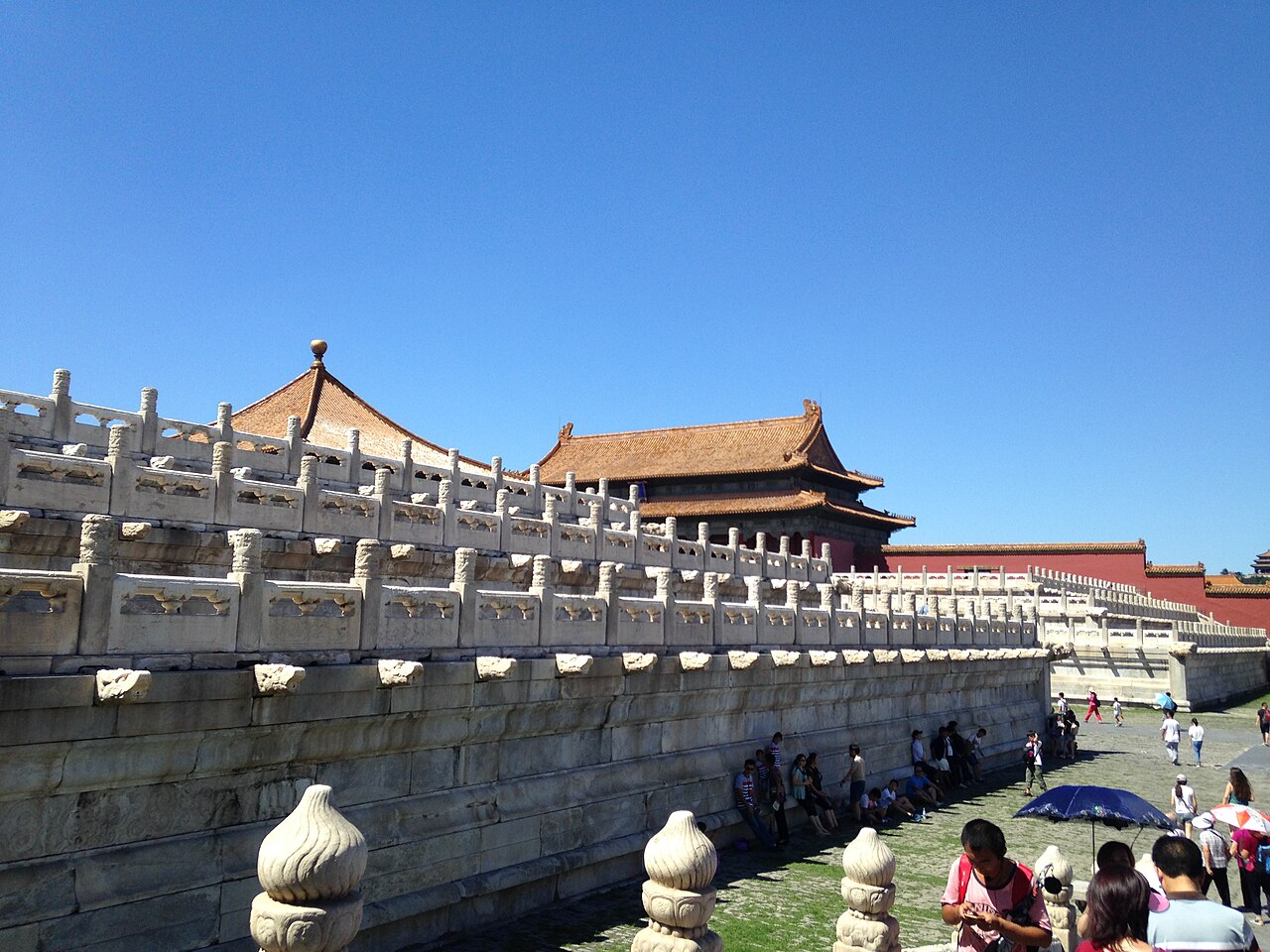
The largest wooden hall in China and the ceremonial centre of the palace, standing on a three-tier marble terrace. Inside is the gilded dragon throne; on the terrace, the bronze guardian vessels and the water vats scarred by the looting of 1900.
The inner court

The inner court

Behind the Gate of Heavenly Purity lies the emperor's private world: the Palace of Heavenly Purity where he governed, the Hall of Union with its imperial seals, and the Palace of Earthly Tranquility, once the empress's residence.

The imperial garden

The imperial garden

The northern garden at the end of the axis, with pavilions, ancient cypresses and rockeries around the central Hall of Imperial Peace. Small and dense — a good place to slow down before the exit.

The Halls of Treasures and Clocks

Two separate ¥10 exhibitions. The Halls of Treasures hold the imperial jades and gold; the Halls of Clocks hold the Qing court's astonishing mechanical timepieces. Both need their own ticket, and both are worth it.

The east and west palace courts

The Six Eastern and Six Western Palaces flanking the axis, where the consorts lived — including Cixi's Chuxiu Palace and the state rooms of the Hall of Mental Cultivation. This is where the compound opens up and the crowds thin.

The Nine-Dragon Screen and corner towers

The Nine-Dragon Screen and corner towers

The glazed Nine-Dragon Screen near the Halls of Treasures, and the four elegant corner towers on the walls and moat. Come back at dusk for the moat's reflection, which is the best photograph of the palace.

Suggested itineraries

The half-day core, and a four-hour full visit

The visit is one-way, south in and north out, and you cannot re-enter. Build the route accordingly and do not backtrack.

The central axis in half a day

1 days

The essential route, start to finish, without leaving the main line.

  1. Morning

    Meridian Gate to the three great halls

    Enter at Meridian Gate, cross the inner Golden Water bridges, and walk the courtyard up to the Gate of Supreme Harmony. Then the three great halls in sequence: the Hall of Supreme Harmony with its throne, the Hall of Central Harmony, and the Hall of Preserving Harmony with the giant Cloud-Dragon Stone Carving behind it.

    Stops: Meridian GateInner Golden Water BridgesHall of Supreme HarmonyHall of Central HarmonyHall of Preserving Harmony

  2. Afternoon

    The inner court and the garden

    Pass the Gate of Heavenly Purity into the inner court — the Palace of Heavenly Purity, the Hall of Union and the Palace of Earthly Tranquility. Finish in the imperial garden at the north end, then exit through the Gate of Divine Prowess.

    Stops: Gate of Heavenly PurityPalace of Heavenly PurityHall of UnionPalace of Earthly TranquilityImperial GardenGate of Divine Prowess

The full four-hour visit

1 days

The axis plus the exhibitions and the side palaces, for people who want the museum as well as the buildings.

  1. Hour 1–2

    The central axis

    Cover the great halls and the inner court as above, but at half speed, pausing on the terrace for the bronze vessels and the water vats.

    Stops: Three great hallsInner court

  2. Hour 3

    The Halls of Treasures and Clocks

    Detour east to the Halls of Treasures — and the Nine-Dragon Screen beside them — then to the Halls of Clocks. Both are ticketed separately and both deserve a slow walk.

    Stops: Halls of TreasuresNine-Dragon ScreenHalls of Clocks

  3. Hour 4

    One set of the Six Palaces

    Choose east or west and explore the consorts' courts — the west for Cixi's Chuxiu Palace and the Hall of Mental Cultivation, the east for the jade and gold exhibitions. Exit north as before.

    Stops: Six Western PalacesHall of Mental CultivationGate of Divine Prowess

Sights

The halls worth your time

The scenic ticket is charged once at the gate; the two exhibition halls are ticketed separately. Prices change — treat these as a guide.

The Hall of Supreme Harmony

The great hall · The throne

The Hall of Supreme Harmony

The largest wooden hall in China and the ceremonial heart of the palace, on a three-tier marble terrace with bronze guardian animals lining its edge. Inside, raised on a seven-step platform, is the gilded polychrome dragon throne of the Ming, set in front of gilded screens. It has burned and been rebuilt several times; what you see is the form given it in 1695.

Built
Ming Yongle era, rebuilt under the Kangxi emperor in 1695
Look for
The dragon throne, the gilt dragon ceiling and the bronze water vats
Where
The centre of the outer court, first of the three great halls
Time needed
45 minutes

Tip The water vats on the terrace carry gouges where foreign troops scraped the gilding off in 1900 — a small, stark detail most visitors walk straight past.

The Hall of Central Harmony and Hall of Preserving Harmony

The three great halls · Cloud-Dragon carving

The Hall of Central Harmony and Hall of Preserving Harmony

The two halls flanking the Hall of Supreme Harmony complete the outer-court trio. The Hall of Central Harmony was the emperor's rest and preparation room before ceremonies; the Hall of Preserving Harmony hosted banquets and, in the early Qing, the final palace examinations. Behind the latter lies the Cloud-Dragon Stone Carving, the largest single stone sculpture in the palace — one block carried from Fangshan by thousands of labourers over nearly a month.

Ticket
Included with the palace ticket
Look for
The Cloud-Dragon Stone Carving behind the Hall of Preserving Harmony
Where
Between the Hall of Supreme Harmony and the Gate of Heavenly Purity
Time needed
30 minutes

Tip The 'thousand dragons spitting water' are the carved dragon heads under the terrace balustrades, which spout rainwater in a storm.

The inner court — the three rear palaces

The emperor's home · Qianqing, Jiaotai, Kunning

The inner court — the three rear palaces

Behind the Gate of Heavenly Purity, the palace changes character from state to private: the Palace of Heavenly Purity, where the emperor read memorials and later received foreign envoys; the Hall of Union, which stored the twenty-five imperial seals; and the Palace of Earthly Tranquility, once the empress's residence and under the Qing a hall for Manchu shamanic ritual.

Ticket
Included with the palace ticket
Look for
The 'Kingly Perfection' plaque and the imperial seals of the Hall of Union
Where
The northern half of the axis
Time needed
45 minutes

Tip The small gilded pavilions on the terrace outside the Palace of Heavenly Purity are the Halls of Imperial Peace, symbols of the emperor's hold on the state.

The imperial garden

Northern garden · Pavilions

The imperial garden

The garden at the very north of the axis, laid out around the central Hall of Imperial Peace and planted with ancient cypresses and rockeries. Four pavilions stand at its corners, symbolising the seasons, and the whole space is dense with carving and detail despite its small size. It is the last stop before the north gate.

Ticket
Included with the palace ticket
Look for
The paired spring and autumn pavilions and the pebble mosaic paths
Where
The north end of the central axis
Time needed
30 minutes

Tip It is the most crowded point at closing — come earlier if you want a clear photograph of the pavilions.

The Halls of Treasures and the Nine-Dragon Screen

Exhibition · ¥10

The Halls of Treasures and the Nine-Dragon Screen

A separate, ticketed exhibition in the north-east of the compound, holding the imperial collection of jade, gold and jewellery, much of it ceremonial. Beside it stands the glazed-tile Nine-Dragon Screen, one of only three of its kind in China, its nine dragons arranged around a central yellow dragon with vivid blue, white and purple companions.

Ticket
¥10 on top of the palace ticket
Look for
The Nine-Dragon Screen and the imperial jade and gold
Where
North-east of the compound, off the axis
Time needed
1 hour

Tip The screen is outdoors and free to see if you do not want the exhibition ticket — but the jades inside are the reason to pay.

The Halls of Clocks

Exhibition · ¥10

The Halls of Clocks

The collection of Qing court mechanical clocks, one of the finest anywhere — elaborate gilded automata, musical clocks and timepieces given as tribute and made in the palace workshops. Fascinating for anyone, and a genuine surprise for visitors who come only for the architecture.

Ticket
¥10 on top of the palace ticket
Look for
The automaton clocks and musical clocks of the Qing court
Where
The eastern side of the inner court
Time needed
45 minutes

Tip Volunteer guides give free Chinese and English introductions in both the treasure and clock halls at set times — ask at the door.

The Six Western Palaces and the Hall of Mental Cultivation

Inner court · Cixi's world

The Six Western Palaces and the Hall of Mental Cultivation

The western courts beyond the inner palaces, where the empresses and consorts lived. Chuxiu Palace was restored for the dowager empress Cixi's fiftieth birthday and is the most elaborate of them; the nearby Hall of Mental Cultivation was the emperor's office and bedroom, its east chamber the very spot where Cixi and Ci'an held court from behind the screen.

Ticket
Included with the palace ticket
Look for
Chuxiu Palace's fittings and the Hall of Mental Cultivation's thrones
Where
West of the inner palaces
Time needed
1 hour

Tip This is the quietest half of the palace once the morning groups have passed — leave it for after 2pm.

The Six Eastern Palaces and Yanxi Palace

Inner court · Exhibitions

The Six Eastern Palaces and Yanxi Palace

The eastern courts, now largely exhibition spaces for the palace's jades, gold and silver. Among them, Yanxi Palace holds a curiosity: the 'Crystal Palace', a three-storey Western-style building begun in 1909 with an iron frame, marble and glazed brick and an interior meant to run with water and fish — left unfinished when the dynasty fell.

Ticket
Included with the palace ticket
Look for
The unfinished 'Crystal Palace' and the jade exhibitions
Where
East of the inner palaces
Time needed
1 hour

Tip The long, narrow lanes between the eastern palaces are among the most photogenic corridors in the whole compound.

Eating

Where to eat around the palace

There is no proper restaurant inside the Forbidden City — only fast food at high prices. Bring water and eat afterwards.

Inside the palace

Expect only basic fast food and snack counters inside the compound, at inflated prices. There is no real restaurant, so plan to eat before or after; bring water, especially in summer when the courtyards have little shade.

Wangfujing snack street

Five minutes east of the north gate, the city's best-known snack street gathers specialities from Beijing and across China, from skewers and dumplings to noodles. Touristy and busy, but the most convenient stop after you exit.

Jiumen snacks

A courtyard food hall on the north-west shore of Houhai gathering old Beijing brands — tripe, cheese, stir-fried liver, rolled oat cakes and sour plum juice. Pricier than the street norm, but it is the fast way to sample the classics in one place.

Qianmen Street, south of Tian'anmen

The old commercial street south of the square, with Beijing favourites such as roast duck and dumplings, and a chance to walk the city's restored southern axis on the same day you do the palace's.

The moat corner cafes

Modern cafe and tea counters have opened along the moat and around the palace, serving palace-themed pastries and coffee — a holdout of imperial branding for a photo-op and a rest, a short walk from the gates.

Where to eat

Restaurants worth the address

All of these are a short walk or one metro stop from the palace. Expect queues at peak lunch time.

Street food · Near the north gate

Wangfujing snack street

The most convenient place to eat after exiting the north gate — a pedestrian lane lined with snack stalls and small eateries covering Beijing and national classics. Busy and a little touristy, but easy and well located.

Order
Skewers, dumplings, noodles, candied fruit
Where
Wangfujing, about 5 minutes east of the north gate
Best for
A quick, low-effort meal after the visit

Old Beijing · Houhai

Jiumen snacks

A courtyard food hall on Houhai's north-west shore that gathers famous old Beijing names under one roof — tripe, cheese, braised liver, rolled oat cakes and sour plum drink. More expensive than the street, but the variety makes it worth it.

Order
Tripe, cheese, braised liver, rolled oat cake, sour plum juice
Where
North-west shore of Houhai, west of the Soong Ching-ling residence
Best for
Sampling many Beijing classics at once

Roast duck · Qianmen

Quanjude Qianmen

The famous roast-duck house near Qianmen, south of Tian'anmen Square — the classic place to eat Beijing duck after a palace morning. Order a whole duck, have it carved at the table, and finish with the bones in a soup.

Order
Roast duck, duck bone soup, pancakes with scallion and sauce
Where
Qianmen Street area, south of Tian'anmen Square
Best for
A proper Beijing dinner

Hutong · Local

Courtyard restaurants of the hutongs

In the lanes of the hutongs around Houhai and Nanluoguxiang, north-west of the palace, small courtyard restaurants serve home-style Beijing cooking in converted siheyuan houses. The food is straightforward and the setting is the point.

Order
Home-style Beijing dishes, dumplings, noodles
Where
Houhai and Nanluoguxiang hutongs, 20 minutes away
Best for
A quiet dinner off the tourist trail

Sleeping

Where to stay near the palace

Stay within walking or one metro stop of Tian'anmen East/West so you can reach the gate early. Room rates jump in the summer holidays and October.

Convenient · Mid to luxury

Wangfujing hotels

The district east of the palace is the obvious base: several chain and international hotels within 10–15 minutes' walk of the north gate, with restaurants, shops and metro line 1 close by. The best balance of convenience and comfort.

Where
Wangfujing, east of the palace
Price range
Mid-range to luxury
Why
Walking distance to the north gate; metro to the south entrance

South entrance · Historic district

Tian'anmen / Qianmen area

Staying south of the square puts you on the approach to Meridian Gate and beside the restored Qianmen street, with easy access to the National Museum. Handy for an early start at the south gate and for combining the palace with Tian'anmen Square.

Where
Qianmen, south of Tian'anmen Square
Price range
Budget to mid-range
Why
Closest to the Meridian Gate entrance

Boutique · Nanluoguxiang / Houhai

Hutong courtyard guesthouses

Converted siheyuan courtyard guesthouses in the hutongs north-west of the palace offer the most atmospheric stay in central Beijing — quiet lanes, small courtyards and a very different feel from a chain hotel. A short taxi or metro ride from the gates.

Where
Nanluoguxiang and Houhai hutongs
Price range
Boutique mid-range
Why
Character and quiet, 15–20 minutes away

Budget · Reliable

Dongcheng chain hotels

Standard domestic chain hotels are scattered across the Dongcheng district around the palace, offering clean, predictable rooms at lower prices. Book ahead for weekends and holidays, when the whole area fills.

Where
Dongcheng district, around the palace
Price range
Budget to mid-range
Why
Good value within the metro network

Getting around

Arriving, and moving about

The palace sits on the metro's east–west spine. There is no car park at the gates, so arrive by metro, bus or on foot.

By metro

Metro line 1 is the easy way in, stopping at Tian'anmen East and Tian'anmen West — both a short walk from Meridian Gate in the south. From the north side, Jing Shan Gong Yuan and Beihai North stations serve the exit area on lines 8 and 6.

South entrance
Line 1 to Tian'anmen East or Tian'anmen West
North exit
Line 8 to Jing Shan Gong Yuan, or line 6 to Beihai North
Fare
¥3–6 by distance
Watch out
Security queues at the square stations are long — allow extra time

By bus

Many bus routes serve the Tian'anmen area and the north gate, and are useful if you are coming from outside the metro's reach. The north-exit stops are along the moat on Jingshan Front Street.

South area
Buses to Tian'anmen East / West
North area
Buses to the Palace Museum / Jingshan East Gate stops
Fare
¥2 flat on city buses

By taxi

Taxis and ride-hailing cannot drop you at the gate itself — the central area is restricted — so drivers set you down a few minutes' walk away. Give the driver a nearby landmark such as Tian'anmen East station or Jingshan Park.

South
Drop near Tian'anmen East / West
North
Drop near Jingshan Park
Watch out
Heavy restrictions around the square; expect to walk the last stretch

On the approach

If you come from Tian'anmen Square, you walk north through the Gate of Heavenly Peace and Duanmen to reach Meridian Gate — a proper approach that takes a good 20 minutes with the security check. It is the classic way to arrive on the axis.

Route
Tian'anmen Square → Gate of Heavenly Peace → Duanmen → Meridian Gate
Time
About 20 minutes with security
Note
Entry is only here, in the south — there is no north-gate entrance

Bring your passport for ID: tickets are real-name and checked at the gate.

Onward from the north exit

The exit at the Gate of Divine Prowess faces Jingshan Park across the street — the perfect next stop for the panorama. From there it is a short walk to Beihai Park and Houhai, or a metro ride onward from the north-side stations.

Next stop
Jingshan Park, directly opposite the exit
Also near
Beihai Park, Houhai, Shichahai
Metro
Line 8 Jing Shan Gong Yuan, or line 6 Beihai North

Shopping

What to take home

The palace's own shops sell well-made but expensive souvenirs; the streets around it offer cheaper versions of the same themes.

Palace Museum cultural products

The museum's own design line is the best-sold souvenir brand in China: stationery, scarves, phone cases, tea sets and toys sporting dragons, roof tiles and imperial motifs. Buy inside the palace for authenticity, or at the official stores nearby.

Imperial-themed snacks and tea

Palace-branded pastries, sweets and teas make light, easy gifts, often in handsome boxes. Prices are high but the packaging is part of the appeal — a classic 'gift from Beijing' that travels well.

Wangfujing and Qianmen shops

Around the palace, the Wangfujing department stores and the Qianmen street shops sell everything from Peking-duck gift sets to silk, clogs and handicrafts. Cheaper and more varied than the palace shops, though less specific to the palace itself.

Practical

The numbers to save

Area code 010. Tickets are real-name and timed, so save your passport details and booking confirmation offline as well as on your phone.
Main ticket¥60 peak (1 Apr–31 Oct) · ¥40 off-peak (1 Nov–31 Mar)
Exhibition ticketsHalls of Treasures ¥10 · Halls of Clocks ¥10
Opening hours08:30–17:00 peak · 08:30–16:30 off-peak
Last entry16:10 peak · 15:40 off-peak — tickets stop earlier
ClosedMondays, except public holidays
Left luggageFree shuttle between the south and north gates, 08:30–18:00
Audio guideDeposit ¥10; rental ¥10 in Chinese and Cantonese, ¥40 other languages
EnquiriesBroadcast room 010-85007424 · information 010-85007422 / 85007421

Tips

Small things that save a trip

Pounce on the 7-day window

Tickets are released online exactly seven days ahead and popular slots vanish fast. Set a reminder, have your passport numbers ready, and book the minute your date opens.

Check it is not a Monday

The palace closes every Monday except public holidays. If your only free day is a Monday, swap in the Great Wall or the Temple of Heaven and move the palace.

Go early, or go after 2pm

The first hour after the 08:30 opening is calm and the light is soft; it peaks around midday, then thins after 14:00 until the 16:10 last entry. Avoid the middle of the day if you can.

Remember it is one-way

Enter only at Meridian Gate in the south and exit at the Gate of Divine Prowess in the north — you cannot go back in. Plan the route so you never need to retrace it.

Ignore the unofficial guides

Touts offering 'tours' at the gates are not licensed. Book a guide through the official service desks at Meridian Gate or the north gate if you want one, or use the audio guide.

Finish at Jingshan Park

The exit faces Jingshan Park. Fifteen minutes up to the Wanchun Pavilion gives the classic rooftop panorama over the whole palace — the best possible end to the visit.

Background

Why the Forbidden City looks like this

Layout and architecture

The palace covers 72 hectares inside a rectangular wall with a moat, with around 8,700 rooms across 980 surviving buildings. Its plan is a single north–south axis, everything arranged symmetrically around it: a front half of state halls where the emperor governed and held ceremony, and a rear half of private palaces where he lived. The yellow glazed roofs, white marble bases and gilded timber framework were reserved for the imperial family alone.

The engineering is as deliberate as the ritual. The compound drains through a system of sloped courtyards, carved stone channels and dragon-mouth spouts into the inner Golden Water river, which connects to the outer moat — the same water that supplied firefighting when a hall burned. Under the living quarters, flues ran beneath the floors of the 'warm pavilions' to heat them without open braziers. Nothing here is accidental.

Six hundred years of history

Built between 1406 and 1420 under the Yongle emperor and rebuilt many times since, the palace was home to 24 emperors of the Ming and Qing. The buildings have burned and been rebuilt repeatedly — what you see of the great halls is largely the form given them in the Kangxi reign. In 1911 the last emperor, Puyi, abdicated, and in 1924 he was expelled; the following year the palace became a public museum.

The twentieth century left small marks all over it. The Manchu inscriptions on the outer-court gate plaques were removed in 1915 when Yuan Shikai attempted to restore the monarchy — a reign that lasted 83 days. The gilding was scraped off the bronze water vats by foreign troops in 1900, and the scars are still there. And a century and a half of court life — the great halls, the private palaces and the man who called a meal 'a transmission' — now belongs to the museum's visitors.

Travel with them

The Forbidden City on screen and in print

Not guides — the series, books and songs shaped by this place.

TV

Kangxi Dynasty (康熙王朝)

Dir. Chen Jialin, 2001

A landmark 46-part historical drama beginning as the child emperor Kangxi takes the throne inside these walls and grows into one of the Qing's most capable rulers. The most widely watched portrait of the palace's inner politics.

Book

The Invisible Forbidden City (看不见的故宫)

Li Shaobai

Photographer Li Shaobai's ten-year record of the palace in more than a hundred images, paired with historical detail and anecdote — a portrait that extends the visitor's view of the place in both space and time.

Book

Guarding the Gate in the Forbidden City (我在故宫看大门)

Wei Yi

The memoir of a man who, after years sent down to the countryside, returned to Beijing to take a job literally guarding the gate of the Forbidden City. By turns funny and bitter — a personal view of the palace in the twentieth century.

Music

One Night in Beijing (北京一夜)

Bobby Chen

A rock song that folds Beijing opera vocals into its chorus, turning the old city into a mood of nostalgia and longing. Its mix of modern sound and operatic voice is the perfect companion to a walk along the moat at dusk.

The questions visitors ask us most about The Forbidden City, answered plainly.

Frequently asked questions

Prices and practical details are reviewed every month by our Beijing team and updated the day a rule changes.

Do I need to book Forbidden City tickets in advance?

Yes, and well ahead. The museum sells only timed, real-name tickets, released online on a rolling seven-day window, and caps daily visitor numbers, so popular slots go fast. Book through the official Palace Museum channel with your passport details the moment your date opens — there is no reliable walk-up ticket.

Is the Forbidden City open on Mondays?

No. It is closed every Monday except on public holidays. If your only free day in Beijing is a Monday, do the Great Wall or the Temple of Heaven instead and move the palace to another day. The rest of the week it opens at 08:30, with last entry at 16:10 in peak season.

Which gate do I enter and exit?

You enter only through Meridian Gate in the south and exit through the Gate of Divine Prowess in the north — it is a one-way visit, so do not start from the north gate. From Tian'anmen Square, walk north through the Gate of Heavenly Peace and Duanmen to reach Meridian Gate.

How long does the Forbidden City take?

Two hours for the central axis alone — Meridian Gate, the three great halls, the three inner palaces, the imperial garden, out the north gate. Four hours if you add the Halls of Treasures, the Halls of Clocks and one set of the Six Palaces. It is a large site; walking it flat out is no fun.

When is the quietest time to visit?

The first hour after opening at 08:30, or after 2pm. It is busiest from late morning to early afternoon, then thins again after 14:00 until the 16:10 last entry. Weekdays outside the summer holidays and the October golden week are far quieter than weekends.

What should I combine it with?

Jingshan Park directly north, for the rooftop view down over the palace — an hour, and the perfect finish. Tian'anmen Square and the National Museum sit to the south, on the approach. Wangfujing, five minutes east of the north gate, is the nearest place to eat afterwards.

Related reading

Related reading

Visas Do I Need a Visa for China? Requirements, Costs and How to Apply China's entry rules changed more in the last three years than in the previous twenty. Here is exactly who needs a visa, what it costs, how long it takes and which passports now walk straight through. 9 min read Visas China's 240-Hour Visa-Free Transit: Who Qualifies and How It Works Ten days in China with no visa application, no fee and no fingerprints — if you hold the right passport and leave for a third country. Here is the rulebook, port by port. 8 min read Money Paying in China: Alipay, WeChat Pay, Cards and Cash Roughly nine in ten urban payments in China now run through a phone. Set up two apps before you fly, carry a modest cash float, and you will never be stuck at a till. 8 min read Transport China's High-Speed Rail: How to Book, What It Costs, How Fast It Goes The fastest way to cross China is also the most pleasant. Here is how to book a ticket with a foreign passport, what the three classes actually give you, and how to survive a Chinese station at rush hour. 9 min read Planning Best Time to Visit China: Month by Month, Region by Region China is the size of Europe, so 'the best month' depends on where you stand. Here is the month-by-month answer for the north, the Yangtze valley, the south and the plateau. 8 min read Planning What to Pack for China: The Complete 2026 Checklist Twenty thousand steps a day, three climate zones and a phone that has to do everything. This is the list we give our own travellers, minus the things they never used. 7 min read Food Chinese Food Culture: Eight Cuisines, One Table There is no such thing as Chinese food. There is Cantonese, Sichuan, Hunan, Jiangsu, Zhejiang, Fujian, Anhui and Shandong — and knowing which one you are eating changes everything. 8 min read Traditions Chinese Tea Culture: Six Classes, One Pot, Two Fingers Tea in China is not a beverage category, it is a social technology: it fills silences, seals deals and sets the pace of a meal. Here is how to sit down in one and not look lost. 7 min read Traditions Chinese Festivals: The Calendar, the Dates and the Crowds Lunar dates mean the calendar moves every year — and two of the festivals move several hundred million people at once. Plan around them or plan into them, but never by accident. 8 min read Etiquette Chinese Etiquette: What Matters, What Does Not, and Why Most etiquette advice for China is either obvious or wrong. These are the dozen behaviours that actually change how you are treated, and the reasoning behind each. 7 min read

Tell us your dates.
We'll do the rest.

Free itinerary design, a revised plan within one working day, and nothing charged until you approve the final version.

  • Real-name, timed tickets are released online exactly 7 days ahead — book the moment the window opens.
  • The museum is closed every Monday (except public holidays) and the busiest hours are 10am–2pm.
  • The visit is one-way: in through Meridian Gate in the south, out through the Gate of Divine Prowess in the north.

No spam. No sales calls. Just a real itinerary from a real person.