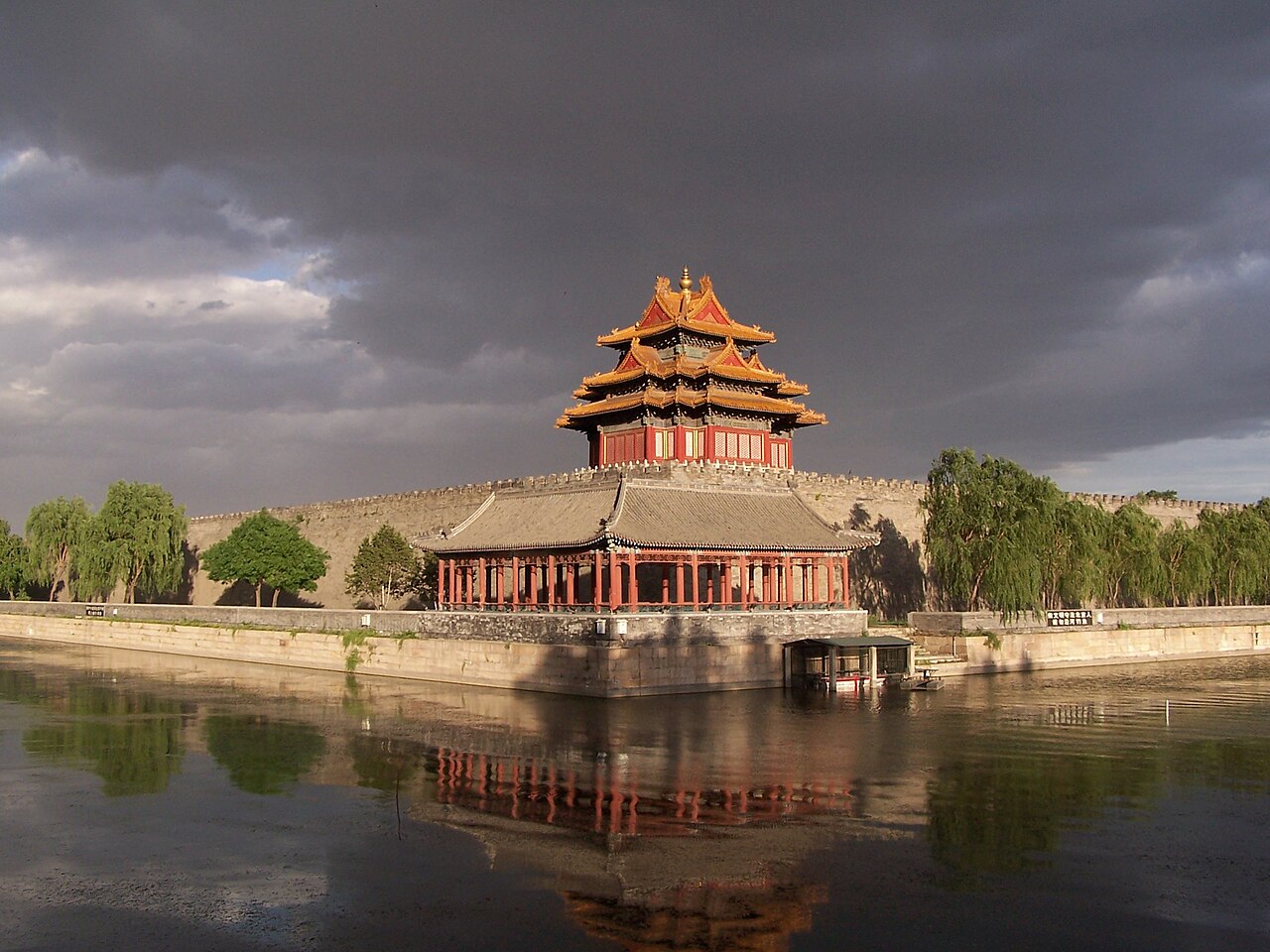
The Forbidden City is the reason Beijing is laid out the way it is. Twenty-four emperors of the Ming and Qing ruled from behind these walls between 1420 and 1911, and the whole city — the temples to the south, the lakes to the north-west, the beltway built on the line of the old walls — still arranges itself around this rectangle at the centre.
Almost everything you have seen on screen is here: the Hall of Supreme Harmony with its marble terrace and gilded dragon throne, the private palaces of the inner court, the imperial garden. But the compound is far bigger than the postcards suggest, and the wrong way to see it is to charge down the central axis in an hour. The right way is to leave the axis for the quieter east and west palace courts, where the crowds thin and the courtyards breathe.
Plan around the mechanics, because they decide whether the day works. The museum caps daily numbers and sells only timed, real-name tickets released on a rolling seven-day window, so you cannot simply walk up; it is shut every Monday; and it is one-way, south in and north out. Get those three things right, come as early as you can stand, and the Forbidden City is one of the great half-days on earth.