Nanchang sits where the Gan River runs down to Lake Poyang, in the north of Jiangxi. For most of its 2,200 years it has been a river-and-rail junction: a place goods and travellers pass through on their way somewhere else. What keeps people here is a compact, walkable old city with one of the three great towers of the south of China at its edge, and an unusually strong claim on modern Chinese history.
That claim is 1 August 1927, when the Communist uprising in Nanchang became the founding moment of the People's Liberation Army. The city has carried the name 'hero city' ever since, and its central sight is not a temple but a square and a memorial tower. It is the one place where Nanchang's identity is unmistakably its own.
The other half of Nanchang is older and quieter: the poet's pavilion on the Gan River, the pagodas and lakes of the inner city, the gardens of the painter Bada Shanren out in the southern suburbs, and the hills of Meiling to the west, which locals call a 'little Lushan'. Add the roadside claypot-soup shops that open before dawn and it becomes a genuinely rewarding two-day stop.
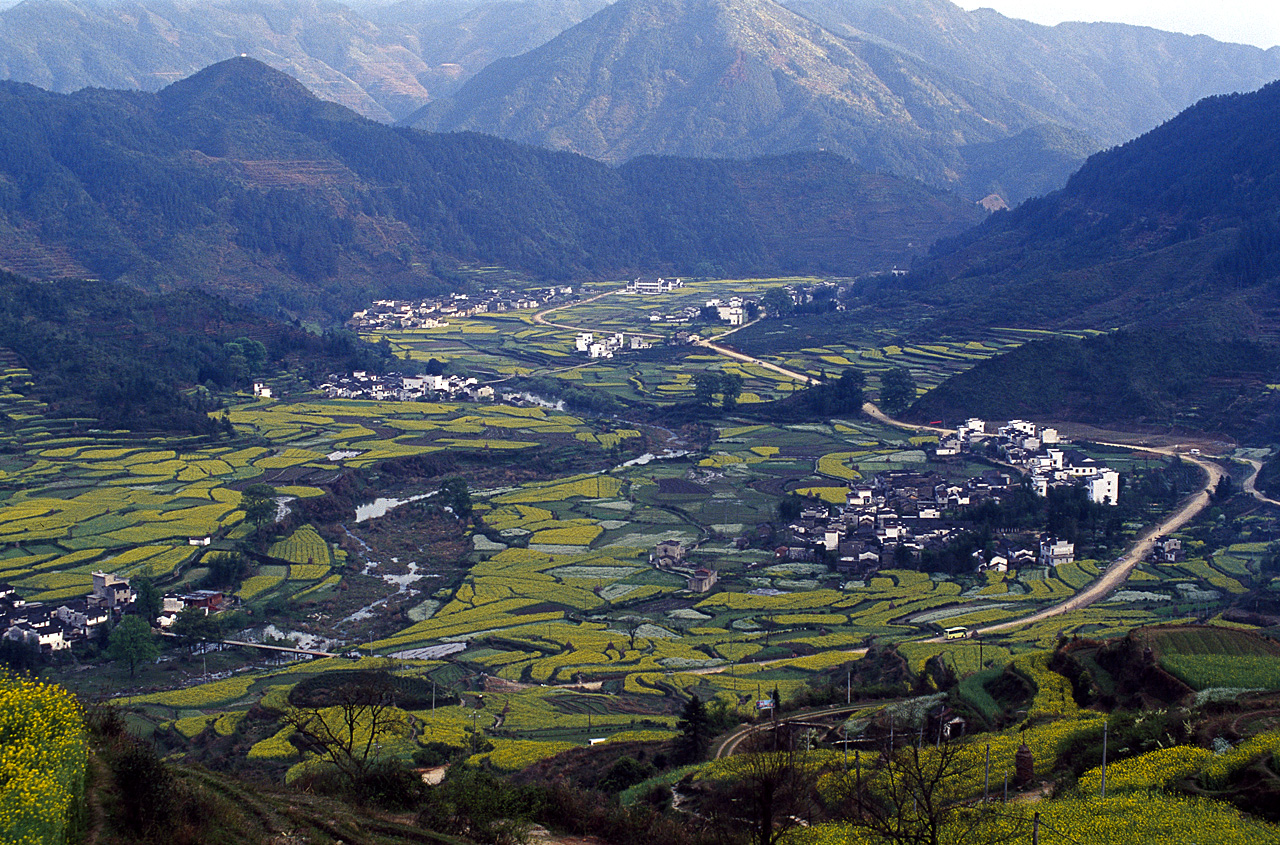
It is also a gateway. Lake Poyang, China's largest freshwater lake, is an hour away and a world-class birdwatching site from November through March. The porcelain capital Jingdezhen, the mountain of Lushan and the villages of Wuyuan are all day-trip or overnight distance by high-speed rail and road.