Erguna (Labudalin) and the wetlands
The root of the Mongol nation and the gateway to the north loop. The Gen He wetland on the edge of town, billed as Asia's largest, is best at dawn when mist sits on the water and at sunset when it turns to colour.
Hulunbuir · Inner Mongolia
Hulunbuir in Inner Mongolia is China's finest grassland — the Mergele River, Erguna wetlands and Russian villages. Private Hulunbuir tours via Hailar.
The short version
The place itself
Hulunbuir is not a town you visit, it is a territory you drive across. Named after Hulun Lake and Bell Lake, it is roughly the size of the United Kingdom and home to 32 ethnic groups, and the grass here is the reason people call it the best grazing land in China. Stand in it and there is no horizon line between plain and sky.
The rivers are what make the scenery. The Mergele wanders across the steppe in slow ox-bows, and the Erguna, which forms the border with Russia, cuts through birch forest and marsh. Nomad history runs deep — this was the cradle of the Xiongnu, the Xianbei and, later, the Mongol nation that Genghis Khan unified — and the Mongolian, Daur, Ewenki, Oroqen and Russian communities still live across it.
Along the Erguna there is a run of villages that feel more Siberia than China: Enhe and Shiwei with their log cabins and flower gardens, Linjiang strung out along the river, and Qiangan, nine or ten households at the end of the road that people call 'the Mohe of the north'. West, Manzhouli is a border boom town of onion domes and a 105 m gate.
Pins are plotted from real latitude and longitude on a 5° graticule. This is a schematic orientation diagram, not a political map — no boundaries are drawn.
The root of the Mongol nation and the gateway to the north loop. The Gen He wetland on the edge of town, billed as Asia's largest, is best at dawn when mist sits on the water and at sunset when it turns to colour.
A Russian ethnic township on the Erguna's south bank: log-walled houses, flower gardens, blueberry-jam breakfasts and genuine Russian banya. The China-Russia Friendship Bridge links it across the border.
The most photographed river on the grassland, curving through the steppe near Chen Barag Banner. Go for the sweep of the bends at dusk, when the light catches the water.
A hamlet of a few families beside a frontier army camp, three sides of mountains and one of water. No shops, no traffic, and some of the best night skies in the region.
China's largest land port: the Fifth-Generation Gate, the China-Russia market, and the Matryoshka Square. The Matryoshka dolls are kitsch and enormous, and the border really is worth the drive west.
South of Qiangan, huge stands of pine and birch where the old green-skin trains once threaded through. The forest park's White Deer Island is the headline, but the drive itself is the point.
Five regions, one journey: imperial north, panda country, the karst rivers of Guilin and the skyline of Shanghai, with Hangzhou's West Lake.
From US$2,580/per person
View tourHailar Dongshan Airport (HLD), 5 km east of the city, is the main gateway, with flights to Beijing, Harbin, Shenyang, Shanghai, Guangzhou and more; a taxi into town is about ¥30 and the airport bus ¥5. Manzhouli, out west, has a smaller airport and is on the Harbin–Manzhouli rail line; you can also arrive by train from Beijing, Harbin, Hohhot, Baotou and Dalian.
Public buses link Hailar with Qiqihar, Ulanhot and Tongliao, and the long-distance station on the east side of town runs services to Erguna, Manzhouli, Genhe, Yakeshi and Moerdaoga. The old green-skin trains still thread the forest lines and are slow, cheap and atmospheric — Yakeshi is about an hour and around ¥7 from Hailar.
Inside the region, most travellers hire a car with a driver, at roughly ¥300–500 a day covering the vehicle, fuel and the driver's own food and lodging; negotiate the route, not just the day rate. The drivers know where the light is good and where the sand roads run, which matters when so much of the pleasure is stopping at the side of the road. Self-driving is easy in summer but you will need a fire permit in the spring and autumn fire seasons.
| Month | Weather | Crowds | Verdict |
|---|---|---|---|
| January | 4°C / -4°C · dry, cold | Quiet | Avoid |
| February | 6°C / -1°C · dry, cold | Very busy | Avoid |
| March | 14°C / 5°C · dry, cold | Moderate | Good |
| April | 21°C / 12°C · clear and mild | Moderate | Best |
| May | 27°C / 18°C · clear and mild | Busy | Best |
| June | 31°C / 23°C · hot, humid | Moderate | OK |
| July | 32°C / 25°C · hot, humid | Busy | OK |
| August | 30°C / 24°C · hot, humid | Busy | OK |
| September | 26°C / 19°C · clear and mild | Moderate | Best |
| October | 20°C / 12°C · clear and mild | Very busy | Best |
| November | 12°C / 4°C · dry, cold | Quiet | Good |
| December | 5°C / -2°C · dry, cold | Quiet | Good |
Seven to nine days for the full northern loop — Hailar, Erguna, Enhe, Shiwei, Linjiang, Moerdaoga, Qiangan, back to Hailar — with the long driving days broken up. Five days gets you the grassland and one Russian village without the far north. Add two days for Manzhouli and Hulun Lake, and more again if you want to push on to Arxan or Mohe.
Plan these days properly Planning
Best Time to Visit China: Month by Month, Region by Region
China is the size of Europe, so 'the best month' depends on where you stand. Here is the month-by-month answer for the north, the Yangtze valley, the south and the plateau.
8 min read
Planning
Best Time to Visit China: Month by Month, Region by Region
China is the size of Europe, so 'the best month' depends on where you stand. Here is the month-by-month answer for the north, the Yangtze valley, the south and the plateau.
8 min read
 Planning
What to Pack for China: The Complete 2026 Checklist
Twenty thousand steps a day, three climate zones and a phone that has to do everything. This is the list we give our own travellers, minus the things they never used.
7 min read
Planning
What to Pack for China: The Complete 2026 Checklist
Twenty thousand steps a day, three climate zones and a phone that has to do everything. This is the list we give our own travellers, minus the things they never used.
7 min read
 Traditions
Chinese Festivals: The Calendar, the Dates and the Crowds
Lunar dates mean the calendar moves every year — and two of the festivals move several hundred million people at once. Plan around them or plan into them, but never by accident.
8 min read
Traditions
Chinese Festivals: The Calendar, the Dates and the Crowds
Lunar dates mean the calendar moves every year — and two of the festivals move several hundred million people at once. Plan around them or plan into them, but never by accident.
8 min read
 Peoples
China's Ethnic Minorities: 55 Groups, and Where to Meet Them
Roughly one in twelve people in China is not Han. Their languages, crafts and festivals are the least visited part of the country, and in several regions the most rewarding.
8 min read
Peoples
China's Ethnic Minorities: 55 Groups, and Where to Meet Them
Roughly one in twelve people in China is not Han. Their languages, crafts and festivals are the least visited part of the country, and in several regions the most rewarding.
8 min read
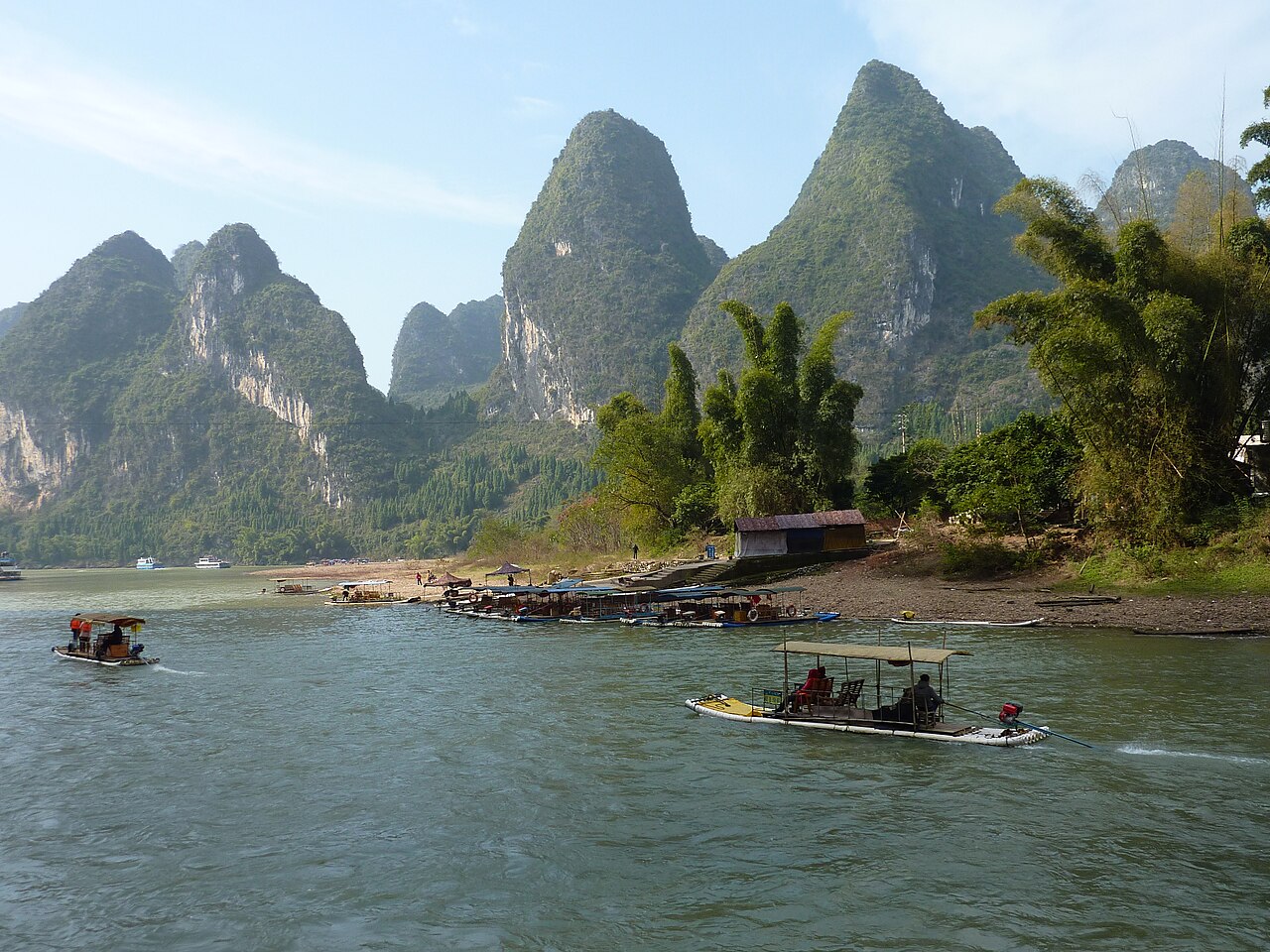 Inner Mongolia
 Autonomous Region · 4 tours
The Inner Mongolia Autonomous Region is entered through Hohhot, its capital, three hours north-west of Beijing. From there the Xilamuren and Gegentala
Inner Mongolia
Inner Mongolia Autonomous Region · 4 tours
The Inner Mongolia Autonomous Region is entered through Hohhot, its capital, three hours north-west of Beijing. From there the Xilamuren and Gegentala
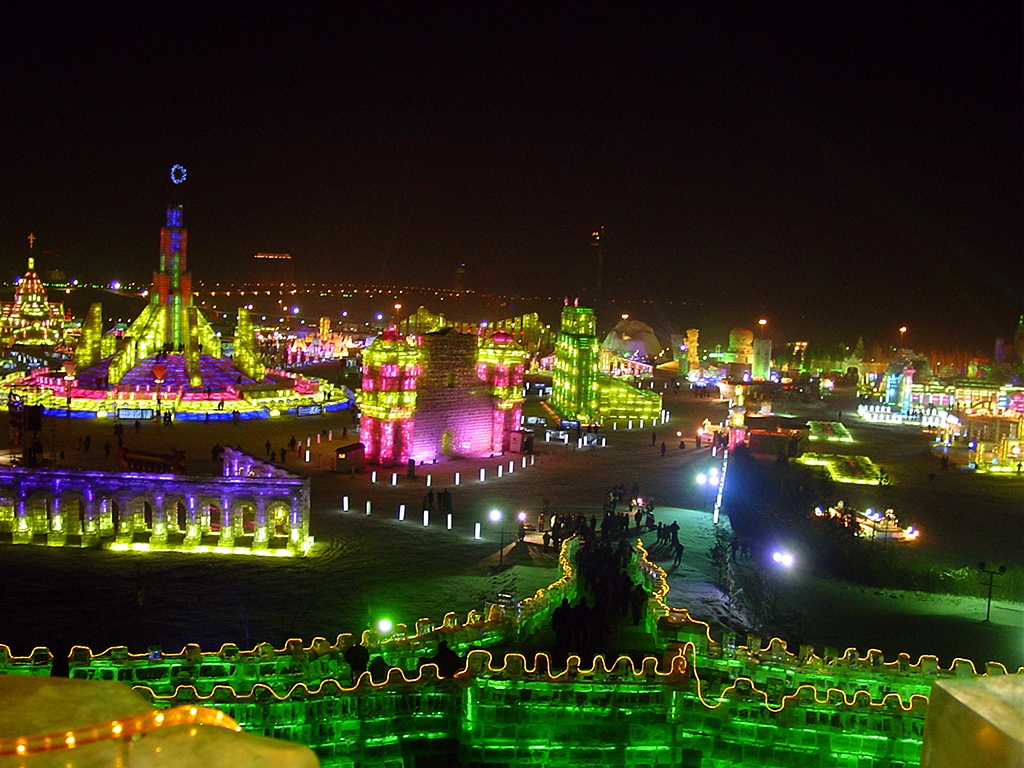 Harbin
Heilongjiang · 4 tours
Harbin is the capital of Heilongjiang and the coldest big city in China, which is precisely the point: from late December it hosts Ice and Snow World,
Harbin
Heilongjiang · 4 tours
Harbin is the capital of Heilongjiang and the coldest big city in China, which is precisely the point: from late December it hosts Ice and Snow World,
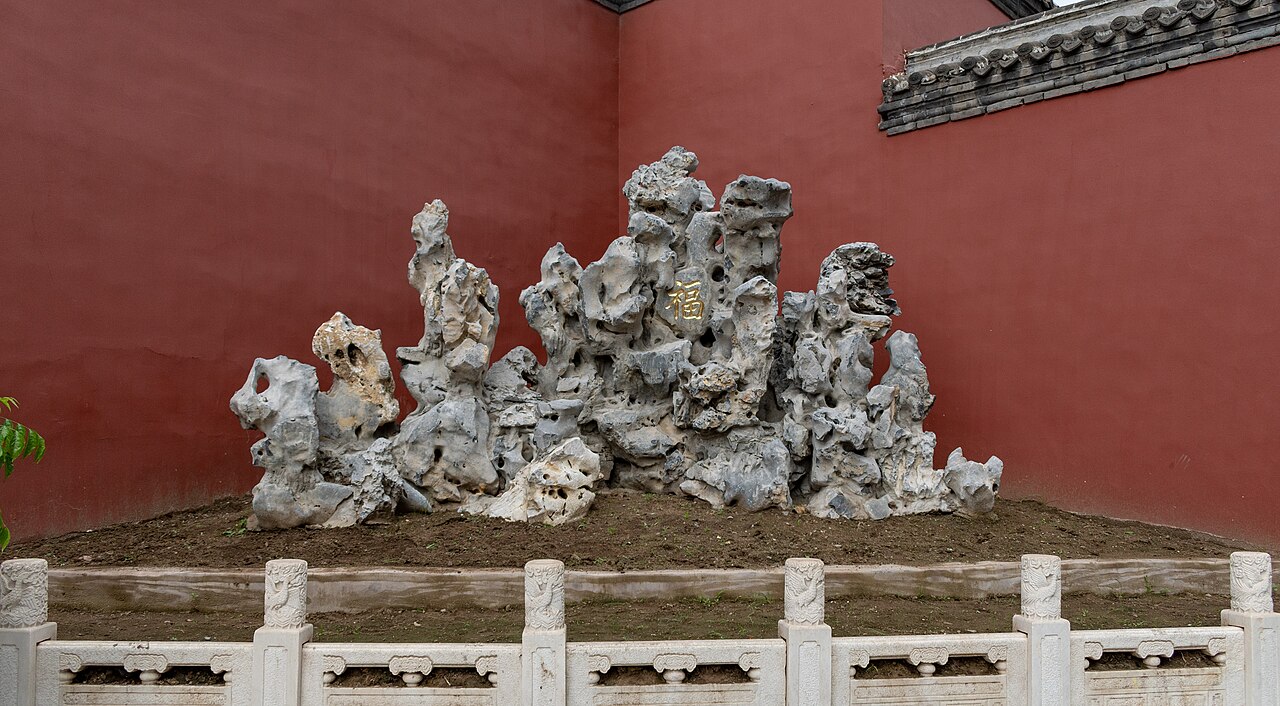 Shenyang
Liaoning · 4 tours
Shenyang is the capital of Liaoning and the old Manchu imperial city, and it holds the Mukden Palace — the second-largest surviving imperial palace in
Shenyang
Liaoning · 4 tours
Shenyang is the capital of Liaoning and the old Manchu imperial city, and it holds the Mukden Palace — the second-largest surviving imperial palace in
Late June to August, when the grass is greenest, the forest fullest and the livestock fattest. September turns the grass and birch gold and is better for photography. December to February is the snow-and-ice season, when the whole steppe goes white and the winter Nadam fair is held.
Hulun Lake, without question. It is easier to reach, better scenery, and open for tourism; Bell Lake lies on the Mongolian border with security checkpoints and roads that are genuinely rough for ordinary cars. Go to Hulun (also called Dalai Lake) and save yourself the trouble.
A car and driver is far better. The towns are hundreds of kilometres apart and the buses run to timetables that will not fit a sightseeing day; a private car lets you stop whenever the view is good, for ¥300–500 a day all in. Public buses exist between Hailar, Erguna and Manzhouli, but they are slow and inflexible.
Less than most of China. There is no big-ticket entry fee culture here, accommodation can be thirty-odd yuan a night with meals thrown in, and hiring a horse is the main splurge. The cost is the car; split across three or four people it works out cheap.
Only if you self-drive, and only during the spring and autumn fire seasons. It is free: take your ID and driving licence to the local forestry service office, or in Hailar to the admin service hall south of the Yimin Bridge. If you are on a tour or with a hired driver, you do not need one.
Get your cash in Hailar or Manzhouli first. Both cities, and Erguna, have plenty of banks and ATMs, but in Shiwei, Enhe and Linjiang there is nowhere to withdraw money and cards are effectively useless — cash only. Mobile payment is patchy the further out you go.
Free itinerary design, a revised plan within one working day, and nothing charged until you approve the final version.