The City Wall
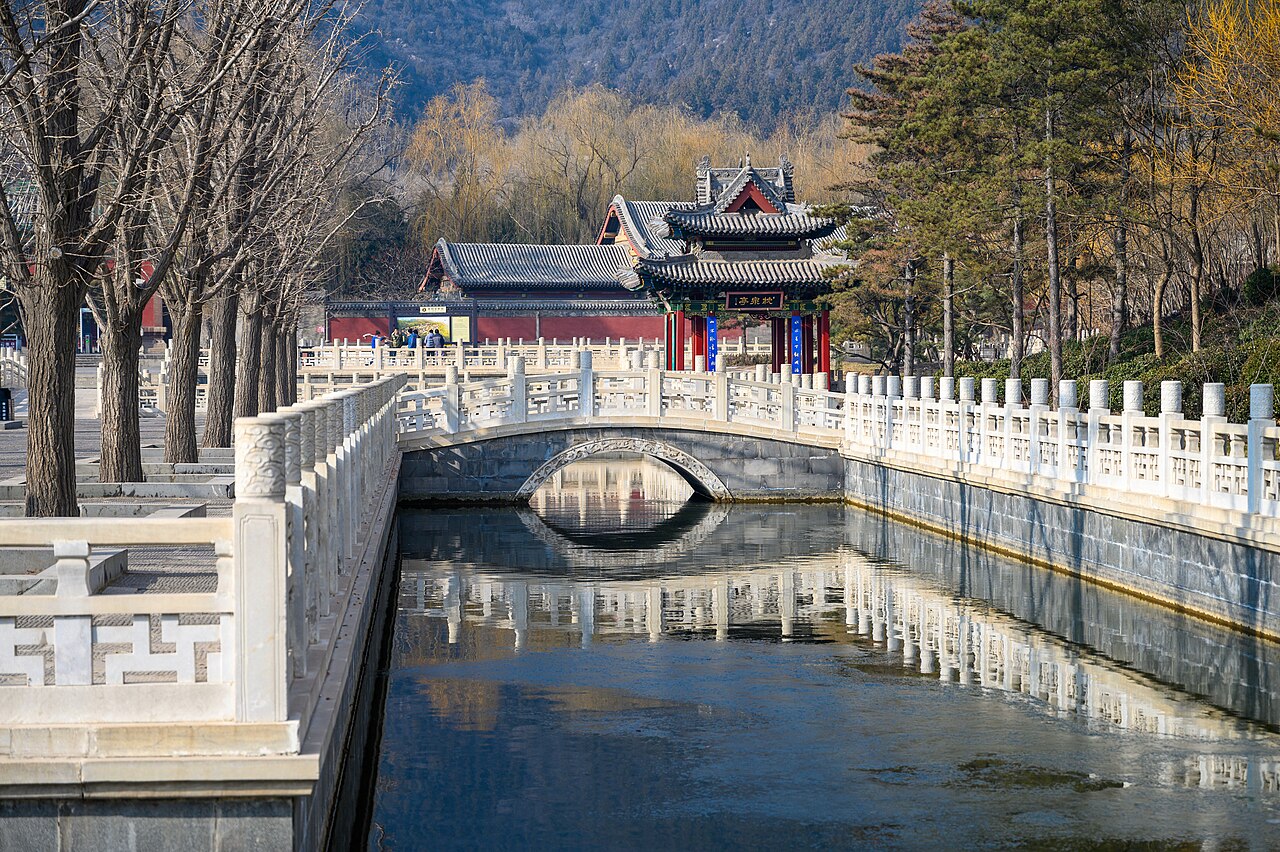
A 6.4 km, 12 m-high Ming wall ringed by 72 watchtowers and 3,000 battlements, walkable in about 90 minutes. The turtle-shaped plan and the south gate as its 'head' are the local legend; climb for the rooftops at dusk.
Pingyao · Shanxi
Pingyao is China's best-preserved ancient walled city — a UNESCO site with a 6 km Ming wall, China's first bank and two painted-clay temples outside the gates.
The short version
The place itself
Pingyao is a walled town that time and then tourists forgot to demolish. Founded some 2,800 years ago and rebuilt in its present form in 1370, it is the most complete surviving county city in China — a UNESCO World Heritage site, and the only one ever inscribed for an entire town rather than a single building.
The walls are the first thing, and they are proper: 6.4 km around, 12 m high, with 72 watchtowers and 3,000 battlements and a plan the locals say is shaped like a turtle. Inside, a cross of four main streets and 72 lanes carries an old town of grey-brick courtyards, shopfronts that have not changed their business in centuries, and the smell of vinegar and braised beef.
Pingyao's real fame, though, is financial. In 1823 the Rishengchang exchange house opened on West Street and invented something close to the modern bank — a note you could cash 1,000 km away — and for a century Pingyao was the quiet headquarters of Chinese finance, with branches from Beijing to Southeast Asia. The old exchange houses, pawnshops and armed escort agencies are now museums you can walk through.
Most people do Pingyao as a day trip from Taiyuan, and that is a shame, because the town is best at the edges of the day: empty lanes at dawn, lanterns and a bowl of noodles at night. Give it a night inside the walls, add the twin temple treasures outside them, and the place stops being a set and becomes a place people live.
Pins are plotted from real latitude and longitude on a 5° graticule. This is a schematic orientation diagram, not a political map — no boundaries are drawn.
A 6.4 km, 12 m-high Ming wall ringed by 72 watchtowers and 3,000 battlements, walkable in about 90 minutes. The turtle-shaped plan and the south gate as its 'head' are the local legend; climb for the rooftops at dusk.
Founded in 1823, this was the first 'piaohao', the prototype of the Chinese bank, whose notes were honoured across the empire and later from Europe to Southeast Asia. The courtyard is now a museum of the business that invented the draft.
A 1,400-year-old temple 6 km southwest, walled like a little castle, whose halls hold over 2,000 vividly painted clay figures — the finest sculptural set in Shanxi and the reason the site is UNESCO-listed.
An 15 km drive northeast to the Wanfa Hall, a timber hall of 963 AD whose bracket sets and beams are among the oldest wooden architecture in China after the two Tang halls at Mount Wutai.
The south-runner of the old town's cross, lined with shopfronts, banks, pawnshops and the Market Tower, all still in daily use. The evening lanterns here are the postcard of Pingyao.
One of the four best-preserved county magistrates' offices in China and the largest, with the magistrate's court, jail and garden laid out front-to-back. The daily 'magistrate hears the case' performance is played for laughs.
Pingyao has no airport; the nearest is Taiyuan Wusu (TYN), about 1.5 hours away by road, and from there it is a short high-speed train or bus ride. Pingyao has two stations: Pingyao Gucheng, on the high-speed line with frequent 30-minute services from Taiyuan and about 3 hours from Xi'an, and the older Pingyao station for slower trains.
Inside the old town you walk. Nothing is more than 20 minutes apart, the lanes are car-free by day, and electric carts run a loop for ¥20–30 — agree the price first. Bicycles rent for about ¥15 a half-day and are the best way to reach the two out-of-town temples.
| Month | Weather | Crowds | Verdict |
|---|---|---|---|
| January | 4°C / -4°C · dry, cold | Quiet | Avoid |
| February | 6°C / -1°C · dry, cold | Very busy | Avoid |
| March | 14°C / 5°C · dry, cold | Moderate | Good |
| April | 21°C / 12°C · clear and mild | Moderate | Best |
| May | 27°C / 18°C · clear and mild | Busy | Best |
| June | 31°C / 23°C · hot, humid | Moderate | OK |
| July | 32°C / 25°C · hot, humid | Busy | OK |
| August | 30°C / 24°C · hot, humid | Busy | OK |
| September | 26°C / 19°C · clear and mild | Moderate | Best |
| October | 20°C / 12°C · clear and mild | Very busy | Best |
| November | 12°C / 4°C · dry, cold | Quiet | Good |
| December | 5°C / -2°C · dry, cold | Quiet | Good |
One full day inside the walls plus a half-day for Shuanglin, Zhenguo and optionally the Shuanglin–Zhenguo loop is the honest answer, with a night in a courtyard inn. If you have two days, add the temple half-day on day two and slow down. Combine it with Taiyuan before or Datong after; Pingyao slots perfectly between them on the high-speed line.
Plan these days properly Transport
China's High-Speed Rail: How to Book, What It Costs, How Fast It Goes
The fastest way to cross China is also the most pleasant. Here is how to book a ticket with a foreign passport, what the three classes actually give you, and how to survive a Chinese station at rush hour.
9 min read
Transport
China's High-Speed Rail: How to Book, What It Costs, How Fast It Goes
The fastest way to cross China is also the most pleasant. Here is how to book a ticket with a foreign passport, what the three classes actually give you, and how to survive a Chinese station at rush hour.
9 min read
 Planning
Best Time to Visit China: Month by Month, Region by Region
China is the size of Europe, so 'the best month' depends on where you stand. Here is the month-by-month answer for the north, the Yangtze valley, the south and the plateau.
8 min read
Planning
Best Time to Visit China: Month by Month, Region by Region
China is the size of Europe, so 'the best month' depends on where you stand. Here is the month-by-month answer for the north, the Yangtze valley, the south and the plateau.
8 min read
 Datong
Shanxi · 4 tours
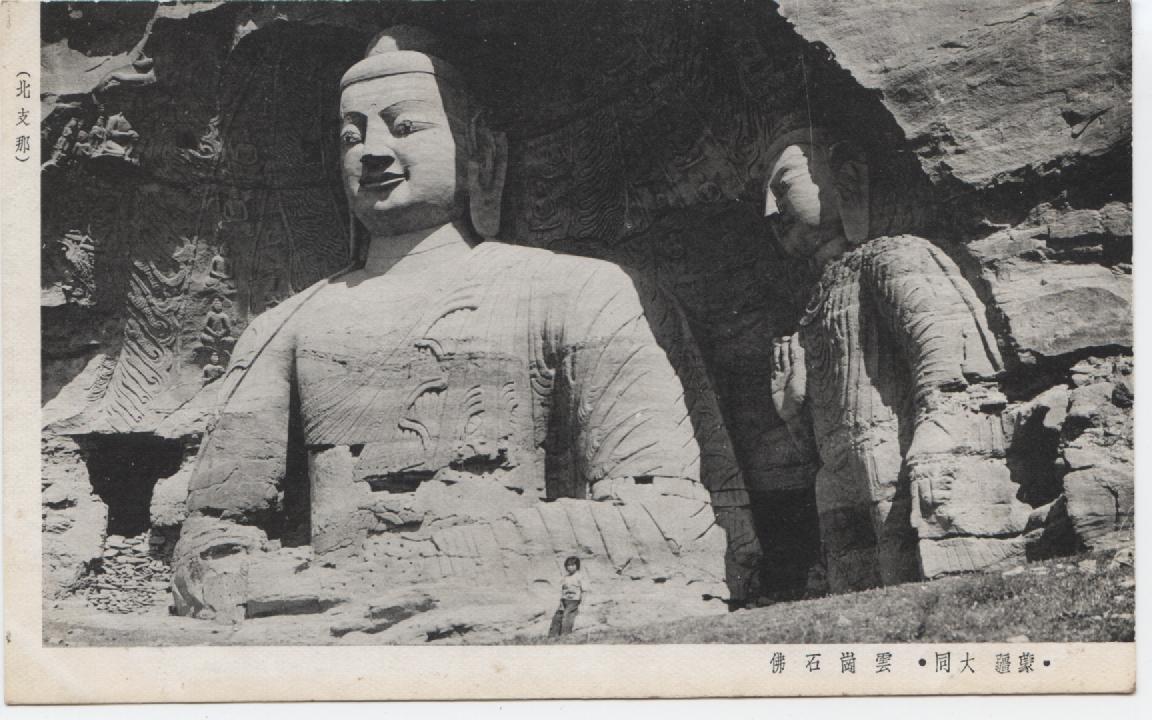
Datong is a city of 3.1 million in northern Shanxi, and it holds two of China's most extraordinary sights: the Yungang Grottoes, a UNESCO site of 51,0
Datong
Shanxi · 4 tours
Datong is a city of 3.1 million in northern Shanxi, and it holds two of China's most extraordinary sights: the Yungang Grottoes, a UNESCO site of 51,0
 Taiyuan
Shanxi · 4 tours
Taiyuan is the capital of Shanxi and a city of 5.3 million, and most travellers use it as the hub for Pingyao, Mount Wutai and Datong — but it earns a
Taiyuan
Shanxi · 4 tours
Taiyuan is the capital of Shanxi and a city of 5.3 million, and most travellers use it as the hub for Pingyao, Mount Wutai and Datong — but it earns a
You can see the highlights in a day, but it is thin. Better is one full day inside the walls plus a half-day for the Shuanglin and Zhenguo temples outside them — those two hold the best sculpture in Shanxi and most day-trippers skip them entirely.
One ticket, ¥150 (¥160 at Spring Festival), covers 20 sights inside the walls and lasts three days, though you can enter each sight only once. Shuanglin (¥40), Zhenguo (¥30) and the Market Tower (¥5) are separate. Wandering the streets, eating and sleeping need no ticket at all.
Inside, always. The old town is at its best at dawn, before the coaches arrive, and after dark, when the lanterns come on — both of which you miss from a hotel outside the walls. Courtyard inns range from ¥60 bunks to ¥1,500 suites.
High-speed rail. From Taiyuan it is about 30 minutes to Pingyao Gucheng station; from Xi'an about 3 hours. From the station it is a 10–15 minute walk or a short cart ride to the old town gates.
Very much so — the three make the classic Shanxi loop. Taiyuan for Jinci and the museum, Datong for Yungang and the Hanging Temple, and Pingyao for the walled town and the merchant banks. They sit on one high-speed line, so the order barely matters.
Free itinerary design, a revised plan within one working day, and nothing charged until you approve the final version.