Sanya gets the postcards; Haikou gets the life. Hainan's capital sits on the north coast, looking across the Qiongzhou Strait at the mainland, and it is where the island's history, food and day-to-day rhythm are most visible. If you want to understand Hainan rather than simply lie on it, this is the city that shows you how.
The heart of it is the Qilou district — a grid of streets lined with early-20th-century arcade buildings, the 'qilou', whose colonnaded ground floors shelter shoppers from sun and rain while the upper floors carry the baroque curves and plasterwork of returned overseas Chinese. The lanes around Zhongshan Road, Deshengsha and Bo'ai Road are still a working old town, and the food stalls at Shuixiangkou are the best reason to walk them slowly.
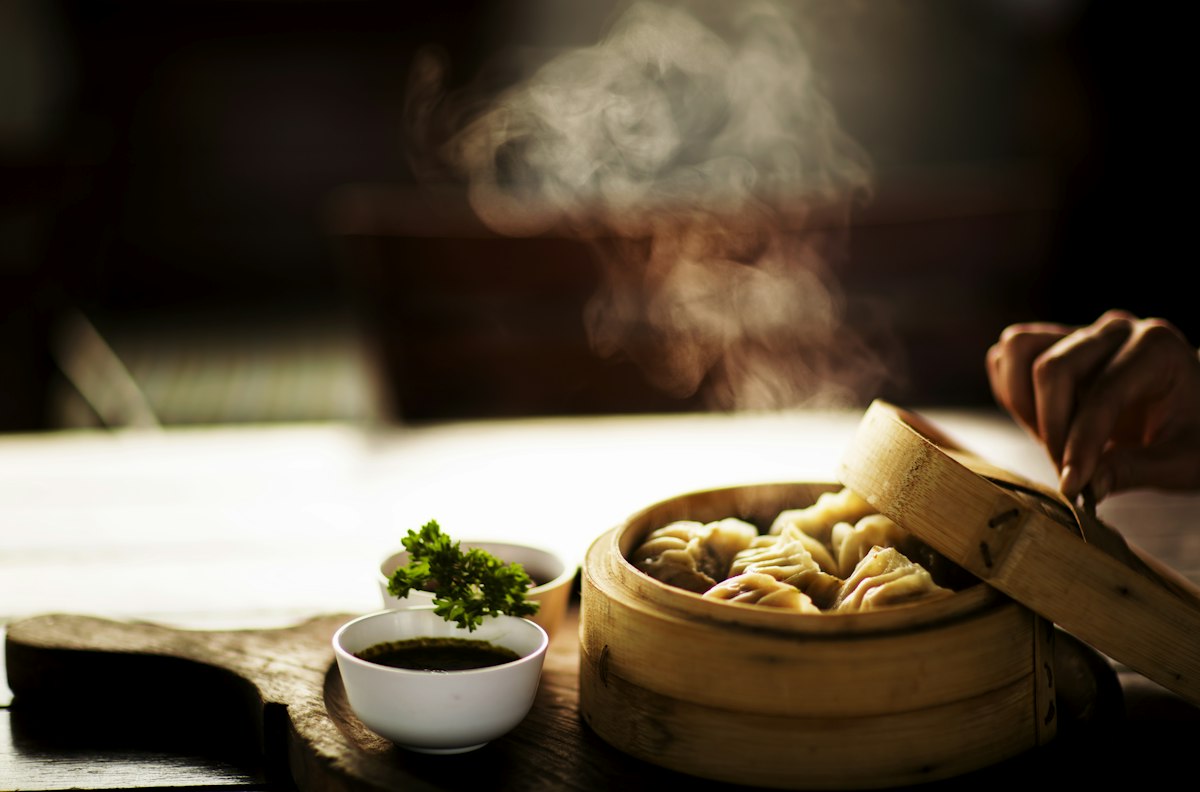
Beyond the old town, Haikou mixes temples and volcanoes: Wugong Temple, the 'first building of Hainan', the provincial museum, the Ming official Hai Rui's tomb, and the remarkable Leiqiong volcanic geopark just 15 km out, whose villages are built from black basalt. And everywhere, the food culture of a subtropical island — chicken rice, Hainanese noodles, goat, and a morning-tea habit that runs until nearly 11am.
It is also the sanest base on the island in winter. When Sanya's hotels are full and charging peak rates, Haikou still has rooms, and the high-speed rail makes it an easy pairing with the south.