Sunrise at Pigeon's Nest
The rock headland of Yingjiao Stone is the classic place to watch the sun come up out of the Bohai. The park opens in the small hours during summer and charges ¥20; arrive 40 minutes before the published sunrise time.
Beidaihe · Hebei
Beidaihe is Hebei's classic Bohai seaside resort, 380 km from Beijing. Sunrise at Pigeon's Nest, Tiger Rocks beach and one of Asia's great birdwatching coasts.
The short version
The place itself
Beidaihe is the resort that northern China built for itself, a strip of sand on the Bohai coast where the beach is soft, the water is calm and the whole place runs at holiday pace from June to September. It is not a tropical sea — the sand is grey-gold and the water a greenish blue — but it is the most reachable coast for anyone travelling through Beijing, and that is exactly the point.
The district has been a summer retreat since the 1890s, when a British railway engineer surveying the line from Tianjin praised the beach and word spread among foreign residents of the treaty ports. Villas and sanatoria followed, and Beidaihe still has that gentle, slightly old-fashioned air: pine-shaded streets, quiet guesthouses and a seafront built for strolling rather than for spectacle.
Two things pull people back. The first is sunrise at Pigeon's Nest, a headland where the sun lifts straight out of the sea and where Mao Zedong wrote one of his best-known poems in 1954. The second is the birds: Beidaihe sits on the East Asian–Australasian Flyway, and in spring and autumn the woods and wetlands behind the beach fill with migrating species. Come for the beach in summer, for the binoculars in spring and autumn.
Pins are plotted from real latitude and longitude on a 5° graticule. This is a schematic orientation diagram, not a political map — no boundaries are drawn.
The rock headland of Yingjiao Stone is the classic place to watch the sun come up out of the Bohai. The park opens in the small hours during summer and charges ¥20; arrive 40 minutes before the published sunrise time.
The centre of Beidaihe's seafront: a clean stretch of sand studded with granite boulders, plus the calmest swimming water in the resort. It costs ¥8 to enter and is busy from July onward.
Beidaihe is one of the most celebrated migration watchpoints in East Asia. The wetlands, Lianfeng Hill and Pigeon's Nest all work, with the best windows in mid-March to late May and early September to mid-November.
The wooded hill behind the resort, topped by a lookout pavilion with the whole bay spread out below. It is the green, quiet counterweight to the beach, and it costs ¥30 to enter.
A modern seafront park built around a conch-shaped tower at the eastern end of the beach. Daytime admission is cheap and it turns into the resort's loudest evening venue, with bars and shows, after 18:00.
Buy shrimp, crab and scallops by weight at the Shitang Road market, hand them to the attached kitchens for a few yuan a jin, and eat what you chose. This is Beidaihe's essential evening.
Most people arrive by high-speed or intercity train to Beidaihe station, about 2 hours from Beijing and manageable as a weekend. Qinhuangdao Beidaihe Airport (BPE) handles domestic flights and sits a short drive away, and the region's second station, Qinhuangdao, connects onward to Shanhaiguan and the northeast.
On the ground the resort is joined to the rest of the coast by local buses — 34 runs the coastal avenue between the city, Beidaihe and the sights — while taxis start at ¥5 plus a ¥1 fuel surcharge and are the simplest way to reach the sunrise headland before dawn. Beidaihe, Shanhaiguan and Qinhuangdao city share these roads, so a single trip can cover all three.
| Month | Weather | Crowds | Verdict |
|---|---|---|---|
| January | 4°C / -4°C · dry, cold | Quiet | Avoid |
| February | 6°C / -1°C · dry, cold | Very busy | Avoid |
| March | 14°C / 5°C · dry, cold | Moderate | Good |
| April | 21°C / 12°C · clear and mild | Moderate | Best |
| May | 27°C / 18°C · clear and mild | Busy | Best |
| June | 31°C / 23°C · hot, humid | Moderate | OK |
| July | 32°C / 25°C · hot, humid | Busy | OK |
| August | 30°C / 24°C · hot, humid | Busy | OK |
| September | 26°C / 19°C · clear and mild | Moderate | Best |
| October | 20°C / 12°C · clear and mild | Very busy | Best |
| November | 12°C / 4°C · dry, cold | Quiet | Good |
| December | 5°C / -2°C · dry, cold | Quiet | Good |
Two days is the honest minimum — sunrise and a beach day, with a seafood market dinner in between. Three days is better: it lets you add a birdwatching morning and a half-day out to Shanhaiguan or the free coastal parkland, and it stops the trip feeling like a rush from beach to bed.
Plan these days properly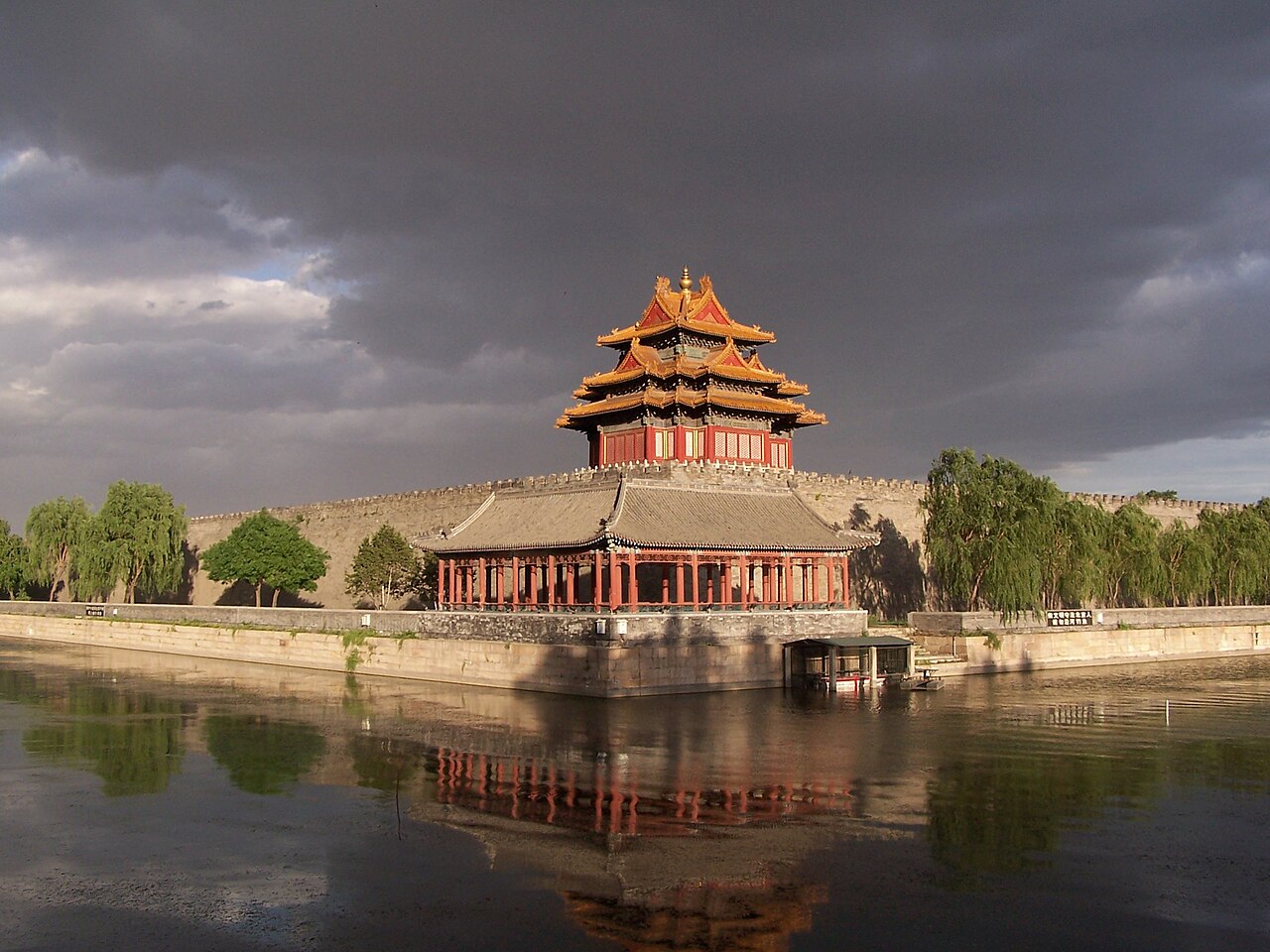 Beijing
 Municipality · 6 tours
Beijing is China's capital and the most efficient place to start a first trip: the Forbidden City, the Great Wall, the Temple of Heaven and the hutong
Beijing
Beijing Municipality · 6 tours
Beijing is China's capital and the most efficient place to start a first trip: the Forbidden City, the Great Wall, the Temple of Heaven and the hutong
 Shanhaiguan
Hebei · 4 tours
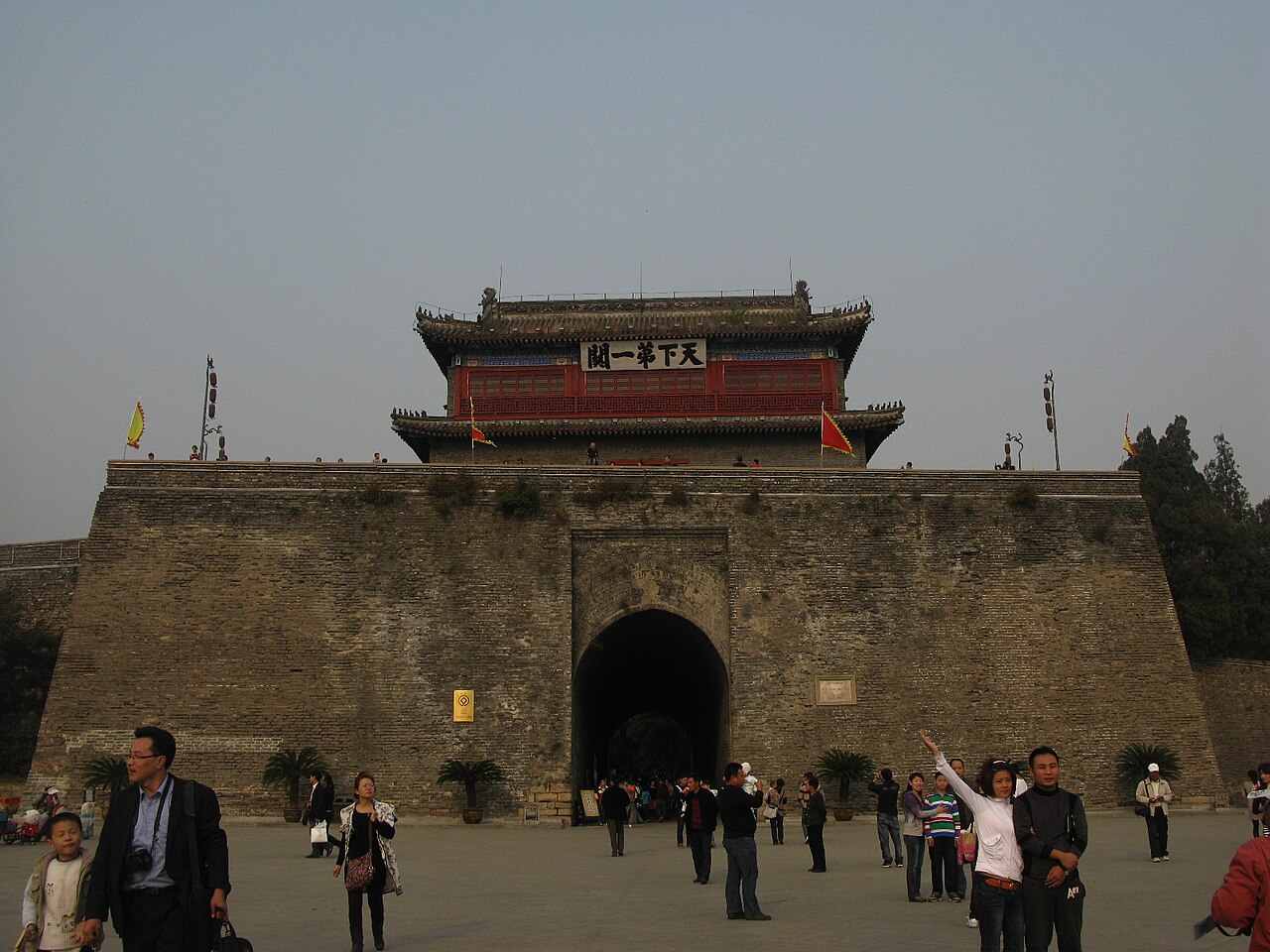
Shanhaiguan is the Great Wall town where the Ming dynasty's eastern defence line met the sea, about 300 km east of Beijing and 17 km from Qinhuangdao
Shanhaiguan
Hebei · 4 tours
Shanhaiguan is the Great Wall town where the Ming dynasty's eastern defence line met the sea, about 300 km east of Beijing and 17 km from Qinhuangdao
 Qinhuangdao
Hebei · 4 tours
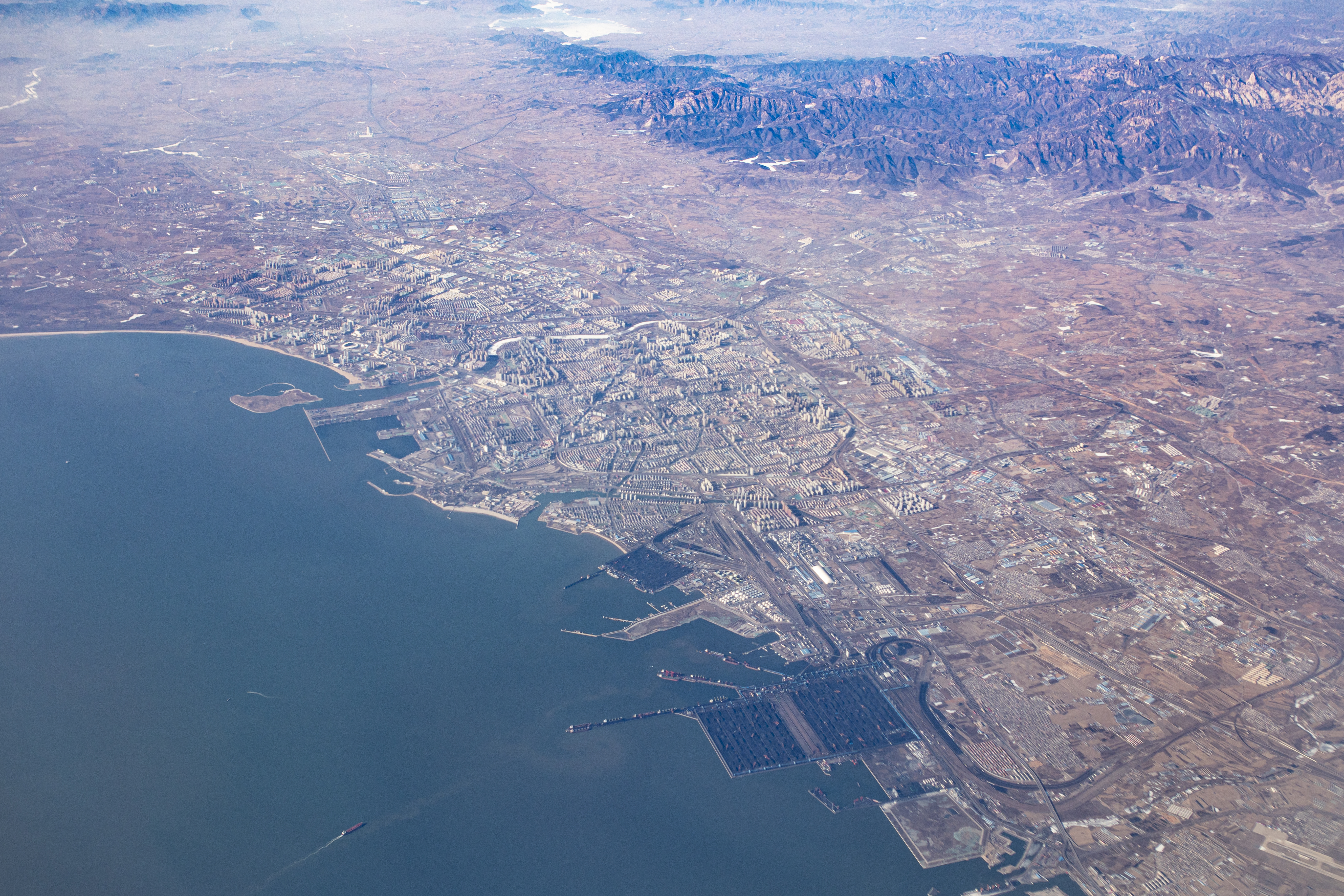
Qinhuangdao is Hebei's Bohai port city, a municipality of 3.1 million with 126 km of coastline, and it is the frame around Beidaihe and Shanhaiguan ra
Qinhuangdao
Hebei · 4 tours
Qinhuangdao is Hebei's Bohai port city, a municipality of 3.1 million with 126 km of coastline, and it is the frame around Beidaihe and Shanhaiguan ra
May to October for the coast, with July and August the only reliably swimmable months. For birdwatching, come mid-March to late May or early September to mid-November instead — these are the two migration peaks. Avoid the first week of May and the first week of October if you dislike crowds.
Take a high-speed or intercity train to Beidaihe station, about 2 hours from Beijing. Beidaihe is also served by Qinhuangdao Beidaihe Airport (BPE) for domestic flights. Buses and taxis link the station to the seafront.
In July and August, yes — the water is calm and shallow at Tiger Rocks and the central beaches. The season is short and the beaches are crowded then. June and September are fine for walking the shore but cold for a long swim.
The Shitang Road market is the local way: buy live seafood by weight, then pay a nearby kitchen to steam, boil or stir-fry it for a few yuan a jin. It is far cheaper than ordering the same dishes in a seafront restaurant, and you see what you are buying.
Beidaihe lies on the East Asian–Australasian Flyway, one of the world's great migration routes, and its woods and wetlands are a major stopover. Hundreds of species pass through in spring and autumn, which is why it has one of the strongest birdwatching reputations in China.
Free itinerary design, a revised plan within one working day, and nothing charged until you approve the final version.