Qingxiu Mountain
The city's signature park, 13.5 km² of hills, pagodas and cycad gardens along the Yong River. The Sago Palm Garden is the largest ex-situ conservation centre of its kind in China, and the Ming-style Longxiang Pagoda tops the view.
Nanning · Guangxi
Nanning, capital of Guangxi, is the gateway to Detian Falls, Beihai and Vietnam — a green, easy city of parks and great food. Private Nanning tours from US$139 a day.
The short version
The place itself
Nanning has four nicknames — the Green City, the Yong City, the Phoenix City, the City of Five Elephants — and it earns them the way a subtropical city should: with trees. Ringed by hills and cut through by the Yong River, it is one of the greenest provincial capitals in China, and in the prefecture, forest cover runs above 40%.
Most travellers treat it as a hinge: the place you change trains on the way to Beihai and the sea, or to the Detian Falls on the Vietnamese border, or the overland route to Hanoi. That is a mistake if you do it too quickly. The city has Qingxiu Mountain and its cycad gardens, the Guangxi Museum of Nationalities, the riverside parks, the 58-storey Diwang Tower, and above all a food culture that runs from a five-yuan bowl of noodles to a whole night market's worth of grilled oysters.
This is Zhuang country — Guangxi is the Zhuang Autonomous Region, and Nanning is its capital. Zhuang culture shows in the museums, in the folk festivals and in the March Third holiday, when the city fills with song contests, throwing-embroidered-ball games and lion dances on stacked benches.
It is also a modern, subtropical capital of nearly nine million, hot and humid in summer, mild and green in winter, and always relaxed. Give it two unhurried days and it will quietly outdo your expectations of a transit stop.
Pins are plotted from real latitude and longitude on a 5° graticule. This is a schematic orientation diagram, not a political map — no boundaries are drawn.
The city's signature park, 13.5 km² of hills, pagodas and cycad gardens along the Yong River. The Sago Palm Garden is the largest ex-situ conservation centre of its kind in China, and the Ming-style Longxiang Pagoda tops the view.
The best single introduction to the Zhuang and the other peoples of Guangxi — costume, architecture, bronze drums and festival culture. Free, closed Mondays.
Not a slick food street but a long, loud, genuinely local one, when the pavement fills with tables after dark. Grilled oysters, luosifen, suan ye, rolled rice noodles — Nanning's food scene in a single kilometre.
The city's signature bowl: sour, spicy, rich with fermented bamboo and black beans, and a story that goes back a century. Five yuan a bowl at a street shop, and the thing locals miss most when they leave.
The largest waterfall in Asia and the fourth-largest border waterfall in the world, straddling the China–Vietnam line near Daxin. About four hours from Nanning, and one of the great day trips of the south.
Nanhu, the South Lake, is three-quarters water, with boating, lotus in summer and a long green rim. With the Yong River embankment and People's Park, it is where Nanning spends its evenings.
Nanning Wuxu International Airport (NNG) is 32 km south-west of the city, with 38 domestic routes and several international ones, including a growing list of ASEAN destinations. The airport bus runs two lines into town for ¥20, the city bus (route 301 or the airport line) is ¥3, and a taxi is about ¥100.
By rail, Nanning Station and Nanning East Station are the hubs: Beihai is about 3h, Guilin about 2.5h, and the intercity network reaches most of Guangxi. Nanning East handles the high-speed services and is where you connect for Beihai and Guilin.
From the coach stations, buses leave for the Detian Falls, Daxin, Pingxiang and Friendship Pass, and for Vietnam itself — direct services run from Langdong station to Hanoi, with the border formalities handled at the crossing. Inside the city, the metro and a dense bus network (¥1, air-conditioned ¥2) cover everything, and taxis start at ¥7.
| Month | Weather | Crowds | Verdict |
|---|---|---|---|
| January | 12°C / 4°C · cool, damp | Quiet | Good |
| February | 14°C / 6°C · cool, damp | Very busy | Good |
| March | 18°C / 10°C · clear and mild | Moderate | Best |
| April | 24°C / 16°C · clear and mild | Moderate | Best |
| May | 28°C / 21°C · cool, damp | Busy | OK |
| June | 32°C / 25°C · very hot, humid | Moderate | OK |
| July | 35°C / 28°C · cool, damp | Busy | Avoid |
| August | 34°C / 27°C · cool, damp | Busy | Avoid |
| September | 29°C / 23°C · very hot, humid | Moderate | OK |
| October | 24°C / 17°C · clear and mild | Very busy | Best |
| November | 18°C / 11°C · clear and mild | Quiet | Best |
| December | 13°C / 6°C · cool, damp | Quiet | Good |
Two days for the city: day one for Qingxiu Mountain, the Guangxi Museum of Nationalities and Nanhu Park, ending at the Zhongshan Road night market; day two for People's Park, the Diwang Tower and a serious food crawl through the old streets. Add a third if you want the Detian Falls as a grand day trip, or a fourth if you are continuing to Beihai or crossing to Vietnam. As a pure transit stop it needs no days at all — as a city it deserves two.
Plan these days properly Transport
China's High-Speed Rail: How to Book, What It Costs, How Fast It Goes
The fastest way to cross China is also the most pleasant. Here is how to book a ticket with a foreign passport, what the three classes actually give you, and how to survive a Chinese station at rush hour.
9 min read
Transport
China's High-Speed Rail: How to Book, What It Costs, How Fast It Goes
The fastest way to cross China is also the most pleasant. Here is how to book a ticket with a foreign passport, what the three classes actually give you, and how to survive a Chinese station at rush hour.
9 min read
 Planning
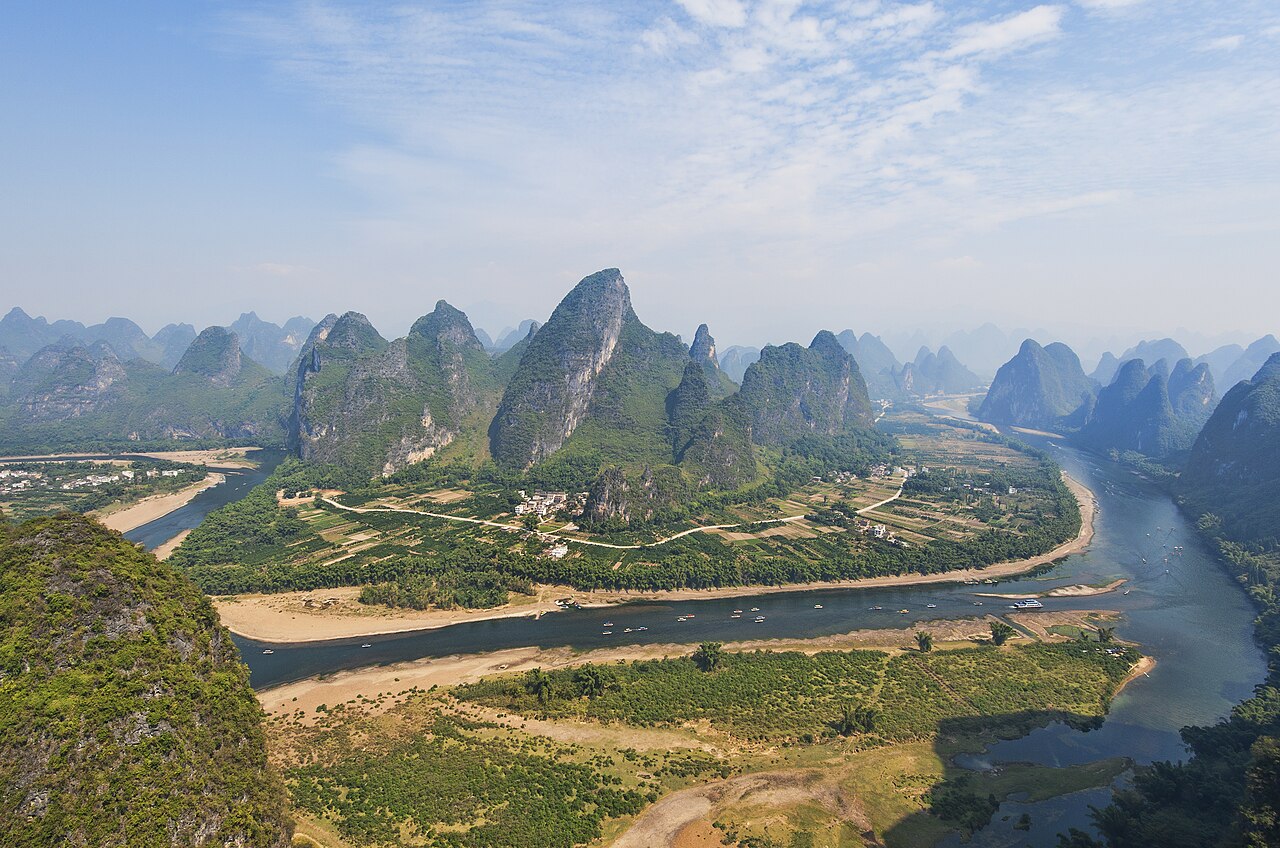
Best Time to Visit China: Month by Month, Region by Region
China is the size of Europe, so 'the best month' depends on where you stand. Here is the month-by-month answer for the north, the Yangtze valley, the south and the plateau.
8 min read
Planning
Best Time to Visit China: Month by Month, Region by Region
China is the size of Europe, so 'the best month' depends on where you stand. Here is the month-by-month answer for the north, the Yangtze valley, the south and the plateau.
8 min read
 Food
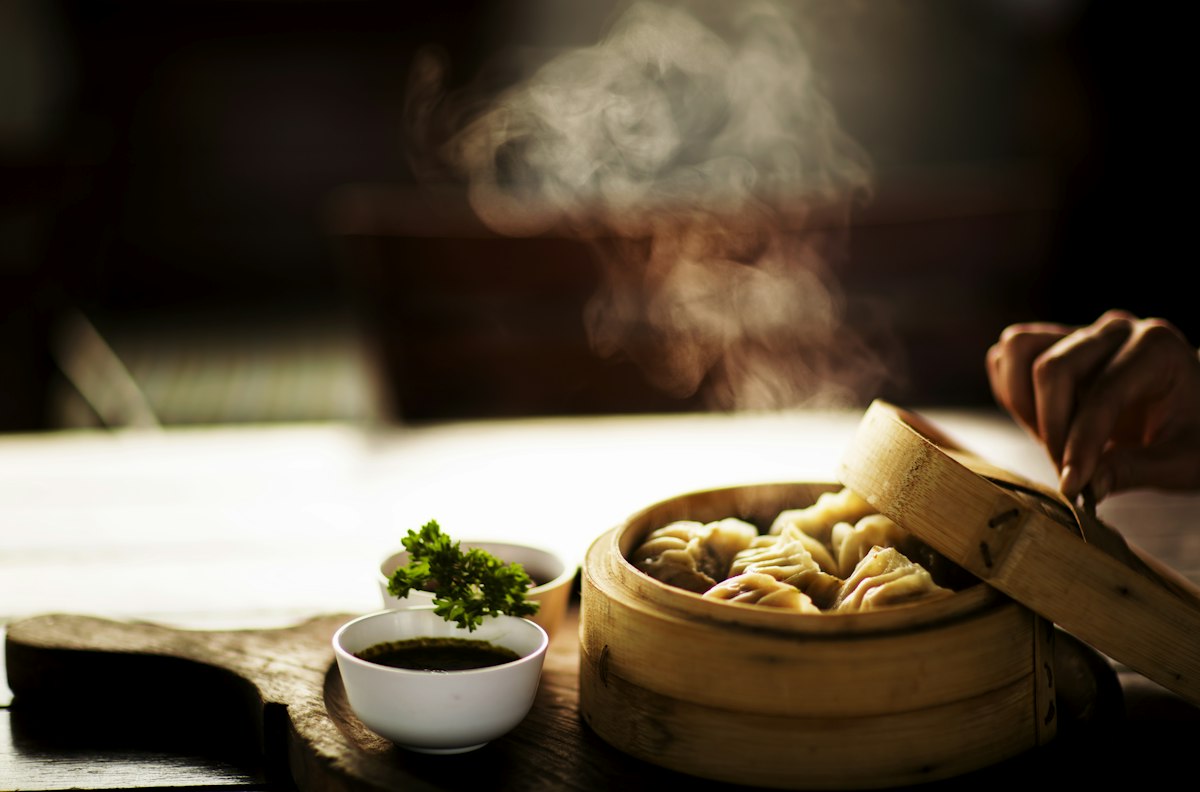
Chinese Food Culture: Eight Cuisines, One Table
There is no such thing as Chinese food. There is Cantonese, Sichuan, Hunan, Jiangsu, Zhejiang, Fujian, Anhui and Shandong — and knowing which one you are eating changes everything.
8 min read
Food
Chinese Food Culture: Eight Cuisines, One Table
There is no such thing as Chinese food. There is Cantonese, Sichuan, Hunan, Jiangsu, Zhejiang, Fujian, Anhui and Shandong — and knowing which one you are eating changes everything.
8 min read
 Peoples
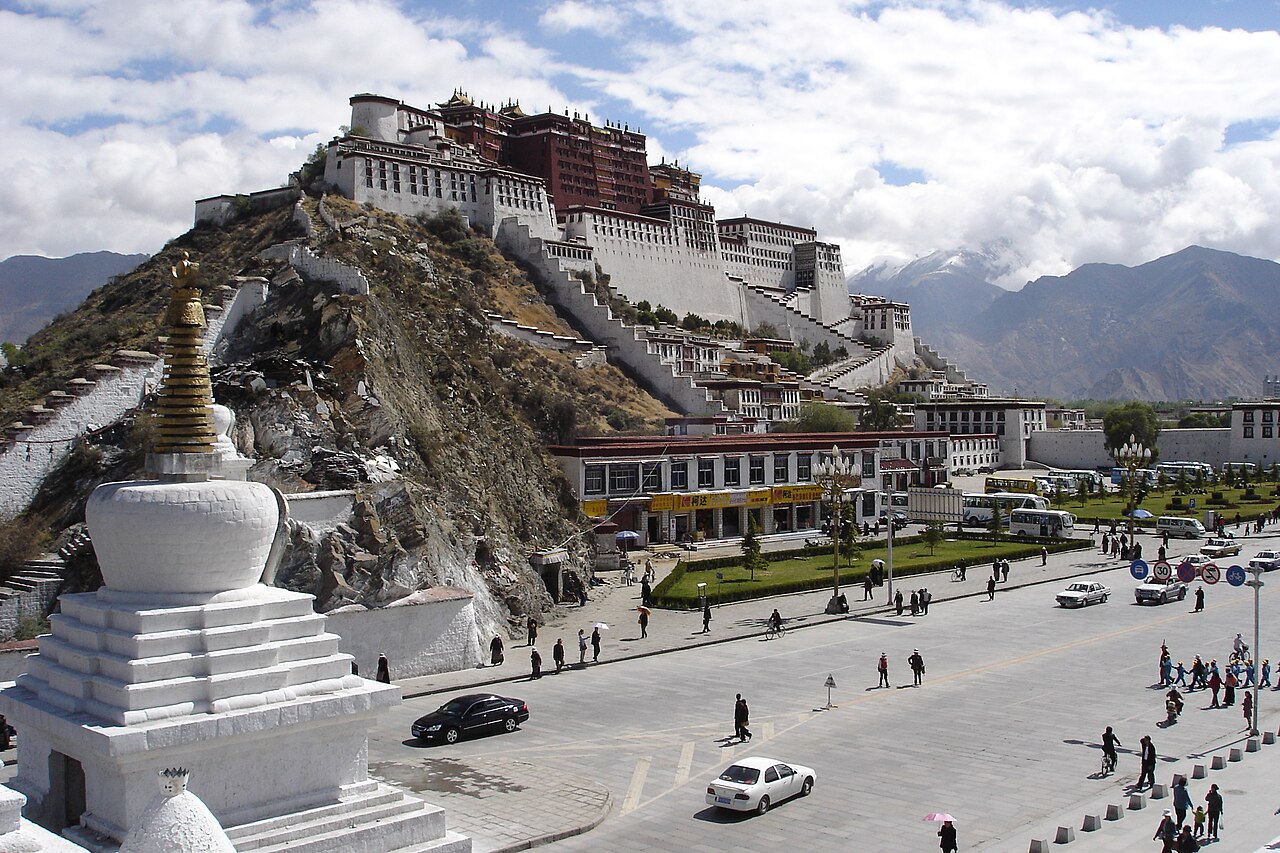
China's Ethnic Minorities: 55 Groups, and Where to Meet Them
Roughly one in twelve people in China is not Han. Their languages, crafts and festivals are the least visited part of the country, and in several regions the most rewarding.
8 min read
Guilin
Guangxi Zhuang Autonomous Region · 2 tours
Guilin is in the Guangxi Zhuang Autonomous Region, and it gives you the landscape Chinese painting was invented to describe: limestone karst peaks ris
Peoples
China's Ethnic Minorities: 55 Groups, and Where to Meet Them
Roughly one in twelve people in China is not Han. Their languages, crafts and festivals are the least visited part of the country, and in several regions the most rewarding.
8 min read
Guilin
Guangxi Zhuang Autonomous Region · 2 tours
Guilin is in the Guangxi Zhuang Autonomous Region, and it gives you the landscape Chinese painting was invented to describe: limestone karst peaks ris
 Beihai
Guangxi · 4 tours
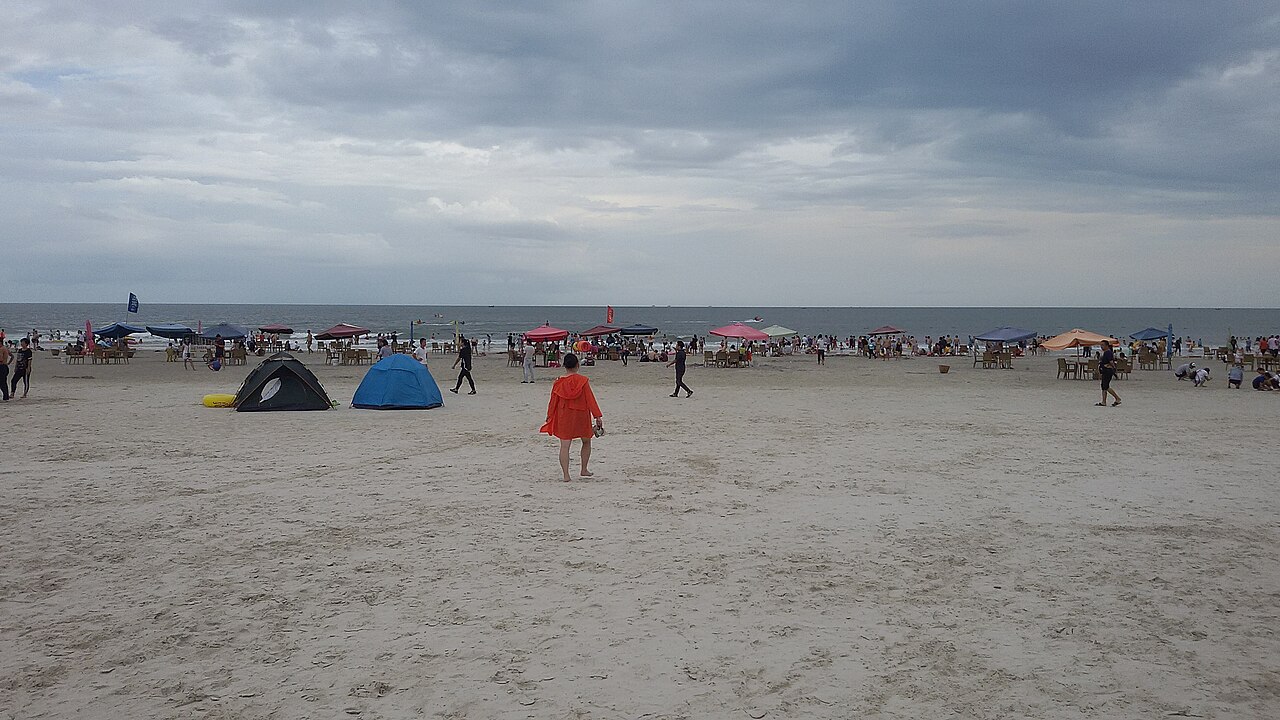
Beihai is Guangxi's Gulf of Tonkin coast, 200 km south of Nanning, and it pairs one of China's best beaches with a volcanic island worth a night of it
Beihai
Guangxi · 4 tours
Beihai is Guangxi's Gulf of Tonkin coast, 200 km south of Nanning, and it pairs one of China's best beaches with a volcanic island worth a night of it
The fastest way is high-speed rail, about three hours from Nanning to Beihai; there are also frequent express buses, roughly every 20 minutes from the coach station, taking about three hours for around ¥60. Both leave you close to Beihai's centre and its bus route 3.
Worth two days. It is a gateway to Beihai, the Detian Falls and Vietnam, but on its own it has Qingxiu Mountain, the Guangxi Museum of Nationalities, river parks and one of the best food scenes in the south. Treating it as a two-hour train connection undersells a genuinely green, relaxed capital of nearly nine million.
October to November, when the annual International Folk Song Festival fills the city with performances, and the heat has broken. Spring is also pleasant. July and August are hot and humid, with averages of 28°C and highs pushing past 35°C, and heavy rain; pack sun protection and an umbrella if you come then.
Start with laoyou noodles, the city's signature sour-spicy bowl, then try rolled rice noodles, the fermented noodles known as sheng zha fen, lemon duck, and suan ye — pickled fruit and vegetables sold all over town. Save an evening for the Zhongshan Road night market, where grilled oysters and luosifen are the standards.
Yes. There are direct buses from Langdong coach station to Hanoi, with the border formalities handled at the crossing, and trains and buses run to Pingxiang for the Friendship Pass. You need a passport and a visa, or a valid e-visa; the overland crossing is straightforward if your paperwork is in order.
The falls are about four hours from Nanning by road, so it is a long day trip or an overnight. There are direct tourist buses from Langdong station in the morning, with a fixed return time, or you can go via Daxin. Given the distance and the changing transport, a private car or a small tour is the least stressful way to do it.
Free itinerary design, a revised plan within one working day, and nothing charged until you approve the final version.