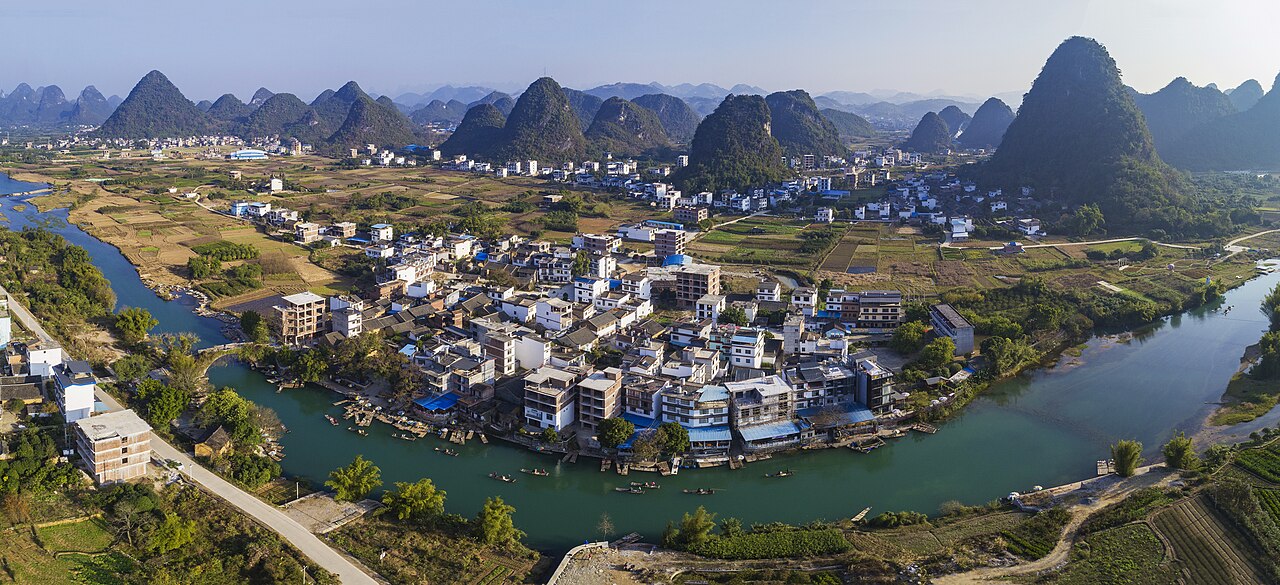
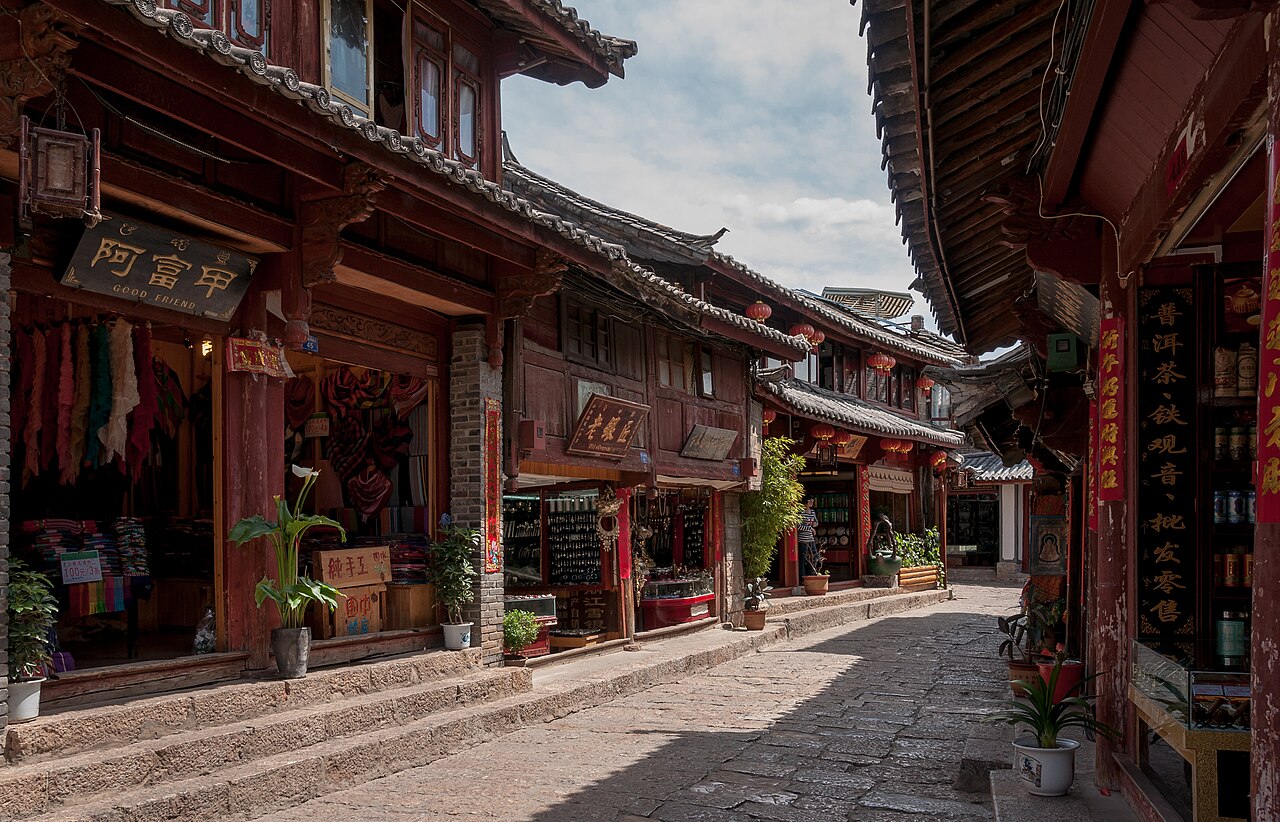
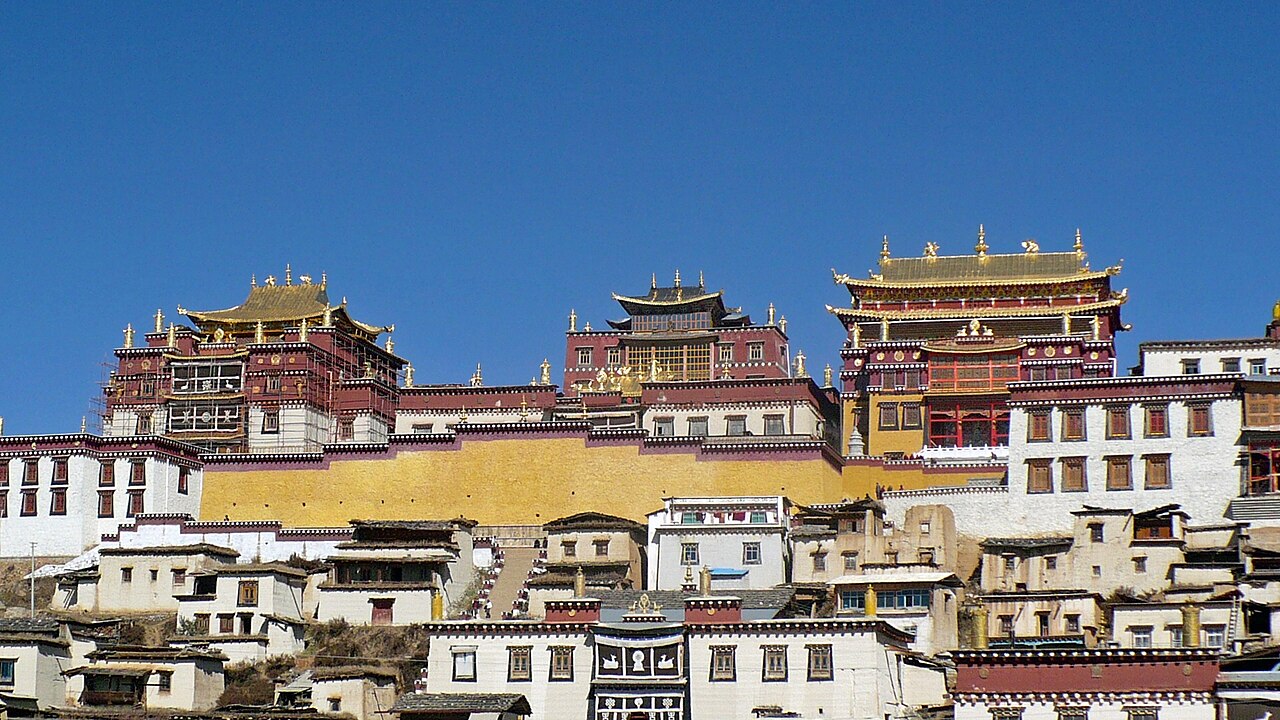
Lugu Lake is the Shangri-La of Yunnan's imagination without the crowds of Shangri-La itself: a deep, clear sheet of water at 2,680 m, held between mountains so steep that until recently the only way in was a day of switchbacks by road. It lies half in Yunnan's Ninglang county and half in Sichuan's Yancheng, and it is the reason the Mosuo people here — one of China's last matrilineal societies — have kept a culture found nowhere else.
The Mosuo live in extended matrilineal households headed by women, and traditionally practise 'walking marriage' (zouhun), in which a man visits a woman at night and returns to his mother's house by morning. It is not free love and it is not a harem, whatever the postcards suggest: it is a stable system of partnerships in which property, family name and household pass down the female line. Come with curiosity, not with the 'Kingdom of Women' cliché, and the place opens up.
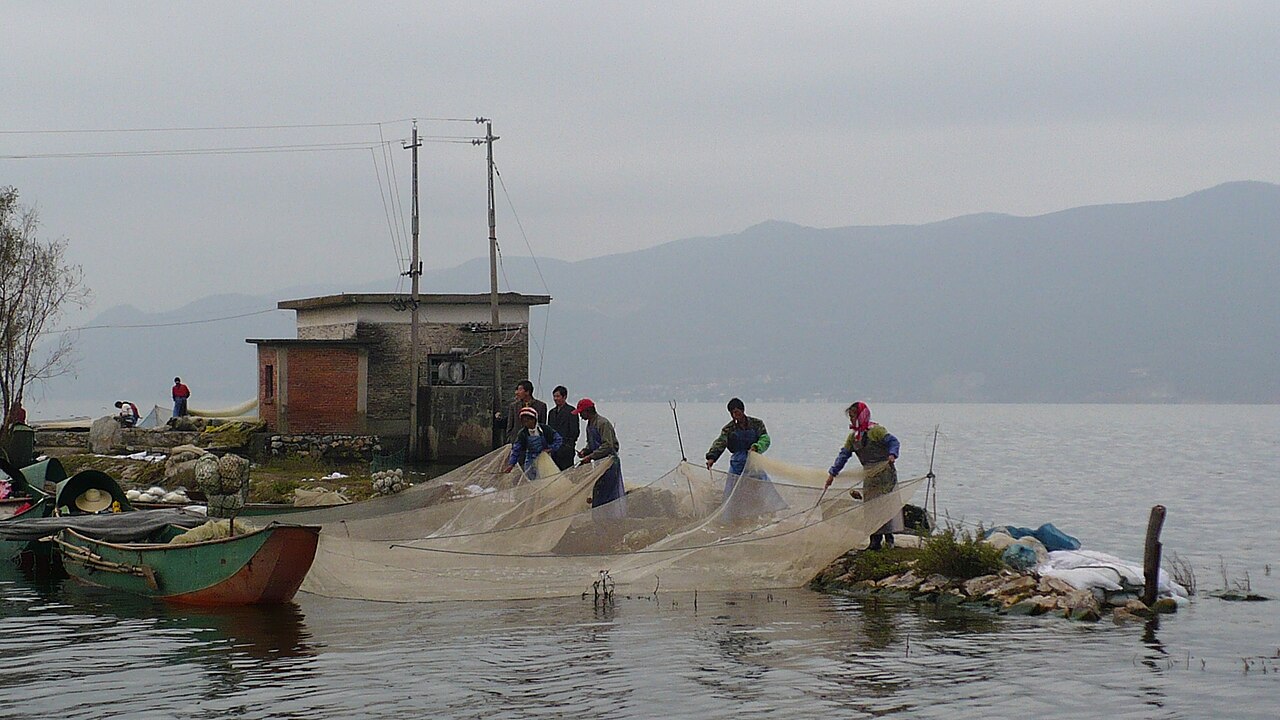
The lake itself is a small archipelago of five islands and three peninsulas, ringed by eighteen villages. Lige, on a thumb of land on the western shore, is the prettiest and the best base; Luoshui is the busiest; Xiaoluoshui and Luowa are quieter. A pig-trough canoe — a hollowed log first cut for fishing — is still the way to cross the water, and on a still morning the whole surface turns to glass.
This is a slow place on purpose. There is one genuine sight to see, one lake to circle, and a great deal of doing nothing, which is exactly the point. Give it three days and let the altitude and the quiet reset you.