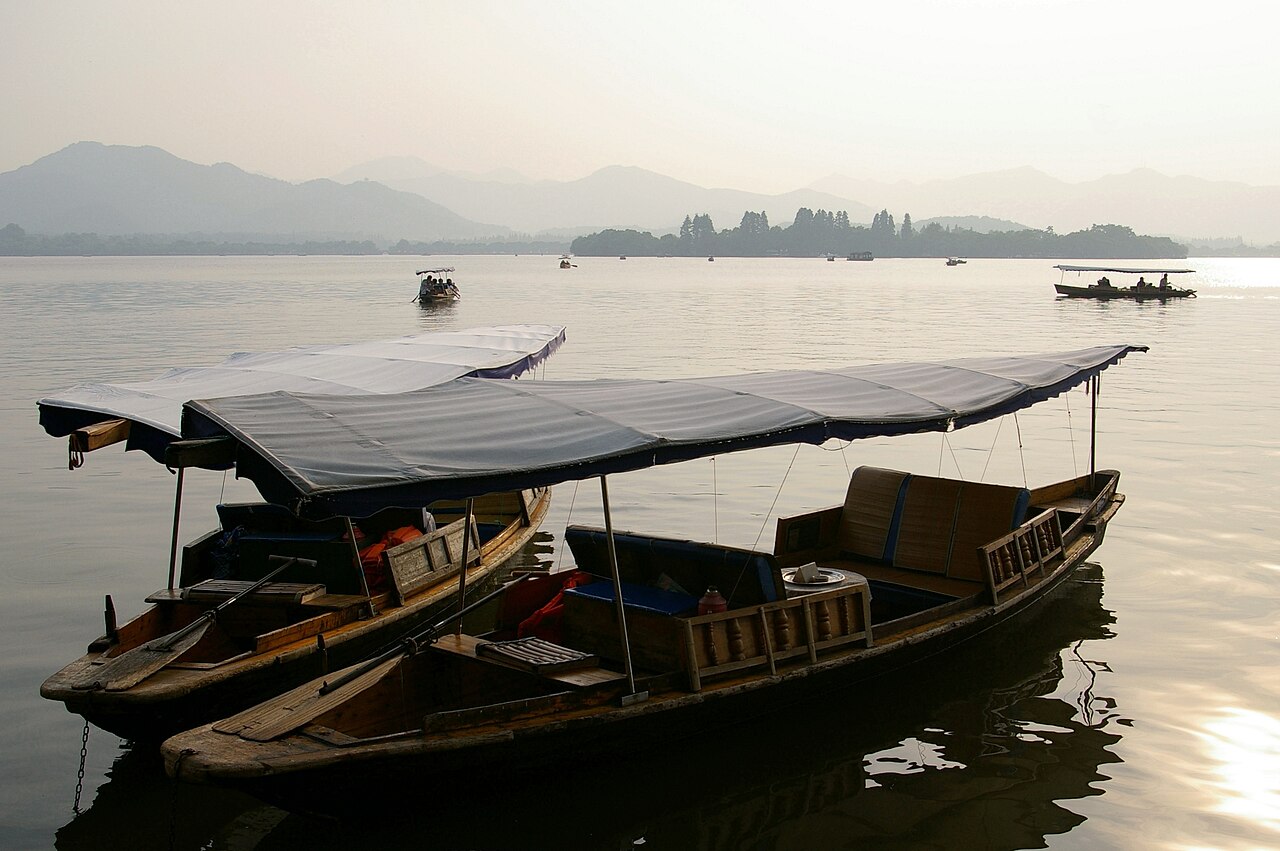
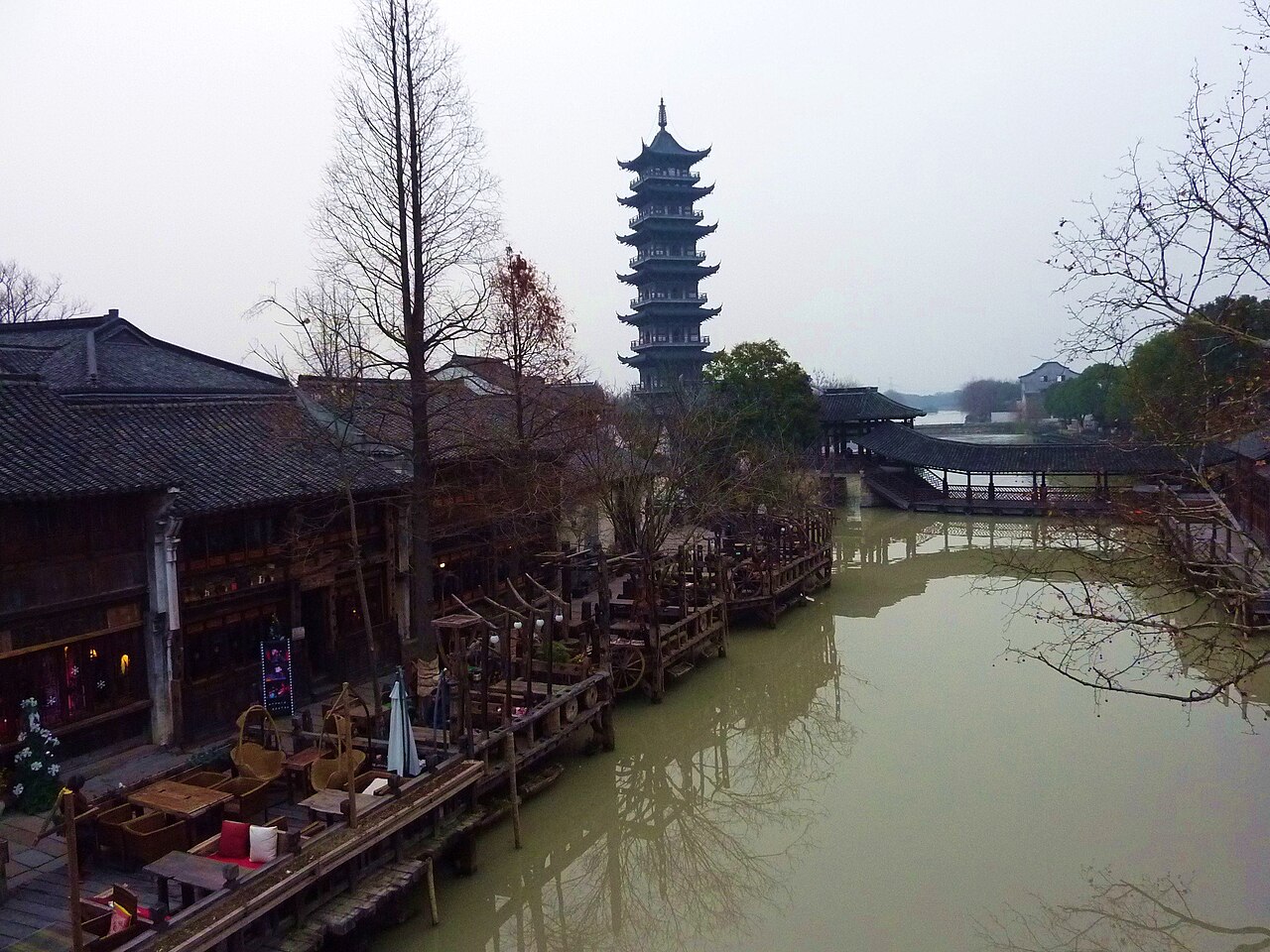
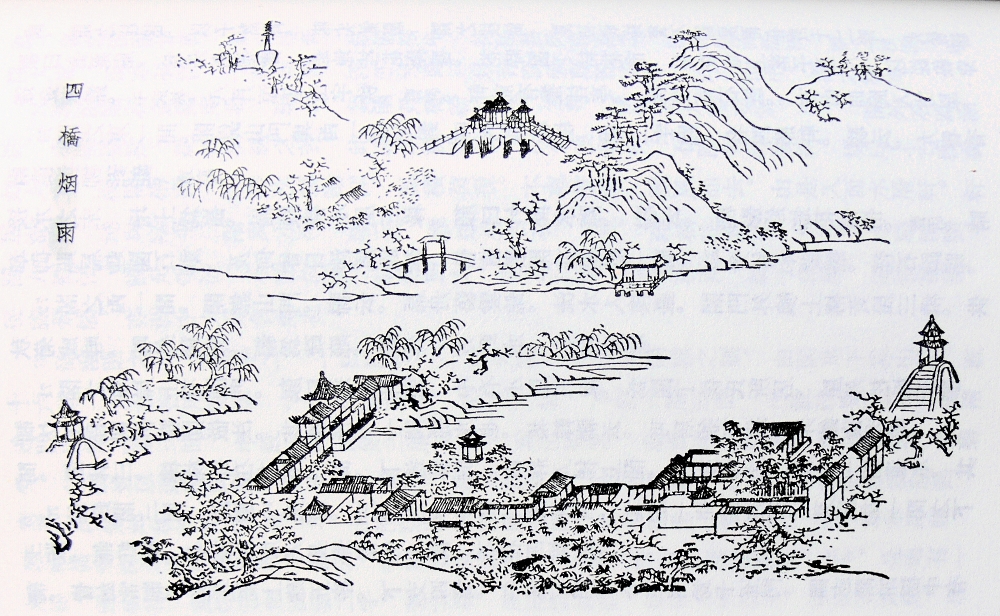
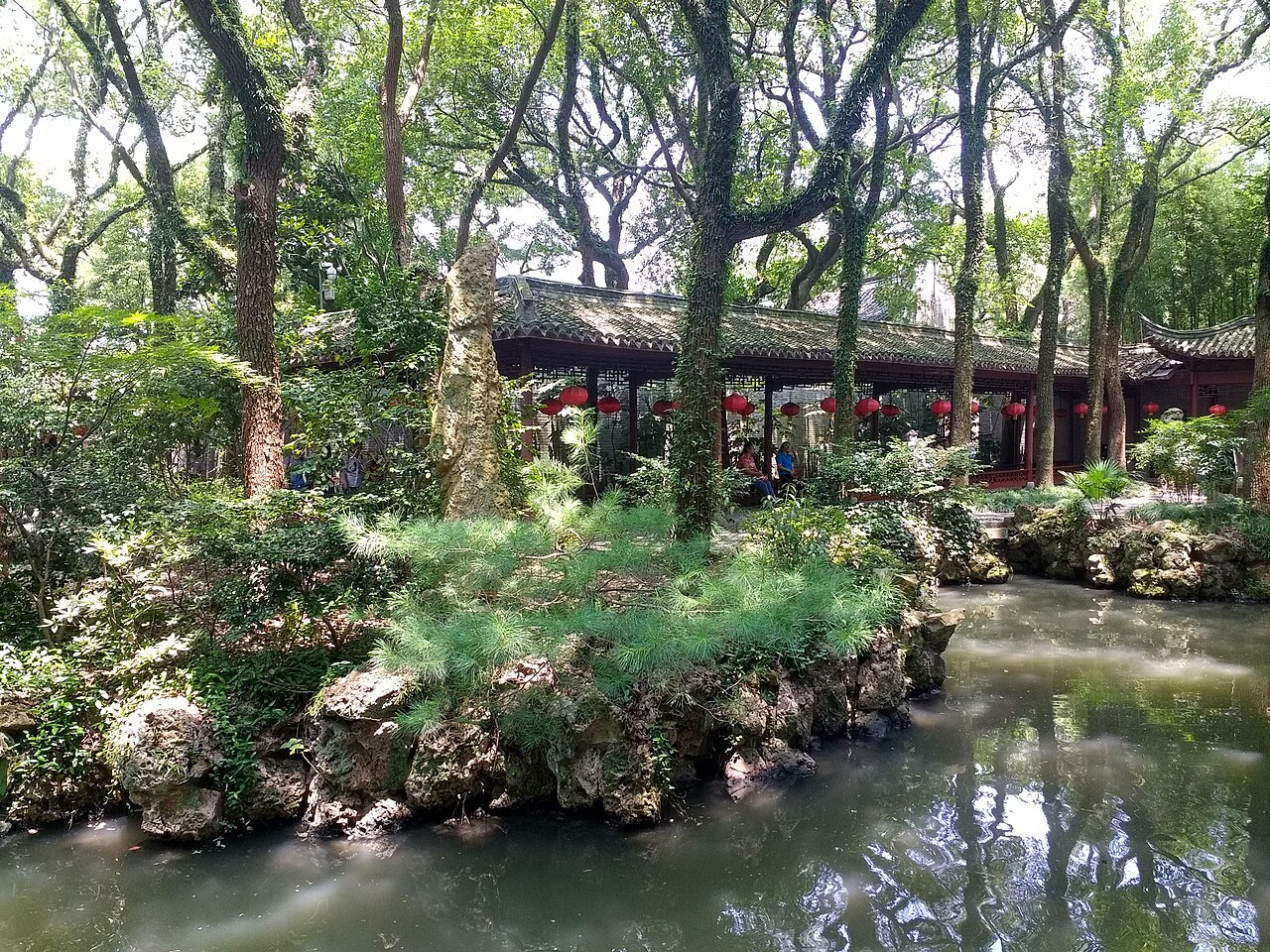
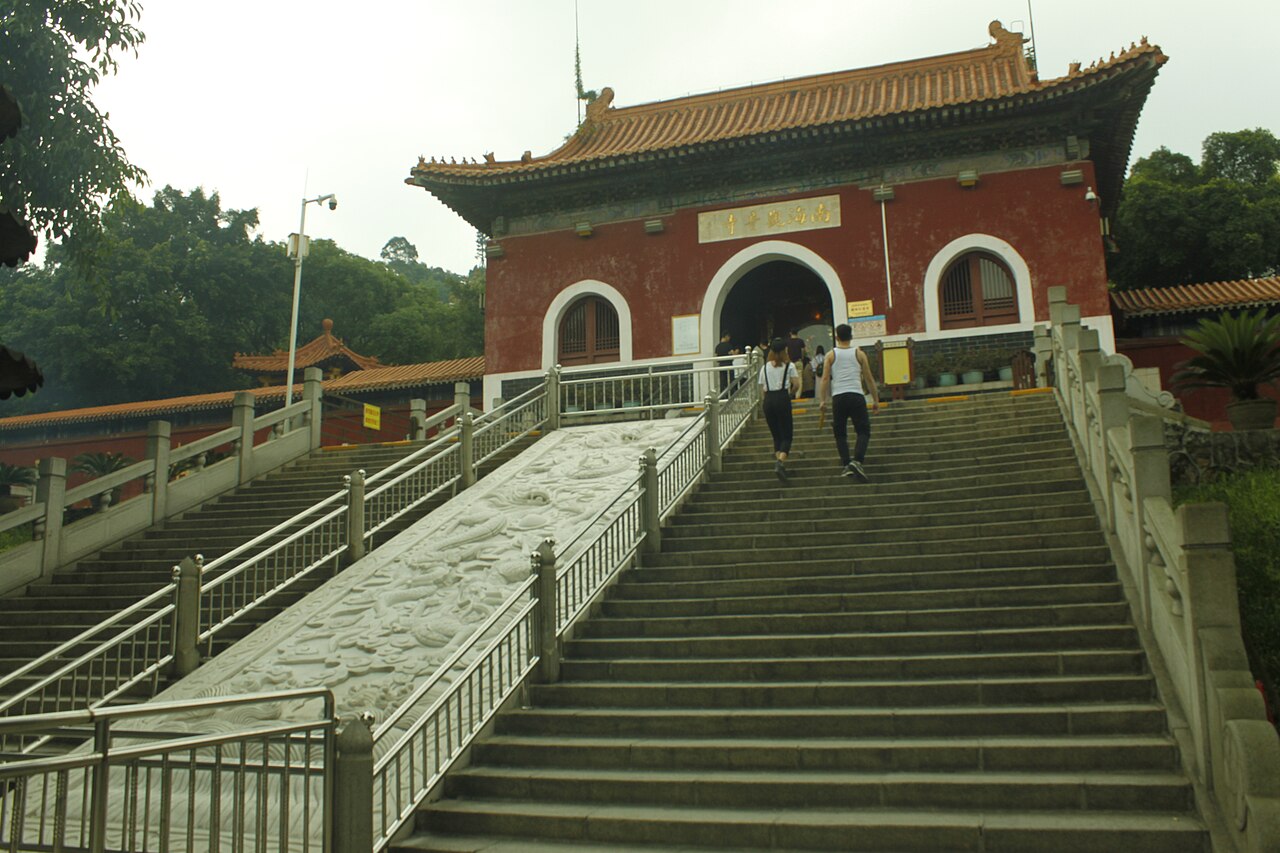
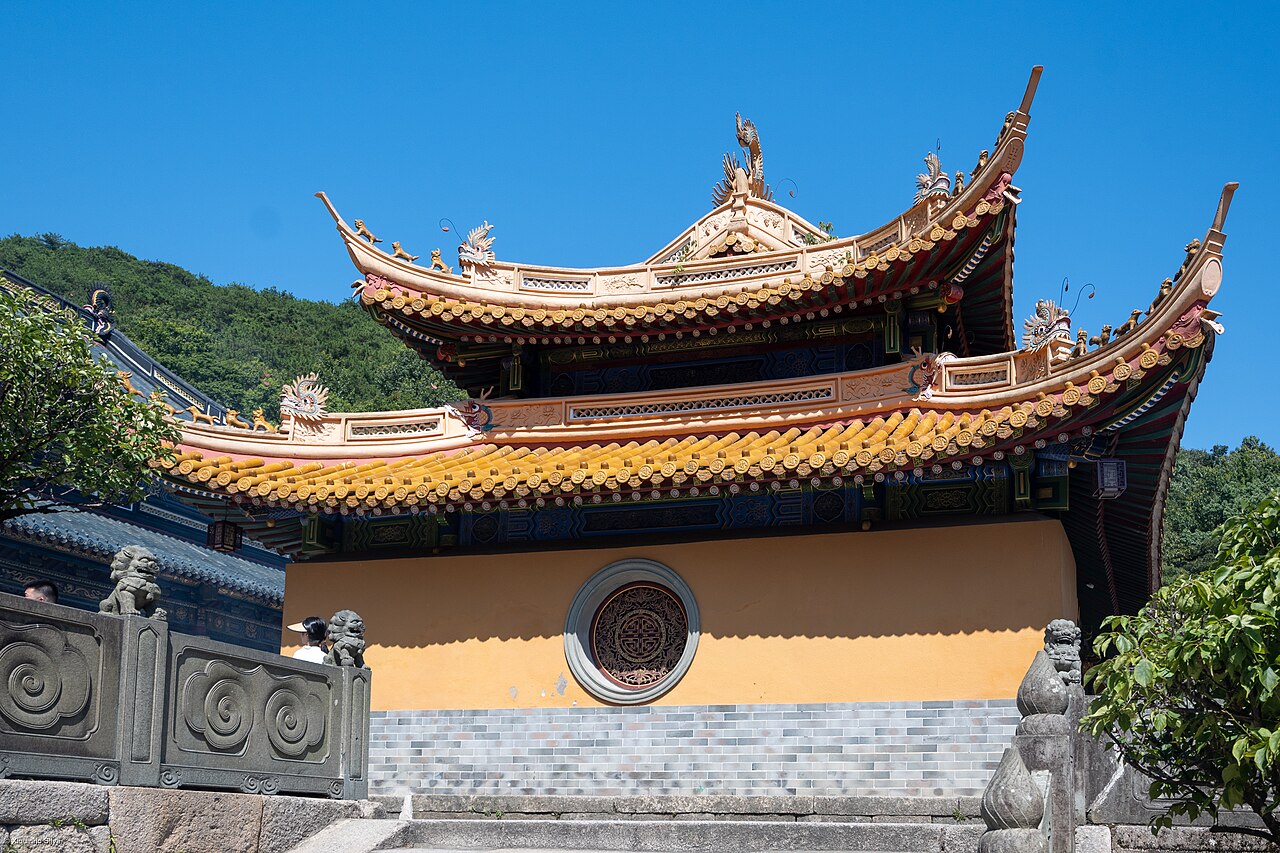
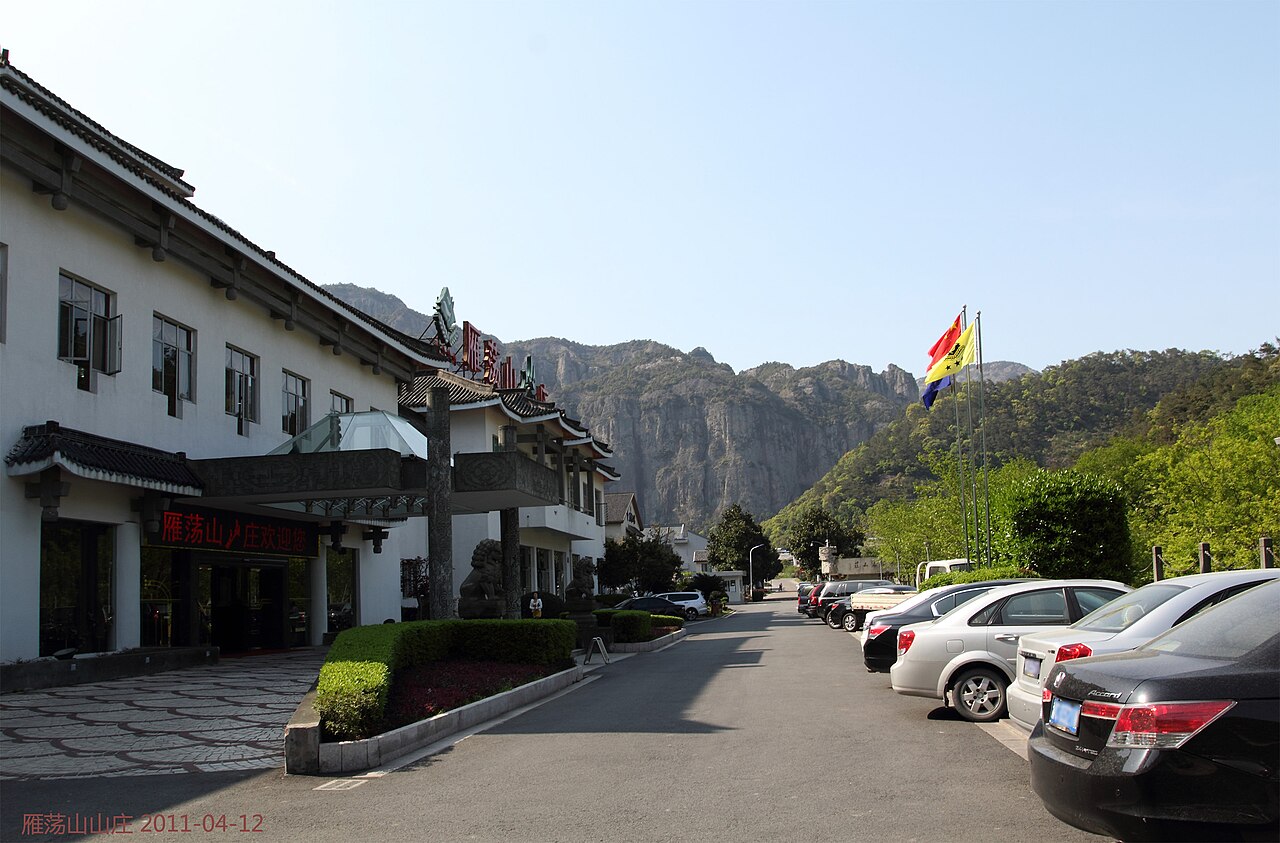
Zhejiang is a small province with an outsized reputation. It takes up the southern flank of the Yangtze Delta, wedged between the East China Sea on one side and Fujian, Jiangxi, Anhui, Shanghai and Jiangsu on the others, and it manages to be several quite different countries at once: the lake city of Hangzhou that Marco Polo and the Song court called paradise, the canal towns of Wuzhen and Xitang where the water still runs down the middle of the street, the tea terraces above the West Lake hills, the Buddhist island of Putuo Mountain, and the rhyolite peaks of Yandangshan away down on the Wenzhou coast.
The cliché is that Zhejiang is a soft province — willow, water, silk, a civilised feminine sort of place. The truth is less tidy. The Qiantang, its largest river, empties into the sea in a tidal bore that has drawn crowds since the Han dynasty, and the same coast that produces the bore also produces typhoons. Inland the classic formula is seven parts mountain, one part water, two parts farmland, and the high point, Huangmaojian in Longquan, reaches 1,929 m. Hangzhou is the polished, wealthy, rather languid capital; two hours south, Wenzhou is a town of traders famous across China for starting businesses nobody else would touch.
What holds the province together is money and movement. Zhejiang has been rich since the Southern Song moved its capital to Hangzhou, and the wealth still shows in the food, the gardens and the sheer density of well-kept old towns. It shows just as much in the transport: Xiaoshan airport with its three terminals, high-speed lines running down the coast through Ningbo, Taizhou and Wenzhou, and coach services that reach villages. In practice that means you can circle the province properly — a lake, a canal town, a Buddhist island and a dead volcano inside one nine-day trip.
One caution worth building the trip around: the calendar matters more here than in most provinces. Summer is genuinely punishing, winter is damp and cold, and March to April is the plum-rain season when an umbrella belongs in your bag every single day. Spring and autumn are when the province is at its best, and Golden Week is when it is at its worst — arrive then and the Su Causeway delivers crowds rather than romance.