Zhoushan is not one island but 1,390 of them, scattered across 22,000 sq km of sea off Zhejiang's east coast. The city itself sits on the largest island, a long shape the locals say looks like a moored boat — 'zhou shan', the boat-shaped mountain. Cross-sea bridges tie the main islands back to the mainland, so you can drive out over the water, but the moment you step onto anything smaller you are back on a boat.
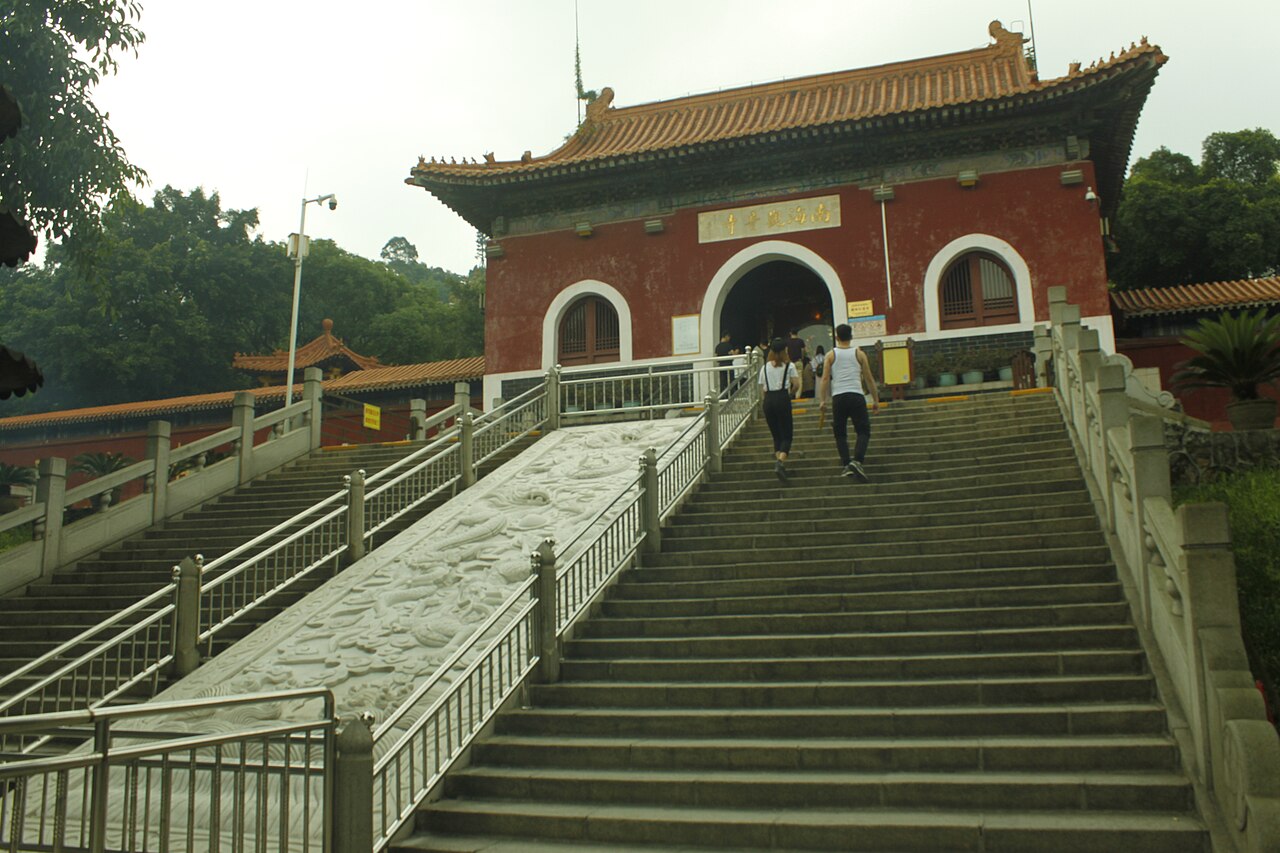
What Zhoushan sells is the sea itself: the Buddhist island of Putuo Mountain, the sand sculpture beaches of Zhujiajian, the swordsman's island of Taohua that Jin Yong put in his novels, and the far outer isles of Dongji and Shengsi where the water turns properly blue. It is a coastline culture rather than a city culture — fishing boats, incense smoke and night seafood stalls matter more here than temples and museums.
The food is the reason a lot of people come. Shenjiamen harbour is the largest natural fishing port in China, one of the world's three great fishing harbours, and the night market at the dock runs a mile of stalls cooking whatever came off the boats that day. Zhoushan beltfish, yellow croaker and swimming crab are the local claims to fame; the beltfish is often called the best-tasting in the world.
It is an easy, low-key destination by Chinese standards. Distances are short, prices are gentle, the air is cleaner than the mainland and English is thin but the signage on the main sights is not. Give it three or four days and go slow — the point of Zhoushan is to stop moving.