City guide · Zhejiang

Zhoushan travel guide: how to island-hop 1,390 isles, what each sight costs, and where the boats actually go

1,390 islands, one road bridge in, and a harbour that lands more fish than almost anywhere on earth.

  • Known forIslands, Putuo Mountain, seafood
  • Typical spend¥1,000–2,000 for 3 days
  • Ideal length3–5 days
  • PaceSlow — one or two islands a day

Reviewed by our Beijing team Updated 2026-10-10

The short version

Zhoushan is an archipelago city of 1,390 islands off Zhejiang, and three days is the honest minimum — one for the Buddhist island of Putuo Mountain, one for Zhujiajian's beaches, one for Shenjiamen's harbour and night market. Putuo Mountain costs ¥160 in peak season and ¥140 in January and December; South Sand beach is ¥60; there is no train, so you come by plane to Putuoshan Airport (HSN) or drive across the sea bridges.

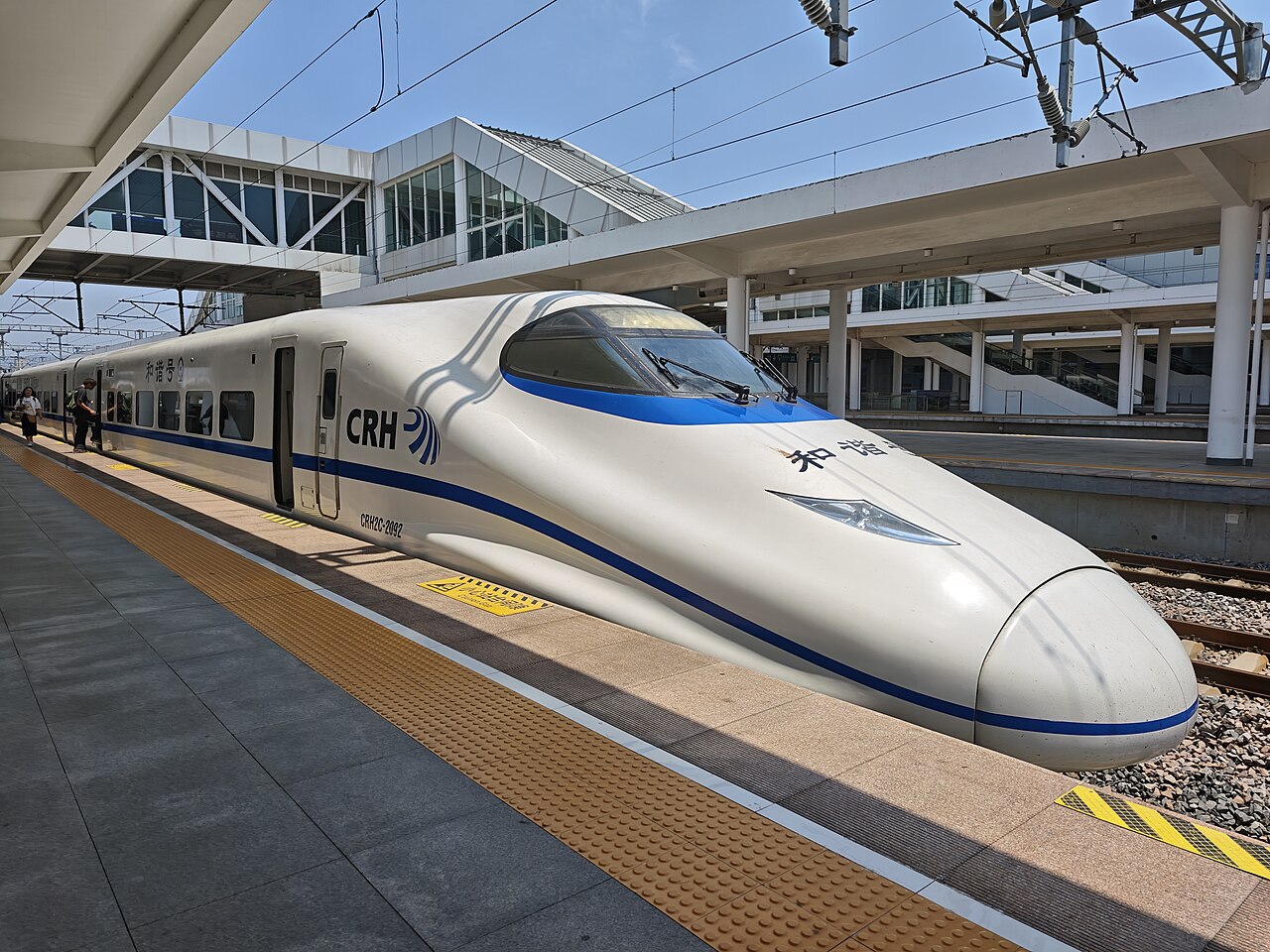
  • There is no railway to Zhoushan and none planned — arrive at Putuoshan Airport (HSN) on Zhujiajian, or by coach from Shanghai, Hangzhou or Ningbo, or by ferry.
  • Putuo Mountain is ticketed by season (¥160/¥140, ¥200 at the big holidays), the temples charge a small incense ticket, and every island beyond the main one is reached only by boat.
  • The Dongji islands take one boat a day from Shenjiamen — out at 08:30, back at 11:00 — so the only sensible way to see them is to stay overnight.
  • Shenjiamen is China's largest natural fishing port and one of the world's three great fishing harbours; its night-market stalls run about ¥126 a head.
  • June to October is beach season but also typhoon season; May and October are the quiet, dry shoulders and the best-value weeks of the year.

City guide

First impressions

Photographs from the coast, and what other travellers wrote afterwards.

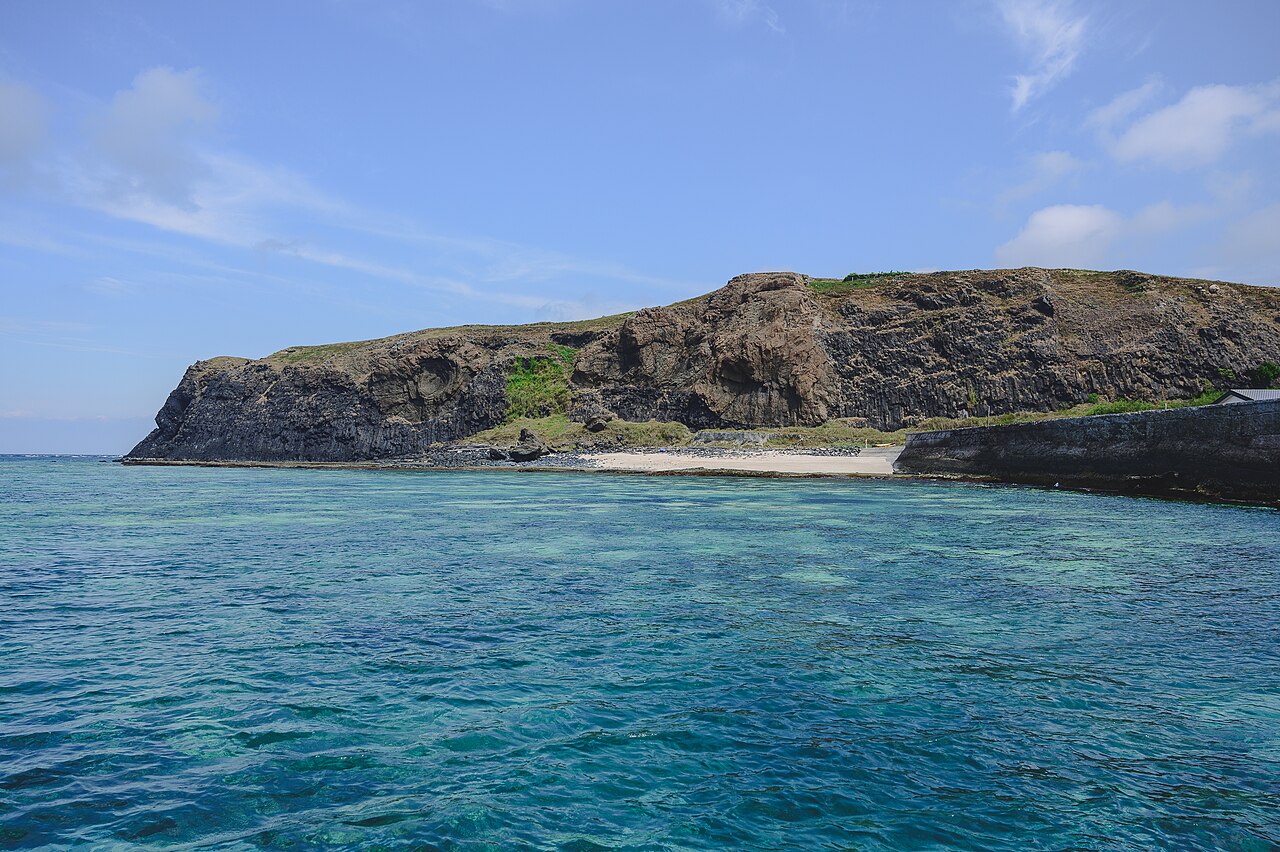
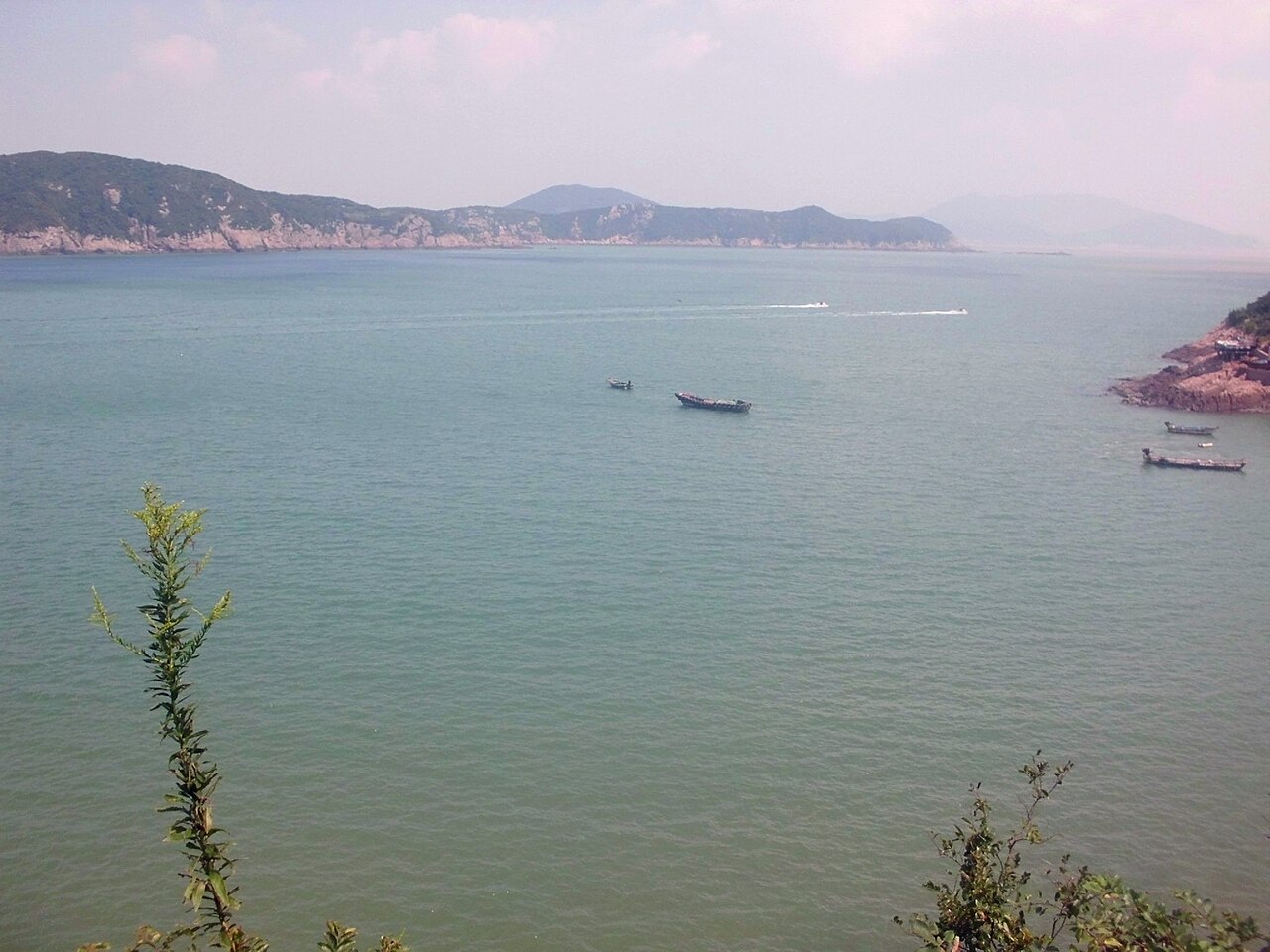
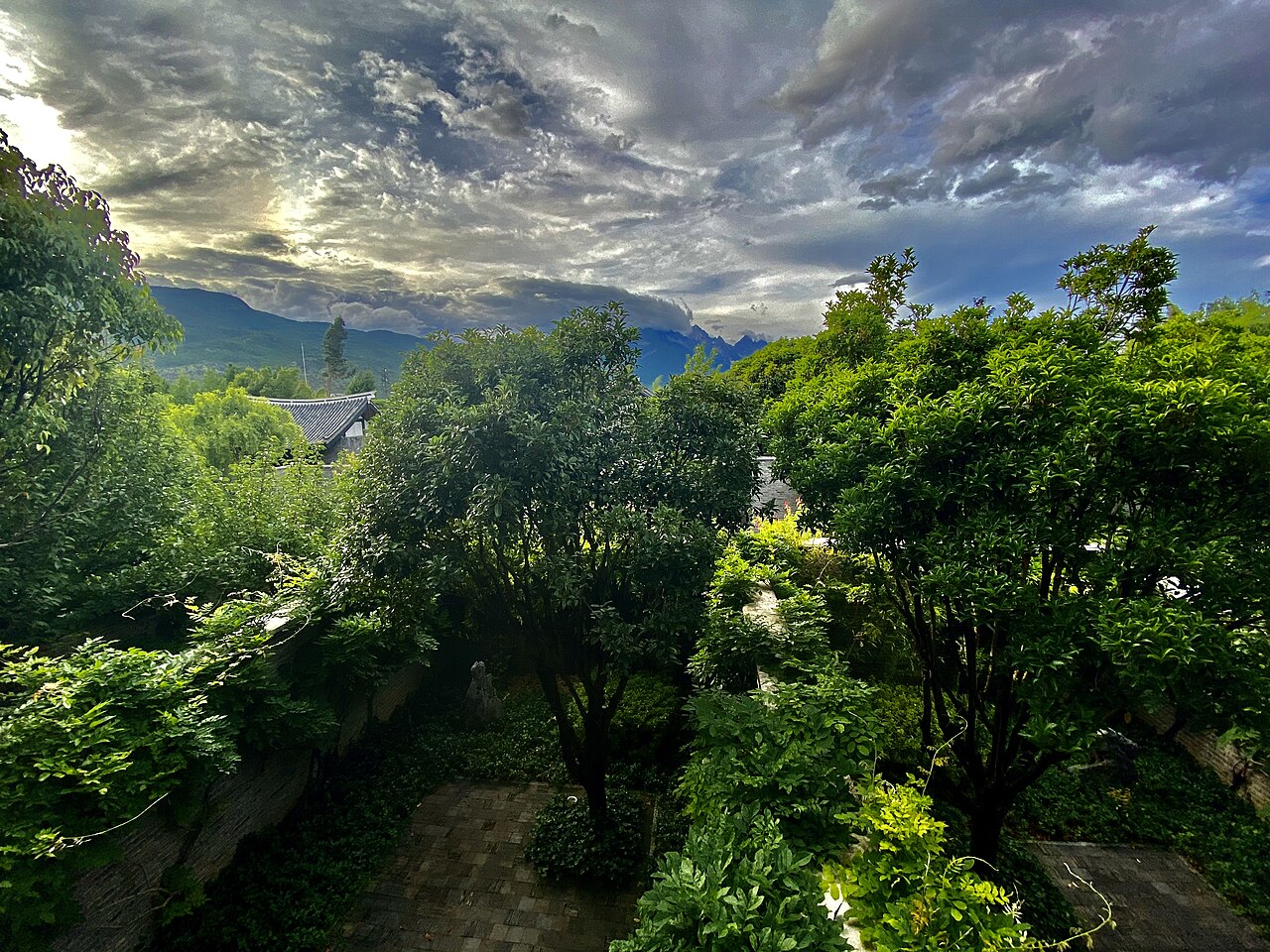
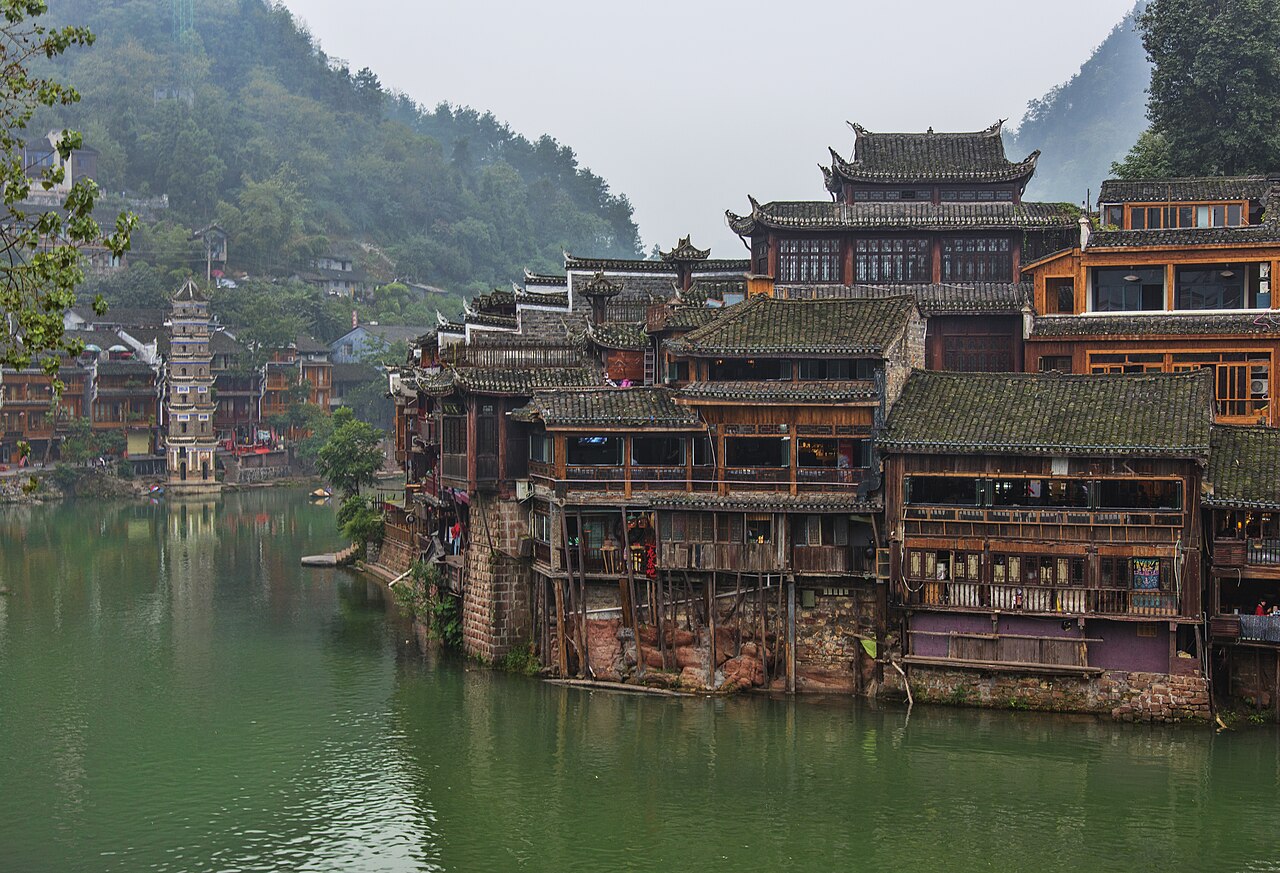
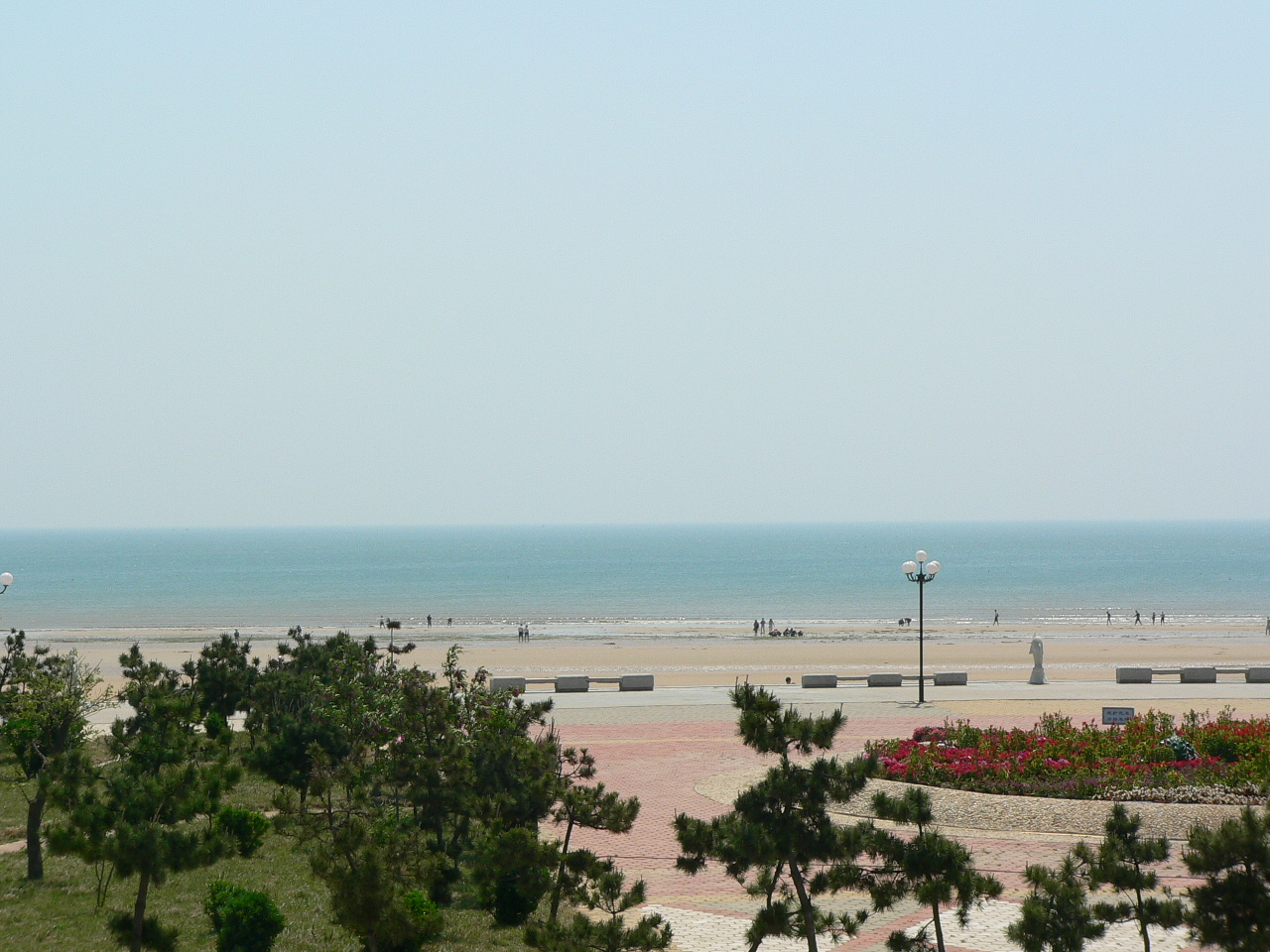
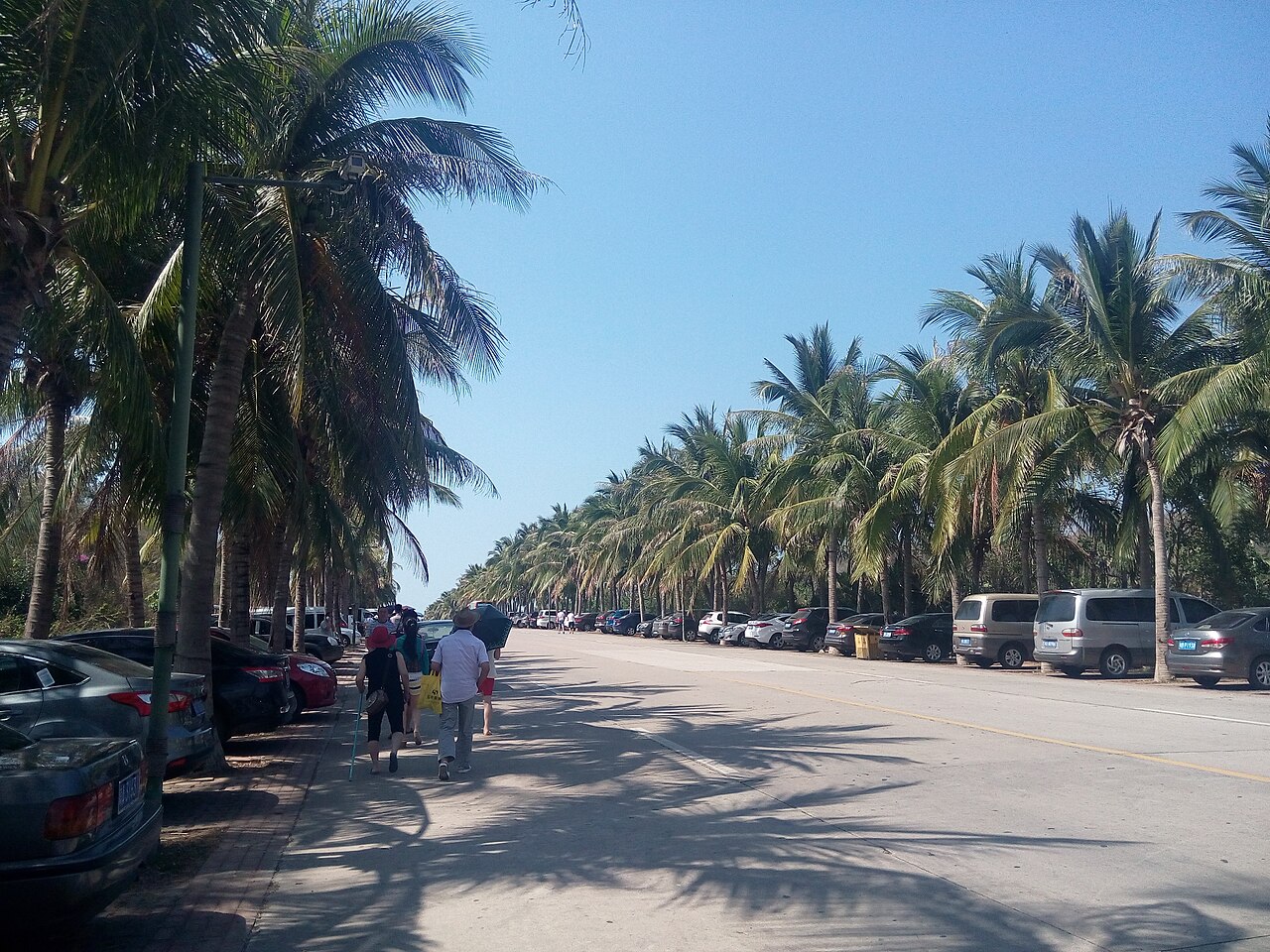
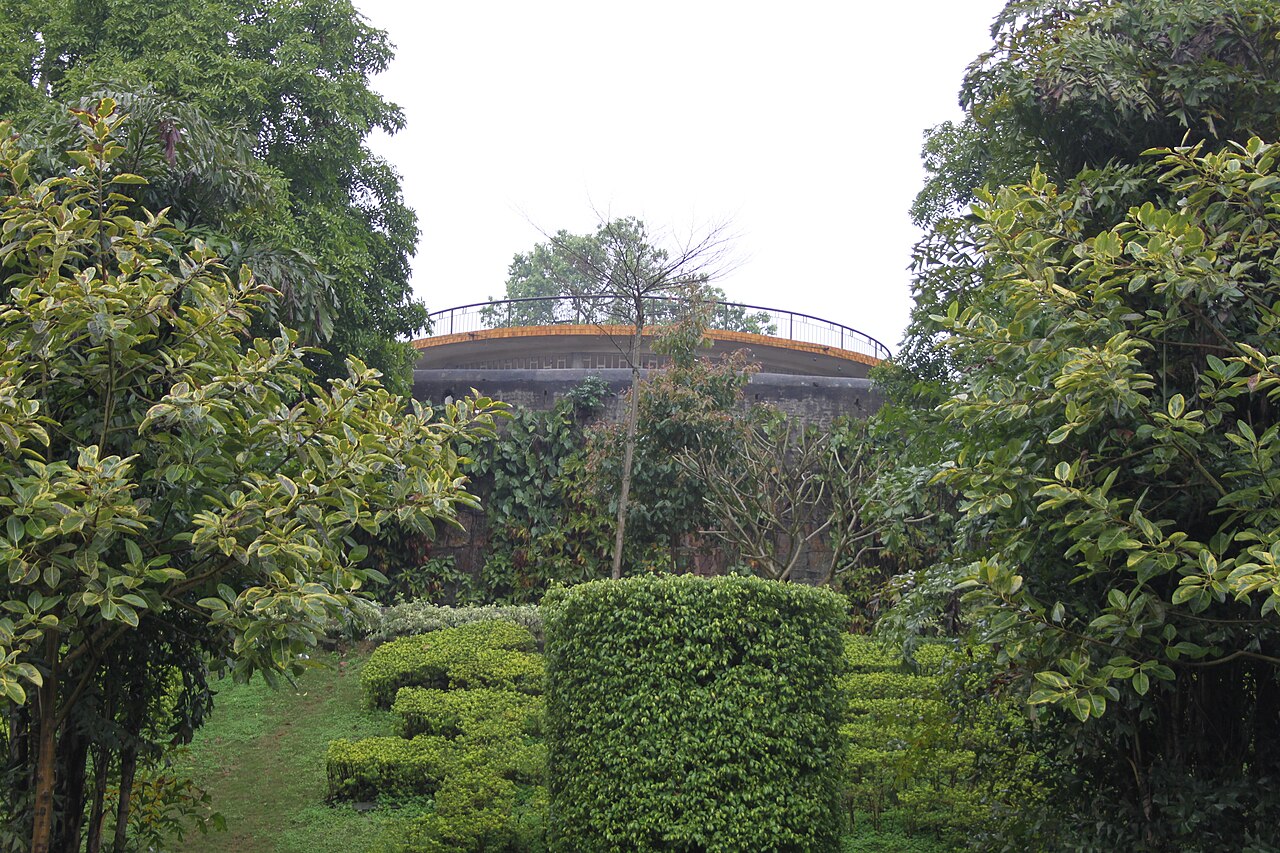
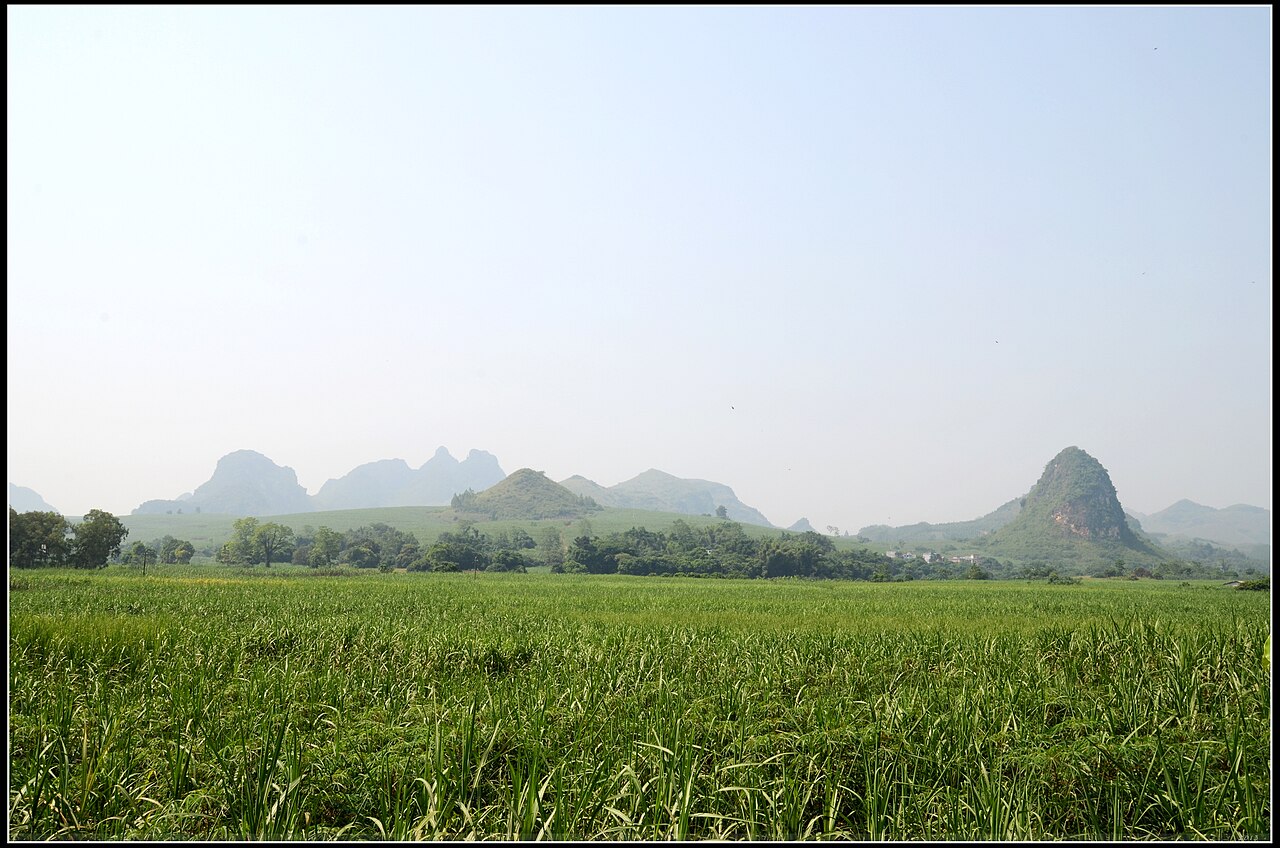
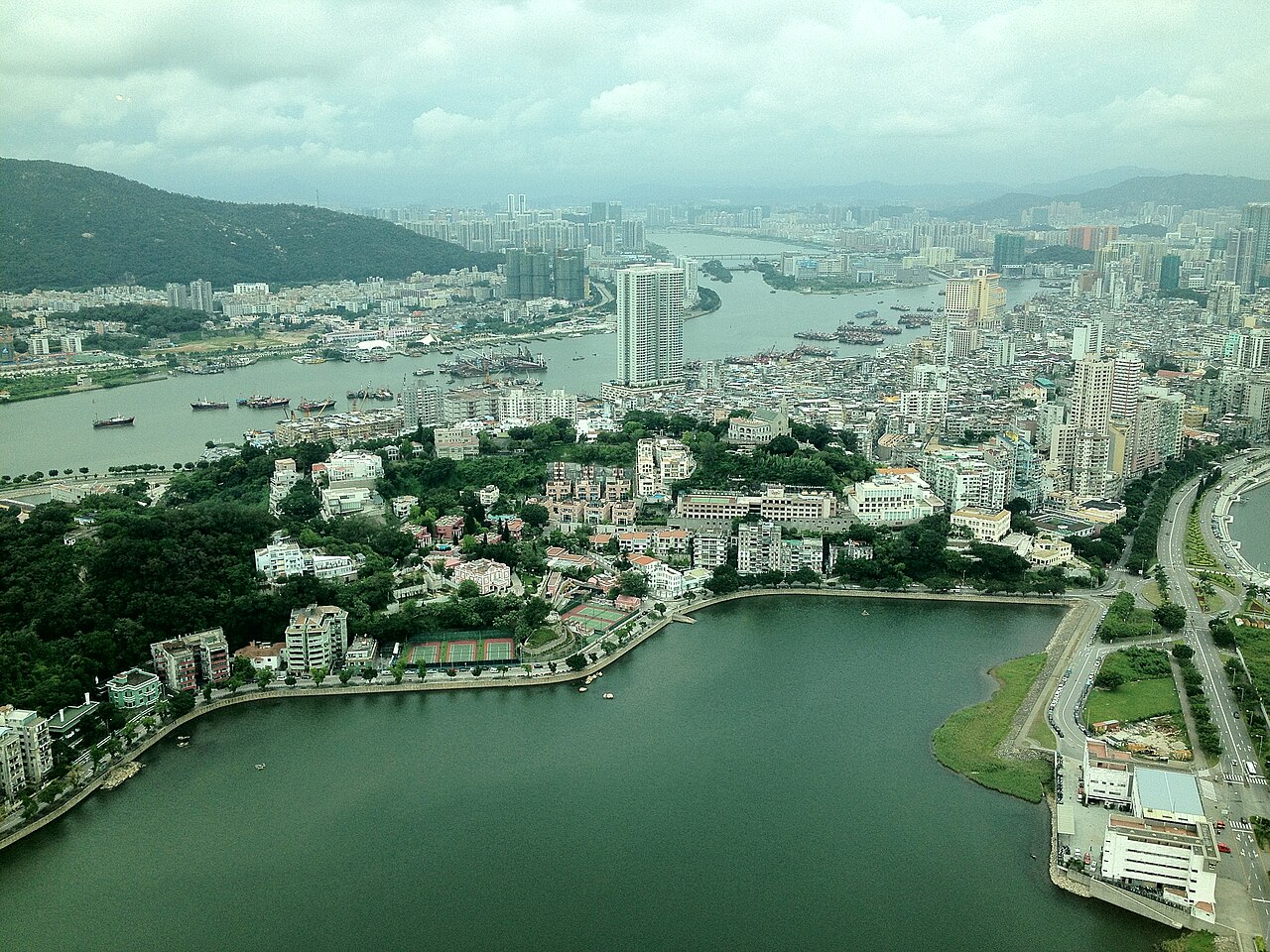
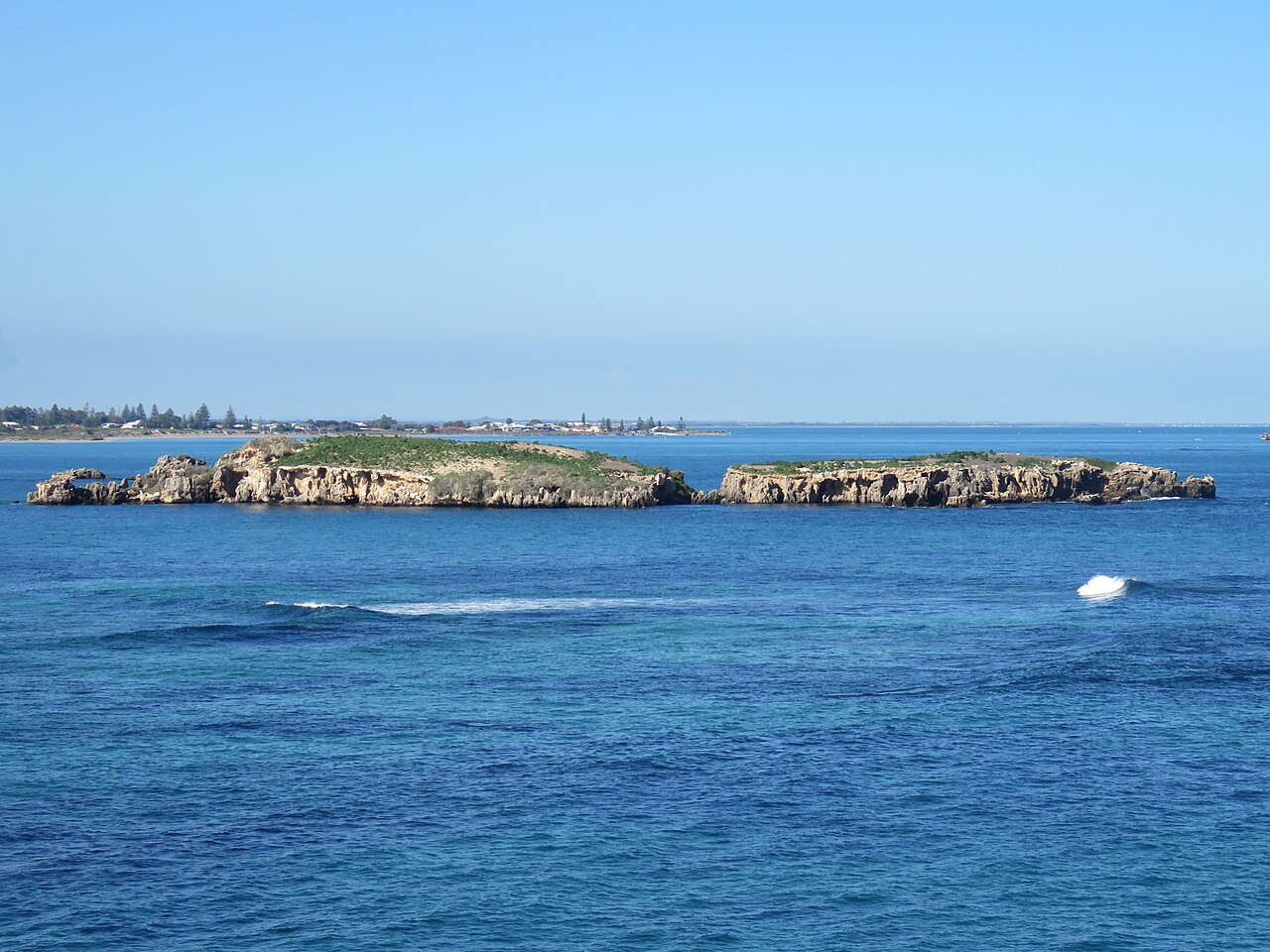
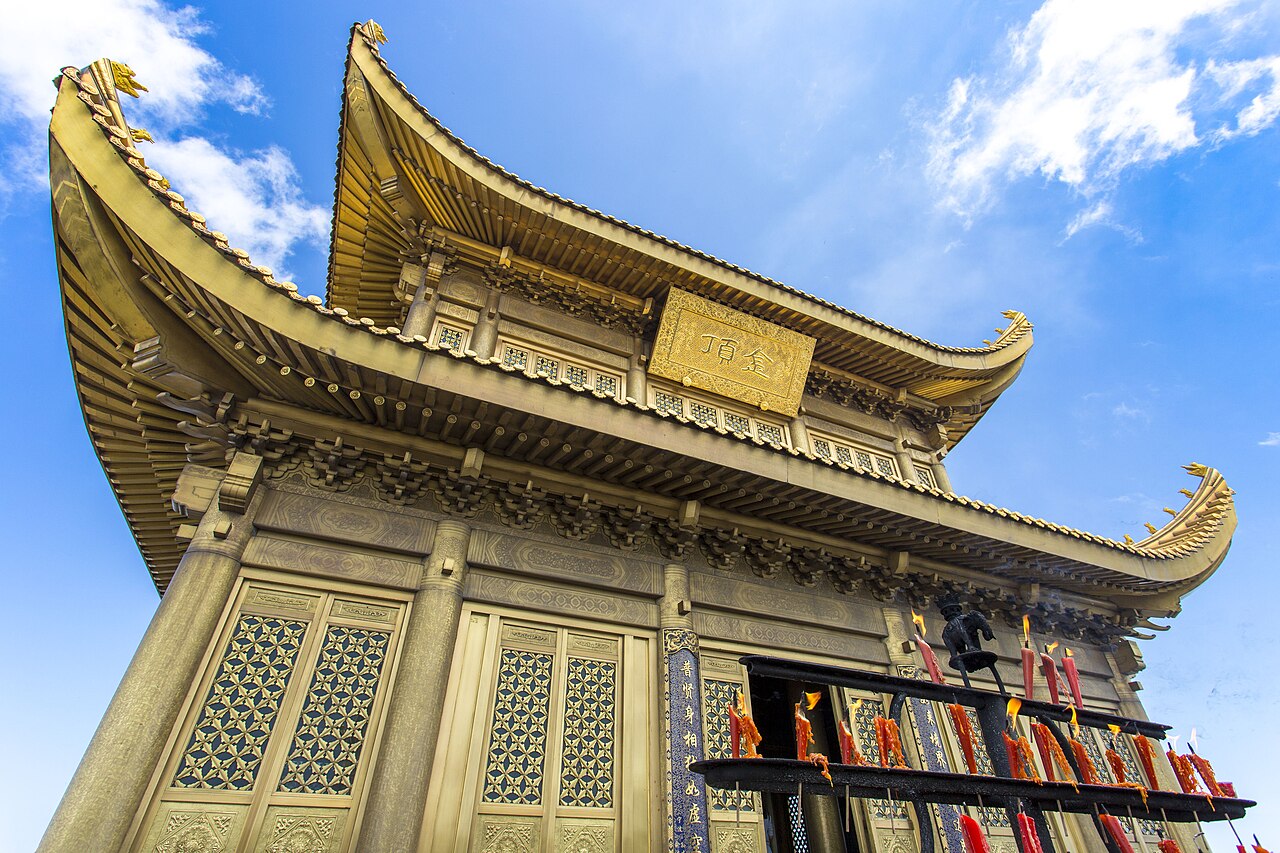
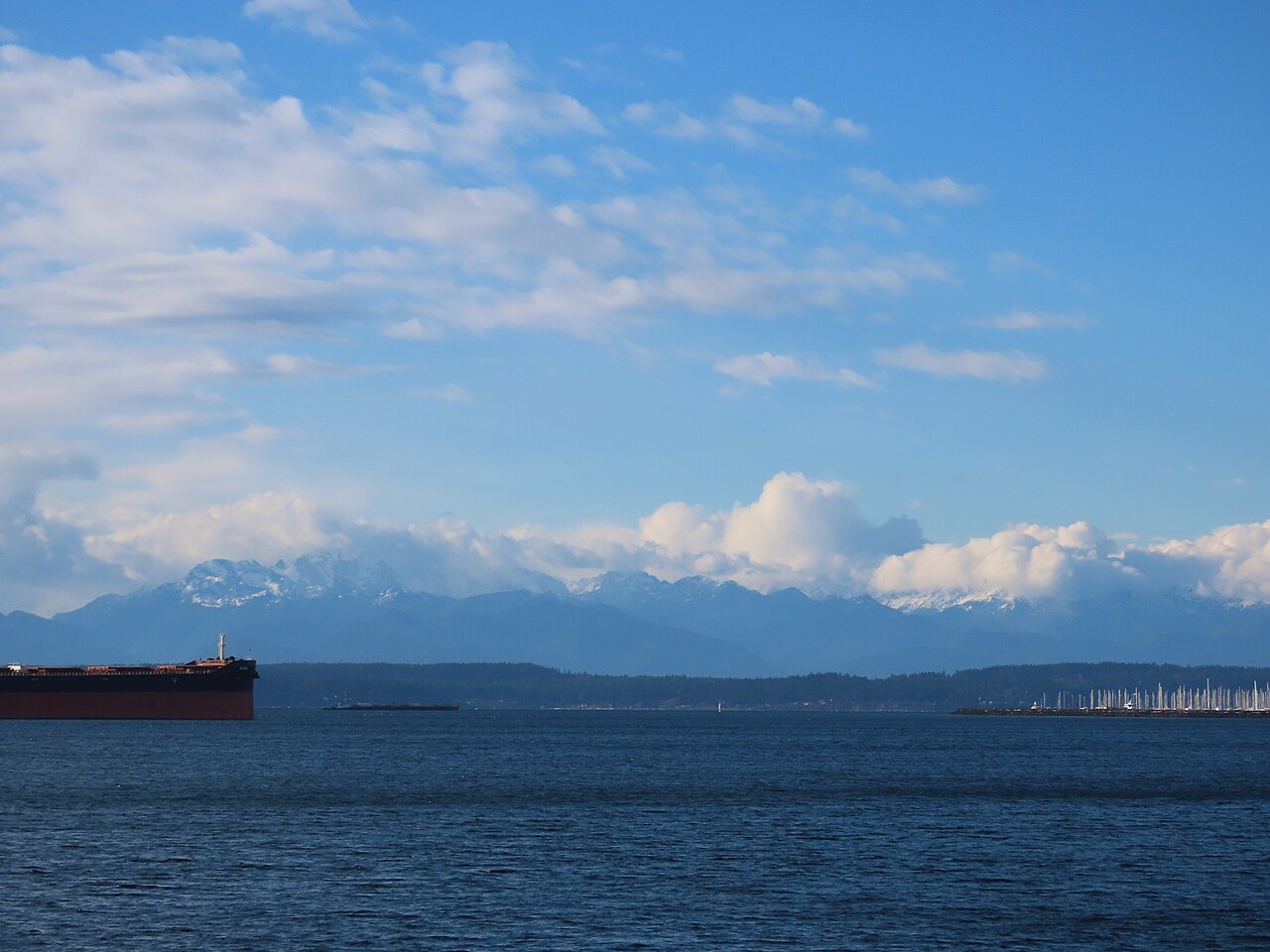
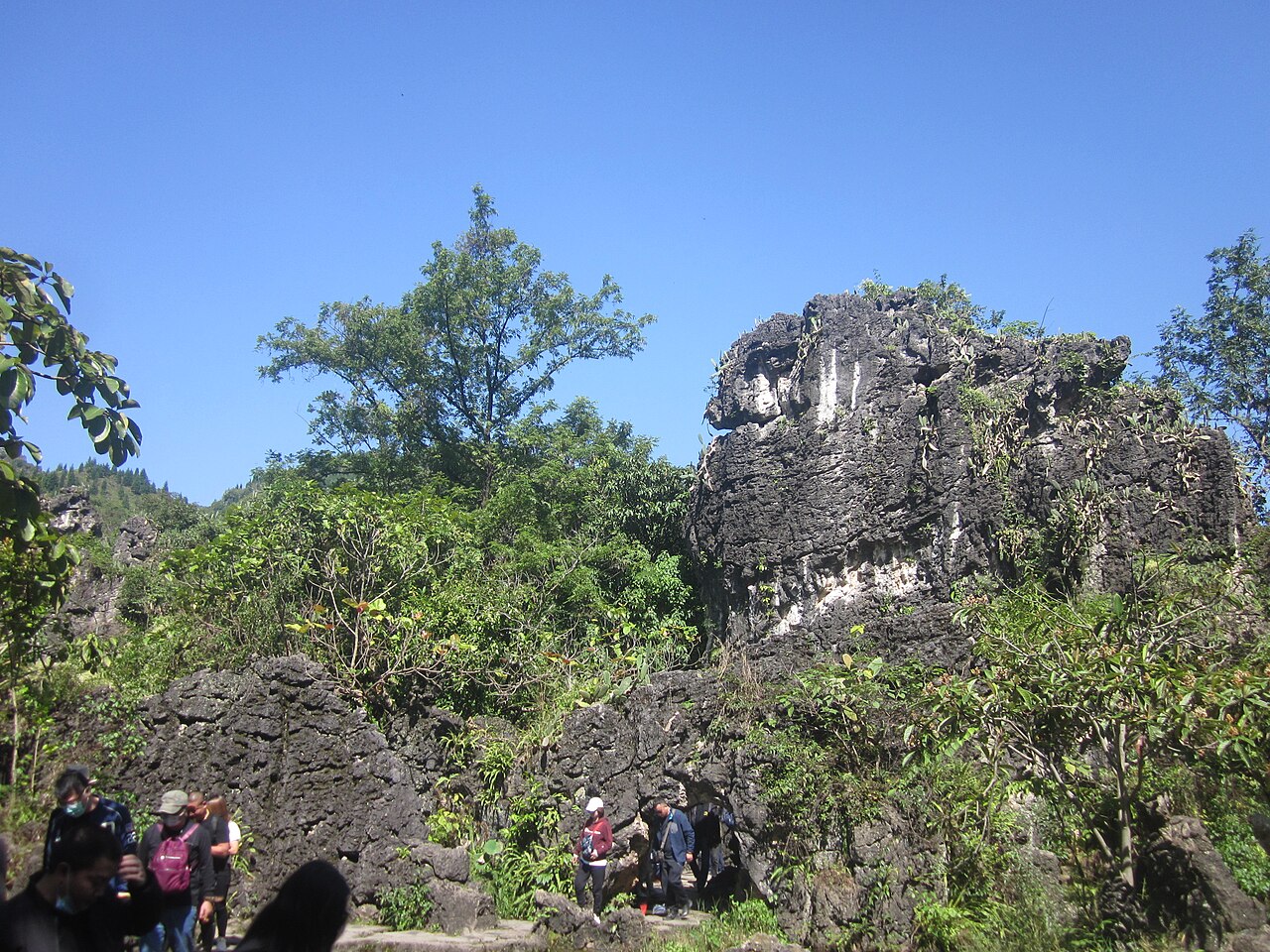
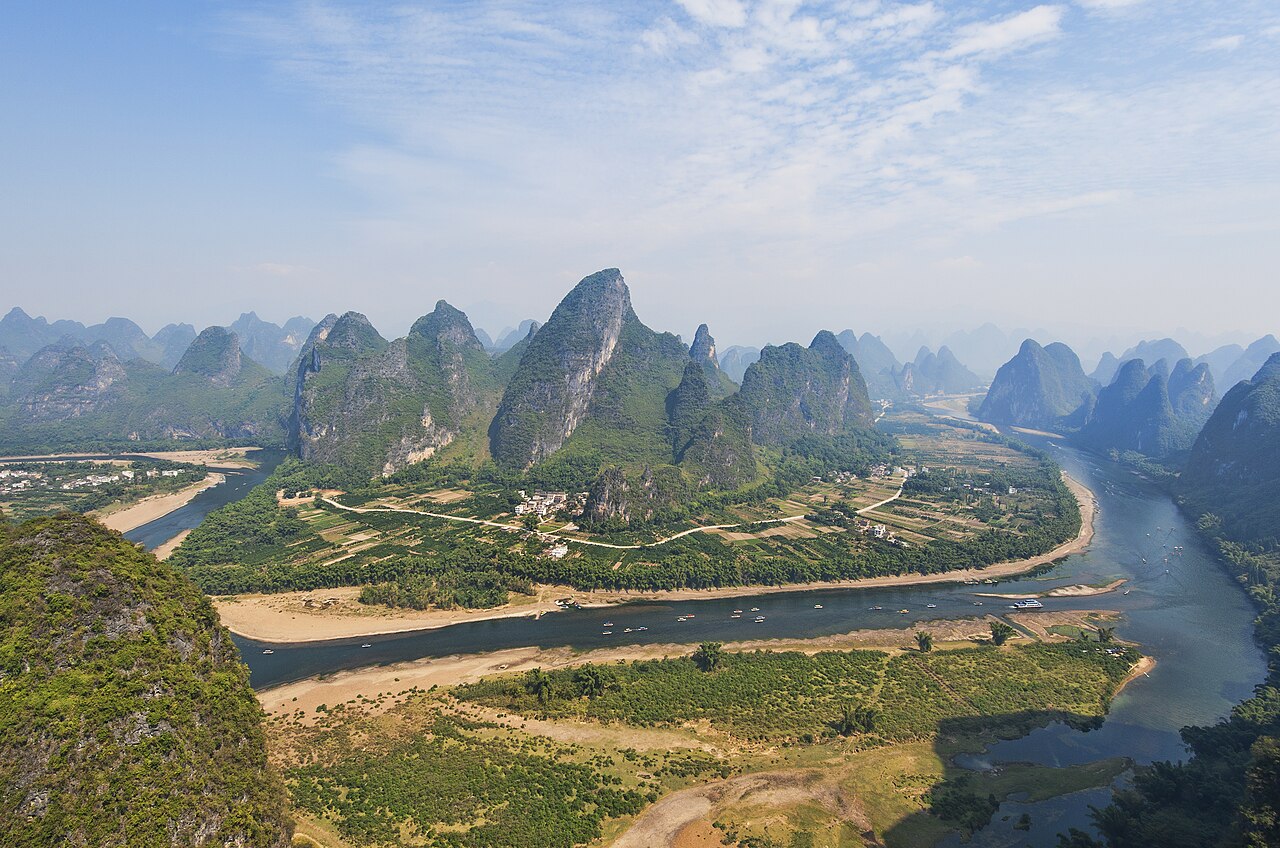
Zhoushan is 1,390 islands scattered across 22,000 sq km of sea
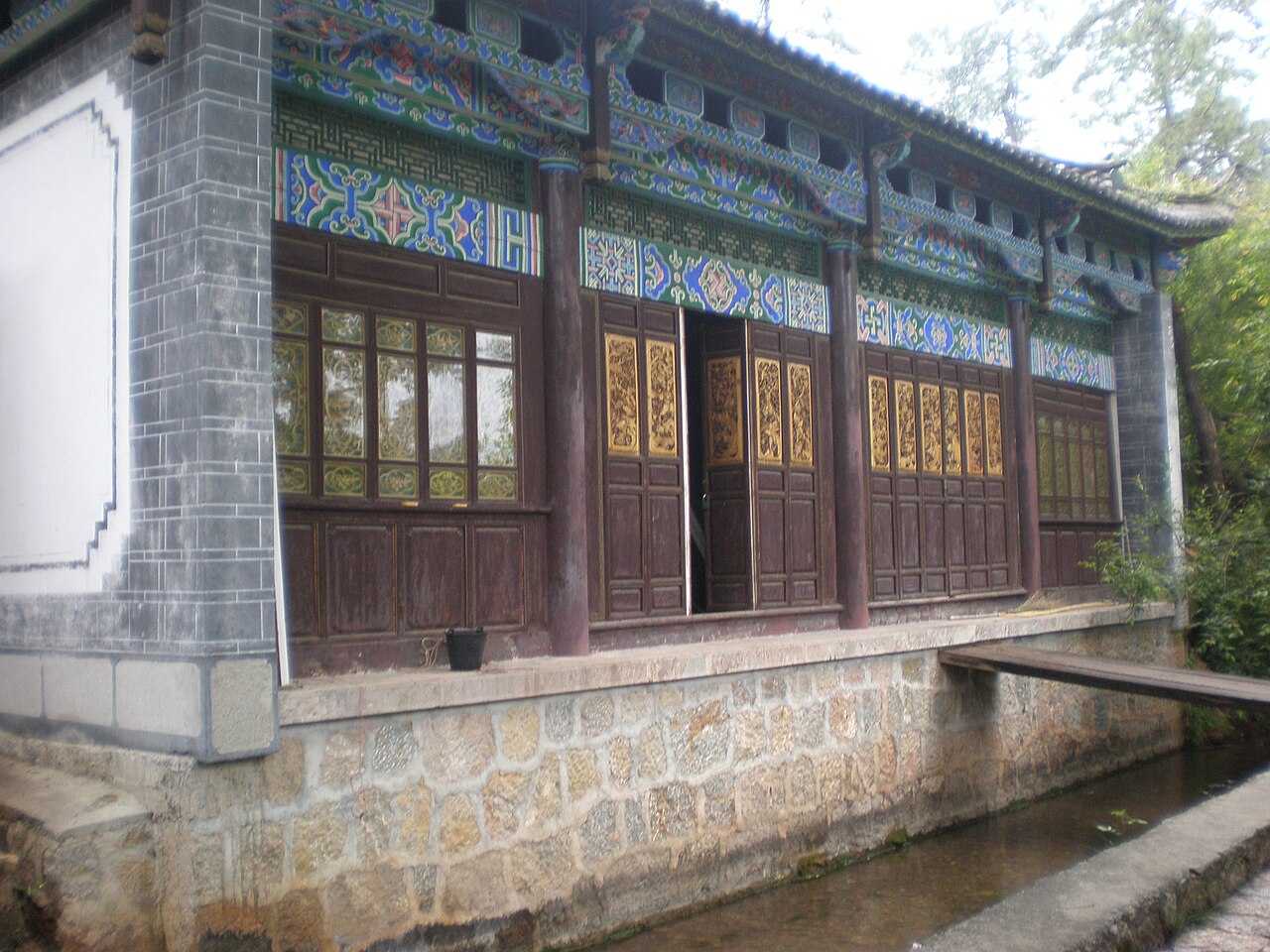
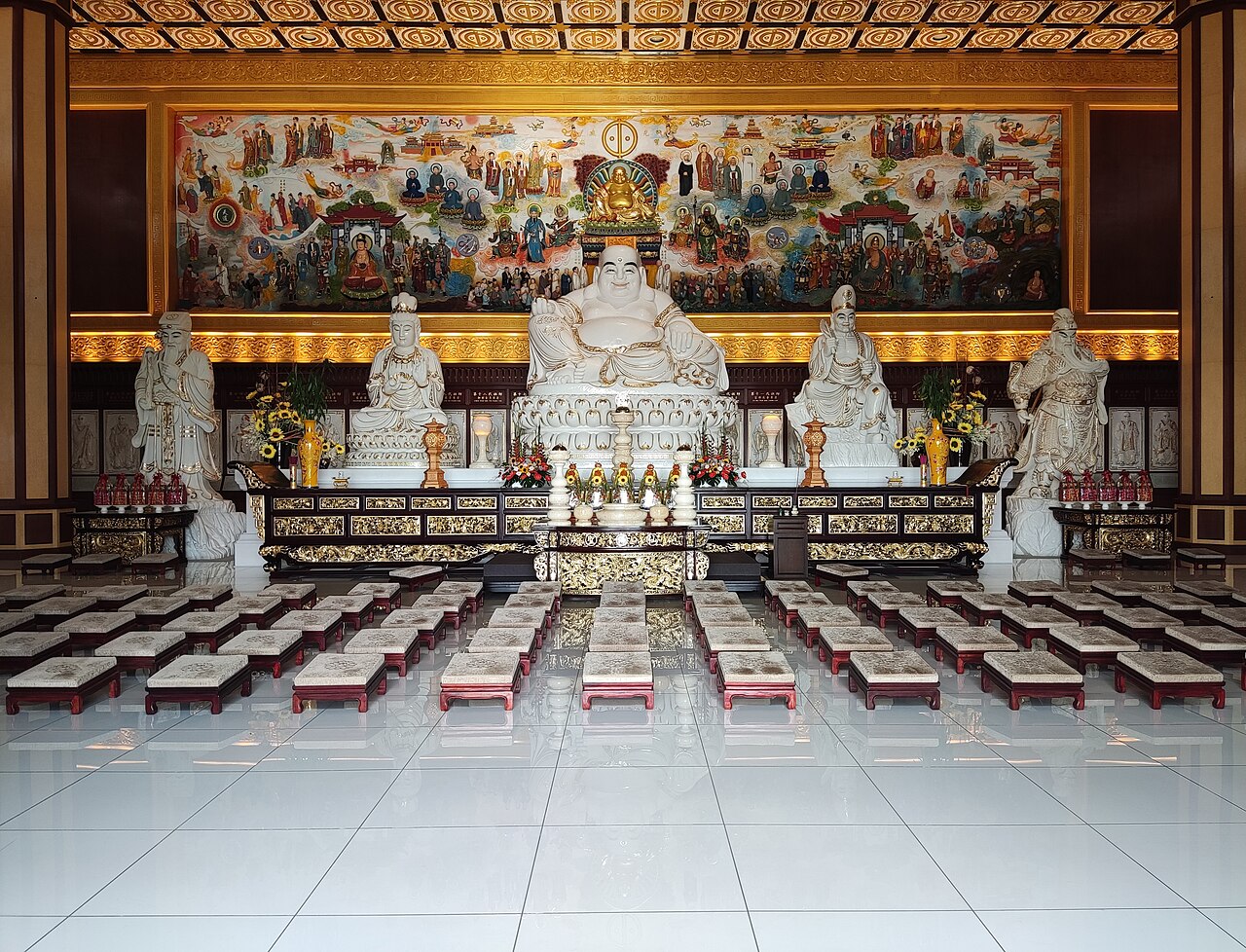
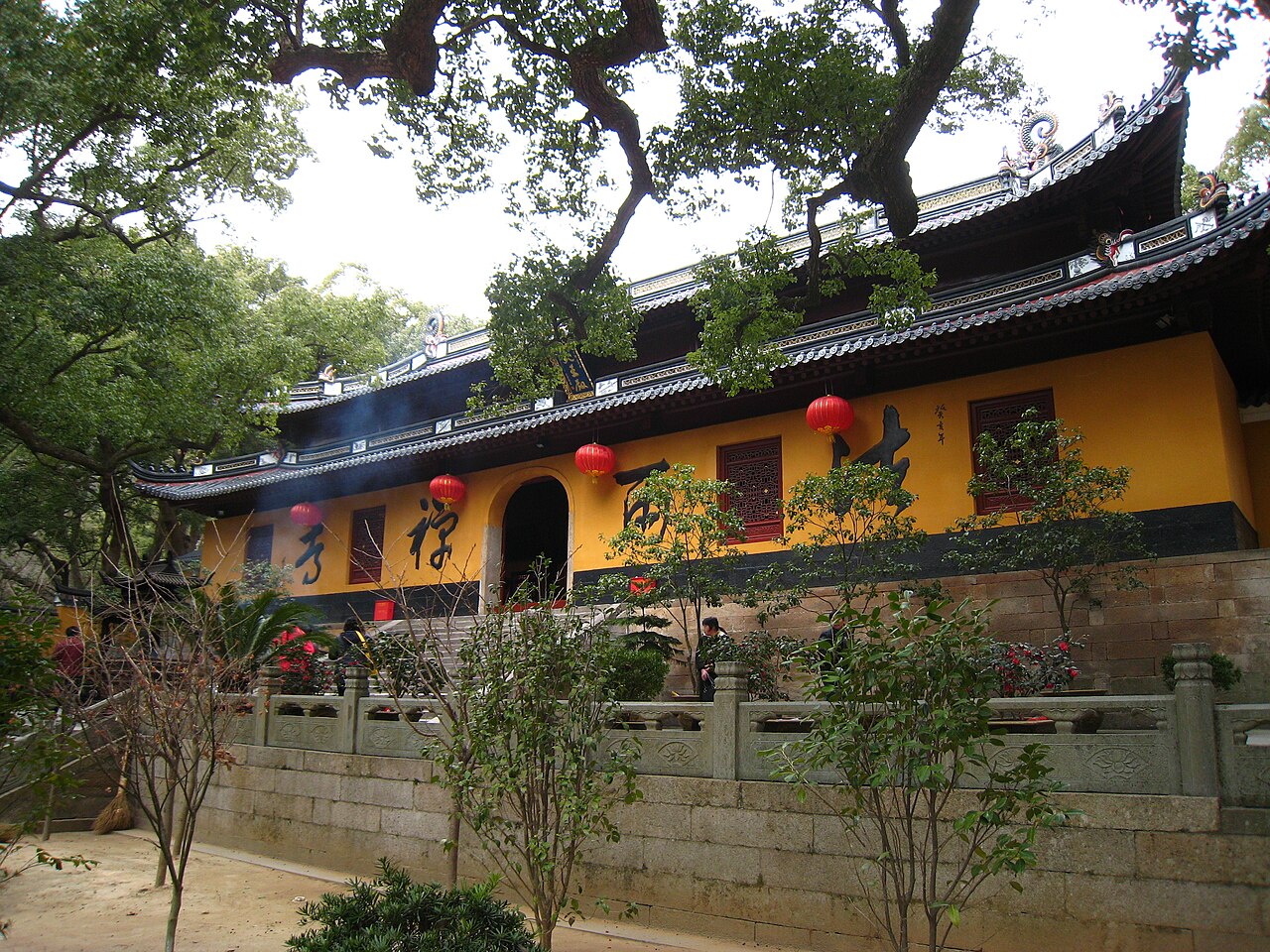
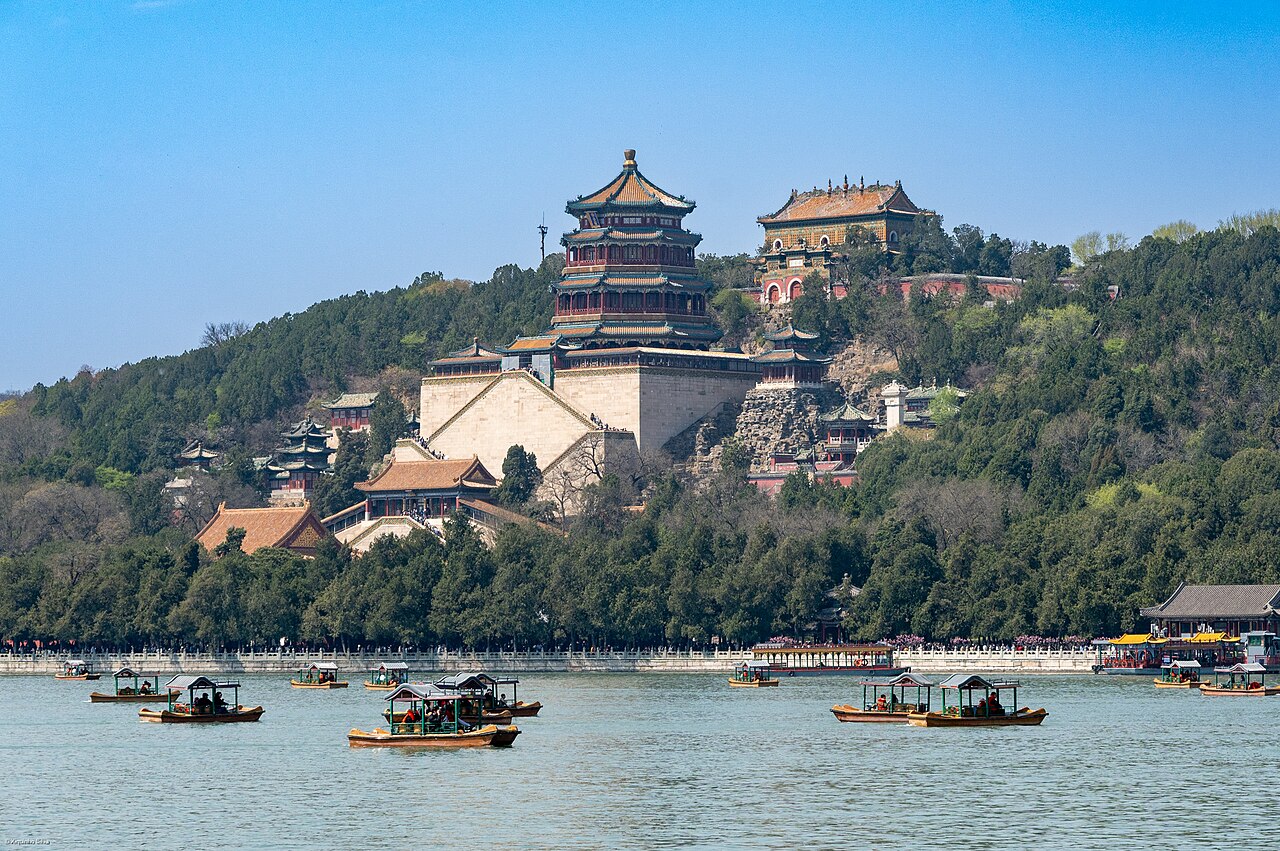
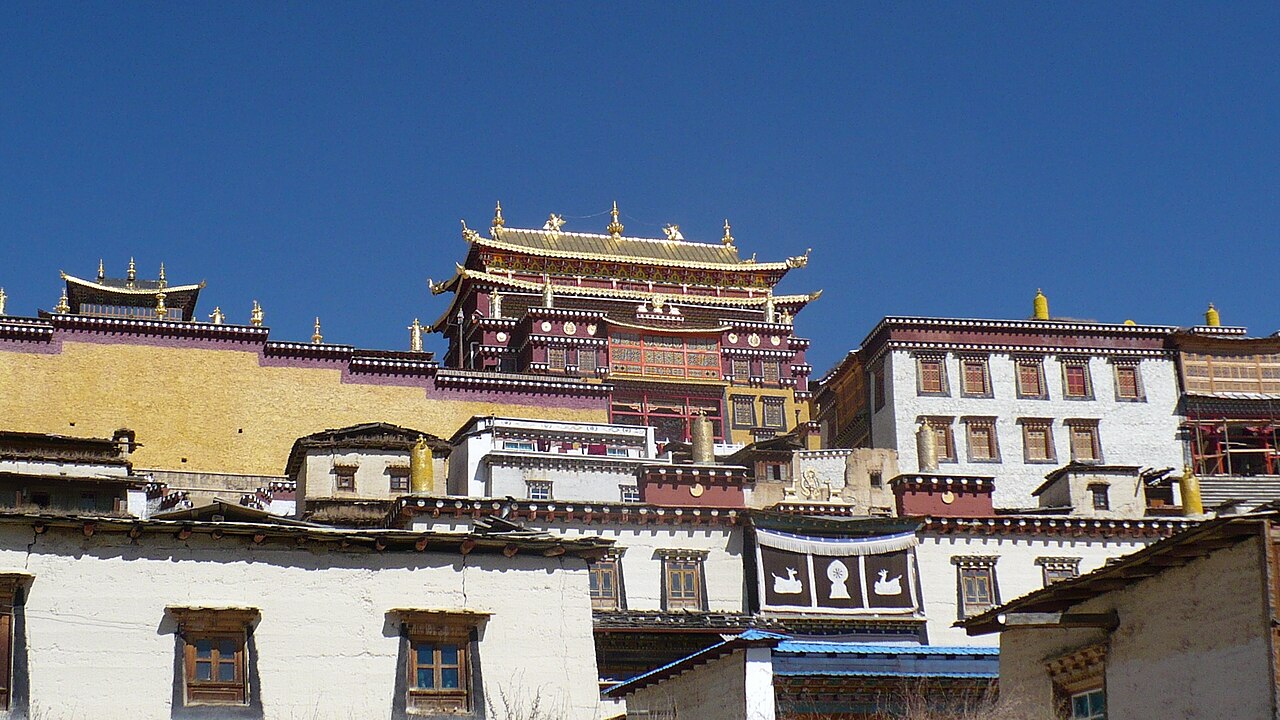
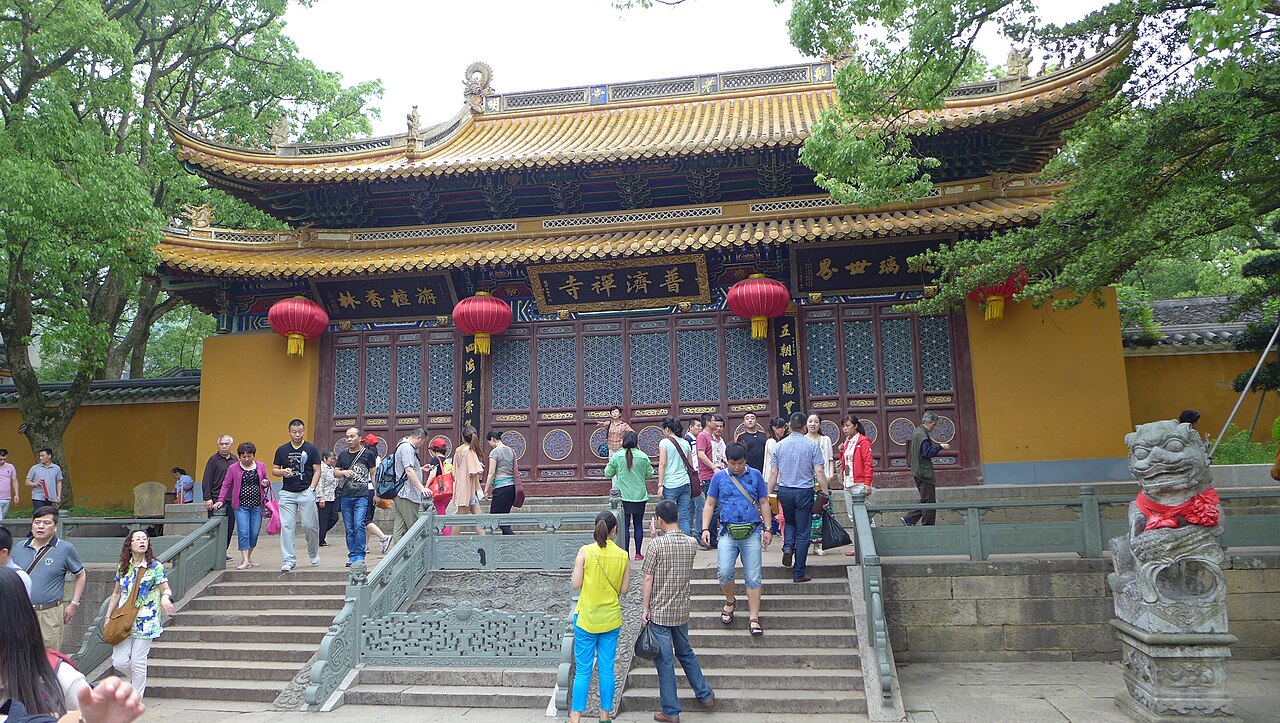
The 18 m bronze Guanyin above the incense smoke on Putuo Mountain
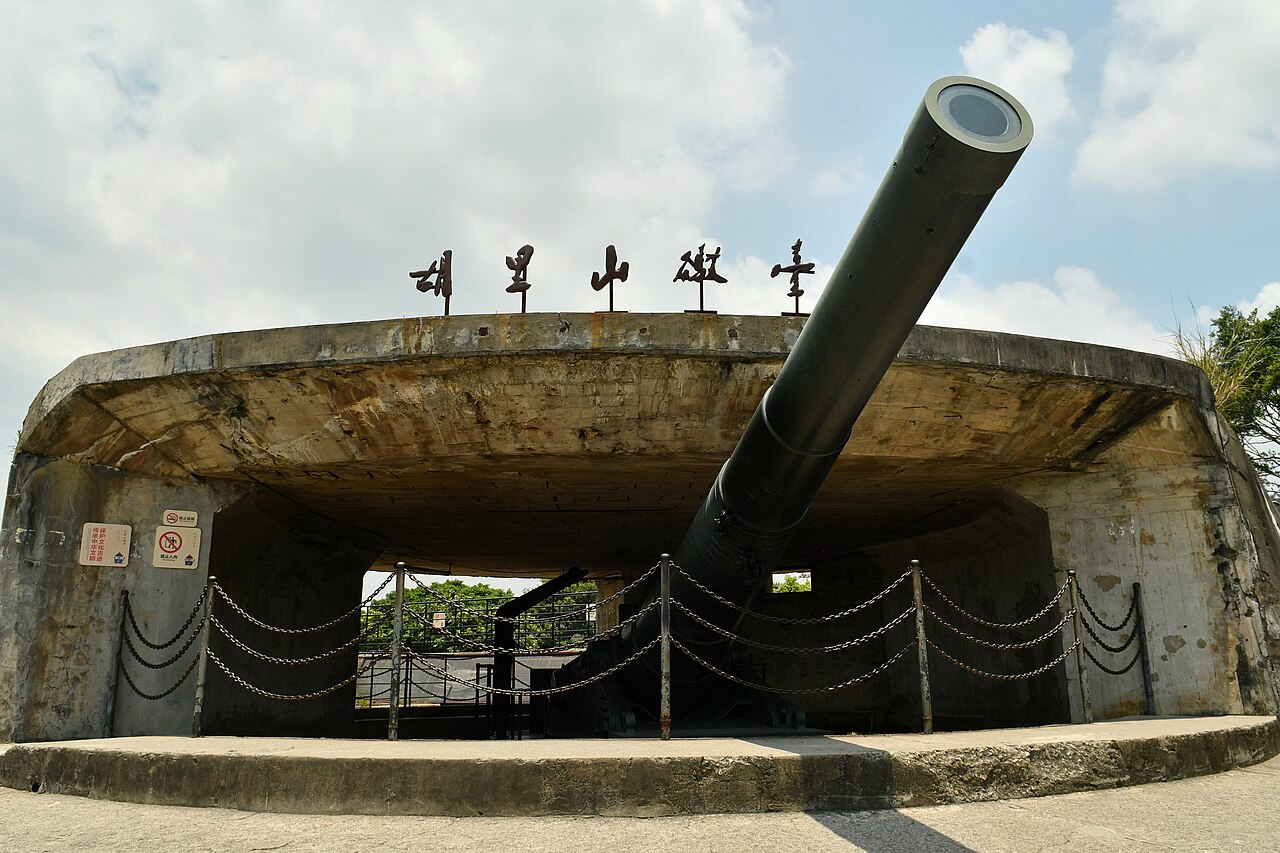
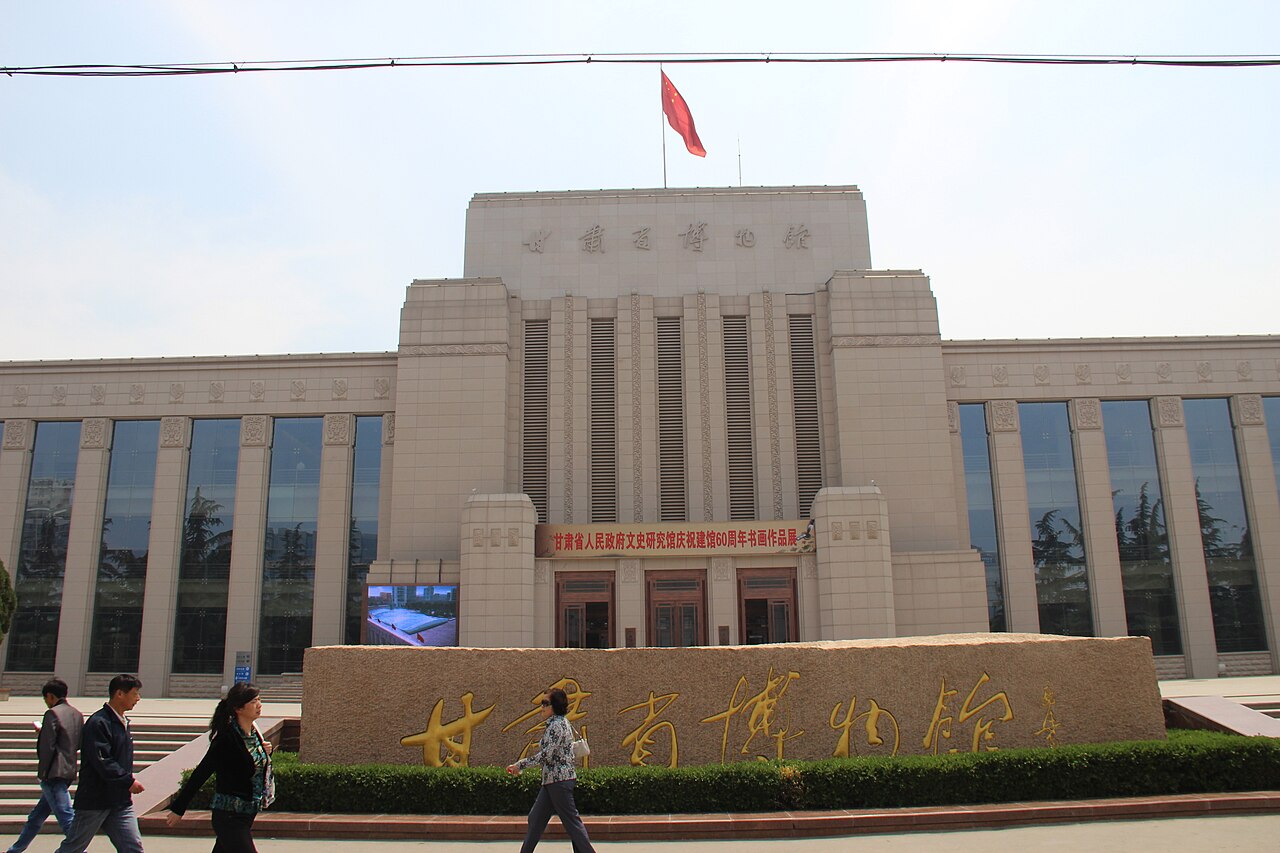
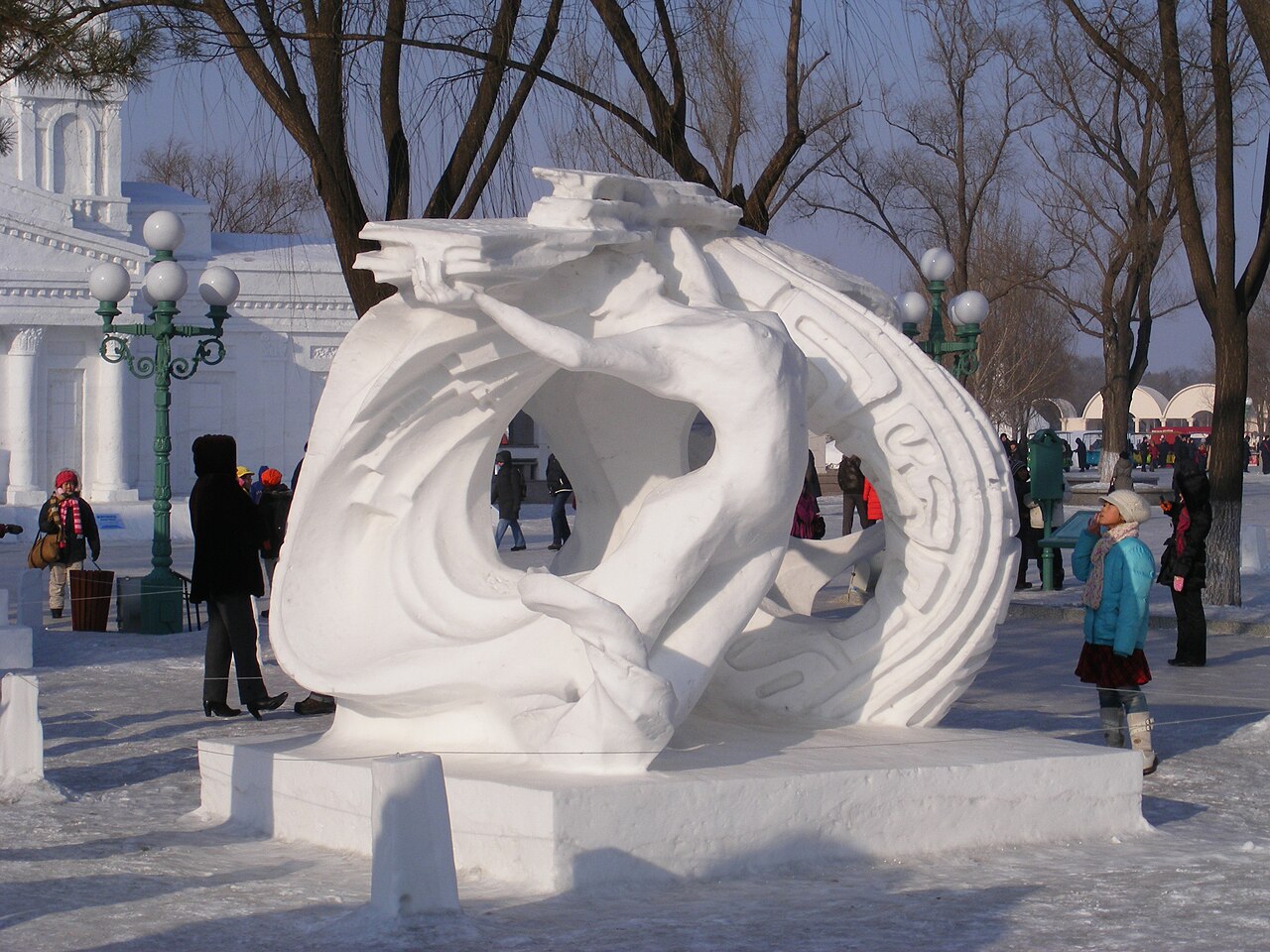
A sand sculpture under construction at South Sand, Zhujiajian
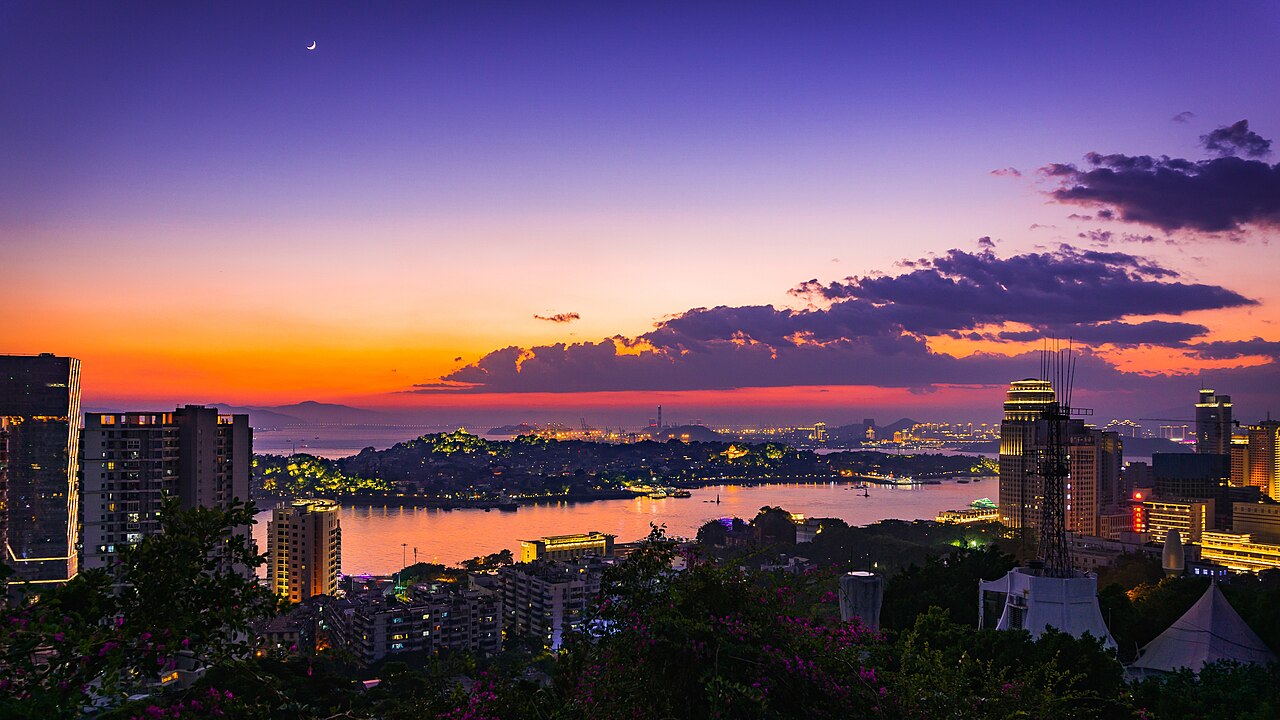
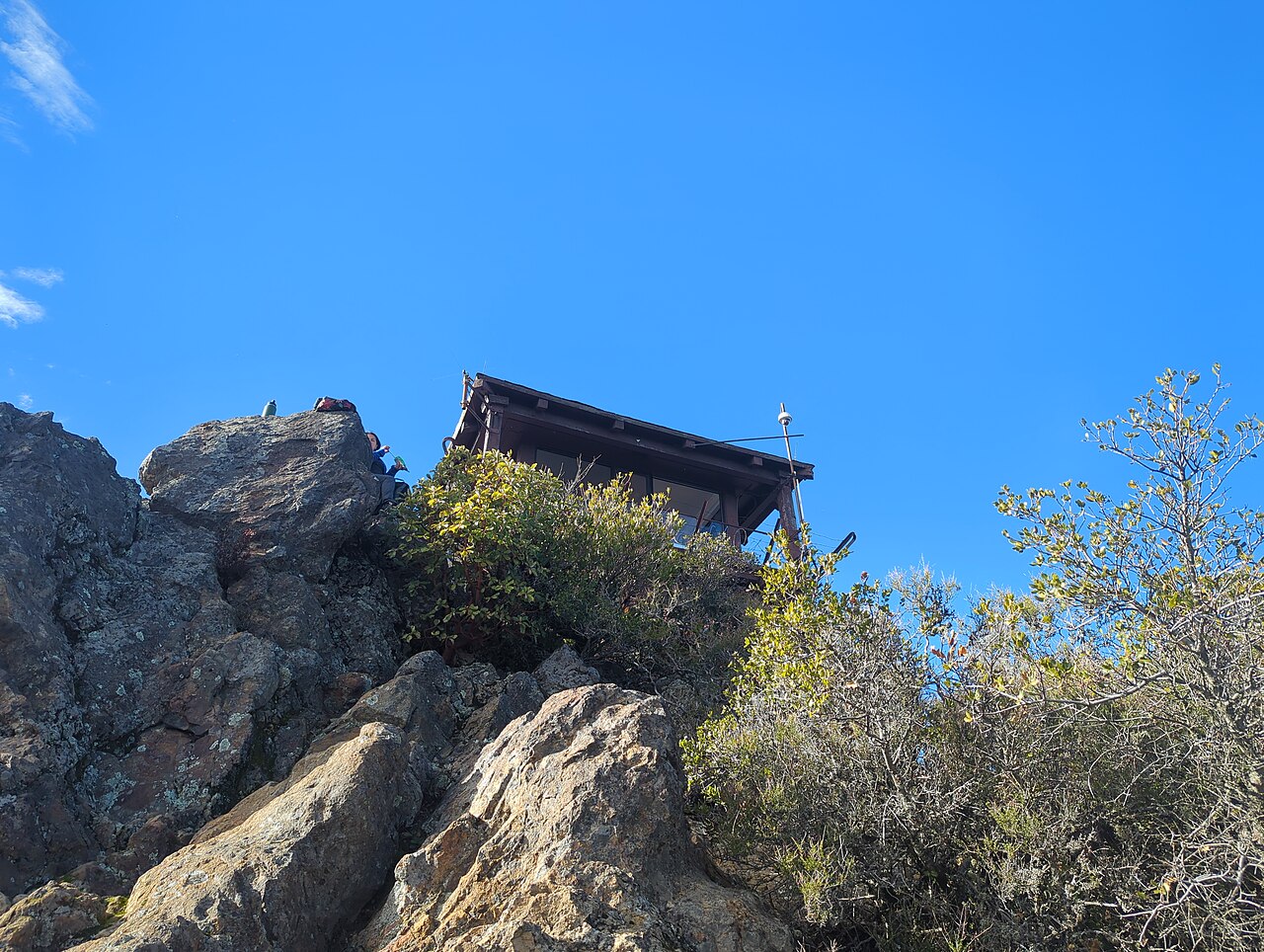
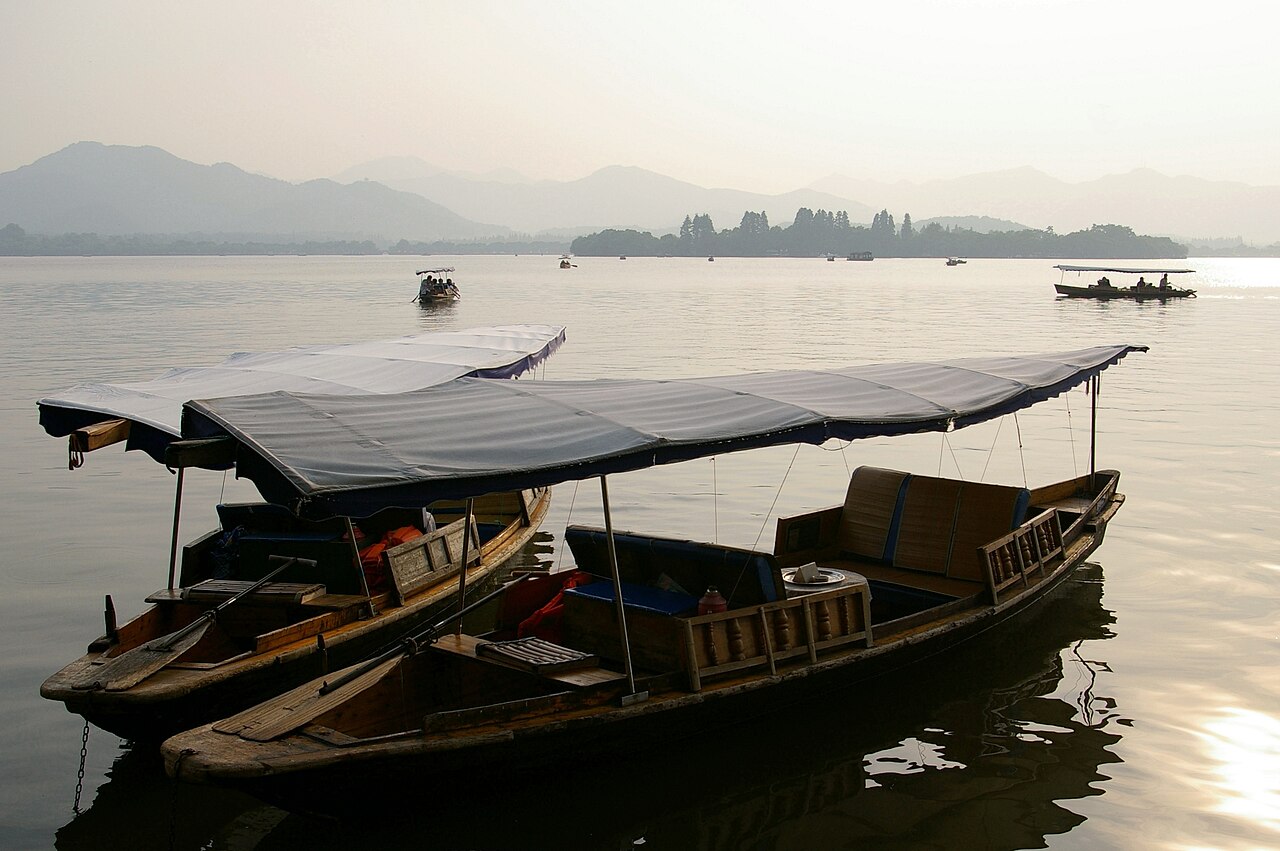
Masts at dusk on Shenjiamen, China's largest natural fishing harbour

Born in Zhoushan, raised in Zhoushan — no city is as close to the sea as this one. Lean out of the old house window and there it is, green waves and sea wind, the carefree days and endless memories. Go on, put yourself in the sea's embrace and drift. It has a warm and lovely name: riding the waves.

'A Wave-Riding Trip to South Sand, Zhujiajian', a traveller's note

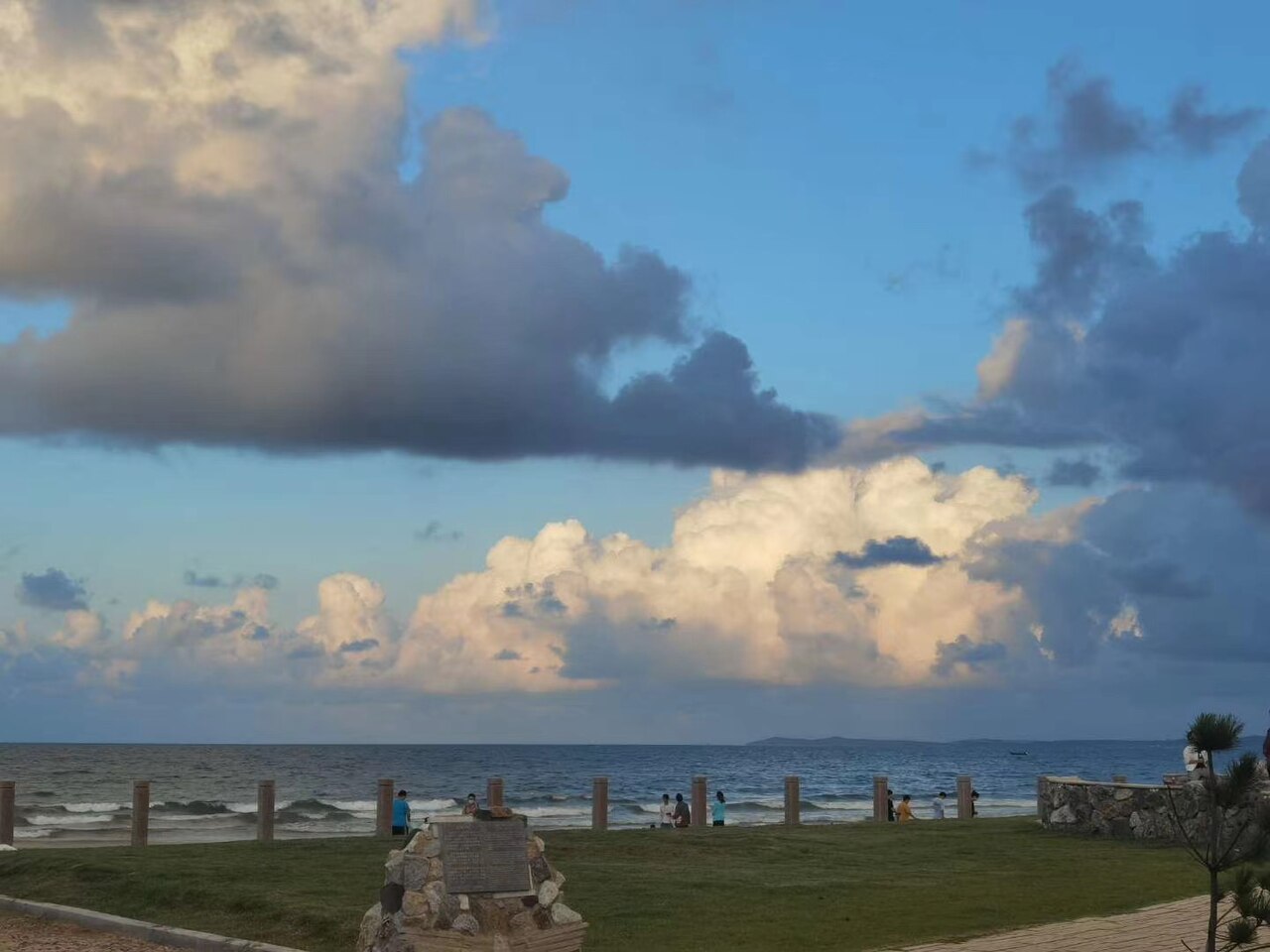
Sit somewhere, watch the sea, feel the wind on your face and the blue in front of you. Then the sun comes through a gap in the clouds, and all at once the water is glittering.

'Dongji — that forgotten blue sea', a traveller's note

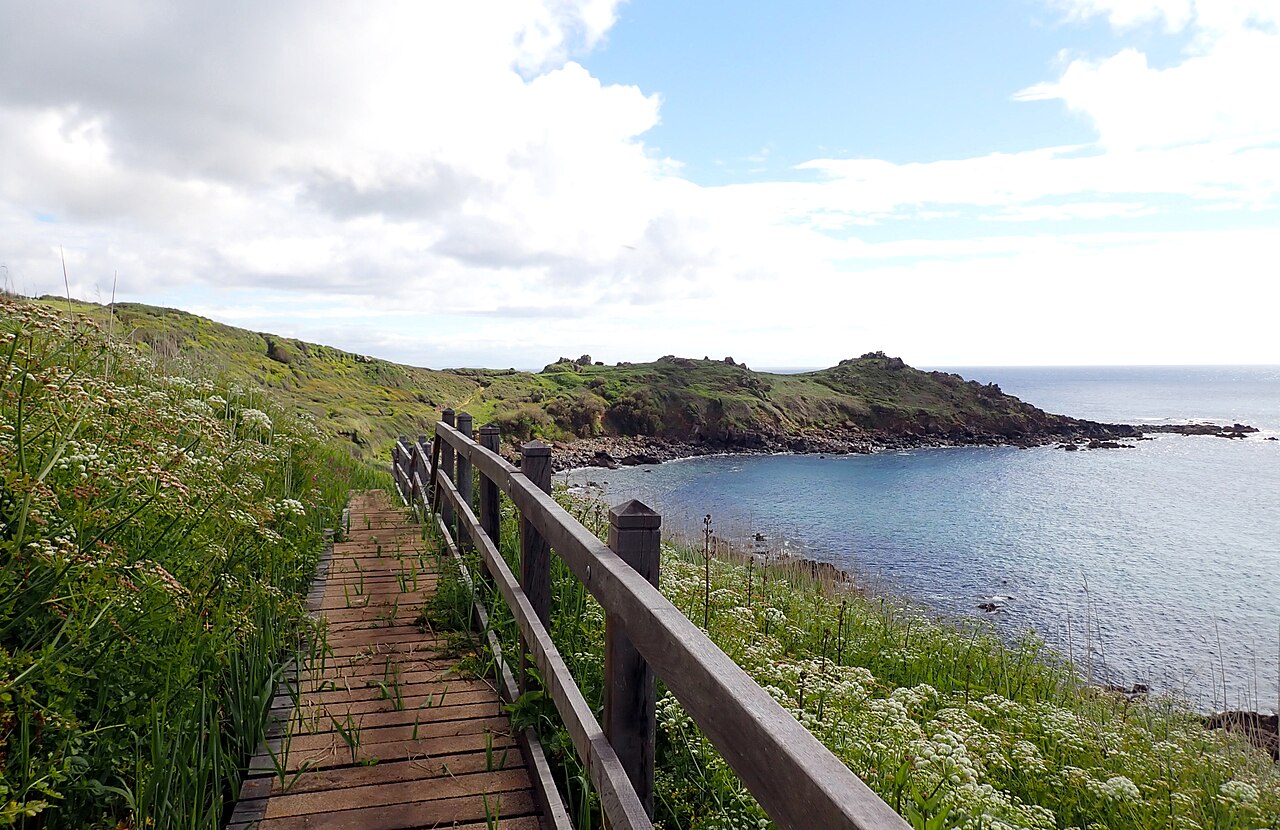
Zhoushan is a city that happens to be 1,390 islands. They spread across 22,000 sq km of the East China Sea, and the main island — the one everyone means when they say Zhoushan — is long and low, shaped, the locals insist, like a boat tied up at anchor. More than twenty cross-sea bridges now stitch the big islands back to the mainland, so you can drive here without ever boarding a boat; but the moment you leave the main island, the boat is the whole transport network again.

It sells the sea, not the city. Putuo Mountain is one of the four great Buddhist mountains of China and the island where Guanyin is said to hold court, all incense smoke and yellow walls among the pines. Zhujiajian is sand and sculpture. Taohua is the swordsman's island Jin Yong borrowed for his novels and then confirmed as the real thing. And out at the edge — Dongji, Shengsi — the water finally turns the deep blue that the mainland coast never manages.

Then there is Shenjiamen, and honestly a lot of people come just for Shenjiamen. It is the largest natural fishing harbour in China and one of the three great fishing ports of the world, its waterfront strung with a mile of night-market stalls that cook the day's catch to order. Zhoushan beltfish, yellow croaker and swimming crab are the local claims; the beltfish, no exaggeration, is often called the best-tasting in the world.

By Chinese-city standards it is a gentle place. Distances are short, prices are low, the air is cleaner than the mainland's, and the pace is set by ferry timetables rather than traffic. Give it three or four days and lean into the waiting — the pause between boats is not the wasted part of a Zhoushan trip, it is the product.
Zhoushan

Don't leave without

Seven things that are worth rearranging a day for.

  1. Climb to the 18 m bronze Guanyin on Putuo Mountain and watch the five-body prostrations on the steps
  2. Carve your own sand sculpture at South Sand on Zhujiajian
  3. Eat the day's catch at a Shenjiamen night-market stall, beltfish first
  4. Sleep on Dongji and watch the sun come up over the easternmost land in China
  5. Ride the cable car up Huiji Temple on Putuo's Buddha Summit
  6. Walk the black pebble beach at Wushi Tang and listen for the 'Wutang tide sound'
  7. Take the 122 m suspension bridge to Lover's Island and look back at the coast

Highlights

Six islands, six reasons

Putuo Mountain, the island of Guanyin

One of the four great Buddhist mountains of China and the busiest pilgrimage site on the coast. Three great temples — Puji, Fayu and Huiji — the 18 m bronze Guanyin, the sea cave at Chaoyin and a joint ticket that covers most of the island. Come early; by mid-morning the ferry crowds arrive.
Zhujiajian and the birthplace of Chinese sand sculpture

The fifth-largest island, joined to the main island by bridge, and the setting for the annual International Sand Sculpture Festival. Seven beaches in all, South Sand the biggest, with a dedicated square where you can carve your own sculpture and a summer programme of laser films and beach concerts after dark.

Mount Daqing, the highest point of Zhujiajian

378.6 m, reached by road up the north slope to a ridge between two bays, with more than two hundred named rock formations and a summit that spends much of the year in cloud. Daybreak from the ridge over the five linked sands is the reason to drive up before the heat sets in.

Shenjiamen, the great harbour

A ten-li natural harbour between two hills and the largest in China — one of the three great fishing ports of the world. At fishing seasons tens of thousands of boats from a dozen provinces fill it. By night the lights come on, the masts become a forest, and the waterfront stalls cook the catch straight off the decks.
The Dongji islands, China's far east

45 km out from Shenjiamen: 28 islands and 108 reefs, the easternmost inhabited land in the country. Dongfu Mountain brings the cliffs, the lighthouse and the legend of Xu Fu's search for the elixir; the reward for the one-boat-a-day crossing is the cleanest, deepest blue in the province.

Taohua Island, the wuxia island

The island Jin Yong put in 'The Legend of the Condor Heroes' as the home of Huang Yaoshi, and which he confirmed was based on the real Taohua. A Song-style film set, the 1,370 m sweep of Tanwan Golden Sand, and Anqi Peak at 540 m — the highest point in the entire archipelago.

Suggested routes

Two days of temples, or three of sea, or a slow five

The essentials in two days

2 days days

For a short break out of Ningbo or Shanghai: Putuo Mountain one day, Zhujiajian and Shenjiamen the next.

  1. Day 1

    Putuo Mountain: Guanyin, the three temples, the summit

    Take the early fast boat from Shenjiamen's Banshengdong pier to Putuo Mountain. Start at the 18 m bronze Guanyin, walk on to Chaoyin Cave and the Hall of the Unwilling-to-Leave Guanyin, then take a vegetarian lunch at Puji Temple.

    Spend the afternoon at Puji and Fayu temples — the nine-dragon ceiling at Fayu is the finest temple interior on the island — and finish with the cable car up to Huiji Temple on the Buddha Summit for the view out to sea. Boat back to Shenjiamen in the evening.

    Stops: Nanhai GuanyinChaoyin CavePuji TempleFayu TempleHuiji Temple

  2. Day 2

    Zhujiajian: Mount Daqing, South Sand, Wushi Tang

    Early drive up Mount Daqing for the sunrise over the linked sands, then down to South Sand to swim and see the International Sand Sculpture Art Square. Have a go at a sculpture of your own — it is the local craft.

    Late afternoon at Wushi Tang, the black pebble beach, to hear the 'Wutang tide sound', then back to Shenjiamen for dinner at the night market and the harbour lights.

    Stops: Mount DaqingSouth SandSand Sculpture SquareWushi TangShenjiamen night market

Three days with the harbour and Taohua

3 days days

The standard trip. Adds the fishing harbour as an experience rather than a backdrop, plus the wuxia island.

  1. Day 1

    Dinghai old town, the Opium War site, Huangyangjian

    Start on the main island at Dinghai ancient town — the only historic island city in China — and its Opium War memorial park at Zhushan. Climb Huangyangjian, the island's highest point at 503.6 m, for the panorama over the archipelago.

    Come down to Shenjiamen in time for the sunset over the harbour and eat at the night market.

    Stops: Dinghai ancient townOpium War parkHuangyangjianShenjiamen

  2. Day 2

    Putuo Mountain, all day

    A full day on Putuo as on the two-day route, but with the time to add the Foding (Buddha Summit) walk down through the woods and the smaller halls most day-trippers skip. Sleep on the island if you have booked ahead — the early morning before the boats arrive is the best hour Putuo has.

    Stops: Nanhai GuanyinChaoyin CavePuji TempleFayu TempleHuiji Temple

  3. Day 3

    Taohua Island

    Fast boat from Shenjiamen to Taohua. Walk the 1,370 m of Tanwan Golden Sand, wander the Song-dynasty set of the Condor Heroes studio town at the foot of Sanhua Peak, and climb Anqi Peak for the highest view in the islands. Back to Shenjiamen by evening.

    Stops: Tanwan Golden SandCondor Heroes studio townAnqi Peak

Five days out to the far islands

5 days days

The version that earns the archipelago. Adds the eastern isles and a night in Shengsi.

  1. Day 1

    Main island: Dinghai, Zhushan, Huangyangjian, Shenjiamen

    Land, settle in, and warm up on the main island — Dinghai ancient town, the Opium War site, the view from Huangyangjian and a first night at the Shenjiamen market.

    Stops: DinghaiZhushan parkHuangyangjianShenjiamen

  2. Day 2

    Zhujiajian

    Mount Daqing at dawn, South Sand and the sculpture square at midday, Wushi Tang in the late afternoon, back to the harbour for dinner.

    Stops: Mount DaqingSouth SandWushi Tang

  3. Day 3

    Putuo Mountain

    The full island, early boats and a slow circuit of the three temples; add the quiet western halls if you have the daylight.

    Stops: Nanhai GuanyinPuji TempleFayu TempleHuiji Temple

  4. Day 4

    Goodbye to the main island, hello Dongji

    The 08:30 boat from Shenjiamen to Miaozihu. Wander, eat at a fisherman's guesthouse facing the water, and book a boat the next morning for Dongfu Mountain's cliffs and lighthouse.

    Stops: MiaozihuDongfu Mountain

  5. Day 5

    Dongfu Mountain, then the long way home

    Out early to Dongfu for the Elephant Trunk Peak, the Waiting Wife Cliff and the 'number-one fortune' stone, then take the 11:00 boat back and the coach or flight home.

    Stops: Dongfu MountainXiangbi PeakFuzi stone

Sights

What each island actually holds

The pilgrimage island

Putuo Mountain

China's four great Buddhist mountains are Wutai, Putuo, Emei and Jiuhua — gold, silver, bronze and iron — and Putuo is the silver one, the court of Guanyin. The island's sights run from the 18 m bronze Guanyin and the temple of the Guanyin who would not leave, to Chaoyin Cave where the tide thunders into a sea cave, to the three great temples: Puji (the 'front temple', the island's first, with the 8.8 m Vairocana Guanyin in its 'living hall'), Fayu (the 'back temple', whose Nine-Dragon Hall is the finest temple interior in China) and Huiji (the 'Buddha Summit temple', hidden in yellow-tiled glory above the tree line).

Ticket
¥160 Feb–Nov, ¥140 Jan & Dec, ¥200 at the major holidays
Temple incense tickets
¥5 at Puji and Fayu, ¥6 at the Guanyin statue
Hours
Temples 08:00–18:00; Huiji 08:00–16:00; the island all day
Getting there
Fast boat from Shenjiamen Banshengdong pier; cable car to Huiji
Phone
0580-6091431

Tip Book ahead at the big holidays — and note that on the 19th of the 2nd, 6th and 9th lunar months, the three great incense days, locals lose their free entry too and the island is at its most crowded.

Sand and sculpture

Zhujiajian and South Sand

Zhujiajian is the fifth-largest island of the group, 72 sq km, joined to the main island by bridge and paired with Putuo Mountain as a national scenic area. It is confirmed by the World Sand Sculpture Association as one of the world's best beaches for sand quality and scenery, and it is where Chinese sand sculpture began. South Sand is the best of the seven: clean, fine, gently sloped, with lifeguards, showers, water sports and the International Sand Sculpture Art Square, which stages the annual festival and lets visitors build their own.

South Sand ticket
¥60
South Sand hours
06:30–18:30
Festival
International Sand Sculpture Festival, July–November
Getting there
Bus from Shenjiamen to Zhujiajian (Dadong'ao), then on to South Sand; about 20 minutes

Tip In festival season South Sand runs laser films, karaoke and beach dancing in the evening, an 08:00 rock concert, and a Guinness show at 09:00 each morning — stay for dusk if you are there in summer.

The high ridge

Mount Daqing

The highest point of Zhujiajian at 378.6 m, and the south end of the island, pushing out into the sea between the Wusha and Wolf bays. An easy road runs up the north slope to the summit, with footpaths threading to Eagle Ridge, the Four-Drum Flats and Cat Leap. Three sides face the water, the peaks run for ten li, and there are more than two hundred named rock formations; because of where it sits, the mountain spends much of the year wrapped in cloud — 'Daqing drunk on mist' is the local wonder.

Ticket
¥100 peak season, ¥60 off-peak
Hours
07:45–17:00
Getting there
Usually a minibus from South Sand, about ¥15 a car and 15 minutes

Tip A Zhoushan-resident or Zhoushan-student annual card costs ¥50 and covers the sculpture square, the Guanyin culture park, Wushi Tang and Mount Daqing — worth it if you are staying a week.

The black beach

Wushi Tang

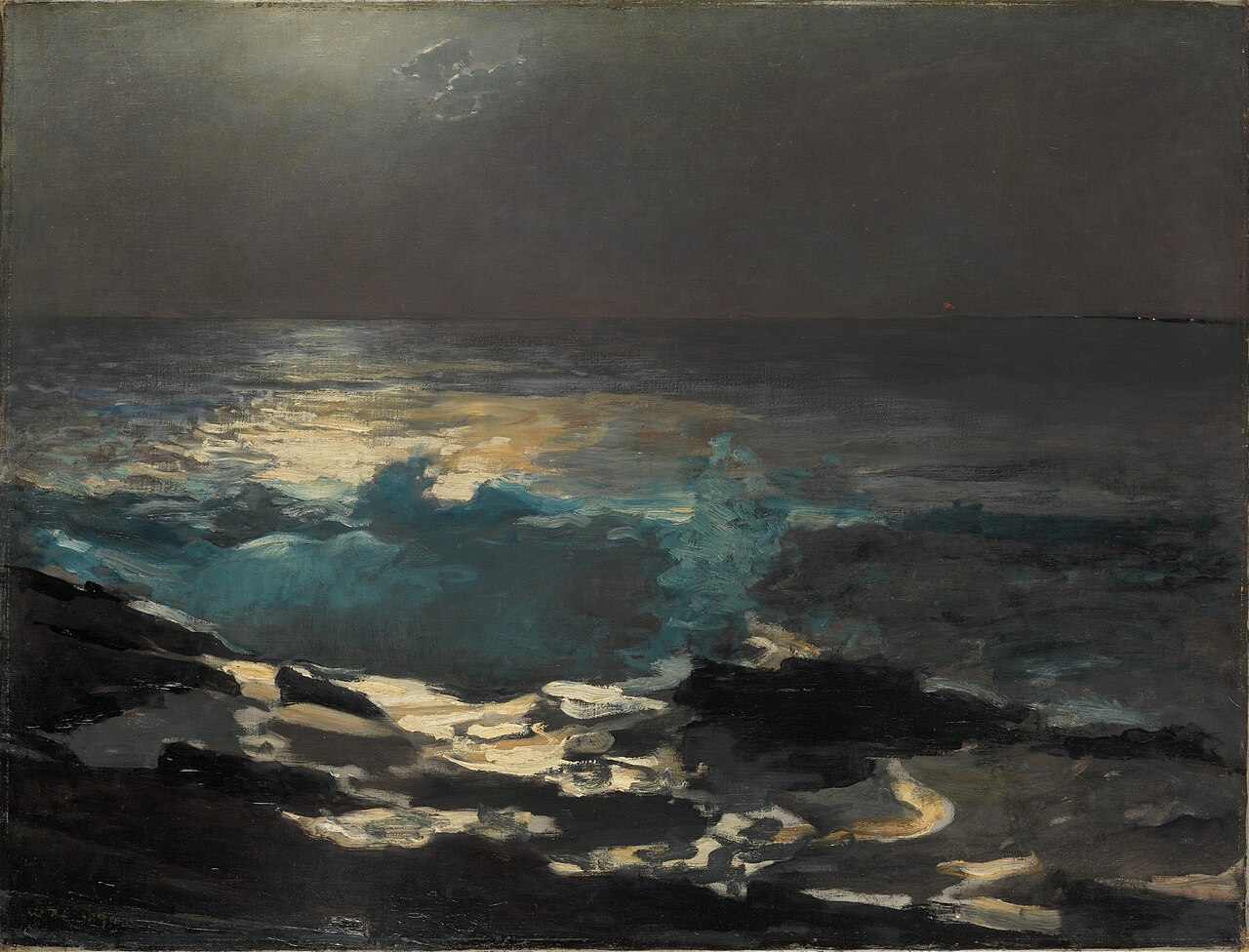
Two ridges of gleaming black pebbles curve round the bay east of Dadong'ao — a 500 m 'great' one and a 350 m 'small' one, laid up the slope by the sea itself. They are remarkable less for size than for sound: lie on the cool stones at night, watch the moon and listen, and the effect locals call the 'Wutang tide sound' takes over. Drive the bay slowly; it is one of the strangest beaches in Zhejiang.

Ticket
¥30
Hours
08:00–17:00
Getting there
Bus from Zhujiajian (Dadong'ao), about 10 minutes; a pedicab from Dadong'ao is ¥5

Tip Combine it with Mount Daqing the same afternoon — they share a road, and both are better in the low light than at midday.

The far east

The Dongji islands

There is a South Pole and a North Pole, and there is also this — China's easternmost edge, 45 km out from Shenjiamen: 28 islands and 108 reefs, with Miaozihu the administrative hub and Dongfu Mountain the scenic peak. Dongfu brings the Elephant Trunk Peak, the Waiting Wife Cliff and the 'number-one fortune' stone, plus a working lighthouse; the legend is that Xu Fu's fleet, sent by the First Emperor in search of the elixir, stopped here. The fishermen's paintings of Miaozihu are a craft in themselves.

From Shenjiamen
One boat daily, out 08:30, back 11:00; a 13:30 extra sailing on July–August weekends
Between the isles
Miaozihu–Qingbang–Dongfu, two ferries a day (07:30 and 11:00 out)
Tickets
Miaozihu, Dongfu and Qingbang are all free; hours generally 08:00–17:00

Tip This is a stay-the-night destination, not a day trip. The water out here is the only genuinely blue sea on the whole coast, and dusk on Dongfu is the reason.

The wuxia island

Taohua Island

The real Taohua is mild, ridged and misted, and it is the island Jin Yong had in mind: in April 1994 he travelled to Zhoushan and said outright that if people wanted to know the prototype of the East Sea Peach Blossom Island, yes, it was Taohua. It has the 1,370 m Tanwan Golden Sand, a Song-style film set of the Condor Heroes studio town at the base of Sanhua Peak, and Anqi Peak at 540 m, the highest in the archipelago, with the rockfields that make up the 'Hundred Families Pilgrimage' landscape.

Joint ticket
¥140 — Tanwan, Anqi Peak, the studio town
Studio town
2.5 sq km, Song-style sets, signed by Jin Yong in 2001
Getting there
Fast boats from Shenjiamen's Duantou pier, and from Putuo Mountain; coaches from Ningbo's north station

Tip Read a bit of the Condor Heroes first and the film set becomes a game rather than a set of props — 'Pharmacy', 'Jing's Cottage' and 'Rong'er's Teahouse' are all named for the characters.

Food

Everything comes off the boat

Zhoushan beltfish

One of the four great commercial fish of the Zhoushan grounds and one of China's first geographical-indication seafood trademarks. Fresh enough to steam, it is sweet rather than fishy and lacks the bony grit of beltfish from elsewhere — steamboat operators call it the best-tasting beltfish in the world, and here at least it is nearly true.

Yellow croaker

Zhoushan waters are a main home of the large yellow croaker: fine flesh, high in protein and with a medicinal reputation. Fresh, it goes braised, stewed, stir-fried or salted, and salt-pickled croaker with pickled greens is the Dinghai dish you serve a guest. Salt-cured and dried it becomes 'croaker xiang', the base of the celebrated croaker-and-pork bake.

Croaker xiang roast pork

The most distinctive local dish on a Dinghai table: dried salt-cured croaker cooked together with pork until both go tender, the dried-fish fragrance bleeding into the meat and the pork's sweetness into the fish. Two flavours, each doing the other a favour.

Xinfeng eel xiang

The wind-dried fish the southeast-coast fishermen love most, here made from sea eel. In the depth of winter, during the eel season, the fish is gutted and hung in the shade to dry — the batch dried in that season is tagged 'xinfeng', new wind, and is reckoned the best of the year.

Swimming crab

Fine-textured, blue-white and mineral-rich, cooked this way and that: steamed, fried, halved over bean paste, or stir-fried with rice cakes, pickled greens or tofu. On every coastal table from autumn onward, and impossibly sweet when it is fresh.

Bamboo shrimp

Zhoushan's bamboo shrimp grow in cooler water than their southern cousins, so they take longer, which the locals say makes them sweeter and more tender; the flesh is pale and the shell blue-green. Excellent cold, and the standard makings of a prawn nigiri.

The Putuo barnacle

A shelled creature unique to Putuo Mountain, eaten only in August, shaped like a Buddha's outstretched hand. Sweet and rich but not cloying when boiled — a genuine sea delicacy and one you will not find anywhere else.

Striped, spiny and everything else

The live seafood at Zhoushan is endless — croaker, striped shrimp, big lobster, sea crab, clams, mussels and every shell in between. If it came off a boat that morning, it is on someone's table by night, and the price, outside the holiday peaks, is gentle.

Where to eat

The night market and the safe hands

The main event

Shenjiamen East Port seafood night market

The stall row on Bingang Road in Shenjiamen, given over to fresh fish, shrimp, crab and shellfish and cooked simply to keep the sea taste. It runs the length of the ten-li harbour: eat your way through the day's catch while looking through the mast-forest to the open water beyond. At night it is loud, lit and packed.

Average spend
¥126
Address
Beside the Zhujiajian strait bridge, Putuo district
What to order
Beltfish, swimming crab, whatever is swimming that hour

Fixed prices

Gaojiazhuang seafood market restaurant

Central Shenjiamen, 2 km from the pier, with a wide range of seafood and good cooking — but the real point is that it prices everything clearly and does not play the overcharging game, so you can eat without watching your wallet. A safe first meal if you are wary of harbour pricing.

Average spend
¥124
Phone
0580-3025777
Address
107 Donghe Road, Shenjiamen, Putuo district

The old name

Haizhongzhou seafood city

One of Shenjiamen's most solidly established restaurants, mostly seafood, good food and a good room; a reliable choice for a group or a treat. Higher priced than the stalls but properly done.

Average spend
¥199
Phone
0580-3027777
Address
Putuo East Port development zone, the Bund area

The experience

Puji Temple vegetarian hall

Eating the temple vegetarian meal is part of any pilgrimage to Putuo Mountain — you are not here for the flavour, you are here for the ritual. Strangers share a table, the conversation is free, and the food is filling in the manner of a people's commune: cabbage-and-vermicelli soup, tofu, potato, sometimes preserved greens fried with bean dregs, changing with the day. Finish your bowl — and in summer the hall is air-conditioned, which is a kindness.

Average spend
¥10
Address
Inside Puji Temple, Putuo Mountain

On the island

CITIC Putuo Hotel Chinese restaurant

One of the more dependable island kitchens: fresh, mostly live seafood, professional service, reasonable prices for what it is. Good for a proper meal between the sights on Zhujiajian.

Average spend
¥92
Phone
0580-6698222
Address
22 Jinsha Road, Putuo district, inside the CITIC Putuo Hotel

When you want a change

West Lake Spring

Jiangzhe cooking rather than pure seafood, with notably good desserts, a quiet and slightly refined room and attentive service — the place to go when you have eaten fish for three days straight.

Average spend
¥120
Phone
0580-2187999
Address
In the Sheraton Greentown hotel garden, 111 Qiandao Road, Dinghai district

Where to stay

Base at Shenjiamen, splurge on the islands

Best base

Shenjiamen, by the harbour

If you are backpacking, stay near Shenjiamen: it sits between the seafood harbour, the passenger piers and the coach station, so food, bed and the next boat are all within a few minutes, and it is the easiest place to leave from for the other islands. Bingang Road and Donghai East Road are lined with hotels from about ¥150 to ¥500 a night.

Typical price
¥150–500 a night
Best streets
Bingang Road and Donghai East Road
Why here
Next to the piers, the night market and the coaches

Sand-sculpture base

Putuo Niba International Youth Hostel

On Zhujiajian in the middle of the Ten-Li Golden Sand scenic area, right by the International Sand Sculpture Festival grounds. Its own courtyard, quiet and green, with tea, clay work, sculpture, carving, billiards and a general invitation to slow down. One minute's walk to Golden Sand beach, ten minutes to the Guanyin statue and Puji Temple by road.

Beds from
¥60
Private rooms from
¥195
Phone
0580-6632000
Address
320 Jinsha Road, Zhujiajian, Putuo district, near the South Sand sculpture square

Out on the isles

Dongji Zhongjie Mountain fishing lodge

On Dongji, built against the hill and facing the water, keeping the plain character of a fishing family's house. Book it if you are staying on the eastern isles — the point is to eat the seafood of the day while the blue water and the breakers are right in front of you.

From
¥140 a night
Phone
4007-996-655
Address
Miaozihu village, Dongji island

Comfort

Zhoushan Haizhongzhou International Hotel

In the middle of the Putuo East Port development zone, next to the district government and looking across to the 5A Putuo Mountain, the 4A sand-sculpture Zhujiajian and the wuxia island of Taohua — and a very short walk from the famous Shenjiamen night market. Supermarkets, malls and banks all round it.

From
¥360 a night
Phone
4007-996-655

Shopping

Take the sea home

Zhoushan International Seafood City

Also called the Zhoushan aquatic products centre market and the city's first designated tourist seafood shopping centre: 15,000 sq m and close to a thousand stalls, from live shellfish to salted and dried fish. The single best place to buy seafood provisions before you leave.

Putuo Buddhist tea

A Buddhist tea grown on Foding (Buddha Summit) on Putuo Mountain and historically reserved for the great masters: rolled and downy, not quite a spiral and not quite a brow, green and glossy, brewing to a bright yellow-green with a clean, mild, refreshing taste. The jar smells distinctively of tea the moment you open it.

Live shellfish and sea greens

Every kind of live seafood is the first-choice purchase, alongside the local sea vegetables — kelp, stone-ear, southern nori and more. In the height of the summer fishing season the fresh catch is at its best and the prices are at their most decent.

Dried fish and xiang

The southeast-coast fisherman's standby: white xiang, croaker xiang, cuttlefish xiang, triple-alum jellyfish, shrimp skin and dried shrimp — salted, dried and wind-cured in the old way. Light, keeps well, and turns a home kitchen into a Zhoushan kitchen for a month.

Putuo narcissus and local specialities

Beyond the sea: Putuo narcissus, goose-neck barnacles when in season, silkworm jellyfish, kelp, mussels and the city's white xiang and myn-dried xiang are the standard takeaways. Buy the narcissus bulbs if the season is right.

Where to shop

The International Seafood City on Shenjiamen's Yushi Street handles the bulk of it; the harbour-side stalls are convenient but priced for tourists. If you are carrying fish sauce or dried goods home, ask the stall to vacuum-seal them — most will, for a few yuan.

Getting there

Planes, bridges and a lot of boats

By air

Putuoshan Airport (HSN) on Zhujiajian is a 4D regional airport with connections to Beijing, Shanghai, Xiamen, Qingdao, Nanjing and more. It sits 1.2 km from Shenjiamen and 2.5 km from Putuo Mountain — ten minutes by road to the ferry — and is reached from the airport by shuttle or taxi. Phone 0580-6260716.

Airport
Putuoshan (HSN), on Zhujiajian
To Putuo Mountain
10 minutes by road to the ferry
To Dinghai / Shenjiamen
Airport shuttle or taxi

By coach

Three main long-distance stations run to the mainland. Shenjiamen Putuo station (Donghai Middle Road, 0580-3012011) serves Shanghai, Hangzhou and Ningbo; Banshengdong station (Bingang Road, near the pier, 0580-3013573) runs a bus to Ningbo every half hour from 06:30 to 16:40 and eight coaches to Hangzhou East station daily; Dinghai station (Huancheng South Road, 0580-2381010) runs 24 buses a day to Ningbo and six high-speed coaches to Shanghai's Xujiahui and Taopu Road.

Dinghai station
0580-2381010; 24 buses a day to Ningbo, 6 to Shanghai
Shenjiamen station
0580-3012011; Shanghai, Hangzhou, Ningbo
Banshengdong station
0580-3013573; Ningbo every 30 min, Hangzhou 8 a day

By ferry

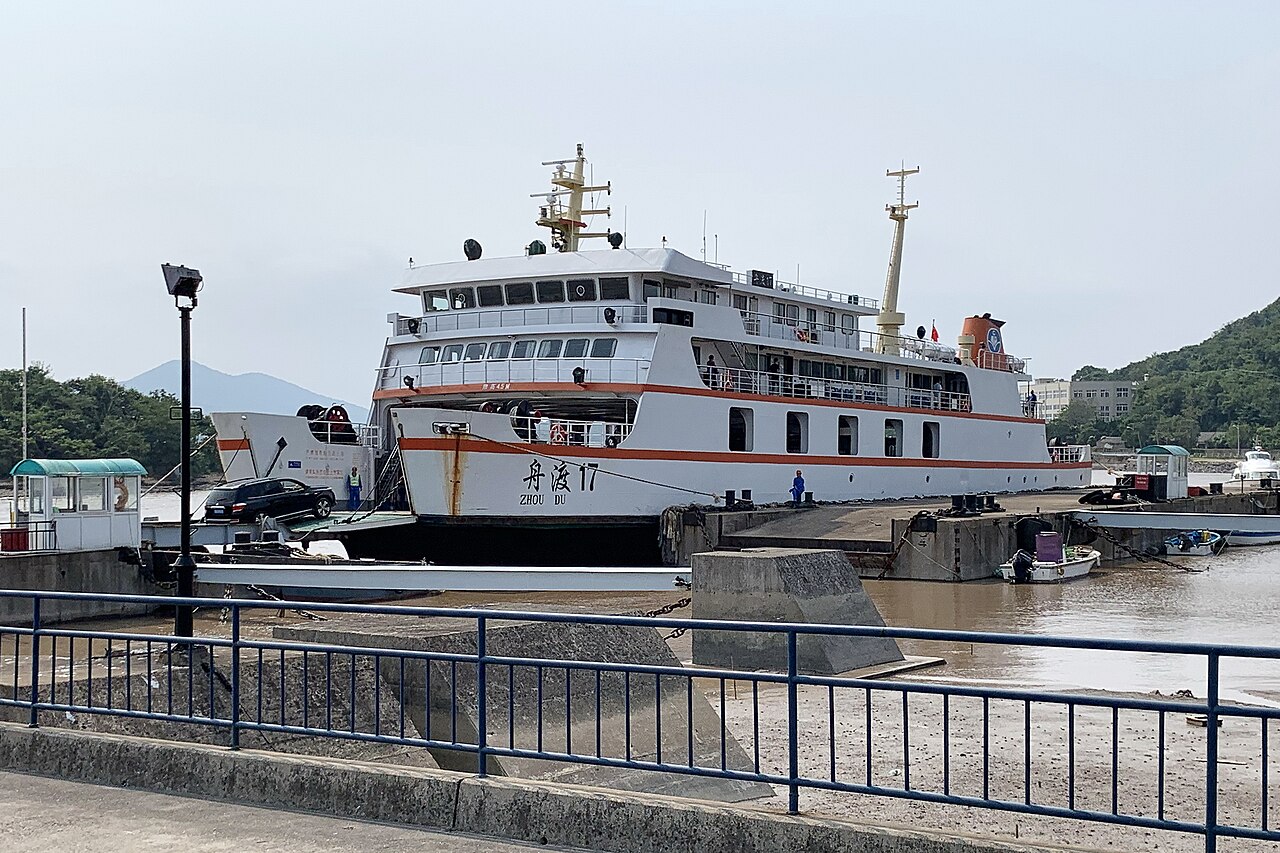
Yadanshan pier is the main link to the mainland, facing Ningbo's Baifeng: 43 crossings a day from 01:30 to 23:20, 50 minutes, ¥15 a head (vehicles ¥55–120 by size). Dinghai port handles the longer Shanghai sailings. From Shenjiamen's Banshengdong pier the fast boats and ferries fan out to Putuo Mountain, Taohua, Dongji and the rest. Schedules shift with season and weather — confirm the day before.

Yadanshan–Baifeng
43 a day, 50 min, ¥15 a person
Dinghai port
Overnight and long sailings to Shanghai
Banshengdong pier
Fast boats to Putuo Mountain, Taohua, Dongji

On the islands

On the main island the Ding-Shen bus links Dinghai and Shenjiamen every half hour in about 40 minutes, and bridges and buses connect the main island to Zhujiajian, the airport and the main beaches. Beyond that, everything is by boat — the outer islands mostly keep one scheduled ferry or fast boat each way per day, and a few extra at summer weekends. Taxis on land flag at ¥8 for the first 2.5 km then ¥1.80 a km.

Ding-Shen bus
Every 30 min, about 40 minutes
Island crossings
Mostly one boat a day each way
Taxi
¥8 for 2.5 km, then ¥1.80 a km

Practical

The two things that catch people out

Sung, in the local etiquette: the sea has its own grammar, and the fishermen notice when you get it right.

No trainsThere is no railway to Zhoushan and none planned; the cross-sea bridge carries road traffic only. Fly, coach or ferry.
Boat timetables moveFerry times change with season, weather and tide. Check the day before you plan to change island.
Typhoon seasonJuly to September brings tropical storms that can stop the ferries; winter brings strong winds. Book flexible summer accommodation.
Putuo Mountain ticketingSeasonal gate ticket plus separate small incense tickets at each temple; free for locals except on the three great incense days.
Fishermen's taboosDo not say 'fan' (to turn over) or 'xia' before a boat trip — the fish is 'turned' or 'rowed over', and dumping something in is 'boiled', not 'dropped'.
Chopstick mannersDo not tap your bowl with chopsticks, do not stand them upright in rice, and do not lay them across the bowl at the end of a meal — all three carry bad-luck meanings at sea.
HospitalZhoushan Hospital, 238 Renmin North Road, Dinghai, 0580-2064699; Putuo People's Hospital, 90 Gongxia Road, Shenjiamen, 0580-3030880.

Festivals

When to time your trip

November

Putuo Mountain Guanyin Culture Festival

The island's big religious tourism event, built on its Guanyin heritage: a grand Dharma assembly, Buddhist concerts, pilgrimages, a lotus-lantern fair, seminars and a Buddhist culture exhibition. It draws Guanyin devotees, monks and pilgrims from across China and overseas.

When
Every November
Where
Putuo Mountain
For you
The island at its most religious and most atmospheric

Tip Book accommodation far ahead; this is the busiest fortnight after the New Year period.

July–November

Zhoushan International Sand Sculpture Festival

Held on Zhujiajian each year with a competition-and-display format: sculptors from around the world take a single annual theme and work it in sand, with float parades, island performances and seafood tastings alongside. It is why Zhujiajian is called the birthplace of Chinese sand sculpture.

When
July–November
Where
Zhujiajian, around South Sand
For you
The sculpture square at its best, and crowds to match

Tip The sculptures are best seen early in the season before rain softens them; combine with the evening programme at South Sand.

July–October

Zhoushan Seafood Culture Festival

A food festival run out of Shenjiamen harbour: seafood stall showcases, a seafood month, a folk arts fair and the Shengsi mussel festival among much else, all aimed at the thing Zhoushan does better than anywhere — cooking what came off the boat.

When
July–October
Where
Shenjiamen fishing harbour
For you
The night market with the festival programme on top

Tip Go hungry and go late; the stalls are busiest and best after nine.

April

Putuo Buddhist Tea Culture Festival

A spring tea festival on Putuo Mountain with a different theme each year: tea-garden performances, monks discussing Buddhist tea, tea poetry and calligraphy, picking and roasting competitions, tea riddles, tasting and charity events. The Buddhist tea is grown on the summit and was once reserved for the great masters.

When
Every April
Where
Putuo Mountain
For you
Buying Putuo Buddhist tea at its source

Tip The festival is the moment to buy the tea — you can taste before you commit.

Background

How the islands became a city

An archipelago with a prefecture's name

Zhoushan is a prefecture-level city of Zhejiang and one of only two island-based prefecture cities in China. Its 1,390 islands — a fifth of the country's total — make up 22,000 sq km, of which only 1,440 sq km is land. Its four districts and counties are Dinghai, Putuo, Daishan and Shengsi, home to about 1.1 million people who receive some six million visitors a year.

From the Opium War to the modern port

People have lived here since the Neolithic, and Zhoushan was a base in the Opium War — the British occupied it in 1840 under Captain Charles Elliot, and the Treaty of Nanjing briefly ceded it as security, though Britain returned it in 1846. Sun Yat-sen visited in 1916 and wrote about Putuo. The city became a prefecture-level municipality in 1987, opened its port to foreign vessels the same year, and has grown on fishing, shipping and — increasingly — tourism.

Guanyin's island

The religious heart of the archipelago is Putuo Mountain, one of the four great Buddhist mountains and the court of Guanyin, its shrines honoured since the Tang and radiating out through the maritime Silk Road to the rest of Southeast Asia and to Japan and Korea. Every temple here, large or small, enshrines Guanyin, which is why the islands are nicknamed the hometown of Guanyin — and why every November the culture festival fills the island.

The bridge, finally

For most of its history Zhoushan was boat-only, which kept it quiet and idiosyncratic. Since the 1990s that has changed: more than twenty cross-sea bridges now tie the main islands to the mainland, and the Zhoushan bridge cluster is the largest in the world and the biggest island-to-mainland link in China. The ferries remain, but Zhoushan is no longer an island you can only reach by water — which is exactly the tension the place is living through now.

Travel with them

Read watch and listen before you go

Novel

The Legend of the Condor Heroes

Jin Yong

The wuxia novel that made Taohua Island famous, as the home of the East Heretic Huang Yaoshi. In April 1994 Jin Yong visited Zhoushan and confirmed that the Peach Blossom Island of the book was based on the real one — read a few chapters and the island's film set becomes a treasure hunt.

Book

Wandering the Zhoushan Islands

Xu Rongmu

A travel-essay book that treats the archipelago through its history, culture, Buddhism, ecology, landscape and folk customs — a slow cultural tour rather than a beach guide, with practical transport, lodging, dining and shopping notes appended for the trip itself.

Music

'Sandcastle'

Lu Yi

A track from Lu Yi's album, chosen deliberately for sand-sculpture travellers: put it on as you drive across the bridge to Zhujiajian, and it does what a good trip soundtrack should.

Film

'The Guanyin Who Would Not Leave'

shot on Putuo

A feature film built around the legend of the Japanese monk Huie, who came to Tang China between 842 and 864 to request a Guanyin image and was blown back to Putuo by contrary winds, leaving the statue behind. Watch it before visiting the temple that the story named.

The questions visitors ask us most about Zhoushan, answered plainly.

Frequently asked questions

Prices and practical details are reviewed every month by our Beijing team and updated the day a rule changes.

How many days do I need in Zhoushan?

Three days gets you the checklist: Putuo Mountain, Zhujiajian and Shenjiamen. Four or five is where the trip turns into a holiday, because the outer islands — Dongji, Shengsi — are each a full day of travel and the best of what Zhoushan has. Two days is possible but rushed; one is not worth the crossing.

Which airport serves Zhoushan and is there a train?

Putuoshan Airport (HSN), a 4D regional airport on Zhujiajian island, just 1.2 km from Shenjiamen and ten minutes by road from the Putuo Mountain ferry — it flies to Beijing, Shanghai, Xiamen, Qingdao and Nanjing among others. There is no railway and no plan for one; the cross-sea bridge is a road bridge only.

How much does Putuo Mountain cost?

¥140 per person in January and December, ¥160 from February to November, and ¥200 over the Spring Festival first five days and the May and October holiday dates. Students pay half, over-70s free. The temples' incense tickets are separate and cheap (¥5 at Puji and Fayu, ¥6 at the Guanyin statue), and a cable car to Huiji Temple is extra.

Can I visit Zhoushan without getting on a boat?

Partly. The main island and Zhujiajian are joined by bridge, and the restaurant strip, the sand sculpture and Mount Daqing are all reachable by road and bus. But Putuo Mountain, Taohua, Dongji, Shengsi and every other island require a ferry or fast boat, and their schedules change with weather — so if you are boat-averse, plan around the two bridged islands.

What and where should I eat in Zhoushan?

Seafood, at Shenjiamen. The night market runs the length of the harbour and charges about ¥126 a head for whatever came off the boats. For a sit-down meal with fixed prices try Gaojiazhuang on Donghe Road (0580-3025777, about ¥124) — it is honest about pricing. Order the beltfish, the swimming crab, and in August the goose-neck barnacles that Putuo Mountain is known for.

When is the sea at its best, and when is it dangerous?

The water is warmest and bluest from June to October — and that is also when the typhoons arrive, which can shut the ferries for a day or two. May and October are the sweet spot: mild, dry and quiet. Winter is cold, grey and empty, with strong winds that also disrupt sailings.

Is Zhoushan worth visiting if I only have one spare day near Ningbo or Shanghai?

Yes, but target it tightly. From Ningbo the Yadanshan ferry crosses to the main island 43 times a day in 50 minutes for ¥15; from there reach Zhujiajian by bus and spend the day on South Sand with a seafood dinner at Shenjiamen. Do not try to add Putuo Mountain to a single day — it needs its own.

Do people speak English in Zhoushan?

Not much outside hotels and the bigger sights, and less than in Hangzhou or Shanghai. The main attractions have English signage and the airports and piers are workable, but write your island and pier names in Chinese for drivers and boat staff, and carry a translation app — especially for the smaller outer islands.

Related reading

Related reading

Visas Do I Need a Visa for China? Requirements, Costs and How to Apply China's entry rules changed more in the last three years than in the previous twenty. Here is exactly who needs a visa, what it costs, how long it takes and which passports now walk straight through. 9 min read Visas China's 240-Hour Visa-Free Transit: Who Qualifies and How It Works Ten days in China with no visa application, no fee and no fingerprints — if you hold the right passport and leave for a third country. Here is the rulebook, port by port. 8 min read Money Paying in China: Alipay, WeChat Pay, Cards and Cash Roughly nine in ten urban payments in China now run through a phone. Set up two apps before you fly, carry a modest cash float, and you will never be stuck at a till. 8 min read Transport China's High-Speed Rail: How to Book, What It Costs, How Fast It Goes The fastest way to cross China is also the most pleasant. Here is how to book a ticket with a foreign passport, what the three classes actually give you, and how to survive a Chinese station at rush hour. 9 min read Planning Best Time to Visit China: Month by Month, Region by Region China is the size of Europe, so 'the best month' depends on where you stand. Here is the month-by-month answer for the north, the Yangtze valley, the south and the plateau. 8 min read Planning What to Pack for China: The Complete 2026 Checklist Twenty thousand steps a day, three climate zones and a phone that has to do everything. This is the list we give our own travellers, minus the things they never used. 7 min read Food Chinese Food Culture: Eight Cuisines, One Table There is no such thing as Chinese food. There is Cantonese, Sichuan, Hunan, Jiangsu, Zhejiang, Fujian, Anhui and Shandong — and knowing which one you are eating changes everything. 8 min read Traditions Chinese Tea Culture: Six Classes, One Pot, Two Fingers Tea in China is not a beverage category, it is a social technology: it fills silences, seals deals and sets the pace of a meal. Here is how to sit down in one and not look lost. 7 min read Traditions Chinese Festivals: The Calendar, the Dates and the Crowds Lunar dates mean the calendar moves every year — and two of the festivals move several hundred million people at once. Plan around them or plan into them, but never by accident. 8 min read Etiquette Chinese Etiquette: What Matters, What Does Not, and Why Most etiquette advice for China is either obvious or wrong. These are the dozen behaviours that actually change how you are treated, and the reasoning behind each. 7 min read

Tell us your dates.
We'll do the rest.

Free itinerary design, a revised plan within one working day, and nothing charged until you approve the final version.

  • There is no railway to Zhoushan and none planned — arrive at Putuoshan Airport (HSN) on Zhujiajian, or by coach from Shanghai, Hangzhou or Ningbo, or by ferry.
  • Putuo Mountain is ticketed by season (¥160/¥140, ¥200 at the big holidays), the temples charge a small incense ticket, and every island beyond the main one is reached only by boat.
  • The Dongji islands take one boat a day from Shenjiamen — out at 08:30, back at 11:00 — so the only sensible way to see them is to stay overnight.

No spam. No sales calls. Just a real itinerary from a real person.