City guide · Hebei

Baiyangdian travel guide: 300 kinds of lotus, the reed maze, and how not to get fleeced buying a duck egg

The biggest freshwater lake on the North China Plain — and almost none of it can be reached except by boat.

  • Known forLotus · reed channels · river fish
  • Typical spend¥200–400 over 1–2 days
  • Ideal length1–2 days
  • PaceBasic comfort — a lot of getting in and out of boats

Reviewed by our Beijing team Updated 2026-10-10

The short version

Baiyangdian is the largest freshwater lake on the North China Plain, a maze of lotus beds and reed channels about two hours from Beijing where ¥30 buys entry to the lake and ¥50 buys each of the two headline parks, the Lotus Grand View Garden and the Culture Park. Come from May to September, and above all in July and August when some 300 lotus varieties are out. One day covers both headline sights; two days buys a slow reed-channel cruise and a night on a farmhouse veranda.

  • Almost every sight requires a boat first — the only exception is Yuanfei Lotus Garden, which you can reach by road.
  • Boats cost ¥140 for a six-person rowed wooden boat up to ¥320 for an eleven-seat speedboat, split between whoever is in it.
  • Book your boatman for a return slot before you leave the wharf, and take his phone number — boats are in demand.
  • Hire only from one of the three official wharves. Private boats dodge the lake fee, which is precisely how the scams start.
  • There are no banks or ATMs inside the scenic area, and several hotels do not take cards at all — bring cash.

City guide

First impressions

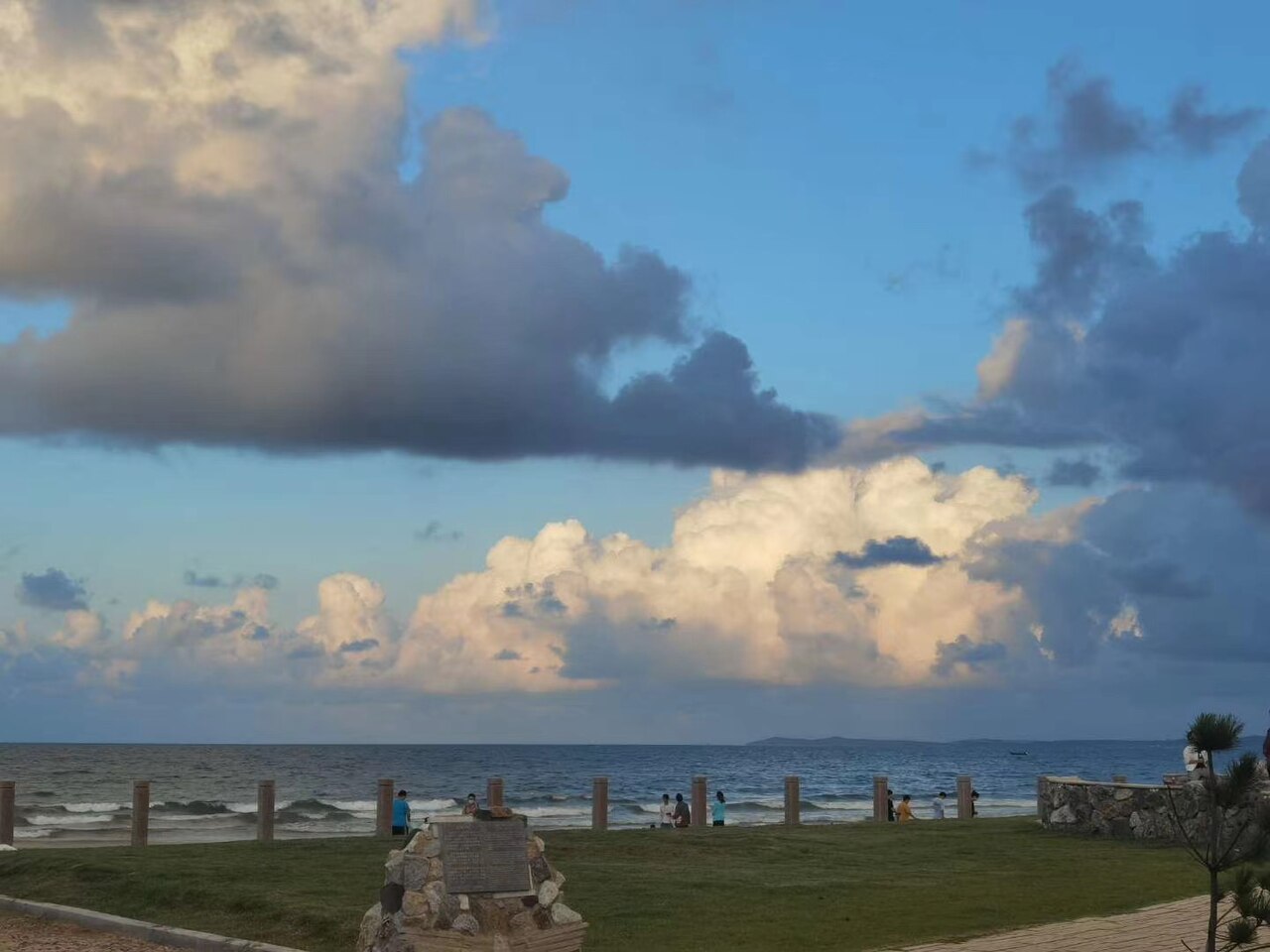
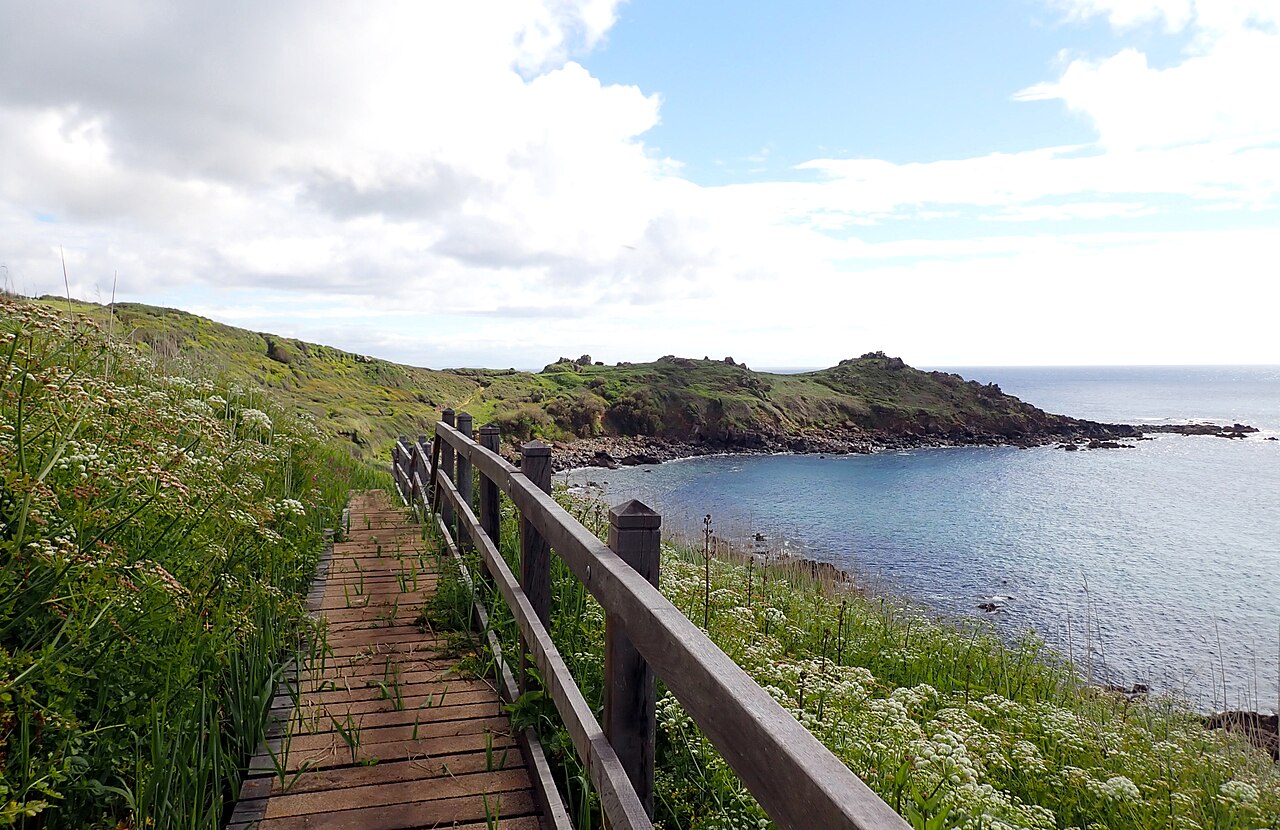
Photographs from the coast, and what other travellers wrote afterwards.

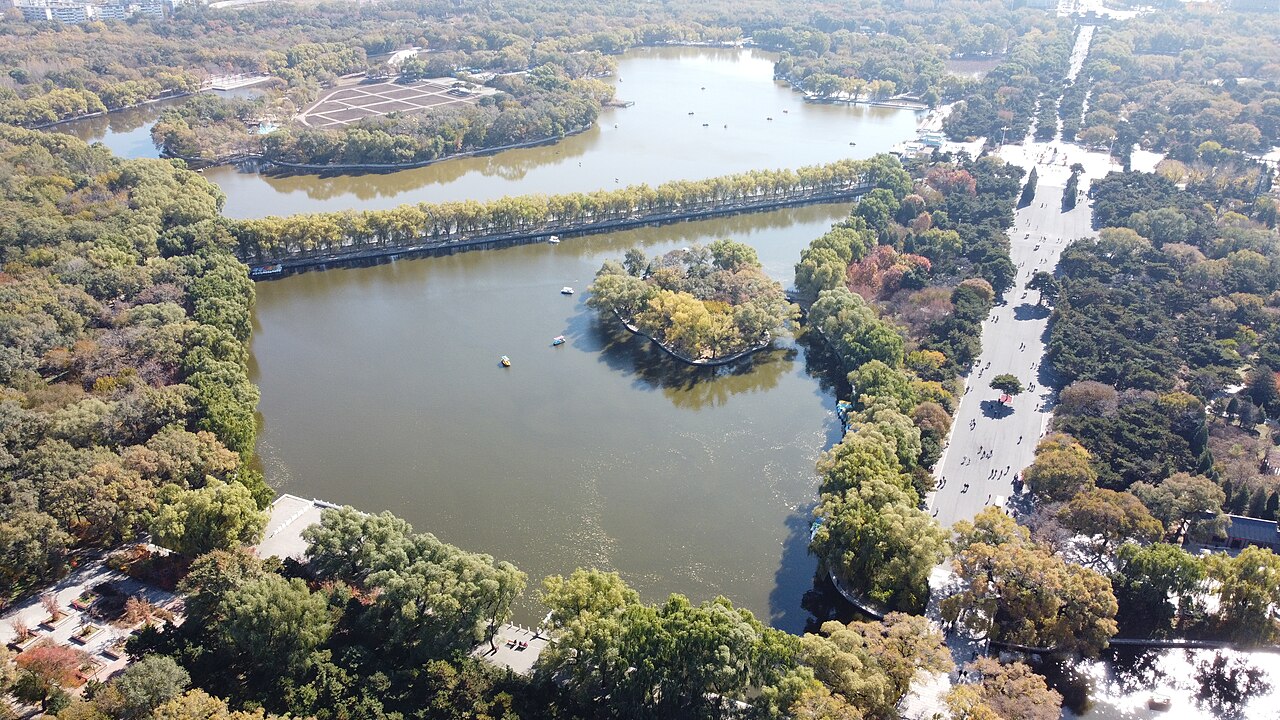
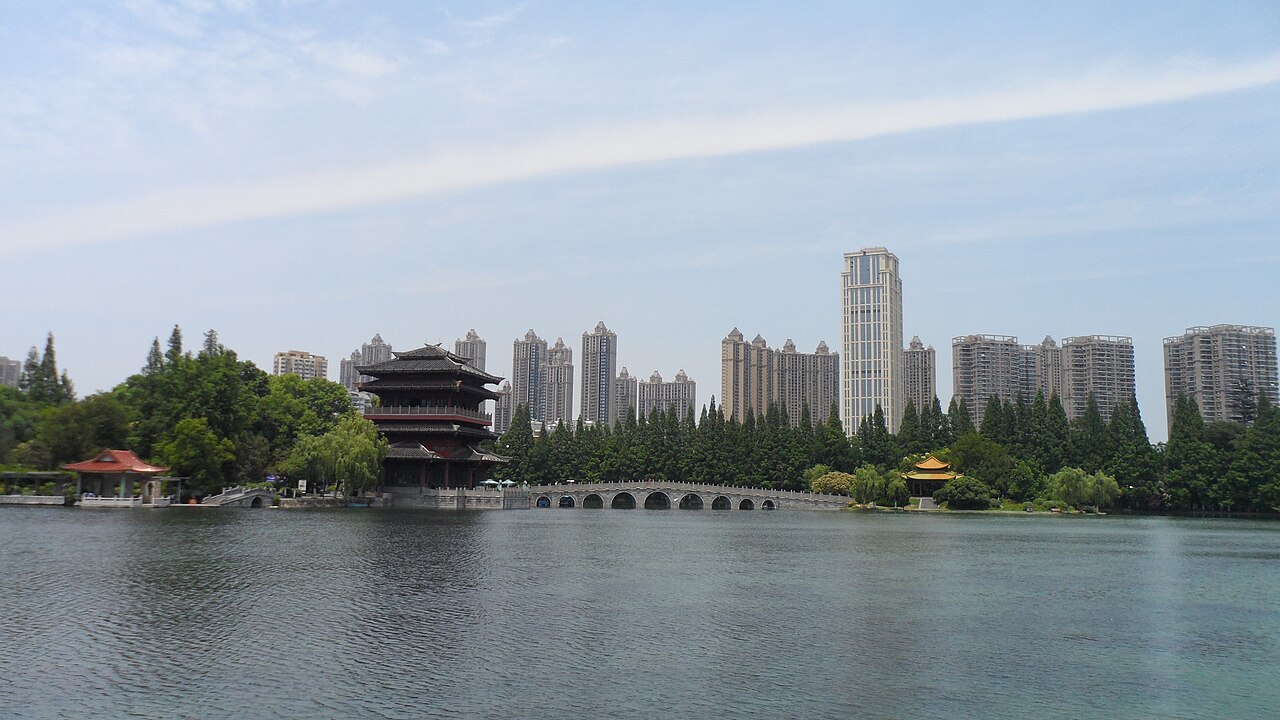
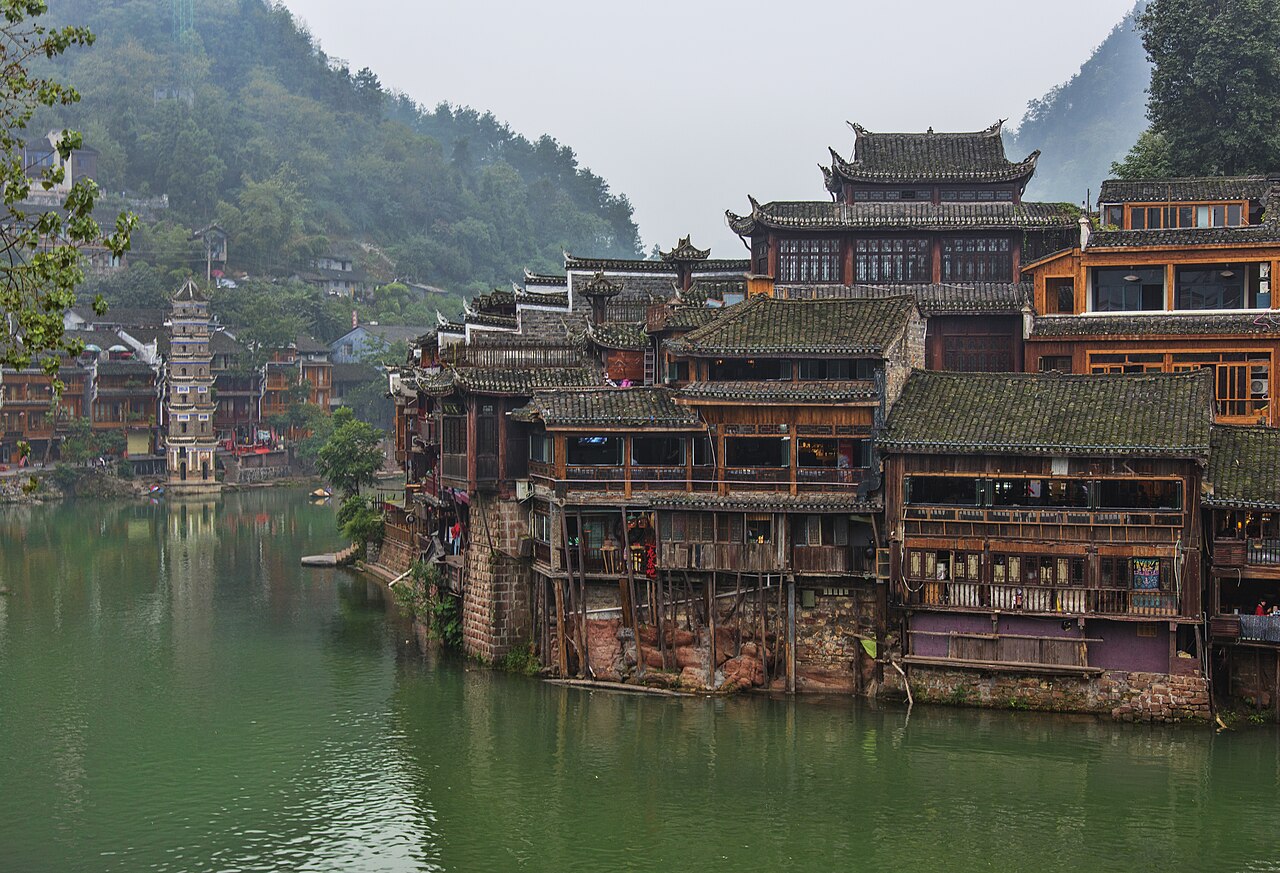
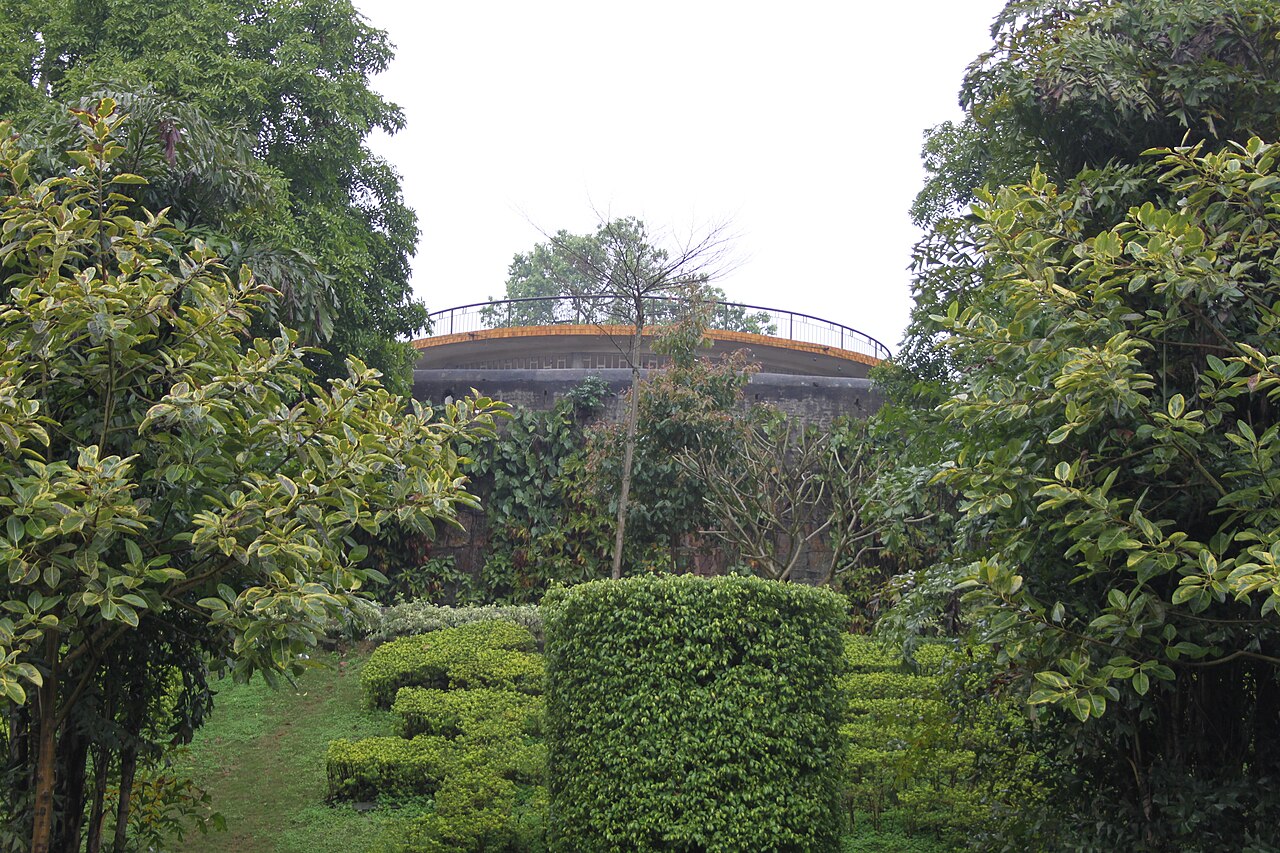
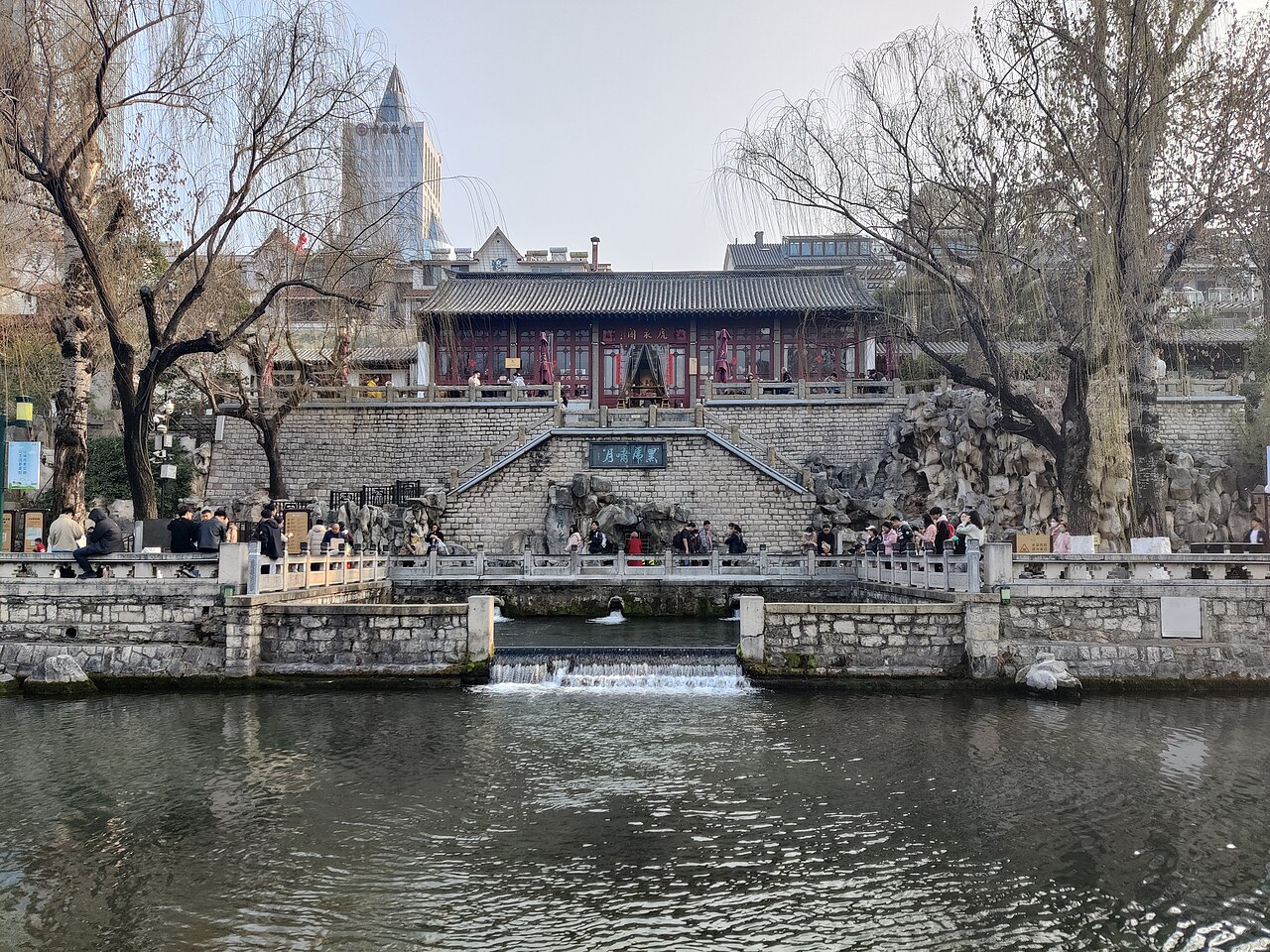
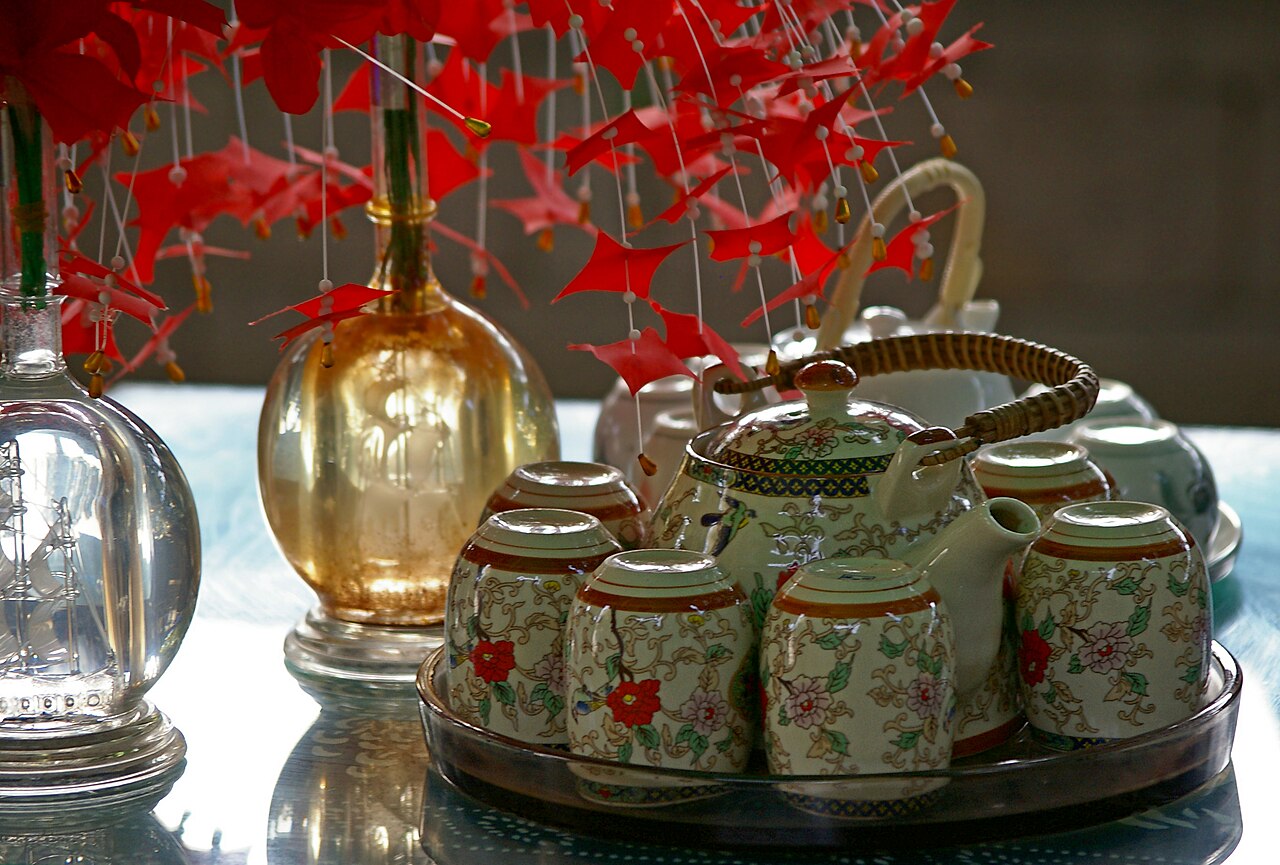
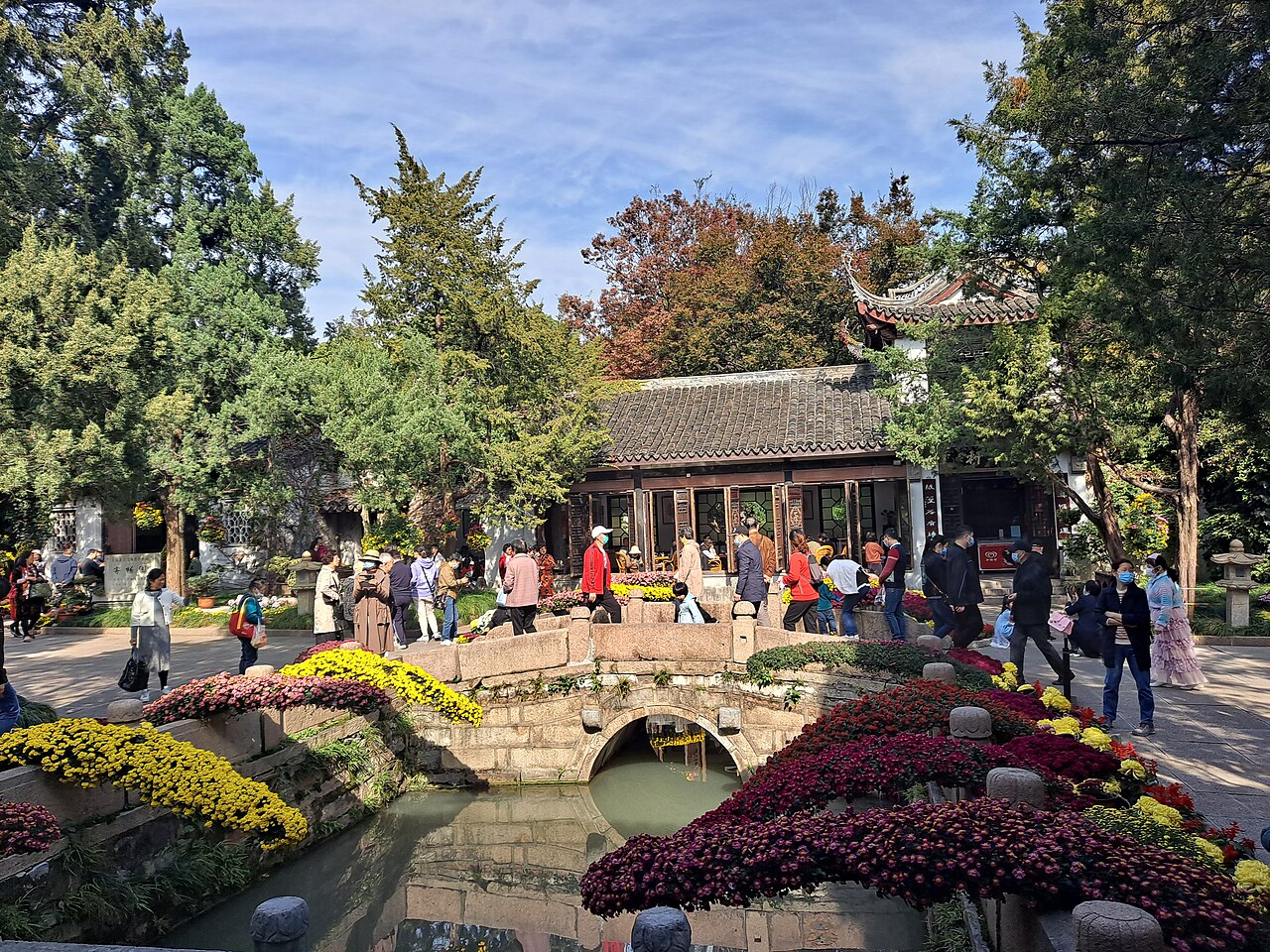
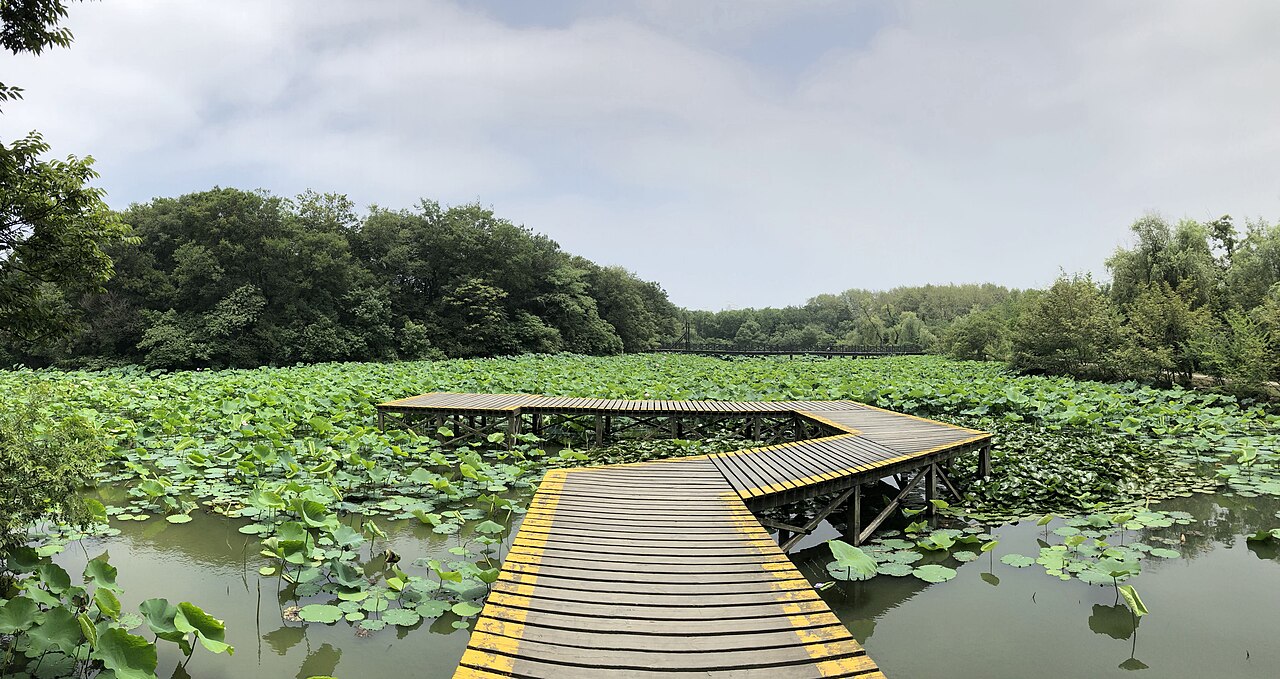
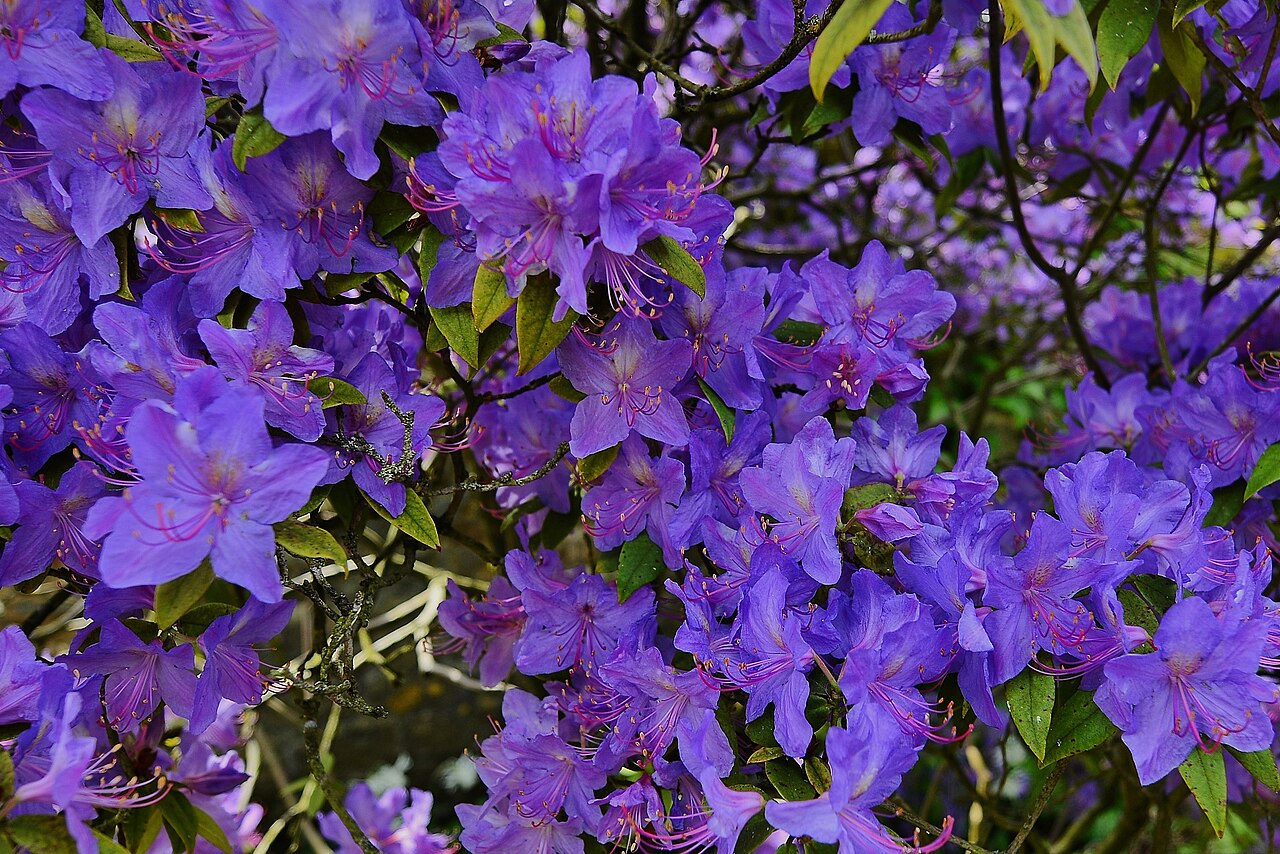
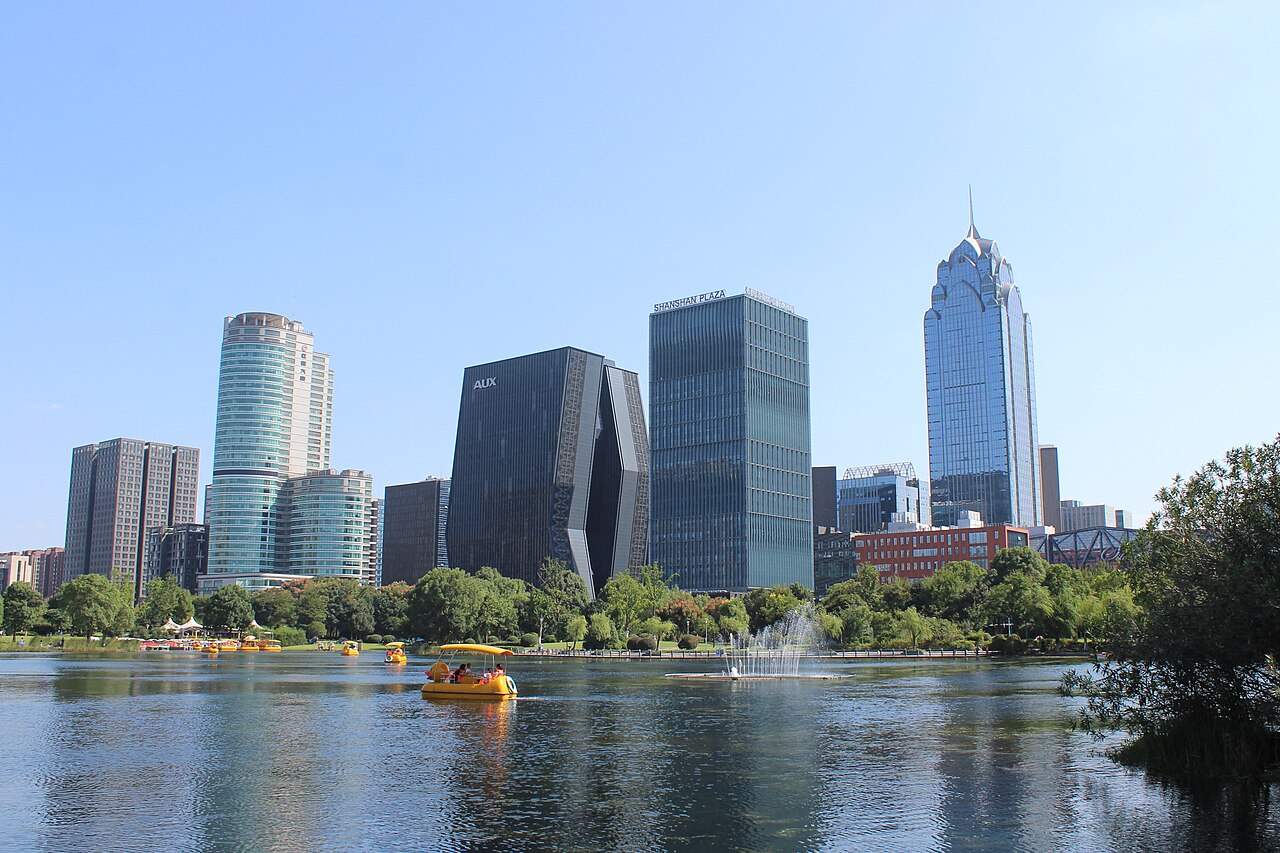
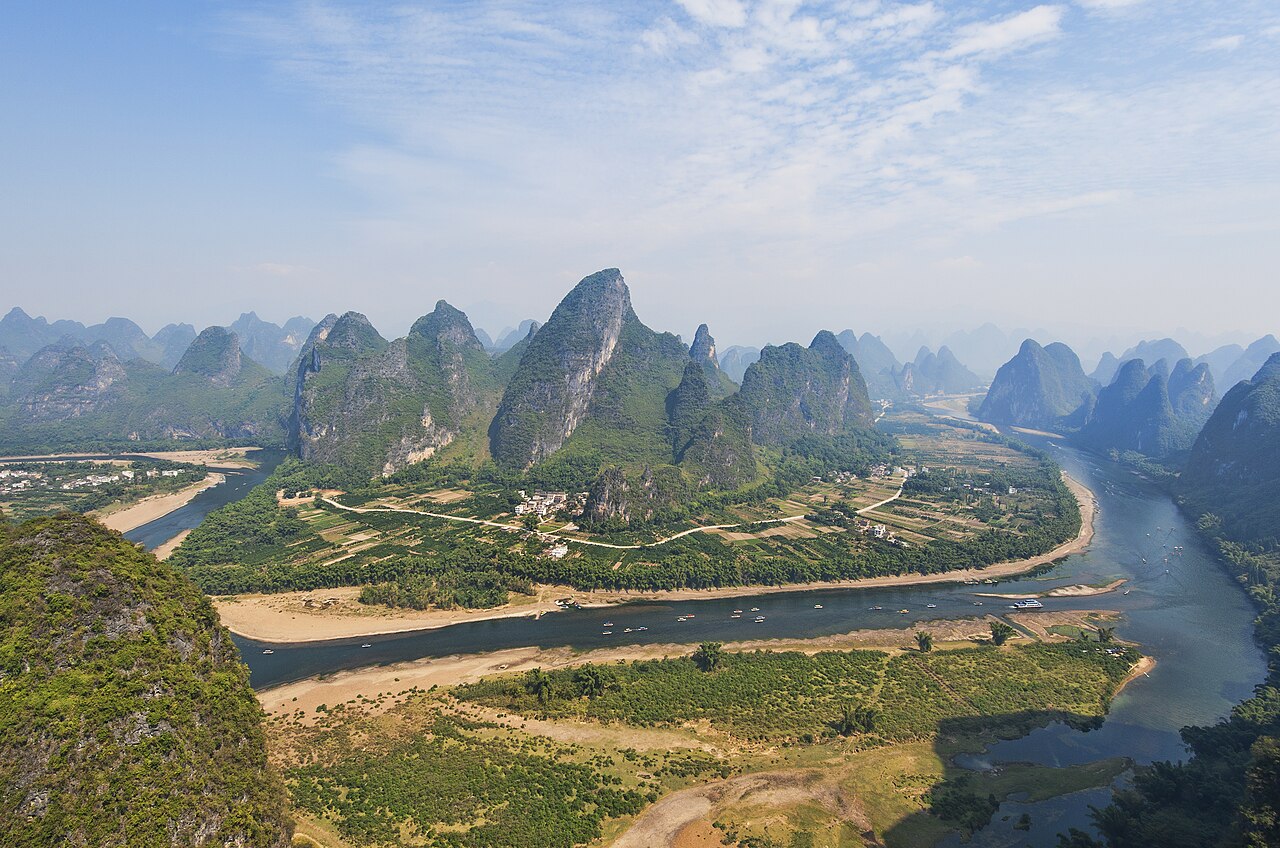
Lotus beds at the height of July, seen from the flower bridge
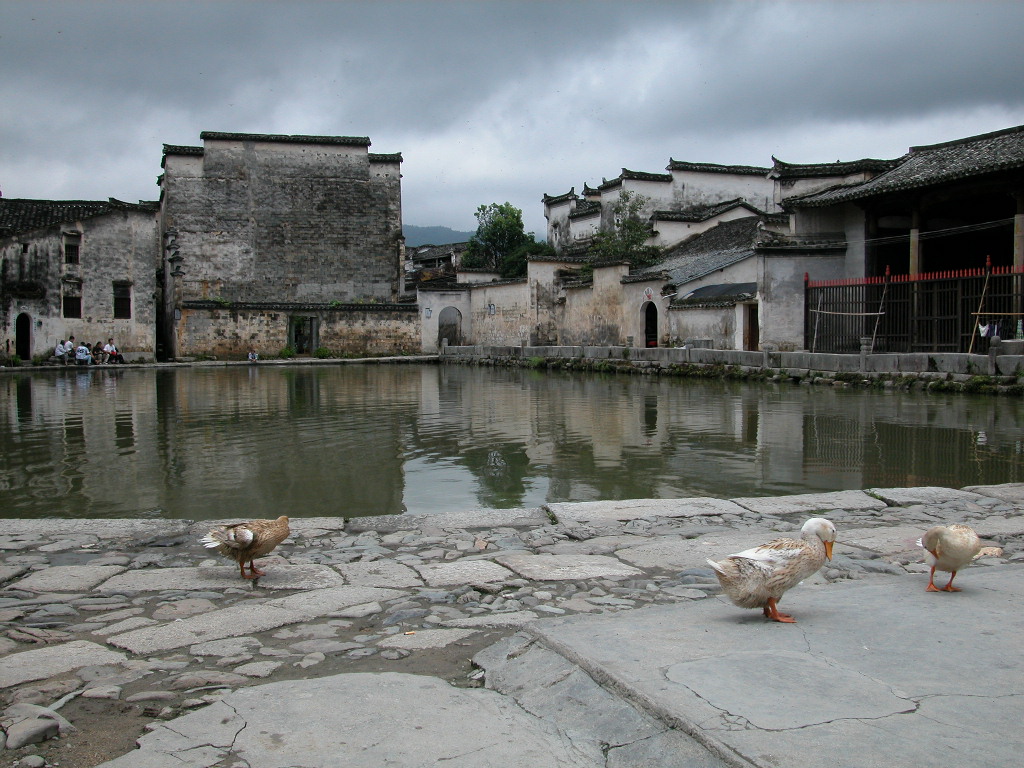
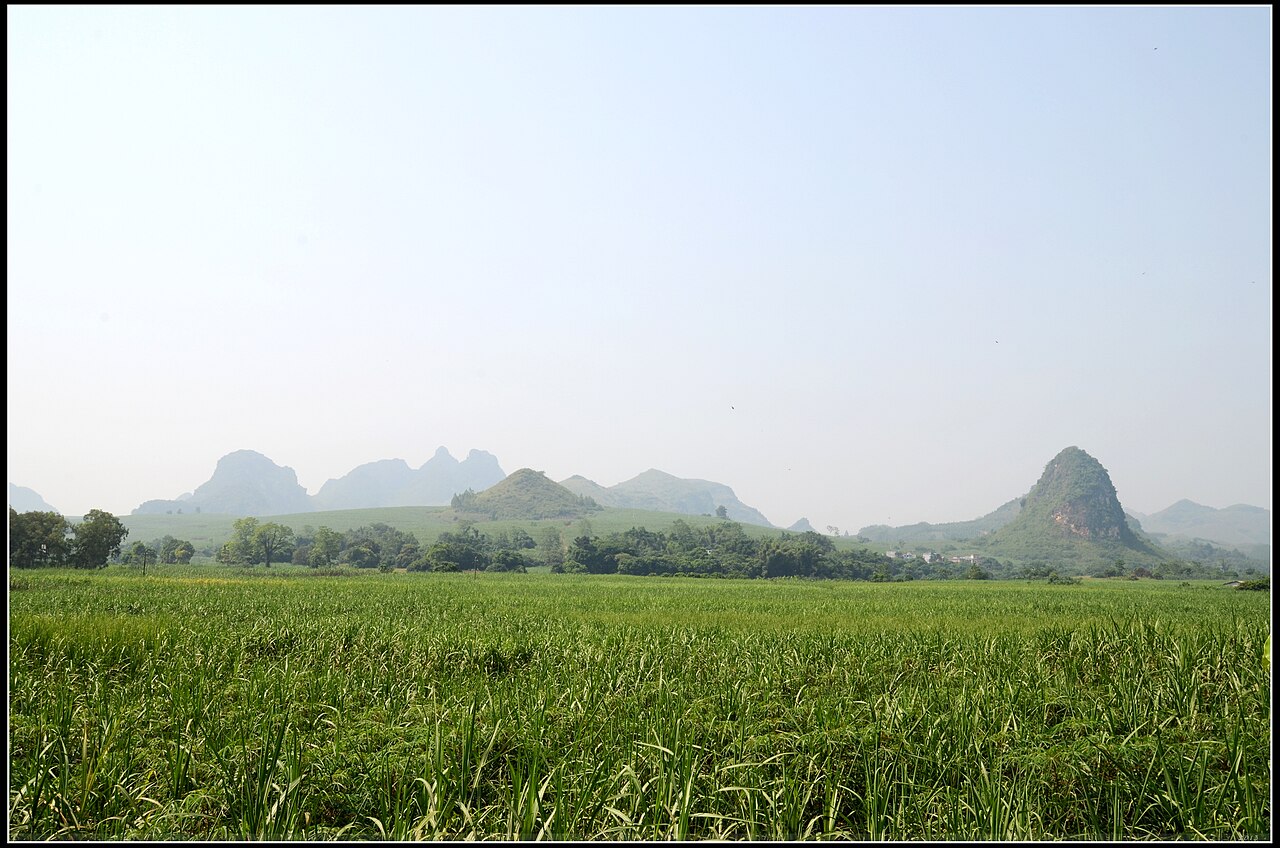
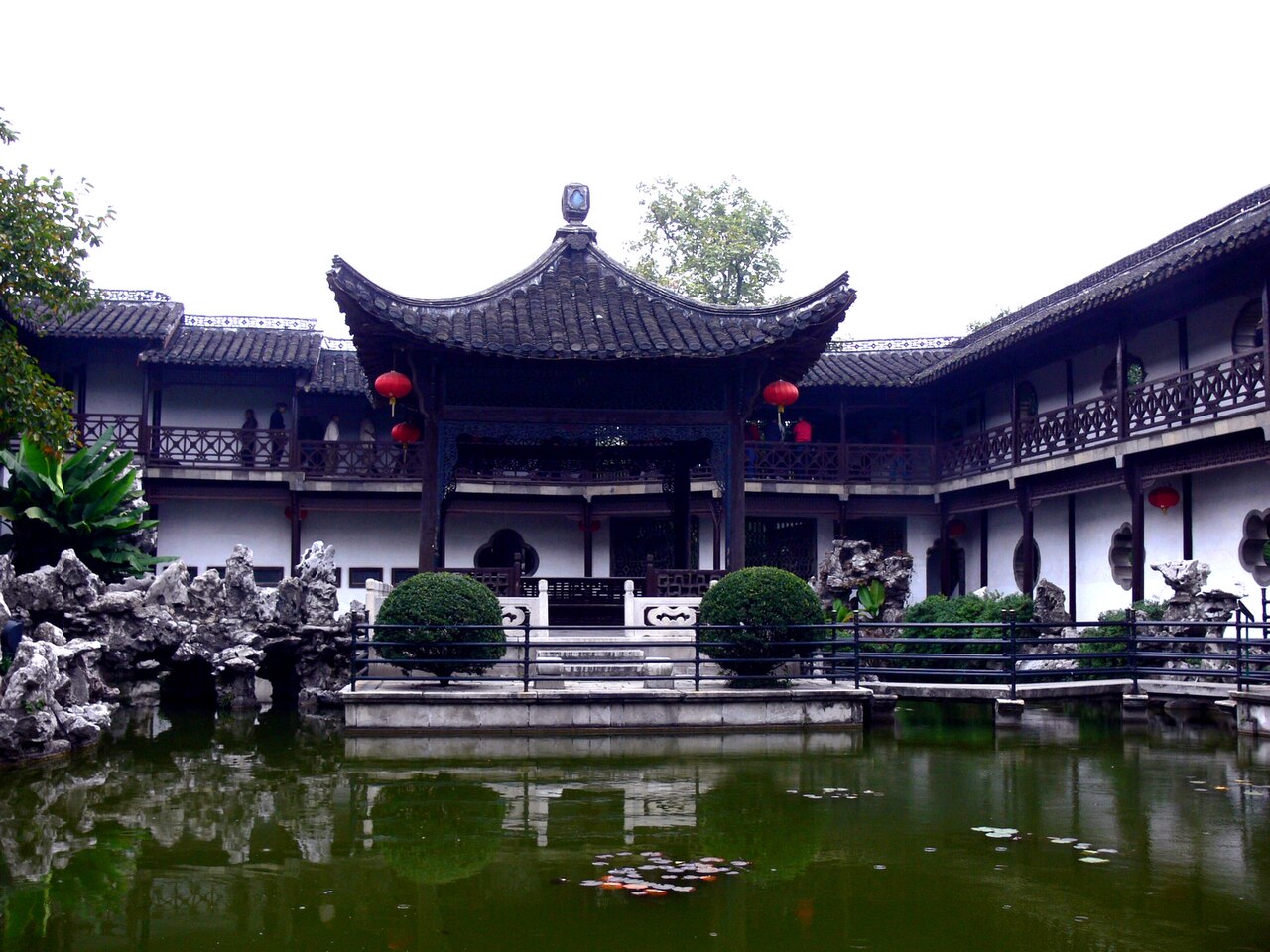
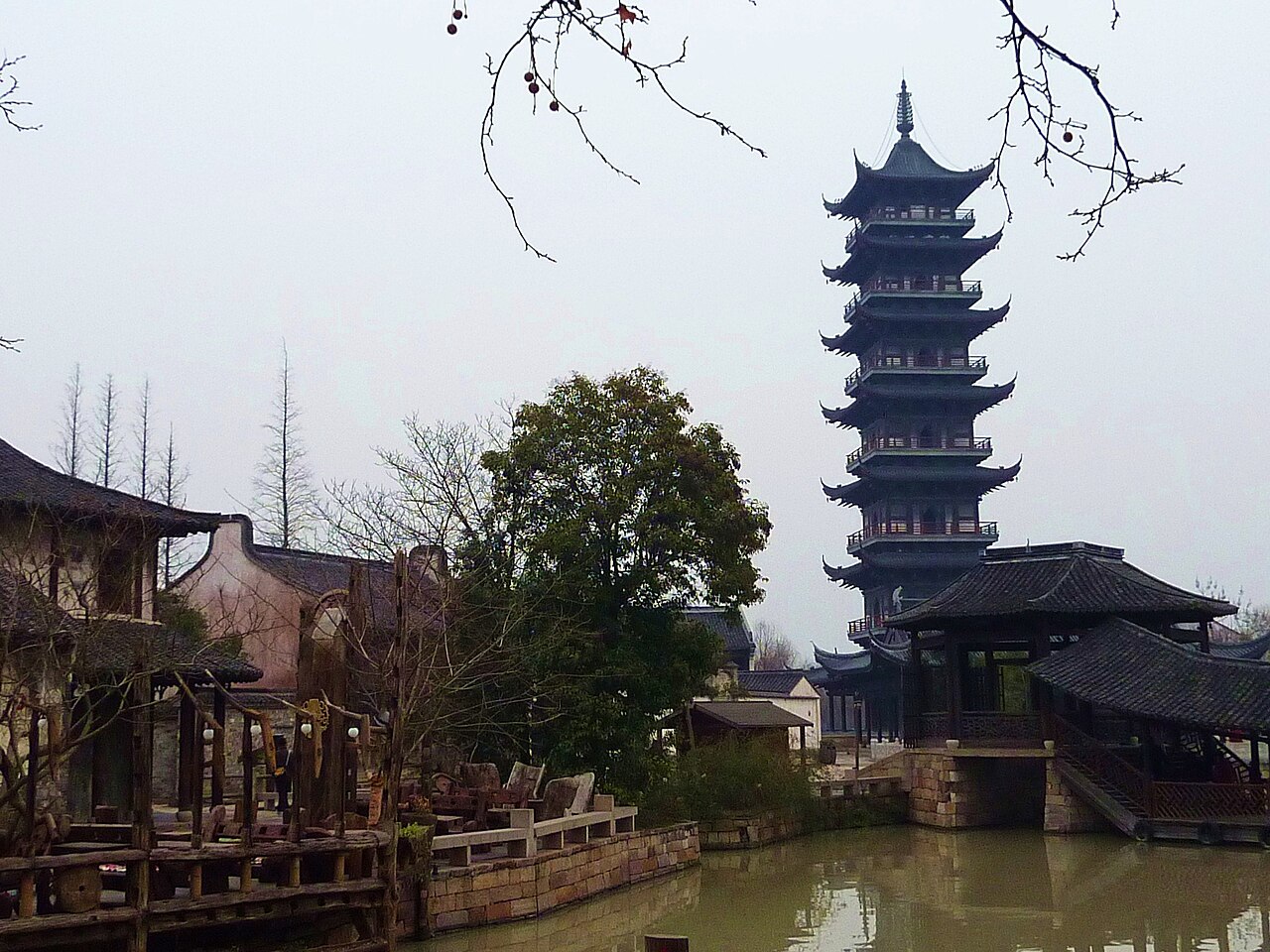
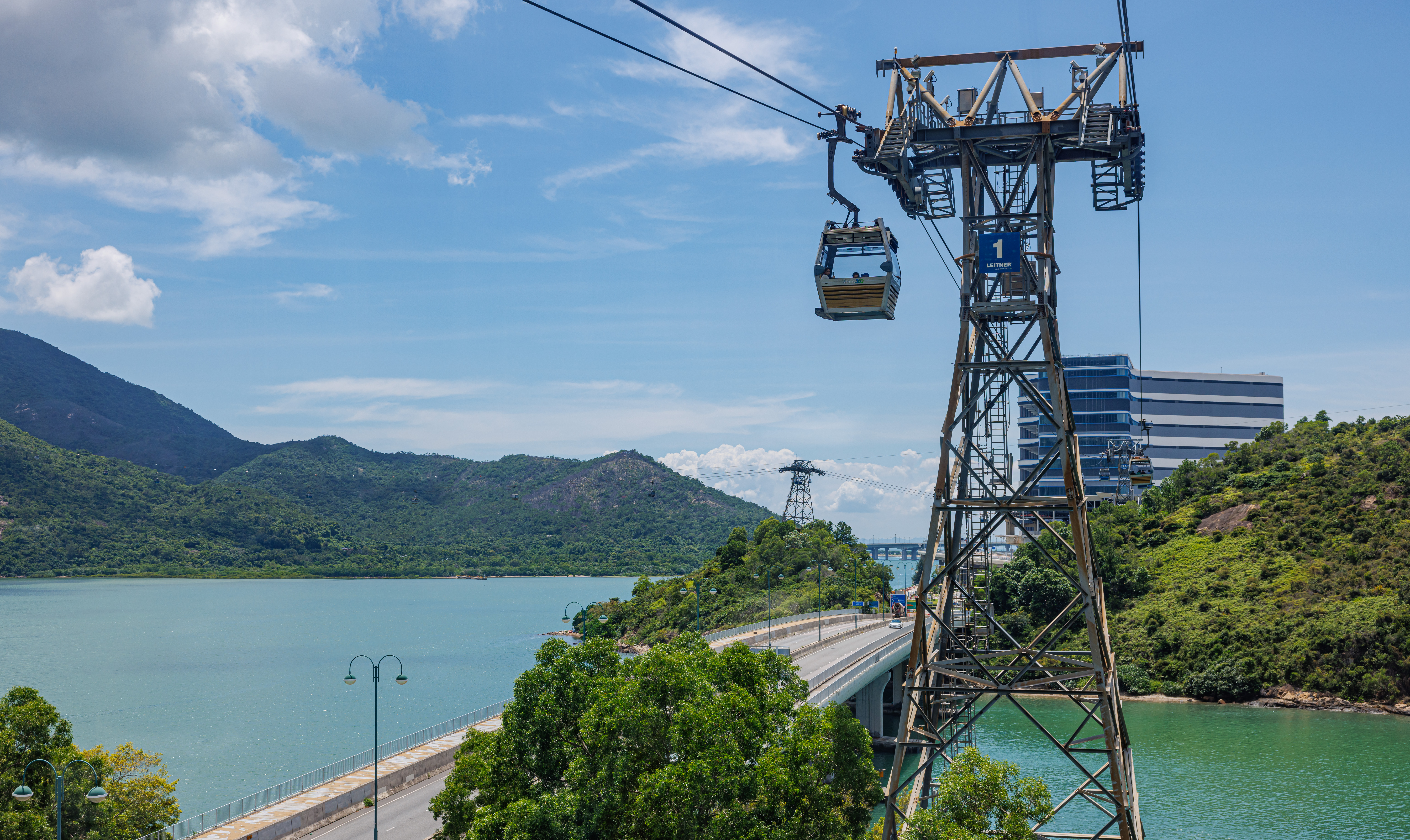
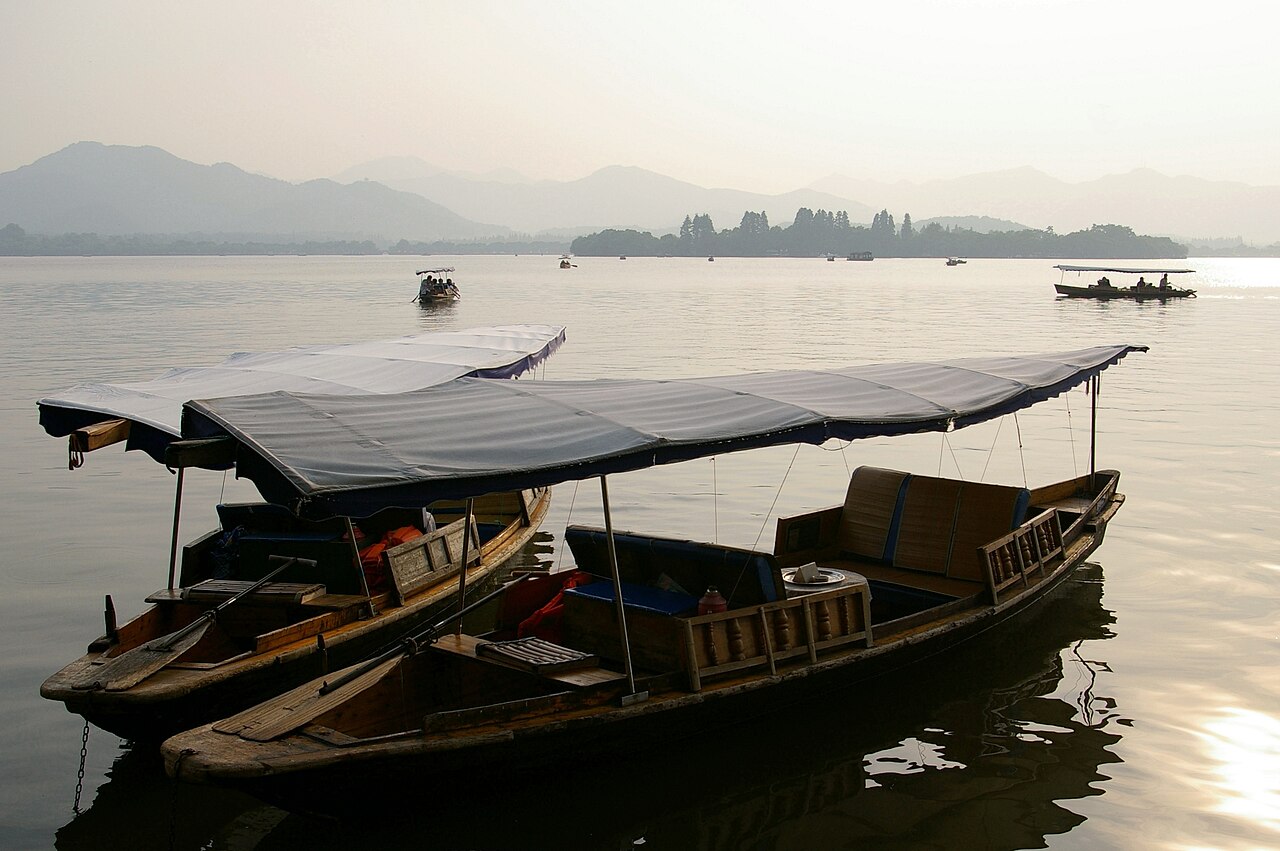
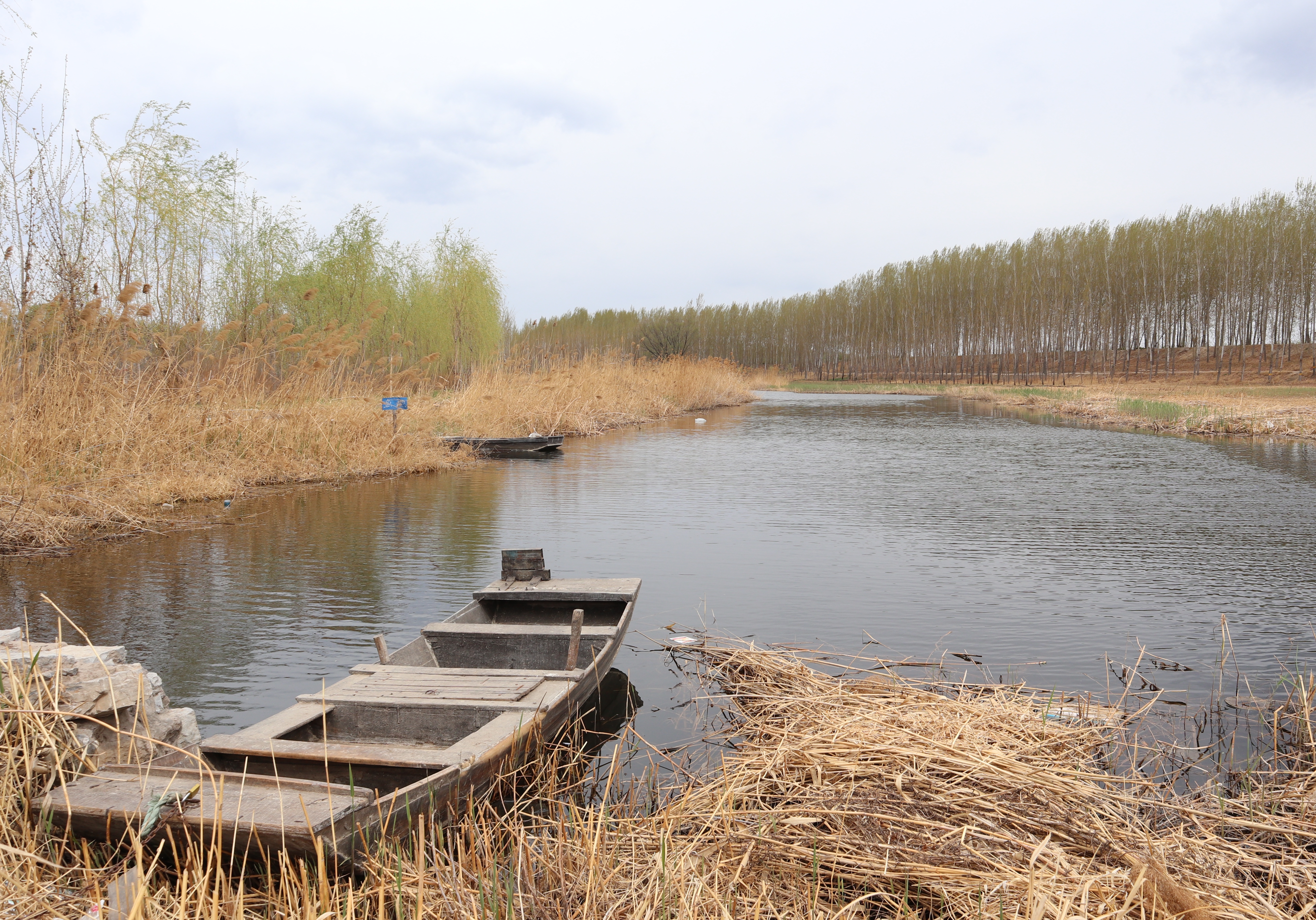
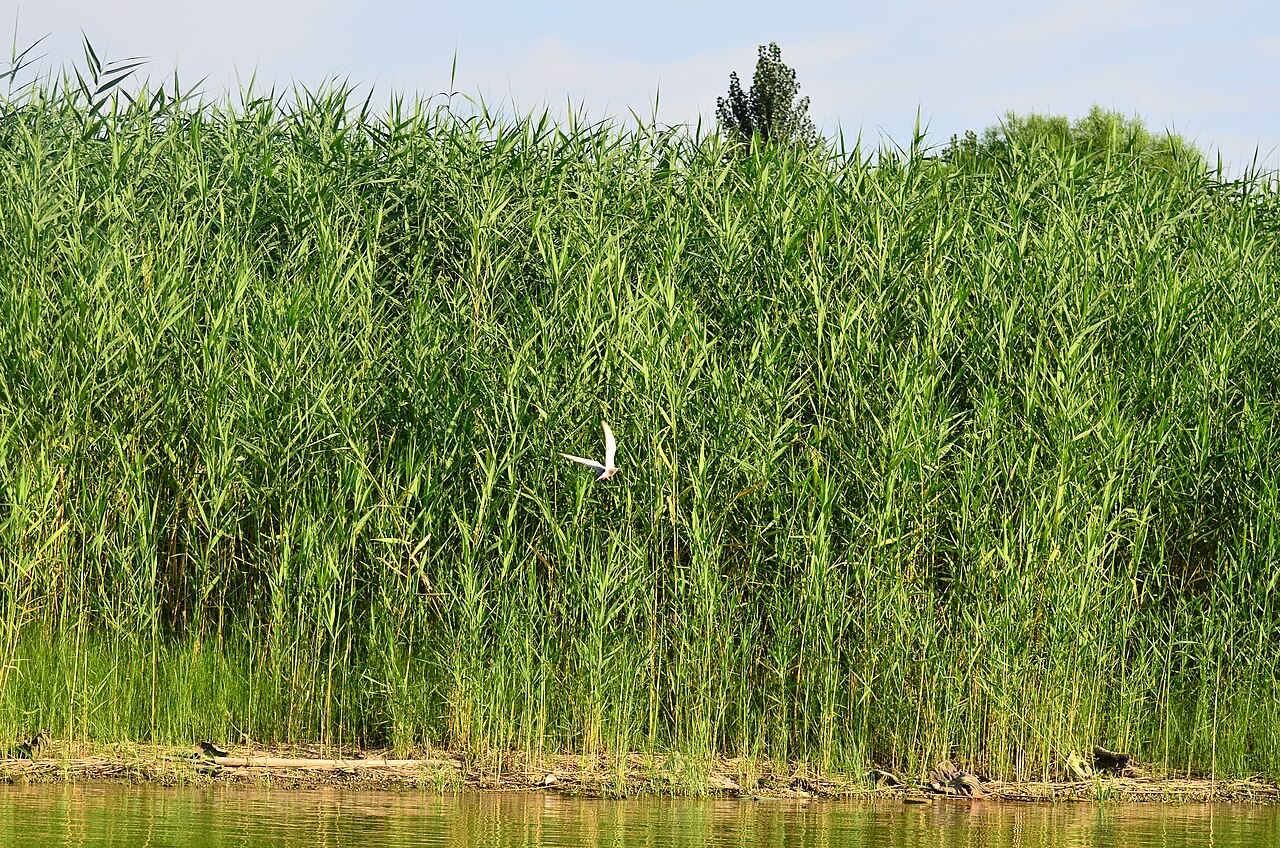
A rowed wooden boat working through a narrow reed lane
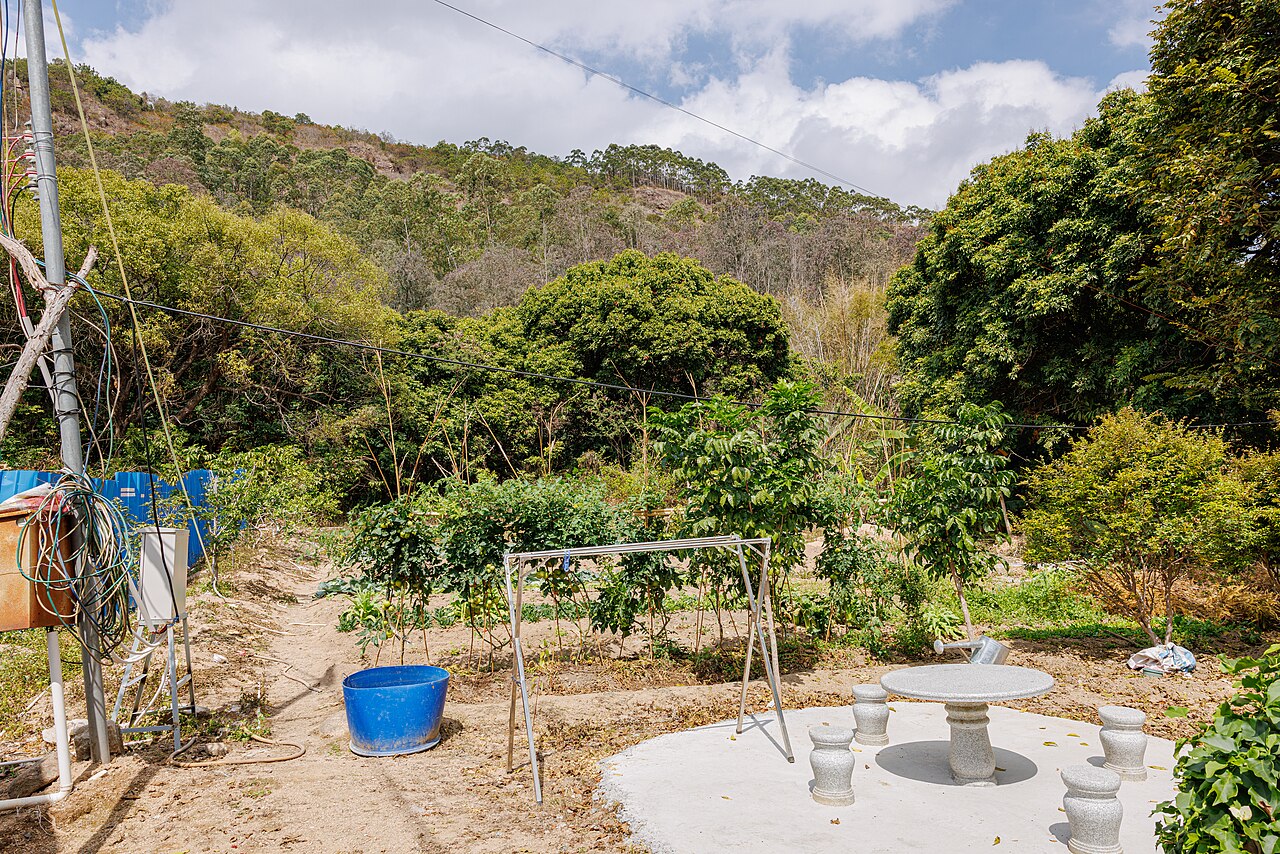
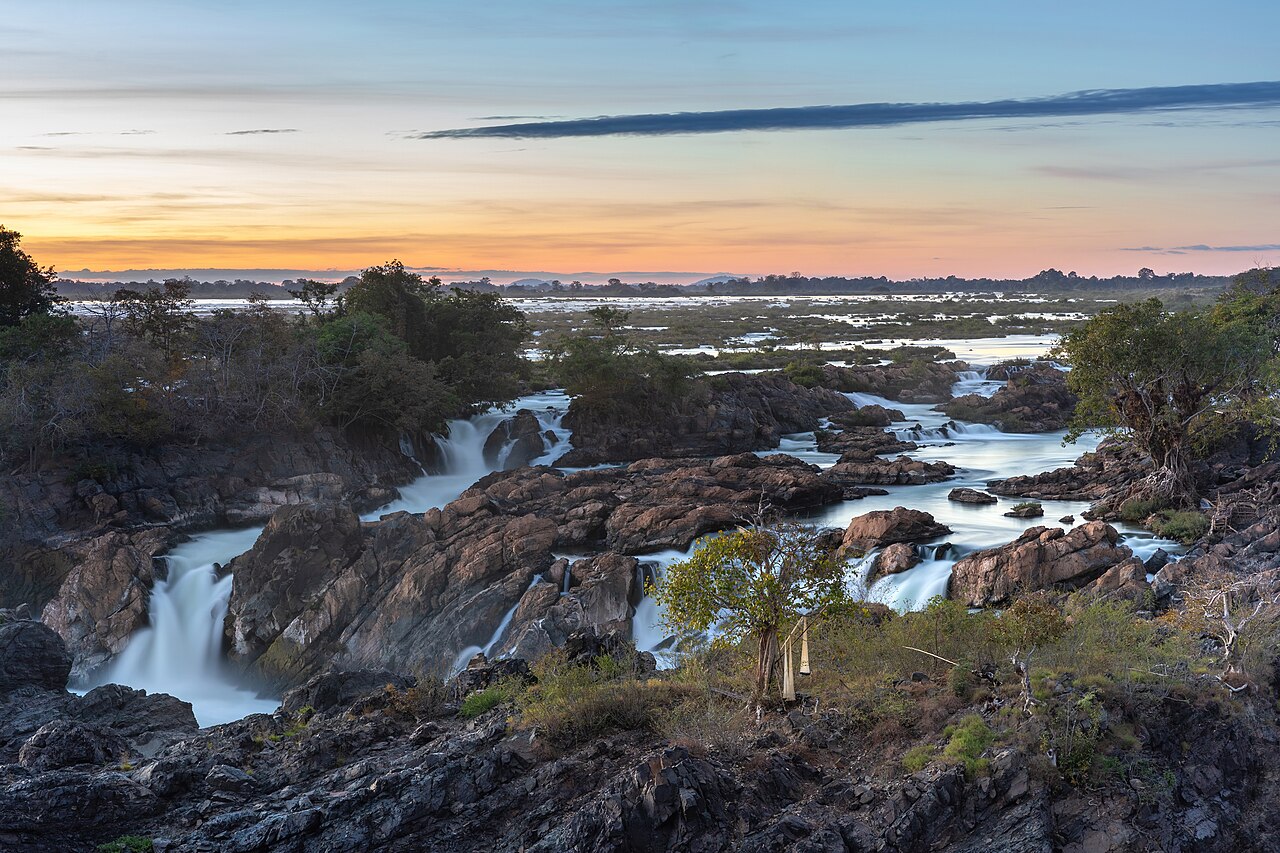
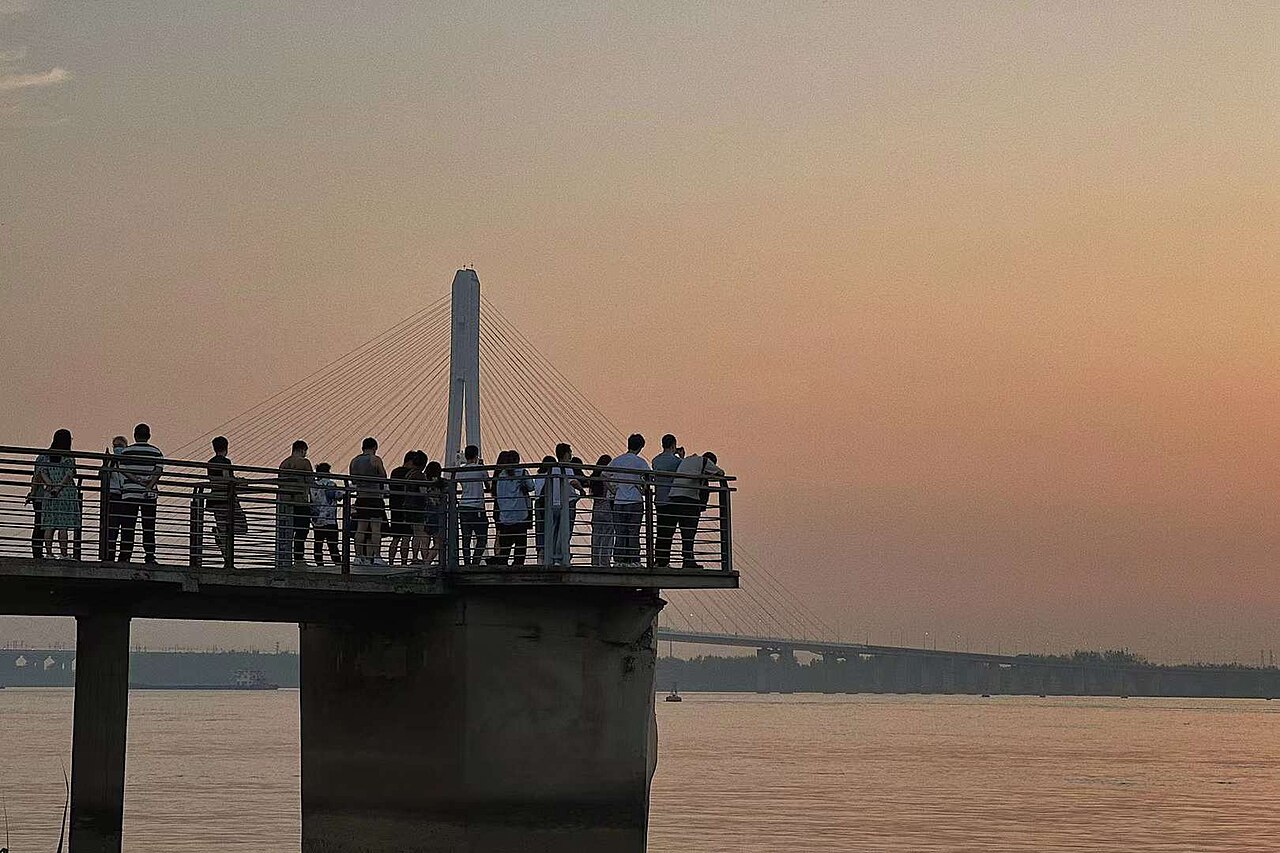
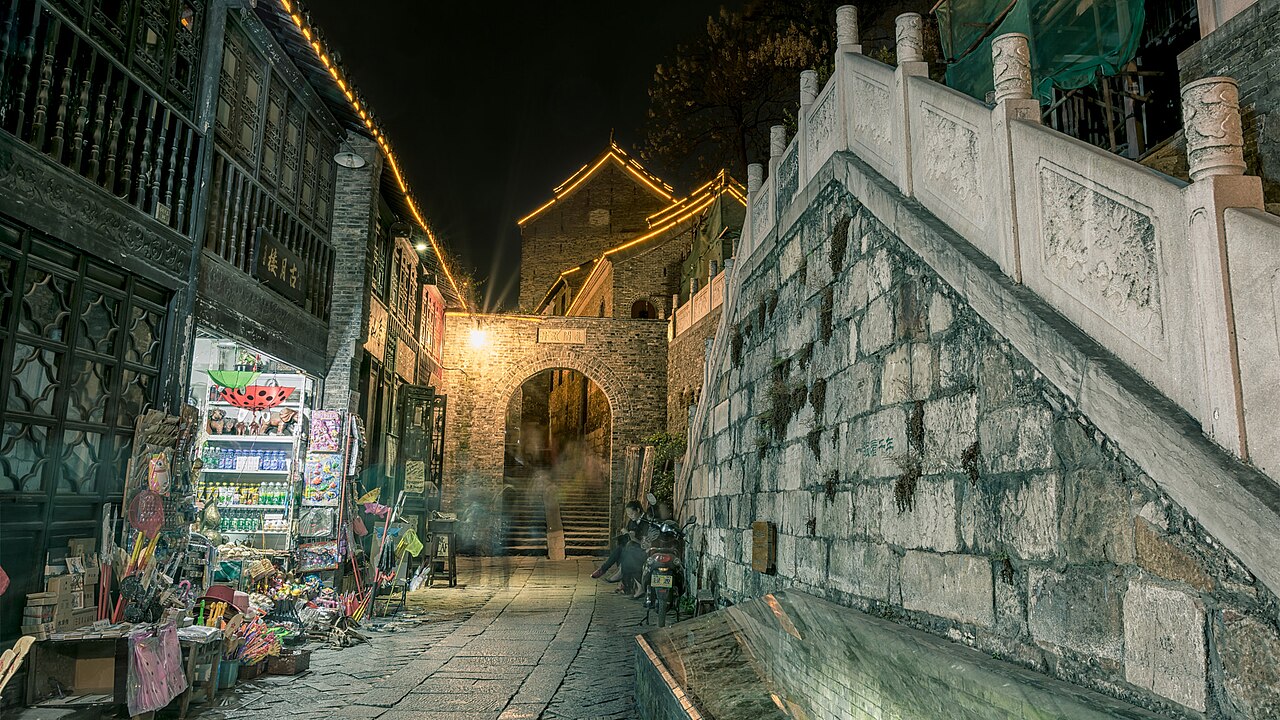
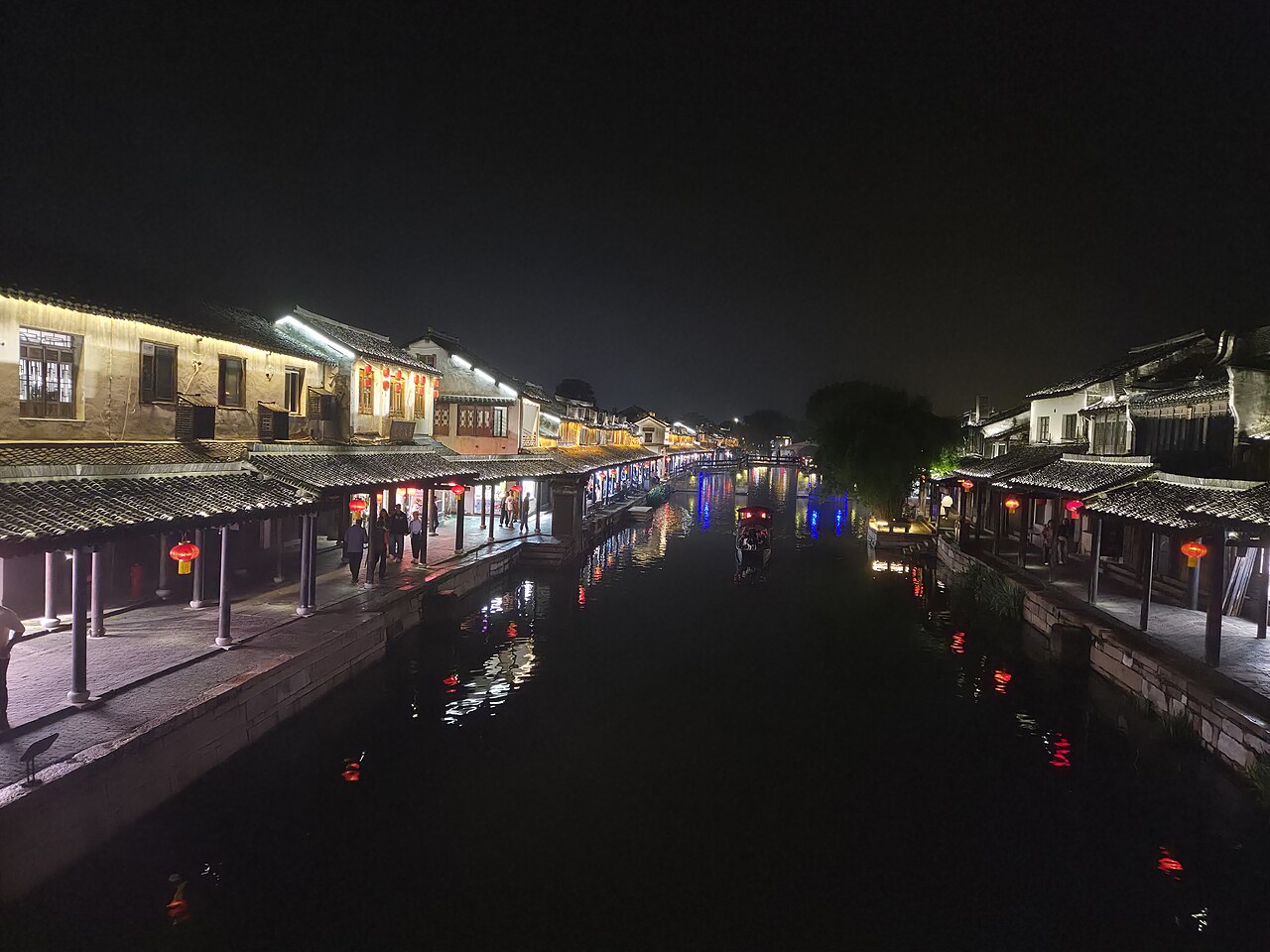
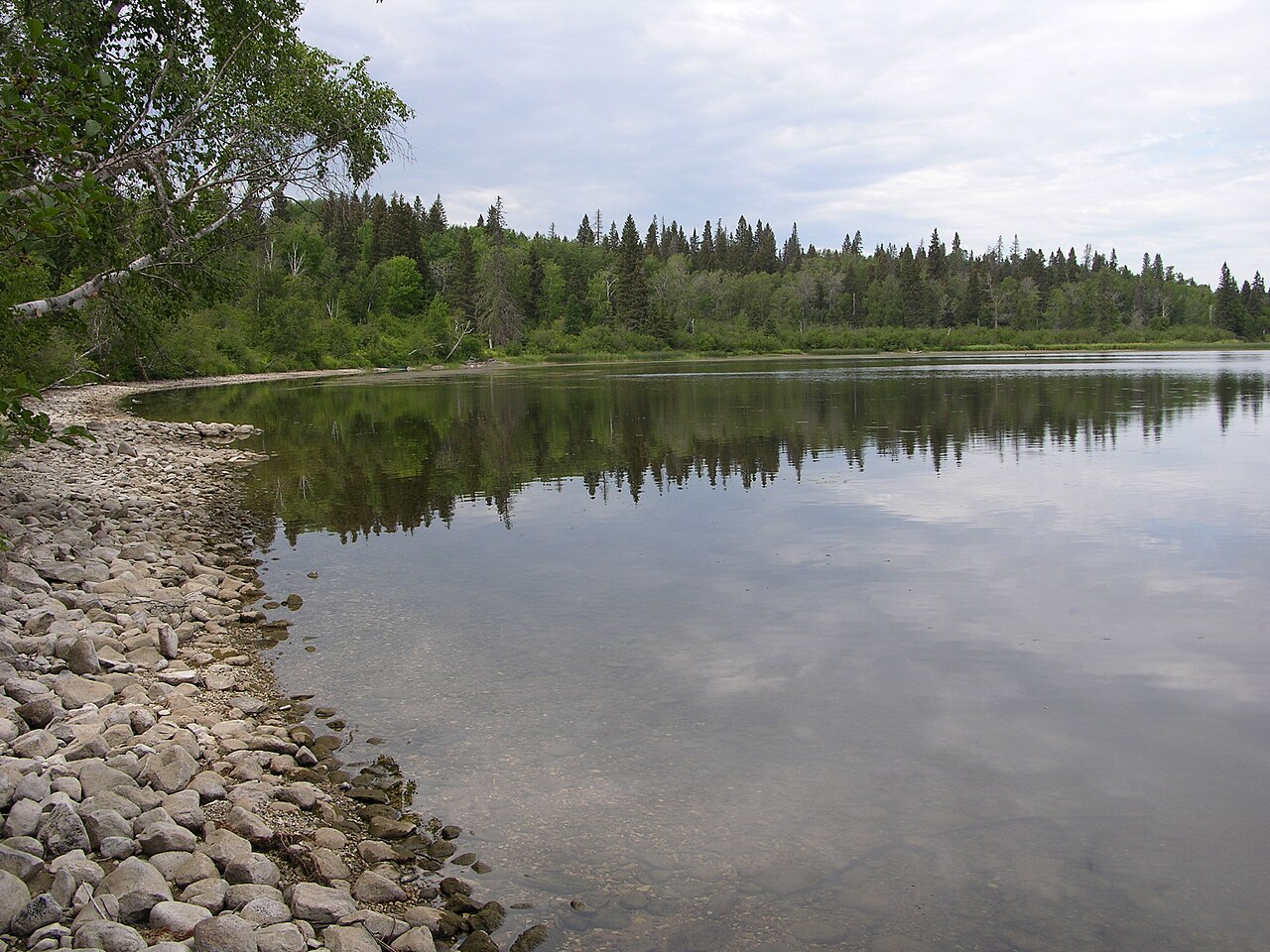
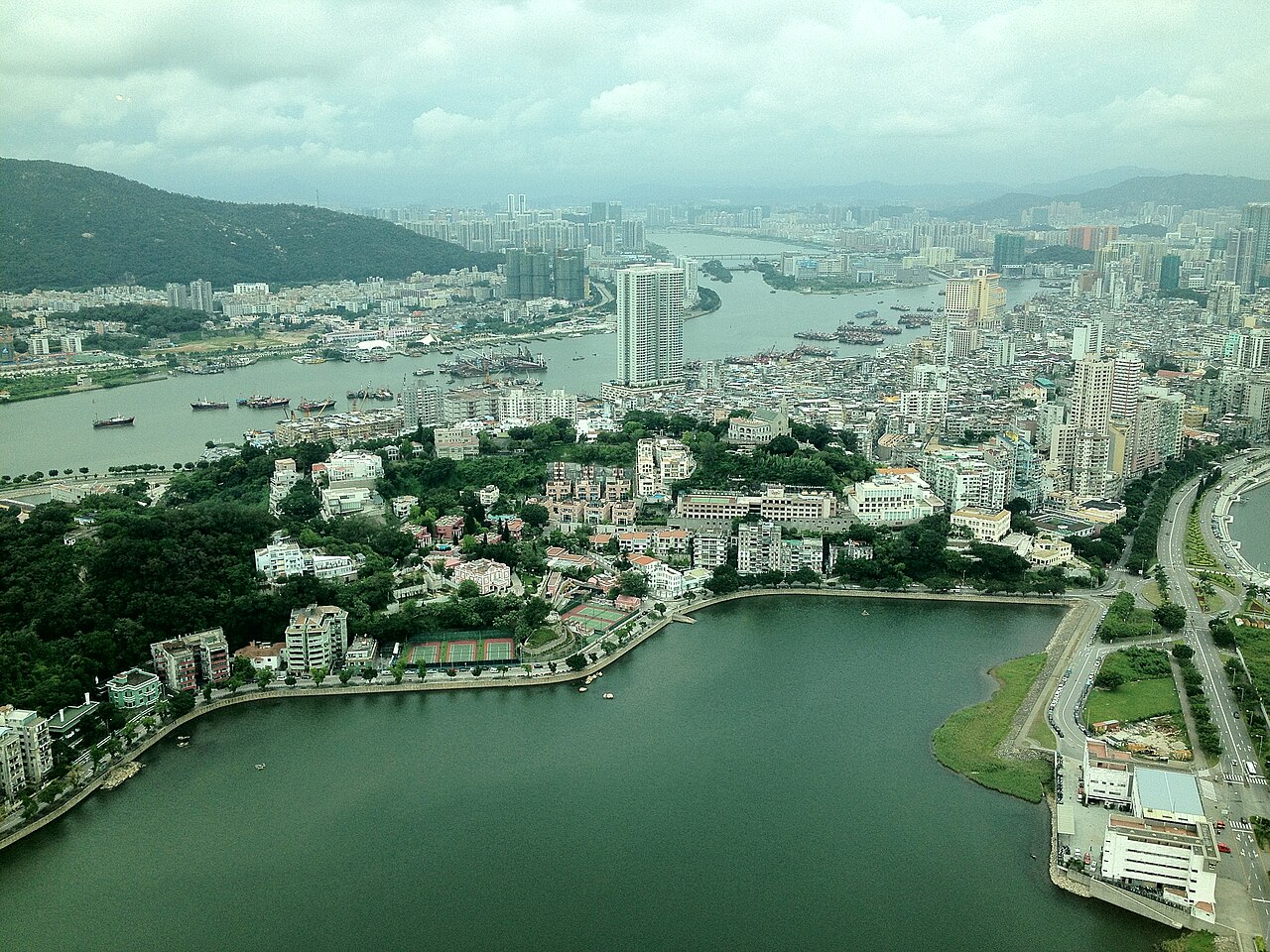
Evening on the water: the last light over the reed channels
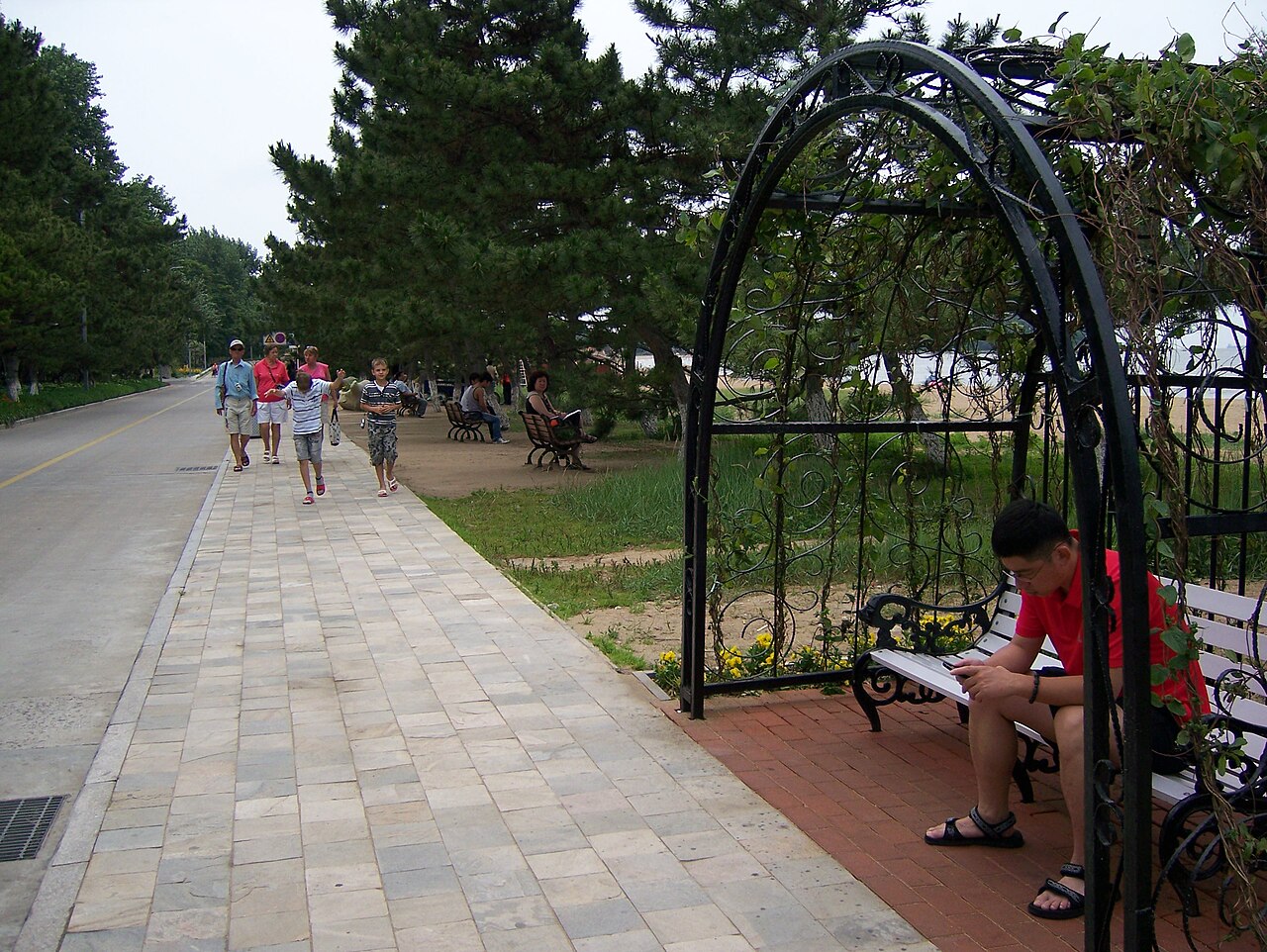
Fresh lotus seed heads sold from a boat, sold green and eaten raw

There is a new Exotic Customs Park with all sorts of strange performances. It costs extra, but the atmosphere inside is something you simply would not believe you were still at Baiyangdian.

Traveller note — 'Lotus in full, free and easy'

The boardwalk was built over a pond and connected the rooms to the restaurant, which was very convenient. Seeing fields of lotus for the first time really was a shock. The two places worth most of your time are the Lotus Grand View Garden and the Culture Park — I loved them both.

Traveller note — 'Shooting my way through Baiyangdian'

Baiyangdian is not one lake but a water maze: roughly a hundred and forty shallow basins, thousands of channels cut through reed beds taller than a person, and villages standing on islands and peninsulas in between. Everything you came to see is somewhere out in the middle of it, behind a wharf, at the end of a twenty-minute run in a flat-bottomed boat.

It is the kind of landscape that hides things well, and history used it accordingly. During the war against Japan the local Wild Goose Squadron — the Yanling Dui — ran a guerrilla navy out of these channels, appearing between the reeds and vanishing again; their memorial hall and the rows of old punt-guns are here now. The writer Sun Li turned the same reed beds into a literary school, the Lotus Lake school, and the television serial about the boy soldier Zhang Ga was filmed on this water.

Today the boats carry visitors instead of irregulars. In July and August the lake surface disappears under lotus, families pole between stands selling fresh lotus seed heads, and the dockside kitchens steam crab and stew one-inch wild fish with cornbread. Out of season the flowers go, the price of everything falls, the light gets stark, and the migrating birds move into the reeds.

Baiyangdian

Don't leave without

Seven things that are worth rearranging a day for.

  1. Take a hand-rowed wooden boat into a narrow reed lane and let the boatman paddle
  2. Walk the thousand-metre flower bridge out over the lotus at the Grand View Garden
  3. Buy a fresh lotus seed head off a boat and eat it green out of the pod
  4. Order a plate of cold wild lotus root and a beer at the water's edge
  5. Try a red-oil salted duck egg and immediately distrust anyone selling 'wild' ones from a cage
  6. Sleep on the water in a reed house and get up before dawn for the lake
  7. Go to the market for fresh water caltrop and duck eggs before heading home

Highlights

What not to miss at Baiyangdian

Lotus, and lotus seeds

Lotus, and lotus seeds

Some 300 varieties are planted across over two thousand mu of water at the Grand View Garden, and the lake sells fresh green lotus seed heads straight off the boats from May onward. Pick even green pods with a sheen; they keep badly, so buy only what you will eat today.
Wooden boats, wooden bridges and water noise

Wooden boats, wooden bridges and water noise

The soundtrack of the lake: a rower working a pole behind you, water slapping the hull, boards clacking underfoot on the bridges that link ponds to rooms and cookhouses. This is the thing you will remember longer than any single sight.

Sunset over the lake

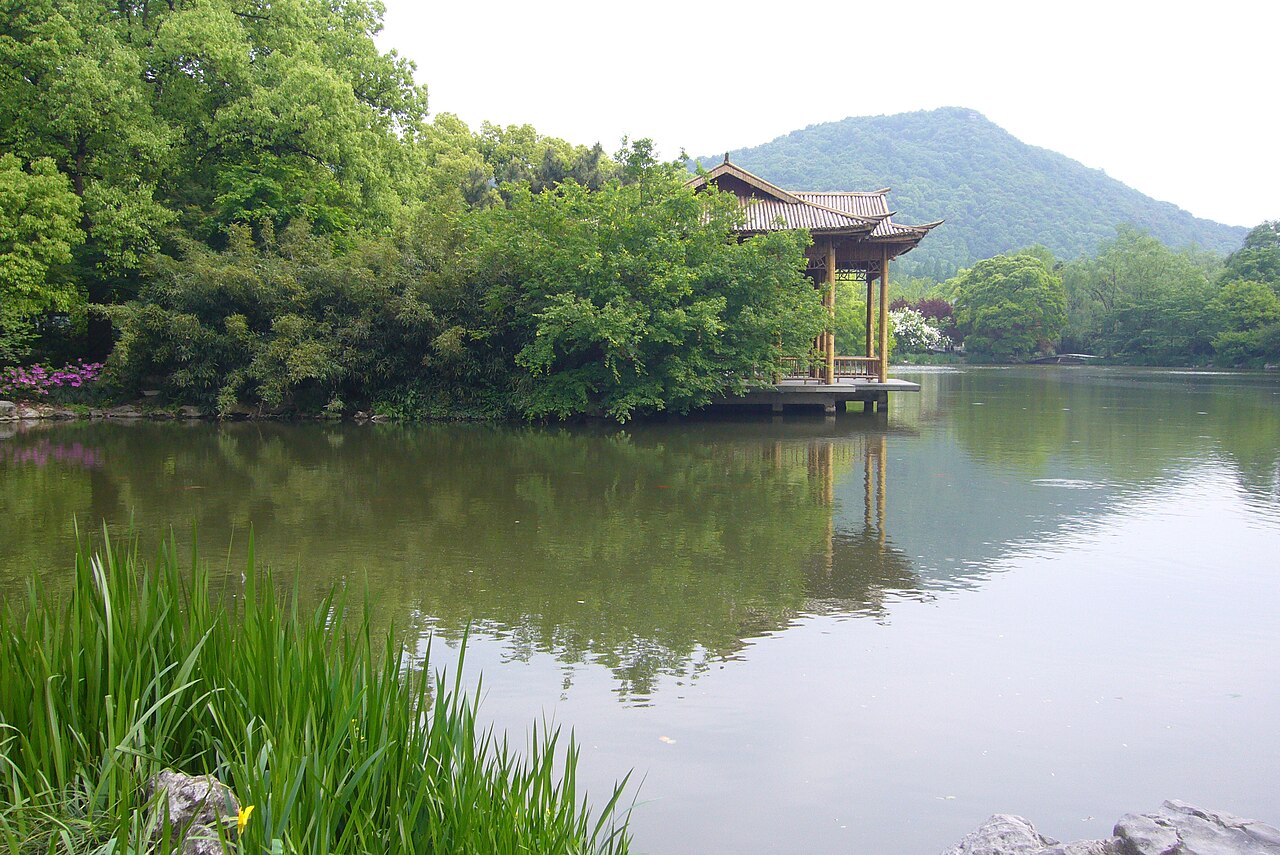
Sit on a wooden pier off the water-village railings with water on every side. Photographers who want sunrise should sleep inside the lake district the night before — the light over flat water at dawn is the whole reason they come.

Hand-woven reed work

Hand-woven reed work

Where there are reeds there are reed craftsmen, and their work — woven pictures, mats, screens — ships to Europe and North America from here. Buy one from an actual stall and you can hear the reed bed move in it, which is a more poetic thought than it sounds.

The living history of the reeds

Every one of these channels was a supply route once. The Wild Goose Squadron memorial hall holds the photos and the artefacts — including the flat-bottomed pai-zi boats, rifles and hand-written notes — and yes, this really is where the Zhang Ga serial was filmed.

A bowl of red-oil duck egg with your fish

A bowl of red-oil duck egg with your fish

Free-range duck eggs here are large, green-shelled, with a red-orange yolk and whites that are not aggressively salty, and they go for about ¥2 each. They are also the single most counterfeited item in the region — see the tips block.

Suggested itineraries

One day, two days, or onward to the mountains

The lake dictates the schedule: you are on someone else's boat, working to six or eight hired hours, with daylight as the hard limit.

The unhurried two days

2 days

Slow down enough to see the villagers working, eat twice properly, and float lotus lanterns after dark.

  1. Day 1

    Into the lake, then stay in it

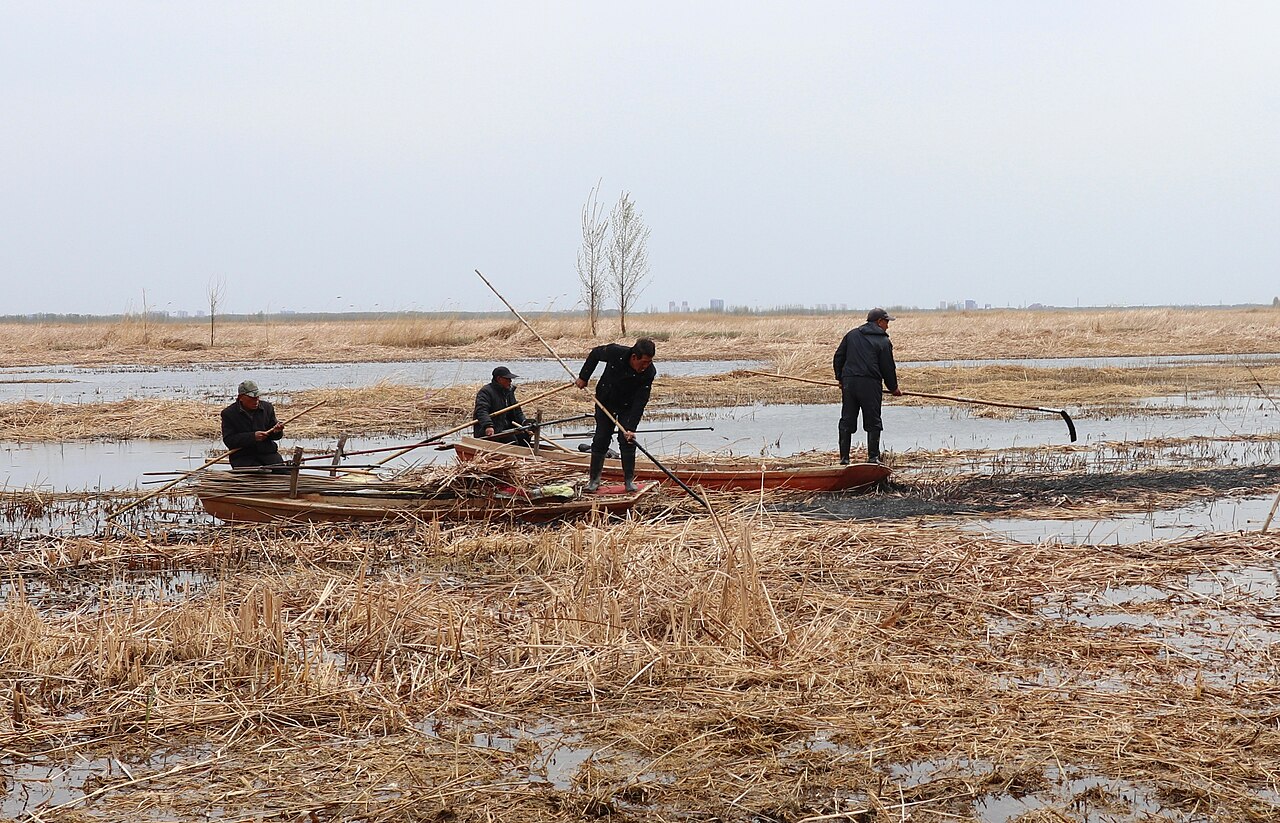
    Arrive in Anxin, board your boat and head out to the Shaoche Lake area for open water and reed rather than attractions — sit for a while and watch farmers working the shallows.

    Come ashore at a water village for the night. Eat coarse, honest farmhouse cooking, then release a lotus lantern on the water. Sleep with the windows open.

    Stops: Anxin wharfShaoche LakeFarmhouse lodging

  2. Day 2

    The sights, then the market

    Start early for the Lotus Grand View Garden and the Culture Park — this is the sightseeing day, and going early means soft light and no queuing for the bridges.

    Finish at the local market on dry land: fresh and cooked water caltrop, lotus seed heads and salted duck eggs are cheap here and you are going home anyway.

    Stops: Lotus Grand View GardenCulture ParkLocal market

A loose one-day trip from Beijing

1 days

Leave at seven, be off the water by four — enough for the headline garden and nothing else.

  1. Morning

    Straight to the lotus

    Leave Beijing around 07:00 and be at the lake about two hours later. Hire your boat first, agree the return time, then run out to the Lotus Grand View Garden — the acknowledged best single sight on the lake, with world varieties and finished natural views.

    Stops: Anxin wharfLotus Grand View Garden

  2. Afternoon

    Lunch, then row home

    Lunch at a folk village on the water for the local snacks, then take a rowed wooden boat rather than a speedboat for the run back to the wharf. End around 16:00.

    If you still have daylight left, spend it on the market before you leave rather than cramming in a second attraction — this is the kind of place where two hurried sights are worth less than one slow one.

    Stops: Wangjiazhai folk villageAnxin wharf

Onward: resistance country, two days

2 days

Pair the lake guerrillas with the mountain martyrs — the same war, two completely different landscapes.

  1. Day 1

    Baiyangdian

    Settle in, get out on the water at leisure, then eat a farmhouse dinner. Afterwards wander the neighbouring households and buy along the shore — salted duck eggs and a small glass of something, then sleep.

    Stops: AnxinBaiyangdian scenic areaFarmhouse

  2. Day 2

    Langya Mountain and back

    Book your coach in advance: two hours from Baoding to the foot of Langya Mountain, a hundred kilometres, from ¥14 a head, departing Baoding coach centre at 08:55 or 14:50. Carry water and food.

    Climb the long stairways, squeeze through the narrow rock passages, drink from the spring, then take the cable car down tired. Buy the yam crisp candy they make at the foot of the mountain — book a whole roast lamb at a farmhouse there if you have the appetite.

    Stops: Langya MountainCable carBaoding

Sights

The islands worth a landing

Six themed scenic areas make up the lake. You will not see all of them in a day, and nobody expects you to — pick two or three and give them time.

Lotus Grand View Garden

The headline park · Best in July

Lotus Grand View Garden

Over two thousand mu of water planted with more than three hundred lotus varieties, arranged rather than accidental. The plan is five zones, four gardens, three harbours, two beaches and a hill — in practice it means reception and dining zones, a lotus-picking area and viewing area, a boutique lotus garden, a quiet garden, a fishing pond and a folk garden, plus berths for looking at fish or doing nothing. Threading it all: six miles of circular road, acres of lotus pond, a flower-viewing bridge thousands of feet long and kilometres of boat channel.

Ticket
¥50
Hours
07:00–19:00
Where
Baiyangdian scenic area, Anxin county
Getting there
Boat from any official wharf
Time needed
2–3 hours
Phone
0312-5116997

Tip Come at opening time. By mid-morning the flower bridge is a slow-moving queue of selfie sticks, and the light has flattened out. There is a swimming beach if the day gets hot.

Baiyangdian Culture Park

History · Best of the two big ones for context

Baiyangdian Culture Park

Eight hundred thousand square metres of combined story: the Wild Goose Squadron memorial hall, which puts the wartime guerrilla navy back into its reed beds with photographs and artefacts; the Kangxi water-hunt travelling palace and the imperially commissioned Pei'en Temple, which cover the older, imperial relationship with this water; and the Reed Flower Water Village, whose antique-style dwellings stage folk activity. It finishes with the two poetic views — West Lake lotus in the wind and East Bank willows in smoke.

Ticket
¥50
Hours
08:00–18:00
Where
Baiyangdian scenic area, Anxin county
Getting there
Boat from any official wharf
Time needed
2–3 hours

Tip Do this one first if you have come outside lotus season. The memorial hall and the palace carry the trip on their own when there is nothing flowering.

Legend · Included in one ticket

Yuanyang Island and the Window on Baiyangdian

A resort island built entirely around a love story, marketed as China's mandarin-duck island, with the local tale of the fisher couple Diansheng and Shuilian behind it — she killed the bully who had had him beaten to death and then drowned herself, and a pair of mandarin ducks flew out of the rainbow that followed. The ¥20 ticket also covers the Window on Baiyangdian, a converted exhibition complex laid out as six halls and a garden: orientation, local history, folk customs, natural resources, an epic-of-heroes hall, fisher household customs and a water-village garden.

Ticket
¥20 (includes Yuanyang Island and the Window on Baiyangdian)
Where
Baiyangdian scenic area, Anxin county
Getting there
Boat from any official wharf
Time needed
1–2 hours
Phone
0312-5116352 · 0312-5116351

Tip Do not skip the six halls — the historical photographs and the artefacts in them are better than almost anything else on the lake, and they cost you nothing extra once you have paid.

Shows · Weird, and children love it

Baodao Water Park

A purpose-built attraction inside the national 5A scenic area, built at a cost of some thirty-six million yuan, combining managed lotus displays, water-village folk material and a bill of imported and high-octane acts. The programme runs to Russian song-and-dance and fashion shows, tiger taming, dog fighting, horse racing, turtle shows, cormorant fishing displays, motorcycle stunt riding and Wa minority dance. It is either the most fun you will have at the lake or the strangest — reviewers tend to report disbelief.

Ticket
¥40
Where
Baiyangdian scenic area, Anxin county
Getting there
Boat from any official wharf
Time needed
2 hours
Phone
0312-5115729

Tip Check the running order at the gate and plan around it — the whole attraction is the shows. If stunt animals are not your thing, spend the ¥40 somewhere else.

Cheapest ticket · Film location

Wangjiazhai Folk Village and the Gazi Impression

Folk villages that stay alive because people live in them: courtyards, boat sheds, fish traps and drying racks, with the small museums and performance areas of the film built alongside. Wangjiazhai is the cheapest ticket on the lake at ¥15; the Gazi Impression area, built around the boy-soldier story that really was shot on this water, is ¥40.

Ticket
Wangjiazhai ¥15 · Gazi Impression ¥40
Where
Wangjiazhai water village, Anxin county
Getting there
Boat from any official wharf
Time needed
1–2 hours

Tip This is the cheapest lunch stop on the lake and one of the few places where you can see how people actually live out here, rather than how they performed for tourists in the nineteenth century.

Pick one · Not two

Leisure Island, Fisherman's Paradise and the exotic show

Three of the six themed areas, each around ¥20–40: an island built for sitting down and doing very little, a stretch set up for fishing and messing about in shallow water, and the Exotic Customs Park with imported performances. Honestly they overlap, and most people are content with one of the three.

Ticket
Leisure Island ¥40 · Fisherman's Paradise ¥20 · Exotic Customs Park ¥40
Where
Baiyangdian scenic area, Anxin county
Getting there
Boat from any official wharf
Time needed
1–2 hours each

Tip If your time is short, skip all three and rent a rowed boat for an extra hour instead. Drifting through reed channels with nobody performing for you is the better memory.

Tickets and boats

Every price on the lake

Boats are hired whole and shared between whoever is aboard: the more people you put in one, the less everyone pays. Rowed boats come with a sun awning and are limited to eight hired hours; motorboats to six.

Lake entry fee¥30 · children ¥15
Lotus Grand View Garden¥50
Baiyangdian Culture Park¥50
Baodao Water Park¥40
Leisure Island / Exotic Customs Park¥40 each
Gazi Impression¥40
Yuanyang Island incl. Window on Baiyangdian¥20
Yuanfei Lotus Garden / Fisherman's Paradise¥20 each
Wangjiazhai Folk Village¥15
Rowed wooden boat¥140 (6) · ¥190 (8) · ¥270 (14) — 8-hour limit
Speedboat¥220 (7) · ¥320 (11) — 6-hour limit
Water insurance¥2 per person
Parking¥10 for the day, ¥20 overnight, at manned lots

Eating and buying

What comes out of this water

The cooking here has made a virtue of the ingredients it had: river fish, six flours including water-caltrop and lotus-root starch, and whatever green things grow at the edge. Tastes run salty-fresh, in the Hebei way.

Whole-fish banquet

The broad term covers shrimp, crab and anything else pulled from the lake, served in set patterns of four cold and four hot, six and six, or eight and eight. Egg-skin fish rolls, quick-fried fish slices and crisp fried fish pieces all appear. About ¥30–50 a head — and honestly almost nobody can identify all the species they have eaten afterwards.

Cornmeal cakes stewed with small fish

Also called One-Pot Fresh, and the dish worth travelling for: an inch-long wild fish and cakes made from six local flours including water-caltrop and lotus-root starch, simmered together over low heat for a full hour until the fish are falling apart and the cakes smell nutty. About ¥20–40 a head, and it is cheap, filling and genuinely nutritious.

Cold wild lotus root

Baiyangdian lotus root is famous across Hebei and the neighbouring provinces for being fine-textured, crisp-sweet and leaving no fibre in the mouth. Cut across, one large hole ringed by six small ones, and it will not discolour even left out for a day. About ¥25 a plate; in spring you may find lotus-root shoots, which are rarer and better.

Steamed river crab

Missed the spring? August and September put it right — nearly half a year of growth in fresh water leaves these crabs big, fine-meated and thick with juice. Priced daily rather than fixed. Eating crab by moonlight while boats work the reeds outside is the whole autumn proposition here.

Smoke-cured fish

Sold from stalls along the street in several styles, with an unmistakable river smell — if there were none, it would not be freshwater fish. Cheap and excellent with beer, but go easy: the salt content is serious.

Red-oil salted duck eggs

From ducks that forage the shallows: large, blue-green shells, deep orange yolks, whites that are not punishingly salty. Around ¥2 each, reliably good with rice or drink. Also the item most often faked on this lake — see the tips block.

Lotus seeds and seed heads

Sold green off the boats across the scenic area. Pick pods that are evenly green with a bright, glossy surface, and bargain — but buy only what you will eat in a day, because fresh lotus seeds do not keep. White lotus gives white kernels, red lotus gives a dark red flesh after the black skin comes off; both are worth drying and carrying home.

Reed art and reed work

Picture panels, mats and screens made from wild reed through something like a dozen hand processes: natural, undyed, and supposedly neither warping nor fading. It carries well, keeps forever, and sells all over Europe and North America from this same lake.

Where to eat

Two kitchens worth the trip

Neither takes cards and neither is cheap by local standards. Book for lunch on summer weekends, and be sceptical of restaurants recommended by your boatman — he is usually on commission.

Village farmhouse · About ¥50 a head

Zayuwang Farmhouse

North of the big decorated arch in Guolikou village, inside the lake itself, and known for one thing above all: fish stewed over a wood fire the old way. The menu that regulars order — water-village fish slices, small fish with pickled greens, cornbread buns, cornmeal cakes stuck to the pot wall, and braised wild duck — is short and honest. The rooms upstairs are clean enough to sleep in too.

Order
Wood-fired stewed fish, water-village fish slices, cornmeal cakes
Where
North of the main arch, Guolikou village, Baiyangdian, Anxin county
Phone
0312-5129777
Price
About ¥50 a head · cash only, no cards

By the wharf car park · About ¥50 a head

Reed Beds Hotel restaurant

Handy because it is at the wharf, so it is where you end up before or after a boat. It does two versions of the stewed-fish-and-cakes dish — a plain one with four fish and the cakes, and a deluxe version with considerably more in it — plus slow-braised wild duck with no gaminess at all. Reviewers call it expensive for what it is, and cash-only.

Order
Deluxe stewed fish with cakes, braised wild duck
Where
Wharf car park, Baiyangdian scenic area, Anxin county, near the Jiaotong Hotel
Phone
0312-5116288
Price
About ¥50 a head · cash only

The real option · Cheapest

Any village household that is cooking

The villages inside the lake are not museums, and plenty of households feed visitors at a table on their veranda. This is where the cooking is least adapted to outside tastes and the bill is smallest. Ask at your lodging rather than accepting your boatman's suggestion, and agree a price for the fish before it goes in the pot.

Order
Whatever came out of the lake that morning
Where
Water villages such as Wangjiazhai and Guolikou
Good to know
Agree the price before cooking, and count the guests so nobody charges twice

Sleeping

Three kinds of bed on this lake

Where you sleep changes what you pay and what you can reach: inside the lake, at its edge, or in Anxin county town. Bring your ID — everyone checking in here has to show it.

Best value · About ¥50–400

Farmhouses at the lake edge

The obvious choice for most people. Rooms are usually triples with air conditioning, television, shared bathrooms and hot water around the clock, and the door opens onto the wharf, which makes early boats painless. Book three or four days ahead in high season.

Price
About ¥50–400 depending on season and room
Where
Between Yuanyang Island and Guolikou village, facing open water
Good to know
ID required at check-in; some offer boat transfers and station pickups — agree the price first

In the lake · About ¥100–300

Yanling Dui Resort

Fifty rooms including purpose-built wooden cabins standing over the water, inside the national 5A area in Nilizhuang village — quiet, green, and genuinely away from town. Each room has its own bathroom, air conditioning, satellite television and hot water at all hours.

Price
About ¥100–300
Where
Nilizhuang village, Baiyangdian scenic area, Anxin county
Phone
0312-5110999
Good to know
No card payments — bring cash

Its own island · About ¥160–500

Water People Resort

A wooden complex in traditional style on an island of its own, encircled by water, built to look like fishing-village architecture while keeping everything modern behind it. The most atmospheric place to stay on the lake and accordingly priced.

Price
About ¥160–500
Where
Own island within Baiyangdian scenic area, Anxin county
Phone
0312-6386001

In town · About ¥300–1000

Kaisheng Guobin Hot Spring Hotel

The three-star doyen of Baiyangdian tourism and its first foreign-facing hotel, north of Tourism Road in Anxin county town, less than a kilometre from the wharf, with a large car park. Choose it if you want a proper hotel rather than an experience — it also has hot springs.

Price
About ¥300–1000
Where
North side of Tourism Road, Anxin county town
Phone
0312-5117337
Good to know
Under a kilometre from the wharf; large car park if you drove

Getting around

Getting to the water, then onto it

Baoding is the practical railhead. From the wharf onwards, everything runs on hired boats and agreed return times.

By train

Baoding sits on the Beijing–Guangzhou main line with frequent intercity services: about 1h 30m to both Beijing and Shijiazhuang, and no need to book ahead for those. There are also direct trains to Taiyuan, Guangzhou, Xi'an, Zhengzhou, Wuhan and Shenzhen. From near Baoding railway station, take bus 1 to the coach centre and buy a ticket onward to Anxin.

From Beijing / Shijiazhuang
About 1h 30m by intercity
Baoding station → Anxin
Bus 1 to the coach centre, then a frequent service onward
More routes
Direct trains to Taiyuan, Xi'an, Zhengzhou, Wuhan, Guangzhou, Shenzhen

By coach

Baoding–Anxin runs every 20 minutes from the long-distance station, with unlicensed shared cars leaving every five minutes from Laochenggen if you want to go now rather than in twenty minutes. From Beijing, Muxiyuan coach station sends buses to Anxin and Xiongxian all day; Beijing–Xiongxian costs ¥27, takes about two hours, and runs 06:00–18:00 every 40 minutes with a last departure at 18:20.

Baoding → Anxin
Every 20 minutes from the long-distance station
Beijing → Xiongxian
Muxiyuan terminal, ¥27, about 2 hours, every 40 minutes
Inquiries
Baoding Jianbei long-distance station, 160 Jianhua North Road · 0312-2022707

By road

Driving is straightforward and popular. From Beijing take the Beijing–Shenzhen expressway east at Xushui and leave at Rongcheng for the spur straight to Anxin, 162 km; or take the Beijing–Guangzhou highway to Baoding, then east on the Baojing provincial road, 190 km. From Tianjin, the Tianjin–Baoding expressway to Rongcheng and then the spur is 160 km. From Shijiazhuang via Xushui and Rongcheng it is 197 km.

Beijing → Anxin
162 km via Xushui and Rongcheng · 190 km via Baoding · 170 km via Muxiyuan and Bai Gou
Tianjin → Anxin
160 km on the expressway · 170 km by the old road
Shijiazhuang → Anxin
197 km via Xushui · 187 km via Baoding

By boat

The only way into most of the lake. There are three official wharves — Anxin, Zaolinzhuang and the Xiongxian hot-spring-town wharf — and the closer a wharf sits to the sights, the lower the price. Rowed boats have awnings and Boatmen row them; motorboat and rowed-boat hires are limited to six and eight hours respectively. Fix a return time and swap phone numbers before departure, because boats get busy.

Rowed boat
¥140 (6) · ¥190 (8) · ¥270 (14) — limited to 8 hours
Speedboat
¥220 (7) · ¥320 (11) — limited to 6 hours
Take with you
Trainers and casual clothes for repeated boarding, a sun jacket that doubles as insect cover, an umbrella, water, travel-sickness tablets, and a camera
Emergency
Do not fool about on deck; the water rescue number is posted on the bow

Practical

What the lake does not provide

Area code 0312. There are no banks or ATMs inside the scenic area and most village transactions are cash — this is genuinely the one place where forgetting money ruins the day.

Emergency (police / ambulance / fire)110 · 120 · 119
Anxin County HospitalWest Ring Road, Anxin county · 0312-5322604
Anxin Maternal and Child Health HospitalEast Street, Anxin county · 0312-5203120
Nearest cash machinesSelf-service branches of the major banks on Yanling West Road in Anxin county town
Clinics inside the scenic areaNone — bring your own medicine for motion sickness, colds and scrapes
Season for the lotusMay–September; June onward sees the first flowers, September the last
Lotus Festival themesJuly Charming Lotus · August fragrance for a hundred li · September moonlight on the lotus pond
Picking plants in the scenic areaProhibited — the fine is ¥200
Check-in requirementEvery guest must present photo ID, whether hotel, resort or farmhouse

Tips

Where this lake bites

Refuse every tout at the wharf

The lake has plenty of legitimate wharves and hotels, so there is no reason to panic about getting a boat. Accepting a tout's invitation because you fear being stranded is exactly how people get taken, and the cheapest offer is rarely the best one.

Treat every egg with suspicion

There is no such thing as a wild goose egg here. Eggs are dyed and sold as duck eggs; duck eggs are sold as goose eggs; anything 'wild' out of a cage is one household's domestic flock. Buy at established stalls only.

Travel in a group

Rooms and boats here are built for numbers, and pricing rewards them: the more people sharing one boat or one farmhouse, the steeper the effective discount. This is one lake where a crowd is cheaper than a couple.

Bring actual banknotes

There is no bank or ATM in the scenic area, several hotels and restaurants cannot take cards at all, and reaching a machine in Anxin town means hiring a car. Carry more cash than you think you need, plus medicines, water and a layer.

Do not let your boatman choose your restaurant

Recommendations from boatmen are normally commission arrangements, and the restaurants they favour are expensive for what they serve. Pick your own, or agree a price for the fish before it goes near a pan.

Finish before dark

The lake sits out in the countryside and the channels are unlit. Set off early, agree your return time with the boatman and take his number, and remember that picking any plant in the scenic area carries a ¥200 fine.

Background

Why the reed beds matter

Emperors, guerrillas and a literary school

Imperial China came here to hunt water and escape the heat. Several emperors kept travelling lodges on the lake, leaving four ruined palaces and a thicket of legends behind them — one inlet is still called Drag-the-King Lake, after the place where the Qianlong emperor is said to have fallen in and been hauled out by fishermen. The Kangxi water-hunt palace now standing in the Culture Park is the rebuilt version of one of those visits.

The twentieth century used the same geography for opposing ends. In the war against Japan the people of Baiyangdian formed the Wild Goose Squadron, a guerrilla force that used the channels, reed mazes and lotus beds to ambush, disappear and reappear, wrecking Japanese columns repeatedly. That war also produced the literature: Sun Li and the Lotus Lake school of writing came out of these villages, and decades later the television serial of the boy soldier Zhang Ga was filmed on the same water. For its part the lake keeps its own quieter distinction — it holds four species of China's first-class protected birds, among them the great bustard, the Siberian crane, the red-crowned crane and the oriental stork.

Geography and climate

Baiyangdian lies in the belly of the Beijing–Tianjin–Shijiazhuang triangle, mostly within Anxin county under Baoding, and is the largest freshwater lake on the North China Plain. Climate-wise it belongs to the warm temperate semi-arid monsoon belt, with a dryness index of about 1.40 and pronounced continental behaviour: springs that are dry and windy, hot rainy summers, high clear autumns and cold winters with little snow. The annual mean is around 12°C, and the four seasons are sharply drawn — which is partly why there is no bad month to visit, only different ones.

May to September is the obvious window, when lotus is out and river crab is putting on weight; outside it the lake is colder, cheaper and emptier. Reed production is the other economy, with mats, screens and woven pictures shipped as far as Europe and North America, which earned this place its reputation as the home of reeds. Tourism grew fast once the three big cities started treating it as a weekend destination, and the area carries top-level national scenic status today.
Travel with them

The books, films and songs of this water

This is a place with an unusually rich paper trail — read one of these before you go and the reed beds stop being scenery.

Book

Baiyangdian Chronicles

Sun Li

Fifty-four short stories, reportage pieces and essays written between 1939 and 1950, with more than sixty vividly drawn women at their centre. Sun Li was from here, and this is the book that made the 'Lotus Lake school' — the reason the lake reads as literary to Chinese travellers before they have ever seen it.

Film

Little Soldier Zhang Ga

Adapted from the novel by Xu Guangyao

The boys of Baiyangdian during the war: Gazi and his three friends run rings around the occupying forces out of the reeds, in stories that keep the cruelty and the childishness side by side. It was filmed on this water, in these channels, which is why the landscape looks exactly the way it does today.
Film

Beacon Fire Over the Wild Geese

Wartime drama

Heavy from its first frame to its last, score included, and unapologetically so — which is what makes it feel like a record rather than a drama. It is the nearest thing to standing in the reed maze with a punt-gun and a reason.

Book

Baiyangdian Through a Thousand Years of Wind and Rain

Li Fushun and Wang Chunxia

Not a southern dream of water towns — this is the dry North China Plain, and its ripples have kept people alive for a thousand years. The book tells the story of the lake's rises and falls as a running argument between people and water.

Music

Fine Scenery at Baiyangdian

Sung by Ma Yutao

Ma Yutao has the wide, bright, unadorned mezzo of the classic Chinese folk-soprano — long breath, full resonance, genuine feeling — and this is the song associated with her. Play it out loud on the water and it makes sense in about eight bars.

The questions visitors ask us most about Baiyangdian, answered plainly.

Frequently asked questions

Prices and practical details are reviewed every month by our Beijing team and updated the day a rule changes.

How do I get to Baiyangdian from Beijing?

Take an intercity train to Baoding, about 1h 30m from Beijing, then bus 1 from near the railway station to the coach centre for a frequent service to Anxin county; local buses run to Anxin roughly every 20 minutes. Coaches also leave Beijing's Muxiyuan terminal for Anxin and Xiongxian — Xiongxian costs ¥27 and takes about two hours. By road, Beijing to Anxin is 162 km via the Beijing–Shenzhen expressway.
How much does a day at Baiyangdian cost?

Lake entry is ¥30 and the two headline parks are ¥50 each, so a realistic day of sightseeing plus a rowed boat shared between six comes to about ¥200–400 a head including food and transport from Baoding. Boats are charged per vessel, not per person, so a full boat is dramatically cheaper per head.

When is the best time to see the lotus?

May to September, peaking in July and August. The Baiyangdian Lotus Festival has been held for more than a dozen years with different themes each month: Charming Lotus in July, the fragrance of lotus for a hundred li in August, and moonlight over the lotus pond in September, alongside fishing competitions, eco tours and calligraphy and photography exhibitions.

Do I have to hire a boat?

For almost everything, yes — all the island sights are reached by water, with the single exception of Yuanfei Lotus Garden, which is reachable by road. Boat hire is charged by the boat: ¥140 for a rowed six-seater, ¥190 for eight, ¥270 for fourteen, or ¥220 and ¥320 for seven- and eleven-seat speedboats.

Should I take a private boat instead of a wharf boat?

No. Private boats can skip the ¥30 lake fee, which is exactly the offer touts make, and it is where the overcharging begins. Buy from one of the three official wharves: Anxin, Zaolinzhuang or the Xiongxian hot-spring-town wharf. In general, the nearer the wharf is to the sights, the lower the price.

What should I eat in Baiyangdian?

River fish first. The whole-fish banquet runs ¥30–50 a head, cornmeal cakes stewed with one-inch wild fish about ¥20–40, a plate of cold wild lotus root around ¥25, and steamed river crab by seasonal price in August and September. Alongside those, the smoke-cured fish sold from street stalls and the local red-oil salted duck eggs.

Is there anything I should definitely not buy?

Eggs claiming to be anything rarer than duck. There are no wild goose eggs here, eggs are sometimes dyed and sold as duck eggs, and duck eggs are passed off as goose eggs. Buy from fixed stalls, and treat any 'wild duck egg' sold out of a cage as farmed — most genuinely wild ones do not reach the market at all.

Can I combine Baiyangdian with a trip to Langya Mountain?

Yes, and it makes a good two days. Langya Mountain sits about 50 km northwest of Baoding in Yi county, roughly two hours by road, from ¥14 on the coach leaving Baoding coach centre at 08:55 and 14:50. Its five ridges and twenty-six peaks gave it its name, and it is famous for the five heroes who jumped from it in 1941.

Related reading

Related reading

Visas Do I Need a Visa for China? Requirements, Costs and How to Apply China's entry rules changed more in the last three years than in the previous twenty. Here is exactly who needs a visa, what it costs, how long it takes and which passports now walk straight through. 9 min read Visas China's 240-Hour Visa-Free Transit: Who Qualifies and How It Works Ten days in China with no visa application, no fee and no fingerprints — if you hold the right passport and leave for a third country. Here is the rulebook, port by port. 8 min read Money Paying in China: Alipay, WeChat Pay, Cards and Cash Roughly nine in ten urban payments in China now run through a phone. Set up two apps before you fly, carry a modest cash float, and you will never be stuck at a till. 8 min read Transport China's High-Speed Rail: How to Book, What It Costs, How Fast It Goes The fastest way to cross China is also the most pleasant. Here is how to book a ticket with a foreign passport, what the three classes actually give you, and how to survive a Chinese station at rush hour. 9 min read Planning Best Time to Visit China: Month by Month, Region by Region China is the size of Europe, so 'the best month' depends on where you stand. Here is the month-by-month answer for the north, the Yangtze valley, the south and the plateau. 8 min read Planning What to Pack for China: The Complete 2026 Checklist Twenty thousand steps a day, three climate zones and a phone that has to do everything. This is the list we give our own travellers, minus the things they never used. 7 min read Food Chinese Food Culture: Eight Cuisines, One Table There is no such thing as Chinese food. There is Cantonese, Sichuan, Hunan, Jiangsu, Zhejiang, Fujian, Anhui and Shandong — and knowing which one you are eating changes everything. 8 min read Traditions Chinese Tea Culture: Six Classes, One Pot, Two Fingers Tea in China is not a beverage category, it is a social technology: it fills silences, seals deals and sets the pace of a meal. Here is how to sit down in one and not look lost. 7 min read Traditions Chinese Festivals: The Calendar, the Dates and the Crowds Lunar dates mean the calendar moves every year — and two of the festivals move several hundred million people at once. Plan around them or plan into them, but never by accident. 8 min read Etiquette Chinese Etiquette: What Matters, What Does Not, and Why Most etiquette advice for China is either obvious or wrong. These are the dozen behaviours that actually change how you are treated, and the reasoning behind each. 7 min read
Tell us your dates.
We'll do the rest.

Free itinerary design, a revised plan within one working day, and nothing charged until you approve the final version.

  • Almost every sight requires a boat first — the only exception is Yuanfei Lotus Garden, which you can reach by road.
  • Boats cost ¥140 for a six-person rowed wooden boat up to ¥320 for an eleven-seat speedboat, split between whoever is in it.
  • Book your boatman for a return slot before you leave the wharf, and take his phone number — boats are in demand.

No spam. No sales calls. Just a real itinerary from a real person.