City guide · Shandong

Changdao travel guide: the passes, the gull island, the pebble beach and how much it all costs

32 islands, one causeway, a ¥150 land pass, tens of thousands of gulls and nowhere you can drive — the place where everything happens by boat.

  • Known forGulls, seals, pebble bays, two-sea line
  • Typical spend¥400–600 / person / day incl. bed
  • Ideal length2 nights, 1 is a compromise
  • PaceSlow — sunrise, sunset, and boats

Reviewed by our Beijing team Updated 2026-10-10

The short version

Changdao is Shandong's only island county: 32 islands strung across the Bohai Strait between the Shandong and Liaodong peninsulas, reached by a 40-minute ferry from Penglai for about ¥23, and worth two nights. Sights are sold as passes rather than individually — ¥150 for three days on land, ¥100 for the north or south line over two days, and ¥60–150 for the sea routes — and the boat out to the gull colonies costs ¥185. Summer averages 22.8°C and drops to 18°C at night. Penglai is the only way in; Jinan, Shandong's capital, is about 400 km inland.

  • You cannot buy a single sight ticket: choose the ¥150 three-day land pass, or the ¥100 north-line or south-line pass over two days. The north line has the better sights.
  • Waniao Island is boat-only and you may not land — the boat drifts in under the cliffs while tens of thousands of gulls work the air and everybody throws bread. ¥185, and May is the month.
  • There is no useful island bus for visitors. Charter a car — about ¥120 for a circuit of six of the main sights — or borrow a bicycle from your host family.
  • At Linhai Park a stair of 369 steps at about 50 degrees drops to the water where the Yellow Sea and the Bohai meet and refuse to mix: deep blue one side, pale yellow the other.
  • Haggle for your seafood. The seafront stalls open high; braised yellow croaker settles at about ¥15 a plate once you have argued, and garlic fish and scallops come down further.

City guide

First impressions

Photographs from the coast, and what other travellers wrote afterwards.

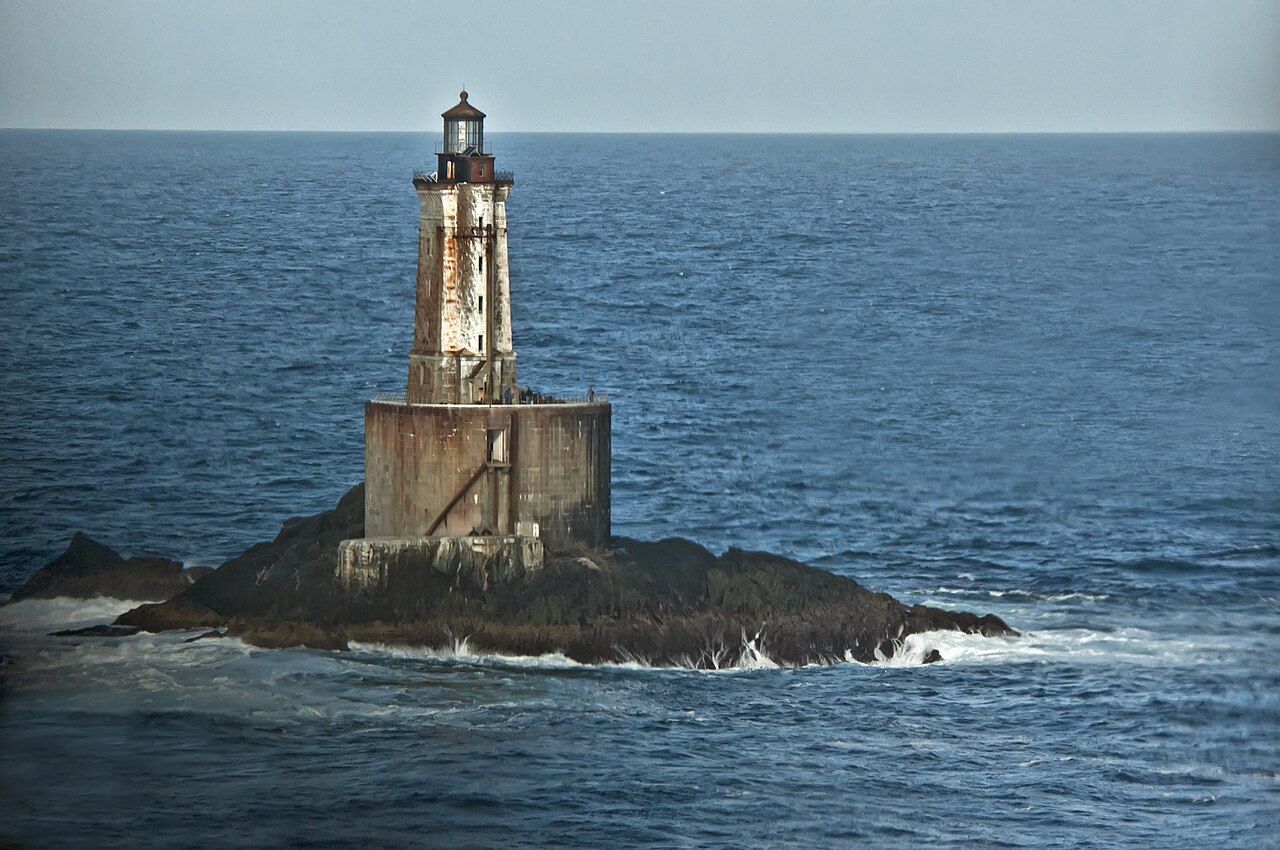
Gulls crowding the boat off Waniao Island
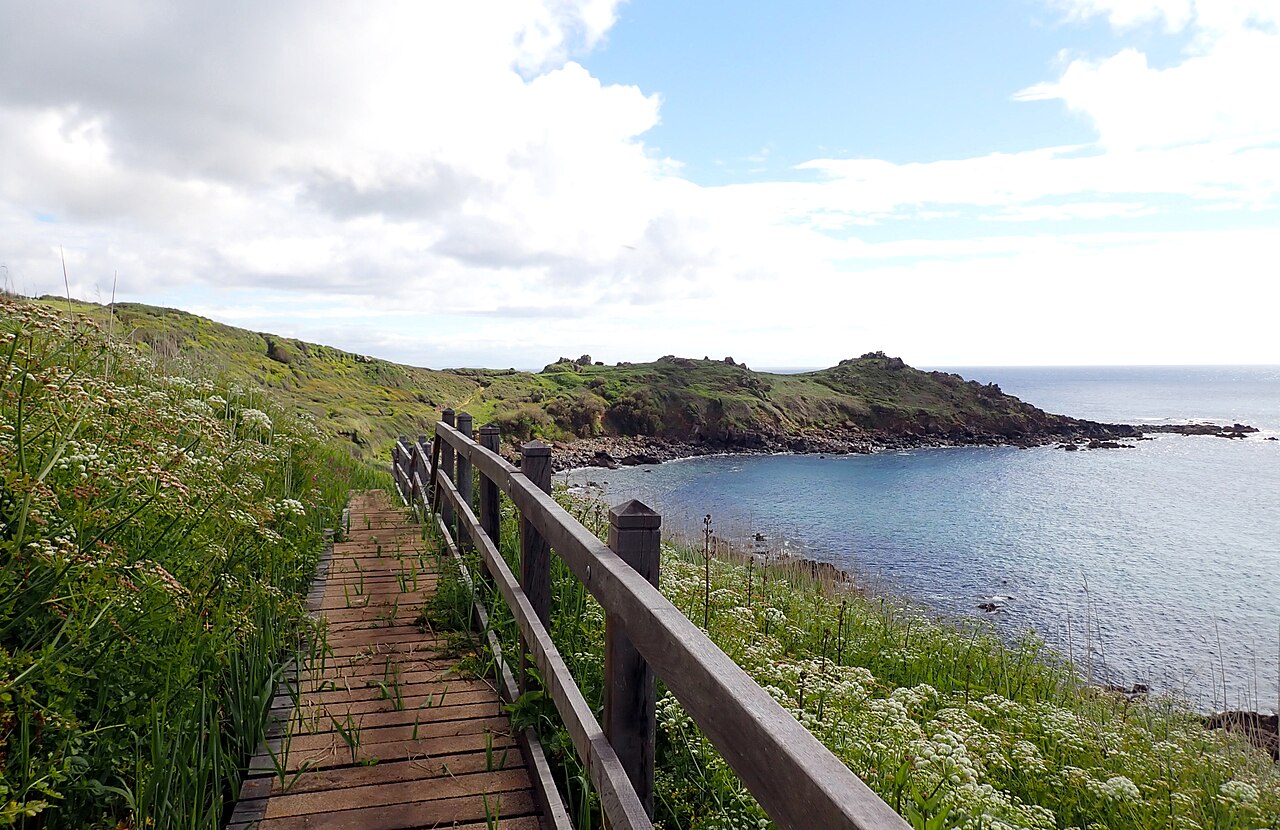
The pebble carpet at Yueya Bay
Where the Yellow Sea and the Bohai refuse to mix
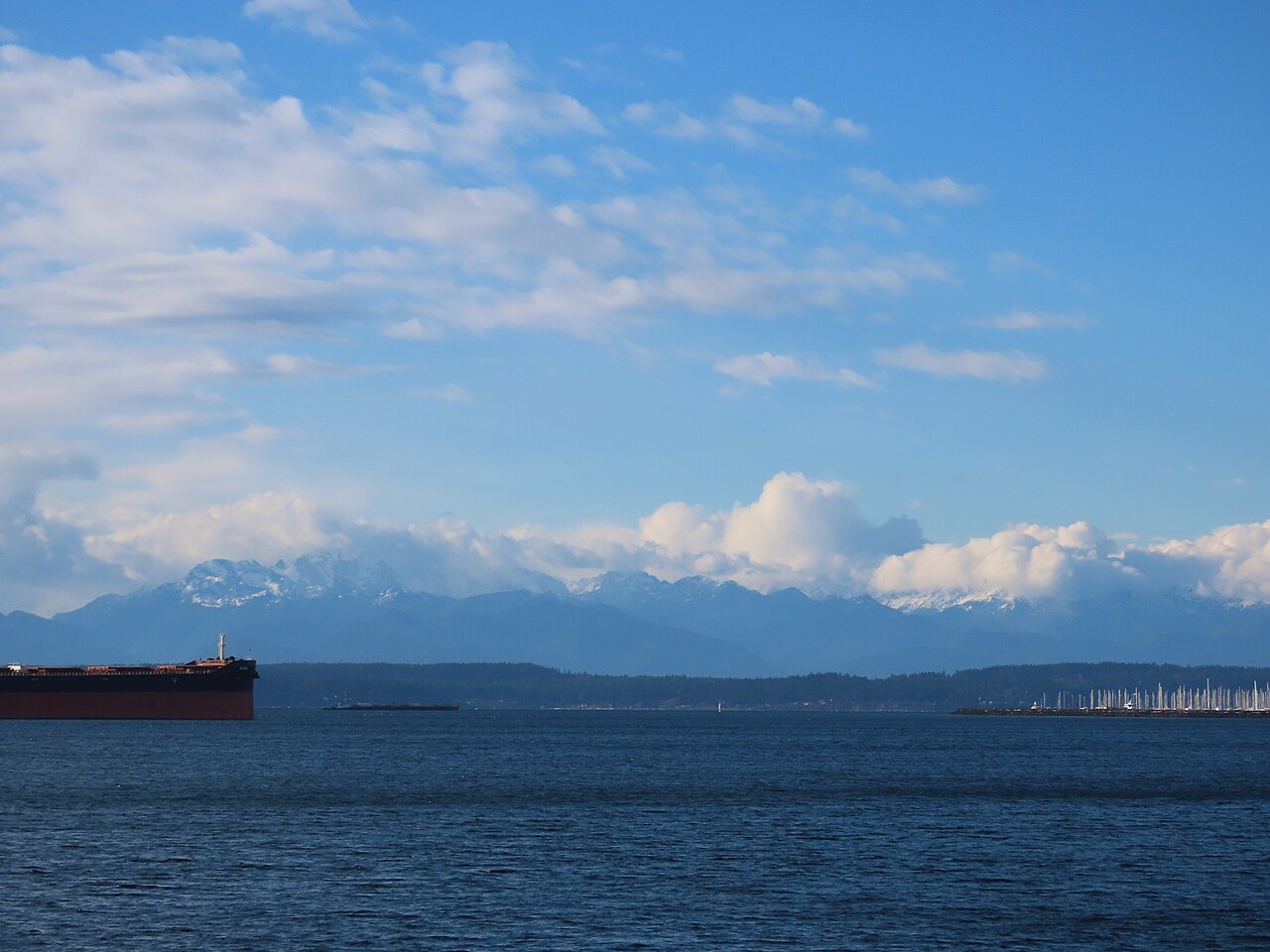
Wind turbines above the two Changshan islands

It was the first time I had watched this many gulls, this close, and they were much bigger than I had imagined — I had not expected that a rock this small could hold so many of them. I had my fill of Waniao Island and then we left, reluctant, this uninhabited rock far from the mainland. The boat pulled its wake southwards and I stood on deck looking back at it for a long time. Waniao Island: my island.

A traveller's note, 'Changdao, blue sky and sea of my own'

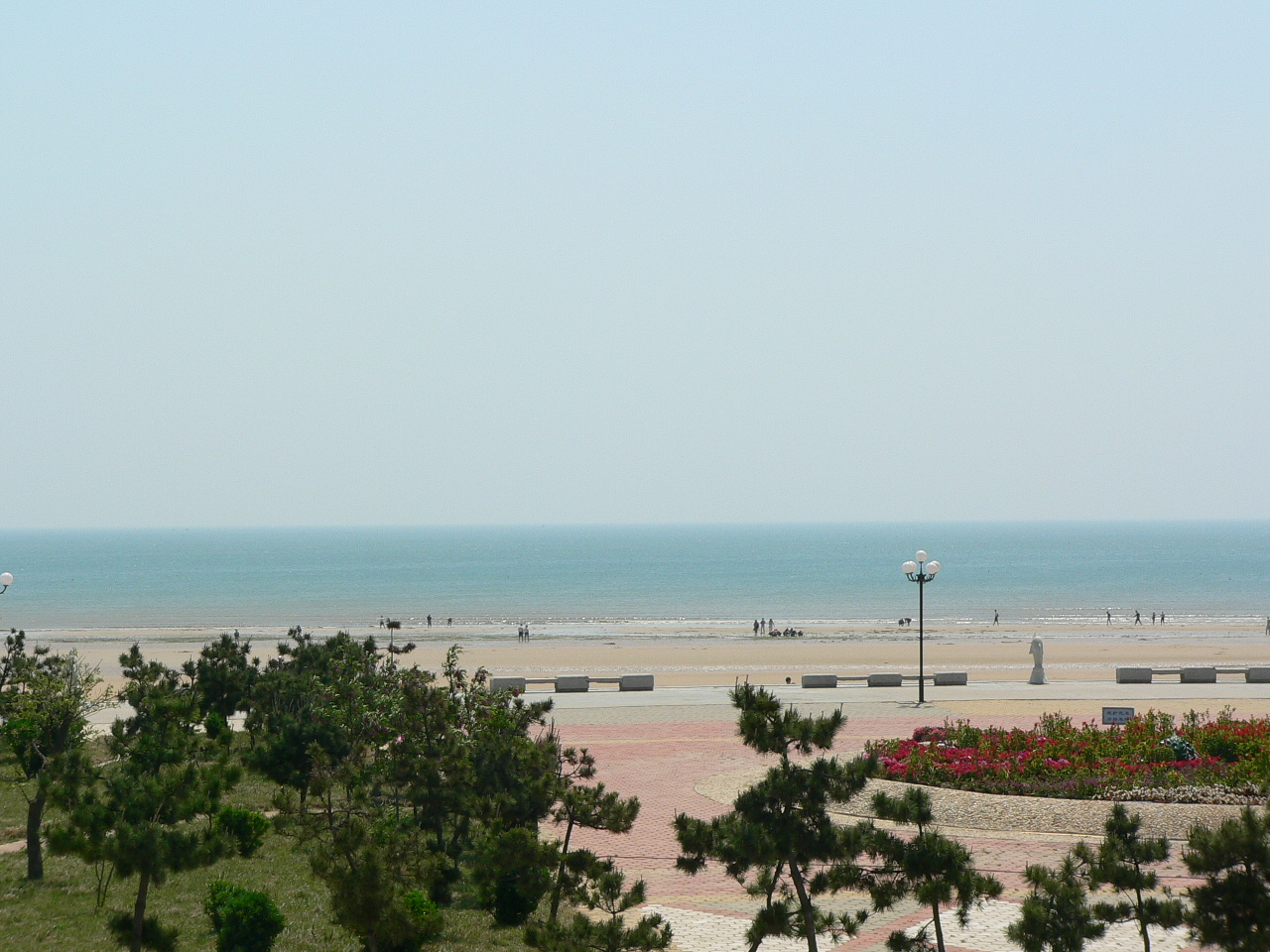
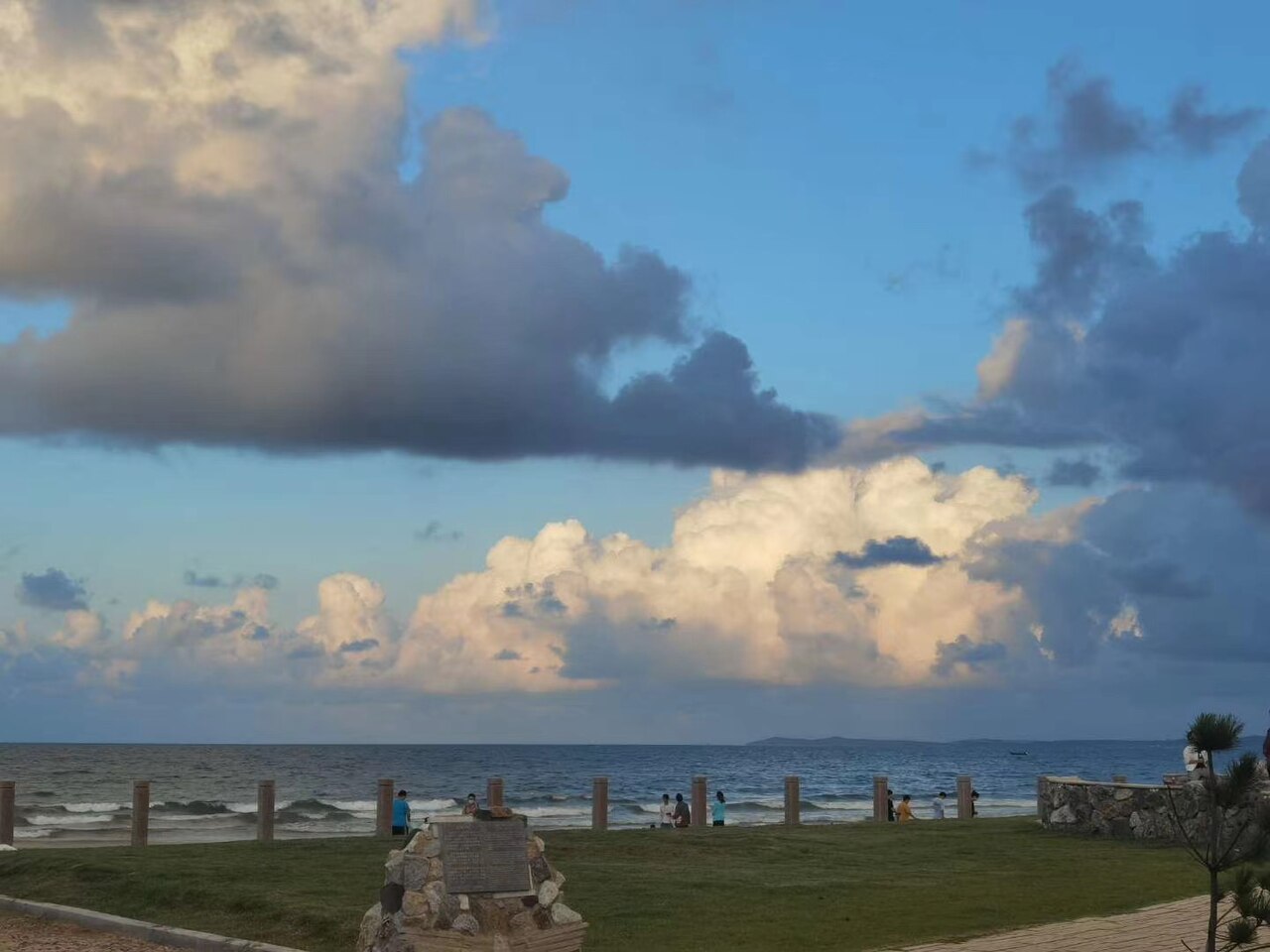
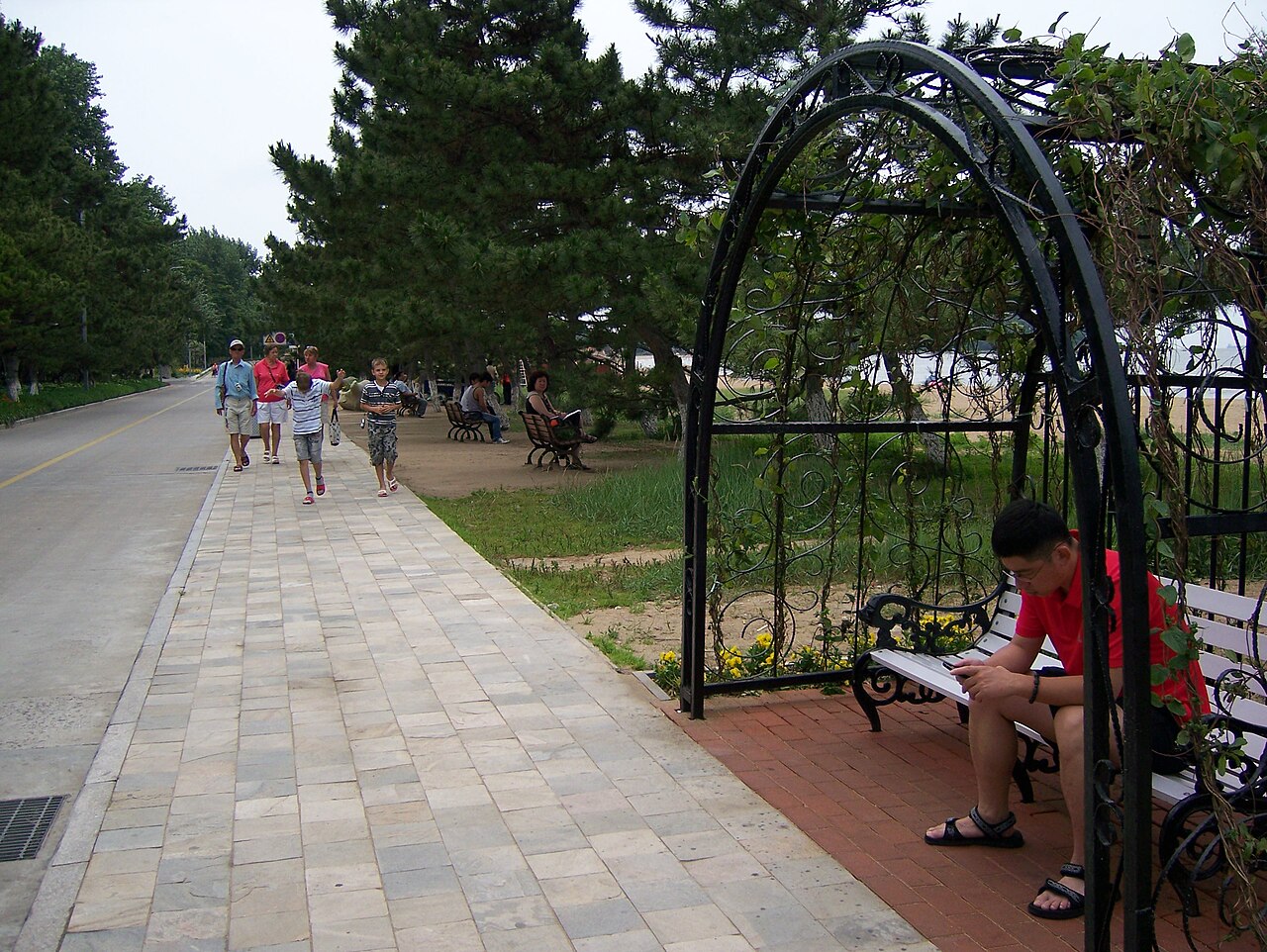
Down at the shore in the morning there are always people exercising — stretching, walking, running, each in their own way working the stiffness out. You come to the water, breathe the air, loosen up, eat breakfast and go to work happy. It looks plain, and in that plainness happiness is everywhere.

A traveller's note, photographed on the Changdao shoreline

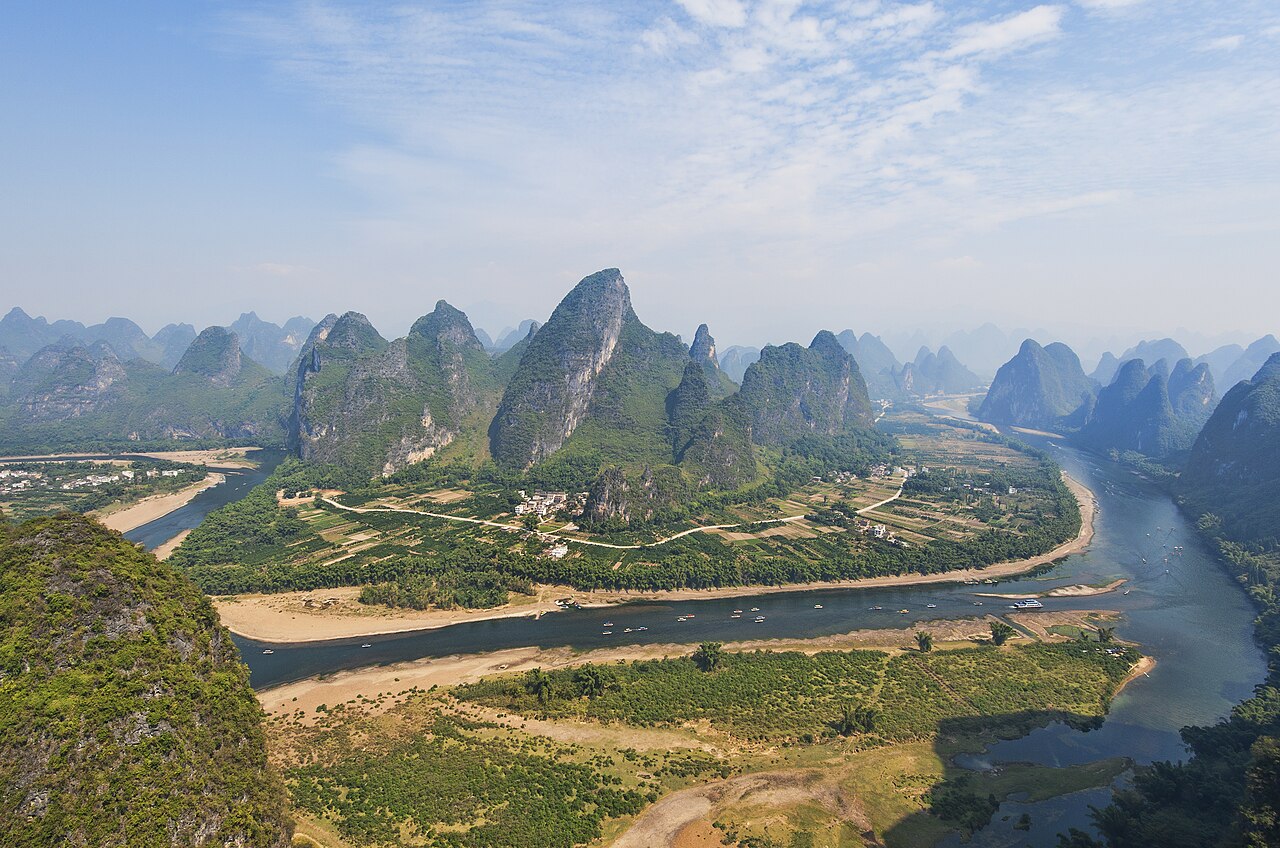
The fact that Shandong has an island county at all surprises most people, and the number 32 sounds like a statistic until you are out on the water and it turns into places. Changdao — historically the Miaodao archipelago, also the Changshan islands — sits in the Bohai Strait between the Shandong and Liaodong peninsulas, and is the only island county in the province. Only the two largest, South and North Changshan, are joined, and only by a causeway. Everything else means a boat. That single fact is the whole character of the place.

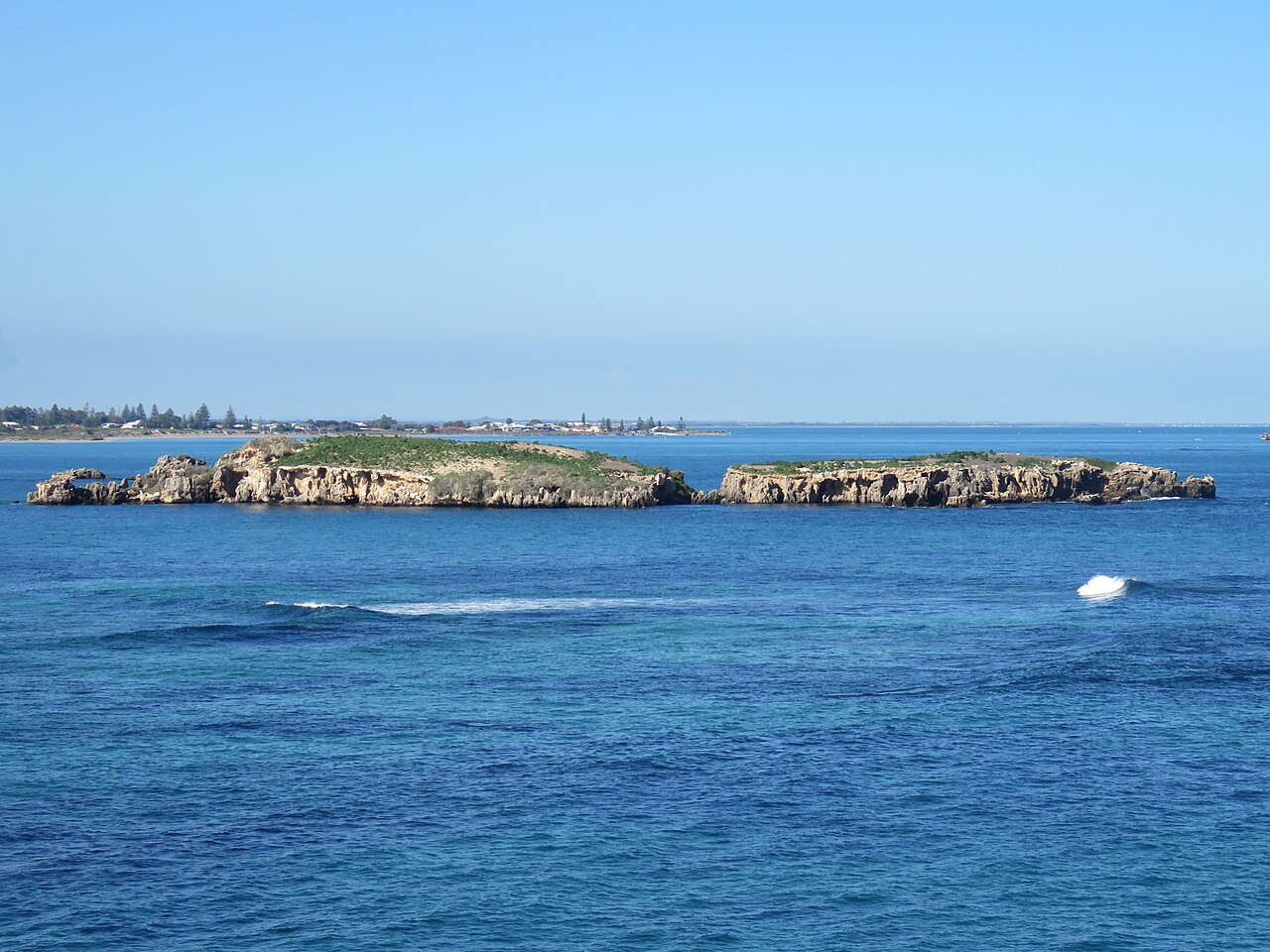
Each island has its own trick. Waniao Island is a bird kingdom: a grain of sand in a huge ocean, and tens of thousands of gulls live on it, and when they follow your boat it is you who is being watched. Tuoji Island is a world of stone, its coloured pebbles standing in patterned cliffs that make the whole island read like a painted wall. The two Zhu mountains are named for bamboo — a stream, green bamboo, and something unexpectedly like southern China out in the open sea.

Half the land is forest — 53.2% of the county — and the archipelago sits on the main bird migration route of eastern Asia. Some 200 species and around a million birds pass through every year, which is why the islands are a national nature reserve and why they are called a staging post for migrants. In summer the air carries around 20,000 negative oxygen ions per cubic metre, roughly twenty times an inland city.

It is slow here, and slow is the argument. In July the average temperature is 22.8°C and it falls to 18°C at night, so you will want a long-sleeved layer even in summer. The bus is built for commuters, so you charter a car or borrow a bike. Stay with a fishing household, eat whatever came off the boat that morning, and go to bed early enough to be standing on a beach before dawn.

Changdao

Don't leave without

Seven things that are worth rearranging a day for.

  1. Feed gulls from the boat off Waniao Island, with hard crusts
  2. Walk the pebble carpet at Yueya Bay barefoot
  3. Watch the sunrise at Yueya Bay and the sunset from Linhai Park
  4. Take the 369 steps down to where the two seas meet
  5. Watch spotted seals haul out on the reefs
  6. Borrow a bike from your host family and ride the island with no plan

Highlights

Six reasons to cross the strait

A rock that is entirely birds

Waniao Island is a grain of sand in a big ocean and tens of thousands of gulls live on it. You cannot land — the boat drifts in under the cliffs and the birds come to you. Take bread, and take the hard crusts, because soft bread does not throw. May is the month, when they are sitting on eggs and at their noisiest.

The beach that is all pebbles

Yueya Bay, also called Half-Moon Bay, at the northern tip of North Changshan is the essence of Changdao in one stop. The park has laid a long carpet of the beach's own pebbles — rounded, beaded, uneven underfoot — and walking it barefoot produces a pleasure nobody can describe properly. It is the sight you will actually remember.

Two seas, refusing to mix

At Linhai Park, 369 steps at roughly fifty degrees drop to the water at the point where the Yellow Sea and the Bohai collide. The boundary is visible and it is not straight: deep blue on one side, pale yellow on the other, a taiji of current. East of the 'dragon's tail' is open water and a working fishery; west of it is calm water and ten thousand mu of shellfish and kelp.

Seals that arrive on schedule

Every year around November the spotted seals leave the Sea of Okhotsk and the Bering Sea, come down through the Sea of Japan and the northern Yellow Sea, and reach Changdao in March to rest, mate and pup. They haul out on the reefs as the tide rises and pile onto each other in the sun — the stronger the sun, the more of them, sometimes stacked several deep.

White windmills over the strait

From anywhere on Changdao you can see the great white turbines, standing like giants silently guarding the islands. They have become part of the scenery rather than an intrusion on it, and they give the place a look no other island in China has. Photograph them at dusk with the sea behind.

An island of stone, undeveloped

Tuoji Island is a few dozen nautical miles from the main islands and a different world: a lonely deep-water island that stayed itself while most of China's coast was turned into scenic areas. People there still keep fisher's hours. It reads as a stretch of sea with a way of life inside it, and it is quiet in a way the main islands no longer are.

Suggested routes

Two days, or one if you insist

The classic two days

2 days days

The itinerary the sources recommend and the one that works: the north line on land, the sea route the next morning.

  1. Day 1

    Jiuzhangya to a Linhai sunset

    Morning boat from Penglai, drop your bag at the guesthouse, and take the north line: Jiuzhangya first, while the light is still on the cliff face.

    Then in order — Ou Chi Bay, the Immortal Bridge, Yueya Bay, the seal enclosure and Wangfu Reef — and finish at Linhai Park in the evening for the sunset, which is what the island is famous for.

    Stops: JiuzhangyaOu Chi BayImmortal BridgeYueya BaySeal enclosureWangfu ReefLinhai Park

  2. Day 2

    Waniao Island and the sea route

    Buy your Waniao ticket at the harbour and go. The trip out takes about half an hour; you drift in under the cliffs, feed the gulls, and come back.

    Afternoon: the sea route past the Stone Sail Reef and Longzhao Mountain, then the Baota Reef and the Mazu temple on Miaodao. Sleep where you are, or cross back to Penglai if you must.

    Stops: Waniao IslandStone Sail ReefLongzhao MountainBaota ReefMiaodao Mazu temple

The day trip

1 day days

Doable from Penglai, and the reason plenty of people do it. You will lose the sunrise and the sunset and you will rush everything else.

  1. Day 1

    North line, then the last boat

    First boat out, last boat back. Take the ¥100 north-line pass and run Jiuzhangya, Yueya Bay, Wangfu Reef and the seal enclosure in one push with a chartered car — about ¥120 for the circuit of six.

    If you can swap one of those for a Waniao boat instead, do it. Then be at the harbour in time for the last sailing; missing it means an unplanned night.

    Stops: Penglai portJiuzhangyaYueya BayWangfu ReefWaniao Island

Yantai, Penglai, Changdao in three

3 days days

The loop that makes the most of one arm of Shandong: a city, a legend, and an archipelago.

  1. Day 1

    Yantai

    Yantai Hill first, then the Dongpaotai coastal park next door and the Changyu wine culture museum; afterwards take a bus from Yantai Hill Hospital up to Tashan Park, where there are plenty of old houses around the grounds.

    From the Tashan amusement-city stop, a bus runs out to the Yellow Sea amusement park. Sleep in Yantai.

    Stops: Yantai HillDongpaotaiChangyu wine museumTashan ParkYellow Sea amusement park

  2. Day 2

    Penglai

    Penglai is the place Qin Shi Huang came looking for the elixir. Walk the Eight Immortals park — the crossing, the mouth of the crossing — then Qi Jiguang's former residence.

    After lunch, the polar ocean world and Sanxian Mountain, where the myth of the three islands Penglai, Fangzhang and Yingzhou is built in stone. Cross to Changdao in the late afternoon and sleep on the islands.

    Stops: Eight Immortals parkQi Jiguang's residencePolar ocean worldSanxian MountainChangdao

  3. Day 3

    Changdao in full

    A whole day on the islands with the three-day pass: Half-Moon Bay, Jiuzhangya, Wangfu Reef, the seal reef, Linhai Park, out to Waniao Island, the fishing island and the geology museum.

    Finish where the light is best — Linhai for the sunset, or Yueya Bay if you are staying a second night and want it at dawn instead.

    Stops: Half-Moon BayJiuzhangyaWangfu ReefSeal reefLinhai ParkWaniao IslandGeology museum

Sights

What the passes actually open

The north line's best

Jiuzhangya

Named for its height and its danger, and the park gathers mountain, sea, island, reef, cliff, beach, bay, cave and antiquities in one place, and the strange, the grand, the elegant, the beautiful, the precipitous and the uncanny all in one corner. What is developed runs to a countable set: one path, the Pearl Tunnel; two bays, Pearl and Gull Wing; three cliffs, Stone Pagoda, Jiuzhangya and Coiling Dragon; four terraces, viewing, fishing, dressing and mustering; five caves, Sanyuan, Lüzu, Immortal Maiden, Shrimp Spirit and Seven Immortals; six reefs, Censer, Pearl, Threshold, Warship, Sea Dog and Crouching Dragon; seven stones, Nine-Fold, Crystal, Longevity, Ghost Lord, Chessboard, Free Association and Three Leaps. A recent addition is an undersea world holding live creatures from Changdao waters, which is as close to diving as most visitors get. A 12-metre Dripping-Water Guanyin stands at the park gate — crowned, lotus at her feet, a holy-water flask in her right hand to bless the world, a dragon-subduing rosary in her left to drive out evil — and behind and to her right is the viewing terrace, with a stair running all the way down to the foot of the cliff.

Where
11 km from the passenger ferry terminal; reachable by road
Included in
The ¥150 three-day pass and the ¥100 north-line pass
At the gate
12-metre Dripping-Water Guanyin
Below the terrace
A stone stair runs down to the base of the cliff

Tip You do not understand how high it is until you go down the stair to the bottom and look up. Do that, and give the park more than an hour.
Pebbles, not sand

Yueya Bay

Also called Half-Moon Bay, at the northernmost tip of North Changshan, and described as the essence of the whole island group. Walk into the park and you step onto a long carpet laid with the beach's own pebbles: smoothly rounded, glossy as beads, mixed in colour and shape, uneven underfoot, and walking it barefoot produces an indescribable comfort. There is no other beach in China quite like it and it is the one everybody remembers.

Where
Northern tip of North Changshan, 11 km from the ferry terminal
Included in
The ¥150 three-day pass and the ¥100 north-line pass
Pair with
Wangfu Reef nearby, and the sunrise

Tip This is also one of the island's named sunrise spots — the villages of Songqian and Dianzi sit behind it. If you only get up early once, get up here.

The famous one

Linhai Park and the meeting of two seas

A thousand mu of pine, the Yellow Sea to the east and the Bohai to the west, wind in the trees and green in the water, and an oxygen content high enough that the place is called a natural oxygen bar and used as a convalescence resort. In summer the sea breeze and the smell of the hill are everywhere and the trees give shade. The 369-step 'sky-and-sea stair', at roughly fifty degrees, takes you down to the water. And at the bottom is the thing: the Yellow Sea and the Bohai mixing without mixing. The boundary between them is visible, though the two are quite distinct in colour and the line is not straight — deep blue on one side, pale yellow on the other, forming something like a taiji diagram. A 'dragon's tail' divides one body of blue water into two worlds: east of it, open ocean where fish jump and gulls call and the fishing is wild; west of it, sheltered water where shellfish and kelp grow together in ten thousand mu of farmland. Strangest of all, elsewhere the sea lies flat while here the current runs like a blade, the tail throwing up spray as if a dragon were playing, or a sandpiper dancing.

Where
South Changshan
Included in
The ¥150 three-day pass and the ¥100 south-line pass
The stair
369 steps at about 50 degrees, down to the water
Best hour
Sunset — this is one of the island's two famous sunset spots

Tip Come for the light, not the middle of the day. The sunset list also includes Jiuzhangya, Huagou village, Beicheng village, Liancheng and Heishizui on the south island, the county-town seafront road, and the high ground at Linhai.

The one trip everybody takes

Waniao Island

Officially Cheyou Island, and a bird kingdom. Out in a vast ocean it is a negligible grain of sand, but the sea is deep and the charm is large and the island is small and full of incident: tens of thousands of gulls live on it. Go by boat — you cannot go ashore — take bread, and be ready for the reversal, which is that the gulls end up chasing you. These little creatures are unusually fond of people. Late May is the season, when the gulls and the other species are incubating and raising young.

Where
Cheyou Island; buy the boat ticket at the harbour
Ticket
¥185 / person
Boat trip
About half an hour out
Season
Around May, when they are sitting on eggs
Rule
Uninhabited and protected — no landing, and do not disturb them, especially in May

Tip Bring hard crusts. Soft bread disintegrates in the air and falls short. And hold onto your hat: those are big birds and they are not shy.

March and April

The seal reefs

The reefs hold large numbers of wild spotted seals. Every year around November the group sets out from the Sea of Okhotsk and the Bering Sea, comes down through the Sea of Japan and the northern Yellow Sea into the Bohai, and arrives at Changdao on schedule in March — to rest and feed, to court, and to bear their young. Once they have recovered they head east and north again on a new journey, and they do not return until the following spring. They always come ashore on the rising tide to enjoy the sun in comfort, raising their heads now and then to check the situation. The stronger the sun, the more of them come out, sometimes piled on top of each other: fat, lazy, absurdly endearing. They are also very alert — at the first sign of trouble they roll off the rock into the water and are gone.

Where
The seal reef and warship-reef group in the fishing-island scenic area
Getting there
About 10 minutes by boat from Changdao port
Season
They arrive in March; present through spring
Watch from
The boat — keep your distance

Tip Ten minutes from the harbour and completely worth it. Go on a sunny day around a rising tide: sun and tide together are what brings them up onto the rock.

A woman who waited

Wangfu Reef

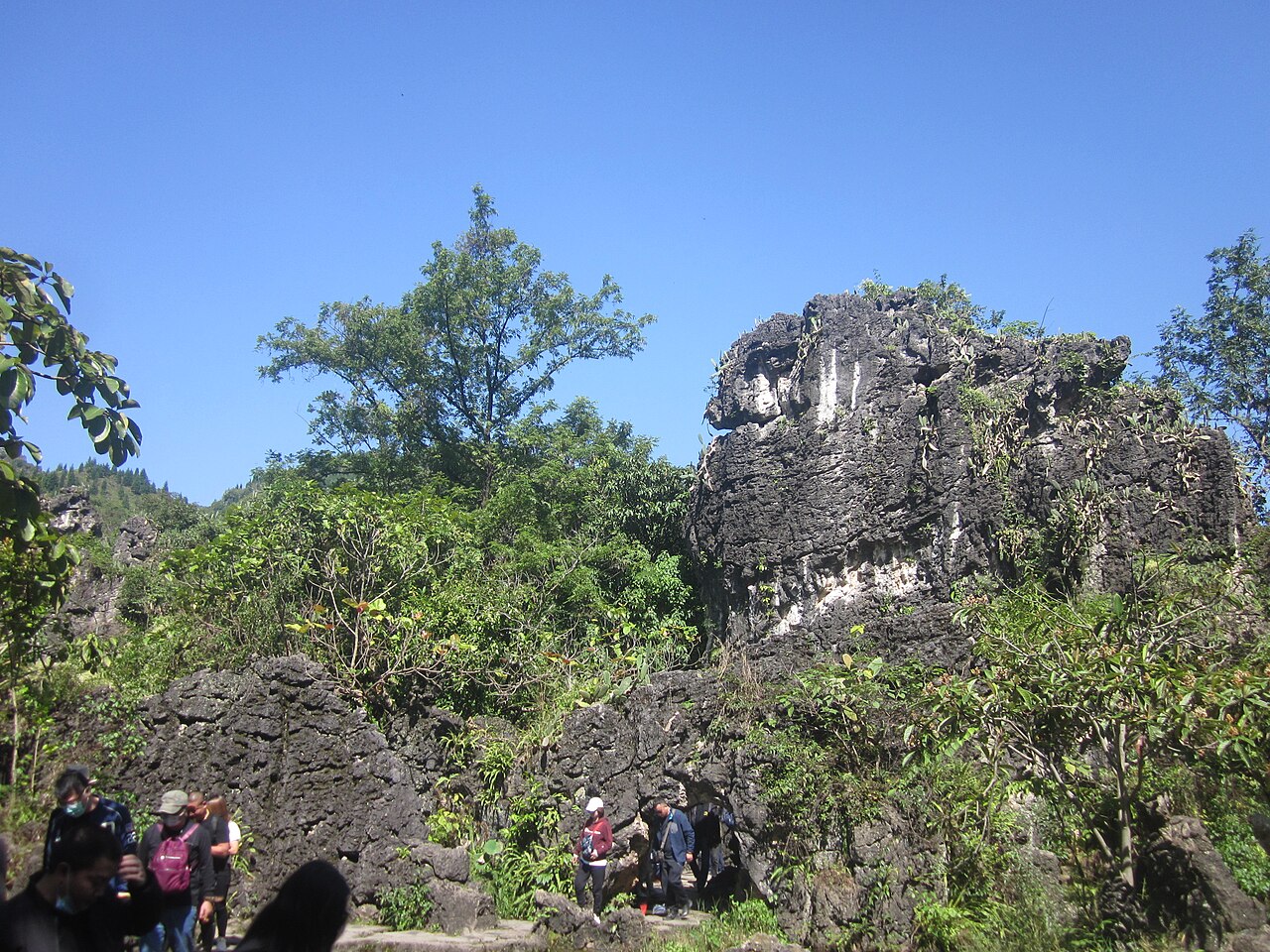
In the park at the foot of South Changshan stands a rock shaped uncannily like a woman with a headscarf, holding a baby, facing the wind and apparently waiting for her husband to come home — which is why it is called Waiting-for-Husband Reef. The story goes that on the twenty-eighth of the twelfth lunar month, a fisherman was forced out to sea, met a storm and never came back. His wife, married little more than a year, was inconsolable, and stood every day at the shore with her month-old child hoping for a miracle. Years passed, nobody came home, and she turned into a standing stone. The rock is entirely natural, uncarved, built of alternating layers of shale and quartzite pressed together. The park also holds a geology museum, free to enter and worth a look for the stones, bonsai and ink-stones — though the prices if you buy anything are high.

Where
South Changshan; about 4 km north from Changdao pier
Hours
06:00–18:00
Included in
All three land passes
Also here
A free geology museum

Tip Also on the island's official sunrise list — Liancheng village sits right behind it. Combine it with the museum, which costs nothing.

The oldest village

Xianjingyuan

Built on the legend of the sea-borne immortal mountains, and famous for what came out of the ground here: a 2,500-year-old human skull and a hundred tombs, for which it is called the first village of northern China. This is where Qin Shi Huang and Emperor Wu came looking for immortals and immortality drugs, and where the Tang emperor's eastern campaign was quartered. Inside are a relief of Li Shimin's eastern campaign, an old city wall, pavilions, a plank walkway, the Nine-Dragon Cave and fishing terraces. It faces east over the Yellow Sea, so the sunrise comes straight out of the water here, and the combination of sea, bay, beach and reef has no equal elsewhere on the islands. You can fish, gather seaweed, feel for whelks, pick up stone balls, play, cook outdoors or scramble on the rocks.

Where
Wanggou village, east coast of Changdao county town
Getting there
3 km north-east of the Wangfu Reef scenic area
Included in
Gifted with both the ¥100 passes, and in the ¥150 three-day pass
Good for
Sunrise, fishing, cooking outdoors

Tip This is the other named sunrise spot on the south island and the better one if you want to be doing something — fishing or cooking — rather than standing still.

The whole archipelago at once

Fengshan and the bird exhibition hall

Fengshan sits at the south-east corner of the county town at 148.8 metres, with an eight-metre eagle sculpture on it. It has always been ground that armies wanted: a coastal fortress, and the Ming general Qi Jiguang, commanding from Dengzhou, set a beacon here, which is where the name comes from. From the top you see the whole county town; from the sea-viewing pavilion on the cliffs you get the Changshan islands laid out one after another, and every boat and gull in sight. This is a place for sunrise and sunset both, and if luck is with you, for a mirage.

Where
South-east corner of Changdao county town, South Changshan
Height
148.8 m
Getting there
Charter a car
Included in
The ¥150 pass and the ¥100 south-line pass, with a bird exhibition hall

Tip The clearest overview of the archipelago you can get without a boat. Go at the end of the day and let the light do it.

Oldest in the north

Miaodao Mazu temple

Built in 1122, the fourth year of the Xuanhe era under the Northern Song, and the first Mazu temple in northern China. Every year the islands hold a Mazu culture festival and a celebration for the goddess's birthday: a worship ceremony, performances, fishing-boat trips for visitors and fisherfolk customs, which together give a fairly vivid picture of how seriously these islands take their patron. In the tourist season a great many people come ashore to worship. The navigation museum, China's first comprehensive museum of seafaring, sits inside the same temple complex on Miaodao — eight exhibition rooms across five subjects including the history of Chinese navigation, the history of Chinese navigational technology, the origins of seafaring, a Zheng He memorial hall and the record of the heavenly consort, holding over a thousand artefacts, documents, models and pictures.

Where
West side of South Changshan, on Miaodao
Getting there
Charter a car; or arrive on the ¥60 Mazu route or the ¥90 mysterious-islands route, both of which include the temple
Navigation museum
In Xianling Palace, Miaodao — around 500 square metres, over 1,000 items

Tip The ¥60 Mazu route is the cheapest way to reach it and includes the temple, plus a look at the aquaculture rafts and a trawling demonstration. The ¥150 high-mountain route passes it but does not include entry.

Geology, from a boat

Baota Reef and Longzhao Mountain

Baota Reef is named for looking like a pagoda, and it was made by faulting and then by a very long time of sea erosion. It stands at the northern tip of Lijuba Island, built of alternating quartzite and shale so that the bedding is crisp and the layers are legible: horizontal bands wrap the tower into dozens of storeys, and vertical fracture lines then cut every storey into sections, so the whole thing looks less like a solid tower than a stack of differently sized blocks. About three metres above high-water mark a ring of fracture runs around it, leaving a third of the tower apparently hanging in the air, which is what makes it extraordinary. Longzhao Mountain, at the northern end of Daheshan Island, is five sheer and lofty walls running together, grand in form, strange in its boulders, uncanny in its caves, with a story on nearly every peak and a tale out of nearly every cave — the whole mountain appears to be built out of mythology.

Baota Reef
Northern tip of Lijuba Island, Miaodao
Longzhao Mountain
Northern end of Daheshan Island
Included in
The ¥90 mysterious-islands sea route covers the Mazu temple, Baota Reef and Longzhao Mountain
Getting there
By boat only

Tip Both are boat-only and both come on the ¥90 route, which is the best-value ticket on the islands after the ¥100 land passes.

Only here

Things you cannot do on the mainland

Feed the gulls

The defining Changdao activity. You cannot land on Waniao Island, so you drift in close and throw bread while thousands of gulls work the air around the boat — and sometimes they chase you rather than the other way round. Hard crusts throw best. Take a hat you do not mind losing.

Watch the seals

Spotted seals come in from the Sea of Okhotsk and the Bering Sea and arrive in March to rest, court and pup on the reefs near the fishing island, ten minutes by boat from the harbour. They come ashore on the rising tide and pile onto each other in the sun. Watch from the water and do not approach.

Fish off the rocks

The islands have genuinely rich fish stocks, and standing on the shore with a rod produces results. Bring your own tackle — nothing on the islands is set up to rent you any. Between fishing and the boats, this is the activity that eats a whole afternoon without anybody noticing.

Sunrise and sunset, properly

Watching the sun come up and go down is not optional here, it is the main event. Sunrise: Yueya Bay and Beicheng on North Changshan, or Wangfu Reef, Xianjingyuan and Fengshan on South Changshan. Sunset: Jiuzhangya, Huagou and Beicheng in the north, or Liancheng, Heishizui, the county-town seafront and the high ground at Linhai in the south. Take a coat even in July, and binoculars if you are serious.

Ride a borrowed bicycle

Most fishing households have bikes and will lend you one. It is slower than a taxi and much better, because a taxi takes you past everything worth stopping for. If your days are not tight, this is the way to see the two Changshan islands.

Go out with the fishing boats

At Tuoji you board a working boat, listen to the gulls, and watch the crew shoot and haul the nets — a real go at being close to the sea. Buy your ticket at the harbour rather than from somebody on the quay: the ticketed boats carry proper life-saving equipment, which is the difference if anything goes wrong.

Watch the wind turbines

From any corner of the islands you can see the big white turbines standing like giants over the strait, and they have quietly become part of the landscape rather than an intrusion on it. Photograph them at dusk with the water behind, or from a boat with the islands in front.

Hunt for starfish and shells

The shoreline gives up quantities of starfish and shells, and both travel home well. The local advice is to collect them from the beach rather than buy them from the stalls by the sights, where the same things cost money and are often not local.

Food

Haggle first, then eat

Braised yellow croaker

The dish that proves the point about prices here: the seafront stalls open absurdly high, and after you have argued, a large plate of braised yellow croaker settles at about ¥15. Order it, argue about it, and then order it again the next day.

Garlic-segment fish

Named for the way the flesh breaks into cloves. Like the scallops, it comes down further than the croaker once you have stopped being polite about the price. The rule for the whole island: nothing is fixed, so nothing is final until you have paid.

Scallops

Changdao is one of the main producers, and the cold-water zigzag scallop suits these northern waters better than anywhere. The adductor muscle — the white column inside the flat round shell — is the part that matters. Protein around 63.7%, amino acids around 23%. Historically most of it was dried and sold as the dried scallop that made the name.

Seaweed buns

Locals call them sea-greens folders, or vegetable horns. Changdao has fresh seaweed in every season and all of it goes into buns: sea greens, nori, copper weed, wakame, and the cartilaginous ones — but the most common is the early-spring 'camel hair' seaweed. When you are tired of pork and scallion, this is what you eat instead: slippery, clean, light.

Mackerel dumplings

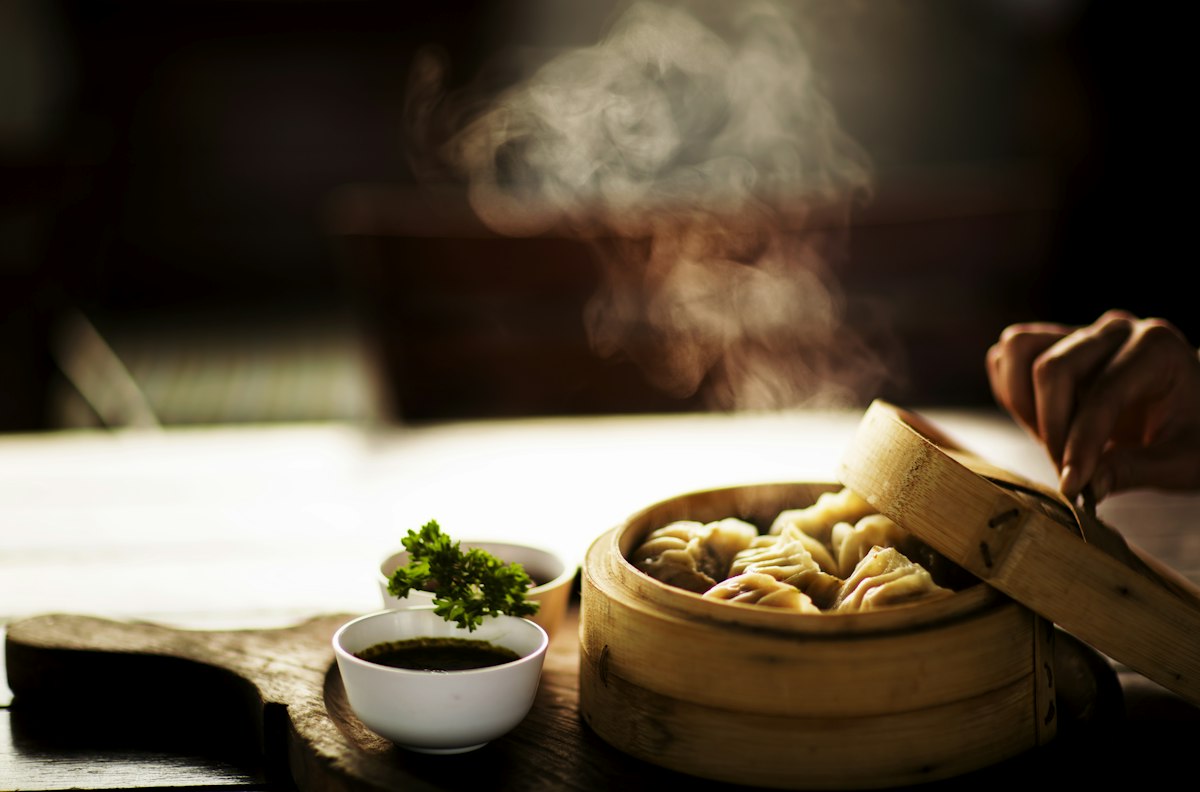
Take a mackerel over a jin, remove the head and bones, cut the flesh into small pieces, and season with oil, salt, soy, MSG, spring onion and ginger — adding water as you stir and stirring until the fish breaks down into a thick paste. Then fold in finely cut chives and scallion necks. The wrappers must be rolled thin, the filling piled in heavy, and the pot must be big and the fire hard. Done right they come out translucent.

Cornbread and salt fish

The cornbread is mixed with a proportion of soybean flour, which is what makes it golden, crisp and faintly sweet. The salt fish comes in three: spring tommy, autumn mackerel, summer melon-board. Eaten together it is original, unimproved, and the taste stays on your lips — fisher's food, salty and sweet at once, and cheap.

'Drinking' jellyfish

On the islands, drinking is 'ha'. Jellyfish come into season in late summer and early autumn: cut off the head and tentacles, soak the rest in large pieces in water, then shave it into sheets, cut it fine as noodles, rinse several times, and dress it with salt, MSG, vinegar, sesame oil, coriander and chilli. The result is clear as water, slippery, cold, faintly hot, and crackles when you chew it.

Prawns and sea cucumber

Changdao prawns are the oriental prawn, also called Chinese or clear prawn: large, fat, translucent-fleshed, sweet and nourishing, the best of the shrimps and one of the eight treasures of the sea. The spiny sea cucumber from these waters is high in protein, free of cholesterol, a tonic, and called the crown of seafood — available dried, either light-dried or salt-dried at similar prices.

Where to stay

North island for fishing life, south island for convenience

The right choice

A fishing-family guesthouse, North Changshan

There are two options on Changdao — a hotel or a fishing household — and if you are here for the fishing-village life rather than the plumbing, the north island is the answer. The south island has better facilities but has lost some of the plainness that makes the place worth coming to. Most households cook for you as well, and many will lend you a bicycle.

Where
Dianzi and Songqian villages, North Changshan
Price
From about ¥120 a night, often including meals
Why here
Jiuzhangya and Yueya Bay are a ten-minute walk
Booking
Phone several times before you arrive, so they can meet the boat and have food ready

Closest to the best sights

Bolan fishing guesthouse

In Dianzi village on North Changshan, where the air is clean and it is quiet, and the two best sights on the islands — Jiuzhangya and Yueya Bay — are a walk away. Plenty of guests go on foot from the door; ten minutes at most.

Where
118 Dianzi village, North Changshan township
Price
From ¥120
Phone
18605350746

Closest to the pier

Hongtai fishing guesthouse

North of Changdao port — ten minutes on foot, three by car — which makes arriving and leaving painless, and they will pick you up from the boat for nothing if you ask. A good first-night option if you are coming in on a late ferry.

Where
76 Changyuan Road, near the Changdao electric authority
Price
From ¥128
Phone
0535-3099678
Note
Free pick-up from the port on request

Budget, self-catering

Fig Tree guesthouse

Sixty metres south of the pier, and every room faces the sea with nothing in the way. The style is distinctive — several metres of painted wall per room — with sea-view tatami, twins, family rooms, doubles and bunks. Breakfast, private bathroom, air conditioning, television, wi-fi and a water heater all included, and there is a self-catering kitchen plus a lounge with tea, books, a shared computer and information on the sights.

Where
60 m south of Changdao pier
Price
From ¥98
Phone
0535-3219977
Facilities
Self-catering kitchen, book and tea corner, wi-fi

The hotel option

Pengda Seaview timeshare hotel

Built to standard specification and finished in a modern, slightly fashionable way, five minutes' walk from the tourist pier and ten metres in a straight line from the sea, beside the Sea Pearl square. The pitch is straightforward: eat the seafood, look for the mirage, listen to the harbour, watch the sunset over the immortal islands.

Where
418 Haibin Road, near Xinxing Street
Price
From ¥190
Phone
0535-3093333

Club and beach

Xiaoxie Sea-View apartments

In the busiest part of town, and from the rooms you look straight across at Penglai. Air conditioning, water heater and private bathroom in every room, compact and comfortable, and the beach starts outside the door — fishing is free, the water is blue, and every fishing boat and ferry that passes comes right by. In the evening the front is all lights, singing, lanterns and drink.

Where
Leyuan village, near Pearl Square
Price
From ¥198
Phone
15153535988

Getting around

How to reach Changdao and move through it

Ferry from Penglai

There is exactly one way in: Yantai, then Penglai, then a boat. Changdao pier runs sailings to Penglai roughly every 40 to 50 minutes between 06:00 and 17:00, taking about 40 minutes, or 25 on a fast boat, at about ¥23 a head. Fog stops everything, and the roll-on ferry for cars charges ¥140 each way and only sails when both the vehicle deck and the cabins are full — so leave the car on the mainland and check the weather before you commit.

Pier enquiries
0535-3217757
Hours
06:00–17:00, roughly every 40–50 minutes
Crossing
About 40 minutes; 25 on a fast boat
Fare
About ¥23 a head

By air

Yantai Laishan International Airport sits at Laishan town, 15 km south of the city, with flights to more than thirty Chinese cities and scheduled services to Hong Kong, Seoul and Daegu. The airport bus costs ¥10 and runs direct to Yantai's main long-distance coach station, departing when it has accumulated passengers and timed to the flights; a taxi into town is about ¥50. Coming back out, buses leave from the coach station and stop at the north gate of the CAAC building, roughly every 90 minutes from 06:00 to 19:30, with a last departure at 21:00, and take about 45 minutes.

Airport
Yantai Laishan International, 15 km south of the city
Enquiries
0535-6299777
Airport bus
¥10 to the main coach station; about ¥50 by taxi
Outbound
From the coach station via the CAAC building; 45 minutes

By train and coach

Yantai station stands at the end of the Lan-Yan line, connected to the Jiaoji line, with daily departures to Beijing, Shanghai, Xi'an, Jiamusi, Shijiazhuang, Jinan, Qingdao, Zibo and Xuzhou; the Yantai–Dalian rail ferry cut 400 km off the route from the north-east. From there, coaches: to Qingdao every 30 minutes and 4 hours; to Jinan 6 hours; to Weihai and Penglai every 15 minutes, a little over an hour. For Changdao specifically, take a Yantai coach to Penglai for about ¥28, taxi to Penglai port, and buy the boat ticket for about ¥23.
Yantai station
128 Beima Road, Zhifu district; enquiries 0531-12306, tickets 0535-2965242
Main coach station
86 Xidajie, 0535-6666111
Beima Road coach station
106 Beima Road, 0535-6658714
Yantai–Penglai
Every 15 minutes, about ¥28, a little over an hour

Chartered car

This is how visitors actually get around. There are more than 300 minivans and Xiali saloons on the islands starting at ¥5, but for sightseeing you charter rather than flag down: a circuit of the six best-known sights runs ¥120 for the vehicle whichever you take, which works out at about ¥30 a head in a Xiali and ¥20 in a minivan. The service period normally matches the validity of the pass you bought.

Flagfall
¥5
Six-sight circuit
¥120 per vehicle
Per head
About ¥30 in a Xiali, ¥20 in a minivan
Duration
Usually tied to the validity of your sight pass

By bus or bicycle

The island bus is effectively useless to visitors: services run at commuter times in the morning, middle and evening, more like a works shuttle than a route, and in high season the tour operators charter them. The full loop costs ¥1 and starts from Wanggou village on the south island. Most fishing households have bicycles and will rent you one, which is slower than a taxi and much better, because a taxi takes you past everything worth stopping at.

Bus fare
¥1 for the full loop
Why not
Commuter timetable; chartered out in high season
Bicycle
Ask your host family — slower, and you keep stopping
Walking
Steep: sandals or trainers, never heels

Boats to the outer islands

Regular passenger boats run daily between Changdao and the other islands of the Miaodao group — Miaodao, Daheshan, Xiaoheshan and the five northern islands — but their timetables are built for residents, not visitors, so if you want the outer islands you charter. A speedboat holding up to ten costs about ¥500 return and covers Miaodao, the Mazu temple, Longzhao Mountain, Baota Reef, Gaoshan Island and Waniao Island in one run, which is the efficient way to see what the scheduled routes only reach piecemeal.

Chartered speedboat
Up to ten people, about ¥500 return
Covers
Miaodao, Mazu temple, Longzhao Mountain, Baota Reef, Gaoshan Island, Waniao Island
Scheduled boats
Daily to Miaodao, Daheshan, Xiaoheshan and the northern five, on resident timetables

Shopping

What to carry off the islands

Sea cucumber

Changdao is one of China's main producers. The portable forms are light-dried and salt-dried, at similar prices, so choose on taste. What you are checking is the quality of the animal itself plus its size and weight — a box usually runs a couple of hundred yuan. Sold in the seafood shops across the islands.

Dried squid shreds

Sold at every seafood shop and stall on the islands, generally around ¥50 a jin. The thing to check is whether it is properly dry — damp squid shreds spoil. This is the souvenir people actually finish, and it travels.

Dried shrimp skins

The islands produce prawns of every kind, so their dried shrimp skins are known well beyond the county and are genuinely cheap — around ¥10 a packet, less if you buy several and negotiate. Check the production date: the salt in them helps, but the sea air is damp and a badly sealed pack goes mouldy.

Shark fin and abalone

The aristocrats of the seafood world, and noticeably cheaper here than in Qingdao or Dalian: a gift box runs a few hundred yuan. Plenty of stalls sell by weight and pack on the spot, so you can specify exactly how much you want rather than buying somebody else's idea of a gift.

Roasted fish fillet

The snack that works for every age and is still nourishing. Changdao is a major fishing county and every kind of fish ends up as fillet; an ordinary pack costs a few yuan, tastes good, weighs nothing and survives a journey.

Pearls at the Mingzhu centre

Changdao's largest seafood trading centre sits at 48 Wenhua Street near the Pearl bathing beach on the south shore, and sells seafood alongside pearls, crystal and agate jewellery. Freshwater pearls are cheap — a strand of even, pinky-nail-sized ones comes down to about ¥10 once you have argued; sea pearls of the same size run around ¥20 each. Insist on powder being ground in front of you, and buy far less from the stalls by the sights.

Shell jewellery

Surrounded by sea, the islands have no shortage of shells and whelks, and the necklaces, bracelets and larger pieces made from them have a warmth that manufactured souvenirs do not. Cheap, and the easiest thing on this list to give away.

Starfish and shells from the beach

The shorelines give up quantities of starfish and shells and both travel well, so collecting them costs nothing and means more. Locals say the same thing in reverse: buy as little as possible from the stalls by the sights.

Practical

The numbers you will actually need

Two rules that decide whether a Changdao trip works. Check the weather before every crossing, because fog cancels boats and the islands have one way in and one way out. And haggle at every seafood stall, because the asking prices are not offers — braised yellow croaker comes down to about ¥15 a plate, and anything you accept at the first price was a mistake.

Best monthsJune to September. Summer is the season: the islands are cool in summer and mild in winter, with an annual mean of 19°C, and July averages 22.8°C falling to 18°C at night
Land passes¥150 for three days covering fifteen sights; ¥100 for the north line (Jiuzhangya, Gull Wing Bay, Immortal Bridge, Yueya Bay, seal enclosure, Wangfu Reef, geology museum) or the south line (Linhai, the two-sea line, Fengshan, bird hall, Guanyin blessing, Fuyun Pavilion, seal reef), both over two days. Both of the ¥100 passes gift Xianjingyuan and the history museum
Sea routesMysterious islands ¥90 including the Mazu temple (Mazu temple, Baota Reef, Longzhao Mountain); high-mountain wonder ¥150 excluding the temple (adds Gaoshan Island's clouds of birds); Mazu affinity ¥60 including the temple, with a look at the aquaculture rafts and a trawling demonstration
Other routesWaniao Island boat ¥185. Prosperous fisher-household tour ¥60. Fisher-folk sea trip ¥45, with crab-pot hauling and a look at the mariculture operations
Sights are not sold singlyThere is no individual ticket at any sight. Choose a pass before you arrive, and note that the ¥150 pass is the only one that includes both Fengshan and Jiuzhangya
Getting inYantai by air (Laishan) or rail, coach to Penglai about ¥28, taxi to Penglai port, ferry about ¥23, 06:00–17:00, every 40–50 minutes, 40 minutes crossing
Getting aroundChartered car ¥120 for a six-sight circuit, about ¥20–30 a head. Bus ¥1 but useless to visitors. Bicycle from your host family — the best option
Useful numbersChangdao tourism bureau 0535-3212907; complaints 0535-3210939; visitor centre 0535-3994034 or 0535-3213218; pier 0535-3217757
Medical and postChangdao County People's Hospital, 18 Leyuan Street, 0535-3212054; Changdao Traditional Medicine Hospital, 127 Haibin Road, 0535-3211389. Post code 265800; post office, 55 Xianfu Street, 0535-3218901
Sunrise and sunsetSunrise: Yueya Bay (Songqian, Dianzi) and Beicheng on North Changshan; Wangfu Reef (Liancheng), Xianjingyuan (Wanggou) and Fengshan on South Changshan. Sunset: Jiuzhangya, Huagou and Beicheng in the north; Liancheng, Heishizui, the county-town seafront and the high ground at Linhai in the south

Tips

Six things worth knowing before you board

Choose the pass, then plan around it

No sight on Changdao sells an individual ticket, so decide before you arrive. Two days: the ¥100 north line, because Jiuzhangya, Yueya Bay and the seal enclosure are the better group. Three days: the ¥150 pass. Add a sea route either way — ¥90 for the mysterious islands is the best value on offer.

Fog is the boss

Boats to and from the islands stop in fog, and the roll-on car ferry additionally refuses to sail until it is full of both cars and people. Check the forecast before every crossing, and if you are flying out, give the boat a day of slack.

Haggle, and check freshness

You will eat seafood, so check both the freshness and the price, and ask before you order rather than after. The seafront stalls open high and everything comes down. Eat it fresh, and take a little garlic or a nip of spirits alongside to keep your stomach on side.

Pack for cold evenings and steep paths

Even in summer the mean is 22.8°C and nights drop to 18°C, so a long-sleeved layer and long trousers are not optional. The islands are steep and you will walk slopes — sandals or trainers, never heels. Sunscreen, a hat and sunglasses for the water.

Prepare for boats

The defining fact of Changdao is that you are always on a boat. If you are at all prone to seasickness, take something before you board rather than after, because otherwise you will spend the best part of the trip being miserable on the water.

Book the guesthouse, not the boat

Foot passengers never need to book the ferry — you turn up and buy. What you do need to book is the bed, especially in July and August. There are more than 800 fishing guesthouses so you will always find something, but agree the price and the meals before you take the room, and phone a few times first so they can meet the boat.

Background

Why the islands are the way they are

Thirty-two islands and one causeway

Changdao, also called the Miaodao archipelago or the Changshan islands, is made up of 32 islands and is the only island county in Shandong, administered by Yantai. It lies between the Jiaodong and Liaodong peninsulas where the Yellow Sea and the Bohai meet, on the connecting belt of the Bohai economic ring, with Korea and Japan to the east. Only South Changshan and North Changshan are joined, and only by a sea wall; every other island means a boat. That is not a transport detail, it is the shape of life here.

The main sights cluster on South Changshan, North Changshan, Daheshan, Xiaoheshan, Waniao Island and Miaodao, which is why the ticketing is organised into north and south lines rather than by island. Forest cover runs to 53.2% of the county, and the archipelago sits directly on the East Asian migration route: some 200 species and around a million birds pass through each year, which is why these islands are called a staging post for migrants and are a national nature reserve.

A climate built for summer

The islands are cool in summer and mild in winter, with an annual mean temperature of 19°C, and being maritime that makes summer the season: swimming, eating seafood, walking the beaches. In summer the air also carries around 20,000 negative oxygen ions per cubic metre — what the Chinese sources call the vitamin of the air — roughly twenty times an inland city.

This is also the part of China where mirages appear most often, generally in July and August and after rain. And the geography gives the islands a trick nobody else has: you can watch the sun rise out of the Yellow Sea and set into the Bohai, which the sources describe as spray bursting out of the water and the light going through every colour of a forest in autumn.

Worshipping the sea

The villages here have kept the habit of worshipping the sea from ancient times to the present. Out on the water the boats keep an unwritten code of yielding to avoid collisions: big gives way to small, light gives way to heavy, a boat running with the wind gives way to one beating into it. At night, under way or at anchor, a masthead light is lit. When nets are being shot, boats under way keep clear of the fishing grounds of boats already working them, whoever set last yields to whoever set first, and a boat lying at anchor yields to one actually shooting its nets. On shore the same instinct holds: an empty-handed person yields to one carrying a load, a light load to a heavy one, men to women, the young to the old.

It comes from a life spent on the water and from the sea god they believe protects them from disaster, and the worship is frequent — on the first and fifteenth of the lunar month somebody is always at it. The rite is normally held at the shore, though where that has become inconvenient some households now set an incense table at their own door instead.

Travel with them

Changdao in print, film and song

Book

Wonderland: Changdao

Editorial board of Wonderland Changdao

About the islands as a fairyland, written well enough that reading it leaves you lighter and wanting to go. Beyond the scenery there are the myths and legends waiting for you: feel life as it actually is, let the tightened heart break open, and melt into the sunlight of a different place, after which nothing much holds you.

Book

The Ball Stones of Changdao, China

Jia Xiangyun

Built on the claim that these are the treasure of Chinese stone appreciation and the spirit-walls of the Changshan islands, in words and pictures. The text covers the history, exploitation, provenance, formation, characteristics, classification, collecting, treatment, market and future of the stone, with appendices on the culture around it — famous works, praise, proclamations and mythology.

Music

Changdao Iced Tea

Gigi Leung

The lover has gone but the girlfriends remain: lift your head, and do not be beaten. The first time you hear her sing with this much grit, she is teaching you how to pack the hurt and the sighing away and walk forward with your head up.

Music

Meeting in Changdao

Mao Amin

Sung to a festive crowd, and the song that lets visitors feel the warmth and openness of a Changdao fishing household — and have a proper go at being a fisherman for an evening.

The questions visitors ask us most about Changdao, answered plainly.

Frequently asked questions

Prices and practical details are reviewed every month by our Beijing team and updated the day a rule changes.

How do I get to Changdao?

Through Penglai. Reach Yantai by air or rail, take a coach to Penglai for about ¥28, taxi to Penglai port, then the ferry — about 40 minutes, or 25 on a fast boat, around ¥23 a head, with sailings every 40 to 50 minutes from 06:00 to 17:00. In fog the boats stop, so leave a margin if you have a flight to catch.

Do I need to book the ferry in advance?

For a foot passenger, no — turn up, buy a ticket, board. For a car it is different: the roll-on ferry charges ¥140 each way, sails only when the vehicle deck and the passenger cabins are both full, and can be cancelled by weather, which is a good reason to leave the car in Penglai. Book your island guesthouse ahead instead, especially in July and August.

Which pass should I buy?

If you have two days, buy the ¥100 north or south line pass rather than the ¥150 three-day one — the north line has the better sights (Jiuzhangya, Yueya Bay, the seal enclosure, Wangfu Reef) and the south has Linhai Park and the sea-meeting line. Sights are not sold individually, so you must choose a pass. The sea trips are separate and worth adding.

What should I eat on Changdao?

Seafood, and haggle for it. The islands are a major producer of abalone, scallops and kelp, and the fixed-price habit at the seafront stalls is to start high — a plate of braised yellow croaker settles at about ¥15 once you have argued, and the garlic fish and scallops come down further. Eat it fresh, and take some garlic or a nip of spirits alongside. Also try the seaweed buns and mackerel dumplings.

Is one day enough for Changdao?

You can day-trip it from Penglai and plenty of people do, since island beds and meals cost more than the mainland. But you lose the two things that are actually good here — the sunset at Linhai and the sunrise at Yueya Bay — and you rush the boat trips. Stay one night. Two is better.

When can I see a mirage here?

Changdao is the place in China where mirages appear most often, and they come in July and August, after rain. The islands are also set up for watching the sun rise out of the Yellow Sea and set into the Bohai, which is the more reliable spectacle: it bursts out of the water and the whole sky goes through every colour.

What should I bring?

A jacket, even in summer: July averages 22.8°C and nights drop to 18°C. Sandals or walking shoes rather than heels, because the island is hilly and the paths are steep. Sunscreen, a hat and sunglasses. Fishing tackle if you want to fish off the rocks, binoculars if you are serious about the sunrise, and seasickness tablets if you are at all doubtful — boats are how you see anything here.

Can I go out with the fishing boats?

Yes, and it is worth doing. Out at Tuoji you board a fishing boat, listen to the gulls, watch the crew shoot and haul the nets, and get as close to the sea as it is possible to be. Take a boat ticketed at the harbour rather than anything offered on the quay, because it will carry proper life-saving equipment.

Related reading

Related reading

Visas Do I Need a Visa for China? Requirements, Costs and How to Apply China's entry rules changed more in the last three years than in the previous twenty. Here is exactly who needs a visa, what it costs, how long it takes and which passports now walk straight through. 9 min read Visas China's 240-Hour Visa-Free Transit: Who Qualifies and How It Works Ten days in China with no visa application, no fee and no fingerprints — if you hold the right passport and leave for a third country. Here is the rulebook, port by port. 8 min read Money Paying in China: Alipay, WeChat Pay, Cards and Cash Roughly nine in ten urban payments in China now run through a phone. Set up two apps before you fly, carry a modest cash float, and you will never be stuck at a till. 8 min read Transport China's High-Speed Rail: How to Book, What It Costs, How Fast It Goes The fastest way to cross China is also the most pleasant. Here is how to book a ticket with a foreign passport, what the three classes actually give you, and how to survive a Chinese station at rush hour. 9 min read Planning Best Time to Visit China: Month by Month, Region by Region China is the size of Europe, so 'the best month' depends on where you stand. Here is the month-by-month answer for the north, the Yangtze valley, the south and the plateau. 8 min read Planning What to Pack for China: The Complete 2026 Checklist Twenty thousand steps a day, three climate zones and a phone that has to do everything. This is the list we give our own travellers, minus the things they never used. 7 min read Food Chinese Food Culture: Eight Cuisines, One Table There is no such thing as Chinese food. There is Cantonese, Sichuan, Hunan, Jiangsu, Zhejiang, Fujian, Anhui and Shandong — and knowing which one you are eating changes everything. 8 min read Traditions Chinese Tea Culture: Six Classes, One Pot, Two Fingers Tea in China is not a beverage category, it is a social technology: it fills silences, seals deals and sets the pace of a meal. Here is how to sit down in one and not look lost. 7 min read Traditions Chinese Festivals: The Calendar, the Dates and the Crowds Lunar dates mean the calendar moves every year — and two of the festivals move several hundred million people at once. Plan around them or plan into them, but never by accident. 8 min read Etiquette Chinese Etiquette: What Matters, What Does Not, and Why Most etiquette advice for China is either obvious or wrong. These are the dozen behaviours that actually change how you are treated, and the reasoning behind each. 7 min read

Tell us your dates.
We'll do the rest.

Free itinerary design, a revised plan within one working day, and nothing charged until you approve the final version.

  • You cannot buy a single sight ticket: choose the ¥150 three-day land pass, or the ¥100 north-line or south-line pass over two days. The north line has the better sights.
  • Waniao Island is boat-only and you may not land — the boat drifts in under the cliffs while tens of thousands of gulls work the air and everybody throws bread. ¥185, and May is the month.
  • There is no useful island bus for visitors. Charter a car — about ¥120 for a circuit of six of the main sights — or borrow a bicycle from your host family.

No spam. No sales calls. Just a real itinerary from a real person.