City guide · Sichuan

Dujiangyan travel guide: the fish-mouth, the Flying Sand Weir, the Bottle-Neck and the night-beer strip

Not a monument but a machine: three pieces of engineering with no dam, still doing their job after 2,270 years.

  • Known forIrrigation works, Qingcheng, night beer
  • Typical spend¥500 / person / 1–2 days
  • Ideal length1 day, 2 with Qingcheng
  • PaceEasy — half a day on foot

Reviewed by our Beijing team Updated 2026-10-10

The short version

Dujiangyan is worth half a day and it is not a monument — it is a working irrigation system built between 256 and 251 BC by Li Bing and his son that still controls the Min River after some 2,270 years, which is why UNESCO listed it with Mount Qingcheng in 2000. Entry is ¥90, the escalator up to Yulei Tower is ¥20 one way, and it is 30 minutes and ¥15 on the intercity train from Chengdu, which makes it the easiest real day trip out of the city.

  • Built 256–251 BC and never decommissioned: the oldest surviving no-dam irrigation system in the world, still watering the Chengdu plain.
  • Three works do everything — the fish-mouth splits the river, the Flying Sand Weir spills floods and throws silt back, and the Bottle-Neck meters water into the plain.
  • Entry is ¥90; the 128 m Cloud-Walking Gallery escalator up to Yulei Tower is ¥20 one way or ¥30 return; an audio guide is ¥10.
  • Open 8:00–18:00 most of the year and 8:00–17:30 from 1 December to 1 March; half price for students, minors and ages 60–69.
  • The intercity train from Chengdu takes about 30 minutes for ¥15, and a combined Dujiangyan plus Qingcheng Mountain ticket is ¥180.

City guide

First impressions

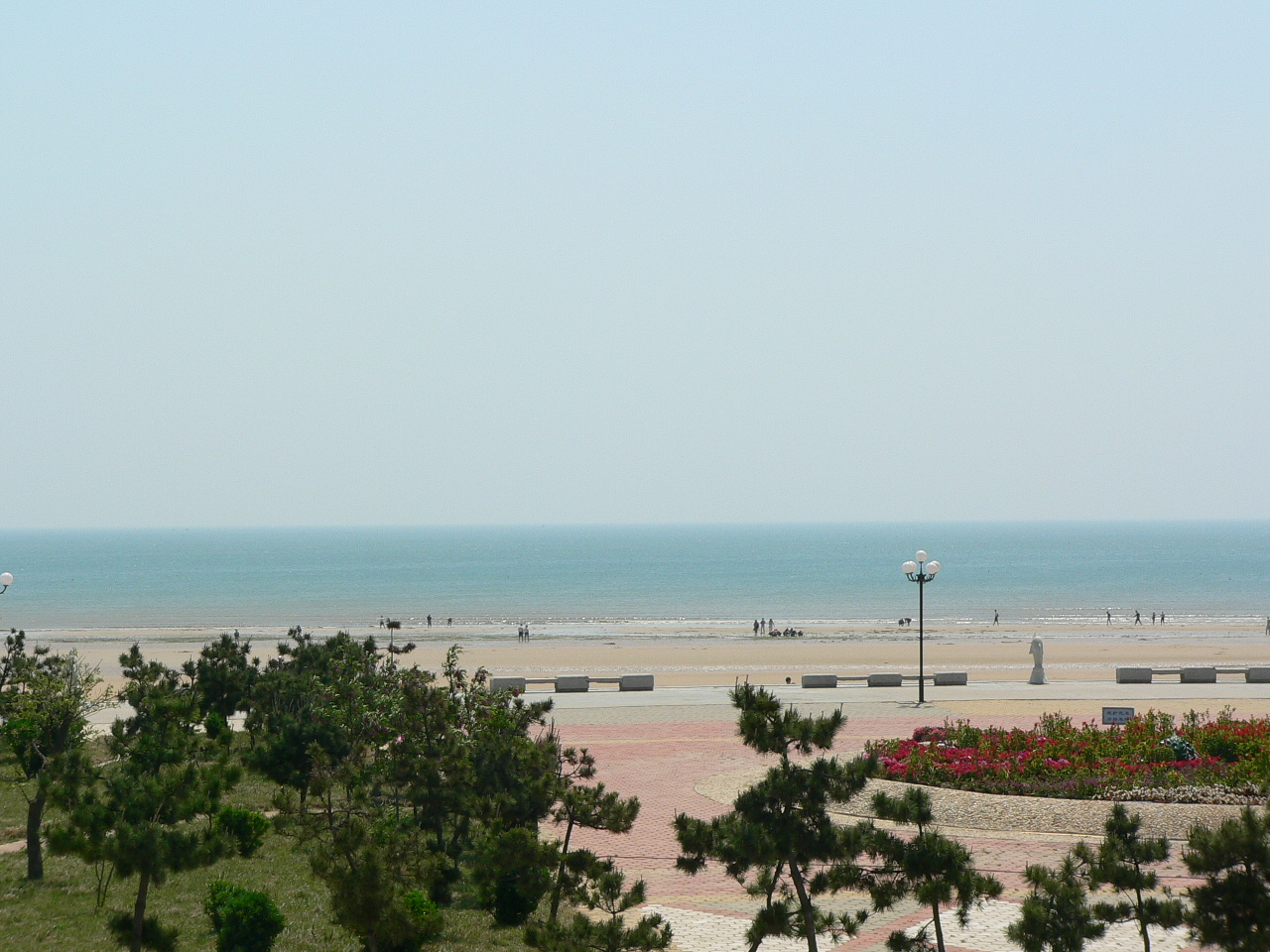
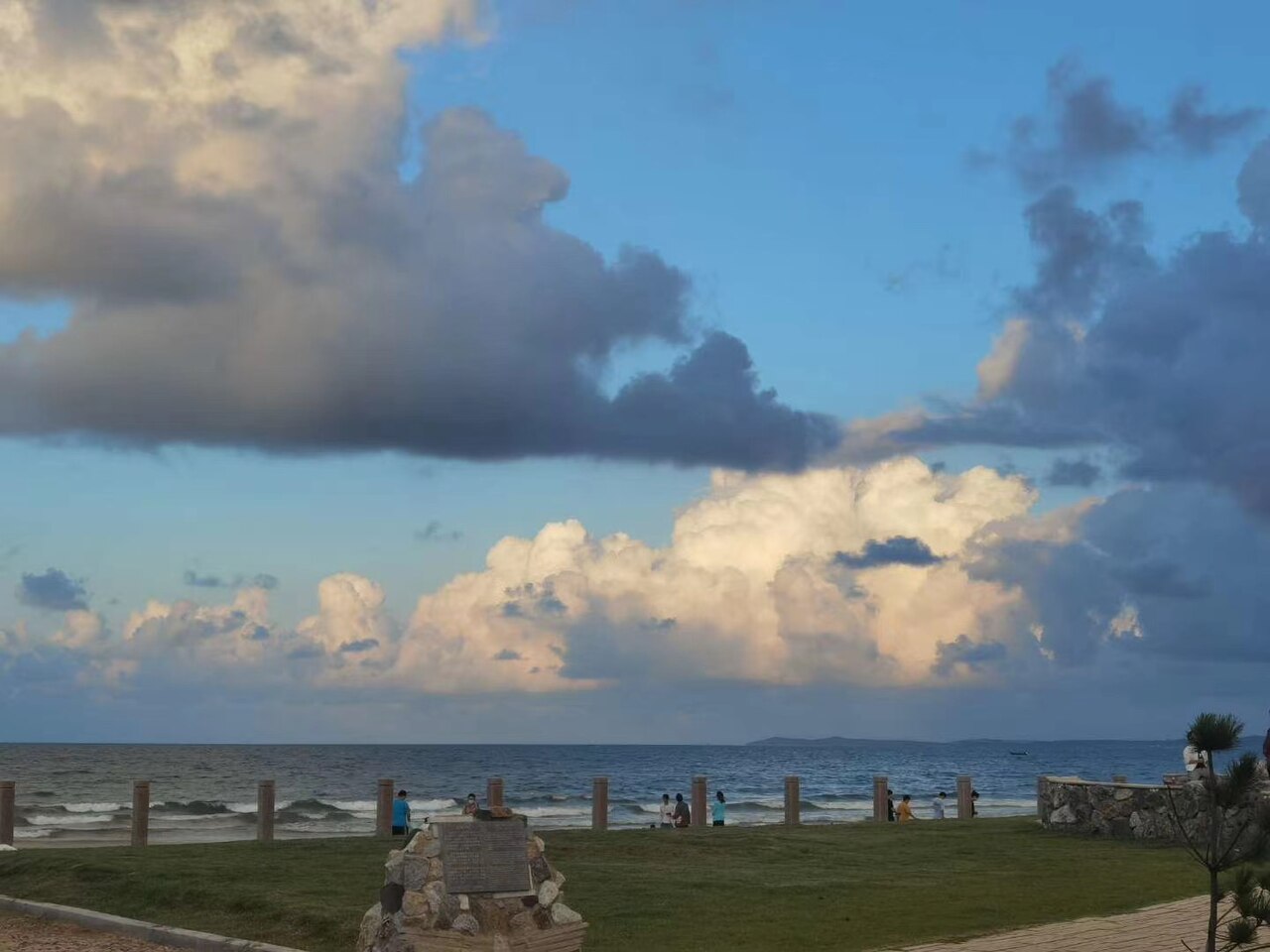
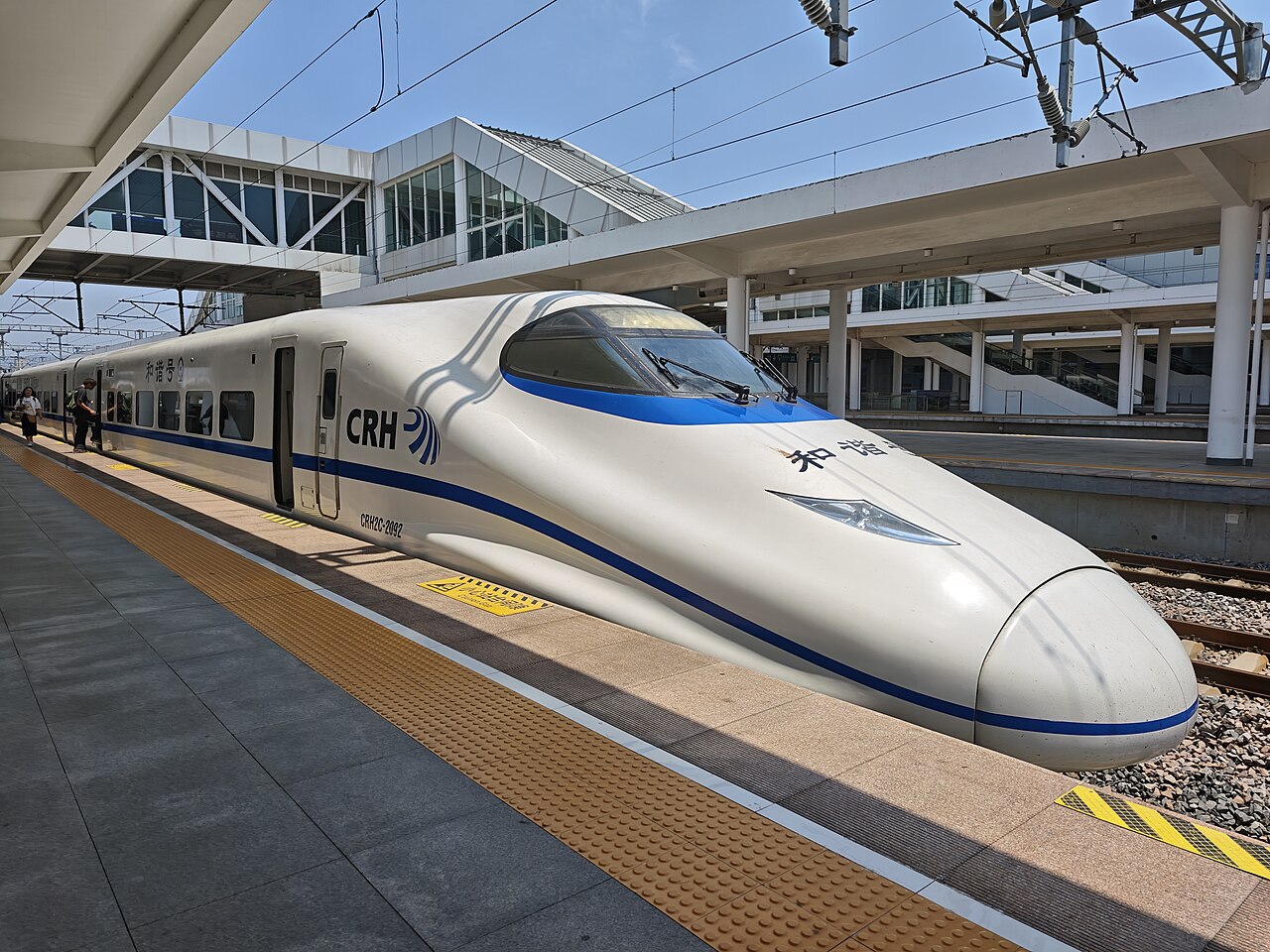
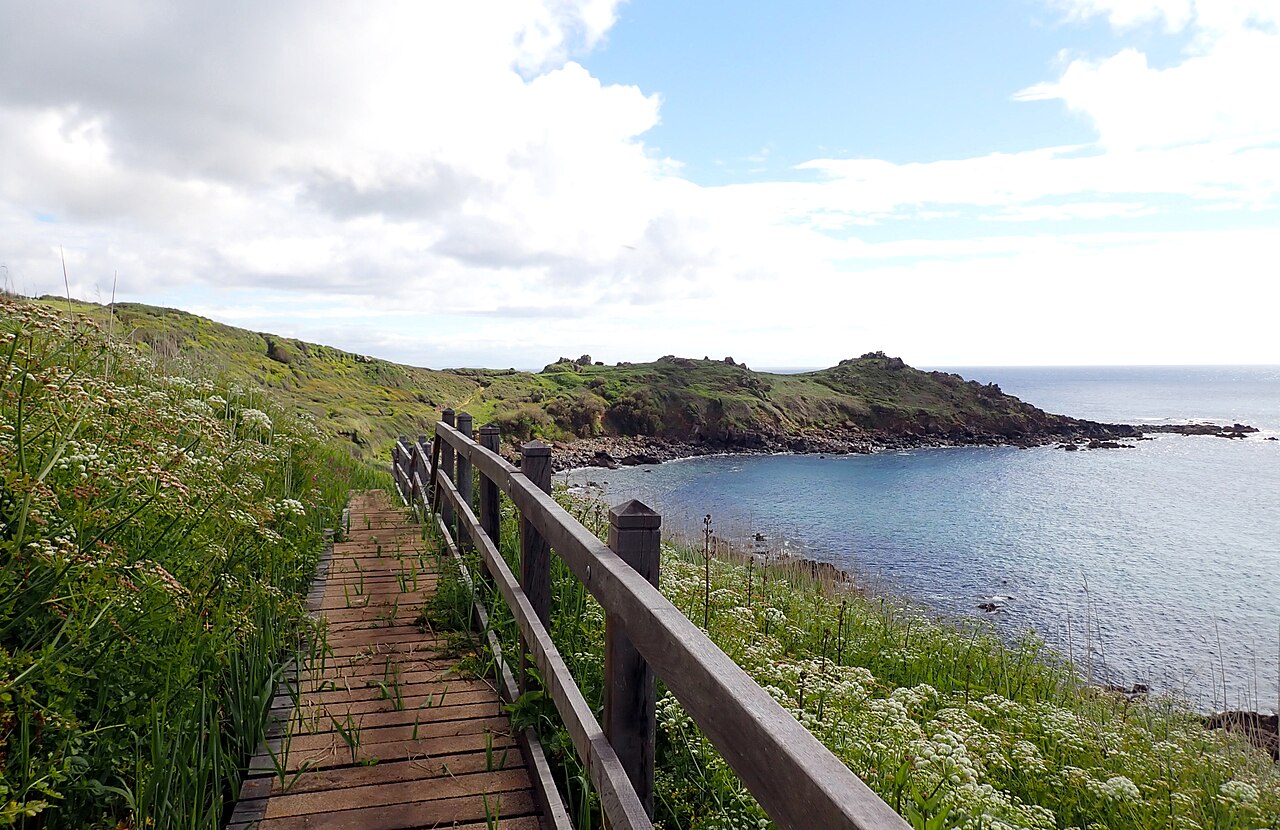
Photographs from the coast, and what other travellers wrote afterwards.

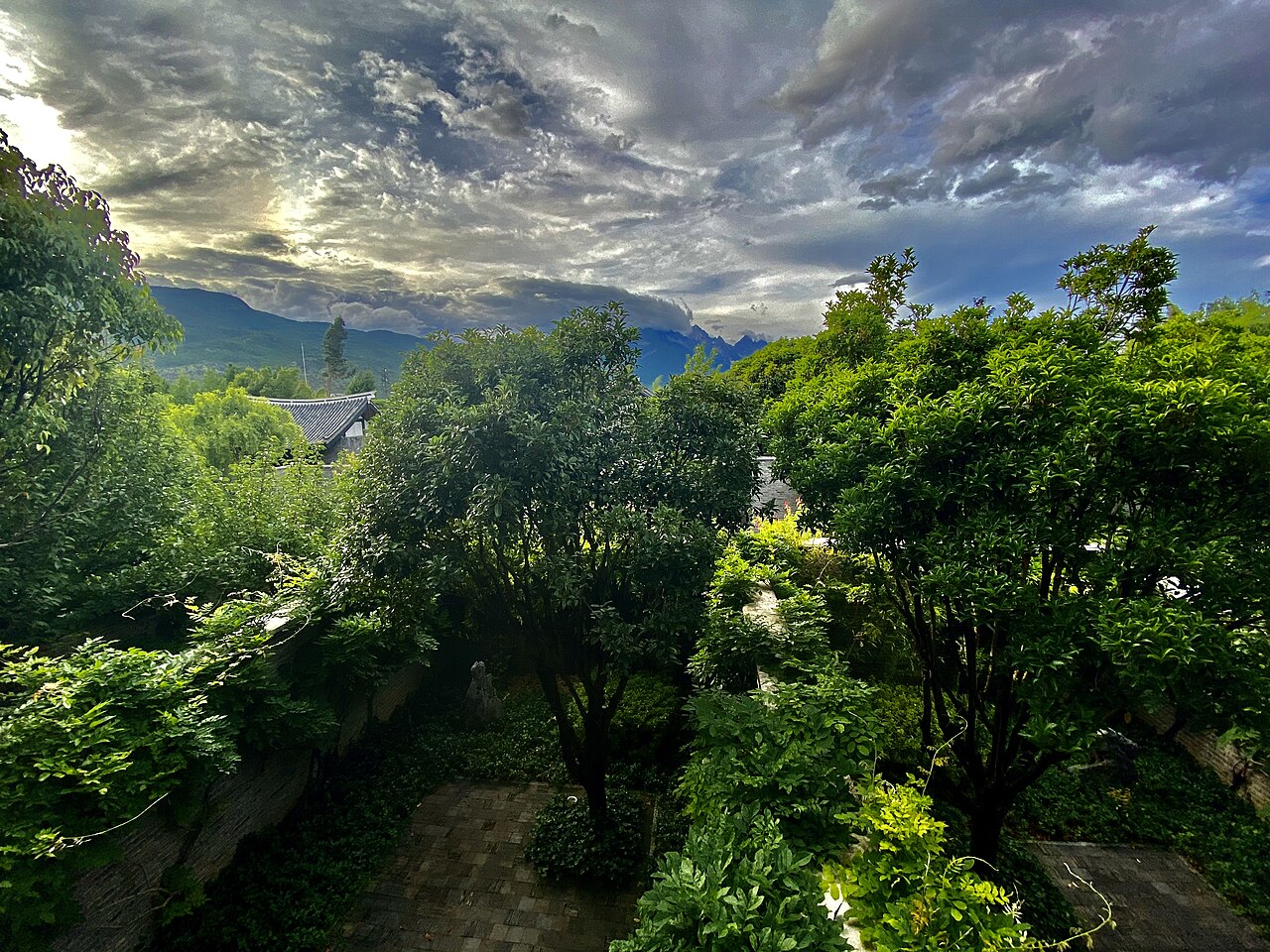
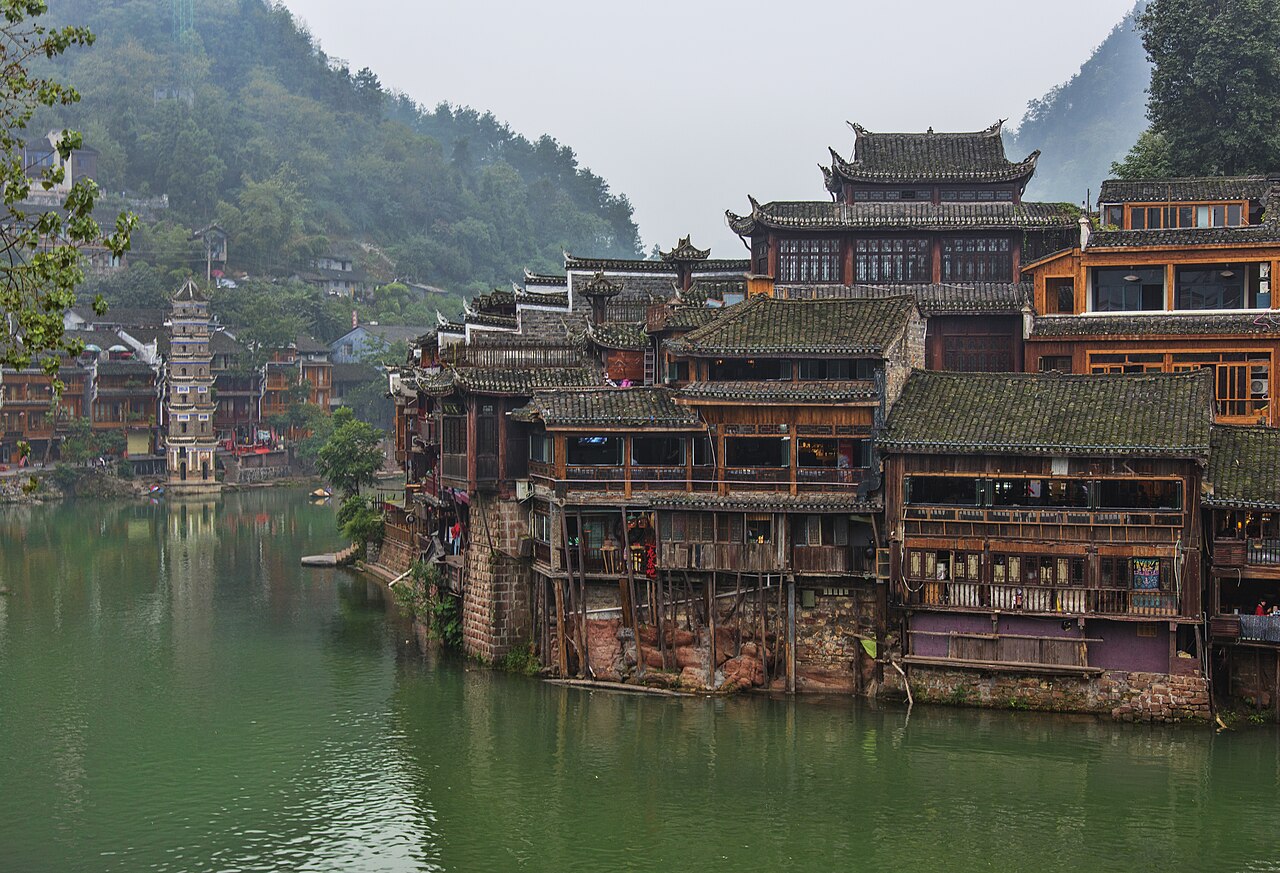
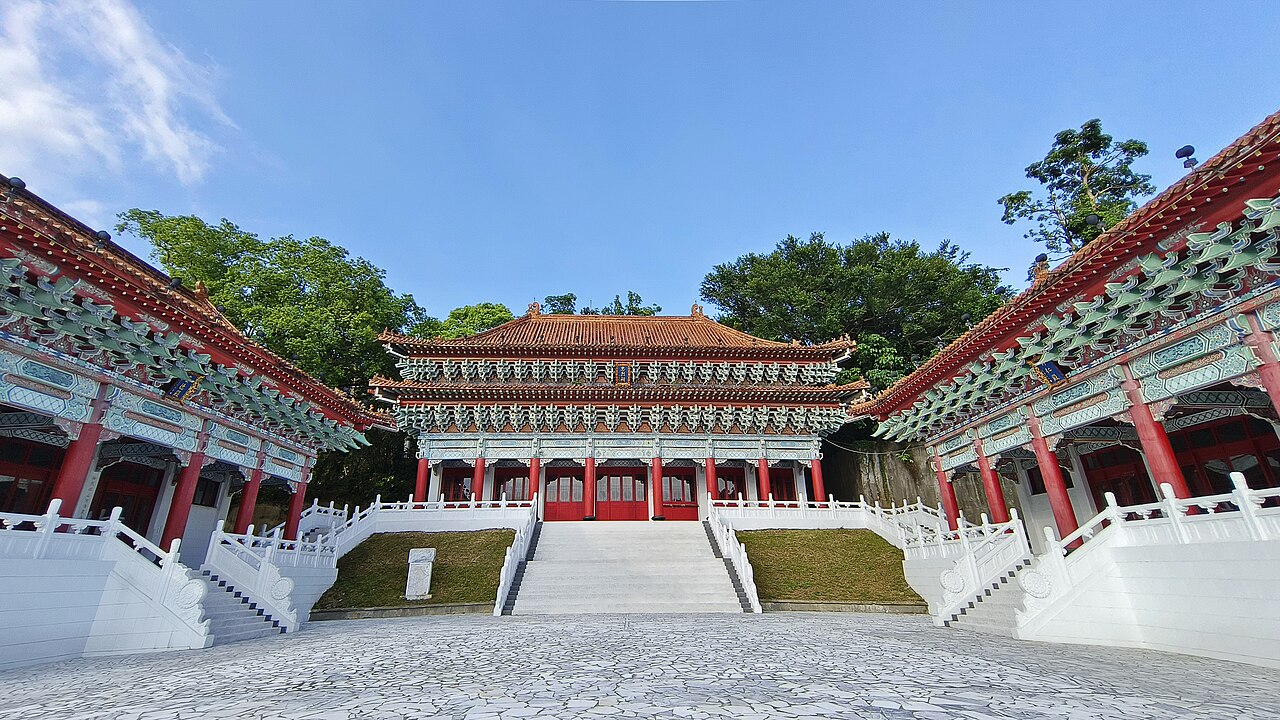
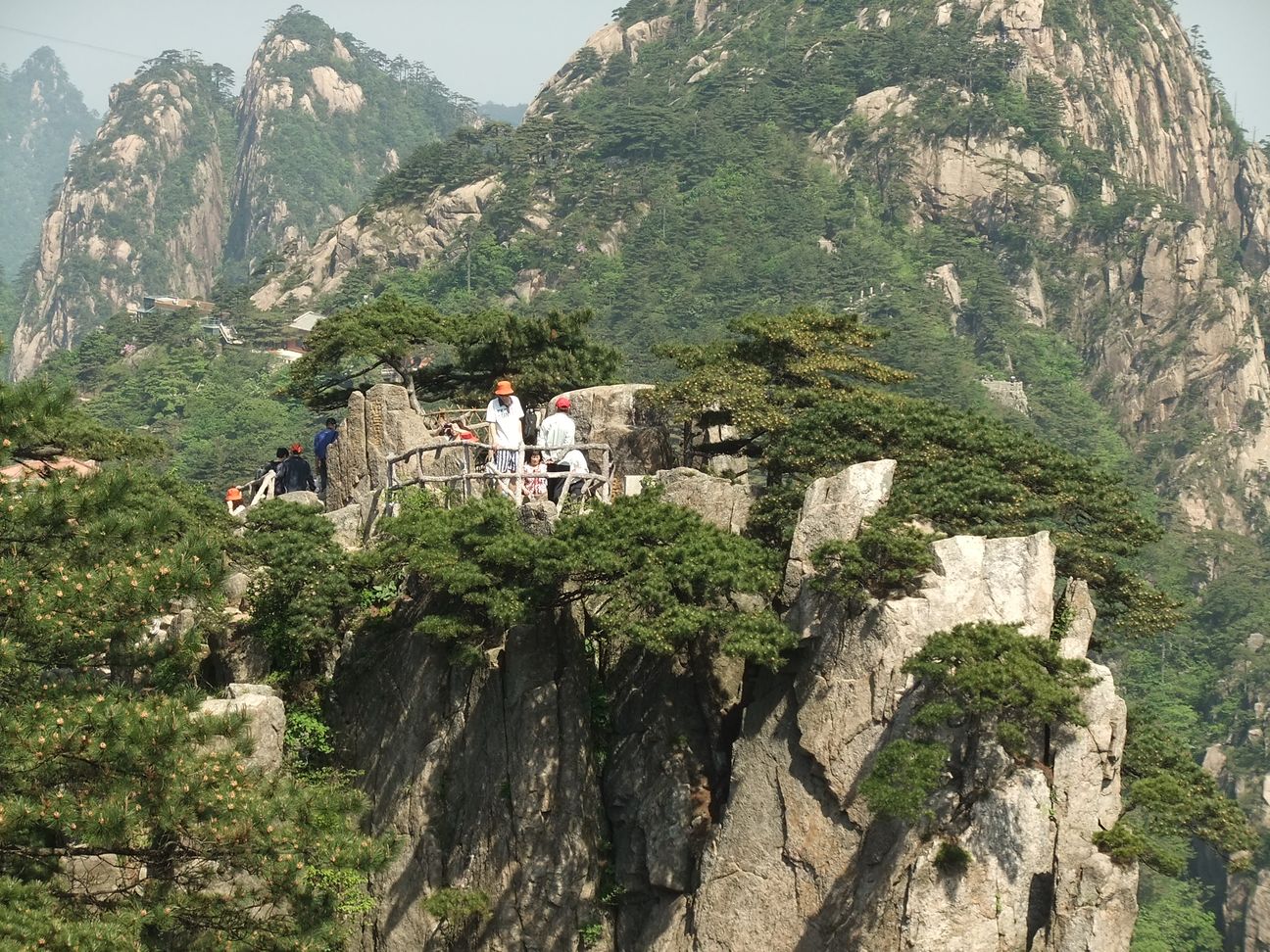
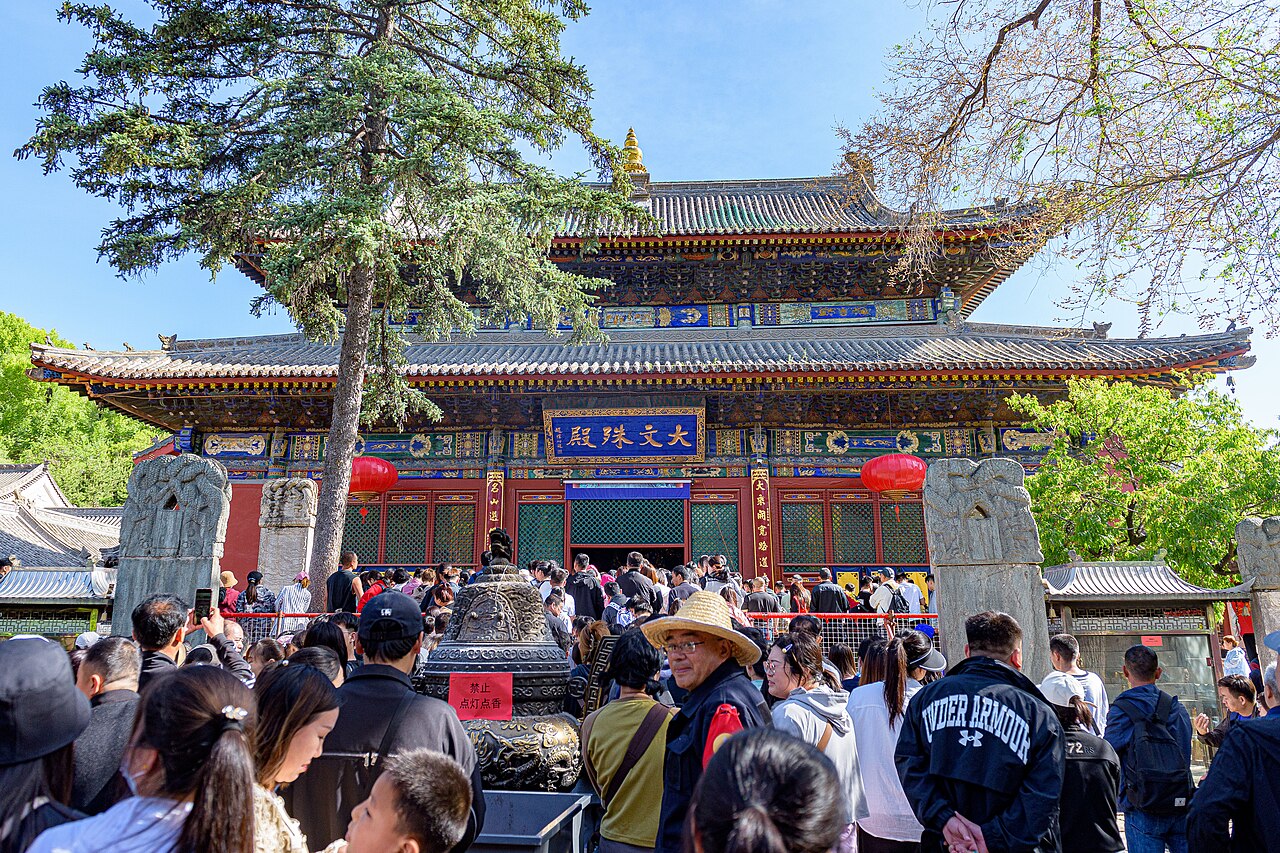
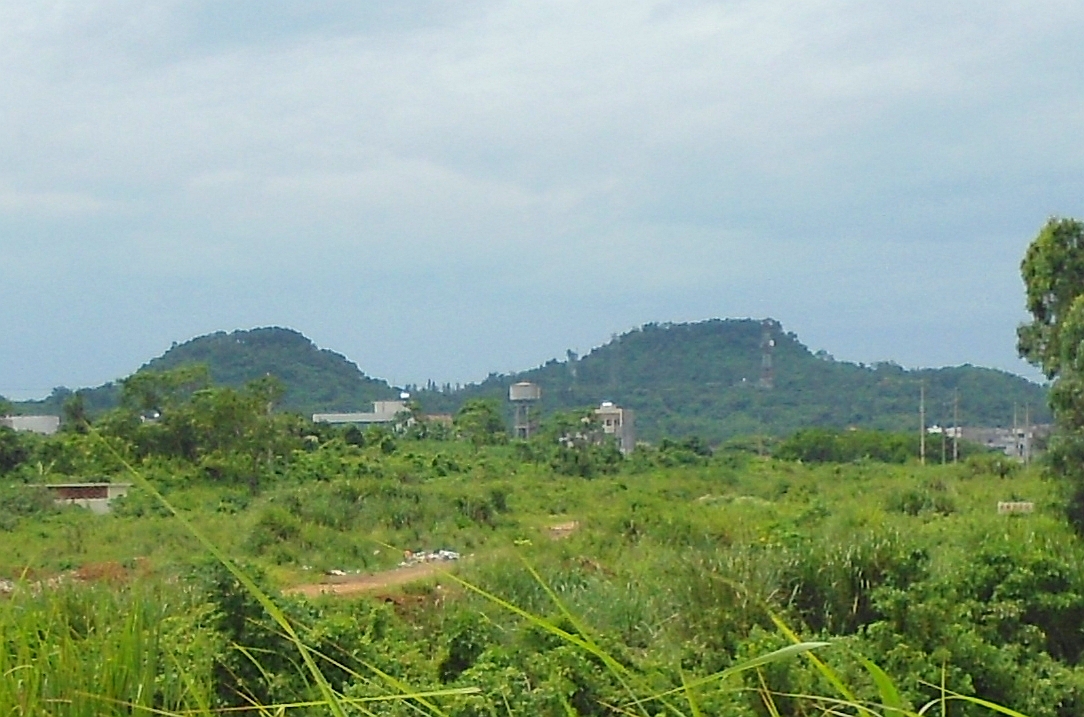
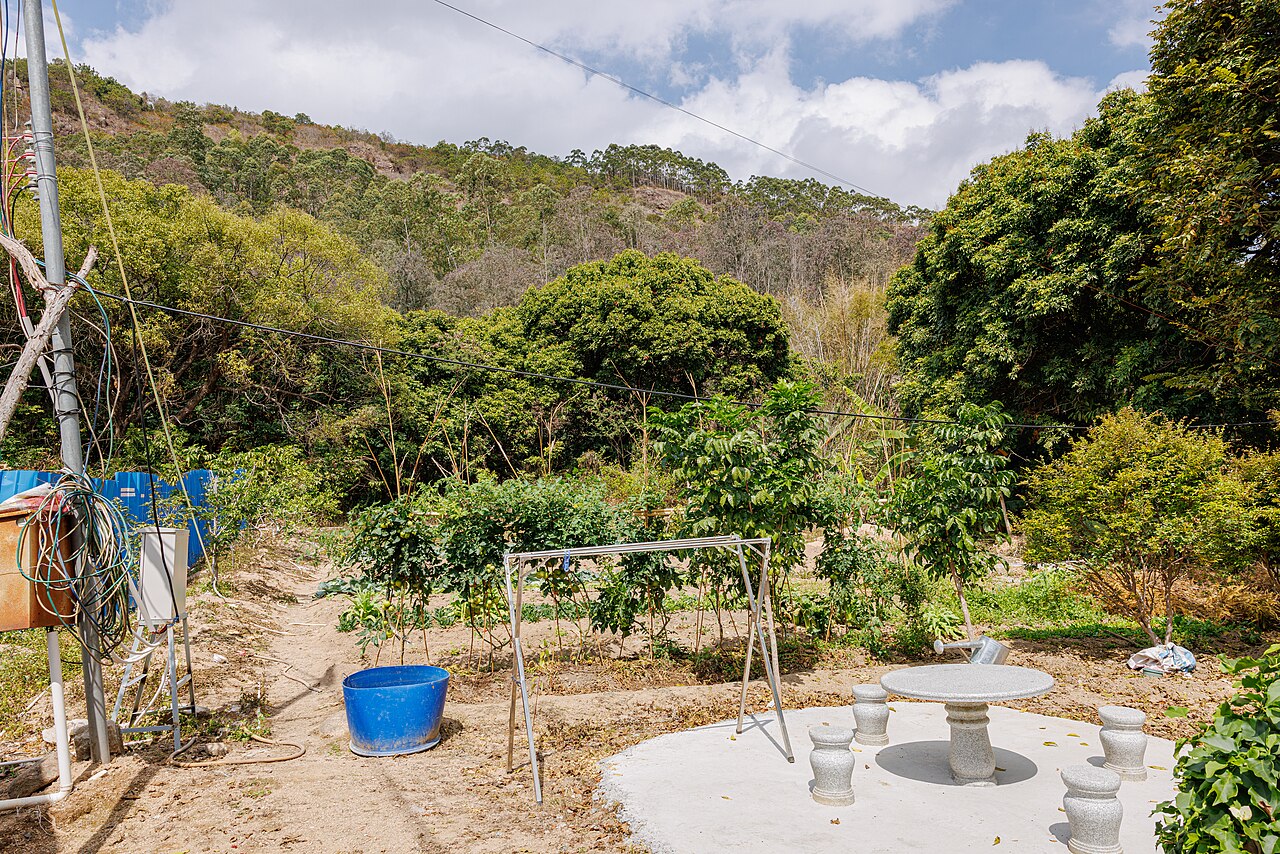
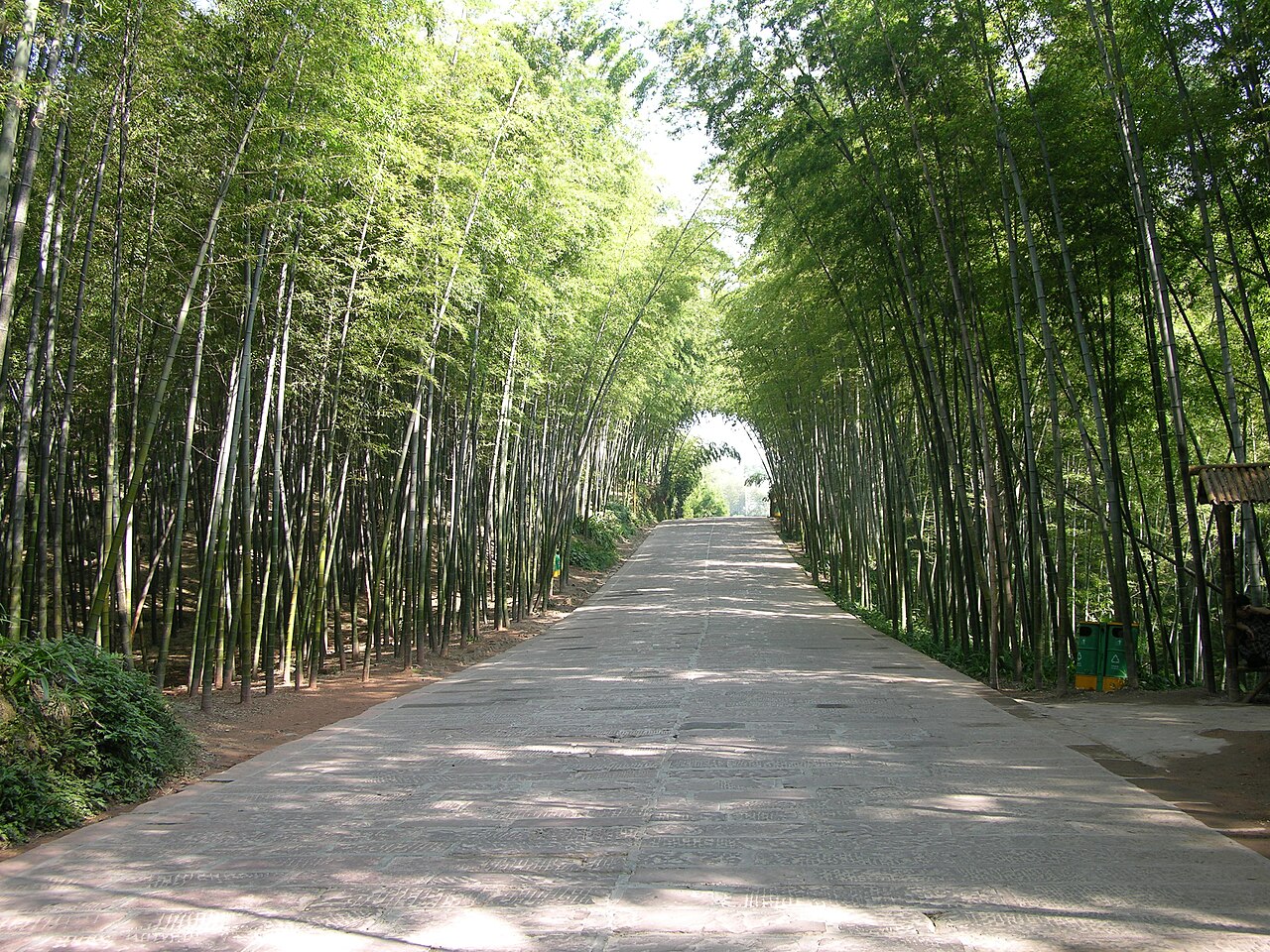
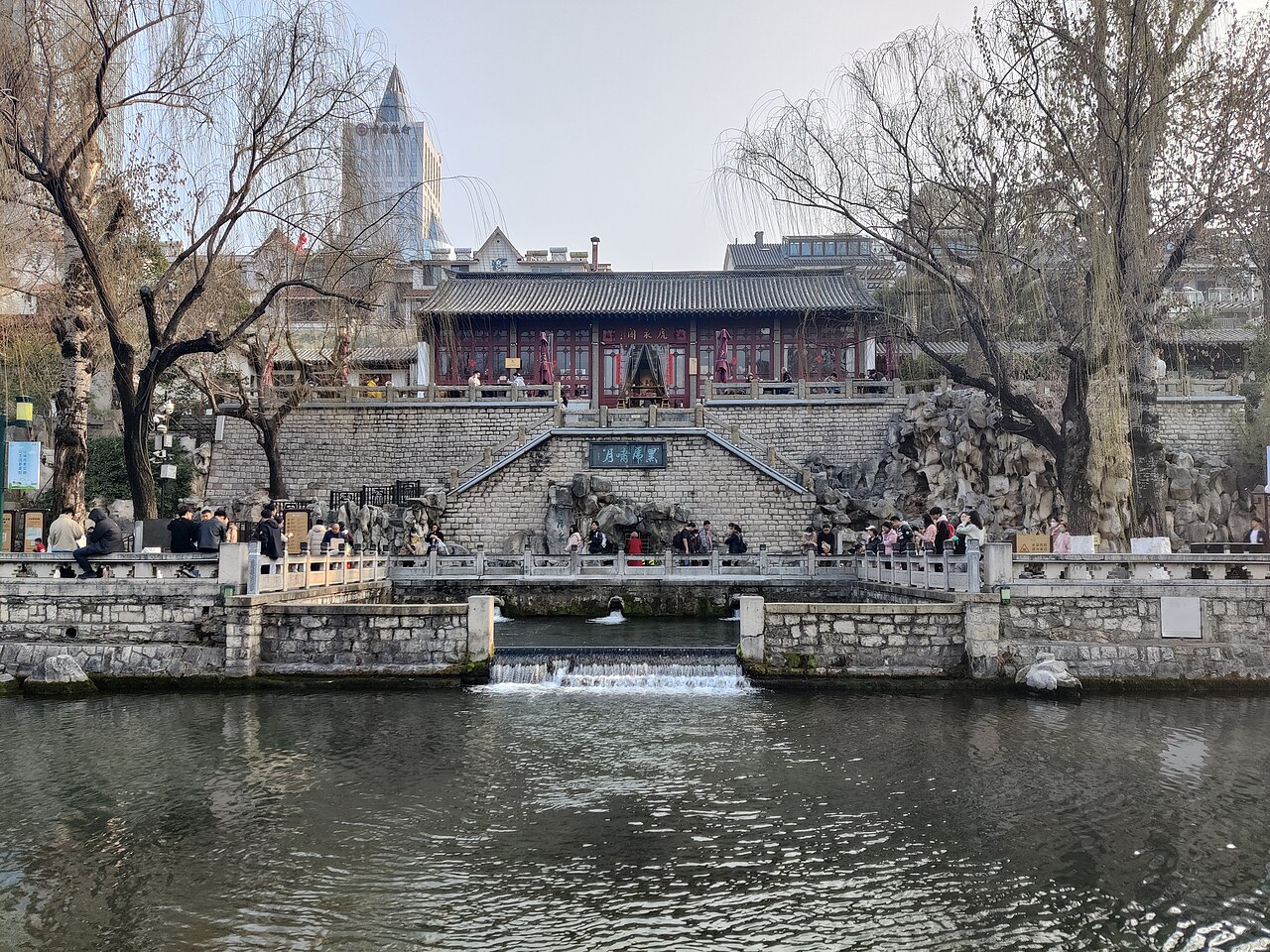
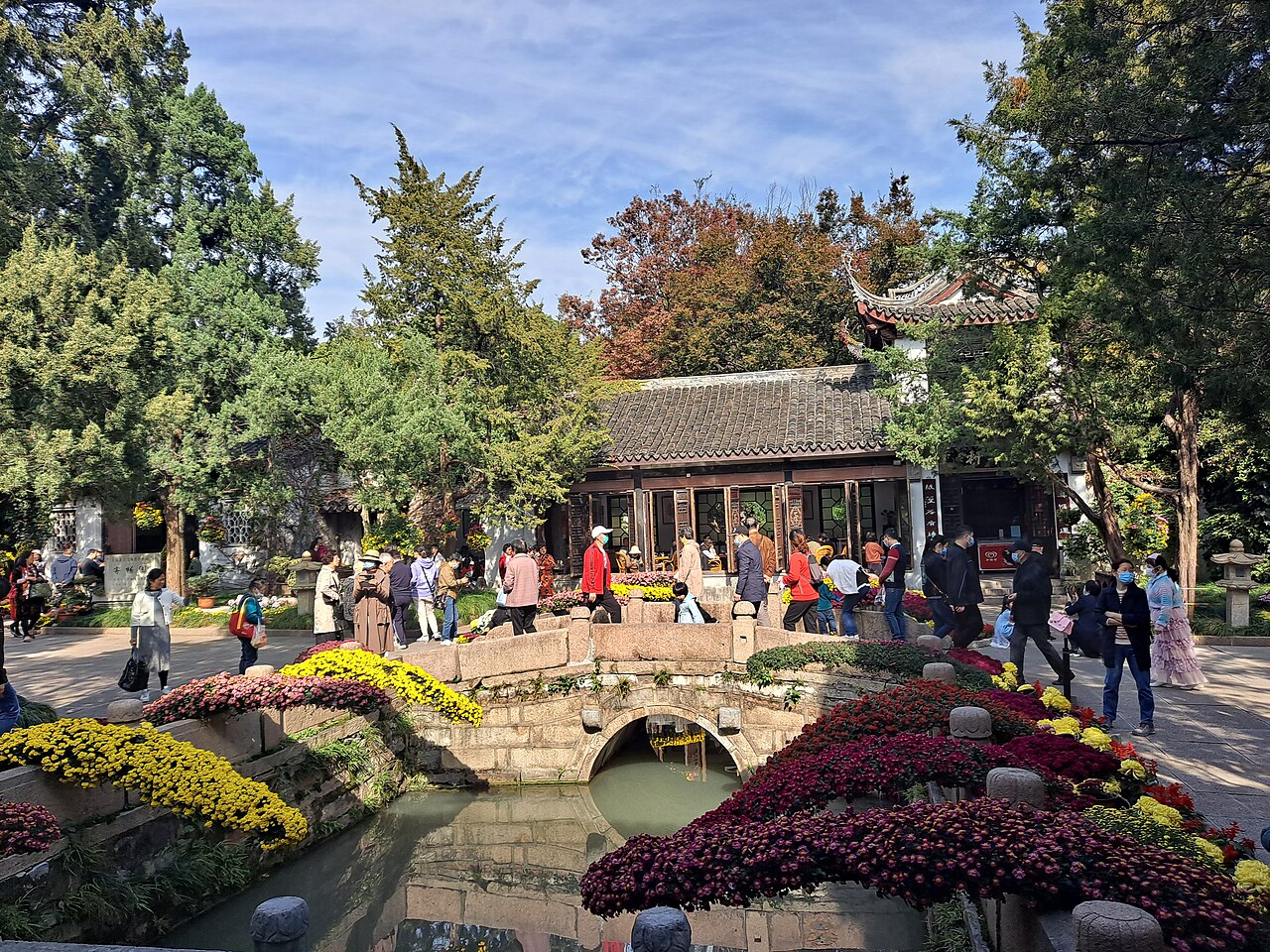
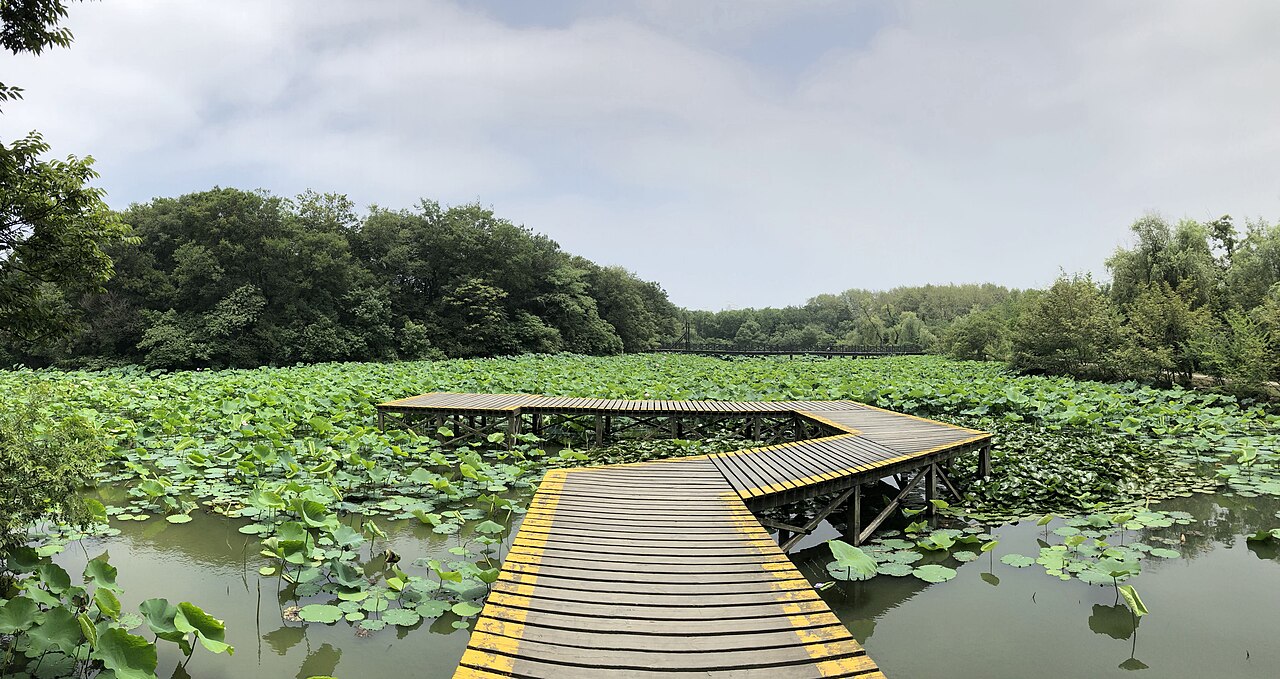
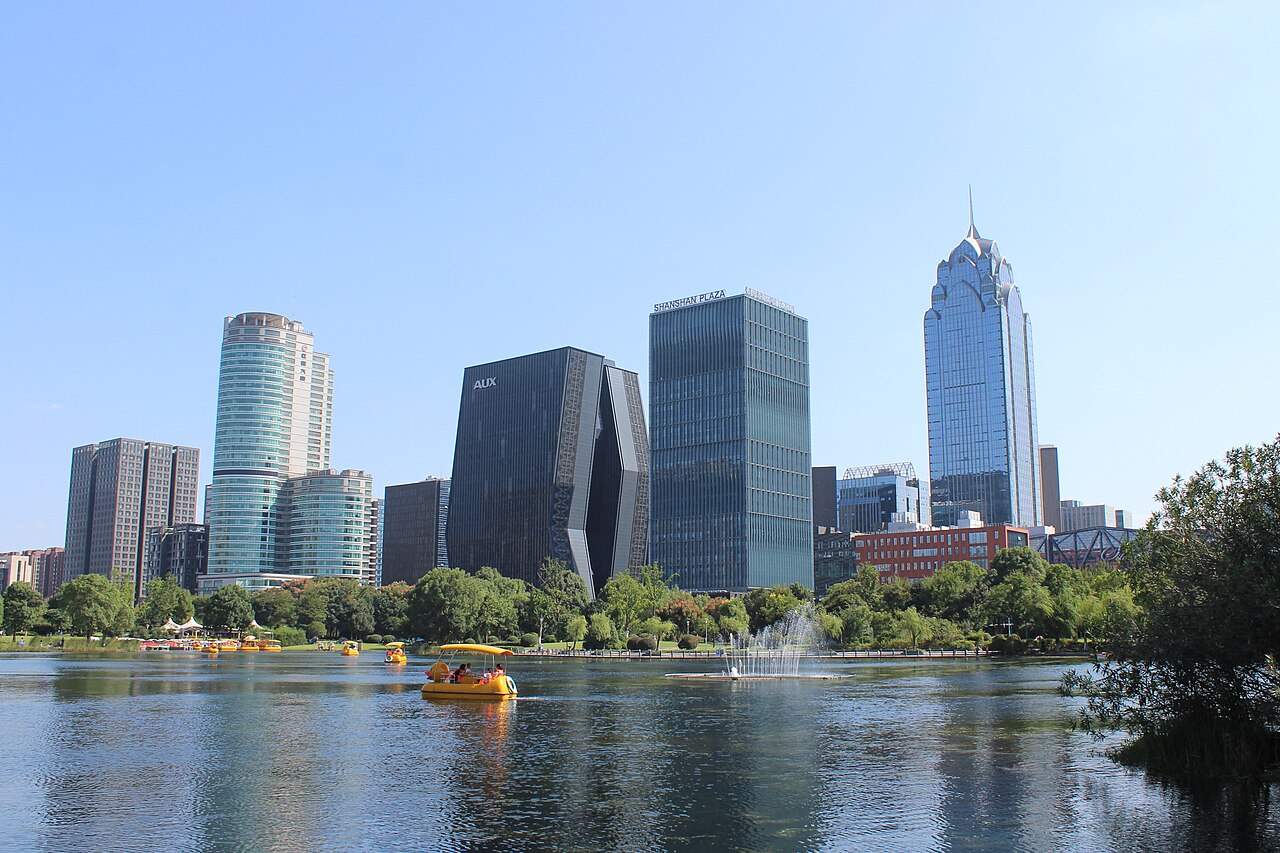
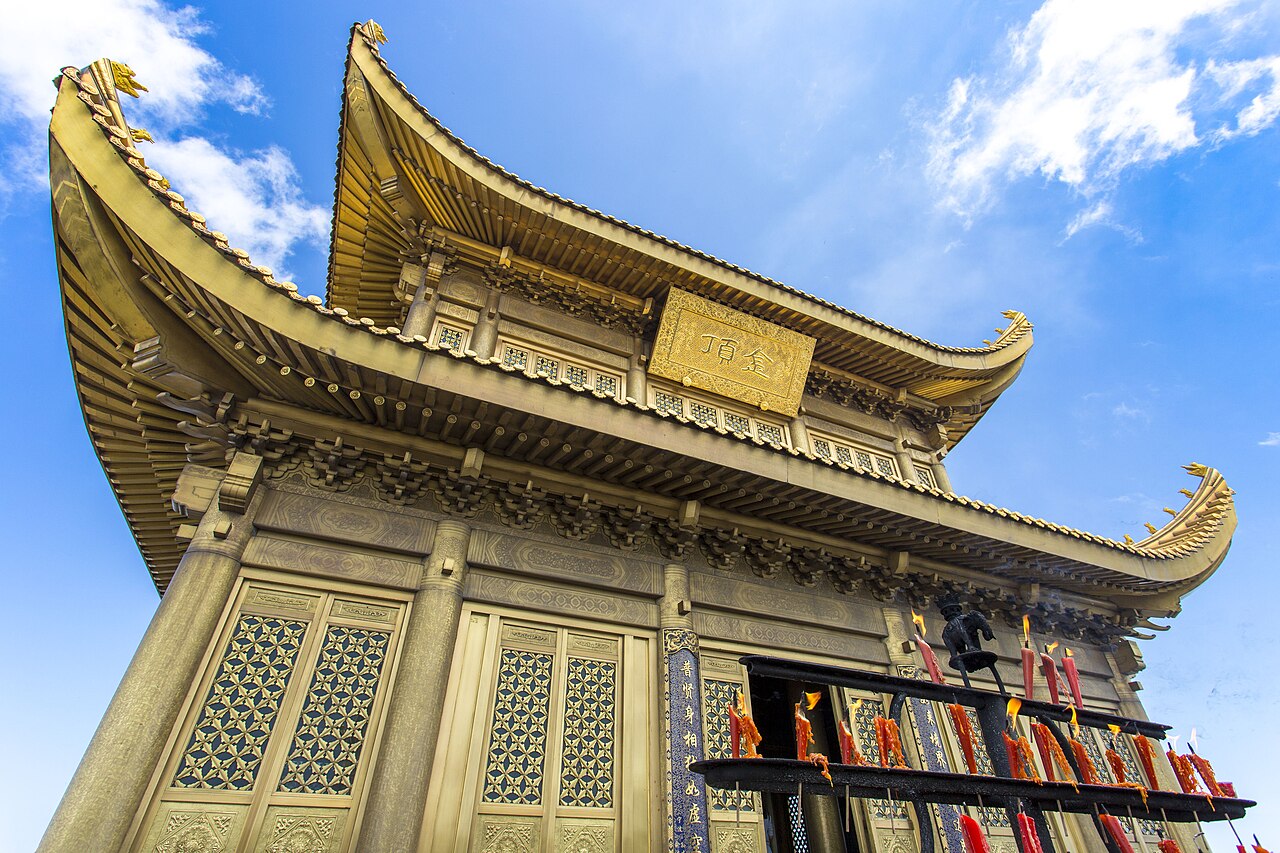
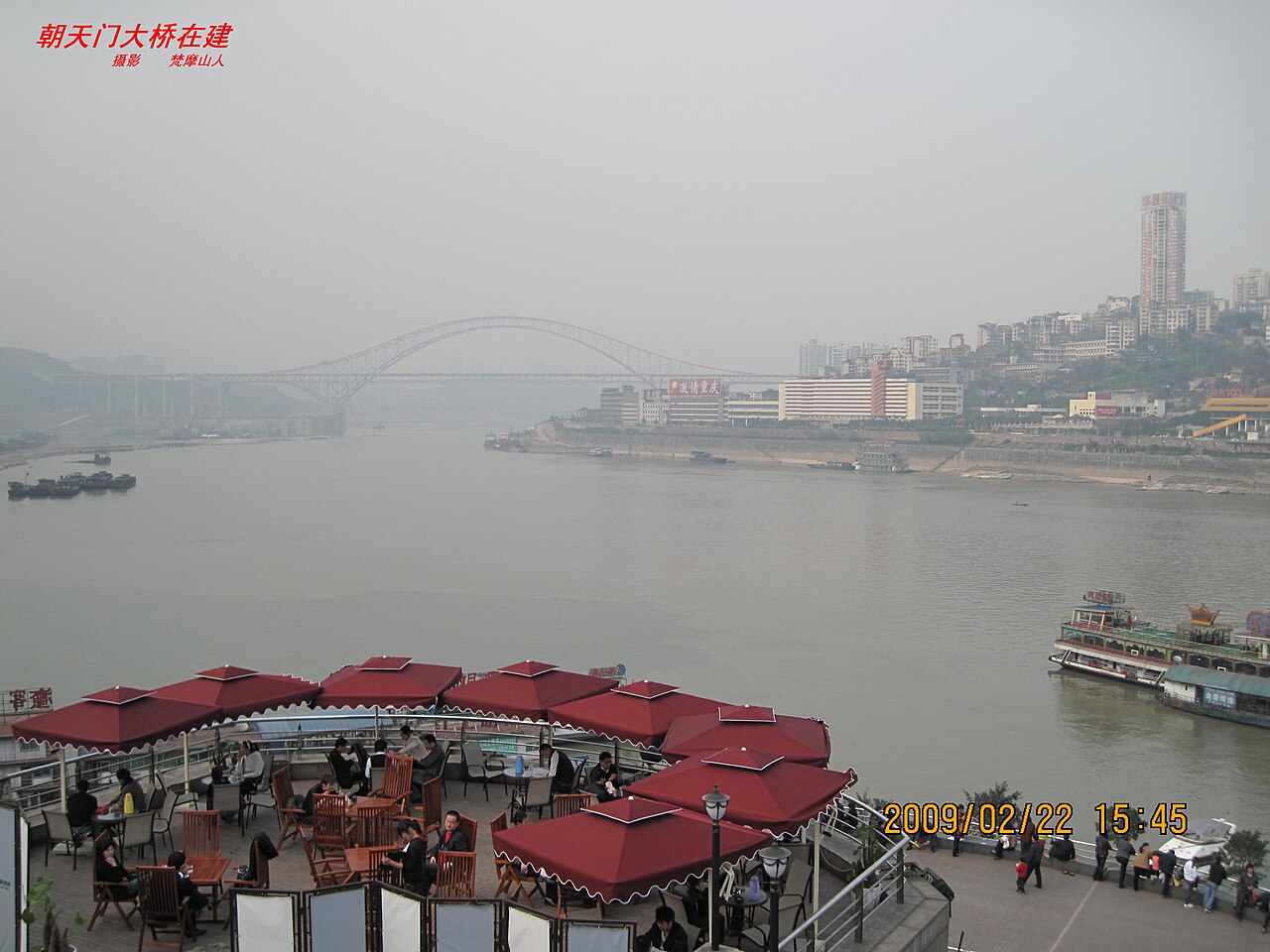
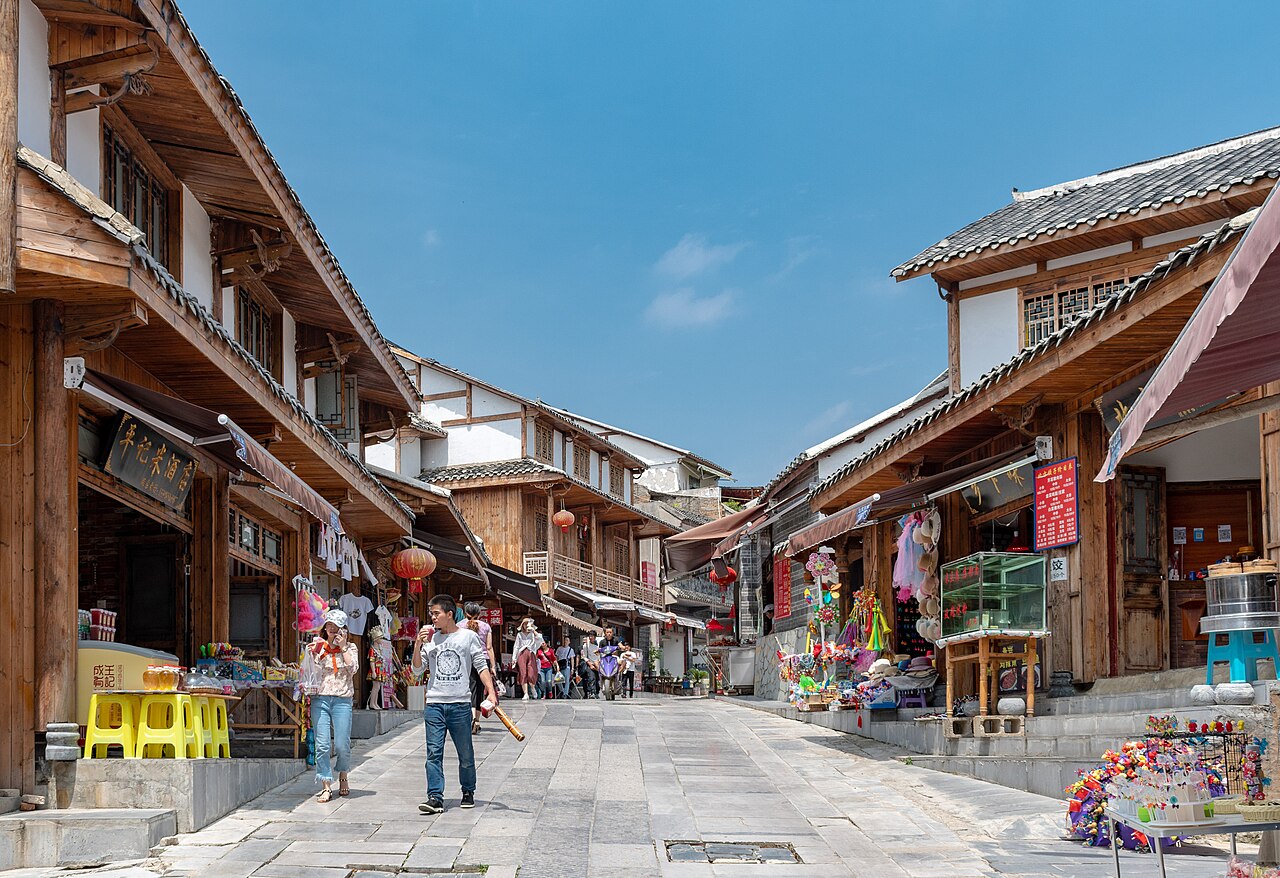
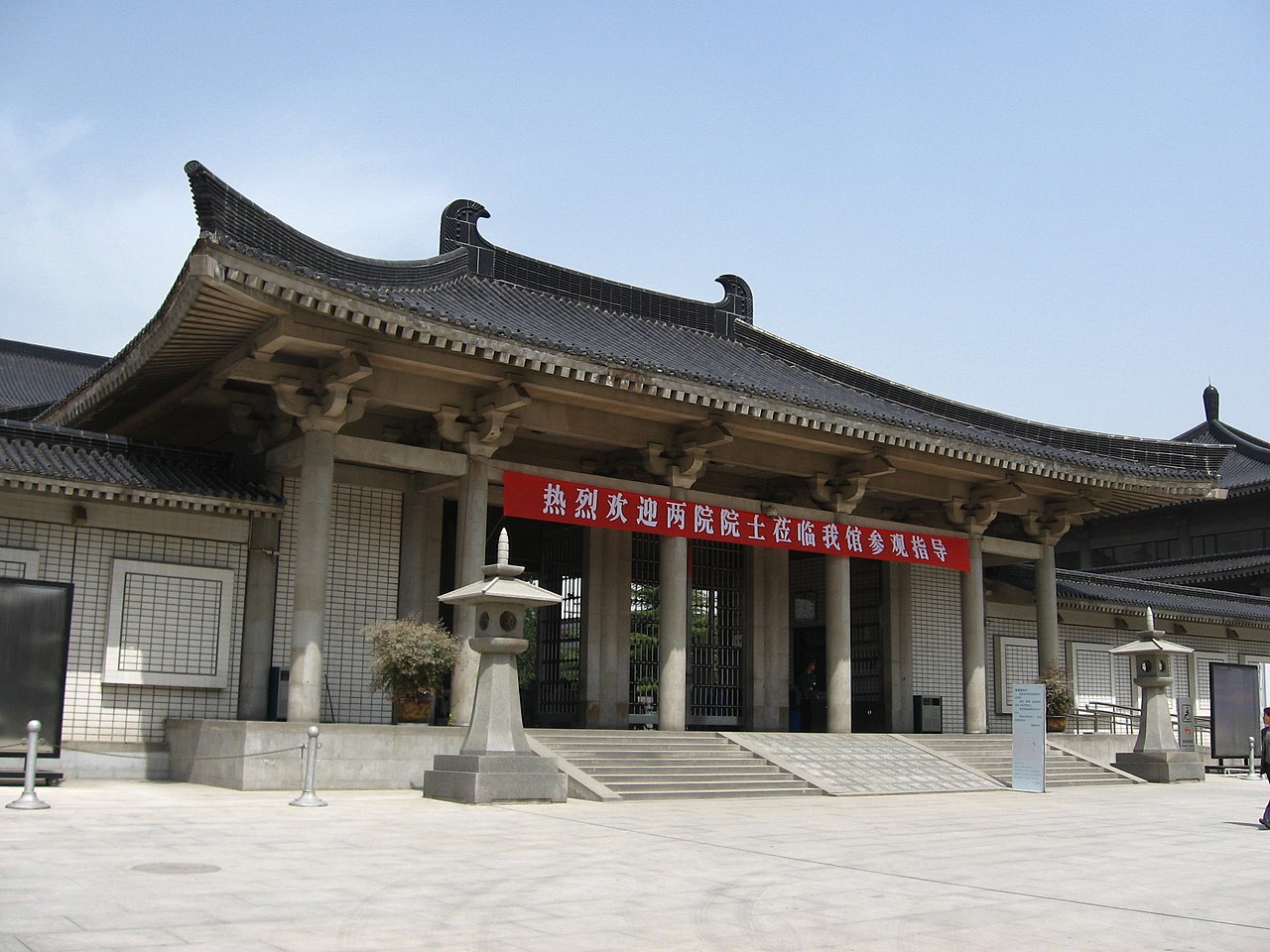
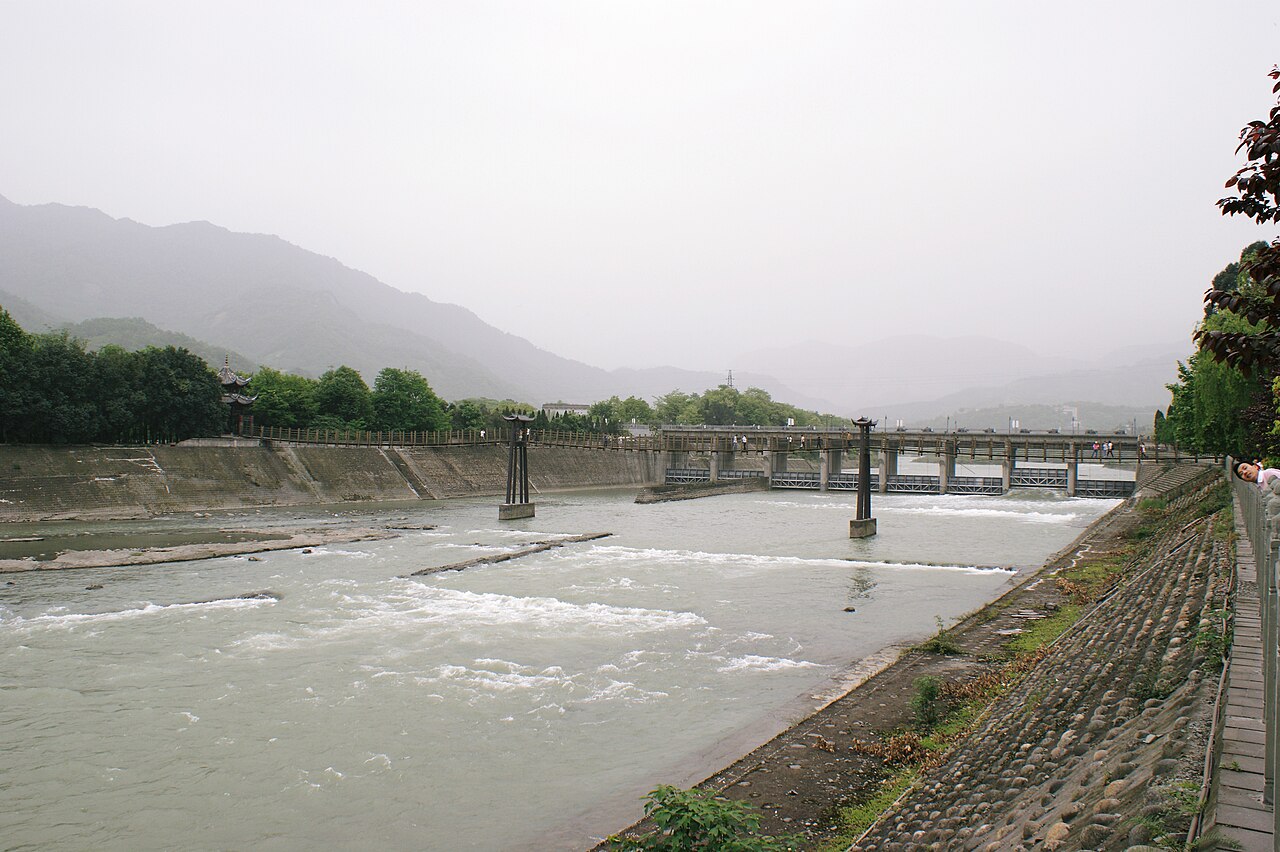
The fish-mouth dividing the Min River
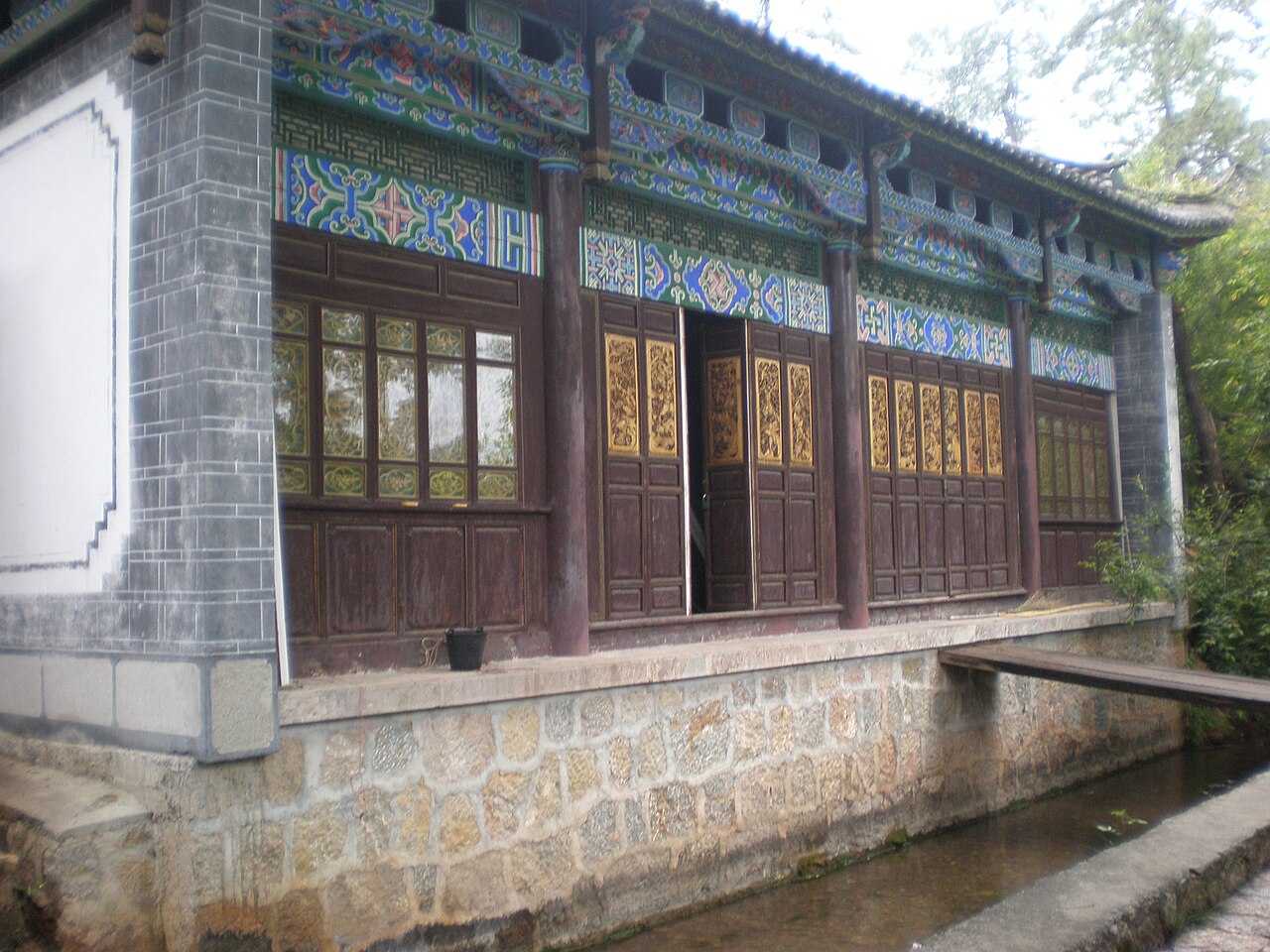
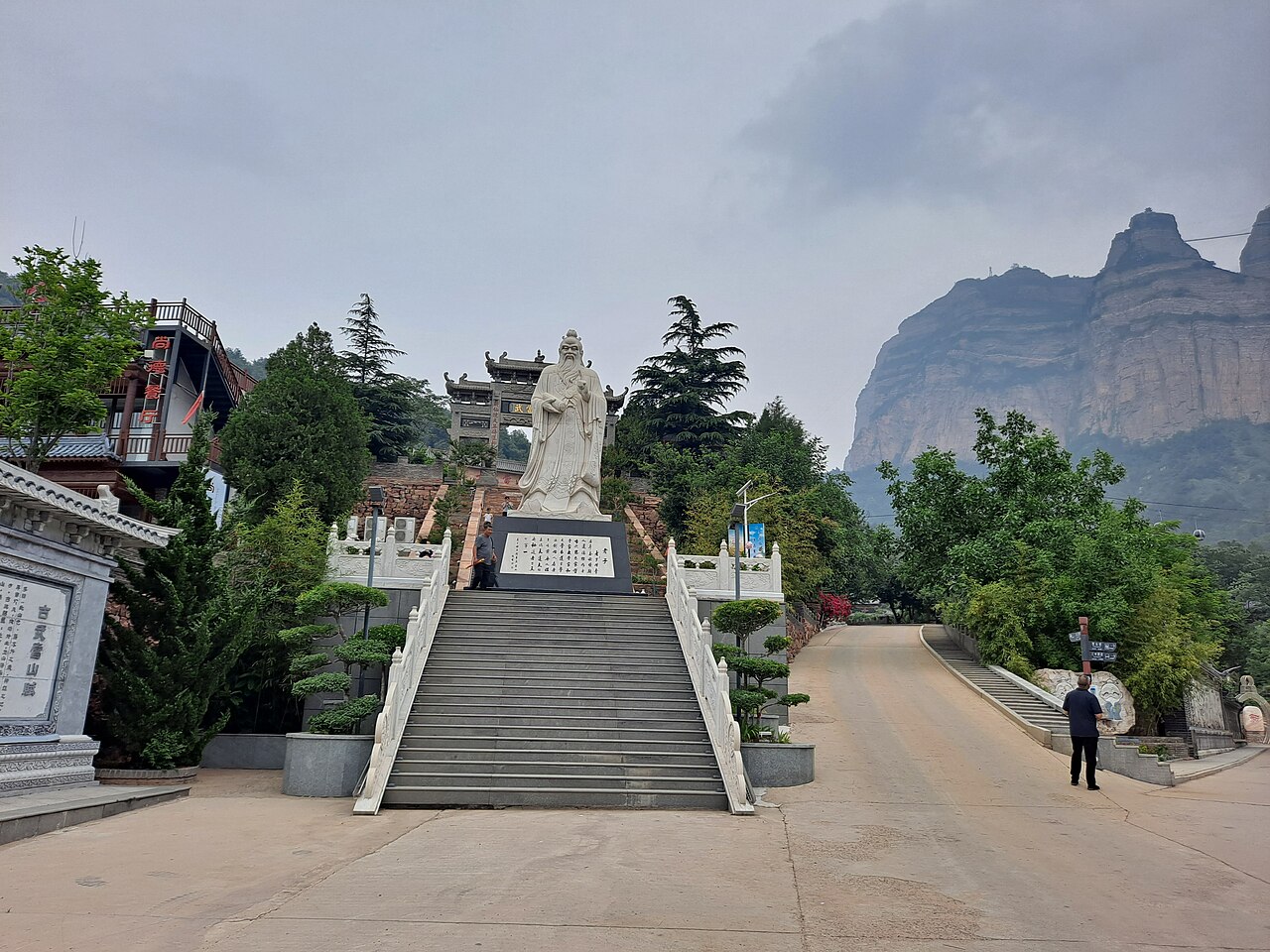
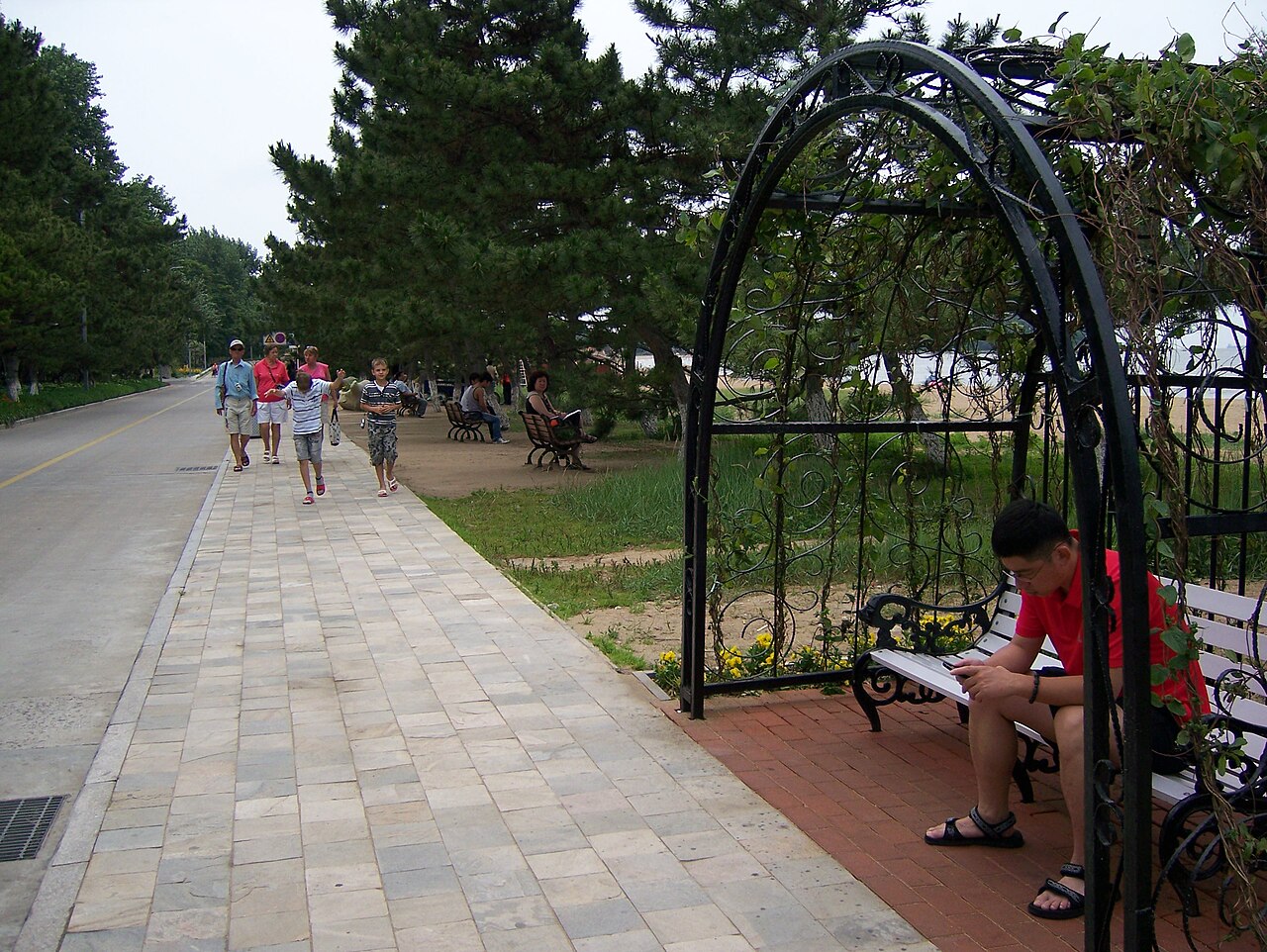
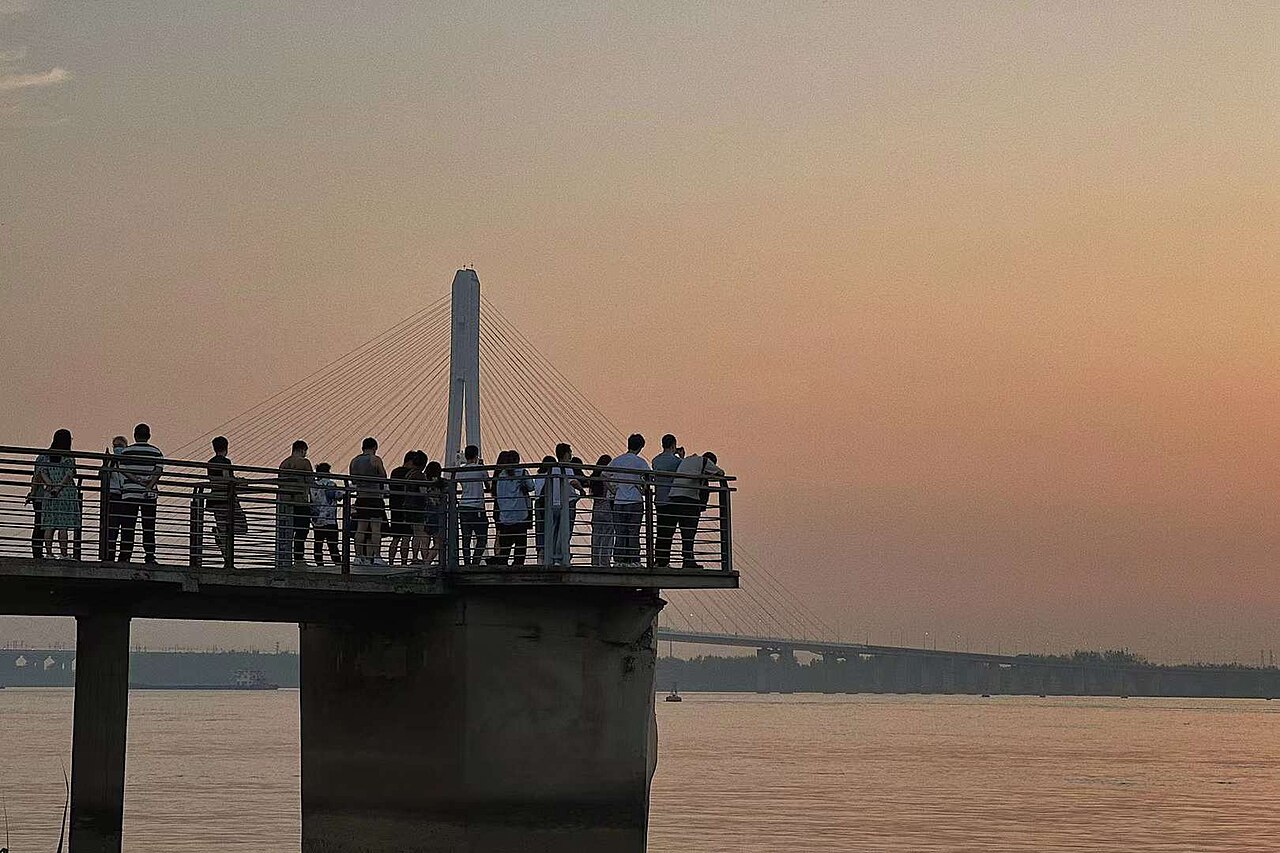
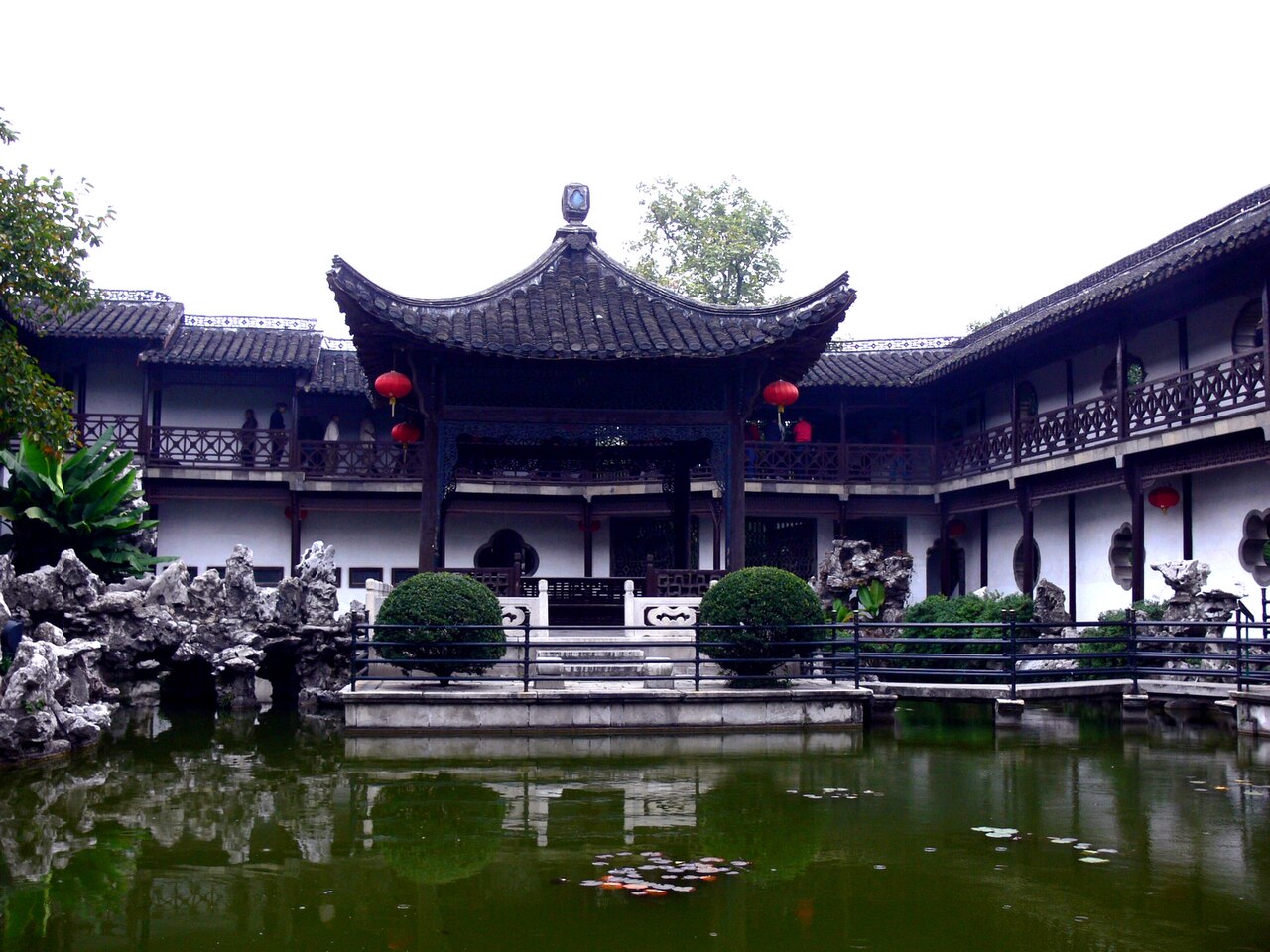
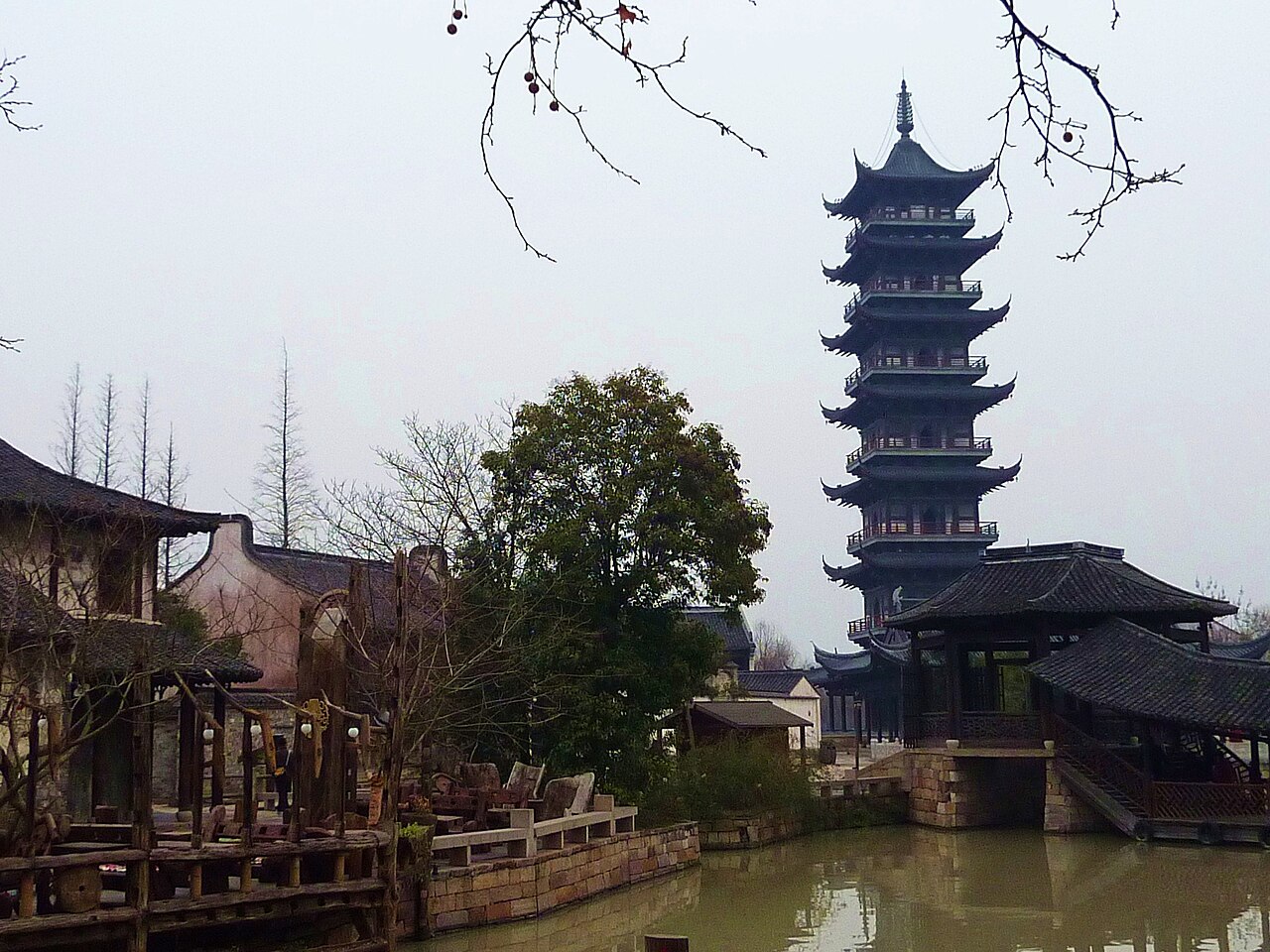
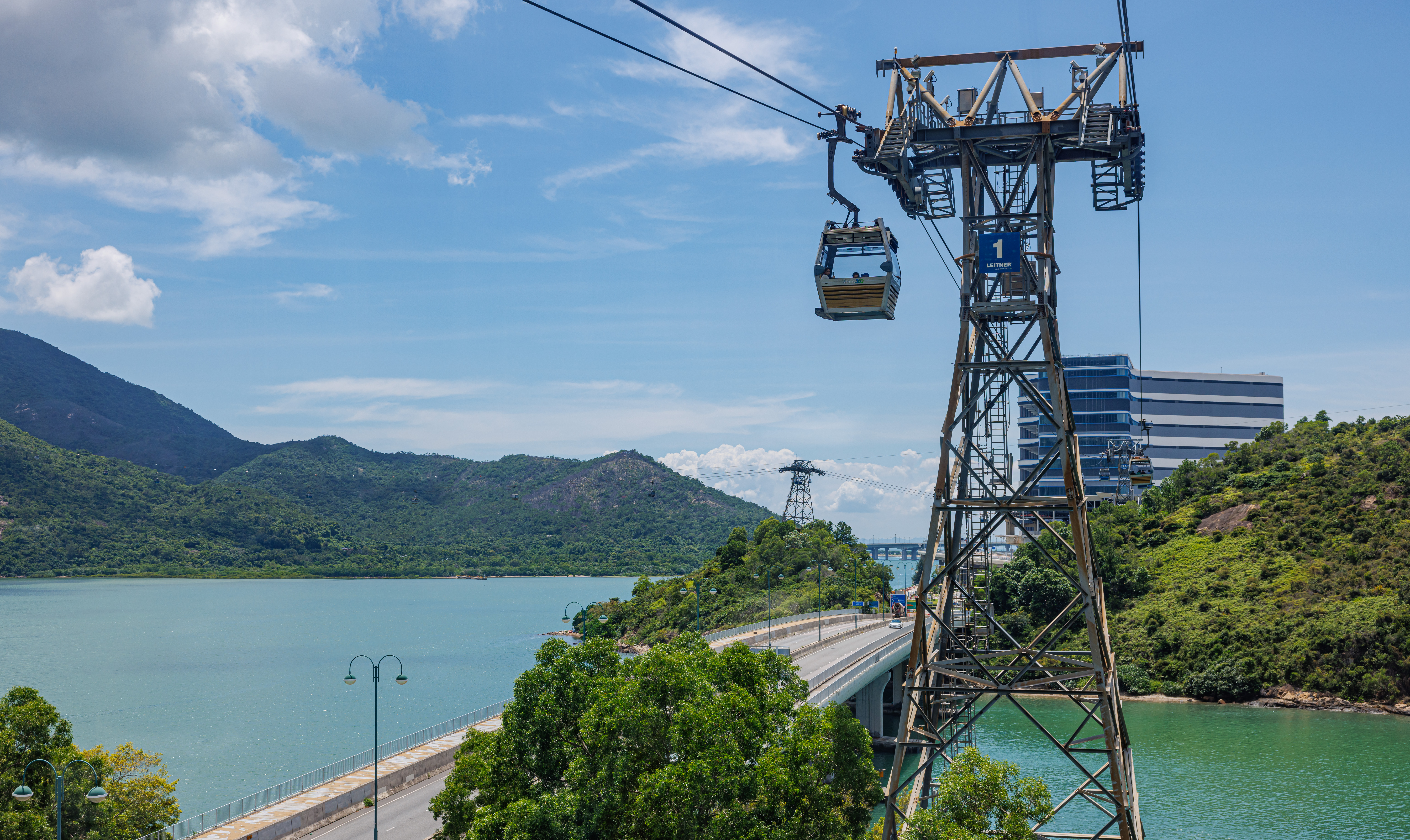
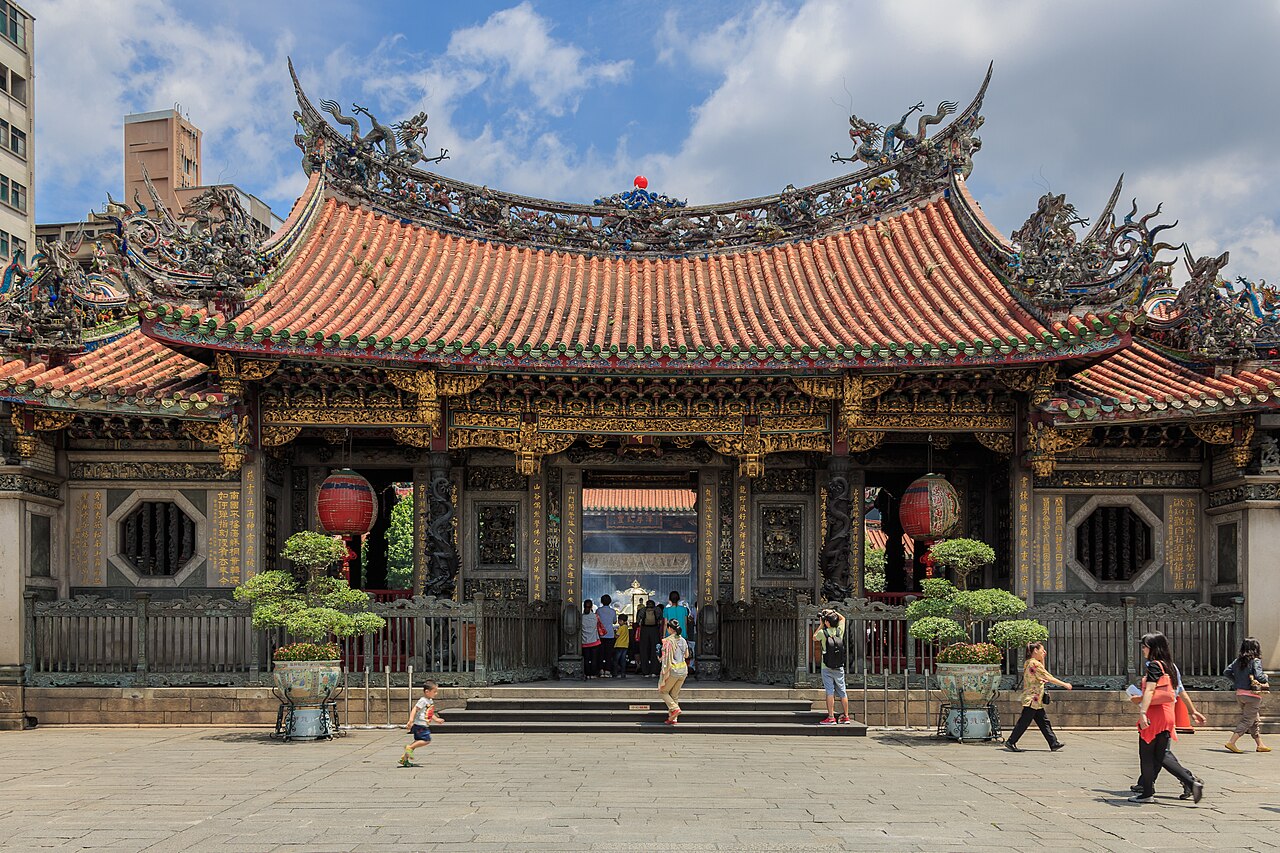
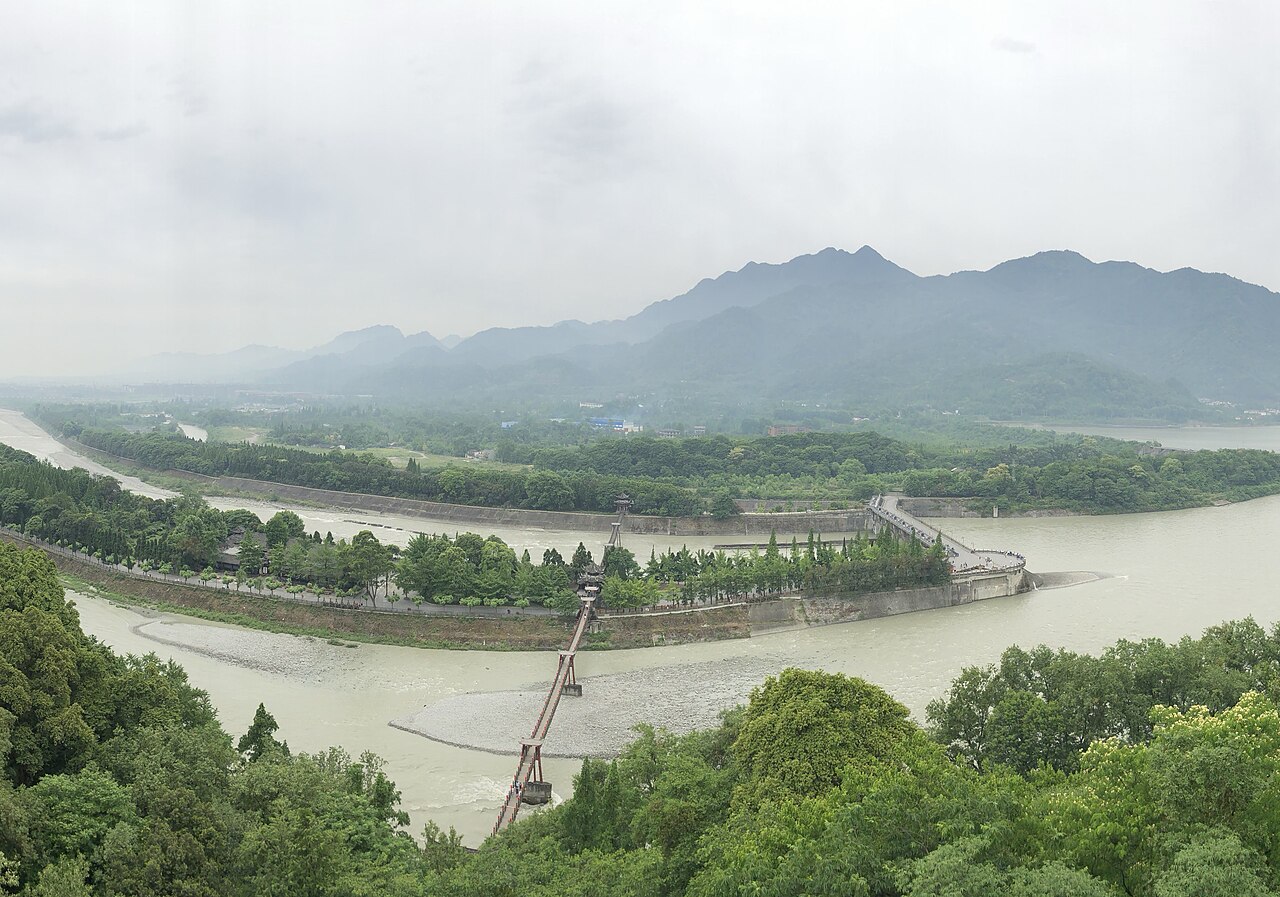
The Anlan cable bridge, swaying over the inner channel
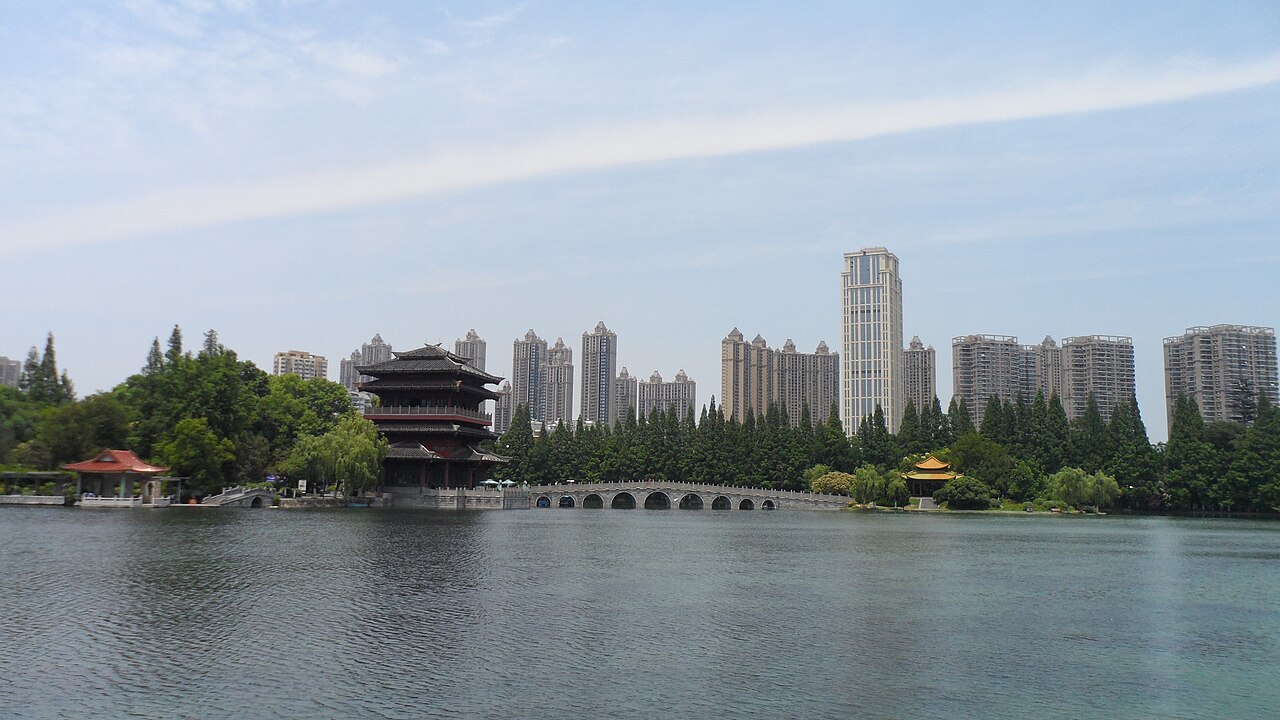
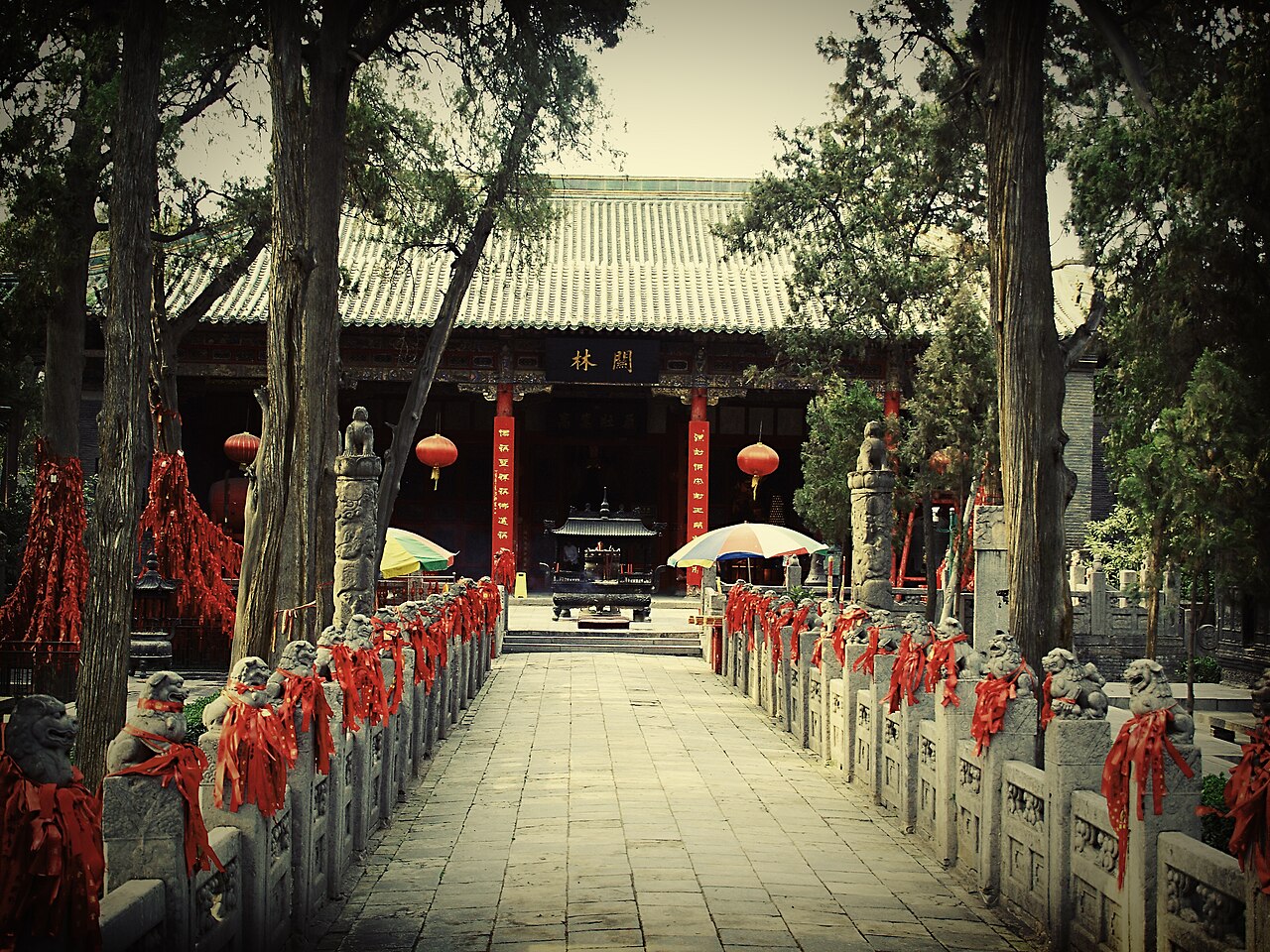
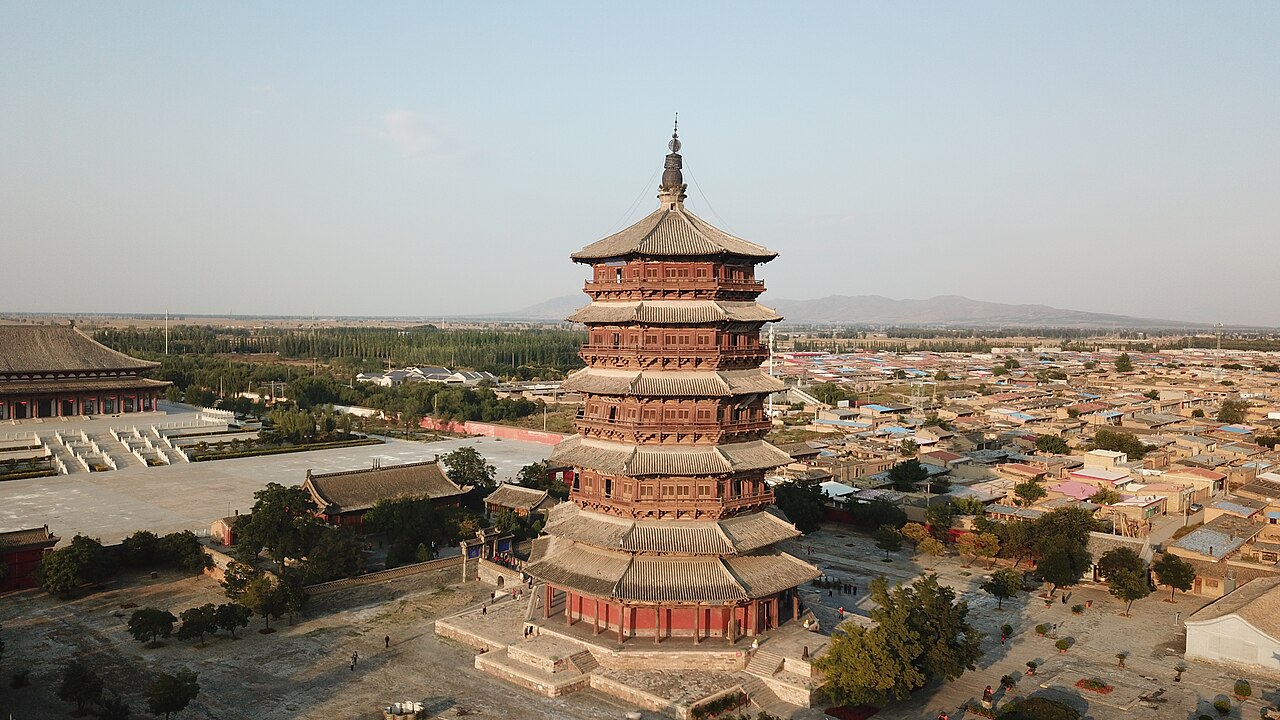
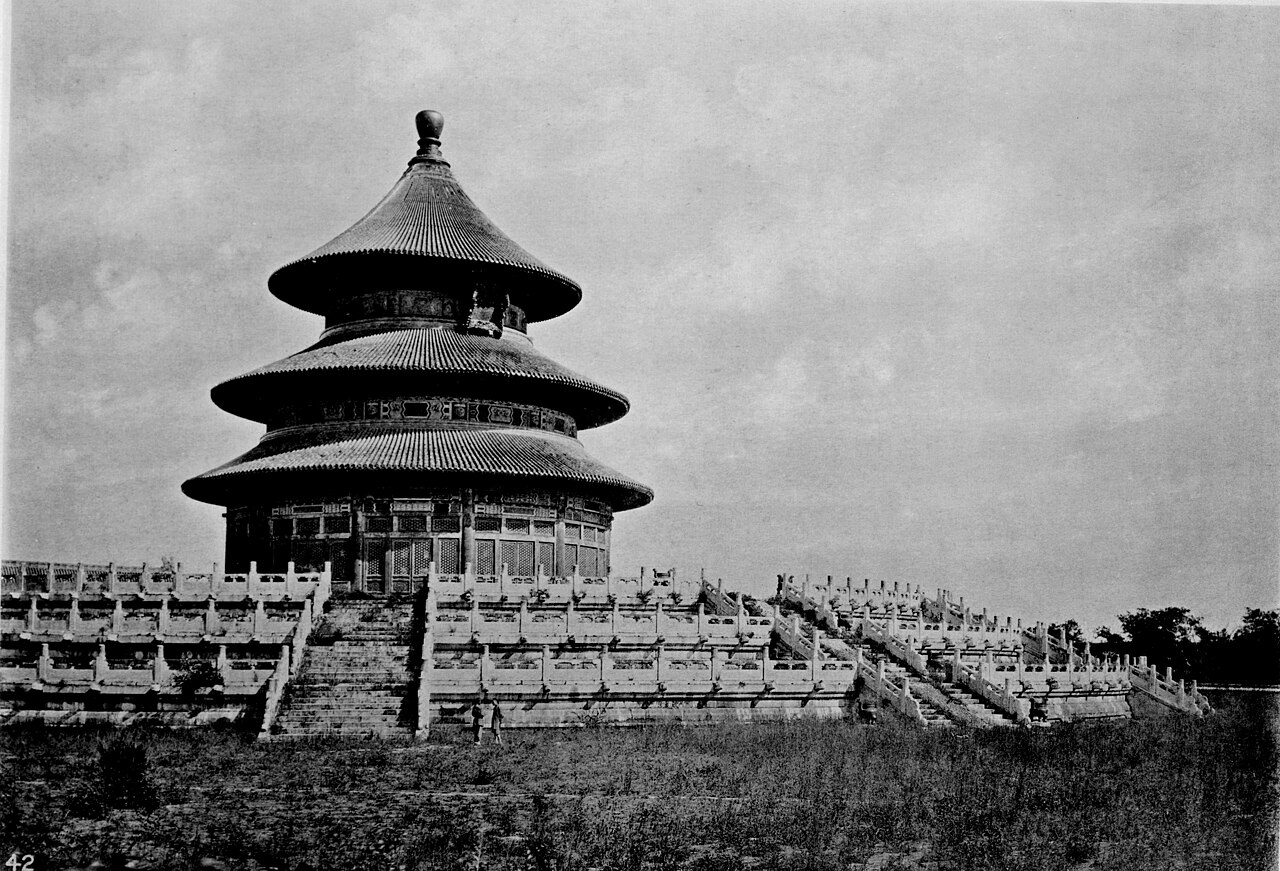
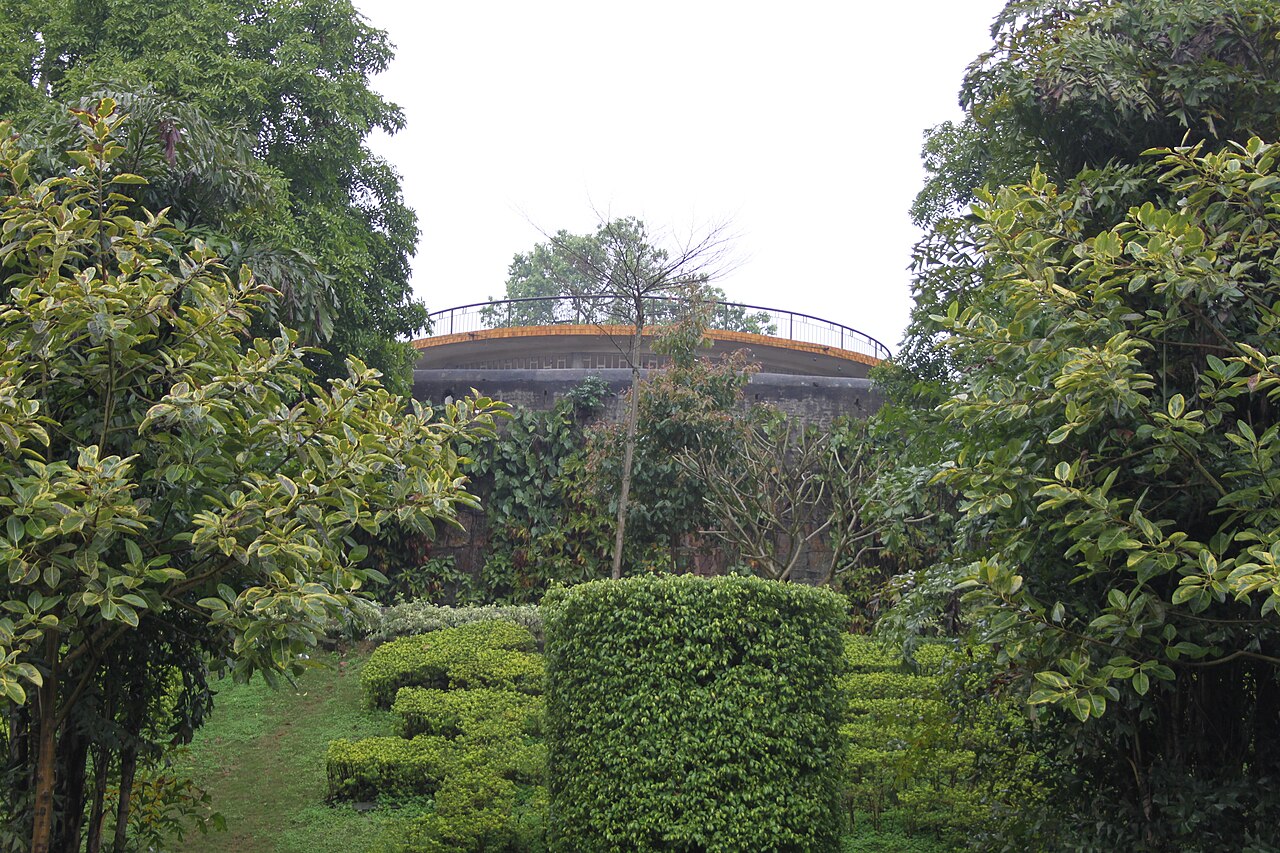
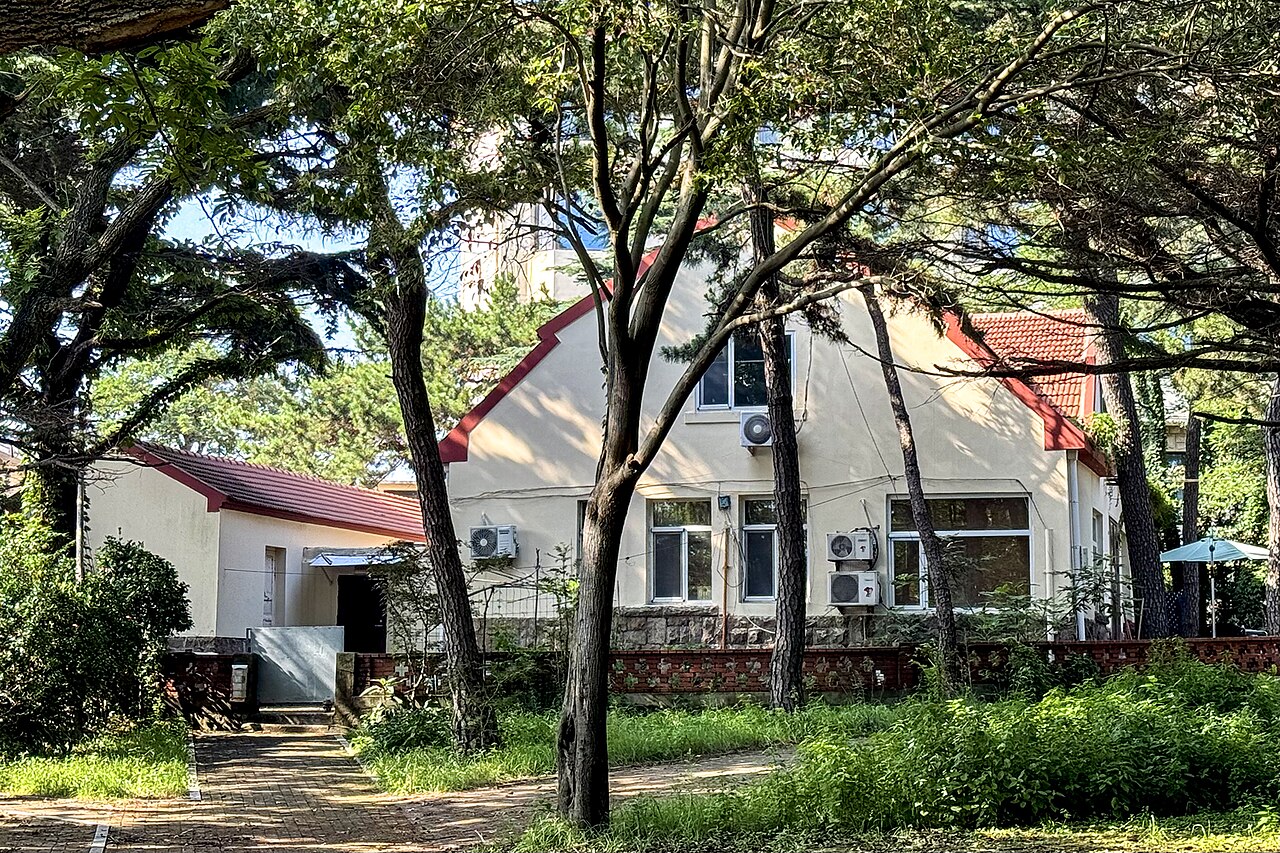
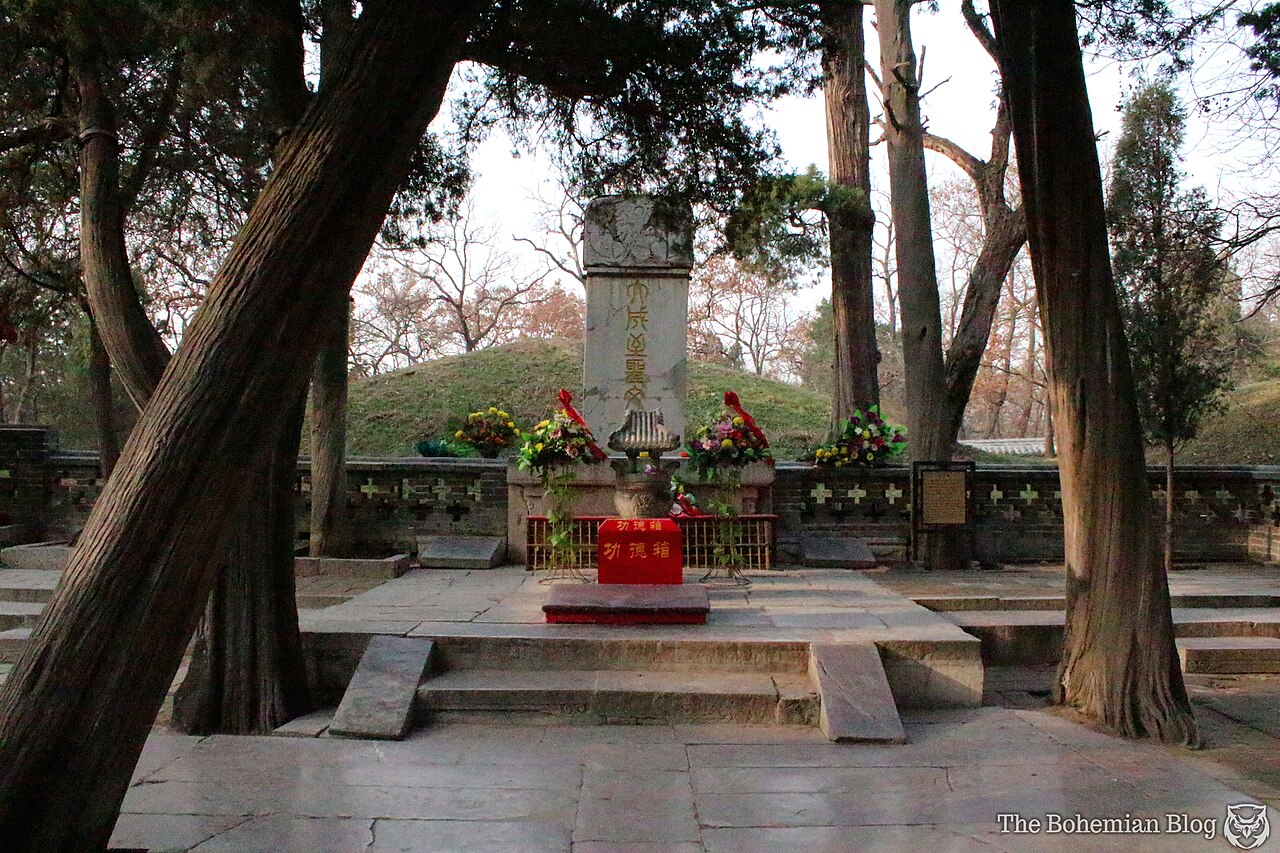
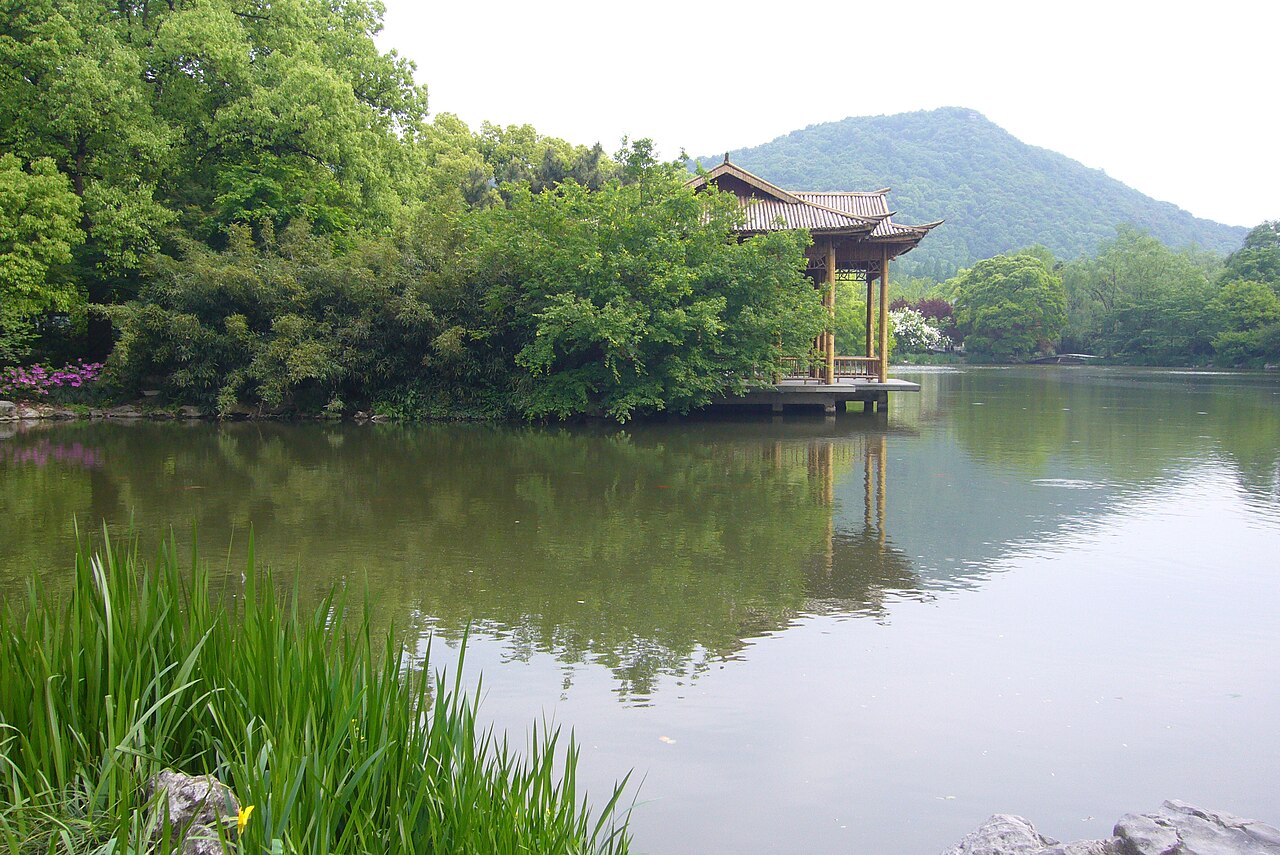
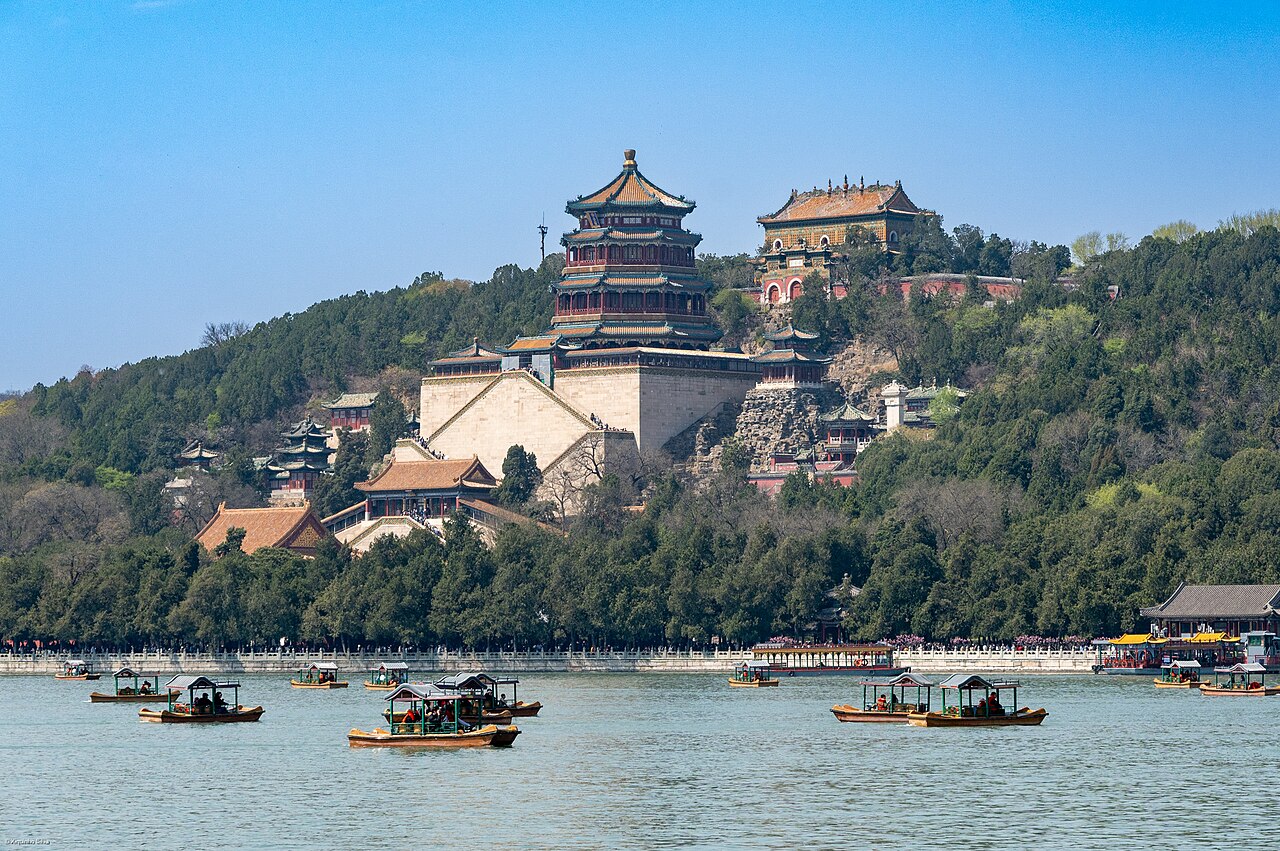
Yulei Tower above the works and the town
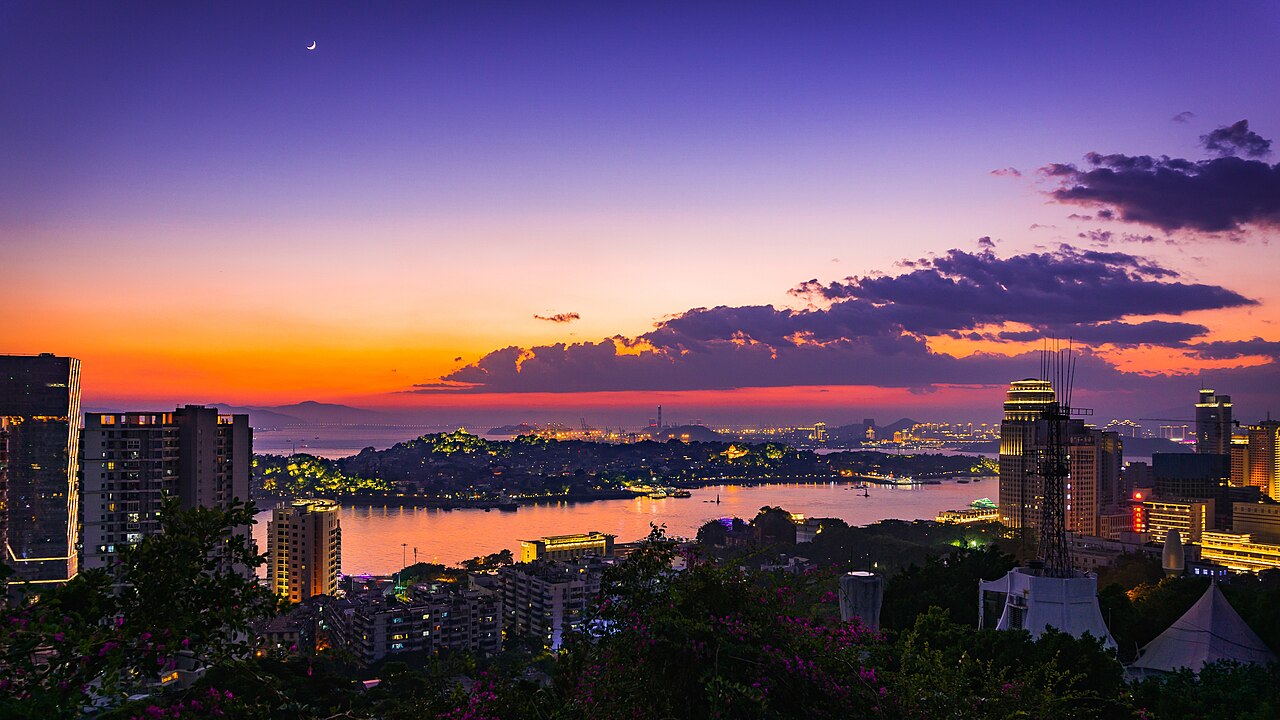
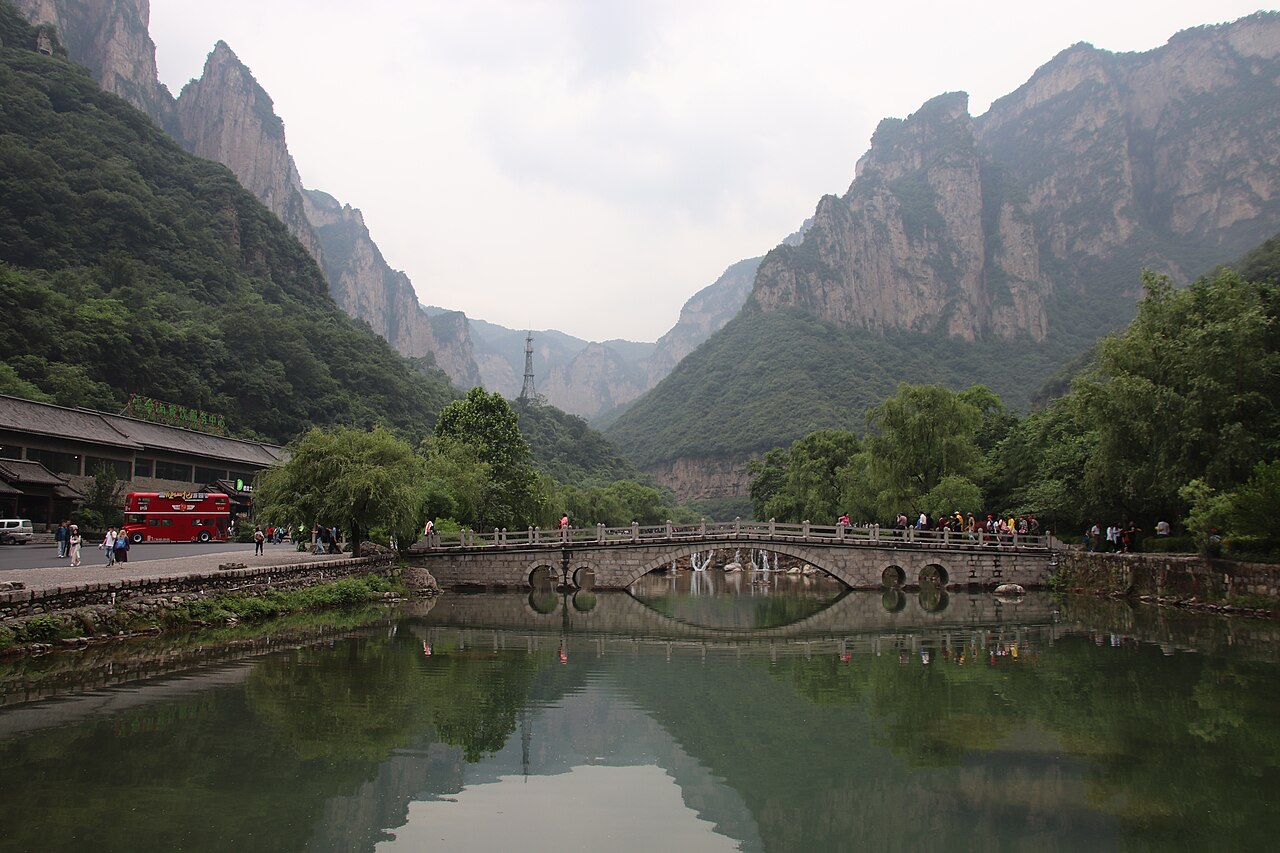
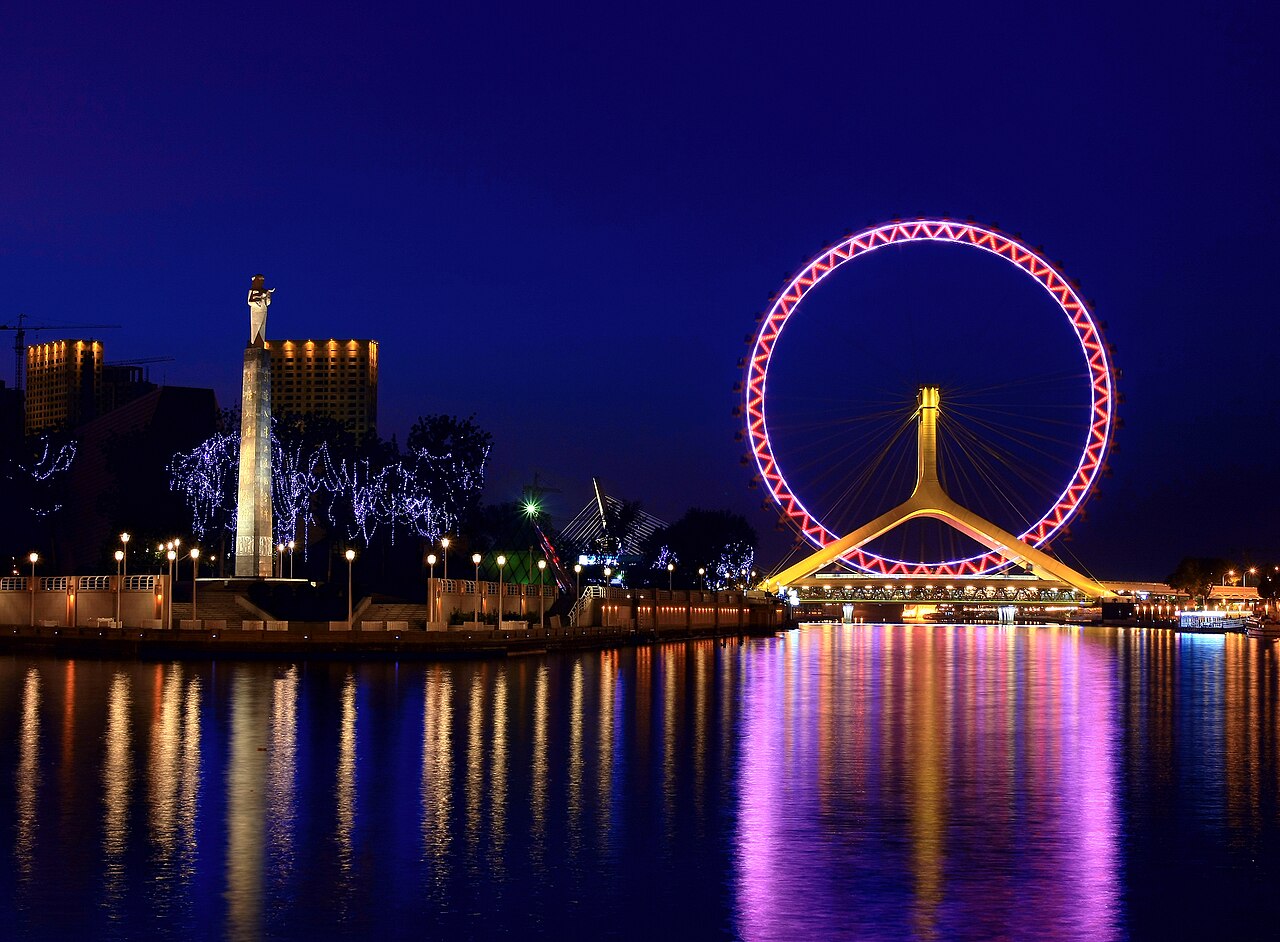
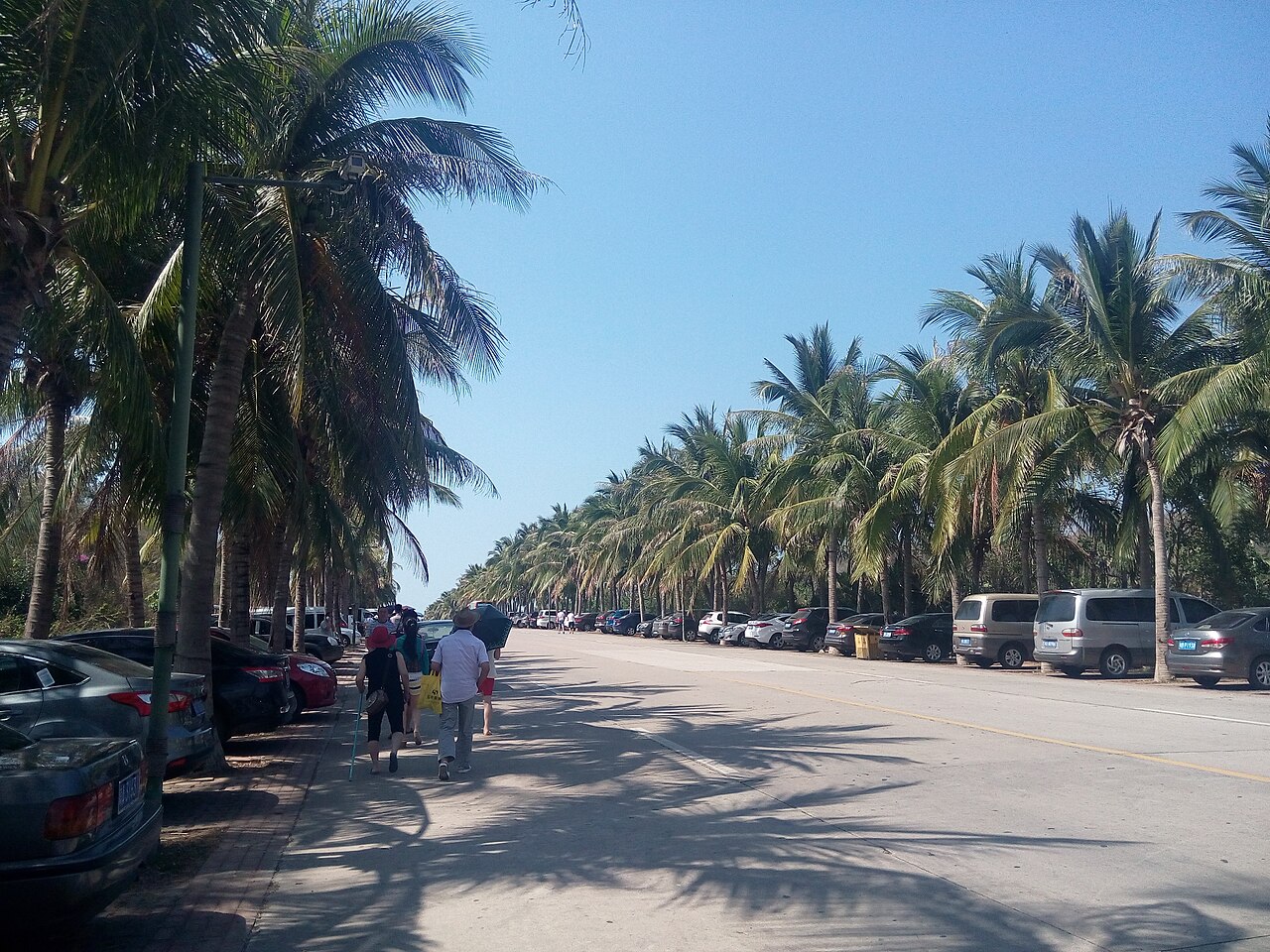
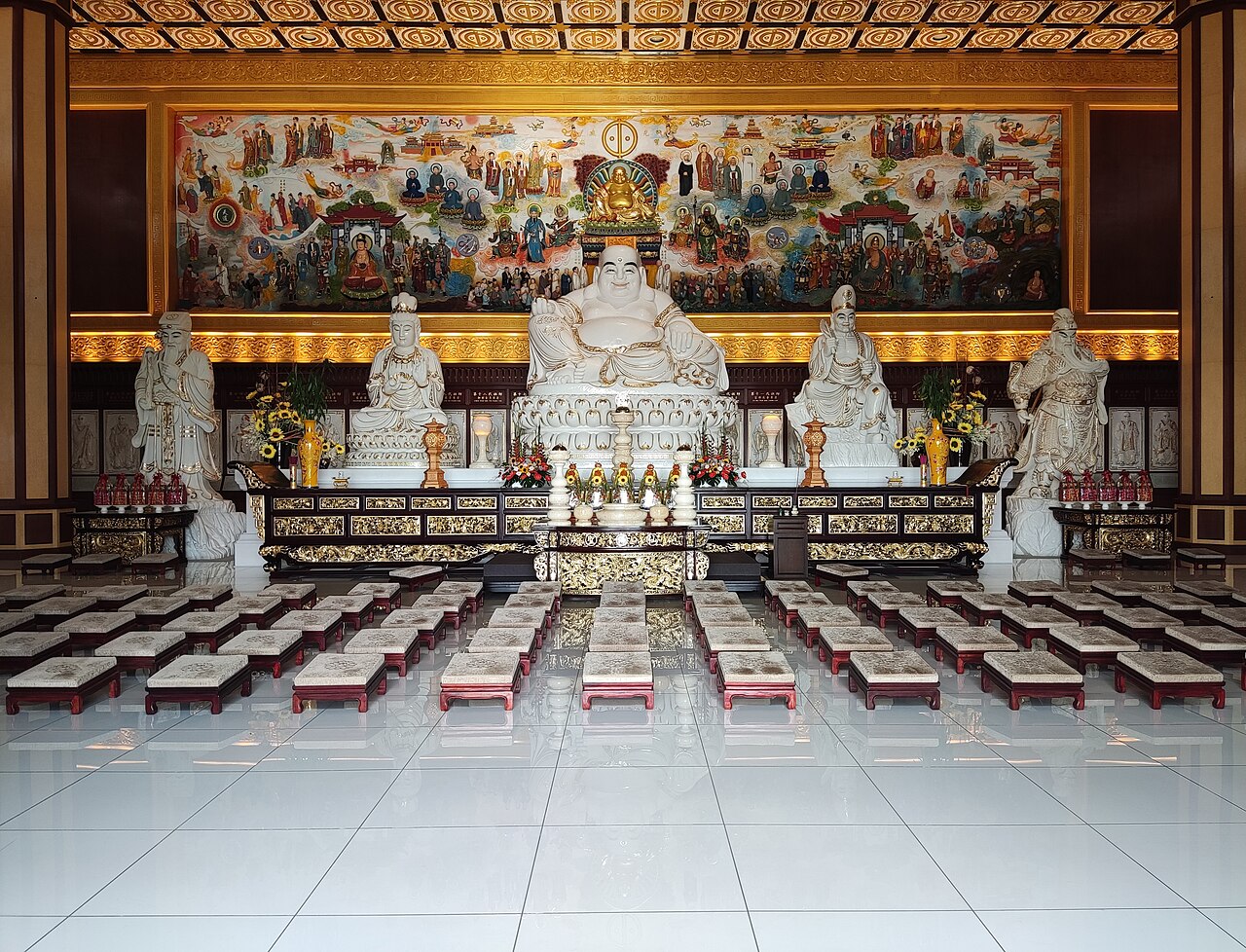
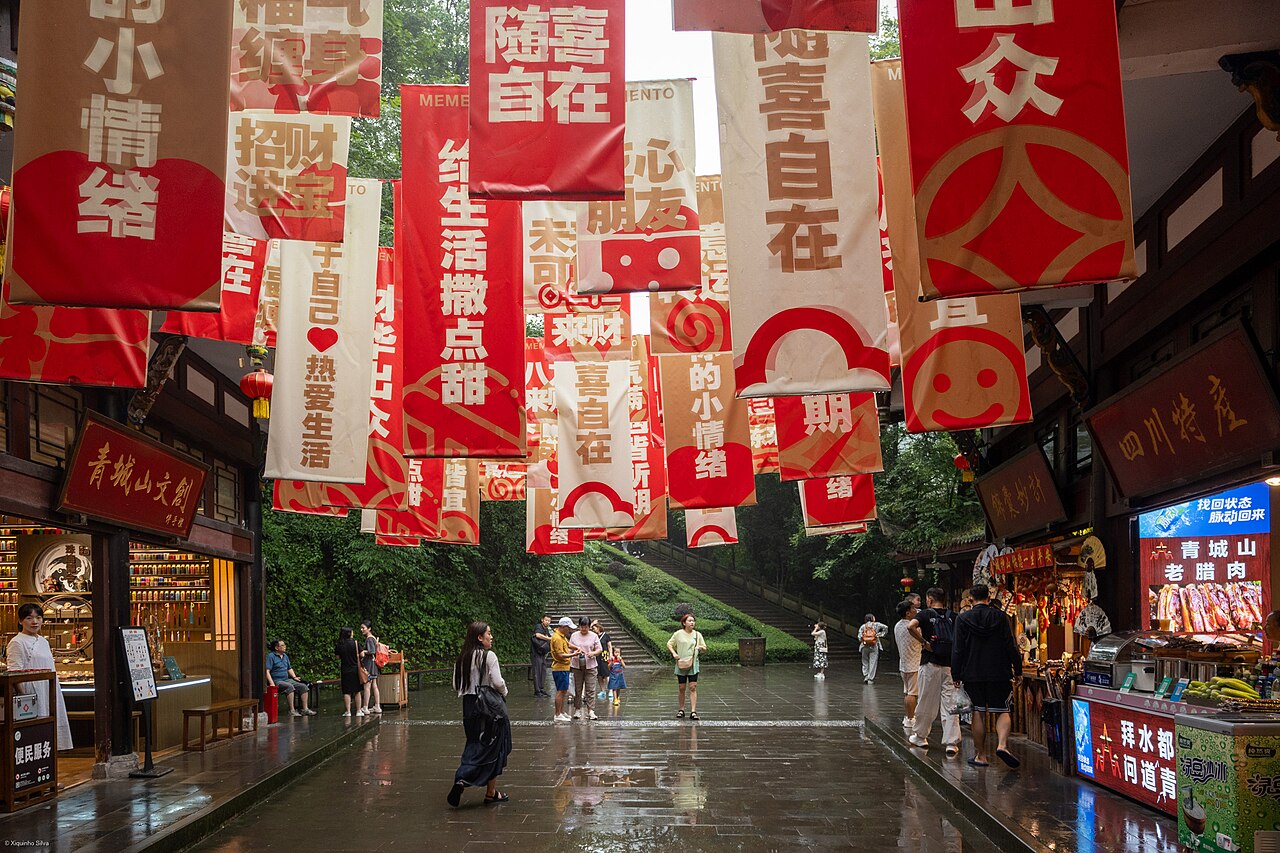
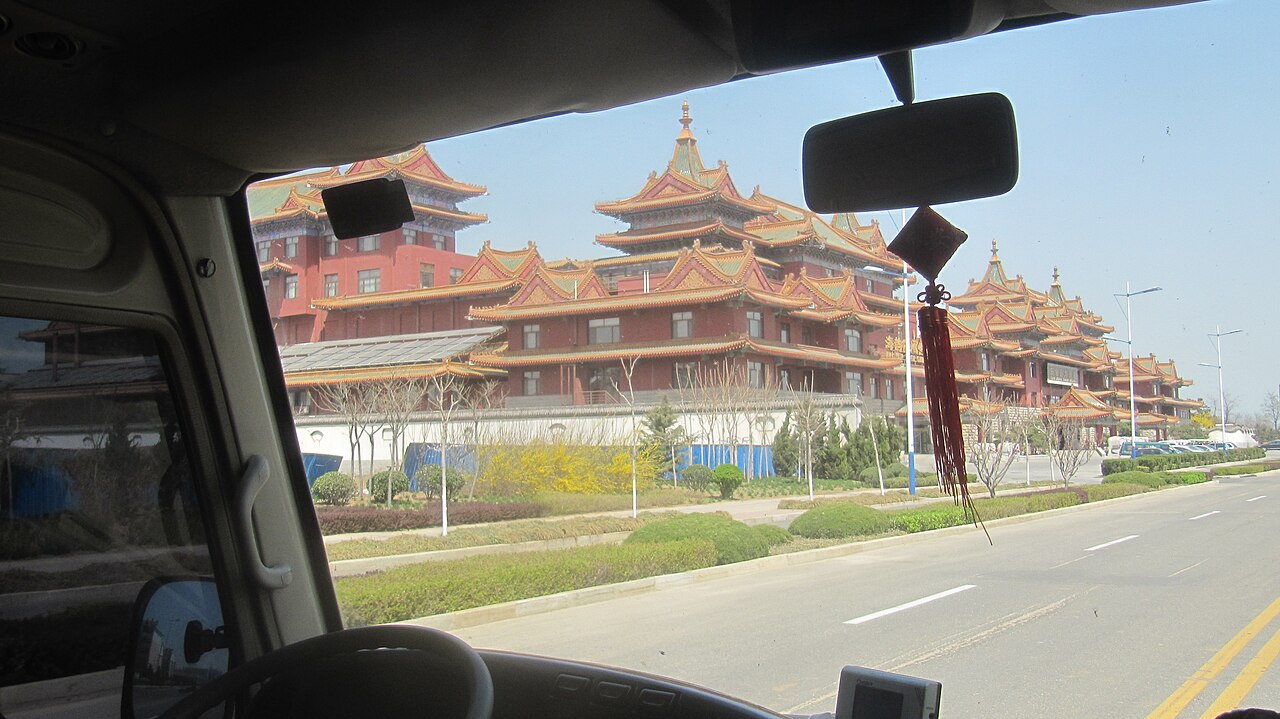
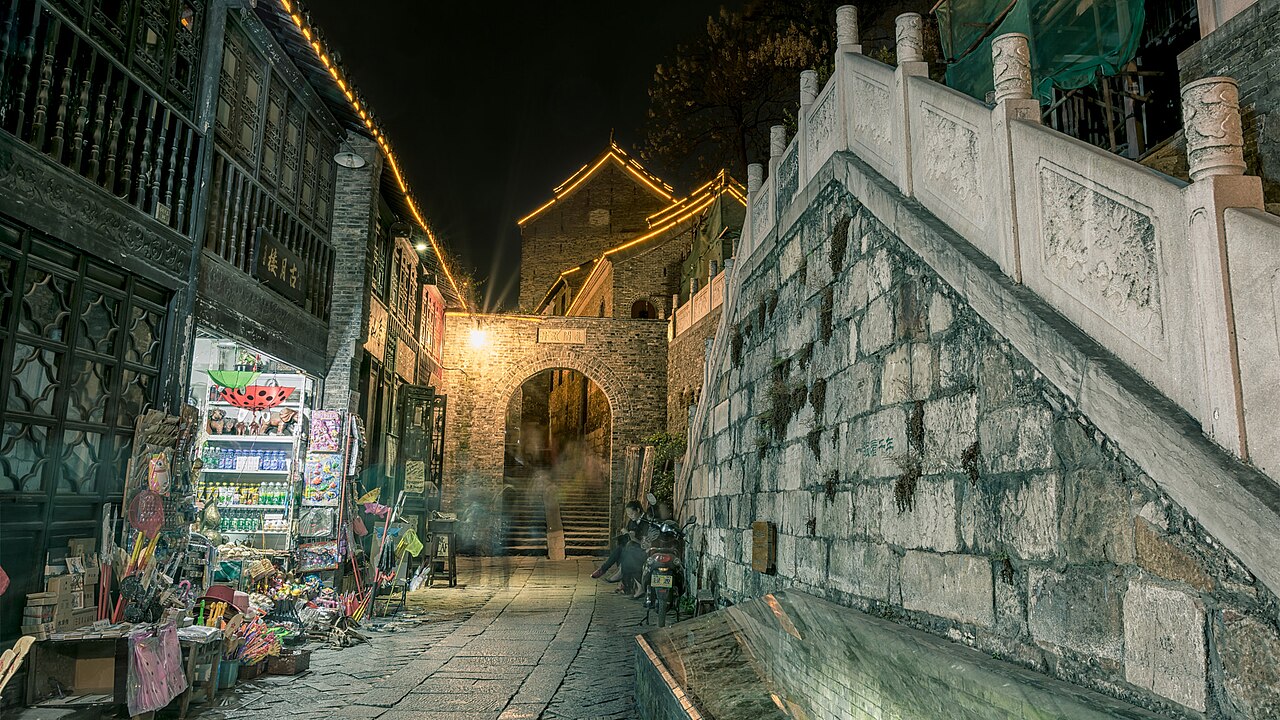
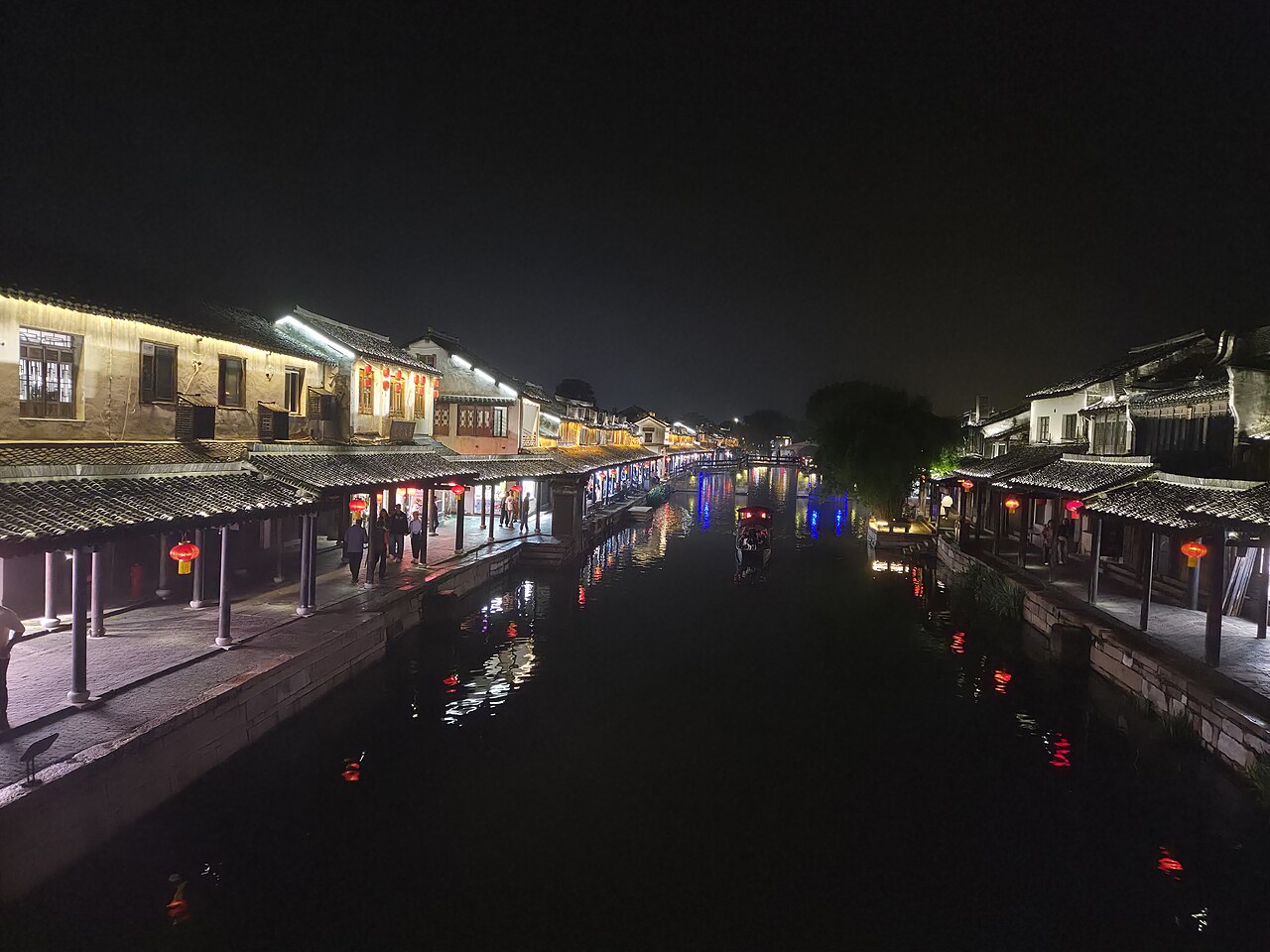
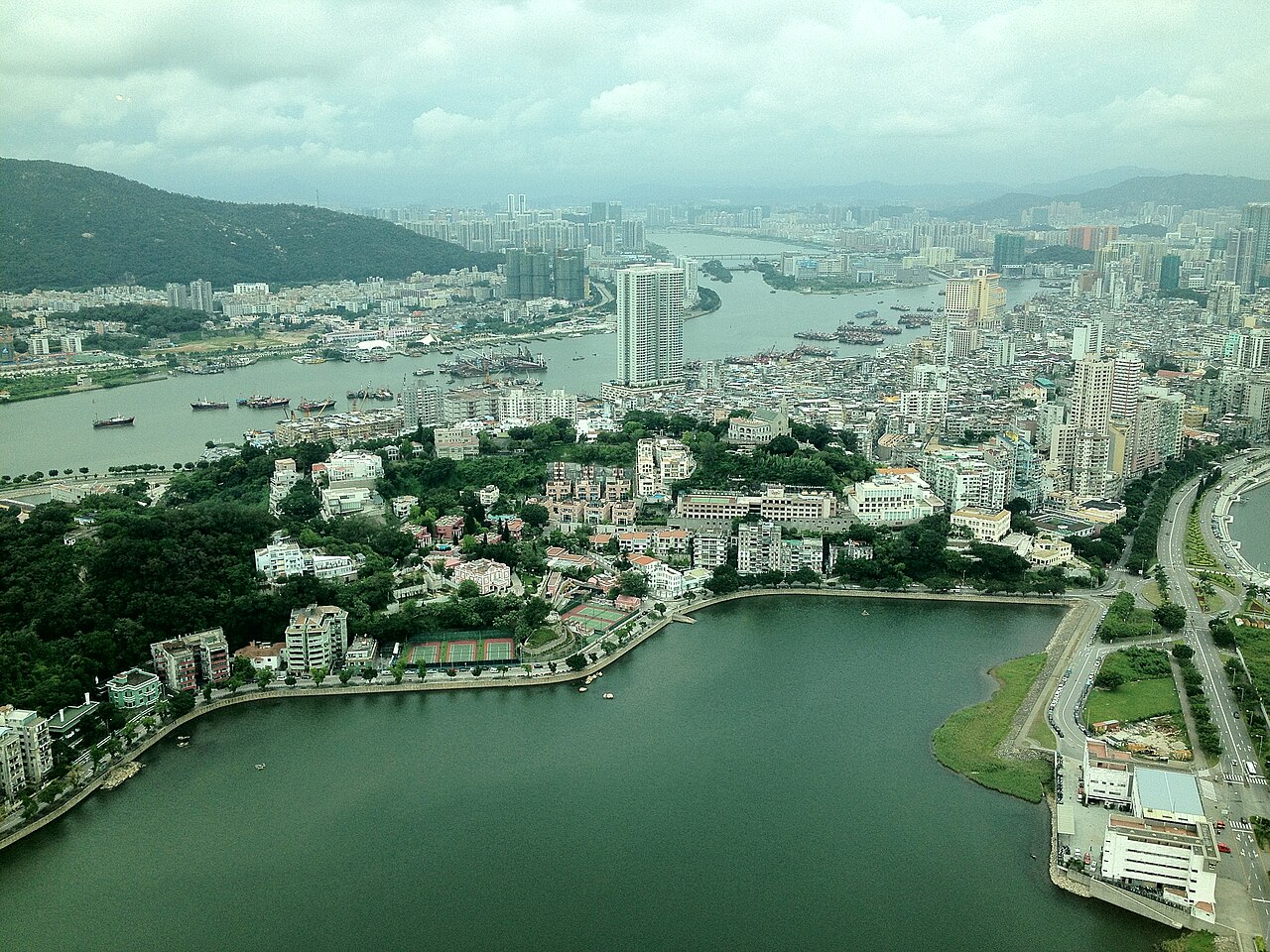
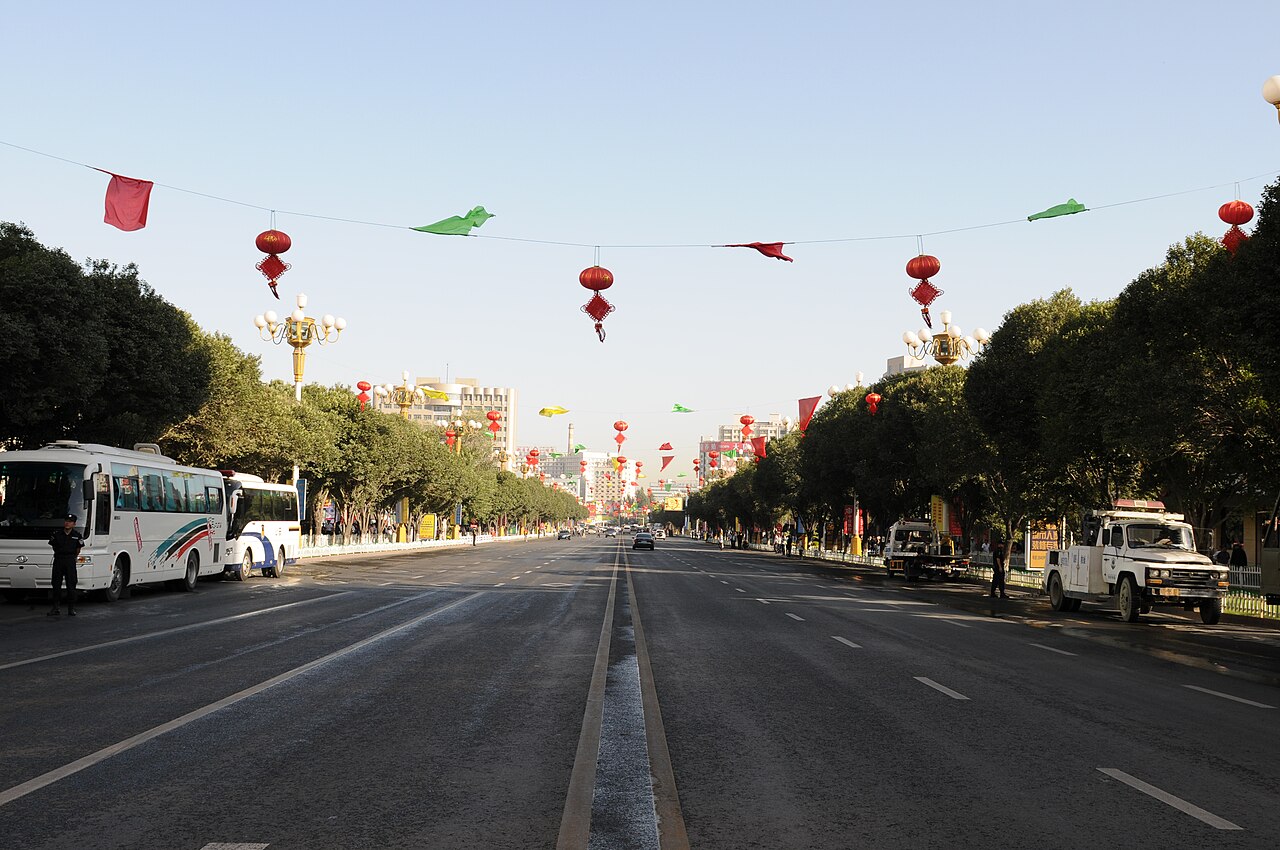
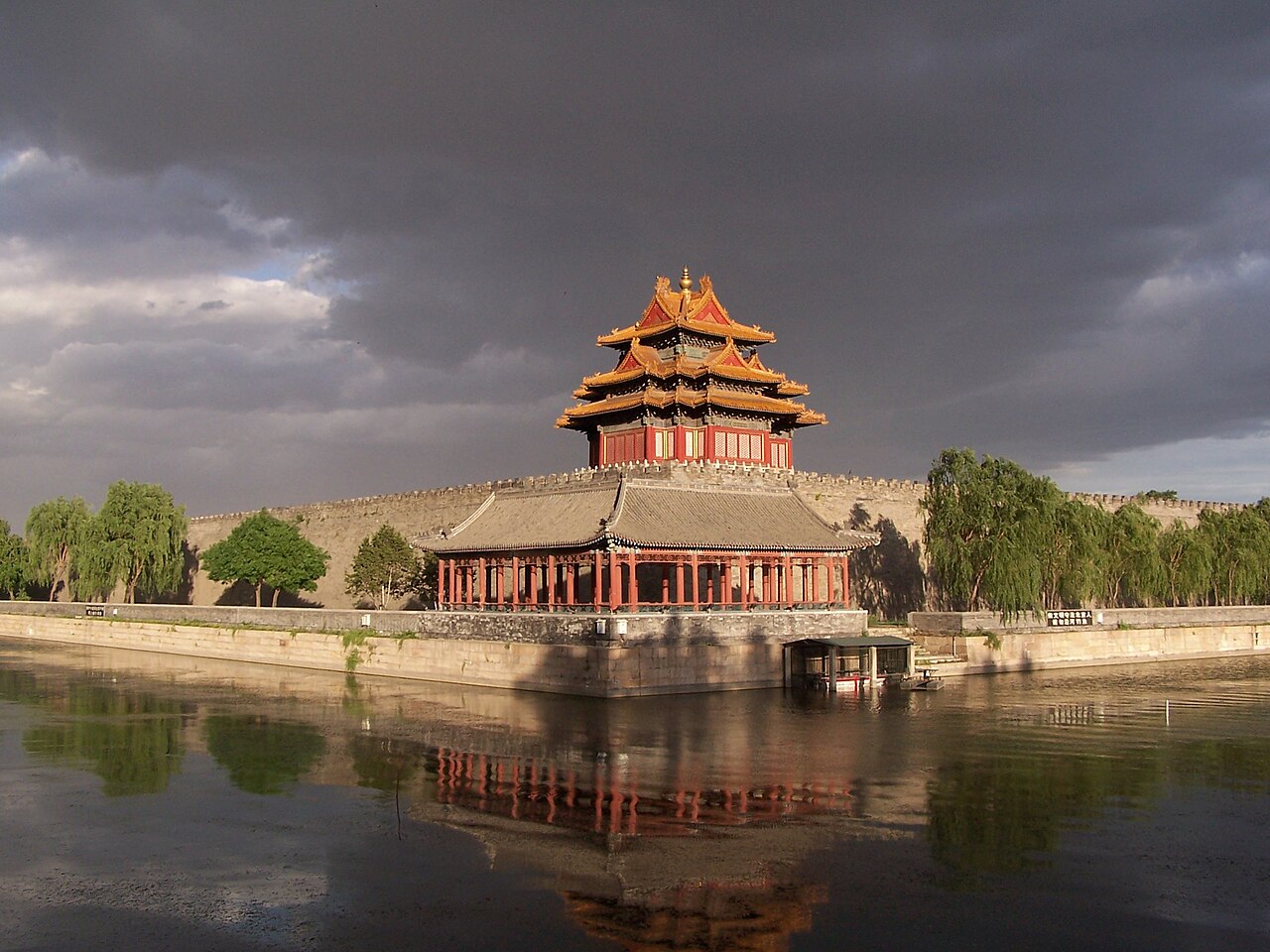
The Nanqiao bridge and the night-beer strip after dark

If Ulaanbaatar's night is the murmur of the Inner Mongolian steppe, then what sound stands for Dujiangyan? Standing on the Nanqiao bridge looking toward the Bottle-Neck, listening to the Min River slap the bank, I suddenly understood every episode of the eight hundred li of its history.

A traveller's note, Dujiangyan: The Journey in Pursuit of Freedom

I found a teahouse with comfortable chairs, ordered a cup and started dozing off. Sun on the river, the river breeze, tea poured, legs crossed — no wonder they say life here is slow. In a town like this you could not hurry even if you wanted to.

A traveller's note, Dujiangyan! The Slow Life!

While Chengdu's old lanes and courtyards were coming down and going up again as steel and concrete, Dujiangyan kept its western-Sichuan domestic style, its original Shu-land look and its symbols. And it kept something else: the reason any of that was possible. Dujiangyan is the large-scale water project built in ancient China and still in use, sitting west of the city on the upper Min River, begun under Li Bing, the Qin governor of Shu, and his son around 256 BC, and rebuilt and extended by every dynasty since.

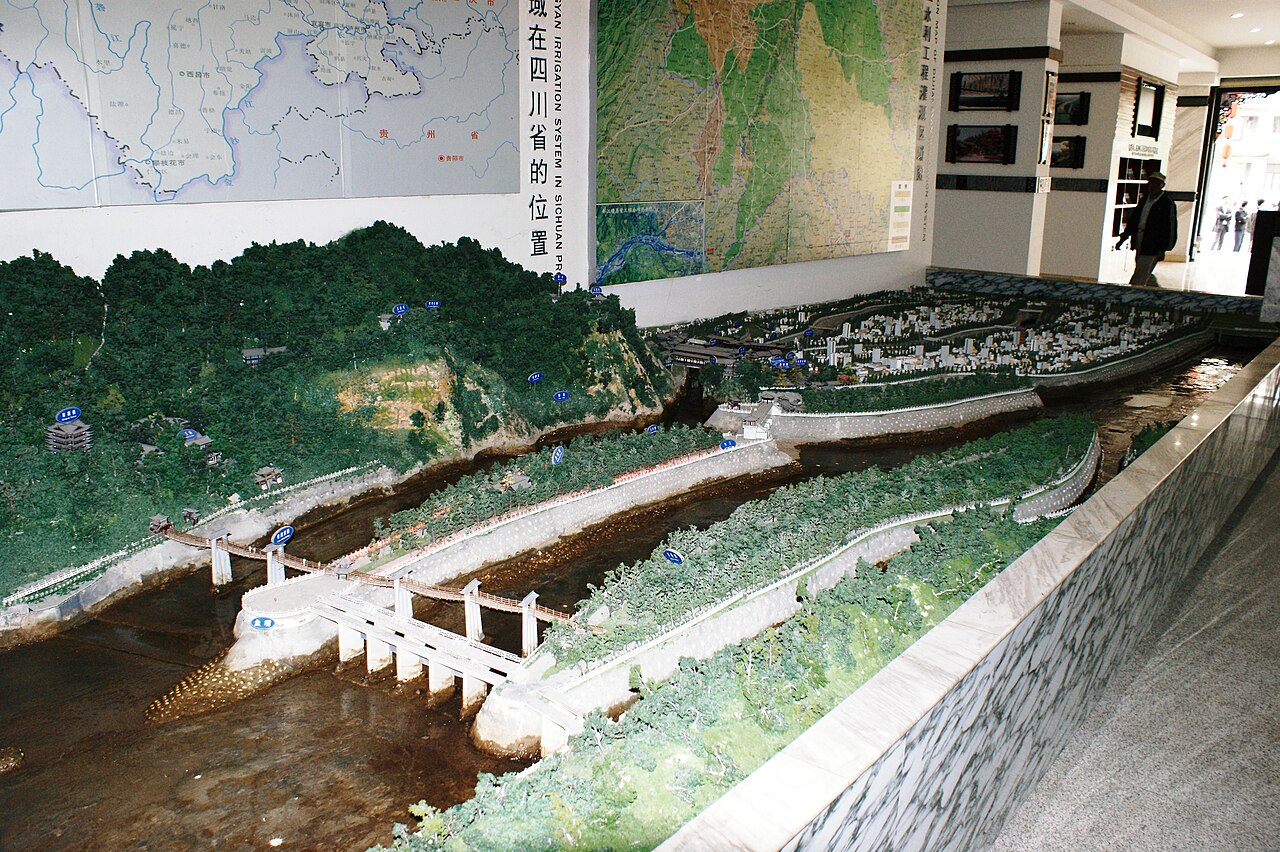
The whole scheme is two systems: the weir head and the irrigation network fed by it. The head is three works and a handful of subsidiary banks — the fish-mouth that divides the water, the Flying Sand Weir that spills the flood and ejects the silt, the Bottle-Neck that lets water into the plain, plus the inner and outer Jingang banks and the herringbone dyke. It irrigates, it controls floods, it carries silt away, it served river transport and it supplies the city. The plain it feeds is the one everybody calls the Land of Abundance.

Standing here you can hear Li Bai singing in the hills, see Zhuge Liang flicking his feather fan, and see Li Bing pointing at the water thundering past — or at least that is the local pitch, and the water really does thunder. You go in at the Lidui gate, follow the weir and the bottle-neck, cross the swaying Anlan cable bridge to the Erwang Temple, and ride the escalator up Yulei Mountain for the whole apparatus laid out below you.

Come for the afternoon and stay for the evening. Dujiangyan is slower than Chengdu by a noticeable margin: teahouses along the river, cold beer and river fish on the Nanqiao strip, the bridge lit up over moving water. It is the most relaxed town within an hour of the provincial capital, and there is always water running under it.

Dujiangyan

Don't leave without

Seven things that are worth rearranging a day for.

  1. Ride the Cloud-Walking Gallery escalator for the Min River, the old weir and the town at once
  2. Go up Yulei Tower for the whole works in one view
  3. Eat and drink a night on the Nanqiao night-beer strip
  4. See Dujiangyan after dark, with the bridge lit over the water
  5. Walk the Anlan cable bridge and enjoy the fact that it sways
  6. Eat zhazha noodles and chicken-thread tofu pudding in the old town

Highlights

What you came to watch working

The fish-mouth

A bank shaped like a fish's snout, sitting out in the middle of the Min River with its head up, part of a set that includes the Hundred-Zhang Dyke, the horse-fork weirs and the Jingang banks. It splits the river into the outer channel — the Jinma River, the main course, which takes the flood — and the inner channel along the foot of the hills, which is the artificial one that irrigates. It does this with shape and gradient alone, and adjusts itself as the level rises and falls.
The Flying Sand Weir

The plain, unremarkable-looking spillway that is actually the key to keeping Chengdu dry: when the inner channel carries more than the Bottle-Neck can pass, the surplus pours over the weir and back into the Min, and the same movement flings the silt clear. In a genuinely exceptional flood it is designed to breach and dump the water back into the main river. It used to be bamboo cages packed with stones; it is concrete now, and the principle has not changed at all.

The Bottle-Neck

A gap cut by Li Bing and his crews through the long ridge that ran from the mountain out toward the riverbank — the throat that controls how much water enters the inner channel, named for being shaped like a bottle's mouth and working like one. It is the metering gate of the whole system, and the reason the plain gets water by design rather than by luck.

Yulei Tower, from the escalator

A 128 m escalator — the first xieshan-style roofed gallery escalator in the country, in two flights — links the Erwang Temple to Yulei Tower and gets you to the top in about five minutes without effort. From the tower you get the Erwang Temple, the fish-mouth, the cable bridges, the Flying Sand Weir, the Fulong Temple and the whole of Dujiangyan city in one look.

The night beer on the Min

As the lights come up, people gather along the Nanqiao strip: dinner or a late supper with the river roaring past and the decorated bridge lit overhead. It has become a whole way of doing Chengdu nightlife — tens of thousands of people along the bank from May to October, singing and drinking.

The old town across the bridge

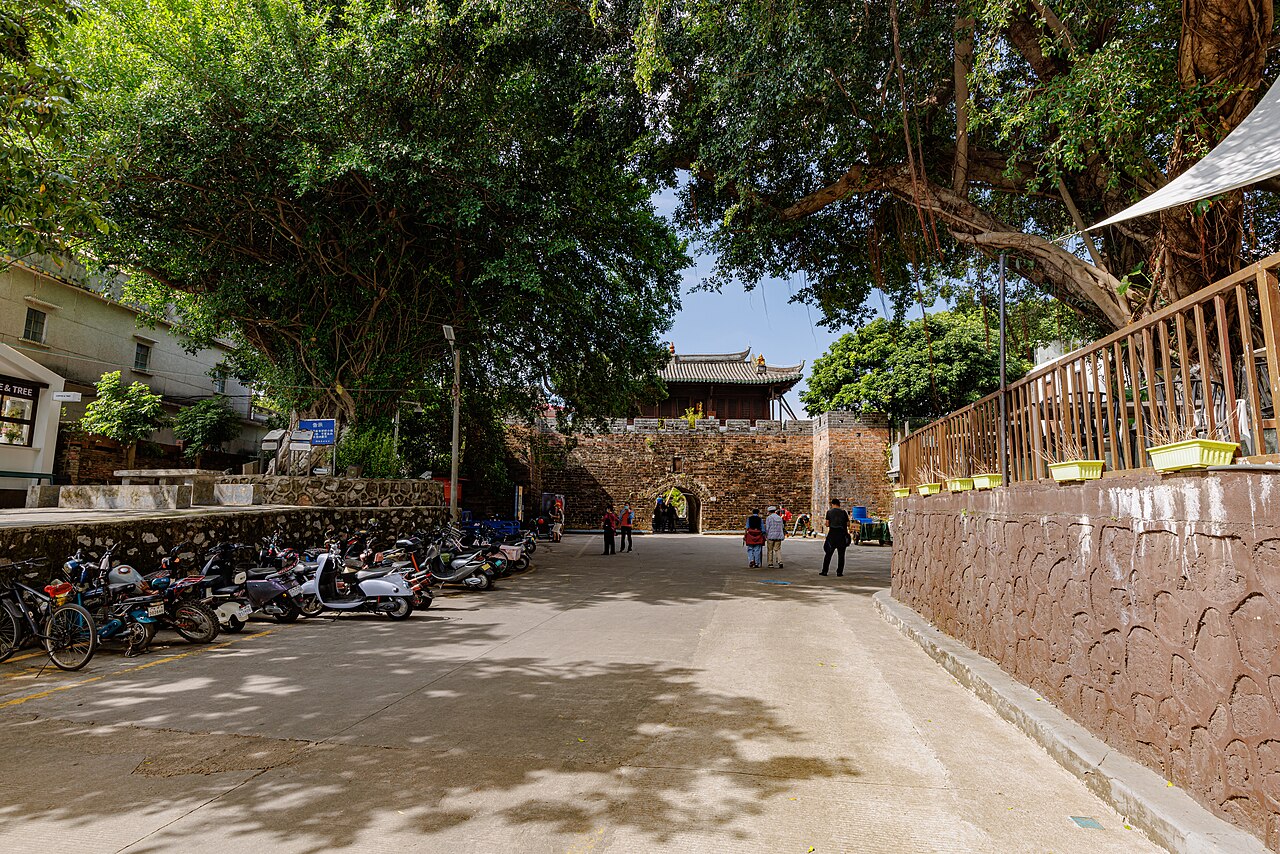
Walk over the Nanqiao bridge and you are in the rebuilt Guanxian old town, which was once the throat of the road from the provincial capital to Ngawa, the start of the tea-horse road, and a market town rich enough to be called Little Chengdu. Ming and Qing western-Sichuan detailing has been put back into it: the east gate tower, the old bridges, the old streets.

Suggested routes

Half a day, a full day, or two

Half a day: the works

Half a day days

The short line inside the scenic area — the three works and the temples, at a walk.

  1. In

    Lidui to the fish-mouth

    Enter at the Lidui old garden gate and go straight along the Weir-Merits way to the Fulong Temple, then out along the Flying Sand Weir to the fish-mouth itself. This is the order that makes the engineering legible: first the garden on the severed hill, then the spillway, then the divider.

    Cross the Anlan cable bridge over the river to the Erwang Temple on the hillside.

    Stops: Lidui gardenFulong TempleFlying Sand WeirFish-mouth

  2. Out

    Up Yulei and out through the old town

    Take the escalator up to Yulei Tower for the view over the works, the cable bridges and the city, then walk down the hill through Yulei Pass and the west gate to the City God temple and out of the Yulei Mountain exit.

    Cross the Nanqiao bridge into the old town for food; if it is late enough, stay for the night-beer strip.

    Stops: Yulei TowerCity God templeNanqiaoGuanxian old town

A whole day, the long line

1 day days

The full in-park line plus the escalator and the evening — the version most people should do.

  1. Morning

    The three works, in order

    In at the Lidui old garden gate, then Qingxi garden, the river shoal, the nanmu grove and the nature-and-culture exhibition hall, which sets the whole thing up properly before you see any of it.

    Then the works themselves: the Flying Sand Weir, the fish-mouth, the Anlan cable bridge, the Erwang Temple and the Qin Weir Tower.

    Stops: Lidui gardenFlying Sand WeirFish-mouthErwang Temple

  2. Afternoon

    Escalator, tower, and the Songmao road

    Ride the Cloud-Walking Gallery escalator up to Yulei Tower — five minutes, and it saves you an hour of steep steps — and then walk the last stretch of the old Songmao trading road on the way down.

    Out through Yulei Pass, the west gate and the City God temple, and into the old town for the late afternoon.

    Stops: Cloud-Walking GalleryYulei TowerSongmao road

  3. Evening

    Night beer, or the show

    Dinner and beer on the Nanqiao strip: river fish, prawns, eel, spicy rabbit. Locals who find the Nanqiao prices high go to the night-beer street by the bird-and-flower market instead.

    If you would rather sit down, there are two shows: the outdoor Dao Explains Dujiangyan at 10:30 most mornings near the north gate, and the Time-Travel Dujiangyan stage show at the Flying Dragon Arena, 19:30 nightly.

    Stops: Nanqiao night-beer stripTime-Travel theatre

Two days with Qingcheng

2 days days

The pair everybody does: the machine one day, the mountain the next.

  1. Day 1

    Dujiangyan, then the riverbank

    Morning on the works: Lidui garden, Flying Sand Weir, fish-mouth, Anlan cable bridge, Erwang Temple. Afternoon up the escalator to Yulei Tower, down through Yulei Pass and the west gate to the City God temple.

    Evening in the old town and on the Nanqiao night-beer strip, then the Time-Travel Dujiangyan show at 19:30 if you want it. Sleep in the old town — you are five minutes from the park gate.

    Stops: Dujiangyan worksYulei TowerNanqiao stripTime-Travel show

  2. Day 2

    Qingcheng Mountain, or Hongkou

    Bus 101 from the Dujiangyan coach centre, or from the Lidui gate of the scenic area, runs to the front mountain of Qingcheng in about 30 minutes; the intercity train is a ¥5, few-minute alternative. Entry ¥90, cable car ¥35 one way.

    In hot weather, Hongkou is the other option — an hour north, 364 sq km of protected forest, and rafting at ¥170 a head, small two-person boats or big ones with a boatman, on a course with rescue points every ten or twenty metres.

    Stops: Qingcheng front mountainHongkou

Sights

What to go and stand in front of

The divider

The fish-mouth divider

Also called the fish-mouth bank, and named for the obvious reason: it lifts its head in the middle of the Min River, and it works together with the Hundred-Zhang Dyke, the horse-fork weirs and the Jingang banks as one set. West is the outer river — the Jinma, the true course, which carries the flood; east, along the foot of the hills, is the inner river, the artificial channel that does the irrigation. It uses terrain and gradient to finish the job and adjusts itself automatically at high and low water.

Role
Divides the Min into the flood channel and the irrigation channel
Works with
Hundred-Zhang Dyke · horse-fork weirs · Jingang banks
Included
Yes — on the ¥90 ticket

Tip Read it as a shape, not a structure. Nothing here moves, gated or pumps — the river does all the work and the bank just tells it where to go.

The spillway

The Flying Sand Weir

Also called the flood-discharge channel, with three jobs — spilling floods, ejecting silt and regulating volume — and the reason the Chengdu plain stays dry. When the inner channel carries more than the Bottle-Neck can pass, the surplus goes over the weir and back to the Min, and in an exceptional flood the weir is meant to breach and let the whole lot go. Meanwhile the Min arrives out of the mountains loaded with sand and stone; the weir flings that load clear instead of letting it silt up the Bottle-Neck and the canal network.

Role
Spills flood water, ejects silt, regulates volume
Was
Bamboo cages packed with stones, a temporary structure rebuilt as needed
Now
Concrete, for the same principle without the annual labour

Tip It looks like nothing, which is the point. Stand for a minute and watch what the water does where the two channels meet.

The intake

The Bottle-Neck

Cut by Li Bing and his people through the long ridge the mountain sent down toward the riverbank, this is the artificial throat that controls what the inner river receives — shaped like the neck of a bottle, doing the work of one, hence the name. It acts as the control gate of the whole scheme, the reason the inner channel runs water-without-drought and the reason the Land of Abundance exists at all.

Role
Controls and meters the water entering the Chengdu plain
Cut by
Hand, in the Qin dynasty, under Li Bing
Best view
From Yulei Tower, and from the Nanqiao bridge looking upriver

Tip Look at it from the Nanqiao bridge in the evening as well as from the path. From down at the water, the whole system finally makes sense.

Garden

The Lidui old garden

You enter the park by the south gate and this is the first thing you are in: the hill left standing on its own when the Bottle-Neck was cut, now a garden with the river on two sides and the three works beyond it. Ancient was the Qian di village, Song dynasty the Flower Isle, Qing the Mulberry Garden; rebuilt and extended in 1931 and renamed for the hill it stands on. Old trees, famous stumps, and the birthplace of the Sichuan school of penjing.

Where
Just inside the south gate — the way to all three works
Names
Qian di village in antiquity · Flower Isle under the Song · Mulberry Garden under the Qing · Lidui Garden since 1931
Known as
The first garden of Daojiang · also the Old Stump Garden

Tip Do not walk straight through it. The penjing stumps here are the origin of a whole Sichuan art form, and the place is quiet in the morning.

Temple

The Erwang Temple

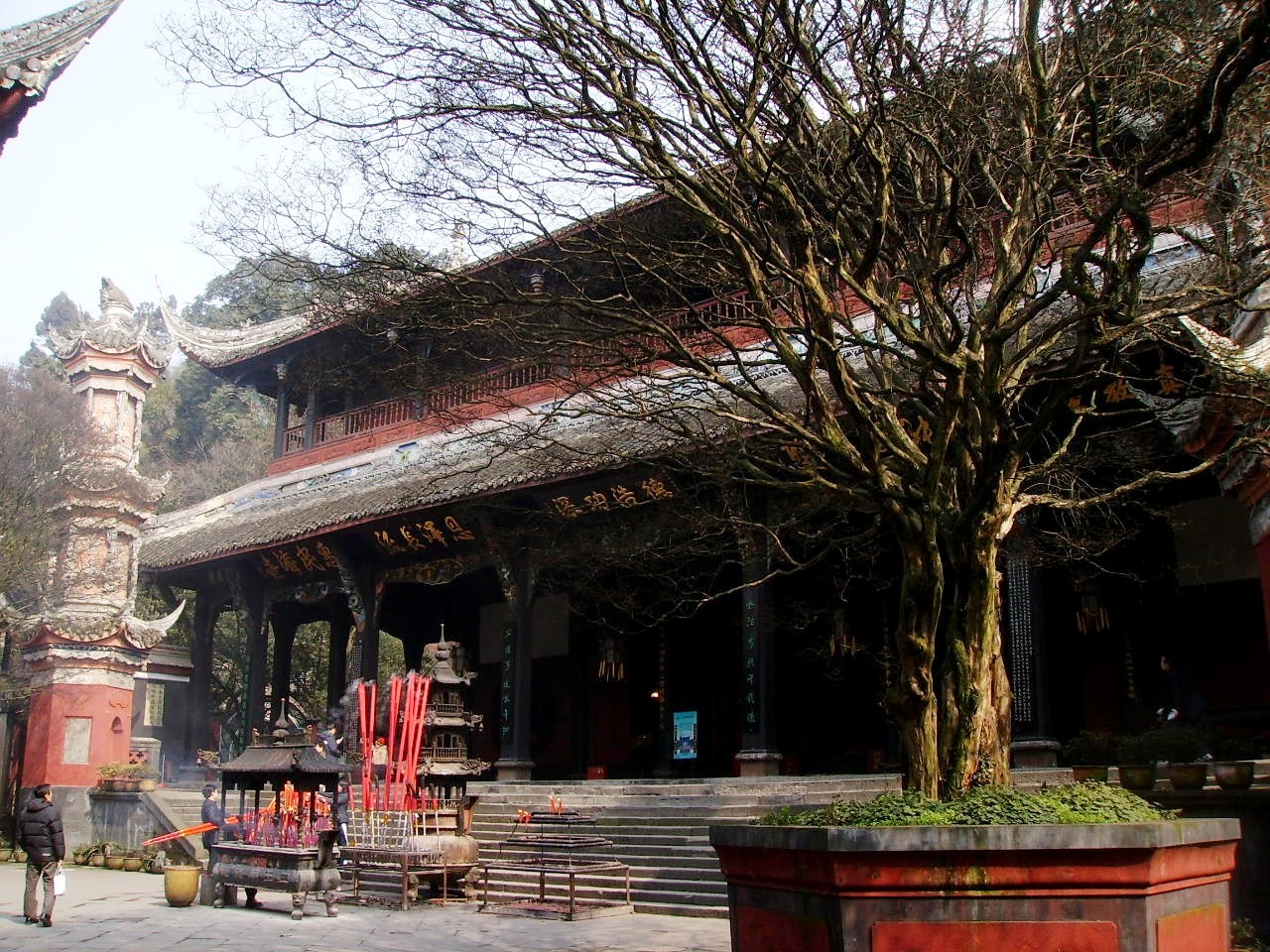
Built to honour Li Bing, the Qin governor of Shu who cut the works, and his son Erlang. The present buildings are late-Qing and early-Republican; the three gold characters over the gate are in the hand of the patriot general Feng Yuxiang, and the rear hall holds stele carvings by Zhang Daqian and Xu Beihong. The grounds are planted with rare trees and old growth thick enough to shade everything, which is why it is called the Jade Rampart Immortal Capital. The 2008 earthquake destroyed about 80% of it, and restoration took years.

Where
On the hillside, reached over the Anlan cable bridge
Buildings
Late Qing and early Republican
Look for
Feng Yuxiang's calligraphy over the gate; Zhang Daqian and Xu Beihong steles in the rear hall
Note
About 80% was lost in the 2008 earthquake

Tip Go up and out the back: the escalator to Yulei Tower starts here, and the temple's upper terraces give you the works from above for free.

Viewpoint

Yulei Tower and the Cloud-Walking Gallery

A replica-style sightseeing tower on the top of Yulei Mountain, the landmark of the post-earthquake rebuild, reached by the Cloud-Walking Gallery: 128 m of escalator in two flights, the first roofed xieshan-style gallery escalator in China, connecting the Erwang Temple to the tower in about five minutes. From the top you get the Erwang Temple, the fish-mouth, the cable bridge, the Flying Sand Weir, the Fulong Temple and the whole city.

Where
Summit of Yulei Mountain, inside the scenic area
Escalator
128 m, two flights · ¥20 one way, ¥30 return · about 5 minutes
Views
The works, the cable bridges, the temples and the whole of Dujiangyan city

Tip The local trick is to ride up and walk down. The descent has the better views, and the stairs are gentler on the way down than you fear.

Bridge and old road

The Anlan cable bridge and the Songmao road

The wooden suspension bridge slung across the Min where the channels separate, one of the classic images of Sichuan, and it moves under a crowd. Nearby, the last surviving scrap of the Songmao road — the old route from the Chengdu plain through Songpan and Mao county into the uplands, a branch of the tea-horse road and the southern Silk Road, and the only land link to those parts for centuries. It ran more than 700 li; under two kilometres of it is left, inside the park.

Anlan bridge
Wooden cable bridge over the Min, at the channel divide
Songmao road
Old road to Songpan and Mao county · opened by the Three Kingdoms at the latest · 700-plus li, under 2 km survive
Also called
A branch of the tea-horse road and the southern Silk Road

Tip Cross the bridge early in the day if you dislike heights and crowds together. The Songmao stub is short — walk it slowly and read the plaques.

Old town

The Nanqiao bridge and Guanxian old town

Over the decorated Nanqiao bridge and you are in Guanxian, the rebuilt old town: the east gate tower, historic bridges and old streets put back with Ming and Qing western-Sichuan detailing. Once it was the throat of the road from the provincial capital to Ngawa and the start of the tea-horse road, a distribution and staging town so busy it was called Little Chengdu. Main sights inside: Confucian Temple street, Ruilian street, the Ming city wall, the mosque, the old yamen, the Water Works office and Maogong Temple.

Where
Across the Nanqiao bridge from the scenic area
Ticket
Free
Hours
Open all day
Getting there
Bus 4 from the rail station to the scenic area, then over the bridge

Tip This is where you eat. The streets around the bridge and in the old town hold most of the town's good cheap food, and the riverside strip does the night.

Nature reserve, rafting

Hongkou

About 70 km from Chengdu and an hour and a bit by road, Hongkou is the closest stretch of original ecology to the capital: 364 sq km of forest under national protection, 2,500-plus rare plants, 25 nationally protected animal species, over 100 mammals and 250-odd birds, in air and water clean enough that Chengdu families come to sit in it. It also hosts the China International Hongkou Rafting Festival, and in summer the shallows at the bank fill with children and with the famous water mahjong.

Where
Hongkou scenic area, Dujiangyan city
Getting there
Coach from the Dujiangyan passenger centre to Hongkou
Small-boat run
Guanfeng gully to Shaping, 7.5 km, two people per boat, you steer it yourself
Big-boat run
Gaoyuan to Shaping, 10 km, with a boatman on an enhanced course
Price
¥170 either way · rescue stations every 10–20 m

Tip This is a summer Saturday, not a sightseeing morning. Take a change of clothes and a dry bag, and expect to spend the whole day wet.

Food

What Sichuan eats on a riverbank

Night beer

In Sichuan, night beer simply means late-night eating and drinking, and here it means the strip along the Min: cold beer with prawns, eel, lobster, river snails, spicy rabbit, bullfrog in pickled chilli, edamame, boiled peanuts and duck necks. The Nanqiao strip is the one by the scenic area and the pricier of the two; locals go to the street by the bird-and-flower market.

Zhazha noodles

Named for the topping: minced pork fried until dry, fine, crisp and fragrant, shaped like crumbs and tasting of anything but. The noodles are pulled at eight parts cooked, drained of every drop of water, then buried under ground peanuts, sesame and sugar while still hot, and stirred at the table. Hot, fragrant, and unfairly good for something so plain.

Chicken-thread tofu pudding

Soy milk strained, boiled and set with gypsum water in the vat, then served with a broth built from dried squid and shrimp, and chicken shreds on top. Pale, savoury, aromatic. Add vinegar and it sharpens into something that opens the appetite rather than closing it.

Spring rolls at Wugui bridge

Nobody in Dujiangyan can tell you when the spring rolls started, but the queue at the Wugui bridge stall has taken over half the street. There is no proper shop — a table, a few chairs, and three characters: spring spring rolls. That is enough to keep people coming back.

Spicy dried tofu

Sold from a basin, skewered and glowing red: the sort of thing that makes a chilli-lover swallow hard on sight, with a garlic-and-chilli version alongside. Eat it standing up beside the Nanqiao bridge, which is the correct place and the correct posture.

The four treasures of Qingcheng

The mountain's four, sold and eaten in Dujiangyan too: the rice wine brewed from kiwi fruit and Qingcheng spring water by a Daoist method; tribute tea, fired through eleven steps and sent to court for dynasty after dynasty; Daoist pickles, the thousand years of Daoist dietary discipline distilled into one small dish; and ginkgo-and-chicken soup, the local restorative that is as good as it is simple.

Where to eat

The kitchens people actually go to

Night beer

Nanqiao No.1 River-Fresh Night Beer

The first of the strip and the one everybody names: stir-fried prawns, coiled eel, lobster, river snails, spicy rabbit, bullfrog in pickled chilli, edamame, boiled peanuts, duck necks, and the bridge lit up over the water beside you.

Where
The night-beer strip at the Nanqiao bridge
Average spend
About ¥110 a head
Phone
13540214193
Note
Convenient and pricier — locals head for the bird-and-flower market strip instead

Home cooking

All-Night Pig's Trotters

Plain home-style Sichuan, open all night: trotters in a thick, fresh broth, soft and sticky enough to fall apart, with the little dishes that come alongside and white beans cooked to mush. The stir-fries are worth ordering too, which is not always true of a trotter house.

Where
201 Yangliuhe Street, open through the night
Order
Trotters, white beans, and one stir-fry
Best for
The end of a night on the strip

Street food

Yipinxiang roast rabbit

You get a strip of fragrant rabbit in your hand, you smell it, you bite — lean meat that somehow is not dry or stringy at all, and it falls apart at once. Hand-pulled, and about ¥40 for a whole rabbit, which is why there is usually a queue.

Where
Yangliuhe Street, Dujiangyan
Price
About ¥40 for a rabbit
Best for
Walking food between the old town and the river

Skewers

Wu's malatang and skewers

Nothing to look at, and the sort of place that gets remembered anyway: a small ordinary shop doing skewers and malatang properly. Come here when you want the everyday version rather than the riverside version, and order by pointing.

Where
104 Wuguiqiao Street
Best for
Cheap skewers the way locals eat them

Snack shop

Xinfan beef tofu pudding

The shop that food people in Dujiangyan keep going back to: beef tofu pudding, black-sesame dumplings and wontons, in clean, pleasant surroundings. Eleven yuan a head and you come out full, which may be the best arithmetic in town.

Where
67 Yangliuhe Street
Average spend
About ¥11 a head
Order
Beef tofu pudding, black-sesame dumplings

Where to stay

Old town or new town

Budget, behind the coach station

Xinxin Inn

Directly behind the passenger centre on Guanfeng Road — three minutes' walk from it, with good transport and a lot of snack shops around. Rooms come with air conditioning, a fan, 24-hour showers, 1.8 m beds, tatami and computer rooms, broadband and wireless. Clean and idiosyncratic in equal measure.

Where
76 Guanfeng Road / Tongjin Road, behind the passenger centre
Price
From about ¥80 for a single or a twin
Phone
18982015626

Budget, in the new town

Jin'an Inn

On the busy commercial stretch of Xingfu Avenue, about 3 km from the scenic area and easy to reach. Every room has an LCD television, independent air conditioning, IDD phone and a private bathroom with 24-hour hot water, and local and internet calls are free.

Where
Middle section of Minjiang Road, Xingfu Avenue, Dujiangyan
Price
From about ¥98
Phone
028-67639744

Mid-range, central

Jianyue Zhijia boutique hotel

In the Tianhe Shengshi core commercial district, with the boutique shopping street, the food street and the bar street all around it. Business twins, executive singles and suites, 24-hour hot water, air conditioning, satellite television and free broadband. About 4 km from the intercity station, 1.5 km from the bus station and 10 km from Qingcheng Mountain.

Where
Building 7, Tianhe Shengshi commercial street, Jianshe Road
Price
From about ¥139 single · ¥179 twin
Phone
028-87116969

Inside the scenic area

Erwang Temple Hotel

The only hotel inside the scenic area, at the back gate of the Erwang Temple, looking across to Qingcheng Mountain and Longchi forest park, on the road to Jiuzhaigou and Huanglong. 102 rooms and suites in a range of styles, thirty minutes from Chengdu.

Where
3 Baihualing Road, the old weir scenic area
Price
From about ¥260 a twin
Phone
028-87113888
Best for
Being in the park before anybody else is

Riverside, top end

Zhongyan Ruihua International Hotel

On the bank of the Min, 500 m from the high-speed rail station, run by an international five-star management team with a British-butler style of service. The pick if you want the comfortable version of a Dujiangyan night.

Where
110 Guanwen Road, Dujiangyan
Price
From about ¥388 a twin
Phone
028-87111177

Getting around

Thirty minutes from Chengdu

By intercity train

The obvious answer, and the reason Dujiangyan works as a day trip: trains run in both directions all day between Chengdu and Dujiangyan, about 30 minutes and ¥15, and you can buy the ticket at the station when you arrive. Outbound, the first is about 06:32 and the last about 20:17; coming back, the first is about 07:15 and the last about 21:16. The line continues to Qingchengshan station for ¥5 more.

Chengdu → Dujiangyan
About 30 min · ¥15 · first 06:32, last 20:17
Dujiangyan → Chengdu
¥15 · first 07:15, last 21:16
On to Qingcheng
About ¥5, a few minutes further on the same line

By coach

Three Chengdu stations serve Dujiangyan, and one airport service. Chadianzi, from ¥16, rolling departures from 06:30. Ximen, every 5–10 minutes from 06:30 to 20:30, ¥11 by express and ¥6.5 local. Xinnanmen, from 08:40, ¥25 — and its 09:30 departure runs direct to the front mountain of Qingcheng for ¥21. Six coaches a day run from Shuangliu airport to Dujiangyan, ¥24, and must be booked 24 hours ahead.

Chadianzi station
From 06:30, rolling · from ¥16 · 028-87506610
Ximen station
Every 5–10 min, 06:30–20:30 · ¥11 express / ¥6.5 local · 028-87775419
Xinnanmen station
From 08:40 · ¥25 · 09:30 runs to Qingcheng front mountain, ¥21
Shuangliu airport
6 coaches daily, ¥24, book 24 h ahead

By car

Five routes, all straightforward, all ending at the Lidui park car park via Xingfu Avenue and the old town's Xuanhua gate. The Shaoxi line and the old Chengguan road are toll-free; the Chengguan expressway costs ¥20 for a car; the IT Avenue and Chengqing routes are toll-free for Chengdu-plated vehicles via Wenjiang. In season, a tourist shuttle also runs from the car park outside the Wuhou Shrine museum, hourly from 08:00 to 20:00 between May and November.

Shaoxi line
2nd ring → 3rd ring → Shaoxi line → Tangchang → Dujiangyan · no toll
Old Chengguan road
Via Pixian and Juyuan · no toll
Chengguan expwy
Yangxi interchange → Shuxi Road → Xixin Avenue → Chengguan expwy · ¥20
Wuhou Shrine shuttle
Hourly 08:00–20:00, May–Nov; every 2 h, 09:00–19:00, Dec–Apr

By city bus

Dujiangyan's public system genuinely links the station, the old town and both scenic areas, which is unusual for a Chinese town this size. Route 4 runs from the intercity station to Lidui park at the scenic-area entrance; route 7 links the park with the passenger centre; 12 and 17 cover the northern and eastern districts. Buses start at 06:50 and finish at 18:30 in winter, 19:00 in summer.

Route 4
Intercity station → Lidui park (scenic area entrance)
Route 7
Lidui park → passenger centre → northern districts
Hours
First bus 06:50 · last 18:30 winter, 19:00 summer
Enquiries
Passenger centre 028-87283985 · bus hotline 028-87266361

By taxi

Mostly Santana, Jetta and Chevrolet Sprint: ¥5 for the first kilometre, then ¥1.6 per kilometre in daylight and ¥1.9 at night, with each metered trip including five free minutes of waiting. Fares inside the town are small, which makes this the easy way to get from the station to the park gate or out to Qingcheng when you cannot be bothered with the bus.

Flagfall
¥5 for the first km
Day rate
¥1.6 per km
Night rate
¥1.9 per km
To Qingcheng
About 30 min — or take bus 101 from the coach centre

Shopping

What to carry home

The four treasures of Qingcheng

The mountain's four, and the reason to go shopping here at all. The rice wine is made with kiwi fruit and Qingcheng spring water by a Daoist method, and carries the line: Qingcheng is the quietest under heaven, and this wine the first of the four. Tribute tea goes through eleven careful firings and was tribute for dynasty after dynasty. The Daoist pickles answer a thousand years of Daoist dietary thinking in one saucer. And ginkgo-and-chicken is the local restorative.

Chuanxiong

The first of Dujiangyan's eight major medicinal crops and a standard of Chinese pharmacy: it moves the qi, activates the blood, disperses wind and stops pain. A aromatic perennial about a metre tall, valued only for the tuber below — the bigger and heavier the better, with the cut face showing a chrysanthemum pattern and a strong scent.

Dujiangyan houpo

Magnolia bark, protected as a geographical-indication product, standardised and grown at scale in recent years so that an old and precious traditional medicine has a modern market. Buy it from a proper pharmacy rather than a souvenir stall, where the word medicinal means whatever the seller wants it to.

Root carving and the Ren family sweets

Dujiangyan's hills supply endless material: thousand-year stumps, burls, roots off the cliffs and out of the gorges, wood cured by frost and wind into shapes nobody could design — and the burl pieces in particular stop people in their tracks. For the edible version, the Ren family hand-made sweets — crisped rice, peanut, dragon-whisker, cun-jin and walnut slices — are sold in any supermarket in town.

Practical

Tickets, hours, phones

Dujiangyan is the rare historic site you can watch doing its job, thirty minutes from Chengdu. Give it the morning and the evening rather than a rushed two hours between other plans — the riverbank after dark is half of what the town is.

Entry¥90 · audio guide ¥10 · escalator ¥20 one way / ¥30 return
Half priceFull-time students up to and including bachelor's degree · ages 60–69 with a senior card · minors over 6 and under 18
FreeServing military and military-academy students · Chengdu senior card holders · 70 and over · disabled and disabled veterans · children under 6 or under 1.3 m
Hours8:00–18:00, 2 Mar – 30 Nov · 8:00–17:30, 1 Dec – 1 Mar
Combined ticketDujiangyan + Qingcheng Mountain ¥180 — the two are 10 km apart, and worth two days
ClimateMid-subtropical humid · annual mean about 15.2°C · four distinct seasons, no fierce summer, no hard winter
ShowsDao Explains Dujiangyan, 10:30 daily near the north gate, ¥168/188/288 · Time-Travel Dujiangyan, 19:30 at the Flying Dragon Arena, ¥120–480
HospitalDujiangyan People's Hospital, 285 Xingfu Road · 028-87125145
PhonesScenic area 400-1151-222 · Sichuan tourism complaints 028-96927 · www.djy517.com · post office, 179 Guanwen Road

Tips

Small decisions that make the day

Drink where the locals drink

Night beer in Sichuan means a late meal with beer, and there are two strips: the Nanqiao one by the scenic area, which is convenient and pricier, and the one by the bird-and-flower market, which is where Dujiangyan people actually go. If ¥110 a head sounds like tourist money, that is because it is.

Come at Qingming if you can

On 5 April the town holds the Water-Releasing Festival, a re-enactment of opening the weir for the irrigation season, listed as national intangible cultural heritage in 2006. It is the biggest day in the Dujiangyan year, and the works make much more sense seen the way they were meant to be used.

Ride up, walk down

The 128 m escalator gets you to Yulei Tower in about five minutes. Take it up, and walk down through Yulei Pass and the west gate — the descent has the better views, and it lands you at the City God temple and the old town.

Buy the combined ticket only if you have two days

The ¥180 Dujiangyan plus Qingcheng ticket is good value, and the two are 10 km apart — but doing both in one day means seeing everything at a run and remembering none of it. One place per day, and spend the evening on the riverbank.

Save Hongkou for a hot Saturday

An hour north, 364 sq km of protected forest, rafting at ¥170 a head with rescue points every ten or twenty metres, and the famous water mahjong in the shallows. It is the local answer to July, and it is a whole day, not a detour.

Stay in the old town

There are beds at every level in both halves of the city, but the old town puts you minutes from the park gate and walking distance from the night-beer strip. That is worth more than a slightly better mattress out by the ring road.

Background

How it got its name, and why it exists

Five names over two thousand years

In the early years of the works it was called Jianpeng: the mountain beside it, Yulei, was known as Jian Mountain before the Qin and Han, and the people living around the site were the Di and Qiang, who called a weir a peng. Under the Shu Han kingdom of the Three Kingdoms a commandery was set up at Du'an and the works took the name Du'an Weir from it — and also the name Gold Dyke, after the fish-mouth bank, using the dyke to stand for the whole scheme.

Under the Tang it became the Jianwei Weir, named for how it was built: bamboo split into cages three feet across, packed with stone and piled to hold back the water, a cage being called a jianwei. The name Dujiangyan appears for the first time in the Song history, in a line about the annual maintenance at Yongkang military prefecture — caging stone and snaking it across the river to hold water and irrigate several commanderies. From the Song, Dujiangyan is the name for the whole system, and it has stuck ever since.

Why it had to be built at all

The Chengdu plain that this works created was, in antiquity, a place of brutal water: too much of it and too little of it, in the same year. Li Bai's lines in The Road to Shu — of the ancient kings Cancong and Yufu, and of people ending up as fish and turtles — are not poetic exaggeration but a description of what the basin did before anyone managed it. In 256 BC, the fifty-first year of King Zhaoxiang of Qin, Li Bing, the Qin governor of Shu, and his son began the work.

The plan was plain and it has never changed: split the Min in two, send one part into the plain, and you get flood control and irrigation from the same gesture — harm reduced, fields watered, damage turned into advantage. It irrigates, it carries silt away, it served navigation and it supplies the city. What it produced on the ground is the Land of Abundance, and what it is technically is the oldest damless diversion works still in operation anywhere in the world.

Travel with them

Dujiangyan in print

Book

From Dujiangyan to Yuelu Mountain

Yu Qiuyu

A photographic collector's edition built around Yu Qiuyu's essays, with professional photographs alongside and a note written by Yu for each image. The two media push against and into each other, and the result is a slower, more considered and more felt way of looking at a place than a guidebook manages.

Book

Dujiangyan

Wang Guoping

A heavily illustrated book on Dujiangyan and the country around it — the scenery and the historic sites in pictures and text. Flipping through it is like travelling with your eyes; you can get the whole shape of the place and its monuments quickly, which makes it a good thing to read before you go rather than after.

Book

The Legends of Dujiangyan

Qiang Jinwu

The distinctive thing here is the method: each sight is lit up by a story, sharpened by a story, drawn by a story, brought alive by a story. It is artistically infectious and it hands a guide a stock of vivid material — a readable, strange, rich collection of local legend rather than a history.

The questions visitors ask us most about Dujiangyan, answered plainly.

Frequently asked questions

Prices and practical details are reviewed every month by our Beijing team and updated the day a rule changes.

What is there to see at Dujiangyan?

The irrigation system is the whole point: the fish-mouth divider, the Flying Sand Weir and the Bottle-Neck, plus the Lidui garden, the Erwang Temple, the Anlan cable bridge, the Yulei Tower and the last stub of the Songmao trading road. Across the Nanqiao bridge is the rebuilt Guanxian old town, and in the evening the riverside turns into the night-beer strip. It is history you can watch working, with water still going through it after 2,270 years.

When is the best time to visit Dujiangyan?

July and August are the classic months: when most of the Sichuan basin is unbearably hot, Dujiangyan and Qingcheng Mountain stay pleasant with a breeze, and the summer night-beer festival fills the riverbank from May to October. April 5th, at Qingming, brings the Water-Releasing Festival, a re-enactment of the ancient opening of the weir, which is the town's biggest event of the year. Winter is quiet and cheap, but cold and green-grey.

How do I get to Dujiangyan from Chengdu?

The intercity train is the easy answer: from Chengdu North or Chengdu West to Dujiangyan takes about 30 minutes and ¥15, with trains from roughly 06:32 to 20:17. Buses also run — Chadianzi station from ¥16, Ximen station every 5–10 minutes (¥11 express, ¥6.5 local), Xinnanmen from 08:40 for ¥25 — and in season a tourist shuttle leaves from outside the Wuhou Shrine. Six coaches a day run from Shuangliu airport, ¥24, booked 24 hours ahead.

Can I visit Dujiangyan and Mount Qingcheng in one day?

You can, but it is a rush and most people regret it. They are 10 km apart and a combined ticket is ¥180. The sensible plan is Dujiangyan in one day — the works in the morning, the old town and the riverside in the evening — and Qingcheng the next. If you truly have one day, do the works in the morning and the front mountain in the afternoon, and accept that you will be moving fast.

Is it easy to find a bed in Dujiangyan?

Very. There are hotels at every level in both the old town and the new, and the old town is the better bet because it puts you next to the scenic area. Options run from ¥80 guesthouses behind the coach station to a ¥388 riverside hotel with a butler-style service. Book ahead only for the Water-Releasing Festival in early April and summer weekends.

How many days should I stay in Dujiangyan?

Two is the standard answer: the Dujiangyan scenic area on the first day with the night-beer strip in the evening, and Mount Qingcheng on the second. If you have a third, add the Hongkou nature reserve and its rafting, about an hour north, which is what Chengdu families do with a hot summer weekend.

What is there to eat in Dujiangyan?

The Nanqiao night-beer strip is the local ritual — river fish, prawns, eel, spicy rabbit, boiled peanuts and cold beer beside the water, at about ¥110 a head. In town: zhazha noodles with their crisp fried topping, chicken-thread tofu pudding, spring rolls from the stall at Wugui bridge, spicy dried tofu skewers sold from a basin, and the four treasures of Qingcheng — Daoist rice wine, tribute tea, pickles and ginkgo-and-chicken soup.

Related reading

Related reading

Visas Do I Need a Visa for China? Requirements, Costs and How to Apply China's entry rules changed more in the last three years than in the previous twenty. Here is exactly who needs a visa, what it costs, how long it takes and which passports now walk straight through. 9 min read Visas China's 240-Hour Visa-Free Transit: Who Qualifies and How It Works Ten days in China with no visa application, no fee and no fingerprints — if you hold the right passport and leave for a third country. Here is the rulebook, port by port. 8 min read Money Paying in China: Alipay, WeChat Pay, Cards and Cash Roughly nine in ten urban payments in China now run through a phone. Set up two apps before you fly, carry a modest cash float, and you will never be stuck at a till. 8 min read Transport China's High-Speed Rail: How to Book, What It Costs, How Fast It Goes The fastest way to cross China is also the most pleasant. Here is how to book a ticket with a foreign passport, what the three classes actually give you, and how to survive a Chinese station at rush hour. 9 min read Planning Best Time to Visit China: Month by Month, Region by Region China is the size of Europe, so 'the best month' depends on where you stand. Here is the month-by-month answer for the north, the Yangtze valley, the south and the plateau. 8 min read Planning What to Pack for China: The Complete 2026 Checklist Twenty thousand steps a day, three climate zones and a phone that has to do everything. This is the list we give our own travellers, minus the things they never used. 7 min read Food Chinese Food Culture: Eight Cuisines, One Table There is no such thing as Chinese food. There is Cantonese, Sichuan, Hunan, Jiangsu, Zhejiang, Fujian, Anhui and Shandong — and knowing which one you are eating changes everything. 8 min read Traditions Chinese Tea Culture: Six Classes, One Pot, Two Fingers Tea in China is not a beverage category, it is a social technology: it fills silences, seals deals and sets the pace of a meal. Here is how to sit down in one and not look lost. 7 min read Traditions Chinese Festivals: The Calendar, the Dates and the Crowds Lunar dates mean the calendar moves every year — and two of the festivals move several hundred million people at once. Plan around them or plan into them, but never by accident. 8 min read Etiquette Chinese Etiquette: What Matters, What Does Not, and Why Most etiquette advice for China is either obvious or wrong. These are the dozen behaviours that actually change how you are treated, and the reasoning behind each. 7 min read

Tell us your dates.
We'll do the rest.

Free itinerary design, a revised plan within one working day, and nothing charged until you approve the final version.

  • Built 256–251 BC and never decommissioned: the oldest surviving no-dam irrigation system in the world, still watering the Chengdu plain.
  • Three works do everything — the fish-mouth splits the river, the Flying Sand Weir spills floods and throws silt back, and the Bottle-Neck meters water into the plain.
  • Entry is ¥90; the 128 m Cloud-Walking Gallery escalator up to Yulei Tower is ¥20 one way or ¥30 return; an audio guide is ¥10.

No spam. No sales calls. Just a real itinerary from a real person.