City guide · Zhejiang

Ningbo travel guide: Tianyi Pavilion, the Old Bund, and how to catch the Putuo ferry

A 7,000-year-old port with Asia's oldest private library, a free waterfront 20 years older than Shanghai's, and the best seafood before the islands.

  • Known forTianyi Pavilion, the Old Bund, seafood, Putuo gateway
  • Typical spend¥900–1,400 for 2 days
  • Ideal length2–3 days
  • PaceEasy — the old core is all walkable

Reviewed by our Beijing team Updated 2026-10-10

The short version

Ningbo is a harbour city in Zhejiang, 2 hours from Shanghai by high-speed rail and the mainland gateway to Mount Putuo — and 2 days is the sensible length. The historic core is almost all walkable and much of it free: Moon Lake, the Drum Tower, Tianyi Square and the Old Bund cost nothing, while Tianyi Pavilion, Asia's oldest private library, is ¥30. Come for the seafood, the 450-year-old library and the easiest route to the Buddhist island.

  • Tianyi Pavilion is ¥30 (¥15 for students and children) and open 08:00–17:00; built in 1561, it holds 13,000-plus mostly Ming volumes and is the oldest surviving private library in Asia.
  • The Old Bund, Moon Lake, the Drum Tower and Tianyi Square are all free. The Old Bund is best after dark, the lake best before dusk.
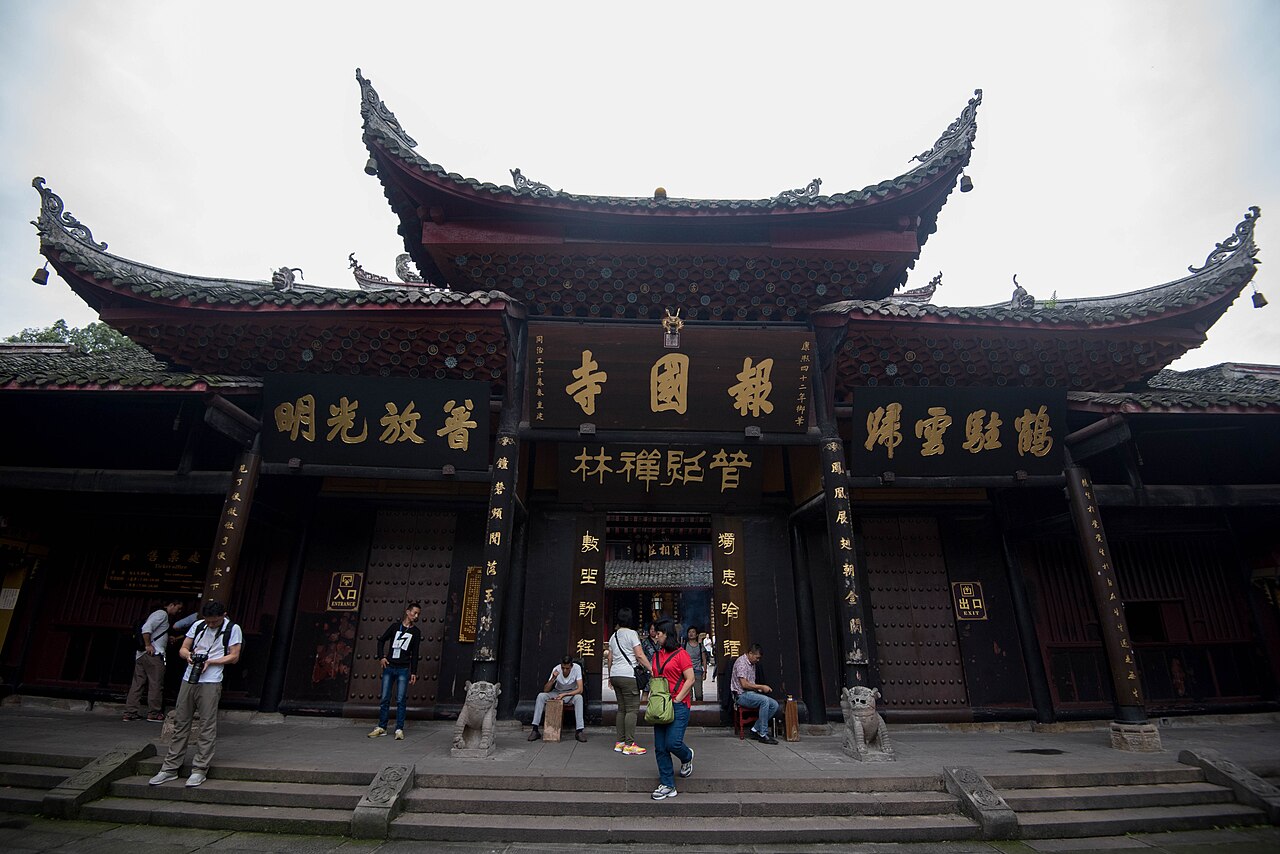
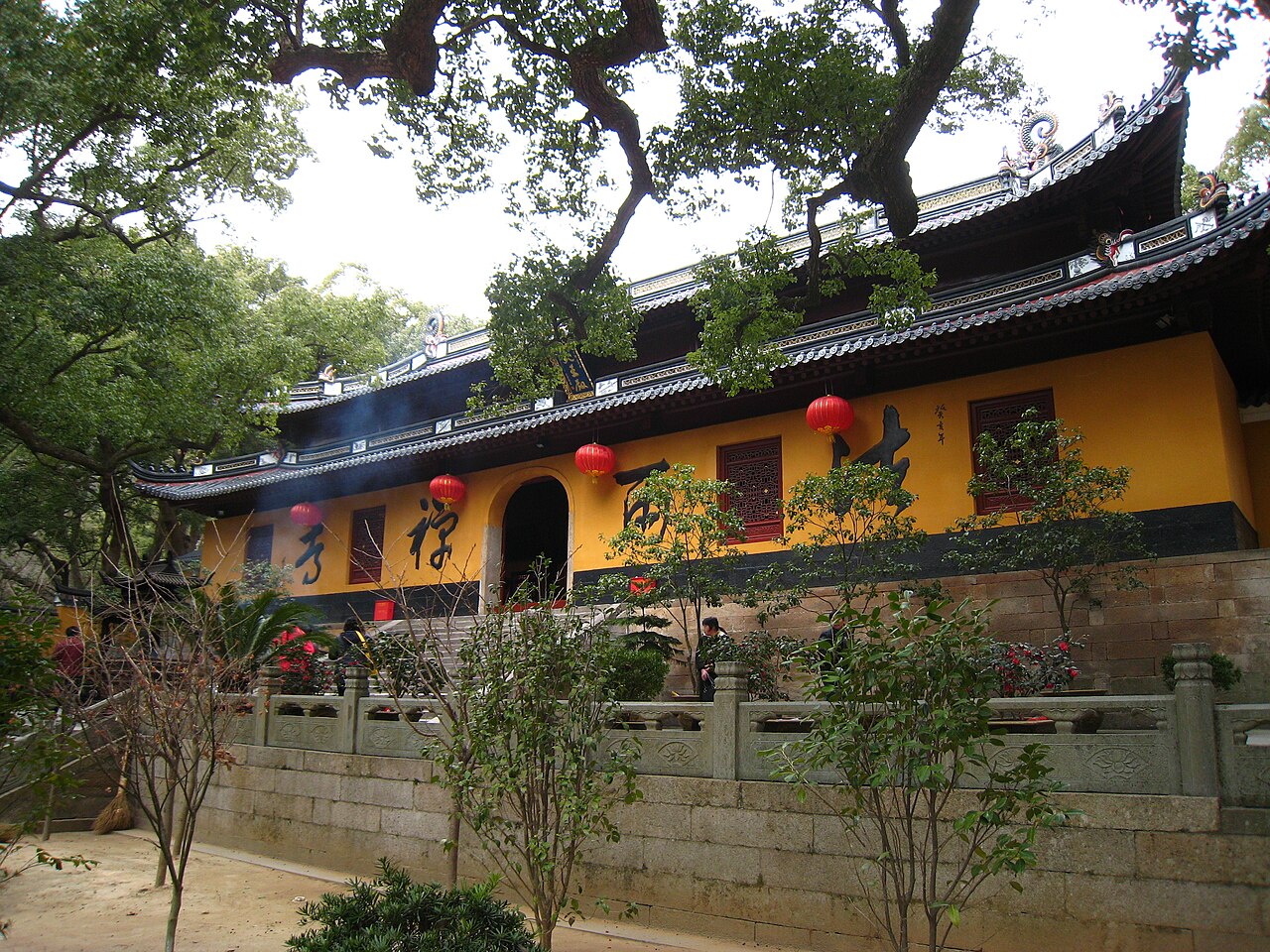
  • Baoguo Temple, the oldest timber-frame hall in Jiangnan, is ¥20 and famously free of birds' nests and cobwebs; Dongqian Lake is ¥30 plus ¥20 for a boat.
  • Ningbo is the base for Putuo: coaches run to Zhoushan all day and a fast boat meets you at Shenjiamen or the Zhujiajian pier.
  • Eat seafood in Ningbo, not on the islands — it is cheaper and fresher here, and the city is where the Ningbo (Yong) cooking is actually done properly.

City guide

First impressions

Photographs from the coast, and what other travellers wrote afterwards.

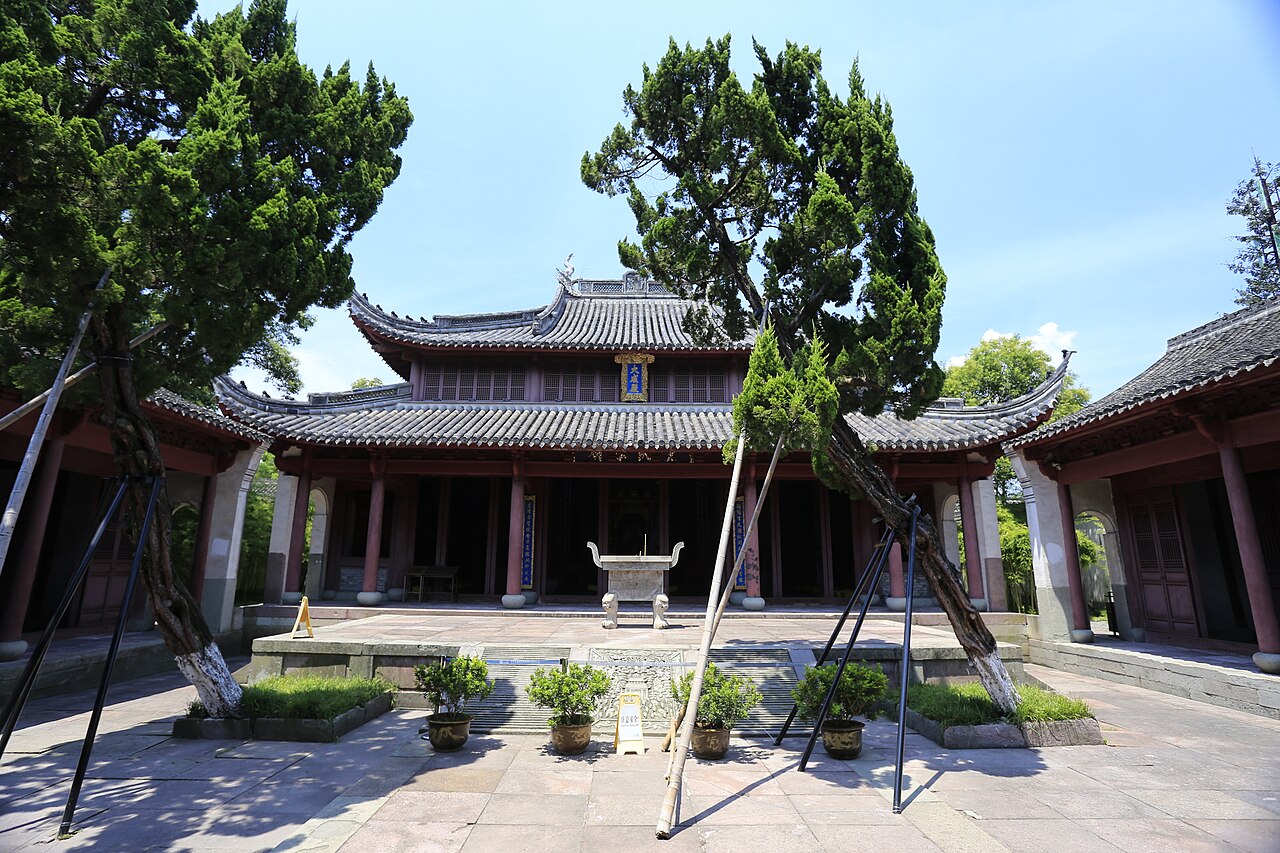
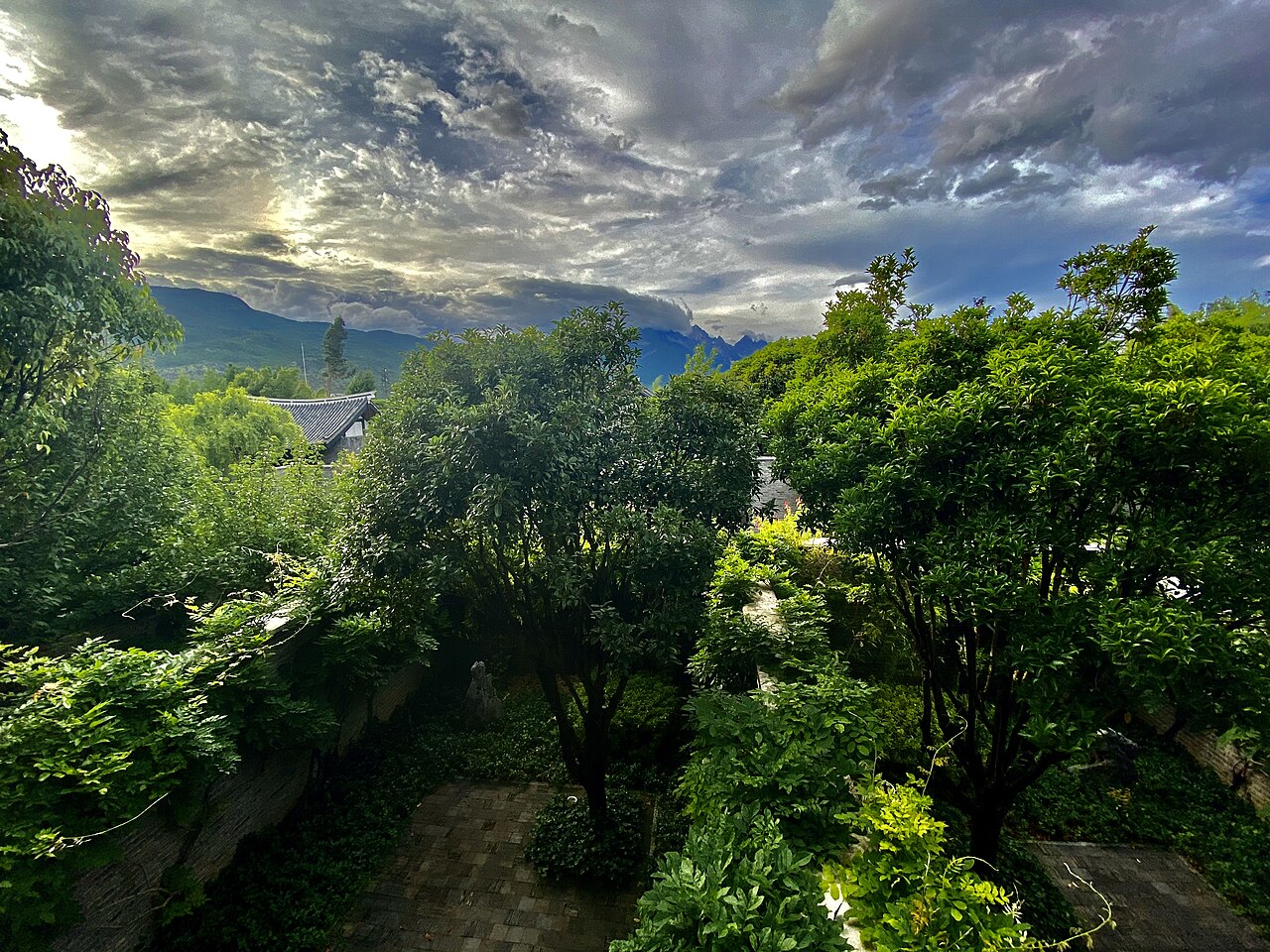
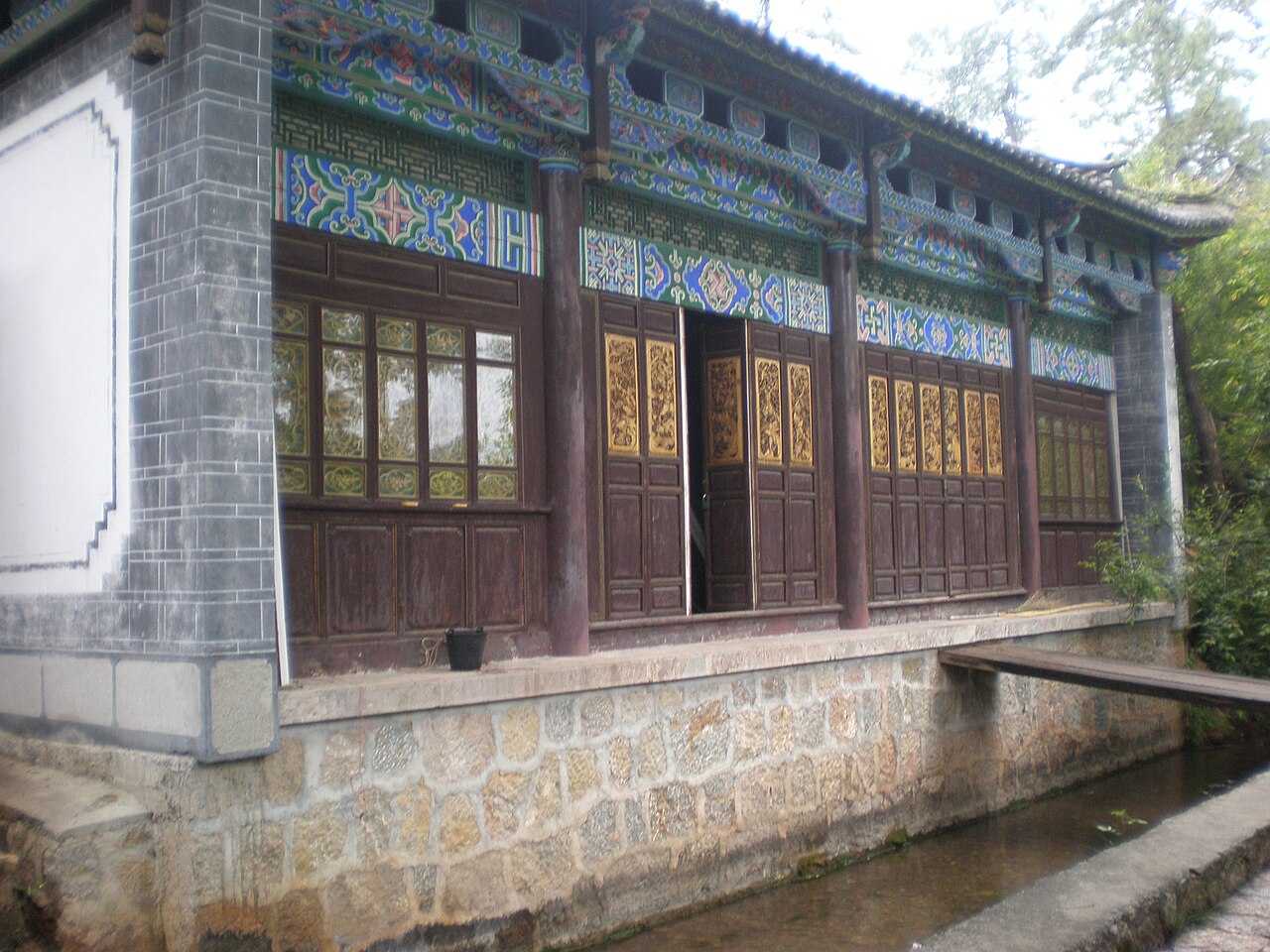
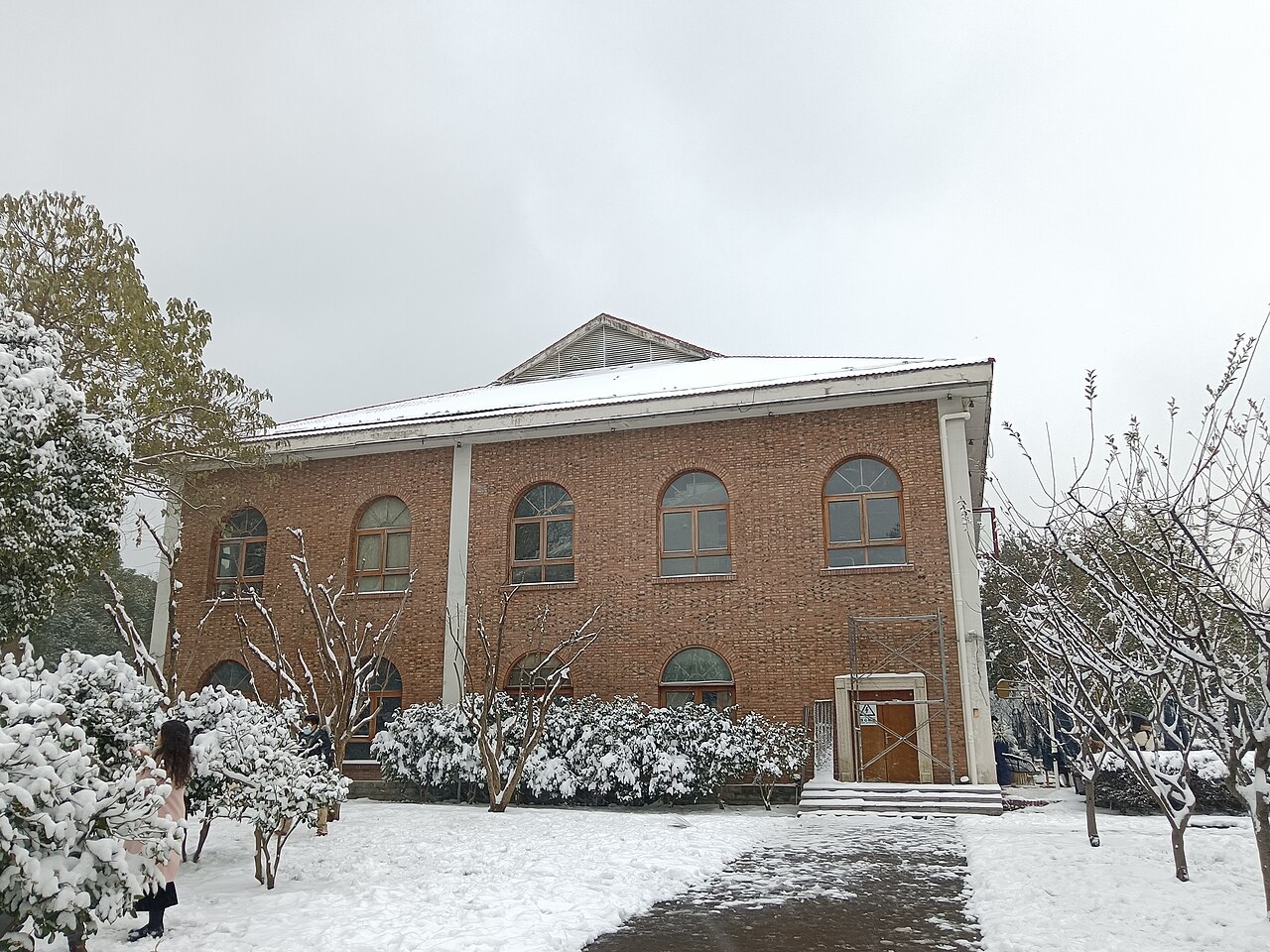
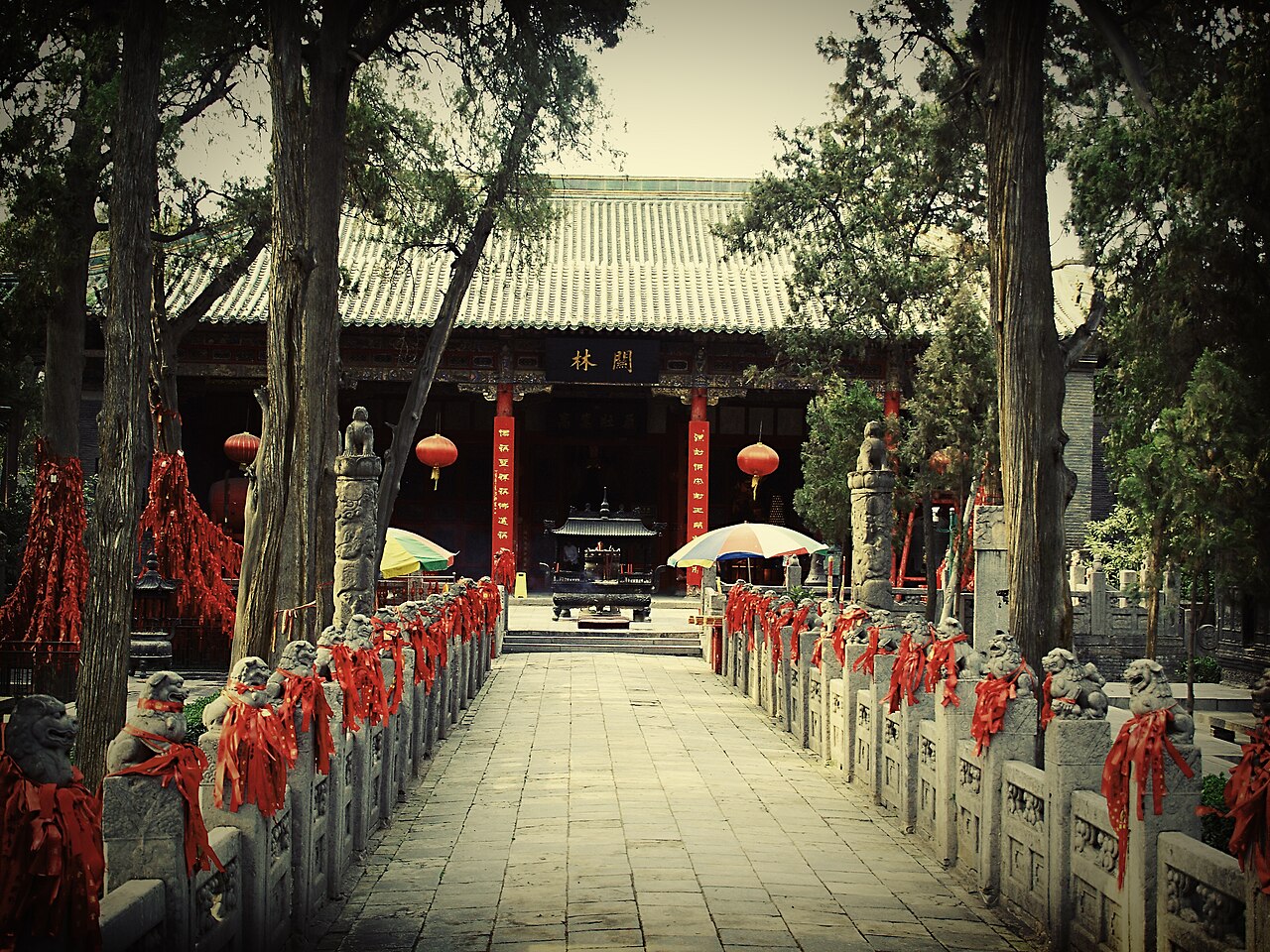
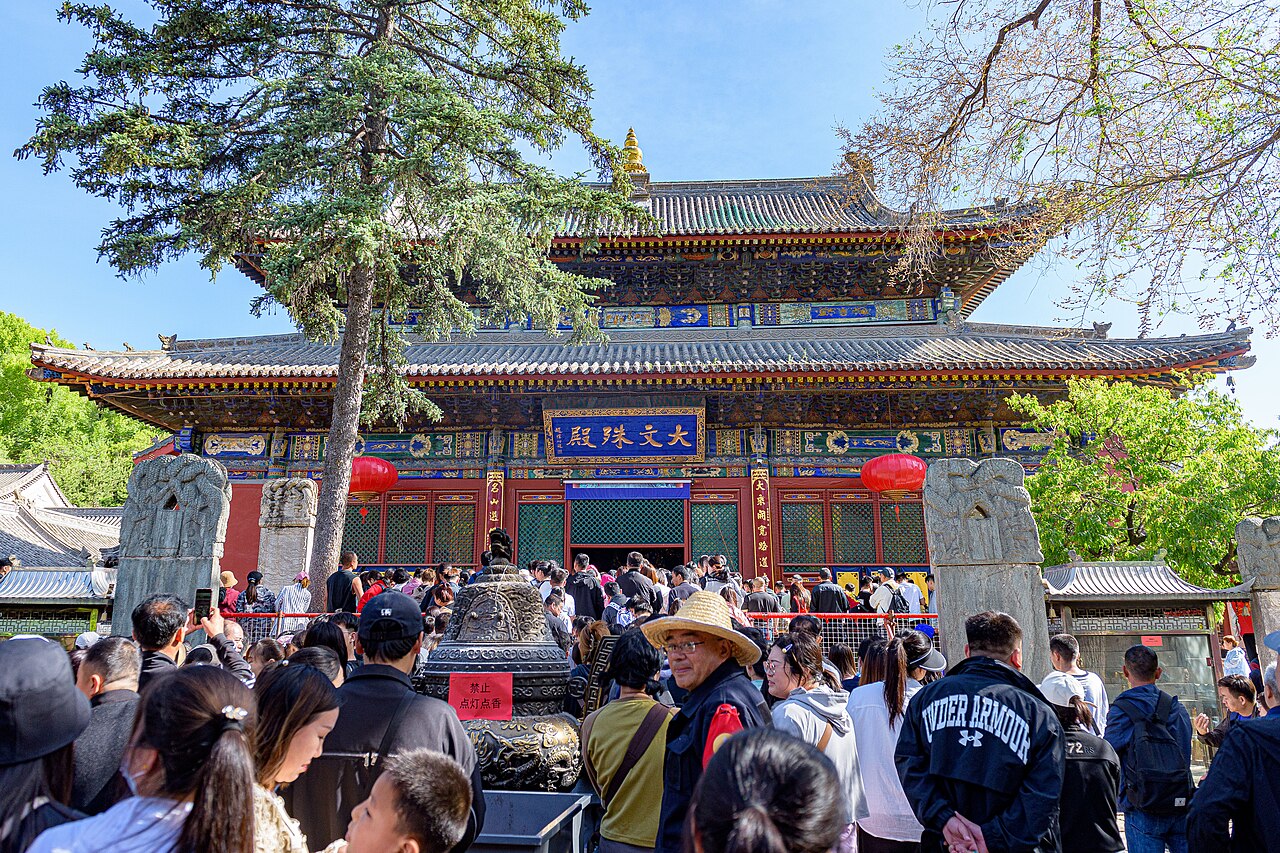
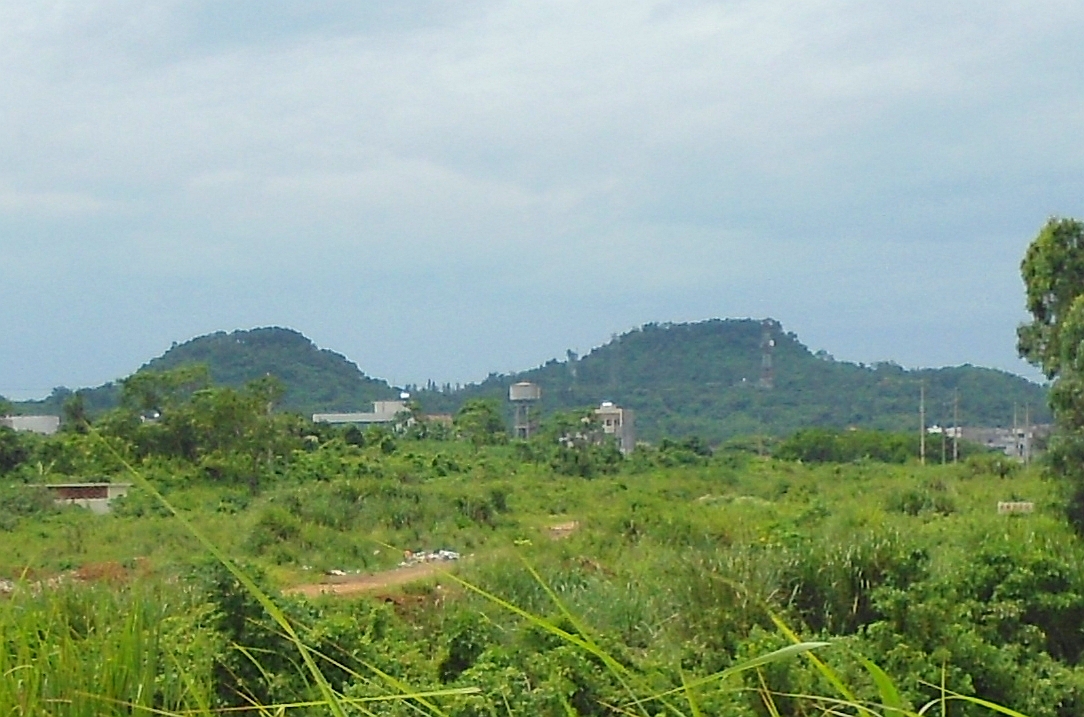
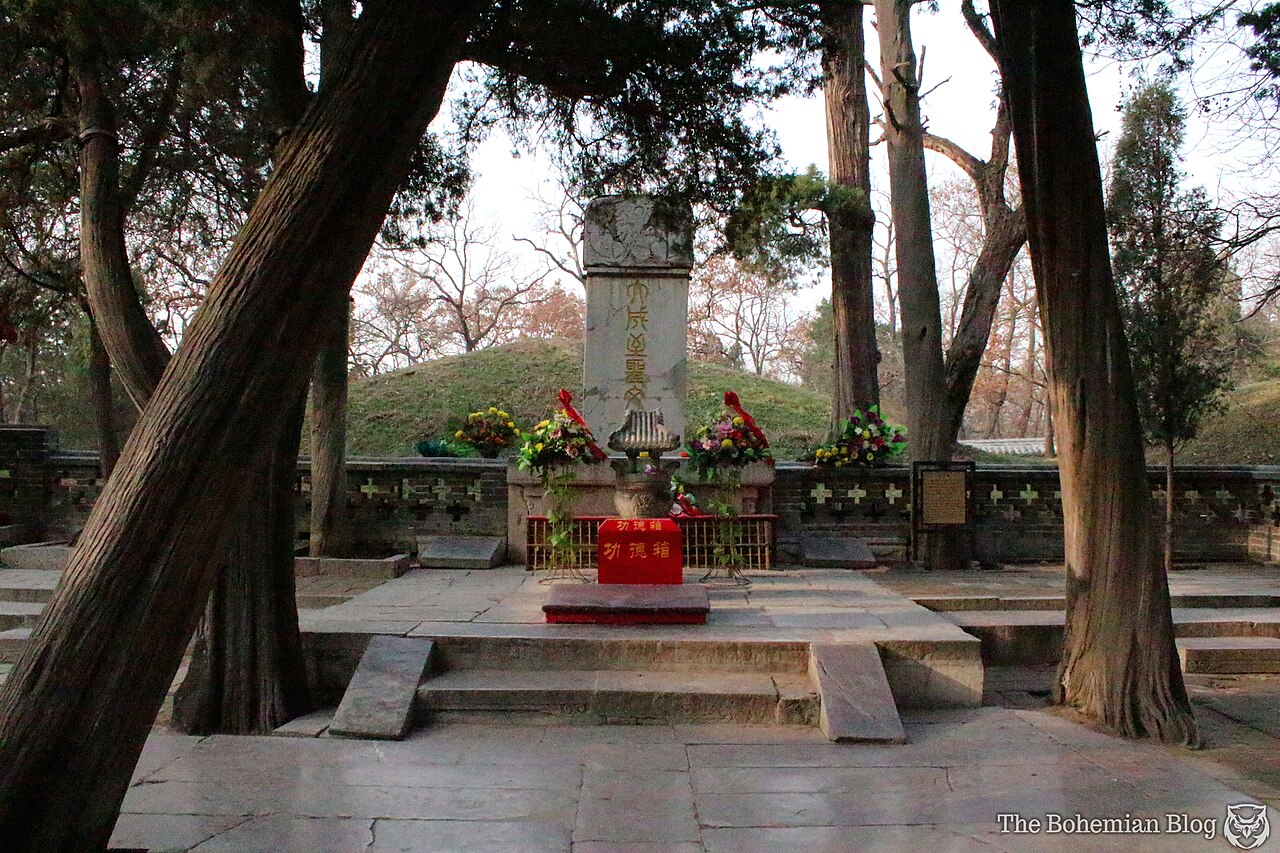
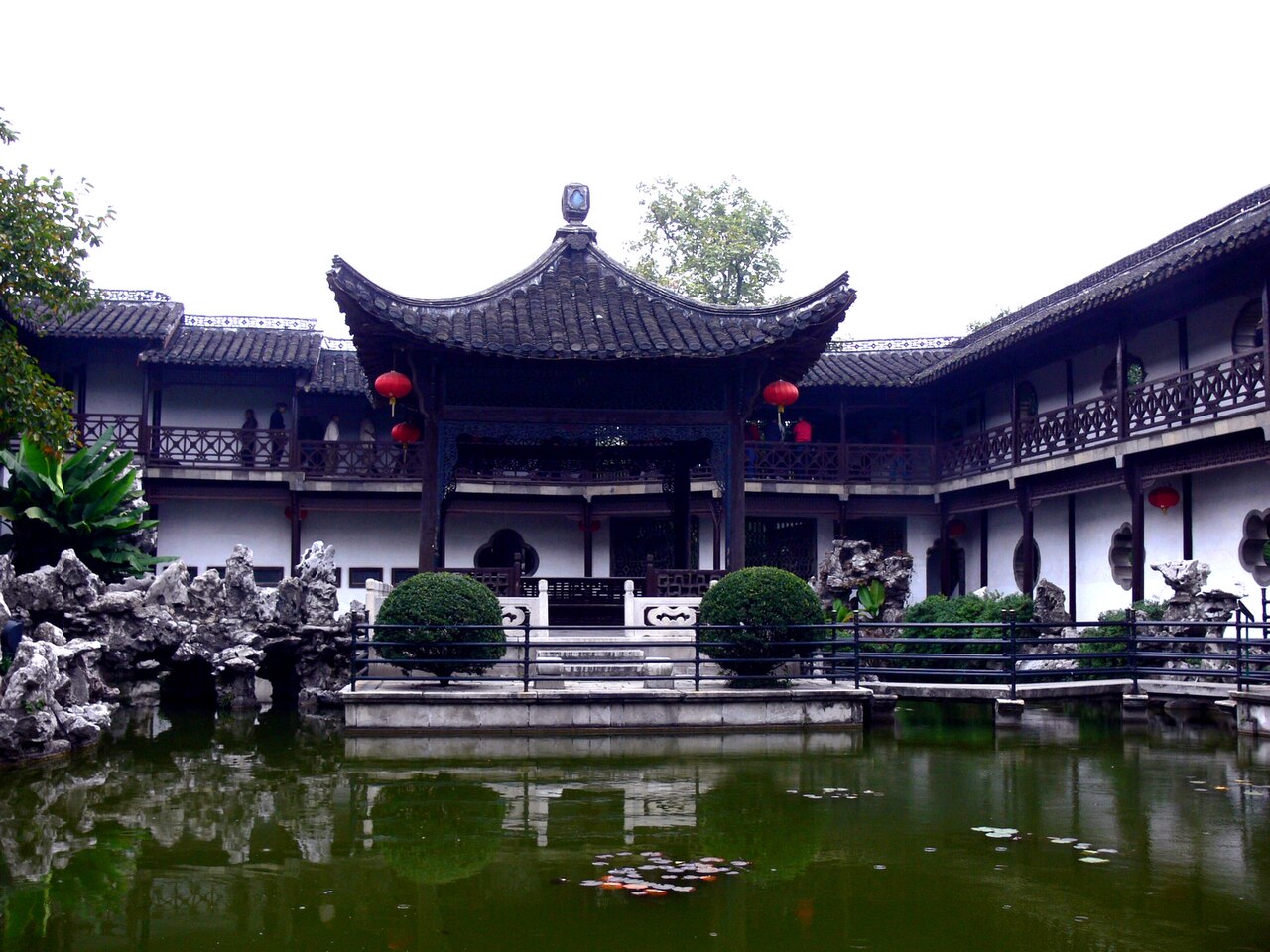
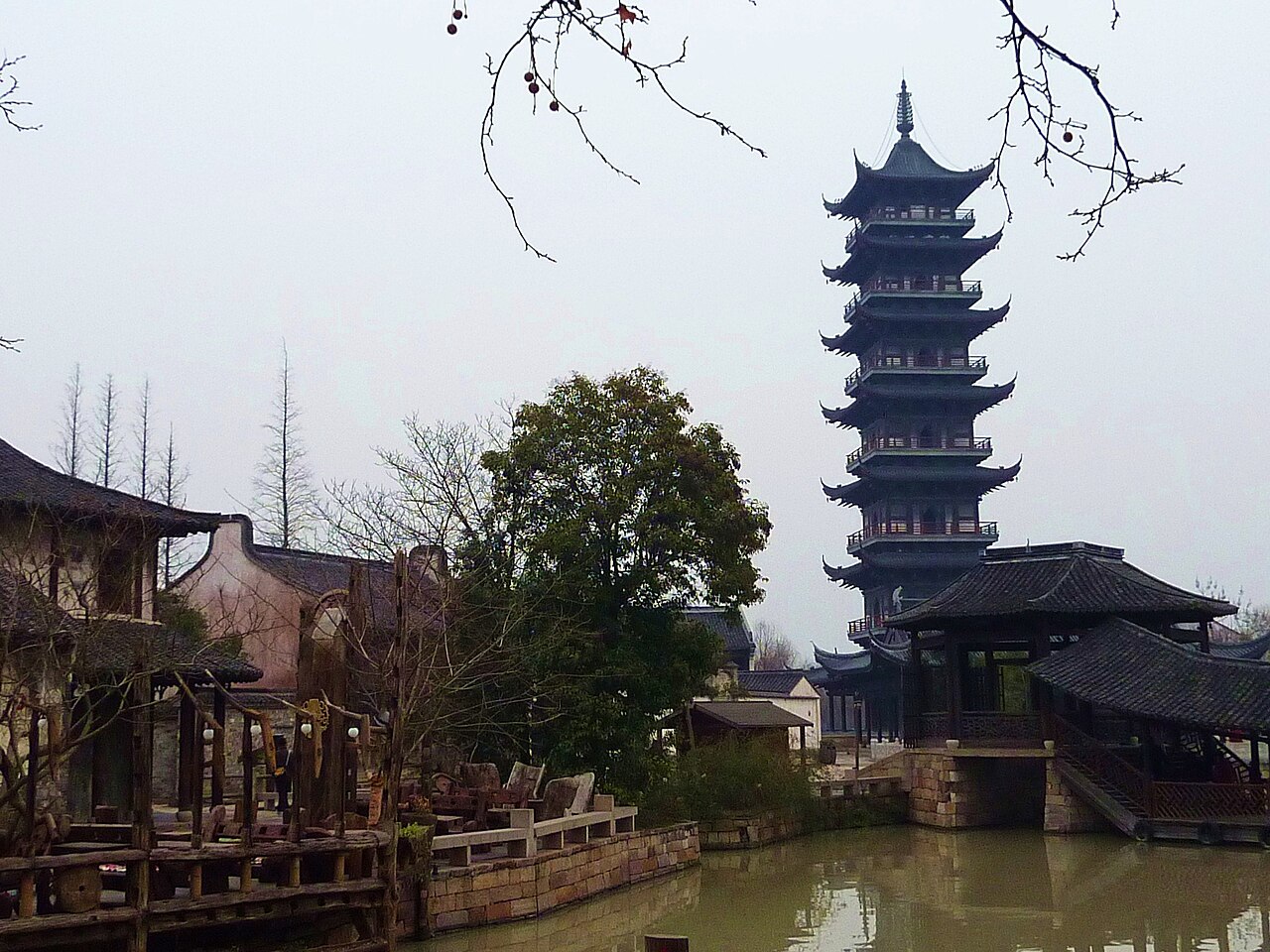
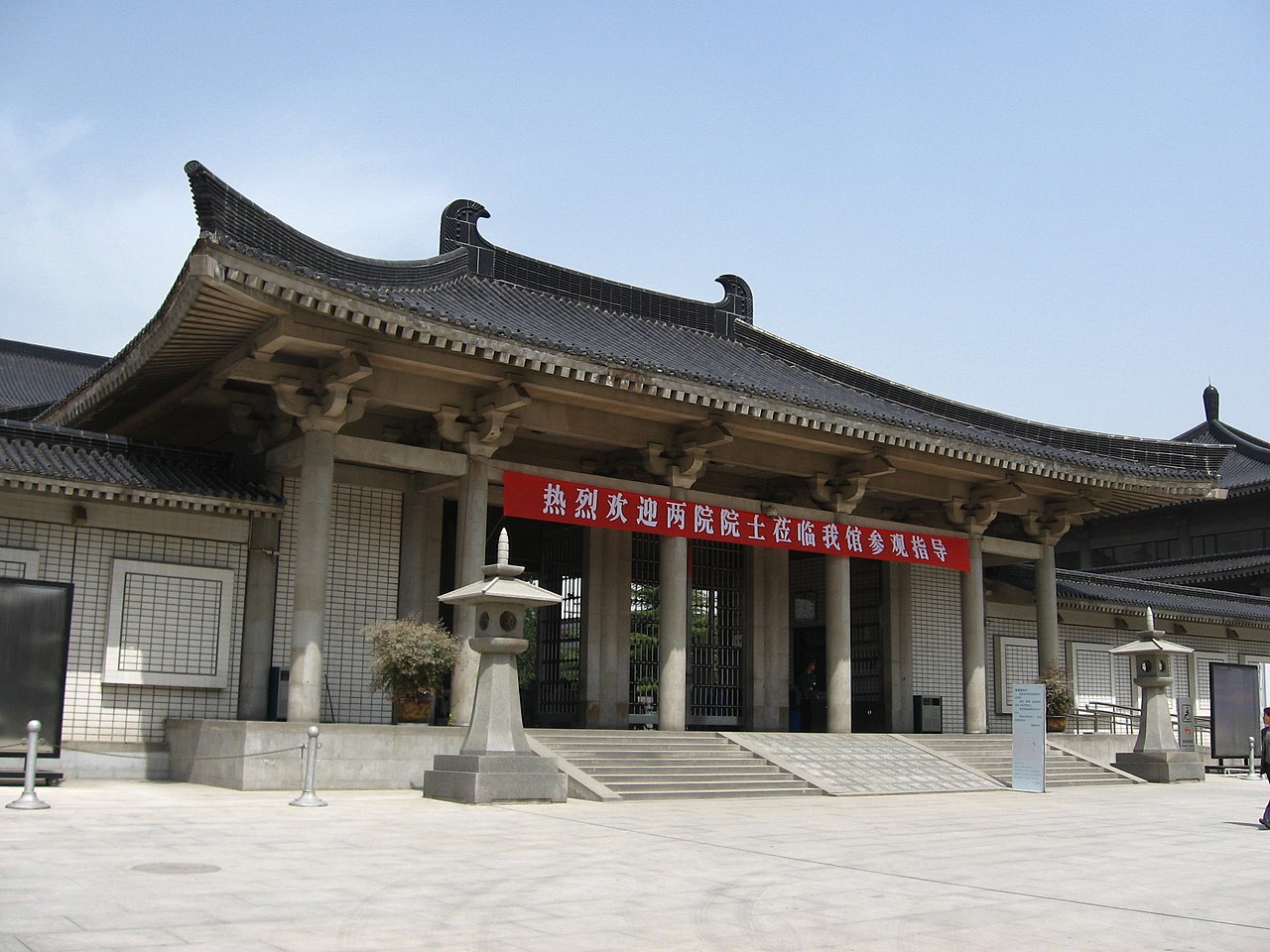
Tianyi Pavilion, the oldest private library in Asia
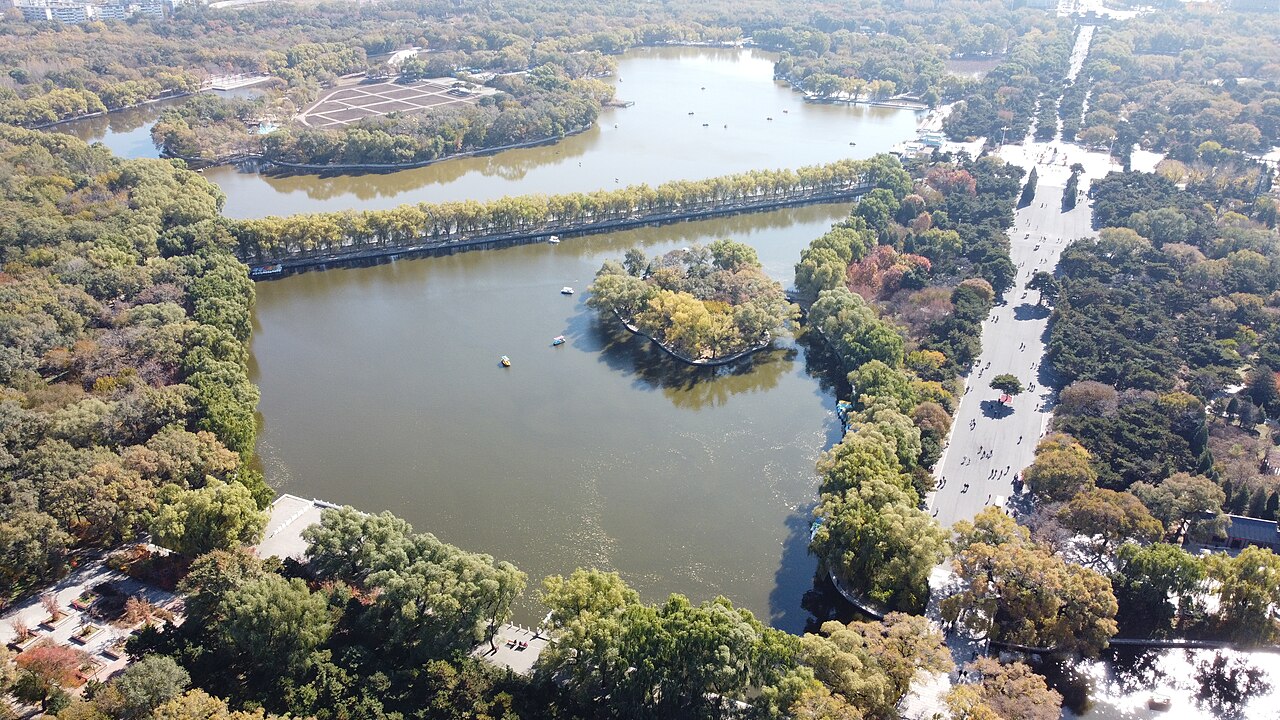
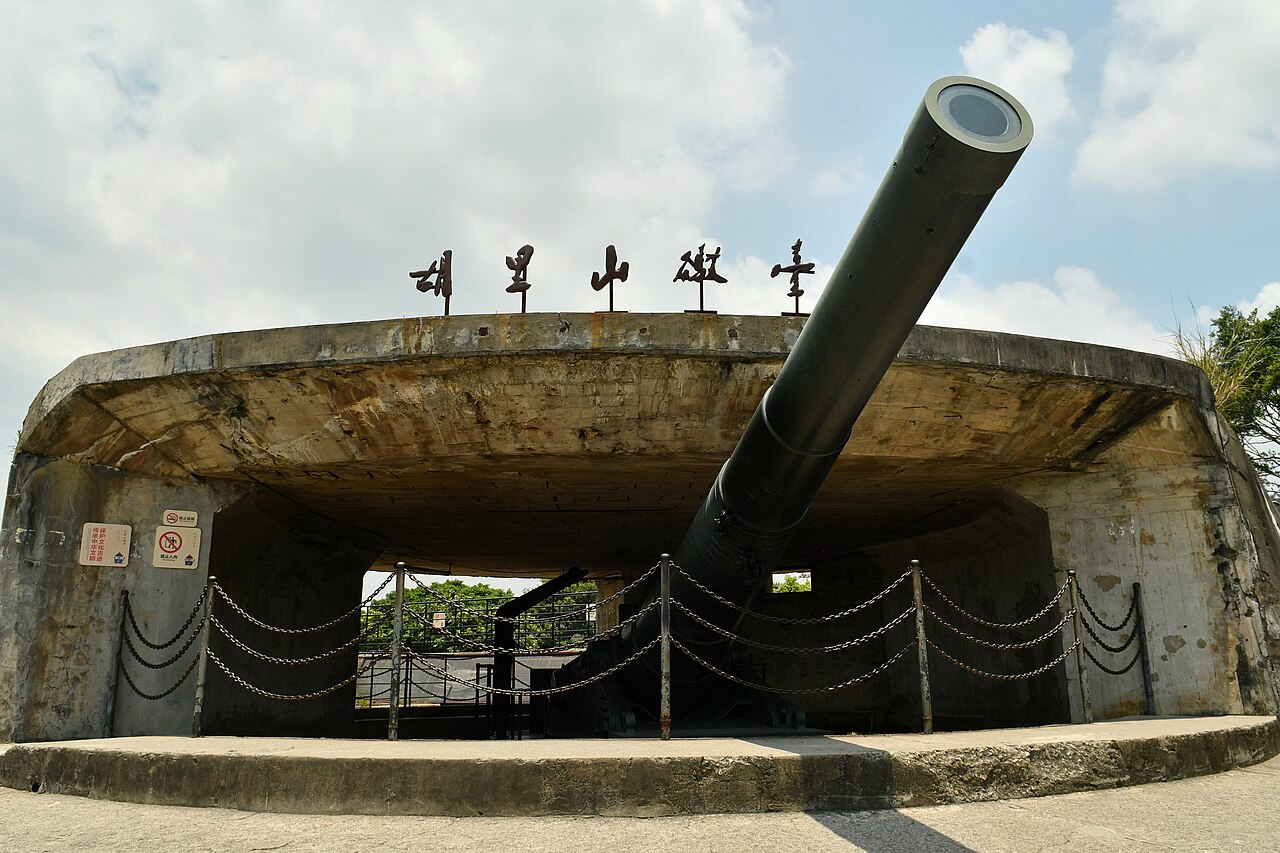
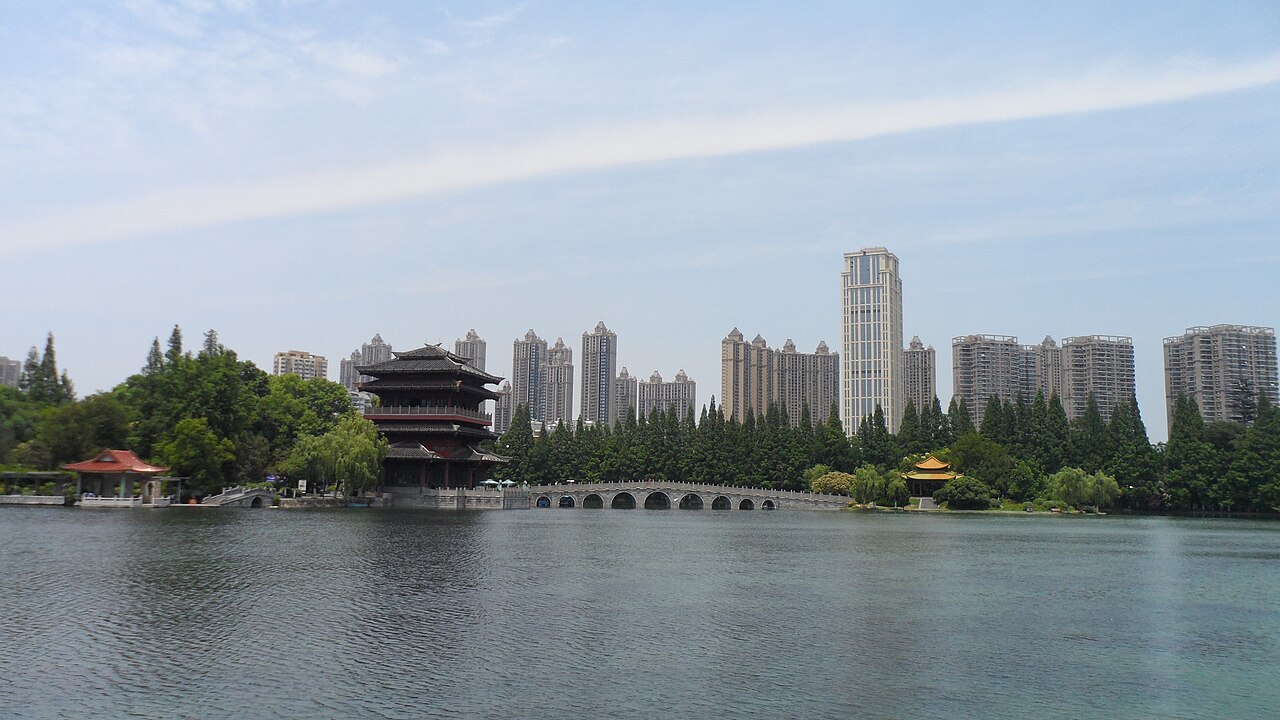
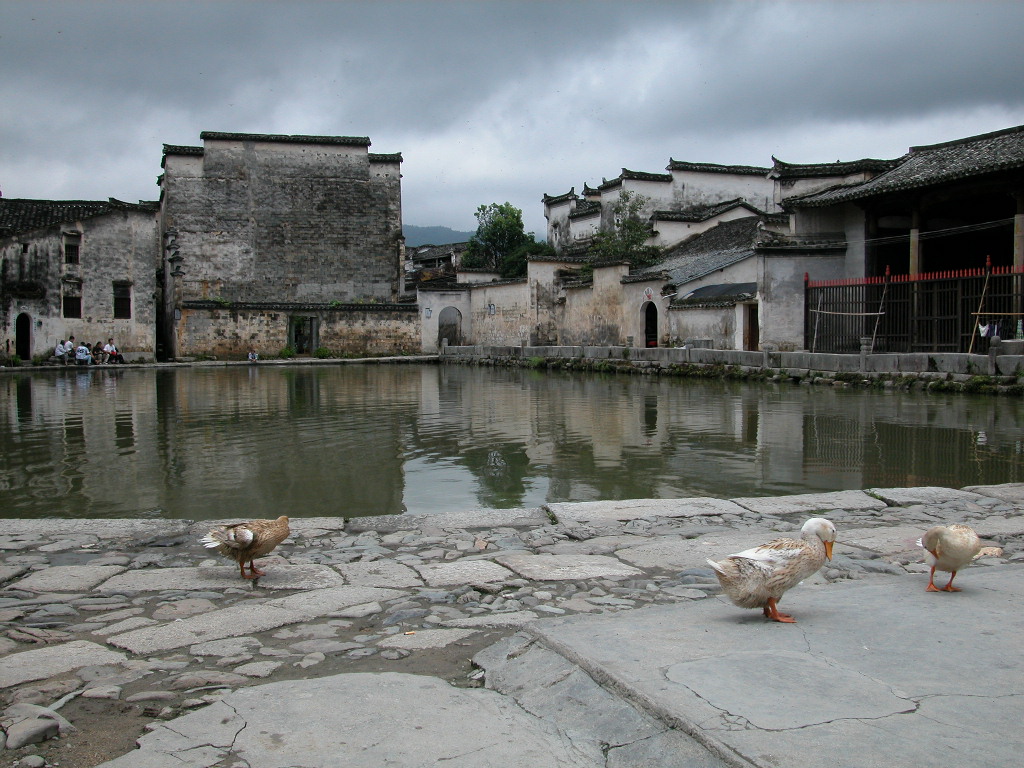
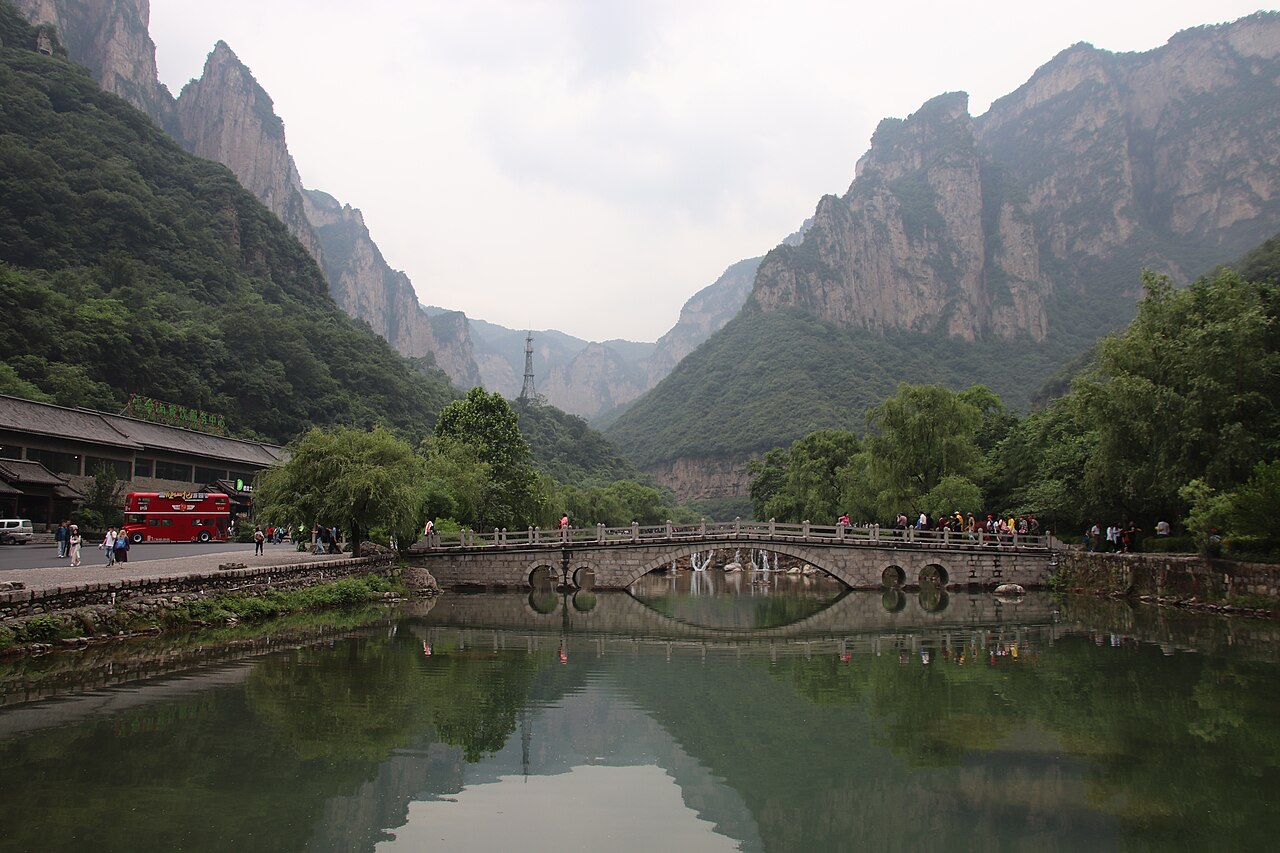
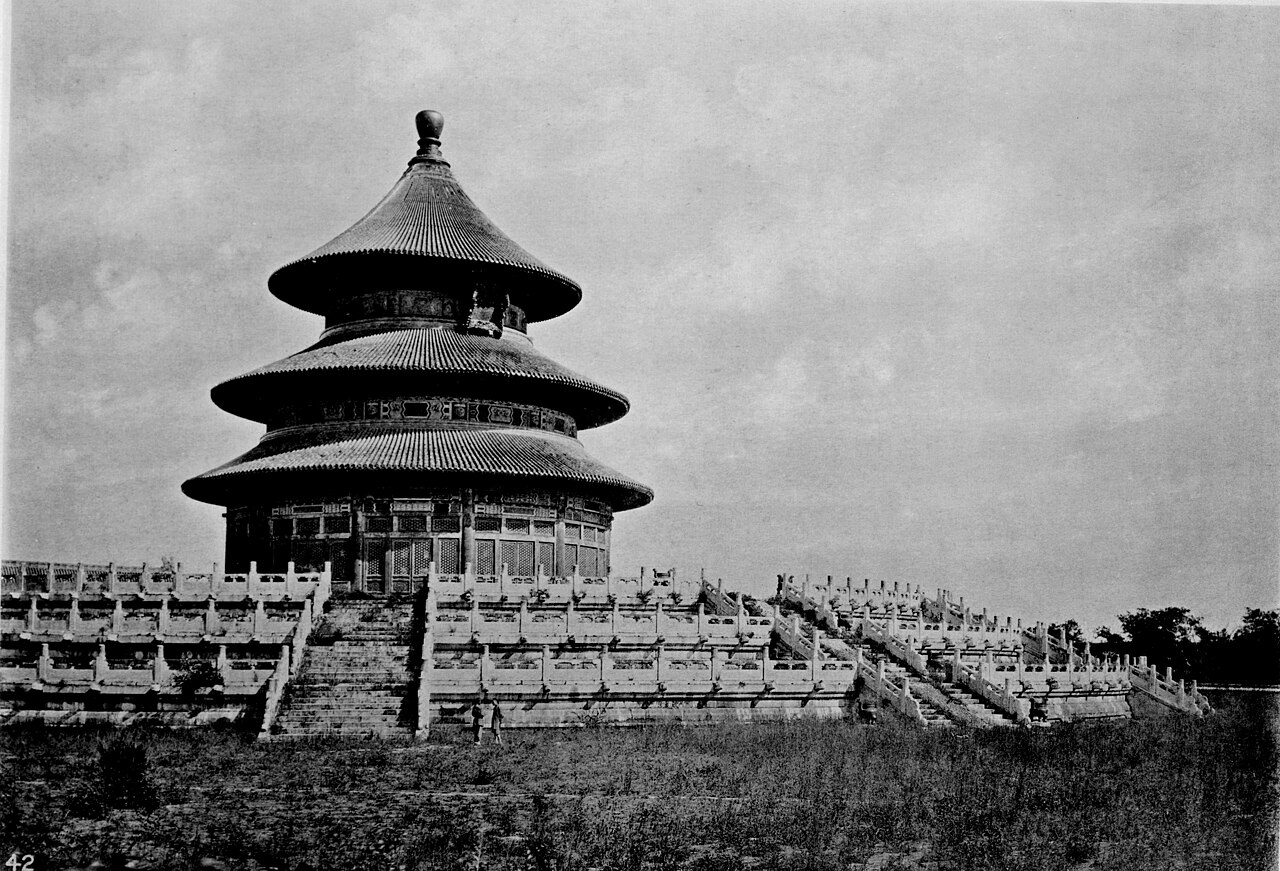
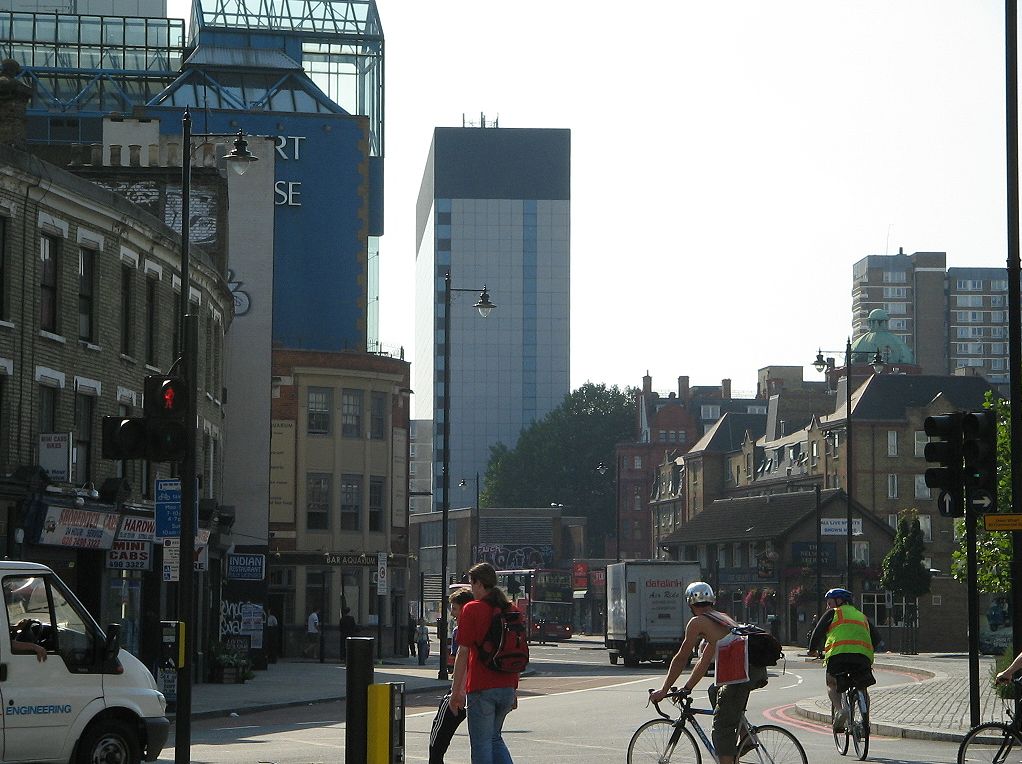
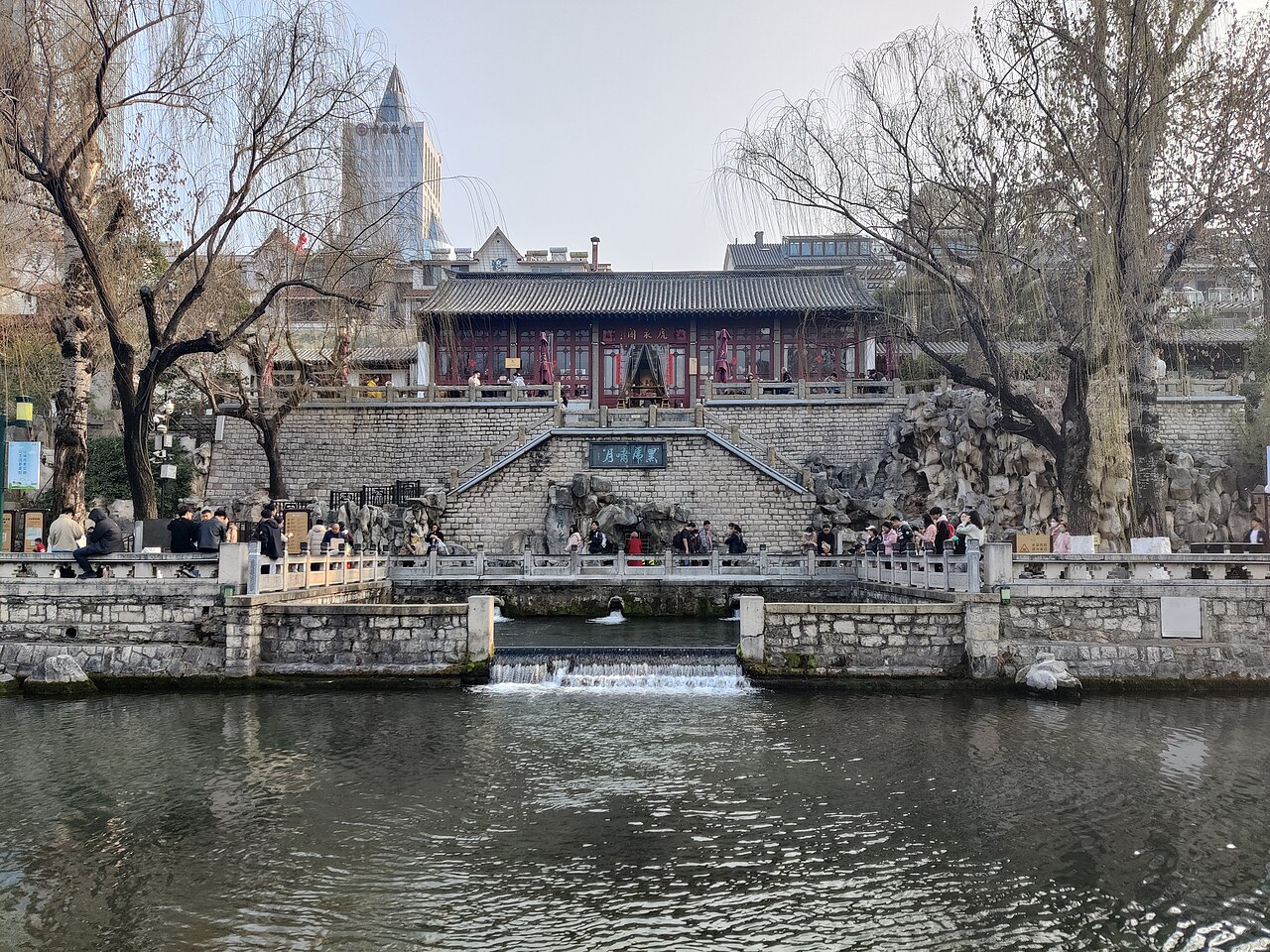
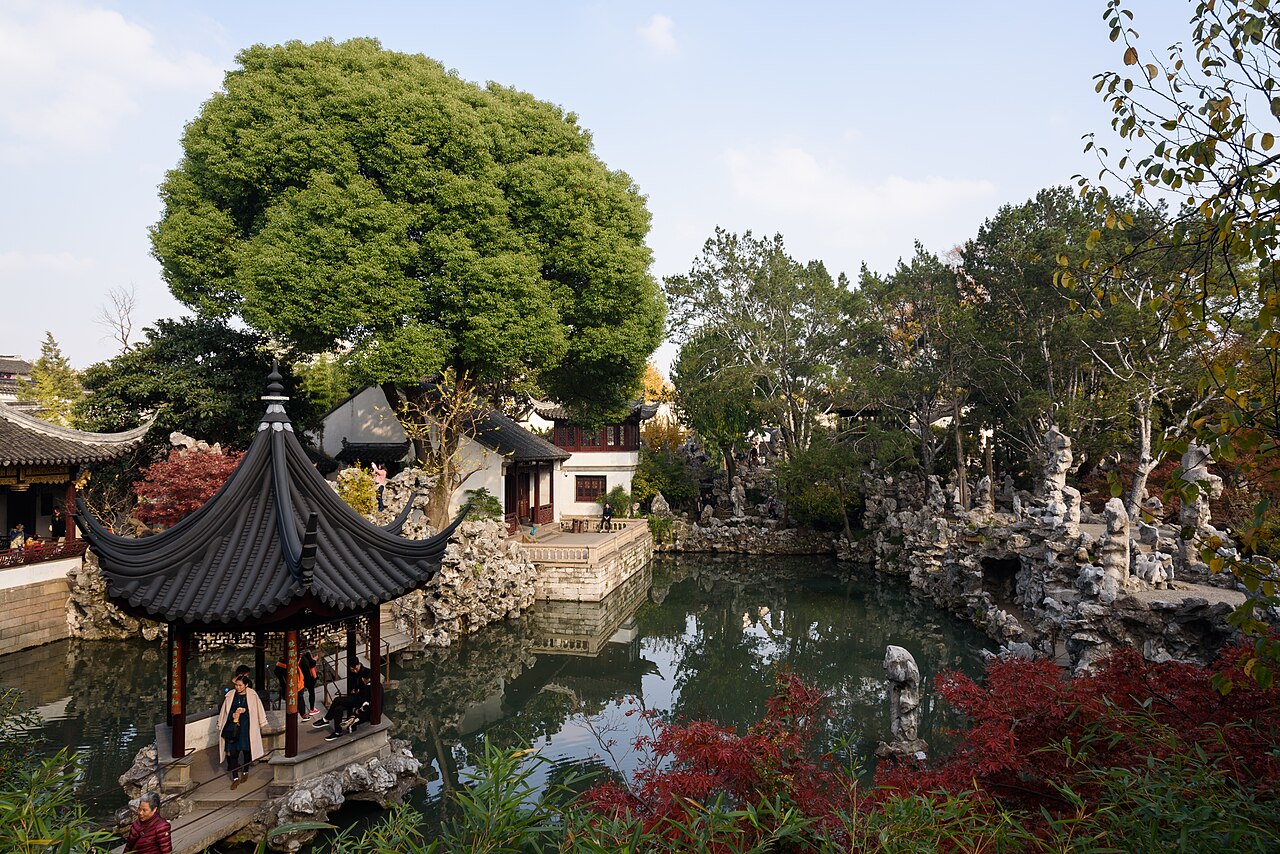
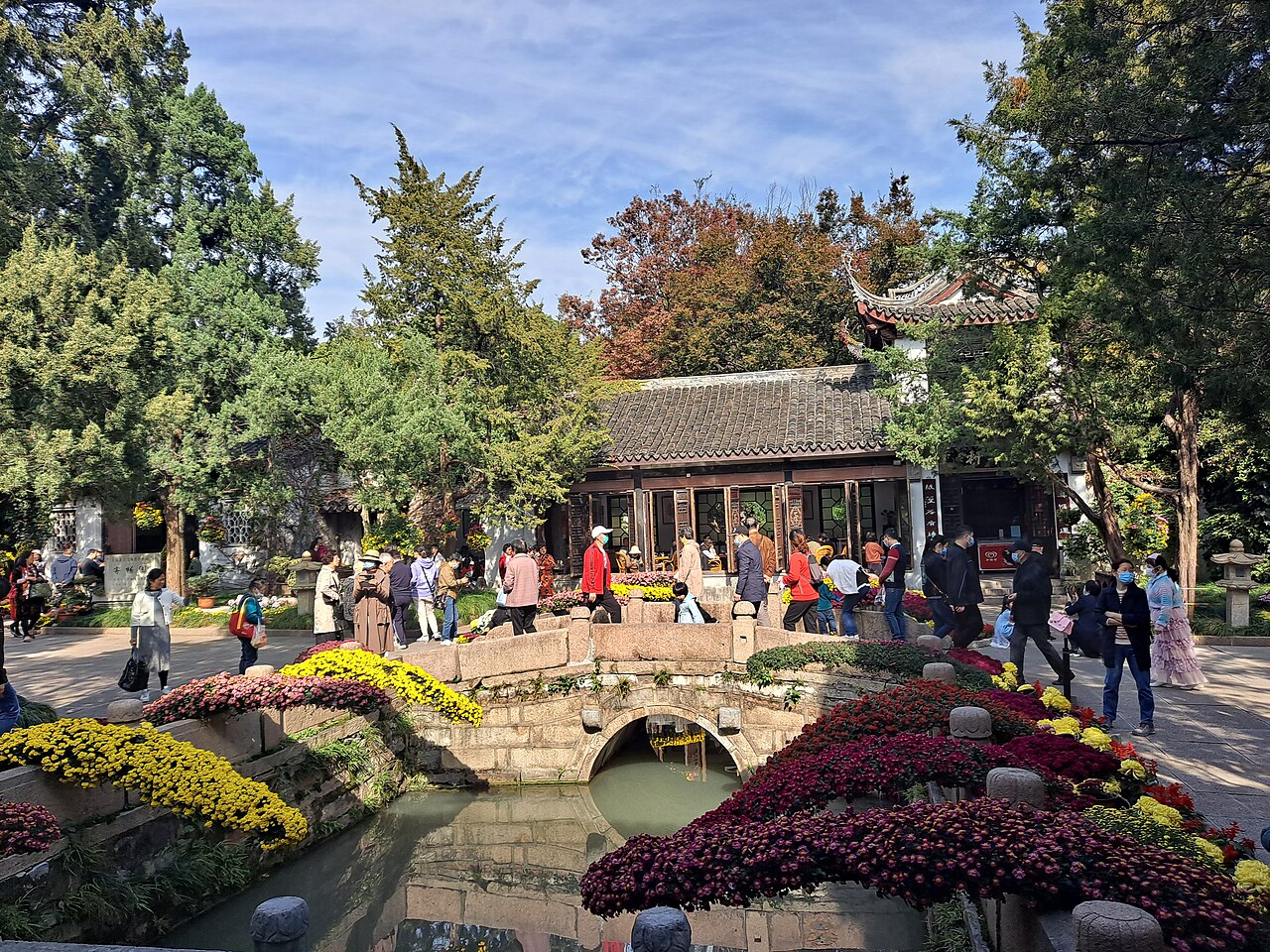
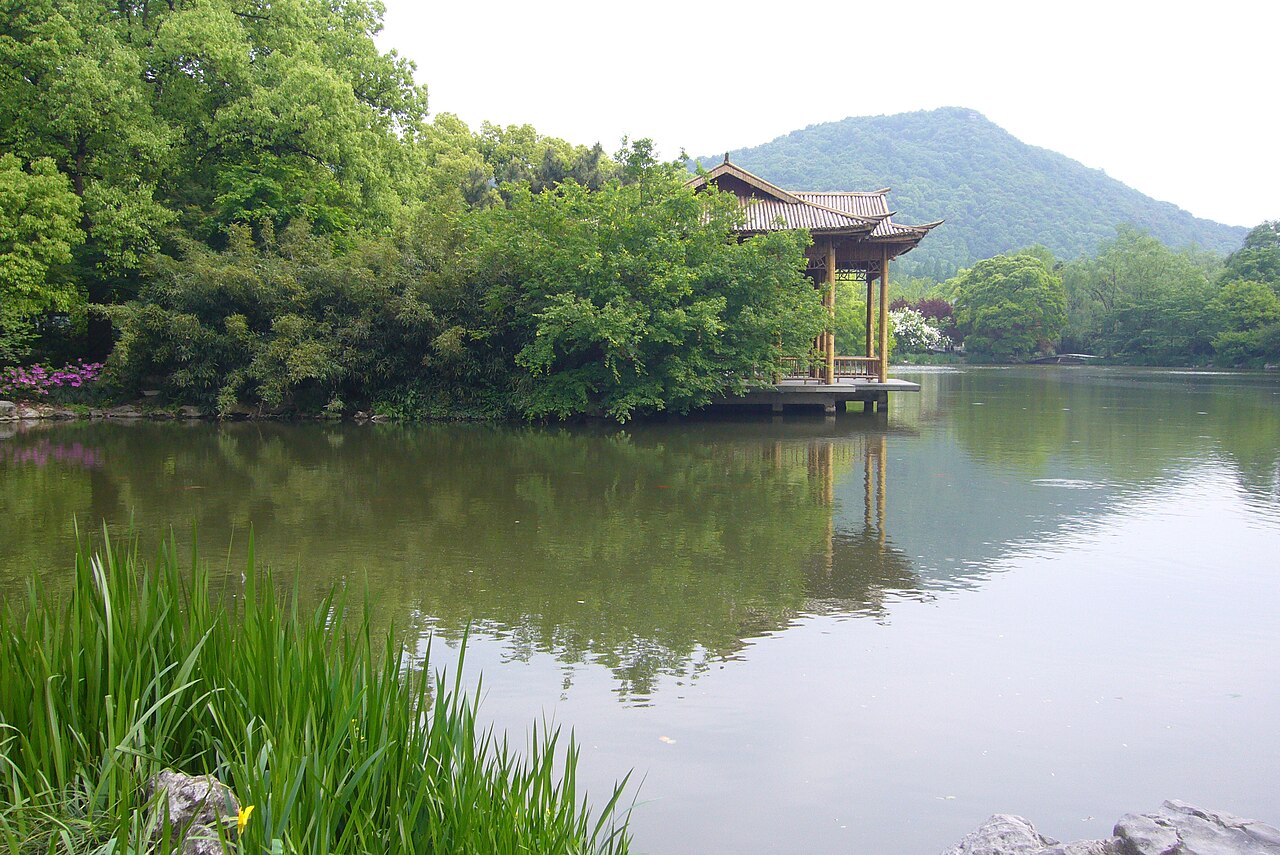
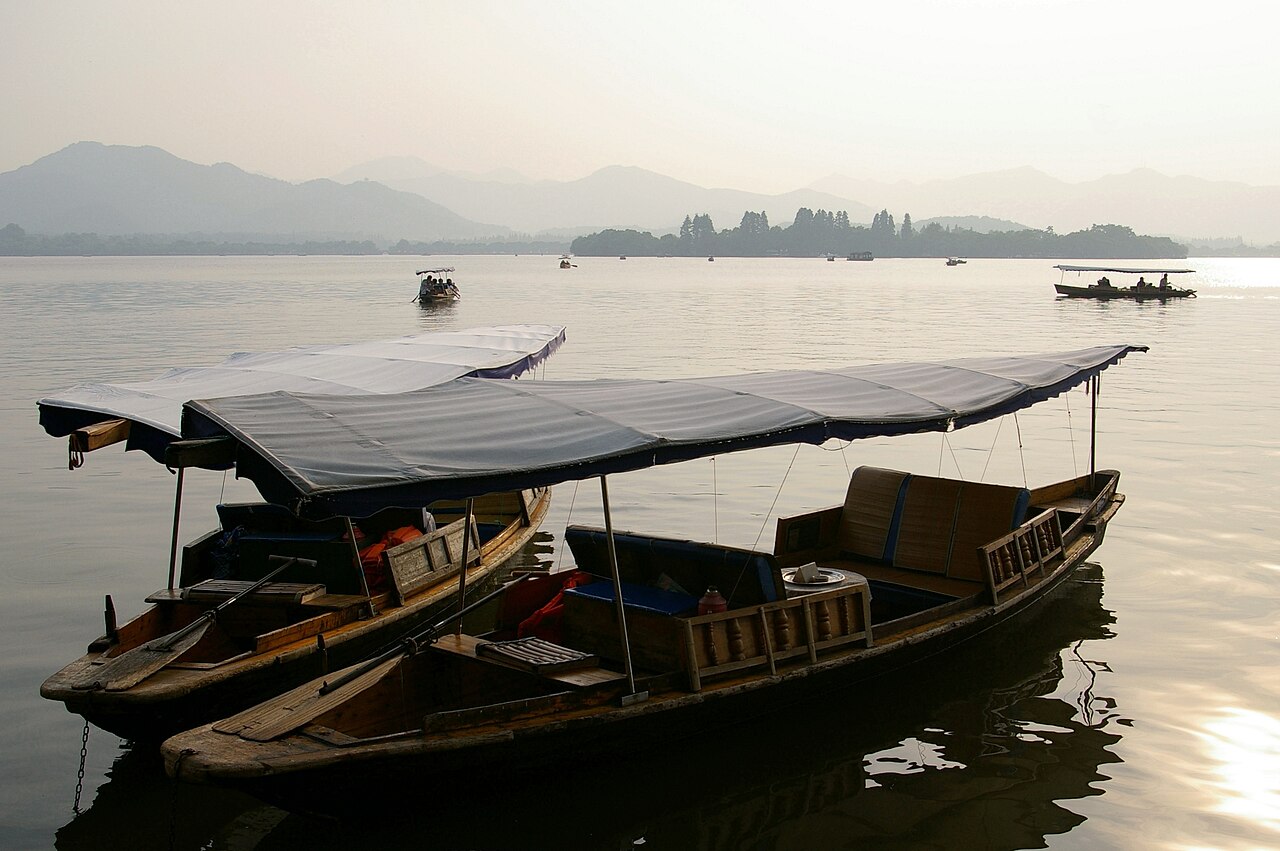
Moon Lake, the city's own quiet West Lake
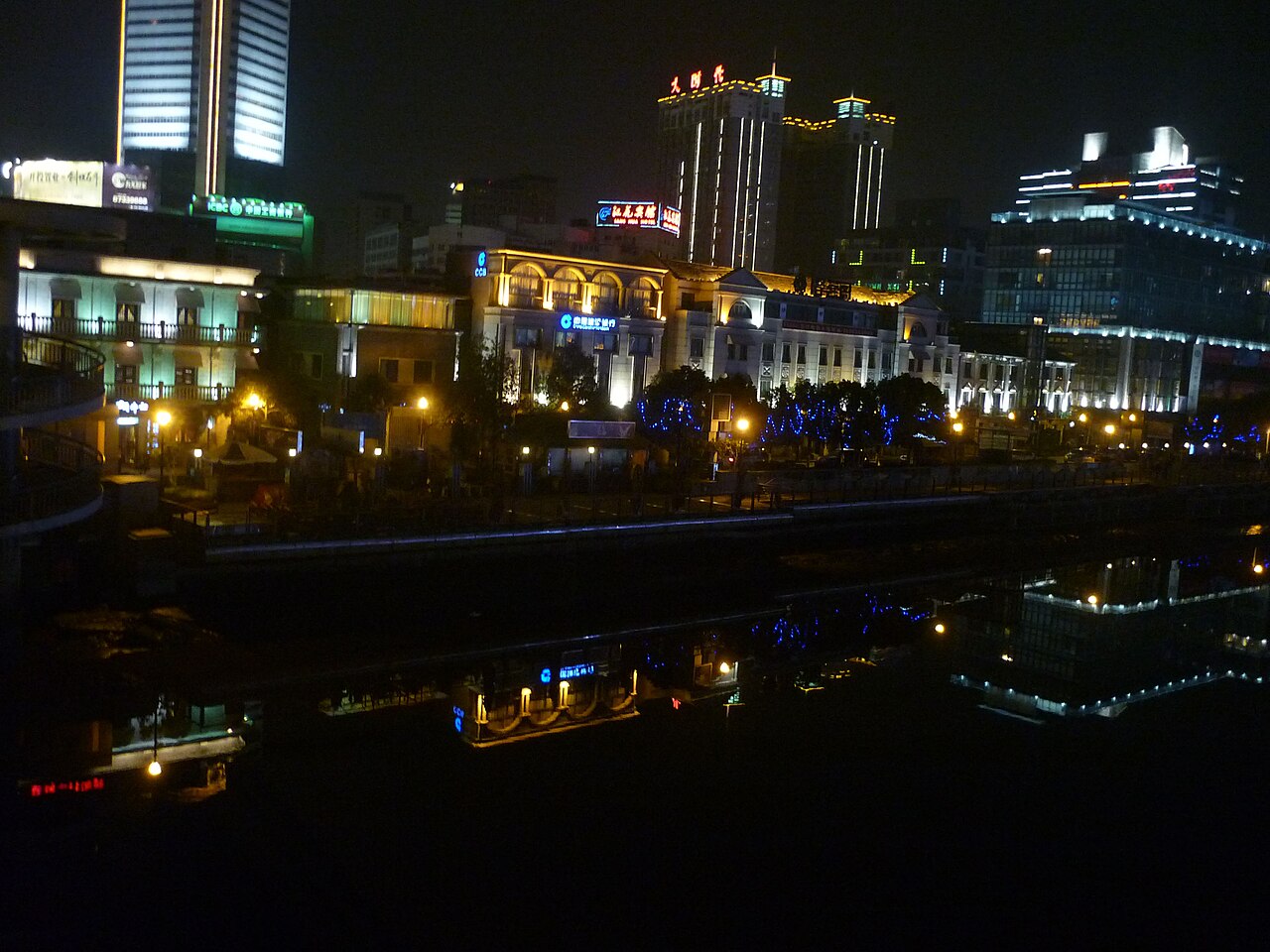
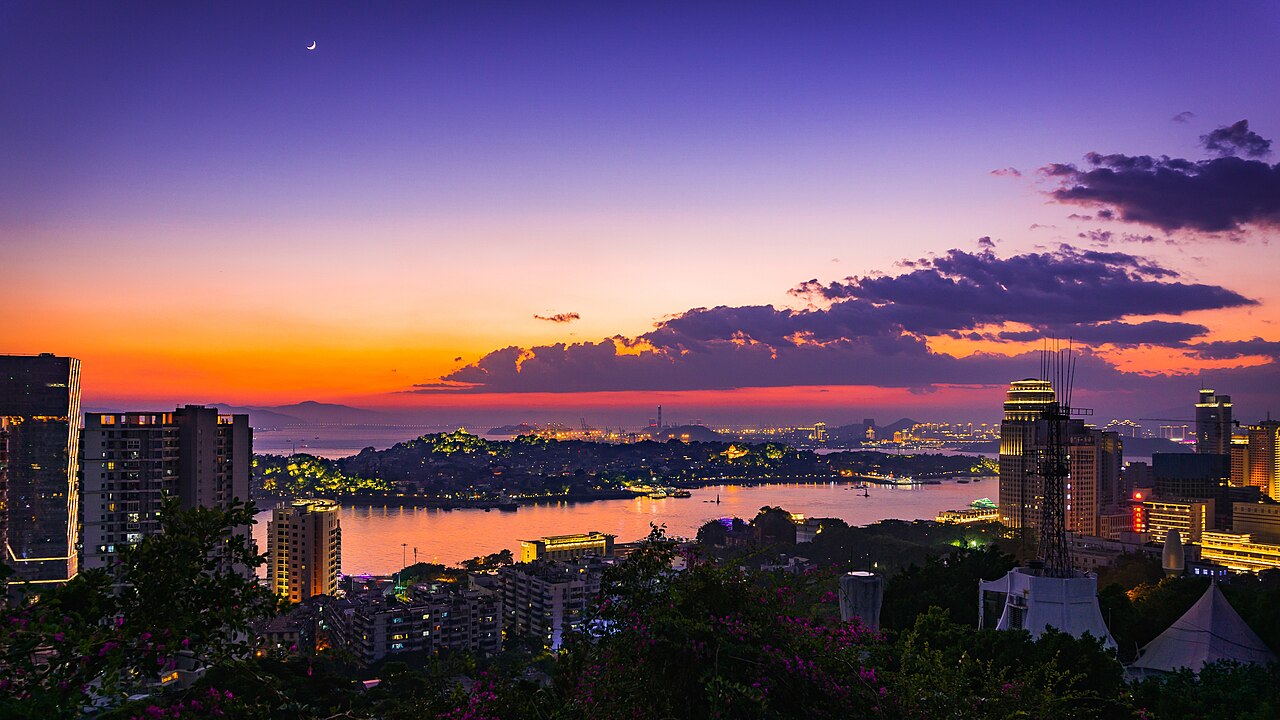
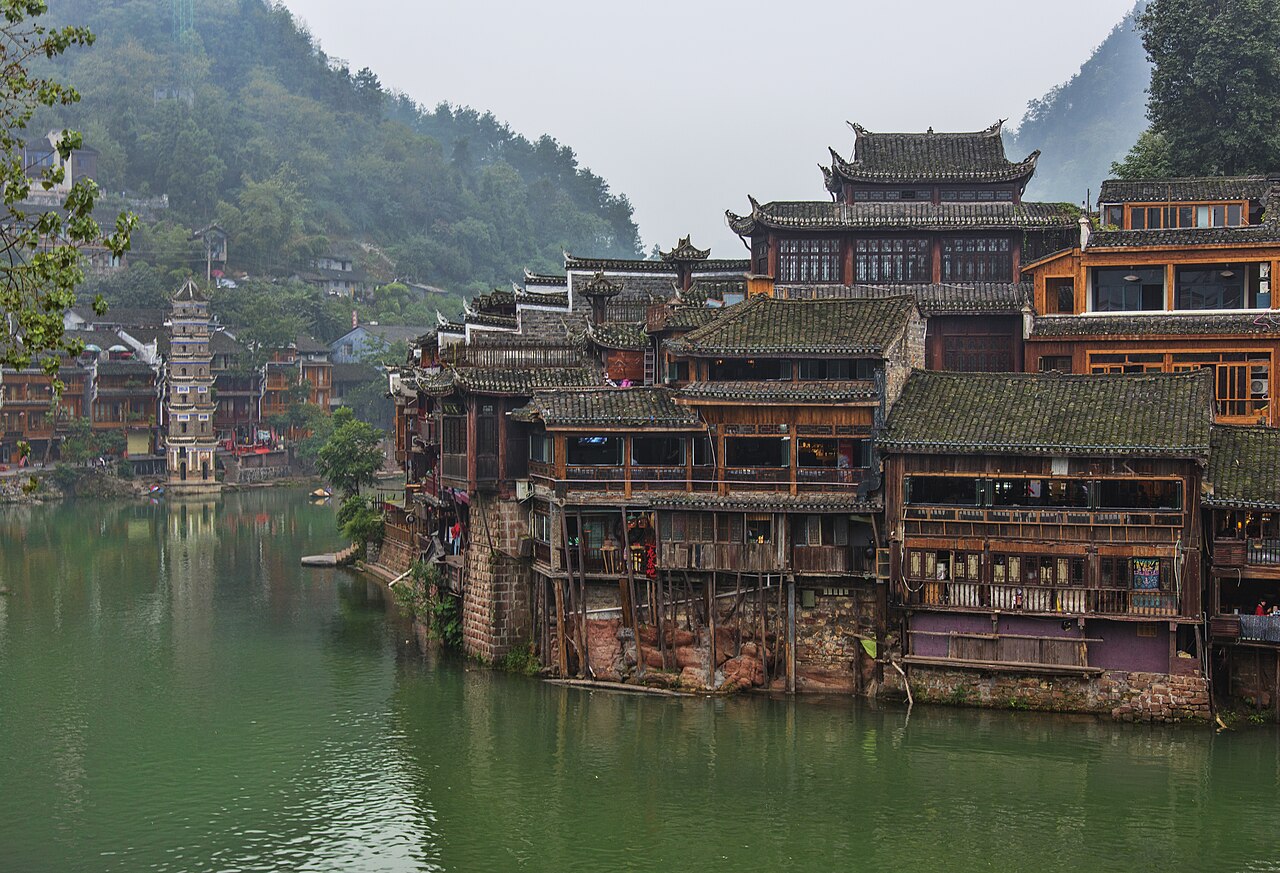
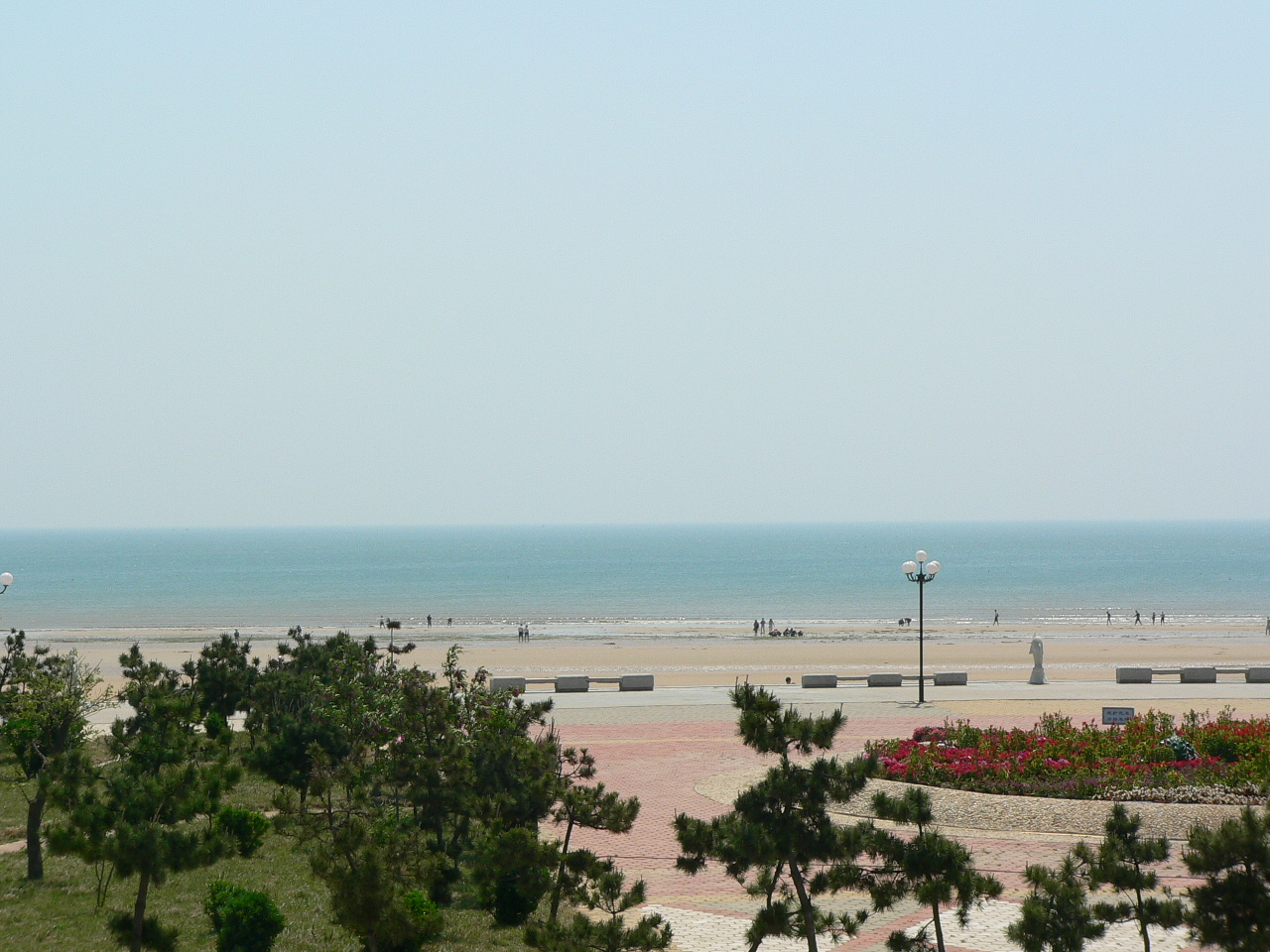
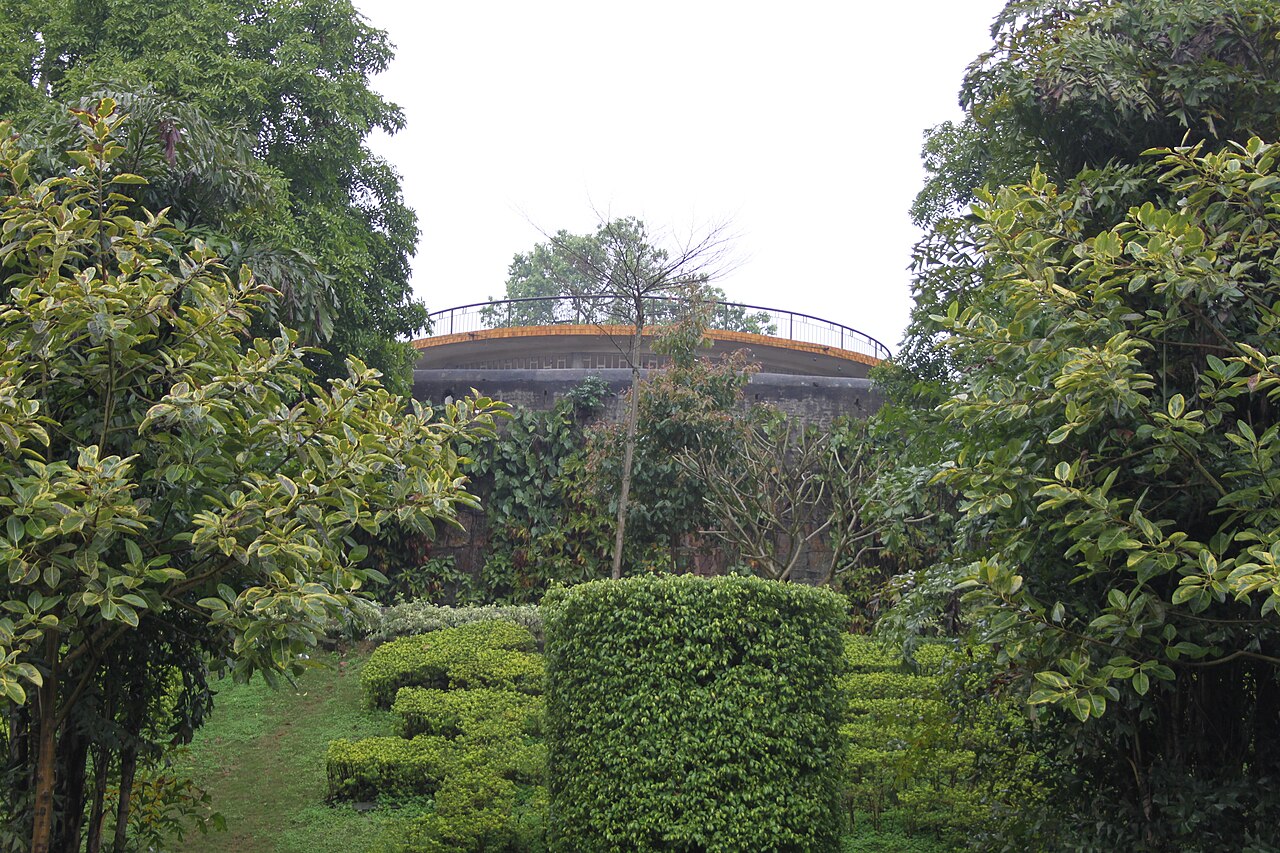
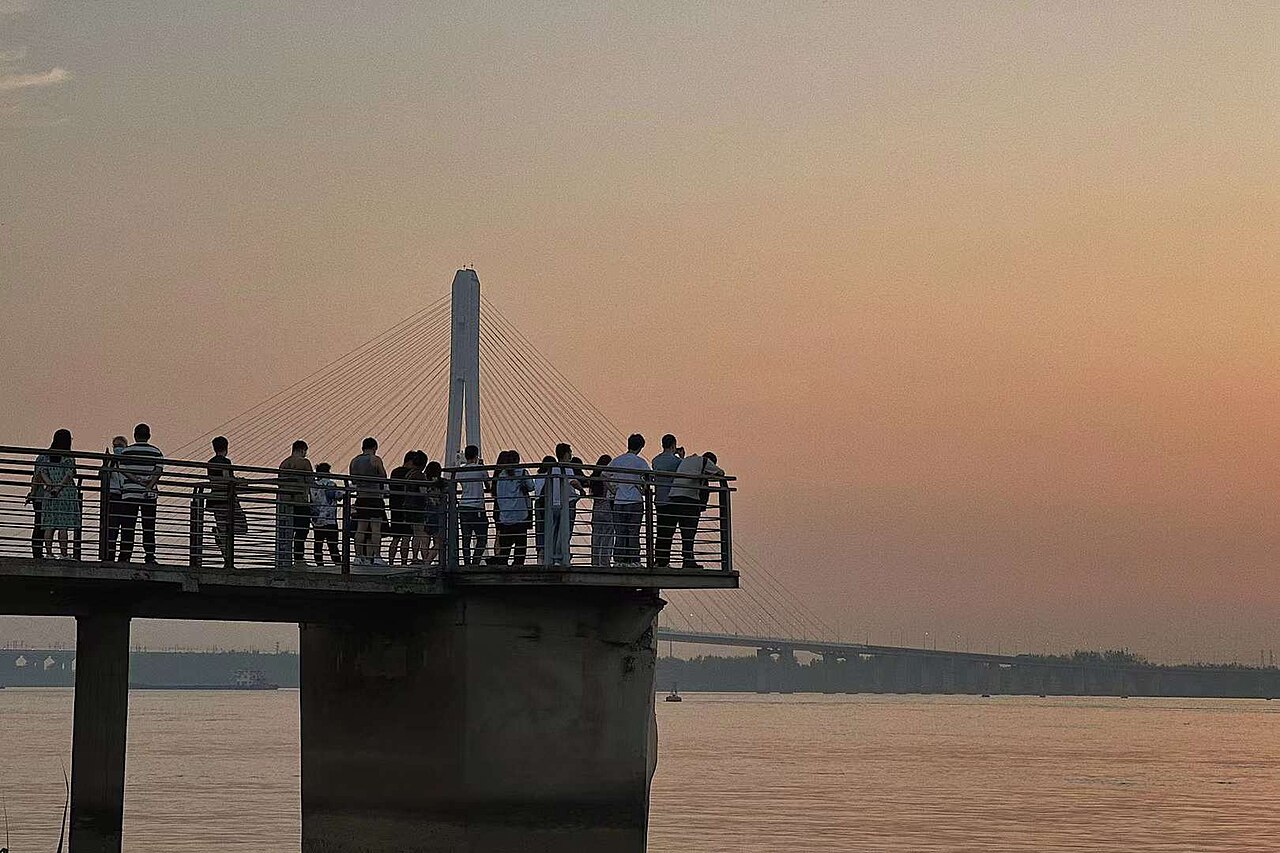
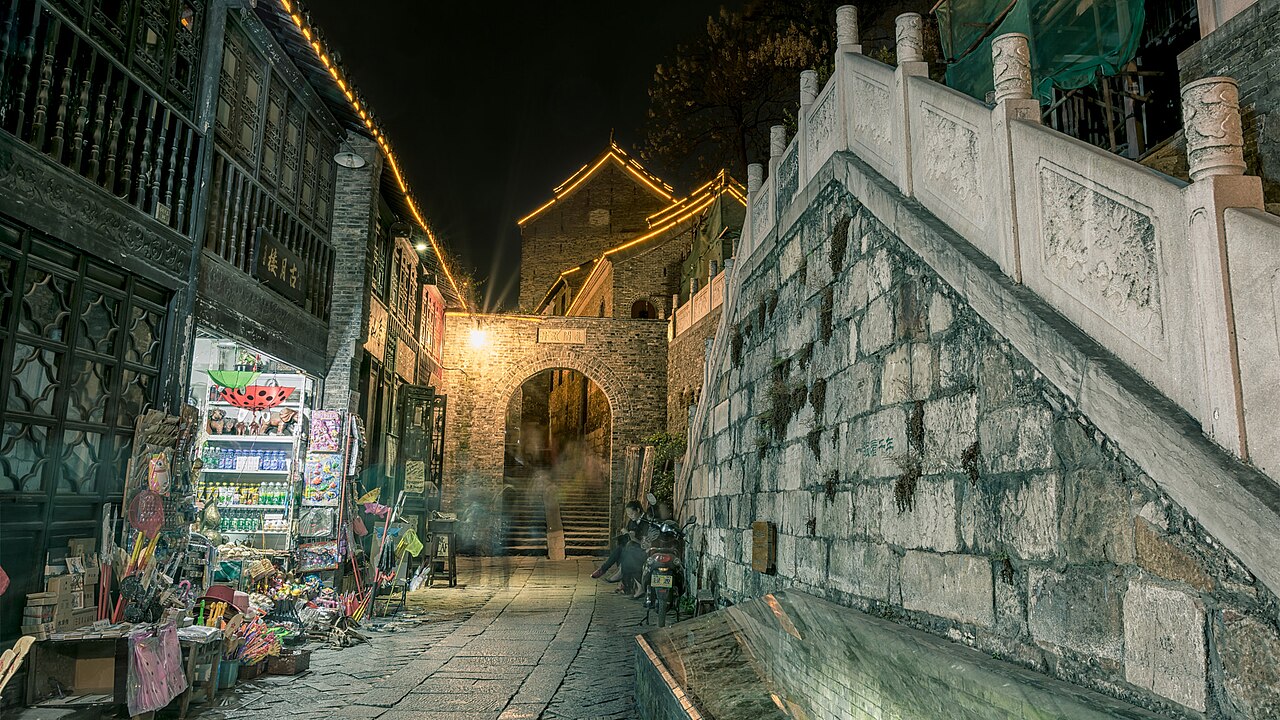
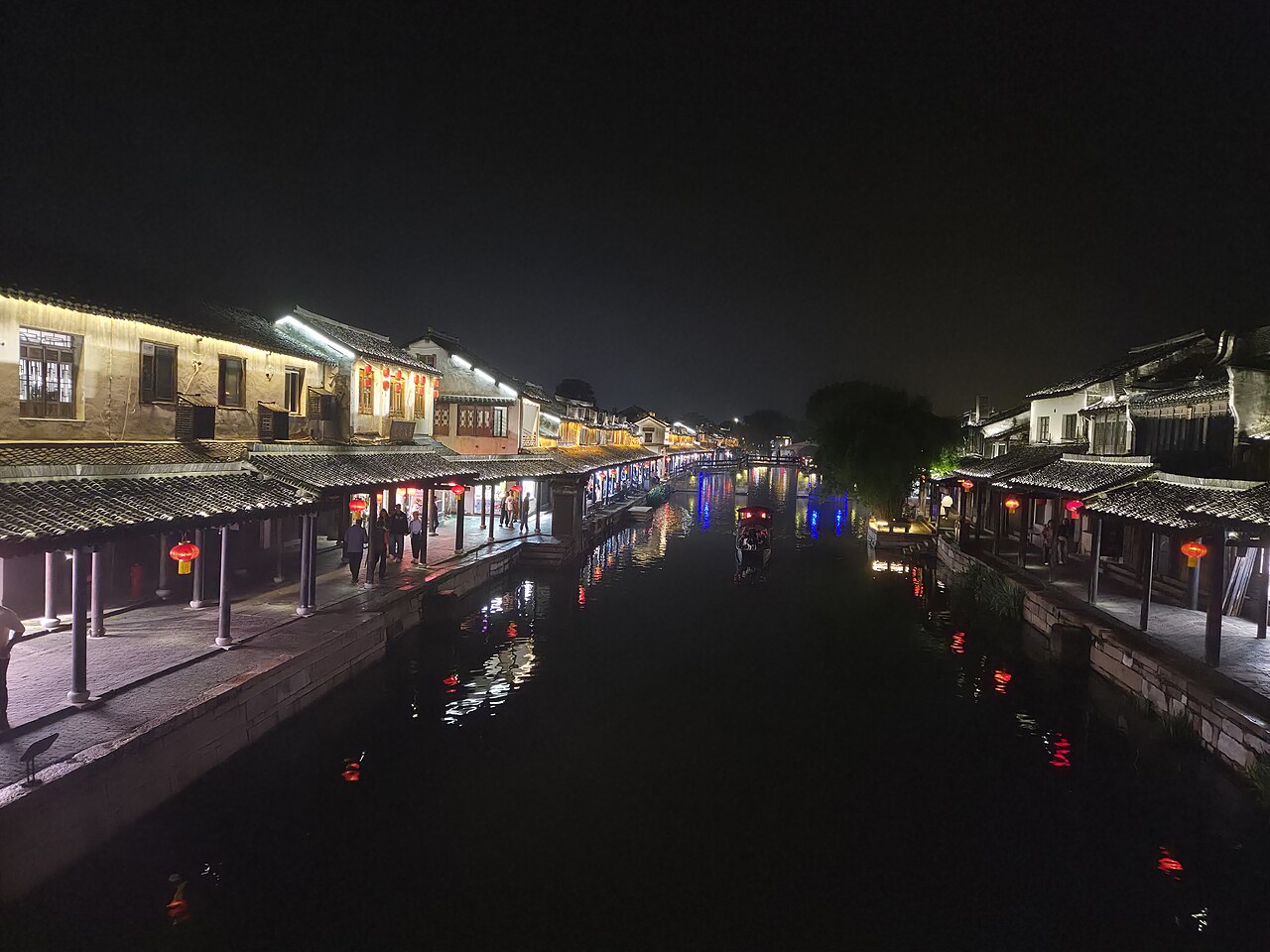
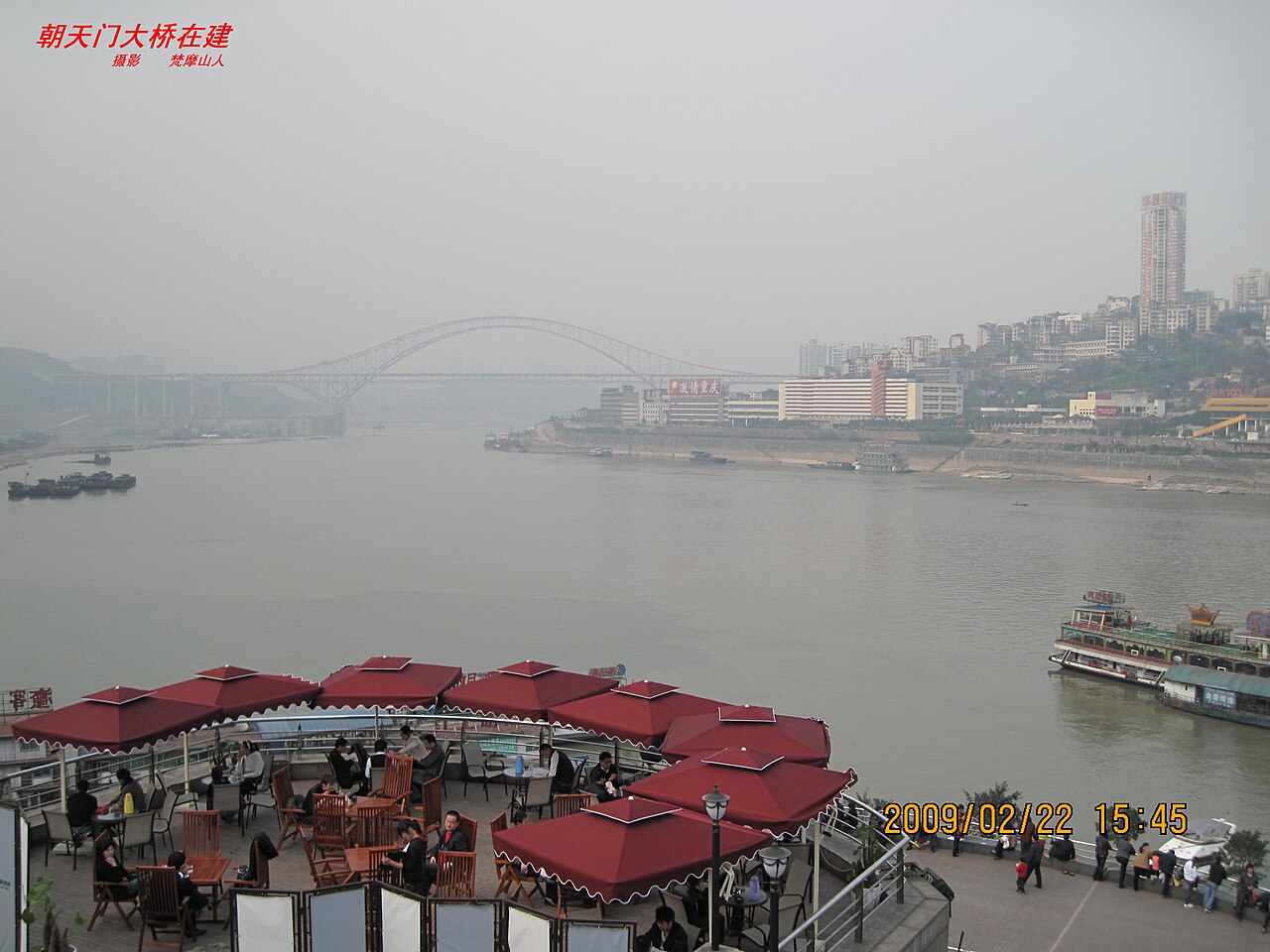
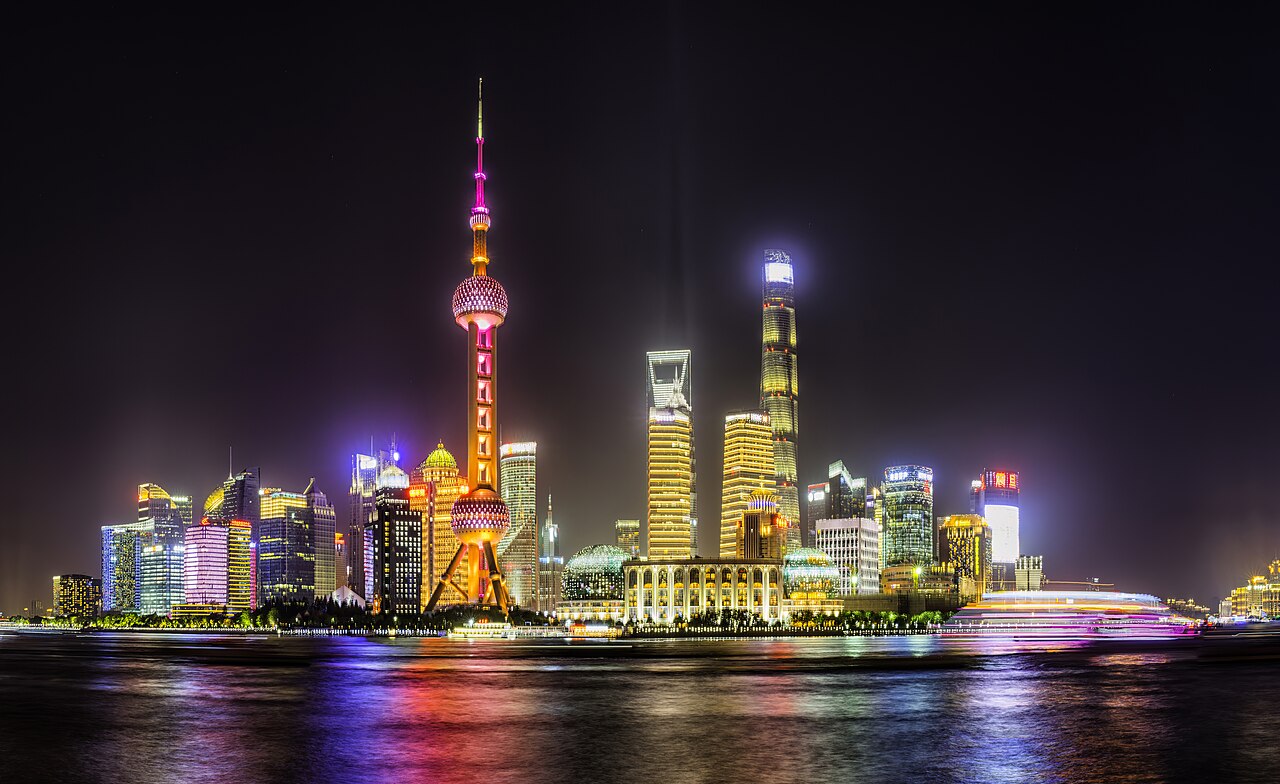
The Old Bund at dusk, European facades over the river
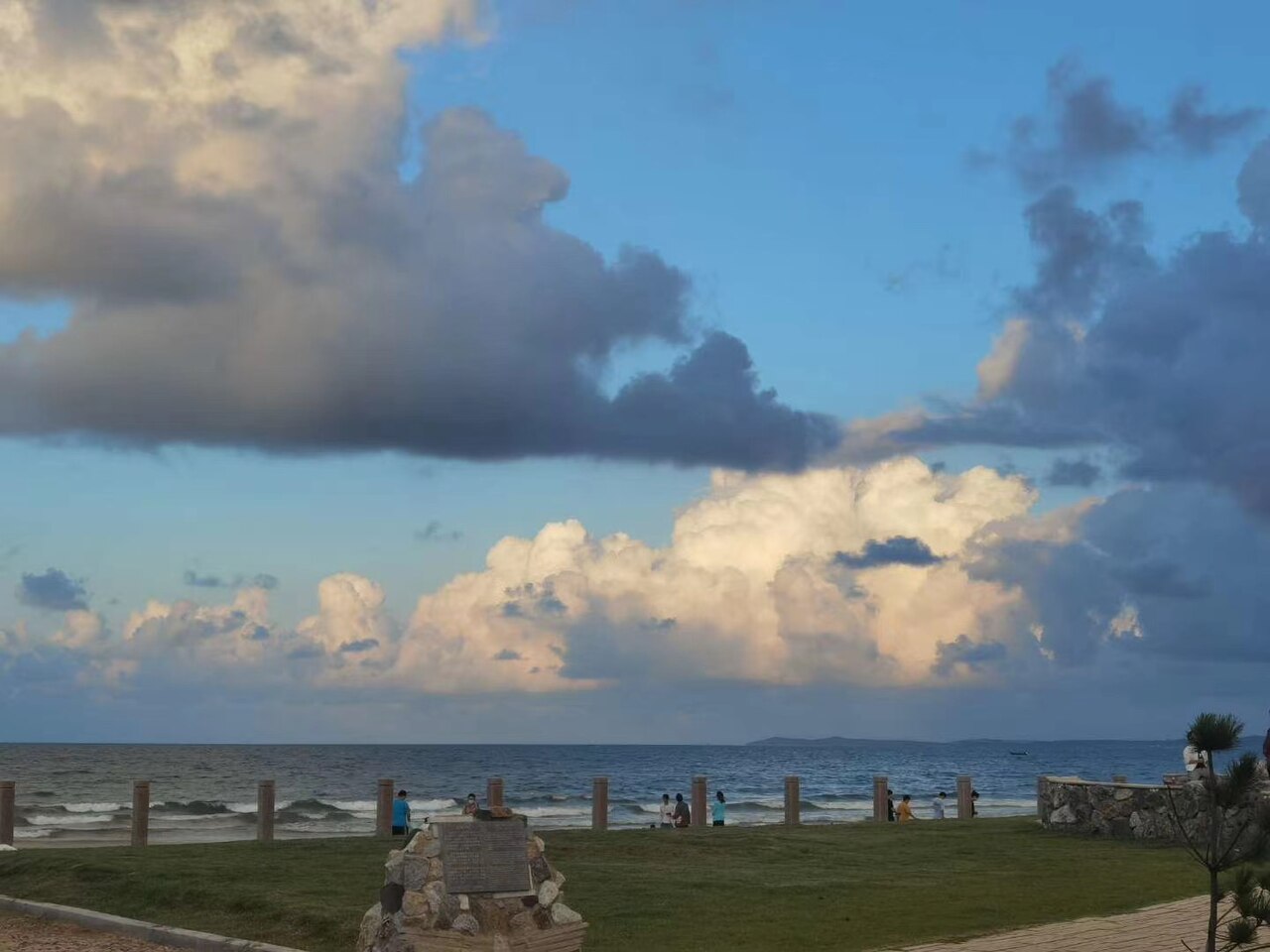
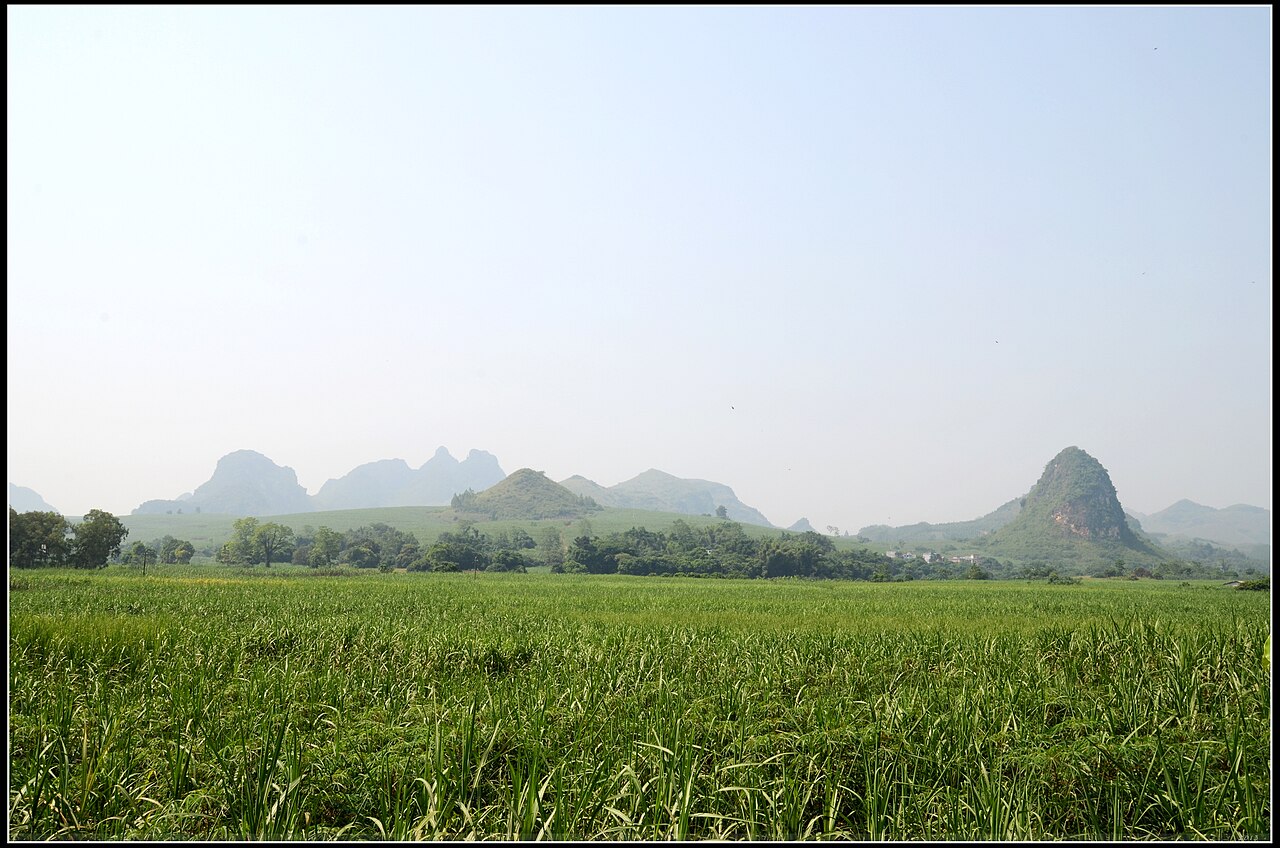
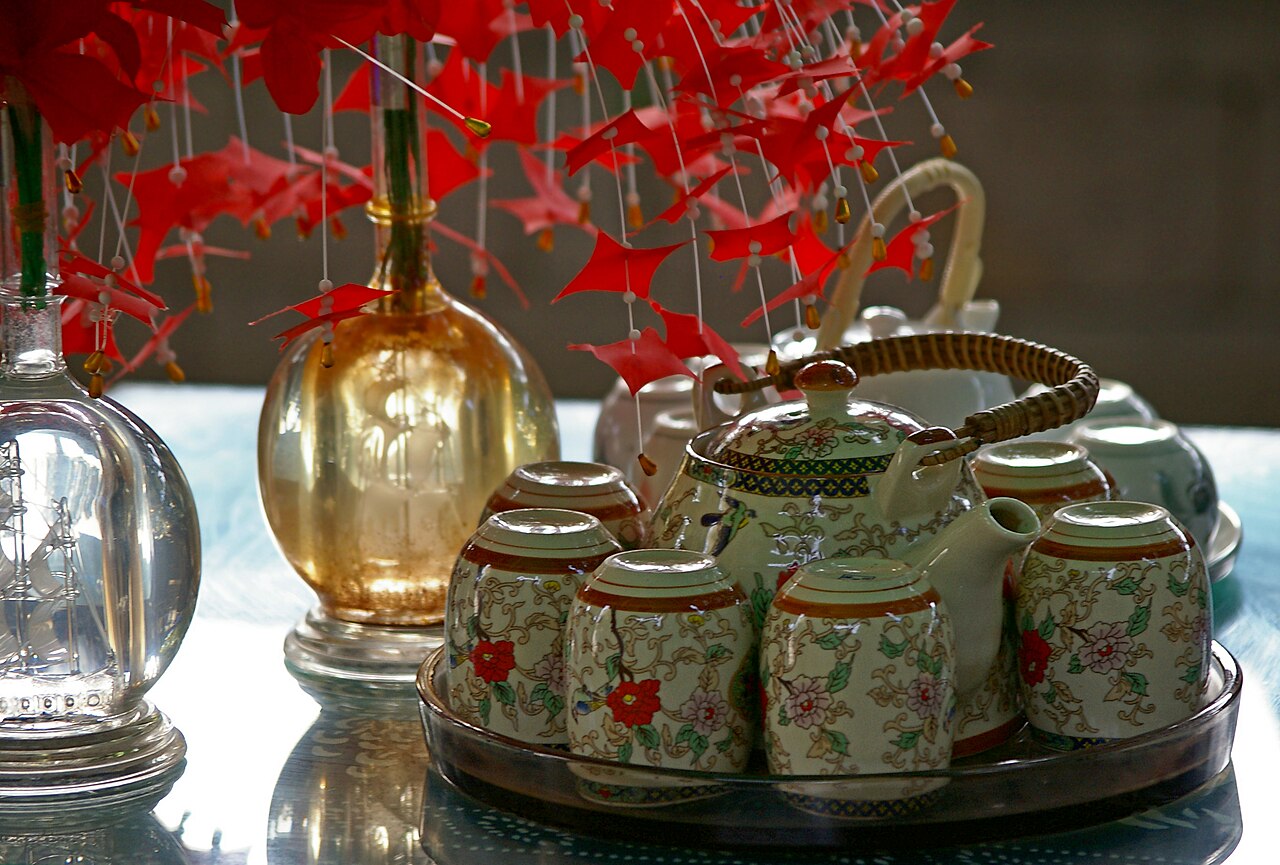
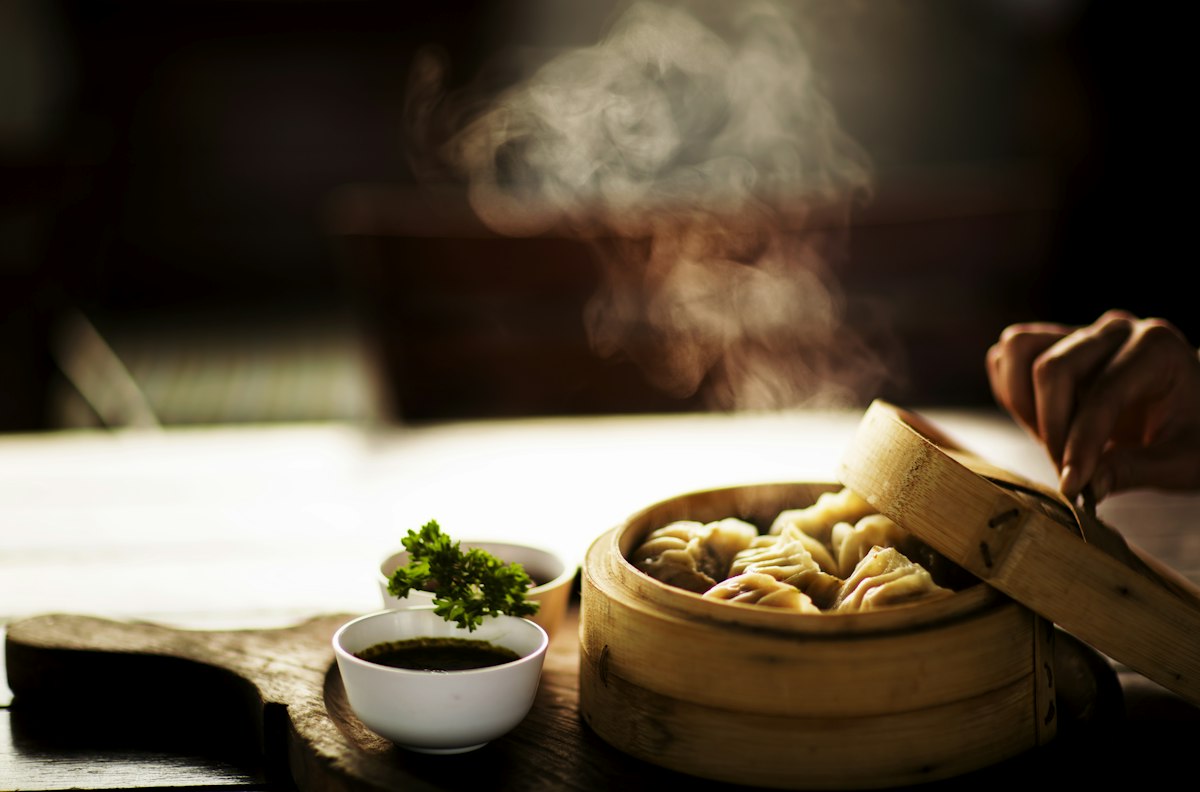
Ningbo seafood, best eaten in the city, not on the islands

I had always imagined a small old town in the same register as Shaoxing, and I was quite wrong: Ningbo's bustle gives up nothing to Beijing's. But down the small lanes I found my Ningbo — white walls, black eaves, unhurried and free.

A traveller's note in the source guide

We came straight out of Tianyi Pavilion and went to Moon Lake. Taking a boat out on the water is something else again — even with a motor and a steering wheel, it beats driving through a noisy city.

A note from 'Ningbo and Zhoushan on your own'

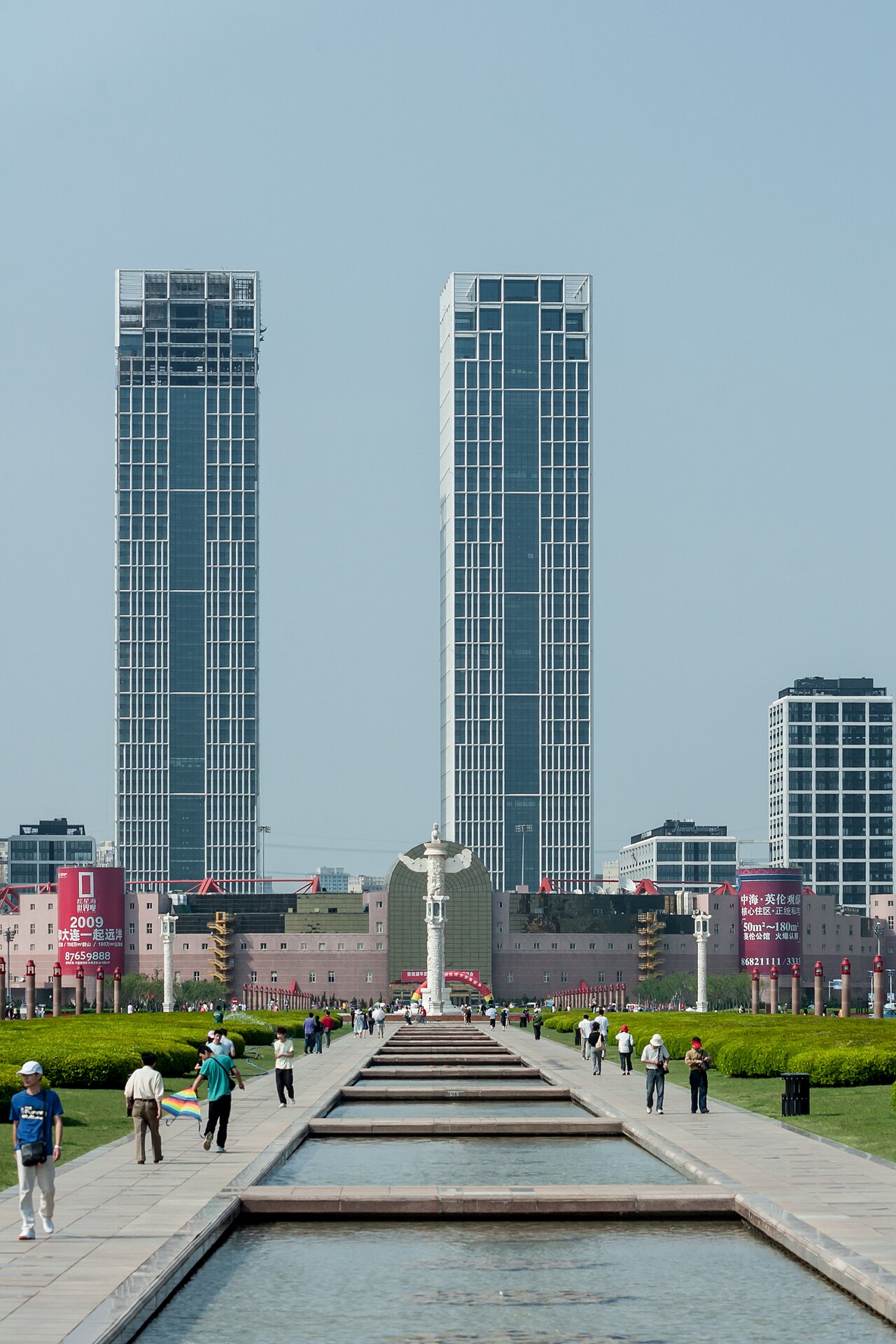
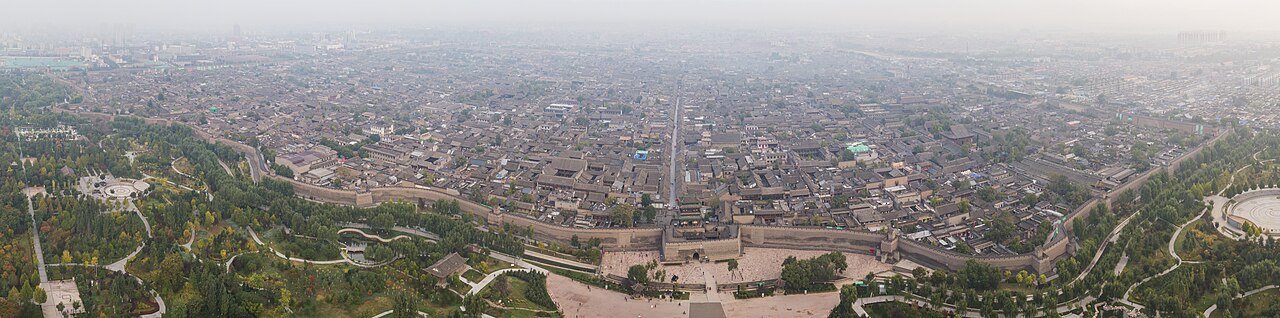
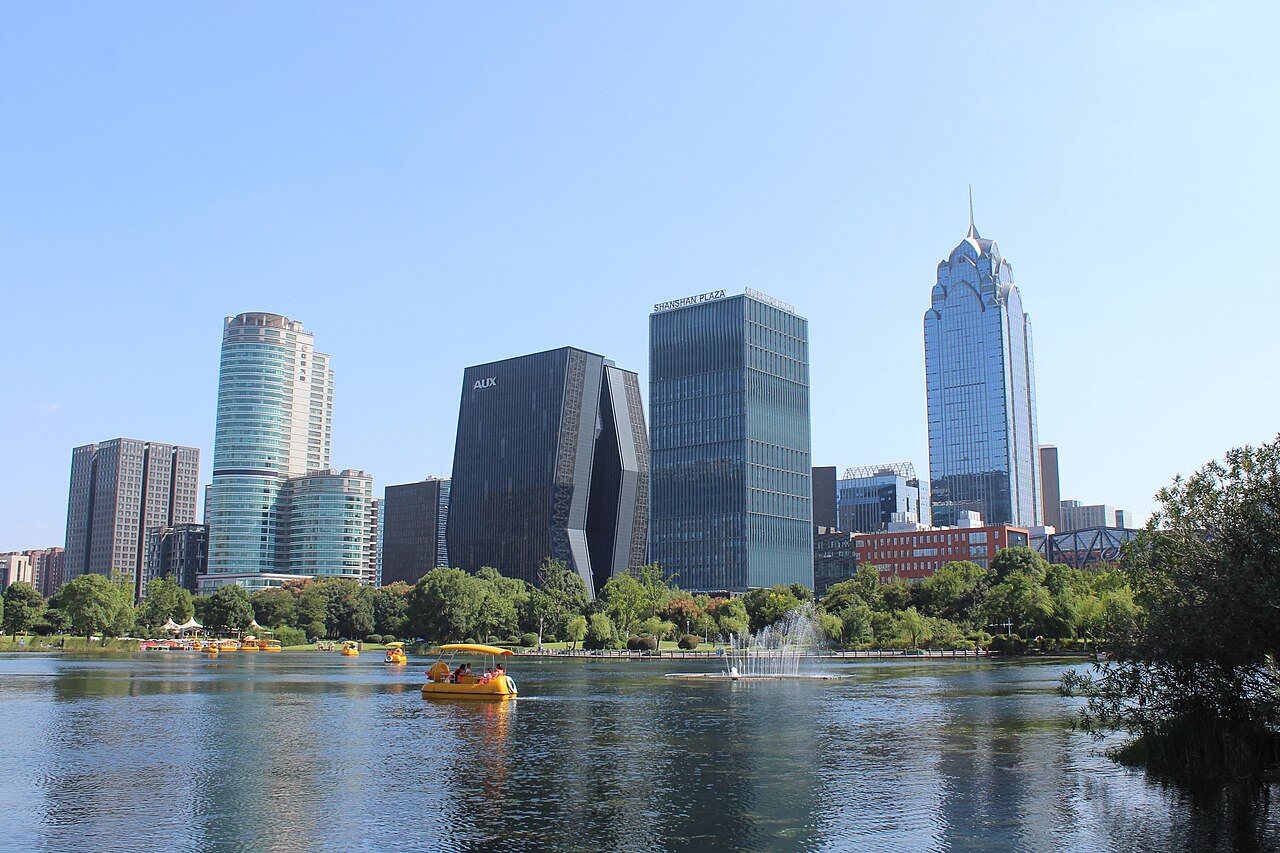
Ningbo does not look like the postcard of a Zhejiang old town. Its downtown is a modern one — glass, flyovers, a neon skyline — and its port is one of the biggest in the world. But the old city survives underneath, and it is the old city you come for: white walls and black eaves, a private library older than most of Europe's universities, and a stretch of riverfront that traded with Europe before Shanghai had a waterfront at all.

Its depth is unusual. The Hemudu site on the city's edge pushed rice farming in this delta back 7,000 years, and Ningbo has been a working port ever since — the place the first emperor's envoy Xu Fu sailed from, the harbour Arab and Korean merchants found, and the home of the merchant guild that would go on to build much of modern Shanghai. The Butterfly Lovers story is set here, and so is Chiang Kai-shek's birthplace at Xikou.

As a place to visit it is compact and cheap. Moon Lake, Tianyi Pavilion, the Drum Tower, Tianyi Square and the Old Bund sit within a couple of kilometres, and the walking between them is the pleasure. Add a day and you are on Dongqian Lake, or wandering the craft workshops of the walled town of Cicheng, or climbing to Baoguo Temple's Song-dynasty hall.

It is also the practical springboard to the Buddhist island of Putuo. Boats and coaches head south to the Zhoushan archipelago all day, so most travellers spend a night or two here before the sea crossing — and if you would rather not work out the ferries yourself, our Ningbo tour packages fold them into the trip.
Ningbo

Don't leave without

Seven things that are worth rearranging a day for.

  1. Read a Ming edition in spirit at Tianyi Pavilion, the oldest private library in Asia
  2. Walk the Old Bund after dark, when the European facades are lit
  3. Rent a boat on Moon Lake and get your bearings from the water
  4. Eat a bowl of Ningbo rice dumplings at Gangyagou and let the filling burn your mouth
  5. Find the Song-dynasty timber hall at Baoguo Temple, free of cobwebs and insects
  6. Wander Cicheng's lanes and watch a nearly-lost craft being taught
  7. Ride out to Xikou for the Chiang family residence and the Xuedou falls

Highlights

Six reasons to spend two days here

A library older than most of Europe's universities

Tianyi Pavilion, built in 1561, is the oldest surviving private library in Asia: 13,000-plus volumes, largely Ming printing, in a garden compound whose fire and damp defences became the model for the Qing imperial libraries. ¥30, and the building alone is worth it.

A waterfront that traded before Shanghai

The Old Bund opened to foreign trade 20 years earlier than Shanghai's, and the European facades still stand — now full of bars and galleries. It is free, and after dark it is the best-looking kilometre in the city.

The real thing: Ningbo seafood

Ningbo (Yong) cooking is one of the sharpest traditions on the coast — fresh and salty rather than sweet. Yellow croaker, river eel, salted greens, and the 'three stinks'. The city does it better and cheaper than the islands do.

Moon Lake, the locals' West Lake

Free, green and ringed with old halls and small museums, Moon Lake is where Ningbo slows down. The Eastern Zhejiang scholars wrote here; you just walk it, ideally in the hour before dusk.

Timber, stone and 1,200-year-old walls

North of town, Baoguo Temple keeps the oldest wooden hall in Jiangnan (¥20), famously free of nests and insects. West of town, Cicheng is a walled county town pulling dying handicrafts back to life.

The gateway to Putuo

Ningbo is the mainland launchpad for Mount Putuo. Coaches reach Zhoushan all day and boats meet you there — so one night in Ningbo is the calm way to start the Buddhist island.

Suggested routes

A city day, a hills day, or the sea

The historic core on foot

1 day days

Almost everything on this route is free and all of it is within a couple of kilometres.

  1. Day 1

    Moon Lake — Tianyi Pavilion — Chenghuang snacks — Tianyi Square — Old Bund

    Start at Moon Lake in the morning while it is still quiet, walk the shoreline and dip into the clothing museum or an old official residence on the bank (bring ID).

    Stops: Moon LakeTianyi PavilionChenghuang TempleTianyi SquareOld Bund

Temples, timber and a lake

1 day days

Out of the centre to the old wood, the walled town and the big lake.

  1. Day 1

    Baoguo Temple — Cicheng — Dongqian Lake

    Bus out to Baoguo Temple in the hills for the Song-dynasty hall, then on to Cicheng for the lanes and craft workshops. Finish the afternoon on Dongqian Lake — take a boat and let the hills do the rest.

    Stops: Baoguo TempleCichengDongqian Lake

Two days, plus the road to Putuo

2 days days

The city, then the mountains, then the sea crossing.

  1. Day 1

    The old core

    Moon Lake, Tianyi Pavilion, the Drum Tower, Tianyi Square and the Old Bund after dark — the standard city day, all walkable.

    Stops: Moon LakeTianyi PavilionDrum TowerOld Bund

  2. Day 2

    Xikou, then south to the coast

    A full day at Xikou for the Chiang family residence at Fenggaofang and the Xuedou Mountain falls, then head south toward Zhoushan for the night and the morning boat to Putuo.

    Stops: XikouFenggaofangXuedou MountainShenjiamen

Sights

What to actually go and see

The library

Tianyi Pavilion

Built in 1561 by Fan Qin, the Ming vice-minister of war, and named from the I Ching line about water being born of heaven. It is the oldest private library in Asia and one of the oldest family libraries in the world: 13,000-plus volumes, most of them Ming woodblock editions, some unique. Fan Qin thought hard about fire, and dug a pool in front of the pavilion with a hidden channel to Moon Lake so the water never runs dry; the Qing emperors later copied the design for their seven libraries of the Complete Library of the Four Treasuries.

Address
10 Tianyi Street, west of Moon Lake, downtown
Ticket
¥30 adults, ¥15 students and children
Hours
Reading room 08:00–17:00
Getting there
Walk from Moon Lake; buses to Tianyi Ge stop

Tip It is the one sight in Ningbo you should not skip. Give it an hour and read the English panels — the fire engineering is the fascinating part.

Free, best at night

The Old Bund

The earliest of the treaty ports to open to foreign trade, and 20 years older than Shanghai's waterfront. English, French, German and Dutch buildings line the Yong River, and they have been repurposed rather than torn down: the interiors are now restaurants, bars and galleries. It is Ningbo's 'eat, sleep, play, shop' strip and the city's face at night.

Address
Renmin Road, Jiangbei district, beside the Yong River bridge
Ticket
Free
Hours
All day; liveliest after dark
Getting there
Buses to Waitan stop

Tip Come at dusk, walk the whole length once while there is light, then pick a terrace for dinner and watch the skyline come on.

Free

Moon Lake

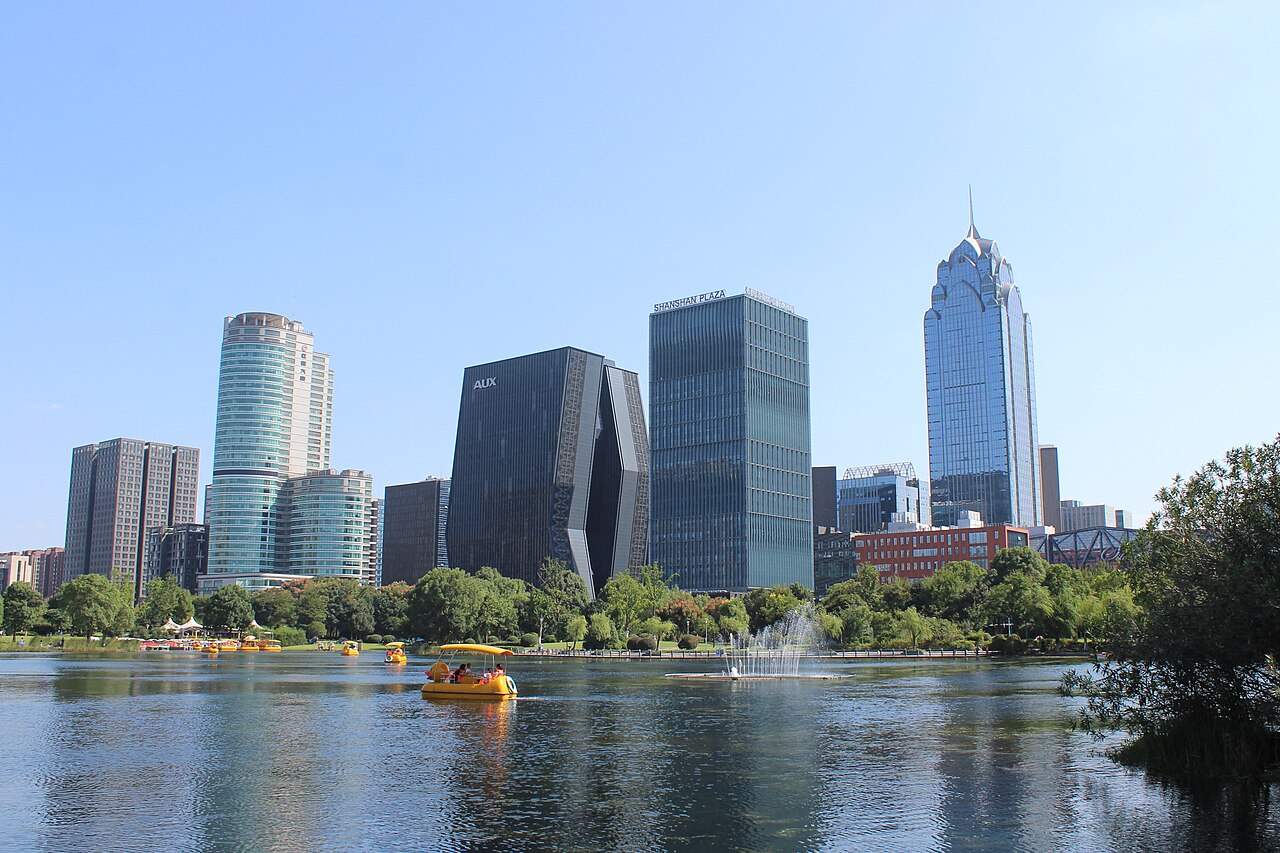
The lake Ningbo treats as its own West Lake, though smaller. It is properly laid out rather than just green — a north garden that reads like a Jiangnan classical garden, a south section that is more of a modern park, and a shoreline dotted with the Ningbo clothing museum, the Yintai residence (an old official's house), the Goryeo embassy site and the He Zhizhang shrine. It was the seat of the Eastern Zhejiang school of learning, and scholars from He Zhizhang to Wang Anshi left their marks.

Address
Yanyue Street, Haishu district
Ticket
Park and museums free; museums need ID registration
Getting there
Buses 1, 9, 15, 518 and more to Moon Lake
Nearby
Tianyi Pavilion, Chenghuang Temple, Tianfeng Pagoda, Drum Tower

Tip Walk it in the late afternoon. Bypass the crowds around Tianyi Square and take the north garden, which is the calm half.

Central

Chenghuang Temple and Tianfeng Pagoda

The Chenghuang temple is one of the largest surviving city god temples in China, but these days it is less a temple than a shopping complex — and a honest warning from the source guide applies: do not bother with the snack stalls inside, which even locals avoid. The Tianfeng Pagoda, the tallest ancient building in the city, stands nearby; its name comes from the heaps of sand and mud used to haul the bricks up during construction, which is why the streets beside it are called Great and Little Sand-street.

Chenghuang ticket
Free (shopping complex)
Tianfeng Pagoda
¥5 to climb, best seen from below
Address
Dashani Street junction, Haishu district
Getting there
Buses to Tianfeng Ta stop

Tip Climb the pagoda only if you want the view — there is little inside — but photograph it from the street, where the upturned eaves and fine carving show best.

The old wood

Baoguo Temple

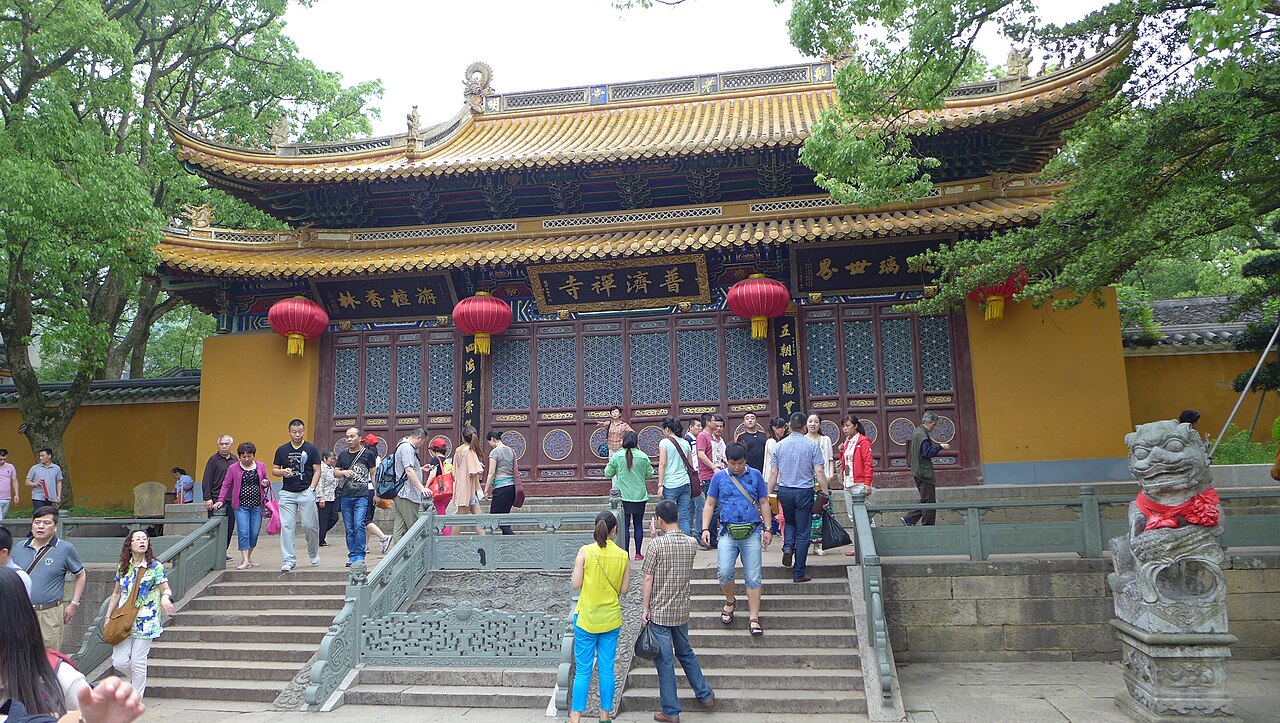
The oldest surviving timber-frame building in Jiangnan and one of the oldest wooden structures in China, set into the hills at Hongtang. The temple climbs the slope: hall after hall on the axis, bell and drum towers to either side, a pool in front that never dries. The main hall is the prize, and the curiosity is that no bird nests, no cobwebs and no woodworm appear in it — put down to the fragrant cypress in the timbers, or to the sound waves the structure sets up.

Address
In the hills at Hongtang town, Jiangbei district
Ticket
¥20
Getting there
Bus 332 from the No. 3 Hospital (Baisha centre) direct; or 330 from Guangji Street then 338 — genuinely awkward, allow time

Tip This one takes effort to reach, and the source guide says so plainly. Go if you care about old timber; skip it if you don't.

Walled town

Cicheng

A walled county town with 1,200 years behind it, named — the story goes — for the filial piety of Dong An, who carried water from a spring miles away for his sick mother until the neighbours dug a well in his honour. It keeps its tidy lanes, Confucian temple and old academy, and it has become a 'city of crafts', with workshops pulling endangered traditional handicrafts back into production.

Ticket
Free to walk; individual sights ticketed
Getting there
Bus from the city, about an hour; a half-day trip

Tip Go for the crafts, not the architecture — the workshops are the point, and you can watch things being made that are made almost nowhere else.

The big lake

Dongqian Lake

Zhejiang's largest freshwater lake and roughly four times the area of West Lake, ringed by green hills and old dykes with nine celebrated views along the shore. Guo Moruo's line is the one everyone quotes: the charm of West Lake with the spirit of Taihu. It is a水利 work as well as a beauty spot, which is why the dykes and sluices are part of the view.

Address
Dongqianhu town, Yinzhou district
Ticket
Lake-centre ¥30, Yuewang temple ¥10, boat ¥20
Getting there
Buses 901 and 06 to Dongqianhu stop

Tip Take the boat rather than just walking the shore — the lake's scale only reads from the water.

City temples

Qing'an Guild Hall and the Seven Pagoda Temple

The Qing'an guild hall — 'Yongdong Tianhou Palace' — was built in 1853 with money from the northern-sea boat merchants, and it is the only place in Jiangnan that combines a Mazu temple with a trade guild hall. Two stages face each other, one for worshipping Mazu and one for guild performances, which is rare anywhere in China. The Seven Pagoda Temple nearby is a living monastery; ¥5.

Qing'an address
156 Jiangdong North Road, Jiangdong district
Qing'an ticket
¥10 adults, ¥5 students
Qing'an phone
0574-87700187
Seven Pagoda ticket
¥5, at 183 Baizhang Road

Tip The guild hall's brick, stone and red-gold wood carving is the best example of Ningbo craft in a single building. Pair the two temples in one morning.

Day trip

Xikou and Xuedou Mountain

Xikou is a Jiangnan historic town at the foot of the hills, famous in the modern era as the home of Chiang Kai-shek and Chiang Ching-kuo — the family residence at Fenggaofang, the ancestral hall and the salt shop are all open, with the Wuling gate and Chiang's and Soong Mei-ling's villa the highlight. Behind it, Xuedou Mountain carries the Miaogao terrace and the Thousand-Zhang cliff waterfall.

Address
Xikou town, Fenghua district
Ticket
¥230 combined; Xikou scenic area ¥200; Xuedou Mountain ¥120
Getting there
Coach from the Ningbo bus station to Xikou, about 50 minutes

Tip Enter Xuedou Mountain from the Sanyin Pool gate — that way the whole route is downhill. Bring your own food; the in-scenic restaurants are thin.

Deep cuts

Hemudu and the coast, if you have time

The Hemudu site museum, at Yuyao, is free and shows the 7,000-year-old rice-farming culture that makes Ningbo's claim to depth: pottery and bone tools, and the mortise-and-tenon timber frame called a marvel of building history. Out toward the sea, Shipu fishing-port old town (¥60) keeps its Ming and Qing lanes and its fish-trade atmosphere, and Xiangshan film city (¥60) is where much of Chinese TV's wuxia gets shot.

Hemudu
Free, at Hemudu town, Yuyao — coach from the city bus station, about 90 minutes
Shipu
¥60, at Shipu town, Xiangshan
Xiangshan film city
¥60, Xinqiao town, Xiangshan

Tip These are only worth it if you have a spare day and a car or a lot of patience with coaches. Otherwise stay in the city core.

Food

Fresh, salty, and unafraid of stink

Ningbo rice dumplings

The dish the city is known for nationwide. Glutinous rice, a lard and black-sesame filling, served hot in soup — seven to a bowl at the famous shop. The filling bursts when you bite, so let it cool a breath first. Sweet but not cloying, and the lard is measured exactly.

Yellow croaker in bean-curd skin

A century-old Ningbo dish: a whole fresh croaker wrapped in thin bean-curd skin and fried, eaten with vinegar and a tomato sauce. The skin crisps, the fish stays clean and sweet underneath.

Braised river eel

One of Ningbo's ten famous dishes, made best with local 'pond eel'. The eel is steamed until the fatty skin turns translucent, boned without breaking it, then braised red so the flesh is soft, sweet and glossy. A mineral-rich dish, traditionally eaten with wine.

Salted greens with yellow croaker

Also called big-soup yellow croaker, and the clearest taste of the Ningbo kitchen: fresh croaker fried pale, then simmered with pickled mustard greens and winter bamboo until the broth goes milky. Salty, clean, restorative.

The Ningbo 'three stinks'

Fermented winter melon, fermented tofu and fermented amaranth — the trio locals call the three-stink platter. Fermented with amaranth stem juice, they are an acquired taste and a point of local pride. Fried tofu is the gateway version; the steamed one is the real thing.

Red roe crab

Made from swimming crab by a special process: heavy on meat, full of roe, and rich in flavour. Eaten chilled, it is one of the purest expressions of coastal Ningbo food.

Braised pork with rock sugar and turtle

A festival dish rather than an everyday one: turtle stewed with rock sugar until glossy and sweet-savoury, credited locally with cooling and tonifying properties. Order it if you see it done well.

Xikou thousand-layer cake

The snack of Xikou: fine white flour, sugar, winter moss and sesame baked into a crisp, layered cake shaped like firm tofu. Light, fragrant and cheap — about ¥20 a portion — and the best edible souvenir near the Chiang residence.

Where to eat

Kitchens worth the walk

The famous dumplings

Gangyagou

The century-old Ningbo dumpling house, and the one everyone means. The odd name is a pun on the founder Jiang Agou, who — being unable to read — painted a jar, a duck and a dog on the sign instead. Seating is crowded with pilgrims to the name, but the dumplings are worth it.

Address
188 Zhongshan East Road, Haishu district; 68 Shuijing Street, Tianyi Square
Average spend
¥43
Phone
0574-89081926

Local favourite

Tiegebi

A restaurant locals actually go to, doing home-style Ningbo cooking well. The clam in soup is what everyone orders, and the stone-pot tofu, bean-curd-skin yellow croaker and Ningbo roast greens all earn their place. Good value and busy, so book.

Address
16 Dongdu Road, Haishu district
Average spend
¥79
Phone
0574-56681666

Old brand

Dongfuyuan

A Ningbo old name with trained staff that run to star-restaurant standard. Portions are honest without being stingy and the flavours are consistent. The kind of place to eat a proper Ningbo meal rather than a single dish.

Address
7 Gongyuan Road, Drum Tower
Average spend
¥115
Phone
0574-87175777

The Xikou snack

Supai thousand-layer cake

The thousand-layer cake that people detour for: a thick layer of sea-moss powder on top, crisp and layered inside, white sesame for fragrance, and filling enough to be lunch when you are tired. Right by the Xikou sights.

Address
102–103 Wuling West Road, Xikou, Fenghua
Average spend
¥20

Where to stay

Stay in Haishu, near Tianyi Square and Moon Lake

Best location

Downtown Haishu — the default

The advice is simple: stay in Haishu near Tianyi Square and the Chenghuang temple, where Moon Lake, Tianyi Pavilion, the South railway station and the shopping are all at hand; or on the Haishu–Jiangbei border near Sanjiangkou for the river views. Everything a first-timer wants is then walkable.

Why
Walk to the whole historic core; food and shopping at the door
Budget
Hostel beds from ¥50; chain doubles from ¥180
Also good
Sanjiangkou for the night skyline

Big and central

Marriott Ningbo

In the busy heart of the city near the Yao River, the government quarter and Sanjiangkou, with river-view rooms looking straight at the three-rivers nightscape. The coffee shop does international buffets, the Chinese restaurant does Cantonese and Ningbo home cooking, and there is a Japanese sushi bar and a spa. Twenty minutes from the airport.

Address
188 Heyi Road, Haishu district
Price
From ¥898
Phone
0574-87108888

Quiet, with lake views

Howard Johnson Plaza

Butler-style service that is genuinely attentive — tea on arrival, an escort to the lift, someone waiting on your floor. Some rooms look over Moon Lake, which is the reason to choose it. Nineteen-floor club lounge with snacks and drinks.

Address
230 Liuting Street, Haishu district
Price
From ¥658
Phone
0574-27866666

Simple and cheap

Orange Hotel

Clean, warm, creative and unmistakable in bright orange, and close to both Tianyi Square and Moon Lake at a price that is hard to argue with. The value pick if you don't need a view.

Address
447 Mayuan Road, Haishu district
Price
From ¥188
Phone
0574-27715888

Old-house backpacking

Li Residence International Youth Hostel

A Qing-style timber building with lattice windows and flying eaves, ten minutes' walk from Tianyi Square and Tianyi Pavilion. Rooms look over Moon Lake and its zigzag corridors. Cheap, friendly, and full of people swapping sea-crossing plans.

Address
77 Gongqing Road, Haishu district
Price
¥50–150
Phone
0574-87327018

The splurge, out of town

Kaiyuan Ningbo Jiulong Lake Resort

A five-star resort inside the Jiulong Lake scenic area, by the lake and beside the Xiangshan temple, 22 km from the city and 35 km from the airport. It calls itself the Shangri-La of eastern Zhejiang, and for a quiet resort stay that is fair. Within two hours of both Shanghai and Hangzhou.

Address
Langjiaping, Jiulong Lake, Zhenhai district
Price
¥550–680
Phone
0574-86538888

Getting around

How to reach Ningbo and move through it

By air

Ningbo Lishe International (NGB) is about 12 km from the centre, 10 to 30 minutes by road to the rail and bus stations and the expressway entrances. It flies to Beijing, Shanghai, Guangzhou, Shenzhen, Chengdu, Chongqing, Xiamen, Qingdao, Dalian and more, plus Hong Kong and Seoul.

Airport to city
Airport bus ¥12, stopping at the passenger centre, the South bus station and the civil-aviation ticket office
City to airport
From the ticket office, 07:00–18:00 hourly, first bus 05:45, ¥12
Passenger centre to airport
Free, 09:00–18:00 every half hour

By train

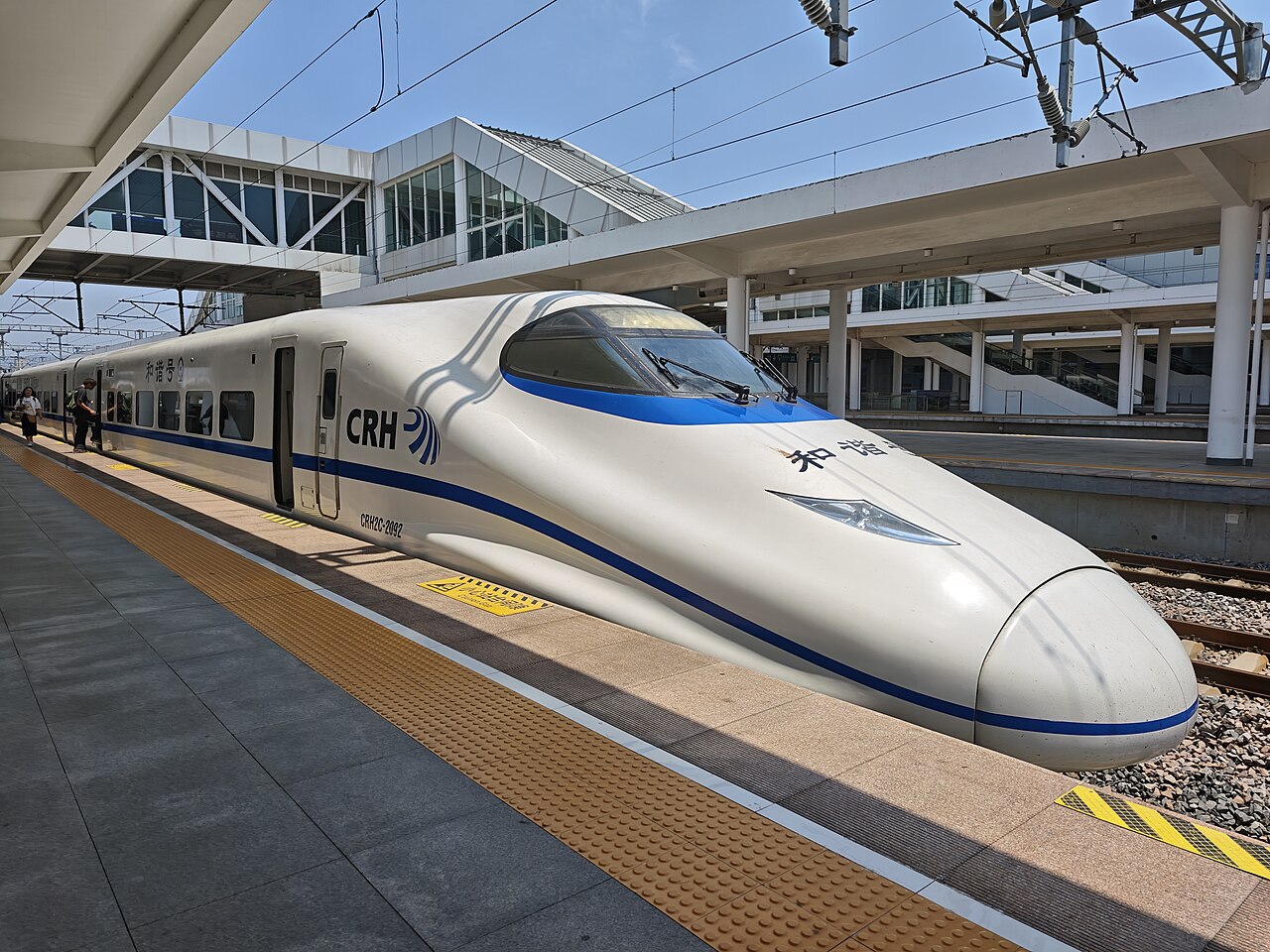
Five stations, of which Ningbo South and Ningbo East carry passengers. The high-speed line runs to Shanghai in about 2 hours and Hangzhou in under 1. Day-tripping out is easy; bring ID, as all rail tickets are tied to it.

To Shanghai
About 2 hours by high-speed rail
To Hangzhou
Under 1 hour
Main stations
Ningbo South (Haishu), Ningbo East (Jiangdong)

By coach

Six public coach stations — South, Centre, East, North, West and Zhongba South — fan out to the surrounding provinces and towns. This is also how you reach Zhoushan and the road to Putuo.

Passenger centre
0574-87142846
East station
0574-87924570
South station
0574-87131834

By ferry

The city sits where three rivers meet the sea, so water transport is part of getting around. Baifeng pier at Beilun runs to Yadanshan on Zhoushan and onward to Putuo; other piers handle Zhenhai, Daishan and Shengsi, and the Daxie pier reaches Putuo directly.

Baifeng pier
To Zhoushan Yadanshan and Putuo
Zhenhai pier
To Zhoushan, Daishan, Shengsi
Daxie pier
Direct to Putuo

By metro, bus and taxi

In town, buses are the backbone at ¥2 (some routes banded), with a metro network on top. Taxis are easy and cheap for short hops. For the old core, though, your own two feet beat both.

City bus
¥2, some routes banded
Taxi
¥10 for the first 3.5 km, then ¥2/km plus ¥2 fuel surcharge
Best for the core
Walking — everything is a couple of kilometres apart

Shopping

What to carry home

Ningbo straw mats

Woven mats prized for being finely made, firm, smooth and easy to store, sold all over the country. The hemp-woven ones are the most famous, and the white-hemp-fibre mat from Huanggulin, the self-styled 'home of straw mats', is the best grade.

Ningbo bayberry

Soft, sweet and full of flavour, the size of a pearl and the colour of agate. The 40 km belt from Linghu in Cixi to Mazhu in Yuyao is the main growing area, and there are four types — white, pink, red and black — each with its own character. A summer fruit, so time your trip.
Dried seafood

Ningbo is a seafood town, so the souvenirs are seafood: dried mussels, salted and wind-dried eel, croaker and crab, and the region's dried-fish range. Buy the vacuum-packed pieces for travelling and the loose ones to eat at home.
Bone-and-wood inlay, red-gold carving

The city's crafts are distinctive: bone-and-wood inlay, lacquer over moulded relief, Ningbo gold-and-silver embroidery, red-gold wood carving, turned bamboo carving and gold-painted lacquer. Look for genuine workshop pieces rather than tourist-stand copies.

Where to shop

Zhongshan Road, Jiefang South Road, Kaiming Street and Dongmenkou are the busiest retail streets, with Yin Tai, the International Shopping Centre and others. For clothes, Caibao and the Chenghuang pedestrian street; for bargains, the Qingfang and Wanghu markets; for dried seafood, the dry-goods market by the Xinjiang bridge.

Seasons and events

What is on while you are there

May

Xiangshan seafood festival

A celebration of Xiangshan seafood built around 'taste the seafood, feel the sea': folk activities on the beach, fishing-clothes displays, windsurfing and crab-catching, all on the Songlanshan coast.

When
The May holiday week
Where
Songlanshan seaside resort, Xiangshan

Tip The point is the eating. Go hungry and go early, before the coach parties.

June

Cixi bayberry festival

Held through the bayberry season, with the Yue-kiln celadon symposium, a bridge-economy and leisure-tourism forum, and thousands of visitors picking in the groves.

When
June, the bayberry season
Where
Henghe town, 5 km south of Cixi city

Tip Bayberries do not travel well — eat them where they grow, or buy them in a paper box for the train.

April

Ninghai razor-clam festival and tea festival

Changjie is the razor-clam capital and April is the best month to eat them; Shanchuan holds a tea festival around the Wanghai tea grown at 931 m on misty hillsides. Spring is when the coast eats and drinks best.

Razor clams
Changjie town, April
Tea
Shanchuan town, April — Wanghai tea, first of Zhejiang's ten famous teas

Tip Both are local festivals rather than tourist shows; expect crowds of locals, which is the good sign.

June–August

The sea in summer

Ningbo's beaches — Yangsha Mountain, Tantou Mountain, and further out Zhujiajian and the Putuo sands of Qianbu and Baibu — are for camping, barbecuing and surfing in the hot months. Note the plum rains and typhoon season that come with them.

Local beaches
Yangsha Mountain, Tantou Mountain — camping, BBQ, surfing
Further out
Taohua Island, Zhujiajian, Putuo's Qianbusha and Baibusha

Tip If a summer swim is the plan, bring your own towel, slippers and costume — once you are on the island they cost more.

Tips

Small things that make a big difference

The free museums still want ID

Moon Lake and its museums are free, but the clothing museum, Yintai residence and others need ID registration at the door. Carry your passport and you sail through.

Skip the Chenghuang temple snacks

Straight from the source guide: the food inside the Chenghuang temple complex is not good, and locals do not eat there. The temple is for shopping, not for lunch — go to a real Ningbo restaurant instead.

Eat seafood in the city

The islands are the famous place for seafood, but Ningbo is where it is cheaper, fresher and cooked with more range. Do your seafood here, then eat simply on Putuo.

Be kind to your stomach after shellfish

Don't follow seafood with cold drinks or watermelon, and don't swim within the hour. If you are heading onward by boat and prone to seasickness, eat light and take a tablet first.

The Old Bund is a night sight

It is free and open all day, but its whole reason is the lighting and the riverside after dark. Plan it as your evening, not your afternoon.

Give Baoguo Temple its own trip

It is genuinely awkward to reach on public transport and the source guide admits it. If you are going, build in the travel time; if you are not a timber-and-history person, spend the half-day on Dongqian Lake instead.

Practical

The numbers you will actually need

Ningbo is a city of two halves: the free old core you walk by day, and the lit Old Bund you walk by night. The middle of the day is for the library, a tea house, or the road out to the hills.

Best monthsApril–October; spring and autumn best. Humid south-east coast: plum rains and about 34°C in early summer, mild winters rarely below freezing for more than a week
Key ticketsTianyi Pavilion ¥30 (¥15 students/children); Baoguo Temple ¥20; Qing'an guild hall ¥10 (¥5 students); Seven Pagoda Temple ¥5; Tianfeng Pagoda ¥5; Dongqian Lake ¥30 + boat ¥20; Xikou ¥230 combined (Xikou ¥200, Xuedou ¥120); Shipu ¥60; Xiangshan film city ¥60
FreeMoon Lake and its park, the Old Bund, the Drum Tower, Tianyi Square, Tianfeng Pagoda (from below), the city god temple complex
Getting thereNingbo Lishe airport (NGB) 12 km; airport bus ¥12; high-speed rail to Shanghai about 2 h, to Hangzhou under 1 h
Local transportCity bus ¥2 (some banded); taxi ¥10 first 3.5 km then ¥2/km plus ¥2 fuel; metro network in the centre
To PutuoCoach to Zhoushan (Dinghai/Shenjiamen), then fast boat from Banshengdong pier — about 3 h door to door
Emergency and infoTourist hotline 0574-12301; Ningbo No. 1 Hospital, 59 Liuting Street — 0574-87085588
TimeUTC+8, Beijing time

Background

Why Ningbo is the way it is

Seven thousand years of rice and sail

Ningbo's history reaches back to the Hemudu culture of the Neolithic, part of the earliest rice-growing societies in the world; the site, found on the city's edge in 1973, produced pottery, bone tools and the mortise-and-tenon timber frames that stunned the archaeological world. Under the Xia it was called Yin; it passed to Chu; after unification the Qin set up three counties here, and it was from Ningbo that the alchemist Xu Fu sailed — by one account China's first overseas trade mission. By the fifth century Korean ships had found it a convenient harbour for the south, and under the Tang its trade with Japan and Korea grew.

The city as a city dates from 821. It grew with the coastal trade and, once the Southern Song made Hangzhou their capital, became a major eastern port through to the Yuan. In the early Ming, official control of sea trade and a ban on ocean-going ships checked it — and the coast turned military against pirates — until, in the sixteenth century, Western merchants arrived. Ningbo was forced open to foreign trade in 1843, but the port was soon overshadowed by Shanghai.

The merchant guild and the name

Ningbo, abbreviated Yong, took its present name in the Ming from the phrase 'when the sea is settled, the waves are calm' — a wish for fair weather and a settled life. What it produced above all was traders: the Ningbo guild was the largest merchant group in modern China, one of the ten great traditional guilds, and it did as much as anyone to shape Shanghai's modern economy and skyline — said locally to be why a quarter of old Shanghai's population claimed Ningbo ancestry.

The city runs on that combination of deep-old and hard-working: a library, a lake and a temple quarter that are centuries old, wrapped in a port and an industrial base that are entirely of the present.

Crafts, opera and a folk story

The city's living culture is craft and story. Ningbo's bone-and-wood inlay, red-gold carving, gold-and-silver embroidery, straw weaving and turned bamboo work are still made, and Cicheng has gathered the endangered ones back into a working town. The plainest northern Zhejiang opera, the local storyteller's patter and the temple fairs keep the older calendar ticking.

And there is the love story: Ningbo is the setting of Liang Shanbo and Zhu Yingtai, the Butterfly Lovers, one of China's four great folk tales, whose shrine the city still keeps. It is a good thing to remember on a city that otherwise presents as a hard-working port — that it also keeps the world's oldest library and one of its oldest love stories in the same few blocks.

The questions visitors ask us most about Ningbo, answered plainly.

Frequently asked questions

Prices and practical details are reviewed every month by our Beijing team and updated the day a rule changes.

What is the best time to visit Ningbo?

April to October, and the spring and autumn shoulders above all. Ningbo has a humid south-east coast climate with four clear seasons and a wet plum-rain spell in early summer, when it can reach around 34°C. Winters are mild — rarely more than a week below freezing — so the city works year-round, but the coast is at its best in the warm half of the year.

Is the Tianyi Pavilion worth the ticket?

Yes, and ¥30 is nothing for what it is. Tianyi Pavilion was built in 1561 by the Ming official Fan Qin and is the oldest surviving private library in Asia; it holds over 13,000 volumes, largely Ming woodblock editions and rare copies. Go for the building and the garden as much as the books — its pool, fed secretly from Moon Lake, was the fire-protection template for the Qing imperial libraries.

How do I get from Ningbo to Mount Putuo?

Take a coach from the Ningbo passenger centre south to Zhoushan, get off at Dinghai or Shenjiamen, then take a boat from the Banshengdong pier across to Putuo — about three hours door to door including the ferry. Dinghai is the quiet, easy base and a taxi to the Yadanshan pier is about ¥10. Alternatively cross the sea bridge to Zhujiajian and take the five-minute fast boat.

What should I eat in Ningbo?

Rice dumplings first, at Gangyagou — seven to a bowl, with a lard and black-sesame filling that bursts hot. Then the savoury Ningbo (Yong) dishes: yellow croaker wrapped in bean-curd skin and fried, braised river eel, salted greens with yellow croaker, and the local 'three stinks' of fermented winter melon, tofu and amaranth. Seafood is the city's whole reason for being, and it is better and cheaper here than on the islands.

Is Ningbo worth two days, or just a stopover?

Two days, comfortably. Day one is the historic core — Moon Lake, Tianyi Pavilion, the Drum Tower, the Chenghuang snacks and the Old Bund after dark. Day two is a choice between the city temples, Baoguo Temple and Dongqian Lake, or a full day out at Xikou. It is a genuinely interesting city, not just a ferry terminal.

How do I move around Ningbo?

On foot in the old core and by metro and bus beyond it. Moon Lake, Tianyi Pavilion, the Drum Tower, Tianyi Square and the Old Bund are all within a couple of kilometres of each other. City buses are ¥2; taxis flag at ¥10 for the first 3.5 km, then ¥2 a km plus a ¥2 fuel surcharge. From the airport the bus is ¥12.

Is Ningbo easy to reach from Shanghai and Hangzhou?

Very. The high-speed line puts Shanghai about 2 hours away and Hangzhou under an hour, with dozens of trains a day from the city's South and East stations. Ningbo Lishe airport (NGB) is 12 km from the centre with flights across China plus Hong Kong and Seoul.

Do people speak English in Ningbo?

At hotels and the big museums, some; on the street and in the seafood restaurants, very little. Signage at the headline sights carries English. Have your destination written in Chinese for taxi drivers — 'Moon Lake', 'Tianyi Pavilion', 'the Old Bund' all read very differently on a phone screen.

Related reading

Related reading

Visas Do I Need a Visa for China? Requirements, Costs and How to Apply China's entry rules changed more in the last three years than in the previous twenty. Here is exactly who needs a visa, what it costs, how long it takes and which passports now walk straight through. 9 min read Visas China's 240-Hour Visa-Free Transit: Who Qualifies and How It Works Ten days in China with no visa application, no fee and no fingerprints — if you hold the right passport and leave for a third country. Here is the rulebook, port by port. 8 min read Money Paying in China: Alipay, WeChat Pay, Cards and Cash Roughly nine in ten urban payments in China now run through a phone. Set up two apps before you fly, carry a modest cash float, and you will never be stuck at a till. 8 min read Transport China's High-Speed Rail: How to Book, What It Costs, How Fast It Goes The fastest way to cross China is also the most pleasant. Here is how to book a ticket with a foreign passport, what the three classes actually give you, and how to survive a Chinese station at rush hour. 9 min read Planning Best Time to Visit China: Month by Month, Region by Region China is the size of Europe, so 'the best month' depends on where you stand. Here is the month-by-month answer for the north, the Yangtze valley, the south and the plateau. 8 min read Planning What to Pack for China: The Complete 2026 Checklist Twenty thousand steps a day, three climate zones and a phone that has to do everything. This is the list we give our own travellers, minus the things they never used. 7 min read Food Chinese Food Culture: Eight Cuisines, One Table There is no such thing as Chinese food. There is Cantonese, Sichuan, Hunan, Jiangsu, Zhejiang, Fujian, Anhui and Shandong — and knowing which one you are eating changes everything. 8 min read Traditions Chinese Tea Culture: Six Classes, One Pot, Two Fingers Tea in China is not a beverage category, it is a social technology: it fills silences, seals deals and sets the pace of a meal. Here is how to sit down in one and not look lost. 7 min read Traditions Chinese Festivals: The Calendar, the Dates and the Crowds Lunar dates mean the calendar moves every year — and two of the festivals move several hundred million people at once. Plan around them or plan into them, but never by accident. 8 min read Etiquette Chinese Etiquette: What Matters, What Does Not, and Why Most etiquette advice for China is either obvious or wrong. These are the dozen behaviours that actually change how you are treated, and the reasoning behind each. 7 min read

Tell us your dates.
We'll do the rest.

Free itinerary design, a revised plan within one working day, and nothing charged until you approve the final version.

  • Tianyi Pavilion is ¥30 (¥15 for students and children) and open 08:00–17:00; built in 1561, it holds 13,000-plus mostly Ming volumes and is the oldest surviving private library in Asia.
  • The Old Bund, Moon Lake, the Drum Tower and Tianyi Square are all free. The Old Bund is best after dark, the lake best before dusk.
  • Baoguo Temple, the oldest timber-frame hall in Jiangnan, is ¥20 and famously free of birds' nests and cobwebs; Dongqian Lake is ¥30 plus ¥20 for a boat.

No spam. No sales calls. Just a real itinerary from a real person.