City guide · Shanghai Municipality

Shanghai travel guide: the Bund at dawn, dumplings in the old town, and how to ride the world's longest metro for 3 yuan

A 1920s waterfront of colonial banks facing a science-fiction skyline, soup dumplings you eat with a straw, and 20 million people moving like clockwork.

  • Known forThe Bund, Lujiazui skyline, soup dumplings, shikumen lanes
  • Typical spendAbout CNY 1,000–1,500 for 3 days
  • Ideal length3 days, 4 with a water town
  • PaceBrisk — the metro does the heavy lifting

Reviewed by our Beijing team Updated 2026-10-10

The short version

Shanghai is worth 3 full days: the Bund and its 52 colonial-era buildings are free and best before 8am, the Yu Garden charges CNY 40 in peak season (CNY 30 off-peak), the Oriental Pearl Tower runs CNY 100–150 depending on which sphere you reach, and the Shanghai Museum costs nothing at all. The metro is the fastest way around — 3 yuan for the first 6km, a 45-yuan three-day pass covers everything — and a bowl of Nanxiang xiaolongbao starts around CNY 36. Come in March–May or September–November, when the plane trees turn and the hairy crabs arrive.

  • The Bund is free and open around the clock; the 52-building colonial waterfront is at its best 6–8am, before the tour groups and selfie sticks arrive.
  • Yu Garden costs CNY 40 in peak season, CNY 30 off-peak, opens 8:30–17:00 and stops selling tickets at 16:40 — the surrounding bazaar is free to wander.
  • The Oriental Pearl Tower is tiered: CNY 100 for the 263m observation deck, CNY 135 with the city history museum, CNY 150 for the top sphere.
  • A metro day pass is CNY 18 for 24 hours, a three-day pass CNY 45 for 72 hours unlimited — sold at the staffed window at Hongqiao Railway Station.

City guide

First impressions

Photographs from the coast, and what other travellers wrote afterwards.

The Bund at dusk, the colonial facades lighting up across the Huangpu from Pudong
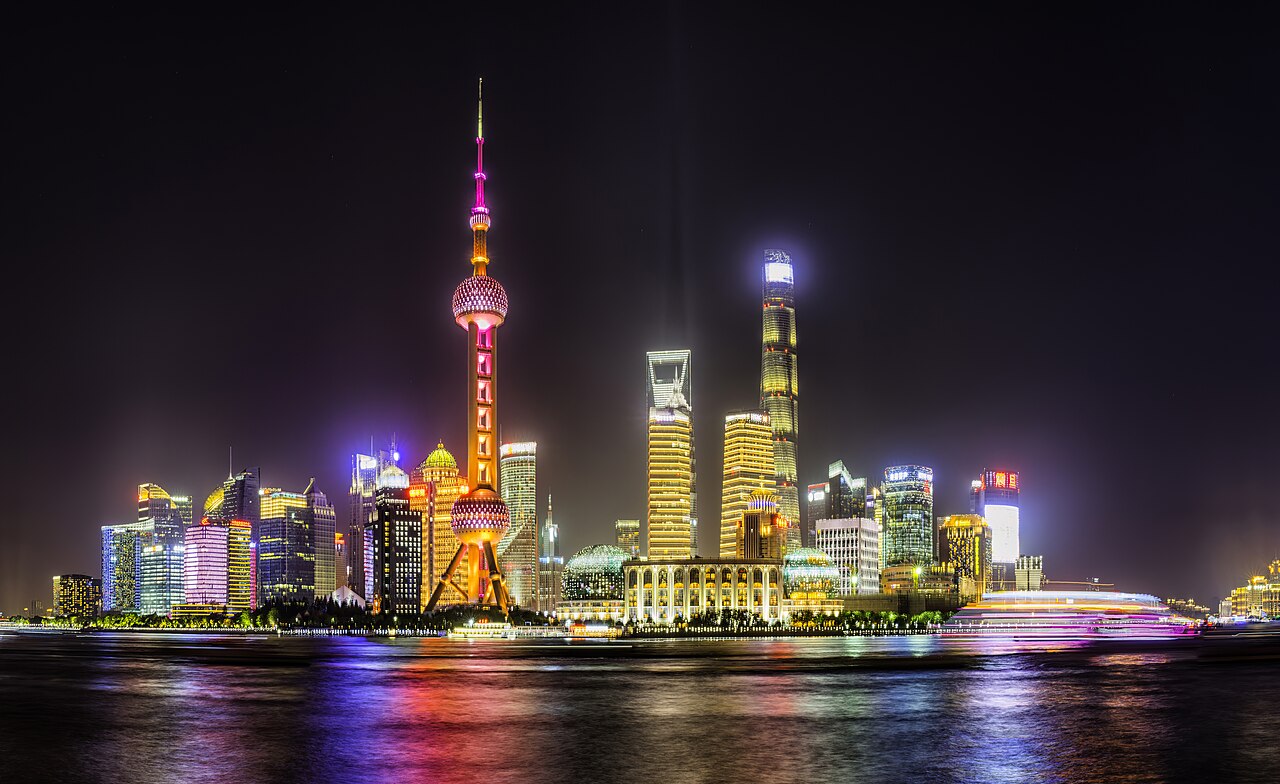
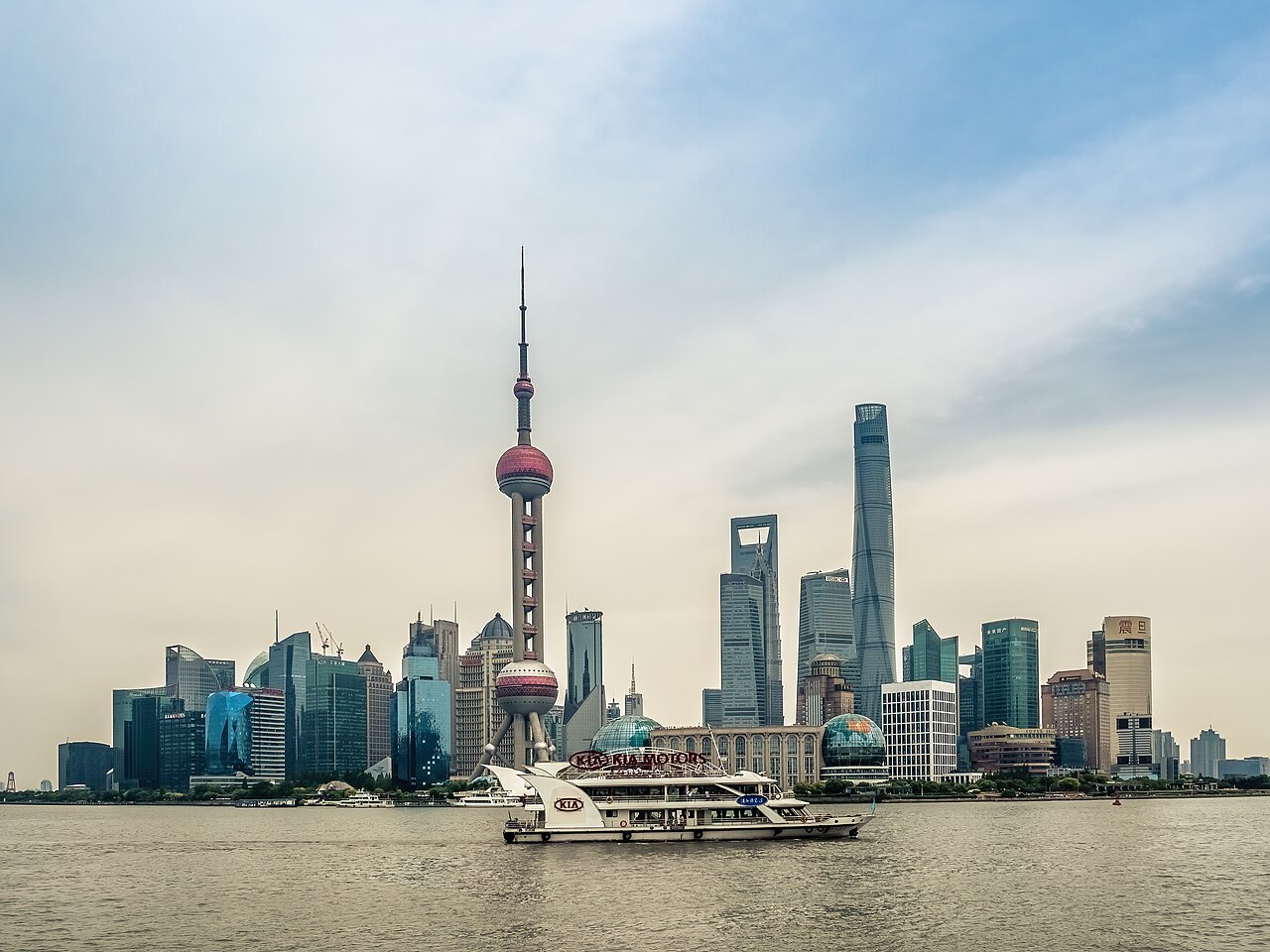
The Oriental Pearl Tower and Lujiazui skyline seen from the Puxi waterfront
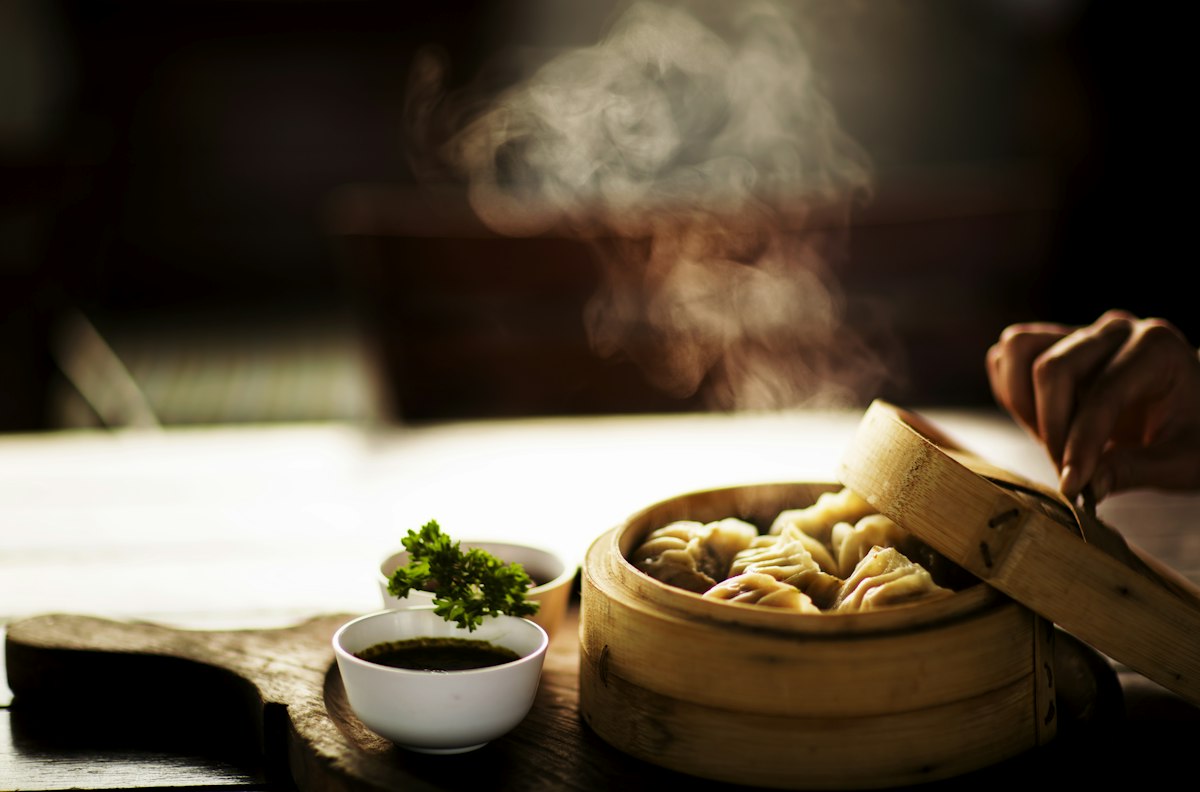
Steam rising from a basket of Nanxiang xiaolongbao in the Yu Garden bazaar
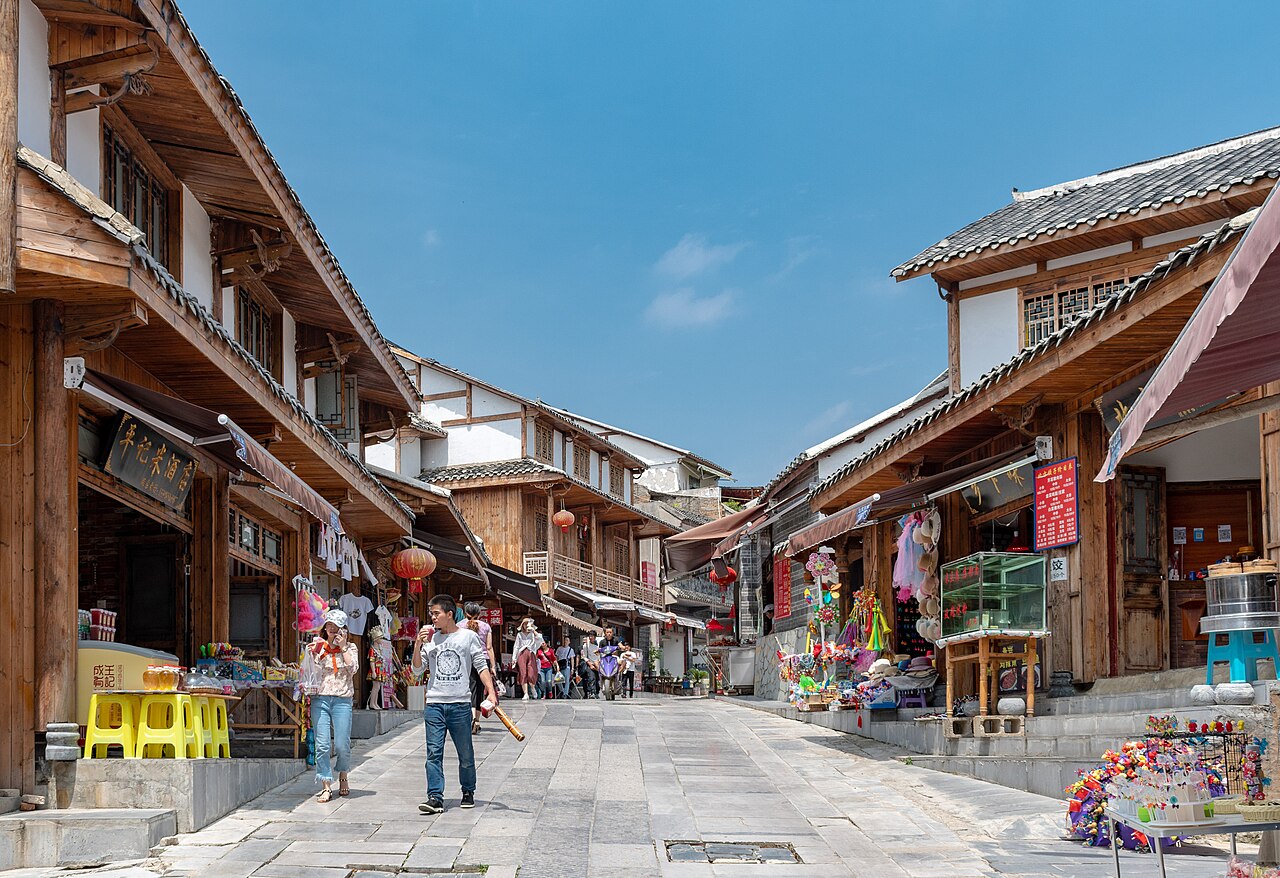
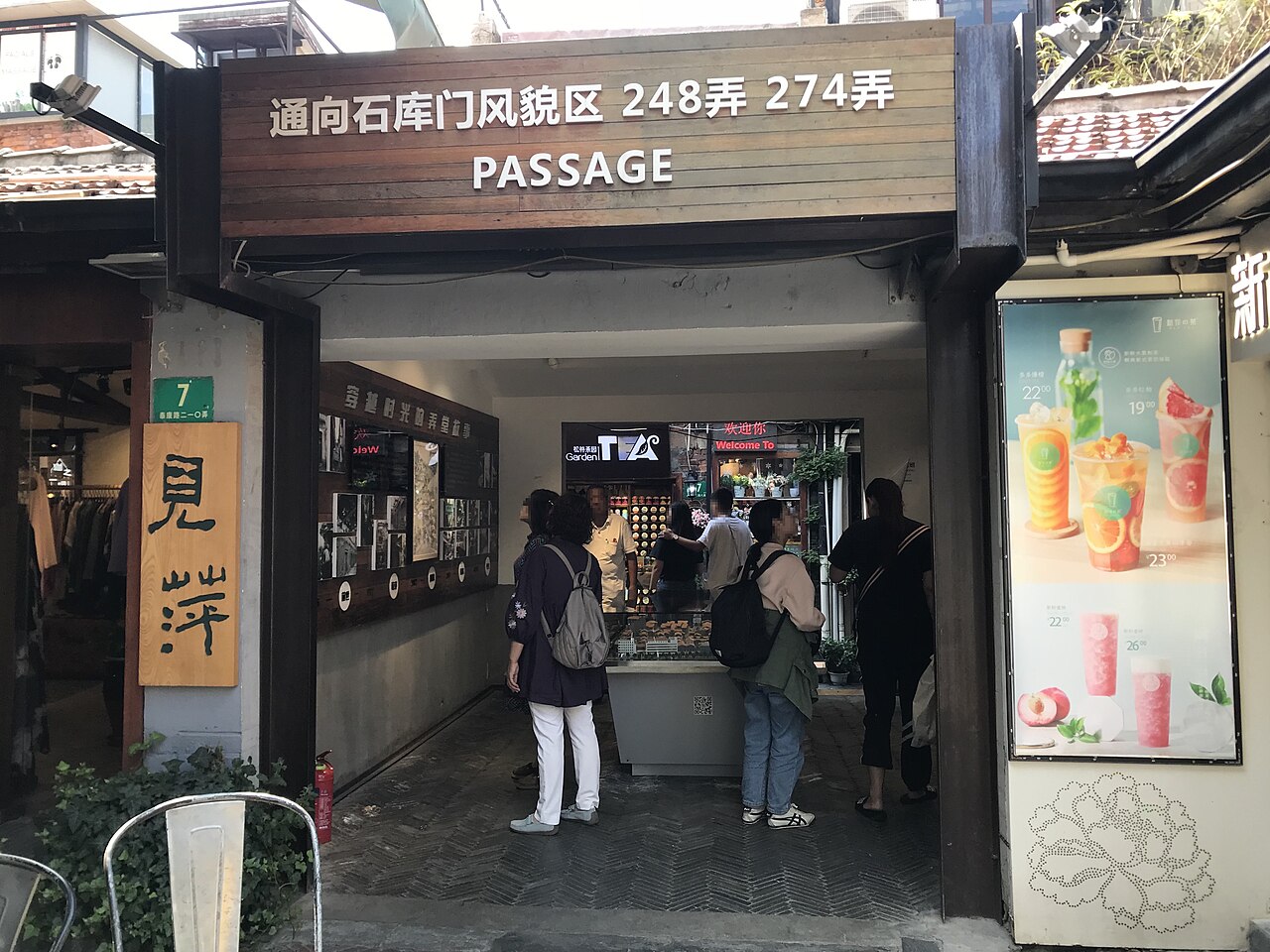
Shikumen lanes in Tianzifang, stone gates now framing galleries and coffee shops

I first went to Shanghai fifteen years ago. I remember the Bund, of course, and the Song Qingling house, but what stuck was the sound of the ship horns on the Huangpu. My father held me up on the railing and said, listen — the boat is crying.

BadLMadV, 'Beautiful Shanghai, Easy Water Towns'

I've been to Shanghai more times than I can count, always rushing in and rushing out, and all I ever saw were towers and shopping malls. Then a work trip put me in a residential building for a week, and I finally understood that the Shanghai knack for making every yuan count comes from something else entirely — they take everything seriously. Really seriously.

米色书虫, 'Shanghai to Xitang'

Stand on the Bund at 7am and you get the city to yourself: joggers, old men with birdcages, and the 52 stone facades of the old foreign concessions glowing pink in the low sun. Turn around and Pudong is a wall of glass — the Oriental Pearl, the Jin Mao, the Shanghai World Financial Center — rising straight out of the river like it was ordered from a catalogue of the future. Nowhere else on earth do 150 years of colonial banking and 30 years of breakneck construction stare at each other across 500 metres of water.

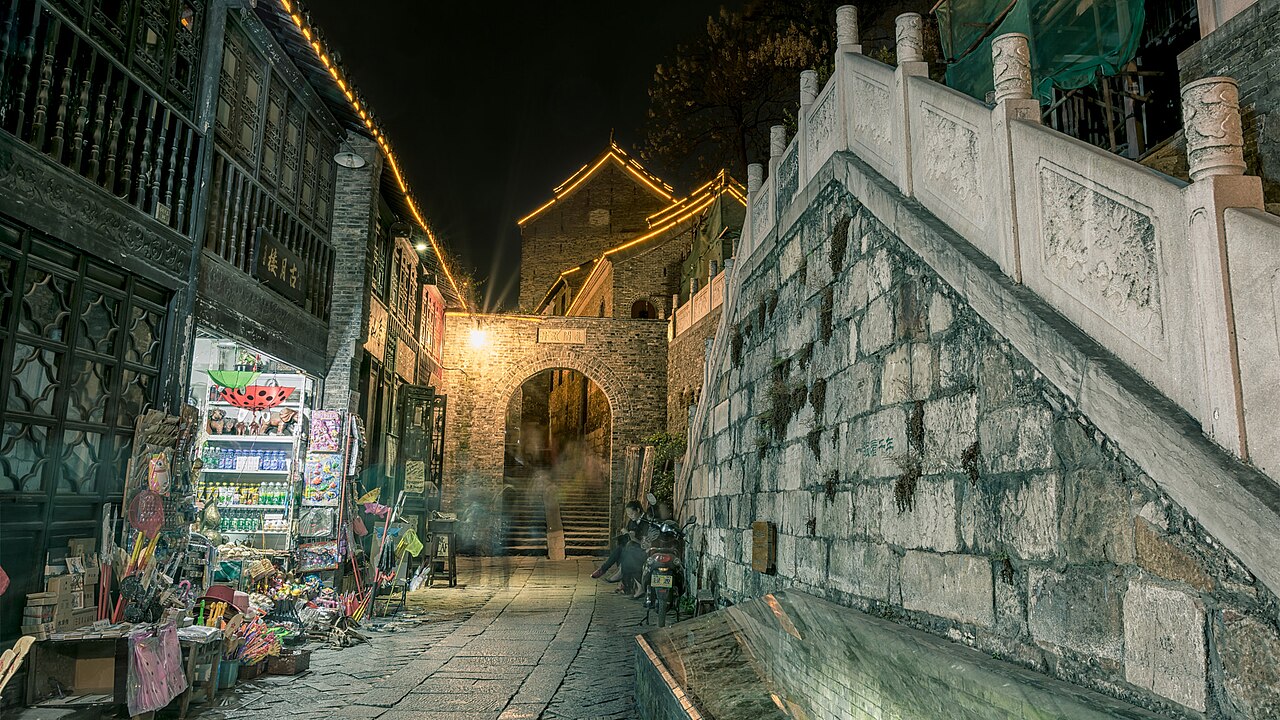
Step one block back from the river and the scale collapses into something human. Shikumen lanes — the stone-gated terraced houses that housed most of old Shanghai — still run behind the tower blocks, and Tianzifang and Xintiandi have turned them into galleries, bars and design shops. The trick is to wander without a map: an alley off Taikang Road, a staircase in the old French Concession, a plane-tree tunnel over Wukang Road where the light comes through in coins.

Then there is the eating. Shanghai food is sweet and glossy — braised pork belly the colour of mahogany, eel sizzling in hot oil, hairy crab in October — but the everyday city runs on snacks: shengjianbao fried crisp in a giant pan, xiaolongbao you bite open to let the steam out, a bowl of curried beef noodle soup at 2am. Budget CNY 40 for a proper sit-down meal, half that for street food, and plan your day around which neighbourhood you want to eat in.

Shanghai

Don't leave without

Seven things that are worth rearranging a day for.

  1. Walk the Bund from Yan'an East Road to Waibaidu Bridge at sunrise, before 8am
  2. Eat xiaolongbao at Nanxiang Mantou Dian in the Yu Garden bazaar — the ground-floor takeaway queue is cheaper than upstairs
  3. Ride the magnetic levitation train from Pudong Airport to Longyang Road, 8 minutes at 300km/h for CNY 50
  4. Get lost in the shikumen alleys of Tianzifang on Taikang Road — go on a weekday, cameras out
  5. See the Oriental Pearl Tower lit up from the Pudong riverside promenade, free, after dark
  6. Spend a quiet hour in the Shanghai Museum at People's Square — free entry, bronze and ceramics galleries

Highlights

Five reasons Shanghai eats your weekend whole

The Bund at night, when 52 buildin

The Bund is the one sight nobody skips, and rightly so: 52 buildings in every European style line the Huangpu's west bank, and across the water Lujiazui's towers — Oriental Pearl, Jin Mao, Shanghai World Financial Center — light up like a circuit board. Walk it after dark, then take the ferry or the sightseeing tunnel to the Pudong side and look back.

Shikumen lanes that are disappeari

Shikumen was the traditional Shanghai way of living — stone gateways, narrow lanes, neighbours' laundry overhead. Mass redevelopment has demolished most of it, so what survives is genuinely finite. Go now, walk slowly, and photograph the doorways.

Tianzifang, a maze of studios insi

Tianzifang is a shikumen block in Luwan turned into shops, galleries, teahouses, open-air cafes and craft workshops by artists like Chen Yifei. Come with a camera and no plan; the fun is getting lost. Stay out of the residential doors, and respect the shops that ban photography.

Xintiandi: same stone gates, diffe

Xintiandi keeps the shikumen shell and pours in flagship stores, bars and restaurants. Step through one doorway and you leave 1930 for a fully modern interior — the contrast is the whole point, and the nightlife here barely stops.

Xiaolongbao at the City God Temple

Nanxiang Mantou Dian at Yuyuan has been steaming xiaolongbao for over 100 years. Nip the skin, dip in vinegar with ginger, and eat. The queue is long, the ground floor takeaway is cheaper than the upstairs tables, and the second floor is cheaper than the third.

Itinerary

Two three-day routes: the classic first-timer and the slow Shanghai

The classic first-timer

3 days days

Puxi heritage on foot, one big night on the river, then a half-day in Pudong. Book the Oriental Pearl and the Bund ferry the day before — both sell out on weekends.

  1. Day 1

    Old town and the Bund

    Start in the old city, eat lunch at Yuyuan, then walk the Bund from late afternoon until the lights come on.

    Stops: City God Temple (Chenghuang Miao)Yuyuan GardenNanjing Road EastThe Bund

  2. Day 2

    Museums, waxworks and Xintiandi

    Shanghai Museum is free and worth half a day; Madame Tussauds is in the same square; finish with dinner and a bar in Xintiandi.

    Stops: Shanghai MuseumMadame TussaudsSite of the First CPC CongressXintiandi

  3. Day 3

    Cross the river to Pudong

    Take the Bund sightseeing tunnel or the ferry to Lujiazui, ride the Oriental Pearl, and end at Jin Mao's 88th-floor deck at dusk.

    Stops: Oriental Pearl TowerJin Mao TowerLujiazuiNanjing Road for last shopping

Slow Shanghai: lanes, water towns

3 days days

Skip the towers, or do one, and spend the rest of the time in lanes, temples and a water town that most visitors never reach.

  1. Day 1

    Tianzifang and the French Concessi

    Wander Tianzifang in the morning, then walk Si'nan Road for the old villas and the Zhou Mansion.

    Stops: TianzifangSi'nan Road villasZhou Enlai's Former ResidenceXintiandi

  2. Day 2

    Temples and the old library

    Jade Buddha Temple, then Xujiahui: the cathedral, the 19th-century library, and the old book quarter.

    Stops: Jade Buddha TempleXujiahui CathedralZiKaWei LibraryXujiahui shopping

  3. Day 3

    A water town on the edge of the ci

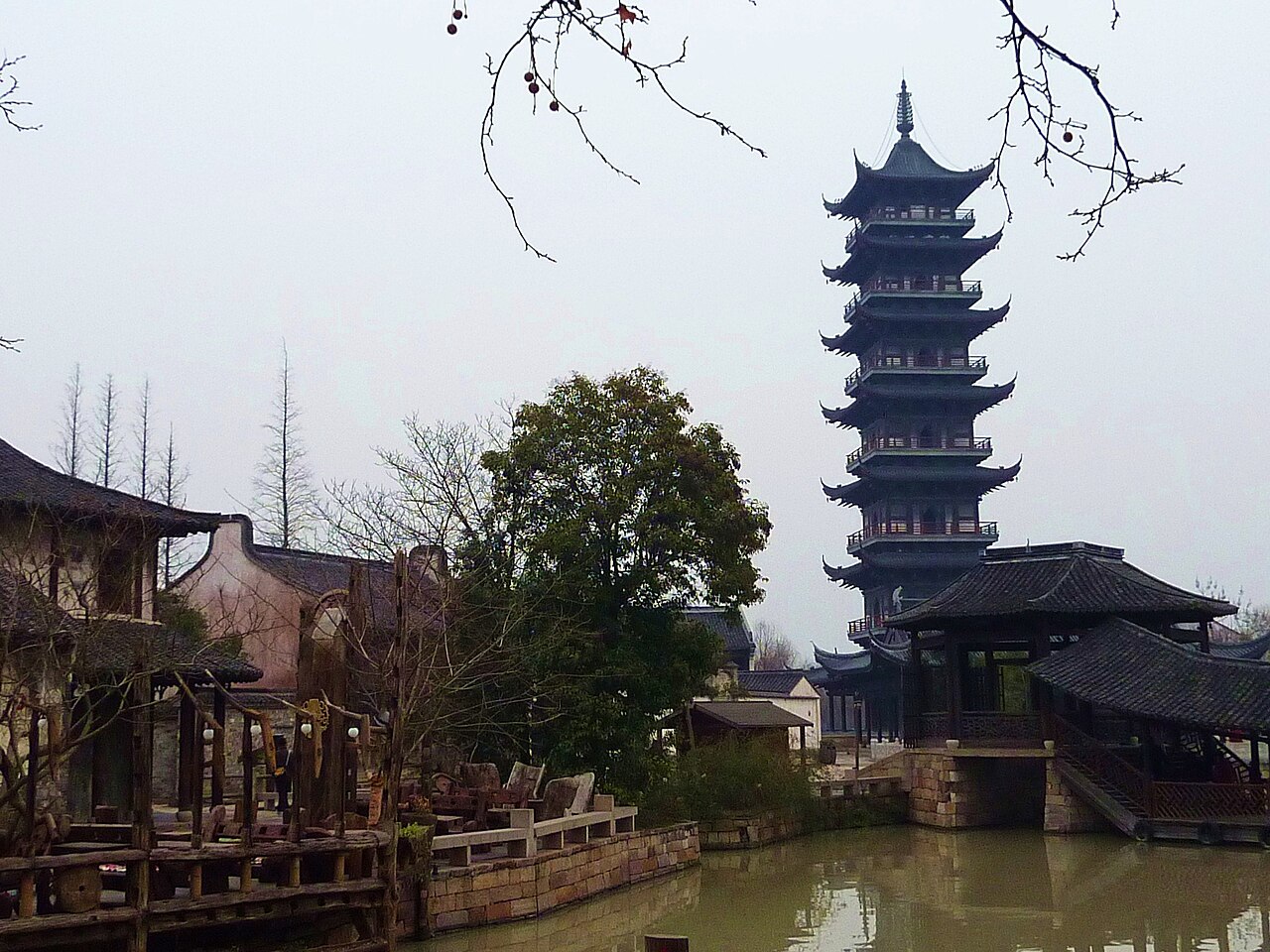
    Fengjing is reachable by bus from the Jinjiang Park metro station in about 45 minutes on the expressway; go early, eat lunch by the canal, come back for dinner.

    Stops: Fengjing Ancient TownHeping StreetNorth StreetQibao Old Street if you have energy left

Sights

Five sights worth your hours, with the practical bits

Old town · half a day

Yuyuan Garden and the City God Tem

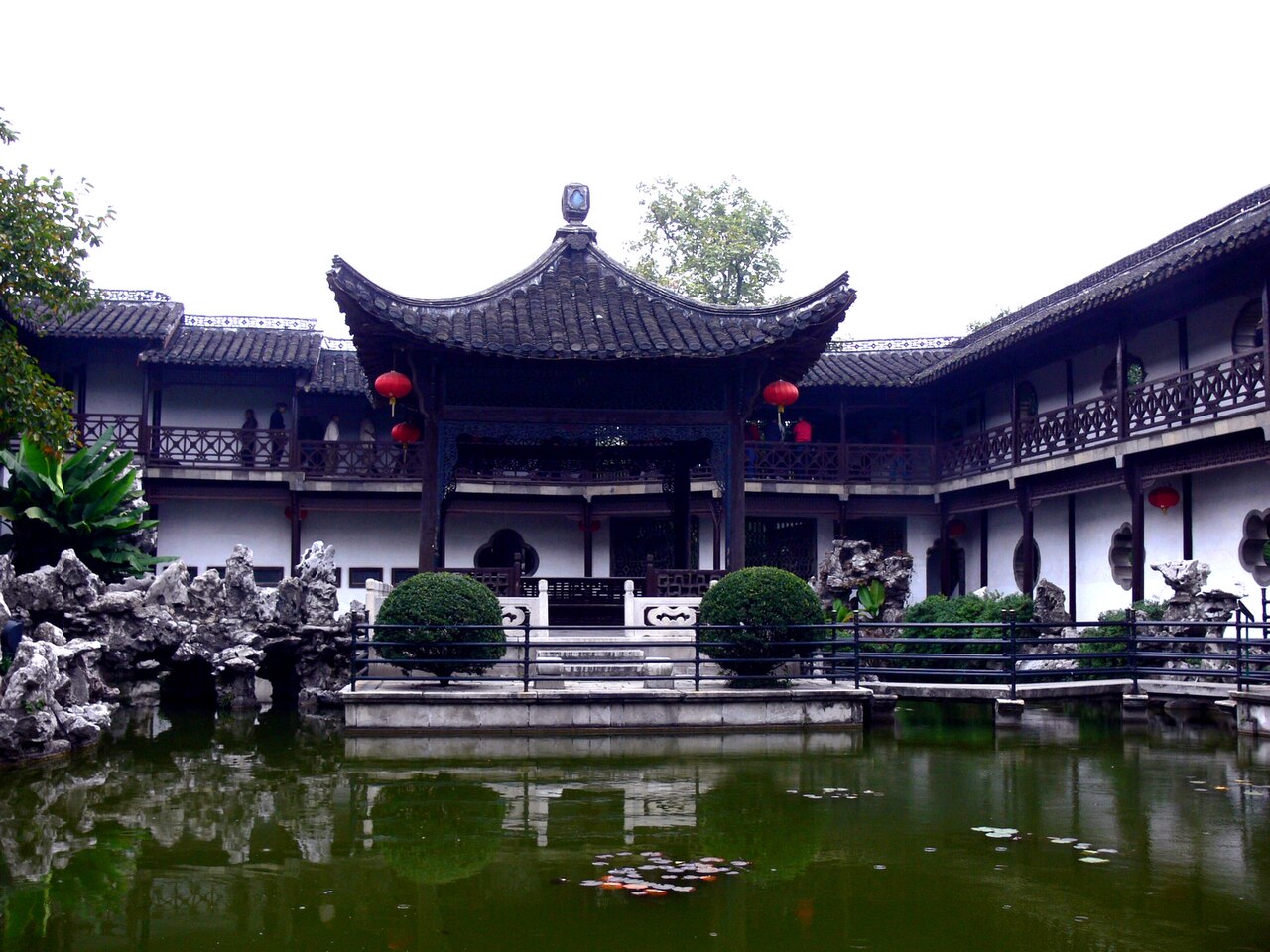
A Ming-era classical garden — the city's famous "urban mountain forest" — wrapped inside the busiest bazaar in Shanghai. The garden itself is small and beautiful; the streets around it, the Nine-Turn Bridge and the Huxinting teahouse are where you'll spend most of your time. The City God Temple next door is where locals come to burn incense and where the xiaolongbao legend lives.

Yuyuan ticket
CNY 40 peak season, CNY 30 off-season
Yuyuan hours
08:30–17:00, last tickets 16:40
City God Temple ticket
CNY 10, incense extra
Metro
Line 10 to Yuyuan; or buses 11, 24, 33, 55, 64, 66, 220, 801, 802, 926, 934 to Xinbeimen
Address
Yuyuan: 137 Anren Street, Huangpu; City God Temple: 1 Yicheng Road

Tip Compare prices at three stalls before buying anything in the bazaar. The ground-floor takeaway window at Nanxiang Mantou Dian is cheaper than the upstairs tables, and the second floor is cheaper than the third.

Riverside · 2 hours, better at night

The Bund

The Bund is Shanghai's signature walk: a hundred years of building turned a towpath into the 52-building "World Architecture Expo" on the west bank, with Lujiazui's skyline directly opposite. Come at dusk, walk north to south, then cross to Pudong by ferry or sightseeing tunnel and look back at the whole lit-up sweep.

Ticket
Free
Best time
After dark, roughly 18:00–22:00
Crossing
Ferry from Jinling East Road pier to Dongchang Road, or the Bund Sightseeing Tunnel from Nanjing Road East to Oriental Pearl
Metro
Line 2 to East Nanjing Road; buses 576, 317, 868 to Zhongshan East First Road
Address
Zhongshan East First Road, Huangpu

Tip Walk it on a weeknight if you can — weekend evenings the promenade is shoulder to shoulder and you'll queue for every photo spot on the railing.

Lanes · 2–3 hours

Tianzifang

An artists' quarter built inside a shikumen block: galleries, craft workshops, teahouses, open-air cafes and small design shops, all threaded through lanes you will absolutely get lost in. This is the warm, noisy, human side of Shanghai that the skyscrapers hide.

Ticket
Free
Metro
Line 9 to Dapuqiao, Exit 1, then 5 minutes on foot
Buses
17, 236, 304 to Ruijin Second Road / Jianguo Middle Road
Address
Lane 210 Taikang Road, Luwan
Tourist info
There's a Shanghai tourist information centre at the entrance

Tip Some shops forbid photography — some even ban it from outside the door. Buy a Tianzifang map at a shop; it doubles as a souvenir and stops you circling the same lane three times. Nearby Si'nan Road and Jianguo Middle Road are worth adding.

Pudong · 3 hours

Oriental Pearl Tower and Jin Mao T

The two icons of Lujiazui, facing each other across the street. Oriental Pearl has the 263 m sightseeing deck, a second sphere with the city history museum, and a third sphere higher still, plus Asia's highest revolving restaurant. Jin Mao's lift covers the ground floor to the 88th-floor deck in 45 seconds — they call it a time machine, and the view over both banks of the Huangpu and out to the Yangtze mouth backs it up.

Oriental Pearl tickets
CNY 100 (263 m deck), CNY 135 (second sphere + city history museum), CNY 150 (third sphere); history museum alone CNY 35
Oriental Pearl hours
08:00–18:00
Jin Mao ticket
CNY 88
Jin Mao hours
08:30–22:00
Metro
Line 2 to Lujiazui, 5 minutes' walk

Tip Go up Jin Mao at dusk rather than midday — you get daylight, sunset and the lit skyline in one ticket. Oriental Pearl runs an evening song-and-dance show, "Five Thousand Years of China," 19:30–20:30, at CNY 120/180/280.

People's Square · half a day

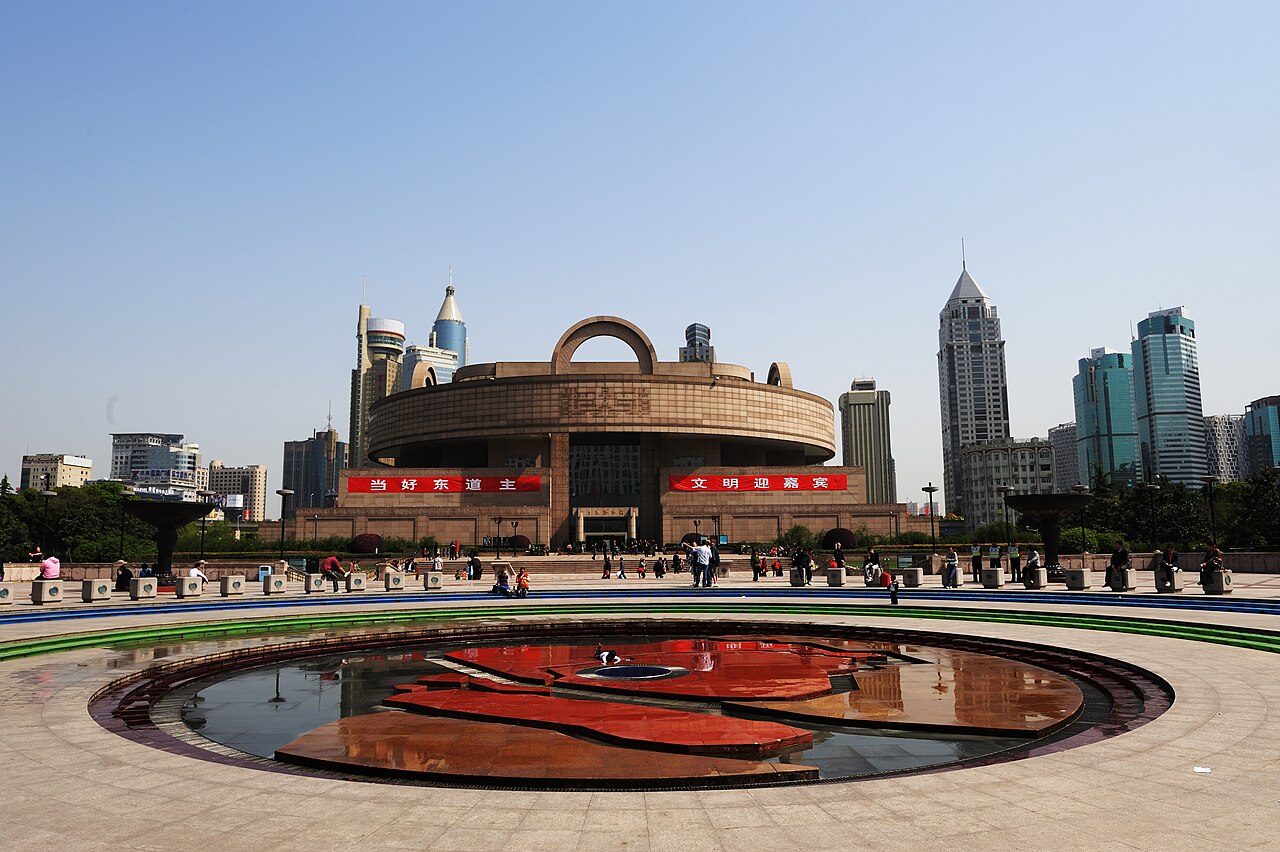
Shanghai Museum

One of China's four great museums, alongside Beijing, Nanjing and Xi'an, and free. Twelve themed galleries, with bronzes, ceramics and painting and calligraphy as the headline collections, plus coins, jade, sculpture, seals and minority crafts. It sits on the south side of People's Square, so you can pair it with Madame Tussauds and Nanjing Road in one afternoon.

Ticket
Free
Hours
09:00–17:00, last entry 16:00
Metro
Lines 1, 2 and 8 to People's Square
Buses
454 to Yan'an East Road / Pu'an Road, or 112 to People's Square
Address
201 Renmin Avenue

Tip Madame Tussauds is in the same square — CNY 150 full adult ticket, CNY 110 for students, CNY 90 for children under 1.3 m and seniors over 65, open 10:00–21:00 with last tickets at 20:00. The Chamber of Horrors is the part people remember.

Food

Five Shanghainese things to eat before you leave

Xiaolongbao (soup dumplings)

The city's signature bite, and Nanxiang Mantou Dian at Yuyuan has been steaming them for over a century. Order the crab-roe version, bite a small hole first, let the steam out, then dip in vinegar with shredded ginger. Around CNY 36 per person.

Shengjian bao (pan-fried pork buns

Shanghai's own invention, about 100 years old: half-leavened dough, pork and gelatin filling, fried in a flat pan and finished with sesame and scallion. Crisp bottom, molten soup inside. Yang's Fry Dumpling is the reliable chain; expect to pay CNY 12 or so.

Hongshao rou and the 'oil and red

Benbang cooking means dark soy, sugar and lard — braised pork belly, braised pomfret, braised eel. Tiny Lanxin Restaurant on Jinxian Road is the classic hole-in-the-wall for it, run by an elderly couple, roughly CNY 61 per head.

Crab everything, in autumn

From September to November Shanghainese eat hairy crab obsessively. Chenglonghang Crab King on Jiujiang Road does a full crab banquet — crab-roe tofu, steamed crab, crab-roe shark fin — and the waiters will even pick the meat for you. Budget CNY 309 per person.

Xiekehuang and paigu niangao

Two cheap street snacks worth hunting down: flaky pastry discs coloured and shaped like crab shells, and pork chop over chewy rice cakes. Shen Dacheng on Nanjing East Road does the rice cakes and sticky cakes well for about CNY 17.

Where to eat

Four tables worth booking

Century-old dumpling house

Nanxiang Mantou Dian (Yuyuan Road

The famous one, right beside the City God Temple, with a queue that never seems to move. The ground-floor takeaway counter is cheaper than the upstairs dining rooms, and the second floor is easier on the wallet than the third. If the wait defeats you, the Wujiang Road and Fuzhou Road branches sell the same recipe with far shorter lines. Note there is a minimum spend in the Yuyuan dining rooms.

Speciality
Crab-roe xiaolongbao, pork xiaolongbao, soup dumplings
Address
85 Yuyuan Road, Huangpu District
Phone
021-63554206
Per person
About CNY 36
Tip
Eat downstairs standing if the upstairs queue is brutal

Shengjian institution

Yang's Fry Dumpling (Nanjing East

Sixteen years old and still mobbed. The buns are big, the skins thin, the filling generous, and the soup oily in the best way. Regulars order shengjian plus a bowl of beef vermicelli soup as a fixed set. Expect to eat standing or perch on a stool.

Speciality
Pan-fried pork buns, beef vermicelli soup
Address
2F, First Food Mall, 720 Nanjing East Road, Huangpu
Per person
About CNY 12
Tip
Go before noon or after 1:30pm

Benbang home cooking

Lanxin Restaurant

An unassuming little room run by a very friendly elderly couple, and the most honest red-braised pork in the city. The braised pomfret is sweet-sour with a slow chilli heat and a thick sauce; everything here is the 'oil and red sauce' style taken as far as it goes. Cash-friendly, no frills, arrive early.

Speciality
Red-braised pork, braised pomfret, Shanghai home cooking
Address
130 Jinxian Road, near Maoming South Road, Luwan
Phone
021-62533554
Per person
About CNY 61
Tip
Tiny — go right at opening

Crab banquet

Chenglonghang Crab King

The Jiujiang Road branch — red lanterns, yellow timber, a parrot by the door and someone playing the erhu in the hall. The menu is almost all crab: crab-roe tofu, steamed hairy crab, crab-roe shark fin. It is not cheap and it is not subtle, but it is a proper Shanghai autumn.

Speciality
Hairy crab banquet, crab-roe dishes
Address
216 Jiujiang Road, near Henan Middle Road, Huangpu
Phone
021-63212010 / 63218811
Per person
About CNY 309
Tip
Best September to November; ask staff to shell the crab for you

Where to stay

Three bases, from hostel bunk to five stars

Hostel in a 1933 warehouse

Shanghai Blue Mountain Youth Hoste

A converted Du Yuesheng warehouse on the south bank of Suzhou Creek, built in 1933 and the only Chinese building to win UNESCO's Asia-Pacific Heritage Award. It sits inside the Suzhou Creek art district, with Jiuzi Park behind it and birdsong in the morning. Dorms and doubles, decent wifi, a small garden for sitting and watching the city go by. The one real drawback: you will hear the metro rumble past.

Address
1307 South Suzhou Road, Huangpu District
Phone
021-58888817
Dorm bed
CNY 55 per person
Standard room
CNY 238
Best for
Couples, friends, art-district wanderers

Hostel beside People's Square

Shanghai New Yiju International Yo

Tucked just west of the Shanghai Art Museum, eight minutes on foot from People's Square metro (lines 1 and 2) and a short walk from Nanjing Road. Traditional Chinese layout with a walled courtyard, so it is quiet inside even though the location is pure downtown. This is the one to book if you want to be inside the lilong neighbourhood feel without leaving the tourist core.

Address
55 Jiangyin Road, near Huangpi North Road, Huangpu District
Phone
021-63277766
Six-bed dorm
CNY 55 per person
Double
CNY 158
Standard room
CNY 240
Best for
First-timers who want to walk everywhere

Reliable mid-range on the Bund

Jinjiang Inn (The Bund Riverside)

Three minutes' walk east to the Bund promenade, in the middle of the old banking district. Rooms are clean, compact and exactly what you expect from the chain — which is the point when you are spending all day outside. Business rooms and standards, all with the usual Jinjiang bedding and breakfast.

Address
630 Sichuan Middle Road, near Hong Kong Road, Huangpu District
Phone
021-60879889
Business room
CNY 209
Standard room
CNY 306
Best for
Travellers who want the Bund on their doorstep

Getting around

Two airports, a 430 km/h maglev and the metro that reaches everything

Arriving by air

Shanghai runs two international airports 40 km apart on opposite sides of the city. Pudong (PVG) takes almost all long-haul international flights — 73 international and 62 domestic destinations — while Hongqiao (SHA) is mostly domestic plus a few Japan and Korea routes. Airport enquiry line 96990; both are on the metro.

Pudong (PVG)
Terminal shuttle 06:00–24:00, every 10 min. Metro Line 2 stops at 'Pudong International Airport' — change at Guanglan Road from the 4-car to the 8-car train. Maglev to Longyang Road: 8 minutes, CNY 50, first 07:02, last 21:32.
Maglev frequency
Every 15 min 06:45–17:00, every 20 min 17:00–21:00, every 30 min 21:00–21:30. Hotline +86 21 2890 7777.
Hongqiao (SHA)
Metro Line 2 and Line 10 both stop under Terminal 2. Line 2 does NOT reach Terminal 1 — use Line 10. Airport shuttle: T1 Gate 6 06:00–22:30, T2 Gate 1 06:30–23:00, every 15 min (5 min at peak).
Taxi from Pudong
About CNY 150 to Jin Mao Tower, 120 to SNIEC, 155 to the South Bund, 135 to the Expo site, 185 to Zhongshan Park, 190 to the Shanghai Mart.
Taxi from Hongqiao
About CNY 28 to the Shanghai Mart, 52 to People's Square, 60 to Jin Mao Tower, 75 to the Expo site, 55 to the Shanghai Botanical Garden.
Airport buses
Pudong lines 1–8 plus a night service; Hongqiao is served by city buses 925, 941, 938, 807 and 806 — 941 stops at both terminals. Flat fare about CNY 2.

Arriving by rail

Four stations: Shanghai Station (the old 'New Passenger Station'), Shanghai South, Hongqiao Railway Station and Shanghai West (freight only now, skip it). Hongqiao is the one you want — it sits directly above Metro Lines 2 and 10 and is built for zero-transfer connections between plane, metro, coach and train.

Shanghai Station
303 Mo Ling Road. Metro Lines 1, 3 and 4. Enquiry +86 21 9510 5123.
Shanghai South
289 Lao Hu Min Road, Xuhui, about 5 km from Xujiahui. Metro Lines 1 and 3. Enquiry 021-5435 3535.
Hongqiao Railway Station
Metro Lines 2 and 10, station 'Hongqiao Railway Station'. Last city-bound train 22:48 — miss it and you are on the taxi rank.
Booking
Book 12306 or through us; high-speed services from Beijing run about 4.5 hours, from Hangzhou under an hour.

Getting around town

The metro is the answer to almost everything. It is China's longest network, fares are distance-based, and you can walk from any station to any city-centre sight in under 20 minutes. Buy a three-day pass and stop thinking about tickets.

Metro fares
CNY 3 for 0–6 km, 4 for 6–16 km, then 1 per extra 10 km. Line 5 only: 2 / 3. Virtual transfer — re-enter an adjacent line within 30 min — works at Shanghai Railway Station (3/4–1), Hongkou Football Stadium (3–8), Shaanxi South Road (1–10) and Hongqiao T2 (2–10).
Day passes
One-day pass CNY 18, unlimited for 24 hours from entry. Three-day pass CNY 45, unlimited for 72 hours, sold at the staffed ticket window at Hongqiao Railway Station — keep it as a souvenir.
Taxi fares
CNY 14 for the first 3 km 05:00–23:00 (16 at night), then 2.4/km to 10 km and 3.6/km beyond — night rates 3.1 and 4.7. Johnson 6258 0000, Dazhong 96822, Jinjiang 96961, Bashi 96840.
Taxi tips
At peak hours ring ahead or wait at a hotel or office tower door — the doorman will call a car for you. On long late-night runs you can negotiate 20 percent off or the daytime rate, but agree before you get in.
Buses
CNY 2 flat in the city, 1–11 in the outer districts by distance. First bus 04:30, last 23:30. Careful: one-way systems mean the return stop is often on a different street — ask before you get off.
Sightseeing bus
The official Big Bus loop has a red route (Nanjing Road, People's Square, the Bund, Yuyuan, Xintiandi), a green route (museum, Huaihai Road, Jing'an Temple, Jade Buddha Temple) and a blue Pudong route, plus an evening loop. CNY 30, hop on and off for 24 hours. Ignore the CNY 20 'Lujiazui tour' touts — it is a fake.
Ferries and bike
Passenger ferries cross the Huangpu from the Bund's Jinling East Road pier to Dongchang Road; the Bund Sightseeing Tunnel runs under the river to the Oriental Pearl. Giant stores rent ATX mountain bikes at about CNY 50 a day with a CNY 1,200 deposit.
Arriving by road and water

Shanghai is the starting point of several expressways and national highways, so driving in is easy — but the city does not make it free. Roughly 47 passenger piers and 1,611 long-distance coach routes link Shanghai to 660 places in 14 provinces.

Driving restrictions
Out-of-town plates are banned from the Inner Ring elevated road, Middle Ring, North-South Elevated and Yan'an Elevated on weekdays 07:30–09:30 and 16:30–18:30.
Temporary permit
Collect the round tag at the expressway toll gate within seven days of entering; CNY 30 buys a windscreen sticker valid 7 days.
Long-distance coaches
Shanghai South Station Coach Co. 021-5435 5451; Jiaoyun Bus Group 021-5653 0263; Shanghai Long-Distance General Station 021-6629 9119.
By sea
Shanghai Port International Cruise Terminal, 358 Dong Da Ming Road (+86 21 6181 9900), handles coastal and island services to Dinghai, Putuo Shan, Nantong, Zhoushan and along the Yangtze. Wusong Passenger Centre, 114 Songpu Road, runs 20-plus long-haul routes to Anhui, Jiangsu, Zhejiang, Hubei and Henan, 20 sailings a day.

Shopping

What to bring home from Shanghai (and where to buy it)

Old City God Temple five-spice bea

Invented by the Guo Ji Xing Long shop at the City God Temple and still the city's signature snack — the local boast is that you have not really been to Shanghai until you have tried them. Crisp, salty-sweet fava beans, cheap, easy to carry. Buy them at the Yuyuan shop or any supermarket.
Shanghai pear syrup candy

A boiled-down candy of pure white sugar with almond, fritillary, pinellia and poria — a Tang-dynasty recipe that survives as a throat sweet. Two or three dozen varieties exist (hawthorn, rose, ham), all sold in the specialist pear-candy shops around the old town. The cough version is the one people actually buy.
Jiading bamboo carving

A Ming and Qing craft unique to Shanghai: flat carving on fans, brush pots and vases, three-dimensional carving on bamboo root. The knife work is dense and precise, the patterns cool and pale. Serious pieces are not cheap — go to a proper studio, not a souvenir stall.
Shanghai embroidery and carpets

Seven families of textile craft live here — embroidery, drawn work, machine embroidery, embroidered clothing, printed cloth, carpets and art tapestries. Gu embroidery is the famous four-to-five-hundred-year-old school; hand-knotted wool carpets and silk rugs are the other classic buy. Tianzifang (Lane 210 Taikang Road, 021-5465 7531) is the easiest place to see good work in one afternoon, alongside the studios of Chen Yifei and Er Dongqiang.

Practical

The numbers you actually need

Shanghai is not one price bracket but two: you can eat well for CNY 15 or spend CNY 500 on dinner and both are normal here. The metro is the great equaliser — CNY 3–5 gets anyone anywhere, and every city-centre sight is within a 20-minute walk of a station. Carry small notes, keep your hotel's address in Chinese, and plan around the Monday closures above.

Best monthsMarch to May and September to November. Spring is mild and good for the outskirts; autumn brings hairy crab at its fattest and best. Summer is hot, wet and humid; winter is raw and grey.
MoneyA bottle of water CNY 2, a Coke 3, a local Snow beer 6, a hostel dorm bed 55, a sit-down meal about 40 per person. Budget roughly CNY 1,000–1,500 for three days of comfortable travel.
TippingNot expected anywhere — restaurants, taxis and hotels included. Taxi drivers will round up rather than expect a tip.
LanguageEnglish is thin outside hotels and major sights. Have your destination written in Chinese characters, or use a translation app with the address already loaded.
Hours that catch people outYuyuan 08:30–17:00, last tickets 16:40. Shanghai Museum 09:00–17:00, last entry 16:00, free. Oriental Pearl Tower 08:00–18:00. Jin Mao Tower 08:30–22:00. Madame Tussauds 10:00–21:00, last tickets 20:00. Site of the First CPC Congress 09:00–16:00, closed Monday and Thursday. Xujiahui Cathedral only 13:30–16:00 Saturday and Sunday. Zhou Gong Residence 09:00–16:30, last entry 16:00, capped at 300 visitors a day.
Museum and temple ticketsShanghai Museum free. City God Temple CNY 10 plus incense. Yuyuan CNY 40 high season, 30 low. Oriental Pearl CNY 100 (263 m deck), 135 (second sphere plus city history museum), 150 (third sphere), museum alone 35. Jin Mao CNY 88. Madame Tussauds CNY 150 adult, 110 student, 90 for under-1.3 m and over-65s. First CPC Congress site CNY 3.
HospitalsZhongshan Hospital, 180 Fenglin Road, 021-6404 1990. Huashan Hospital, 12 Wulumuqi Middle Road, 021-5288 9999. Changzheng Hospital, 480 Chengdu North Road, 021-8188 6999.
Emergency and helpPolice 110, ambulance 120, fire 119. Airport enquiries 96990. Metro enquiries 6437 0000. Taxi dispatch 96965. Buy a CNY 5 bus and metro map at any Oriental newspaper kiosk — the cheap ones hawked on the metro for CNY 3 are pirated and full of errors.
Book with usWe arrange Shanghai private tours, airport transfers and multi-day Shanghai tour packages that pair the city with Suzhou, Hangzhou and the water towns — see our Shanghai tours for the full range of itineraries.

Background

How Shanghai became modern China's showroom

From mudflat to metropolis in 180

When the British arrived in 1843 the walled town had around 200,000 people and no riverfront to speak of. Foreign concessions carved out north of the old city built the Bund's 52 buildings, brought in running water, trams and electricity, and turned a county town into Asia's financial capital by the 1930s. That foreign-built skeleton is why Shanghai feels less like a Chinese city than a European port that happens to be in China — the plane trees along the former French Concession, the shikumen lane houses, the art deco apartment blocks are all products of that century.

Pudong, and what it says about tod

Stand on the Bund and the skyline opposite you — Oriental Pearl Tower, Jin Mao, the Shanghai World Financial Center, and the 632m Shanghai Tower — was farmland in 1990. Pudong was a development zone created by decree, and it worked: the city hosted the 2010 World Expo and now runs the world's longest metro network. Locals measure the change by the fact that they used to say "I'm going to Shanghai" and now say "I'm going to Pudong." The old town still survives in pockets — Yuyuan, Qibao, Fengjing — but the tension between 700-year-old lanes and 30-year-old towers is the thing you actually came to see.

Before you go

Three ways to get Shanghai before you arrive

Film

In the Mood for Love (2000), dir.

Wong Kar-wai

The Hong Kong film that everyone insists is really about Shanghai, made by a director born in the city. Watch it for the cheongsams, the corridors, the stairwells, and the mood of a city that keeps its feelings behind closed doors.

Book

Shanghai: The Rise and Fall of a D

Stella Dong

A readable history of the treaty-port years — gangsters, opium, tycoons and refugees — that gives the Bund buildings and the former French Concession streets their backstory before you walk them.

Music

Zhou Xuan, "Ye Shanghai" (Night Sh

Zhou Xuan

The definitive Shanghai torch song, recorded in the 1940s and still the shorthand for the city's jazz-age reputation. Play it on the ferry from the Bund to Pudong at night and the skyline makes more sense.

The questions visitors ask us most about Shanghai, answered plainly.

Frequently asked questions

Prices and practical details are reviewed every month by our Beijing team and updated the day a rule changes.

When is the best time to visit Shanghai?

March to May and September to November. Spring is mild and the plane trees leaf out; autumn brings cool, dry days and the hairy crab season, which peaks in October and November. Summer is hot, humid and wet, and winter is raw and grey — neither is unbearable, but neither is the city at its best.

Is Shanghai expensive?

It swings both ways. A hostel bed runs about CNY 55, a bowl of noodles CNY 12, a metro ride CNY 3, and the Shanghai Museum and the Bund are free. But a Bund-view hotel room, a crab banquet or a tower observation deck can run into the hundreds. Budget CNY 1,000–1,500 for three days if you eat local and use the metro.

How do I get from Pudong Airport to downtown Shanghai?

The metro Line 2 takes about an hour and costs under CNY 10, but note you must change trains at Guanglan Road, where the line switches from 4-car to 8-car sets. The maglev is faster and more fun — 8 minutes to Longyang Road for CNY 50, then transfer to Line 2 — and a taxi to the Bund runs CNY 150–190 depending on traffic.

Do I need cash in Shanghai?

Almost never. WeChat Pay and Alipay are accepted from street stalls to taxis, and both link to foreign cards. Keep a few hundred yuan in cash for small vendors and the occasional taxi that 'hasn't got change', and note that taxis start at CNY 14 for the first 3km during the day and CNY 16 at night.

Is the Bund worth visiting, and when should I go?

Yes — it is the single best free thing in the city. Go at sunrise, between 6 and 8am, when the promenade belongs to joggers and the light hits the colonial facades side-on. By 10am it is shoulder to shoulder, and after dark it is spectacular but jammed; the Pudong side, opposite, gives you the classic postcard view of the old waterfront.

What should I eat in Shanghai?

Start with xiaolongbao at Nanxiang Mantou Dian (about CNY 36 a head in the Yu Garden branch), then shengjianbao — pan-fried pork buns — at Yang's Fry Dumpling, which costs around CNY 12. For sit-down cooking try braised pork belly, eel in sizzling oil, or in autumn a whole hairy crab. The city's snack streets cluster around the old town, Yunnan South Road and Huanghe Road.

Plan this trip

Prefer it arranged for you?

The same places, with a driver, an English-speaking guide and the tickets already bought.

8 days · Classic

China Highlights Express

The essential first-time itinerary: imperial Beijing, the Terracotta Army in Xi'an and futuristic Shanghai, linked by high-speed rail.

★★★★★4.9 218 reviews

From US$1,290 US$1,490/per person

View tour

10 days · Classic

Golden Triangle & Giant Panda

The three great capitals plus a morning with the pandas of Chengdu — the trip we recommend to seven out of ten first-time visitors.

★★★★★4.9 164 reviews

From US$1,690/per person

View tour

3 days · Stopover

Shanghai Stopover Discovery

Designed around the 240-hour visa-free transit window: three days that actually work with your flight times rather than against them.

★★★★★4.8 143 reviews

From US$460/per person

View tour

9 days · Food

Culinary China: Dumplings to Dim Sum

Nine days eating across four regional cuisines, with cooking classes, market walks and a Chengdu hotpot night that goes late.

★★★★★4.9 112 reviews

From US$1,780/per person

View tour

12 days · Family

Family China Discovery

Twelve days built for children: panda mornings, dumpling classes, a Great Wall toboggan, karst rivers and no 5 a.m. wake-ups.

★★★★★4.9 97 reviews

From US$1,980/per person

View tour

12 days · Cruise

Yangtze River Cruise Odyssey

Beijing, four nights afloat through the Three Gorges, and Shanghai — the classic river journey with shore excursions included.

★★★★★4.7 87 reviews

From US$2,190/per person

View tour

15 days · Grand Tour

Grand China Odyssey

Five regions, one journey: imperial north, panda country, the karst rivers of Guilin and the skyline of Shanghai, with Hangzhou's West Lake.

★★★★★4.8 132 reviews

From US$2,580/per person

View tour

Shanghai

Zhujiajiao Water Town Private Day Tour

Sixty minutes from Shanghai, a still-working canal town of 36 stone bridges — arrive before the coaches, boat the canal, eat river shrimp for lunch.

From US$129/per person

View tour

Shanghai

The Bund & French Concession Day Tour

The 1920s riverfront in daylight, the old town at the middle of the day, and plane-tree streets in the Concession — ending on the promenade at blue hour.

From US$109/per person

View tour

Shanghai

Shanghai Museum & West Bund Art Day Tour

Bronzes and ceramics in the morning, a noodle lunch, then the riverside galleries of West Bund — China's best general museum plus the country's liveliest art district.

From US$99/per person

View tour

Related reading

Related reading

Visas Do I Need a Visa for China? Requirements, Costs and How to Apply China's entry rules changed more in the last three years than in the previous twenty. Here is exactly who needs a visa, what it costs, how long it takes and which passports now walk straight through. 9 min read Visas China's 240-Hour Visa-Free Transit: Who Qualifies and How It Works Ten days in China with no visa application, no fee and no fingerprints — if you hold the right passport and leave for a third country. Here is the rulebook, port by port. 8 min read Money Paying in China: Alipay, WeChat Pay, Cards and Cash Roughly nine in ten urban payments in China now run through a phone. Set up two apps before you fly, carry a modest cash float, and you will never be stuck at a till. 8 min read Transport China's High-Speed Rail: How to Book, What It Costs, How Fast It Goes The fastest way to cross China is also the most pleasant. Here is how to book a ticket with a foreign passport, what the three classes actually give you, and how to survive a Chinese station at rush hour. 9 min read Planning Best Time to Visit China: Month by Month, Region by Region China is the size of Europe, so 'the best month' depends on where you stand. Here is the month-by-month answer for the north, the Yangtze valley, the south and the plateau. 8 min read Planning What to Pack for China: The Complete 2026 Checklist Twenty thousand steps a day, three climate zones and a phone that has to do everything. This is the list we give our own travellers, minus the things they never used. 7 min read Food Chinese Food Culture: Eight Cuisines, One Table There is no such thing as Chinese food. There is Cantonese, Sichuan, Hunan, Jiangsu, Zhejiang, Fujian, Anhui and Shandong — and knowing which one you are eating changes everything. 8 min read Traditions Chinese Tea Culture: Six Classes, One Pot, Two Fingers Tea in China is not a beverage category, it is a social technology: it fills silences, seals deals and sets the pace of a meal. Here is how to sit down in one and not look lost. 7 min read Traditions Chinese Festivals: The Calendar, the Dates and the Crowds Lunar dates mean the calendar moves every year — and two of the festivals move several hundred million people at once. Plan around them or plan into them, but never by accident. 8 min read Etiquette Chinese Etiquette: What Matters, What Does Not, and Why Most etiquette advice for China is either obvious or wrong. These are the dozen behaviours that actually change how you are treated, and the reasoning behind each. 7 min read

Tell us your dates.
We'll do the rest.

Free itinerary design, a revised plan within one working day, and nothing charged until you approve the final version.

  • The Bund is free and open around the clock; the 52-building colonial waterfront is at its best 6–8am, before the tour groups and selfie sticks arrive.
  • Yu Garden costs CNY 40 in peak season, CNY 30 off-peak, opens 8:30–17:00 and stops selling tickets at 16:40 — the surrounding bazaar is free to wander.
  • The Oriental Pearl Tower is tiered: CNY 100 for the 263m observation deck, CNY 135 with the city history museum, CNY 150 for the top sphere.

No spam. No sales calls. Just a real itinerary from a real person.