City guide · Shanxi

Wutai Mountain travel guide: the temple town of Taihuai, the five terraces and the Great Pilgrimage

China's foremost Buddhist mountain — fifty-plus temples in one valley, crowned by five flat-topped peaks up to 3,058 m.

  • Known forBuddhist holy mountain · 50+ temples · Great Pilgrimage
  • Typical spend¥600–900 for two days
  • Ideal length2 days (3–4 for the Great Pilgrimage)
  • PaceSlow — temple courtyards, steps and summit buses

Reviewed by our Beijing team Updated 2026-10-10

The short version

Wutai Mountain is the head of China's four great Buddhist mountains and the home of Manjushri, with more than 50 temples crowded into a single valley town, Taihuai, at 1,700 m. Two days gives you the temple core and the Little Pilgrimage; allow three to four if you want to walk the roughly 47 km Great Pilgrimage across all five terraces, which top out at 3,058 m.

  • It is the number one of the Four Great Buddhist Mountains and the only one shared by Chinese and Tibetan Buddhism.
  • The five flat 'terraces' ring a central valley; Taihuai, the temple town, is the palm of the hand.
  • Reach it from Taiyuan (TYN) by bus in about 3 hours, or by train to Wutai Mountain station, 51 km below town.
  • Summit shuttles run ¥70 per hop; individual temples cost ¥5–10 on top of the scenic-area ticket.
  • Come June to September — the North Terrace hits −40°C in winter.

City guide

First impressions

Photographs from the coast, and what other travellers wrote afterwards.

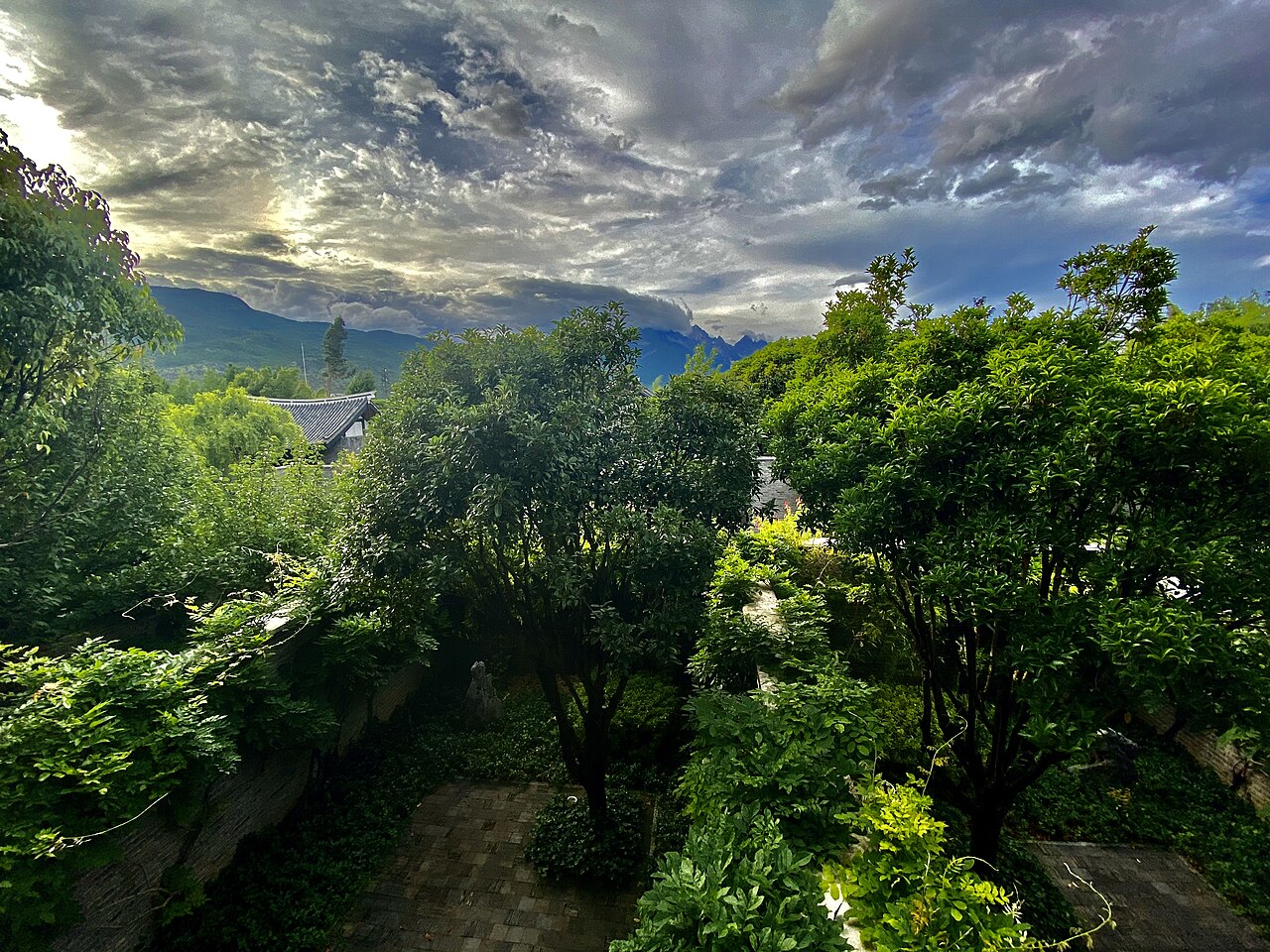
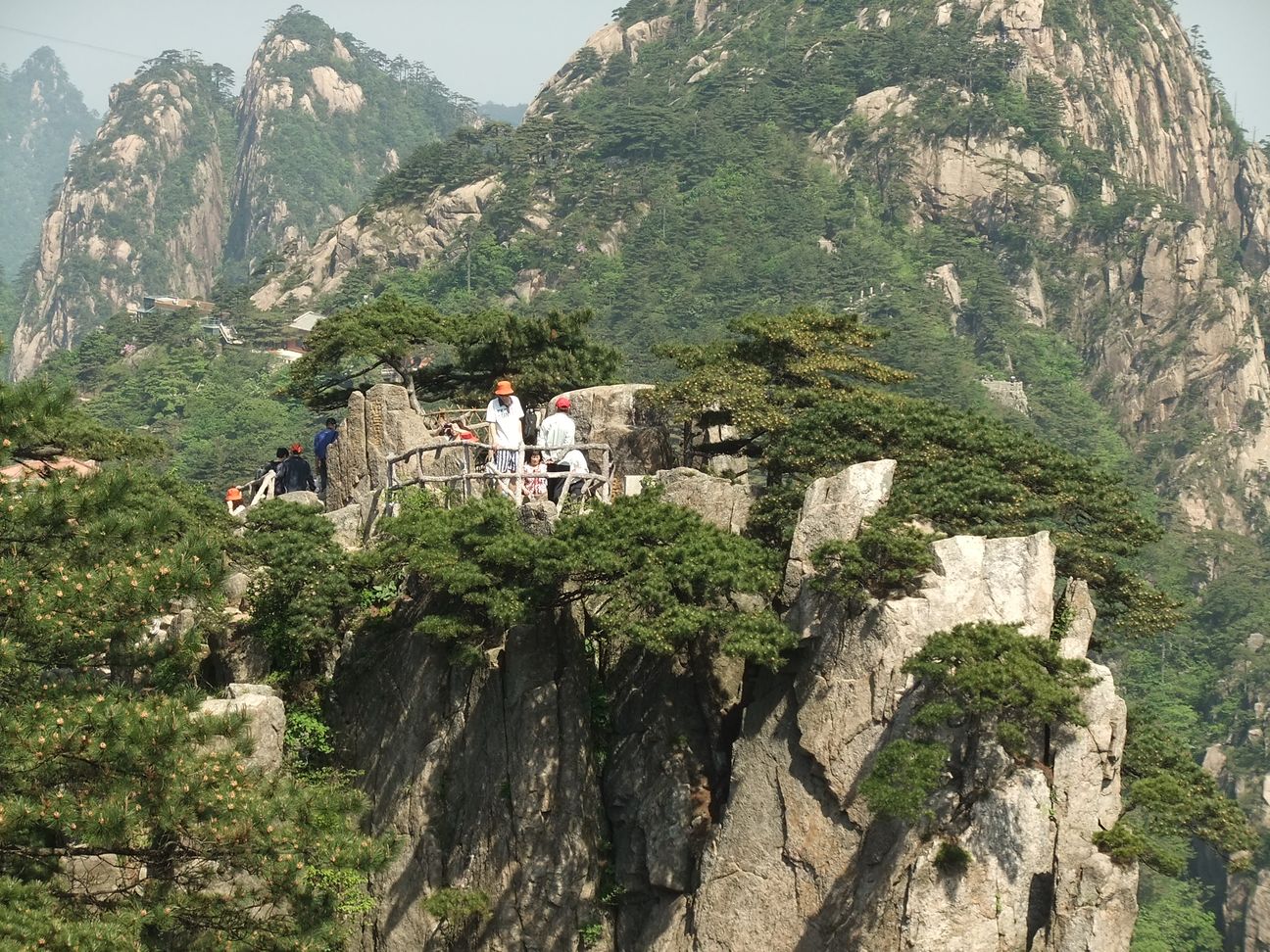
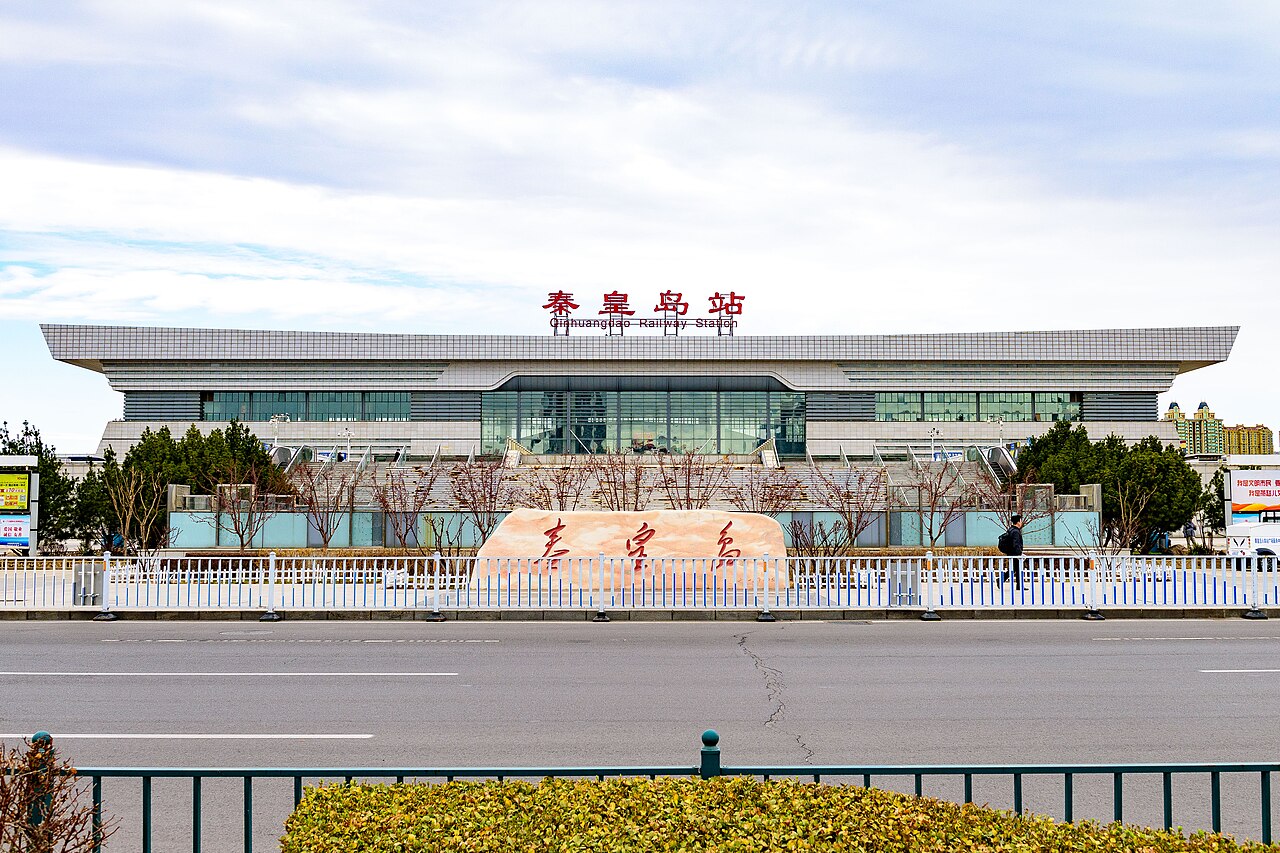
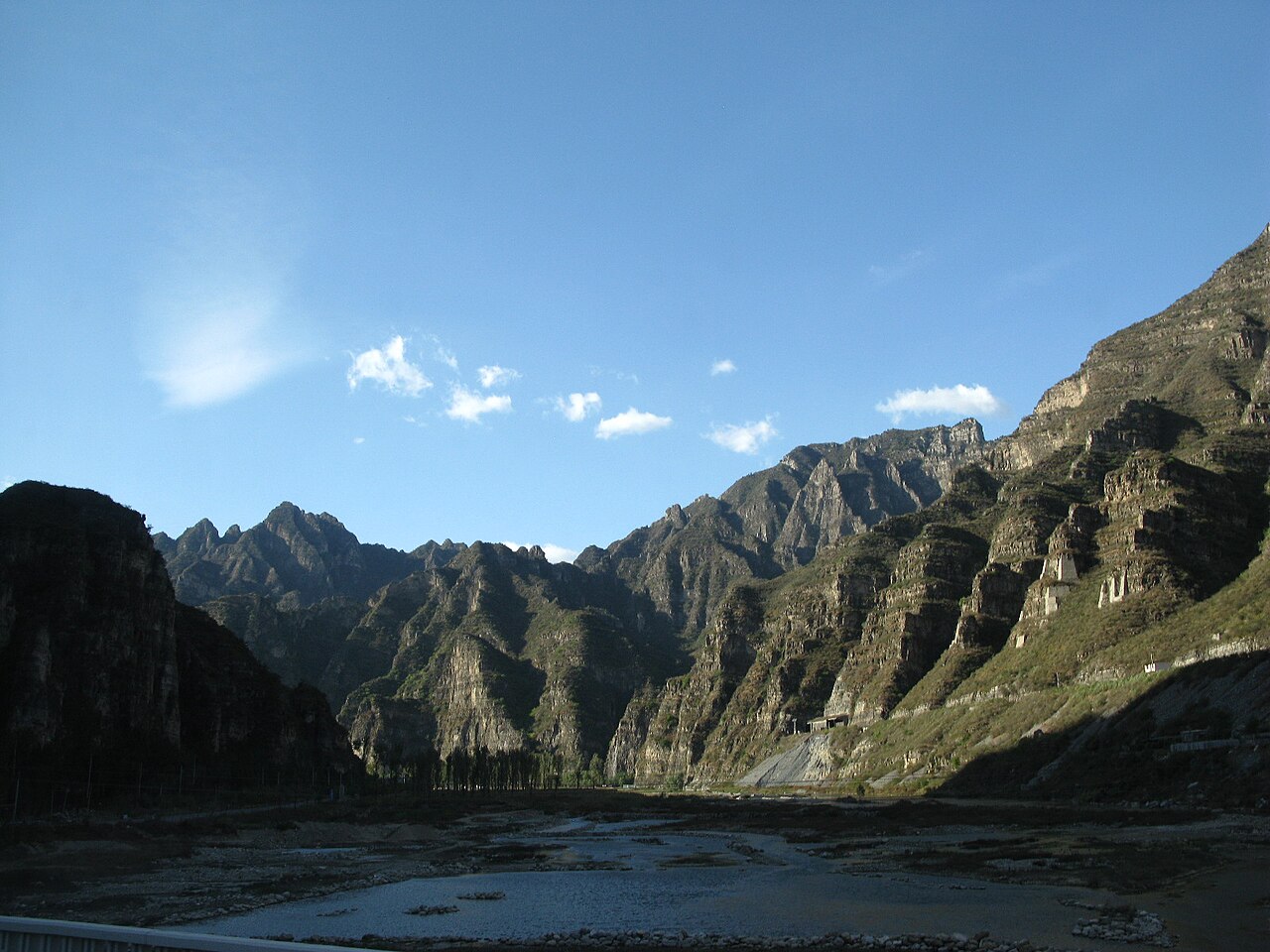
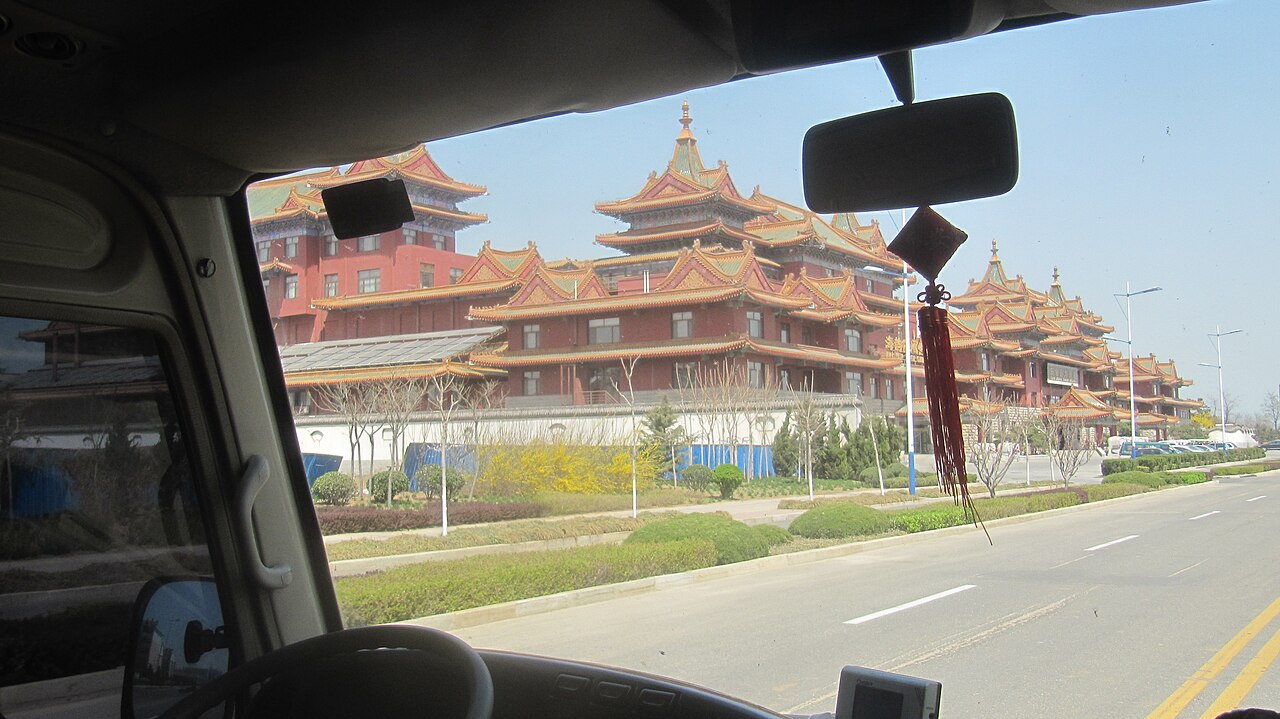
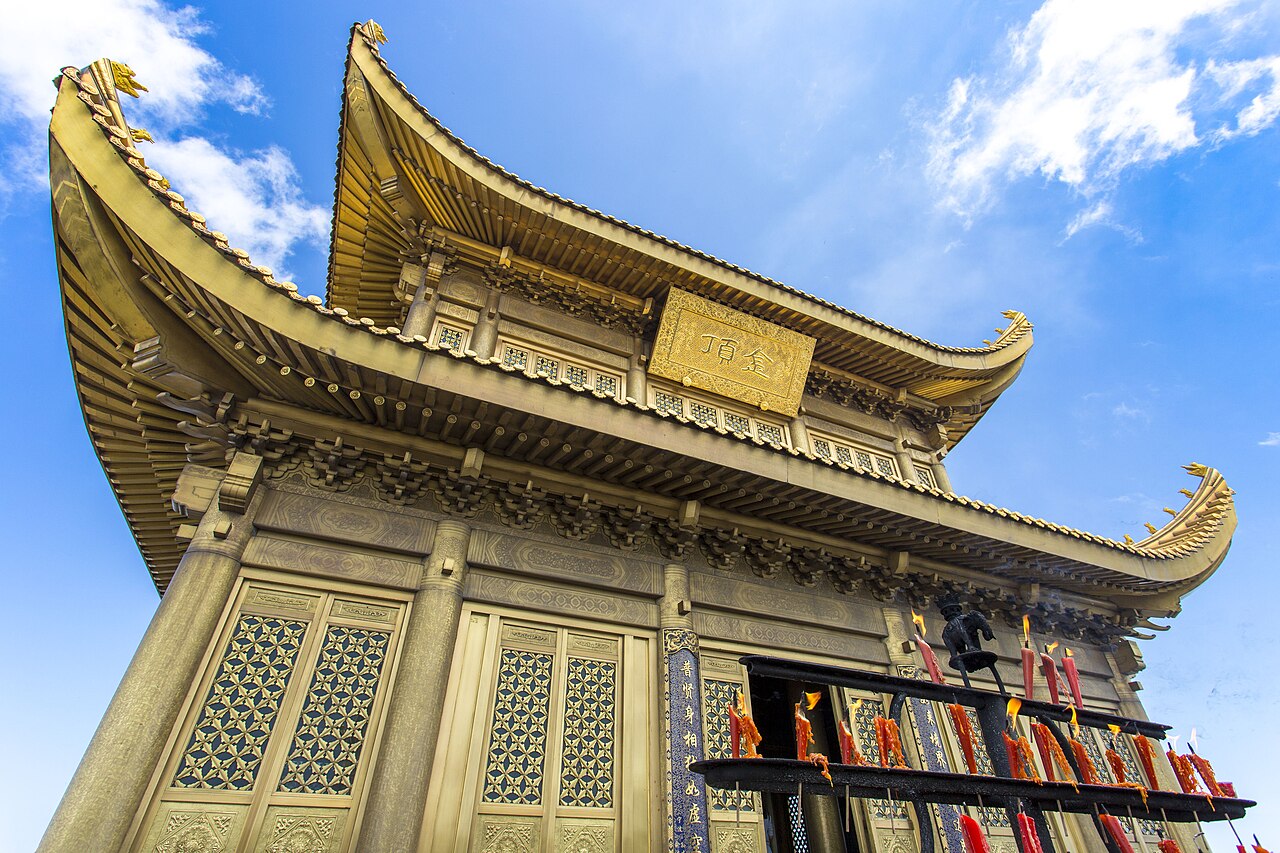
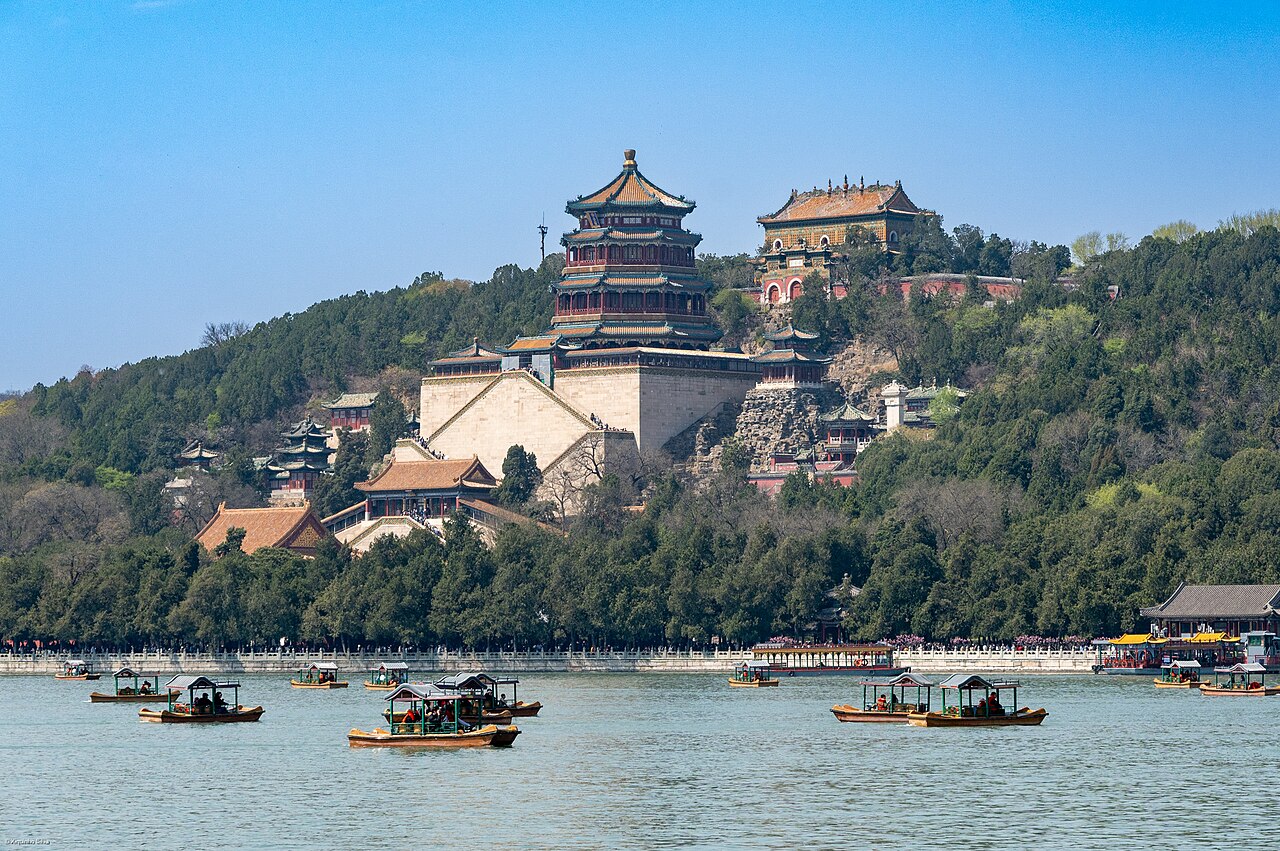
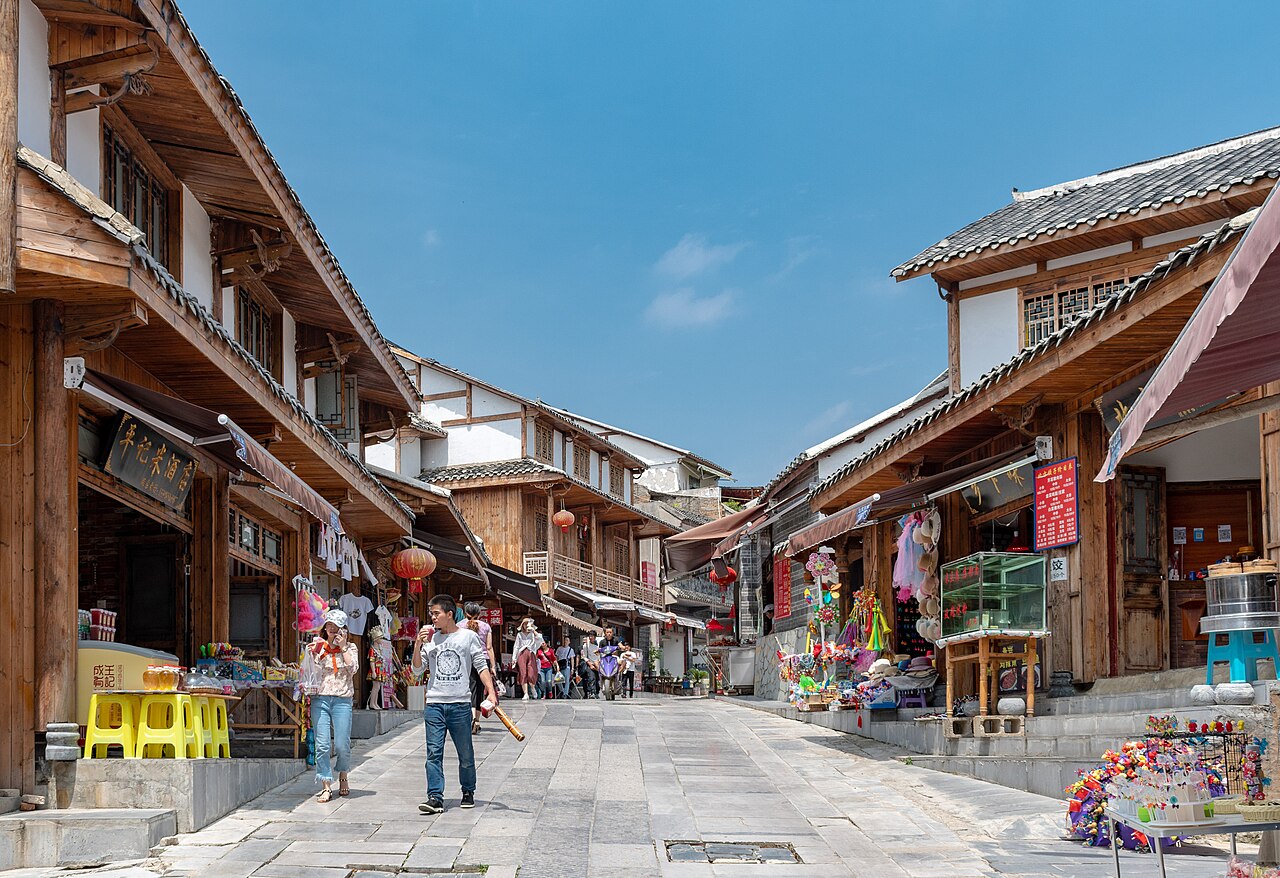
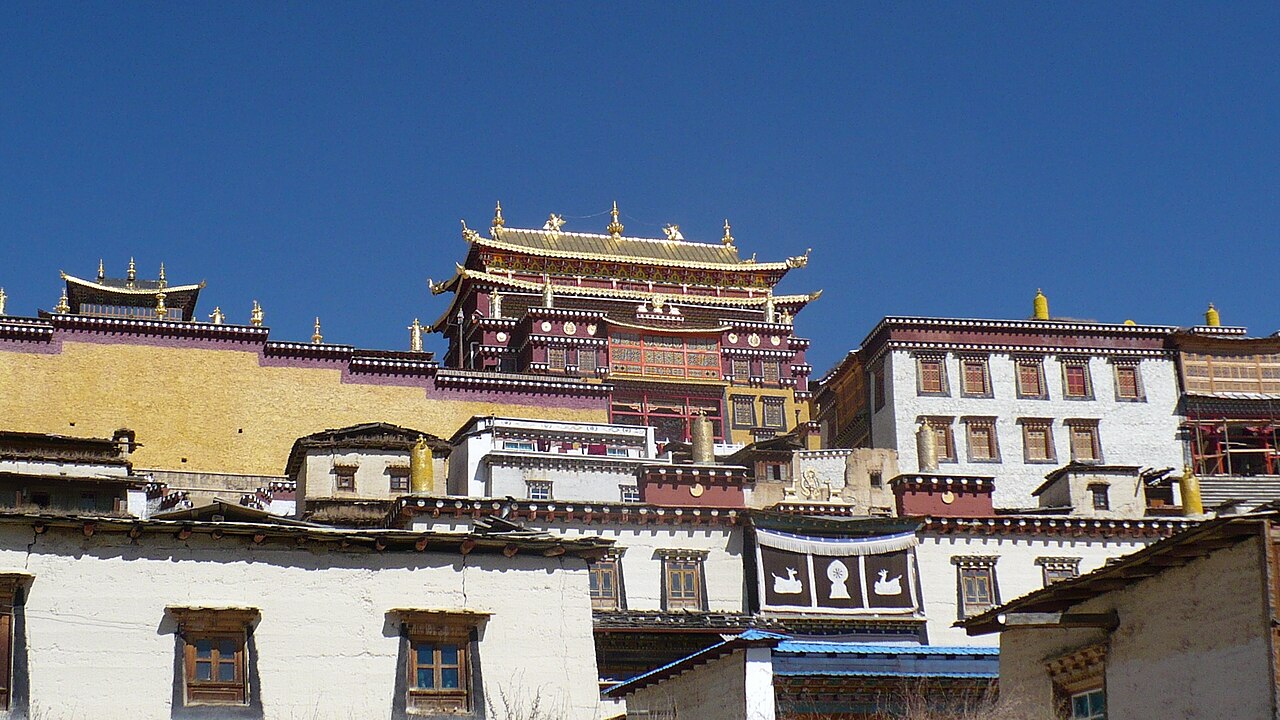
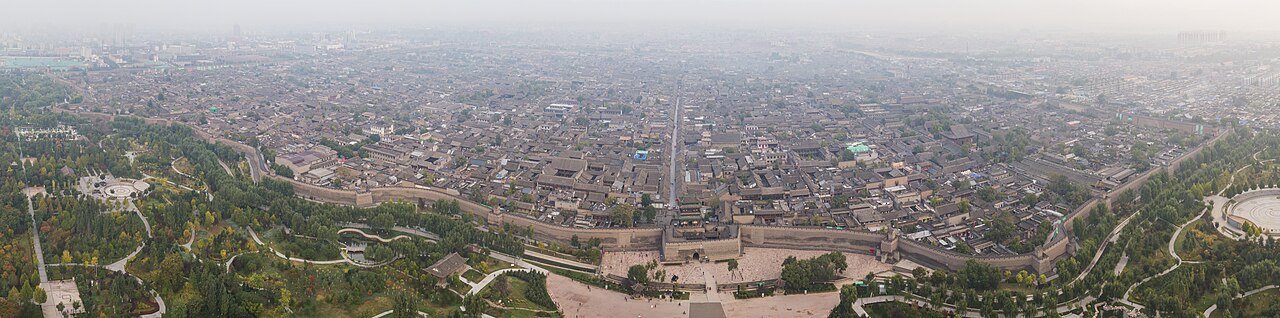
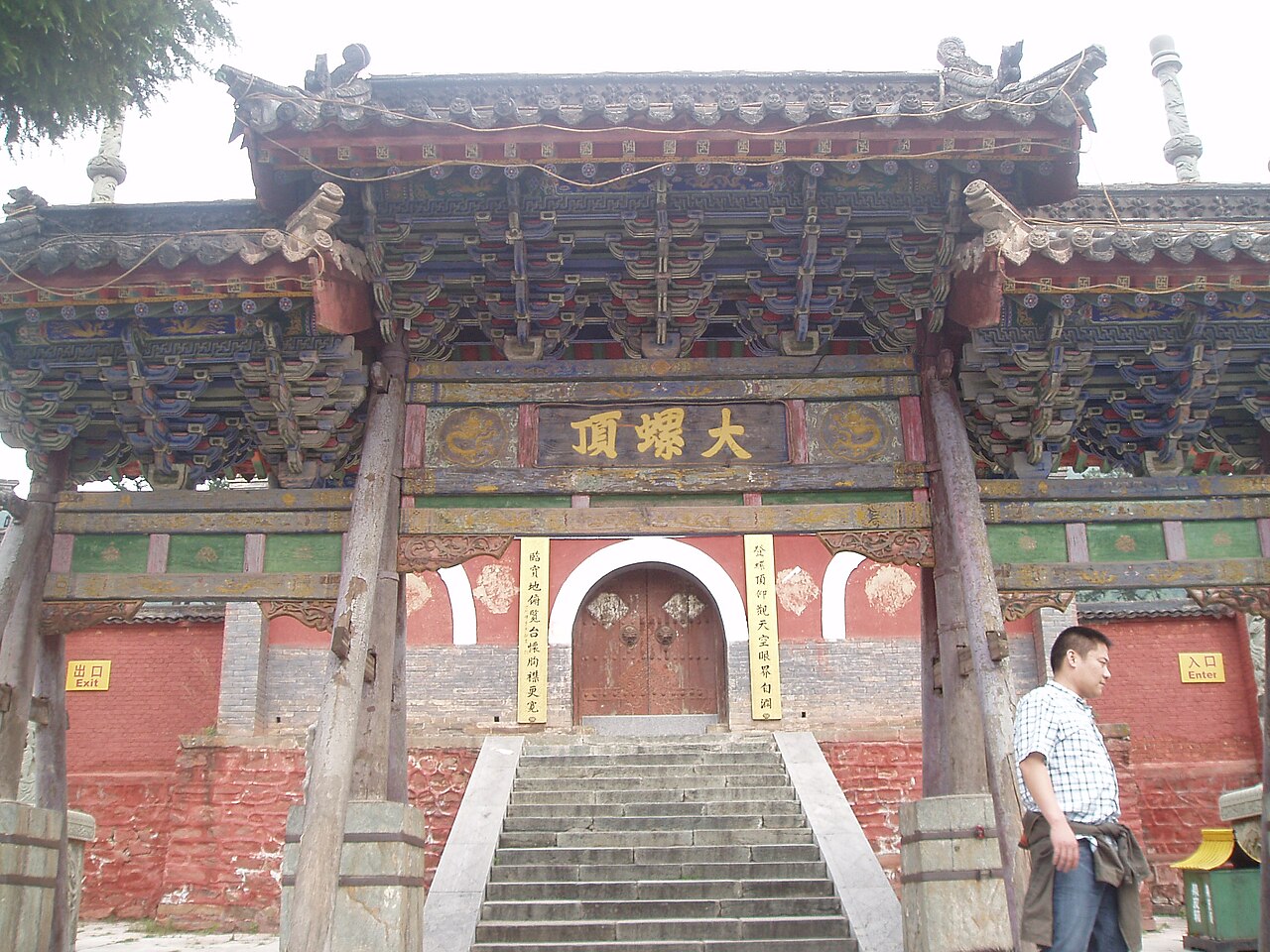
Taihuai temple town under the peaks — the heart of Wutai Mountain
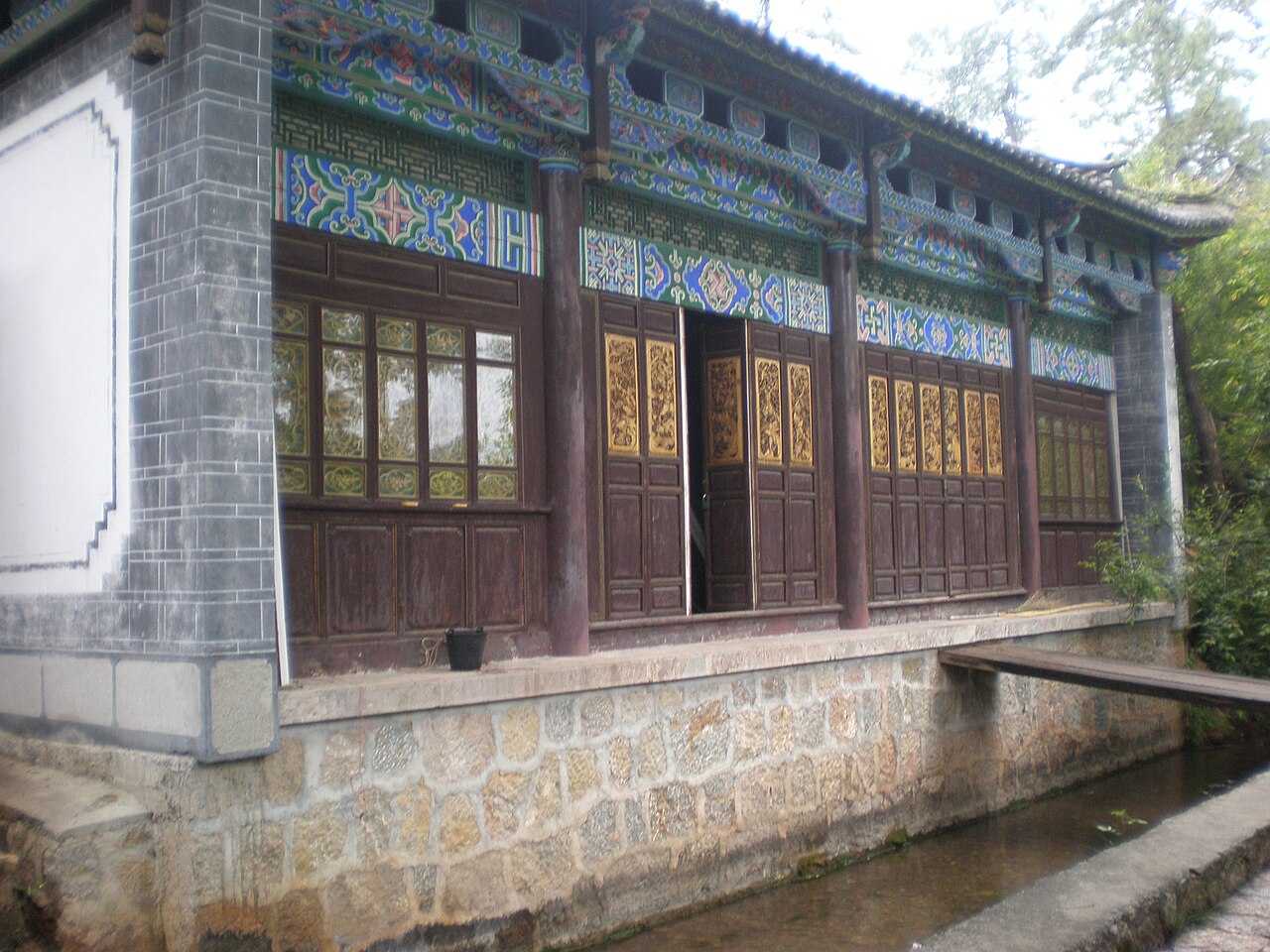
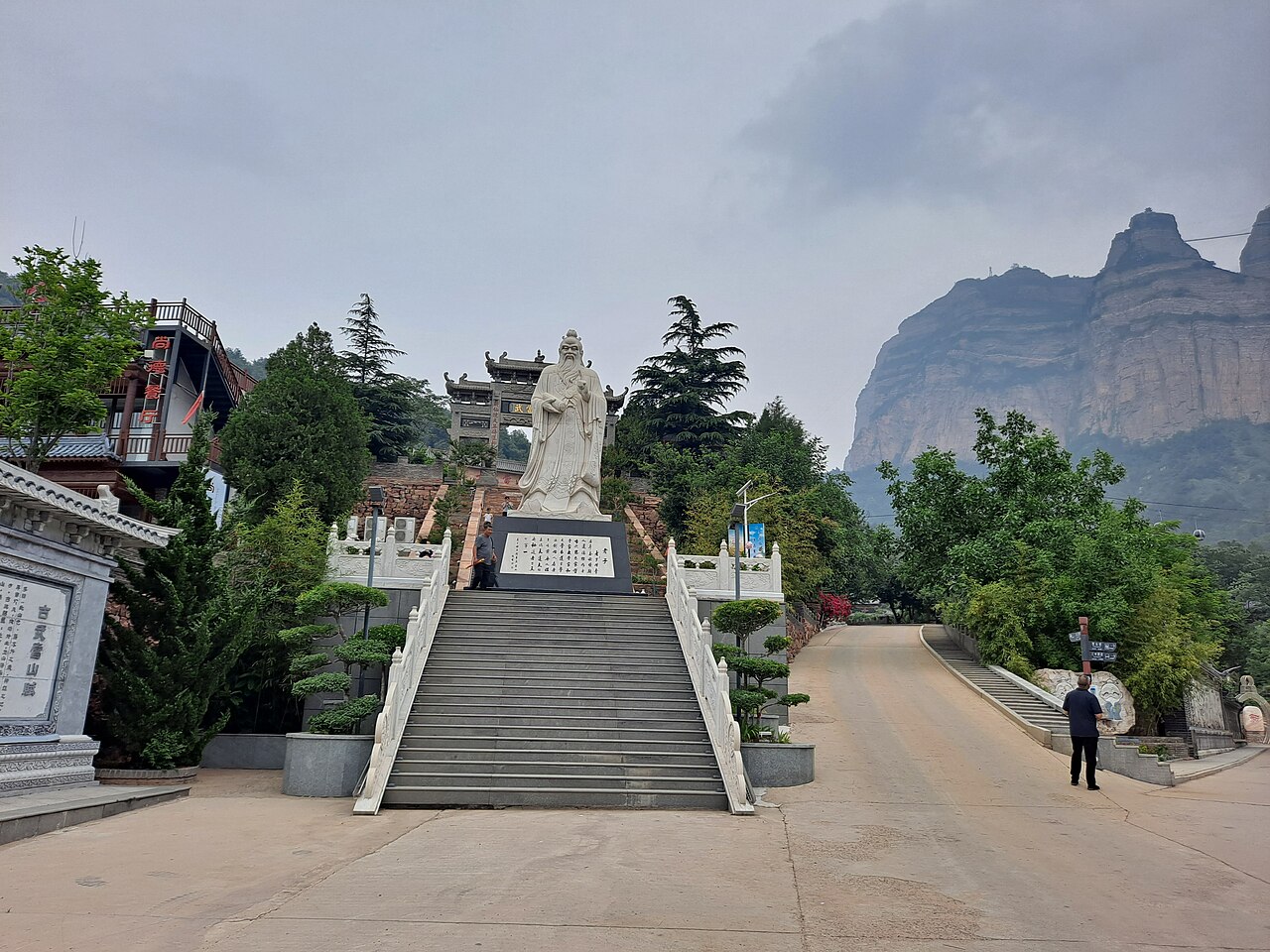
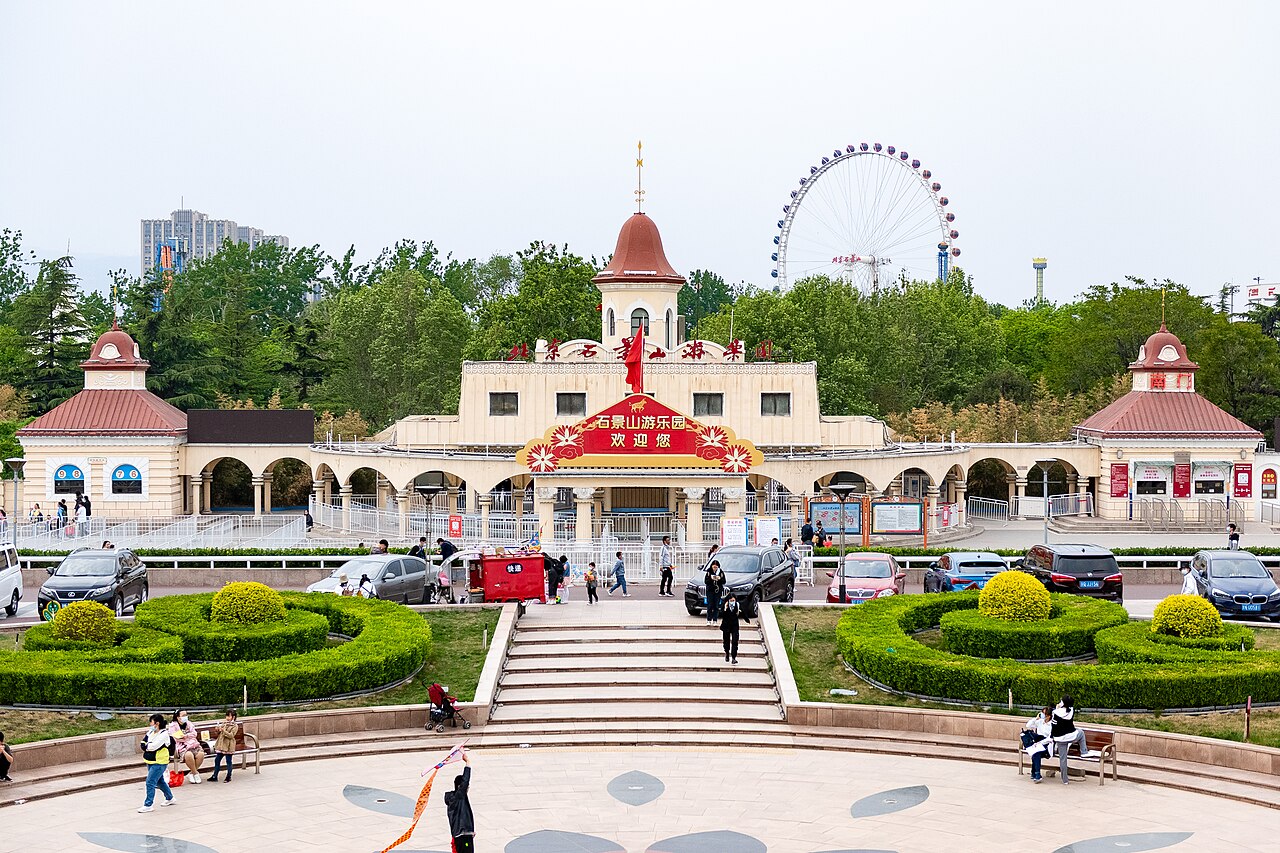
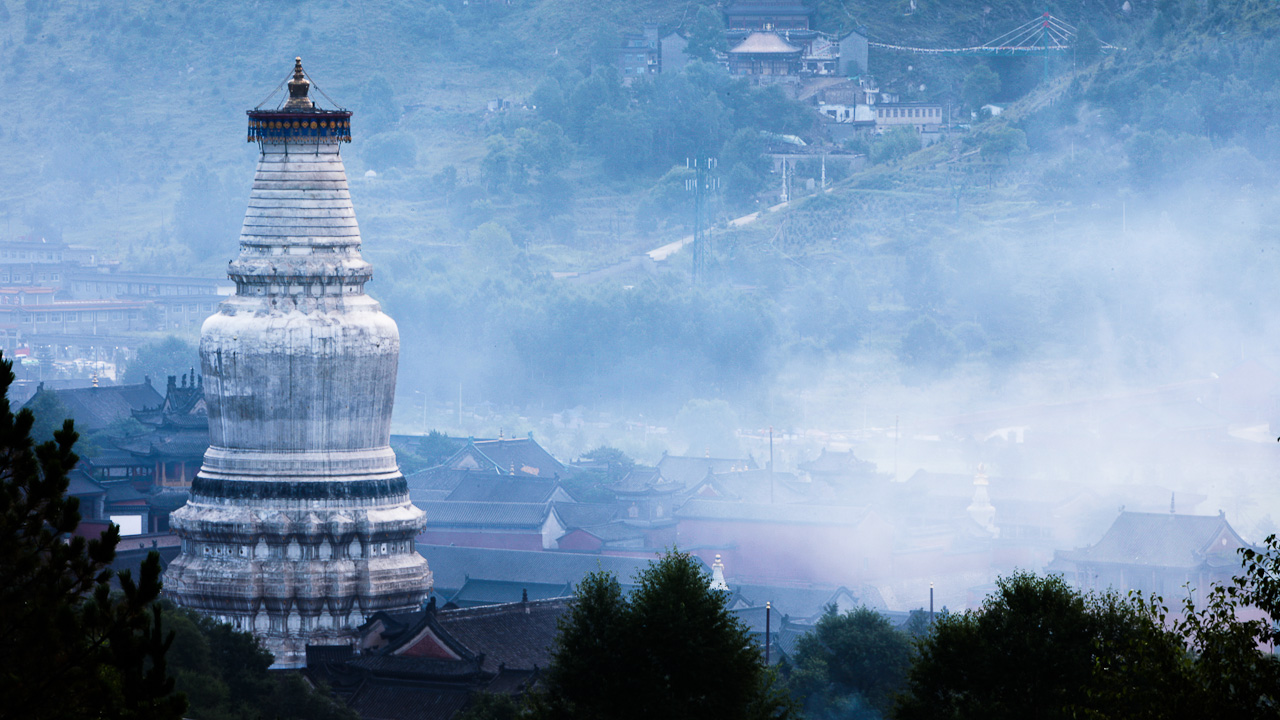
The great white stupa of Tayuan Temple, the symbol of the mountain
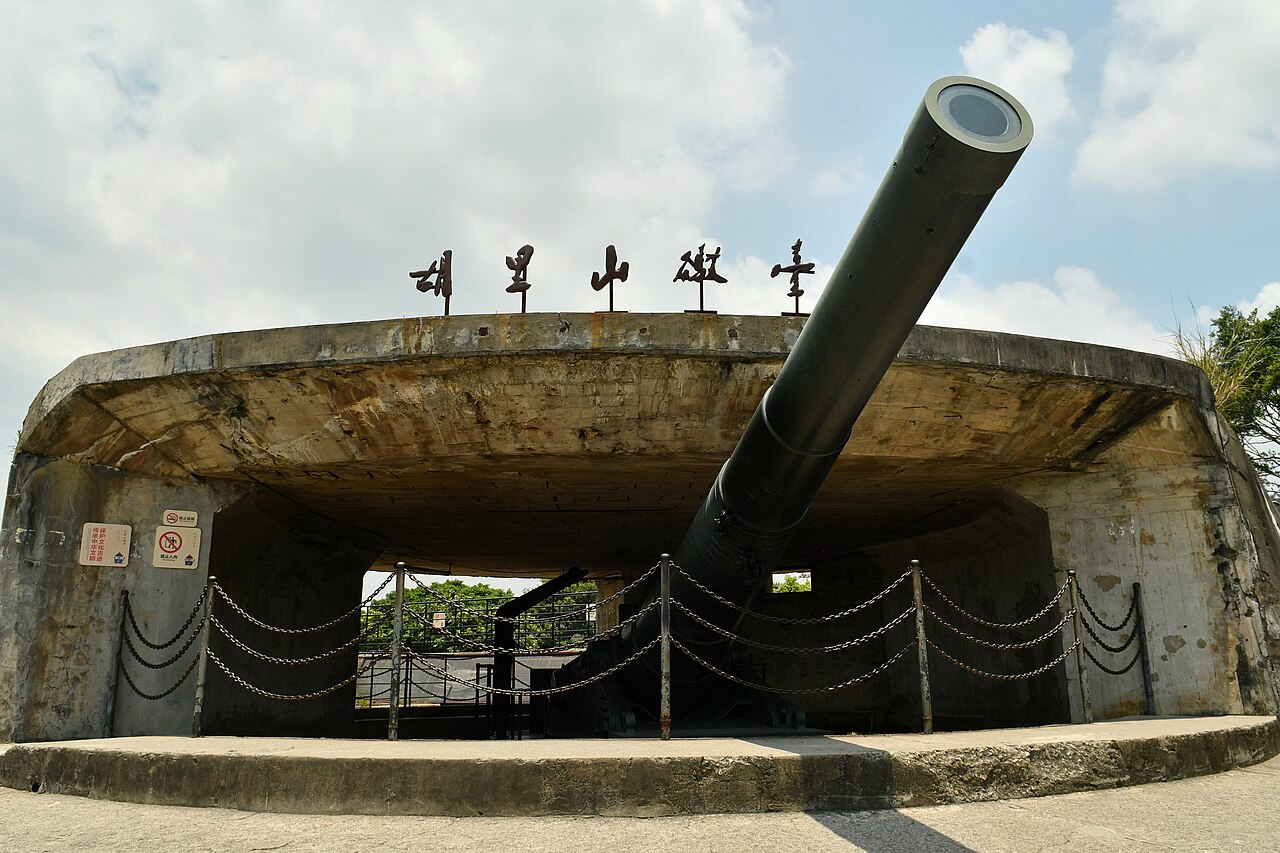
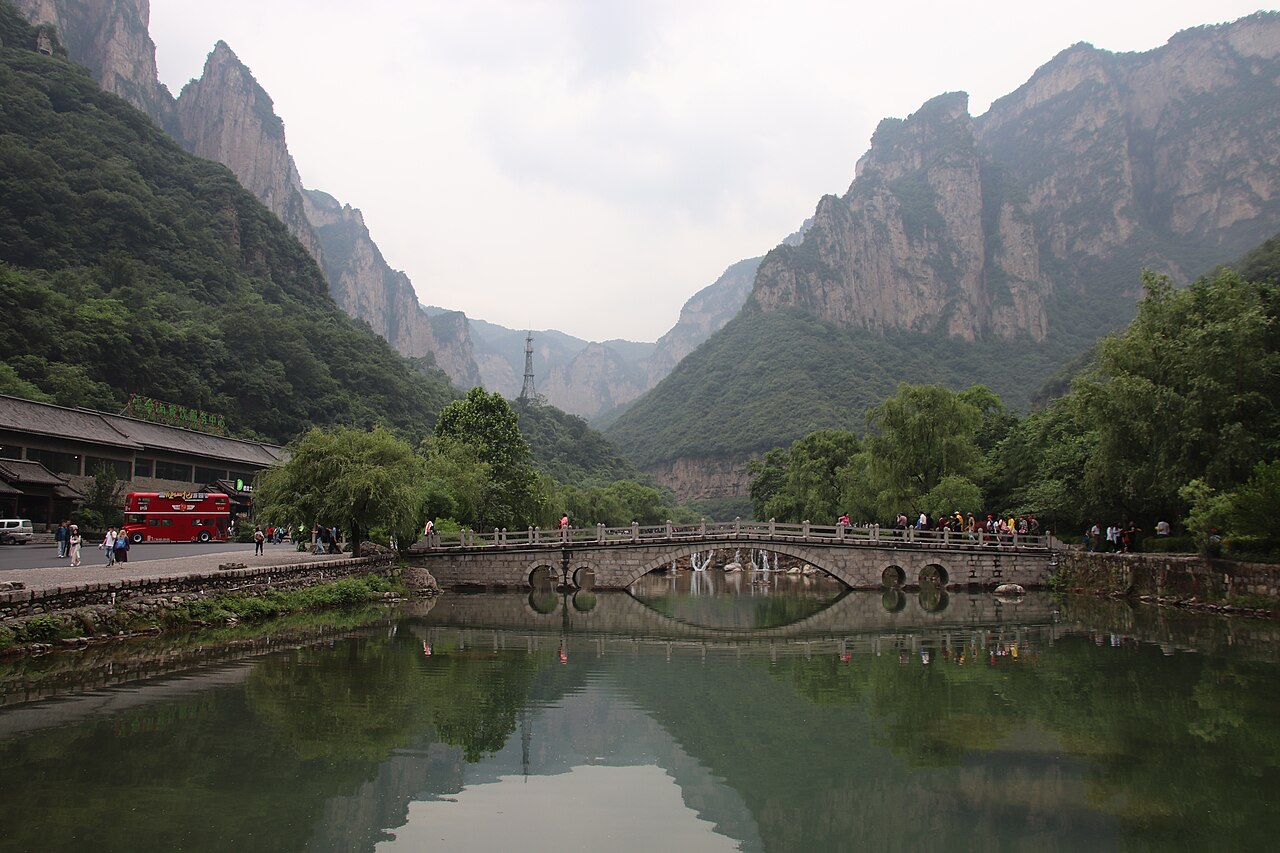
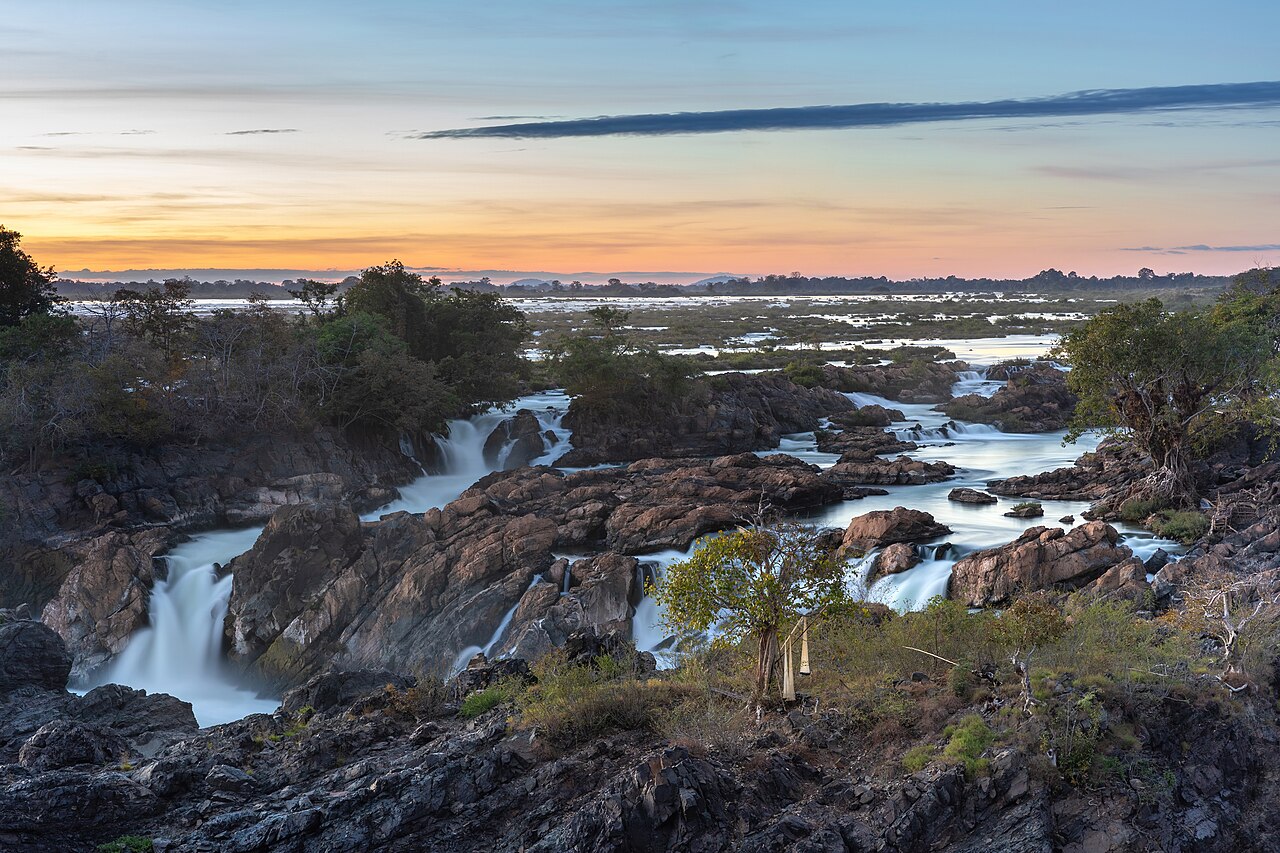
Cloud-sea sunrise from the East Terrace, 2,796 m
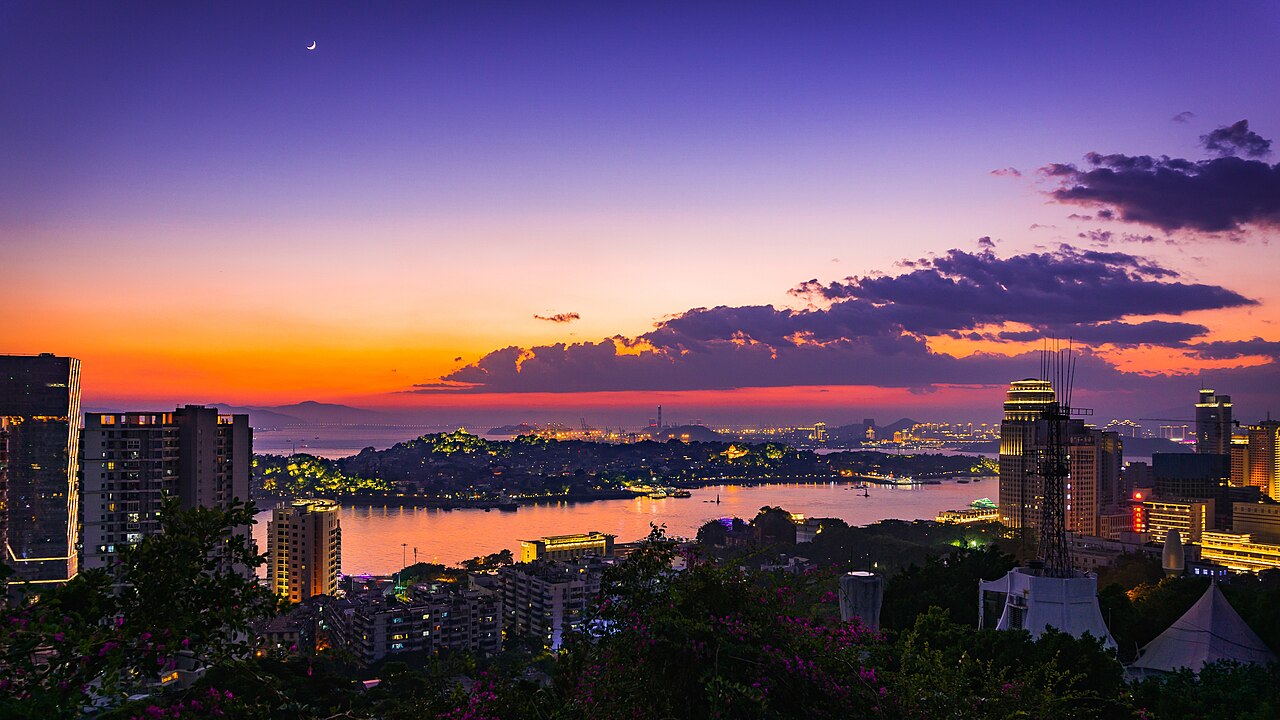
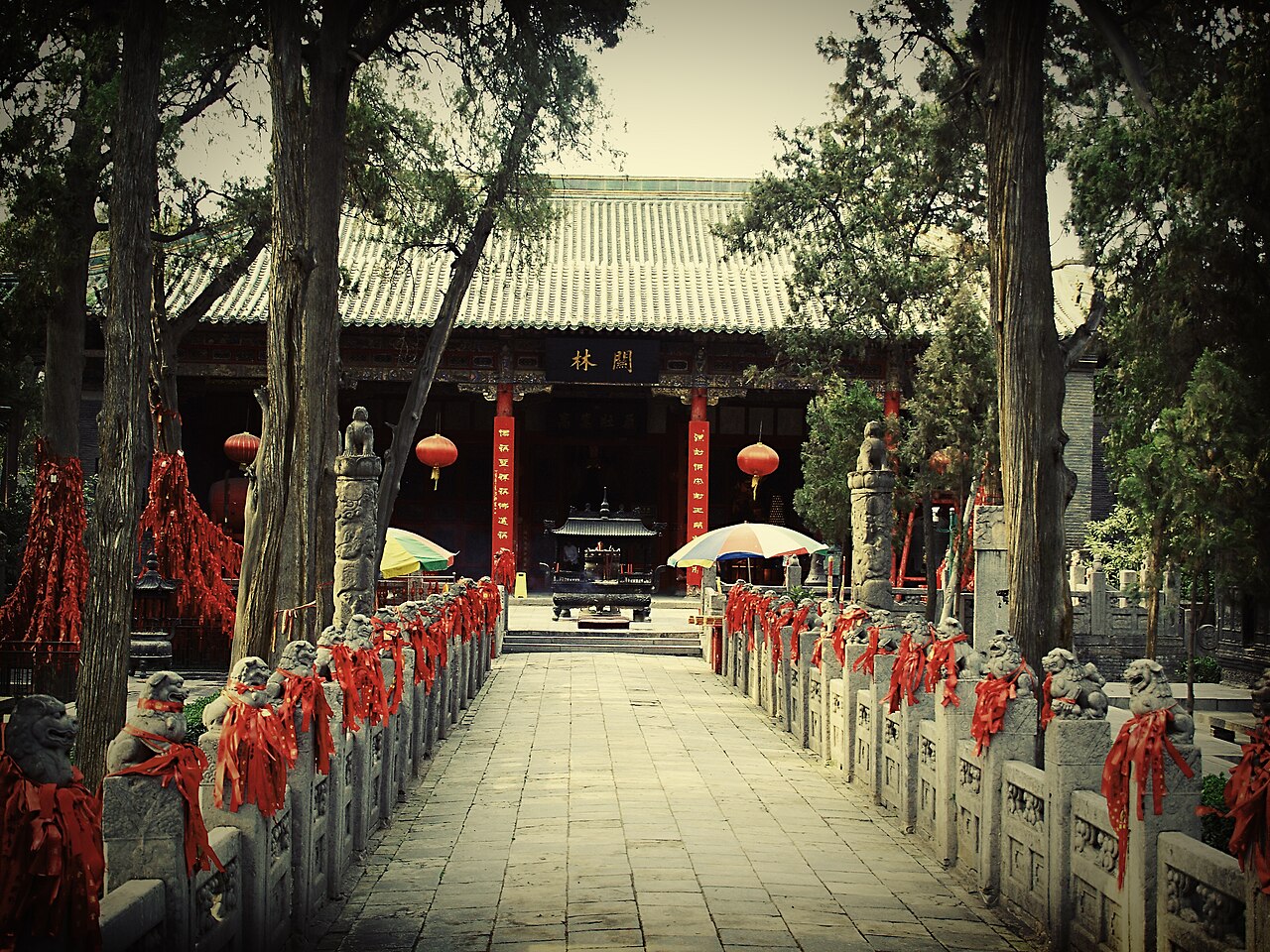
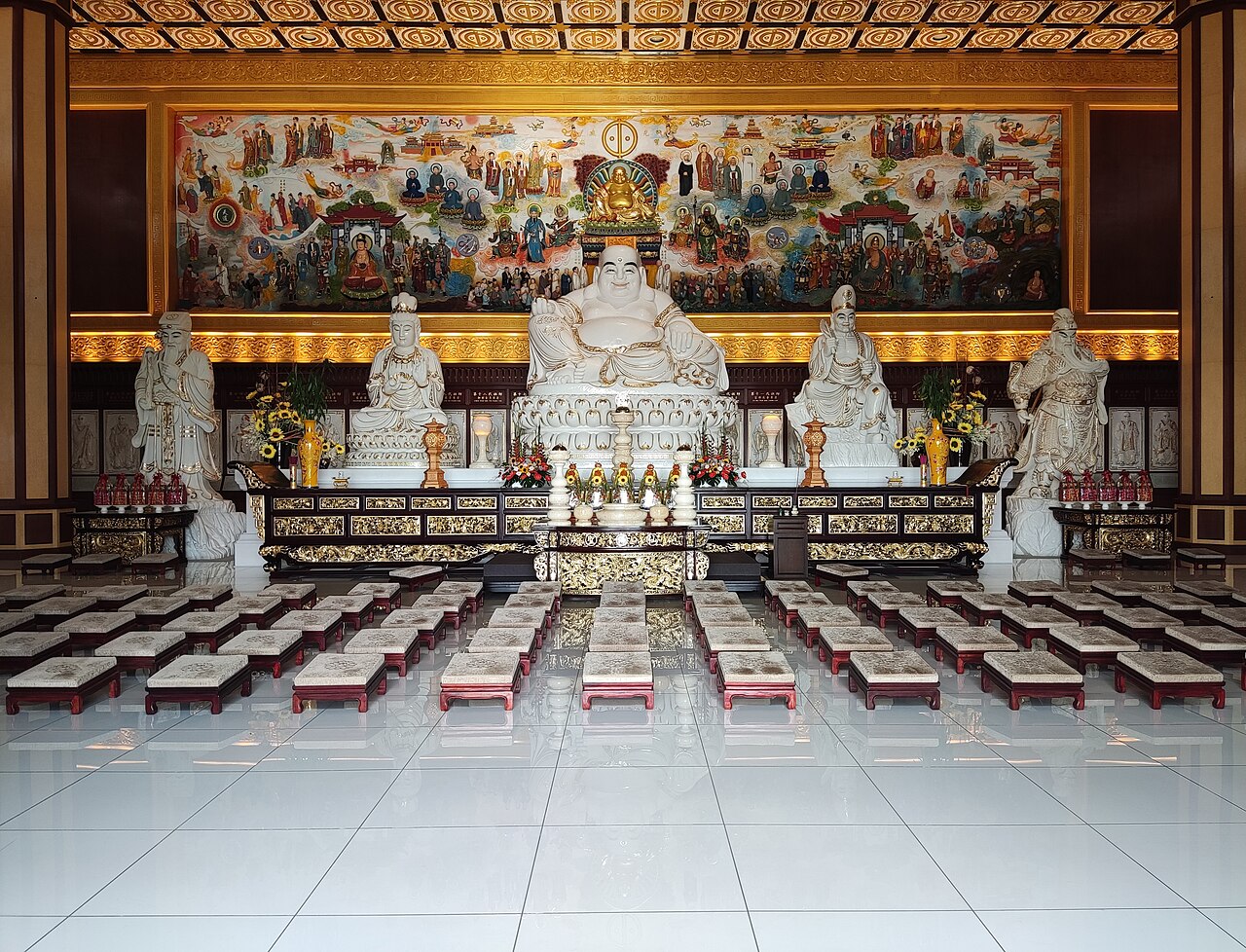
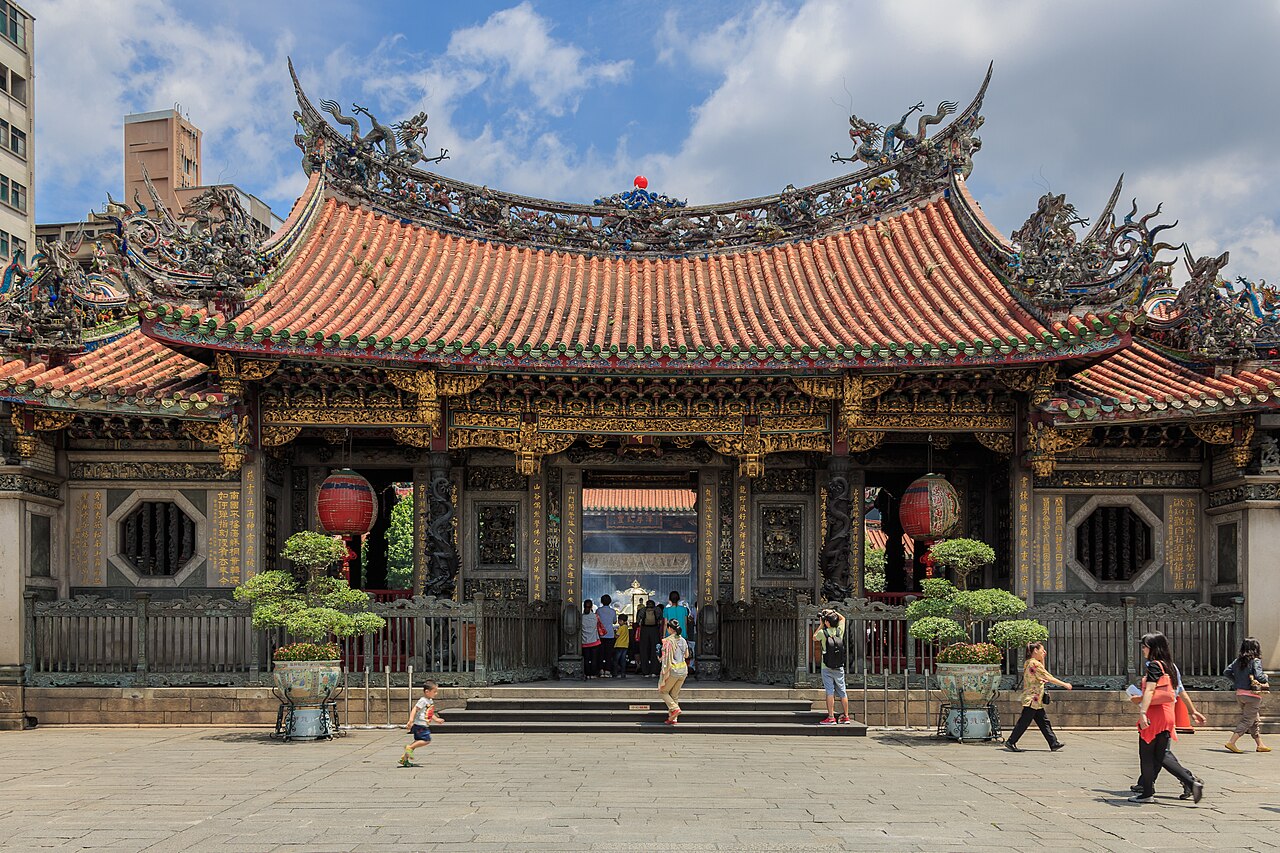
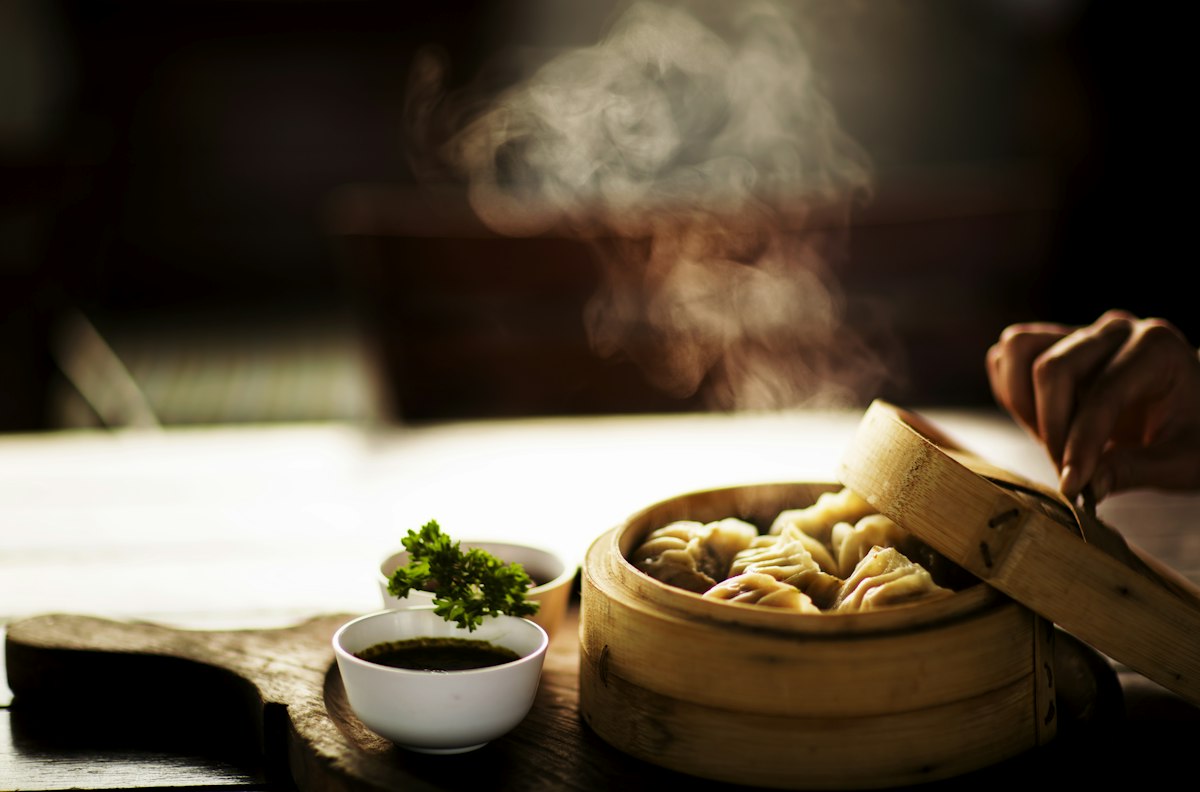
A Buddhist feast in a monastery hall — clean, quiet and free

On the day we set off it rained, and as we entered Shanxi the drizzle turned to a downpour. Our guide said that was our good fortune — Qianlong came five times and it rained five times, because rain is said to be the dew of Manjushri himself.

Traveller note — 'The Trip to Wutai Mountain'

The guide held up a hand: if the five fingers are the five terraces, then the palm is Taihuai. It is where the temples are, the centre of worship and of everything else on the mountain.

Traveller note — 'Wutai Mountain in a Day'

Five peaks with tops as flat as tables — that is the whole idea of Wutai, and the reason pilgrims have climbed here for close to two thousand years. Its other name is the Clear and Cool Mountain, and on a summer afternoon at 1,700 m in the valley you feel exactly why: the heat of the North China plain stops at the foot of the hills.

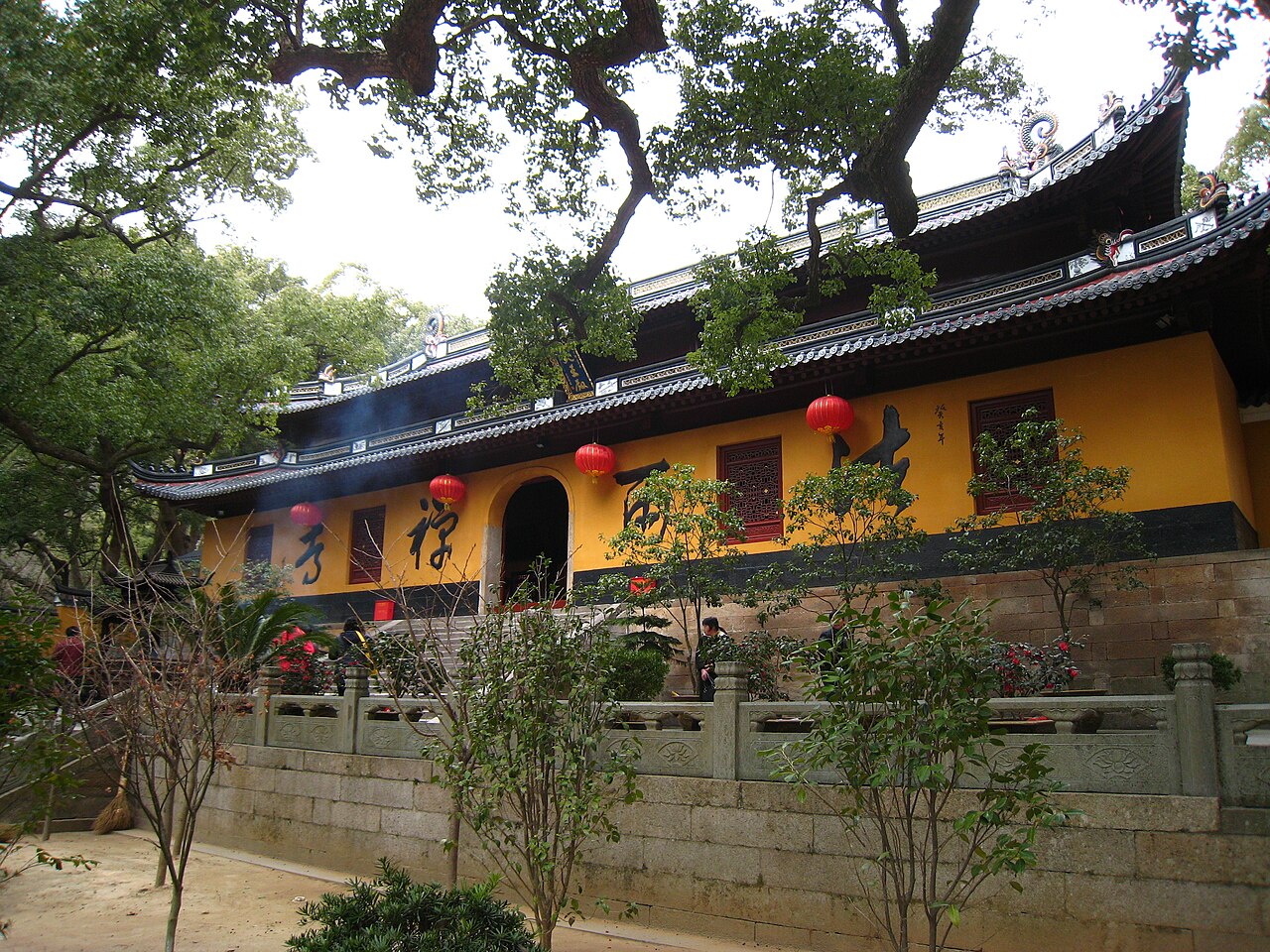
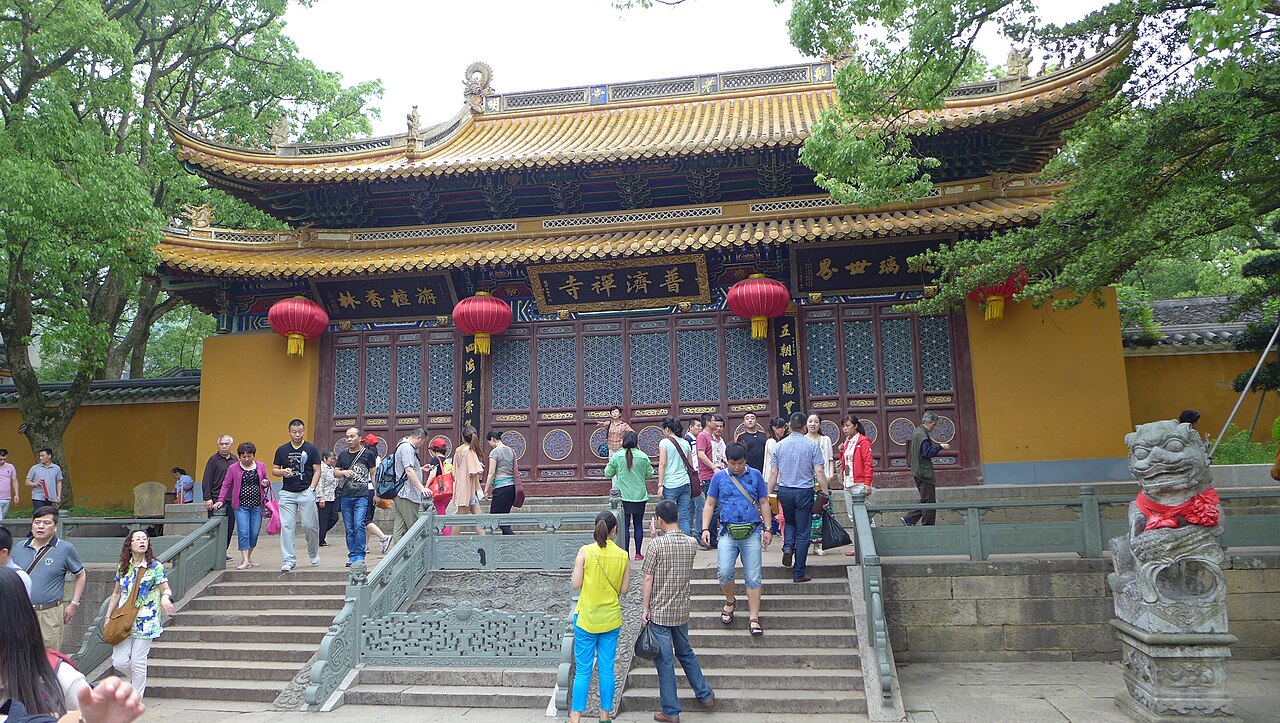
Everything radiates from Taihuai, the little town in the pocket between the peaks. The great Chinese temples — Xiantong, Tayuan, Shuxiang — stand shoulder to shoulder along the main street, while the Tibetan Buddhist temples of the Yellow Hat order climb the hillside at Pusading. It is the one place in China where the Han and Tibetan schools share a single sacred mountain.

Around it all stand the five terraces. Circumambulating all five on foot, the Great Pilgrimage, is a two- to three-day walk by any standard, and many Chinese pilgrims do it on their knees. If you have only a day outside town, the Little Pilgrimage up Dailuoding — a hilltop temple you reach by 1,080 steps or a cable car — compresses the whole mountain into an afternoon.

This is not a resort and not a theme park. It is a working religious site, busiest with worshippers at dawn and thinned again by early evening, and the best way to enjoy it is to move the way the mountain wants you to: unhurried, and on foot where you can.

Wutai Mountain

Don't leave without

Seven things that are worth rearranging a day for.

  1. Walk the 1,080 steps up Dailuoding for the Little Pilgrimage and the view back over the temple roofs
  2. See the cloud-sea sunrise from the East Terrace — leave Taihuai well before dawn
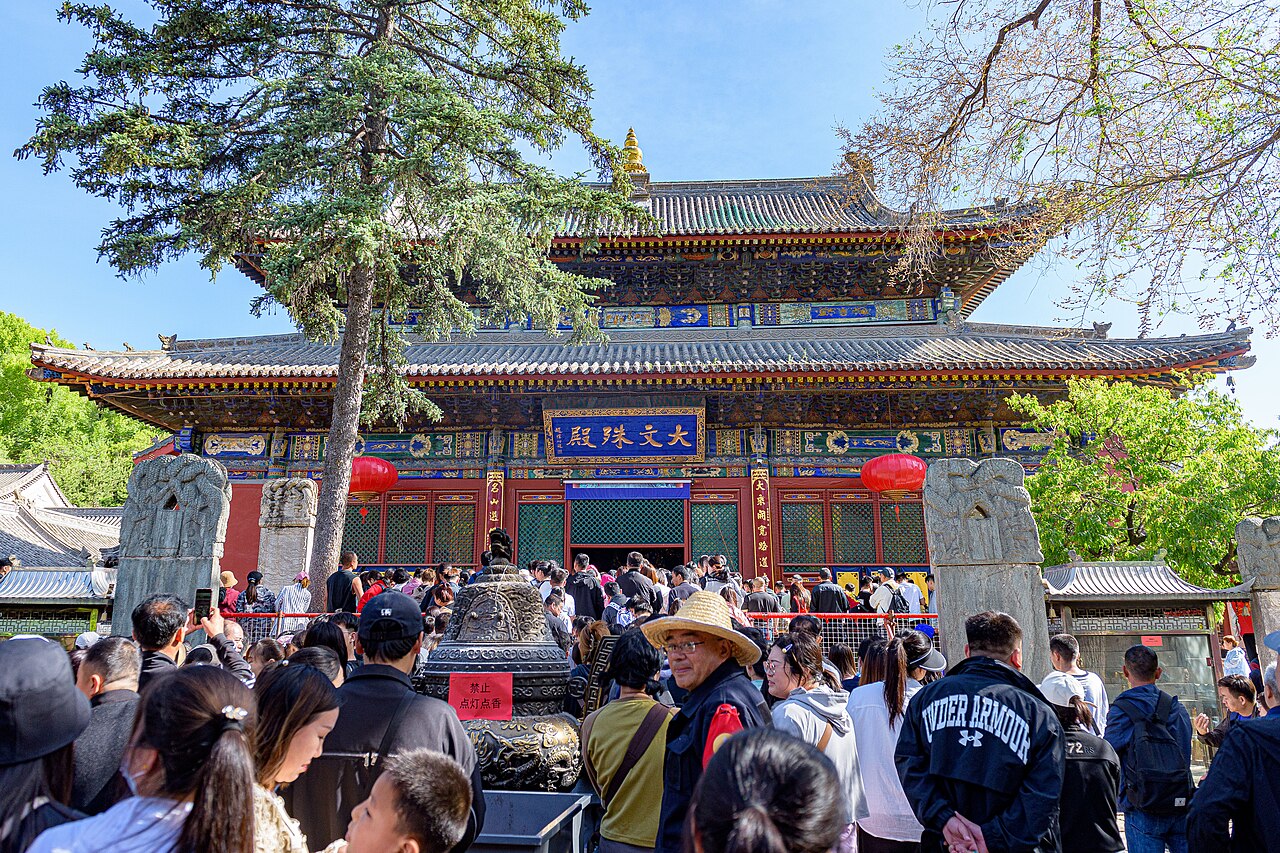
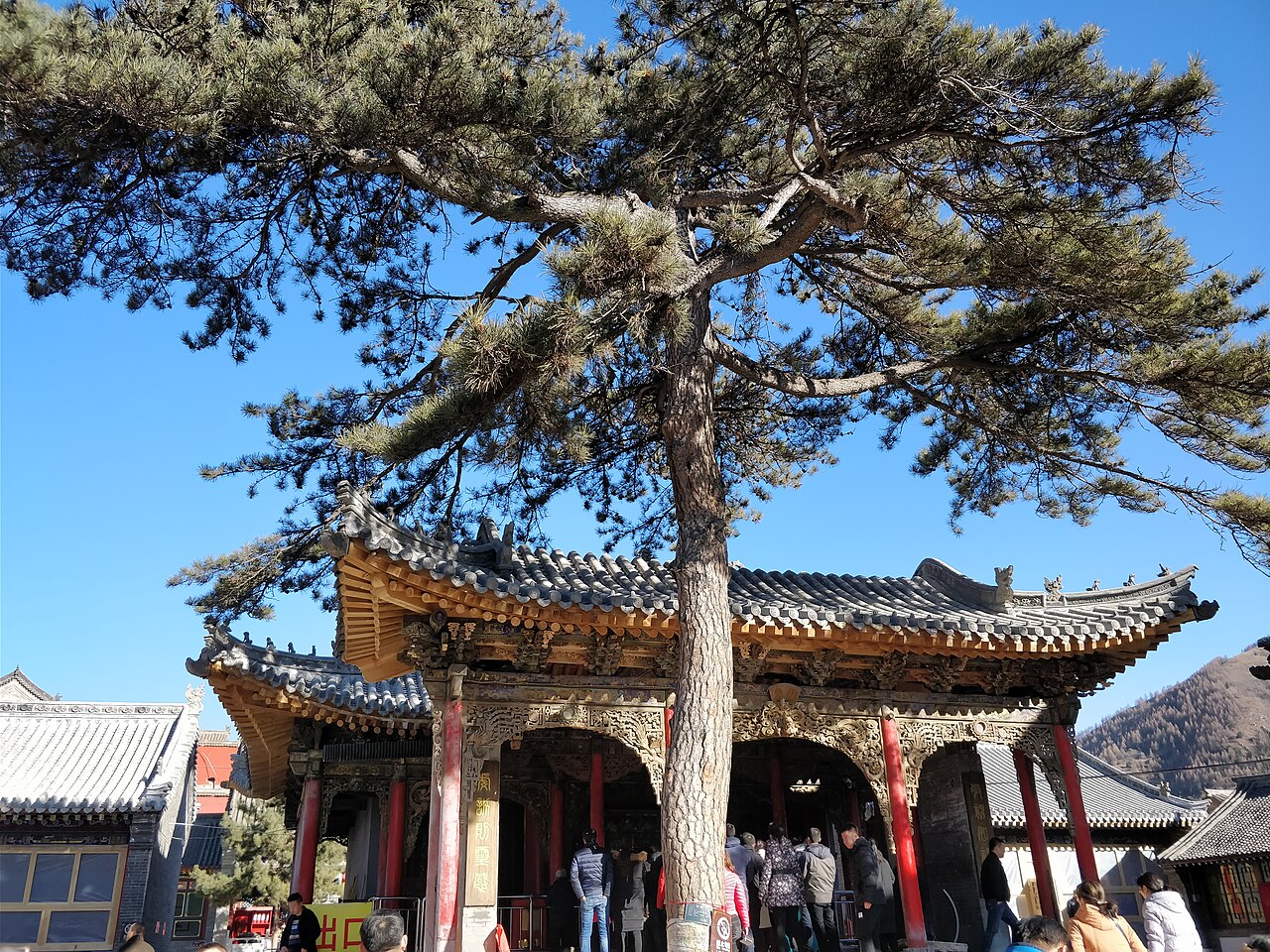
  3. Queue with the locals at Wuye Temple, the wish-granting shrine that never empties
  4. Eat a vegetarian meal in a monastery dining hall, alongside the monks
  5. Buy a bag of Wutai mushrooms and a dragon-subduing walking stick on Yanglin Street
  6. Stand on the North Terrace, the 'roof of North China', and look out over Shanxi

Highlights

What not to miss at Wutai Mountain

The Taihuai temple cluster

The Taihuai temple cluster

The heart of the mountain: Xiantong Temple with its bronze pagoda and seven halls, Tayuan Temple with its 56 m white stupa, and Shuxiang Temple with its giant Manjushri. Half a day along the main street covers the essentials.
The five terraces

The five terraces

Five flat-topped peaks at 2,452–3,058 m around the valley. By shuttle you can top two or three of them in a day; on foot they are the Great Pilgrimage, a two- to three-day circuit.

Dailuoding and the Little Pilgrimage

Dailuoding and the Little Pilgrimage

A temple on a spur above town, reached by 1,080 steps or a cable car. Climbing it is the Little Pilgrimage, and the view back over the roofs is the best in the valley.

East Terrace sunrise

Wanghai Peak, 2,796 m, where pilgrims wait for the cloud-sea sunrise that has become the mountain's signature photograph. The summit bus runs about 10 km out from the station.

Pusading and the Tibetan temples

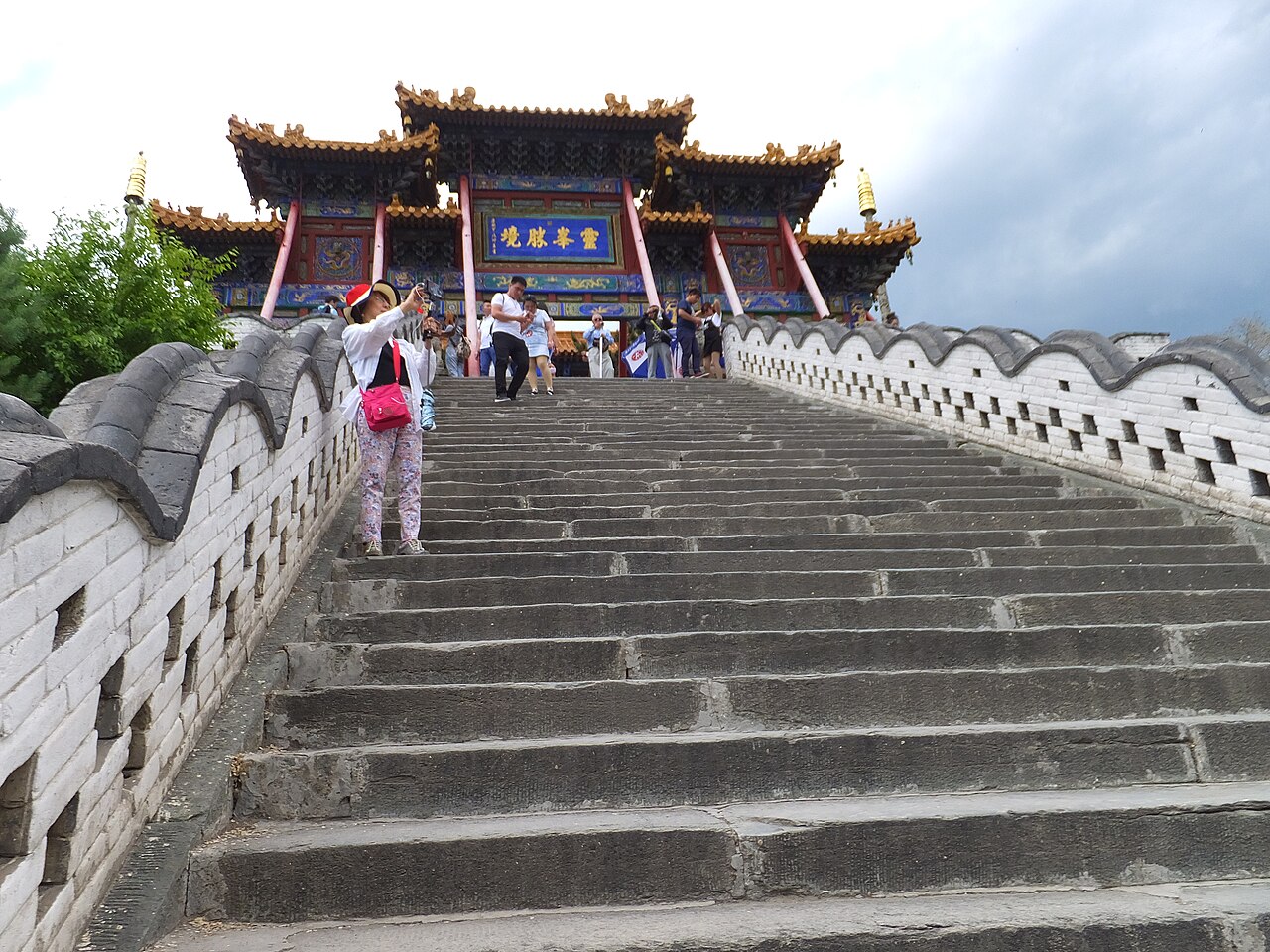
The 'Bodhisattva Summit' temple, up 108 steps under imperial yellow tiles, marks where the Tibetan tradition took root; the surrounding Yellow Hat temples contrast sharply with the Chinese halls below.

Wuye Temple

Wuye Temple

A small, ceaselessly busy shrine to the Fifth Dragon King, said to be the most effective place on the mountain for a wish. Go early — by mid-morning it is shoulder to shoulder.

Suggested itineraries

Two days in the valley, three on the peaks

The valley is walkable; the terraces are not. Build the trip around how many summit buses you are willing to pay for.

The temple core in two days

2 days

The essential Wutai — Taihuai's temples, the Little Pilgrimage, then sunrise and a summit.

  1. Day 1

    Taihuai and Dailuoding

    Work the temple street on foot: Tayuan Temple and its white stupa first, then Xiantong Temple with its bronze pagoda and seven halls, then Shuxiang Temple and the Tibetan temples up at Pusading.

    In the late afternoon, climb Dailuoding — 1,080 steps, or the cable car — for the Little Pilgrimage and the sweep of roofs below at sunset.

    Stops: Tayuan TempleXiantong TempleShuxiang TemplePusadingDailuoding

  2. Day 2

    East Terrace and the North Terrace

    Leave town well before dawn for the East Terrace (2,796 m) to catch the cloud-sea sunrise, then come down for breakfast.

    Take the summit bus up to the North Terrace, the 'roof of North China' at 3,058 m, for the far view; stop at Wuye Temple on the way back.

    Stops: East TerraceNorth TerraceWuye Temple

The Great Pilgrimage

4 days

The full circuit of all five terraces on foot, broken up with monastery and farm guest rooms.

  1. Day 1

    Hongmenyan to the East and North Terraces

    Start at Hongmenyan, the pass below the East Terrace, where the trails fan out to all five peaks. Climb the East Terrace, loop back, then push on to the North Terrace and the Central Terrace — a long day of around 18 km.

    Stops: HongmenyanEast TerraceNorth TerraceCentral Terrace

  2. Day 2

    West Terrace and down through Jinge

    Continue west to the West Terrace, then descend through Jixiang Temple, Shiziwo and Jinge Temple — about 16 km, losing height into the forest.

    Stops: West TerraceJixiang TempleShiziwoJinge Temple

  3. Day 3

    South Terrace and Fomu Cave

    Finish the circuit with the South Terrace (2,452 m) and the descent to Fomu Cave, around 12 km. Rejoin the valley road for the bus back to Taihuai.

    Stops: South TerraceFomu Cave

  4. Day 4

    Buffer day

    Keep a spare day: mountain weather throws plans sideways, and a night in the valley to recover beats rushing for a train.

    Stops: Taihuai

Sights

The temples worth your time

The scenic-area ticket is charged once at the gate; most individual temples then charge their own small fee. Prices change — treat these as a guide.

Xiantong Temple

Chinese Buddhism · The mother temple

Xiantong Temple

The largest and most important of the Chinese temples on the mountain, with around 400 structures and a seven-hall axis: Guanyin, Manjushri, the Great Buddha Hall, the Beamless Hall, the Thousand-Bowl Hall, the famous bronze hall and the sutra library. A bronze pagoda stands in front of the gate. It descends directly from the Great Lingjiu Temple founded in the Eastern Han — one of the two earliest Buddhist temples in China.

Ticket
¥10
Hours
06:30–18:30
Where
Taihuai town, north of Tayuan Temple
Time needed
1–1.5 hours

Tip The bronze hall and the Beamless Hall of brick vaulting are the two things people miss in a hurry — slow down for both.

Tayuan Temple and the white stupa

Landmark · The symbol of Wutai

Tayuan Temple and the white stupa

Originally the stupa court of Xiantong Temple, this became a temple in its own right when the reliquary pagoda was rebuilt in the Ming. Its great white stupa — properly the Shakyamuni Reliquary Stupa — is the single image that stands for Wutai Mountain, soaring above the temple roofs. The axis runs through a screen wall, archways, stone steps, the mountain gate, bell and drum towers and the sutra library.

Ticket
¥5
Hours
06:30–18:30
Where
Taihuai town, south side of Xiantong Temple
Time needed
45 minutes

Tip The classic photograph of the white stupa is taken from in front of Wuye Temple, early in the morning before the light hardens.

Shuxiang Temple

Statue hall · Manjushri

Shuxiang Temple

Renowned for the vast statue of Manjushri riding a lion that fills its main hall — one of the great religious sculptures of north China, assembled from many blocks of wood in the Ming. The temple is smaller than the big names but the interior is startling, and it sits conveniently between Xiantong and Tayuan.

Ticket
¥10
Hours
06:30–18:30
Where
Taihuai town centre
Time needed
45 minutes

Tip Check whether photography is allowed inside before you raise a camera — the rule varies by hall.

Pusading

Tibetan Buddhism · Imperial tiles

Pusading

The 'Bodhisattva Summit', raised above the town on 108 stone steps and unusual for its imperial yellow glazed tiles — the colour reserved for the emperor. It is the historic heart of Tibetan Buddhism on Wutai, and the surrounding Yellow Hat temples make a sharp contrast with the Chinese halls down in the valley.

Ticket
Included with the temple cluster
Hours
06:30–18:30
Where
North end of Taihuai town, uphill
Time needed
1 hour

Tip Count the 108 steps as you climb — the number stands for the 108 afflictions the faithful aim to shed.

Dailuoding

Little Pilgrimage · Viewpoint

Dailuoding

A temple poised on a ridge above town, the goal of the Little Pilgrimage that stands in for the full circuit of the five terraces. You reach it by a long flight of 1,080 steps, a cable car or a steep side road. From the top, the temple roofs of Taihuai spread out below and the Central, South and North Terraces line the horizon.

Ticket
¥10
Cable car
¥50 up, ¥35 down
Hours
Open all day
Where
On the ridge east of the Taihuai temple cluster
Time needed
2 hours round trip

Tip Walk up and ride down, or the reverse — either way the point is the view from the top, so time it for late afternoon.

Wuye Temple

Wish-granting shrine · Busy

Wuye Temple

Formally the Temple of the Fifth Dragon King, and by far the busiest small shrine on the mountain. It is said that wishes made here come true — so the queues for offerings can be formidable, and the air is thick with incense. The story behind it is the legend of how Manjushri borrowed a cooling stone from the Dragon King to make Wutai a summer refuge.

Ticket
¥10
Hours
Open all day
Where
Taihuai town, north of Tayuan Temple
Time needed
30 minutes

Tip Go first thing in the morning. By ten it is packed, and the incense smoke alone will make you hurry.

Nanshan Temple

Yuan dynasty · Stone carving

Nanshan Temple

Founded in the Yuan and restored in the late Qing, Nanshan is prized for its stone carving and clay sculpture rather than its scale. Its screen wall at the base is the largest on the mountain, and it is unusual among Chinese temples in enshrining six guardian figures — the Four Heavenly Kings plus the two legendary Heng and Ha generals — rather than the standard four.

Ticket
¥10
Hours
06:30–18:30
Where
About 2 km north of Taihuai town
Time needed
1 hour

Tip Combine it with the quieter northern temples rather than trying to fit it into the packed central street.

Eating

What Wutai Mountain eats

Two culinary worlds meet here: the clean vegetarian cooking of the monasteries, and the coarse-grain country food of the Shanxi plateau.

Vegetarian monastery feast

The signature of Wutai. Dishes that look like meat and taste like nothing of the sort — mock spare ribs, braised 'fish', mushroom stews — cooked without garlic, onion or meat. It is light, deliberate and a genuine part of the pilgrimage.

Wutai mushrooms

The local taishan is a small, creamy white mushroom prized for centuries and once sent to the imperial court. Cook it three ways: stir-fried with mushrooms and sliced meat, plain with greens, or in a chicken-and-mushroom stew.

Bolanzi

A Wutai home dish made from potatoes shaved into tongue-shaped slices, dusted with flour, steamed, then stir-fried with vegetables and dried chilli. Simple, starchy and much better than it sounds.

Kandao ('three cuts')

A golden, faintly sweet fried cake eaten around Spring Festival since the Qing — a thrifty country invention of stretching corn and millet with oil and sugar. The name comes from the three slashes cut into each one so the oil soaks in.

Guoyou shanyao

Fried yam, done better here than almost anywhere else in Shanxi and found in every restaurant. Ask for it hot; it collapses once it cools.
Gaoliang yuyu

Sorghum dough rolled by hand into little fish shapes and steamed, then served with a lamb or tomato broth. Watching the country women pinch them out is half the pleasure.

Where to eat

Restaurants worth the address

Most prices are per person and change with the season — Wutai is much dearer in the summer peak. Phone numbers are local landlines.
Vegetarian · Tourism-bureau listed

Yizhan Mingdeng

The vegetarian restaurant most often recommended on the mountain: dishes that look like meat are all plant-based, and eating here before a temple visit is part of the ritual for many visitors. Calm, tidy and close to Wuye Temple.
Order
Mock-meat dishes, mushroom stews, seasonal greens
Where
Mingqing Street, Taihuai (near Wuye Temple)
Phone
0350-6543456
Per person
About ¥84

Local Shanxi

Wutai Cuiyan Restaurant

A local favourite running four menus — the 'eight big bowls', home-style stir-fries, Shanxi noodles and a big iron-pot stew. The owner is a fixture and regulars are on first-name terms. Ask for the shredded golden noodles.

Order
Eight big bowls, iron-pot stew, shredded golden noodles
Where
1 Mingqing Street, Taihuai
Phone
0350-6661145
Per person
About ¥100

Vegetarian and local · Near Wuye Temple

Zifu VIP House

A short walk from Wuye Temple with a wide menu covering both vegetarian and regional dishes. It has hosted food festivals, so the kitchen is clean and well-run. Slightly pricier than the neighbourhood norm, but reliable.

Order
Local specialities, vegetarian options
Where
1 Mingqing Street, Taihuai
Phone
0350-6661145
Per person
About ¥35

Vegetarian · Free

Monastery dining halls

The big monasteries serve free vegetarian meals to pilgrims and guests, including the Tibetan temples, where the food is heartier. You eat simply and quietly with the monks — a far better experience than the overpriced restaurants in town.

Cost
Free; eat what you are given
Where
Larger monasteries in Taihuai, incl. Xiantong Temple
Note
No meat, no waste; keep the meal quiet

Sleeping

Where to stay

Stay in Taihuai, in the middle of the temple street — that is where everything is on foot. Accommodation runs from monastery guest halls to the mountain's one five-star hotel.

Monastery · From ¥10

Xiantong Temple guest hall

The biggest temple on the mountain keeps the most guest rooms, and staying here is the authentic way to do Wutai: dormitory beds from ¥10, standard rooms from about ¥70, and vegetarian meals included. Guests are registered and given a lay-pilgrim pass to show at the gates. Quiet, clean and a world away from a hotel.

Price
Dorm from ¥10 · standard from ¥70
Where
Taihuai, north of the great white stupa
Phone
0350-6545799

Five-star · The only one

Wufeng Hotel

The mountain's sole five-star hotel, built against the hillside among tall trees, with the Lingquan and Nanshan temples across the water. Full facilities and the most comfortable rooms in the area; the price matches the rating.

Price
Rooms from ¥480
Where
Beside Lingquan Temple, Wutai scenic area
Phone
0350-3365999

Mid-range · Riverside

Yangfo Villa

Set on the Qing Shui riverbank at the mouth of Yangbaiyu village, handy for the temples and known for its unusual Buddhist-themed banquet. A comfortable middle option with a garden setting.

Price
Rooms from ¥258
Where
Yangbaiyu village, Wutai scenic area
Phone
0350-6542999

Budget · From under ¥100

Taihuai family guesthouses

Dozens of village family lodges line the streets of Taihuai, with standard rooms typically under ¥100 and communal meals available. Quality varies — look at the room before you agree a price, and book ahead in July and August.

Price
Standard rooms usually under ¥100
Where
Throughout Taihuai town
Note
Prices triple in the summer peak

Getting around

Arriving, and moving about

You reach the mountain through Taiyuan. Inside the scenic area, your own car is not allowed near the temples.

By air

Taiyuan Wusu International (TYN) is the entry point, with flights to every major Chinese city. From the airport you reach the city's long-distance bus station, where the buses up to Wutai depart. There is also a heliport at Wutai for a shuttle from Taiyuan.

Airport
Taiyuan Wusu International (TYN)
Airport to city
Bus ¥10; city buses 201 and 901
On to Wutai
Tourist bus from Taiyuan East bus station, about 3 hours
Watch out
The direct Taiyuan–Wutai train spends about 2 hours on the road leg

By rail

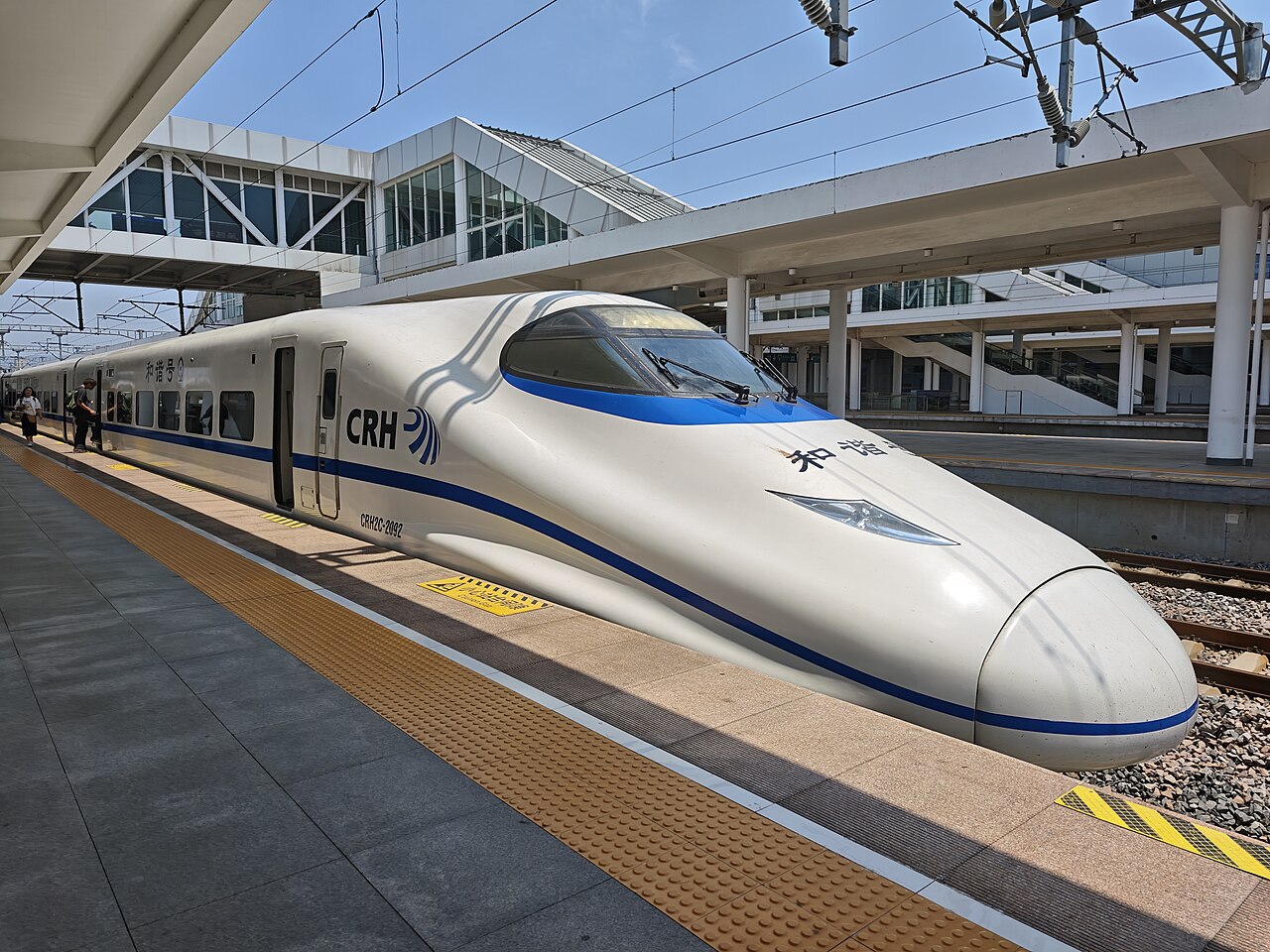
Wutai Mountain station sits at Shahe town in Fanshi County, 51 km from Taihuai, with trains from Beijing, Taiyuan and Datong. From Beijing you can ride straight to the station and then take a shuttle up; from anywhere else, most people go via Taiyuan.

Station
Wutai Mountain station, Shahe, Fanshi County
Distance to town
51 km, then a shuttle or taxi
From Taiyuan
Train then road, about 2 hours and ¥38
From Beijing
Direct train to the station, then up by road

Buy your onward ticket when you arrive — departures are limited and fill up fast in the summer peak.

By bus

Long-distance tourist coaches run from Beijing's Liuliqiao, Shijiazhuang, Datong and, year-round, from Taiyuan's East station and the Xinzhou station. The Taiyuan–Xinzhou expressway leg takes about an hour.

From Taiyuan
Year-round coaches from the East station
From Xinzhou
Year-round coaches
From Beijing
Liuliqiao long-distance station
On arrival
Bus, minibus or taxi up to Taihuai, ¥20, about 1 hour

By car

Two main self-drive routes. From Beijing, take the Jing-Shi expressway to Baoding, then Shunping, Tangxian and Fuping up to the Wutai road. From Taiyuan, take the Yuan-Tai expressway to Xinzhou, then Dingxiang, Wutai county, Rucun and the Qingshuihe line to the south entrance. The Xinzhou–Dingxiang–Hexian–Wutai stretch is slow and rough.

From Beijing
Jing-Shi expressway to Baoding, then via Fuping
From Taiyuan
Yuan-Tai expressway to Xinzhou, then south entrance
Condition
Mountain roads; the Hexian–Wutai stretch is poor
Parking
Set down at the valley entrance; cars go no further

In the scenic area

Private cars are not allowed through to the temples, so you park at the entrance and continue by summit shuttle, in-area taxi or on foot. This is also why hiring a car with a local driver, rather than driving yourself, is the sensible choice inside the site.

Summit shuttle
¥70 per person per hop to each terrace
In-area taxi
¥10
Local bus
¥2–3
Hire car
Available but expensive; a local driver is safer on the mountain roads

Shopping

What to take home

Wutai shopping is small and local — mushrooms, a carved stick, an inkstone and a few mountain specialities. Yanglin Street is the main commercial strip.

Wutai mushrooms

The one purchase everyone makes. The local mushroom is prized for its taste and nutrition, sold dried by weight, and light enough to carry. A bag of it turns any home soup into something from the mountain.

Dragon-subduing walking stick

A light, springy stick carved from a shrub the locals call liudaozi, with six grooves running its length. Tough, smooth and said to ward off evil — a good gift for an older relative, and everywhere along the street.

Taishan inkstone

Carved from the patterned stone of Wenshan on the mountain's western flank, in four colours — black, green, red and purple, with the black and green the most prized. A serious, portable souvenir for anyone who writes with a brush.

Dates and mountain snacks

Baode oil-dates are a Shanxi speciality — large, thin-skinned and sweet, once sent to the capital as tribute. Dry, light and easy to carry, alongside other local preserves and pastries on Yanglin Street.

Practical

The numbers to save

Area code 0350. Banking and ATMs are limited and thin in the town, so bring cash.

Emergency (police / ambulance / fire)110 · 120 · 119
Tourism complaint hotline0350-6524664
Taihuai health centreYangbaiyu village, Taihuai · 0350-6543120
Local policeWutai Mountain police station · 0350-5551057
Post officeWutai Mountain post office, Yangbaiyu village
BanksBank of China, Agricultural Bank and Postal Savings only — few branches
Altitude & sunValley 1,700 m, terraces up to 3,058 m — pack a warm layer and sunscreen
CashWithdraw in Taiyuan or Xinzhou; ATMs in town are scarce

Tips

Small things that save a trip

Pack for three seasons

The valley is cool and the terraces are cold, wet and wind-blown in minutes. Even in July, carry a warm layer, a windproof shell and rain gear.

Leave before dawn for sunrise

The East Terrace cloud-sea sunrise needs an early start from Taihuai plus a summit bus. Ask your guesthouse to arrange the car the night before.

Come outside July–August if you can

The summer peak brings crowds, high prices and full guesthouses. Late spring and early autumn are quieter, cheaper and still perfectly walkable.

Learn three temple rules

Enter by the right side door, step over the threshold, and never step on it. Get those right and the rest — how many sticks of incense, which hand — follows naturally.

Bring cash

The town has only a handful of banks and ATMs, and card readers are thin. Withdraw what you need in Taiyuan or Xinzhou before heading up.

Respect the pilgrims

This is a working holy site, not a tourist attraction. Keep quiet in the halls, do not photograph people at prayer, and give kneeling pilgrims room.

Background

Why Wutai Mountain looks like this

Geology and the landscape

Wutai is an ancient range of the North China massif, uplifted with more than 2,400 m of relief and exposing some of the oldest rock on Earth — strata laid down more than 2.5 billion years ago. It has its own vocabulary in Chinese geology: the Wutai Group of green schist and the Doudun slate that together built the 'Wutai uplift'. The full sequence, from late Neoarchean to Paleoproterozoic, is so complete that geologists call the mountain a natural museum of China's geology.

Centuries of uplift, glaciation and erosion then planed the five summits flat, leaving the terraces that give the mountain its name and its form. The oldest are covered in alpine meadow and ice-margin features; the deep gullies below carry the forests, the streams and the temples, sheltering the valley where Taihuai grew up.

History and faith

The mountain began as a Taoist site — the old texts call it Zifu Mountain — before Buddhism arrived in the Eastern Han. The traditional date is AD 67, when two Indian monks, Kasyapa Matanga and Dharmaraksa, came from Luoyang and won the right to build a temple after a contest of scriptures. Their Great Lingjiu Temple, later rebuilt and renamed, is the direct ancestor of today's Xiantong Temple, and rivals Luoyang's White Horse Temple as the oldest Buddhist temple in China.

Under the Tang, devotion to Manjushri made Wutai the centre of Chinese Buddhism, with more than 360 monasteries at its height, and by the Qing the arrival of Tibetan Buddhism added the Yellow Hat temples that still stand at Pusading. That mix is the mountain's distinction: Wutai is the only one of the four great Buddhist mountains where the Chinese and Tibetan traditions share a single sacred site, which is why it draws pilgrims from across the Buddhist world to this day.

Travel with them

Wutai Mountain in print, on screen and in sound

Not guides — the books, series and music that show the mountain from inside its own culture.

Book

The Heart Sutra

Compiled, various editions

The short Perfection of Wisdom text chanted in every hall on the mountain. Brief, plain and endlessly recited — reading it once is the fastest way to understand what the pilgrims around you are doing and why.

Book

Essence of the Great Prajnaparamita Sutra

Zhang Zijing

A distilled edition of Xuanzang's 600-volume translation on emptiness and non-attachment, the philosophical backbone of Wutai's Manjushri devotion — wisdom, the mountain's own theme, approached slowly.

Music

Great Compassion Mantra

Bodhisattva chanting ensembles

The Dabeizhou, the best-known chant of Avalokiteshvara's compassion, heard all over Wutai. Put a recording on while you walk the temple street and the mountain's rhythm becomes obvious.

TV

Wutai Mountain: The Legend of the Nun's Platoon

Dir. Li Hantao, 2010

A 30-part wartime drama set in a nunnery on the mountain, in which a group of nuns take up arms against the Japanese occupation. Historical melodrama, but it captures the contrast between Wutai's tranquillity and the violence that once reached its gates.

The questions visitors ask us most about Wutai Mountain, answered plainly.

Frequently asked questions

Prices and practical details are reviewed every month by our Beijing team and updated the day a rule changes.

How many days do I need at Wutai Mountain?

Two days is the standard visit: one for the Taihuai temple cluster and Dailuoding, one for the East Terrace sunrise and the ride up to the North Terrace. Three to four days if you want to walk the Great Pilgrimage, which needs a night at altitude. Serious pilgrims stay a week.

What is the best time of year to go?

June to September. The valley at 1,700 m stays cool while the plains bake, the summit grass is green and the trails are dry. Outside that window snow can close the summit roads, though winter trips to see an empty, frozen Wutai are increasingly popular.

How do I get to Wutai Mountain?

Through Taiyuan. Fly into Taiyuan Wusu (TYN), take the tourist bus from the East bus station up to Taihuai in about 3 hours. Or take the train to Wutai Mountain station at Shahe, 51 km from town, and shuttle up. From Beijing there is a long-distance coach from Liuliqiao.

Is the Great Pilgrimage (Dachao Tai) difficult?

It is a genuine two- to three-day trek — about 47 km between 2,452 m and 3,058 m, on rough, weather-exposed trails. You need a proper pack, hiking boots, warm layers and rain gear even in summer, because the summit nights are cold. Many hikers hire a local guide.
Is it worth staying in a monastery?

Yes, if you want the quiet version of the mountain. The big temples keep guest halls for lay pilgrims — dorm beds from around ¥10, standard rooms from about ¥70 — the money goes to the temple, and you eat vegetarian food with the monks. Bring ID and expect simplicity.
What should I watch with temple etiquette?

Dress modestly and keep quiet. Enter by the right-hand side door, step over the threshold, never on it, and lead with the right foot if you are a woman, the left if a man. To burn incense, raise it to your forehead with the left hand over the right, bow, then set it in the burner.

Related reading

Related reading

Visas Do I Need a Visa for China? Requirements, Costs and How to Apply China's entry rules changed more in the last three years than in the previous twenty. Here is exactly who needs a visa, what it costs, how long it takes and which passports now walk straight through. 9 min read Visas China's 240-Hour Visa-Free Transit: Who Qualifies and How It Works Ten days in China with no visa application, no fee and no fingerprints — if you hold the right passport and leave for a third country. Here is the rulebook, port by port. 8 min read Money Paying in China: Alipay, WeChat Pay, Cards and Cash Roughly nine in ten urban payments in China now run through a phone. Set up two apps before you fly, carry a modest cash float, and you will never be stuck at a till. 8 min read Transport China's High-Speed Rail: How to Book, What It Costs, How Fast It Goes The fastest way to cross China is also the most pleasant. Here is how to book a ticket with a foreign passport, what the three classes actually give you, and how to survive a Chinese station at rush hour. 9 min read Planning Best Time to Visit China: Month by Month, Region by Region China is the size of Europe, so 'the best month' depends on where you stand. Here is the month-by-month answer for the north, the Yangtze valley, the south and the plateau. 8 min read Planning What to Pack for China: The Complete 2026 Checklist Twenty thousand steps a day, three climate zones and a phone that has to do everything. This is the list we give our own travellers, minus the things they never used. 7 min read Food Chinese Food Culture: Eight Cuisines, One Table There is no such thing as Chinese food. There is Cantonese, Sichuan, Hunan, Jiangsu, Zhejiang, Fujian, Anhui and Shandong — and knowing which one you are eating changes everything. 8 min read Traditions Chinese Tea Culture: Six Classes, One Pot, Two Fingers Tea in China is not a beverage category, it is a social technology: it fills silences, seals deals and sets the pace of a meal. Here is how to sit down in one and not look lost. 7 min read Traditions Chinese Festivals: The Calendar, the Dates and the Crowds Lunar dates mean the calendar moves every year — and two of the festivals move several hundred million people at once. Plan around them or plan into them, but never by accident. 8 min read Etiquette Chinese Etiquette: What Matters, What Does Not, and Why Most etiquette advice for China is either obvious or wrong. These are the dozen behaviours that actually change how you are treated, and the reasoning behind each. 7 min read

Tell us your dates.
We'll do the rest.

Free itinerary design, a revised plan within one working day, and nothing charged until you approve the final version.

  • It is the number one of the Four Great Buddhist Mountains and the only one shared by Chinese and Tibetan Buddhism.
  • The five flat 'terraces' ring a central valley; Taihuai, the temple town, is the palm of the hand.
  • Reach it from Taiyuan (TYN) by bus in about 3 hours, or by train to Wutai Mountain station, 51 km below town.

No spam. No sales calls. Just a real itinerary from a real person.