Red Stone Gorge
The signature walk — a one-way, 1.5 km slot canyon between walls of crimson rock, a river rushing along the bottom and a sliver of sky overhead. About 1.5 hours, and best done early.
City guide · Henan
A UNESCO geopark in Henan where red-stone gorges squeeze a river to a slot, a 314 m waterfall drops in one plunge, and every path leads to another pool.
Reviewed by our Beijing team Updated 2026-10-10
The short version
City guide
Photographs from the coast, and what other travellers wrote afterwards.
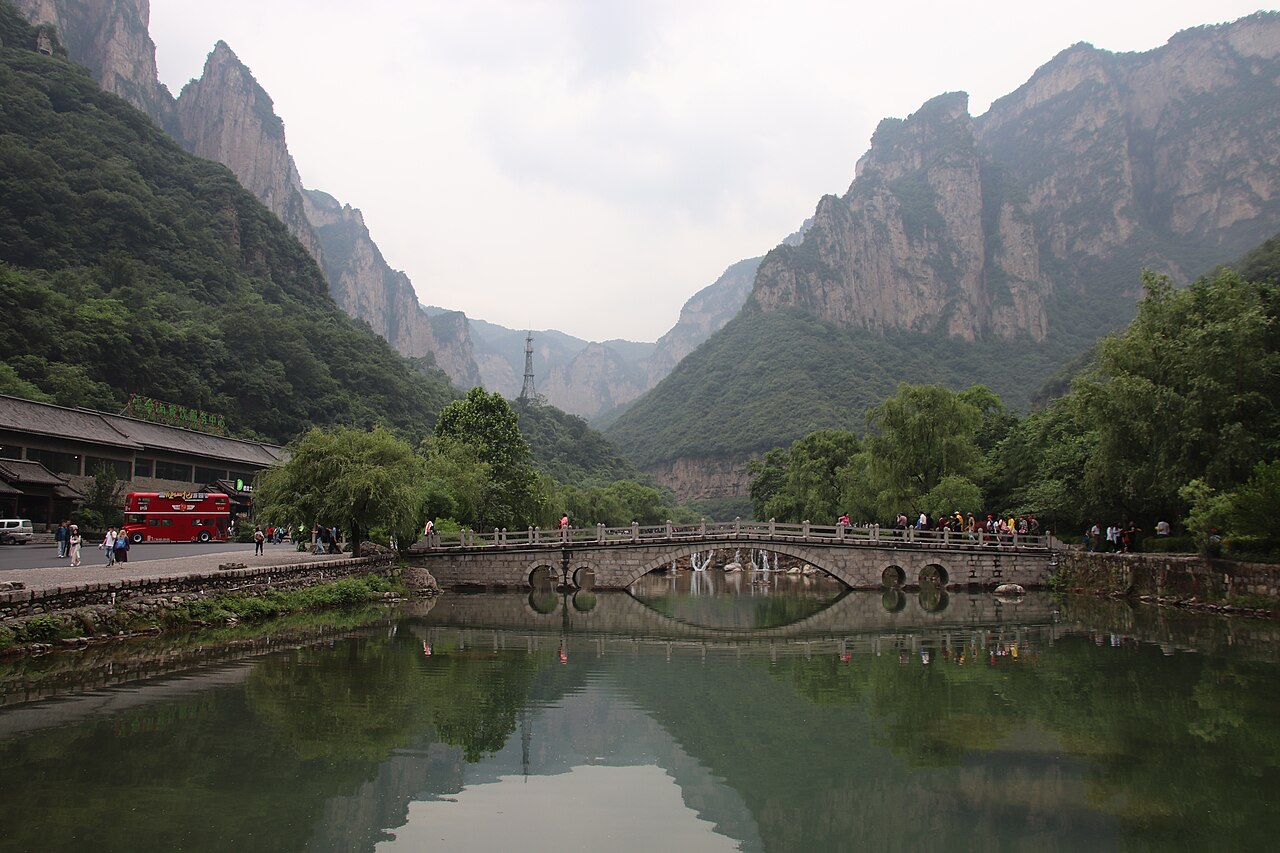

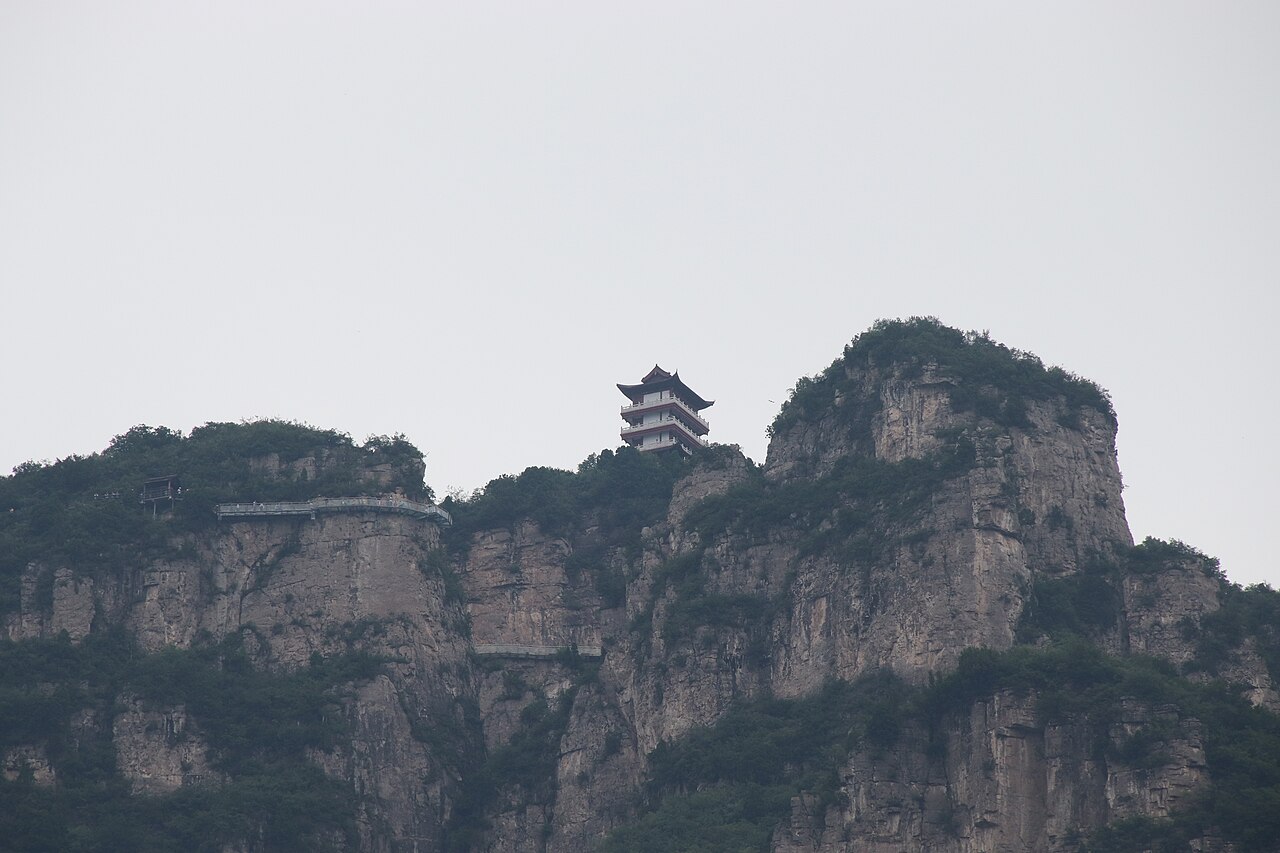
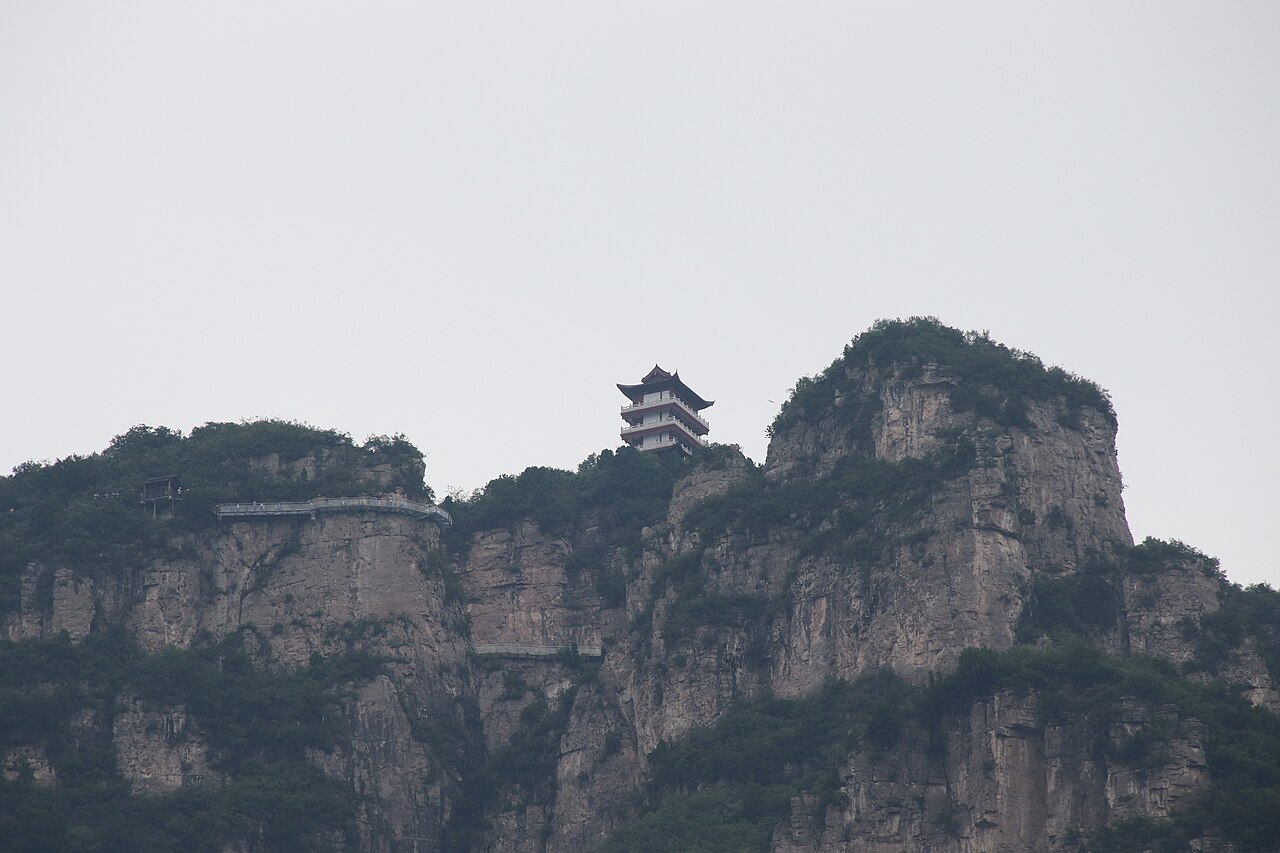
Travel is a search, and the beautiful scenery is always on the road. Tonight the train rolls slowly and the moon is especially bright — I can't tell whether it's welcoming me or whether Yuntai is the reason I can't bear to leave.
Traveller's note, Rain, Water and Yuntai Mountain
Wandering here, there is no city noise and no daily worry — it feels like retreating into the hills. The water falls with the mountain, free and easy. If I were a fish in that pool, I'd be content too.
Traveller's note, Yuntai Mountain, Oh Yuntai Mountain
Yuntai Mountain is the water-and-stone showpiece of the North China plain, tucked into the far north of Henan where the Taihang range falls away toward the Yellow River. What pulls people here is not one peak but a whole family of gorges cut into red quartz sandstone and fed by springs that never dry — the local boast is 'three steps, a spring; five steps, a cascade; ten steps, a pool'. UNESCO listed it among its first Global Geoparks for exactly this northern karst landform.
The gorges are the heart of it, and each has its own character. Red Stone Gorge squeezes a river into a slot barely wide enough for one path between walls of deep crimson rock. Tanpu Gorge throws waterfall after waterfall across the walk. Quanpu Gorge ends at the Yuntai Sky Waterfall, which drops 314 m in a single fall. Above them all stands Zhu'yu Peak at 1,308 m, where Wang Wei wrote the festival poem that every Chinese child learns by heart.
It is also remarkably easy to navigate for somewhere this dramatic. Private cars are banned; everyone rides the same green shuttle, which runs to 22 stops, and the boardwalks, signposts and per-sight check-ins are so orderly that even a public holiday moves along. Go midweek out of season if you can — but Yuntai handles a big day better than almost any mountain in China.
Yuntai Mountain
Seven things that are worth rearranging a day for.
Highlights
The signature walk — a one-way, 1.5 km slot canyon between walls of crimson rock, a river rushing along the bottom and a sliver of sky overhead. About 1.5 hours, and best done early.
At the end of Quanpu Gorge, water falls 314 m in a single plunge into a green pool — the highest waterfall in China. The 3 km gorge takes about 2.5 hours, part of it by electric cart.
The gentlest and most playful gorge, a 2 km walk where waterfalls and pools follow in quick succession — the Lovers' Waterfall and the Y-shaped waterfall are the favourites.
The 1,308 m summit, reached by a long flight of steps and, higher up, a cable car. Wang Wei wrote his festival poem here, and the clear-day view runs north into the Taihang and south over the plain.
Nineteen linked tunnels and hairpin bends drilled through the mountain, climbing 912 m in 4.8 km. You ride it by bus, watching the plain unfold between tunnels.
A reserve for China's northernmost macaques, with a wild troop and free shows six times a day — an easy hour-long stop with children below the Xiaozhaigou car park.
Routes
The classic split — all the water on day one, all the height on day two.
Start at Tanpu Gorge for the gentlest walk, then Quanpu Gorge for the 314 m Sky Waterfall, stopping at Macaque Valley for the monkey show on the way through.
Finish at Red Stone Gorge — Red Stone Gorge is a one-way 1.5 km walk, so leave yourself enough daylight and go early if the queues have built.
Stops: Tanpu GorgeQuanpu GorgeMacaque ValleyRed Stone Gorge
Climb Zhu'yu Peak in the morning for the summit view south over the plain, then come down by the Diecai Caves road, riding through its 19 tunnels.
If time allows, add Wanshan Temple at the foot, half an hour's visit, before heading back to Jiaozuo.
Stops: Zhu'yu PeakDiecai CavesWanshan Temple
The two-day core, plus a day out to the surrounding scenic areas.
As per the two-day route — Tanpu, Quanpu with the Sky Waterfall, Macaque Valley and Red Stone Gorge, all in one full walking day.
Stops: Tanpu GorgeQuanpu GorgeMacaque ValleyRed Stone Gorge
Summit in the morning, the tunnel road down in the afternoon, with Wanshan Temple and the nearby Fenglin Gorge if you still have legs left.
Stops: Zhu'yu PeakDiecai CavesWanshan Temple
Use the third day for the wider Jiaozuo scenic belt — Qingtian River, known as the 'Three Gorges of the North', and Shennong Mountain, home to the 1,028 m Zijin summit and its Taoist terraces.
Stops: Qingtian RiverShennong Mountain
Sights
Must-see
A slot canyon between walls of crimson rock, with a river running along the bottom and the classic 'sky line' crack overhead. The walk is a one-way 1.5 km, and it collects the biggest queues of anywhere on the mountain.
Tip Go early or the path becomes a shuffle. The far exit puts you on the main road, so wear shoes that grip the wet stone.
Tallest fall
The 'Little Jiuzhaigou' gorge, 3 km of springs, pools and rapids ending at the Yuntai Sky Waterfall — a 314 m single drop, the highest in China. Geological relics along the walls record the area's marine past.
Tip The fall is at its most powerful after summer rain — and at its most photogenic from the viewing platform a few hundred metres back.
Family favourite
The friendliest gorge, a 2 km walk where a waterfall, a spring and a pool follow one another in quick succession. Look for the Lovers' Waterfall, the Water-Curtain Cave and the Y-shaped waterfall, plus the old 'Immortality Spring'.
Tip Do this one first while you are fresh — it is the best warm-up and an easy reintroduction to steps and spray.
Summit
At 1,308 m, the main peak of Yuntai, thickly wooded with ancient trees and a forest-cover figure the park likes to quote at 93%. Wang Wei wrote his famous festival poem here; the summit views run north into the Taihang and south over the plain.
Tip The ascent is the most demanding walk on the mountain — take it slowly, and use the upper cable car if the steps look too much.
Road trip
Nineteen tunnels and hairpin bends drilled between 1977 and 1987, climbing 912 m over 4.8 km — an average of 5 m of height every 100 m, with 180-degree turns inside. Between tunnels the plain opens out below.
Tip Sit on the side that faces the valley — the whole point is the view that unrolls between one tunnel and the next.
With children
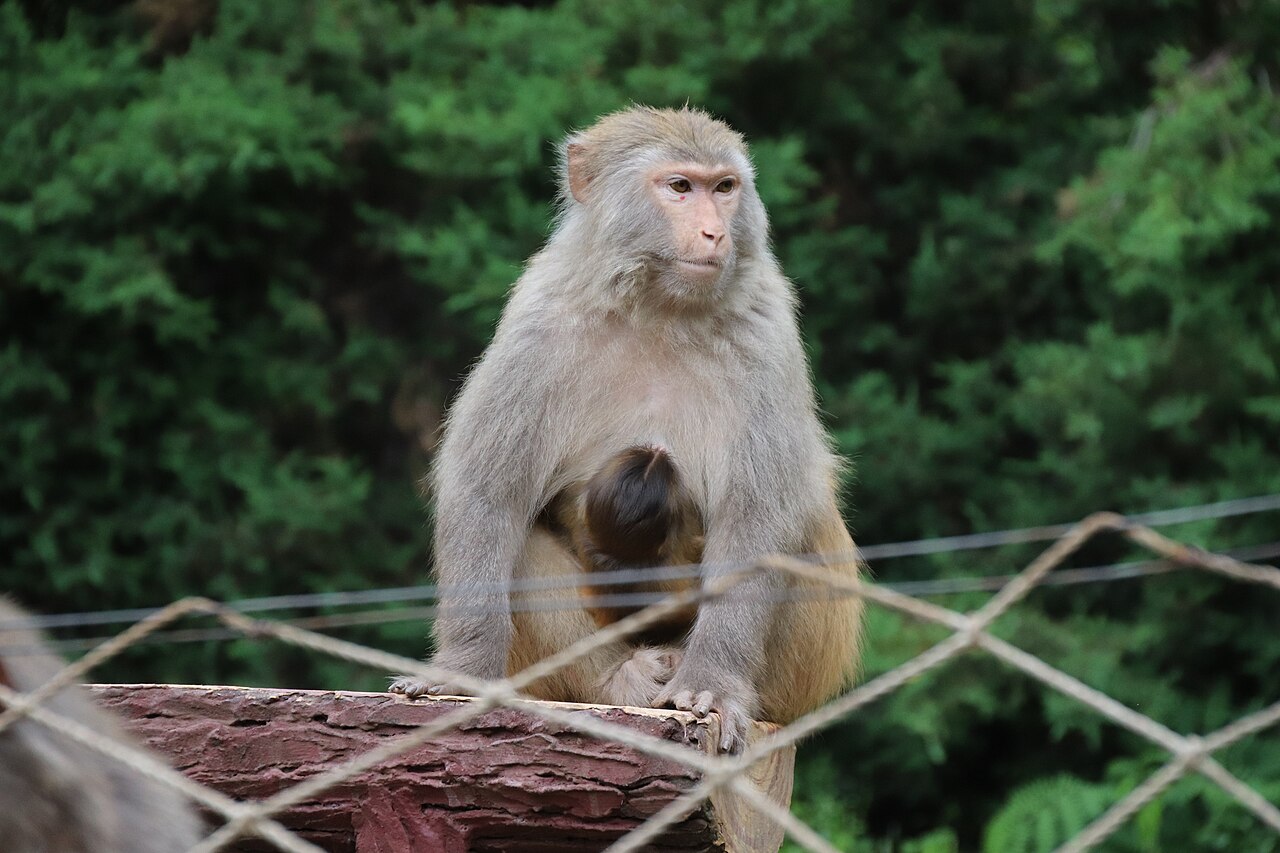
A national reserve for the northernmost macaque troop in China — hardy, thick-coated monkeys that live on the cliffs. There is a free show six times a day, and the valley is an easy hour's stop.
Tip Keep snacks hidden and don't tease the monkeys — they are wild, quick and used to people.
Short stop
The largest lake in the eastern part of the park, 4 km long and up to 65 m deep, named for the Han strategist Zhang Liang who is said to have retired here. At its north end, a hill shaped like a giant Buddha is a local curiosity.
Tip A quick stop on the way between gorges — worth it for the early-morning or late-afternoon mirror on the water.
Food
The local delicacy — a scorpion with two extra legs, fried golden and eaten as a medicinal snack said to ease rheumatism. It looks worse than it tastes.
A homely dish that tastes better here than anywhere — free-range mountain eggs, small and deep-gold, with wild chives that are spicy and fresh.
'Dragon meat in heaven, donkey meat on earth,' as the saying goes — a Jiaozuo specialty, tender and rich, best as a cold plate or in soup.
Local wild yam steamed and dipped in honey — soft, sweet and gently medicinal, from the 'four Huai medicines' the region is famous for.
Free-range chicken simmered with the local root achyranthes — a warming country stew said to build strength after a day of walking.
The plain, filling noodle bowl of the region, about ¥10 a person — the everyday lunch in the service areas and Jiaozuo.
Where to eat
In-park
The Anshang service area, a kilometre from Red Stone Gorge, is the best place to eat inside the park — farmhouse kitchens turning out mountain vegetables, wild mushrooms and free-range chicken.
Quick
Inside the park, the fast-food outlet does burgers and set meals for anyone who wants to keep moving between gorges.
Jiaozuo
A comfortable dish restaurant on Chaoyang Road in Jiaozuo, good for a table of three or four; expect about ¥30–40 a person.
Evening
One of Jiaozuo's main street-food clusters, with the Industry Road strip nearby — the place to graze on local snacks once the park closes.
Where to stay
Official
The park's own hotel, inside the scenic area, with 80 beds, restaurants, meeting rooms and a car park. The most dependable base if you want to be on the mountain before the day-trippers arrive.
Budget farmhouse
A farmhouse inn in Anshang village doing rooms and meals — standard, single and triple rooms with air-conditioning and private bathrooms, plus home-style mountain cooking.
Family inn
A larger family inn in the Gudongyao service area, seating and sleeping 100-plus. Adds campfires in the fields, orchard walks, horse rides and fruit picking in season.
Near Red Stone Gorge
A hotel five minutes from Red Stone Gorge, with a shuttle stop at the door. Offers rooms, meals, parking, ticket booking and station transfers.
Where to base
Accommodation inside the park is grouped into five service areas — Wujiatai, Gudongyao, Front and Rear Heishiling, and Anshang. Anshang is the biggest, closest to Red Stone Gorge (1 km) and handiest, with ticket points and a bank.
Getting there
Most people come to Jiaozuo or Xiuwu, with direct services from Beijing, Shanghai, Xi'an, Wuhan and Jinan. From Jiaozuo station the tourist bus to the gate runs 37 km in about 1.5 hours for ¥4.
There is no airport at Yuntai; fly into Zhengzhou Xinzheng (CGO), Henan's main international airport, and drive about 2 hours via the Zheng-Jiao-Jin expressway.
Direct coaches run to Yuntai from several cities: Zhengzhou's tourist bus station (08:30, ¥45), Luoyang (09:00, ¥45) and Xinxiang (07:30 and 13:20). Most travellers arrive on one of these.
Private cars are barred inside. The green shuttle has 22 stops, a guide on board, and is normally bundled into the ticket at ¥60 — show the ticket to hop on and off at any stop.
If you drive, park at the gate's 5,000-space lot and ride the shuttle. Parking is ¥10 a car a day for under-9-seaters, ¥15 for 9–19 seats and ¥20 above, with a fresh charge after midnight.
Shopping
Rehmannia, Chinese yam, achyranthes and chrysanthemum, grown for centuries in the old Huaiqing prefecture. The classic Jiaozuo gift, sold here and abroad as health tonics.
Preserved eggs from Xiuwu, made from ducks that feed on the mineral springs at Wuliyuan — once served at imperial banquets and prized for their aroma.
A traditional roasted-flour tea from nearby Wuzhi, warming and easy to brew — a Qin-dynasty recipe still sold in every shop.
Sun-dried persimmons that turn white with sugar and split into a 'chrysanthemum heart' when cut — dried, compact and easy to carry home.
Practical
The ticket is a two-day pass but each sight can be entered only once — plan your days so you do not double back. Kiosks only sell at the gate and the service areas.
| Peak ticket | ¥210 (Mar 1–Nov 30) incl. ¥150 entry + ¥60 shuttle |
|---|---|
| Low-season ticket | ¥135 (Dec 1–Feb 28) |
| Ticket validity | Two days from purchase; per-sight check-in, no re-entry to a sight |
| Children under 1.4 m | Free entry and free shuttle |
| Half price | Students, 60–65s, disabled visitors, provincial model workers |
| Carts & boats | Gorge carts ¥5 a leg; Zifang Lake boat ¥20 |
| Parking | ¥10–¥20 by vehicle size, at the gate |
| Official website | yuntaishan.net |
Tips
The shuttle and the gorge entrances fill fast after 9am. Being at Red Stone Gorge or Tanpu by 8am buys you quiet paths and better light.
The gorges are permanently wet and the boardwalks slick — proper shoes, waterproof clothing, and skip the skirt; the walks are long.
Most tour groups hit Red Stone Gorge at midday. Do the harder walks early or late and save the gentler ones for the busy middle of the day.
The mountain runs cooler and damper than the plain and the gorges stay shaded — a light jacket is worth carrying even in summer.
If your day is tight, drop Wanshan Temple and Macaque Valley — they are pleasant extras, not the reason you came.
Power cuts happen in this area and holiday weekends are genuinely packed; keep phones charged and start before the coaches do.
Background
Yuntai Mountain rises in Xiuwu county in the far north of Henan, where the Taihang range meets the North China plain. Its red quartz sandstone gorges, springs and waterfalls were carved by water working on ancient marine limestone, and the park still shows the geological relics — oolitic limestone, cross-bedding, collapsed blocks — that record it.
UNESCO listed it among the first Global Geoparks in recognition of this northern karst landform and its pristine forest cover. Four seasons change the mountain completely: spring blossom, summer torrents and the 314 m Sky Waterfall, autumn red leaves, and winter, when the gorges freeze into white columns of ice.
For all its scenery, Yuntai is also a cultural mountain. In the late Han and early Wei, the emperor Xian was enfeoffed as Duke of Shanyang and made his seat below the mountain; he and his empress summered at Baijiayan, and he was buried at its ancient Han hill.
The mountain's lasting fame, though, comes from the Seven Worthies of the Bamboo Grove — the third-century scholar-recluses, Ji Kang among them, who gathered here for some twenty years, drinking, playing the qin and writing the poems that made the place a byword for cultivated retreat. Later generations of writers came to walk in their footsteps, and the poems and essays they left have kept Yuntai's name alive for centuries.
Travel with them
Dir. Hou Yong
A historical TV epic set in the Spring and Autumn period, the era of the Seven Worthies' ancestors — a vivid picture of the world that made these hills a refuge.
Rulai Shenzhang
A portrait of the Bamboo Grove scholars as men of their age — the searching, the compromise and the resistance behind the poets who retreated to Yuntai.
—
The third-century scholar-recluses who made Baijiayan their gathering place for twenty years; their story is the human thread that runs through the mountain's history.
The questions visitors ask us most about Yuntai Mountain, answered plainly.
Prices and practical details are reviewed every month by our Beijing team and updated the day a rule changes.
Two days, and the ticket is valid for two days from purchase. Give day one to the gorges — Tanpu, Quanpu with the 314 m waterfall, and Red Stone Gorge — and day two to Zhu'yu Peak and the Diecai Caves road, with Macaque Valley and Wanshan Temple fitted in. A third day adds Qingtian River and Shennong Mountain.
No. Yuntai has a strict internal-traffic policy: all private cars park at the gate, and everyone switches to the green sightseeing shuttle, which has 22 stops and on-board guides. The shuttle is usually bundled into the park ticket at ¥60, and you show the ticket each time you board.
April to May and September to October, when the water is full and the weather is mild; the crowds swell on the May Day and National Day holidays. Summer is the liveliest for waterfalls but hot and busy, and winter turns the gorges into ice sculptures with far fewer people and a cheaper ¥135 ticket.
It gets very busy on holidays and summer weekends. Start early — be at Red Stone Gorge before 9am — and work the gorges in the reverse direction to the tour groups, doing the harder walks first. The shuttle system is efficient, so most of the delay is at the gorge entrances, not the buses.
By road, about 2 hours. A direct bus runs from Zhengzhou's tourist bus station at 08:30 for ¥45, or you drive the Zheng-Jiao-Jin expressway and exit at Xiaoxugang. By train, come to Jiaozuo station and take the tourist bus, ¥4 and about 1.5 hours, leaving at 06:20, 07:20, 15:20 and 15:50.
Jiaozuo and Huaiqing cuisine: 'noisy-broth' donkey meat, 'four Huai medicines' dishes built on local yam and rehmannia, mountain vegetables with free-range chicken, and the ten-legged scorpion — a local delicacy that tastes better than it sounds. Simple Henan noodles cost about ¥10 a person; hot dishes run nearer ¥50.
Yes, for most of it. The gorge boardwalks are flat and stroller-friendly, Macaque Valley has shows six times a day, and the shuttle removes the driving hassles. The climb to Zhu'yu Peak is the demanding part — skip it, or use the upper cable car, if you are travelling with very young children or anyone unsteady on their feet.
Proper walking shoes with grip — the gorges are wet and the boardwalks can be slippery — plus a waterproof layer, since spray and rain are constant in the gorges. Bring a light jacket even in summer; the mountain runs cooler than the plain. Girls, skip the skirt: the walks are long and the steps are steep.
Plan this trip
The same places, with a driver, an English-speaking guide and the tickets already bought.
City guides
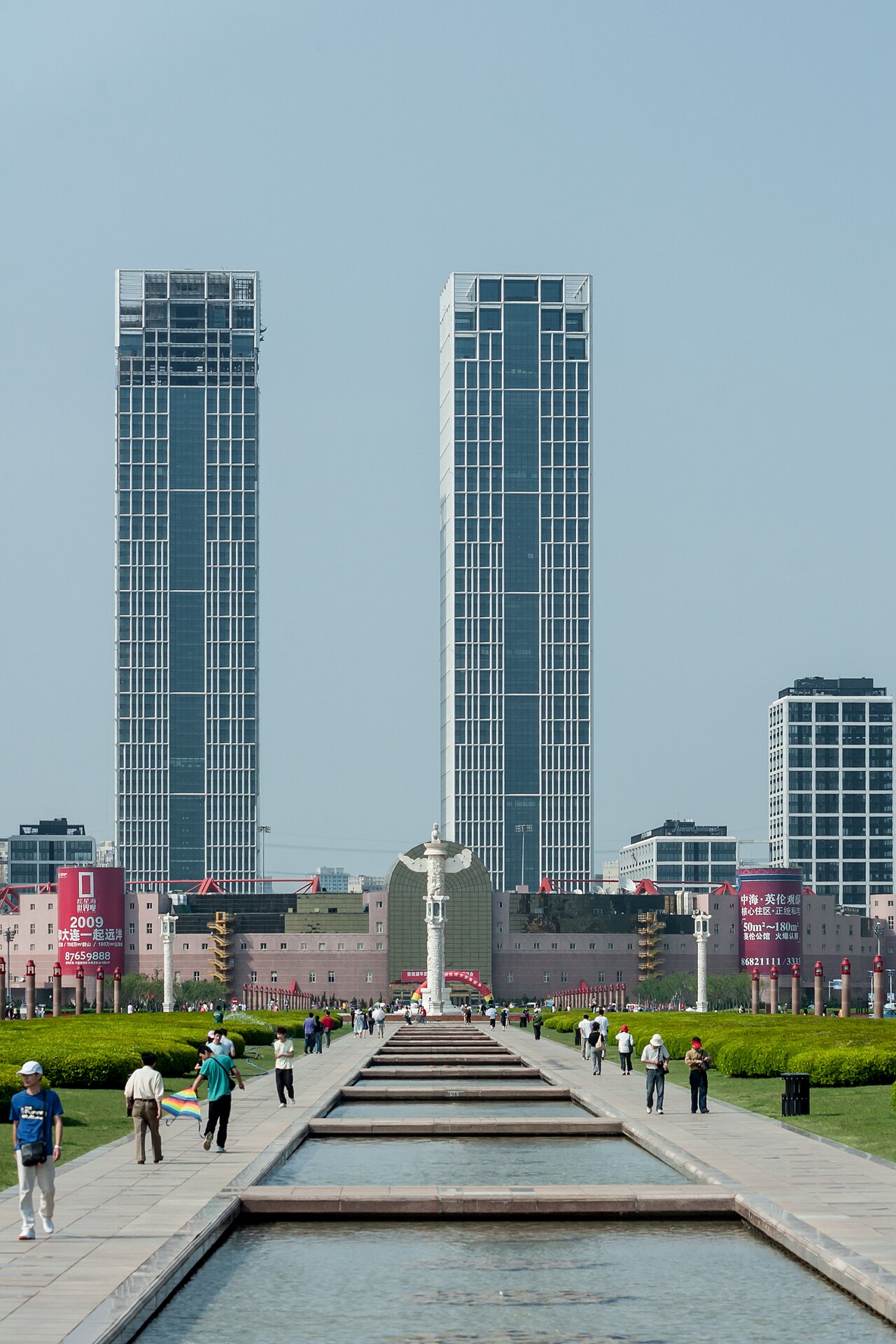 Dalian
City guide · 15 tours
The Northern Pearl — China's most romantic coastal city.
Dalian
City guide · 15 tours
The Northern Pearl — China's most romantic coastal city.
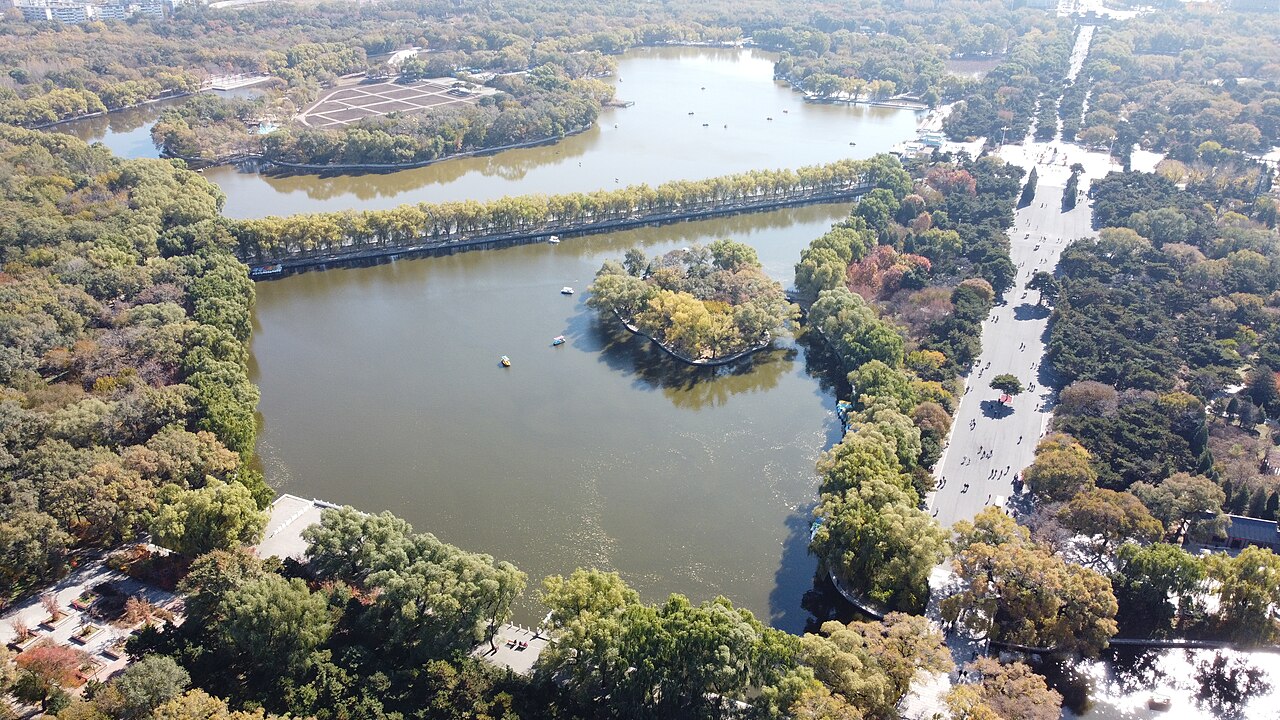 Shenyang
City guide · 12 tours
Where the Qing dynasty began — an imperial palace, a warlord's mansion and the cheapest good food in the northeast.
Shenyang
City guide · 12 tours
Where the Qing dynasty began — an imperial palace, a warlord's mansion and the cheapest good food in the northeast.
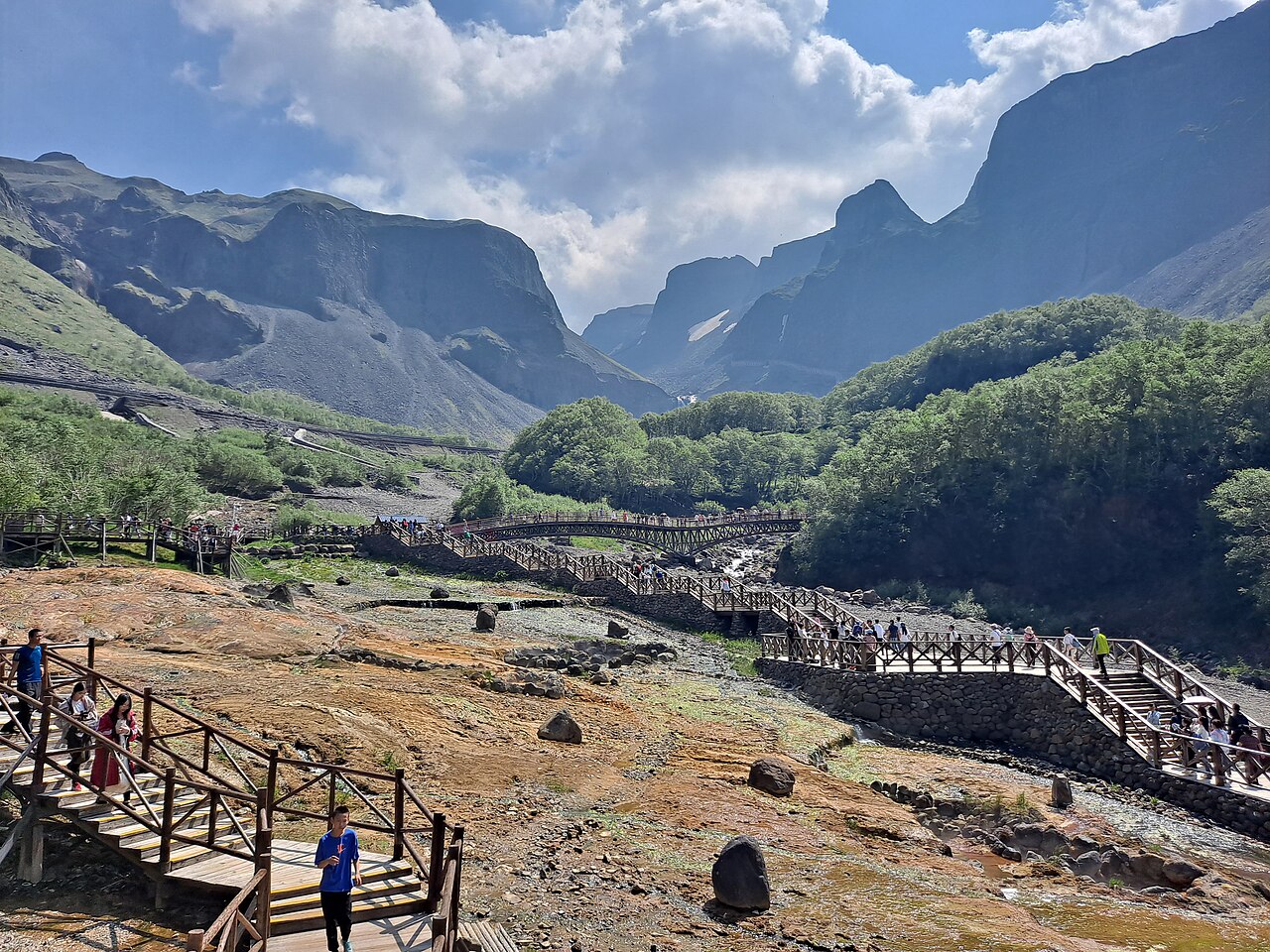 Changbai Mountain
City guide · 12 tours
A volcano on the North Korean border, a jade-green crater lake at 2,189 m, and hot springs on the way down.
Changbai Mountain
City guide · 12 tours
A volcano on the North Korean border, a jade-green crater lake at 2,189 m, and hot springs on the way down.
 Kunming
City guide · 12 tours
China's Spring City — a mild plateau capital of flowers, markets and the Stone Forest, with gulls on the lake in winter.
Kunming
City guide · 12 tours
China's Spring City — a mild plateau capital of flowers, markets and the Stone Forest, with gulls on the lake in winter.
 Dali
City guide · 12 tours
A walled Bai town between a 4,000 m mountain and a great lake — wind, flowers, snow and moon, and life at a slower speed.
Dali
City guide · 12 tours
A walled Bai town between a 4,000 m mountain and a great lake — wind, flowers, snow and moon, and life at a slower speed.
 Shuhe
City guide · 12 tours
The quiet version of Lijiang — a Tea Horse Road village of canals, stone bridges and slow afternoons, 4 km from the crowds.
Shuhe
City guide · 12 tours
The quiet version of Lijiang — a Tea Horse Road village of canals, stone bridges and slow afternoons, 4 km from the crowds.
 Lijiang
City guide · 12 tours
A UNESCO Naxi old town of canals and cobbles beneath a 5,596 m snow mountain — the cultural heart of north-west Yunnan.
Lijiang
City guide · 12 tours
A UNESCO Naxi old town of canals and cobbles beneath a 5,596 m snow mountain — the cultural heart of north-west Yunnan.
 Xiamen
City guide · 12 tours
A subtropical island city of temples, fishing-village lanes and the best street food in Fujian — with the car-free islet of Gulangyu a 20-minute ferry away.
Xiamen
City guide · 12 tours
A subtropical island city of temples, fishing-village lanes and the best street food in Fujian — with the car-free islet of Gulangyu a 20-minute ferry away.
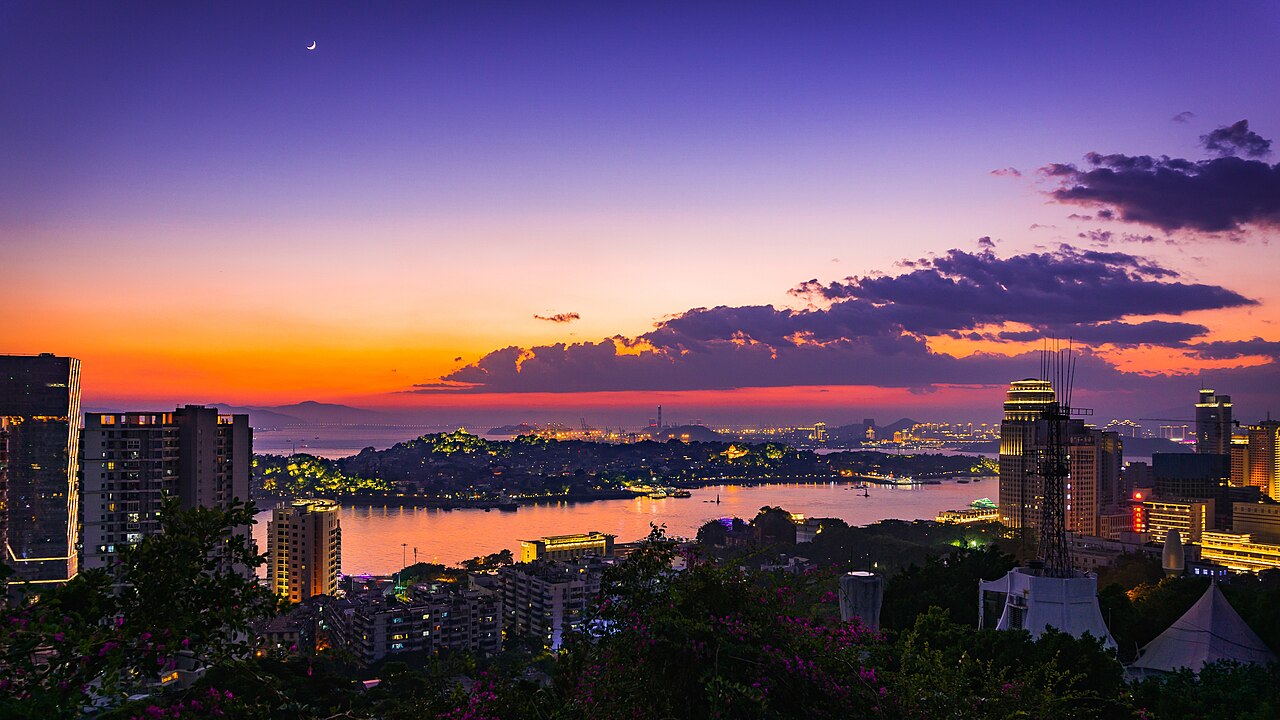 Gulangyu
City guide · 12 tours
A car-free island of colonial villas, pianos and cats, twenty minutes off Xiamen — and the one place where the trick is simply to stay the night.
Gulangyu
City guide · 12 tours
A car-free island of colonial villas, pianos and cats, twenty minutes off Xiamen — and the one place where the trick is simply to stay the night.
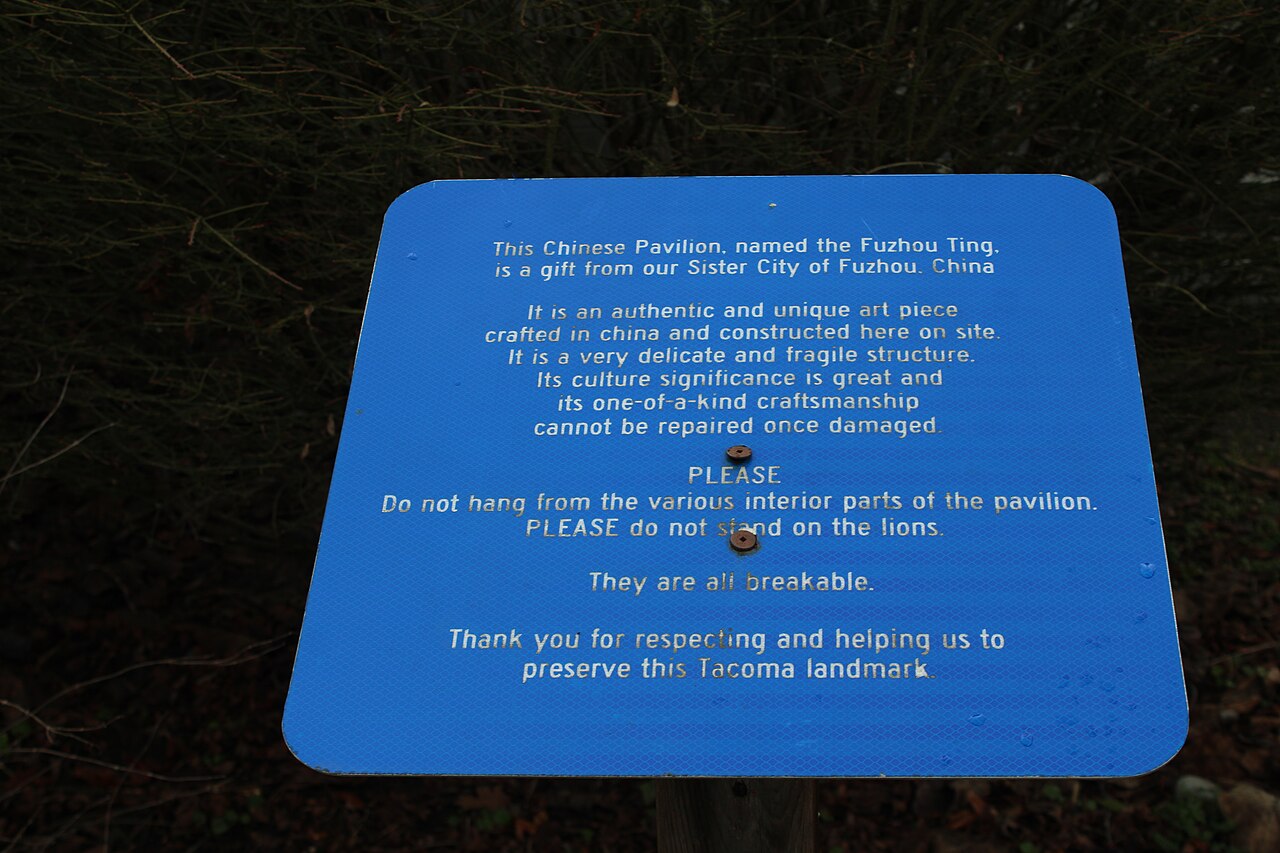 Fuzhou
City guide · 12 tours
A 2,200-year-old capital of banyan trees and mountains-within-the-city, where the Ming lanes of Sanfang Qixiang meet the dockyard that built China's modern navy.
Fuzhou
City guide · 12 tours
A 2,200-year-old capital of banyan trees and mountains-within-the-city, where the Ming lanes of Sanfang Qixiang meet the dockyard that built China's modern navy.
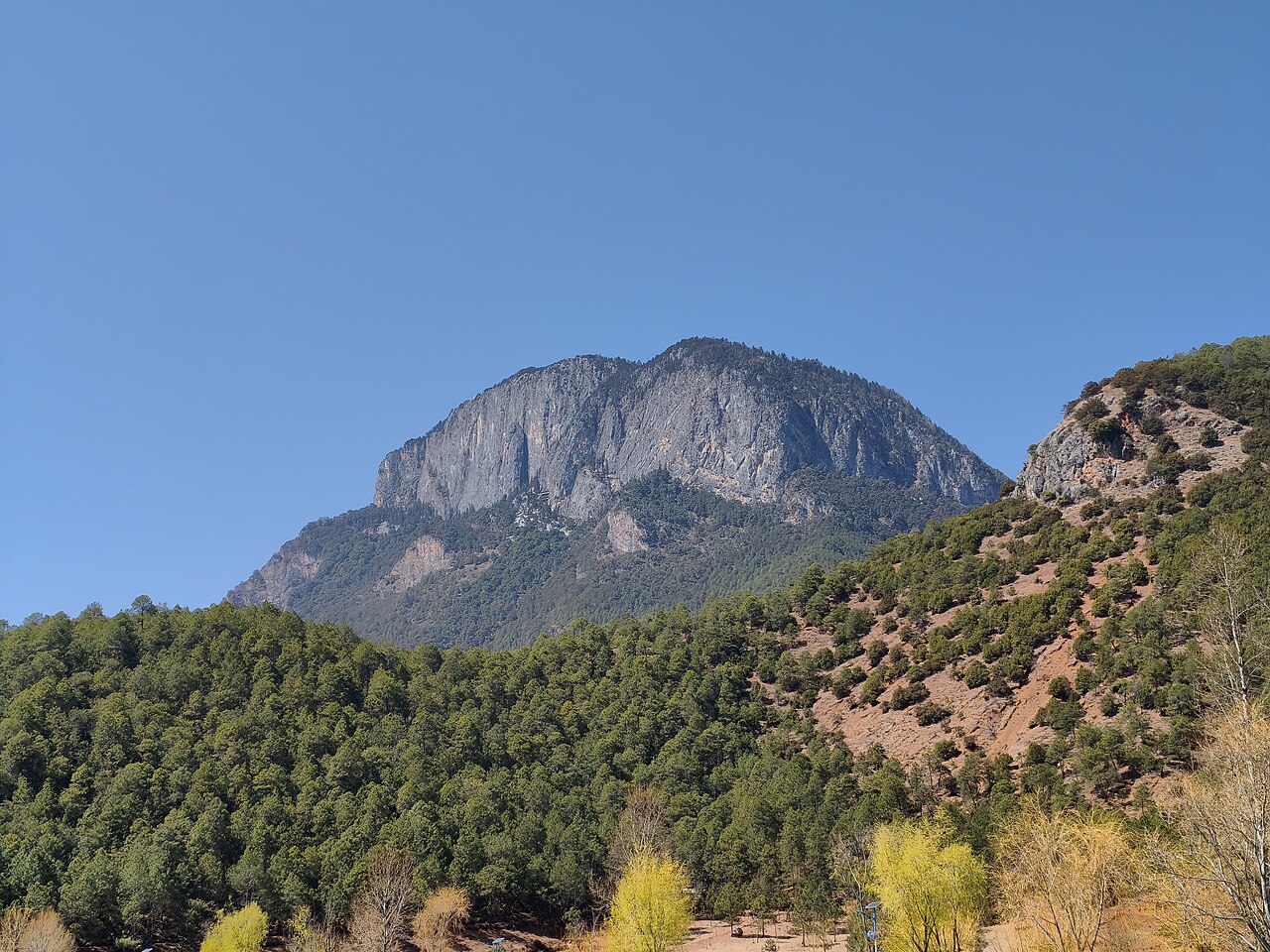 Lugu Lake
City guide · 12 tours
A 2,680 m lake on the Yunnan–Sichuan border, home to China's last matrilineal people, pig-trough canoes and a great deal of doing nothing.
Lugu Lake
City guide · 12 tours
A 2,680 m lake on the Yunnan–Sichuan border, home to China's last matrilineal people, pig-trough canoes and a great deal of doing nothing.
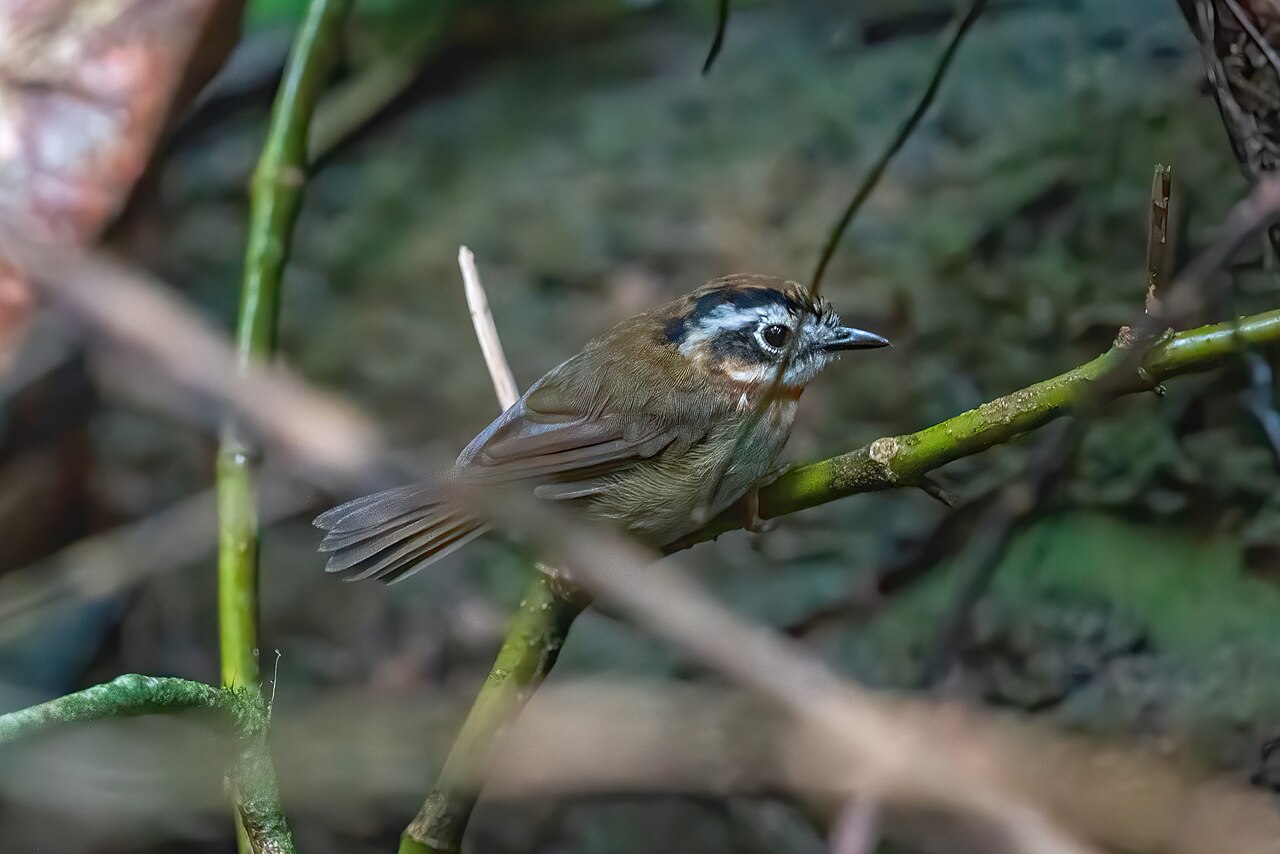 Xishuangbanna
City guide · 12 tours
China's tropical south — rainforest, wild elephants, Dai villages and the Mekong, wrapped around the gateway city of Jinghong.
Xishuangbanna
City guide · 12 tours
China's tropical south — rainforest, wild elephants, Dai villages and the Mekong, wrapped around the gateway city of Jinghong.
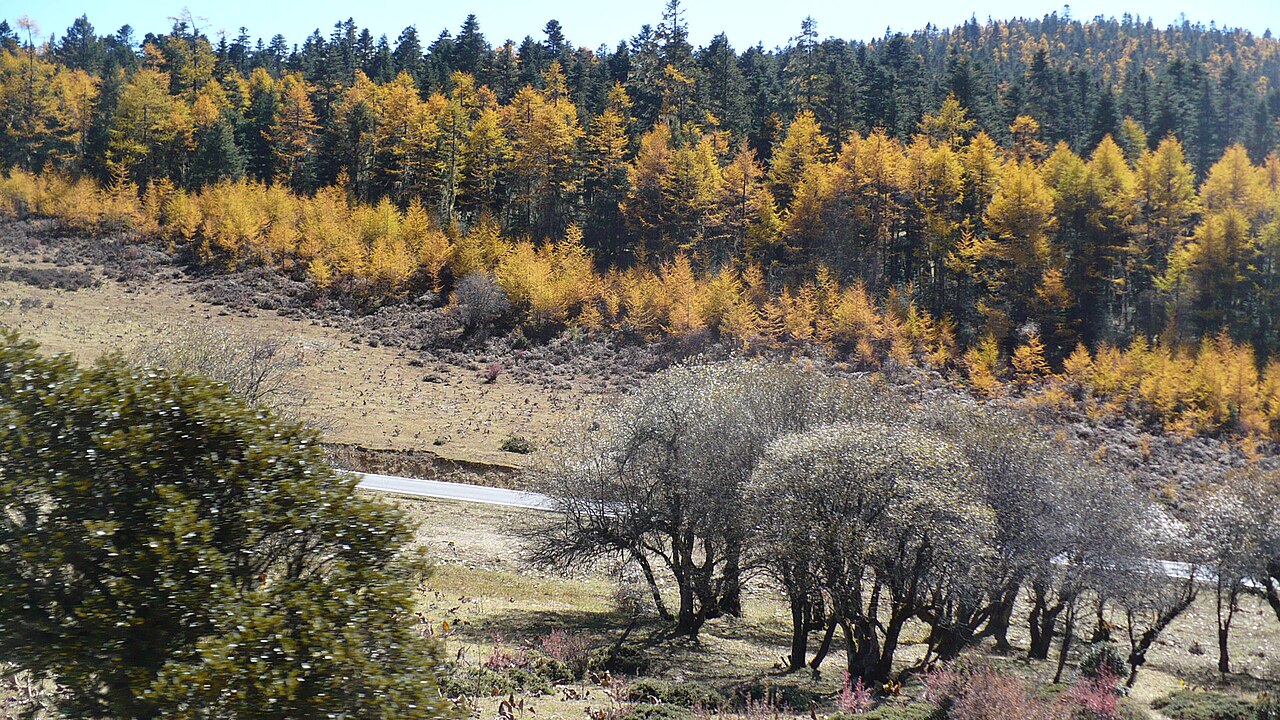 Shangri-La
City guide · 12 tours
A Tibetan town at 3,300 m in Yunnan's Diqing prefecture — monasteries, grassland, prayer wheels and cold thin air.
Shangri-La
City guide · 12 tours
A Tibetan town at 3,300 m in Yunnan's Diqing prefecture — monasteries, grassland, prayer wheels and cold thin air.
 Nanchang
City guide · 12 tours
Jiangxi's 'hero city' on the Gan River — one great Tang pavilion, a 160-metre Ferris wheel, and the best claypot soup you will eat in China.
Nanchang
City guide · 12 tours
Jiangxi's 'hero city' on the Gan River — one great Tang pavilion, a 160-metre Ferris wheel, and the best claypot soup you will eat in China.
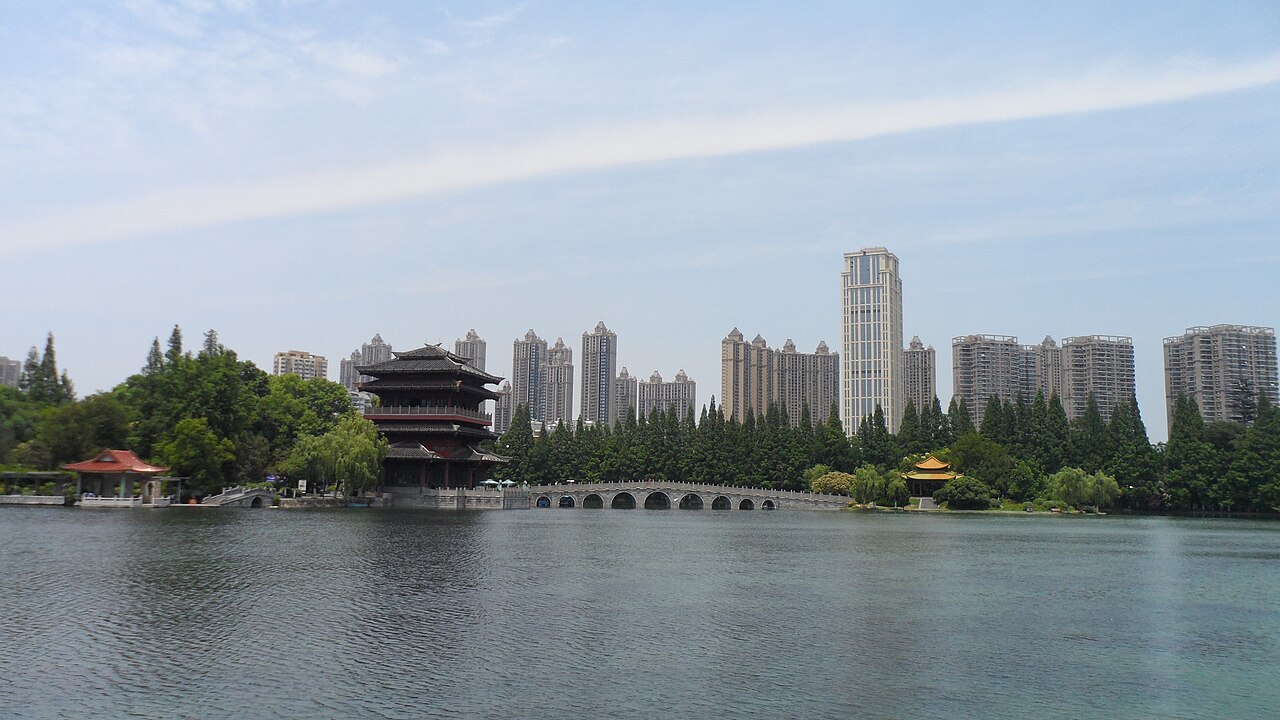 Hefei
City guide · 12 tours
Anhui's 2,000-year-old capital: the hometown of China's model judge, a moat-turned-garden ring, and the fast rail gateway to Huangshan.
Hefei
City guide · 12 tours
Anhui's 2,000-year-old capital: the hometown of China's model judge, a moat-turned-garden ring, and the fast rail gateway to Huangshan.
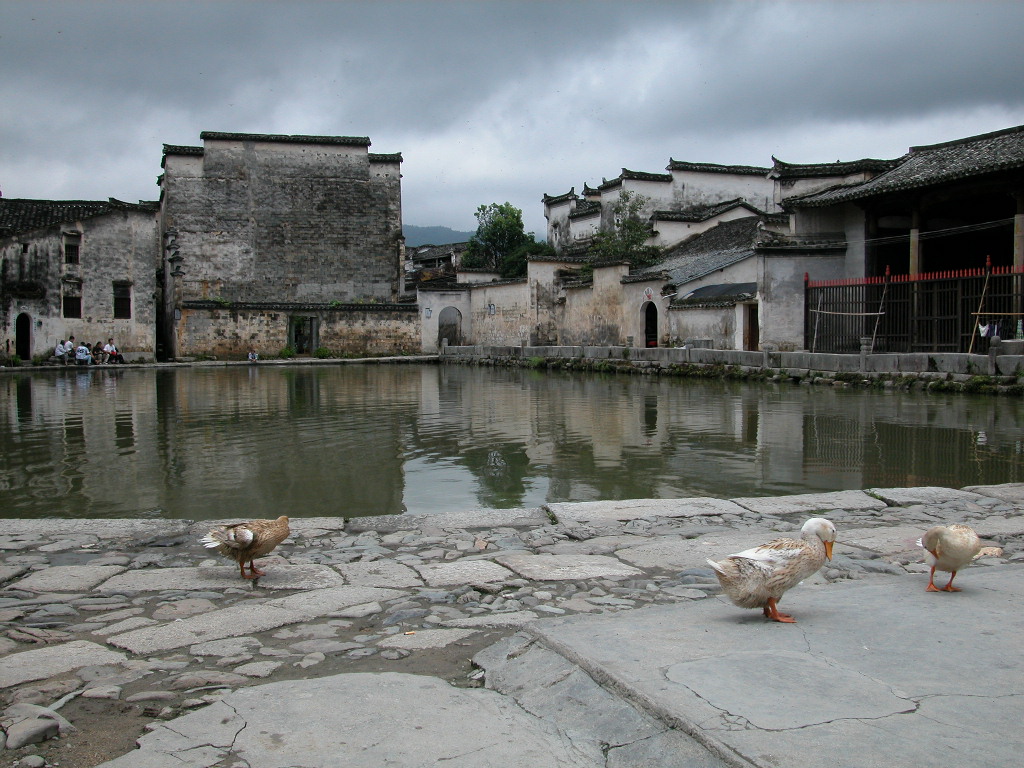 Hongcun
City guide · 12 tours
A 900-year-old Hui village laid out as an ox, with water running to every door and a mirror-still crescent pond at its heart.
Hongcun
City guide · 12 tours
A 900-year-old Hui village laid out as an ox, with water running to every door and a mirror-still crescent pond at its heart.
 Wuhan
City guide · 12 tours
Three towns, two rivers and the best breakfast in China — a huge, blunt river city of bridges, lakes and cheap, brilliant street food.
Wuhan
City guide · 12 tours
Three towns, two rivers and the best breakfast in China — a huge, blunt river city of bridges, lakes and cheap, brilliant street food.
 Changsha
City guide · 12 tours
Hunan's loud, young capital: a 3,000-year-old city that eats chilli-hot food, stays up all night and treats foot massage as a civic duty.
Changsha
City guide · 12 tours
Hunan's loud, young capital: a 3,000-year-old city that eats chilli-hot food, stays up all night and treats foot massage as a civic duty.
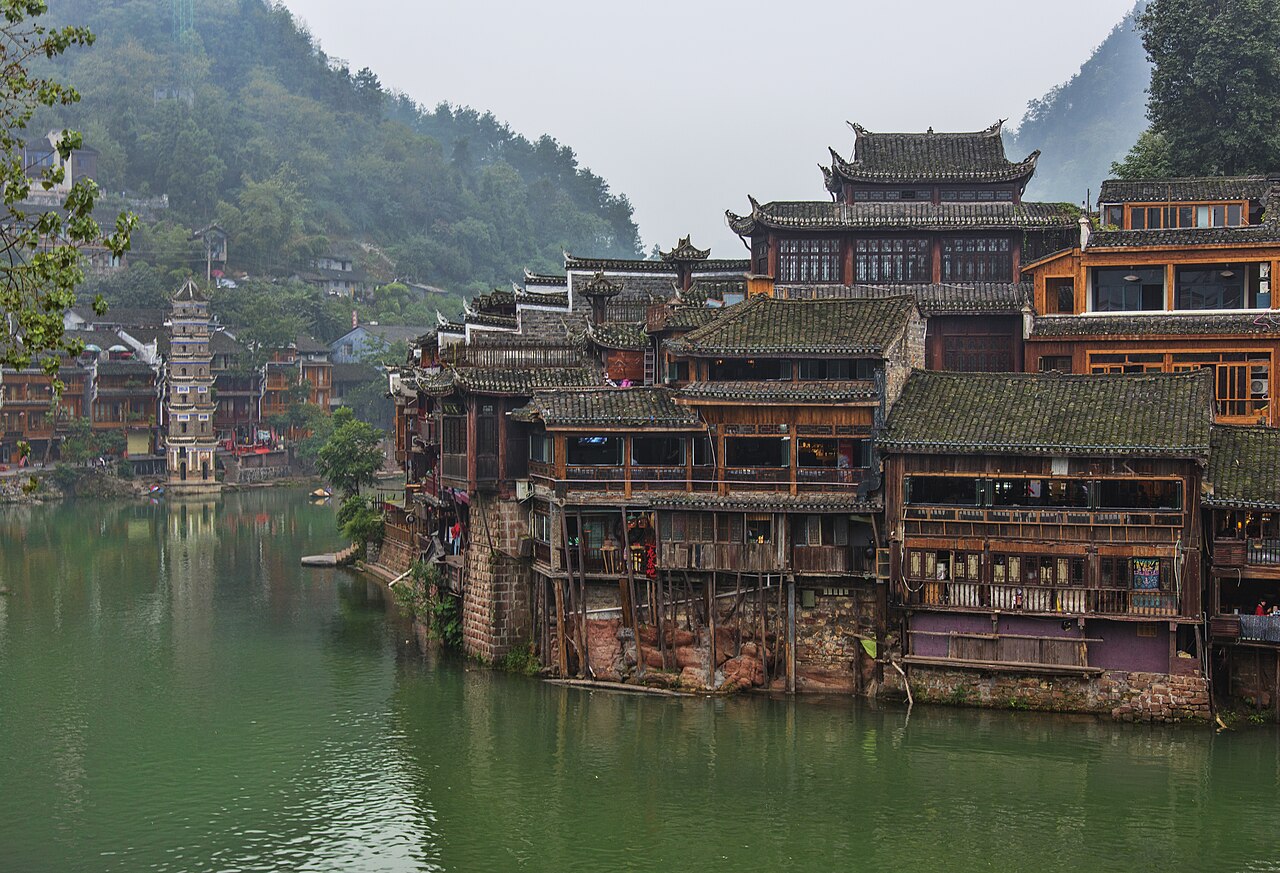 Fenghuang Ancient Town
City guide · 12 tours
The stilt-house river town of Shen Congwen's 'Border Town' — glowing lanterns, stepping stones and the best two nights in western Hunan.
Fenghuang Ancient Town
City guide · 12 tours
The stilt-house river town of Shen Congwen's 'Border Town' — glowing lanterns, stepping stones and the best two nights in western Hunan.
 Lushan
City guide · 12 tours
A cloud-wrapped granite mountain with a Victorian hill station on top, waterfalls in three tiers, and the mist that Su Shi said you could never see through.
Lushan
City guide · 12 tours
A cloud-wrapped granite mountain with a Victorian hill station on top, waterfalls in three tiers, and the mist that Su Shi said you could never see through.
 Wuyuan
City guide · 12 tours
China's 'most beautiful countryside' — dozens of white-walled Huizhou villages strung along streams and terraced into the hills, and two weeks a year of gold.
Wuyuan
City guide · 12 tours
China's 'most beautiful countryside' — dozens of white-walled Huizhou villages strung along streams and terraced into the hills, and two weeks a year of gold.
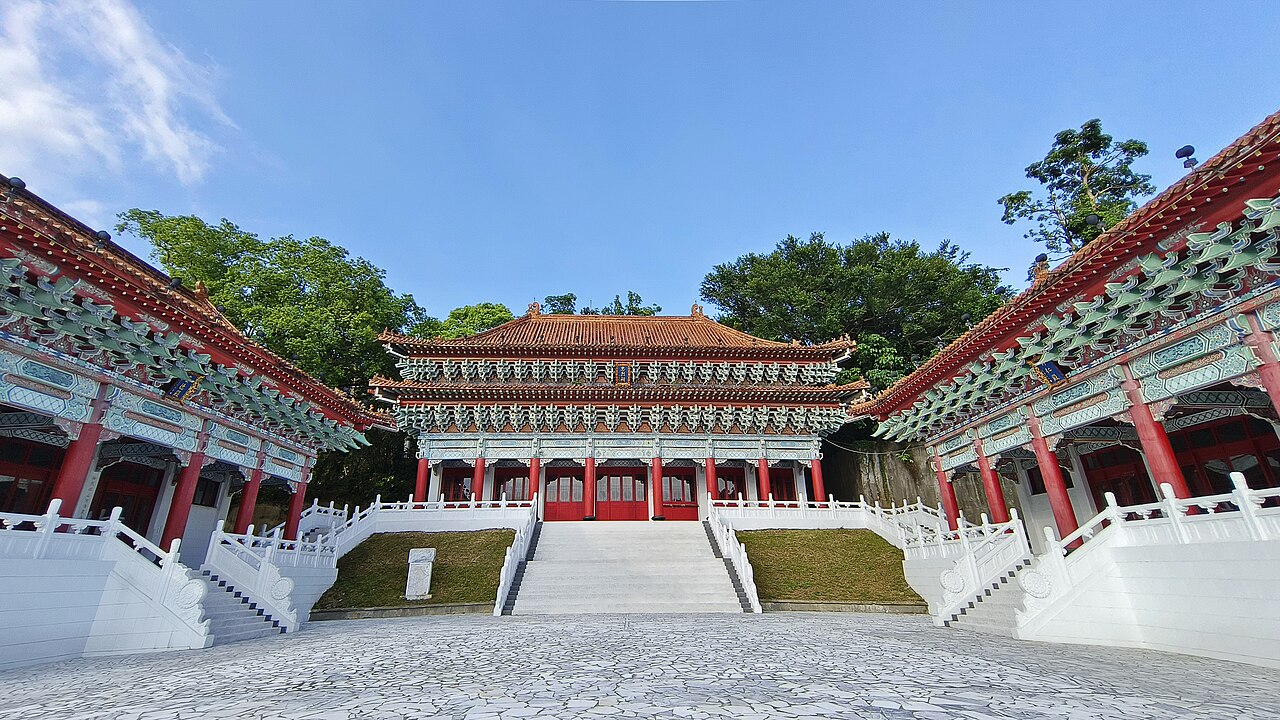 Mount Heng (Hengshan, Hunan)
City guide · 12 tours
The South Great Peak: a pilgrimage mountain of 72 summits where the temples run all the way to the top, and the sunrise over the cloud sea is the whole point.
Mount Heng (Hengshan, Hunan)
City guide · 12 tours
The South Great Peak: a pilgrimage mountain of 72 summits where the temples run all the way to the top, and the sunrise over the cloud sea is the whole point.
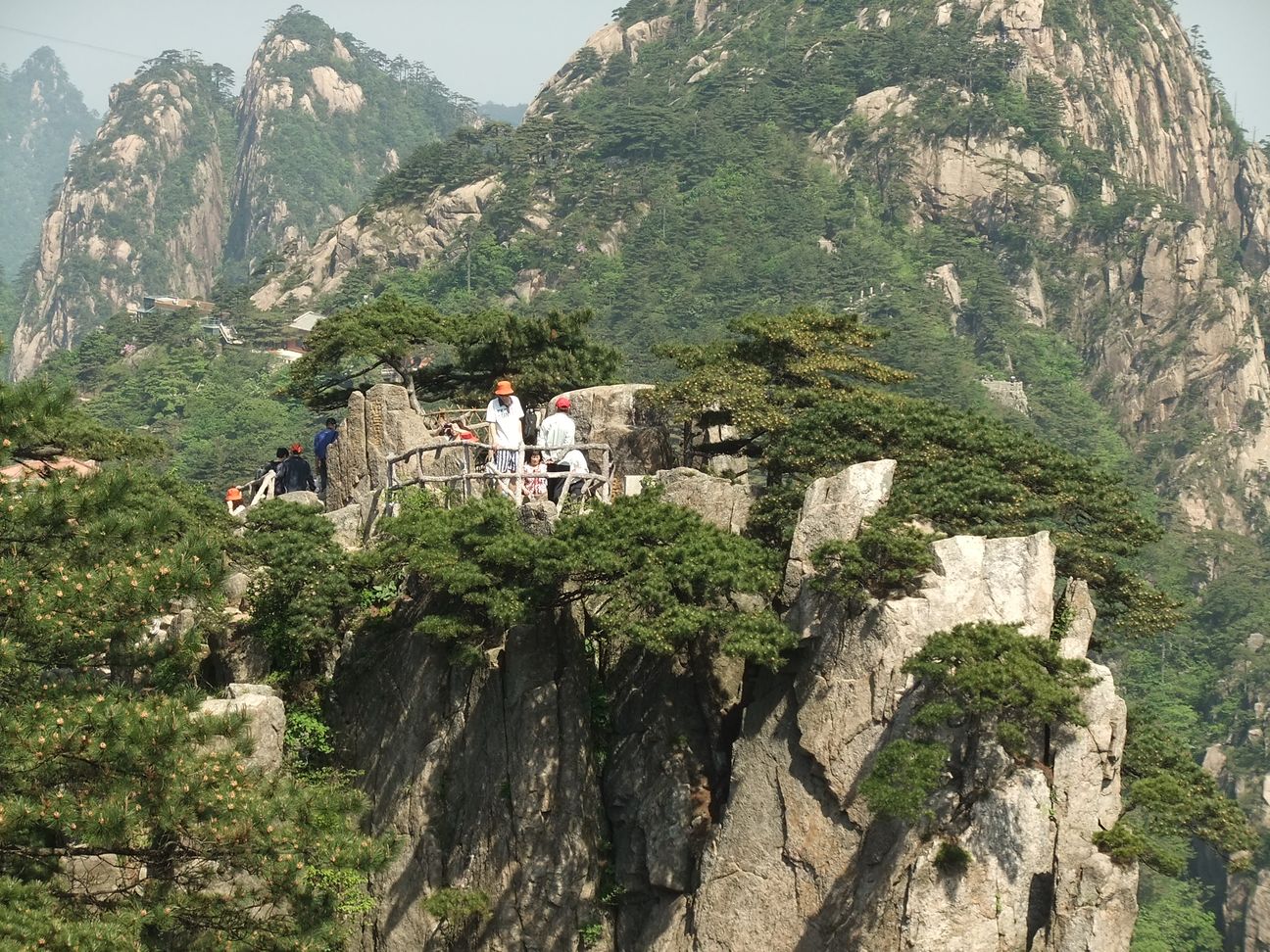 Huangshan
City guide · 12 tours
Yellow Mountain: 82 granite peaks of twisted pines and grotesque rock, a sea of cloud that changes by the hour, and hot springs at the foot.
Huangshan
City guide · 12 tours
Yellow Mountain: 82 granite peaks of twisted pines and grotesque rock, a sea of cloud that changes by the hour, and hot springs at the foot.
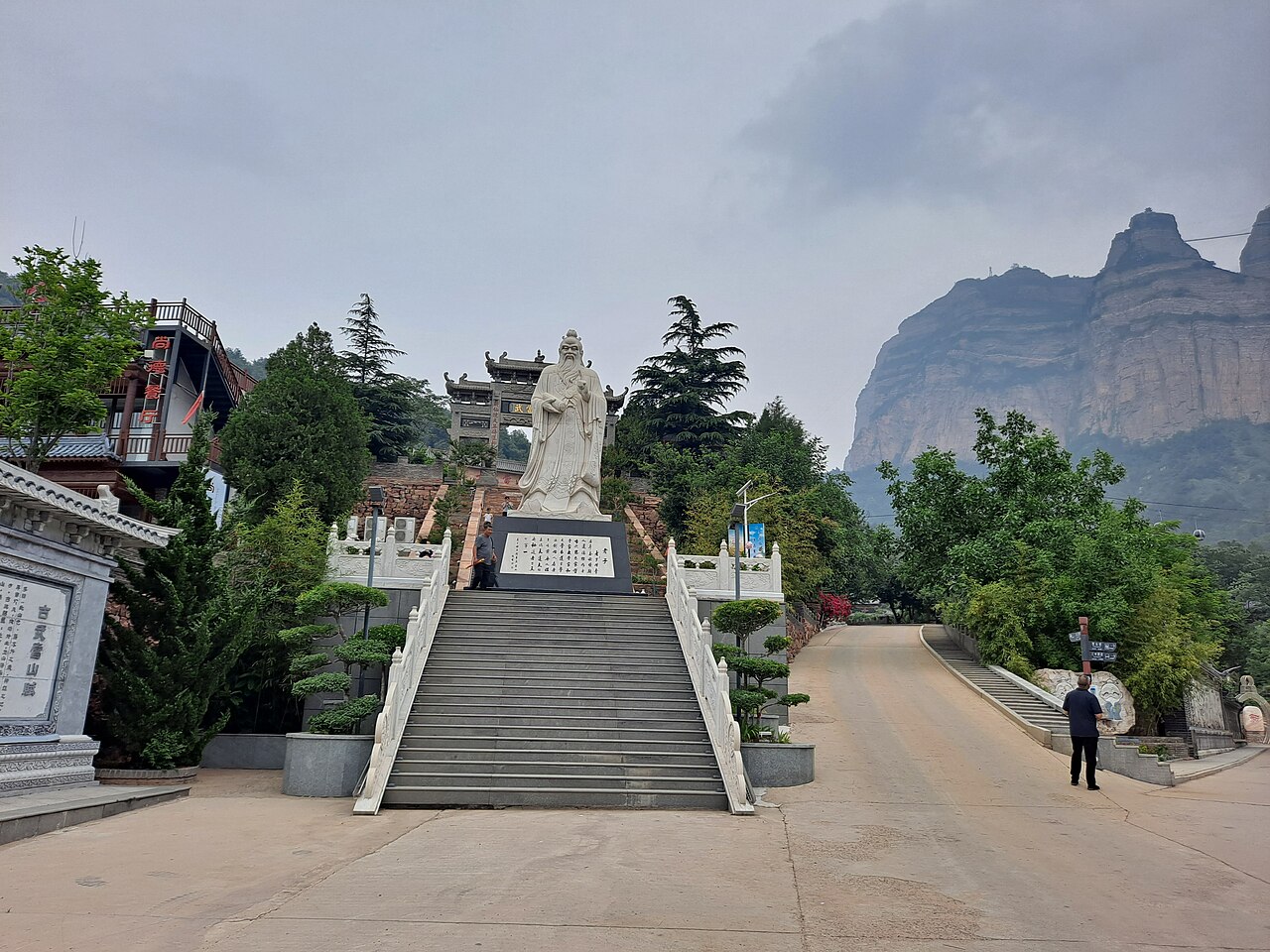 Wudang Mountain
City guide · 12 tours
The Taoist first mountain of China — a gilded bronze hall on a 1,612 m summit, temples hung off cliff faces, and the birthplace of tai chi.
Wudang Mountain
City guide · 12 tours
The Taoist first mountain of China — a gilded bronze hall on a 1,612 m summit, temples hung off cliff faces, and the birthplace of tai chi.
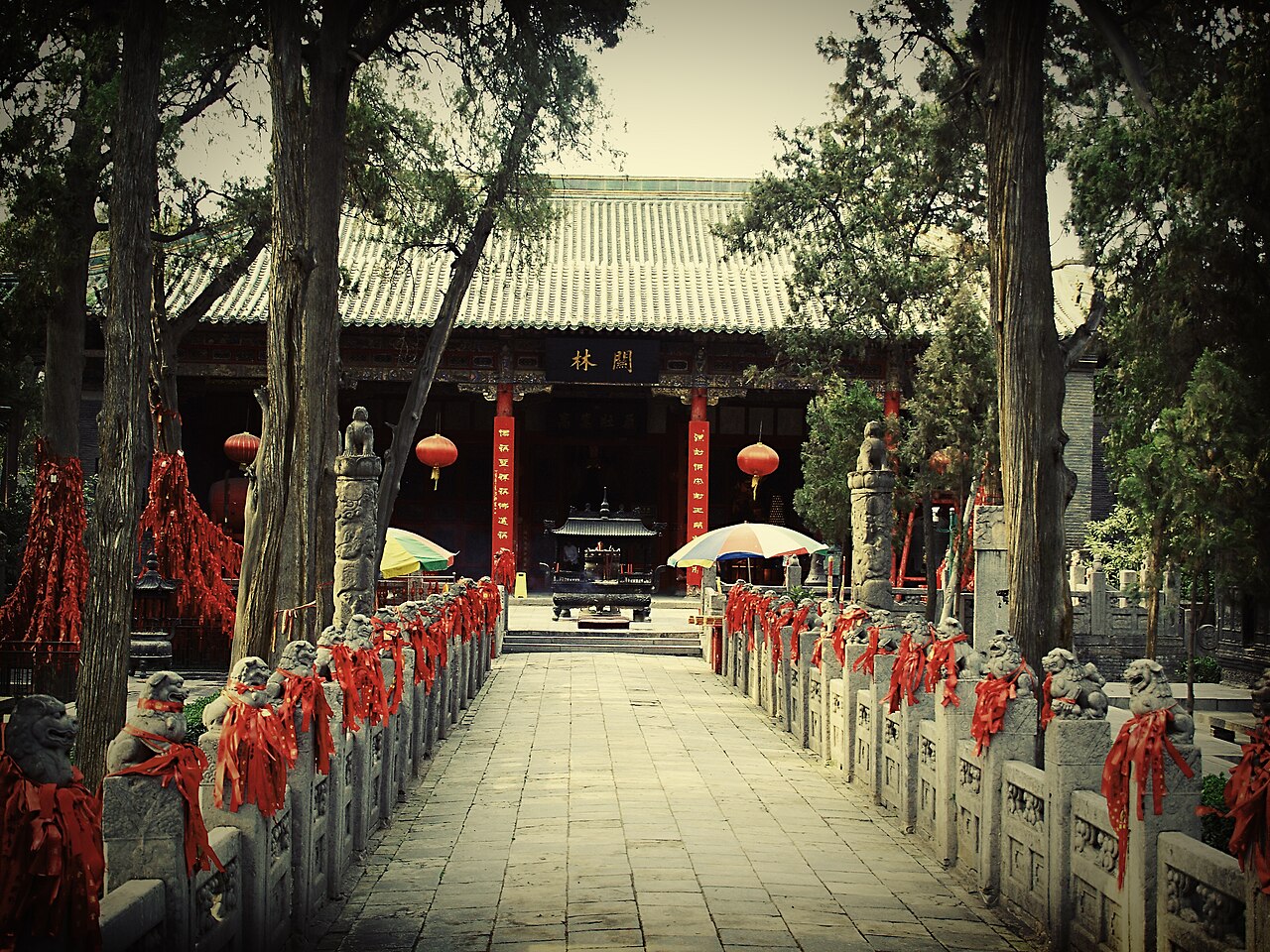 Luoyang
City guide · 12 tours
Thirteen dynasties, 100,000 Buddhas carved into a river cliff, China's first Buddhist temple — and a whole city that turns peony-pink every April.
Luoyang
City guide · 12 tours
Thirteen dynasties, 100,000 Buddhas carved into a river cliff, China's first Buddhist temple — and a whole city that turns peony-pink every April.
 Rizhao
City guide · 12 tours
A low-key Shandong beach town where the sun rises straight out of the Yellow Sea, the sand runs 60 km and a seafood dinner costs less than a coffee in Shanghai.
Rizhao
City guide · 12 tours
A low-key Shandong beach town where the sun rises straight out of the Yellow Sea, the sand runs 60 km and a seafood dinner costs less than a coffee in Shanghai.
 Yantai
City guide · 12 tours
A northern Shandong port of fairy-tale cliffs, wine cellars and long golden beaches — where emperors once hunted the elixir of life and China's wine industry still begins.
Yantai
City guide · 12 tours
A northern Shandong port of fairy-tale cliffs, wine cellars and long golden beaches — where emperors once hunted the elixir of life and China's wine industry still begins.
 Lianyungang
City guide · 12 tours
A working Jiangsu port with a myth in the middle of it — the Flower-Fruit Mountain of Journey to the West, a sea causeway to a big island beach, and some of the cheapest seafood on the coast.
Lianyungang
City guide · 12 tours
A working Jiangsu port with a myth in the middle of it — the Flower-Fruit Mountain of Journey to the West, a sea causeway to a big island beach, and some of the cheapest seafood on the coast.
 Sanqing Mountain
City guide · 12 tours
A vertical forest of granite pillars in Jiangxi — the Python Out of the Mountain, the Goddess of the East Sea, two cable cars and a cliff-hugging walkway at 1,660 metres.
Sanqing Mountain
City guide · 12 tours
A vertical forest of granite pillars in Jiangxi — the Python Out of the Mountain, the Goddess of the East Sea, two cable cars and a cliff-hugging walkway at 1,660 metres.
 Tianjin
City guide · 12 tours
Beijing's port city next door — a river of 24 bridges, 2,000 colonial villas, and the best street breakfast in northern China.
Tianjin
City guide · 12 tours
Beijing's port city next door — a river of 24 bridges, 2,000 colonial villas, and the best street breakfast in northern China.
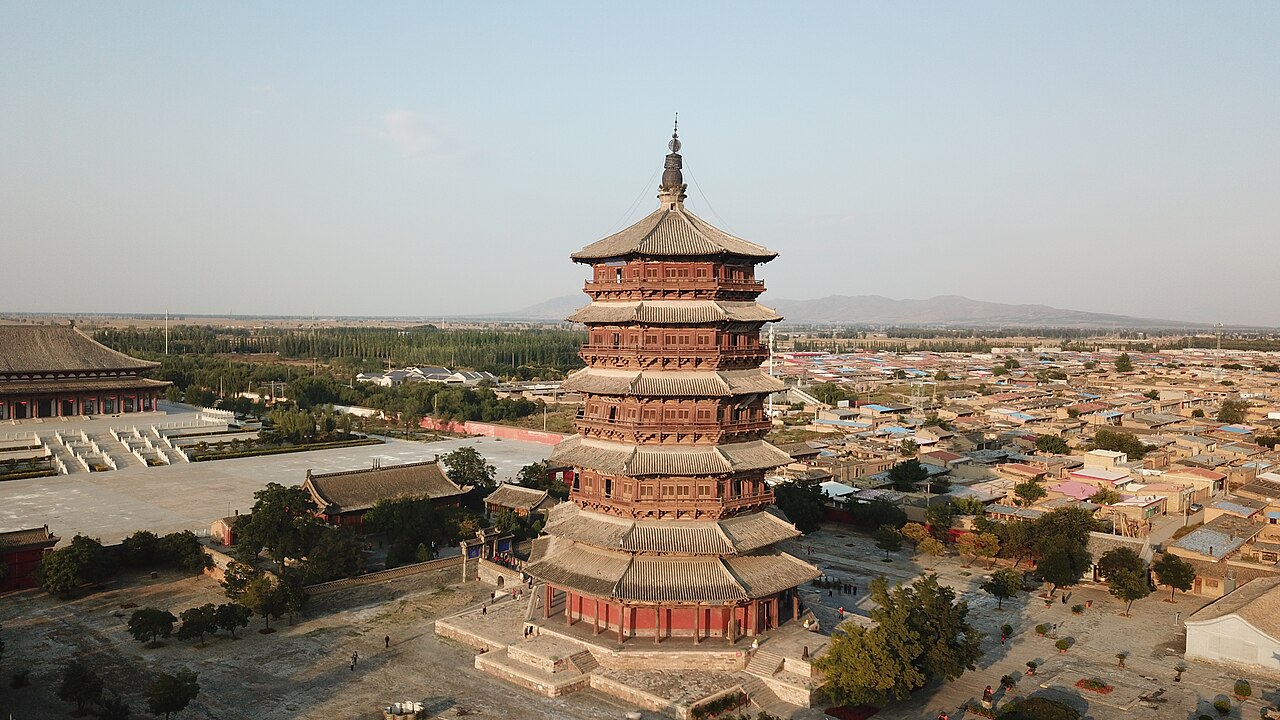 Datong
City guide · 12 tours
A frontier capital of carved Buddhas — the Yungang Grottoes, a temple pinned to a cliff, and the oldest wooden tower in China.
Datong
City guide · 12 tours
A frontier capital of carved Buddhas — the Yungang Grottoes, a temple pinned to a cliff, and the oldest wooden tower in China.
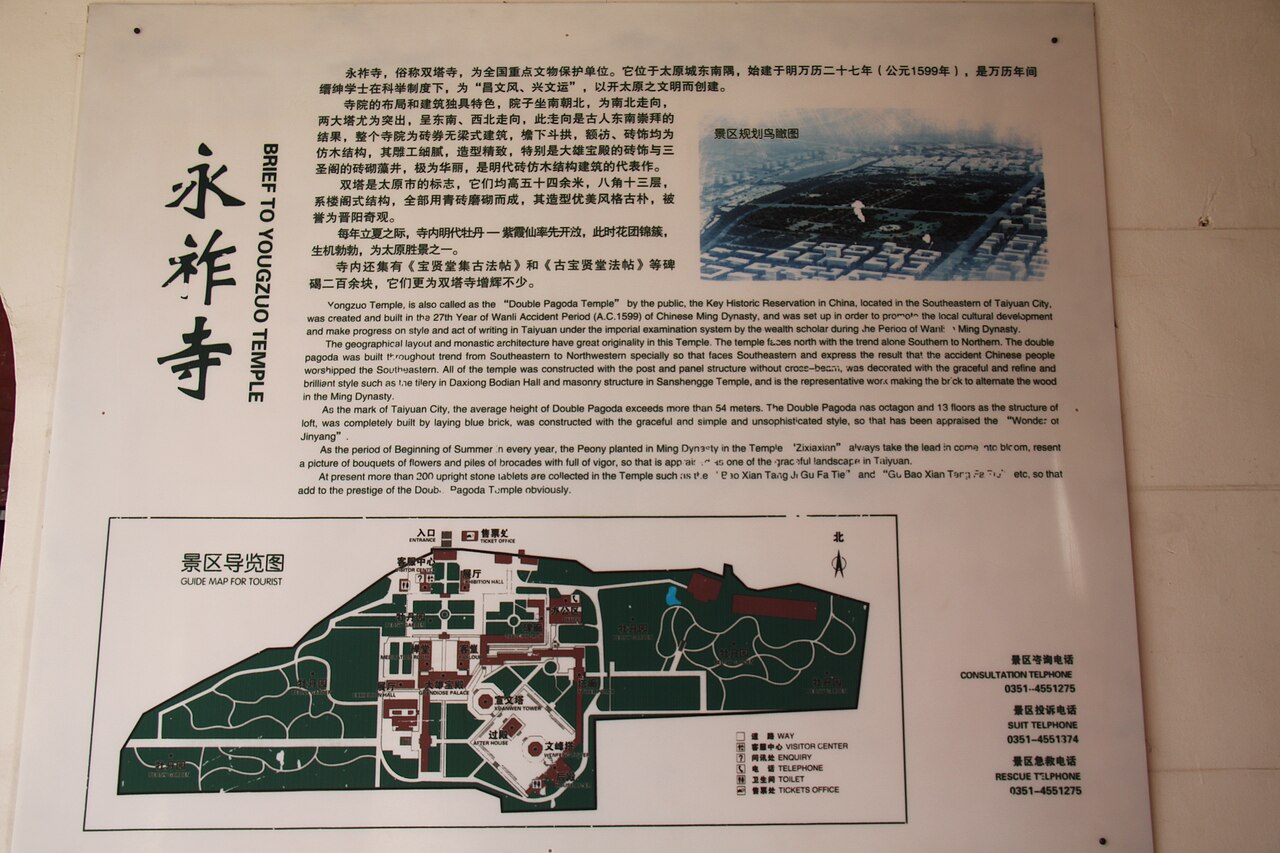 Taiyuan
City guide · 12 tours
Shanxi's provincial capital and noodle heartland — the spring of Jinci, two Ming pagodas, and a museum that explains the whole province.
Taiyuan
City guide · 12 tours
Shanxi's provincial capital and noodle heartland — the spring of Jinci, two Ming pagodas, and a museum that explains the whole province.
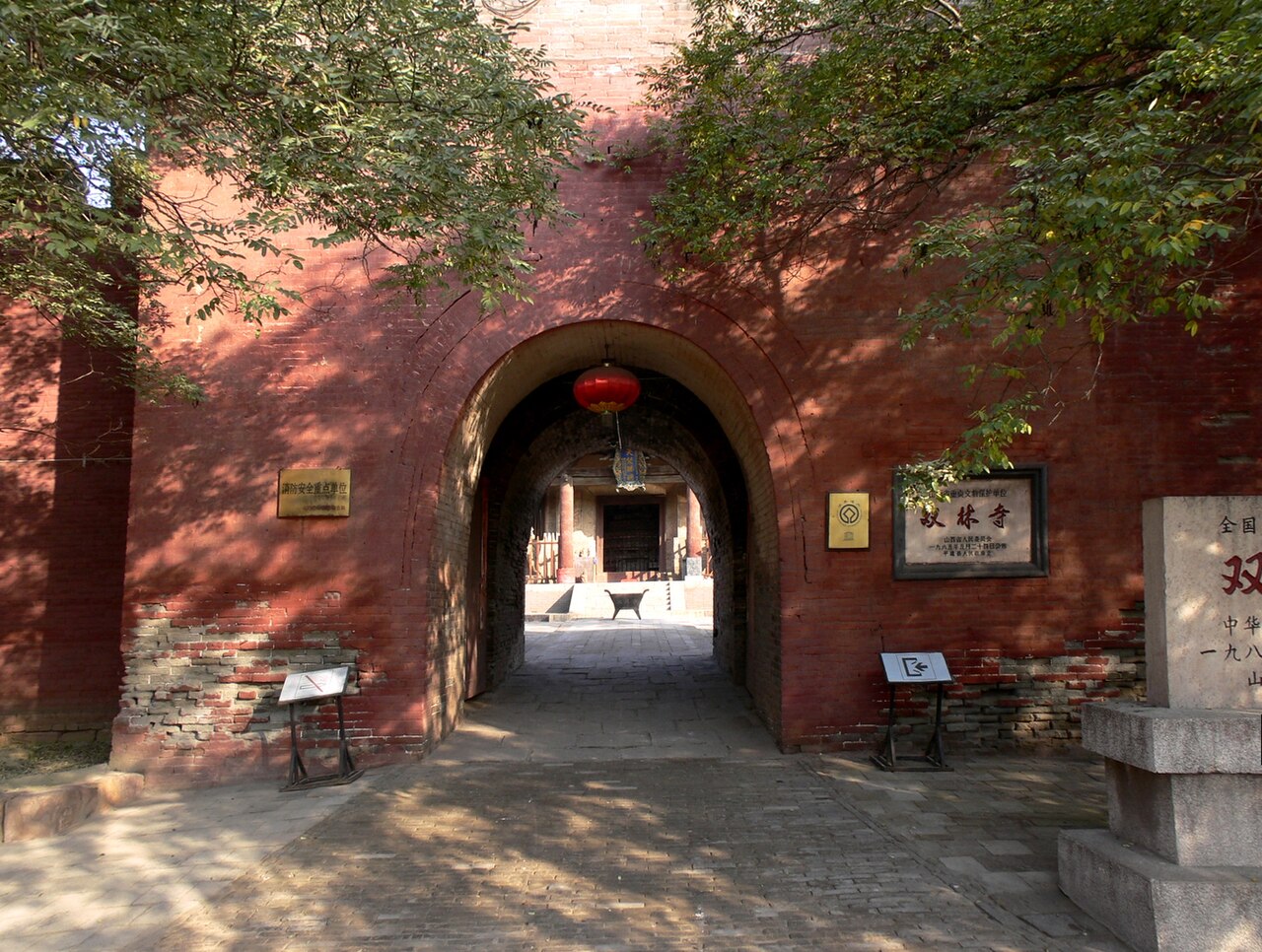 Pingyao
City guide · 12 tours
China's best-preserved ancient walled town — a Ming wall, the first Chinese bank, and two temples of painted clay just outside the gates.
Pingyao
City guide · 12 tours
China's best-preserved ancient walled town — a Ming wall, the first Chinese bank, and two temples of painted clay just outside the gates.
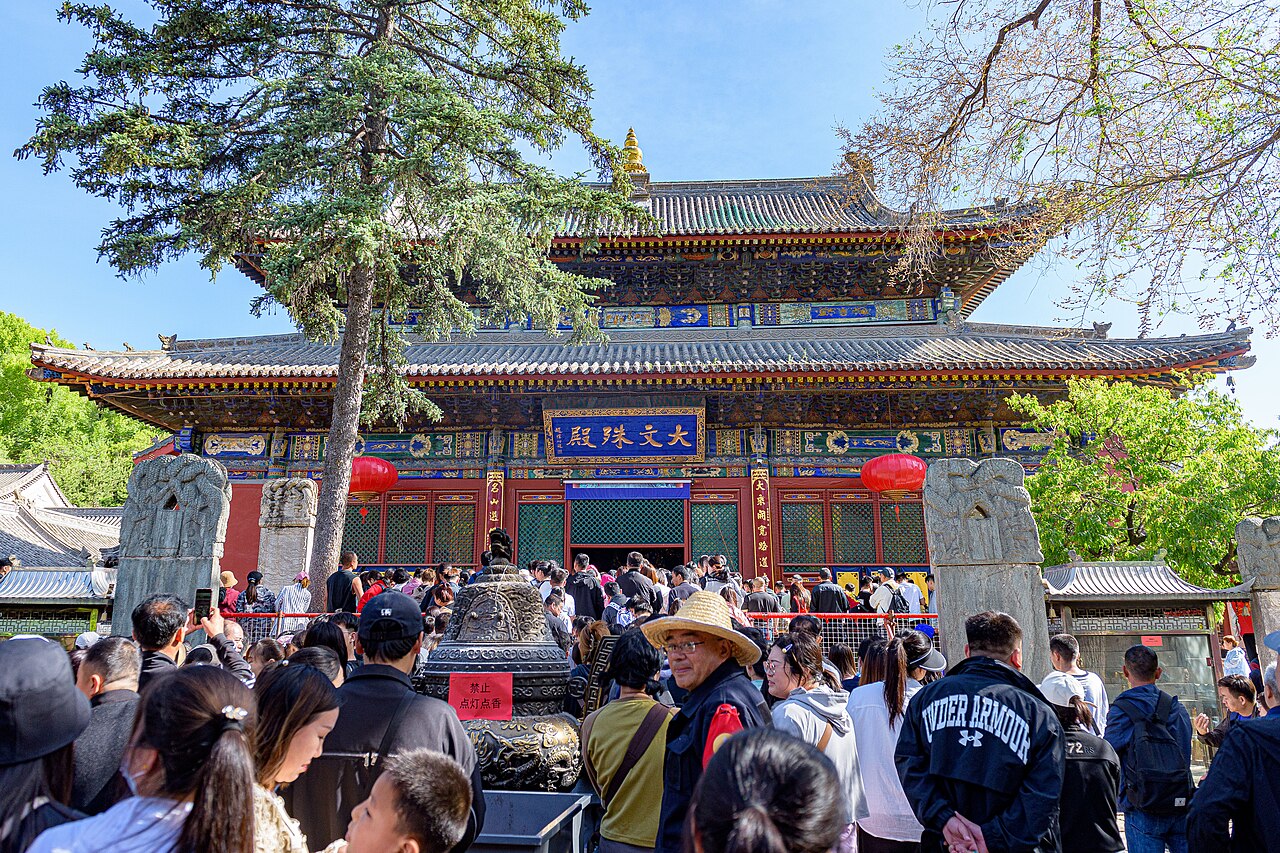 Wutai Mountain
City guide · 12 tours
China's foremost Buddhist mountain — fifty-plus temples in one valley, crowned by five flat-topped peaks up to 3,058 m.
Wutai Mountain
City guide · 12 tours
China's foremost Buddhist mountain — fifty-plus temples in one valley, crowned by five flat-topped peaks up to 3,058 m.
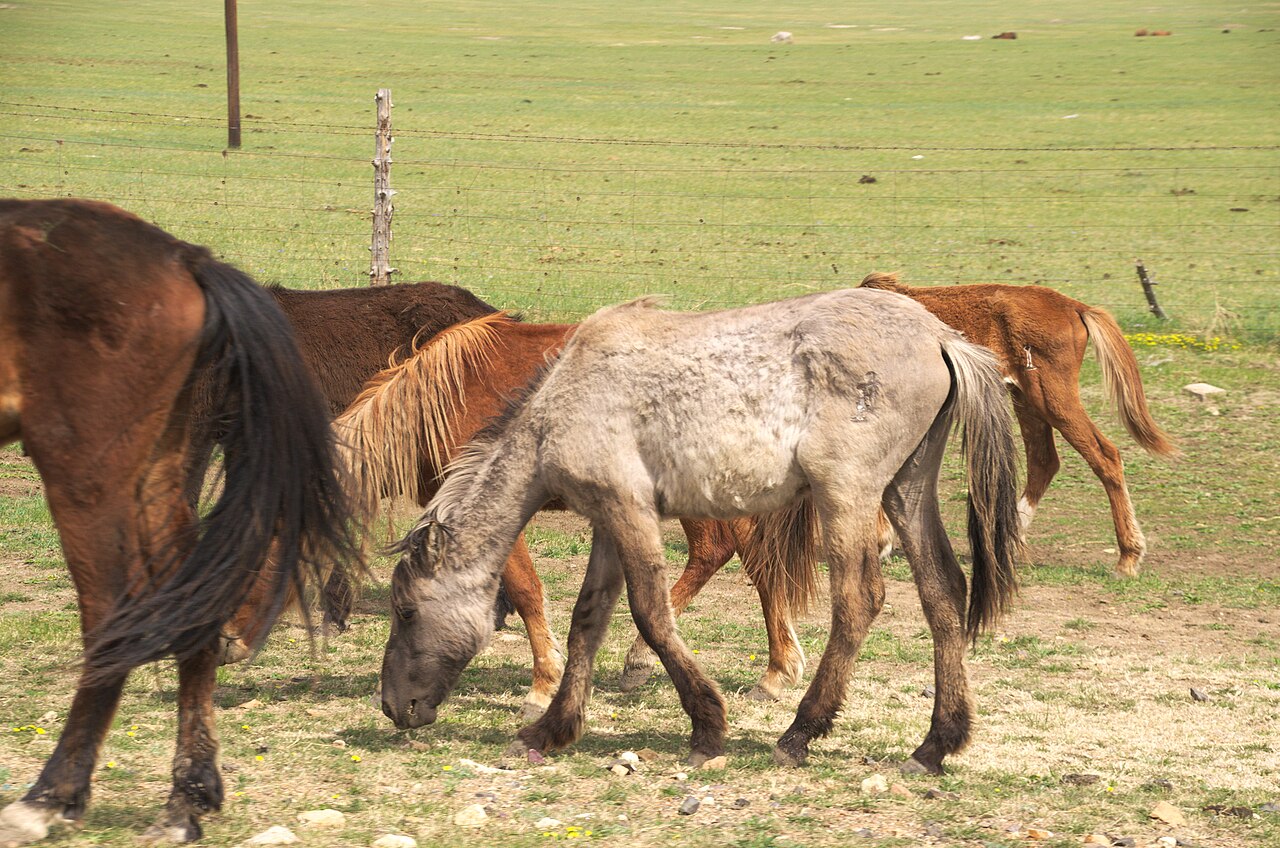 Hulunbuir
City guide · 12 tours
China's finest grassland — a 263,000 km² sweep of steppe, birch forest and border river, best driven with the windows down.
Hulunbuir
City guide · 12 tours
China's finest grassland — a 263,000 km² sweep of steppe, birch forest and border river, best driven with the windows down.
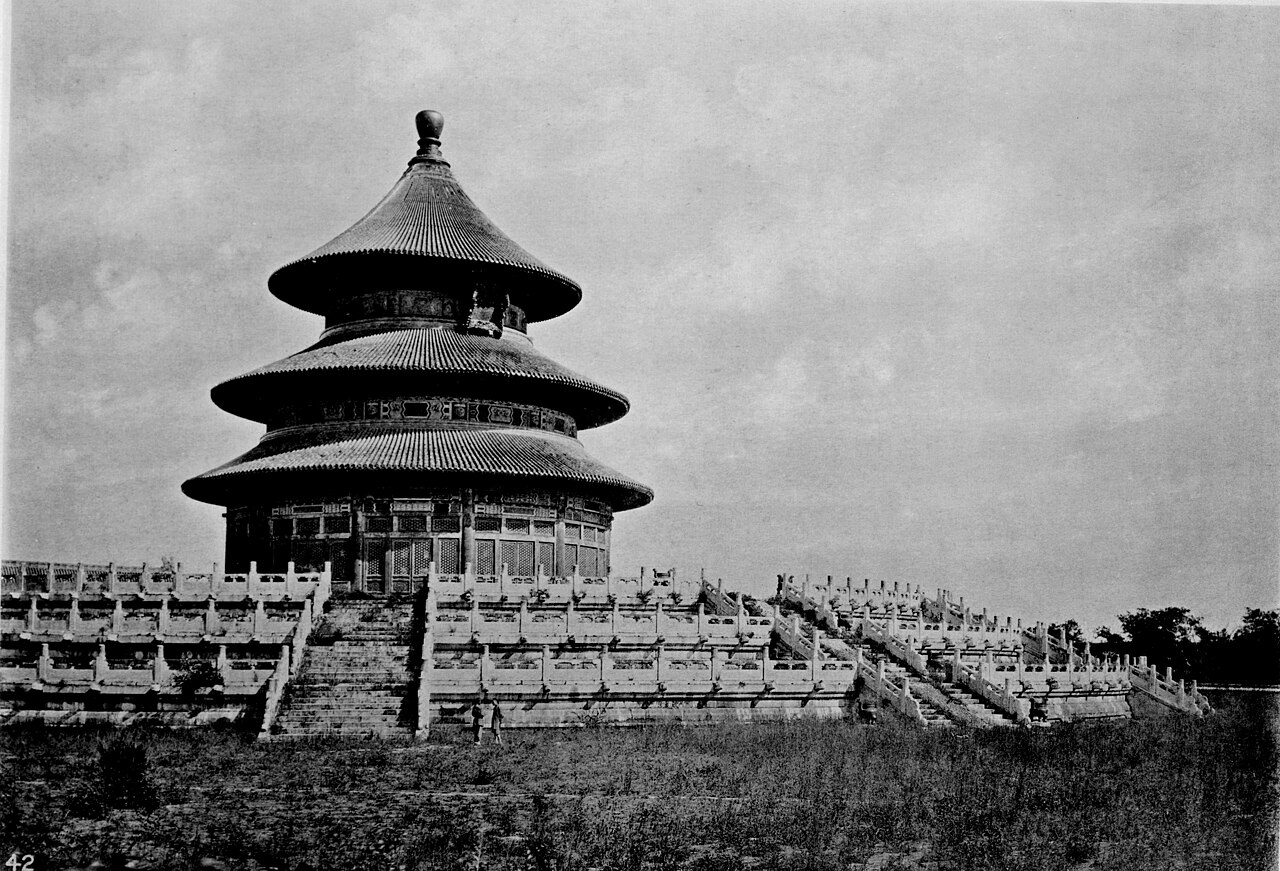 The Forbidden City
City guide · 12 tours
Beijing's 600-year imperial palace — 8,700 rooms behind a 72-hectare wall, and the largest surviving wooden palace complex on earth.
The Forbidden City
City guide · 12 tours
Beijing's 600-year imperial palace — 8,700 rooms behind a 72-hectare wall, and the largest surviving wooden palace complex on earth.
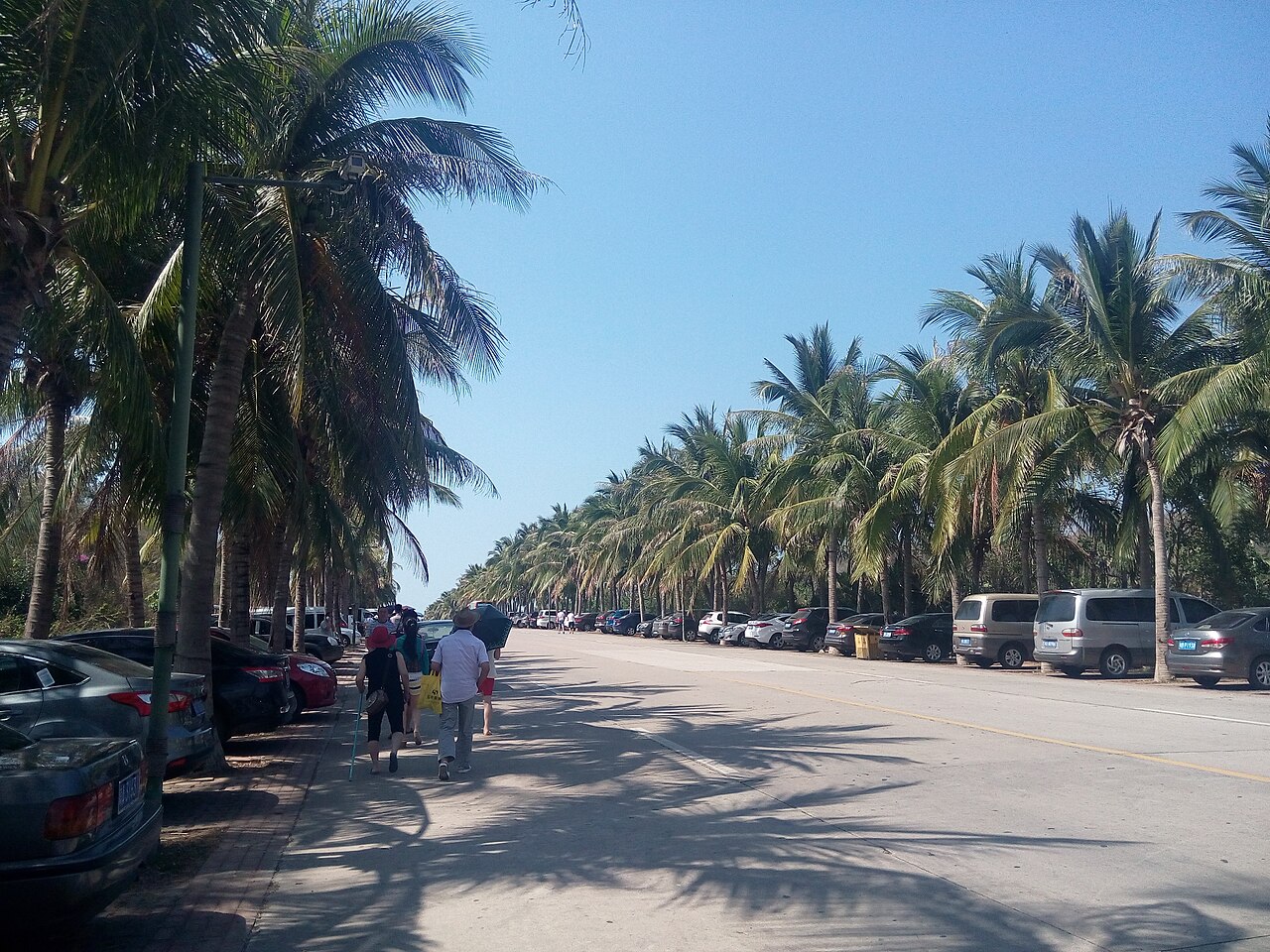 Sanya
City guide · 12 tours
China's only true winter-sun coast — four very different bays, a coral island and a 108 m sea Buddha, all at 18° north.
Sanya
City guide · 12 tours
China's only true winter-sun coast — four very different bays, a coral island and a 108 m sea Buddha, all at 18° north.
 Haikou
City guide · 12 tours
Hainan's capital is the island's living city — 600-year-old arcade streets, a volcanic village, and a morning-tea-to-midnight food culture.
Haikou
City guide · 12 tours
Hainan's capital is the island's living city — 600-year-old arcade streets, a volcanic village, and a morning-tea-to-midnight food culture.
 Beihai
City guide · 12 tours
24 km of fine white sand on one side, a volcanic island of coral and lava on the other — plus a 19th-century arcade old street in between.
Beihai
City guide · 12 tours
24 km of fine white sand on one side, a volcanic island of coral and lava on the other — plus a 19th-century arcade old street in between.
 Nanning
City guide · 12 tours
Guangxi's green capital is a gateway to Detian Falls, Beihai and Vietnam — and a genuinely excellent food city if you let it slow you down.
Nanning
City guide · 12 tours
Guangxi's green capital is a gateway to Detian Falls, Beihai and Vietnam — and a genuinely excellent food city if you let it slow you down.
 Guangxi
City guide · 12 tours
One autonomous region, a dozen landscapes — limestone peaks and rice terraces in the north, a Vietnam border and a warm gulf coast in the south.
Guangxi
City guide · 12 tours
One autonomous region, a dozen landscapes — limestone peaks and rice terraces in the north, a Vietnam border and a warm gulf coast in the south.
 Huizhou
City guide · 12 tours
A free West Lake, a Taoist mountain and 200 km of white-sand coast — the Pearl River Delta's most underrated weekend.
Huizhou
City guide · 12 tours
A free West Lake, a Taoist mountain and 200 km of white-sand coast — the Pearl River Delta's most underrated weekend.
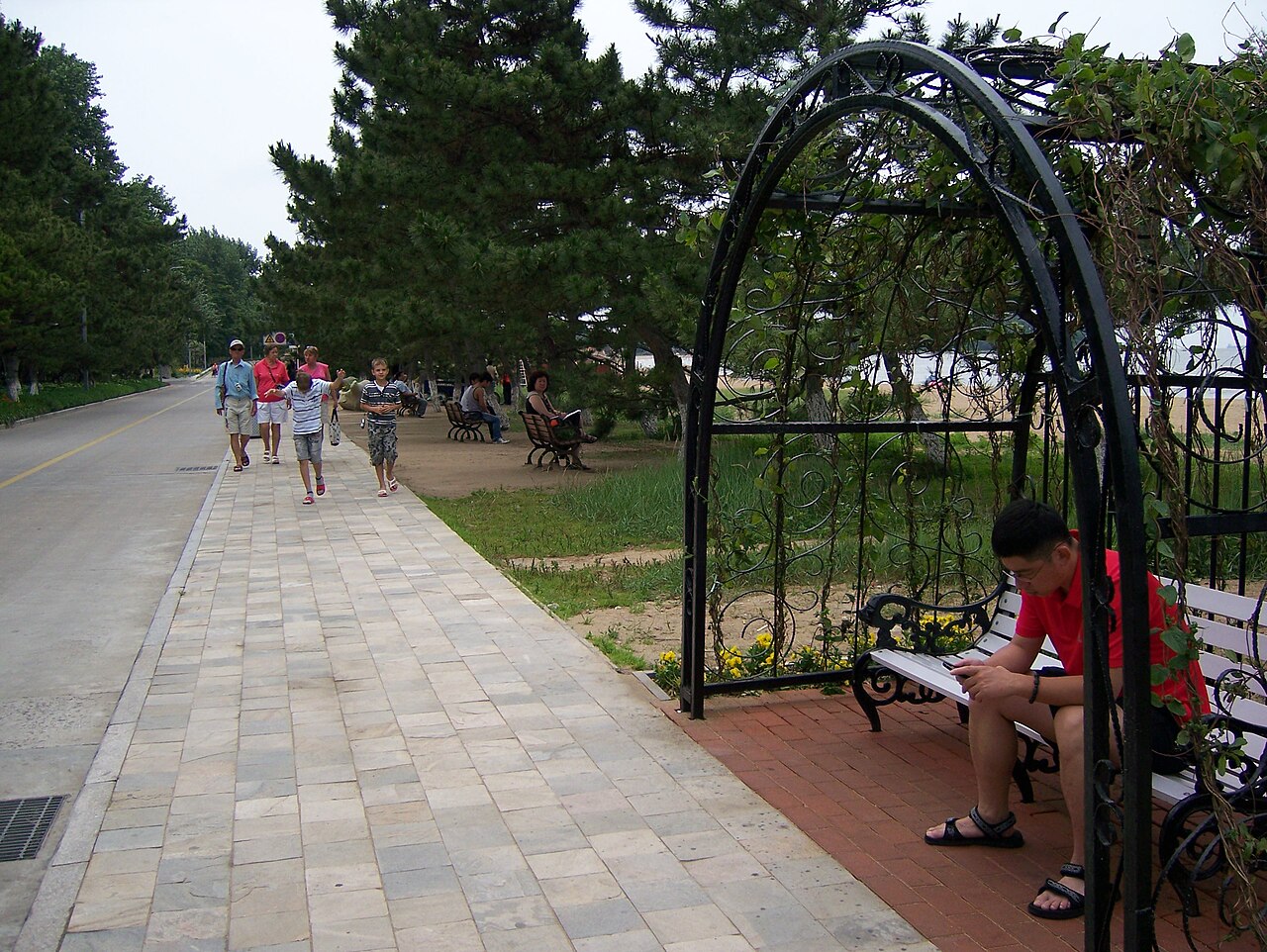 Beidaihe
City guide · 12 tours
Northern China's classic beach escape — one sunrise headland, 10 km of calm swimming water, and a bird flyway overhead twice a year.
Beidaihe
City guide · 12 tours
Northern China's classic beach escape — one sunrise headland, 10 km of calm swimming water, and a bird flyway overhead twice a year.
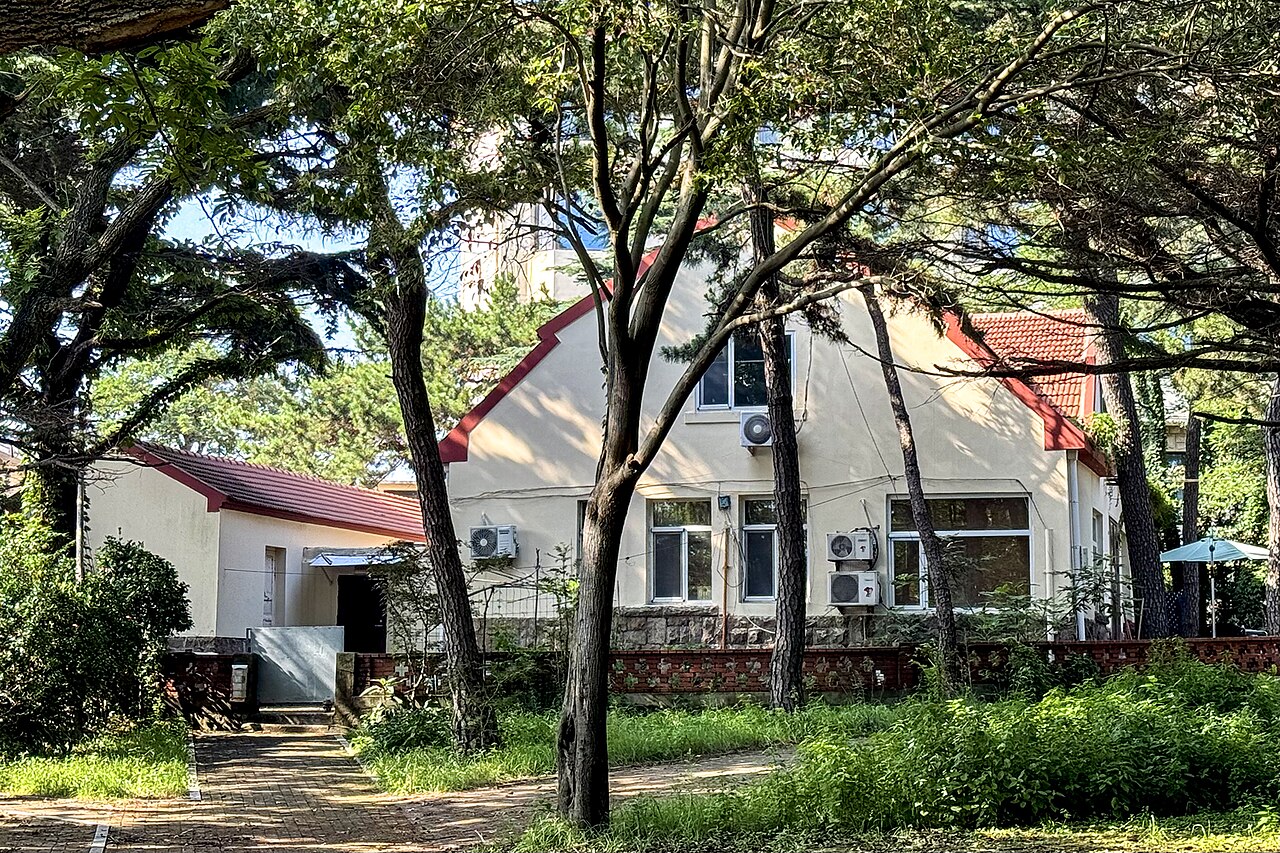 Shanhaiguan
City guide · 12 tours
The town where the Great Wall stops being a rumour of mountains and walks into the Bohai Sea.
Shanhaiguan
City guide · 12 tours
The town where the Great Wall stops being a rumour of mountains and walks into the Bohai Sea.
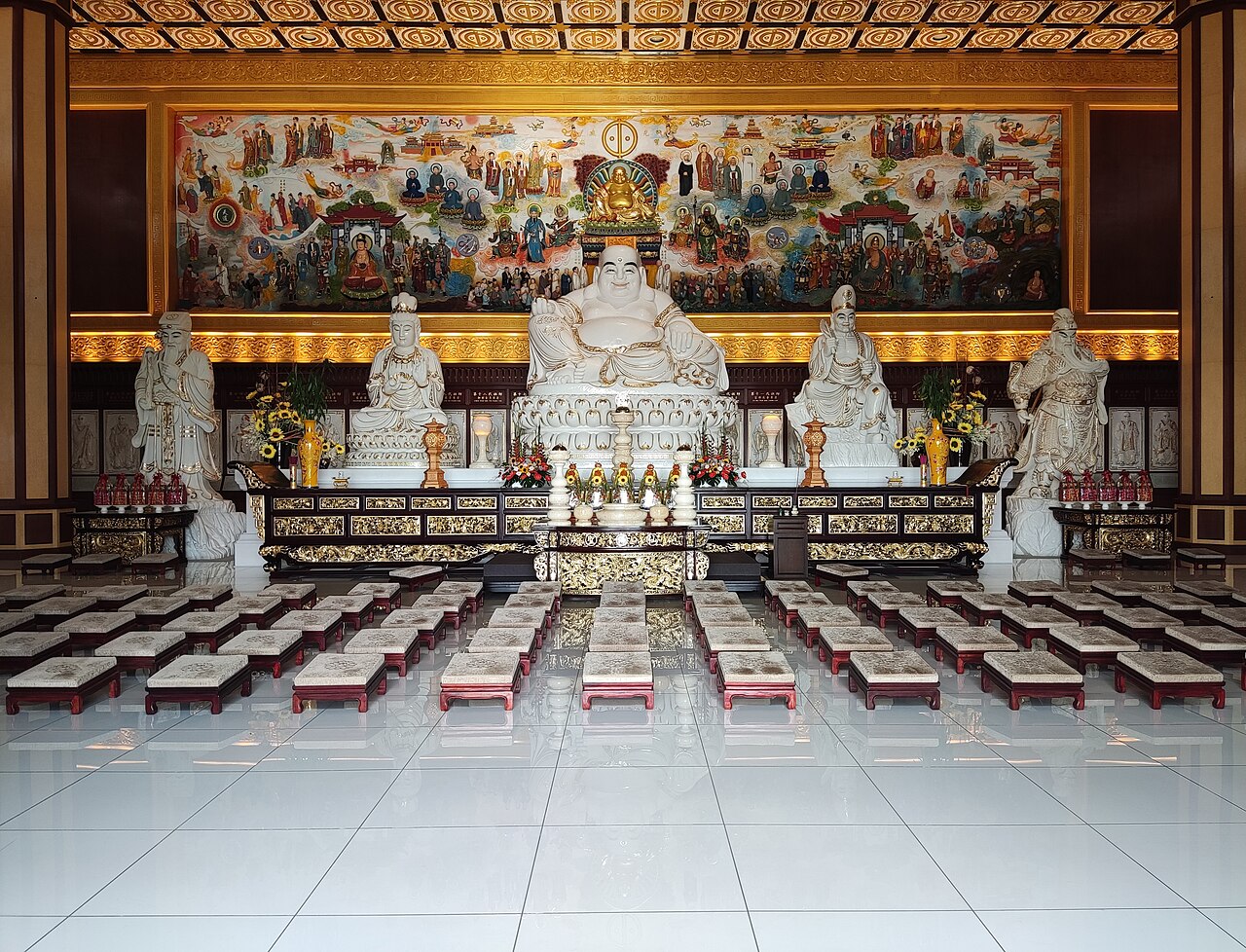 Baiyangdian
City guide · 12 tours
The biggest freshwater lake on the North China Plain — and almost none of it can be reached except by boat.
Baiyangdian
City guide · 12 tours
The biggest freshwater lake on the North China Plain — and almost none of it can be reached except by boat.
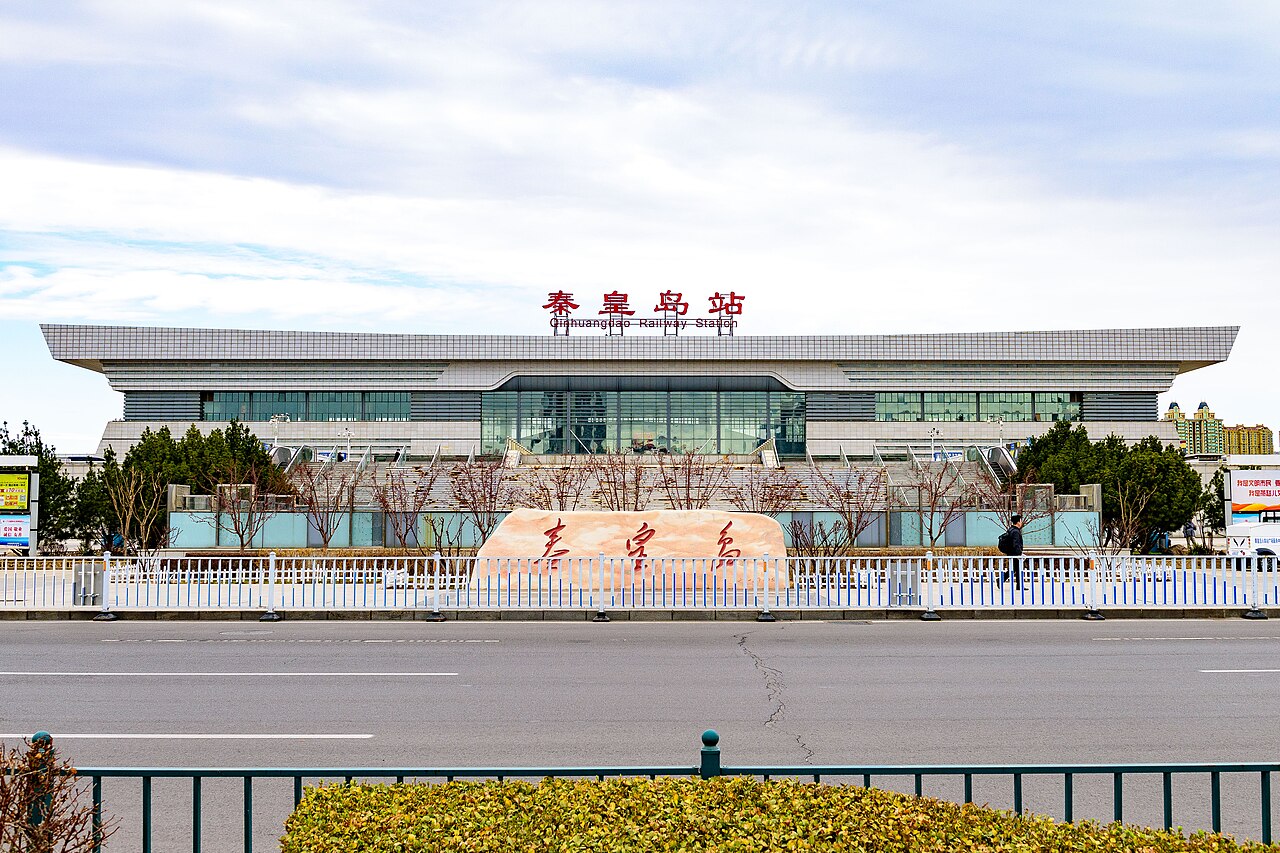 Qinhuangdao
City guide · 12 tours
126 km of Bohai coast in one municipality — a working port, two famous resorts, and the only desert dunes that meet this sea.
Qinhuangdao
City guide · 12 tours
126 km of Bohai coast in one municipality — a working port, two famous resorts, and the only desert dunes that meet this sea.
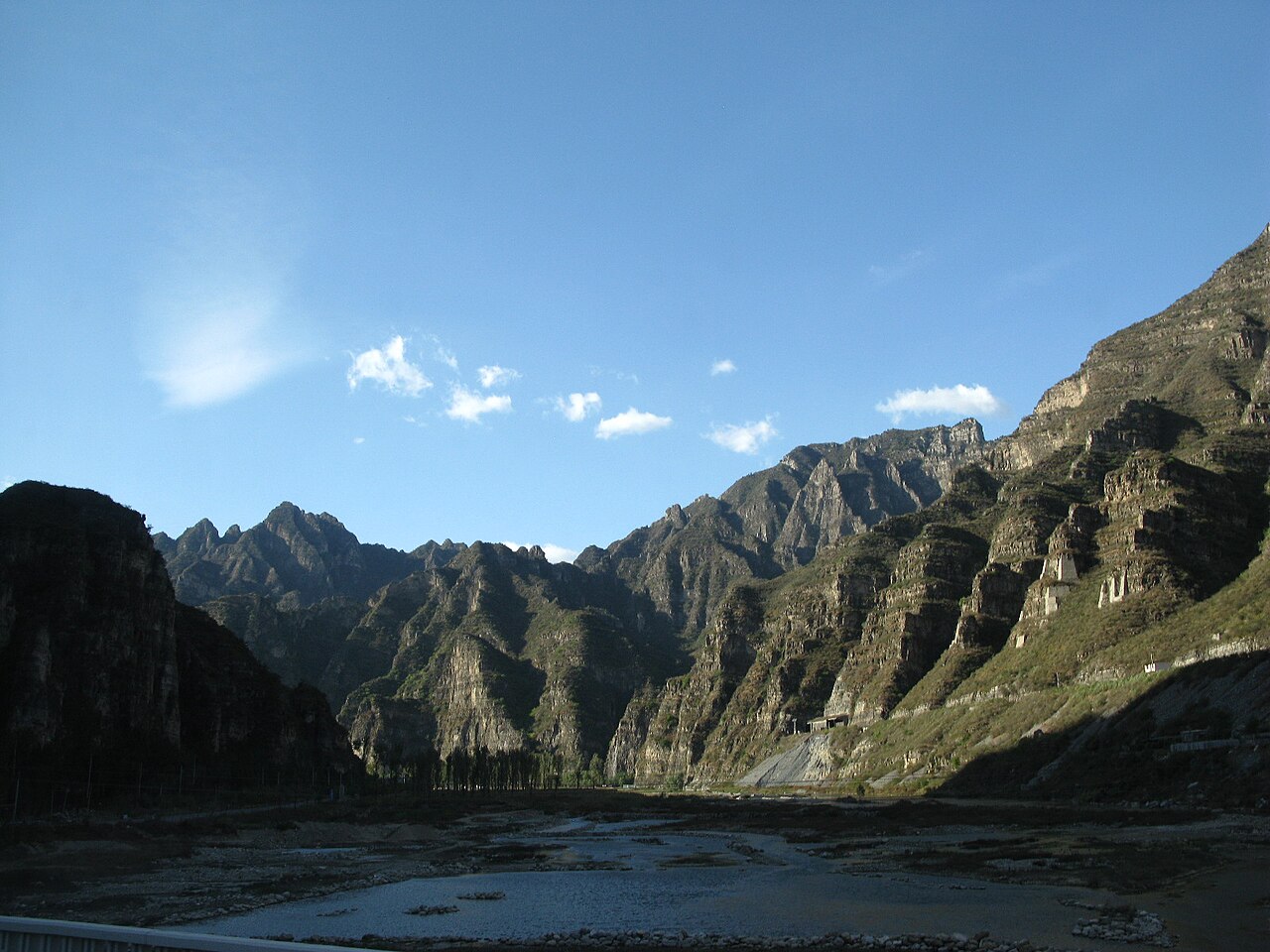 Yesanpo
City guide · 12 tours
Gorge country where the Taihang and Yan ranges collide — 52.5 km of canyon walls, a cave that spits fish, and a river to fall off.
Yesanpo
City guide · 12 tours
Gorge country where the Taihang and Yan ranges collide — 52.5 km of canyon walls, a cave that spits fish, and a river to fall off.
 Zhuhai
City guide · 12 tours
The delta's slow city: a 28 km promenade, 146 islands, oysters fattened where the river meets the sea.
Zhuhai
City guide · 12 tours
The delta's slow city: a 28 km promenade, 146 islands, oysters fattened where the river meets the sea.
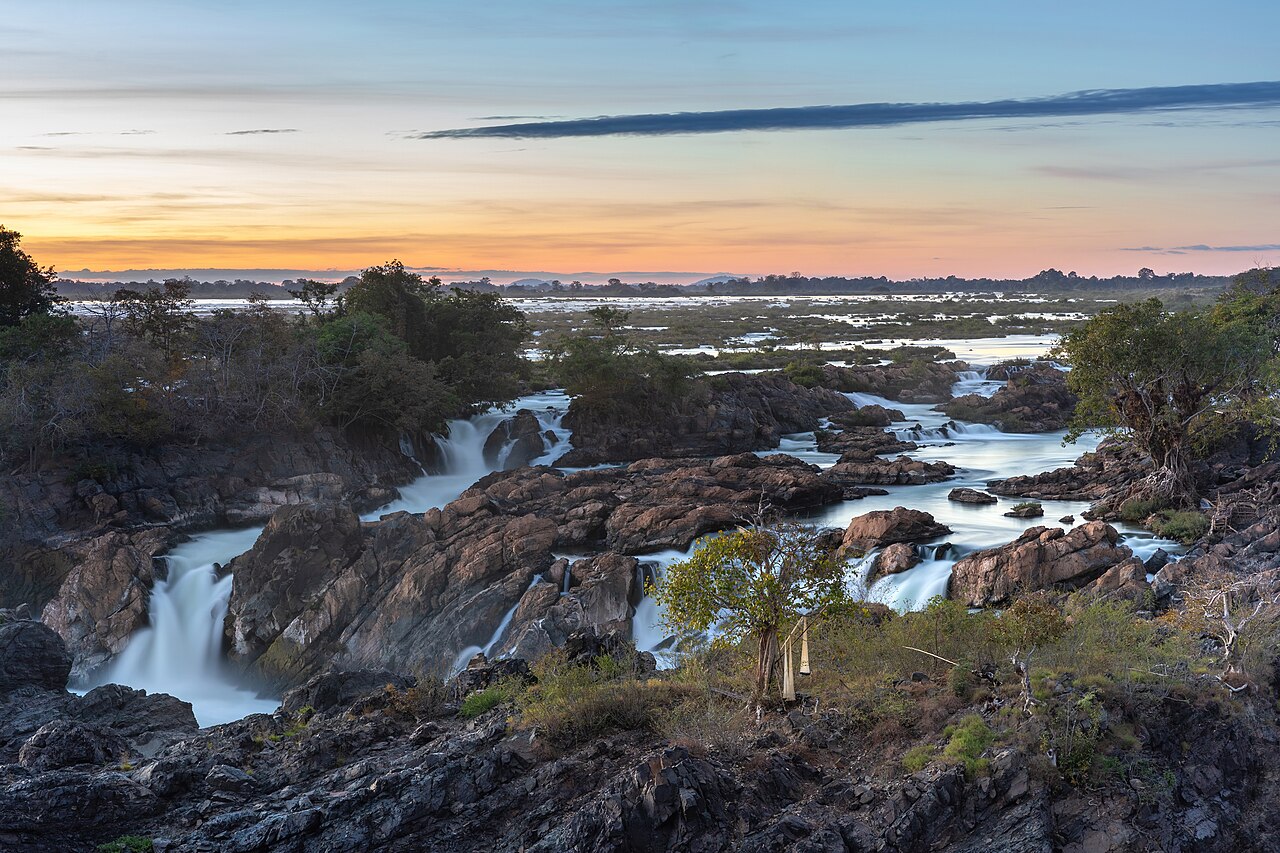 Wuyi Mountain
City guide · 12 tours
Nine bends of clear water, red sandstone cliffs, and the tea that made a mountain's name.
Wuyi Mountain
City guide · 12 tours
Nine bends of clear water, red sandstone cliffs, and the tea that made a mountain's name.
 Jiuzhaigou
City guide · 12 tours
108 mineral-blue lakes in one 55 km valley — the place that ruins water everywhere else for you.
Jiuzhaigou
City guide · 12 tours
108 mineral-blue lakes in one 55 km valley — the place that ruins water everywhere else for you.
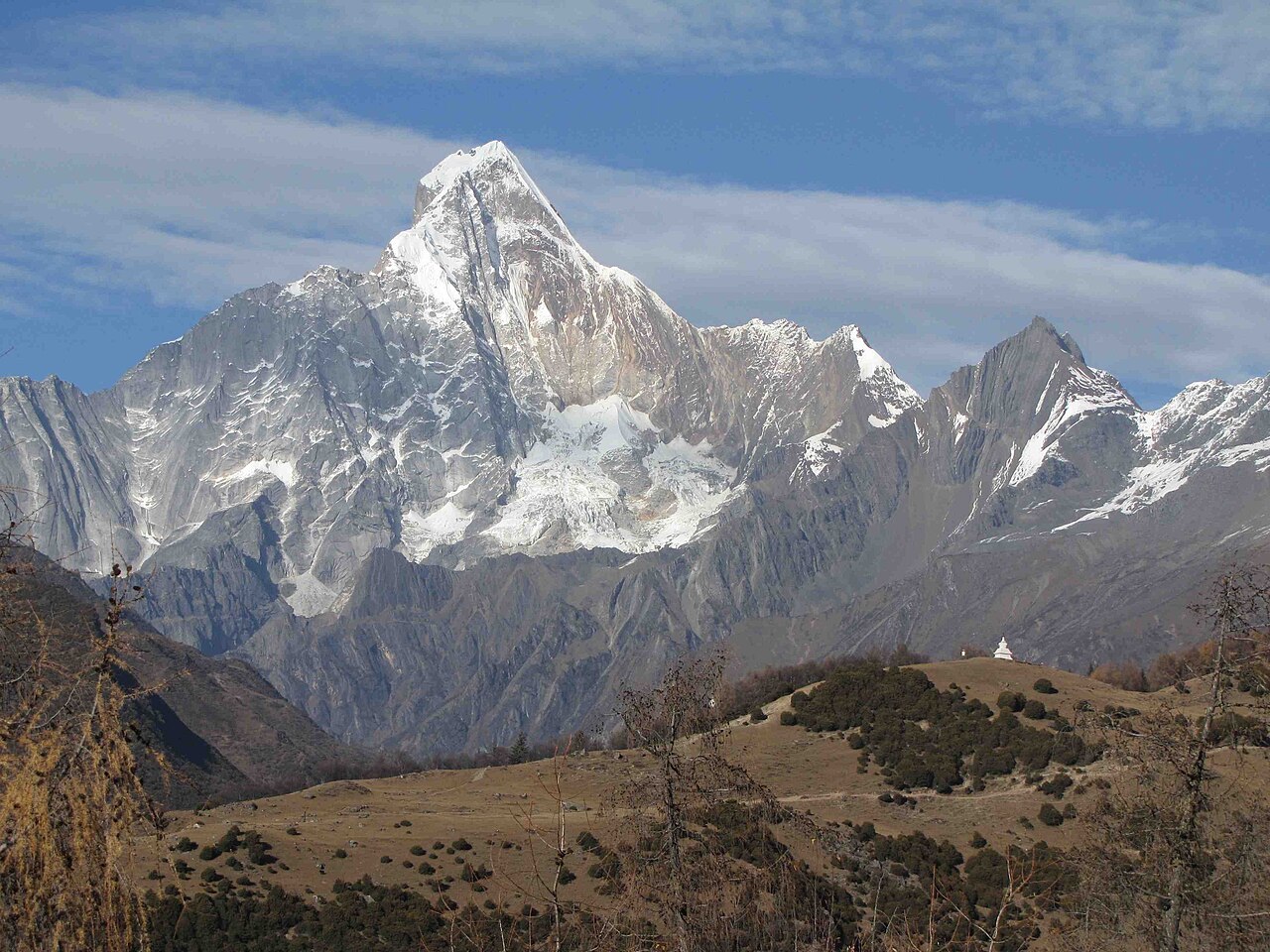 Mount Siguniang
City guide · 12 tours
Four snow peaks, three valleys, and the friendliest 5,000 m mountain in China to stand on top of.
Mount Siguniang
City guide · 12 tours
Four snow peaks, three valleys, and the friendliest 5,000 m mountain in China to stand on top of.
 Hailuogou
City guide · 12 tours
A glacier that comes down to 2,850 m, hot springs in the forest, and Gongga Shan filling the sky above both.
Hailuogou
City guide · 12 tours
A glacier that comes down to 2,850 m, hot springs in the forest, and Gongga Shan filling the sky above both.
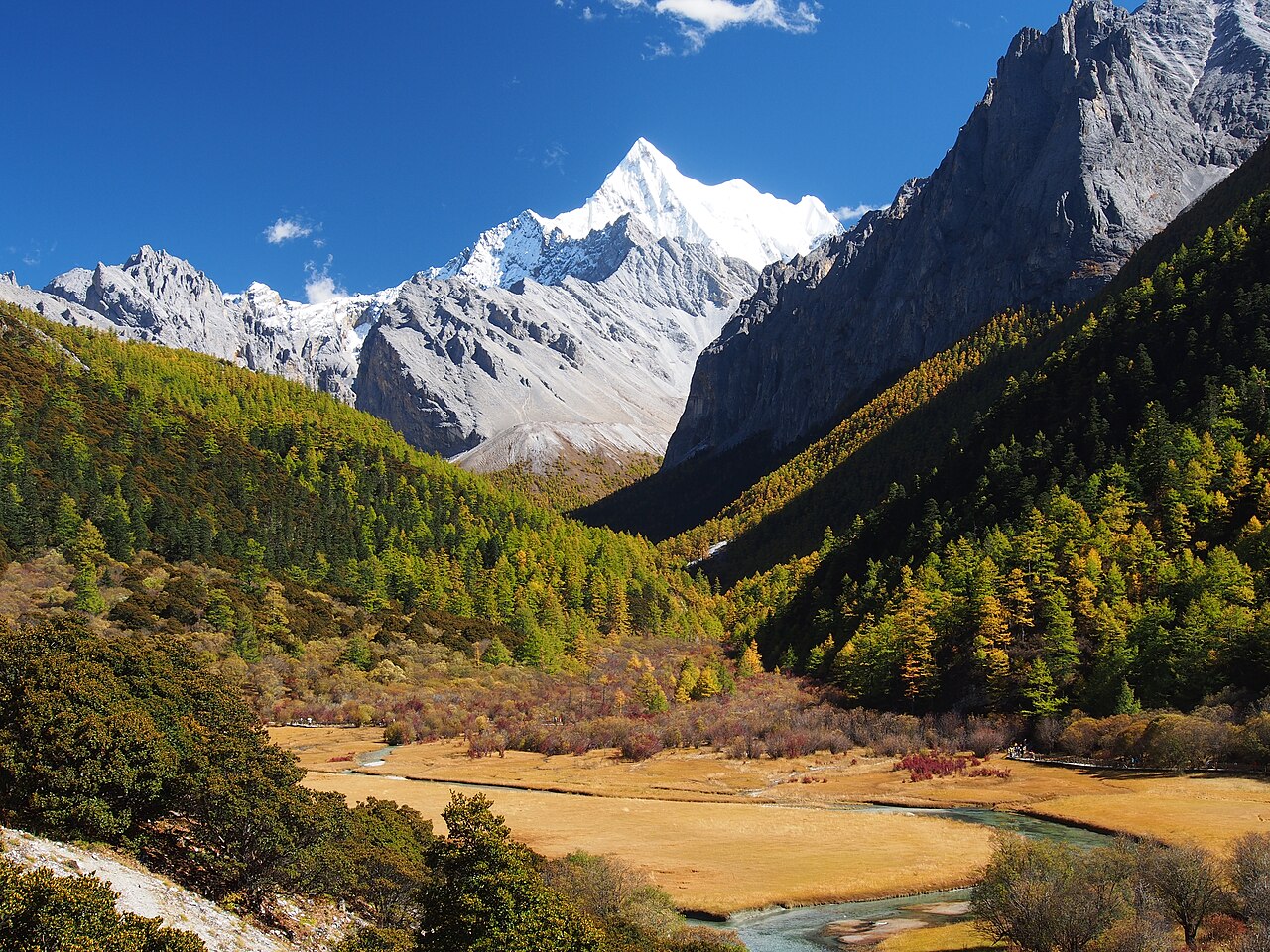 Daocheng Yading
City guide · 12 tours
Three 6,000 m sacred peaks, glacial lakes at 4,600 m and twenty hours of road — the hardest, highest payoff in Sichuan.
Daocheng Yading
City guide · 12 tours
Three 6,000 m sacred peaks, glacial lakes at 4,600 m and twenty hours of road — the hardest, highest payoff in Sichuan.
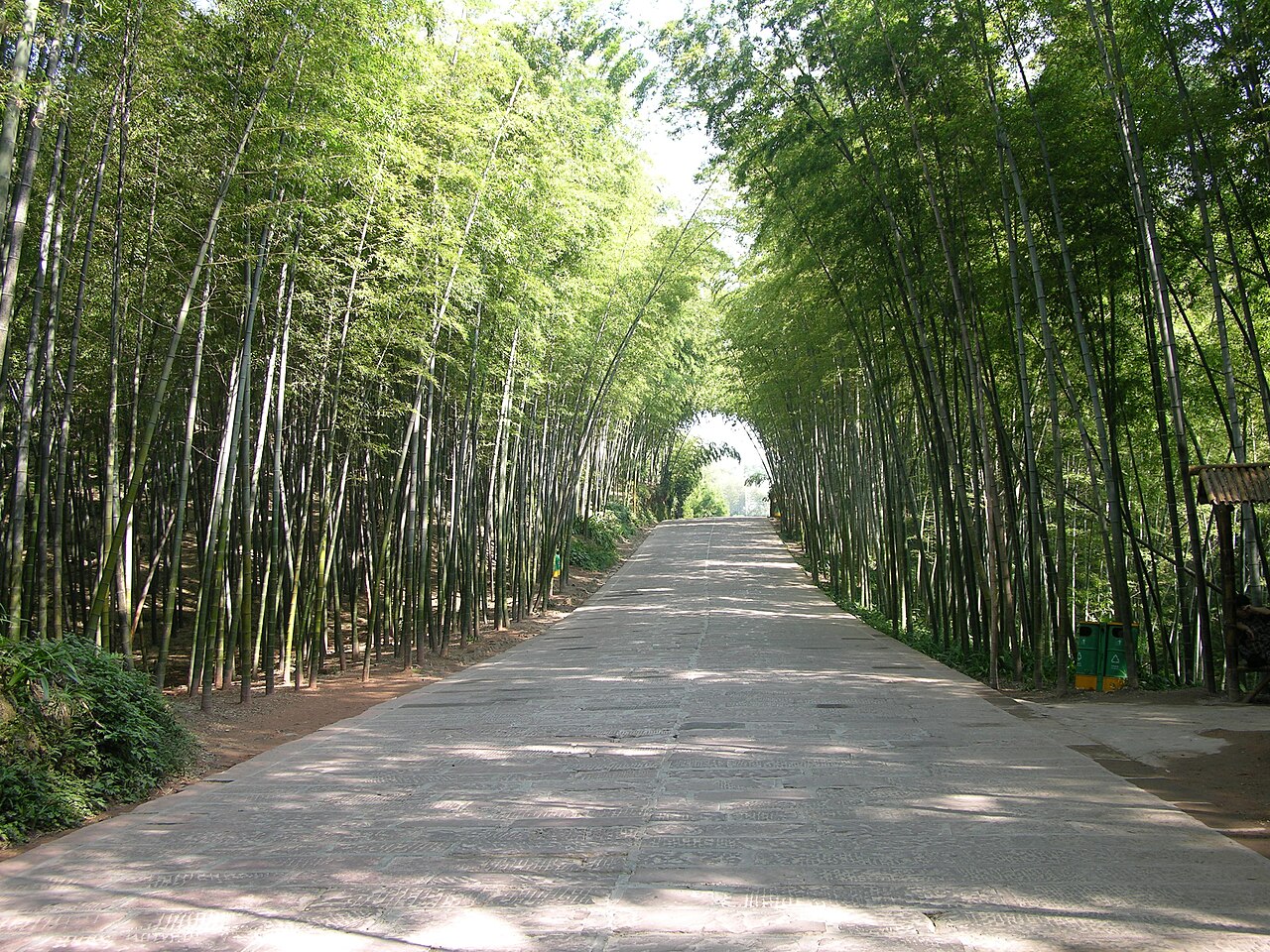 Shunan Bamboo Sea
City guide · 12 tours
Seventy thousand mu of bamboo over twenty-eight hills, a red sandstone corridor under a closed green roof, and a banquet made entirely of bamboo.
Shunan Bamboo Sea
City guide · 12 tours
Seventy thousand mu of bamboo over twenty-eight hills, a red sandstone corridor under a closed green roof, and a banquet made entirely of bamboo.
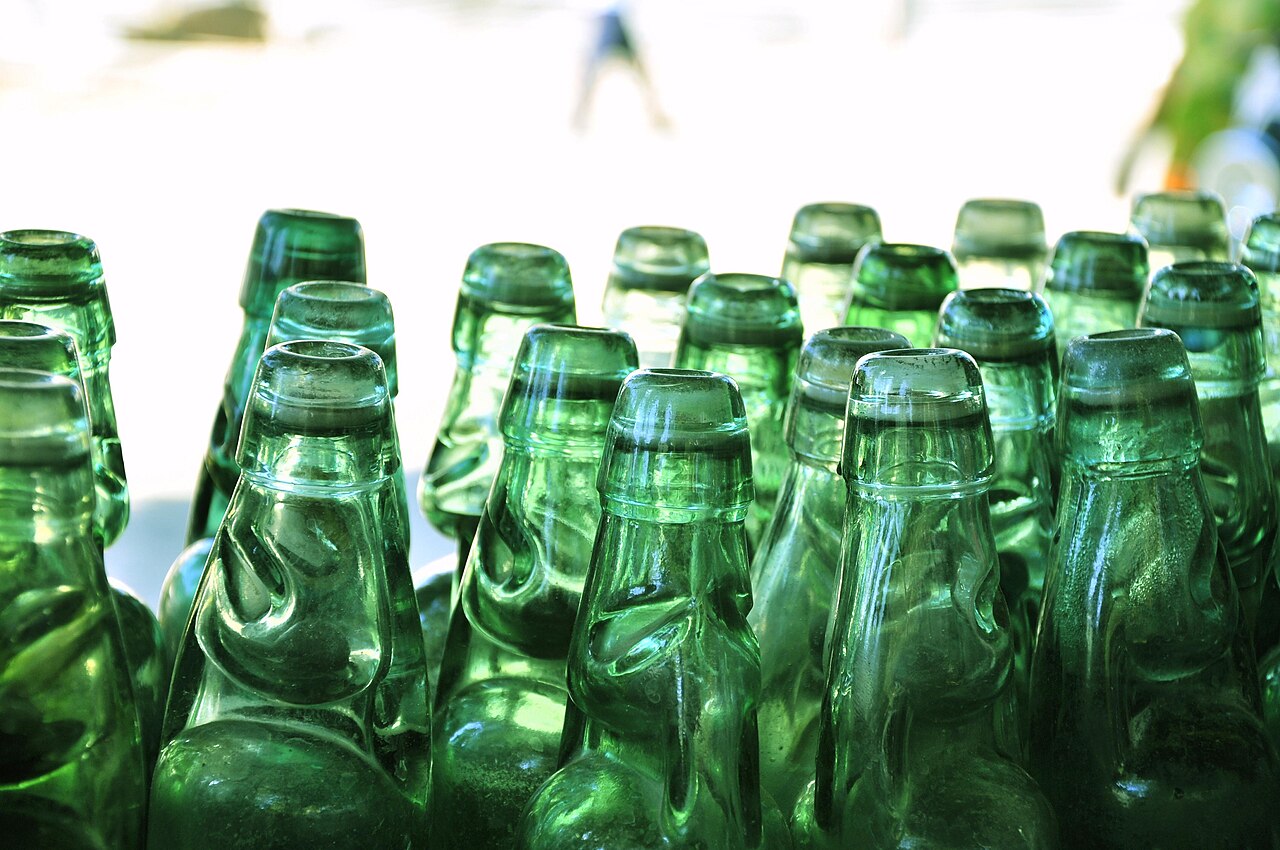 Dujiangyan
City guide · 12 tours
Not a monument but a machine: three pieces of engineering with no dam, still doing their job after 2,270 years.
Dujiangyan
City guide · 12 tours
Not a monument but a machine: three pieces of engineering with no dam, still doing their job after 2,270 years.
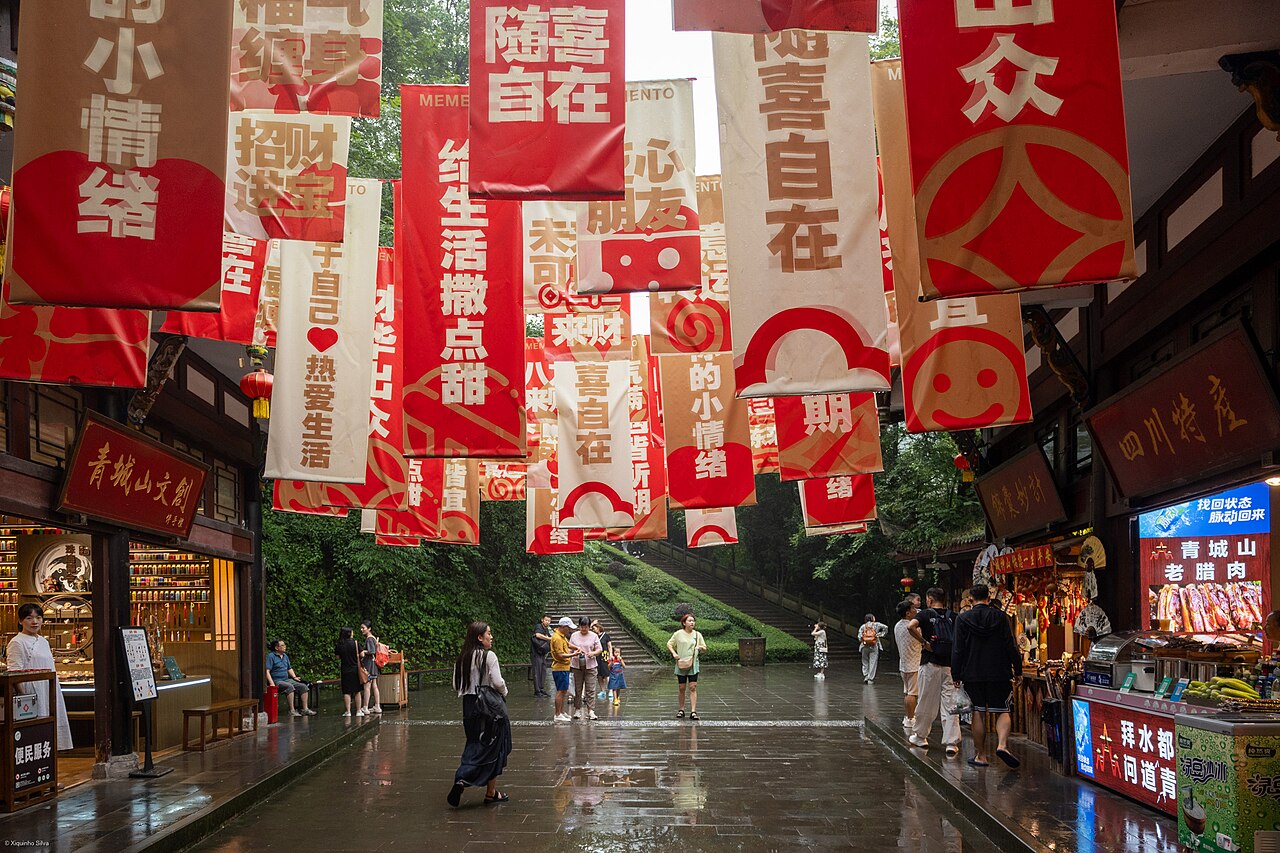 Qingcheng Mountain
City guide · 12 tours
The mountain where Daoism was organised, and the one Chengdu escapes to when the basin turns into an oven.
Qingcheng Mountain
City guide · 12 tours
The mountain where Daoism was organised, and the one Chengdu escapes to when the basin turns into an oven.
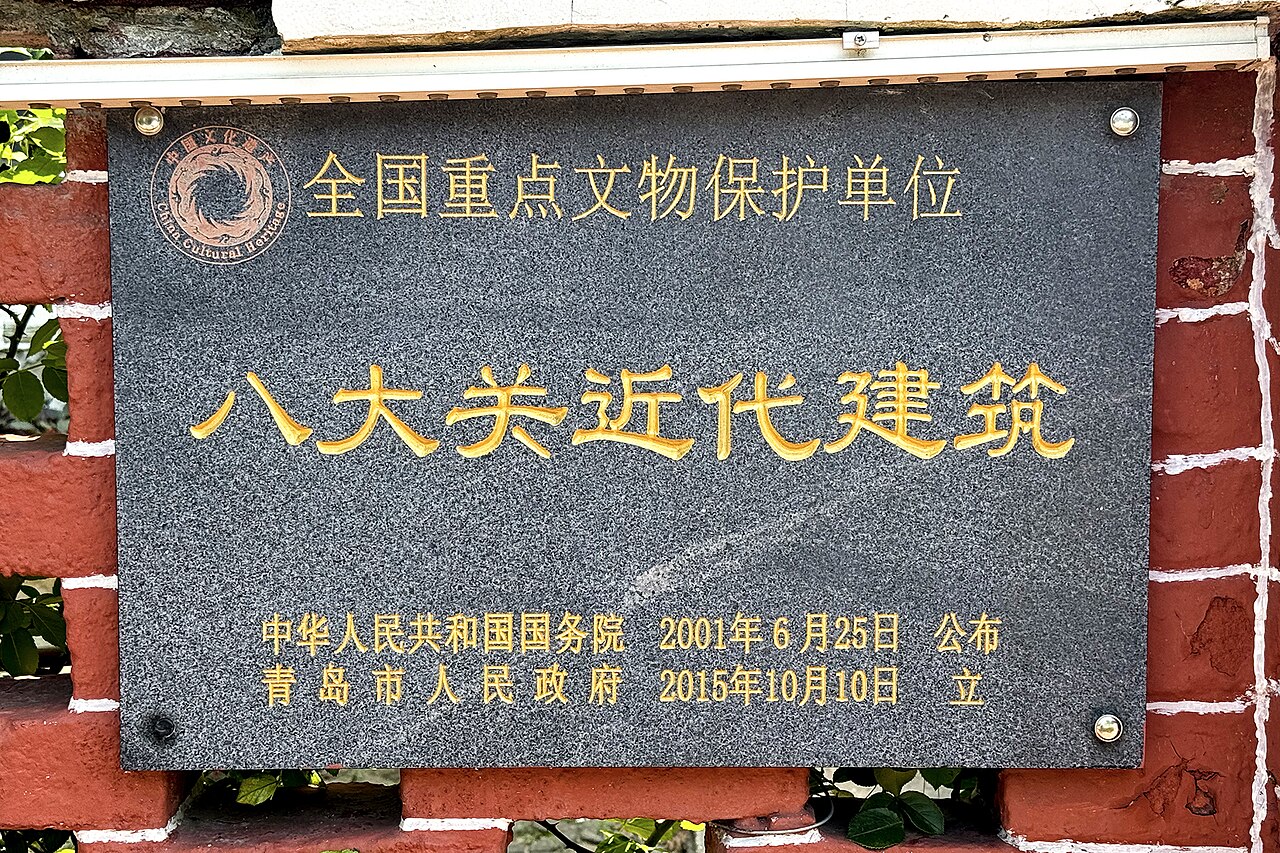 Qingdao
City guide · 12 tours
Red-tiled roofs, cold beer and a granite mountain that walks straight into the sea — the easiest good time on the Yellow Sea.
Qingdao
City guide · 12 tours
Red-tiled roofs, cold beer and a granite mountain that walks straight into the sea — the easiest good time on the Yellow Sea.
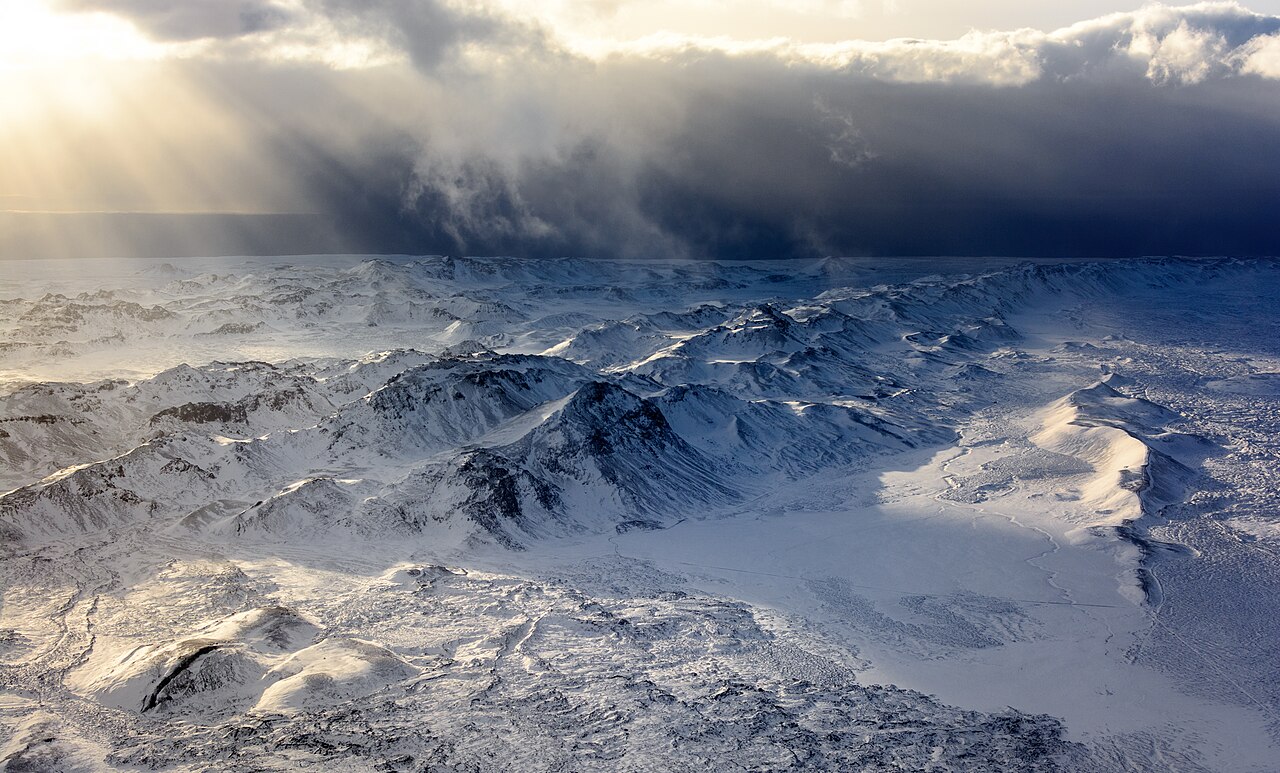 Mount Tai
City guide · 12 tours
1,545 metres, 6,290 stone steps and three thousand years of emperors — the one mountain in China that is also a document.
Mount Tai
City guide · 12 tours
1,545 metres, 6,290 stone steps and three thousand years of emperors — the one mountain in China that is also a document.
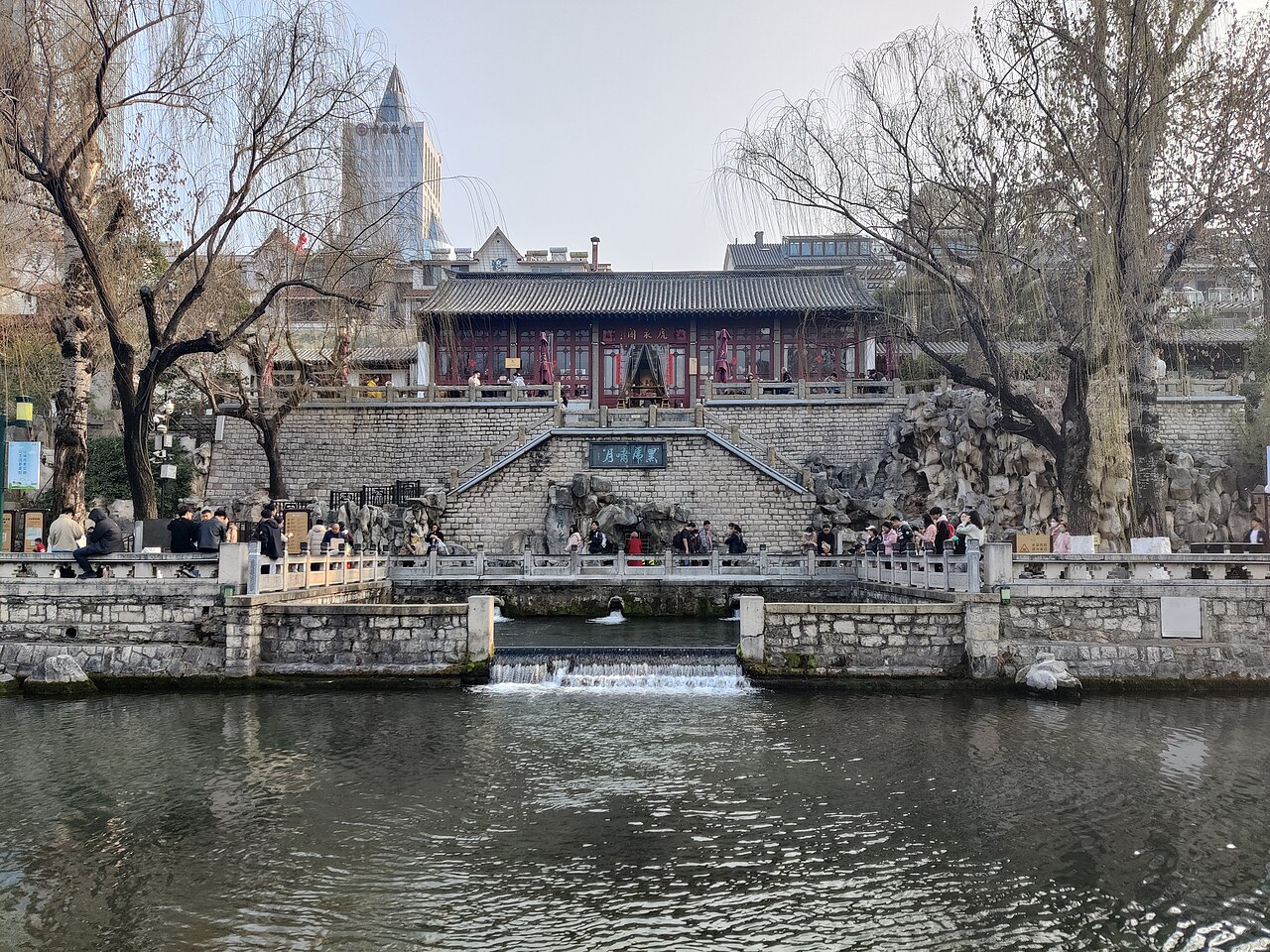 Jinan
City guide · 12 tours
A provincial capital with 700 springs under the pavement — people still queue at the spouts to fill their kettles.
Jinan
City guide · 12 tours
A provincial capital with 700 springs under the pavement — people still queue at the spouts to fill their kettles.
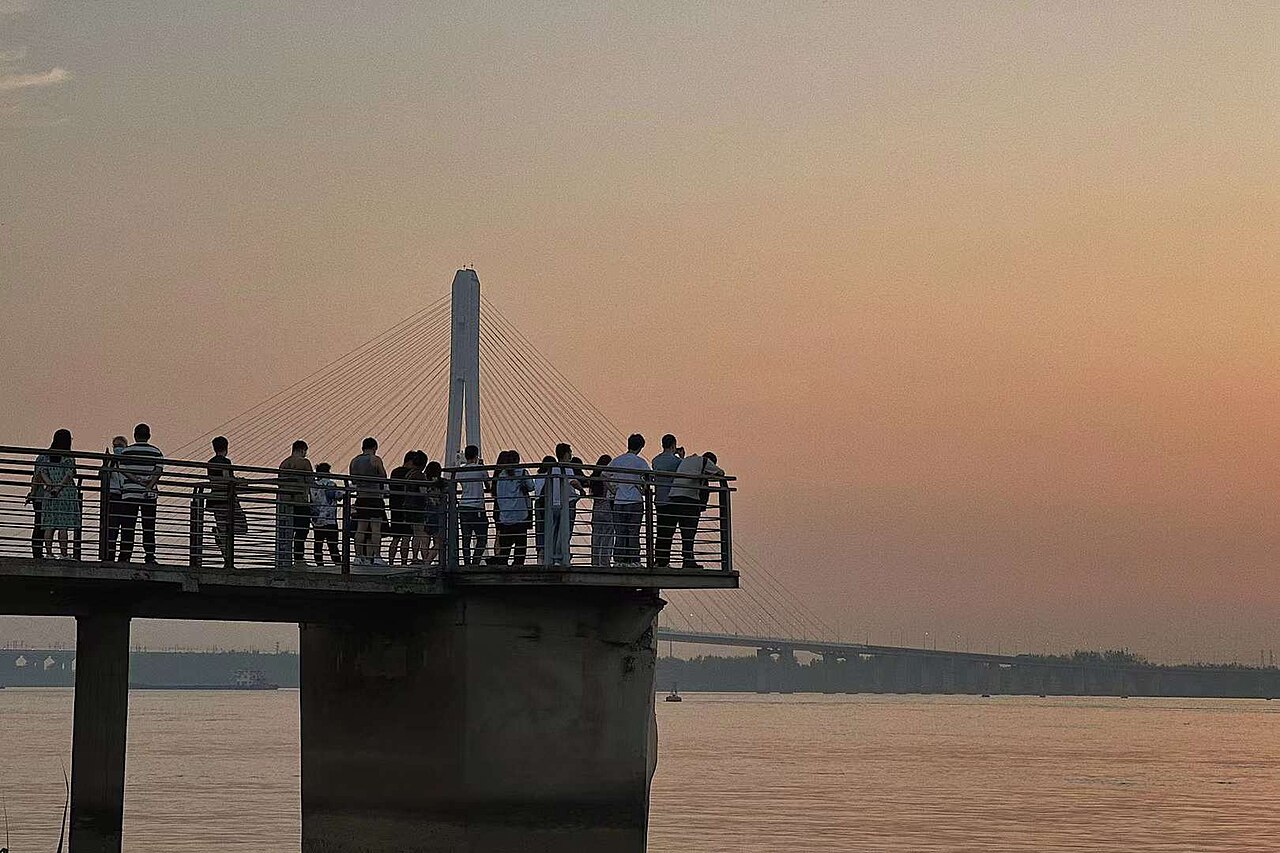 Weihai
City guide · 12 tours
1,000 km of clean coast, a free bathing beach, the island where the Beiyang Fleet died — and thousands of wild swans every winter.
Weihai
City guide · 12 tours
1,000 km of clean coast, a free bathing beach, the island where the Beiyang Fleet died — and thousands of wild swans every winter.
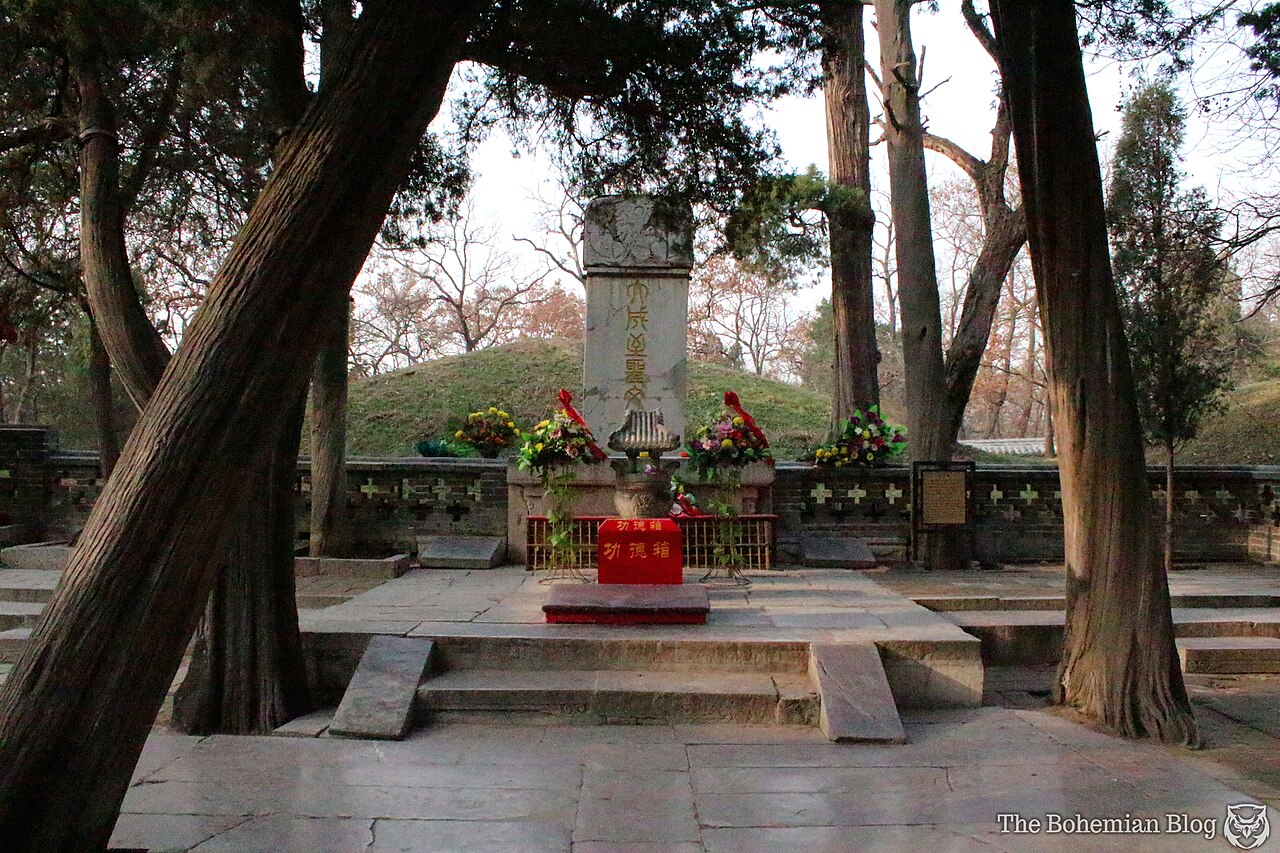 Qufu
City guide · 12 tours
One family, two thousand years of steles, and a ¥150 pass that covers the lot — the easiest serious day trip in Shandong.
Qufu
City guide · 12 tours
One family, two thousand years of steles, and a ¥150 pass that covers the lot — the easiest serious day trip in Shandong.
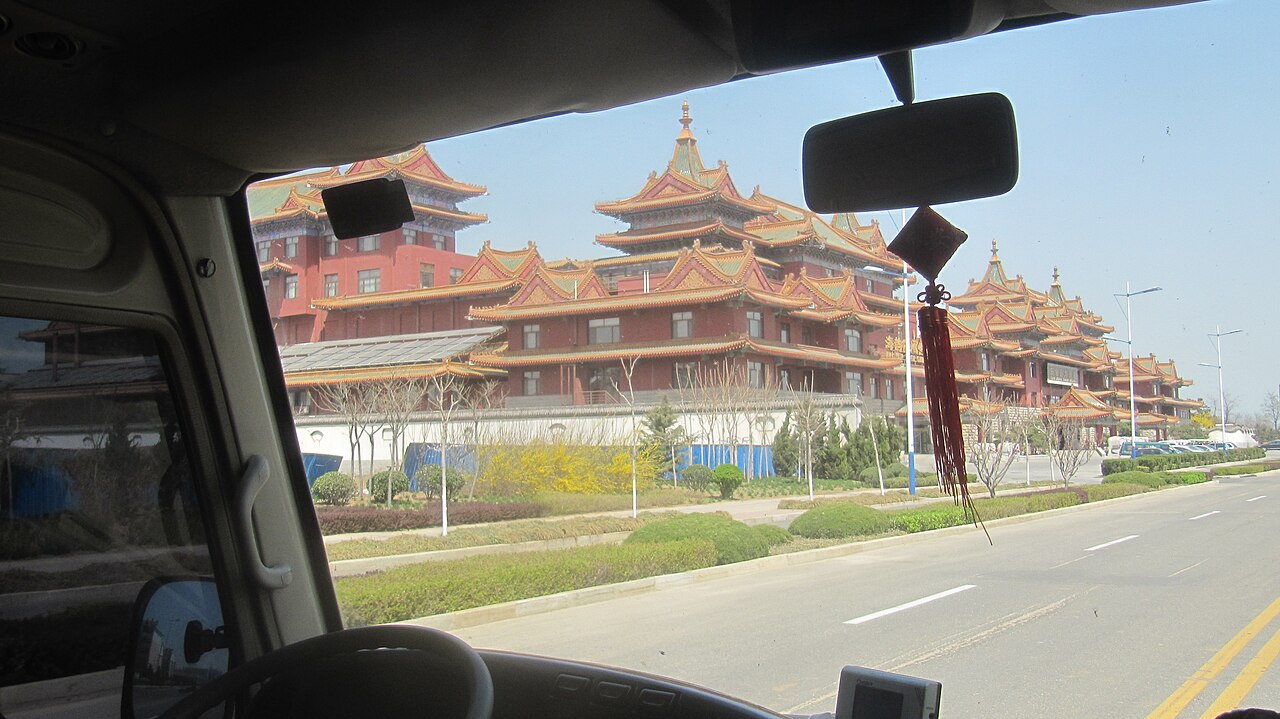 Penglai
City guide · 12 tours
China's immortals' coast — a Song-dynasty naval harbour you can walk for free, a mythology nobody ever found, and the ferry to 32 islands.
Penglai
City guide · 12 tours
China's immortals' coast — a Song-dynasty naval harbour you can walk for free, a mythology nobody ever found, and the ferry to 32 islands.
 Changdao
City guide · 12 tours
32 islands, one causeway, a ¥150 land pass, tens of thousands of gulls and nowhere you can drive — the place where everything happens by boat.
Changdao
City guide · 12 tours
32 islands, one causeway, a ¥150 land pass, tens of thousands of gulls and nowhere you can drive — the place where everything happens by boat.
 Nanjing
City guide · 12 tours
Capital of six dynasties, capital of the Republic, and the city that eats more duck than anywhere else on earth.
Nanjing
City guide · 12 tours
Capital of six dynasties, capital of the Republic, and the city that eats more duck than anywhere else on earth.
 Suzhou
City guide · 12 tours
Two thousand five hundred years of canals, sixty surviving gardens, and a city that shuts its gates at half past five.
Suzhou
City guide · 12 tours
Two thousand five hundred years of canals, sixty surviving gardens, and a city that shuts its gates at half past five.
 Zhouzhuang
City guide · 12 tours
Nine hundred years, fourteen bridges, one ticket — and a town that only makes sense before eight in the morning.
Zhouzhuang
City guide · 12 tours
Nine hundred years, fourteen bridges, one ticket — and a town that only makes sense before eight in the morning.
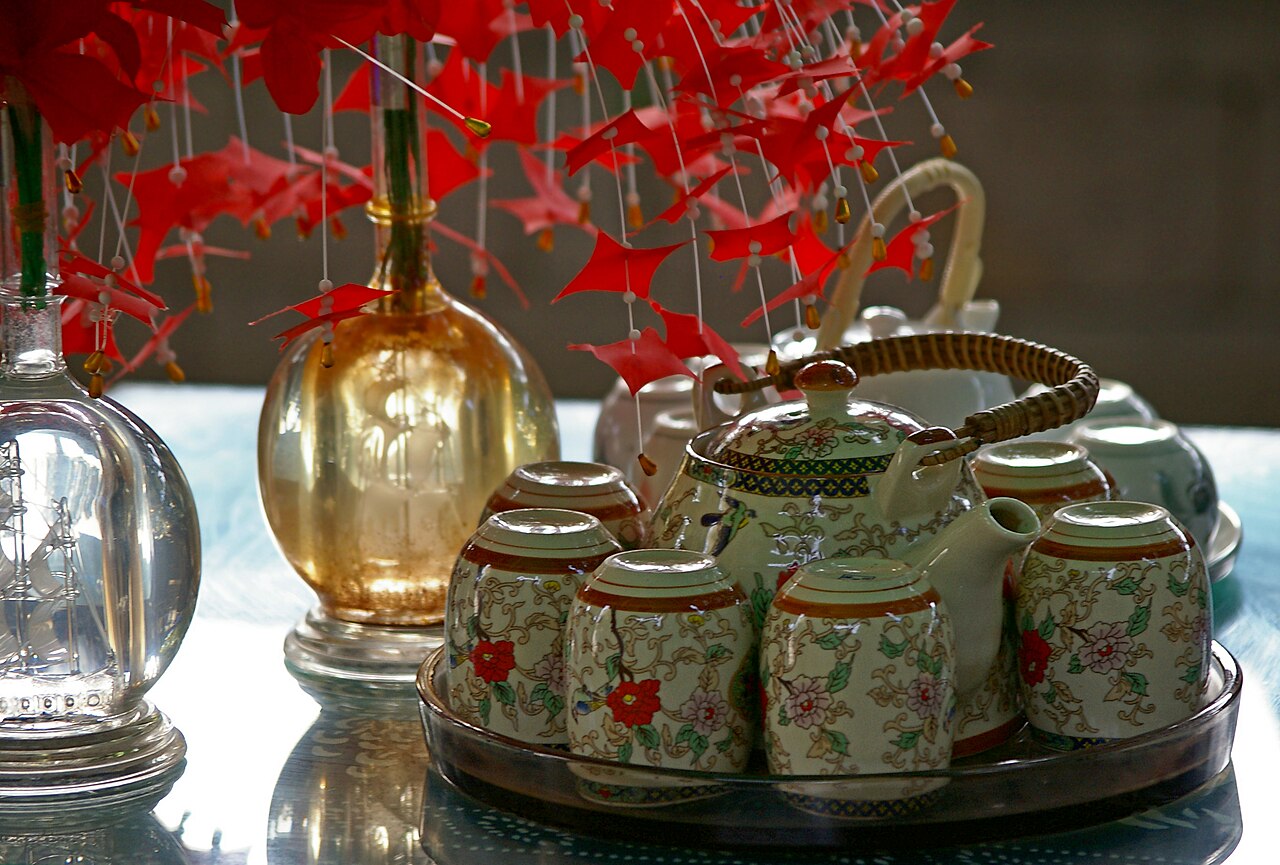 Tongli
City guide · 12 tours
Fifteen canals, seven islets, forty-nine bridges — and a town that still gets up at dawn because it lives here.
Tongli
City guide · 12 tours
Fifteen canals, seven islets, forty-nine bridges — and a town that still gets up at dawn because it lives here.
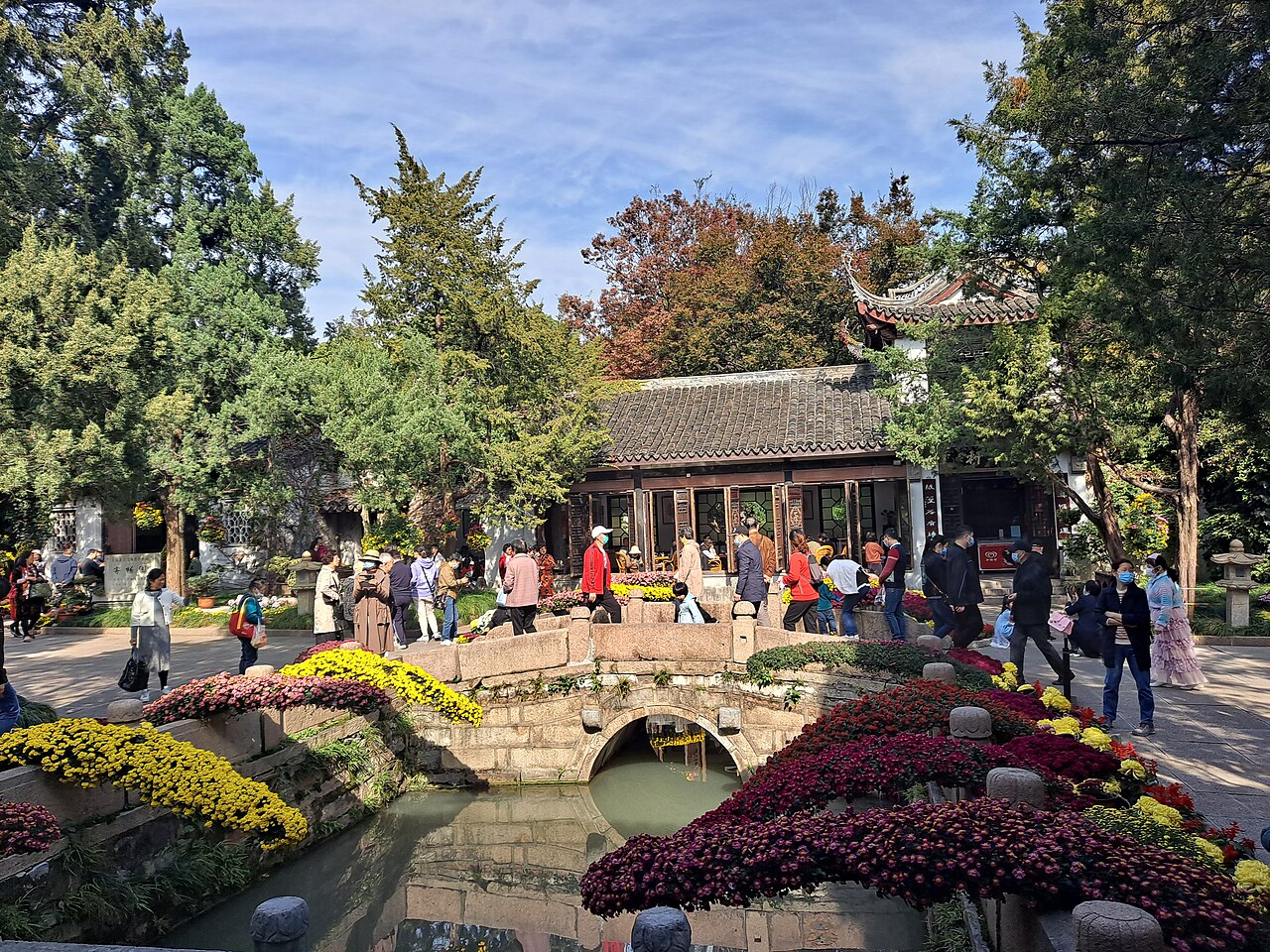 Wuxi
City guide · 12 tours
Taihu on one side, a Grand Buddha on the next hill, and ribs sweet enough to argue about — the most underrated city on the Yangtze delta.
Wuxi
City guide · 12 tours
Taihu on one side, a Grand Buddha on the next hill, and ribs sweet enough to argue about — the most underrated city on the Yangtze delta.
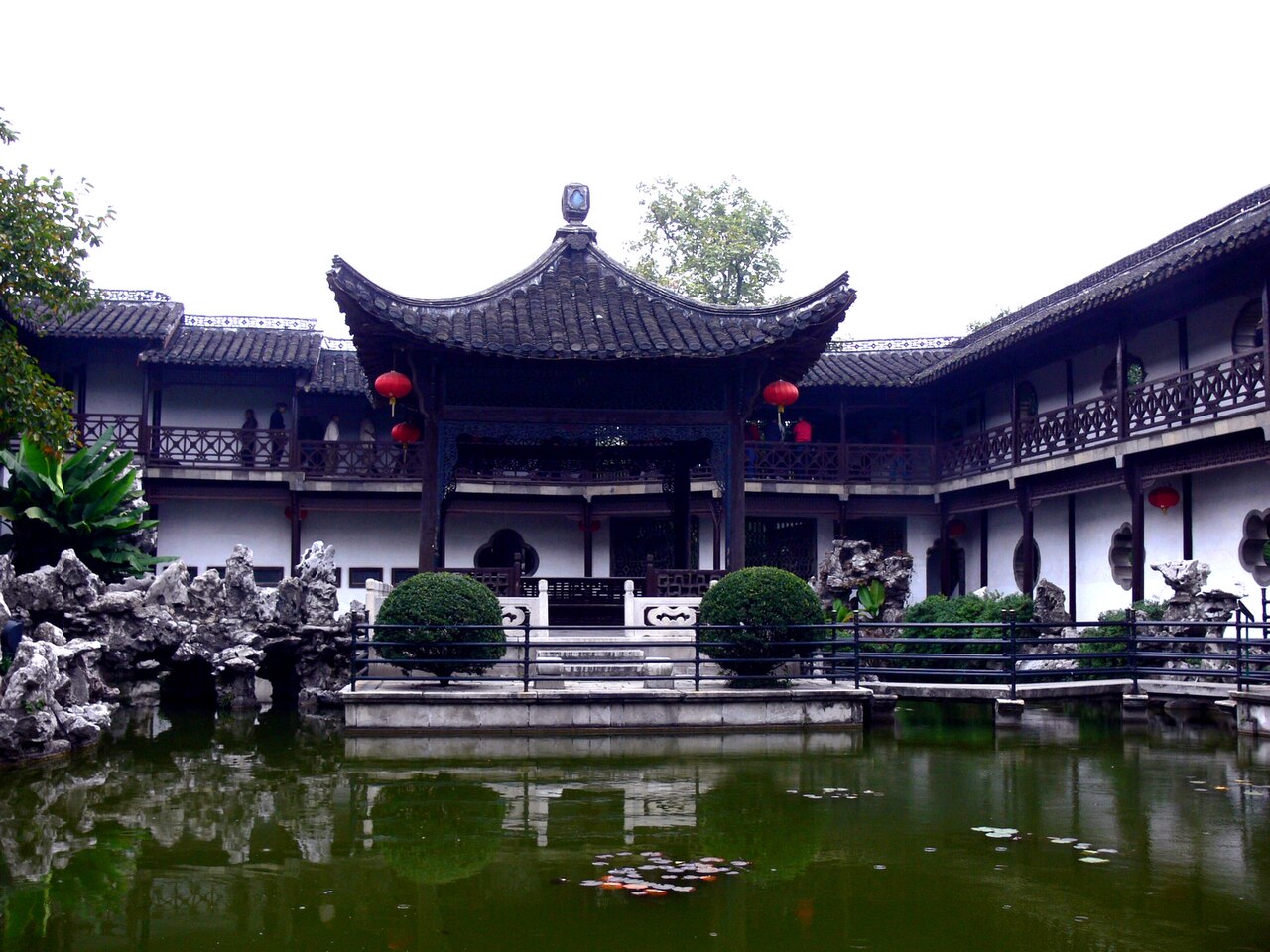 Yangzhou
City guide · 12 tours
A city built by salt merchants who had more money than restraint — gardens, a narrow lake, and the best breakfast in China.
Yangzhou
City guide · 12 tours
A city built by salt merchants who had more money than restraint — gardens, a narrow lake, and the best breakfast in China.
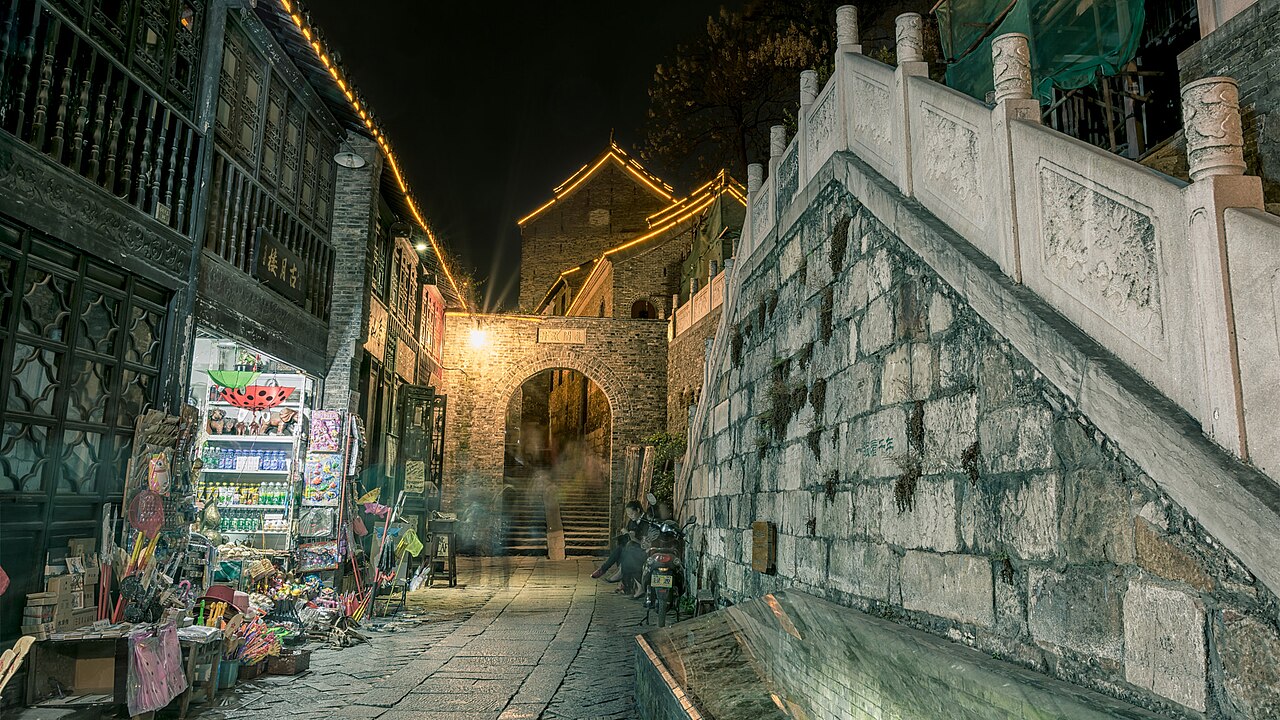 Zhenjiang
City guide · 12 tours
Three hills, one ferry landing, and an unreasonable share of Chinese literature — the Yangtze city people drive past.
Zhenjiang
City guide · 12 tours
Three hills, one ferry landing, and an unreasonable share of Chinese literature — the Yangtze city people drive past.
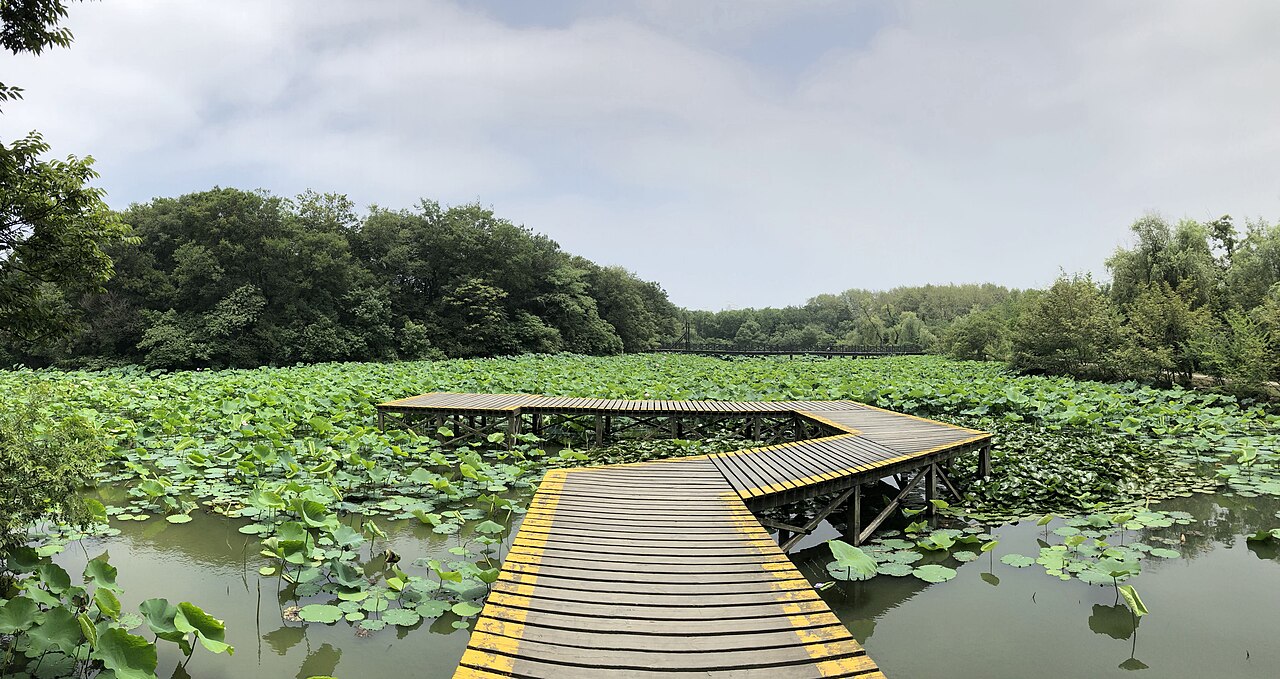 Changzhou
City guide · 12 tours
A 2,500-year-old canal city that built a dinosaur park and refuses to apologise for it.
Changzhou
City guide · 12 tours
A 2,500-year-old canal city that built a dinosaur park and refuses to apologise for it.
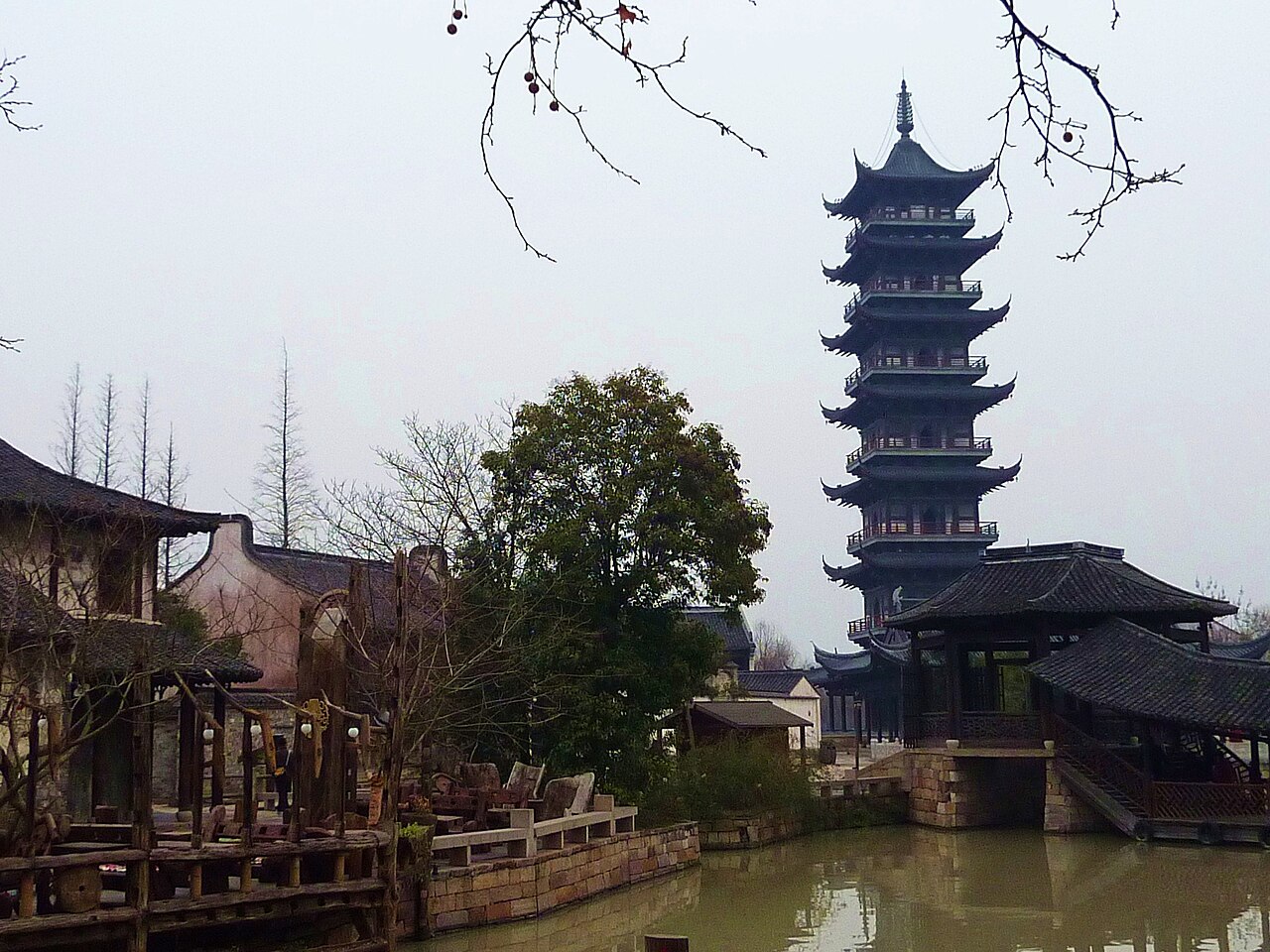 Wuzhen
City guide · 12 tours
A town that is two towns: the older, quieter East Zone and the lit-up West Zone you sleep inside.
Wuzhen
City guide · 12 tours
A town that is two towns: the older, quieter East Zone and the lit-up West Zone you sleep inside.
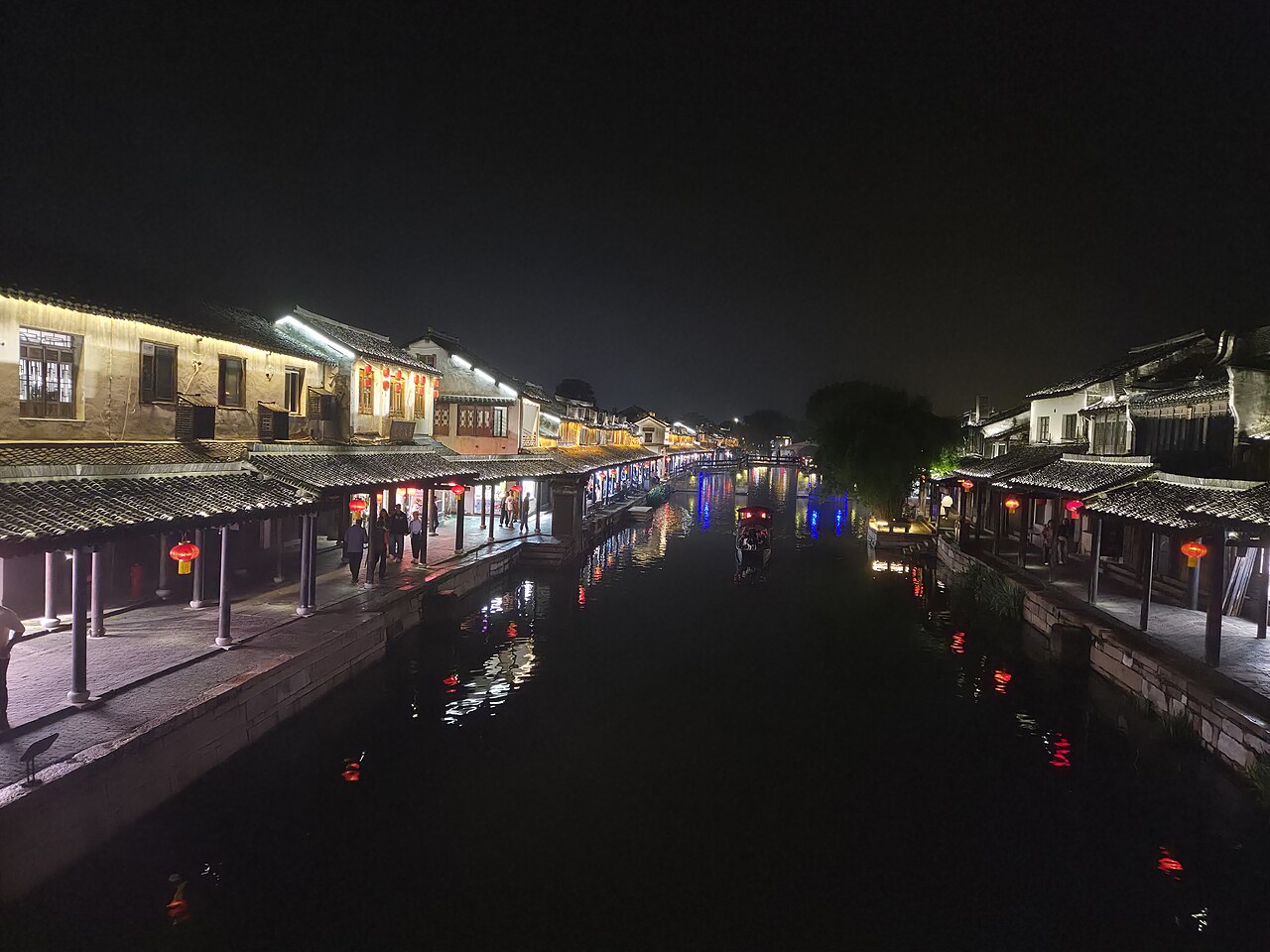 Xitang
City guide · 12 tours
Nine canals, 122 lanes, one long roofed corridor — and a town that still works for a living.
Xitang
City guide · 12 tours
Nine canals, 122 lanes, one long roofed corridor — and a town that still works for a living.
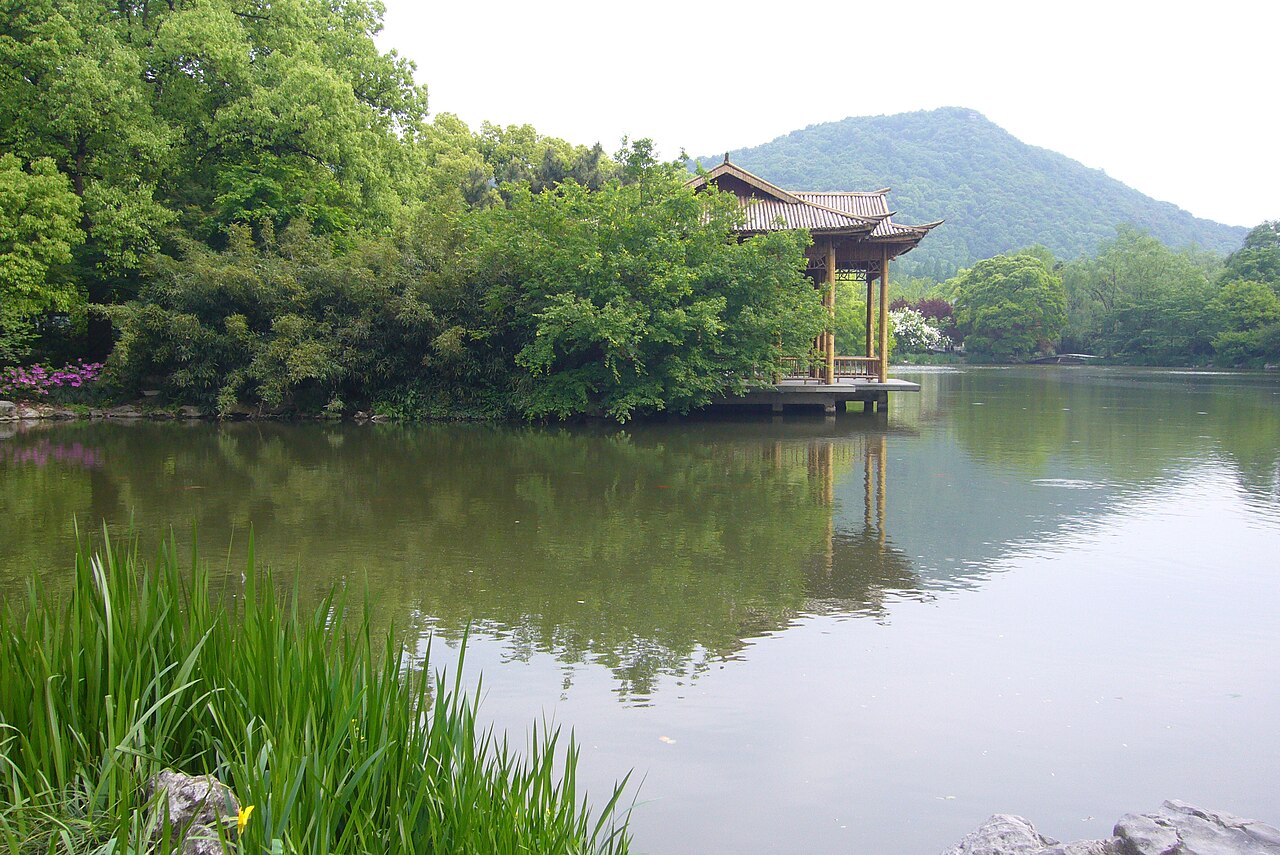 Hangzhou
City guide · 12 tours
A lake in the middle of a city, a tea village in the hills, and two thousand years of getting the mood right.
Hangzhou
City guide · 12 tours
A lake in the middle of a city, a tea village in the hills, and two thousand years of getting the mood right.
 Xixi Wetland
City guide · 12 tours
Ten square kilometres of marsh inside Hangzhou, and the only way into half of it is a boat.
Xixi Wetland
City guide · 12 tours
Ten square kilometres of marsh inside Hangzhou, and the only way into half of it is a boat.
 Ningbo
City guide · 12 tours
A 7,000-year-old port with Asia's oldest private library, a free waterfront 20 years older than Shanghai's, and the best seafood before the islands.
Ningbo
City guide · 12 tours
A 7,000-year-old port with Asia's oldest private library, a free waterfront 20 years older than Shanghai's, and the best seafood before the islands.
 Mount Putuo
City guide · 12 tours
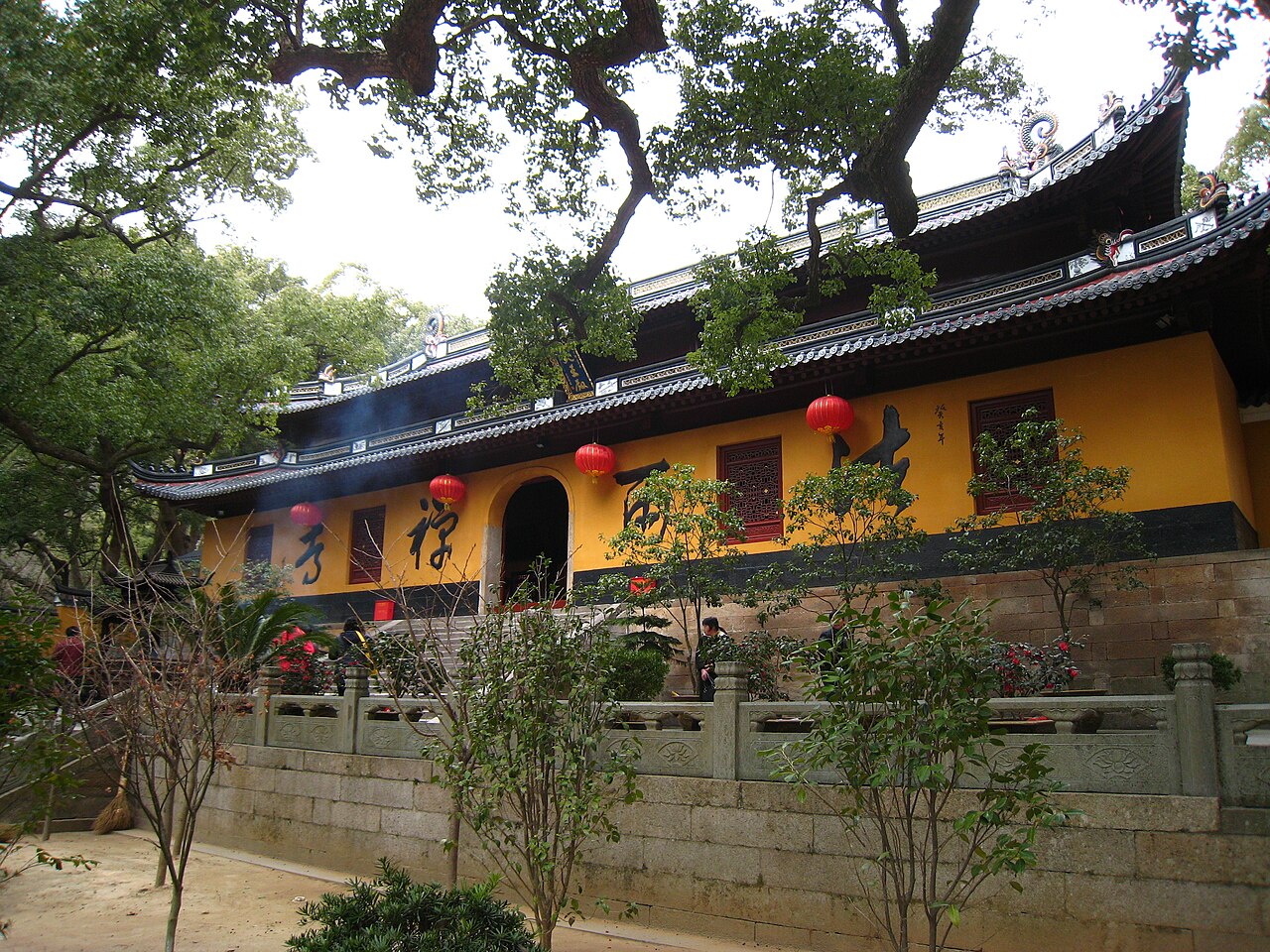
A Buddhist island with no cars, three great temples and a ¥10 lunch that is the point of the place.
Mount Putuo
City guide · 12 tours
A Buddhist island with no cars, three great temples and a ¥10 lunch that is the point of the place.
 Qiandao Lake
City guide · 12 tours
A thousand islands that did not exist sixty years ago, and the cleanest big-lake water in China.
Qiandao Lake
City guide · 12 tours
A thousand islands that did not exist sixty years ago, and the cleanest big-lake water in China.
 Shaoxing
City guide · 12 tours
Two and a half thousand years of water-town China, and Lu Xun's house is free.
Shaoxing
City guide · 12 tours
Two and a half thousand years of water-town China, and Lu Xun's house is free.
 Zhoushan
City guide · 12 tours
1,390 islands, one road bridge in, and a harbour that lands more fish than almost anywhere on earth.
Zhoushan
City guide · 12 tours
1,390 islands, one road bridge in, and a harbour that lands more fish than almost anywhere on earth.
 Hengdian
City guide · 12 tours
A backlot the size of a town, where the palaces are copies and the film crews are real.
Hengdian
City guide · 12 tours
A backlot the size of a town, where the palaces are copies and the film crews are real.
 Yandang Mountain
City guide · 12 tours
A volcano that weathering turned into scenery — 500-odd sights of peak, cave and waterfall across eight scenic areas.
Yandang Mountain
City guide · 12 tours
A volcano that weathering turned into scenery — 500-odd sights of peak, cave and waterfall across eight scenic areas.
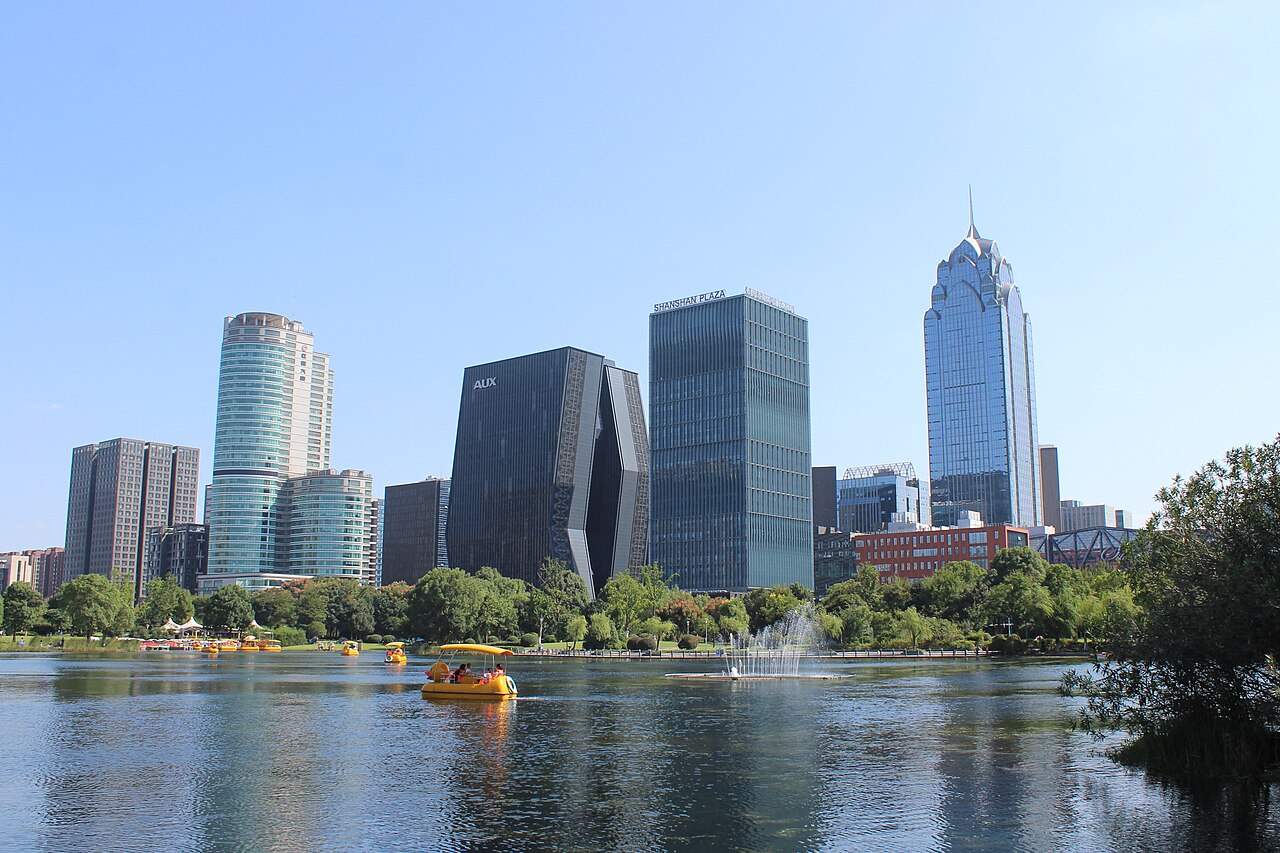 Zhejiang
City guide · 12 tours
One small, mountainous, absurdly rich province that holds a lake, two canal towns, a Buddhist island and a dead volcano.
Zhejiang
City guide · 12 tours
One small, mountainous, absurdly rich province that holds a lake, two canal towns, a Buddhist island and a dead volcano.
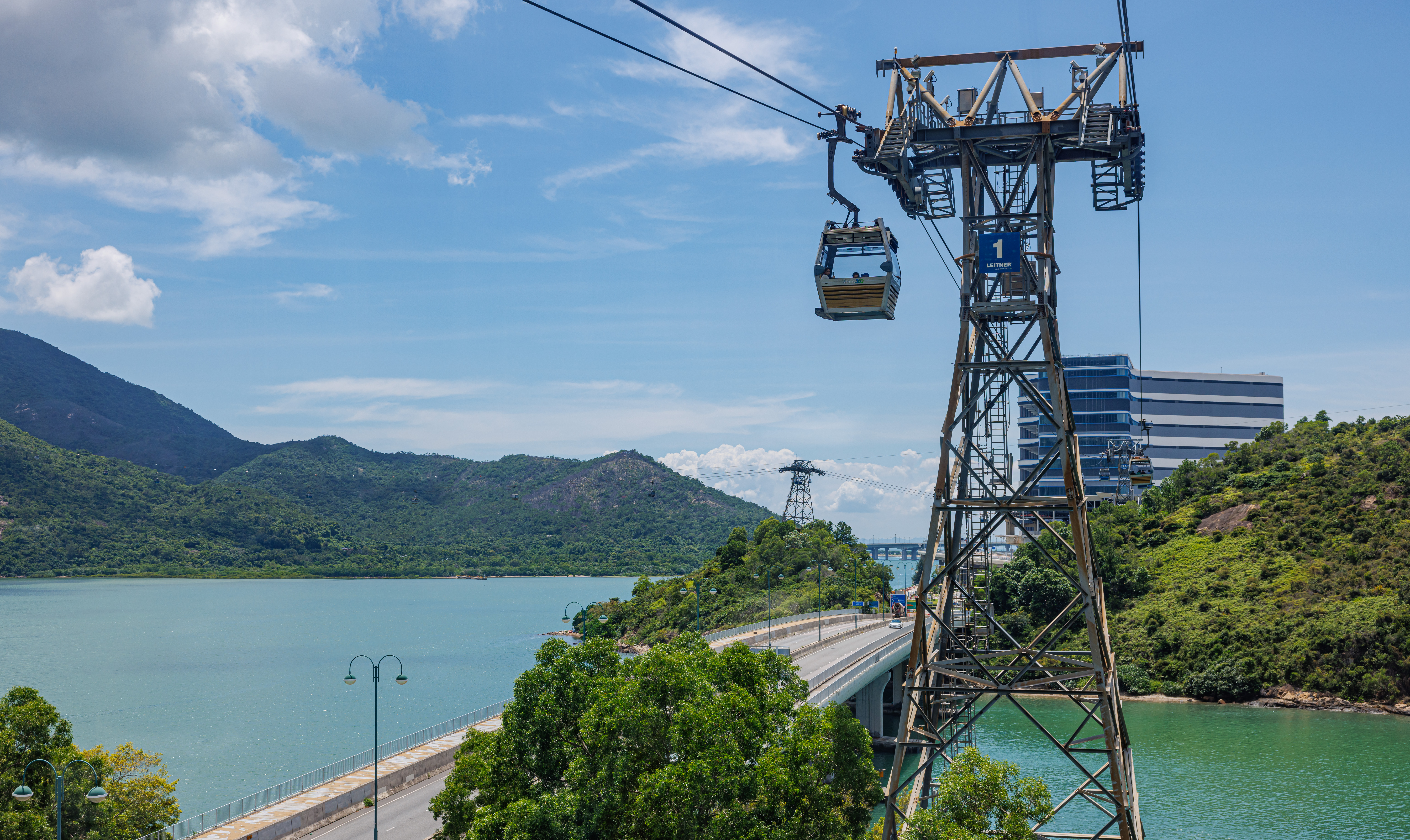 Hong Kong Outlying Islands
City guide · 12 tours
Two hundred-odd islands, half an hour of ferry from the financial district, and not a car on three of them.
Hong Kong Outlying Islands
City guide · 12 tours
Two hundred-odd islands, half an hour of ferry from the financial district, and not a car on three of them.
 Hong Kong Shopping
City guide · 12 tours
A duty-free port where the tag starts lower, two citywide sale seasons knock a third off, and every mall sits on an MTR exit.
Hong Kong Shopping
City guide · 12 tours
A duty-free port where the tag starts lower, two citywide sale seasons knock a third off, and every mall sits on an MTR exit.
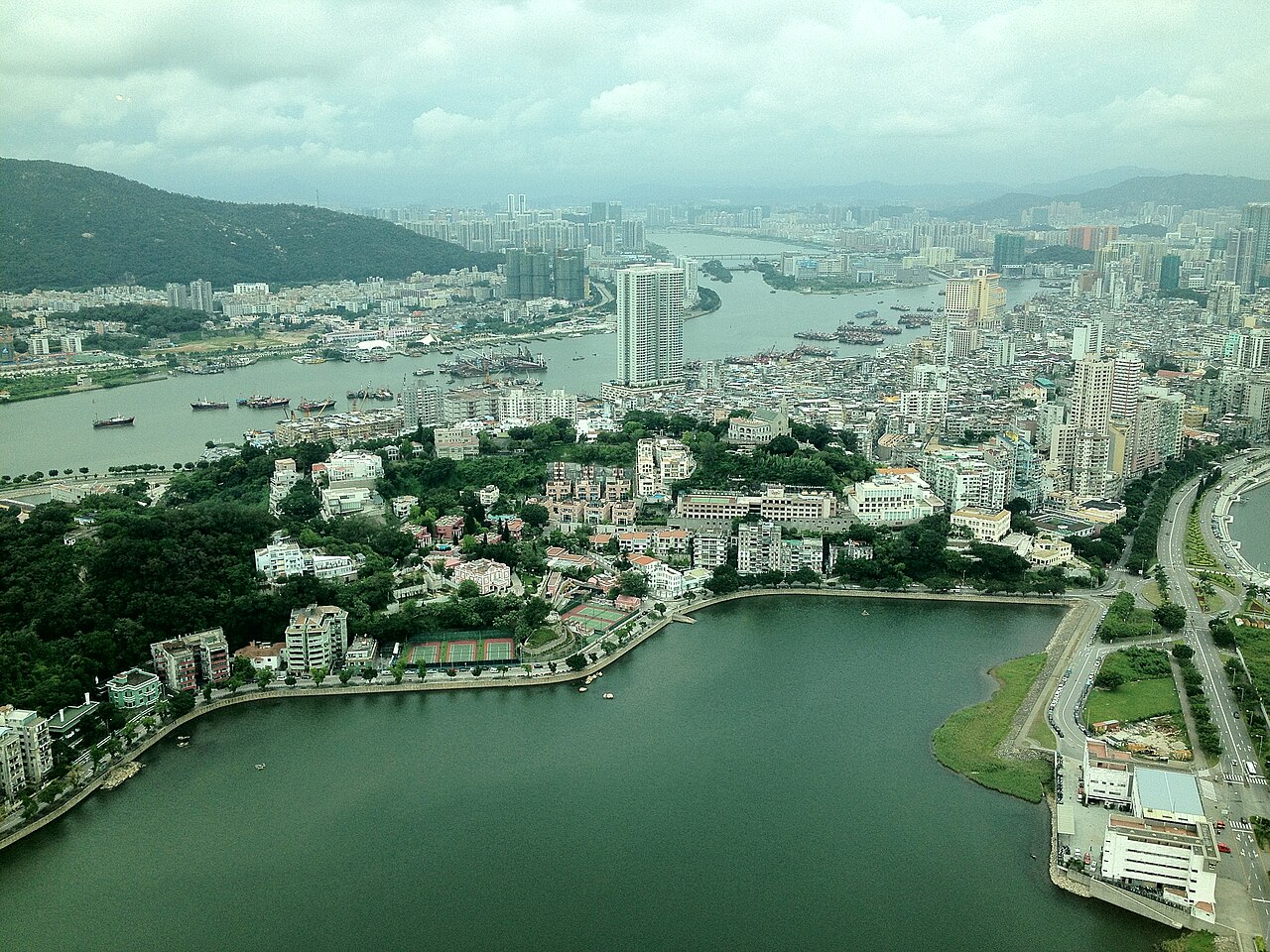 Macao
City guide · 12 tours
Four hundred years of Portuguese streets, a fake Venice under a painted sky, and the best egg tart in Asia.
Macao
City guide · 12 tours
Four hundred years of Portuguese streets, a fake Venice under a painted sky, and the best egg tart in Asia.
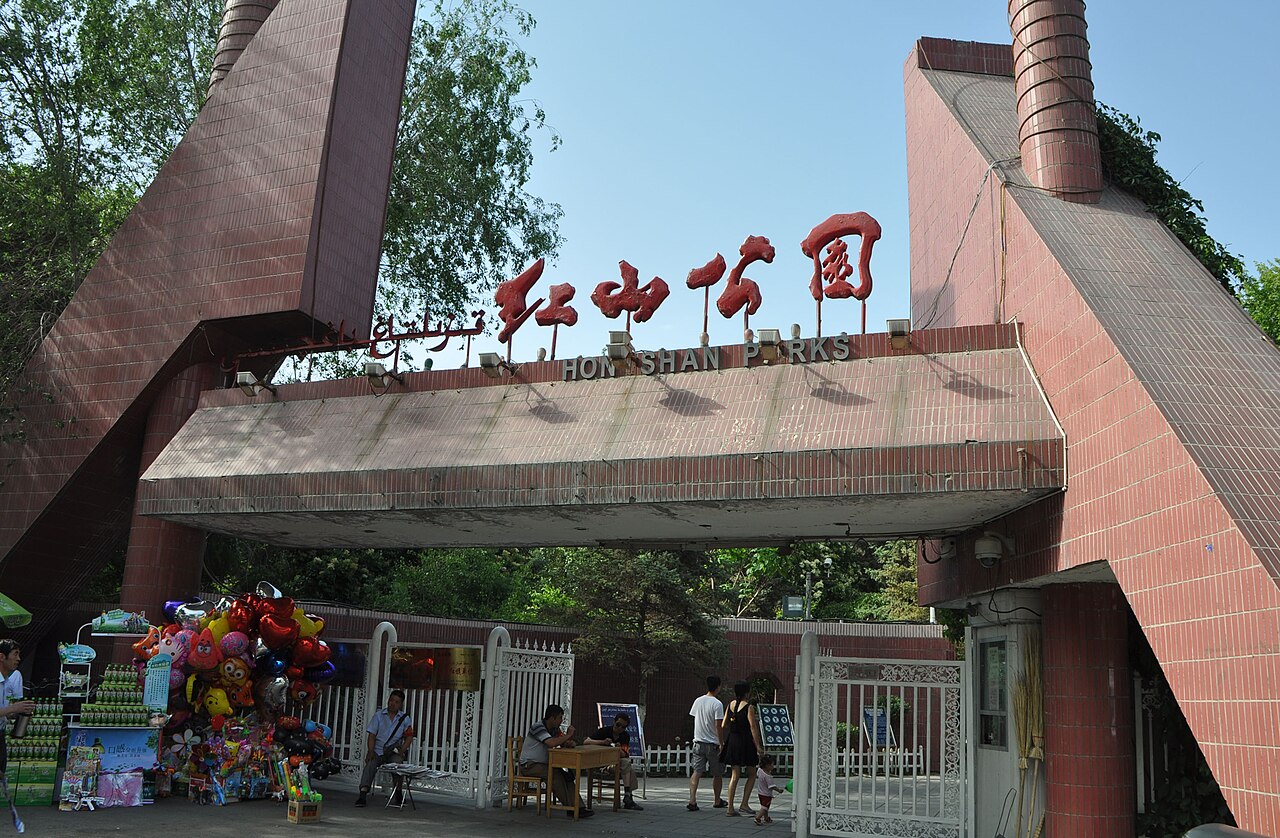 Urumqi
City guide · 12 tours
The city furthest from the sea, with a snow range on its doorstep and dinner starting at nine.
Urumqi
City guide · 12 tours
The city furthest from the sea, with a snow range on its doorstep and dinner starting at nine.
 Hong Kong SAR, China
City guide · 11 tours
A harbour skyline you already know by heart, dim sum trolleys at dawn, and 260 islands an hour from the neon.
Hong Kong SAR, China
City guide · 11 tours
A harbour skyline you already know by heart, dim sum trolleys at dawn, and 260 islands an hour from the neon.
 Taiwan, China
City guide · 11 tours
Night-market alleys, high-mountain railways, and a coastline that changes character every hundred kilometres.
Taiwan, China
City guide · 11 tours
Night-market alleys, high-mountain railways, and a coastline that changes character every hundred kilometres.
 Qinghai Lake
City guide · 12 tours
A 4,400 sq km inland sea at 3,200 m, ringed by rapeseed gold, prayer flags and the best cycling road in China.
Qinghai Lake
City guide · 12 tours
A 4,400 sq km inland sea at 3,200 m, ringed by rapeseed gold, prayer flags and the best cycling road in China.
 Mount Emei
City guide · 11 tours
A 3,099-metre Buddhist summit you can reach by cable car before lunch — and a mountain full of monkeys that will absolutely rob you.
Mount Emei
City guide · 11 tours
A 3,099-metre Buddhist summit you can reach by cable car before lunch — and a mountain full of monkeys that will absolutely rob you.
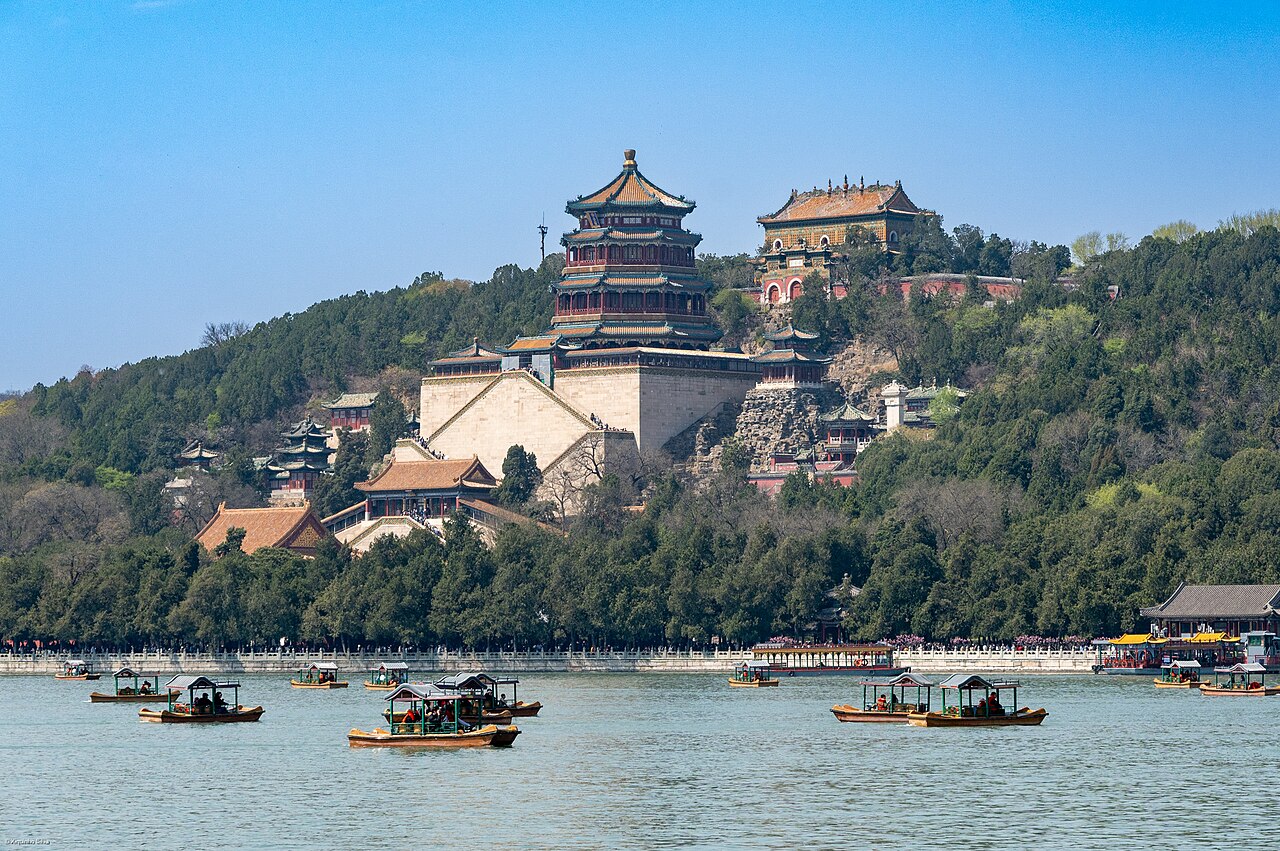 Beijing
City guide · 11 tours
Six centuries of imperial red walls, a Great Wall you can climb before lunch, and the best roast duck on earth.
Beijing
City guide · 11 tours
Six centuries of imperial red walls, a Great Wall you can climb before lunch, and the best roast duck on earth.
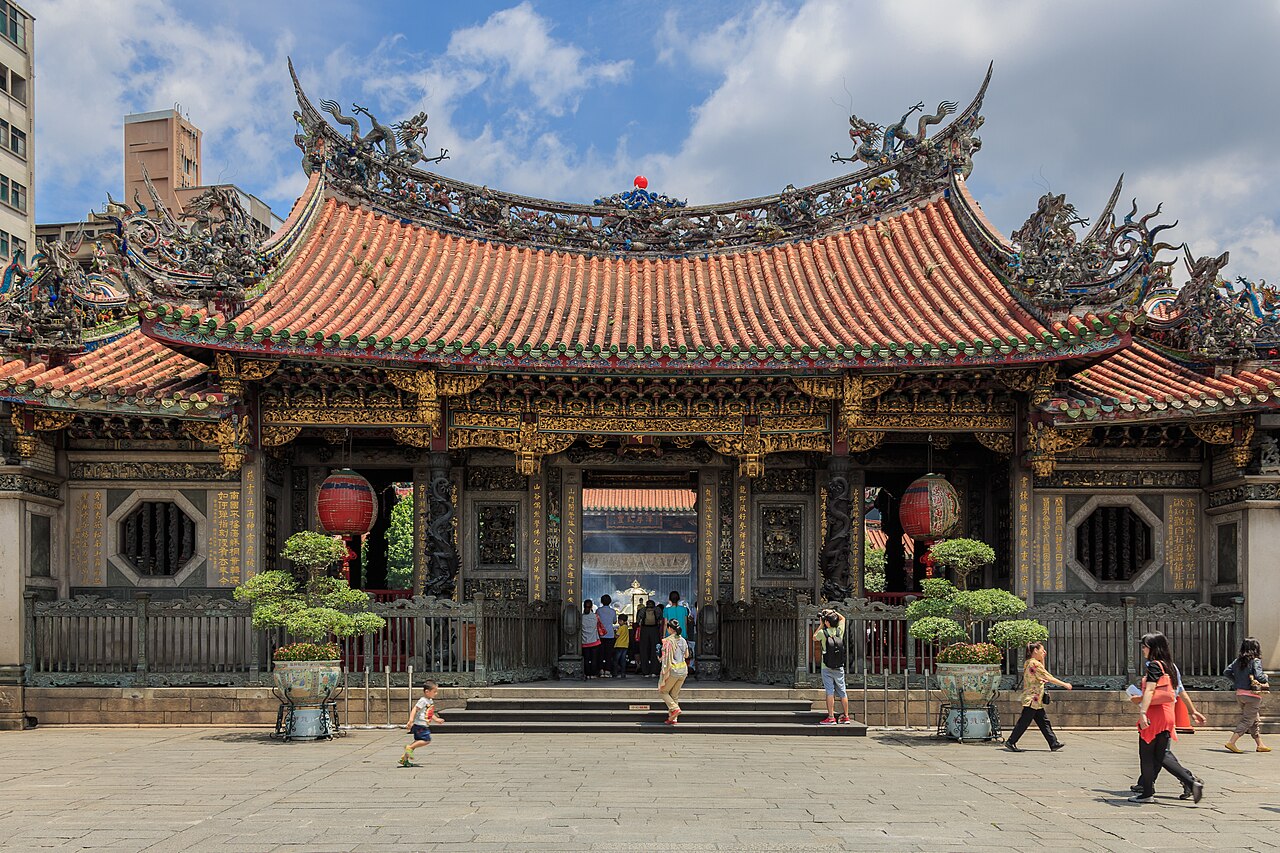 Taipei
City guide · 11 tours
A 24-hour bookstore, a night market that never stops sizzling, and a city that apologises when you bump into it.
Taipei
City guide · 11 tours
A 24-hour bookstore, a night market that never stops sizzling, and a city that apologises when you bump into it.
 North Xinjiang
City guide · 11 tours
Alpine lakes the colour of poured enamel, a village of log cabins under birch trees, and the last tear the Atlantic ever sheds.
North Xinjiang
City guide · 11 tours
Alpine lakes the colour of poured enamel, a village of log cabins under birch trees, and the last tear the Atlantic ever sheds.
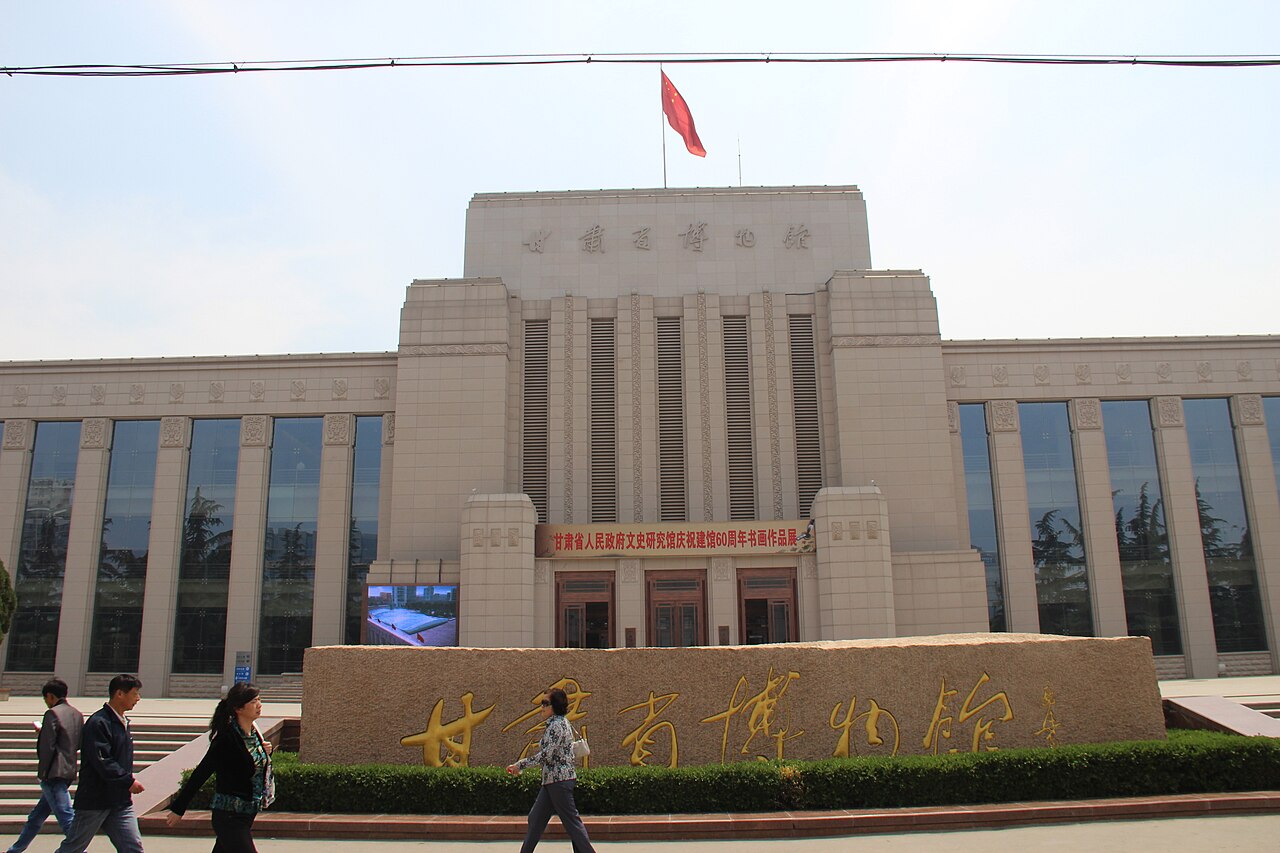 Lanzhou
City guide · 11 tours
A city split in half by the Yellow River, where beef noodles are a breakfast ritual and the Silk Road still runs through the streets.
Lanzhou
City guide · 11 tours
A city split in half by the Yellow River, where beef noodles are a breakfast ritual and the Silk Road still runs through the streets.
 Mount Hua
City guide · 11 tours
Five granite peaks, one plank road bolted to a cliff face, and a sunrise that justifies the 2am start.
Mount Hua
City guide · 11 tours
Five granite peaks, one plank road bolted to a cliff face, and a sunrise that justifies the 2am start.
 Dunhuang
City guide · 11 tours
A desert oasis where Buddhist cave art survived a thousand years and a crescent lake refused to dry up.
Dunhuang
City guide · 11 tours
A desert oasis where Buddhist cave art survived a thousand years and a crescent lake refused to dry up.
 Gannan
City guide · 11 tours
433 kilometres of the Yellow River's first bend, a 3.5 km prayer-wheel circuit, and Tibetan grasslands almost nobody has commercialised yet.
Gannan
City guide · 11 tours
433 kilometres of the Yellow River's first bend, a 3.5 km prayer-wheel circuit, and Tibetan grasslands almost nobody has commercialised yet.
 Sichuan–Tibet Highway
City guide · 11 tours
2,142 kilometres of cliff-edge switchbacks, four of China's most beautiful mountains, and a road the Tibetans walk on their knees.
Sichuan–Tibet Highway
City guide · 11 tours
2,142 kilometres of cliff-edge switchbacks, four of China's most beautiful mountains, and a road the Tibetans walk on their knees.
 Kangding
City guide · 11 tours
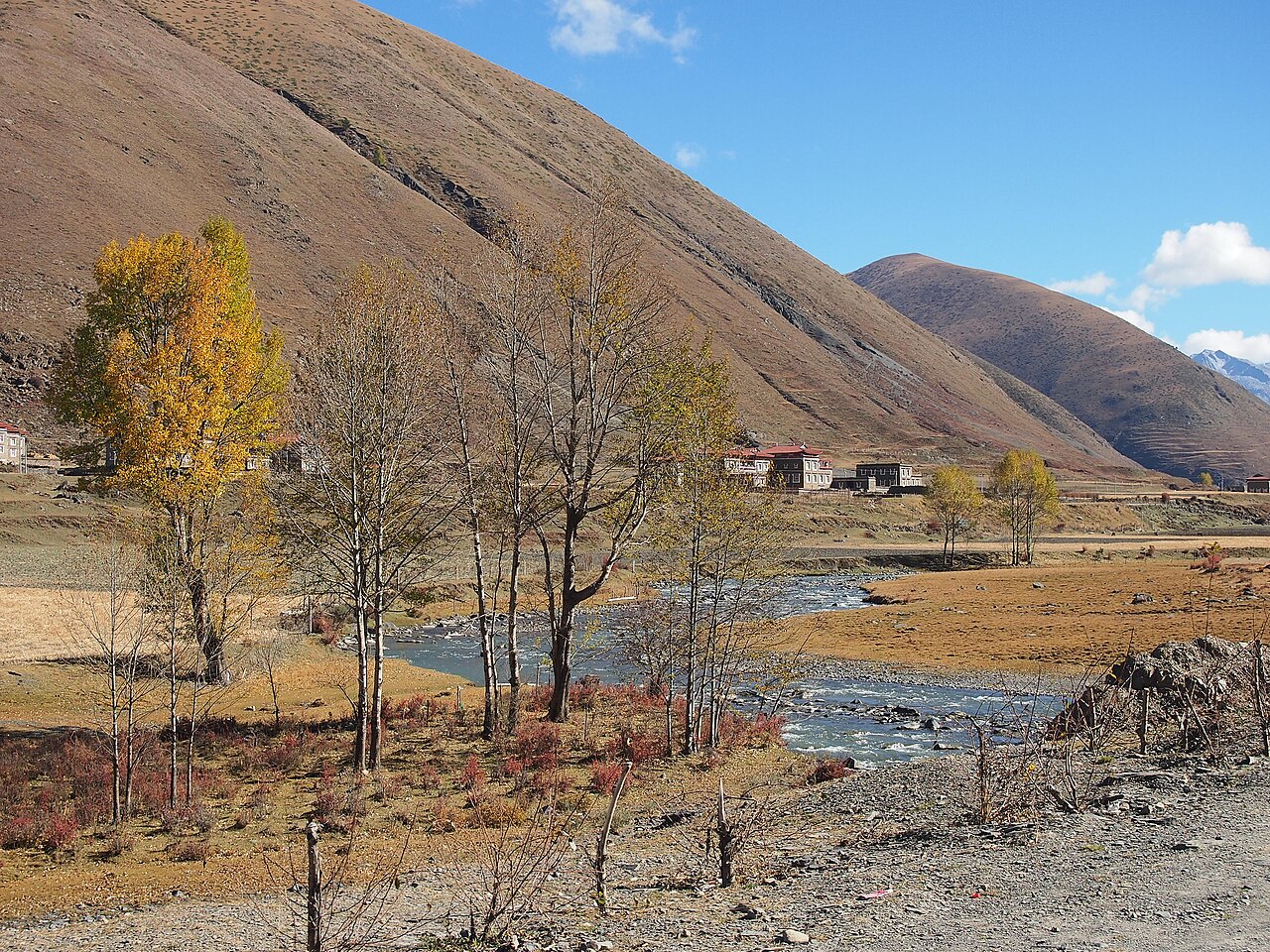
The town that gave Asia its most famous love song, a 7,556m sacred peak on its doorstep, and the last real Tibetan town before the road climbs to Lhasa.
Kangding
City guide · 11 tours
The town that gave Asia its most famous love song, a 7,556m sacred peak on its doorstep, and the last real Tibetan town before the road climbs to Lhasa.
 Lhasa
City guide · 12 tours
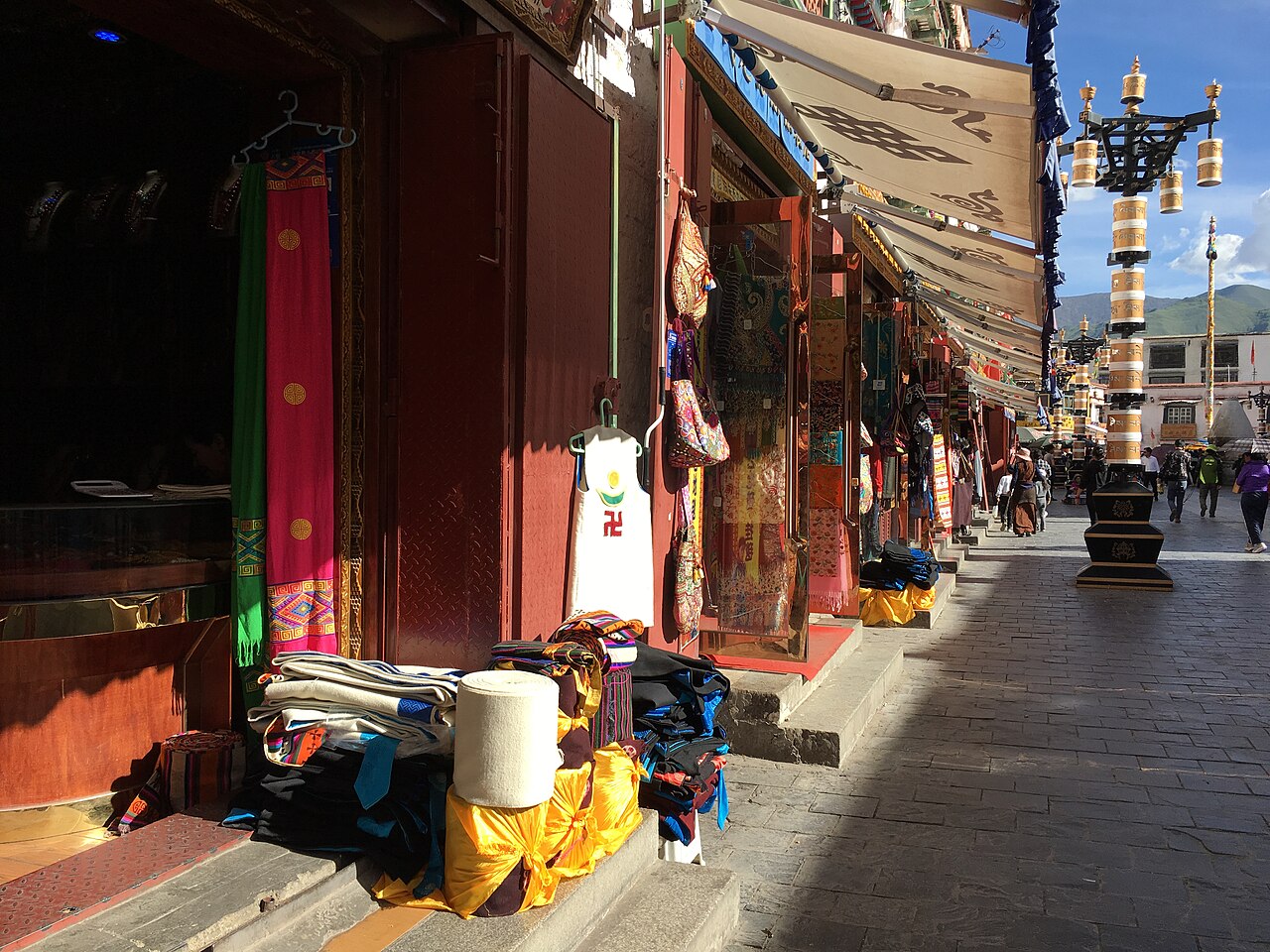
A city of prayer wheels and butter lamps at 3,700 metres, where the sun shines 3,000 hours a year and the world's highest palace watches over it all.
Lhasa
City guide · 12 tours
A city of prayer wheels and butter lamps at 3,700 metres, where the sun shines 3,000 hours a year and the world's highest palace watches over it all.
 Nyingchi
City guide · 11 tours
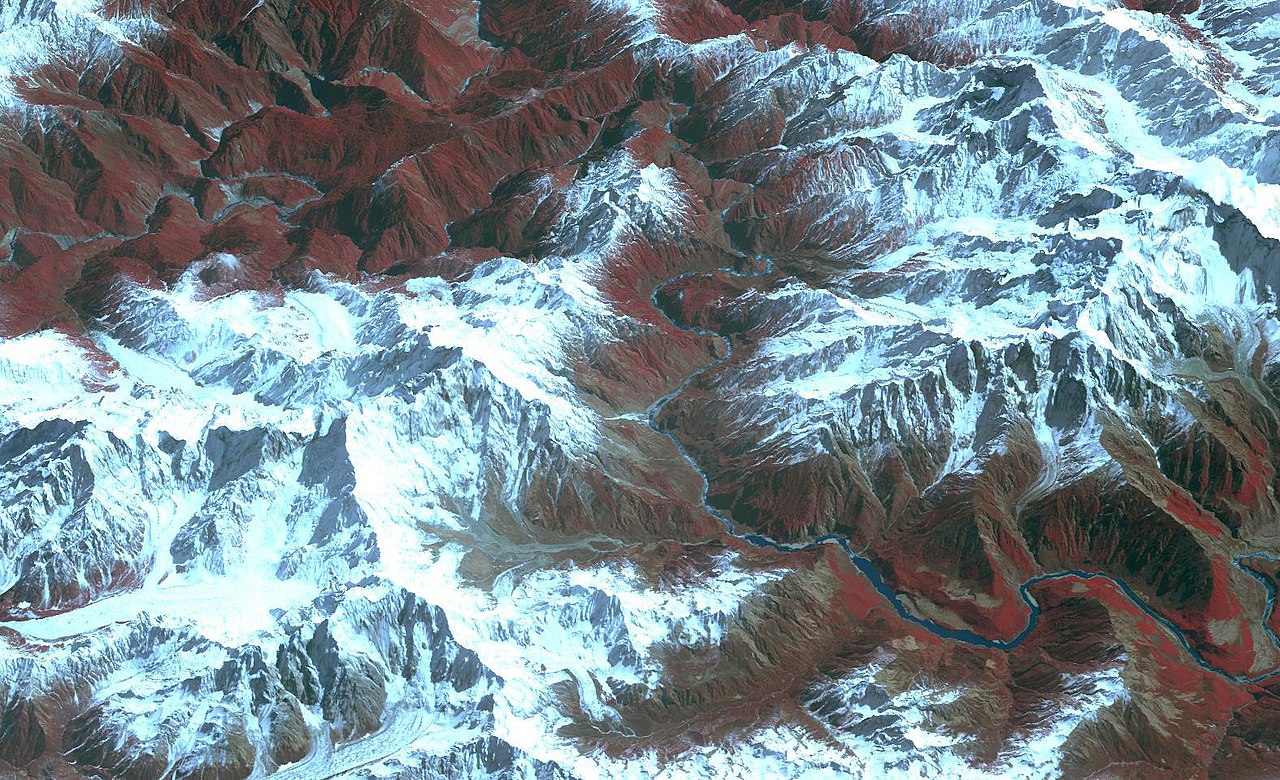
Tibet's greenest corner — peach blossom valleys, a 7,782 m peak that hides from almost everyone, and the world's deepest canyon.
Nyingchi
City guide · 11 tours
Tibet's greenest corner — peach blossom valleys, a 7,782 m peak that hides from almost everyone, and the world's deepest canyon.
 Namtso
City guide · 11 tours
A 1,920-square-kilometre sheet of impossible blue at 4,718 metres, ringed by snow peaks and prayer flags.
Namtso
City guide · 11 tours
A 1,920-square-kilometre sheet of impossible blue at 4,718 metres, ringed by snow peaks and prayer flags.
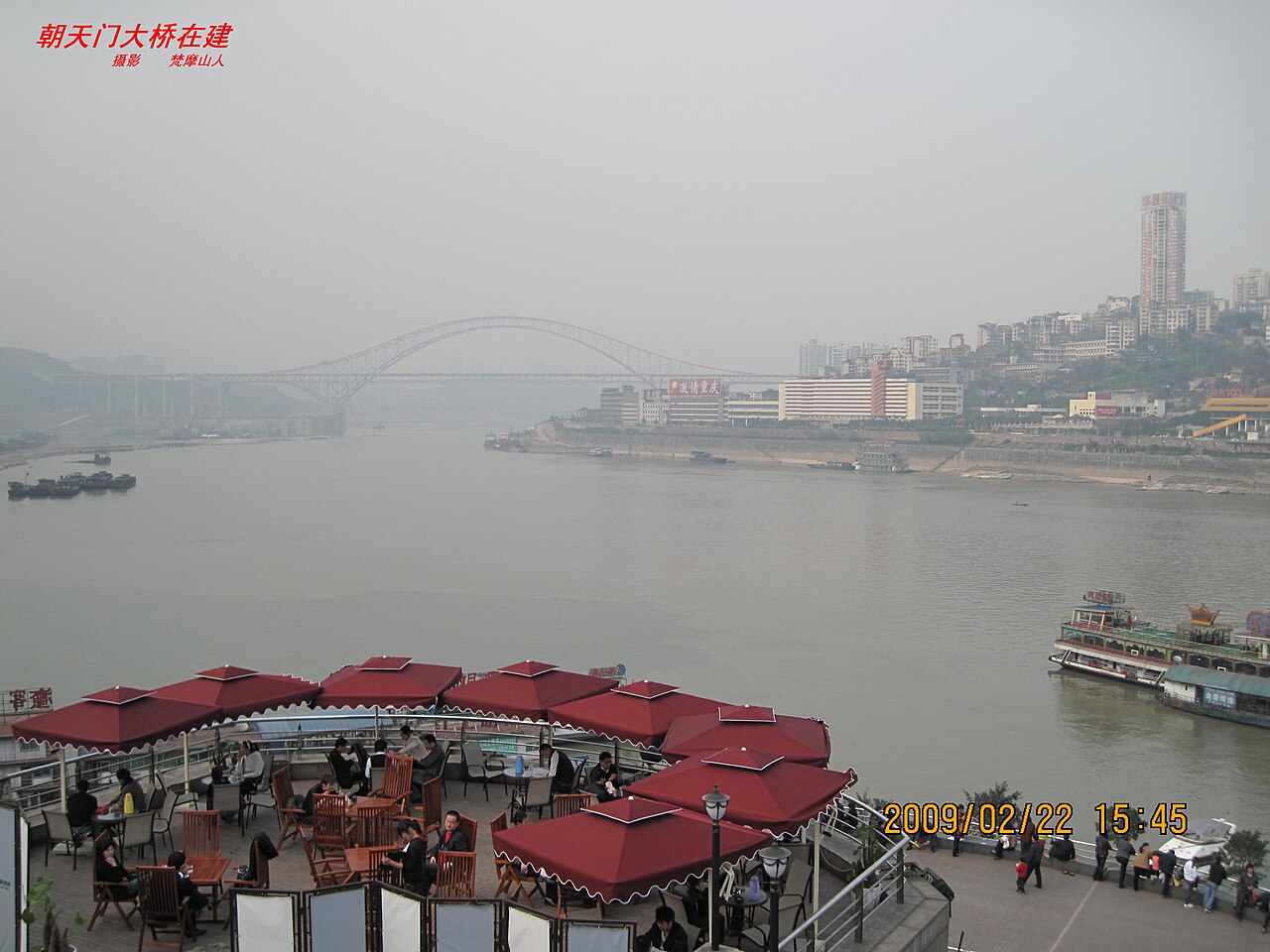 Chongqing
City guide · 12 tours
A vertical city of fog, cable cars and cliff-side stilt houses, where the火锅 never stops boiling and the night skyline outshines Hong Kong.
Chongqing
City guide · 12 tours
A vertical city of fog, cable cars and cliff-side stilt houses, where the火锅 never stops boiling and the night skyline outshines Hong Kong.
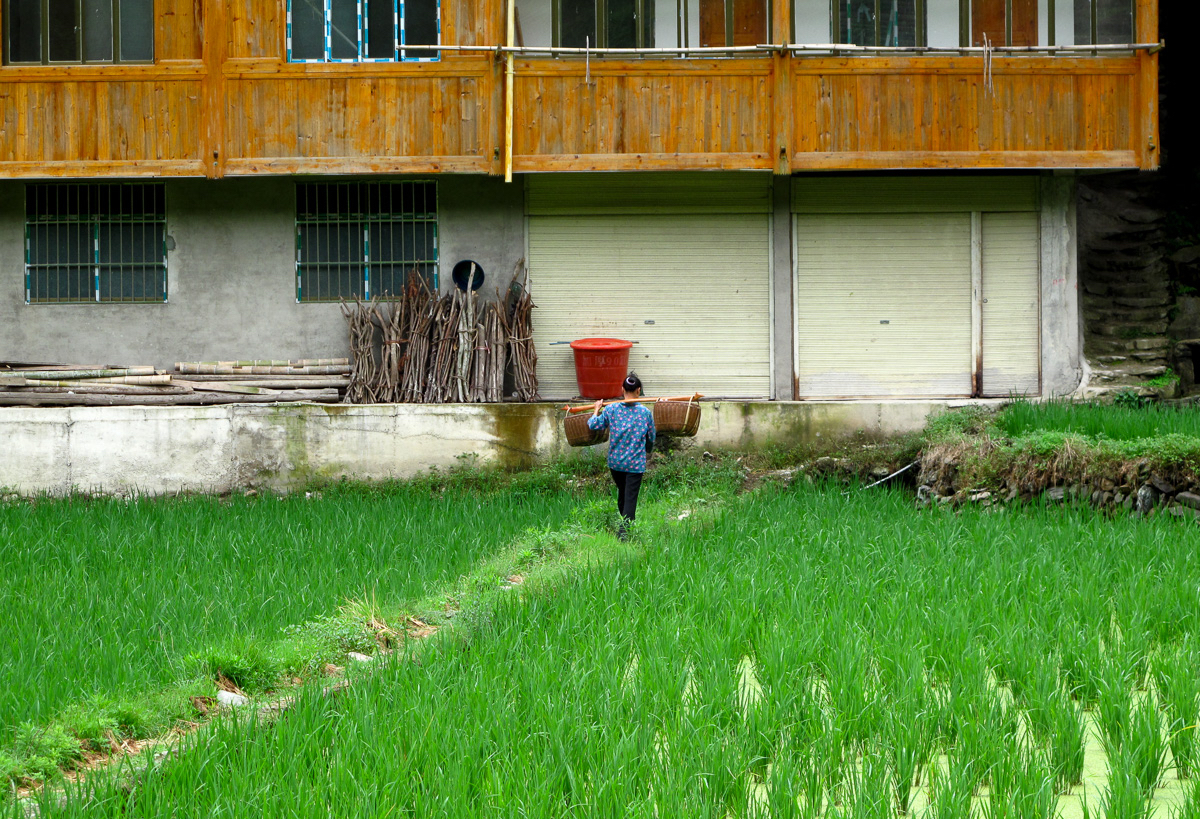 Qiandongnan
City guide · 11 tours
A thousand Miao households stacked up a mountainside, drum towers and wind-rain bridges in Dong villages, and a 600-year-old Ming garrison town on the road to Guiyang.
Qiandongnan
City guide · 11 tours
A thousand Miao households stacked up a mountainside, drum towers and wind-rain bridges in Dong villages, and a 600-year-old Ming garrison town on the road to Guiyang.
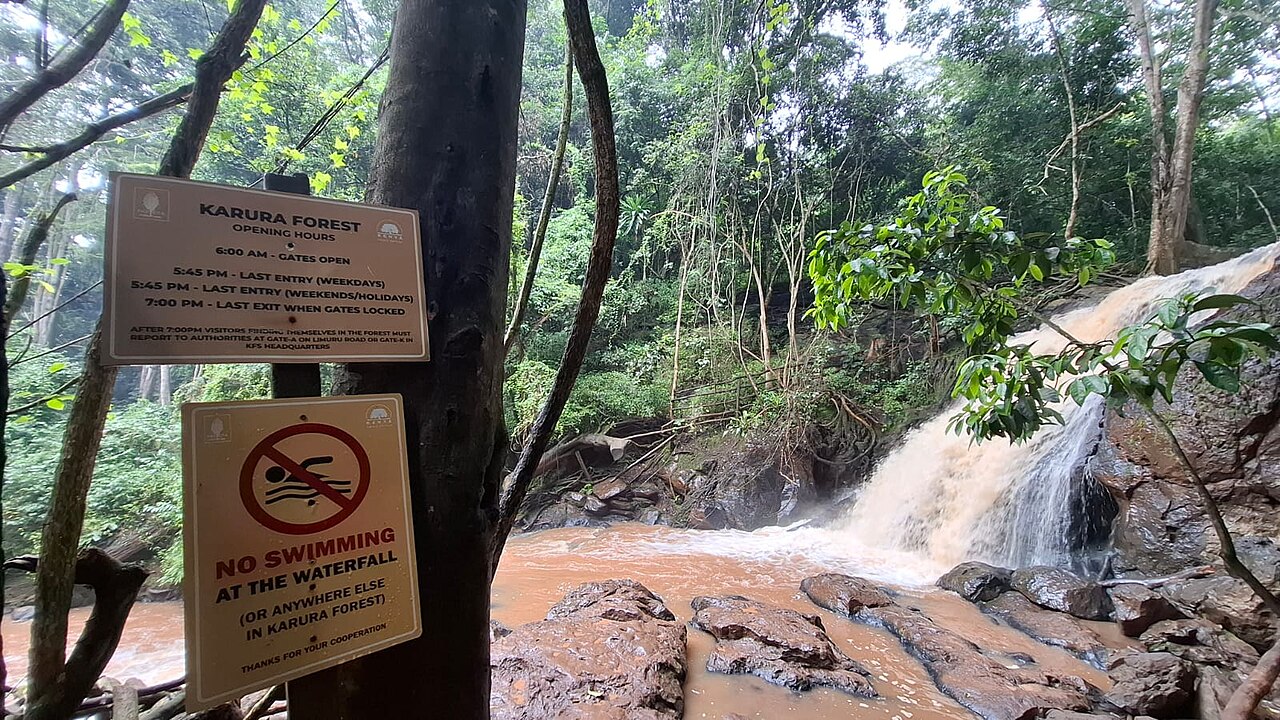 Libo
City guide · 11 tours
Emerald rivers threading through karst peaks, a 600-metre forest growing out of a riverbed, and China's largest wild plum grove.
Libo
City guide · 11 tours
Emerald rivers threading through karst peaks, a 600-metre forest growing out of a riverbed, and China's largest wild plum grove.
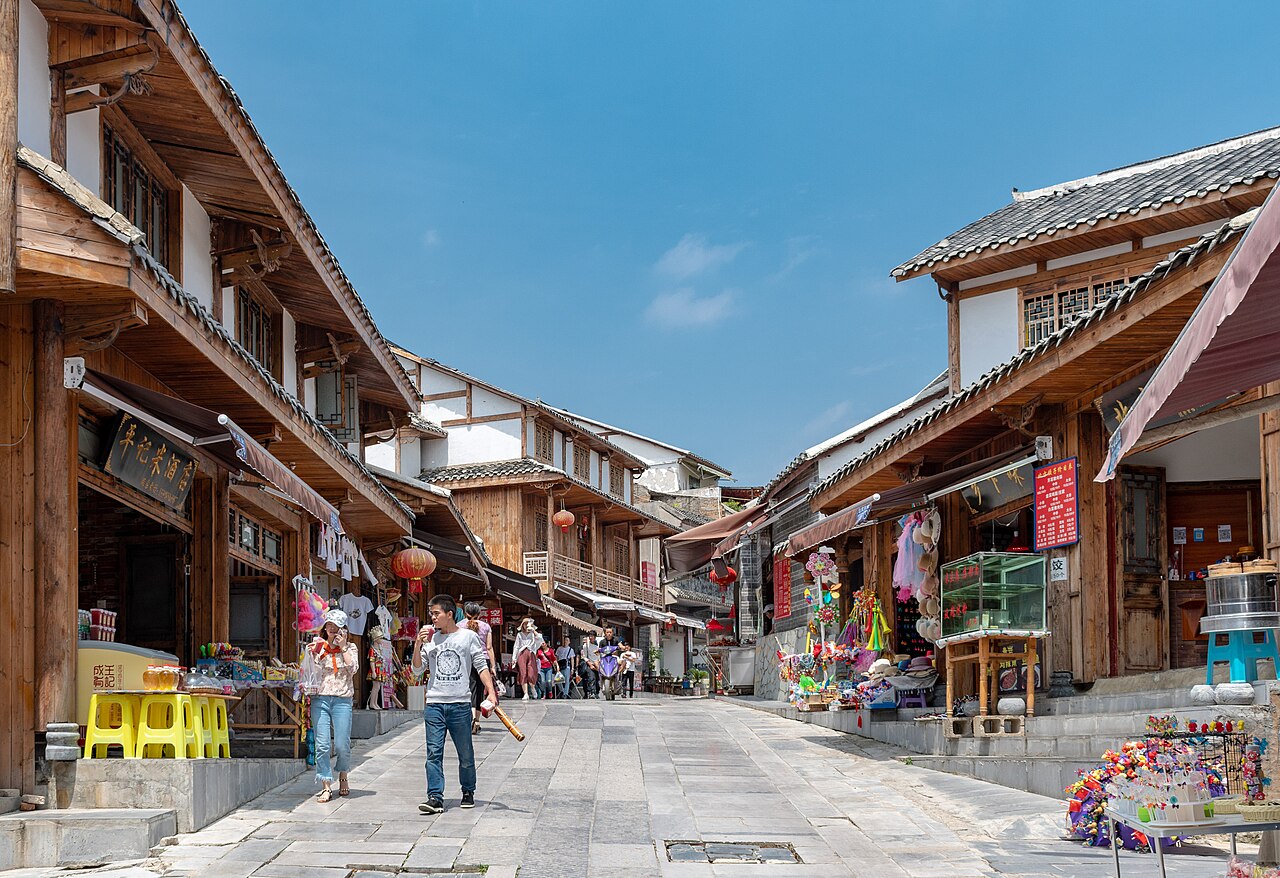 Guiyang
City guide · 11 tours
China's summer capital at 1,100 metres, where the nights run on sour fish soup, street-side barbecue and mahjong that never quite stops.
Guiyang
City guide · 11 tours
China's summer capital at 1,100 metres, where the nights run on sour fish soup, street-side barbecue and mahjong that never quite stops.
 Zhenyuan
City guide · 11 tours
A 2,000-year-old river town where the Wuyang River carves an S through the mountains and every lane hides a story.
Zhenyuan
City guide · 11 tours
A 2,000-year-old river town where the Wuyang River carves an S through the mountains and every lane hides a story.
 Huangguoshu
City guide · 11 tours
Asia's biggest waterfall, and the only one on earth you can walk behind, above and around — plus 600-year-old Ming dynasty villages a short drive away.
Huangguoshu
City guide · 11 tours
Asia's biggest waterfall, and the only one on earth you can walk behind, above and around — plus 600-year-old Ming dynasty villages a short drive away.
 Harbin
City guide · 11 tours
Minus 30 degrees, a frozen river you can walk across, and a cathedral built by Russians who never went home.
Harbin
City guide · 11 tours
Minus 30 degrees, a frozen river you can walk across, and a cathedral built by Russians who never went home.
 Yunnan
City guide · 11 tours
Snow mountains, tropical rainforest, twenty-five minorities and a plate of rice noodles — all in one province.
Yunnan
City guide · 11 tours
Snow mountains, tropical rainforest, twenty-five minorities and a plate of rice noodles — all in one province.
 Shanghai
City guide · 11 tours
A 1920s waterfront of colonial banks facing a science-fiction skyline, soup dumplings you eat with a straw, and 20 million people moving like clockwork.
Shanghai
City guide · 11 tours
A 1920s waterfront of colonial banks facing a science-fiction skyline, soup dumplings you eat with a straw, and 20 million people moving like clockwork.
 Zhangjiajie
City guide · 11 tours
Three thousand sandstone pillars straight out of Avatar, a glass skywalk bolted to a cliff, and a cable car that leaves from downtown.
Zhangjiajie
City guide · 11 tours
Three thousand sandstone pillars straight out of Avatar, a glass skywalk bolted to a cliff, and a cable car that leaves from downtown.
 Guangzhou
City guide · 11 tours
A 2,200-year-old trading port where dim sum is a religion, colonial islands sit beside 600-metre towers, and the food never stops.
Guangzhou
City guide · 11 tours
A 2,200-year-old trading port where dim sum is a religion, colonial islands sit beside 600-metre towers, and the food never stops.
 Guilin
City guide · 11 tours
Karst peaks rising straight out of a green river, rice terraces carved into mountainsides, and the best bowl of noodles you'll eat in China.
Guilin
City guide · 11 tours
Karst peaks rising straight out of a green river, rice terraces carved into mountainsides, and the best bowl of noodles you'll eat in China.
 Shenzhen
City guide · 11 tours
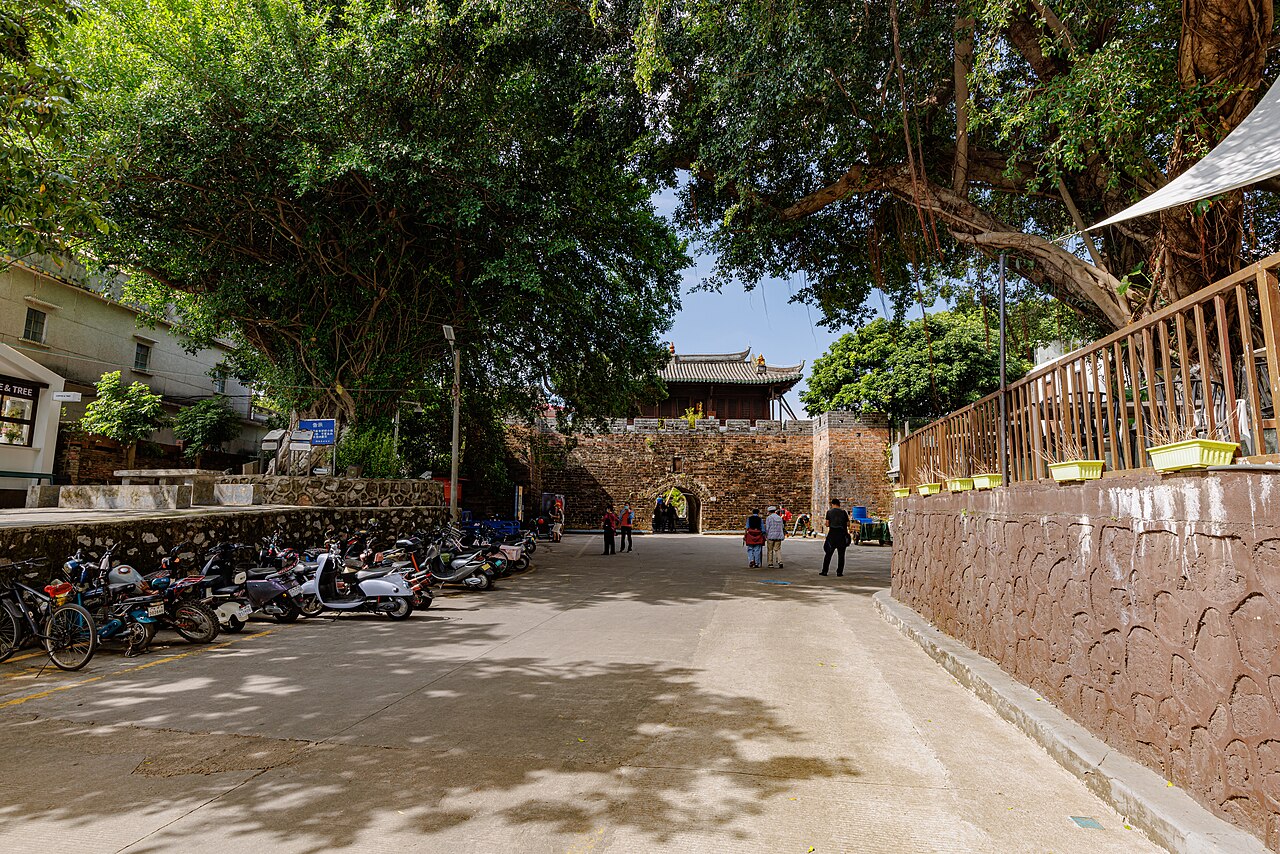
A fishing village that became a megacity in forty years — and it still has 500-year-old banyans, empty beaches and dim sum worth the border crossing.
Shenzhen
City guide · 11 tours
A fishing village that became a megacity in forty years — and it still has 500-year-old banyans, empty beaches and dim sum worth the border crossing.
 Chengdu
City guide · 11 tours
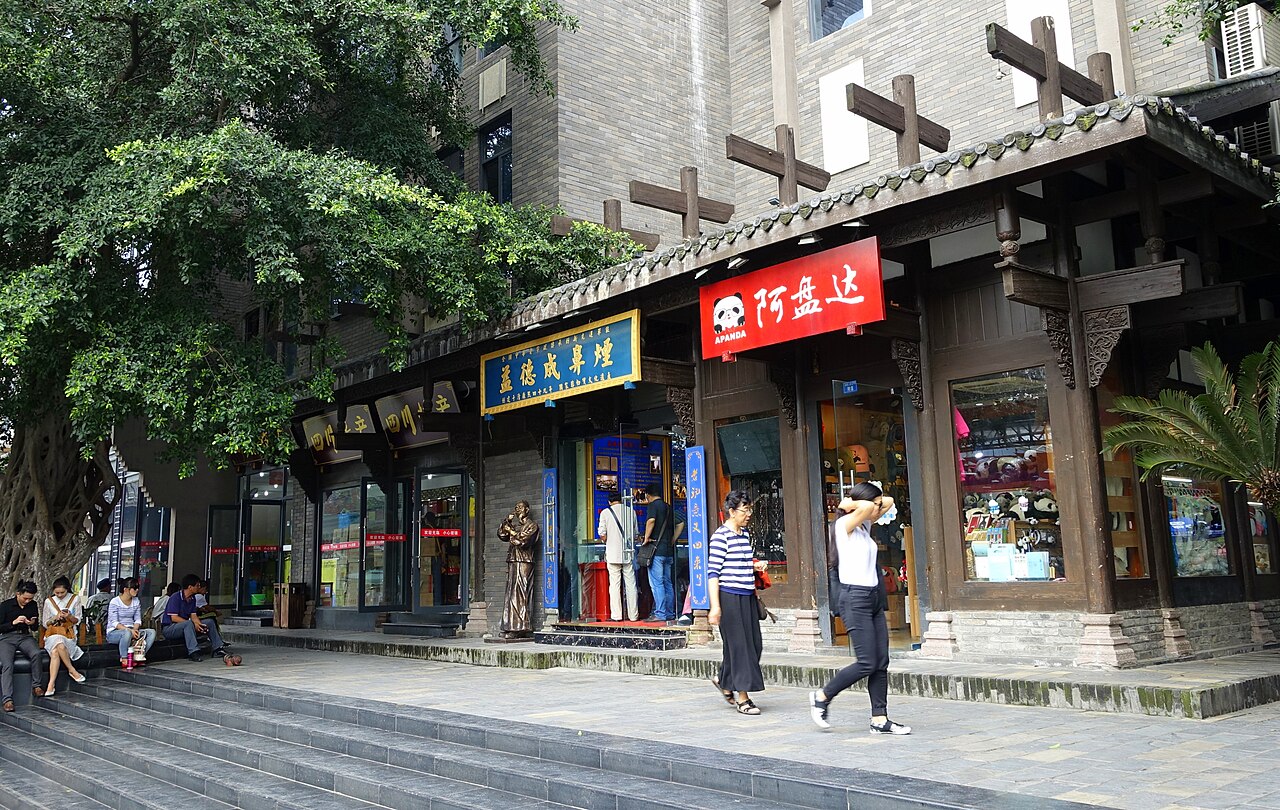
A 3,000-year-old city where the schedule is tea, mahjong and hotpot — and the pandas are just the opening act.
Chengdu
City guide · 11 tours
A 3,000-year-old city where the schedule is tea, mahjong and hotpot — and the pandas are just the opening act.
 Xinjiang
City guide · 11 tours
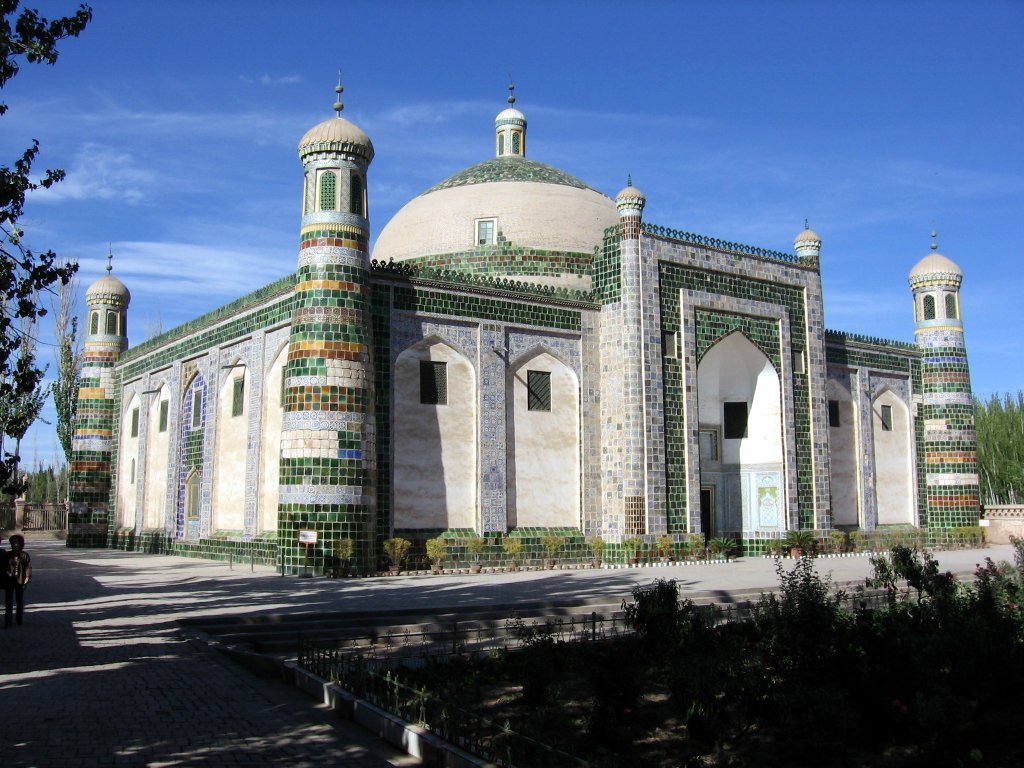
Snow peaks, grassland, desert and oasis — one-sixth of China, and the longest road you will ever ride.
Xinjiang
City guide · 11 tours
Snow peaks, grassland, desert and oasis — one-sixth of China, and the longest road you will ever ride.
 Xi'an
City guide · 14 tours
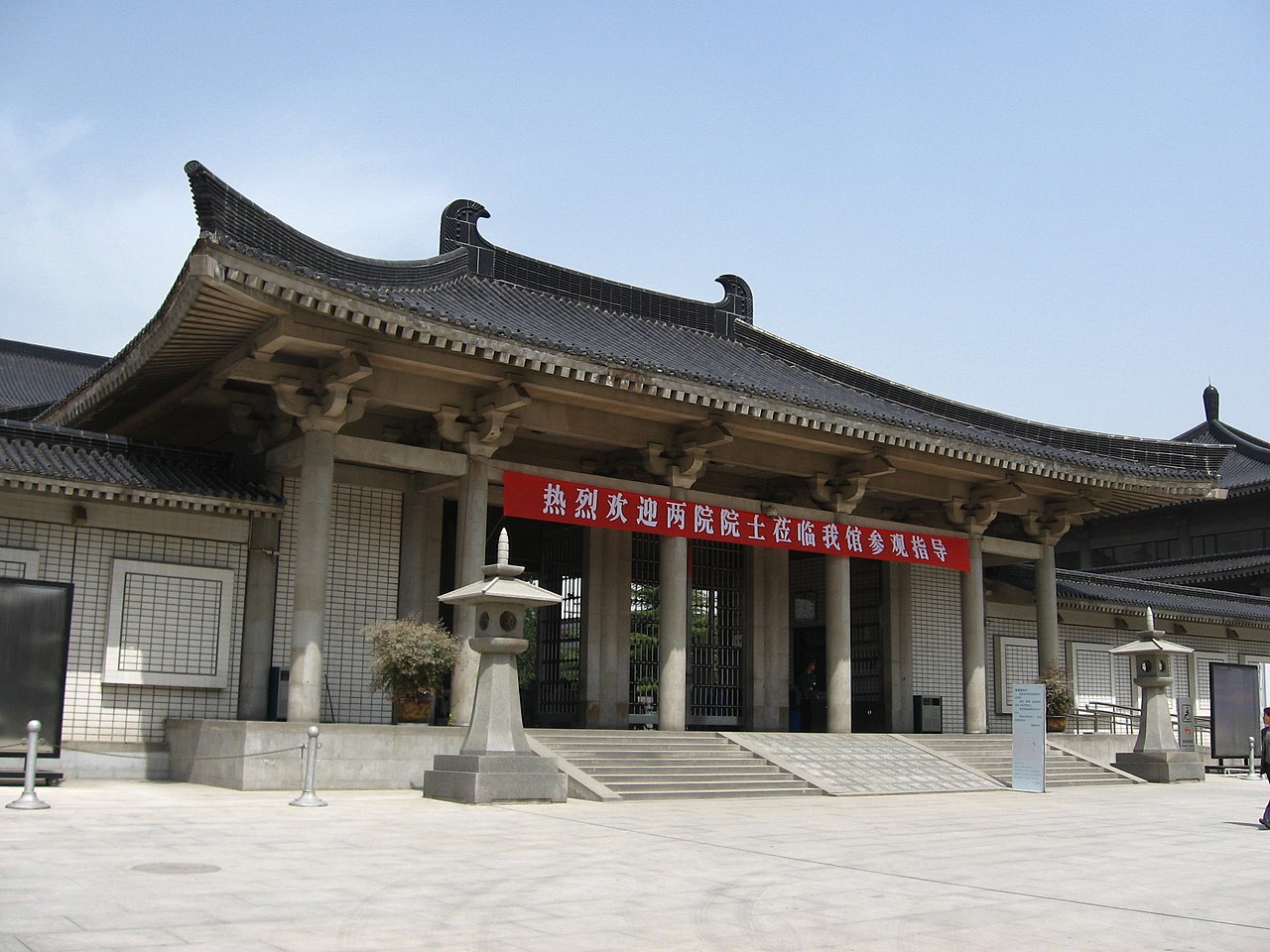
Thirteen dynasties of emperors, a terracotta army buried for 2,200 years, and a walled city you can cycle in 100 minutes.
Xi'an
City guide · 14 tours
Thirteen dynasties of emperors, a terracotta army buried for 2,200 years, and a walled city you can cycle in 100 minutes.
 Qinghai
City guide · 11 tours
China's high-altitude blue heart: a salt lake you can walk on, a 3,200-metre sea, and yak butter tea at the roof of the world.
Qinghai
City guide · 11 tours
China's high-altitude blue heart: a salt lake you can walk on, a 3,200-metre sea, and yak butter tea at the roof of the world.
 Tibet
City guide · 11 tours
A plateau the size of Western Europe where the sky starts at your feet, prayer flags carry the wind, and the roads run past 8,000-metre peaks.
Tibet
City guide · 11 tours
A plateau the size of Western Europe where the sky starts at your feet, prayer flags carry the wind, and the roads run past 8,000-metre peaks.
Related reading
 Visas
Do I Need a Visa for China? Requirements, Costs and How to Apply
China's entry rules changed more in the last three years than in the previous twenty. Here is exactly who needs a visa, what it costs, how long it takes and which passports now walk straight through.
9 min read
Visas
Do I Need a Visa for China? Requirements, Costs and How to Apply
China's entry rules changed more in the last three years than in the previous twenty. Here is exactly who needs a visa, what it costs, how long it takes and which passports now walk straight through.
9 min read
 Visas
China's 240-Hour Visa-Free Transit: Who Qualifies and How It Works
Ten days in China with no visa application, no fee and no fingerprints — if you hold the right passport and leave for a third country. Here is the rulebook, port by port.
8 min read
Visas
China's 240-Hour Visa-Free Transit: Who Qualifies and How It Works
Ten days in China with no visa application, no fee and no fingerprints — if you hold the right passport and leave for a third country. Here is the rulebook, port by port.
8 min read
 Money
Paying in China: Alipay, WeChat Pay, Cards and Cash
Roughly nine in ten urban payments in China now run through a phone. Set up two apps before you fly, carry a modest cash float, and you will never be stuck at a till.
8 min read
Money
Paying in China: Alipay, WeChat Pay, Cards and Cash
Roughly nine in ten urban payments in China now run through a phone. Set up two apps before you fly, carry a modest cash float, and you will never be stuck at a till.
8 min read
 Transport
China's High-Speed Rail: How to Book, What It Costs, How Fast It Goes
The fastest way to cross China is also the most pleasant. Here is how to book a ticket with a foreign passport, what the three classes actually give you, and how to survive a Chinese station at rush hour.
9 min read
Transport
China's High-Speed Rail: How to Book, What It Costs, How Fast It Goes
The fastest way to cross China is also the most pleasant. Here is how to book a ticket with a foreign passport, what the three classes actually give you, and how to survive a Chinese station at rush hour.
9 min read
 Planning
Best Time to Visit China: Month by Month, Region by Region
China is the size of Europe, so 'the best month' depends on where you stand. Here is the month-by-month answer for the north, the Yangtze valley, the south and the plateau.
8 min read
Planning
Best Time to Visit China: Month by Month, Region by Region
China is the size of Europe, so 'the best month' depends on where you stand. Here is the month-by-month answer for the north, the Yangtze valley, the south and the plateau.
8 min read
 Planning
What to Pack for China: The Complete 2026 Checklist
Twenty thousand steps a day, three climate zones and a phone that has to do everything. This is the list we give our own travellers, minus the things they never used.
7 min read
Planning
What to Pack for China: The Complete 2026 Checklist
Twenty thousand steps a day, three climate zones and a phone that has to do everything. This is the list we give our own travellers, minus the things they never used.
7 min read
 Food
Chinese Food Culture: Eight Cuisines, One Table
There is no such thing as Chinese food. There is Cantonese, Sichuan, Hunan, Jiangsu, Zhejiang, Fujian, Anhui and Shandong — and knowing which one you are eating changes everything.
8 min read
Food
Chinese Food Culture: Eight Cuisines, One Table
There is no such thing as Chinese food. There is Cantonese, Sichuan, Hunan, Jiangsu, Zhejiang, Fujian, Anhui and Shandong — and knowing which one you are eating changes everything.
8 min read
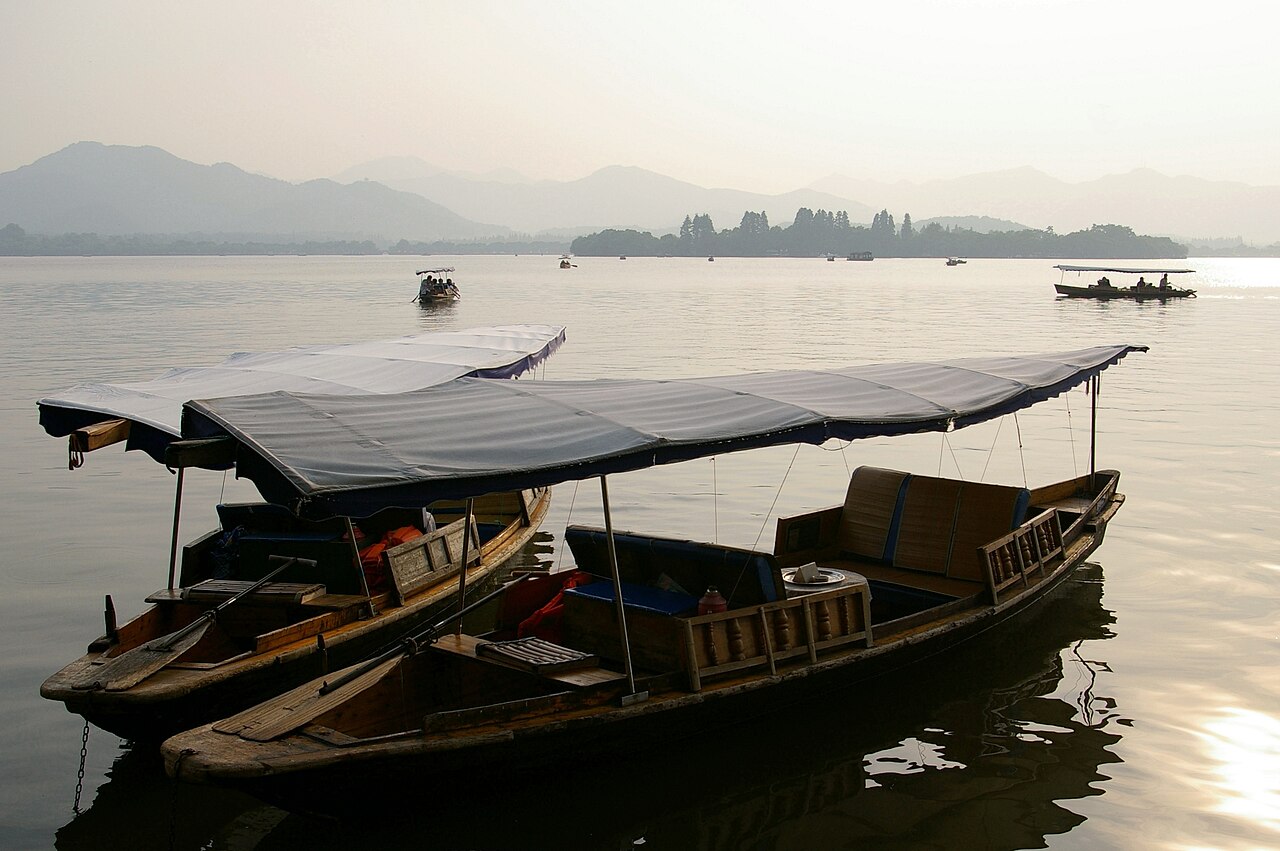 Traditions
Chinese Tea Culture: Six Classes, One Pot, Two Fingers
Tea in China is not a beverage category, it is a social technology: it fills silences, seals deals and sets the pace of a meal. Here is how to sit down in one and not look lost.
7 min read
Traditions
Chinese Tea Culture: Six Classes, One Pot, Two Fingers
Tea in China is not a beverage category, it is a social technology: it fills silences, seals deals and sets the pace of a meal. Here is how to sit down in one and not look lost.
7 min read
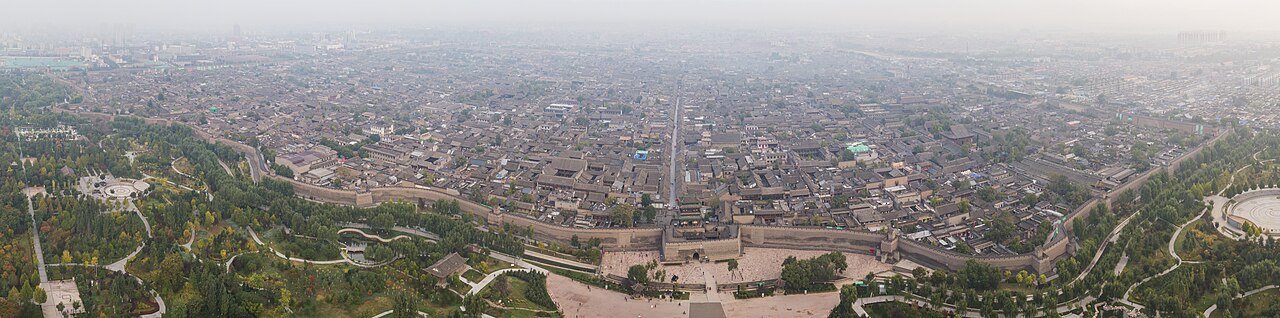 Traditions
Chinese Festivals: The Calendar, the Dates and the Crowds
Lunar dates mean the calendar moves every year — and two of the festivals move several hundred million people at once. Plan around them or plan into them, but never by accident.
8 min read
Etiquette
Chinese Etiquette: What Matters, What Does Not, and Why
Most etiquette advice for China is either obvious or wrong. These are the dozen behaviours that actually change how you are treated, and the reasoning behind each.
7 min read
Traditions
Chinese Festivals: The Calendar, the Dates and the Crowds
Lunar dates mean the calendar moves every year — and two of the festivals move several hundred million people at once. Plan around them or plan into them, but never by accident.
8 min read
Etiquette
Chinese Etiquette: What Matters, What Does Not, and Why
Most etiquette advice for China is either obvious or wrong. These are the dozen behaviours that actually change how you are treated, and the reasoning behind each.
7 min read
Free itinerary design, a revised plan within one working day, and nothing charged until you approve the final version.