City guide · Sichuan

Hailuogou travel guide: the glacier, the four camps, the springs and Moxi old town

A glacier that comes down to 2,850 m, hot springs in the forest, and Gongga Shan filling the sky above both.

  • Known forLow-altitude glacier, hot springs, Gongga
  • Typical spend¥600–900 / person / 2–3 days
  • Ideal length2–4 days
  • PaceComfortable — shuttle, cable car, soak

Reviewed by our Beijing team Updated 2026-10-10

The short version

Hailuogou is the eastern flank of Gongga Shan — at 7,556 m the highest mountain in Sichuan — and its glacier descends to about 2,850 m, low enough that a shuttle bus and a cable car put you next to ice thousands of years old without any mountaineering. The valley is numbered into four camps by altitude, with hot springs at Camp 2 and the sunrise-on-Gongga view at Camp 3. Two days is the standard trip: ¥75 entry plus ¥80 for the shuttle, ¥150 return on the cable car and ¥80 to soak.

  • The glacier reaches down to about 2,850 m — one of the lowest modern glaciers you can walk up to anywhere.
  • Camp numbers are altitude: 1 at 1,940 m, 2 at 2,580 m with the springs, 3 at 2,940 m for sunrise, 4 by cable car only.
  • Sunrise turns Gongga gold at about 06:40 in spring and summer and 07:20 in autumn and winter. Set an alarm.
  • Soaking at Camp 2 costs ¥80, and in winter you lie in it while snow falls on the trees around you.
  • One bus a day runs from Chengdu Xinnanmen to Moxi at 09:30, ¥138, about five hours. Miss it and you are routing via Luding.

City guide

First impressions

Photographs from the coast, and what other travellers wrote afterwards.

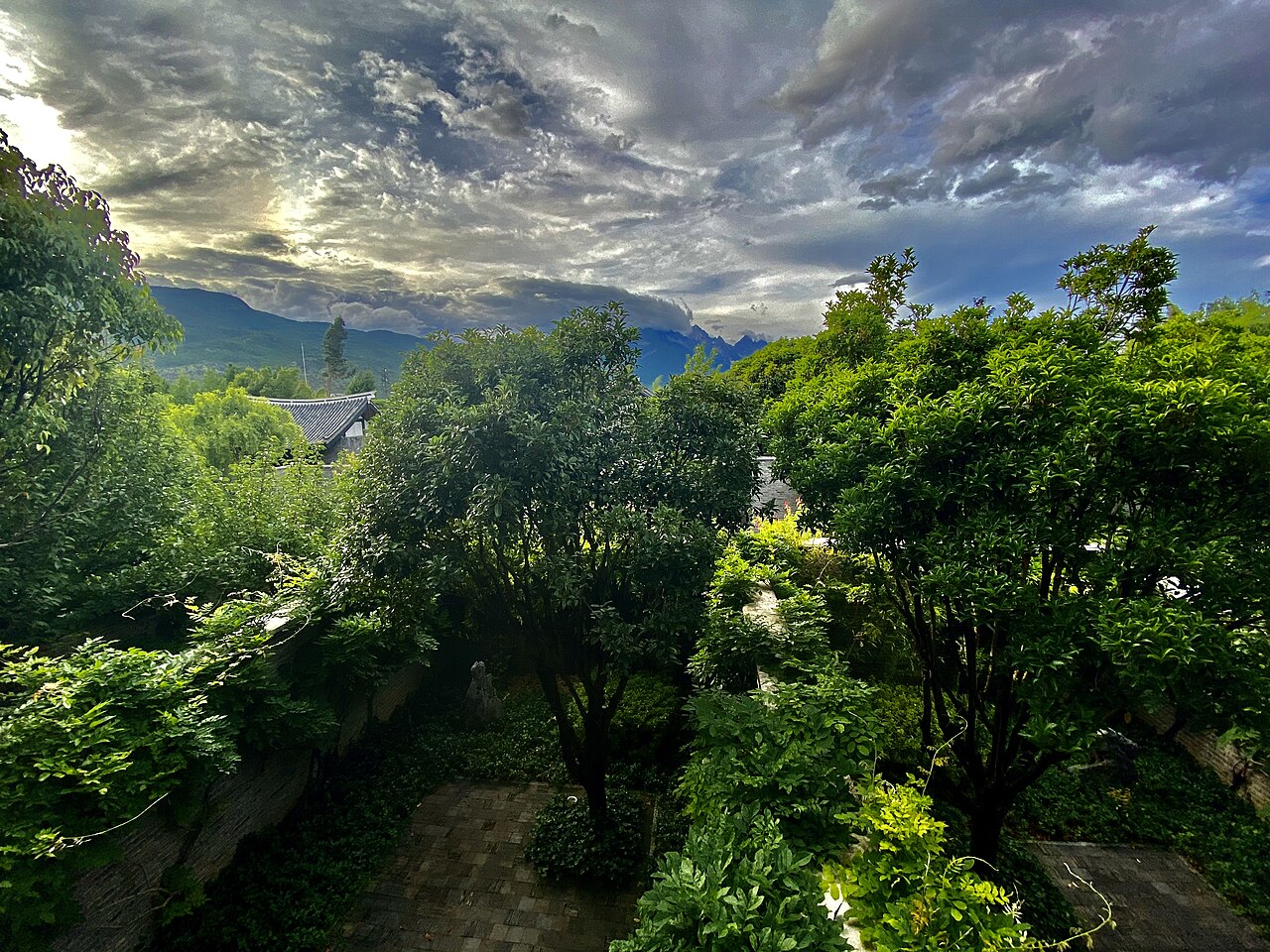
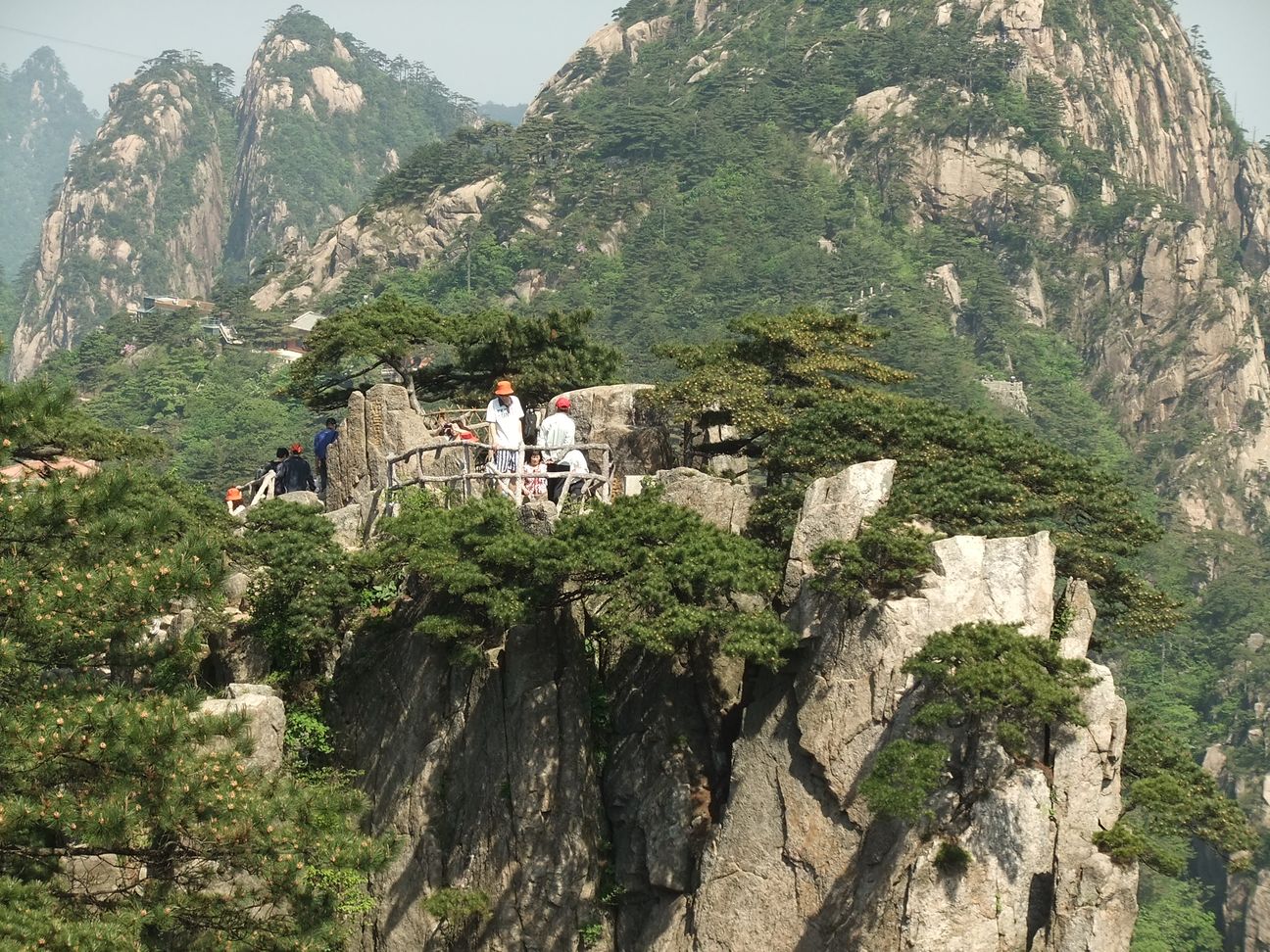
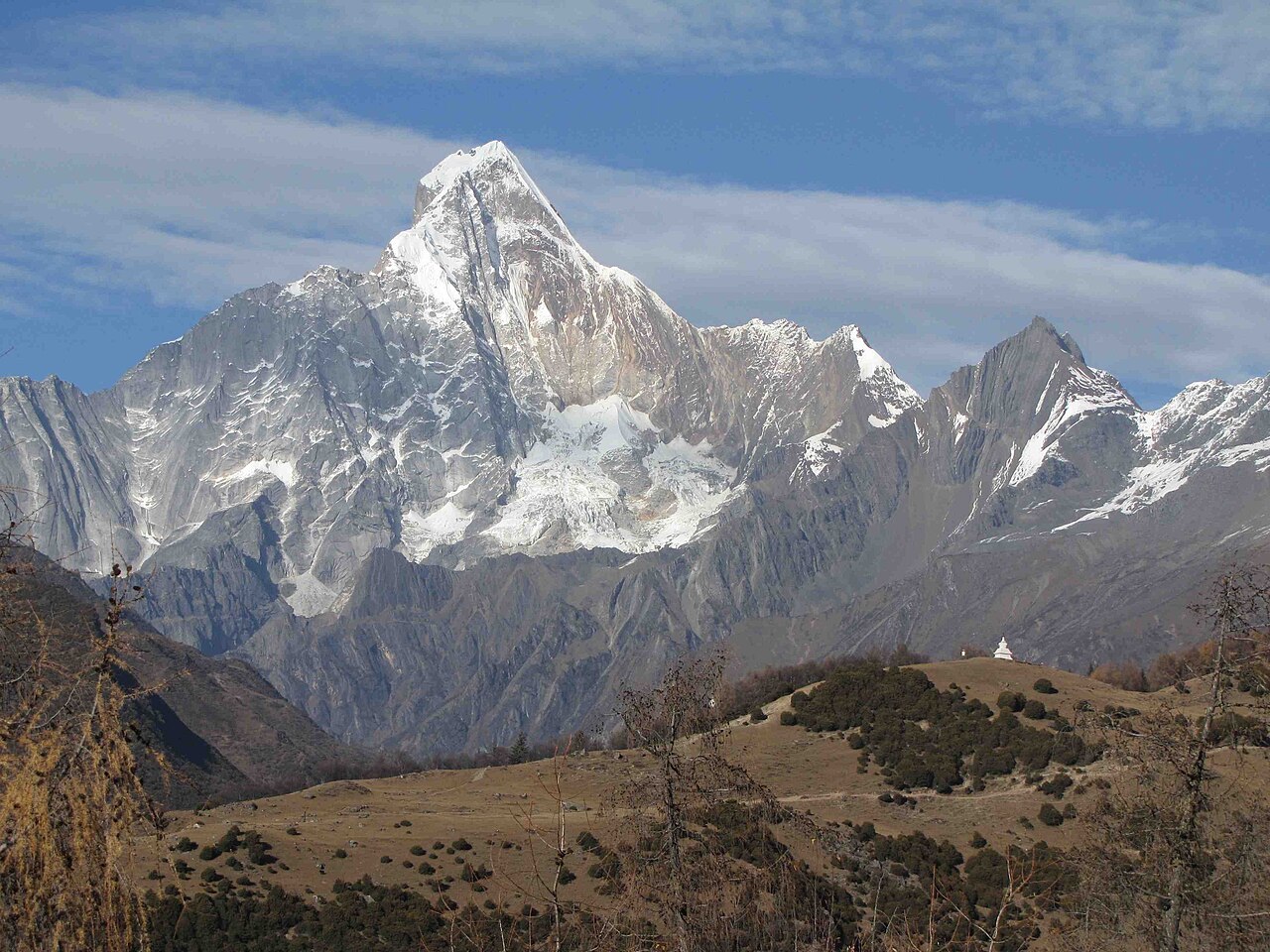
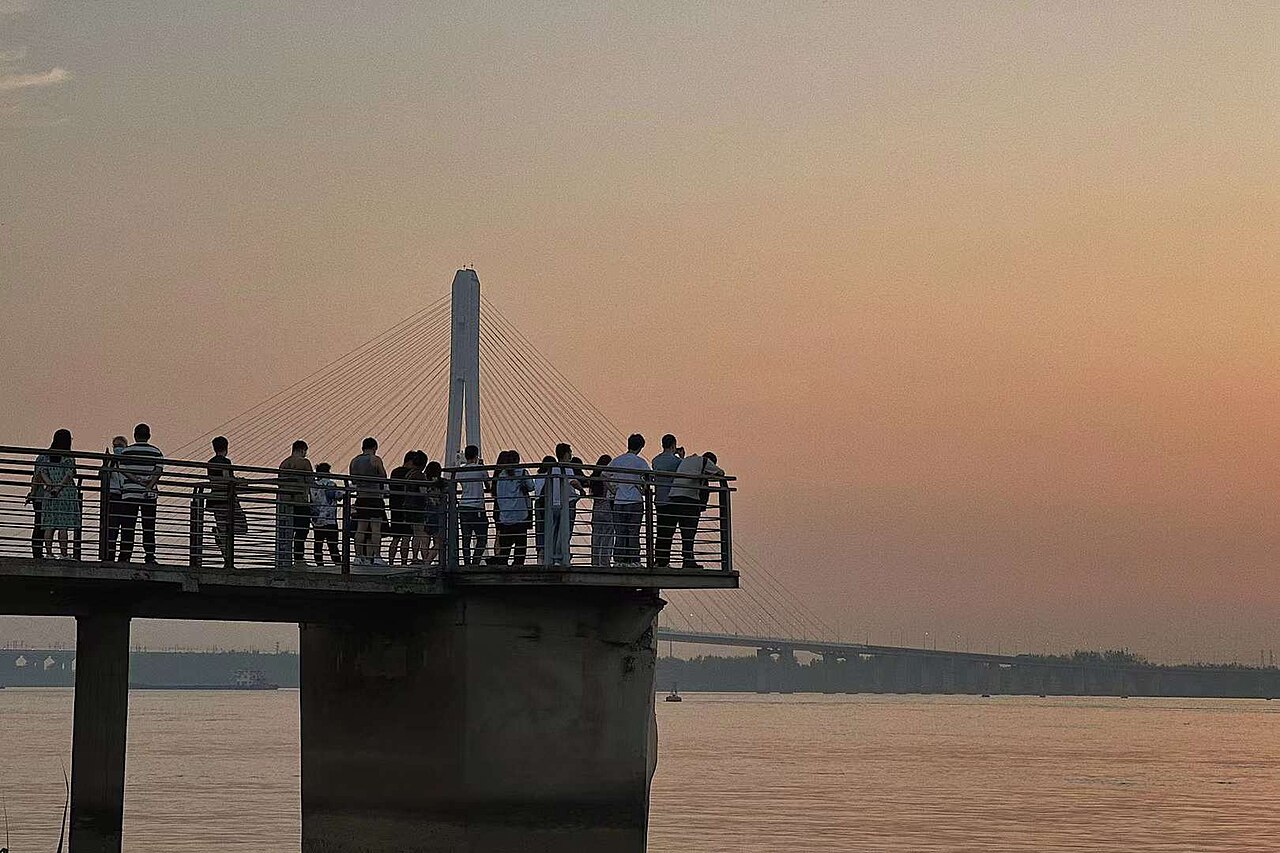
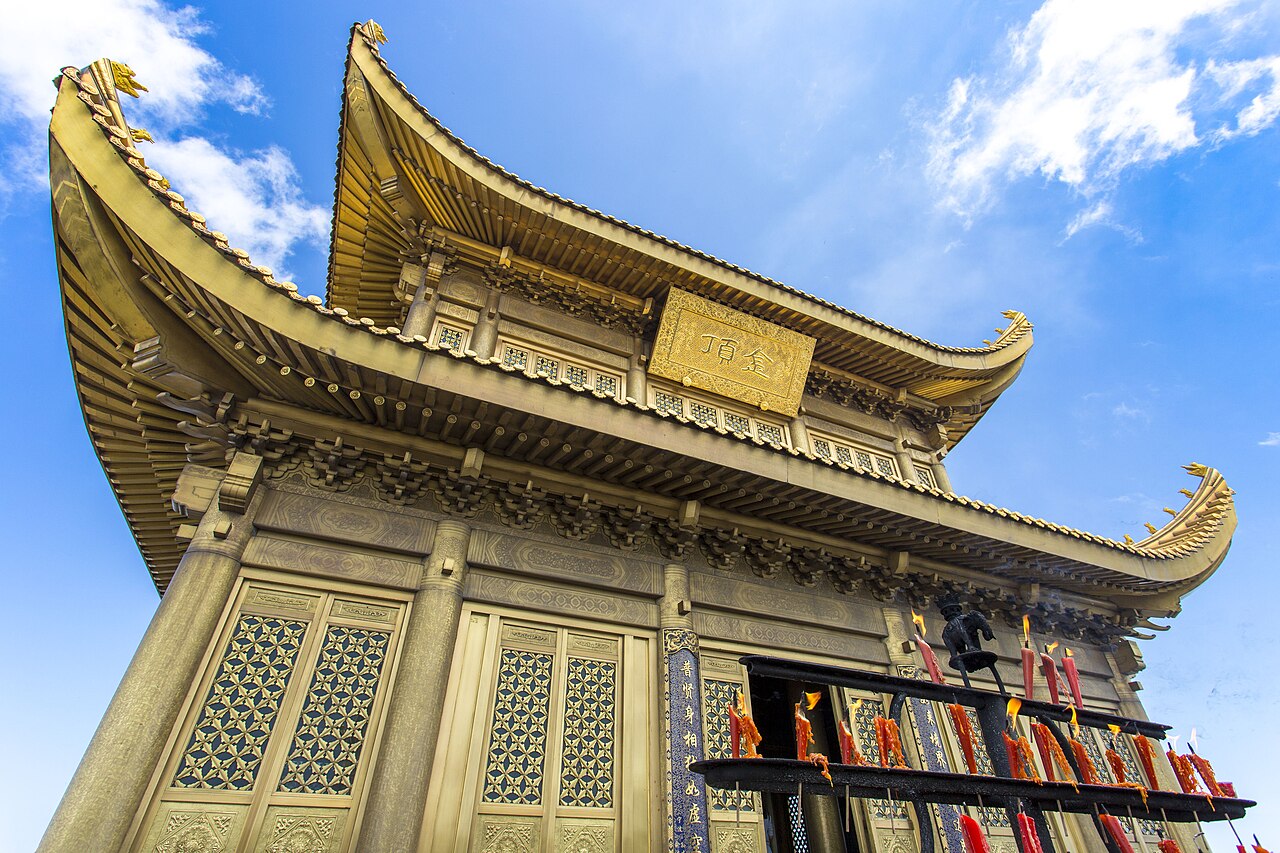
Sunrise on Gongga from Camp 3 — the golden mountain
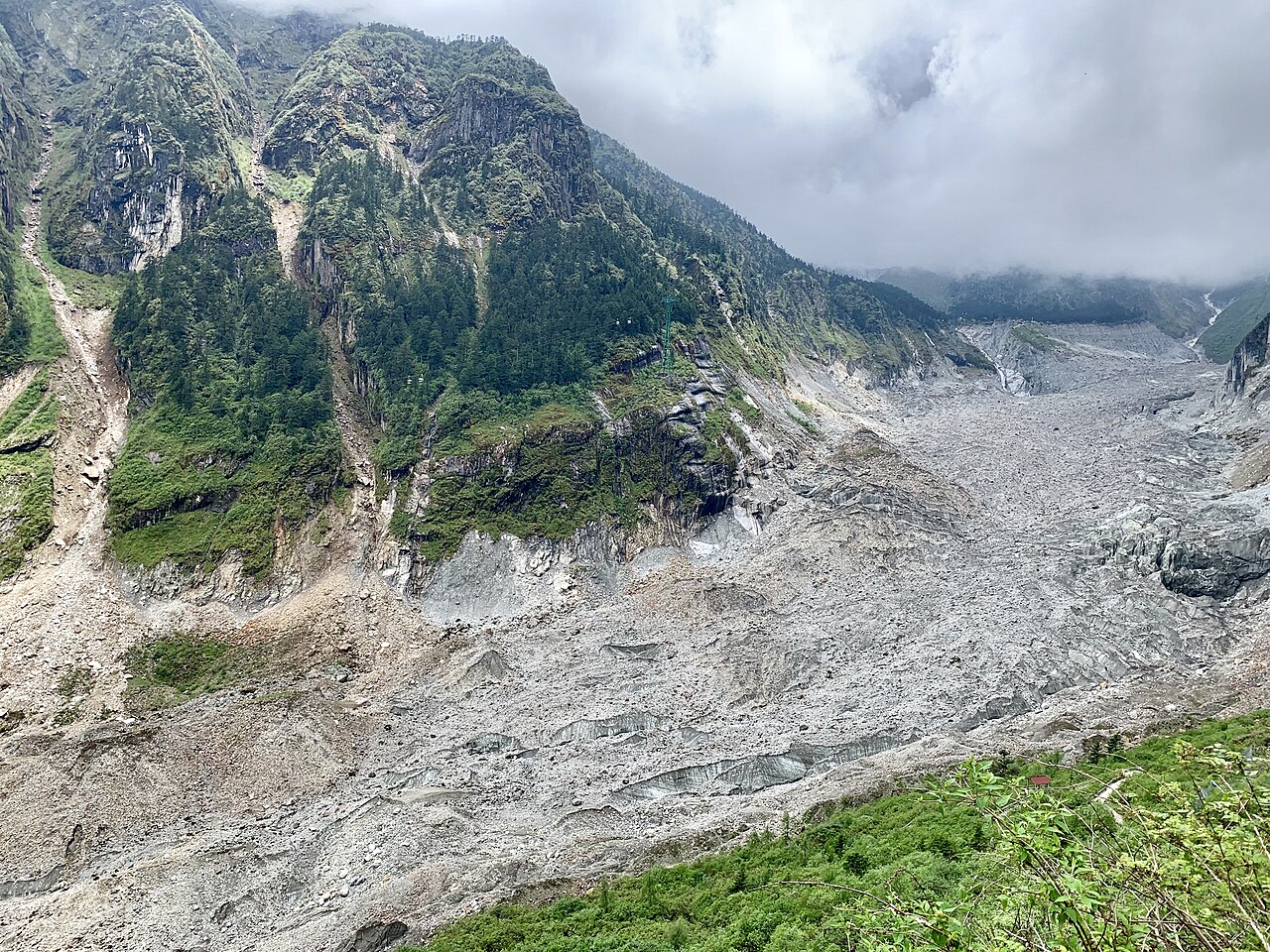
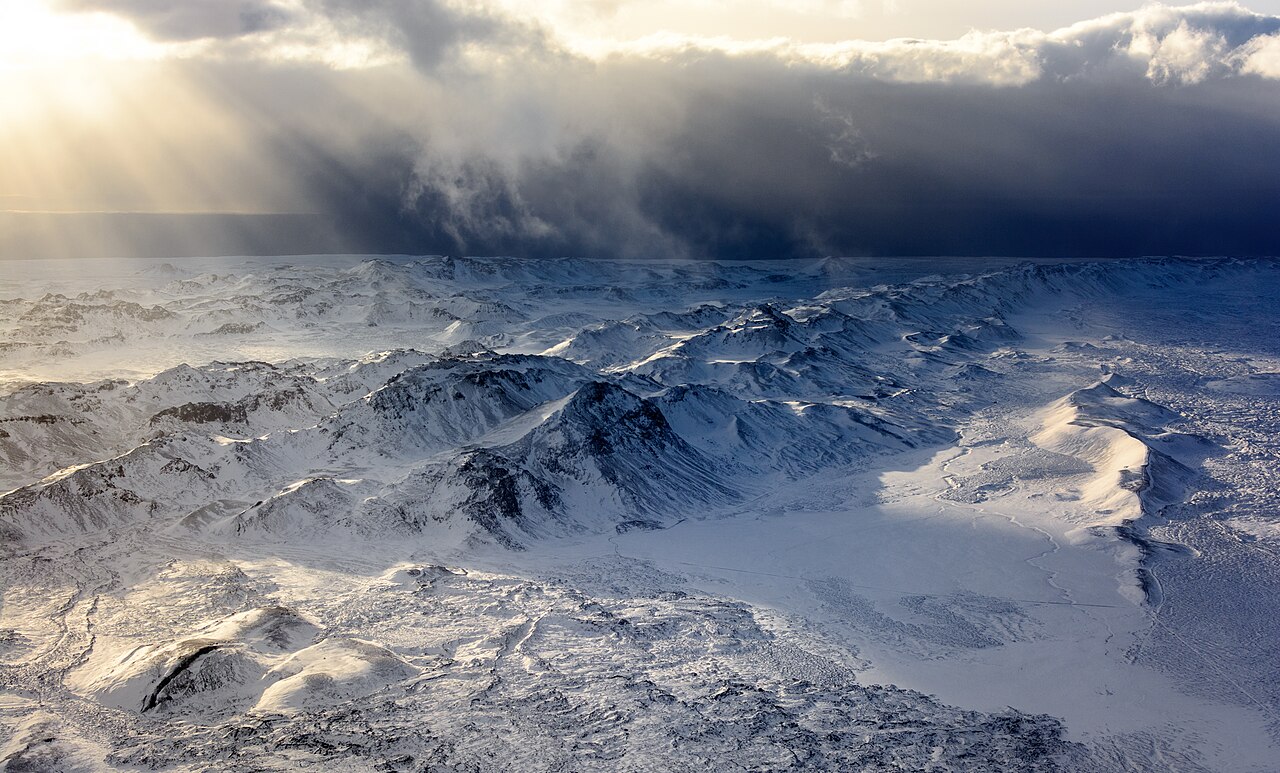
The Great Ice Fall, over 1,000 m high and 1,100 m across
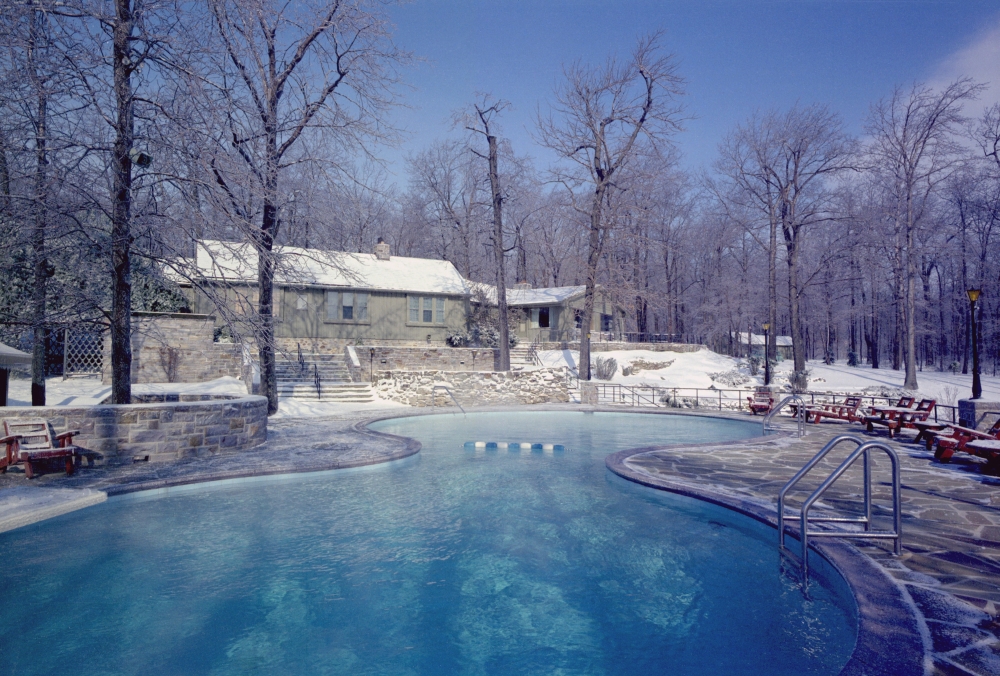
Hot spring pools in the forest at Camp 2, 2,580 m
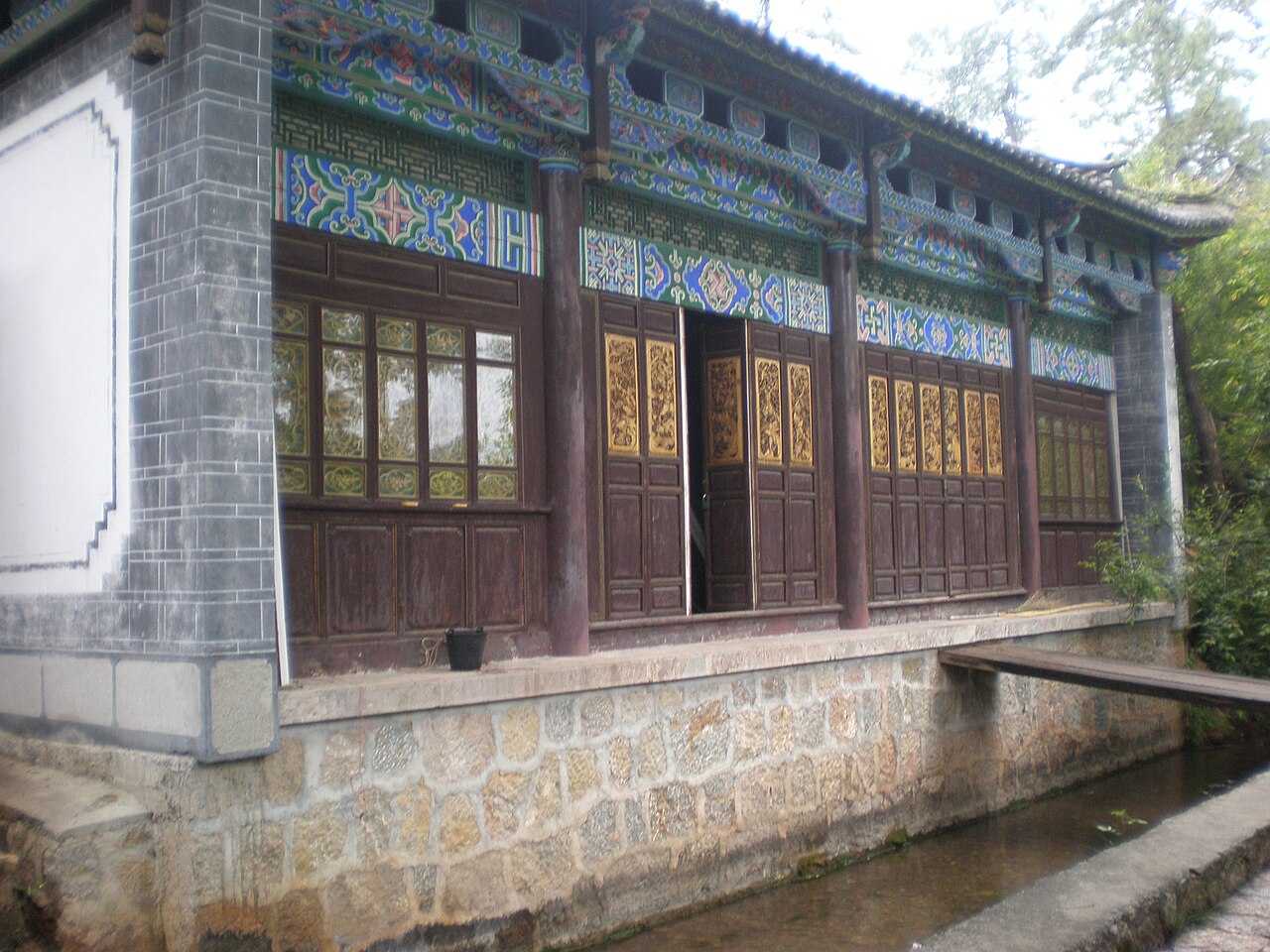
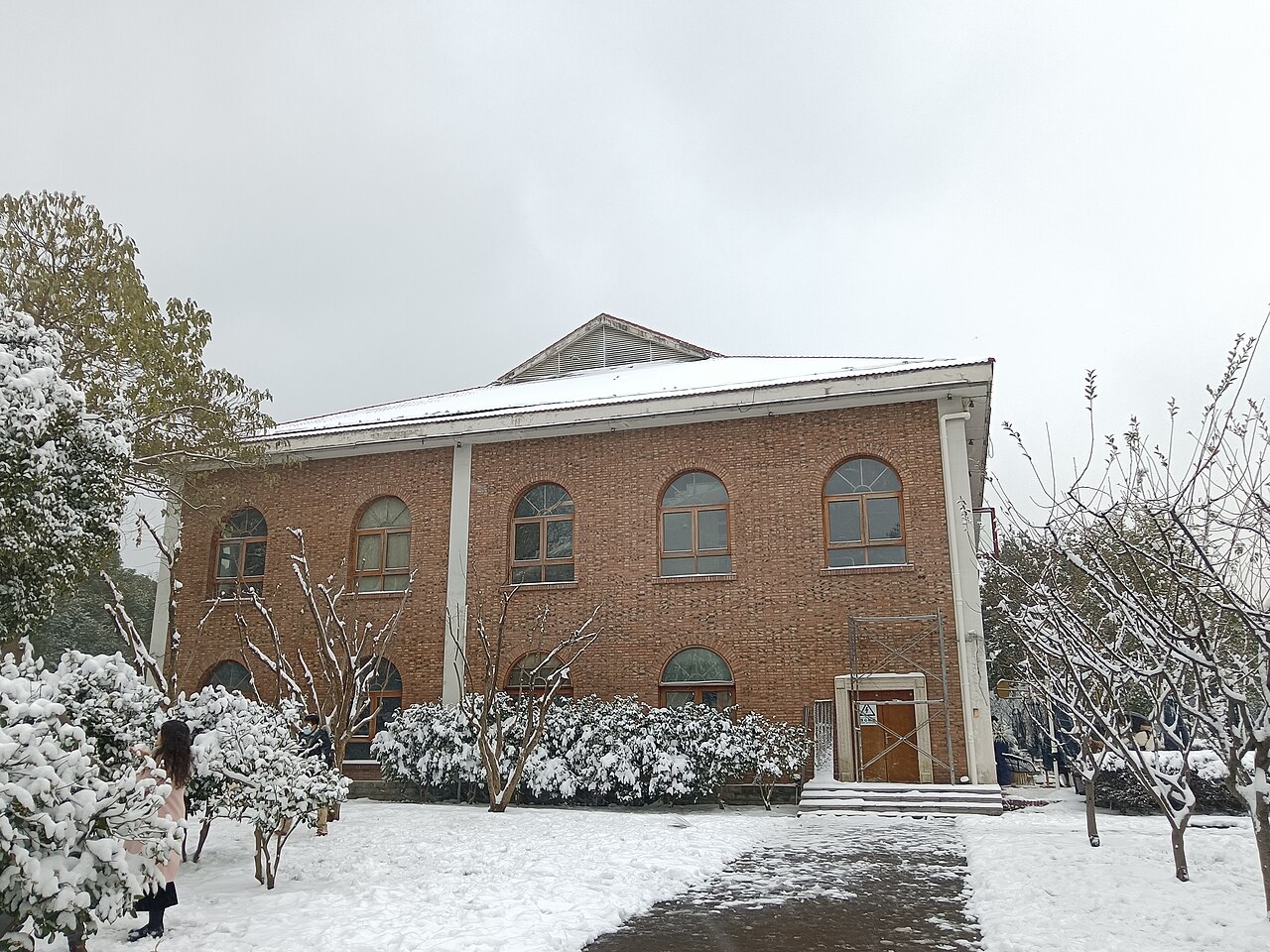
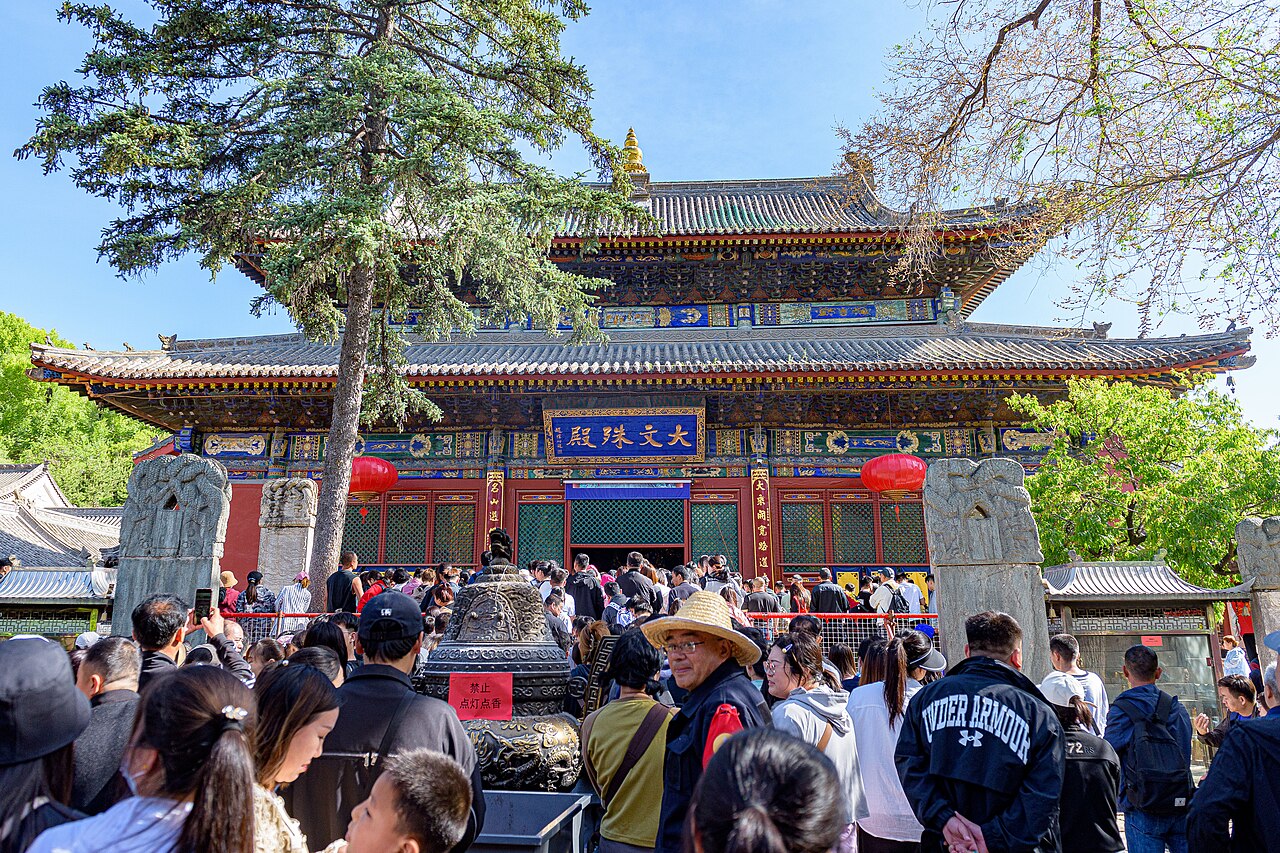
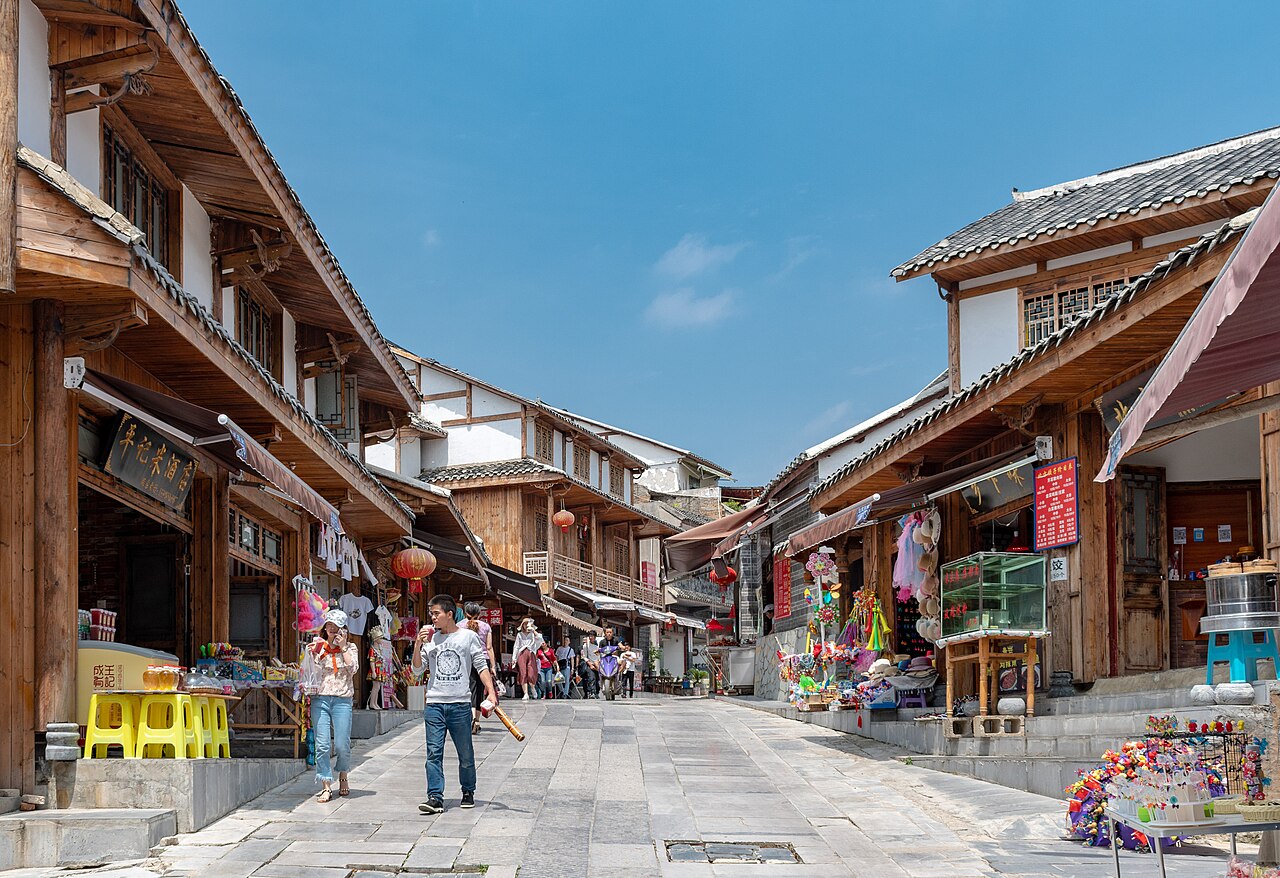
Moxi old street and the 1918 Catholic church

I love glaciers and snow mountains. They have a kind of spell over you — they make you reverent and afraid at the same time, and they keep bringing you back. They give me something to look up to; they let me straighten my back in the middle of a busy, pointless life and find a glimpse of somewhere for the soul to live.

A traveller's note, 'Two Days Around Chengdu: Western Sichuan'

Snow falling outside, snow mountain in front, hot tea and a hot pool — this is the picture I dreamed of. I showed the Japanese the photo of this hot spring at 2,700-odd metres and they were openly envious of it. I slept here one night and several days of exhaustion simply disappeared.

A traveller's note, 'I Love the Plateau, I Love Snow Mountains'

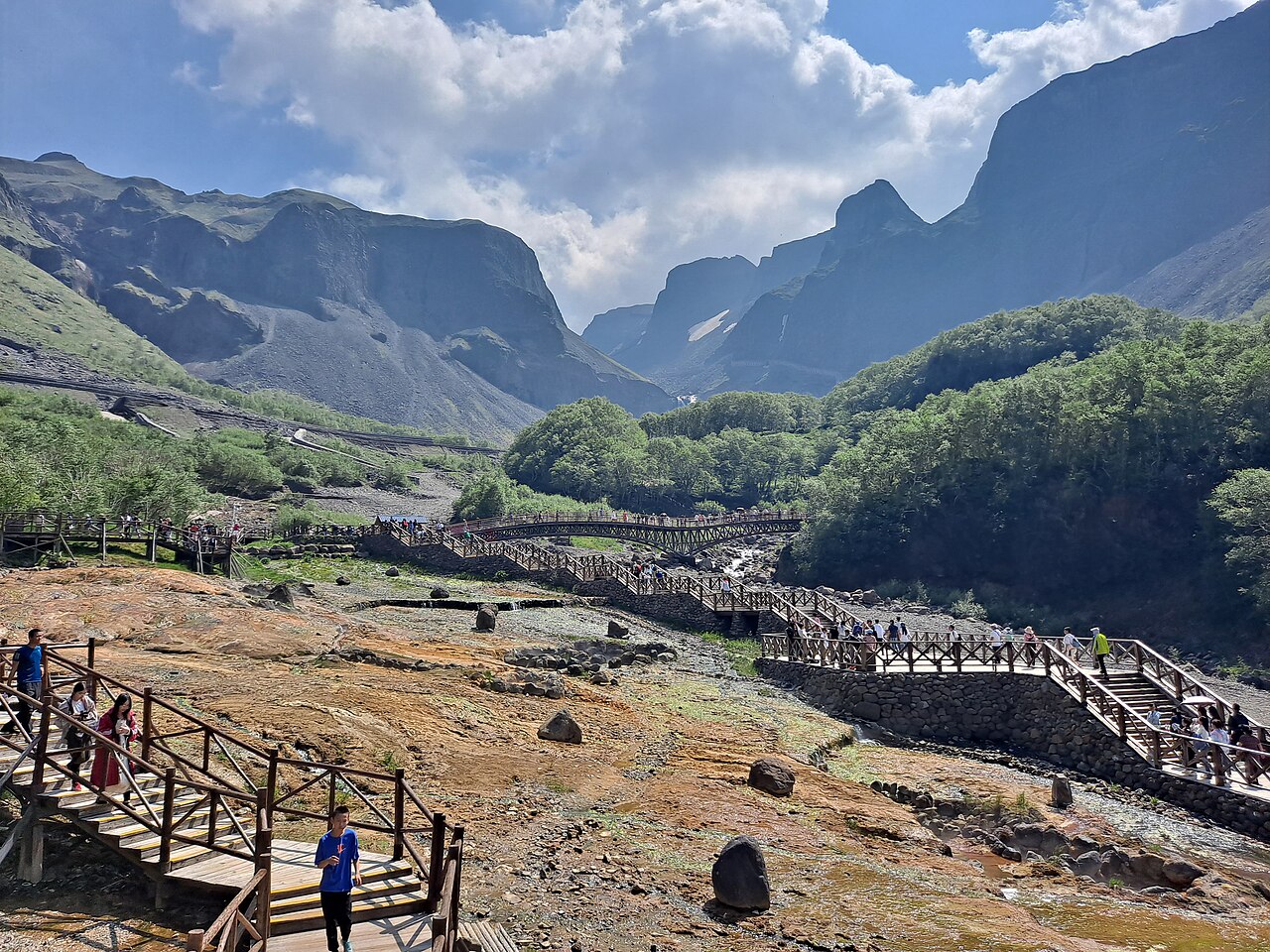
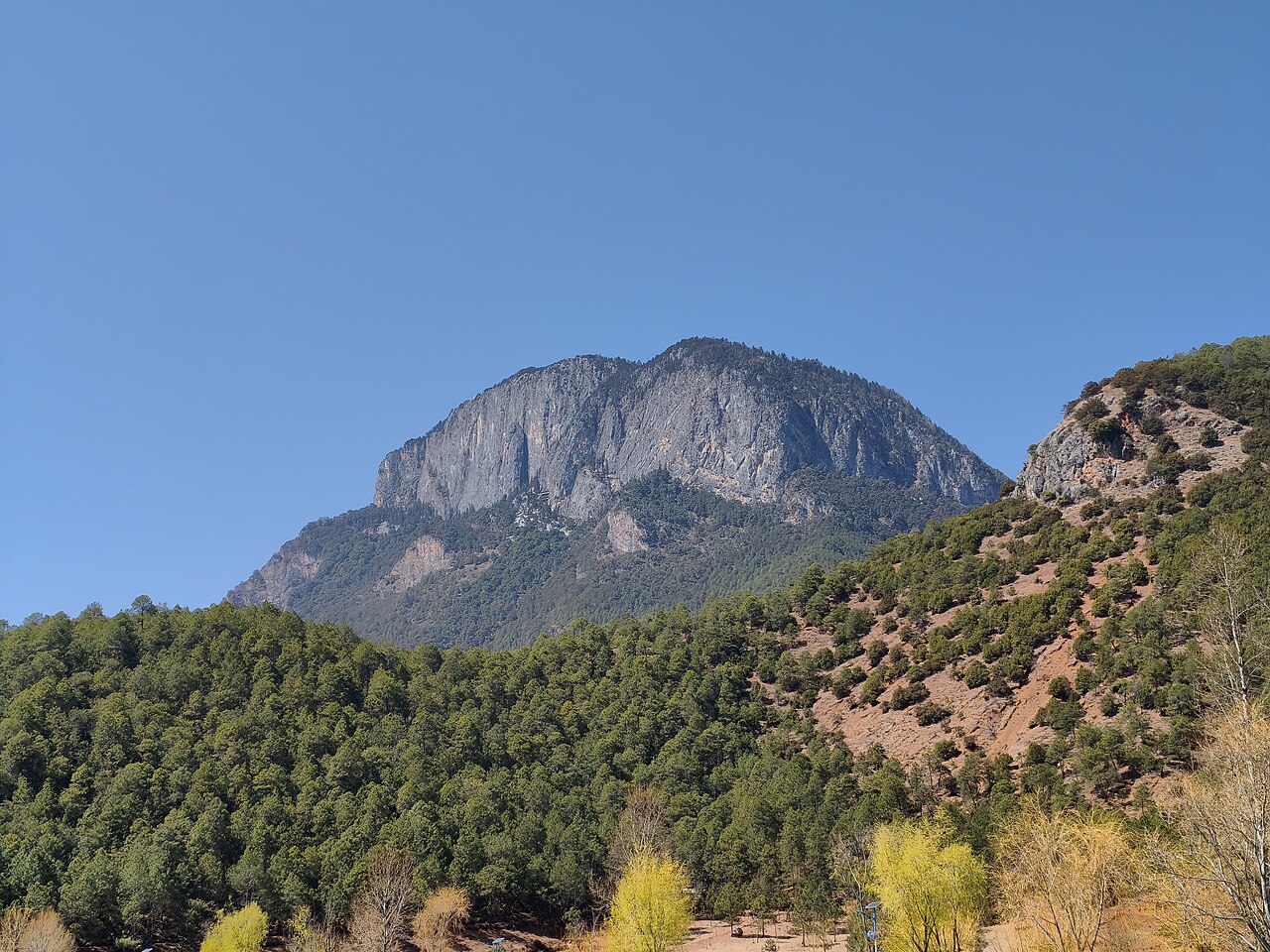
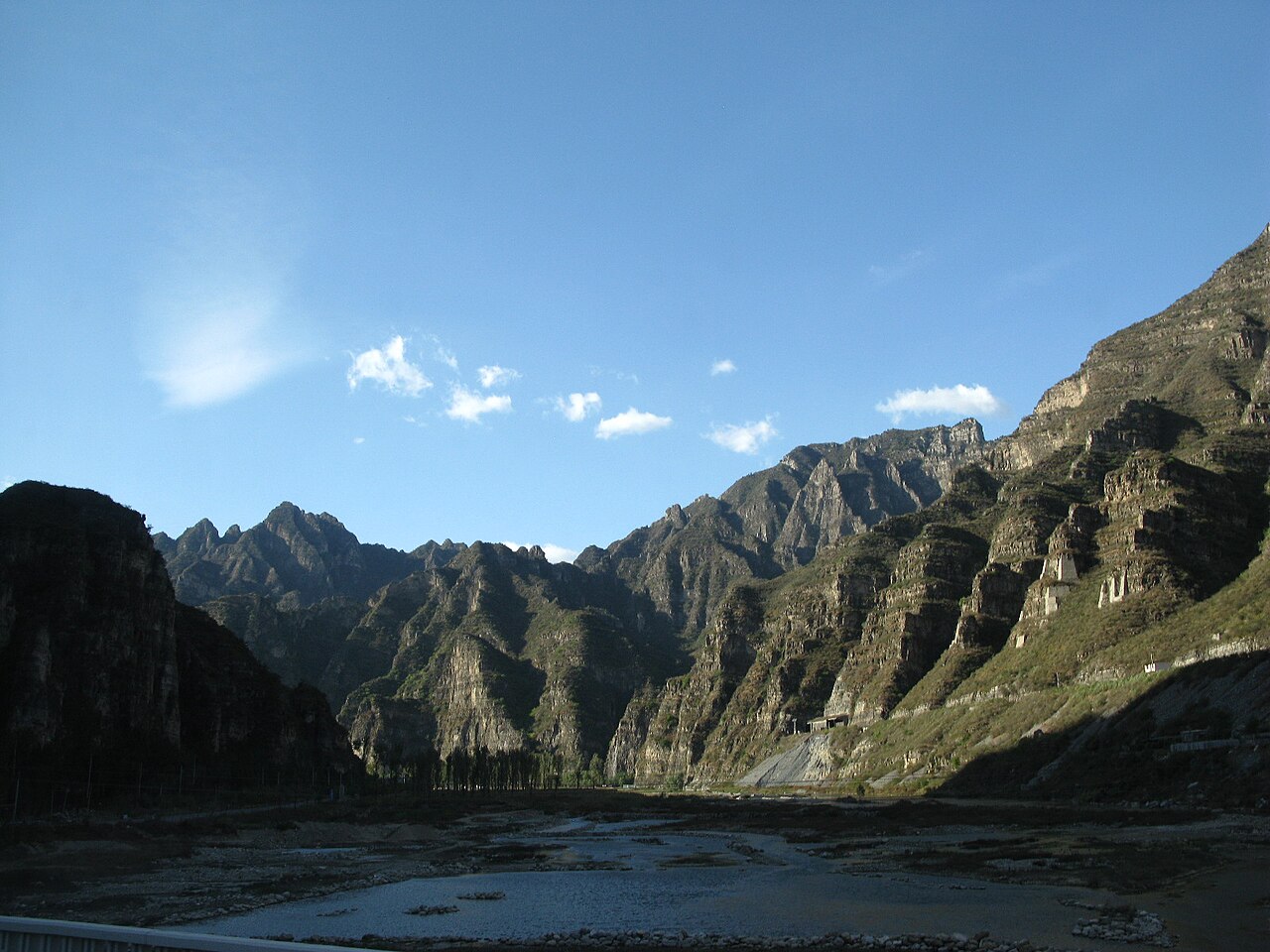
Most glaciers in the world sit above the treeline, unreachable without ropes. This one comes down through cloud forest and mist to about 2,850 m, on the eastern flank of Gongga Shan — the King of Shu, 7,556 m, the highest mountain in Sichuan. You ride a green shuttle up the valley, take a cable car across the ice fall if you want the aerial view, or walk a boardwalk through old forest and stand at the bottom of the ice. If you can walk uphill for an hour, you can see it properly.

The valley is organised by altitude into numbered camps, and the number is the whole system: bigger means higher and closer to Gongga. Camp 1 at 1,940 m is warm, forested, subtropical — palms and bamboo among the Han and Yi villages. Camp 2 at 2,580 m is where the hot springs are. Camp 3 at 2,940 m is the shuttle's last stop and the classic place to watch the sunrise paint the peaks gold. Camp 4, cable car only, no beds, stands almost against the mountain with the whole glacier below it.

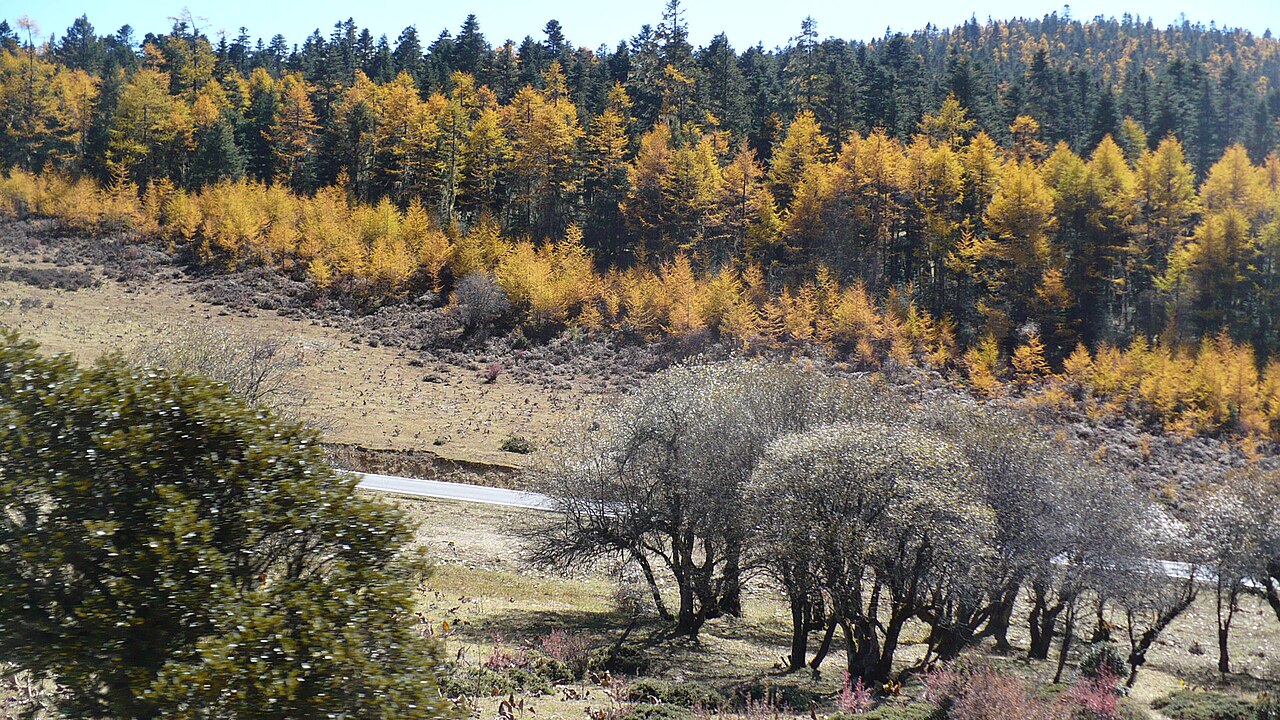
Above everything is the Great Ice Fall — over 1,000 m high and about 1,100 m across, more than ten times the scale of Huangguoshu Falls. Behind its calm white face the ice is moving, pushing rock and debris down the mountain, which is why you view it from platforms and never walk onto it. Between the gate and the summit the valley stacks seven climate and vegetation bands, which is why the forest keeps changing as you climb — macaques, squirrels, red-bellied pheasant, and in summer takin and blue sheep coming down to drink at the hot springs.

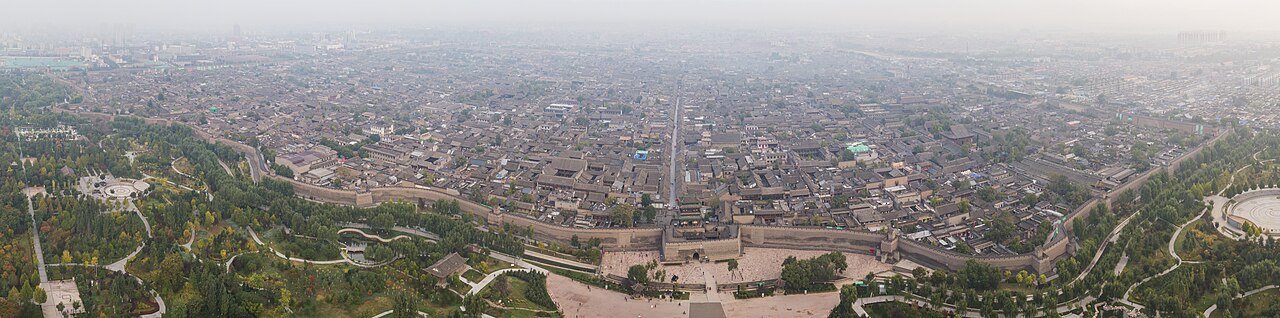
At the bottom is Moxi, the old town at the valley mouth on the tea-horse road: Ming and Qing timber houses, a Gothic Catholic church built by a French missionary in 1918, and the memory of the Long March — in May 1935 the Red Army's First Front Army passed through on its way to Luding Bridge, and Mao, Zhu De, Zhou Enlai and Chen Yun slept in that church and held the Moxi Conference in the priest's house. It is the bus stop, the place to eat and sleep, and worth a slow afternoon of its own.
Hailuogou

Don't leave without

Seven things that are worth rearranging a day for.

  1. Watch the sunrise gild Gongga from Camp 3
  2. Soak at Camp 2 while snow falls around you
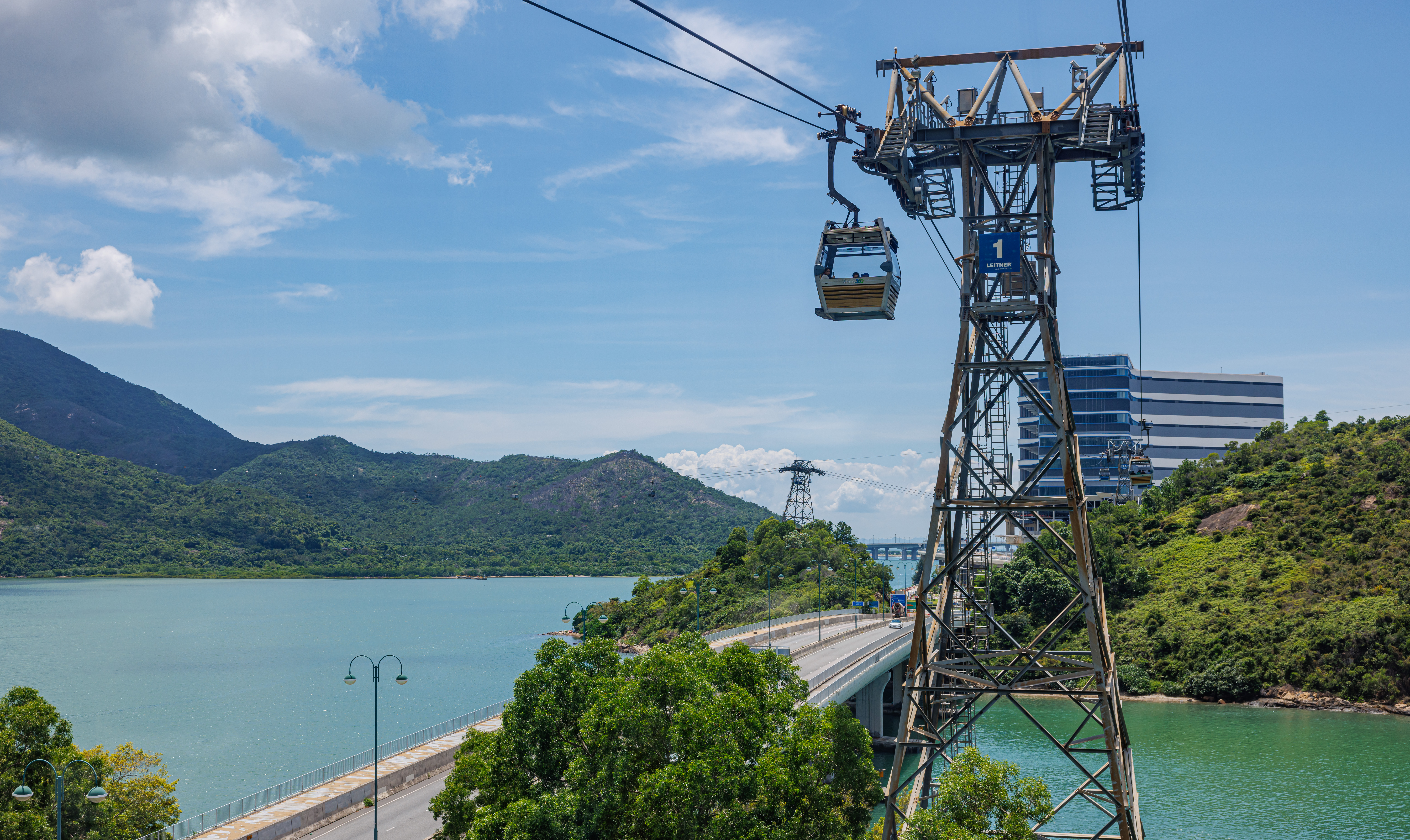
  3. Take the cable car across the Great Ice Fall to Camp 4
  4. Walk the boardwalk through old forest to the glacier viewpoint
  5. Touch ice that is thousands of years old
  6. Eat yak and drink a glass of the bar's own plum wine in Moxi old street
  7. See the sea of cloud from somewhere above 3,000 m

Highlights

Six reasons to come up this valley

A glacier you can walk up to

One of the lowest modern glaciers anywhere — its tongue reaches about 2,850 m, below the treeline, through cloud forest. Shuttle, cable car or boardwalk; no ropes, no guide, no technical gear. Nowhere else in China lets you stand this close to ice this old this easily.

Sunrise over the golden mountain

On a clear morning the first light lands on Gongga's southern summits — the Three Linked Peaks, Gold and Silver Mountain, and the unnamed peak, all above 6,300 m — and lays gold over the snow. It happens around 06:40 in spring and summer and about 07:20 in autumn and winter.

Hot springs under snow

Pools in the old forest at 2,580 m, steam drifting through the trees, snow falling on the branches around you while you sit in it. The water is a sodium-bicarbonate neutral medical thermal spring, and ¥80 buys the single best hour of a Hailuogou trip.

The Great Ice Fall

More than 1,000 m high and about 1,100 m across — over ten times the scale of Huangguoshu. The cable car crosses it, which is the only way to see the whole thing at once. It looks still. It is not: the ice behind the white face is moving rock downhill all the time.

Old forest and its animals

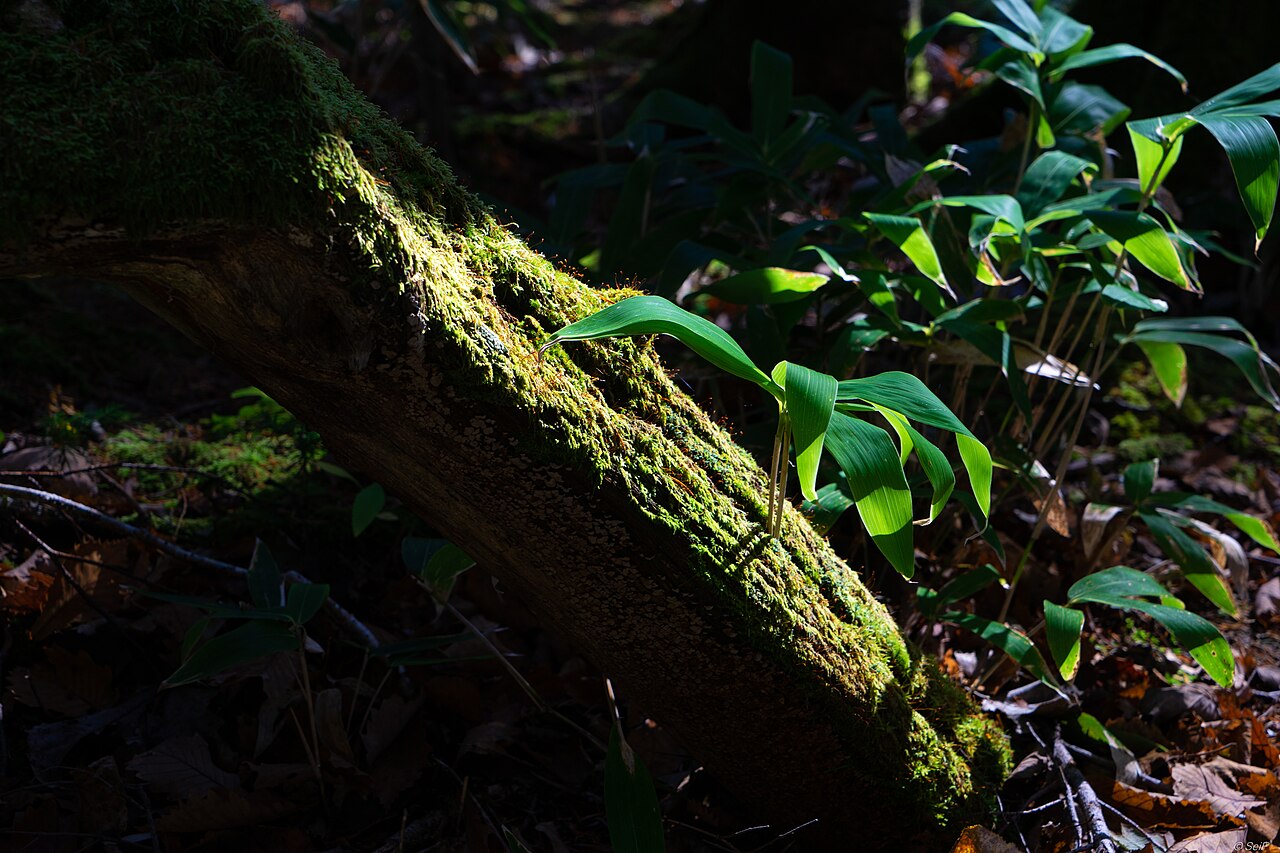
The boardwalk from Camp 3 to the viewpoint runs through primeval forest hung with moss and lichen. Quiet walkers see macaques, squirrels and red-bellied pheasant; in summer, takin and blue sheep come down to the hot-spring stream to drink. Seven climate bands are stacked between the gate and the summit.

Moxi old town

Ming and Qing timber houses, a French Gothic church from 1918 whose bell has been ringing for a century, and the room where the Moxi Conference was held in 1935. A lived-in town rather than a museum, and the only sensible place to base yourself.

Suggested routes

Two ways to run the valley

The classic two days

2 days days

Glacier one day, springs and old town the next. This is the trip.

  1. Day 1

    Arrive, then Moxi

    Bus from Chengdu Xinnanmen at 09:30, about five hours through Ya'an and the Erlangshan Tunnel, arriving at Moxi in the afternoon. Or drive the 280 km yourself in six to eight hours.

    Walk the old street before dinner: the Ming and Qing timber houses, the 1918 Catholic church, the Moxi Conference site. Eat yak, drink the local plum wine, sleep low — you are only at 1,600 m and tomorrow you climb to nearly 3,000.

    Stops: Moxi old townCatholic church

  2. Day 2

    Glacier, then the springs

    Take the first green shuttle up. Ride all the way to Camp 3, then either the cable car to Camp 4 for the aerial view of the ice fall and Gongga, or the forest boardwalk to the viewpoint and down to the base of the glacier — one to two hours, carrying your own food.

    Come back down and stop at Camp 2 for the hot springs, ¥80, and stay until the light goes. If you are sleeping up here, do the sunrise tomorrow; if not, ride the last shuttle down and sleep in Moxi.

    Stops: Camp 3Camp 4Camp 2 hot springs

Three days, with the sunrise

3 days days

Sleep inside the valley so you can be standing outside at 06:40.

  1. Day 1

    In, and up to Camp 2

    Arrive in Moxi, buy your ticket and shuttle pass, and ride up through the forest — the vegetation changes with every band: palms and bamboo near Camp 1, conifers and moss higher up.

    Check in at Camp 2 at 2,580 m and spend the evening in the pools. Note the last shuttle up is 17:00 and the hotels stop checking in after 17:30 — do not cut it fine.

    Stops: MoxiCamp 1Camp 2

  2. Day 2

    Sunrise, glacier, snow

    Be on the balcony or up at Camp 3 before 06:40 in summer, 07:20 in autumn and winter. The light lands on Gongga's southern summits first.

    Then the glacier: cable car to Camp 4 for the whole ice fall at once, and the boardwalk down to the ice if your legs are willing. Afternoon back at the pools. Winter visitors get snow and steam at the same time.

    Stops: Sunrise on GonggaCamp 4Glacier viewpoint

  3. Day 3

    Down, and the long road

    Ride down through the forest in the morning light, and give Moxi a proper hour before you leave — the old street, the church, breakfast on the lane.

    Then the road: the 09:30 or afternoon bus back to Chengdu, or the drive via Luding, where you can stop at the iron-chain bridge on the Dadu River if you have not had enough history.

    Stops: Moxi old streetLuding BridgeChengdu

Adding the west loop

6 days days

For people driving: take the long way and fold in Siguniang and Danba.

  1. Days 1–2

    Chengdu to Siguniang

    Out via Dujiangyan, Yingxiu, Wolong and the 4,500 m Balang Pass to Rilong at 3,200 m — 286 km, five or six hours. A day in Changping or Shuangqiao, horses or shuttle.

    Then south over the passes to Xiaojin and on to Danba, the valley of watchtowers and the Jiarong cultural heartland.

    Stops: Balang PassRilongDanba

  2. Days 3–4

    Danba, Tagong, Kangding

    Morning among the old stone towers at Danba, then the road west: Bamei, the Tagong grasslands, and Xinduqiao — the so-called photographers' corridor, ten-odd kilometres of birch, streams, grassland and scattered Tibetan houses.

    On to Kangding and its Tibetan town, then down to Luding and Moxi. Every kilometre of this leg is the point.

    Stops: DanbaTagongXinduqiao

  3. Days 5–6

    Hailuogou, then home

    A full day on the glacier and a night at Camp 2, then a slow morning in Moxi.

    Back to Chengdu via Ya'an and the Erlangshan Tunnel — 280 km — or push on to Yajiageng, an hour away, for the red-rock shoals and the alpine lakes below Gongga.

    Stops: HailuogouMoxiChengdu

Sights

The four camps, and what each one is for

1,940 m — the warm band

Camp 1

Fifteen kilometres from Moxi, and the moment the valley opens out: clear water, birds, palms and bamboo among the Han and Yi hamlets, a subtropical farm scene. It is the sanctuary for the valley's plants and animals, and the altitude at which the hot-spring hotels sit. Past it you enter the core of the park.

Altitude
1,940 m
Distance
15 km from Moxi by shuttle
Character
Warm, forested, subtropical; hot-spring hotels
Why stay
Lowest altitude sleep inside the valley — good if 2,580 m worries you

Tip Between here and the 6,300 m of drop up to Gongga's summit the valley stacks seven climate and vegetation bands, one of the most complete vertical landscape sections in China. The forest changes as you ride — watch it.

2,580 m — the pools

Camp 2 and the hot springs

Seven kilometres on from Camp 1, at the Hot Water Gorge. A spring mouth bubbles up clearly, with pools ranged from hot to cool, and the whole place is more or less unbuilt — steam in the trees, little concrete, nothing designed. The water is a sodium-bicarbonate neutral medical thermal spring, good for neuralgia, stomach complaints and arthritis.

Altitude
2,580 m
Cost
¥80 per person to soak
Water
Sodium-bicarbonate neutral medical thermal spring
Getting there
Green shuttle only; last bus up 17:00, check-in closes 17:30

Tip Winter is the reason to come: you lie in hot water and watch snow fall on the forest around you. Bring your own swimsuit and towel — the simpler places provide nothing.

2,940 m — the sunrise

Camp 3

Past Water Lake, the valley's only ancient moraine lake, and the classic place to watch the sunrise turn Gongga gold. The light lands on the Three Linked Peaks, Gold and Silver Mountain and the unnamed peak — all above 6,300 m on the southern side of the massif — and the silver summits go gold all at once.

Altitude
2,940 m
Sunrise
About 06:40 spring and summer; about 07:20 autumn and winter
Role
Last shuttle stop and the transfer point for the cable car
Sleeping
Closest hotel to the glacier, and the dearest

Tip Do not sleep through it. This is one of the five famous sights of Hailuogou and the one that decides whether people think the trip was worth it.

Cable car only

Camp 4 and the Great Ice Fall

The viewpoint almost against Gongga itself, with the whole glacier spread out below you and the Great Ice Fall in front — over 1,000 m high and about 1,100 m across, more than ten times the scale of Huangguoshu Falls. The cable car is the only way up, it crosses the ice fall, and on a clear day you also see small avalanches running on the ice.

Access
Cable car from Camp 3, ¥150 return
Also on foot
Boardwalk from Camp 3, 1–2 hours each way, through old forest
Sled chairs
Porters carry you in sections, ¥20–80 — for anyone short on legs
Beds
None. This is a viewpoint, not a base

Tip Ride up on a clear day and walk down on a wet one. In cloud the cable car sees nothing, while the boardwalk still gives you the forest, the animals and the ice at close range — and the sound of the ice fall.

The reason you came

The glacier at 2,850 m

A low-altitude monsoon glacier pouring down off Gongga, ending in an ice tongue you can approach. The boardwalk from the viewpoint takes you down to the base of the ice, where the Great Ice Fall towers above you — ice caves, ice bridges, blue in the shadowed crevasses. It smells cold and it is, somehow, warm-making.

Glacier foot
About 2,850 m
Great Ice Fall
Over 1,000 m high, about 1,100 m wide
Access
Viewpoint by boardwalk from Camp 3, or cable car to Camp 4
Warning
Do not walk onto the ice — crevasses and rockfall

Tip Local porters on the viewpoint will steady you across the slickest, steepest bits and will try to sell you a chair back down. Take the help; the chair is your call.
The base

Moxi old town and its church

The old town at the mouth of the valley, on the tea-horse road, old enough that its Ming and Qing timber buildings still read as a town rather than a set. In the middle of it, a French Gothic Catholic church built in 1918, whose bell has rung for a century. In May 1935, twenty thousand men of the Red Army's First Front Army passed through on the way to Luding Bridge; Mao, Zhu De, Zhou Enlai and Chen Yun slept in the church and held the Moxi Conference in the priest's house. Both sites survive.

Where
At the valley gate — every bus stops here
Church
French Gothic, built 1918
Red history
Moxi Conference, May 1935; Mao's lodging and the conference site are preserved
Also here
The old street's food, the bank, and the bar that hires horses and guides

Tip Give it a slow morning or evening rather than passing through. It is the only place in the area where you can eat well, find an ATM and arrange a guide in the same ten minutes.

Side valleys

Yanzi Gou and Yajiageng

Yanzi Gou is the sister valley, a bit over 10 km away and far quieter — Sky Medicine Water Flat, the Sea-Fixing Needle, red-rock shoals, Takin Flat, Swallow Crag, the ice cellar mouth, the mandala, the Medicine King temple and a Gongga summit viewpoint. Yajiageng, about an hour's drive between Moxi and Kangding, carries both the Tang-Tibet and the tea-horse roads, and the road up passes red-rock shoals and Yajia Qinghai before the stone marker and Ash Lake.

Yanzi Gou
Just over 10 km from Hailuogou; much quieter
Yajiageng
About 1 hour by car between Moxi and Kangding's old Yulin
Getting there
Self-drive or a chartered car; cycling if you are fit
Yajia Qinghai
Said to be where the Sixth Dalai Lama wrote love poems

Tip Both need your own wheels. Take Yajiageng if you want the red-rock shoals and the lakes; take Yanzi Gou if you want another glacier valley with nobody in it.

Hot springs

How to soak at 2,580 m without wrecking your evening

Three ways to do it

Soaking — in and out of pools at different temperatures, and 40°C feels like a thousand acupuncture needles if you can take it. Showering — stand under the hot-water spout or ladle it over yourself from a wooden bucket. Swimming — the thermal pool as a proper swim, which is heat plus exercise and a real workout.

Get in the way the water wants

Test the temperature with a hand or a foot; never jump straight in. Feet first, sit on the edge, splash the water over your whole body, then let yourself down. Start in the cool pools and work up. Twenty to thirty minutes at a time, out for a stretch and water, then back. Do not go alone, and do not rinse off with soap afterwards.
Timing matters more than you think

Never on an empty stomach, and never within an hour of a meal or any alcohol — you will get dizzy, faint or far worse. If you have heart disease or high blood pressure, wet your body with the water gradually before immersing; do not go straight in. Over 65: keep it under fifteen minutes.
Who should not

Anyone with a skin allergy, pregnancy or recent surgery. Diabetics: no more than twenty minutes, water no hotter than 40°C, because heat speeds insulin absorption and loads the heart. Anyone with cancer or leukaemia, and anyone who has just been ill. If you feel wrong in the water, get out — that is the whole rule.

Take off the jewellery

Silver and most metals blacken in sulphur water within minutes, and it does not come off. Also bring your own swimsuit, towel and toiletries: the big hotels supply them, farmhouse places do not, and your own is cleaner regardless. Drink water — you are losing fluid as your temperature climbs.

Know what you are sitting in

Springs divide roughly into neutral carbonated, alkaline sodium-bicarbonate, salt and sulphur, and each suits different complaints. This one is sodium bicarbonate and neutral — the mildest of the four, and the reason it works for neuralgia, stomach trouble, diabetes and arthritis. Skin dries out fast afterwards; put lotion on immediately.

Food

Yak, Yi and Khampa — and plain Sichuan

Yak meat

Called the crown of beef, and the thing to eat at altitude: high in protein and amino acids, iron, carotene, calcium and phosphorus, very low in fat and very high in calories. Moxi sits in Ganzi and produces a lot of it, so it is cheap here — eat it, and take some home.

Cured bacon

The local habit is to slaughter the New Year pig after the winter solstice, cut it into three- or four-jin pieces, thread them on palm-leaf cord, salt them in layers in a vat for three to five days, then smoke them over walnut shells and cypress. Then they hang in the air until they are dry and hard.

Tuo tuo pork

Yi food, cut into chunks, boiled and eaten as it is — the old way was to sit round a jar of wine and drink through wheat straws. On Yi festival days the households slaughter cattle, sheep and pigs and simmer great pots of it for anyone who comes to the door.

Khampa smoked meat and butter tea

The Tibetan side of the valley eats smoked and roasted meat with barley wine, butter tea and yoghurt — the foods that make sense at 2,500 m. The Han kitchens of Moxi cook plain Sichuan. Ask for the local dishes in advance if you want them; most restaurants can do them but do not by default.
Nine-bowl banquet

The local feast for weddings and funerals: nine big bowls — two of pork, plus meatballs and steamed dishes, with crisp pork, noodles, kelp and wood ear around them — laid out in a pyramid of four, three, two, one. Temple feasts are vegetarian, fried bean curd and gourds in vegetable oil.

Old-shade tea and the cakes

Old-shade tea is the coarse tea people boil in a pot and drink all day. For New Year, farm households make their own malt sugar: popcorn stuck into cakes, pressed into bars and sliced, or peanut, walnut, sesame and popped grain ground, cut into finger-sized pieces, sun-dried and stir-fried in ash or sand, then coated in sugar.

Where to eat

Moxi's handful of tables

Street food

Juntun Guokui, old street

One of the very few snack shops on the old street, which is why it stands out. The guokui is flat bread baked until it blisters — filling, cheap, and exactly the thing to eat while you walk the lane. Heading towards the old street, you will see it.

Where
Moxi old street, towards the northern end
Average spend
A few yuan
Best for
Something hot in your hand while you walk

Bar and outfitter

Camp 7 bar

A bar on the middle of the old street that also hires horses, guides and gear — if you need anything arranged, ask for Abu, a Tibetan born and raised in Moxi. Their own fruit wines are the draw: the plum wine is the best of them, the green-plum and kiwi are good, and the cherry is not.

Where
Middle of Moxi old street, heading north
Best for
House plum wine, and sorting out horses, guides and equipment
Also
The de facto information desk of the town

Farmhouse

Muxing Wooden House Inn kitchen

An all-timber house eight kilometres up towards the Gongga hot springs, with a kitchen doing what it grows: barbecued free-range chicken and snow-mountain bacon, the two dishes people come back up the road for. Clean air, running water, fir-plank walls, warm in winter and cool in summer.

Where
8 km inside the park, towards the Gongga hot springs
Signature
Barbecued free-range chicken, snow-mountain bacon
Rooms
¥100–410 — stay and eat

Sichuan

The restaurants of Moxi old street

Between the gate and Kangding the cooking is Sichuan and not hugely different from anywhere else; the Tibetan and Yi specialities — smoked meat, barley wine, butter tea, yoghurt, tuo tuo pork — are what you have to ask for. Most hotel and restaurant kitchens default to mild, ordinary dishes unless you tell them otherwise in advance.

Where
Moxi town and the old street
Note
Food is thin on the ground here — carry snacks if you are fussy
Tip
Inside the park, food is expensive and rice does not cook properly at altitude

Where to stay

Moxi, or one of the three camps

The romantic one

Hailuogou Glacier Hot Spring Resort, Camp 2

In the core of the park at 2,580 m, 23 km from the gate and 9 km from the cable car — reachable only by shuttle, with the last bus up at 17:00 and no check-in after 17:30. What you are buying is the pools at night and the sunrise from the balcony in the morning.

Where
Camp 2, inside Hailuogou
Price
¥690–860 / night
Phone
0836-3266170

Forest hot springs

Gongga Shentang Hot Spring Hotel, Camp 1

A court-garden hotel set among the Gongga peaks and old forest, with the glacier river running past it. Its pools are the lowest-altitude glacier hot springs in China, so bathing here does not bring on the dizziness, chest tightness or breathlessness you get from soaking high — every pool runs on its own flow-through system.

Where
Between the first gate and Camp 1
Price
¥380–580 / night
Phone
400-7558888

Camp 1, in the park

Hailuogou Snowland Hot Spring Holiday Hotel

Tibetan-style hotel built into the slope at Camp 1, 15 km from the gate at 1,940 m and a twenty-minute drive from Camp 3 — a full thousand metres below it. Pools you can swim or bathe in, a spring mouth at 78°C running all year, and water good enough to drink.

Where
Camp 1, Hailuogou Geopark
Price
¥180–380 / night
Phone
0836-3266866

Closest to the ice

Jinshan Hotel, Camp 3

The closest hotel to the glacier, ringed by primeval forest, and the place to watch the sunrise over Gongga without going outside — or from just outside, which is better. Fully equipped, and priced accordingly. Like Camp 2, the last shuttle up is 17:00 and check-in stops at 17:30.

Where
Camp 3, Hailuogou
Price
¥200–580 / night
Phone
0836-3266383

Four-star at the gate

Mingzhu Garden Hotel, Moxi

Built and finished to four-star standard, a cluster of European-style villas stepped up the slope with the Gongga snow peaks standing beside it. Glacier views from the window, and the sunrise on the peaks from your bed if the timing works. Full hot water, ticketing and tour services.

Where
Hailuogou gate, Moxi town, Luding County
Price
¥200–400 / night
Phone
0836-3266166

Budget

Milan Youth Hostel, Moxi

Near the three-way junction: get off the bus before it enters the station and it is a two-minute walk. Rooms are painted bright colours, there is no air conditioning but there are electric blankets, and some rooms have their own viewing balcony with a snow mountain in it.

Where
Zhaoguang Road, Moxi (opposite Gongga Hotel)
Price
¥35–360 / night
Phone
0836-3266518 / 13108377771

Getting around

One bus, one road, and green shuttles inside

By long-distance bus

One departure a day: Chengdu Xinnanmen Station (028-85433609), 09:30, direct to Moxi at the valley gate, about five hours for ¥138. Buy a day or two ahead. Coming back, there is one bus a day to Chengdu for ¥145, with extra departures in peak season — ask locally which.

Chengdu → Moxi
09:30 daily, about 5 hours, ¥138
Moxi → Chengdu
Usually one a day, ¥145; more in peak season
Missed it?
Bus to Luding ¥91, then a local car the last 52 km for about ¥20

By car, route one

The classic: Chengdu–Ya'an–Tianquan–Erlangshan Tunnel–Luding–Moxi, about 280 km and six to eight hours on the G318 and G108. Chengdu to Ya'an is 134 km of expressway, Ya'an to Tianquan 38 km of two-lane concrete, and the 110 km through Erlangshan is concrete all the way. The 4.1 km tunnel has two different climates at its two ends.

Chengdu–Ya'an
134 km, full expressway
Erlangshan Tunnel
4.1 km, two-way; different weather either side
Luding–Moxi
About 52 km over the new Dadu River bridge

By car, the other two routes

Route two goes over Niba Mountain via Hanyuan and Shimian, 468 km and about twelve hours. Route three is the western loop: Chengdu–Dujiangyan–Wolong–Xiaojin–Danba–Luding, 750 km over two days, which lets you fold in Mount Siguniang, the Danba watchtowers and the Tagong grasslands on the way. Apart from Kangding–Luding, the road is good throughout.

Route two
468 km via Niba Mountain, Hanyuan, Shimian; about 12 h
Route three
750 km over 2 days via Wolong, Xiaojin, Danba
Best of the three
Route three if you have the days — it is a trip, not a transfer

The green shuttles

Inside the park only the green shuttle buses run — a deliberate system, for safety and for the environment. The road is laid in crushed rock rather than concrete on purpose: in winter, compacted snow on a hard surface on these switchbacks is dangerous even with chains. Taxis can only go as far as Camp 1, about ¥30.

Shuttle
The only way up the valley; last bus up 17:00
Taxis
As far as Camp 1 only, about ¥30
Why gravel
Safer under winter snow on the switchbacks

Walking up to Camp 4

From Camp 3, ride the shuttle to the cable-car ticket office and walk the path up to the viewpoint — an hour or two, through old forest. From there you can drop to the base of the glacier. Adjust clothing as you climb: you warm up fast, and sweat plus wind is how people get sick up here.

Time
About 1–2 hours from Camp 3 to the viewpoint
Wear
A shell jacket and proper trainers — not leather shoes, not thin soles
Carry
Food and water; everything on sale up there is dear
Winter
Crampons for walking on ice

Practical

The numbers you will actually need

Two days is the standard trip and it is enough: glacier and ice fall on day one, hot springs and Moxi on day two. Sleep inside the valley at Camp 2 or 3 if you want the sunrise — that is the one thing a day trip cannot give you.

Entry¥75 — no high or low season, one of the few parks in China with a flat year-round price
Shuttle¥80; green buses only, last bus up 17:00, taxis stop at Camp 1 (about ¥30)
Cable car¥150 return, Camp 3 to Camp 4 — the only way up to Camp 4 and the only way across the ice fall
Hot springs¥80 at Camp 2; sodium-bicarbonate neutral medical thermal spring; pools in the forest at 2,580 m
CampsCamp 1 1,940 m · Camp 2 2,580 m · Camp 3 2,940 m · Camp 4 cable car only, no beds
GlacierIce tongue reaches about 2,850 m; Great Ice Fall over 1,000 m high and about 1,100 m across
SunriseAbout 06:40 in spring and summer; about 07:20 in autumn and winter
Bus from ChengduXinnanmen 028-85433609, 09:30 daily to Moxi, about 5 hours, ¥138
ClimateValley floor spring-like year round, about 15°C average; summits permanent snow, about -9°C average; rain May–September, snow October–April
MoneyOne Agricultural Bank in Moxi, on the old street by the church; other cards incur a fee of about ¥1 per ¥100. Bring cash

Tips

Small things that make a big difference

Sleep up, not down

If the sunrise matters, book a night at Camp 2 or Camp 3. Watching the light land on Gongga is the difference between a good trip and a great one, and you cannot do it from Moxi at 06:40.

Ride up, walk down

Take the cable car on a clear day for the aerial view of the ice fall. On a wet or foggy day, skip it and walk the boardwalk instead — you still get to the ice, and you get the forest and the animals the cable car floats over.

Carry your own food up

Everything sold inside the park is expensive, and the walk to the viewpoint burns real energy. Chocolate, biscuits, bread and water in your own bag, every time.

Layers, and decent shoes

You heat up fast on the climb to the viewpoint and cool down fast when you stop, and sweat plus wind at 2,900 m is how trips go wrong. A shell jacket, proper trainers, and crampons if there is ice.

Listen to the ice

The glacier is moving: it pushes rock and debris downhill, and a deep rumble means a boulder has just rolled. Stay on the platforms and marked paths, and never step onto the ice.

Stock up before you arrive

Moxi is small and the food is limited — Han, Tibetan and Yi kitchens with quite different flavours. If you are a fussy eater, bring snacks from Chengdu. Inside the park, rice genuinely does not cook properly at altitude.

Background

Why Hailuogou is the way it is

How a conch shell named a valley

The name comes from a conch. Tangtong Gyalpo, the great adept of the Shangpa Kagyu tradition of the Later Tibetan schools, travelled through India, China and the Kham and Tibetan regions and built 128 stupas and 128 bridges — architect, Buddhist scholar, physician, the founder of Tibetan opera, and the man who wrote and staged the sung historical dramas. He left footprints all through Hailuogou, Yanzi Gou and the Dadu valley, building temples, mani piles and stupas.

After Luding Bridge was finished he took the Hailuogou route over the snow mountain to build on the western slope, and when he blew his conch the birds and animals of the forest would gather round the stone cave to hear him chant. They kept coming at the same hour after he left, and trees and flowers grew on the roof of the cave. Then he appeared to a disciple in a dream and said that the great rock he had lived under had been sealed by the god of Gongga as the Hailuogou Spirit Stone, and that the deep valley he had crossed should be named for the conch he carried. That is where Hailuogou comes from.

A valley that runs from subtropical to arctic

Hailuogou sits at the foot of Gongga's snow peaks on the eastern edge of the Qinghai-Tibet Plateau, a region of extreme high mountains. Because the vertical drop is so extreme — more than 6,300 m between the summit and the gate — plant geography and flora are unusually complex and biodiversity unusually rich, forming one of the most representative vertical landscape sections in China and one of the country's richest storehouses of ancient and primitive species. Seven distinct climate and vegetation bands stack up the valley.

The bottom is a dry-valley subtropical climate: long spring, no summer, rich vegetation, an annual average around 15°C. The summits carry snow all year at an annual average of -9°C. The glacier itself descends to about 2,850 m, which is the whole reason this valley matters — a modern monsoon glacier within reach of a shuttle bus. Rain falls mostly from May to September, snow from October to April.

Khampa, Yi and the old road

Below the glacier, Moxi sits on the road that carried tea to Tibet and salt and cloth back, and the population it left behind is mixed — Han, Khampa Tibetan and Yi, each with their own kitchen and their own calendar. The Tibetan side is Khampa: smoked and roasted meat, barley wine, butter tea and yoghurt, and the evening tent performances where guests are handed a khata and served roast lamb and boiled potatoes while songs and dances go round the tent by lamplight.

The Yi calendar runs through the year: the Children's Festival around Qingming or Guyu, when the elders take the village children out to play in the fields and teach them history and manners; the Torch Festival on the twenty-fourth day of the sixth lunar month, held for a woman named Sire Agya who led her people to recover her husband's body and came home by torchlight; the Ox King Festival on the first day of the tenth month, when families eat glutinous cakes and paste one on the ox's horn and the animal gets the day off; and the Yi New Year between the twenty-second and twenty-fifth of the tenth month. In July, the sunflower fields below the snow peaks turn the valley gold.

Travel with them

Hailuogou in print, film and song

Book

Gongga Shan: Hailuogou

Splendid Tianfu tourism series

Part of the series on Sichuan — the old name for the province is land of plenty, and the claim is not false: long history, fine mountains and rivers, rich produce, and a tradition that runs from the poets who all came to Shu to the travellers who come now.

Music

Love of Hailuogou

Shambala

Sung by a sister duo from Hailuogou itself, in Ganzi — young, talented, and with the kind of untrained-open voice the valley gives people. Play it walking the old street in Moxi at dusk.

Film

New Kangding Love Song

Directed by Jiang Ping

Set on the old snow mountain in 1949, when a spring thunder woke the land and the changes that followed reached even a valley this high. Melodramatic, and a fair portrait of how quickly this corner of Sichuan turned over.

The questions visitors ask us most about Hailuogou, answered plainly.

Frequently asked questions

Prices and practical details are reviewed every month by our Beijing team and updated the day a rule changes.

How do I get to Hailuogou from Chengdu?

One direct bus a day: Chengdu Xinnanmen Station (028-85433609) departs 09:30 for Moxi at the valley gate, about five hours for ¥138. Buy a day or two ahead. Miss it and take a bus to Luding (¥91) and then a local car the last 52 km for about ¥20. Driving via Ya'an and the 4.1 km Erlangshan Tunnel on the G318 is about 280 km and 6–8 hours. There is no train or airport at the gate.

Is Hailuogou worth it if I am not a mountaineer?

That is the entire point of the place. The glacier comes down to about 2,850 m, so the shuttle and the cable car bring you close and a boardwalk takes you to the base of the ice with no technical gear at all. Walk the boardwalk rather than riding both ways if you can — you get macaques, squirrels, old forest, and the sound of the ice fall for your trouble.

Can I walk or ski on the glacier?

No. It is a living, moving glacier with crevasses and rockfall, and the regular visit does not permit going onto the ice. If you hear a deep rumbling, that is a boulder whose ice pedestal has melted and rolled — stay on the platforms and the marked paths.

Which camp should I stay at?

Most people base in Moxi old town at the gate, with everything from ¥30 hostel beds to four-star hotels. Inside the valley, Camp 2 lets you soak and watch the sunrise from the balcony; Camp 3 is closest to the glacier and dearest; Camp 1 is lower, warmer and has the big hot-spring hotels. Almost nobody picks Camp 1 just to sleep there, and Camp 4 has no beds at all.

Does Hailuogou have a low-season ticket?

No — it is one of the very few parks in China with no seasonal pricing, because the glacier looks like that all year. Entry is ¥75, the shuttle is ¥80, the cable car is ¥150 return, and the Camp 2 hot spring is ¥80. The cable car is the only optional one of those four.

When is the best time to visit?

It works in every season. October to April brings the clearest skies and snow on the peaks; May is the local spring, with wildflowers and the best odds of a clear sunrise; summer is far cooler than the Sichuan basin; winter is snow plus hot springs, which is the combination people come back for. Rain concentrates in May to September, snow from October to April.

What should I bring for the hot springs?

Your own swimsuit, towel and toiletries — some places supply towels and disposable swimsuits, farmhouse places supply nothing, and bringing your own is cleaner anyway. Take off metal jewellery before you get in; sulphur blackens silver in minutes.

How long does the walk up to Camp 4 take?

From Camp 3, ride the shuttle to the cable-car ticket office and then walk the forest path up to the viewpoint — roughly one to two hours, depending on how often you stop. From the viewpoint you can go down to the base of the glacier. Carry chocolate, biscuits and water: everything sold up there is expensive.

Related reading

Related reading

Visas Do I Need a Visa for China? Requirements, Costs and How to Apply China's entry rules changed more in the last three years than in the previous twenty. Here is exactly who needs a visa, what it costs, how long it takes and which passports now walk straight through. 9 min read Visas China's 240-Hour Visa-Free Transit: Who Qualifies and How It Works Ten days in China with no visa application, no fee and no fingerprints — if you hold the right passport and leave for a third country. Here is the rulebook, port by port. 8 min read Money Paying in China: Alipay, WeChat Pay, Cards and Cash Roughly nine in ten urban payments in China now run through a phone. Set up two apps before you fly, carry a modest cash float, and you will never be stuck at a till. 8 min read Transport China's High-Speed Rail: How to Book, What It Costs, How Fast It Goes The fastest way to cross China is also the most pleasant. Here is how to book a ticket with a foreign passport, what the three classes actually give you, and how to survive a Chinese station at rush hour. 9 min read Planning Best Time to Visit China: Month by Month, Region by Region China is the size of Europe, so 'the best month' depends on where you stand. Here is the month-by-month answer for the north, the Yangtze valley, the south and the plateau. 8 min read Planning What to Pack for China: The Complete 2026 Checklist Twenty thousand steps a day, three climate zones and a phone that has to do everything. This is the list we give our own travellers, minus the things they never used. 7 min read Food Chinese Food Culture: Eight Cuisines, One Table There is no such thing as Chinese food. There is Cantonese, Sichuan, Hunan, Jiangsu, Zhejiang, Fujian, Anhui and Shandong — and knowing which one you are eating changes everything. 8 min read Traditions Chinese Tea Culture: Six Classes, One Pot, Two Fingers Tea in China is not a beverage category, it is a social technology: it fills silences, seals deals and sets the pace of a meal. Here is how to sit down in one and not look lost. 7 min read Traditions Chinese Festivals: The Calendar, the Dates and the Crowds Lunar dates mean the calendar moves every year — and two of the festivals move several hundred million people at once. Plan around them or plan into them, but never by accident. 8 min read Etiquette Chinese Etiquette: What Matters, What Does Not, and Why Most etiquette advice for China is either obvious or wrong. These are the dozen behaviours that actually change how you are treated, and the reasoning behind each. 7 min read

Tell us your dates.
We'll do the rest.

Free itinerary design, a revised plan within one working day, and nothing charged until you approve the final version.

  • The glacier reaches down to about 2,850 m — one of the lowest modern glaciers you can walk up to anywhere.
  • Camp numbers are altitude: 1 at 1,940 m, 2 at 2,580 m with the springs, 3 at 2,940 m for sunrise, 4 by cable car only.
  • Sunrise turns Gongga gold at about 06:40 in spring and summer and 07:20 in autumn and winter. Set an alarm.

No spam. No sales calls. Just a real itinerary from a real person.