
City guide · Shandong

Yantai travel guide: Penglai's fairyland, the wine cellars and the northern beaches

A northern Shandong port of fairy-tale cliffs, wine cellars and long golden beaches — where emperors once hunted the elixir of life and China's wine industry still begins.

  • Known forPenglai fairyland · Changyu wine · golden beaches
  • Typical spend¥1,200–1,800 for three days
  • Ideal length3 days
  • PaceEasy — hill walks, wine, long seafood dinners

Reviewed by our Beijing team Updated 2026-10-10

The short version

Yantai is a coastal city on the northern side of the Shandong peninsula, known for two things above all: the seaside 'fairyland' of Penglai, home of the Eight Immortals legend, and Changyu, China's first modern winery, founded here in 1892. Give it 3 days — one for Yantai Hill and the old waterfront, one for Penglai and its Pavilion, and one for the beaches and the offshore island of Changdao. Shandong's capital Jinan is a few hours inland by train.

  • Three days cover the city, Penglai and the beaches; a fourth buys Changdao island or Kunyu Mountain.
  • Penglai Pavilion, one of China's four great towers, has stood on the Dan cliffs since the Song; the full pass is about ¥100.
  • Changyu Wine Culture Museum is ¥50 and includes a tasting — the reason Yantai calls itself China's wine capital.
  • Changdao is a 40-minute ferry from Penglai; go for the Jiuzhang Ya cliffs and Half-Moon Bay's pebble beach.
  • Yantai faces north, so its summers are drier and cooler than the rest of the Chinese coast — which is exactly why it became a resort.

City guide

First impressions

Photographs from the coast, and what other travellers wrote afterwards.

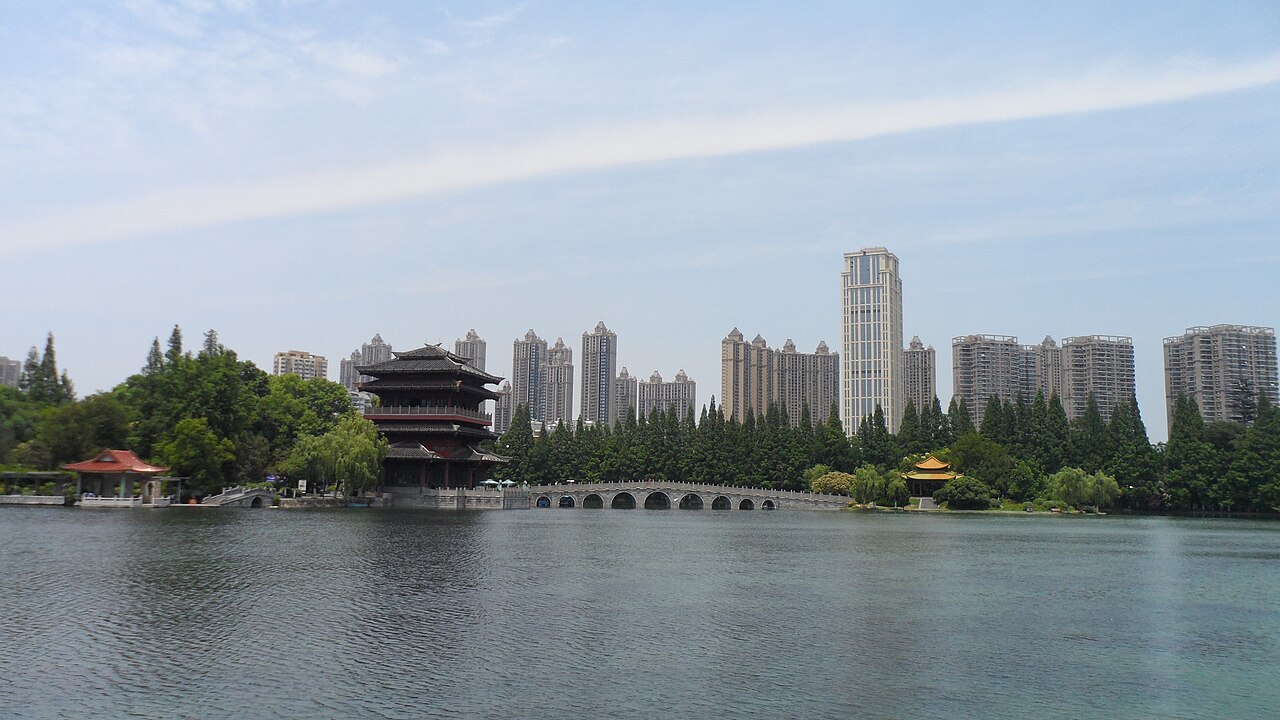
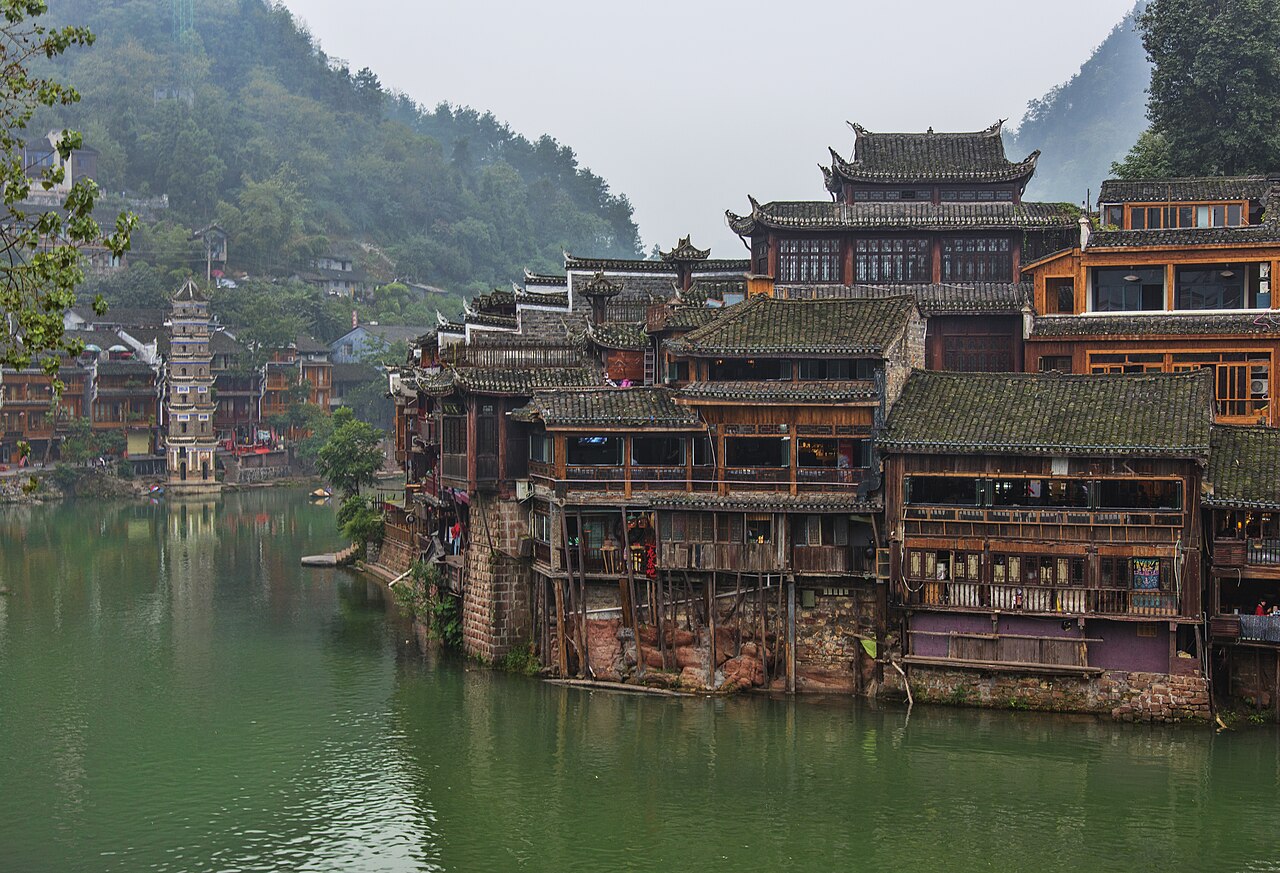
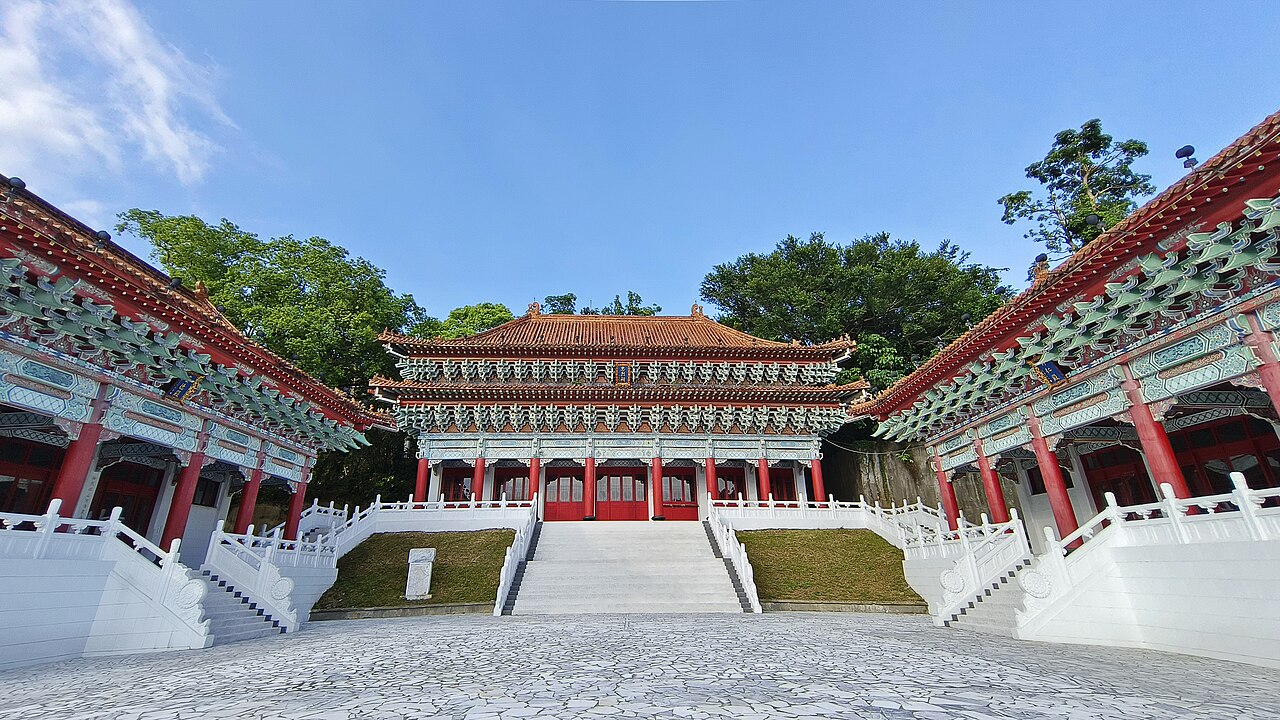
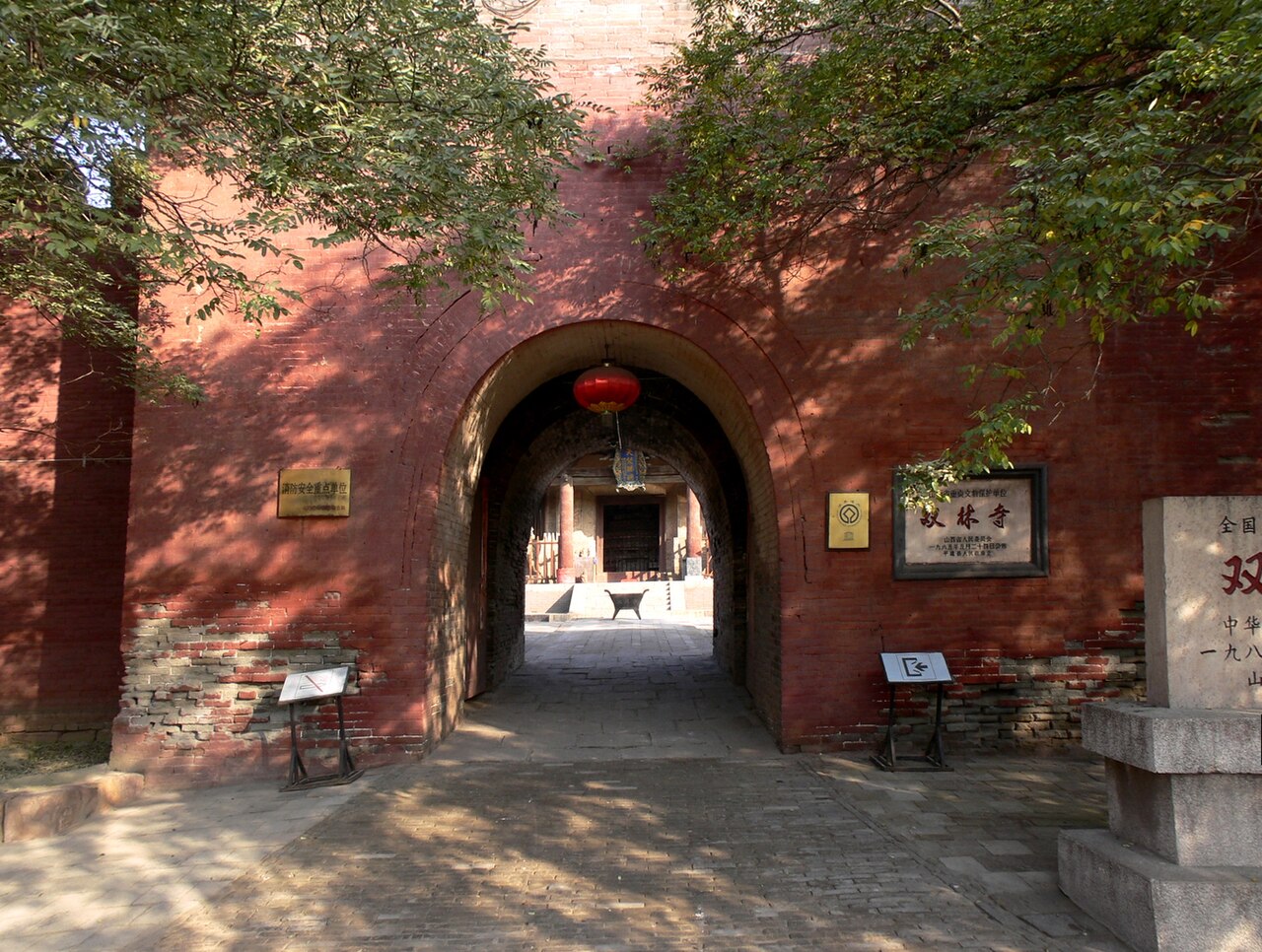
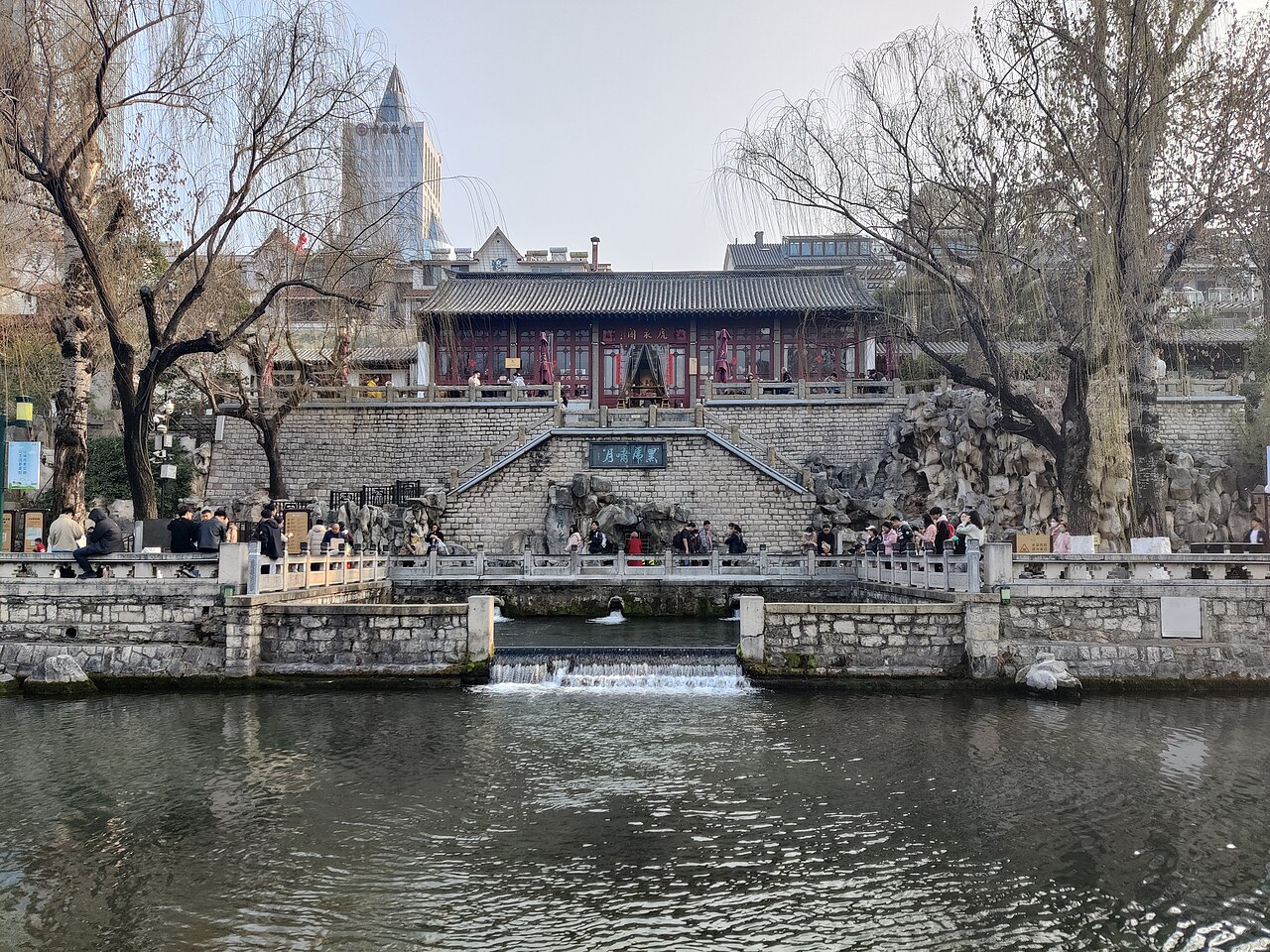
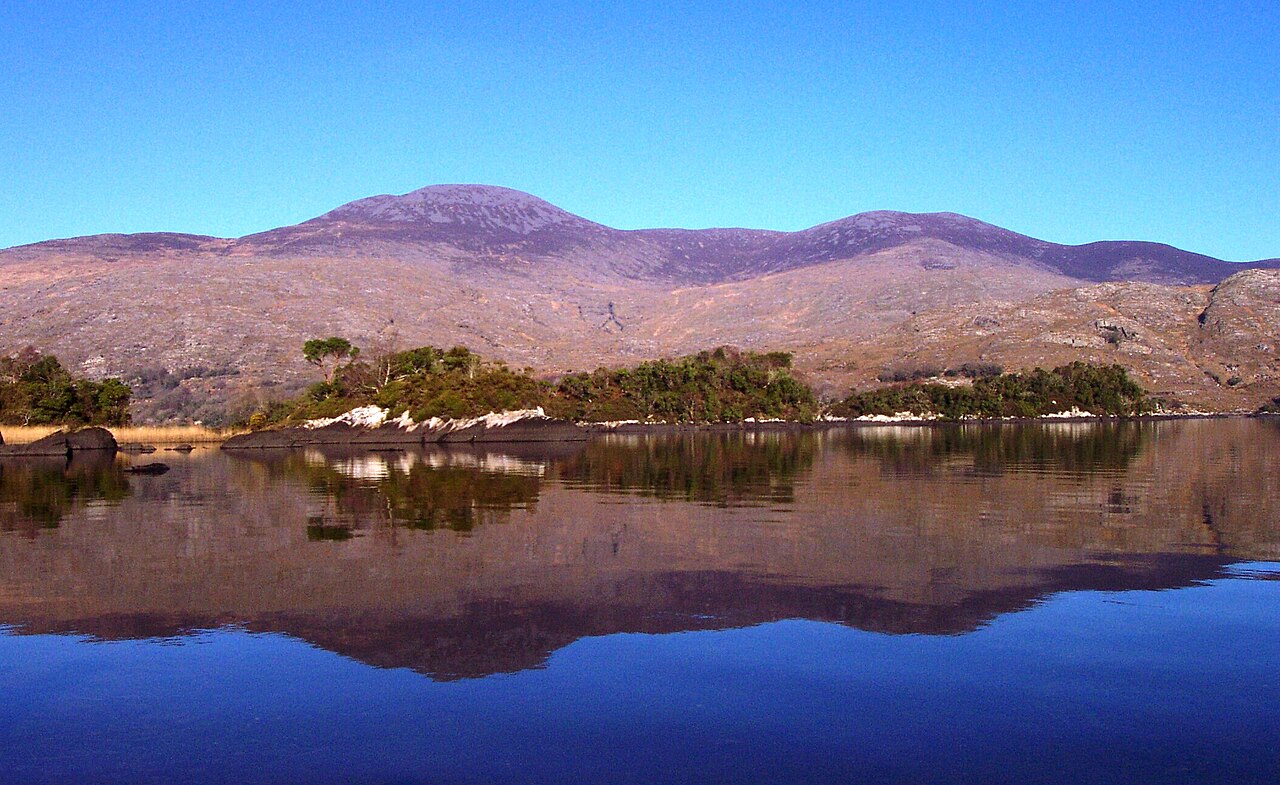
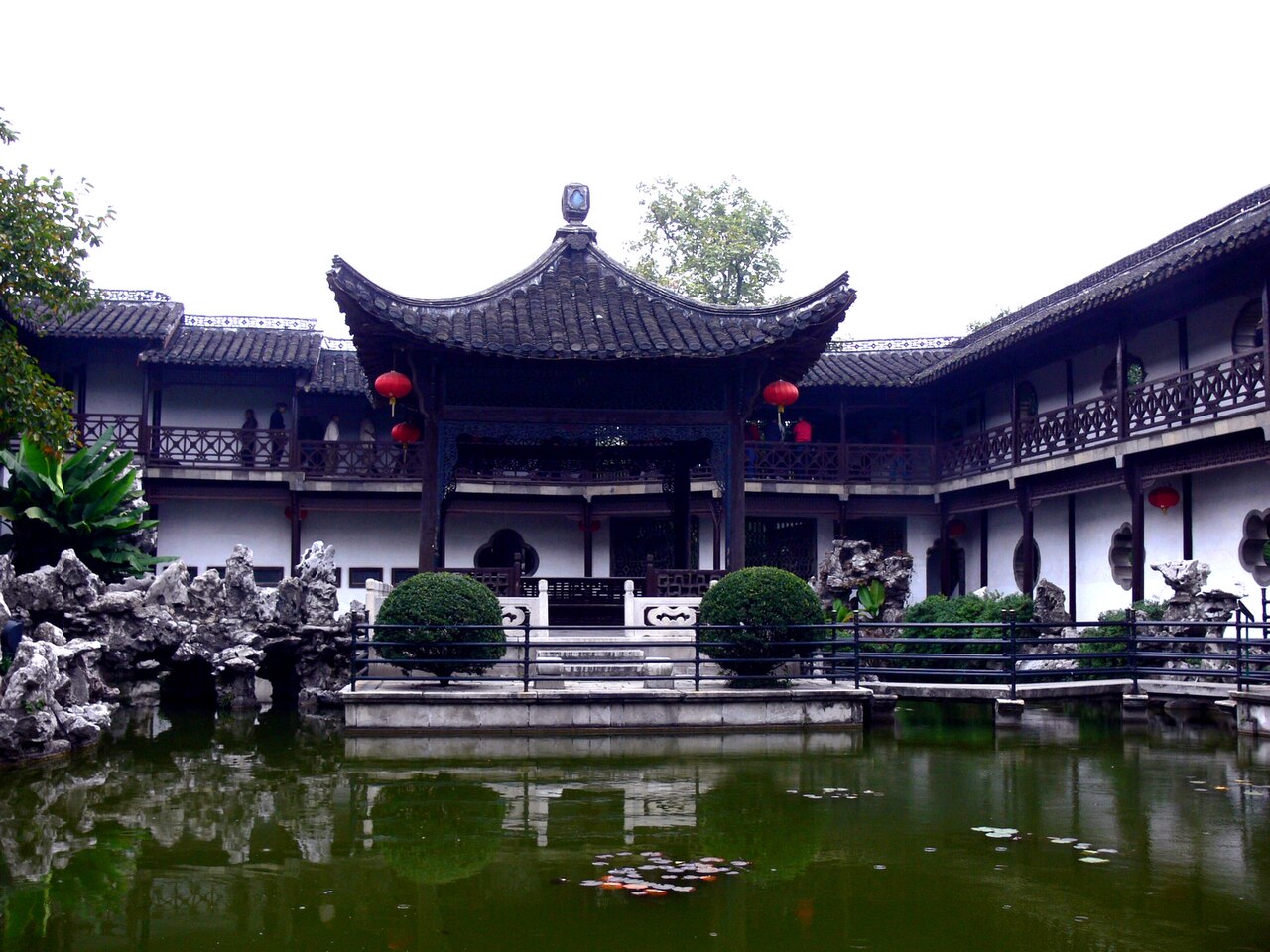
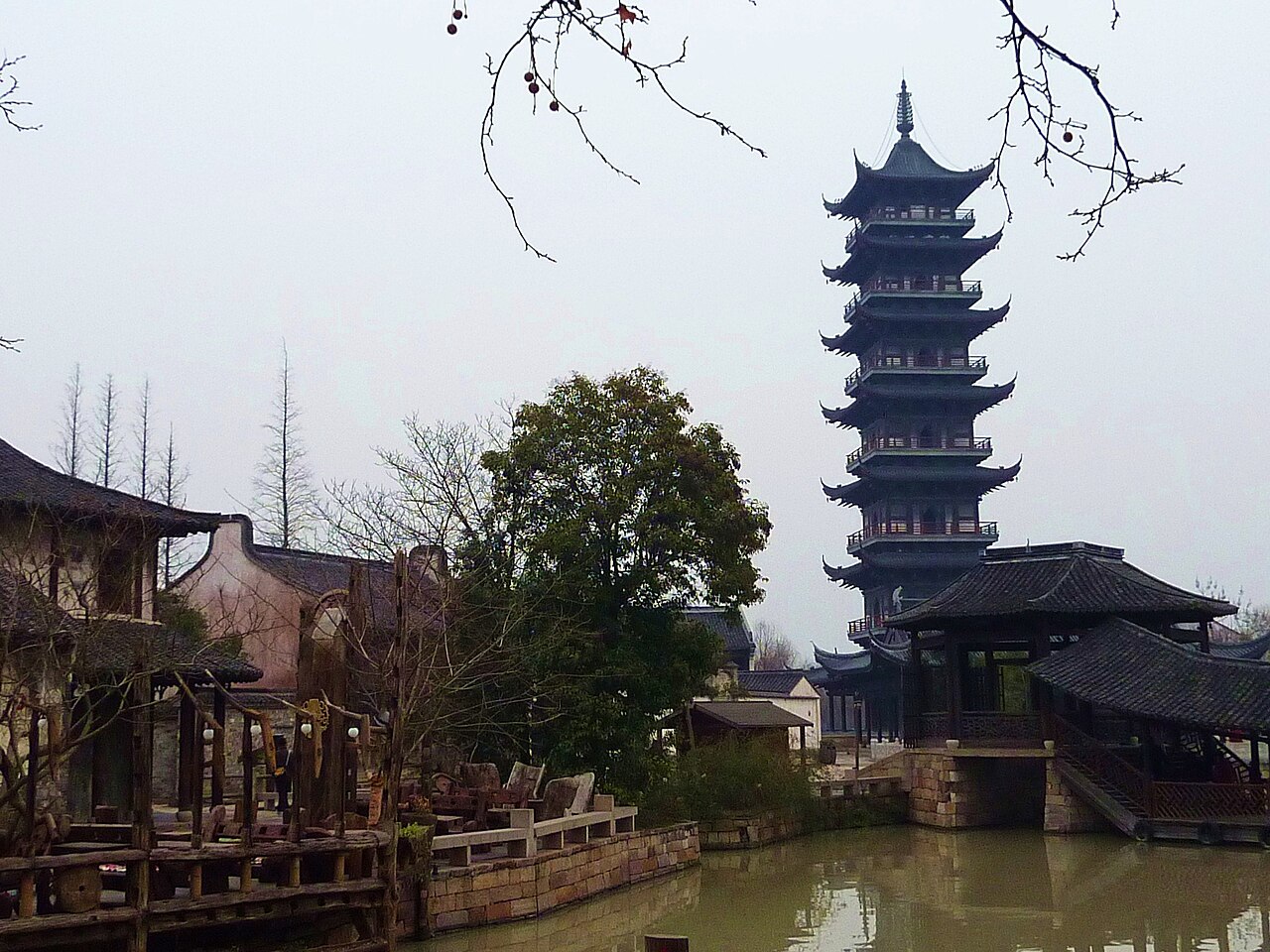
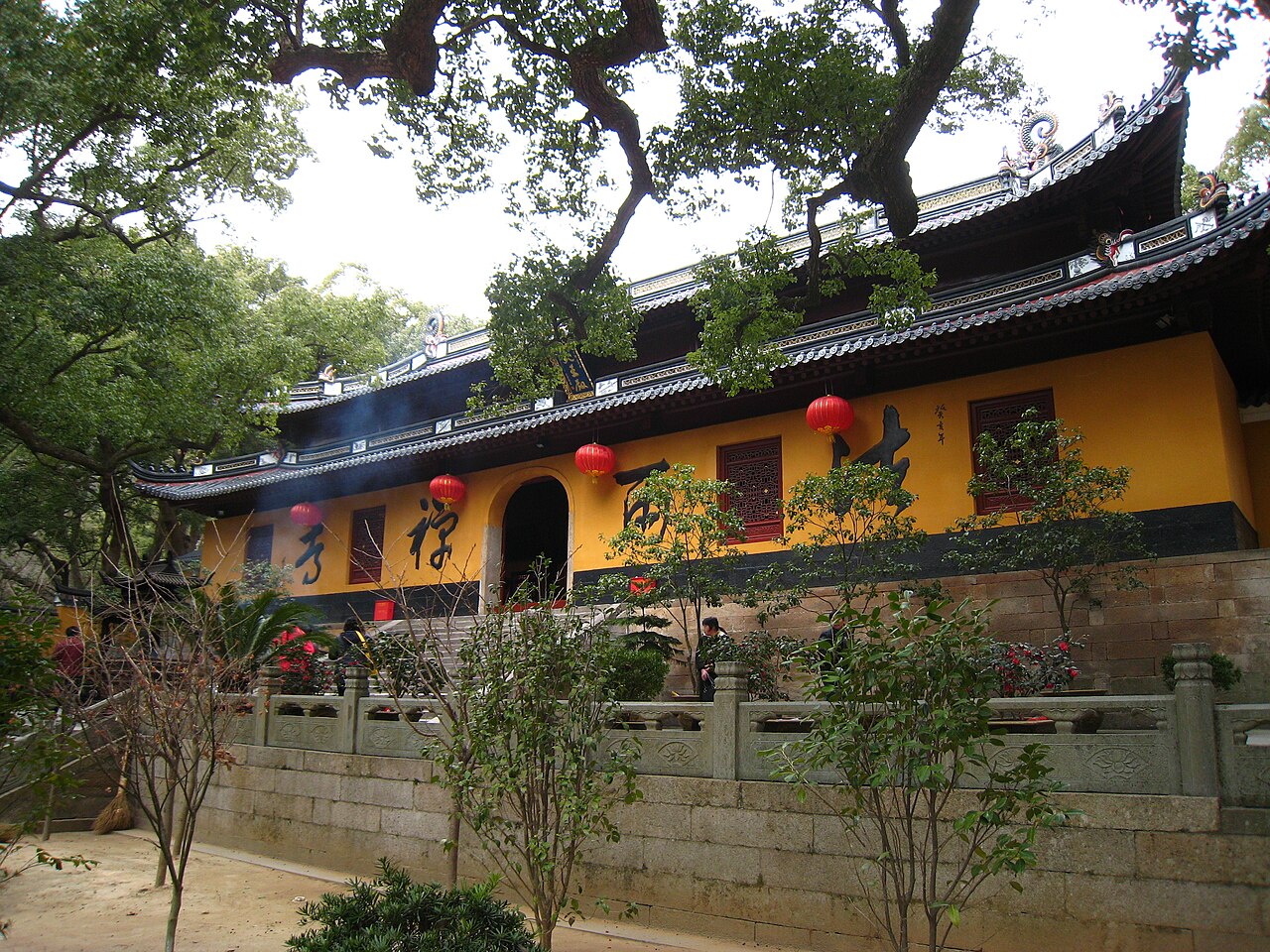
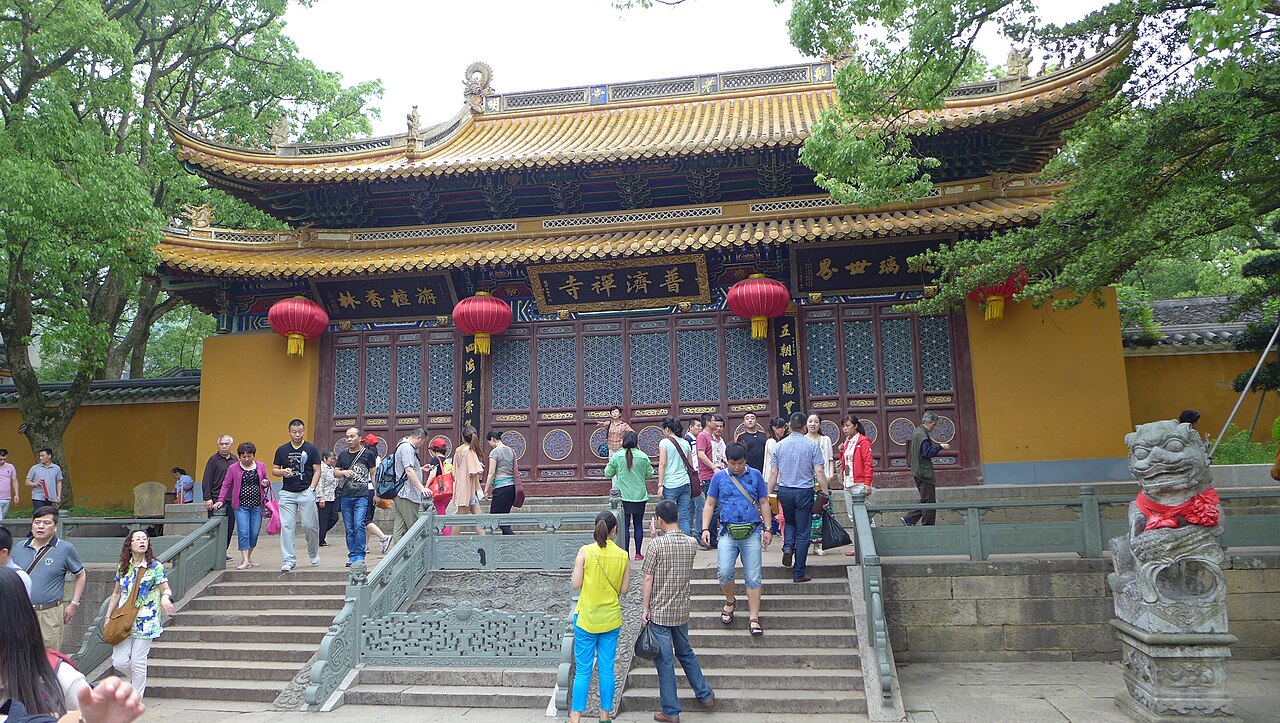
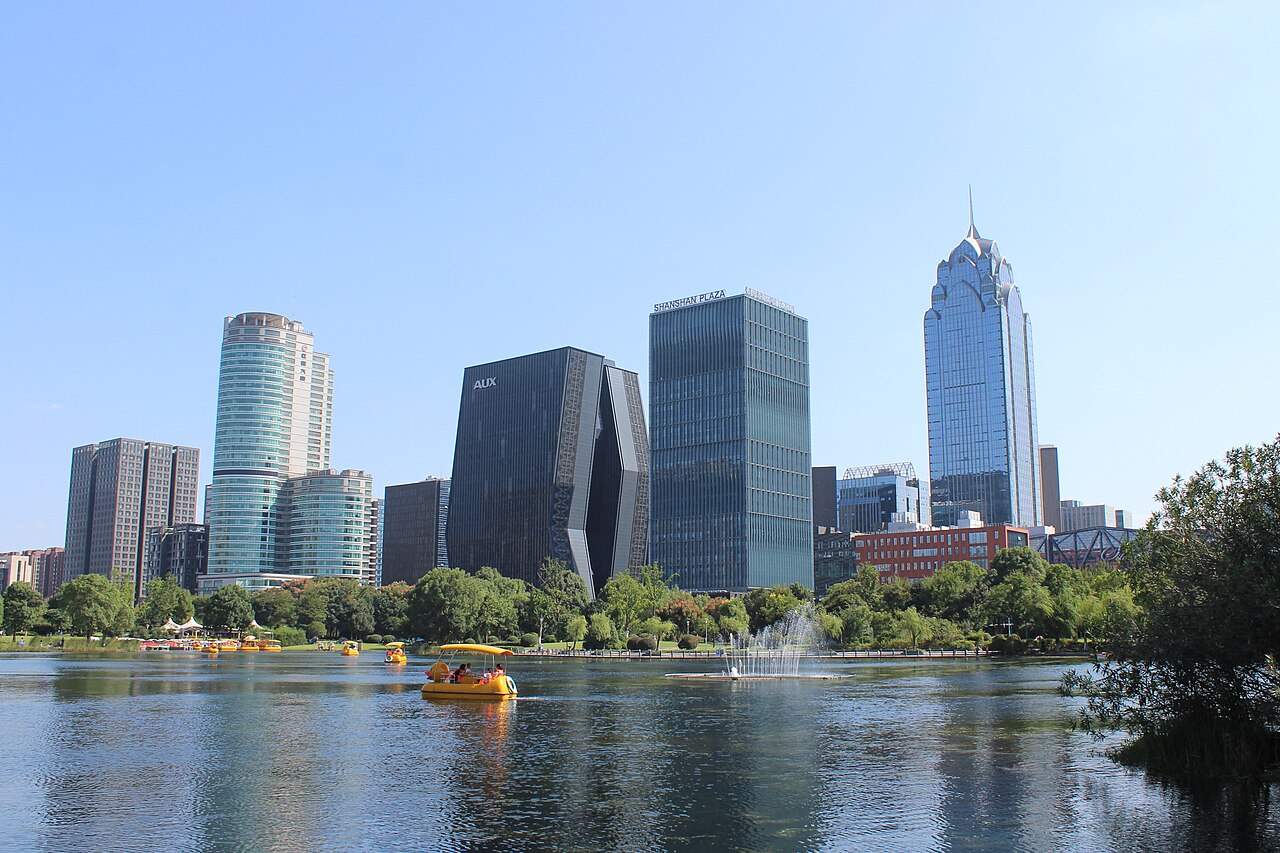
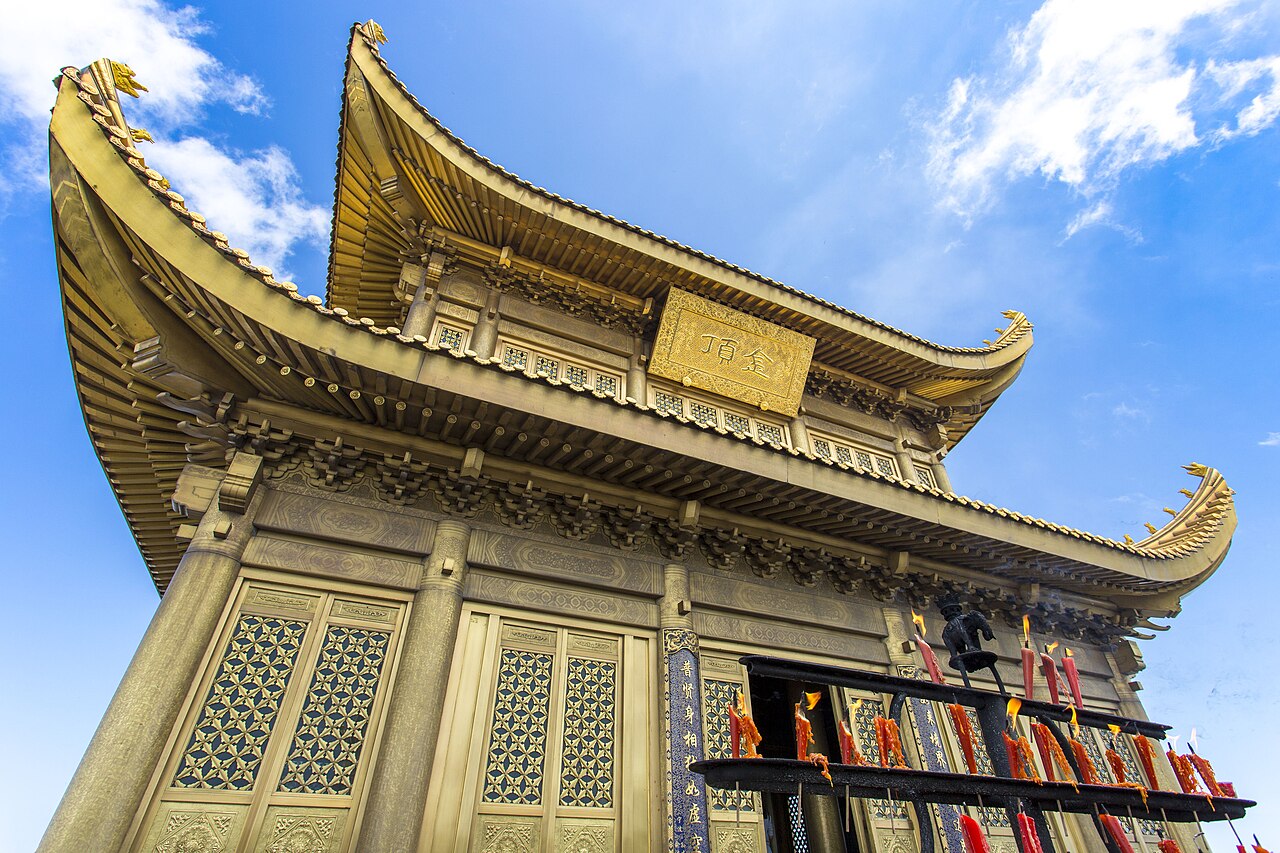
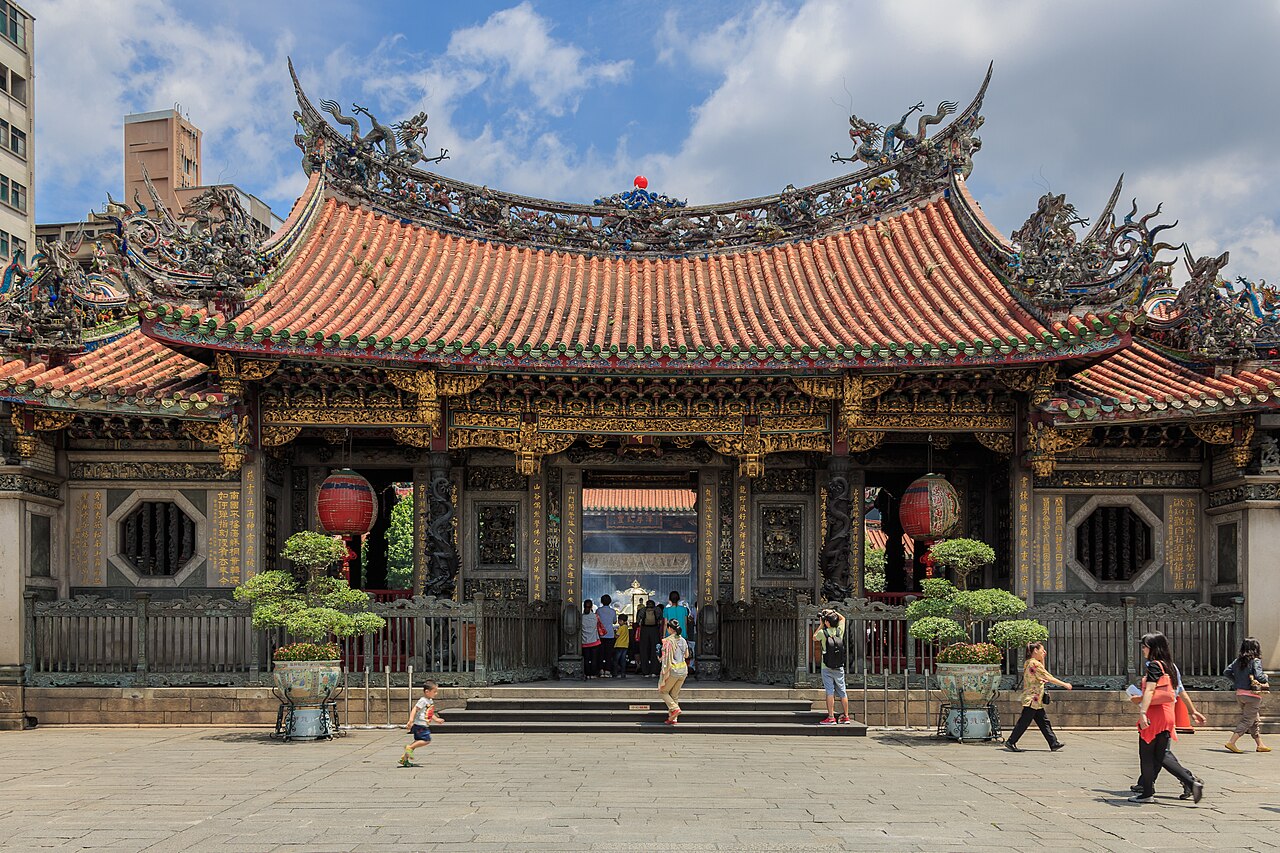
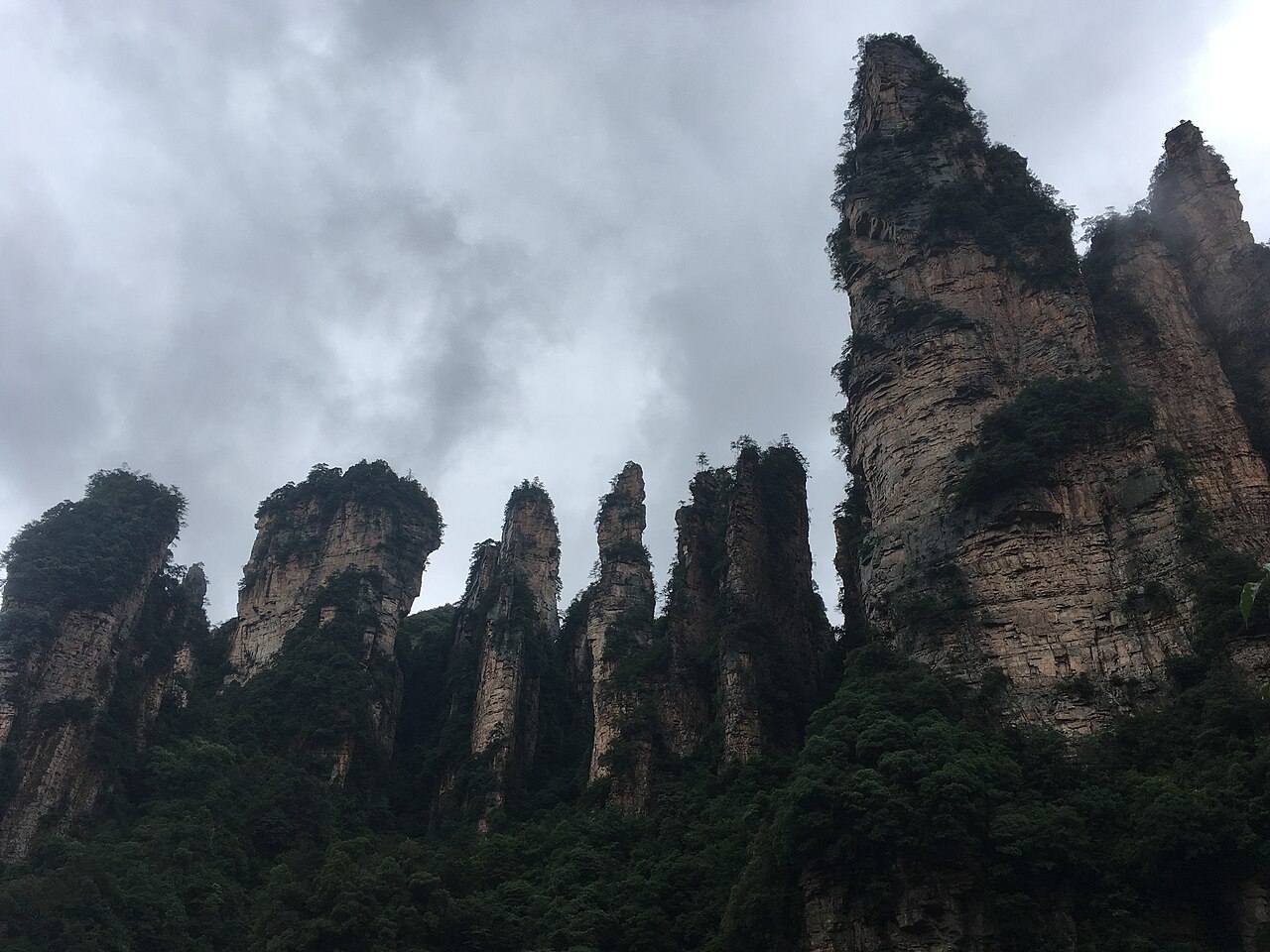
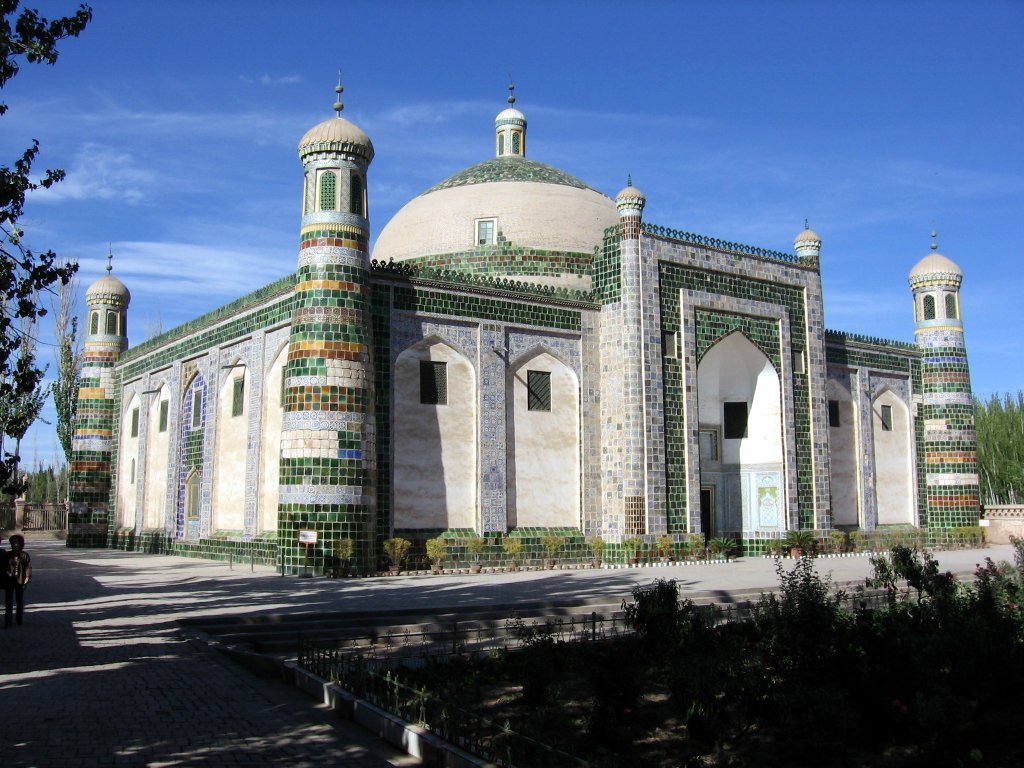
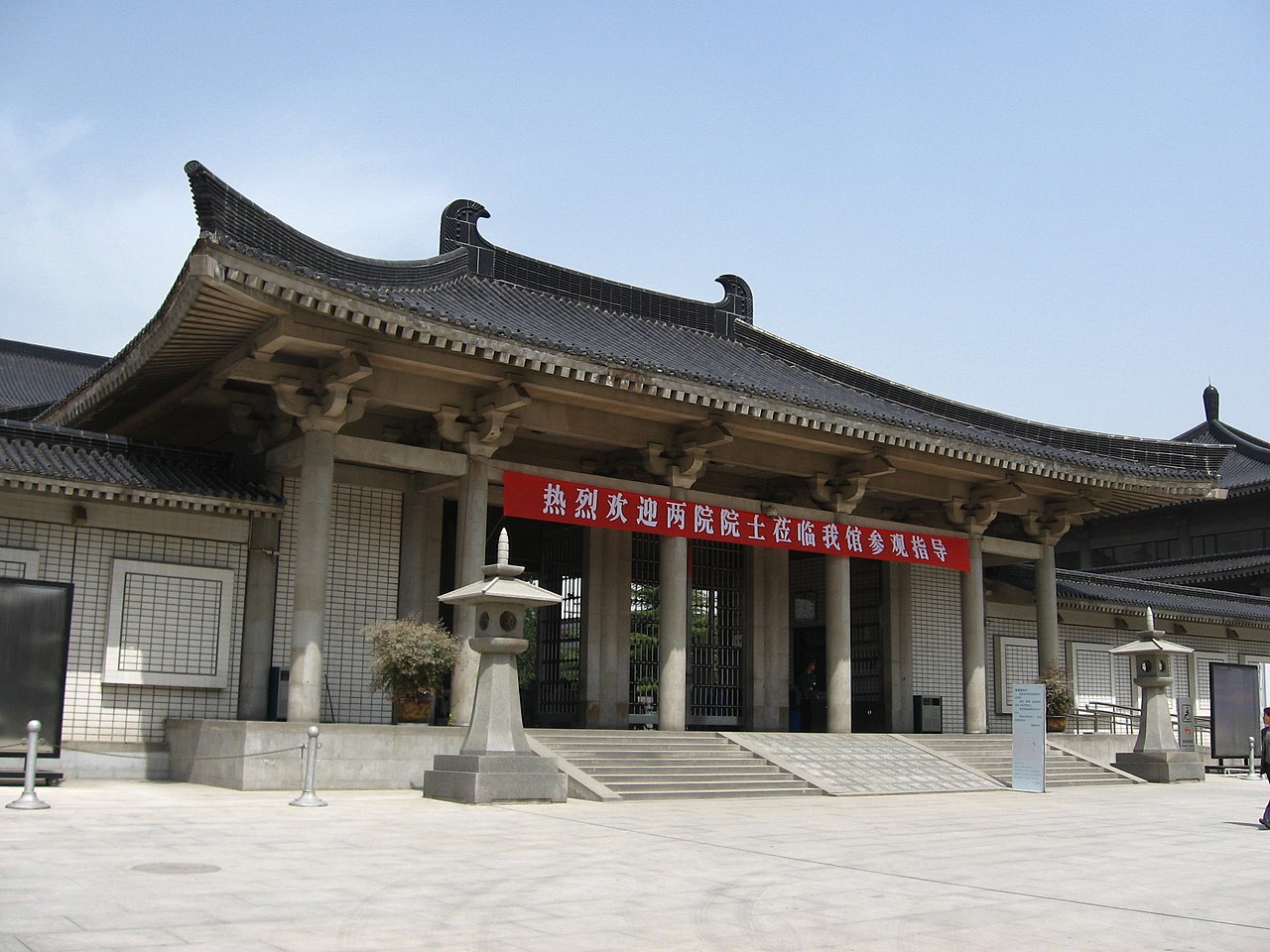
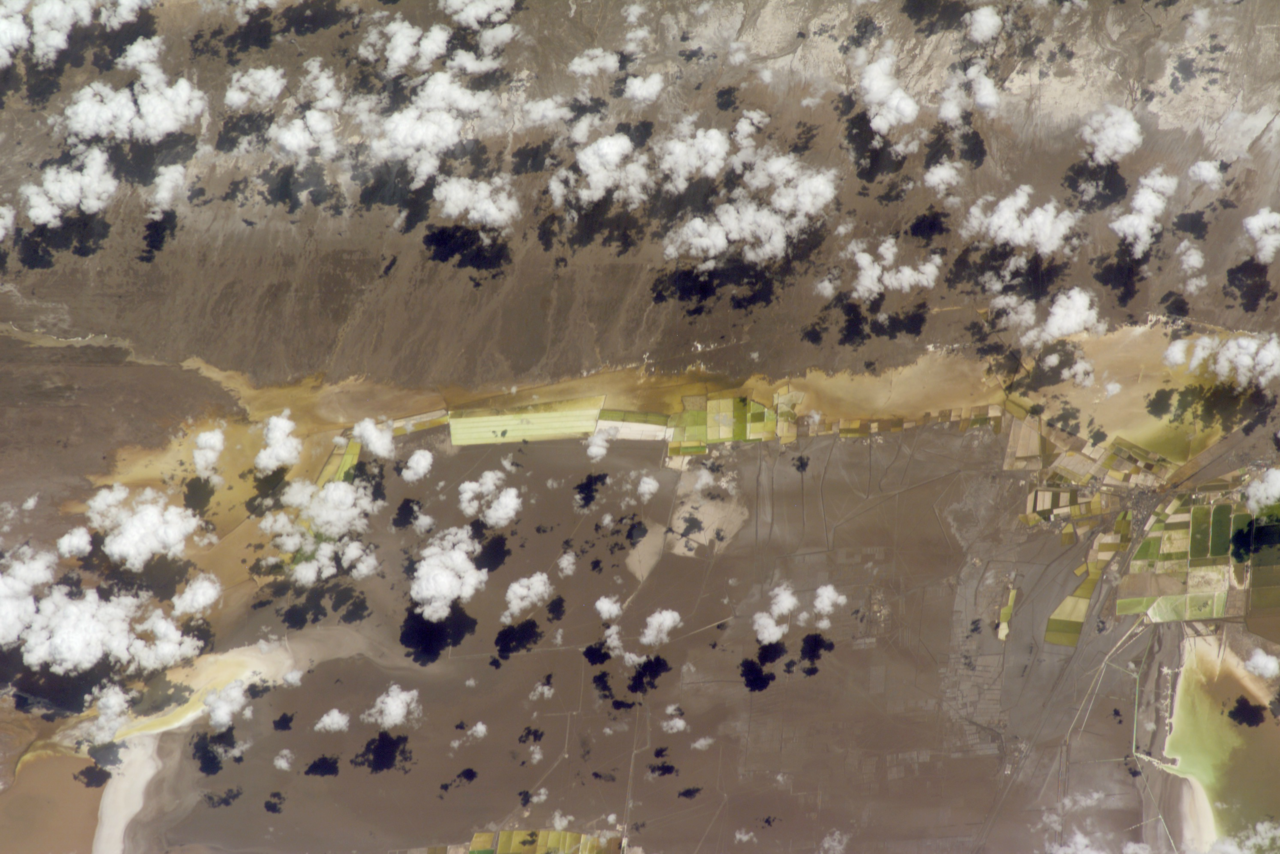
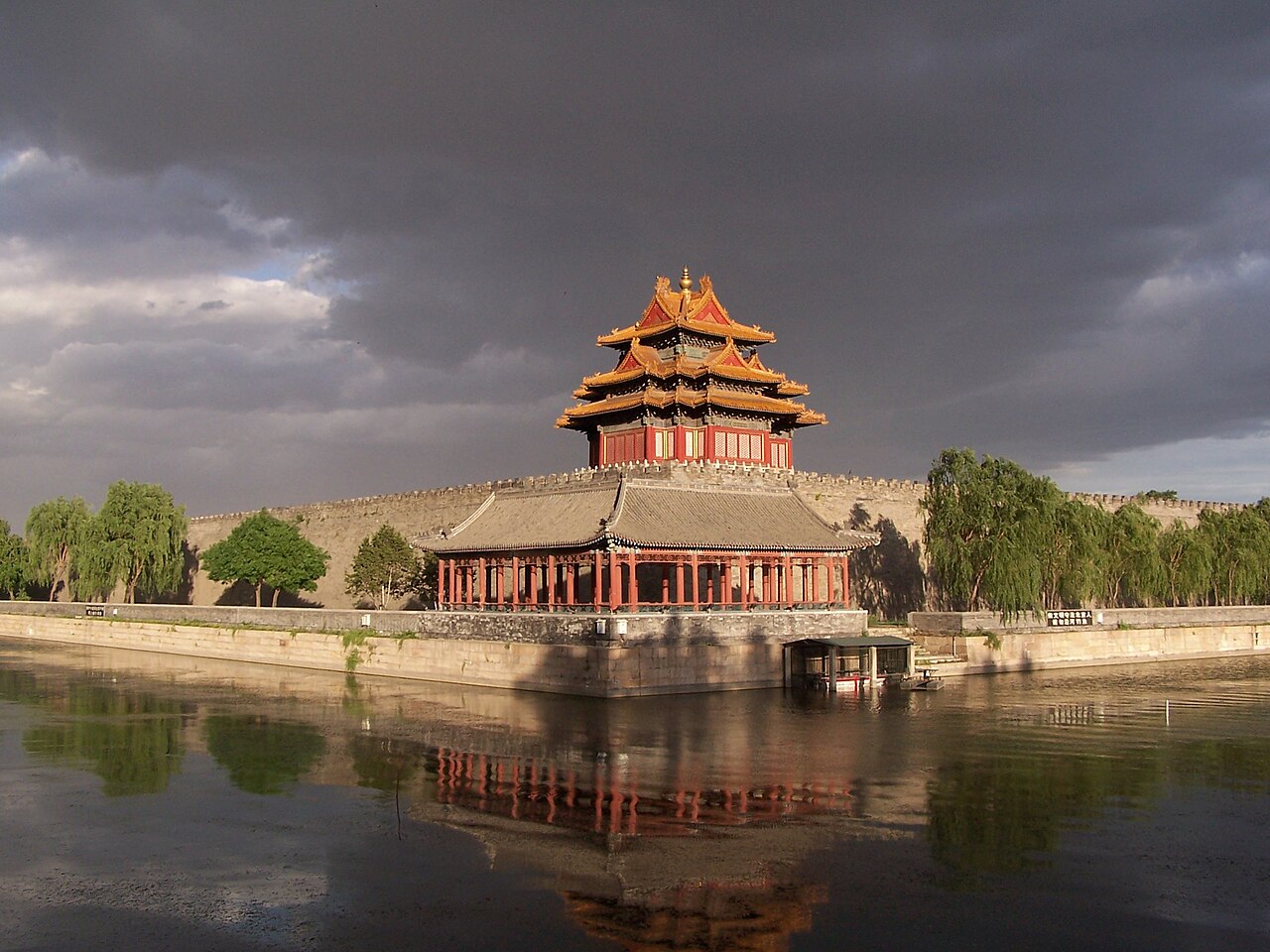
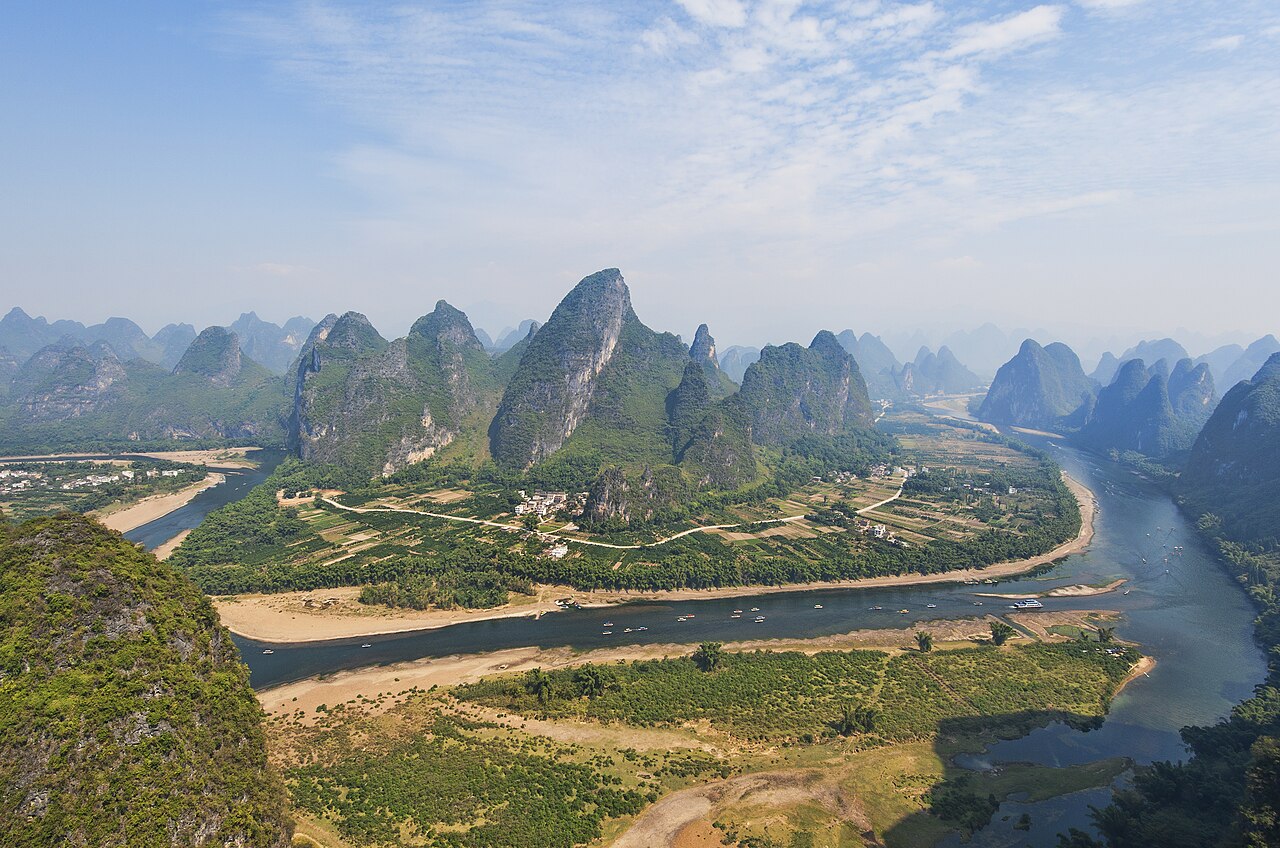
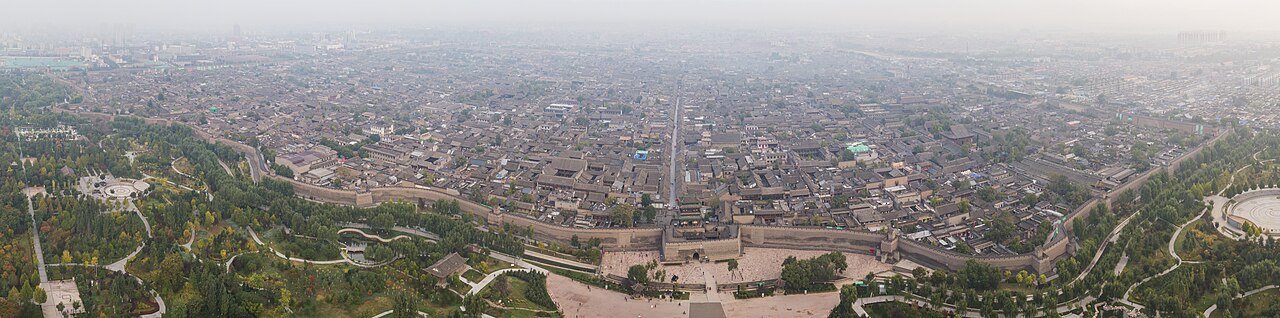
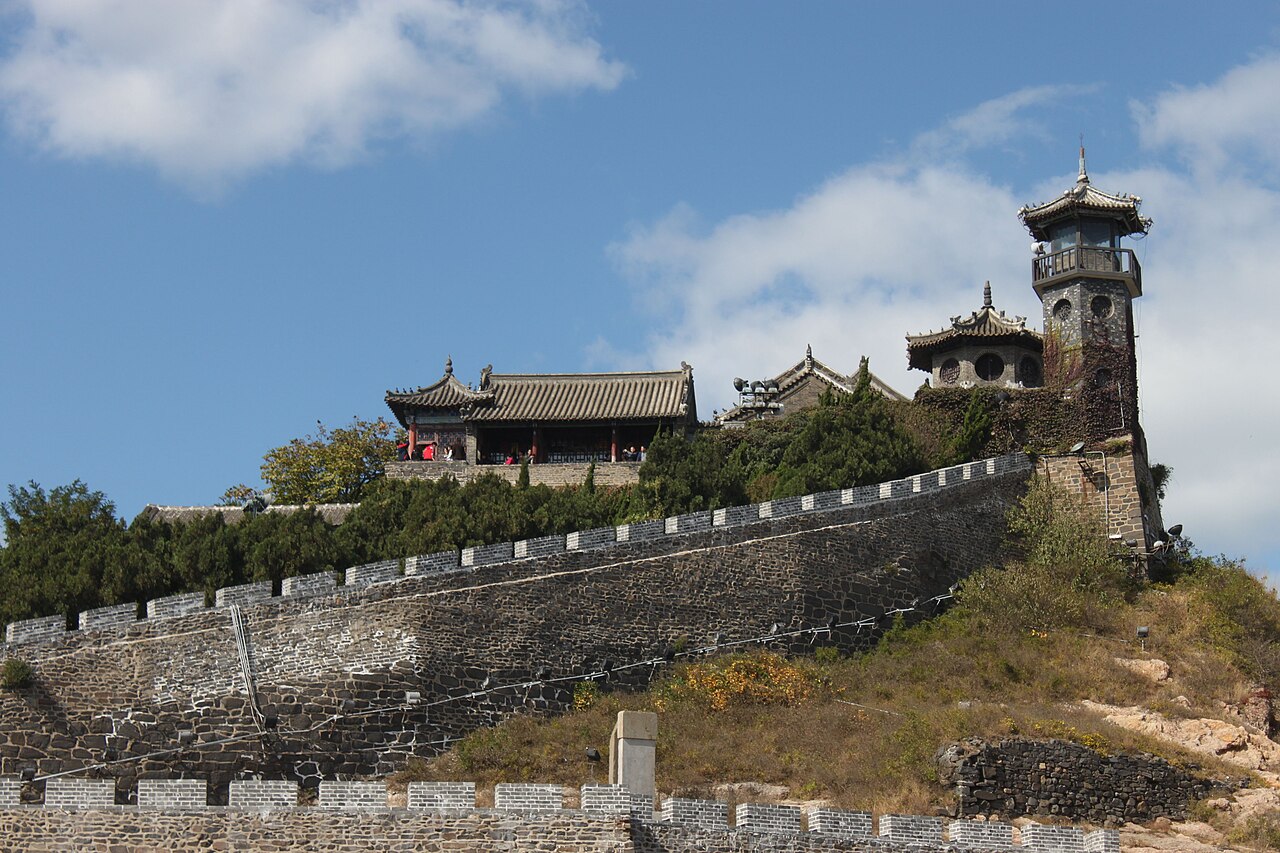
Penglai Pavilion on the Dan cliffs above the strait
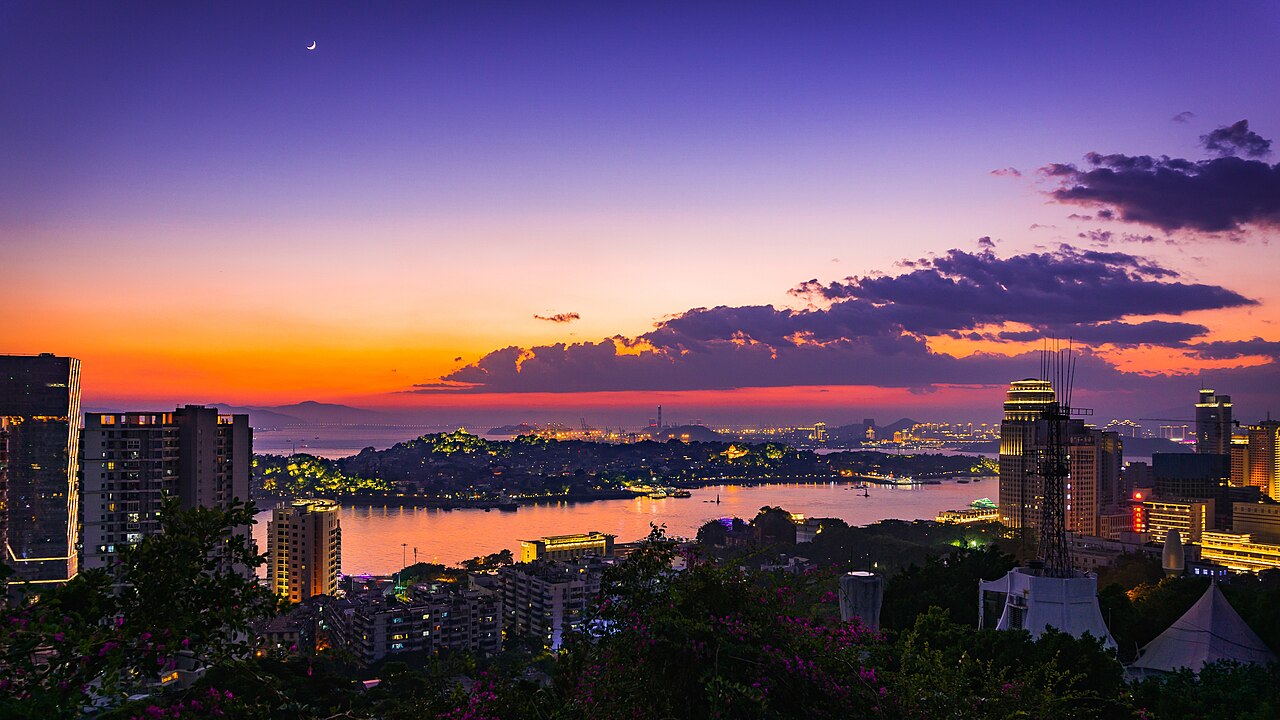
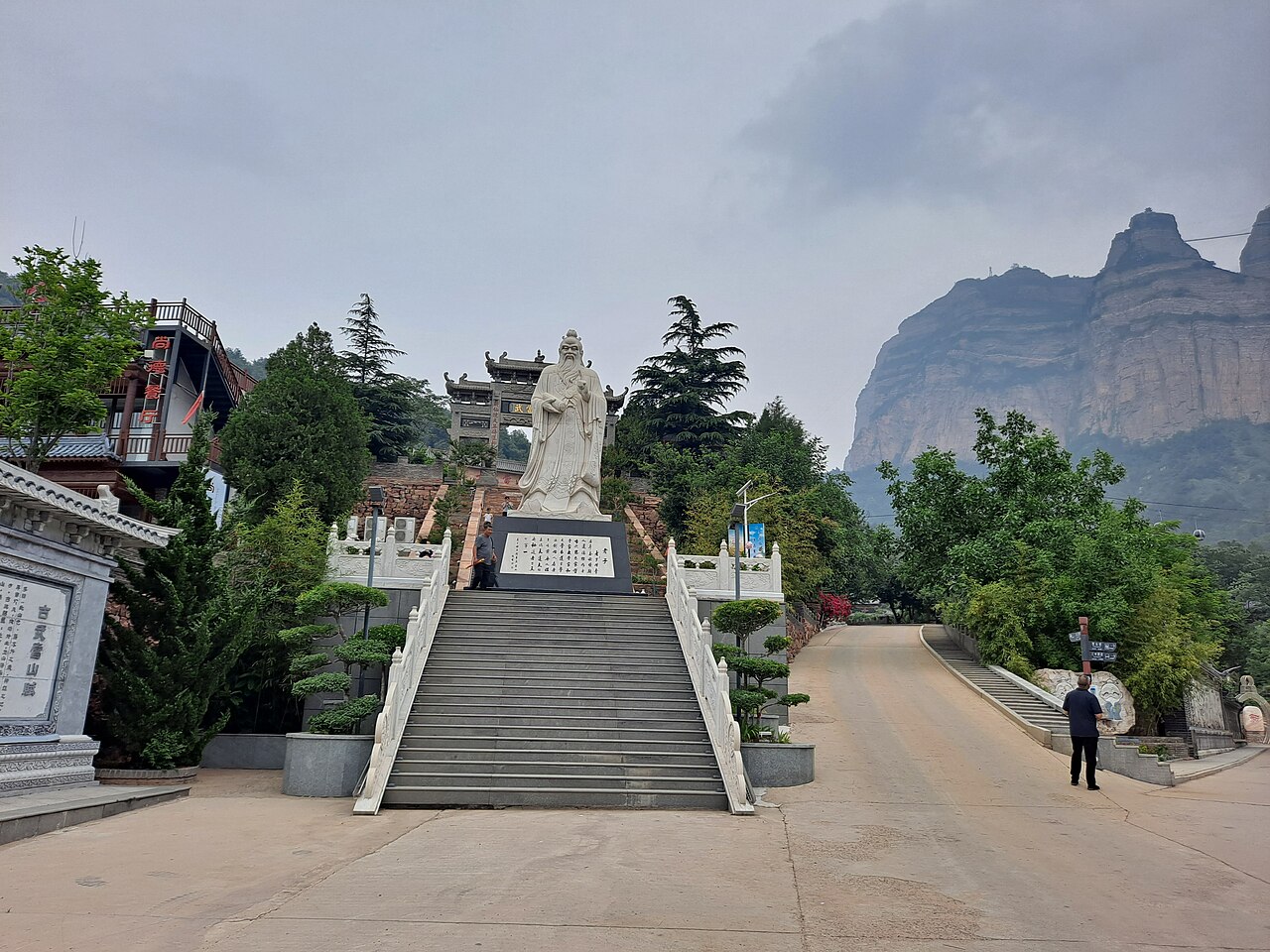
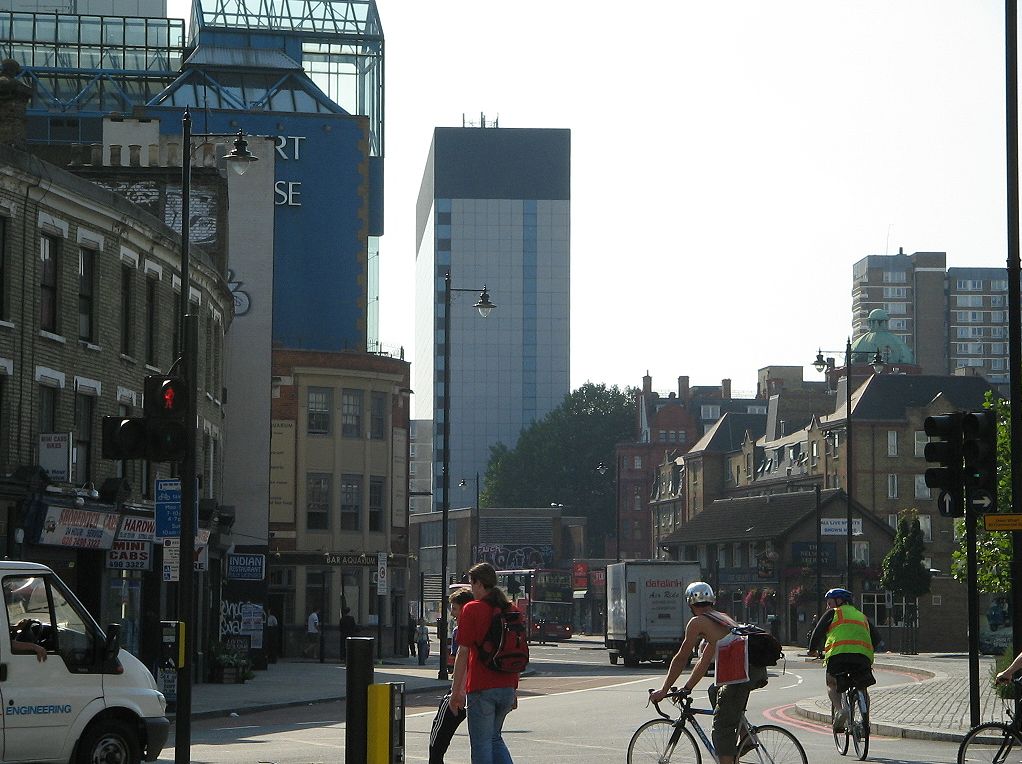
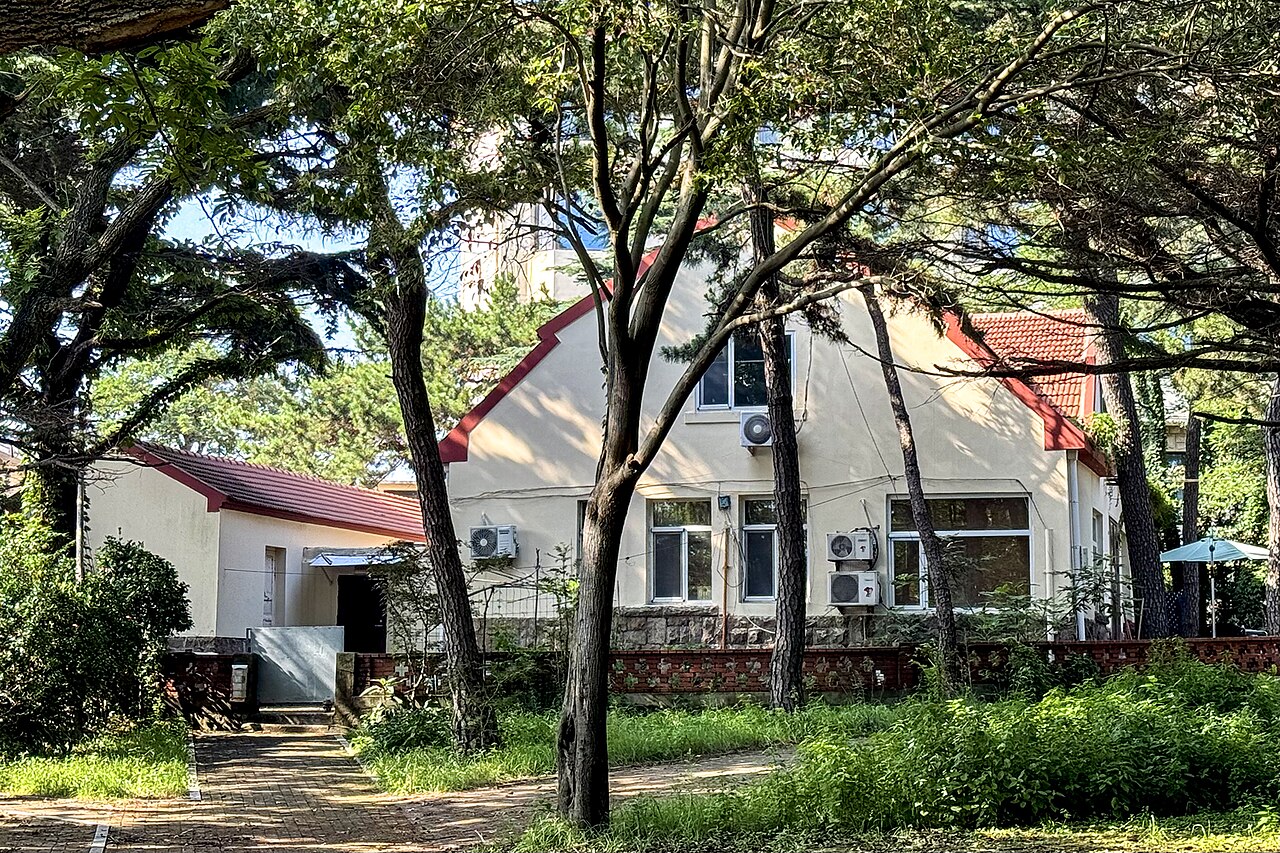
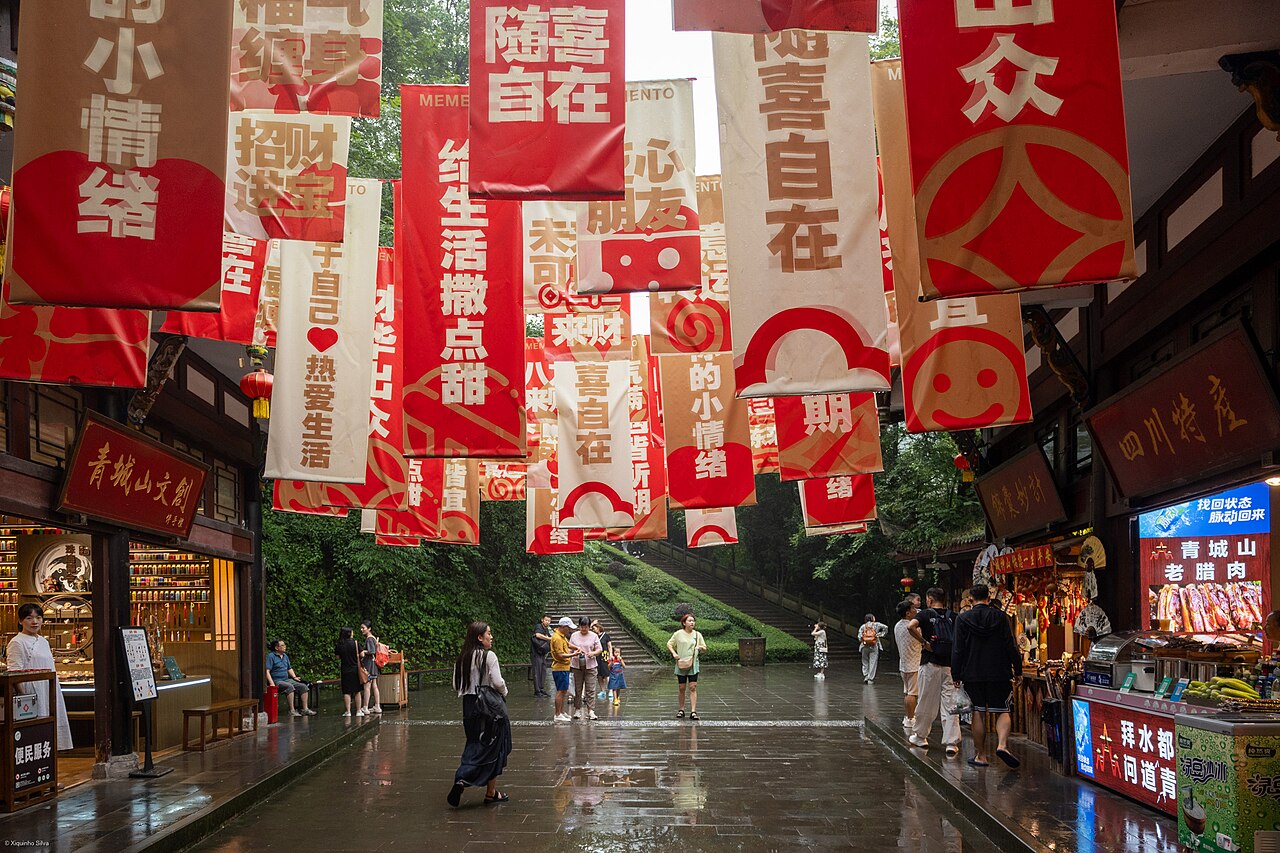
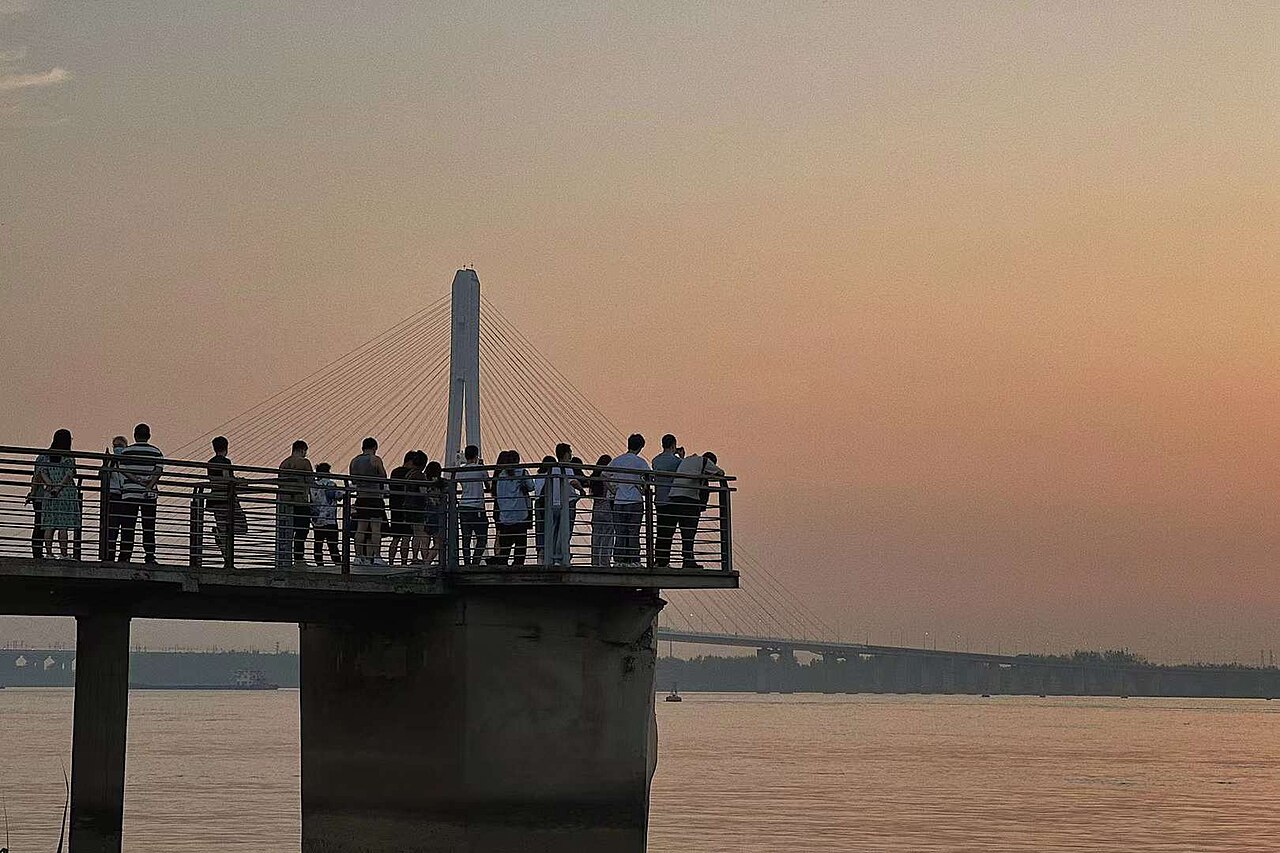
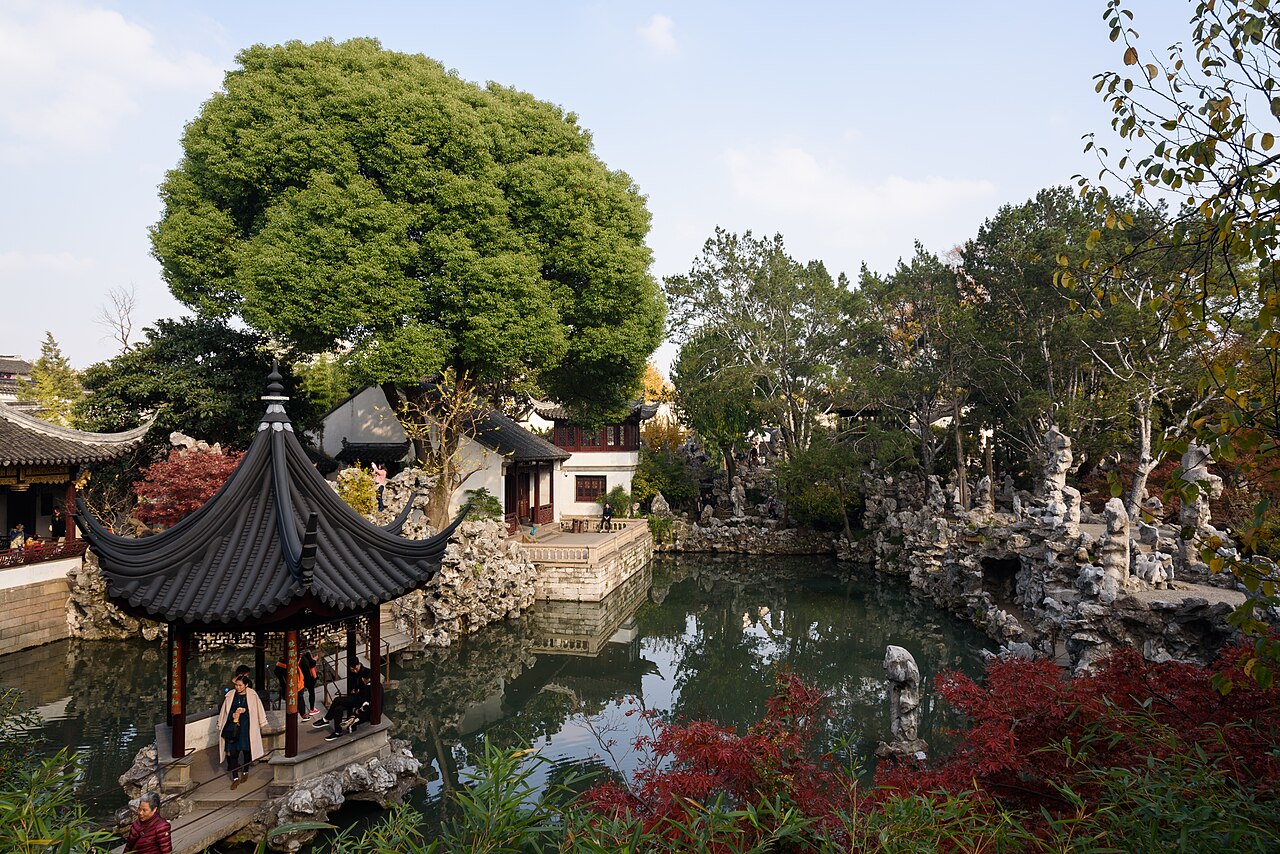
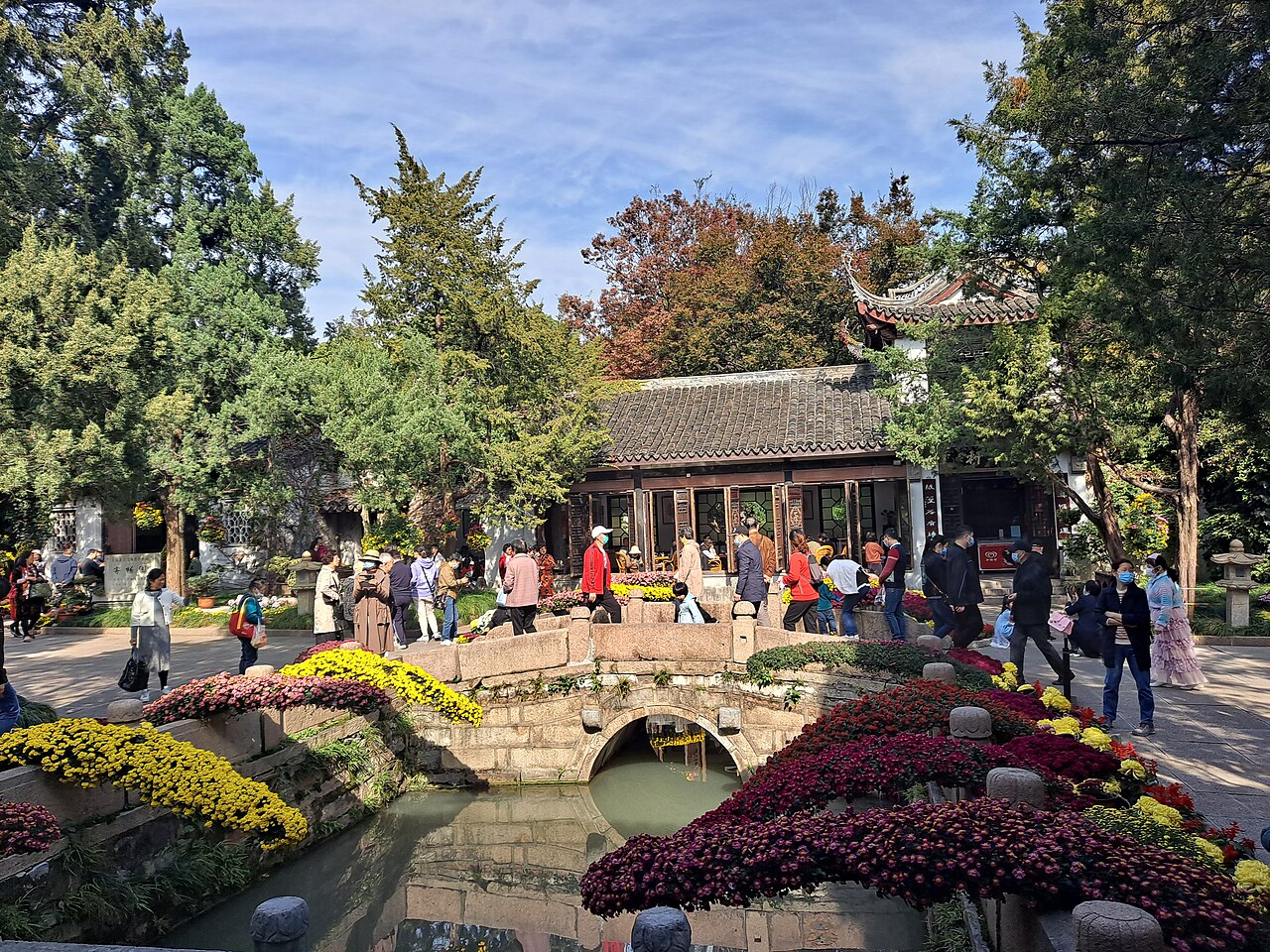
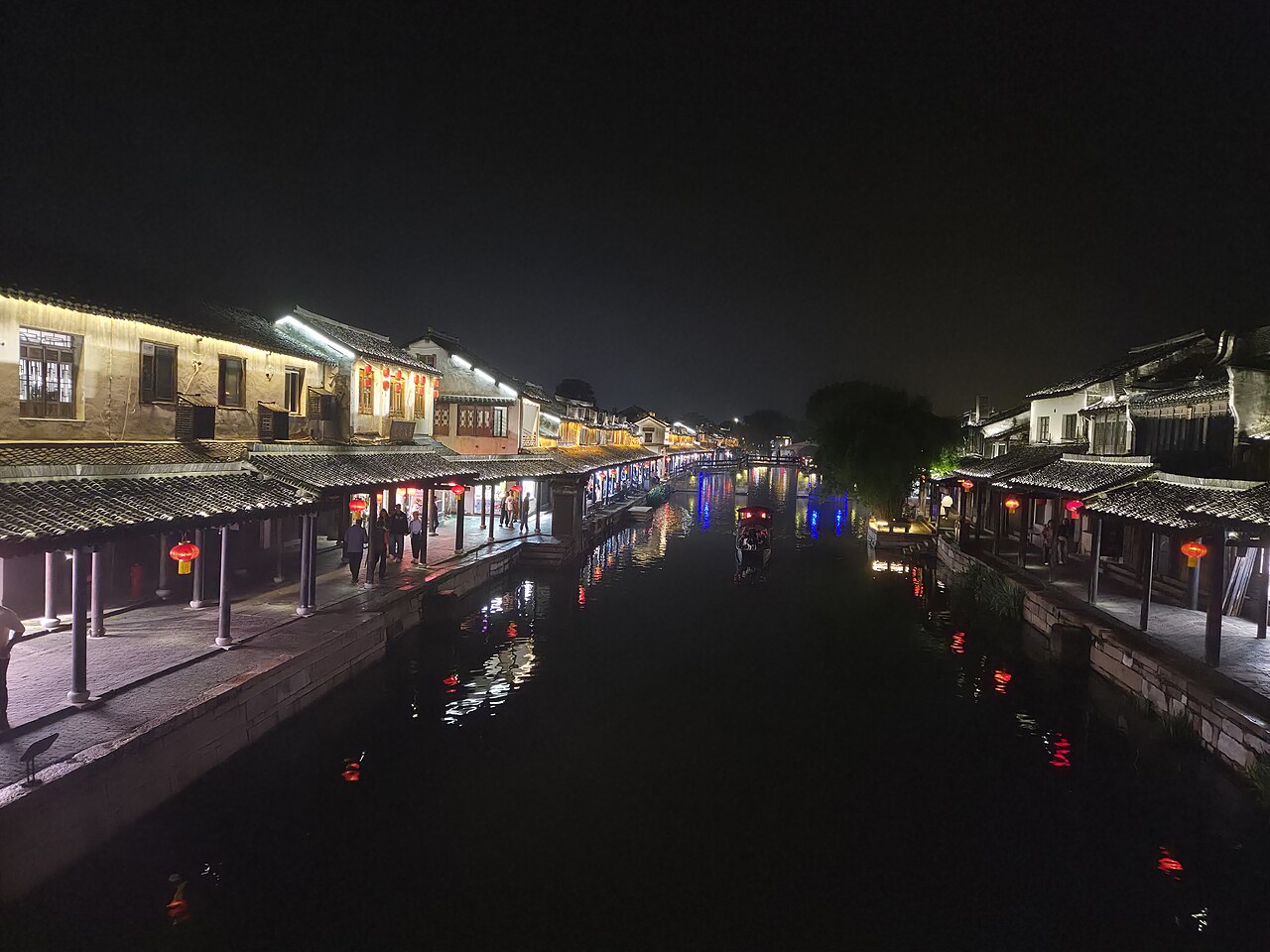
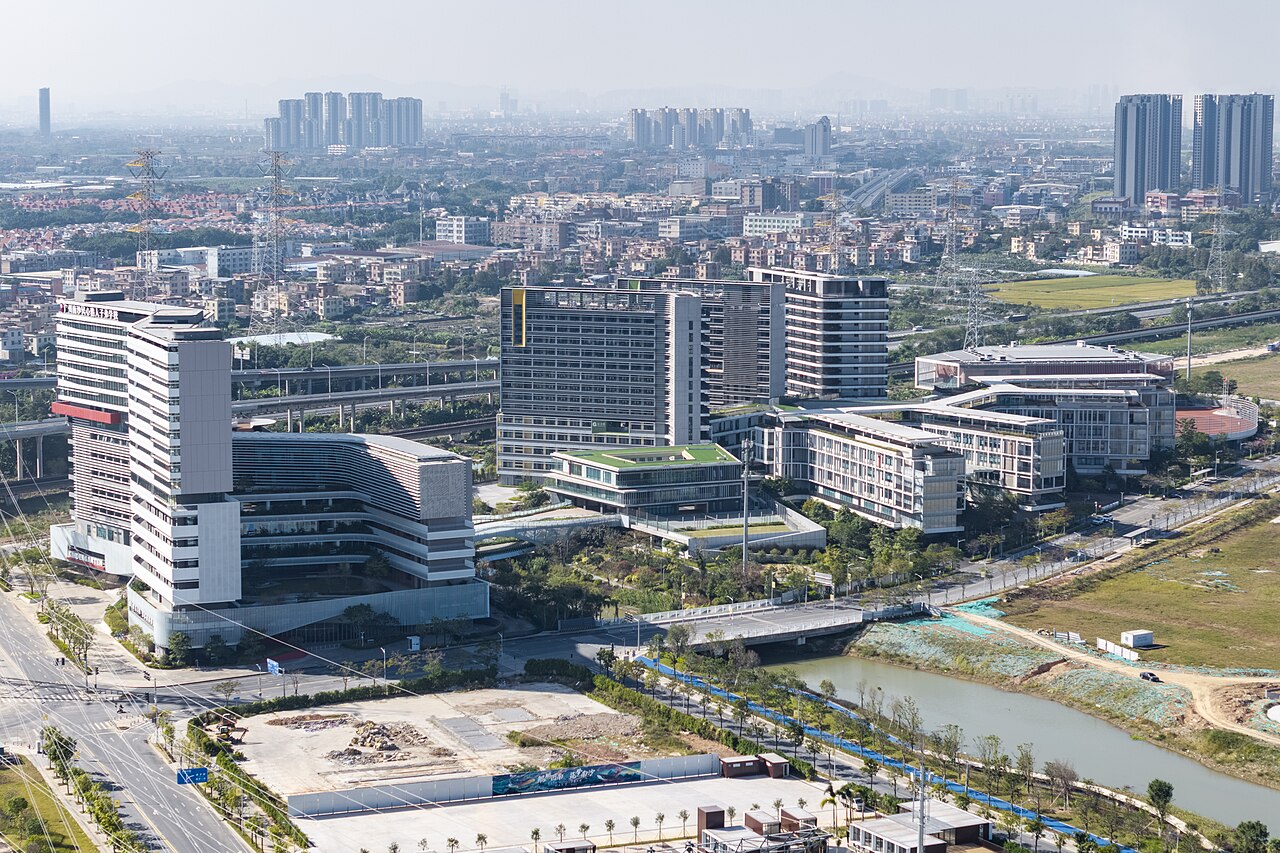
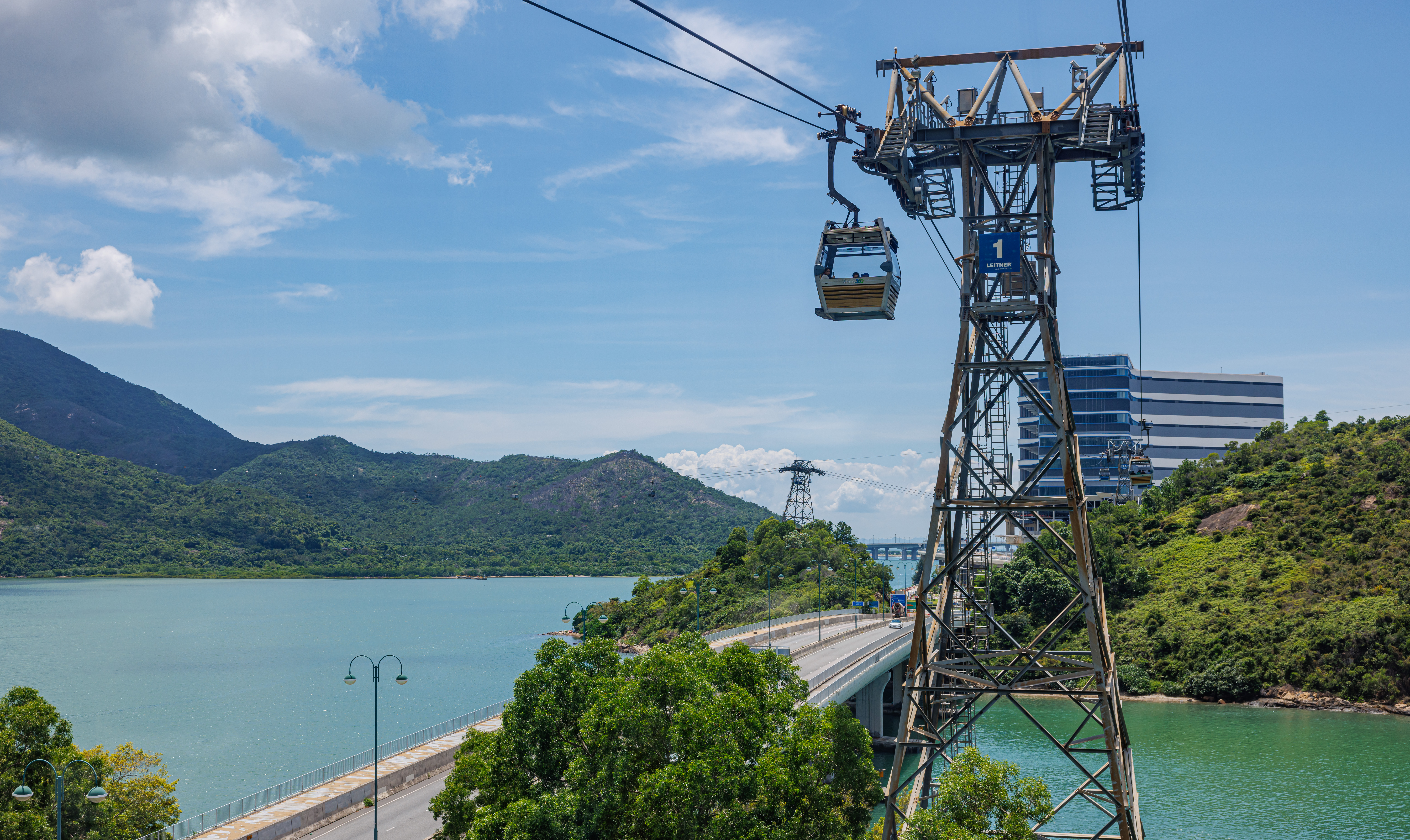
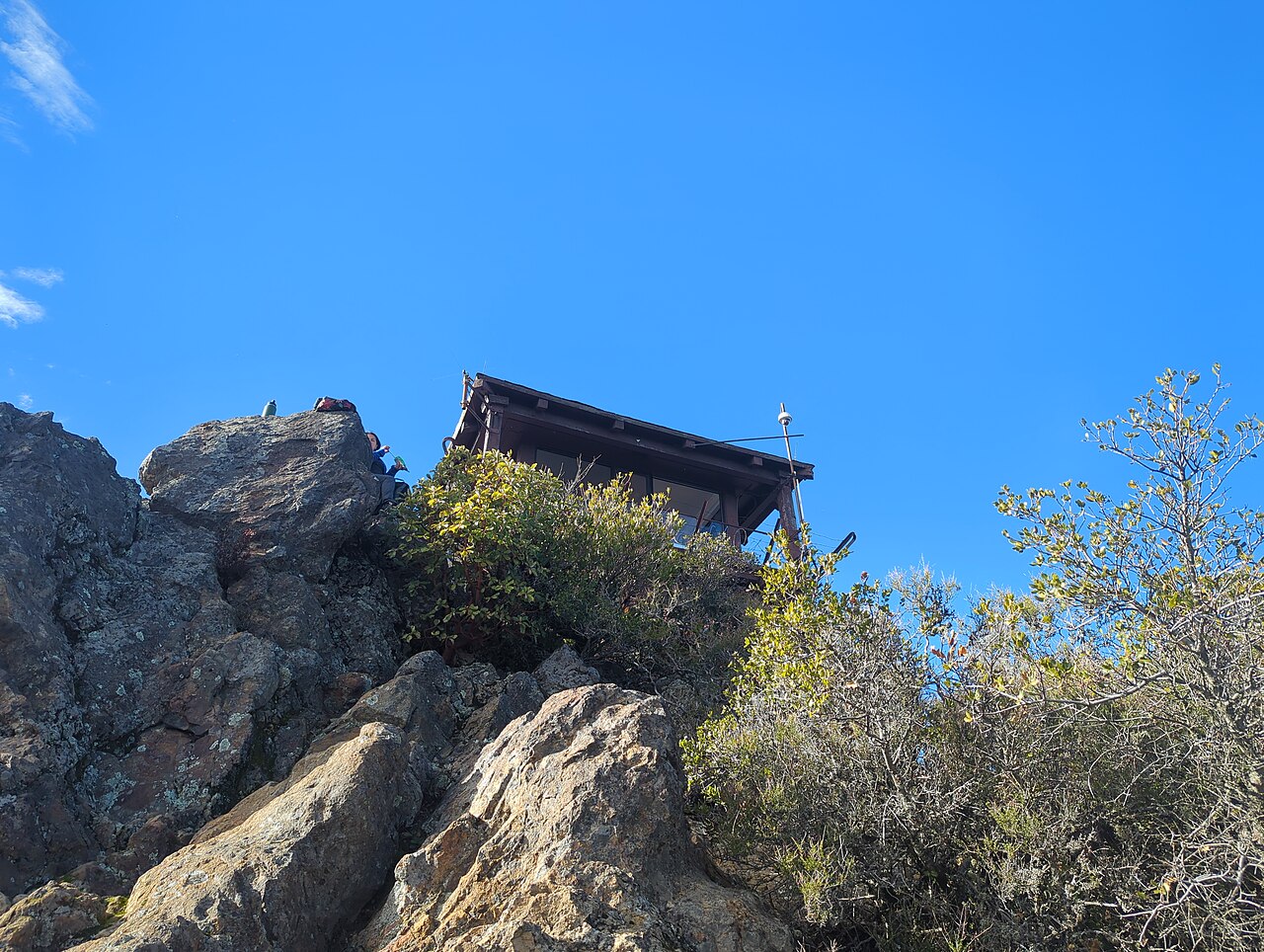
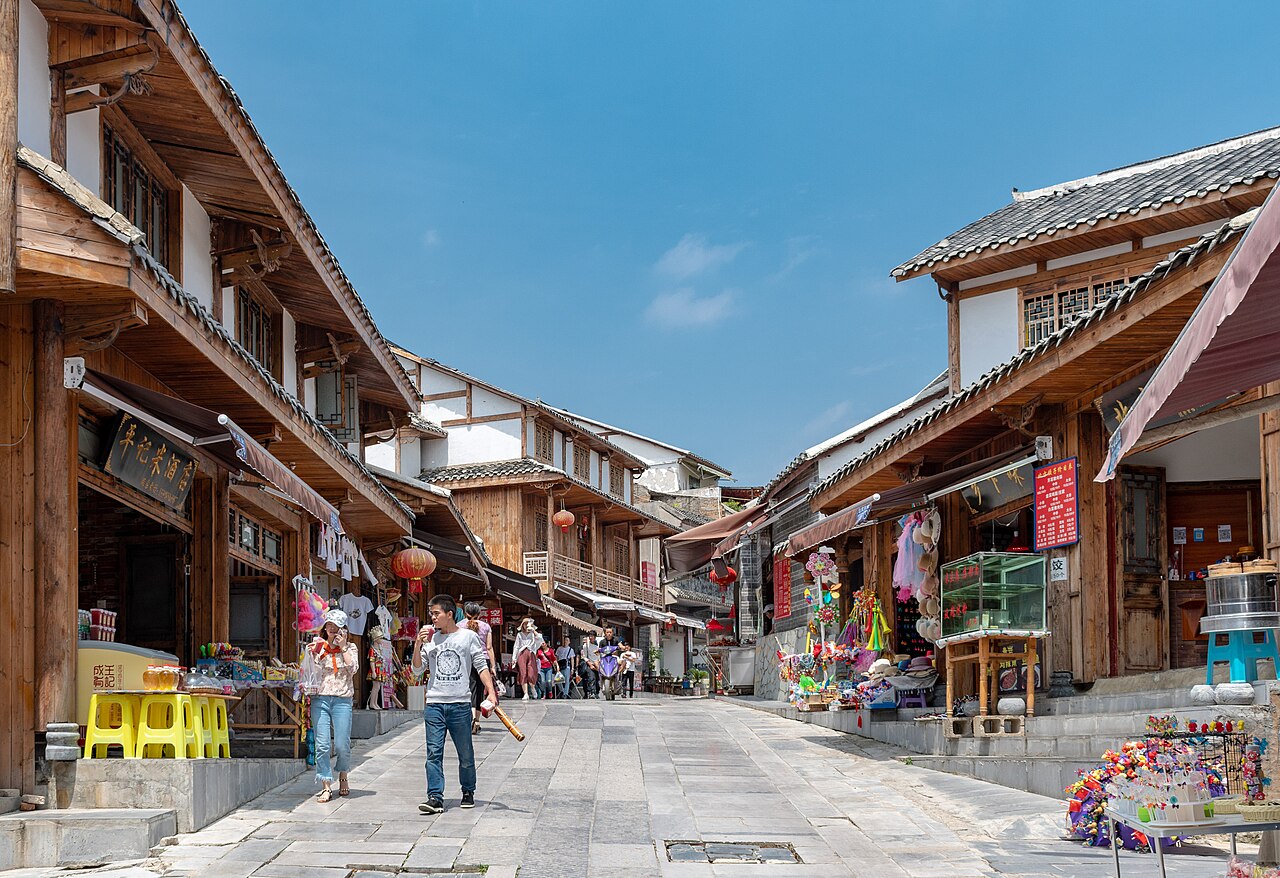
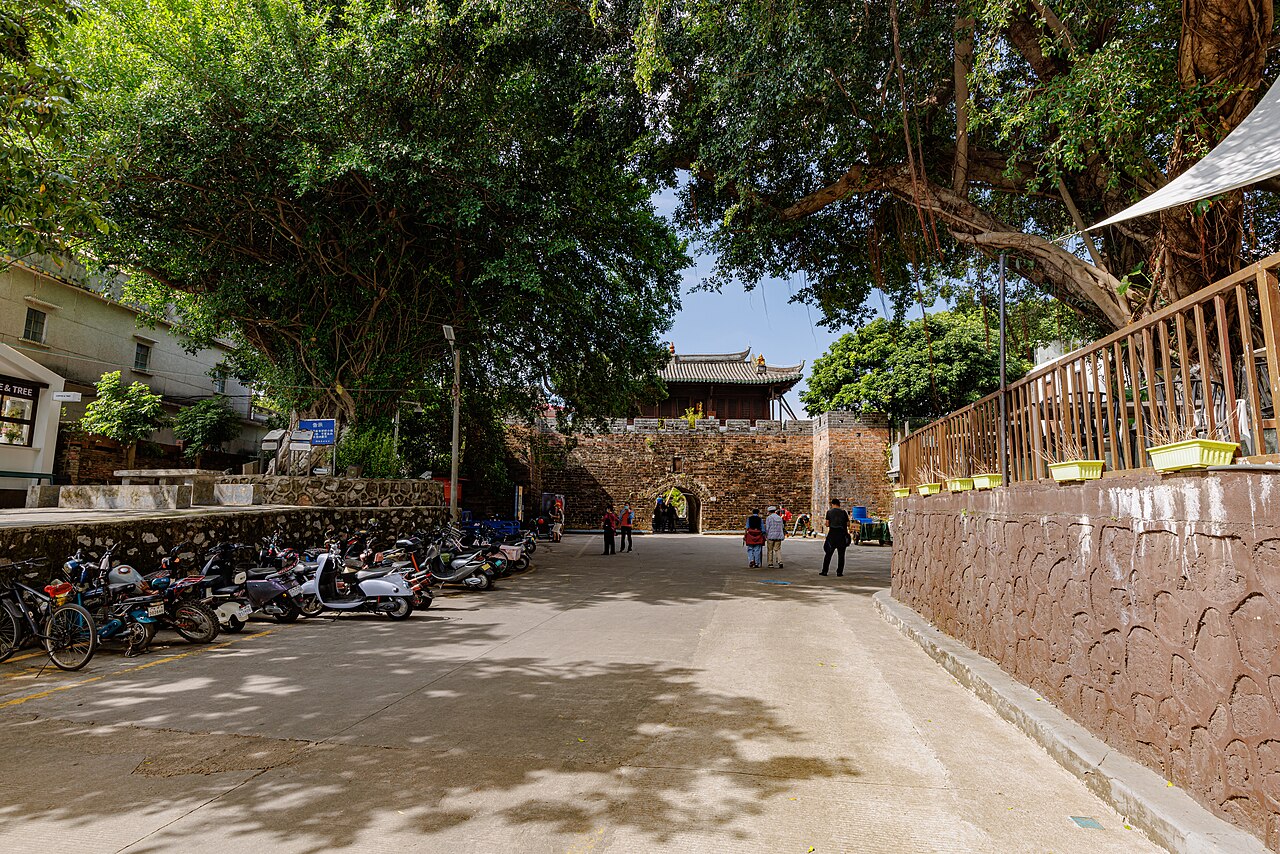
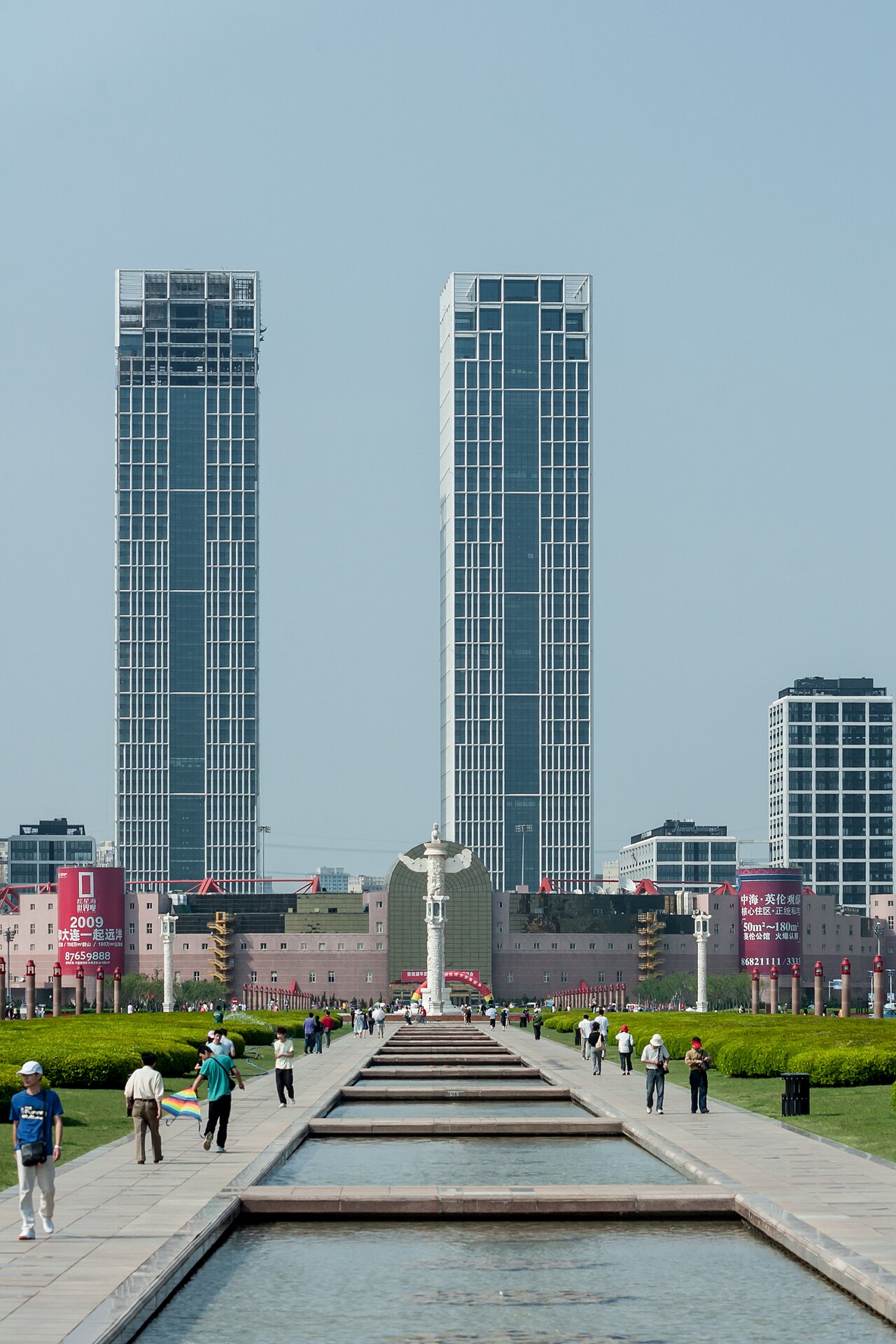
The old concession quarter around Yantai Hill
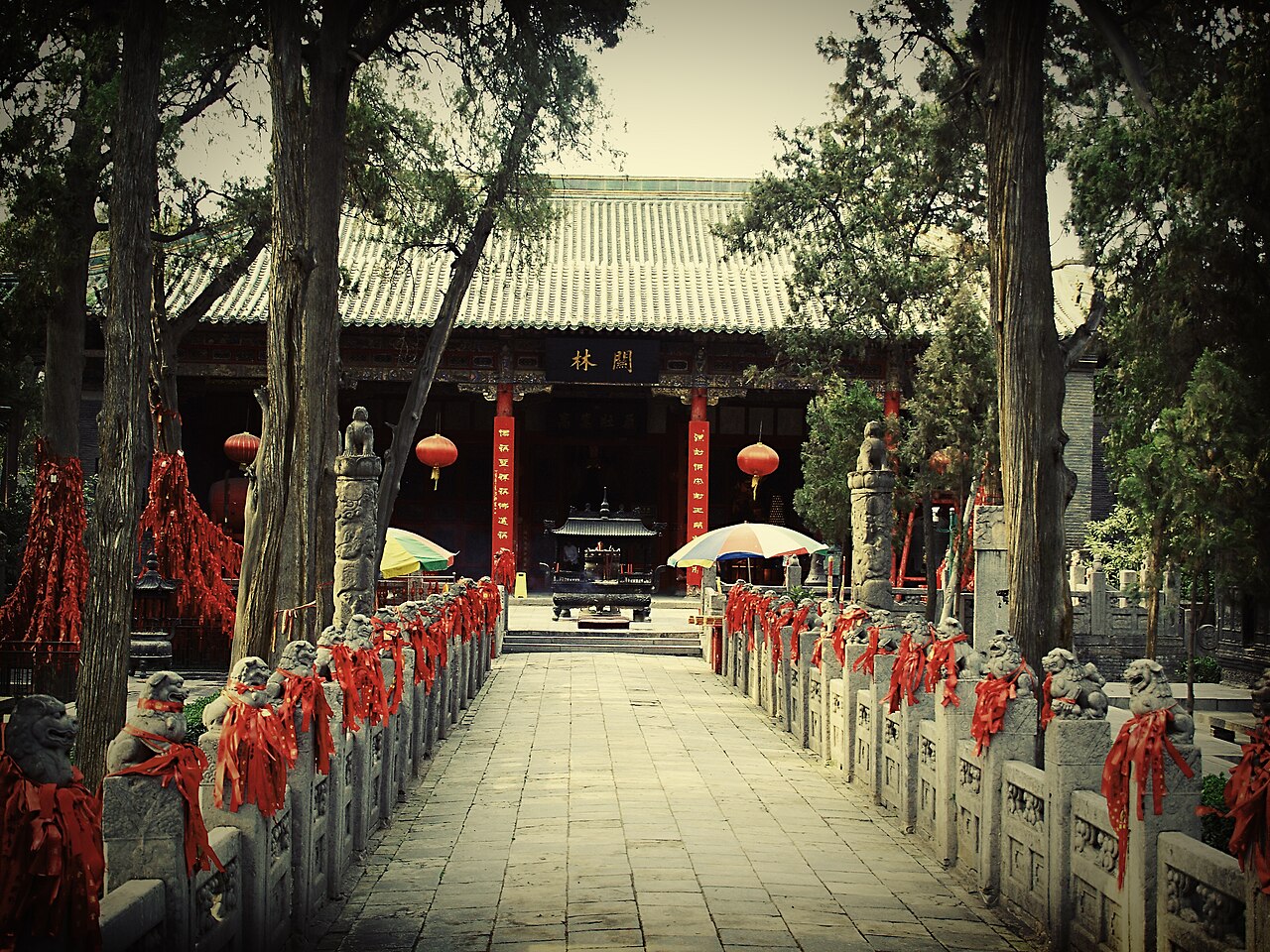
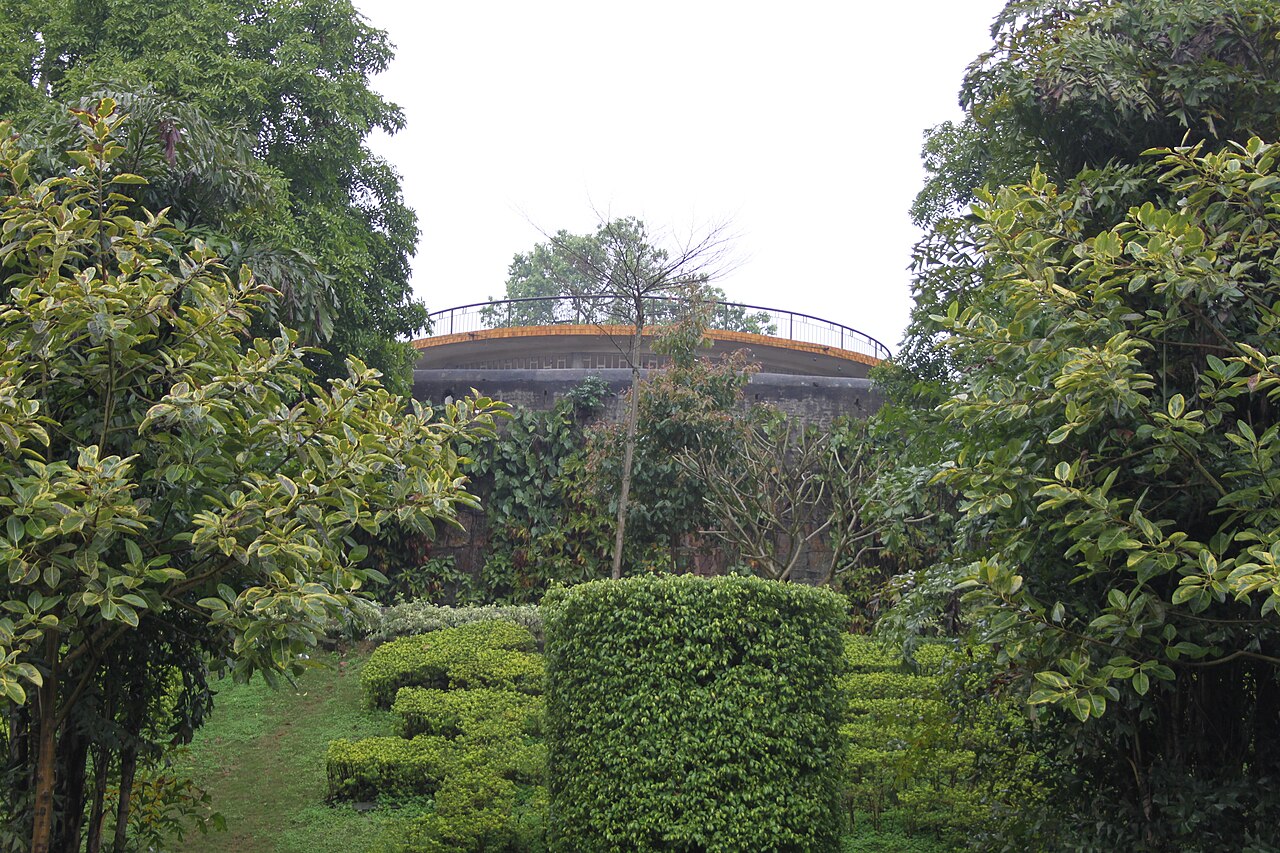
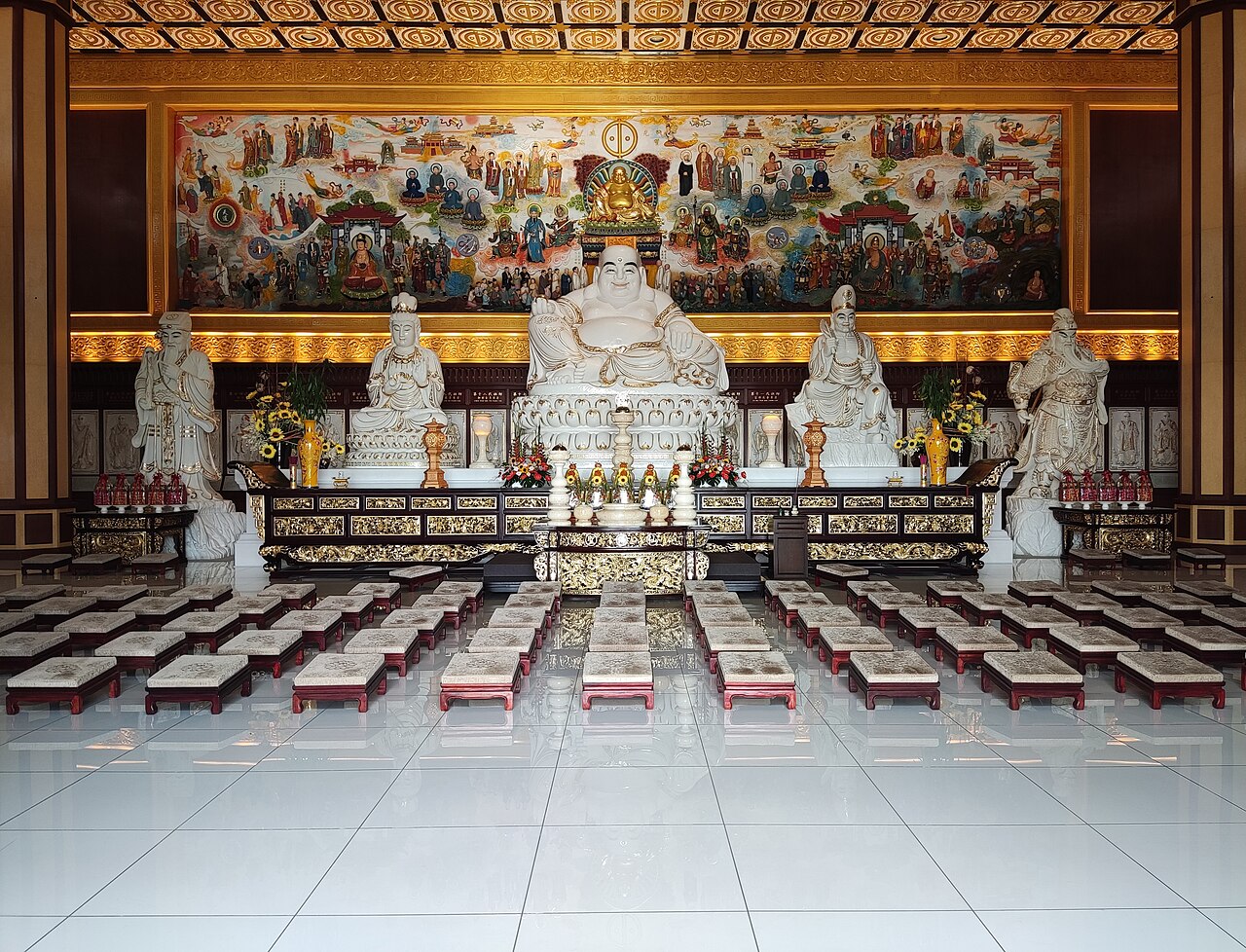
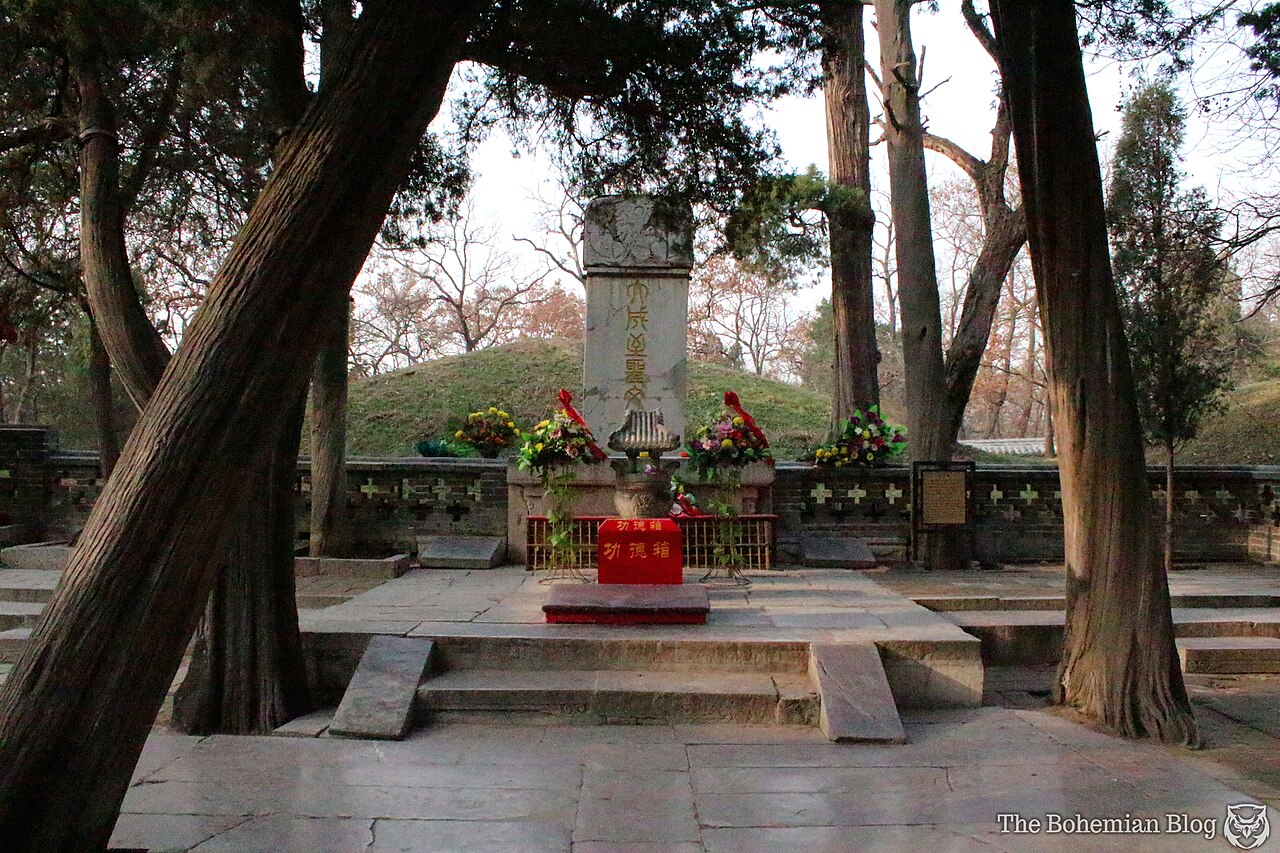
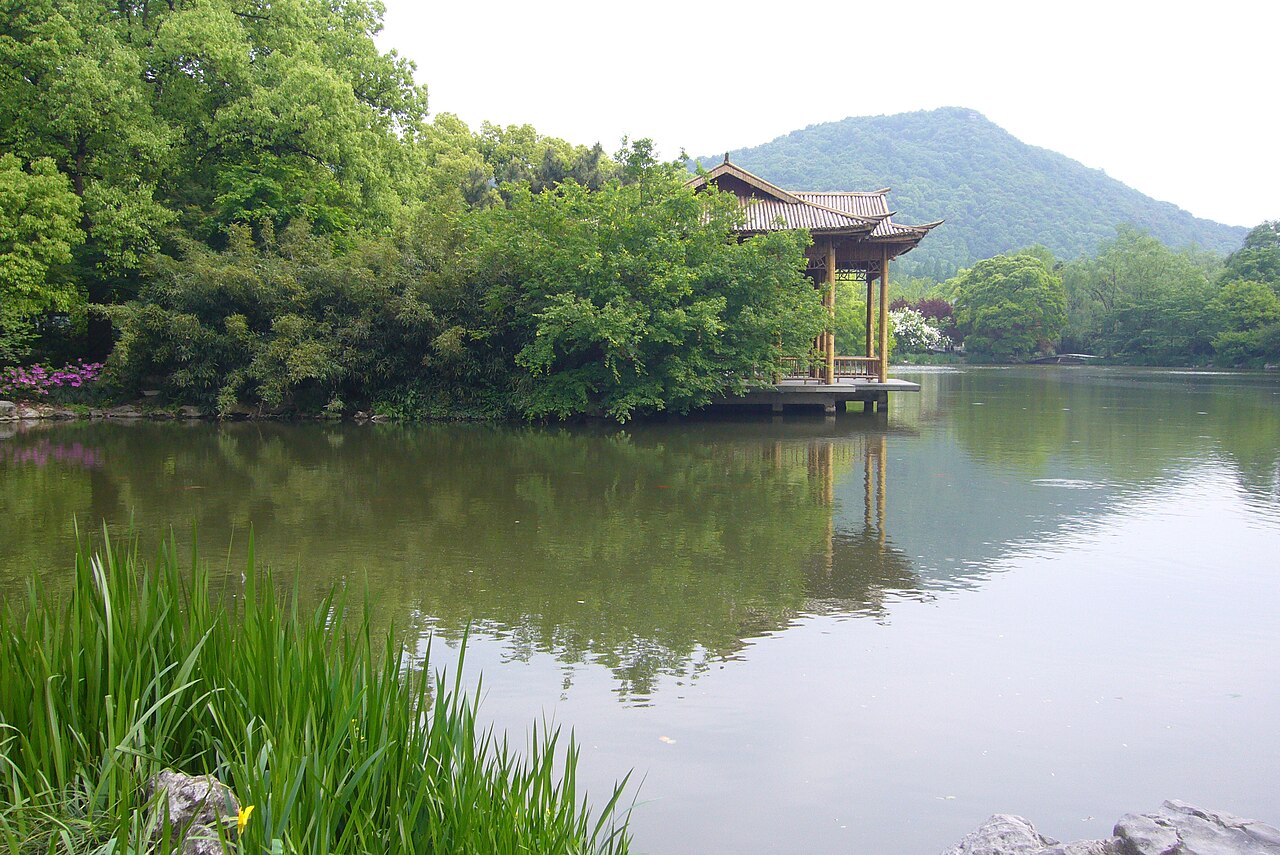
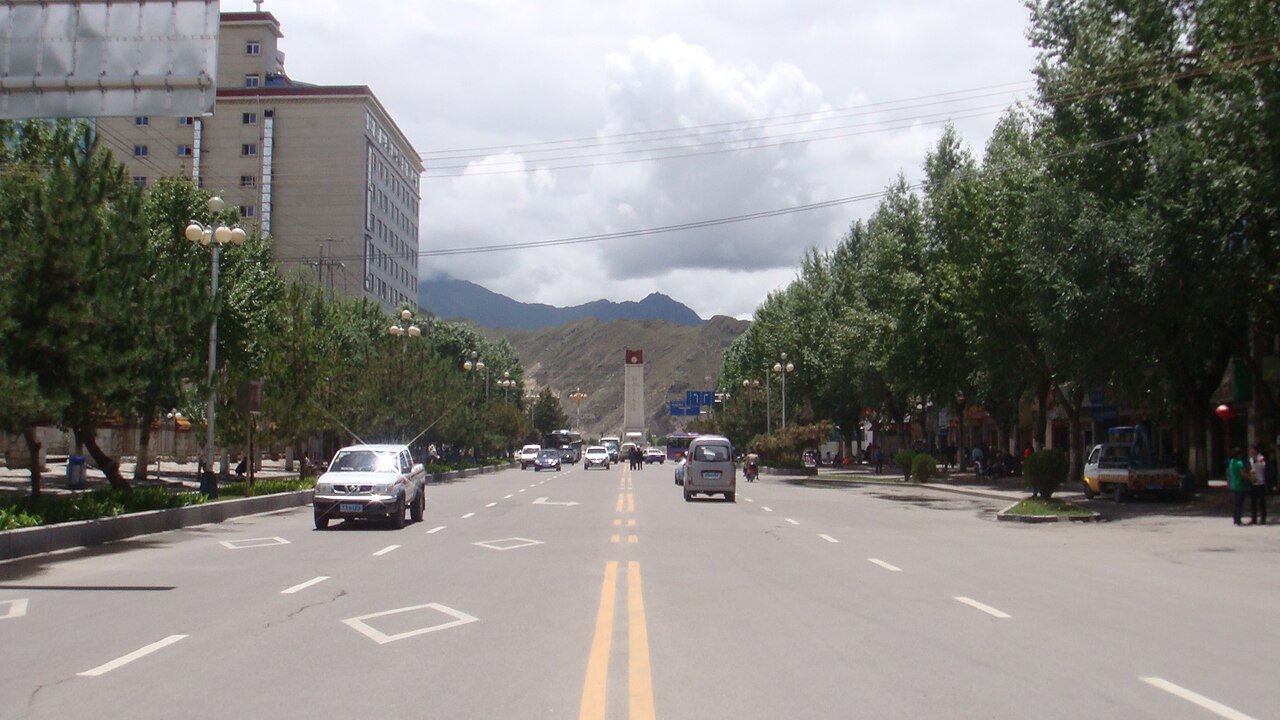
Changyu cellars — where Chinese wine began in 1892
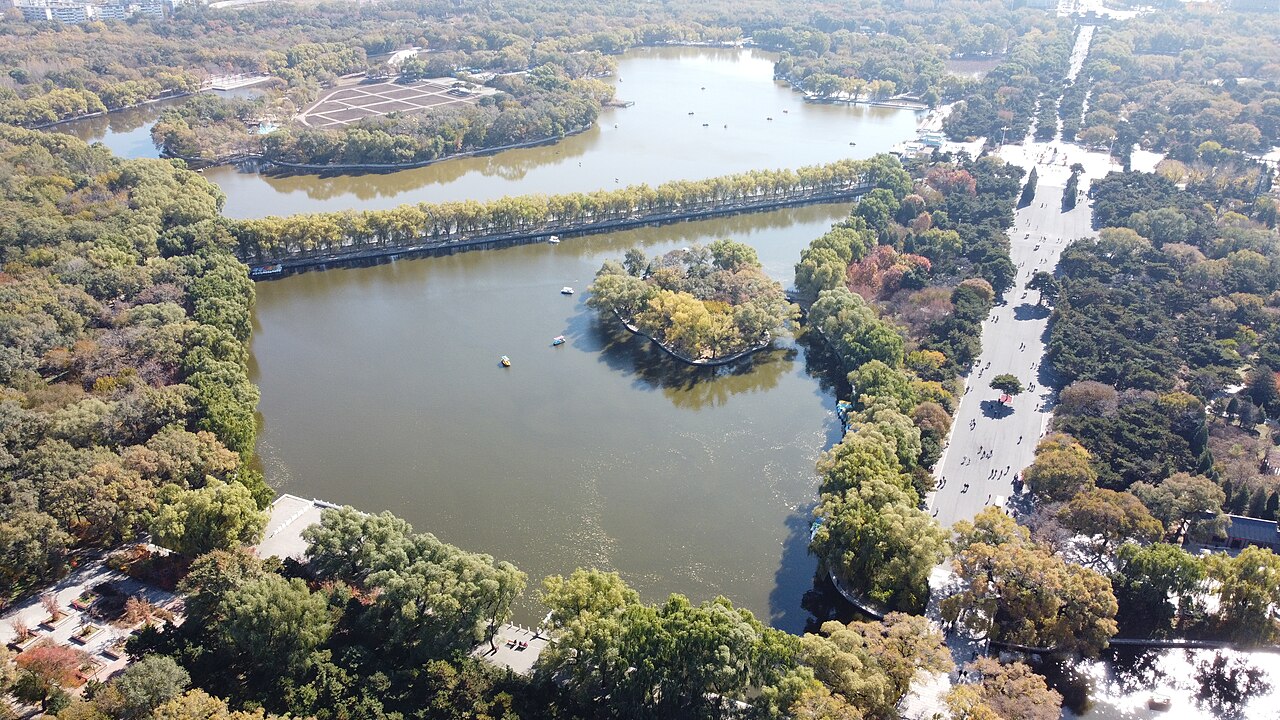
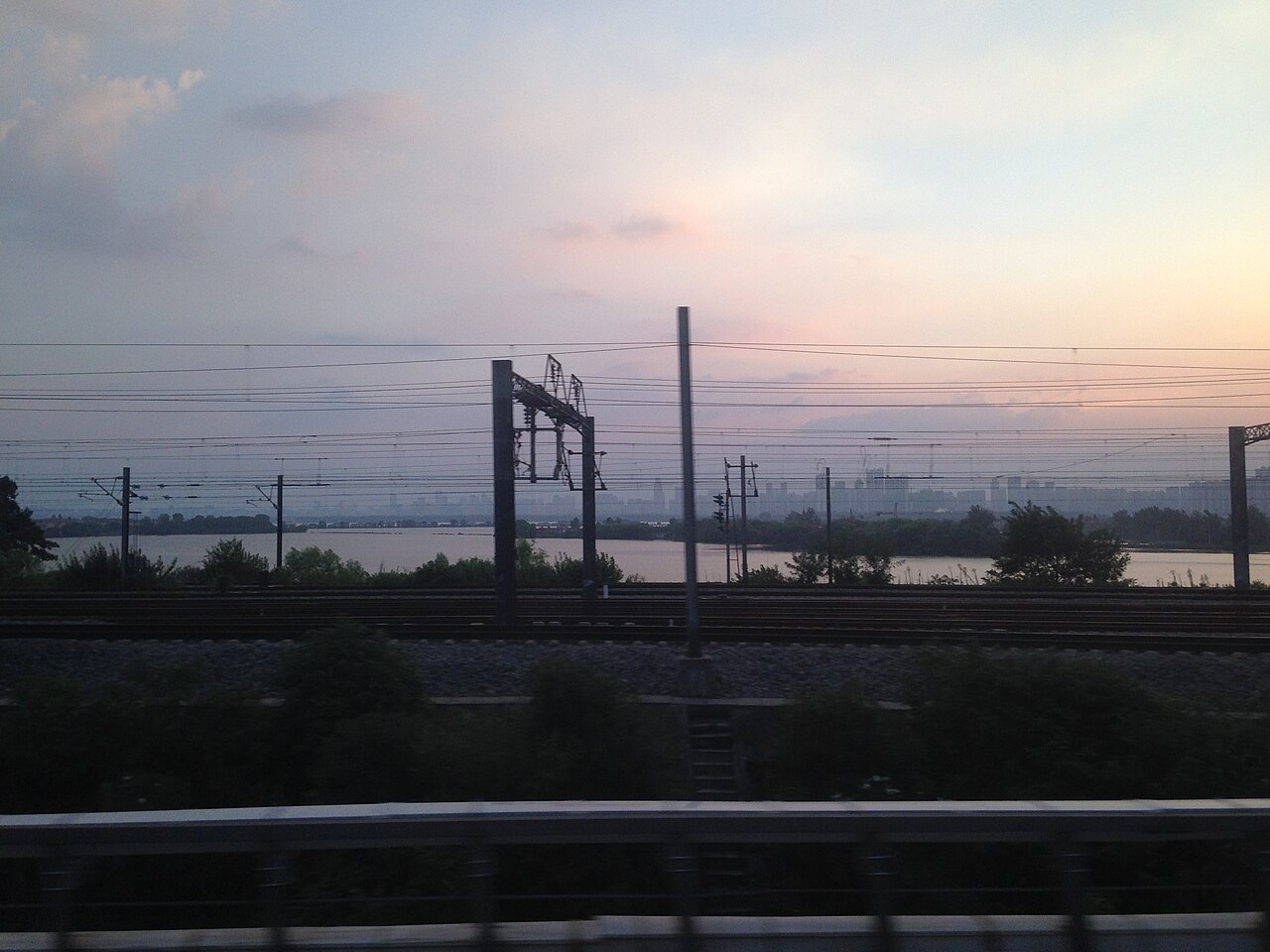
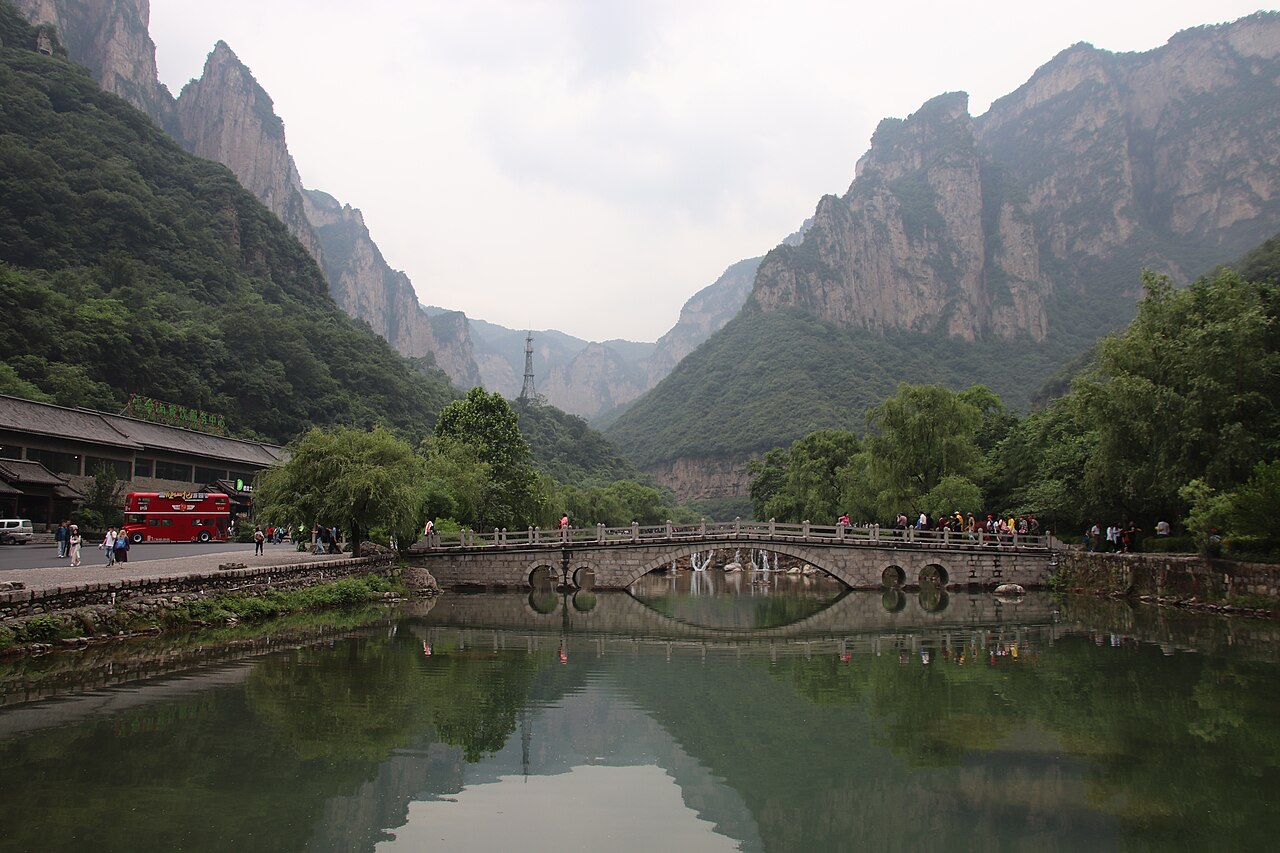
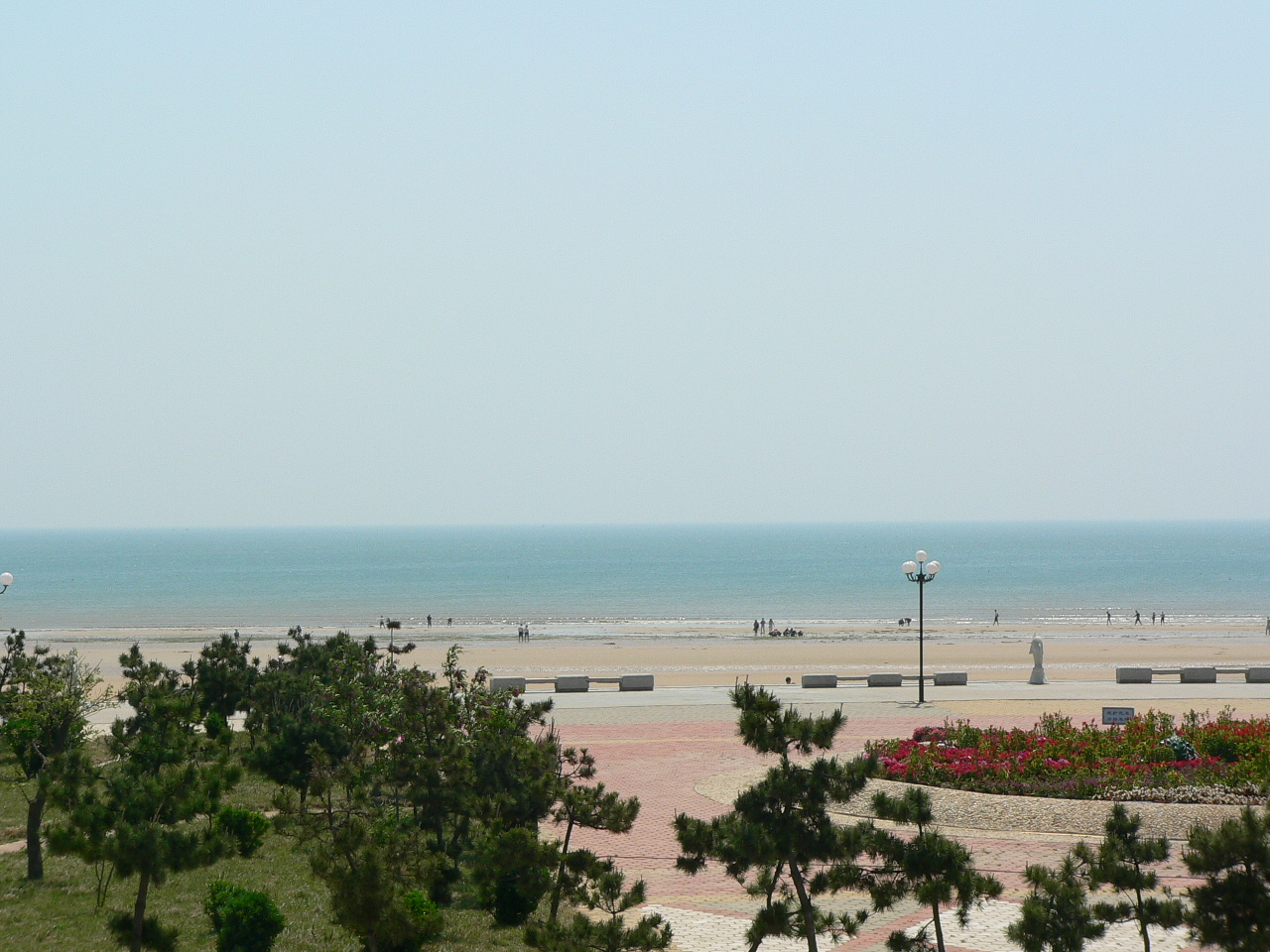
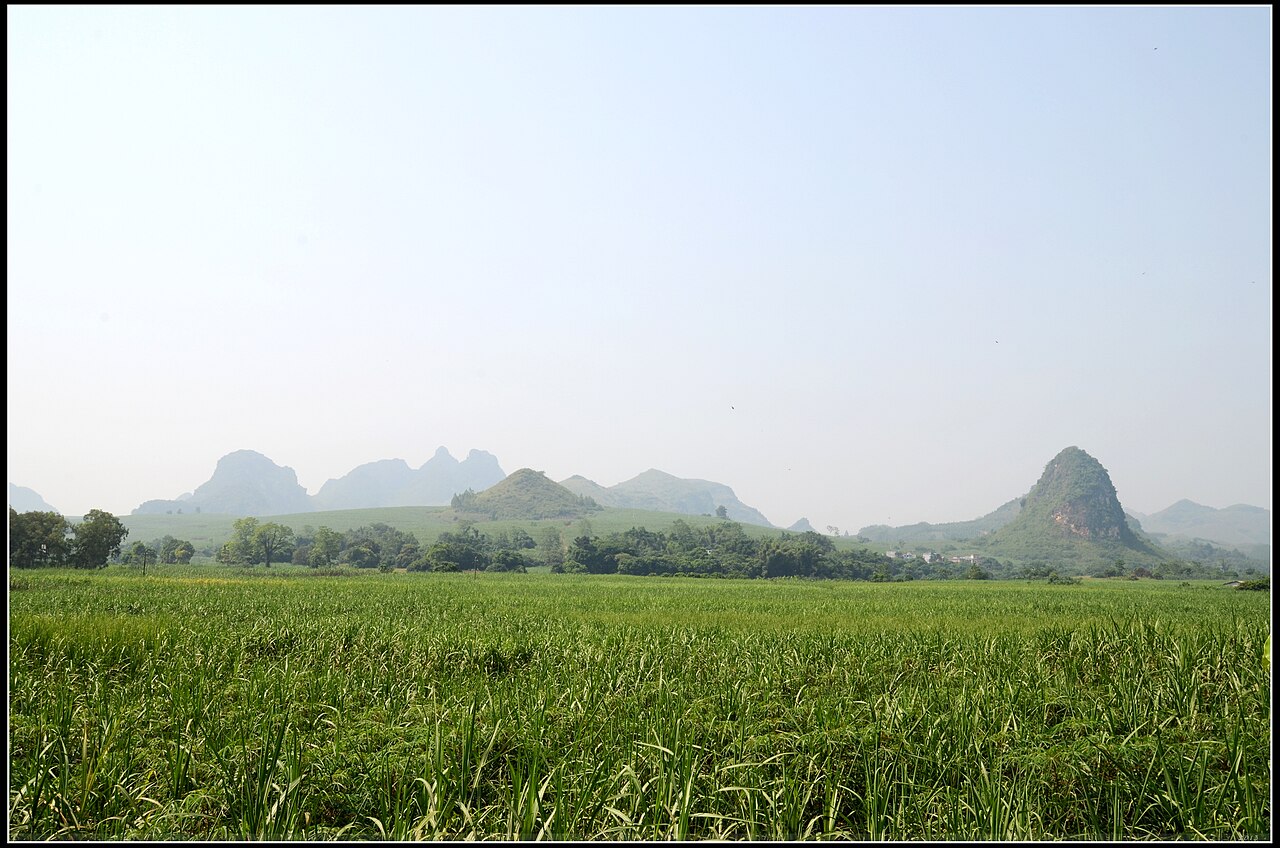
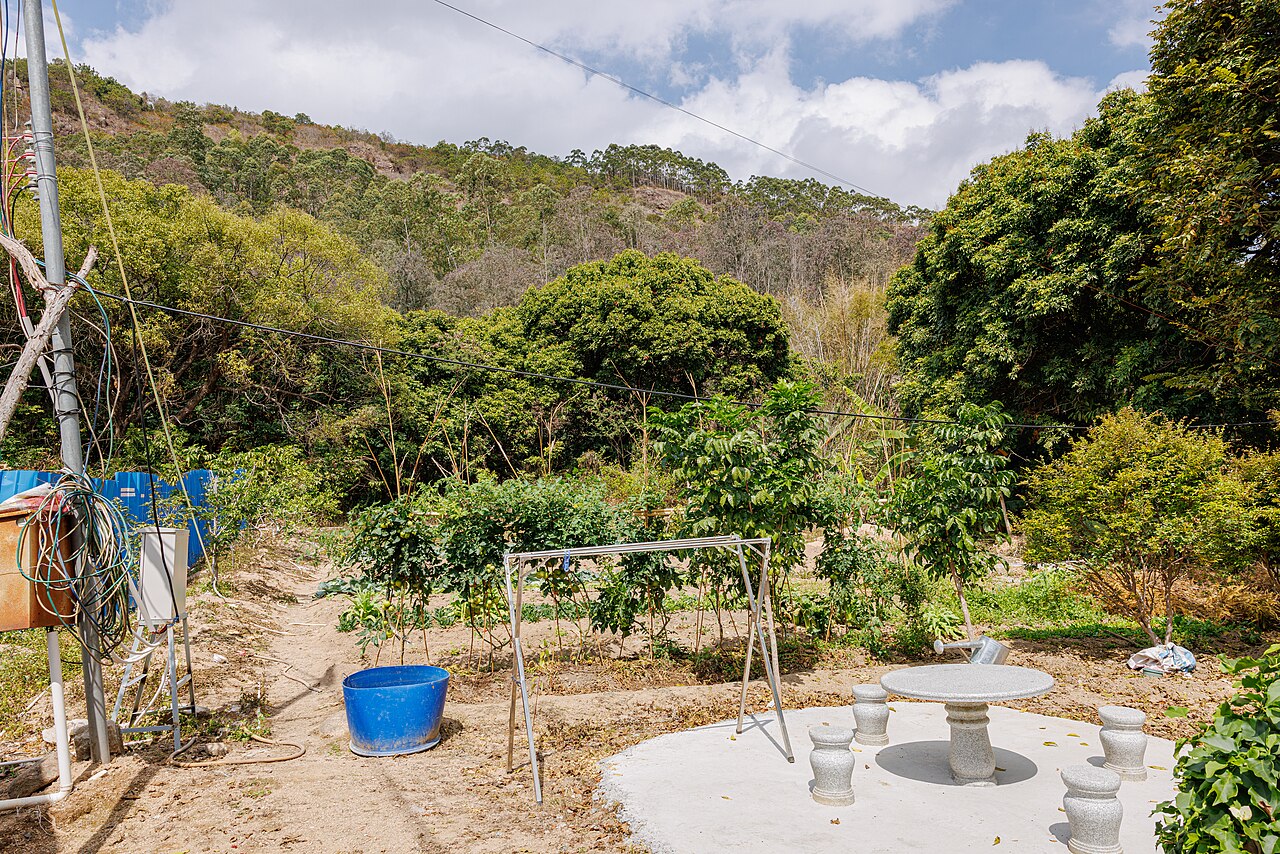
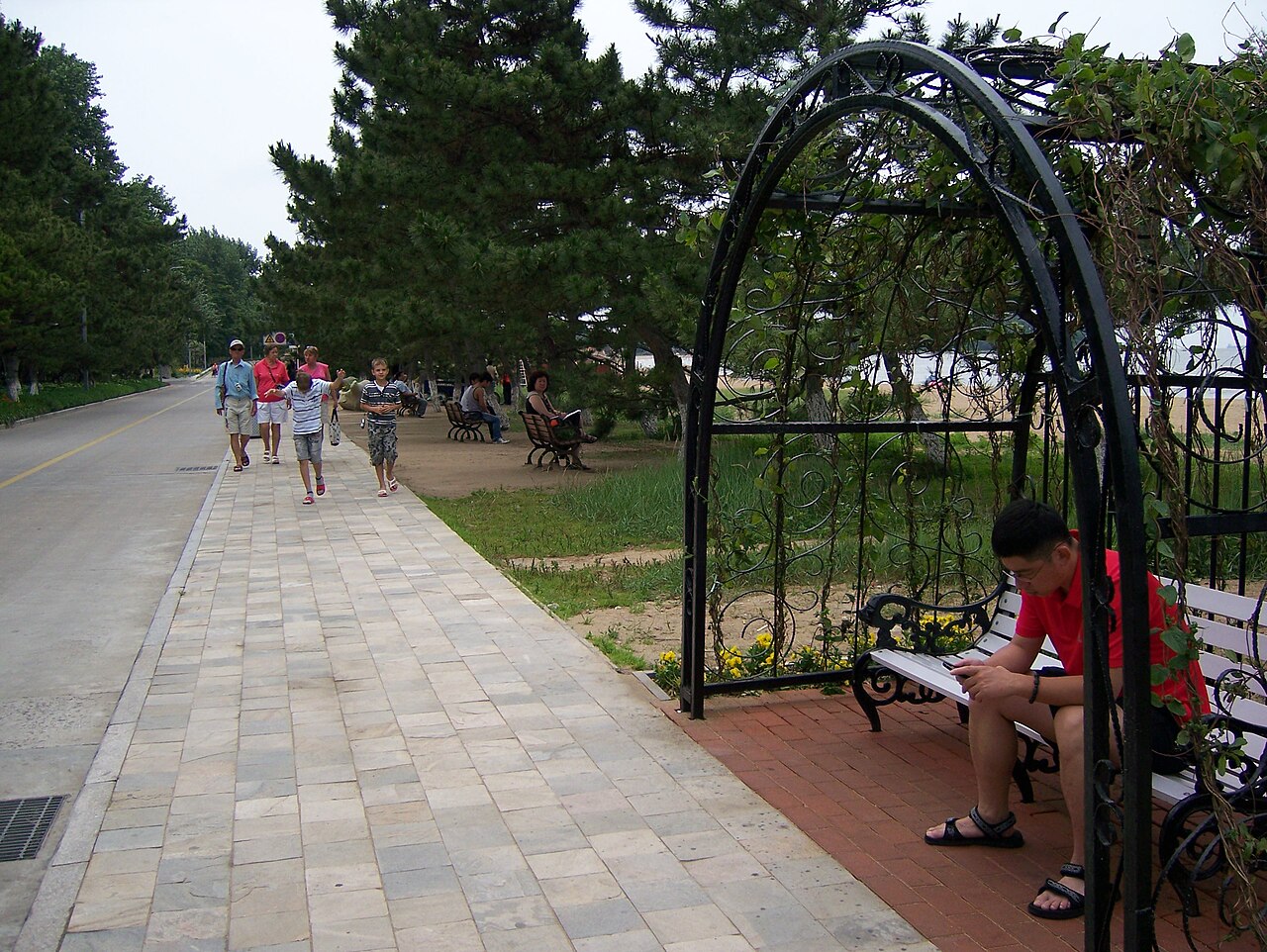
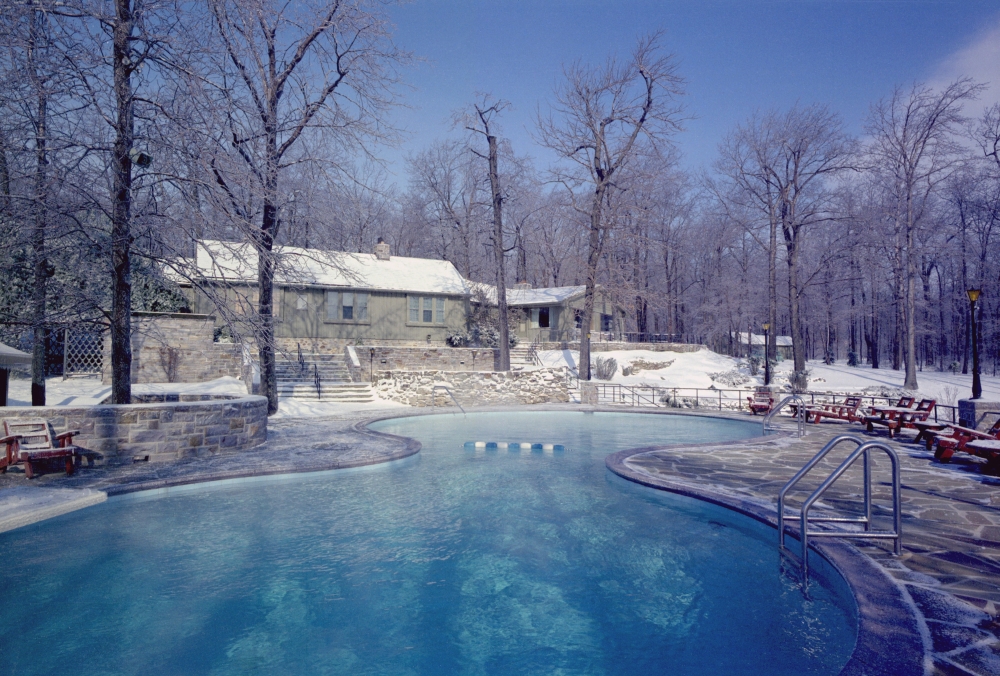
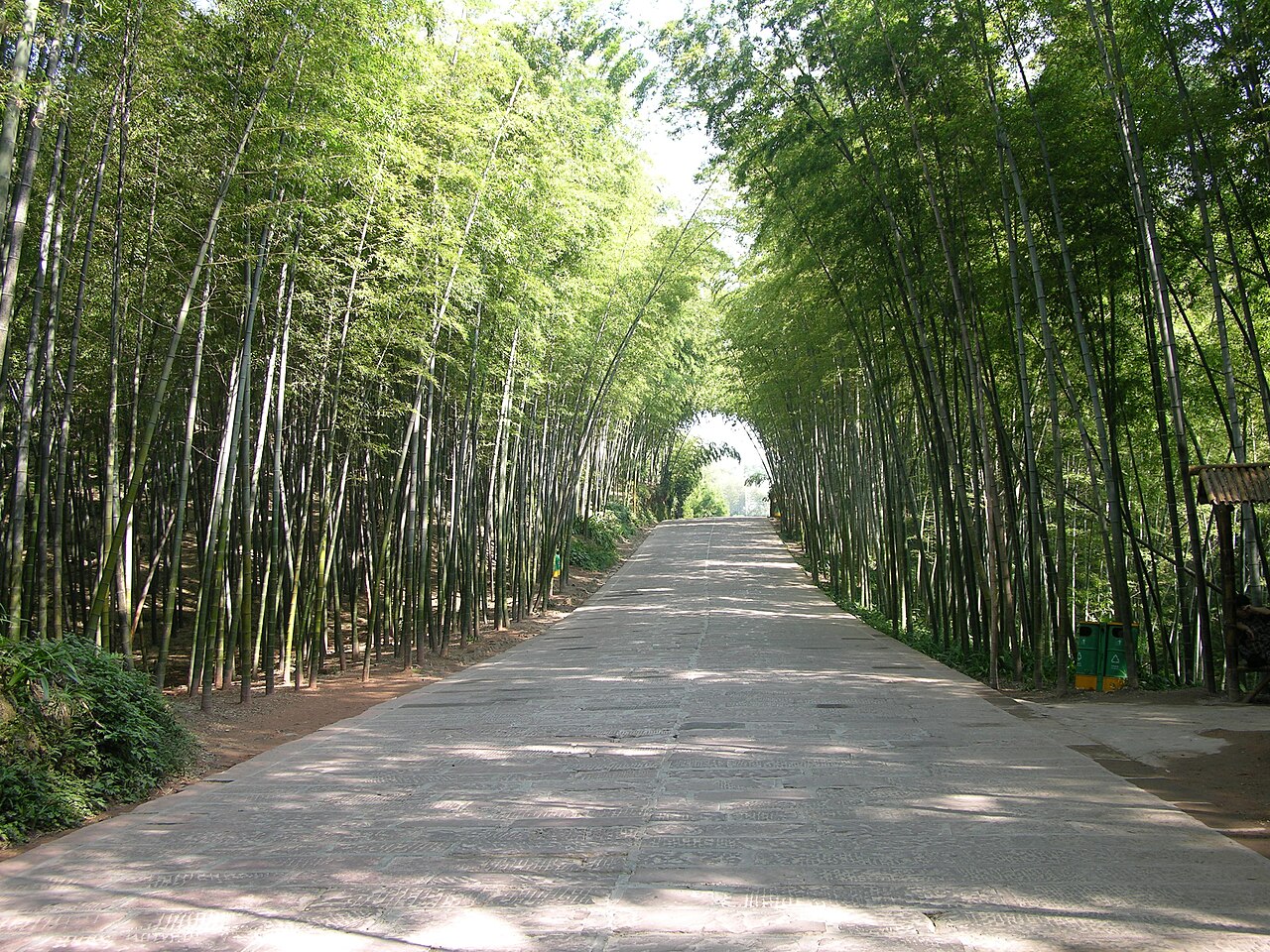
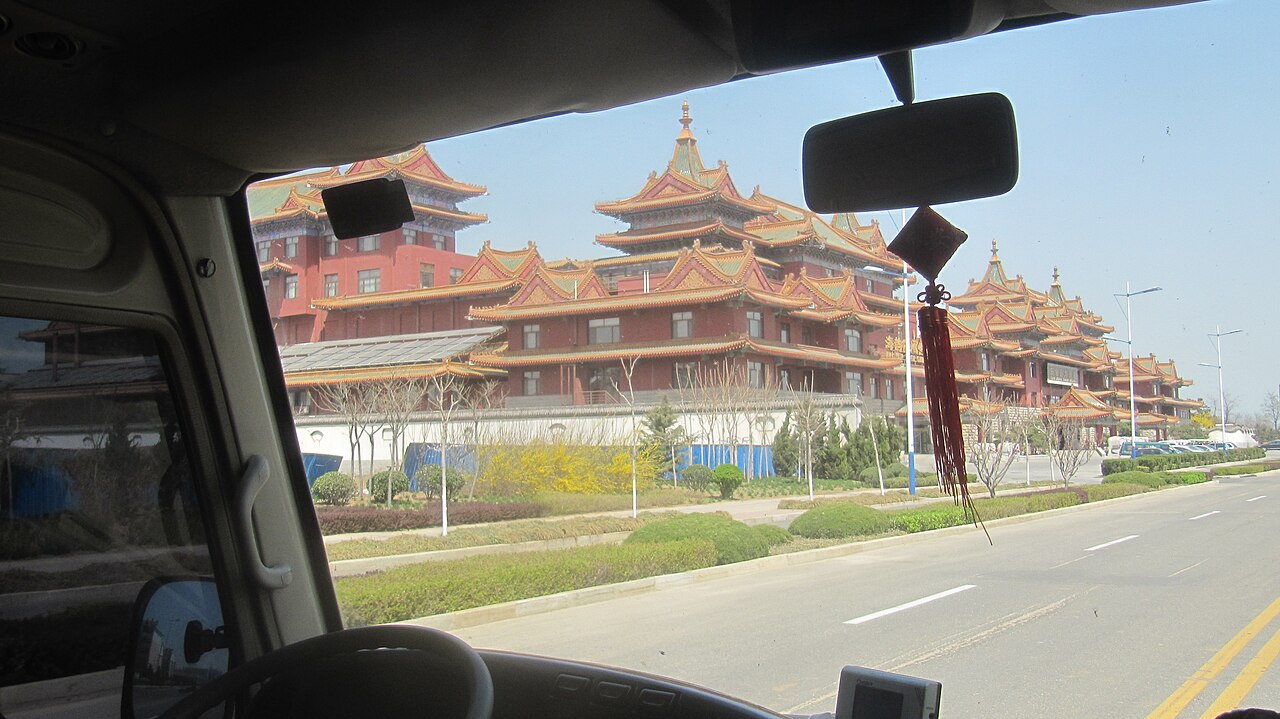
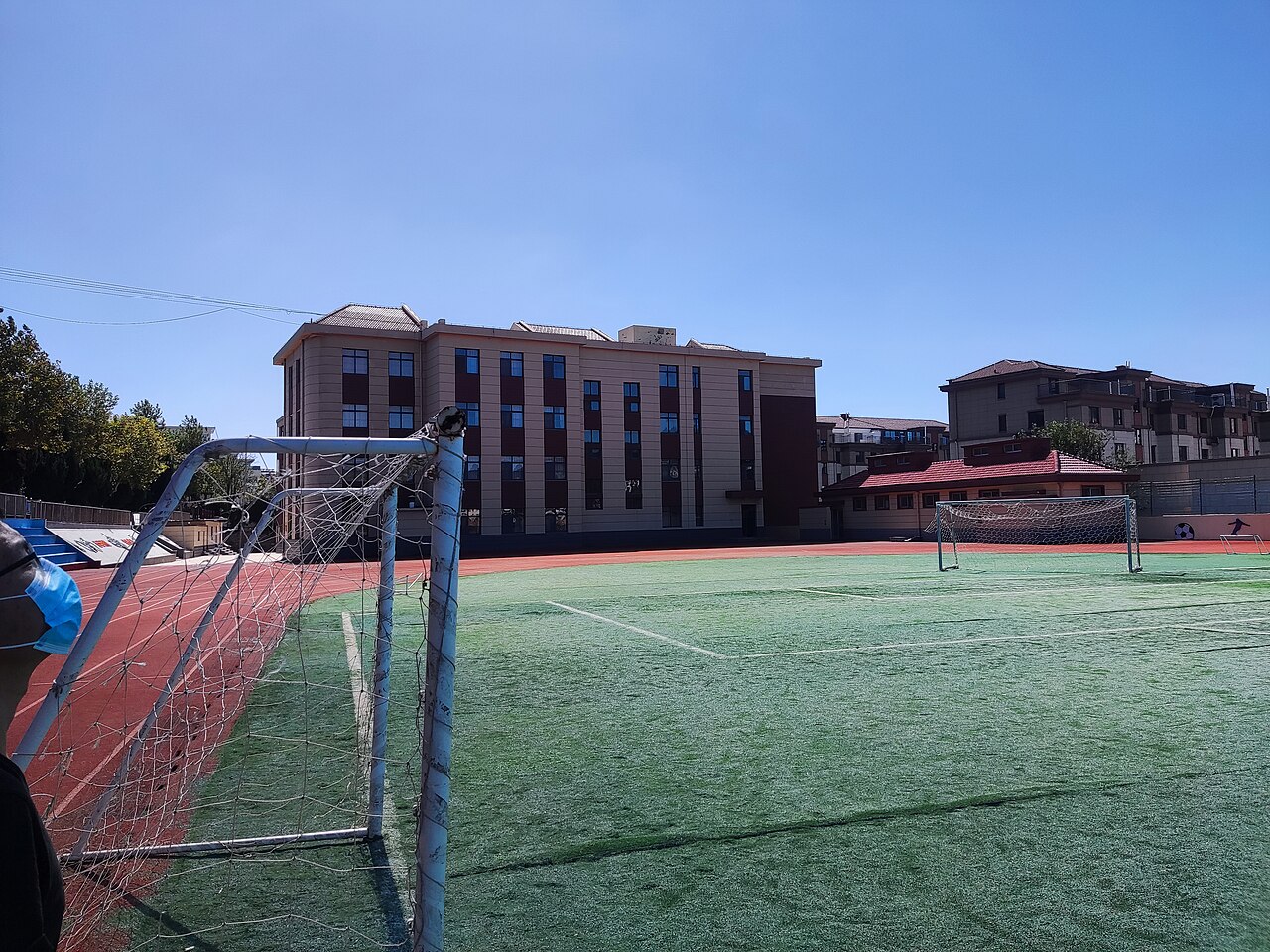
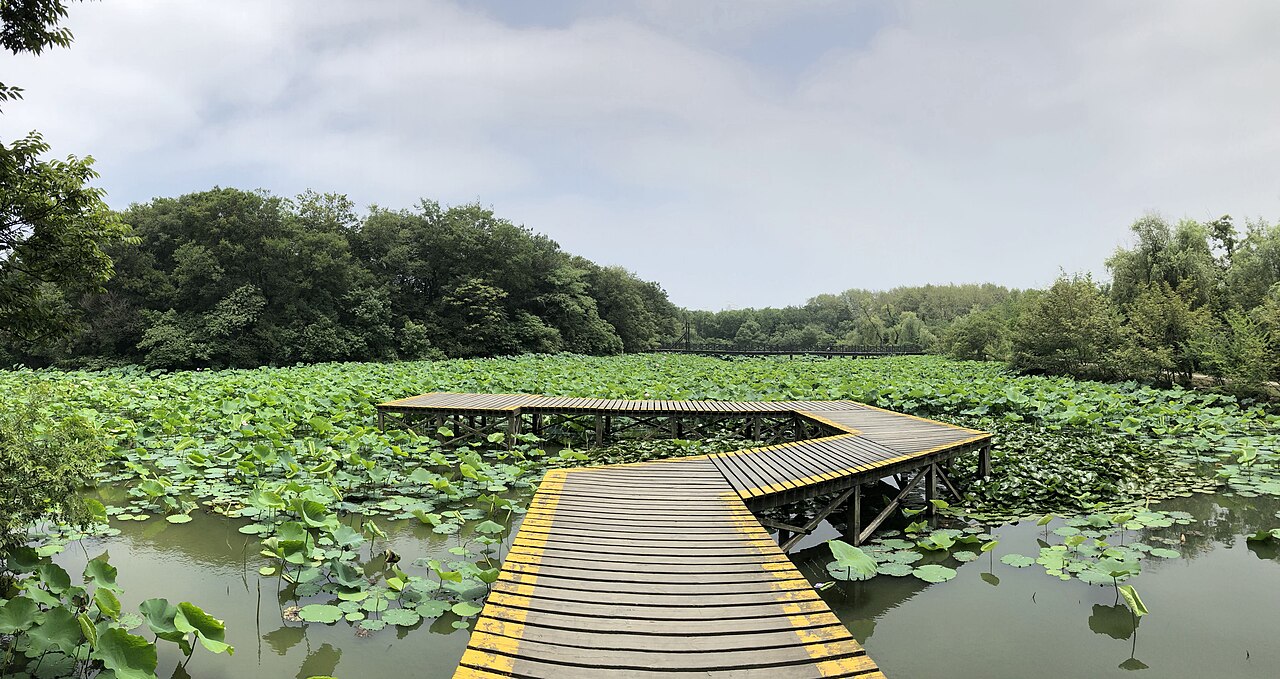
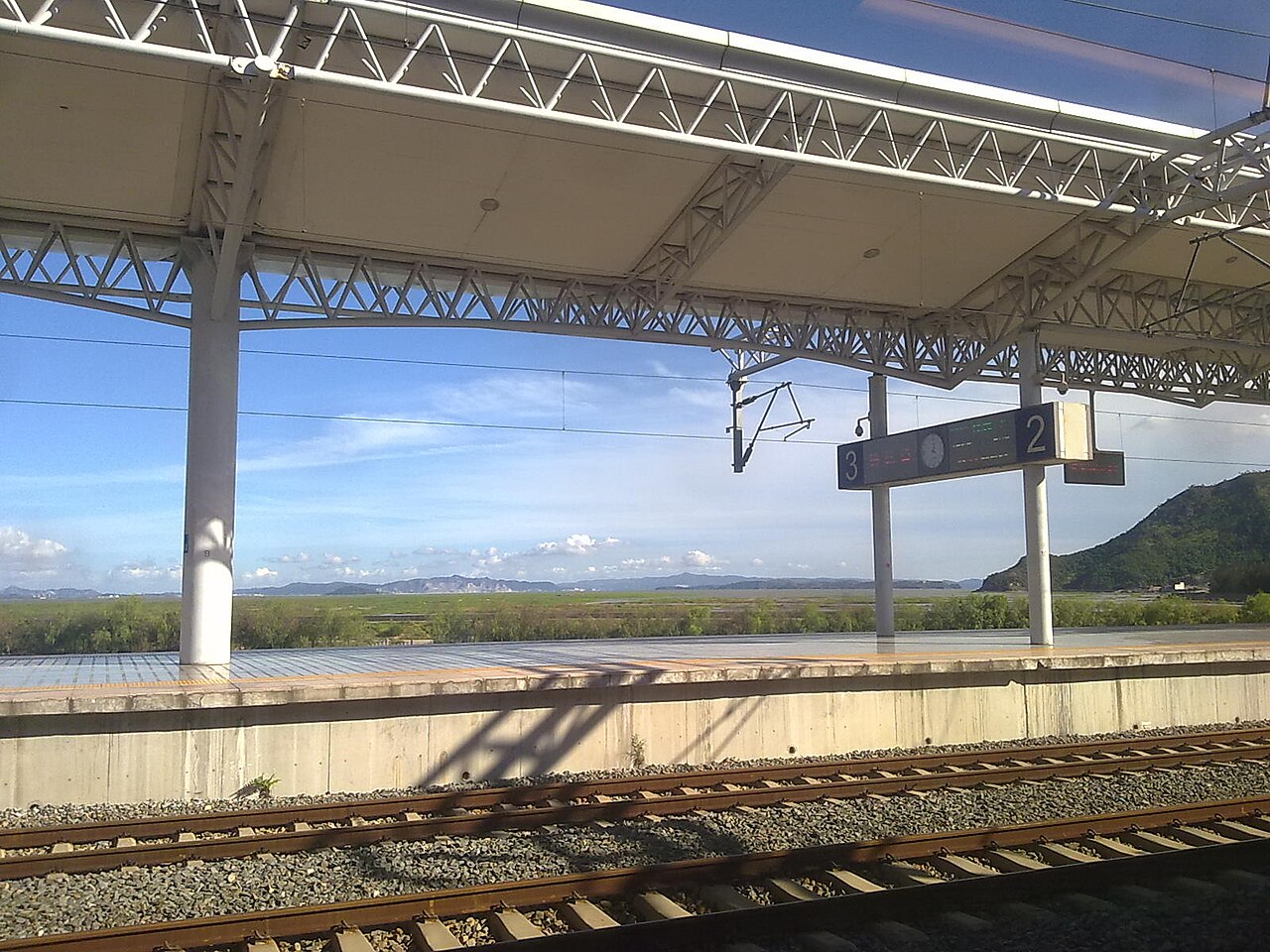
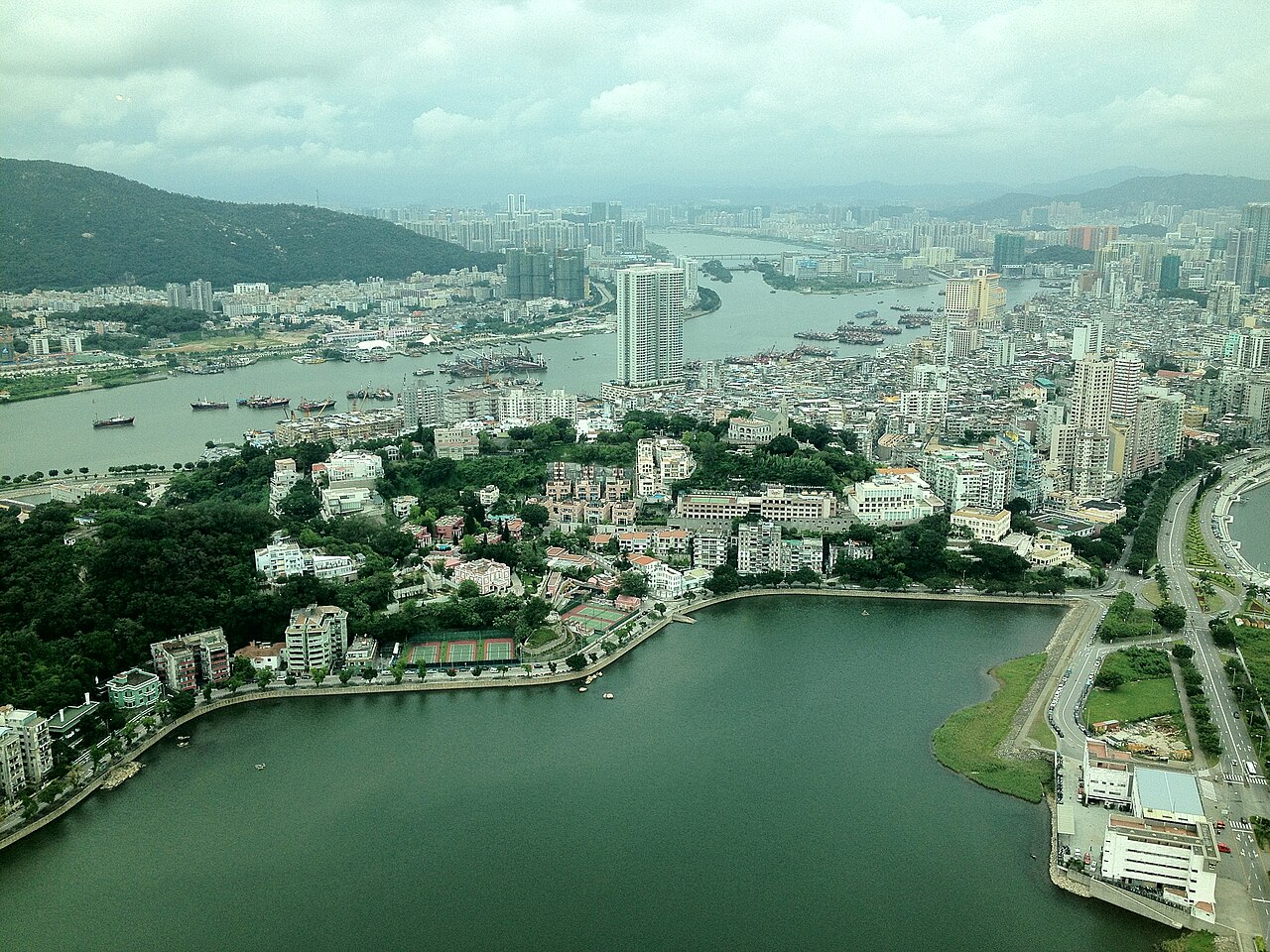
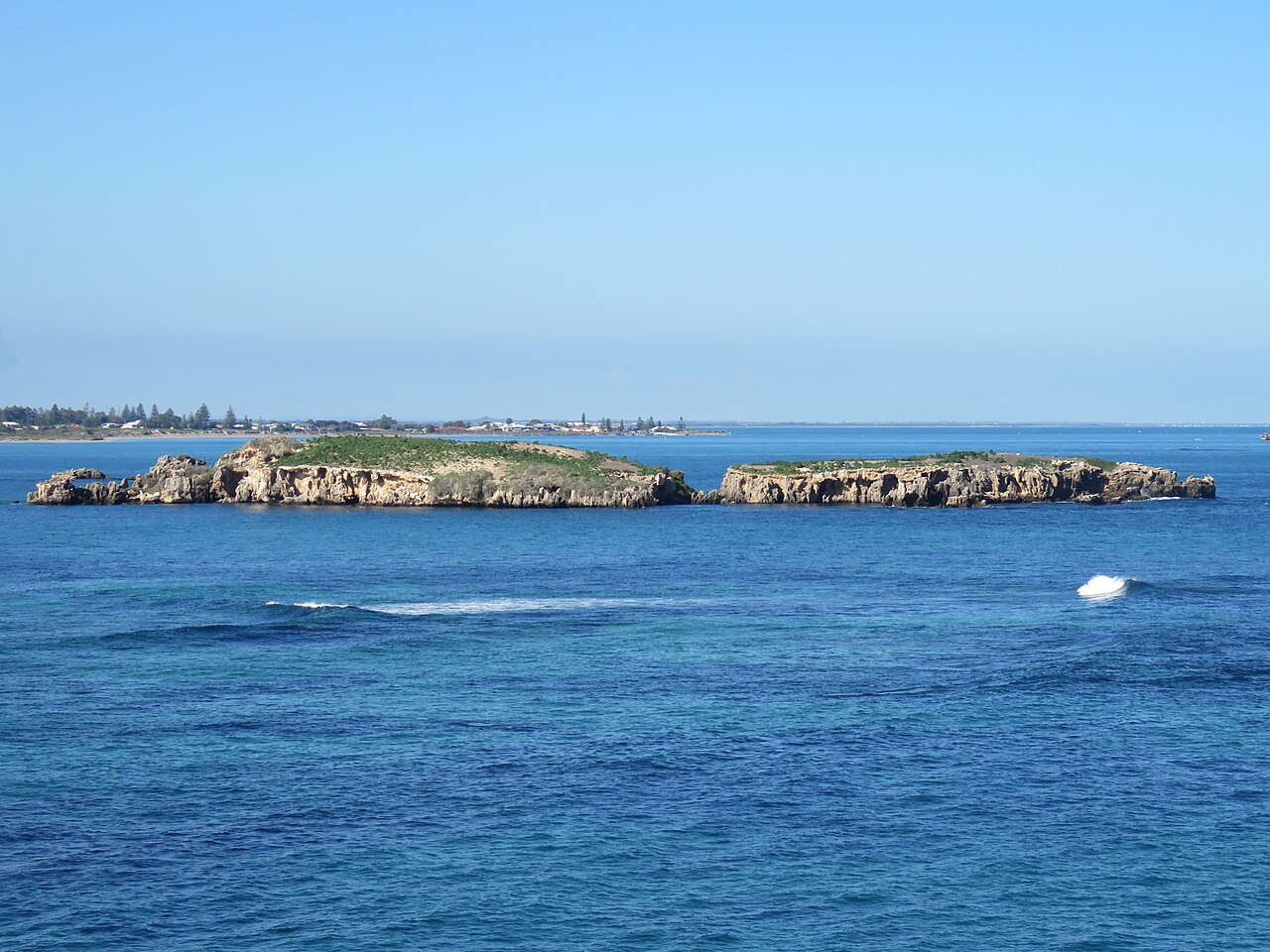
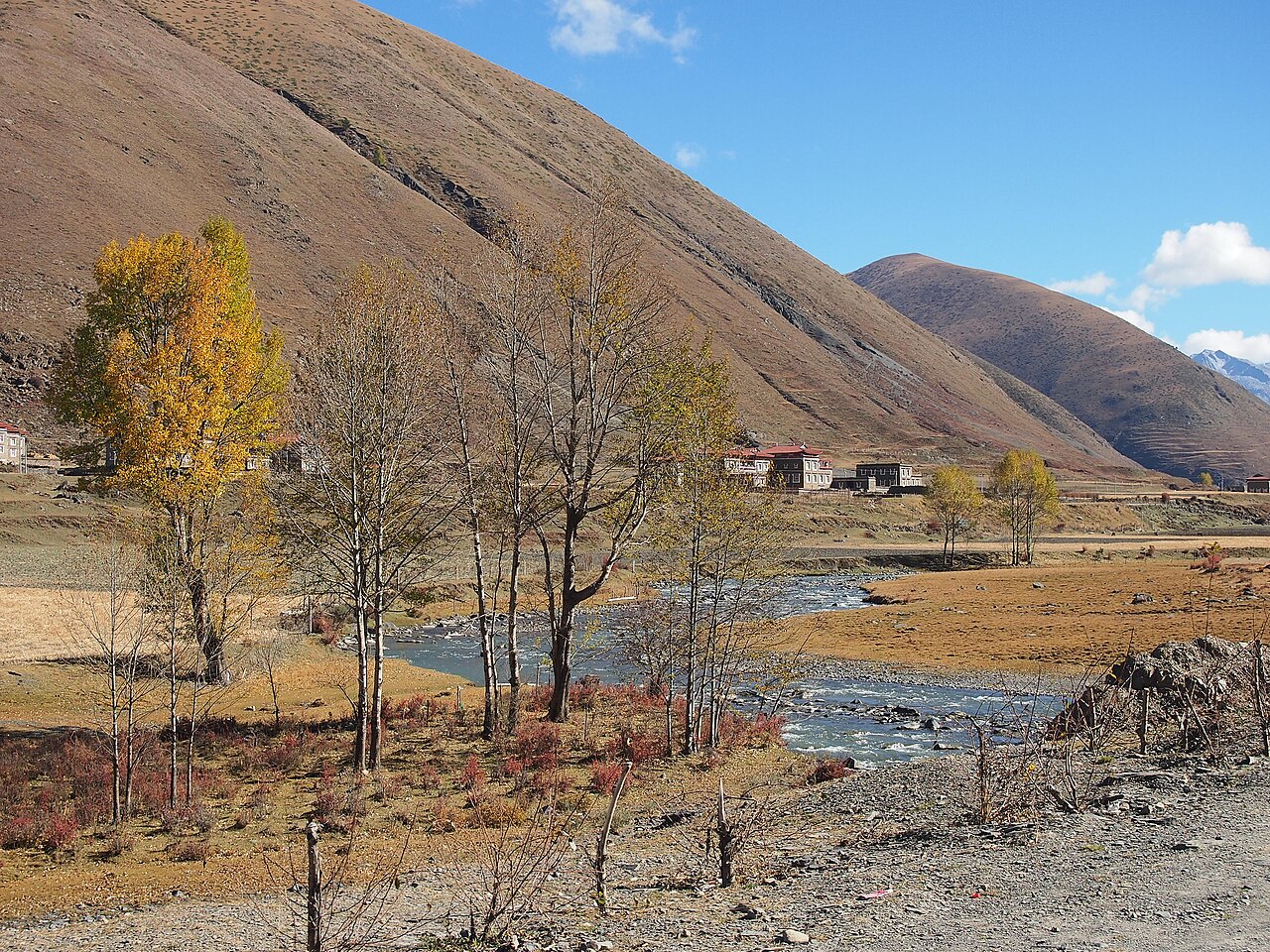
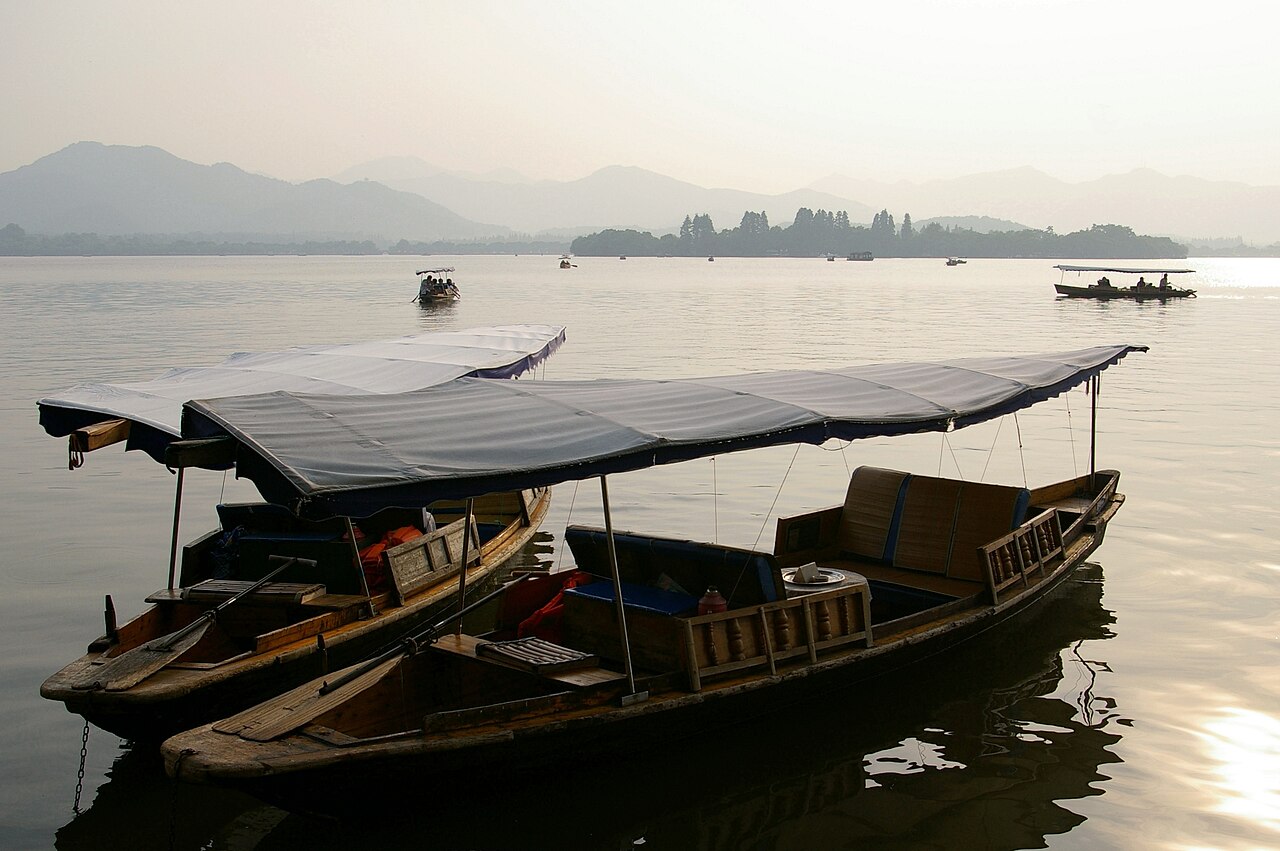
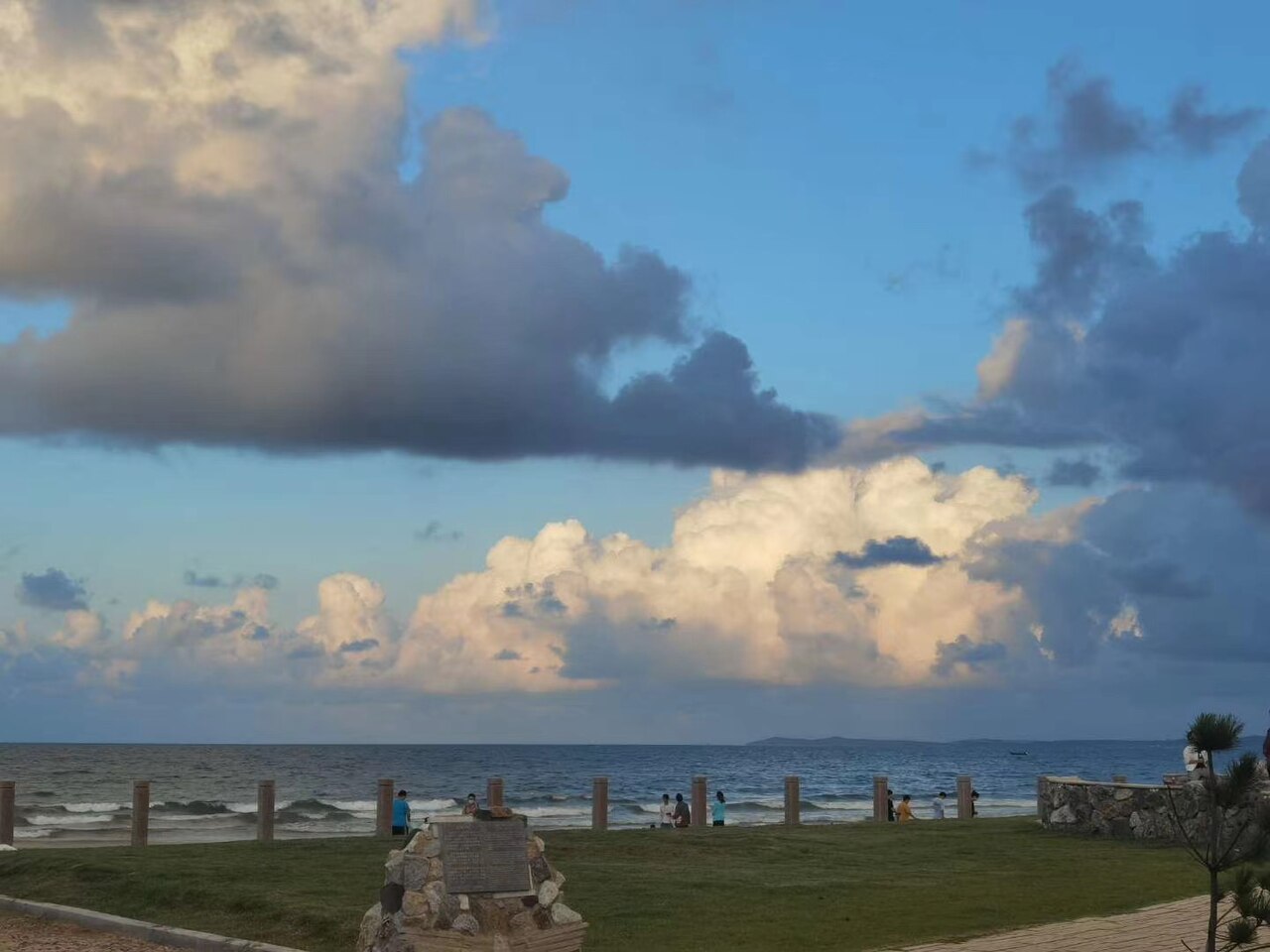
The long golden beaches of the northern coast

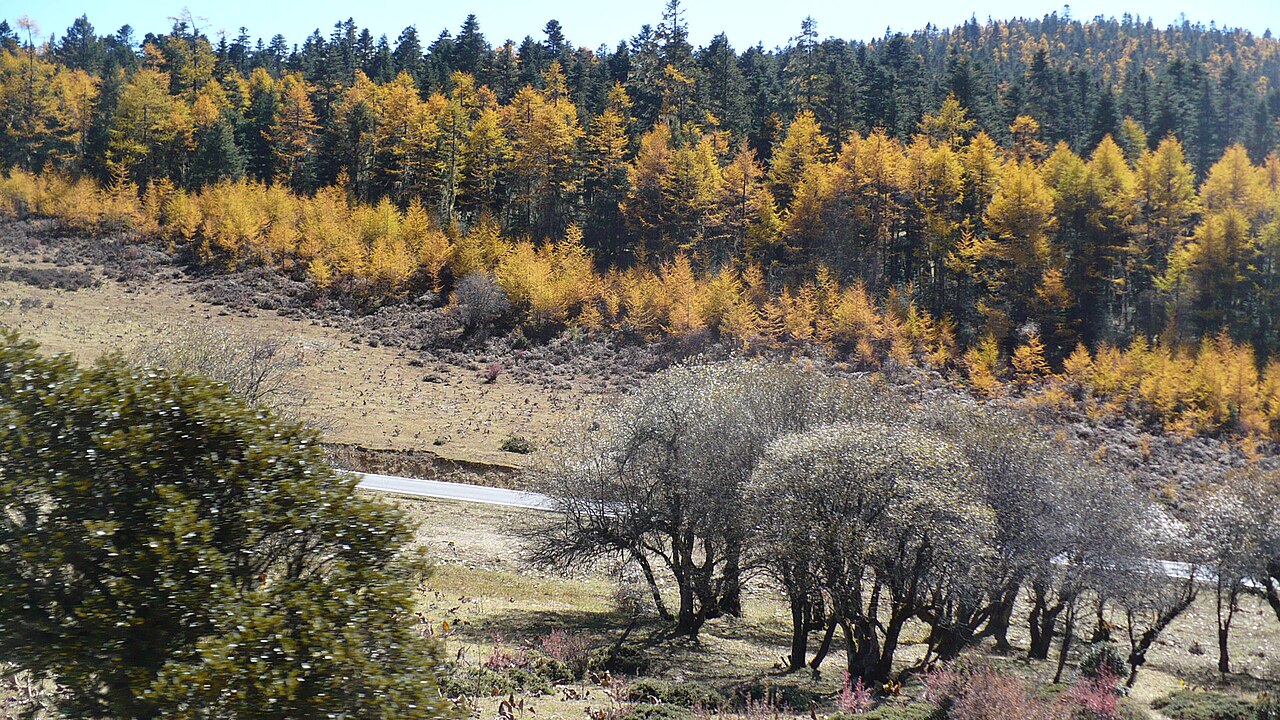
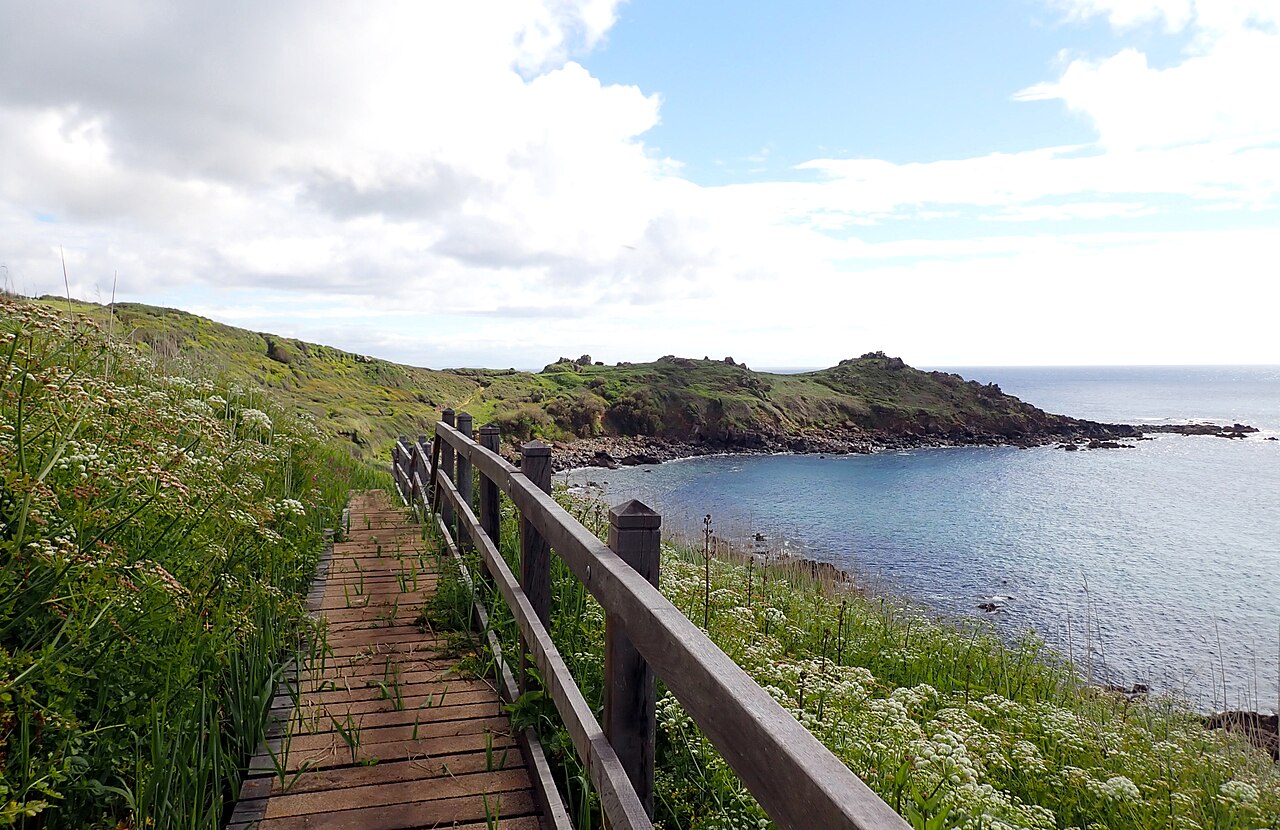
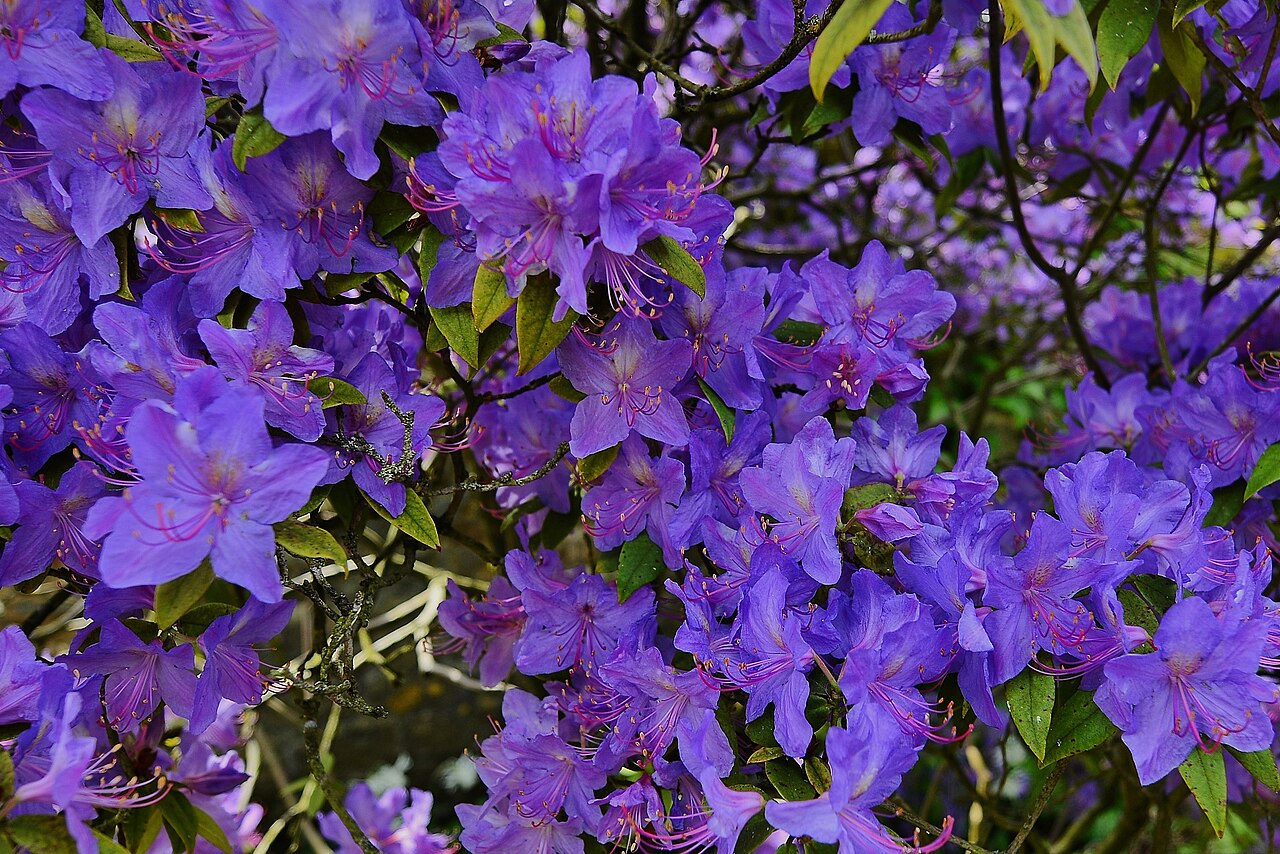
In April the pear blossom stretches from ridge to ridge, like great drifts of snow or a thin, floating mist. Walking among the trees and lingering under them, you feel almost immortal. And by May the whole coast is a riot of colour, the sea a sheet of blue, the sand soft and clean, the pine belts green and lush.

Traveller note — 'A Yantai Travelogue'

I can still picture the three of us sitting on an unnamed shore on Changdao, watching the deep blue water and listening to the purest sound of the waves. Everything I had been turning over and could not let go of, all at once, was blown away — like a crumpled sheet of paper soaked in seawater and smoothed flat again.

Traveller note — 'Dalian, Yantai and Penglai in Five Days'

Yantai is a place people have long come to in search of something they could not quite see. In the third century BC, Qin Shi Huang is said to have stood on these cliffs hunting the elixir of life, and to have sent the envoy Xu Fu east across the sea toward three mythical islands. The mirage of Penglai — a trick of the air above the water — has been reported off this coast for two thousand years, and it gave the whole shoreline its name for fairyland.

Modern Yantai is more solid than that. It is a working port and a famous orchard town — Yantai apples are among the best known in China — and it holds a peculiar distinction as the city that made wine a serious Chinese industry: the Changyu company was founded here in 1892, and the vineyards still run along the same slopes.

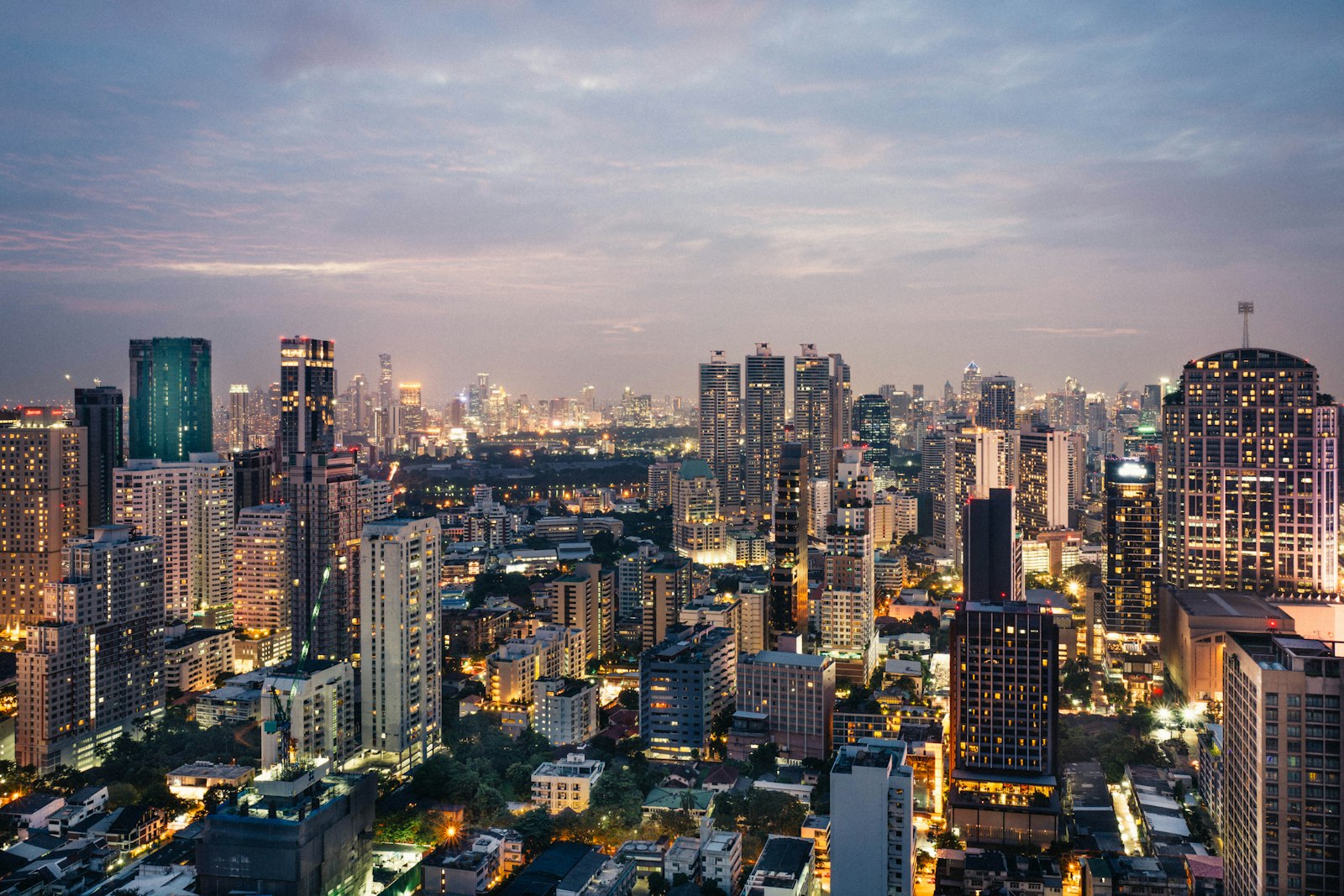
The city's shape is easy to read. The centre clings to a low wooded headland, Yantai Hill, whose airy, European-looking old quarter was once a foreign concession, and the coast road opens out west along beaches. An hour to the north-west sits Penglai, the fairyland town, and beyond it the long island of Changdao.

Come in spring for the pear blossom that turns the hills white, or in summer for cool, dry beaches — Yantai is one of the few big Chinese ports that faces north, which keeps the summer air fresh. It pairs easily with the rest of the coast: Dalian across the Bohai by ferry, Qingdao an hour and a half south, and Rizhao further down the same shore.

Yantai

Don't leave without

Seven things that are worth rearranging a day for.

  1. Stand on Penglai Pavilion and look for the mirage over the strait
  2. Taste old-vine Changyu wine in the cellars that started it all
  3. Walk the ring road of Yantai Hill at sunset
  4. Take the ferry to Changdao and walk the cliffs of Jiuzhang Ya
  5. Eat a full Fushan seafood spread — fish dumplings, stewed sea snail, braised prawns
  6. See the pear blossom carpet the hills in April
  7. Buy a bottle of Changyu and a bag of Yantai apples to take home

Highlights

What not to miss in Yantai

Penglai Pavilion

One of China's four great towers, on the Dan cliffs above the strait, wrapped in the myths of the Eight Immortals and the elixir of life. Climb it for the sea views and the old temple complex — the reason the whole coast is called fairyland.
Yantai Hill and the old concession

The wooded headland at the north of the centre, with its lighthouse and European-style villas from the treaty-port era. Three sides in water, 53 metres high, and the best free hour in the city at sunset.

Changyu wine cellars

China's first world-class wine museum, built around the original 1892 cellars. The ¥50 ticket includes a tasting and a small bottle of brandy, and it tells the story of how one company founded an entire national industry here.

Changdao island

A 40-minute ferry offshore, the Long Island group holds the sheer cliffs of Jiuzhang Ya, the pebble beach of Half-Moon Bay and a working fishing fleet. A full day, weather permitting, and a world away from the mainland.
The golden beaches

Yantai's west coast runs a long chain of flat, golden-sand beaches with clean water, a gentle slope and a pine belt behind — safe, family-friendly and free. Best in late summer.

The Fushan kitchen

Fushan cooking, one of the three pillars of Lu cuisine, was born here: seafood-led, fresh and unfussy. Sea snail, fish dumplings, braised prawns and the Penglai 'Eight Immortals' banquet.

Suggested itineraries

Three days for Yantai and Penglai, or five along the coast

The three-day plan is Yantai and Penglai only. The five-day route stretches the same coast south through Weihai and Qingdao, with the island folded in.

Three days: Yantai and the fairyland

3 days

The city, Penglai and a day on the water — the core of a Yantai trip.

  1. Day 1

    Yantai Hill, the old town and the wine cellars

    Start at Yantai Hill and walk the old concession quarter beneath it — the lighthouse, the villas and the ring road with the sea on three sides. Stop for coffee in the leafy lanes behind.

    Afternoon at the Changyu Wine Culture Museum on Dama Road: the 1892 cellars, the tasting, and the story of Chinese wine. Finish with seafood in the old town.

    Stops: Yantai HillOld concession quarterChangyu Wine Culture MuseumDama Road

  2. Day 2

    Penglai

    Take the hour-long bus or train north-west to Penglai. Spend the morning at the Pavilion and its old complex on the cliff; look out over the strait where the mirage appears.

    Afternoon at the Eight Immortals Crossing the Sea scenic area and the Sanxian Shan gardens, both a short ride away. Stay the night in Penglai rather than rushing back.

    Stops: Penglai PavilionEight Immortals Crossing the SeaSanxian Shan

  3. Day 3

    Changdao island, or the beaches

    If the weather is fair, take the morning ferry from Penglai to Changdao: the cliffs of Jiuzhang Ya, Half-Moon Bay and a day among the fishing villages.

    If the boats are off, head back to Yantai and give the day to the golden beaches at the development zone and a long, slow seafood lunch.

    Stops: Changdao (Jiuzhang Ya, Half-Moon Bay)Golden BeachDevelopment-zone seafront

Five days: the Shandong coast

5 days

Yantai, Penglai, Changdao, Weihai and Qingdao on one long shore.

  1. days 1–3

    Yantai, Penglai and Changdao

    Use the three-day plan above — the city, the fairyland at Penglai, and the island if the sea is calm.

    Stops: YantaiPenglaiChangdao

  2. Day 4

    Weihai and Chengshantou

    Head east along the coast to Weihai, the naval town of the 1894–95 Sino-Japanese War. See Liugong Island and its Beiyang Fleet relics, and Chengshantou — one of China's best places to watch the sun rise over the sea.

    Stops: WeihaiLiugong IslandChengshantou

  3. Day 5

    Qingdao and Laoshan

    Continue south to Qingdao: the Zhanqiao pier, Badaguan's European villas and the Olympic sailing harbour. Add Laoshan, the 'first famous mountain over the sea', if you have the legs.

    Stops: QingdaoZhanqiao PierBadaguanLaoshan

Sights

The places worth your time

Ticket prices in China change without much notice. Treat these as a guide and confirm on arrival.

Yantai Hill Park

Headland · ¥50

Yantai Hill Park

The city's symbol: a 53-metre wooded headland at the north end of the centre, wrapped on three sides by the sea and crowned with a lighthouse. Around it stand the European-style buildings of the old foreign concession, now cafés and small museums. It has been celebrated as the finest of the Fushan views since the Kangxi era.

Ticket
¥50 high season, ¥30 low, ¥20 student
Hours
Daylight hours
Where
7 Lixin Road, Zhifu district
Getting there
Buses 3, 43, 46 (and 17, 18, 28) to the area, then walk
Time needed
2 hours

Tip Come for the hour before sunset and walk the full ring road with the sea on three sides. The lanes just inland have the best coffee and the most restored old houses.

Penglai Pavilion

Fairyland · ¥100 pass

Penglai Pavilion

The most famous sight on the whole coast: a Song-dynasty complex of halls and pavilions on the Dan cliffs above the strait, one of the four great towers of China alongside the Yellow Crane, Yueyang and Tengwang pavilions. Below it the 'immortals' bridge drops toward the water; around it, the pavilions, dragon-king and goddess halls climb the rock. This is where the mirage legend lives.

Ticket
Full pass about ¥100; the Pavilion alone ¥85; Qi Jiguang's home ¥20
Hours
Daylight hours; cable car across the strait ¥50 return
Where
7 Yingbin Road, Penglai
Getting there
Bus to Penglai (about 1 hour), then bus 8 or a short taxi
Time needed
Half a day

Tip Look for the fabled mirage on a clear, still morning after rain — a band of false islands floating above the strait. It is rare, but this is where it happens.

Changyu Wine Culture Museum

Wine · ¥50

Changyu Wine Culture Museum

One of the very few serious wine museums in the world, built over the original Changyu cellars of 1892 on Dama Road. It walks you through the 130-year history of China's oldest winery with bottles, documents, photographs and the cellars themselves. The ticket is really a two-tasting plus a small bottle of brandy.

Ticket
¥50, including two tastings and a small bottle of brandy
Hours
Museum hours, roughly daytime
Where
56 Dama Road, Zhifu district
Getting there
Buses 3, 6, 8, 17, 18 and others to Dama Road
Time needed
1.5 hours

Tip Book a tour if you can — the cellars and the old oak barrels are the point, and a guide makes the industrial history vivid. Buy a bottle of the flagship red in the shop, which is cheaper here than in town.

Changdao (Long Island)

Island · day trip

Changdao (Long Island)

A cluster of islands strung across the Bohai strait, reached by a 40-minute ferry from Penglai. The highlights are the sea cliffs and wind-carved rocks of Jiuzhang Ya, the glowing pebble beach of Half-Moon Bay, and the forest park and fishing villages of the northern isle. It is quiet, wild and genuinely offshore.

Ticket
All-line ticket about ¥150; north and south lines about ¥100 each
Hours
Ferries from Penglai roughly 06:30–17:30
Where
Changdao county, in the Bohai strait
Getting there
Ferry from Penglai port, about 40 minutes, about ¥25
Time needed
A full day, or an overnight

Tip Check the wind forecast first — winter sailings are frequently cancelled. Once across, take the shuttle between the northern and southern sights rather than trying to walk the whole island.
The golden beaches

Beach · Free

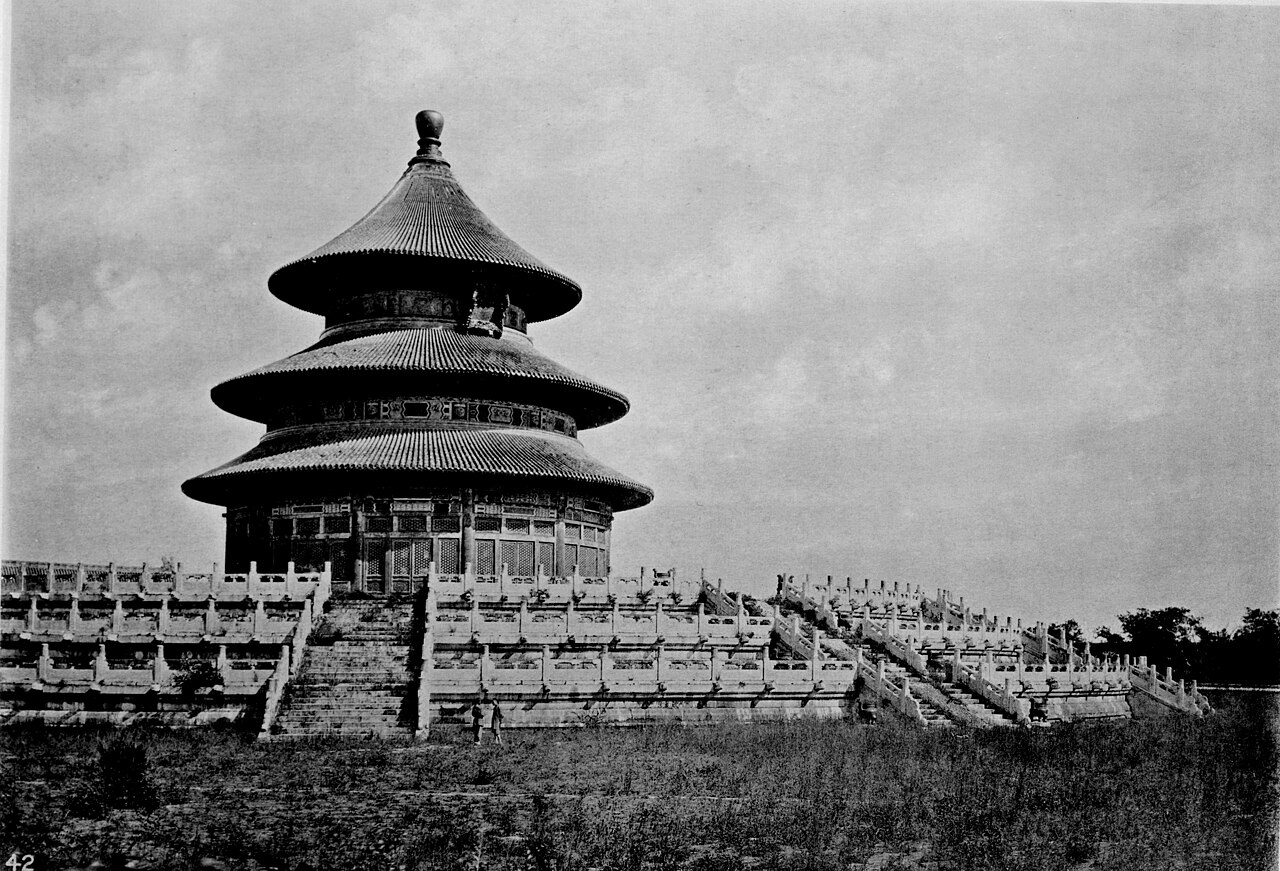
The golden beaches

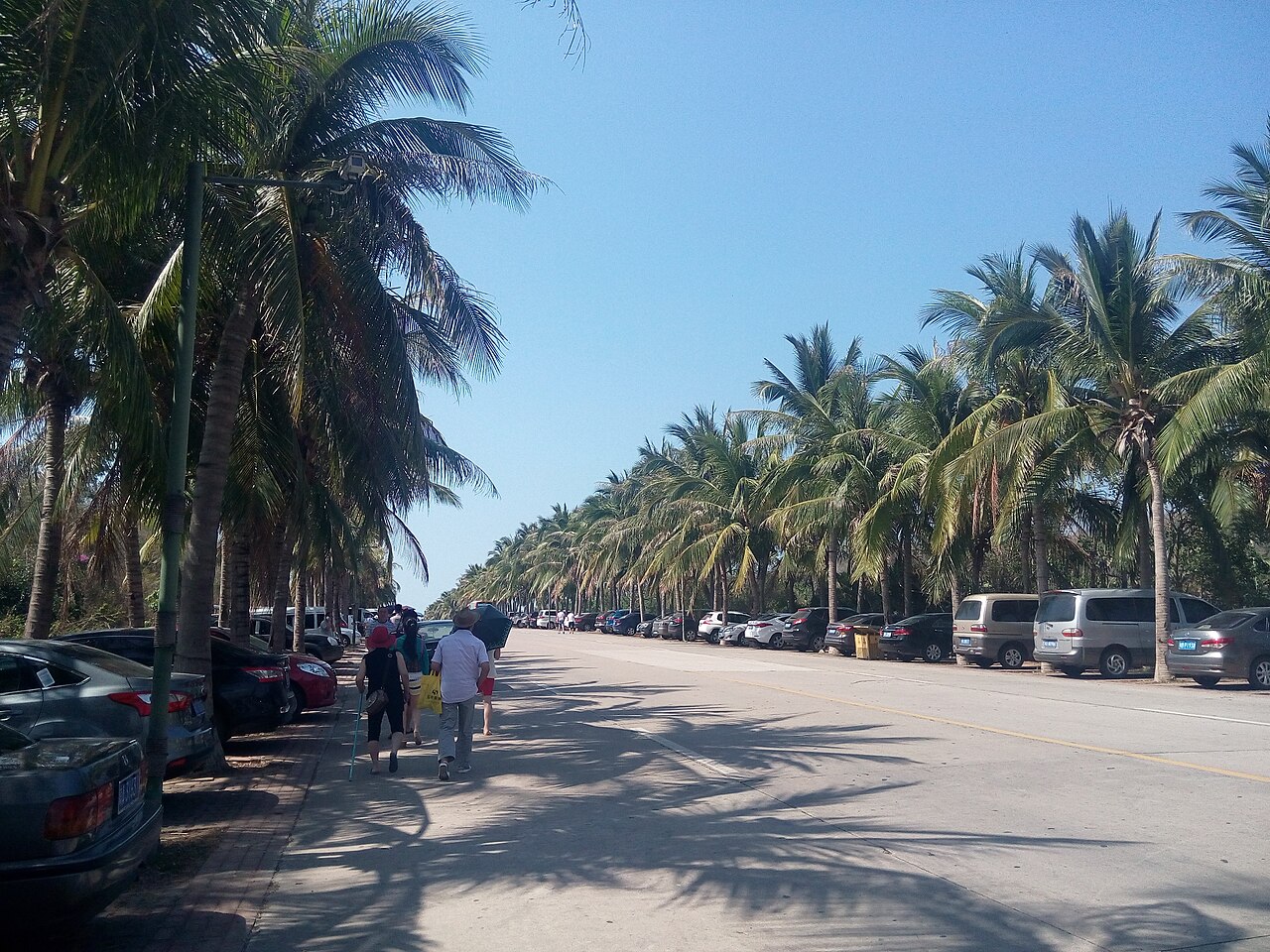
The chain of beaches that runs from the development zone west of the city, flat and golden, with clean water, a gentle gradient and a pine belt behind. They are the reason Yantai has a summer-resort reputation at all, and they are free. Family-friendly, safe and uncrowded on weekdays.
Ticket
Free
Hours
Open all day; lifeguards in summer
Where
40 Haibin Road, development zone, Fushan district
Getting there
Buses 21 and 23 from the centre; 1.5 km from the expressway exit
Time needed
Half a day

Tip Late July and August are the swimming months; the water is cool but the air is dry. Hire a bike for the seafront and ride between the beach parks rather than staying at one.

Eight Immortals Crossing the Sea

Legend · ¥80

Eight Immortals Crossing the Sea

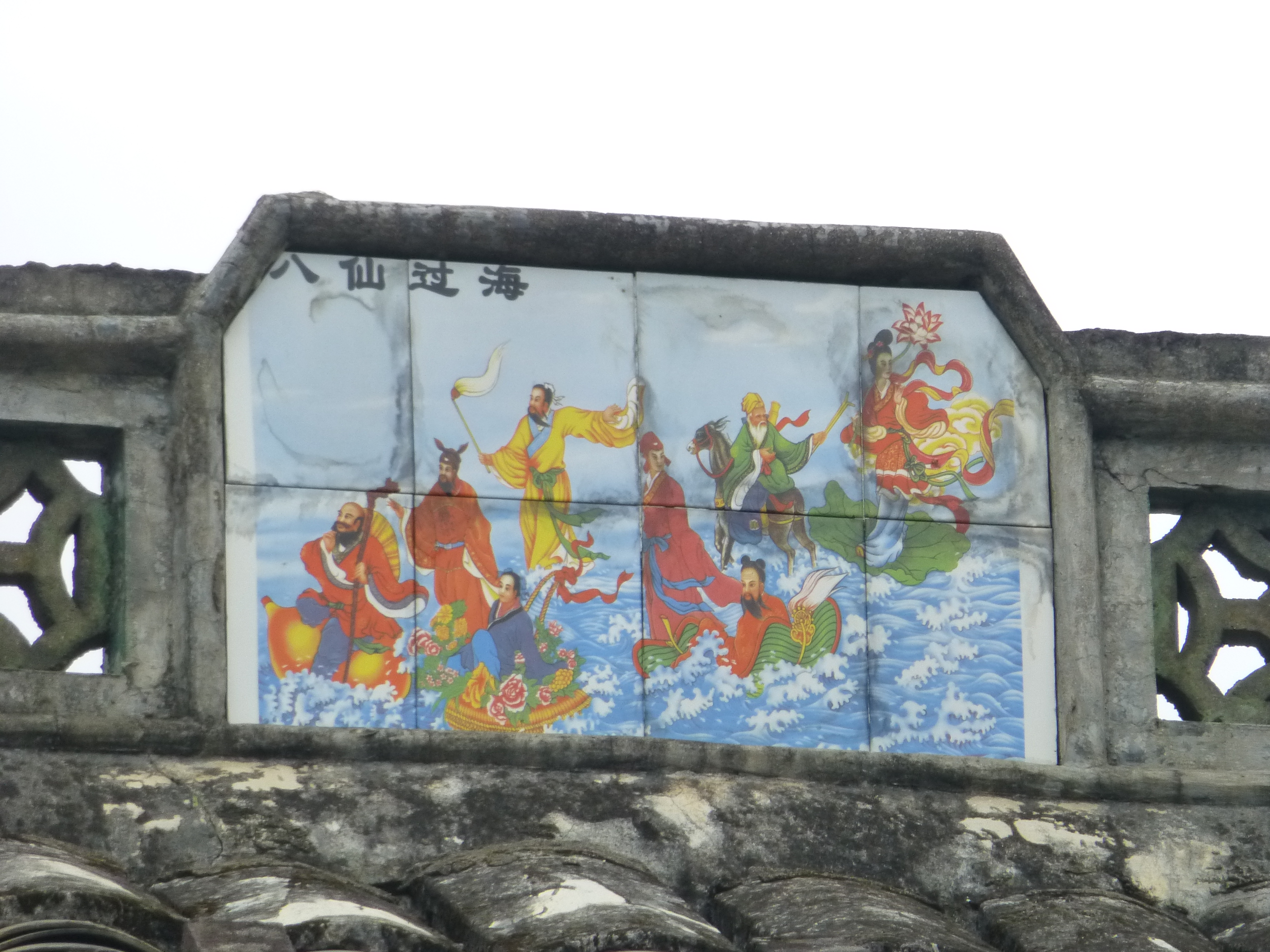
A Daoist-themed garden and pavilion complex on the Penglai waterfront, built around the tale of the eight immortals who sailed from here across the sea. Classical halls and artificial 'immortal islands' are set in a rock garden by the water, and it is the most atmospheric place to absorb the legend that named the whole coast.

Ticket
¥80 (no student discount; half price for over-65s)
Hours
Daylight hours
Where
Binhai Avenue north side, Penglai
Getting there
Free sightseeing shuttle from Penglai coach station
Time needed
2–3 hours

Tip Pair it with the Sanxian Shan gardens next door for a full afternoon of the fairyland theme; together they explain why every other thing here is named after a myth.

Kunyu Mountain

Mountain · ¥110

Kunyu Mountain

A forested range on the Jiaodong peninsula, said to be the birthplace of Chinese Daoism and the origin of the mythical islands of Penglai and Yingzhou. Five scenic areas open onto temples, springs and waterfalls, with forest walks, cliff paths and the region's oldest Daoist traces. A half-day escape inland from the coast.

Ticket
Combined pass ¥110; individual sights ¥10–30
Hours
Daylight hours; last entry mid-afternoon
Where
About 20 km south-east of Muping, Yantai
Getting there
Special service bus from Yantai at 09:15 and 15:15; or bus to Muping then a shuttle
Time needed
A full day

Tip It is a long way out, so go only if you want a genuine mountain day. The Wuransi and Jiulong pools are the gentlest walks; the summit paths are for fitter legs.

Eating

What Yantai tastes like

Yantai is the home of Fushan cuisine — one of the three pillars of Shandong cooking — and it is seafood-led, light, fresh and unfussy.

Fushan seafood spread

The local signature: fresh shellfish, fish and prawn dishes cooked simply to keep the flavour. Jiaodong cooking, centred on Fushan, is prized for being crisp, tender and true to the ingredient.

Fish dumplings

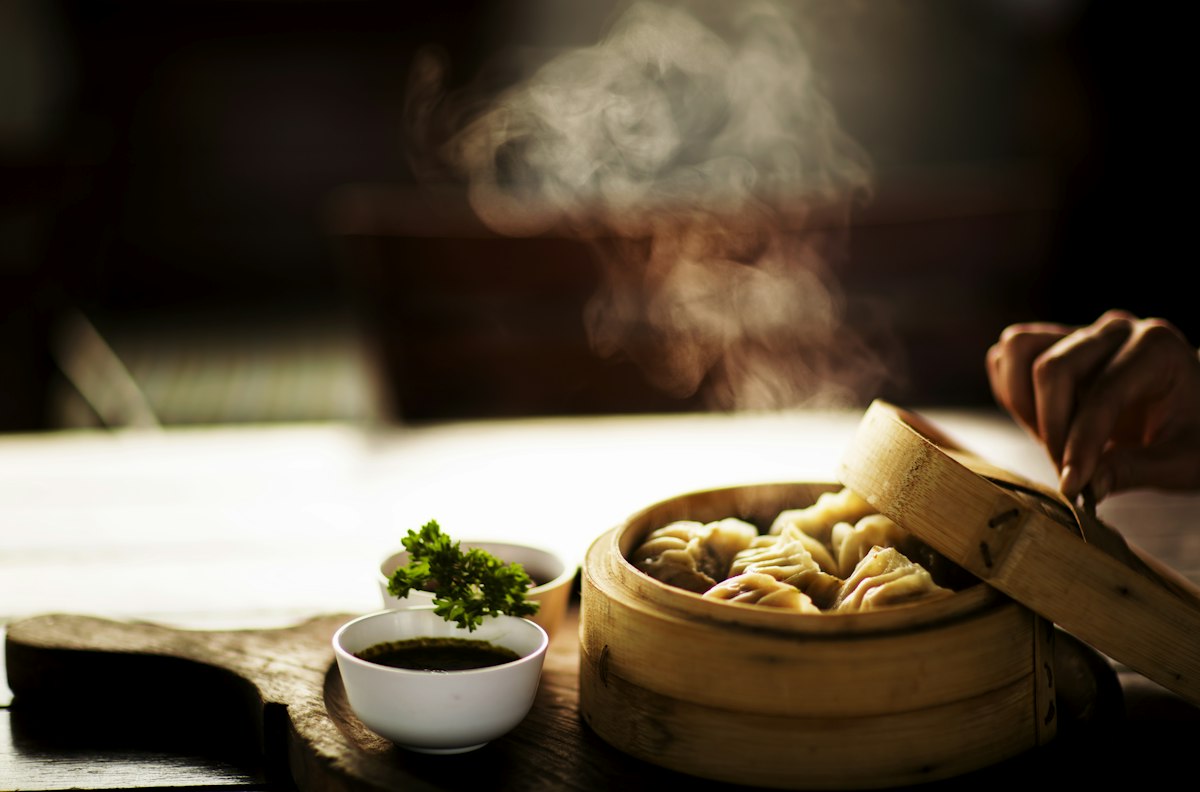
Yantai's most famous single dish: dumplings with a filling of minced mackerel or flounder, plump, thin-skinned and juicy, sharpened with chives and eaten with garlic, vinegar and sesame oil.

Penglai xiaomian

A Penglai institution: fine hand-pulled noodles in a broth of sea bream, thickened lightly with mung-bean starch and seasoned with soy, wood-ear and Sichuan pepper. A cheap, deeply local bowl.

Braised prawns and sea snail

Two of the coast's standbys — prawns cooked down with their roe until bright red, and the chewy sea-intestine 'sea sausage' served cold with cucumber or hot in a wok. Very Jiaodong.

Menzi and the Eight Immortals banquet

Two ends of the scale: menzi, a cheap griddled sweet-potato-starch cake with a savoury dressing, and the Eight Immortals banquet, a lavish multi-course seafood feast laid out to echo the immortals' treasures.

Yantai apples and pears

The region grows more than two hundred varieties of apple, from Red Fuji to Guoguang, plus the famous crisp, juicy Laiyang pear. Buy a bag for the train; they travel well and taste like the trip.

Where to eat

Restaurants and streets worth the address

Phone numbers are local landlines; add +86 and drop the leading 0 if calling from abroad.
Seafood · about ¥75

Dongshun Yuen Hotel (Haiguan Street)

Tucked into the lanes of the old town, one street back from the sea, with a wide menu of fresh fish, prawns and shellfish at fair prices. The seafood dishes, mackerel dumplings and tossed sea-intestine are the ones to order, and the location near Yantai Hill makes it an easy dinner.
Order
Mackerel dumplings, tossed sea intestine, seafood dishes
Where
34 Haiguan Street, Zhifu district
Phone
0535-6224549

Traditional · about ¥75

Penglai Chun Jiujia

An old-name restaurant with careful service and a classically decorated dining room, recommended for its braised pork intestine, three-fresh potstickers, fried prawns and shrimp dumplings — plus the local mackerel dumplings. A good single stop for a formal Jiaodong dinner.

Order
Braised intestines, prawn dumplings, mackerel dumplings
Where
13 Yuhuangding West Road, Zhifu district
Phone
0535-6252254

Noodles · about ¥10

Jianxing Penglai Xiaomian

A small, no-frills shop famous for one thing: Penglai xiaomian, the hand-pulled sea-bream noodle soup that is the town's oldest dish. Cheap, authentic and worth the queue for anyone who wants to eat like a local.

Order
Penglai xiaomian
Where
124 Nanguan Road, Penglai
Phone
13954536442

Local dishes · about ¥55

Yantai Renjia Lao Caiguan

A value-for-money local restaurant with a short, well-judged menu — seafood, spring-onion prawns, dry-fried cabbage and the distinctive Longkou delicacy. Popular with residents and a good place to eat the region's home cooking rather than a showpiece dinner.

Order
Spring-onion prawns, dry-fried cabbage, seafood
Where
Binhai scenic area, Zhifu district
Phone
0535-6633777

Fusion · about ¥100

He Yuan

A restaurant with a Southeast-Asian-leaning menu — pineapple rice, durian pastry, curry prawns — that also does Jiaodong seafood, with live music in the evening. Slightly more expensive, but a change of pace from the seafood houses and easy for mixed groups.

Order
Curry prawns, pineapple rice, durian pastry
Where
11 Binhai scenic area, Zhifu district
Phone
0535-6608088

Sleeping

Where to stay

Stay in the centre to walk to Yantai Hill, or in Penglai to be near the Pavilion. Prices rise in summer and over holidays — book early.

Five-star · from ¥760

Nanshan Crowne Plaza

Yantai's top international hotel, on the eastern coast road, with a broad buffet, good service and a setting that justifies the price if you want a proper full-service stay. Rooms are large and the staff handle English bookings; a business-traveller favourite.

Price
From ¥760
Where
299 Gangcheng East Avenue, Laishan district
Phone
0535-6899999

Hostel · from ¥126

Yantai International Youth Hostel

Shandong's first registered youth hostel, on the golden beach in the development zone. It has a restaurant, a reading room, a self-catering kitchen and a common room, with orchards and vegetable plots around it. Sociable and good value, though a long ride from the centre.

Price
From ¥126
Where
18 Taishan Road, development zone
Phone
0535-6936988

Hotel · from ¥360

Jinghai Hotel

An older development-zone hotel that has aged well: clean, roomy and right by the sea, three minutes on foot from a clean beach with plenty for children to do. Quiet mornings on the shore and easy access to the golden beaches make it a solid family pick.

Price
From ¥360
Where
16 Taishan Road, economic development zone
Phone
0535-6931777

Hotel · from ¥460

Huaxi Hotel, Penglai

Penglai's smartest hotel, close to the coach station and the shops and less than five minutes on foot to the sea. Well-equipped rooms, generous breakfast and warm service — the convenient base if Penglai, rather than Yantai, is the heart of your trip.

Price
From ¥460
Where
686 Beiguan Road, Penglai
Phone
0535-5607000

Guesthouse · from ¥120

Penglai Wuhuaguo Inn

A warm, well-run little inn with a strong reputation for service, close to the water and easy to reach by bike in the evening. Simple rooms and a friendly landlord — the affordable choice if you want to sleep near the Pavilion without paying hotel prices.

Price
From ¥120
Where
8 Haishi Road, east of the Haijingyuan estate, Penglai
Phone
0535-5966799

Getting around

Arriving, and moving about

Buses cover the coast and the centre at ¥1; to Penglai, Changdao or Kunyu Mountain, a car or tour saves a lot of time.

By air

Yantai Penglai International Airport (YNT) is about 15 km south of the city, with domestic flights across China and scheduled links to Korea and Hong Kong. The airport bus runs to the main coach station for ¥10; a taxi to the centre is around ¥50.

Airport
Yantai Penglai International (YNT)
To the centre
Airport bus ¥10, about 45 minutes; taxi about ¥50
International
Korea, Hong Kong plus a dense domestic network

By rail

Yantai is the terminus of the Lanyan line, joined to the Jiaozhou–Jinan trunk, with direct trains to Beijing, Shanghai, Xi'an and Jinan. High-speed services now link it to Qingdao in about 90 minutes, and the Yantai–Dalian rail ferry shortens the run to the north-east by about 400 km.

Station
128 Beima Road, Zhifu district
To Qingdao / Jinan
About 1.5 hours / under 3 hours
Rail ferry
To Dalian across the Bohai, cutting the trip by about 400 km

By coach

Yantai has several coach stations, with services to Beijing, Tianjin, Shanghai, Jiangsu and around Shandong. Buses to Qingdao run every half hour (about 4 hours), to Jinan in 6 hours, and to Weihai or Penglai every 15 minutes in a little over an hour.

Main station
86 West Street · 0535-6666111
To Penglai
Every 15 minutes, about 1 hour
Coverage
Beijing, Tianjin, Shanghai, Jiangsu and Shandong

City buses

Over 60 bus routes run at ¥1 within 11 km, with a small surcharge beyond. Routes 3, 17, 28 and 49 are the coastal sightseeing line, linking the station to the harbour, Yantai Hill and the beaches past 18 waterfront sights. IC cards give a discount.

Fare
¥1 within 11 km; ¥1.50 on midibuses; small surcharge beyond
Coastal line
3, 17, 28, 49 — station to Yantai University via 18 sights
Note
IC cards and mobile pay accepted

Taxis and bikes

Taxis start at ¥8 for 3 km, then ¥2 per km; they are metered and easy to find. Yantai also runs a public bike scheme — ¥2 an hour, 24-hour rental, with a temporary card available to visitors on ID and a ¥500 deposit — perfect for riding the seafront.

Flagfall
¥8 (3 km), then ¥2 per km
Public bikes
¥2 per hour, 24-hour rental, ¥500 deposit for a visitor card
Note
Ride-hailing apps work well

By ferry

Yantai's ports are the link to Dalian and to Changdao. Several operators run passenger ferries across the Bohai to Dalian, roughly five hours, and there are services to Korea. From Penglai, ferries run to Changdao about every 40 to 50 minutes and to Dalian's Lushun.

To Dalian
Passenger and car ferries, about 5 hours
To Changdao
From Penglai port, about 40 minutes, about ¥25
Terminal
155 Beima Road (passenger port), Zhifu district

Shopping

What to take home

South Avenue in Zhifu is the main shopping street; for specialities, the old-town shops and the wine museum beat the airport.

Changyu wine

The obvious souvenir and the right one: buy a bottle of the flagship red or the brandy from the museum shop, where prices are lower than in town. It is the one thing that genuinely says Yantai.

Yantai apples and Laiyang pears

Yantai is one of China's great apple regions, with more than two hundred varieties, and the crisp, juicy Laiyang pear is a local icon. Buy a box to eat and a box to travel with.

Laizhou jade carving and Yantai wool embroidery

Two of the region's crafts: Laizhou jade, carved into ornaments and figures, and Yantai's wool embroidery, worked into wall panels and accessories. Look for them in the old-town craft shops, not the markets.

Dried seafood and sea treasures

The coast sells black sea cucumber, scallops, prawns and abalone, fresh or dried. The old-town seafood stalls and the market halls around Zhifu do the best prices — buy vacuum-packed if you are flying home.

Practical

The numbers to save

Staffed English help is not guaranteed. Save these before you need them.

Emergency (police / ambulance / fire)110 · 120 · 119
Yantai Yuhuangding Hospital20 Yuhuangding East Road, Zhifu district · 0535-6691999
Yantai Laiyang Central Hospital111 Changshan Road, Laiyang · 0535-7232103
Postcode264000 (Zhifu); Penglai 265600; Changdao 265800
Tourist hotlineYantai Tourism Bureau 0535-6246929; complaints 0535-6243148
Cash & cardsMobile pay works nearly everywhere; carry cash for buses and small stalls
TippingNot expected and sometimes politely refused — do not add one to the bill
WeatherBig day-night swings; bring a jacket even in summer, and sunscreen for the beach

Tips

Small things that save a trip

Give Penglai a night, not a dash

Penglai is the best thing on this coast and deserves more than a rushed day trip. Sleep there, catch the Pavilion in the soft morning light, and give the mirage a chance to show itself after rain.

Check the wind before Changdao

Changdao is worth a day, but winter and rough weather cancel sailings without warning. Look at the forecast the day before, and keep a mainland beach plan as the fallback.

Drink the wine where it is made

The Changyu museum tasting is included in the ¥50 ticket, cellar visit and all. Buy your bottle there afterwards — it is cheaper than the shops and you know exactly where it came from.

Take the ¥50 sightseeing bus, not a taxi

Penglai's attractions — the Pavilion, the Eight Immortals park, Sanxian Shan — are spread out, and a low-cost sightseeing shuttle threads them together. It saves a lot of taxi fares and a lot of walking.

Pack for a north-facing coast

Yantai looks north, so summer here is dry and cool rather than humid — but the sea breeze and evening air are chilly. Bring a light jacket even in July, and sunscreen for the beach at midday.

Ride the coastal bus line

Bus 3, 17, 28 or 49 is a cheap sightseeing tour of the whole waterfront, past 18 sights from the station to the university. Sit on the sea side and use it to plan where you want to get off.

Background

Why Yantai looks like this

Geography and climate

Yantai lies on the eastern Shandong peninsula, with Weihai to the east, Qingdao to the south-west, and the Bohai and Yellow Seas to the north — it looks across the water to Liaoning and, beyond, to Korea and Japan. The land is low hills rather than mountains: a granite spine of ranges including Kunyu, whose 922 m summit is the highest point, with gentler, thicker-soiled hills rolling around them.

The defining fact is that Yantai faces north, one of the very few Chinese coastal cities to do so (Haikou, Keelung in Taiwan and Yantai's own Penglai are the others). The result is a drier, cooler summer and a milder, damper winter than the rest of the coast, with an annual average around 12°C — which is precisely why it became one of northern China's classic summer resorts.

History

Yantai's history is bound up with the sea and with the search for something beyond it. Under its old names of Zhifu and Zhifu Island it has been settled since the Qin; Qin Shi Huang is said to have come here three times on his eastern tours, and the legend of Xu Fu sailing east toward the immortal islands is rooted in this coast. Buddhism and Daoism both left their marks on the hills, and Kunyu Mountain is named as a cradle of Chinese Daoism.

In the modern era, Yantai became a treaty port and one of the first Chinese coastal cities opened to foreign trade, and its old concession quarter still stands on Yantai Hill. In 1892 the overseas Chinese businessman Zhang Bishi founded the Changyu winery here, and the city has been the centre of Chinese wine-making ever since. At the same time it grew into one of China's great orchard regions — apples above all — and a major fishing and shipping port.

Today it is a prosperous, mid-sized coastal city that wears its layers lightly: myth-struck cliffs at Penglai, a European quarter on the hill, vineyards on the slopes and long beaches to the west, all within an hour of one another. It is calm where Qingdao is buzzy, which is exactly its appeal.

Travel with them

Yantai on screen and in print

Not guides — a TV serial, a book and a folk art in which this coast stands for the fairyland it has always claimed to be.

Film

The Eight Immortals Cross the Sea

Television serial, 1985

The serial that fixed the Eight Immortals legend in a generation's imagination, and with it the name of Penglai. However old the effects look now, it is the reason a cliff-top pavilion on this coast means 'fairyland' to almost every Chinese visitor who climbs to it.

Book

Yantai

Ed. Diao Zhaoyan, Shandong Pictorial Press, 2004

A short, richly illustrated portrait of the city's culture, geography and people — the coast, the fairyland, the wine, the orchards — aimed at the reader who wants the story behind the beaches. A good primer to read before you go, and a reminder that Yantai is older and stranger than its resorts suggest.

Music

Jiaodong Drum ballads

Shandong folk tradition

The storytelling-song tradition of the Jiaodong peninsula around Yantai, sung to a drum and two metal clappers in a broad, rolling local accent. It is the sound the villages here made long before the wineries and beach hotels, and it still turns up at festivals and temple fairs along the coast.

The questions visitors ask us most about Yantai, answered plainly.

Frequently asked questions

Prices and practical details are reviewed every month by our Beijing team and updated the day a rule changes.

How many days do I need in Yantai?

Three days is the comfortable minimum: day one for Yantai Hill, the old concession quarter and the Changyu museum, day two for Penglai Pavilion and its sights, day three for the beaches and — weather permitting — Changdao island. A fourth day lets you add Kunyu Mountain, the birthplace of Chinese Daoism, or the great landlord manor at Moushi.
Is Penglai worth the trip from Yantai?

Yes — it is the single best reason to come. Penglai Pavilion is one of China's four great towers, the cliff-top setting is spectacular, and the Eight Immortals and elixir-of-life legends give it a grip on the imagination that most seaside towns lack. It is about an hour from Yantai by bus or car, and easily a full day.

When is the best time to visit Yantai?

April and May, when the pear blossom turns the hills white, and July to September for the sea. Because Yantai faces north, summer here is drier and cooler than on most of the Chinese coast, which is exactly why it became a summer resort. Winter is cold, and the ferries to Changdao are often cancelled by wind.

How do I get to Changdao island?

Take a bus or train to Penglai, then a ferry from Penglai port. Sailings run roughly every 40 to 50 minutes and take about 40 minutes; an all-line island ticket is around ¥150. In winter, wind often suspends the boats, so check the forecast before committing to a day there.

What should I eat in Yantai?

Yantai is the home of Fushan cuisine, one of the three pillars of Shandong cooking: light, fresh and seafood-led. Try fish dumplings, stewed sea snail, braised prawns, fresh squid and the Penglai 'Eight Immortals' seafood banquet. Old-town restaurants near Yantai Hill, and the seafood street off Shangkuang West Road, do it best.

Is Yantai easy to reach from Dalian or Qingdao?

Yes. Ferries cross the Bohai from Dalian in a few hours — the rail-ferry route shortens the trip by about 400 km — and high-speed rail links Yantai to Qingdao in roughly 90 minutes. That makes Yantai an easy stop on a Shandong-Liaoning coastal itinerary.

Do people speak English in Yantai?

Seldom outside the larger hotels and the wine museum, though Penglai's main sights have some English signage. Bring a translation app and have place names written in Chinese for buses and taxis. Mobile payments work everywhere, but keep some cash for small stalls.

Related reading

Related reading

Visas Do I Need a Visa for China? Requirements, Costs and How to Apply China's entry rules changed more in the last three years than in the previous twenty. Here is exactly who needs a visa, what it costs, how long it takes and which passports now walk straight through. 9 min read Visas China's 240-Hour Visa-Free Transit: Who Qualifies and How It Works Ten days in China with no visa application, no fee and no fingerprints — if you hold the right passport and leave for a third country. Here is the rulebook, port by port. 8 min read Money Paying in China: Alipay, WeChat Pay, Cards and Cash Roughly nine in ten urban payments in China now run through a phone. Set up two apps before you fly, carry a modest cash float, and you will never be stuck at a till. 8 min read Transport China's High-Speed Rail: How to Book, What It Costs, How Fast It Goes The fastest way to cross China is also the most pleasant. Here is how to book a ticket with a foreign passport, what the three classes actually give you, and how to survive a Chinese station at rush hour. 9 min read Planning Best Time to Visit China: Month by Month, Region by Region China is the size of Europe, so 'the best month' depends on where you stand. Here is the month-by-month answer for the north, the Yangtze valley, the south and the plateau. 8 min read Planning What to Pack for China: The Complete 2026 Checklist Twenty thousand steps a day, three climate zones and a phone that has to do everything. This is the list we give our own travellers, minus the things they never used. 7 min read Food Chinese Food Culture: Eight Cuisines, One Table There is no such thing as Chinese food. There is Cantonese, Sichuan, Hunan, Jiangsu, Zhejiang, Fujian, Anhui and Shandong — and knowing which one you are eating changes everything. 8 min read Traditions Chinese Tea Culture: Six Classes, One Pot, Two Fingers Tea in China is not a beverage category, it is a social technology: it fills silences, seals deals and sets the pace of a meal. Here is how to sit down in one and not look lost. 7 min read Traditions Chinese Festivals: The Calendar, the Dates and the Crowds Lunar dates mean the calendar moves every year — and two of the festivals move several hundred million people at once. Plan around them or plan into them, but never by accident. 8 min read Etiquette Chinese Etiquette: What Matters, What Does Not, and Why Most etiquette advice for China is either obvious or wrong. These are the dozen behaviours that actually change how you are treated, and the reasoning behind each. 7 min read

Tell us your dates.
We'll do the rest.

Free itinerary design, a revised plan within one working day, and nothing charged until you approve the final version.

  • Three days cover the city, Penglai and the beaches; a fourth buys Changdao island or Kunyu Mountain.
  • Penglai Pavilion, one of China's four great towers, has stood on the Dan cliffs since the Song; the full pass is about ¥100.
  • Changyu Wine Culture Museum is ¥50 and includes a tasting — the reason Yantai calls itself China's wine capital.

No spam. No sales calls. Just a real itinerary from a real person.