City guide · Zhejiang

Mount Putuo travel guide: what the island ticket covers, the temple incense fees, and how to get a boat here

A Buddhist island with no cars, three great temples and a ¥10 lunch that is the point of the place.

  • Known forGuanyin, three great temples, sea cliffs
  • Typical spend¥500–1,000 for 2 days
  • Ideal length2 days, 1 night
  • PaceModerate — temples, coast, sand

Reviewed by our Beijing team Updated 2026-10-10

The short version

Mount Putuo is a small sacred island in the Zhoushan archipelago off Zhejiang — one of China's four great Buddhist mountains and the seat of Guanyin — and two days is the right length. Island entry is ¥160 from February to November and ¥140 in December and January, but it does not include the temples: each of the three great monasteries adds a ¥5 incense ticket and the Nanhai Guanyin statue ¥6, all of which are dropped after 17:30. There are no taxis, a shuttle network runs 06:00–17:00 at ¥2–10, and the temple dining halls serve lunch for ¥10.

  • The island ticket does not cover the temples. Budget ¥160 entry plus ¥5 at Puji, ¥5 at Fayu, ¥5 at Huiji and ¥6 at the Nanhai Guanyin statue.
  • Every incense ticket is free after 17:30. That is when the day-trippers leave and the island becomes the quiet place you came for.
  • There are no taxis on the island. Three shuttle lines run 06:00–17:00 at ¥2–10; for a ¥2–4 hop, walk — the coast is the reason to walk.
  • Eat once in a temple dining hall. ¥10, rice plus a cauldron of stewed vegetables, tickets sold at the door from about 10:30 and they do run out.
  • Avoid the three incense days — the 19th of the second, sixth and ninth lunar months — unless you book everything weeks ahead. Hotel rates roughly triple.

City guide

First impressions

Photographs from the coast, and what other travellers wrote afterwards.

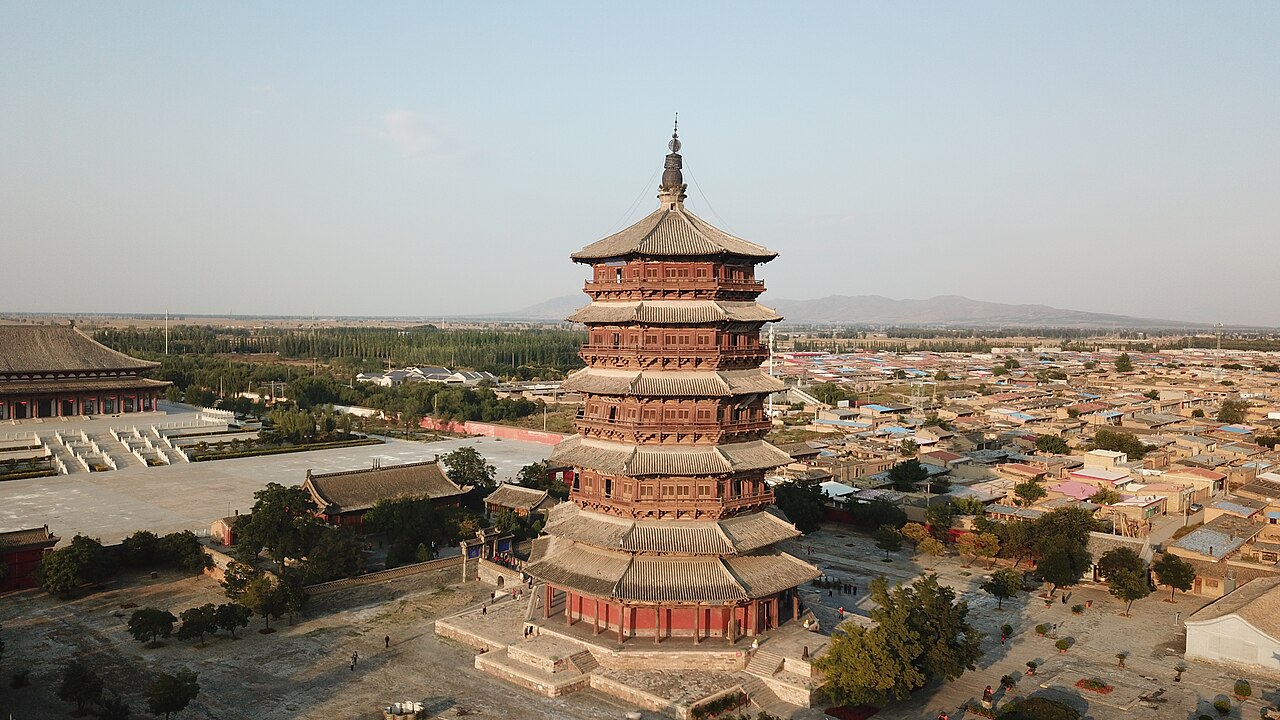
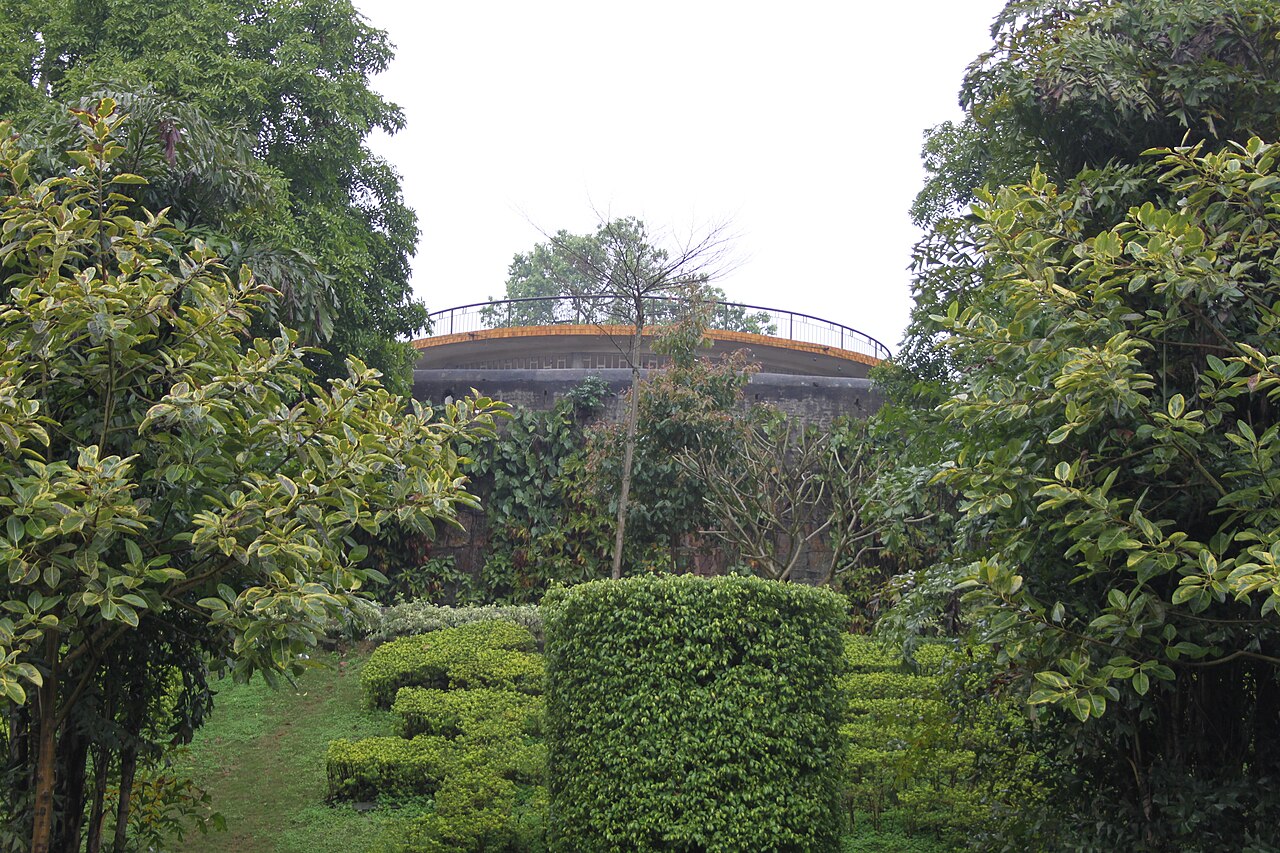
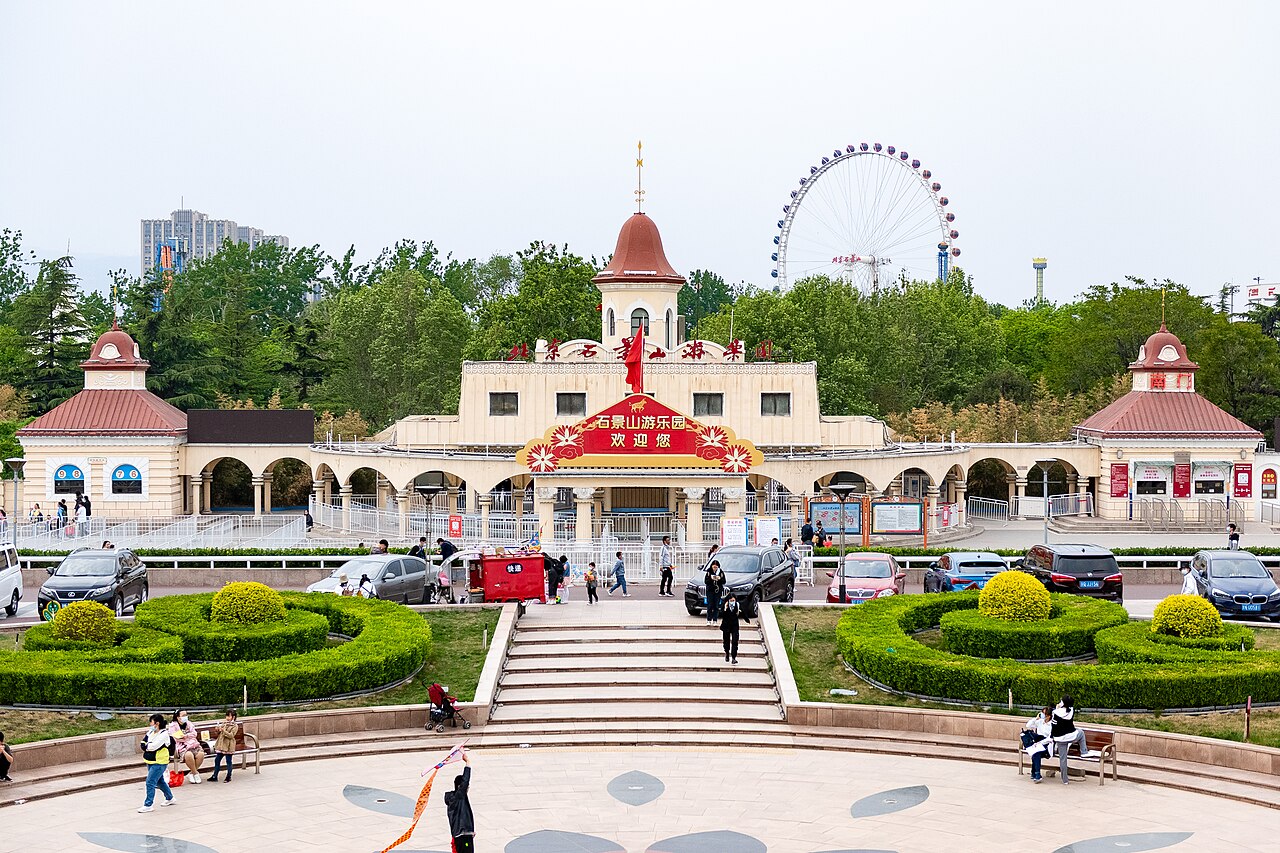
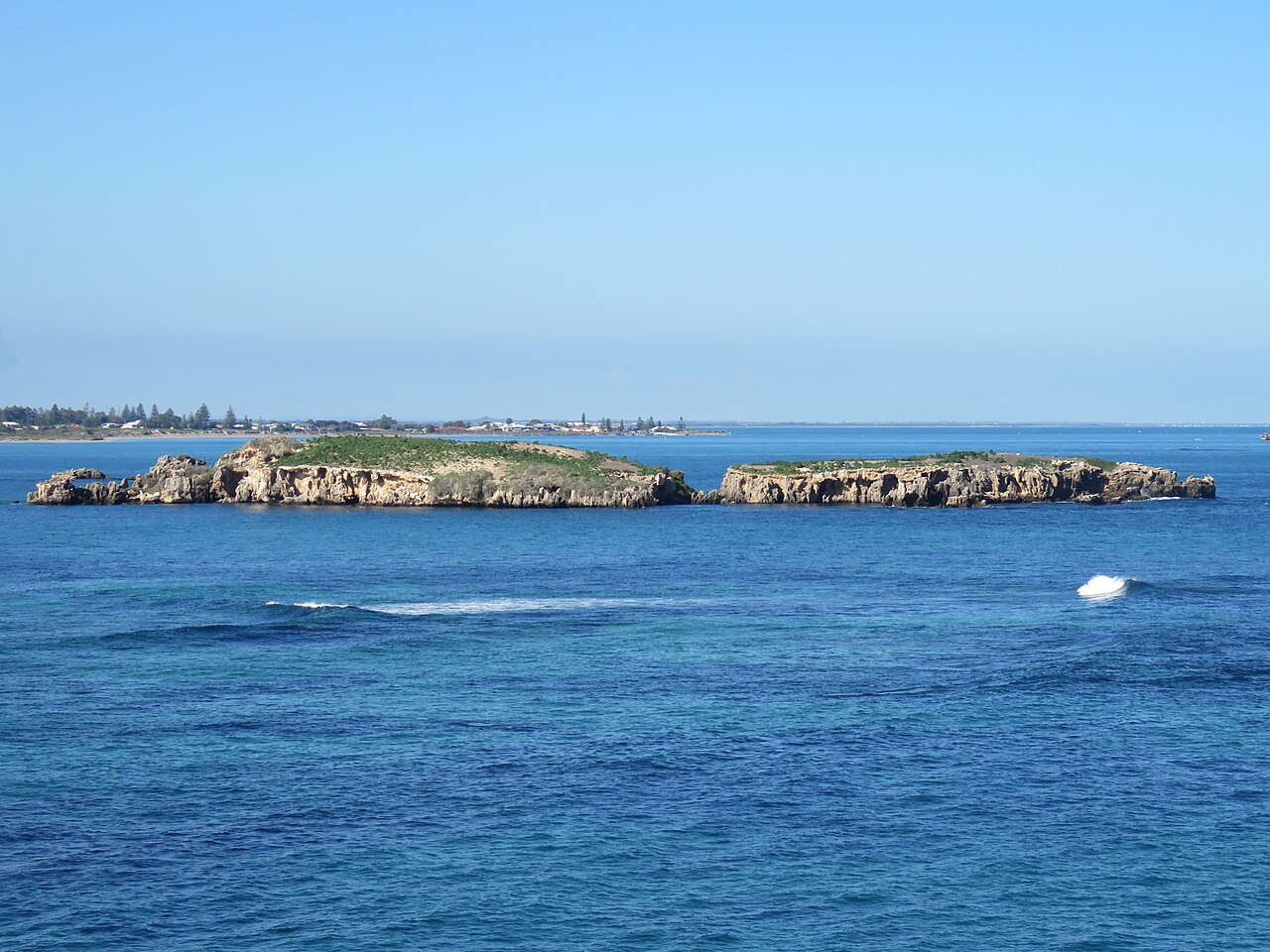
The Nanhai Guanyin, seen from the sea on the approach
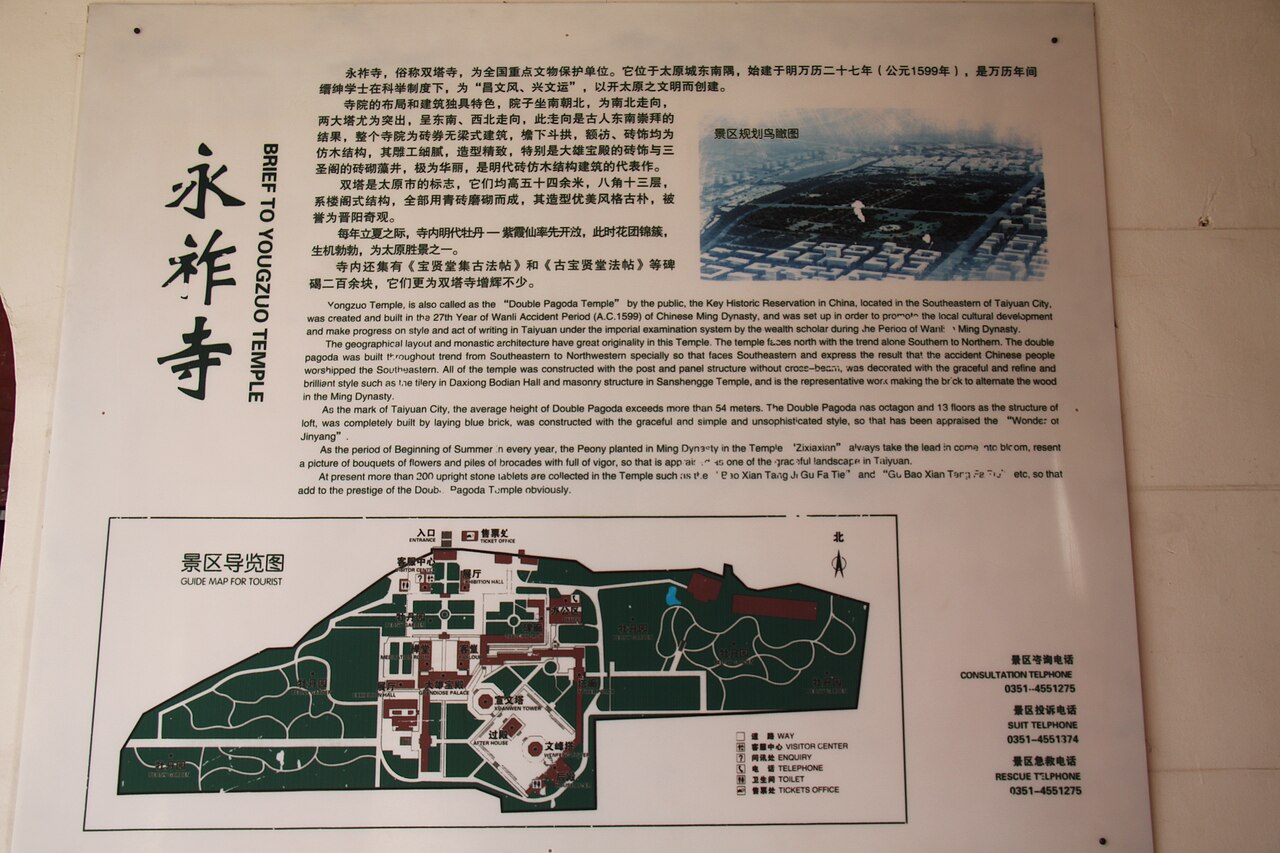
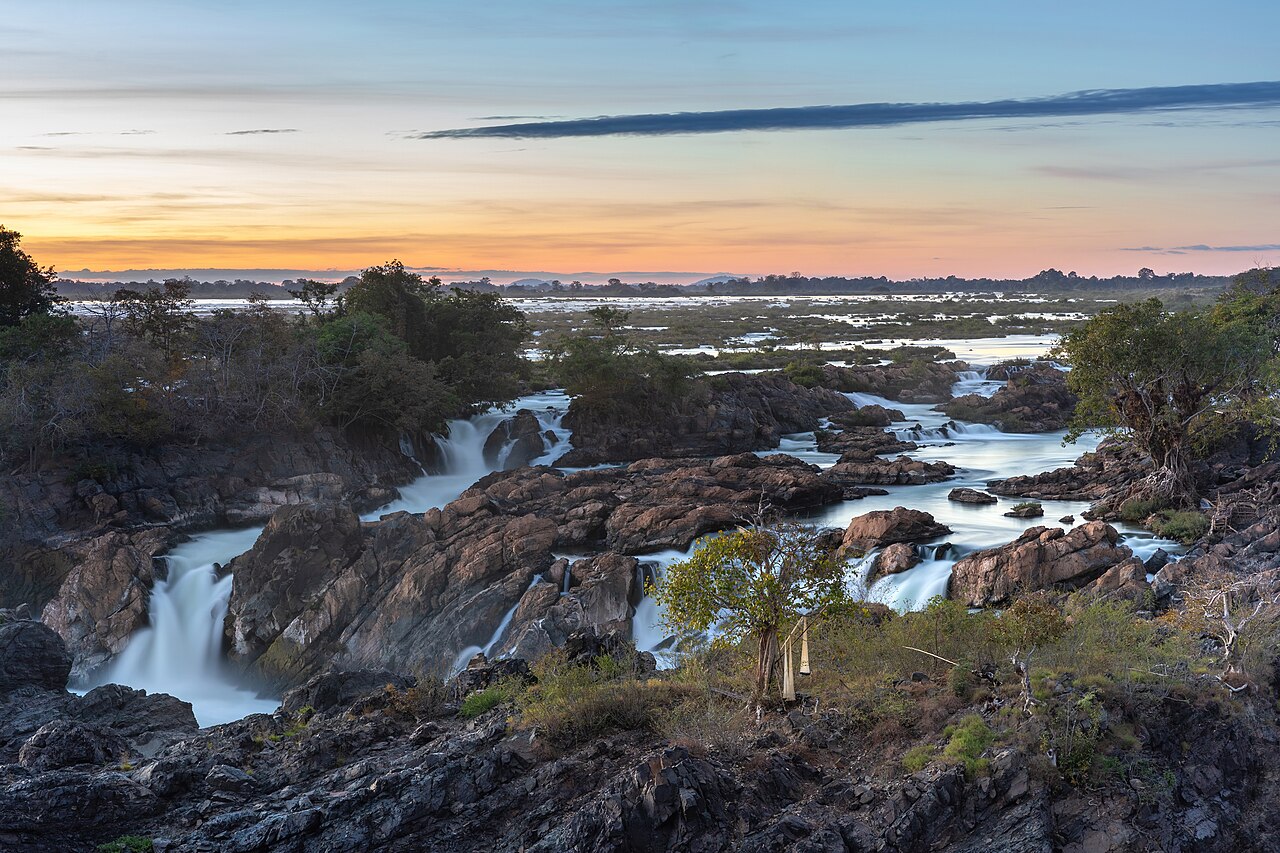
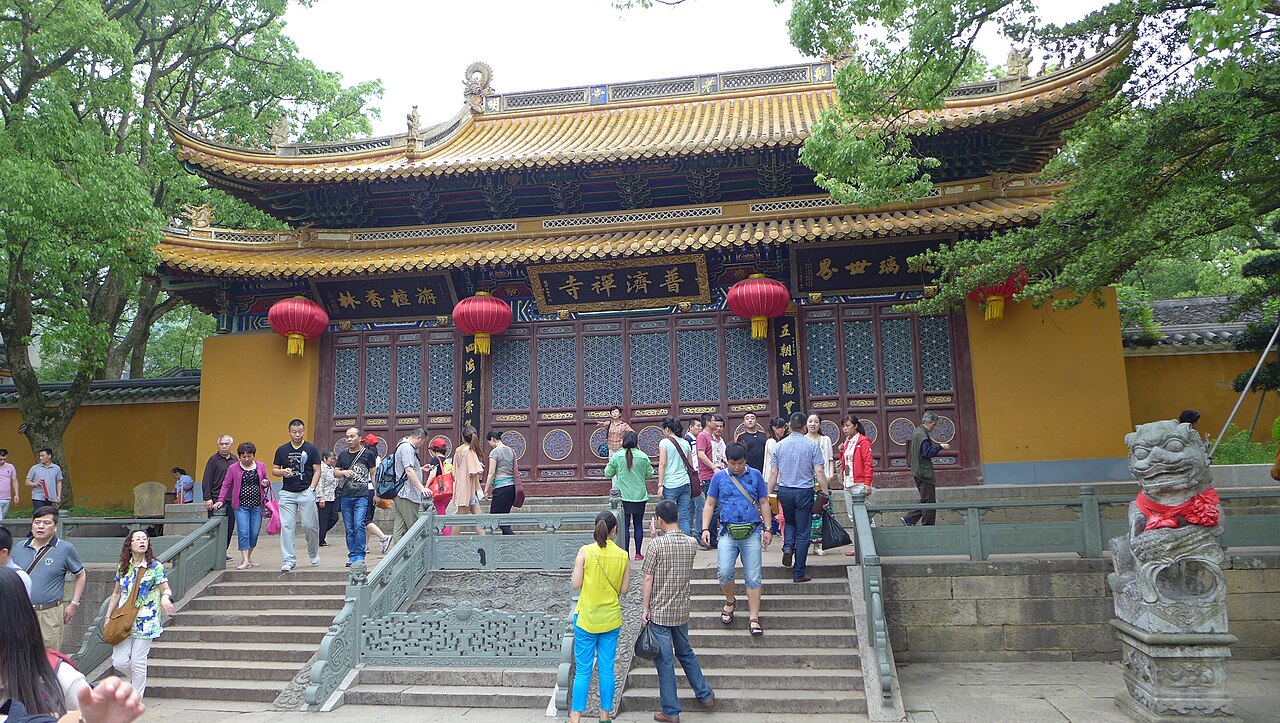
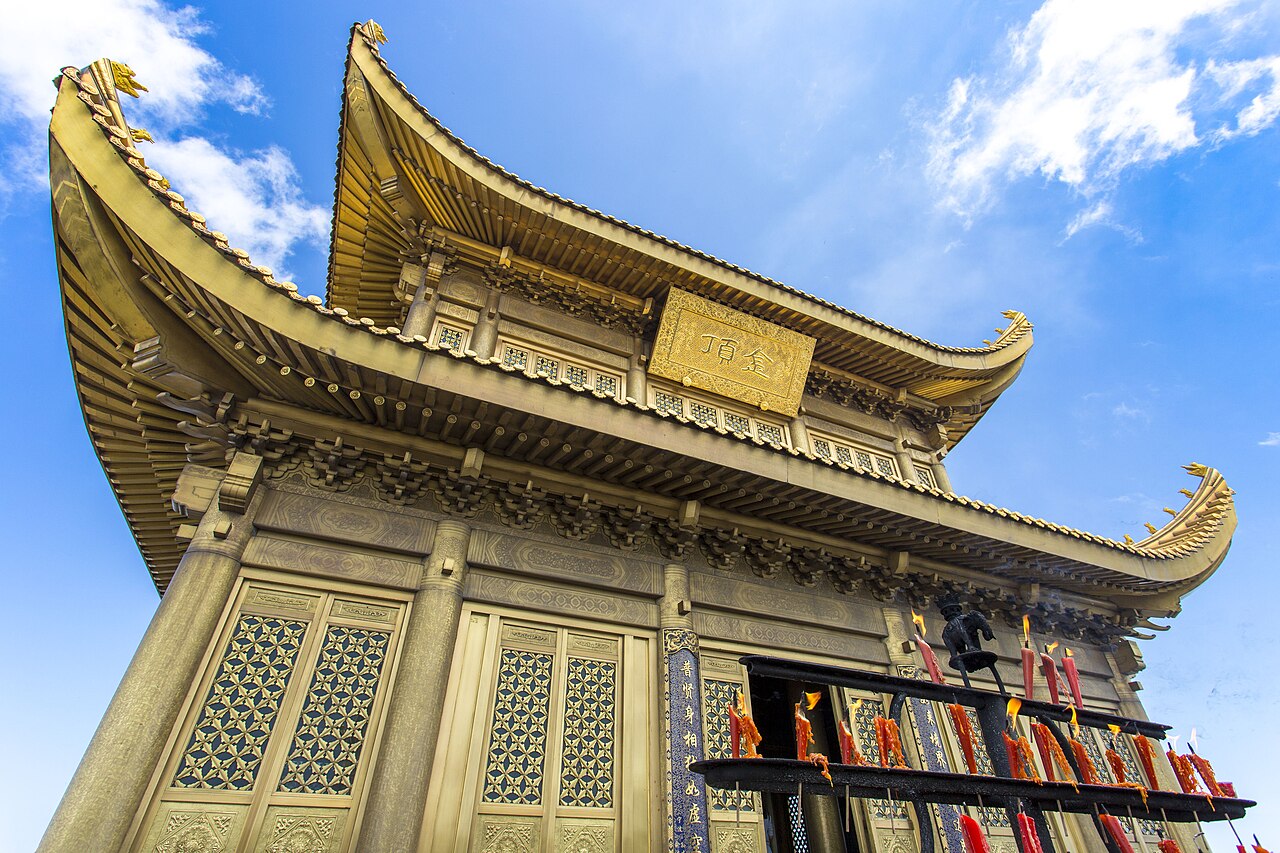
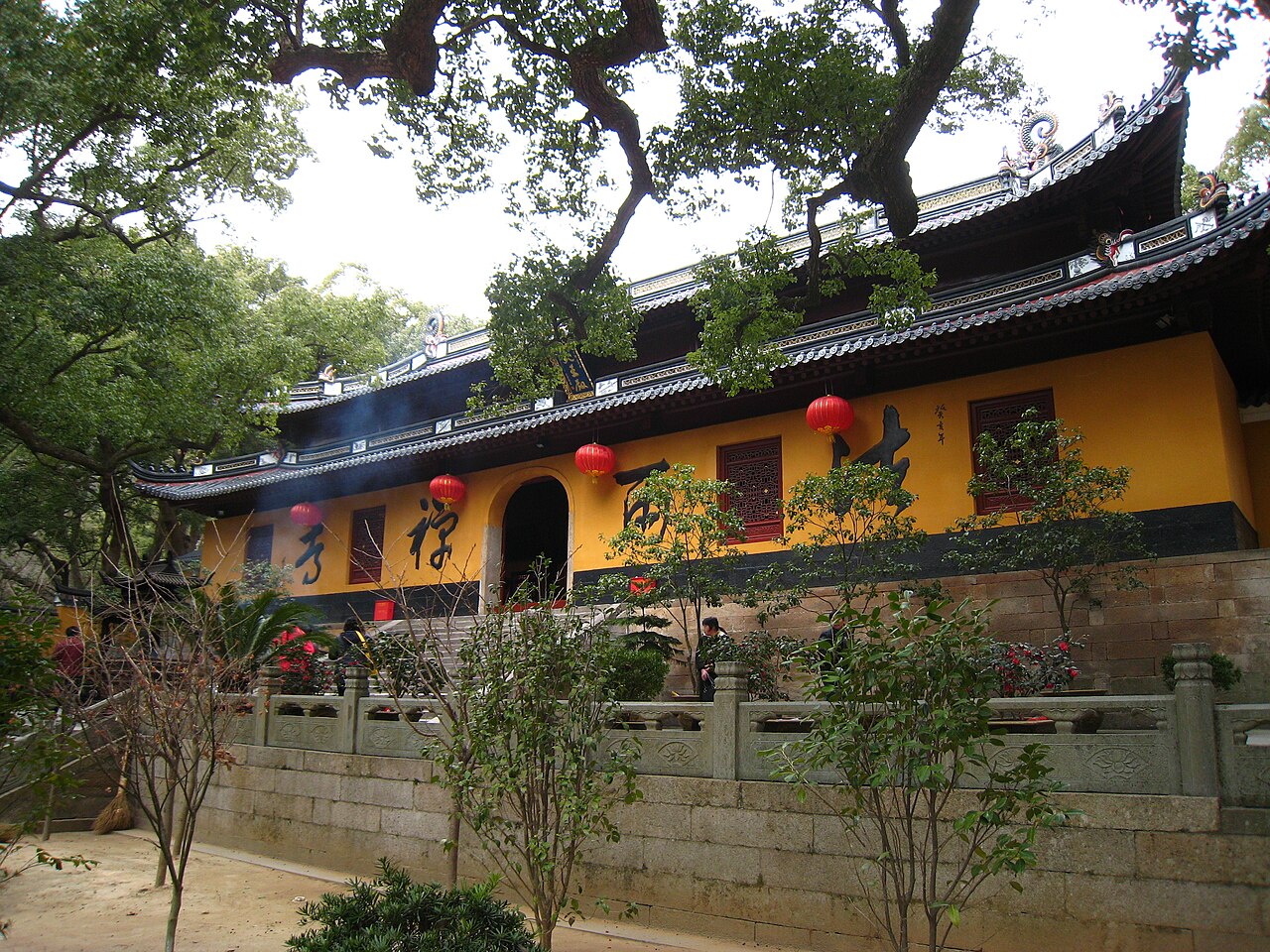
Puji Temple, the front temple and the ancestral hall of Guanyin
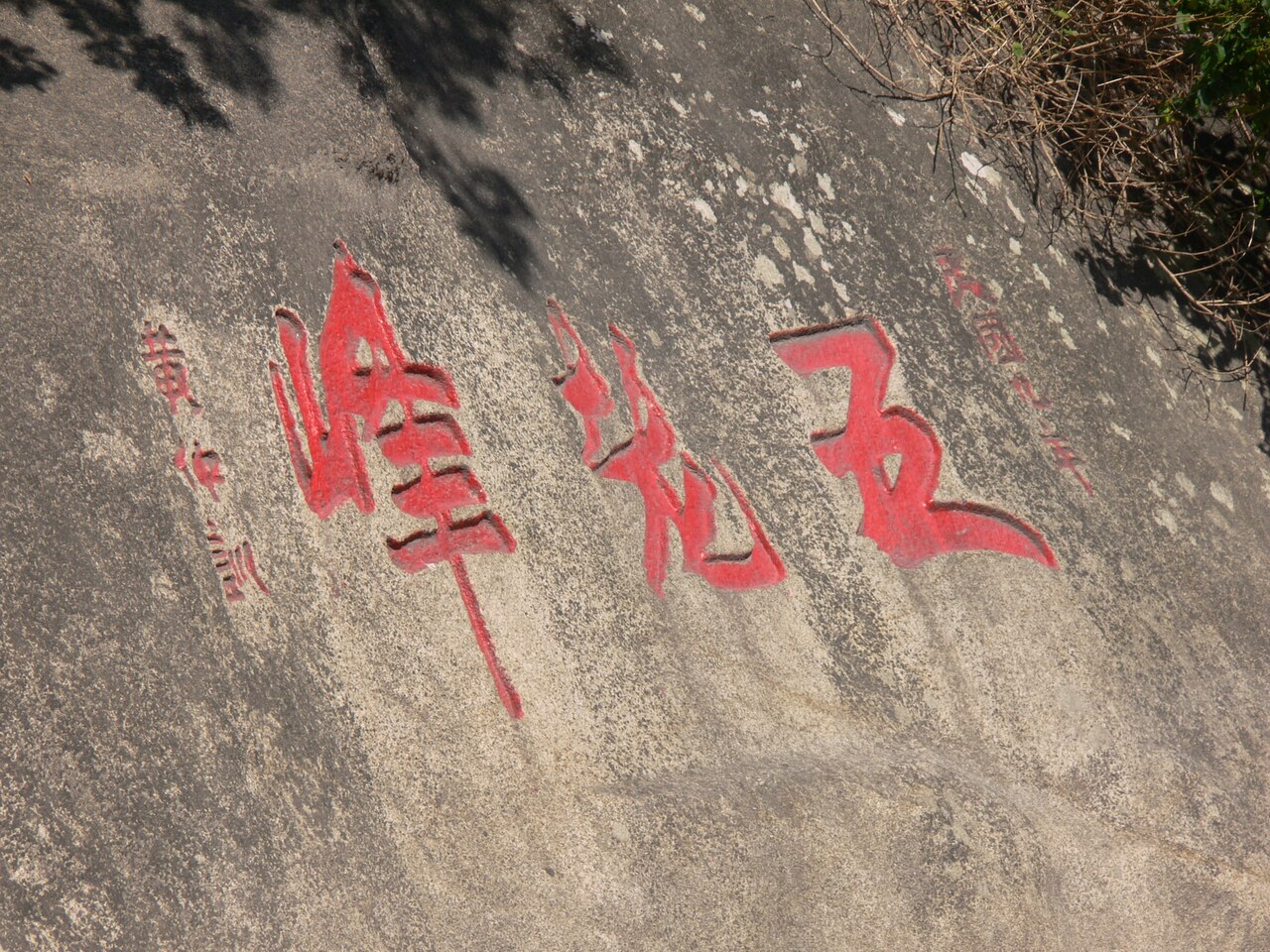
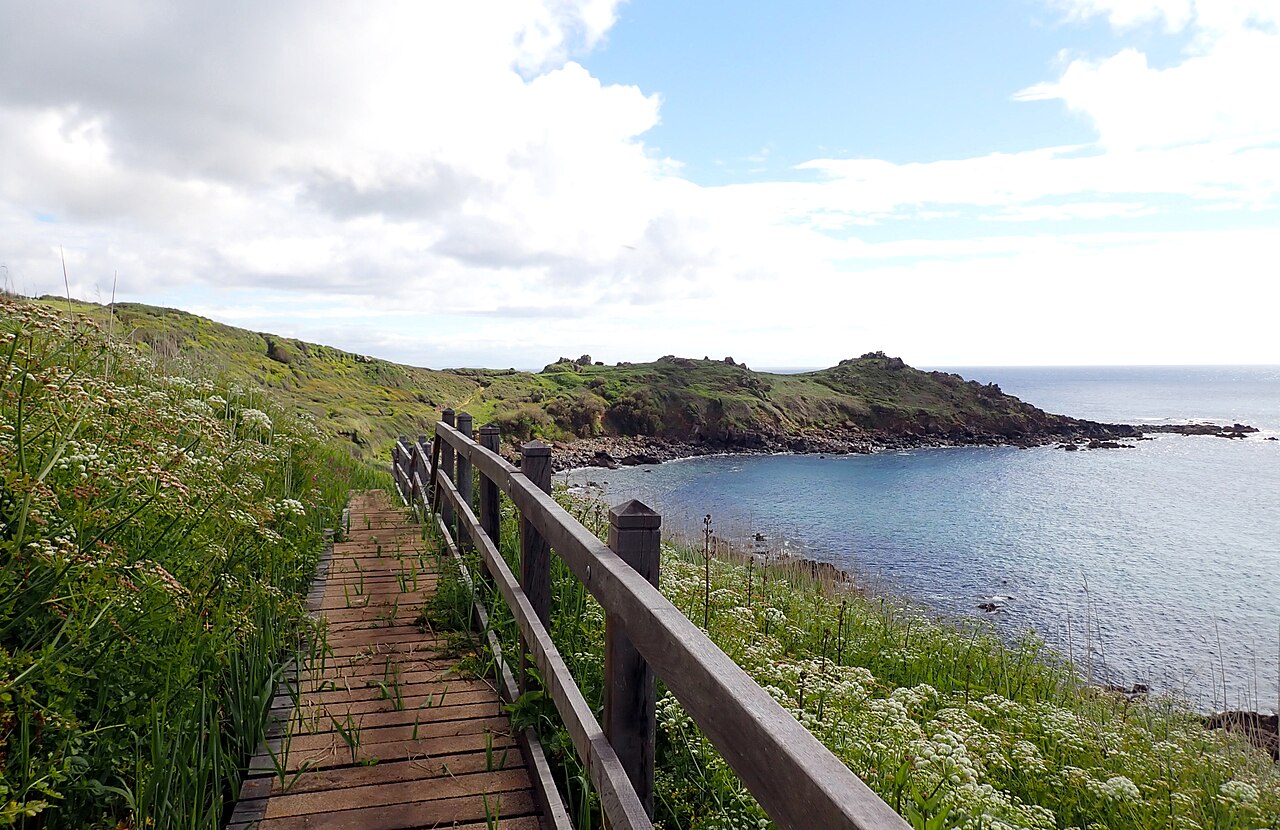
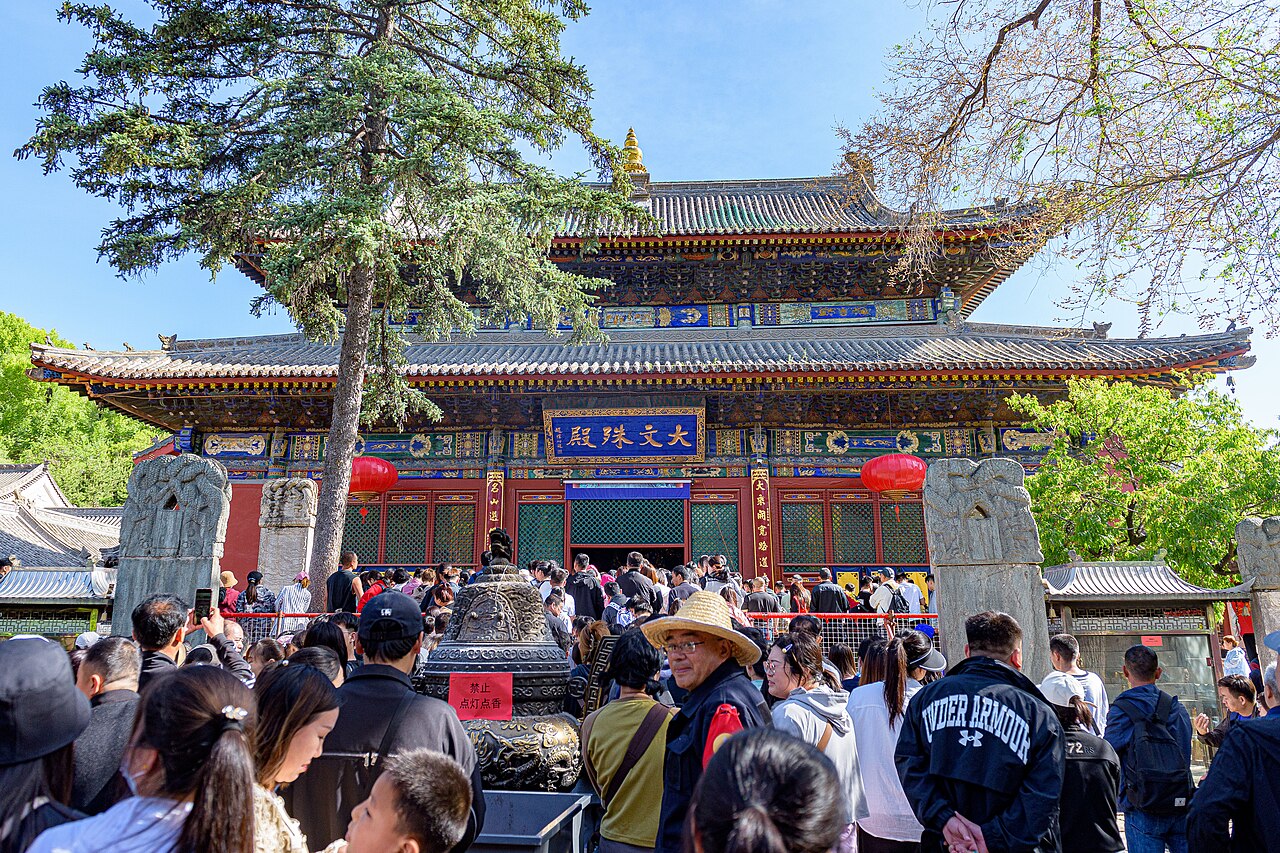
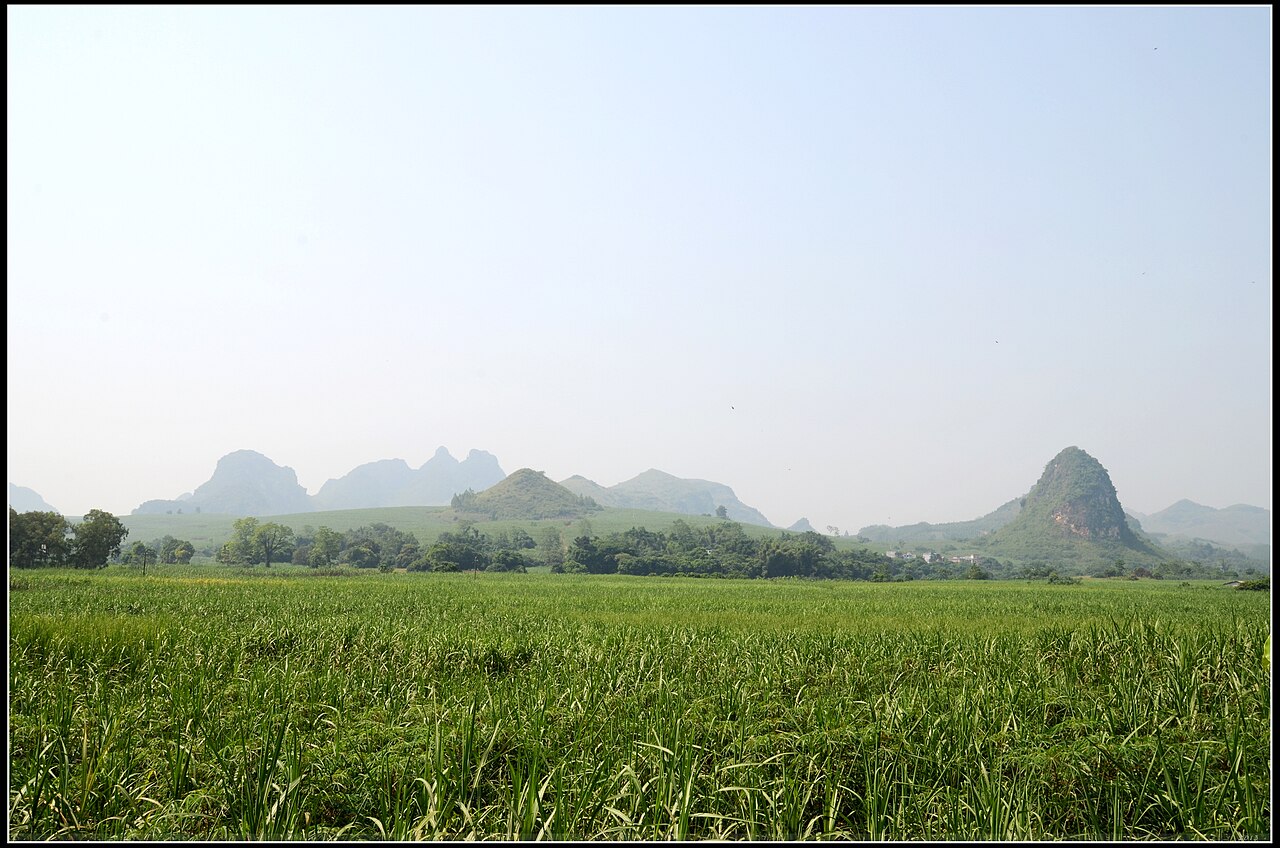
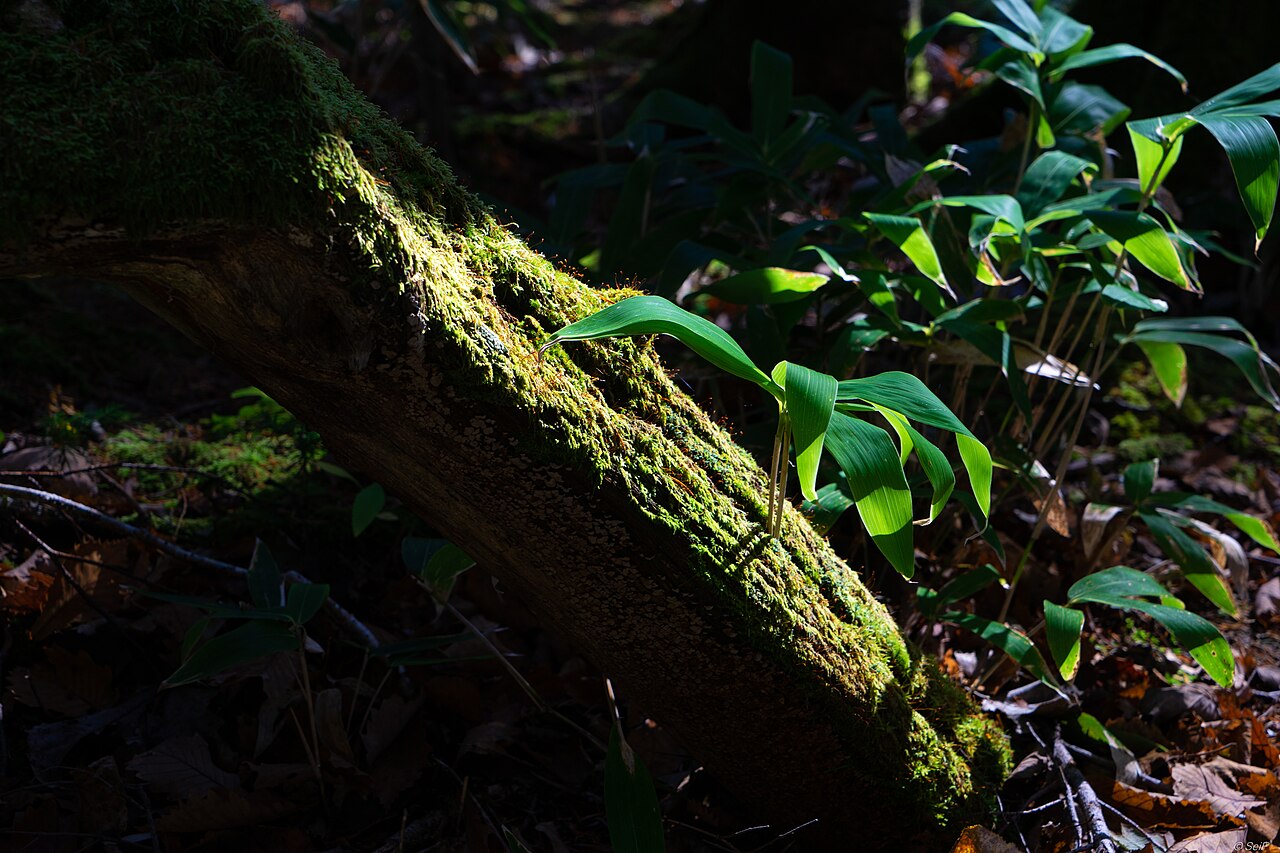
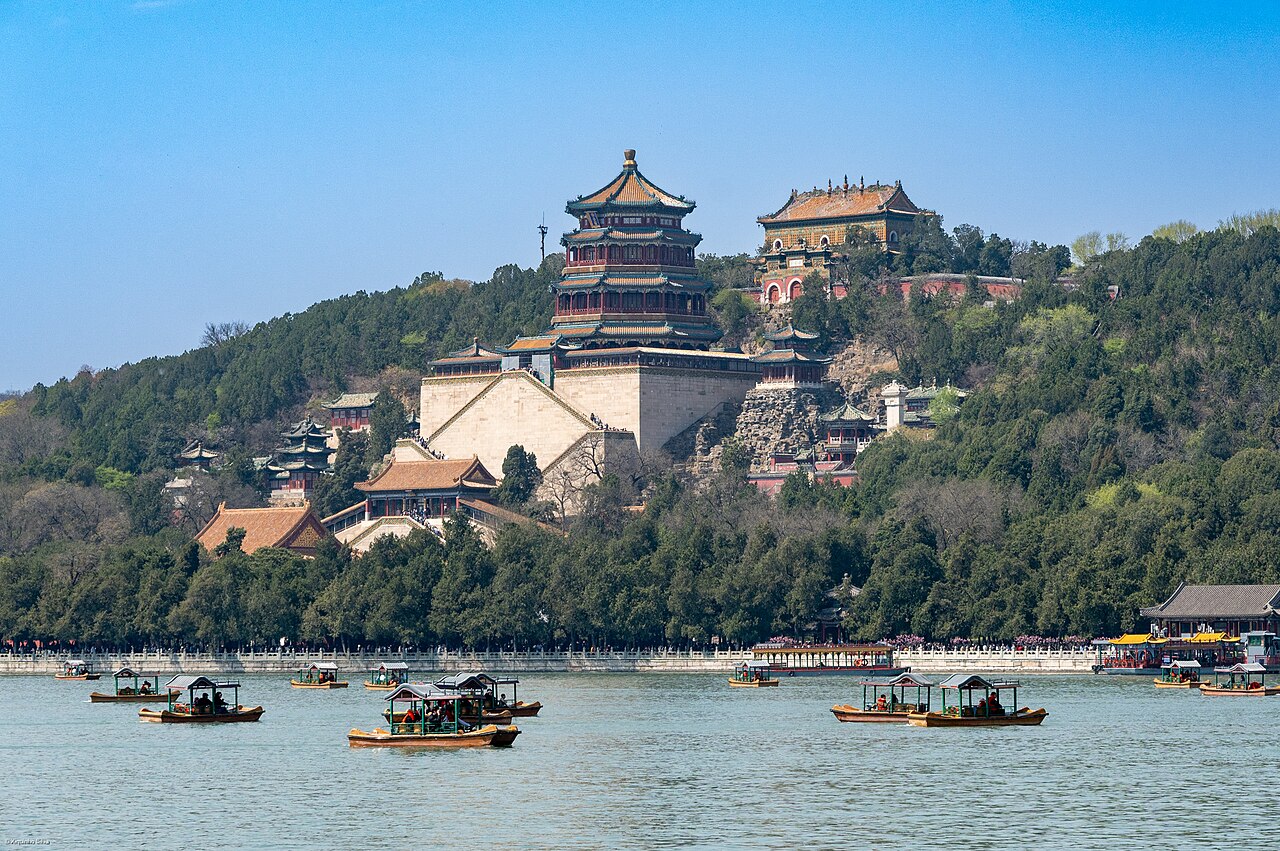
The West Heaven rocks — Pantu Rock balanced above the slope
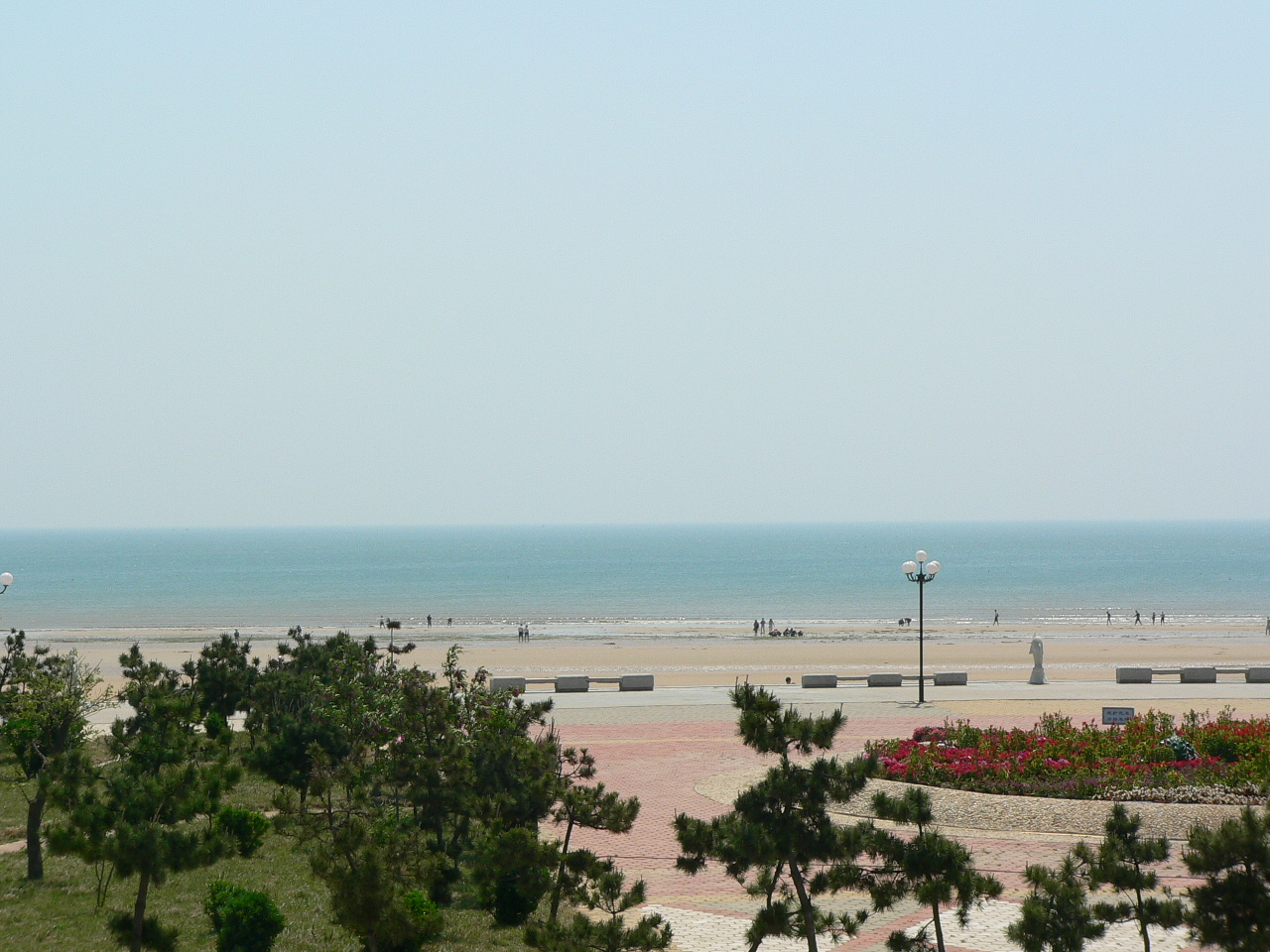
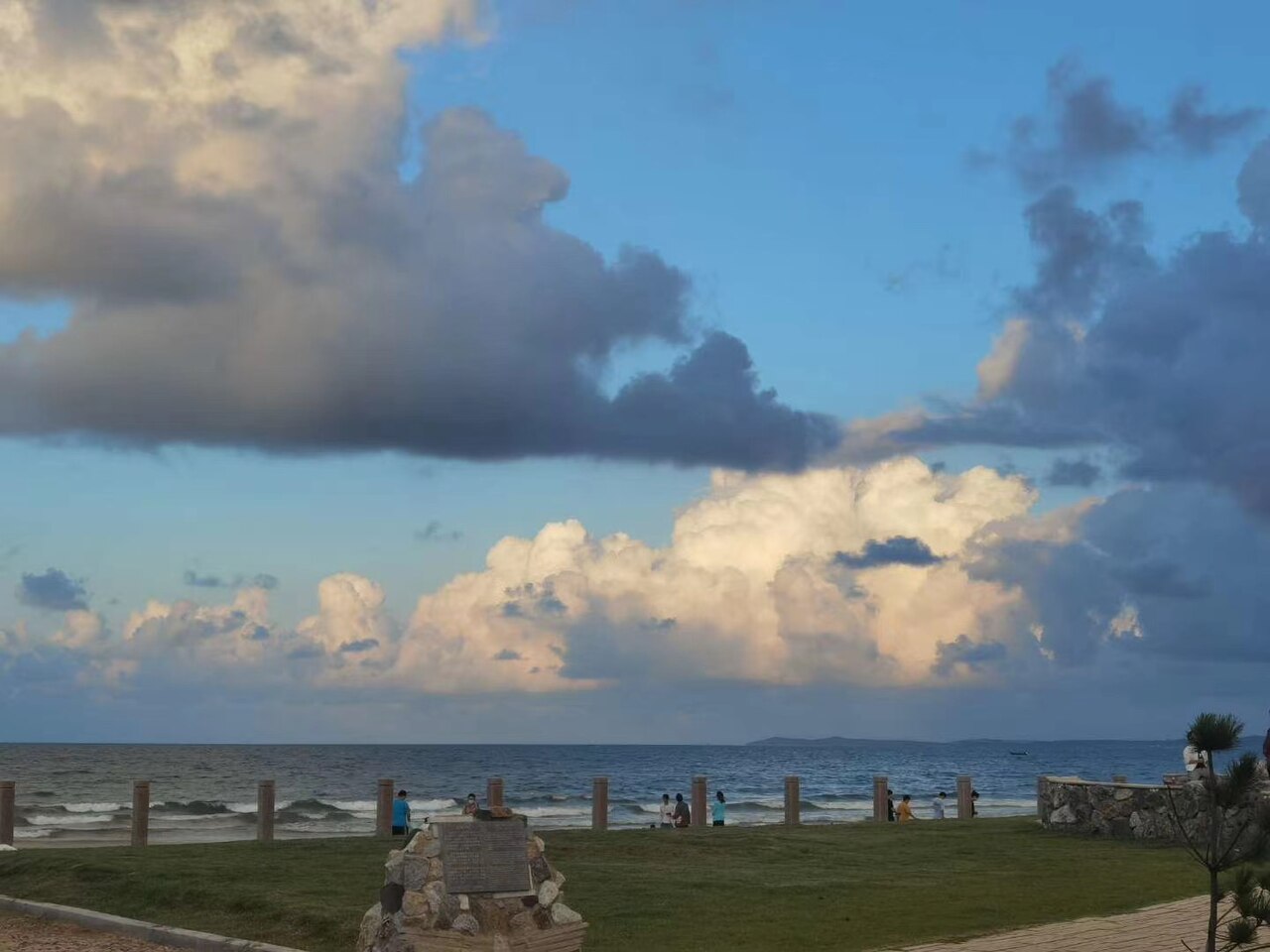
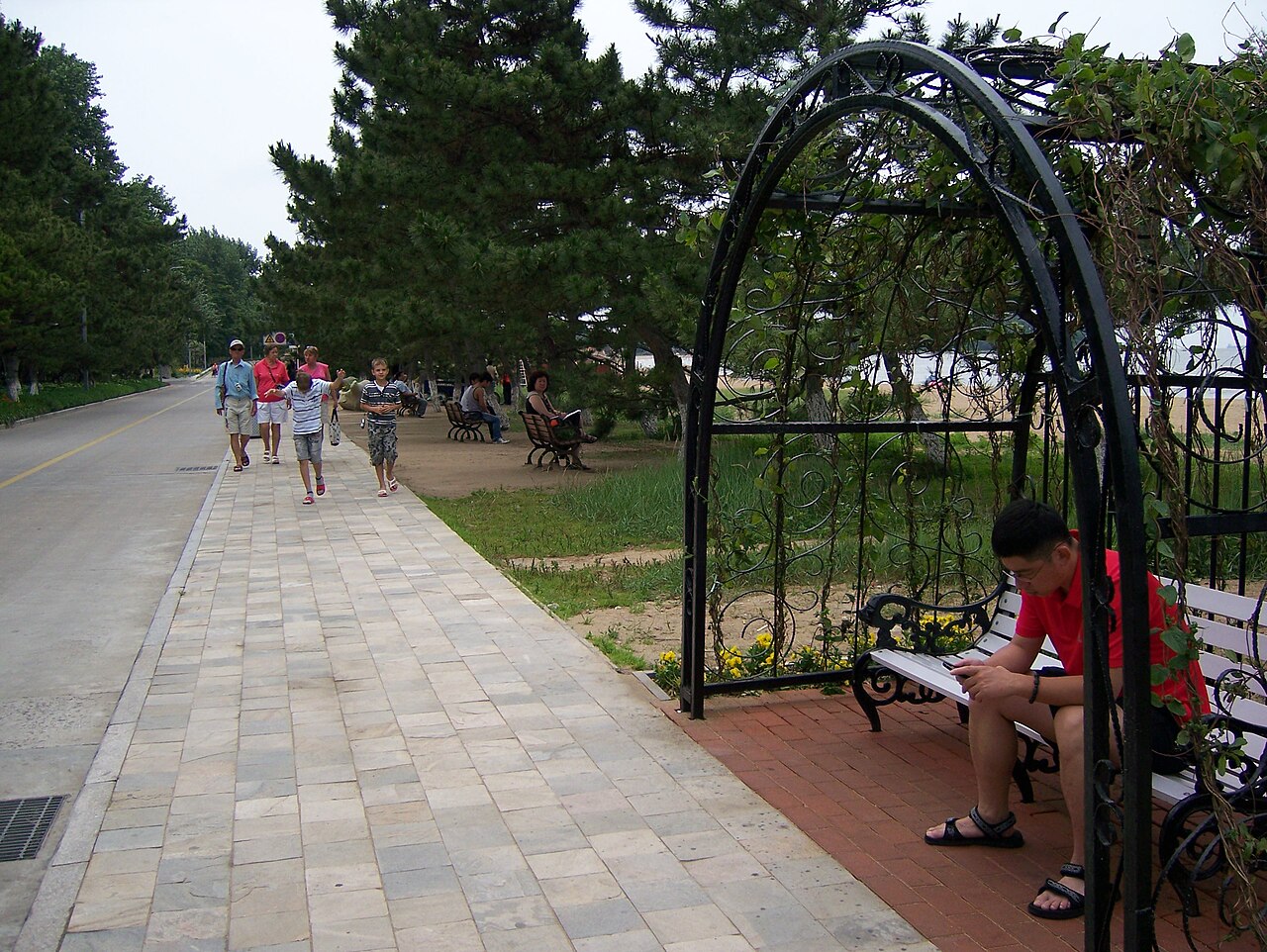
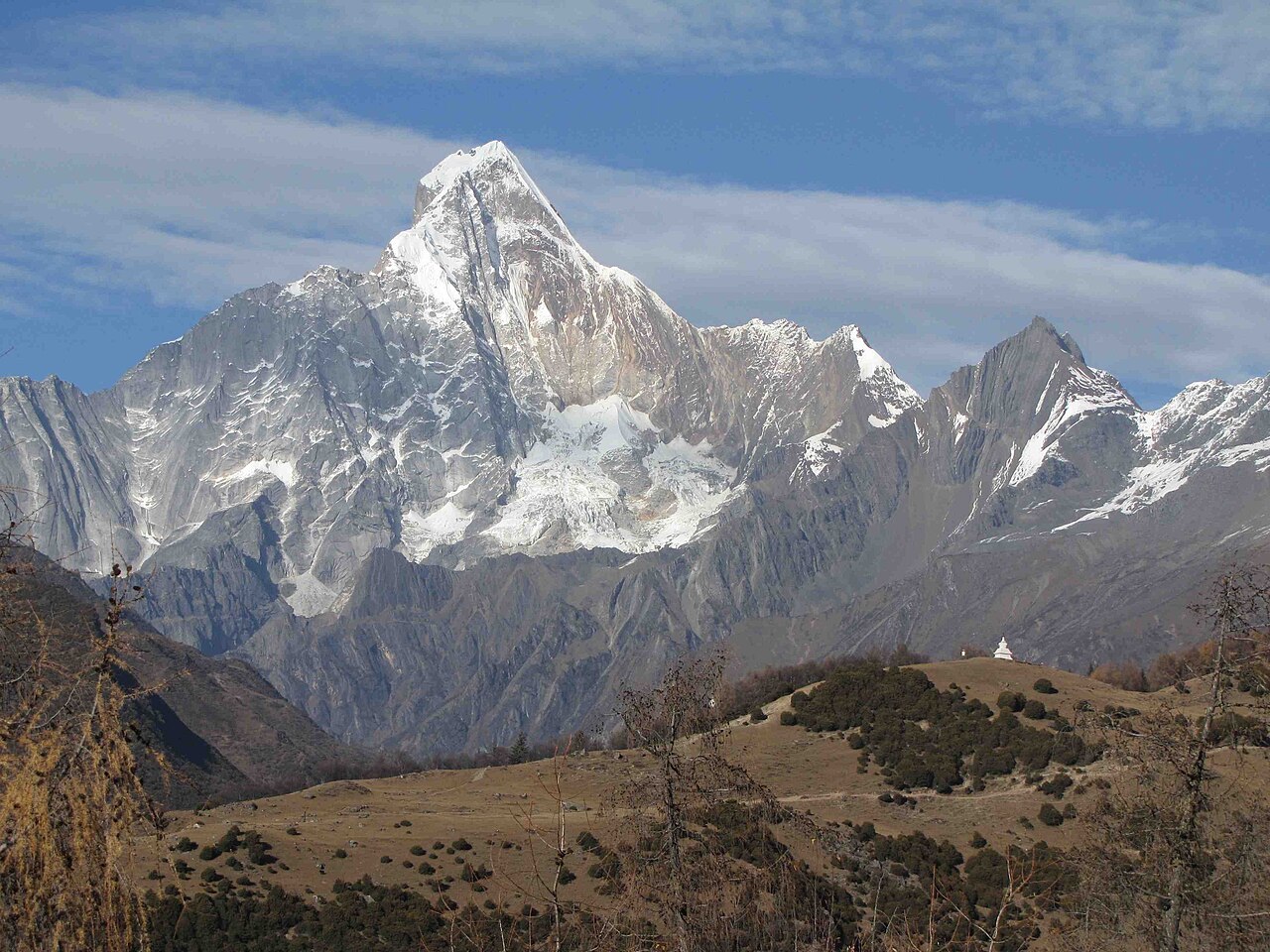
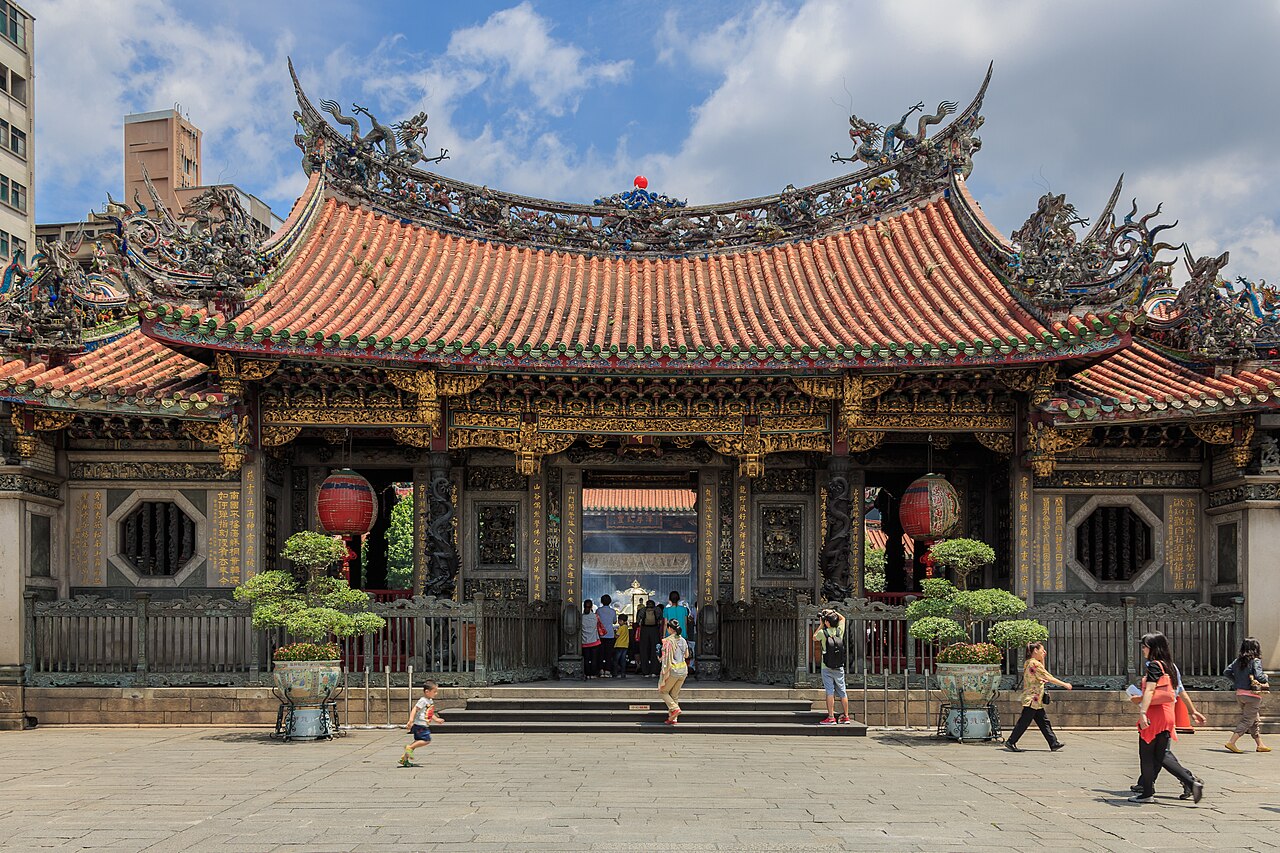
Gold sand and surf at Baibu Beach

Most people who come here do not want to convert and do not want to become Buddhas. They are simply parking a wish in a form. And that seems fine to me — everyone is living an ordinary life, and a little bit of something lofty in the heart probably means one less mean act in the world. — A traveller's note in the source guide

A traveller's note in the source guide

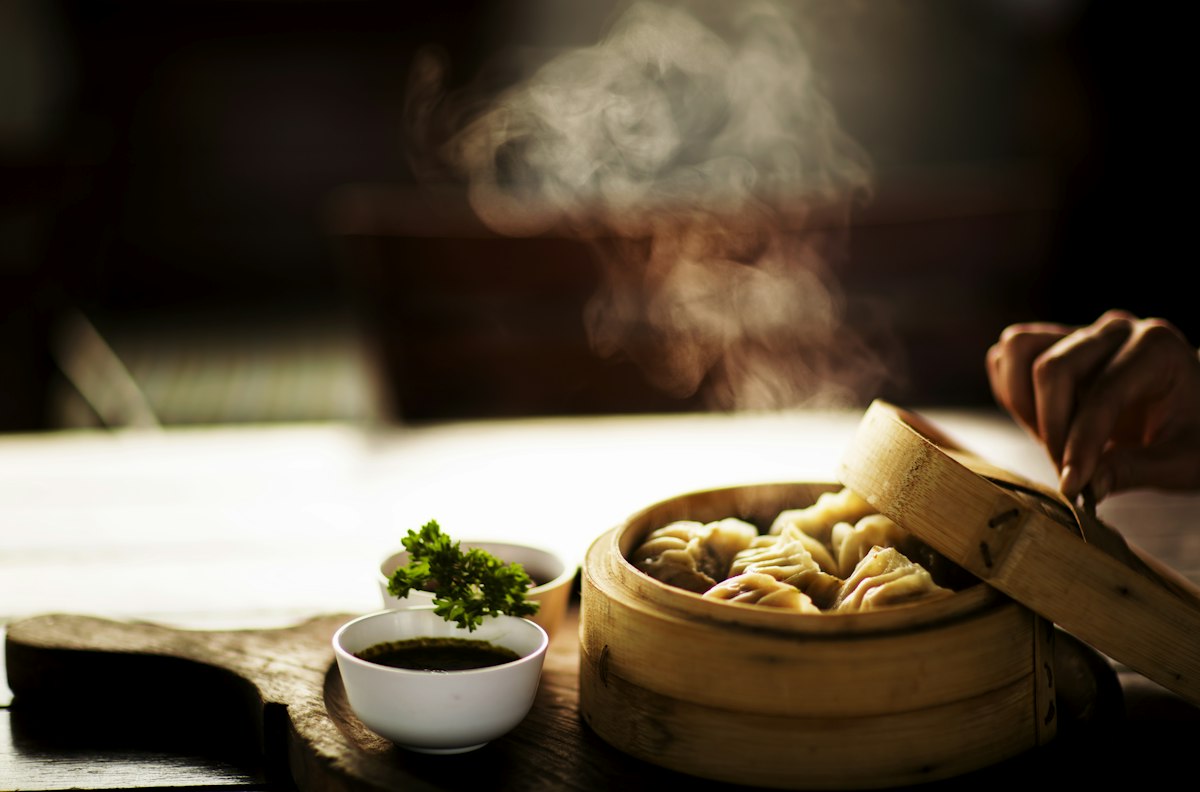
The 'arhat dish' is ¥10: rice and a big cauldron of stew — green beans, cabbage, mushroom, tofu and noodles all cooked together, and honestly rather good and clean-tasting. If you want a clear mind you have to eat like this for a while, and wash out your greasy insides first. — A traveller's note in the source guide

A traveller's note in the source guide

Of China's four sacred Buddhist mountains, this is the only one you have to take a boat to. Mount Putuo is a small island in the Zhoushan archipelago off the Zhejiang coast, and it has been the seat of Guanyin — the bodhisattva of compassion — since the Tang. People arrive asking for a child, for money, for safety. Monks arrive and bow their way up the mountain one step at a time. Plenty of visitors arrive with no belief at all and leave quieter than they came.

The island's mood is as much sea as religion. Surf booms into a sea cave; there is gold sand at Baibu and Qianbu; temple roofs sit among old camphor and juniper; carved characters appear on cliff faces. Its own boast is that every house, hill, rock and plant here carries the colour of a Buddhist country — which sounds like marketing until you stand at the top of Foding and look out over water in every direction.

Two practical things shape the visit. The first is that the island ticket is only the beginning: the big temples each take their own small incense fee on top, and every one of them drops that fee at 17:30. The second is that there are no taxis. A shuttle network links the sights, but the distances are short and the coast is the best part of the island, so the guide's own advice is to walk anything that would cost ¥2–4.

Getting here is the only real friction. There is no road; you cross by boat from Zhoushan, either from Shenjiamen's Banshengdong pier or, more quickly, from Zhujiajian's Wugongzhi pier — and because queues build at peak times, the relaxed version is to sleep on the mainland side and cross on an early boat.

Mount Putuo

Don't leave without

Seven things that are worth rearranging a day for.

  1. Stand under the 18-metre Nanhai Guanyin and watch the boats come in behind her
  2. Eat the ¥10 temple lunch — buy your meal ticket at the door around 10:30
  3. Walk the West Heaven rocks at dusk: the Heart Character Stone, Pantu Rock, the Two Turtles
  4. Listen to the surf in Chaoyin Cave and Fanting Cave, the island's two 'tide-sound' caves
  5. Go to the temples after 17:30, when the incense fees are dropped and the crowds are gone
  6. Take the early boat to Luojia Mountain and be back before the queues build
  7. Walk down from Foding along the coast instead of riding the cable car back

Highlights

Six reasons Putuo is worth the crossing

Guanyin, and a mountain that exists for her

Putuo is the seat of Guanyin, the bodhisattva of compassion — 'a thousand places ask, a thousand places answer; on the bitter sea she is always the boat that ferries people across'. The island has been her home since the Tang, when the Japanese monk Egaku was storm-bound here with a statue she apparently did not want to leave.

Three great temples, and the biggest is free at 17:30

Puji, Fayu and Huiji are the island's three great monasteries, and each carries a ¥5 incense ticket. Every one of them drops that charge after 17:30. That is the single best-value hour on the island: the crowds have gone, the halls are lit, and you walk in for nothing.

A ¥10 meal that is the point of the place

All three temples run dining halls. Ten yuan buys rice and a cauldron of stewed vegetables, and it is filling and good. Buy your ticket at the door around 10:30 because they run out. It is not a gimmick; it is the most honest meal on the island and the reason some people come.

Two caves where you hear the sea, not see it

Chaoyin Cave is half-submerged, its mouth facing the open sea, pounded day and night so the surf in it sounds like thunder; the cave floor opens to the sea and two gaps in the roof are called the skylights, through which spray shoots in a gale. Fanting Cave, at the other end of the island, is the second of the island's two 'tide-sound' caves and the best place on it to sit and listen.

Rocks with a story each

Putuo is full of strange rocks, mostly gathered in the West Heaven area — more than twenty named spots including Pantu Rock and the Two Turtles Listening to the Dharma. Every stone comes with a legend, and the island is more fun once you start hearing them.

Sand at the end of the day

After a day on the temple paths, go down to Baibu or Qianbu sand, take your shoes off and let the surf run over your feet. The guide's own description is that everything stops mattering. Baibu's sand is soft and the sea there is unusually gentle; there is a small pavilion on the spit called the Teacher Stone Pavilion for watching sunrise.

Suggested routes

One day, two days, or a slow three

The one-day pilgrimage circuit

1 day days

Arrive on the 09:00 boat, cover the three temples and the Guanyin statue, leave by late afternoon.

  1. Morning

    Nanhai Guanyin — Chaoyin Cave — Won't-Go Guanyin Temple

    Land around 09:00 and go straight to the Nanhai Guanyin standing image, the island's landmark, then walk on to Chaoyin Cave to hear the surf and to the Won't-Go Guanyin Temple, where the whole island begins. Take it slowly; the point is a settled mind, not a completed list.

    Stops: Nanhai GuanyinChaoyin CaveWon't-Go Guanyin Temple

  2. Midday

    Lunch at Puji, then Puji and Fayu

    Eat in the Puji dining hall — buy the ticket at the door at about 10:30 before they sell out. Then go through Puji: the Sea-Print Pool, the gate, the imperial stele hall, the bell and drum towers, the Great Complete Penetration Hall and the Dharma Hall. Finish the afternoon at Fayu Temple.

    Stops: Puji dining hallPuji TempleFayu Temple

  3. Afternoon

    Foding and Huiji, if there is time

    If the cable-car queue looks under an hour, ride up to Foding for Huiji Temple and the view over the coast, then take a boat off the island. If the queue is longer, walk up — it is about half an hour — or skip it and spend the time on the sand instead.

    Stops: Foding summitHuiji Temple

The calm two days

2 days days

West Heaven and the south on day one, Luojia and the east on day two. The standard trip.

  1. Day 1

    Heart Stone — Pantu Rock — Two Turtles — Puji — Duobao Pagoda

    Start in the West Heaven area and read the rocks: the Heart Character Stone, the huge 'heart' carved into the boulder where Guanyin is said to have preached the Heart Sutra; Pantu Rock, the pair of boulders that look about to fall and have not; and the Two Turtles Listening to the Dharma. Walk into Puji for the architecture, then lunch in its dining hall.

    Spend the afternoon on Puji in detail — Sea-Print Pool, the gate, the imperial stele hall, the bell and drum towers, the Great Complete Penetration Hall and the Dharma Hall — and finish at Duobao Pagoda, the island's only building to survive in its original form. Sleep near Zizhulin and eat seafood by the water.

    Stops: Heart Character StonePantu RockPuji TempleDuobao Pagoda
  2. Day 2

    Luojia Mountain — Won't-Go Guanyin — Chaoyin Cave — Zizhulin — Nanhai Guanyin

    Take the 08:00 boat from Short Aunt's Landing to Luojia Mountain — about 25 minutes, an hour and a half on the island, and the saying is that you have not finished Putuo until you have been. Come back, visit the Won't-Go Guanyin Temple, then Chaoyin Cave and Zizhulin, and finish at the Nanhai Guanyin for the photograph.

    Stops: Luojia MountainWon't-Go Guanyin TempleChaoyin CaveNanhai Guanyin

The three-day retreat

3 days days

West Heaven, then the south and Luojia, then beaches, Fanting Cave and Foding.

  1. Day 1

    West Heaven — Puji — Duobao Pagoda
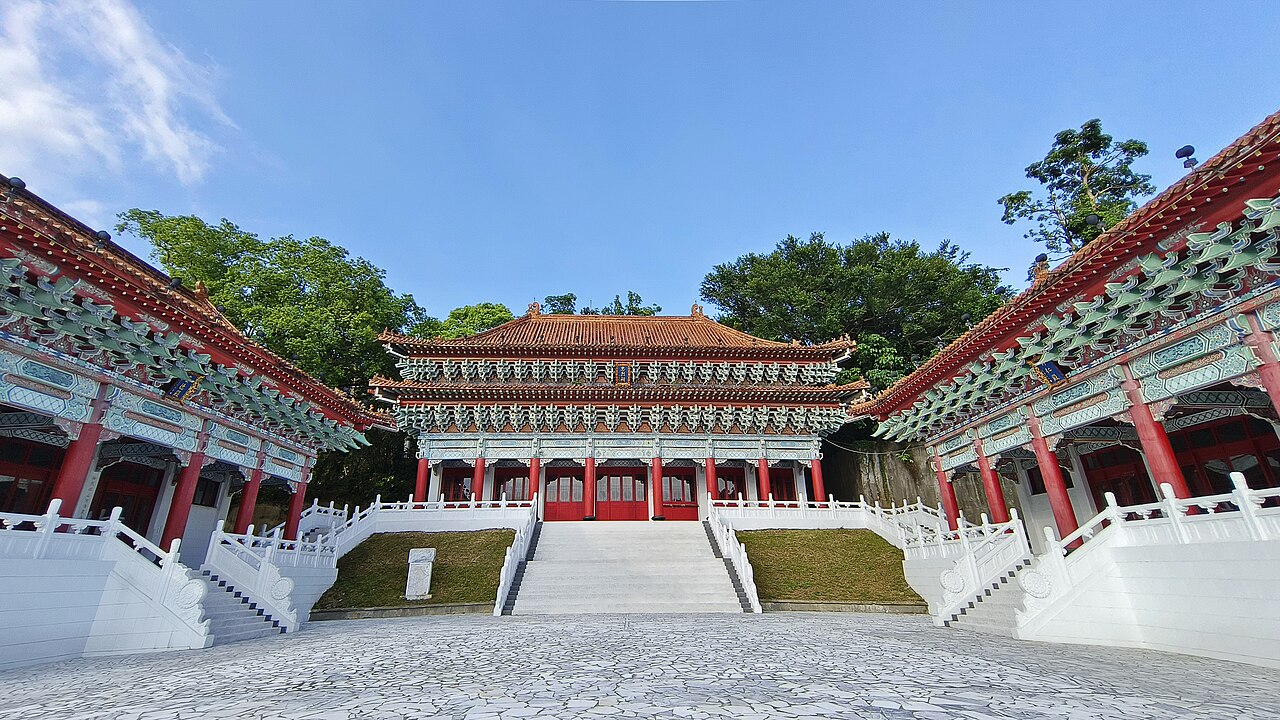
    Take the whole first day over the West Heaven rocks and Puji. Do not hurry it; the point of three days is that nothing has to be rushed.

    Stops: West HeavenPuji Temple

  2. Day 2

    Luojia — Won't-Go Guanyin — Chaoyin Cave — Zizhulin — Nanhai Guanyin
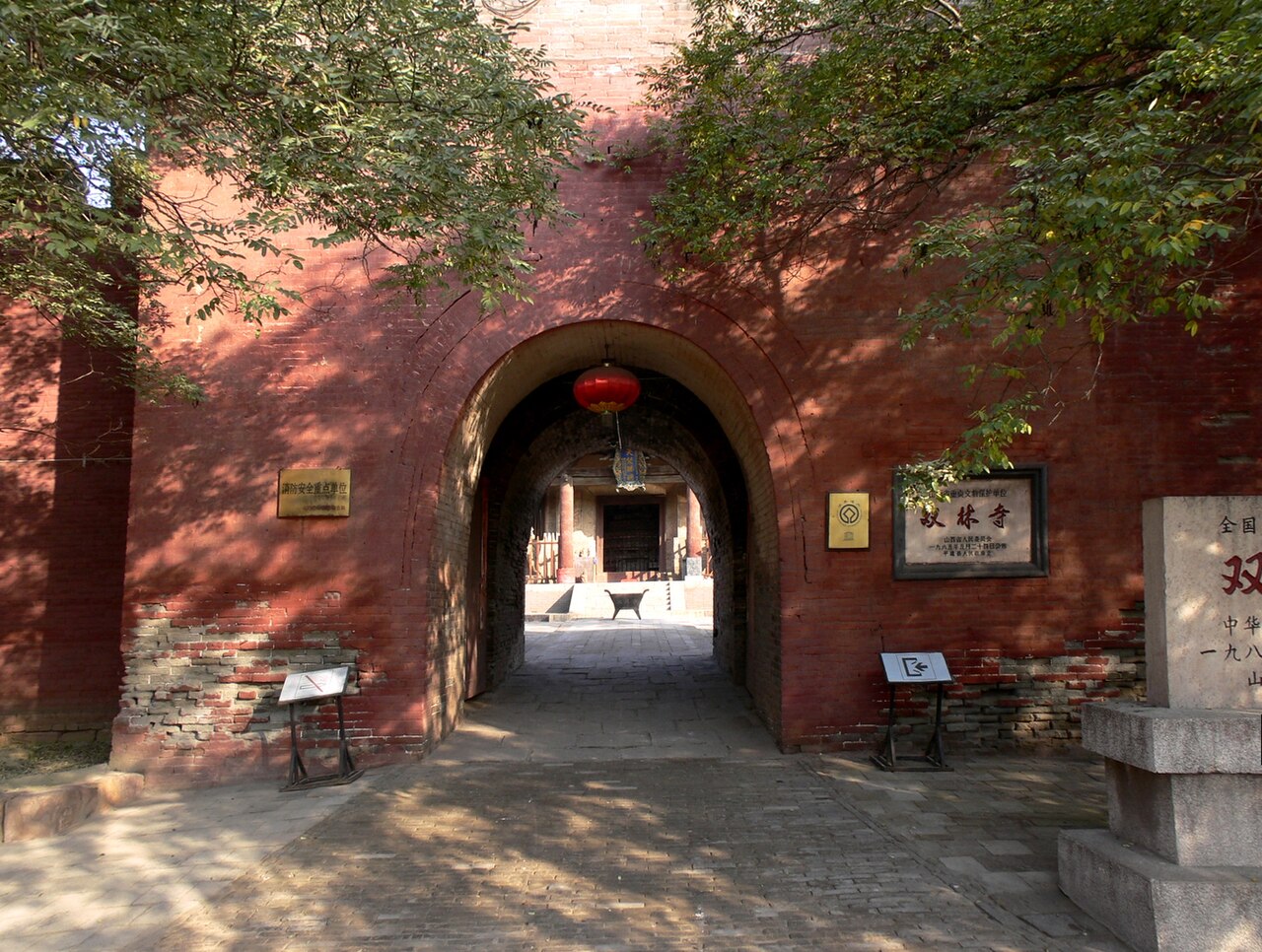
    The 08:00 boat to Luojia, back for the Won't-Go Guanyin Temple and Chaoyin Cave, then Zizhulin and the Guanyin statue. Stay in a sea-view room near Zizhulin or Fayu if the weather is clear.
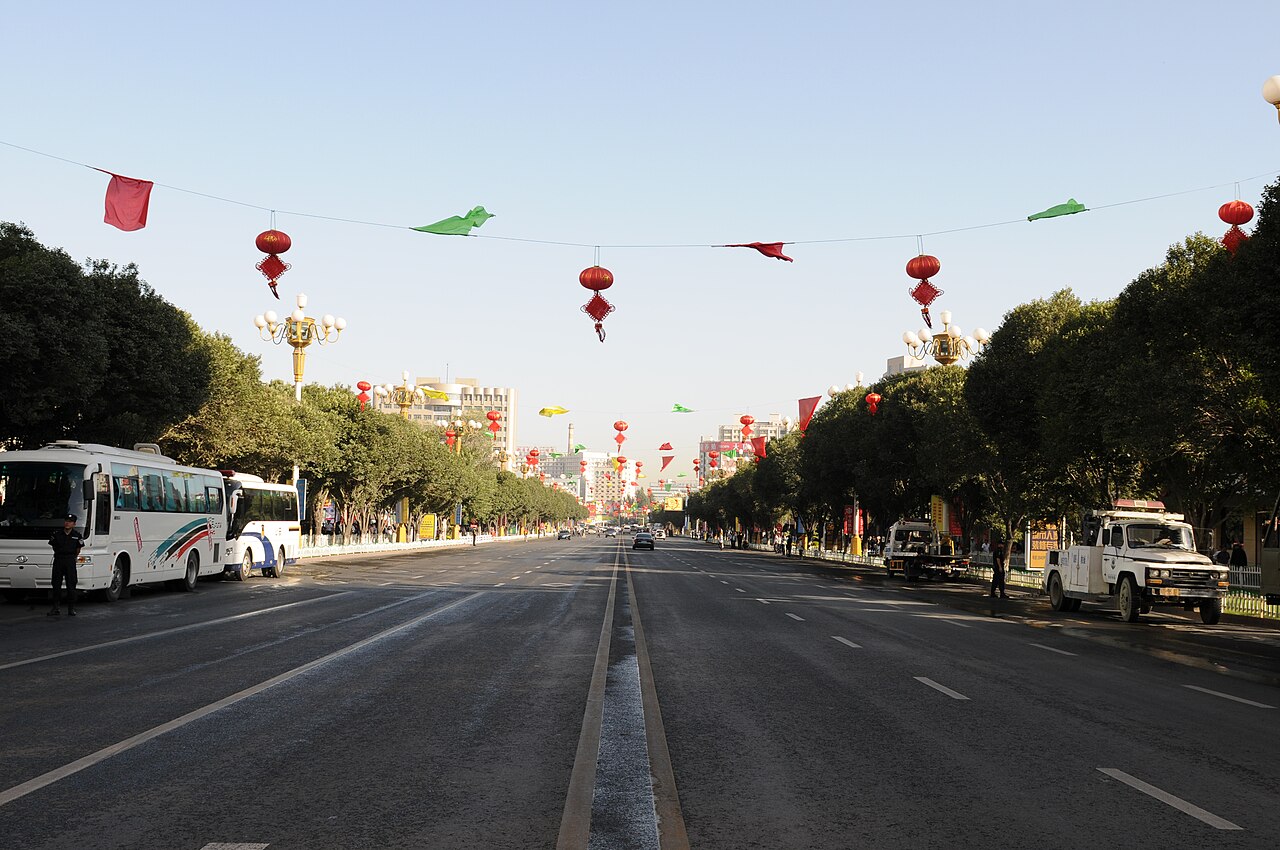
    Stops: Luojia MountainZizhulinNanhai Guanyin

  3. Day 3

    Baibu and Qianbu sand — Fayu — Fanting Cave — Huiji

    Walk the sand in the morning, hear the monks chanting at Fayu, eat in its dining hall, take the shuttle to Fanting Cave for the surf, then ride or walk up Foding and come back down along the coast — the descent has the best sea views on the island and street lights all the way.

    Stops: Baibu sandFayu TempleFanting CaveFoding

Sights

What to actually go and see

The image of the island

The Nanhai Guanyin

The island's landmark and the first thing you see from the water as the boat comes in across the Lotus Sea: a bronze Guanyin whose body alone is 18 metres, left hand holding the wheel of the dharma and right hand raised in the gesture of fearlessness. The pedestal is three tiers — a merit hall below, 500 small Guanyin figures above, and boxwood carvings of her legends and coloured-jade reliefs of Putuo scenery in the lower hall. On the path up you will pass monks prostrating themselves all the way.

Incense ticket
¥6
Where
Longwan village, on the Guanyin Leap ridge at the south end of the twin peaks
Shuttle
Get off at Zizhulin and walk
Best time
Late afternoon, after the tour boats have gone

Tip It is the one sight that reads best from the water. If your boat approaches from the south, be on deck.

The front temple

Puji Temple

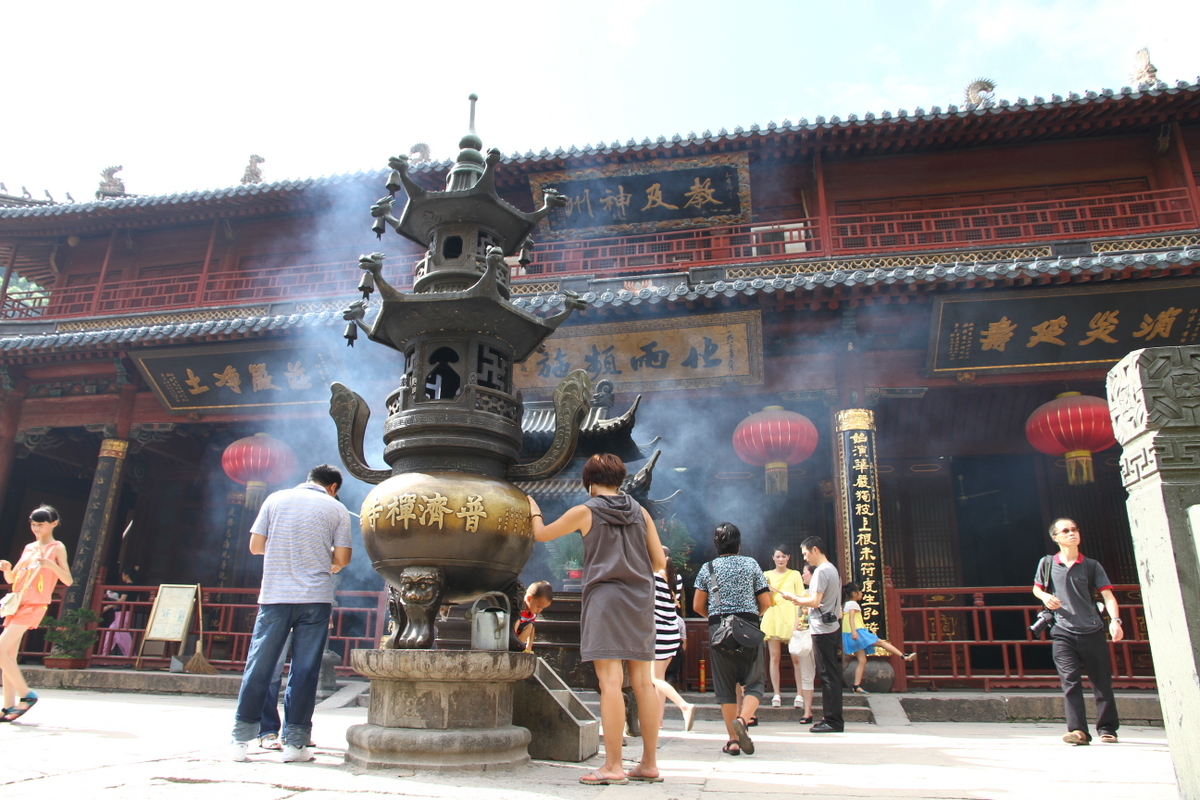
Also called the Front Temple, the largest monastery on the island and the principal shrine of Guanyin, set south of Baihua Hill below Lingjiu Peak and built in the Kangxi and Yongzheng reigns, which is why it carries the air of an imperial temple. Its Great Complete Penetration Hall is nicknamed the 'living hall' and enshrines an 8.8-metre Vairochana Guanyin, surrounded by hundreds of halls, chambers and towers. Together with Fayu and Huiji it is one of Putuo's three great monasteries.

Incense ticket
¥5; free after 17:30
Hours
08:00–18:00
Shuttle
Get off at Puji Temple East (Baibu sand)
Rule
No photography inside the halls; during the three incense periods it is not free for Zhoushan residents

Tip Do not photograph the interiors. Photograph the courtyards and the approach instead — the rule is enforced and it is not worth being told off for.

The back temple

Fayu Temple

Also called the Back Temple, one of the three great monasteries, founded as a thatched hermit's retreat and named from the phrase about the dharma sea and the sound of the tide. The whole complex is grand and high-set, with the surf on Qianbu sand audible from it. Its Nine-Dragon Hall is the highest-grade Buddhist hall building in the country and holds one of Putuo's three treasures, the Nine-Dragon Caisson, carved with real brilliance into the ceiling. It has a dining hall at midday.

Incense ticket
¥5; free after 17:30
Where
Below Guangxi Peak, left of Baihua Summit
Shuttle
Get off at Fayu Temple
Listen for
Qianbu sand from the temple

Tip Stand in the Nine-Dragon Hall and look up. It is the single finest ceiling on the island and most people walk straight past it.

The summit temple

Huiji Temple on Foding

Also called Foding Mountain Temple. It began as a stone pavilion with a Buddha in it; the monk Huiyuan founded the Huiji Hermitage in the Ming, and in the 58th year of Qianlong the halls of Complete Penetration, Jade Spring and Great Compassion were built and the hermitage became a monastery. Its 145 halls and pavilions hide in green forest, and the Great Hero Hall's coloured glazed roof throws a 'Buddha-light' effect in sunshine. The Guanyin hall walls are set with stone carvings by famous painters of the Tang, Song, Yuan, Ming and Qing.

Incense ticket
¥5; free after 17:30
Getting up
Shuttle to the cable-car station, then the cable car; or walk from Fayu, about half an hour
Cable car
¥35 one way, ¥50 return, 07:00–16:30, half price for over-70s
Lunch
A dining hall serves midday

Tip Walk down rather than riding. The coastal descent is the best sea view on the island, there are street lights and restaurants along it, and it is safe — just be at the shuttle car park before 17:30.

Where the island started

Zizhulin, Chaoyin Cave and the Won't-Go Guanyin Temple

Zizhulin's rock is purplish-red, cut through with patterns that look like cypress leaves and bamboo, and purple bamboo was planted here to match. In 916 the Japanese monk Egaku, carrying a Guanyin image home from Wutai, was stopped by wind in the Lotus Sea off this shore; he took it as a sign that she did not want to go, went ashore and built the Won't-Go Guanyin Temple — the first shrine on Putuo and, as its name insists, the reason the island exists. In front of it is Chaoyin Cave, mouth to the sea, pounded until the surf in it sounds like thunder; the cave floor opens to the water and two roof gaps are called the skylights.

Zizhulin incense ticket
¥5
Chaoyin Cave
Included in the Zizhulin ticket
Where
At the south end, on the Guanyin Leap ridge
Shuttle
Get off at Zizhulin and walk

Tip Come here on a windy day if you get one — the spray firing up through the skylights is the sight, and it does not happen in calm weather.

Free, and the most fun

The West Heaven rocks

Putuo is full of strange rocks and most of them are in the West Heaven area — more than twenty named spots, each with a story. Pantu Rock is a pair of boulders on a platform on Meiling summit that look ready to fall and have not moved, said to be the spot where Guanyin preached; women pilgrims traditionally rub metal coins on it and take them home for their children. The Two Turtles Listening to the Dharma are two turtle-shaped rocks, one crouched on the cliff looking back, one climbing with its neck stretched — sent by the Dragon King to hear the teaching, so caught up that they forgot to go home and were turned to stone. And the Heart Character Stone, the largest carved character on the island: the dot at its centre seats eight or nine people and the whole character nearly a hundred.

Cost
Free
Shuttle
Get off at the West Heaven crossing, or at Baibu sand and walk
Named spots
More than twenty, including Pantu Rock and the Two Turtles
Heart Stone
The largest stone-carved character on the island

Tip Do this at the end of the day. The rocks are free, the light is better, and the tour groups have gone back to the pier.

The beaches

Baibu and Qianbu sand

Baibu sand is soft and the sea there is unusually gentle because the beach is narrow and sheltered; a small spit runs into the water with a pavilion on it, the Teacher Stone Pavilion, for watching sunrise, hearing the tide and taking the sea wind. There is an old verse: 'the sand before the Prince's pagoda, scattered in the wind like rosy cloud — to this day the curled stones are here, and not one bears a flaw.' Qianbu sand, by Fayu, is the long one.

Cost
Free, included in the island ticket
Hours
08:00–17:00
Shuttle
Puji Temple East (Baibu sand) or Fayu Temple (Qianbu sand)
Watch
Sunrise from the Teacher Stone Pavilion

Tip Buy towels, flip-flops and a swimsuit before you land. Everything on the island costs more, and the guide is explicit about it.

You have not finished without it

Luojia Mountain

Seen from Putuo, Luojia lies on the water like a reclining Buddha — wooded, full of small hermitages, and said to be where Guanyin first practised. The local saying is that if you have not been to Luojia you have not completed Putuo. Boats generally run three times a day at 07:00, 08:00 and 13:00, the crossing takes about 25 minutes and you get an hour and a half ashore. Go early and come back early; there is free drinking water and free incense on the path up.

Price
¥67 including the return boat
Boats
07:00, 08:00 and 13:00; about 25 minutes each way
Time ashore
About an hour and a half
Where
On the Lotus Sea to the southeast of Putuo

Tip Take the 07:00 or 08:00 rather than the 13:00, and do not linger — the island gets crowded and the return boats fill.

Faith

How to do this island properly

Etiquette

How to offer incense

The sequence is short and worth knowing. Prepare: wash your hands, straighten your clothes and settle your mind. Light the candle. Then take the incense — grip the sticks between your middle and index fingers with the thumb at the base, bring them to your chest, raise them level with your brow, lower them, place them in the burner, press your palms together and bow once where you stand. In the hall, bow on the cushions at the sides, men left and women right as the image faces you; the sequence is stand with palms together, contemplate and make your wish, then prostrate.

Prepare
Wash hands, straighten clothes, quiet the mind
Incense
Chest, then brow, then into the burner, then palms together and bow
Entering a hall
In at the side, never straight up the centre, never in front of someone who is bowing
Leave at the door
Hats, canes and bags — not on the altars

Tip Incense is sold at every sight: ¥15 for a small bucket and ¥36 for a large one, enough for two people. You do not need to bring your own.

¥10, and buy early

The temple meal

All three great temples run dining halls for pilgrims, and the island's own note is that every one of them now serves only the midday meal, selling tickets from about 10:30, with limited numbers — queue on time. Ten yuan gets you rice and a big cauldron of stewed vegetables: cabbage and noodle soup, tofu, potato, or beans, mushroom and tofu with a side of small tofu and potato. Rice can be refilled. You eat at long tables with strangers, which is half the experience.

Price
¥10
Buy the ticket
At the dining-hall door, around 10:30, before they sell out
Now serving
Midday only, at all three temples
Rules
No loud talking; take what you will eat; clear your own dishes to the washing-up

Tip Eat everything on the plate. It is the one rule the island is genuinely serious about, and the hall is air-conditioned in summer.

Or not, depending on your nerves

The three incense periods

The 19th day of the second, sixth and ninth lunar months are Guanyin's birth, enlightenment and renunciation, and Putuo at those moments is something else entirely: from the middle gate of Puji all the way to Foding the crowds surge, and up the thousand stone steps of the Cloud-Scented Path from Fayu's Nine-Dragon Hall pilgrims bow at every step. The whole mountain is thick with people and smoke. Every temple also stops its free-entry arrangement for Zhoushan residents with ID during these periods.

Dates
19th of the second, sixth and ninth lunar months
Also busy
Spring Festival, 1–3 May, 1–5 October, and the first day of every lunar month
Book
Tickets, boats and rooms well ahead
Prices
Rooms rise sharply; incense and offerings are dearer on the island

Tip If you want to see the spectacle, go deliberately and book weeks ahead. If you want the island, pick an ordinary Tuesday instead.

The practice

Releasing life, and doing it sensibly

People release captive animals at the temple ponds to accumulate merit, and the island encourages care for animals whether or not you are Buddhist. The caution attached to it is specific: think about the season and the environment. Do not release turtles into a lotus pool in winter — in cold weather, in a pool with no sloping bank to rest on, they die.

Where
The release ponds at the big monasteries
When
Irregular, whenever people are doing it
Caution
Match the season and the habitat; winter releases into a lotus pool kill turtles

Tip If you want to take part, ask at the temple what is appropriate that week rather than buying from a stall outside.

If your dates line up

Festivals worth knowing

The Putuo Nanhai Guanyin Culture Festival runs every November, one of Zhoushan's three big tourism events — large dharma assemblies, Buddhist concerts, pilgrimages, a lotus-lantern evening, seminars and an exhibition of Buddhist cultural products, and open to pilgrims and tourists alike. In March, 'Spring on Putuo', first held in 1990, is a more popular affair: music, dance, opera, calligraphy, photography, lantern riddles, a lucky draw, a Buddhist-country tea ceremony and volunteer activities.

Guanyin Culture Festival
November
Spring on Putuo
March, annually since 1990
Who
Pilgrims and visitors alike

Tip The November festival is the more impressive of the two and the less crowded with domestic tour groups.

Food

What to eat on Putuo

The temple vegetarian meal

The dish the island is known for: ¥10 for rice and a cauldron of stew — green beans, cabbage, mushroom, tofu and noodles cooked together, clean-tasting and filling. Rice is refillable. Eat it all; waste is the one thing the halls mind.

The arhat dish

The famous one at Puji: cabbage, wood-ear fungus, a little dried tofu, or beans, mushroom and tofu, served with a side of small tofu and potato. Plain, unpretentious, and the guide's verdict is that you have to eat like this for a while if you actually want to clear your head.

Seafood

Putuo's live seafood is genuinely abundant — yellow croaker, striped prawns, lobster, sea crab, clams, mussels and shellfish. The restaurants cluster at the seafood garden and around the front temple, the back temple and the South Heaven Gate. It is good, and it is dearer than on the Zhoushan mainland.

Guanyin cake

The island's snack: seaweed, black sesame, peanut and red-bean paste in a low-sugar, entirely vegan pastry, golden outside, crisp then chewy within, with a natural aroma. It reads like a Suzhou mooncake but is much less sweet, and the shops along the scenic streets all stock it.

Dried fish

Putuo produces famous dried seafood, the yellow croaker and cuttlefish especially. The dried fish is sweet-savoury in the classic Jiangzhe way, mostly sold in small vacuum packs — squid, for instance, ready to eat and easy to carry. Buy some to take home.

Putuo Buddha tea

Also called Putuo cloud-and-mist tea, grown on Foding, the island's summit, where it is warm in winter and cool in summer, humid year-round, in rich soil among forest, with cloud lying on it before sunrise. Tea picked before Grain Rain and brewed with Putuo spring water is held to have medicinal value. Buy it at a large supermarket in Zhoushan, where the price is marked and the quality is guaranteed.

What the island costs to eat

For orientation: a cola ¥5–10, bottled water ¥5–10, local beer ¥10, a meal ¥30–100. Seafood is the expensive end. The temple halls are the cheap end, and the cheapest option available anywhere.

Where to eat

Dining halls and seafood kitchens

The ¥10 experience

Puji Temple dining hall

You are not eating for the flavour; you are eating for the experience — a table of strangers, other people's conversation, and a full stomach, with a faintly collective air about it. The food is plain vegetarian: cabbage and noodle soup, tofu, potato, or dried tofu and bean curd, whatever is being cooked that day. There is air conditioning in summer, which is more than you would expect.

Address
Below Lingjiu Peak, south of Baihua Hill
Average spend
¥10
Buy tickets
At the dining-hall door, from about 10:30; they sell out
Rule
No loud talking; take what you will eat; clear your dishes

The same, twice more

Fayu and Huiji dining halls

All three of the island's great temples run dining halls for pilgrims and all three sell tickets from around 10:30 at the door. Huiji's, up on Foding, is the one to aim for if you are walking down from the summit; Fayu's is the easiest to combine with the Nine-Dragon Hall and Qianbu sand.

Where
Fayu Temple and Huiji Temple on Foding
Average spend
¥10
Buy tickets
At the door, from about 10:30, limited numbers
Note
Midday only, at all three temples

Where the fish is

The seafood gardens

The island's seafood restaurants concentrate in three places: the seafood garden, and the areas around the front temple, the back temple and the South Heaven Gate. Yellow croaker, striped prawns, lobster, sea crab, clams and mussels, cooked plainly. Prices run high; Zhoushan mainland is noticeably cheaper for the same fish.

Where
Seafood garden; near Puji, Fayu and the South Heaven Gate
Average spend
¥30–100, more for the big seafood
Caution
Seafood prices vary widely with the species — agree before you order

The mainland alternative

Zhoushan, for value

The guide is blunt about this: seafood on Putuo is expensive and the Zhoushan mainland, a short boat away, is cheaper for the same catch. If you are staying two or three days and seafood matters to you, eat one island meal and one mainland meal.

Why
The same fish, meaningfully cheaper on the mainland
Where
Shenjiamen and Zhoushan island
Boat
Fast boat every 20 minutes, 06:00–18:00, ¥28

Where to stay

Sleeping on a Buddhist island

Read this first

What to expect from pricing

Most of the island's beds cluster around Zizhulin and Fayu Temple. Rates move with demand, not with the calendar: peak season and weekends are high, Sunday and Thursday are the cheapest nights, and on the special dates — May Day, National Day, New Year, Spring Festival and the three lunar incense days — farmhouse rooms go to ¥500–1,000 and beyond. Book early for anything else.

Cheapest nights
Sunday and Thursday
Peak
Weekends, summer, and every lunar festival date
Festival rates
Farmhouse rooms ¥500–1,000 or more
Where
Around Zizhulin and Fayu Temple

Quiet, near the Guanyin

Chanyiju

By the Nanhai Guanyin and Putuo pier, a six-to-ten minute walk to the statue, with the bus to every sight at the door. An old-style lintel over the gate, a courtyard planted with flowers, and genuinely quiet — the Zen is not decorative. Rooms have air conditioning, television, a bathroom and free broadband, hot water round the clock, and the owner is happy to answer any question about the island.

Address
65 Puji Road, Putuo (near the Nanhai Guanyin)
Price
From ¥130
Phone
13967234457

In Zizhulin

Putuo Seaside Family Inn

In the old Zizhulin temple area, at the foot of the great Guanyin and next to the Zizhulin bus stop. Rooms are clean — twins, triples and family rooms, with television, air conditioning, broadband and a private bathroom, hot water 24 hours. The kitchen does good-value seafood set menus for couples and families, and the owners will buy your boat and bus tickets for you and hold your luggage after check-out.

Address
Building 34, No. 77, Longwan village, Putuo
Price
From ¥160
Phone
0580-6698035

On the bay

Zhuxiangju Hotel

On the gold sand at Longwan Bay, below the Guanyin, backed by hill and facing sea. Suites and standard rooms, a business centre, meeting rooms, a shopping arcade, restaurants and a dance hall; rooms are clean and comfortable and the staff are warm. The hotel restaurant will cook your seafood for a ¥10 processing fee — and the guide notes that for value you may prefer to eat on the Zhoushan mainland.

Address
20 Jinsha Road, Longwan, Putuo
Price
From ¥340
Phone
0559-2317070

One minute from Puji

Xilai Xiaozhuang

In the centre of Putuo, one minute's walk to Puji Temple, three to Baibu sand, with the West Heaven area on its right. Every kind of superior room, a restaurant with nearly twenty private dining rooms in different styles plus a seafood hall, and business, shopping, beauty, fitness, conference and guide services on site.

Address
115 Fayu Road, Putuo
Price
From ¥578
Phone
0580-6690666

The splurge

Landison Manor

A boutique hotel next to Fayu Temple, Foding and Qianbu sand, with a Chinese restaurant serving seafood, vegetarian and banquet dishes, and a coffee lounge where you can hear the Lotus Sea tide and the temple bells. Its meditation rooms are deep and genuinely old in feeling, there is an open-air barbecue among old camphor and sea wind, and the rooms have free high-speed broadband; some look straight out over Putuo and Luojia. Expensive.

Address
115 Fayu Road, Putuo
Price
From ¥802
Phone
0580-6690666

Shopping

What to carry home

Guanyin cake

The island's own snack and the easiest gift: seaweed, black sesame, peanut and red-bean paste in a low-sugar vegan pastry, golden and crisp outside, chewy within, with a strong natural aroma. Closer to a Suzhou mooncake than to anything sweet, and much less cloying. Every shop along the scenic streets has it.

Putuo Buddha tea

Also called Putuo cloud-and-mist tea, grown on Foding summit where the cloud sits on the slopes until sunrise. The tea picked before Grain Rain, brewed with the island's spring water, is held to be medicinal. Buy it at a large Zhoushan supermarket rather than from a temple stall — marked prices and guaranteed quality.

Dried fish

Putuo is one of China's famous 'four sea fish' grounds, the yellow croaker and cuttlefish above all. Dried, the fish is sweet-savoury in the Jiangzhe style, and most of it comes in small vacuum packs — squid, for example — ready to eat and easy to pack. Midsummer, when the catch is in, is the time to buy.

Putuo narcissus

Also called the Guanyin narcissus, and Zhoushan's city flower. In late winter and early spring, when everything else has finished, the sheltered slopes carry patches of it and the scent carries. Locals bring it out to greet guests at Spring Festival as a sign of good fortune. If you are here at the turn of the year, take one away with you.

Guansutang

A Zhejiang Zhoushan old name founded in the Republican period, known across Jiangnan for its vegetarian cooking, with branches around the city and one on Xianghua Street — small shopfront, carefully arranged. It has the most authentic Guanyin cakes, in Buddha-tea, red-bean and pepper-salt versions.

Incense and offerings

Incense is sold at every sight at ¥15 for a small bucket and ¥36 for a large one, enough for two. Buy it on the island rather than bringing it, and know that beyond incense you may want oil as a sign of respect — and the guide is careful to point out that it is not the cooking kind.

Where to shop

Xianghua Street is the island's shopping street, and Guansutang sits at No. 30. For tea and dried fish the advice is to use the big Zhoushan supermarkets rather than the temple-side stalls — marked prices, and quality you can rely on.

Getting around

How to reach Putuo and move on it

By air

Zhoushan airport — also called Putuo Mountain airport — sits on Zhujiajian island, the 'home of sand sculpture', 1.2 km from the fishing port of Shenjiamen and 2.5 km north of Putuo. It has flights to Beijing, Shanghai, Guangzhou, Shenzhen, Jinjiang, Dalian, Xiamen, Chengdu and Wenzhou. A shuttle runs to Wugongzhi pier after every arrival, and taxis wait at the terminal exit.

Zhoushan airport to Wugongzhi pier
A shuttle after each flight arrival; taxis also at the exit
Wugongzhi to Putuo
Fast boat about 5 minutes
Airport enquiries
0580-6260716
Airport ticketing
0580-2027129

By boat

There is no road and Putuo has only one pier. The fastest crossing is from Zhujiajian's Wugongzhi pier, about five minutes; the other main route is Shenjiamen's Banshengdong pier, about ten. From Shanghai, Wusong pier runs a night boat at 20:00, calling at Daishan and arriving at 07:30, with an extra Friday sailing at 19:00 arriving at 07:00; fares run ¥109–499.

Wugongzhi to Putuo
Fast boat 06:10–21:50, every 15 minutes, about 5 minutes, ¥22 ferry / ¥24 fast boat
Banshengdong to Putuo
Ferry 07:20–16:10, four a day, ¥22; fast boat 06:00–18:00, every 20 minutes, about 10 minutes, ¥28
Putuo to Banshengdong
Fast boat 06:00–16:20, every 10 minutes, ¥28
Putuo to Taohua Island
Hourly 08:00–15:00 in season, three a day out of season
Shanghai Wusong
Nightly 20:00, arriving 07:30; Friday extra 19:00; ¥109–499

By shuttle bus

There are no taxis on the island. Three tourist shuttle lines run 06:00–17:00 at ¥2–10 a ride, with some seasonal variation. Because the fares are steep for short hops, the guide's advice is to walk anything in the ¥2–4 range and enjoy the coast instead. Tell the dispatcher where you are going and they will put you on the right bus.

Line 1
Puji East (Baibu sand) — Baibu Pavilion — Zizhulin (Nanhai Guanyin) — Ru Sanmodi (South Heaven Gate) — ferry pier — Xishan New Village — seafood garden — Baotuo Hotel — Puji West (West Heaven crossing)
Line 2
Puji East — Xianren Well (Chaoyang Cave) — Dacheng Hermitage — Fayu Temple (Qianbu sand) — Feisha'ao — Baoyue Hermitage — Ancient Buddha Cave — cable-car station
Line 3
Pier — Ru Sanmodi — Zizhulin — Baibu Pavilion — Baibu sand — Chaoyang Pavilion — Dacheng Hermitage — Fayu Temple — Feisha'ao — Xianghui Hermitage — Fanting Cave
Hours and fare
06:00–17:00, ¥2–10

By cable car and on foot

Foding is the island's highest point; you can ride or walk, and the cable car runs 07:00–16:30 at ¥35 one way and ¥50 return, half price for over-70s with ID. In peak season the queue can pass an hour, in which case walk — about half an hour from Fayu. Given time and weather, walk down along the coast instead, which has the best sea views on the island, street lights and restaurants along it, as long as you reach the shuttle car park before 17:30.

Cable car
¥35 one way, ¥50 return, 07:00–16:30
Over-70s
Half price with ID
Walking up
About half an hour from Fayu
Walking down
The coastal descent has the best views; lights and restaurants along it

By car

You cannot drive onto Putuo. Drive to Shenjiamen and change to a boat, or cross the sea bridge to Zhujiajian — the bridge toll is ¥30 — and take the boat from there. In peak season the roads around the ferry terminals jam solid, so carry food and water and expect to queue.

Via Shenjiamen
Park and take the boat from Banshengdong
Via Zhujiajian
Over the sea bridge, toll ¥30, then boat from Wugongzhi
Peak season
Approaches to the piers jam — carry food and water

Tips

Small things that make the trip

Go into the temples after 17:30

Every incense ticket is dropped at 17:30. That is when the day-trippers have gone, the halls are lit, and the island becomes the quiet place you came for. It is the best-value hour on Putuo.

Buy the meal ticket at 10:30, not 12:00

The temple dining halls serve midday only now, tickets go on sale at the door from about 10:30 and the numbers are limited. Turn up at noon and you will be told they are gone.

Wear soft trainers

You walk a great deal on Putuo. The signage is poor and the shuttle only reaches so far, so comfortable shoes are not optional. This is the one piece of kit the guide insists on.

Buy towels, flip-flops and a swimsuit before you land

Island prices run high — water ¥5–10, cola ¥5–10, beer ¥10. Anything you will need on the beach is cheaper bought on the mainland the day before.

Leave the island and come back without paying twice

If you want a day on Zhujiajian in the middle of your Putuo visit, ask the staff to endorse your ticket as you exit and you will not have to buy another on the way back in.

Bring coins, and do not feed the monkeys by hand

Coins are useful throughout. On Monkey Island, throw the food on the ground rather than offering it from your hand — the monkeys will bite.

Practical

The numbers you will actually need

Putuo rewards the hours the day-trippers cannot reach. Do the temples in daylight if you want the architecture, then go back after 17:30 when the incense fee is dropped and the island is yours.

Island entryFeb–Nov ¥160; Dec and Jan ¥140; lunar new year days 1–5, 1–3 May and 1–5 Oct ¥200. Students half price; 70 and over free
Not includedTemple incense tickets and Luojia Mountain. Puji ¥5, Fayu ¥5, Huiji ¥5, Zizhulin ¥5, Nanhai Guanyin ¥6 — all free after 17:30
Luojia Mountain¥67 including the return boat; departures 07:00, 08:00 and 13:00, about 25 minutes each way, about 1.5 hours ashore
Cable car¥35 one way, ¥50 return, 07:00–16:30; half price for over-70s with ID. Walking up from Fayu takes about 30 minutes
Shuttle buses06:00–17:00, ¥2–10, three lines. Walk the ¥2–4 hops
Main boatsWugongzhi–Putuo fast boat 06:10–21:50 every 15 min, about 5 min, ¥22 ferry / ¥24 fast boat; Banshengdong–Putuo ferry four a day 07:20–16:10 ¥22, fast boat every 20 min 06:00–18:00 ¥28
ClimateSubtropical maritime; annual mean 16.1°C, August mean maximum 27°C, January mean minimum 5.5°C; 900–1,300 mm of rain, concentrated in the spring and plum rains of March–June and typhoon season in August and September. Fog on 15–55 days a year, mostly March–June
Useful numbersTourist information 0580-6093089; pier enquiries 0580-6091121; complaints 0580-6091538; ambulance 0580-6092388; consumer association 0580-6091001; price bureau 0580-6091418
HospitalsPutuo Puji Hospital, 95 Meicen Road, 0580-6092388; Zhoushan Putuo People's Hospital, 90 Gongxia Road, Shenjiamen, 0580-3012328; Putuo District Hospital of TCM, 2 Bingang Road, 0580-3021555

Background

Why Putuo is the way it is

A monk, a storm, and a statue that would not leave

The story that made the island is short. In the Tang, in the fourth year of the Xiantong era, the Japanese monk Egaku obtained a Guanyin image at Wutai Mountain and set sail for home. Crossing the Lotus Sea off Putuo he ran into wind and waves, the ship struck the Silla Reef and drifted to the shore near Chaoyin Cave. He left the image beside the cave and called it the Guanyin Who Would Not Go. In 916, the second year of the Later Liang Zhenming era, the Won't-Go Guanyin Temple was built on the spot, and that is the beginning of Putuo as a Guanyin seat.

Legend had already been here: An Qisheng, the Qin alchemist, is said to have sold medicine on the shore of the East Sea and crossed to Putuo seven times, and the Immortal's Well survives as his trace. Taoist adepts trained on the island more than two thousand years ago — An Qisheng of Qin, Mei Zizhen of Han, Ge Yachuan of Jin — and the island was also a staging point on the maritime Silk Road, the route by which Tang China dealt with Japan, Korea and Southeast Asia. The Goryeo landing stage and the Silla Reef are still there, along with the stories of the Korean hero Jang Bogo.

Song and Yuan, and five reigns of favour

Putuo has been through a thousand years of change. The Song and Yuan were the period when Buddhism here flourished; the three great monasteries — Puji, Fayu and Huiji — still carry busy incense today, and the island's religious culture remains Buddhist through and through. Scholar-officials and men of letters climbed it from the Song onward — Lu You among them — and left poems, songs and inscriptions, which is why the island's stock of steles and carved rock is unusually rich.

The island also collected imperial attention across five dynasties, and in the modern era successive national leaders have visited it. That combination — a sea route, a foreign monk, a reluctant statue, and repeated imperial sponsorship — is what turned a small rocky island into one of the four sacred mountains.

An island, not a monastery

What makes Putuo different from the other three sacred mountains is that it is on the water, and the water is not scenery but structure. Its climate is maritime subtropical: four clear seasons, no extreme heat or cold, humid, monsoon-driven, about 16.1°C across the year, with rain concentrated in the spring and plum seasons and again in typhoon months, and fog on thirty-odd days a year, mostly from March to June. Mirages have been reported here more than once.

That weather is why the island feels the way it does — surf in the caves, cloud on Foding, mist off the Lotus Sea, salt in the air. It is also why the whole place is walkable and why the guides keep telling you to walk: the sea is on both sides of almost every path. Come expecting a monastery and you will find an island that happens to have three very good ones.

The questions visitors ask us most about Mount Putuo, answered plainly.

Frequently asked questions

Prices and practical details are reviewed every month by our Beijing team and updated the day a rule changes.

How much does Mount Putuo cost in total?

Island entry is ¥160 from February to November, ¥140 in December and January, and ¥200 over the first five days of the lunar new year, 1–3 May and 1–5 October; students pay half and over-70s go free. On top of that: ¥5 incense at Puji, ¥5 at Fayu, ¥5 at Huiji and ¥6 at the Nanhai Guanyin statue, and ¥67 for Luojia Mountain including the boat. The ¥35 cable car is the last big item.

Does the Mount Putuo ticket include the temples?

No. The island ticket explicitly excludes the temple incense tickets and Luojia Mountain. Each of the three great monasteries charges ¥5 and the Nanhai Guanyin statue ¥6. The good news is that all of them are dropped after 17:30, so an evening temple visit is free.

How do I get to Mount Putuo?

By boat, and there is no road alternative. The fastest route is from Zhujiajian's Wugongzhi pier — a fast boat takes about 5 minutes and runs 06:10–21:50 every 15 minutes, with a ferry at ¥22 and a fast boat at ¥24. From Shenjiamen's Banshengdong pier, ferries run four times a day 07:20–16:10 at ¥22 and fast boats every 20 minutes 06:00–18:00 at ¥28. Zhoushan airport sits on Zhujiajian, with a shuttle to the pier after every flight.

How do I get around Mount Putuo?

There are no taxis on the island. Three tourist shuttle lines run 06:00–17:00 at ¥2–10 a ride, covering the temples, the beaches, Zizhulin and the pier. For rides in the ¥2–4 range, walk instead — the coastal path is the best part of the island. The cable car up Foding is ¥35 one way and ¥50 return, 07:00–16:30; walking up takes about half an hour.

What should I eat on Mount Putuo?

Eat once in a temple dining hall: ¥10 buys rice and a cauldron of stewed vegetables — beans, cabbage, mushroom, tofu, noodles — and it is filling and genuinely pleasant. Buy the meal ticket at the dining-hall door around 10:30, because they sell out. Then eat seafood: yellow croaker, striped prawns, lobster, sea crab and clams, at the seafood gardens near the temples. It is pricier than on the mainland — Zhoushan island is cheaper.

When is the best time to visit Mount Putuo?

April to October is comfortable. But avoid the three great incense days — the 19th of the second, sixth and ninth lunar months, Guanyin's birth, enlightenment and renunciation — plus Spring Festival, May Day and National Day, and the first day of every lunar month. On those days boats queue, rooms triple and the island is packed. An ordinary weekday in early summer or autumn gives you the place almost to yourself.

Is Mount Putuo worth visiting if I am not Buddhist?

Yes. Treat it as an island with unusually good temples rather than a pilgrimage you have to qualify for. The sand at Baibu and Qianbu, the sea cliffs at Chaoyin and Fanting caves, the view from Foding, and a ¥10 lunch in a dining hall are reasons enough. Plenty of visitors arrive with no faith and simply find it quieter than anywhere else on this coast.

What are the rules for offering incense?

Wash your hands first, straighten your clothes and settle your mind. Light the candle, then hold the incense with the middle and index fingers, thumb at the base — bring it to your chest, raise it to your brow, lower it, place it in the burner, then press your palms together and bow. Enter a hall at the side, not down the centre, and never walk in front of someone who is bowing. Photography is forbidden inside the halls.

Related reading

Related reading

Visas Do I Need a Visa for China? Requirements, Costs and How to Apply China's entry rules changed more in the last three years than in the previous twenty. Here is exactly who needs a visa, what it costs, how long it takes and which passports now walk straight through. 9 min read Visas China's 240-Hour Visa-Free Transit: Who Qualifies and How It Works Ten days in China with no visa application, no fee and no fingerprints — if you hold the right passport and leave for a third country. Here is the rulebook, port by port. 8 min read Money Paying in China: Alipay, WeChat Pay, Cards and Cash Roughly nine in ten urban payments in China now run through a phone. Set up two apps before you fly, carry a modest cash float, and you will never be stuck at a till. 8 min read Transport China's High-Speed Rail: How to Book, What It Costs, How Fast It Goes The fastest way to cross China is also the most pleasant. Here is how to book a ticket with a foreign passport, what the three classes actually give you, and how to survive a Chinese station at rush hour. 9 min read Planning Best Time to Visit China: Month by Month, Region by Region China is the size of Europe, so 'the best month' depends on where you stand. Here is the month-by-month answer for the north, the Yangtze valley, the south and the plateau. 8 min read Planning What to Pack for China: The Complete 2026 Checklist Twenty thousand steps a day, three climate zones and a phone that has to do everything. This is the list we give our own travellers, minus the things they never used. 7 min read Food Chinese Food Culture: Eight Cuisines, One Table There is no such thing as Chinese food. There is Cantonese, Sichuan, Hunan, Jiangsu, Zhejiang, Fujian, Anhui and Shandong — and knowing which one you are eating changes everything. 8 min read Traditions Chinese Tea Culture: Six Classes, One Pot, Two Fingers Tea in China is not a beverage category, it is a social technology: it fills silences, seals deals and sets the pace of a meal. Here is how to sit down in one and not look lost. 7 min read Traditions Chinese Festivals: The Calendar, the Dates and the Crowds Lunar dates mean the calendar moves every year — and two of the festivals move several hundred million people at once. Plan around them or plan into them, but never by accident. 8 min read Etiquette Chinese Etiquette: What Matters, What Does Not, and Why Most etiquette advice for China is either obvious or wrong. These are the dozen behaviours that actually change how you are treated, and the reasoning behind each. 7 min read

Tell us your dates.
We'll do the rest.

Free itinerary design, a revised plan within one working day, and nothing charged until you approve the final version.

  • The island ticket does not cover the temples. Budget ¥160 entry plus ¥5 at Puji, ¥5 at Fayu, ¥5 at Huiji and ¥6 at the Nanhai Guanyin statue.
  • Every incense ticket is free after 17:30. That is when the day-trippers leave and the island becomes the quiet place you came for.
  • There are no taxis on the island. Three shuttle lines run 06:00–17:00 at ¥2–10; for a ¥2–4 hop, walk — the coast is the reason to walk.

No spam. No sales calls. Just a real itinerary from a real person.