I had not expected that a place this close to Chengdu could feel so far away. The moment the bus came over the Zheduo Pass and I saw the first string of prayer flags strung across the valley, I knew I was in a different country — not China, not Tibet, but somewhere in between.
Beiliuchi, 'Gongga: Where the Wind Stops'
We arrived in Kangding at about five in the afternoon, ate skewers at the night market, then found a Tibetan bar with a singer and a yak-butter lamp. I had planned to leave the next morning. I stayed three days.
June1988lj, 'Taking the Bus to Kangding'
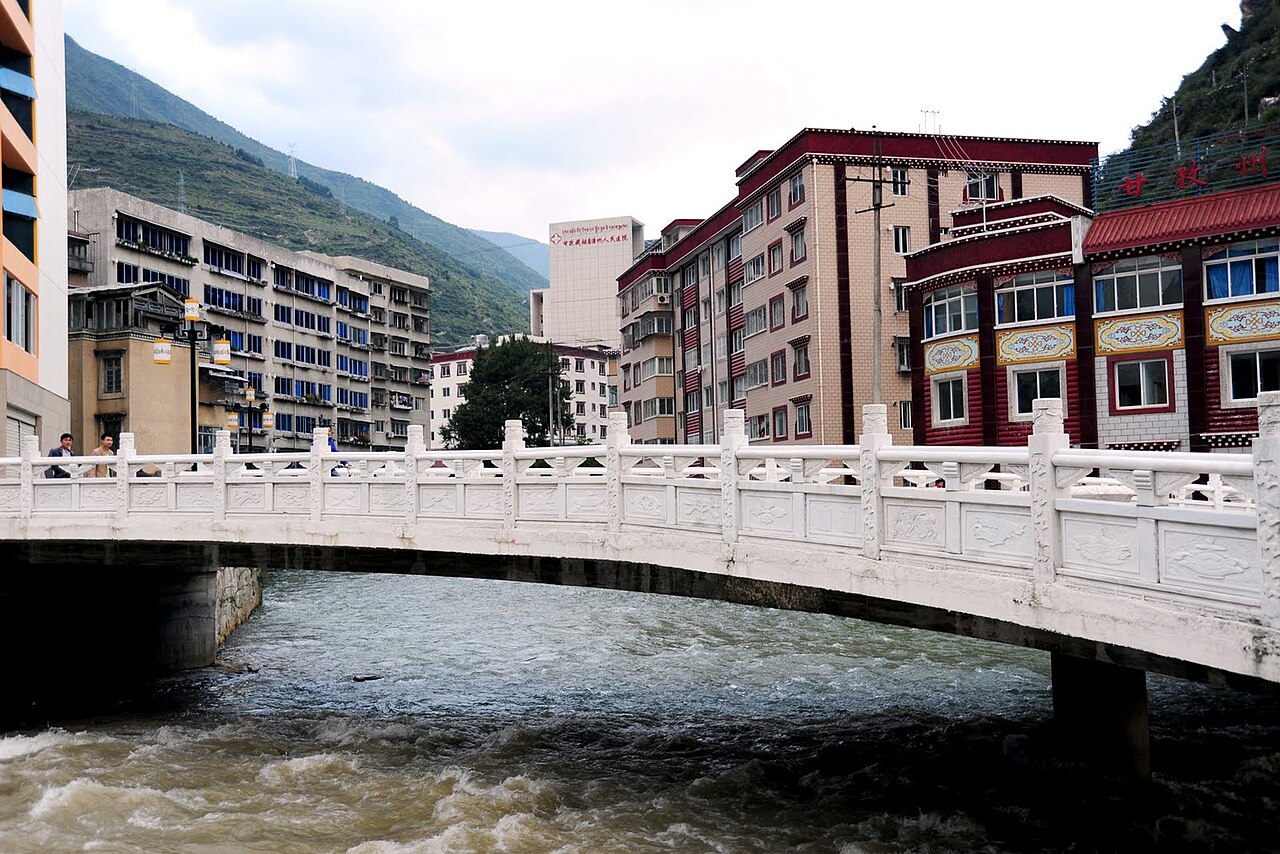
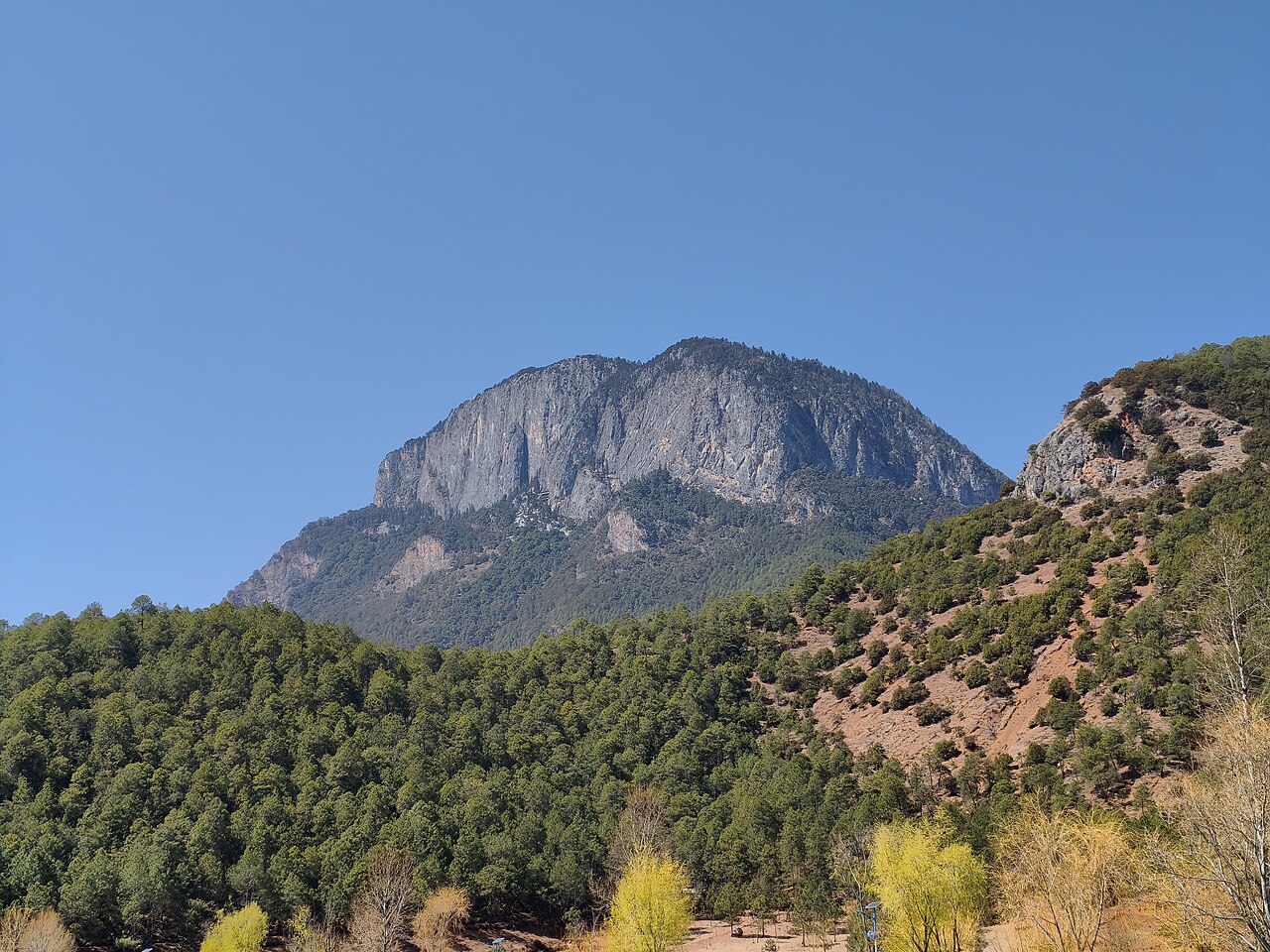
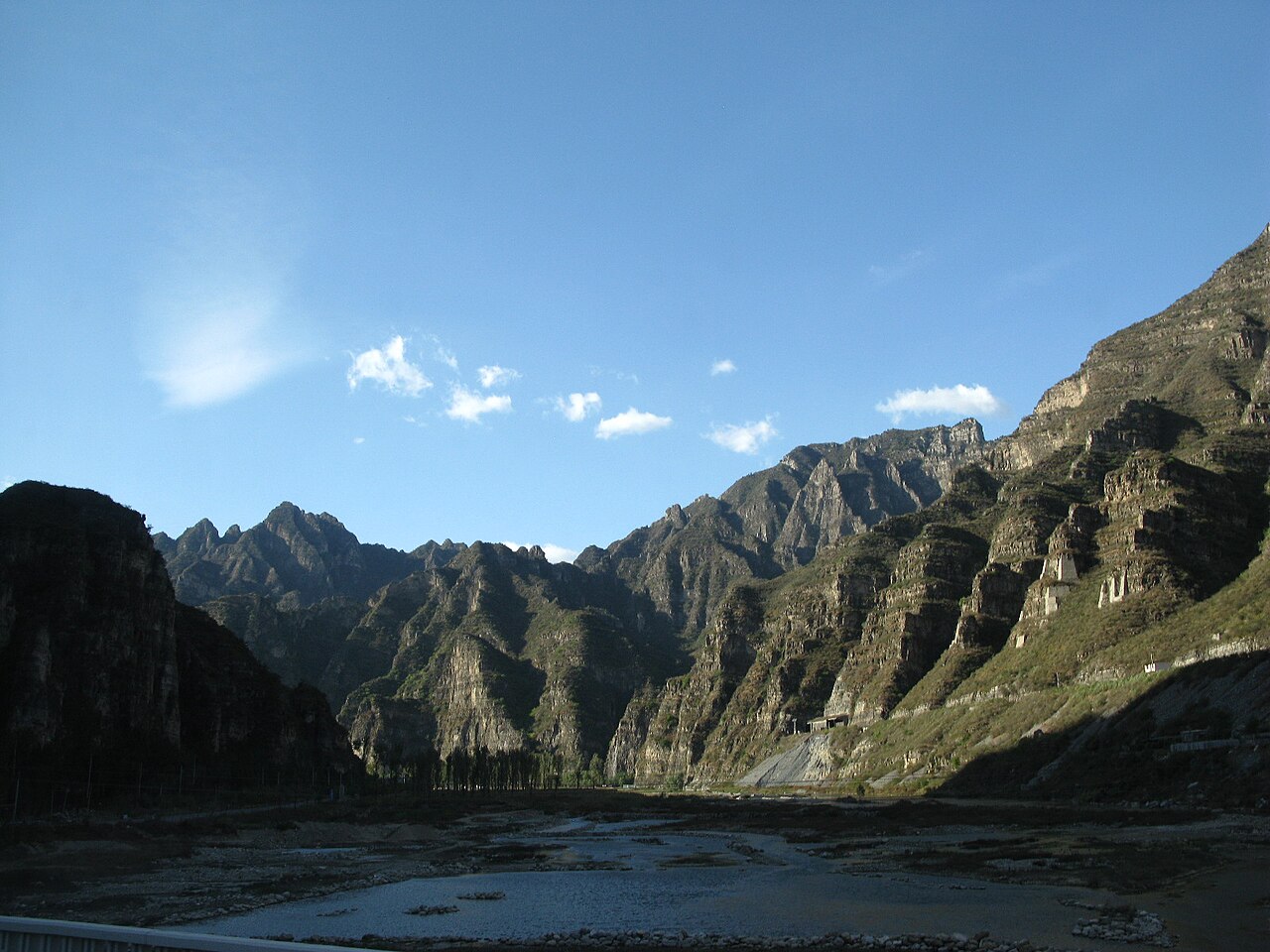
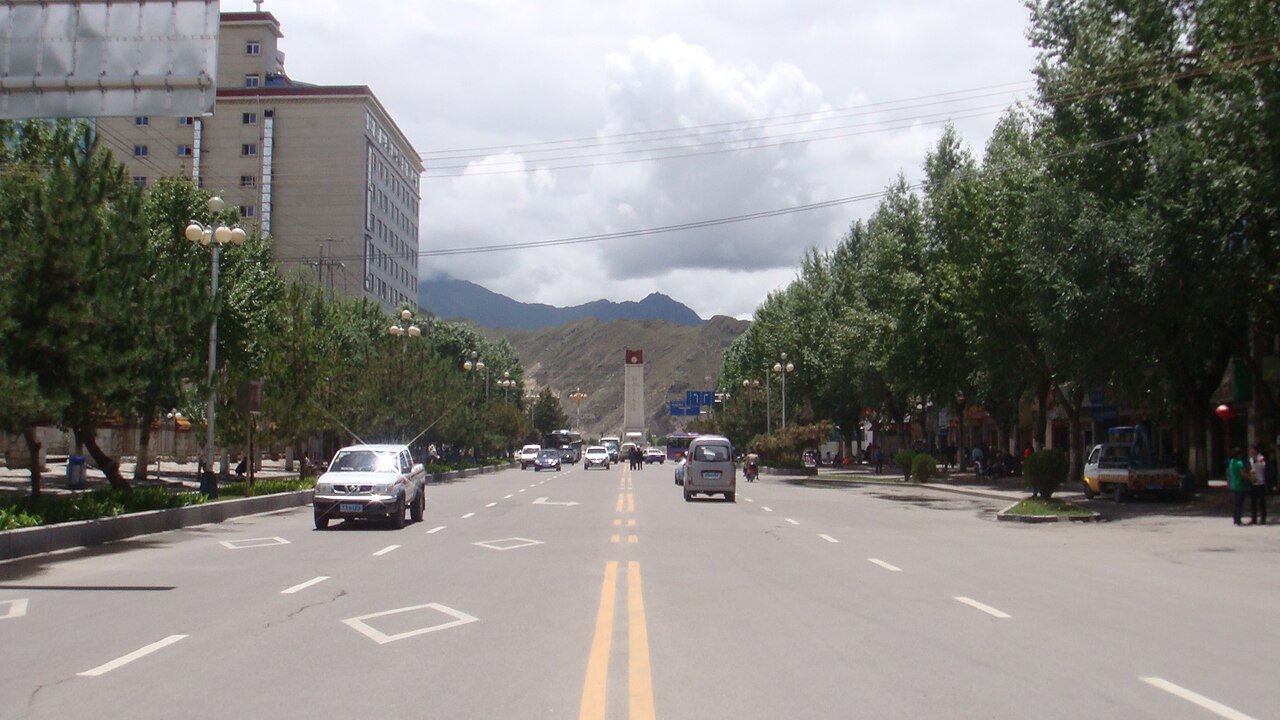
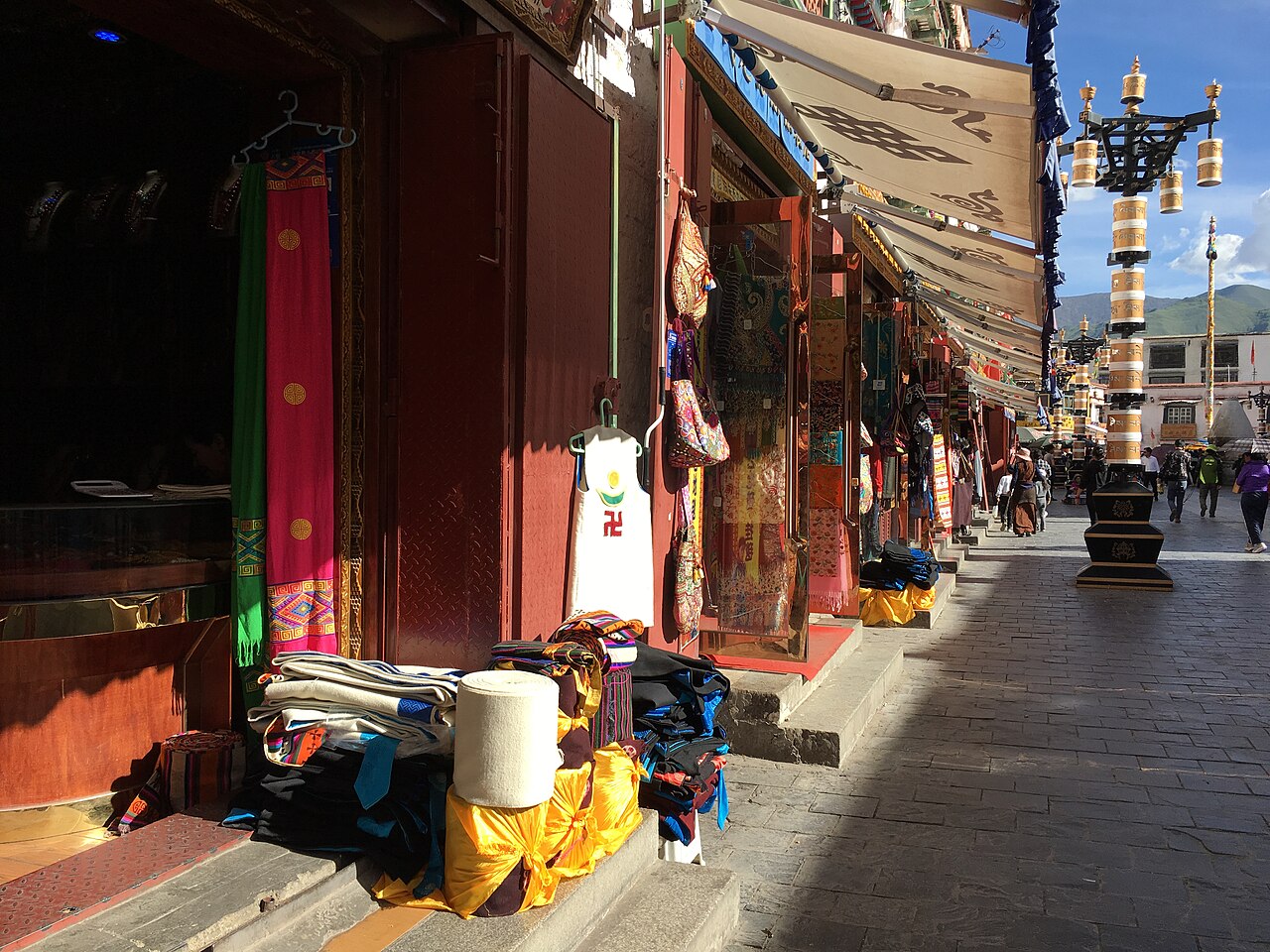
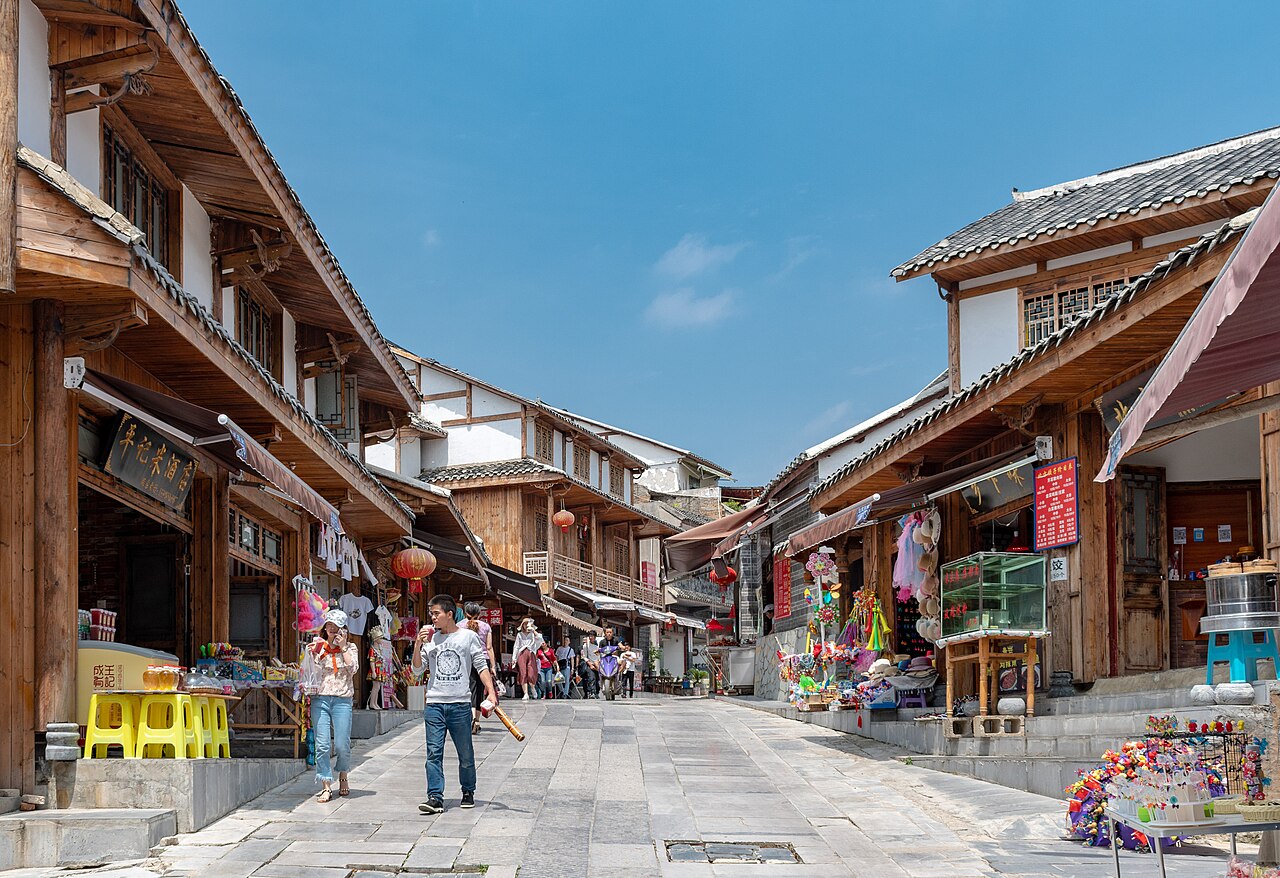
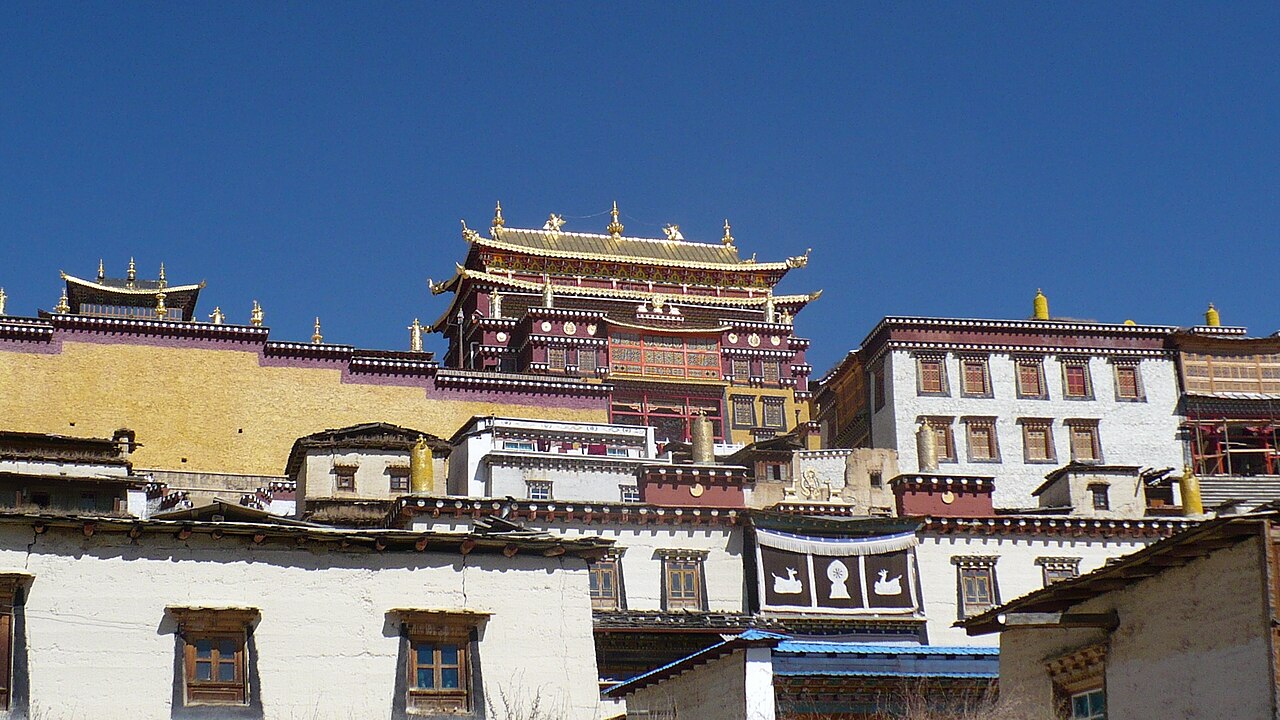
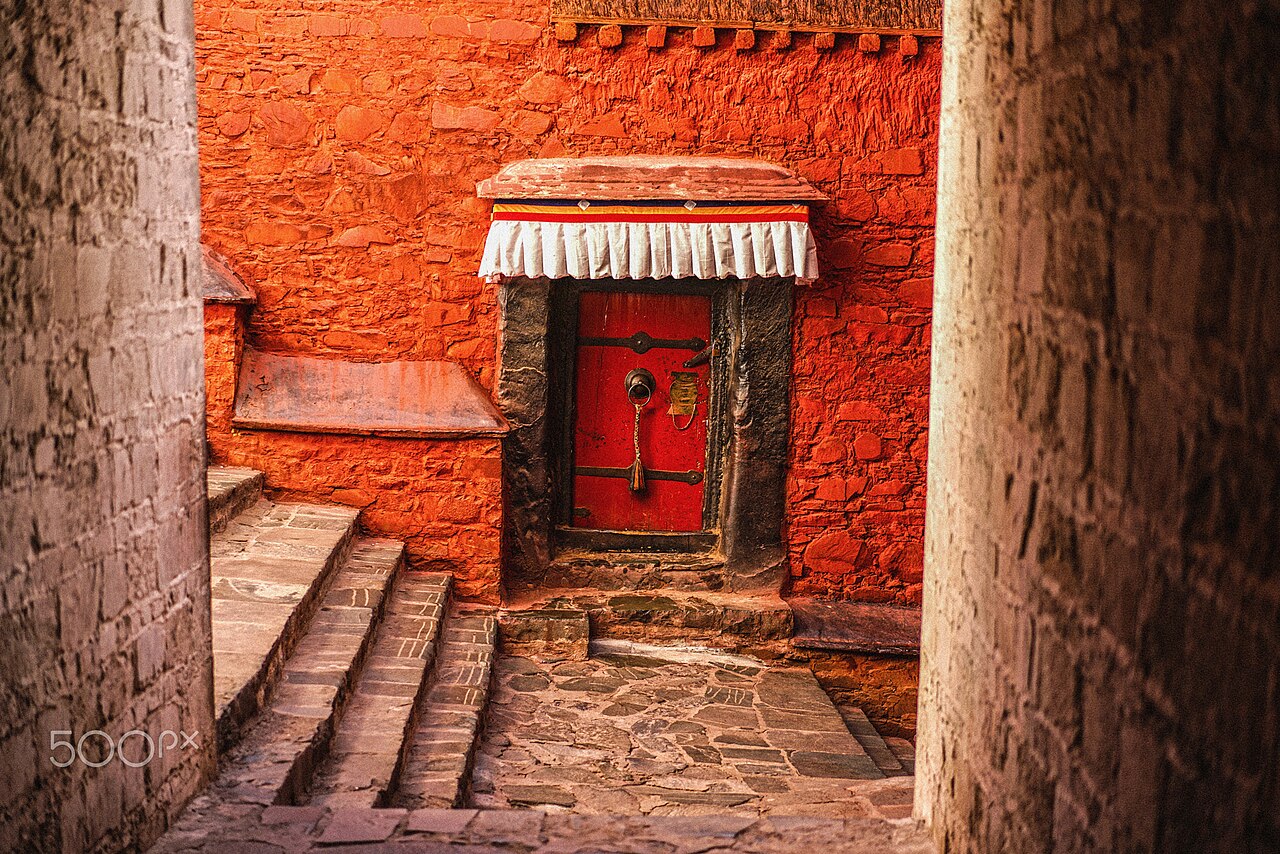
Kangding is a town built for a song. Every Chinese child can hum the Kangding Love Song, and the lyric about the 'running horse mountain' is not a metaphor — Paoma Shan rises right behind the streets, and from the top you look down on a valley of whitewashed Tibetan houses, red monastery roofs and the fast grey ribbon of the Zheduo River cutting through the middle. The town is loud, wet and cold in the way high mountain towns are, and it smells of butter tea, diesel and pine smoke.
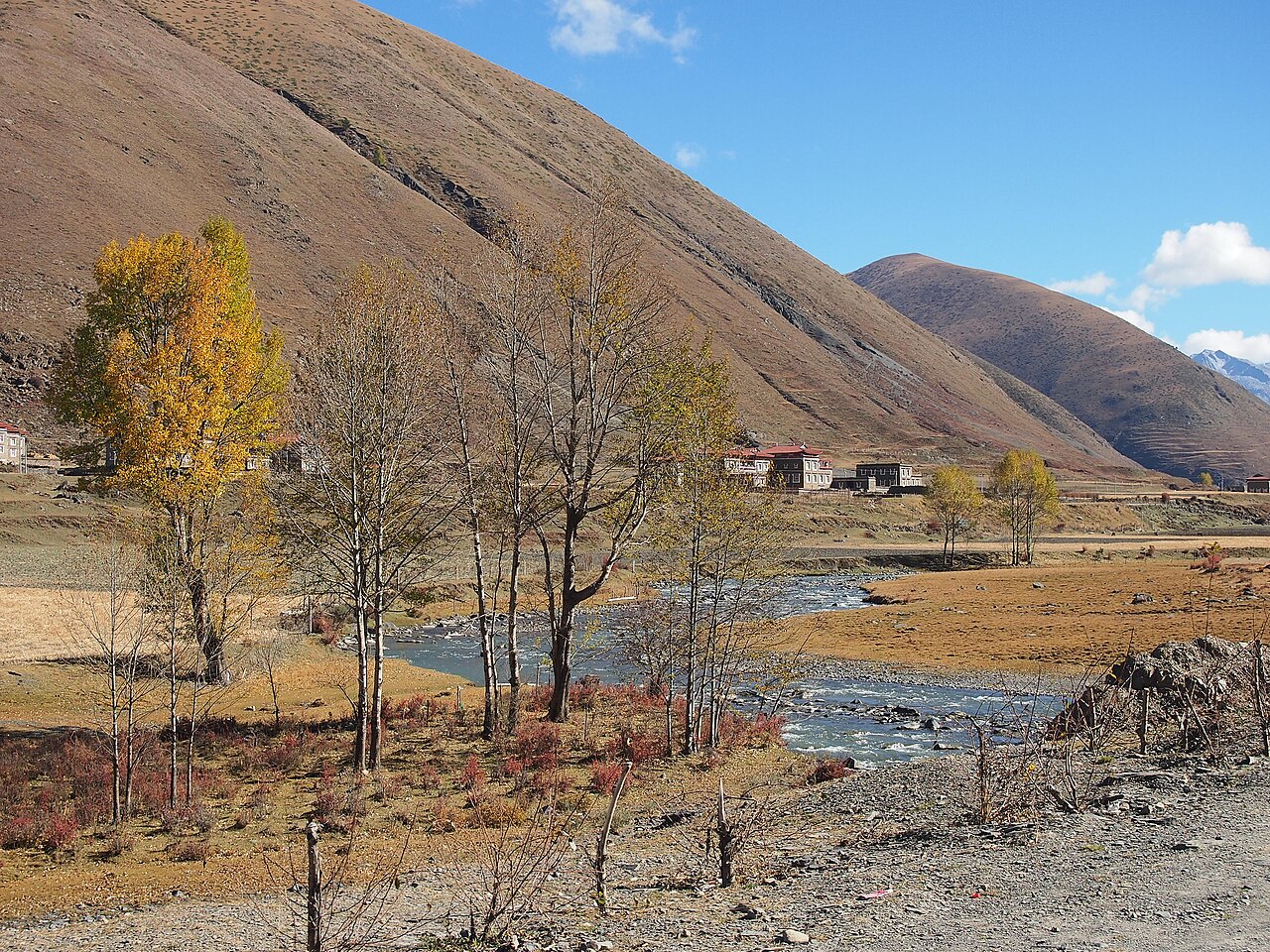
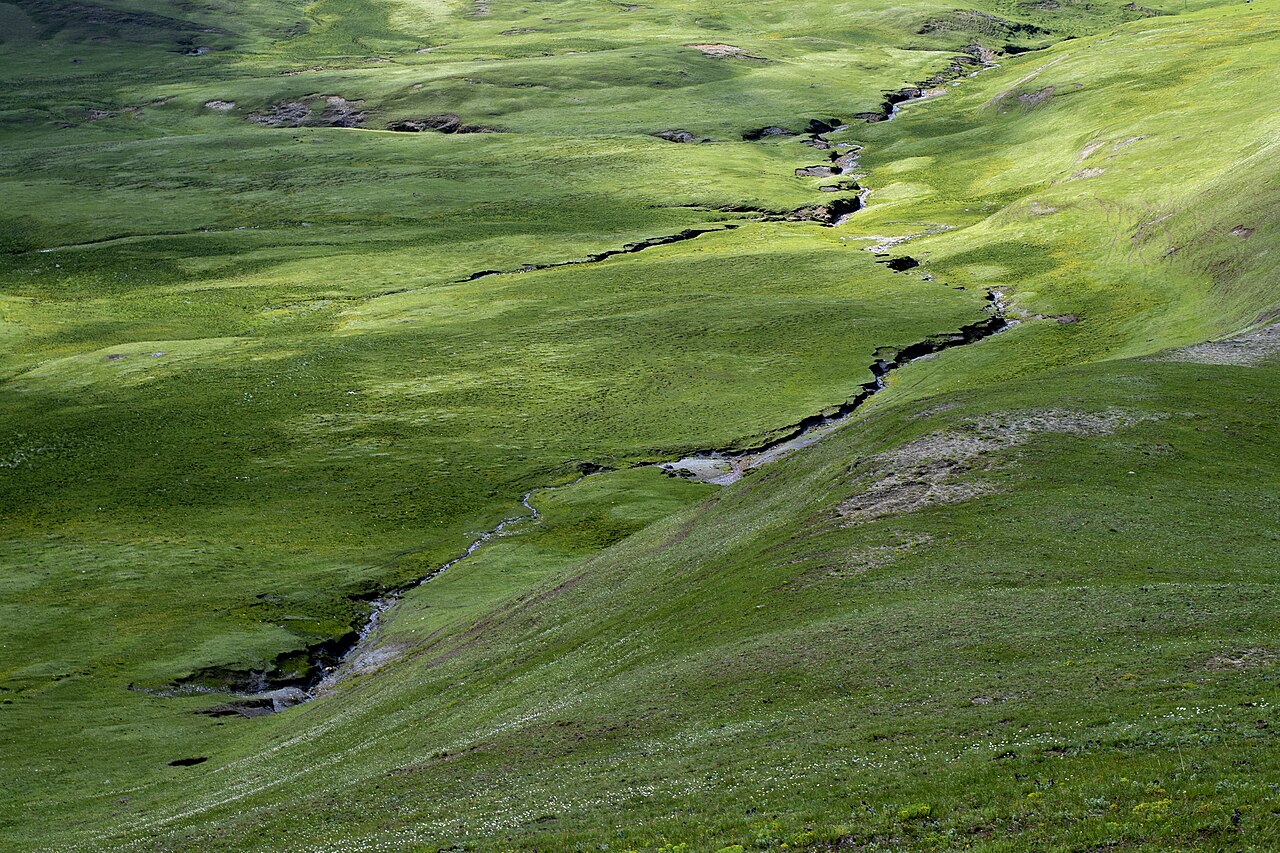
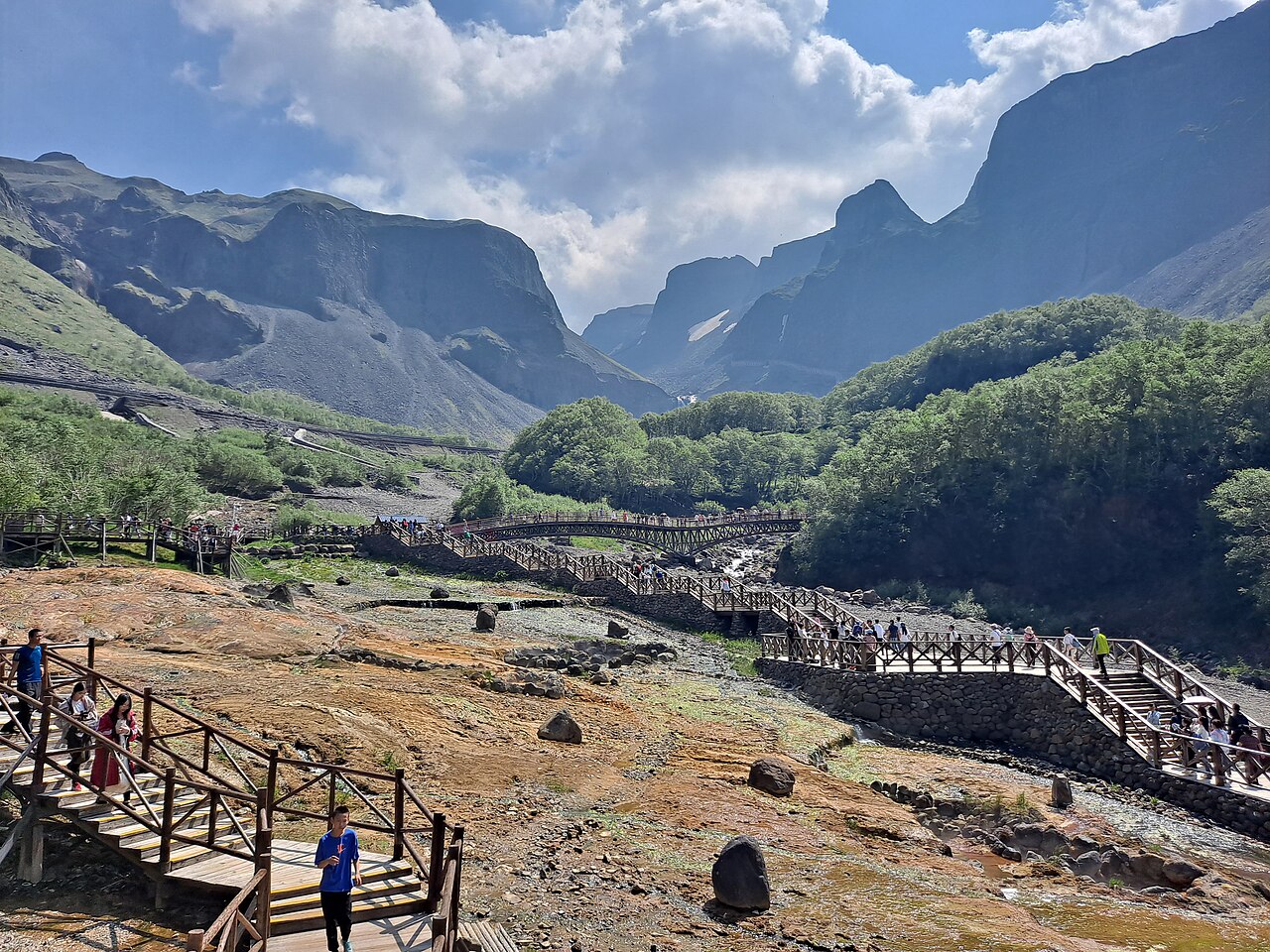
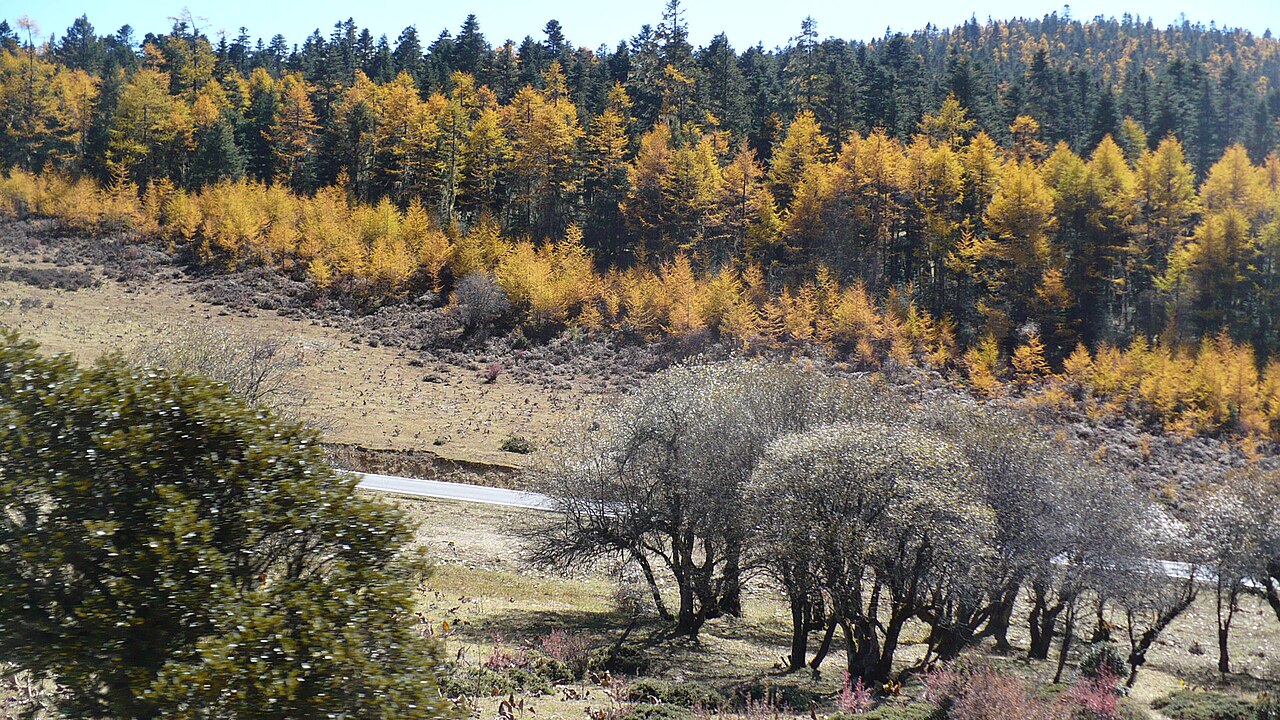
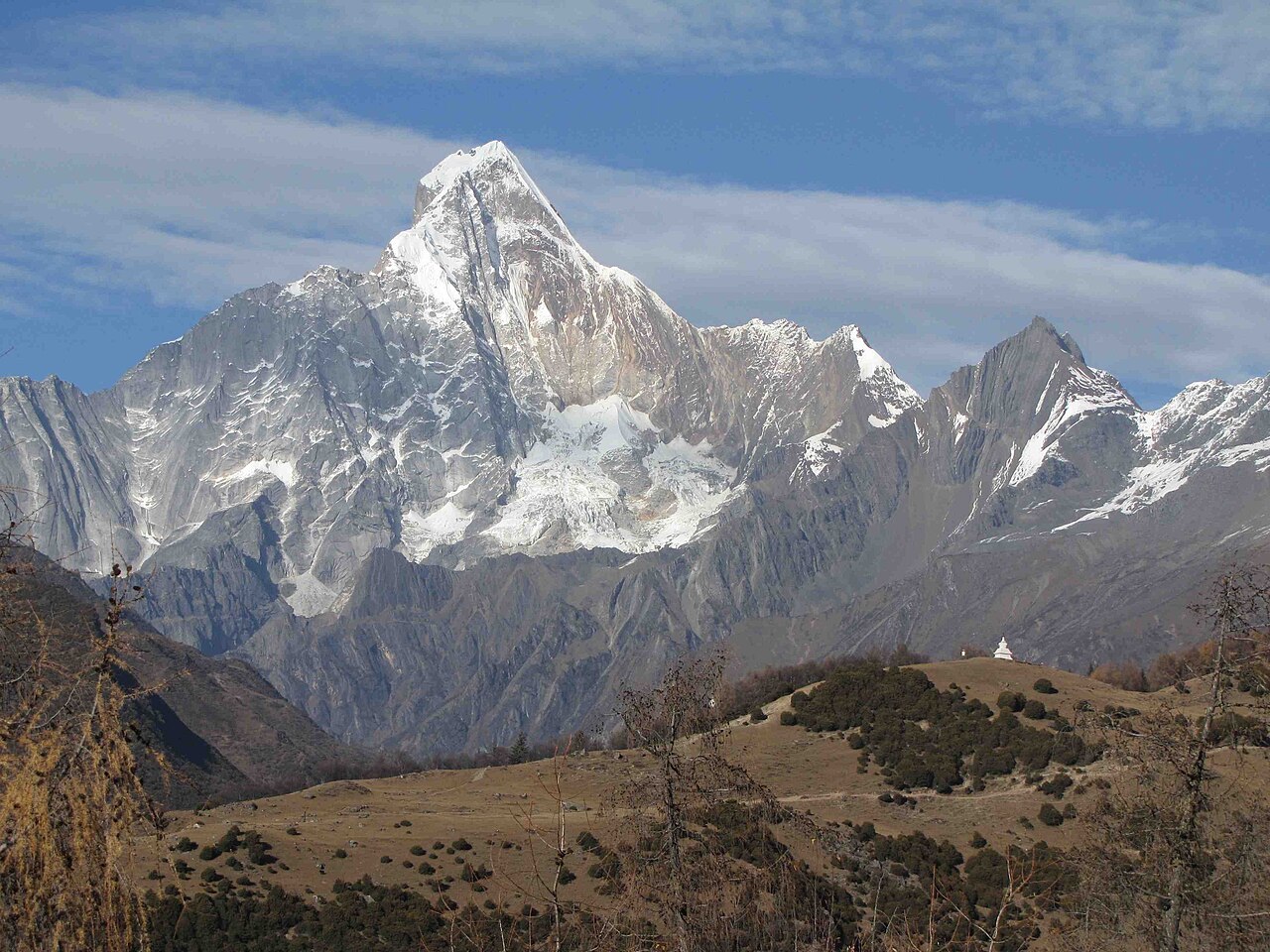
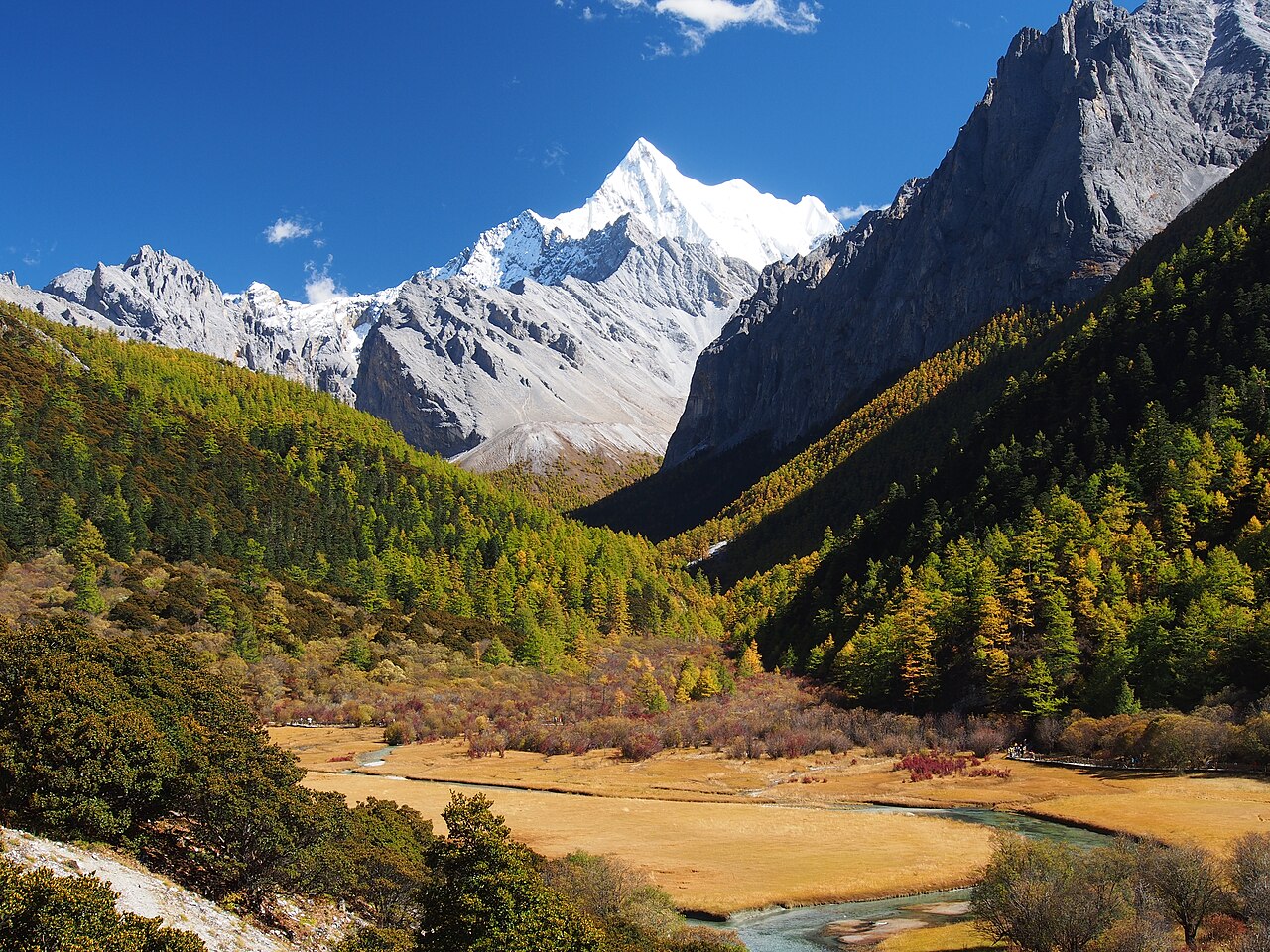
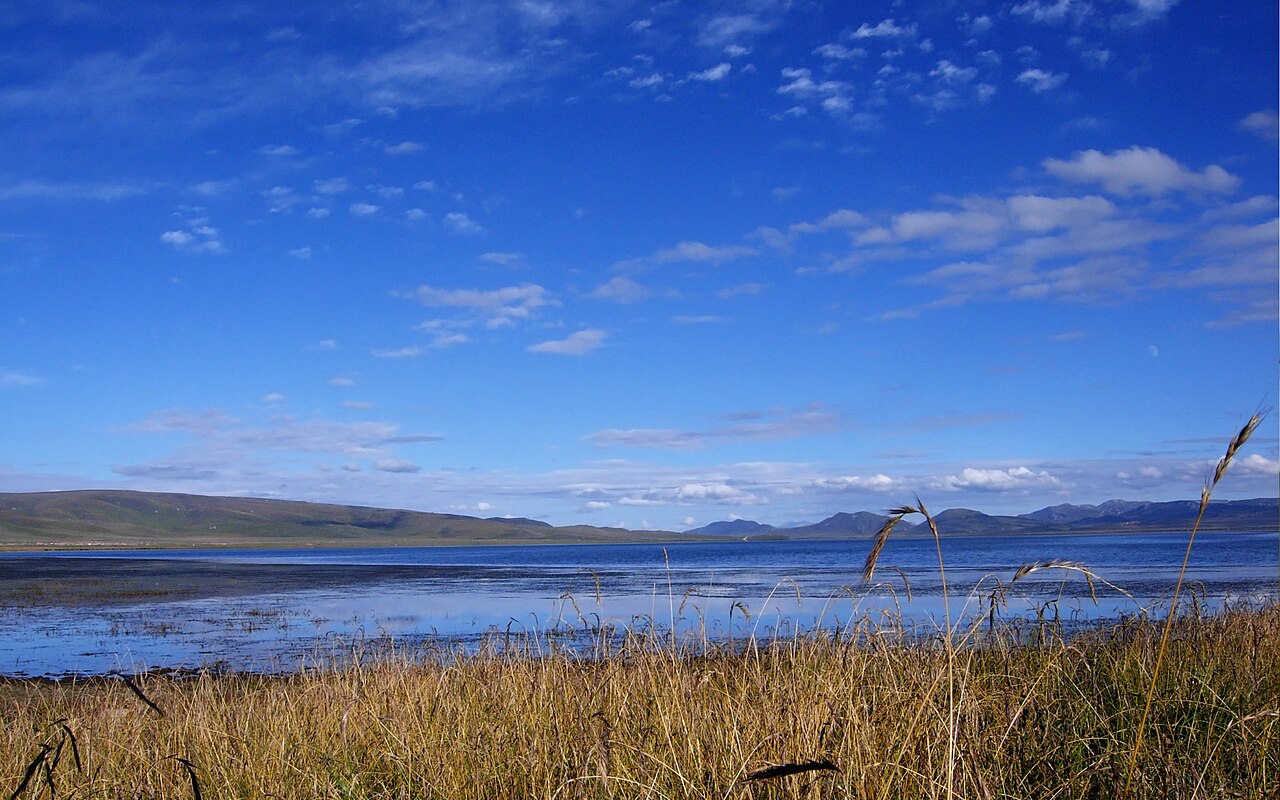
This is where the Tibetan plateau actually begins. Drive west out of Kangding and within thirty minutes the road crosses the Zheduo Pass at 4,298m, and everything changes — the trees get shorter, the sky gets bigger, and the prayer flags start appearing on every ridge. Xinduqiao, 80km further on, is the stretch of G318 that photographers call the 'world of light and shadow', and Tagong, 110km from Kangding, is a grassland ringed by snow peaks where nomads still herd yaks the way they have for centuries.
Most travellers use Kangding as a staging post for something bigger — the Sichuan–Tibet Highway, Mt. Gongga, or the run up to Danba and the watchtowers. But give it a day of its own. Walk the old town, eat a bowl of Kangding liangfen, sit in a Tibetan bar with a glass of highland barley wine, and watch the evening light come down the gorge. It is the most Tibetan town you can reach from Chengdu in a single bus ride.