City guide · Shaanxi

Xi'an travel guide: the Terracotta Army, a 13.7 km Ming city wall, and where to eat hand-torn lamb paomo

Thirteen dynasties of emperors, a terracotta army buried for 2,200 years, and a walled city you can cycle in 100 minutes.

  • Known forTerracotta Army, Ming city wall, Silk Road start, paomo and roujiamo
  • Typical spendAbout CNY 2,000–3,000 for 3–4 days
  • Ideal length3–4 days; add 2 more for Huashan
  • PaceModerate — city sights cluster, the Terracotta Army is a day trip

Reviewed by our Beijing team Updated 2026-10-10

The short version

Xi'an deserves 3 to 4 days: it was the capital of 13 dynasties and the eastern start of the Silk Road, and it packs the Terracotta Army, a complete 13.7 km Ming-dynasty city wall, two Tang pagodas and one of China's four great museums into a single grid-shaped city. The Terracotta Army costs CNY 150 in high season (Mar 16–Nov 14), the wall is CNY 40 plus CNY 40 to rent a bike, and Shaanxi History Museum is free if you queue for one of 4,000 daily tickets. Come in spring or autumn — summer hits 40°C and the wall has no shade.

  • The Terracotta Army is 40 km east of the city; bus 306 (also called Tourist Line 5) leaves Xi'an Railway Station east square for CNY 7 and takes 1–1.5 hours.
  • Xi'an city wall is 13.7 km around, CNY 40 to enter, and a single bike rents for CNY 40 per 100 minutes — fit riders lap it in about 100 minutes, not 40.
  • Shaanxi History Museum issues 4,000 free tickets a day (2,500 before 14:00) and closes Mondays; buy the CNY 20 Treasures Gallery ticket to skip the queue.
  • Muslim Quarter food streets run north from the Drum Tower — Beiyuanmen is the tourist strip, but Xiyangshi and Dapiyuan behind it are where locals actually eat.

City guide

First impressions

Photographs from the coast, and what other travellers wrote afterwards.

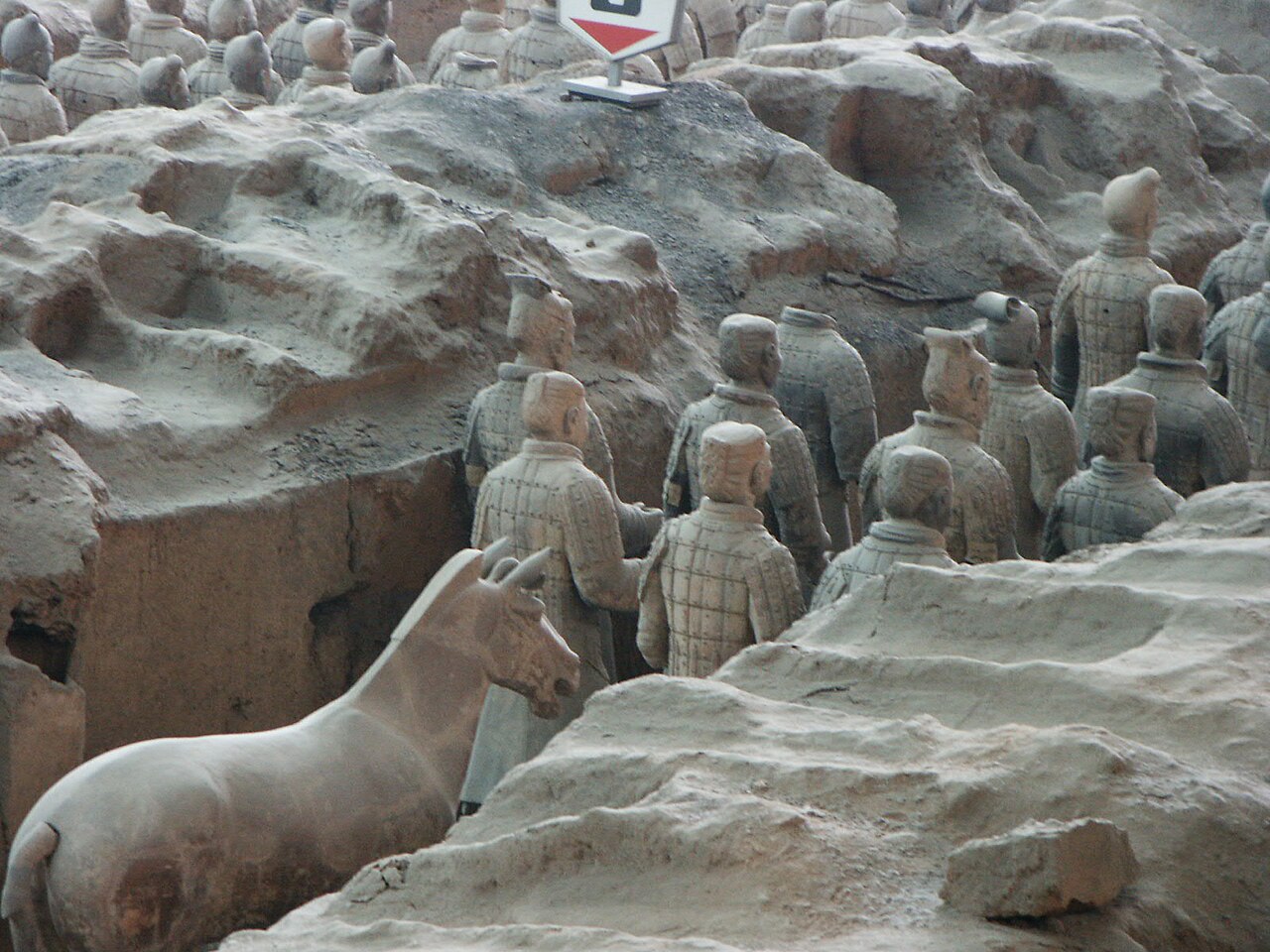
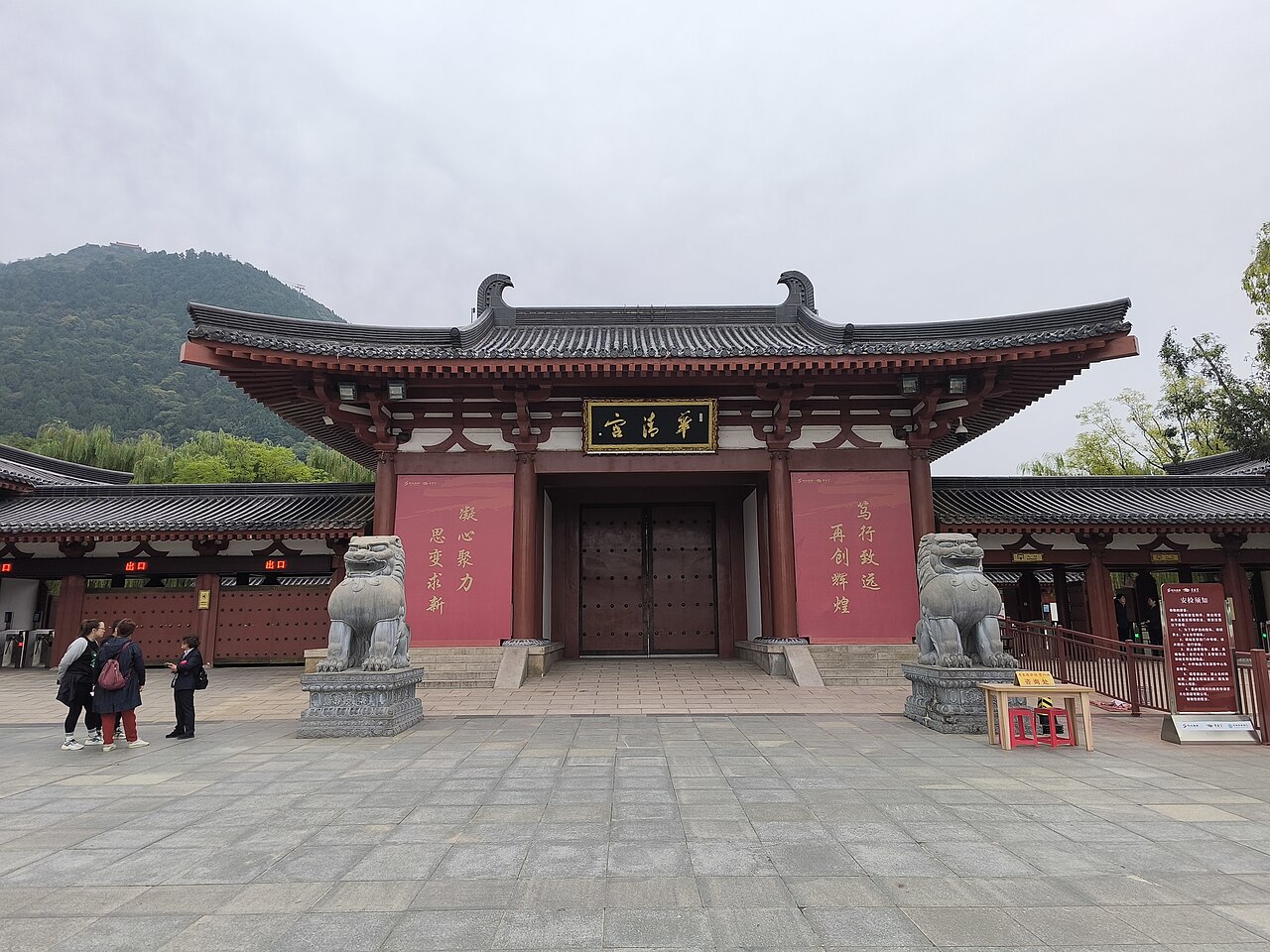
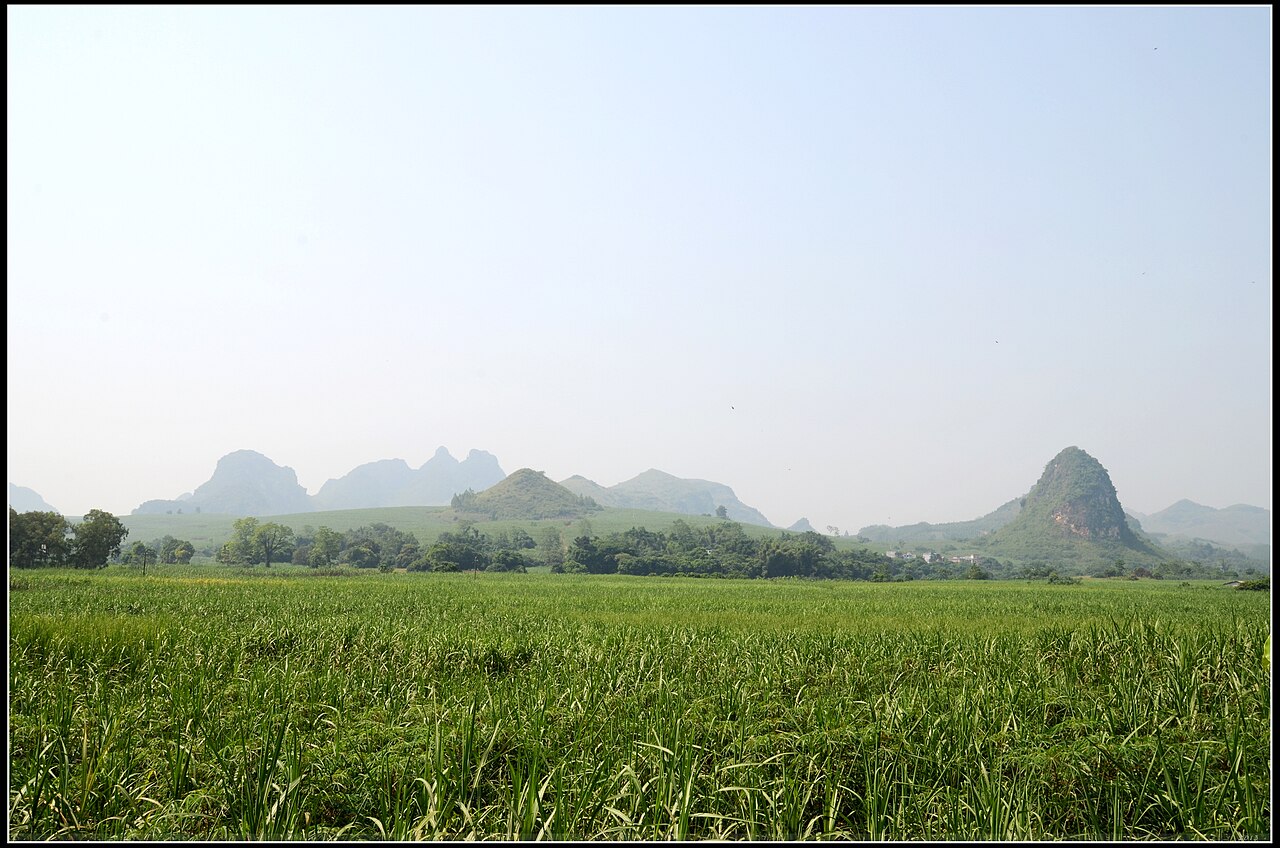
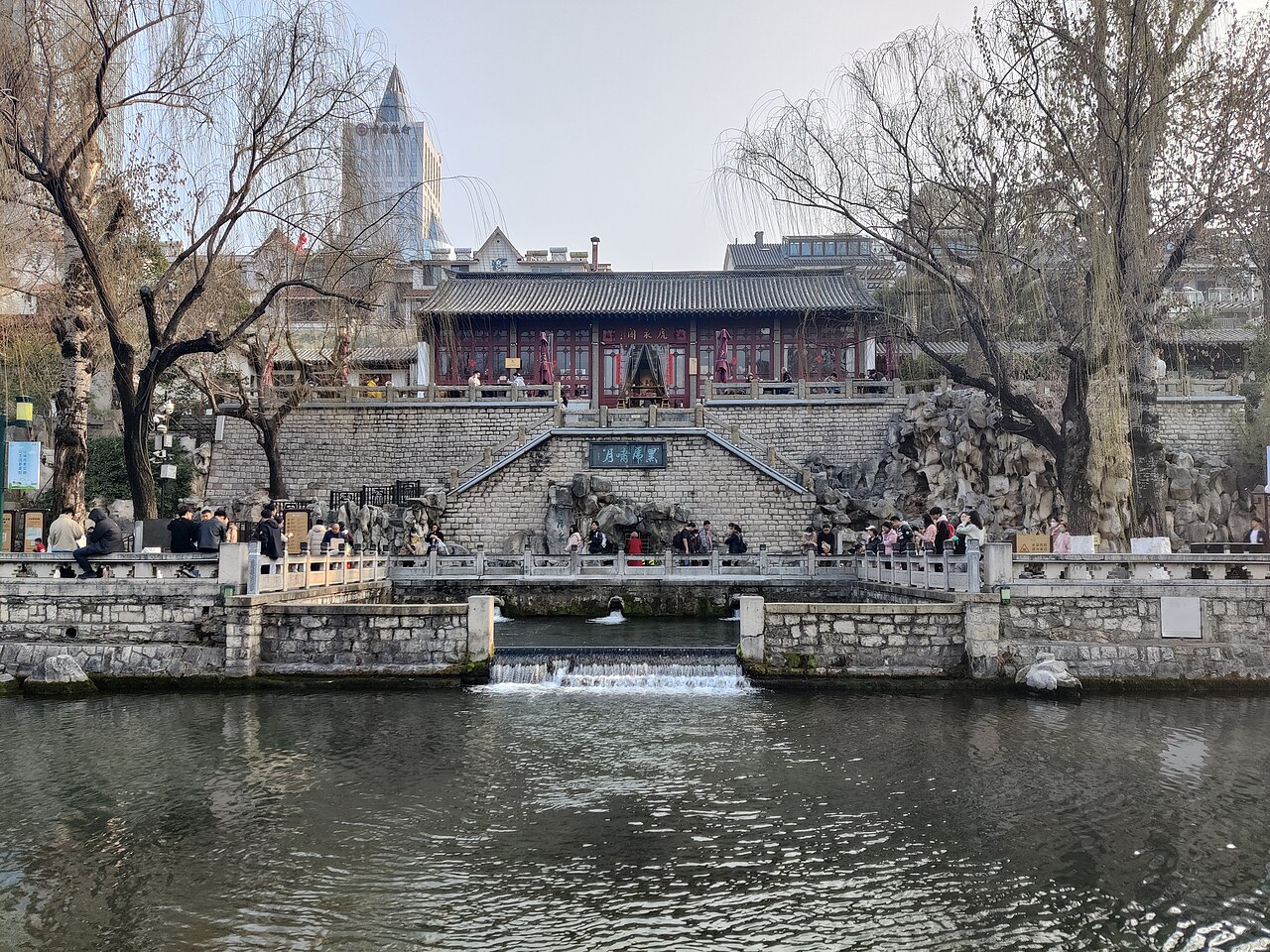
The Terracotta Army in Pit 1, ranks of infantry facing east
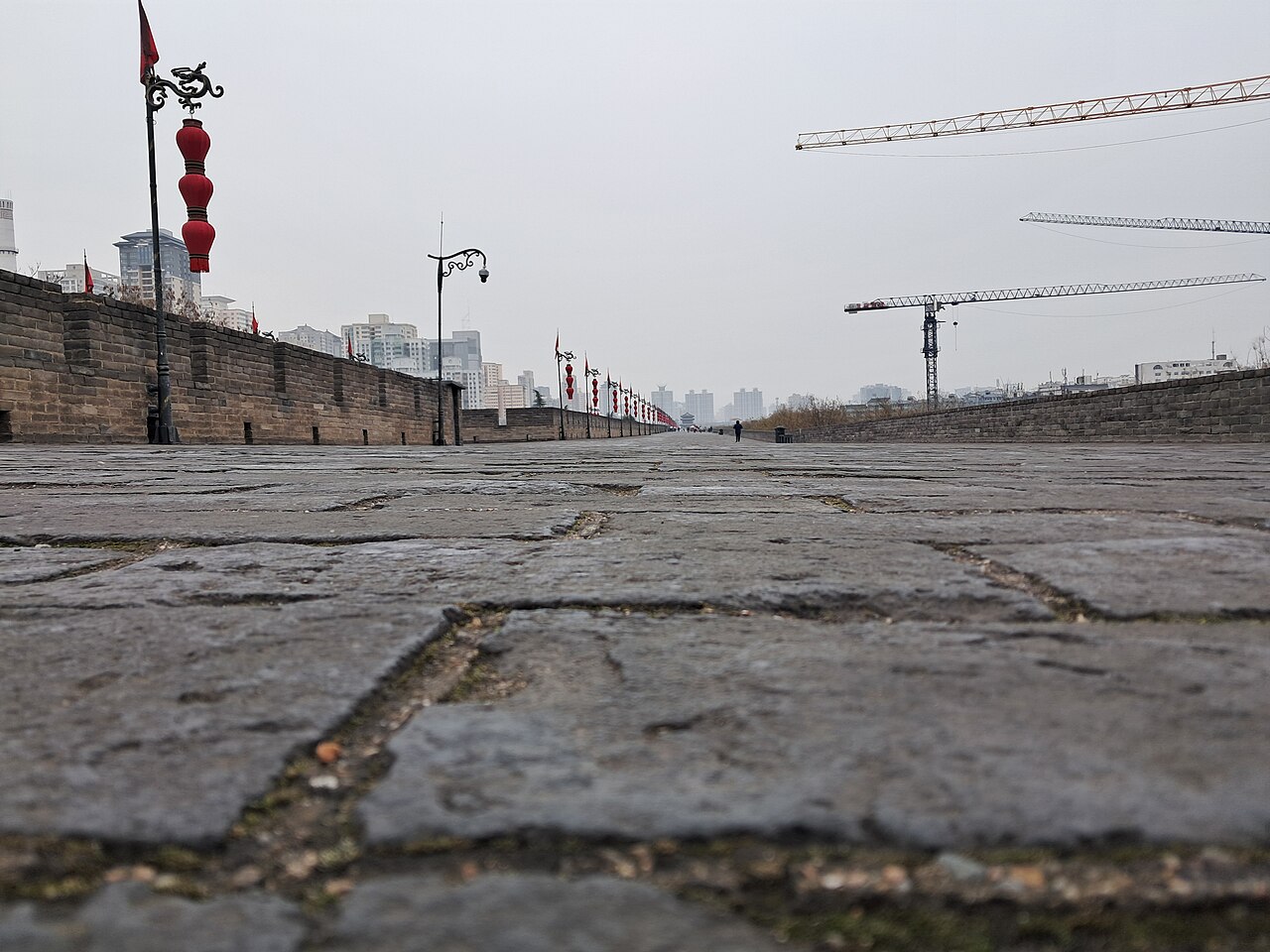
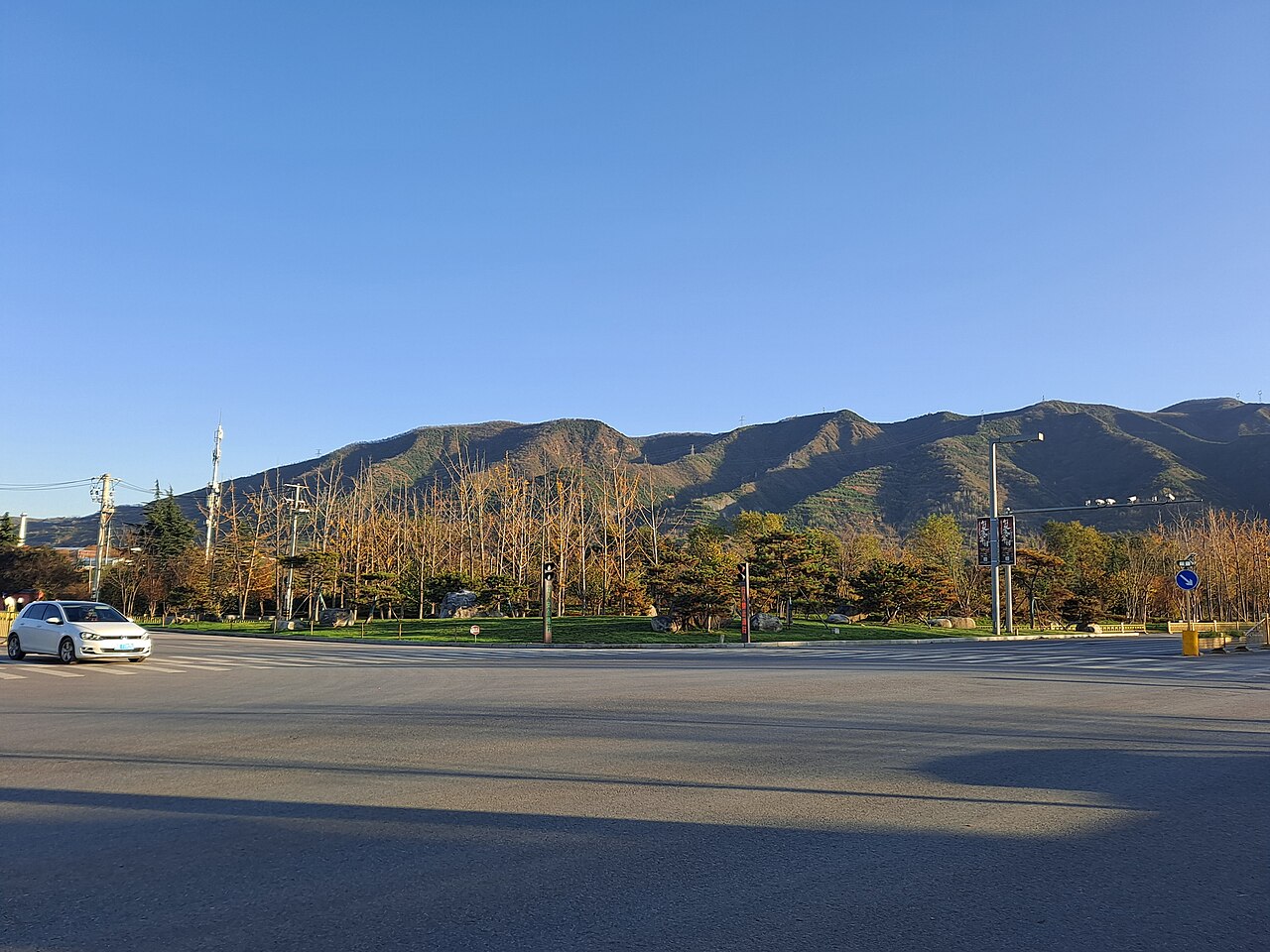
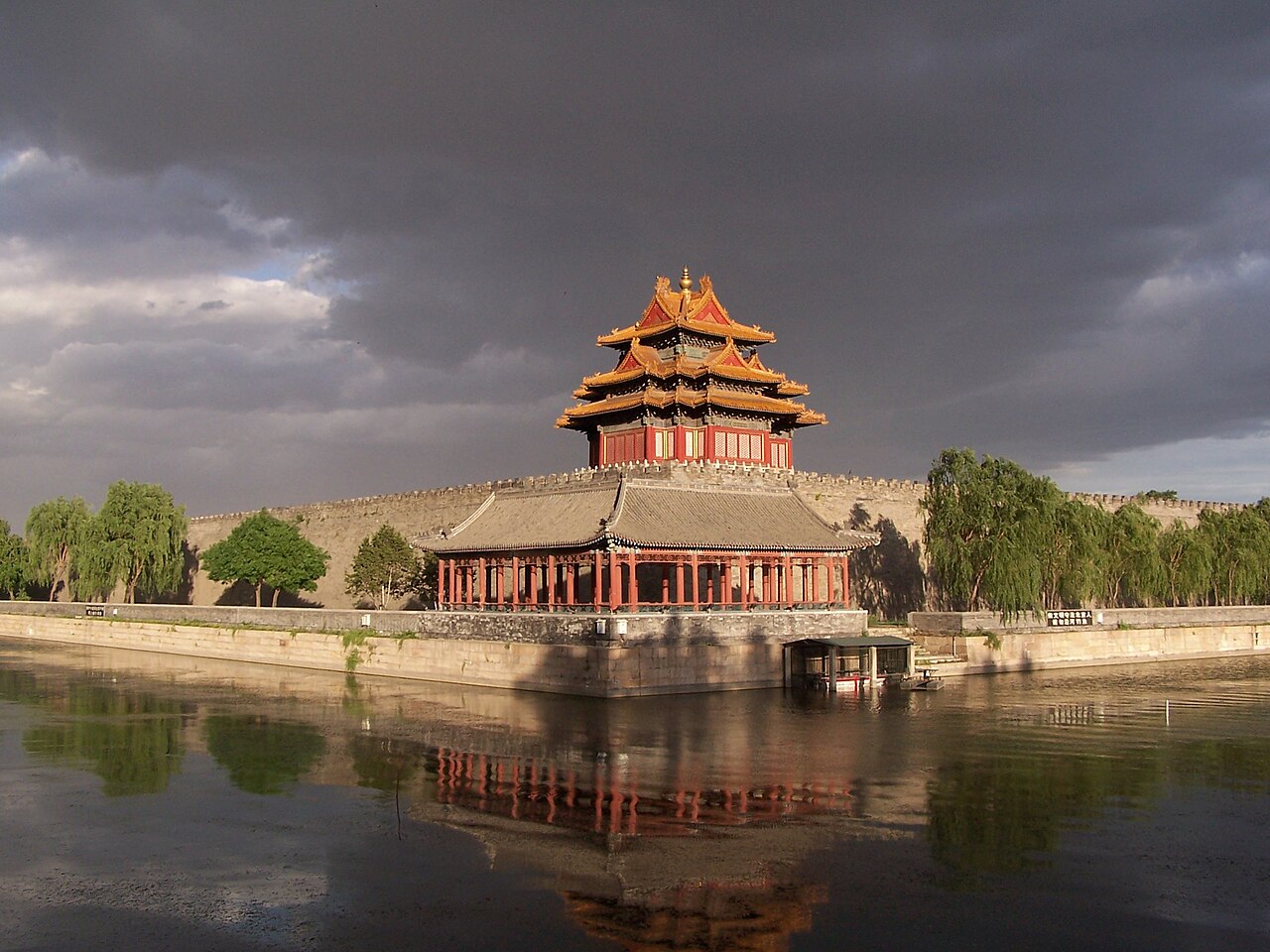
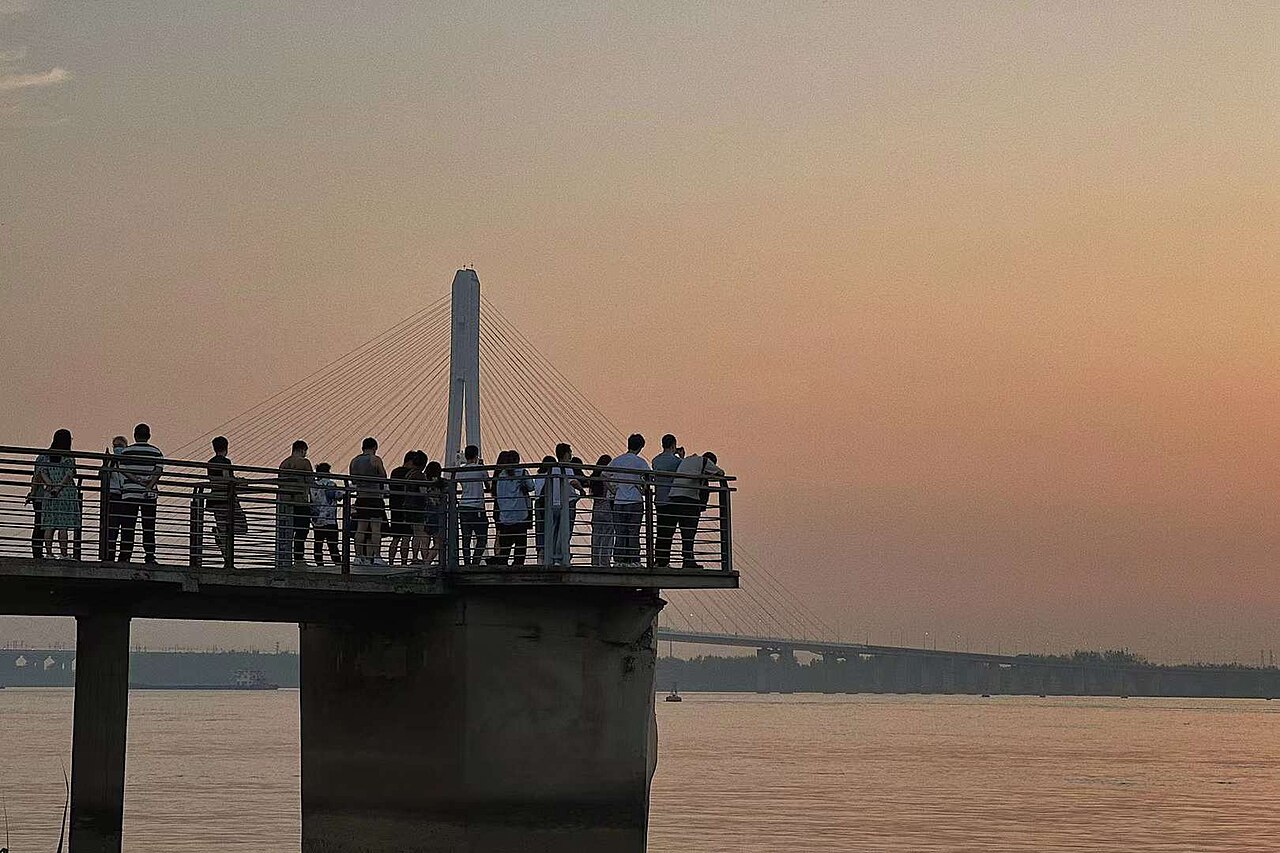
Xi'an's Ming city wall at South Gate, 13.7 km of brick around the old town
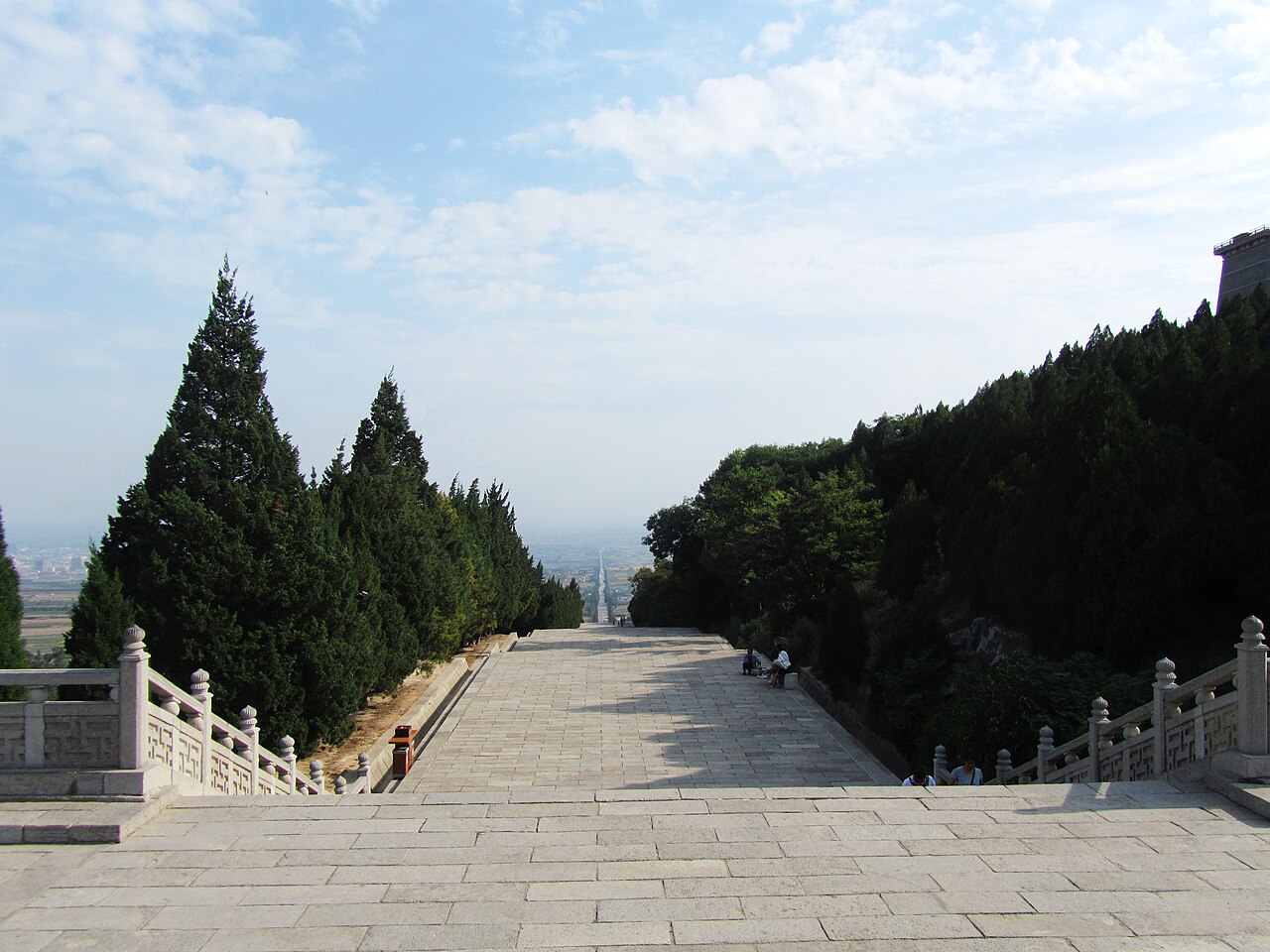
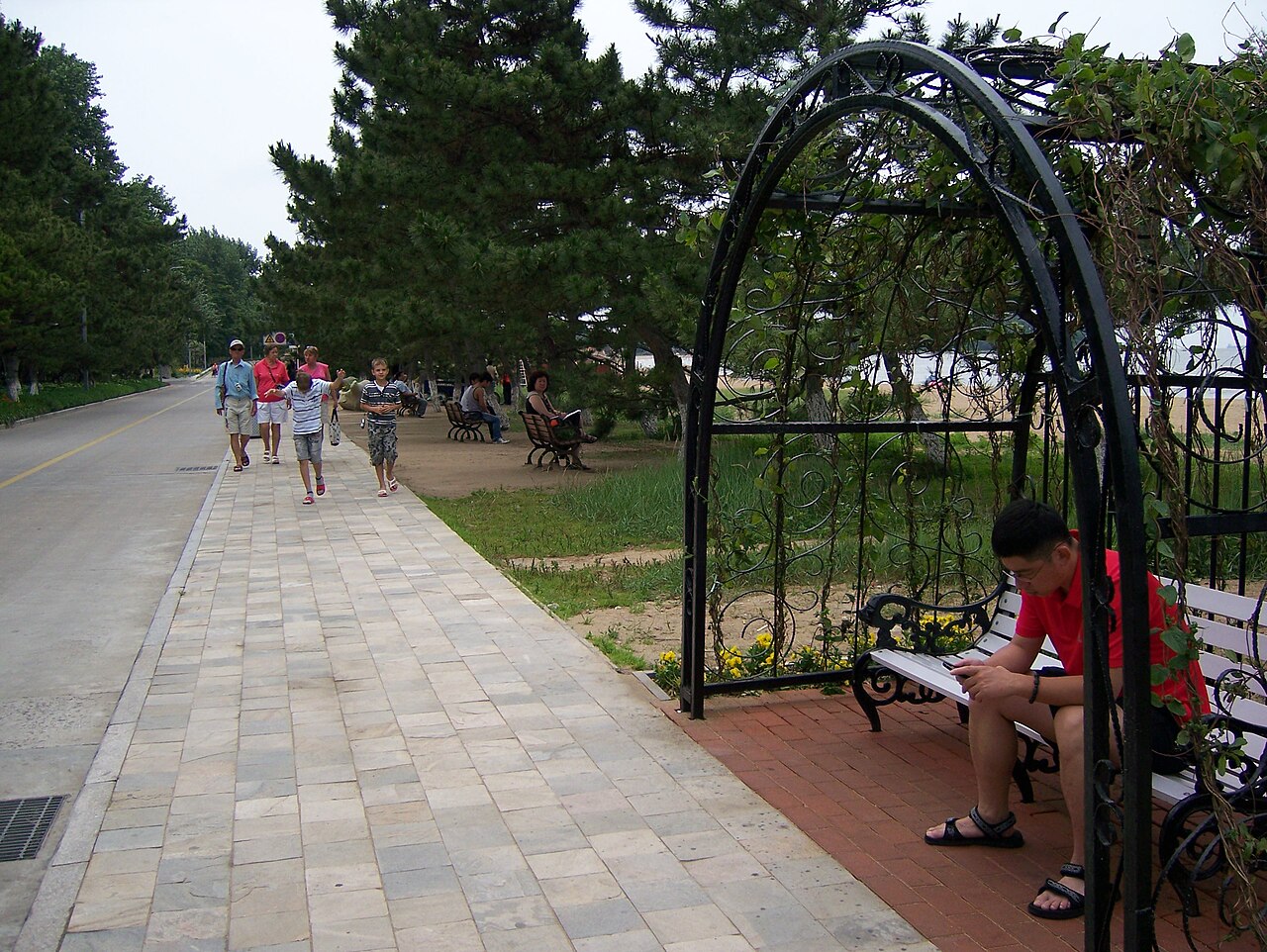
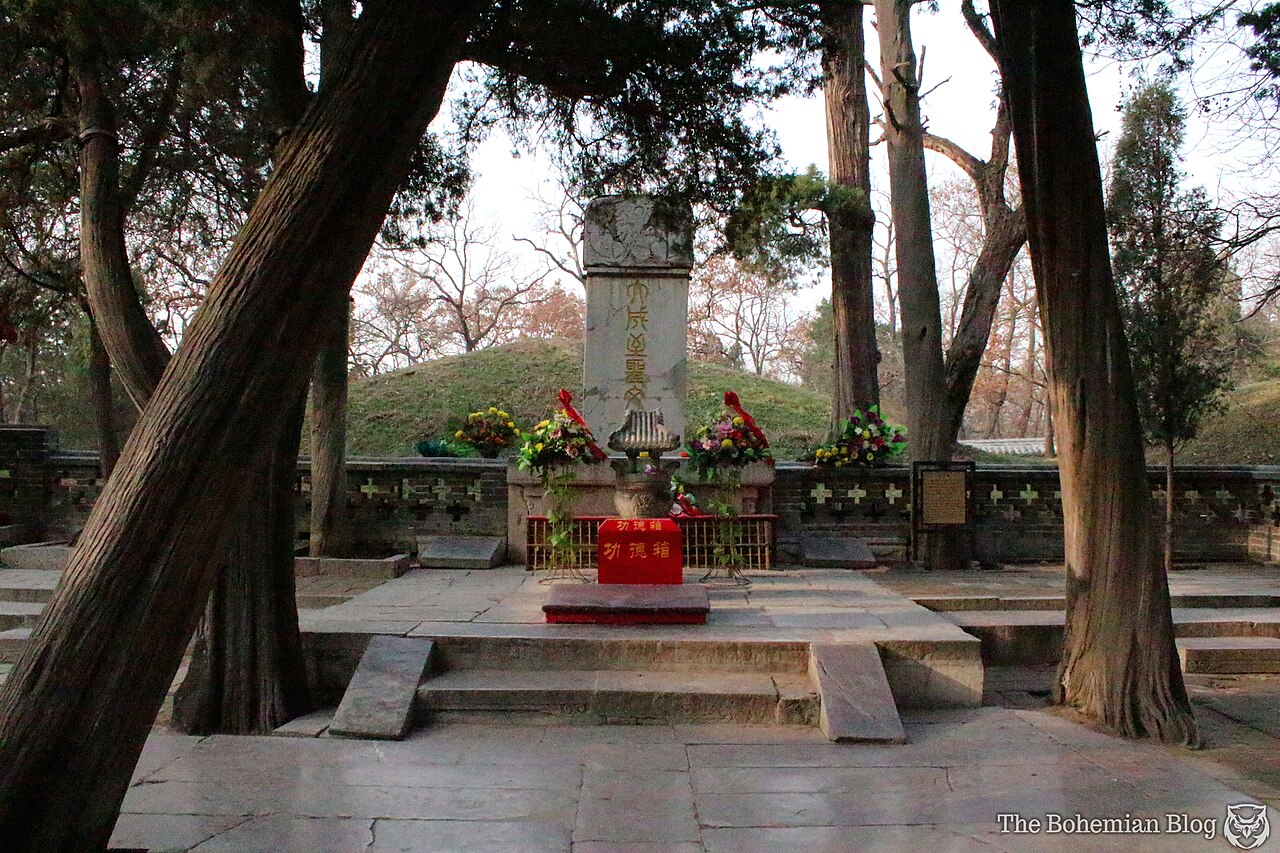
Bell Tower at the exact centre of the four avenues
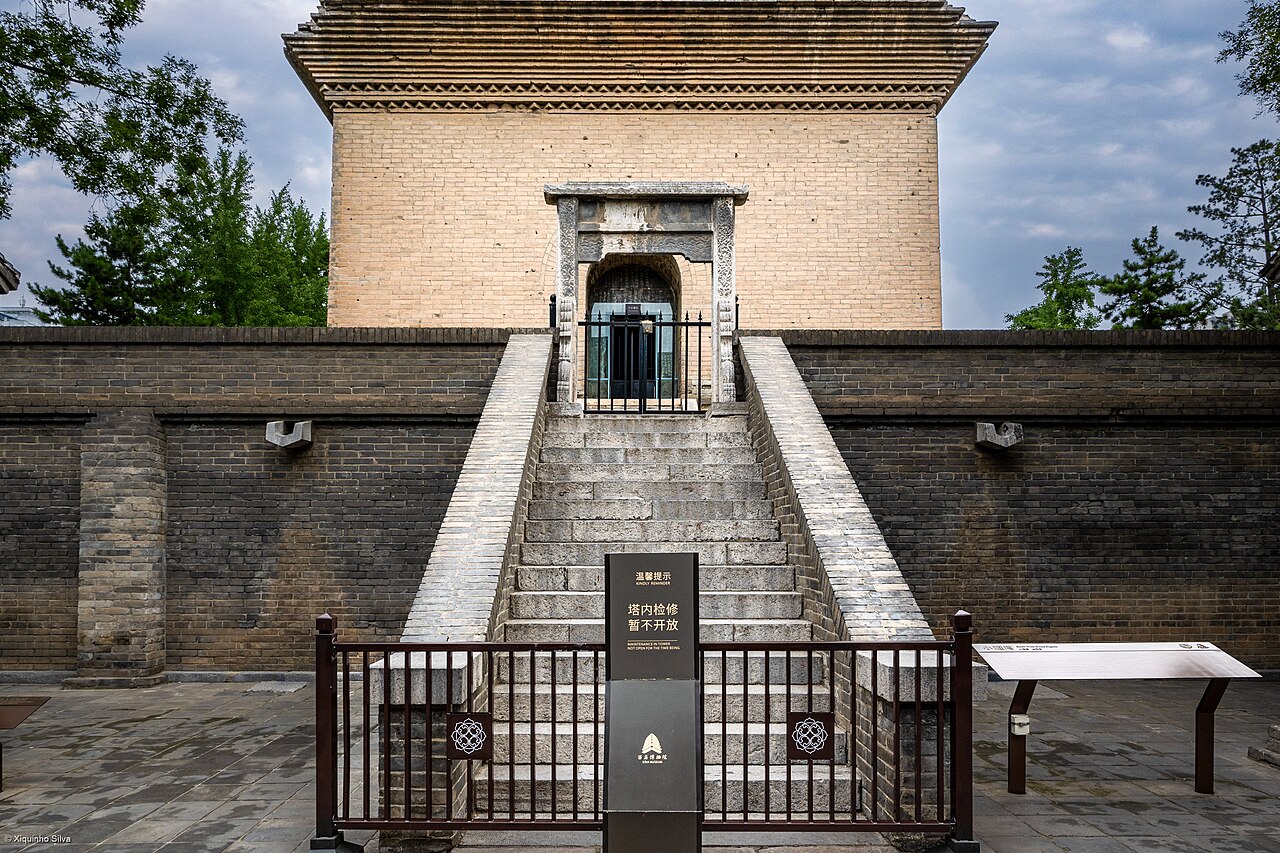
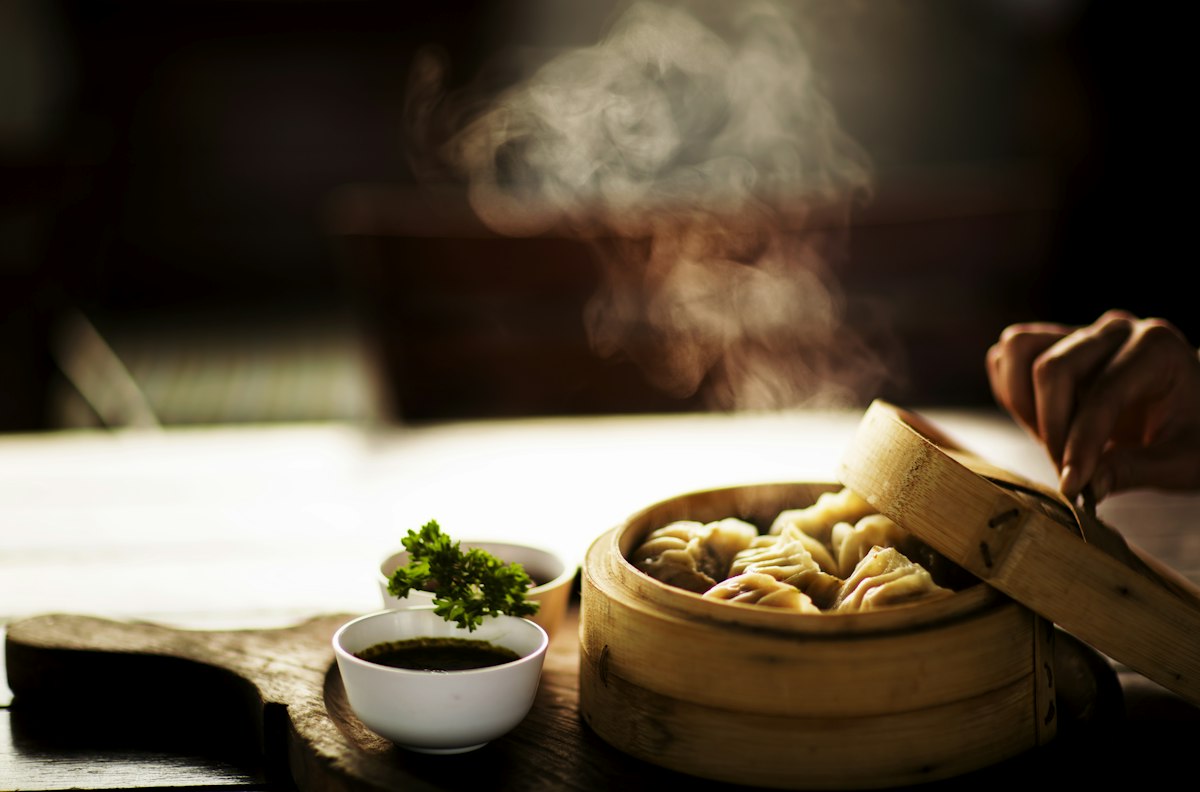
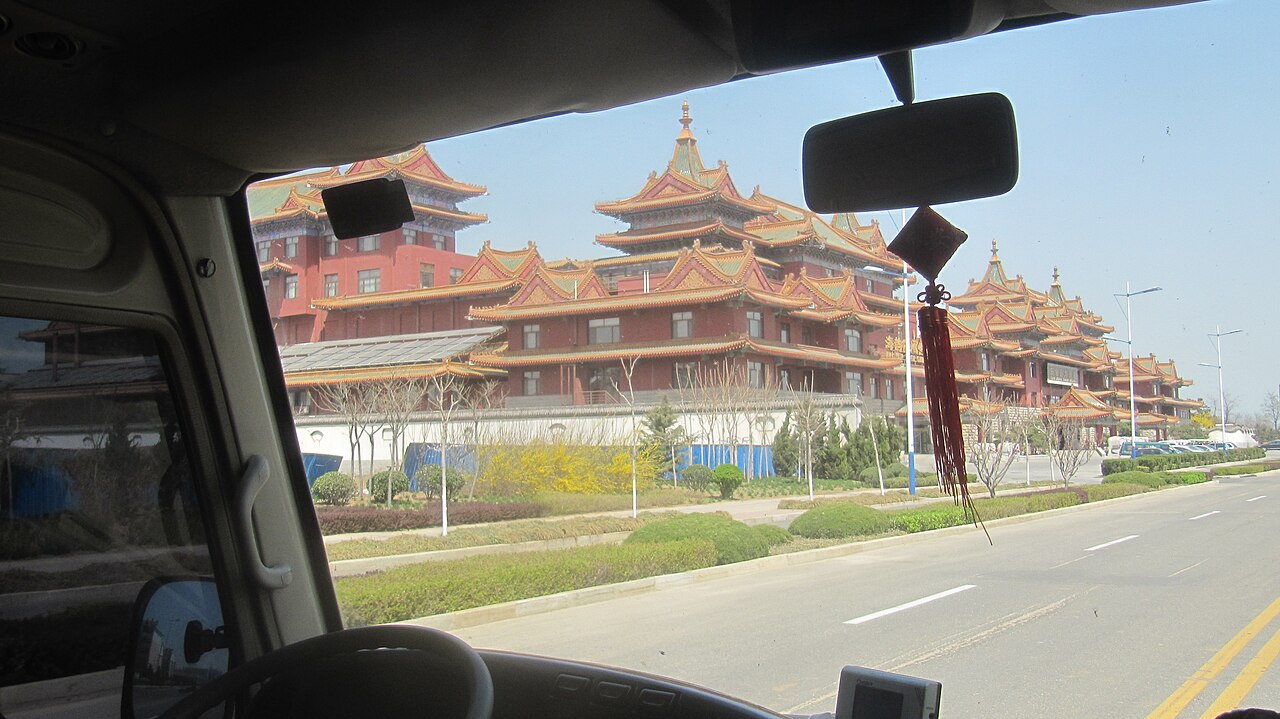
Hand-ripped lamb paomo, torn small and soaked in broth

The city isn't like a big metropolis full of skyscrapers and neon. That doesn't mean Xi'an is backward — most buildings are just older in style, full of character. The city isn't big, at least locals think so; the places you go every day are only a handful. But there are so many corners and small details that will move you.

Traveler's note, 'A Tour of the Ancient Capital, I Love Xi'an'

The roujiamo was genuinely good — fatty and lean pork together, dripping but not greasy, the rice noodles thick and chewy, the chili and bean sprouts crunchy. Eating that first thing in the morning really wakes you up.

Ao Xiaolu, 'Xi'an: Five Thousand Years of Food and Scenery'

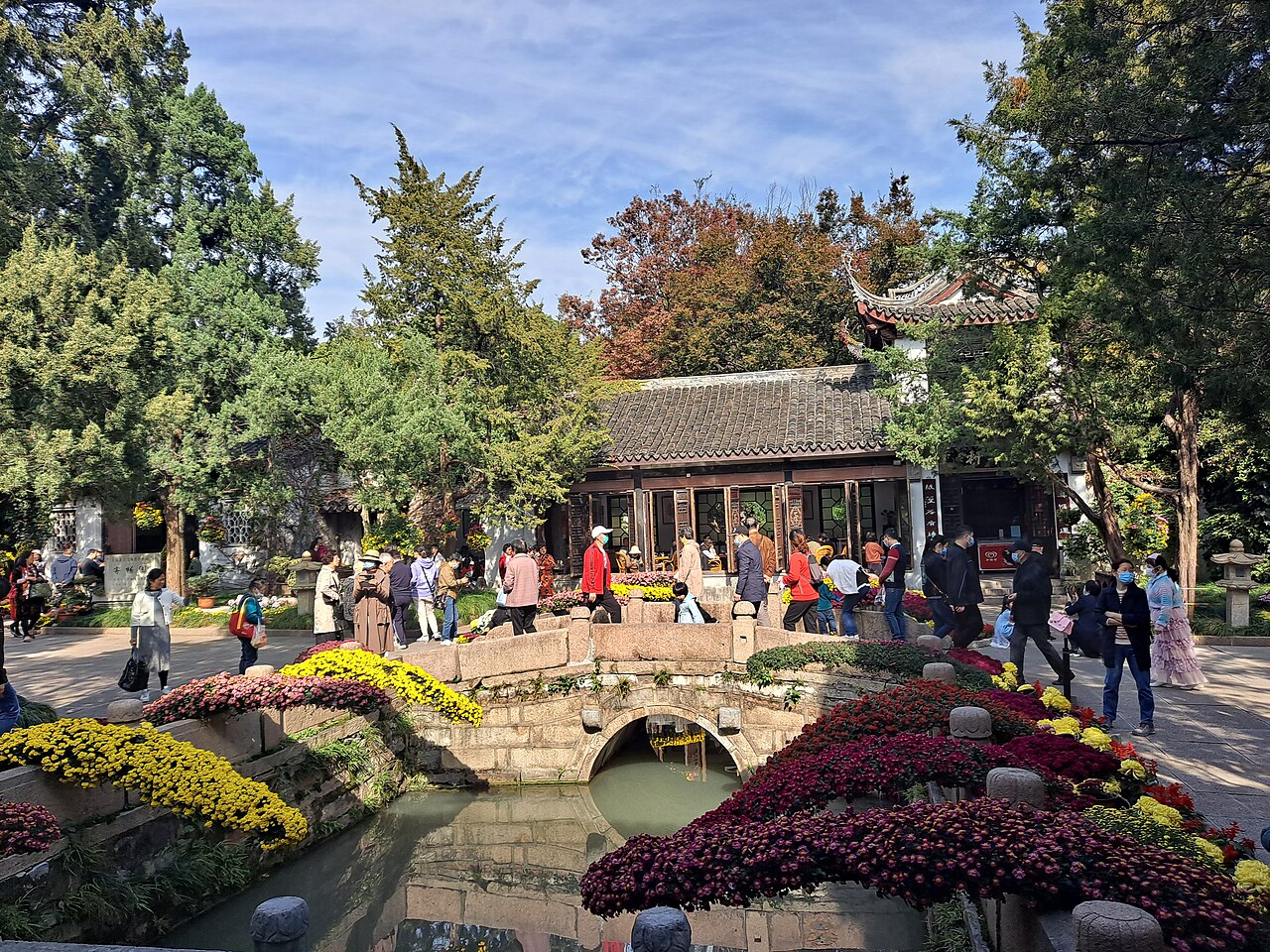
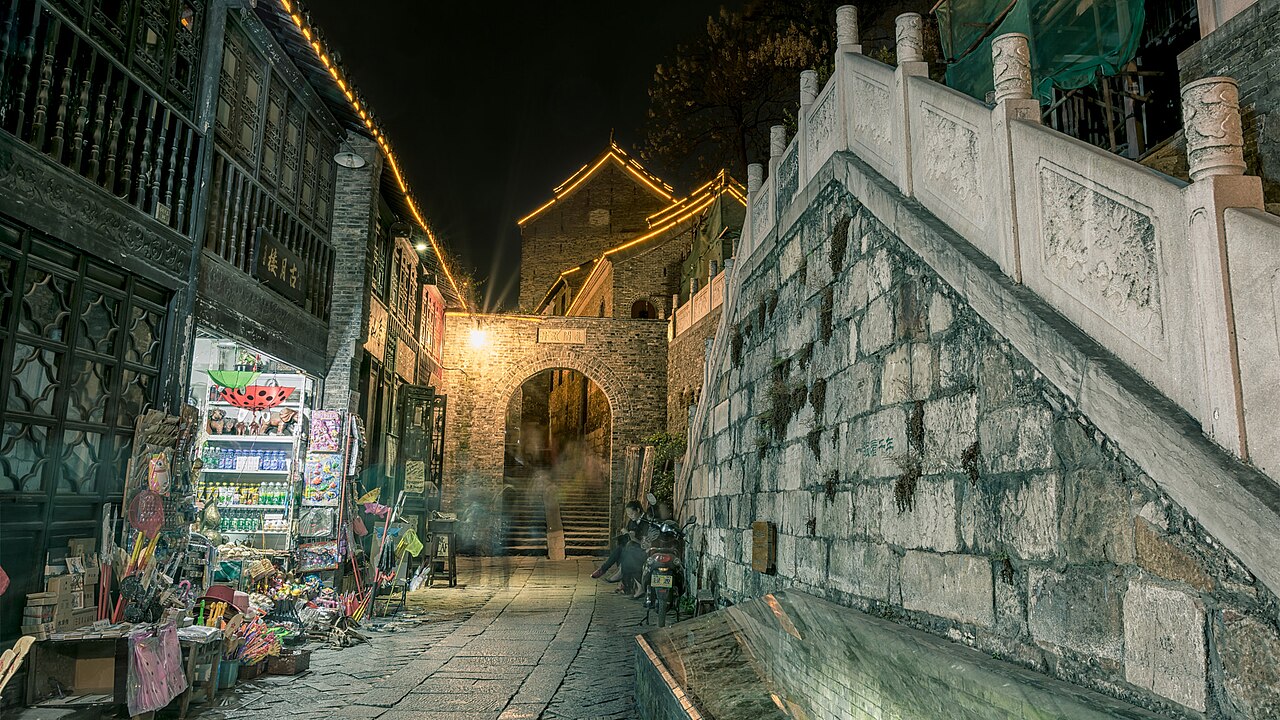
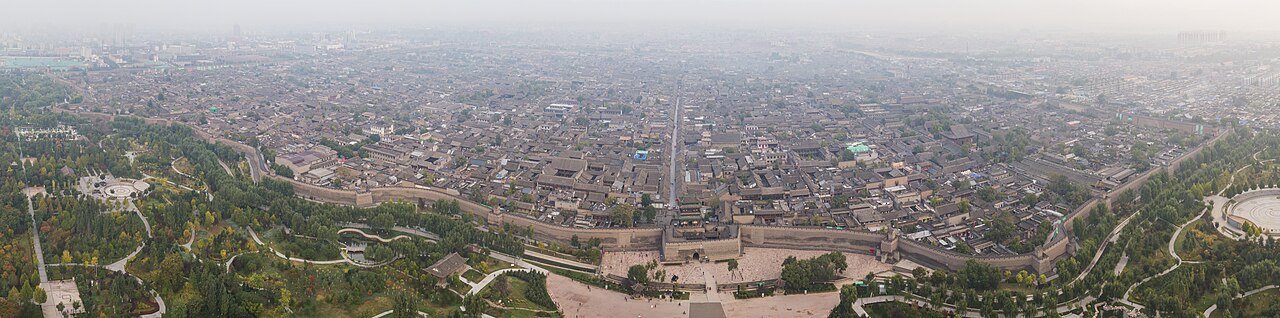
Xi'an is a city built on a grid, and you feel it the moment you come up from the subway at Bell Tower: four straight avenues running north, south, east and west, and a 600-year-old wall drawn around the whole thing like a lid. Locals call the inside of the wall chengli — 'in the city' — and everything beyond it is measured by direction: east suburb, west suburb, south suburb. Climb the wall in the late afternoon and you can see both halves at once, the traffic crawling through the gates below and the grey tiled roofs of the old lanes behind them.

The reason people come, though, is underground. Xi'an was Chang'an, capital of 13 dynasties and, for a stretch of the Tang, the largest and most cosmopolitan city on earth — the eastern end of the Silk Road, where Persian merchants, Japanese monks and Central Asian horse traders all ended up. Emperors were buried in the surrounding plains with entire armies, and one of those armies, 8,000-odd terracotta soldiers in battle formation, was only dug up in 1974 by farmers drilling a well. It is still the single most astonishing thing most visitors see in China.

What saves Xi'an from being a museum is that it eats like a working city. Breakfast is a bowl of peppery beef-meatball hulatang with a flatbread torn into it; lunch is hand-ripped lamb paomo, cold liangpi noodles and a roujiamo pork sandwich that the city invented; dinner is skewers and plum juice in the alleyways behind the Drum Tower. You will walk more than you expect and eat more than you planned, and the two balance out.

Xi'an

Don't leave without

Seven things that are worth rearranging a day for.

  1. Walk the Terracotta Army pits in the right order — Pit 1 last, not first, so the scale hits you
  2. Rent a bike on the city wall at South Gate and ride the full 13.7 km loop at sunset
  3. Tear your own paomo flatbread into fingernail-sized pieces — the smaller you tear, the better it tastes
  4. Queue early at Shaanxi History Museum, or pay CNY 20 for the Treasures Gallery and walk straight in
  5. Eat your way down Xiyangshi and Dapiyuan behind the touristy Beiyuanmen food street
  6. Watch the free musical fountain at the Big Wild Goose Pagoda north square after dark

Highlights

Five reasons Xi'an is not just a history lesson

A Ming-dynasty city wall you can r

The wall that rings the old city is the most complete ancient city fortification in China — 13.7 km of rammed earth and grey brick built between 1374 and 1378. Walk it and you look down on both temple roofs and traffic jams; ride it and the whole loop takes about 40 minutes on a rented bike (CNY 40 single, CNY 80 tandem for 100 minutes). Enter at the South Gate (Yongningmen), where the crowds, the performances and the bike rental all cluster.

An army of 8,000 buried soldiers —

Qin Shi Huang's burial pits, 40 km east of the city in Lintong, are the single best-known archaeological find in China and the reason most people fly here. Three main pits hold thousands of life-size figures, each face different, and the standout pieces sit in separate cases outside the pits. Peak season (16 March–14 November) costs CNY 150, off-season CNY 120. The emperor's own tomb mound is nearby but frankly dull — skip it and spend the time on the pits.

A free museum that rivals the nati

Shaanxi History Museum holds 380,000 objects spanning the Zhou, Qin, Han and Tang dynasties — bronze vessels, painted pottery figures, Tang gold and silverware, and tomb murals you will not see anywhere else. Admission is free but ticketed, and only 4,000 tickets go out each day (2,500 before 14:00, 1,500 after). The workaround locals use: buy the CNY 20 Treasures Gallery ticket at the bag-check counter on the right of the main gate and walk straight in.

A Muslim quarter where you should

Beiyuanmen and the lanes running west off it — Xiyangshi, Dapiyuan, Guangming Lane, Daxuexi Lane — are the densest concentration of food in the city, and the reason CNNGO put Xi'an on its 2012 list of Asia's ten best street-food cities. This is Hui Muslim territory: no alcohol is served in almost any shop, and nothing on the menu contains blood. Come hungry, come late, and bring cash for the small stalls.

Mount Hua, one of China's five sac

Hua Shan rises out of the Wei River plain 118 km east of Xi'an, all sheer granite ridges and a famously vertiginous ridge walk at Canglong Ling. Most people climb overnight to catch sunrise from East Peak, then descend by cable car. Peak-season admission is CNY 180 and off-season CNY 100, and the ticket is valid for two days. Come on a clear night or you get fog and nothing else.

Itinerary

Two three-day routes that actually work

The classic first-timer loop: city

3 days days

Everything Xi'an is known for, in an order that keeps you off the worst of the crowds. Book the Terracotta Warriors day first — it needs the earliest start.

  1. Day 1

    Old city on foot and on two wheels

    Start at the South Gate as soon as the wall opens and rent a bike — by 10am the queues for both tickets and bicycles are long. Ride the full 13.7 km loop, then walk north down South Avenue to the Bell Tower. The Bell Tower's entrance is inside the underground pedestrian ring; the Drum Tower's is at street level. Both cost CNY 35. From the Drum Tower's north side you are standing at the mouth of the Muslim Quarter.

    Stops: Xi'an City Wall (South Gate)Bell TowerDrum TowerMuslim Quarter (Beiyuanmen)Stele ForestShuyuanmen Culture StreetSmall Wild Goose Pagoda

  2. Day 2

    Shaanxi History Museum and the Big

    Get to the Shaanxi History Museum before opening — either join the free-ticket queue or buy the CNY 20 Treasures Gallery ticket and skip it. Budget half a day; the Tang murals alone deserve an hour. Then walk east to the Big Wild Goose Pagoda: the squares around it are free, Ci'en Temple is CNY 50, and climbing the seven-storey pagoda is another CNY 30. Stay for the musical fountain on the north square after dark, then eat around Datang Buyecheng.

    Stops: Shaanxi History MuseumBig Wild Goose PagodaCi'en TempleDatang BuyechengTang Paradise (optional evening)

  3. Day 3

    Terracotta Warriors, Huaqing Hot S

    Take bus 306 (also branded You 5) from the east square of the railway station at 7:00 — it is the only official tourist line and costs CNY 7, running 1–1.5 hours to the pits. Ignore anyone on the street claiming to be the 306; board only the vehicle with the official sign and pay on board. Spend the morning on the pits, then take the two-stop hop to Huaqing Hot Springs (CNY 110 peak, CNY 80 off-season) and, if you still have legs, Mount Li (CNY 70 peak, CNY 45 off-season) right next door. Note that once you exit Huaqing's back gate you cannot re-enter, so do Mount Li last or on its own day.

    Stops: Terracotta Warriors MuseumHuaqing Hot SpringsMount Li National Forest Park

The history-heavy route: Famen Tem

3 days days

For second-timers or anyone who has already ticked off the warriors. Both day trips leave from the east square of the railway station, so base yourself near the wall's north side.

  1. Day 1

    Famen Temple and its underground p

    Bus You 2 leaves the east square of the railway station at 8:00 and returns from Famen Temple at 15:00 — one departure a day, CNY 18 each way. The temple, 120 km west near Baoji, claims 1,700 years of history and was the Tang imperial family's own shrine. Its crypt, sealed for 1,113 years, was opened in 1987 and yielded a true finger-bone relic of the Buddha plus 121 pieces of Tang gold and silverware and the first-ever find of Tang secret-colour porcelain. Admission is CNY 120 March–November, CNY 90 December–February. Buy your ticket at the old temple and exit the same way — every bus back stops there.

    Stops: Famen TempleFamen Temple Underground PalaceTrue Relic Pagoda

  2. Day 2

    Qianling, the only joint imperial

    Bus You 3 runs from the railway station east square to Qianling at 8:00 and back at 15:00. The tomb sits on Liang Shan, 6 km north of Qian County in Xianyang, and holds both Emperor Gaozong and Wu Zetian — the only husband-and-wife pair of emperors buried together anywhere. The approach ramp is a proper walk uphill, so wear real shoes. Admission is CNY 122 and the site opens 8:00–18:00 March–November, 9:00–17:00 December–February. Get back in time for the bus; there is no second one.

    Stops: Qianling MausoleumLiang ShanQian County

  3. Day 3

    City fill-ins: Big Wild Goose Pago

    Use the last day for whatever you skipped. Tang Paradise is a full reconstruction of a Tang imperial garden, open 9:00–22:00 with adult tickets at CNY 120 and evening dance-and-music shows — it is expensive and entirely modern, so only go if recreated palaces appeal. Daming Palace Heritage Park (CNY 60 adult, CNY 30 half-price, 9:30–18:00) is the excavated site of the Tang political centre, with an IMAX 3D film that rebuilds the vanished halls. Finish with a bowl of paomo and an early night before your train.

    Stops: Big Wild Goose PagodaTang ParadiseDaming Palace Heritage Park

Sights

The sights that justify the trip — and what each one costs

Terracotta Army (兵马俑)

Non-negotiable

Terracotta Army (兵马俑)

Three excavated pits of a buried army, roughly 8,000 figures in all, built for Qin Shi Huang and called the Eighth Wonder of the World. Pit 1 is the showstopper; the individual star figures — the kneeling archer, the bronze chariots — are displayed in separate halls outside the pits. The emperor's own tomb mound nearby is a grassy hill and honestly not worth the ticket.

Ticket
CNY 150 peak (Mar 16–Nov 14), CNY 120 off-peak
Hours
8:30–17:30 peak; 8:30–17:00 off-peak
Getting there
Bus 306 (the old 游5) from the east square of Xi'an Railway Station, CNY 7, 1–1.5 hours
Address
Qinling Road, Lintong District

Tip Ignore anyone at the station telling you their bus is the 306. Look for the official sign on the front of the vehicle and pay once you're on board. Hire a guide at the gate (about CNY 100 for a group) or you'll walk past the best stuff without knowing it.

Xi'an City Wall (西安城墙)

Best value in town

Xi'an City Wall (西安城墙)

The most complete surviving ancient city wall in China, built 1374–1378 and still ringing the old town for 13.7 km. You can walk it or, better, ride it — the top is wide enough for a proper bike loop past the four main gates: Changle in the east, Anding west, Yongning south, Anyuan north. Nineteen access points let you climb on wherever suits you.

Ticket
CNY 40
Hours
8:00–22:00 spring–summer; 8:00–19:00 autumn–winter
Bike rental
CNY 40 single / CNY 80 tandem for 100 minutes, at the South Gate
Loop
13.7 km — about 40 minutes at a decent pace

Tip Start at the South Gate (Yongningmen): it's the closest to the Bell and Drum Towers, has the bike rental, and hosts most of the performances and exhibitions. Go in the late afternoon and you get daylight, sunset and the lit-up wall in one ride.

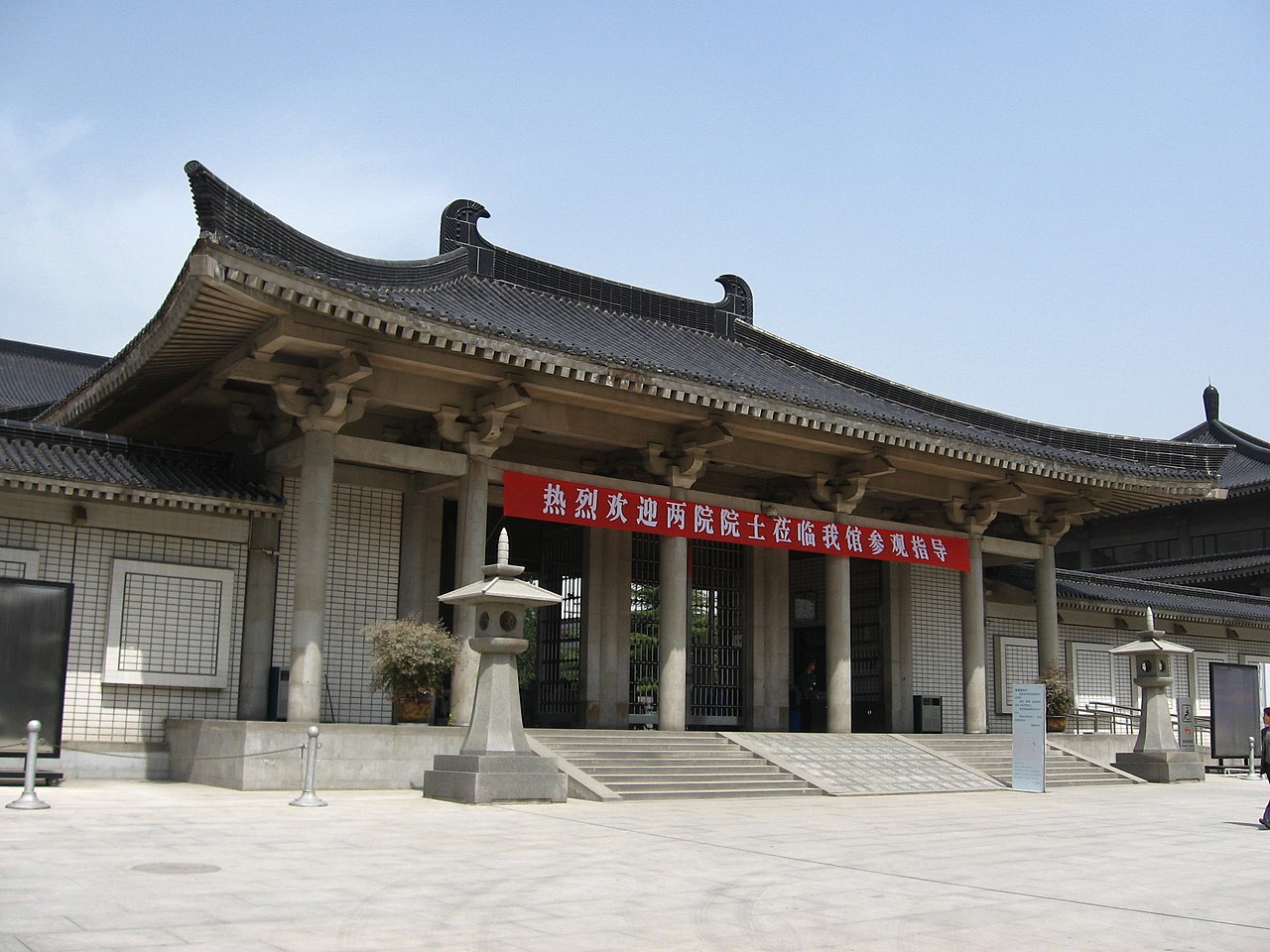
Shaanxi History Museum (陕西历史博物馆)

Free, but you must plan

Shaanxi History Museum (陕西历史博物馆)

A 380,000-piece collection covering the Zhou, Qin, Han and Tang dynasties — bronzes, tomb figurines, Han and Tang gold and silver, and Tang tomb murals nobody else in the country can match. It is nicknamed the Pearl of the Ancient Capital and it deserves the reputation.

Ticket
Free — but ticketed, 4,000 free passes per day
Free pass quota
2,500 before 14:00, 1,500 after
Hours
9:00–17:30 winter, 8:30–18:00 summer; closed Mondays
Address
91 Xiaozhai East Road, Yanta District

Tip The trick locals use: buy the CNY 20 Treasures Gallery ticket at the bag-check counter to the right of the main gate and walk straight in. Otherwise you're queuing from early morning for the free passes, which stop being issued at 16:00.

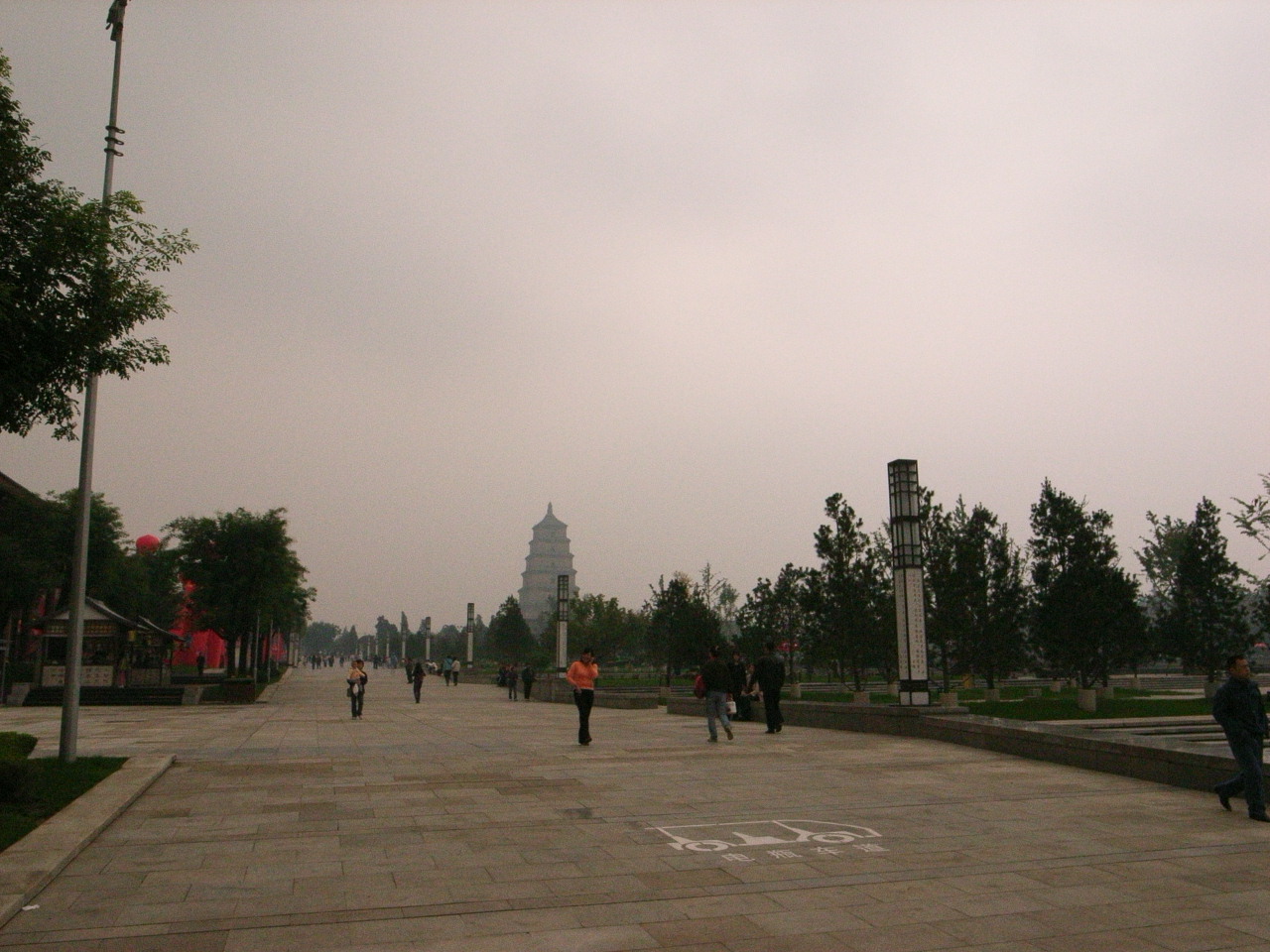
Big Wild Goose Pagoda (大雁塔)

Free square, paid temple

Big Wild Goose Pagoda (大雁塔)

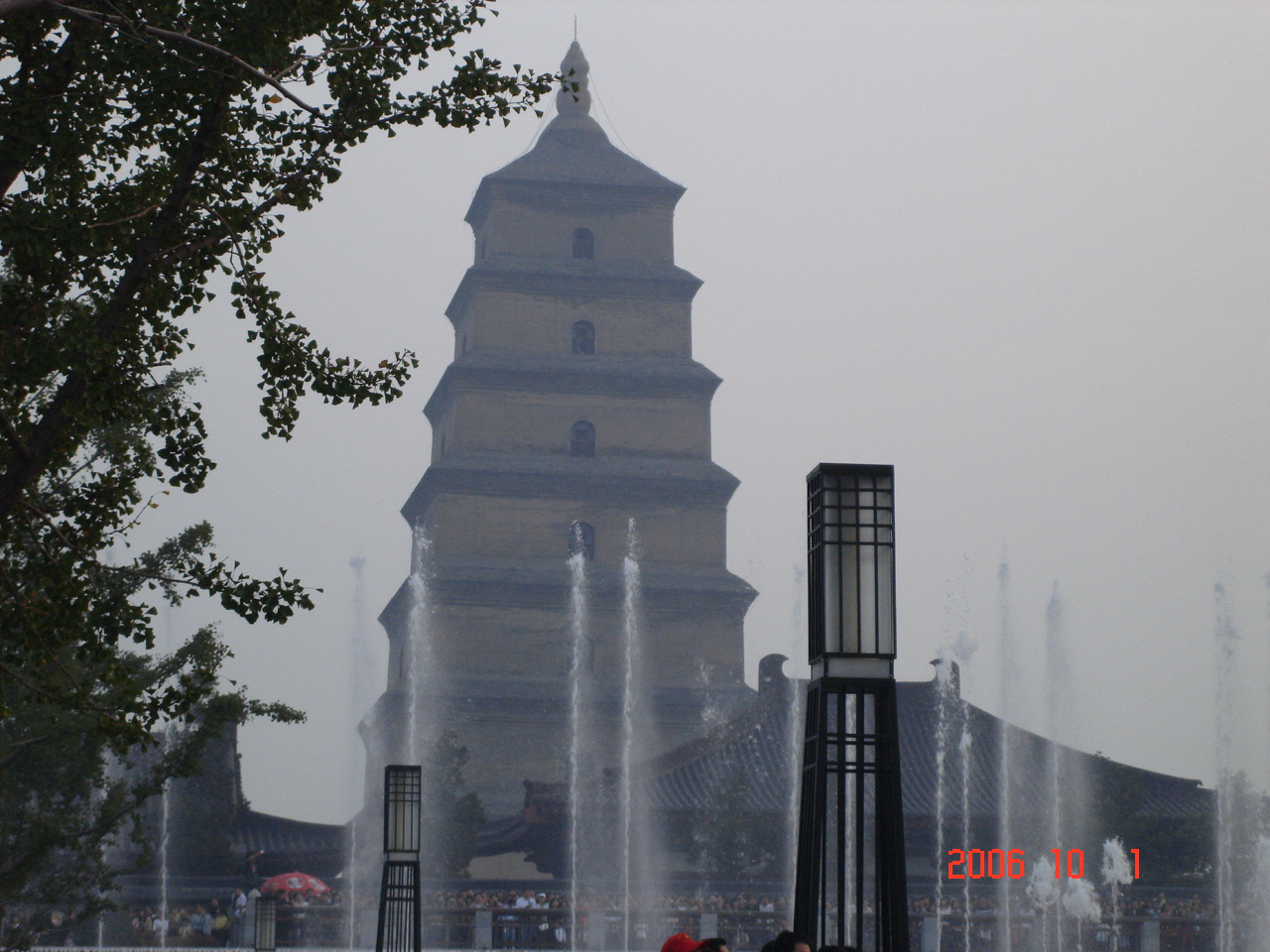
Standing for over a thousand years, the pagoda was built to house the sutras Xuanzang carried back from India. The squares around it — north and south — are filled with oversized Tang-style buildings and cost nothing. The north square's musical fountain show is one of Xi'an's modern set pieces.

Ticket
Squares free; Ci'en Temple CNY 50; climbing the pagoda another CNY 30
Hours
Peak 8:00–18:30; off-peak 8:00–18:00
Getting there
Buses 5, 19, 21, 22, 23, 24, 27, 游9 (320) to Big Wild Goose Pagoda stop
Nearby
Tang Paradise, Tang Everbright City, Xi'an Music Hall

Tip The fountain show after dark is the reason to come in the evening. If you want the view, pay into Ci'en Temple and climb the seven storeys — the city spreads out flat and grey below you.

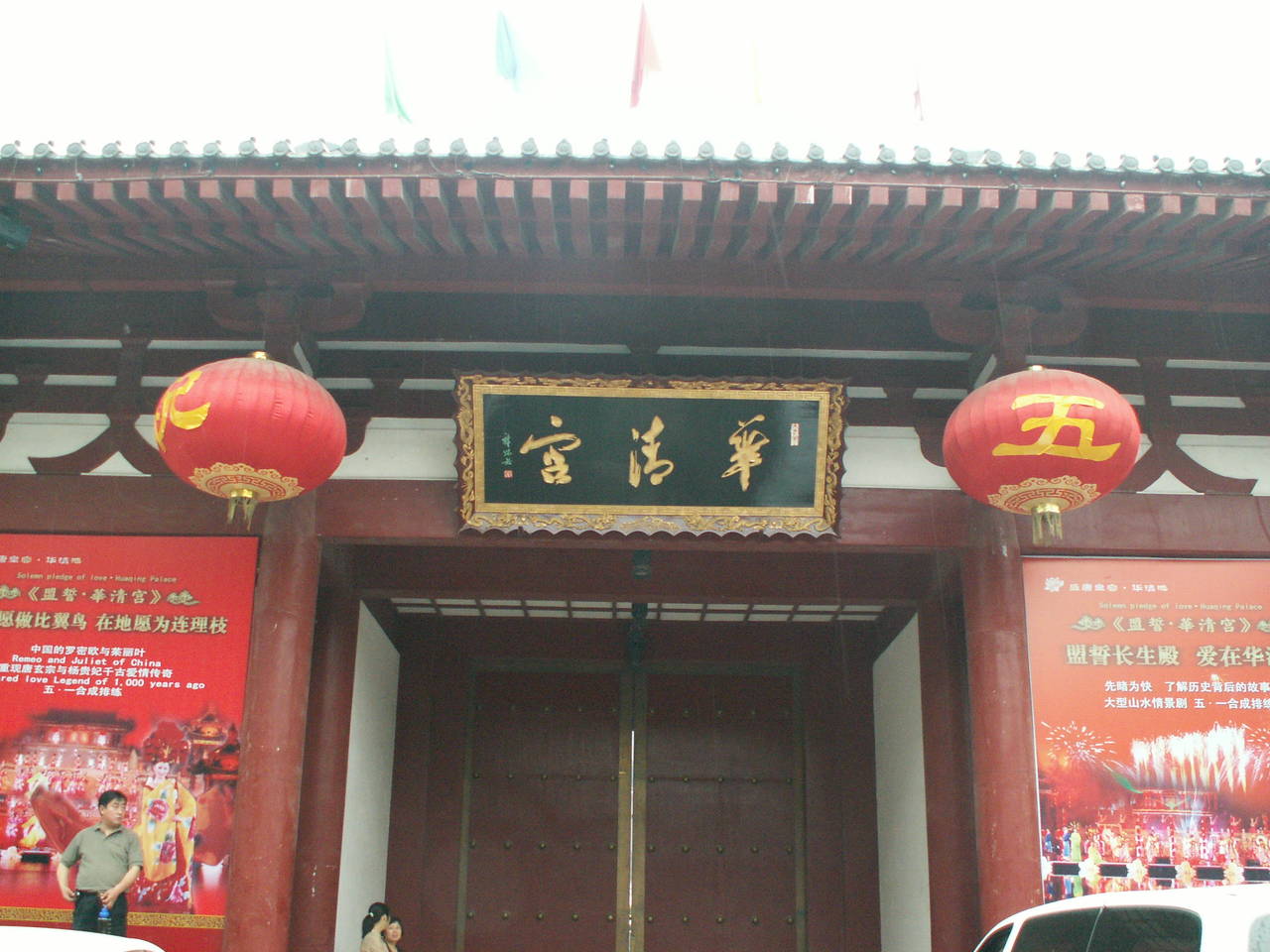
Huaqing Palace (华清池)

Hot springs and a love story

Huaqing Palace (华清池)

Mountain hot springs that Zhou, Qin, Han, Sui and Tang emperors all built palaces around, and the bathing retreat Yang Guifei famously favoured. The Tang-dynasty dance drama The Song of Everlasting Sorrow is staged here and gets genuinely good reviews.

Ticket
CNY 110 peak (Mar 1–Nov 30); CNY 80 off-peak
Hours
7:00–18:30
Getting there
Buses 914, 915 or 游5 (306) from the east square of the railway station, get off at Huaqingchi
Address
Lintong District, at the foot of Mount Li

Tip Huaqing Palace sits right beside Mount Li and it's tempting to combine them — don't do it through the back gate. Once you exit you can't re-enter, and you'll still have to buy a separate Mount Li ticket. Do them as two separate visits.

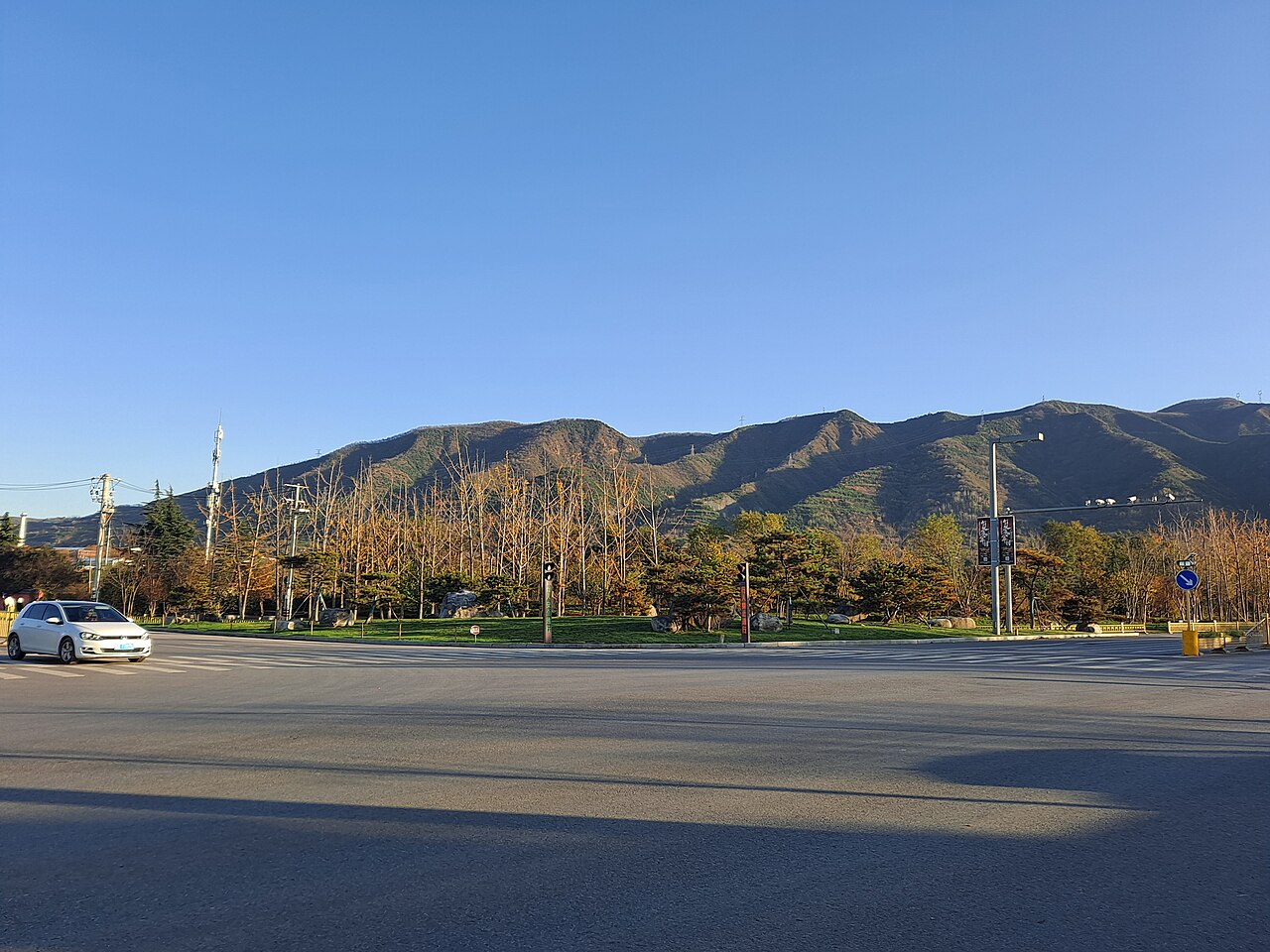
Mount Li (骊山)

Half a day, no more

Mount Li (骊山)

A forested ridge south of Lintong with over thirty historical sites scattered across it, and hot springs that have drawn emperors since the Western Zhou more than 3,000 years ago. It's a modest climb, not a serious one.

Ticket
CNY 70 peak (Mar 1–Nov 30); CNY 45 off-peak
Hours
6:00–20:00
Getting there
Buses 915, 914 or 306
Address
83 Dongguan Main Street, Lintong District

Tip If you want to do Mount Li properly plus Huaqing Palace, give them a full separate day. Squeezing both into an afternoon means rushing the one thing you came for.

Qianling Mausoleum (乾陵)

The only joint imperial tomb

Qianling Mausoleum (乾陵)

Built in 684 AD on Mount Liang, 6 km north of Qianxian in Xianyang, this is the only tomb in the world holding two emperors who were also husband and wife: Emperor Gaozong of Tang and Wu Zetian, China's sole female emperor. The layout copies the plan of Tang Chang'an and the scale is genuinely imposing.

Ticket
CNY 122
Hours
Mar–Nov 8:00–18:00; Dec–Feb 9:00–17:00
Getting there
Bus 游3 from Xi'an Railway Station — one departure daily at 8:00, returning from Qianling at 15:00
Address
Mount Liang, Qianxian, Xianyang

Tip One bus a day each way means you're committed to the schedule. Miss the 15:00 return and you're paying for a taxi back to Xi'an.

Small Wild Goose Pagoda (小雁塔) & Xi

Quiet alternative

Small Wild Goose Pagoda (小雁塔) & Xi

A classic multi-eaved Tang pagoda inside Jianfu Temple, paired with the Big Wild Goose Pagoda across town and named 'small' only because it's smaller. The Xi'an Museum next door covers the city's urban development and is free with ID.

Ticket
CNY 50; student and child CNY 25
Hours
9:00–17:00
Getting there
Buses 18, 21, 29, 32, 40, 46, 203, 204, 218, 224 to Small Wild Goose Pagoda stop
Address
72 Youyi West Road

Tip A temple fair runs here around Chinese New Year and it's as old-fashioned and loud as you'd hope. If the Big Wild Goose Pagoda crowds wear you down, this is the same architecture with a fraction of the people.

Food

What to eat, and how to eat it properly

Yangrou paomo (羊肉泡馍)

Lamb and torn flatbread in broth — the dish that represents Shaanxi cooking more than any other. Rich, dense, faintly gamey, and filling enough that you won't need dinner. Tear the bread yourself, and tear it small: the smaller the pieces, the better the broth soaks in. Finish with a small bowl of clear broth.

Beef or lamb roujiamo (腊牛羊肉夹馍)

Cured meat stuffed into a fresh-baked tuotuo bun. The Muslim Quarter version uses cured lamb or beef and comes in a huge portion. The non-Muslim version — lazhi rou jiamo, the 'Chinese hamburger' — dates back to the Warring States period and pairs braised pork with a baiji bun.

Liangpi (凉皮)

Cold skin noodles, sold in three main styles: Qinzhen rice-skin, Hanzhong hot rice-skin and Qishan hand-rolled. Ask for 'two mixed' (两搅) — liangpi and mung-bean sheet noodles together — which is what locals order in summer. The sesame-paste version is halal and sold all over the Muslim Quarter; the rest usually isn't.

Hulutou (葫芦头)

Pork intestine soup with torn bread, named after the gourd a Tang-dynasty physician supposedly hung outside the shop that perfected the seasoning. The intestines are cleaned thoroughly — no off notes, just soft, rich and faintly fatty. Chun Fa Sheng restaurant is the famous address.

Youpo mian (油泼面)

Hand-pulled wide noodles, blanched, then topped with spring onion, shredded meat, Sichuan pepper, salt and a thick layer of chilli flakes, and finished with a pour of smoking oil that makes the whole bowl go red. Three thousand years of history behind a bowl that costs less than a coffee.

Jing gao (镜糕) and honey cold rice

Little steamed rice cakes on sticks, CNY 3 each, in rose, strawberry, blueberry, pineapple, melon and hawthorn flavours, dusted with crushed peanuts and sauce. In summer, look for the glass-fronted carts selling honey cold rice cake — the vendor cuts it with a string stretched across the frame and dresses it with rose jam and honey.

Hulatang (胡辣汤)

The Xi'an breakfast of choice: beef meatball soup with potato, cabbage and carrot, finished with sesame oil and chilli, and a tuotuo bun torn in to soak. Peppery, beefy, warming, and it costs almost nothing.

Where to eat

Four restaurants worth the queue

Mutton paomo · Hui quarter

Lao Mi Jia Da Yu Paomo

The local favourite for mutton paomo, and the one Xi'an people actually name when you ask. The soup is rich, the mutton falls apart, and the pickled radish on the side cuts the fat. Prices have crept up with the fame but it's still the benchmark.

Speciality
Mutton or beef paomo, xiaochao paomo
Average spend
CNY 30–60 per person
Address
West Yangshi Street, Beilin District (near the Parkson mall)
Phone
029-87253694
Tip
Tear your own bread — the kitchen won't do it half as well

Steamed soup dumplings · Hui quarter

Jia San Guan Tang Bao Zi Guan

One of the busiest doors on Bei Yuan Men, right by the Drum Tower. Thin-skinned steamed buns full of scalding soup; the lamb ones are the reason to come. Sit upstairs if you can get a table.

Speciality
Lamb soup dumplings, beef dumplings
Average spend
CNY 22 per person
Address
93 Bei Yuan Men, Hui quarter, Beilin District
Phone
029-87257507
Tip
Bite a hole first, drink the soup, then eat — otherwise you'll burn your mouth

Roujiamo · old name

Fan Ji La Zhi Rou Jia Mo

A century-old shop that does one thing properly: pork braised in master stock, chopped, and packed into a bun baked to order. The meat is half fat, half lean, and it melts. One is a full meal.

Speciality
Pork roujiamo
Average spend
CNY 12 per person
Address
53 Zhu Ba Shi Street, Beilin District (near the Afang Palace cinema)
Phone
029-87273917
Tip
Eat it immediately, standing, ideally with a bowl of liangpi

Hulutou · local institution

Chun Fa Sheng Restaurant

The address to try hulutou, Xi'an's pork-intestine-and-stomach soup. The offal is cleaned properly — no funk, just rich broth and soft intestines — and the chili-garlic lamb blood side dish is worth ordering too.

Speciality
Hulutou paomo, stir-fried dishes
Average spend
CNY 30 per person
Address
20 Nan Yuan Men, Fen Xiang, Beilin District
Phone
029-87253694
Tip
Go at lunch, not dinner — it's a daytime dish

Where to stay

Sleeping inside the walls or just outside them

Hostel · central

Xi'an Xiangzimen International You

In the middle of the city, walkable to everything, and housed in what is described as the most completely preserved traditional courtyard building around — you get the city's old residential feel rather than a hotel corridor.

Address
16 Xiangzi Temple Street, inside the South Gate
Beds from
CNY 50
Phone
029-62867999 / 62867888 / 87267330

Hostel · by the station

Xi'an Seven Sages International Yo

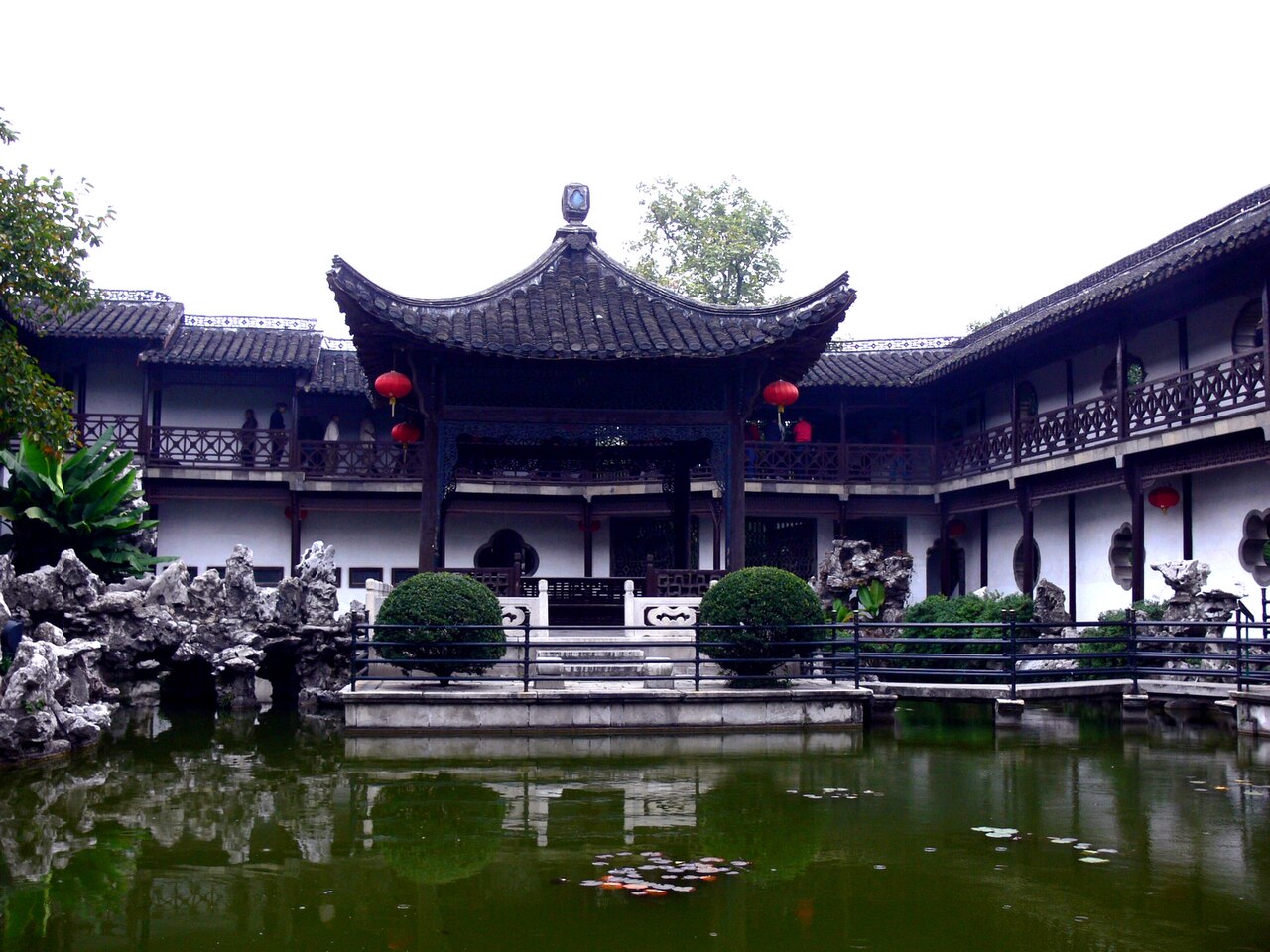
The only hostel in Xi'an genuinely set inside a historic building — a courtyard house from the early 1900s, white walls, grey tiles, round moon gates, wooden windows, a garden with birdsong. One kilometre from the railway station, so the tourist buses to the Terracotta Army and Huaqing Palace are a walk away.

Address
2 North Courtyard, Qixianzhuang, Beixin Street
Beds from
CNY 50
Phone
029-87444087 / 13379226560

Hostel · city centre

Xi'an Zhengzhidao Youth Hostel (西安

Inside the Small South Gate, right against the Ming wall, under 15 minutes on foot to the Bell and Drum Towers. Warm, clean rooms.

Address
First shop on Shuncheng Lane, 20 m east inside the Small South Gate
Economy quad from
CNY 58
Phone
029-87618713

Budget chain

Jinjiang Inn (锦江之星)

National chain, clean and consistent. The Jiefang Road branch is well placed for transport and the rooms are exactly as tidy and fresh as the brand promises, with comfortable bedding.

Address
110 Jiefang Road, Xincheng District
From
CNY 180
Phone
029-87452288

Mid-range hotel

Xi'an Tianyu Kailai Hotel (西安天域凯莱大

In the commercial and shopping district with views towards the city wall and the Big Wild Goose Pagoda. Fifteen minutes' walk to the centre.

Address
1 North Section, Yanta Road, Beilin District
From
CNY 500
Phone
029-87868855

Practicalities

The numbers you'll actually need

Prices and hours in this guide reflect published information at the time of writing; confirm before you travel, especially for the Terracotta Army and Mount Hua.

Best time to goSpring and autumn. Xi'an is much drier than southern China — drink more water and moisturise. Summer is hot, the midday sun is brutal, and sudden downpours happen; avoid unshaded sites like the city wall in the middle of the day and head for the tree-covered scenic areas outside town instead.
Climate in numbersWarm temperate, semi-humid monsoon. Annual high around 40°C, annual low around -8°C. January is coldest at -0.5 to 1.3°C on average; July is hottest at 26.3–27°C; annual average 13.6°C.
Daily budgetXi'an is one of the more economically developed cities in the west and costs are moderate — food and lodging are cheap, but attraction tickets are on the high side. Student discounts are often an unhelpful 30% or 20% off rather than the usual half.
Shaanxi Tourist Annual PassCNY 98. Covers most Xi'an and regional attractions and, in its expanded form, 511 scenic areas across 98 cities including Shandong, Henan, Hebei and Beijing. Worth it if you're staying a while or plan to revisit sites. Details at http://www.029-china.cn
AirportXi'an Xianyang International Airport, 45 km northwest of the centre, about an hour by expressway. Domestic flights plus services to Japan, Thailand and South Korea. Taxi from the city about CNY 120.
Airport busCNY 26 per person. Line 1 (Bell Tower–Airport) runs 5:40–01:00 every 20 minutes; Line 2 (Railway Station, Jiefang Hotel) 7:00–20:00 every 30 minutes; Line 3 (West High-Tech) 6:15–18:15 every 30 minutes; Line 4 (Xiaozhai) 7:00–18:00 hourly; Line 5 (Jianguo Hotel) 7:00–18:00 hourly; Line 6 (Xianyang) 7:00–18:00 hourly. Hotline 4000-787-737.
TaxiFlag fall CNY 6 for 2 km (plus a CNY 1 gas surcharge per ride), then CNY 1.5 per km. Waiting time charged at half a kilometre per 2.5 minutes. Empty-return surcharge kicks in from 8 km at 50% of the per-km rate. At night 23:00–06:00, add CNY 1 to the flag fall and CNY 0.3 per km.
MetroLine 2 runs North Railway Station to Convention Centre. First trains 6:30 northbound, 6:40 southbound; last trains 21:10 and 21:30. Trains every 9 minutes 20 seconds. Fares CNY 2 (up to 6 stops), CNY 3 (7–10 stops), CNY 4 (11+ stops).
BusesOrdinary buses are flat CNY 1, no change given. Air-conditioned buses are either CNY 2 flat or CNY 1 for up to six stops then CNY 2. Minibuses run faster with denser stops, often serving lanes the big buses skip — CNY 0.5 for the first three stops, then CNY 0.5 every four stops, capped around CNY 3–5.
Tourist bus linesBus 游1 Railway Station–Xiyue Temple–Mount Hua (8:00 out, 17:00 back). 游2 Railway Station–Famen Temple–Taibai Mountain (8:00 out, 15:00 from Famen). 游3 Railway Station–Qianling (8:00 out, 15:00 back). 游4 Railway Station–Hanyangling (8:00–17:30, one departure daily). 游5 Railway Station–Terracotta Army, 7:00–18:10, via Banpo Museum, Qin Shi Huang's tomb, Huaqing Palace, Mount Li, Lintong Museum, Hongmen Banquet site. 游6 Railway Station East Square–Tangyuan, 6:40–19:30. 游7 Railway Station–Xixinzhuang, 7:00–19:00. 游8 (610) Zhaojia Village–Tang Paradise South Gate, 6:30–20:00. 游9 Jinhua North Road–Qinling Wildlife Park, 6:00–20:00.
Long-distance busesXi'an has many coach stations and road links in all directions. Key ones: Chengnan (029-85246080, south-west corner of South Third Ring and Zhuque Avenue) for Hu County, Hanzhong, Ankang, Shangzhou, Xiangfan; Shaanxi Xi'an Bus Station (029-87427420, south-west of the railway station square) for Shangluo, Hanzhong, Ankang, Weinan and parts of Gansu, Ningxia, Qinghai, Henan and Shanxi; Chengdong (029-82597222, 17 Changle Middle Road) for Weinan, northern Shaanxi and parts of Ningxia, Shanxi, Henan, Hubei; Chengxi (029-84627137 / 84630000, 39 Zaoyuan East Road) for Baoji and Pingliang; Chengbei (029-86523019 / 86517911 / 86528733, 9 West Section of North Second Ring) for Sanyuan, Fuping, Mizhi, Wubao, Jiaxian, Suide, Yan'an, Huangling, Tongchuan, Jingyang, Pucheng; Sanfuwan (029-83136066, 353 Changying West Road).
HealthXijing Hospital, 15 Changle West Road — 029-83215321 (online booking), 029-84774114 (switchboard), 029-84775539 (emergency). Tangdu Hospital, Fourth Military Medical University, 1 Xinyi Road, Baqiao District — 029-84777777 / 84777114. Second Affiliated Hospital of Xi'an Jiaotong University Medical School, 157 Xiwu Road — 029-87679323 (outpatient).
Emergency and informationTourist complaints and enquiries 029-87630166. Xi'an Public Security Bureau 029-87234500. Four tourist information centres: Drum Tower Square, Xianyang International Airport, Xi'an Railway Station and the Terracotta Army square in Lintong. Official tourism site http://www.xian-tourism.com/. Bell Tower Post Office, 1 North Street, 029-87286619.
Etiquette and safetyIn Muslim Quarter restaurants and other halal places, respect local custom: almost none serve alcohol, and pork and blood products are neither eaten nor sold. When buying crafts and souvenirs watch for scam 'antiques' — especially anything described as dug up from someone's own field. Shaanxi has plenty of relics, but not that many. If you genuinely think you've found something real, don't buy it, report it. Only buses marked 'Shaanxi Tourist Bus Line' are legitimate; private vehicles run the same routes as de facto tours and won't let you set your own schedule. At the Bell Tower airport bus stop and outside the railway station, taxis wait specifically for out-of-town visitors and may take the long way or refuse the meter — avoid unmetered cars. Taxi complaints 96716. Note that between 13:00 and 17:00 drivers change shifts, so many cabs stop working or only take passengers heading their way.

Day trips

Hua Shan, Famen Temple and two days in Yan'an

Hua Shan: the mountain you climb a

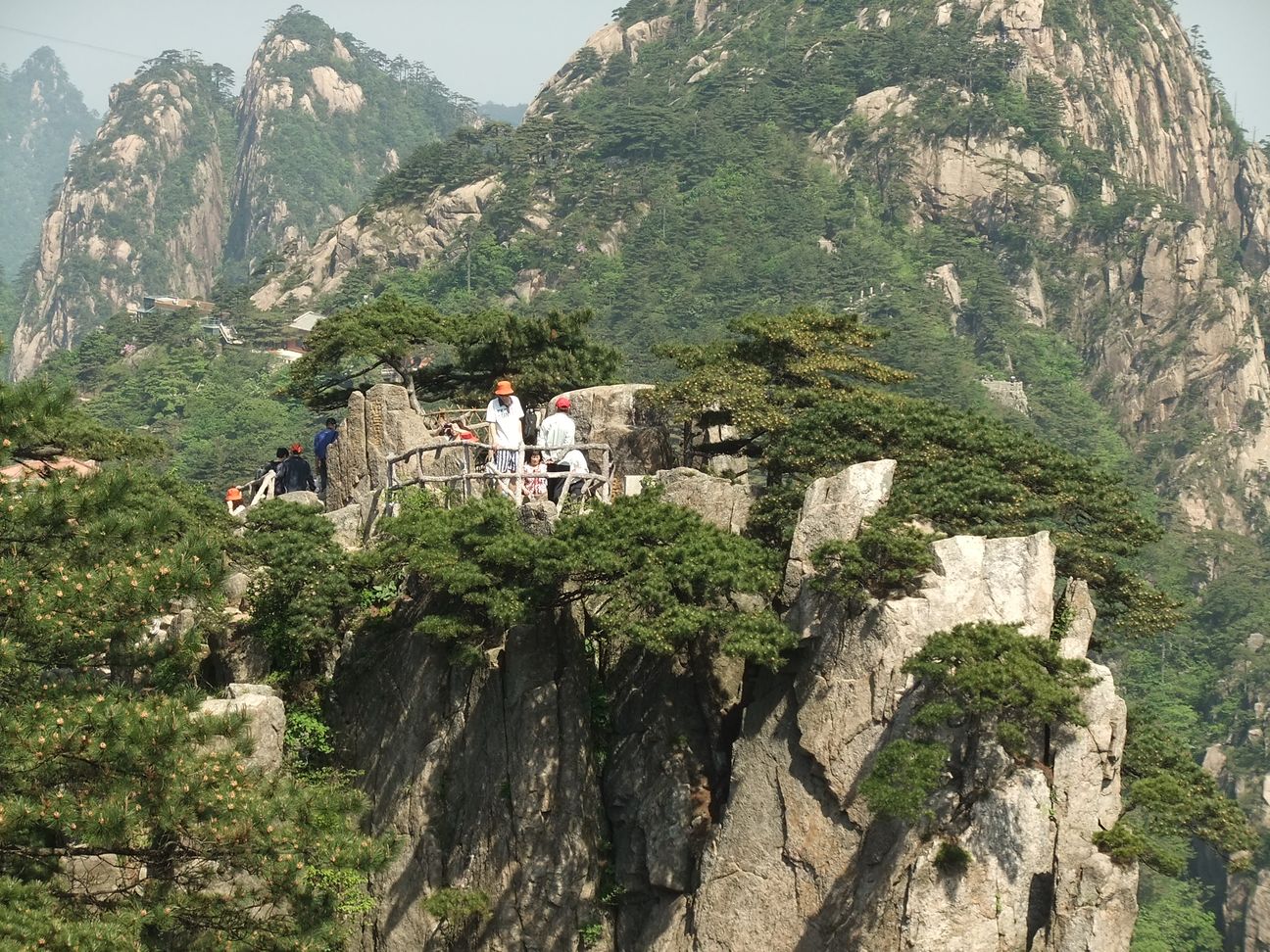
Hua Shan, the West Peak of China's five sacred mountains, sits 118 km east of Xi'an and is famous for exactly one thing: danger. The classic route starts at Yuquan Temple and passes the 'Three Perils' — Thousand-Foot Precipice, Hundred-Foot Gorge and Laojun's Furrow — before reaching North Peak. From there it's on to the knife-edge ridge of Canglong Ling and finally East Peak, where the sunrise terrace is the reason half of China climbs this mountain in the dark.

Tickets are CNY 180 high season, CNY 100 low season, valid two days. The west gate is open 24 hours. Tourist bus 游1 leaves the east square of Xi'an railway station at 8:00 and returns from Hua Shan at 17:00; regular trains take 1.5–2 hours for about CNY 20. If you climb at night, rent a coat at the top and sleep on the summit — it's cold, it's crowded, and everyone agrees it was worth it. Sleeping at the base instead costs CNY 15 for a bed, around CNY 120 for a standard room.

Famen Temple: the finger bone of t

Famen Temple, 120 km west of Xi'an in Fufeng County, was founded in the late Eastern Han dynasty and served as a royal temple for the Tang emperors. In 1987 workers repairing the pagoda found a sealed underground palace that had been untouched for 1,113 years — inside were four finger-bone relics of the Buddha, 121 pieces of Tang imperial gold and silver, the first known examples of Tang 'secret colour' porcelain, and silk textiles including empress Wu Zetian's embroidered skirts.

Tickets: CNY 120 March–November, CNY 90 December–February. Tourist bus 游2 runs from the railway station at 8:00 and returns at 15:00 for CNY 18 one way. There's also a free shuttle from the west gate of Tang Paradise, hourly between 8:00 and 11:00, but you must hold a Famen Temple ticket or a combined ticket — both sold at the Tang Paradise ticket office. Ignore anyone selling a CNY 18 'Famen Temple Eastern Buddha City' ticket (a private sideshow) or offering to sneak you in the back door for CNY 60; the underground palace is ticket-controlled.

Yan'an: two days into the loess pl

Yan'an, in the north of Shaanxi on the loess plateau, is where modern Chinese history was written — and it's a two-day trip, not a day trip. The standard route runs Xi'an → Huangdi Mausoleum → Hukou Waterfall on day one, then Yan'an city, Baota Shan, Date Garden, Yangjialing and the Revolutionary Memorial Hall on day two. Huangdi Mausoleum alone is nearly 200 km from Xi'an and seven hours return by road.

Expect food that has nothing to do with Xi'an: fewer vegetables, more potato, noodles and mutton. Try yangyu caca (grated potato steamed with flour and spices) and you gao, the sticky date cake that is northern Shaanxi's signature sweet. Yan'an railway station, in the south of the city, has trains to Xi'an, Beijing, Ankang, Shenmu and Yulin.

Getting around

Trains, buses, taxis and the one metro line you'll actually use

Air

Xianyang International Airport (XIY) sits about 45 km northwest of the city in Xianyang, with flights to major Chinese cities plus Japan, Thailand and Korea. The airport expressway gets you downtown in roughly an hour; a taxi runs about CNY 120. Six airport shuttle routes cover the city at CNY 26 per person — Route 1 leaves the Bell Tower (Meilun Hotel) every 20 minutes from 05:40 to 01:00, Route 2 runs from the railway station (Jiefang Hotel) every 30 minutes from 07:00 to 20:00.

Airport
Xianyang International (XIY)
Distance to centre
About 45 km, 1 hour by road
Taxi from airport
Around CNY 120
Airport bus
CNY 26, six routes

Rail

Xian Railway Station is the rail hub of western China and the fourth-busiest passenger station in the country, with buses stopping in front and along its east and west sides. High-speed and bullet trains use Xian North Station in Weiyang District — reach it on metro Line 2 or buses 263, 264, 265 and 266. Arriving by train is the easiest way to do Xian as a standalone stop on a longer China itinerary.

Xian Station
Huan Cheng Bei Lu 115, tel 029-87426076
Xian North (HSR)
Metro Line 2, Beikezhan station
Buses to Xian Station
5, 9, 13, 14, You 7, airport bus 2

Metro and bus

One metro line currently runs, Line 2, from North Railway Station to Convention Centre — first trains at 06:30 and 06:40, last at 21:10 and 21:30, every 9 minutes 20 seconds. Fares are CNY 2 up to 6 stops, CNY 3 for 7–10 stops and CNY 4 beyond. City buses are CNY 1 flat with exact change required, air-conditioned buses are CNY 2 or CNY 1 under six stops, and mid-size minibuses charge CNY 0.5 for the first three stops then CNY 0.5 every four stops, capping around CNY 3–5.

Metro Line 2
North Station to Convention Centre
Metro fare
CNY 2 / 3 / 4 by distance
City bus
CNY 1 flat, no change given
Air-con bus
CNY 2, or CNY 1 under six stops

Taxi

Taxis start at CNY 6 for 2 km plus a CNY 1 gas surcharge, then CNY 1.5 per km; after 8 km a 50 percent empty-return fee kicks in, and between 23:00 and 06:00 the flag drops CNY 1 higher with CNY 0.3 per km added. Watch out between 13:00 and 17:00, when drivers change shifts and many refuse fares — this is the hardest window to hail a cab. At the Bell Tower airport-bus stop and outside the railway station, touts may refuse the meter or take the long way; avoid unmetered cars and call 96716 to complain.

Flag drop
CNY 6 / 2 km + CNY 1 gas fee
Per km
CNY 1.5
Night rate
23:00–06:00, +CNY 1 and +CNY 0.3/km
Shift-change crunch
13:00–17:00, hard to get a cab

Shopping

What to bring home, and where to buy it without getting fleeced

Stone rubbings from the Stele Fore

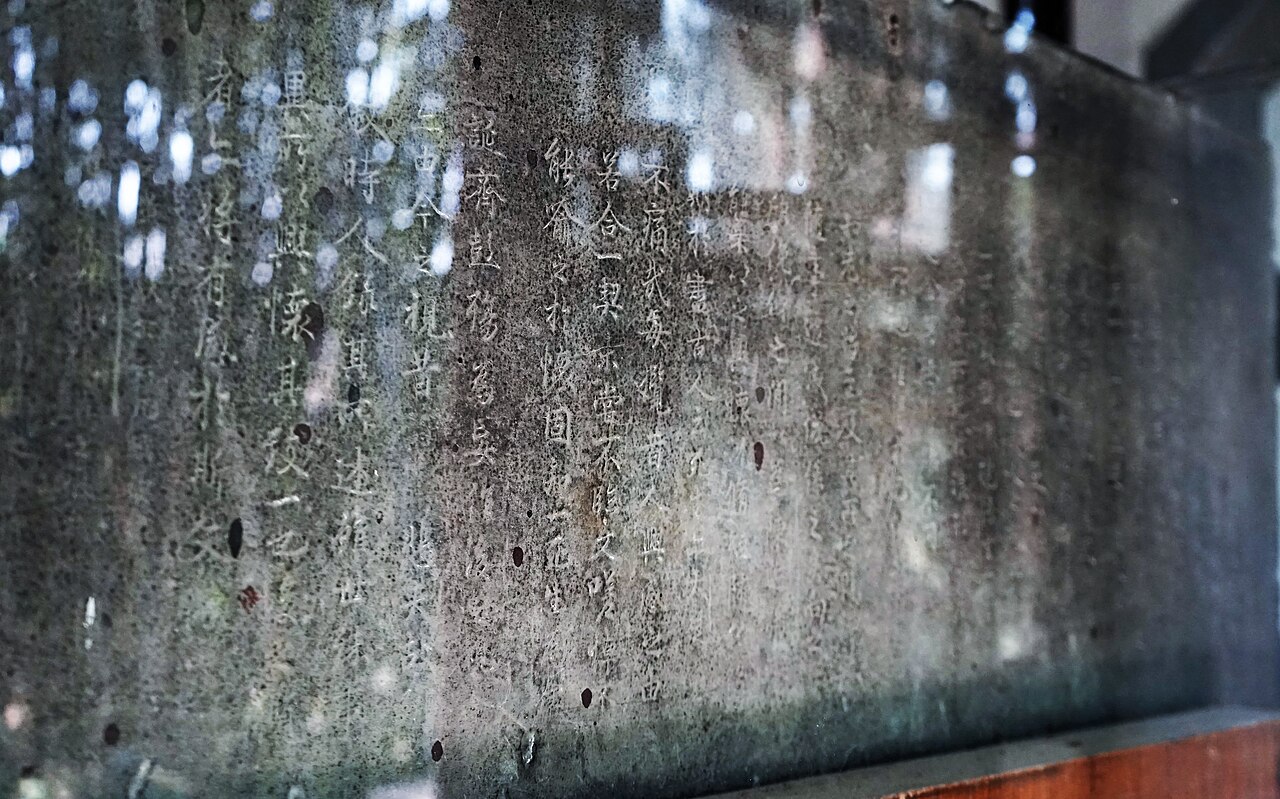
The Stele Forest holds more than 2,300 steles from the Han, Wei, Tang, Song, Yuan, Ming and Qing dynasties — the greatest gathering of calligraphy steles in China. Rubbings include Yan Zhenqing's Duobao Pagoda Stele, Liu Gongquan's Xuami Pagoda Stele, and works by Ouyang Xun, Chu Suiliang and Huaisu.

Terracotta warrior replicas

Shrunken copies of the real thing, and heavy because they're stone. Sold in tourist shops, but the vendors around the pits themselves will haggle — judge by the fineness of the carving and argue the price down.

Lintong fire-crystal persimmons (临

Flat, small and scarlet, glossy enough to look lacquered, thin-skinned and seedless, with flesh that's sweet and cooling rather than cloying. The skin peels off almost by itself, which is why people eat them standing up.

Shaanxi specialities

Walnuts, pomegranates, thick rice wine, crystal cakes, cured beef and osmanthus rice wine. Most supermarkets have a dedicated local-products aisle, which saves you hunting. The Muslim Quarter shops sell dried fruit, cakes and preserves too and you can bargain.

Shuyuanmen (书院门)

A street of antiques, calligraphy, painting and stationery right under the wall near the Stele Forest Museum. Named after the Guanzhong Academy inside it. Quality varies wildly, but if you're serious you can find good pieces — and because it's where locals buy their brushes and ink, the good stuff is genuinely good.

Huajue Lane (化觉巷)

The arts-and-crafts lane behind the Drum Tower, off Beiyuanmen: shadow puppets, paper cuts, cloisonné, fabric work, metal ornaments. Fair warning — this one is aimed at foreign visitors, so what's sold is more generically 'Chinese' than specifically Xi'an, and the prices are steeper. Look freely, buy carefully.

Activities

Things to do that aren't a ticket gate

Watch Qin opera (秦腔)

Shaanxi's own opera — also called 'random plucking' — and the oldest vocal art in Chinese regional theatre. The 'bitter tone' style is the signature: deep, mournful, fiercely emotional. Head to the southern stretch of the ring park around the wall, where local retirees gather with instruments and sing for free, or catch the staged production at the Yisushe Theatre, one of the world's three oldest theatres.

See a Tang music-and-dance show

Productions like 'Music and Dance of Tang Chang'an', 'Song of the Rainbow Skirt and Feathered Coat' and 'Soul of the Terracotta Warriors' are professional-grade reconstructions of Tang court performance. Venues include Tang Yue Gong on Chang'an North Road, the Shaanxi Song and Dance Theatre on Wenyi North Road, and Tang Paradise. Huaqing Palace's 'Song of Everlasting Sorrow' is the one people rave about.

Hear live rock in the bars and gui

Xi'an has produced Xu Wei, Zheng Jun and Zhang Chu of the Magic Stone trio — a serious pedigree. The scene mostly runs underground, with shows organised through guitar shops and bars rather than big venues. If you want to hear what the city sounds like when it isn't being ancient, this is it.

Eat your way down Beiyuanmen

The Muslim Quarter — properly called Huimin Fang — is the densest concentration of snacks in the city, and the side lanes west of it (Xiyangshi, Dapiyuan, Xiaopiyuan, Guangming Lane, Beiguangji Street, Daxuexi Lane) are where the good shops actually are. Budget an afternoon and keep going until it's dark.

Ride the wall loop at dusk

13.7 km, 40 minutes at a decent pace, with the old town on one side and the new city on the other. It's the single best way to understand how Xi'an is put together, and it costs CNY 40 for the bike plus CNY 40 for the wall.

Restaurants

Where to actually eat

Lamb paomo

Lao Mi Jia Da Yu Paomo (老米家大雨泡馍)

Looks shabby, and the people standing with their bowls waiting for seats outnumber the ones sitting. The broth is excellent, the lamb falls apart, and the hard bread blossoms the moment it hits the soup. Pair it with their pickled radish. Prices have crept up with the fame.

Per person
CNY 30–60
Address
Middle of Xiyangshi, Beilin District (near Parkson)
Phone
029-87253694

Hulutou

Chun Fa Sheng (春发生饭店)

The hulutou here is the reason to come: served swimming in a thick white broth, the intestines cleaned so thoroughly there's no trace of anything unpleasant, tender and rich. They also do cold dishes and stir-fries — the chilli-and-garlic lamb blood is a good, sharp appetite-opener.

Per person
CNY 30
Address
20 Nanyuanmen, Fenxiang, Beilin District
Phone
029-87253694

Roujiamo

Fan Ji Lazhi Roujiamo (樊记腊汁肉夹馍)

An old-name shop, and the bun is properly crisp on the outside, the meat a mix of fatty and lean braised to the point of collapse, juicy and generous. One is basically a meal.

Per person
CNY 12
Address
53 Zhubashi Street, Beilin District (near Epang Palace Cinema)
Phone
029-87273917

Steamed beef

Ding Jia Xiao Su Rou (定家小酥肉)

Twenty-plus years in business. Beef tenderloin cut into strips, battered, fried, then steamed in beef stock with spices until the broth perfumes every piece. Served scalding in an enamel bowl — rich without being greasy.

Per person
CNY 25
Address
223 West end of Dapiyuan, Beilin District
Phone
029-87334853

Soup dumplings

Jia San Guan Tang Baozi (贾三灌汤包子馆)

One of the busiest doors in the Muslim Quarter. Thin skins, delicate filling, soup that actually tastes of something — the lamb version especially. A genuine old-name halal house.

Per person
CNY 22
Address
93 Beiyuanmen, Xiyangshi Muslim Quarter (near the Drum Tower)
Phone
029-87257507

Cheap and fast

Xue Changli Rice Noodles (薛昌利大米面皮)

Rice noodles, roujiamo and red bean porridge — that's the whole menu. Pay at the door, collect at the window, fight for a table at mealtimes.

Per person
CNY 10
Address
58 Nanguan Main Street, Beilin District

Noodles

Liu Xiang Noodle House (柳巷面馆)

Thick, seriously springy noodles cooked in a pot right at the doorway. The owner has an extraordinary memory — big bowl, small bowl, coriander or not, she never writes anything down. Perpetually packed.

Per person
CNY 12
Address
Ji Qing Lane, Anban Street, Beilin District

Chain liangpi

Wei Jia Liangpi (魏家凉皮)

Branches all over the city. Two styles: the 'secret recipe' version, thinner and chewier with plenty of toppings and a properly punchy chilli oil, and the sesame-paste version, thick and nutty.

Per person
CNY 13
Address
Multiple branches across Xi'an

Getting there

Arriving, and moving around once you're here

Air

Xi'an Xianyang International Airport sits 45 km northwest of the city, connected by expressway, roughly an hour from the centre. It handles domestic flights plus services to Japan, Thailand and South Korea.

Airport bus
CNY 26 per person
Taxi from city
About CNY 120
Line 1
Bell Tower–Airport, 5:40–01:00, every 20 min
Line 2
Railway Station–Airport, 7:00–20:00, every 30 min
Hotline
4000-787-737

Rail

Xi'an Railway Station is the rail hub of the west and the fourth-busiest passenger station in the country, with buses stopping and starting all around it plus the Shaanxi Xi'an long-distance bus station. Xi'an North Station handles high-speed and bullet trains.

Xi'an Station address
115 Huancheng North Road, Xincheng District
Xi'an Station enquiries
029-87426076
Xi'an North address
Lijiajie Village, Weiyang District
North Station buses
263, 264, 265, 266; Metro Line 2 to North Railway Station
Station buses
5, 9, 13, 14, 游7, Wulong shuttle, Airport Bus Line 2, Overnight Line 1

Long-distance coach

Plenty of coach stations with routes across Shaanxi and into neighbouring provinces. Detailed station contacts are in the practical information table above.

Chengnan
029-85246080
Shaanxi Xi'an
029-87427420
Chengdong
029-82597222
Chengxi
029-84627137
Chengbei
029-86523019
Sanfuwan
029-83136066

City transport

Metro Line 2 currently links North Railway Station with the Convention Centre. Buses are cheap and extensive; tourist bus lines cover the big out-of-town sites.

Metro fares
CNY 2 / 3 / 4 by distance
Metro first trains
6:30 northbound, 6:40 southbound
Metro last trains
21:10 northbound, 21:30 southbound
Headway
9 min 20 sec
Ordinary bus
CNY 1 flat, exact change
Air-conditioned bus
CNY 2, or CNY 1 up to six stops

Taxi

Cheap by big-city standards but watch the shift-change hours and the airport and station touts.

Flag fall
CNY 6 for 2 km + CNY 1 gas surcharge
Per km
CNY 1.5
Empty-return
From 8 km, +50% of per-km rate
Night rate
23:00–06:00, +CNY 1 flag fall, +CNY 0.3 per km
Complaints
96716

Background

Why this city feels the way it does

Thirteen dynasties, and the weight

Xi'an, once called Chang'an, is where Chinese civilisation took root, and several thousand years of sediment later it still carries a remarkably intact historical face. "Chang'an has been the imperial capital since ancient times" isn't a slogan — it's a description. Every old lane, every grey wall brick, every roof tile over a deep courtyard can drop you through time. In its day the Epang Palace had a terrace every five paces and a pavilion every ten; the Silk Road's camel bells rang through an international metropolis that was, for a while, the busiest city on earth.

The questions visitors ask us most about Xi'an, answered plainly.

Frequently asked questions

Prices and practical details are reviewed every month by our Beijing team and updated the day a rule changes.

How many days do you need in Xi'an?

Three days covers the essentials and four is comfortable. Day one is the city wall, Bell and Drum Towers, the Muslim Quarter and the Stele Forest; day two is Shaanxi History Museum and the Big Wild Goose Pagoda; day three is the Terracotta Army, Qin Shi Huang's mausoleum and Huaqing Hot Springs. Add a fourth for Huashan or the Famen Temple, and note the Terracotta Army is 40 km east — it eats a full day.

Is the Terracotta Army worth it, and how do I get there?

Yes — it is the reason most people come, and no photograph prepares you for the scale of Pit 1. Take bus 306 (Tourist Line 5) from the east square of Xi'an Railway Station, CNY 7, 1–1.5 hours; ignore anyone at the station claiming to be the 306, check the sign on the front of the bus and pay on board. Tickets are CNY 150 in high season (Mar 16–Nov 14) and CNY 120 in low season, open 8:30–17:30 in summer and 8:30–17:00 in winter.

When is the best time to visit Xi'an?

Spring (April–May) and autumn (September–October) — mild, dry and clear. Summer is brutal: highs around 40°C, sudden downpours, and the city wall has almost no shade, so go early or after 17:00. Winter drops to about -8°C at its worst but is quiet and cheap, and the Terracotta Army pits are unheated, so dress for it.

What should I eat in Xi'an, and is the Muslim Quarter the place to do it?

Start with lamb or beef paomo (tear the flatbread yourself, the smaller the better), then roujiamo, cold liangpi noodles, biangbiang noodles, water-basin lamb and meatball hulatang for breakfast. The Muslim Quarter is the right area, but walk past Beiyuanmen — the crowded main drag — into Xiyangshi, Dapiyuan and Guangming Lane, where the same dishes are better and cheaper. Almost all Hui restaurants are alcohol-free and serve no blood products, so respect that.

Is Xi'an expensive?

No — food and accommodation are moderate, and you can eat very well for CNY 30–60 a meal. The catch is tickets: the Terracotta Army at CNY 150, the wall at CNY 40, Huaqing Hot Springs at CNY 110 and the Tang Paradise theme park at CNY 120 add up fast. Student discounts here are often only 20–30% off, not the usual 50%, so budget for full-price tickets.

Can I visit Huashan from Xi'an as a day trip?

Yes, and many people do, but it is a long day. Huashan is 118 km east, about 1.5–2 hours by train (CNY 20-ish) or 2 hours by road from the east bus station (CNY 33). Tickets are CNY 180 in high season and CNY 100 in low season and are valid two days. If you want the sunrise from East Peak, sleep at the mountain foot or on the summit — summit beds are basic and sell out, so book ahead.

Plan this trip

Prefer it arranged for you?

The same places, with a driver, an English-speaking guide and the tickets already bought.

8 days · Classic

China Highlights Express

The essential first-time itinerary: imperial Beijing, the Terracotta Army in Xi'an and futuristic Shanghai, linked by high-speed rail.

★★★★★4.9 218 reviews

From US$1,290 US$1,490/per person

View tour

10 days · Classic

Golden Triangle & Giant Panda

The three great capitals plus a morning with the pandas of Chengdu — the trip we recommend to seven out of ten first-time visitors.

★★★★★4.9 164 reviews

From US$1,690/per person

View tour

14 days · Culture

Silk Road Odyssey

Xi'an to Dunhuang along the Hexi Corridor: desert fortresses, camel treks at Mingsha Shan and the caves of a Thousand Buddhas.

★★★★★4.8 76 reviews

From US$2,690/per person

View tour

9 days · Food

Culinary China: Dumplings to Dim Sum

Nine days eating across four regional cuisines, with cooking classes, market walks and a Chengdu hotpot night that goes late.

★★★★★4.9 112 reviews

From US$1,780/per person

View tour

12 days · Family

Family China Discovery

Twelve days built for children: panda mornings, dumpling classes, a Great Wall toboggan, karst rivers and no 5 a.m. wake-ups.

★★★★★4.9 97 reviews

From US$1,980/per person

View tour

15 days · Grand Tour

Grand China Odyssey

Five regions, one journey: imperial north, panda country, the karst rivers of Guilin and the skyline of Shanghai, with Hangzhou's West Lake.

★★★★★4.8 132 reviews

From US$2,580/per person

View tour

Xi'an

Terracotta Army Private Day Tour

Pit 1 before the coaches, the bronze chariots, then the city wall at dusk — the two halves of Xi'an in one day.

From US$98/per person

View tour

Xi'an

City Wall & Muslim Quarter Day Tour

Cycle the only complete Ming city wall in China in the cool of the morning, then eat your way through the Hui quarter the Silk Road left behind.

From US$89/per person

View tour

Xi'an

Mount Hua Private Day Tour

The western peak by cable car, the ridge walk to the south peak, and the plank walk if you want it — China's most vertical sacred mountain in a day.

From US$139/per person

View tour

Related reading

Related reading

Visas Do I Need a Visa for China? Requirements, Costs and How to Apply China's entry rules changed more in the last three years than in the previous twenty. Here is exactly who needs a visa, what it costs, how long it takes and which passports now walk straight through. 9 min read Visas China's 240-Hour Visa-Free Transit: Who Qualifies and How It Works Ten days in China with no visa application, no fee and no fingerprints — if you hold the right passport and leave for a third country. Here is the rulebook, port by port. 8 min read Money Paying in China: Alipay, WeChat Pay, Cards and Cash Roughly nine in ten urban payments in China now run through a phone. Set up two apps before you fly, carry a modest cash float, and you will never be stuck at a till. 8 min read Transport China's High-Speed Rail: How to Book, What It Costs, How Fast It Goes The fastest way to cross China is also the most pleasant. Here is how to book a ticket with a foreign passport, what the three classes actually give you, and how to survive a Chinese station at rush hour. 9 min read Planning Best Time to Visit China: Month by Month, Region by Region China is the size of Europe, so 'the best month' depends on where you stand. Here is the month-by-month answer for the north, the Yangtze valley, the south and the plateau. 8 min read Planning What to Pack for China: The Complete 2026 Checklist Twenty thousand steps a day, three climate zones and a phone that has to do everything. This is the list we give our own travellers, minus the things they never used. 7 min read Food Chinese Food Culture: Eight Cuisines, One Table There is no such thing as Chinese food. There is Cantonese, Sichuan, Hunan, Jiangsu, Zhejiang, Fujian, Anhui and Shandong — and knowing which one you are eating changes everything. 8 min read Traditions Chinese Tea Culture: Six Classes, One Pot, Two Fingers Tea in China is not a beverage category, it is a social technology: it fills silences, seals deals and sets the pace of a meal. Here is how to sit down in one and not look lost. 7 min read Traditions Chinese Festivals: The Calendar, the Dates and the Crowds Lunar dates mean the calendar moves every year — and two of the festivals move several hundred million people at once. Plan around them or plan into them, but never by accident. 8 min read Etiquette Chinese Etiquette: What Matters, What Does Not, and Why Most etiquette advice for China is either obvious or wrong. These are the dozen behaviours that actually change how you are treated, and the reasoning behind each. 7 min read

Tell us your dates.
We'll do the rest.

Free itinerary design, a revised plan within one working day, and nothing charged until you approve the final version.

  • The Terracotta Army is 40 km east of the city; bus 306 (also called Tourist Line 5) leaves Xi'an Railway Station east square for CNY 7 and takes 1–1.5 hours.
  • Xi'an city wall is 13.7 km around, CNY 40 to enter, and a single bike rents for CNY 40 per 100 minutes — fit riders lap it in about 100 minutes, not 40.
  • Shaanxi History Museum issues 4,000 free tickets a day (2,500 before 14:00) and closes Mondays; buy the CNY 20 Treasures Gallery ticket to skip the queue.

No spam. No sales calls. Just a real itinerary from a real person.