City guide · Guangxi Zhuang Autonomous Region

Guilin travel guide: the Li River karst, Yangshuo's rice paddies, and how to dodge the crowds

Karst peaks rising straight out of a green river, rice terraces carved into mountainsides, and the best bowl of noodles you'll eat in China.

  • Known forLi River karst scenery, Yangshuo, rice terraces, rice noodles
  • Typical spendAbout CNY 1,500 per person for 3 days
  • Ideal length3 days, 4–5 with Longji and Xingping
  • PaceEasy — boats, bikes and short walks

Reviewed by our Beijing team Updated 2026-10-10

The short version

Guilin is worth 3 full days: the 83km Li River cruise from Guilin to Yangshuo is the headline act (CNY 210–450 depending on boat class), Yangshuo's 16km Ten-Mile Gallery is best done by bike, and the Longji Rice Terraces add a full day if you have it. The classic 'three hills, two caves, one river' city circuit — Elephant Trunk Hill, Fubo Hill, Diecai Hill, Reed Flute Cave and Seven Star Cave — runs CNY 30–135 per site. Come April to October for green water and full rice terraces; September and October are the sweet spot. Guilin Liangjiang International Airport (KWL) is 28km from downtown and connects to 60+ domestic and international routes.

  • The Li River cruise takes about 4.5 hours and departs daily at 9:30 and 10:00; book at least one day ahead through your hotel or a Guilin travel agency. Peak-season tickets: CNY 450 deluxe, 305 luxury, 210 standard.
  • The 22km stretch from Yangdi to Xingping is the scenic heart of the Li River — you can bamboo-raft it for CNY 95–120 or hike it in 5–6 hours. Bring a CNY 20 note: the backdrop is printed on it.
  • Longji Rice Terraces (Longsheng County) are flooded and mirror-like for about two weeks after the 15th day of the 4th lunar month — roughly late May — and golden in late September.
  • A bowl of proper Guilin rice noodles costs about CNY 3.5 at a local shop; a fast-food meal runs around CNY 7. Budget roughly CNY 1,500 per person for 3 days.

City guide

First impressions

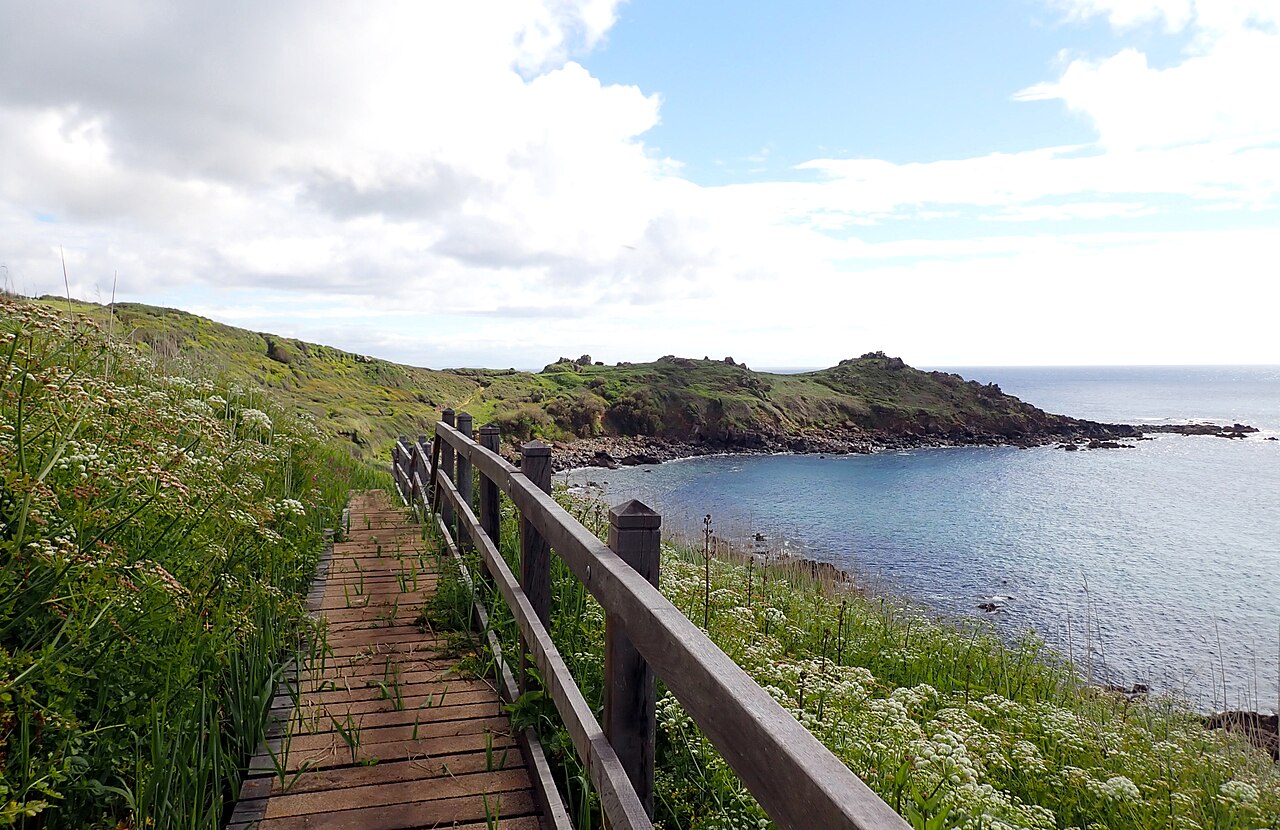
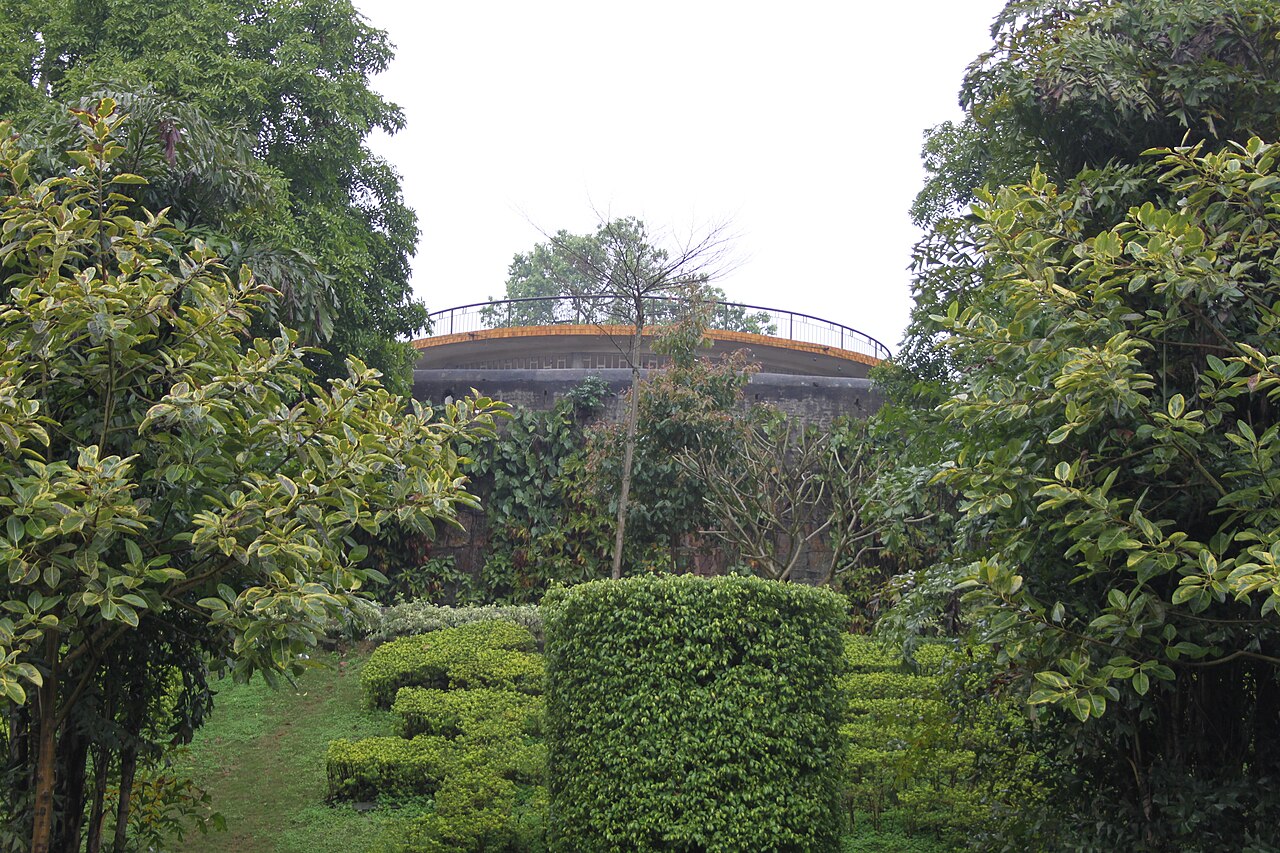
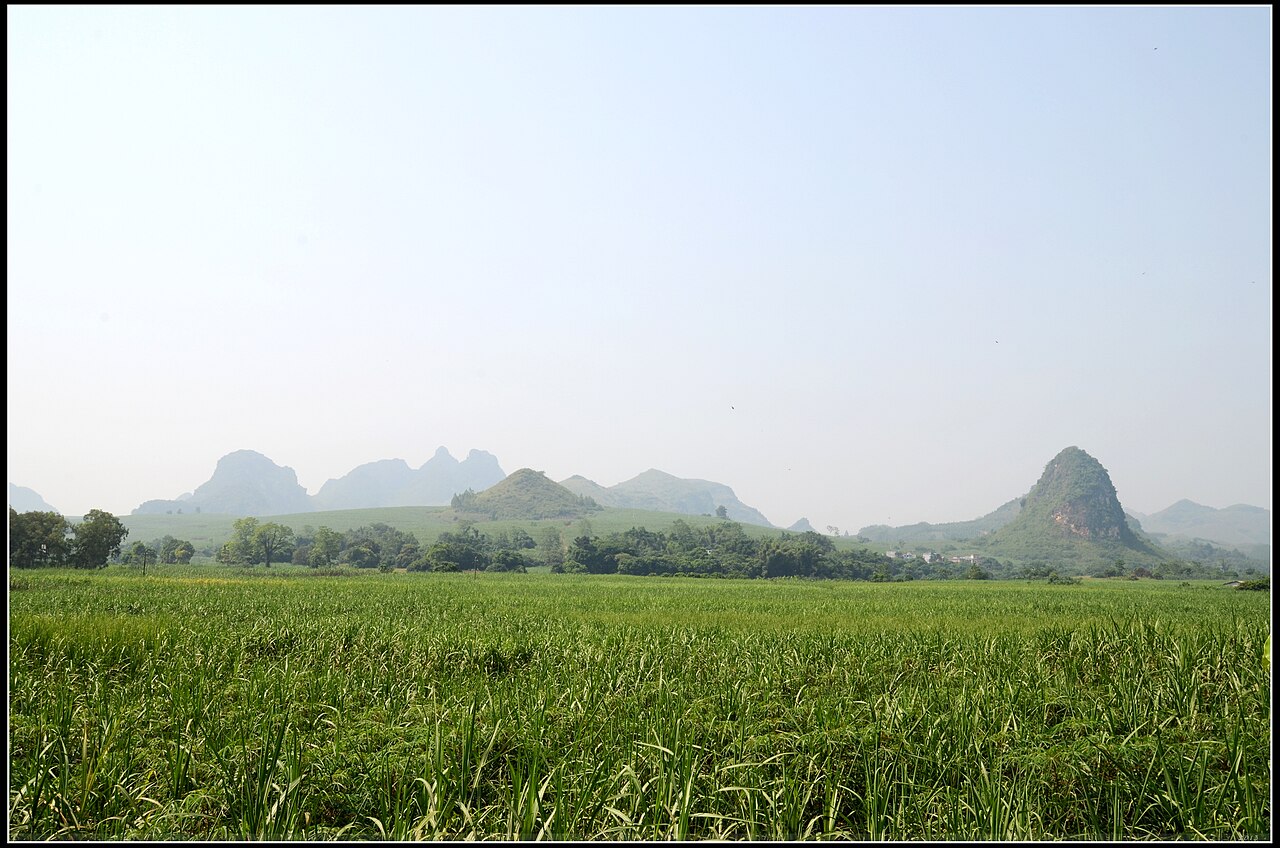
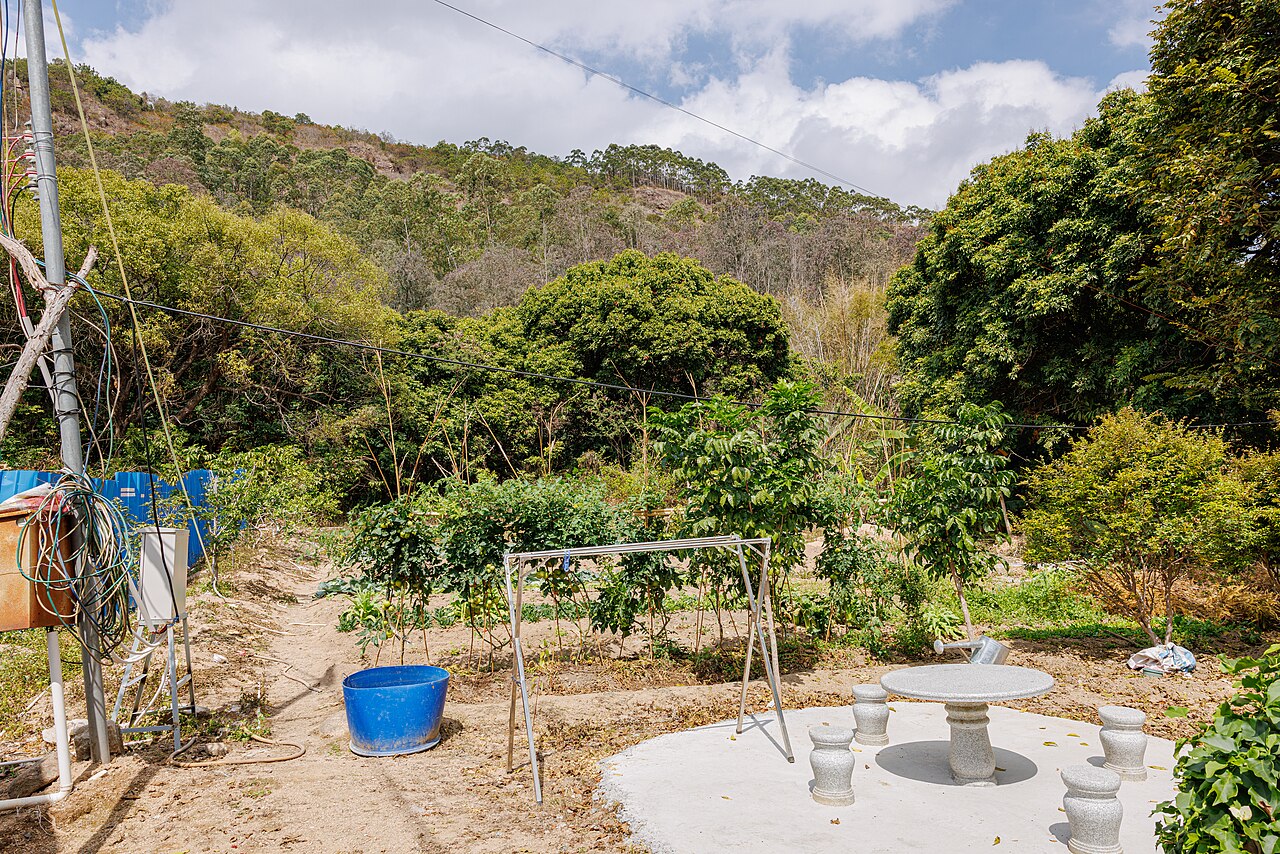
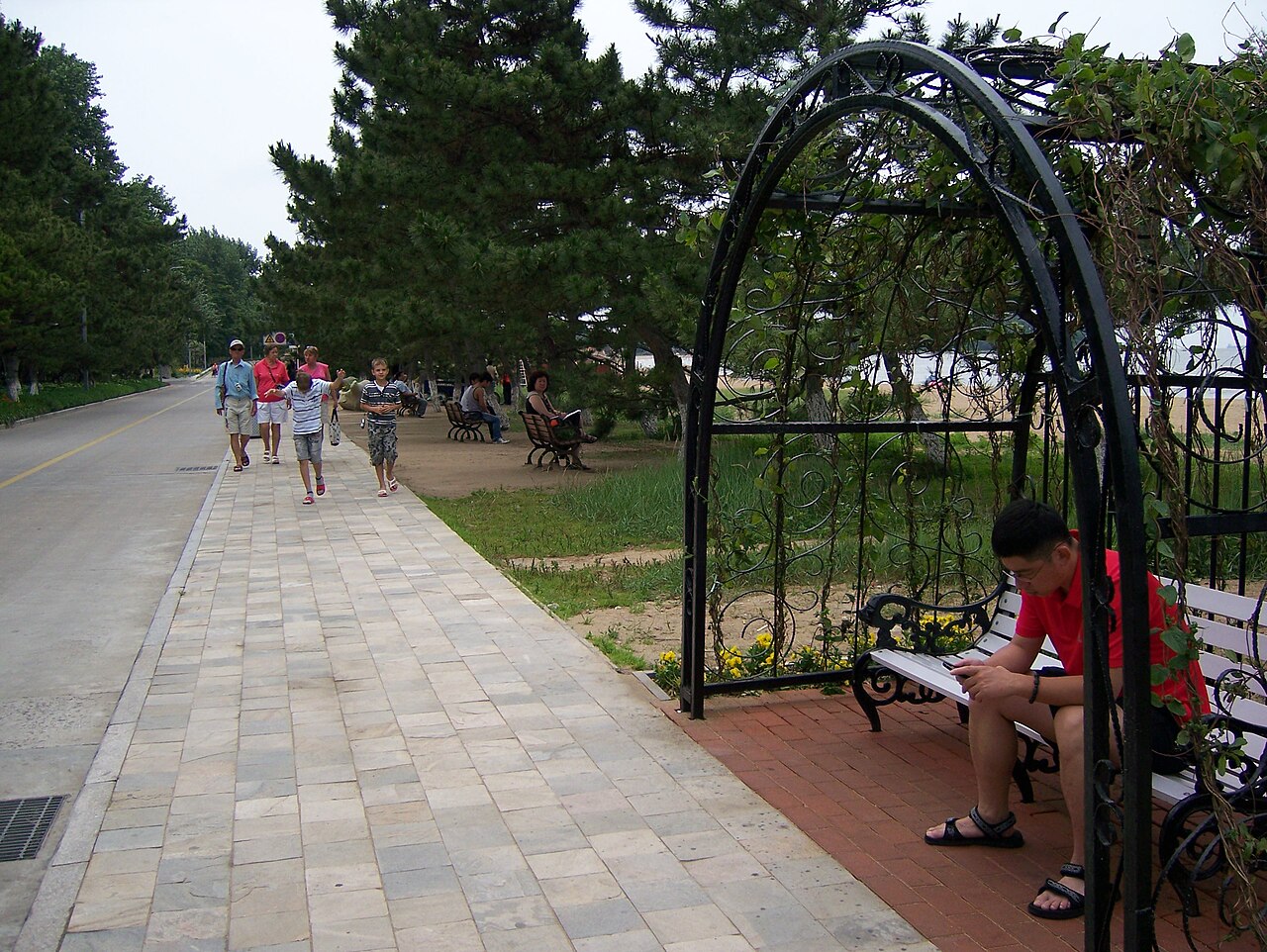
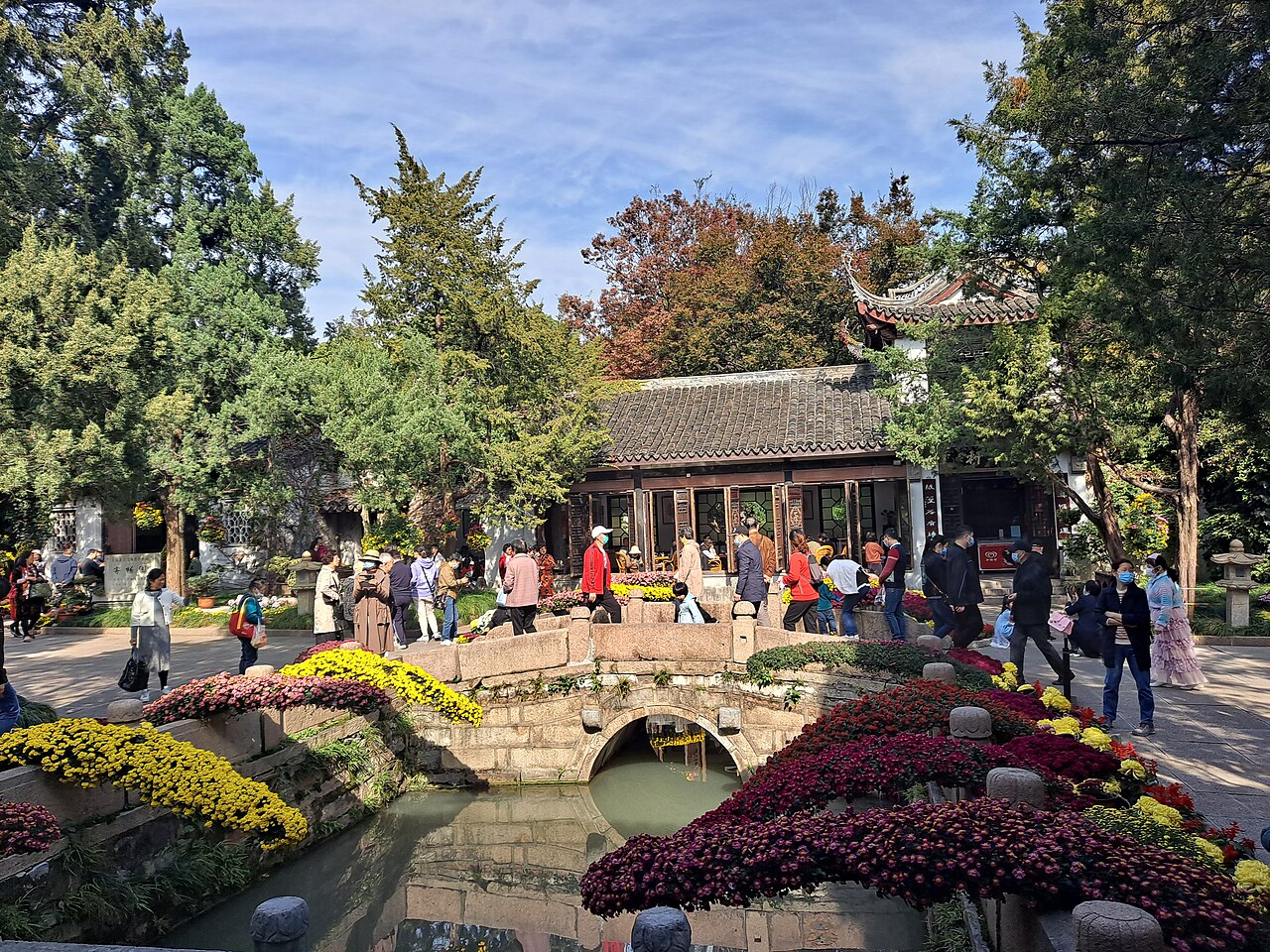
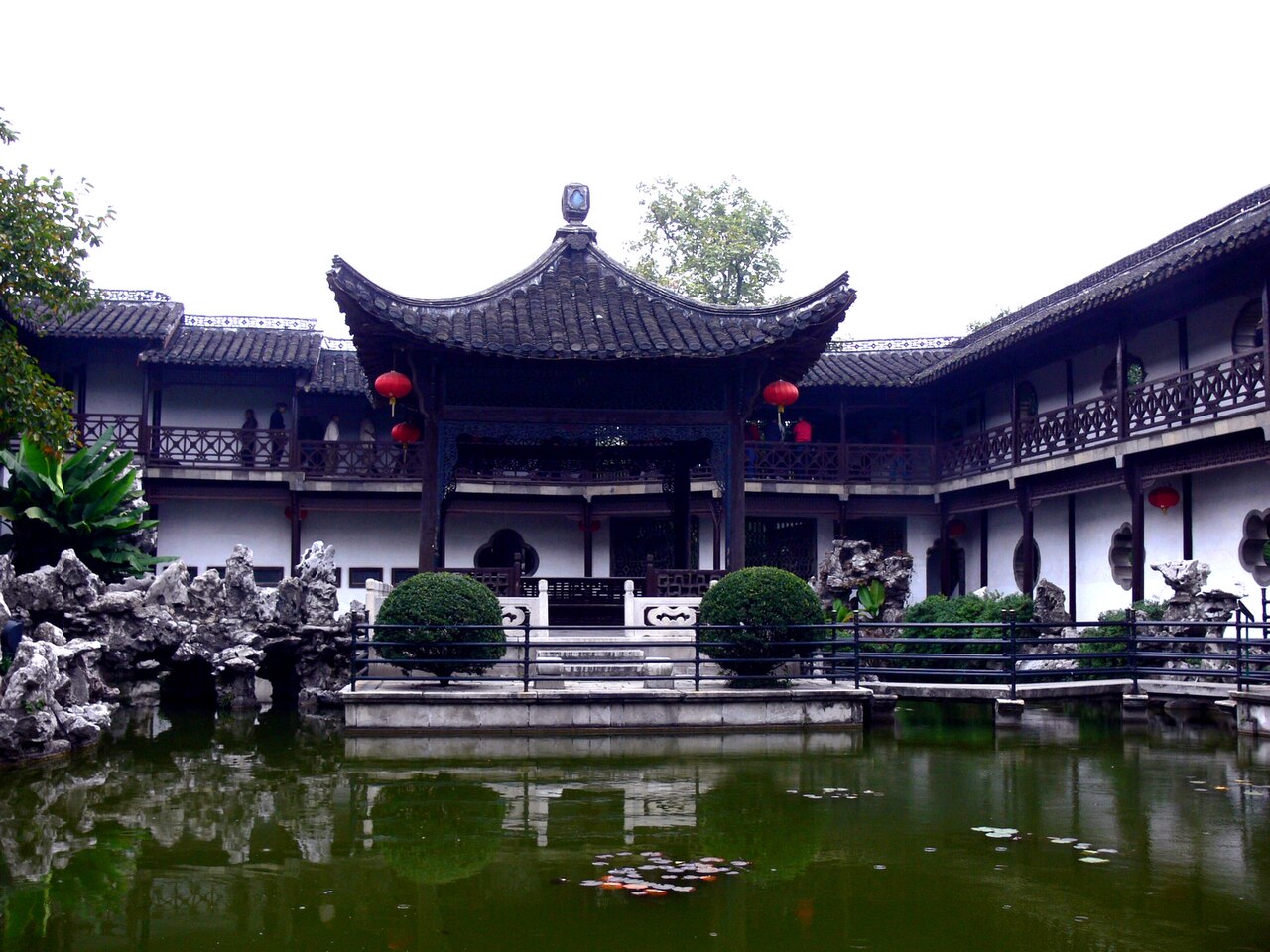
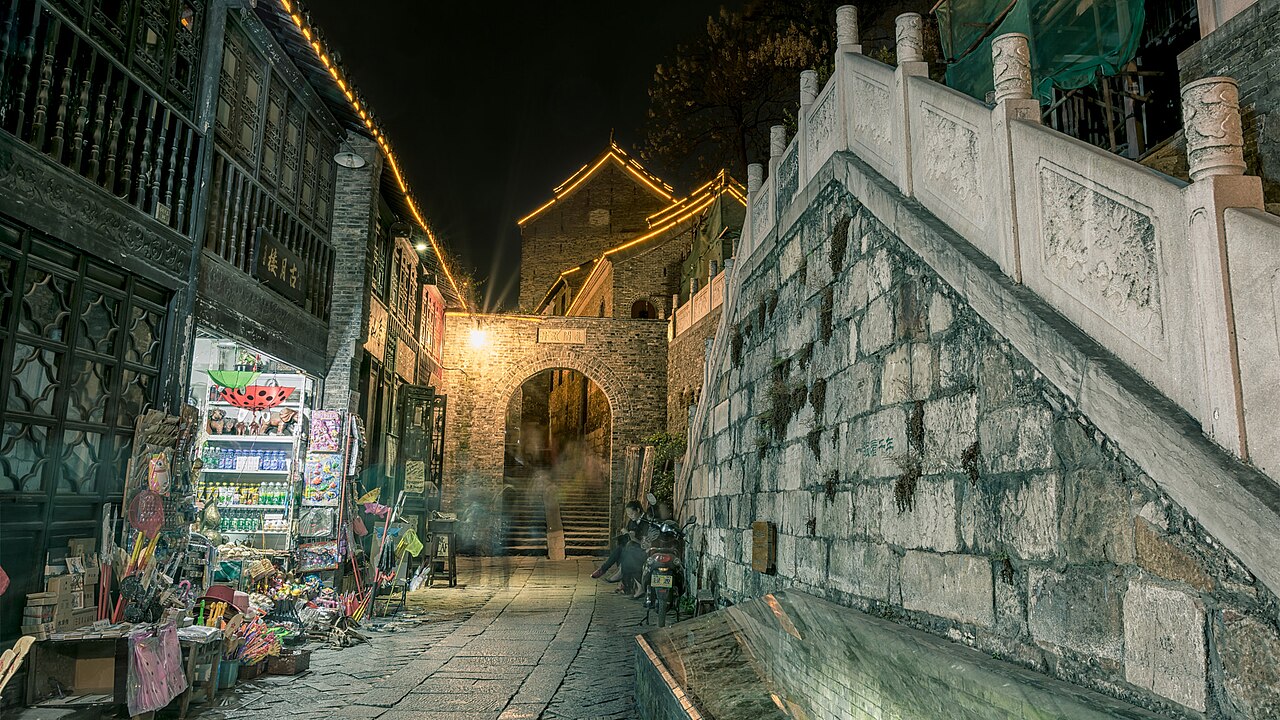
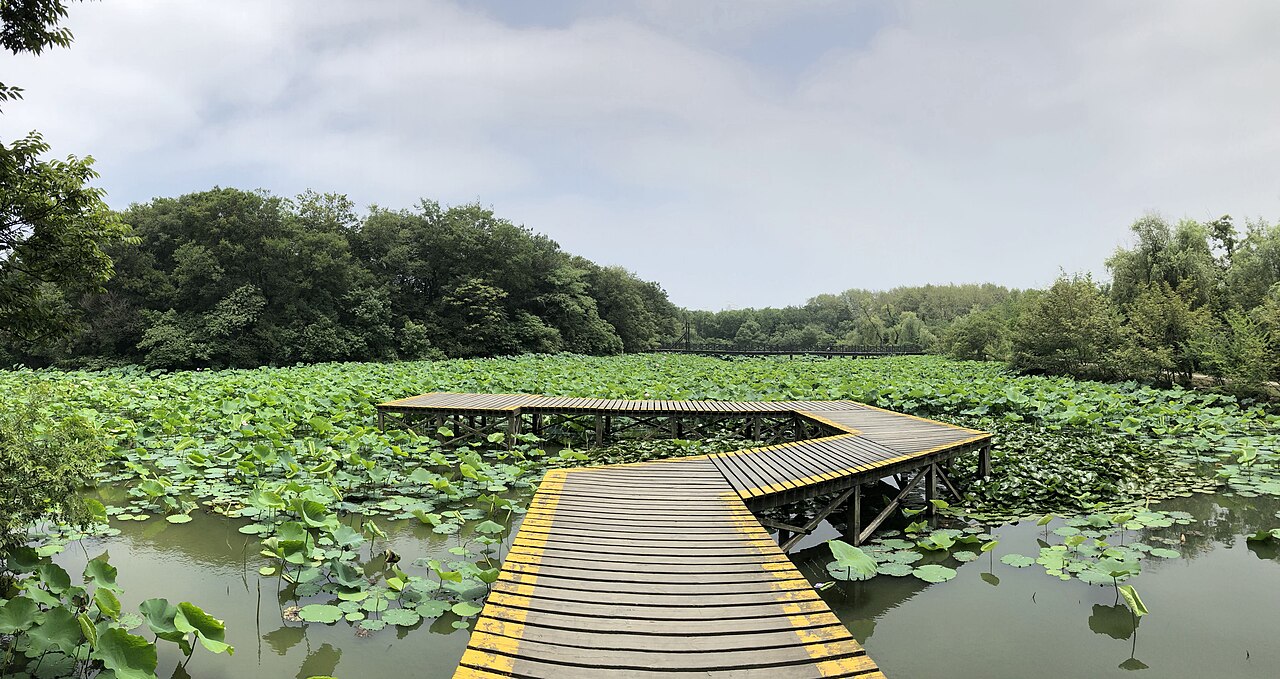
Photographs from the coast, and what other travellers wrote afterwards.

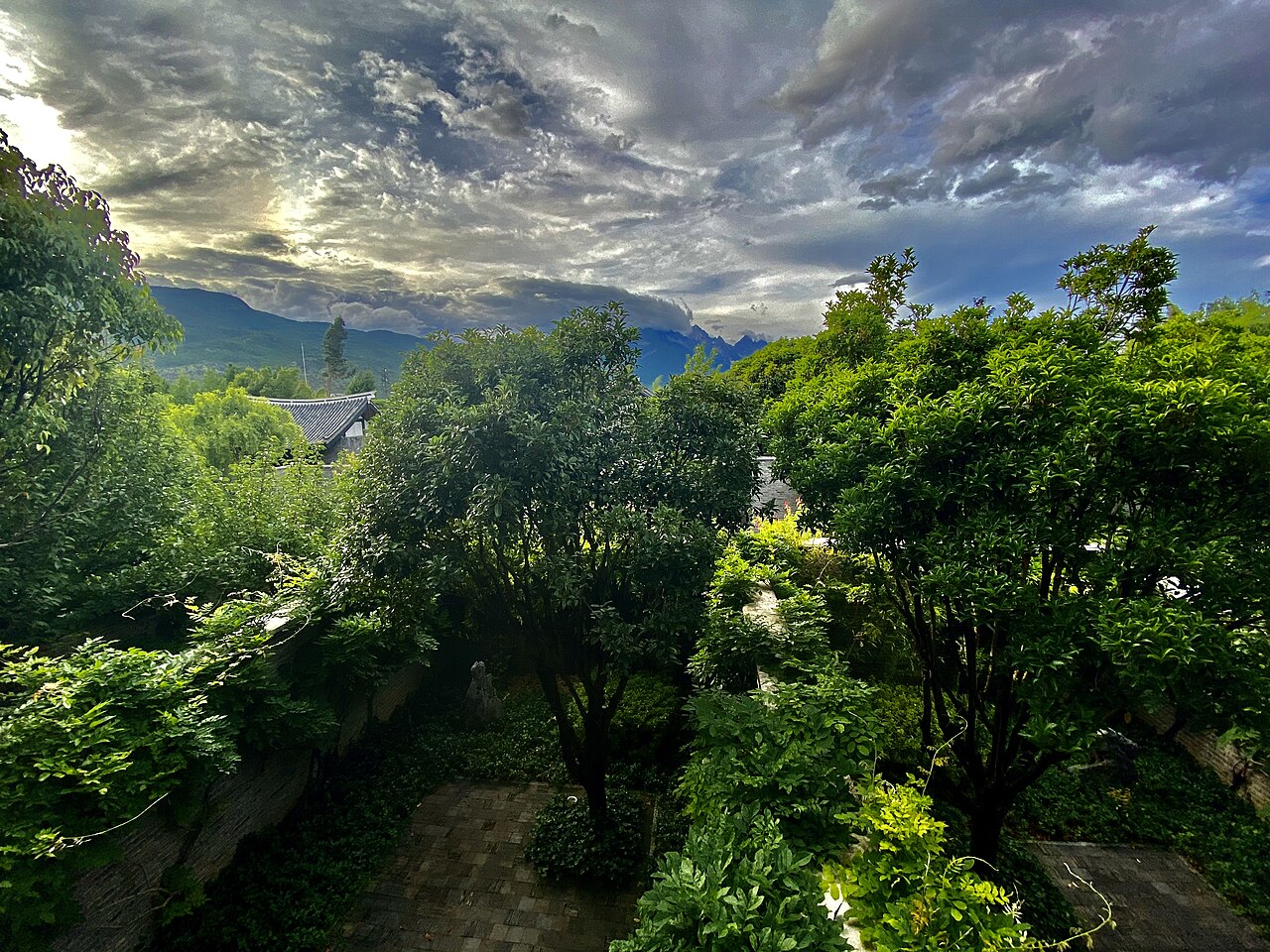
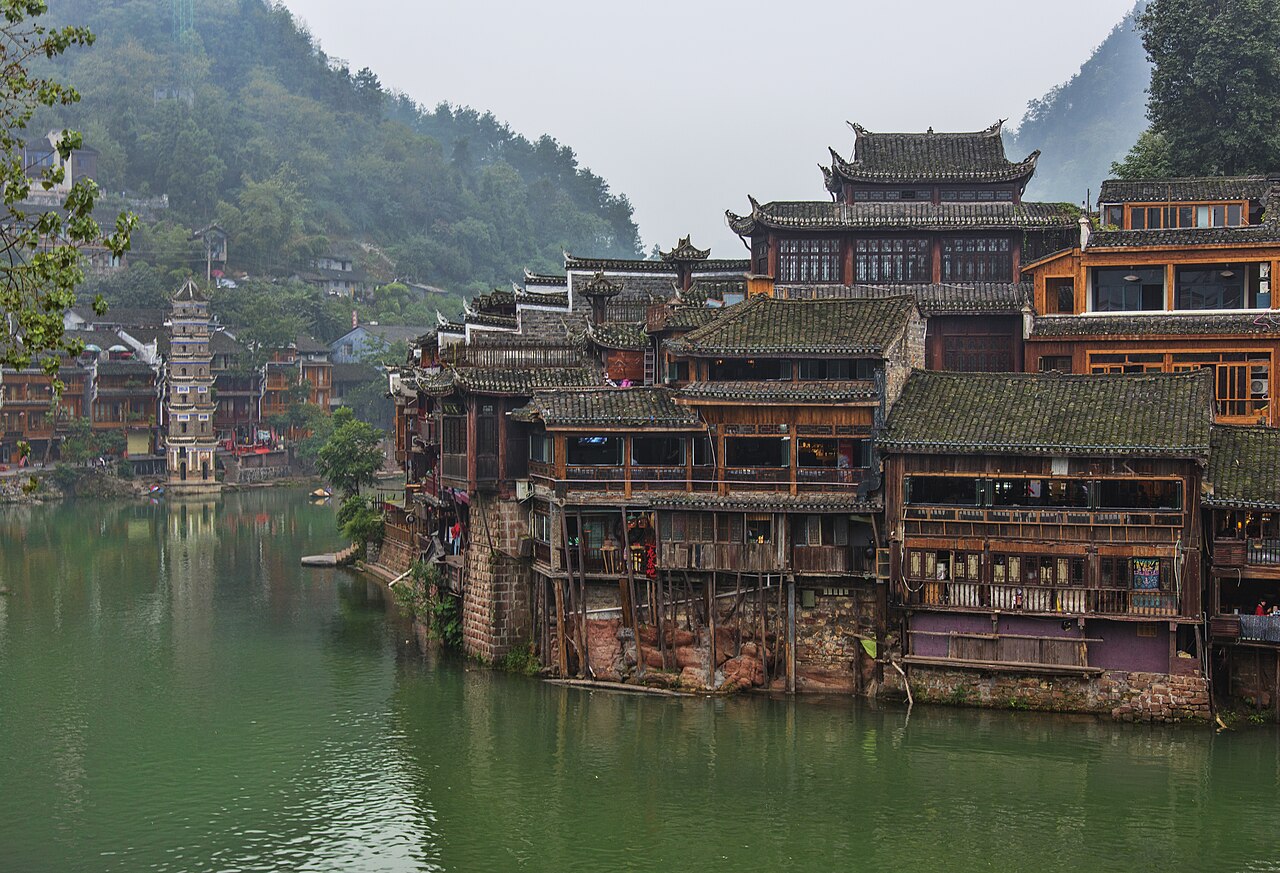
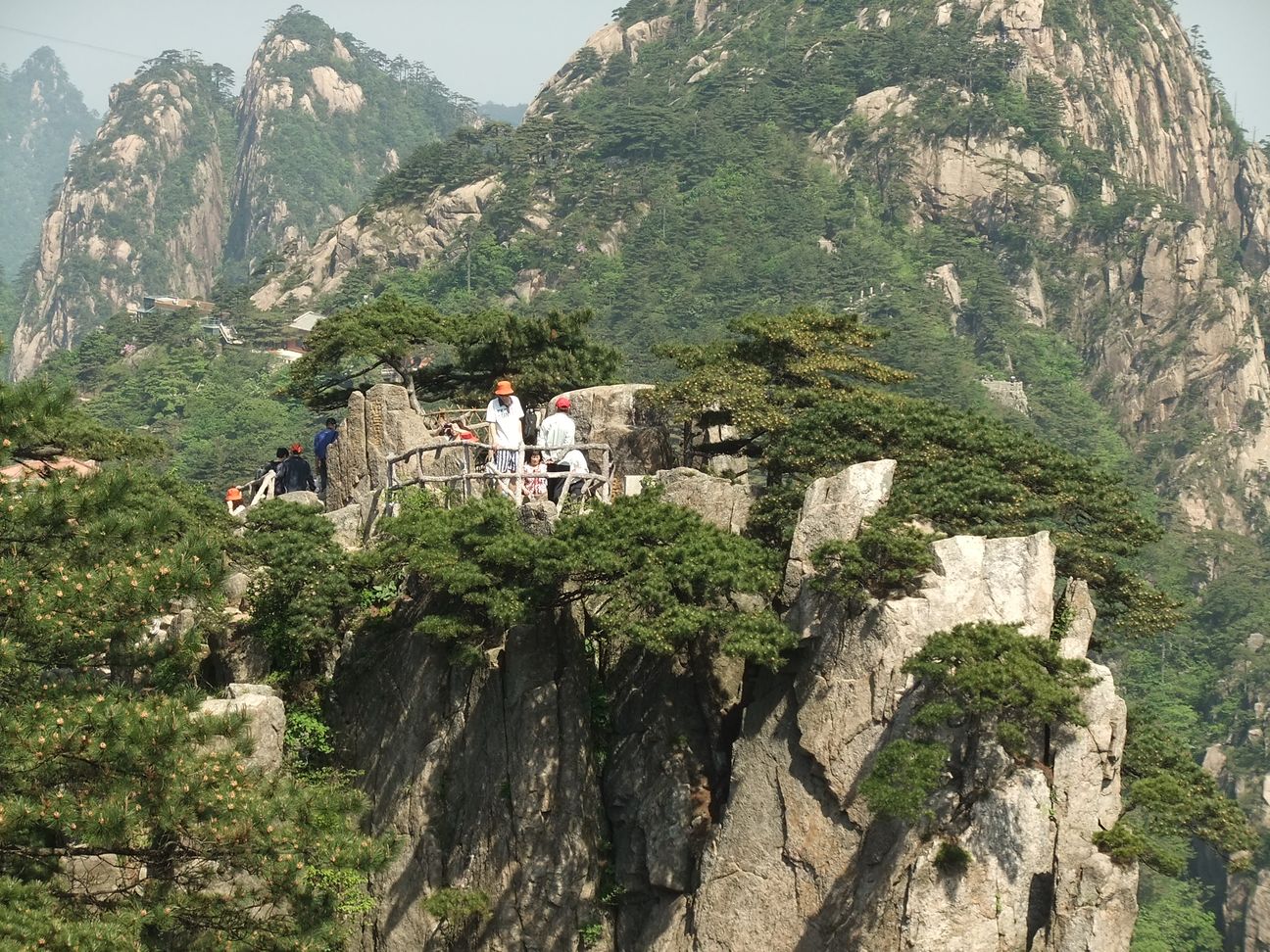
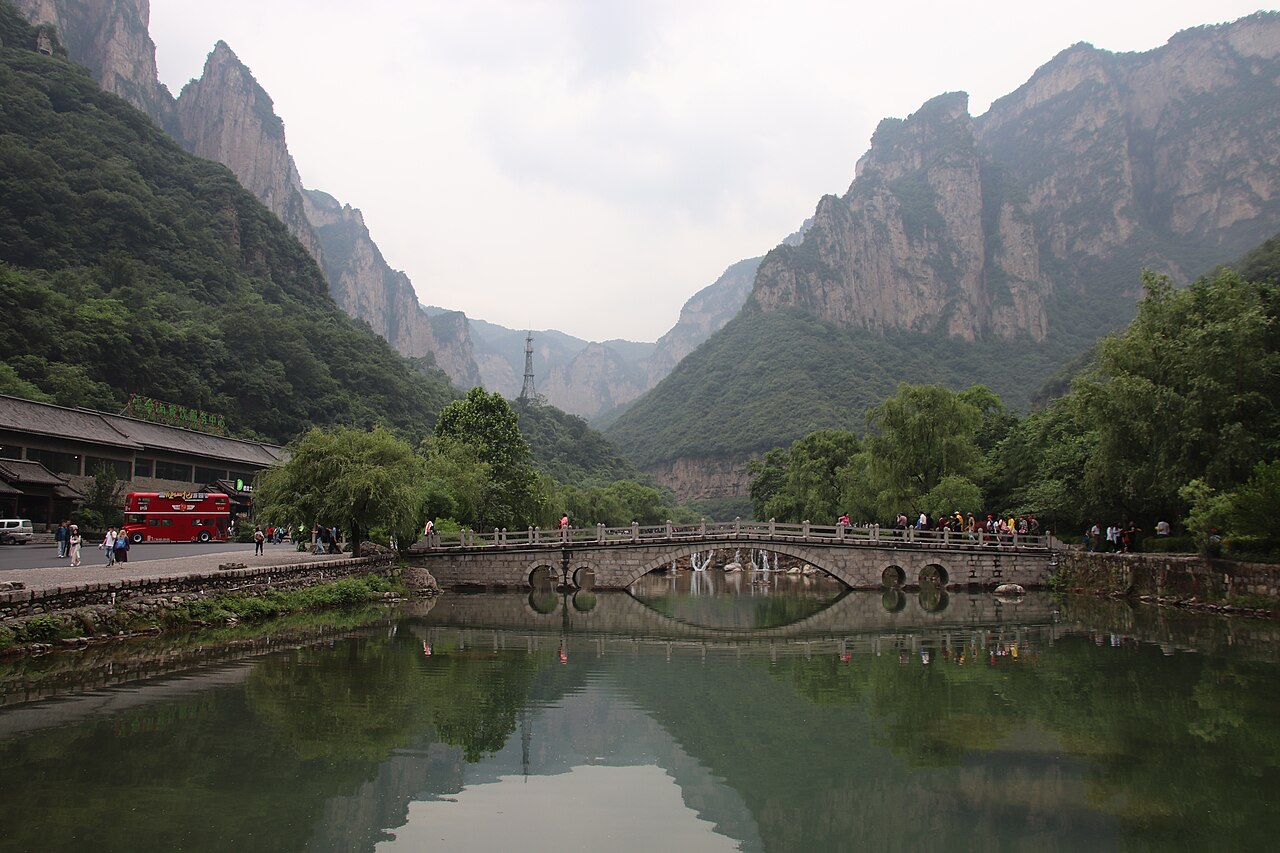
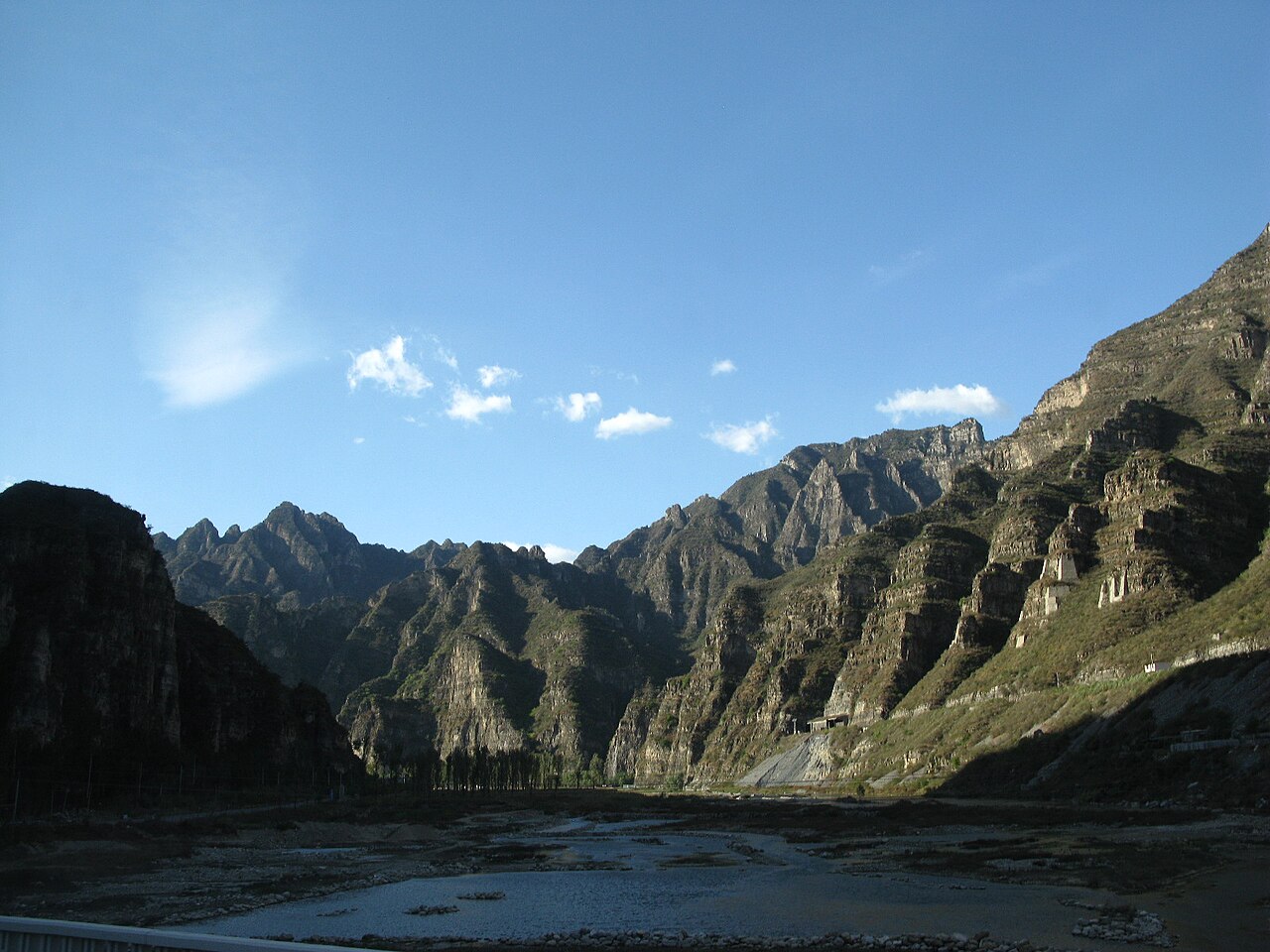
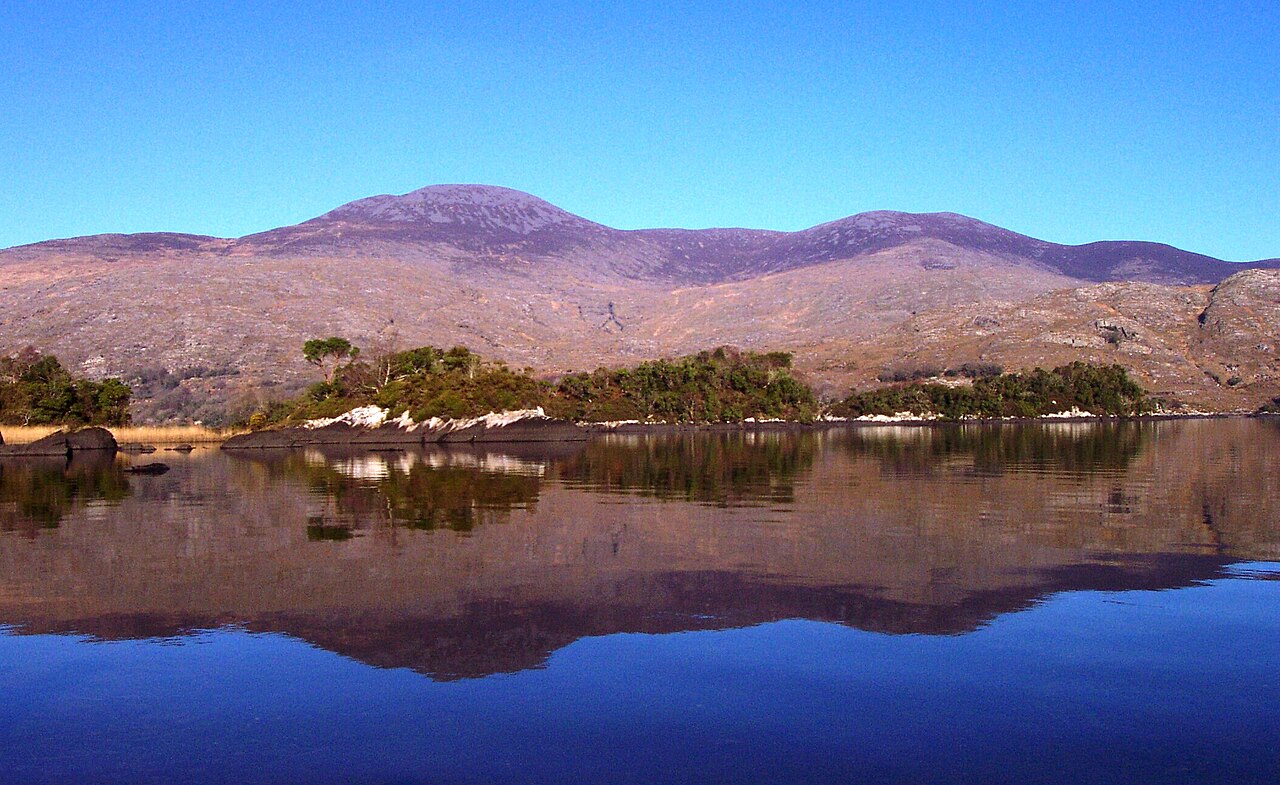
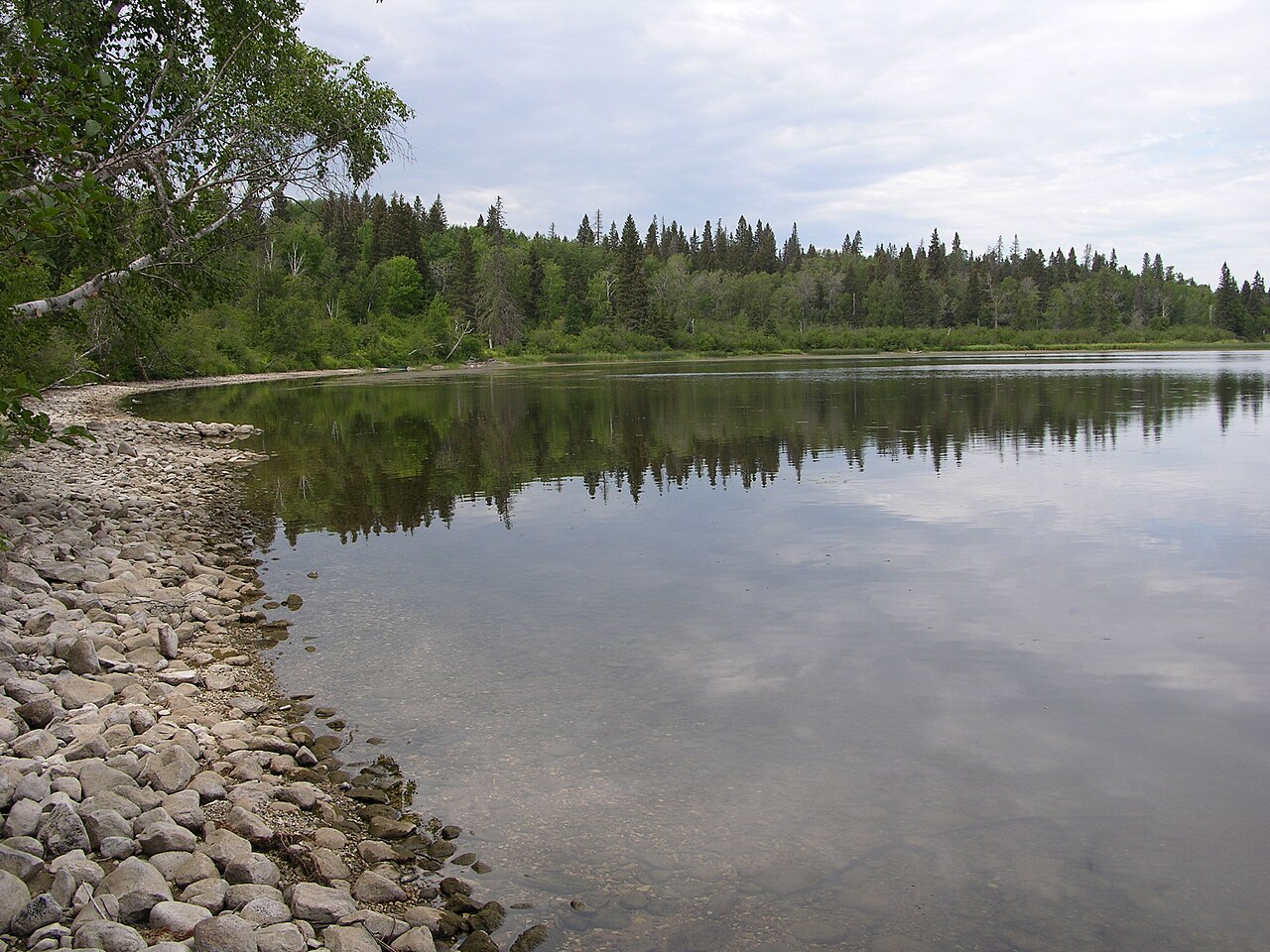
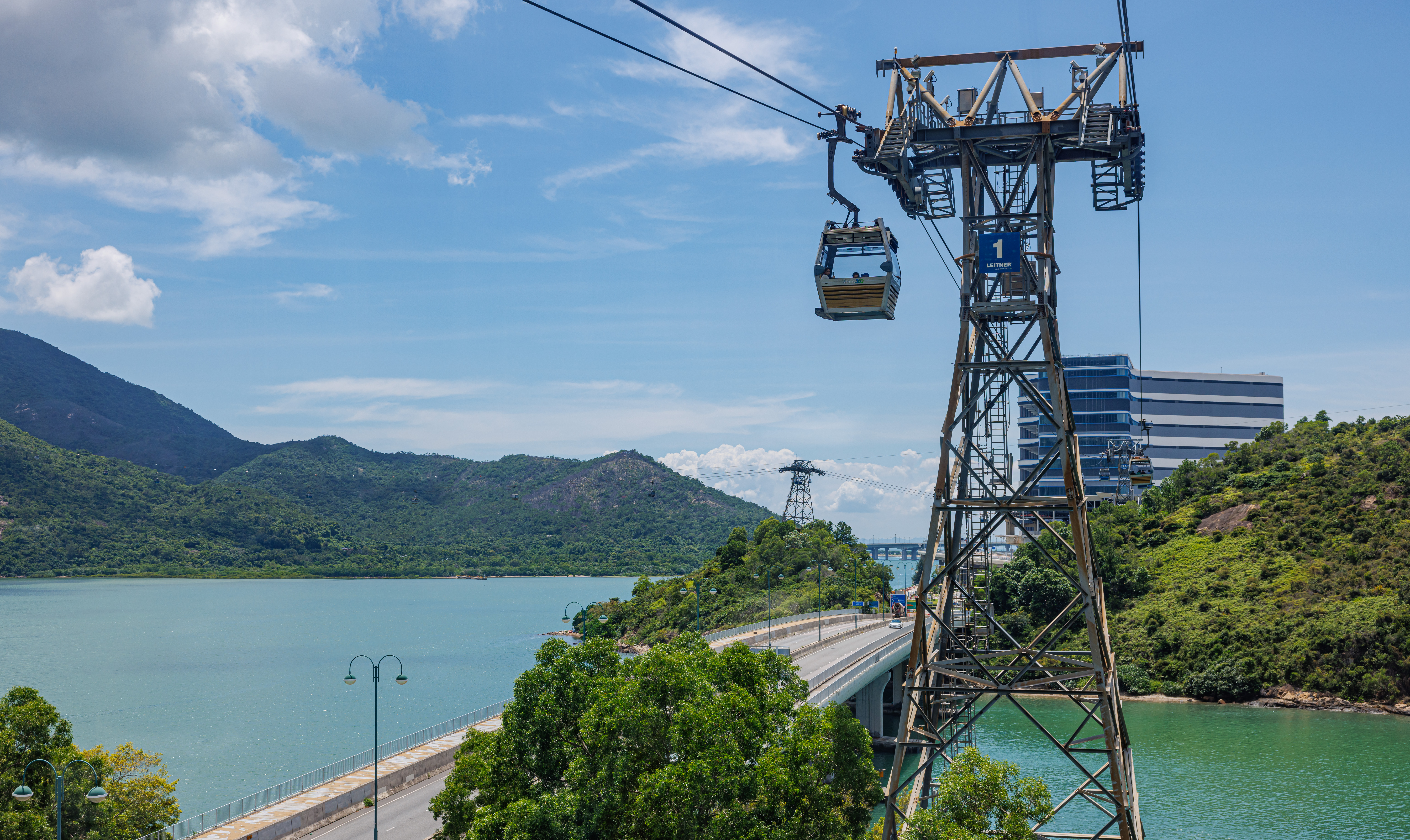
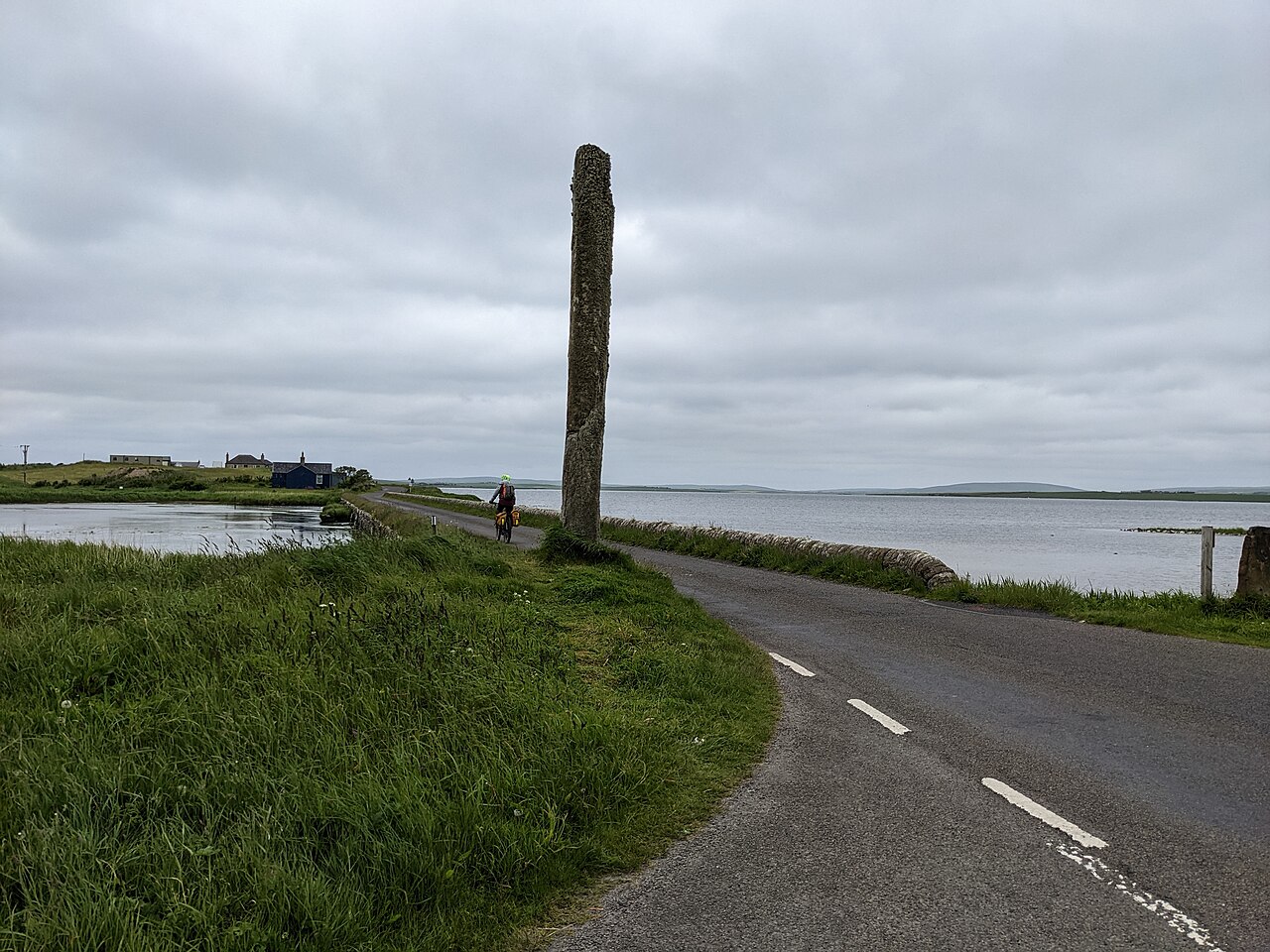
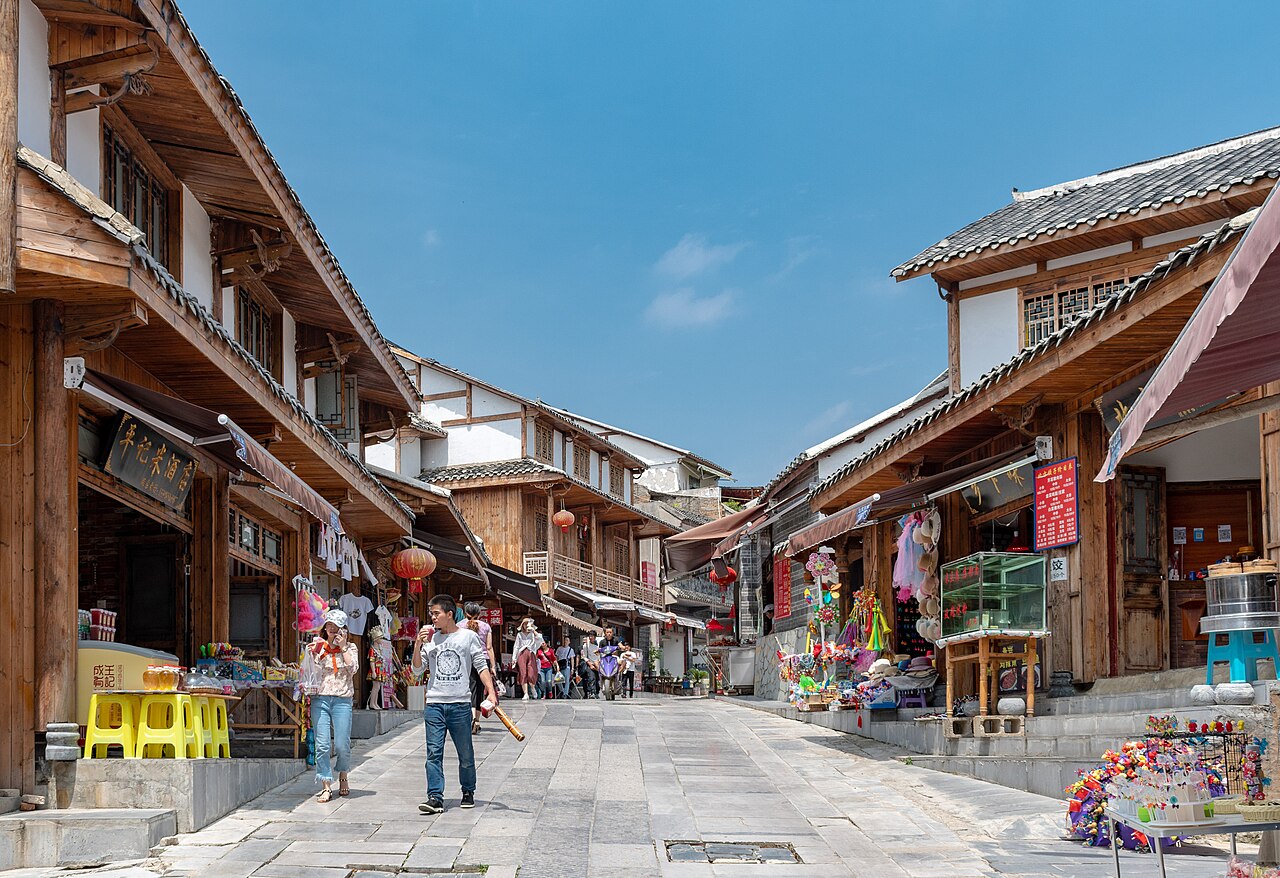
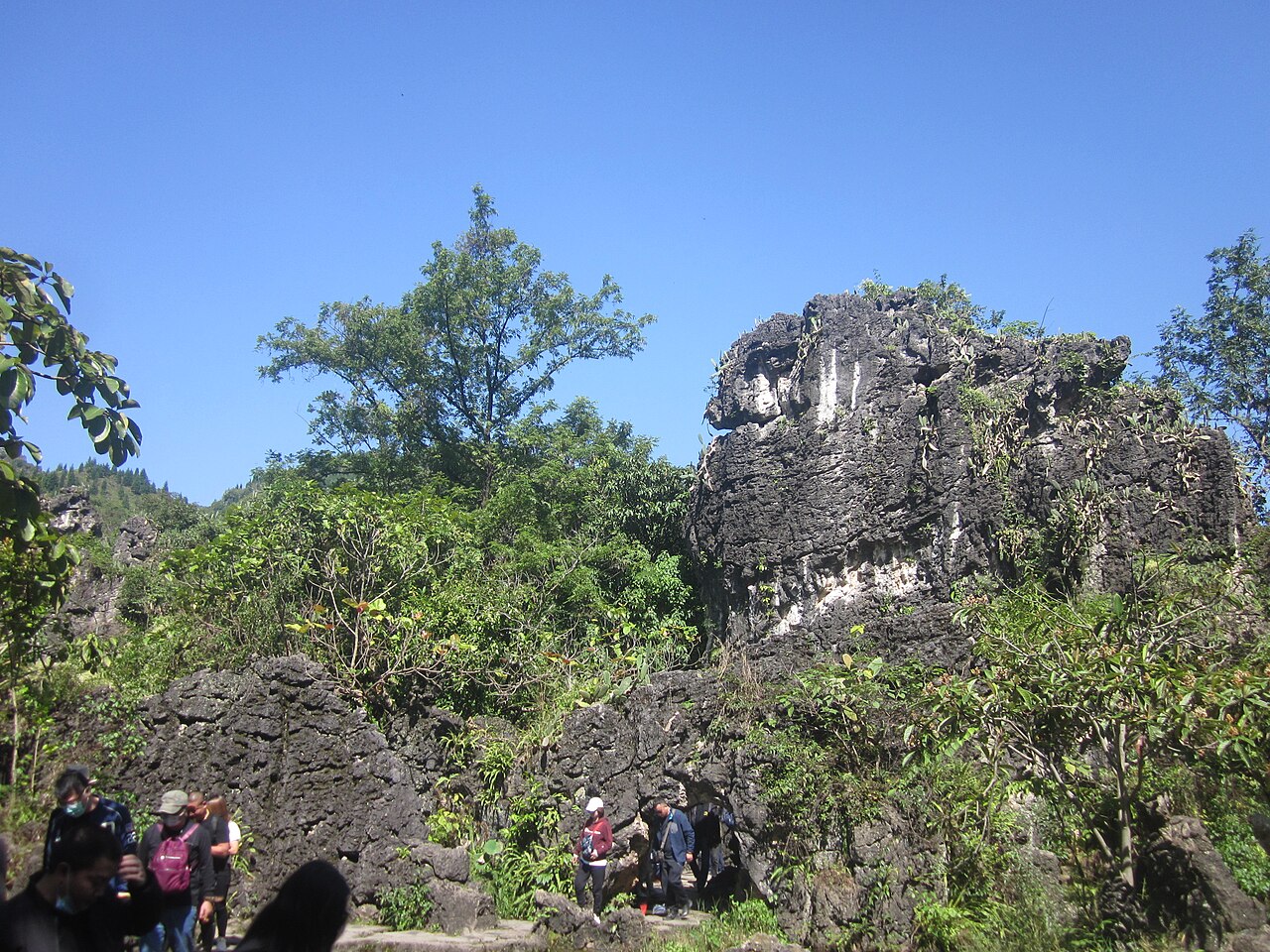
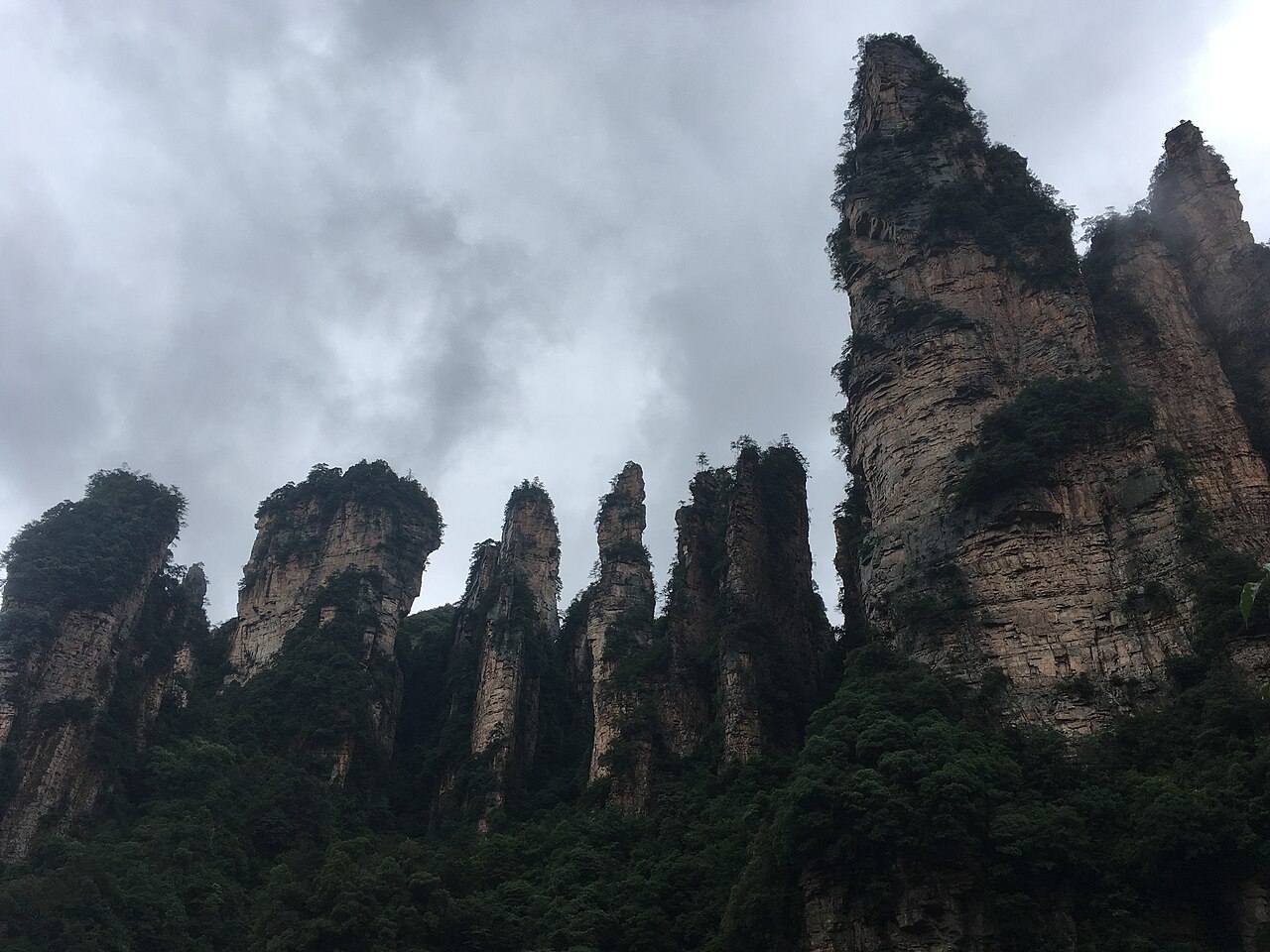
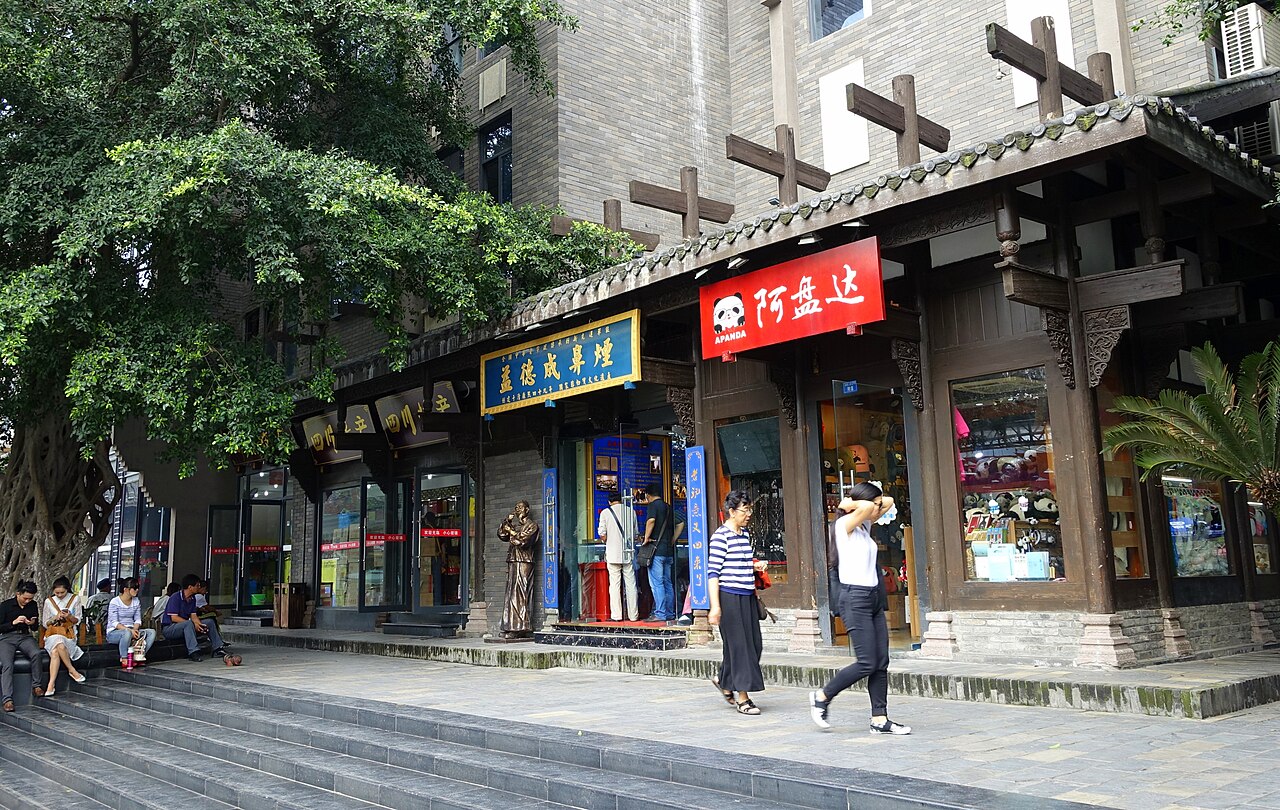
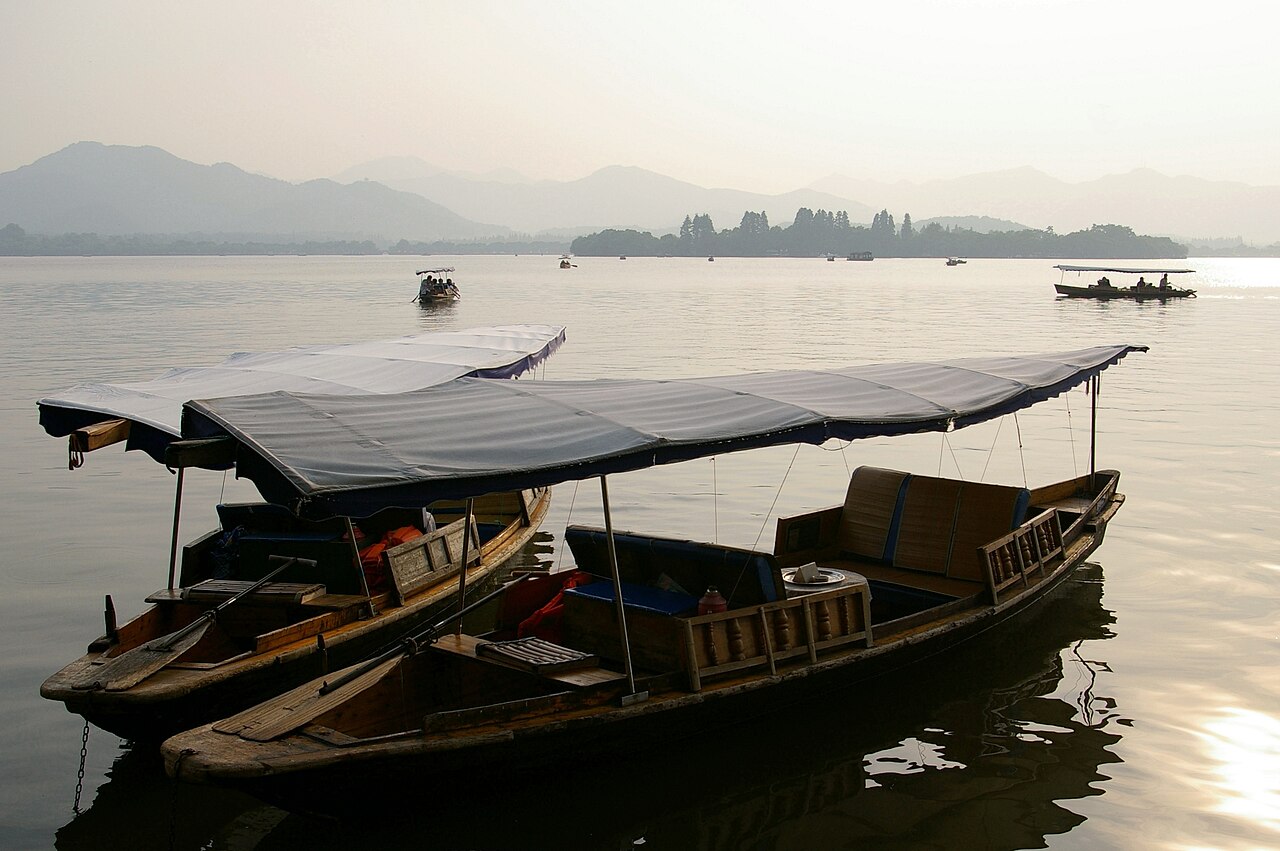
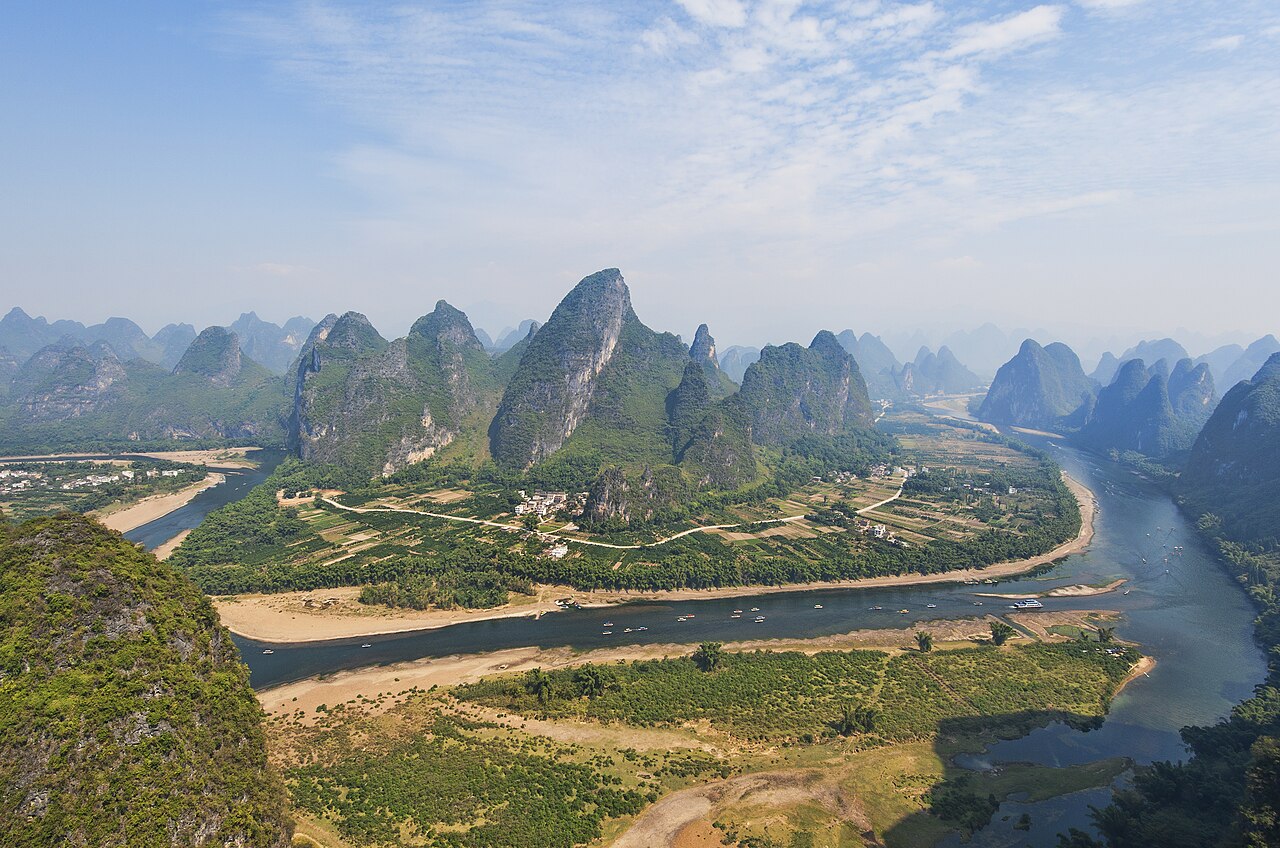
Karst peaks along the Li River between Yangdi and Xingping
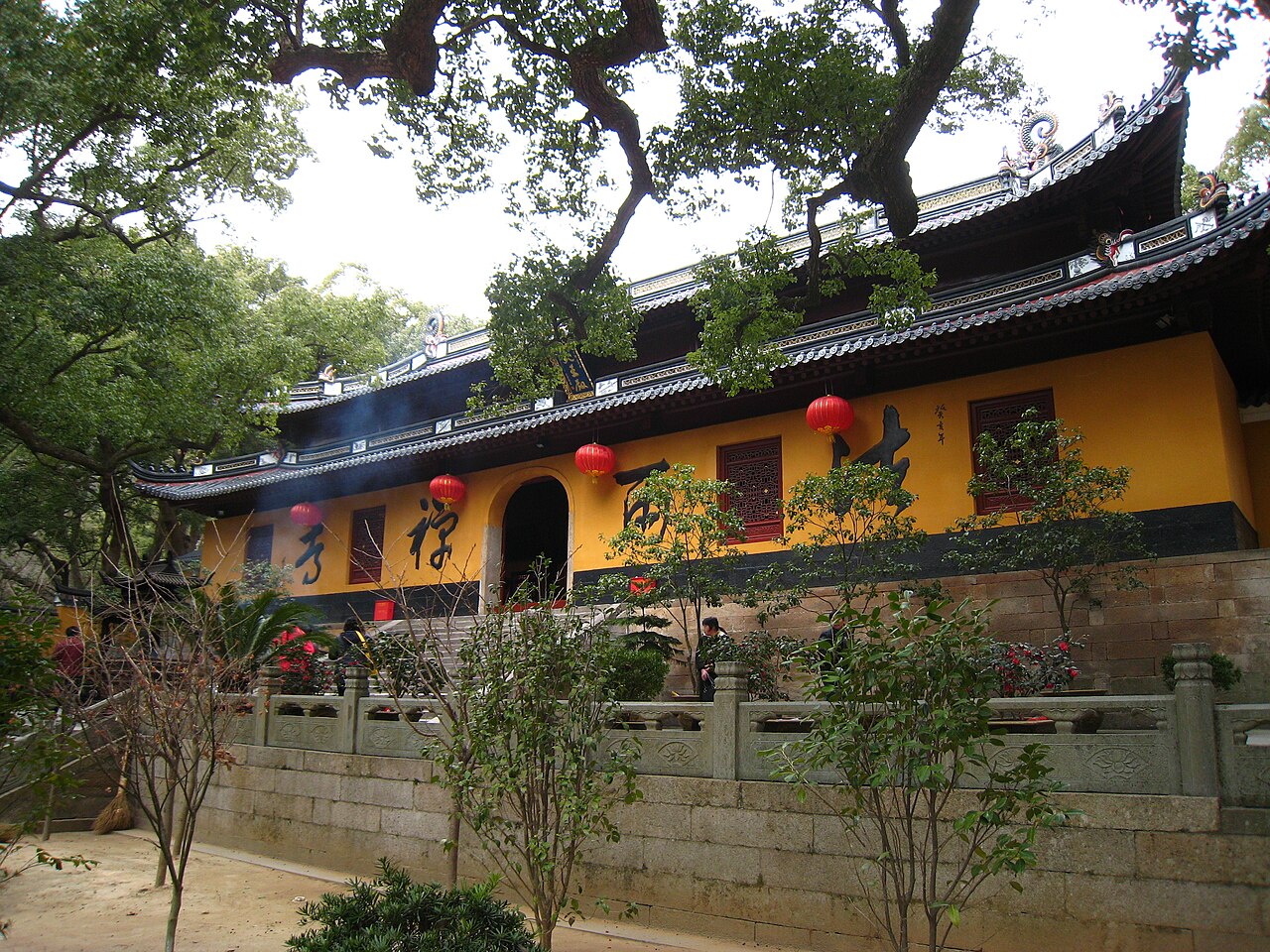
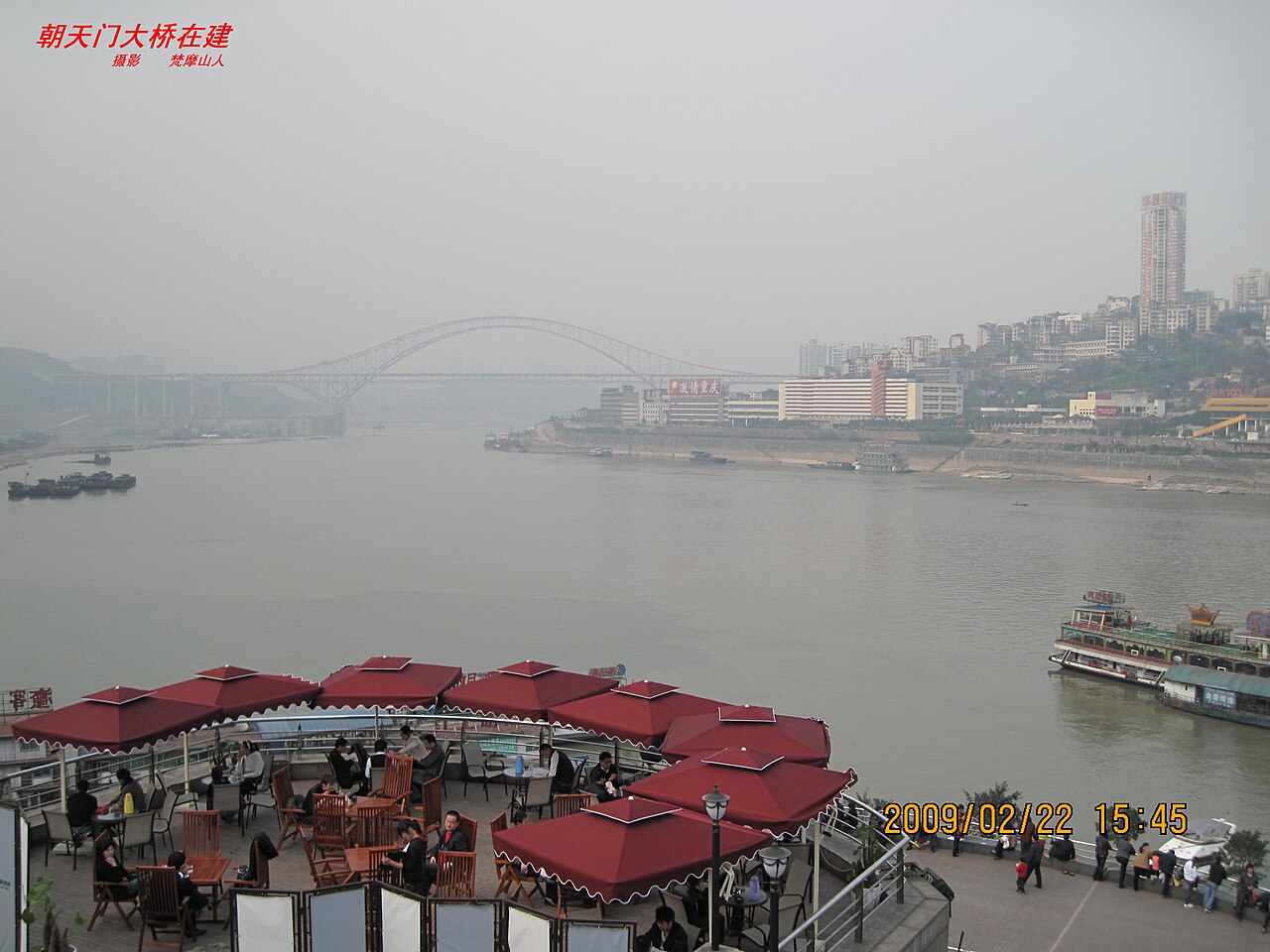
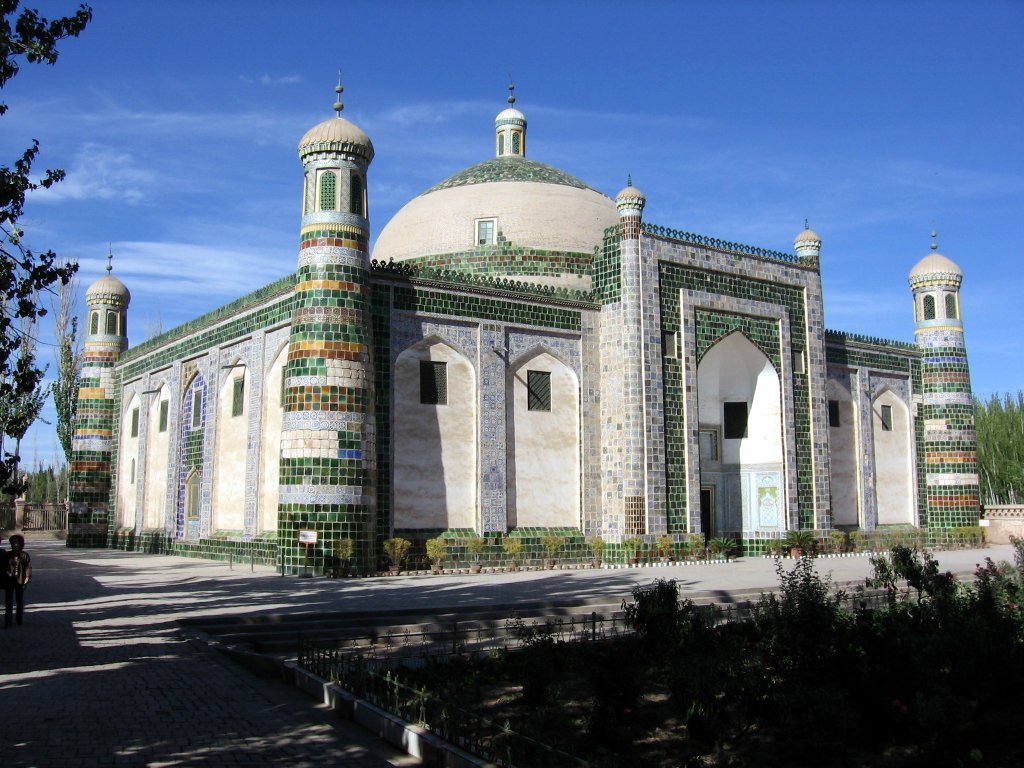
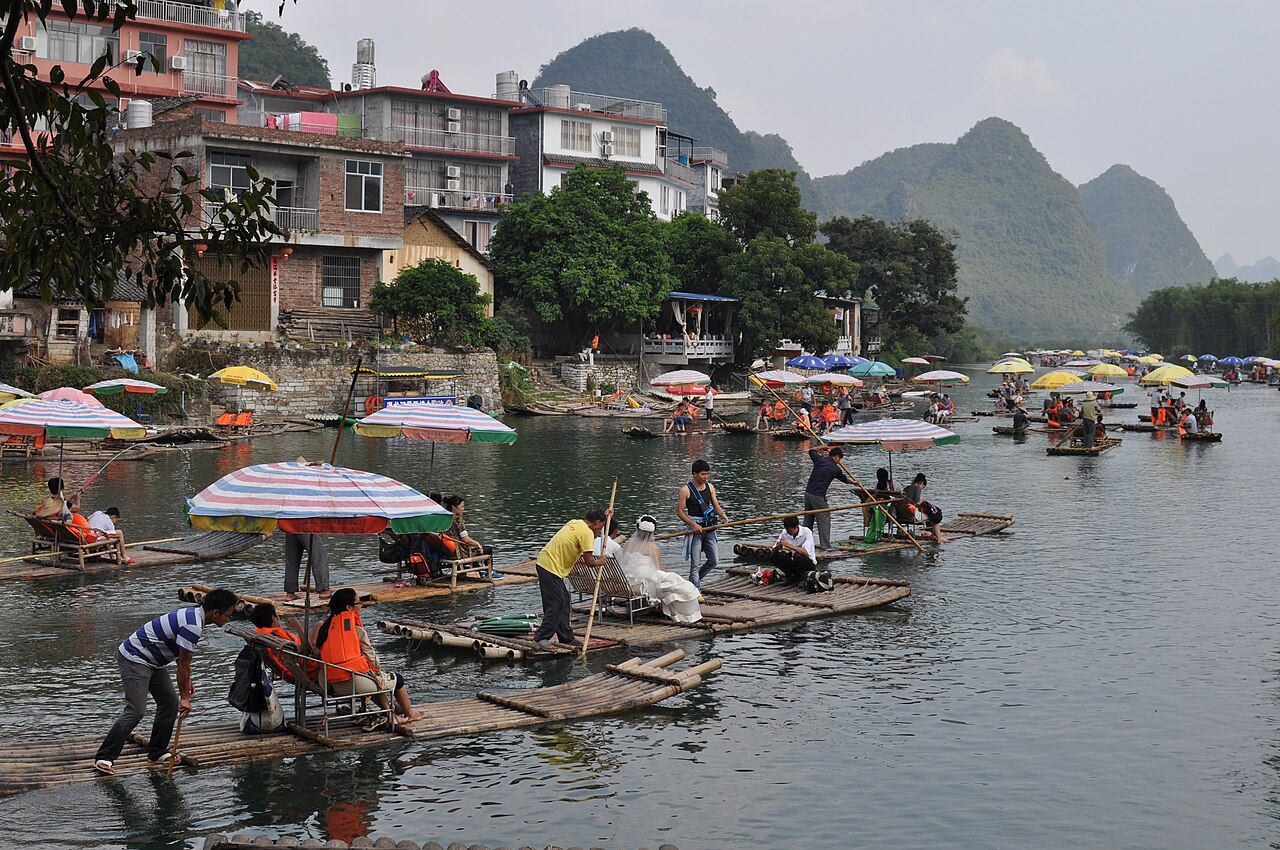
A bamboo raft drifting the Yulong River near Yangshuo
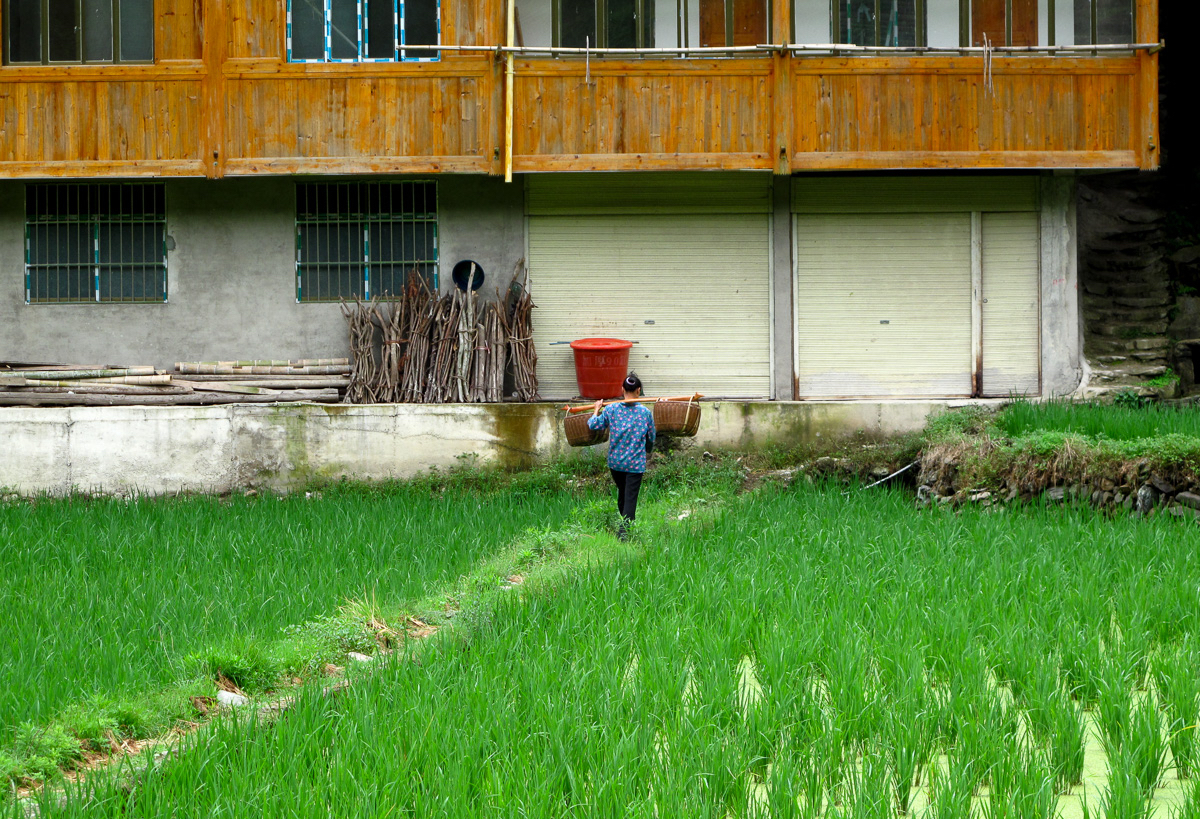
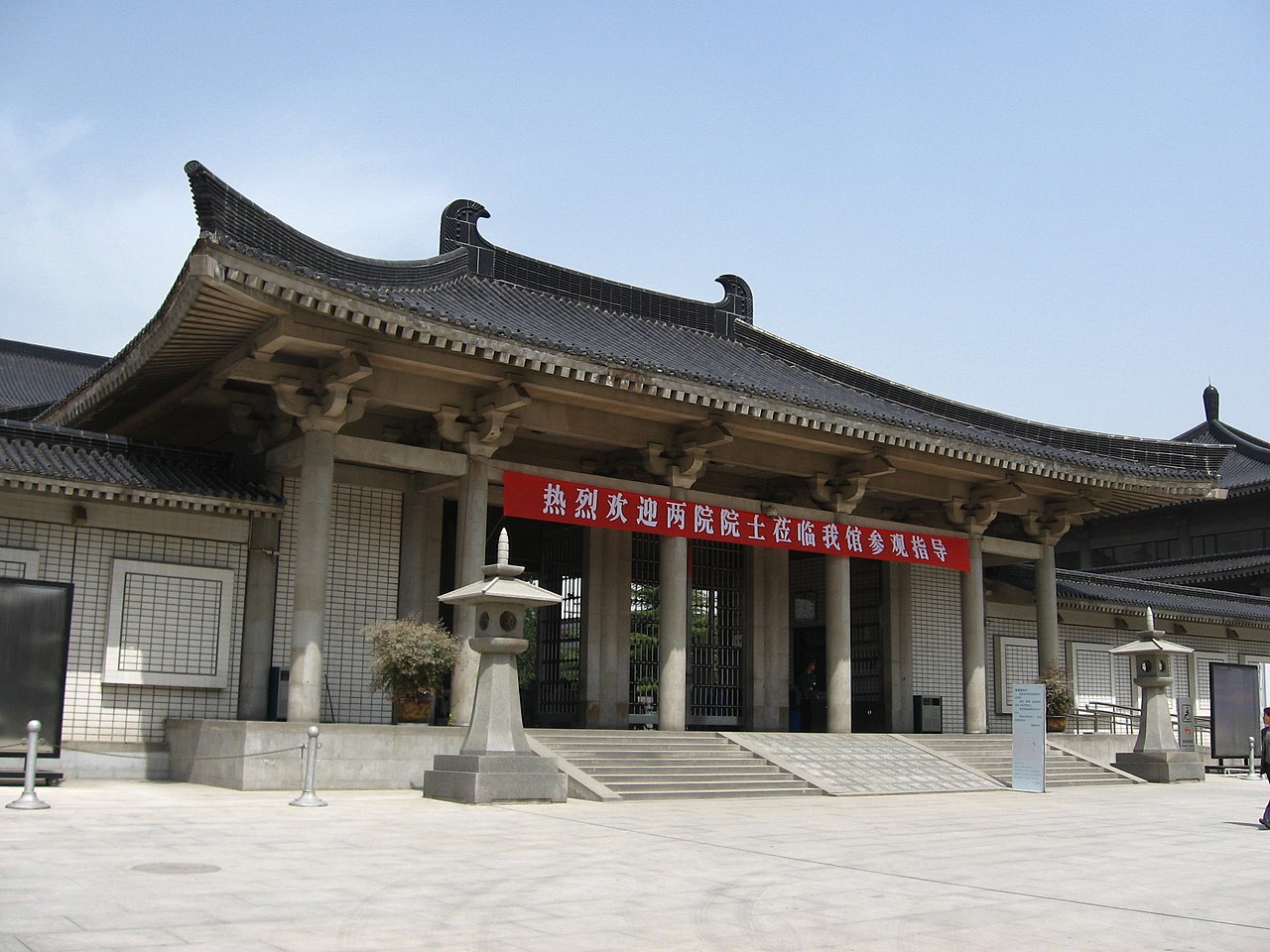
Flooded Longji rice terraces reflecting the sky at sunrise
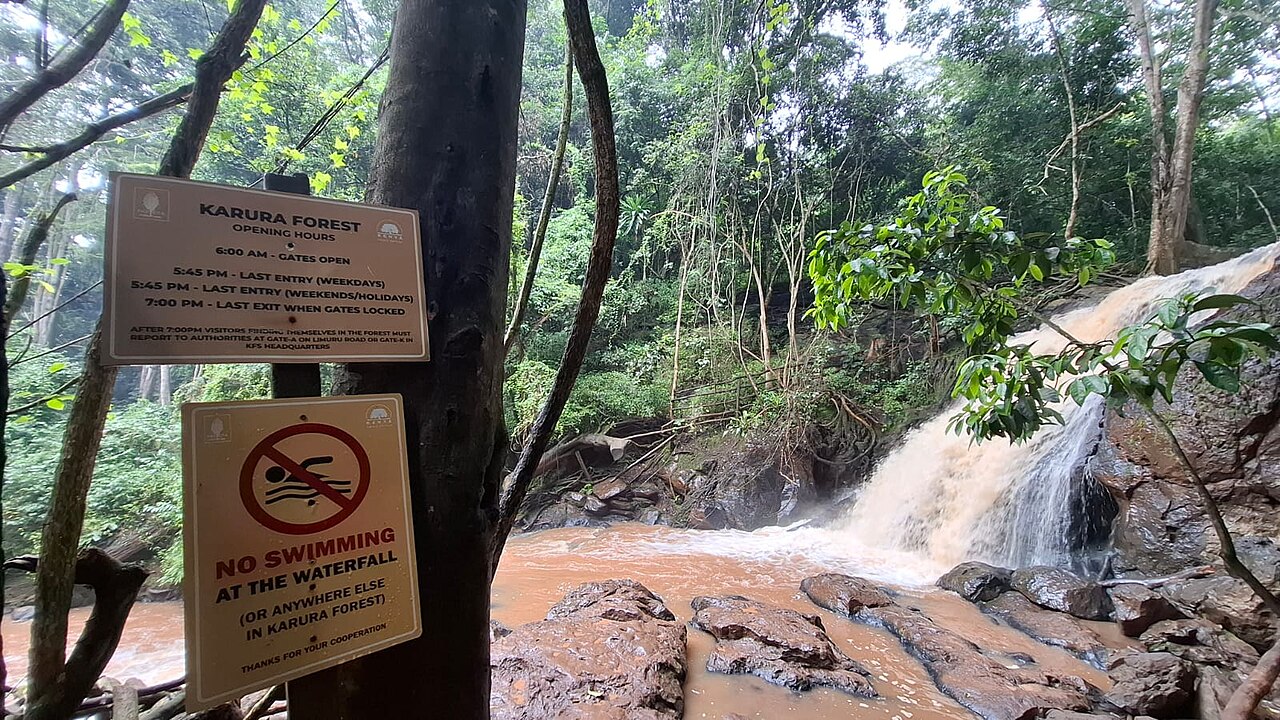
Elephant Trunk Hill at the confluence of the Li and Taohua rivers

Outside the crowded Yangshuo sights, deeper into the mountains, in villages most people never bother with, I found exactly the kind of solitude I was looking for. In the empty hills you can walk freely on the roads, lie down on the slopes, drift in the water. And yes — you can swim naked.

Bluephantoms, 'Going Forward — Skinny-Dipping in the Yangshuo Landscape'

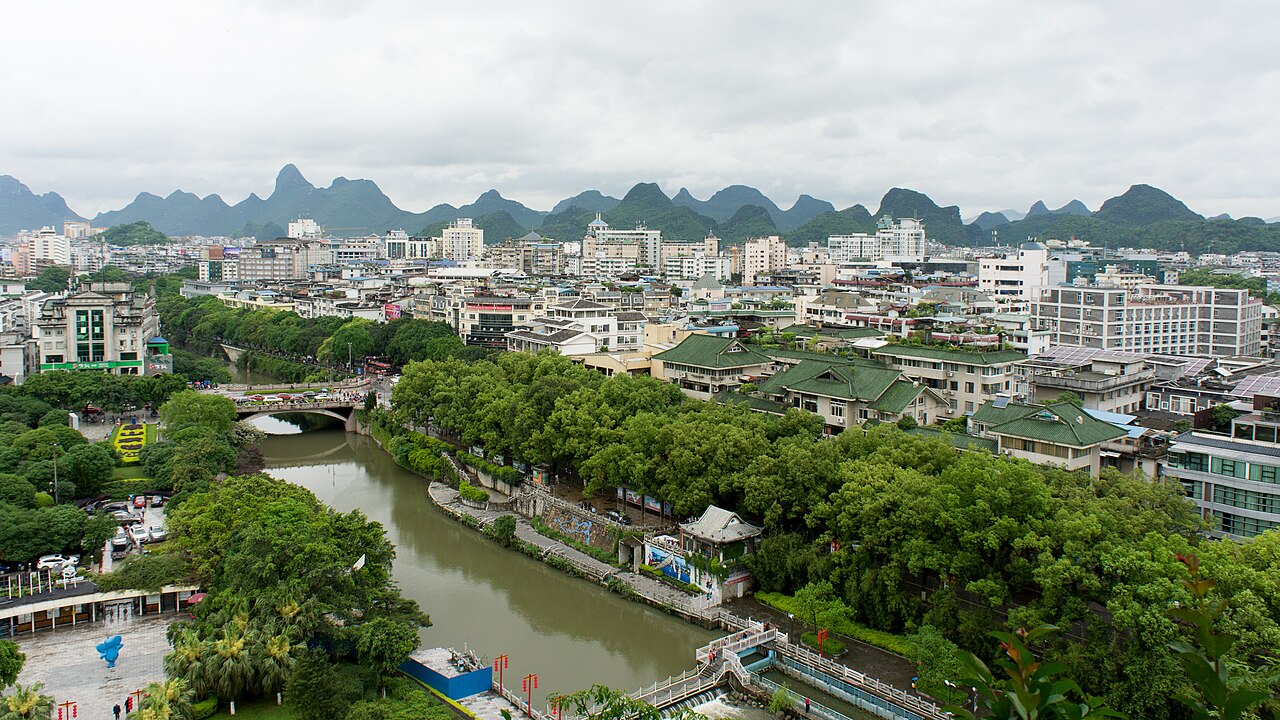
Mention Guilin and everyone pictures those ink-wash mountains, the Li River like a green silk ribbon, peaks like jade hairpins. Heaven spoiled Guilin, gave it scenery like a painting, and the people here have been living off that inheritance for generations.

August初七, 'Four Days Through Guilin and Yangshuo'

You have seen the landscape before, on the back of a 20-yuan note, in ink-wash paintings, in the background of a dozen films. What the pictures never prepare you for is the scale: limestone towers hundreds of metres high, packed shoulder to shoulder along both banks, their bases swallowed by mist while the river slides past in a green so opaque it looks solid. The Li River between Guilin and Yangshuo is 83km of exactly this, and four and a half hours on a boat is the slowest, and best, way to take it in.

Guilin city itself is a workaday southern Chinese city of about 5 million that happens to have been built around a karst landscape instead of flattening it. Elephant Trunk Hill sits at the junction of two rivers inside the city limits; Fubo Hill blocks the Li and forces it into a back eddy; the 306 steps up Solitary Beauty Peak put the whole town at your feet. You can knock off the city's headline sights in a day, then move on to where the scenery really gets serious.

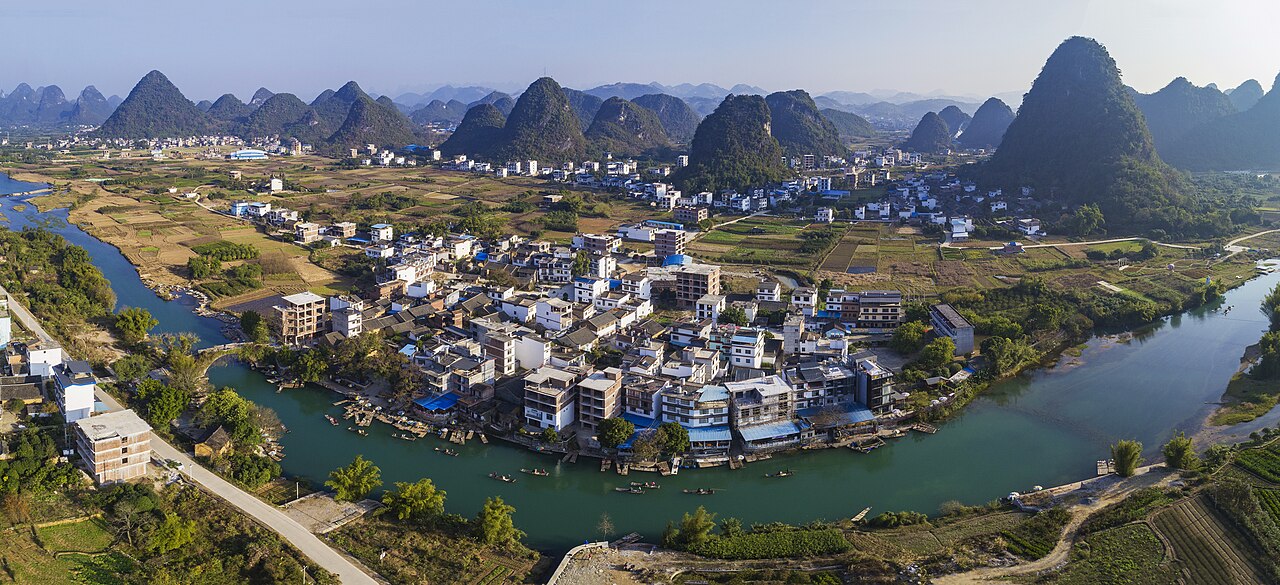
Yangshuo, 65km downstream, is where most travellers end up staying longer than planned. The town is small enough to cross on foot, the countryside starts about two minutes from the main street, and the roads through the paddies and along the Yulong River are flat, quiet and made for bicycles. Twenty-eight ethnic minorities live in the Guilin region — Zhuang, Miao, Yao and Dong among them — and in the villages around Longsheng their wooden stilt houses and terraced fields are still very much lived in, not staged.

Guilin

Don't leave without

Seven things that are worth rearranging a day for.

  1. Cruise the Li River from Guilin to Yangshuo and watch the karst unroll for four and a half hours
  2. Eat a bowl of real Guilin rice noodles at a local shop — the ones outside Guangxi are almost never the real thing
  3. Cycle the 16km Ten-Mile Gallery loop south of Yangshuo to Moon Hill and back
  4. Walk the Two Rivers and Four Lakes at dusk, when the pagodas light up and locals come out to stroll
  5. Bamboo-raft the Yulong River, the quiet, slow alternative to the big Li River cruise boats
  6. Stand on a flooded Longji terrace at sunrise and watch the water turn to mirrors

Highlights

Six reasons Guilin earns its reputation

Drifting the Li River, the 83km in

The stretch from Yangdi to Xingping is the part everybody means when they say 'Guilin scenery'. Cruise boats run the full 83km from Guilin to Yangshuo in about 4.5 hours (departures 09:30 and 10:00 daily), but the smarter move is a bamboo raft on the 22km Yangdi–Xingping section for CNY 95–120 — you get Nine Horse Painting Hill, Yellow Cloth Reflection and the exact view printed on the CNY 20 note. Bring a 20-yuan bill to photograph against the real thing.
The Ming princes' city inside the

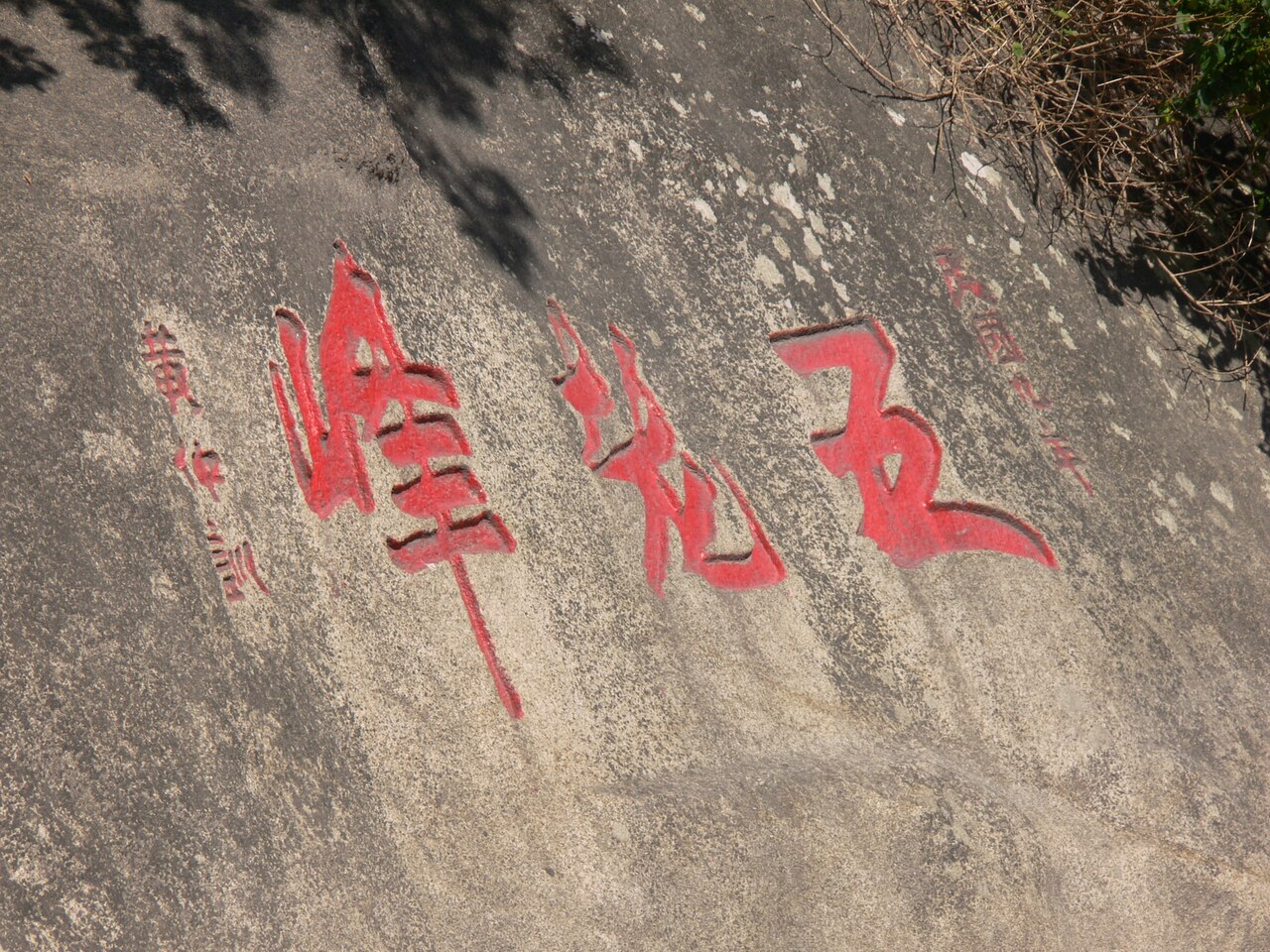
Prince Jingjiang's Wangcheng sits dead centre of Guilin, and the phrase 'Guilin's scenery is the finest under heaven' was first carved into a cliff right here. Walking the old city walls costs nothing; the full scenic area — Solitary Beauty Peak, the palace, the Guangxi imperial examination hall — is CNY 130 and takes about 90 minutes. Climb the 306 steps to the summit for the only rooftop view of the whole city, 07:30–17:30.

Two rivers, four lakes, and the wa

Guilin's Two Rivers and Four Lakes circuit is famous for its night cruises — CNY 190 adult, CNY 125 child — but the boat is the tourist option. Locals just walk the Rong and Shan lakes after dinner, when the Sun and Moon Pagodas light up over the water. It costs nothing, takes an hour, and shows you why people here are in no hurry.

Cycling the Ten-Mile Gallery

The 8km road south from Yangshuo toward Gaotian, ending at Moon Hill, is the single best half-day on two wheels in China. Rent a bike in town for CNY 10 (ordinary) or CNY 20 (mountain bike) and ride out through the karst. March fills the roadside with rapeseed flowers. En route: Camel Crossing the River, the Big Banyan Tree Park (CNY 20), Julongtan Park (CNY 68) and Moon Hill Park (CNY 15).

Guilin rice noodles, and the only

Roughly 99.99% of the shops outside Guangxi calling themselves 'Guilin rice noodles' are not. A bowl here costs about CNY 3.5 and locals eat it for breakfast — round noodles for the dry braised version, flat cut noodles in soup. The whole thing lives or dies on the shop's own luoshuo brine, which is why no two shops taste alike. Try Shiji Rice Noodle House (opposite the side gate of Weixiaotang, Jiefang West Road) or the local chain Chongshan.

Itinerary

Two ways to spend three days in Guilin

The classic three days: city, rive

3 days days

The full spread — city landmarks, the famous river section, and a day on a bike in Yangshuo. This is the route to take if it's your first time and you want the hits without rushing.

  1. Day 1

    Three hills, two caves, and the ol

    Start with the classic 'three hills, two caves' circuit — Elephant Trunk Hill, Fubo Hill, Diecai Hill, Reed Flute Cave and Seven Star Cave. Everything except Reed Flute Cave sits within walking distance of each other. Enter at Seven Star Park, then follow Binjiang Road south past Elephant Trunk, Fubo and Diecai. Lunch on street snacks on Zhengyang Street, then spend the afternoon at Wangcheng and Solitary Beauty Peak. In the evening, walk rather than cruise the Two Rivers and Four Lakes — the Rong and Shan lake banks are where Guilin unwinds after work.

  2. Day 2

    Li River down to Yangshuo

    Bus from Guilin to the Yangdi junction, then the shuttle into Yangdi village, then a bamboo raft down to Xingping — or walk it in 5–6 hours, which is the better choice if your legs are willing. Alternatively take a full cruise boat from Guilin straight to Yangshuo. Afternoon: whitewater rafting at Longjing River (CNY 150, about 90 minutes). Sleep in Xingping or Yangshuo. Tip: Longjing River runs a limited number of rafting sessions per day and fewer in low-water season — call ahead to confirm which departures are running. The road from Xingping to Longjing River is rough and takes about 30 minutes, plus time to change clothes at the far end, so build that in if you plan to eat in Xingping first.

  3. Day 3

    Yulong River, then the Ten-Mile Ga

    Morning on the Yulong River — the bamboo raft here is gentler than the Li and the田园 scenery is arguably prettier. Rafts take two people and cost CNY 120–240 depending on how far you go; fares are negotiated on the spot. Afternoon: rent a bike in Yangshuo and ride the Ten-Mile Gallery out toward Moon Hill and back. Dinner is Yangshuo beer fish, then West Street, and if you want the big production, Impression Liu Sanjie at 20:00 (CNY 188–680, 70 minutes). Climbers should carve out time on Yangshuo's limestone — beginner sessions near Butterfly Spring on the Ten-Mile Gallery run about CNY 120 an hour including gear and instructor.

The unhurried three days: fewer si

3 days days

Same length, half the checklist. Built around the Li River, a raft, and long meals — for people who'd rather watch the karst than tick it off.

  1. Day 1

    Guilin at walking pace

    Skip the cave circuit and do the city on foot. Wangcheng and the old walls in the morning — the walls are free, and the quiet inside them is the point. Walk south along the Li River past Elephant Trunk Hill; you can see it perfectly well from Binjiang Road without paying the CNY 75 gate. Continue to the Sun and Moon Pagodas, then the Rong and Shan lakes. Evening: Guilin porridge city on Shanhu North Road, open 24 hours, about CNY 30 a head — it's what every taxi driver recommends when you ask where to eat late.

  2. Day 2

    A raft, not a cruise

    Take the bus to Yangdi and raft the 22km精华 stretch to Xingping instead of the 4.5-hour cruise. Departures from Yangdi early mean you can be in Xingping by late morning. Spend the afternoon in Xingping's old town — the Ming and Qing lanes, the old bridge, the ferry crossing — and stay the night in a family guesthouse. Buses from Yangshuo to Xingping run every 15 minutes, cost CNY 7 and take about 45 minutes.

  3. Day 3

    Yulong River and a long lunch

    Raft or cycle the Yulong River valley in the morning — cycle from Yangshuo upstream to Yulong Bridge in about an hour, or take a motorcycle for about CNY 40 and 30 minutes. Lunch at Laogen Farmhouse near the Yulong River in Jiuxian village; they send a car to the raft dock to collect guests. Order the honey osmanthus tea, braised chicken and braised tofu — roughly CNY 50 a head. Back to Yangshuo for beer fish and a slow evening on West Street.

Sights

What's actually worth your time

The one thing you cannot skip

Li River (Yangdi to Xingping)

The 22km between Yangdi and Xingping is the精华 of the 83km Guilin–Yangshuo run, and the section most people picture when they picture Guilin. Bamboo rafts downstream cost CNY 95–120 depending on season. You'll pass Nine Horse Painting Hill, Yellow Cloth Reflection and the bend printed on the back of the CNY 20 note. The landscape changes hour to hour with the weather — brilliant and hard-edged in sun, mist-wrapped and half-erased in rain, and both are worth seeing.

Bamboo raft (Yangdi–Xingping)
CNY 95–120, seasonal
Full cruise Guilin–Yangshuo
CNY 190–450 depending on class, 4.5 hours
Departures
09:30 and 10:00 daily
Booking
At least one day ahead, via your hotel's tour desk or any Guilin travel agency
Boarding
Ordinary boats from Mopanshan pier; deluxe from Zhujiang pier; disembark at Yangshuo Longtoushan pier
On foot
5–6 hours, two river crossings, Yangdi–Nine Horse Hill CNY 118 / Yangdi–Xingping CNY 216

Tip Buy the ticket a day ahead and bring cash for the raft — you're not getting a card reader on a bamboo float. High-water season (April–November) prices are higher than December–March.

History in the middle of town

Wangcheng and Solitary Beauty Peak

Prince Jingjiang's palace, built under the Ming, still has its walls and gates intact, and the surrounding lanes are quiet in a way the rest of central Guilin isn't. The line 'Guilin's scenery is the finest under heaven' was carved into the rock here — this is where the cliché was born. Solitary Beauty Peak, the 306-step climb, gives you the only full panorama of the city from inside it.

Ticket
CNY 130 (palace, peak, Guangxi imperial examination museum)
Free
Entry under 1.4m; walking the old city lanes outside the scenic area
Hours
07:30–17:30
Time needed
About 90 minutes
Bus
Routes 1, 22, 30, 99, 100 to Zhongshan Middle Road / Lequn Road junction, then 50m east

Tip The inner lanes between the walls are free and almost empty in the late afternoon. Do the paid area first, then wander the lanes when the light goes gold.

The cave to pick if you only do one

Reed Flute Cave

Six kilometres northwest of the centre on the Peach Blossom River, Reed Flute is the showpiece of Guilin's limestone caves and the one every visiting head of state gets taken to. Inside it's a walk-through cathedral of stalactites built up over hundreds of thousands of years — the lighting is theatrical and unashamedly so. It's a 40-minute visit, which is exactly right.

Ticket
CNY 90
High season (Apr–Oct)
07:30–18:00
Low season (Nov–Mar)
08:00–17:30
Time needed
About 40 minutes
Bus
Route 3, or the free shuttle 58

Tip Skip Seven Star Cave if you're short on time — Reed Flute is the better of the two, and the 'three hills, two caves' combo ticket for Seven Star Park runs CNY 75 park-only, CNY 60 cave-only, CNY 135 combined.

The gentler river, and the better raft

Yulong River

Yulong runs through the countryside southwest of Yangshuo, and the scenery here is farmland rather than gorge — flat paddies, green banks, farmers working, rafts drifting past. Some people prefer it to the Li. The bamboo raft takes two people and is poled, not motorised, so it's quiet. Fares are negotiated on the spot and split by distance: roughly CNY 120–240.

Raft
Two people per raft, CNY 120–240 by section, price agreed on the spot
Getting there by bike
From Yangshuo upstream to Yulong Bridge, about 1 hour
By bus
Yangshuo–Guilin bus, get off at Baisha (CNY 3), then a three-wheeler to Yulong Bridge (CNY 2)
By motorcycle
About 30 minutes, roughly CNY 40
Alternative
Take the Jinbao minibus from Yangshuo bus station and get off at Jinlong Bridge to start the rafting there

Tip Cycle rather than raft if you have the legs — the valley road is flat, and you'll see more of the villages than you do from the water.

Stay the night, don't just pass through

Xingping Old Town

Twenty-five kilometres northeast of Yangshuo, Xingping sits right where the Li River swings through its big bend, and it's the most intact old town in the area — old bridges, an old ferry crossing, an old pavilion, an old opera stage, old trees, and lanes that still run narrow and deep the way they were built. Most tour groups pass through in an hour. You shouldn't.

Getting there
Bus from Yangshuo bus station, every 15 minutes, CNY 7, about 45 minutes
Accommodation
Family-run guesthouses in the old town
Nearby
Fishing Village, about 2km from the market square
Best time
Late afternoon through early morning, once the day-trippers have gone

Tip The 20-yuan-note viewpoint is a short walk from town. Go at sunrise, when the river is still and the rafts haven't started.

Food

What to eat in Guilin (and what it costs)

Guilin rice noodles (桂林米粉)

The city's breakfast, and the reason locals are grumpy about the versions sold abroad — roughly 99.99% of the "Guilin noodle" shops elsewhere are not the real thing. You get a bowl of round rice noodles with braised meat, fried soybeans, pickled beans and a ladle of the shop's own master stock (luoshui), then add your own broth at the table. A bowl costs about 3.5 yuan. Order it dry first (lucai fen), drink the broth after. The locals' picks are Chongshan and Liuboniang; tourists crowd Shiji across from the Xiaoxiaotang side door on Jiefang West Road.
Beer fish (啤酒鱼)

Yangshuo's signature dish and the one thing everyone orders on Xijie. A whole fish braised in beer with tomato, green pepper and chili, served in a pan big enough for two. Waiters push jiangu fish because it is expensive — insiders will tell you the carp tastes better and gets buried because it costs less. Expect a fresh, faintly sweet, chili-warm sauce you will want to pour over rice. Xie Dajie and Dashi Fu are the chain names; locals go to Lao Tang Da Pai Dang at 13 Jiangjun Road.

Lipu taro braised pork (荔浦芋扣肉)

A banquet classic: slabs of pork belly and Lipu taro — the famously starchy taro grown south of Guilin — layered and steamed with fermented bean curd until both go soft. Golden outside, melting inside, and the taro cuts the grease so effectively you can keep going. On the menu at most mid-range Guilin restaurants; about 45–65 yuan per person for a full meal.

Guilin river snails (桂林田螺)

A night-market staple you will find at street stalls and in restaurants at every price level. You pick off the little cap, suck the meat and broth out, and chase it with the spicy, sour, faintly herbal soup. Messy, cheap, and the best thing to eat standing up at 10pm.

Gongcheng oil tea (恭城油茶)

Not brewed but "beaten" — old tea leaves fried with oil until fragrant, then boiled with salt and usually ginger. It is thick, bitter-ish and spicy at the back of the throat, and Gongcheng people drink it with breakfast, some households three meals a day. An acquired taste and a genuine one. Pair it with a bowl of rice noodles and you have eaten like a local.

Where to eat

Four restaurants worth planning around

Guilin home cooking

Xiao Nan Guo (小南国)

The most reliable introduction to Guilin cuisine at a fair price — the locals' answer when you ask where to eat without being fleeced. The room is packed with too many tables, so it gets loud when full; book a private room if you want to talk. Order the barrel-smoked chicken, the Li River shrimp, and the sticky-rice pork ribs.

Average spend
45 yuan per person
Wenming branch
3 Wenming Road, 0773-2855518
Jiefang West branch
5 Jiefang West Road, 0773-2885558
Best for
First proper Guilin meal

Cantonese-style, local favourite

Chunji Roast Goose (椿记烧鹅)

One of the busiest restaurants in the city, and the roast goose is the reason — Cantonese-style, crisp-skinned and rich. The candied taro pulls long sugar threads and the durian pastries and goose-liver "phoenix eye" sell out most nights, so go early if you want them.

Average spend
55 yuan per person
Address
Zhongshan Hotel, 2 Zhongshan Middle Road
Phone
0773-2806188
Order
Roast goose, candied taro, durian pastry

Open 24 hours

Guilin Porridge City (桂林粥城)

Ask any taxi driver in Guilin where to eat late and you will be sent here. Open around the clock, which makes it the obvious landing spot if your train or flight gets in after 9pm — and it is a solid choice in daylight too. Congee is the headline but the wok dishes hold their own.

Average spend
30 yuan per person
Address
3 Shanhu North Road, Xiufeng District (beside the Lijiang Waterfall Hotel)
Phone
0773-2828172
Best for
Late arrivals, cheap suppers

By the Yulong River

Laogen Farmhouse (老根农家饭店)

Finish a Yulong River bamboo raft and this is where to eat — the restaurant sends a car to meet you at the dock, so you do not have to figure out transport with wet feet. Rural, breezy, and the honey osmanthus tea, braised chicken and braised tofu are all worth the detour. A good way to end a cycling or rafting day.

Average spend
50 yuan per person
Address
Jiuxian village, Yangshuo county (near the Yulong River)
Phone
0773-8772715
Getting there
Free pickup from the Yulong River dock

Where to stay

Three bases, from backpacker bunks to the state guesthouse

Best location for sightseeing

Wangcheng International Youth Host

Wedged between the Prince's City and the Li River, in the dead centre of town. One minute on foot to the river, one minute to the Jingjiang Prince's City scenic area, five minutes to Zhengyang pedestrian street, and under ten minutes to Elephant Trunk Hill, Fubo Hill, Diecai Hill and the Two Rivers and Four Lakes walk. If your priority is doing Guilin on foot, this is the address.

From
35 yuan per dorm bed
Address
10-3 Donghua Road, Xiufeng District (near the old city gate)
Phone
0773-2836888
Best for
Solo travellers, walkable sightseeing

The city's state guesthouse

Guilin Ronghu Hotel (桂林榕湖饭店)

A courtyard complex on the west shore of Rong Lake, facing the ancient South Gate and a thousand-year-old banyan across the water. This is where Guilin puts up visiting dignitaries, which tells you what the setting is like — quiet, green and central, with the lake walk on your doorstep. Book a lake-facing room if you can.

From
446 yuan per night
Address
16 Ronghu North Road, Xiufeng District
Phone
0773-2895176
Best for
Couples, quiet central base

One minute from West Street

Yangshuo Chunnuan Huakai Inn (阳朔春暖

A small themed guesthouse a single minute's walk from Xijie, which means you can drink on the strip and still sleep. They run the usual Yangshuo tourism desk — rafting tickets, bike hire, advice — and the courtyard is set up for doing nothing at all, which is half the point of Yangshuo.

From
120 yuan per night
Address
46 Lianfeng Lane, Yangshuo county
Phone
0773-8884727
Best for
Nightlife access without the noise

Getting around

How to reach Guilin and how to move once you're here

By air

Guilin Liangjiang International Airport sits 28 km from downtown and runs 60-plus domestic and international routes, reaching over 30 Chinese cities plus Hong Kong and Macao, with overseas service to Fukuoka, Jeju, Bangkok and Kuala Lumpur. The airport bus leaves the CAAC building (Anxinzhou) every 30 minutes from 6:30 to 21:00 for CNY 20, and buses from the airport keep running until the last flight lands. A taxi runs about CNY 80 and usually won't use the meter — after 21:00 you can often split one for CNY 20 per person.

Airport to city
28 km, bus CNY 20, taxi about CNY 80
Airport bus hours
6:30–21:00, every 30 minutes
Return buffer
Leave 2.5 hours before your flight

By train

Guilin has two stations: Guilin Station (known locally as the South Station) and Guilin North. Most trains stop only at the South Station, which is convenient for both hotels and sights. The line links north to the Beijing–Guangzhou trunk and south to the Guizhou–Guangxi and Zhicheng–Liuzhou arteries, with direct trains to most major Chinese cities. Take bus 10, 11, 16, 22, 99 or sightseeing line 1 to the South Station; bus 1 connects Guilin North to downtown, and buses 1, 99 and 100 run directly between the two stations.

South Station buses
10, 11, 16, 22, 99, sightseeing line 1
North Station to downtown
Bus 1
Between stations
Bus 1, 99 or 100

By bus

Guilin's main bus terminal at 65 Zhongshan South Road, one stop from the railway station, sells tickets to Hunan, Guangdong and the rest of Guangxi, plus coaches to 12 surrounding counties including Yangshuo, Xing'an and Longsheng. The Qintan terminal (31 Cuizhu Road) handles Longsheng and Yongfu services. Guilin to Yangshuo: the main terminal runs air-conditioned express coaches every 20 minutes from 6:30 to 20:30, taking 80 minutes for CNY 22. Avoid the cars leaving the railway station car park — they circle for passengers and theft is common on them.

Guilin–Yangshuo
Every 20 min, 6:30–20:30, 80 min, CNY 22
Main terminal
65 Zhongshan South Rd, tel 0773-3822666
Qintan terminal
31 Cuizhu Rd, tel 0773-3832703

Around town

City buses cost CNY 1 (CNY 2 on the 99 air-conditioned, sightseeing line 1 and suburban routes) and cover almost every downtown sight, running roughly 6:30 to 22:00. Free shuttle buses link the 4A sights: buy your ticket at any designated window and ride between them every 15 minutes, stopping three minutes at each gate, with a guide on board. First departures are 8:15 at Seven Star Park and 9:15 at Reed Flute Cave; last are 16:20 and 17:20. Taxis start at CNY 7 for 2 km plus a CNY 1 fuel surcharge by day, or CNY 7.8 plus fuel at night. Bikes cost about CNY 20 a day in Guilin, and in Yangshuo CNY 10 for an ordinary bike or CNY 20 for a mountain bike.

City bus fare
CNY 1, or CNY 2 for a/c and sightseeing lines
Free 4A shuttle
Every 15 min, first 8:15 Seven Star, last 17:20 Reed Flute
Taxi day rate
CNY 7 for 2 km + CNY 1 fuel, then CNY 1.6–2 per km
Bike rental
Guilin CNY 20/day, Yangshuo CNY 10–20

Shopping

What to carry home from Guilin

The Three Treasures

Guilin's famous trio is chilli sauce, fermented bean curd and Sanhua rice wine. The chilli paste has been made here for more than 300 years from fresh red chillies, fermented black beans and garlic; the bean curd comes in pale yellow cubes with a jelly-like skin and a smell that fills a room; the Sanhua wine is a rice-aroma spirit distilled three times, clear as water with a honeyed scent and a soft, sweet finish. Buy all three in one box at the ground floor of Weixiaotang on Cross Street.

Luoguo and osmanthus products

Luoguo (monk fruit) is the local sweetener you'll see dried in every market, sold alongside osmanthus tea, Longji tea, ginkgo nuts, Shatian pomelo, summer oranges, kumquat, persimmon cakes, chestnuts and Lipu taro. The osmanthus crop is what makes the city smell like a bakery every October, and osmanthus tea is the lightest thing to pack.

Guilin dried bean curd sticks

Fuzhu — dried tofu skin rolled into brittle golden sticks — stores for months, cooks in minutes and works fried, braised, stewed or stir-fried. It's cheap, light and the one local food souvenir that won't leak in your suitcase.

Handicrafts and markets

Beyond food, look for Gui embroidery, combs, oil-paper umbrellas and hand-painted folding screens. Zheng Yang Pedestrian Street runs 666 metres through the city centre and is where locals shop for specialties; the West City Road night market spreads across Xicheng, Jiaotong, Lingui and Baiguo lanes with crafts, calligraphers painting fans and shirts on the spot, and street snacks. In Yangshuo, buy persimmon cakes and Lüji pine-flower candy — the Lüji workshop by the banyan tree at the bus station is the best-known, made entirely by hand on site.

Practical

Practical information for Guilin

Prices, schedules and opening hours in Guilin change with the season — always confirm the day before, especially for Li River cruises and Longjing River rafting, which sell out and adjust departures by water level. For a stress-free version of this itinerary, see our Guilin tour packages and private tour options.

When to goApril to October is the best window — green hills, full rivers and rafting weather. Summer (July–August) is the hottest, sometimes above 40°C. The two weeks after the 15th day of the fourth lunar month flood the Longji terraces to mirror-like perfection. On Mid-Autumn night, Elephant Trunk Hill frames two moons — one in the sky, one in the Li River.
MoneyGuilin is cheap. A bowl of proper rice noodles costs CNY 3.5, a fast-food meal about CNY 7, and street snacks are pocket change. Two-bedroom flats rent for CNY 600–800. Tourist goods are the exception — they are priced for visitors, so bargain.
LanguageGuilin dialect descends from southern Mandarin and was once the official 'southern official speech' of the imperial exams, so most Chinese speakers understand it. English is thin outside hotels and big agencies; download a translation app and keep your hotel's name in Chinese.
SafetyThe city is safe, but it is a heavily touristed one. Be wary of overly enthusiastic people introducing sights on the street — touts and 'travel gunmen' are a real nuisance. Pickpockets work the railway and bus stations, and some travel information posted online is simply wrong. Keep your bag in front of you.
TaxisMeters are used for cars flagged on the street, but taxis waiting at stations, bus terminals and hotel doors usually refuse the meter. If a driver recommends a restaurant, check the menu and prices before sitting down — disputes at bill time are common.
Hospitals and emergenciesGuilin Medical University Affiliated Hospital, 15 Lequn Rd, tel 0773-2823244. Guilin People's Hospital, 12 Wenming Rd, tel 0773-2810816. Nanxishan Hospital, 46 Chongxin Rd, tel 0773-3859057. Tourism complaints and enquiries: 0773-2800318. City police: 0773-5856360.
Rafting and cave timingLongjing River rafting opens only a limited number of departures each day and cuts them further in low-water season — call the scenic area the day before to confirm which runs are open and at what time. The road from Xingping to Longjing River is rough and takes about 30 minutes, so allow time to change clothes before you launch. Li River tickets must be bought at least one day ahead, from your hotel's tour desk, a Guilin travel agency, or a tourist information centre. Boats leave at 9:30 and 10:00 daily and the trip runs about 4.5 hours.

Background

Two thousand years of stone, water and ink

A city built on limestone and name

Guilin sits at 25°N, 110°E, in the far northeast of Guangxi, on a plain of soft limestone that rain has been dissolving for millions of years. The result is the karst you came for: tower-like peaks rising straight out of flat farmland, and rivers that thread between them. The name dates to 214 BC, when Qin Shi Huang conquered the south and set up a commandery called Guilin — "forest of osmanthus." The city itself has been continuously inhabited for over 2,000 years, and by the Song dynasty it was the political and cultural capital of the southwest. It stayed Guangxi's capital until 1950.

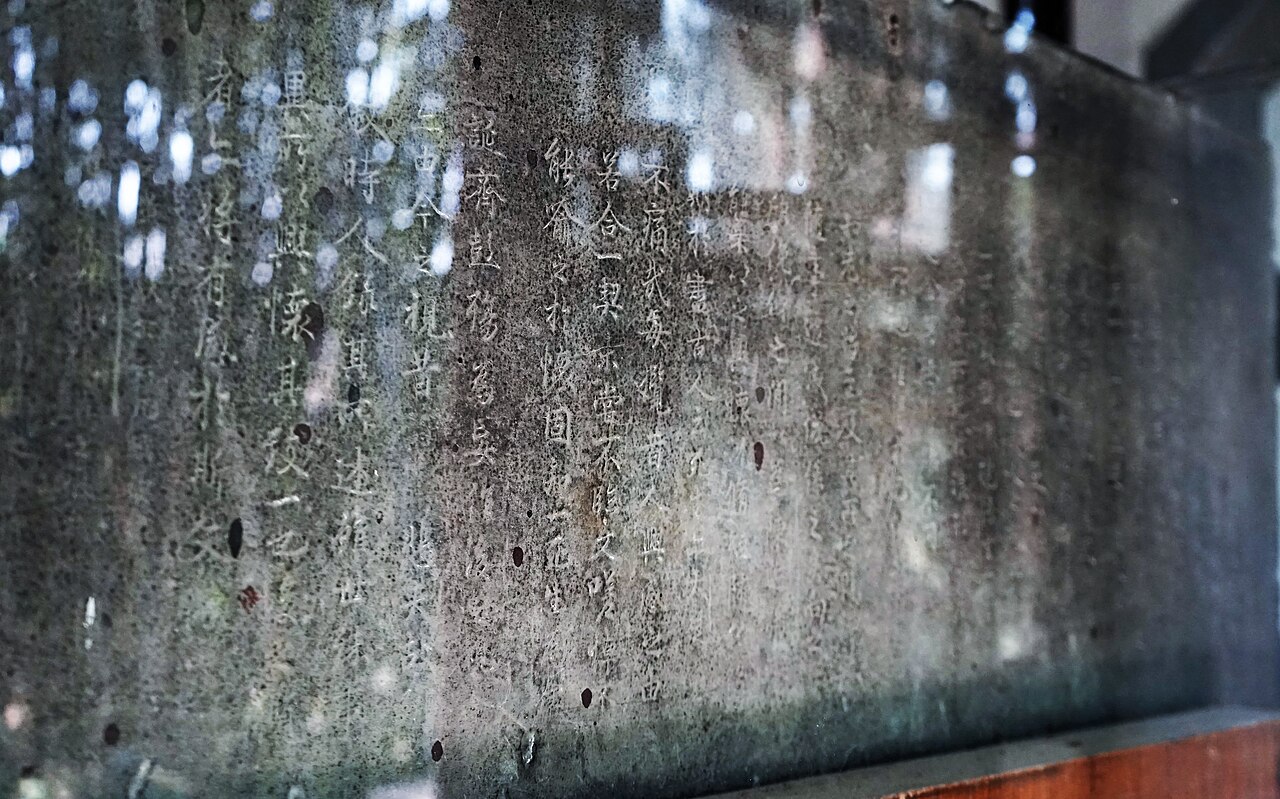
Walk the old town and you are walking through that history: the Ming walls and gates of the Prince of Jingjiang's palace, the 306 steps up Solitary Beauty Peak, the 2,000-plus stone inscriptions carved into cliff faces by poets and officials who came, wrote, and left. Chen Yi, a marshal of the People's Liberation Army, wrote the line locals still quote: "I would rather be a Guilin person than an immortal." Immortals, he meant, have no everyday life — Guilin has both the scenery and the rice noodles.

Why the landscape looks like a Chi

Guilin's climate is humid subtropical: mild, wet, plenty of rain, long summers, short winters. July and August push past 30°C and occasionally 40°C; January and February hover near freezing, though snow is rare. The rain is concentrated from April to October, which is also the best window to visit — the water is high, the hills are green, and the rivers actually look like the postcards.

That matters because the Li River is not a fixed attraction. In the dry season the cruise route shortens and boats depart from different docks; in the wet season you get the misty, ink-wash version everyone photographs. Longji's terraces are flooded and mirror-bright from mid-May (about two weeks after the 15th day of the fourth lunar month), green through summer, and gold in late September and October. Time your trip to the season and you get a completely different Guilin.

Further reading

Watch, read and listen before you go

Film

The Painted Veil (2006)

dir. John Curran, from the novel by W. Somerset Maugham

Maugham's 1925 novel is set partly in a cholera-stricken Chinese river town, and the film version was shot in Guangxi — the Li River gorge, the bamboo rafts and the karst peaks all appear. Watch it on the plane and you will recognise the scenery from the window of the bus to Yangdi.

Book

The Painted Veil / The River at th

W. Somerset Maugham; Simon Winchester

Maugham for the colonial-era mood of river travel; Winchester for the modern context. His account of following the Yangtze from its mouth to its source includes a long, curious chapter on the geology of southern China's karst, which explains why Guilin's hills look the way they do.

Music & stage

Impression Liu Sanjie

dir. Zhang Yimou, Wang Chaoge and Fan Yue

The show that invented the "real-scenery performance" — 600 performers, twelve karst peaks lit as the backdrop, and the Li River itself as the stage floor. Some visitors find it over-produced and too commercial for a quiet river town; others call it the best 70 minutes of their trip. Tickets run CNY 188 (standard), 320 (VIP) or 680 (presidential box), every night at 8pm, 70 minutes, at the Li River Landscape Theatre in Yangshuo. Decide for yourself — but book a day ahead, it sells out.

The questions visitors ask us most about Guilin, answered plainly.

Frequently asked questions

Prices and practical details are reviewed every month by our Beijing team and updated the day a rule changes.

When is the best time to visit Guilin?

April to October is the best window — the hills are green and the river runs full. Summer (July–August) is hot, sometimes above 35°C, but it's the season for river rafting. September and October are ideal: warm days, clear water, and the Longji terraces turning gold. Winter sits around 0–10°C, often misty, and the terraces are bare.

How do I get from Guilin to Yangshuo?

The easiest way is a direct bus from Guilin Main Bus Station (6:30–20:30, every 20 minutes, 80 minutes, CNY 22). Or take the 4.5-hour Li River cruise and arrive by boat. Avoid the buses that leave from the train station car park — they cost CNY 20 but stop constantly to pick up passengers and theft is a known problem on that route.

Is the Li River cruise worth the money?

Yes, if you take it once and take the standard class rather than the deluxe. The scenery between Yangdi and Xingping is the reason you came, and the boat is the most comfortable way to see all of it. If your budget is tight, skip the full 83km cruise and instead do the 22km Yangdi–Xingping stretch by bamboo raft (CNY 95–120) — that's the section that actually matters.

Do I need to book the Li River boat in advance?

At least one day ahead, and further ahead in the Golden Week holidays. Tickets are sold through hotel tour desks, Guilin travel agencies, and tourist information centres. Standard boats leave from Mopanshan Pier; deluxe and luxury boats leave from Zhujiang Pier; all arrive at Yangshuo's Longtoushan Pier.

How many days do I need in Guilin and Yangshuo?

Three days covers the essentials: one day for Guilin city and the Two Rivers and Four Lakes, one day for the Li River and Xingping, one day for Yangshuo's Yulong River and the Ten-Mile Gallery by bike. Add a fourth day for the Longji Rice Terraces and a fifth if you want to slow down, try rock climbing, or hike the full Yangdi–Xingping river path.

Is Guilin expensive compared to other Chinese cities?

No — day-to-day costs are low. A bowl of rice noodles is CNY 3.5, a fast meal about CNY 7, and street snacks are cheaper still. Tourist attractions and boat tickets are where the money goes: the Li River cruise, the 130-yuan Solitary Beauty Peak and Prince City combo, and the 90-yuan Reed Flute Cave add up fast.

Plan this trip

Prefer it arranged for you?

The same places, with a driver, an English-speaking guide and the tickets already bought.

12 days · Family

Family China Discovery

Twelve days built for children: panda mornings, dumpling classes, a Great Wall toboggan, karst rivers and no 5 a.m. wake-ups.

★★★★★4.9 97 reviews

From US$1,980/per person

View tour

15 days · Grand Tour

Grand China Odyssey

Five regions, one journey: imperial north, panda country, the karst rivers of Guilin and the skyline of Shanghai, with Hangzhou's West Lake.

★★★★★4.8 132 reviews

From US$2,580/per person

View tour

Guilin

Li River Cruise Private Day Tour

Four hours downstream through the karst towers to Yangshuo, then the countryside by road on the way back. The classic Guangxi day.

From US$139/per person

View tour

Guilin

Yangshuo Cycling & Countryside Day Tour

Flat paved lanes between the towers, a bamboo raft on the Yulong River, and cormorant fishing at dusk. Guangxi at ground level.

From US$129/per person

View tour

Guilin

Longji Rice Terraces Private Day Tour

Terraces cut by hand over 650 years and still farmed, in the mountains two and a half hours north-west of Guilin.

From US$149/per person

View tour

Related reading

Related reading

Visas Do I Need a Visa for China? Requirements, Costs and How to Apply China's entry rules changed more in the last three years than in the previous twenty. Here is exactly who needs a visa, what it costs, how long it takes and which passports now walk straight through. 9 min read Visas China's 240-Hour Visa-Free Transit: Who Qualifies and How It Works Ten days in China with no visa application, no fee and no fingerprints — if you hold the right passport and leave for a third country. Here is the rulebook, port by port. 8 min read Money Paying in China: Alipay, WeChat Pay, Cards and Cash Roughly nine in ten urban payments in China now run through a phone. Set up two apps before you fly, carry a modest cash float, and you will never be stuck at a till. 8 min read Transport China's High-Speed Rail: How to Book, What It Costs, How Fast It Goes The fastest way to cross China is also the most pleasant. Here is how to book a ticket with a foreign passport, what the three classes actually give you, and how to survive a Chinese station at rush hour. 9 min read Planning Best Time to Visit China: Month by Month, Region by Region China is the size of Europe, so 'the best month' depends on where you stand. Here is the month-by-month answer for the north, the Yangtze valley, the south and the plateau. 8 min read Planning What to Pack for China: The Complete 2026 Checklist Twenty thousand steps a day, three climate zones and a phone that has to do everything. This is the list we give our own travellers, minus the things they never used. 7 min read Food Chinese Food Culture: Eight Cuisines, One Table There is no such thing as Chinese food. There is Cantonese, Sichuan, Hunan, Jiangsu, Zhejiang, Fujian, Anhui and Shandong — and knowing which one you are eating changes everything. 8 min read Traditions Chinese Tea Culture: Six Classes, One Pot, Two Fingers Tea in China is not a beverage category, it is a social technology: it fills silences, seals deals and sets the pace of a meal. Here is how to sit down in one and not look lost. 7 min read Traditions Chinese Festivals: The Calendar, the Dates and the Crowds Lunar dates mean the calendar moves every year — and two of the festivals move several hundred million people at once. Plan around them or plan into them, but never by accident. 8 min read Etiquette Chinese Etiquette: What Matters, What Does Not, and Why Most etiquette advice for China is either obvious or wrong. These are the dozen behaviours that actually change how you are treated, and the reasoning behind each. 7 min read
Tell us your dates.
We'll do the rest.

Free itinerary design, a revised plan within one working day, and nothing charged until you approve the final version.

  • The Li River cruise takes about 4.5 hours and departs daily at 9:30 and 10:00; book at least one day ahead through your hotel or a Guilin travel agency. Peak-season tickets: CNY 450 deluxe, 305 luxury, 210 standard.
  • The 22km stretch from Yangdi to Xingping is the scenic heart of the Li River — you can bamboo-raft it for CNY 95–120 or hike it in 5–6 hours. Bring a CNY 20 note: the backdrop is printed on it.
  • Longji Rice Terraces (Longsheng County) are flooded and mirror-like for about two weeks after the 15th day of the 4th lunar month — roughly late May — and golden in late September.

No spam. No sales calls. Just a real itinerary from a real person.