City guide · Jiangsu

Yangzhou travel guide: Slender West Lake, Ge Garden, morning tea and how to spend two slow days

A city built by salt merchants who had more money than restraint — gardens, a narrow lake, and the best breakfast in China.

  • Known forSlender West Lake, Ge Garden, morning tea, Huaiyang cuisine
  • Typical spend¥500–1,000 / person / 2 days
  • Ideal length2 days
  • PaceSlow — this is a city for lingering

Reviewed by our Beijing team Updated 2026-10-10

The short version

Yangzhou is the Grand Canal city that the whole of China has been told to visit in the third lunar month, and two days is the right length for it — ¥500–1,000 a head covers tickets, food and one very good dinner. Slender West Lake costs ¥150 in season, Ge Garden and He Garden ¥45 each, and a ¥220 combo ticket covers the lake, both gardens, Daming Temple and the ancient canal. Come in April for the qionghua and the tourism festival, eat morning tea before 10am, and know that Nanjing is about 1 hour 20 minutes away by train or coach.

  • Buy the ¥220 combo ticket. Bought separately, Slender West Lake (¥150), Ge Garden (¥45), He Garden (¥45), Daming Temple (¥45) and the canal come to far more.
  • Morning tea is a dawn-to-10am institution, not a hotel brunch. Fuchun on Deshengqiao and Yechun in its garden by the water are the two old names; the famous items are gone by ten, and the state teahouses wind down by 1pm.
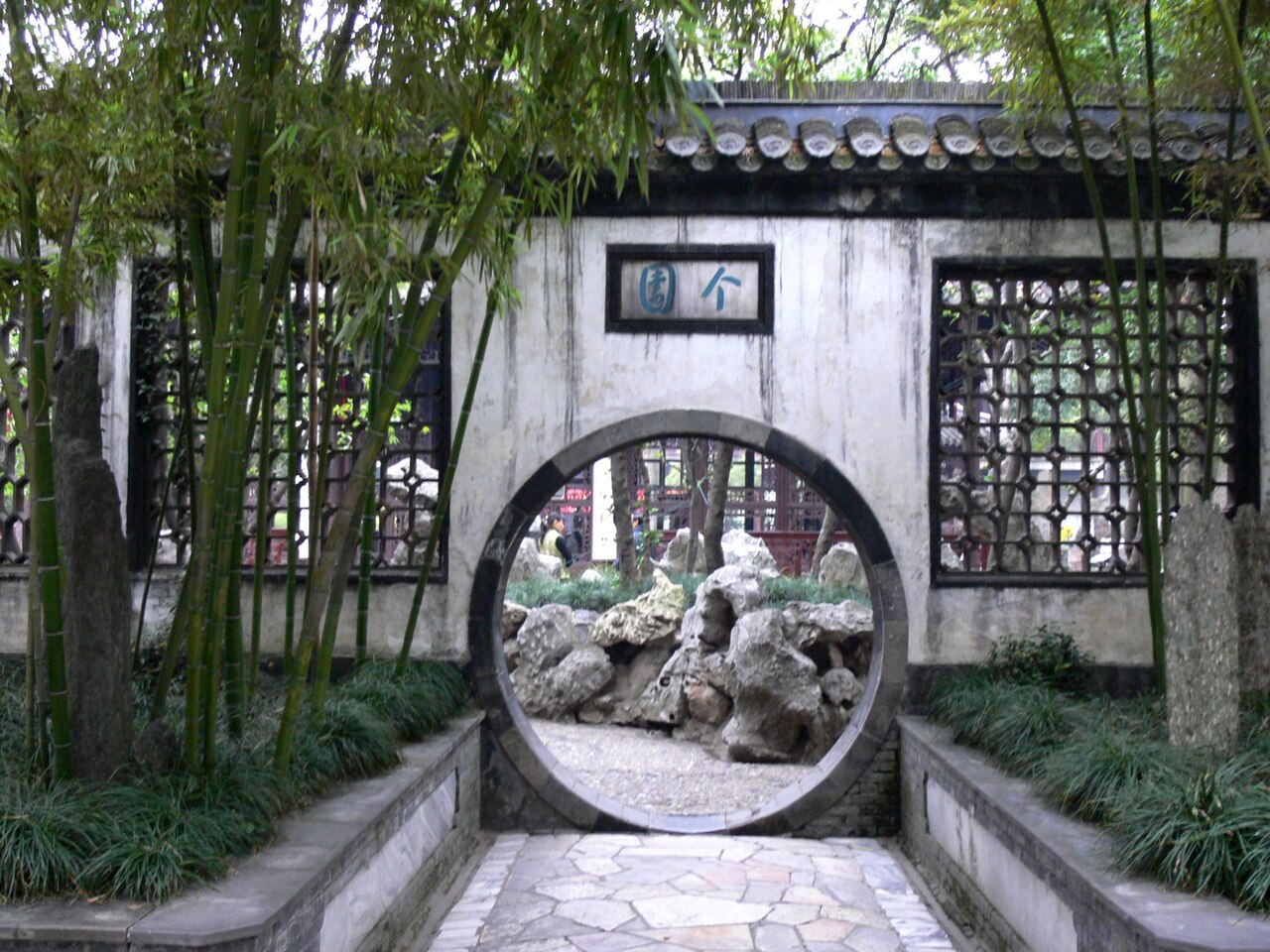
  • Ge Garden's Four Seasons rockery is the one thing in Yangzhou you cannot see anywhere else — spring, summer, autumn and winter built in stone, and you walk a year in about ninety minutes.
  • Half the city is free: Dongguan Street, Dongquanmen, Wenchang Pavilion, the ancient canal bank and a hundred-odd lanes with names out of a songbook.
  • It is flat, small and cheap to move around — buses are a flat ¥2, taxis start at ¥7, and almost anywhere in town costs under ¥10.

City guide

First impressions

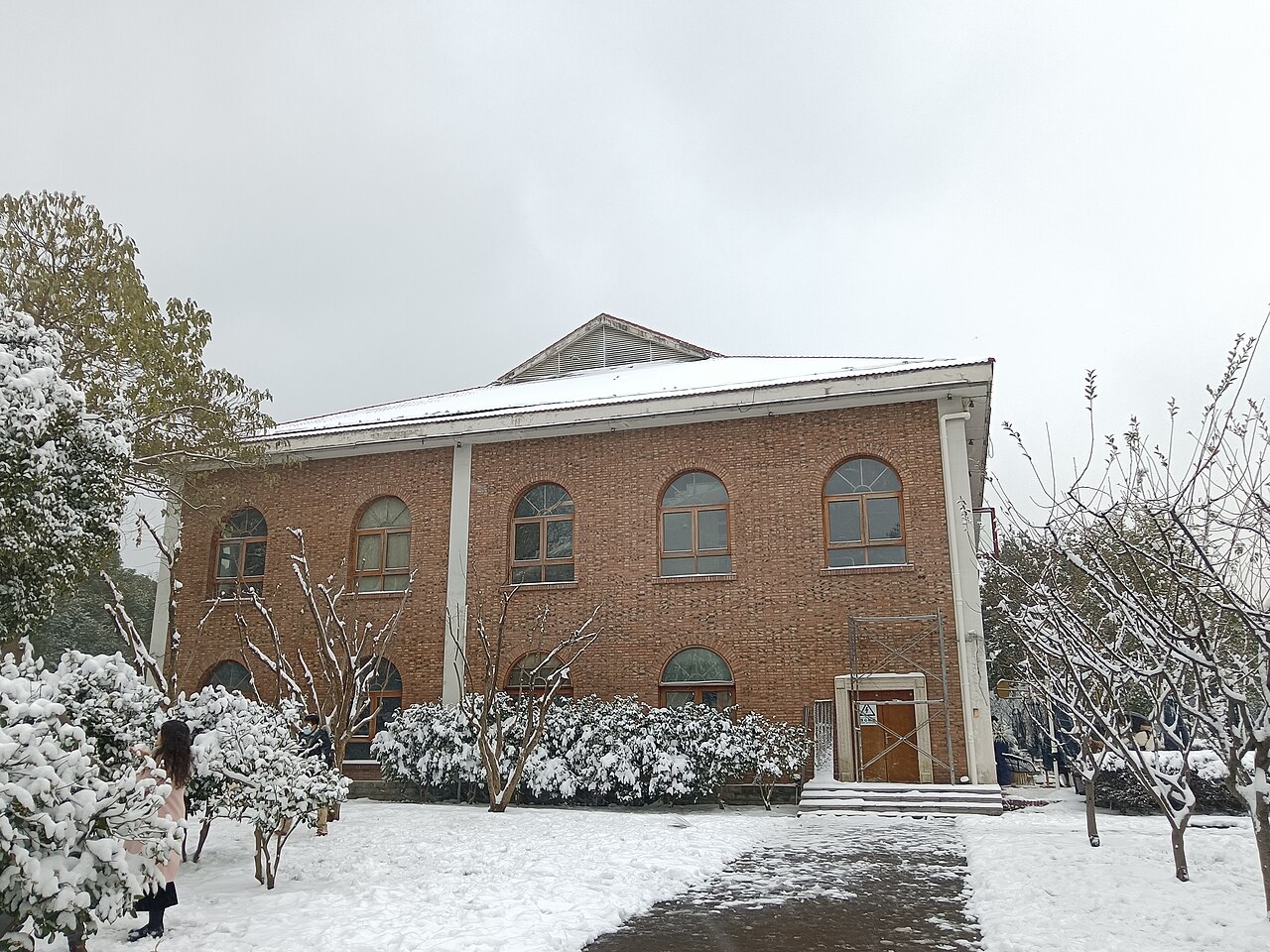
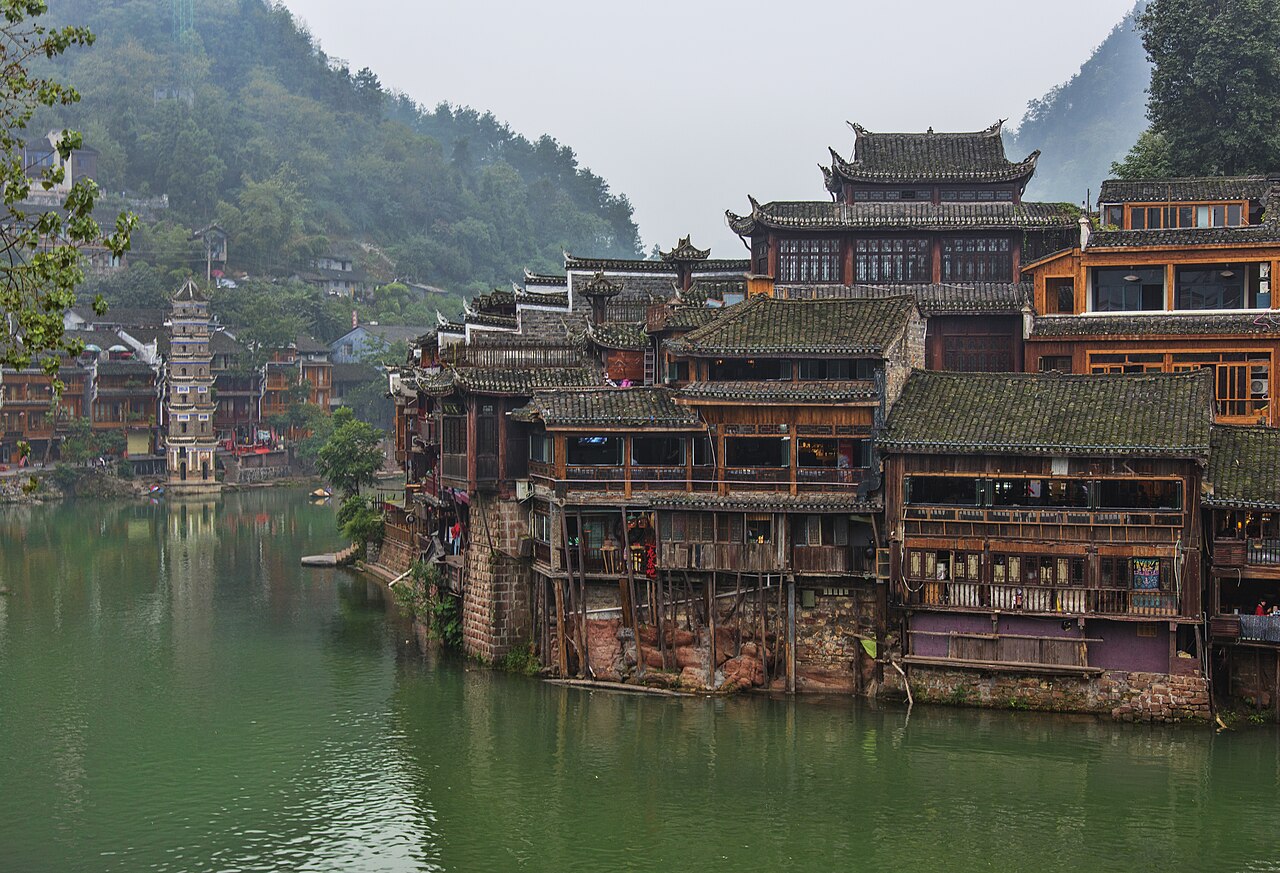
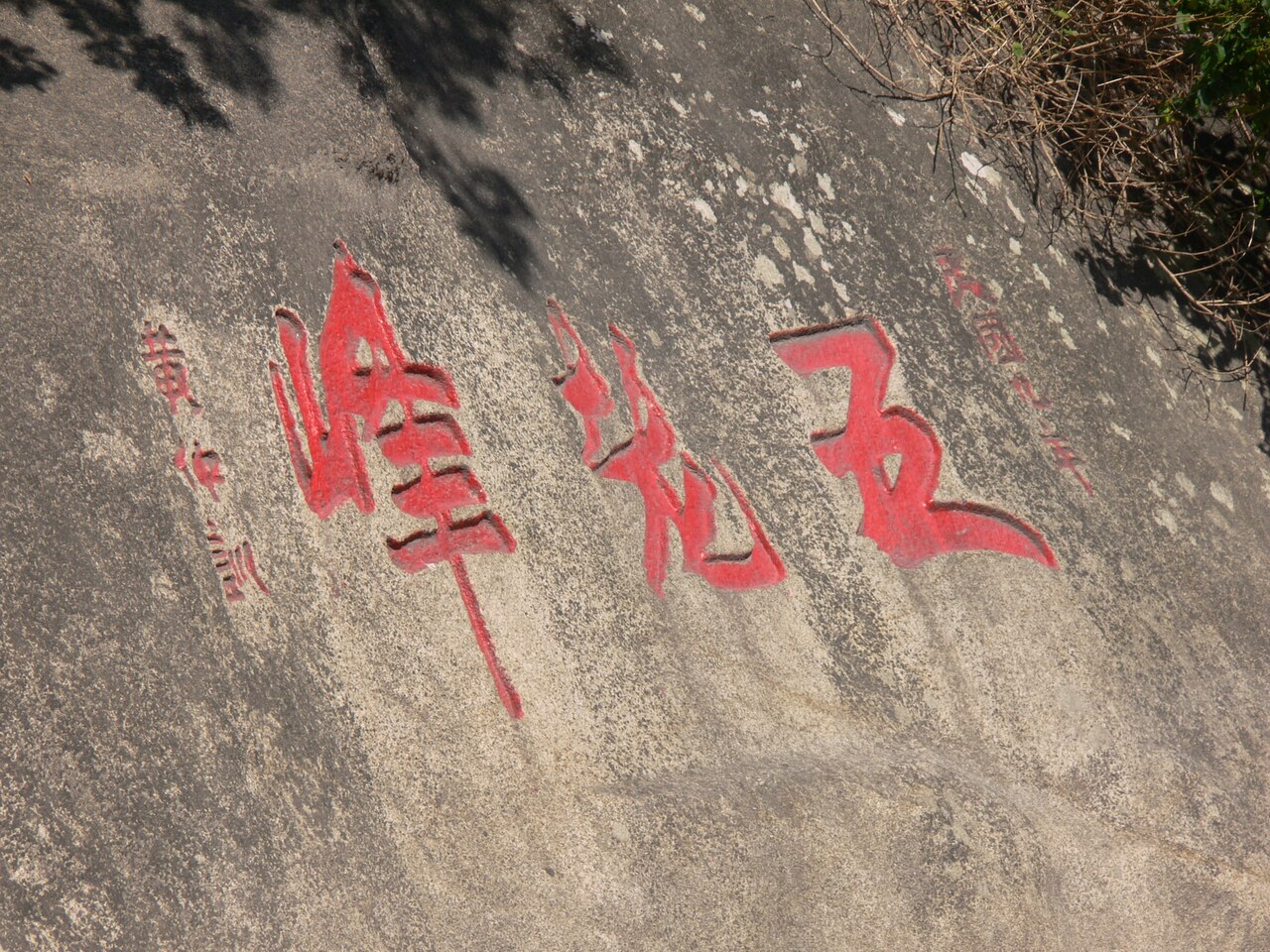
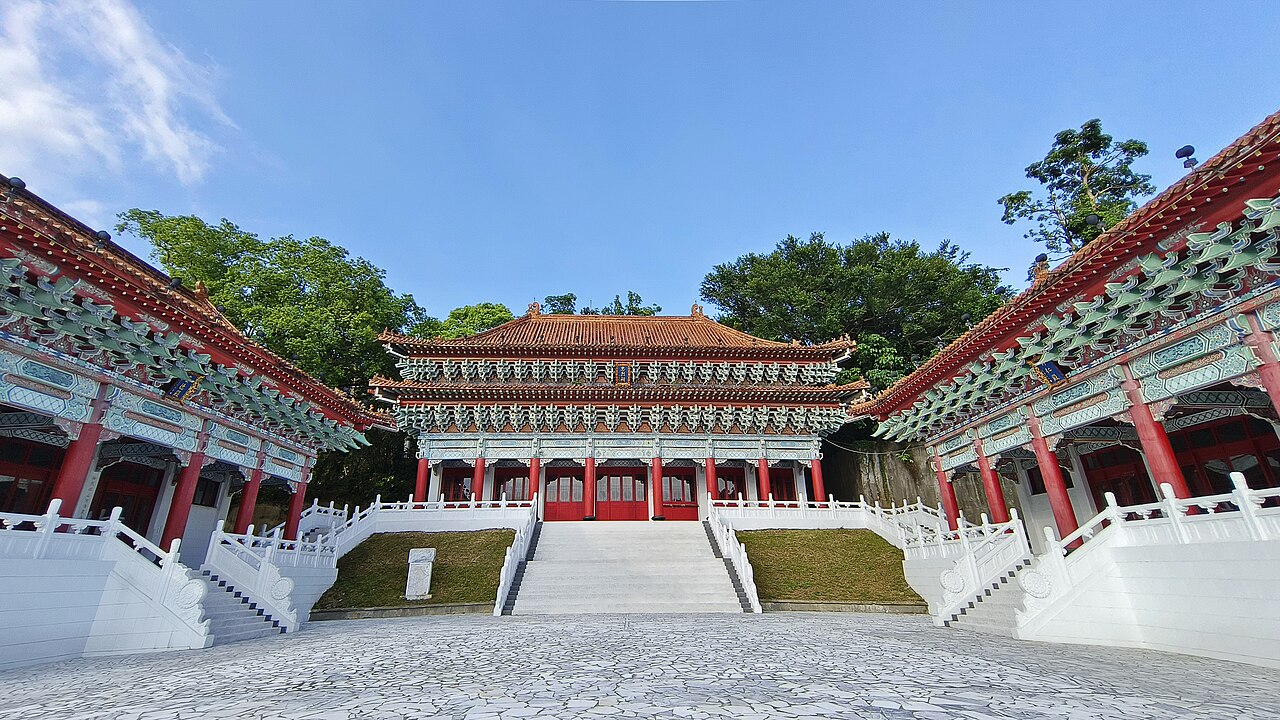
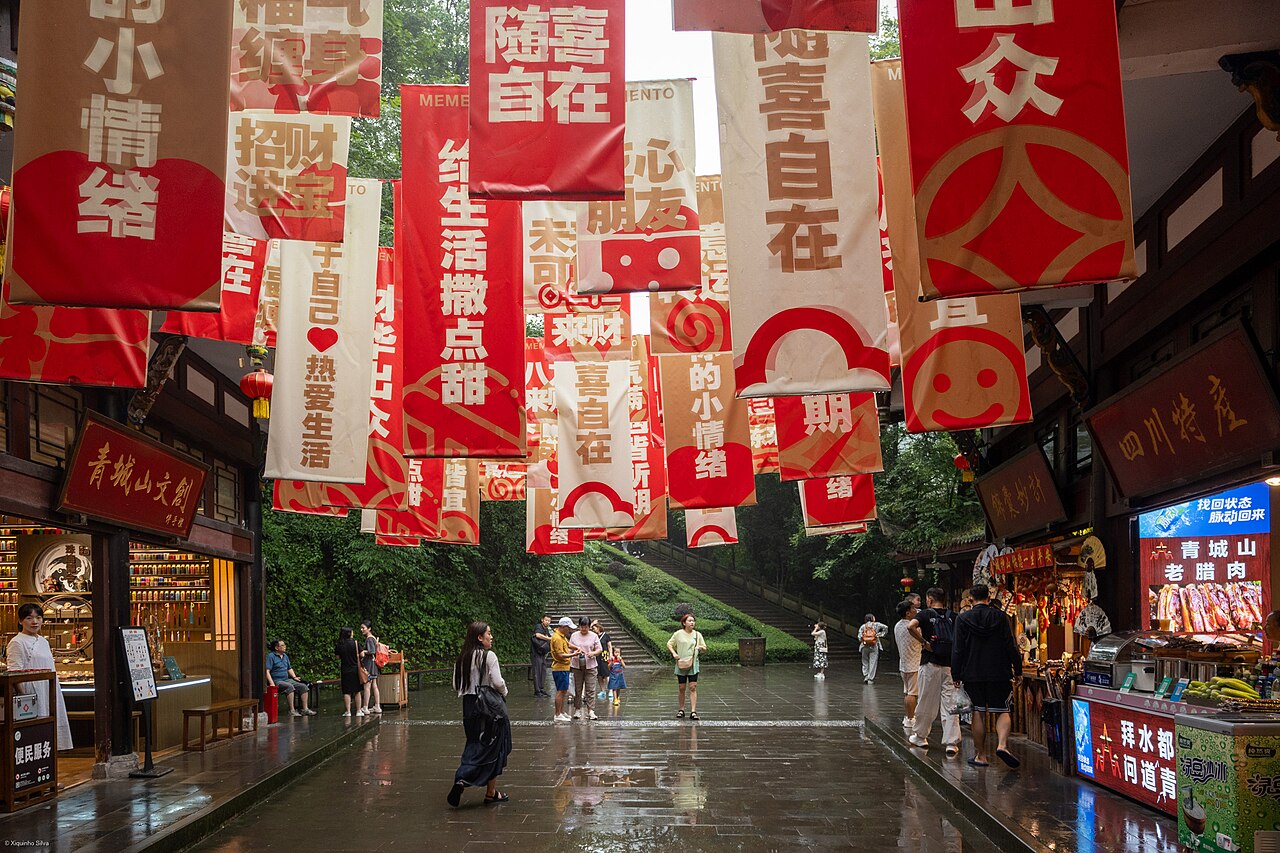
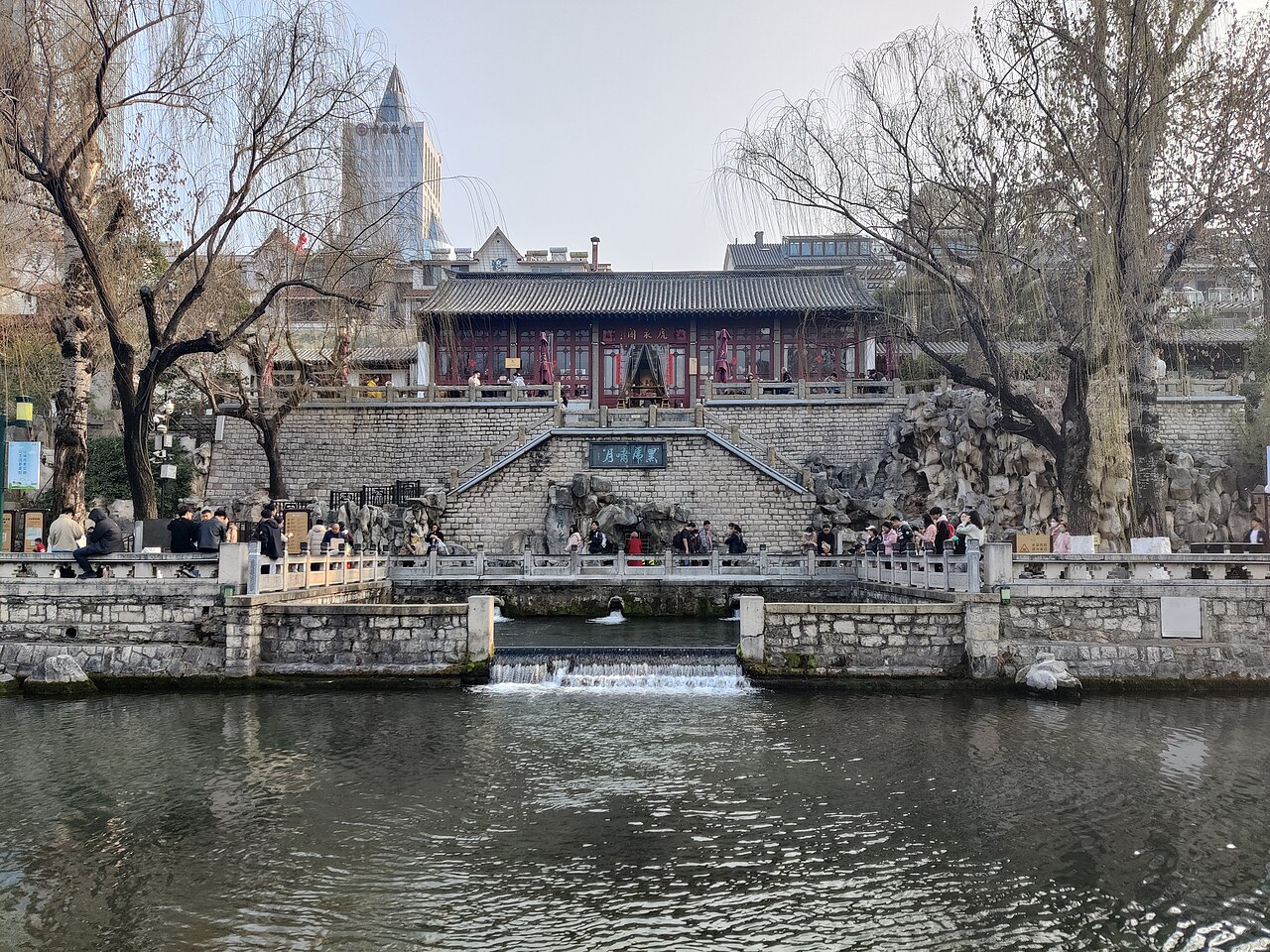
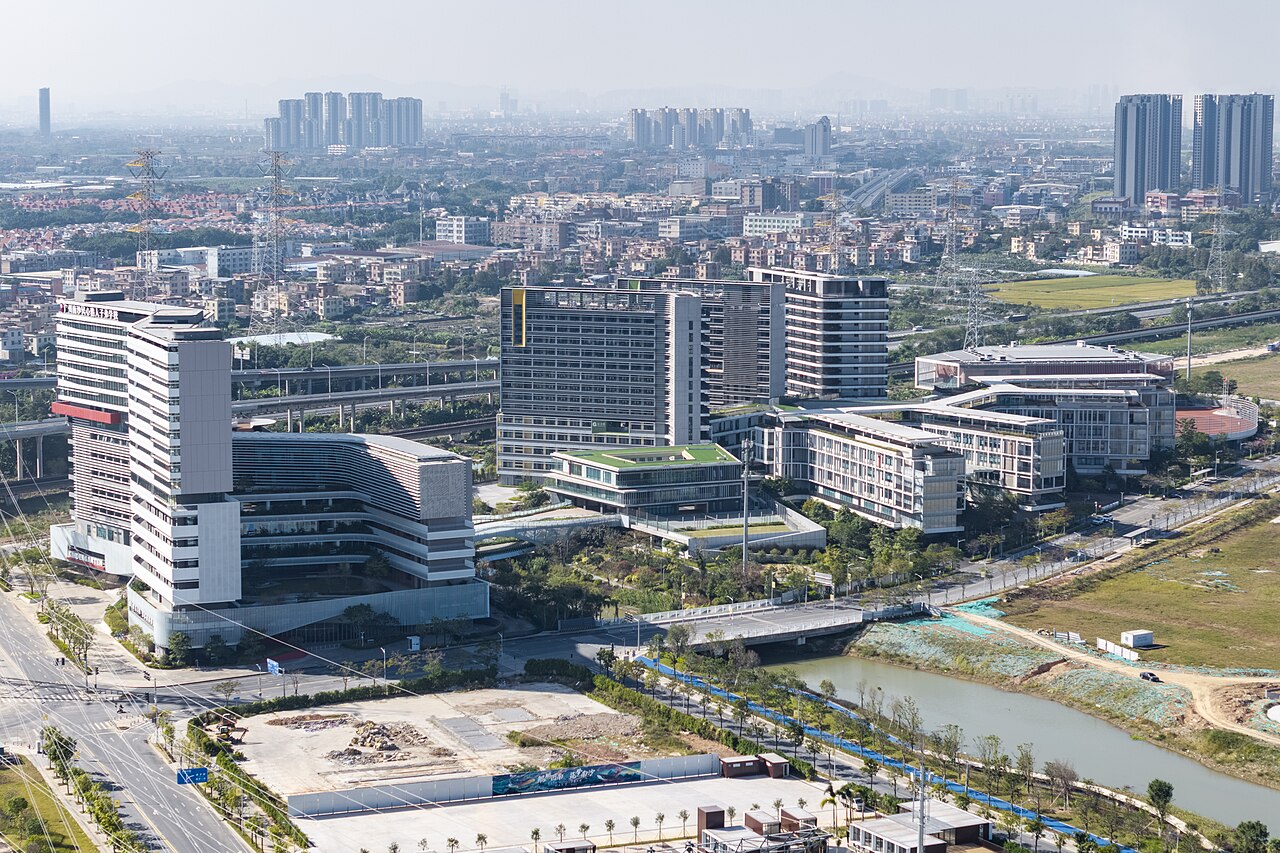
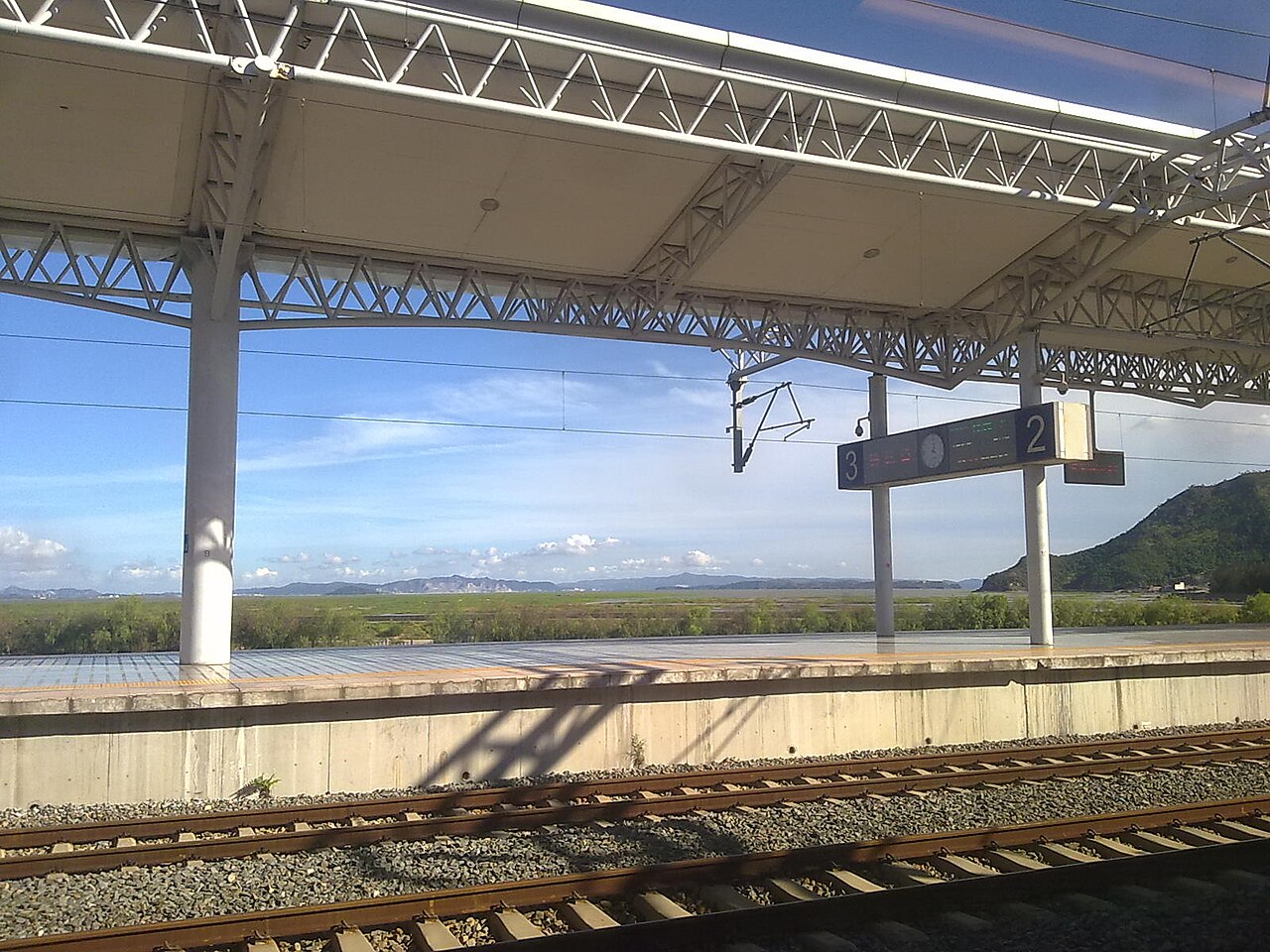
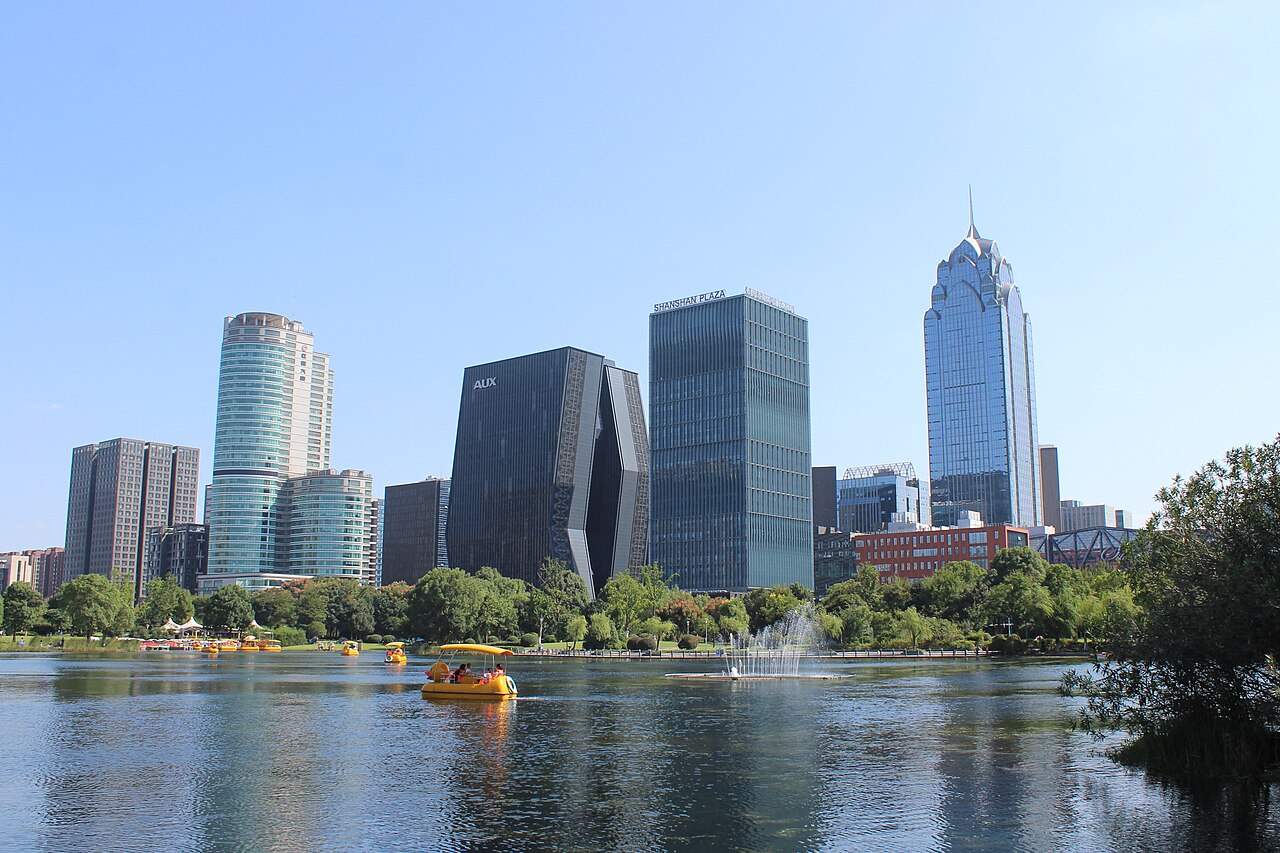
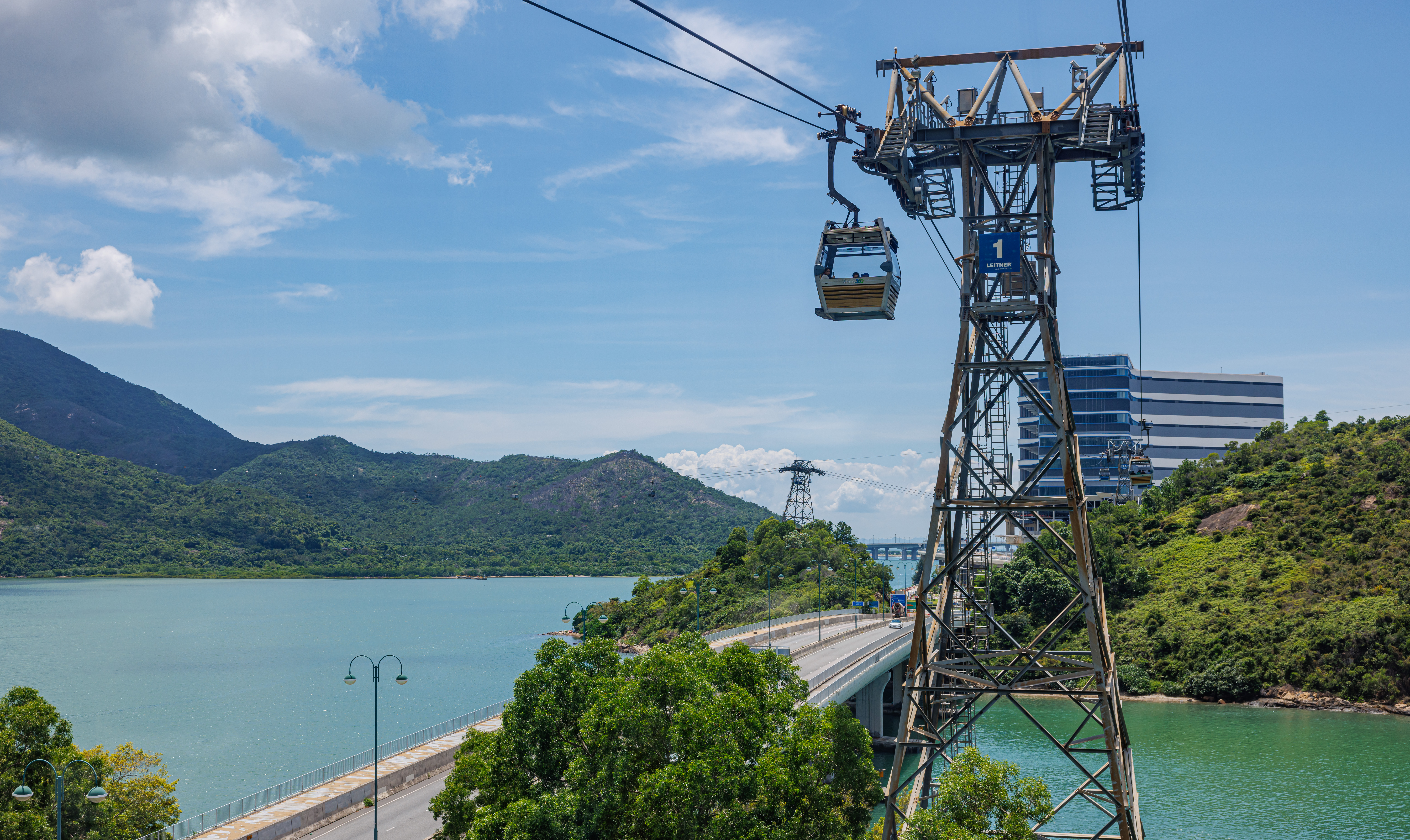
Photographs from the coast, and what other travellers wrote afterwards.

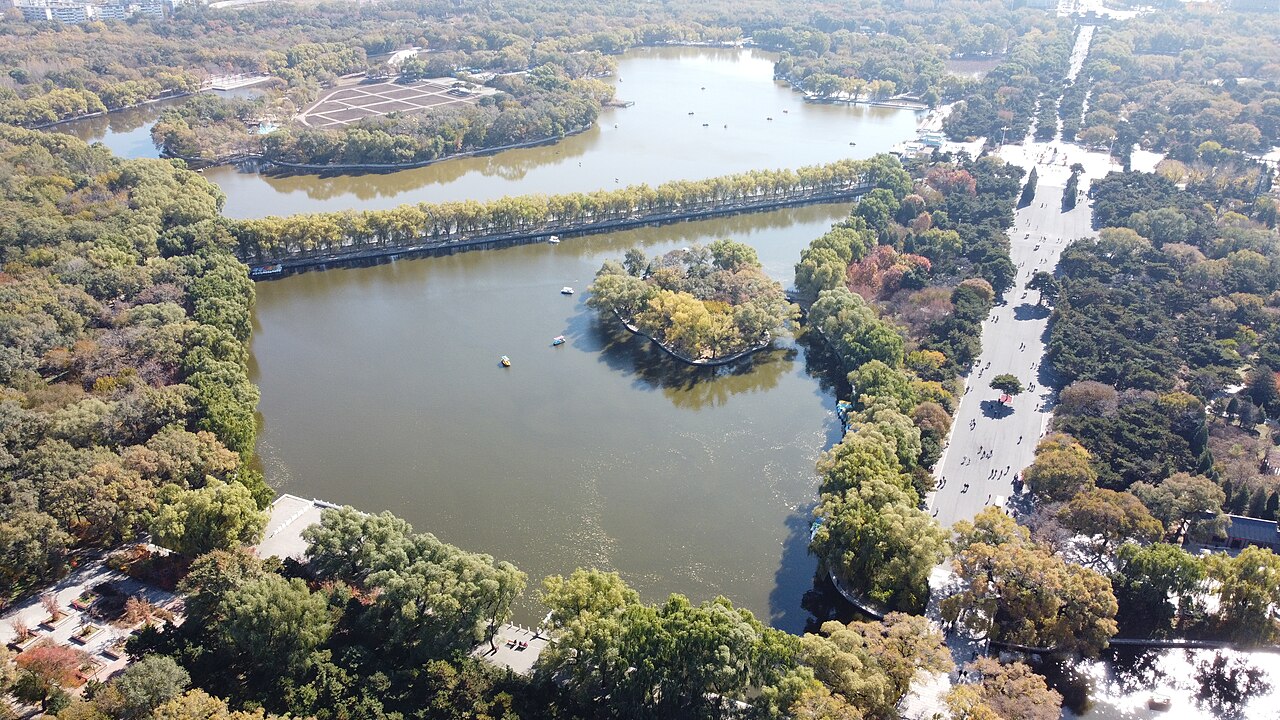
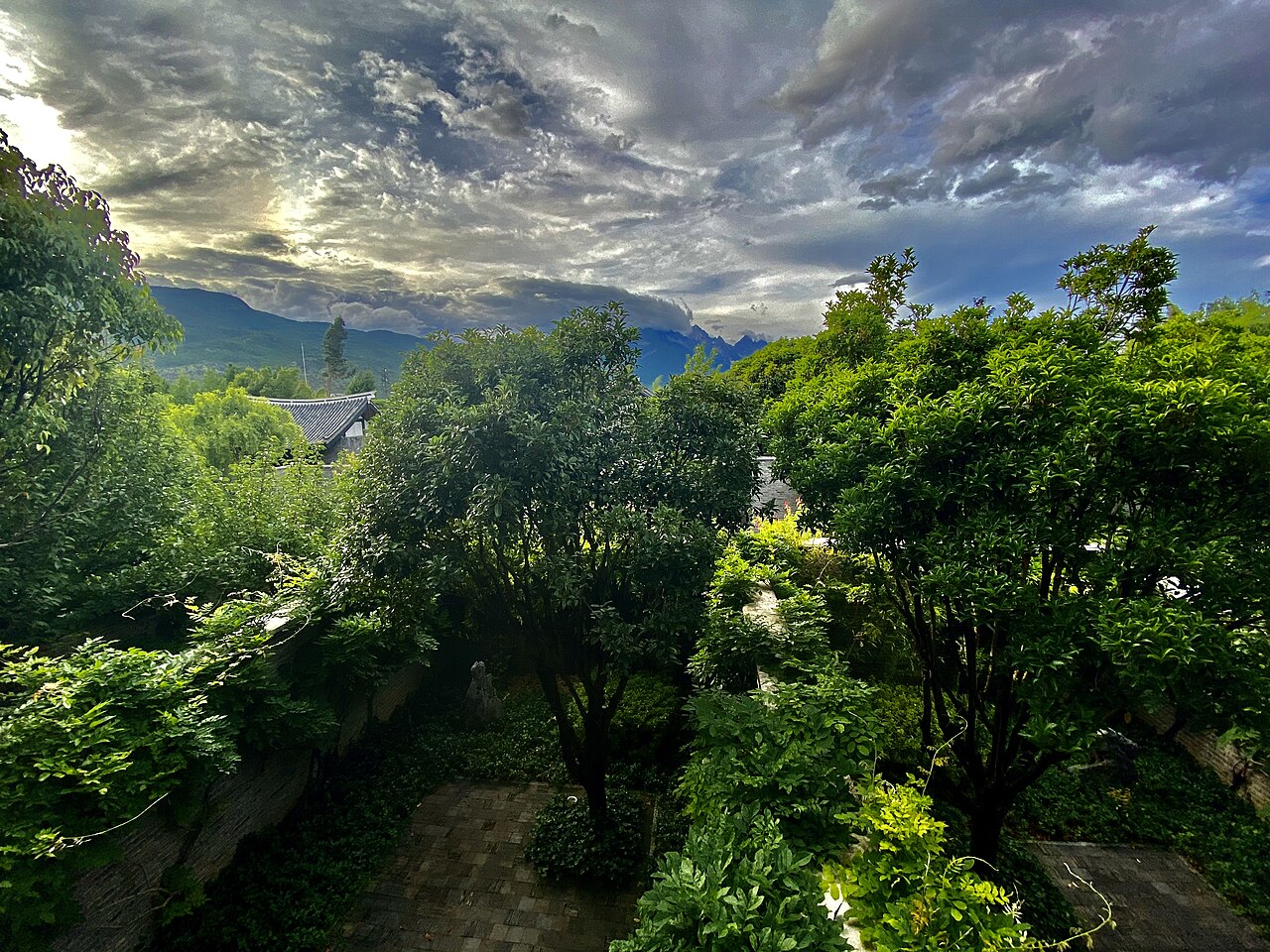
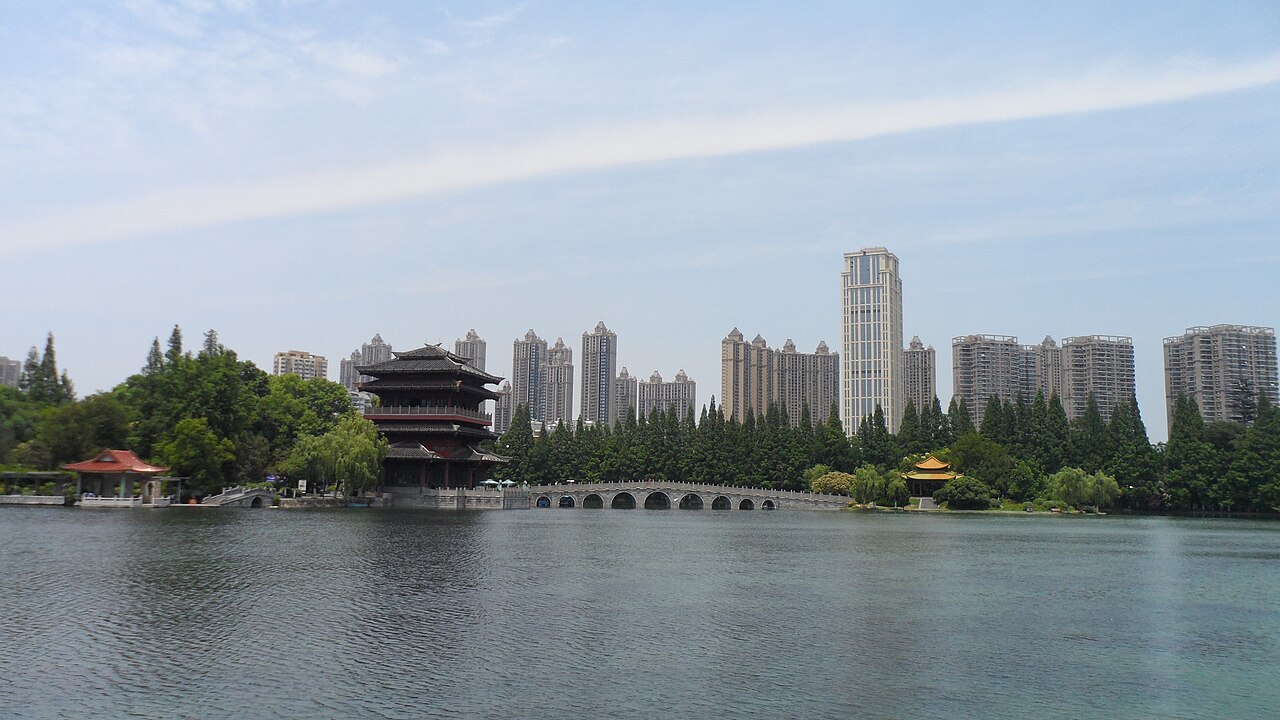
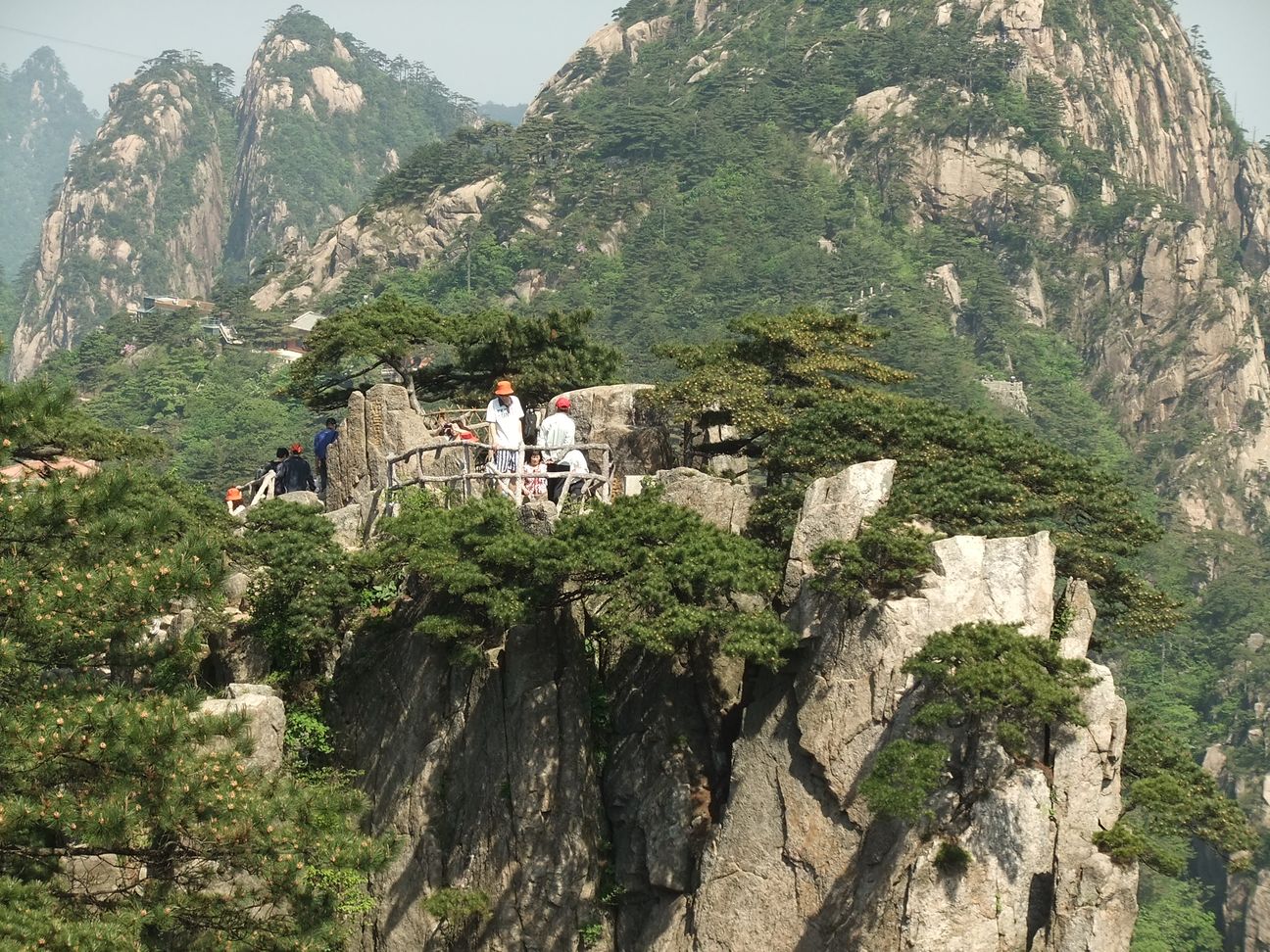
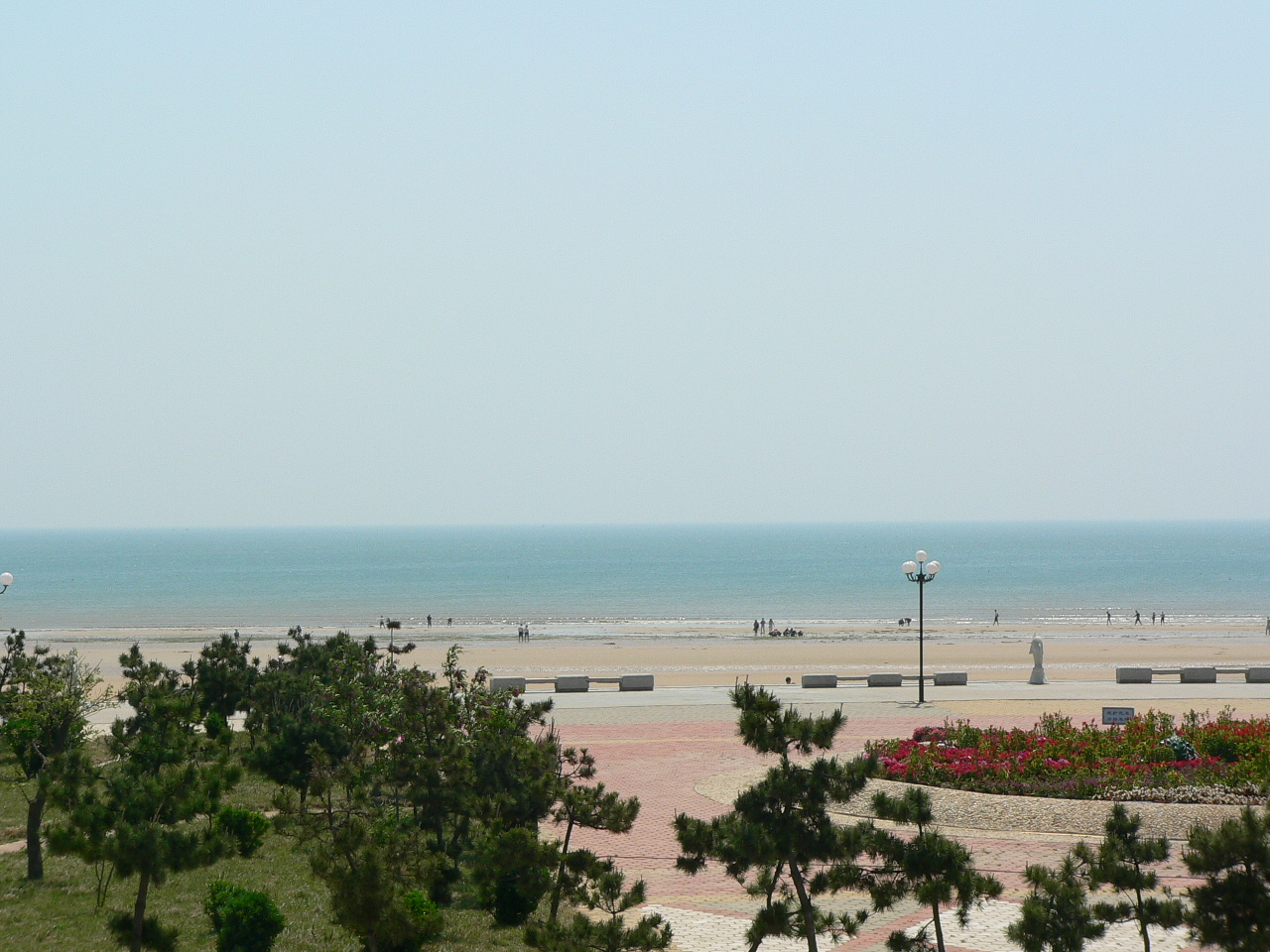
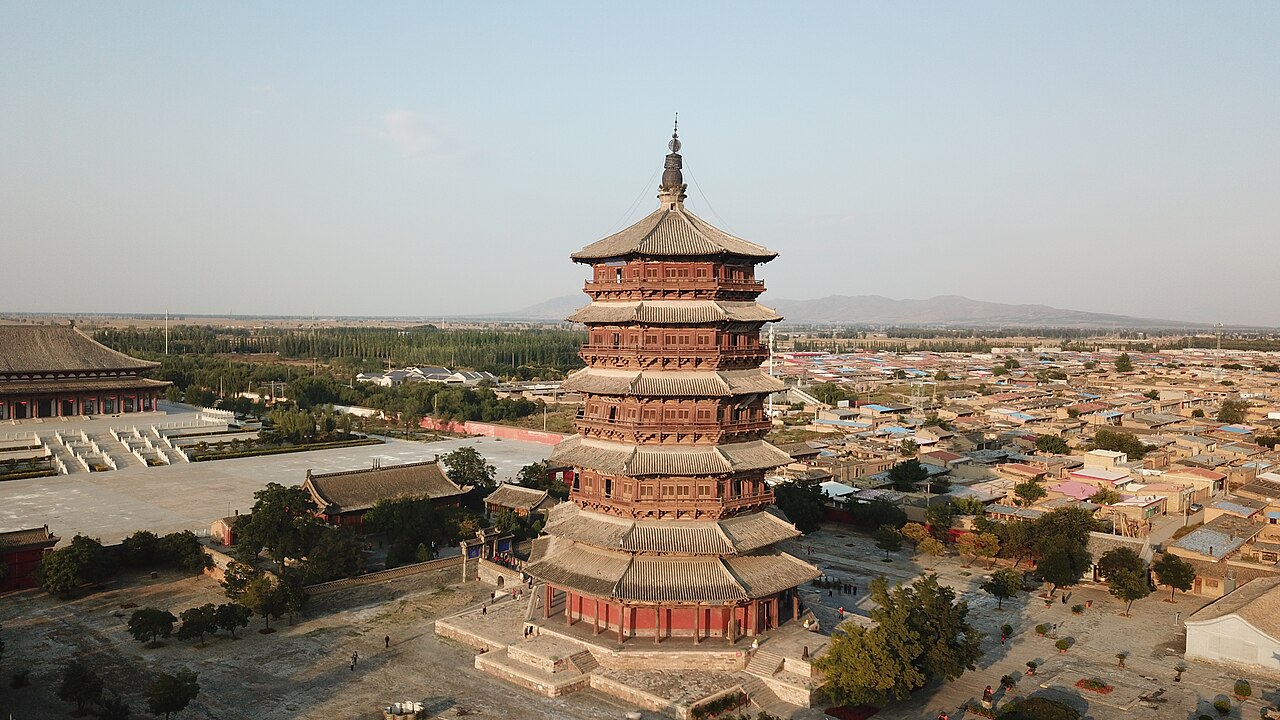
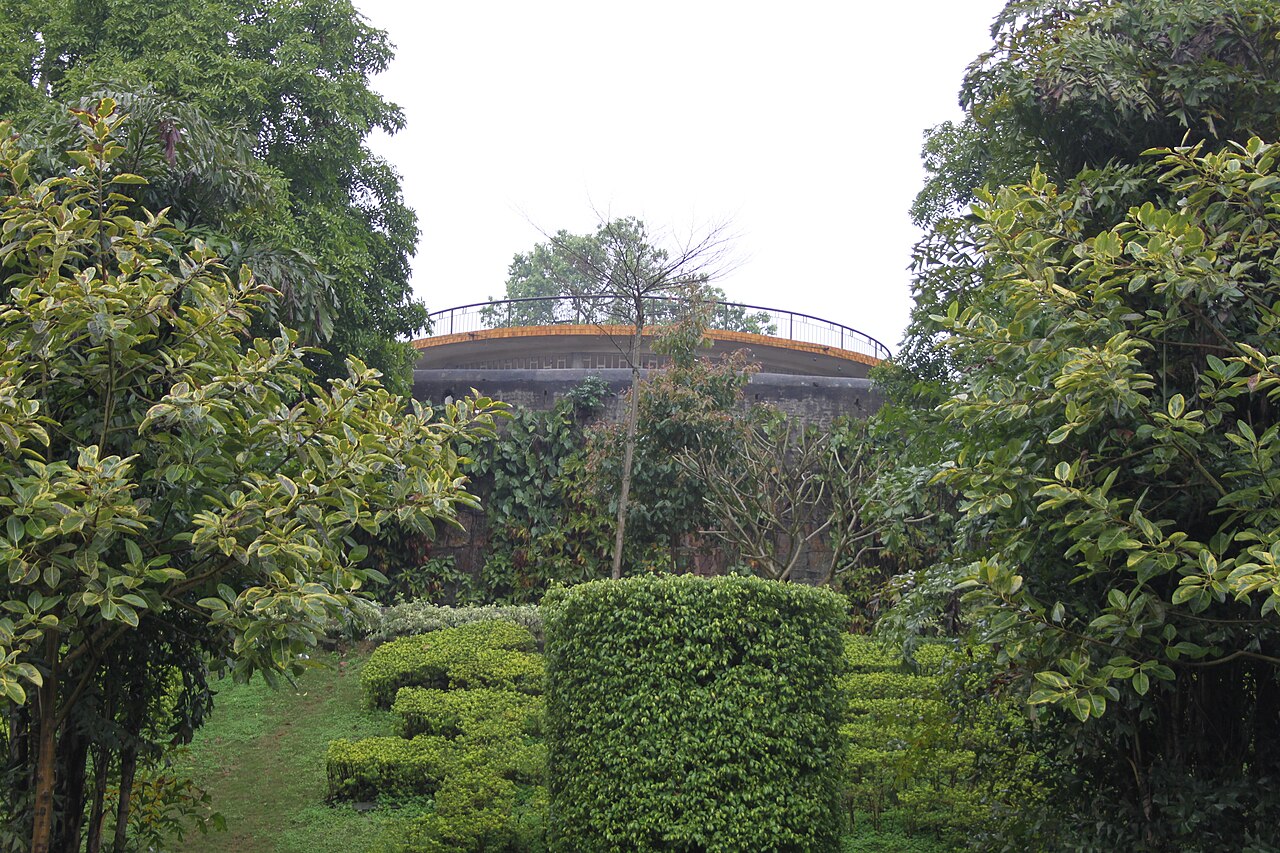
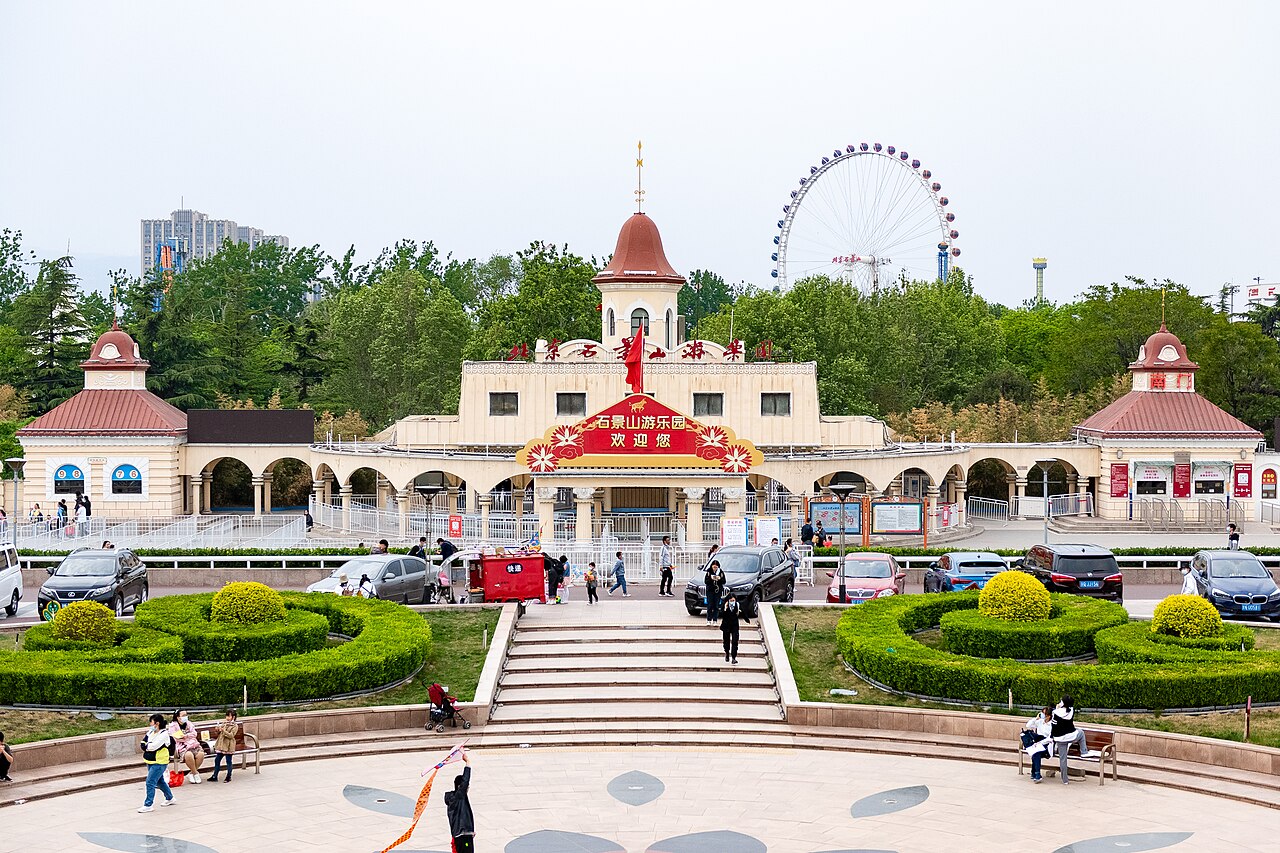
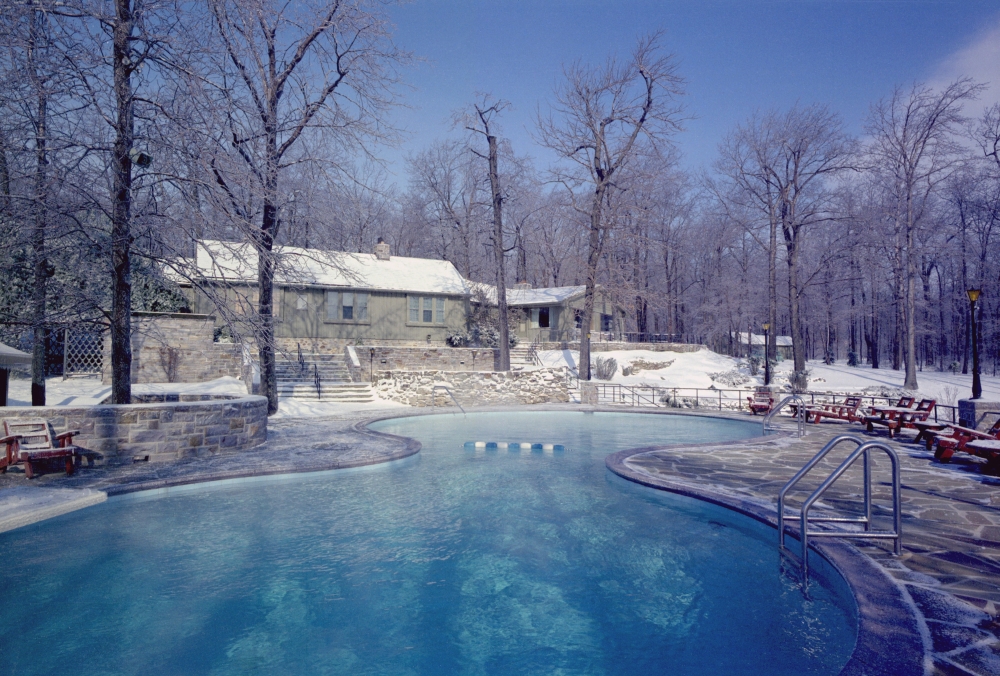
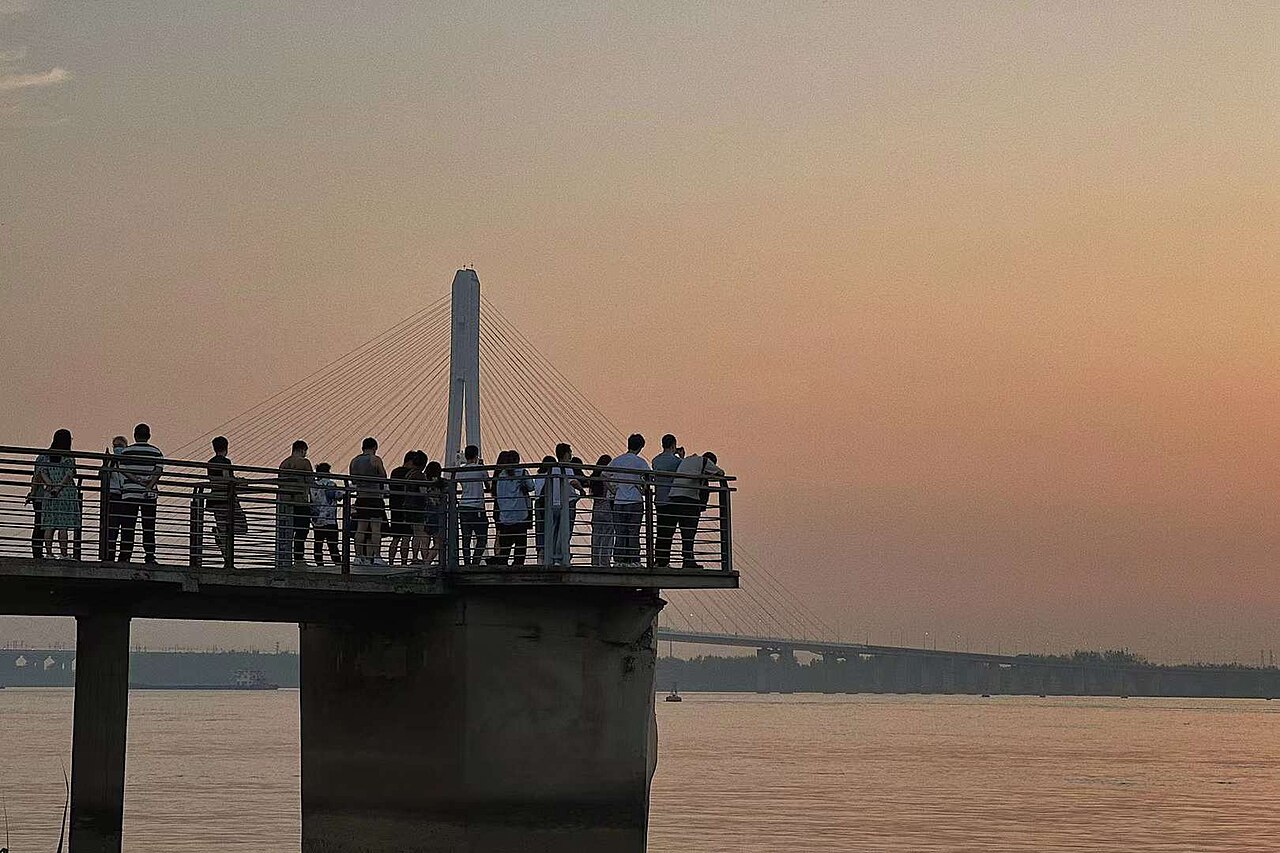
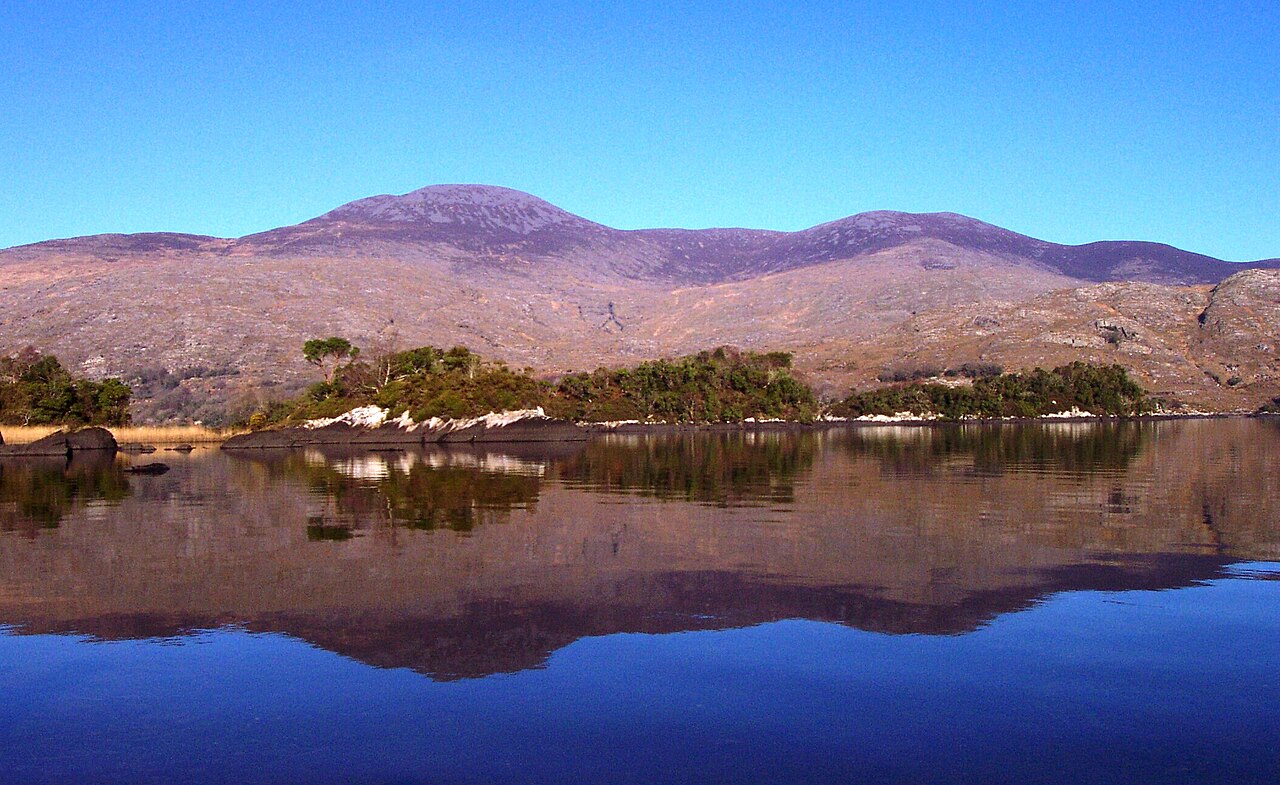
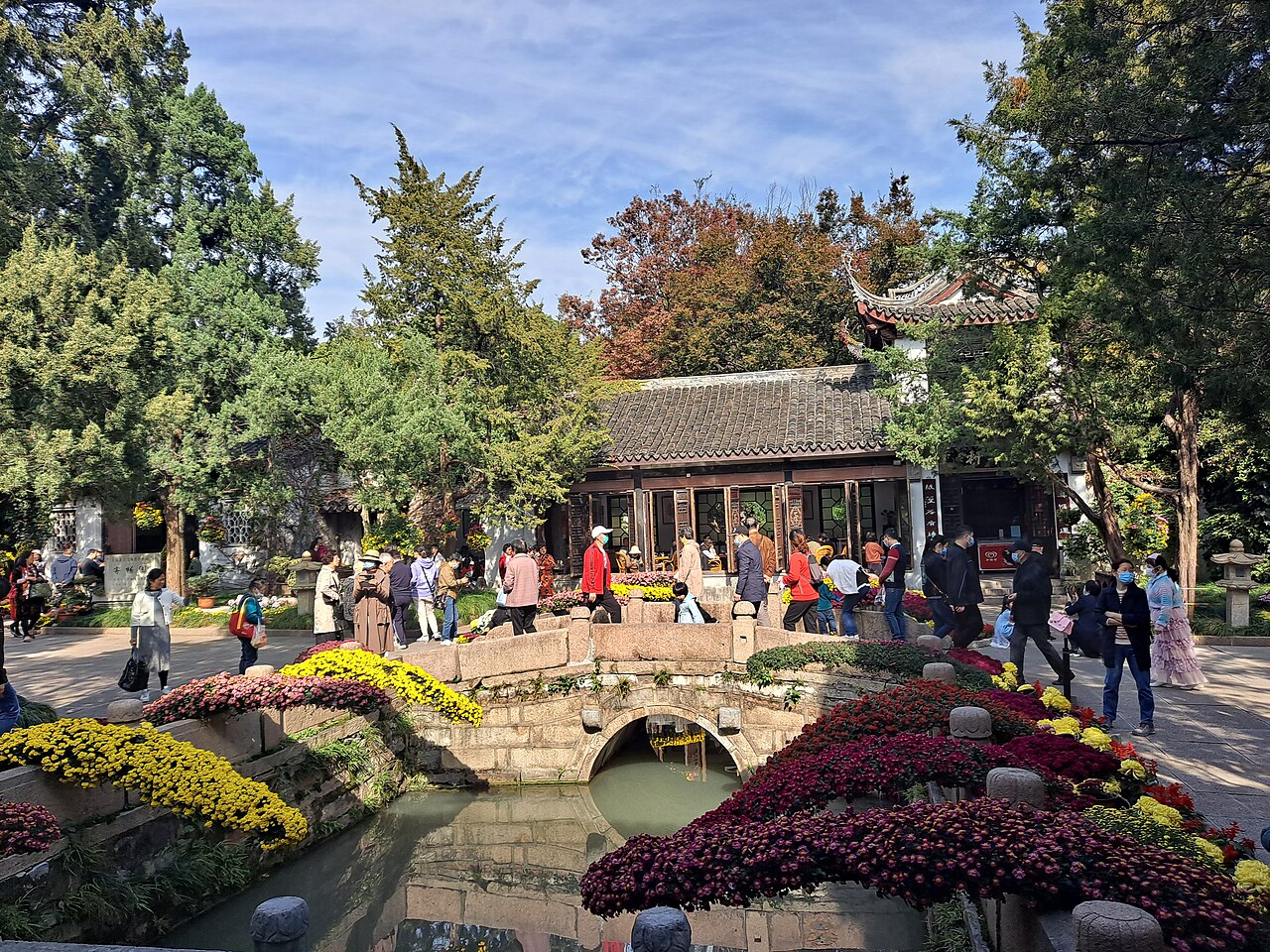
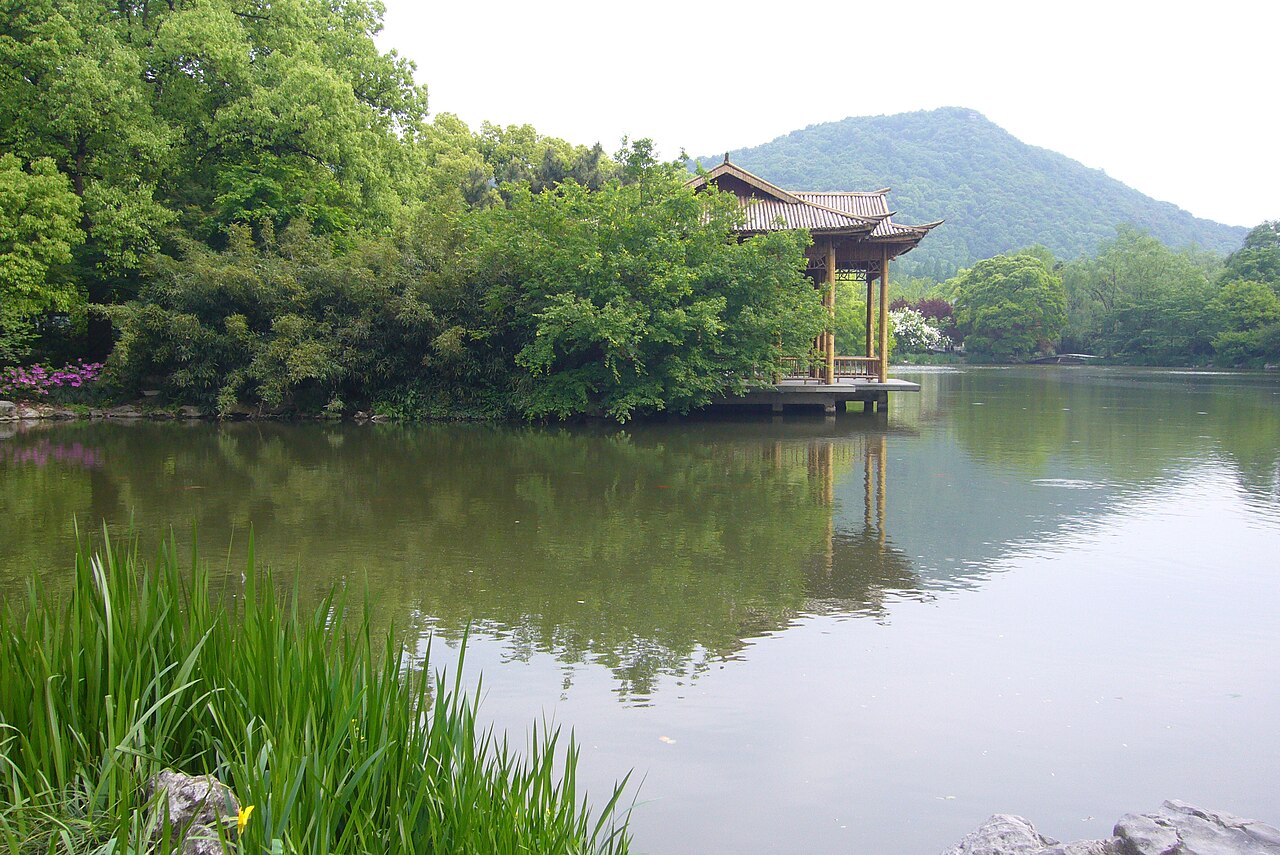
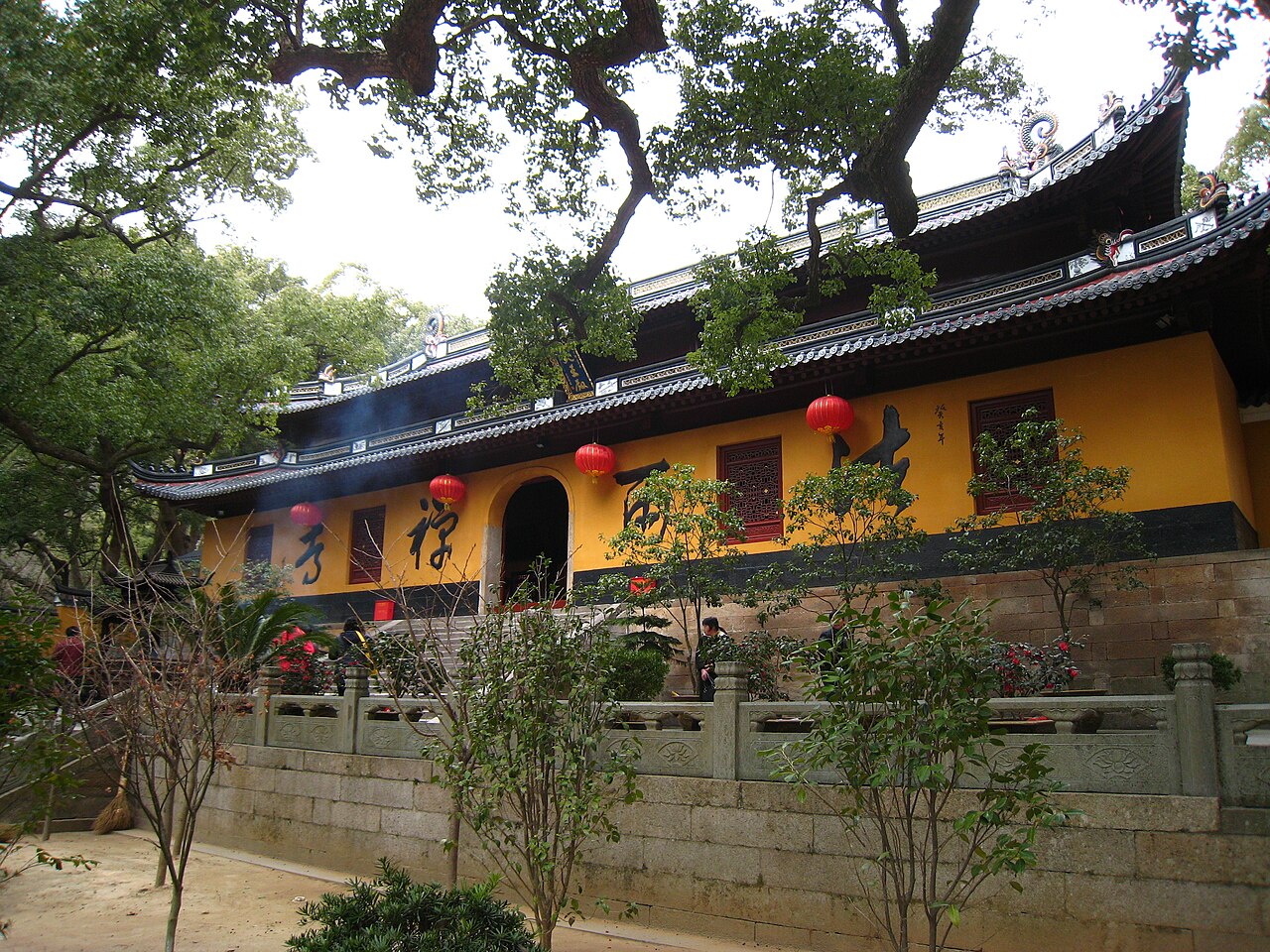
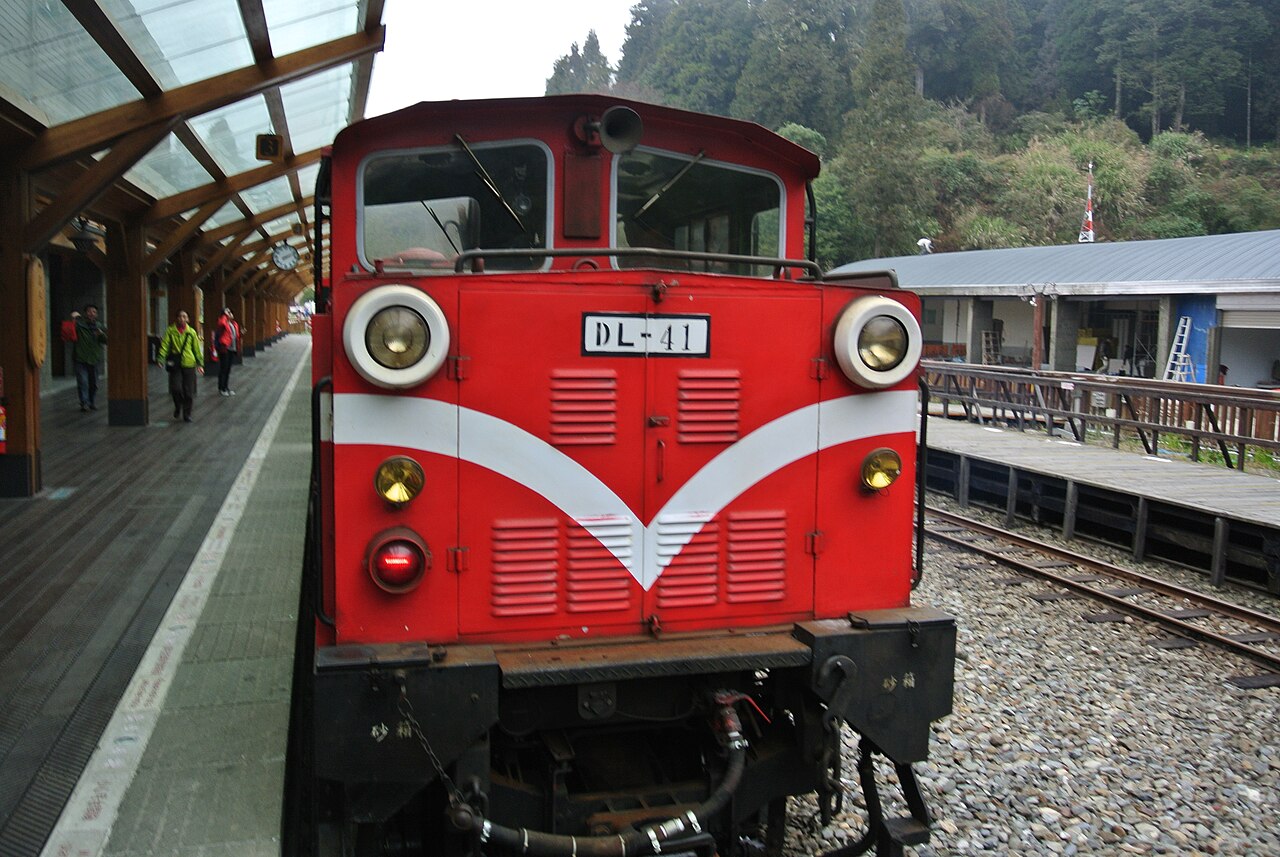
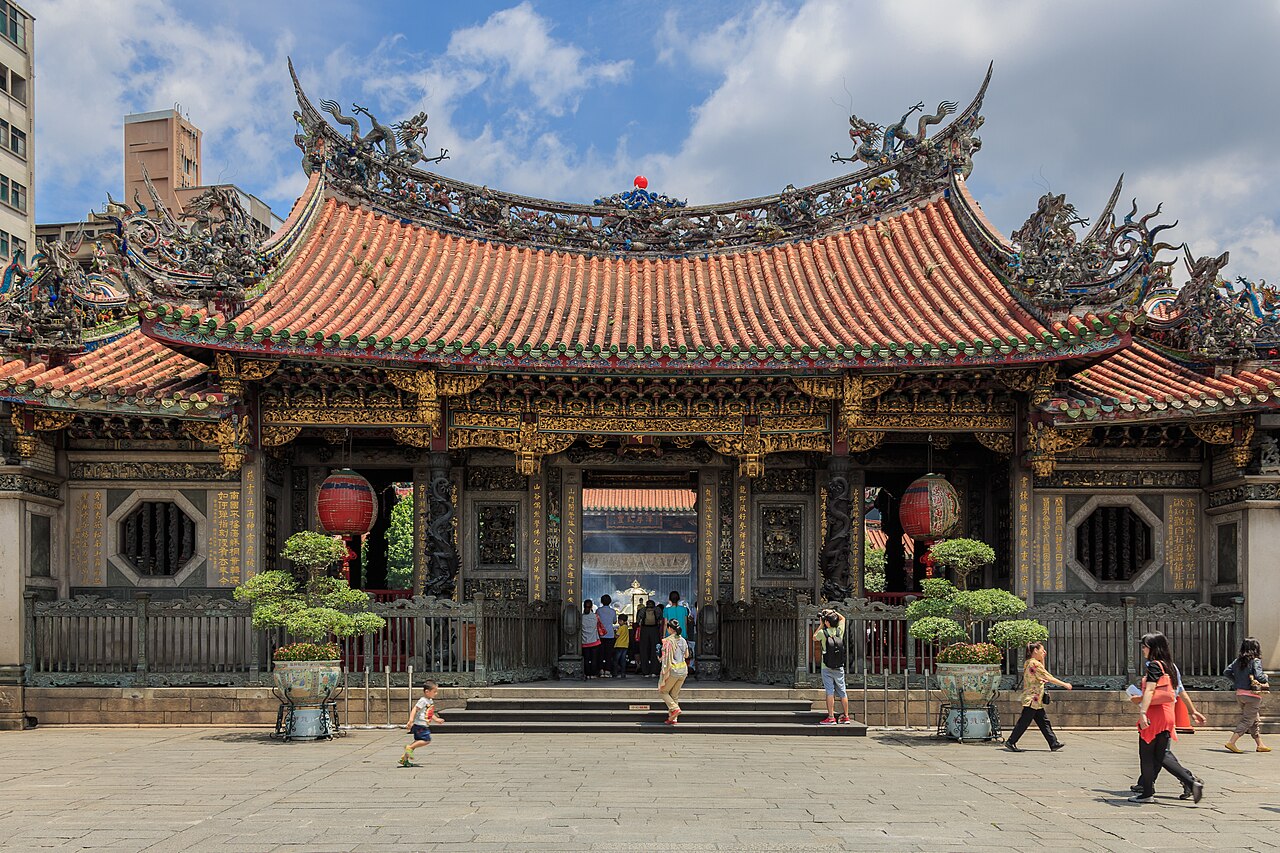
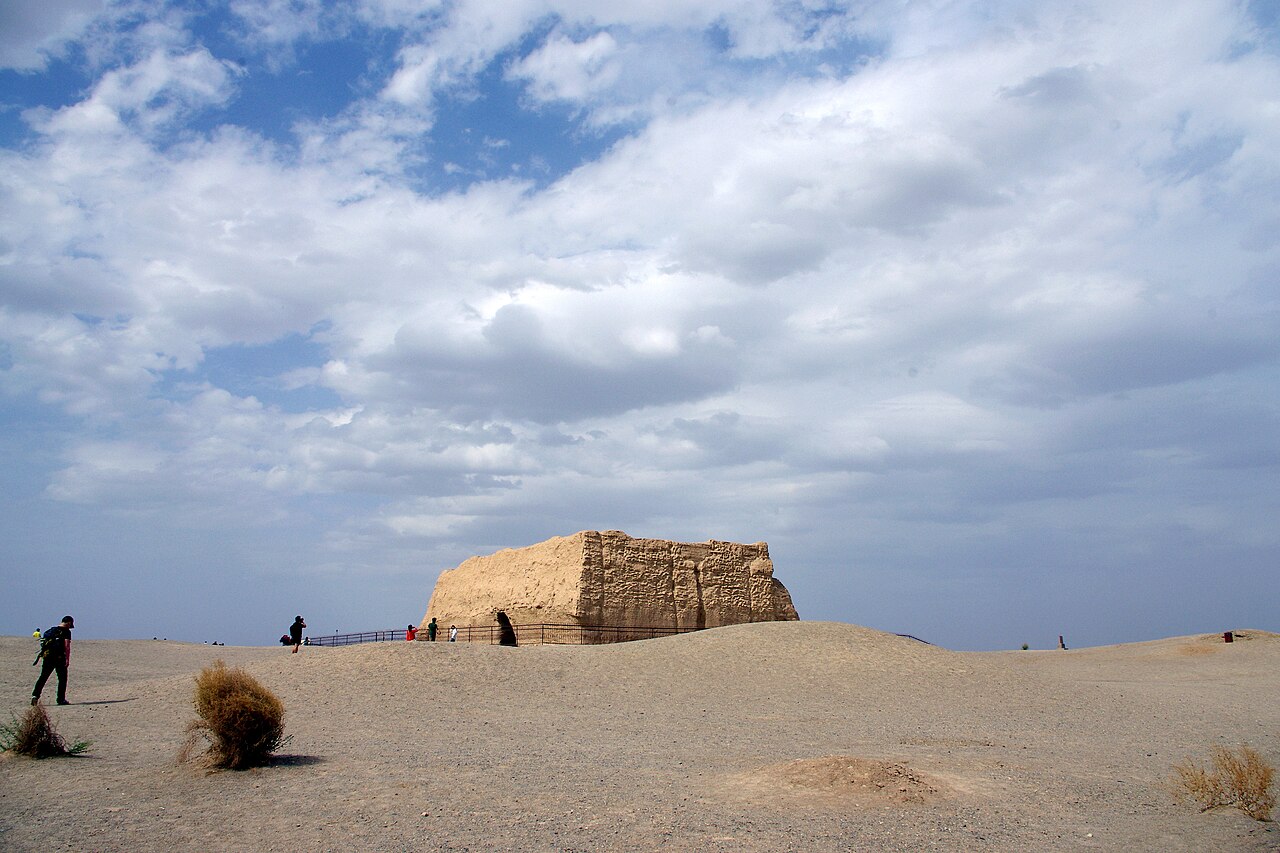
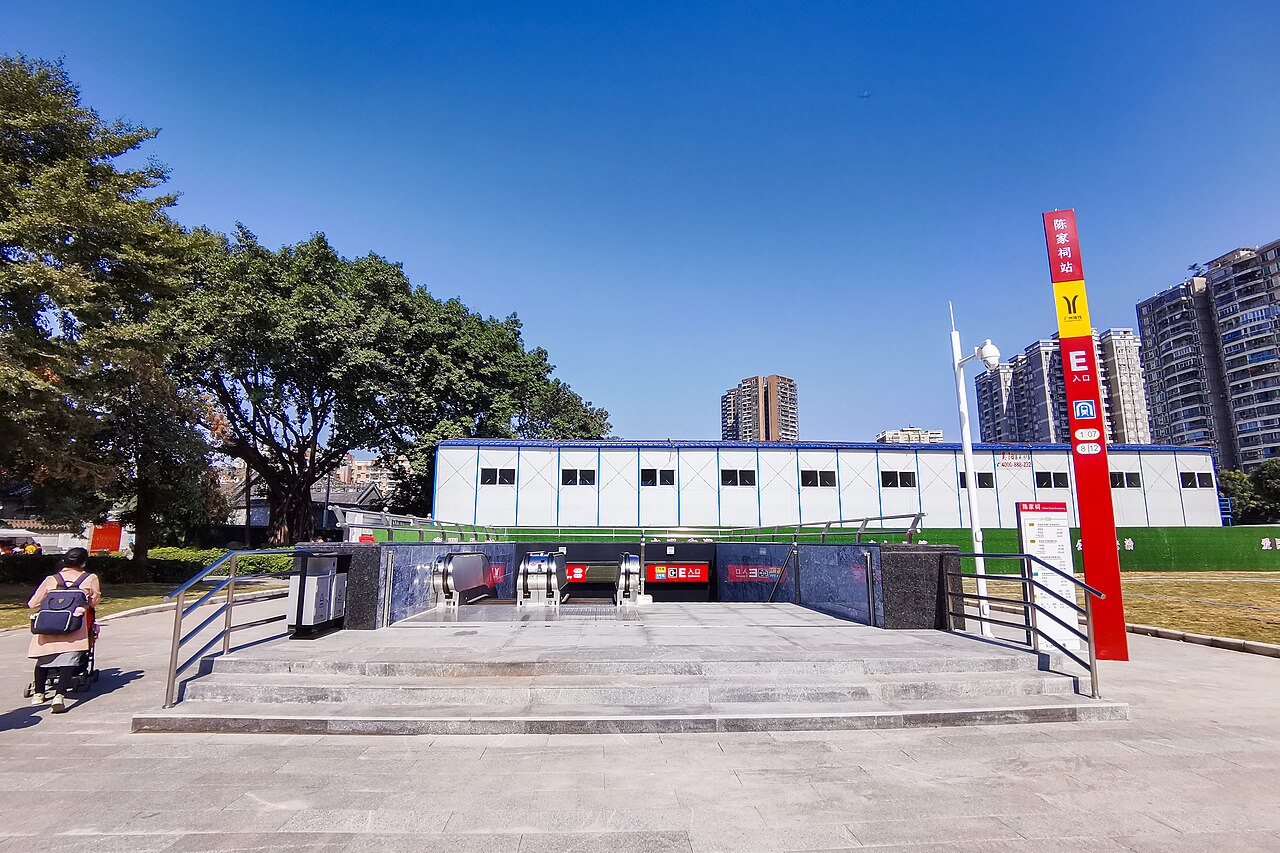
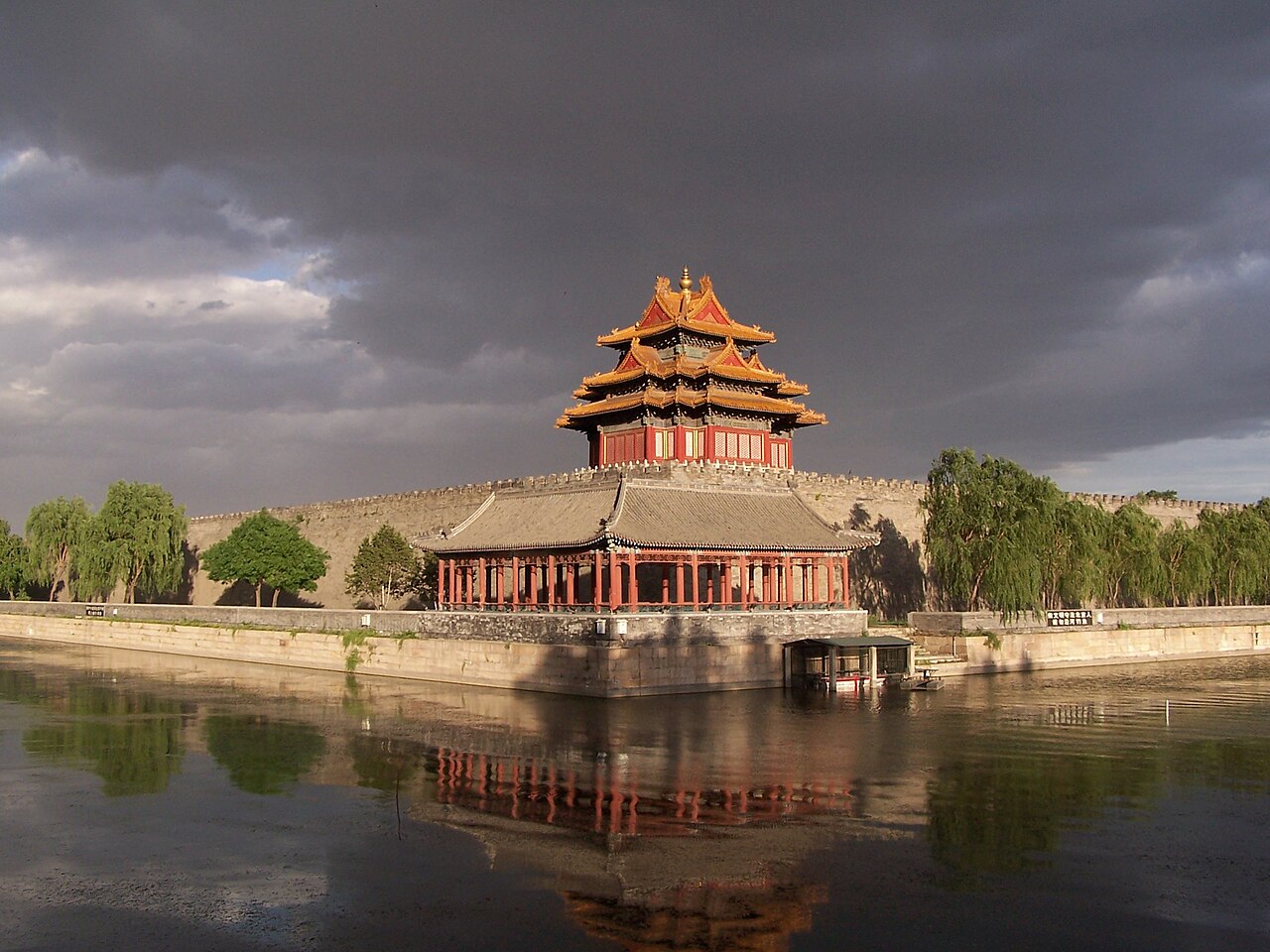
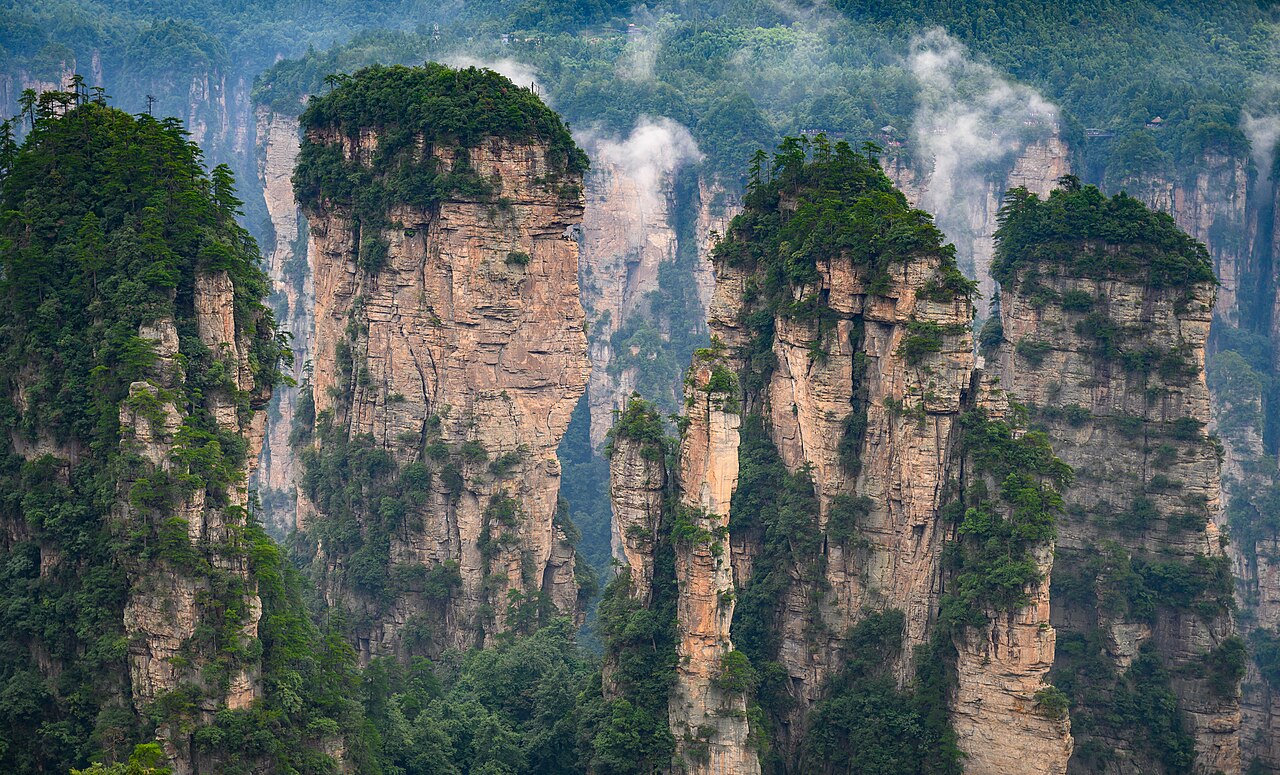
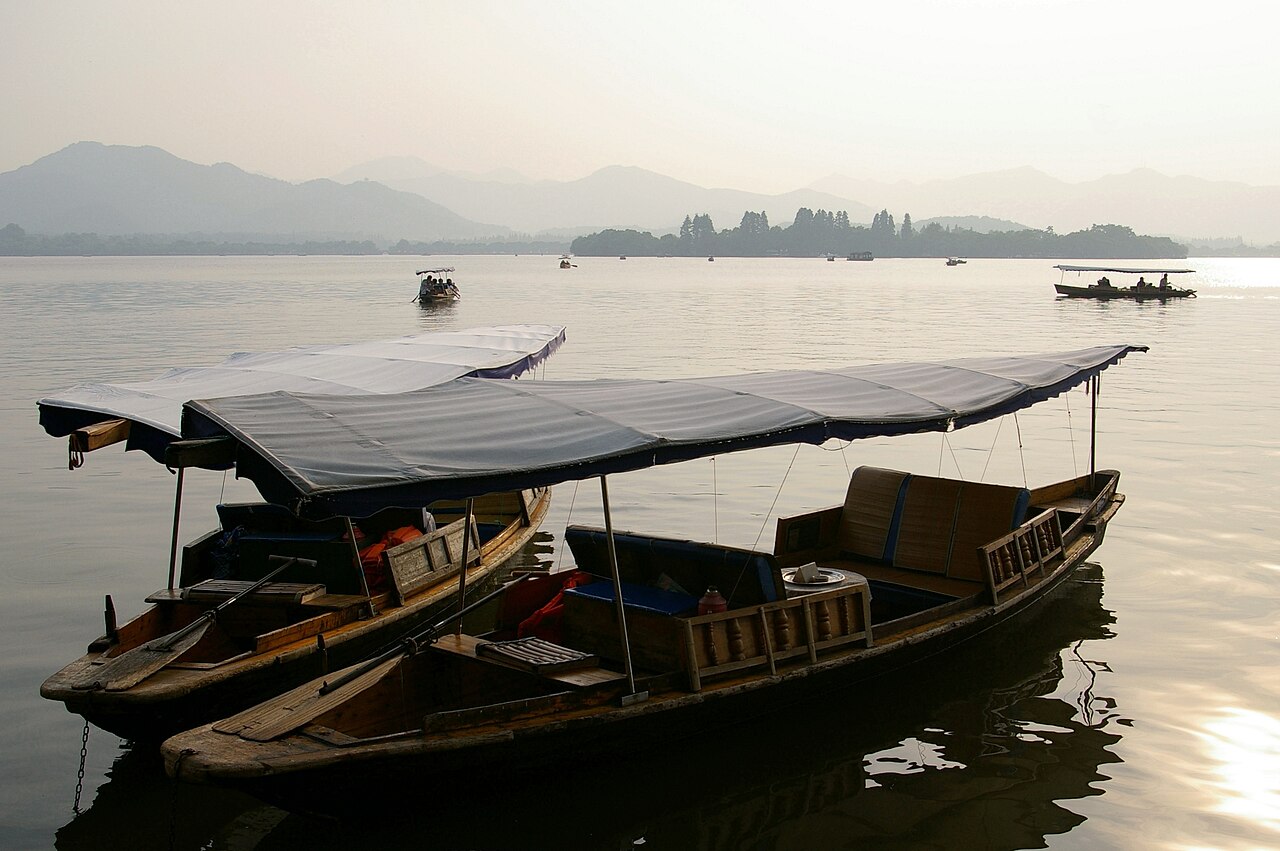
Willows and a painted boat on Slender West Lake
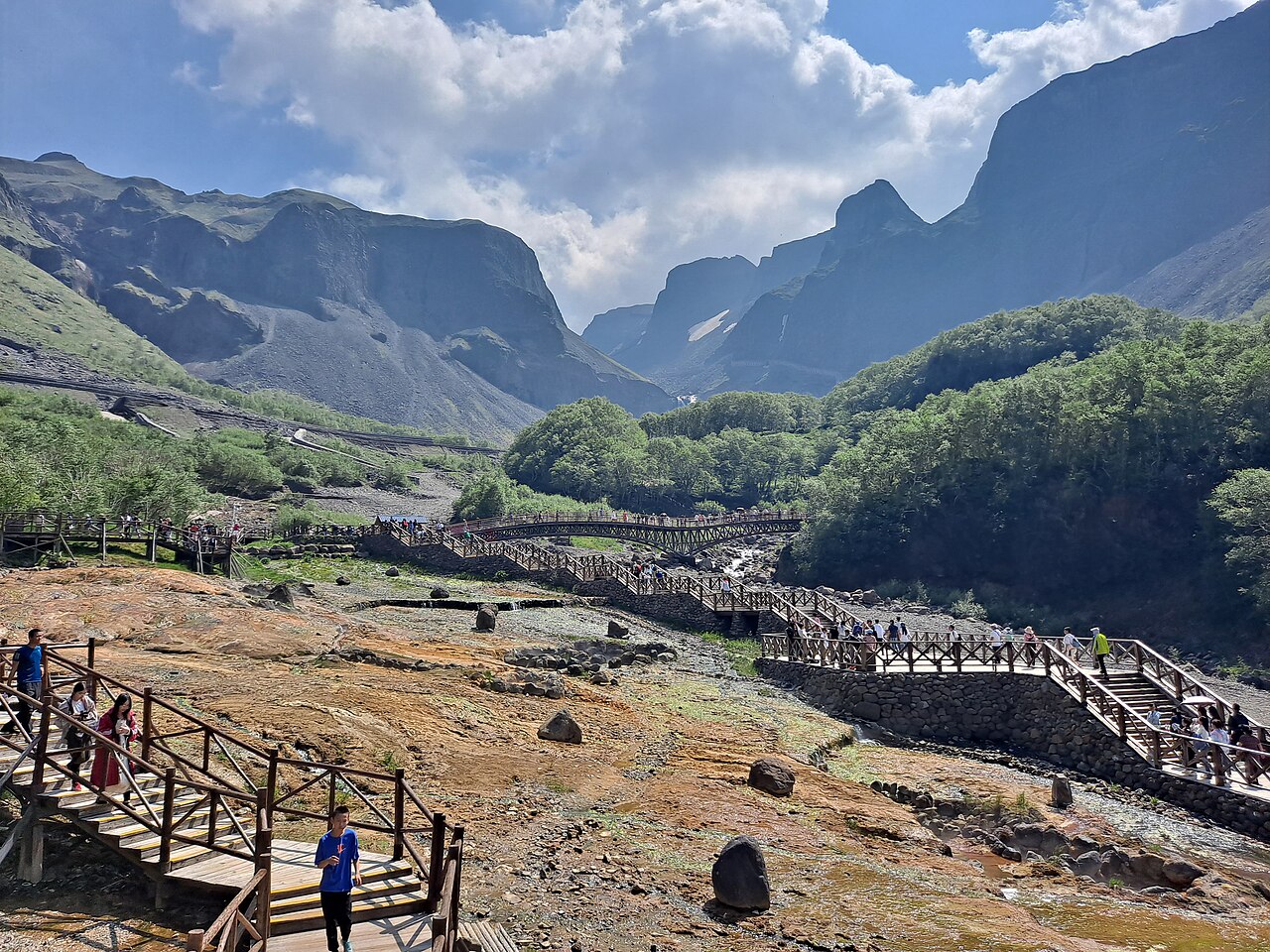
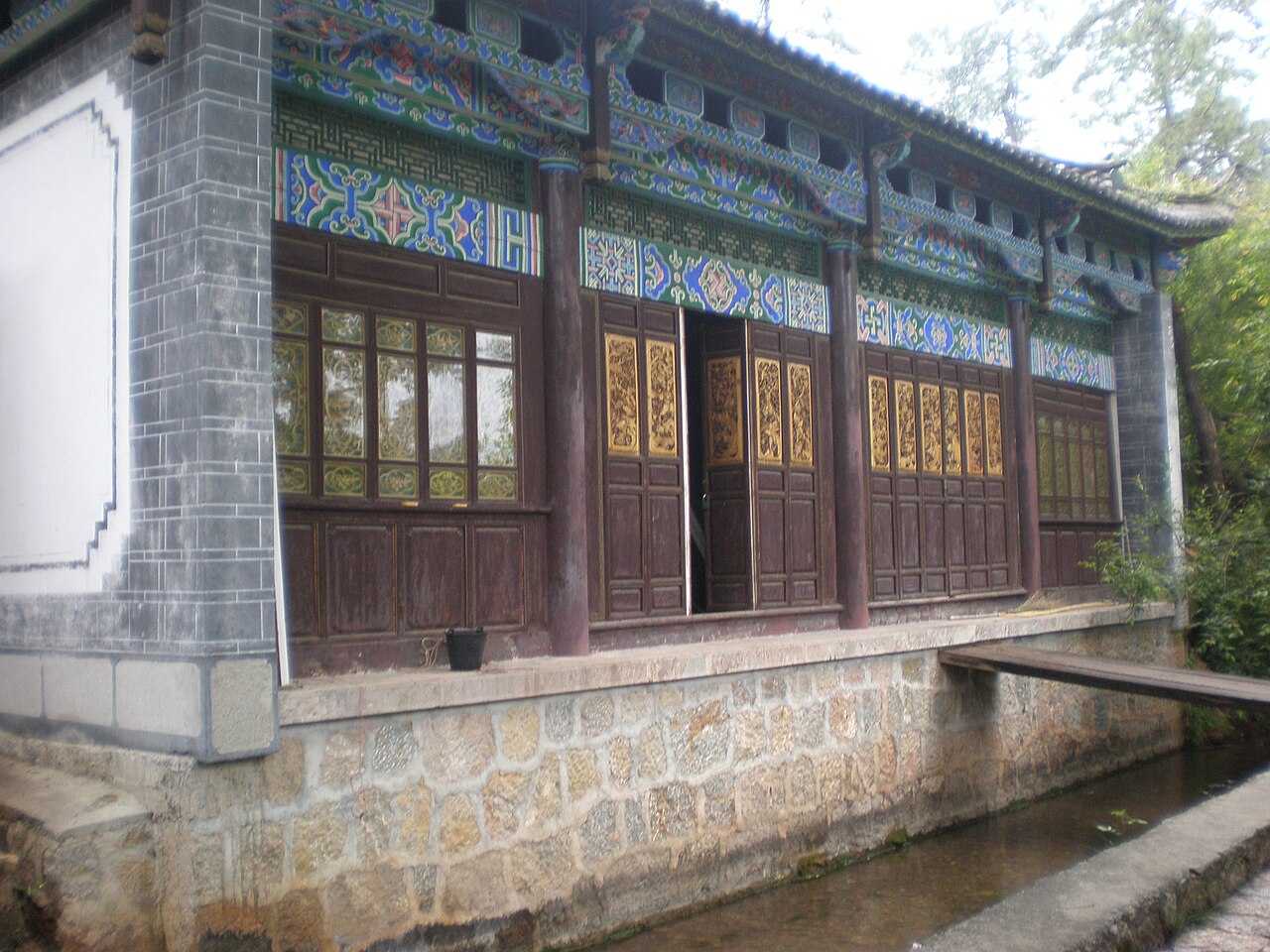
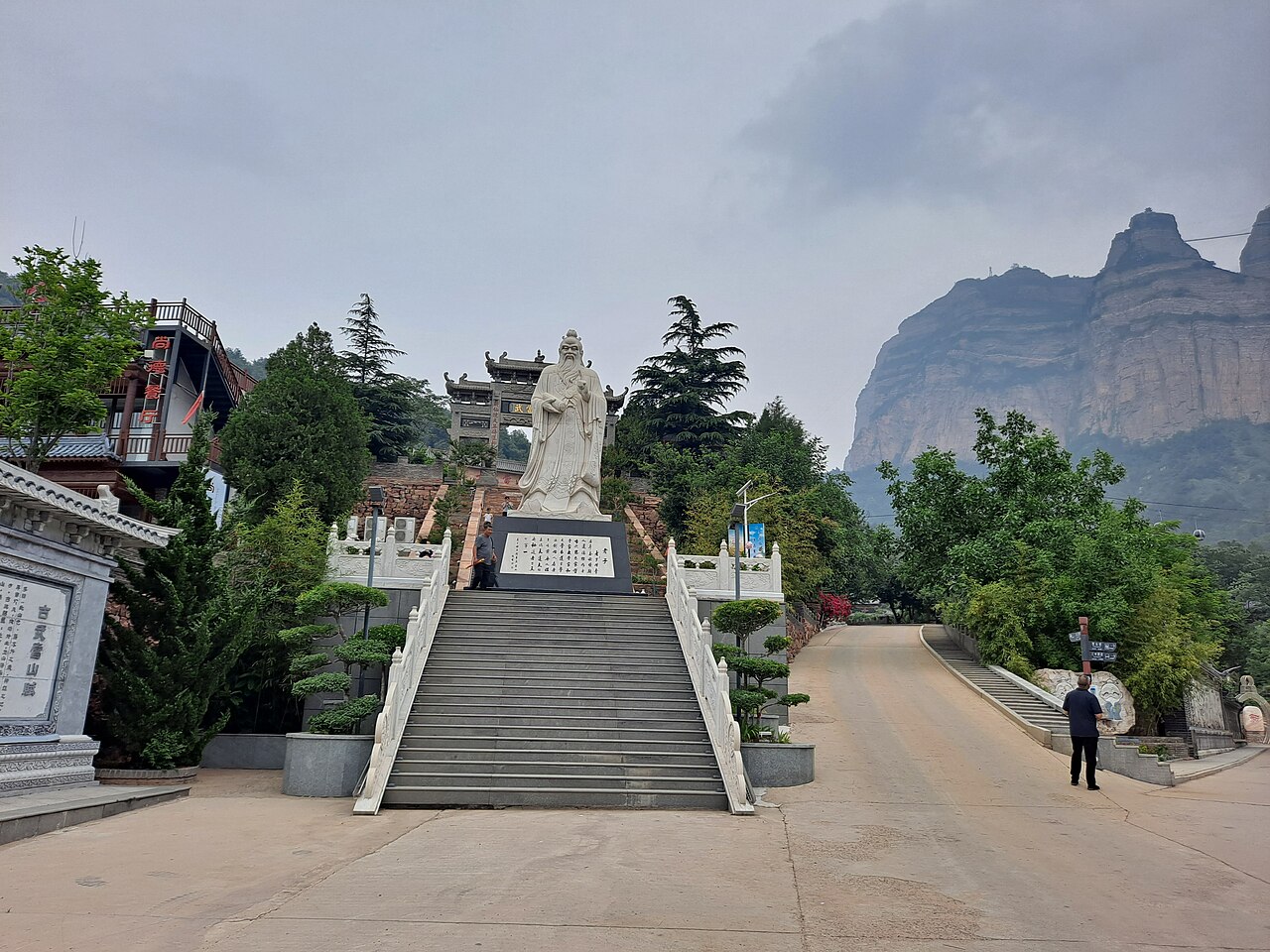
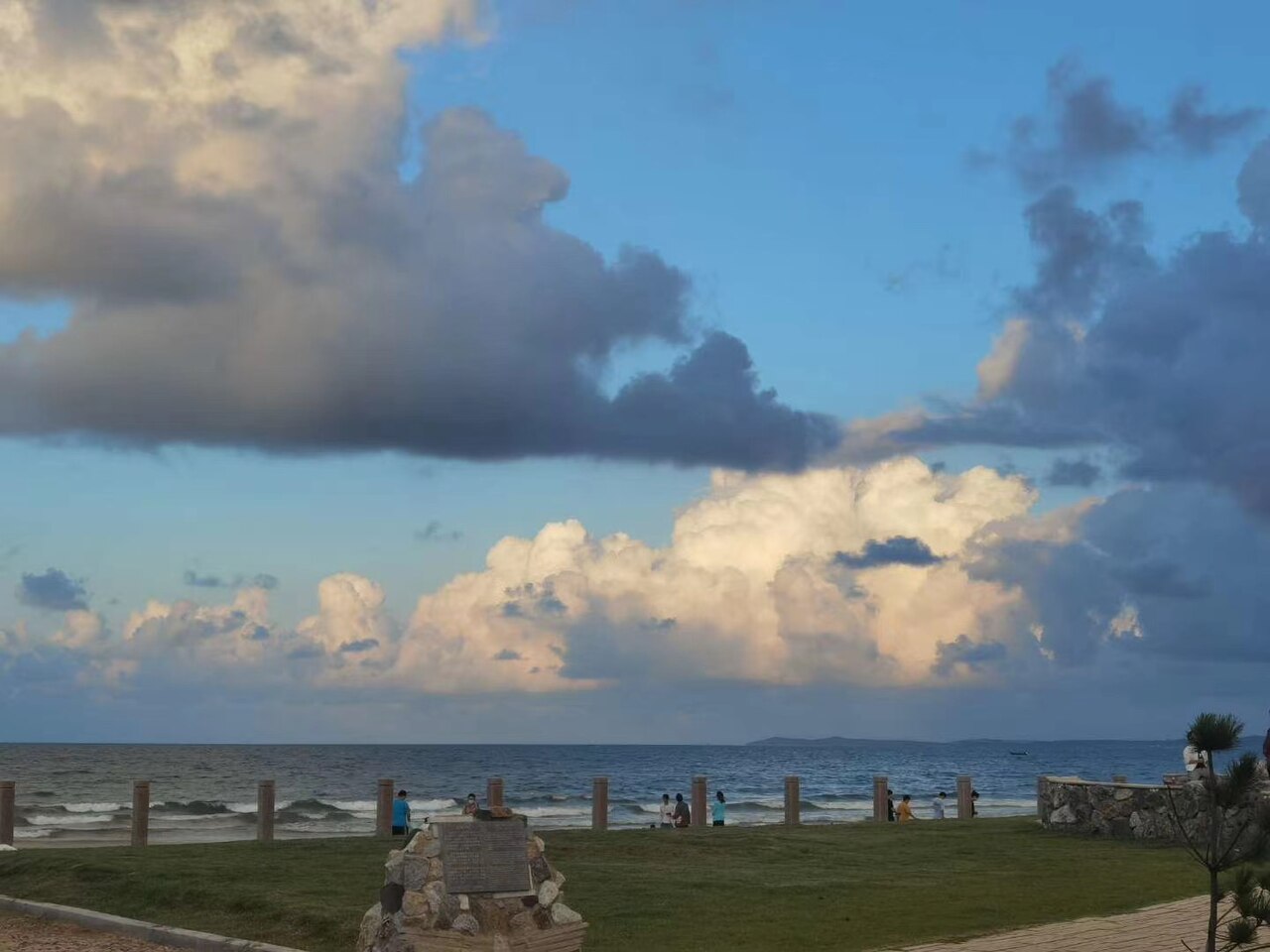
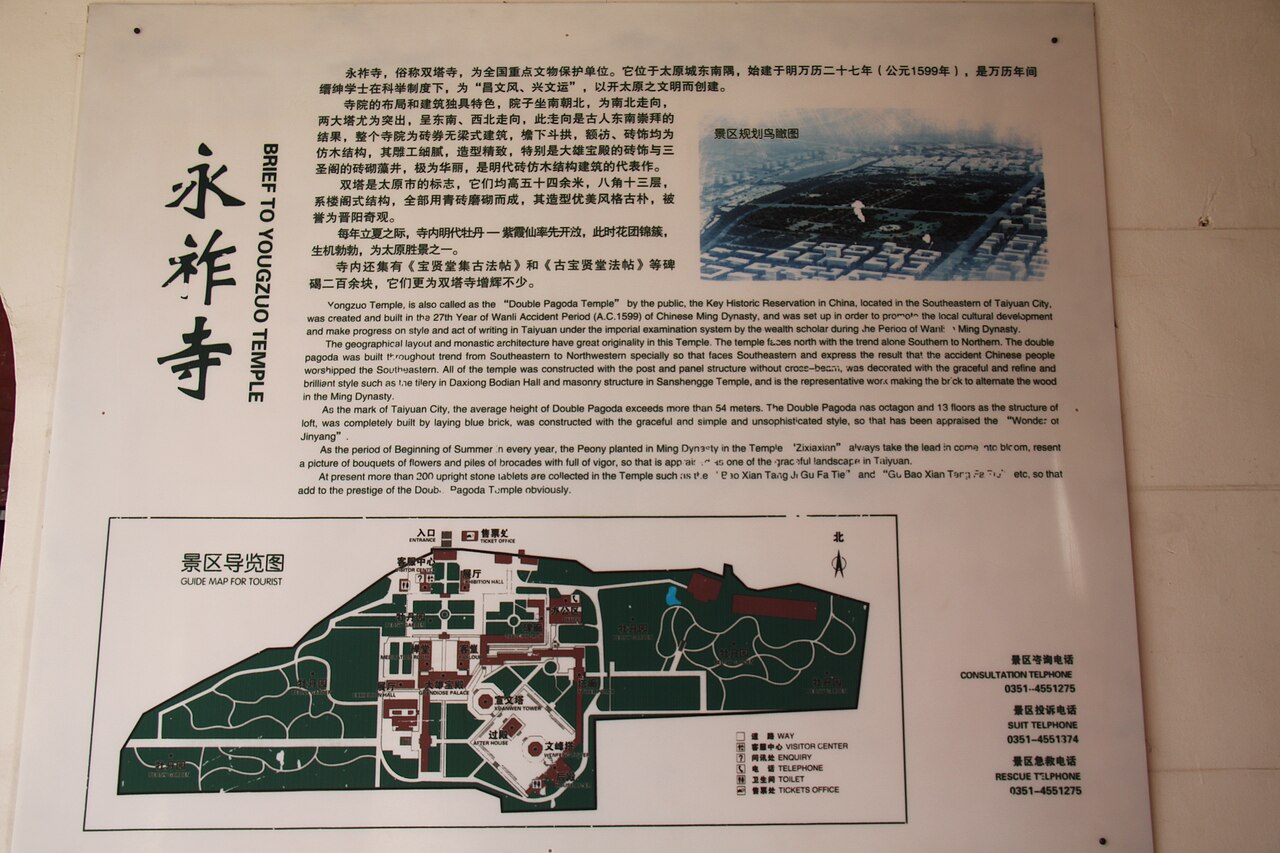
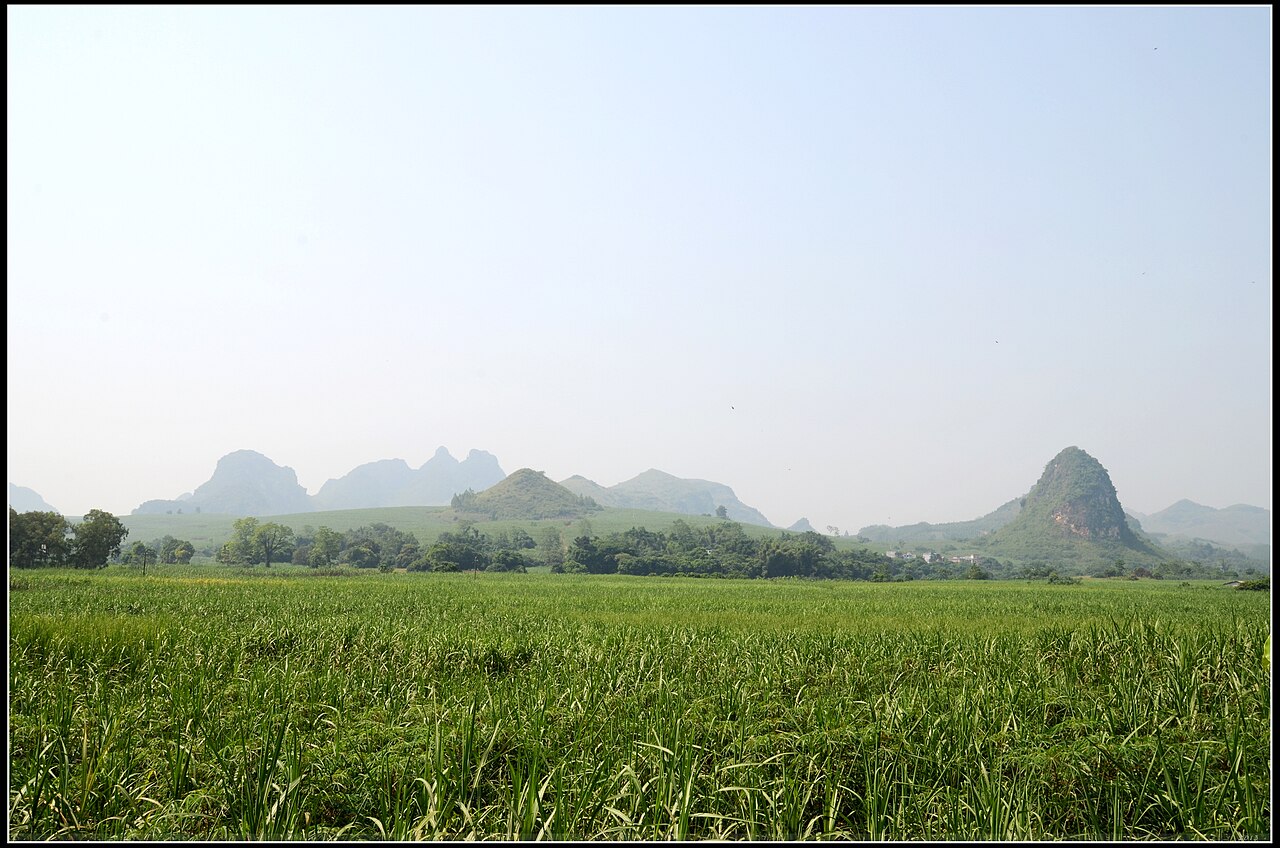
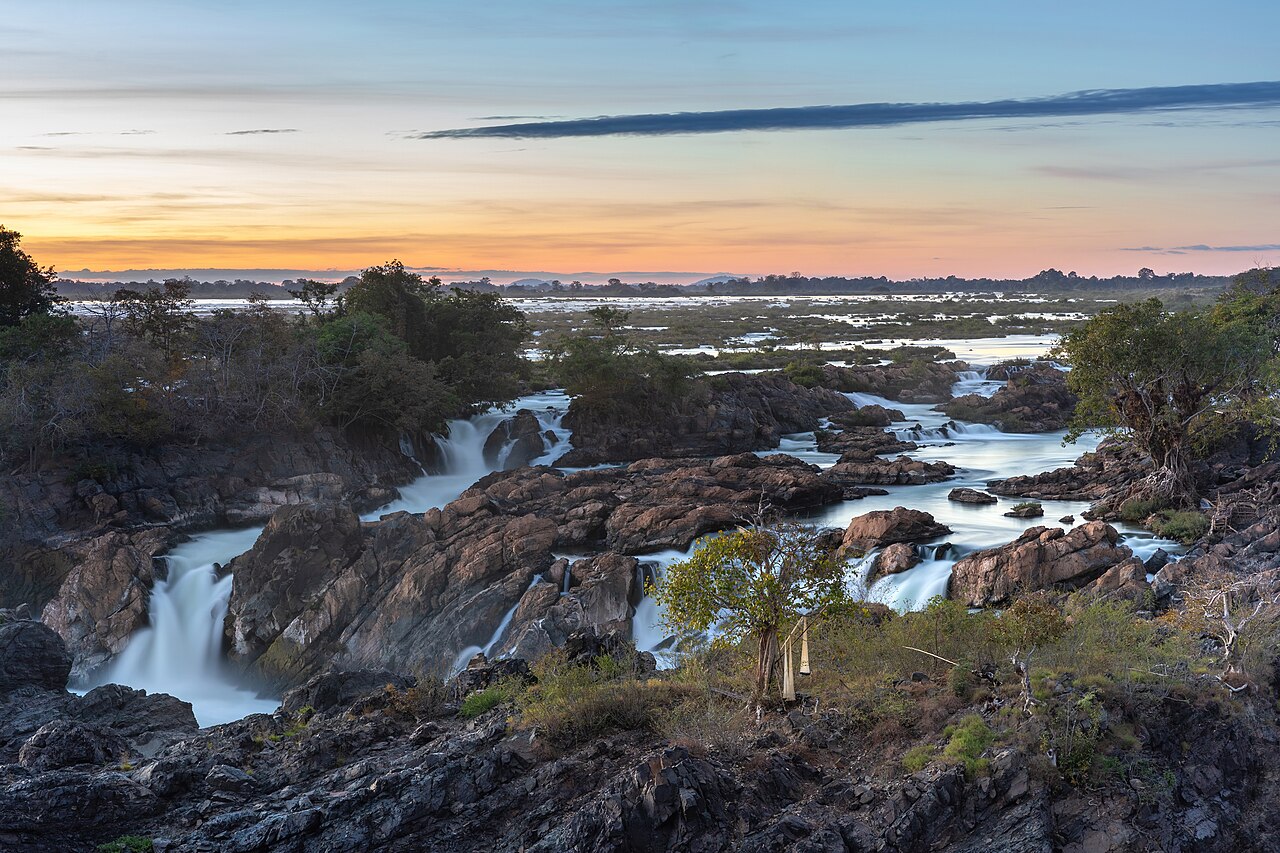
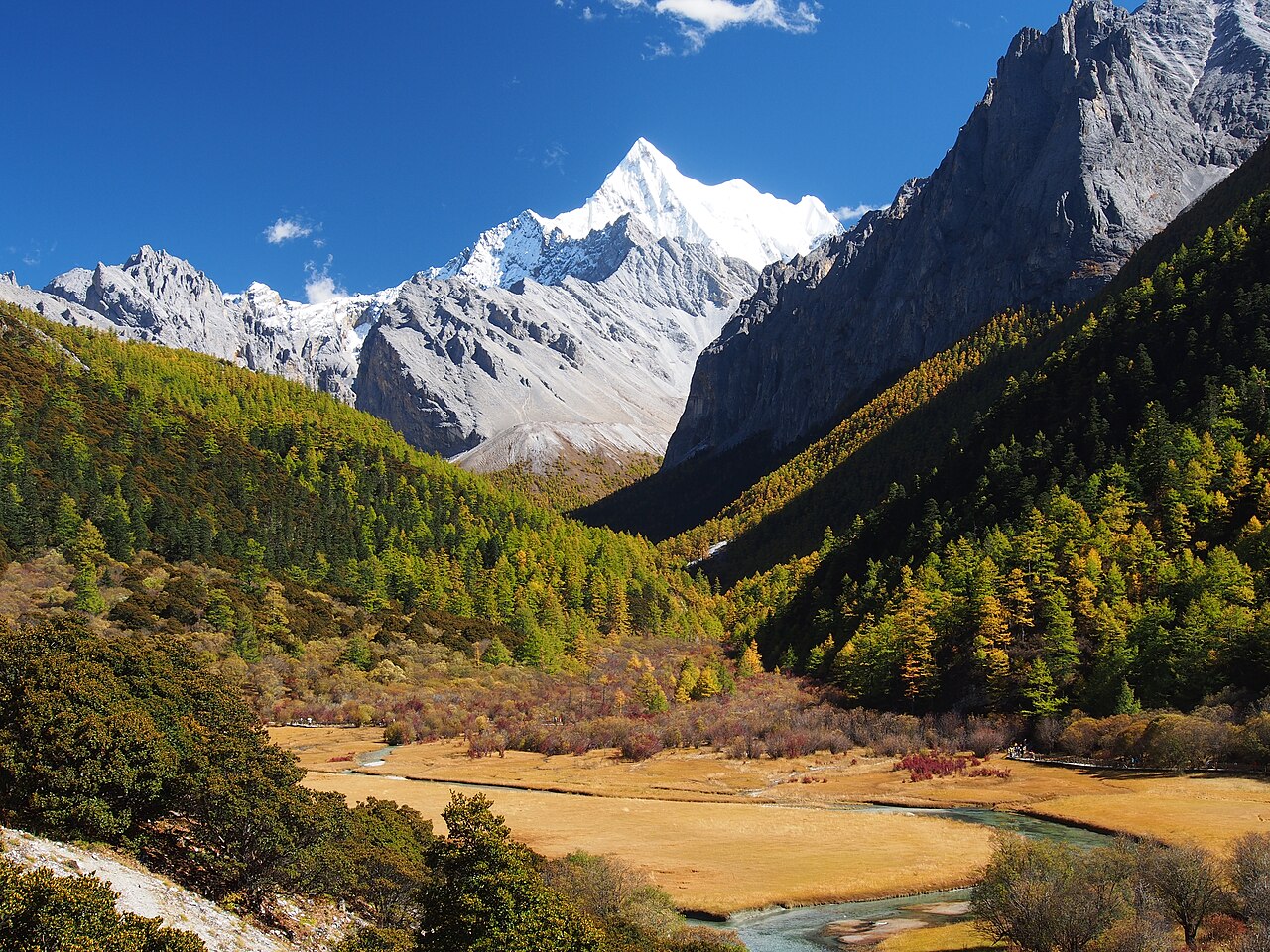
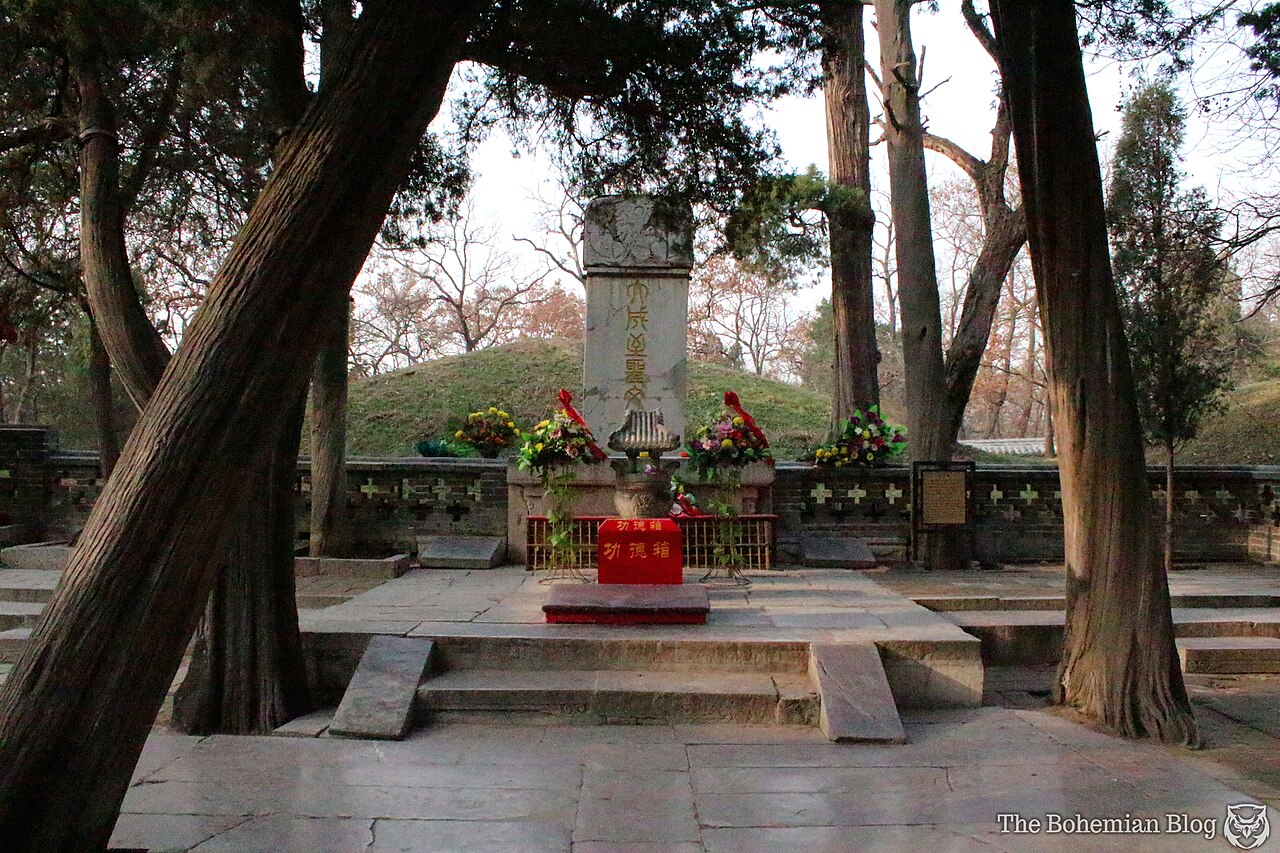
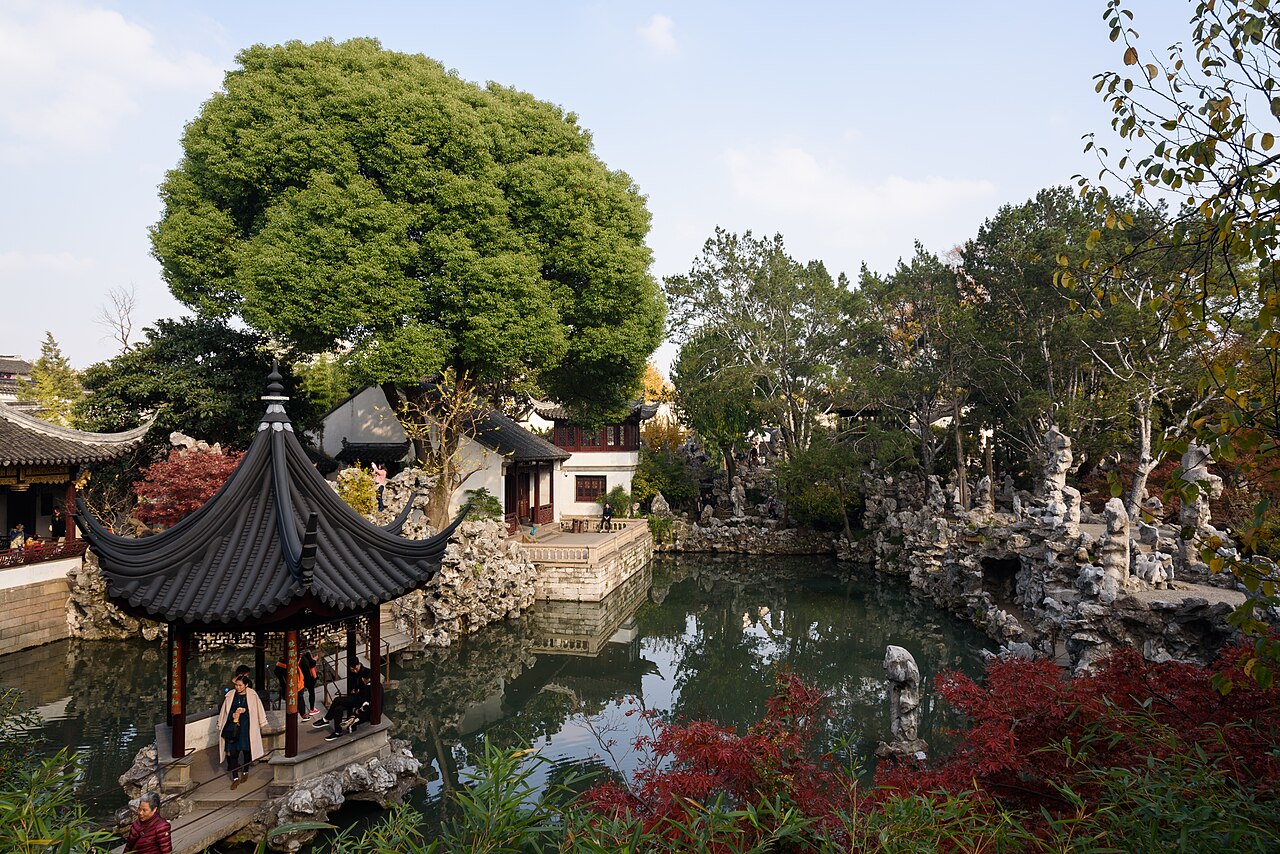
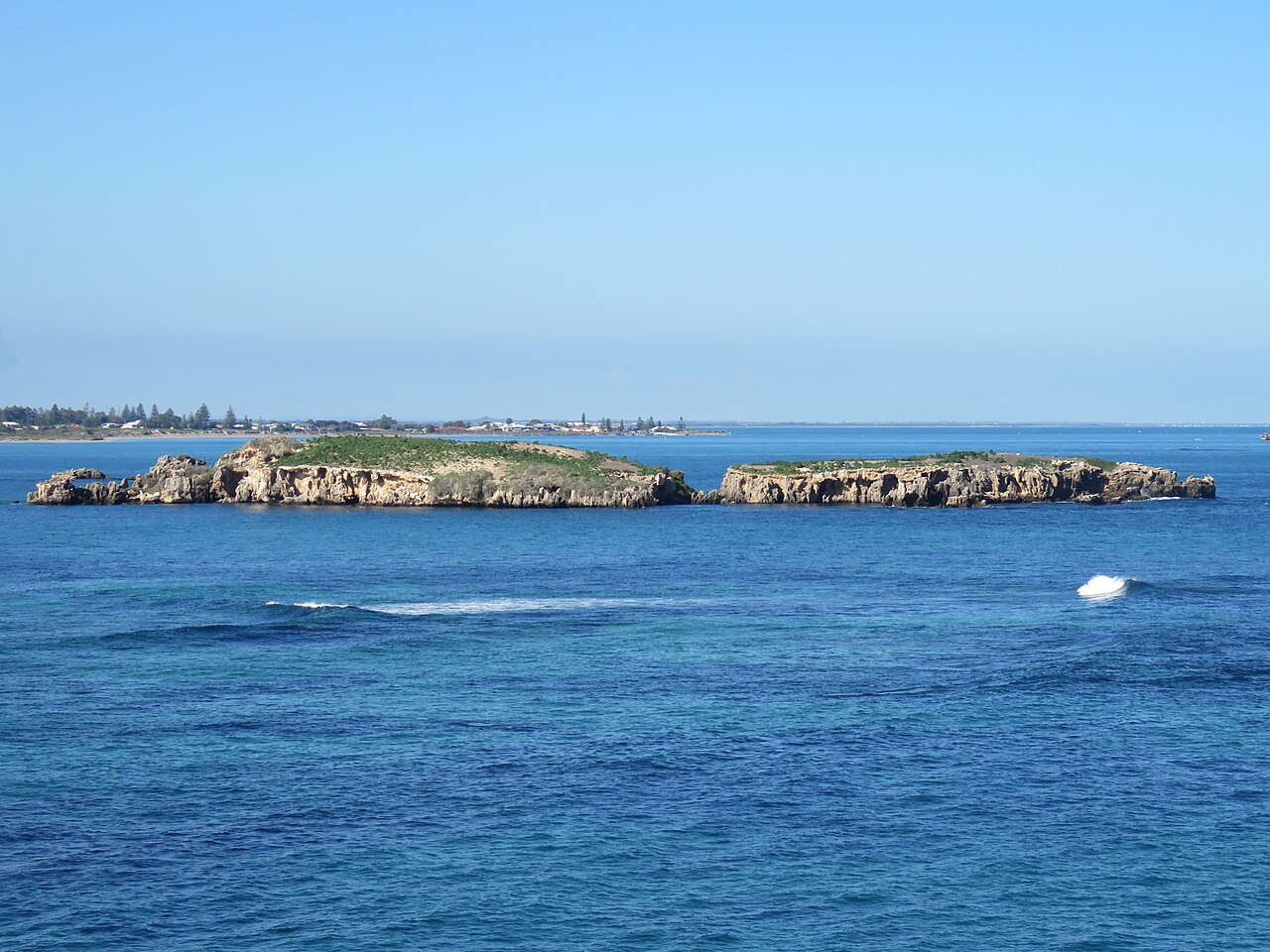
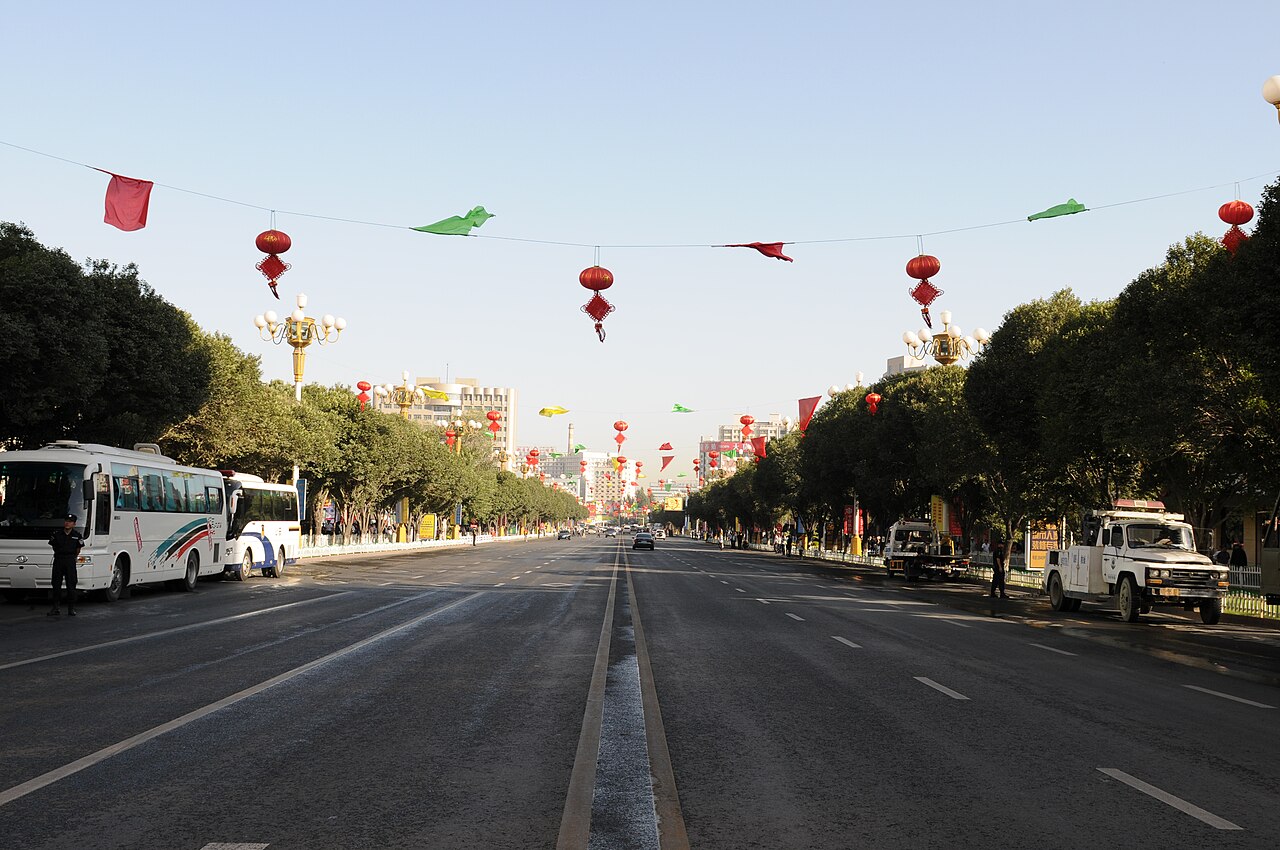
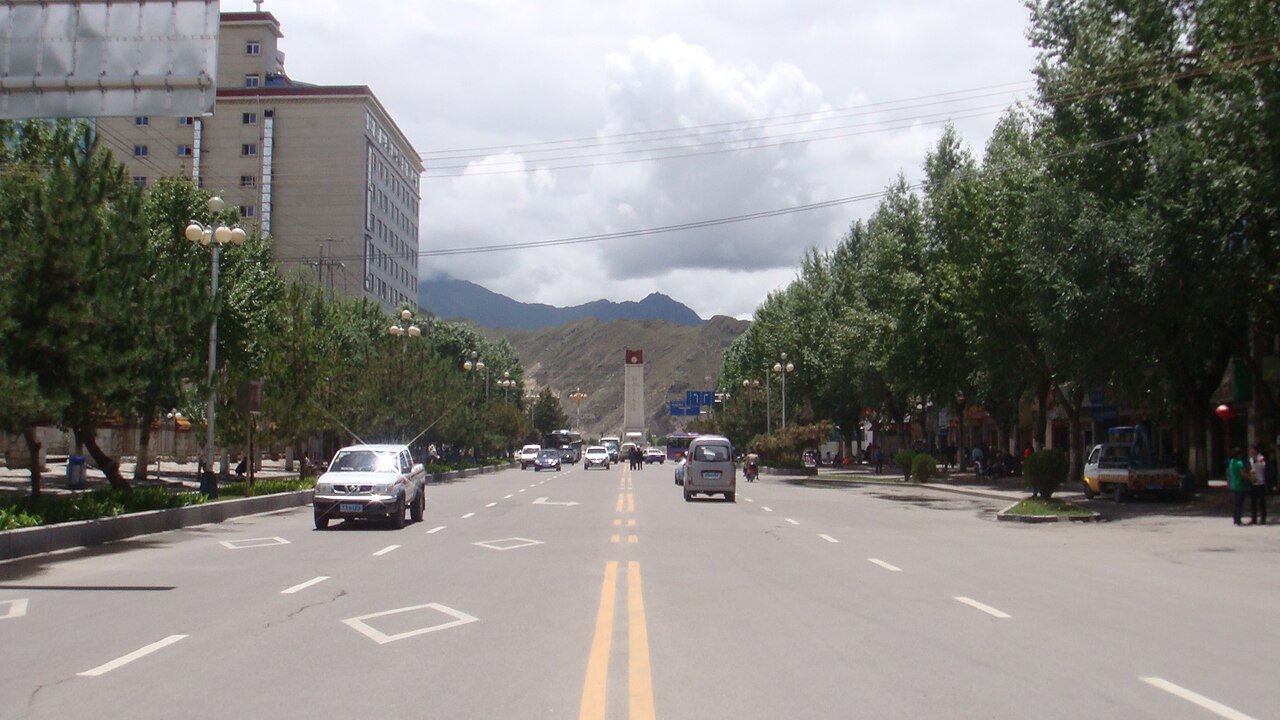
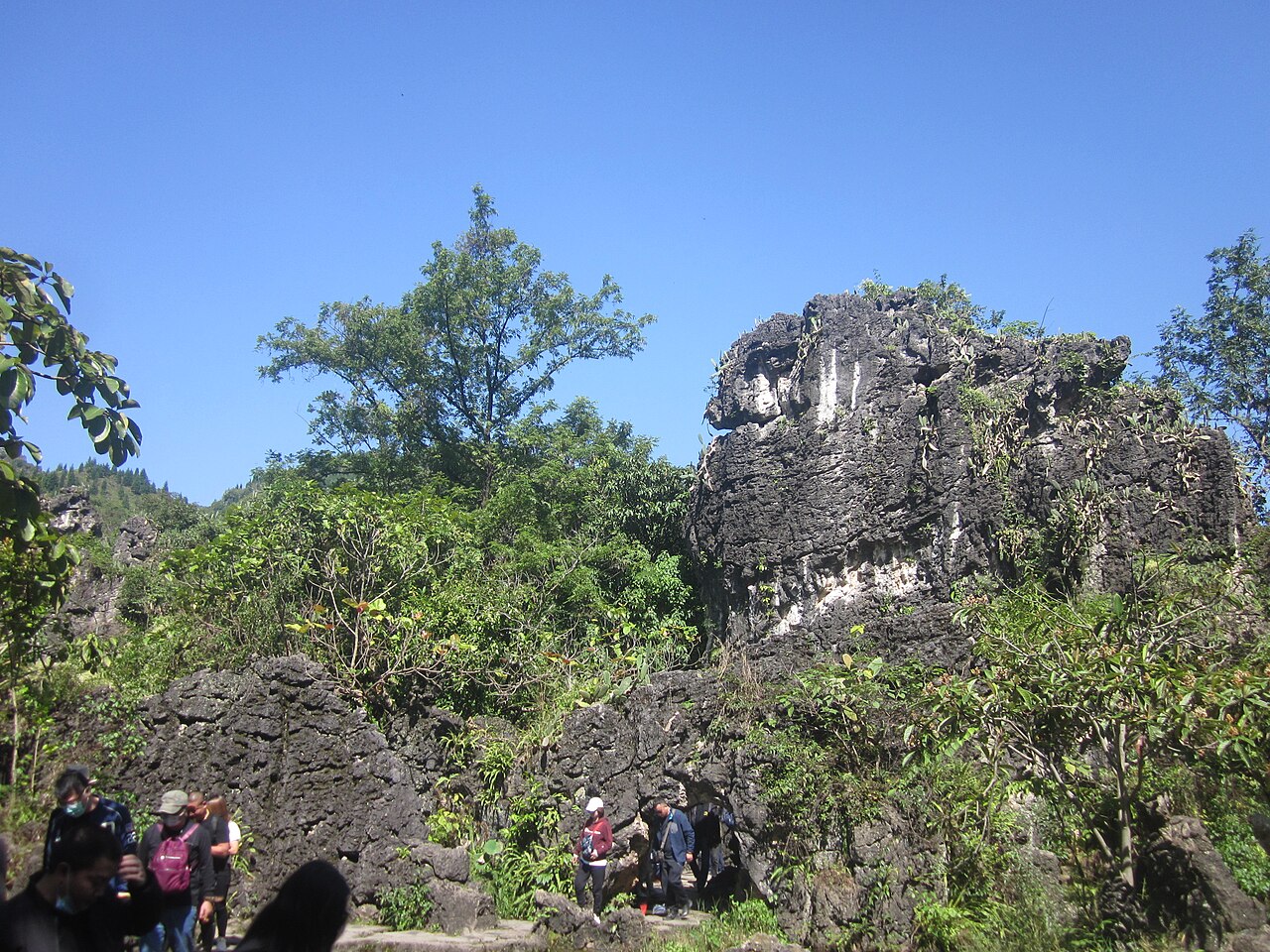
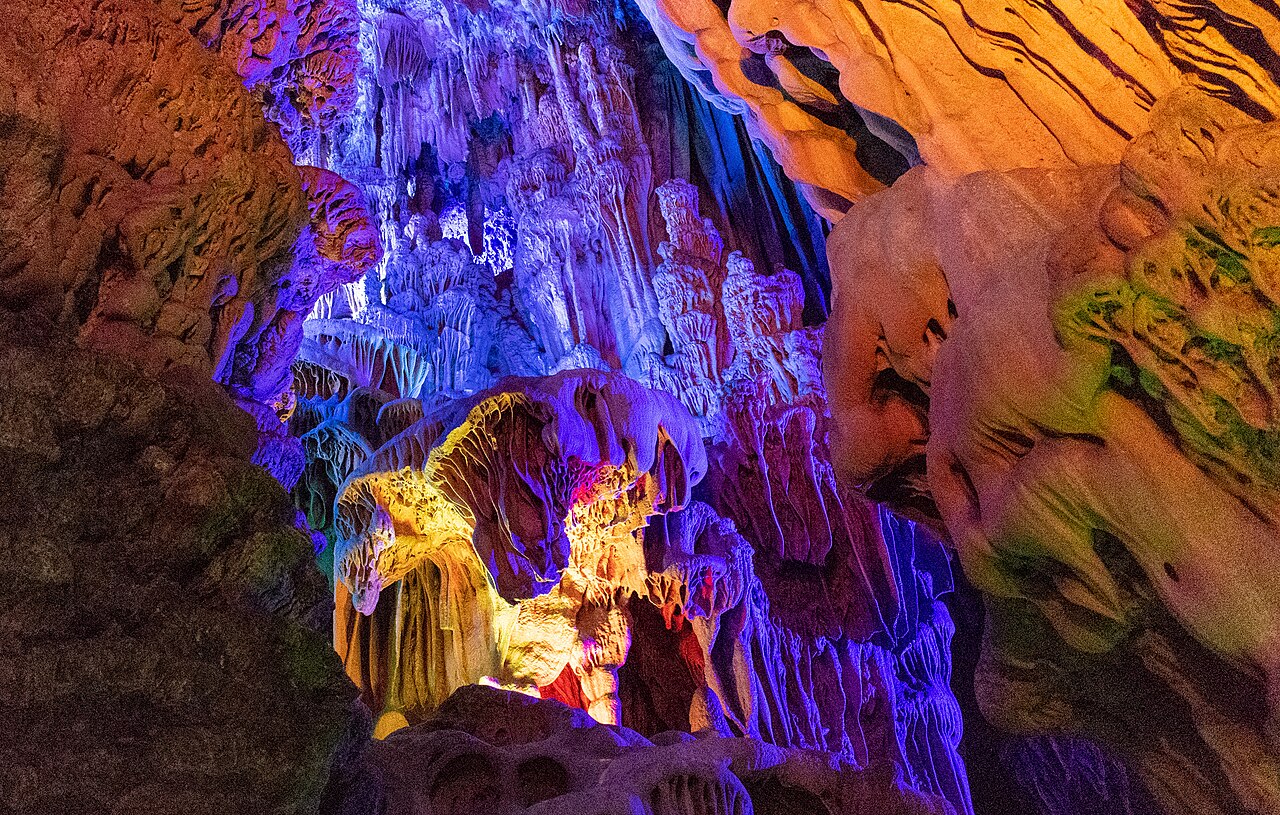
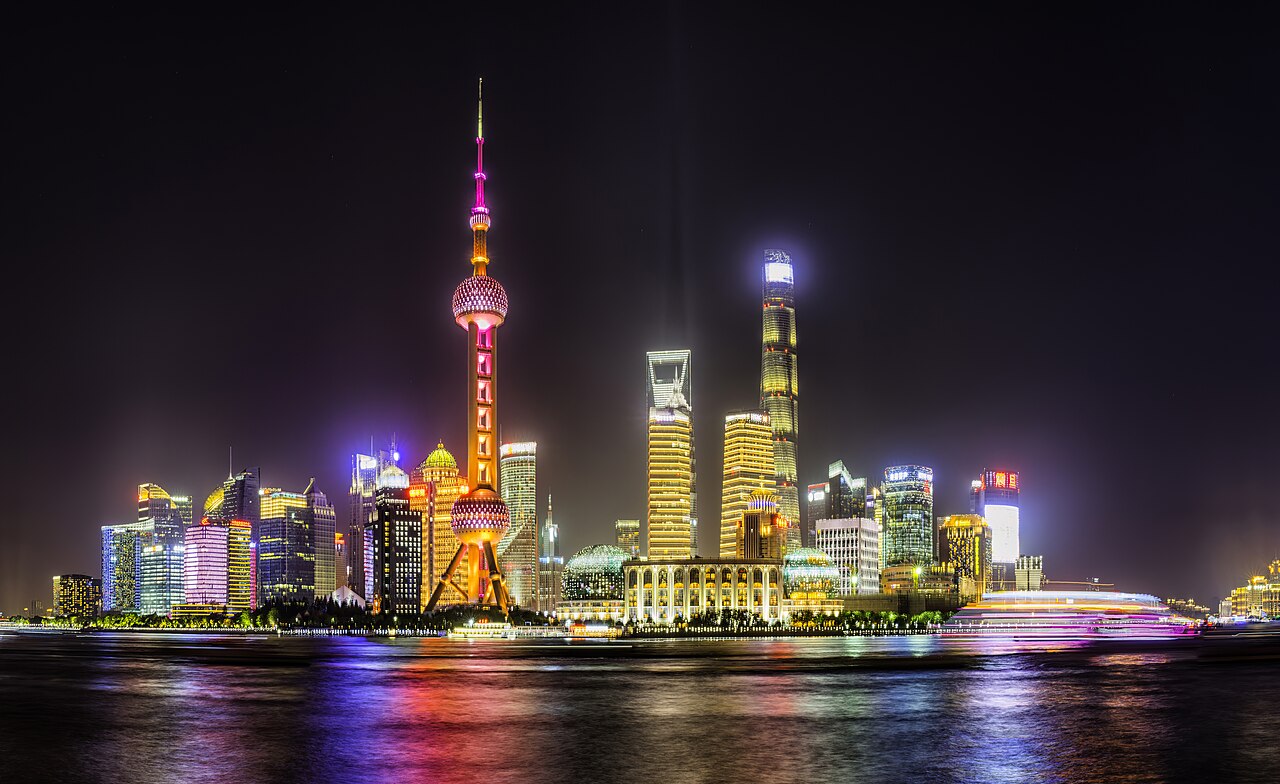
The Four Seasons rockery at Ge Garden
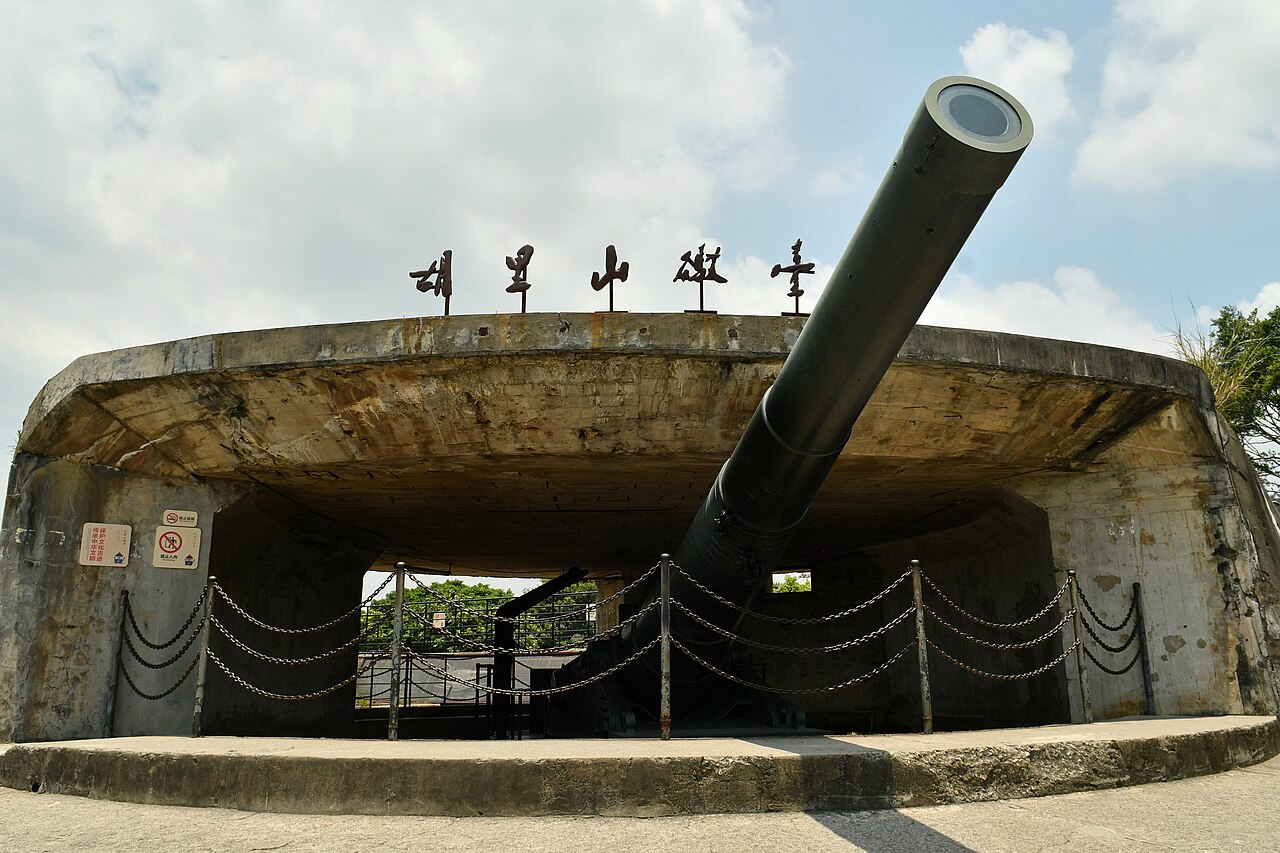
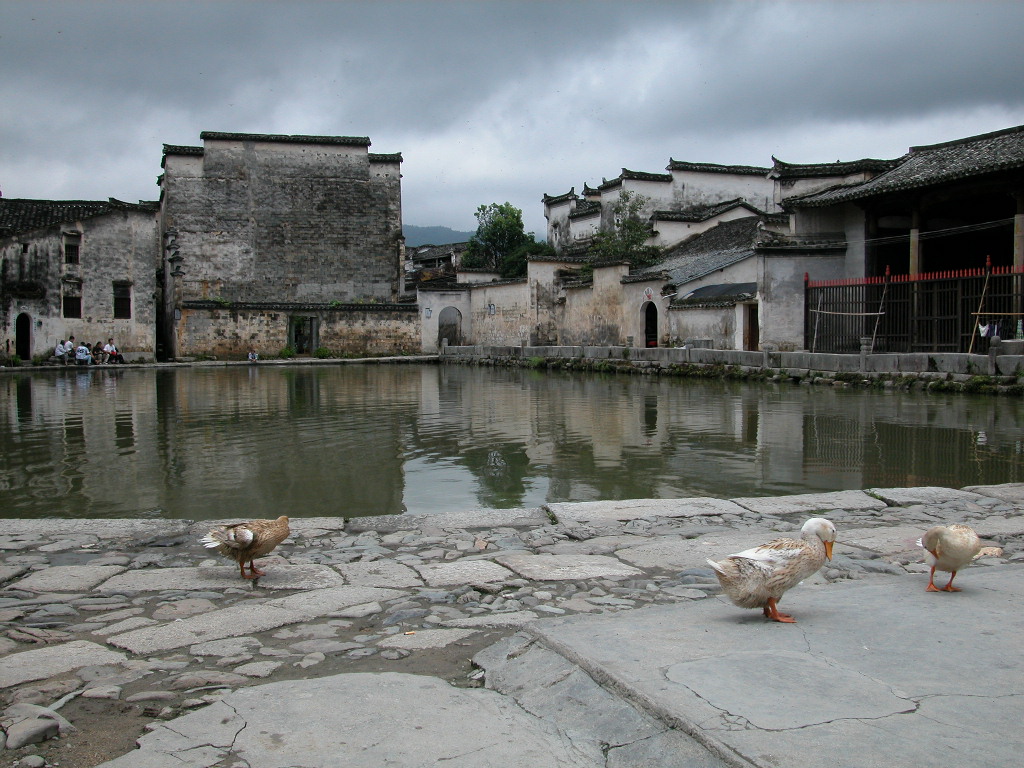
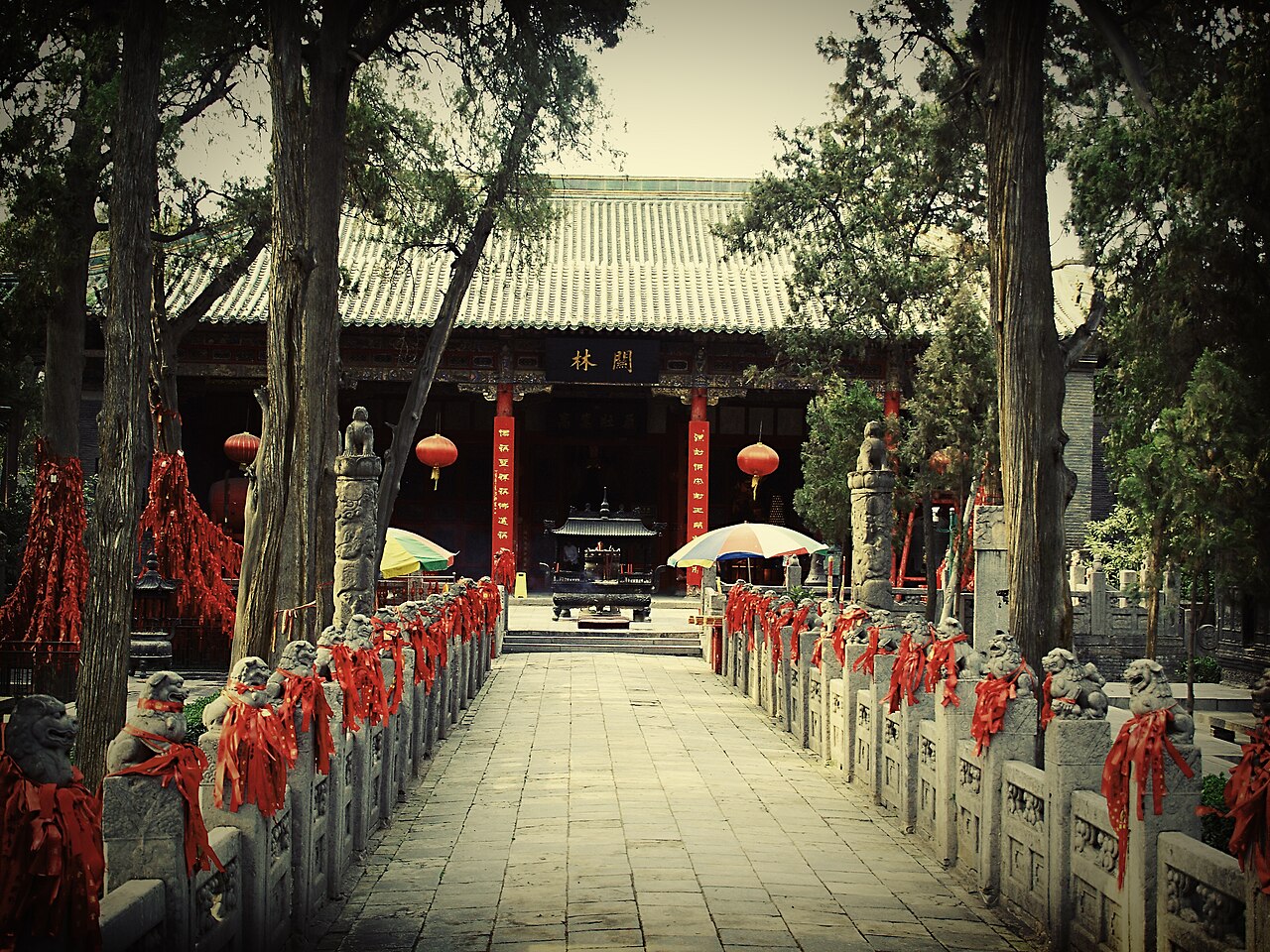
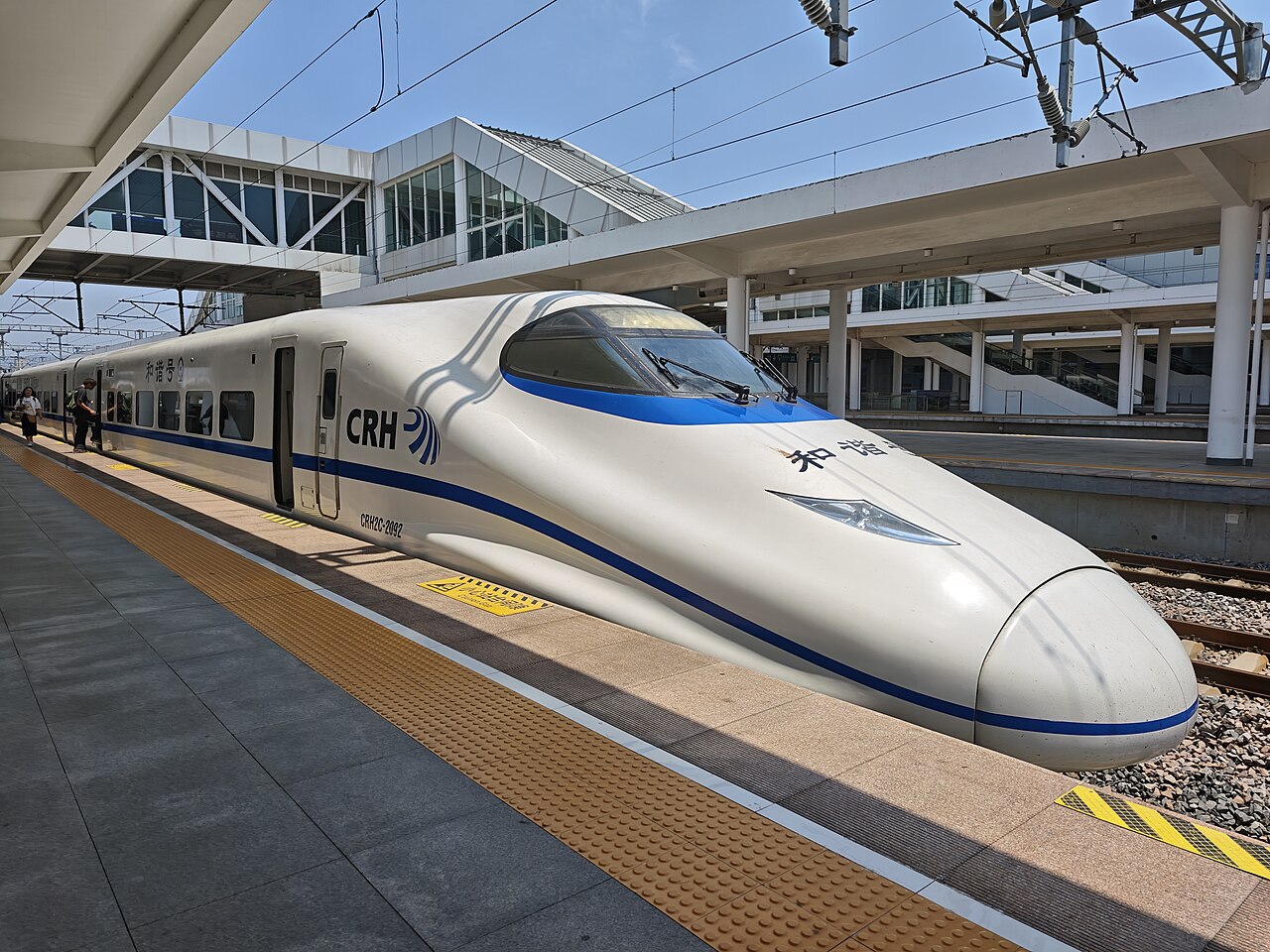
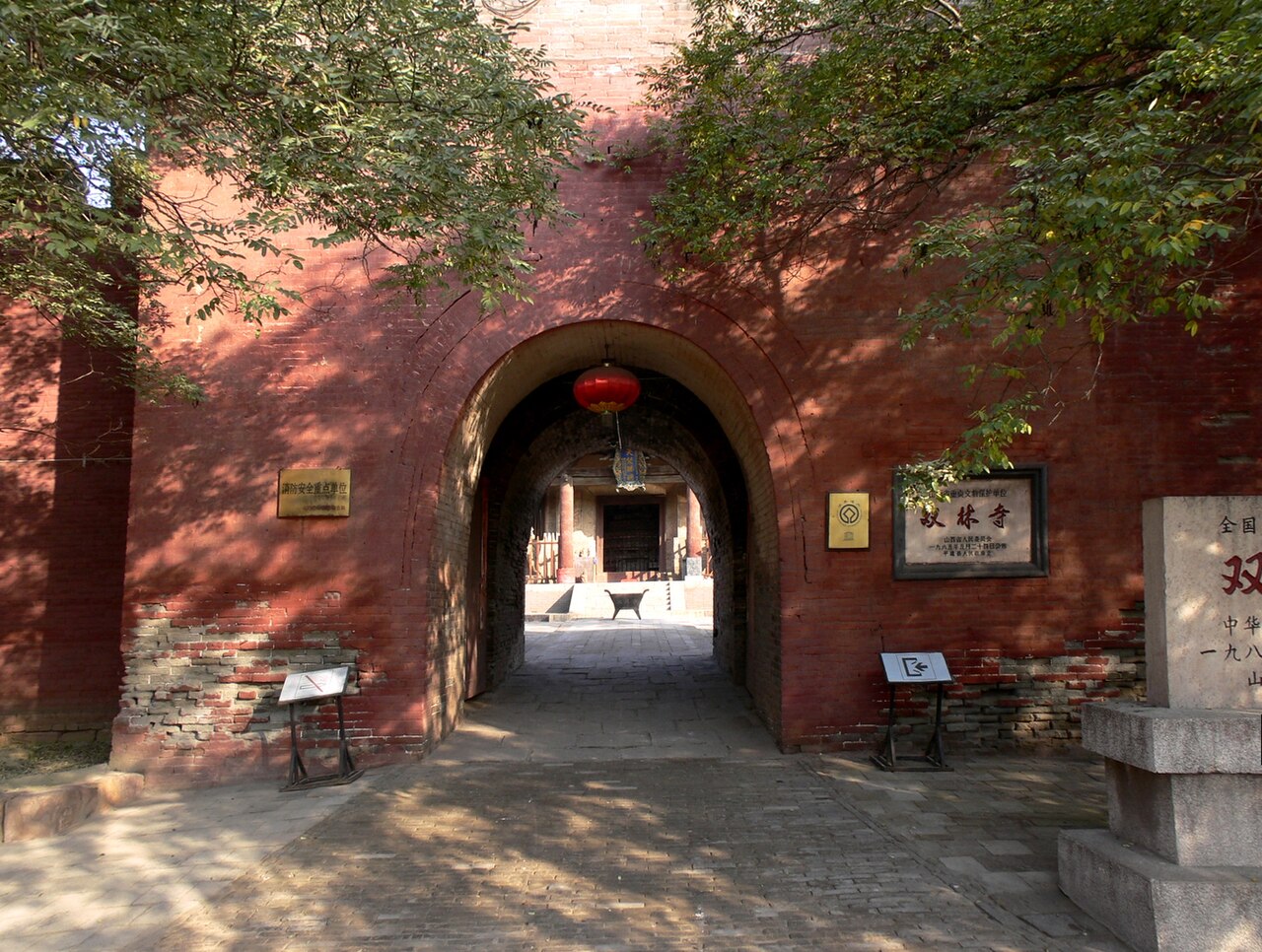
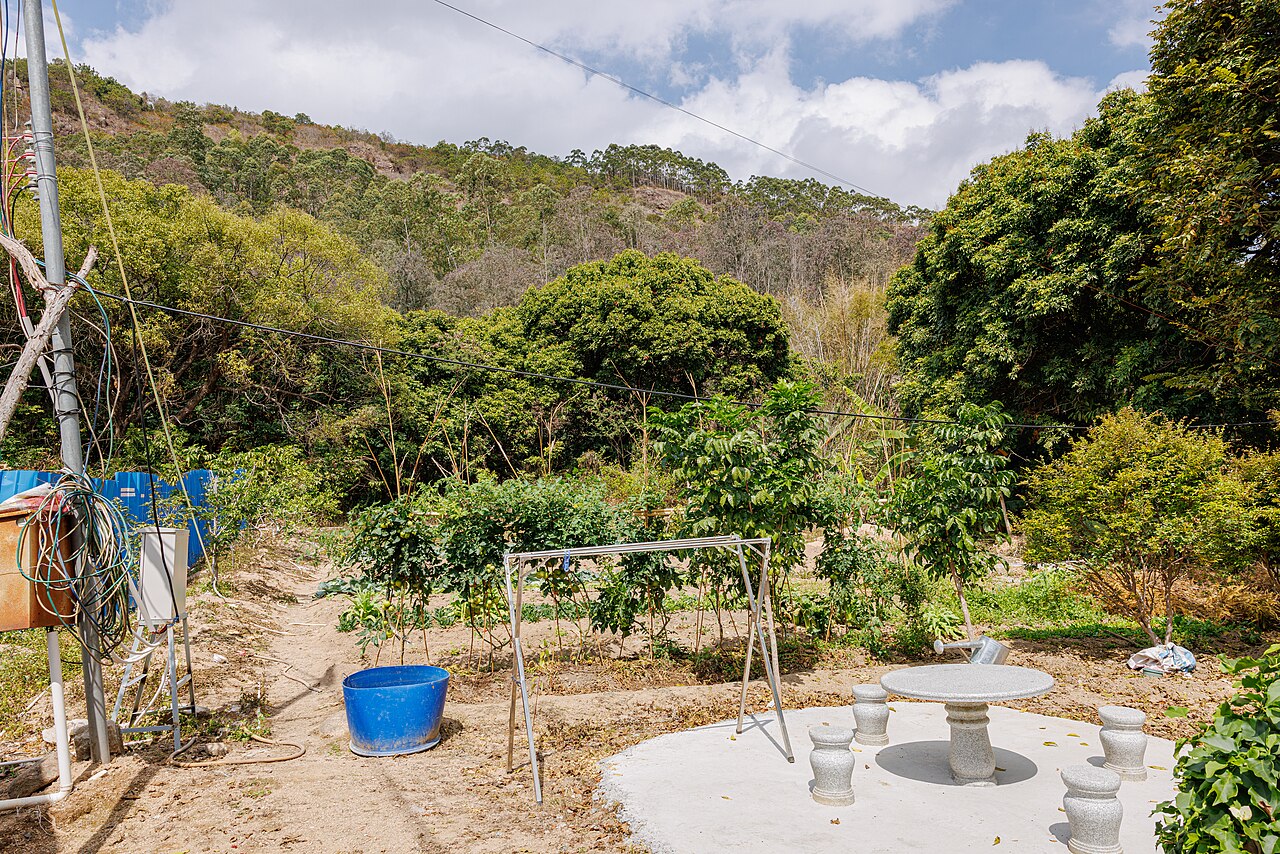
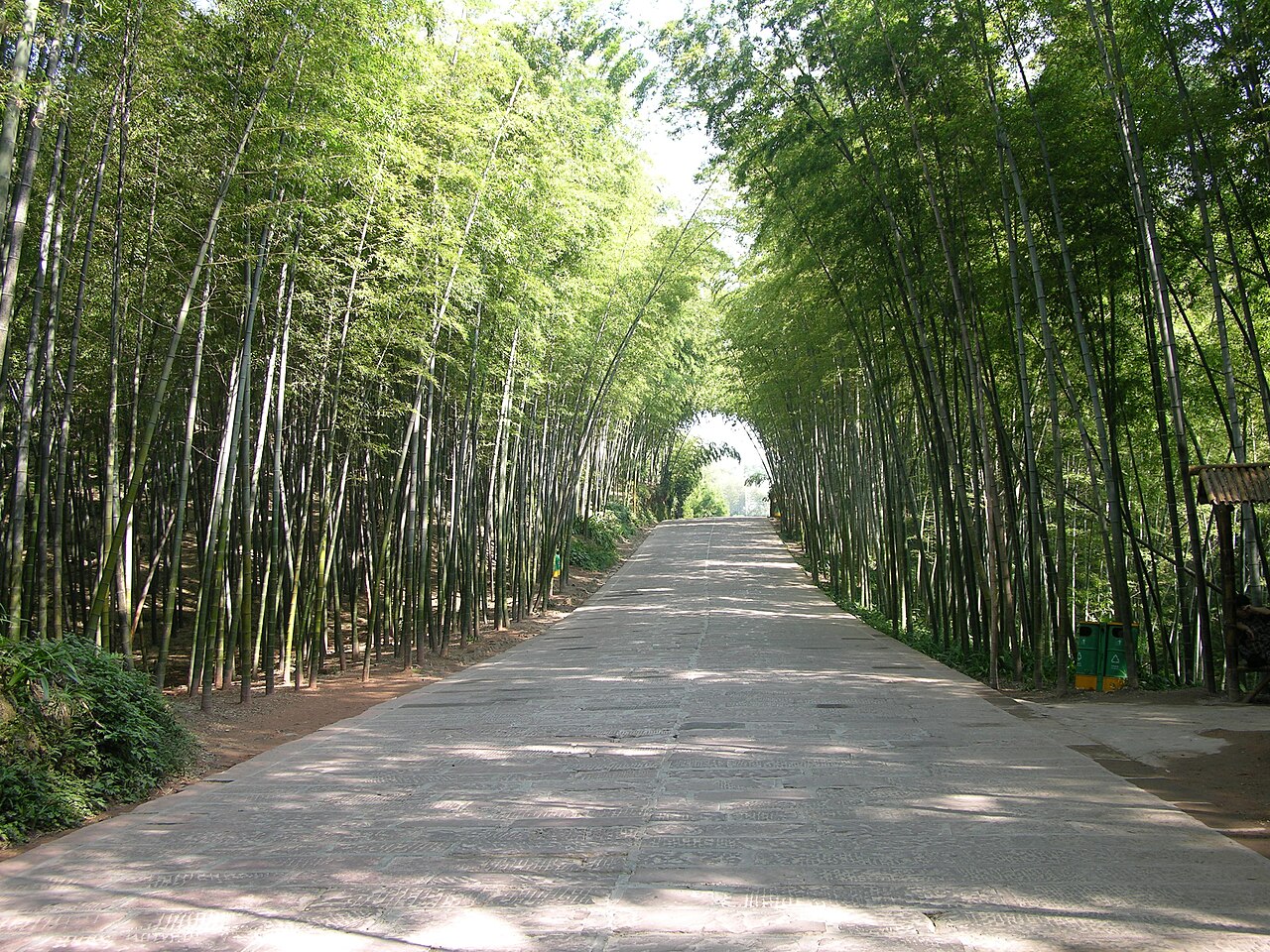
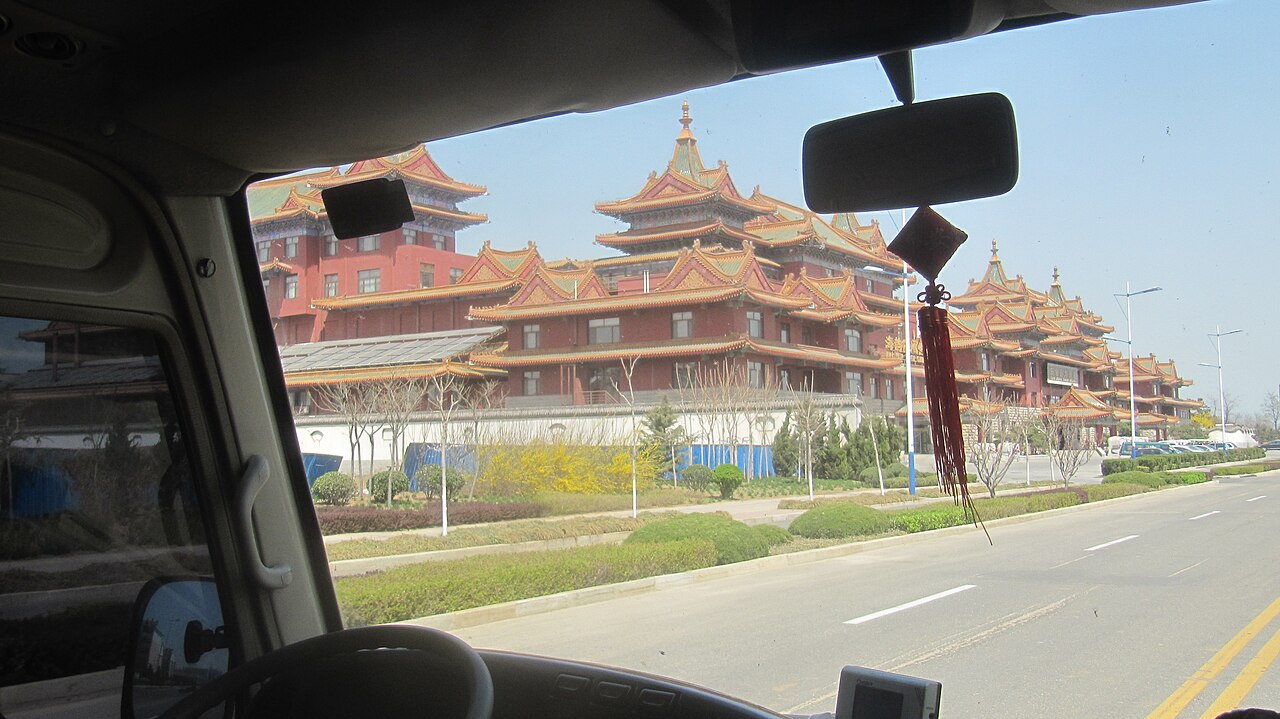
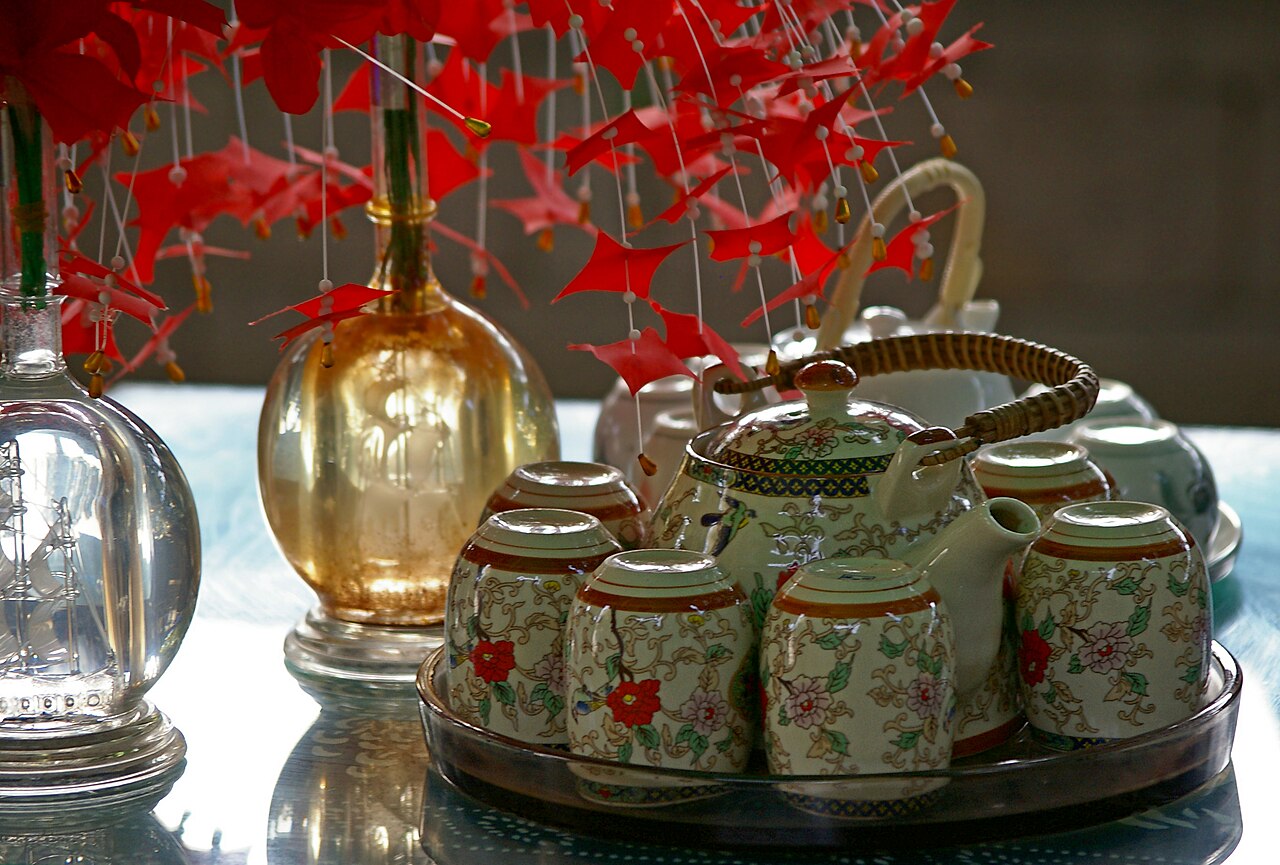
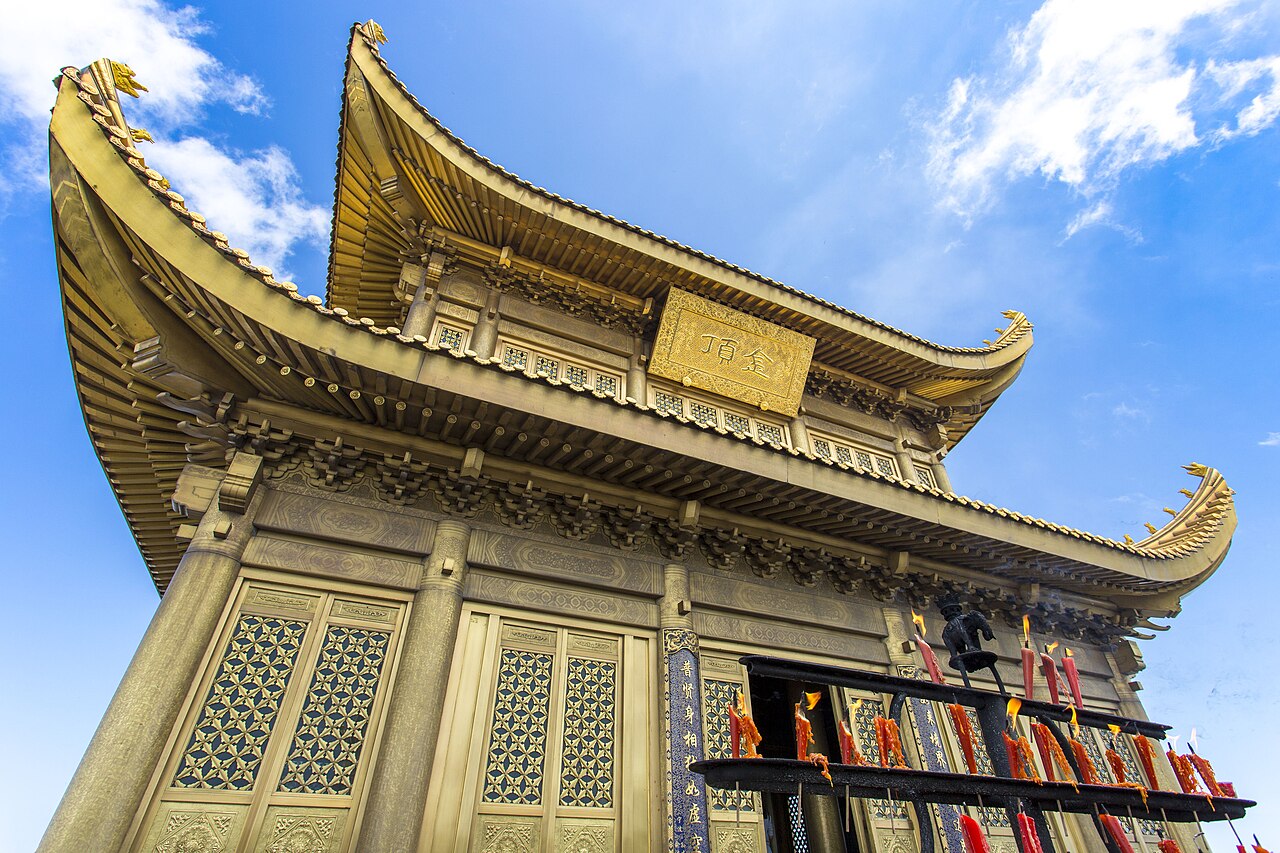
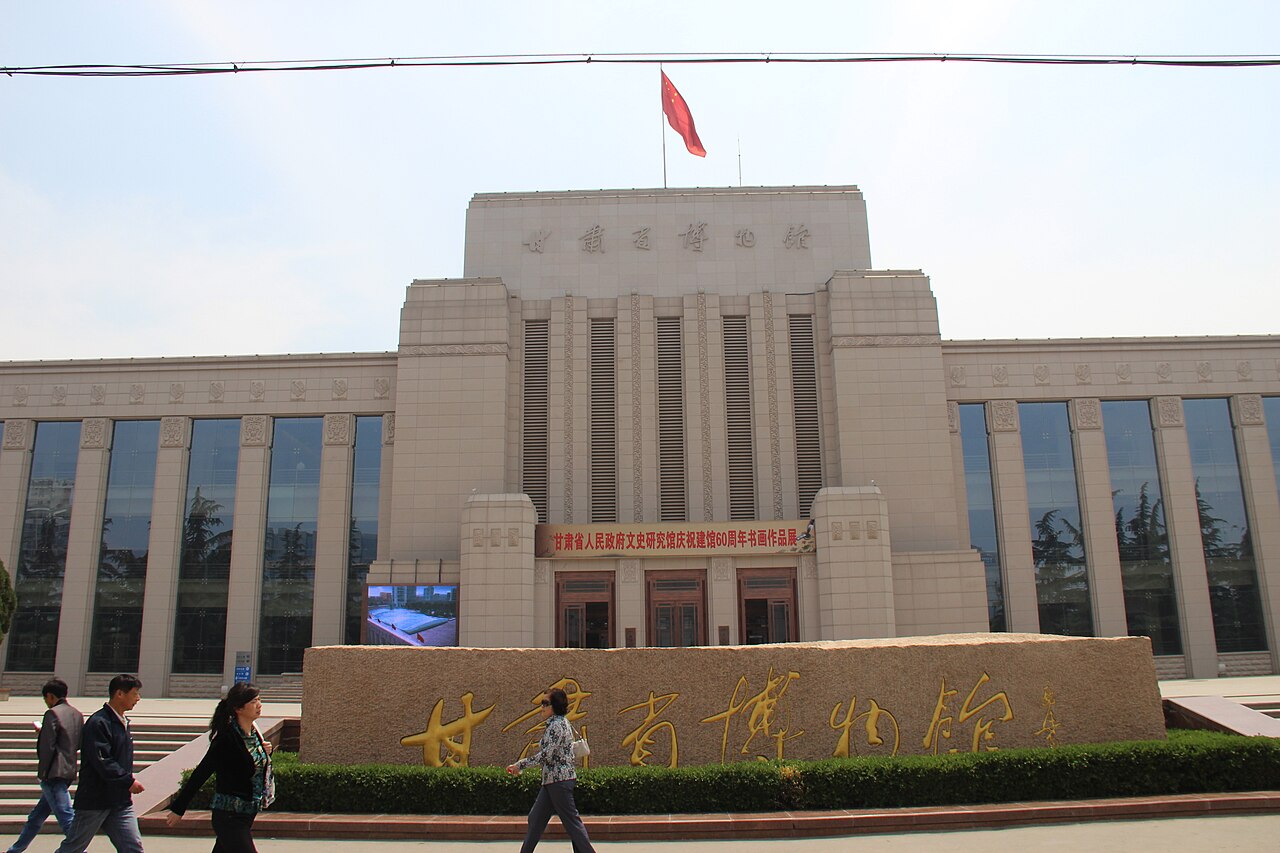
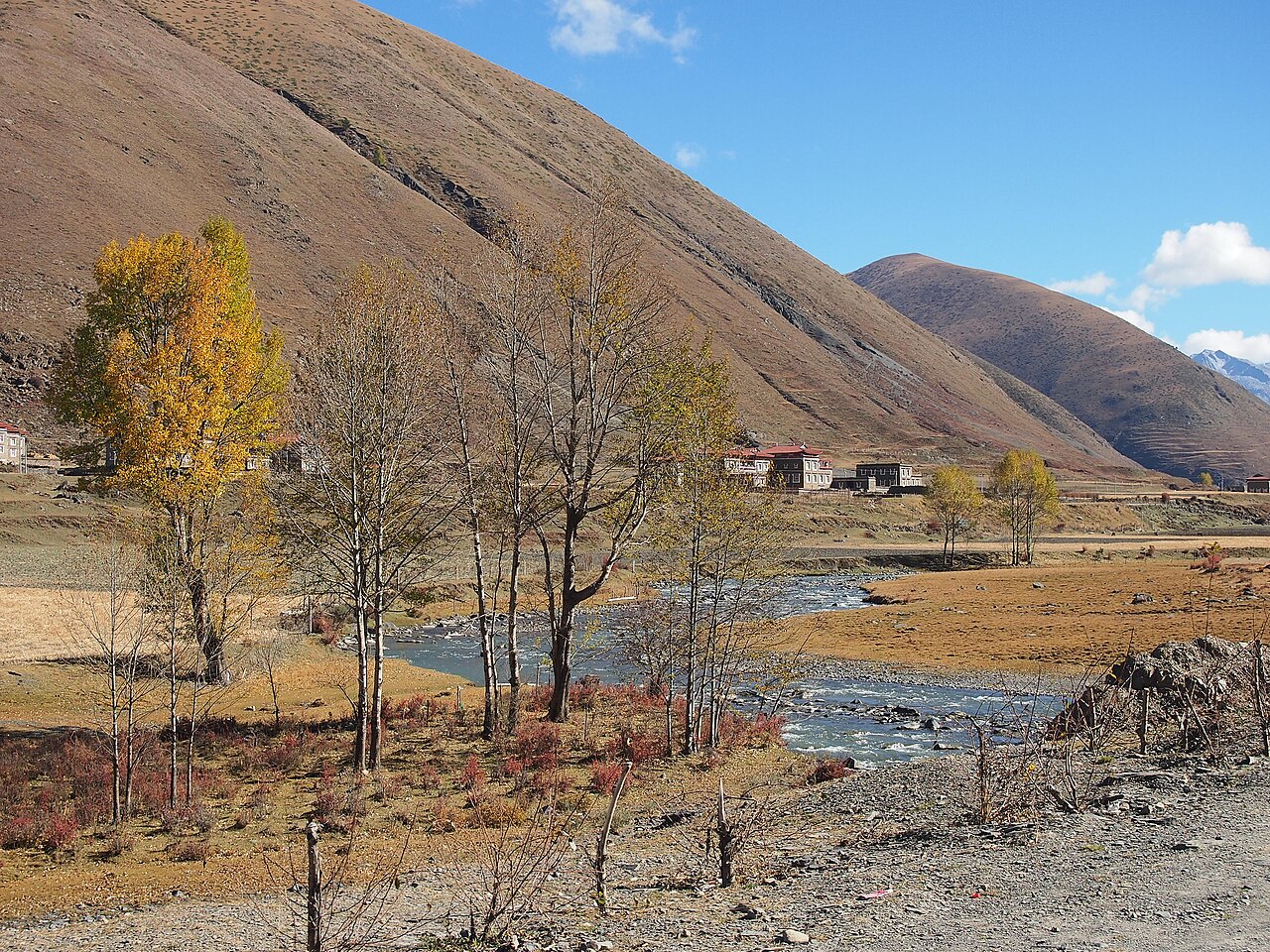
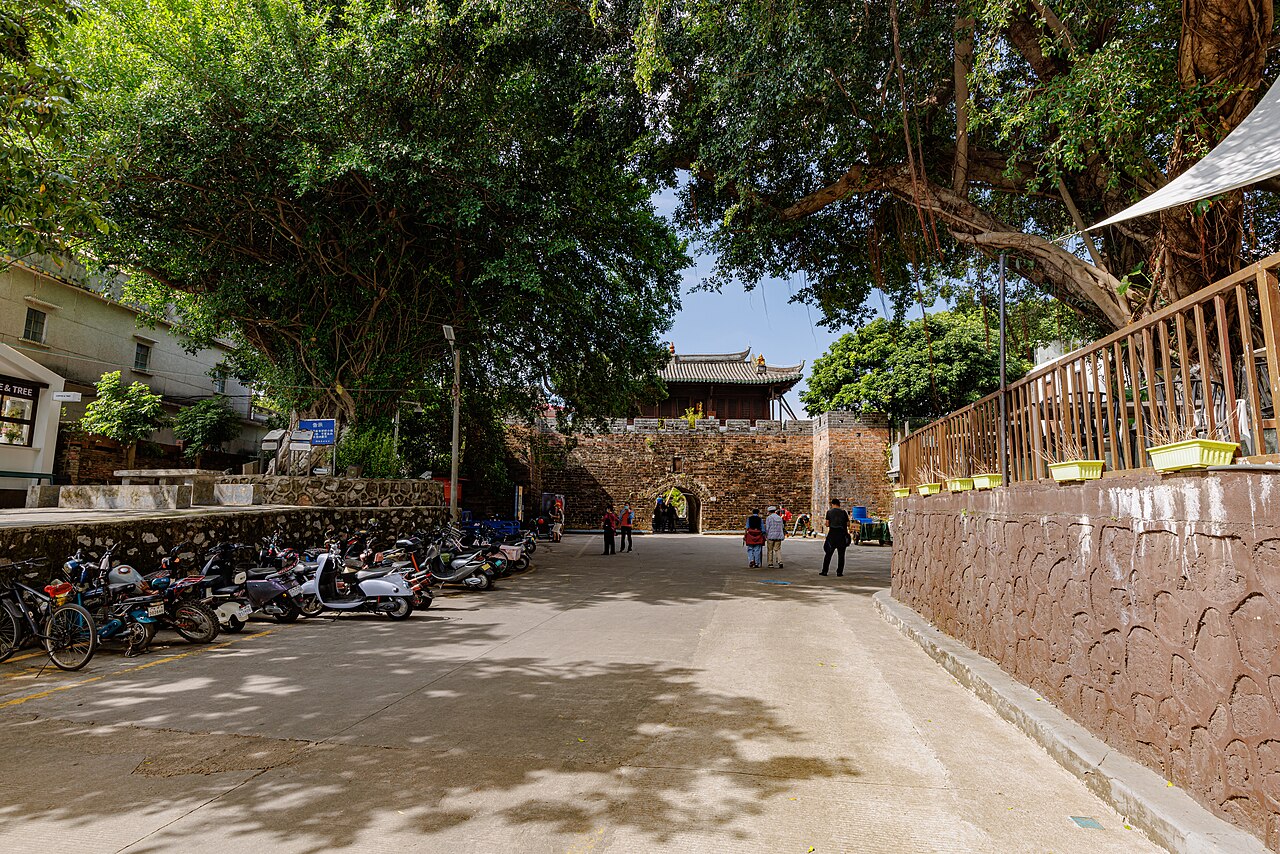
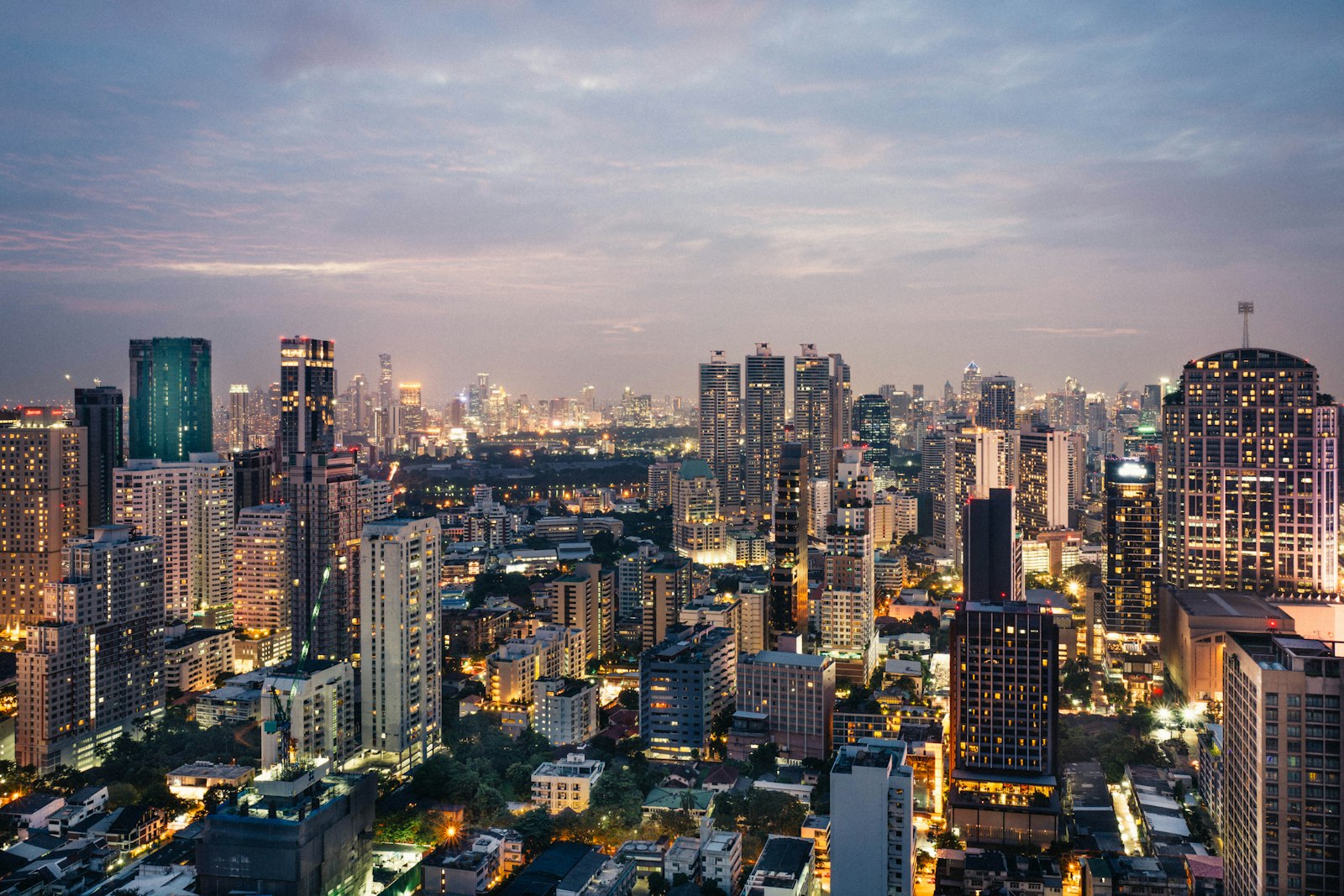
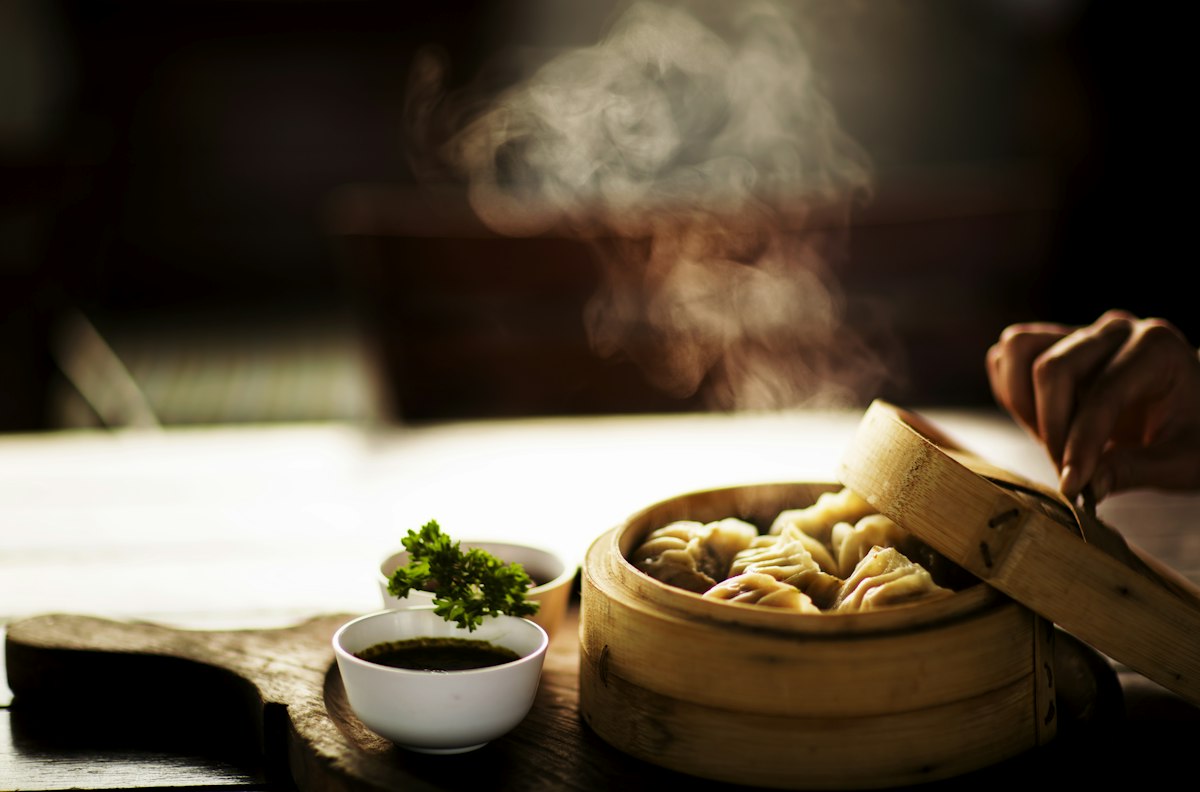
Morning tea laid out at a century-old teahouse
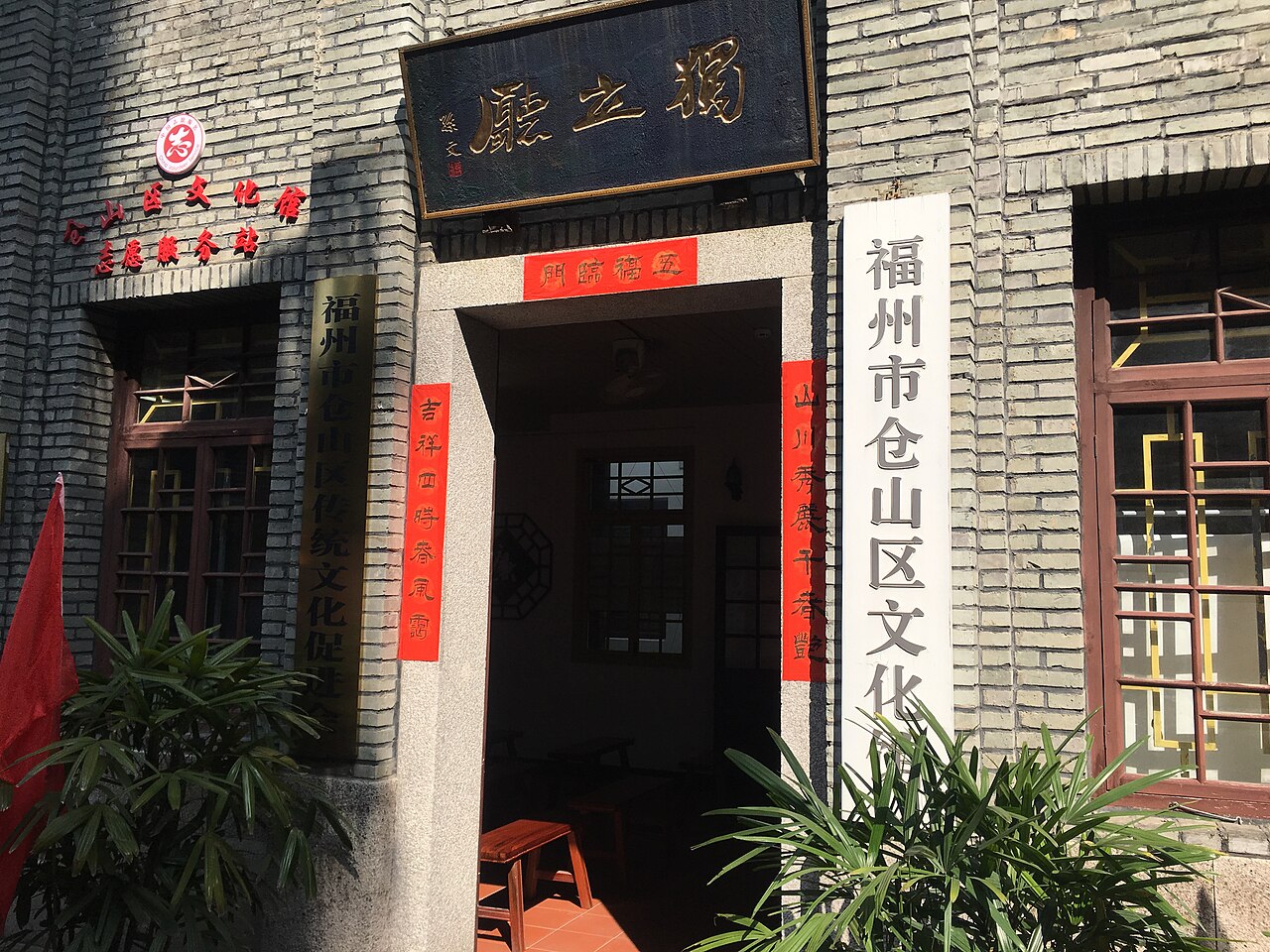
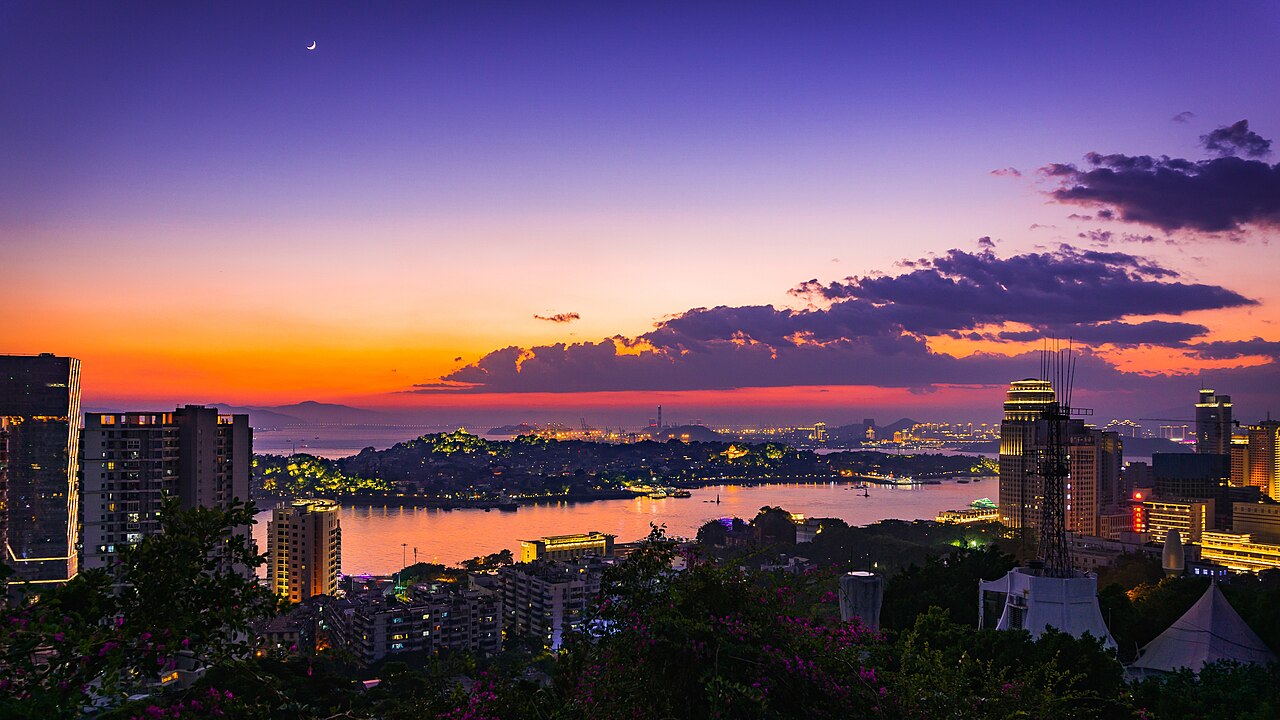
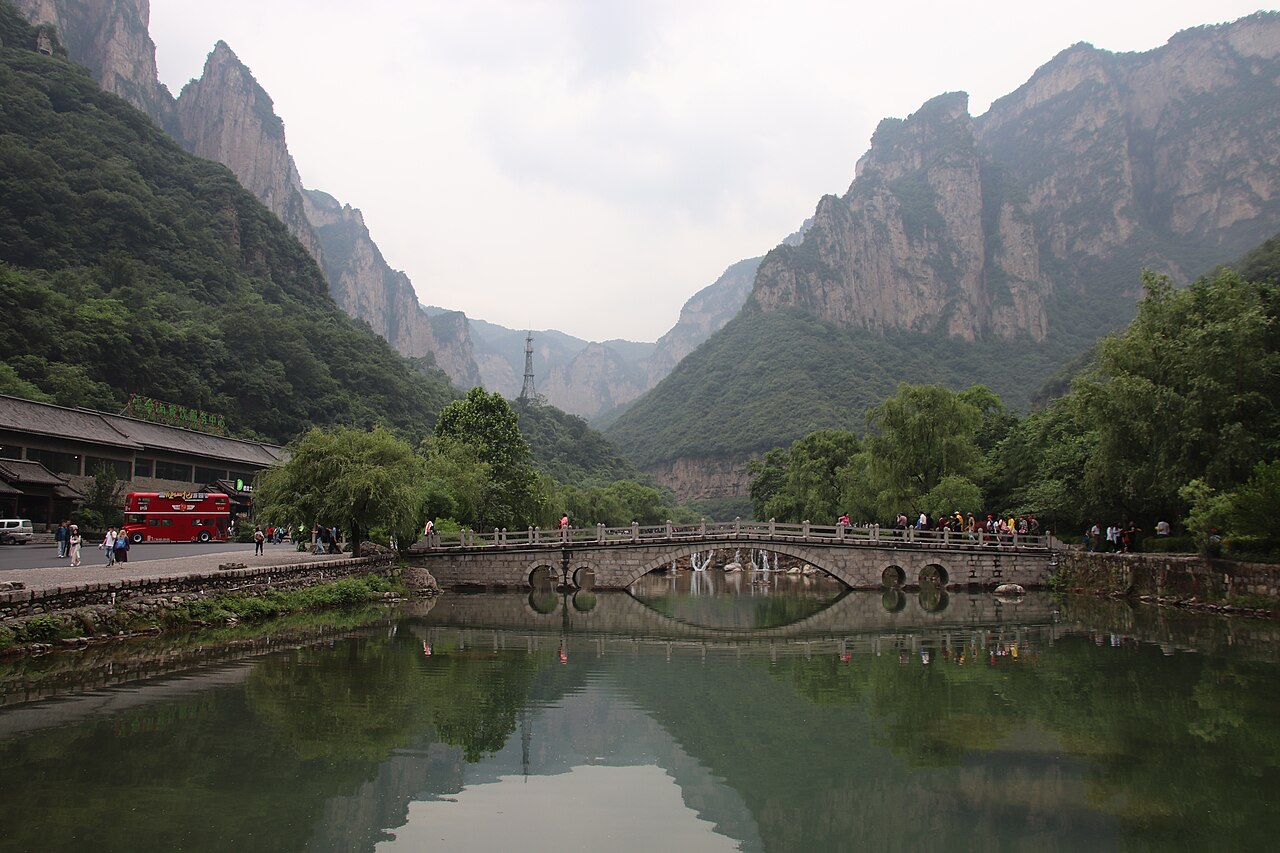
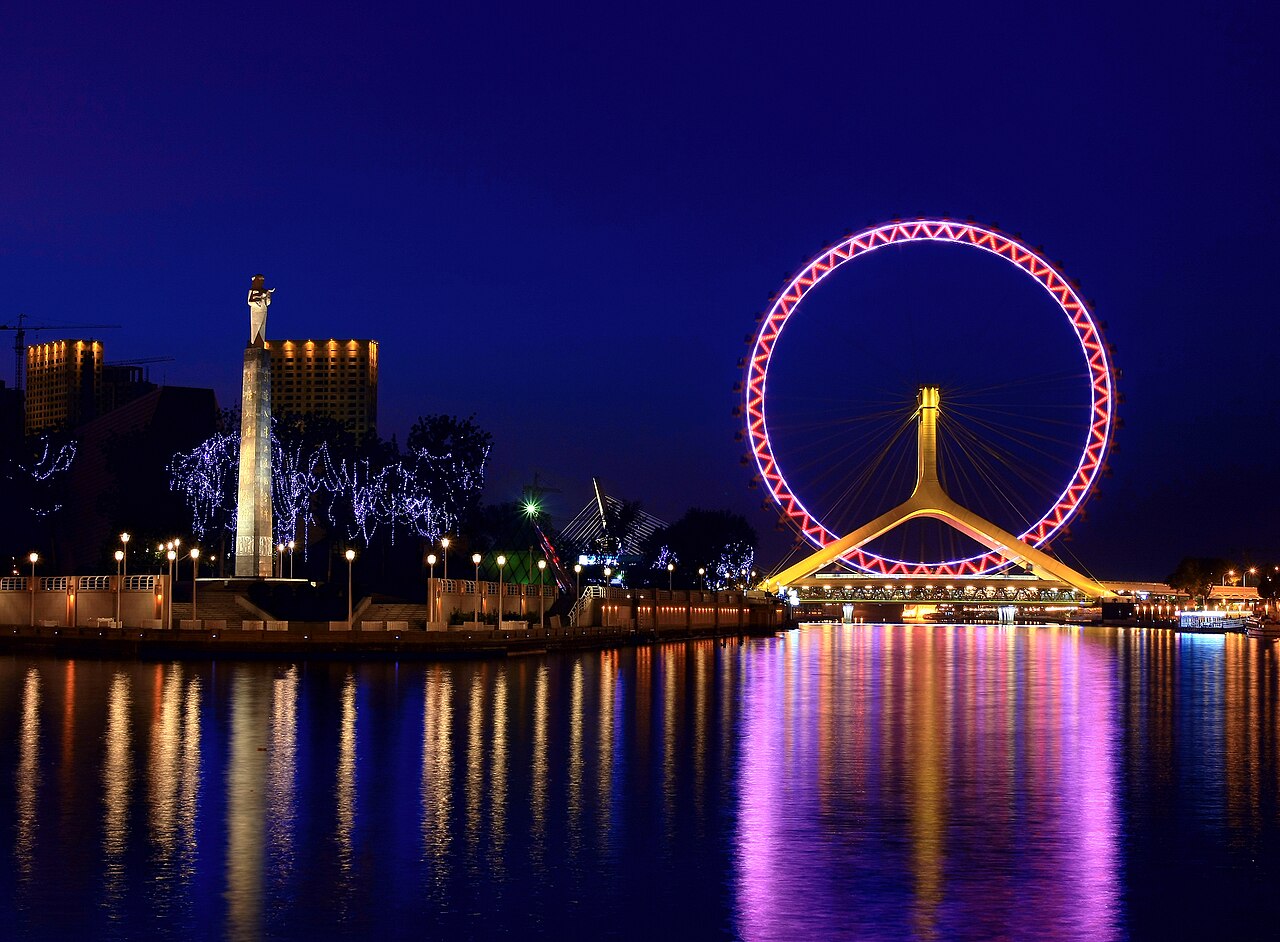
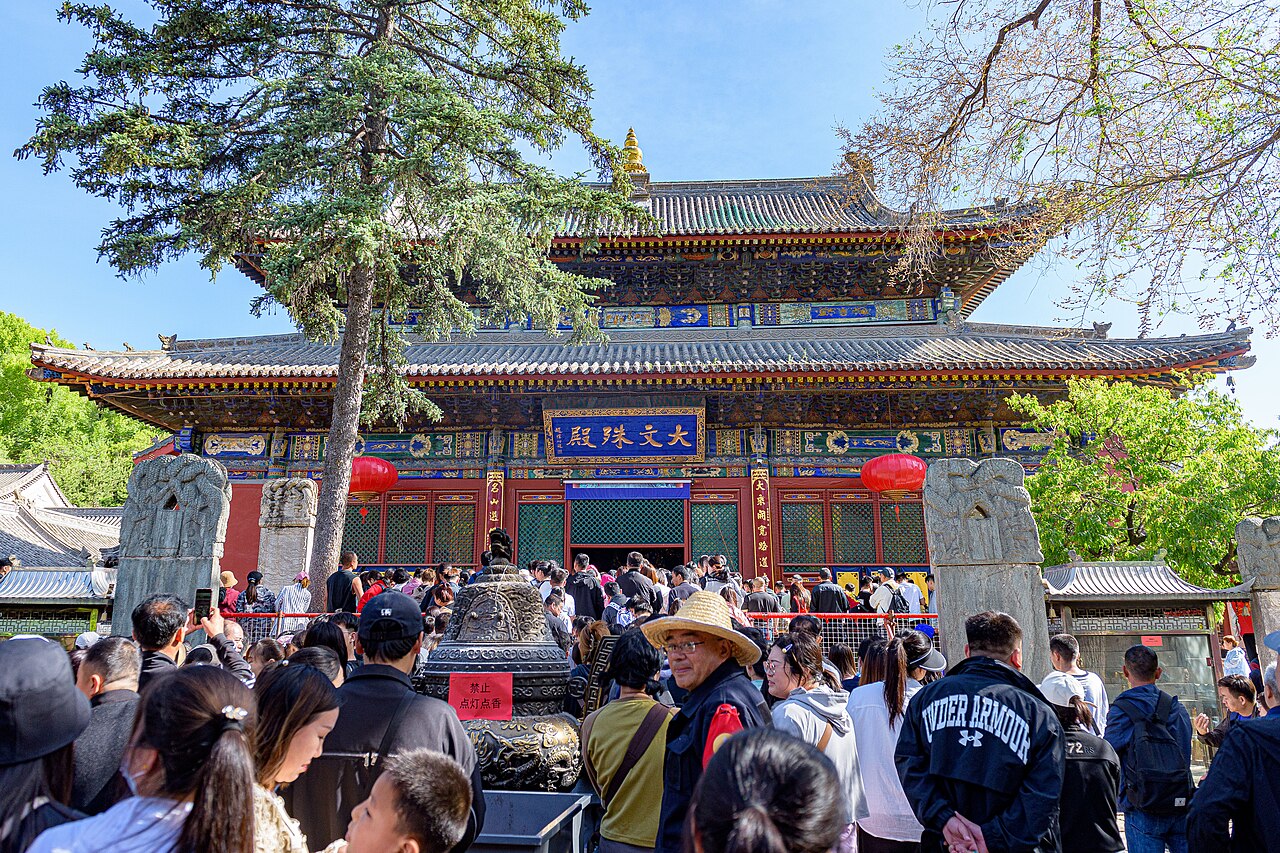
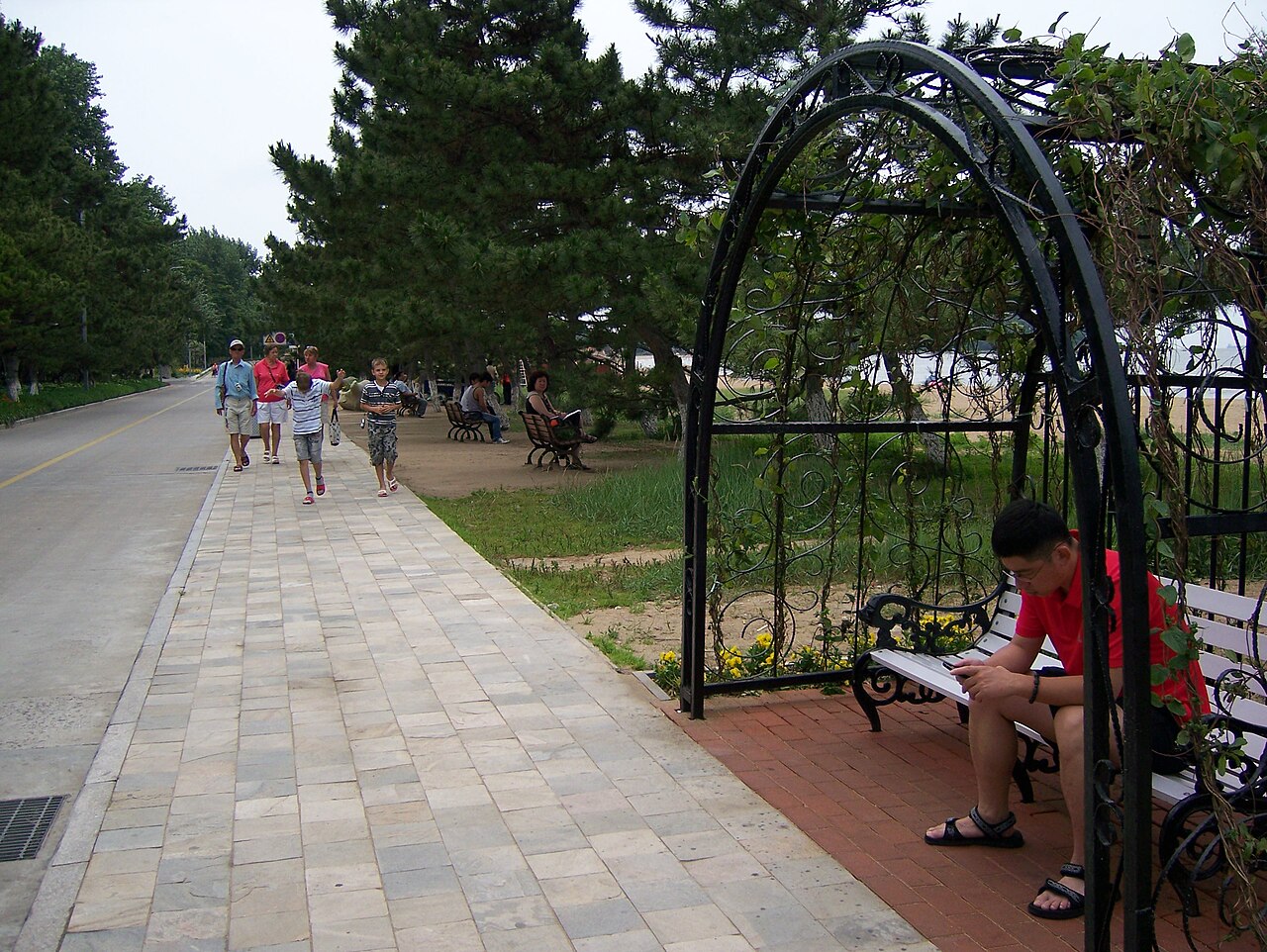
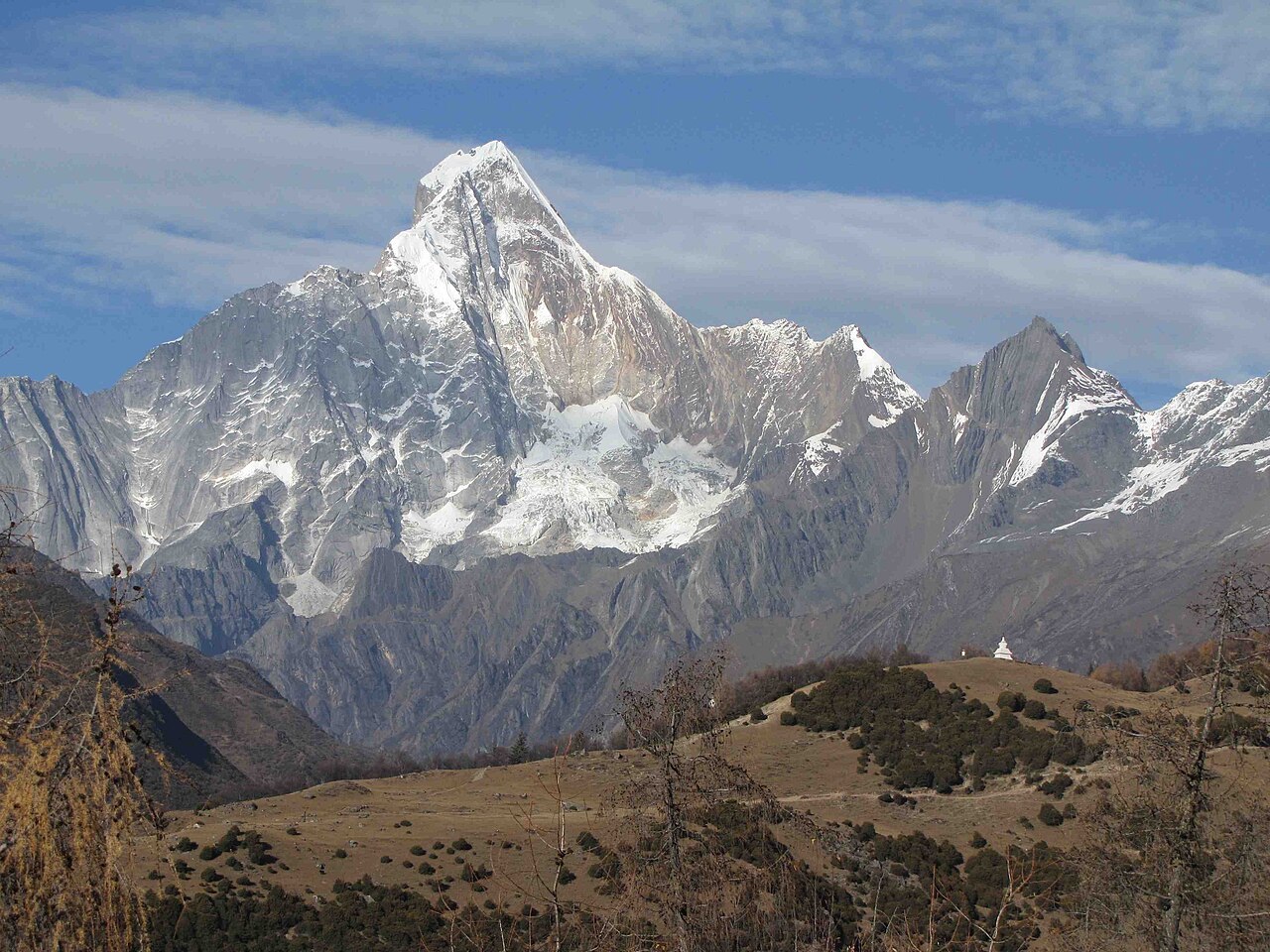
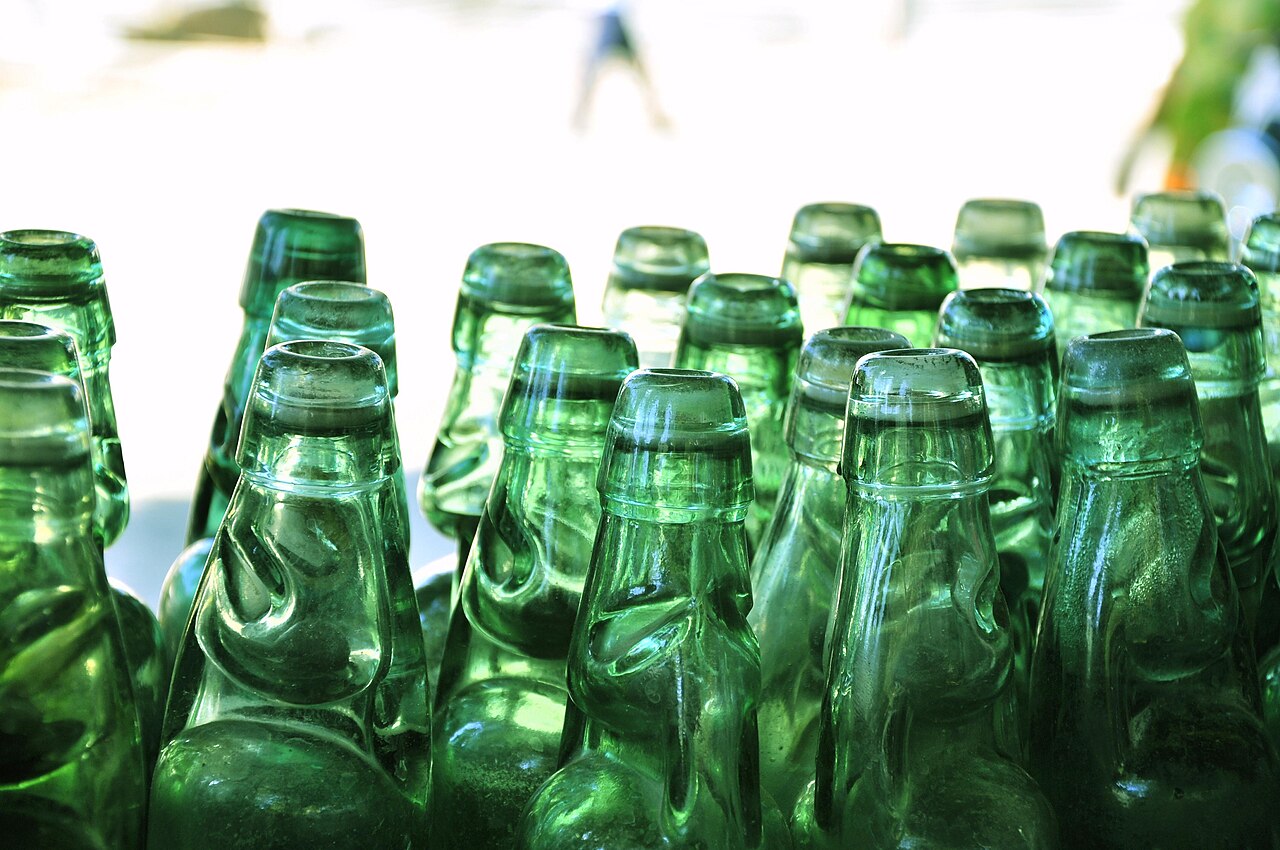
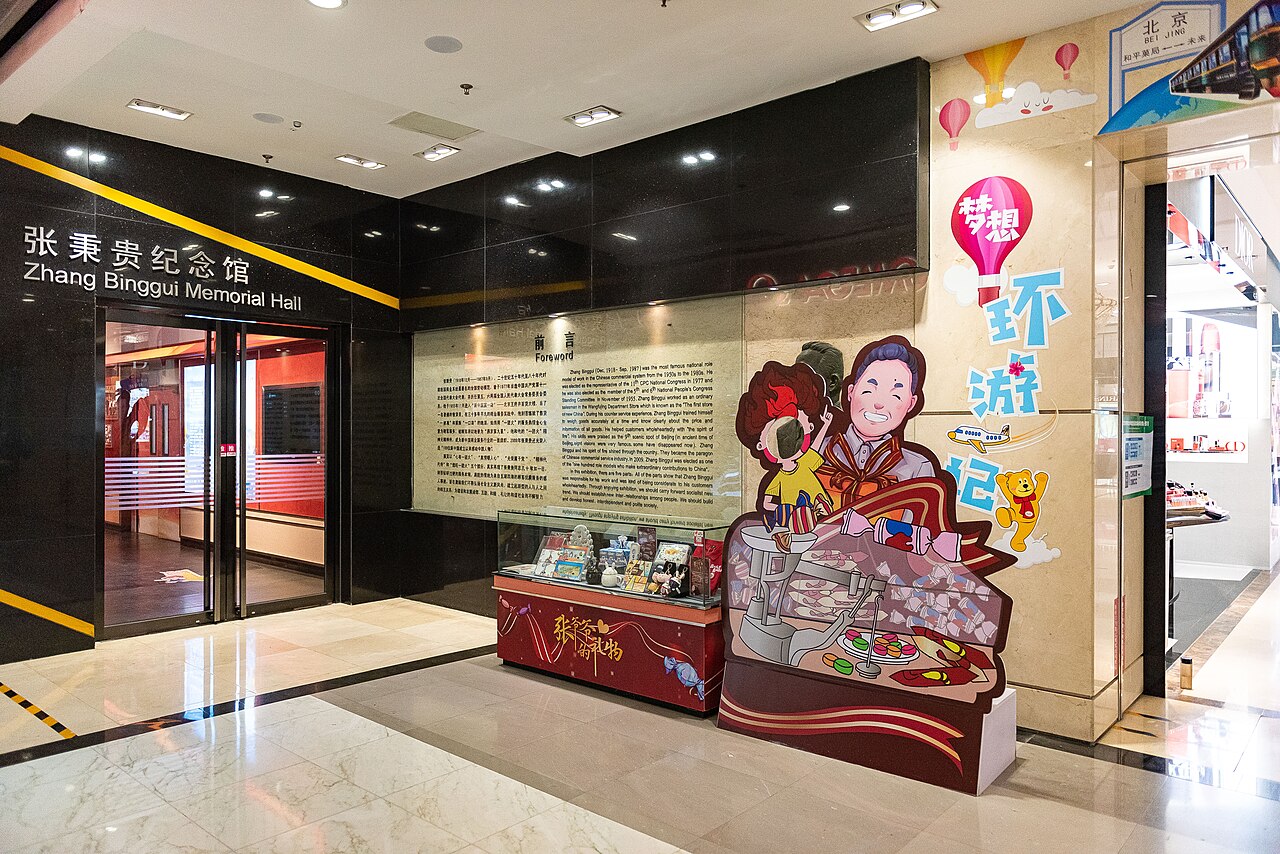
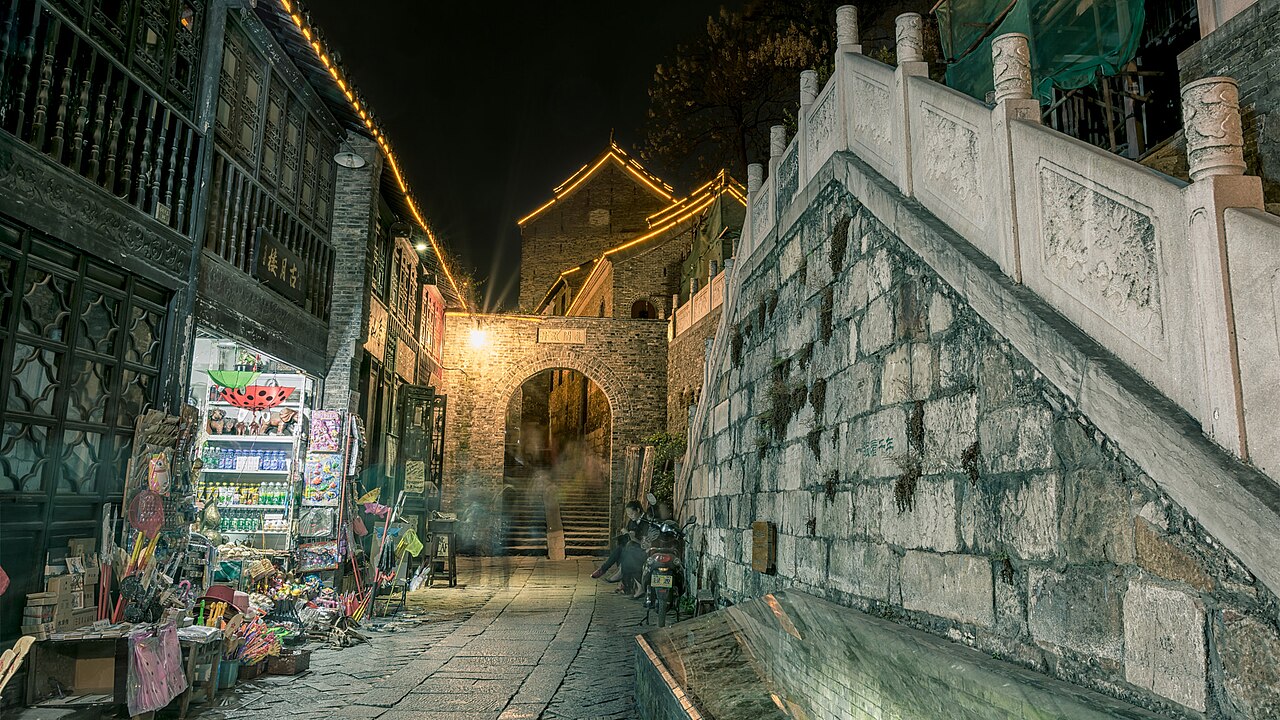
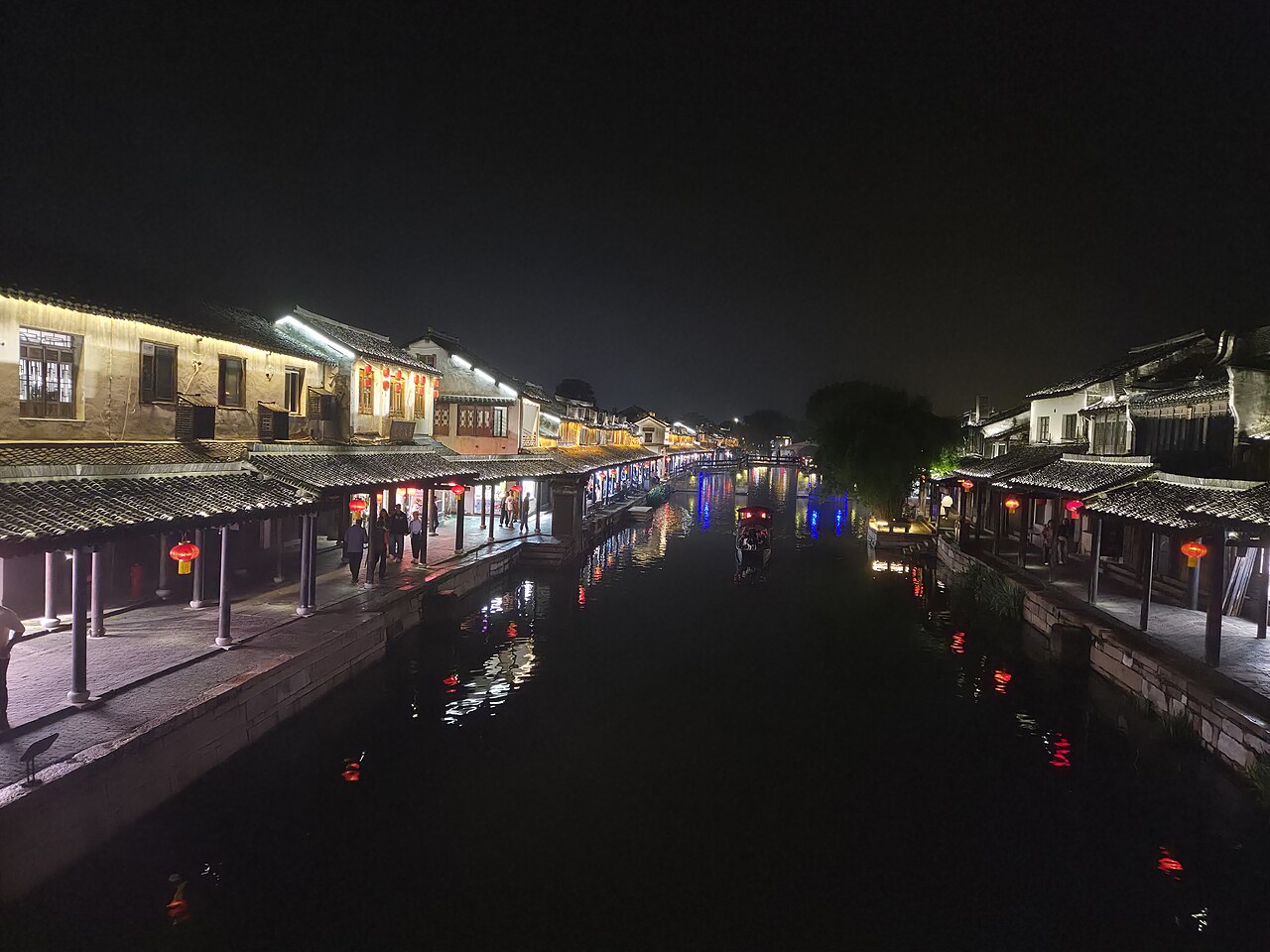
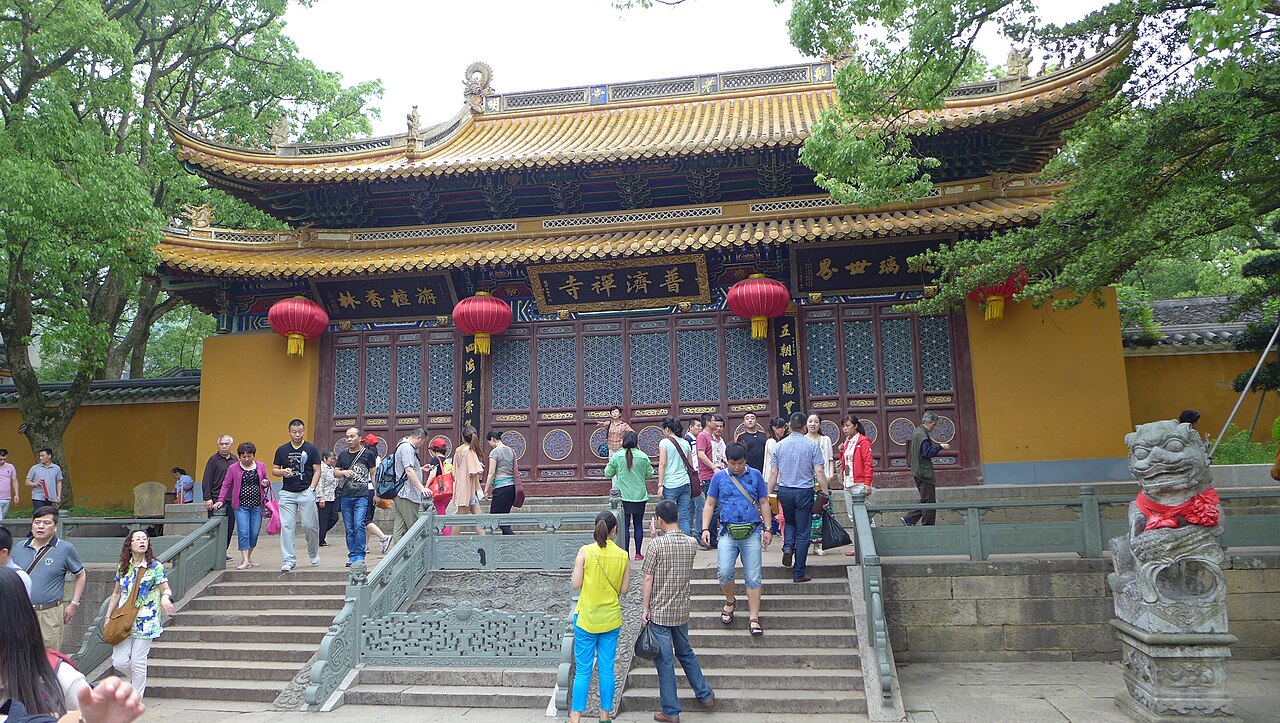
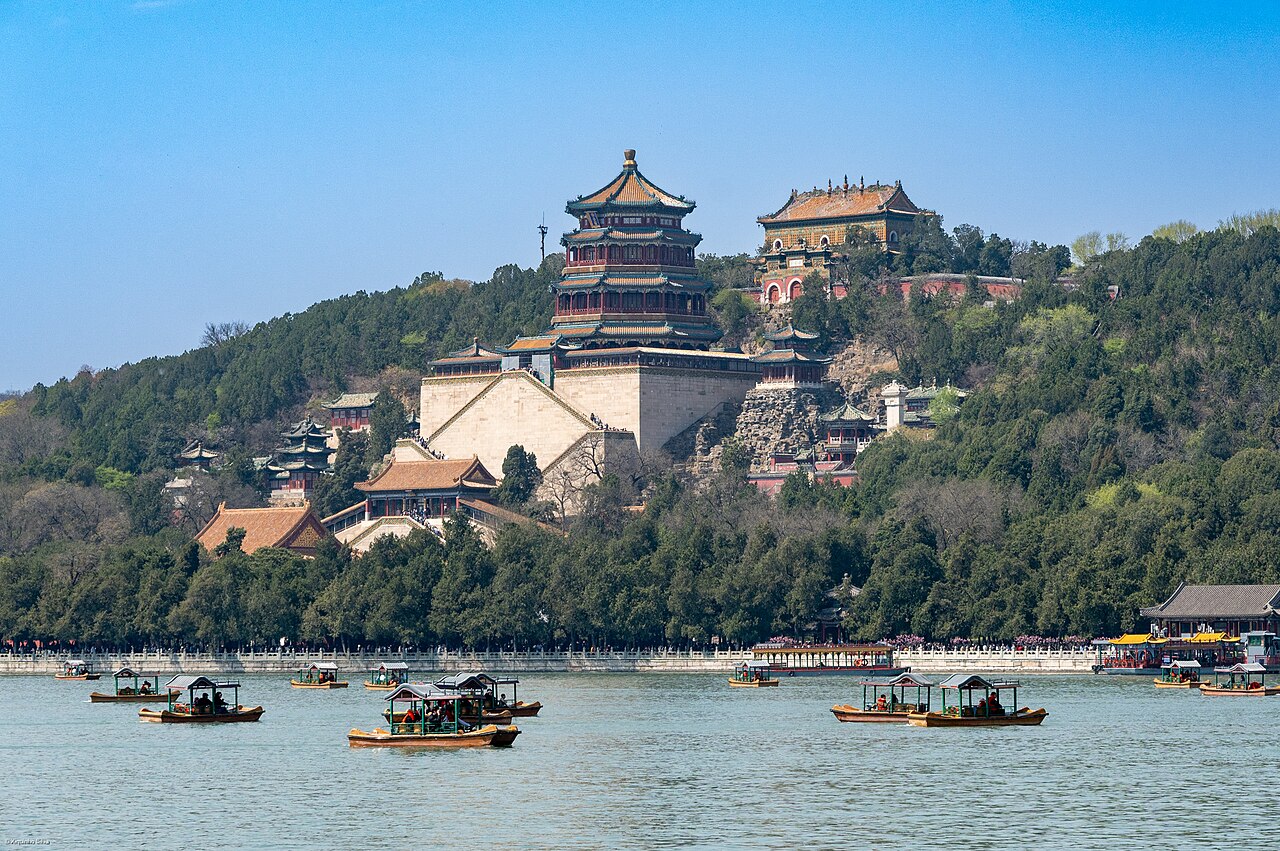
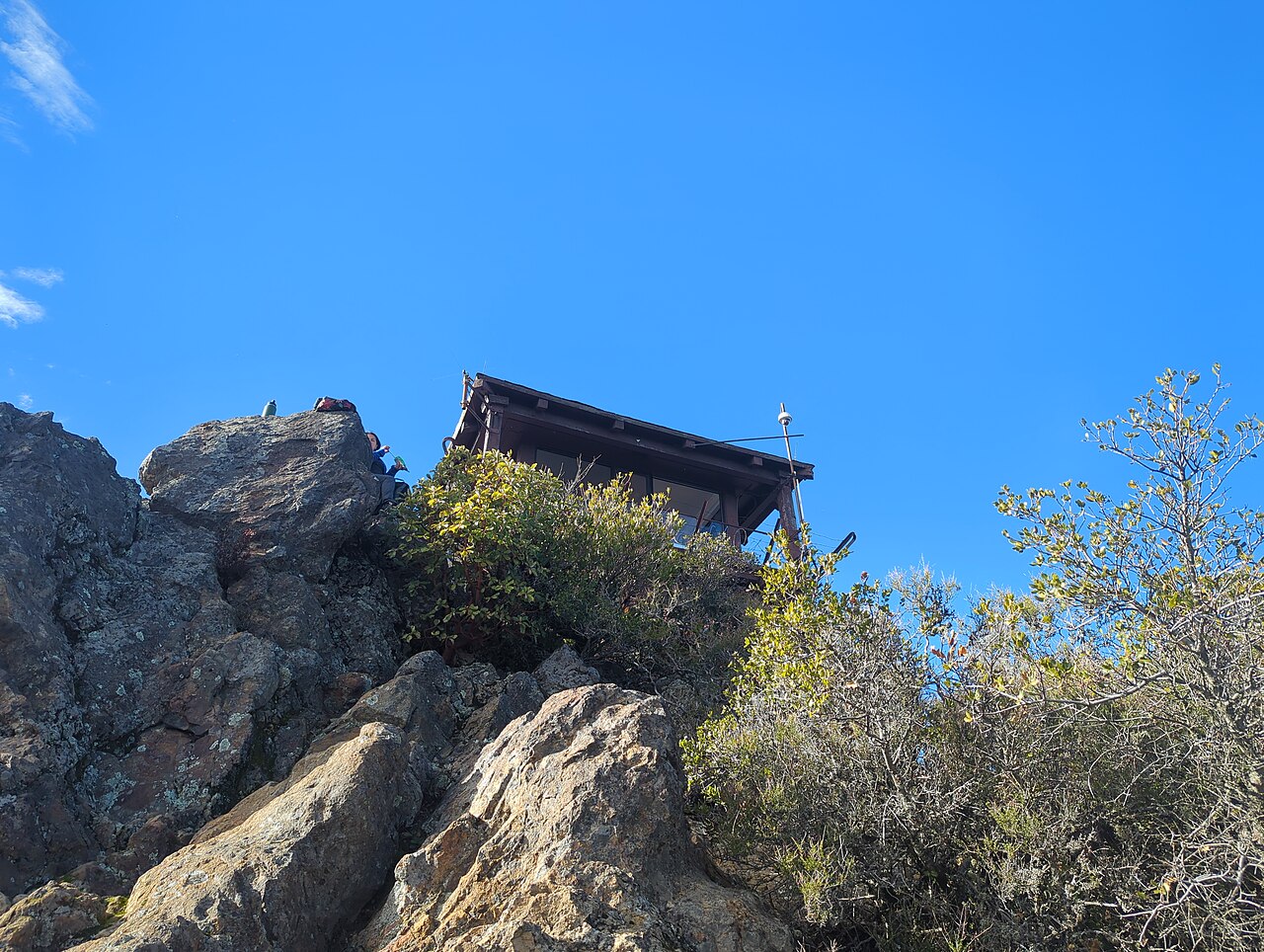
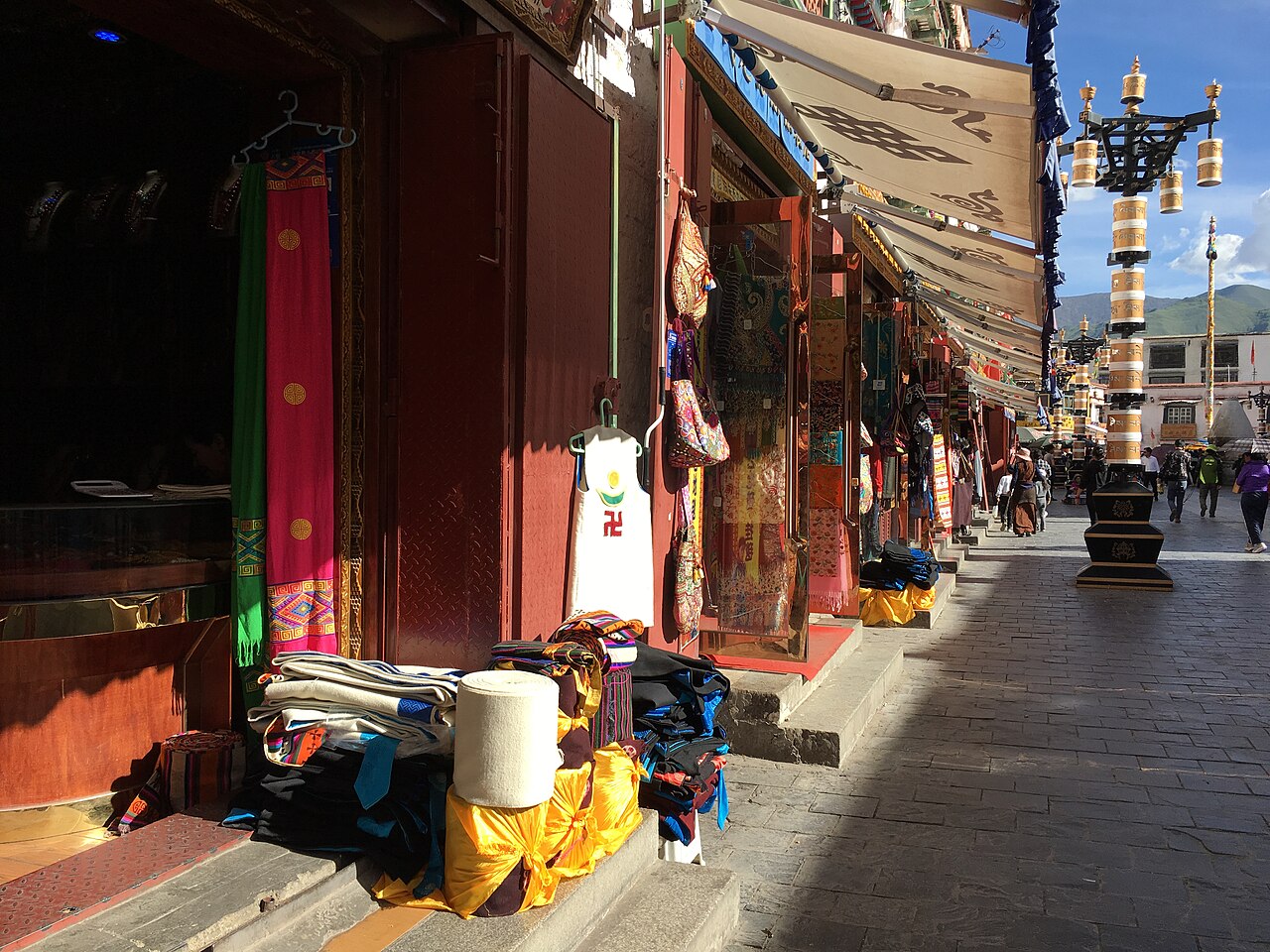
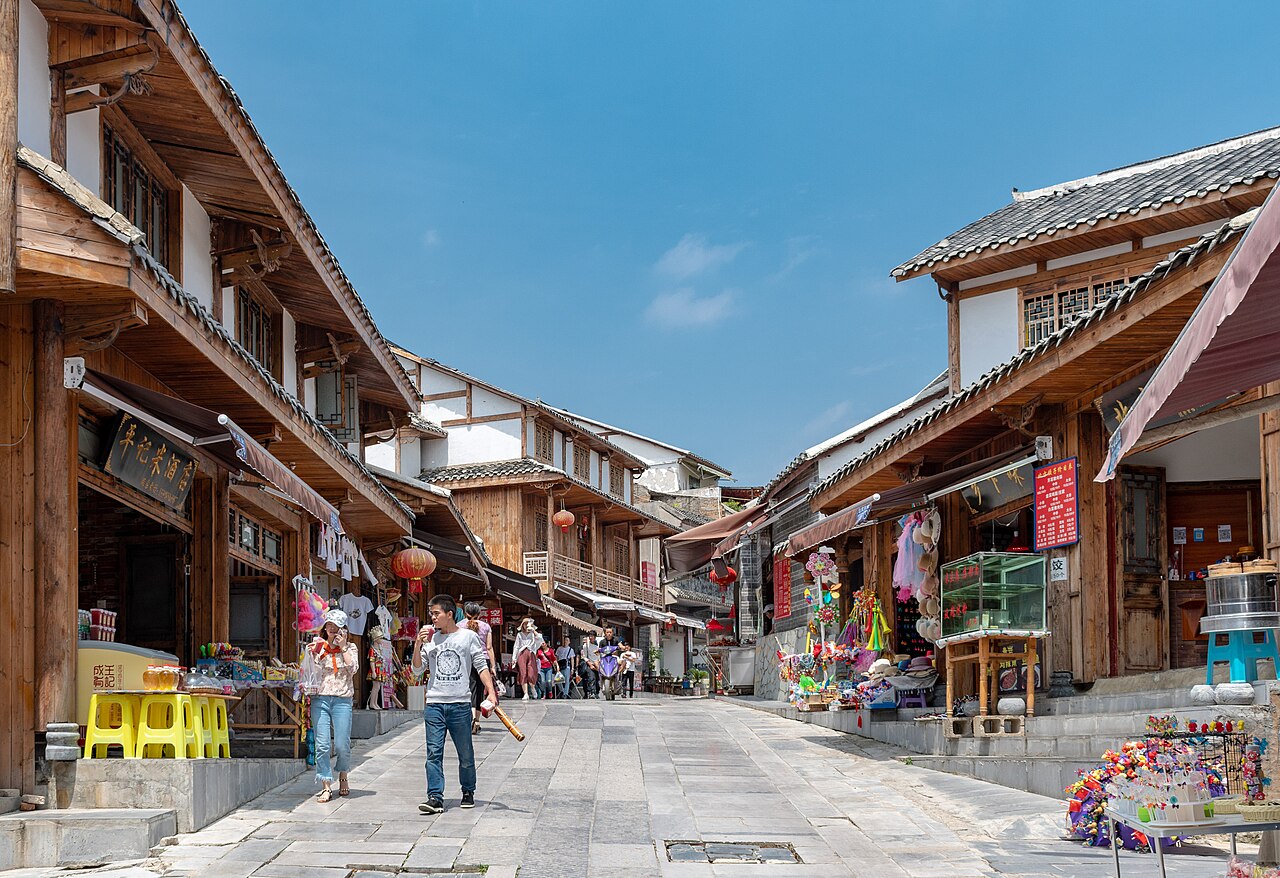
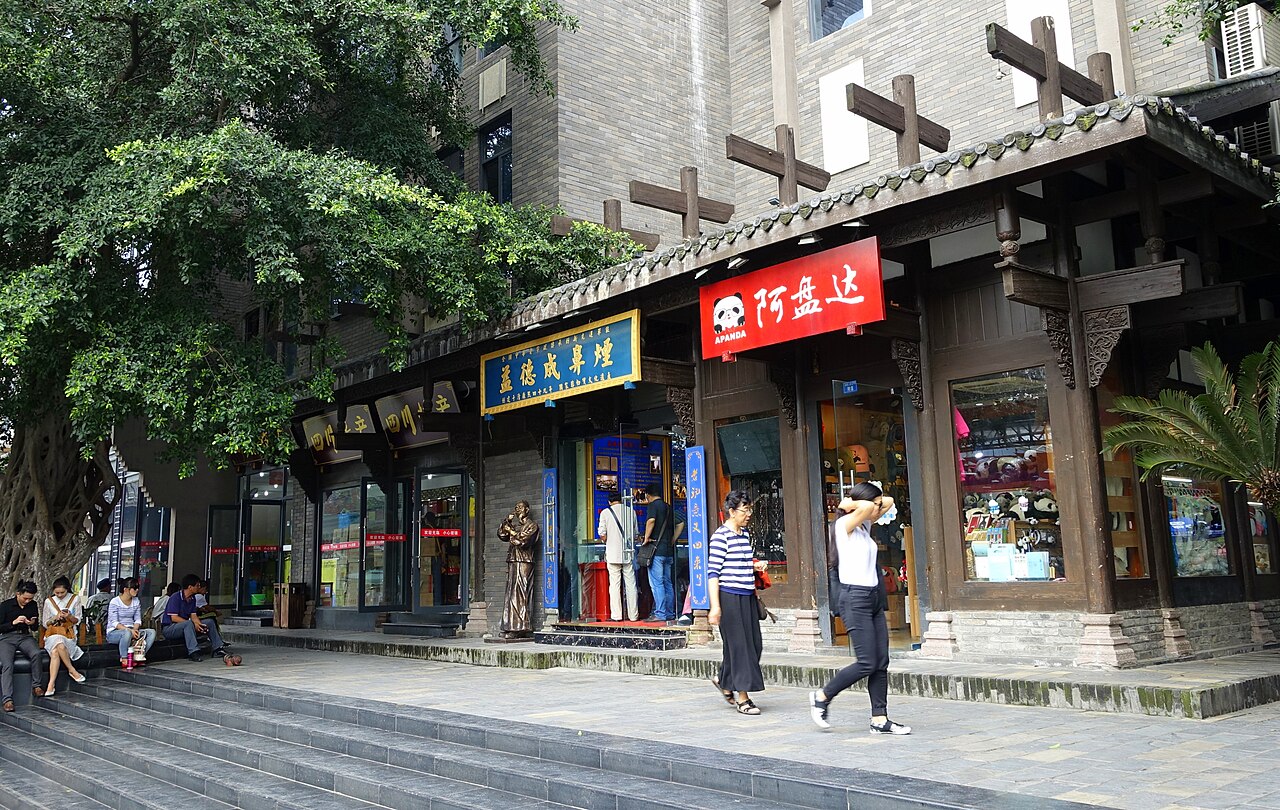
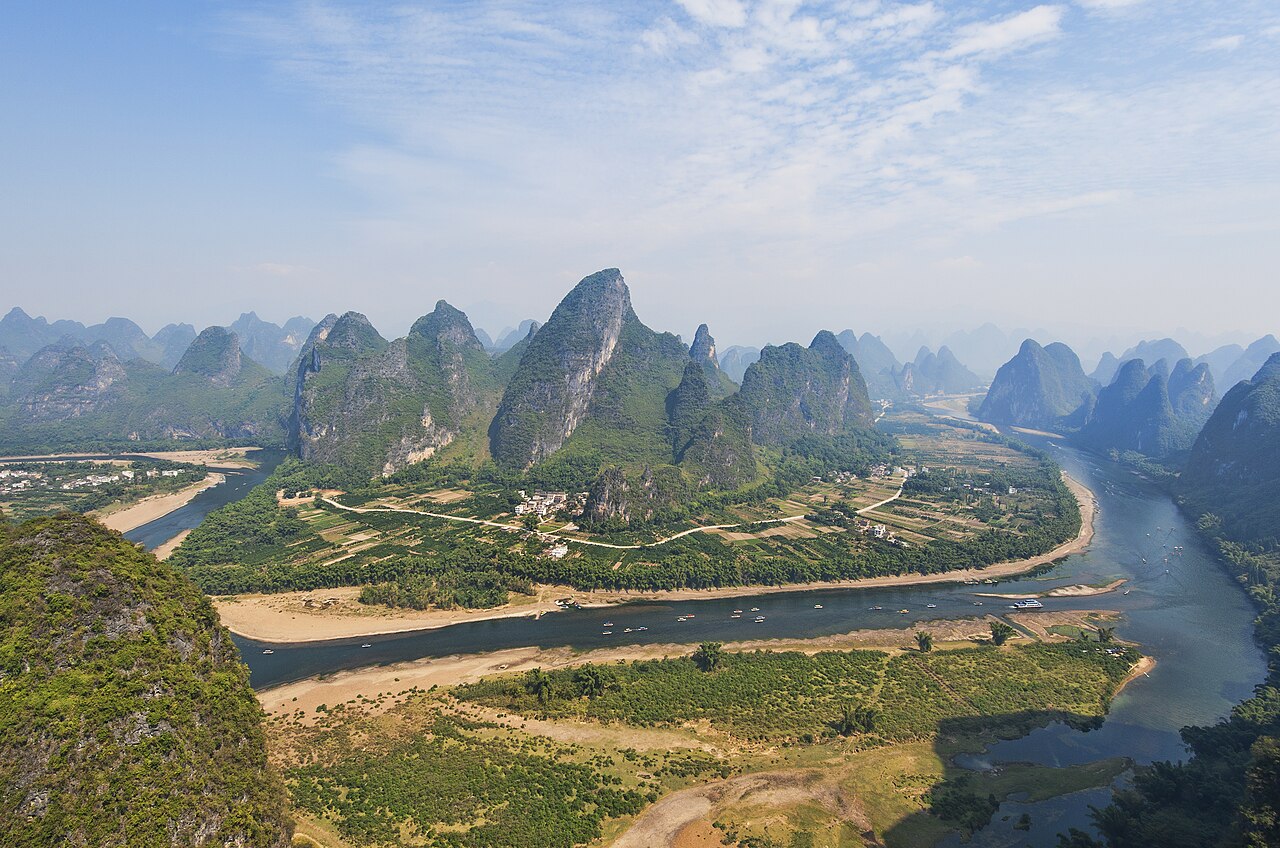
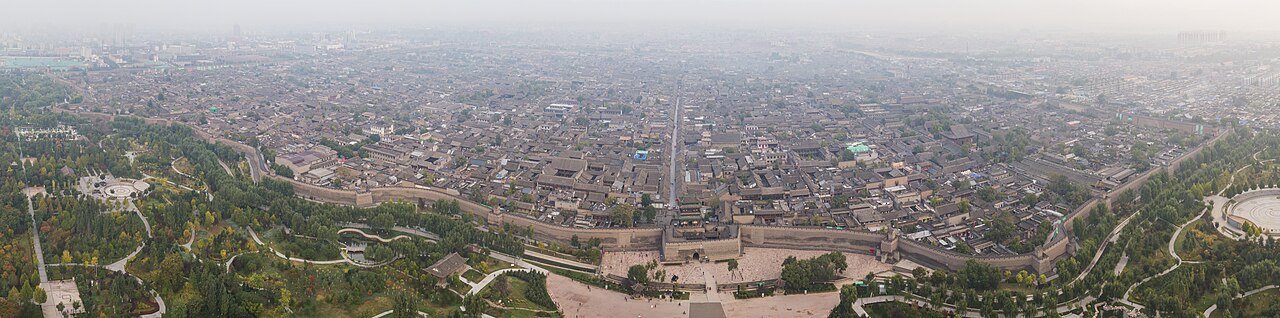
The old canal and Dongguan Street after dark

Yangzhou is absolutely the right place to take a holiday — the spring light is bright without being harsh, the birds and flowers are there without the noise, and the food is delicate without being overwhelming.

A traveller's note, 'Ten Thousand Strings of Cash, Riding a Crane Down to Yangzhou'

Yangzhou is not big, but it is precise. So many little private courtyards have been made into something else entirely by their owners — 150 square metres, eighty of house and seventy of garden, rockery, corridor, pavilion, running water, and none of it crowded.

A traveller's note, 'Meeting Yangzhou in the Third Month'

Yangzhou has been famous for so long that the fame is part of the fabric. Every Chinese traveller knows the line about going down to Yangzhou in the third month, when the blossom is like smoke; the emperors came, the poets came, and the salt merchants who paid for it all built gardens so they would have somewhere to receive them.

It sits on the north bank of the Yangtze where the Grand Canal crosses it, and that intersection is the whole story. For most of two thousand years the canal was the empire's north–south arterial and the salt administration sat here, so the city was rich in a way that left physical evidence: at its peak there were more than 200 private gardens inside the walls, and the eighteenth-century verdict was that Hangzhou wins on lake and hills, Suzhou on its markets, and Yangzhou on its gardens.

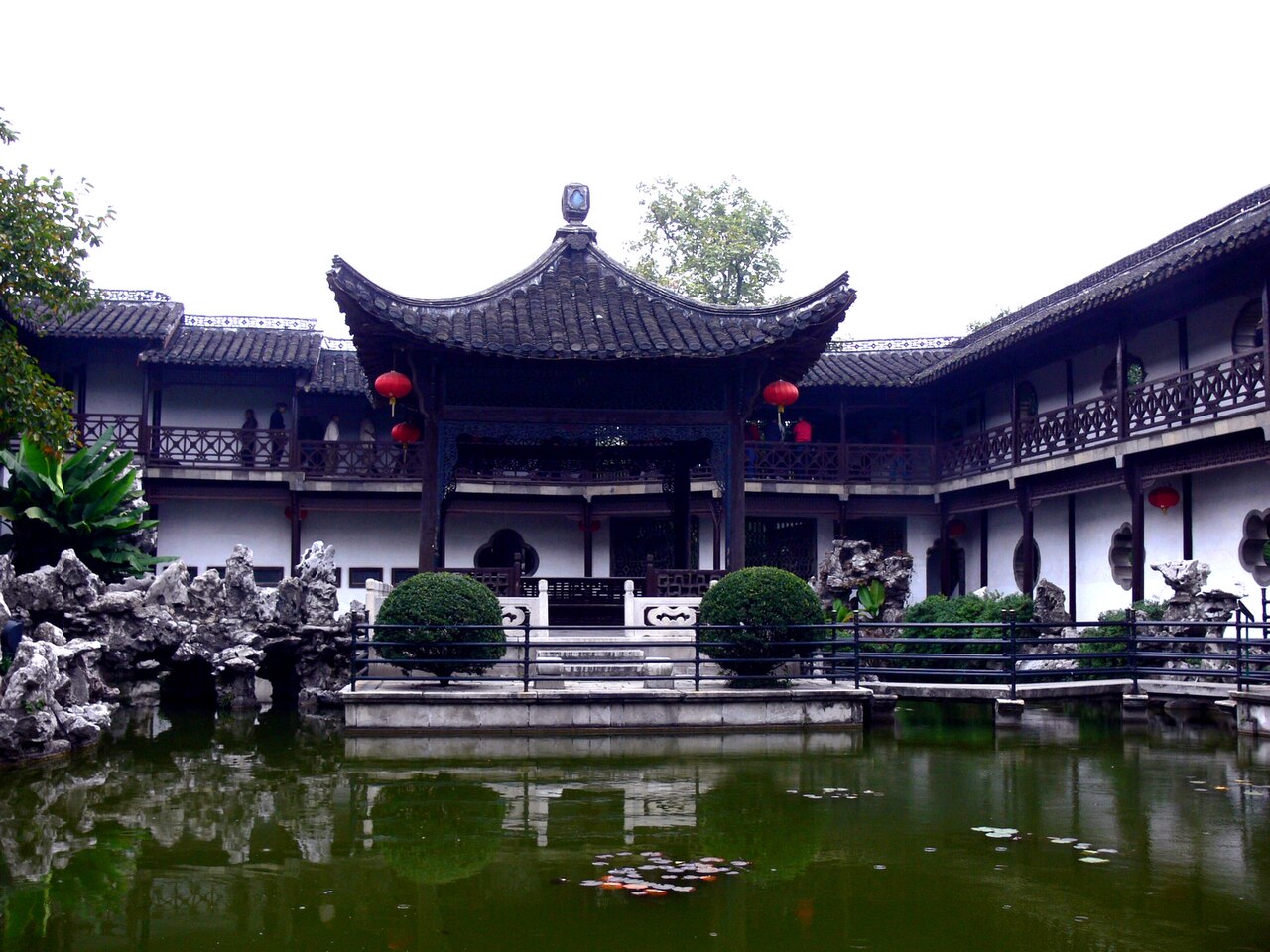
What survives is smaller and quieter than that, which is exactly why it is pleasant to visit. Slender West Lake is a narrow ribbon of water threaded with bridges and pavilions; Ge Garden and He Garden are the two great survivors of the salt era, one famous for rockery and the other for a 1,500-metre double corridor; and the old town around Dongguan Street is a grid of lanes, workshops and food stalls that people still live in.

It is also one of the easiest cities in China to eat well in. Huaiyang cooking — one of the country's four great schools — was refined here by merchants with the money to be fussy, and it shows in the knife work, the gentle seasoning and a breakfast culture of teahouses that open at dawn and have finished by ten.

Yangzhou

Don't leave without

Seven things that are worth rearranging a day for.

  1. Eat morning tea at Fuchun or Yechun before 10am
  2. Take a boat down Slender West Lake under the Five-Pavilion Bridge
  3. Walk the Four Seasons rockery at Ge Garden
  4. Do the 1,500-metre double corridor at He Garden in the rain
  5. Eat a proper Yangzhou fried rice where it comes from
  6. Walk the old canal from Dongguan Street after dark
  7. Get a foot treatment — the city's third knife

Highlights

Six things that make the trip

A lake that is deliberately thin

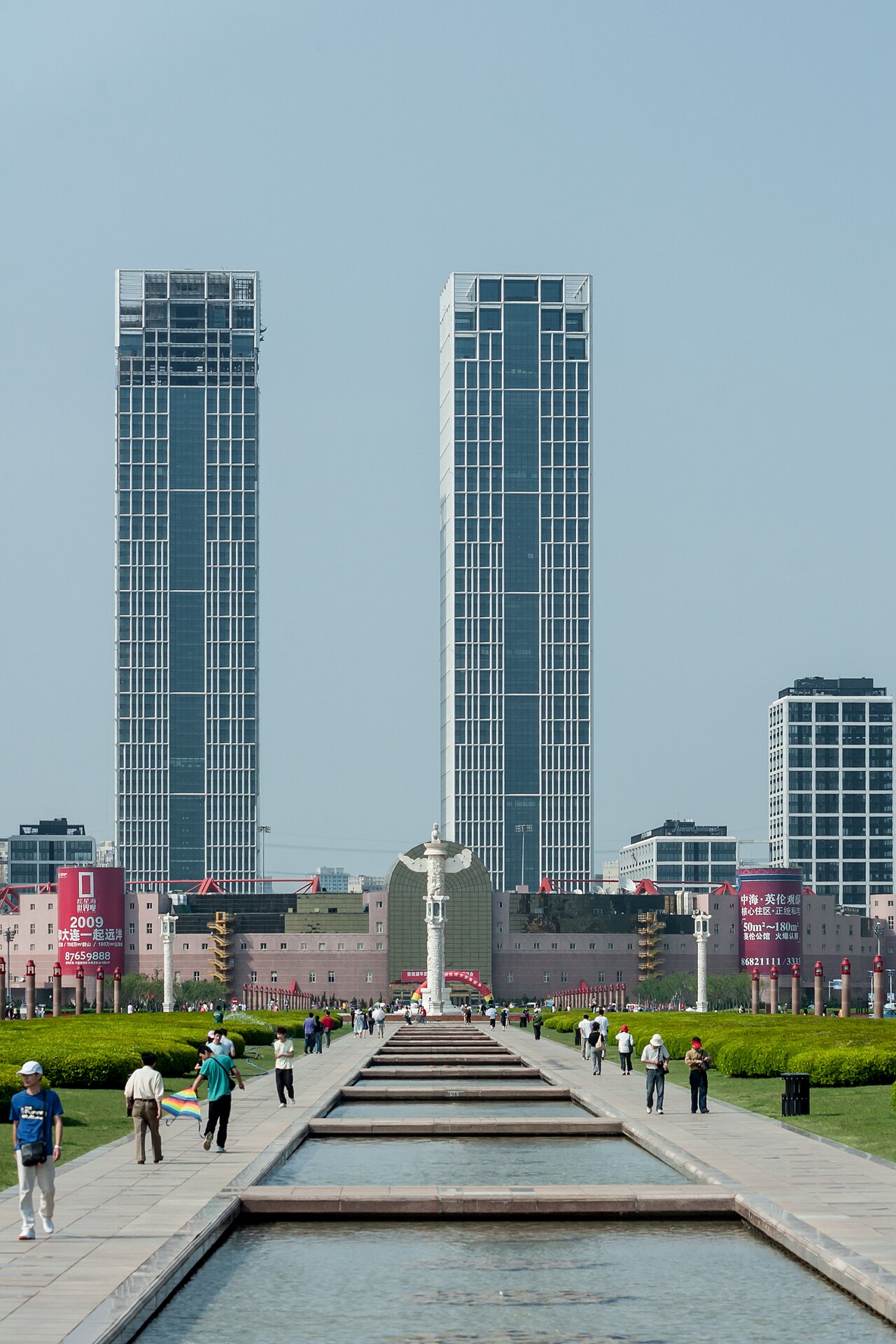
Of the thirty-six West Lakes in China, Yangzhou's is the one named for being slimmer — a ribbon of water that opens and closes as it goes, willows trailing into it, and the Five-Pavilion Bridge sitting across it like a sash. The bridge engineer Mao Yisheng called it the most artistically beautiful bridge in the country.
A year of rockery in one garden

Ge Garden's Four Seasons rockery is the single most original thing in Chinese garden design: spring in bamboo shoots and stone, summer in grey Taihu limestone, autumn in Anhui yellow stone, winter in quartz-flecked Xuan stone that glitters in the light and looks like leftover snow. You walk through a year in about ninety minutes.

1,500 metres of double corridor

He Garden, built by a man who had served as Qing envoy to France, is called the finest garden of the late Qing. Its signature is a two-level corridor running 1,500 metres — split and rejoined, rising and falling, threading rockery and water and going straight into the living quarters, so you can walk the whole garden on two levels in any weather.

Breakfast as a civic institution

The city wakes in its teahouses. Locals call it skin wrapped around water in the morning — tea, dumplings and noodles from dawn — and water wrapped around skin at night, meaning the bathhouse. Fuchun started in 1885 as a flower nursery; Yechun sits in a little garden by the water. Both finish earlier than visitors believe.

Huaiyang cooking at its source

One of China's four great cuisines, roughly 1,600 years old, and this is its home kitchen. It is a cuisine of knife work and restraint: tofu sliced into threads like hair, dried tofu shredded and simmered in chicken stock, crab roe worked into lion's head meatballs, and a fried rice with eight named ingredients.

A hundred lanes with names like lyric titles

The old east quarter holds more than a hundred alleys — Shaoyao Lane, Qionghua Temple, Wenhua Li, Wufu Lane — alongside intact courtyard houses and the sites of the old grain, oil, rice, fish and produce trades. It is free, it is lived in, and it is where the snacks are.

Suggested routes

Three ways to spend the days

One comfortable day

1 day days

What the local guide prints for a day trip: teahouse, lake, temple, one garden.

  1. Day 1

    Teahouse, lake, temple, garden

    Start at Yechun garden — a small park with a teahouse inside it, so you eat in the garden rather than next to it. Give it an hour, then walk 260 metres to Slender West Lake.

    Allow three hours on the lake, and do it by boat; the painted boats are the whole point. Come out of the north gate and you are at Daming Temple — grounds, the Jianzhen memorial hall and the pagoda you can climb for the whole city. Finish at Ge Garden, about 5 km away, 20 minutes by bus.

    Stops: Yechun gardenSlender West LakeDaming TempleGe Garden

Two days, the historic core

2 days days

The route most visitors actually run, and the one that leaves room for the old town.

  1. Day 1

    Morning tea, the lake, He Garden

    Morning tea at Yechun first — you will not get it after ten. Then walk to Slender West Lake and take a boat through the whole length of it: the causeway, the Five-Pavilion Bridge, the White Tower, the Fishing Terrace where the one spot requires you to double back.

    Out of the north gate into Daming Temple for about an hour, then across town to He Garden for the double corridor and the 60-metre rockery built flat against a wall. Dinner near Wenchang Pavilion, then a walk on the canal.

    Stops: YechunSlender West LakeDaming TempleHe GardenAncient canal

  2. Day 2

    Ge Garden and the lanes

    Ge Garden in the morning, about ninety minutes, and read the rockery in order — spring, summer, autumn, winter. Leave by the north gate and take your ticket to the Yangzhou folk-collection museum on Yanfu Road, inside Zhunti Temple, which is free with it.

    Then lose the afternoon in the Dongguan Street and Dongquanmen quarter: a hundred lanes, courtyard houses, and snacks every few metres. Eat dinner here rather than going back to your hotel.

    Stops: Ge GardenFolk-collection museumDongguan StreetDongquanmen

Three days, with the tombs

3 days days

Adds the Han tombs and the Tang city site, and one afternoon doing nothing in particular.

  1. Day 1

    The lake and the corridors

    Morning tea, Slender West Lake by boat, Daming Temple, He Garden. The four are close enough to do in daylight if you start early.

    Stops: Slender West LakeDaming TempleHe Garden

  2. Day 2

    Ge Garden and the old town

    Ge Garden, the folk-collection museum, then the Dongguan Street quarter and the canal at dusk.

    Stops: Ge GardenDongguan StreetAncient canal

  3. Day 3

    Han tombs, Tang city, a bathhouse

    Hanlingyuan on Pingshantang East Road — the tomb of the first Western Han king of Guangling, built in the huangchang ticou style, the largest and most complex of its kind found anywhere in China. Then the Tang city site next door, with its 148-metre Tang-style bridge and the memorial hall to the Korean scholar Cui Zhiyuan.

    Finish the afternoon the local way: a teahouse, then a foot treatment. Luqin and Suyang are the two household names in the city's footcare trade.

    Stops: HanlingyuanTang city siteA bathhouse

Sights

What to actually go and see

The lake, in one ribbon

Slender West Lake

A narrow winding stretch of water that opens and closes as it goes, named by an eighteenth-century poet who decided it deserved the name West Lake but a thinner one. Inside are the Five-Pavilion Bridge, the White Tower the salt merchants are said to have thrown up overnight, the Fishing Terrace where Qianlong supposedly fished, and the Four Bridges in Mist pavilion, the widest view in the park.

Where
28 Dahongqiao Road
Ticket
¥150 high season, ¥120 off; ¥220 combo with Ge Garden, He Garden, Daming Temple and the ancient canal
Hours
7:45–17:30; night visits 18:30–22:00
Boats
Painted boats run the length of the lake; this is the way to see it
Buses
4, 5, 6, 17 and the tourist line
Phone
0514-87370038

Tip Give it three hours and take a boat rather than walking the whole bank. The Fishing Terrace is the only spot in the park where you have to double back, so plan for it. Autumn evenings bring the night opening, when fifteen arches of the Five-Pavilion Bridge each hold a moon.

Four seasons in stone

Ge Garden

Built by Huang Zhiyun, head of the Lianghuai salt administration, on the site of a Ming garden. Bamboo and rock are the entire vocabulary — even the name is half of the character for bamboo. The Four Seasons rockery is a unique survival: spring in bamboo shoots, summer in grey Taihu limestone over a three-fold bridge, autumn in Anhui yellow stone cut like axe work, winter in Xuan stone whose quartz flecks catch the light like snow.

Where
10 Yanfu East Road, Guangling district
Ticket
¥45 high season, ¥30 off; includes free entry to the folk-collection museum
Hours
7:15–18:00 high season, 7:15–17:30 off
Time needed
About 90 minutes
Buses
Tourist line or 8 from the west coach station; 26 from the railway station to Qionghua Temple
Phone
0514-87358470

Tip Read the rockery in order — spring, summer, autumn, winter — or the whole point is lost. Then leave by the north gate and use your ticket on the folk-collection museum on Yanfu Road, inside Zhunti Temple.

The last great Qing garden

He Garden

Built by He Zhidao, who had served as the Qing government's envoy to France, on the site of an earlier Qianlong-era garden. It is called the finest garden of the late Qing, and nearly a hundred films and television series have shot here. The signature is the 1,500-metre double-decked corridor, and the second wonder is the 60-metre wall rockery built flat against a boundary wall to hide the fact that there was a wall at all.

Where
66 Xuningmen Street, Guangling district
Ticket
¥45 high season, ¥30 off
Hours
7:15–18:00 high season, 7:15–17:30 off
Buses
6, 19, 209 and the tourist line
Phone
0514-87239626

Tip Go when it rains if you can — the two-level corridor exists precisely so you can walk the whole garden under cover, and almost nobody else will be there. Look for the mirror in the west corridor that takes in the whole garden, and the pool beside it that shows the moon waxing and waning as you move.

Jianzhen, and the qionghua

Daming Temple

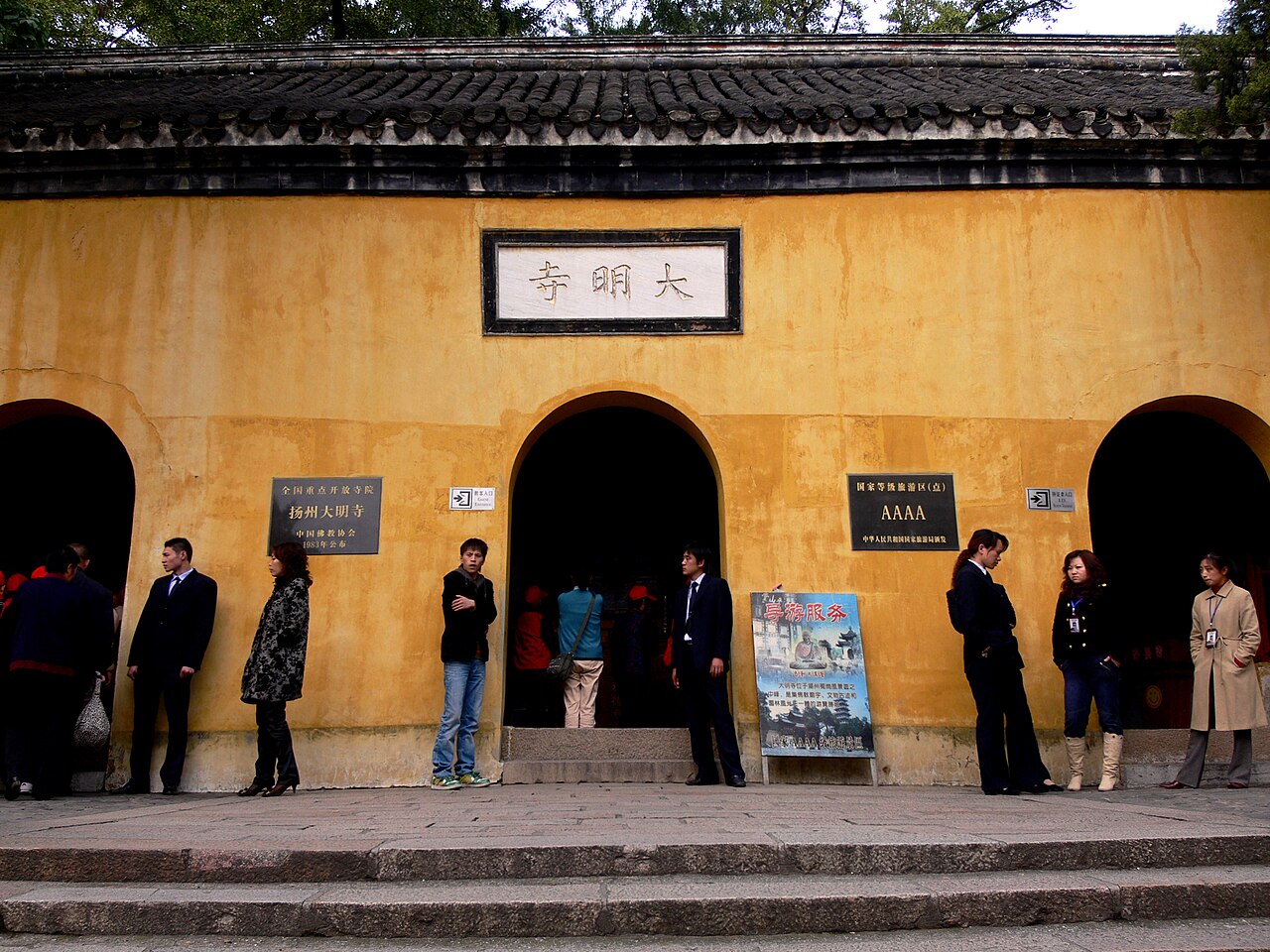
Founded in the Southern Dynasties on a ridge north-west of the lake, combining a working monastery, antiquities and garden. It holds the memorial hall to the monk Jianzhen, who crossed to Japan and never came back, the Ouyang Xiu shrine and the Gulin hall Su Dongpo built. Climb the Qiling pagoda for the whole city.

Where
1 Pingshantang East Road
Ticket
¥45 high season, ¥30 off
Hours
7:45–18:00 high season, 7:45–17:30 off
Best time
April–May, for the rare qionghua
Buses
5, 25, 26 and the tourist line to Daming Temple stop
Phone
0514-87321515

Tip The north gate of Slender West Lake puts you straight into the temple, so do them in one movement rather than two journeys. Guanyin Hill next door costs ¥10 and is the highest natural point in the city.

The old town, free

Dongguan Street and Dongquanmen

The historic core, once laid with stone slabs and lined with nearly a hundred trades — grain, oil and rice, fresh fish, the eight fresh produce lines, melons and fruit, bamboo and timber. More than a hundred lanes run off it with names like Shaoyao Lane and Qionghua Temple, and courtyard houses of the brass-lock, one-seal and great-gate types survive intact.

Where
Dongguan Street, Guangling district
Ticket
Free
Hours
Open all day; best in the late afternoon and evening
Snacks
Four-joy dumplings, Huangqiao sesame cakes, shrimp-roe dumpling noodles, bamboo-shoot wontons
Buses
Tourist line and 8
Phone
0514-87366222

Tip This is where you eat. Come hungry and graze rather than sitting down for one big meal — the street is designed for it, and the side lanes are quieter than the main drag.

The oldest stretch

The ancient canal

The Yangzhou section is the oldest surviving stretch of the Grand Canal, and a history of the canal here is very nearly a history of the city. The water is clear, it runs straight through town, and the banks are lined with monuments. The walking route runs from Bianyimen Square pier to the Kangshan culture park pier.

Where
Bianyimen Square pier to Kangshan culture park pier, Guangling district
Ticket
Free to walk
Hours
Open all day
Best time
Dusk, when the banks light up

Tip Walk it after dinner. The stretch of riverside park has small squares every so often with symbols cut into the paving — you will not read them in the dark, but the walk is the best free evening in the city.

A Han royal tomb

Hanlingyuan

The museum of the Han king of Guangling, holding the wooden-chamber tombs of Liu Xu, first Western Han king of Guangling, and his queen. Both are imperial-grade huangchang ticou burials, and in scale, complexity and finish this is the finest of its kind found anywhere in China. The underground palace hall is 64.4 metres north to south and reproduces the excavation as it was found.

Where
98 Pingshantang East Road
Ticket
¥30
Hours
8:00–17:00 spring and summer; 8:30–16:30 winter
Buses
5, 25
Phone
0514-87625587

Tip Pair it with the Tang city site and Guanyin Hill, which are on the same road. Most visitors skip it and most visitors are wrong — the timberwork is the most impressive single object in Yangzhou.

Park, zoo and riverbank

Zhuyuwan

Named for the dogwood supposedly planted here in the Han dynasty to ward off evil, and made famous by the Tang poets who wrote about it. It is now a riverside park with a lotus bridge modelled on tree stumps, a waterfowl lake with swans and mandarin ducks, a monkey island built on the Flower-Fruit Mountain of Journey to the West, and a big-cats enclosure.

Where
888 Zhuyuwan Road, about 5 km north-east of the centre
Ticket
¥45 high season, ¥30 off
Hours
7:00–17:00
Buses
4, 12, 66, 26 to Qionghua Temple, or 8 to Century Lianhua, then straight to the gate
Phone
0514-87291561

Tip Half a day, and the right half-day if you are travelling with children or have had enough of gardens. Go in summer when the lotus is out.

A salt merchant's house

Wang Family Small Garden

The best-preserved late-Qing and early-Republican salt-merchant residence in the city, at 14 Diguan Lane. Three parallel rows of houses, three bays deep on a single axis, side wings perfectly symmetrical — Confucian balance made architecture. Rooms are built in odd-numbered combinations because odd numbers are yang.

Where
14 Diguan Lane, Dongquanmen historic district
Ticket
¥35 high season, ¥25 off
Hours
7:15–18:00 summer, 7:15–17:30 winter
Buses
4, 12, 33, 66, 8 to Century Lianhua, then walk
Phone
0514-87361587

Tip It is inside the Dongguan Street quarter, so do it as part of the old-town afternoon rather than as a separate trip. Zhu Ziqing's former home on Anle Lane is a ten-minute walk and costs ¥10.

Painters who misbehaved

Yangzhou Eight Eccentrics Memorial Hall

A museum devoted to the Eight Eccentrics of Yangzhou, housed in a Ming nanmu hall that was once the Western Temple, with a reconstructed lodging for the painter Jin Nong. The Crane Pool outside takes its name from his line about a crane watching ice, and there is a thousand-year-old ginkgo beside it.

Where
18 Tuoling Lane
Ticket
¥25
Hours
8:30–18:00 summer, 8:30–17:30 winter
Buses
4, 5, 17, 23, 56
Phone
0514-87312189

Tip An hour, and a good hour if the gardens have started to blur together. The Wu Daotai mansion on Taizhou Road and the Tang city site are both short bus rides away if you want to keep going.

Food

Knife work, gentle seasoning, and breakfast

Yangzhou fried rice

The dish everybody thinks they know, done properly: separate grains, eight named ingredients, egg coating each grain. The local versions run from plain egg to golden-wrapped-silver, shrimp, ham and the full assorted. Eat it somewhere that does nothing else and you will see the difference.

Dry-braised shredded tofu

The dish that defines Huaiyang knife work — dried tofu sliced into even sheets and then into threads, simmered with chicken, ham and bamboo in chicken stock, finished with shrimp and pea shoots. Mild, and entirely about texture and stock.

Wensi tofu soup

Created by the monk Wensi at Tianning Temple in the Qianlong era: soft tofu cut into threads as fine as hair, with ham, in a clear broth. The cutting is the dish. Watch someone order it and then watch them try to pick it up.

Crab-roe lion's head

Pork and crab meat hand-chopped into great soft meatballs, braised without dark soy so they stay pale, served in a casserole under a leaf of greens. Done right it comes apart with a spoon. Add crab roe and it is the upper version.

The three heads

Yangzhou's three signature big-plate dishes: the whole braised pig's head, four or five hundred years old as a recipe and glossy dark red; the crab-roe lion's head; and the deboned silver carp head, split, boned and braised with spring onion and ginger in rich stock.

Three-diced buns

The teahouse standard: diced chicken from a bird at least a year old, pork belly with the right balance of fat, and fresh bamboo cut to the season. The dough is fermented soft but with bite. At Fuchun they have kept the same starter method for over a century.

The two marvels of Yangzhou

Two snacks ordered together: thousand-layer cake, sixty-four layers of dough and sugar fat, translucent and amber-coloured, and jade shaomai, whose green filling is made from Meiling greens with sugar and lard, shaped like a pomegranate with a ham dot on top. Both were created at Fuchun.

Salted goose

Firm, savoury and clean-tasting, sold from street carts all over the city. Locals point to the stall nicknamed eat-and-not-forget on Wangyue Road. Buy it sliced to take away with beer rather than sitting down for it.

Crab-roe soup dumplings

Two hundred years old as a Yangzhou speciality, famous along the whole Shanghai–Nanjing line: thin skin, plenty of soup, full filling, made with crab oil and pork. Eat them with Zhenjiang vinegar and shredded ginger, which is what the ginger is for.

Eight Eccentrics banquet

A set banquet built around the painters — cold plates, main courses, small pastries and fruit, arranged so the food echoes the paintings. Worth ordering once if you are in a group and want to see the cuisine's full range in one sitting.

Where to eat

Six kitchens worth the detour

The oldest name

Fuchun Teahouse

Founded in 1885 as a flower nursery and grown into a teahouse, Fuchun is the orthodox house of Huaiyang dim sum. Big, bright, old-fashioned rooms, and the queue is part of the experience. Creator of both halves of the two marvels of Yangzhou.

Where
35 Deshengqiao Street, Guangling district (near Wenchang Middle Road)
Order
Three-diced buns, dry-braised shredded tofu, crab-roe soup dumplings, Kuilongzhu tea
Phone
0514-87233326
Go before
10am — after that the famous items are gone

Tea in a garden

Yechun Teahouse

The other old name, inside Yechun garden where the water is, and the natural place to start the classic day because it is 260 metres from Slender West Lake. Dumplings are as good as they look, which is not always true of pretty dim sum.

Where
10 Fengle Xiajie, Guangling district (inside Yechun garden)
Order
Crab-roe soup dumplings, five-diced buns, dry-braised shredded tofu, steamed dumplings, thousand-layer cake
Phone
0514-87314650
Garden ticket
¥10

Where locals are taken

Shiweitian Hotel (west branch)

A local banquet house that does Huaiyang properly. The crab-roe lion's head is the dish to judge it by — fat and lean properly balanced, fragrant rather than greasy, breaking up in the mouth. The fried rice turns up on nearly every table with exactly eight ingredients.

Where
785 Yangzijiang Middle Road, Hanjiang district (near Wenchang Middle Road)
Order
Sesame duck feet, crab-roe lion's head, dry-braised shredded tofu, Yangzhou fried rice, braised silver carp head
Note
Popular — service can be stretched at peak hours

One dish, done right

Sanxiang Suijin Yangzhou Fried Rice

A small place that does the city's signature dish and little else: grains separate, golden, and cheap enough that it is full of people who actually live here. If you want to understand what the fried rice is supposed to be, this is where to do it.

Where
103 Huaihai Road, Guangling district (near Wenchang Road)
Order
Yangzhou fried rice, suijin fried rice
Phone
0514-87937878

Noodles and wontons, local prices

Gonghechun

An old name that locals choose over the ones visitors are sent to, largely because the value is better. The shrimp roe is plump and the broth is the thing — order shrimp-roe wontons, dumpling noodles and a pan-fried dumpling or two.

Where
79 Ganquan Road, Guangling district (near the west coach station)
Order
Shrimp-roe wontons, pan-fried dumplings, dumpling noodles, three-diced buns
Phone
0514-87342551

The old-town snack stop

Juxiangzhai, Dongguan Street

An old shop on Dongguan Street with a queue out the door and no easy seating. Sesame cakes, tofu pudding, dumpling noodles, wontons and the flat shoe-sole pastry — the whole range of Yangzhou street snacks at street prices.

Where
359 Dongguan Street, Guangling district (west of Changle Inn)
Order
Tofu pudding, golden sesame cake, pork-floss cake, shoe-sole pastry
Phone
0514-87322909
Note
Eat standing, or come off-peak

Where to stay

Six beds, from ¥39 a night

The central base

Around Wenchang Pavilion and Siwangting

Wenchang Road is the busiest shopping street in the city, and Wenhe Road crosses it at Wenchang Pavilion. Siwangting Road, one stop north, is Yangzhou's best-known eating street. Chain hotels start around ¥150; the cheap lodgings cluster around the coach stations, further from the sights.

Where
Wenchang Road / Wenhe Road crossing
Price
Chains from about ¥150
Best for
Shopping, the food street, buses to everything

On the lake

Yangzhou Guest House

Sits quietly on the bank of Slender West Lake at the crossing of Youyi Road and Changchun Road, looking across the water at Xuyuan, the Four Bridges in Mist tower and the willow causeway. Close to the Wenchang shopping district and about 20 minutes from the railway station.

Where
48 Youyi Road
Price
From ¥588
Phone
0514-87809809

Central, mid-range

Yangzhou Jinghua Hotel

In the centre on Wenchang Middle Road, about 6 km from the railway station. Quiet, comfortable rooms, full leisure facilities and Huaiyang cooking that gets a genuine recommendation rather than a hotel-restaurant shrug.

Where
559 Wenchang Middle Road, Hanjiang district
Price
From ¥398
Phone
0514-87809809

Next to the garden

Ge Garden International Youth Hostel

Right beside Ge Garden and the Dongguan Street historic quarter, which makes it the best-placed cheap bed in the city — you can be at morning tea, the lake bus or the old town within minutes.

Where
6 Huajuli, outside Ge Garden, Yanfu East Road
Price
Dorm bed from ¥50
Phone
0514-87348333

Drivers and late arrivals

Fuyi Trendy Hotel

On the main approach road near the west coach station, with direct buses to Slender West Lake and Ge Garden and easy taxis. Not expensive, and the sensible choice if you are arriving late or driving in.

Where
150 Jiangyang Middle Road
Price
From ¥164
Phone
0514-85109777

Cheapest bed in the old town

Yangzhou Xiaoshe Art Inn

A small themed inn on Pishi Street in the old quarter, a few steps from the Plum Blossom Academy, Zhu Ziqing's former home and the old church site. Dorm beds are the cheapest in the guide, and you are sleeping inside the lanes.

Where
74 Pishi Street, Guangling district
Price
Dorm bed from ¥39
Phone
0514-87235586

Getting around

How to reach Yangzhou and move through it

By air

Yangzhou Taizhou International (YTY) is jointly built by the two cities and sits about 30 km from central Yangzhou. The airport bus leaves from 1 Fengleshang Street, by the south side of the Friendship Hall, with first departures at 07:30 on Mon/Wed/Fri/Sun and 08:30 on Tue/Thu/Sat, plus 14:00, 16:00 and 19:40; the fare is about ¥25. There is also a direct coach to Nanjing Lukou International from 201 Wenhui East Road for around ¥66.

Airport
Yangzhou Taizhou International (YTY), about 30 km
Airport bus
About ¥25, from Fengleshang Street
To Nanjing Lukou
About ¥66, from 201 Wenhui East Road
Enquiries
0514-86100323

By train

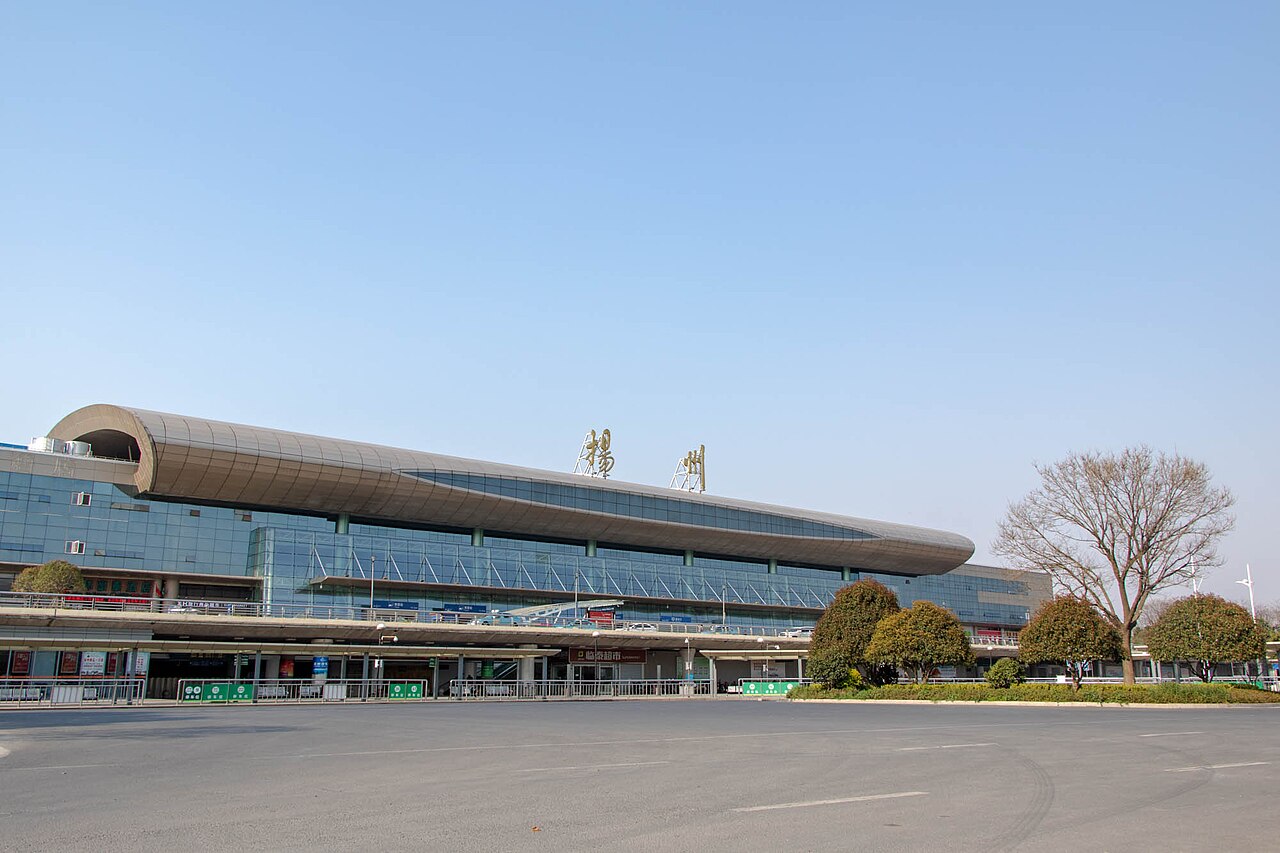
Yangzhou station is in Hanjiang district on Wenchang West Road, reached by buses 22 and 26. There are direct trains to Beijing, Nanchang, Xi'an and Chengdu, plus about 18 services passing through; from Nanjing there are roughly eight lines a day taking about 1 hour 20 minutes.

Station
Wenchang West Road, Hanjiang district
Buses
22 and 26
From Nanjing
About 8 services a day, about 1 hour 20 minutes
Enquiries
0514-85546222

By coach

Coaches are often handier than the train here. The west station runs to Nanjing roughly every 15 minutes at busy times and 20–30 minutes otherwise, for ¥34, and to Suzhou in about three hours for ¥62. There are also east and north stations, with the west station handling most long-distance departures.

West station
302 Hanjiang Middle Road — most long-distance services
East station
8 Yunhe East Road
North station
Yangzijiang North Road at Heye West Road
To Nanjing
¥34, from 06:00 to 19:00

By city bus

Flat fare ¥2, mostly self-service, and Wenchang Pavilion downtown is the hub where the lines are densest. The tourist line is the one to know: it starts at the west coach station and runs past He Garden, the old ferry crossing, the arts and crafts museum, Ge Garden, the Shi Kefa memorial, Slender West Lake, Guanyin Hill, Daming Temple and the Jianzhen library.

Fare
¥2 flat, self-service
Tourist line
West coach station to Jianzhen Library, 06:20–19:10
Useful routes
4 to the lake and Wu Daotai mansion; 5 to Daming Temple and the Han tombs; 6 to He Garden

By taxi

Flagfall ¥7 for 3 km, then ¥2.4 per km, plus ¥1 fuel surcharge; at night, 11pm to 6am, the flagfall goes to ¥8 with the same per-km rate. The city is small, so almost anywhere inside it costs under ¥10.

Flagfall
¥7 / 3 km daytime, ¥8 at night, then ¥2.4 per km
Surcharge
¥1 fuel
Typical trip
Under ¥10 anywhere in town

By pedicab

In the old east quarter the lanes are too narrow for anything much — the whole area around Guoqing Road, especially — so the pedicabs earn their living. Flagfall ¥4 plus ¥1 a kilometre, but there is no meter and no way to check the distance: agree the price before you get in, every time.

Flagfall
¥4, then ¥1 per km
Best for
The lanes of the old east quarter
Watch out
Agree the fare first — the distance cannot be checked

By ferry and by car

There is a car ferry between Guazhou and Zhenjiang that also carries foot passengers; crossing the Yangtze that way is slower than the Runyang bridge and much more fun. Drivers from Shanghai take the Shanghai–Nanjing expressway onto the Yangzhou–Liyang expressway; note that it splits into a Yangzhou North exit, closest to Slender West Lake, and a Yangzhou West exit, closest to Jinghuacheng.

Ferry
Guazhou to Zhenjiang, carries foot passengers
Enquiries
0514-87317999
Driving from Shanghai
Yangzhou North exit for the lake, Yangzhou West for Jinghuacheng

Shopping

What to carry home

Yangzhou pickles

Listed as palace table condiments in the Qing and winners of medals at international expositions. Before 1949 the city had over a hundred pickle shops, each with its own trick, and Sanhe and Simei were the best of them. Sold everywhere, cheap, and it travels.

The three knives

Yangzhou's famous three: the kitchen knife, the pedicure knife and the barber's knife — crafts the city turned into an art form. Shops selling them line Guoqing South Road by the Fuchun Teahouse door, and there are plenty on Dongguan Street too.

Ox-hide candy

Called one marvel of Yangzhou: chewy, sweet, rolled in sesame, brown and translucent when cut, elastic under the tooth and — the selling point — it does not stick to your fillings.

Xiefuchun face powder

The old cosmetics house, whose products divide into scent, powder and oil, with the egg-shaped duck-egg powder the signature. Made by the traditional method of scenting with fresh flowers and fixing with musk, chosen as tribute powder by the Qing court. The saying was that no perfume in the world beats Yangzhou's.

Yangzhou paper cutting

One of the earliest centres of Chinese paper cutting — by the Tang and Song the custom of cutting paper to greet spring was already established, and on the day spring begins people cut flowers, butterflies and ornaments to hang in the hair or under the blossom.

Random-thread embroidery

Also called zhengze embroidery, worked in crossing lines of uneven length with colour laid in layers, and now counted among China's five great embroidery styles. It suits oil paintings, photographs and drawings better than any other Chinese stitch, and Baoying is the place it is done best.

Velvet flowers

Silk flowers worn as ornaments, in the palace by the Tang dynasty. Yangzhou is one of the places the craft began. Small, fine, vivid, and cheap — the local comparison is to the girl next door of the handicraft world: pretty without being flashy.

Where to shop

Wenchang Road is the busiest shopping street, with Golden Eagle and Parkson at the Wenchang Pavilion crossing; Siwangting Road to the north is the food street. For a one-stop sweep of local produce, the Yangzhou Sanhe speciality store at 30 Youyi Road by the lake carries the full range at fair prices.

Practical

The numbers you will actually need

The single most common mistake visitors make is arriving at a teahouse at eleven. Morning tea is over by ten, and the famous items are gone.

Best monthsMarch–April for blossom and the tourism festival; September–October for the moon festival. Average annual temperature 14.8°C; winter runs over four months, summer about three, spring and autumn about two each.
Key ticketsSlender West Lake ¥150 / ¥120; Ge Garden ¥45 / ¥30; He Garden ¥45 / ¥30; Daming Temple ¥45 / ¥30; Hanlingyuan ¥30; Eight Eccentrics hall ¥25; Wang Family Small Garden ¥35 / ¥25; Zhuyuwan ¥45 / ¥30; Yechun garden ¥10; Guanyin Hill ¥10
Combo ticket¥220 covering Slender West Lake, Ge Garden, He Garden, Daming Temple and the ancient canal — cheaper than buying them separately, so buy it first
FreeDongguan Street and Dongquanmen, Wenchang Pavilion, the ancient canal, the lanes of the old town, and the folk-collection museum on Yanfu Road with your Ge Garden ticket
Tourism festival18 April–18 May, when the rare qionghua is in flower: culture and shopping programmes, a bathing festival, fireworks and night openings on Slender West Lake
Moon festival8 September–8 October. On Mid-Autumn night the fifteen arches of the Five-Pavilion Bridge each hold a moon; the Moon-Viewing hall is the other place to be
Getting aroundBus ¥2 flat; taxi ¥7 for 3 km then ¥2.4 per km plus ¥1 fuel; pedicab ¥4 plus ¥1 a km, agreed in advance; airport bus about ¥25
Useful numbersTourism hotline and complaints 12301; Yangzhou tourism bureau 0514-87340828; railway enquiries 0514-85546222; airport 0514-86100323; tourism distribution centre 0514-85105888
HospitalsYangzhou No.1 People's Hospital, 45 Taizhou Road, 0514-87907373; Subei People's Hospital of Jiangsu, 98 Nantong West Road, 0514-87937541; Yangzhou Hospital of TCM, 575 Wenchang Middle Road, 0514-87937133

Tips

Small things that make a big difference

Be at the teahouse by eight

Morning tea finishes around 10am, and the state-run teahouses are barely operating after 1pm. Lunch and dinner service still exists, but the famous pastries will not. If you only do one Yangzhou thing properly, do this one.

Buy the combo ticket first

¥220 covers the lake, both gardens, Daming Temple and the canal. Since the lake alone is ¥150 in season, the combo saves real money — but you have to buy it before you start paying at individual gates.

Use your Ge Garden ticket twice

Come out of Ge Garden's north gate and walk to the folk-collection museum on Yanfu Road, inside Zhunti Temple — free with your Ge Garden ticket. Holdings change constantly because private collectors bring things in, so it is never the same twice.

Do the lake by boat, not on foot

The lake is a ribbon, and the composition of it only reads from the water. Three hours with a painted boat beats three hours on the bank, and it is the reason the place has the reputation it has.

Cross to Zhenjiang the slow way

The car ferry from Guazhou to Zhenjiang takes foot passengers and is much slower than the Runyang bridge. Take it anyway once — crossing the Yangtze on a ferry is a better memory than crossing it on a bridge.

Get your feet done

The pedicure knife is one of the city's three, and it is not a tourist novelty. Luqin and Suyang are the two household names, both run by national model workers, with branches across the city. An hour of it costs less than a museum ticket.

Background

Why Yangzhou is the way it is

A city on the crossing of two waters

Yangzhou sits in the middle of Jiangsu on the north bank of the lower Yangtze, and has been called the gateway to northern Jiangsu since antiquity. It was already a walled city in 486 BC, when it was known as Yangzhou in the sense of a province rather than a town; the name first appears in the Tribute of Yu section of the Book of Documents. The climate is humid subtropical with monsoon-driven winds: dry cold northerlies in a winter that runs more than four months, hot wet southeasterlies in a summer of about three, and short spring and autumn of roughly two months each. The annual mean is 14.8°C.

The city's early prosperity came from being one of China's first centres of foreign trade and contact. In the Tang it was described as crowded with merchants and the richest place under heaven, with more than 5,000 Yangzhou merchants living overseas and a port on the maritime silk road. The poets did the rest: ten years in Yangzhou was a dream, ten li of spring wind on Yangzhou road, and the twenty-four bridges under a bright moon.

Salt, gardens and a long decline

Until the nineteenth century Yangzhou was the state-regulated exchange centre for salt, rice and silk. Because the salt merchants were the richest men in China, they had the money to build on a scale nobody else could, and at the height of it there were more than 200 private gardens inside the city walls. The eighteenth-century line in Li Dou's record of the city is the one that still stings in Suzhou: Hangzhou wins on lake and hills, Suzhou on its markets, Yangzhou on its gardens — and it was Yangzhou's gardens that were called the finest under heaven first, not Suzhou's.

Then it went. Reform of the salt monopoly, the Opium War and the Taiping rising between 1853 and 1949 wrecked, burned or sold off most of what had been built, and the railways finished the job. The Grand Canal, which had carried the city for two thousand years, lost its traffic, and the line that was eventually planned did not treat connecting Yangzhou as important. The city that had been an economic centre of China slid into being an ordinary one. Parts of the canal have since reopened to traffic and Yangzhou is a trading centre again, exporting cotton and textiles among other things; the railway to Nanjing only opened in 2004.

What is left is a smaller, quieter version, and Ge Garden is the best of it — the oldest, most complete and most artistically valuable garden in the city. Huaiyang cooking is the other survival, and it is not a lesser one: the cuisine is counted with Shandong, Sichuan and Guangdong as one of China's four great schools, known for precision with a knife, especially in melon carving, for exact heat control, and for dishes that look delicate and taste mild.

Opera, the eight eccentrics and the bathing culture

Yangzhou qingqu is one of Jiangsu's oldest and most influential forms of sung narrative, at its height in the Kangxi and Qianlong eras and spread from there across much of China. Most of its music grew out of local tunes, and the lyrics take their subjects from everywhere. Singers divide into broad and narrow voices, both working on the principle that the melody follows the word, with attention to phrasing and production; a piece is sung by one to several people, everyone else playing an instrument, in a seated form that has not changed. It went onto the first national intangible heritage list in 2006.

The Eight Eccentrics were the painters who made the city's reputation in the eighteenth century, and the memorial hall in the old Western Temple keeps their work alongside the rooms where Jin Nong lived and painted. Jin Nong kept cranes, wrote that he was often hungry and the crane short of grain, and cut a line into a wall one snowy day: at such a moment what does one think of — the crane on the pool watching the ice.

And then there is the bathing culture, which visitors find odd and locals find obvious. The phrase is skin wrapping water in the morning, water wrapping skin at night: the teahouse at dawn, the bathhouse after dark. The three knives of the city are the kitchen knife, the pedicure knife and the barber's knife, and they are treated as one craft tradition rather than three service jobs.

Travel with them

Yangzhou on screen and on paper

Film

Yanhua Sanyue (Blossom in the Third Month)

Directed by Zeng Xiaoxin; written by Zhou Haohui

A romance set in Yangzhou in the third lunar month, built around the cooking trade: the hundred-year-old Yanyu Tower is preparing for the annual gathering of the city's kitchens, at which the head chefs of Yangzhou's three greatest restaurants cook against each other for the title first tower under heaven. Ninety-three minutes, and it will make you want to book a table.

Book

The Painted Pleasure Boats of Yangzhou

Li Dou (Qing dynasty)

Written over thirty years from what the author saw and heard while living in the city, and it covers nearly everything: the city's wards, the changing course of the canal, crafts, commerce, gardens and monuments, customs, opera, and anecdotes about the literati. It is the source of the line about Hangzhou, Suzhou and Yangzhou, and it is still the book to read about the place.

Book

A Dreamlike City

Su Aigen

Eighty-odd essays written in spare time after the author moved to Beijing in 2008, most of them about Yangzhou. It is a resident's book rather than a visitor's, and it is good on the parts of the city that do not appear in guidebooks.

Music

Yangzhou qingqu

Traditional, still performed seated

The local sung-narrative tradition, on the first national intangible heritage list since 2006. Performers sit, everyone plays something, and the melody follows the words. If you see a notice for a performance while you are in town, go — it is the oldest thing in the city you can still hear.

The questions visitors ask us most about Yangzhou, answered plainly.

Frequently asked questions

Prices and practical details are reviewed every month by our Beijing team and updated the day a rule changes.

How many days do I need in Yangzhou?

Two is right and two is pleasant. Day one is the classic run — morning tea at Yechun, Slender West Lake by boat, out of the north gate into Daming Temple, then He Garden for the corridors. Day two is Ge Garden, the folk-collection museum you get free with your Ge Garden ticket, and the lanes of Dongguan Street. A third day buys the Han tombs, the Tang city site, or an afternoon of teahouses and a foot bath.

What time does morning tea finish?

Earlier than you expect — it is a dawn-to-10am institution, and the famous items are gone by ten. The state-run teahouses stop doing much after 1pm. Be sitting down at Fuchun on Deshengqiao Street or Yechun in its garden on Fengle Xiajie by eight, order three-diced buns, crab-roe soup dumplings and dry-braised shredded tofu, and drink the house tea.

Is the ¥220 combo ticket worth it?

Yes, if you are doing the lake and both gardens, which you should be. Slender West Lake alone is ¥150 in season, Ge Garden and He Garden are ¥45 each and Daming Temple ¥45, so the combo covering all four plus the ancient canal saves a meaningful amount. Buy it at the first sight you reach.

Is Yangzhou worth visiting if I have already seen Suzhou's gardens?

Yes — they are not the same thing. Suzhou's gardens are the classical ideal, refined over centuries. Yangzhou's were built by salt merchants with more money than restraint, mixing imperial scale with Jiangnan detail, and it was Yangzhou's gardens that were called the finest under heaven first. Ge Garden's four-season rockery is a one-off.

What should I eat in Yangzhou?

Huaiyang food, which is gentle, precise and not spicy. Yangzhou fried rice done properly, crab-roe lion's head, dry-braised shredded tofu, Wensi tofu soup cut into threads, salted goose, and the three heads — the whole braised pig's head, the crab-roe lion's head and the deboned silver carp head. For snacks, the thousand-layer cake and jade shaomai known as the two marvels of Yangzhou.

How do I get to Yangzhou from Nanjing or Shanghai?

From Nanjing it is easy either way — about eight trains a day taking roughly 1 hour 20 minutes, or coaches from the west station every 15–30 minutes for ¥34. From Shanghai the train takes a long time; the usual advice is to go to Zhenjiang first and change to a coach, or to take the expressway route by car over the Runyang bridge.

What is free in Yangzhou?

The historic core: Dongguan Street and Dongquanmen, with more than a hundred lanes between them, Wenchang Pavilion at the crossing of Wenhe Road and Wenchang Middle Road, and the whole ancient canal bank from Bianyimen Square pier to the Kangshan culture park pier. Walking the old town costs nothing and is the best half-day in the city.

Is Yangzhou worth visiting in winter?

It has a different mood, and it is not a bad one. Mist layers over Slender West Lake in the cold months, the crowds are gone, and there are hot springs to sit in. The gardens are quieter than you will ever see them in April — just do not come expecting blossom.

Related reading

Related reading

Visas Do I Need a Visa for China? Requirements, Costs and How to Apply China's entry rules changed more in the last three years than in the previous twenty. Here is exactly who needs a visa, what it costs, how long it takes and which passports now walk straight through. 9 min read Visas China's 240-Hour Visa-Free Transit: Who Qualifies and How It Works Ten days in China with no visa application, no fee and no fingerprints — if you hold the right passport and leave for a third country. Here is the rulebook, port by port. 8 min read Money Paying in China: Alipay, WeChat Pay, Cards and Cash Roughly nine in ten urban payments in China now run through a phone. Set up two apps before you fly, carry a modest cash float, and you will never be stuck at a till. 8 min read Transport China's High-Speed Rail: How to Book, What It Costs, How Fast It Goes The fastest way to cross China is also the most pleasant. Here is how to book a ticket with a foreign passport, what the three classes actually give you, and how to survive a Chinese station at rush hour. 9 min read Planning Best Time to Visit China: Month by Month, Region by Region China is the size of Europe, so 'the best month' depends on where you stand. Here is the month-by-month answer for the north, the Yangtze valley, the south and the plateau. 8 min read Planning What to Pack for China: The Complete 2026 Checklist Twenty thousand steps a day, three climate zones and a phone that has to do everything. This is the list we give our own travellers, minus the things they never used. 7 min read Food Chinese Food Culture: Eight Cuisines, One Table There is no such thing as Chinese food. There is Cantonese, Sichuan, Hunan, Jiangsu, Zhejiang, Fujian, Anhui and Shandong — and knowing which one you are eating changes everything. 8 min read Traditions Chinese Tea Culture: Six Classes, One Pot, Two Fingers Tea in China is not a beverage category, it is a social technology: it fills silences, seals deals and sets the pace of a meal. Here is how to sit down in one and not look lost. 7 min read Traditions Chinese Festivals: The Calendar, the Dates and the Crowds Lunar dates mean the calendar moves every year — and two of the festivals move several hundred million people at once. Plan around them or plan into them, but never by accident. 8 min read Etiquette Chinese Etiquette: What Matters, What Does Not, and Why Most etiquette advice for China is either obvious or wrong. These are the dozen behaviours that actually change how you are treated, and the reasoning behind each. 7 min read
Tell us your dates.
We'll do the rest.

Free itinerary design, a revised plan within one working day, and nothing charged until you approve the final version.

  • Buy the ¥220 combo ticket. Bought separately, Slender West Lake (¥150), Ge Garden (¥45), He Garden (¥45), Daming Temple (¥45) and the canal come to far more.
  • Morning tea is a dawn-to-10am institution, not a hotel brunch. Fuchun on Deshengqiao and Yechun in its garden by the water are the two old names; the famous items are gone by ten, and the state teahouses wind down by 1pm.
  • Ge Garden's Four Seasons rockery is the one thing in Yangzhou you cannot see anywhere else — spring, summer, autumn and winter built in stone, and you walk a year in about ninety minutes.

No spam. No sales calls. Just a real itinerary from a real person.