The Stone Forest
Yunnan's most photographed landscape: a UNESCO karst of limestone pinnacles two hours east of the city. Hunt for the 'Ashima' rock, then walk deeper to lose the tour groups.
City guide · Yunnan
China's Spring City — a mild plateau capital of flowers, markets and the Stone Forest, with gulls on the lake in winter.
Reviewed by our Beijing team Updated 2026-10-10
The short version
City guide
Photographs from the coast, and what other travellers wrote afterwards.
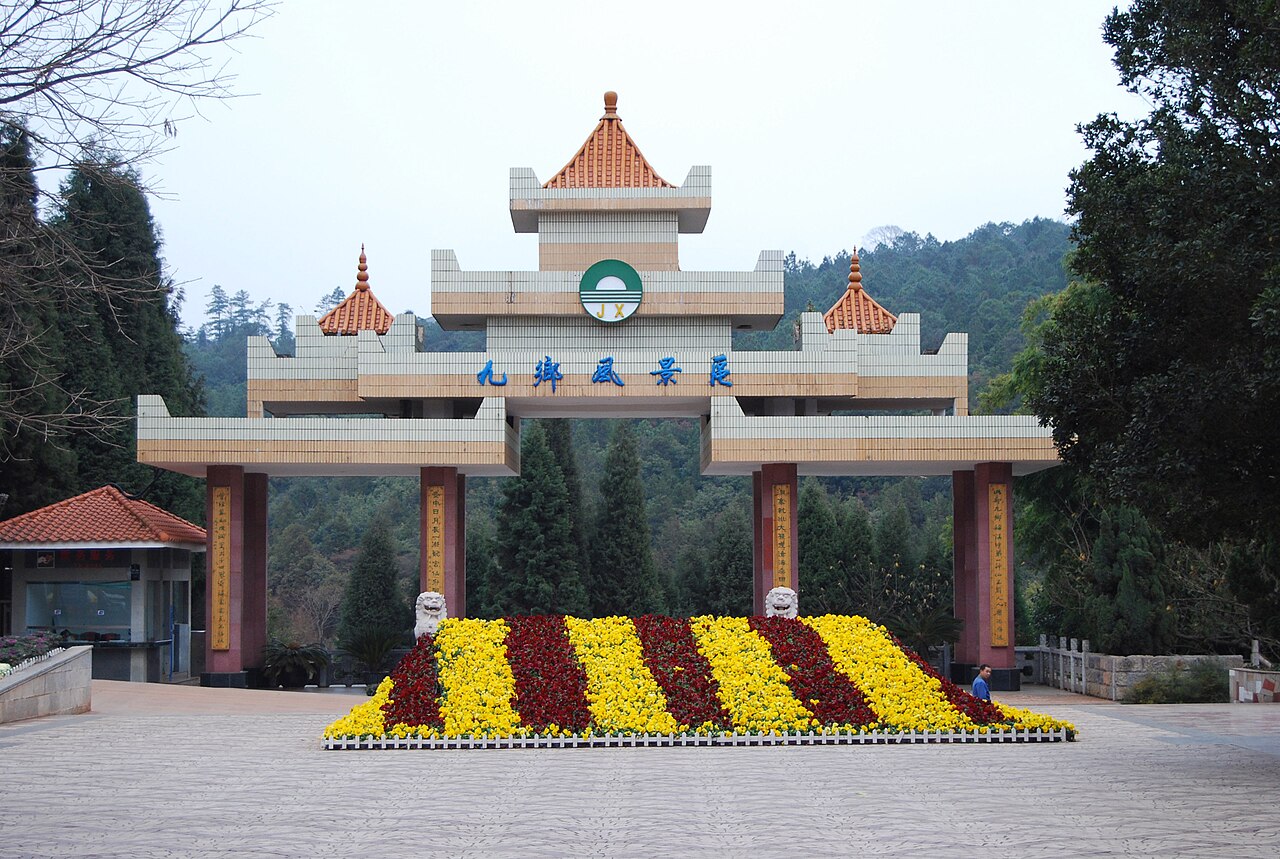
Kunming is a leisure city with a slow rhythm. On weekends whole families head for the parks and suburbs with tents and barbecue grills, soaking up the Spring City sun.
Traveller note — 'A Kunming Spring'
The locals say the best food in all of Yunnan is gathered in Kunming, so if you want to eat well, come here. The steam-pot chicken really is that good.
Traveller note — 'A Seven-Colour Yunnan Holiday'
Kunming is the city most travellers pass through on the way somewhere else, and the ones who stop are usually glad they did. It has the mildest climate of any big Chinese city — near 15°C year-round — so it is green and flowering in every month, and its pace is slow enough to feel like a holiday the moment you step off the train.
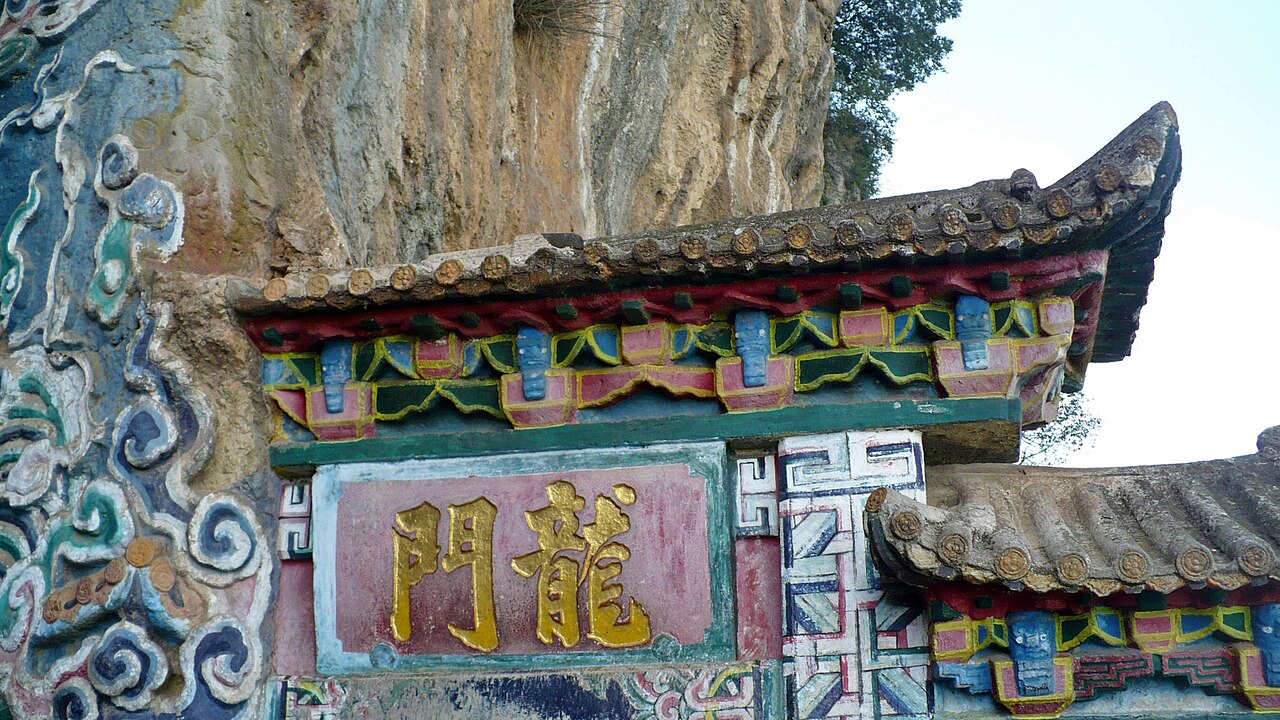
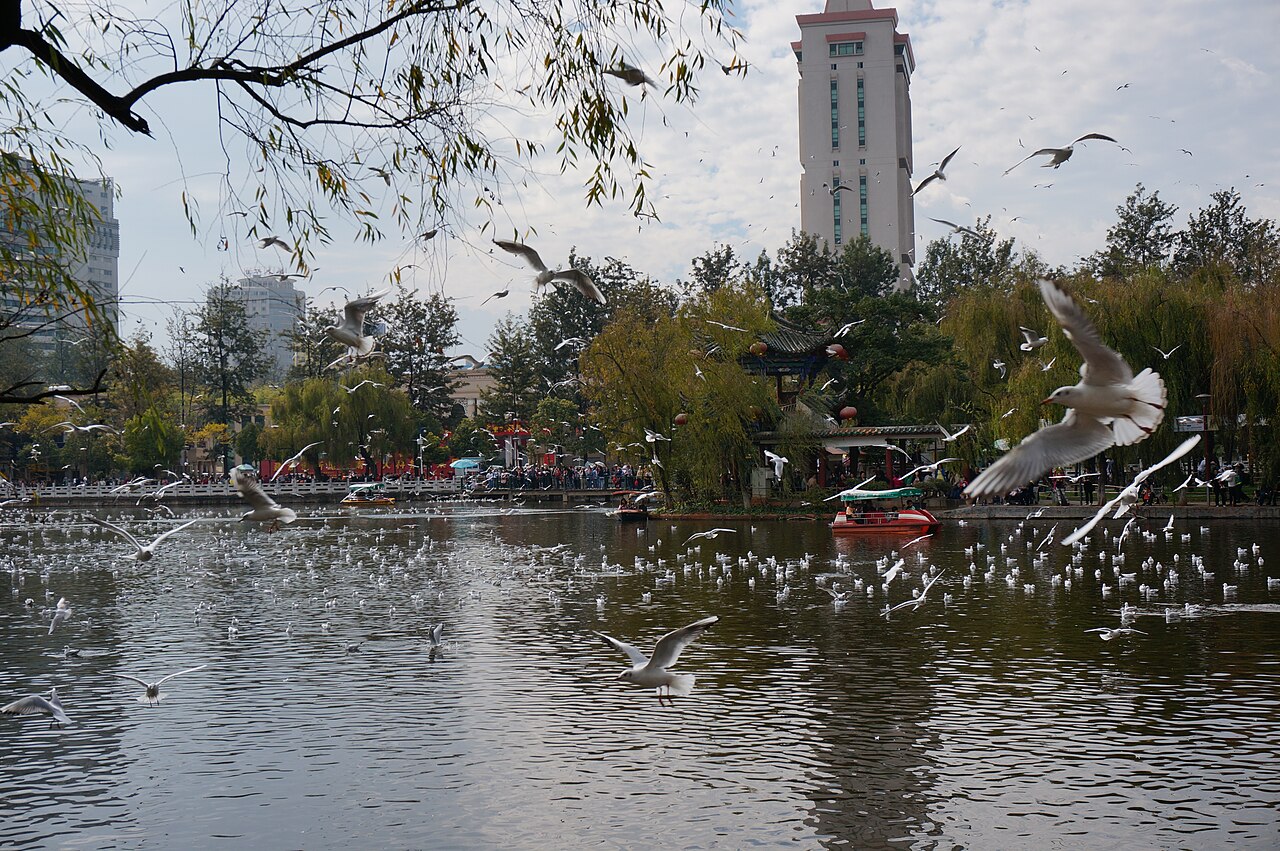
The city wraps around the northern shore of Dianchi Lake, a vast sheet of water with the Western Hills rising directly behind it. Chiselled into those hills is the Dragon Gate, a set of grottoes and cliff passages carved by hand over seven decades; from the top, the whole lake and the city spread out below. In winter, the lake and the parks are white with gulls that have flown in from Siberia.
Two hours east lies the Stone Forest, a UNESCO karst of limestone pinnacles that is the reason many people put Kunming on the map at all. In town, the Golden Horse and Jasper Rooster archways mark the old quarter, and the flower-and-bird market nearby is the most vivid slice of ordinary Kunming life — breakfast noodles, caged songbirds, cut flowers sold like vegetables.
Treat Kunming as the opening act of Yunnan rather than a stopover. See the Stone Forest, eat properly, feed the gulls if it is winter, and then take the high-speed train south to Dali and on to Lijiang — or join one of our Kunming private tours and let someone else handle the logistics.
Kunming
Seven things that are worth rearranging a day for.
Highlights
Yunnan's most photographed landscape: a UNESCO karst of limestone pinnacles two hours east of the city. Hunt for the 'Ashima' rock, then walk deeper to lose the tour groups.
The lake that defines the city, with the forested Western Hills above it and the Dragon Gate carved into the cliff. The lake view from the gate is the best in Kunming.
The city's green heart, and from November to March the easiest place to feed the red-beaked gulls. Any morning, it is full of musicians, dancers and water-calligraphers.
The Golden Horse and Jasper Rooster archways, Nanping pedestrian street and the Jingxing Street flower-and-bird market — the everyday pulse of Kunming, best in the evening.
The dish that made Kunming famous: a bowl of boiling broth, a plate of raw ingredients, and you do the cooking at the table. Cheap, theatrical and delicious.
Yunnan has 25 minority groups, and the lakeside Ethnic Village shows you a version of all of them in a couple of hours — Dai, Bai, Naxi, Mosuo and more, with shows through the day.
Suggested itineraries
Kunming is compact and mostly flat; the only real journeys are out to the Stone Forest and up to the Western Hills.
The classic loop: karst scenery, then the lake and the hills, then the city itself.
Take a morning train or the tourist buses from the East Bus Station out to the Stone Forest, about 90 km east. Walk the main loop past the Ashima rock, then press on into the quieter sections where the paths empty out.
Come back to the city for the evening and eat a first bowl of crossing-the-bridge rice noodles.
Stops: Stone ForestAshima rockEast Bus Station
Head to the Western Hills in the morning and ride the cable car up, then walk the cliff path to the Dragon Gate for the outlook over Dianchi Lake. In winter the lake below is dotted with gulls.
Come down to the Haigeng Dam and walk the northern shore, then take a boat if the weather is kind.
Stops: Western HillsDragon GateHaigeng DamDianchi Lake
Start at Green Lake Park, then walk to the old military academy and on to the flower-and-bird market on Jingxing Street for the morning.
Spend the afternoon on Nanping street and around the Golden Horse and Jasper Rooster archways, and have a proper Yunnan dinner — steam-pot chicken and wild mushrooms if they are in season.
Stops: Green Lake ParkMilitary AcademyJingxing marketGolden Horse archways
Add the underground caves at Jiuxiang, the world horticulture expo gardens and a hot-spring soak, and never rush a morning.
Run the three-day loop above — Stone Forest, Dianchi Lake, and the city — at half speed, with long lunches in between.
Stops: Stone ForestDianchi LakeGreen Lake
Take a day trip east to the Jiuxiang cave system, a maze of underground rivers and chambers, then work back via the world horticulture expo gardens north of the city.
Stops: Jiuxiang cavesExpo Garden
Ride out to the hot springs at Anning for a long, hot soak on a cold morning, then finish at the Dounan flower market, where cut flowers sell for a fraction of big-city prices.
Stops: Anning hot springsDounan flower market
Sights
Ticket prices in China change without much notice. Treat these as a guide and confirm on arrival.
UNESCO · Karst landscape
A forest of limestone pinnacles that geologists date back some 300 million years, and China's classic karst landscape. Paths wind between towers and blades of rock, many of them named for their shapes — the best known is the Ashima rock, from the Sani Yi legend. The first stretch is shoulder-to-shoulder with tour groups by mid-morning; walk twenty minutes further and you will have the formations to yourself.
Tip Skip the cheap 'zero-fee' day tours from town — they run on forced shopping stops. Go independently by train or from the East Bus Station.
Cliff grottoes · Lake view
A forested ridge on the west shore of Dianchi Lake, threaded with temples and, near its top, the Dragon Gate — a set of grottoes, passages and shrines cut into the cliff face by hand between 1781 and 1853. From the gate you look straight down onto the lake, and across to the city. It is the best single viewpoint in Kunming.
Tip Walk in from the quiet sections rather than the gate — some of the outlying paths on the hill have a reputation for petty theft, so stay on the main routes and do not go alone after hours.
Lake · Winter gulls
Yunnan's largest lake and the reason Kunming sits where it does — a 300 km² sheet of water on the city's south-west edge. The northern shore and the Haigeng Dam are the accessible parts, best walked in winter when the water and sky are full of red-beaked gulls. Be honest about the water: near the shore it is murky, so this is a place to look out across, not down into.
Tip In winter, buy a bag of bread and hold it up — the gulls catch it in mid-air. Throw high and they perform; feed from the hand and you will not get a photo.
City park · Free
The prettiest of the city parks, in the north of the centre beside Yunnan University, ringed by willows and lotus and always full of life. In winter it is the most convenient place to feed the gulls; the rest of the year it is an open-air living room of musicians, dancers, chess players and old men writing calligraphy on the paving with water. The story of the 'Gull Man', who walked ten kilometres a day to feed the birds, is fixed here in a statue.
Tip It is free and closest to the centre — go first thing in the morning, when locals exercise and the light is soft, and take a coffee from a nearby café down to the water.
Landmark · Old town
Two ornate Ming-style archways at the heart of the old city, one facing the Golden Horse Hill and one the Jasper Rooster Hill, and the symbol Kunming has adopted as its own. Their celebrated 'gold and jade shine together' optical illusion, when the sun and moon cast the two shadows towards each other, is said to happen once in sixty years — but the archways themselves, at dusk, with the whole food quarter around them, are worth the trip.
Tip Come for the evening, not the day — the archways and the surrounding streets are at their best after dark, and the food quarter here is one of the best places in the city to eat.
Caves · Day trip
A vast cave system of underground rivers, huge chambers and terraced stone 'fields', about 90 km east of the city on the way to the Stone Forest. You ride an elevator down, take a short boat through a gorge, then walk through a sequence of caverns lit to dramatic effect. Photographers love it; the lighting is genuinely spectacular.
Tip The cave is cool and damp — bring a layer. If you are serious about photography, a tripod is allowed and worth carrying; the light displays are the whole show.
Culture · Lakeside
A lakeside park on the Haigeng shore that recreates the villages and architecture of Yunnan's minority peoples — Dai stupas, Bai pagodas, Yi totem poles, Naxi Dongba culture, Mosuo houses and more. It is unashamedly a theme park, but it is an efficient introduction to a province of 25 ethnic groups, and the song-and-dance performances run all day.
Tip Ask for the day's show schedule at the gate — the opening ceremonies, the pole-climbing and the elephant shows run at set times, and it is easy to miss them by wandering.
Eating
Yunnan food is bright, sour and often spicy, built on mushrooms, flowers and rice. The cheapest and best of it is street-level.
The city's signature dish. A bowl of scalding chicken broth arrives with a plate of raw pork, chicken, vegetables and rice noodles, which you slide in to cook at the table. The broth is kept near-boiling under a layer of oil — let it cool a moment before you drink.
A Yunnan classic made in a stack of clay pots, where the broth is pure steam condensed back to liquid. The result is an intensely clear, sweet chicken soup — light, restorative and the dish locals reach for when they want to feel well.
A breakfast favourite: rice noodles topped with soft tofu, chilli oil, peanuts and pickles, mixed at the table. Cheap, slippery and spicy, and the definition of a Kunming morning.
Ground peas cooked into a thick, smooth, gingery porridge, eaten with torn pieces of fried erkuai or dough sticks and a scatter of spring onion and chilli. Silky, spicy and warming, it costs almost nothing.
A baked flatbread from the Guandu district, stuffed with sesame, peanut and walnut ground with sugar. It comes out of the oven too hot to hold — the shop hands it to you in a bamboo basket and you wait to bag it.
From June to September, Yunnan's forests yield a national obsession: chicken-oil mushrooms fried red in soy, and a whole family of wild fungi stewed in clay pots. A treat and worth seeking out — eat them properly cooked, never raw.
Where to eat
Phone numbers are local landlines; add +86 and drop the leading 0 if calling from abroad.
Rice noodles · Icon
The name every Kunminger gives when you ask where to eat crossing-the-bridge rice noodles. Cheap, fast and everywhere, with branches across the city; a basic bowl runs about ¥12 and the set versions add side dishes, roast duck feet and the like. Expect a scrum at lunch.
Yunnan · Steam-pot chicken
A long-standing house for the dish Kunming does best. The steam-pot chicken is the real thing, and the cold rice noodles and mashed potato are good too. Comfortable inside, but it fills at meal times and you will queue.
Old house · Dian cuisine
A 150-year-old courtyard house shaped like a traditional seal, hung with red lanterns and serving Dian cooking on roof-tile plates. The signature is the steam-pot chicken, with mushroom-and-erkuai stews, tile-roasted meats and bamboo-grilled fish alongside. In the middle of the flower-and-bird market, and easy to miss.
Courtyard · Historic
An atmospheric courtyard restaurant tucked into the Golden Horse and Jasper Rooster quarter, said to have been the residence of General Cai E and his companion Xiao Fengxian. Creaking wooden floors, carved beams and lanterns, and a menu of well-executed Yunnan classics — the 'Deyi chicken' and the mushroom clay pot are the dishes to order.
Street · Seasonal
Kunming's dedicated wild-mushroom quarter — a whole street of restaurants that come alive in summer and autumn when the fungi arrive from the hills. This is where locals go for a mushroom hotpot done properly. Go with people, order a few kinds, and let the staff cook them for you.
Sleeping
Stay near the old town around Green Lake or the archways for the walkable centre. Book a few days ahead — Kunming is a hub and rooms tighten up.
Budget hotel · from ¥87
A well-located, good-value hotel 200 m from Dongfeng Square and the Shangyi Street flower market, with malls around the corner. Wood-finished rooms with Wi-Fi, hot water and card locks. One of the best price-to-position ratios in the centre.
Hostel · from ¥39/bed
Perched beside Green Lake, fifteen minutes' walk from Yunnan University, the old military academy and the park. Clean, with Wi-Fi, 24-hour hot water and a bar and reading room upstairs — the natural base for a slow Kunming stop. Run by a long-time traveller-host.
Hostel · from ¥35/bed
Right by the Golden Horse and Jasper Rooster square in the busy heart of the city, ten minutes on foot from the pedestrian street and 10 minutes from a food court. Chinese-retro fit-out, 33 rooms from dorm to twin, self-service and friendly to backpackers. From the balcony you can see the flower-and-bird market.
Apartment hotel · from ¥158
An apartment-style hotel in the busiest commercial centre, next to Jinbi Square and three minutes' walk from Nanping pedestrian street, so eating and shopping are on the doorstep. Rooms vary in layout and colour, comfortable and modern; the only snag is that it sits on the tenth floor of an office tower and is a little hard to find.
Full-service · from ¥329
A comfortable full-service hotel in the commercial and entertainment heart of the city, beside the Shangyi Street flower market and Zhenqing Culture Square. Well-equipped rooms and suites with broadband, satellite TV, individual air-conditioning and safes — the most polished option of the mid-range set, and priced accordingly.
Getting around
The metro is the easy way in from the airport; the rest of the centre is a warren best covered on foot and by taxi.
Kunming Changshui International (KMG) is the gateway to all of Yunnan and one of China's busiest airports, 25 km north-east of the centre, with routes across Southeast and South Asia and domestic service to every major city.
High-speed rail transformed Yunnan. Kunming South is the hub for the province; the older Kunming station still handles some regional and sleeper services. Daytime high-speed trains have largely replaced the overnight sleepers.
Buy high-speed tickets a day or two ahead in peak season — Kunming-to-Dali and Kunming-to-Lijiang are the two busiest short routes in the province.
The metro is clean, cheap and English-signed, and the six-line network now covers the airport, the railway stations, the centre and much of the city. It is the simplest way to move around the centre and the best way in from Changshui.
Plenty of metered taxis and cheap fares, but the city has a serious shift-change problem: half the drivers hand over between 5:30 and 7pm, when finding a cab is genuinely hard. At the stations, walk clear of the exit touts before hailing.
Buses cover nearly everywhere at ¥1 a ride, with a useful tourist line (A1, ¥2) threading the main sights. The city is flat enough for bikes, and shared bikes are everywhere — a good way to work the old-town lanes.
Shopping
Kunming is the 'Flower City' and the province's shopping hub — most Yunnan souvenirs pass through here, and flowers are absurdly cheap.
Kunming sells flowers the way other cities sell vegetables. Head to the Dounan flower market near closing time and prices fall to a fraction of what you would pay anywhere else — a rose for under ¥1 is normal. Fresh, dried, potted and hydroponic flowers all fill the stalls.
Dried wild mushrooms — chicken-oil mushroom, matsutake, morel, bamboo fungus — are the real edible souvenir, sold by weight and light to carry. Pu'er tea is the other classic Yunnan purchase, bought as cakes or loose.
The Jingxing Street and Yongdao Street markets are the most vivid slice of old Kunming: flowers, caged songbirds, fish, insects, curios, jewellery and crafts, plus rice noodles, erkuai and baba to eat on the spot. Open roughly 08:00–17:00, and free.
Kunming is known for its ivory-substitute carvings and Jianchuan wood carving, and Yunnan's minority crafts — Dai brocade, bamboo weaving, batik and tie-dye — make good small gifts. Edible specialities from the big supermarkets around Nanping Street are the easy, cheap option.
Practical
Area code 0871. Staffed English help is not guaranteed — save these before you need them.
| Emergency (police / ambulance / fire) | 110 · 120 · 119 |
|---|---|
| Tourist hotline | 0871-3163620 · quality complaints 0871-3164961 |
| No.1 People's Hospital, Yunnan | 157 Jinbi Road, Kunming · 0871-3638293 |
| Kunming TCM Hospital | 25 Dongfeng East Road · 0871-3151691 |
| Airport / rail enquiries | Airport 96566 · rail 0871-3542321 |
| Currency & cards | Cards, WeChat Pay and Alipay accepted almost everywhere; carry cash for markets |
| Buying by weight | Kunming often sells by kilogram, not the 500 g 'jin' used elsewhere — ask first |
| Sun protection | High altitude means strong UV — sunscreen, hat and water even on cloudy days |
Tips
At 1,890 m Kunming swings between warm sun and cool shade, and locals say 'one rain turns it into autumn'. A light windproof jacket belongs in your bag even in summer.
It is kept near-boiling under a layer of oil and will scald your mouth. Add your ingredients, let it sit a moment, and stir to cool it before you drink.
In Kunming a 'jin' is a full kilogram (1,000 g), not the 500 g used elsewhere in Yunnan. Ask whether a price is per jin or per kilo before you buy fruit, mushrooms or tea.
Half the city's taxis change shift between 5:30 and 7pm, and hailing one is nearly impossible then. Use the metro, or start dinner early and travel after 7.
The cheap day tours are built on forced shopping stops. Go by direct train or from the East Bus Station, buy your own ticket, and keep your day.
November to March is gull season on Dianchi Lake and Green Lake Park. It is the most photogenic time to be in the city, and the gulls are spectacularly tame.
Background
Kunming sits in the middle of Yunnan on the Yunnan–Guizhou Plateau, at 1,890 m, on the northern shore of Dianchi Lake, with mountains on three sides and the lake plain opening to the south. That position — a low latitude at high altitude — is what gives the city its extraordinary climate: an average of about 15°C, the smallest annual temperature range of any major Chinese city, flowers in every month and almost no frost.
Meteorologically it is a plateau monsoon climate with a long dry season from November to April and a wet season from May to October. It is bright and dry in winter and warm and green in summer, but the high altitude means strong sun and a sharp day-to-night difference, and a single rain in summer can make it feel like autumn within an hour. The nickname 'Spring City' is not marketing; it is the actual weather.
People have lived around Dianchi Lake for at least 30,000 years, and by the Warring States period the 'Dian' people had founded a kingdom here. Kunming's first walled town came in 765 under the Nanzhao kingdom, and it became a provincial capital in 1276 under the Yuan. In the Ming, mass migration from the heartland made Han Chinese the majority for the first time, and in 1910 the railway to Vietnam turned Kunming into an open, modernizing city.
The twentieth century added its own layers — a 1911 uprising against the Qing, and during the war with Japan Kunming became a rear base and a lifeline, the terminus of the Burma Road. Today it is a city of about 8.6 million and a genuine jumble of peoples: Yunnan's 25 minority groups are all represented, from the Bai and Yi to the Naxi and Mosuo, and the provincial museum and the lakeside Ethnic Village are the easiest places to put names to the faces you will see all over town.
Travel with them
Not guides — films, books and music that show the city the way the people in it see it.
Dir. Liu Qiong, 1964
The classic film of the Sani Yi legend, in which a beautiful girl, Ashima, and a shepherd, Ahei, are parted by a jealous rival and Ashima is turned to stone in the Stone Forest. It was one of China's first colour widescreen musicals, and the rock that shares her name is now the most photographed spot in the park.
Ran Longzhong, ed.
An anthology of a century of writing about Kunming by some of China's best writers — Mao Dun, Ba Jin, Lao She, Shen Congwen and Wang Zengqi among them. The best way to understand what outsiders have long found beguiling about the city: warm, unhurried, and perpetually in flower.
Big Tomato Media
A gentle, idiosyncratic book about the slow pleasure of everyday Kunming — markets, snacks, parks and neighbourhoods — written as if thinking out loud. It captures the local belief that 'doing leisure well is itself a way of enjoying life'.
Various artists
A compilation built around the sounds of Yunnan's peoples — folk songs sung in their own languages, and the hulusi, the gourd flute, threaded through modern arrangements. A good companion to the markets and the mountain roads of the province.
The questions visitors ask us most about Kunming, answered plainly.
Prices and practical details are reviewed every month by our Beijing team and updated the day a rule changes.
Three days is the comfortable answer. Day one is the Stone Forest, a train or bus ride east; day two is Dianchi Lake with the Western Hills and the Dragon Gate; day three is the city — Green Lake Park, the archways, the flower-and-bird market and a serious lunch of rice noodles. Two days is the minimum if you are only connecting onward.
Almost any time works, because the temperature barely changes — that is the point of the Spring City. March to April and September to November are the most pleasant, with clear, dry days. The one seasonal event worth planning around is the winter gull season, roughly November to March, when tens of thousands of red-beaked gulls flock to Dianchi Lake and Green Lake Park.
Yes, and it is usually the highlight. It is a genuine UNESCO karst landscape of limestone pinnacles, about 90 km east of the city, reachable by direct train or the tourist buses from the East Bus Station. Go early to beat the tour groups, walk well past the main viewpoints, and give it most of a day. Ignore the cheap 'zero-fee' day tours — they are built around forced shopping stops.
Very unlikely. At 1,890 m, Kunming is below the height where most people feel anything; a few visitors notice mild breathlessness or a headache on the first day. Take it easy, drink water and skip heavy drinking on arrival. The real altitude in Yunnan is further north — Shangri-La at 3,200 m and the Tibetan plateau — so save your caution for there.
Crossing-the-bridge rice noodles above all: a bowl of near-boiling chicken broth into which you slide raw meat, vegetables and noodles to cook at the table — do not taste the soup first, it will scald you. Then steam-pot chicken, and in summer wild mushrooms, which Yunnan treats as a national treasure. For cheap street food, look for douhua rice noodles, pea-flour porridge and baked erkuai cakes.
High-speed rail, and it is now the easy answer — about 2 hours to Dali and about 3 to Lijiang from Kunming South, with frequent departures. The old overnight sleeper trains still run and save a hotel night, but the high-speed line makes them unnecessary. Buses from the west station take 4–5 hours to Dali and 8–10 to Lijiang, and flights connect both in under an hour.
Mostly. The metro is signed in English and connects the airport, the centre and the railway stations, and taxis are cheap and metered (¥8 for the first 3 km). English is thin at ticket offices and in markets, so a translation app helps, and drivers often change shift between 5:30 and 7pm, when hailing a cab is genuinely difficult — plan around it or take the metro.
Plan this trip
The same places, with a driver, an English-speaking guide and the tickets already bought.
City guides
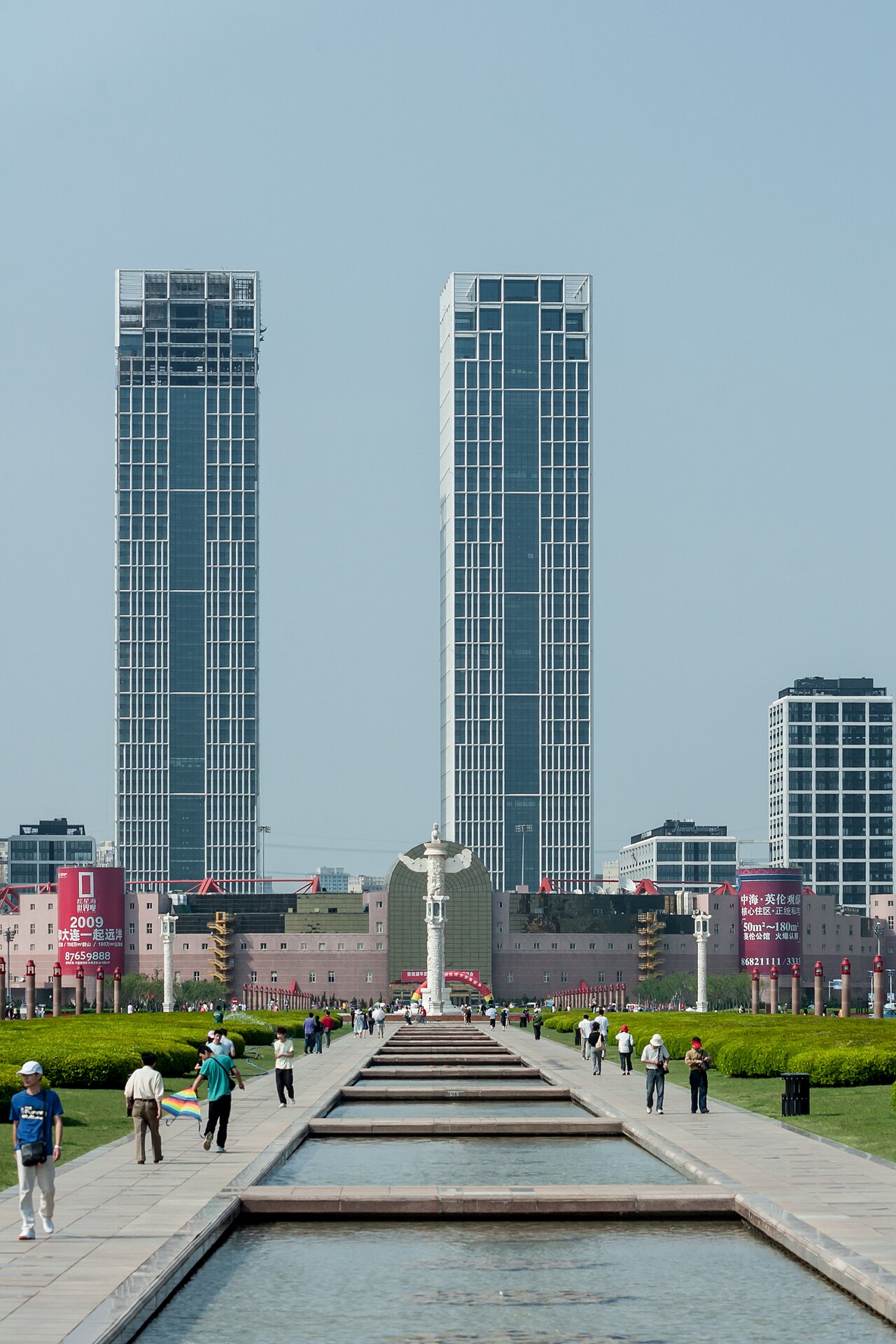 Dalian
City guide · 15 tours
The Northern Pearl — China's most romantic coastal city.
Dalian
City guide · 15 tours
The Northern Pearl — China's most romantic coastal city.
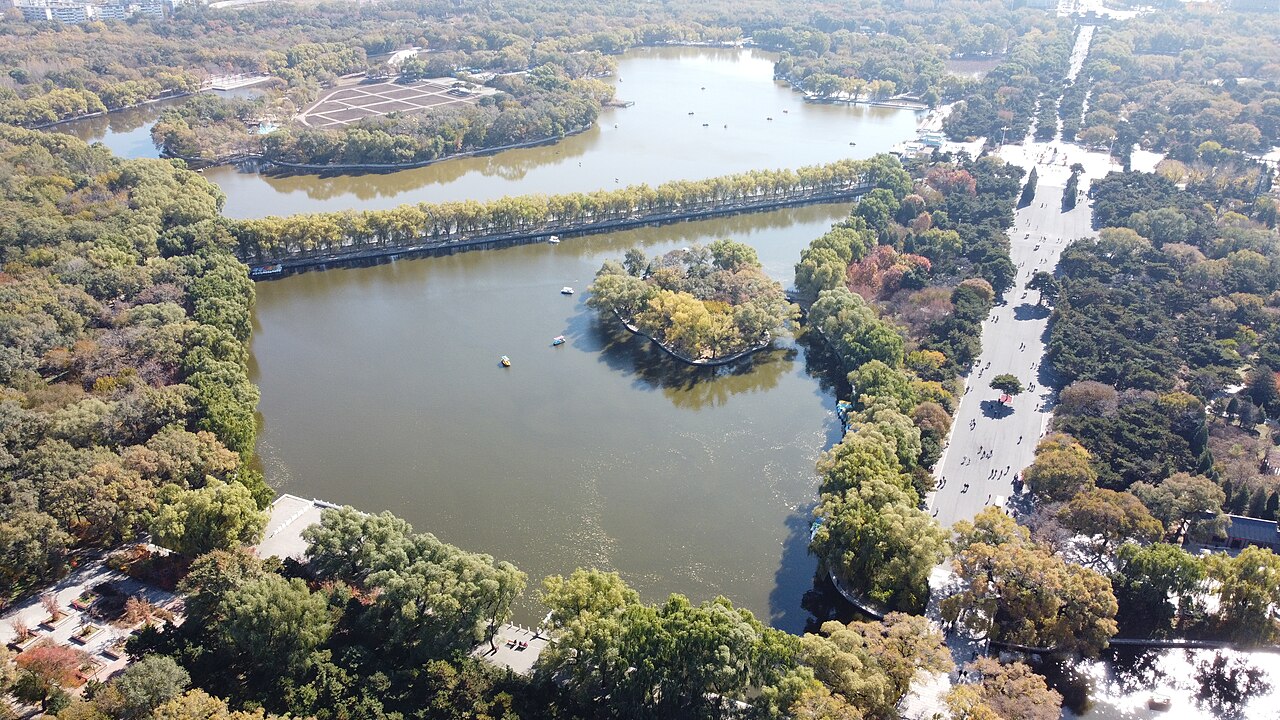 Shenyang
City guide · 12 tours
Where the Qing dynasty began — an imperial palace, a warlord's mansion and the cheapest good food in the northeast.
Shenyang
City guide · 12 tours
Where the Qing dynasty began — an imperial palace, a warlord's mansion and the cheapest good food in the northeast.
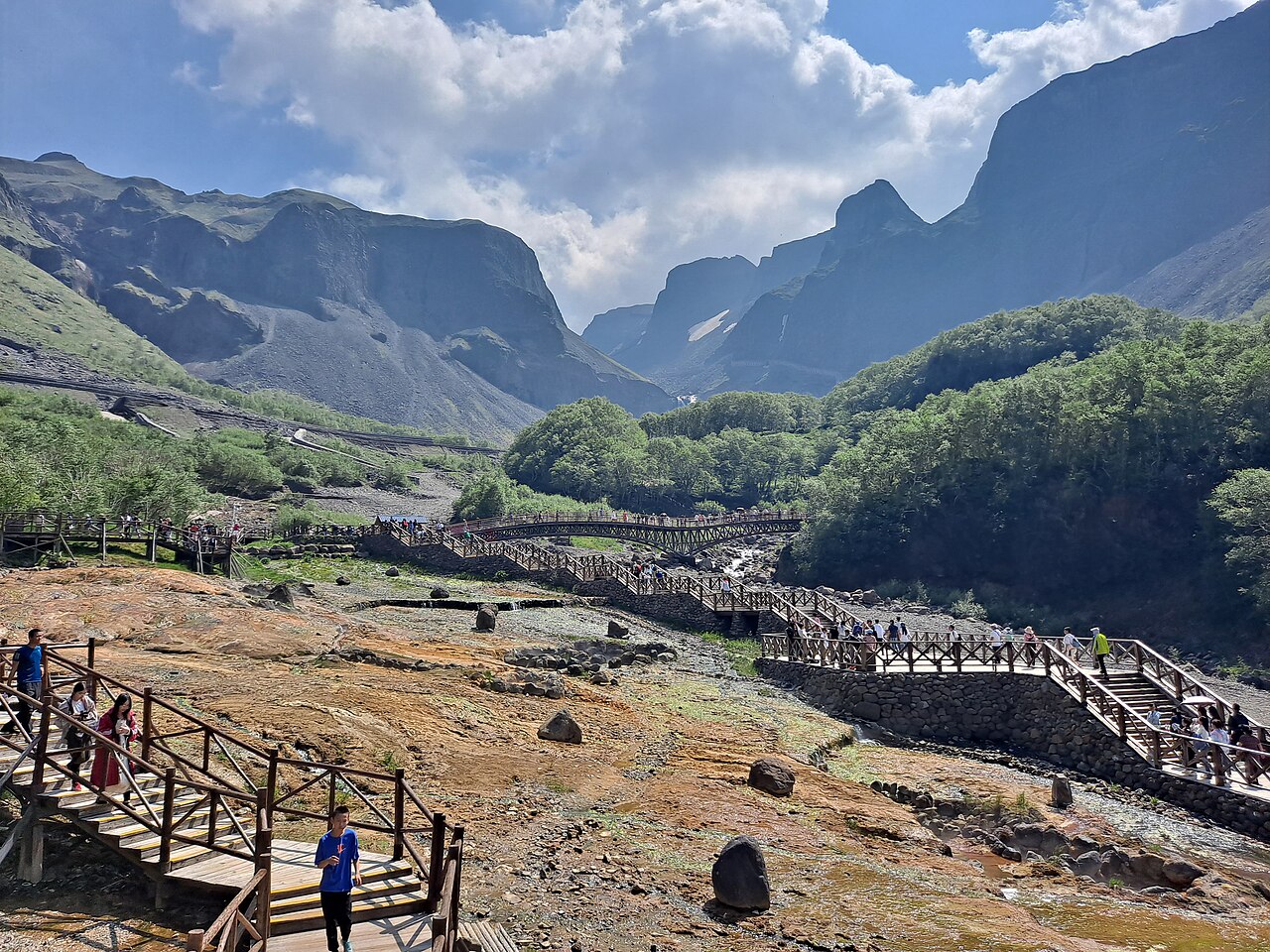 Changbai Mountain
City guide · 12 tours
A volcano on the North Korean border, a jade-green crater lake at 2,189 m, and hot springs on the way down.
Changbai Mountain
City guide · 12 tours
A volcano on the North Korean border, a jade-green crater lake at 2,189 m, and hot springs on the way down.
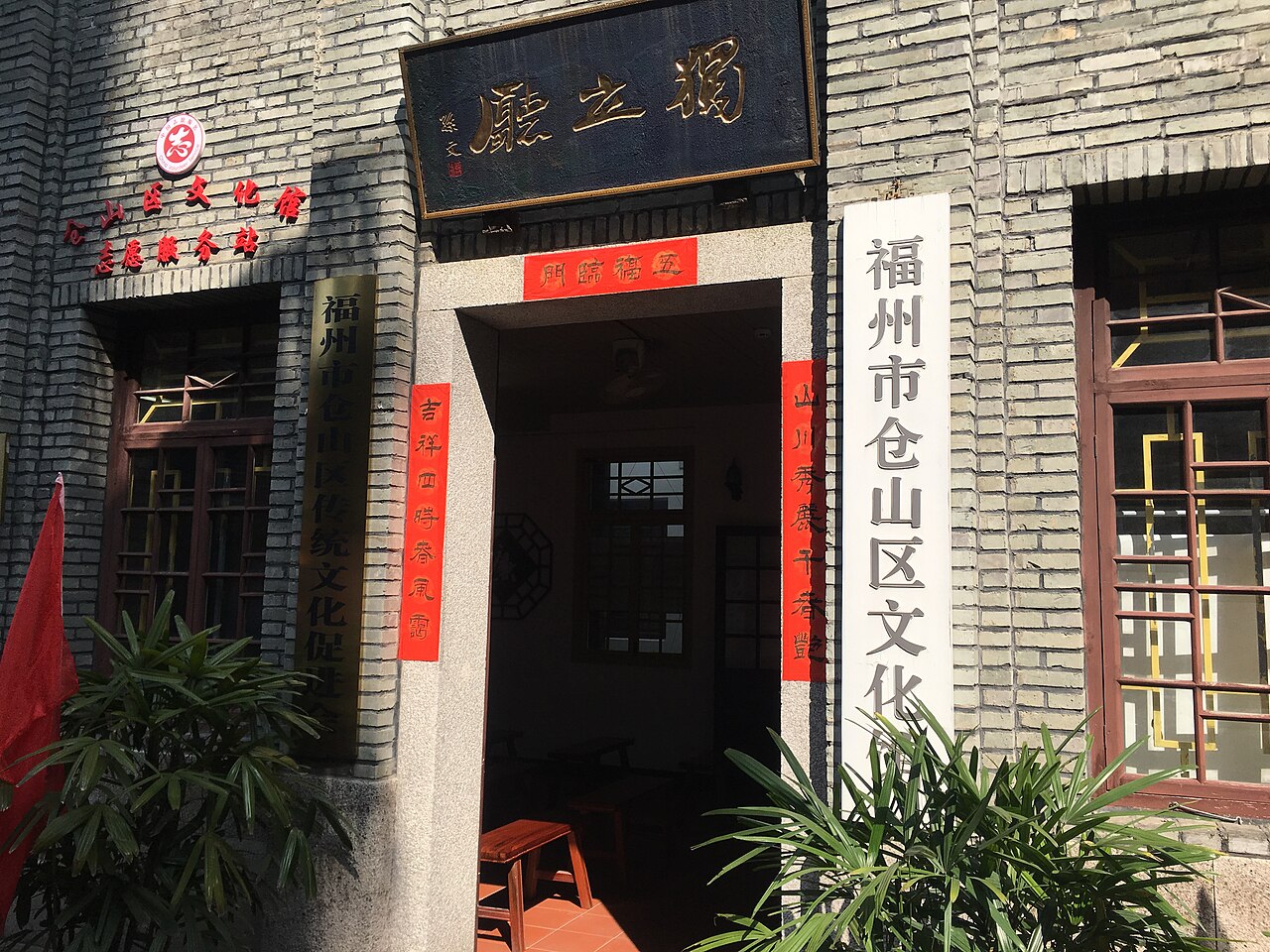 Dali
City guide · 12 tours
A walled Bai town between a 4,000 m mountain and a great lake — wind, flowers, snow and moon, and life at a slower speed.
Dali
City guide · 12 tours
A walled Bai town between a 4,000 m mountain and a great lake — wind, flowers, snow and moon, and life at a slower speed.
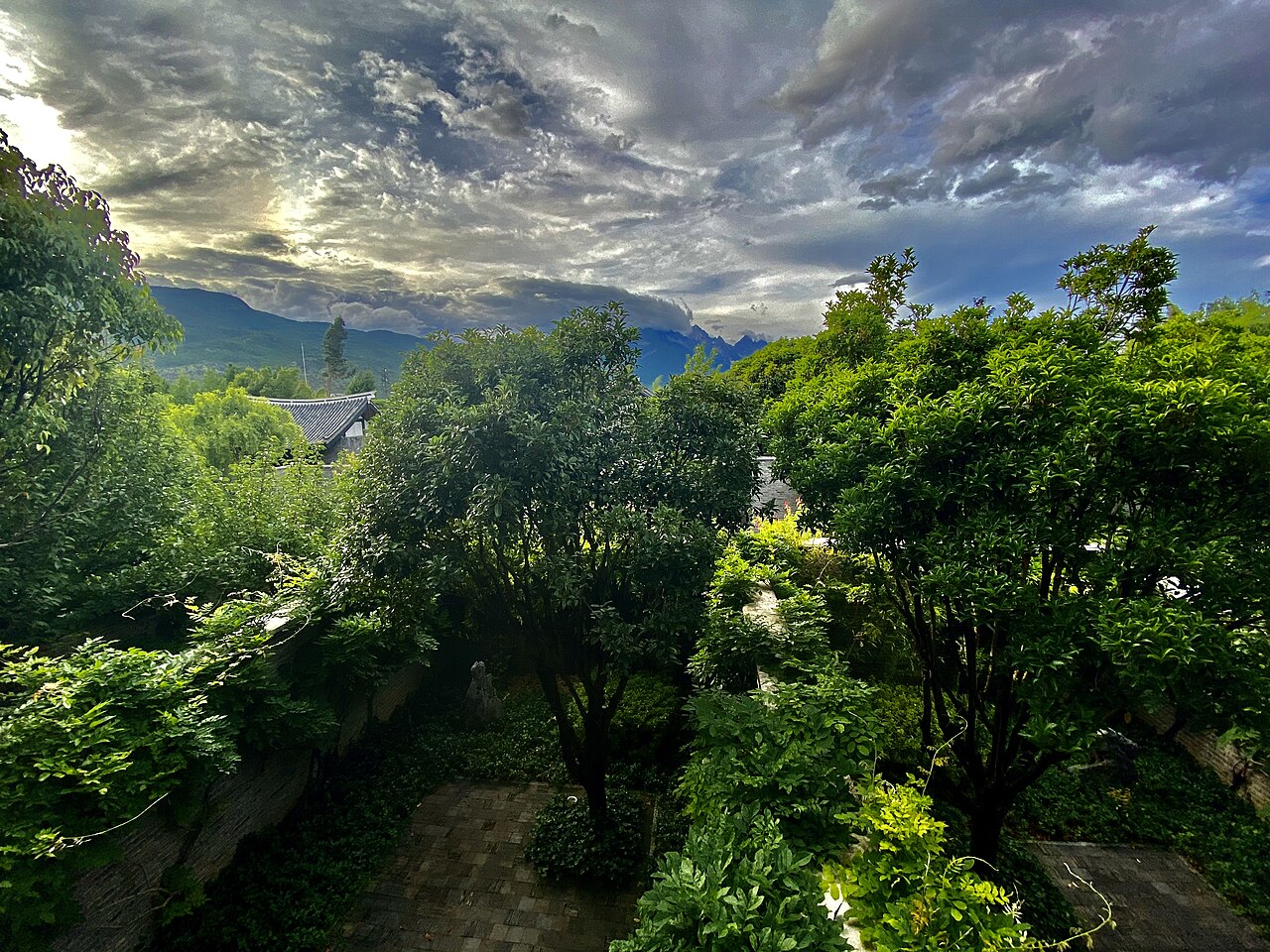 Shuhe
City guide · 12 tours
The quiet version of Lijiang — a Tea Horse Road village of canals, stone bridges and slow afternoons, 4 km from the crowds.
Shuhe
City guide · 12 tours
The quiet version of Lijiang — a Tea Horse Road village of canals, stone bridges and slow afternoons, 4 km from the crowds.
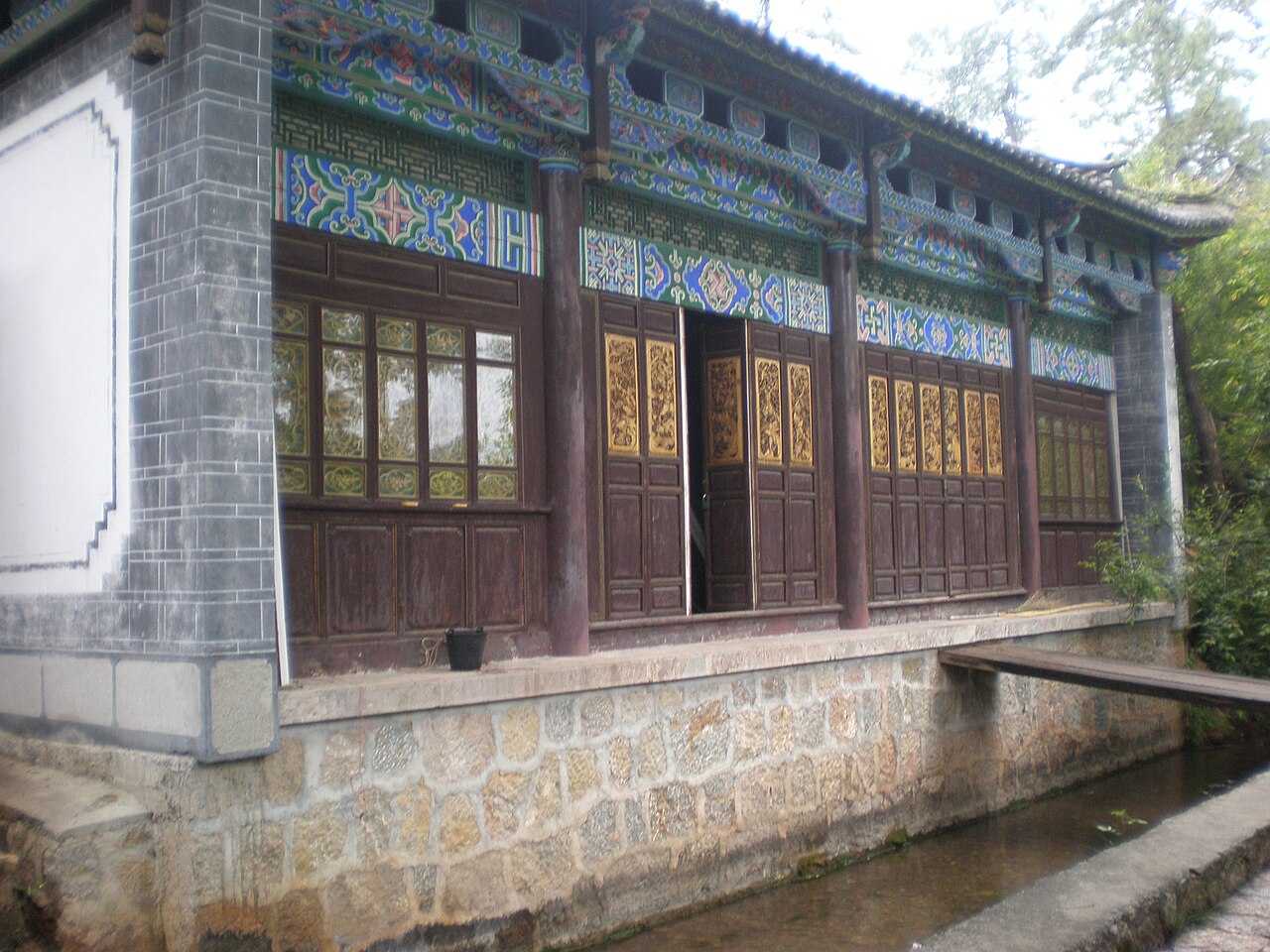 Lijiang
City guide · 12 tours
A UNESCO Naxi old town of canals and cobbles beneath a 5,596 m snow mountain — the cultural heart of north-west Yunnan.
Lijiang
City guide · 12 tours
A UNESCO Naxi old town of canals and cobbles beneath a 5,596 m snow mountain — the cultural heart of north-west Yunnan.
 Xiamen
City guide · 12 tours
A subtropical island city of temples, fishing-village lanes and the best street food in Fujian — with the car-free islet of Gulangyu a 20-minute ferry away.
Xiamen
City guide · 12 tours
A subtropical island city of temples, fishing-village lanes and the best street food in Fujian — with the car-free islet of Gulangyu a 20-minute ferry away.
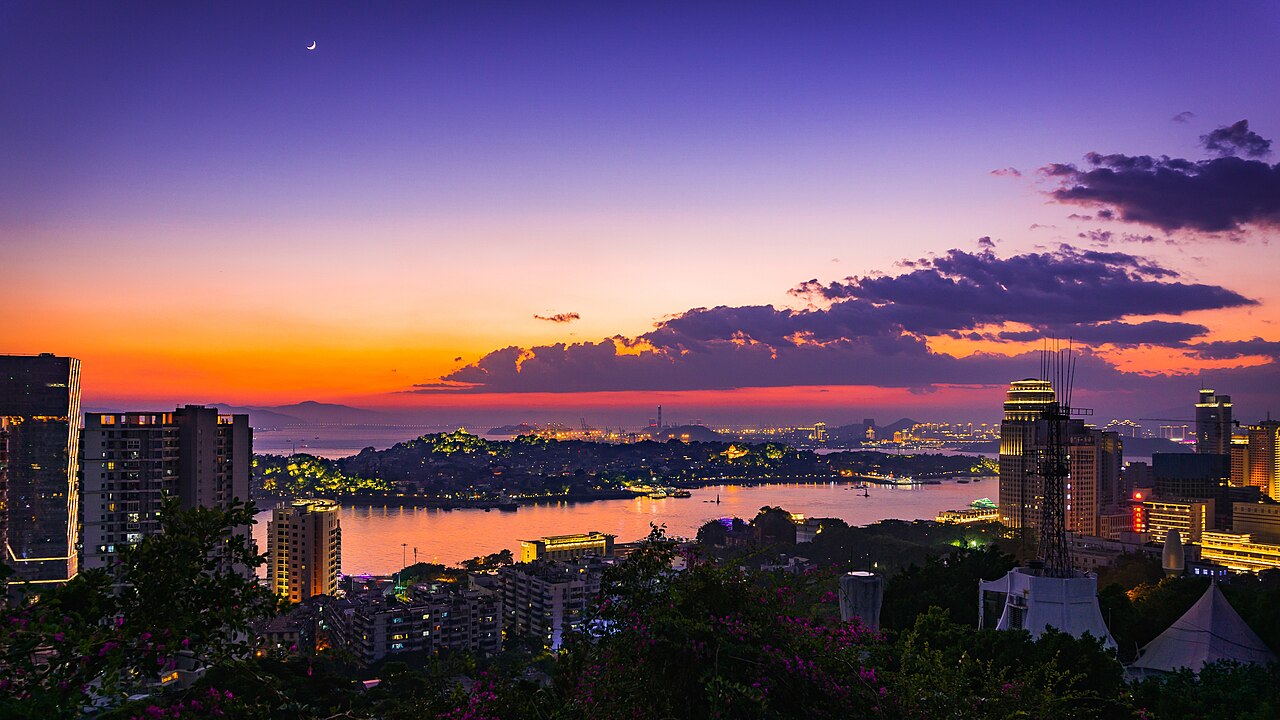 Gulangyu
City guide · 12 tours
A car-free island of colonial villas, pianos and cats, twenty minutes off Xiamen — and the one place where the trick is simply to stay the night.
Gulangyu
City guide · 12 tours
A car-free island of colonial villas, pianos and cats, twenty minutes off Xiamen — and the one place where the trick is simply to stay the night.
 Fuzhou
City guide · 12 tours
A 2,200-year-old capital of banyan trees and mountains-within-the-city, where the Ming lanes of Sanfang Qixiang meet the dockyard that built China's modern navy.
Fuzhou
City guide · 12 tours
A 2,200-year-old capital of banyan trees and mountains-within-the-city, where the Ming lanes of Sanfang Qixiang meet the dockyard that built China's modern navy.
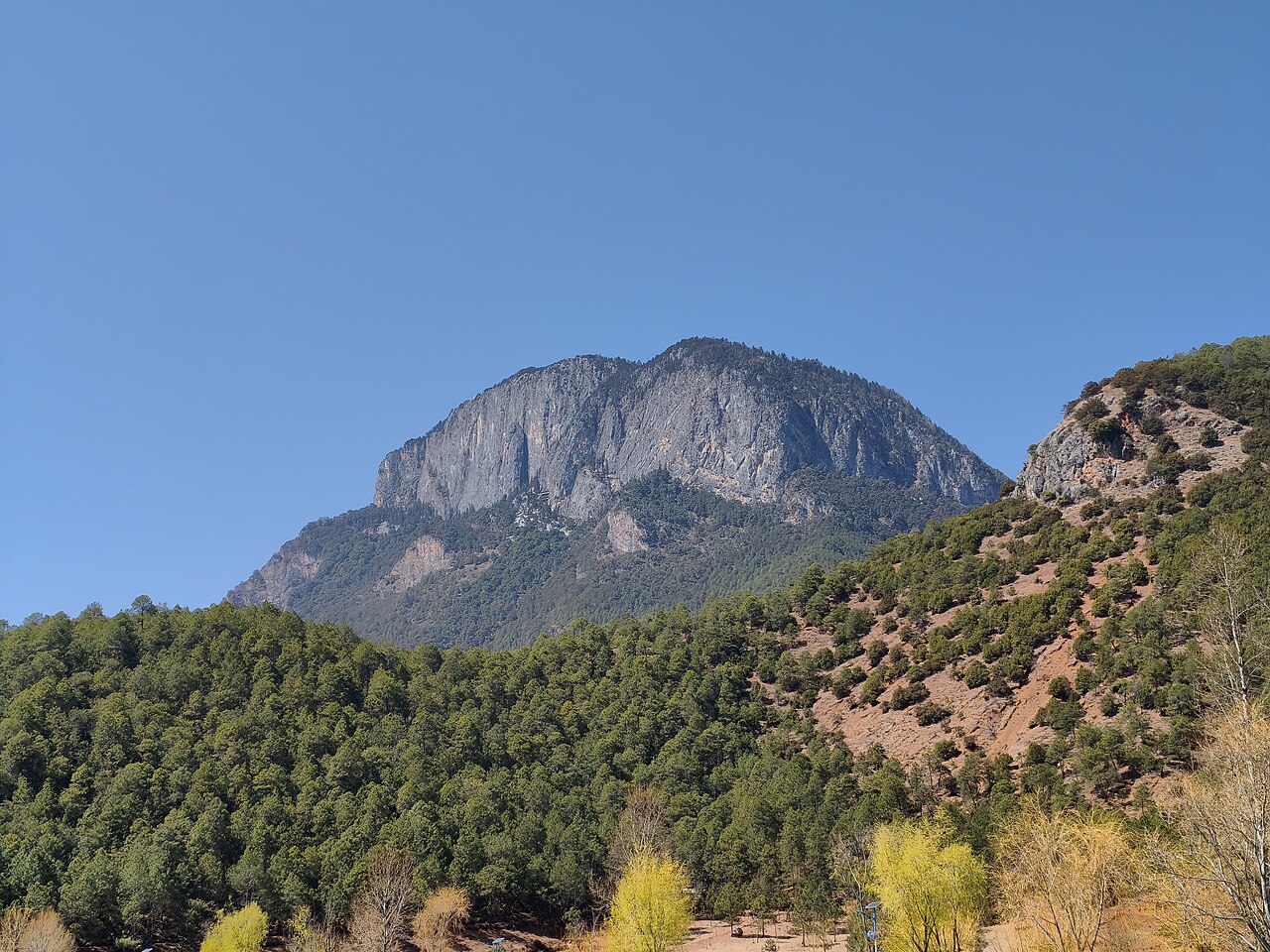 Lugu Lake
City guide · 12 tours
A 2,680 m lake on the Yunnan–Sichuan border, home to China's last matrilineal people, pig-trough canoes and a great deal of doing nothing.
Lugu Lake
City guide · 12 tours
A 2,680 m lake on the Yunnan–Sichuan border, home to China's last matrilineal people, pig-trough canoes and a great deal of doing nothing.
 Xishuangbanna
City guide · 12 tours
China's tropical south — rainforest, wild elephants, Dai villages and the Mekong, wrapped around the gateway city of Jinghong.
Xishuangbanna
City guide · 12 tours
China's tropical south — rainforest, wild elephants, Dai villages and the Mekong, wrapped around the gateway city of Jinghong.
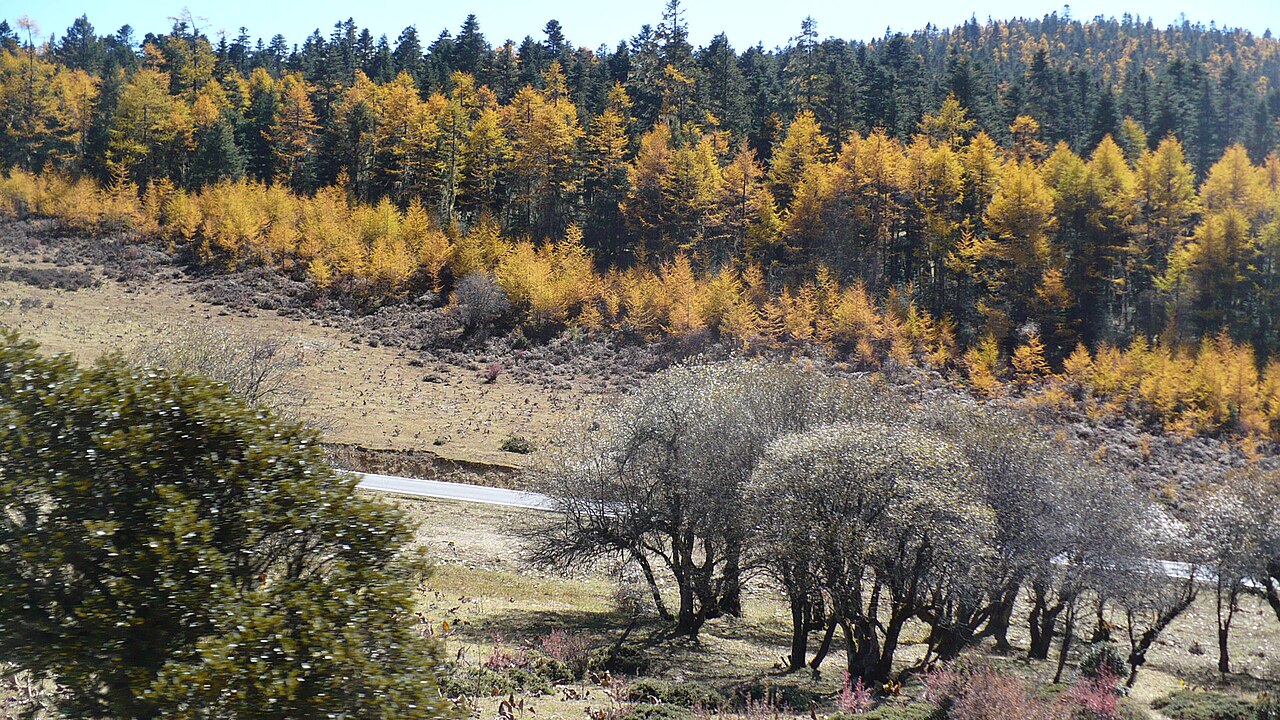 Shangri-La
City guide · 12 tours
A Tibetan town at 3,300 m in Yunnan's Diqing prefecture — monasteries, grassland, prayer wheels and cold thin air.
Shangri-La
City guide · 12 tours
A Tibetan town at 3,300 m in Yunnan's Diqing prefecture — monasteries, grassland, prayer wheels and cold thin air.
 Nanchang
City guide · 12 tours
Jiangxi's 'hero city' on the Gan River — one great Tang pavilion, a 160-metre Ferris wheel, and the best claypot soup you will eat in China.
Nanchang
City guide · 12 tours
Jiangxi's 'hero city' on the Gan River — one great Tang pavilion, a 160-metre Ferris wheel, and the best claypot soup you will eat in China.
 Hefei
City guide · 12 tours
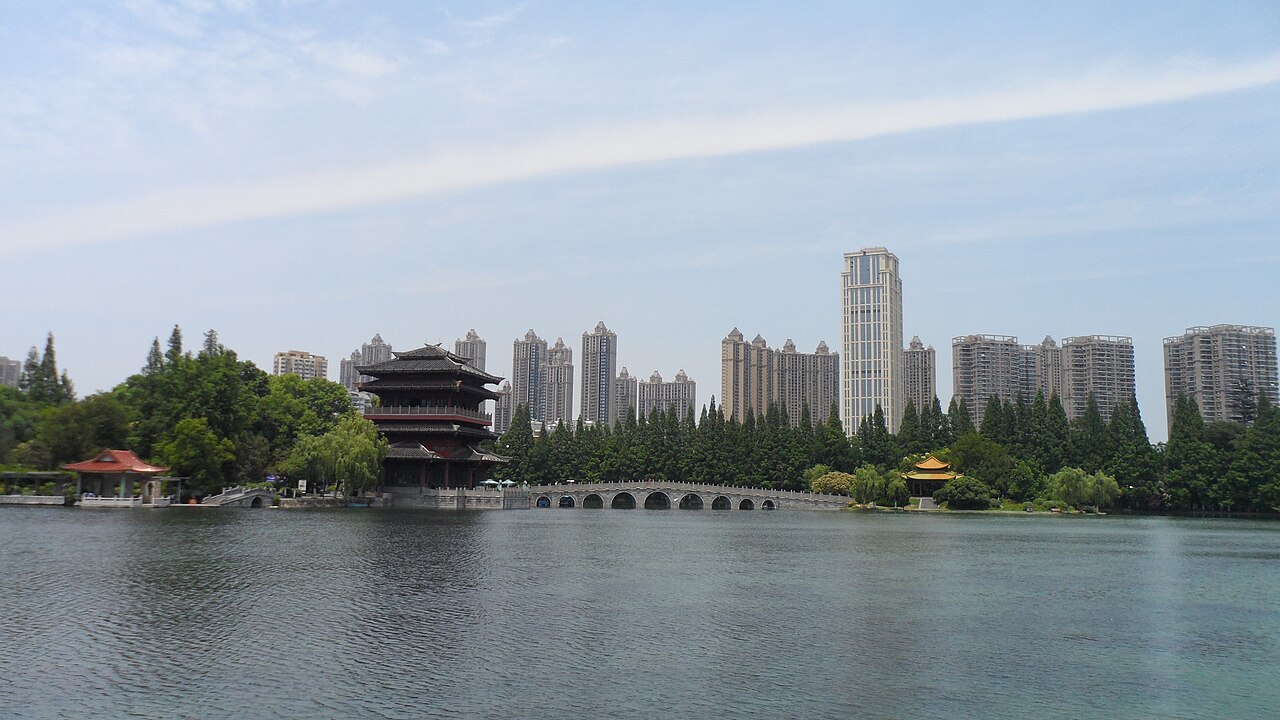
Anhui's 2,000-year-old capital: the hometown of China's model judge, a moat-turned-garden ring, and the fast rail gateway to Huangshan.
Hefei
City guide · 12 tours
Anhui's 2,000-year-old capital: the hometown of China's model judge, a moat-turned-garden ring, and the fast rail gateway to Huangshan.
 Hongcun
City guide · 12 tours
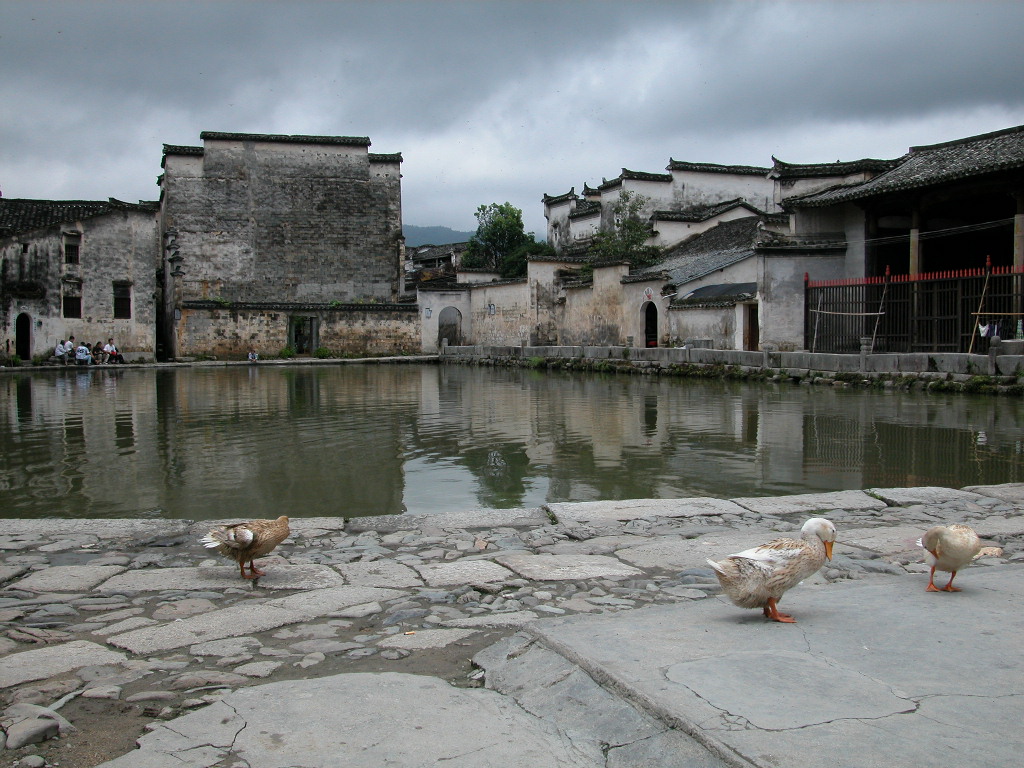
A 900-year-old Hui village laid out as an ox, with water running to every door and a mirror-still crescent pond at its heart.
Hongcun
City guide · 12 tours
A 900-year-old Hui village laid out as an ox, with water running to every door and a mirror-still crescent pond at its heart.
 Wuhan
City guide · 12 tours
Three towns, two rivers and the best breakfast in China — a huge, blunt river city of bridges, lakes and cheap, brilliant street food.
Wuhan
City guide · 12 tours
Three towns, two rivers and the best breakfast in China — a huge, blunt river city of bridges, lakes and cheap, brilliant street food.
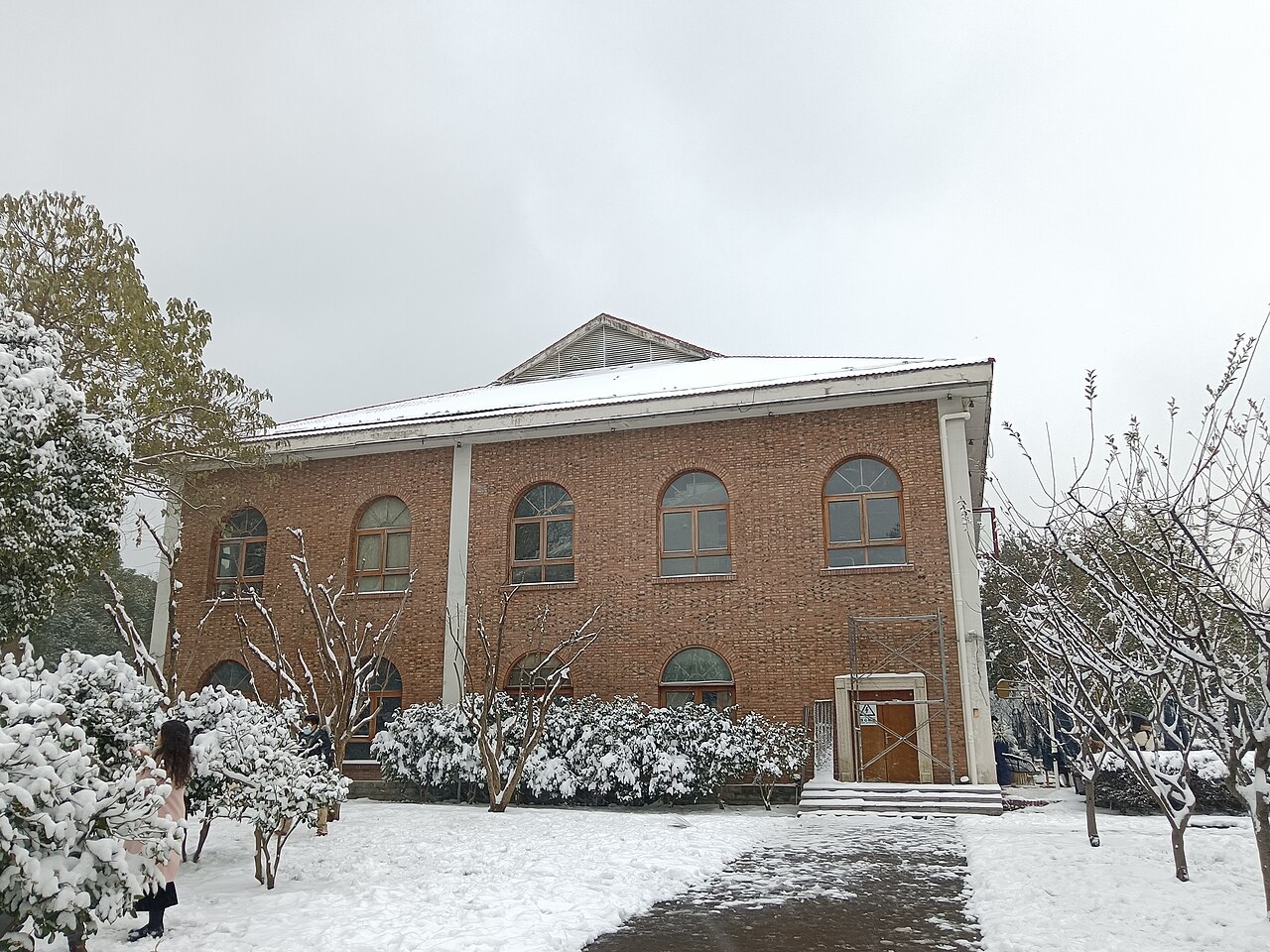 Changsha
City guide · 12 tours
Hunan's loud, young capital: a 3,000-year-old city that eats chilli-hot food, stays up all night and treats foot massage as a civic duty.
Changsha
City guide · 12 tours
Hunan's loud, young capital: a 3,000-year-old city that eats chilli-hot food, stays up all night and treats foot massage as a civic duty.
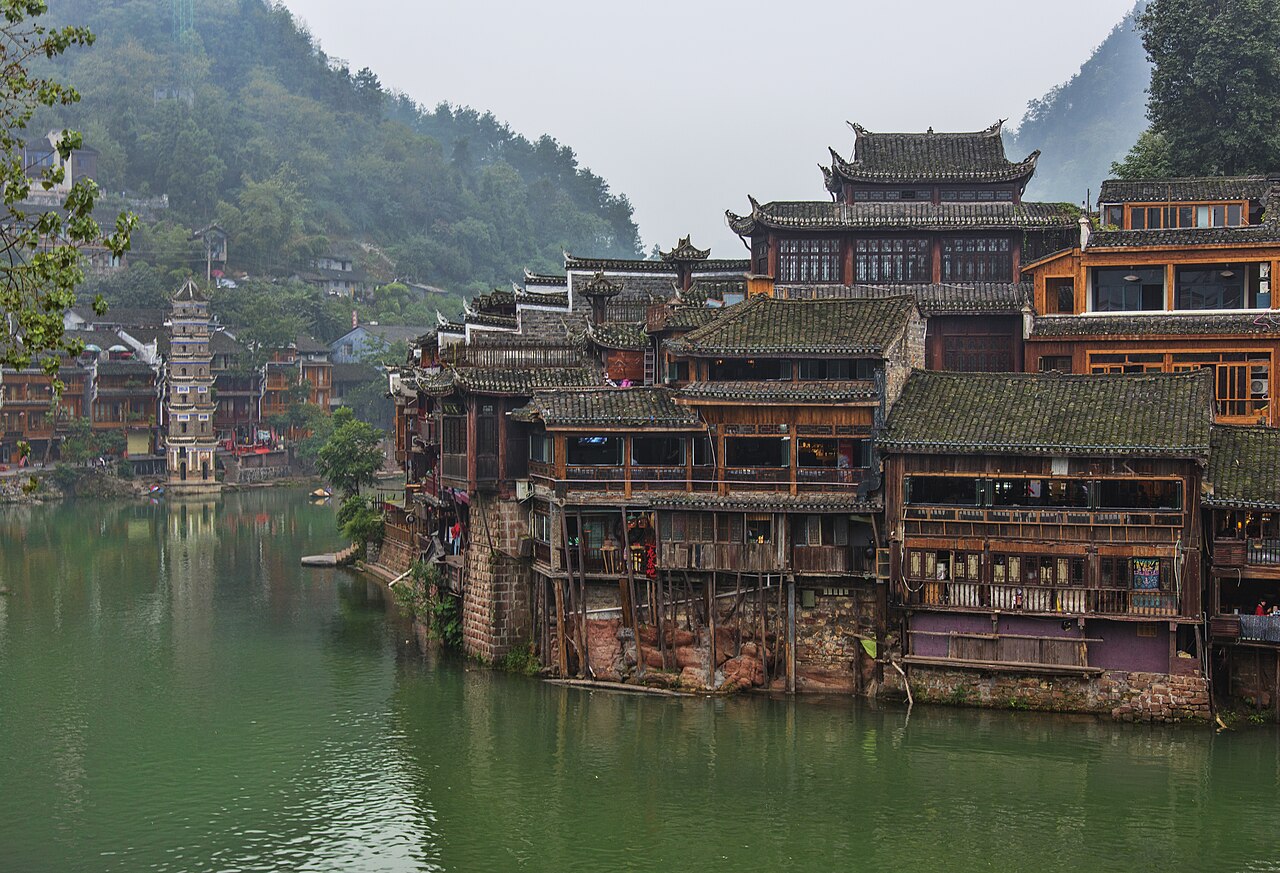 Fenghuang Ancient Town
City guide · 12 tours
The stilt-house river town of Shen Congwen's 'Border Town' — glowing lanterns, stepping stones and the best two nights in western Hunan.
Fenghuang Ancient Town
City guide · 12 tours
The stilt-house river town of Shen Congwen's 'Border Town' — glowing lanterns, stepping stones and the best two nights in western Hunan.
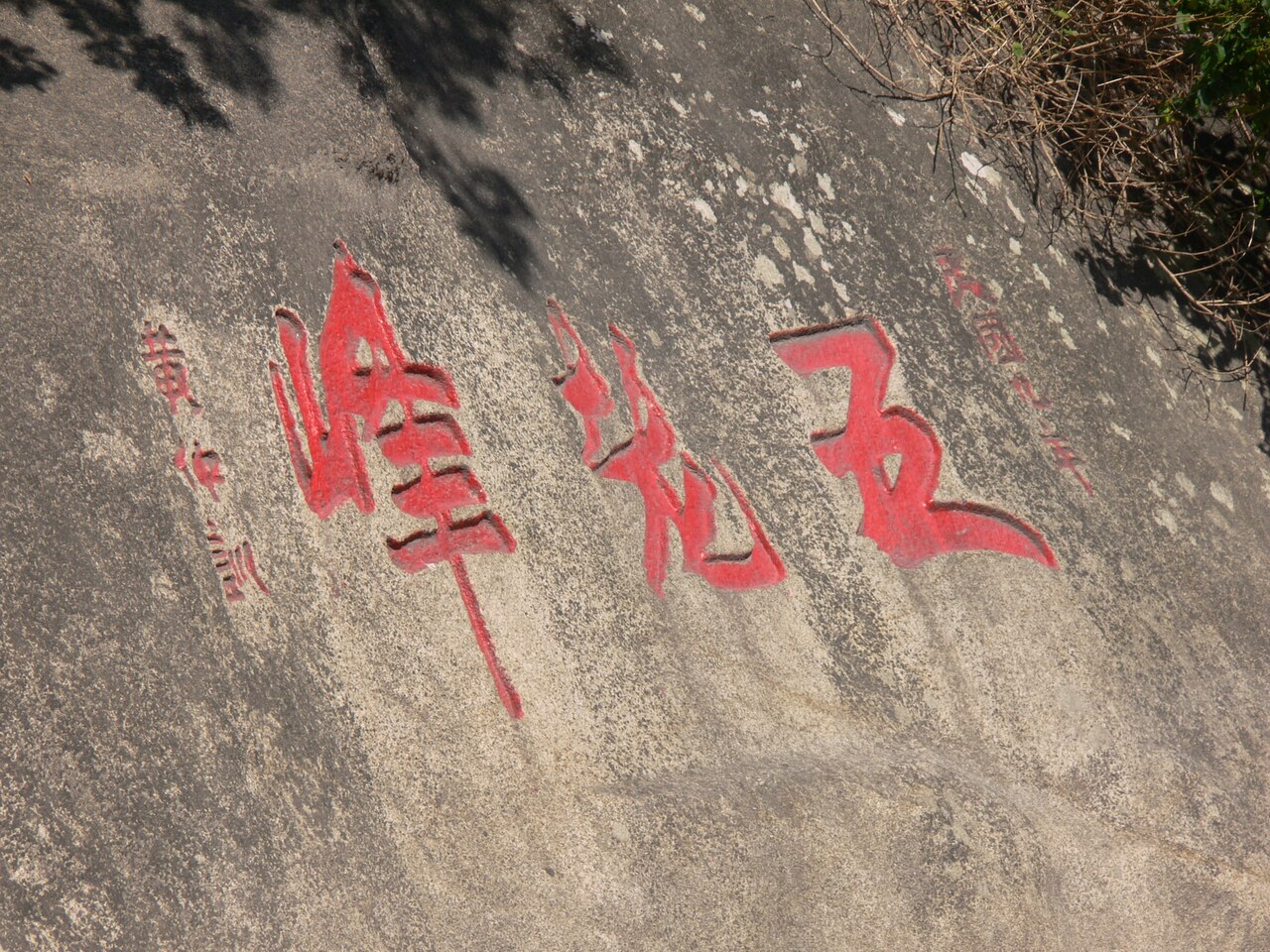 Lushan
City guide · 12 tours
A cloud-wrapped granite mountain with a Victorian hill station on top, waterfalls in three tiers, and the mist that Su Shi said you could never see through.
Lushan
City guide · 12 tours
A cloud-wrapped granite mountain with a Victorian hill station on top, waterfalls in three tiers, and the mist that Su Shi said you could never see through.
 Wuyuan
City guide · 12 tours
China's 'most beautiful countryside' — dozens of white-walled Huizhou villages strung along streams and terraced into the hills, and two weeks a year of gold.
Wuyuan
City guide · 12 tours
China's 'most beautiful countryside' — dozens of white-walled Huizhou villages strung along streams and terraced into the hills, and two weeks a year of gold.
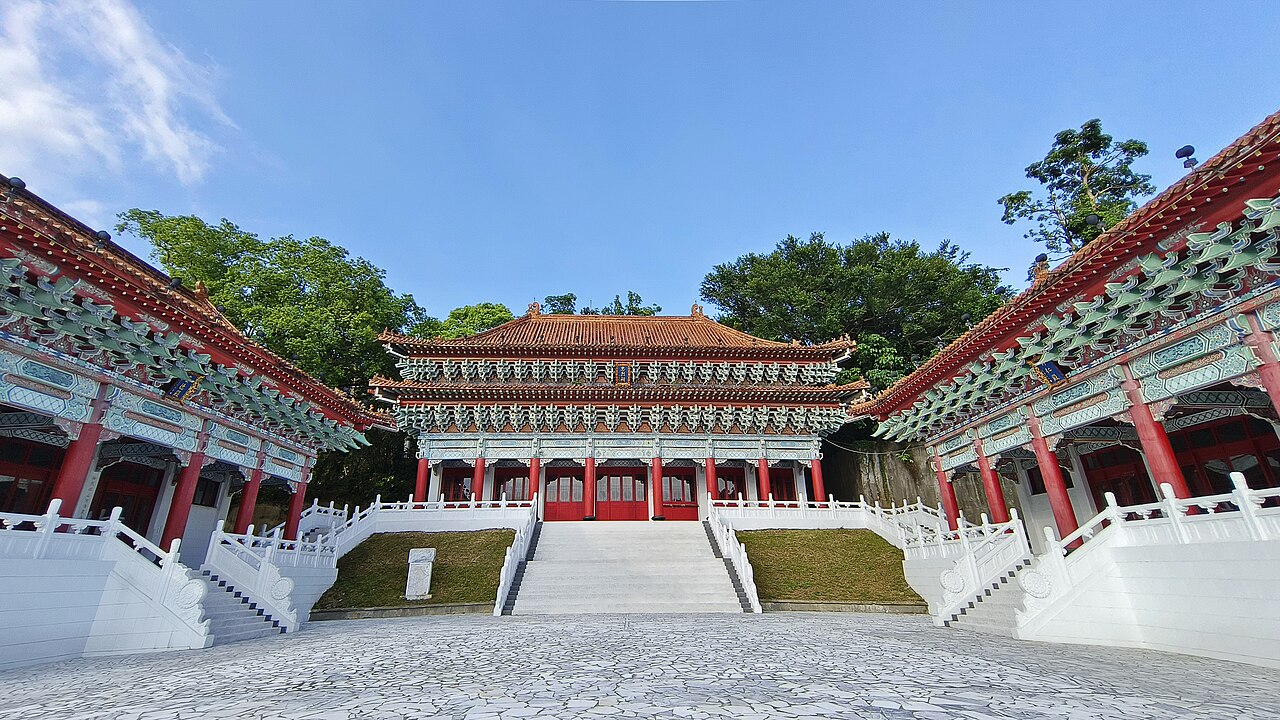 Mount Heng (Hengshan, Hunan)
City guide · 12 tours
The South Great Peak: a pilgrimage mountain of 72 summits where the temples run all the way to the top, and the sunrise over the cloud sea is the whole point.
Mount Heng (Hengshan, Hunan)
City guide · 12 tours
The South Great Peak: a pilgrimage mountain of 72 summits where the temples run all the way to the top, and the sunrise over the cloud sea is the whole point.
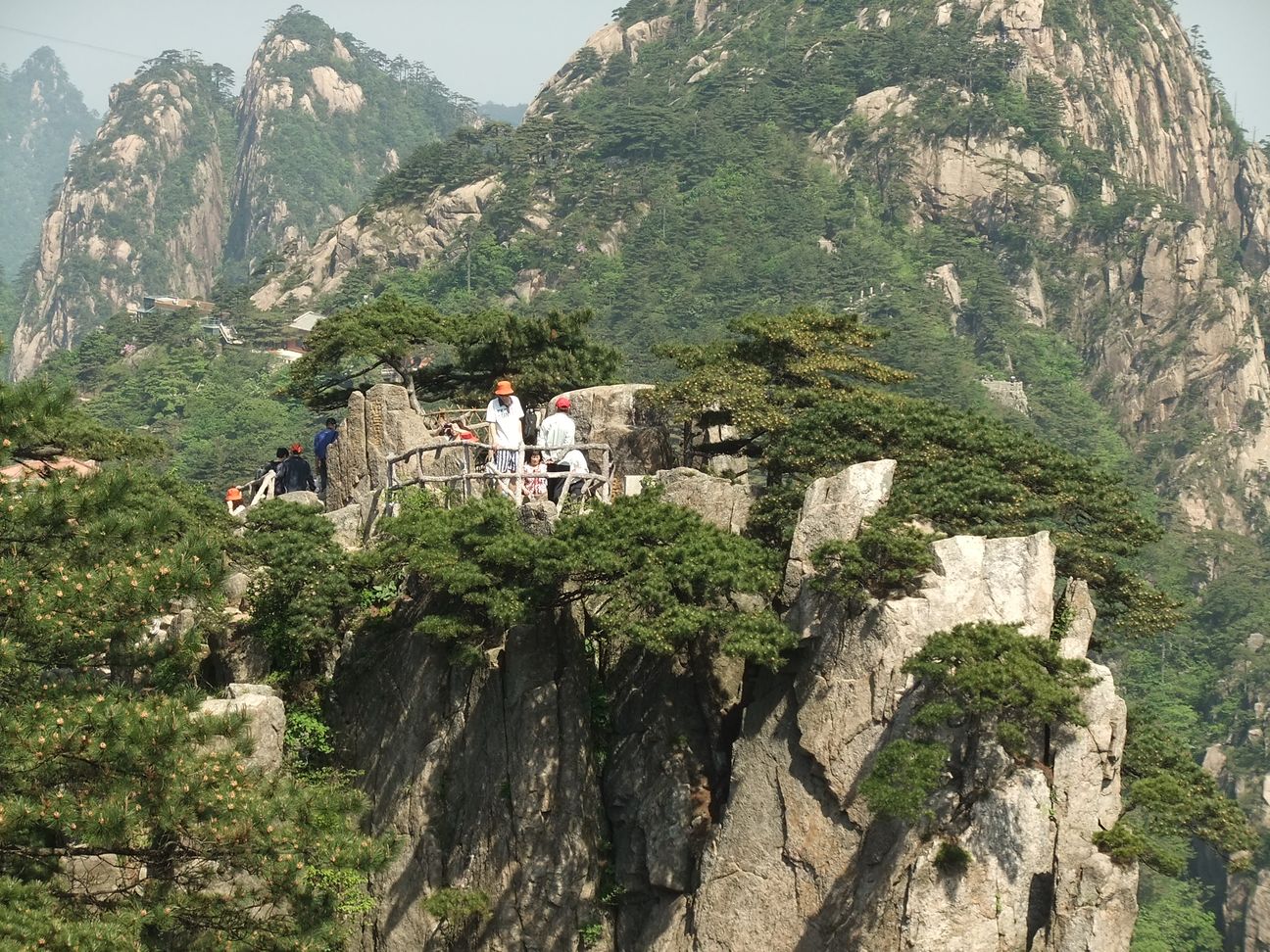 Huangshan
City guide · 12 tours
Yellow Mountain: 82 granite peaks of twisted pines and grotesque rock, a sea of cloud that changes by the hour, and hot springs at the foot.
Huangshan
City guide · 12 tours
Yellow Mountain: 82 granite peaks of twisted pines and grotesque rock, a sea of cloud that changes by the hour, and hot springs at the foot.
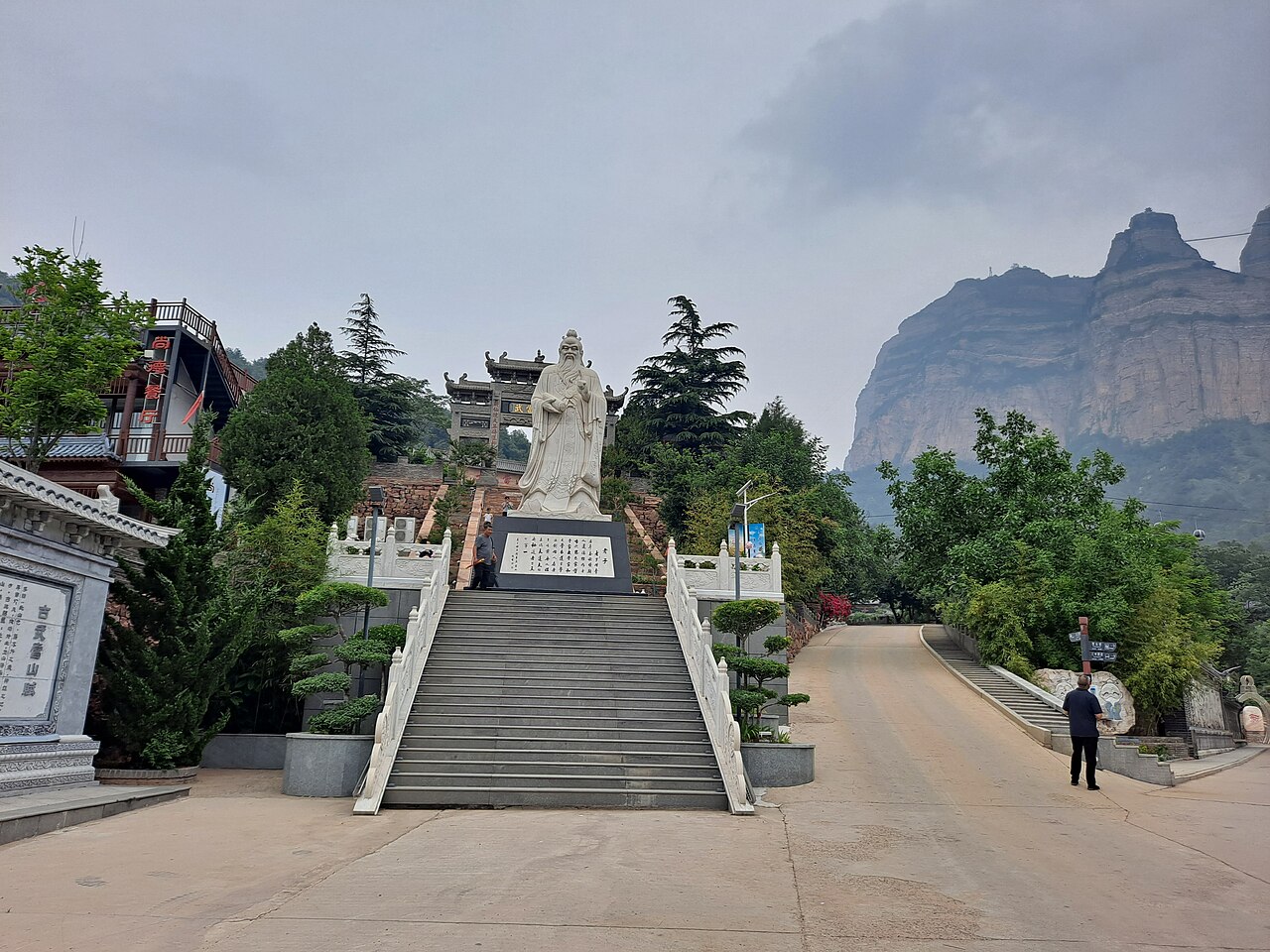 Wudang Mountain
City guide · 12 tours
The Taoist first mountain of China — a gilded bronze hall on a 1,612 m summit, temples hung off cliff faces, and the birthplace of tai chi.
Wudang Mountain
City guide · 12 tours
The Taoist first mountain of China — a gilded bronze hall on a 1,612 m summit, temples hung off cliff faces, and the birthplace of tai chi.
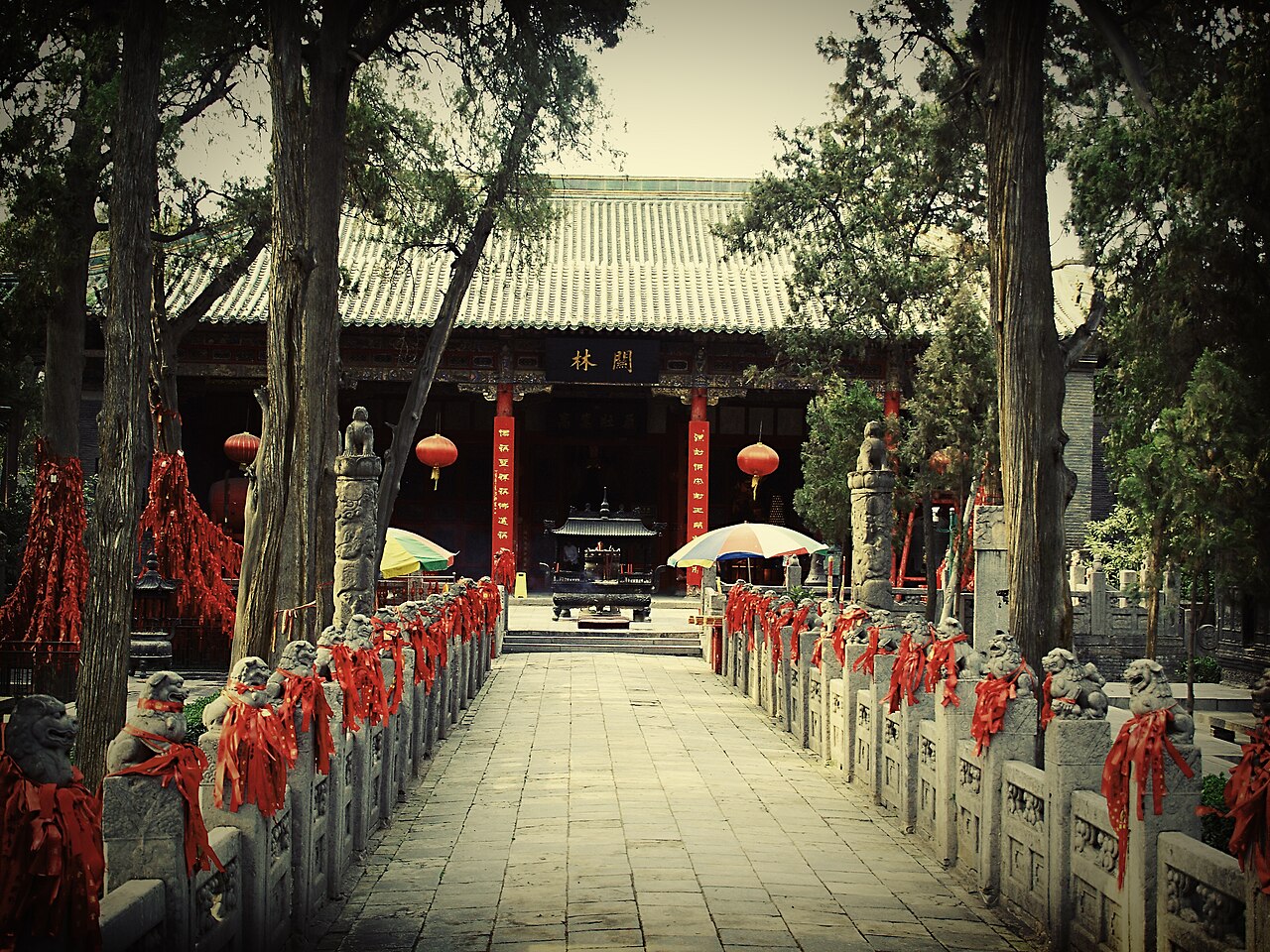 Luoyang
City guide · 12 tours
Thirteen dynasties, 100,000 Buddhas carved into a river cliff, China's first Buddhist temple — and a whole city that turns peony-pink every April.
Luoyang
City guide · 12 tours
Thirteen dynasties, 100,000 Buddhas carved into a river cliff, China's first Buddhist temple — and a whole city that turns peony-pink every April.
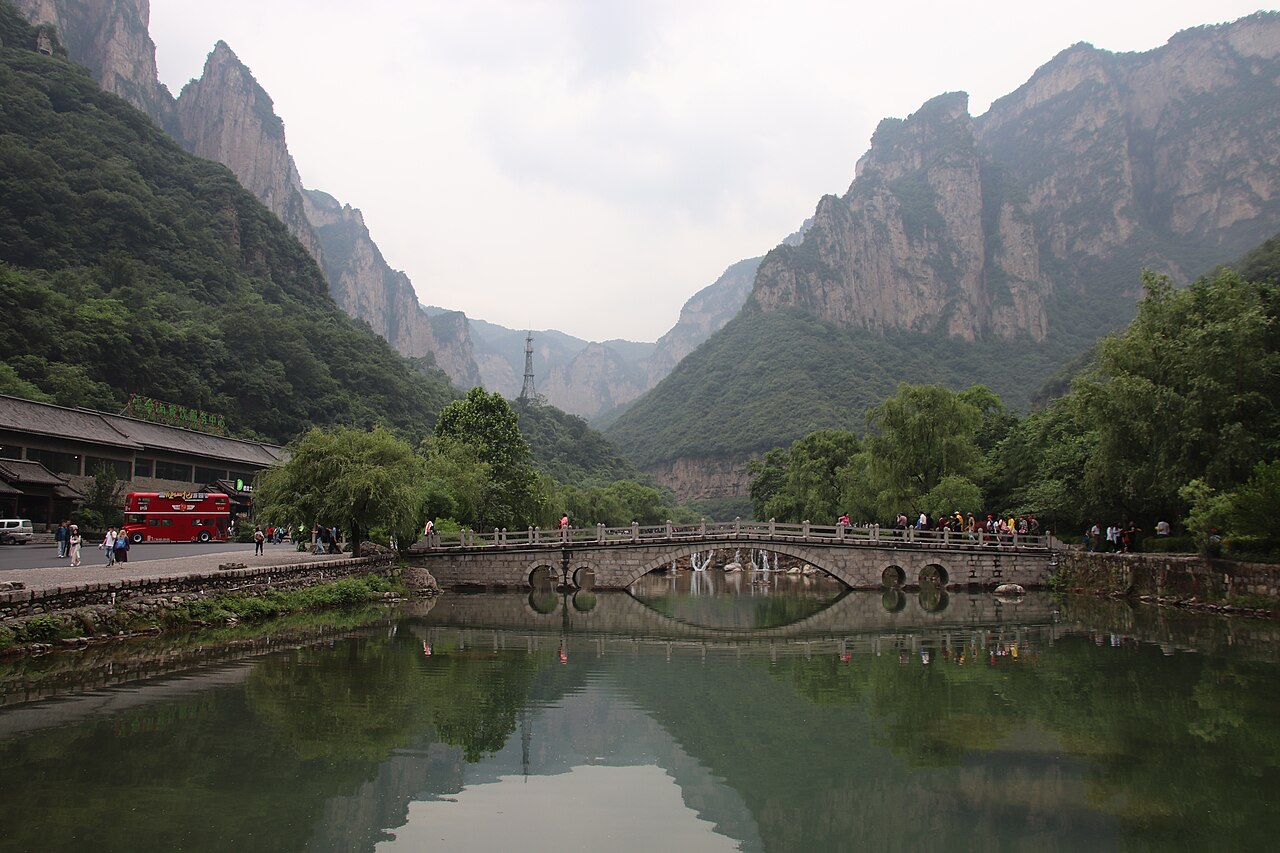 Yuntai Mountain
City guide · 12 tours
A UNESCO geopark in Henan where red-stone gorges squeeze a river to a slot, a 314 m waterfall drops in one plunge, and every path leads to another pool.
Yuntai Mountain
City guide · 12 tours
A UNESCO geopark in Henan where red-stone gorges squeeze a river to a slot, a 314 m waterfall drops in one plunge, and every path leads to another pool.
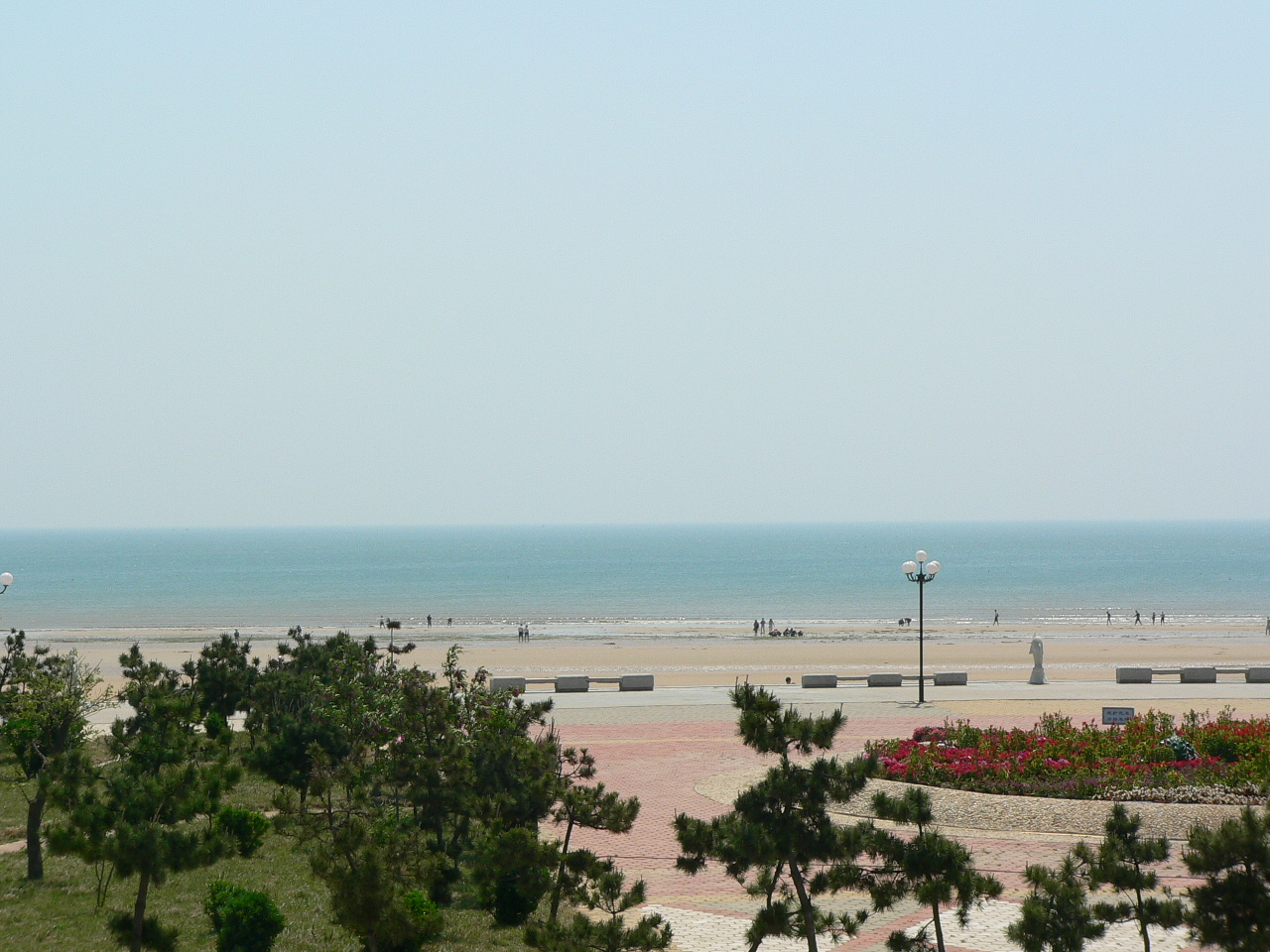 Rizhao
City guide · 12 tours
A low-key Shandong beach town where the sun rises straight out of the Yellow Sea, the sand runs 60 km and a seafood dinner costs less than a coffee in Shanghai.
Rizhao
City guide · 12 tours
A low-key Shandong beach town where the sun rises straight out of the Yellow Sea, the sand runs 60 km and a seafood dinner costs less than a coffee in Shanghai.
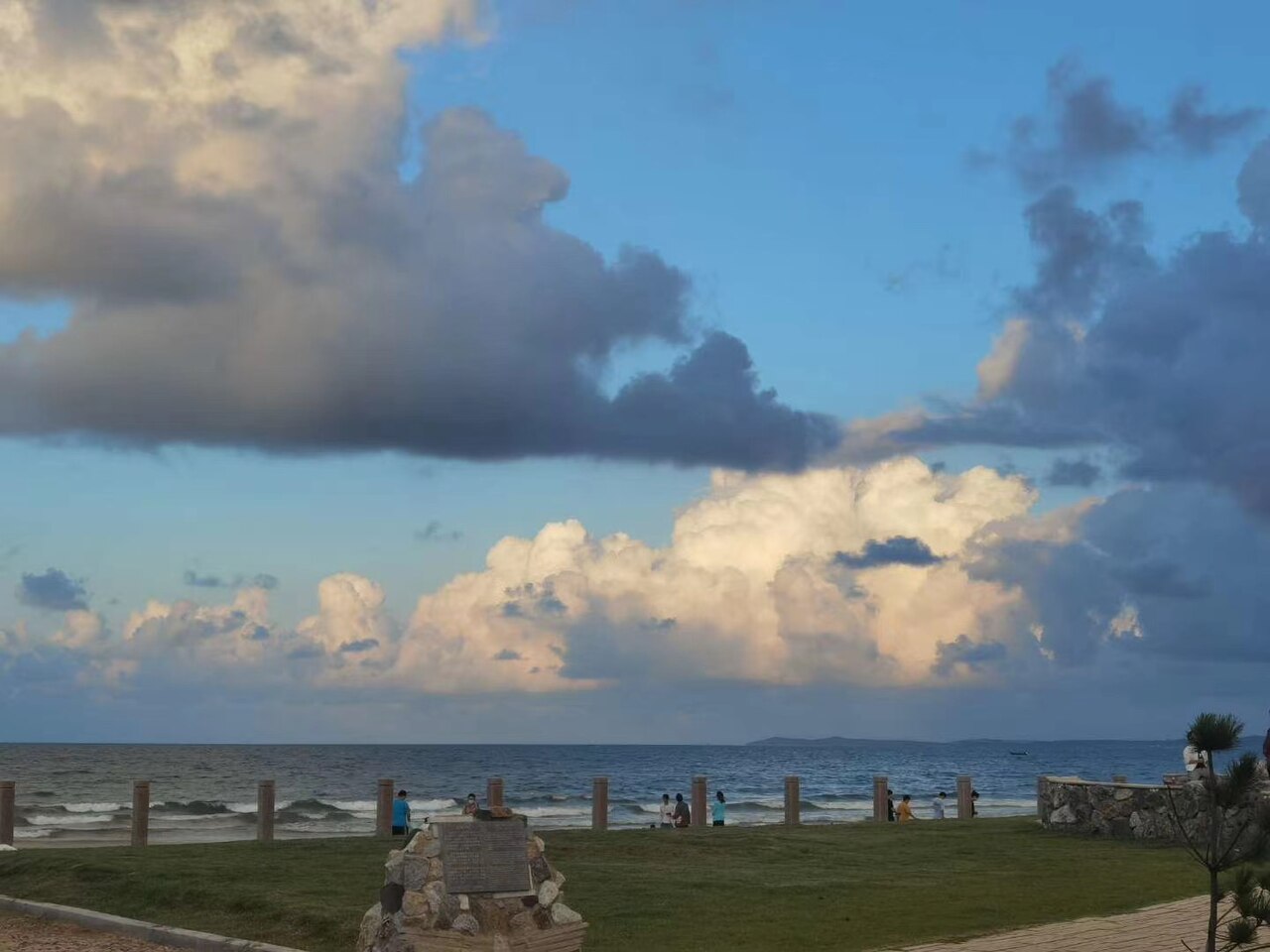 Yantai
City guide · 12 tours
A northern Shandong port of fairy-tale cliffs, wine cellars and long golden beaches — where emperors once hunted the elixir of life and China's wine industry still begins.
Yantai
City guide · 12 tours
A northern Shandong port of fairy-tale cliffs, wine cellars and long golden beaches — where emperors once hunted the elixir of life and China's wine industry still begins.
 Lianyungang
City guide · 12 tours
A working Jiangsu port with a myth in the middle of it — the Flower-Fruit Mountain of Journey to the West, a sea causeway to a big island beach, and some of the cheapest seafood on the coast.
Lianyungang
City guide · 12 tours
A working Jiangsu port with a myth in the middle of it — the Flower-Fruit Mountain of Journey to the West, a sea causeway to a big island beach, and some of the cheapest seafood on the coast.
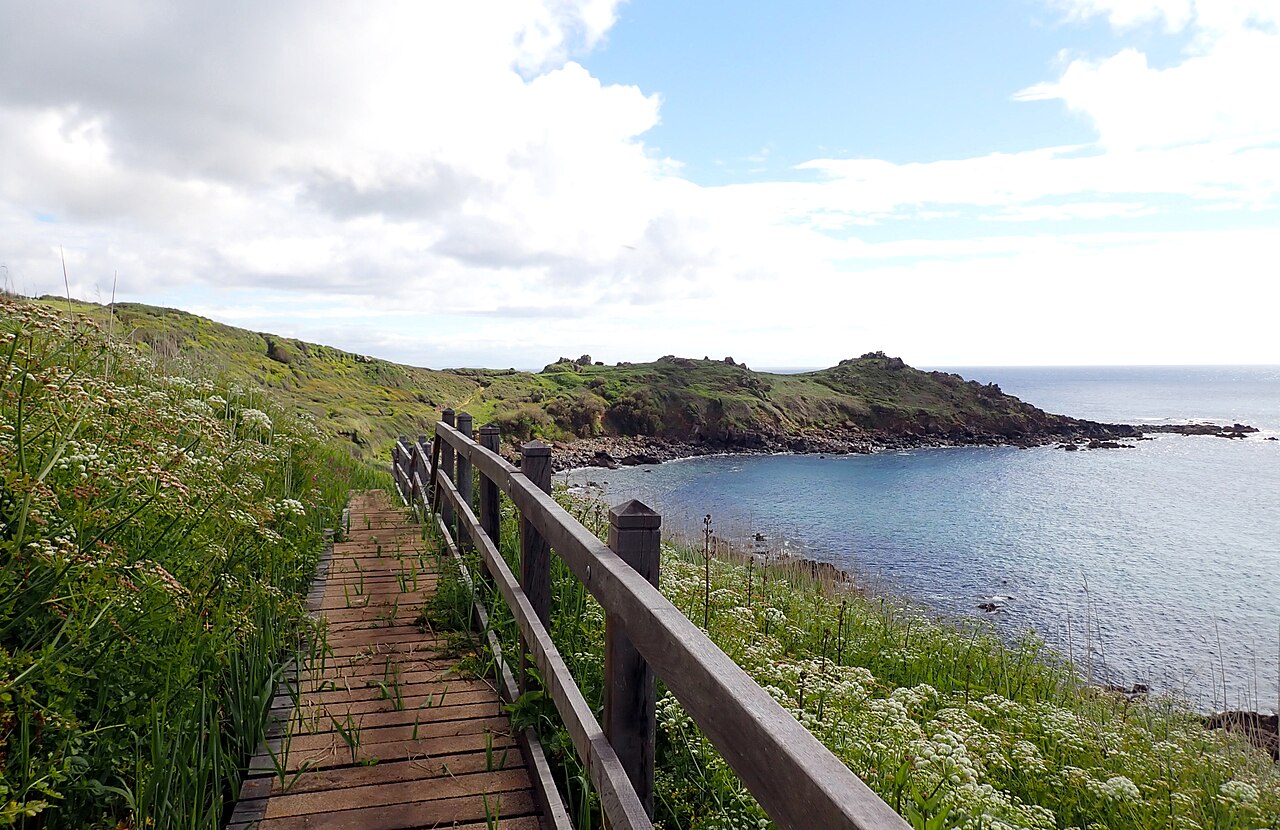 Sanqing Mountain
City guide · 12 tours
A vertical forest of granite pillars in Jiangxi — the Python Out of the Mountain, the Goddess of the East Sea, two cable cars and a cliff-hugging walkway at 1,660 metres.
Sanqing Mountain
City guide · 12 tours
A vertical forest of granite pillars in Jiangxi — the Python Out of the Mountain, the Goddess of the East Sea, two cable cars and a cliff-hugging walkway at 1,660 metres.
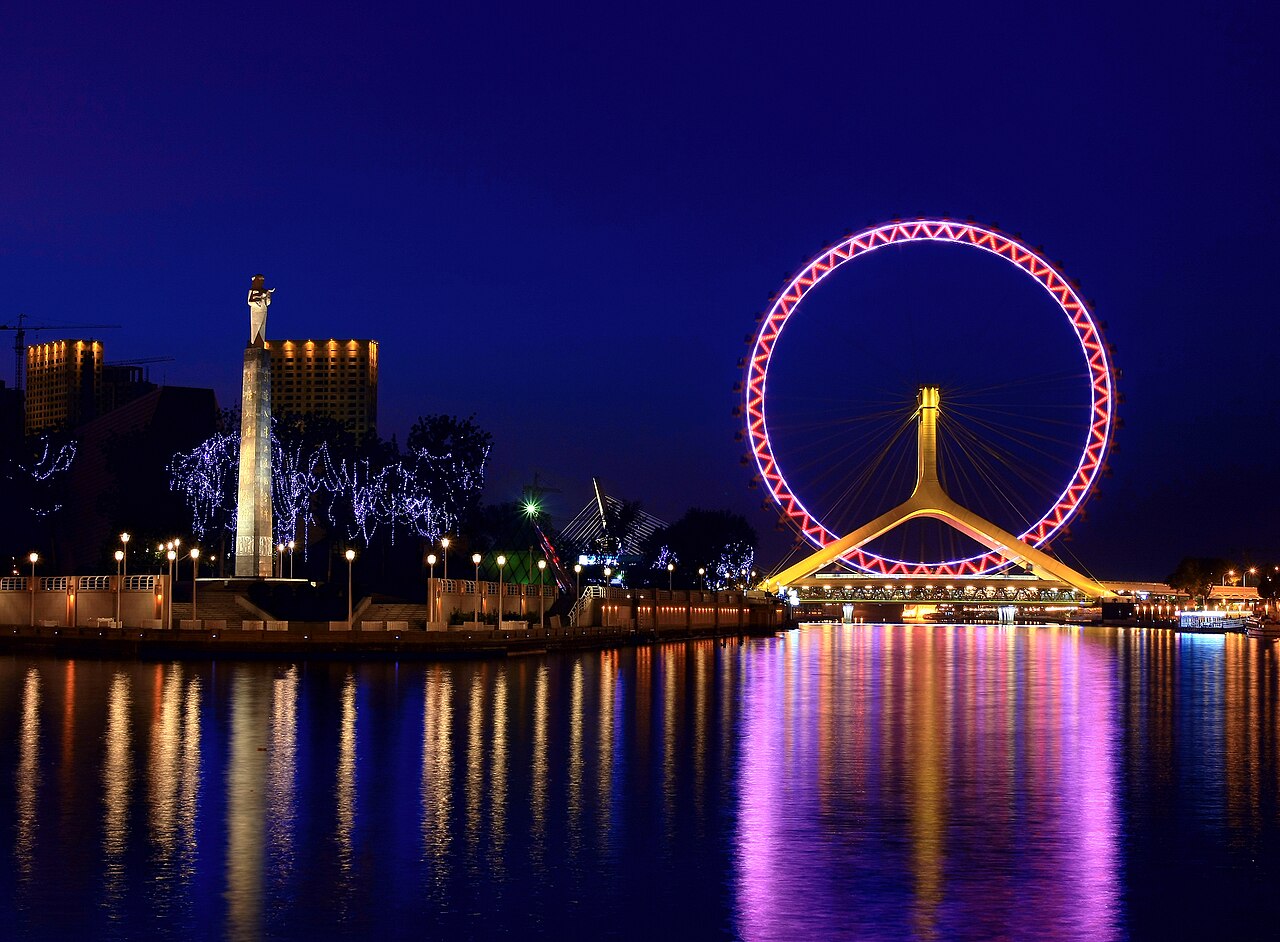 Tianjin
City guide · 12 tours
Beijing's port city next door — a river of 24 bridges, 2,000 colonial villas, and the best street breakfast in northern China.
Tianjin
City guide · 12 tours
Beijing's port city next door — a river of 24 bridges, 2,000 colonial villas, and the best street breakfast in northern China.
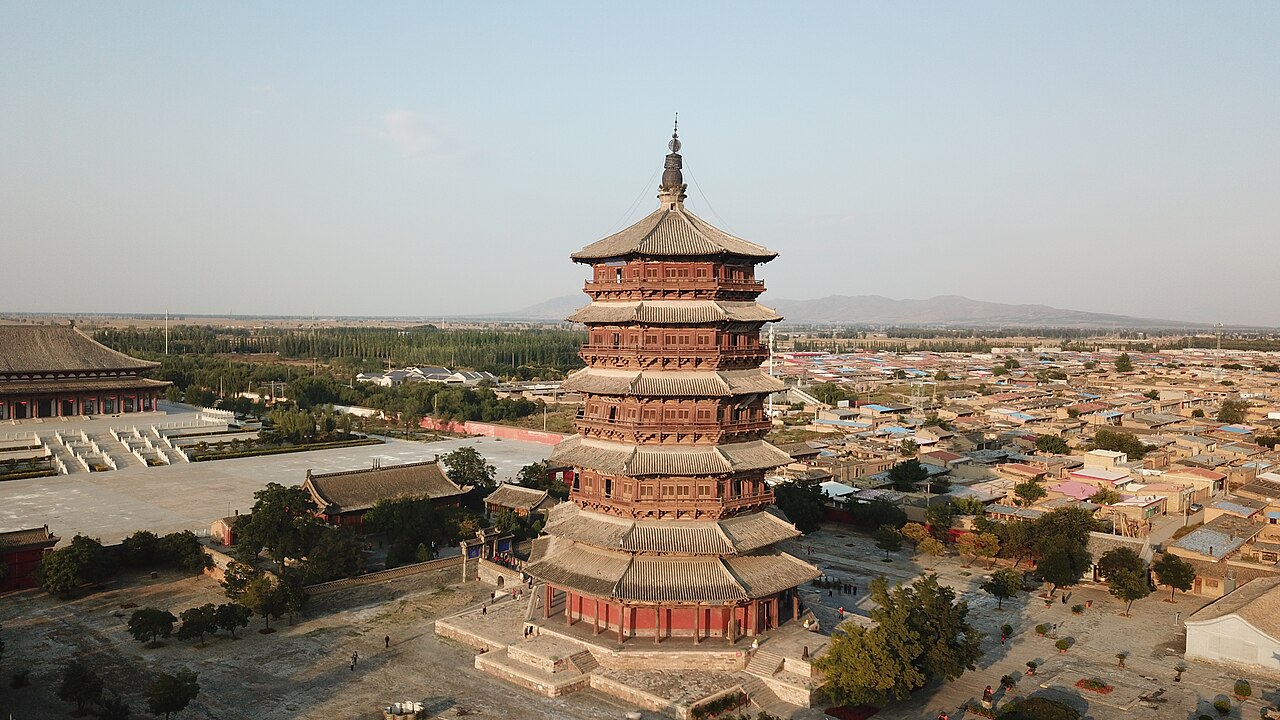 Datong
City guide · 12 tours
A frontier capital of carved Buddhas — the Yungang Grottoes, a temple pinned to a cliff, and the oldest wooden tower in China.
Datong
City guide · 12 tours
A frontier capital of carved Buddhas — the Yungang Grottoes, a temple pinned to a cliff, and the oldest wooden tower in China.
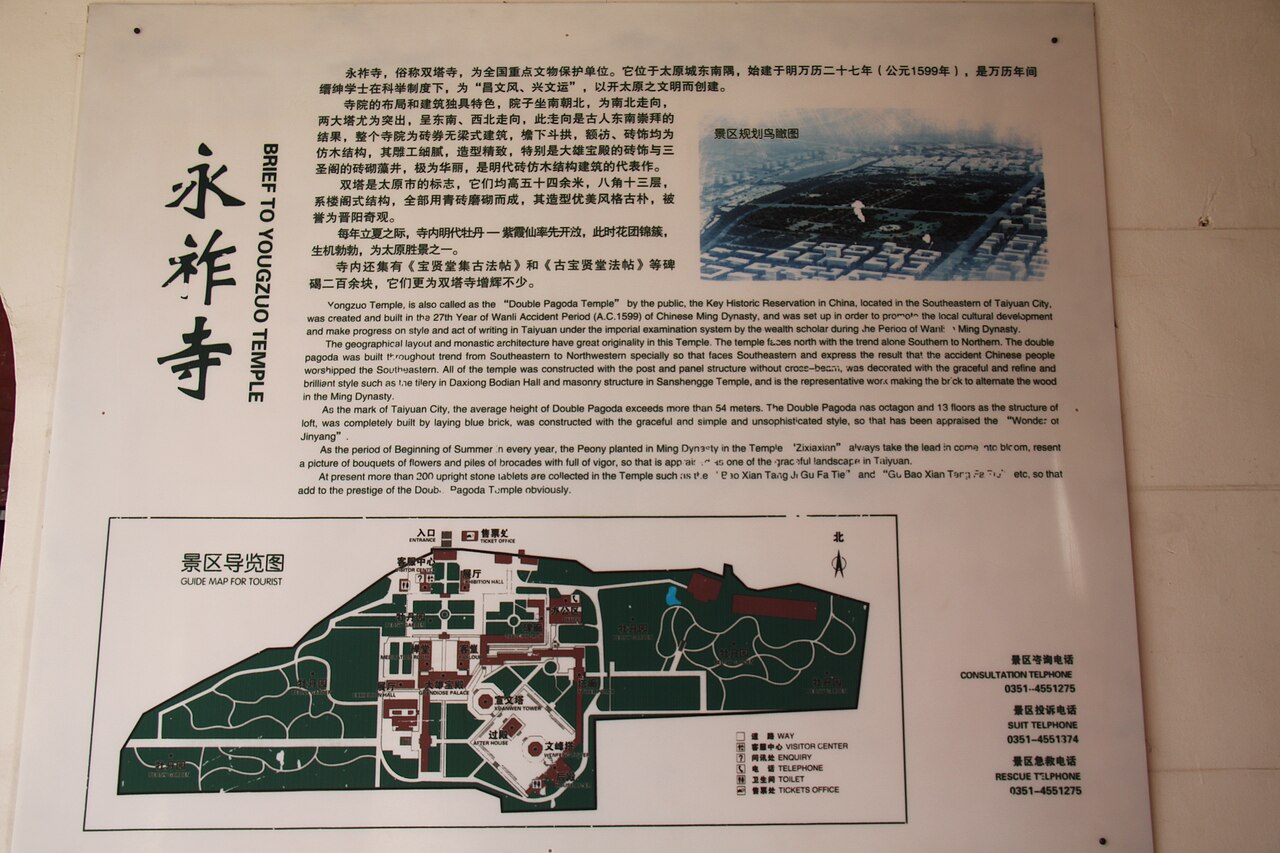 Taiyuan
City guide · 12 tours
Shanxi's provincial capital and noodle heartland — the spring of Jinci, two Ming pagodas, and a museum that explains the whole province.
Taiyuan
City guide · 12 tours
Shanxi's provincial capital and noodle heartland — the spring of Jinci, two Ming pagodas, and a museum that explains the whole province.
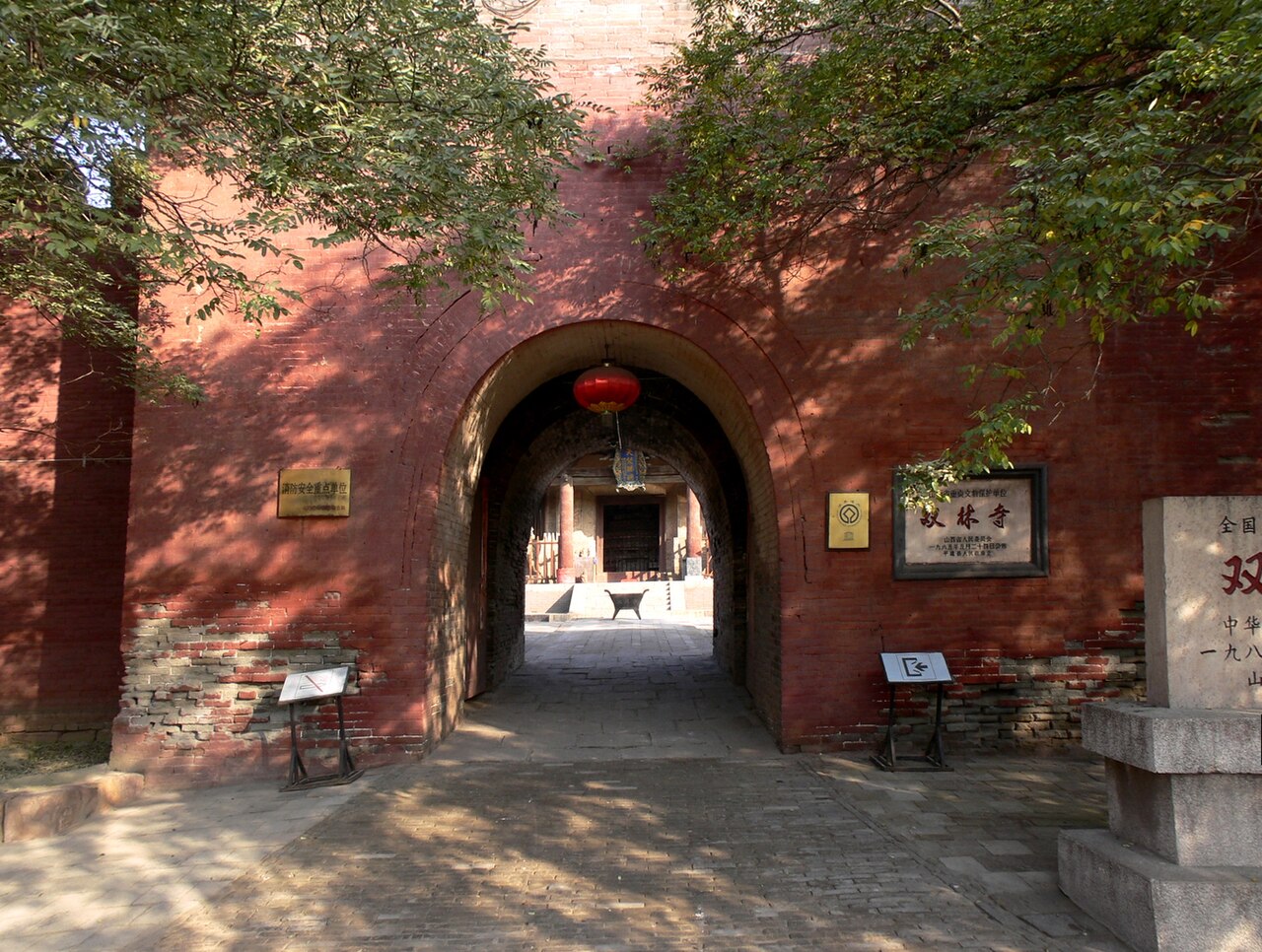 Pingyao
City guide · 12 tours
China's best-preserved ancient walled town — a Ming wall, the first Chinese bank, and two temples of painted clay just outside the gates.
Pingyao
City guide · 12 tours
China's best-preserved ancient walled town — a Ming wall, the first Chinese bank, and two temples of painted clay just outside the gates.
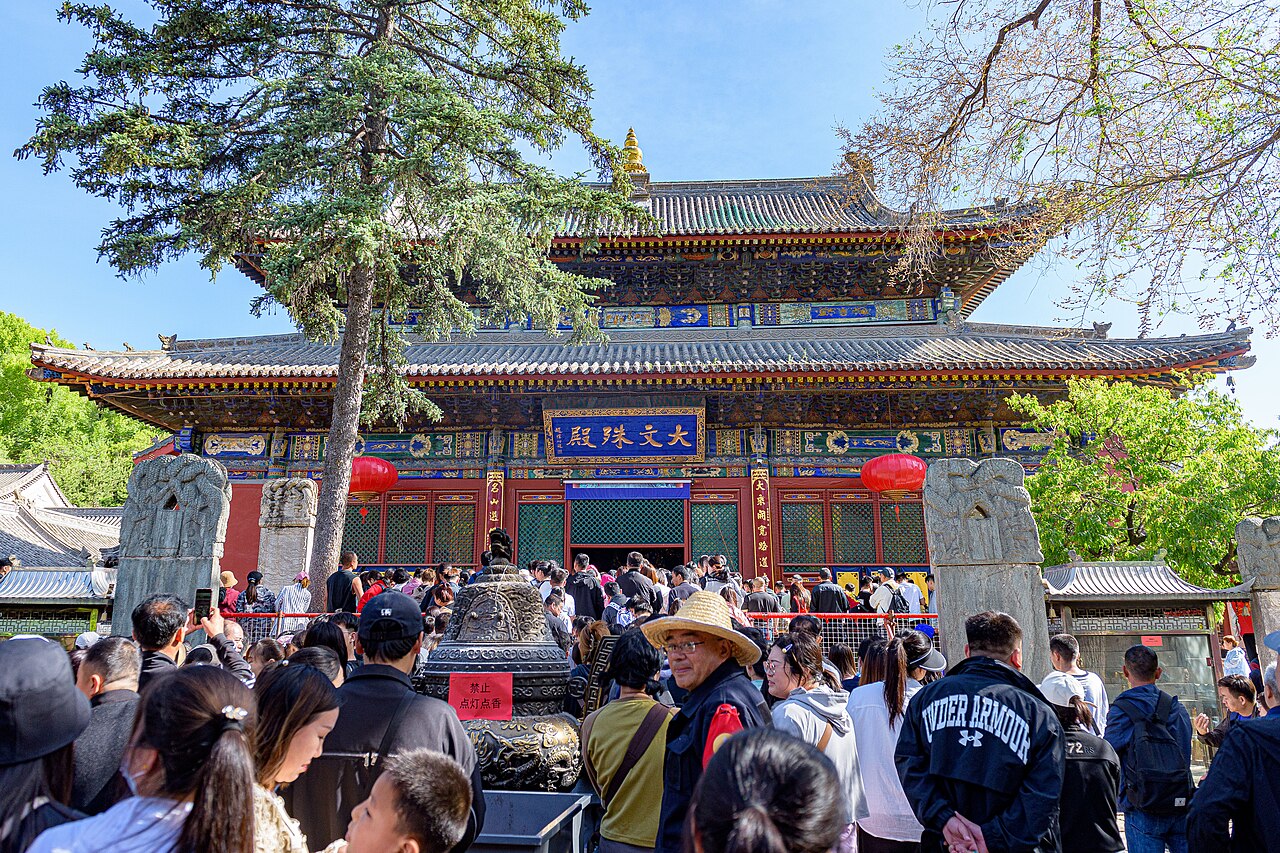 Wutai Mountain
City guide · 12 tours
China's foremost Buddhist mountain — fifty-plus temples in one valley, crowned by five flat-topped peaks up to 3,058 m.
Wutai Mountain
City guide · 12 tours
China's foremost Buddhist mountain — fifty-plus temples in one valley, crowned by five flat-topped peaks up to 3,058 m.
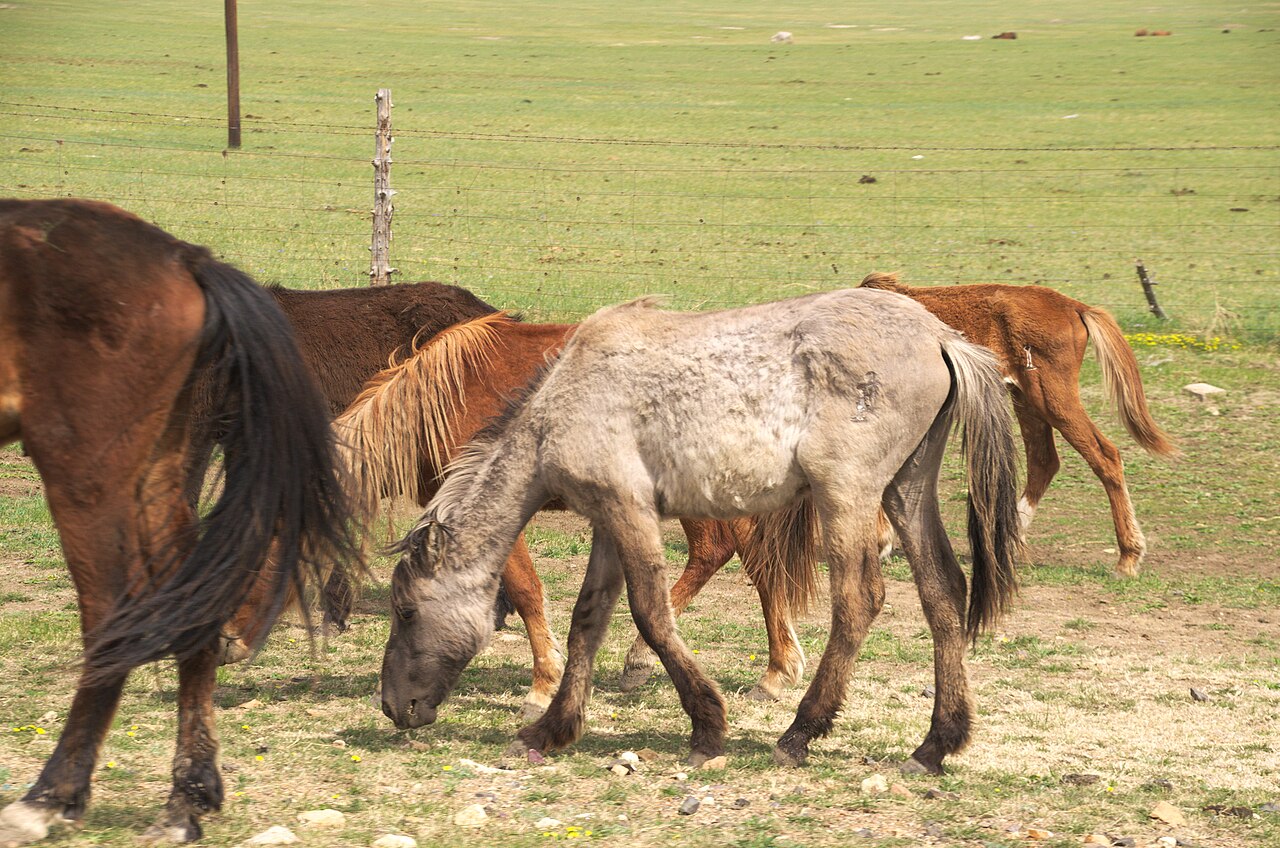 Hulunbuir
City guide · 12 tours
China's finest grassland — a 263,000 km² sweep of steppe, birch forest and border river, best driven with the windows down.
Hulunbuir
City guide · 12 tours
China's finest grassland — a 263,000 km² sweep of steppe, birch forest and border river, best driven with the windows down.
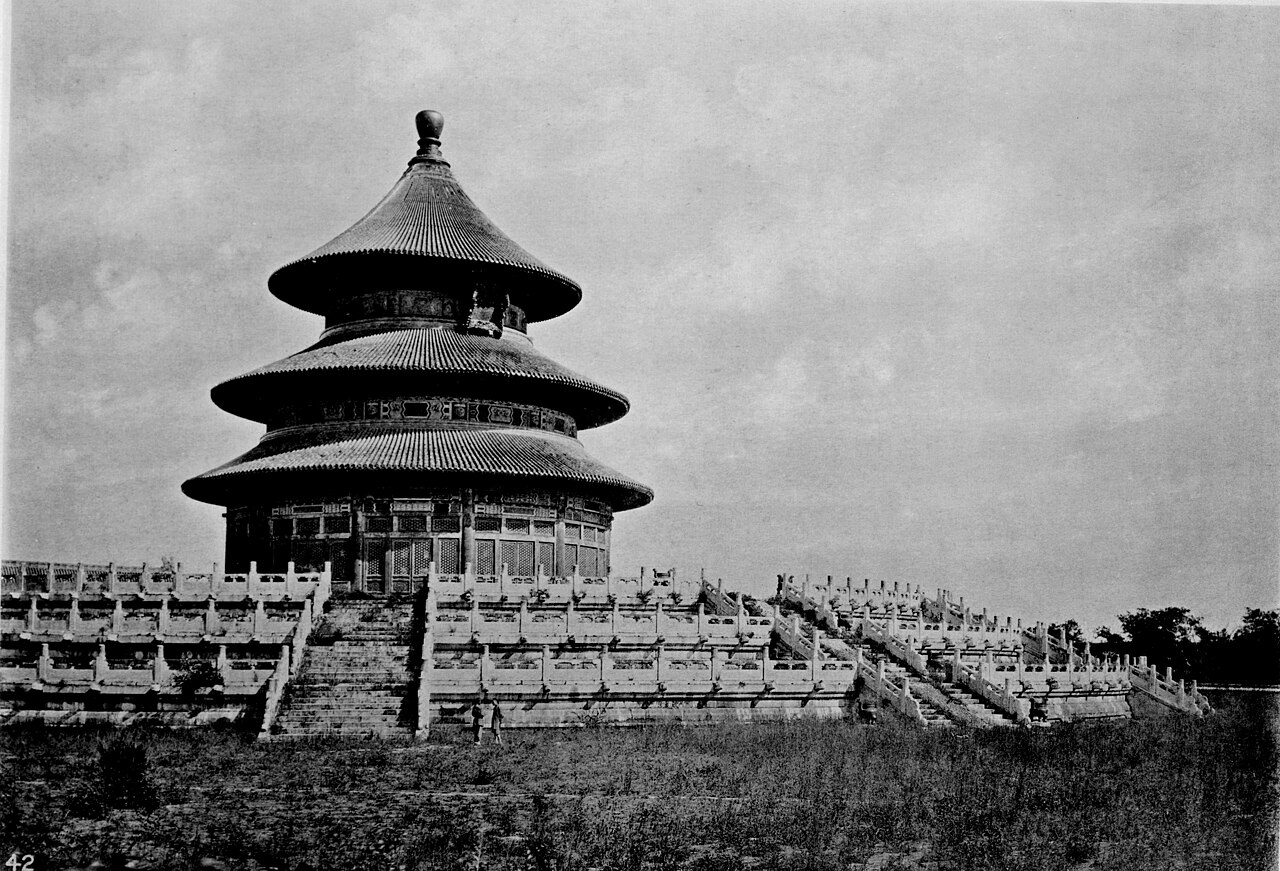 The Forbidden City
City guide · 12 tours
Beijing's 600-year imperial palace — 8,700 rooms behind a 72-hectare wall, and the largest surviving wooden palace complex on earth.
The Forbidden City
City guide · 12 tours
Beijing's 600-year imperial palace — 8,700 rooms behind a 72-hectare wall, and the largest surviving wooden palace complex on earth.
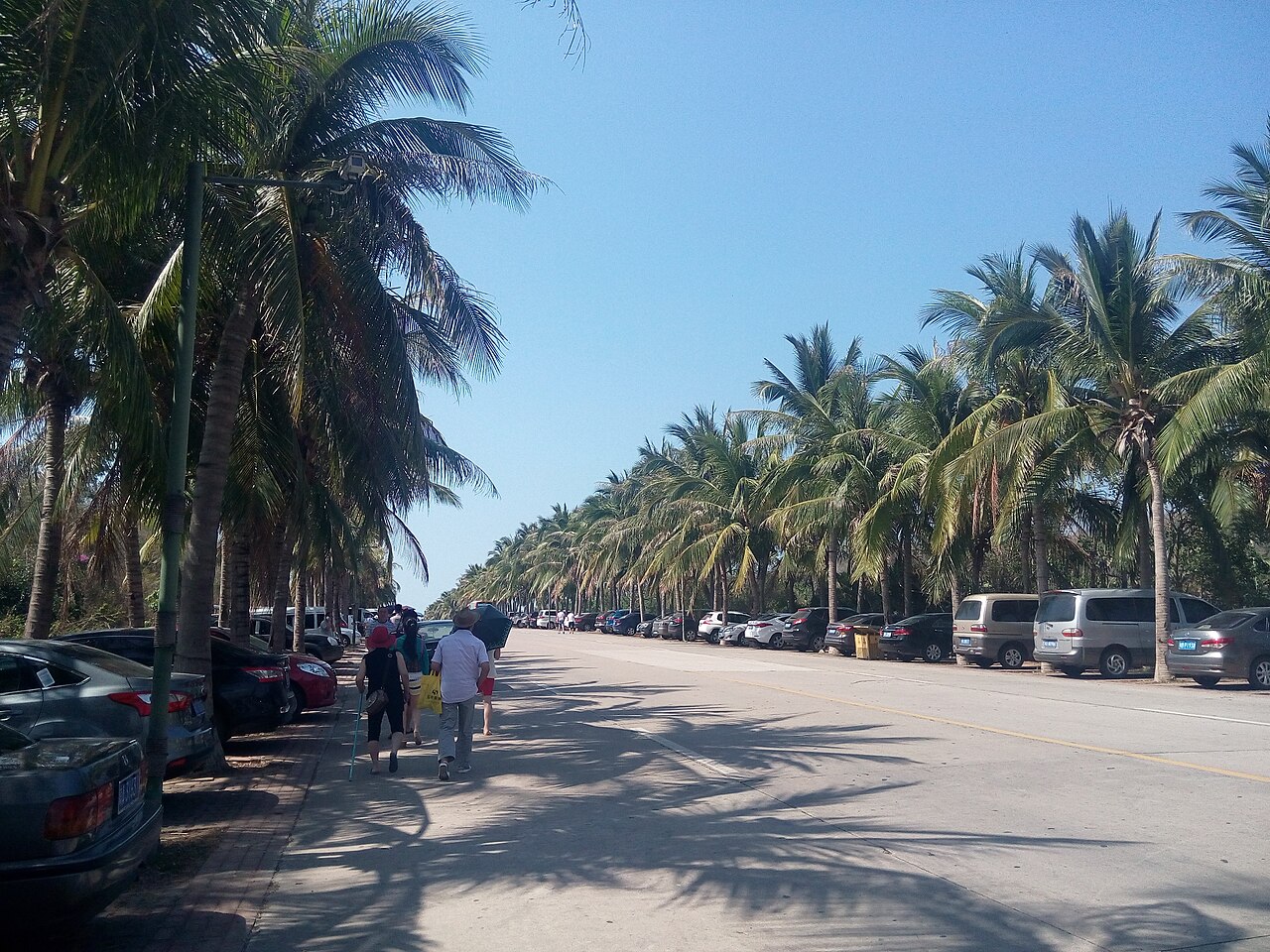 Sanya
City guide · 12 tours
China's only true winter-sun coast — four very different bays, a coral island and a 108 m sea Buddha, all at 18° north.
Sanya
City guide · 12 tours
China's only true winter-sun coast — four very different bays, a coral island and a 108 m sea Buddha, all at 18° north.
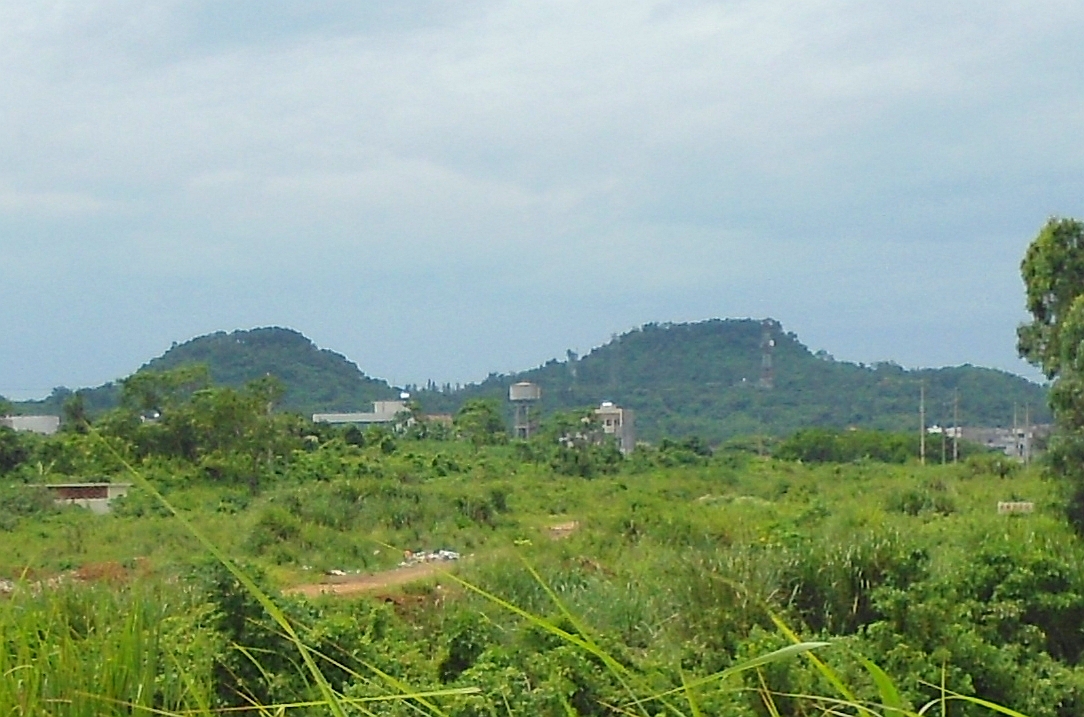 Haikou
City guide · 12 tours
Hainan's capital is the island's living city — 600-year-old arcade streets, a volcanic village, and a morning-tea-to-midnight food culture.
Haikou
City guide · 12 tours
Hainan's capital is the island's living city — 600-year-old arcade streets, a volcanic village, and a morning-tea-to-midnight food culture.
 Beihai
City guide · 12 tours
24 km of fine white sand on one side, a volcanic island of coral and lava on the other — plus a 19th-century arcade old street in between.
Beihai
City guide · 12 tours
24 km of fine white sand on one side, a volcanic island of coral and lava on the other — plus a 19th-century arcade old street in between.
 Nanning
City guide · 12 tours
Guangxi's green capital is a gateway to Detian Falls, Beihai and Vietnam — and a genuinely excellent food city if you let it slow you down.
Nanning
City guide · 12 tours
Guangxi's green capital is a gateway to Detian Falls, Beihai and Vietnam — and a genuinely excellent food city if you let it slow you down.
 Guangxi
City guide · 12 tours
One autonomous region, a dozen landscapes — limestone peaks and rice terraces in the north, a Vietnam border and a warm gulf coast in the south.
Guangxi
City guide · 12 tours
One autonomous region, a dozen landscapes — limestone peaks and rice terraces in the north, a Vietnam border and a warm gulf coast in the south.
 Huizhou
City guide · 12 tours
A free West Lake, a Taoist mountain and 200 km of white-sand coast — the Pearl River Delta's most underrated weekend.
Huizhou
City guide · 12 tours
A free West Lake, a Taoist mountain and 200 km of white-sand coast — the Pearl River Delta's most underrated weekend.
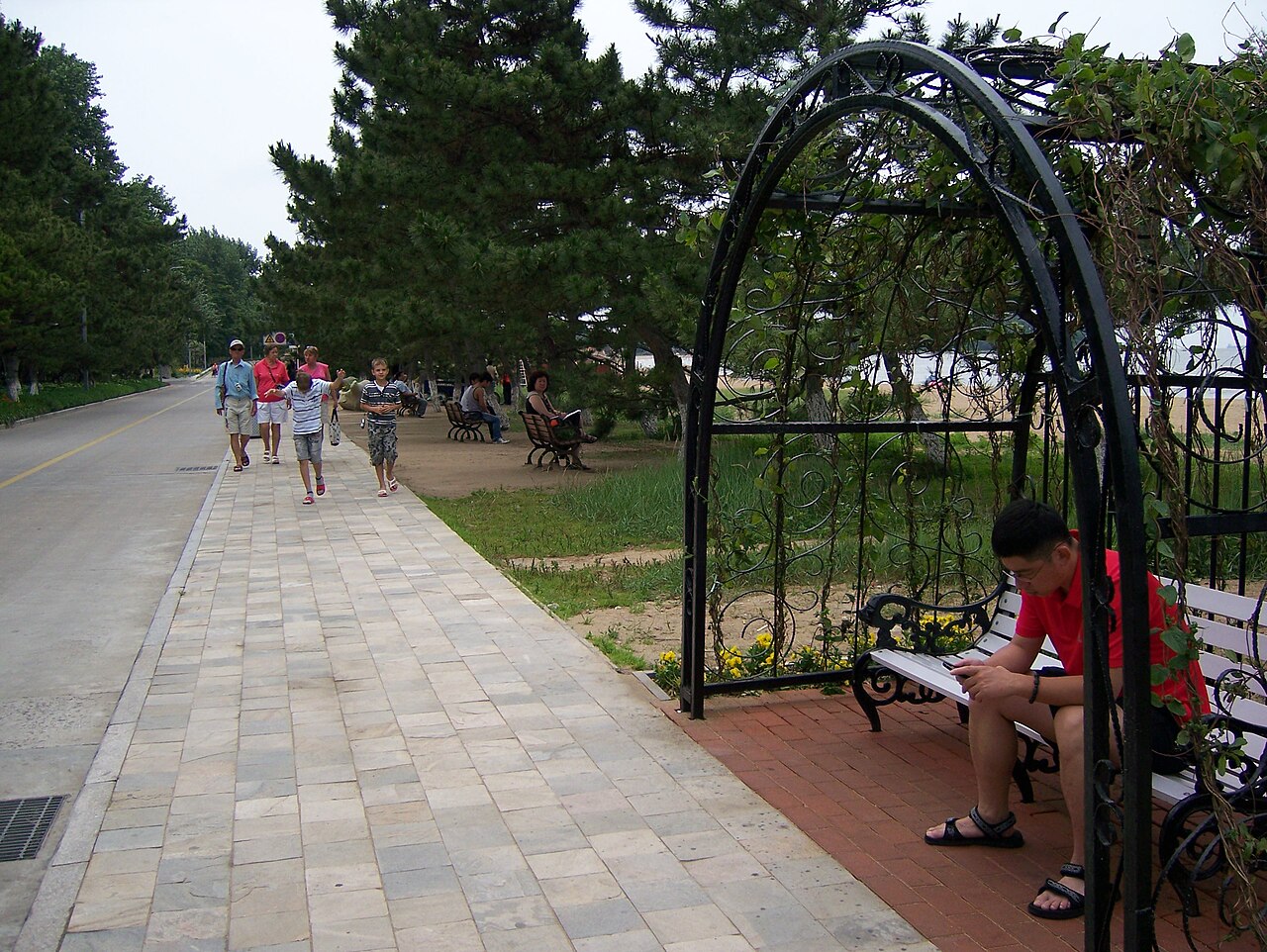 Beidaihe
City guide · 12 tours
Northern China's classic beach escape — one sunrise headland, 10 km of calm swimming water, and a bird flyway overhead twice a year.
Beidaihe
City guide · 12 tours
Northern China's classic beach escape — one sunrise headland, 10 km of calm swimming water, and a bird flyway overhead twice a year.
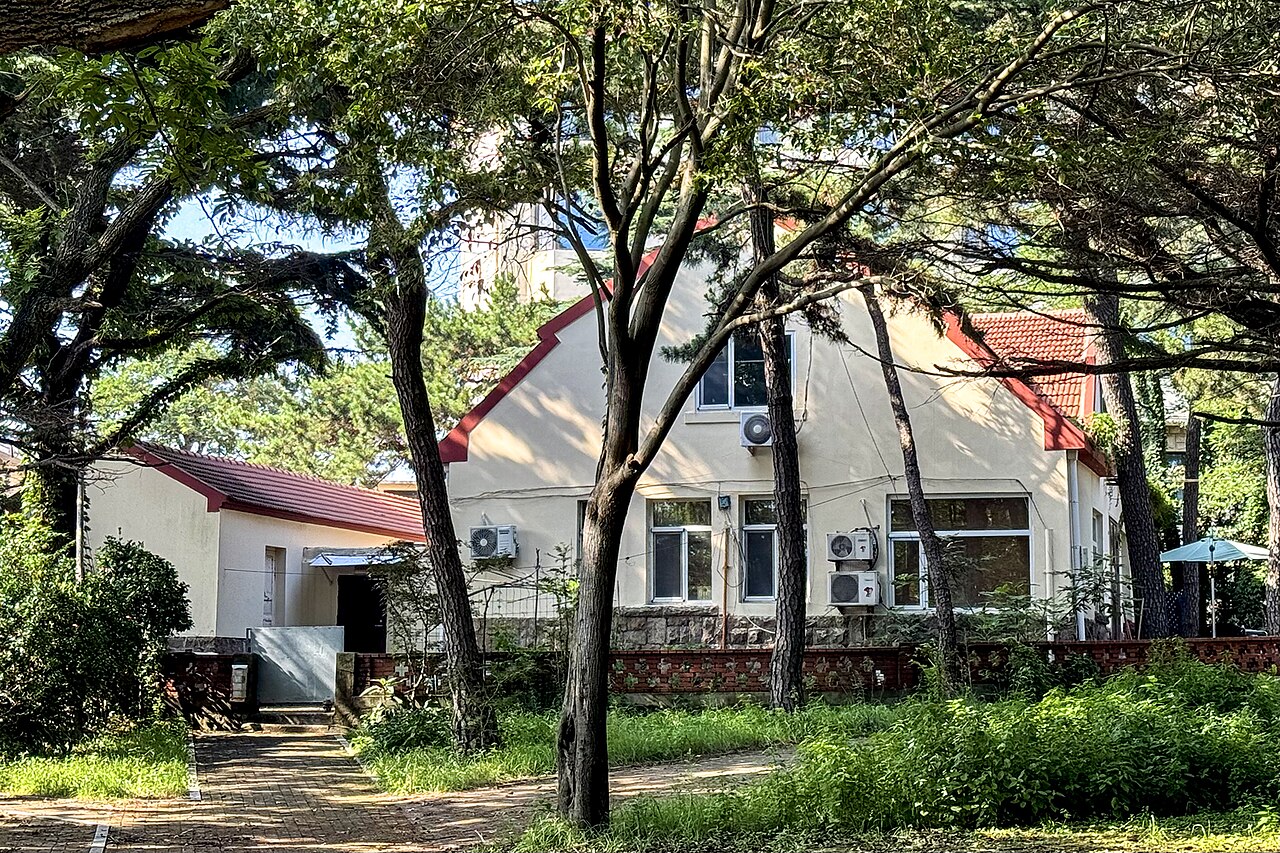 Shanhaiguan
City guide · 12 tours
The town where the Great Wall stops being a rumour of mountains and walks into the Bohai Sea.
Shanhaiguan
City guide · 12 tours
The town where the Great Wall stops being a rumour of mountains and walks into the Bohai Sea.
 Baiyangdian
City guide · 12 tours
The biggest freshwater lake on the North China Plain — and almost none of it can be reached except by boat.
Baiyangdian
City guide · 12 tours
The biggest freshwater lake on the North China Plain — and almost none of it can be reached except by boat.
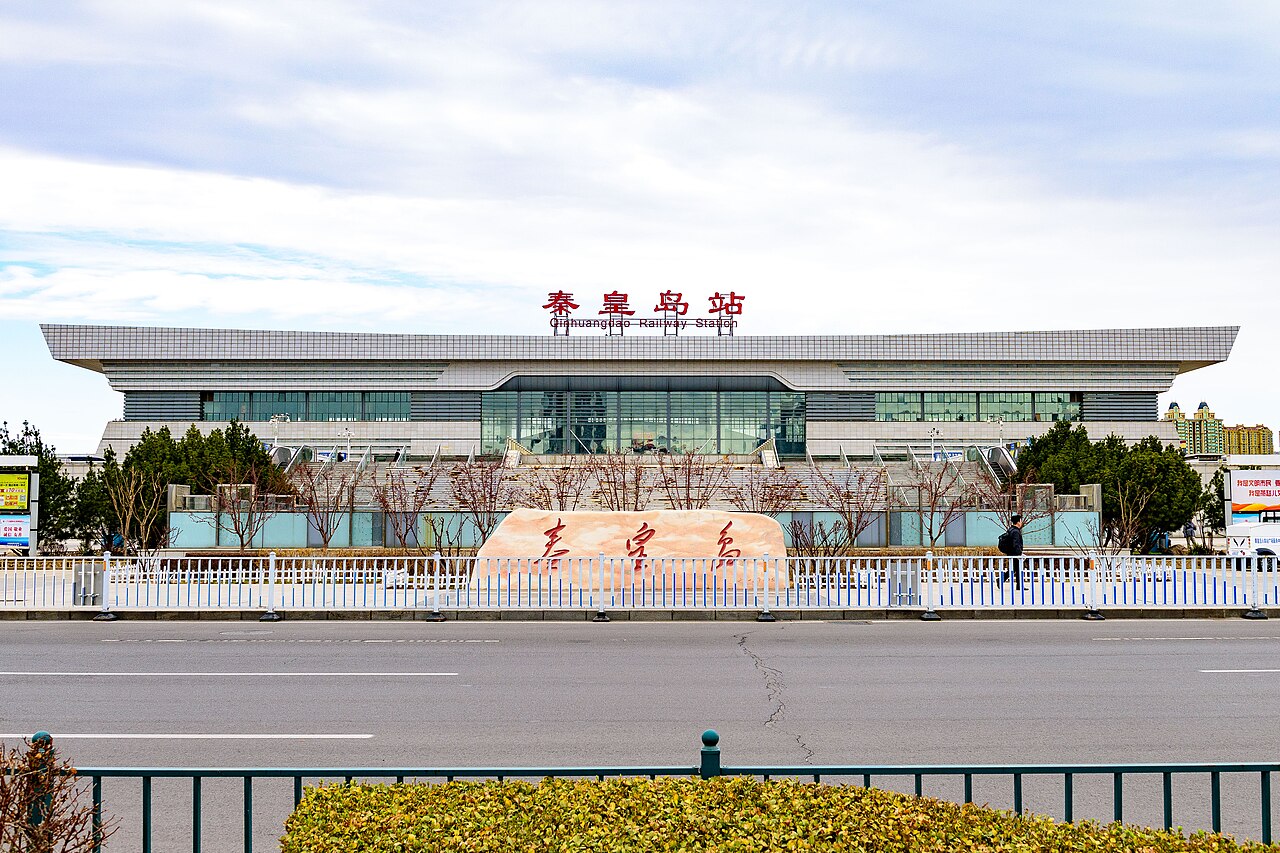 Qinhuangdao
City guide · 12 tours
126 km of Bohai coast in one municipality — a working port, two famous resorts, and the only desert dunes that meet this sea.
Qinhuangdao
City guide · 12 tours
126 km of Bohai coast in one municipality — a working port, two famous resorts, and the only desert dunes that meet this sea.
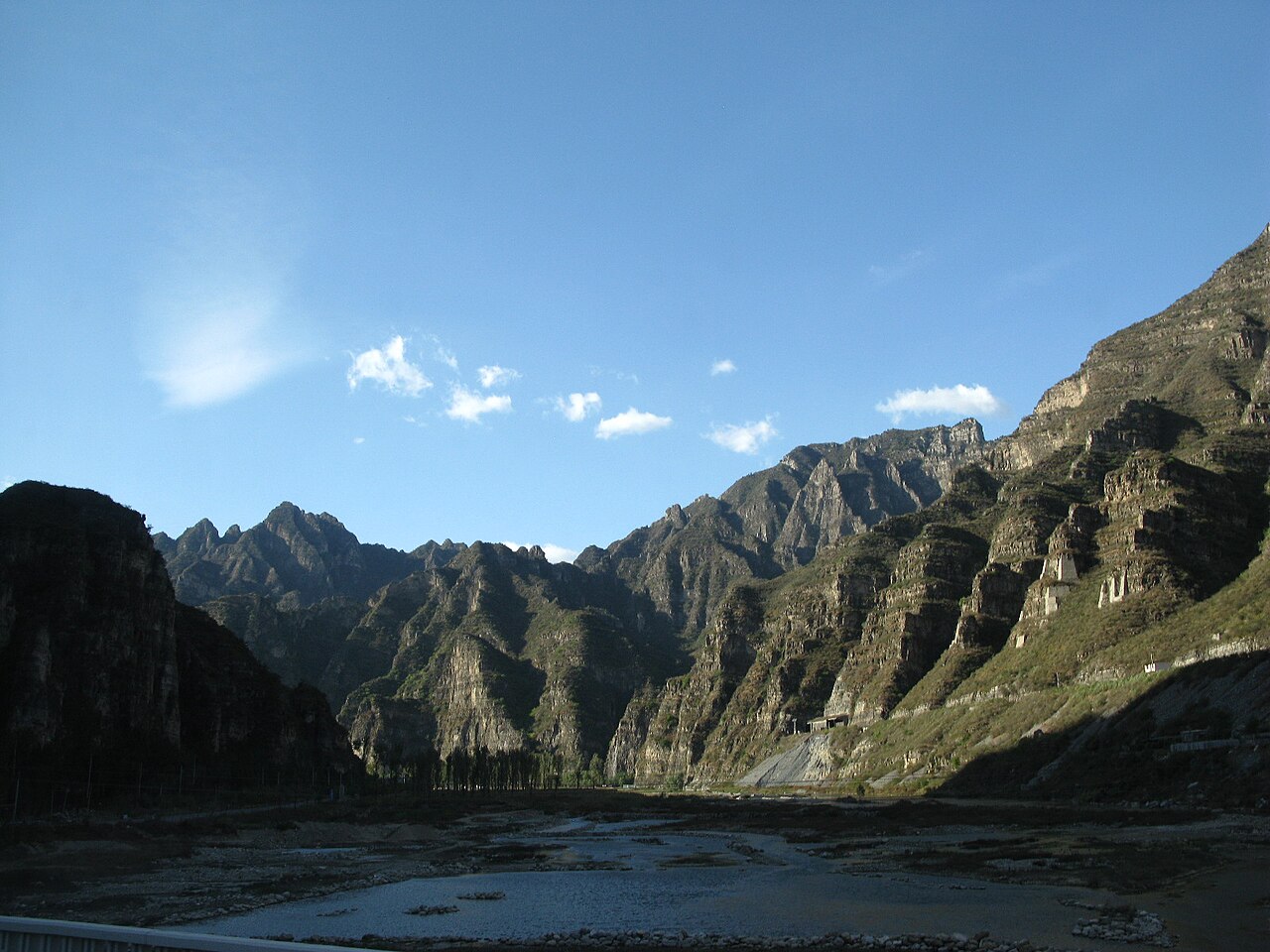 Yesanpo
City guide · 12 tours
Gorge country where the Taihang and Yan ranges collide — 52.5 km of canyon walls, a cave that spits fish, and a river to fall off.
Yesanpo
City guide · 12 tours
Gorge country where the Taihang and Yan ranges collide — 52.5 km of canyon walls, a cave that spits fish, and a river to fall off.
 Zhuhai
City guide · 12 tours
The delta's slow city: a 28 km promenade, 146 islands, oysters fattened where the river meets the sea.
Zhuhai
City guide · 12 tours
The delta's slow city: a 28 km promenade, 146 islands, oysters fattened where the river meets the sea.
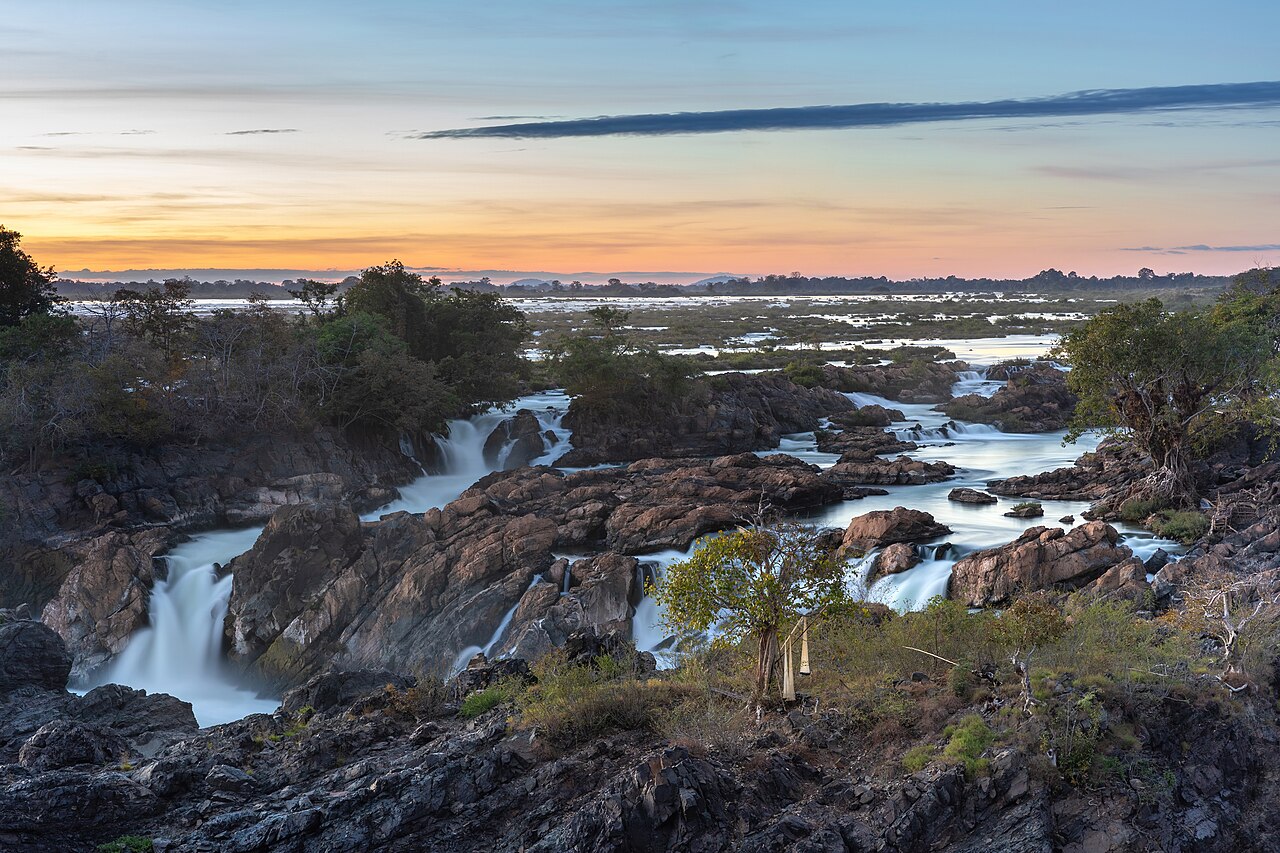 Wuyi Mountain
City guide · 12 tours
Nine bends of clear water, red sandstone cliffs, and the tea that made a mountain's name.
Wuyi Mountain
City guide · 12 tours
Nine bends of clear water, red sandstone cliffs, and the tea that made a mountain's name.
 Jiuzhaigou
City guide · 12 tours
108 mineral-blue lakes in one 55 km valley — the place that ruins water everywhere else for you.
Jiuzhaigou
City guide · 12 tours
108 mineral-blue lakes in one 55 km valley — the place that ruins water everywhere else for you.
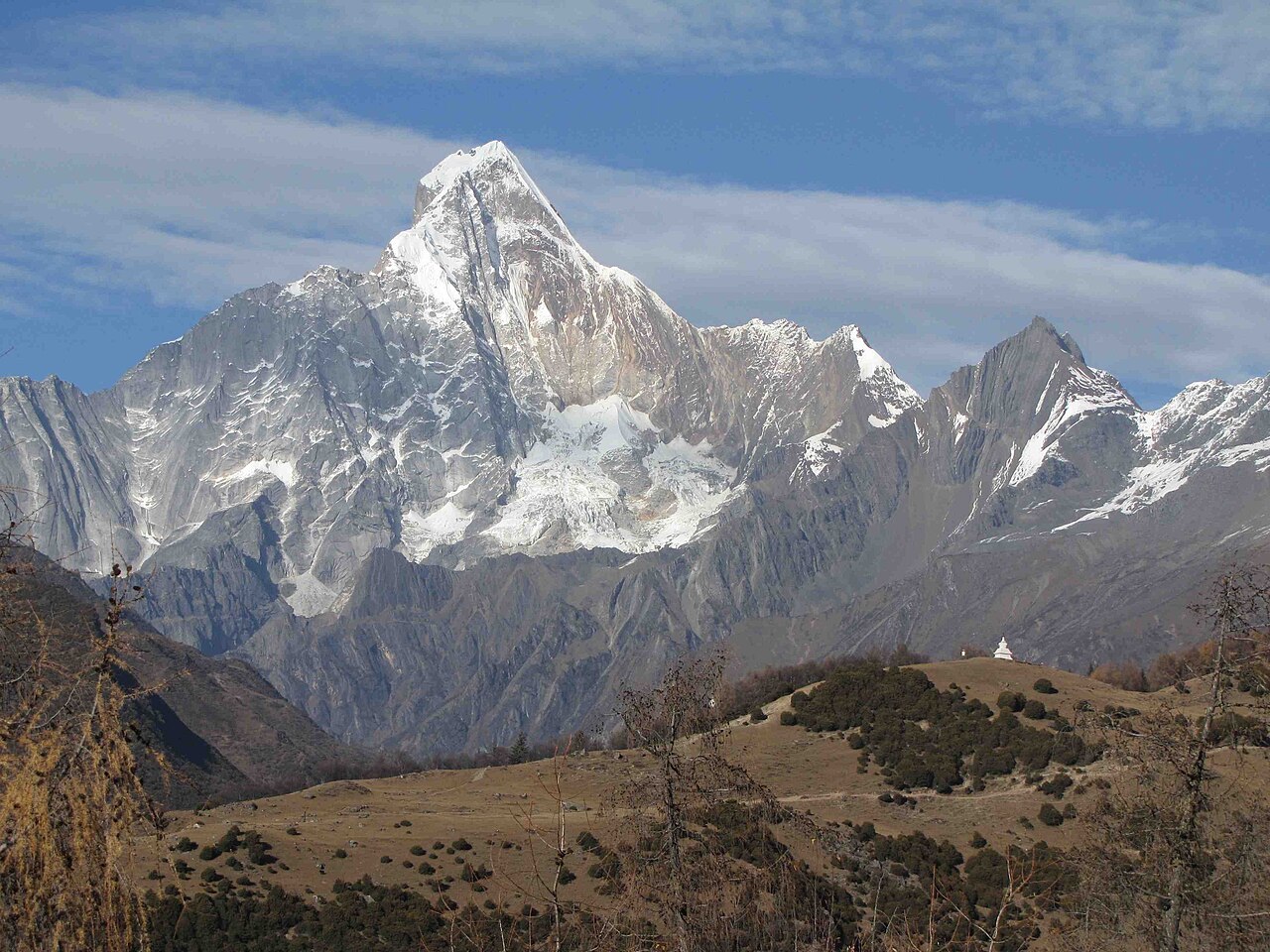 Mount Siguniang
City guide · 12 tours
Four snow peaks, three valleys, and the friendliest 5,000 m mountain in China to stand on top of.
Mount Siguniang
City guide · 12 tours
Four snow peaks, three valleys, and the friendliest 5,000 m mountain in China to stand on top of.
 Hailuogou
City guide · 12 tours
A glacier that comes down to 2,850 m, hot springs in the forest, and Gongga Shan filling the sky above both.
Hailuogou
City guide · 12 tours
A glacier that comes down to 2,850 m, hot springs in the forest, and Gongga Shan filling the sky above both.
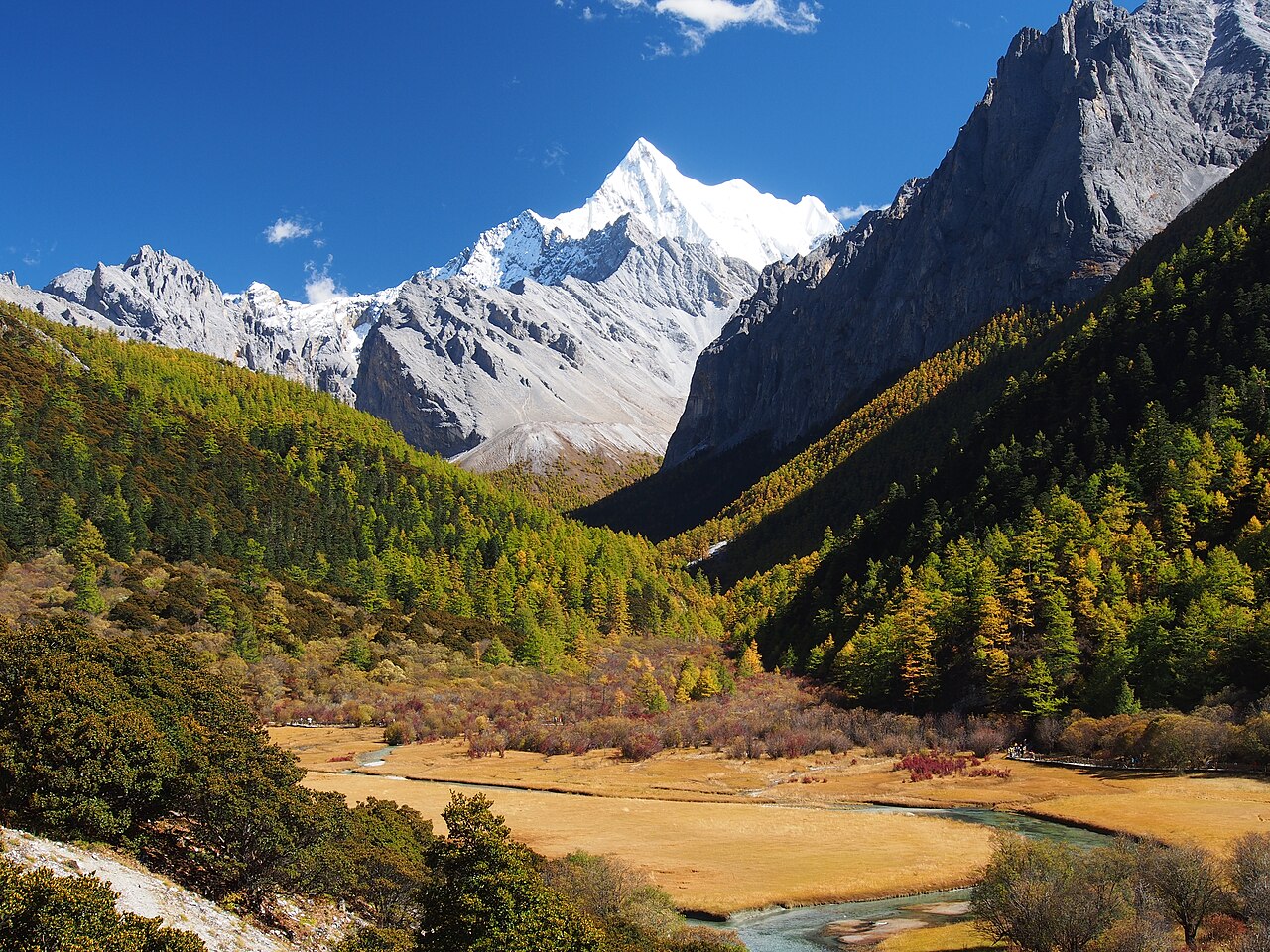 Daocheng Yading
City guide · 12 tours
Three 6,000 m sacred peaks, glacial lakes at 4,600 m and twenty hours of road — the hardest, highest payoff in Sichuan.
Daocheng Yading
City guide · 12 tours
Three 6,000 m sacred peaks, glacial lakes at 4,600 m and twenty hours of road — the hardest, highest payoff in Sichuan.
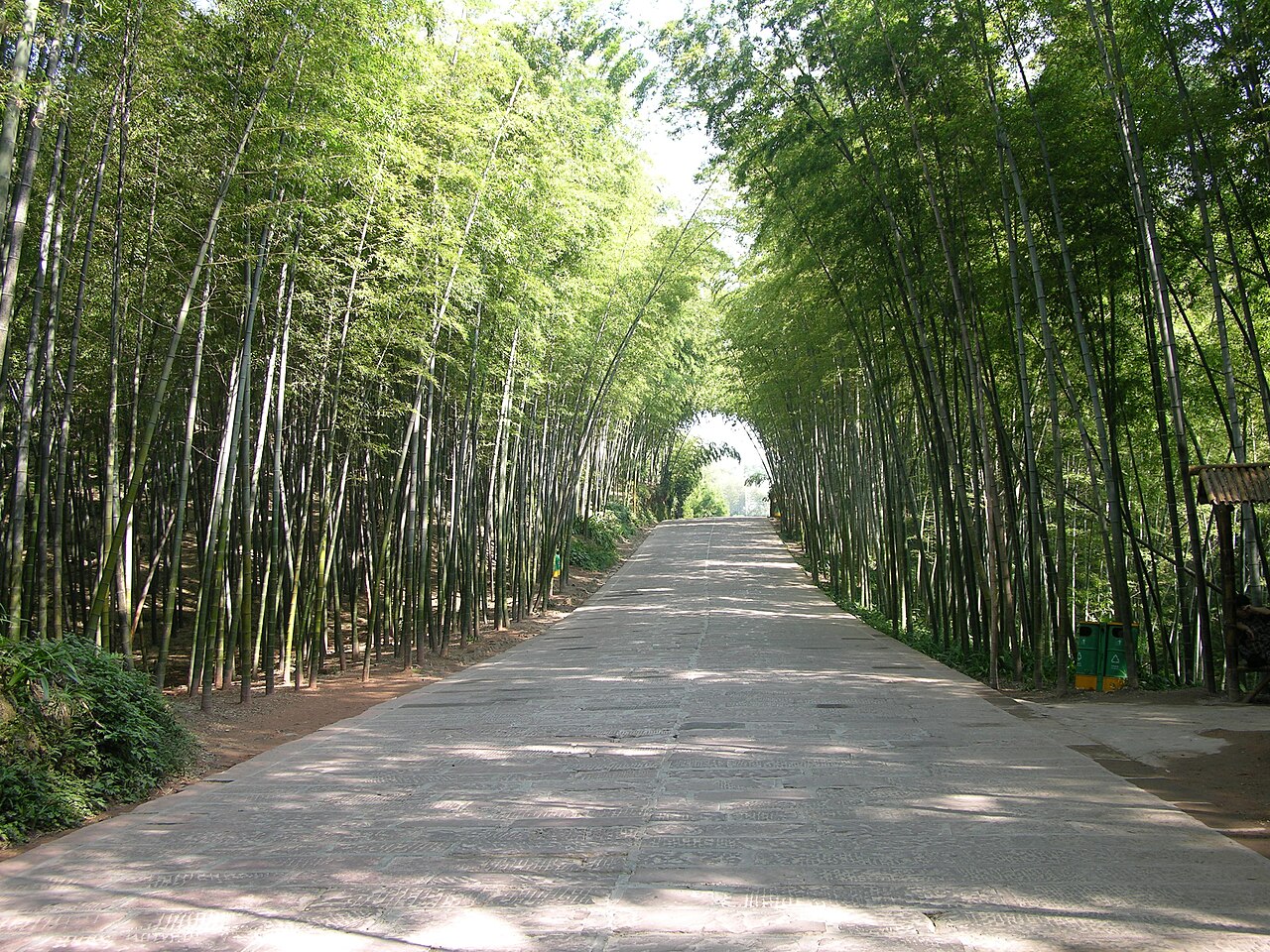 Shunan Bamboo Sea
City guide · 12 tours
Seventy thousand mu of bamboo over twenty-eight hills, a red sandstone corridor under a closed green roof, and a banquet made entirely of bamboo.
Shunan Bamboo Sea
City guide · 12 tours
Seventy thousand mu of bamboo over twenty-eight hills, a red sandstone corridor under a closed green roof, and a banquet made entirely of bamboo.
 Dujiangyan
City guide · 12 tours
Not a monument but a machine: three pieces of engineering with no dam, still doing their job after 2,270 years.
Dujiangyan
City guide · 12 tours
Not a monument but a machine: three pieces of engineering with no dam, still doing their job after 2,270 years.
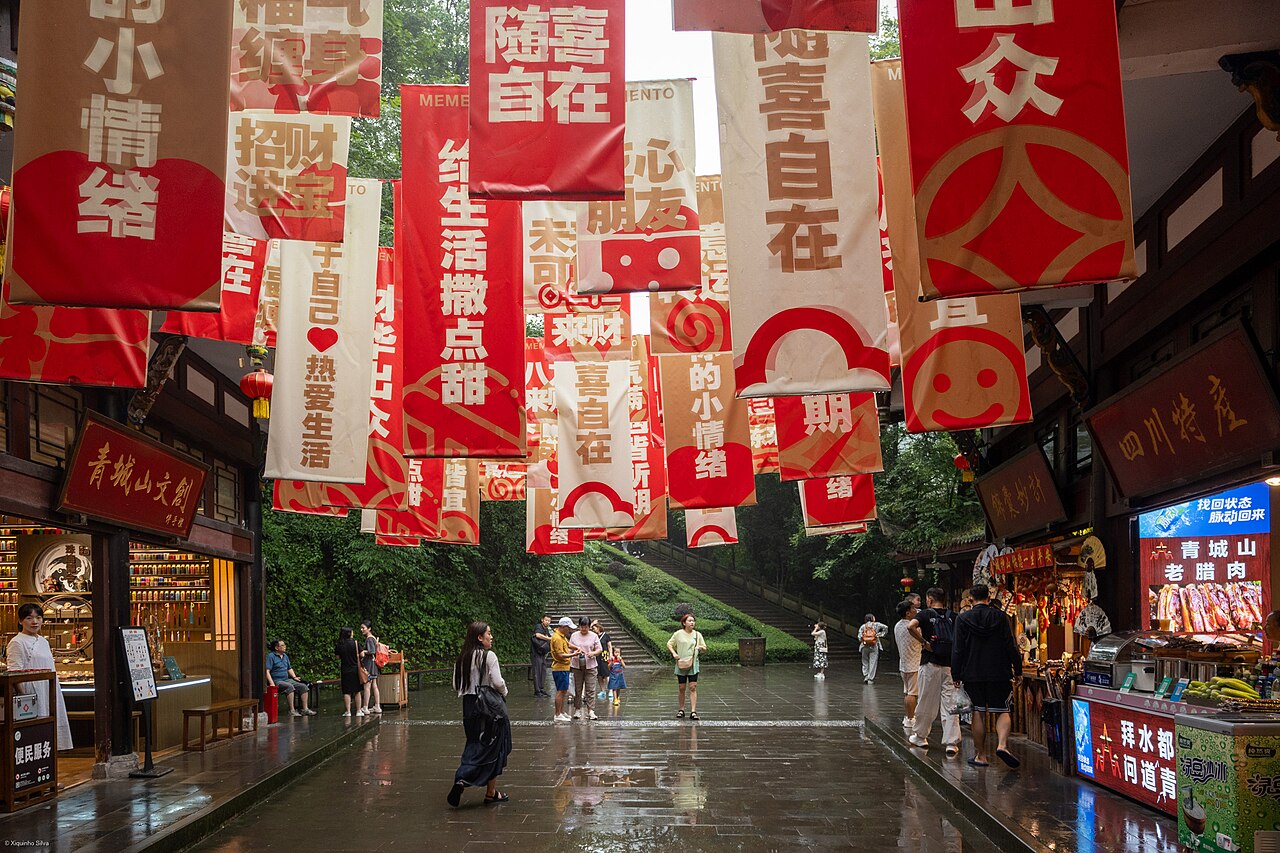 Qingcheng Mountain
City guide · 12 tours
The mountain where Daoism was organised, and the one Chengdu escapes to when the basin turns into an oven.
Qingcheng Mountain
City guide · 12 tours
The mountain where Daoism was organised, and the one Chengdu escapes to when the basin turns into an oven.
 Qingdao
City guide · 12 tours
Red-tiled roofs, cold beer and a granite mountain that walks straight into the sea — the easiest good time on the Yellow Sea.
Qingdao
City guide · 12 tours
Red-tiled roofs, cold beer and a granite mountain that walks straight into the sea — the easiest good time on the Yellow Sea.
 Mount Tai
City guide · 12 tours
1,545 metres, 6,290 stone steps and three thousand years of emperors — the one mountain in China that is also a document.
Mount Tai
City guide · 12 tours
1,545 metres, 6,290 stone steps and three thousand years of emperors — the one mountain in China that is also a document.
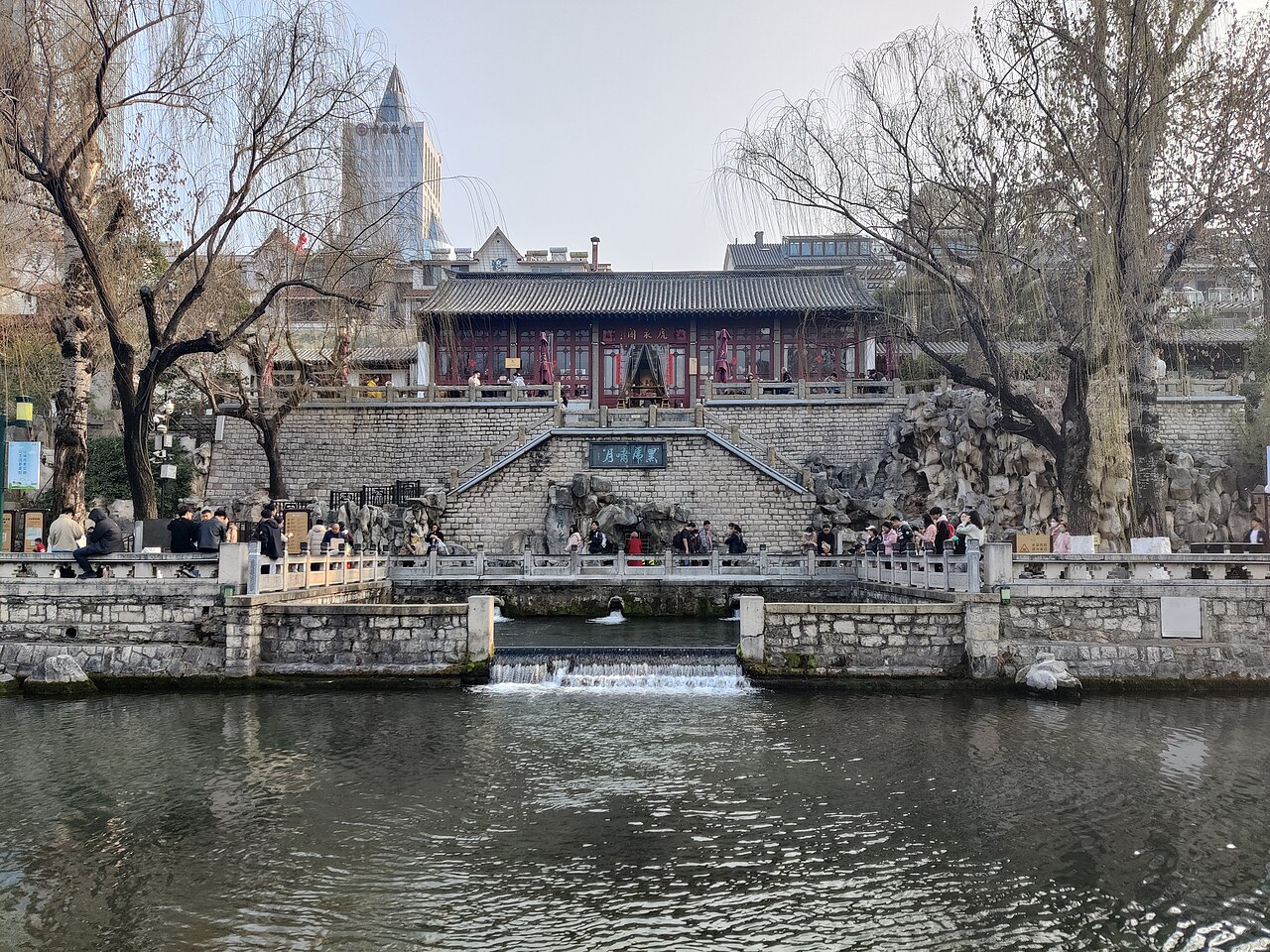 Jinan
City guide · 12 tours
A provincial capital with 700 springs under the pavement — people still queue at the spouts to fill their kettles.
Jinan
City guide · 12 tours
A provincial capital with 700 springs under the pavement — people still queue at the spouts to fill their kettles.
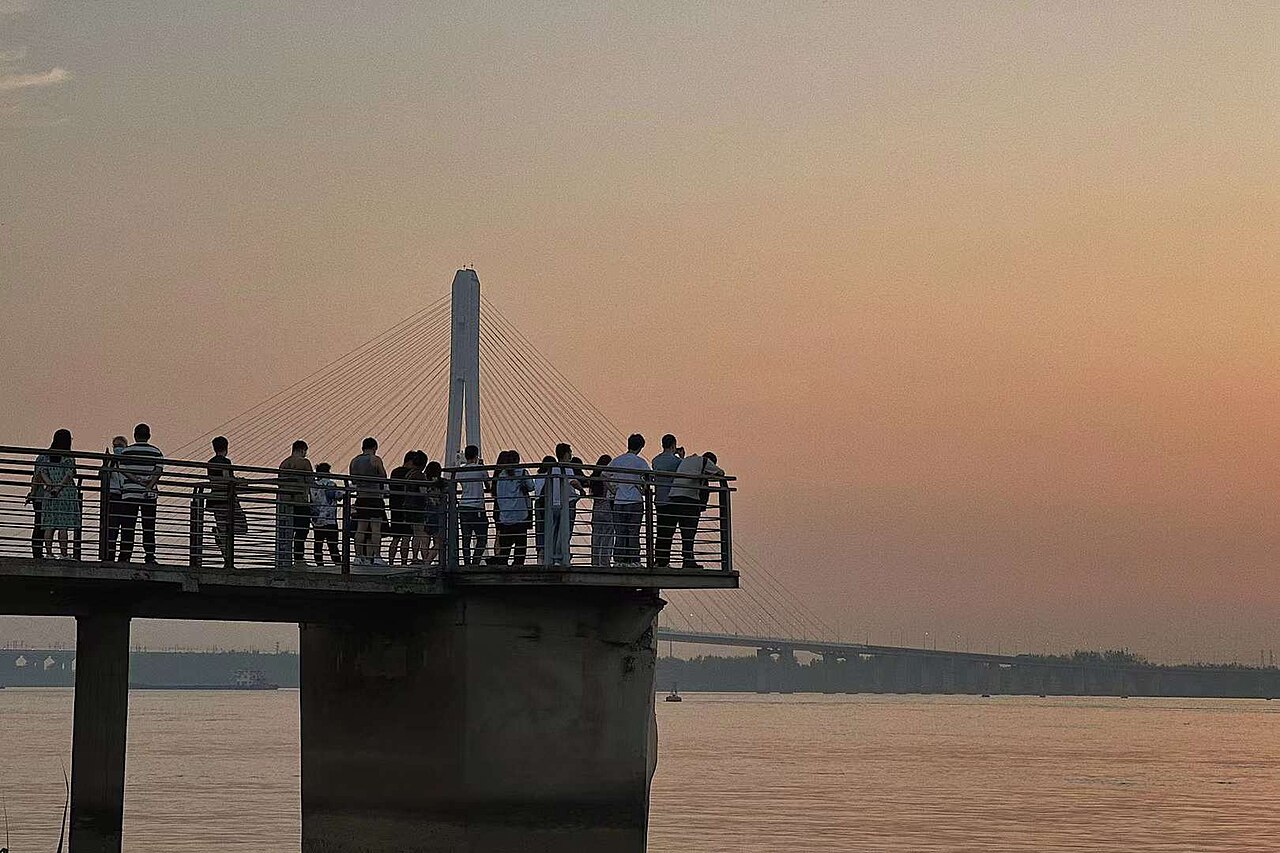 Weihai
City guide · 12 tours
1,000 km of clean coast, a free bathing beach, the island where the Beiyang Fleet died — and thousands of wild swans every winter.
Weihai
City guide · 12 tours
1,000 km of clean coast, a free bathing beach, the island where the Beiyang Fleet died — and thousands of wild swans every winter.
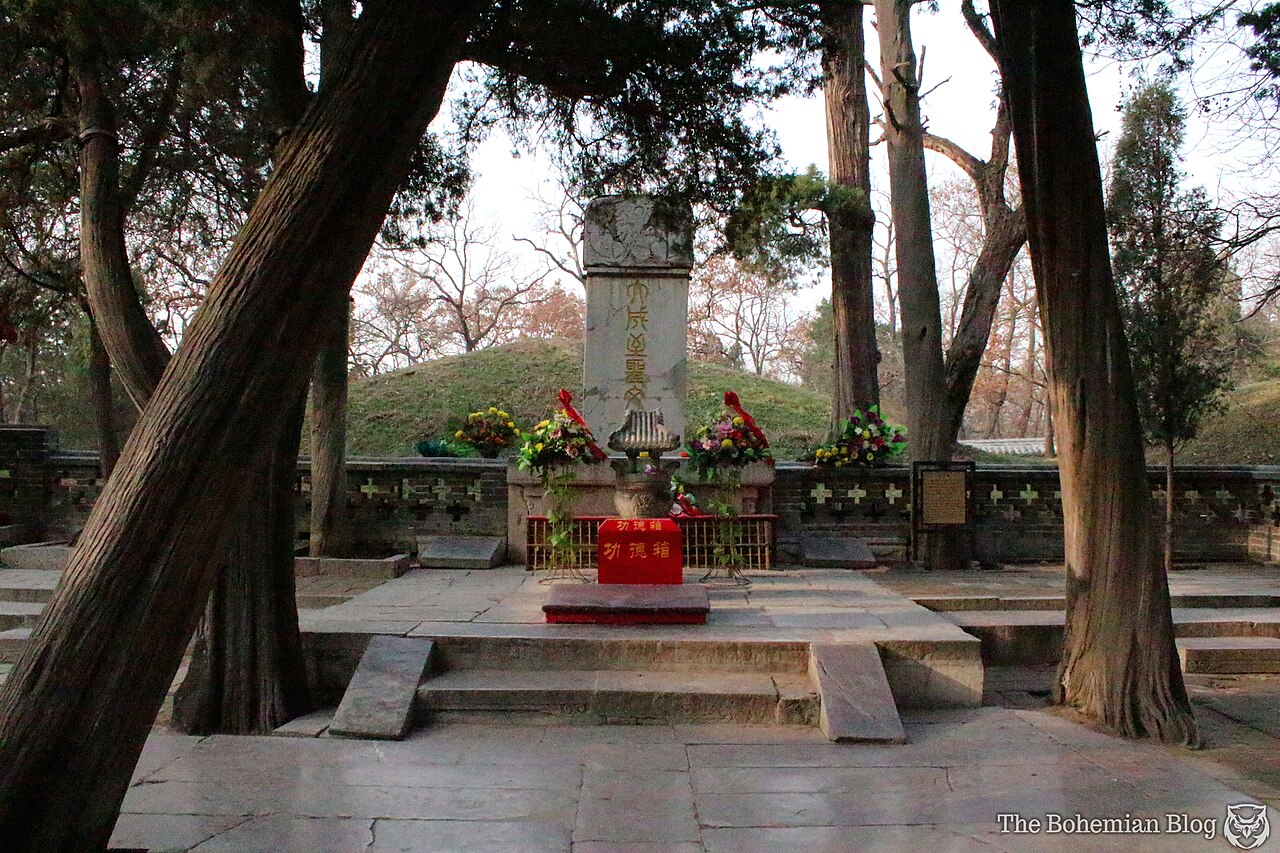 Qufu
City guide · 12 tours
One family, two thousand years of steles, and a ¥150 pass that covers the lot — the easiest serious day trip in Shandong.
Qufu
City guide · 12 tours
One family, two thousand years of steles, and a ¥150 pass that covers the lot — the easiest serious day trip in Shandong.
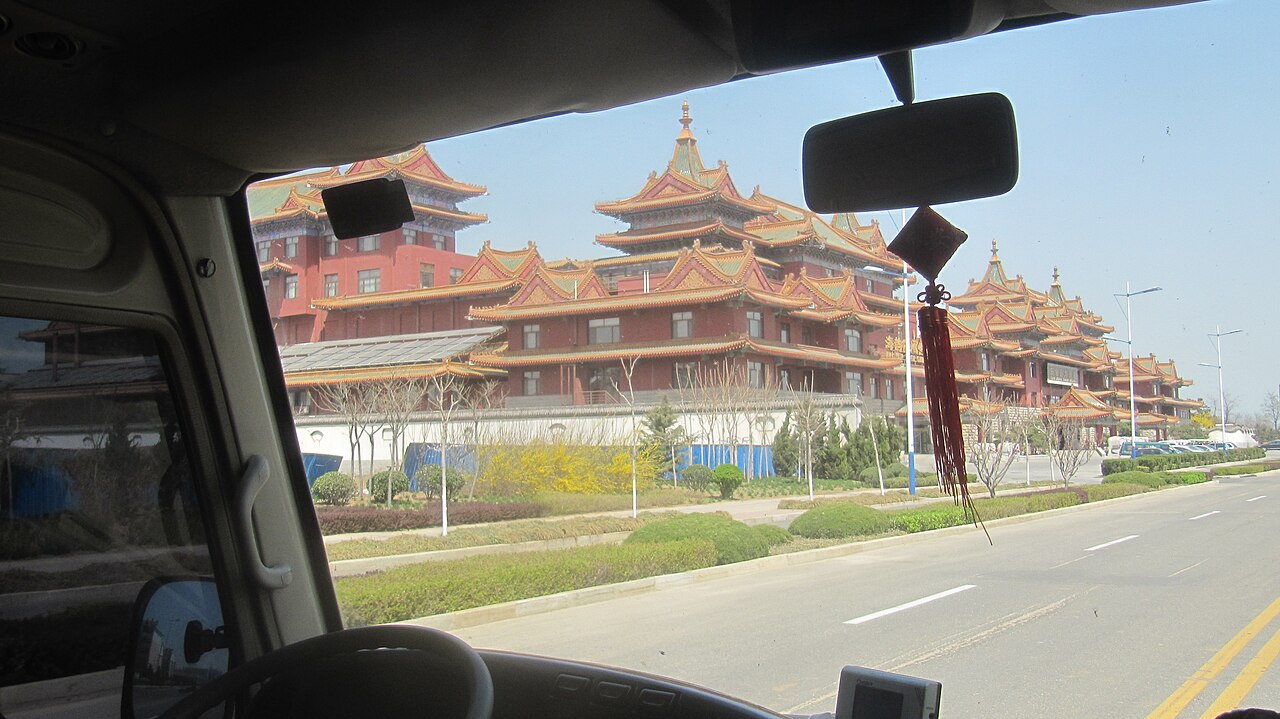 Penglai
City guide · 12 tours
China's immortals' coast — a Song-dynasty naval harbour you can walk for free, a mythology nobody ever found, and the ferry to 32 islands.
Penglai
City guide · 12 tours
China's immortals' coast — a Song-dynasty naval harbour you can walk for free, a mythology nobody ever found, and the ferry to 32 islands.
 Changdao
City guide · 12 tours
32 islands, one causeway, a ¥150 land pass, tens of thousands of gulls and nowhere you can drive — the place where everything happens by boat.
Changdao
City guide · 12 tours
32 islands, one causeway, a ¥150 land pass, tens of thousands of gulls and nowhere you can drive — the place where everything happens by boat.
 Nanjing
City guide · 12 tours
Capital of six dynasties, capital of the Republic, and the city that eats more duck than anywhere else on earth.
Nanjing
City guide · 12 tours
Capital of six dynasties, capital of the Republic, and the city that eats more duck than anywhere else on earth.
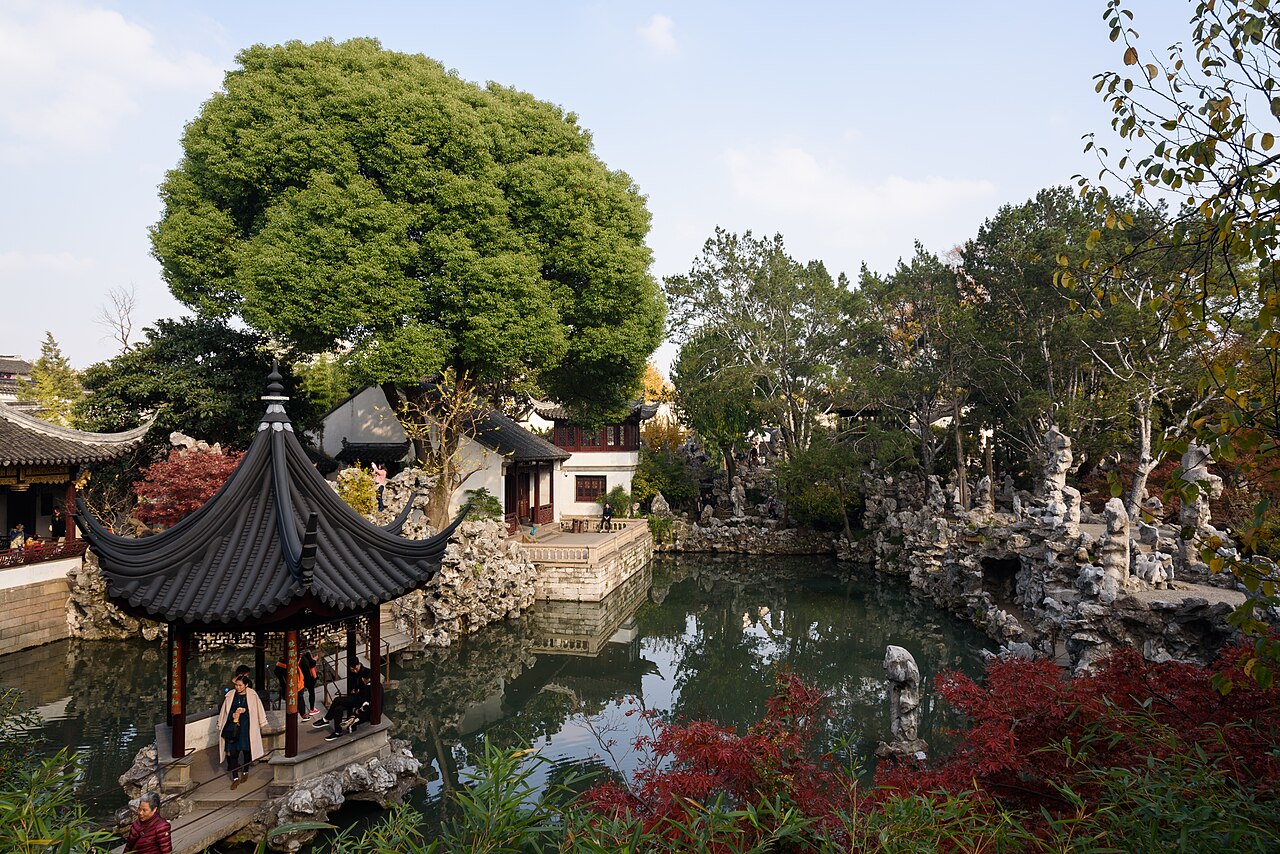 Suzhou
City guide · 12 tours
Two thousand five hundred years of canals, sixty surviving gardens, and a city that shuts its gates at half past five.
Suzhou
City guide · 12 tours
Two thousand five hundred years of canals, sixty surviving gardens, and a city that shuts its gates at half past five.
 Zhouzhuang
City guide · 12 tours
Nine hundred years, fourteen bridges, one ticket — and a town that only makes sense before eight in the morning.
Zhouzhuang
City guide · 12 tours
Nine hundred years, fourteen bridges, one ticket — and a town that only makes sense before eight in the morning.
 Tongli
City guide · 12 tours
Fifteen canals, seven islets, forty-nine bridges — and a town that still gets up at dawn because it lives here.
Tongli
City guide · 12 tours
Fifteen canals, seven islets, forty-nine bridges — and a town that still gets up at dawn because it lives here.
 Wuxi
City guide · 12 tours
Taihu on one side, a Grand Buddha on the next hill, and ribs sweet enough to argue about — the most underrated city on the Yangtze delta.
Wuxi
City guide · 12 tours
Taihu on one side, a Grand Buddha on the next hill, and ribs sweet enough to argue about — the most underrated city on the Yangtze delta.
 Yangzhou
City guide · 12 tours
A city built by salt merchants who had more money than restraint — gardens, a narrow lake, and the best breakfast in China.
Yangzhou
City guide · 12 tours
A city built by salt merchants who had more money than restraint — gardens, a narrow lake, and the best breakfast in China.
 Zhenjiang
City guide · 12 tours
Three hills, one ferry landing, and an unreasonable share of Chinese literature — the Yangtze city people drive past.
Zhenjiang
City guide · 12 tours
Three hills, one ferry landing, and an unreasonable share of Chinese literature — the Yangtze city people drive past.
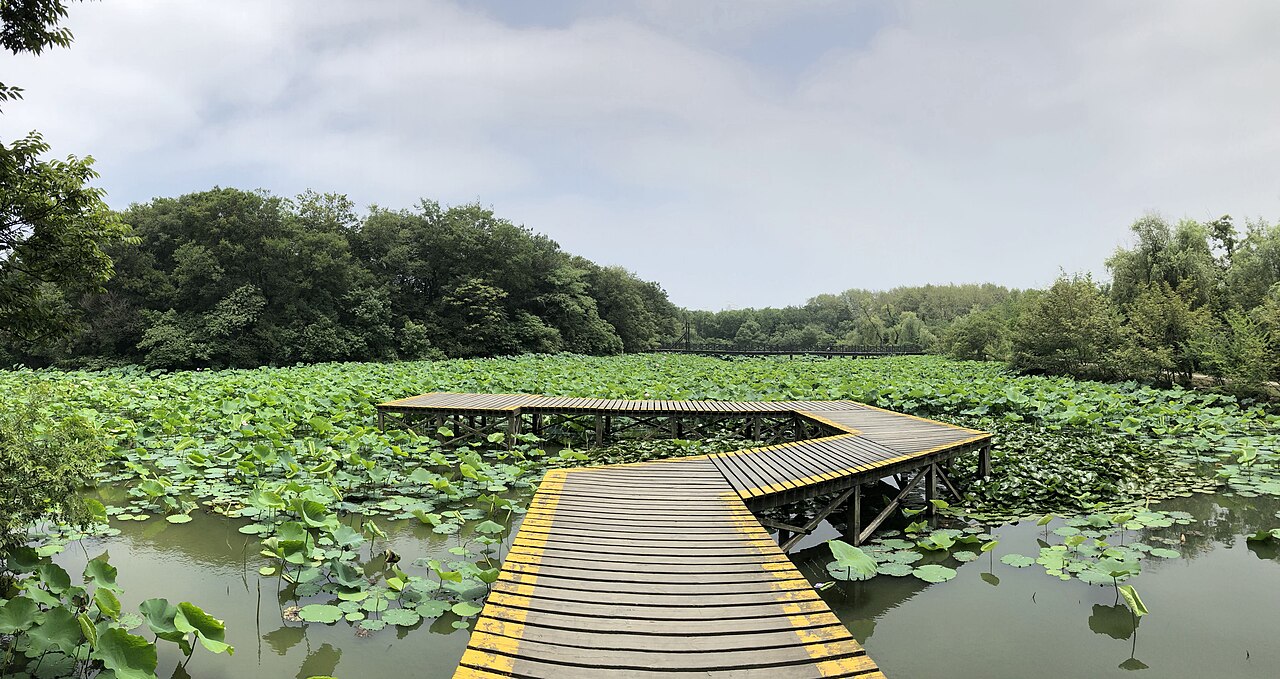 Changzhou
City guide · 12 tours
A 2,500-year-old canal city that built a dinosaur park and refuses to apologise for it.
Changzhou
City guide · 12 tours
A 2,500-year-old canal city that built a dinosaur park and refuses to apologise for it.
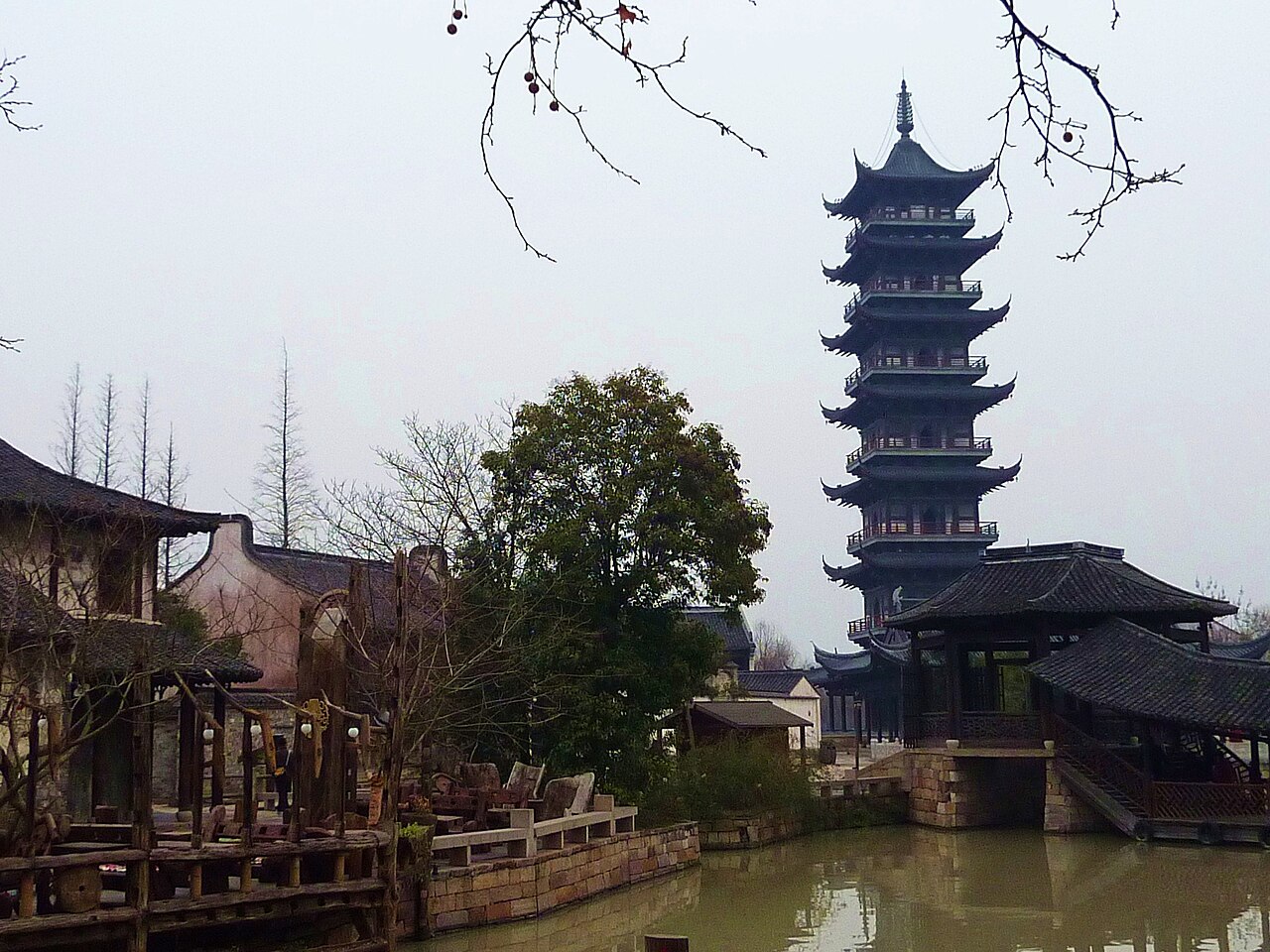 Wuzhen
City guide · 12 tours
A town that is two towns: the older, quieter East Zone and the lit-up West Zone you sleep inside.
Wuzhen
City guide · 12 tours
A town that is two towns: the older, quieter East Zone and the lit-up West Zone you sleep inside.
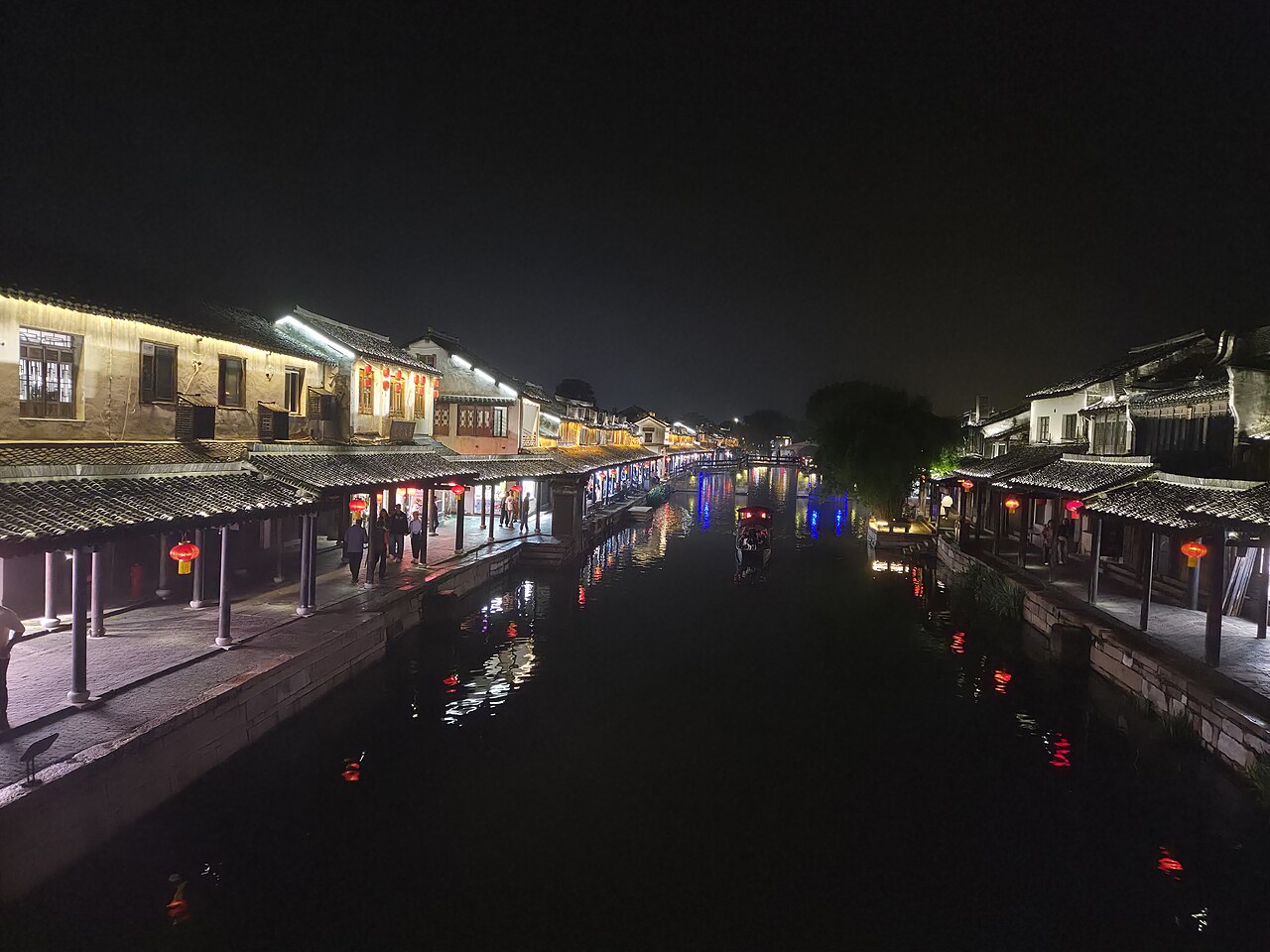 Xitang
City guide · 12 tours
Nine canals, 122 lanes, one long roofed corridor — and a town that still works for a living.
Xitang
City guide · 12 tours
Nine canals, 122 lanes, one long roofed corridor — and a town that still works for a living.
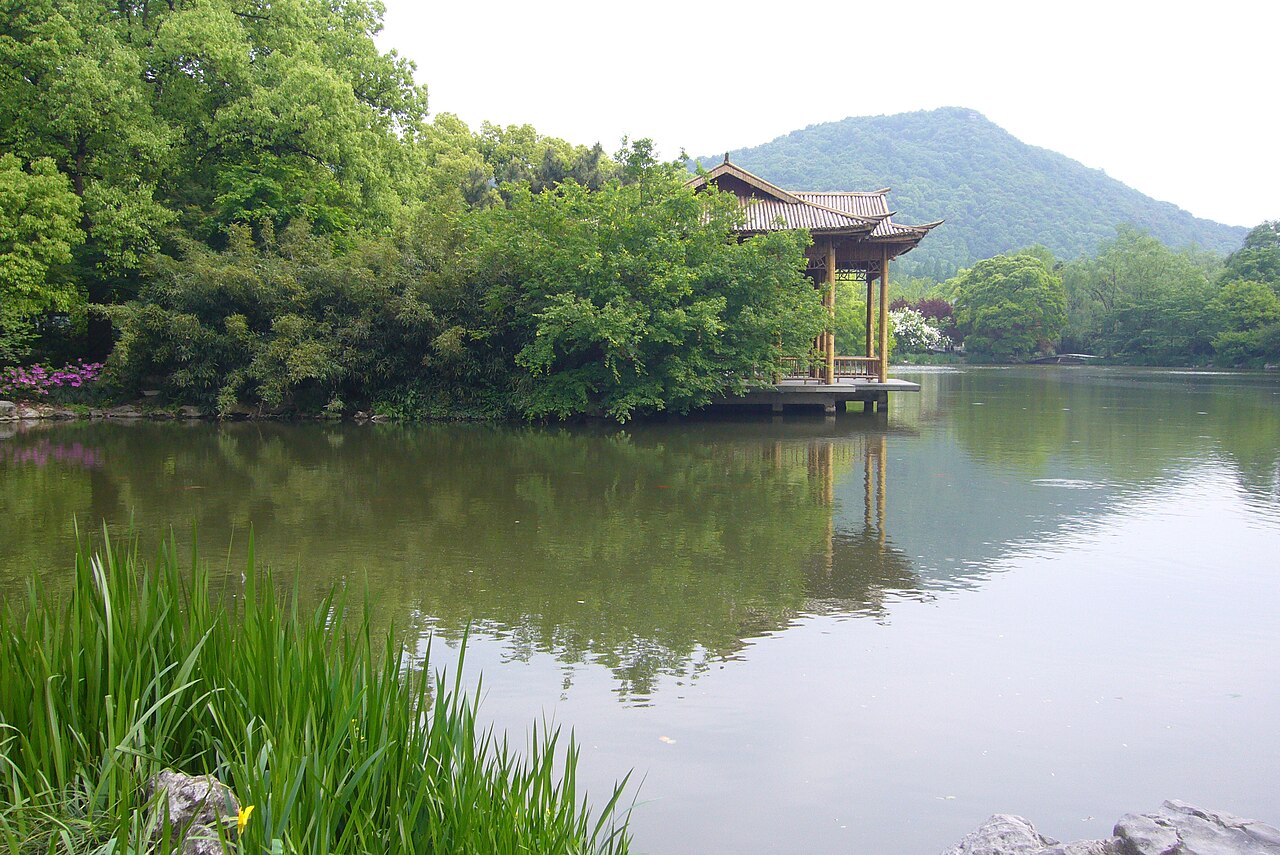 Hangzhou
City guide · 12 tours
A lake in the middle of a city, a tea village in the hills, and two thousand years of getting the mood right.
Hangzhou
City guide · 12 tours
A lake in the middle of a city, a tea village in the hills, and two thousand years of getting the mood right.
 Xixi Wetland
City guide · 12 tours
Ten square kilometres of marsh inside Hangzhou, and the only way into half of it is a boat.
Xixi Wetland
City guide · 12 tours
Ten square kilometres of marsh inside Hangzhou, and the only way into half of it is a boat.
 Ningbo
City guide · 12 tours
A 7,000-year-old port with Asia's oldest private library, a free waterfront 20 years older than Shanghai's, and the best seafood before the islands.
Ningbo
City guide · 12 tours
A 7,000-year-old port with Asia's oldest private library, a free waterfront 20 years older than Shanghai's, and the best seafood before the islands.
 Mount Putuo
City guide · 12 tours
A Buddhist island with no cars, three great temples and a ¥10 lunch that is the point of the place.
Mount Putuo
City guide · 12 tours
A Buddhist island with no cars, three great temples and a ¥10 lunch that is the point of the place.
 Qiandao Lake
City guide · 12 tours
A thousand islands that did not exist sixty years ago, and the cleanest big-lake water in China.
Qiandao Lake
City guide · 12 tours
A thousand islands that did not exist sixty years ago, and the cleanest big-lake water in China.
 Shaoxing
City guide · 12 tours
Two and a half thousand years of water-town China, and Lu Xun's house is free.
Shaoxing
City guide · 12 tours
Two and a half thousand years of water-town China, and Lu Xun's house is free.
 Zhoushan
City guide · 12 tours
1,390 islands, one road bridge in, and a harbour that lands more fish than almost anywhere on earth.
Zhoushan
City guide · 12 tours
1,390 islands, one road bridge in, and a harbour that lands more fish than almost anywhere on earth.
 Hengdian
City guide · 12 tours
A backlot the size of a town, where the palaces are copies and the film crews are real.
Hengdian
City guide · 12 tours
A backlot the size of a town, where the palaces are copies and the film crews are real.
 Yandang Mountain
City guide · 12 tours
A volcano that weathering turned into scenery — 500-odd sights of peak, cave and waterfall across eight scenic areas.
Yandang Mountain
City guide · 12 tours
A volcano that weathering turned into scenery — 500-odd sights of peak, cave and waterfall across eight scenic areas.
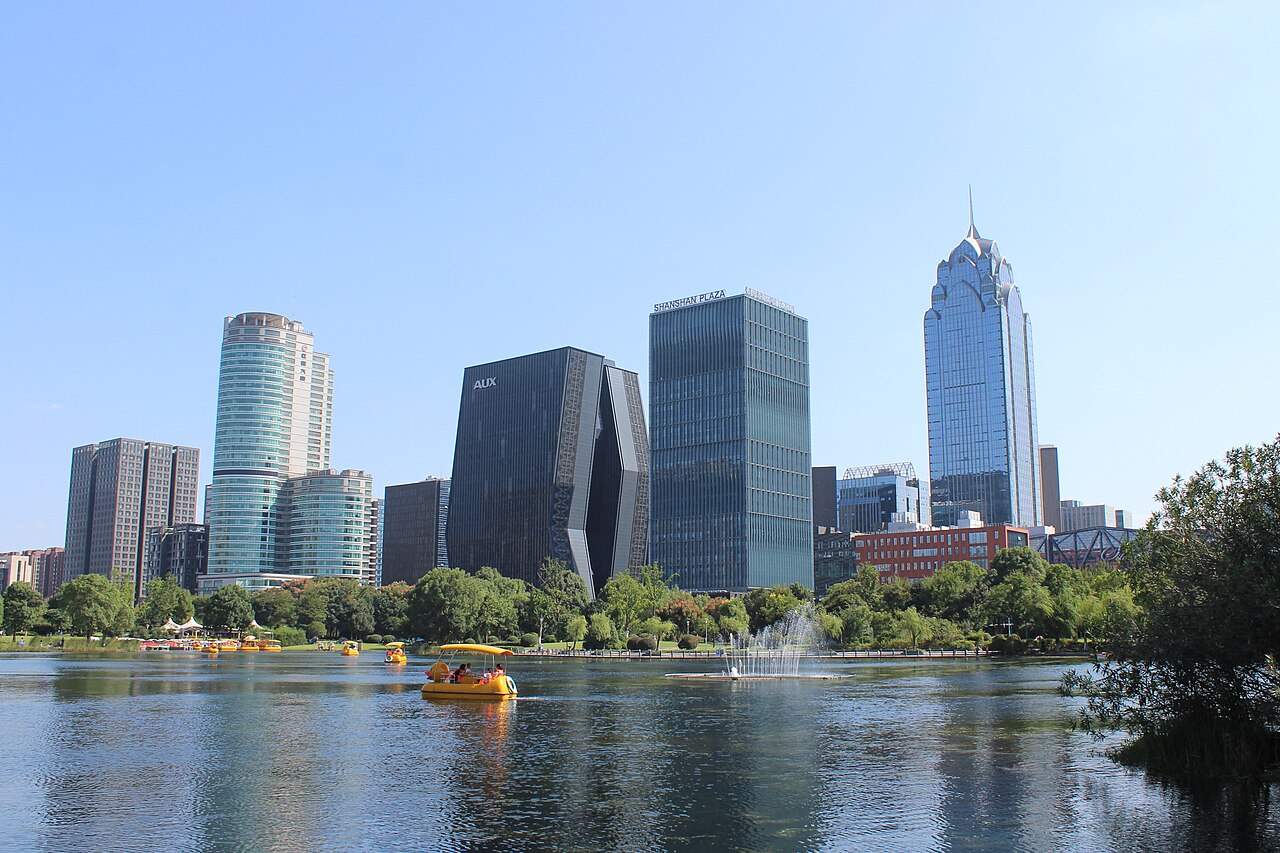 Zhejiang
City guide · 12 tours
One small, mountainous, absurdly rich province that holds a lake, two canal towns, a Buddhist island and a dead volcano.
Zhejiang
City guide · 12 tours
One small, mountainous, absurdly rich province that holds a lake, two canal towns, a Buddhist island and a dead volcano.
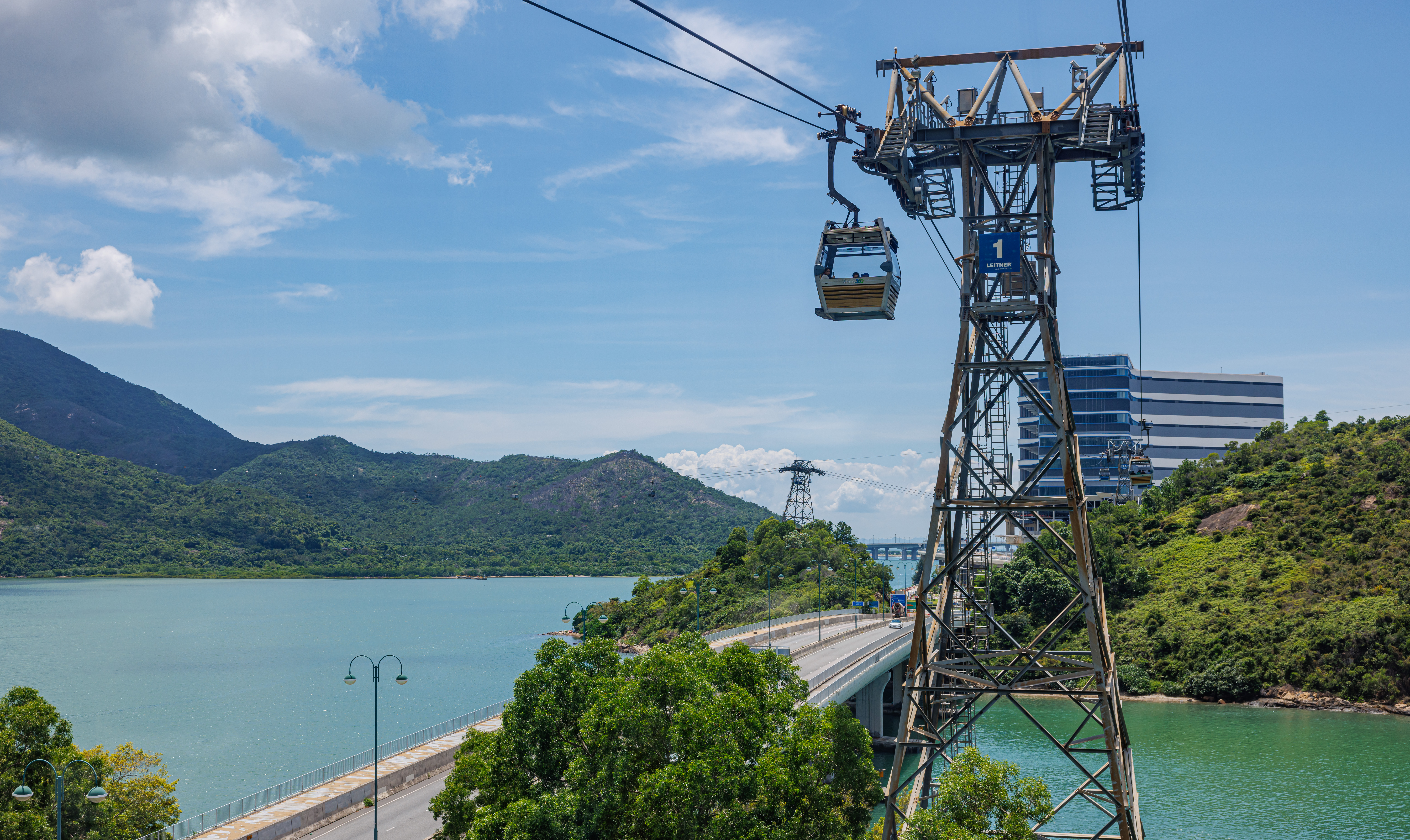 Hong Kong Outlying Islands
City guide · 12 tours
Two hundred-odd islands, half an hour of ferry from the financial district, and not a car on three of them.
Hong Kong Outlying Islands
City guide · 12 tours
Two hundred-odd islands, half an hour of ferry from the financial district, and not a car on three of them.
 Hong Kong Shopping
City guide · 12 tours
A duty-free port where the tag starts lower, two citywide sale seasons knock a third off, and every mall sits on an MTR exit.
Hong Kong Shopping
City guide · 12 tours
A duty-free port where the tag starts lower, two citywide sale seasons knock a third off, and every mall sits on an MTR exit.
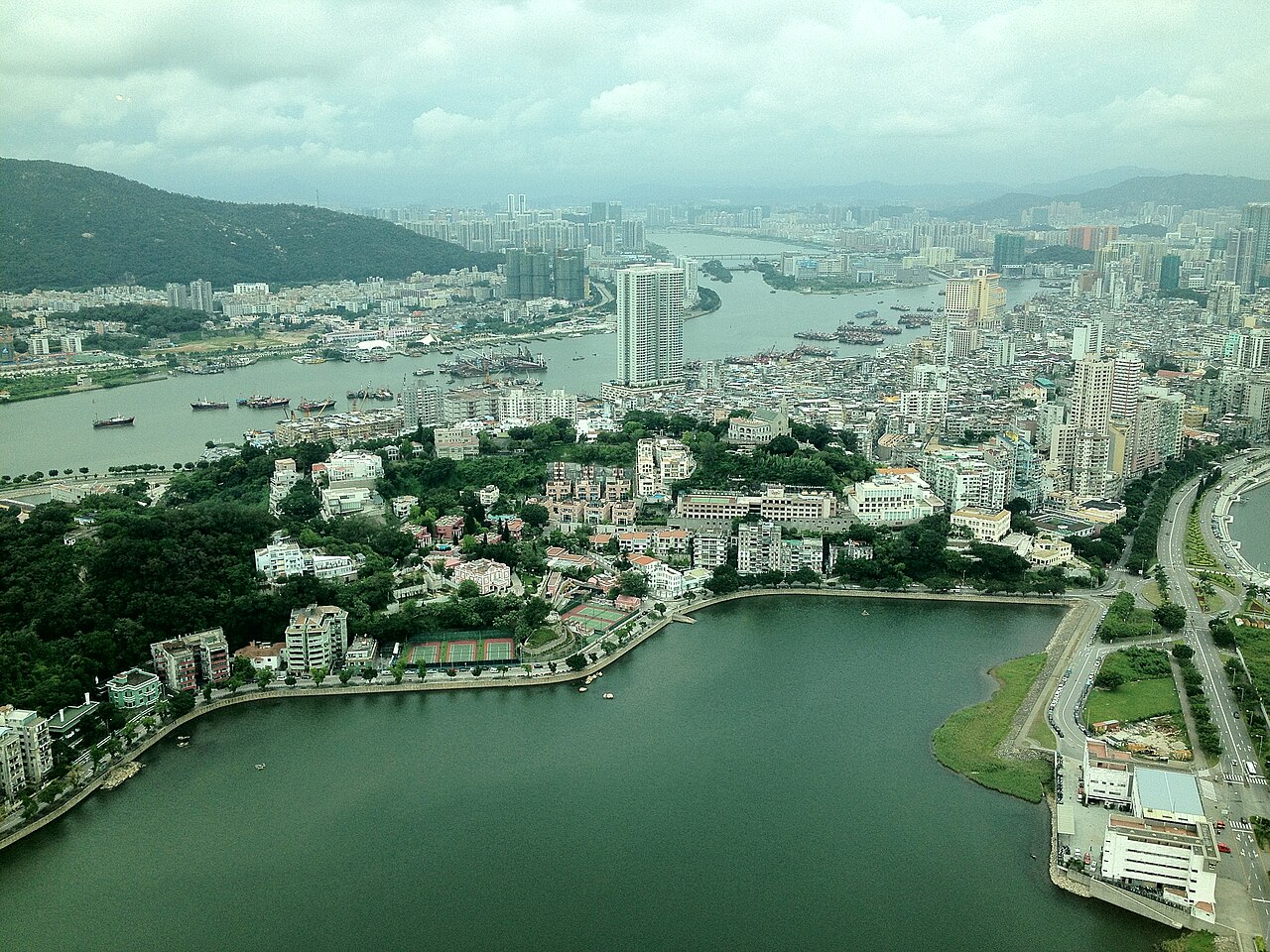 Macao
City guide · 12 tours
Four hundred years of Portuguese streets, a fake Venice under a painted sky, and the best egg tart in Asia.
Macao
City guide · 12 tours
Four hundred years of Portuguese streets, a fake Venice under a painted sky, and the best egg tart in Asia.
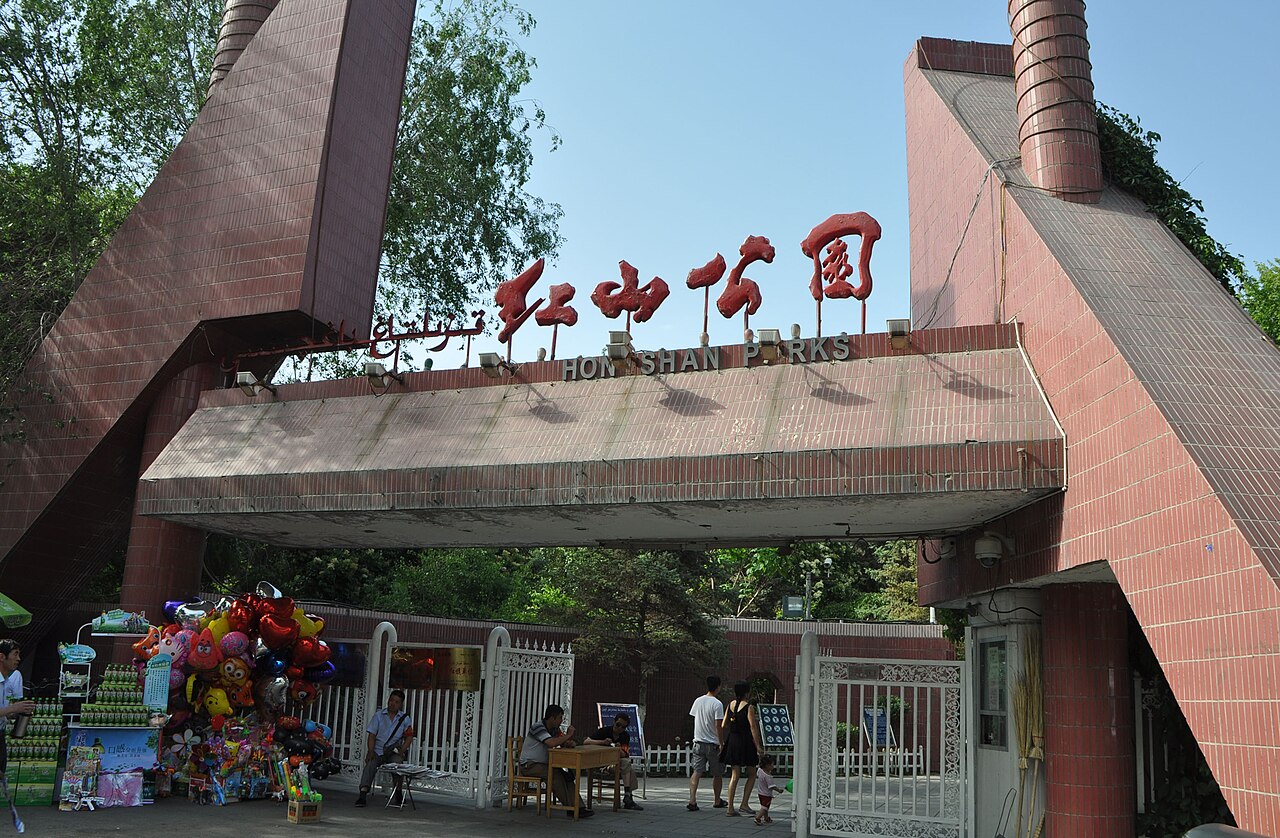 Urumqi
City guide · 12 tours
The city furthest from the sea, with a snow range on its doorstep and dinner starting at nine.
Urumqi
City guide · 12 tours
The city furthest from the sea, with a snow range on its doorstep and dinner starting at nine.
 Hong Kong SAR, China
City guide · 11 tours
A harbour skyline you already know by heart, dim sum trolleys at dawn, and 260 islands an hour from the neon.
Hong Kong SAR, China
City guide · 11 tours
A harbour skyline you already know by heart, dim sum trolleys at dawn, and 260 islands an hour from the neon.
 Taiwan, China
City guide · 11 tours
Night-market alleys, high-mountain railways, and a coastline that changes character every hundred kilometres.
Taiwan, China
City guide · 11 tours
Night-market alleys, high-mountain railways, and a coastline that changes character every hundred kilometres.
 Qinghai Lake
City guide · 12 tours
A 4,400 sq km inland sea at 3,200 m, ringed by rapeseed gold, prayer flags and the best cycling road in China.
Qinghai Lake
City guide · 12 tours
A 4,400 sq km inland sea at 3,200 m, ringed by rapeseed gold, prayer flags and the best cycling road in China.
 Mount Emei
City guide · 11 tours
A 3,099-metre Buddhist summit you can reach by cable car before lunch — and a mountain full of monkeys that will absolutely rob you.
Mount Emei
City guide · 11 tours
A 3,099-metre Buddhist summit you can reach by cable car before lunch — and a mountain full of monkeys that will absolutely rob you.
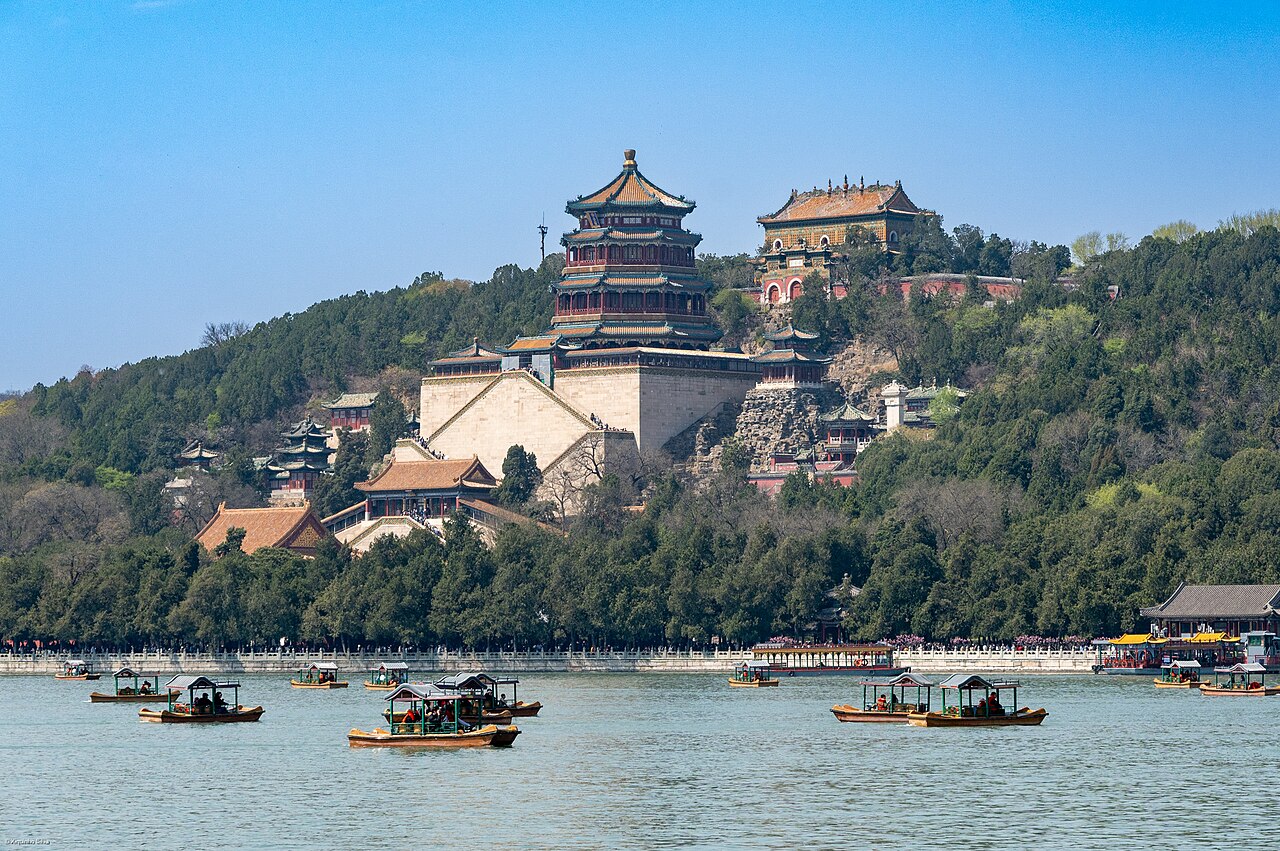 Beijing
City guide · 11 tours
Six centuries of imperial red walls, a Great Wall you can climb before lunch, and the best roast duck on earth.
Beijing
City guide · 11 tours
Six centuries of imperial red walls, a Great Wall you can climb before lunch, and the best roast duck on earth.
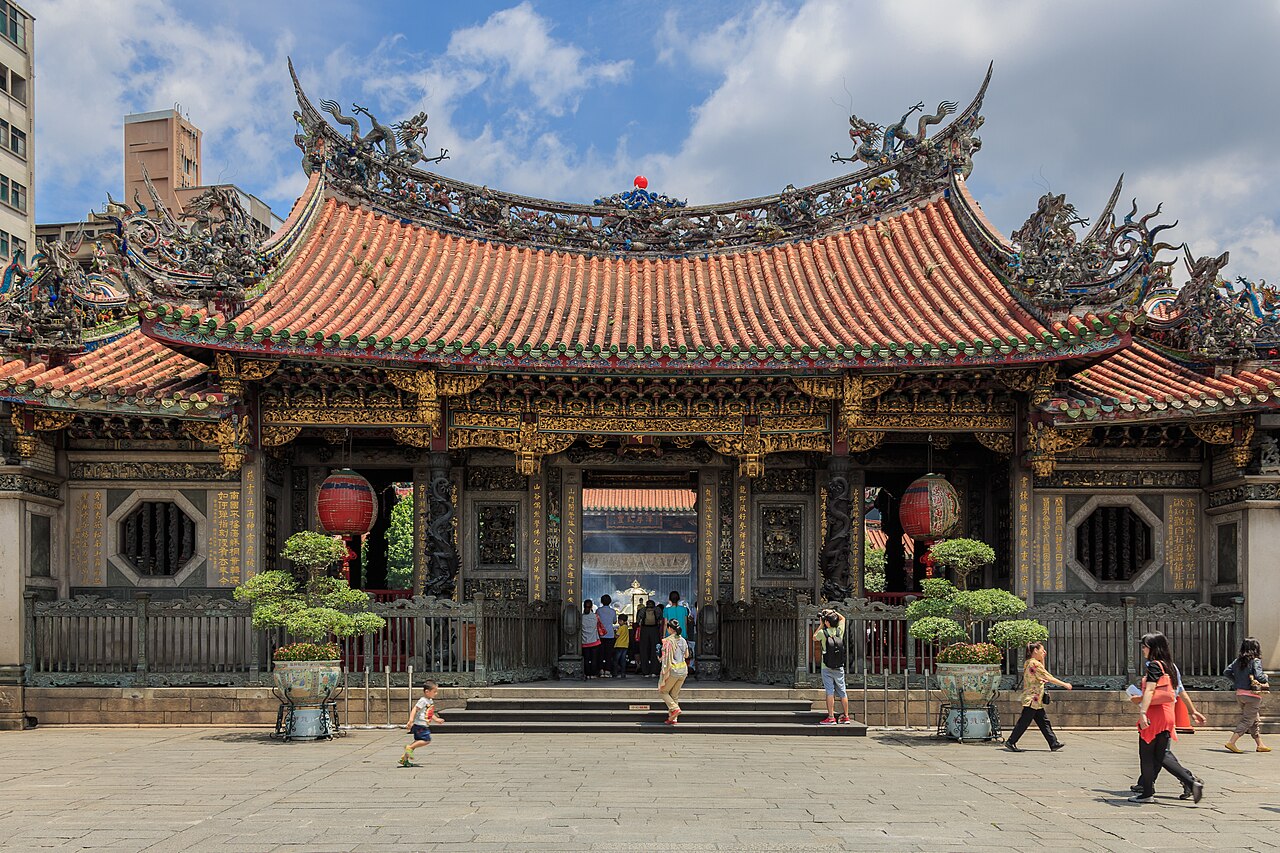 Taipei
City guide · 11 tours
A 24-hour bookstore, a night market that never stops sizzling, and a city that apologises when you bump into it.
Taipei
City guide · 11 tours
A 24-hour bookstore, a night market that never stops sizzling, and a city that apologises when you bump into it.
 North Xinjiang
City guide · 11 tours
Alpine lakes the colour of poured enamel, a village of log cabins under birch trees, and the last tear the Atlantic ever sheds.
North Xinjiang
City guide · 11 tours
Alpine lakes the colour of poured enamel, a village of log cabins under birch trees, and the last tear the Atlantic ever sheds.
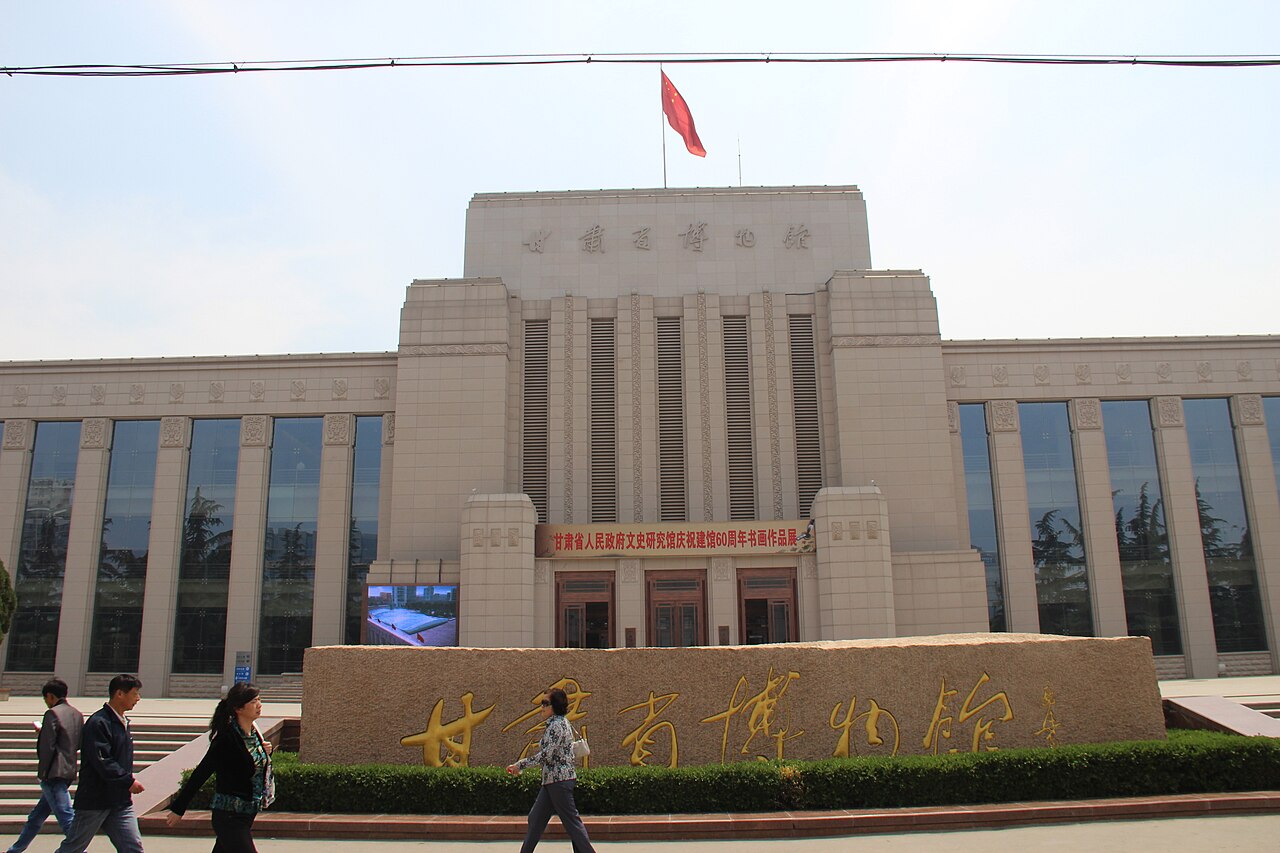 Lanzhou
City guide · 11 tours
A city split in half by the Yellow River, where beef noodles are a breakfast ritual and the Silk Road still runs through the streets.
Lanzhou
City guide · 11 tours
A city split in half by the Yellow River, where beef noodles are a breakfast ritual and the Silk Road still runs through the streets.
 Mount Hua
City guide · 11 tours
Five granite peaks, one plank road bolted to a cliff face, and a sunrise that justifies the 2am start.
Mount Hua
City guide · 11 tours
Five granite peaks, one plank road bolted to a cliff face, and a sunrise that justifies the 2am start.
 Dunhuang
City guide · 11 tours
A desert oasis where Buddhist cave art survived a thousand years and a crescent lake refused to dry up.
Dunhuang
City guide · 11 tours
A desert oasis where Buddhist cave art survived a thousand years and a crescent lake refused to dry up.
 Gannan
City guide · 11 tours
433 kilometres of the Yellow River's first bend, a 3.5 km prayer-wheel circuit, and Tibetan grasslands almost nobody has commercialised yet.
Gannan
City guide · 11 tours
433 kilometres of the Yellow River's first bend, a 3.5 km prayer-wheel circuit, and Tibetan grasslands almost nobody has commercialised yet.
 Sichuan–Tibet Highway
City guide · 11 tours
2,142 kilometres of cliff-edge switchbacks, four of China's most beautiful mountains, and a road the Tibetans walk on their knees.
Sichuan–Tibet Highway
City guide · 11 tours
2,142 kilometres of cliff-edge switchbacks, four of China's most beautiful mountains, and a road the Tibetans walk on their knees.
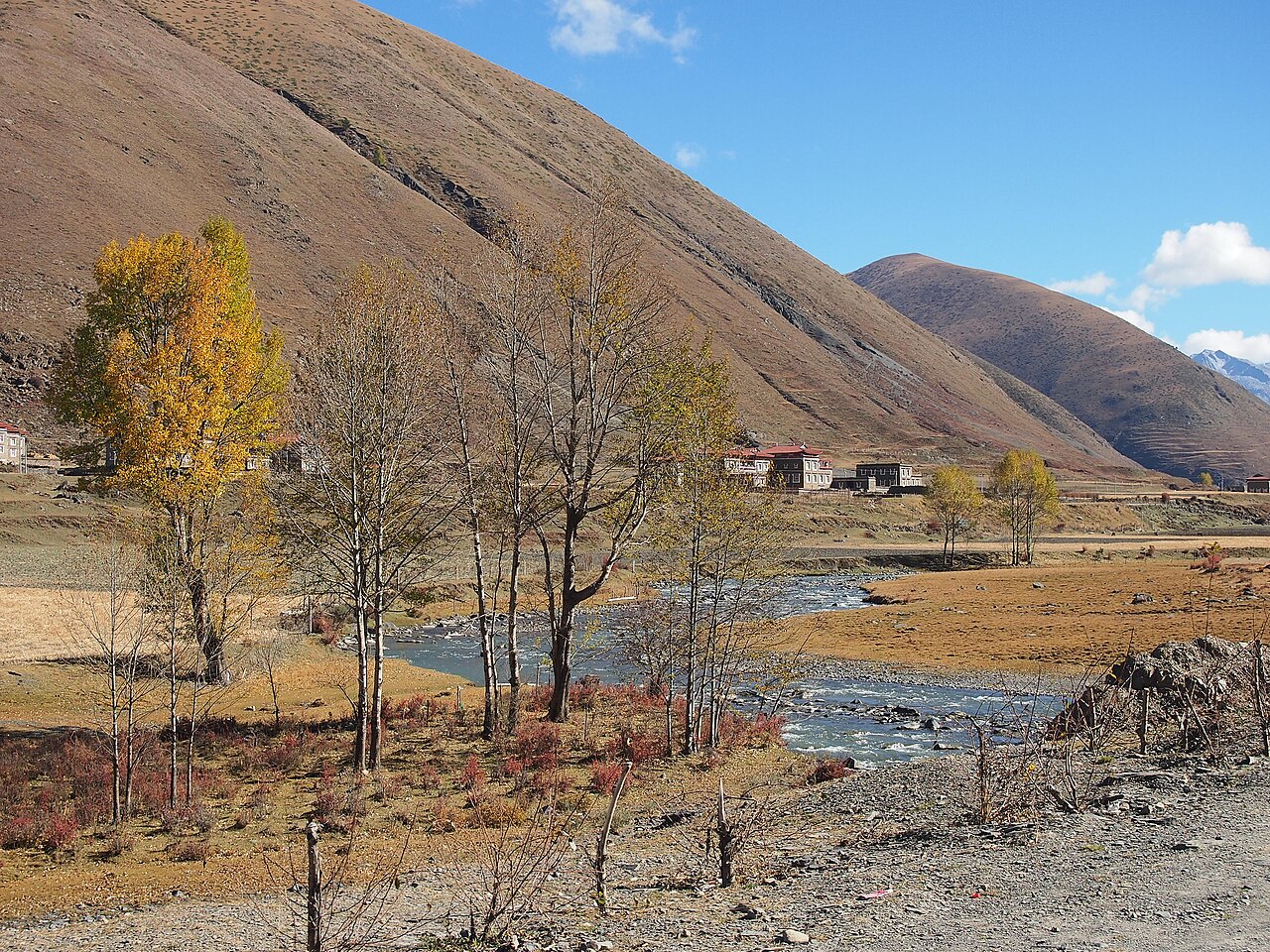 Kangding
City guide · 11 tours
The town that gave Asia its most famous love song, a 7,556m sacred peak on its doorstep, and the last real Tibetan town before the road climbs to Lhasa.
Kangding
City guide · 11 tours
The town that gave Asia its most famous love song, a 7,556m sacred peak on its doorstep, and the last real Tibetan town before the road climbs to Lhasa.
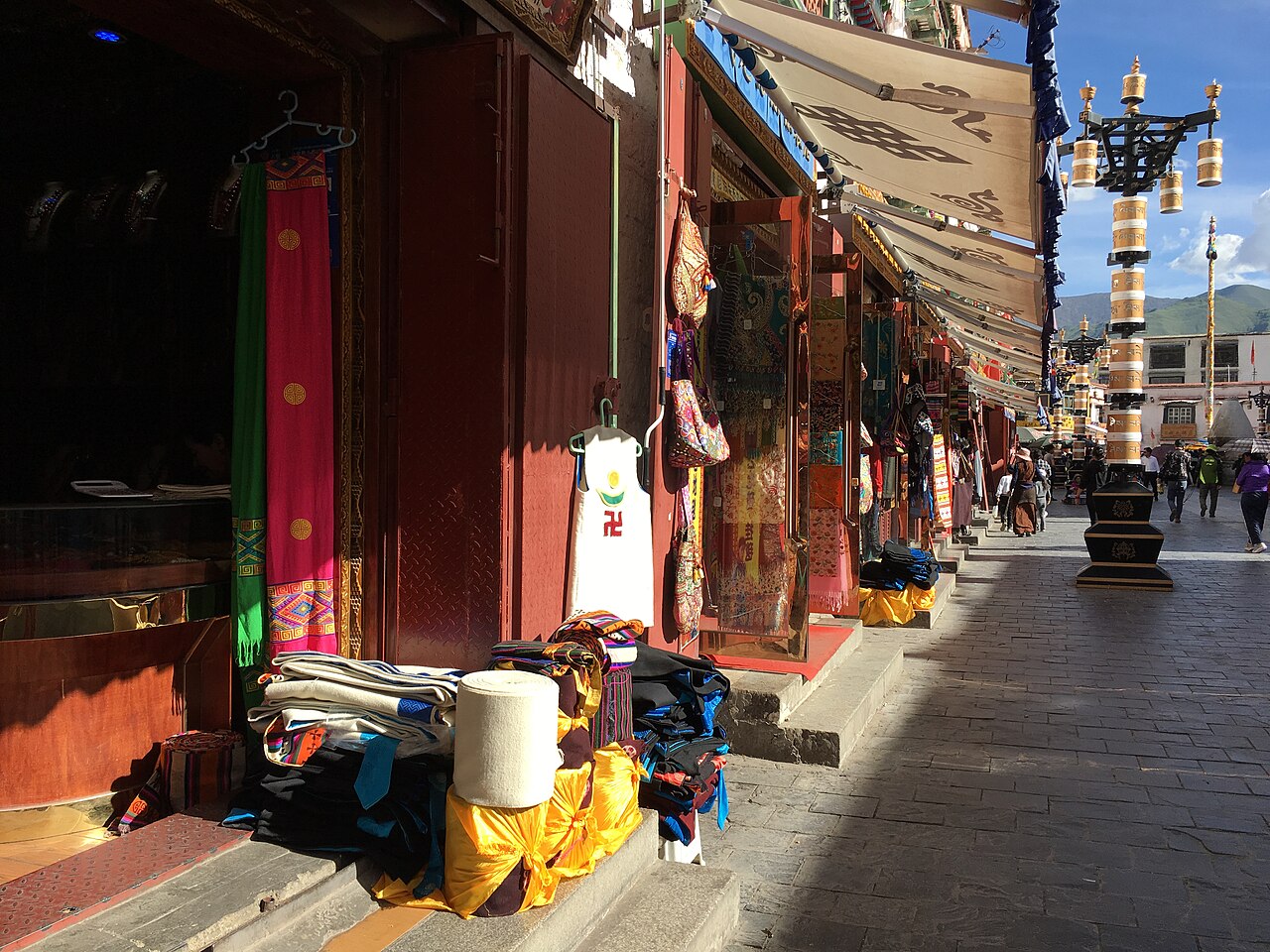 Lhasa
City guide · 12 tours
A city of prayer wheels and butter lamps at 3,700 metres, where the sun shines 3,000 hours a year and the world's highest palace watches over it all.
Lhasa
City guide · 12 tours
A city of prayer wheels and butter lamps at 3,700 metres, where the sun shines 3,000 hours a year and the world's highest palace watches over it all.
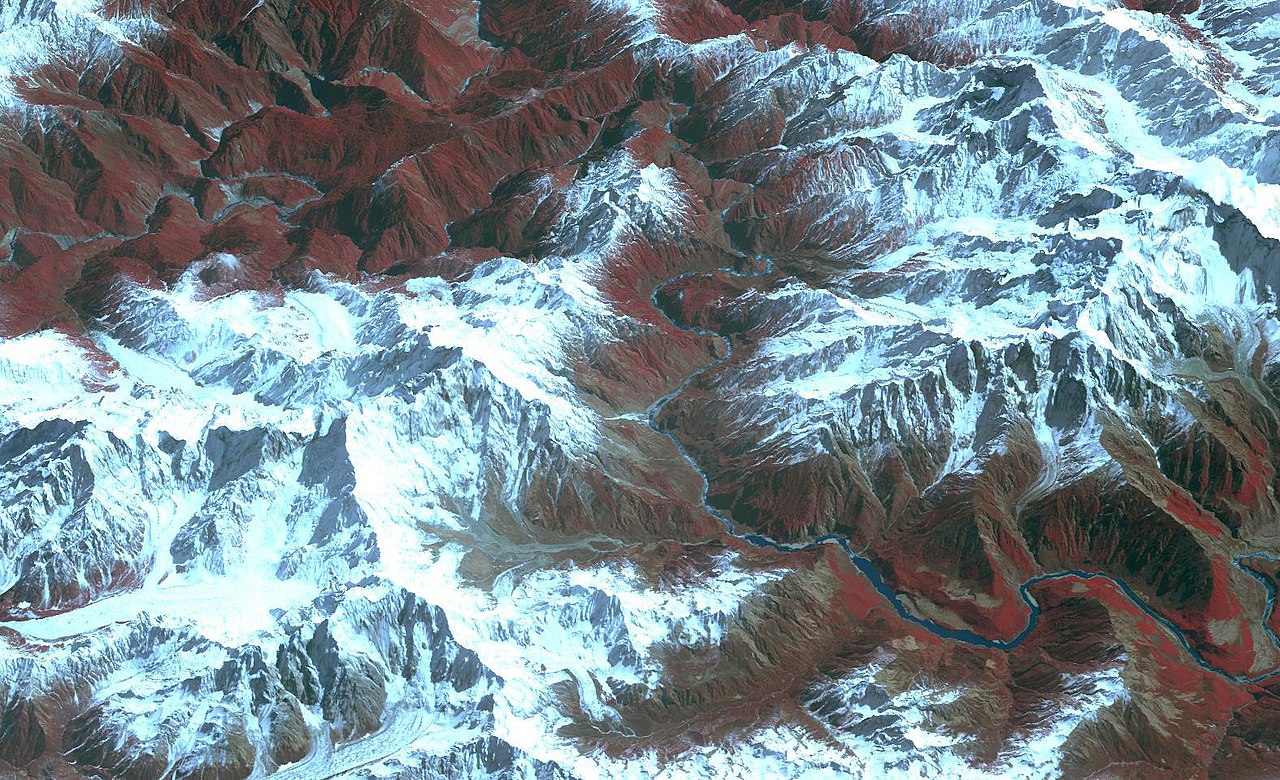 Nyingchi
City guide · 11 tours
Tibet's greenest corner — peach blossom valleys, a 7,782 m peak that hides from almost everyone, and the world's deepest canyon.
Nyingchi
City guide · 11 tours
Tibet's greenest corner — peach blossom valleys, a 7,782 m peak that hides from almost everyone, and the world's deepest canyon.
 Namtso
City guide · 11 tours
A 1,920-square-kilometre sheet of impossible blue at 4,718 metres, ringed by snow peaks and prayer flags.
Namtso
City guide · 11 tours
A 1,920-square-kilometre sheet of impossible blue at 4,718 metres, ringed by snow peaks and prayer flags.
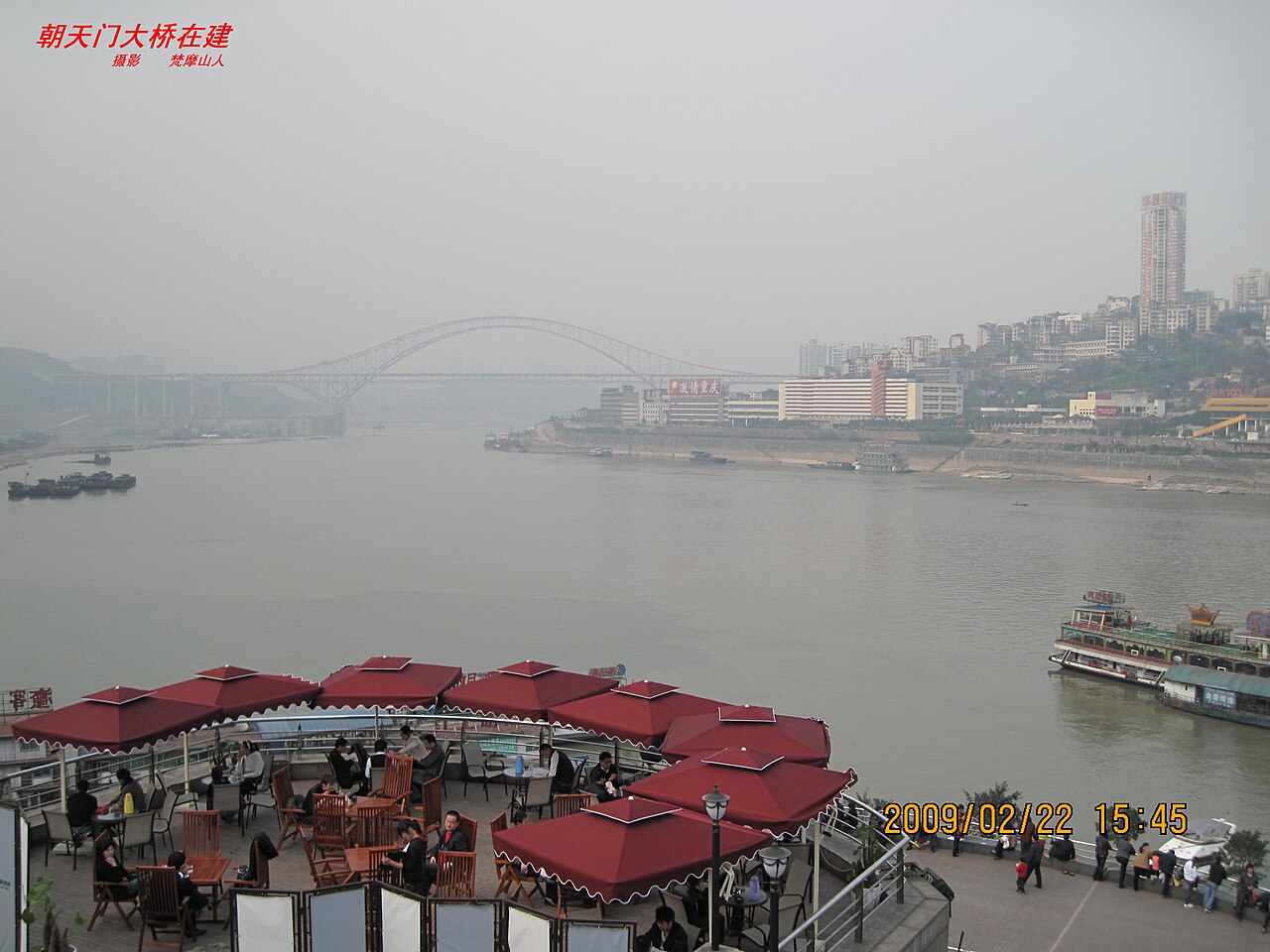 Chongqing
City guide · 12 tours
A vertical city of fog, cable cars and cliff-side stilt houses, where the火锅 never stops boiling and the night skyline outshines Hong Kong.
Chongqing
City guide · 12 tours
A vertical city of fog, cable cars and cliff-side stilt houses, where the火锅 never stops boiling and the night skyline outshines Hong Kong.
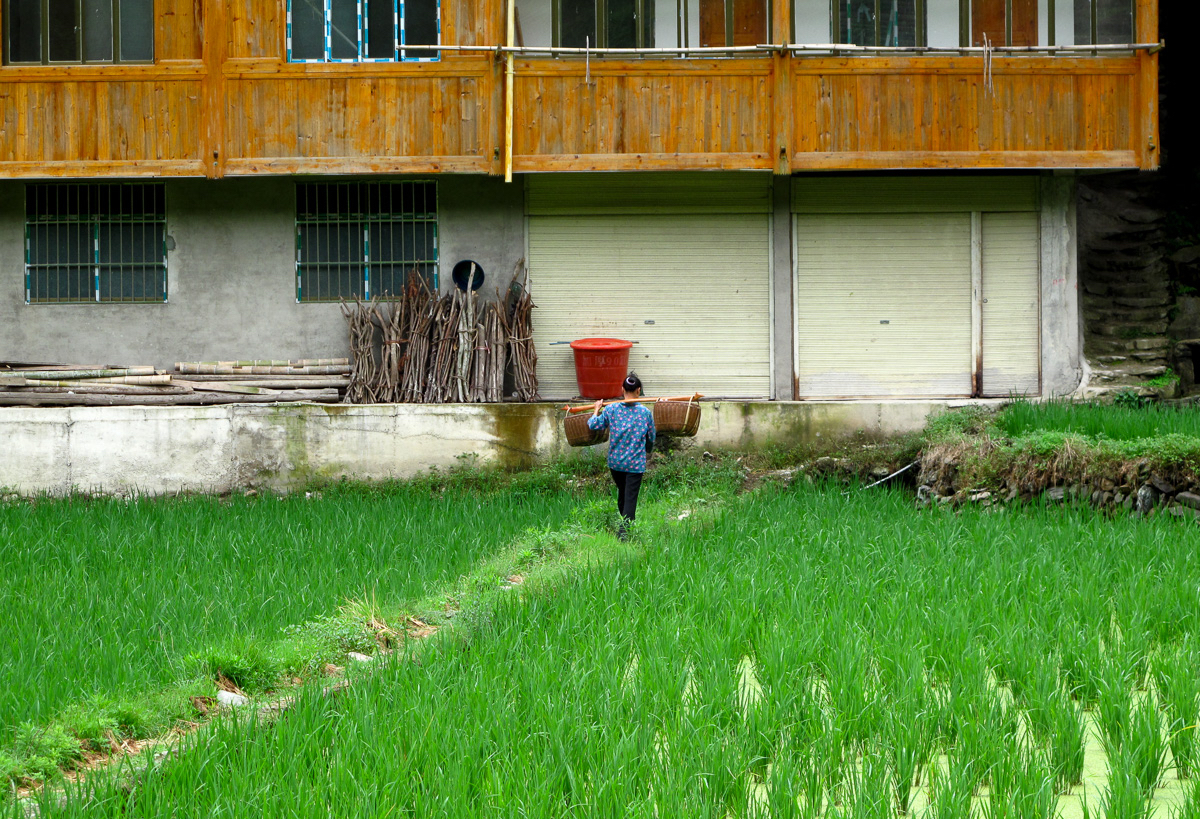 Qiandongnan
City guide · 11 tours
A thousand Miao households stacked up a mountainside, drum towers and wind-rain bridges in Dong villages, and a 600-year-old Ming garrison town on the road to Guiyang.
Qiandongnan
City guide · 11 tours
A thousand Miao households stacked up a mountainside, drum towers and wind-rain bridges in Dong villages, and a 600-year-old Ming garrison town on the road to Guiyang.
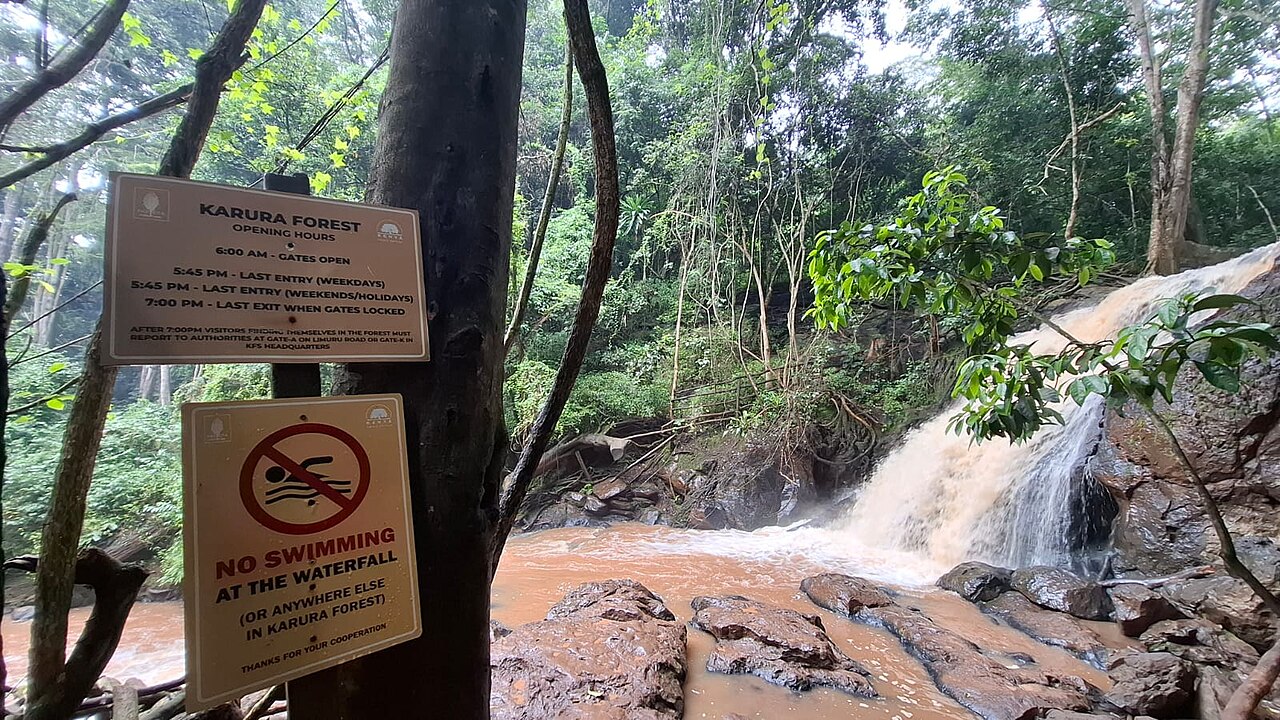 Libo
City guide · 11 tours
Emerald rivers threading through karst peaks, a 600-metre forest growing out of a riverbed, and China's largest wild plum grove.
Libo
City guide · 11 tours
Emerald rivers threading through karst peaks, a 600-metre forest growing out of a riverbed, and China's largest wild plum grove.
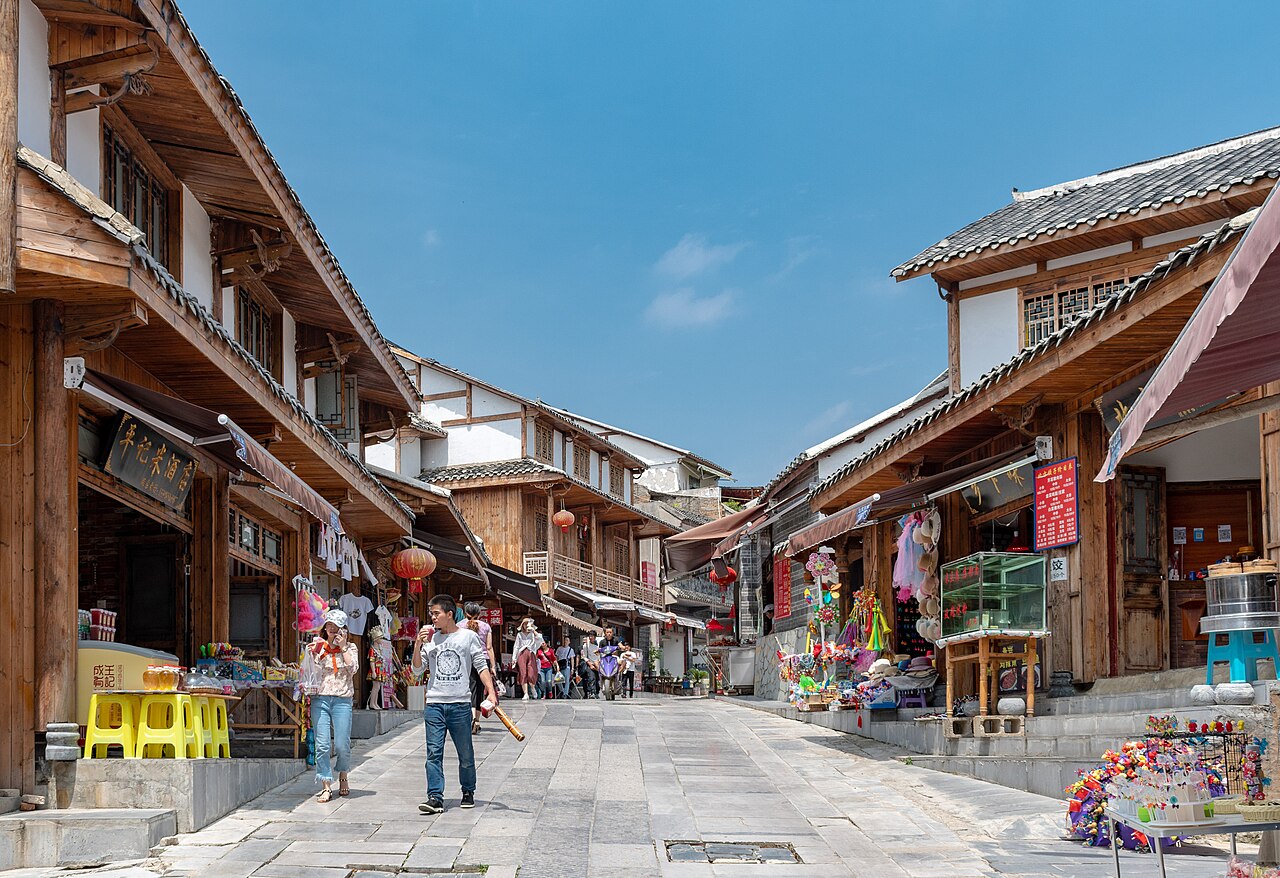 Guiyang
City guide · 11 tours
China's summer capital at 1,100 metres, where the nights run on sour fish soup, street-side barbecue and mahjong that never quite stops.
Guiyang
City guide · 11 tours
China's summer capital at 1,100 metres, where the nights run on sour fish soup, street-side barbecue and mahjong that never quite stops.
 Zhenyuan
City guide · 11 tours
A 2,000-year-old river town where the Wuyang River carves an S through the mountains and every lane hides a story.
Zhenyuan
City guide · 11 tours
A 2,000-year-old river town where the Wuyang River carves an S through the mountains and every lane hides a story.
 Huangguoshu
City guide · 11 tours
Asia's biggest waterfall, and the only one on earth you can walk behind, above and around — plus 600-year-old Ming dynasty villages a short drive away.
Huangguoshu
City guide · 11 tours
Asia's biggest waterfall, and the only one on earth you can walk behind, above and around — plus 600-year-old Ming dynasty villages a short drive away.
 Harbin
City guide · 11 tours
Minus 30 degrees, a frozen river you can walk across, and a cathedral built by Russians who never went home.
Harbin
City guide · 11 tours
Minus 30 degrees, a frozen river you can walk across, and a cathedral built by Russians who never went home.
 Yunnan
City guide · 11 tours
Snow mountains, tropical rainforest, twenty-five minorities and a plate of rice noodles — all in one province.
Yunnan
City guide · 11 tours
Snow mountains, tropical rainforest, twenty-five minorities and a plate of rice noodles — all in one province.
 Shanghai
City guide · 11 tours
A 1920s waterfront of colonial banks facing a science-fiction skyline, soup dumplings you eat with a straw, and 20 million people moving like clockwork.
Shanghai
City guide · 11 tours
A 1920s waterfront of colonial banks facing a science-fiction skyline, soup dumplings you eat with a straw, and 20 million people moving like clockwork.
 Zhangjiajie
City guide · 11 tours
Three thousand sandstone pillars straight out of Avatar, a glass skywalk bolted to a cliff, and a cable car that leaves from downtown.
Zhangjiajie
City guide · 11 tours
Three thousand sandstone pillars straight out of Avatar, a glass skywalk bolted to a cliff, and a cable car that leaves from downtown.
 Guangzhou
City guide · 11 tours
A 2,200-year-old trading port where dim sum is a religion, colonial islands sit beside 600-metre towers, and the food never stops.
Guangzhou
City guide · 11 tours
A 2,200-year-old trading port where dim sum is a religion, colonial islands sit beside 600-metre towers, and the food never stops.
 Guilin
City guide · 11 tours
Karst peaks rising straight out of a green river, rice terraces carved into mountainsides, and the best bowl of noodles you'll eat in China.
Guilin
City guide · 11 tours
Karst peaks rising straight out of a green river, rice terraces carved into mountainsides, and the best bowl of noodles you'll eat in China.
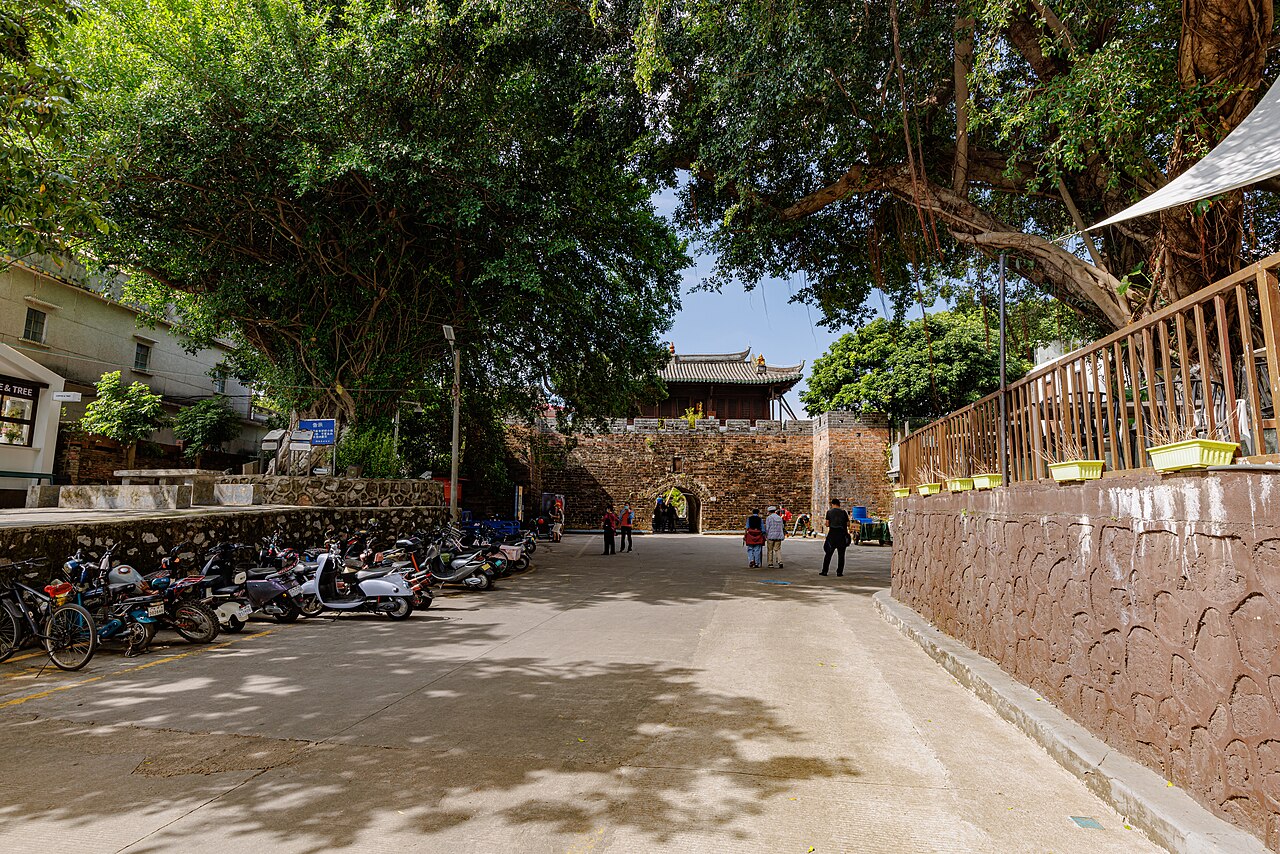 Shenzhen
City guide · 11 tours
A fishing village that became a megacity in forty years — and it still has 500-year-old banyans, empty beaches and dim sum worth the border crossing.
Shenzhen
City guide · 11 tours
A fishing village that became a megacity in forty years — and it still has 500-year-old banyans, empty beaches and dim sum worth the border crossing.
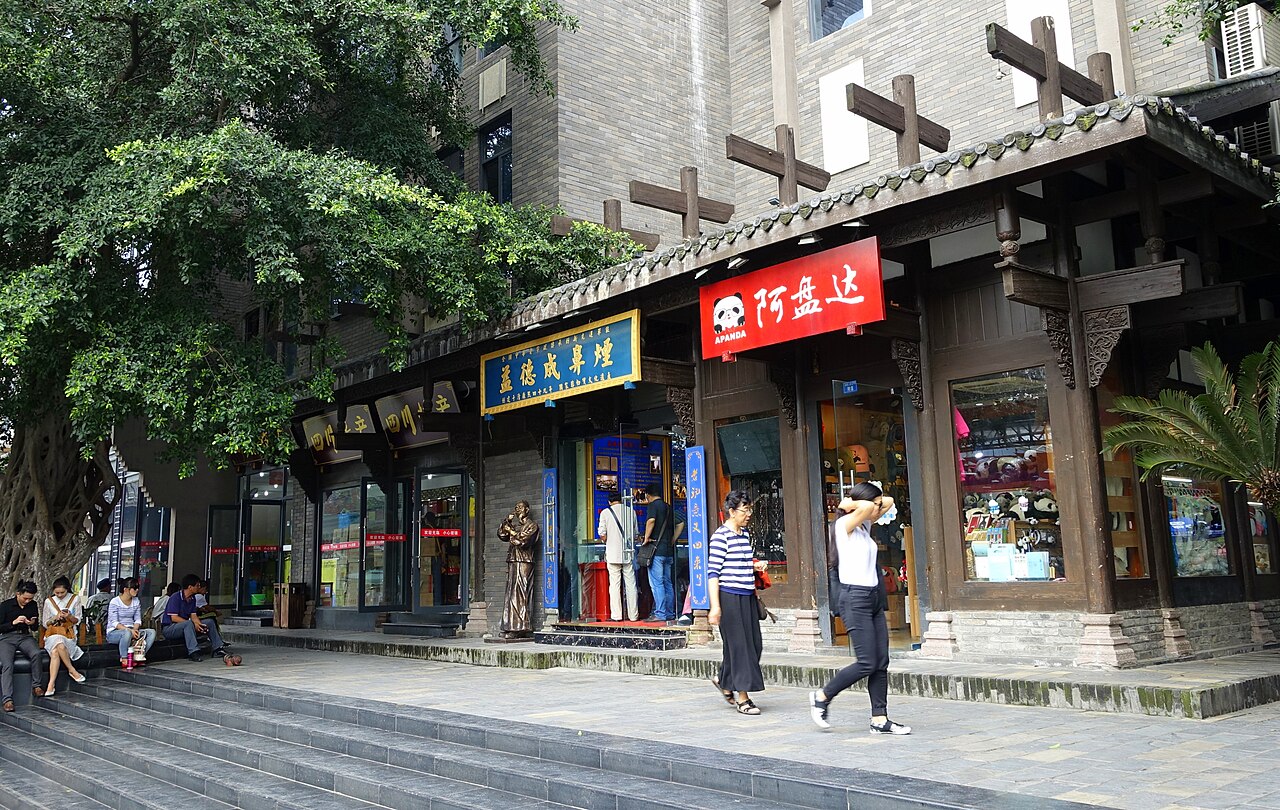 Chengdu
City guide · 11 tours
A 3,000-year-old city where the schedule is tea, mahjong and hotpot — and the pandas are just the opening act.
Chengdu
City guide · 11 tours
A 3,000-year-old city where the schedule is tea, mahjong and hotpot — and the pandas are just the opening act.
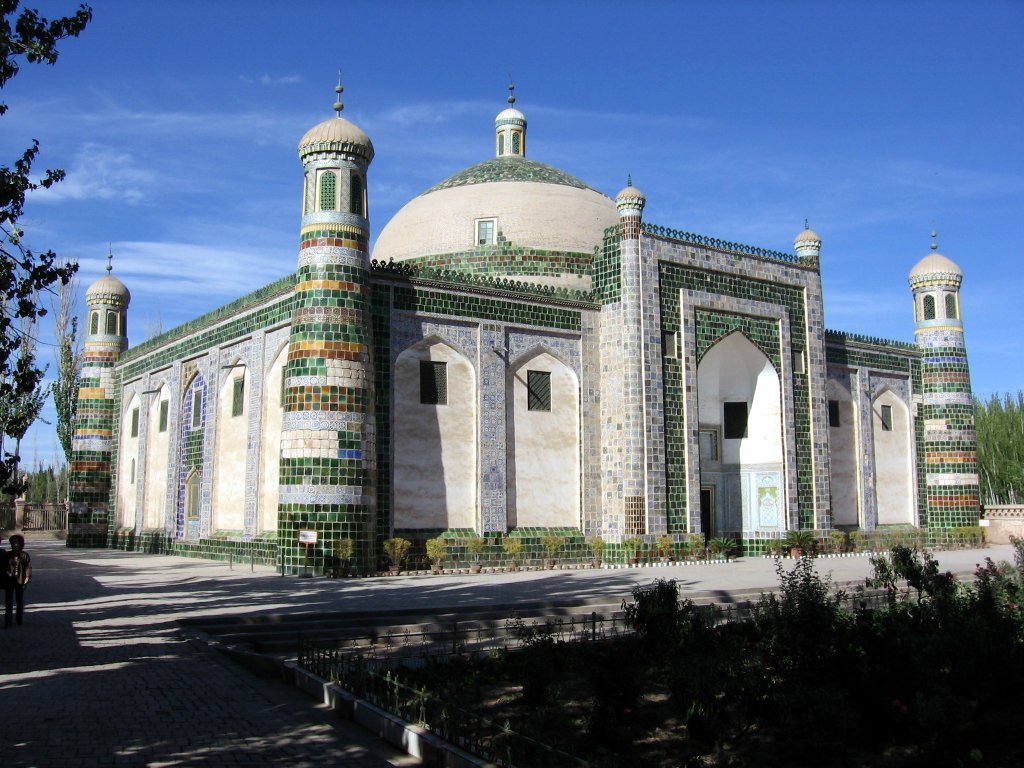 Xinjiang
City guide · 11 tours
Snow peaks, grassland, desert and oasis — one-sixth of China, and the longest road you will ever ride.
Xinjiang
City guide · 11 tours
Snow peaks, grassland, desert and oasis — one-sixth of China, and the longest road you will ever ride.
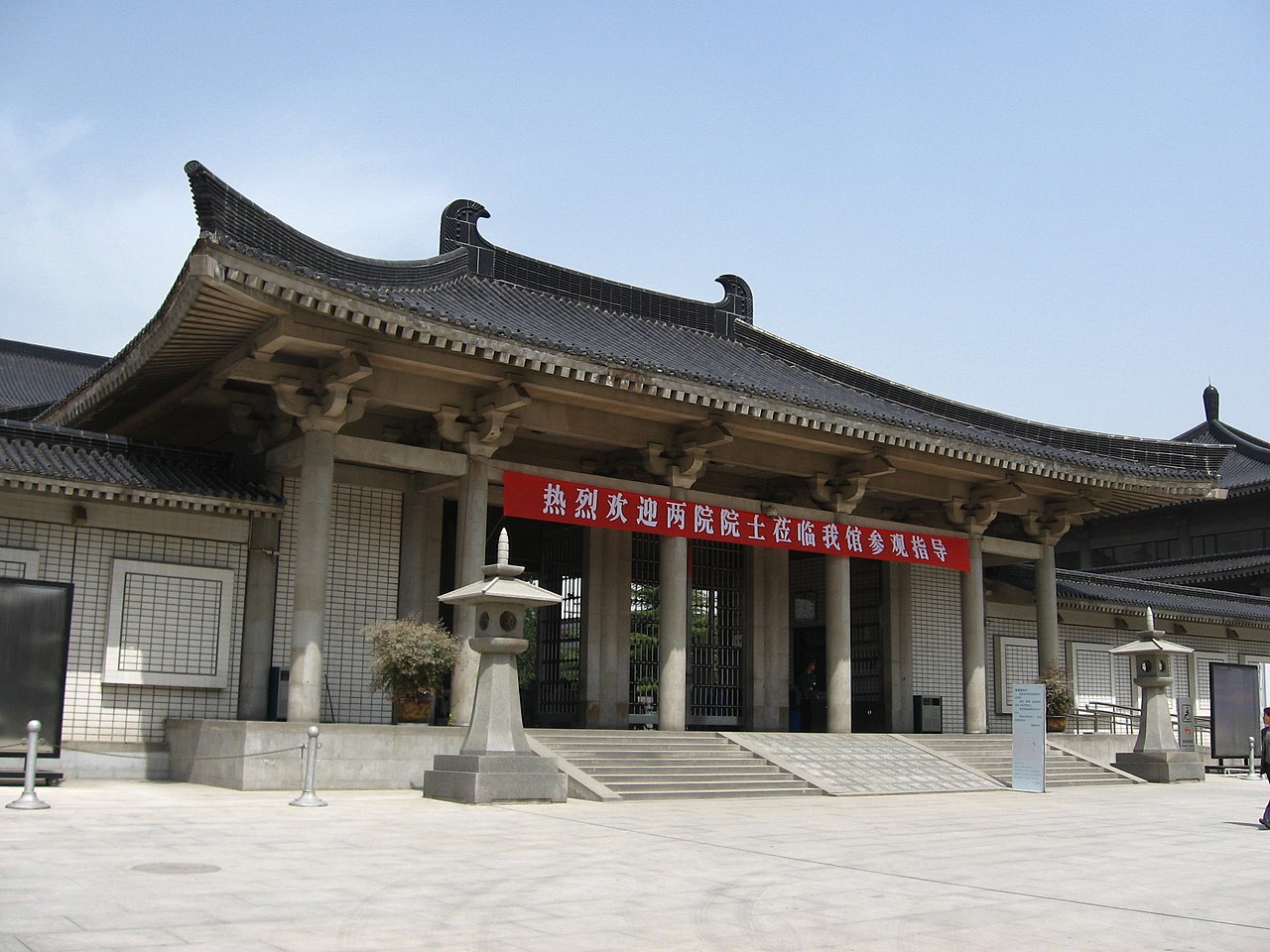 Xi'an
City guide · 14 tours
Thirteen dynasties of emperors, a terracotta army buried for 2,200 years, and a walled city you can cycle in 100 minutes.
Xi'an
City guide · 14 tours
Thirteen dynasties of emperors, a terracotta army buried for 2,200 years, and a walled city you can cycle in 100 minutes.
 Qinghai
City guide · 11 tours
China's high-altitude blue heart: a salt lake you can walk on, a 3,200-metre sea, and yak butter tea at the roof of the world.
Qinghai
City guide · 11 tours
China's high-altitude blue heart: a salt lake you can walk on, a 3,200-metre sea, and yak butter tea at the roof of the world.
 Tibet
City guide · 11 tours
A plateau the size of Western Europe where the sky starts at your feet, prayer flags carry the wind, and the roads run past 8,000-metre peaks.
Tibet
City guide · 11 tours
A plateau the size of Western Europe where the sky starts at your feet, prayer flags carry the wind, and the roads run past 8,000-metre peaks.
Related reading
 Visas
Do I Need a Visa for China? Requirements, Costs and How to Apply
China's entry rules changed more in the last three years than in the previous twenty. Here is exactly who needs a visa, what it costs, how long it takes and which passports now walk straight through.
9 min read
Visas
Do I Need a Visa for China? Requirements, Costs and How to Apply
China's entry rules changed more in the last three years than in the previous twenty. Here is exactly who needs a visa, what it costs, how long it takes and which passports now walk straight through.
9 min read
 Visas
China's 240-Hour Visa-Free Transit: Who Qualifies and How It Works
Ten days in China with no visa application, no fee and no fingerprints — if you hold the right passport and leave for a third country. Here is the rulebook, port by port.
8 min read
Visas
China's 240-Hour Visa-Free Transit: Who Qualifies and How It Works
Ten days in China with no visa application, no fee and no fingerprints — if you hold the right passport and leave for a third country. Here is the rulebook, port by port.
8 min read
 Money
Paying in China: Alipay, WeChat Pay, Cards and Cash
Roughly nine in ten urban payments in China now run through a phone. Set up two apps before you fly, carry a modest cash float, and you will never be stuck at a till.
8 min read
Money
Paying in China: Alipay, WeChat Pay, Cards and Cash
Roughly nine in ten urban payments in China now run through a phone. Set up two apps before you fly, carry a modest cash float, and you will never be stuck at a till.
8 min read
 Transport
China's High-Speed Rail: How to Book, What It Costs, How Fast It Goes
The fastest way to cross China is also the most pleasant. Here is how to book a ticket with a foreign passport, what the three classes actually give you, and how to survive a Chinese station at rush hour.
9 min read
Transport
China's High-Speed Rail: How to Book, What It Costs, How Fast It Goes
The fastest way to cross China is also the most pleasant. Here is how to book a ticket with a foreign passport, what the three classes actually give you, and how to survive a Chinese station at rush hour.
9 min read
 Planning
Best Time to Visit China: Month by Month, Region by Region
China is the size of Europe, so 'the best month' depends on where you stand. Here is the month-by-month answer for the north, the Yangtze valley, the south and the plateau.
8 min read
Planning
Best Time to Visit China: Month by Month, Region by Region
China is the size of Europe, so 'the best month' depends on where you stand. Here is the month-by-month answer for the north, the Yangtze valley, the south and the plateau.
8 min read
 Planning
What to Pack for China: The Complete 2026 Checklist
Twenty thousand steps a day, three climate zones and a phone that has to do everything. This is the list we give our own travellers, minus the things they never used.
7 min read
Planning
What to Pack for China: The Complete 2026 Checklist
Twenty thousand steps a day, three climate zones and a phone that has to do everything. This is the list we give our own travellers, minus the things they never used.
7 min read
 Food
Chinese Food Culture: Eight Cuisines, One Table
There is no such thing as Chinese food. There is Cantonese, Sichuan, Hunan, Jiangsu, Zhejiang, Fujian, Anhui and Shandong — and knowing which one you are eating changes everything.
8 min read
Food
Chinese Food Culture: Eight Cuisines, One Table
There is no such thing as Chinese food. There is Cantonese, Sichuan, Hunan, Jiangsu, Zhejiang, Fujian, Anhui and Shandong — and knowing which one you are eating changes everything.
8 min read
 Traditions
Chinese Tea Culture: Six Classes, One Pot, Two Fingers
Tea in China is not a beverage category, it is a social technology: it fills silences, seals deals and sets the pace of a meal. Here is how to sit down in one and not look lost.
7 min read
Traditions
Chinese Tea Culture: Six Classes, One Pot, Two Fingers
Tea in China is not a beverage category, it is a social technology: it fills silences, seals deals and sets the pace of a meal. Here is how to sit down in one and not look lost.
7 min read
 Traditions
Chinese Festivals: The Calendar, the Dates and the Crowds
Lunar dates mean the calendar moves every year — and two of the festivals move several hundred million people at once. Plan around them or plan into them, but never by accident.
8 min read
Etiquette
Chinese Etiquette: What Matters, What Does Not, and Why
Most etiquette advice for China is either obvious or wrong. These are the dozen behaviours that actually change how you are treated, and the reasoning behind each.
7 min read
Traditions
Chinese Festivals: The Calendar, the Dates and the Crowds
Lunar dates mean the calendar moves every year — and two of the festivals move several hundred million people at once. Plan around them or plan into them, but never by accident.
8 min read
Etiquette
Chinese Etiquette: What Matters, What Does Not, and Why
Most etiquette advice for China is either obvious or wrong. These are the dozen behaviours that actually change how you are treated, and the reasoning behind each.
7 min read
Free itinerary design, a revised plan within one working day, and nothing charged until you approve the final version.