
City guide · Fujian

Xiamen travel guide: the island ring road, the old town markets and how to eat Minnan food

A subtropical island city of temples, fishing-village lanes and the best street food in Fujian — with the car-free islet of Gulangyu a 20-minute ferry away.

  • Known forGulangyu · ring road · Minnan food
  • Typical spend¥1,500–2,500 for three days
  • Ideal length3 days
  • PaceSlow — bikes, ferries and long lunches

Reviewed by our Beijing team Updated 2026-10-10

The short version

Xiamen is China's most relaxed seaside city and the food capital of southern Fujian. Give it 3 days — one for Gulangyu, one for Xiamen University, Nanputuo Temple and the Island Ring Road, and one for the old town around Zhongshan Road, Shapowei and the Eighth Market. Add a 4th day for the UNESCO tulou roundhouses about three hours inland. It is a base, not a stopover.

  • Three days for the city; a fourth for the Fujian tulou roundhouses.
  • The Island Ring Road (Huandao Lu) is flat and coastal — ride it by bike, not taxi.
  • Gulangyu's ferry is capped and booked by passport, days ahead in peak season.
  • Xiamen University lets visitors in on a free daily quota — register the night before.
  • Best months are March–May and October–November; July–September is typhoon season.

City guide

First impressions

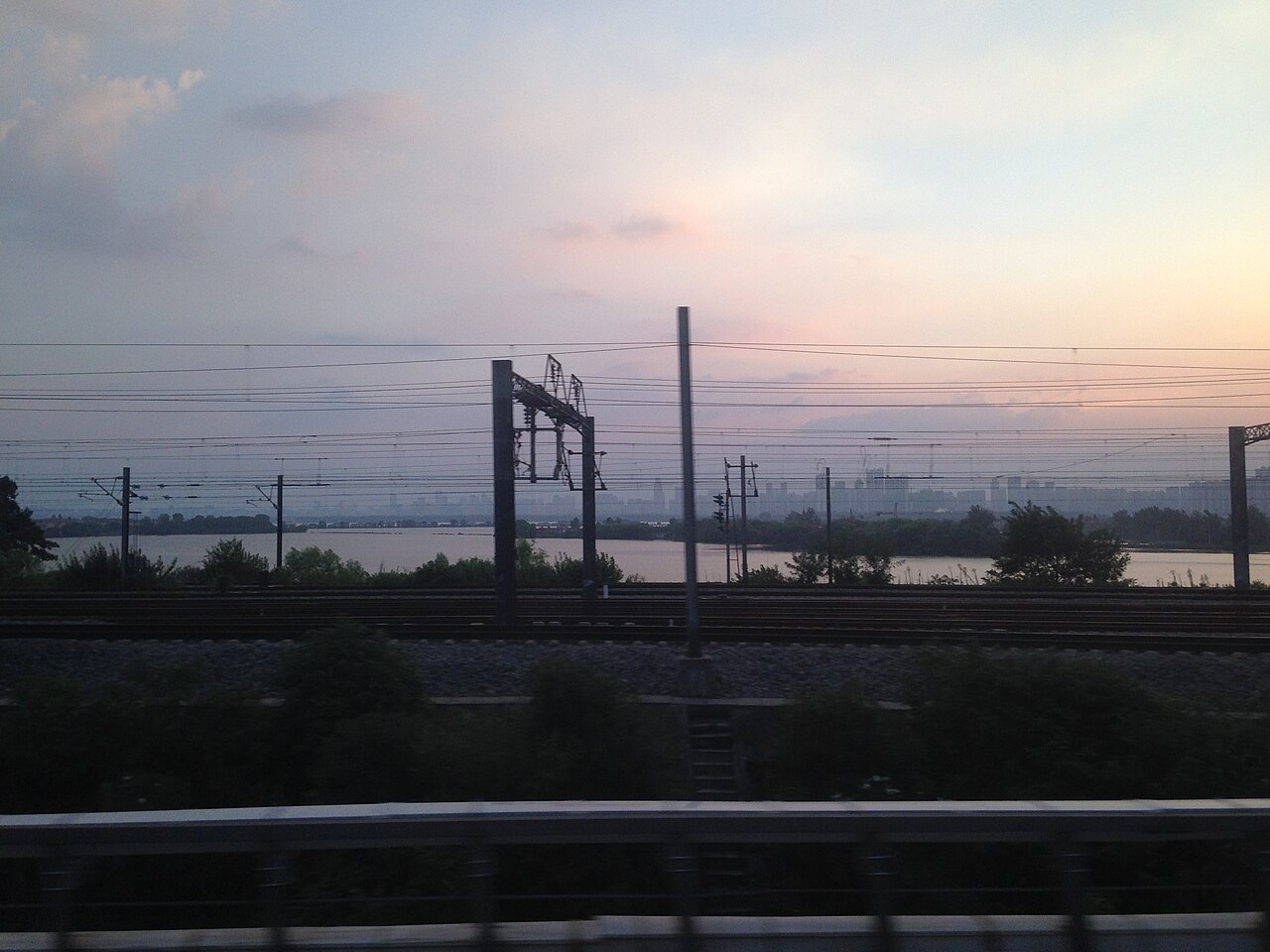
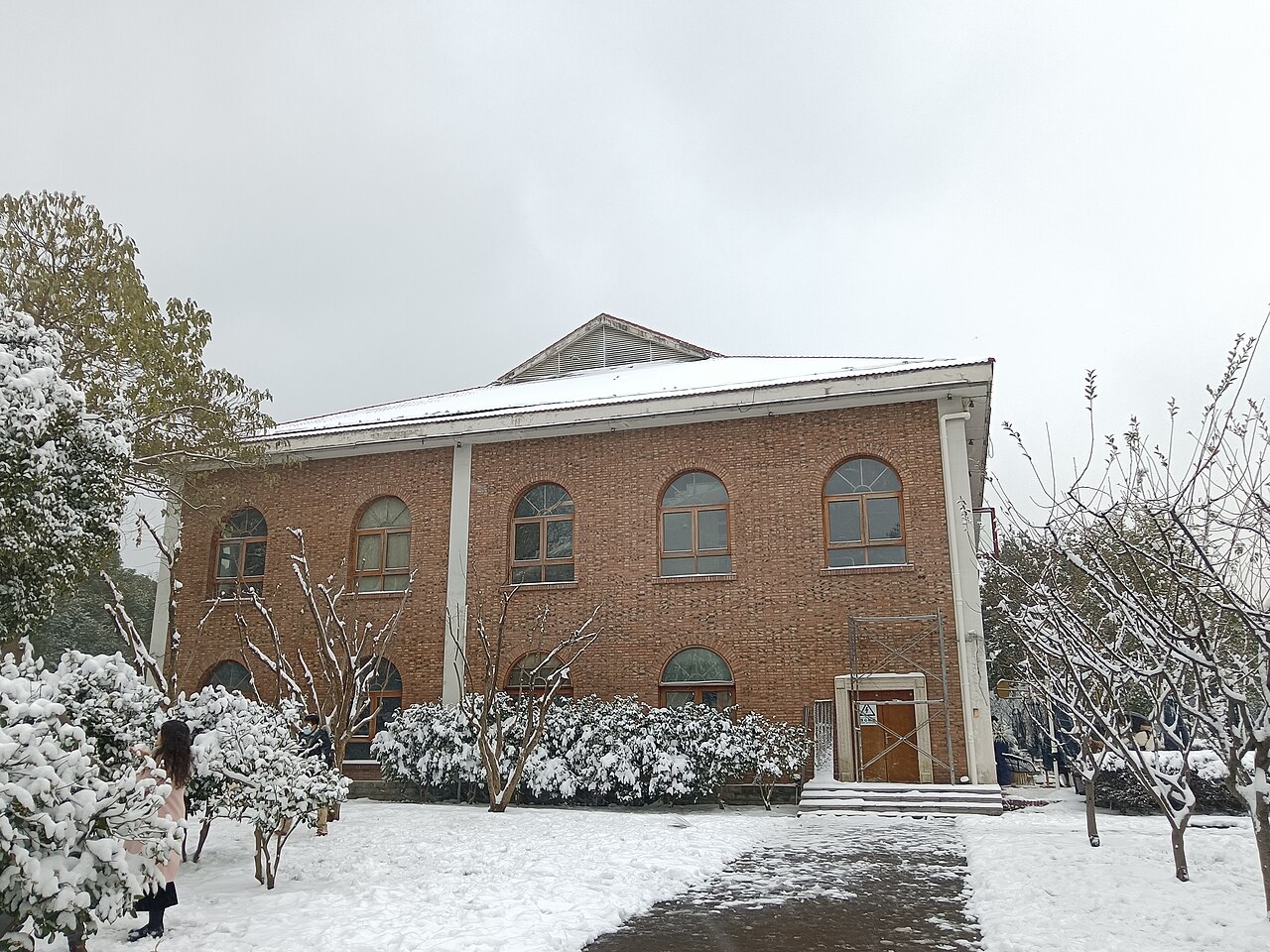
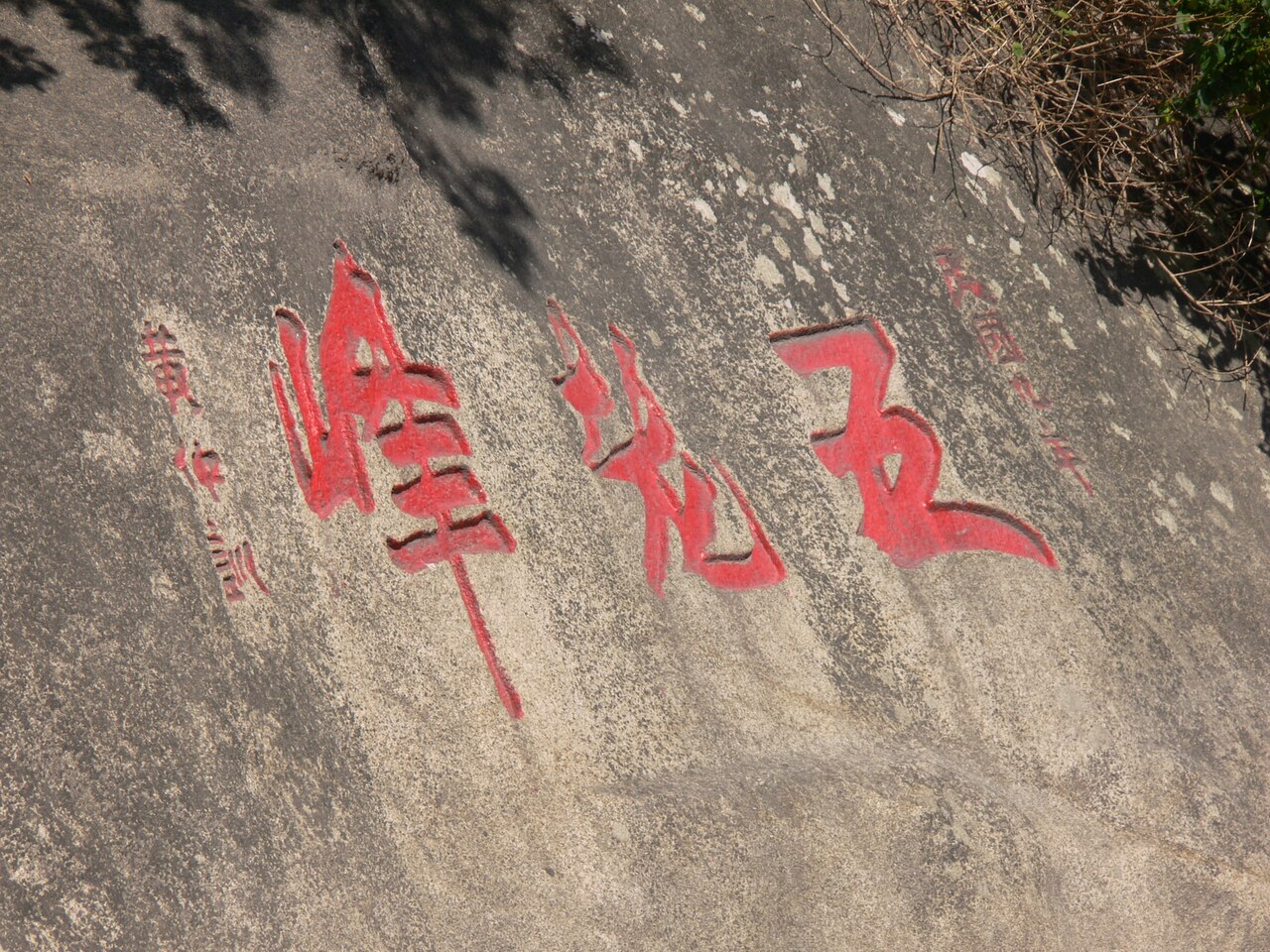
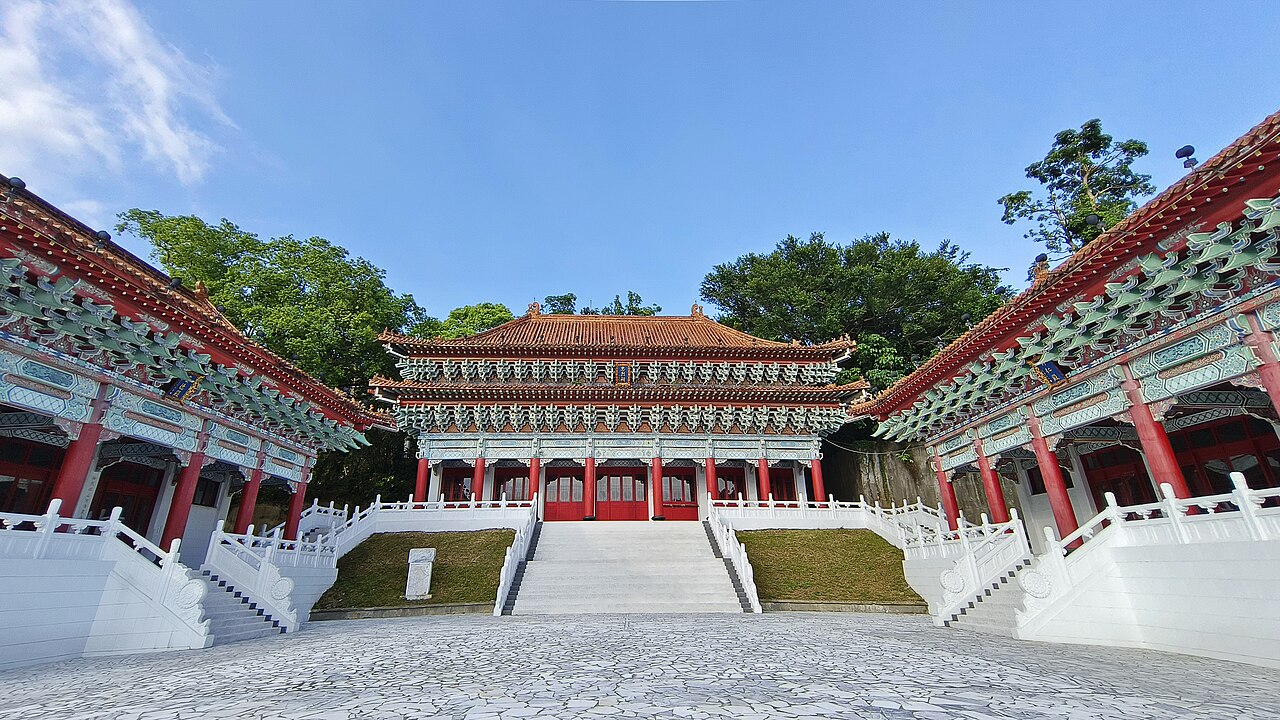
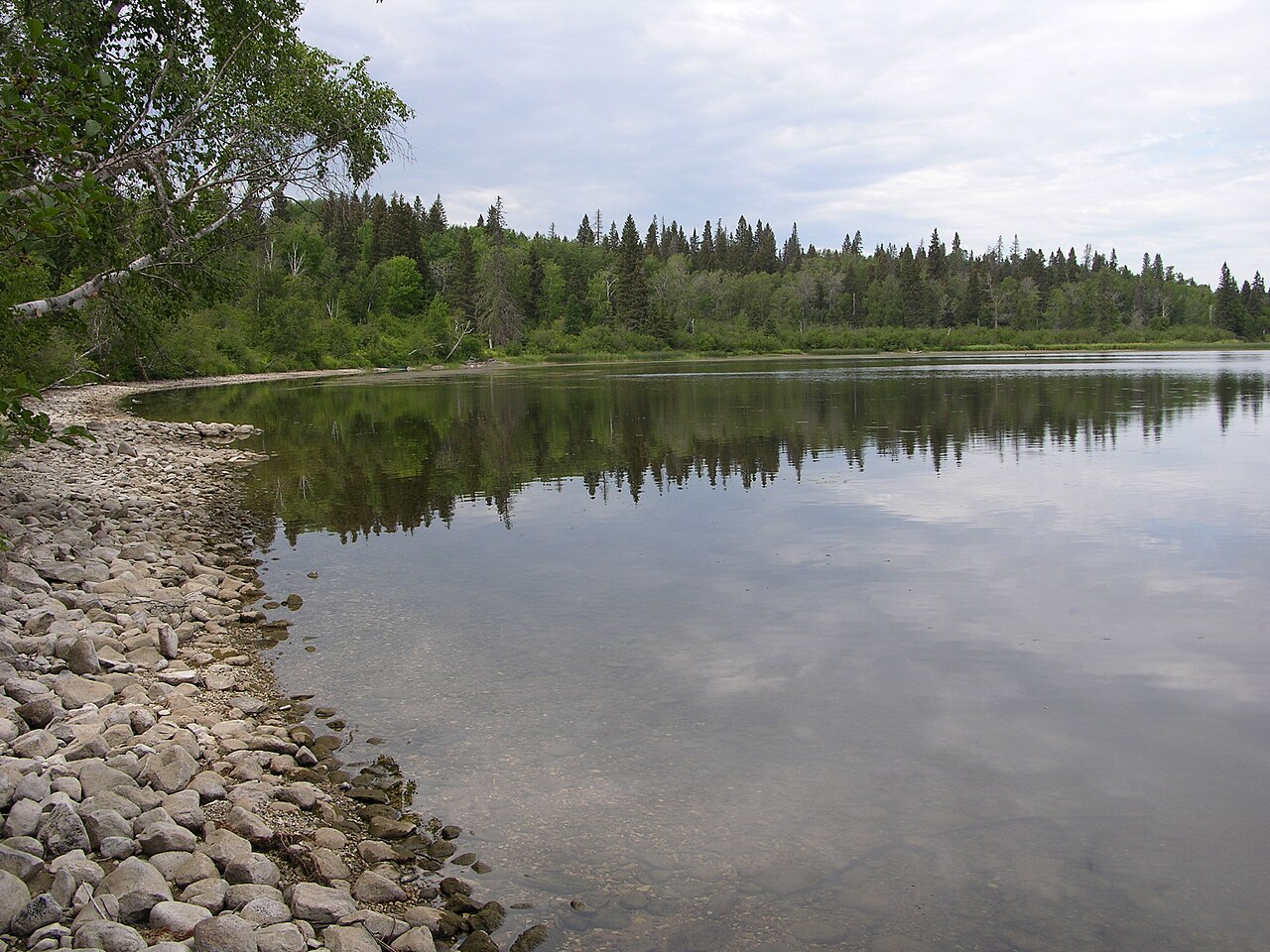
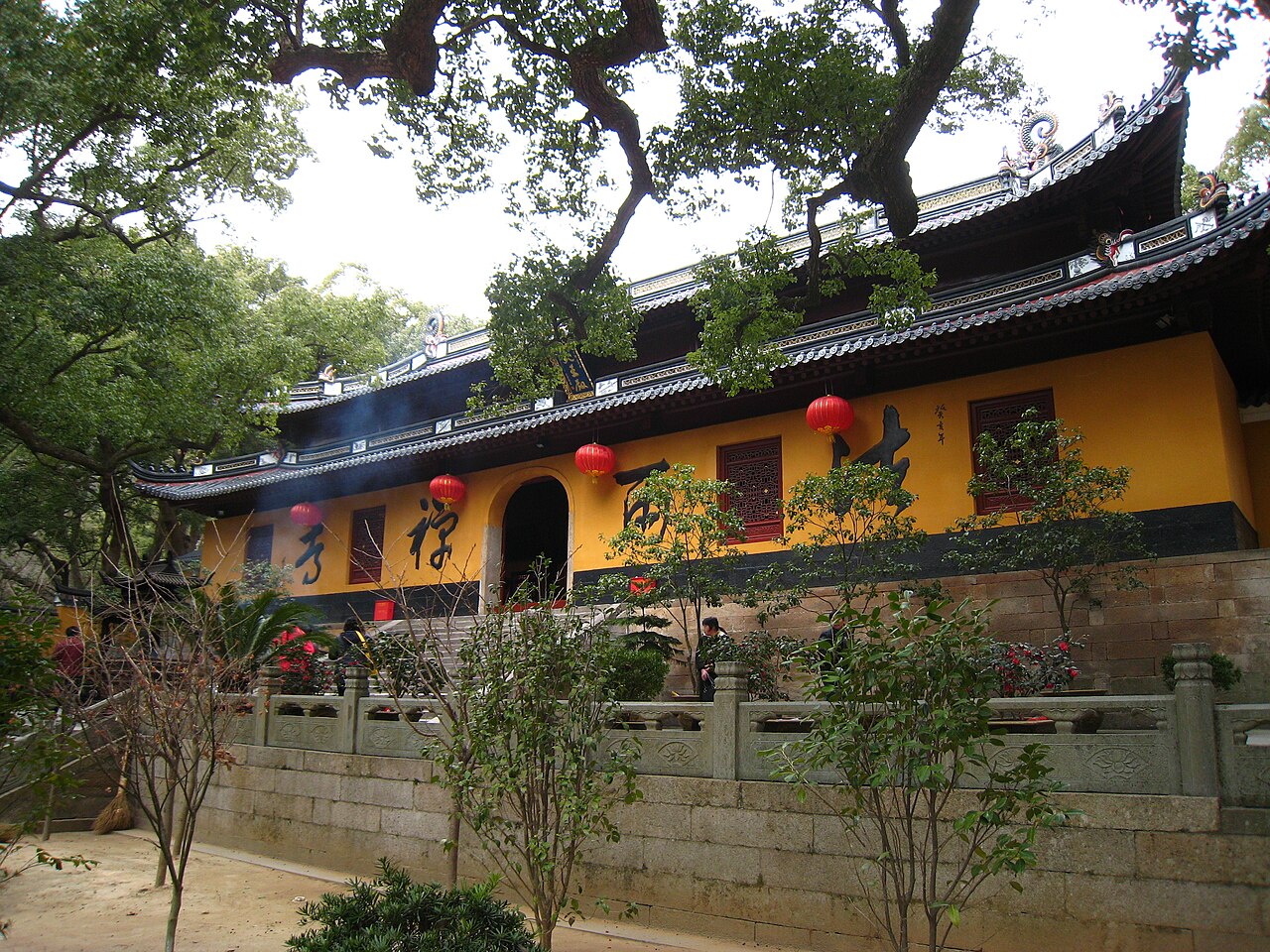
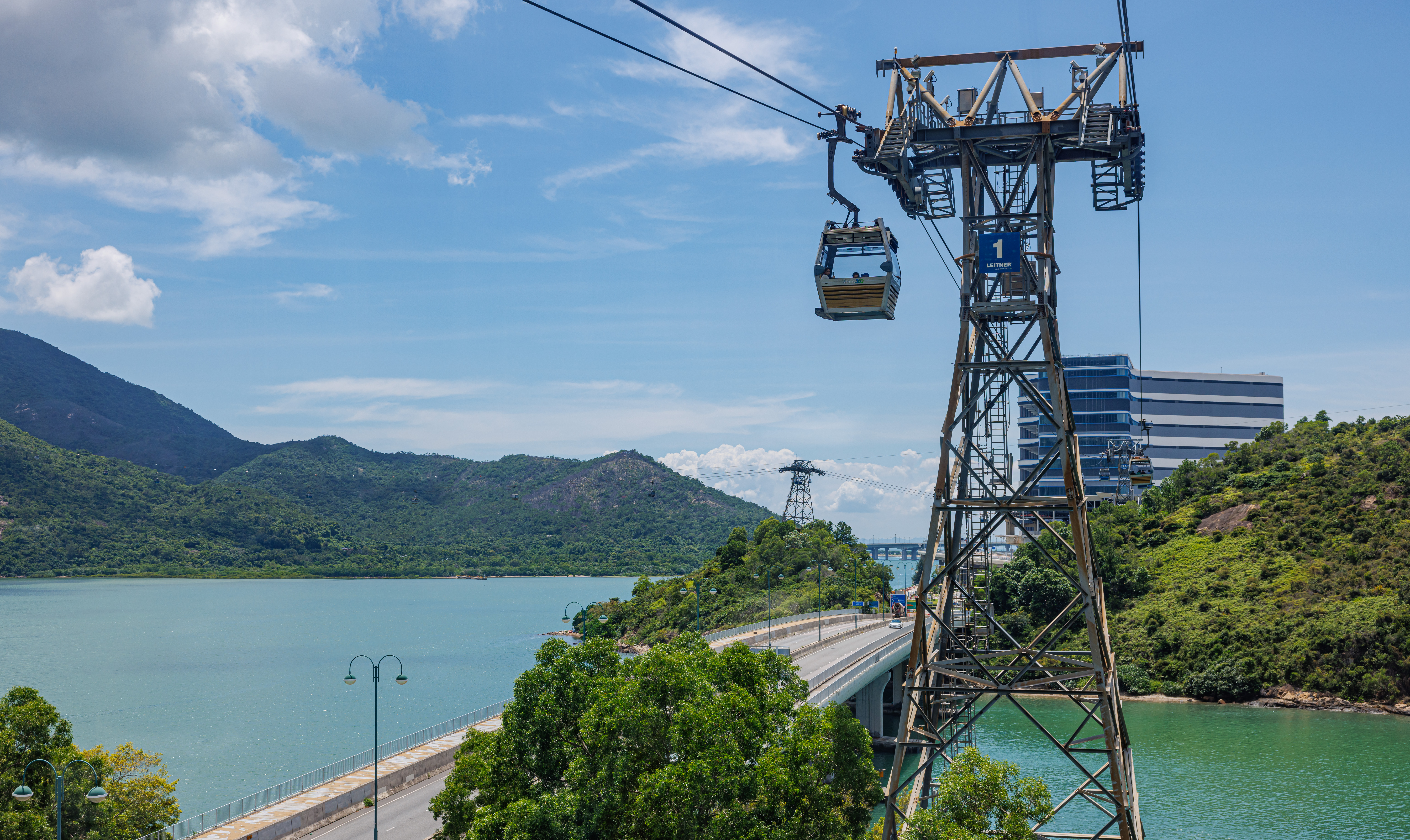
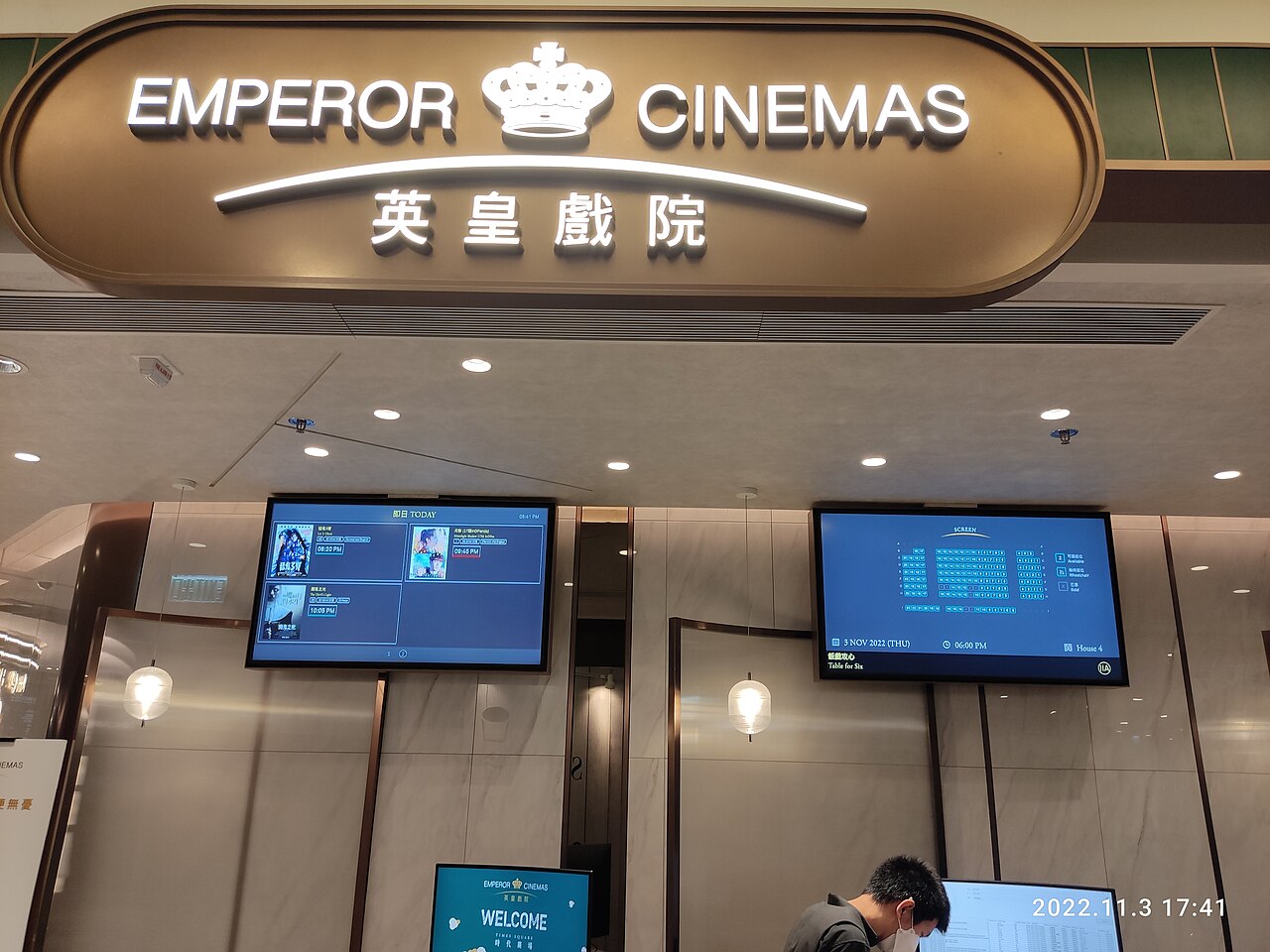
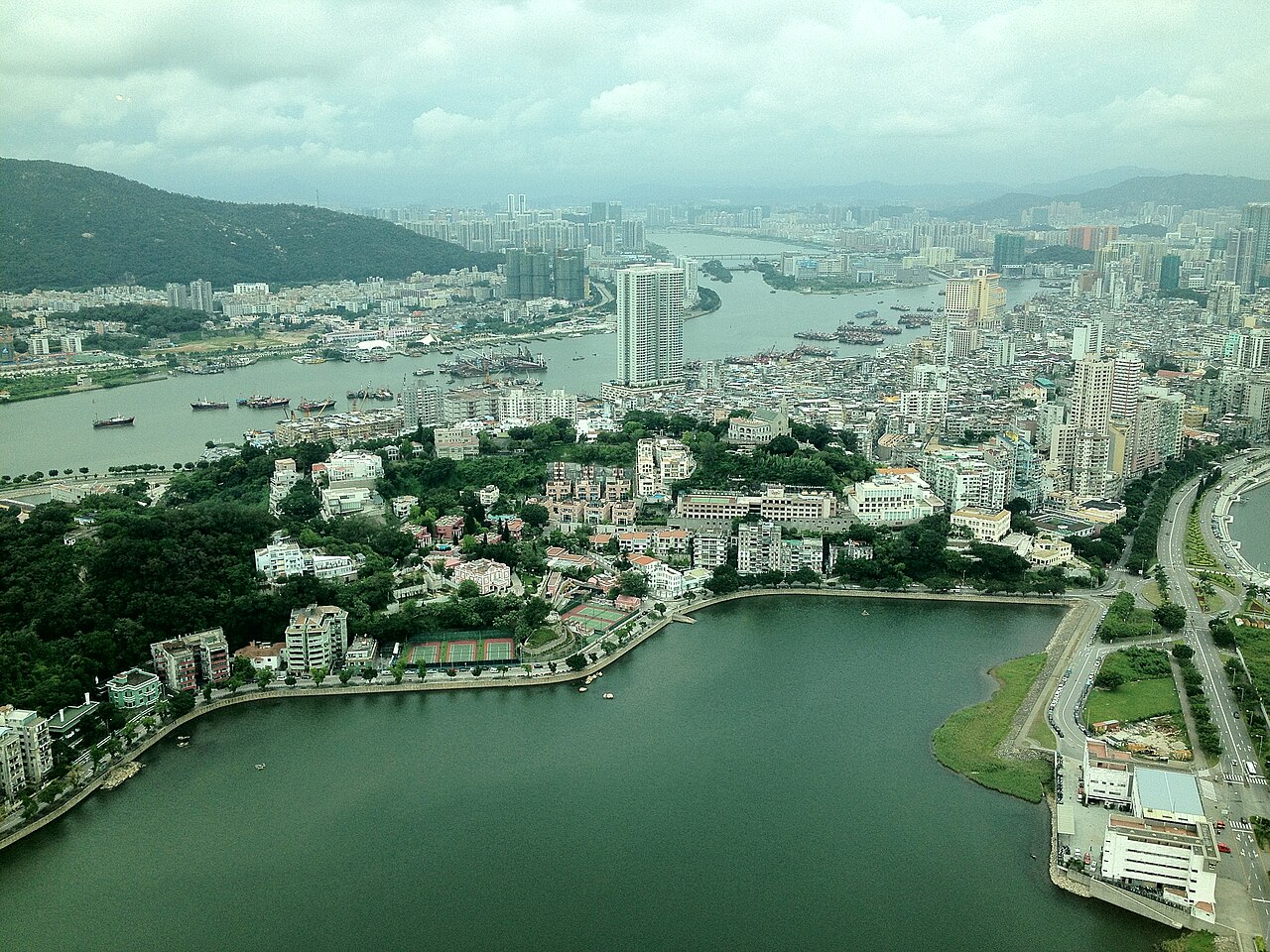
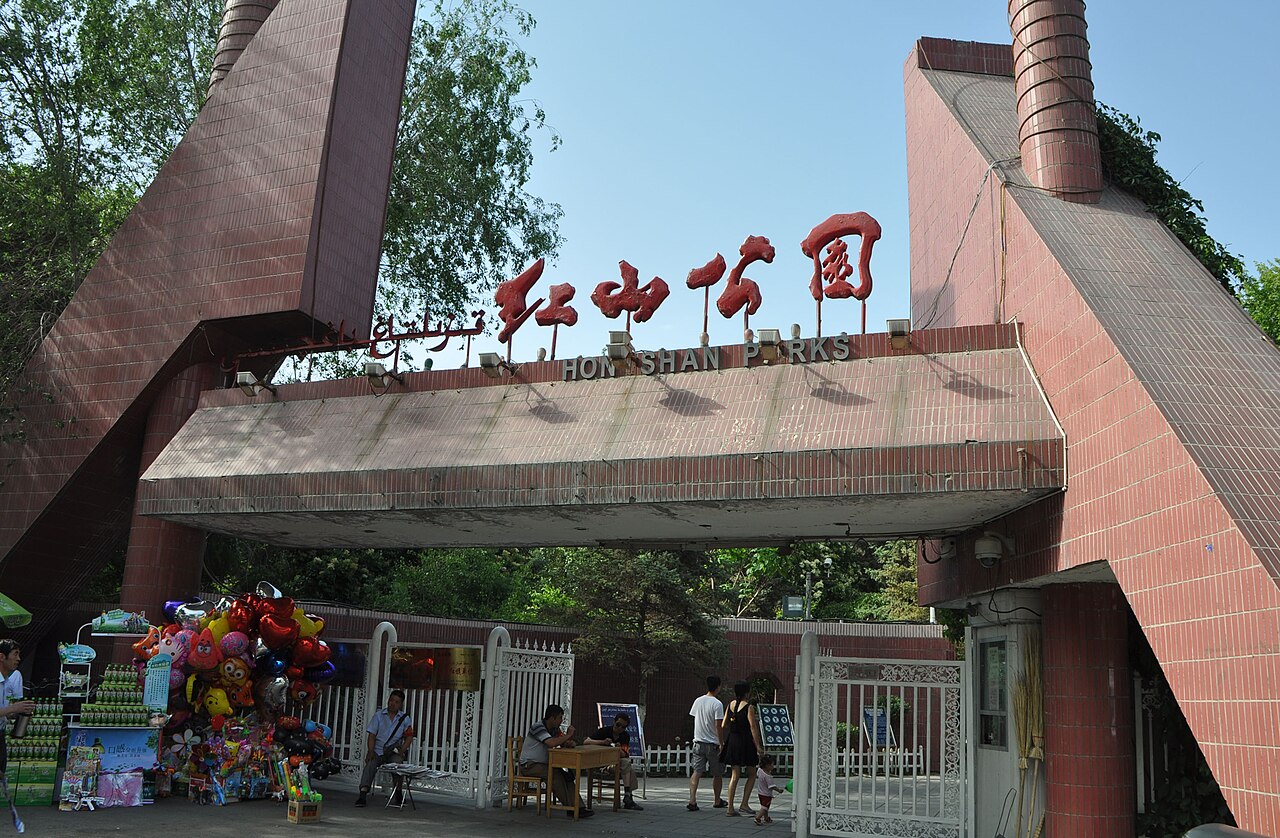
Photographs from the coast, and what other travellers wrote afterwards.

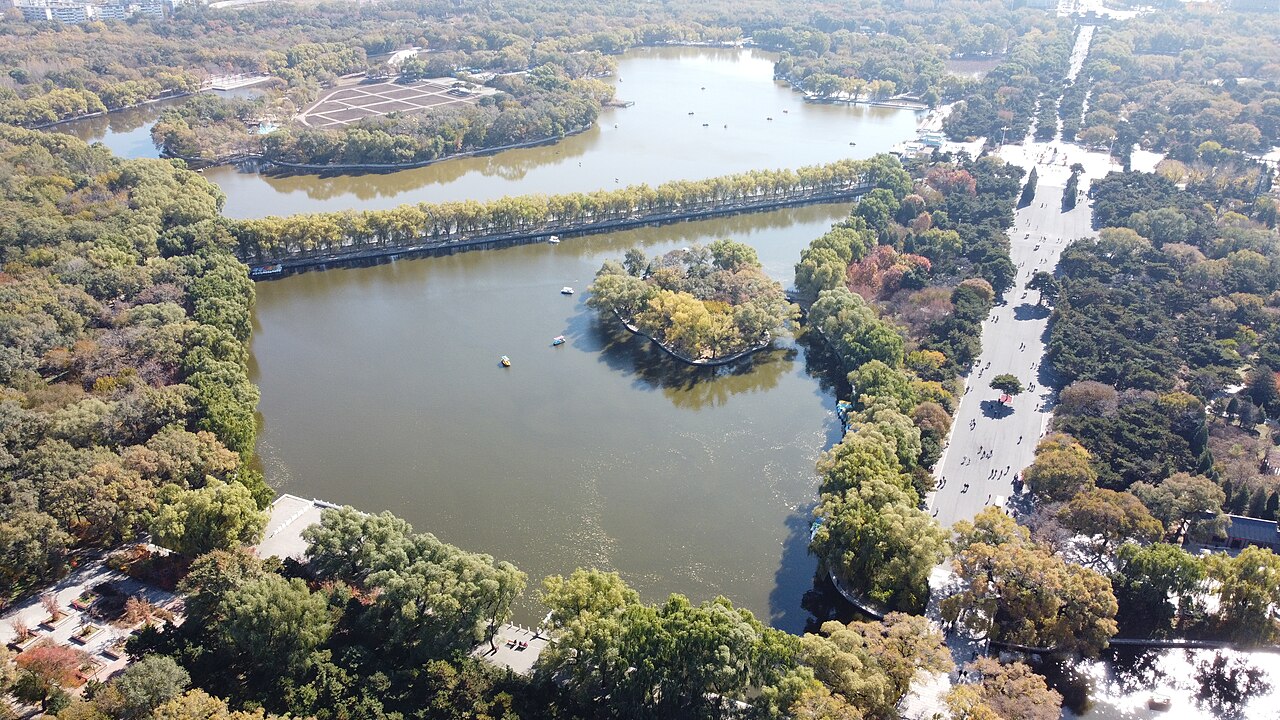
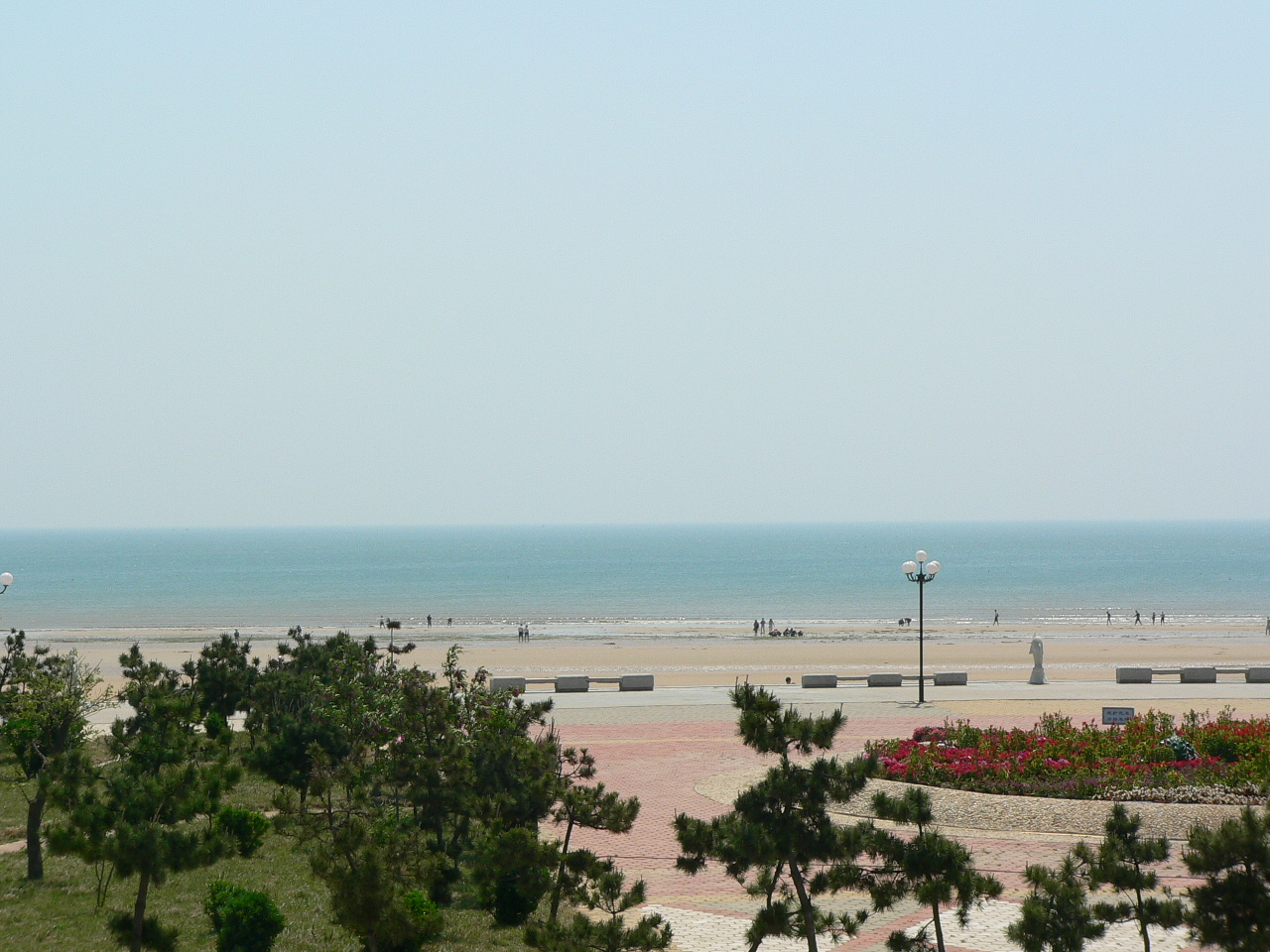
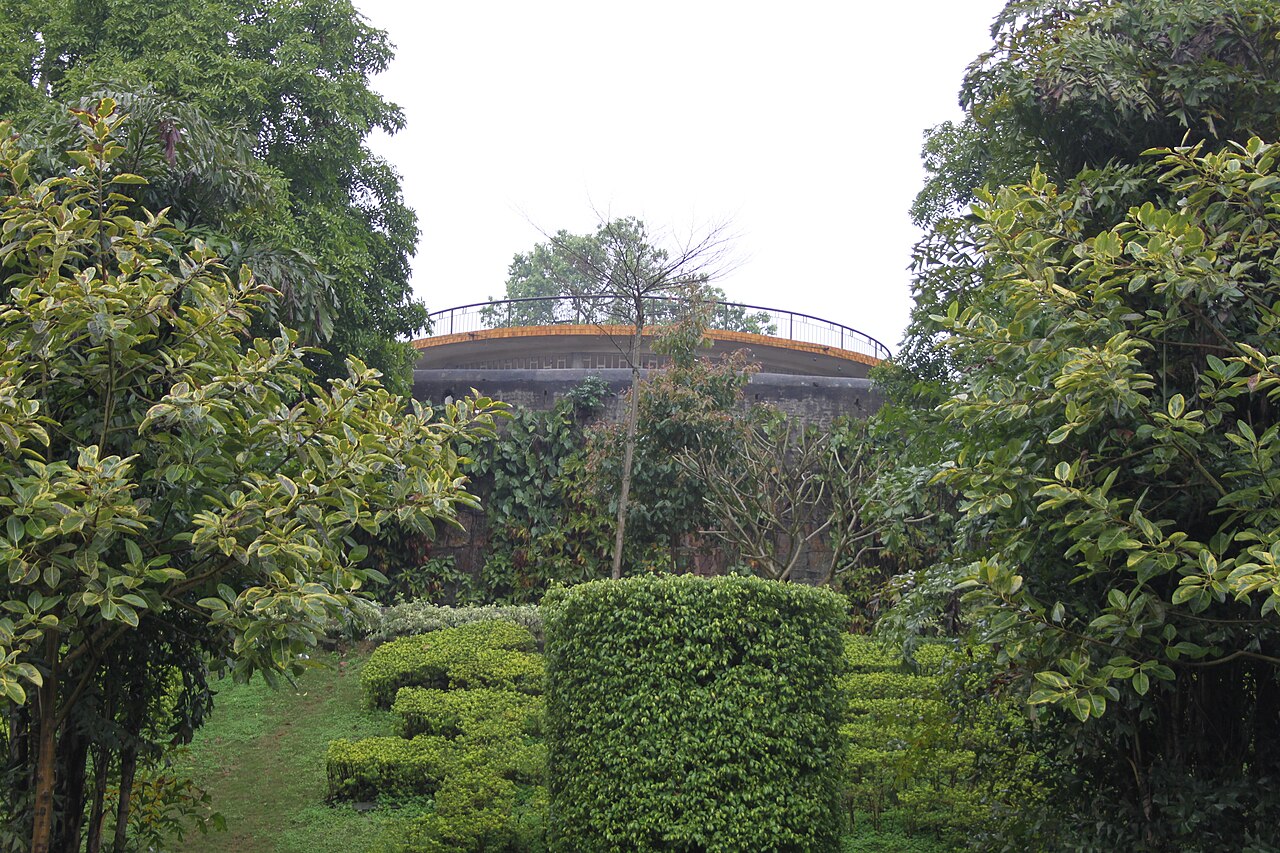
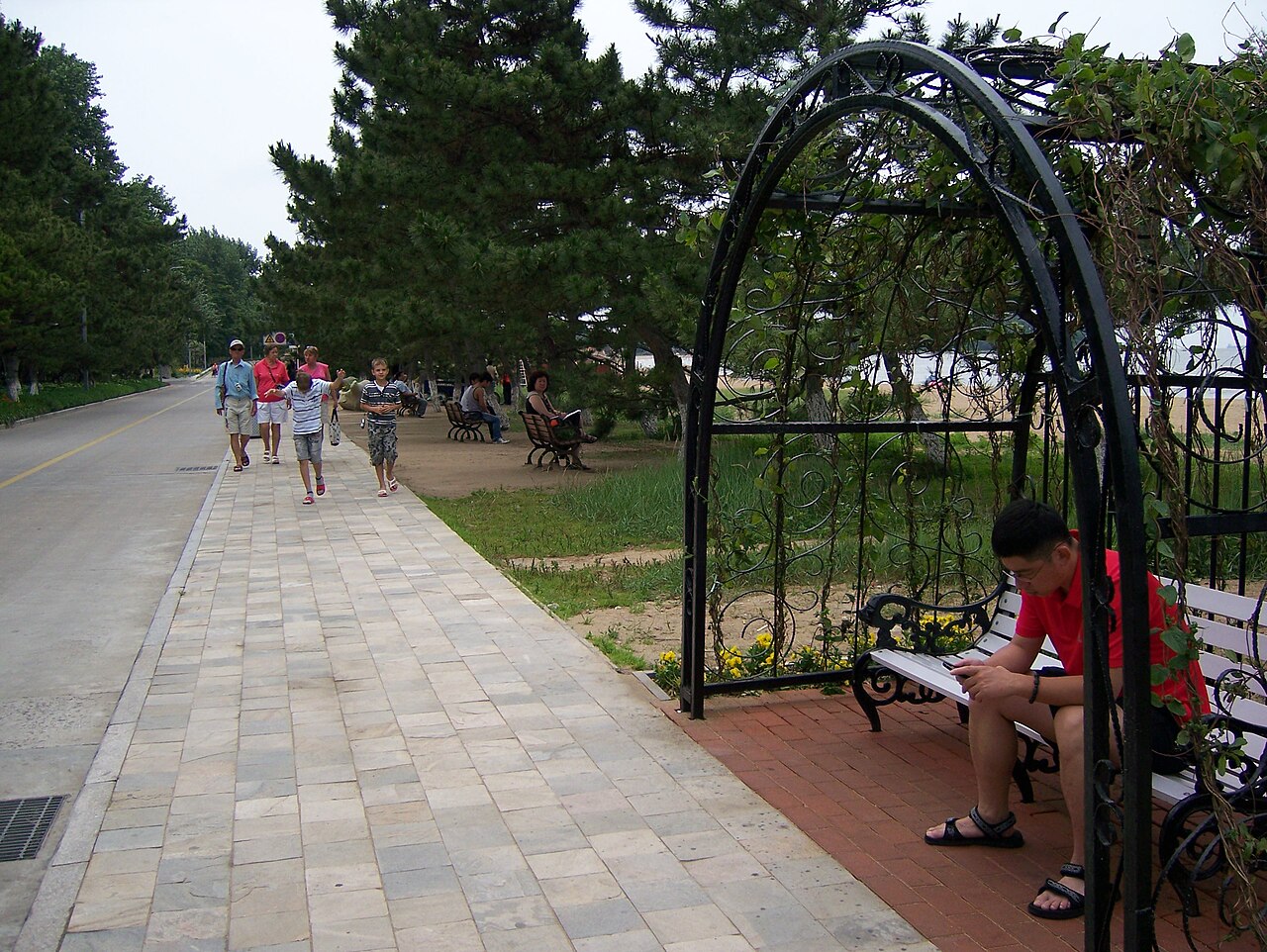
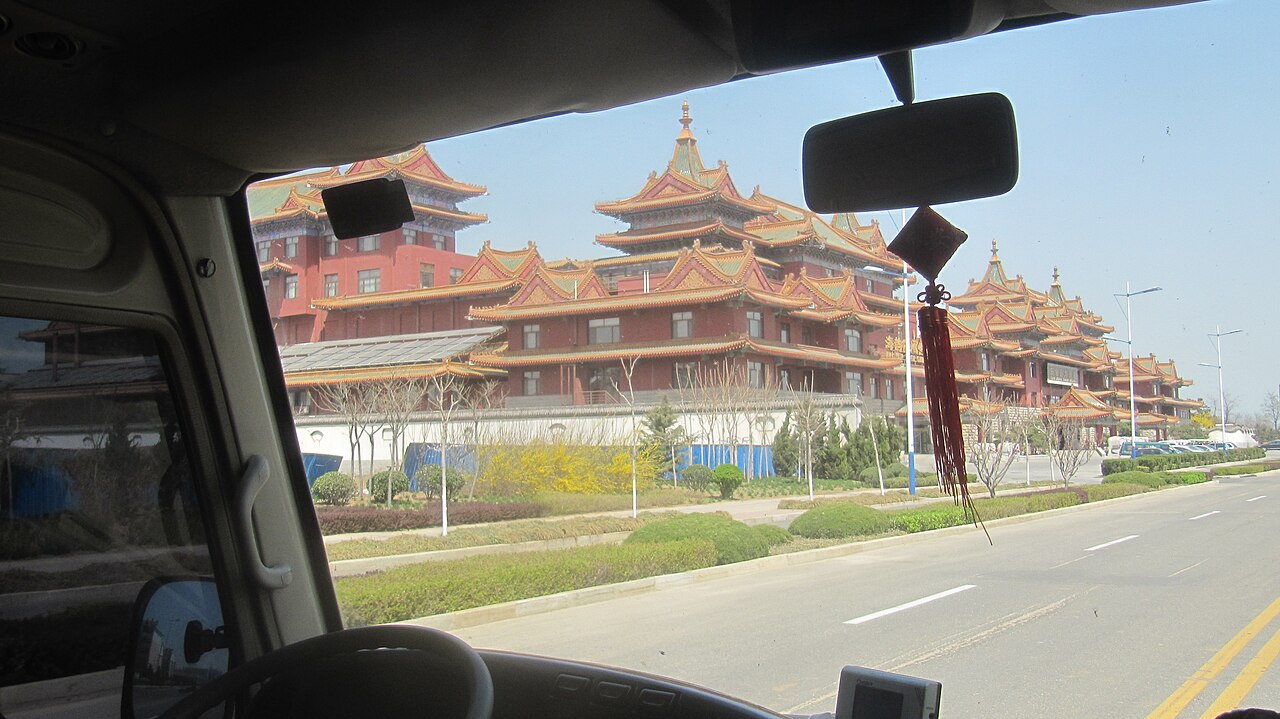
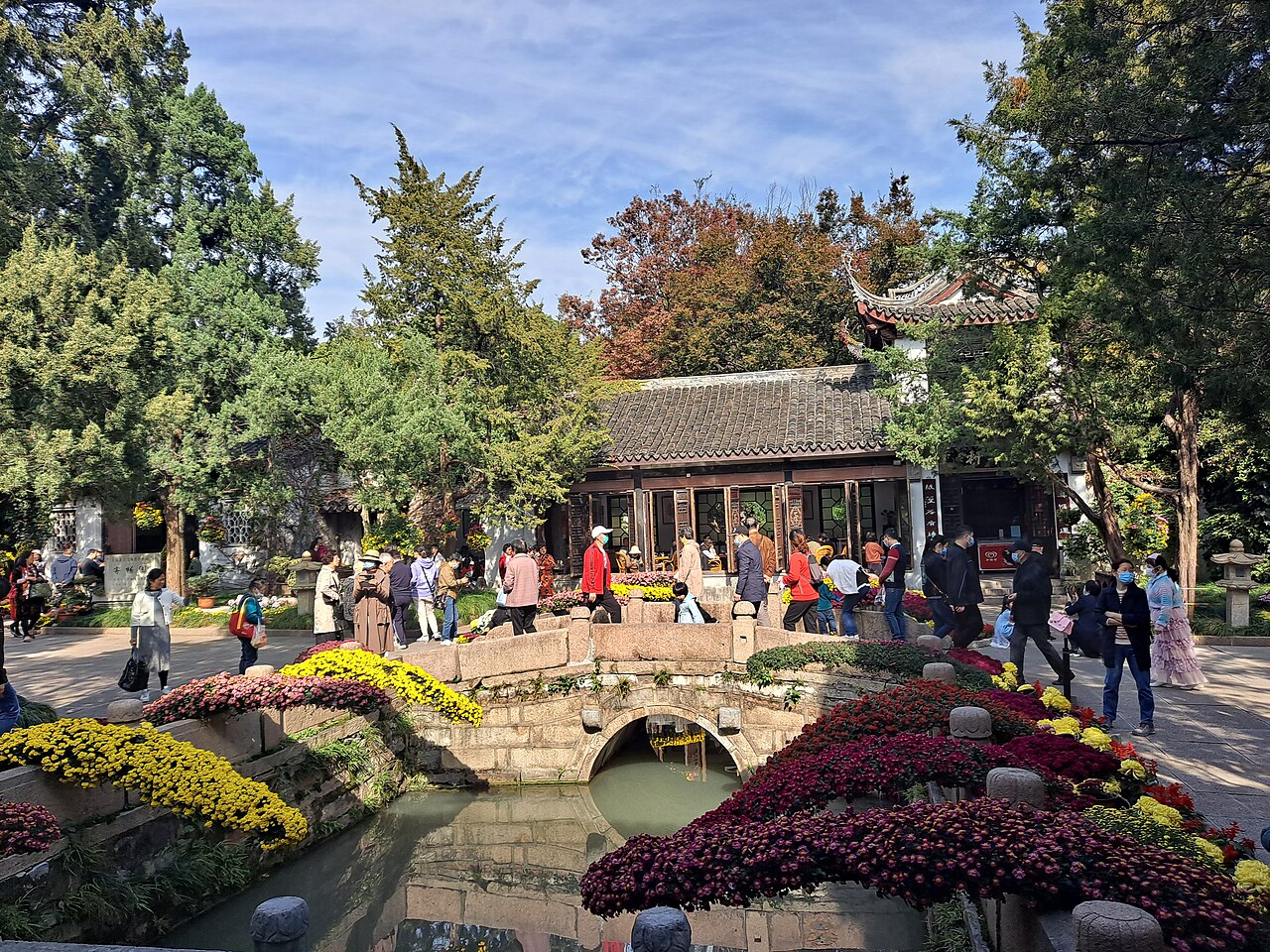
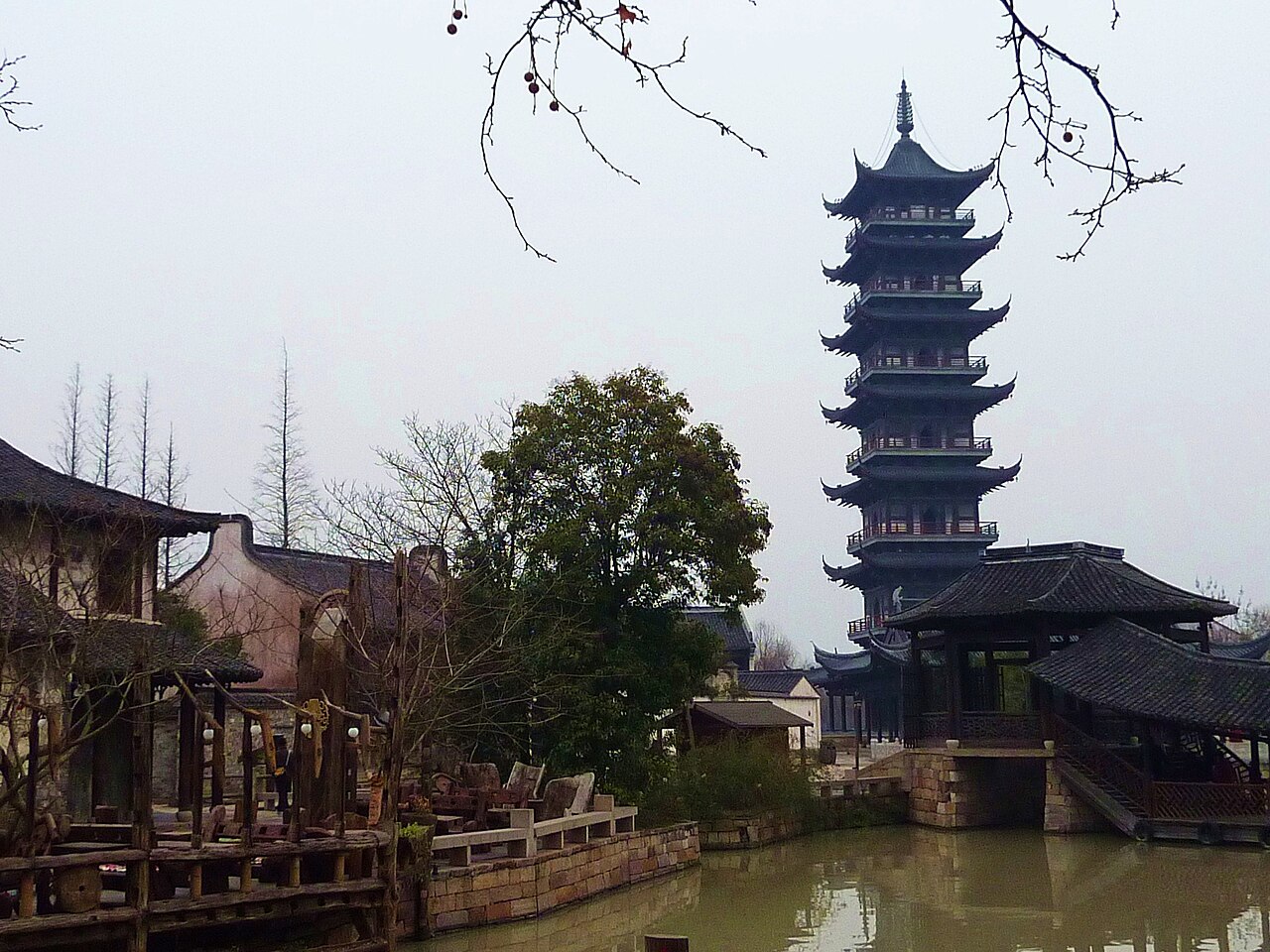
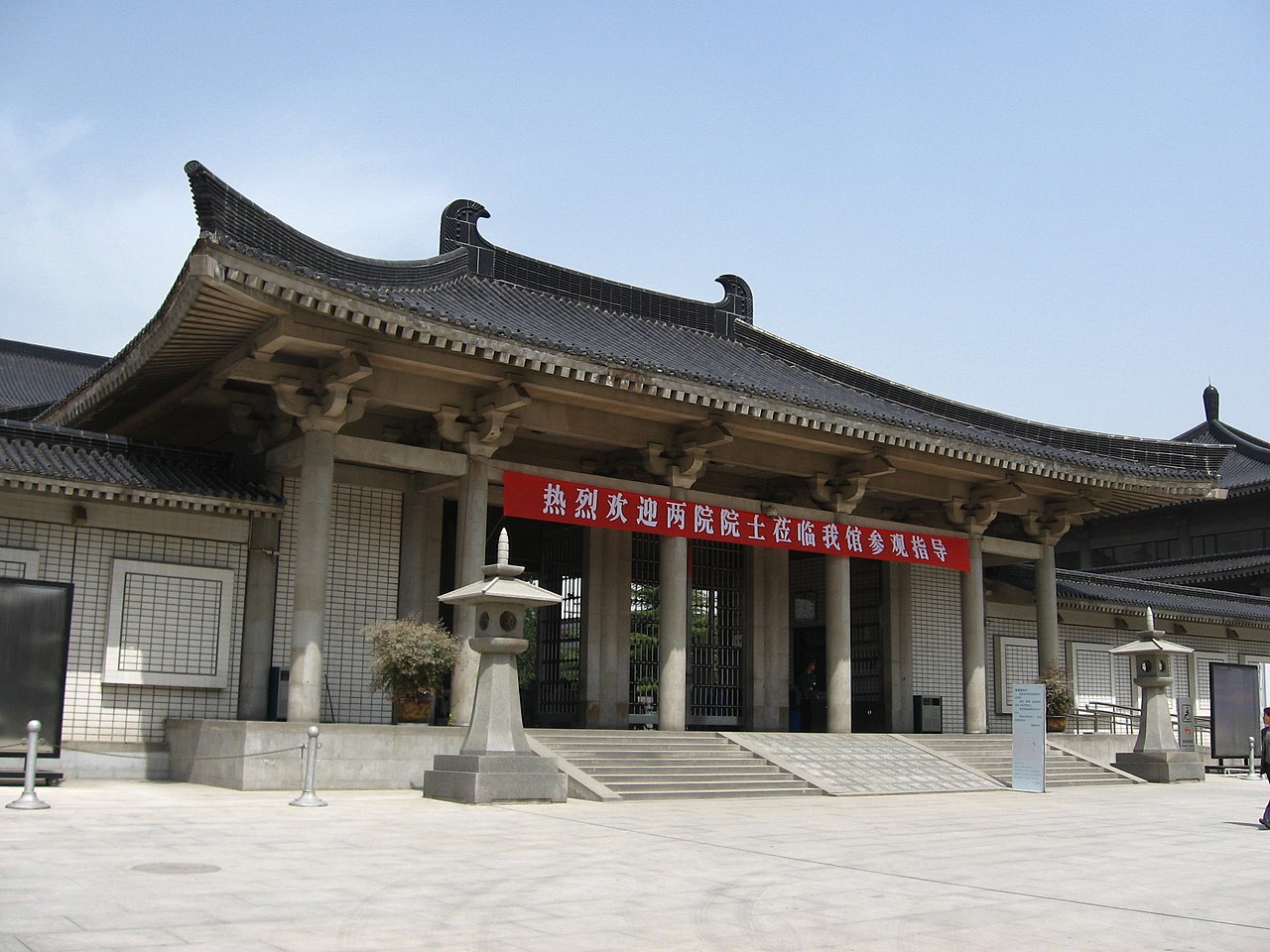
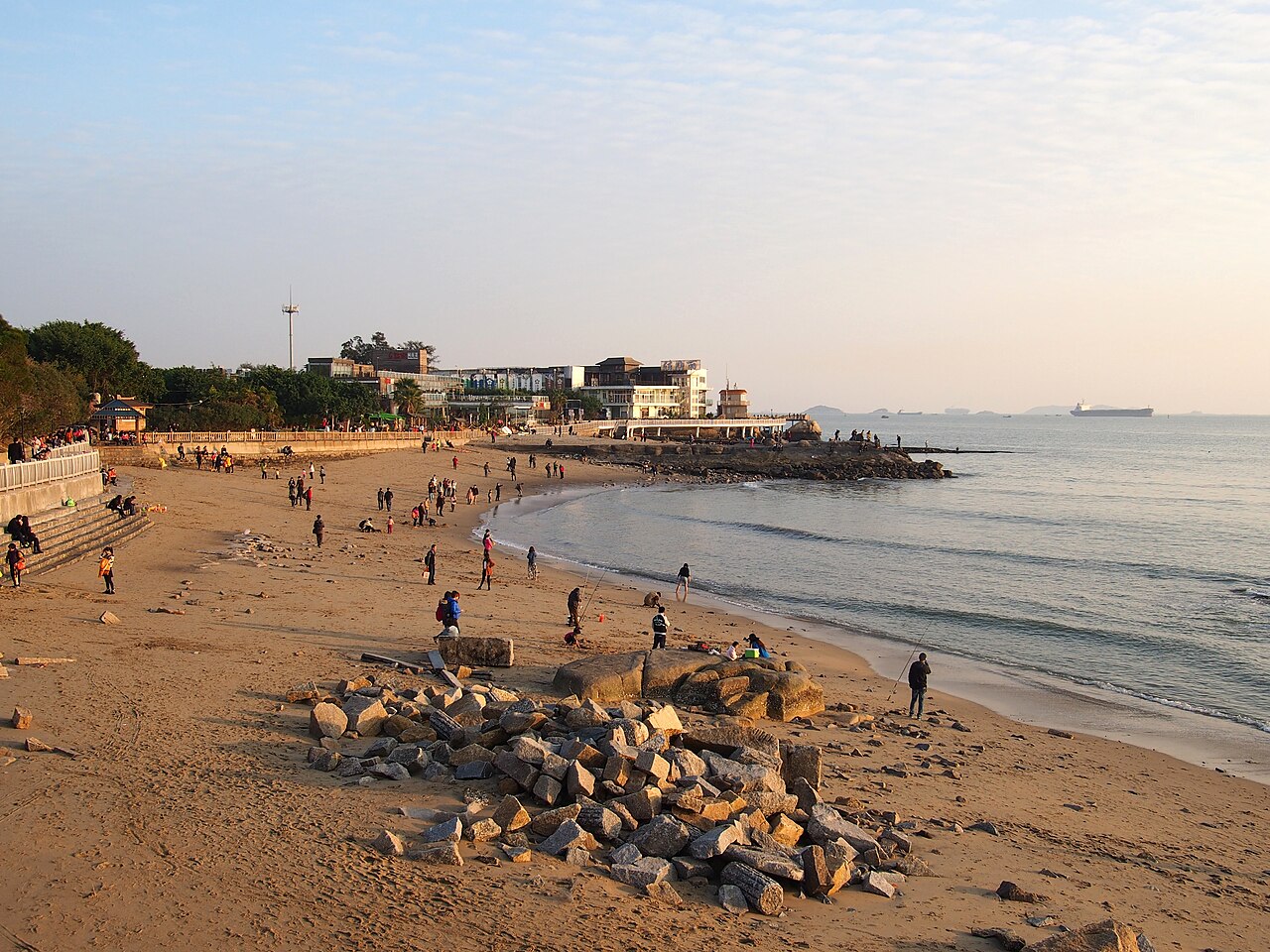
The Island Ring Road — sea on one side, sculpture parks on the other
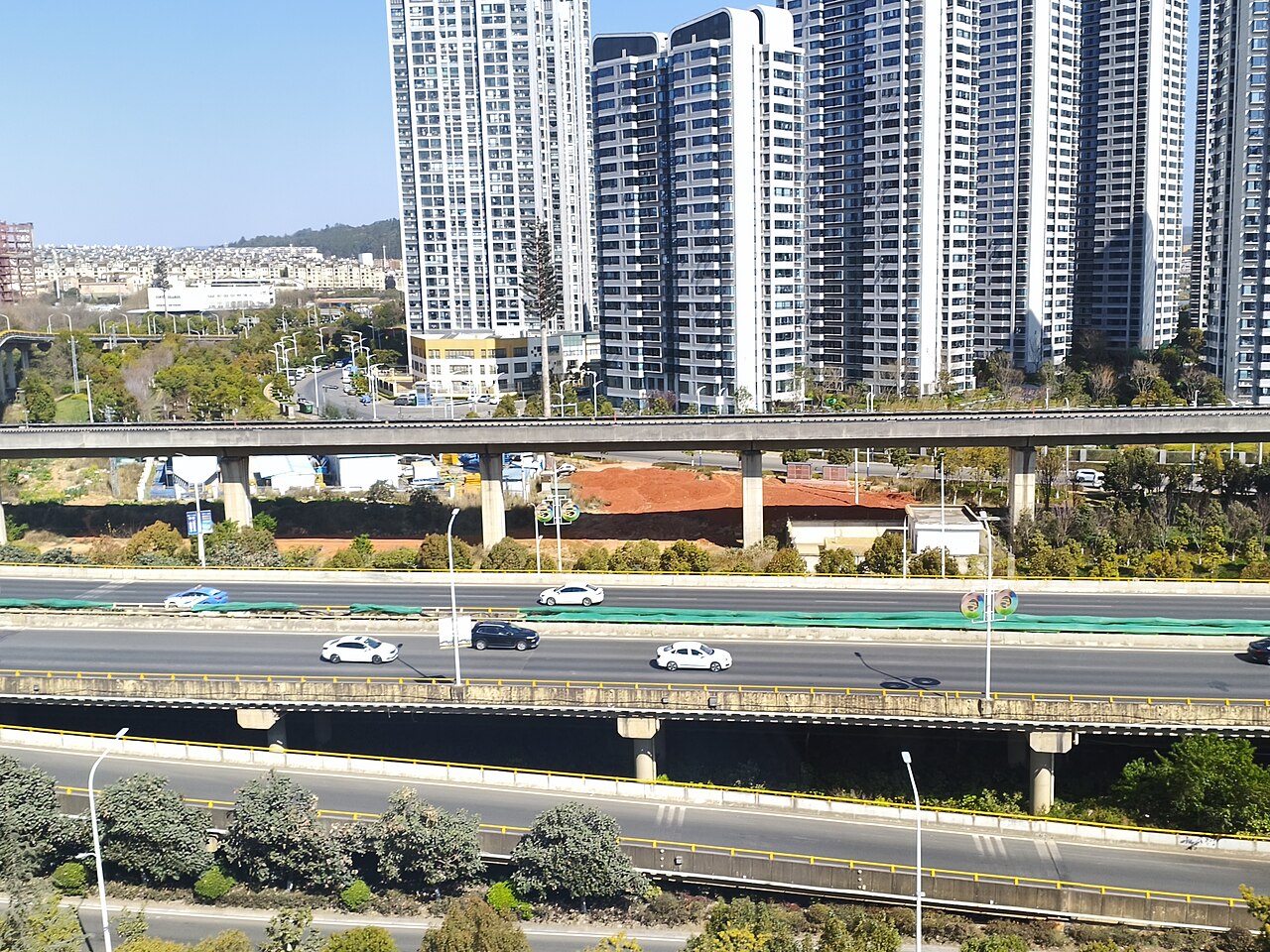
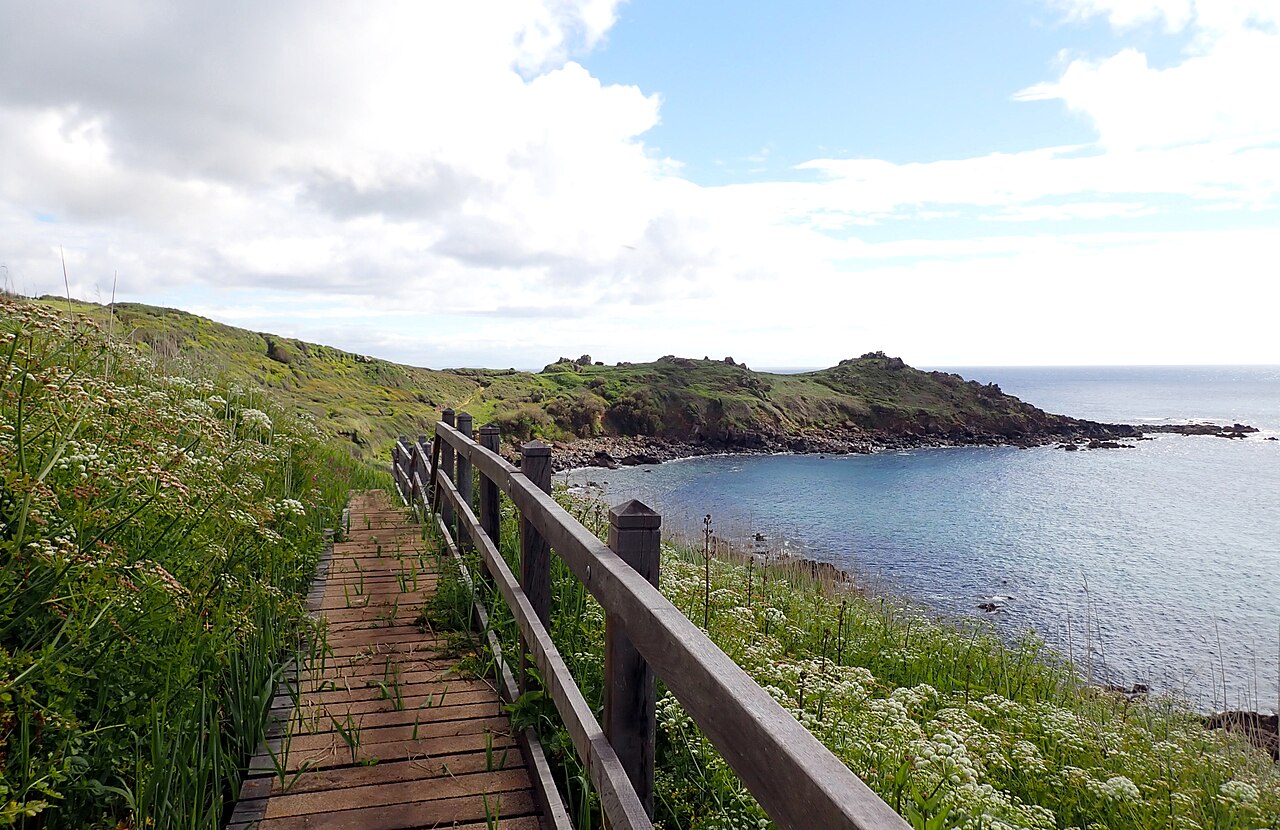
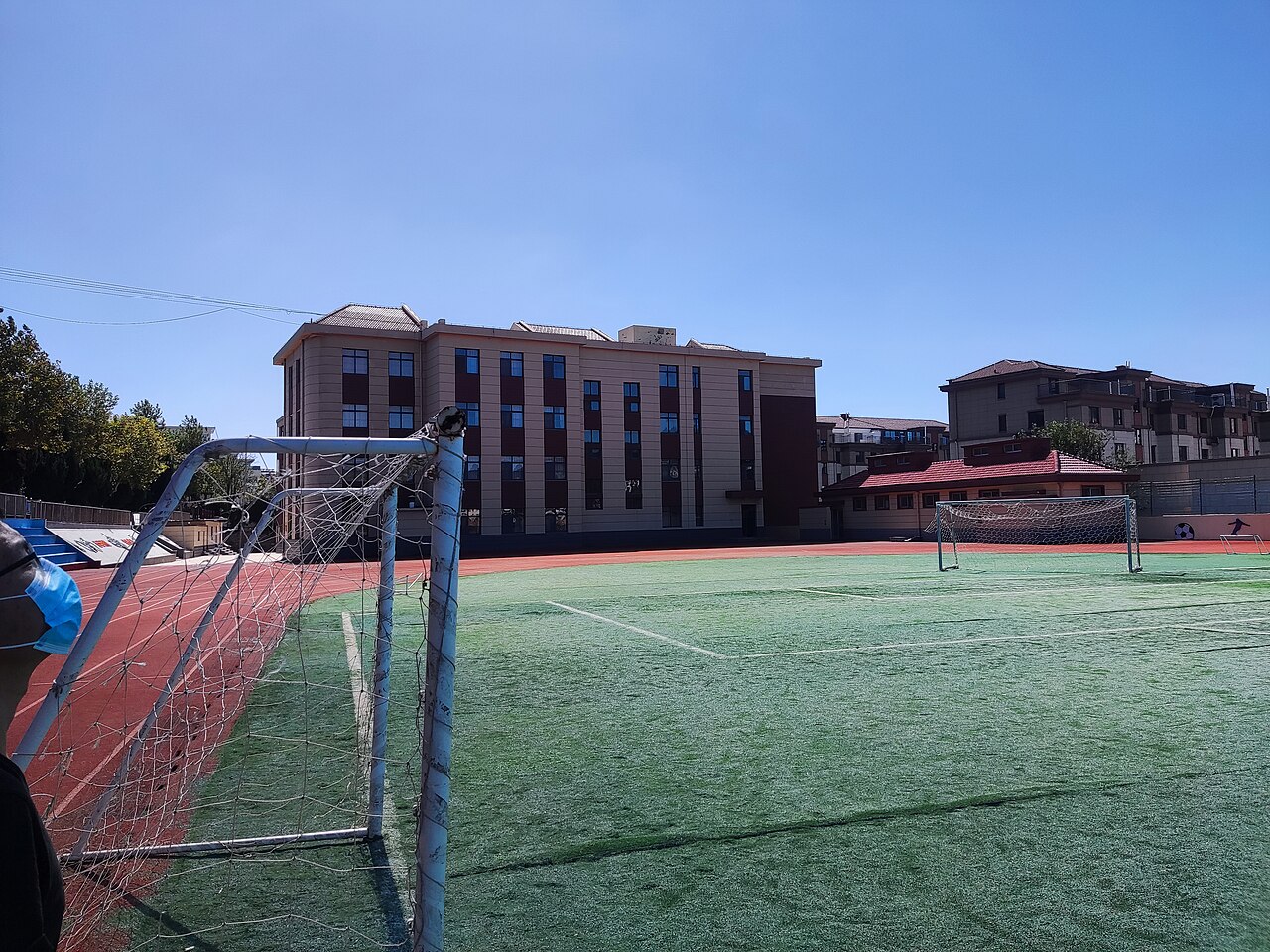
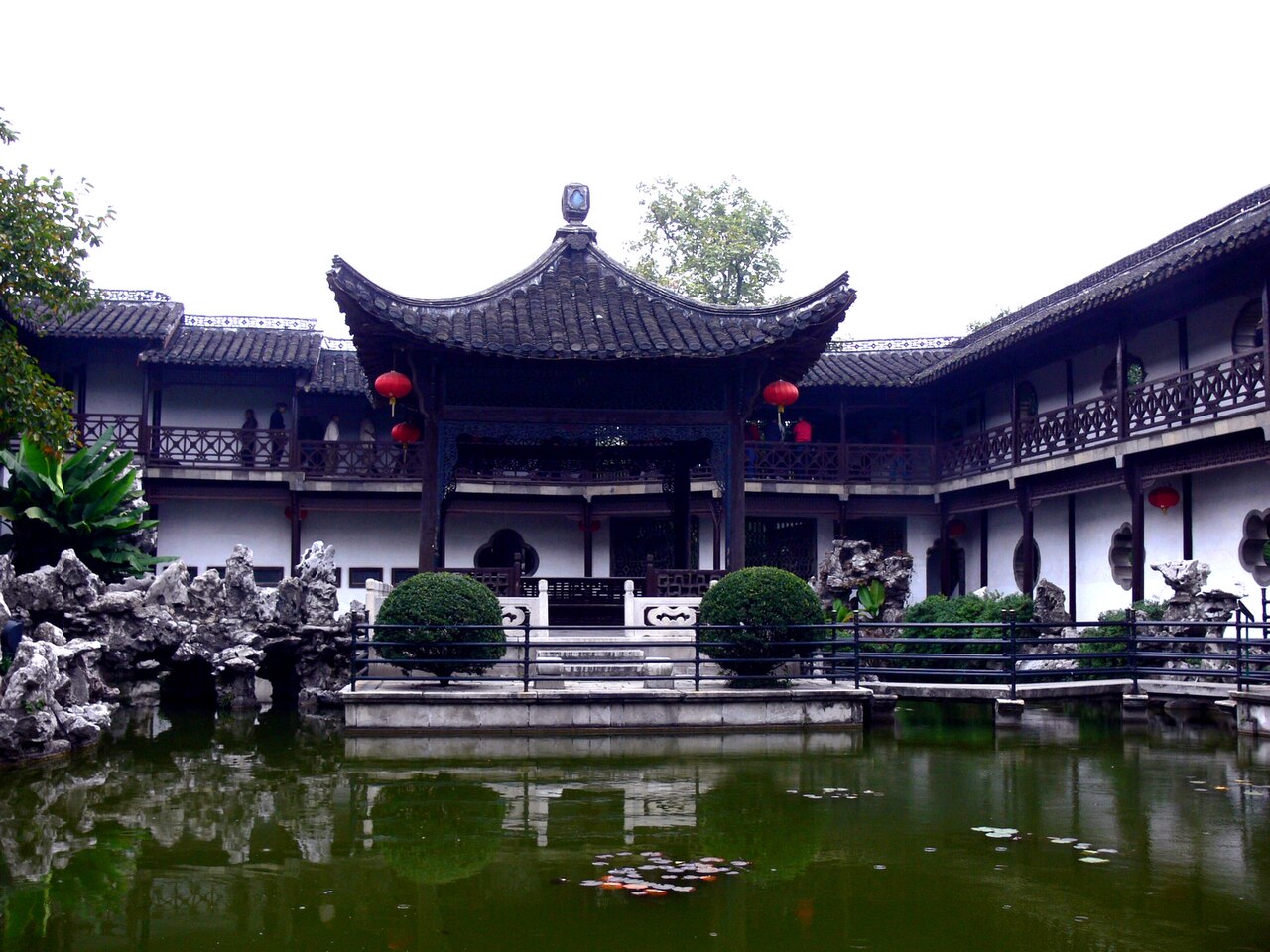
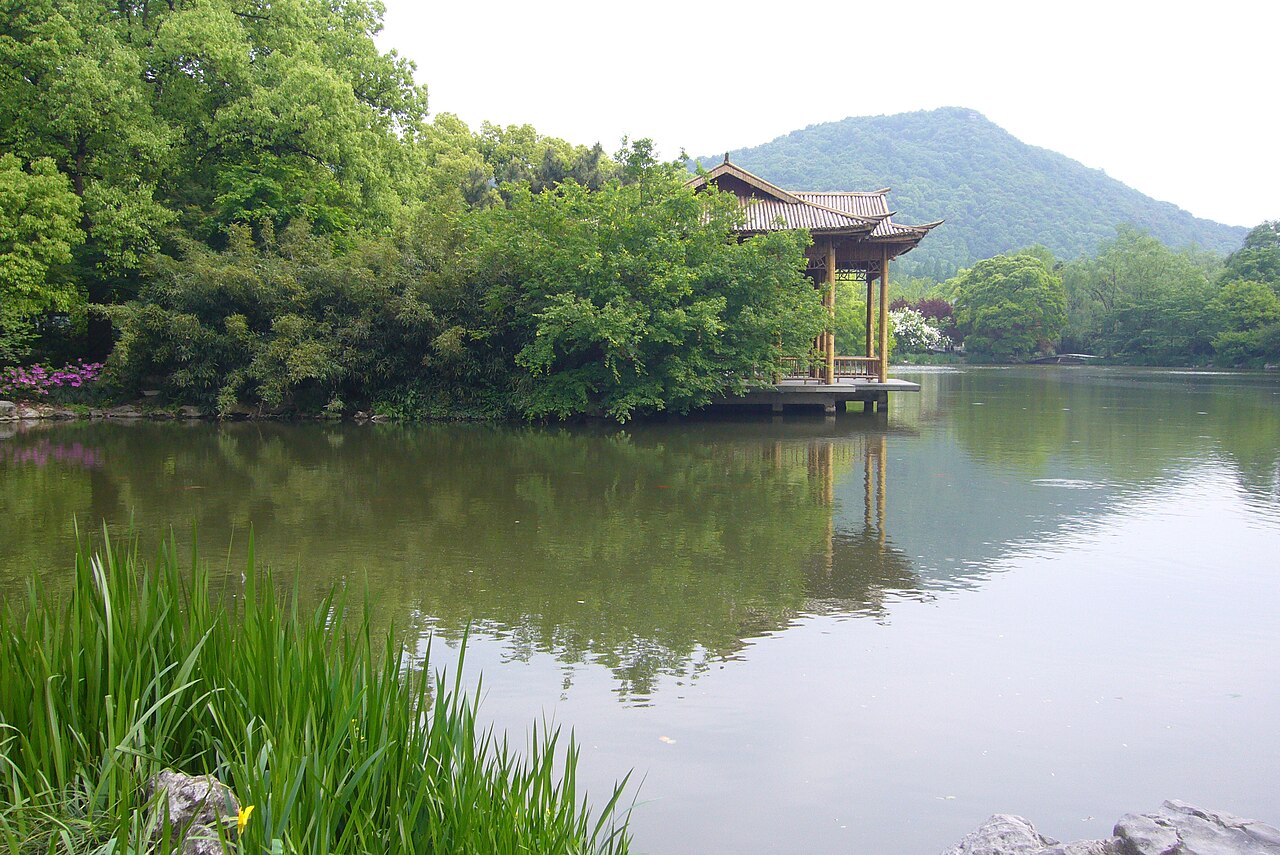
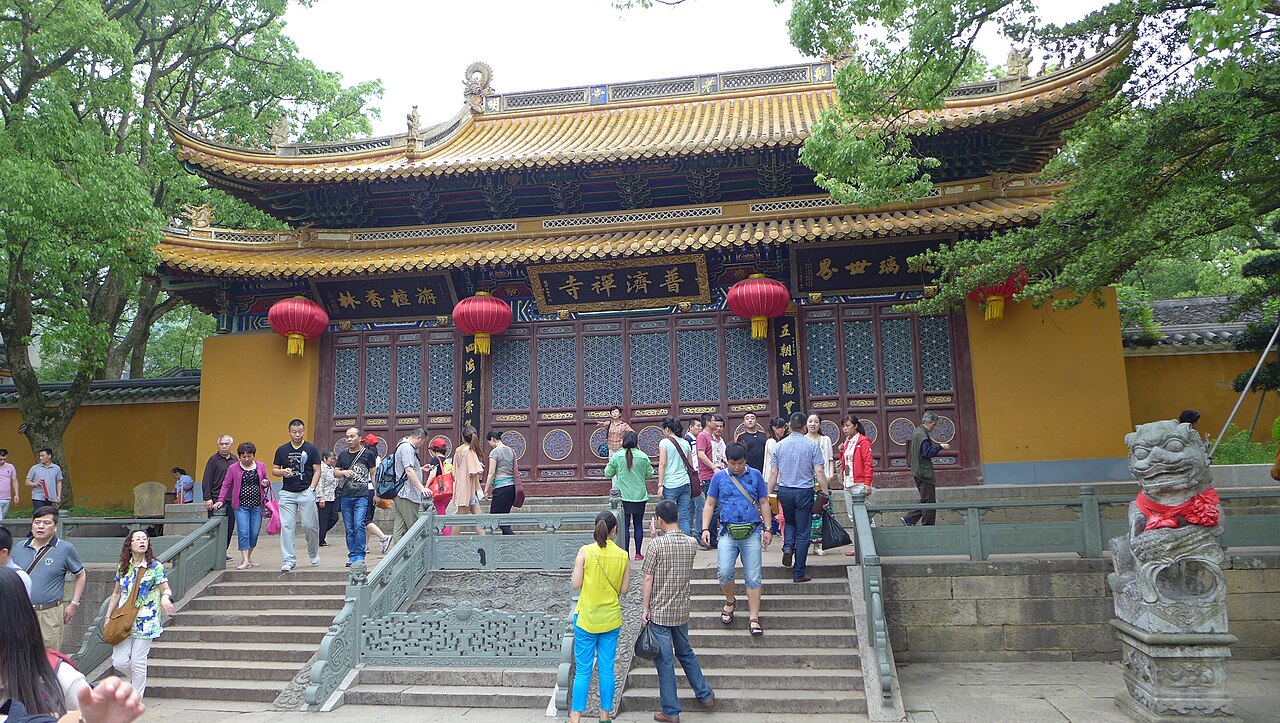
Xiamen University, one of the prettiest campuses in China
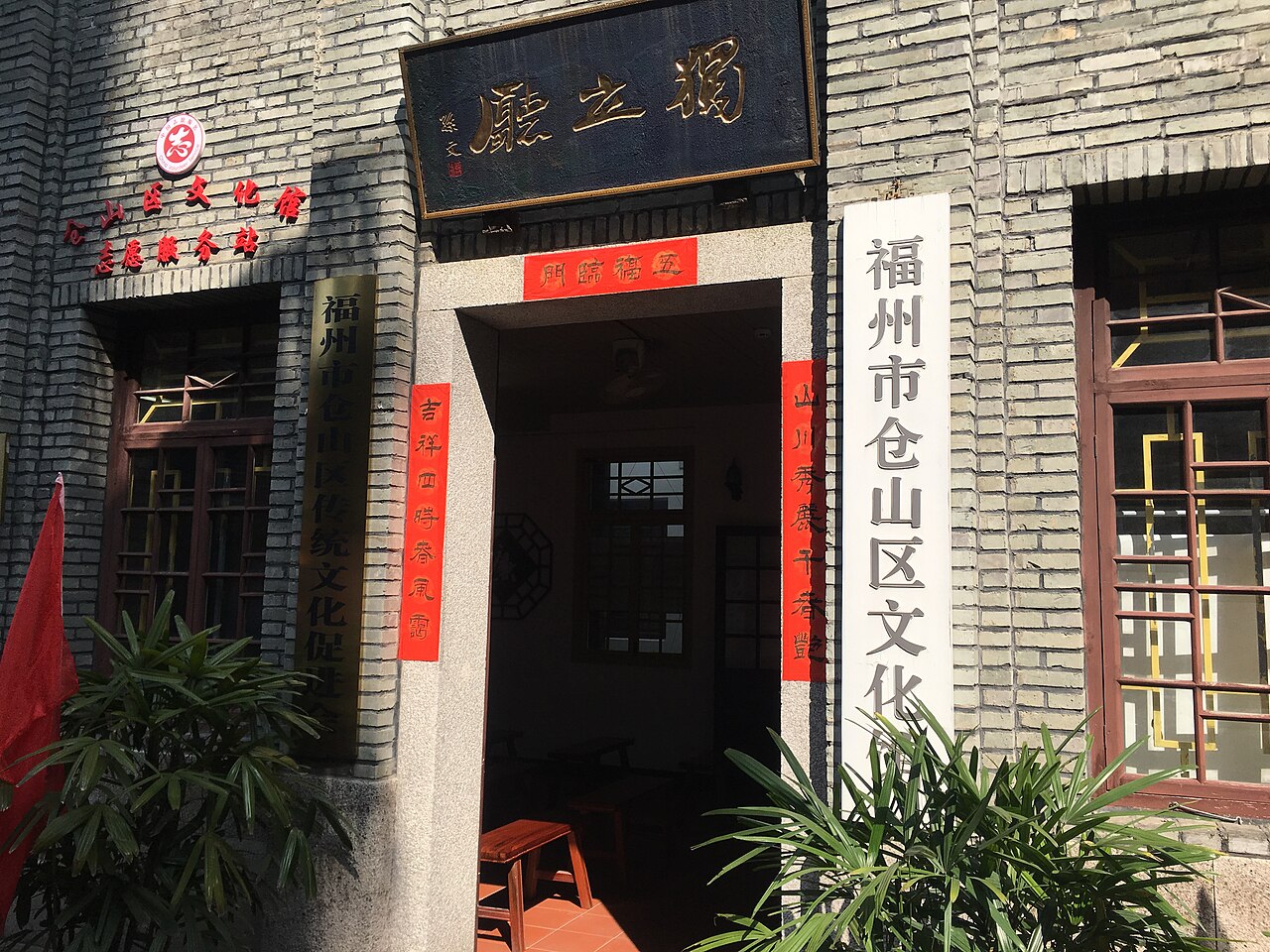
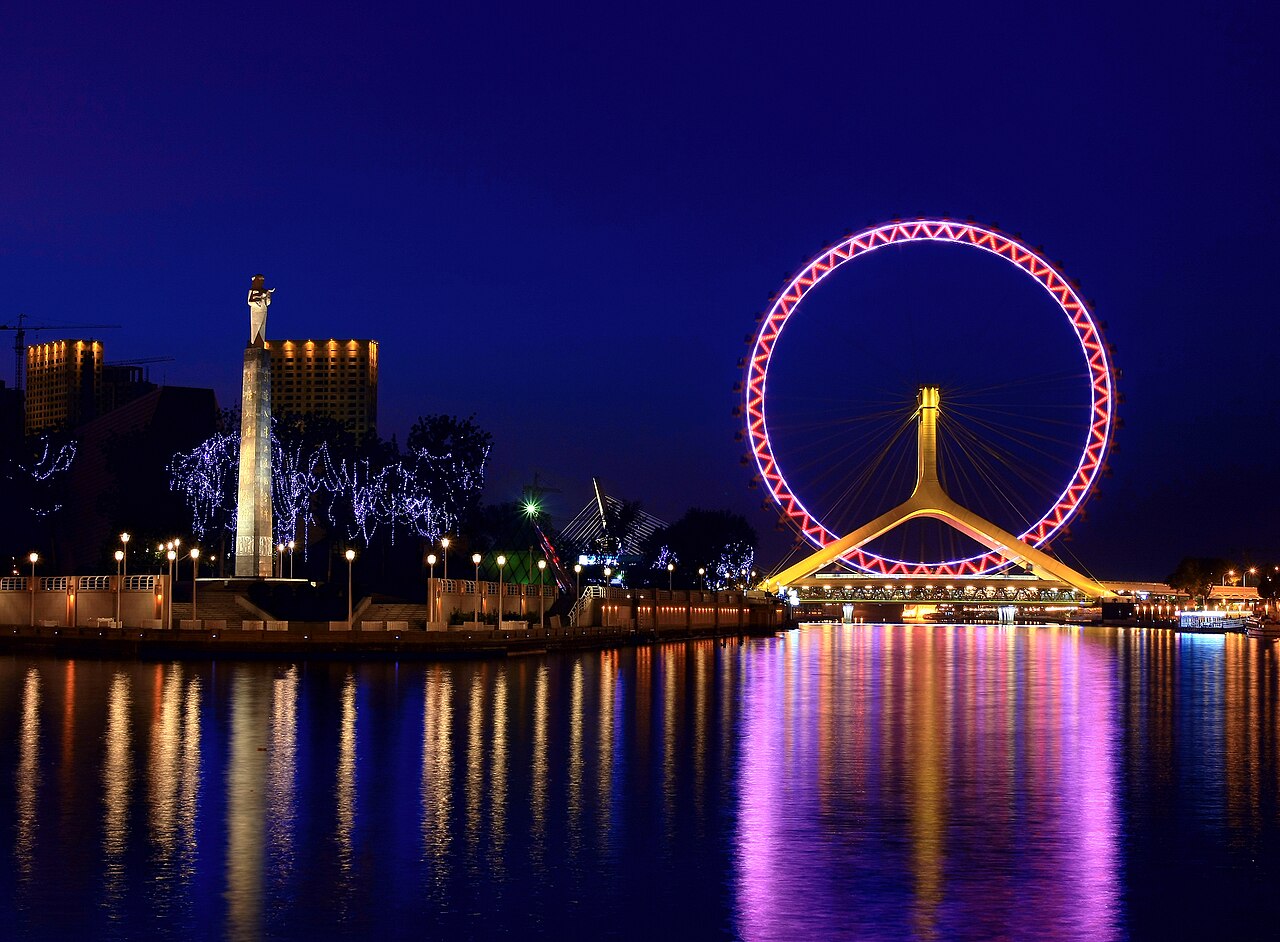
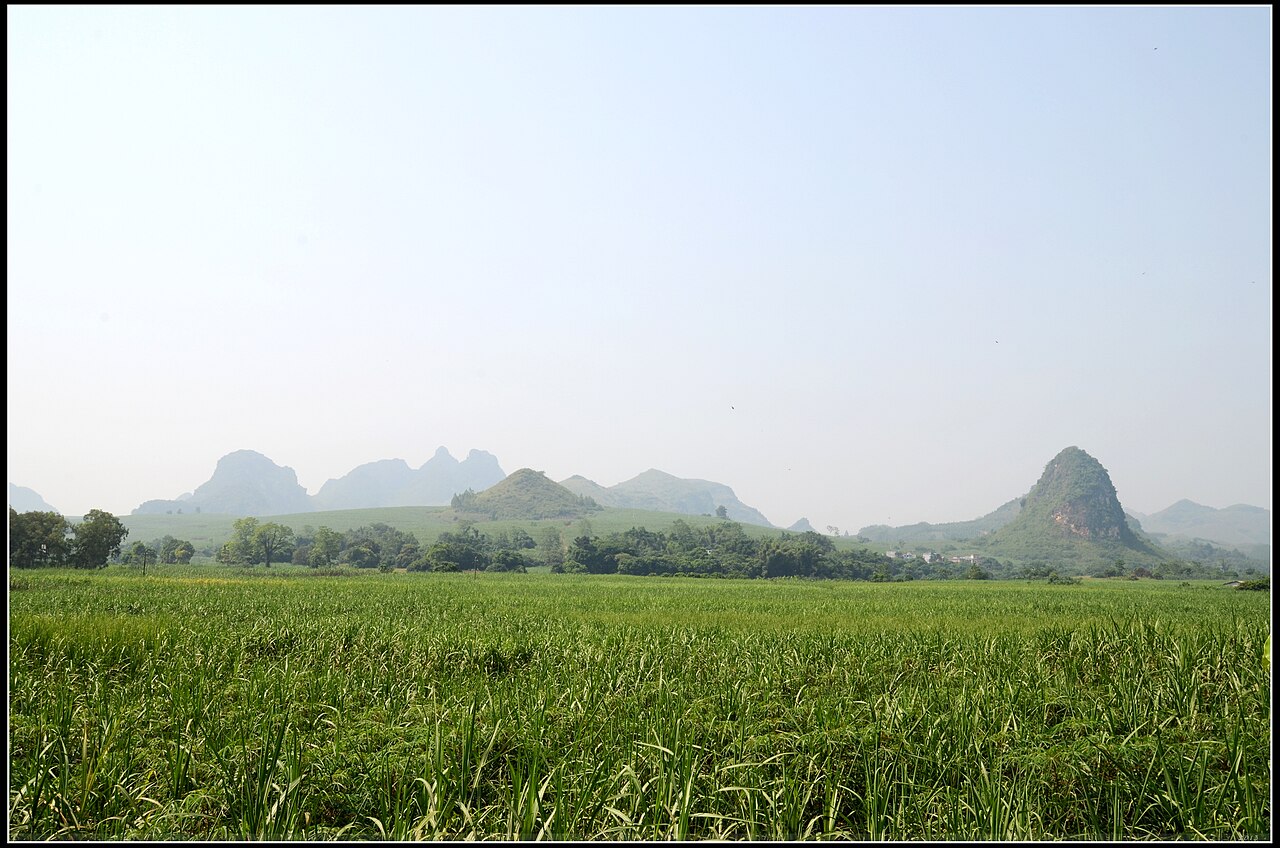
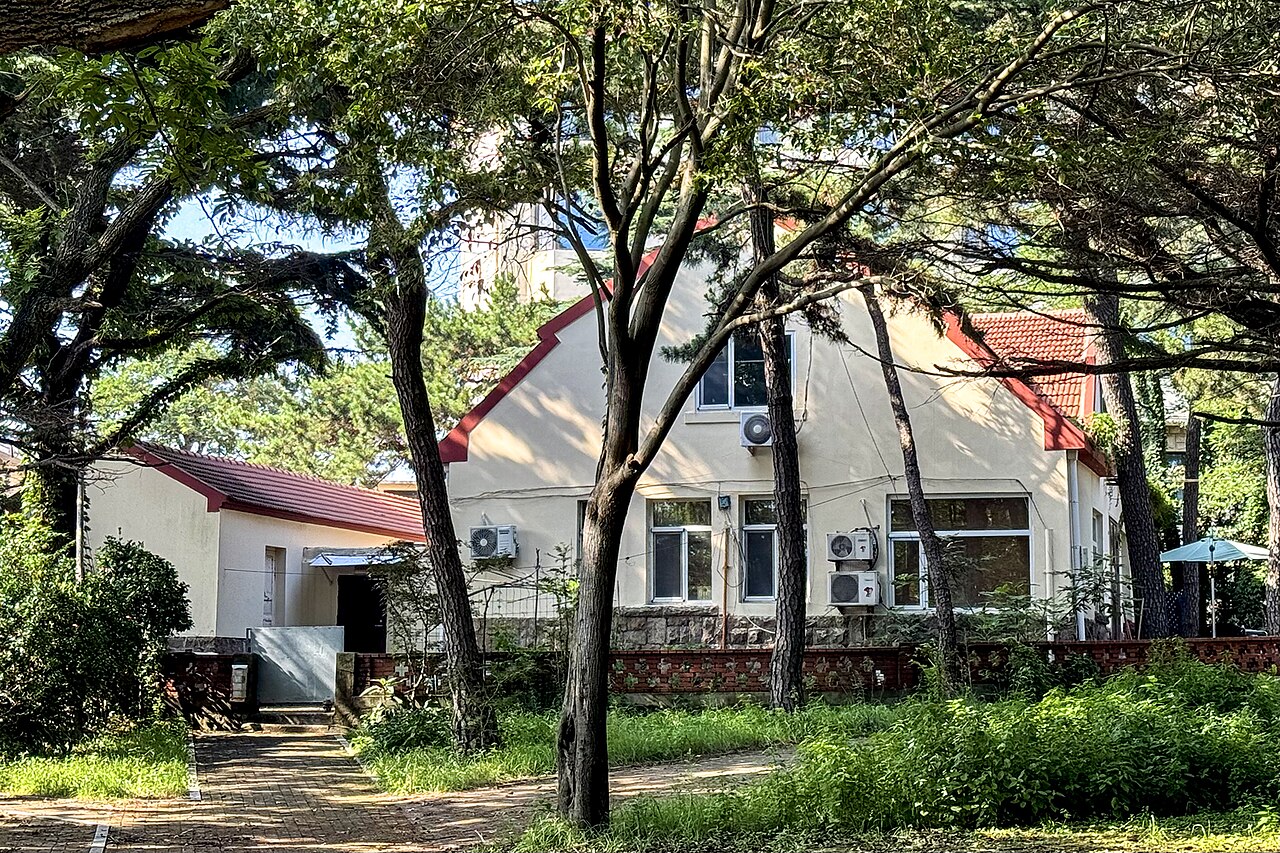
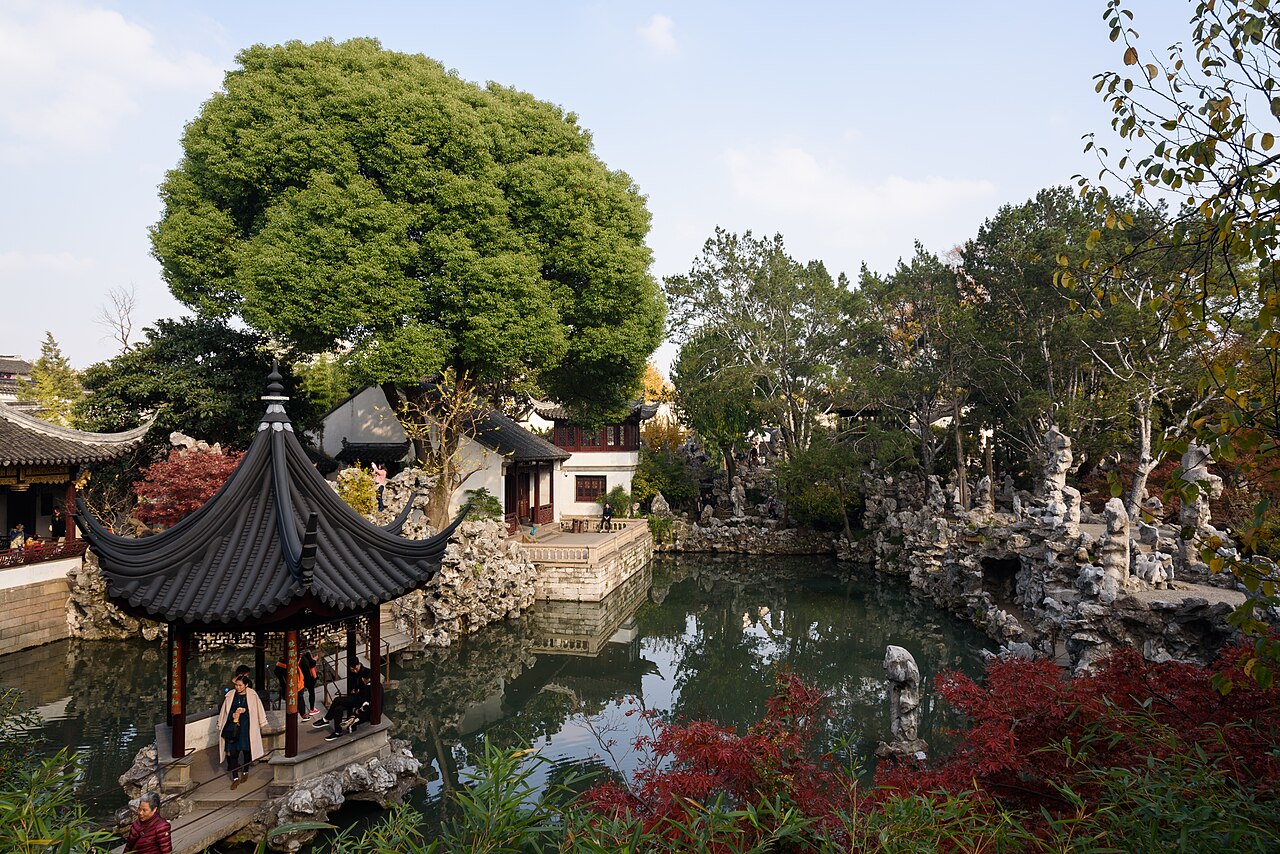
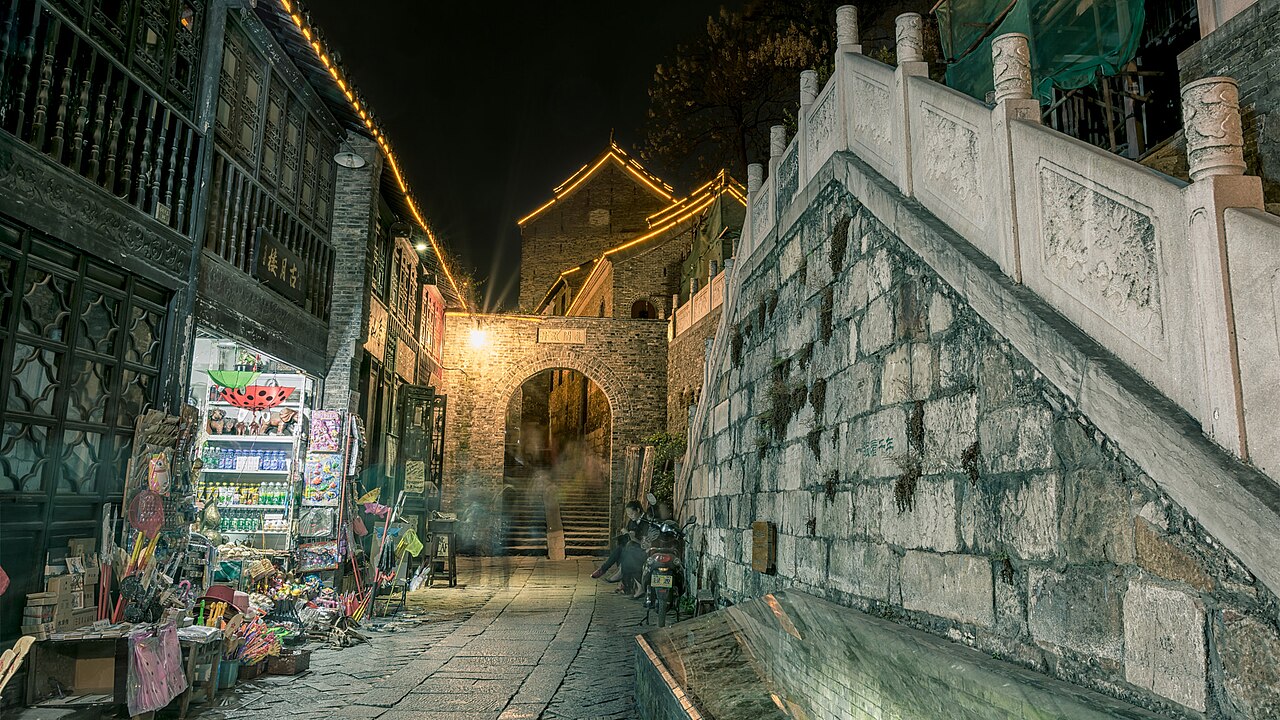
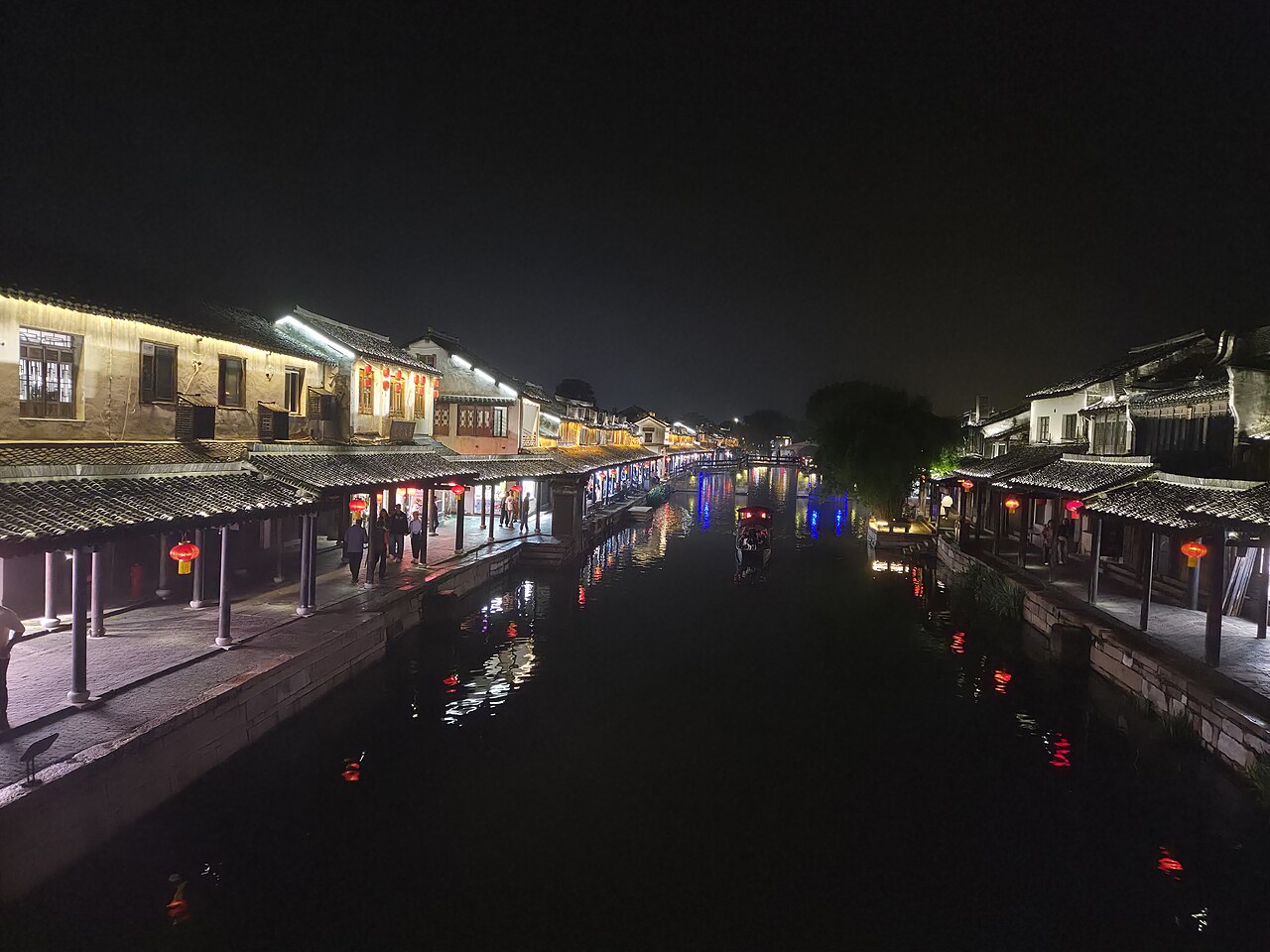
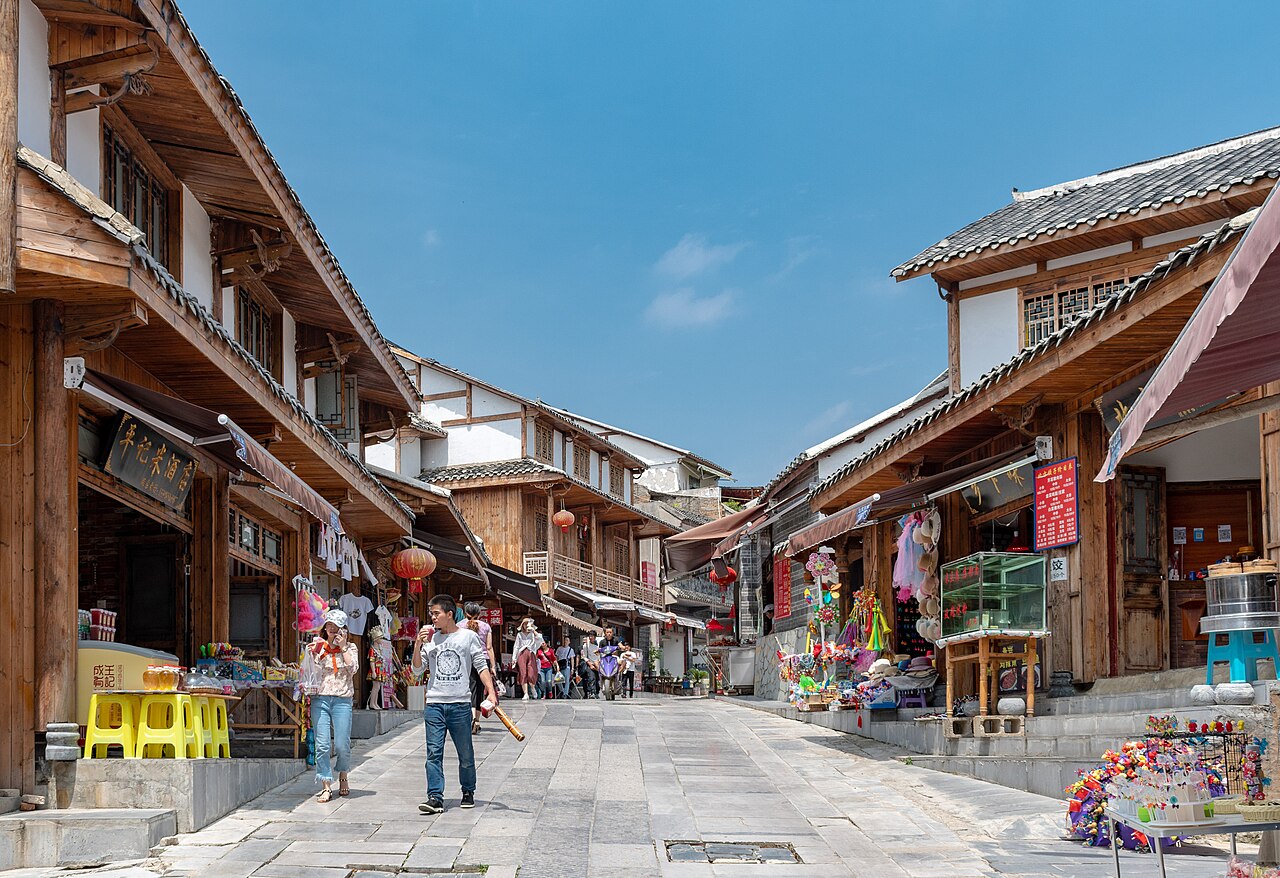
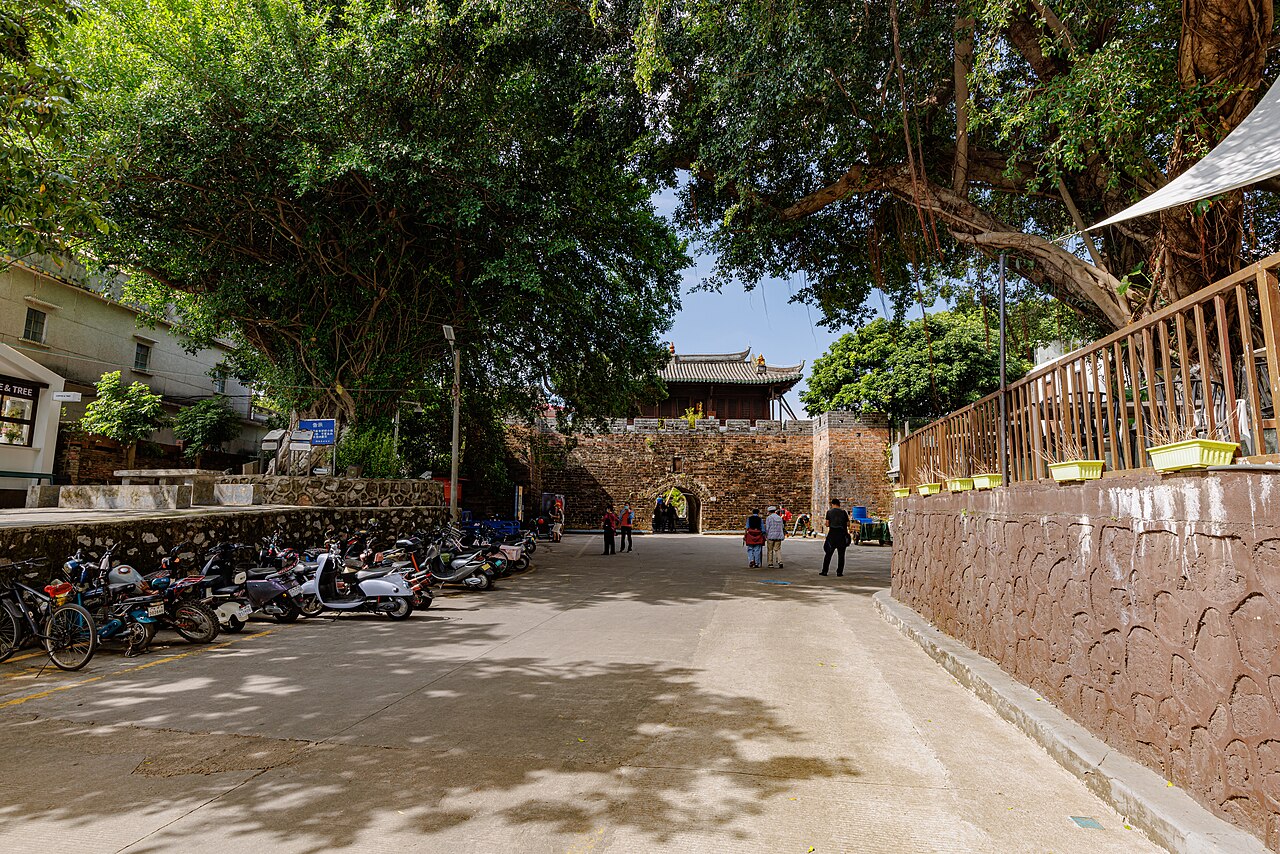
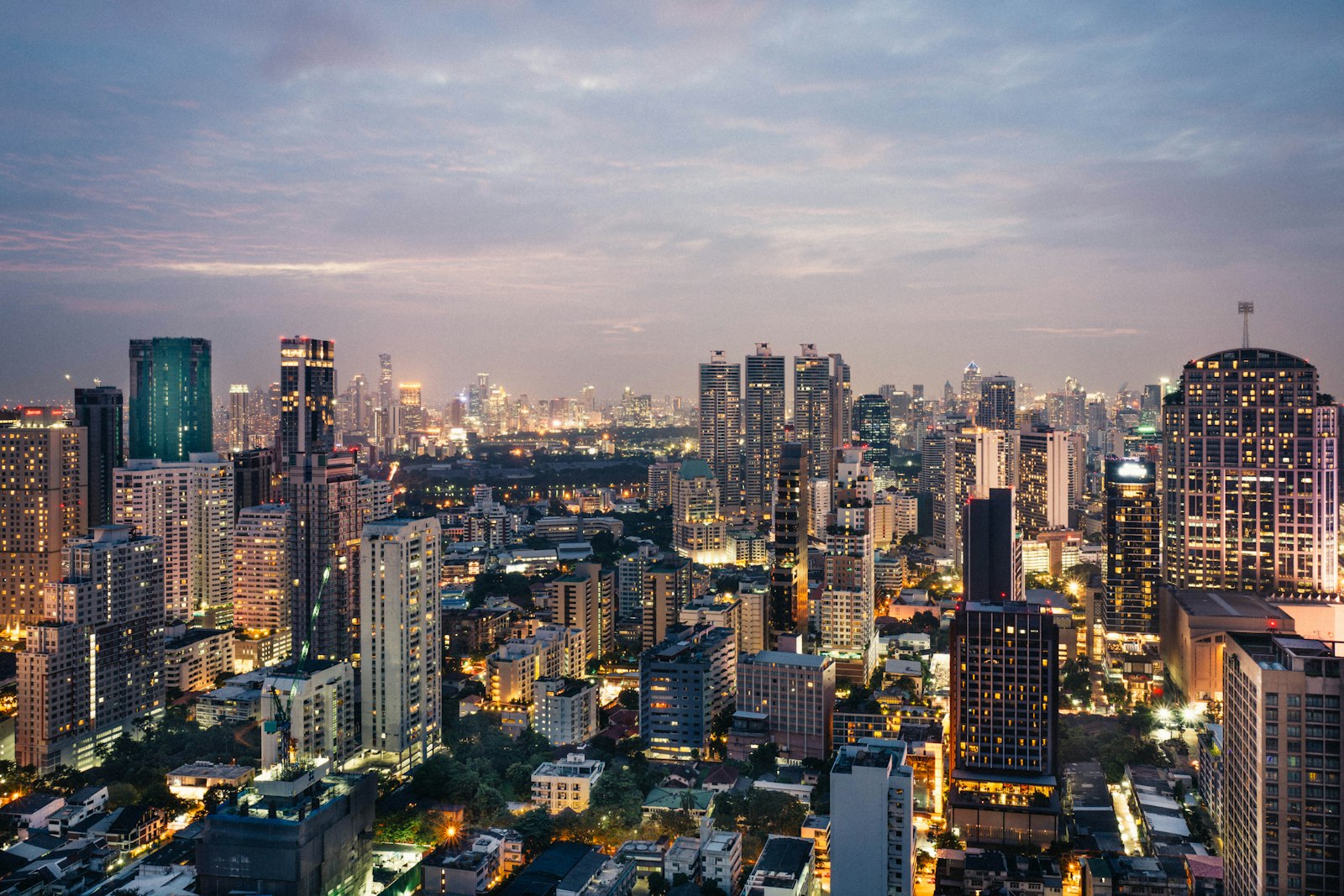
The old town lanes around Zhongshan Road and Shapowei
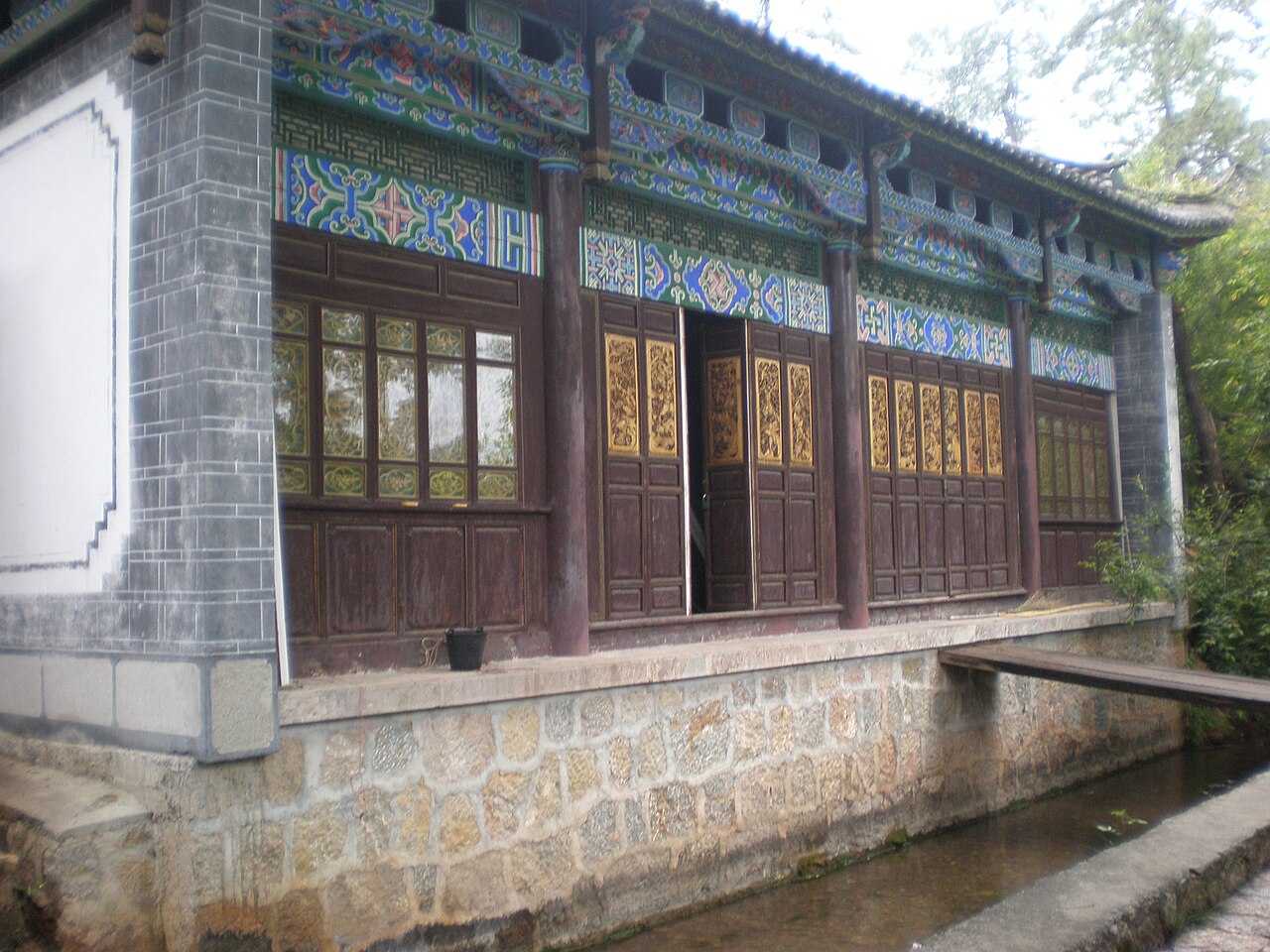
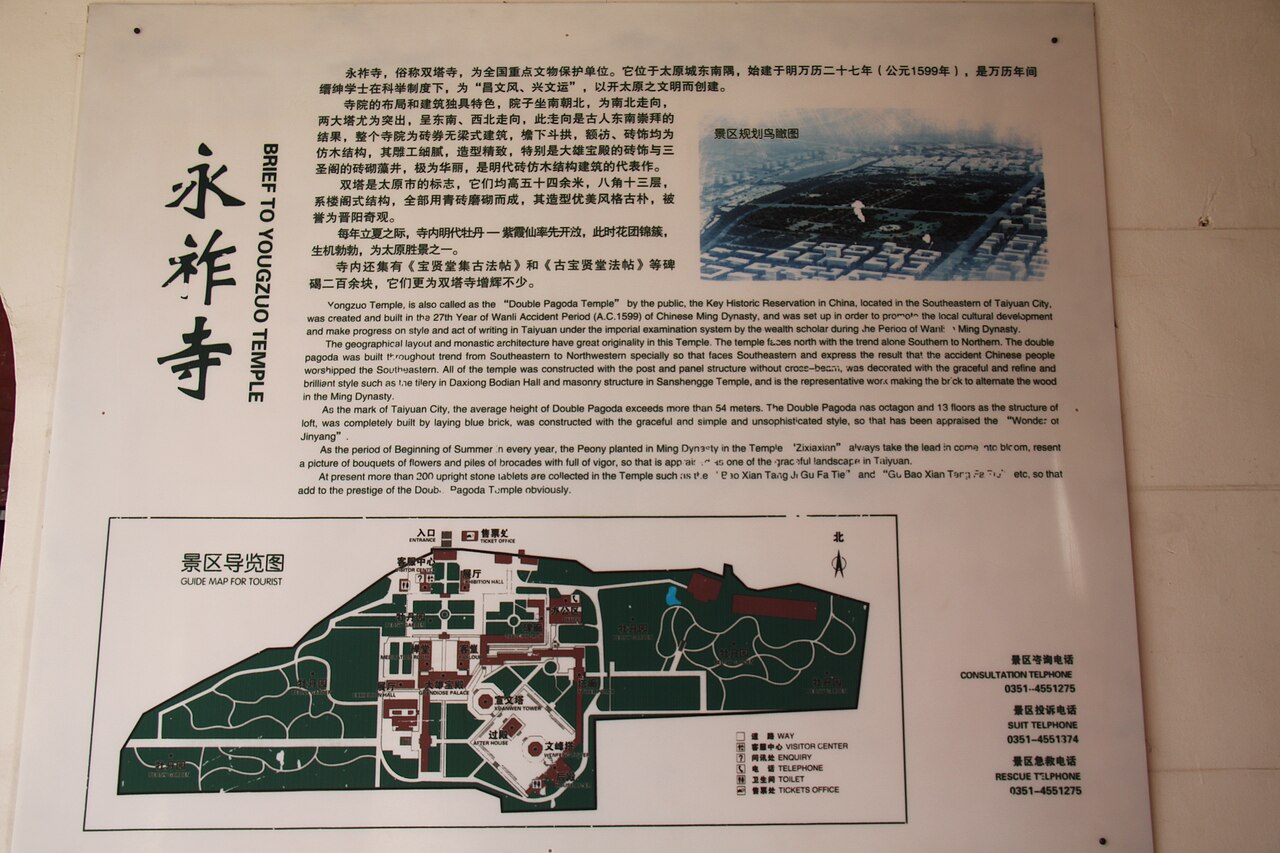
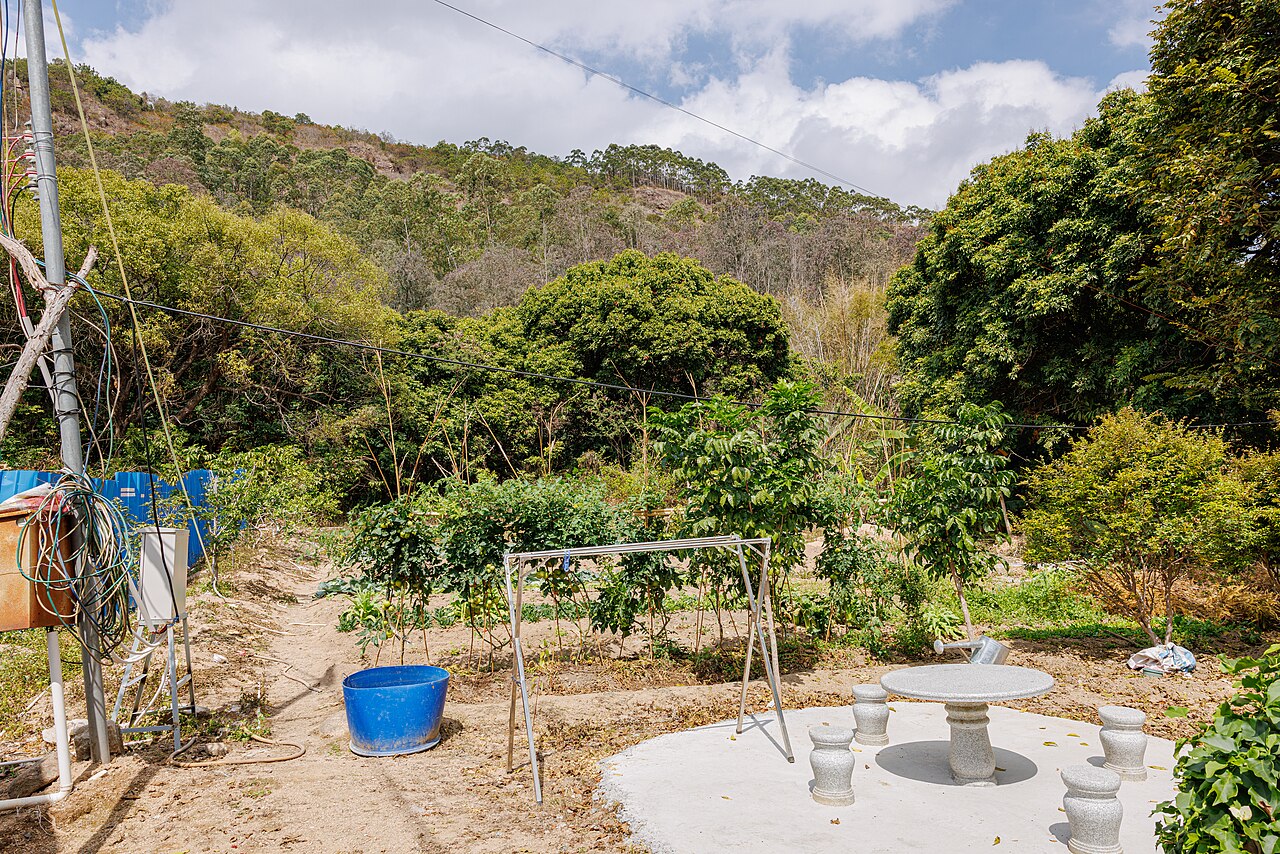
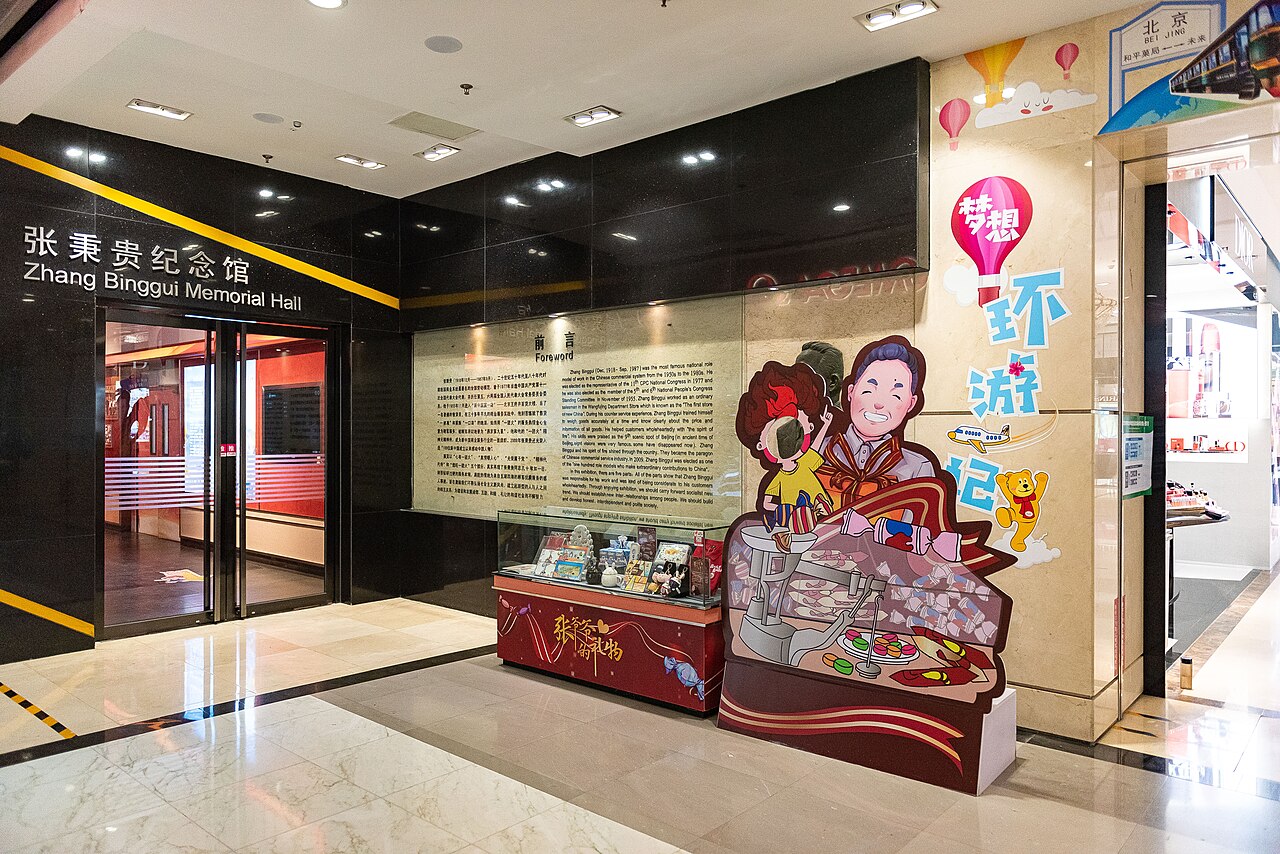
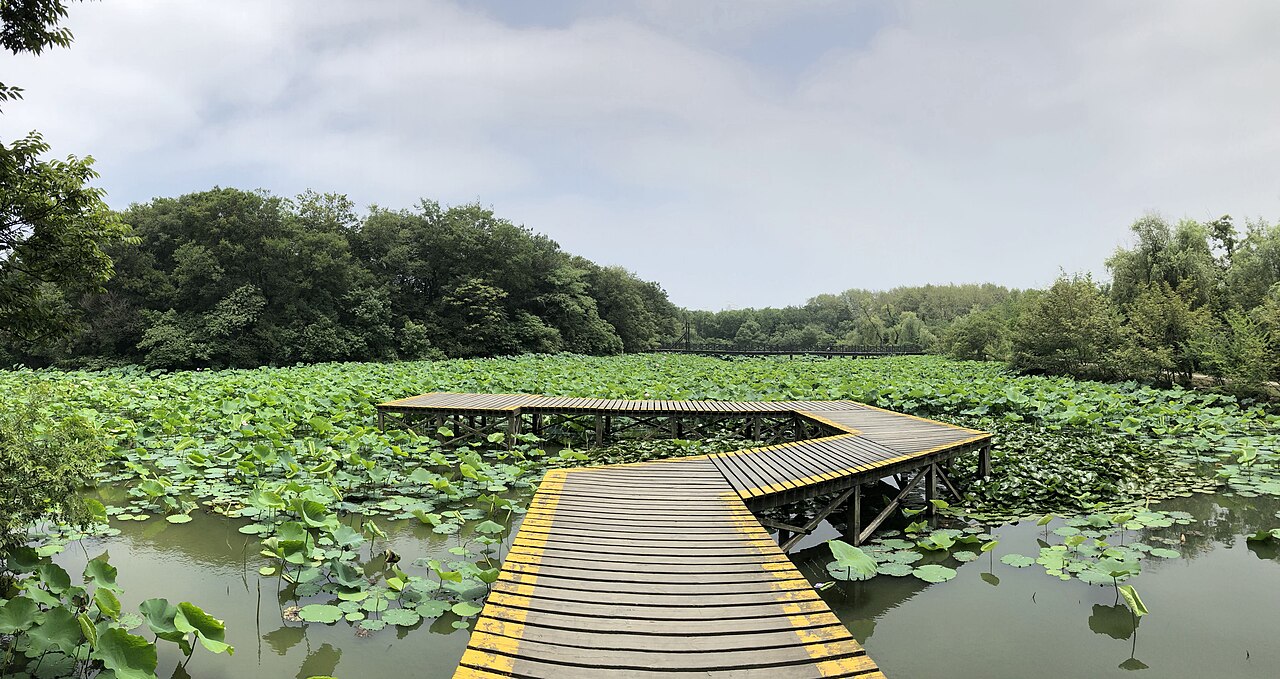
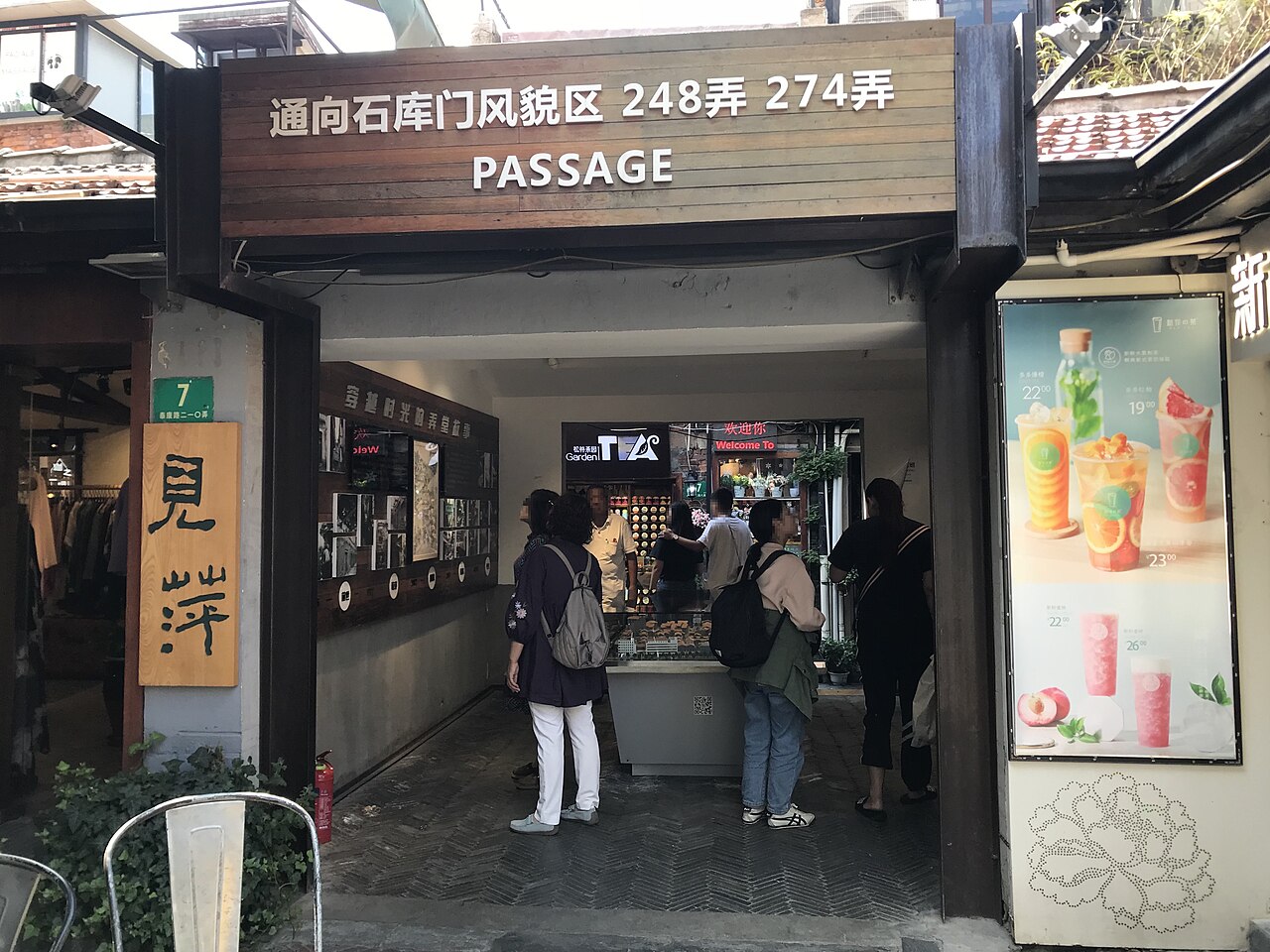
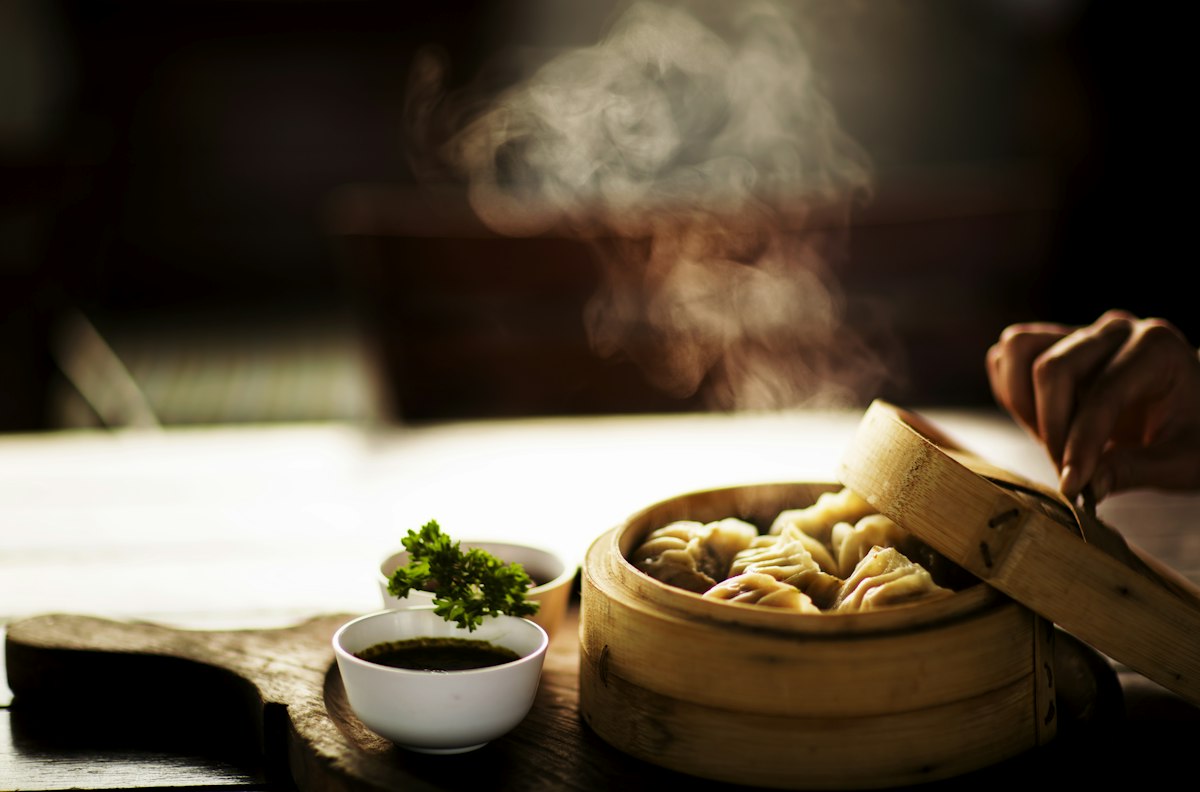
Market-stall food: satay noodles, oyster omelette, peanut soup

In Xiamen all you need is the mood to slow down and walk — every turn is a view. On Gulangyu all you need is the certainty that getting lost is the point.

Traveller note — 'A Xiamen Daydream, Wandering Gulangyu'

If heaven wanted to spoil someone, it would set them down gently in Xiamen. Every day there can be easy and happy, with nothing at all to think about.

Traveller note — 'April's Blossom and Sunshine'

Xiamen is the kind of city that makes you slow down without asking. It sits on its own island off the Fujian coast, ringed by a coastal boulevard, and its pleasures are undramatic: a bowl of satay noodles at a market stall, a ferry crossing to a car-free island of old villas, a bike ride with the sea the whole way along one side of the road.

It is a big, modern port — one of China's first Special Economic Zones — but the old town still runs on Minnan culture: southern Fujian dialect, southern Fujian religion, and a kitchen built on seafood, peanuts and a distinctive, light, faintly sweet hand with sauce. This is not your standard Chinese menu.

Most people use Xiamen as a launch pad. Gulangyu floats just offshore, the tulou roundhouses are a drive into the hills, and Fujian's other big city, Fuzhou, is two hours north by rail. That is fine — but give the city itself its own three days first, because the parts tourists skip, the markets and the back lanes, are the parts worth the trip.

Come in spring or autumn. Summer is hot, humid and punctuated by typhoons from July to September; winter is mild. Whatever the season, pack an umbrella and a healthy appetite.

Xiamen

Don't leave without

Seven things that are worth rearranging a day for.

  1. Ride the Island Ring Road by hired bike, with the sea on your right
  2. Eat a bowl of satay noodles and an oyster omelette on the same afternoon
  3. Walk the leafy campus of Xiamen University, then light incense at Nanputuo next door
  4. Cross to Gulangyu on the early ferry, before the day-trippers land
  5. Wander the Eighth Market early, before the seafood is picked over
  6. Watch the sun set from the old fishing harbour at Shapowei
  7. Take the long day out to the Fujian tulou roundhouses

Highlights

What not to miss in Xiamen

The Island Ring Road, by bike

The Island Ring Road, by bike

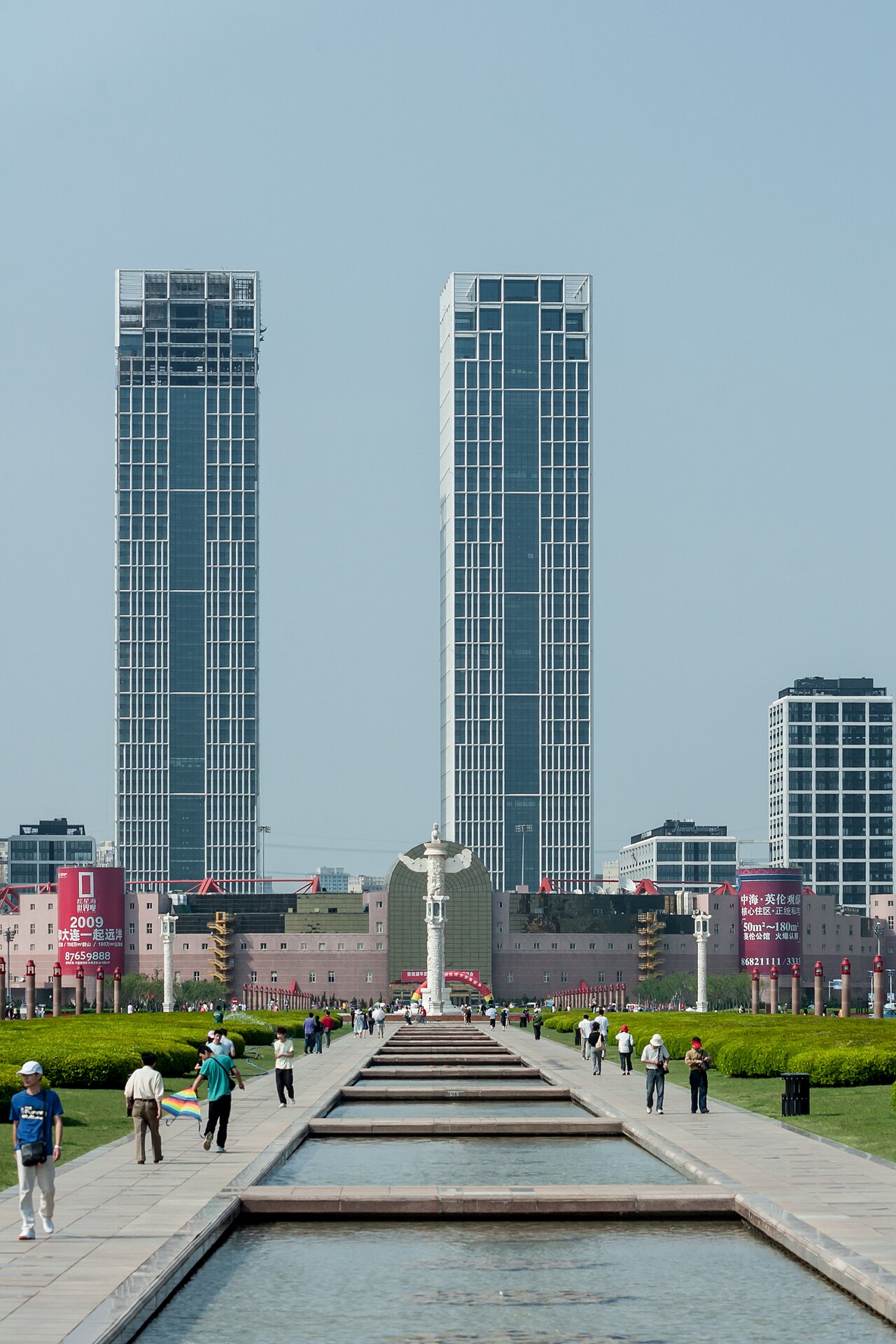
A coastal boulevard along the whole south shore, from the university out to the exhibition centre, with the sea on one side and sculpture parks on the other. Flat, car-light in the bike lane, and best done on a rented bike.
Xiamen University and Nanputuo

Xiamen University and Nanputuo

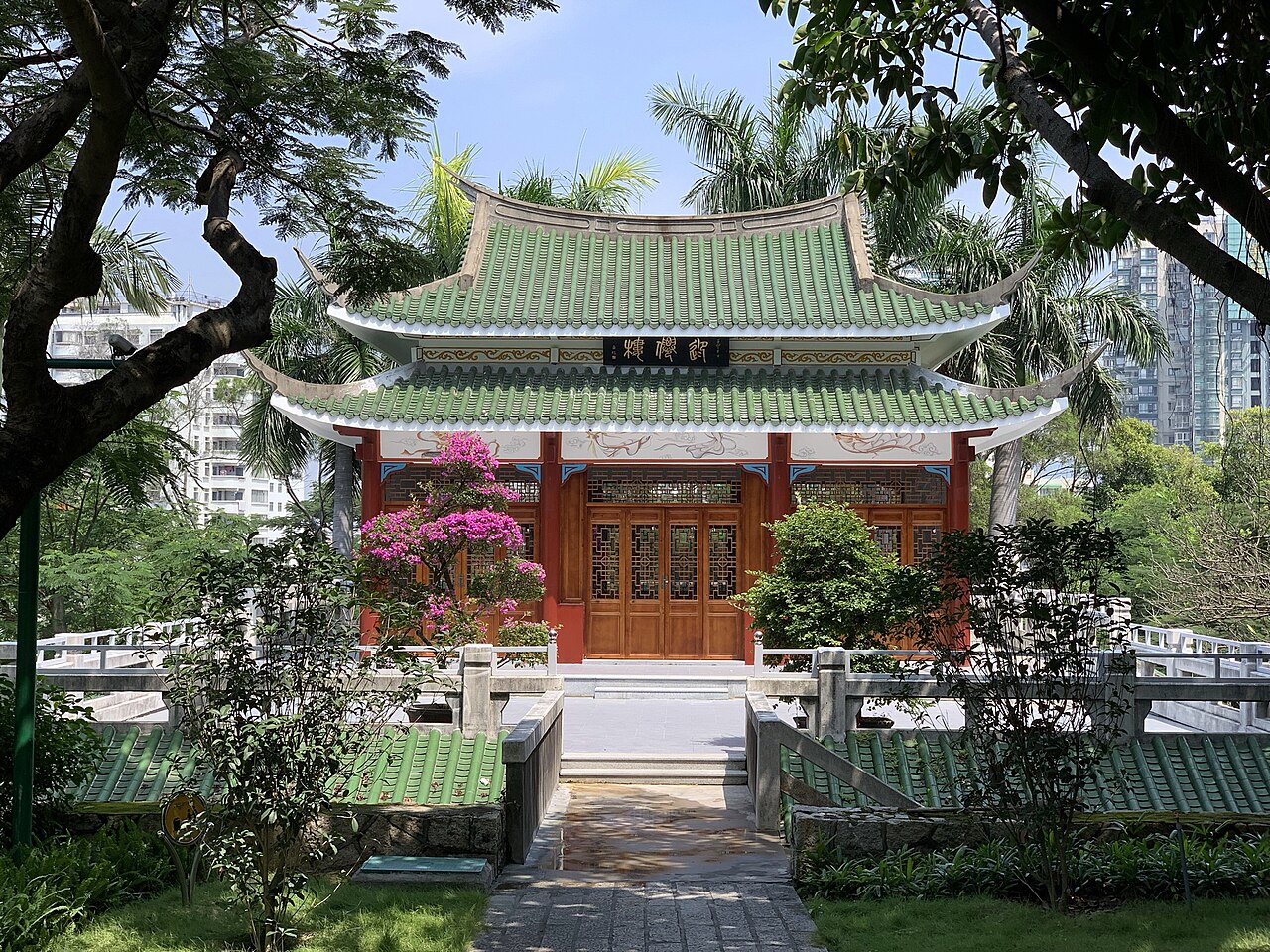
One of the loveliest campuses in China, backed by hills and the coast, with the working temple of Nanputuo at its edge. Visitors enter on a reserved quota — register ahead.

The old town: Zhongshan Road and Shapowei

The old town: Zhongshan Road and Shapowei

The colonial-era shopping street and the old fishing harbour behind it, now the city's coffee-and-studio district. This is where Xiamen's unhurried, small-scale side lives.

The Eighth Market (Ba Shi)

The Eighth Market (Ba Shi)

The city's oldest wet market, a block from the ferry pier and still working at dawn. Come for the seafood, the dried scallops and the stall food locals actually queue for.

The Minnan kitchen

The Minnan kitchen

Satay noodles, oyster omelettes, seafood jelly, peanut soup, ginger duck. Light, seafood-led and faintly sweet — a regional cooking style quite different from the rest of China.

The Fujian tulou

The great round earthen clan houses of the highlands, part of the Fujian tulou UNESCO site, a long day trip inland. Circular villages built to be defended, and still inhabited.

Suggested itineraries

The three-day city, and the eight-day Fujian loop

The three-day plan is city-only, on foot, bikes and one ferry. The eight-day route folds in the tulou and an overnight on Gulangyu.

Three days in Xiamen

3 days

Enough for the islet, the coast and the old town without rushing any of them.

  1. Day 1

    Gulangyu

    Take the morning ferry across to Gulangyu and spend the whole day on the island — the colonial villas, Sunlight Rock for the view, Shuzhuang Garden and the piano museum. Book the crossing in advance with your passport.

    If you are not staying overnight, take the last ferry back and eat dinner in the old town. If you are, you get the island at its quietest after the boats stop.

    Stops: GulangyuSunlight RockShuzhuang GardenPiano Museum

  2. Day 2

    University, temple, ring road

    Start at Nanputuo Temple, then walk into Xiamen University next door and around its lakeside campus. Come out of the Baicheng gate onto the beach.

    Rent a bike and ride the Island Ring Road east, past Zengcuo'an and the sculpture parks, as far as you fancy. Lunch or dinner in Zengcuo'an's lanes.

    Stops: Nanputuo TempleXiamen UniversityBaicheng BeachIsland Ring RoadZengcuo'an

  3. Day 3

    Old town and markets

    Begin early at the Eighth Market, before the best of the seafood is gone, then wander the lanes of Shapowei and the old harbour.

    Walk Zhongshan Road, eat your way through the side streets, and finish with a bowl of peanut soup for dessert.

    Stops: Eighth MarketShapoweiZhongshan RoadHuaxin Road

Eight days: Xiamen, the tulou and Gulangyu

8 days

The long version, adding the mountain roundhouses and a proper overnight on the island.

  1. days 1–3

    Xiamen city

    Use the three-day city plan above — Gulangyu as a day trip first, then the coast and the old town.

    Stops: XiamenNanputuoIsland Ring RoadZhongshan Road

  2. days 4–5

    Inland to the Fujian tulou

    Drive three hours inland to Nanjing county. Day one is the Tianluokeng cluster, the leaning Yuchang Lou and the village of Taxia; day two is Hegui Lou and the cobbled lanes of Yunshuiyao.

    Stay a night in a tulou guesthouse, eat Hakka food, and come back to the coast the next afternoon. The site of the main film 'Yun Shui Yao' is the village that gave it its name.

    Stops: Tianluokeng tulouYuchang LouTaxia villageHegui LouYunshuiyao

  3. days 6–8

    Back to the coast and Gulangyu

    Return to Xiamen, catch up on Jimei and the Chen Jiageng memorial, then cross to Gulangyu and sleep on the island for two nights.

    With the island as your base, mornings and evenings are yours alone, and you can use the last day to leave on your own schedule rather than a ferry timetable.

    Stops: Jimei School VillageGulangyuLongtou RoadSunlight Rock

Sights

The places worth your time

Ticket prices in China change without much notice. Treat these as a guide and confirm on arrival.

Xiamen University

Campus · Free (quota)

Xiamen University

Regularly named among the most beautiful campuses in China — laid out across hills and coast, with its own lake and a wooded valley the students call Lovers' Valley. The old buildings mix Chinese roofs with European bodies, which locals describe as 'a Western suit and a straw hat'. Visitors enter on a free daily quota, so you register in advance with your passport.

Ticket
Free — but on a reserved daily quota (register online, bring passport)
Hours
Weekday visiting hours, usually late morning and afternoon; confirmed at booking
Where
422 Siming South Road, Siming District
Getting there
Bus or taxi to Xiamen University; metro to nearby stations
Time needed
1.5 hours

Tip Register the night before and arrive when the gate opens. The campus is a working university, so the quota exists to keep the teaching day intact — do not test it by turning up unbooked.

Nanputuo Temple

Temple · Free

Nanputuo Temple

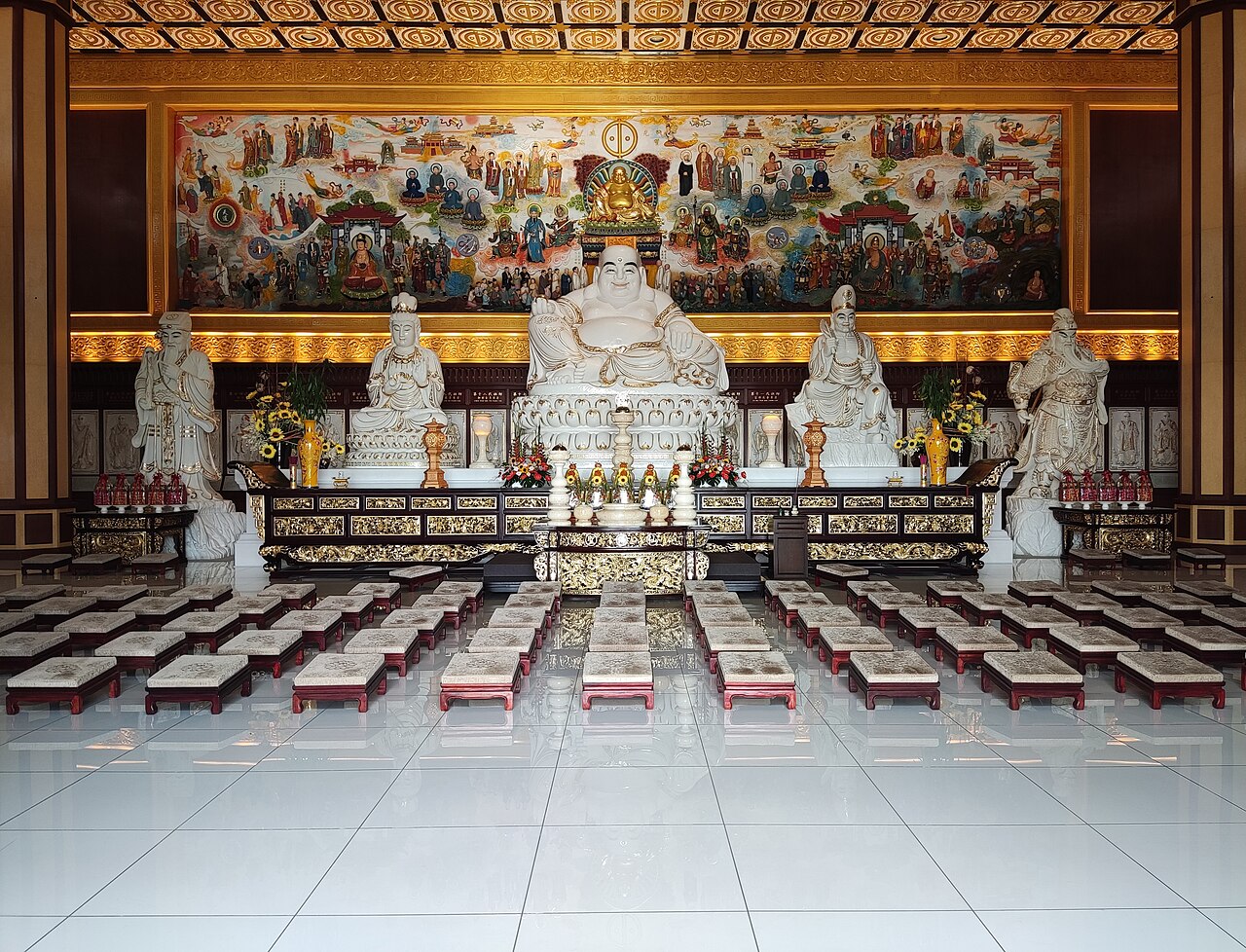
A working Buddhist temple built in the classic Minnan style, tucked against the hill directly beside Xiamen University. Its halls run up the slope, from the Hall of Heavenly Kings to the Great Compassion Hall and the scripture library, with release ponds and lotus pools between. It is free, busy and genuinely religious rather than a museum piece.

Ticket
Free
Hours
08:00–20:00
Where
515 Siming South Road, Siming District
Getting there
Bus 318 to Xiamen University; a few minutes' walk from the campus
Time needed
1 hour

Tip The temple kitchen serves a famous vegetarian menu — light, cheap and a pleasant change from seafood. Eat it at lunchtime, when the dining rooms are open.

Hulishan Fort

History · Qing coast defence

Hulishan Fort

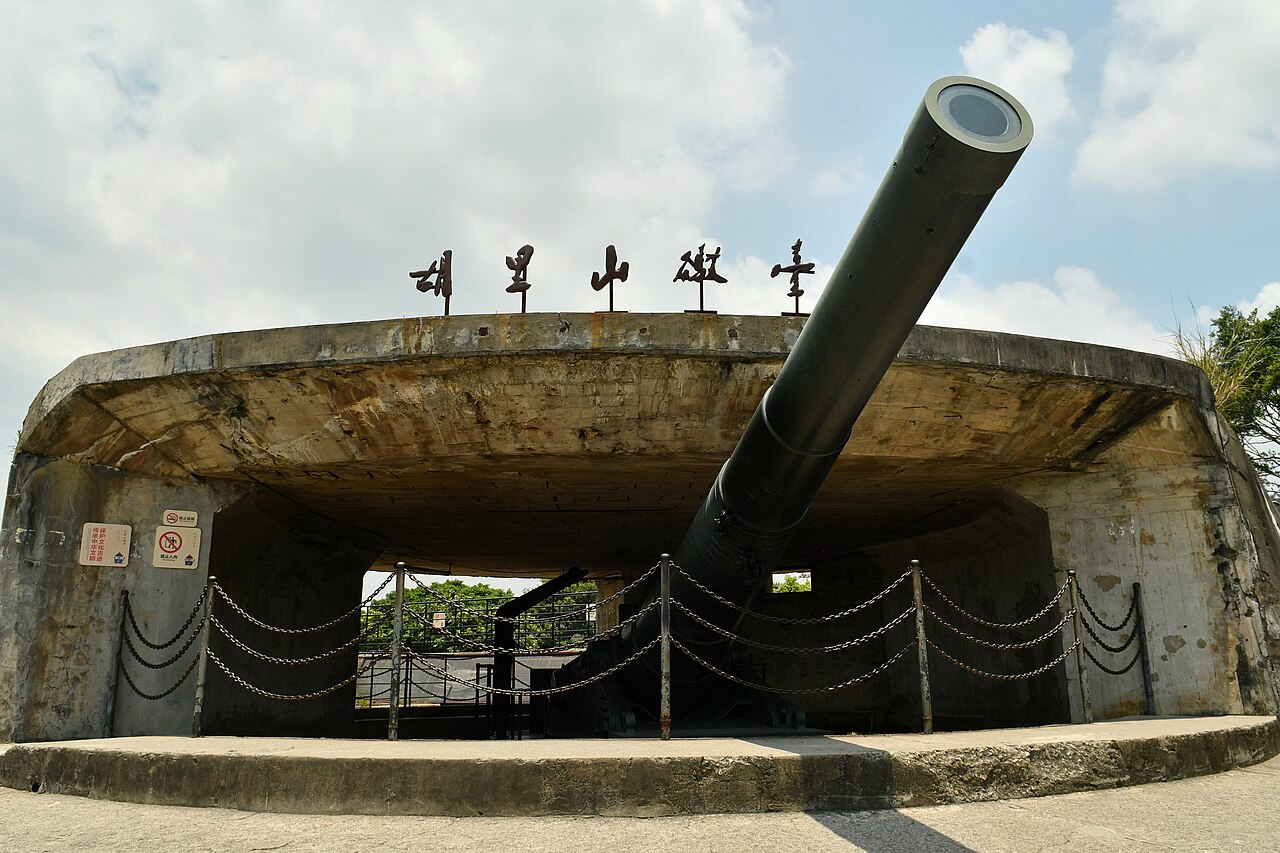
A coast-defence fortress built in 1894 on the headland just past Xiamen University, part of the Qing self-strengthening programme. Its draw is the German-made Krupp gun, one of the largest surviving coastal guns in the world, still mounted in its emplacement. The rest of the site is earthworks, barracks and a small wax museum of Qing naval life.

Ticket
About ¥25
Hours
07:30–18:00
Where
Hulishan, Zengcuo'an Road, Siming District
Getting there
Buses 35, 96, 87 and others to Hulishan station
Time needed
1 hour

Tip There is a small cannon-firing demonstration, usually at 10am and 4pm. It is worth timing your visit around; otherwise the fort is a quick add-on to the university and beach.

The Island Ring Road (Huandao Lu)

Coast · Bike route

The Island Ring Road (Huandao Lu)

The boulevard that traces the south shore of Xiamen Island, from the university out to the exhibition centre — locally called the Golden Coastline. The sea side carries a run of sculpture parks and beaches, and the whole route is flat, signposted and made for bicycles. The stretch around Zengcuo'an and the music and calligraphy plazas is the most popular.

Ticket
Free
Hours
Open all day
Where
South shore of Xiamen Island
Getting there
Bike hire near Xiamen University, Hulishan and the youth hostel; buses link the route
Bike hire
About ¥5–10 an hour for a single, ¥15 for a tandem

Tip Ride east in the afternoon so the sun is behind you, and stop at a beach to eat. The road is long — pick a start point and a half-way turn rather than trying to do all of it.

Zengcuo'an

Village · Cafés and B&Bs

Zengcuo'an

A former fishing village folded between the hills and the ring road, now the city's guesthouse and street-food quarter. Behind the main drag it is still recognisably a Minnan village, with a mix of temples and shrines unusual even for Fujian. It is touristy, but it is also where a lot of Xiamen's young travellers stay.

Ticket
Free
Hours
Open all day
Where
Zengcuo'an, on the Island Ring Road
Getting there
Buses along the ring road; a stop on the coastal route
Time needed
An evening

Tip Come after dark, when the day-trip buses are gone and the lanes turn into a long, low-lit food street. The crowd is young and the food is cheap.

Shapowei

Old harbour · Studios

Shapowei

Xiamen's old fishing harbour, a sheltered bay of wooden boats, fish markets and lanes that has quietly become an art and coffee district without losing the boats. It is the best place in the city to see the old waterfront and the new creative scene in the same frame, especially at sunset.

Ticket
Free
Hours
Open all day
Where
Shapowei, Siming District, near Xiamen University
Getting there
Walk or short taxi from Xiamen University and the ring road
Time needed
2 hours

Tip Go in the late afternoon. The light on the moored boats is the whole point, and the surrounding cafés fill up with students from the university.

The Eighth Market (Ba Shi)

Market · Local life

The Eighth Market (Ba Shi)

The oldest wet market in Xiamen, a short walk from the ferry pier and still the city's real kitchen at dawn. Rows of seafood, dried scallops and shrimp, pickles and cooked stalls, all of it aimed at locals shopping for dinner rather than at visitors. It is loud, wet underfoot and one of the best half-hours in Xiamen.

Ticket
Free
Hours
Early morning to early afternoon; best before 9am
Where
Off Siming Road, near the ferry terminal
Getting there
Walk from the Lundu ferry pier or Zhongshan Road
Time needed
1 hour

Tip If you want to buy dried seafood to take home, this is the place, and prices are lower than on Gulangyu. Go early and, if you can, go with someone who speaks the language.

The Fujian tulou (day trip)

UNESCO · Day trip

The Fujian tulou (day trip)

The great circular earthen clan houses of the Fujian highlands, built from rammed earth as defensible villages and home to Hakka and Minnan families for centuries. About three hours inland by road, the sites are spread across villages — the four-round-one-square Tianluokeng cluster, the deliberately leaning Yuchang Lou, and the walled village of Yunshuiyao are the classics.

Ticket
Tianluokeng about ¥100; smaller sites ¥5–50 each
Hours
08:00–22:00 for the main cluster
Where
Nanjing and Yongding counties, inland from Xiamen
Getting there
About 3 hours by road; easiest with a driver-guide, or by bus to Nanjing then onward
Time needed
A full day, or overnight for two sites

Tip A single day only fits one cluster and a lot of driving. If the tulou are a real reason for your trip, sleep a night in a village and do two clusters properly instead.

Eating

What Xiamen tastes like

Minnan food is light and seafood-led, with a sweet edge and a love of peanuts. Order widely and share — the plates are small.

Satay noodles (shacha mian)

Xiamen's signature bowl. A peanut-and-shrimp satay sauce, built up over months of salting and frying, loosened into a broth and poured over wheat noodles with whatever you ask for — squid, pork, tofu, blood sausage.

Oyster omelette (ha li jian)

Small oysters fried into a soft egg-and-starch omelette, crisp at the edges, served with a chilli sauce. Locals eat it as a breakfast side dish with congee; you can eat it any time.

Bamboo-shoot jelly (tu sun dong)

The one that divides everyone: a sea-worm, cooked down until its collagen sets into a clear, cool jelly, eaten with soy, vinegar, garlic and mustard. Texturally odd, genuinely delicious once you commit.

Peanut soup

Boiled until the peanuts melt and the broth turns milky, then sweetened. A Xiamen institution, and often served with a raw egg cracked in to cook in the heat of the soup.

Ginger duck (jiang mu ya)

Duck braised slowly with old ginger and rice wine until the flesh gives way. Warming, faintly medicinal and a winter favourite — you will smell it down the street before you see it.

Misua noodles (mian xian hu)

Very fine wheat noodles cooked down into a thick soup with seafood stock, egg and shredded pork, often with fried dough on the side. The classic local breakfast, sold out by late morning.

Where to eat

Restaurants and stalls worth the address

Phone numbers are local landlines; add +86 and drop the leading 0 if calling from abroad.

Snacks · Old name

Huang Zehe Peanut Soup

Started in the 1940s as a single peanut-soup stall and now a Xiamen institution with branches across the city. The soup is the point — milky, sweet but not cloying — and it doubles as breakfast or a dessert. Come for a bowl and add an egg if you like.

Order
Peanut soup, fried dough sticks, pineapple cake
Where
22–24 Zhongshan Road, Siming District

Snacks · Local favourite

Wu Zaitian

A long-running snack house best known for shrimp noodles and its award-winning street snacks. Almost all the customers are locals, which is exactly the recommendation. The shrimp-noodle broth is deep, red and made for the bowl rather than the prawn.

Order
Shrimp noodles, satay noodles, five-spice rolls
Where
49 Datong Road, Siming District

Satay noodles · Institution

Udang Satay Noodles

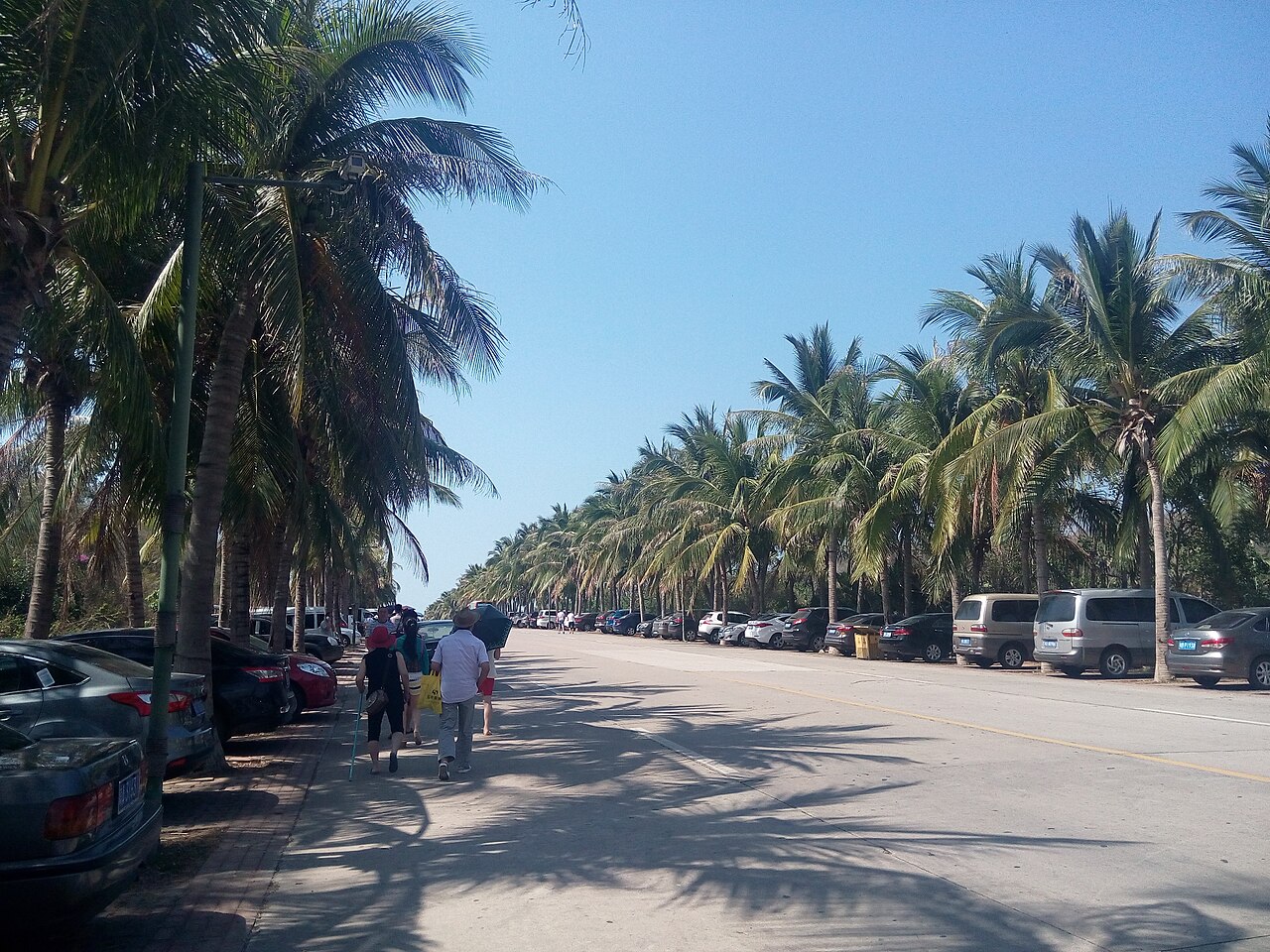
The best-known satay-noodle shop in the city, near Xiamen University, and worth the queue. You build your own bowl from the toppings behind the counter — squid, pork, tofu, meatballs, greens. Go early; the good toppings run out.
Order
Satay noodles with squid, pork and tofu
Where
Near Xiamen University, Siming District

Snacks · Cheap

1980 Roast Pork Zongzi

A famous little shop on Zhongshan Road selling one thing very well: a fat sticky-rice parcel with pork, chestnut, egg and mushroom, dunked in a sweet chilli and peanut sauce. Even eaten cold it works. Add a bowl of satay noodles to turn it into a meal.

Order
Roast pork zongzi, satay noodles
Where
353 Zhongshan Road, Siming District
Phone
0592-2032869

Breakfast · Early

Fuyu Misua

A breakfast-only noodle soup the city lives on: fine noodles thickened with sweet-potato starch in a bone broth, with your choice of squid, oyster, shrimp or pork intestine, and fried dough on the side. It sells out by about 11am, so go first thing.

Order
Misua noodles with seafood, fried dough sticks
Where
200 Xiahe Road, Siming District

Sleeping

Where to stay

Stay near the university or Zhongshan Road to walk to the sights. Prices rise sharply over the National Day and Spring Festival holidays — book early.

Hostel · from ¥50

Xiamen International Youth Hostel

The city's classic backpacker address, a three-storey Nanyang-style house on the leafy creative street of Nanhua Road. There is a sunlit common room and a water garden, and the hostel runs talks and meet-ups. Simple, sociable and close to the university and the ring road.

Price
Beds from ¥50
Where
41 Nanhua Road, Siming District
Phone
0592-2082345

Guesthouse · from ¥160

Xiamen University Guesthouse

Trim, standard rooms inside the university itself, at the south gate side. It is not luxurious, but the location — inside the prettiest campus in the city, walkable to Nanputuo and the beach — is hard to beat at the price. Book well ahead.

Price
Rooms from ¥160 (standard, all room types)
Where
422 Siming South Road (Xiamen University), Siming District
Phone
0592-2185226

Hotel · from ¥660

Seaview Millennium Harbourview Hotel

The city's smart, high-end option, in the centre and within a few minutes' walk of the ferry pier to Gulangyu. Rooms are large, the location is unrivalled for sightseeing, and the price reflects both. Best if you want comfort and a walkable base rather than a bargain.

Price
Rooms from ¥660
Where
12-8 Zhenhai Road, Siming District
Phone
0592-2023333

Five-star · from ¥640

Pullman Xiamen Powerlong

A full-service hotel on the shore of Yundang Lake and beside Bailuzhou Park, in the financial district and next to the lakeside café-and-bar street. Good for a comfortable stay slightly away from the tourist crush, with the old town a short ride away.

Price
Rooms from ¥640
Where
133 Hubin Middle Road, Siming District
Phone
0592-5188888

B&B · from ¥100

Guesthouses at Zengcuo'an

The ring road's beach village is full of small converted guesthouses, some of them twenty metres from the water with a sea view from the window. Cheerful, colourful and popular with younger travellers. Quality varies widely — read recent reviews and check the exact address.

Price
Rooms roughly ¥100–300
Where
Zengcuo'an, Island Ring Road, Siming District
Phone
Varies by property — book through the usual platforms

Getting around

Arriving, and moving about

The metro covers the airport, both stations and the old town. For anything coastal, a bike beats a car.

By air

Xiamen Gaoqi International Airport (XMN) sits on the northeast corner of the island, 10 km from the centre, with dense domestic service and international routes across East and Southeast Asia.

Airport
Xiamen Gaoqi International (XMN)
To the centre
Metro line 1 or airport bus; taxi about ¥40–50, 30 minutes
Note
Terminals are close to the city — the airport is on the island, not out in the suburbs

By rail

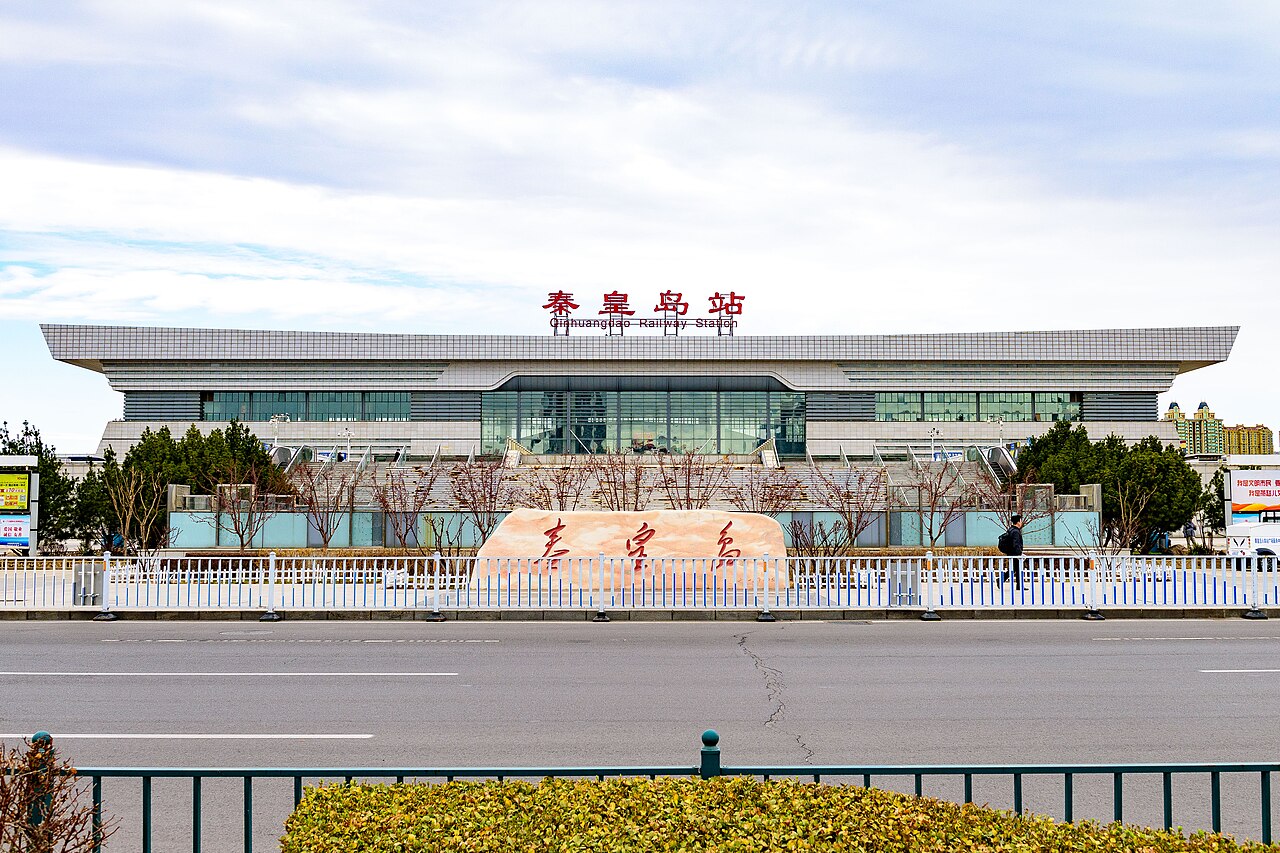
Two main stations: Xiamen Station on the island, near the old town and the ferry, and Xiamen North on the mainland side in Jimei. High-speed trains link both to Shanghai, Hangzhou and Shenzhen.

Xiamen Station
Siming District, on the island — closest to the sights
Xiamen North
Jimei District, across the bay — on the fast mainland lines
To Shanghai / Hangzhou
About 5–7 hours by high-speed rail

If you want to walk to the old town and the ferry, book a train into Xiamen Station rather than Xiamen North. North is faster to reach by train but a long way from everything.

Metro & BRT

The metro and the elevated BRT together cover the airport, the stations, the university and the old town cheaply and in English. Line 1 is the useful one for visitors, running across the island to the coast.

Coverage
Airport, both railway stations, Xiamen University, the old town
Fare
A few yuan by distance
BRT
Elevated bus lanes, fast and frequent, ¥0.5–1 on the feeder links

Buses & minibuses

Over 200 bus routes at ¥1 a ride cover the whole city, plus small private minibuses that pick up along fixed corridors. Cheap and extensive, but bring coins — the front-door fare box does not make change.

Fare
¥1 (¥2 for air-conditioned or off-island routes)
Coverage
City-wide; buses run from about 5am to 1am
Watch out
No change given — keep small notes and coins

Taxis

Plenty of taxis with honest meters, and cheap by big-city standards — about ¥50 crosses most of the island. They get hard to hail in rush hour and in the rain, so allow extra time for a flight or a train.

Day rate
¥8 flagfall, then ¥2 per km over 3 km
Night rate
20% surcharge from 23:00 to 05:00
Note
Ride-hailing apps work well and often beat the queue

Ferry to Gulangyu

The one crossing you cannot drive. Ferries to the car-free island leave from the Xiagu Pier at the International Cruise Centre by day and the downtown Lundu Pier at night, and tickets are capped and booked by passport.

Crossing
About 20 minutes
Booking
Official Xiamen Ferry service, in real name, days ahead in peak season
See also
Our full Gulangyu guide for the island itself

Shopping

What to take home

Buy specialities in Xiamen, not on Gulangyu — the island marks almost everything up.

Zhongshan Road

Xiamen's oldest commercial street, running down to the sea, with department stores on the main drag and better small shops in the side lanes. Start here for a normal city shop or a souvenir.

Bead embroidery and lacquerware

Xiamen's traditional crafts: bead embroidery worked into slippers, bags and wall panels, and Fujian-style lacquer pieces. Look for these in the craft shops off the main streets rather than in the airport.

Pineapple cakes and pastry

The classic edible souvenirs — pineapple cake, peanut brittle, coconut pies and the local filled pastry — sold everywhere and reliably good. Buy a box to eat and a box to take home.

Tea from Fujian

This is tieguanyin and jasmine-tea country. Buy loose-leaf tea from a proper tea shop, taste before you commit, and expect the price to track the grade closely. The markets around the old town have the best selection.

Practical

The numbers to save

Staffed English help is not guaranteed. Save these before you need them.

Emergency (police / ambulance / fire)110 · 120 · 119
Xiamen First Hospital55 Zhenhai Road, Siming District · 0592-2137177
Xiamen Second Hospital566 Shengguang Road · 0592-6159520
Post officeLundu Post Office, opposite the ferry pier on Lujiang Road
Cash & cardsCards, WeChat Pay and Alipay accepted almost everywhere; carry coins for buses
TippingNot expected and sometimes politely refused — do not add a tip to the bill
VisaMany nationalities now enter China visa-free for short stays — confirm your passport's status before booking
TyphoonsJuly–September is typhoon season; watch forecasts, as flights and coastal sights can close

Tips

Small things that save a trip

Book the Gulangyu ferry the moment you know your dates

The island caps daily arrivals, so the crossing is booked by passport and sells out days ahead in peak season. There is no turning up and buying a ticket on the day.

Ride the ring road, do not drive it

The Island Ring Road is flat, coastal and made for bicycles. Hire one near the university and ride east for as long as you like — it is the single best thing to do in the city on a clear day.

Watch the calendar for typhoons

July to September is typhoon season. A storm can ground flights and close coastal sights for a day or two, so build a little slack into any summer itinerary and check the forecast.

Go early for the market, late for the village

The Eighth Market is at its best before 9am, when locals are shopping and the seafood is fresh; Zengcuo'an is at its best after dark, when the day-trippers have gone and it becomes a food street.

Register for Xiamen University in advance

The campus lets visitors in on a free daily quota with your passport. Register online the night before, and pair it with Nanputuo Temple next door, which needs no booking at all.

Pack an umbrella and seasickness pills

Fujian is one of the wettest provinces in China and the weather turns fast. If you are taking the ferry to Gulangyu or a boat trip, a little preparation saves an unpleasant crossing.

Background

Why Xiamen looks like this

Geography and climate

Xiamen is built on an island — about 128 km² for the main island, with the city's six districts spilling onto the mainland across a string of bridges and tunnels. The urban core of Siming and Huli sits on the island itself, with Jimei, Haicang, Tong'an and Xiang'an on the far side. It sits on the Fujian coast facing Taiwan across the strait, and Kinmen island is close enough to see on a clear day.

The climate is subtropical: warm, humid and green all year, averaging about 21°C, with rain concentrated from May to August and 3–4 typhoons a year, mostly between July and September. That gives Xiamen its lush, slightly overgrown look — banyans, palms and bougainvillea everywhere — and its slow, outdoor way of life.

History

Xiamen has been a busy port since the Song dynasty, and by the seventeenth century it was the base from which the Ming loyalist Zheng Chenggong, better known in the West as Koxinga, ran his campaign against the Qing and across the strait to Taiwan. When the Qing later opened China to foreign trade, Xiamen was one of the five treaty ports forced open by the 1842 Treaty of Nanjing.

The foreigners who came — thirteen countries in all — did not settle on Xiamen island so much as on the smaller island next door. Gulangyu became their concession, and the villas and consulates they built still stand there. Much of China's tea export passed through Xiamen's harbour in those years.

The twentieth century was hard: Japanese occupation from 1938 to 1945, then decades as a frontline city facing Taiwan, which kept investment and industry away. Everything changed after 1978, when Xiamen was named one of China's first Special Economic Zones. The investment that followed, much of it from Taiwan and the overseas Chinese diaspora, turned the island into the modern, prosperous city it is today.

Travel with them

Xiamen on screen and in print

Not guides — films, books and music made here or set here, that show the city the way the people in it see it.

Film

Crazy Racer

Dir. Ning Hao, 2009

A manic crime comedy that folds four storylines — a disgraced cyclist, two hapless thieves, a Taiwanese gang and two over-keen cops — into one chase across Xiamen. It was shot all over the city, along the Island Ring Road, at the airport, on Gulangyu and on Zhongshan Road, and it is as good a portrait of the place's edge-of-the-sea energy as any.

Book

Loving Old Xiamen

Gao Zhenbi

A photographer's love letter to the parts of Xiamen that are disappearing — the old harbour, the wharves, the back lanes and the shophouses — compiled over years of walking the city with a camera. It is the best way to understand what the old town looked like before the cafés arrived.

Music

The Meaning of Travel

Cheer Chen

Cheer Chen's quiet, unhurried folk-pop is the soundtrack many locals put on for a slow afternoon of coffee and wandering. Taiwan's answer to Xiamen's mood: low-key, wistful and entirely without hurry.

Music

Xiamen Summer

The LifeJourney

An indie-rock summer anthem written for the city — exactly the sound of riding the ring road with the windows down. Loud, warm and deliberately uncomplicated.

The questions visitors ask us most about Xiamen, answered plainly.

Frequently asked questions

Prices and practical details are reviewed every month by our Beijing team and updated the day a rule changes.

How many days do I need in Xiamen?

Three days for the city and Gulangyu, four if you add the tulou. Day one is Gulangyu, day two the university, Nanputuo and the ring road, day three the old town and its markets. If you have a spare day, spend it on the tulou roundhouses — they are three hours inland and worth the trip.

Is Xiamen worth visiting in winter?

Yes, and it is underrated. Winter in Xiamen runs roughly 8–18°C — no snow, no real cold, and far fewer tourists. It is a genuinely good season to visit, with the only caveat being occasional grey drizzle. Summer is the one season to think twice about, because of the heat, the humidity and the typhoons.

What should I eat in Xiamen?

Start with satay noodles (shacha mian) and an oyster omelette, then try the 'bamboo shoot jelly' (tu sun dong, a seafood jelly you will either love or hate), peanut soup, ginger duck and misua noodles. Minnan food is light, seafood-led and faintly sweet — unlike anything else in China. The stalls off Zhongshan Road and inside the Eighth Market are the places to begin.

Do I need to book the Gulangyu ferry in advance?

Yes — Gulangyu caps how many people land each day, and the ferry is booked in real name with your passport. In peak season tickets sell out days ahead and there is no walk-up option. Book through the official Xiamen Ferry service; day boats leave from the Xiagu Pier at the International Cruise Centre, and the crossing takes about 20 minutes.

Can I visit Xiamen University?

Yes, but on a free daily quota with registration in advance — bring your passport. It is one of the prettiest campuses in China, ringed by hills and the coast, so it fills up fast. Register online the night before, arrive early, and combine it with Nanputuo Temple next door and the beach at Baicheng just beyond.

How do I get to the Fujian tulou from Xiamen?

The roundhouses are about three hours inland by road, in Nanjing and Yongding counties, so it is either a long day trip or an overnight. A driver-guide for the day is by far the easiest way, because the sites are spread across villages with thin public transport. The Tianluokeng group and Yunshuiyao are the two to prioritise.

Is Xiamen easy to get around without Chinese?

Mostly. Metro line 1 links the airport, the railway station and the old town, and signs are bilingual; taxis are cheap and metered. English is thin at ticket desks and in markets, so keep a translation app handy. For the tulou and any day trip out of town, having a driver makes a real difference.

Related reading

Related reading

Visas Do I Need a Visa for China? Requirements, Costs and How to Apply China's entry rules changed more in the last three years than in the previous twenty. Here is exactly who needs a visa, what it costs, how long it takes and which passports now walk straight through. 9 min read Visas China's 240-Hour Visa-Free Transit: Who Qualifies and How It Works Ten days in China with no visa application, no fee and no fingerprints — if you hold the right passport and leave for a third country. Here is the rulebook, port by port. 8 min read Money Paying in China: Alipay, WeChat Pay, Cards and Cash Roughly nine in ten urban payments in China now run through a phone. Set up two apps before you fly, carry a modest cash float, and you will never be stuck at a till. 8 min read Transport China's High-Speed Rail: How to Book, What It Costs, How Fast It Goes The fastest way to cross China is also the most pleasant. Here is how to book a ticket with a foreign passport, what the three classes actually give you, and how to survive a Chinese station at rush hour. 9 min read Planning Best Time to Visit China: Month by Month, Region by Region China is the size of Europe, so 'the best month' depends on where you stand. Here is the month-by-month answer for the north, the Yangtze valley, the south and the plateau. 8 min read Planning What to Pack for China: The Complete 2026 Checklist Twenty thousand steps a day, three climate zones and a phone that has to do everything. This is the list we give our own travellers, minus the things they never used. 7 min read Food Chinese Food Culture: Eight Cuisines, One Table There is no such thing as Chinese food. There is Cantonese, Sichuan, Hunan, Jiangsu, Zhejiang, Fujian, Anhui and Shandong — and knowing which one you are eating changes everything. 8 min read Traditions Chinese Tea Culture: Six Classes, One Pot, Two Fingers Tea in China is not a beverage category, it is a social technology: it fills silences, seals deals and sets the pace of a meal. Here is how to sit down in one and not look lost. 7 min read Traditions Chinese Festivals: The Calendar, the Dates and the Crowds Lunar dates mean the calendar moves every year — and two of the festivals move several hundred million people at once. Plan around them or plan into them, but never by accident. 8 min read Etiquette Chinese Etiquette: What Matters, What Does Not, and Why Most etiquette advice for China is either obvious or wrong. These are the dozen behaviours that actually change how you are treated, and the reasoning behind each. 7 min read

Tell us your dates.
We'll do the rest.

Free itinerary design, a revised plan within one working day, and nothing charged until you approve the final version.

  • Three days for the city; a fourth for the Fujian tulou roundhouses.
  • The Island Ring Road (Huandao Lu) is flat and coastal — ride it by bike, not taxi.
  • Gulangyu's ferry is capped and booked by passport, days ahead in peak season.

No spam. No sales calls. Just a real itinerary from a real person.