City guide · Guangdong

Shenzhen travel guide: theme parks, hidden beaches and the Cantonese food Guangzhou wishes it owned

A fishing village that became a megacity in forty years — and it still has 500-year-old banyans, empty beaches and dim sum worth the border crossing.

  • Known forTheme parks, Cantonese seafood, tech markets, Dapeng beaches
  • Typical spendAbout CNY 1,000–2,000 for 5 days
  • Ideal length2–3 days, 5 with a beach stay
  • PaceFast downtown, slow on the coast

Reviewed by our Beijing team Updated 2026-10-10

The short version

Shenzhen is worth 2 to 3 days: it is a 40-year-old megacity in Guangdong with a walkable theme-park district, real Cantonese food from neighbouring Guangzhou, and beaches on the Dapeng peninsula that most visitors never reach. Splash World and Window of the World run about CNY 160–180, the whole city is on a cheap metro (CNY 2–10 a ride), and Hong Kong is 20 minutes away by train from Futian checkpoint. Come October to March — the subtropical summer is 35°C and humid.

  • Window of the World costs CNY 160 by day and CNY 80 for the 20:00 night session; Splash World is CNY 180, night entry CNY 60.
  • The metro crosses the whole city for CNY 2–10, and a Hong Kong MTR link runs from Futian and Luohu checkpoints in about 20 minutes.
  • Dameisha beach is free; Xiaomeisha charges CNY 30; the wilder Xichong and Dongchong beaches are free and two hours from downtown.
  • Dongmen Pedestrian Street and OCT-LOFT are free, and the Guan Shanyue Art Museum opens 09:00–17:00 and closes Mondays.

City guide

First impressions

Photographs from the coast, and what other travellers wrote afterwards.

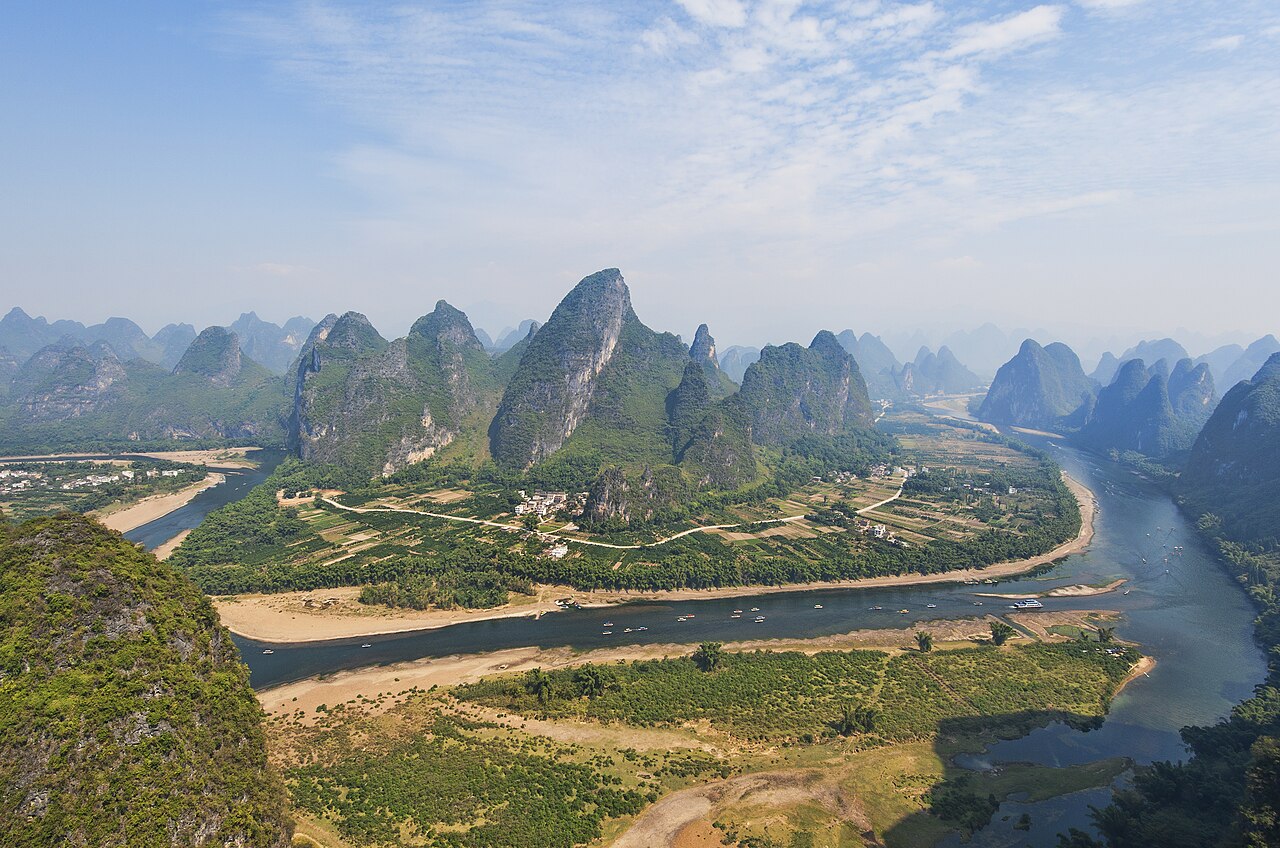
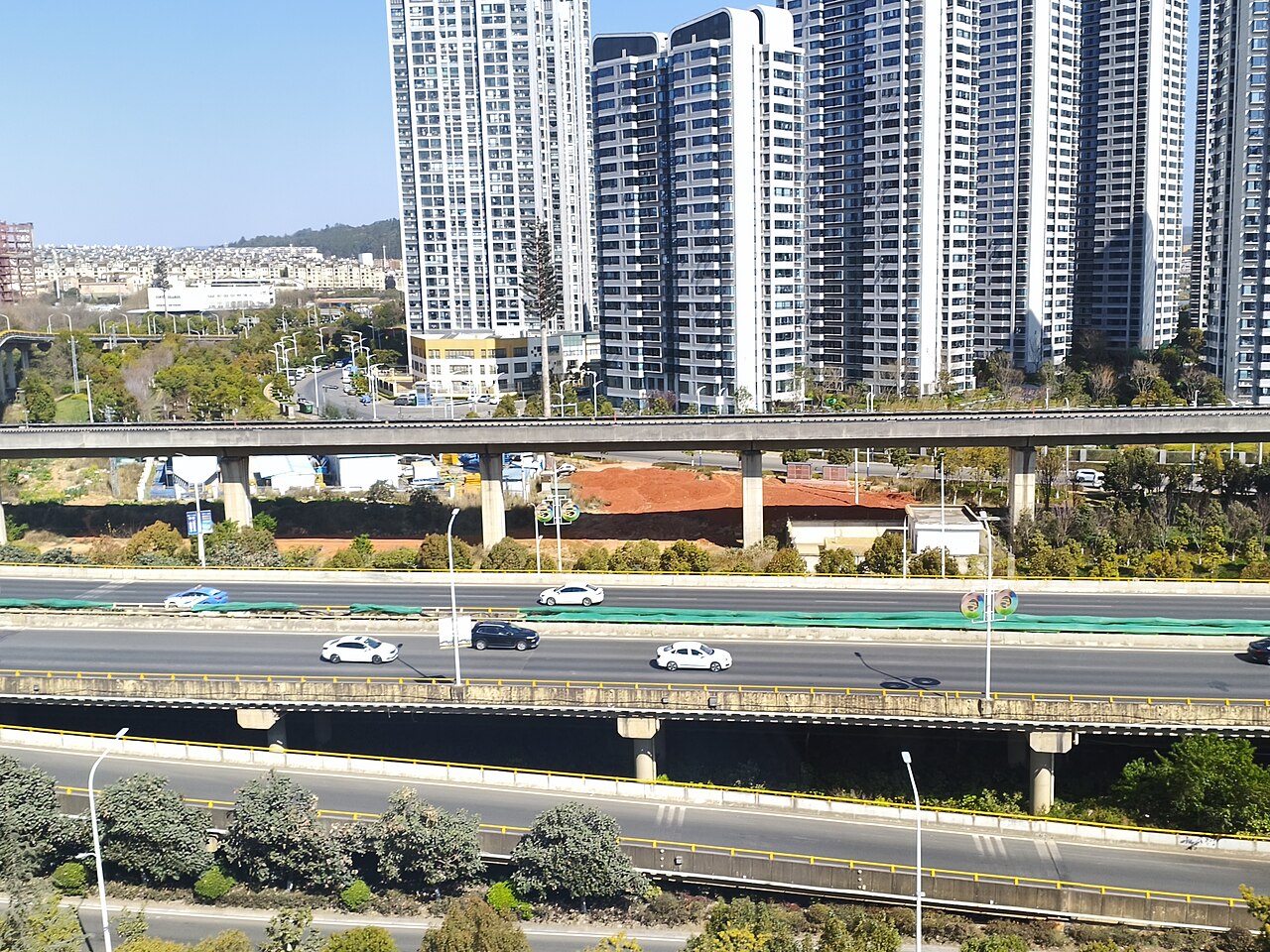
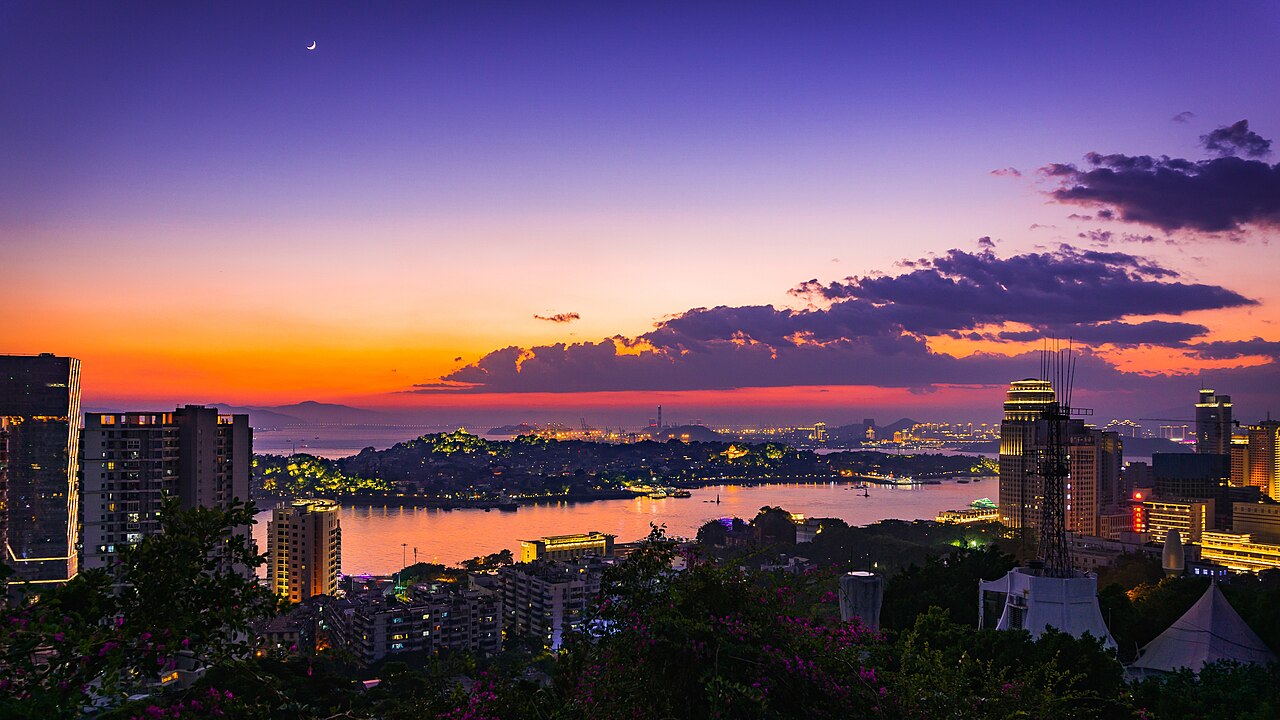
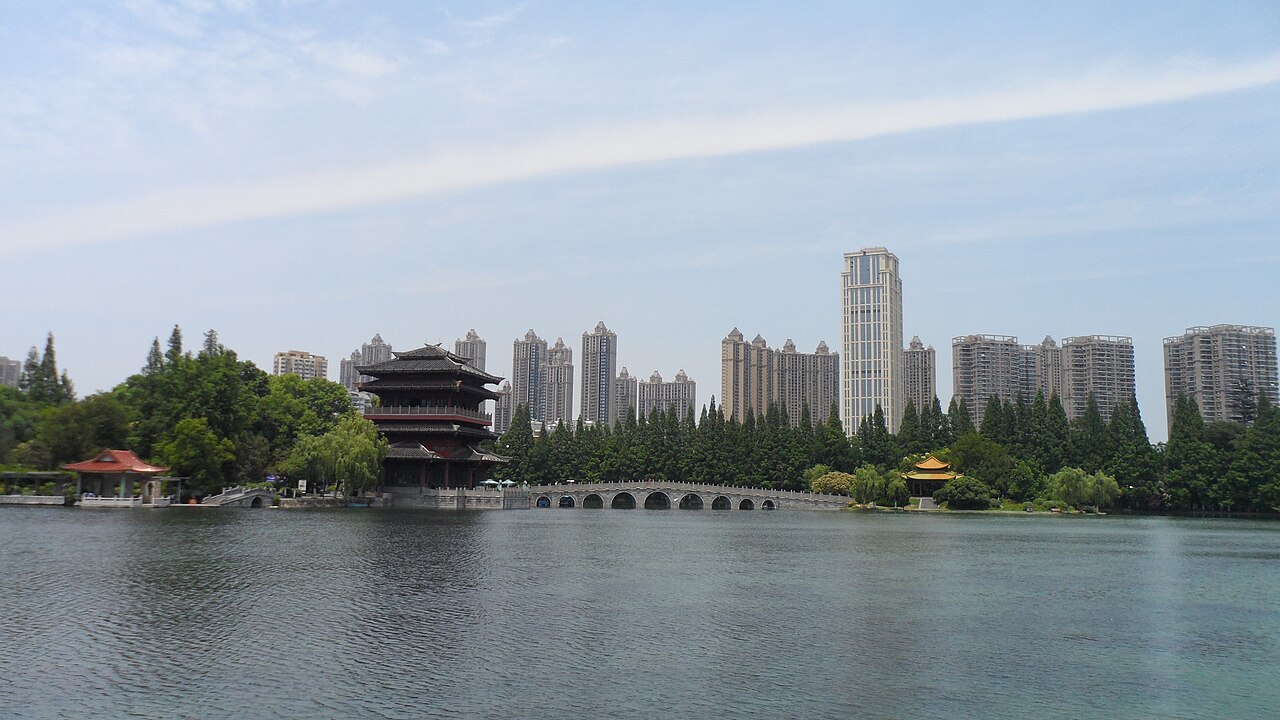
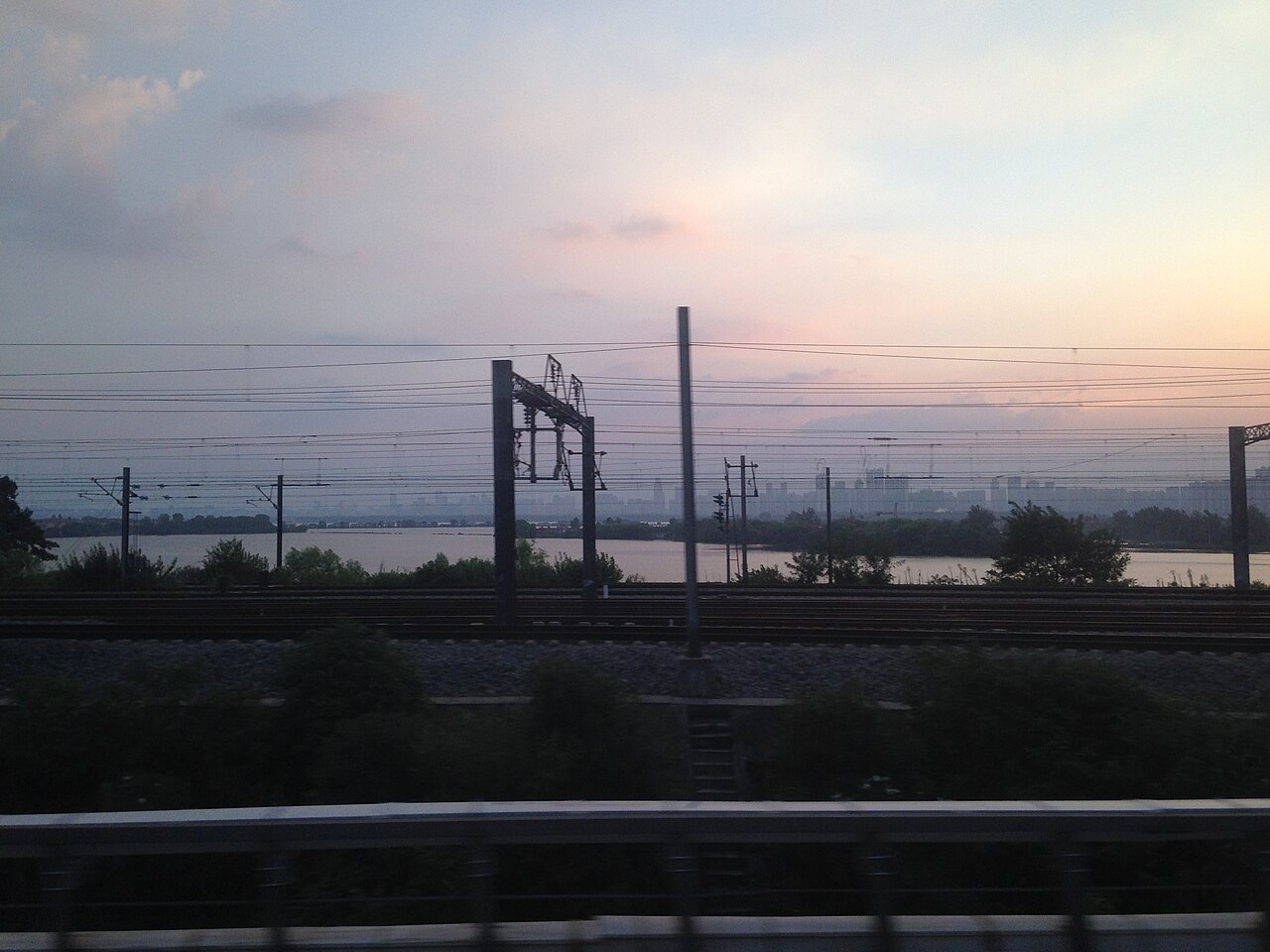
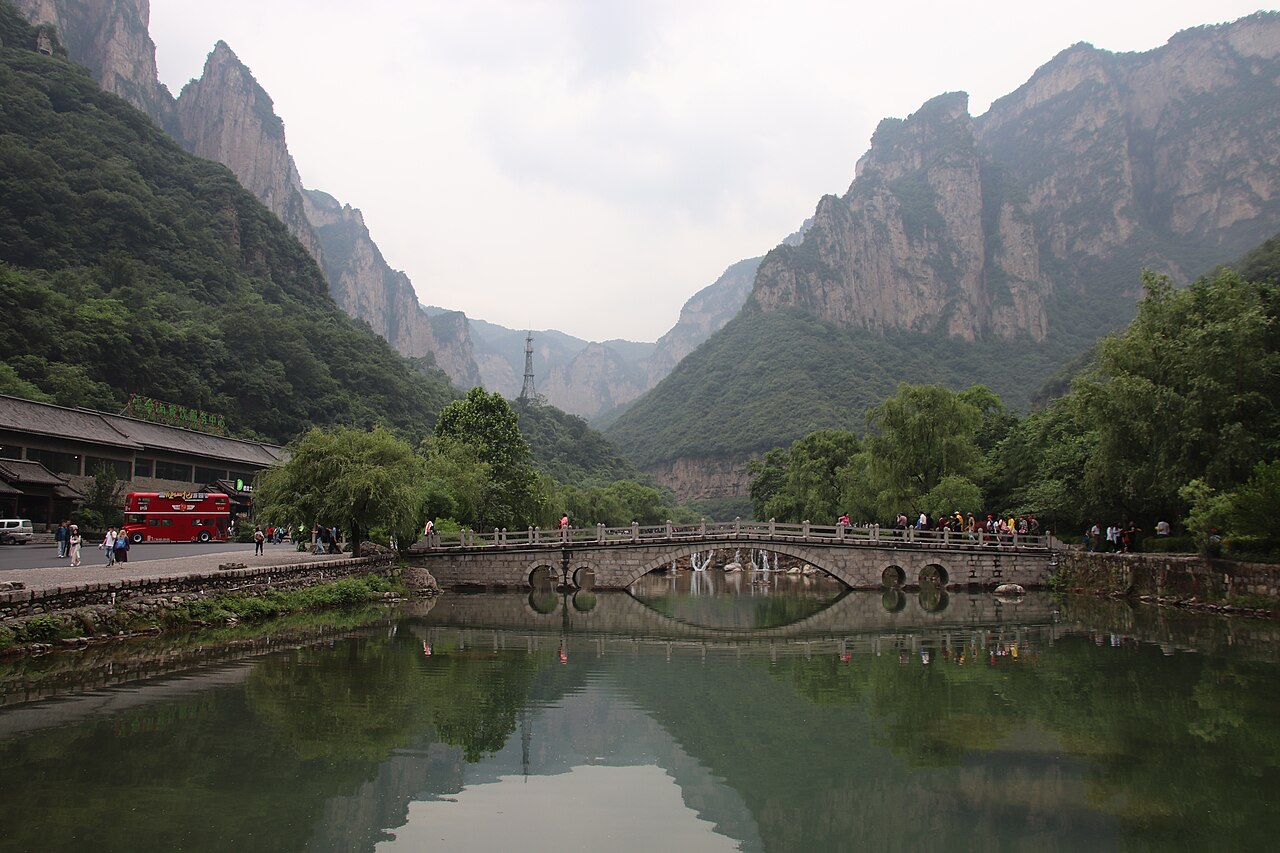
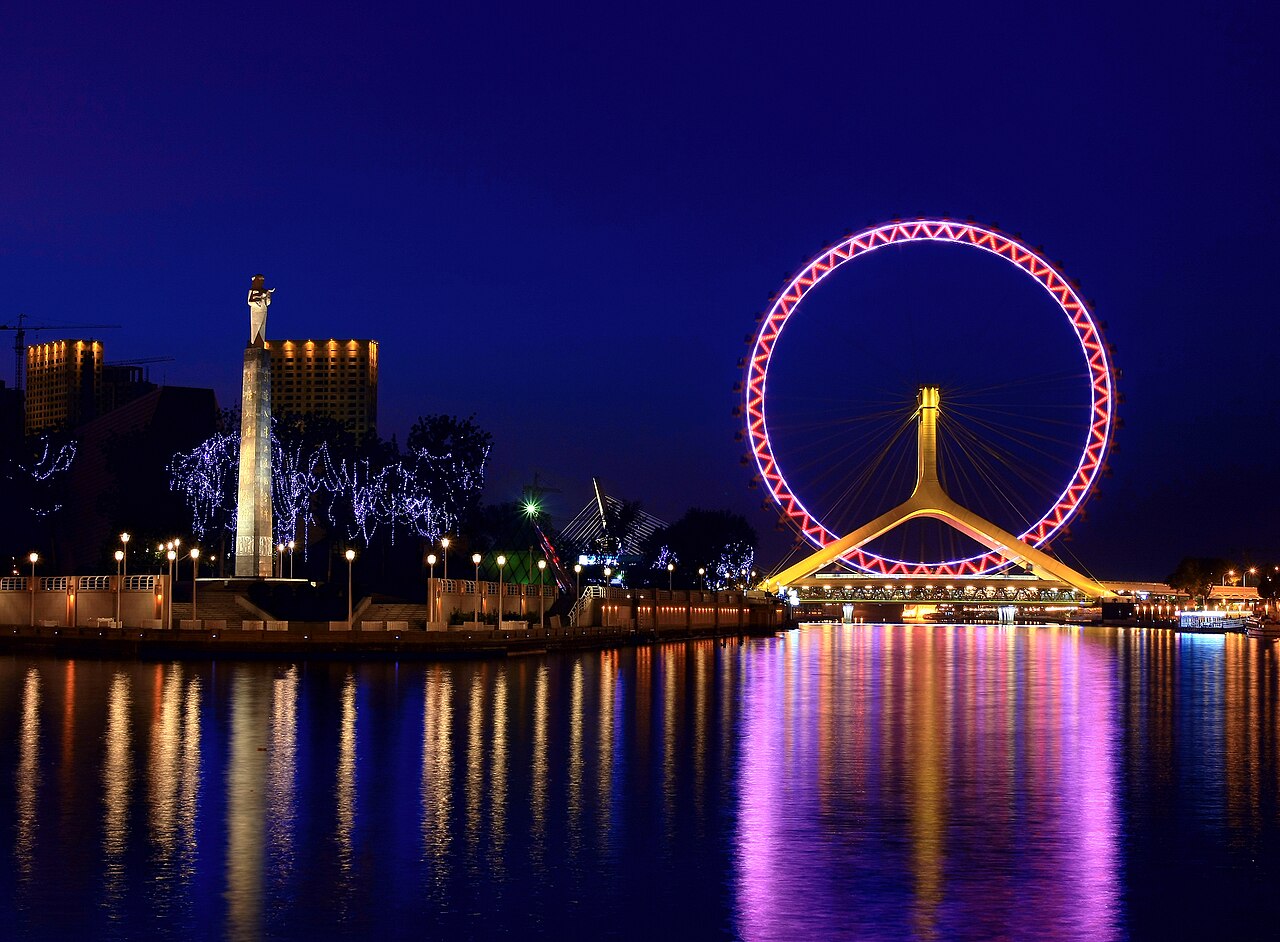
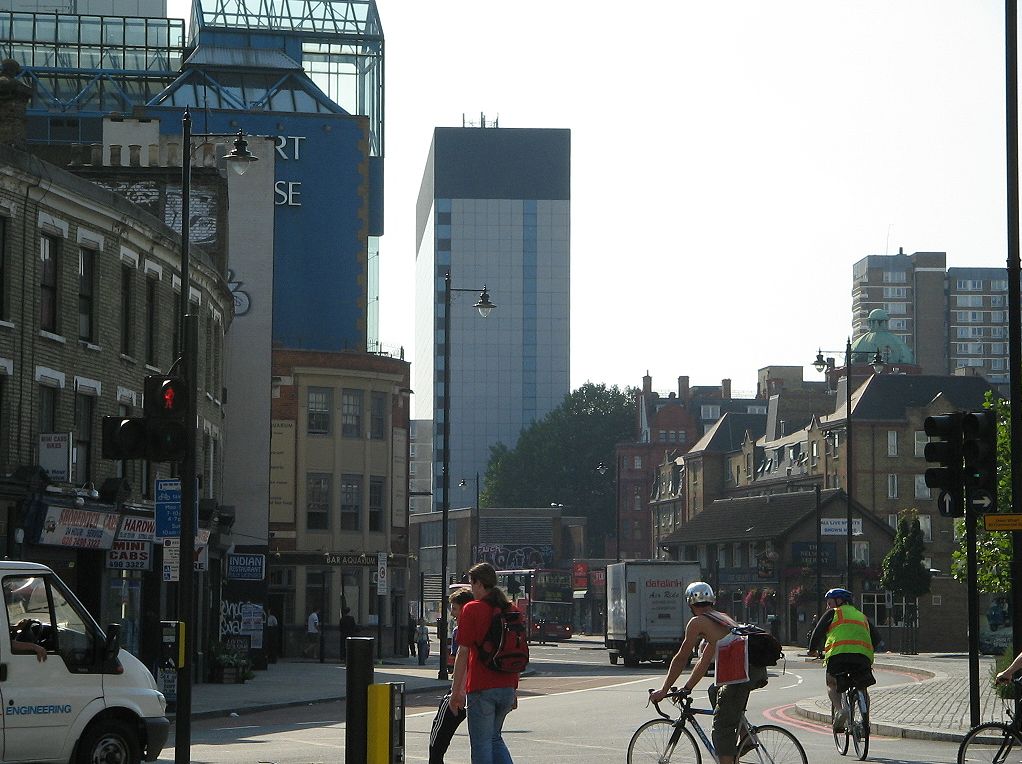
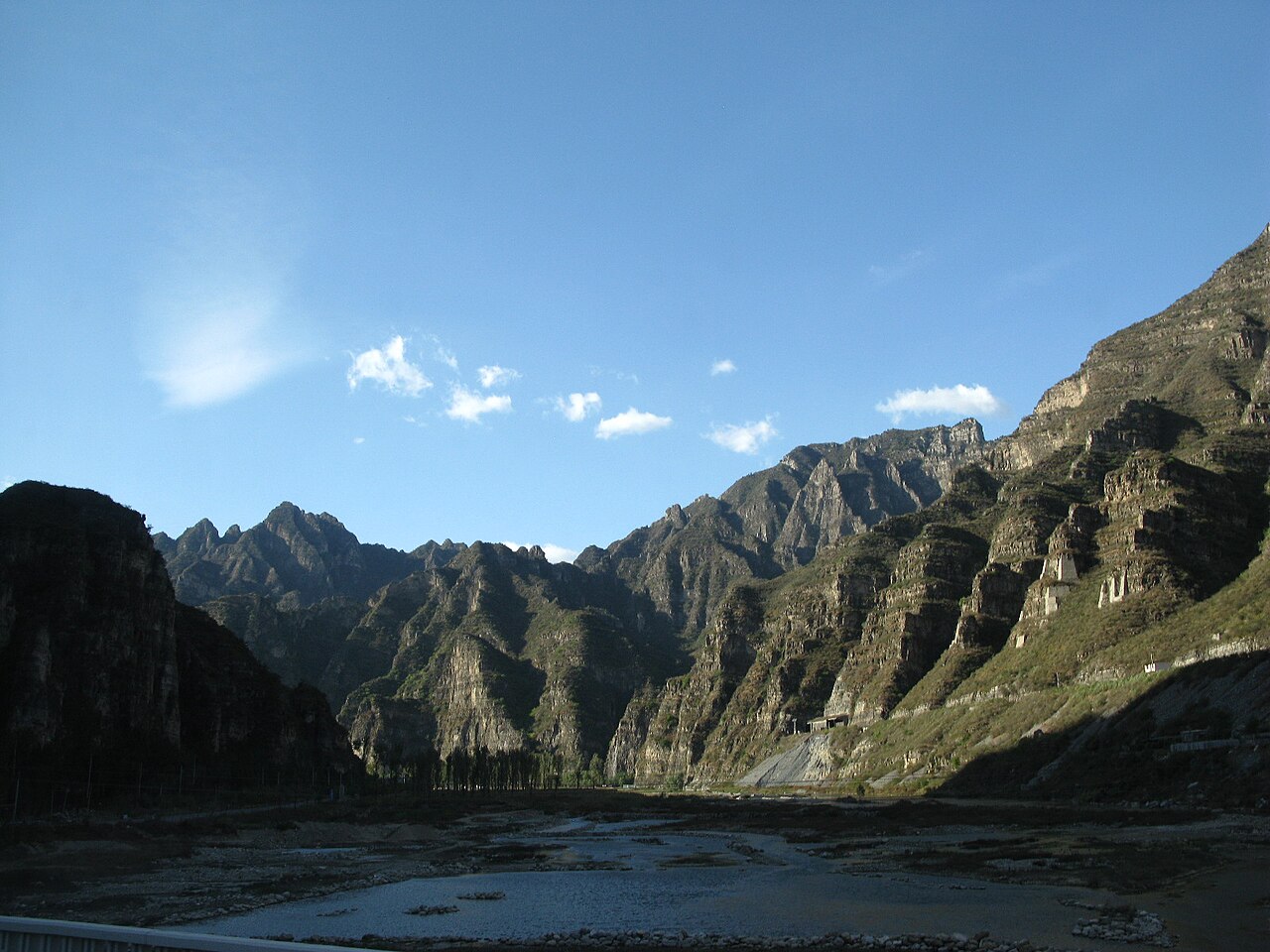
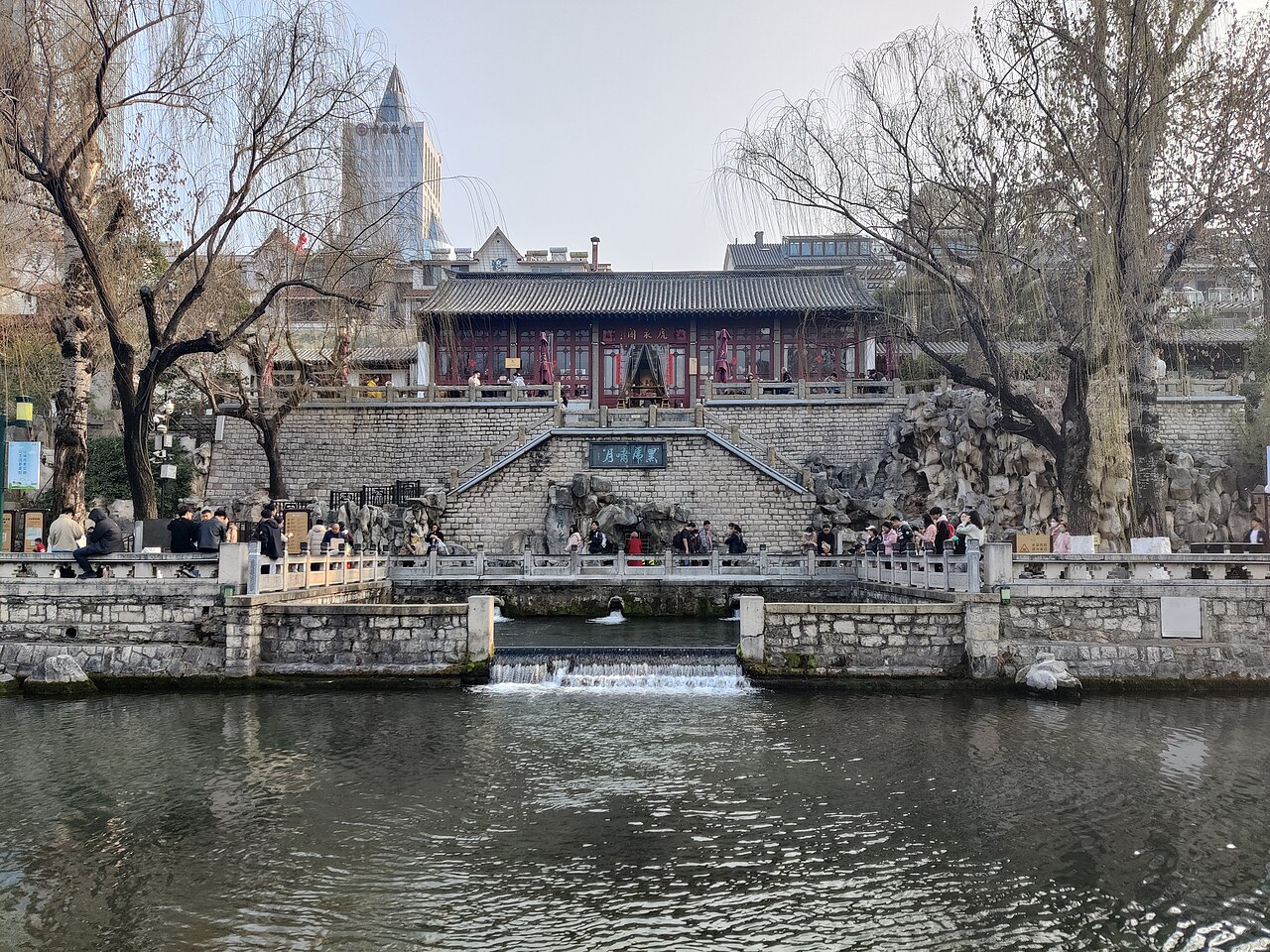
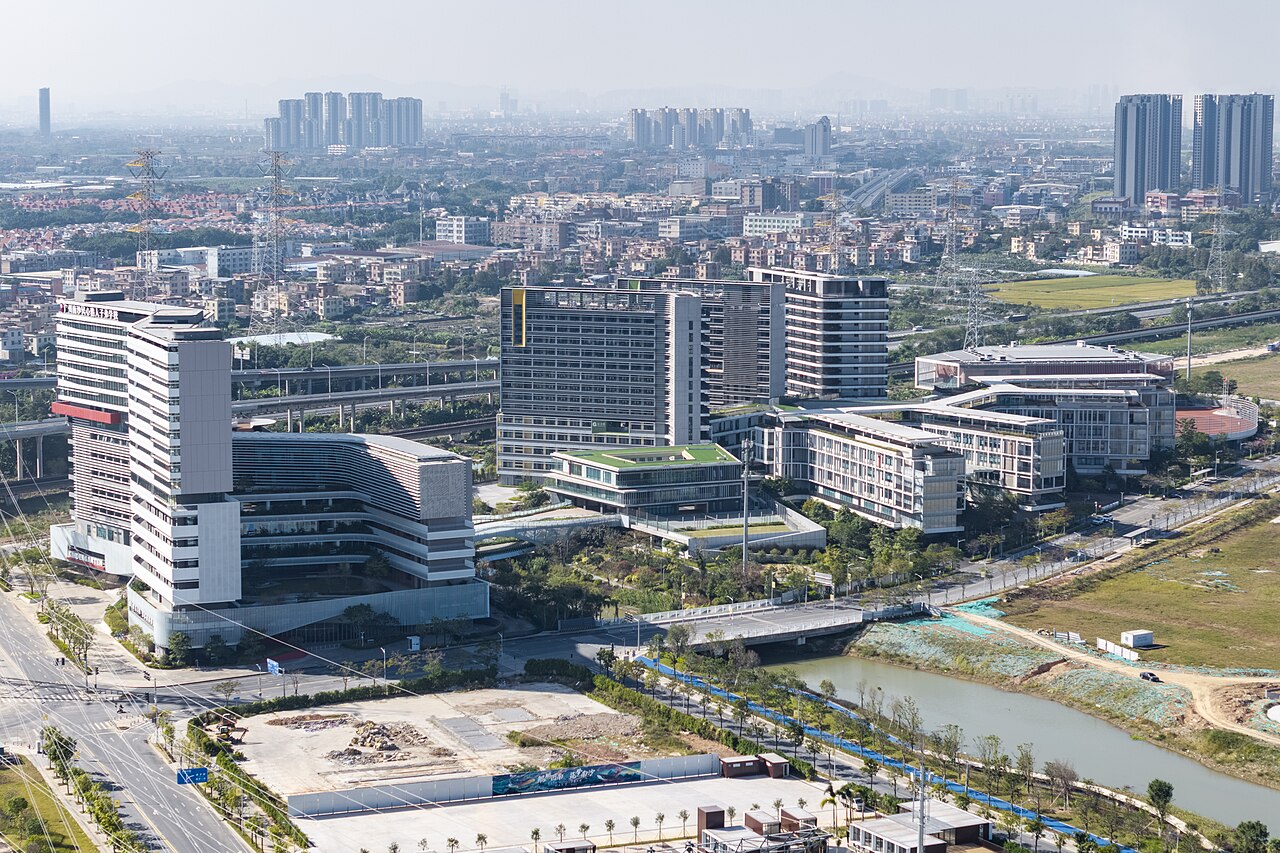
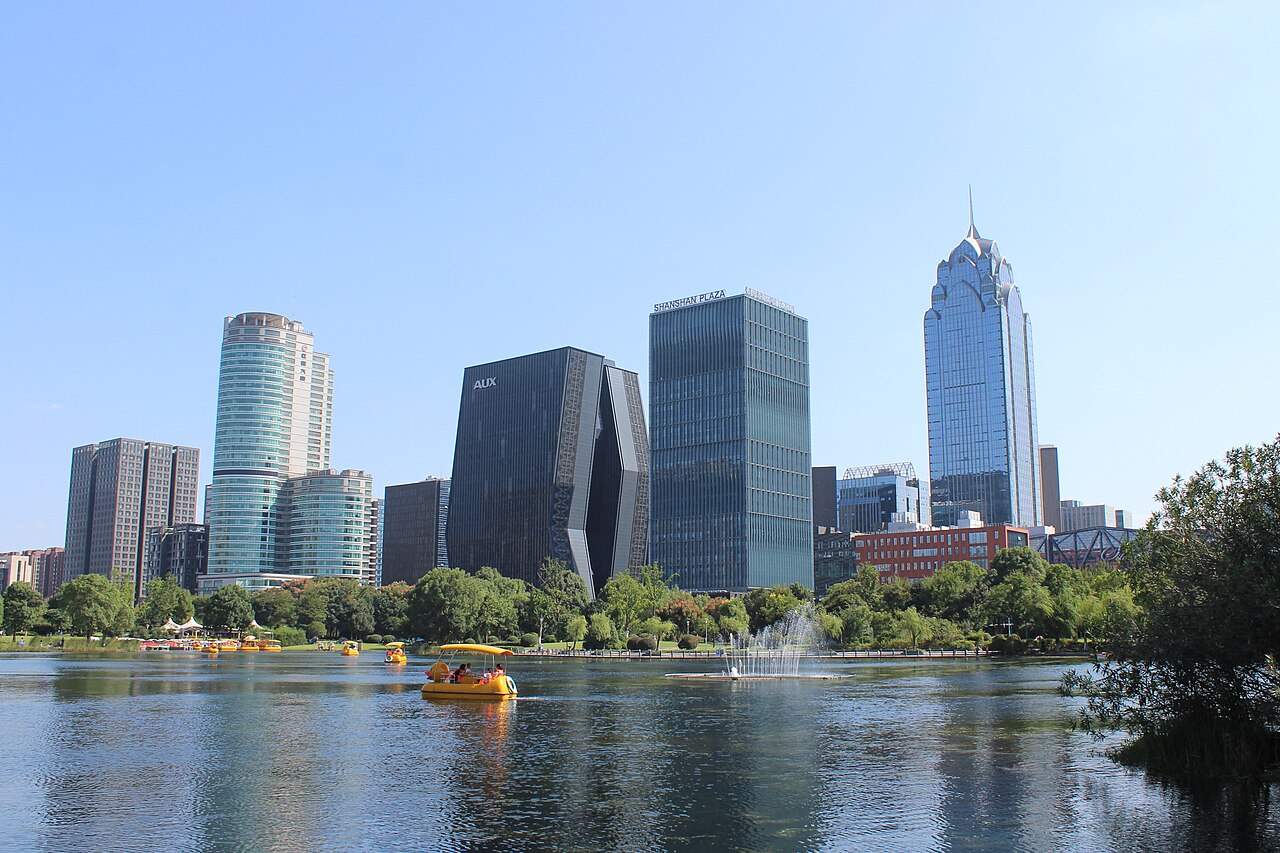
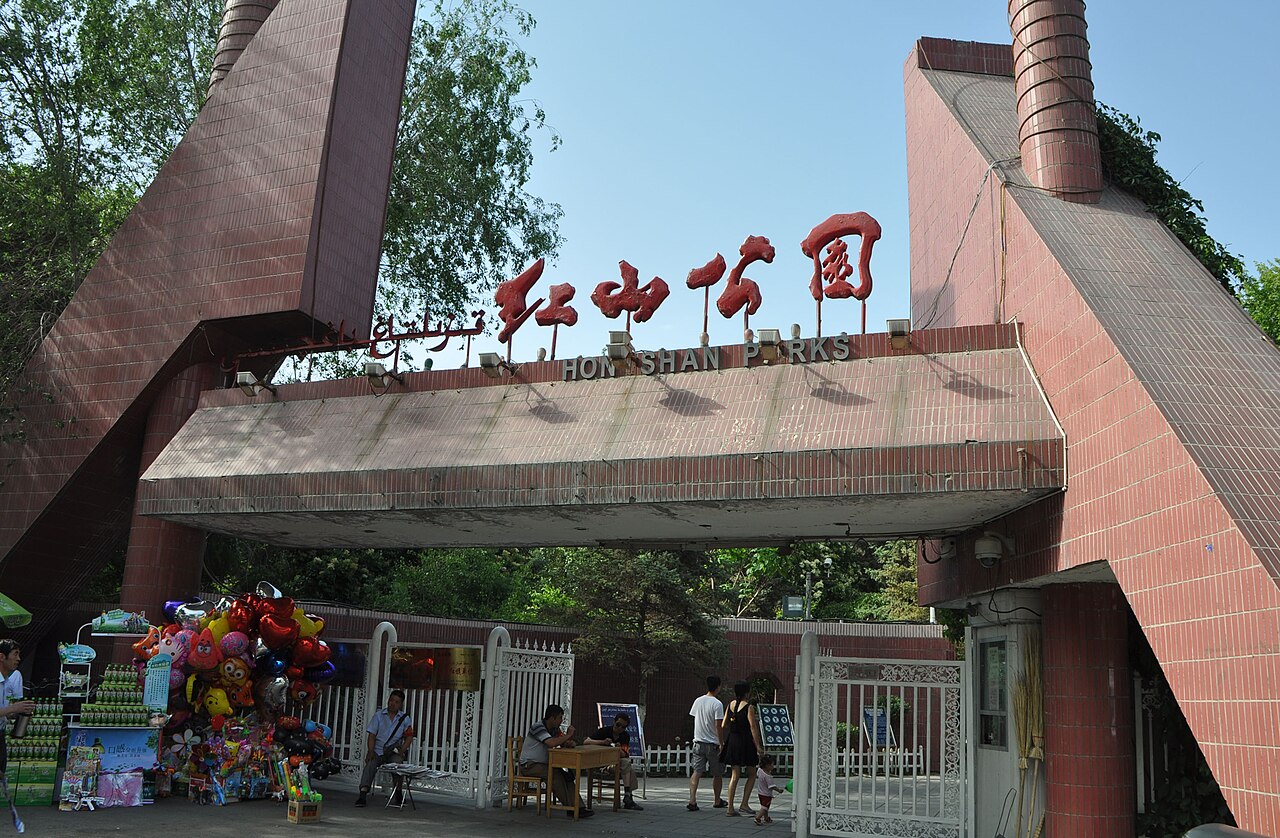
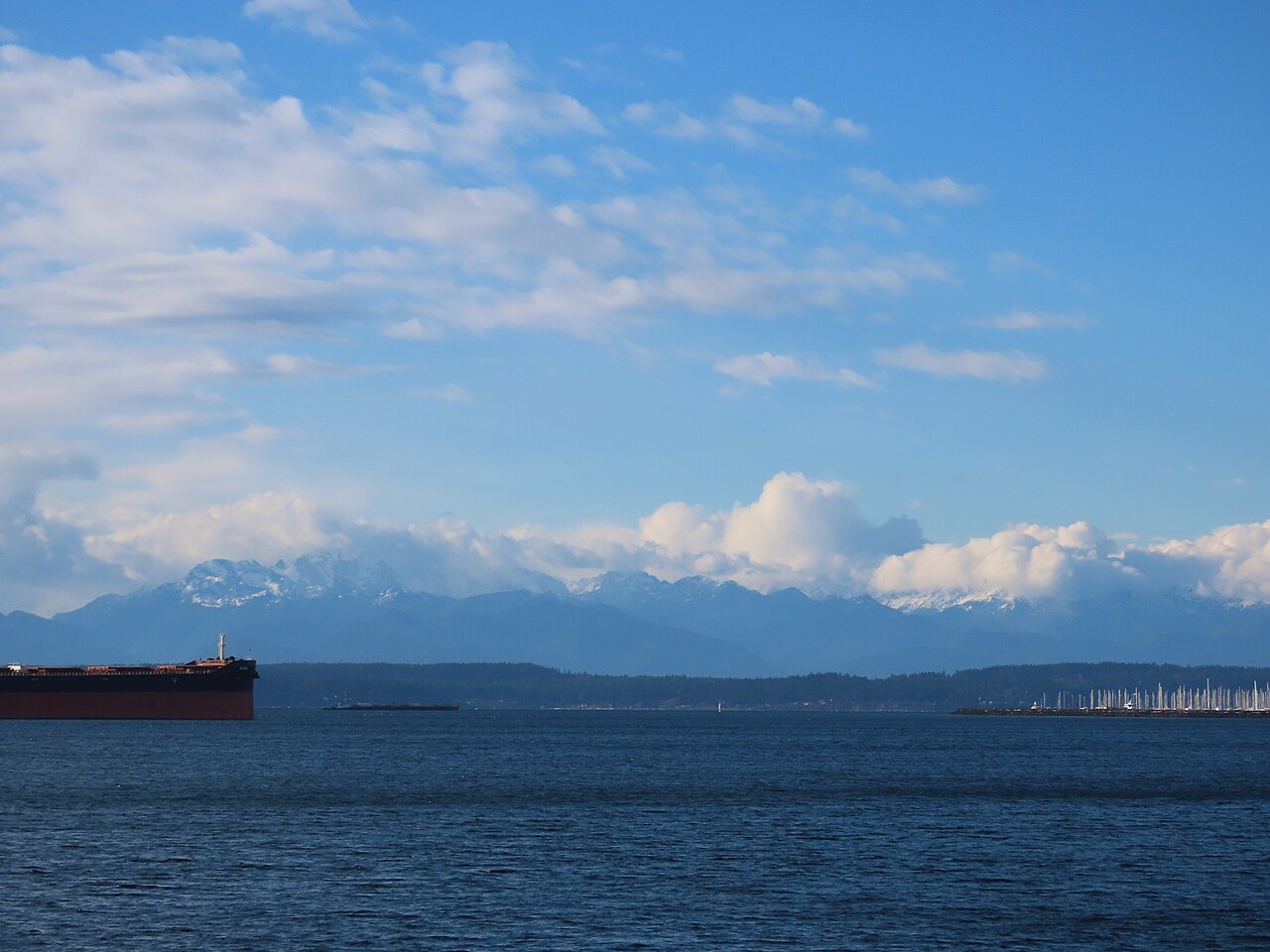
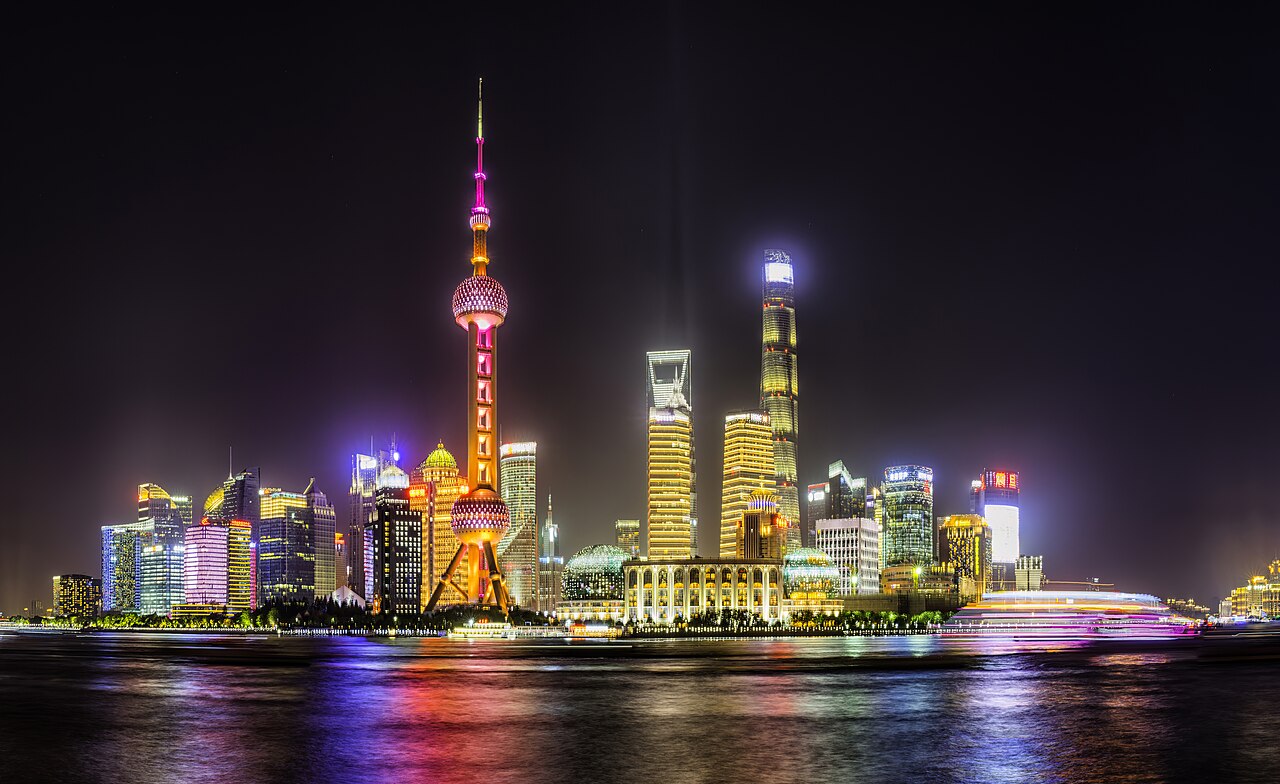
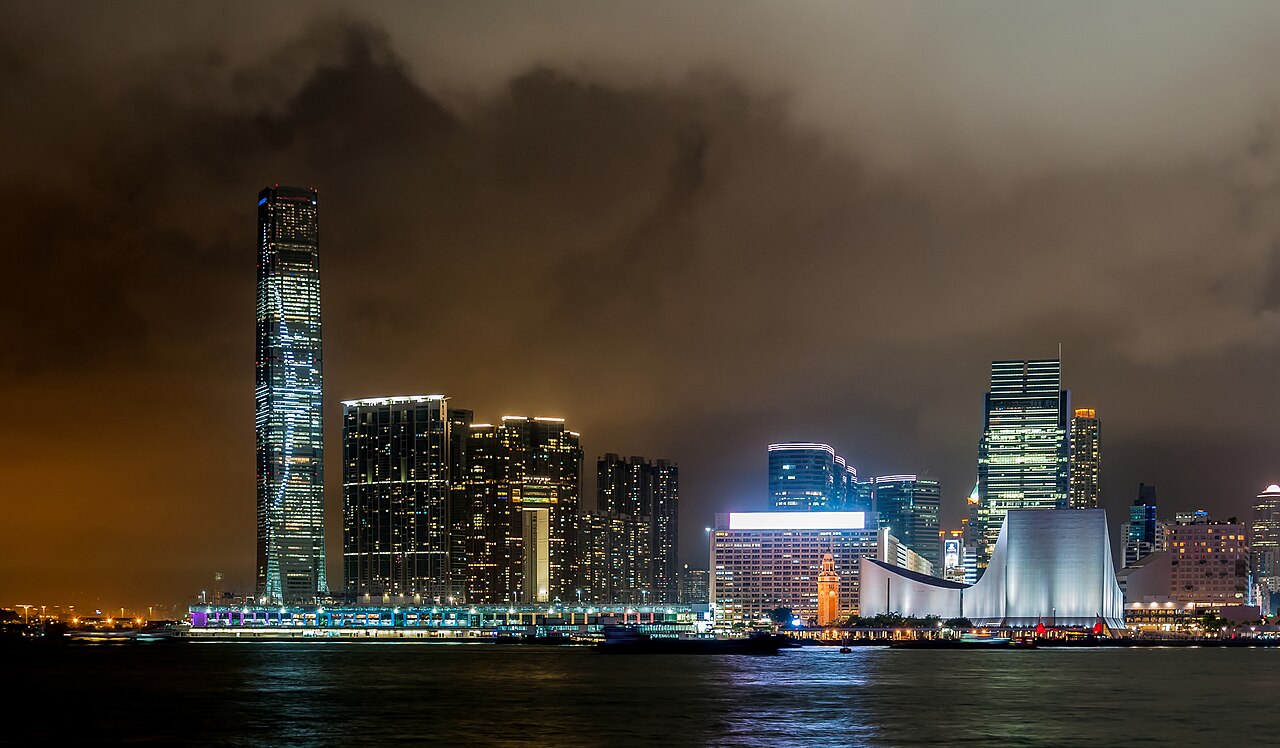
The Shennan Boulevard skyline at night, the spine of the modern city
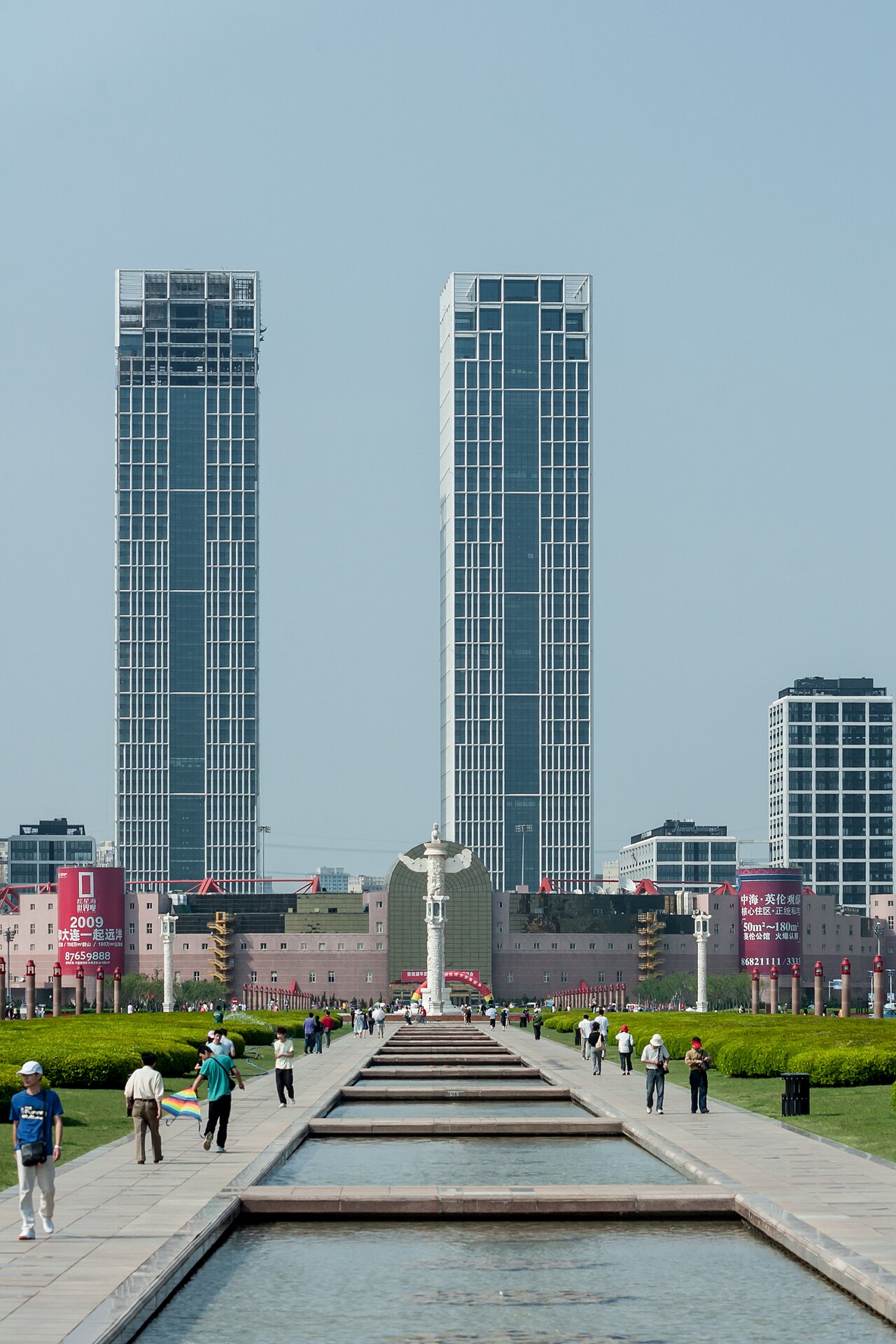
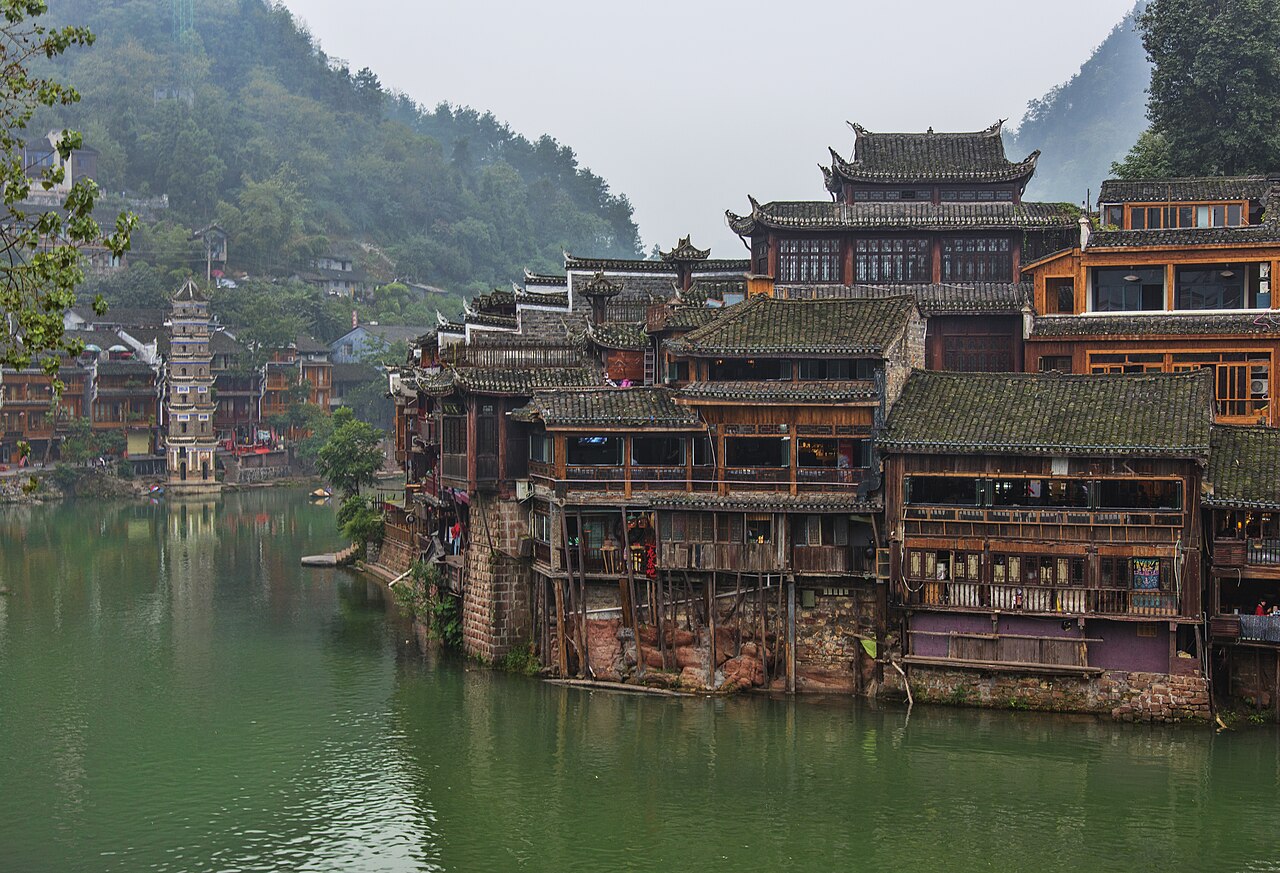
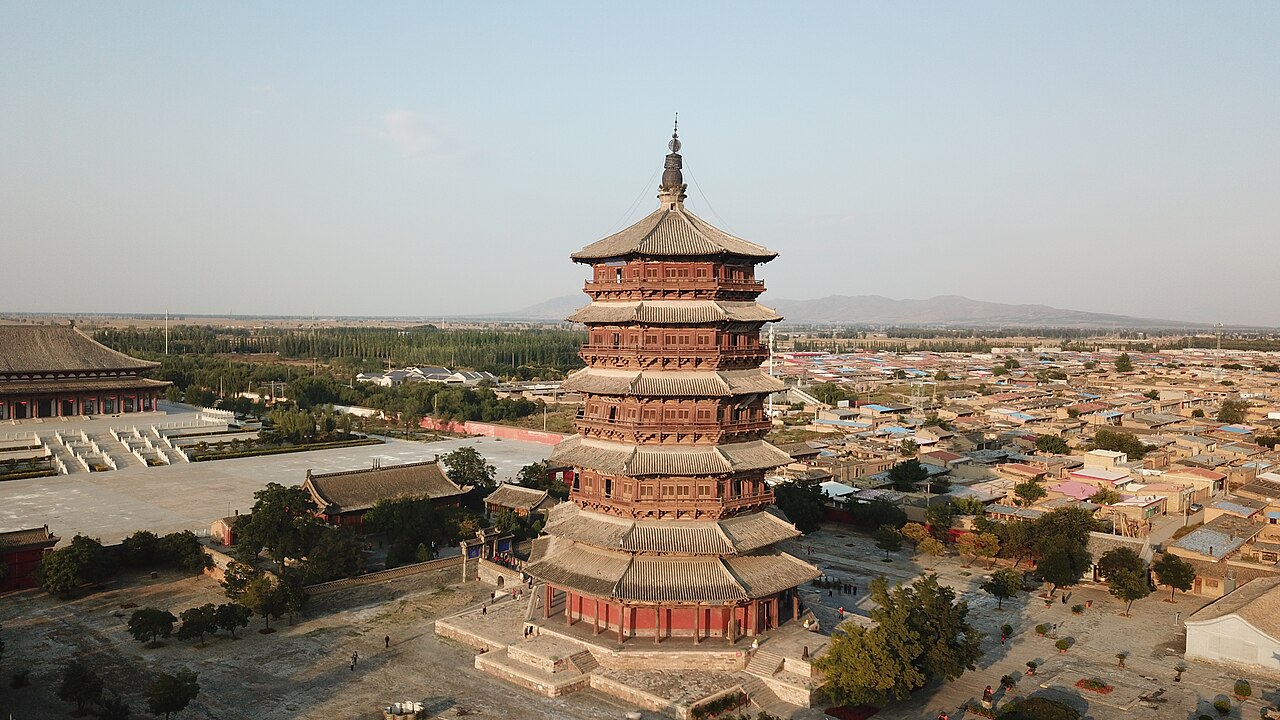
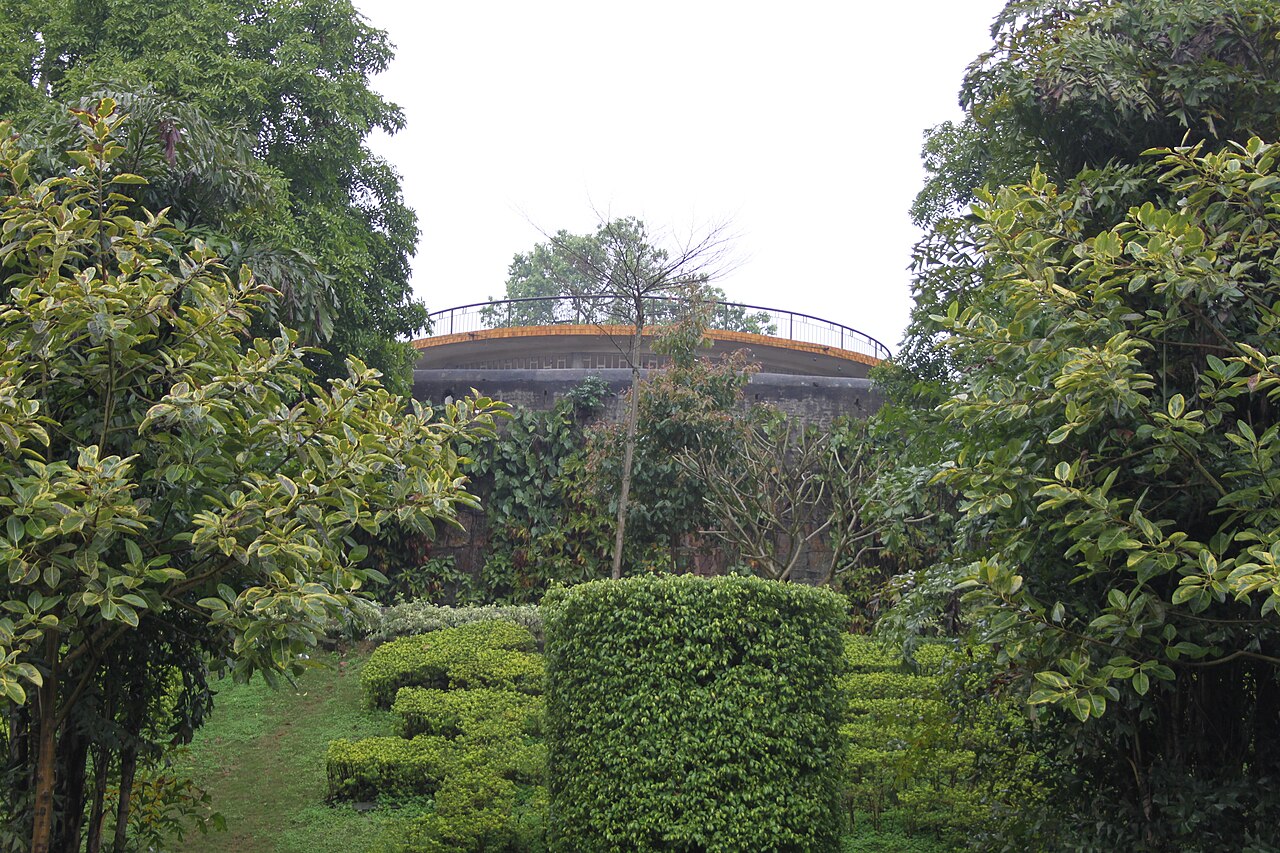
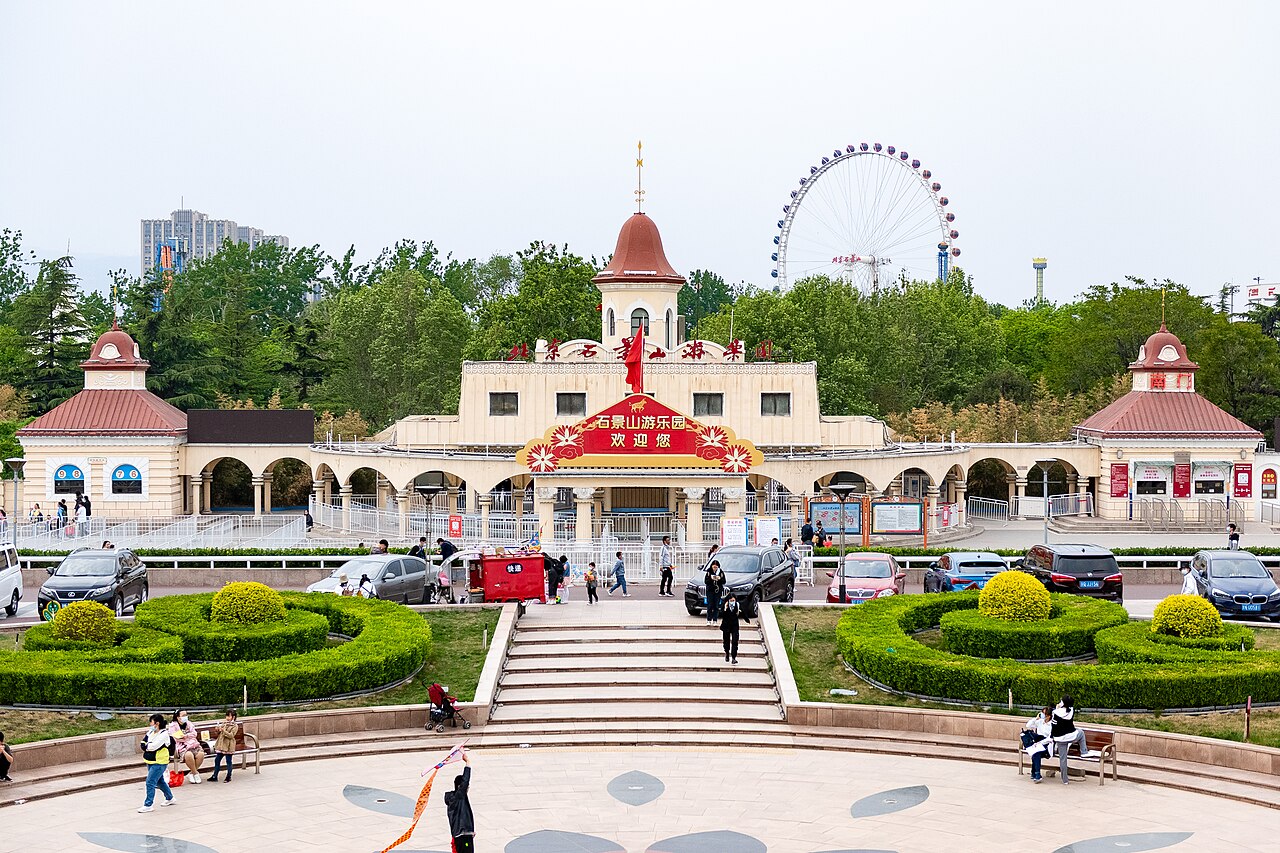
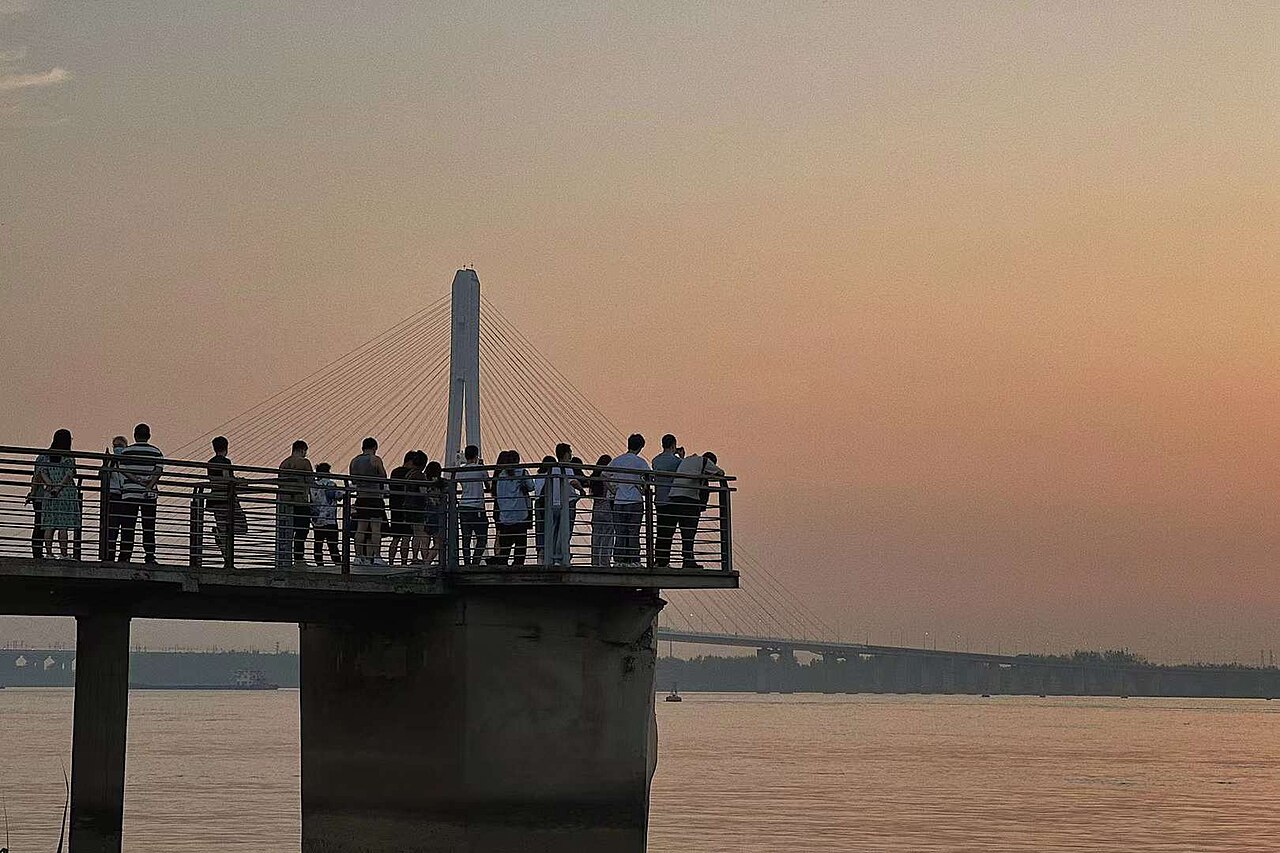
The scaled-down world landmarks inside Window of the World
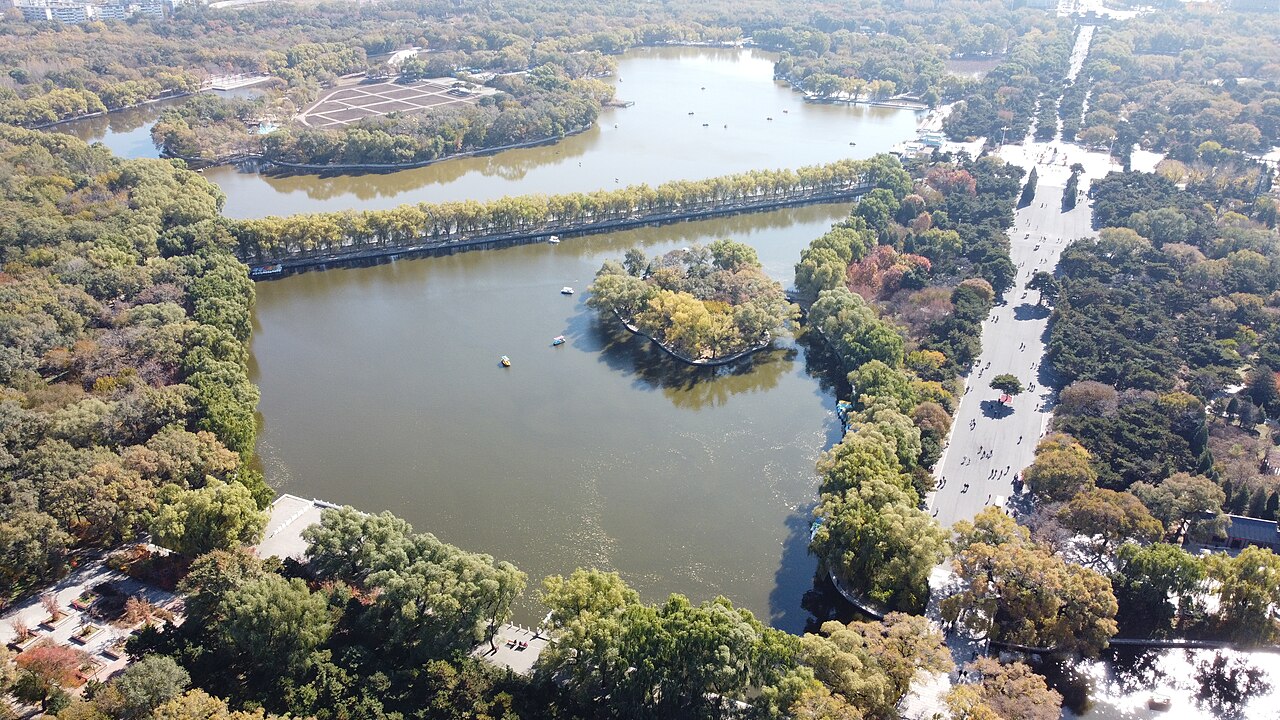
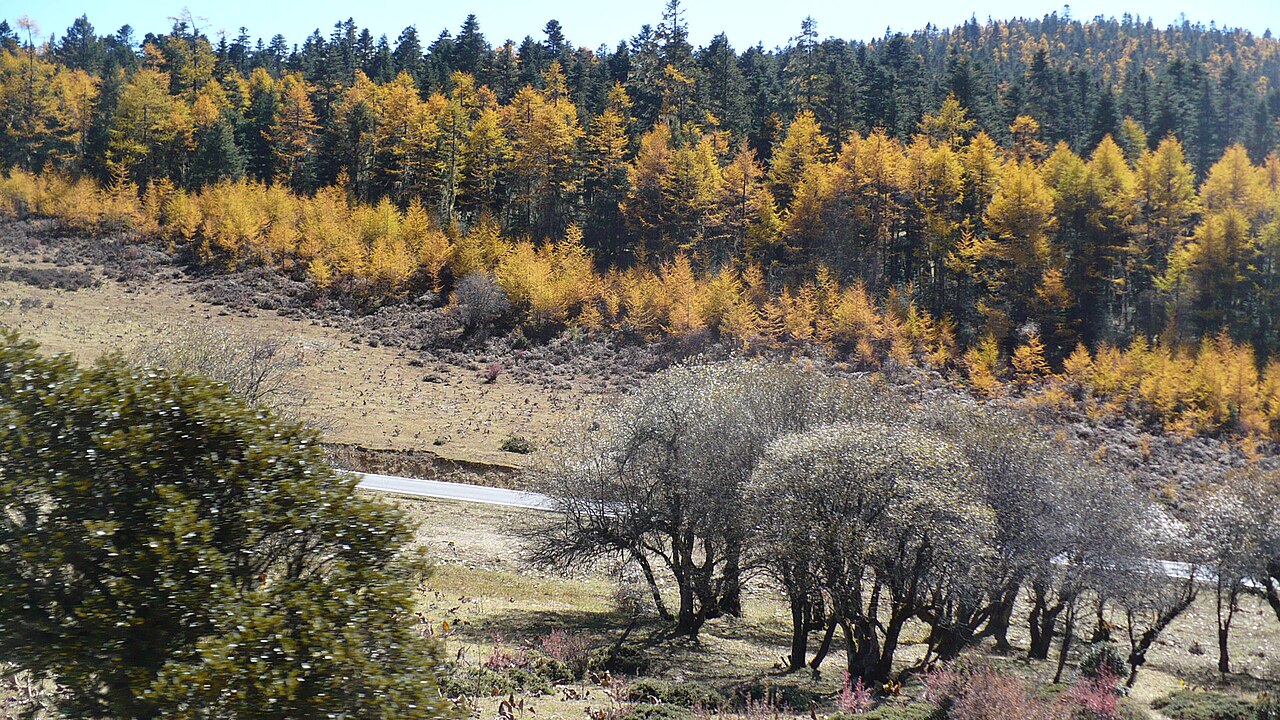
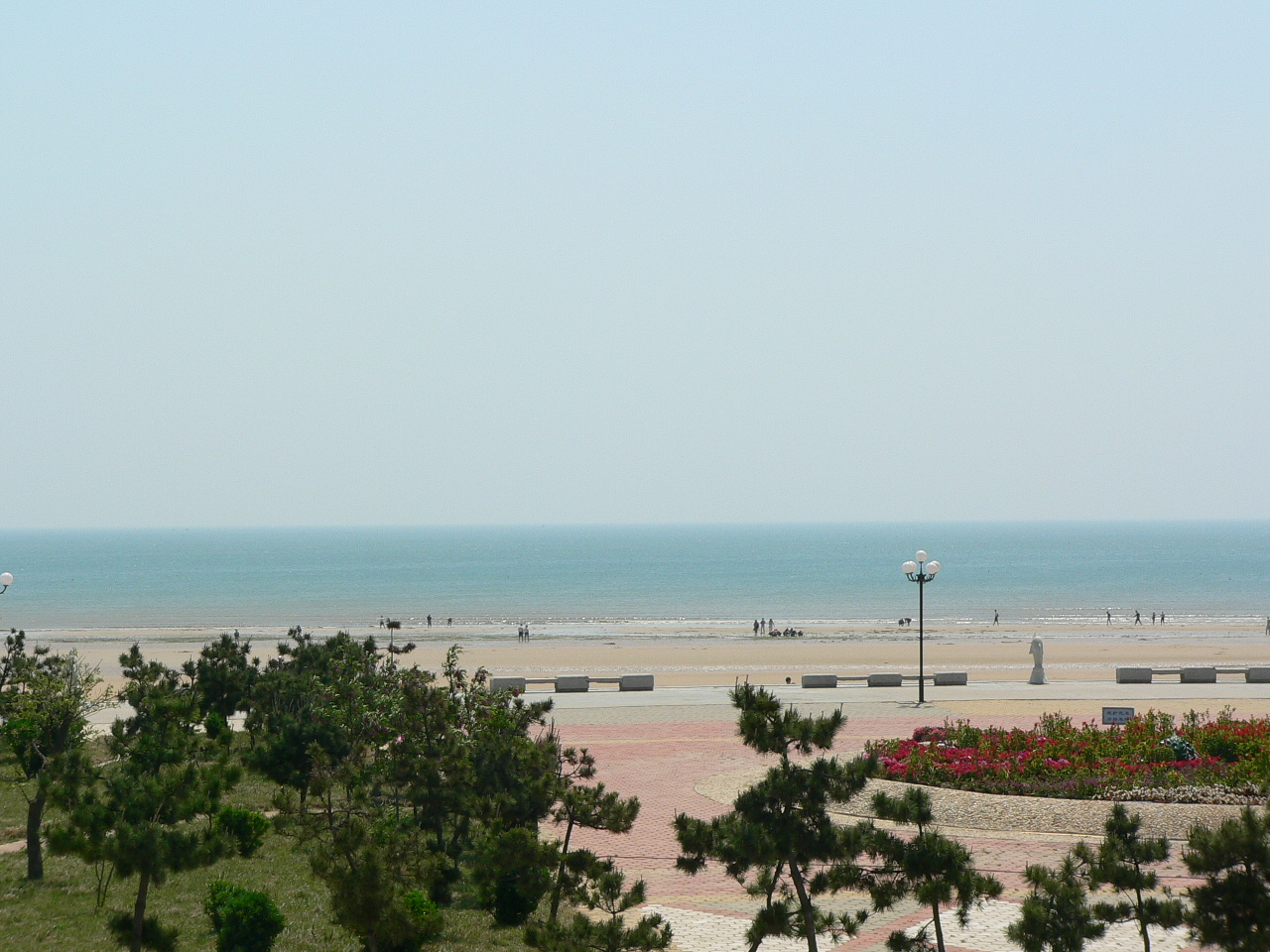
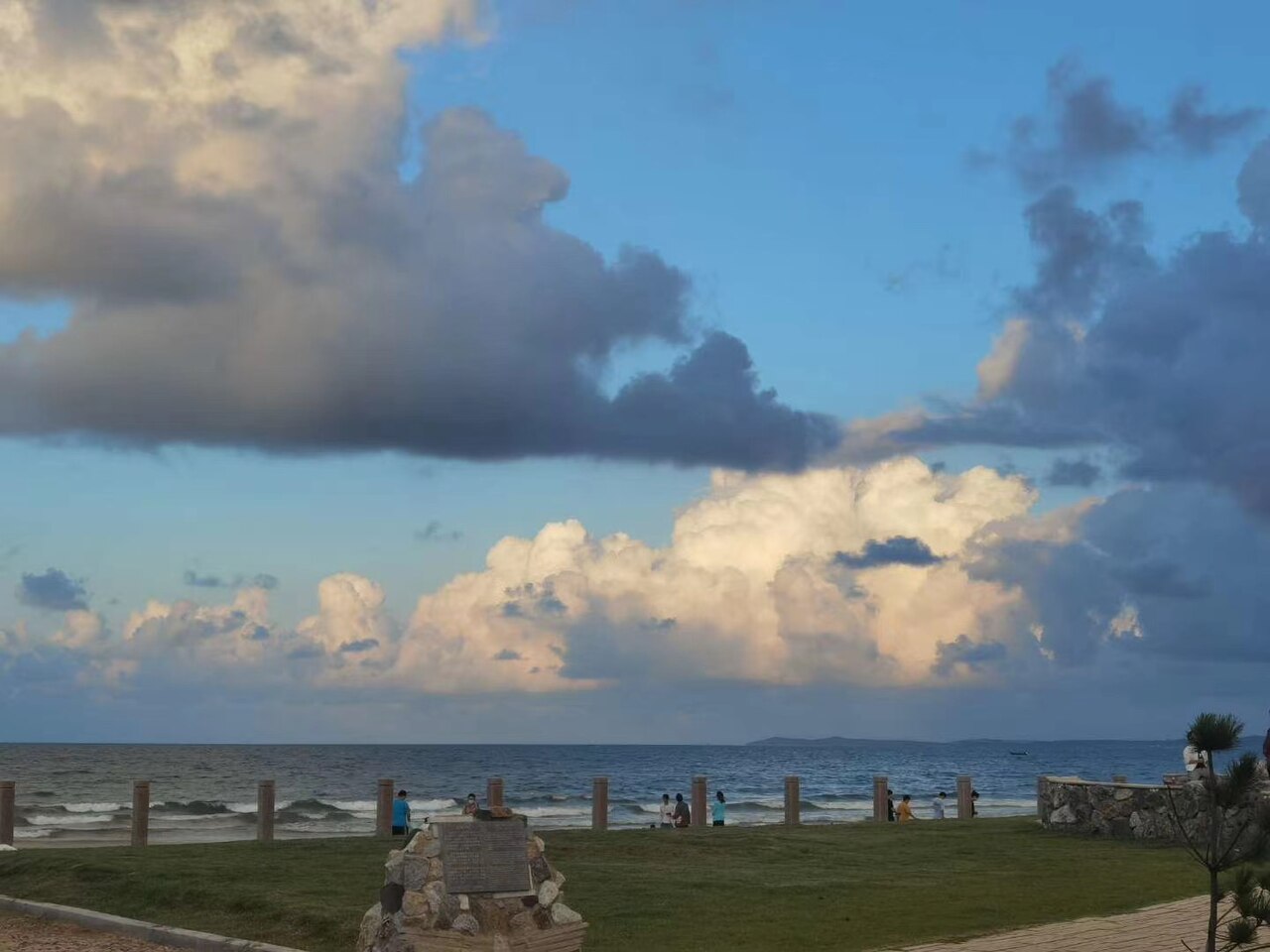
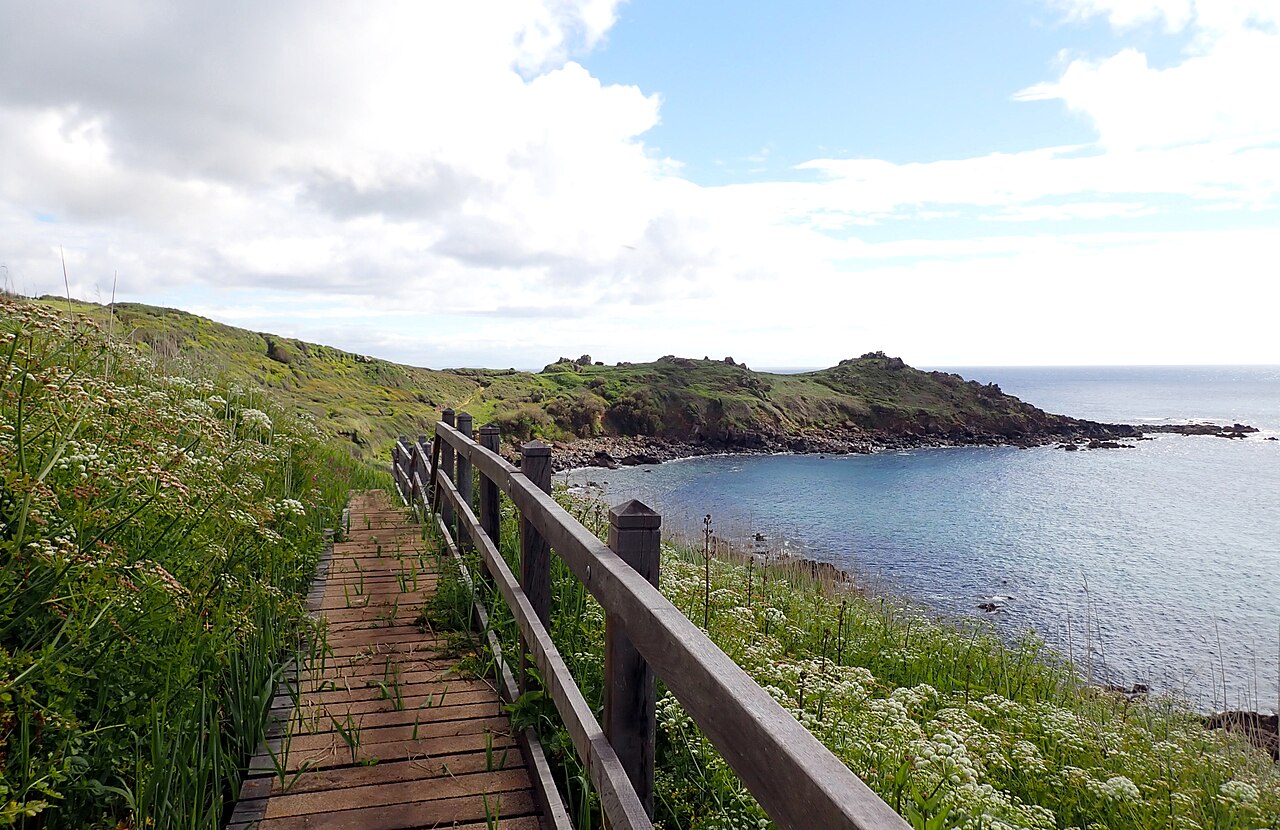
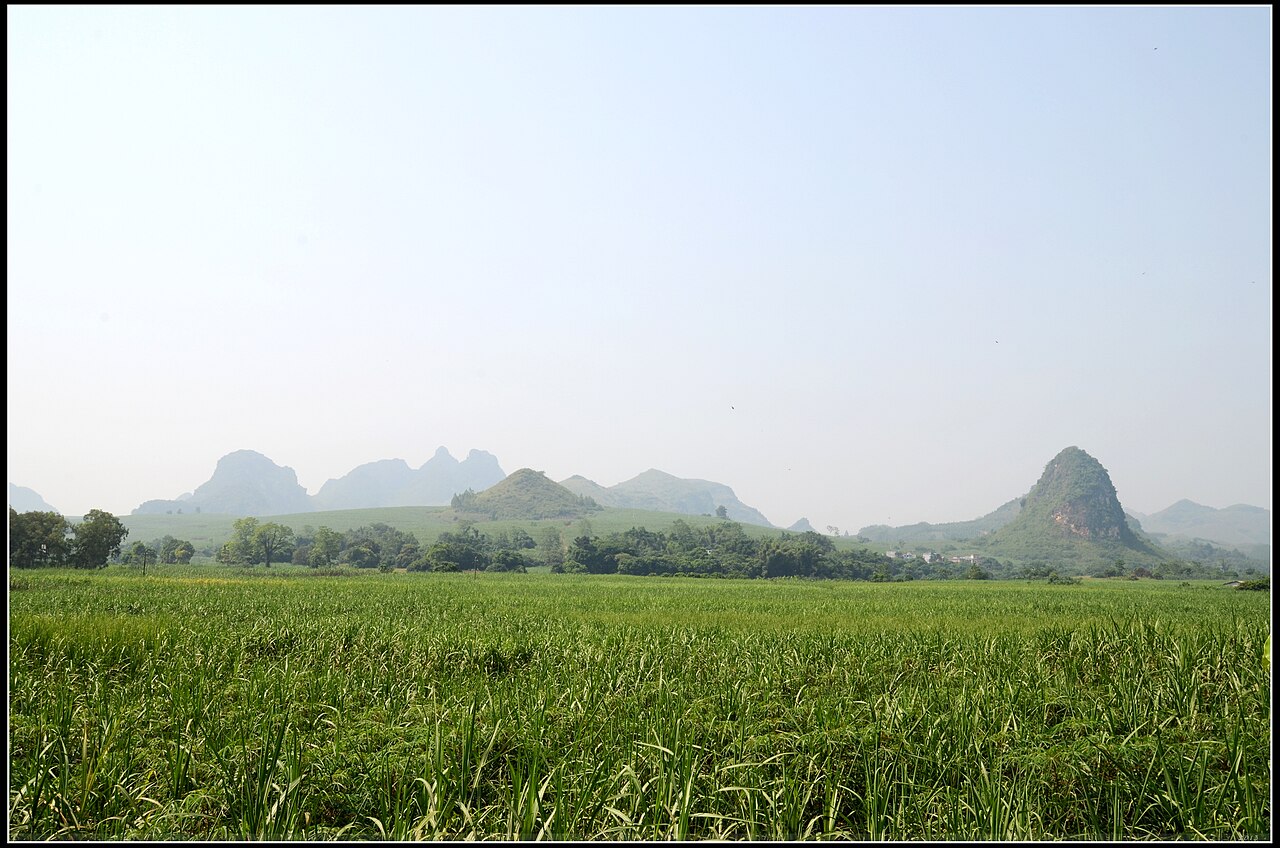
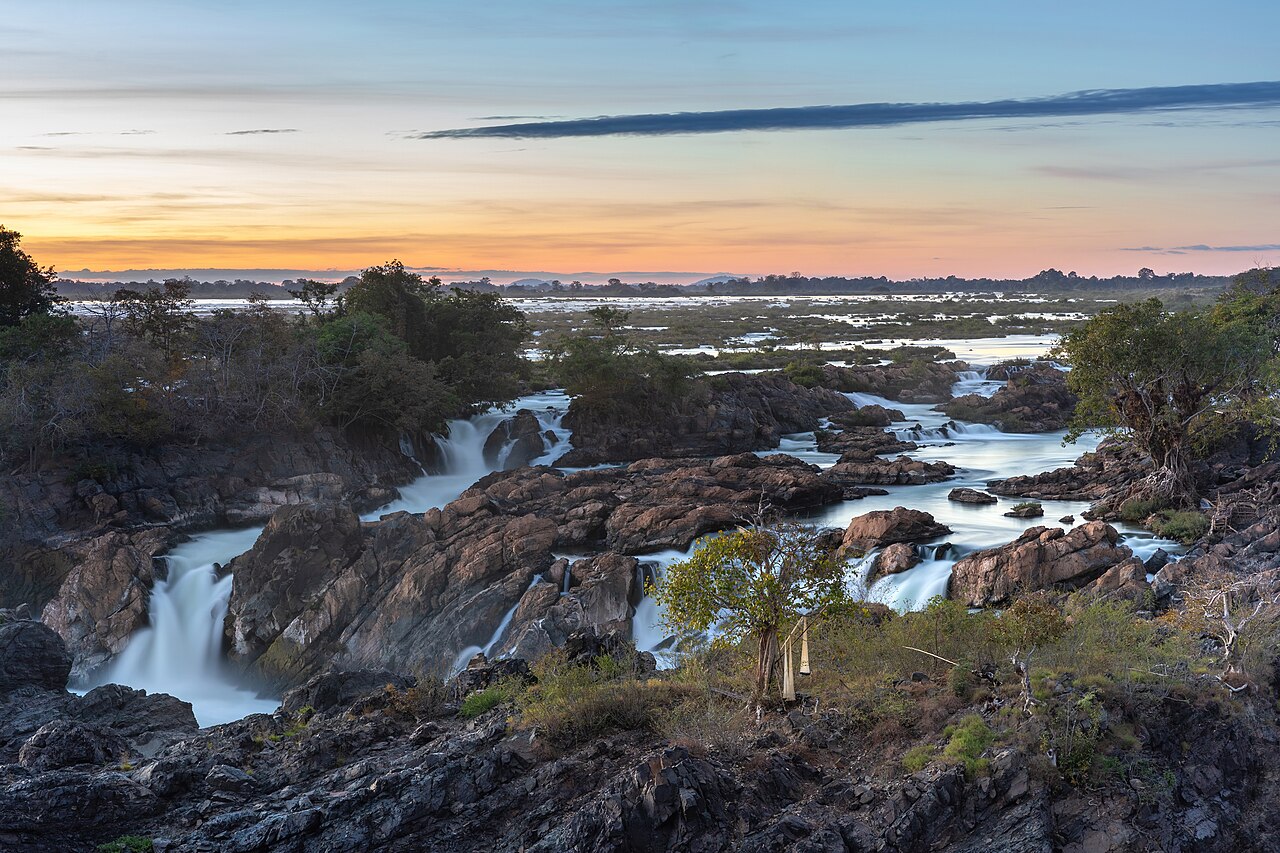
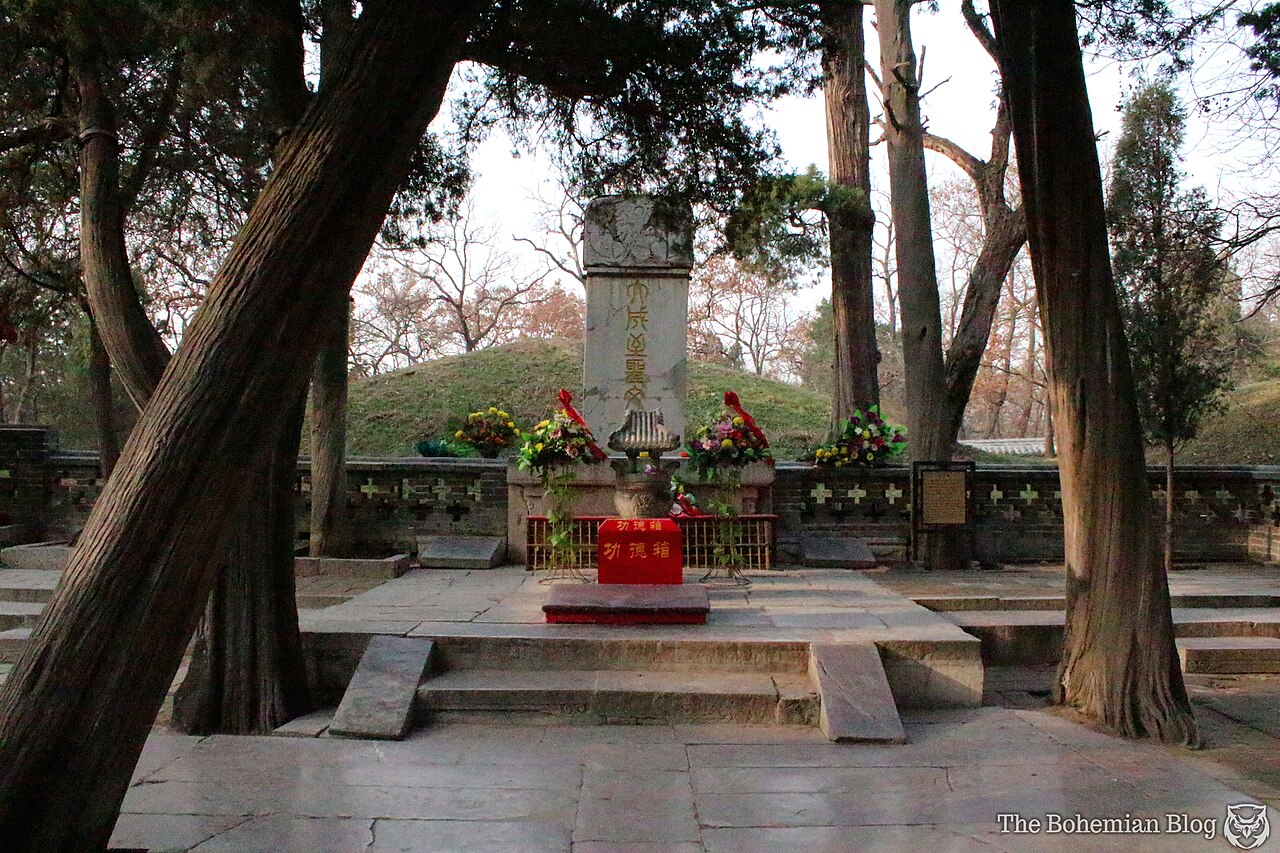
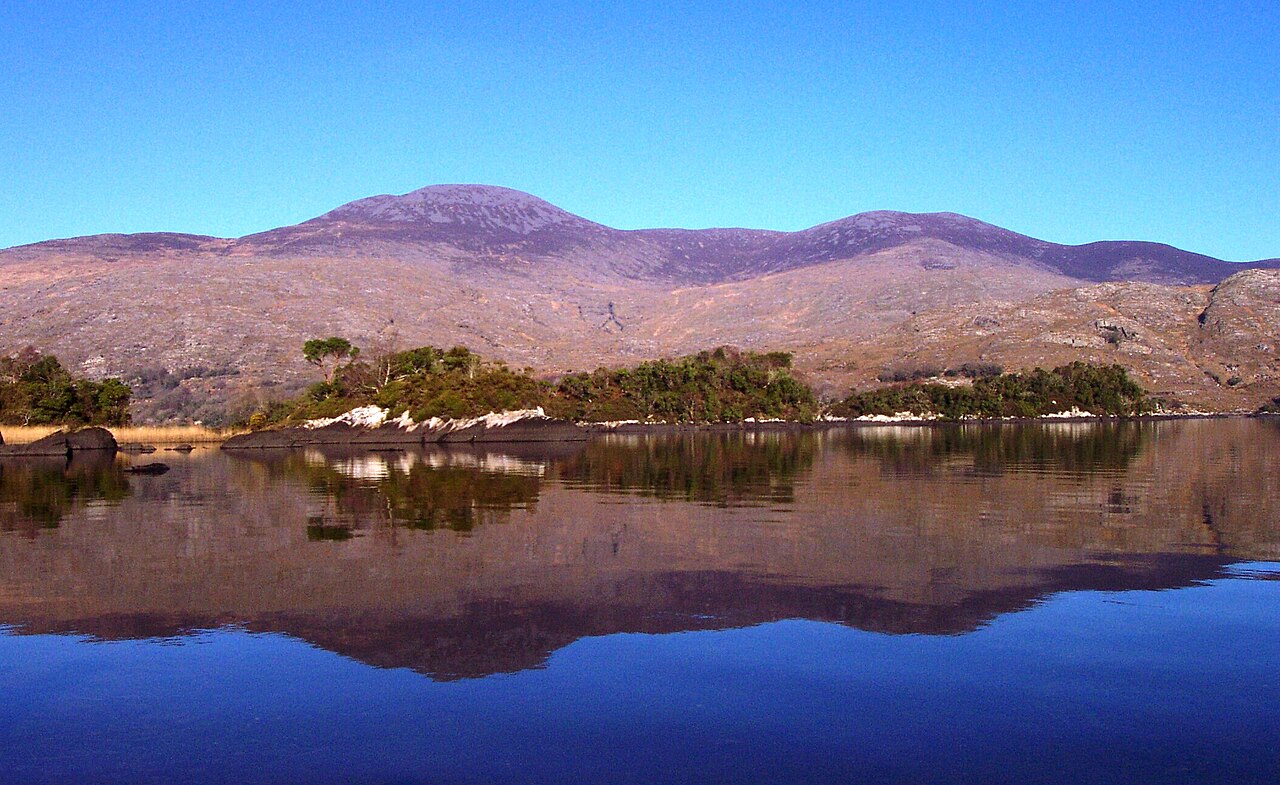
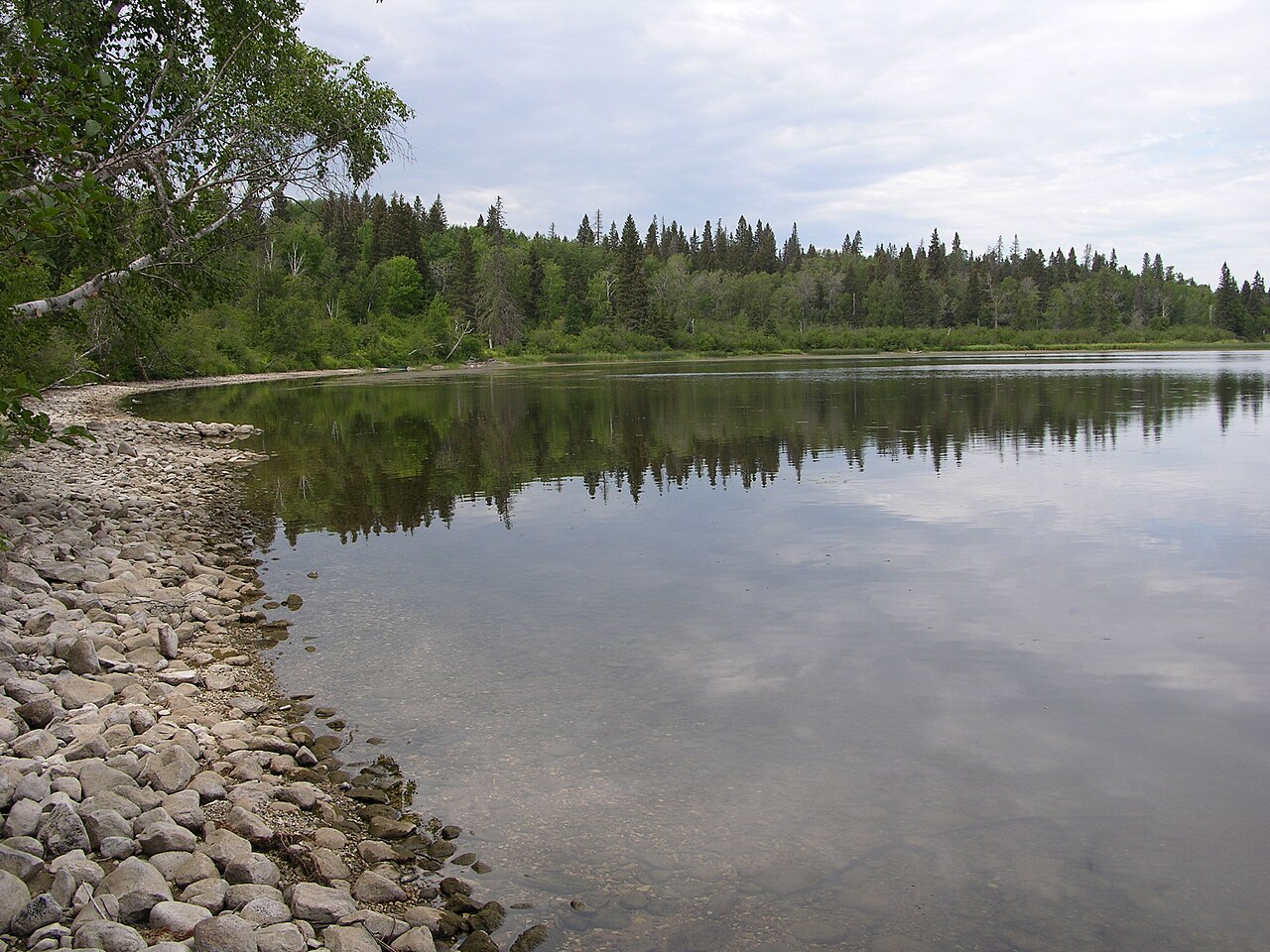
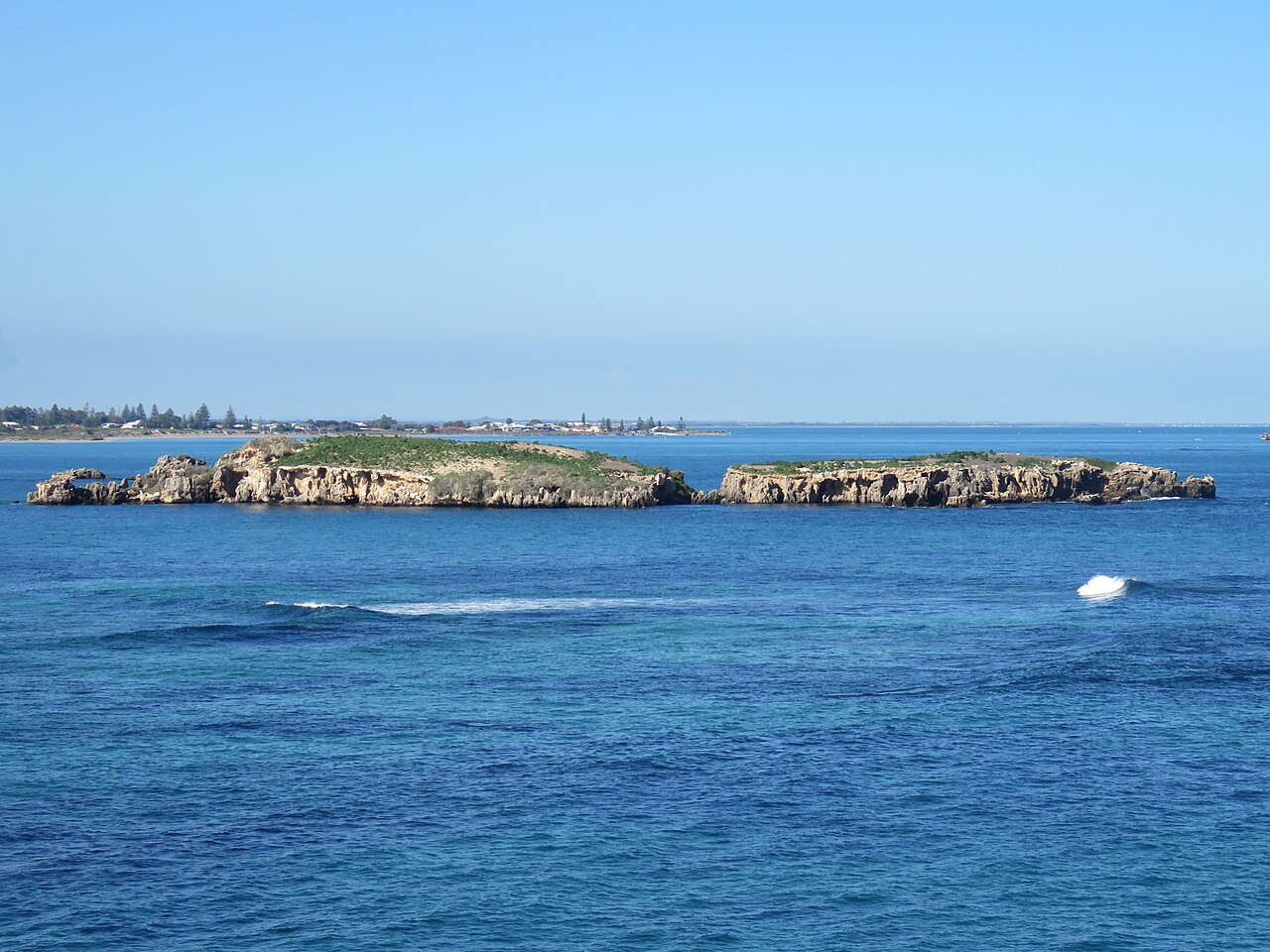
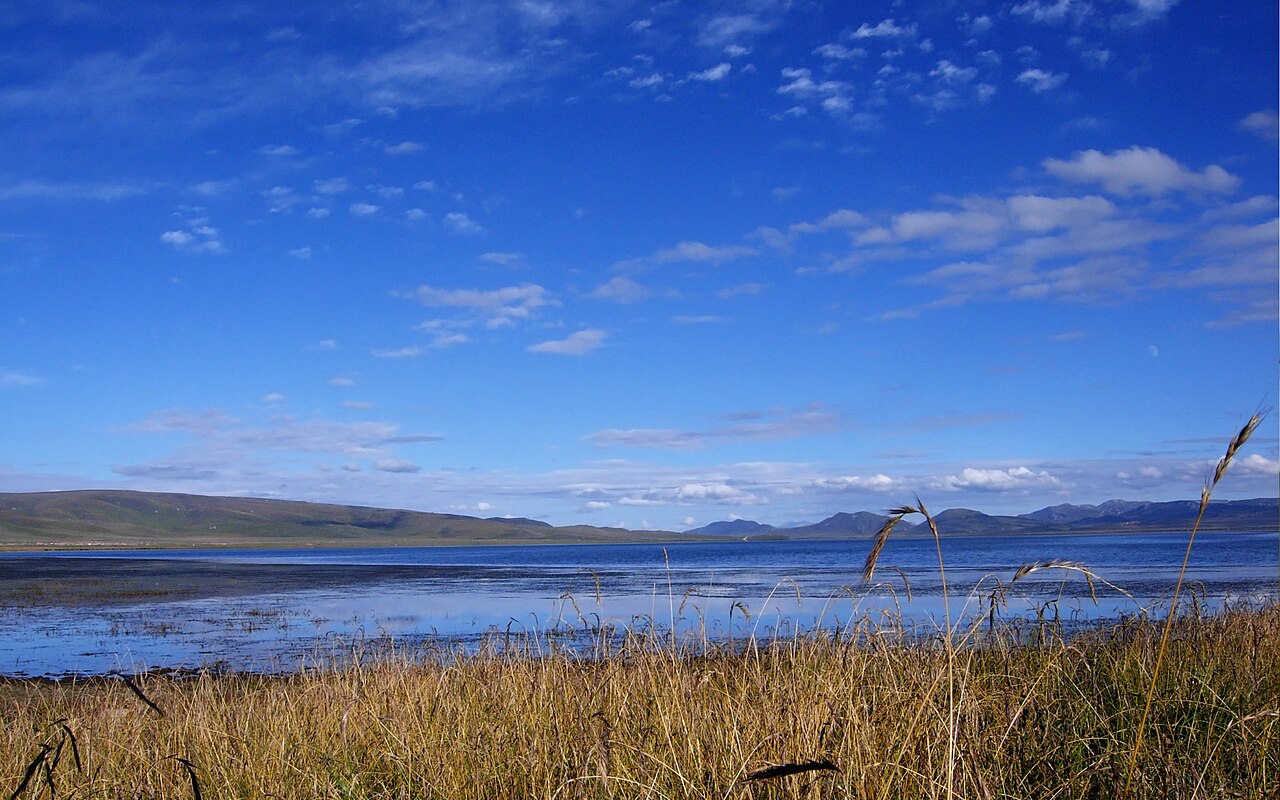
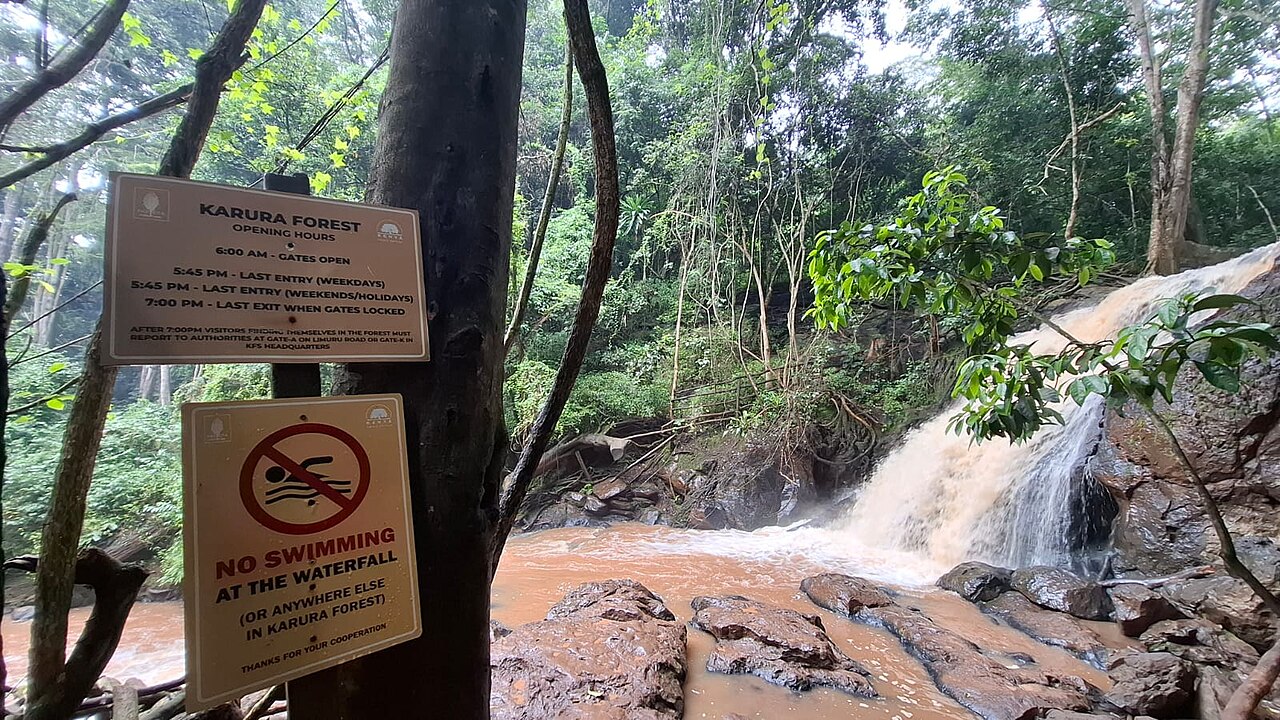
Clear water and empty sand on the Dapeng peninsula at Xichong
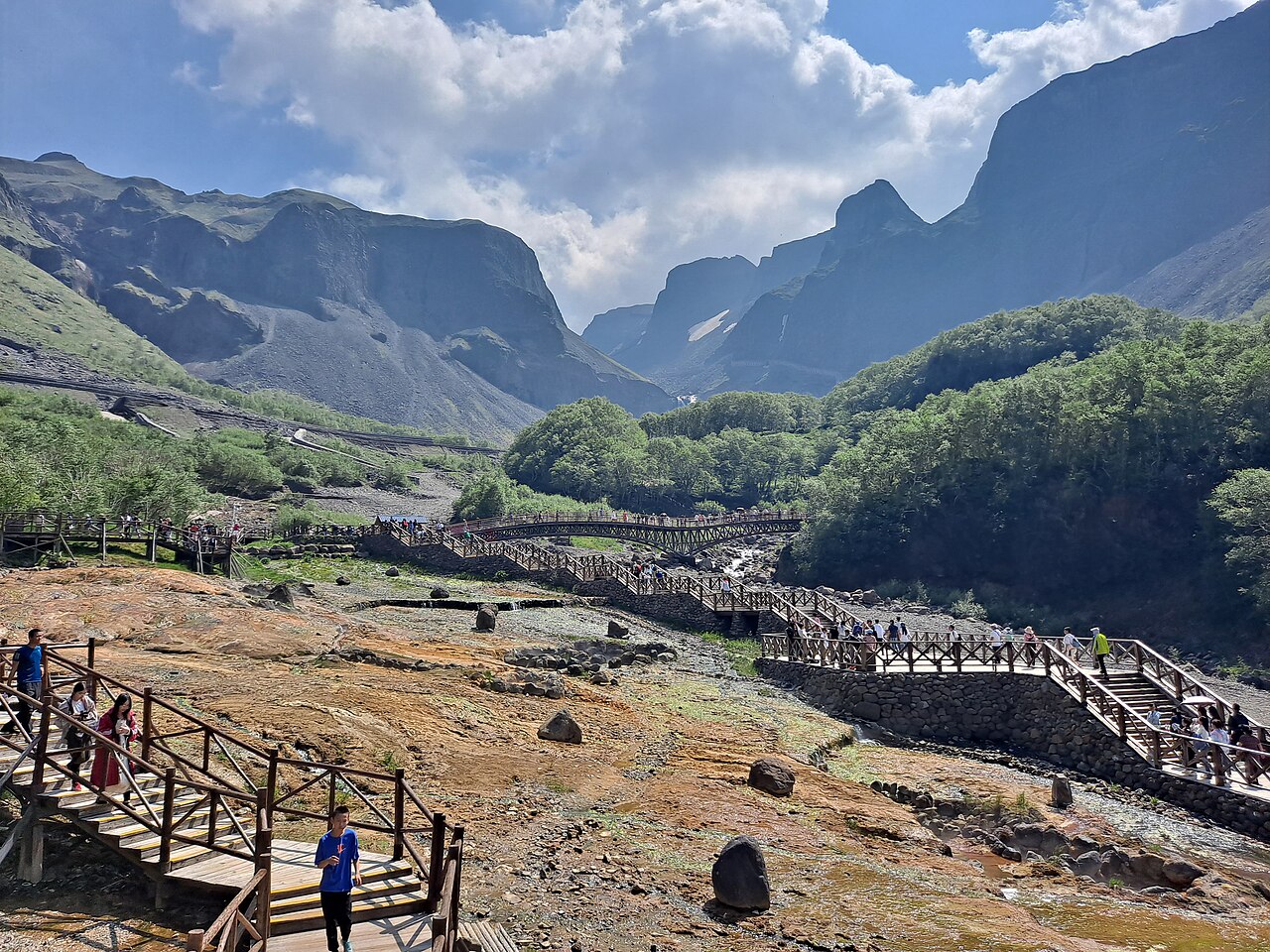
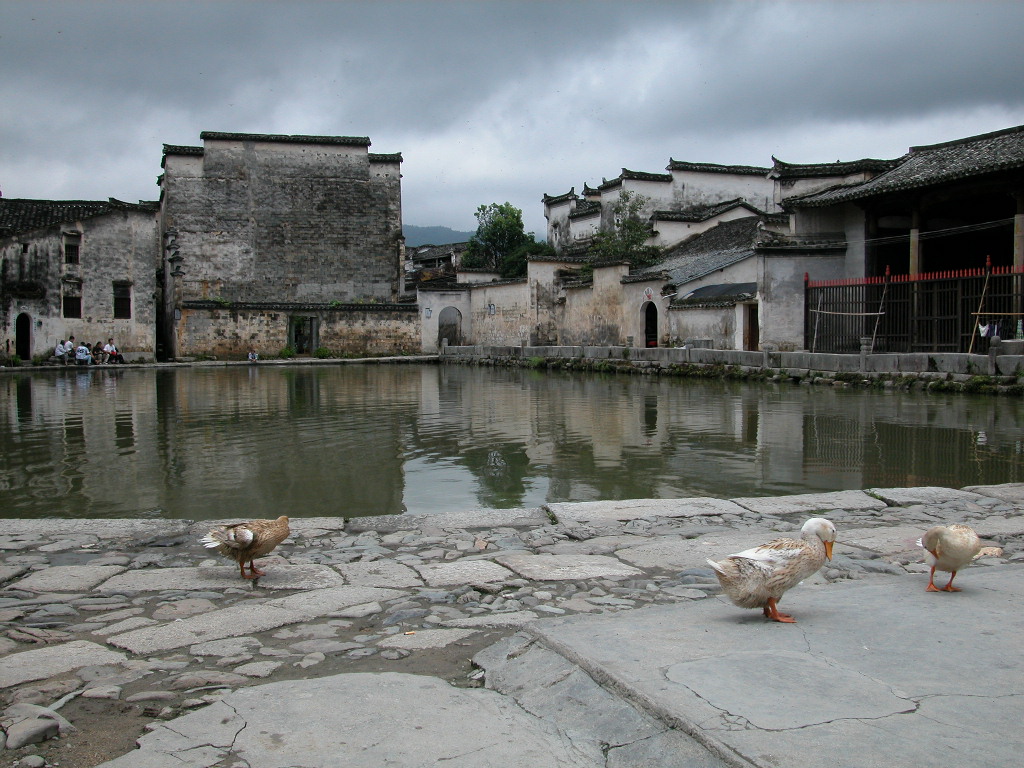
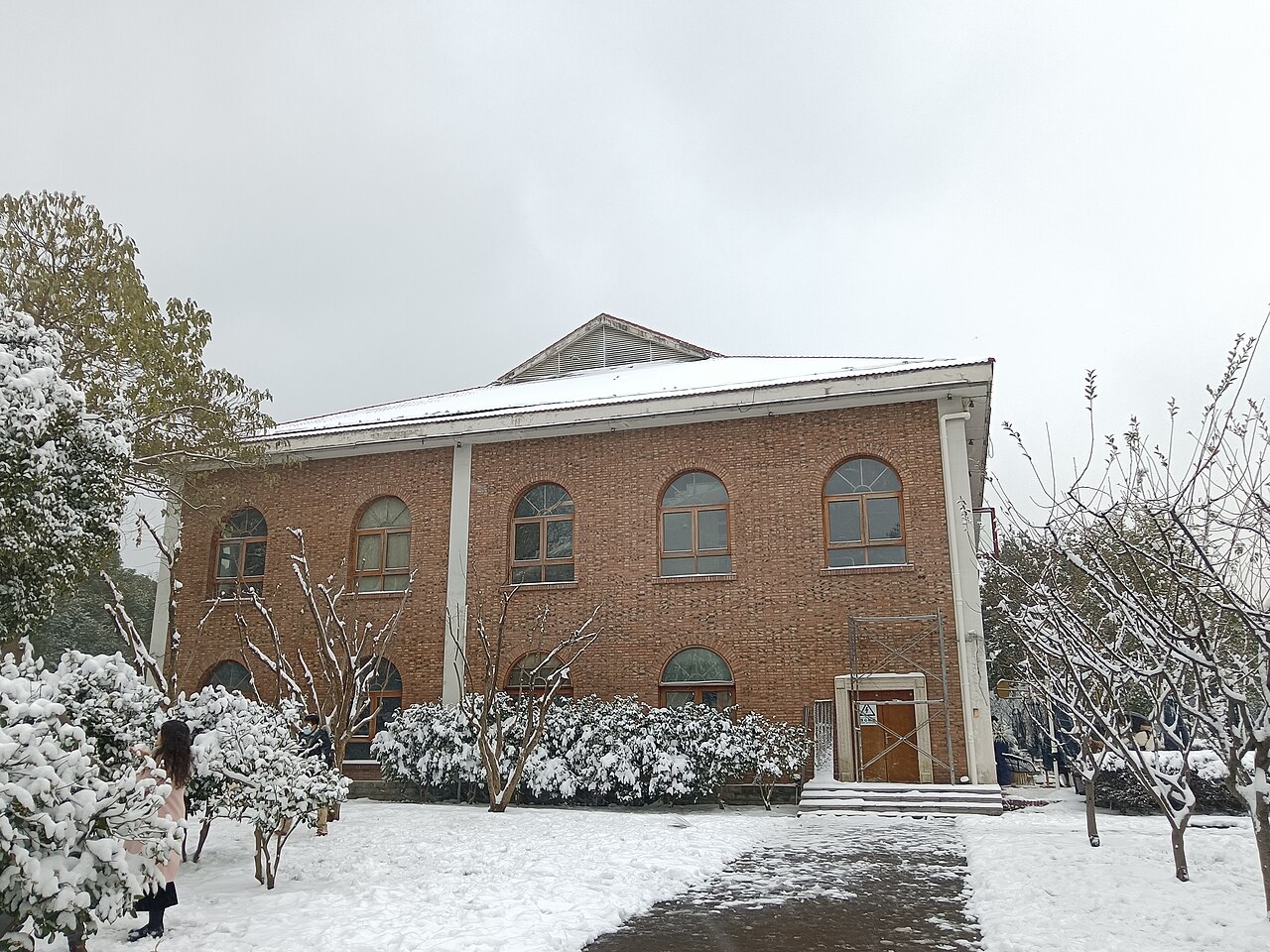
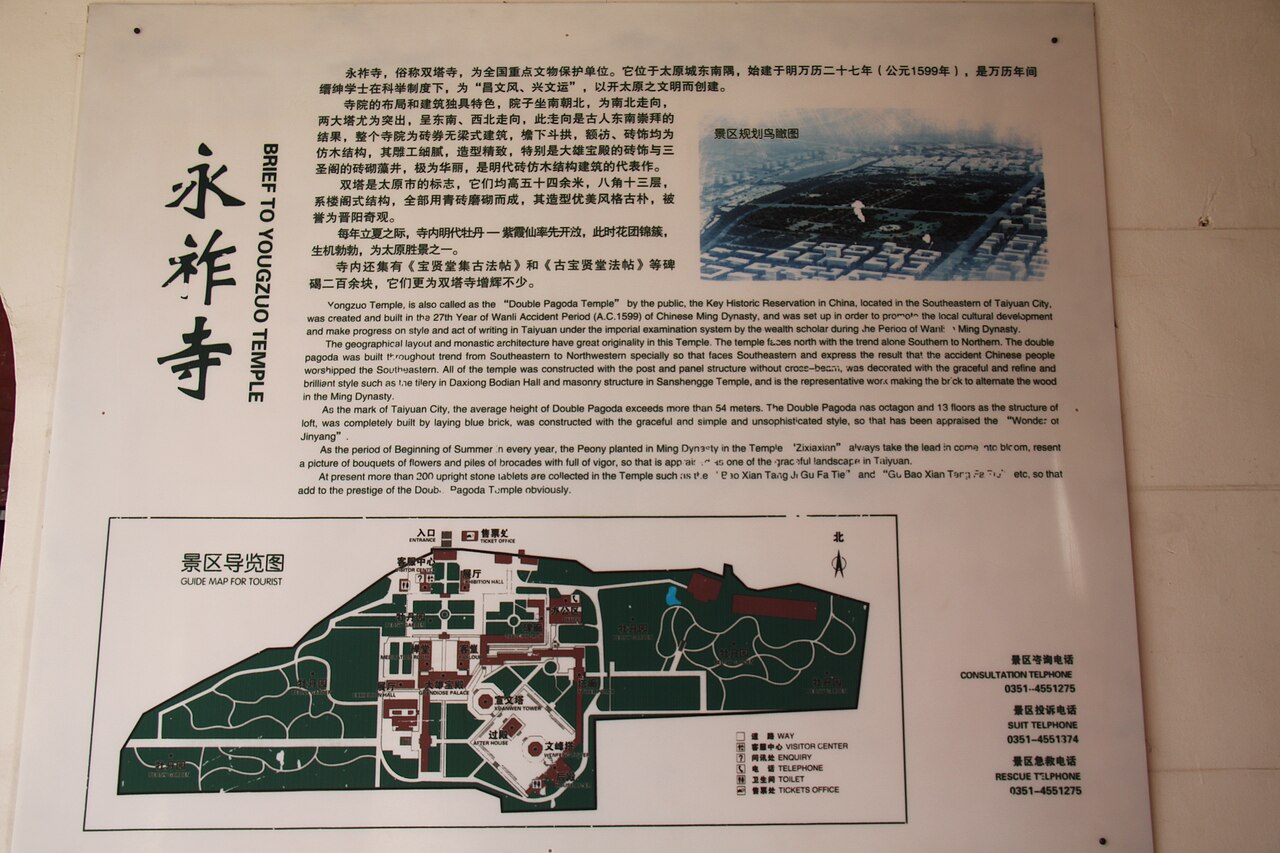
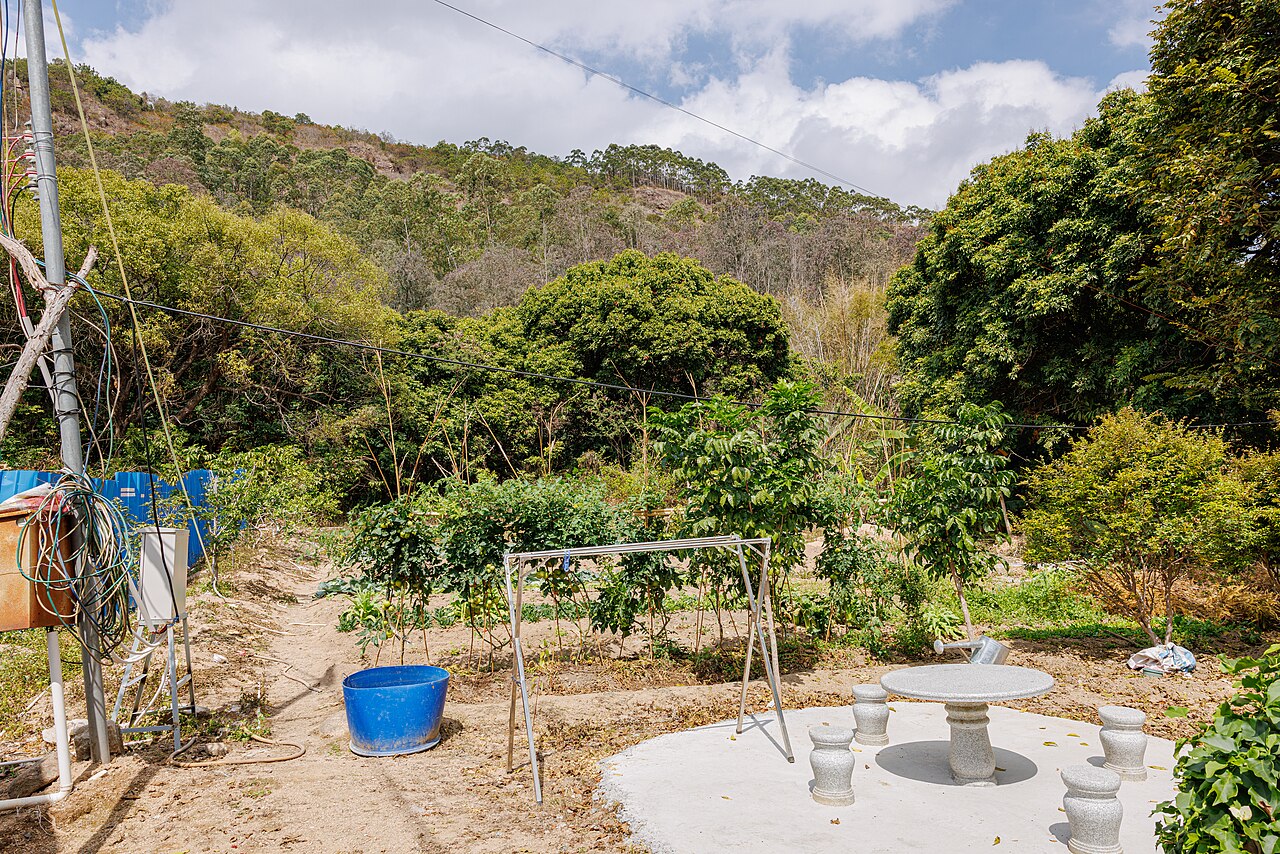
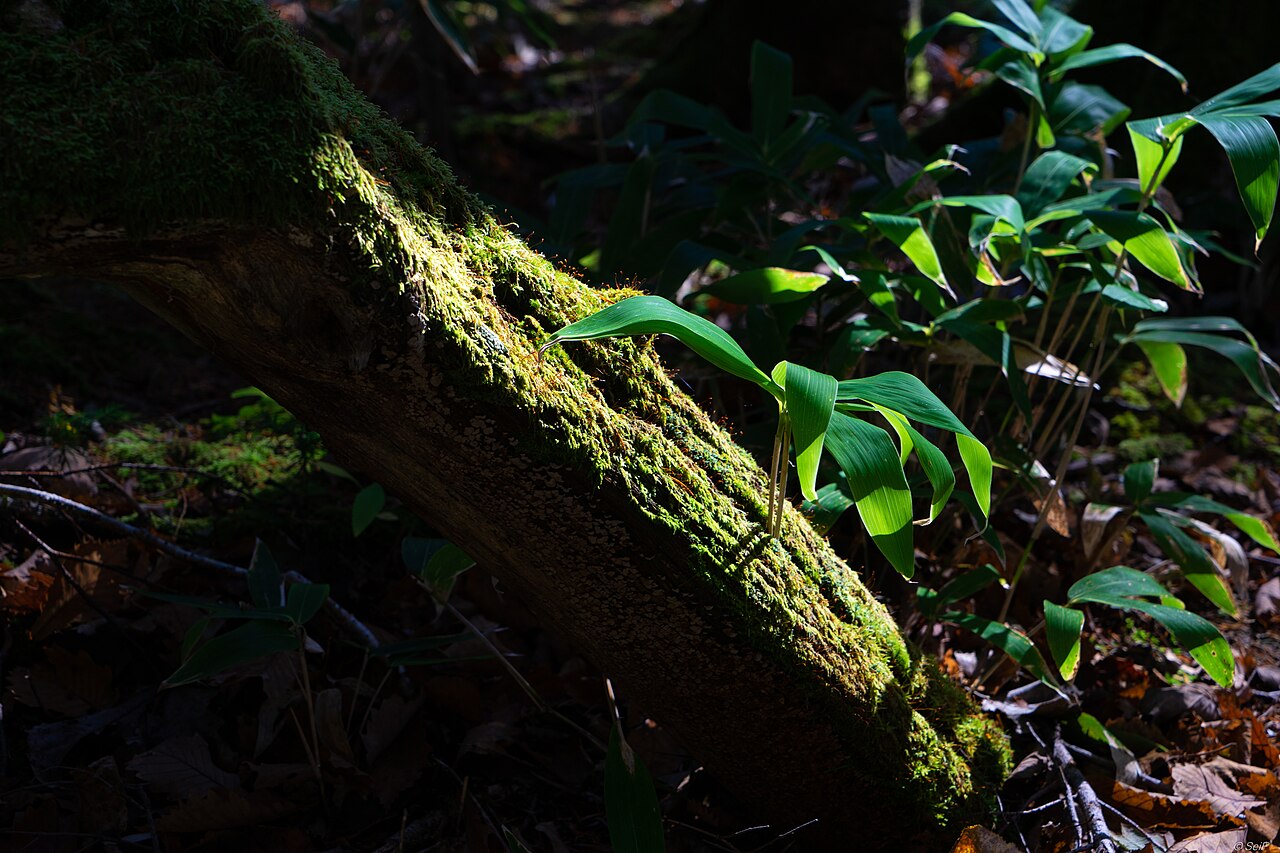
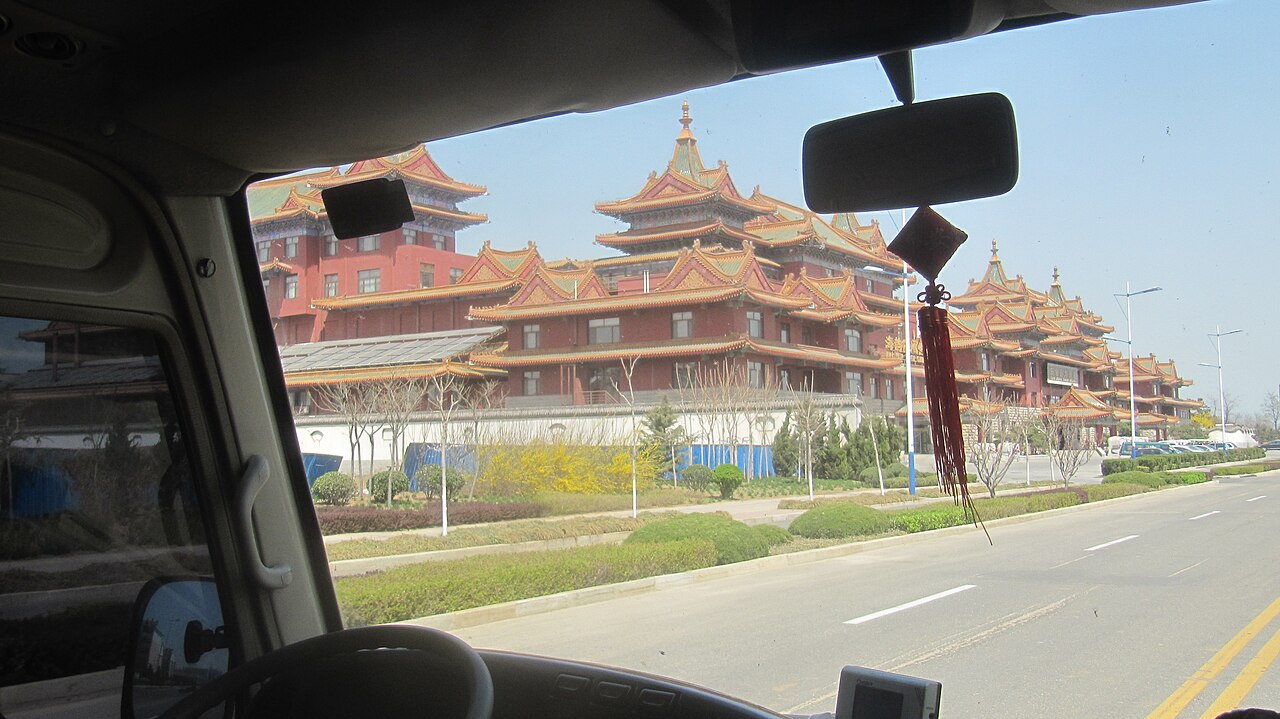
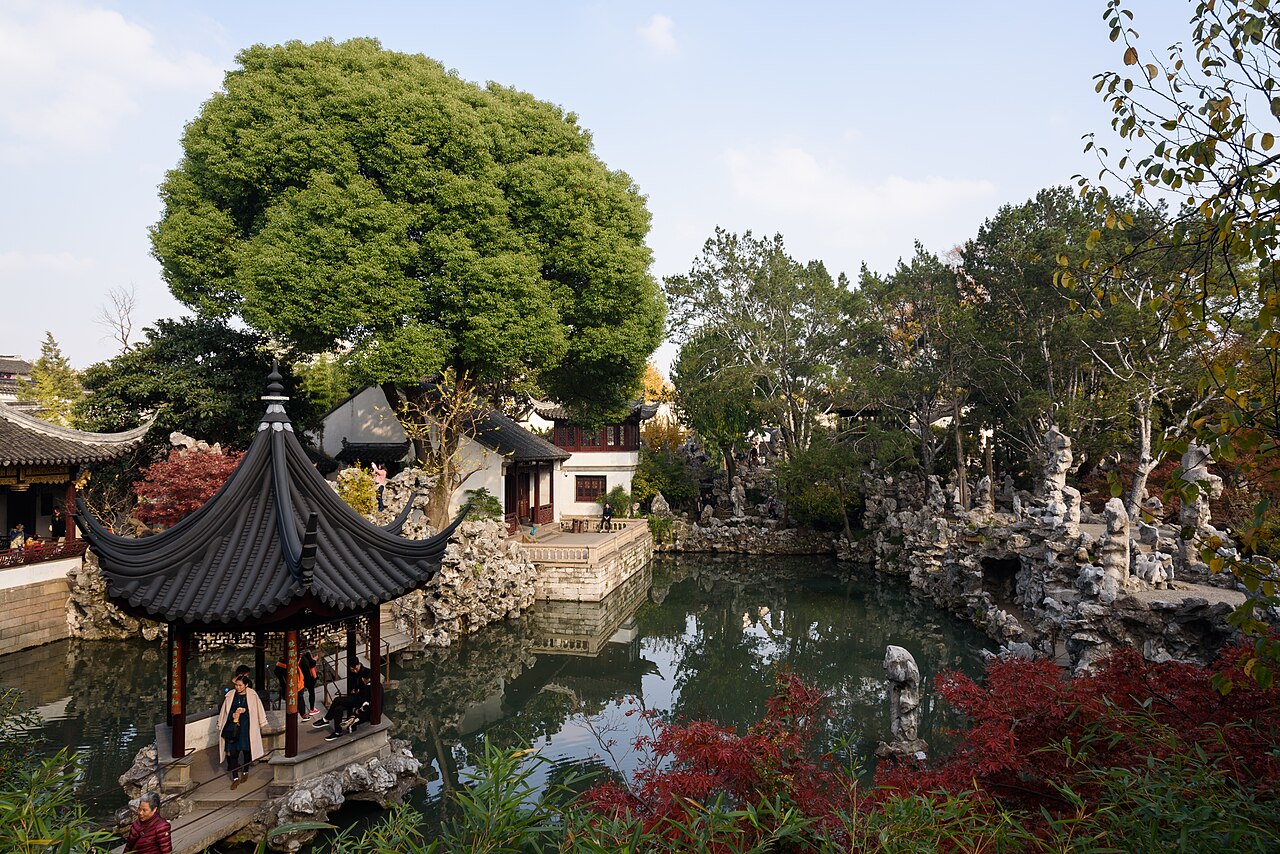
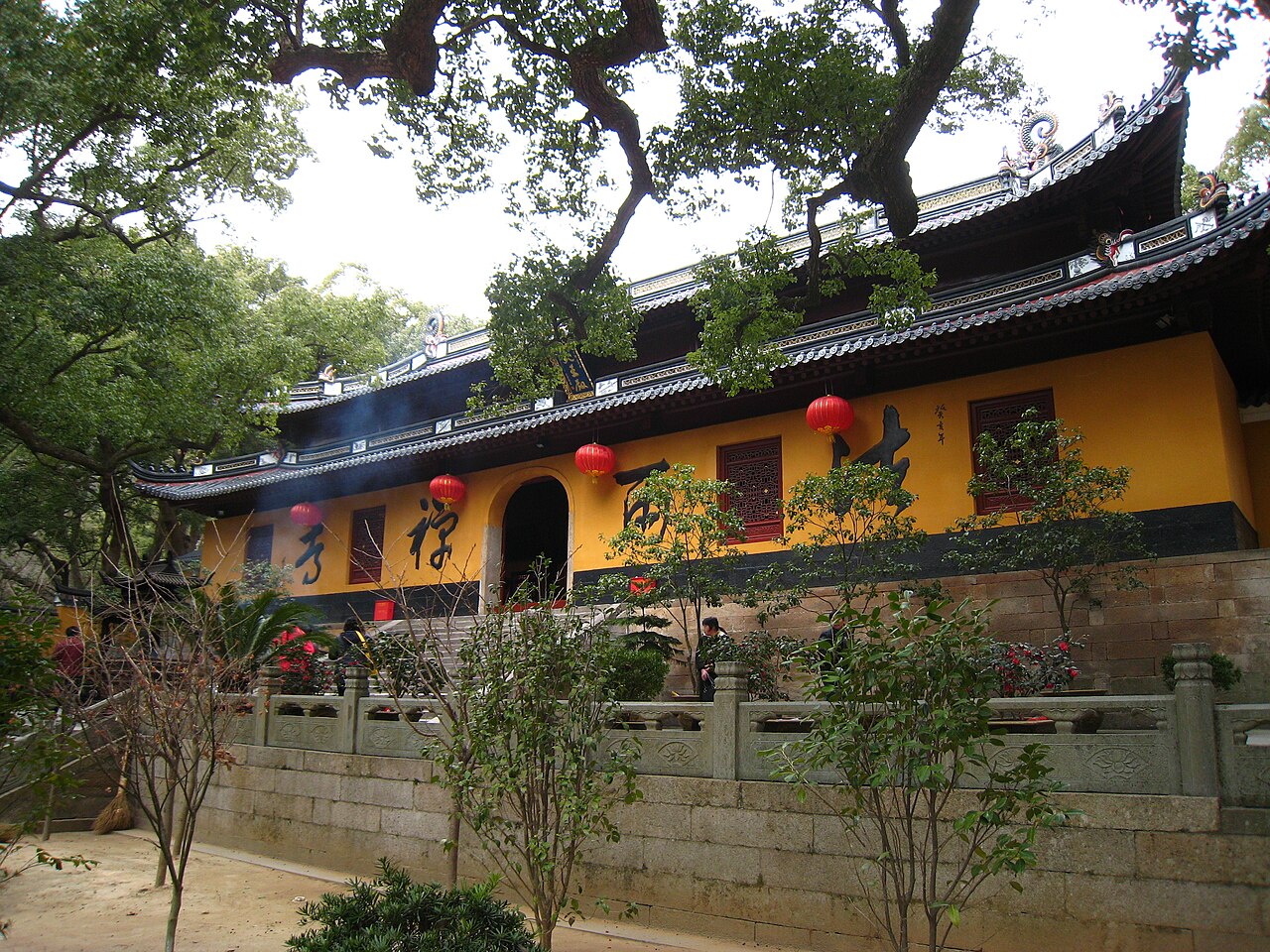
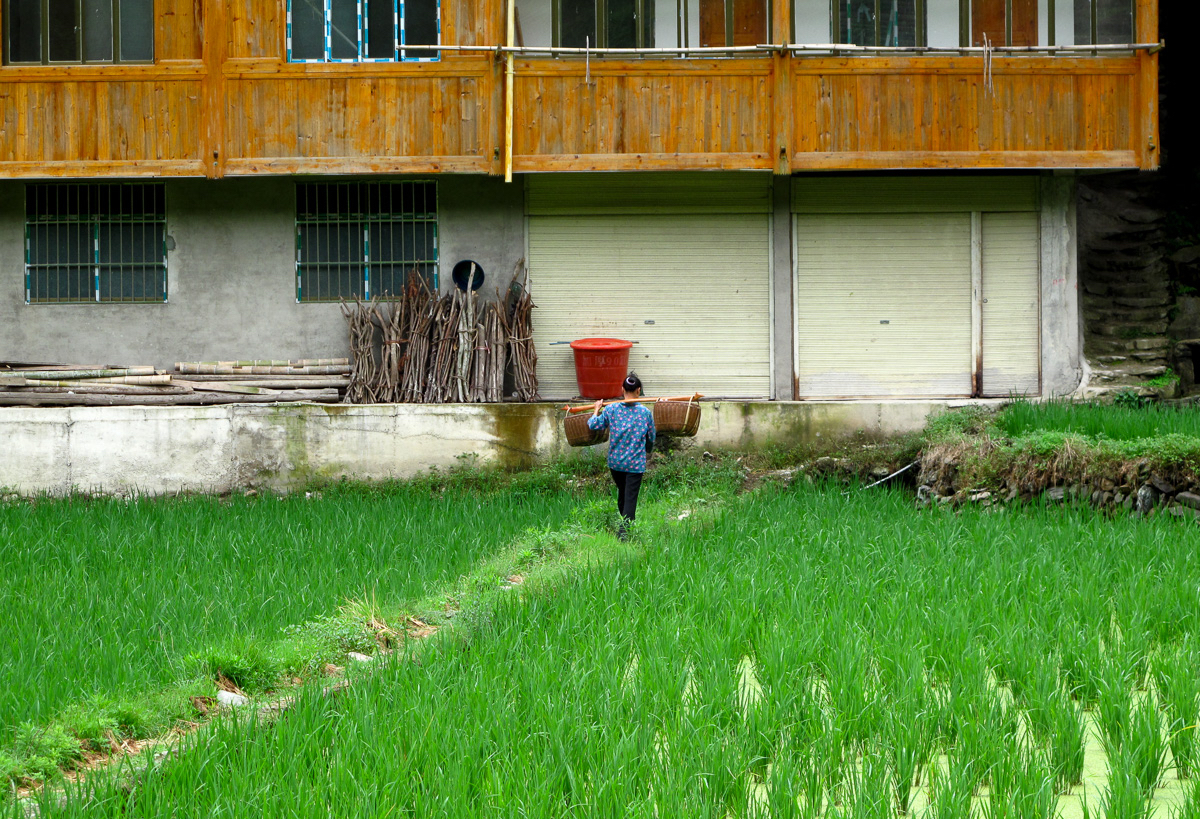
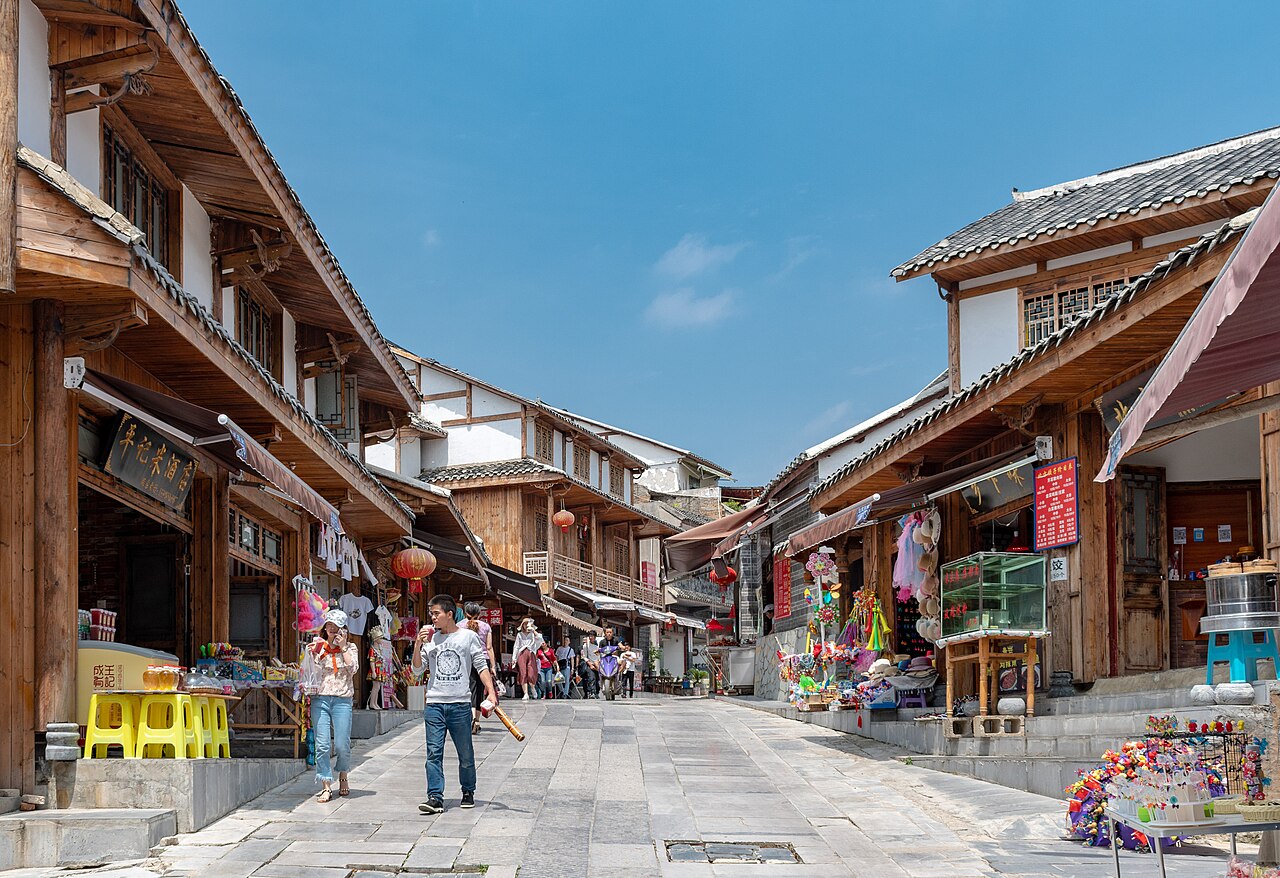
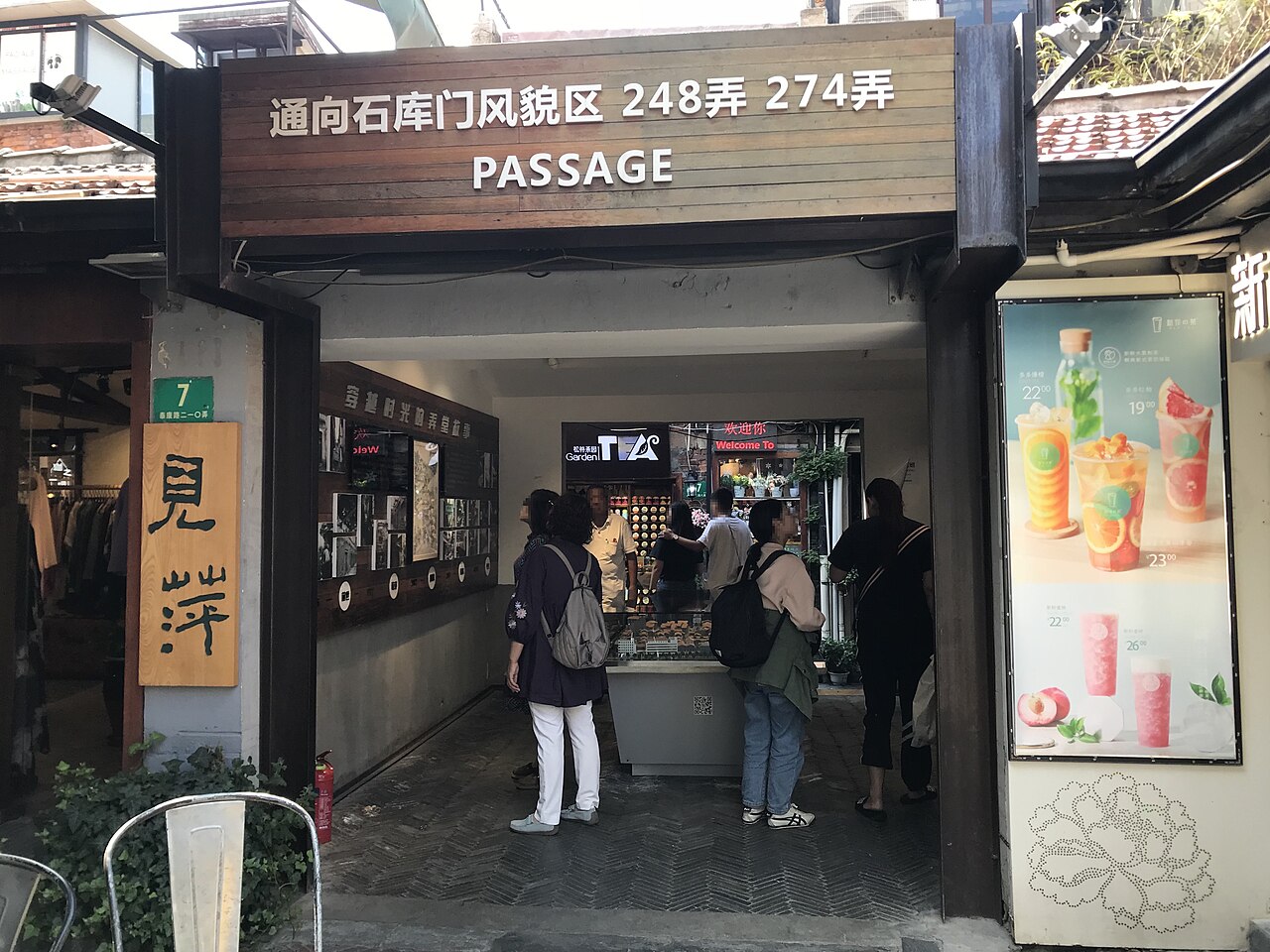
Old Hakka lanes at Guanlan Printmaking Village

I've lived in Shenzhen for over three years and I still find new places. One weekend a few friends and I hike, the next we cycle to the coast — honestly, that's the happiest part of living here.

Traveller note, 'Shenzhen Impressions, One Stop a Week'

You expect a young city to feel empty of culture. Then you spend an afternoon at the printmaking village in Guanlan, walking between the old Hakka houses and the vegetable plots, and everything goes quiet.

Daisy_Butterfly, 'A Song After the Rain — Guanlan Printmaking Village'

Shenzhen has no old town to speak of, and that is exactly the point. In 1979 it was a fishing county called Bao'an; four decades later it is a city of over 17 million people with the tallest skyline in Guangdong and a metro that reaches further every year. You come here not for dynasties but for the sheer momentum of the place — and for the food, which is quietly some of the best in southern China.

The downtown core is a chain of theme parks strung along Shennan Boulevard: Window of the World with its scaled-down Eiffel Tower, Splash World next door, and the Splendid China folk village a stop away. It sounds like a gimmick and it partly is, but families genuinely love it and the evening parades are well staged. Between the parks, the OCT-LOFT creative district fills old factory buildings with galleries, coffee and small design shops.

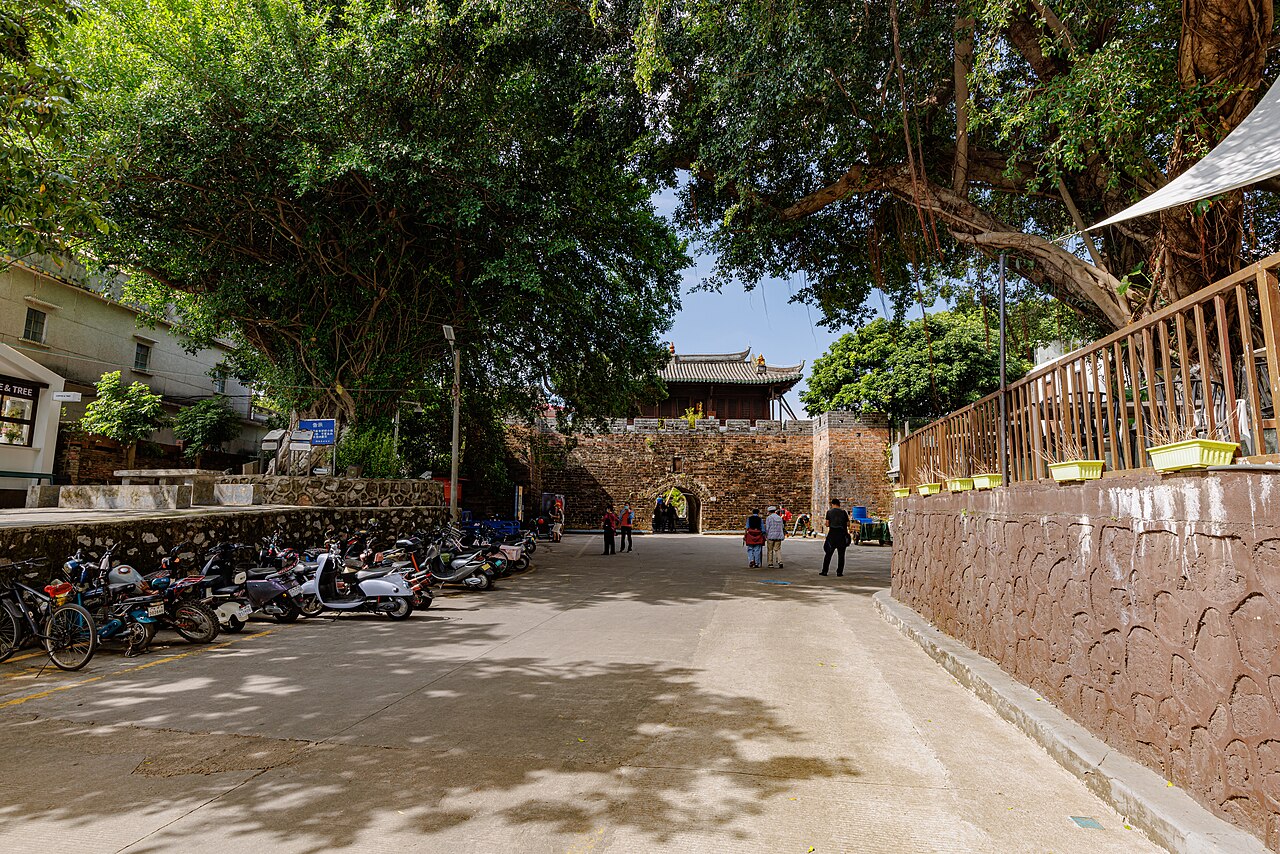
Then there is the coast. The Dapeng peninsula in the east has the cleanest water in the Pearl River Delta, a 600-year-old Ming-dynasty garrison town at Dapeng Fortress, and the village of Yangmeikeng where the coastal cycling path curves right along the sea. Most tourists never make it out here, which is precisely why you should.

Shenzhen

Don't leave without

Seven things that are worth rearranging a day for.

  1. Ride the metro to Window of the World at dusk and stay for the 20:00 night parade
  2. Cycle the Yangmeikeng coastal road on the Dapeng peninsula, where the sea runs right beside the path
  3. Eat roast goose and rice noodles in Dongmen, the pedestrian street locals have used for decades
  4. Walk the Ming walls of Dapeng Fortress, a 1394 garrison town that is the oldest thing in the city
  5. Wander OCT-LOFT, a former industrial zone turned gallery-and-cafe district, free and open all day
  6. Climb Wutong Mountain for the view south across the bay toward Hong Kong

Highlights

Five reasons Shenzhen is more than a factory floor

A theme-park city that takes its f

Window of the World packs 130-odd scaled-down global landmarks — Niagara Falls, the Eiffel Tower, the pyramids — into 480,000 square metres on the Shenzhen Bay shore, and the ticket is CNY 160 (CNY 80 after 8pm). Buy the little "passport" at the gate and get it stamped as you go; it is genuinely fun. Splendid China next door shrinks the whole country into one park for CNY 150.
Beaches you can actually reach on

Dameisha is free, sandy and packed on weekends; Xiaomeisha charges CNY 30 and is calmer, with its own Sea World aquarium. Push further east to Dongchong and Xichong on the Dapeng Peninsula for the cleanest water and emptiest sand in the city — both free, both reachable by bus from Nan'ao. Summer here is a real beach season, not a compromise.

Mangrove forest and 200 butterfly

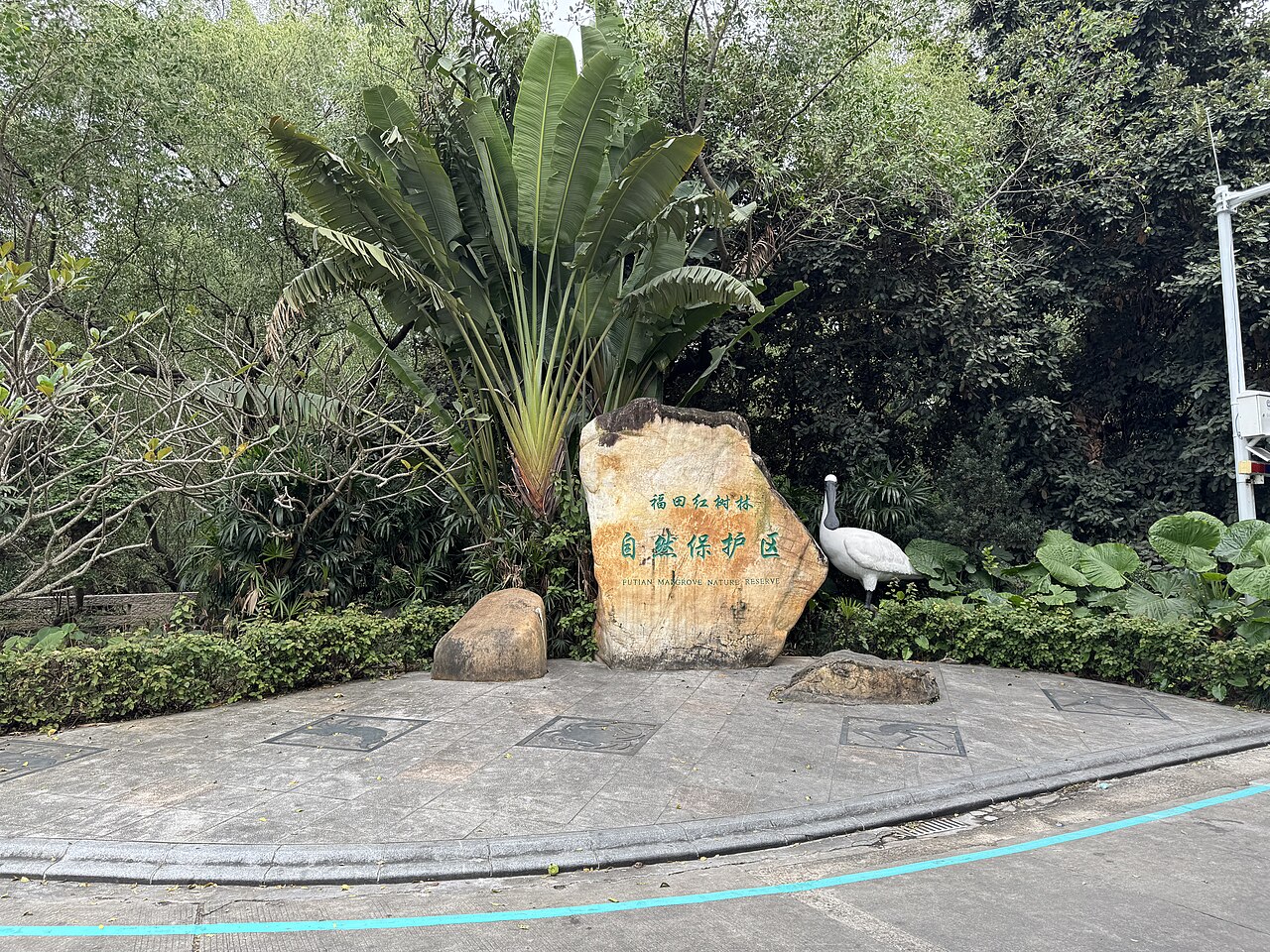
The Futian Mangrove reserve on the Shenzhen Bay shore is a free national bird sanctuary where the black-faced spoonbill — rarer than a panda — winters every year. Come August and September for the migration. It is ten minutes from some of the most expensive office towers in Asia, and it costs nothing.

Dapeng Fortress: the city's one re

Built in 1394 under the Ming as a coastal defence post, Dapeng Suocheng has Ming and Qing lanes, temples and garrison houses still standing, and it is the first of the "Eight Sights of Shenzhen". Entry is CNY 20, open 08:00–20:00. Bus 818 from Dapeng station gets you to the nuclear-power-plant stop, then walk.
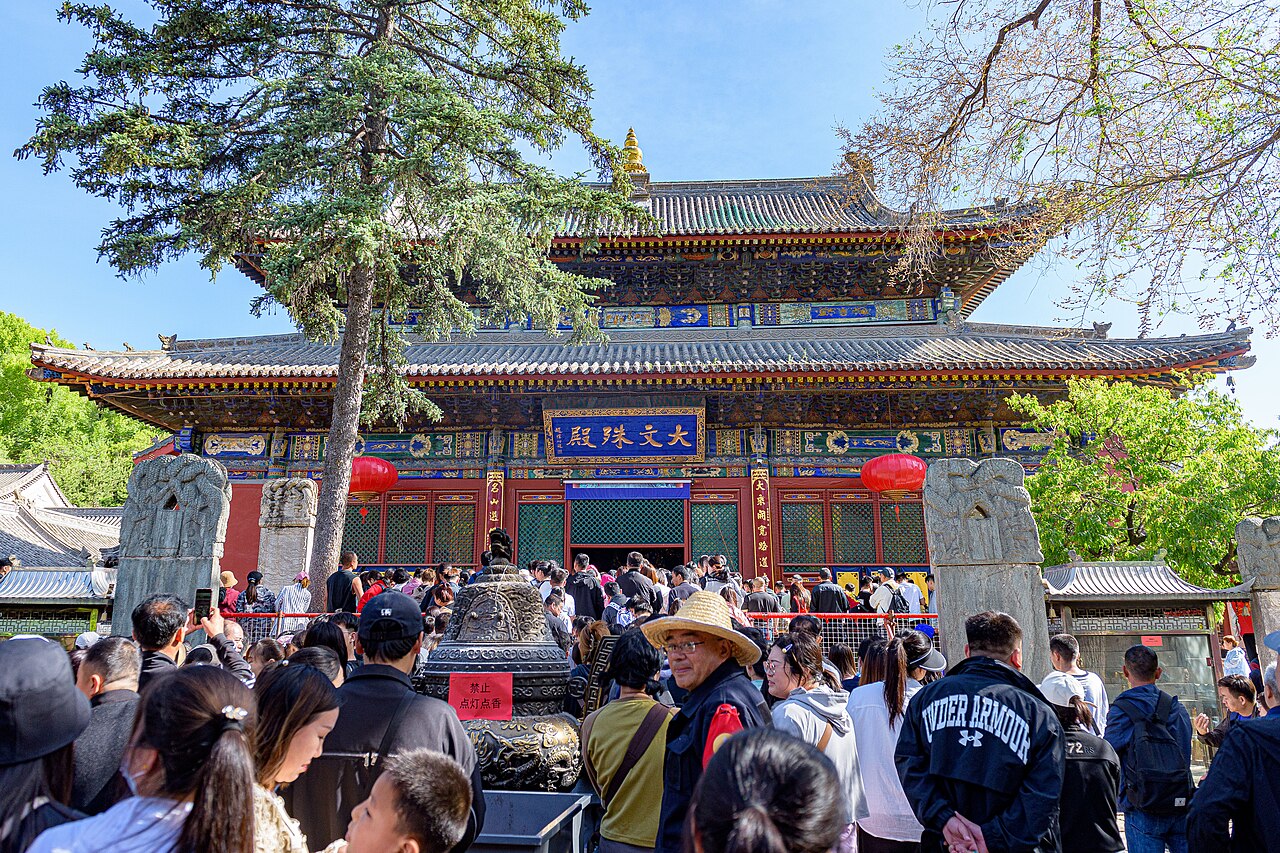
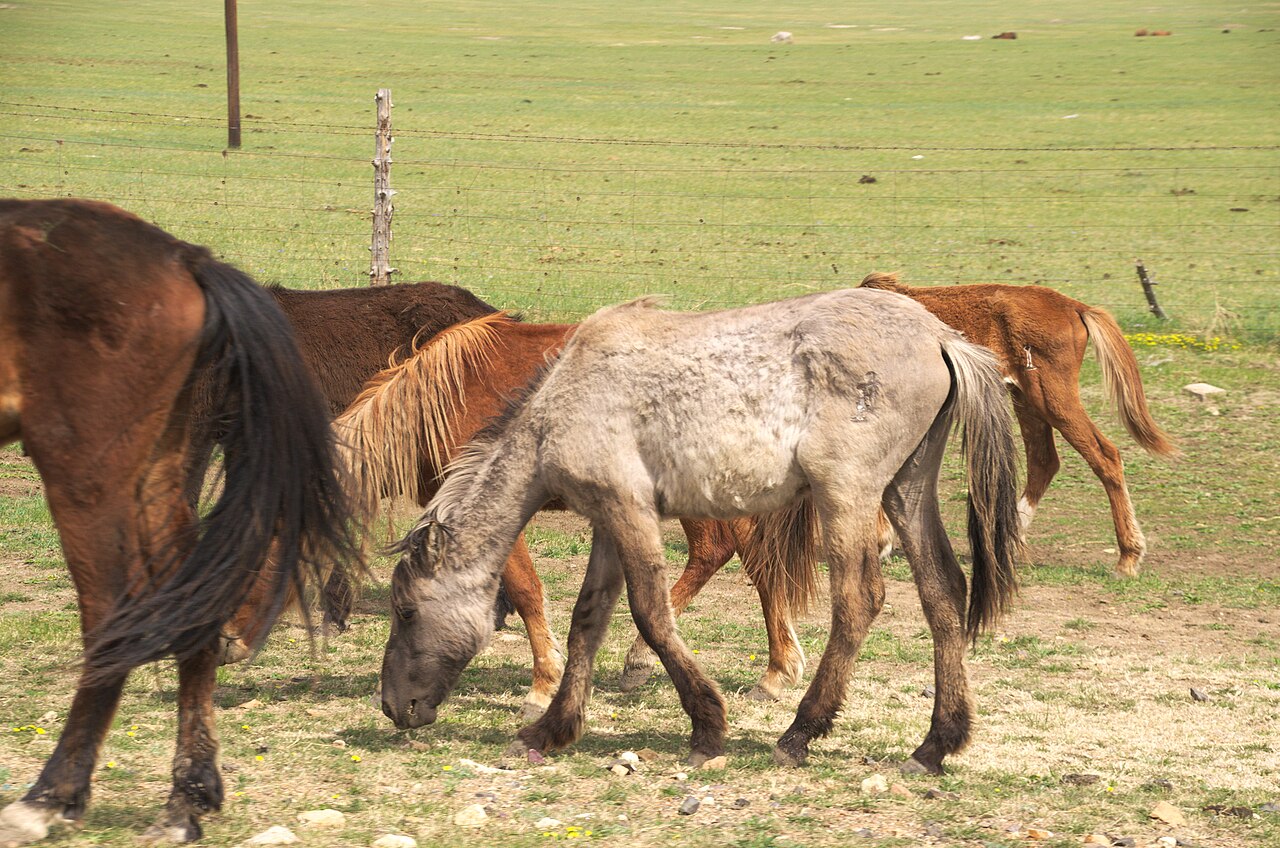
Huaqiangbei, the electronics bazaa

China's number-one electronics street: entire malls of components, drones, phone cases and cables at prices that make you question your home currency. Even if you buy nothing, spend two hours wandering the stalls. It is five minutes from Huaqiang Road metro station, and the bargaining is half the entertainment.

Itineraries

Two three-day routes that actually work

Classic Shenzhen — theme parks and

3 days days

The greatest hits on the metro's Line 1 and Line 2, no long transfers, no wasted afternoons. Best for first-timers and families.

  1. Day 1

    Window of the World, Splendid Chin

    Start at Window of the World the moment it opens at 9:30 — you want two hours before the tour buses arrive, and the CNY 160 ticket covers a full day if you stay for the 8:30pm night parade. Metro Line 1 or 2 to Window of the World station, exits H1, I or J.

    Stops: Window of the WorldSplendid China Folk VillageOCT-LOFT Creative Culture Park

  2. Day 2

    Happy Valley and the Futian skylin

    Give Happy Valley a full day — CNY 180 entry, open 09:00–22:00, and the night session from 18:30 is only CNY 60. The rides worth queueing for are the plunge coaster and the Snow Mountain Flying Dragon, China's first suspended roller coaster. Metro Line 1 to Window of the World, exit A, then walk three minutes.
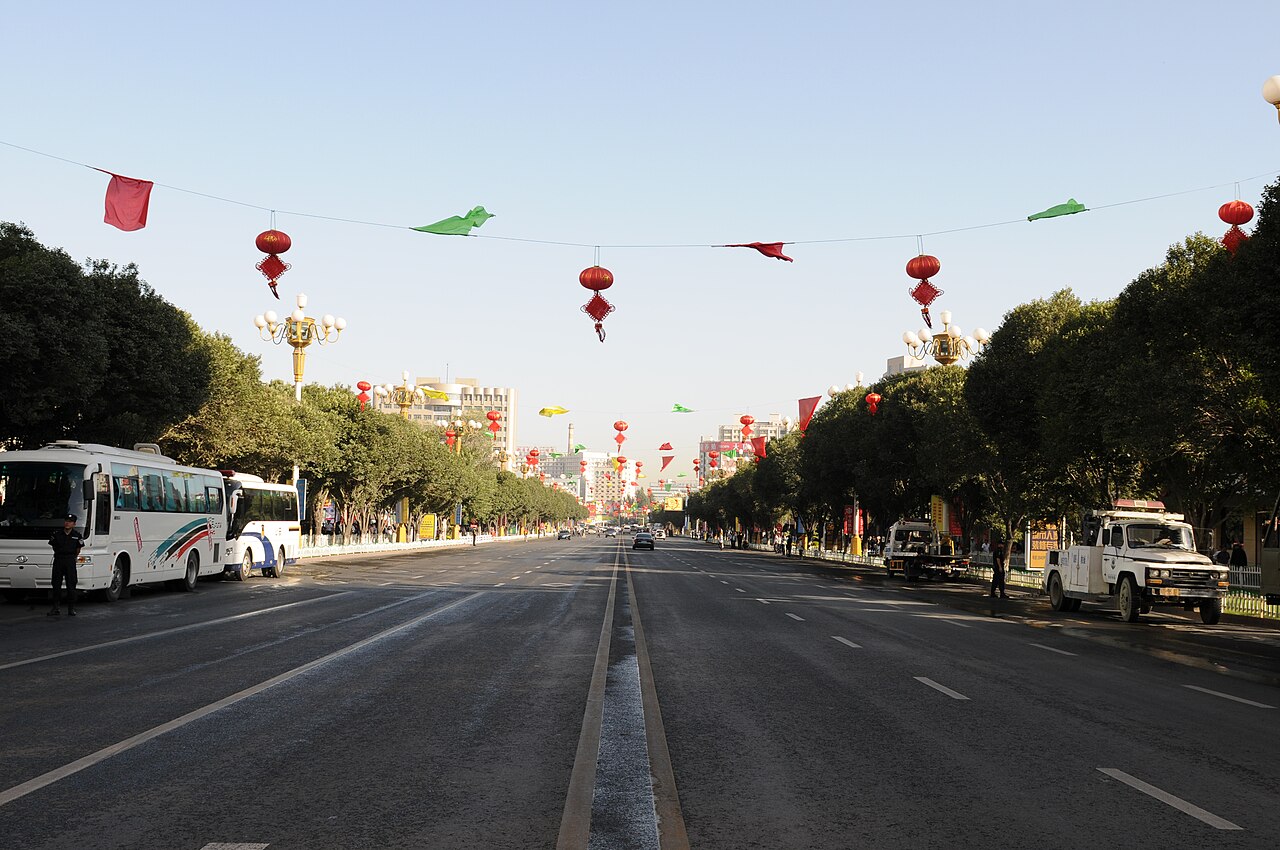
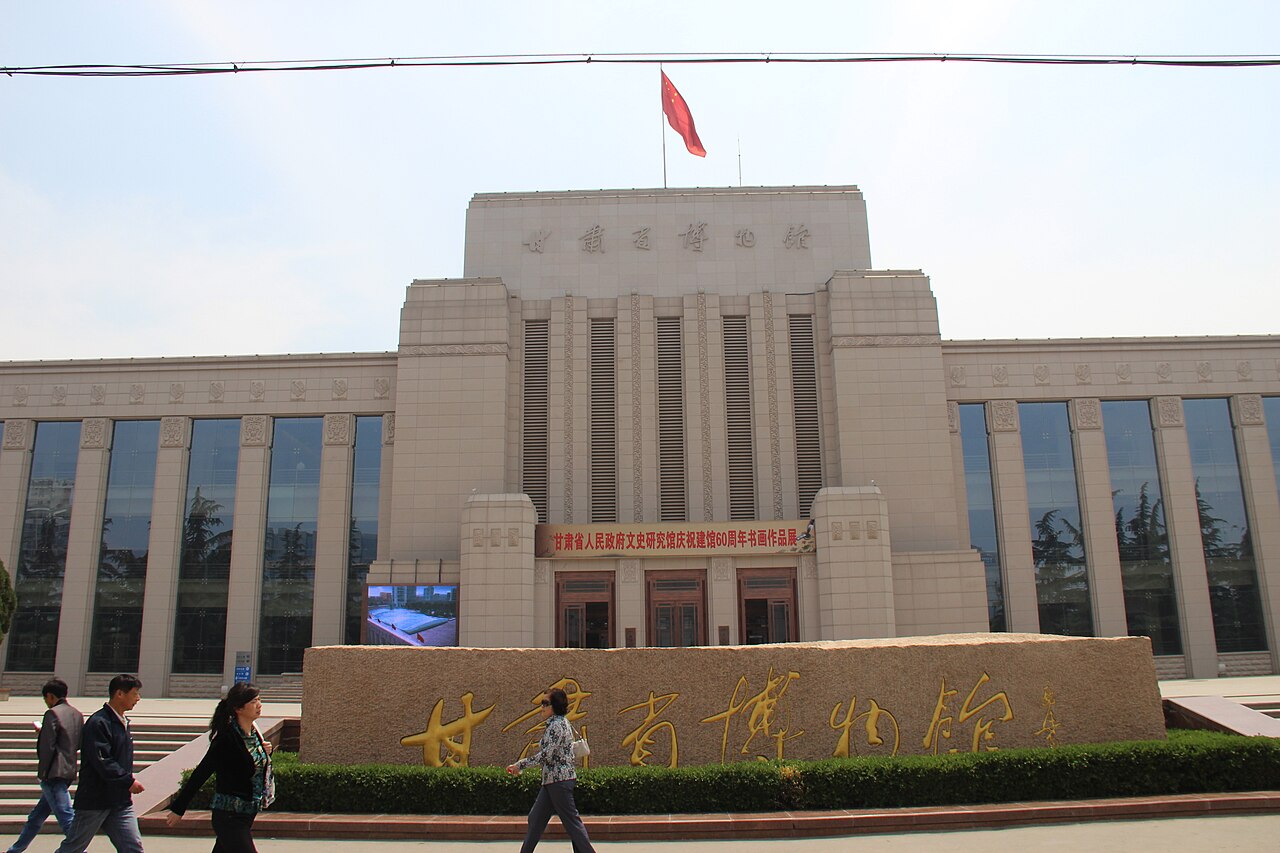
    Stops: Happy ValleyDiwang Mansion observation deckDongmen Old Street

  3. Day 3

    Dameisha, Mangrove and the evening

    Bus 308, 380 or the holiday shuttle to Dameisha for a free morning on the sand, then back into the city for the Futian Mangrove reserve — free, open all day, best in August and September when the migratory birds come through. End on the Diwang Mansion 69th-floor deck (CNY 80, open 08:30–22:00) to watch the lights come on over Shenzhen Bay.

    Stops: Dameisha BeachFutian Mangrove ReserveDiwang Mansion

Coast and countryside — east to Da

3 days days

For people who have done the theme parks and want the sea, the old villages and the hills. Carry cash, wear proper shoes, and do not attempt this on a public holiday.

  1. Day 1

    Xiaomeisha and the Sea World

    Bus 103 straight to Xiaomeisha — CNY 30 entry, quieter water than Dameisha, and the Sea World aquarium next door runs ten shows a day with a one-hour water-ballet and dolphin programme. Check into a Xiaomeisha resort, swim, then walk the beach boardwalk after dark.

    Stops: Xiaomeisha BeachXiaomeisha Sea WorldXiaomeisha boardwalk

  2. Day 2

    Dapeng Fortress and Jiaochangwei

    Bus 360 or 364 to Dapeng, then 818 to the fortress. CNY 20 gets you into the Ming-era garrison town, the oldest surviving settlement in Shenzhen. Give it three hours, then head to Jiaochangwei village for a homestay and a seafood dinner cooked by the family that runs it.

    Stops: Dapeng FortressJiaochangwei villageDapeng Peninsula

  3. Day 3

    Dongchong to Xichong coastal walk

    The Dongchong–Xichong traverse is the best coastal hike in the city: rocky scrambles, wild pineapple in the scrub, and two of the finest beaches in Guangdong at either end. Both are free, both are sandy and clean. Bus 360 or 364 to Nan'ao, then a local minibus or a hired car for the last 20 minutes.

    Stops: Dongchong BeachXichong BeachNan'ao town

Sights

The five places worth your daylight

Theme park

Window of the World

A 480,000-square-metre park on the Shenzhen Bay shore where the world's landmarks are rebuilt at scale — the Eiffel Tower, the pyramids, Niagara Falls — with a simulated flash flood that still startles people who have seen it three times. The night session from 20:30 is cheap and the parade is worth staying for.

Entry
CNY 160; night ticket CNY 80 from 20:00
Hours
09:30–22:30; night 20:30–22:30
Address
9037 Shennan Avenue, Nanshan District
Getting there
Metro Line 1 or 2, Window of the World station, exits H1/I/J
Phone
0755-26608000

Tip Buy the park passport at the entrance and get it stamped at each landmark — it sounds gimmicky and it is, but it keeps kids moving for six hours.

Theme park

Happy Valley

Shenzhen's answer to Disneyland and, by common consent, the best amusement park in the city. The headline rides are the world's tallest-drop log flume, China's first suspended roller coaster, and a 4D cinema that combines sight, sound and motion. Evening tickets are a third of the price and the queues are half as long.

Entry
CNY 180; night ticket CNY 60 from 18:30
Hours
09:00–22:00; night 18:30–22:00
Address
OCT, Nanshan District
Getting there
Metro Line 1 to Window of the World, exit A, then 3 minutes on foot
Phone
0755-26949184

Tip Go on a weekday and go at opening. On a Saturday in July the queue for the log flume alone can be 90 minutes.

Historic site

Dapeng Fortress

A Ming-dynasty coastal garrison founded in 1394, now the best-preserved old settlement in Shenzhen and the first of the city's "Eight Sights". The lanes are genuine Qing stone, the houses are lived in, and the temples are still working. Twenty yuan is a bargain for an hour inside real history.

Entry
CNY 20
Hours
08:00–20:00
Address
Pengcheng village, Dapeng, Longgang District
Getting there
Bus 360 or 364 to Dapeng station, then bus 818 to the nuclear station
Time needed
About 3 hours

Tip Pair it with a homestay in nearby Jiaochangwei village — the seafood dinners there are cooked by the owners and cost a fraction of city prices.

Nature

Futian Mangrove Reserve

A free national bird sanctuary on the Shenzhen Bay shore where the black-faced spoonbill — fewer of them exist than pandas — comes to winter every year. The boardwalks thread through mangrove, shallow water and mudflat, and the whole thing is ten minutes from the CBD. August and September are the best months for the migration.

Entry
Free
Hours
Open all day
Address
North-east shore of Shenzhen Bay, at the Shenzhen River mouth
Getting there
Buses J1, 76, 80, K113, 229, 231, 305, 317, 322, 337
Best time
August and September

Tip Bring binoculars and go at low tide. At high tide the birds are out on the water and you will see almost nothing.

Viewpoint

Diwang Mansion observation deck

The 69th floor of the Diwang building — Shenzhen's first skyscraper and once the tallest in the country — with six high-powered telescopes and a full 360-degree sweep of the bay, the border and, on a clear day, Hong Kong. It is the cheapest skyline view in a city full of expensive ones.

Entry
CNY 80
Hours
08:30–22:00
Address
69th floor, Diwang Mansion, 5002 Shennan East Road, Luohu
Getting there
Metro Line 1 to Grand Theatre station, exit D
Time needed
About 2 hours

Tip Go up about 45 minutes before sunset. You get the daylight view, the dusk view and the full city lights for one CNY 80 ticket.

Food

What to eat in Shenzhen: five Cantonese staples worth the queue

Steamed rice rolls (changfen)

The Shenzhen breakfast of choice: a thin sheet of rice batter steamed to order, scraped off the cloth, folded around beef or prawns and drowned in sweet soy. Look for the ones made fresh in front of you — 'white as snow, thin as paper' is the local standard. A plate runs CNY 6–12.

Double-skin milk custard

A Shunde import that became a Shenzhen obsession — whole milk simmered twice so a wrinkled skin forms on top, served warm and barely sweet. Order the ginger version (jiang zhuang nai) if you want the sharper, warming one. Around CNY 12–18 a bowl.

Cantonese roast meats (shaola)

Charcoal-roasted goose, honey-glazed char siu and braised soy chicken, hanging in the window by the dozen. The best roast goose in town is famously at a tiny spot near Huaqiangbei — get there before 1pm or the good cuts are gone. Rice plates from CNY 25.

Seafood dai pai dong

Shenzhen sits where the Pearl River meets the sea, so the seafood is genuinely excellent. Yantian's seafood street and the Shekou fish stalls do it simply — steamed, salt-and-pepper fried, or in congee. Expect CNY 80–150 per person and pick your own fish from the tank.

Herbal tea (liangcha)

Not tea as you know it — a bitter Chinese-medicine brew sold from street-corner shops, drunk warm in tiny cups for everything from heatstroke to a late night. The classic brands are all over the city. A cup costs CNY 5–10; don't sip it slowly, knock it back.

Where to eat

Four Shenzhen restaurants that locals actually book

Roast goose · Huaqiangbei

Huaxiang E (华香鹅)

A hole-in-the-wall next to the clay-pot soup place that serves what many call the city's best Cantonese roast goose and char siu. It's tiny, it's busy, and the goose rice is worth the squeeze. Go early — the good cuts sell out by early afternoon.

Address
93 Huafa North Road, Futian District
Phone
0755-83763344
Order
Roast goose, char siu, goose over rice, braised platter, soy chicken
Price
CNY 40–70 per person

Rice rolls · Jianshe Road

Xingji Rice Roll King (星记肠粉王)

An old-school favourite with locals who have been coming for years. The rice rolls are translucent and silky, the beef-and-cilantro version is the one to get, and the dry-fried beef ho fun holds its own. Cheap, fast, no frills.

Address
1096 Jianshe Road, Luohu District
Phone
0755-82205627
Order
Rice rolls, beef-and-cilantro rolls, dry-fried beef ho fun, century egg congee
Price
CNY 20–40 per person

Seafood · Shekou

Kangle Fish Stall (康乐鱼仔档)

A husband-and-wife operation opposite the Shekou theatre that cooks only a handful of dishes, all of them good and all of them cheap. This is the seafood you came to Shenzhen for, without the Yantian markup.

Address
219 Shekou Street, Nanshan District
Phone
0755-26682075
Order
Salt-and-pepper Bombay duck, pan-fried sole, oyster omelette, steamed yellow croaker
Price
CNY 60–100 per person

Beef hotpot · Huaqiangbei

Chaozhou Beef Shop (来自潮州牛肉店)

Hand-beaten beef balls with real bounce, served with the house shacha sauce that regulars come back for. It's cheap, it's fresh, and it's the kind of unglamorous meal you end up recommending to everyone.

Address
1/F, Building 501, Huaqiangbei, Futian District (near Zhenxing Hotel)
Phone
0755-83329089
Order
Beef tendon balls, beef balls, wet-fried beef ho fun
Price
CNY 50–80 per person

Where to stay

Three Shenzhen bases, from skyline luxury to a CNY 75 hostel bed

Luxury · Luohu

The St. Regis Shenzhen

Occupies the top of the 100-storey KK100 tower on Shennan East Road, with a 95th-floor lobby that looks straight down over the whole city. It sits on top of a high-end mall, minutes from the Luohu border crossing and the metro. The splurge option, and the view is the point.

Address
Tower A, KK100, 5016 Shennan East Road, Luohu District
Phone
0755-88820548
From
CNY 2,000 per night
Best for
Skyline views, business travellers, a special night

Mid-range · Luohu

Shenzhen Fulin Hotel

Directly opposite the Luohu border crossing, Shenzhen railway station and the metro, with Dongmen and Huaqiangbei ten minutes away by metro. There's a downtown check-in terminal 50 metres from the front door with airport shuttle buses — the most practical base if you're crossing to Hong Kong.

Address
1085 Heping Road, Luohu District (Metro Luobao Line, Exit D)
Phone
0755-25586333
From
CNY 498 per night
Best for
Hong Kong day-trippers, first-timers, transport convenience

Budget · Nanshan

OCT City Inn (Happy Valley branch)

A chain budget hotel on the west side of Happy Valley, walking distance from Splendid China, the Folk Culture Village and Window of the World. Clean, cheap and perfectly placed if you're doing the theme-park circuit. There's also a youth hostel in OCT from CNY 75 a bed if you want to go cheaper still.

Address
Dujuan Shan West Street, west of Happy Valley, Nanshan District
Phone
0755-26930666
From
CNY 315 per night
Best for
Theme parks, families, budget travellers

Getting around

How to land in Shenzhen and move through it

Arriving by air

Shenzhen Bao'an International Airport sits out at Fuyong in the far west, and Metro Line 1 connects the terminal to the city through a covered walkway — no taxi needed unless you are hauling serious luggage. The ride from the airport to Luohu takes about 68 minutes and costs 9 yuan flat, which is a fraction of the 130 yuan a cab will run you (that figure already includes the 20 yuan expressway toll). Ten airport shuttle routes fan out to every district, and the 330 main line runs to the railway station west square from 07:30 until the last flight lands for 20 yuan.

Airport
Shenzhen Bao'an International (SZX), Bao'an District
Metro to city
Line 1 from Airport East, 68 min, 9 yuan to Luohu
Taxi to Luohu
About 130 yuan including 20 yuan toll
Airport bus 330
20 yuan to the railway station, 30 yuan from Longgang

Arriving by rail

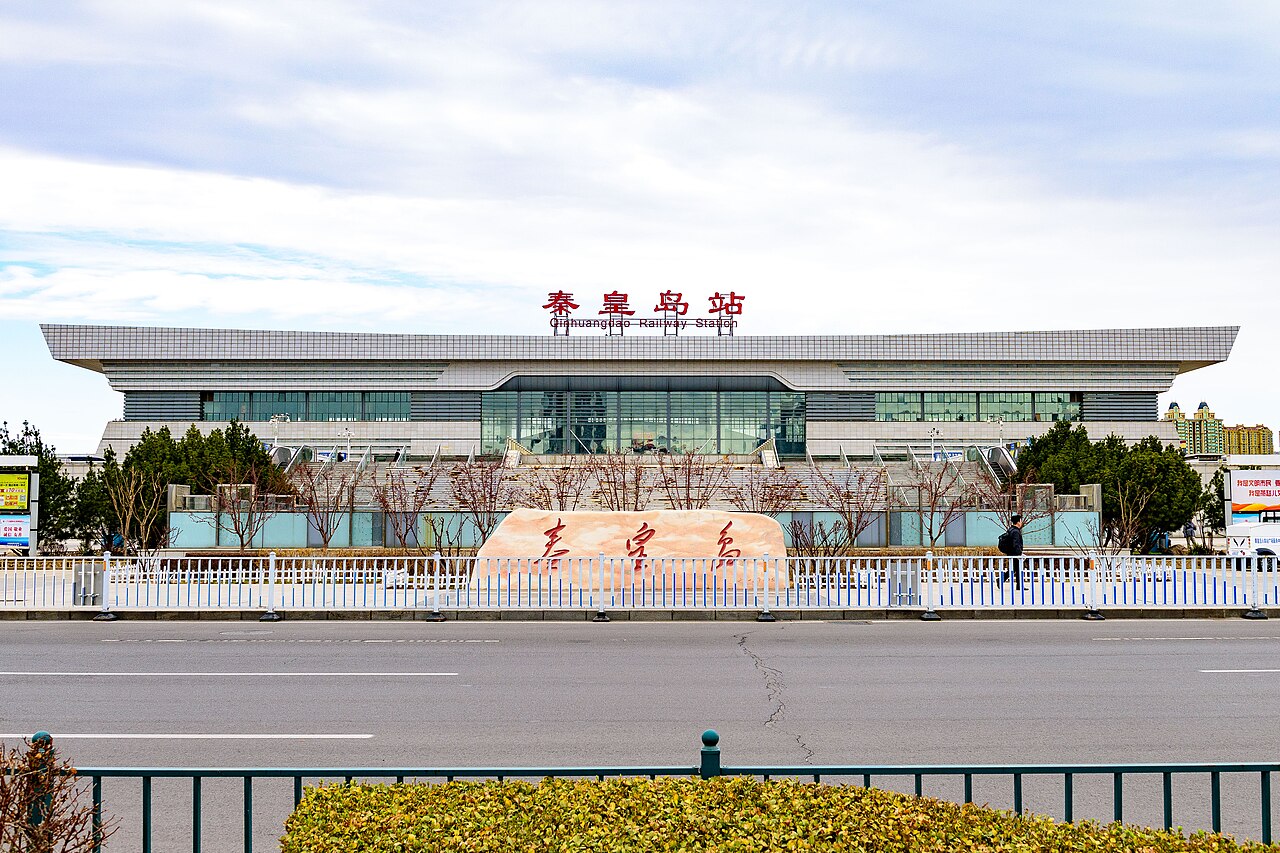
Shenzhen Station in Luohu is the southern terminus of the Guangzhou–Shenzhen railway and sits right beside the Luohu border checkpoint — walk through immigration and you are on the Hong Kong side. High-speed trains use Shenzhen North in Longhua, which is the stop for the Xiamen–Shenzhen line and the Guangzhou–Shenzhen–Hong Kong express. Shenzhen West (Nantou) handles a smaller set of services. If you are coming from Guangzhou or Hong Kong, book the high-speed train rather than a bus; it is faster and the stations connect straight to the metro.

Shenzhen Station
Luohu, beside the Hong Kong border crossing
Shenzhen North
Longhua, high-speed rail hub
Shenzhen West
Nanshan, Xuefu Road
Border link
Luohu checkpoint connects to Hong Kong East Rail

Metro

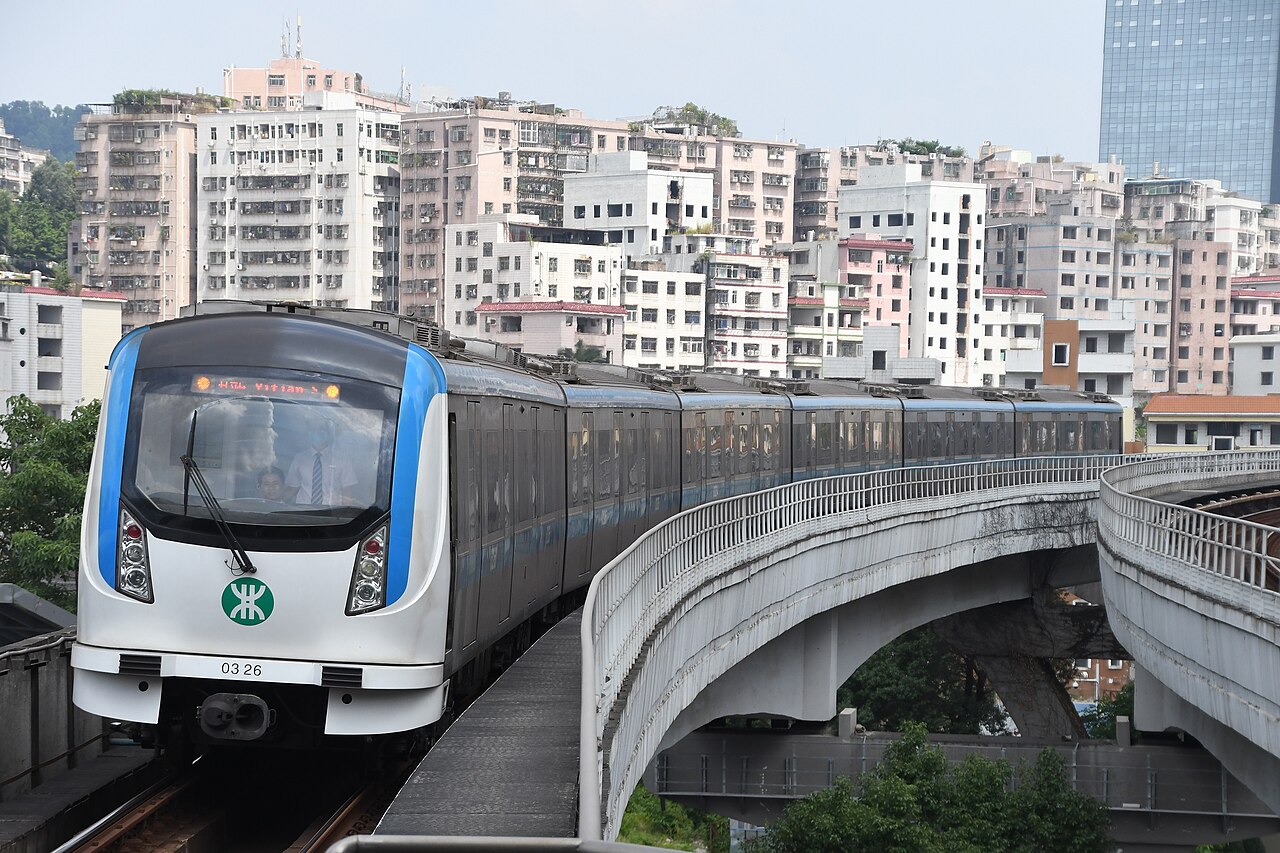
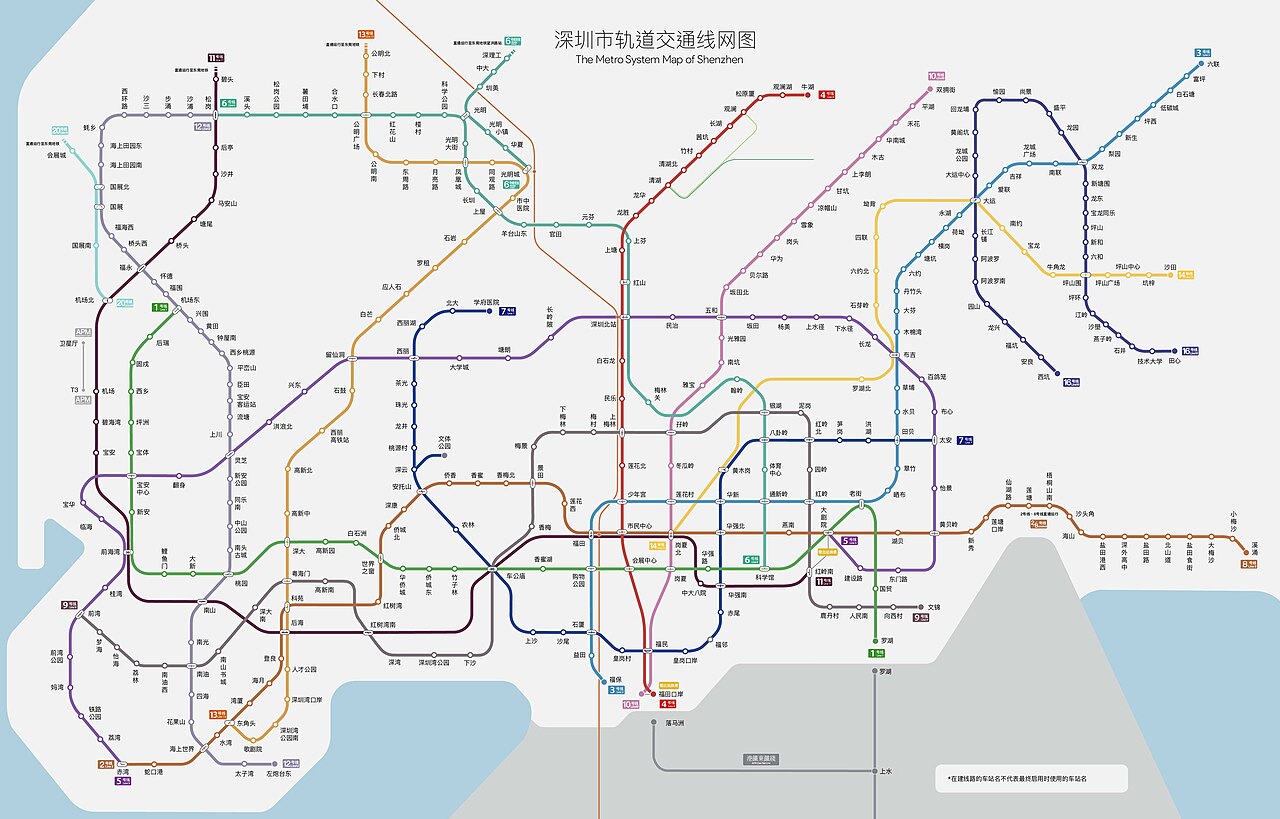
The metro is the only sane way to cross this city. Lines cover Luobao (1), Shekou (2), Longgang (3), Longhua (4) and the Huanzhong loop (5), and any two lines interchange, so you can get from the Window of the World to Dongmen without surfacing. Use it for the theme parks, the border, the airport and the shopping districts. Fares are distance-based and cheap; a Shenzhen Tong card gets you a discount on both metro and bus.

Key lines
1 Luobao, 2 Shekou, 3 Longgang, 4 Longhua, 5 Huanzhong
Airport link
Line 1, Airport East station
Window of the World
Line 1 or 2, exits H1, I or J
Dongmen
Line 3, Laojie station

Bus and taxi

Buses run on more than 1,000 routes and are colour-coded: blue for trunk lines, yellow for branch, green for express. Fares are 0.22 yuan per km on air-conditioned buses and 0.17 on non-AC, with a 2 yuan starting fare and a 10 yuan cap on the longest routes. Watch the route numbers carefully — 309 and M309 stop at the same places but go completely different ways. Taxis come in three colours: red runs everywhere, green is outside the special zone only, yellow inside it. Red and yellow start at 10 yuan for 2 km then 2.4 yuan per km; green starts at 6 yuan for 1.5 km. A 30% night surcharge applies from 23:00 to 06:00 on red and yellow cabs.

Bus fare
0.22 yuan/km AC, 0.17 non-AC, 2 yuan start
Red taxi
10 yuan for 2 km, then 2.4 yuan/km, citywide
Green taxi
6 yuan for 1.5 km, outside the special zone only
Night surcharge
30% on red/yellow, 20% on green, 23:00–06:00

Shopping and local produce

What to actually buy in Shenzhen

Nanshan lychee

The local claim is that the world's lychee is in China, China's is in Shenzhen, and Shenzhen's is in Nanshan — and Nanshan lychee is the only lychee in the world with geographical indication protection. Varieties like nuomici, guiwei and feizixiao are soft, juicy and intensely sweet, and were already being sent to the imperial court as tribute in the Tang and Song dynasties. Best in June and July, and best eaten fresh rather than carried home.

Shajing oysters

Shenzhen's most famous local product, farmed where the Pearl River meets the sea in Shajing, Bao'an District. The oysters are plump, milky white and tender, and they have followed Chinese communities around the world. Buy them dried if you want to take them home, or eat them grilled on the spot along the Yantian seafood strip.

Nan'ao abalone

Nan'ao is one of the largest land-based abalone farms in the country, and the town's slogan is simply that if you want seafood, you go to Nan'ao. The meat is slippery, crisp and tender, and traditionally treated as a delicacy. Look for it on menus in the Dapeng Peninsula rather than in city-centre restaurants.

Electronics and knock-off gadgets

Huaqiangbei is billed as China's number one electronics street, and it is the reason IT people and hardware tinkerers put Shenzhen on their map. You can find everything from components to accessories, plus export-grade goods, snacks and cheap seafood in the surrounding blocks. Know your prices before you haggle, and test anything you buy before you leave the stall.

Practical information

Numbers, hospitals and the small print

Shenzhen is warm for most of the year — roughly March through the following January — and there are fewer than 20 genuinely cold days annually. Pack light layers plus one jacket for evenings, bring sun protection for the beaches, and if you plan to eat seafood, wait an hour before swimming or drinking anything cold. For a tailor-made route through the theme parks and the coast, see our Shenzhen tour packages.

Tourism complaint hotlineShenzhen 0755-82002253, Guangdong province 020-87513619
HospitalsShenzhen People's Hospital, Luohu, 0755-25533018; Peking University Shenzhen Hospital, Futian, 0755-83923333; Shenzhen Second People's Hospital, 0755-83366388
Post officesJianshe Road branch, Luohu, 0755-25168303; Civic Center branch, Futian, 0755-82002641
InternetMost hotels provide broadband; many hotels and restaurants have Wi-Fi. Internet cafes are scattered across the city.
Travel agenciesShenzhen China International Travel Service, 0755-88849603; Shenzhen Kanghui International, 0755-82185656; OCT Travel Service, Nanshan, 0755-83662323
Tourist informationShenzhen Tourist Distribution Center, Jiatian Road, Luohu, 0755-27336678
Best time to goWinter and early spring. Rainfall is low from November to March, and the annual average temperature is 22.5°C. July averages 28.8°C; January averages 15.4°C. Typhoons rarely hit the city directly because the mountains break them up.

Background

A fishing town that became a laboratory for the future

From Bao'an County to Special Econ

Shenzhen's story goes back far further than its skyline suggests — archaeologists have found pottery here dating to the Neolithic period, roughly 6,000 years ago, when small fishing and moon-worshipping clans settled the coast. From 1573 the town of Xin'an administered both this land and what is now Hong Kong, its economy built on salt, tea, spices and rice. The Opium War split the two: the 1842 Treaty of Nanking handed Hong Kong to Britain, and the remaining territory was renamed Bao'an.

On the very last day of 1980 that county town was reborn as the Shenzhen Special Economic Zone, China's first experiment with market reform. Deng Xiaoping picked it precisely because it sat across the water from Hong Kong, and the gamble paid off — in four decades a town of around 30,000 grew into a metropolis of over 17 million. Almost everyone you meet here is a migrant from somewhere else, which is exactly why the food, the festivals and the ambition feel nothing like the rest of Guangdong.

That restlessness has a flip side worth knowing before you arrive: Shenzhen has very few genuinely old sights. Its pleasure is contemporary — theme parks built at enormous scale, a coastline that stays warm from March into January, and a creative class that turned former factory floors into galleries. Come expecting a young city that is still figuring itself out, and the place rewards you.

Coast, climate and the shape of th

Shenzhen sits on the east bank of the Pearl River estuary, bordered by Hong Kong across the Shenzhen River to the south and by Dongguan and Huizhou to the north, with Daya Bay and Dapeng Bay opening onto the South China Sea. The average annual temperature is 22.5°C, the frost-free period runs 355 days, and the coldest month, January, still averages 15.4°C — cool enough for a jacket at night, warm enough for a T-shirt at noon. July averages 28.8°C, tempered by sea breezes that make it far more bearable than inland summers in Wuhan or Beijing.

Typhoons are the one real weather risk. The mountains that ring the city blunt most of them, and a direct hit on Shenzhen averages less than once a year, but the season runs from roughly June to September and can shut the beaches and ferries for a day or two. Winter and early spring — November through March — are the driest and most comfortable months, and the ones locals themselves consider prime visiting time.

The city runs east to west along a single spine, Shennan Boulevard, with the dense commercial core around Luohu and Futian in the centre, the theme-park belt at OCT in Nanshan to the west, and the beaches and old fishing villages of the Dapeng Peninsula stretching away to the east. Get your head around that line and the rest of Shenzhen is easy.

Further reading

What to watch, read and listen to before you go

Film

Hot Summer Days (全城热恋)

Directed by Wing Shya and Tony Chan, 2010

A six-strand romance anthology stitched across Hong Kong, Shenzhen and Beijing — a Hong Kong taxi driver falling for a Shenzhen foot-massage girl, a Wasabi pining after a sushi chef, a factory hand who collides with a stunt rider. It is light, but it is one of the few mainstream films that actually shoots Shenzhen as a place where people come to start over.

Book

Paradise to the Left, Shenzhen to

Murong Xuecun, 2004

The novel that gave a generation a language for what the boom cost. Murong traces a group of graduates chasing fortunes in Shenzhen from the first flush of money through betrayal and collapse. If you want to understand the ambition and the anxiety underneath the skyline, this is the book locals pass around.

Music

Night of Shenzhen (深圳之夜)

Liu Xijun

A bright, easygoing pop track by one of the city's own singers, and a decent soundtrack for a first evening on the Shenzhen Bay promenade. Pair it with the group number Shenzhen Lover, written by He Muyang, whose lyrics are essentially a love letter to the city's lights — listen to it on the ride back from the beach at dusk and it lands differently.

The questions visitors ask us most about Shenzhen, answered plainly.

Frequently asked questions

Prices and practical details are reviewed every month by our Beijing team and updated the day a rule changes.

Is Shenzhen worth visiting, or should I just go to Hong Kong?

Shenzhen is worth 2–3 days on its own, especially if you want Cantonese food, theme parks and beaches without Hong Kong prices. It is 20 minutes by metro from the Futian checkpoint, so plenty of people do both in one trip — but treat Shenzhen as a destination, not a stopover, and you will be surprised.

When is the best time to visit Shenzhen?

October to March. Winter is short and mild — often 15–20°C — and dry, which is why it is peak season. Summer runs from May to October at 30°C-plus with high humidity and occasional typhoons, though the sea breeze makes it bearable and the beaches are at their best.

How do I get from Hong Kong to Shenzhen?

Take the MTR East Rail to Lo Wu or Lok Ma Chau and walk across at Luohu or Futian — the crossing takes about 20 minutes once you clear immigration. High-speed trains also run from Hong Kong West Kowloon to Futian and Shenzhen North in 14–20 minutes. Bring your passport and, depending on nationality, a visa.

Do I need cash in Shenzhen, or is mobile payment enough?

Mobile payment rules here — WeChat Pay and Alipay are accepted almost everywhere, including taxis and street stalls. Foreign cards can be linked to both apps. Carry a little cash (CNY 200–300) as backup, and note that some small vendors genuinely cannot make change for a CNY 100 note.

How many days do I need in Shenzhen?

Two days covers the downtown theme-park strip and Dongmen; three days adds a beach or the Dapeng peninsula. If you want to slow down on the coast, give it five. Distances are long — the metro from Luohu in the centre to the Dapeng beaches takes about two hours.

What food should I not miss in Shenzhen?

Cantonese roast goose and char siu, rice-noodle rolls (changfen) for breakfast, double-skin milk pudding, and seafood at the Yantian seafood street near the eastern coast. The city is a migrant city, so you will also find excellent Hunan, Sichuan and Northeast Chinese cooking within a few blocks of each other.

Plan this trip

Prefer it arranged for you?

The same places, with a driver, an English-speaking guide and the tickets already bought.

Shenzhen

Hong Kong Day Trip from Shenzhen

Fifteen minutes on the train, then Kowloon, the Star Ferry, Central's banking district and the tram up to Victoria Peak.

From US$149/per person

View tour

Shenzhen

Dafen Art Village & OCT Day Tour

Watch painters work in a village that once supplied the world's hotel lobbies, then cross town to Shenzhen's contemporary art district.

From US$89/per person

View tour

Shenzhen

Dapeng Fortress & Coast Day Tour

A Ming garrison town 600 years older than Shenzhen, then a bay of fishing boats and a beach that most visitors never find.

From US$99/per person

View tour

Related reading

Related reading

Visas Do I Need a Visa for China? Requirements, Costs and How to Apply China's entry rules changed more in the last three years than in the previous twenty. Here is exactly who needs a visa, what it costs, how long it takes and which passports now walk straight through. 9 min read Visas China's 240-Hour Visa-Free Transit: Who Qualifies and How It Works Ten days in China with no visa application, no fee and no fingerprints — if you hold the right passport and leave for a third country. Here is the rulebook, port by port. 8 min read Money Paying in China: Alipay, WeChat Pay, Cards and Cash Roughly nine in ten urban payments in China now run through a phone. Set up two apps before you fly, carry a modest cash float, and you will never be stuck at a till. 8 min read Transport China's High-Speed Rail: How to Book, What It Costs, How Fast It Goes The fastest way to cross China is also the most pleasant. Here is how to book a ticket with a foreign passport, what the three classes actually give you, and how to survive a Chinese station at rush hour. 9 min read Planning Best Time to Visit China: Month by Month, Region by Region China is the size of Europe, so 'the best month' depends on where you stand. Here is the month-by-month answer for the north, the Yangtze valley, the south and the plateau. 8 min read Planning What to Pack for China: The Complete 2026 Checklist Twenty thousand steps a day, three climate zones and a phone that has to do everything. This is the list we give our own travellers, minus the things they never used. 7 min read Food Chinese Food Culture: Eight Cuisines, One Table There is no such thing as Chinese food. There is Cantonese, Sichuan, Hunan, Jiangsu, Zhejiang, Fujian, Anhui and Shandong — and knowing which one you are eating changes everything. 8 min read Traditions Chinese Tea Culture: Six Classes, One Pot, Two Fingers Tea in China is not a beverage category, it is a social technology: it fills silences, seals deals and sets the pace of a meal. Here is how to sit down in one and not look lost. 7 min read Traditions Chinese Festivals: The Calendar, the Dates and the Crowds Lunar dates mean the calendar moves every year — and two of the festivals move several hundred million people at once. Plan around them or plan into them, but never by accident. 8 min read Etiquette Chinese Etiquette: What Matters, What Does Not, and Why Most etiquette advice for China is either obvious or wrong. These are the dozen behaviours that actually change how you are treated, and the reasoning behind each. 7 min read

Tell us your dates.
We'll do the rest.

Free itinerary design, a revised plan within one working day, and nothing charged until you approve the final version.

  • Window of the World costs CNY 160 by day and CNY 80 for the 20:00 night session; Splash World is CNY 180, night entry CNY 60.
  • The metro crosses the whole city for CNY 2–10, and a Hong Kong MTR link runs from Futian and Luohu checkpoints in about 20 minutes.
  • Dameisha beach is free; Xiaomeisha charges CNY 30; the wilder Xichong and Dongchong beaches are free and two hours from downtown.

No spam. No sales calls. Just a real itinerary from a real person.