City guide · Jiangsu

Nanjing travel guide: the mausoleum, the Ming tomb, the Qinhuai boats and what a bowl of duck soup costs

Capital of six dynasties, capital of the Republic, and the city that eats more duck than anywhere else on earth.

  • Known forMing tombs, Republic history, Qinhuai, duck
  • Typical spend¥400–600 / person / day
  • Ideal length3–5 days
  • PaceSteady — one big sight plus one quarter a day

Reviewed by our Beijing team Updated 2026-10-10

The short version

Nanjing is one of China's four great ancient capitals — the capital of six dynasties from 229 AD and of the Republic after 1927 — and 3 days is the honest minimum for the Ming tomb, Sun Yat-sen's mausoleum and the Qinhuai quarter. Most of the headline sights cost nothing: the mausoleum, Xuanwu Lake, the Nanjing Massacre Memorial and Yuhuatai are all free, and the two things you actually pay for are the Ming Xiaoling tomb at ¥70 and an evening Qinhuai boat at ¥80. Come in late February for the plum blossom on Plum Blossom Hill, or November for the maples on Qixia Mountain.

  • Sun Yat-sen's mausoleum has been free since 12 November 2010, but entry works on a timed free ticket with a daily quota — reserve the day before or you may be turned at the gate.
  • The ¥70 Ming Xiaoling ticket covers the tomb of the Hongwu emperor, the 600-year-old Sacred Way, Plum Blossom Hill and Zixia Lake in one.
  • Qinhuai painted boats board at the pier in front of the Confucius Temple's Dacheng Hall: ¥60 in daylight, ¥80 from 18:00 to 23:30.
  • This is a duck city. Salted duck, duck-blood-and-vermicelli soup and the roast-duck soup bun are the three dishes to order, and a bowl of the soup costs about ¥14.
  • A Nanjing tourism annual pass costs ¥200 for a year or ¥100 for six months and needs an ID photo; worth it only if you are staying a week and chasing the paid tombs.

City guide

First impressions

Photographs from the coast, and what other travellers wrote afterwards.

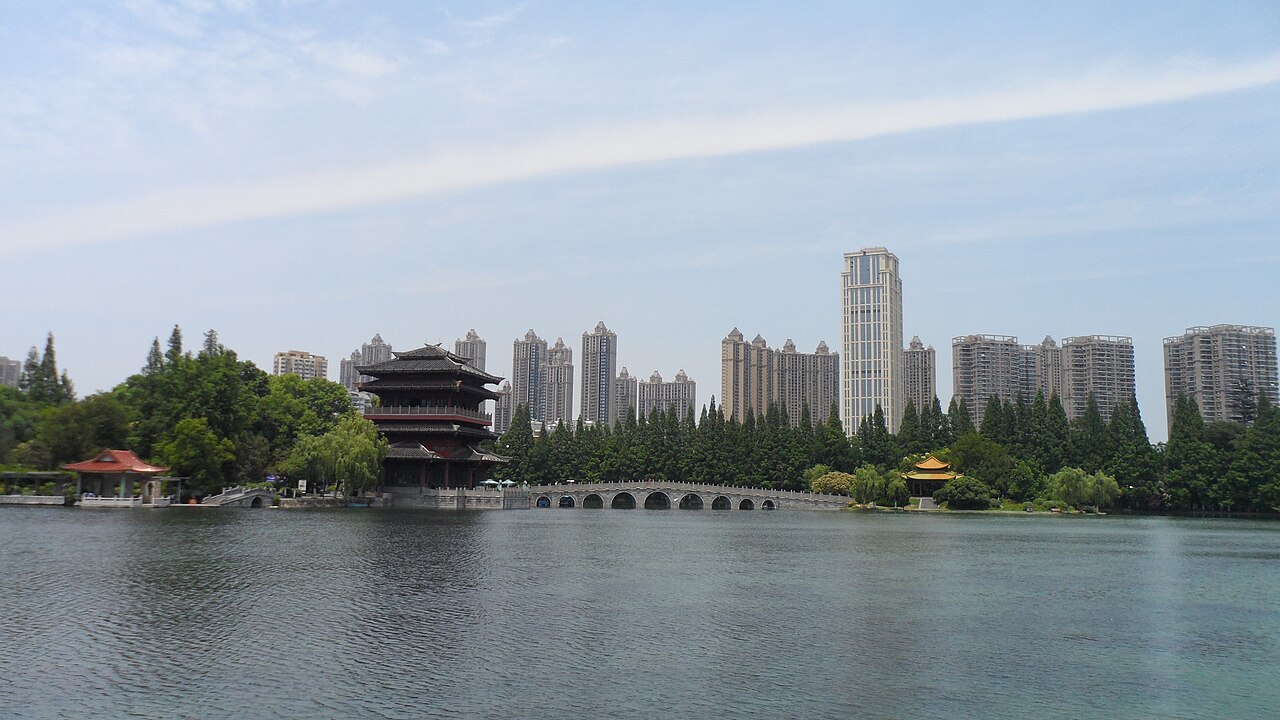
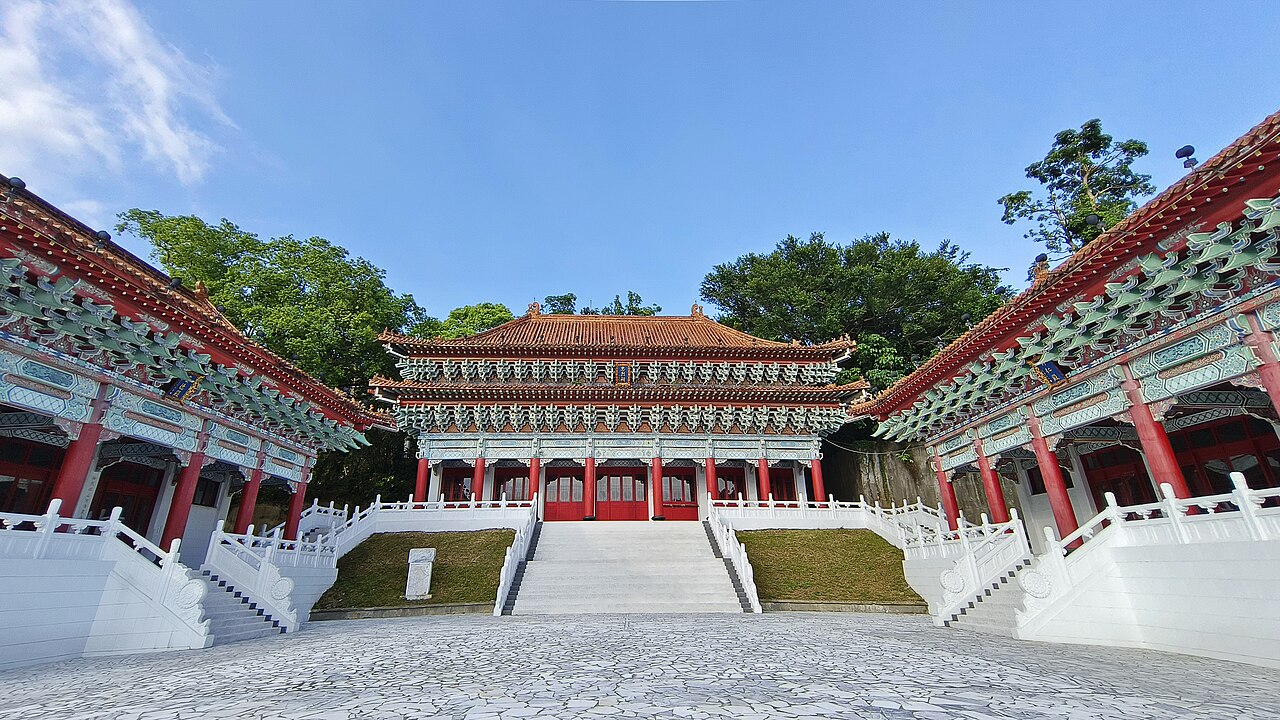
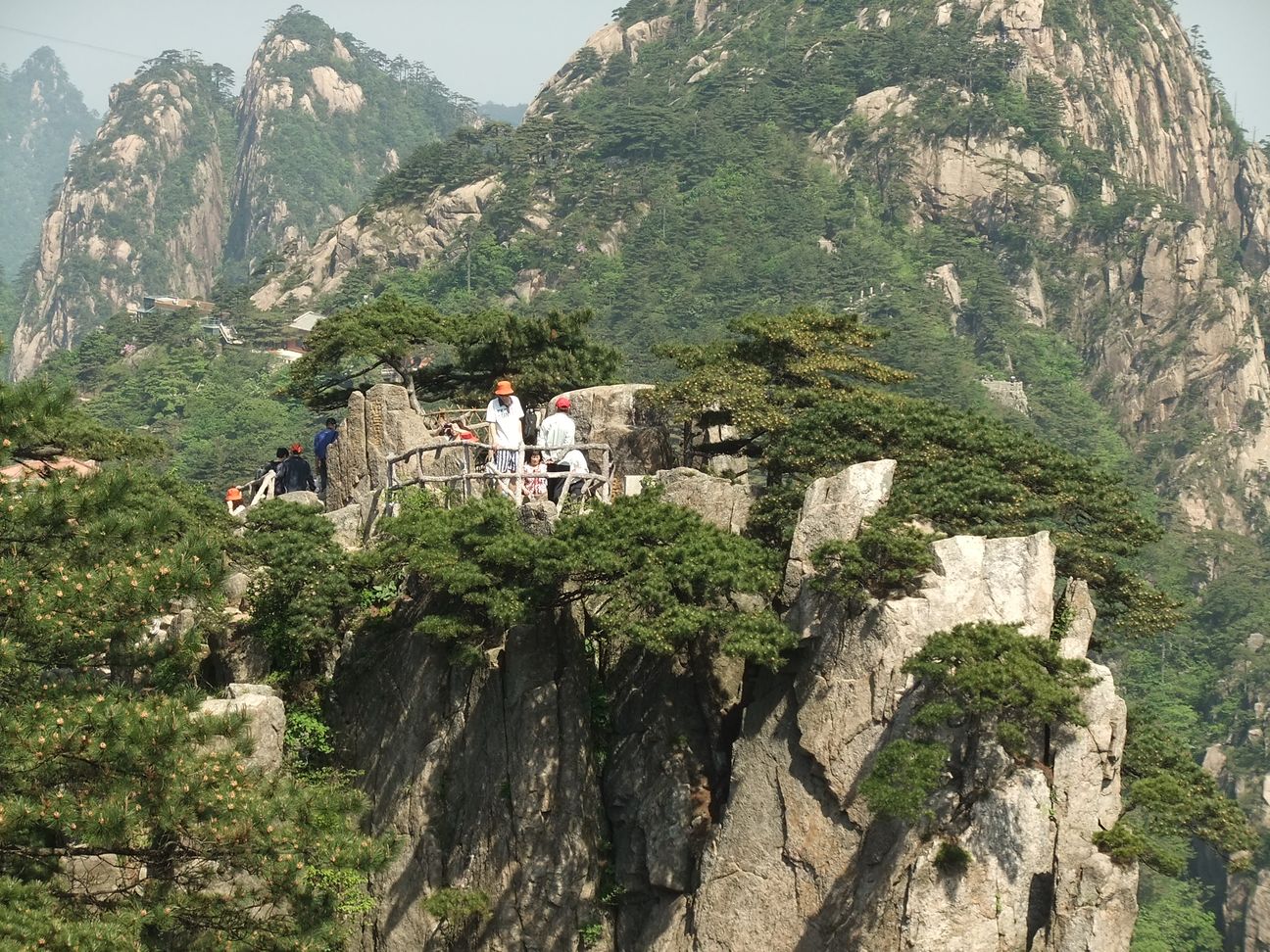
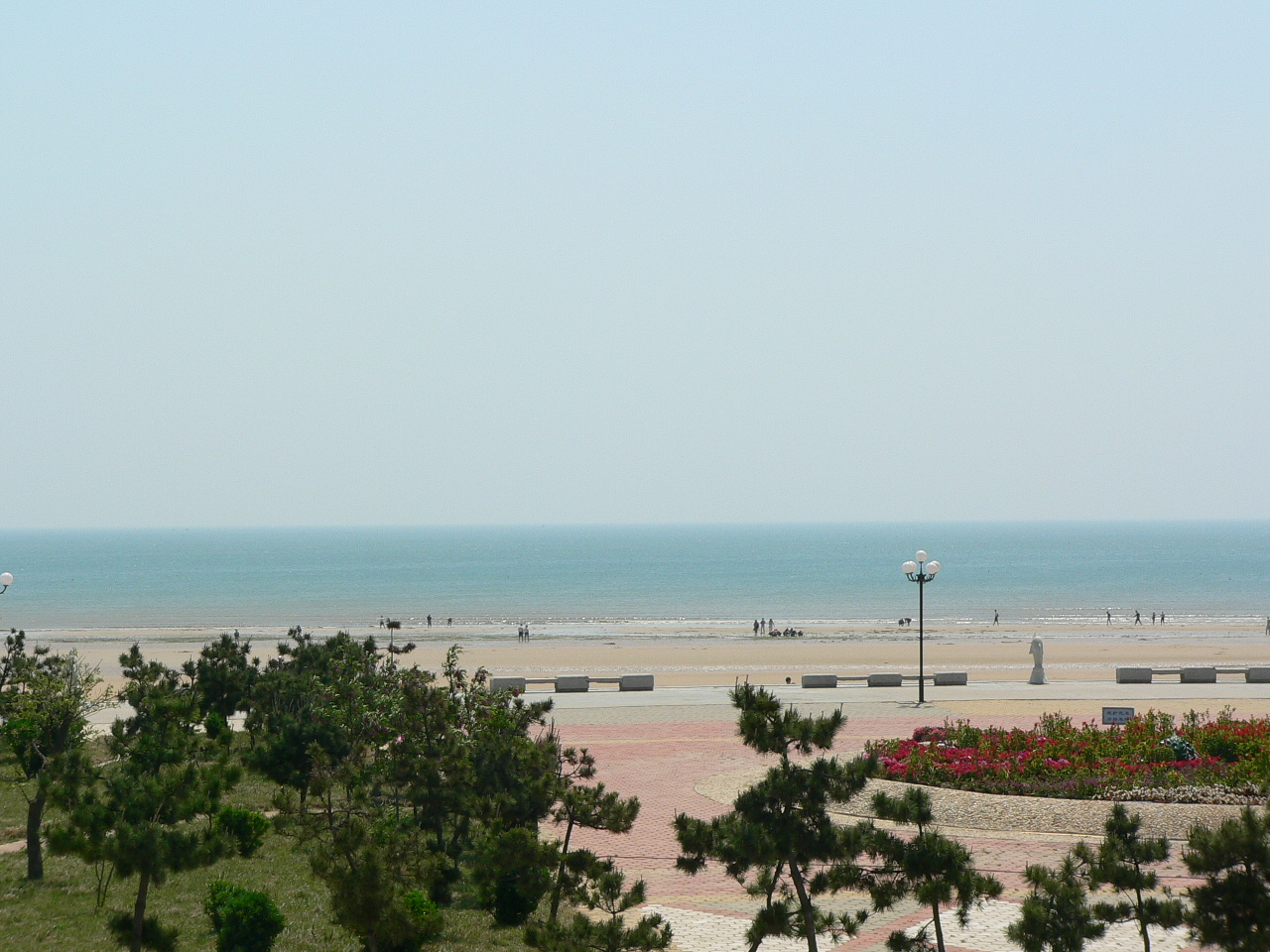
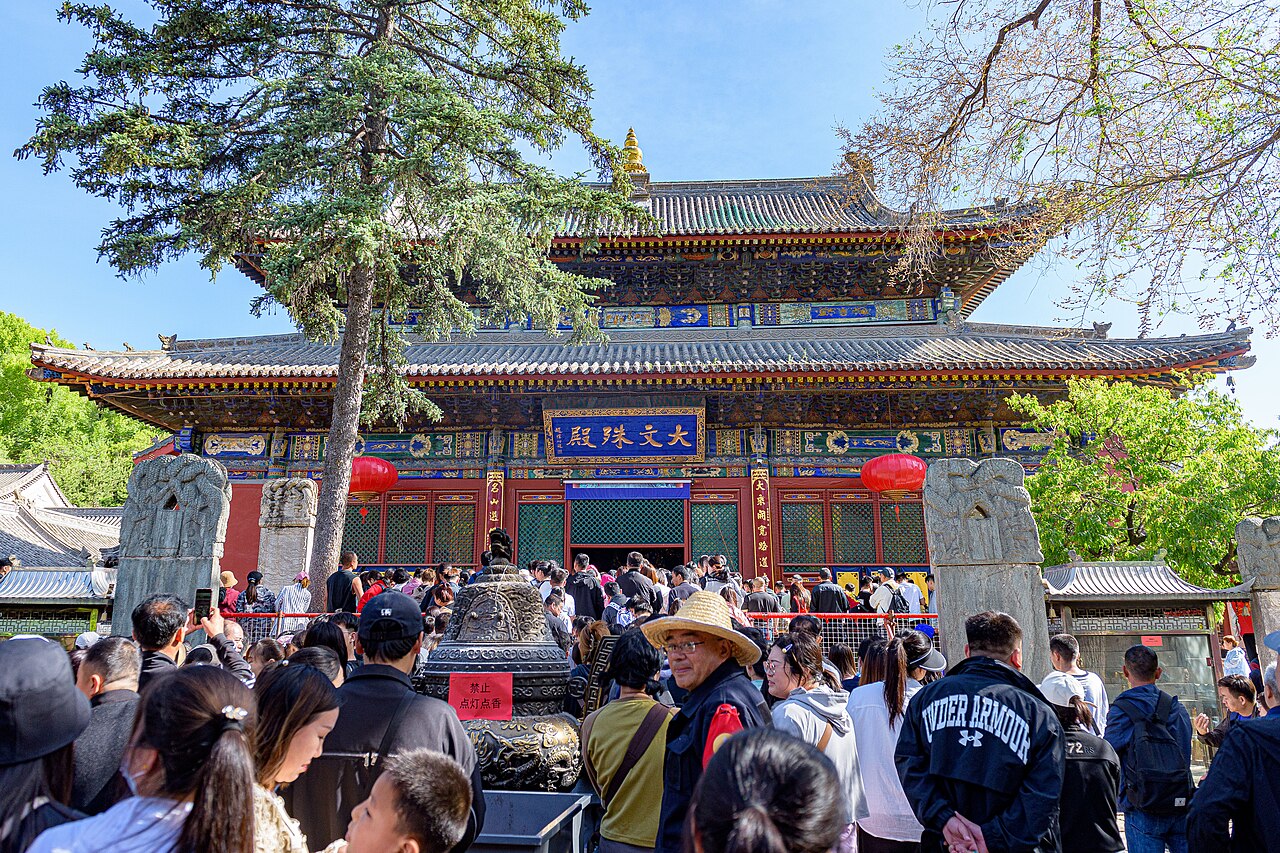
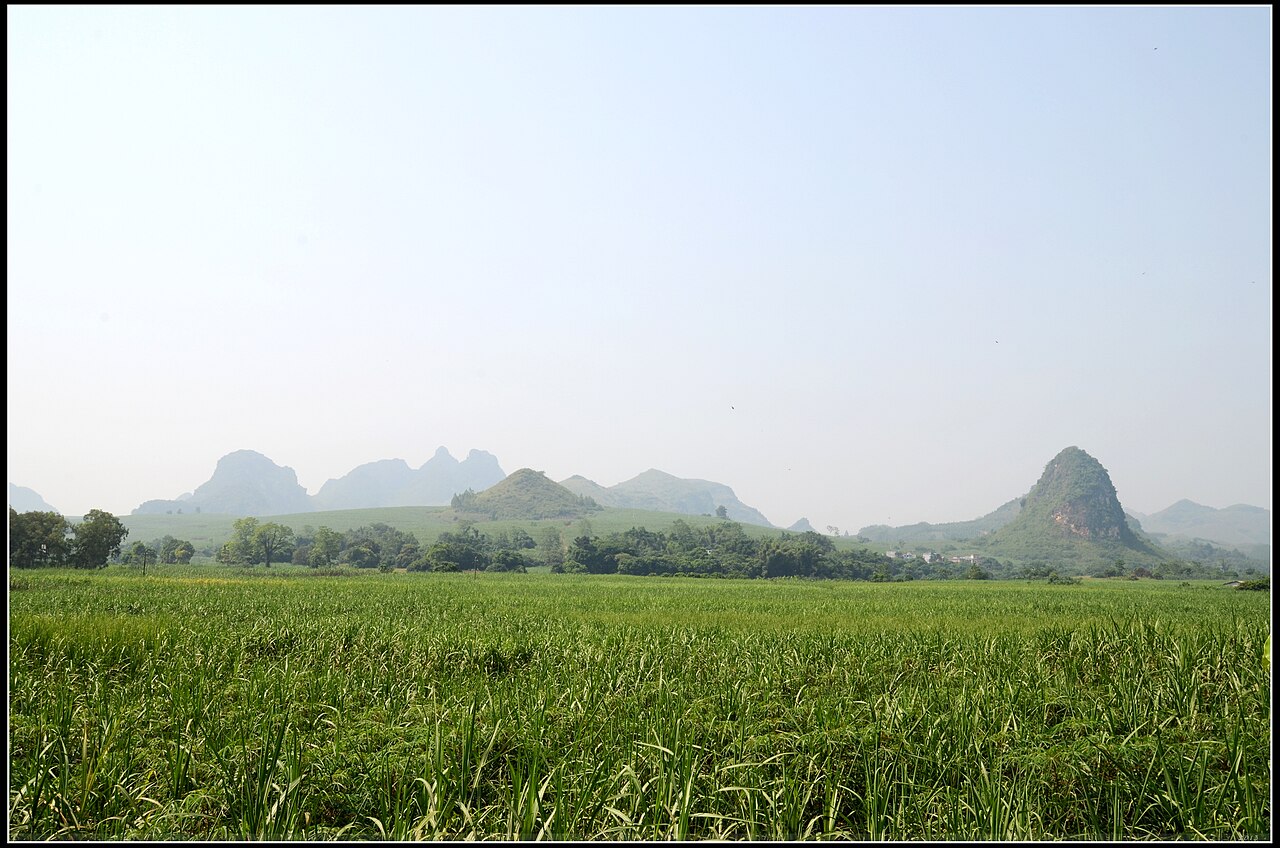
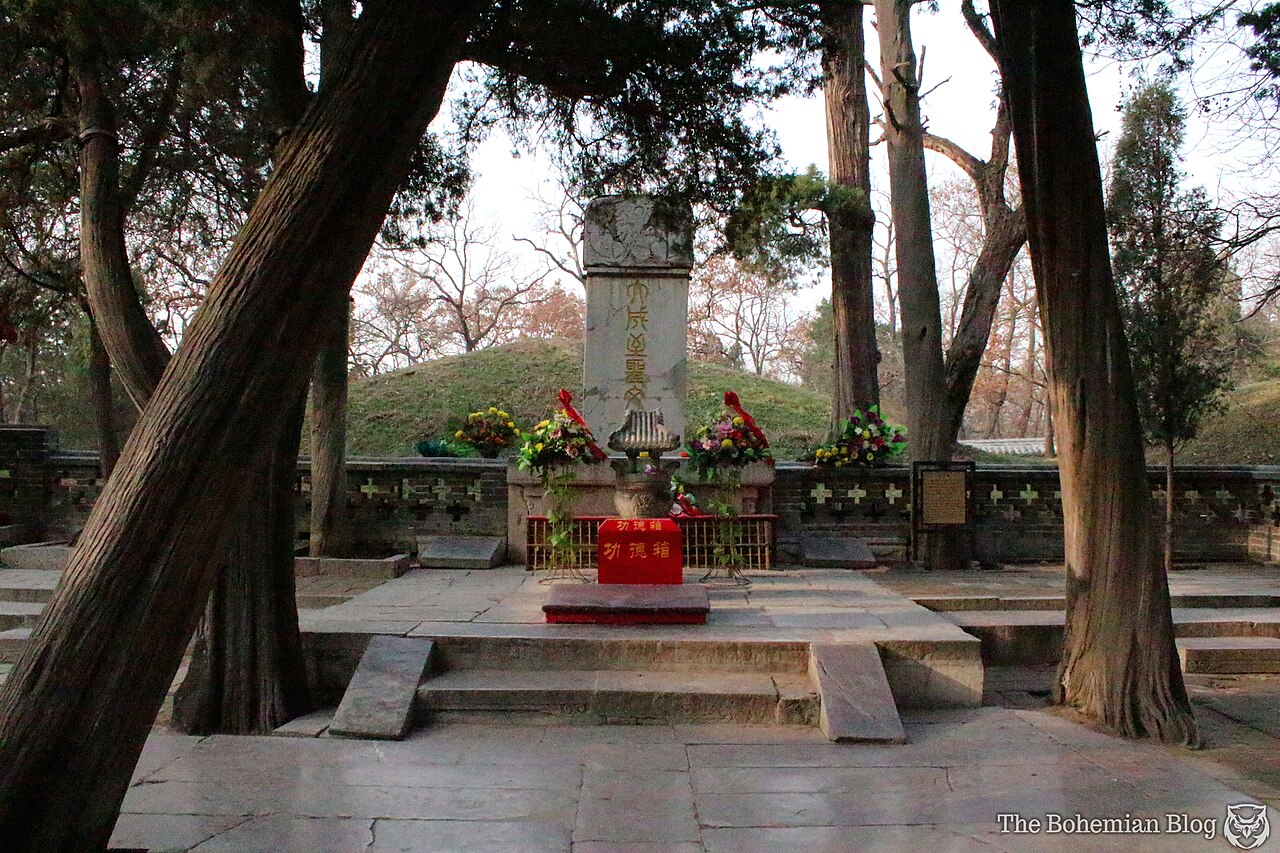
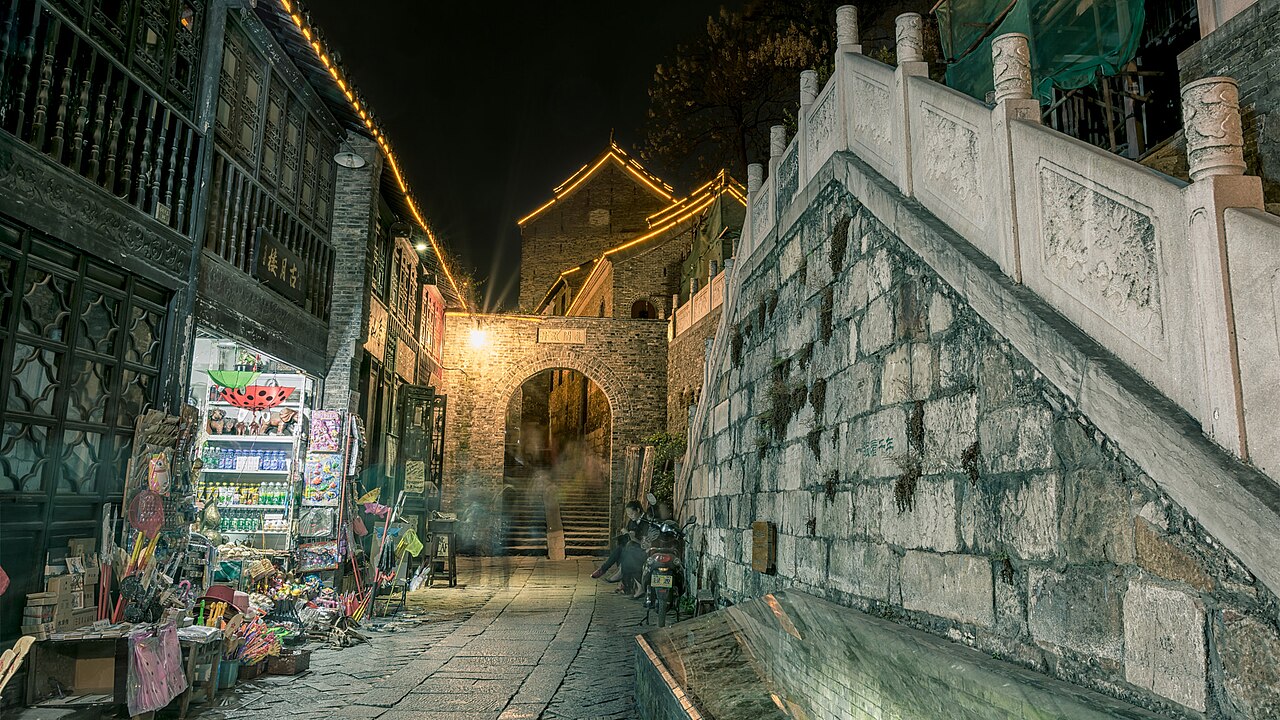
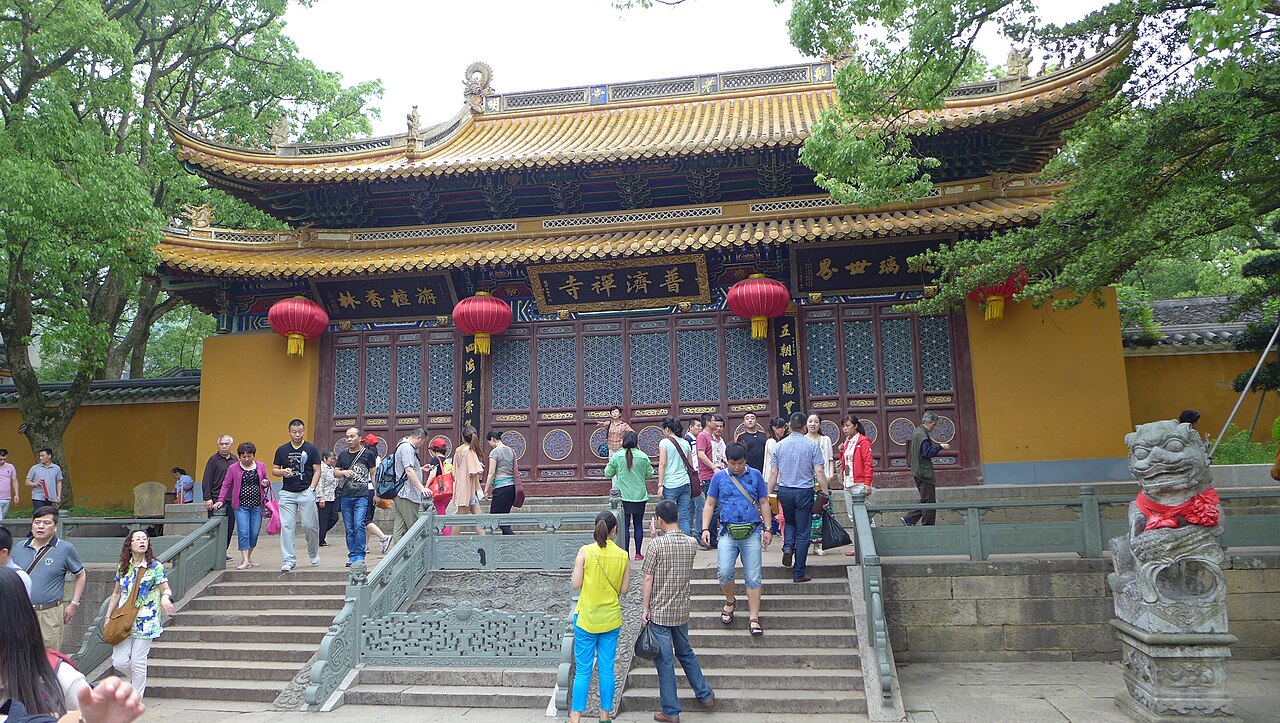
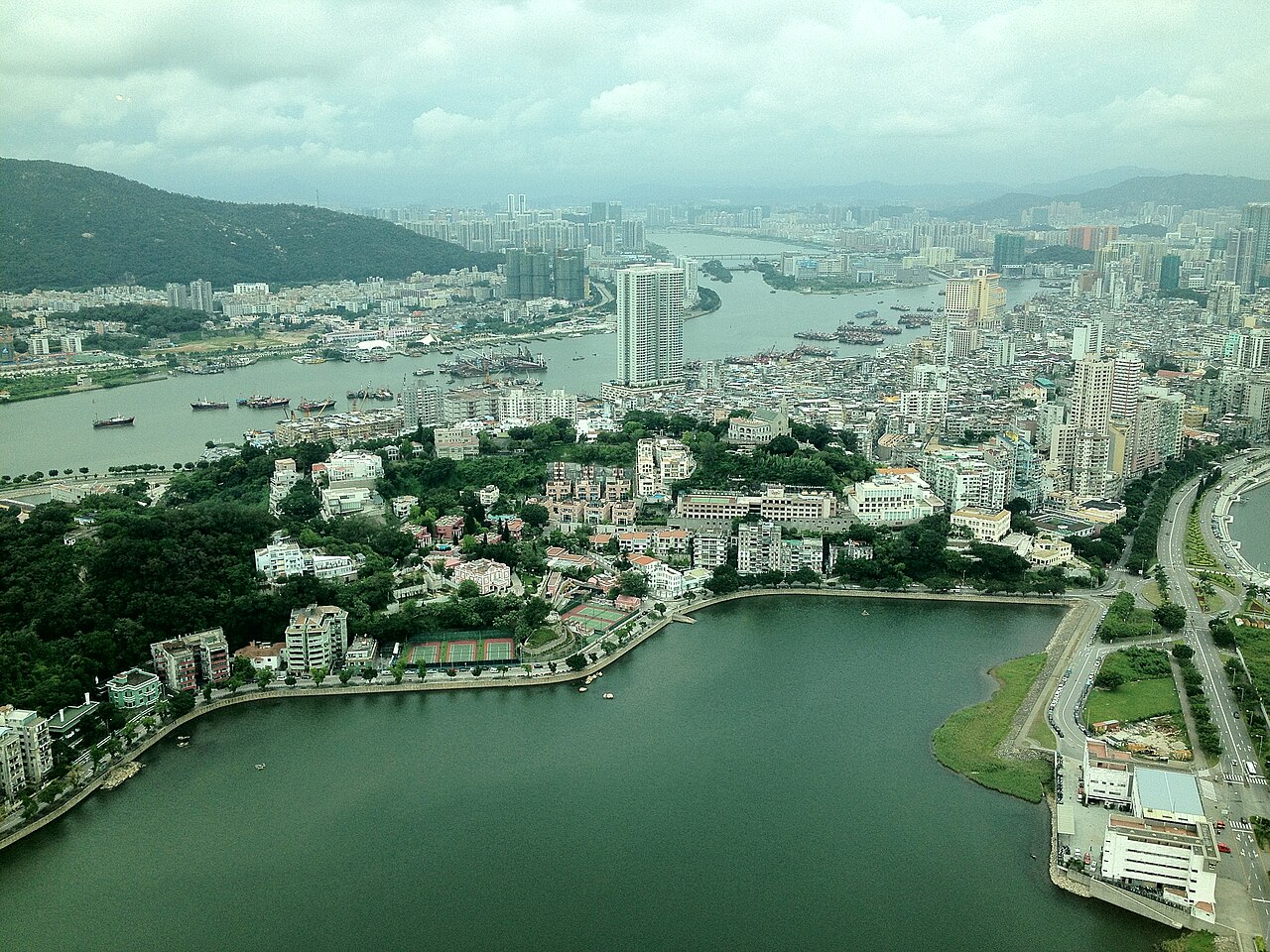
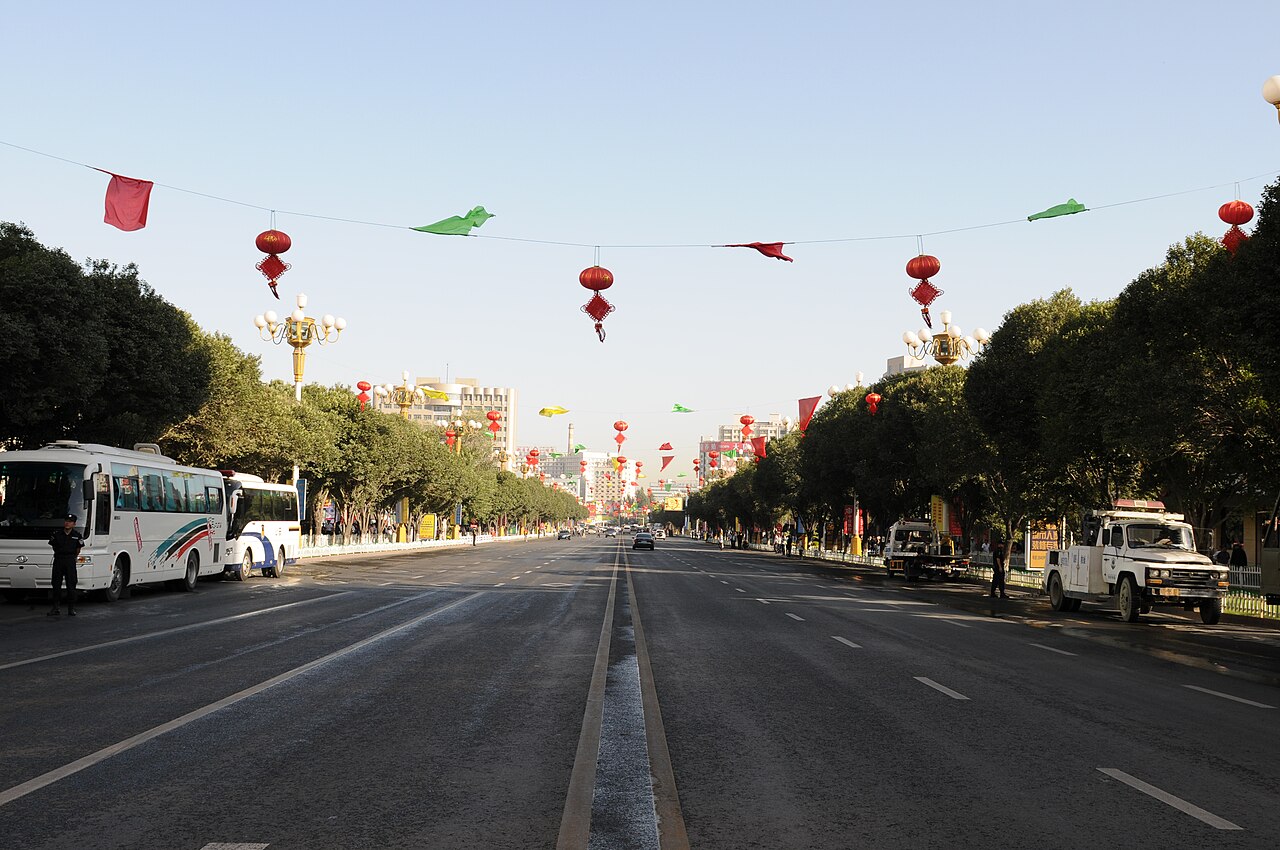
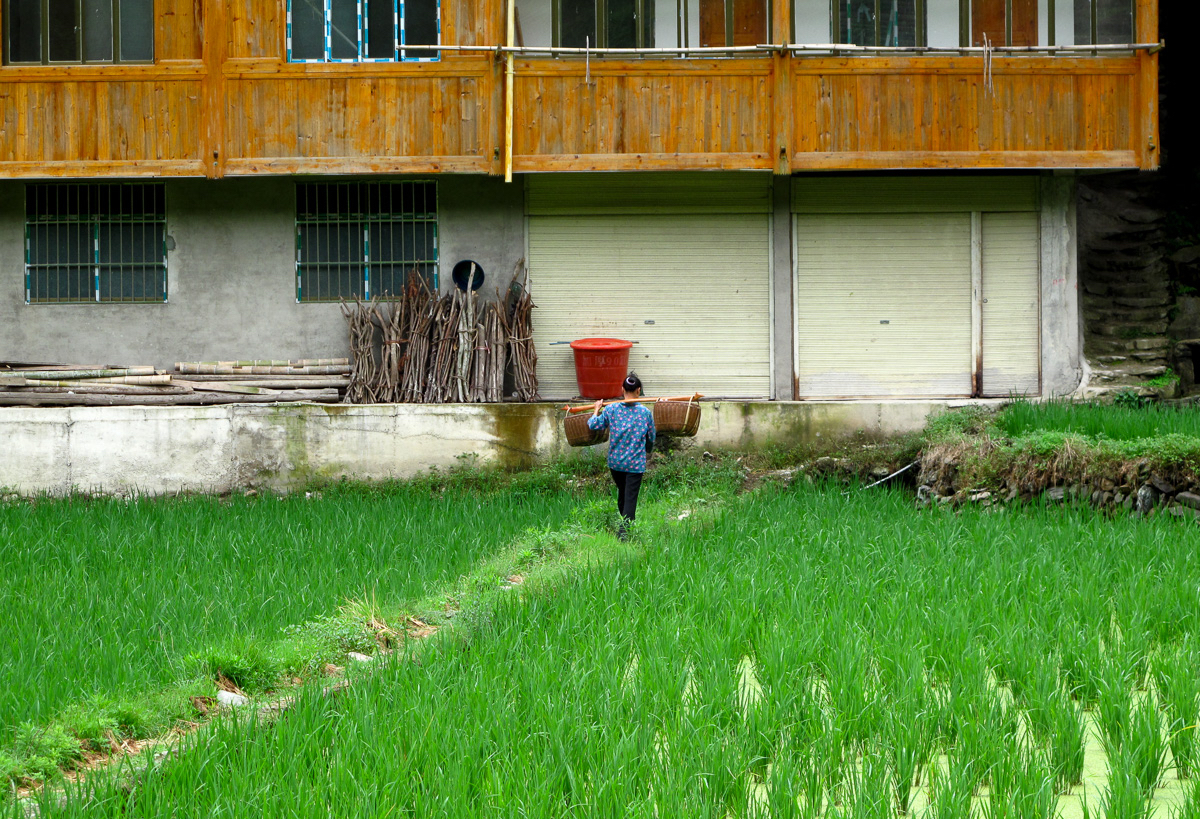
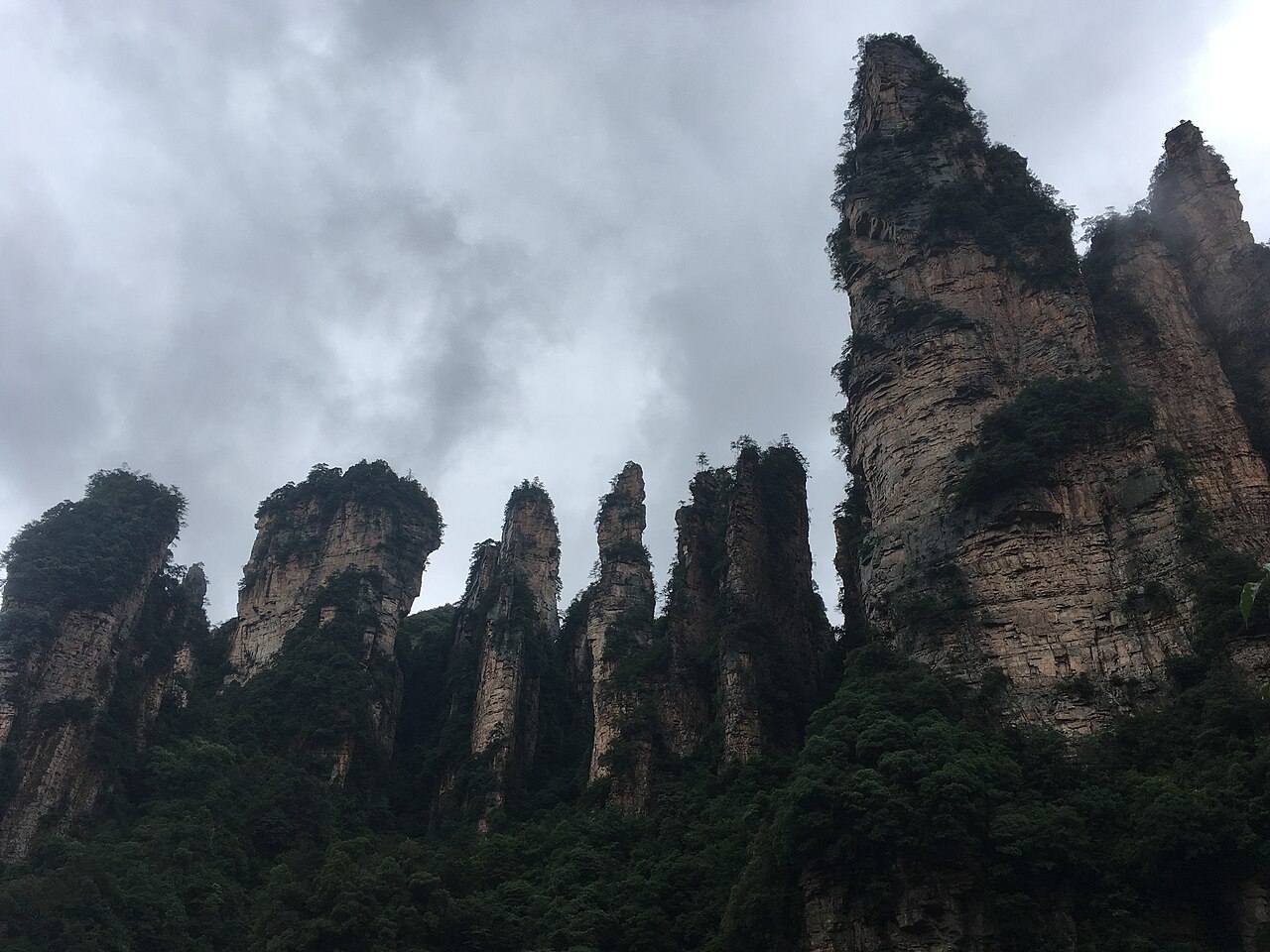
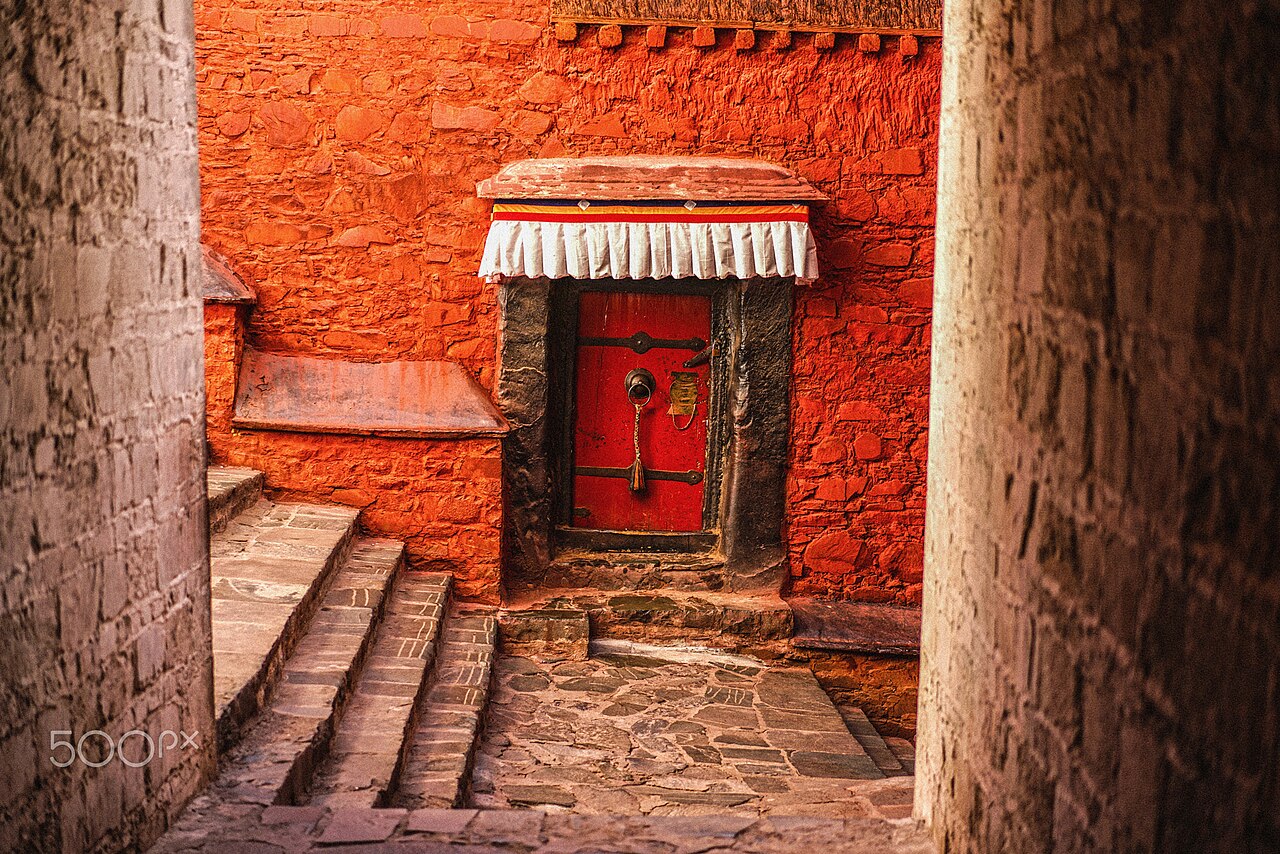
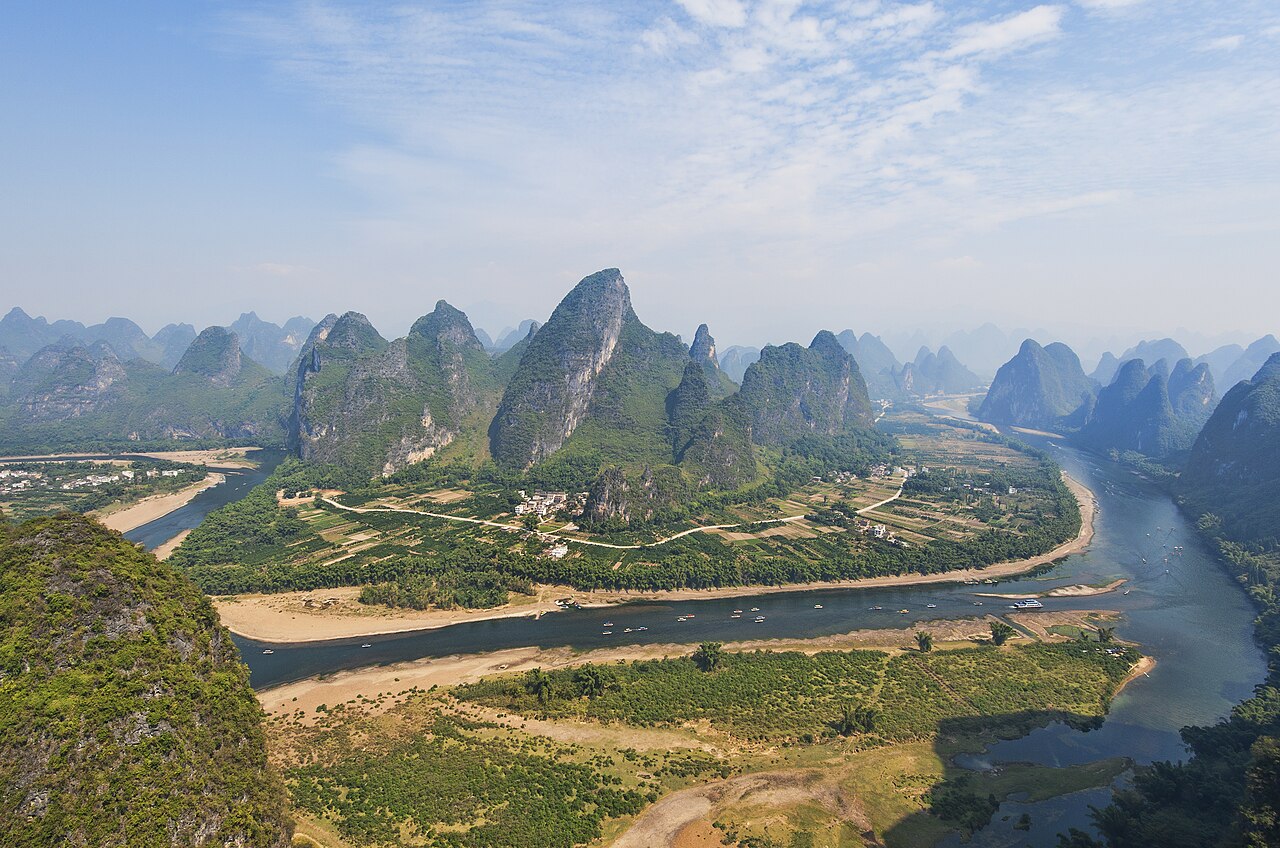
Sun Yat-sen Mausoleum seen from the top of the 392 steps
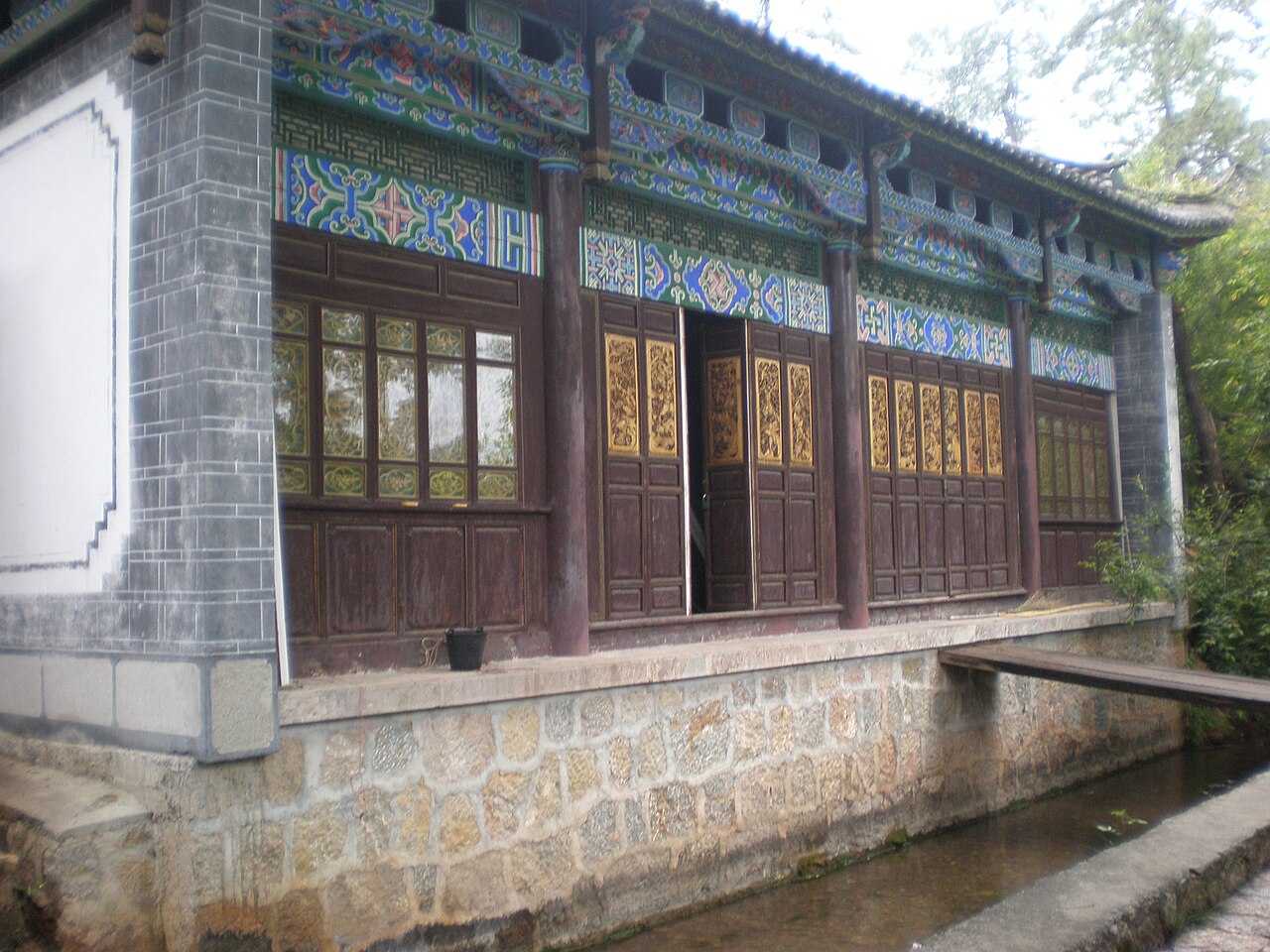
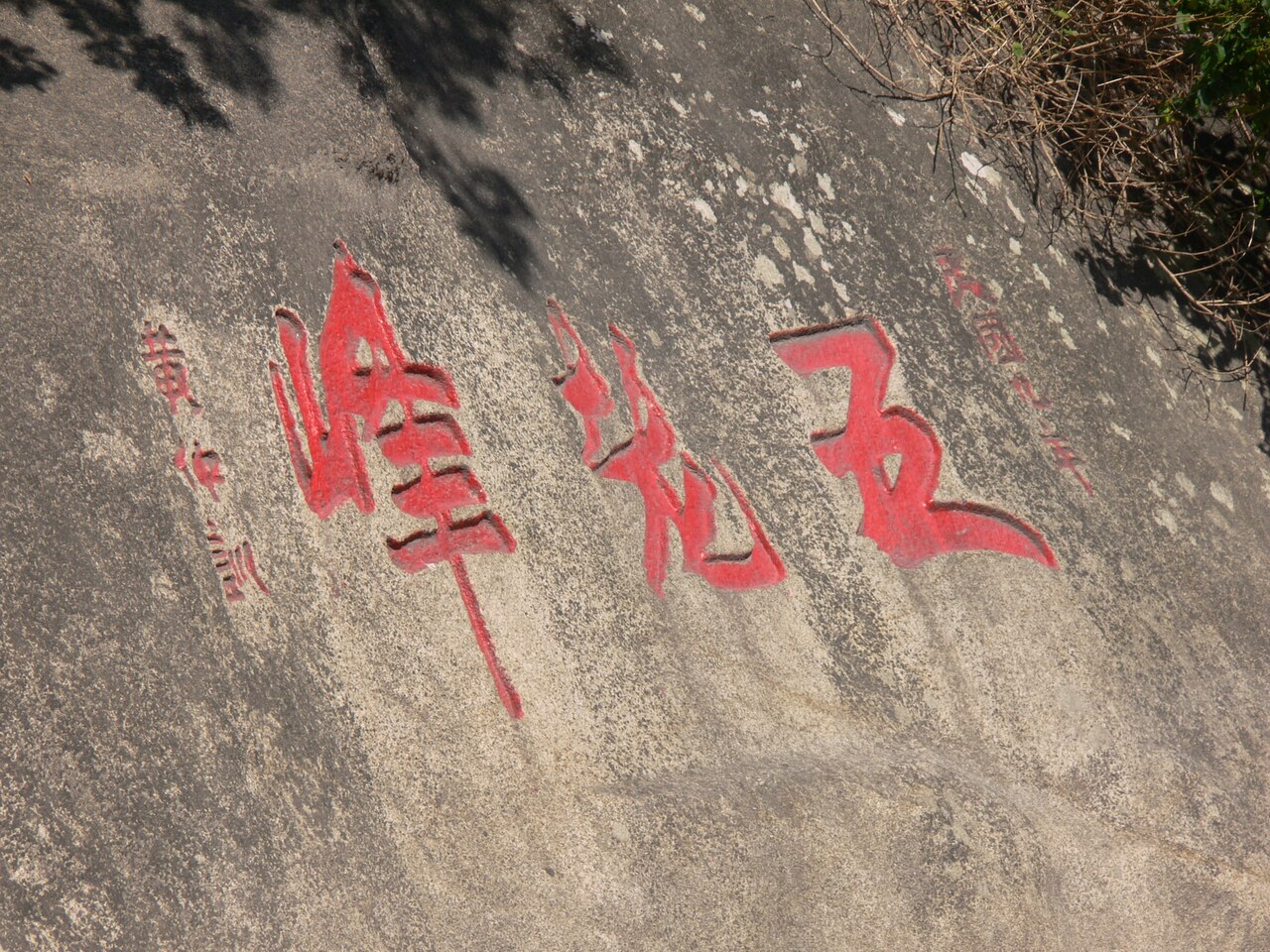
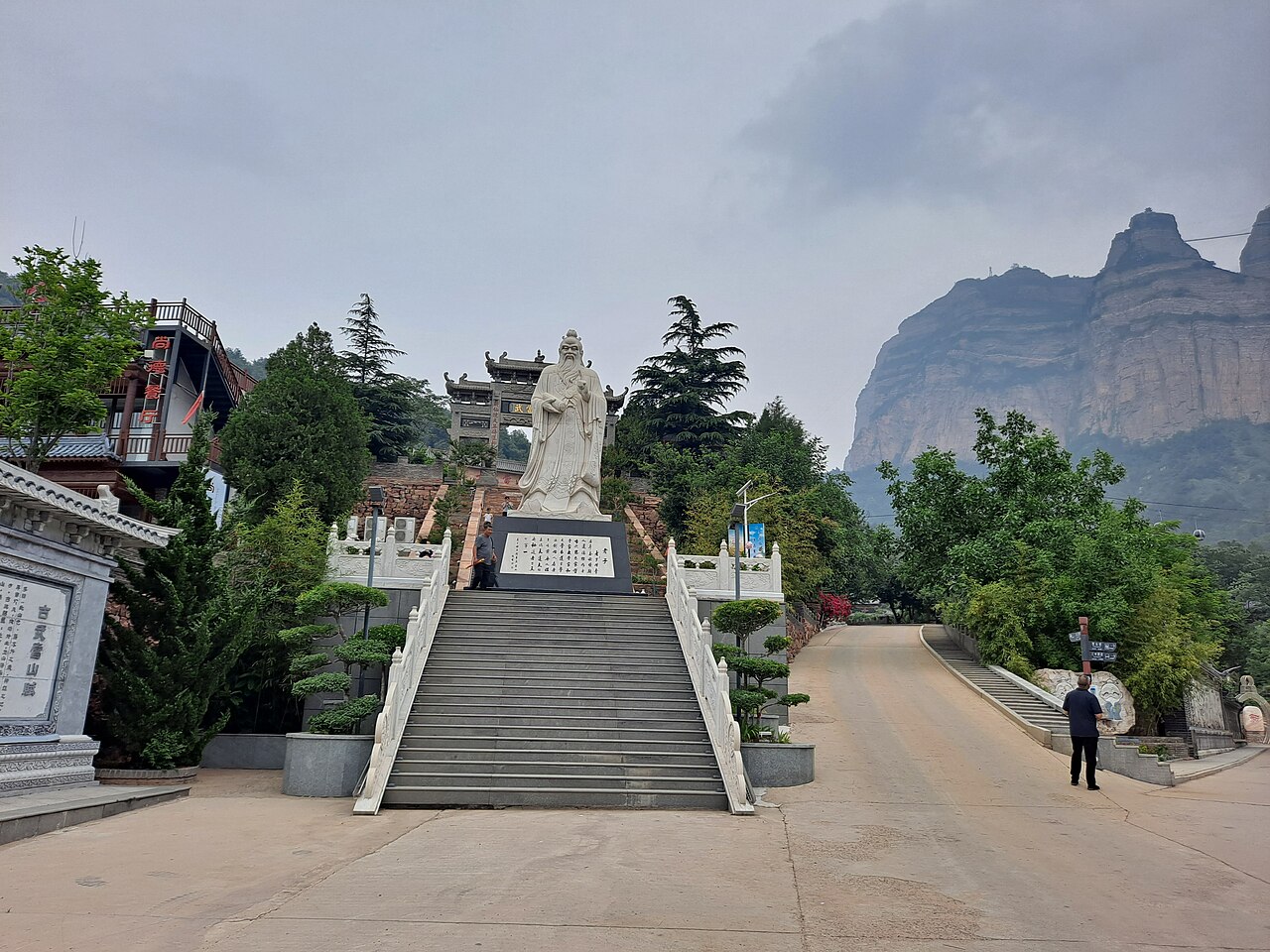
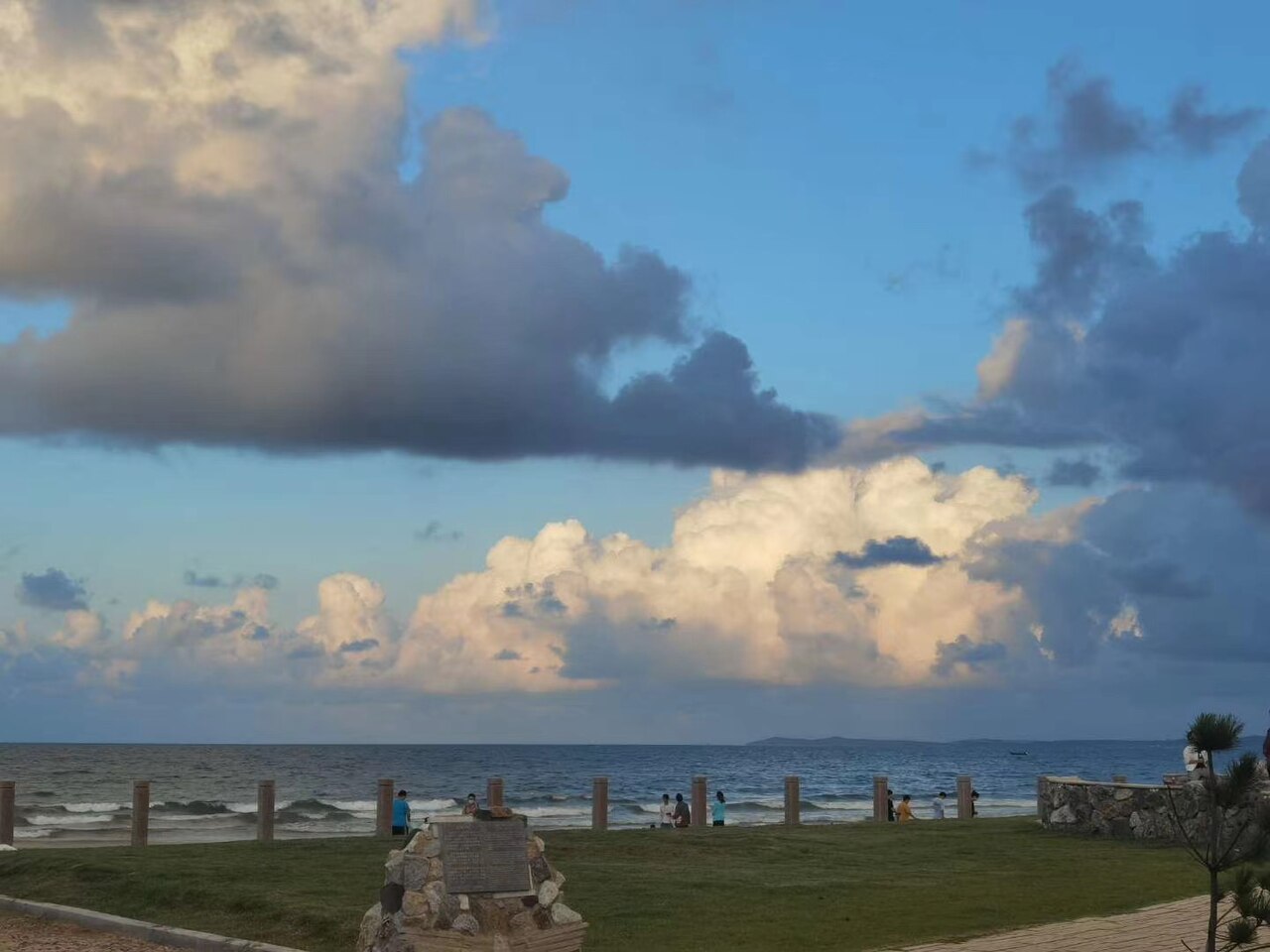
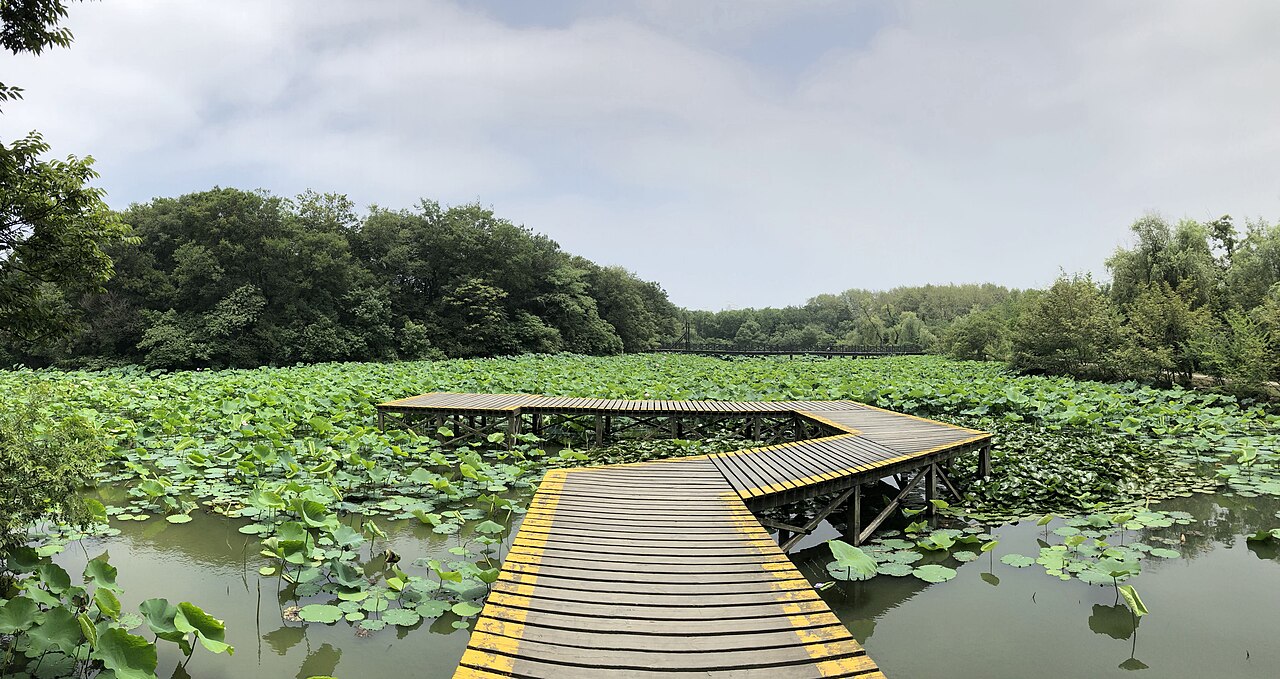
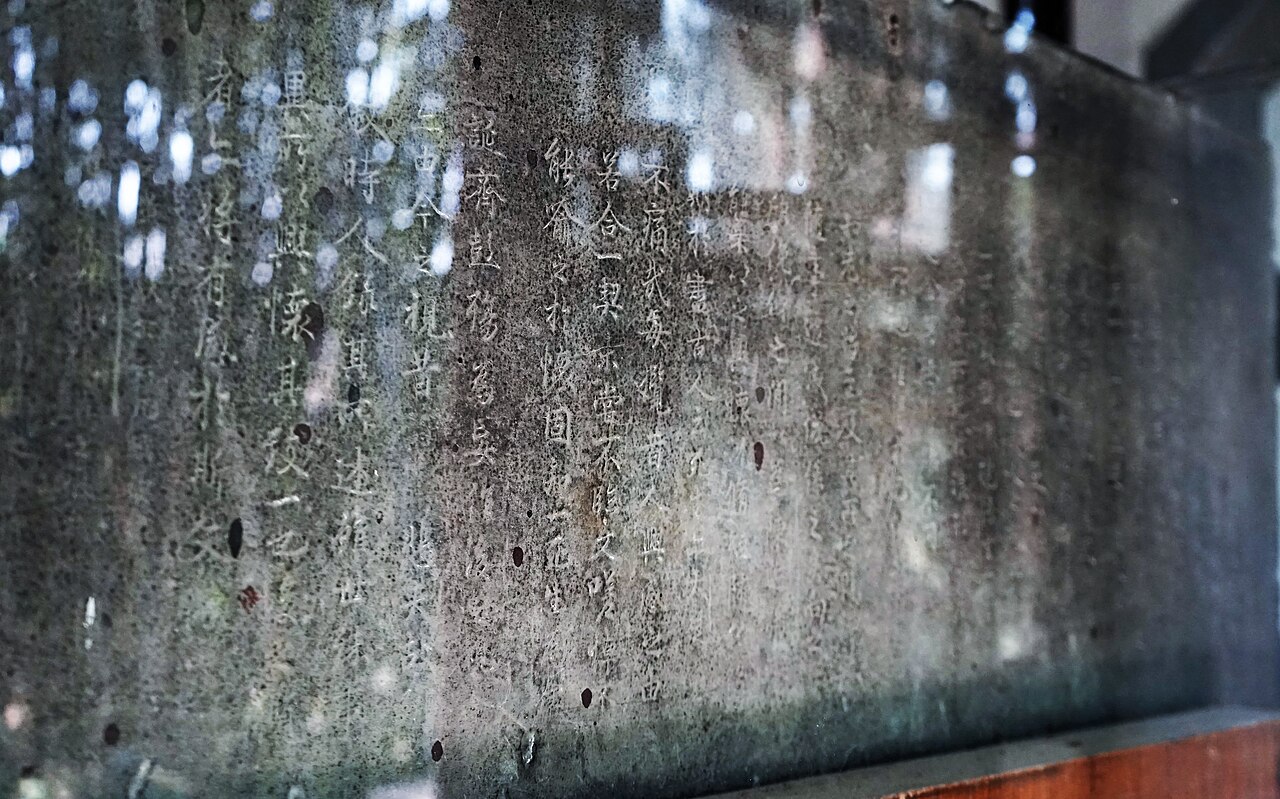
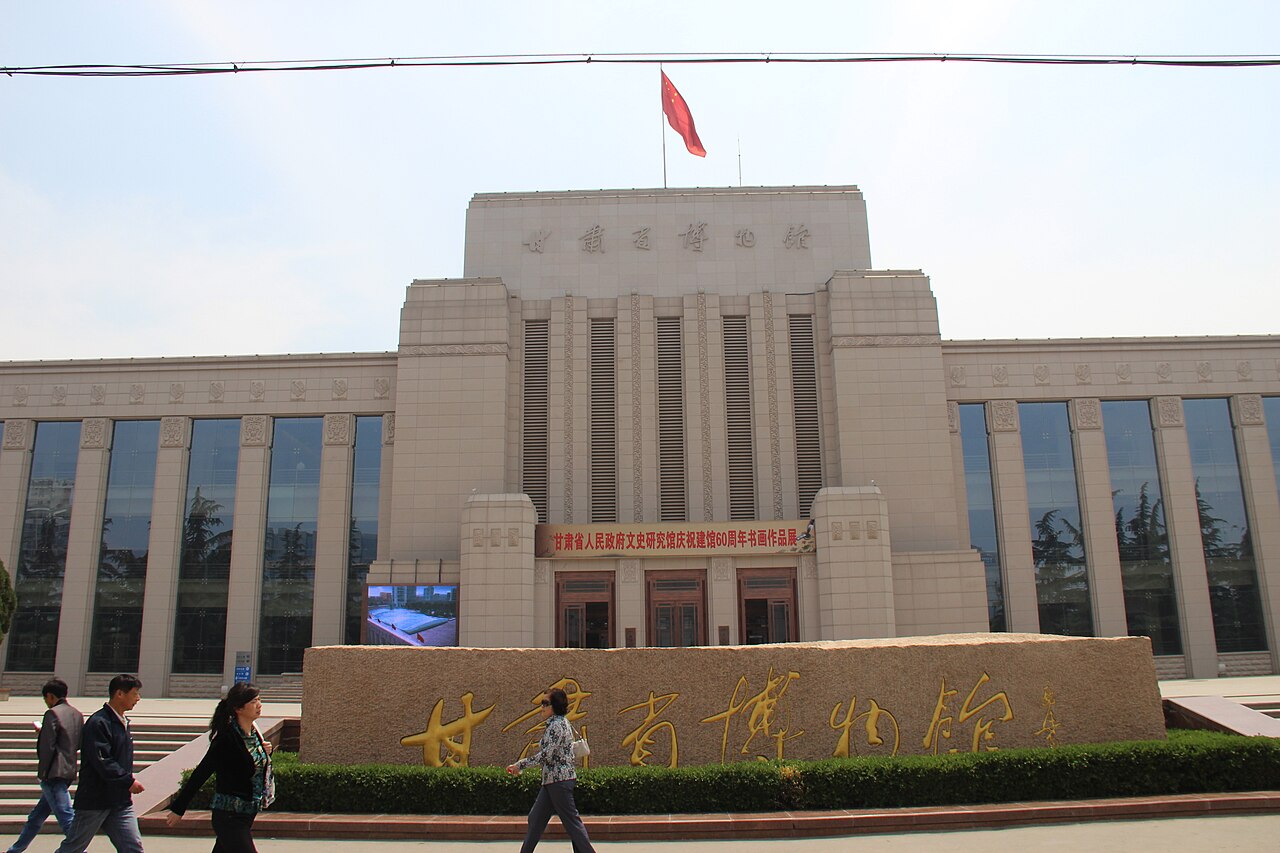
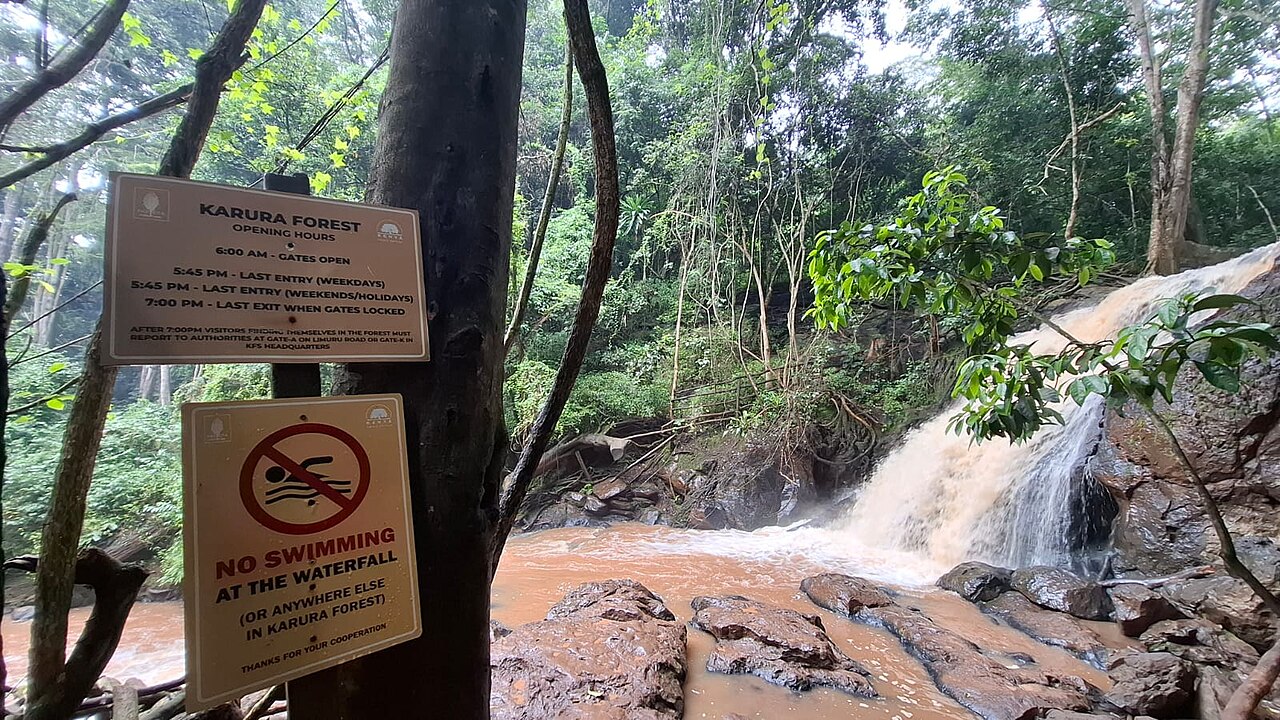
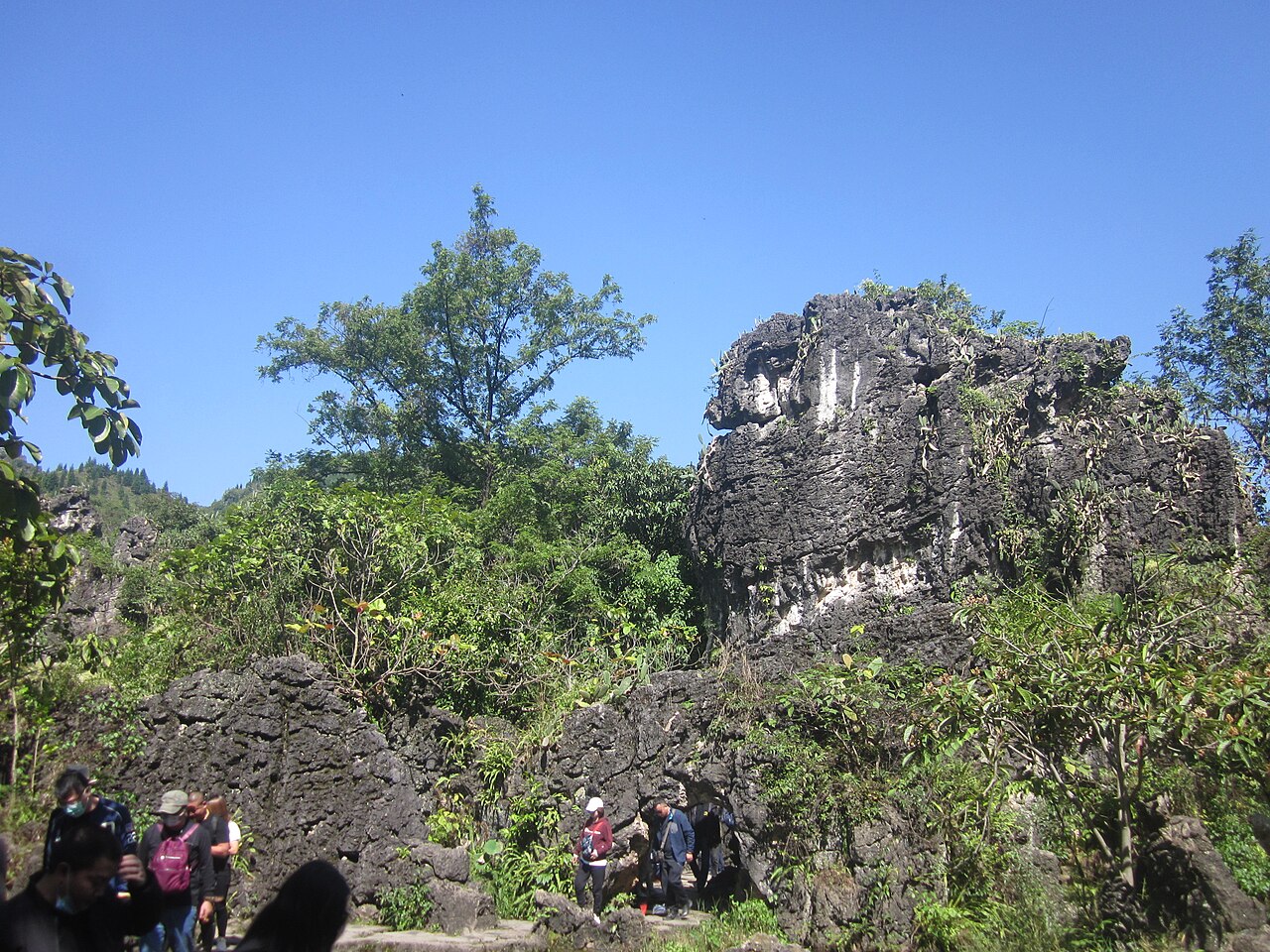
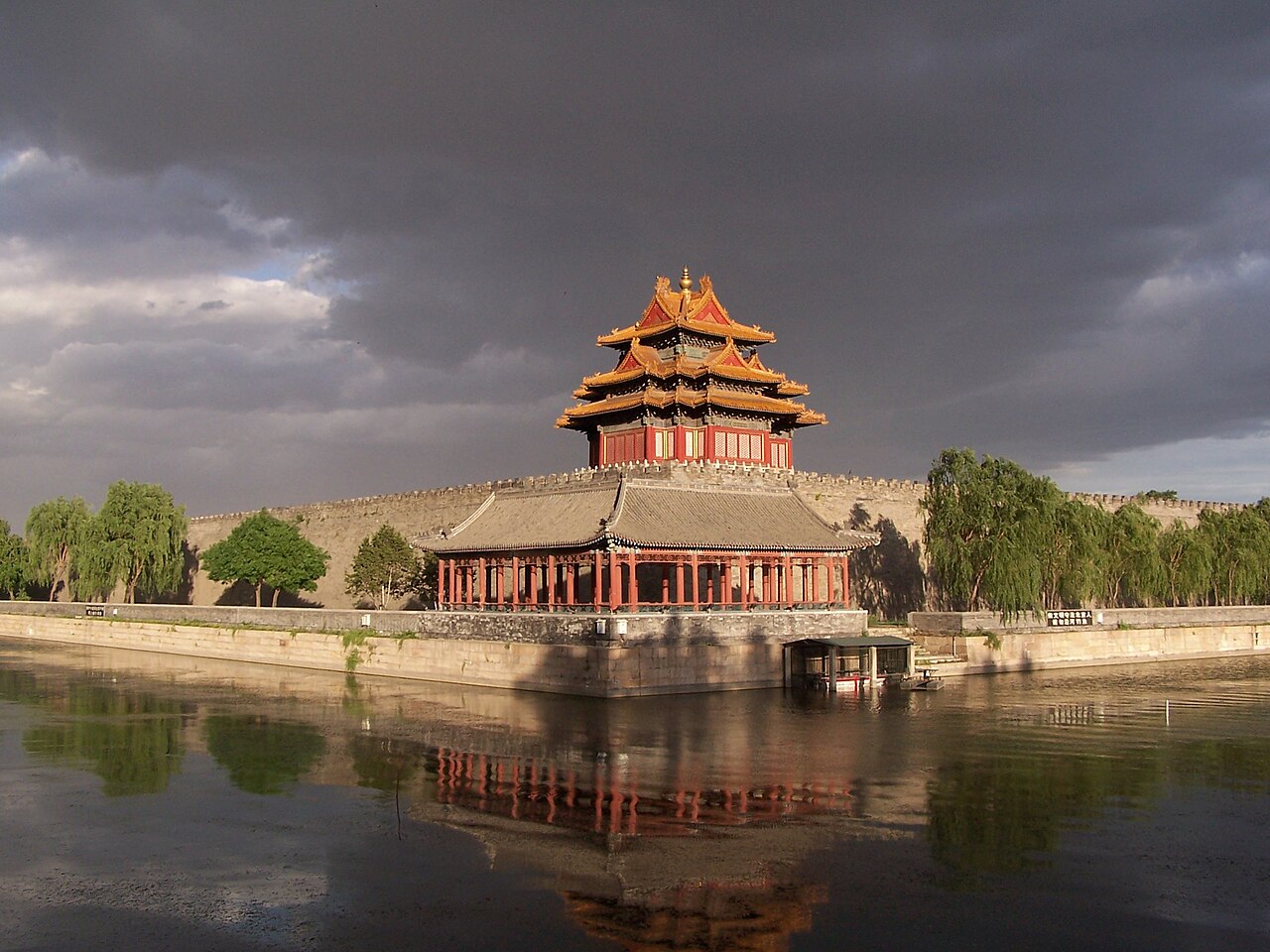
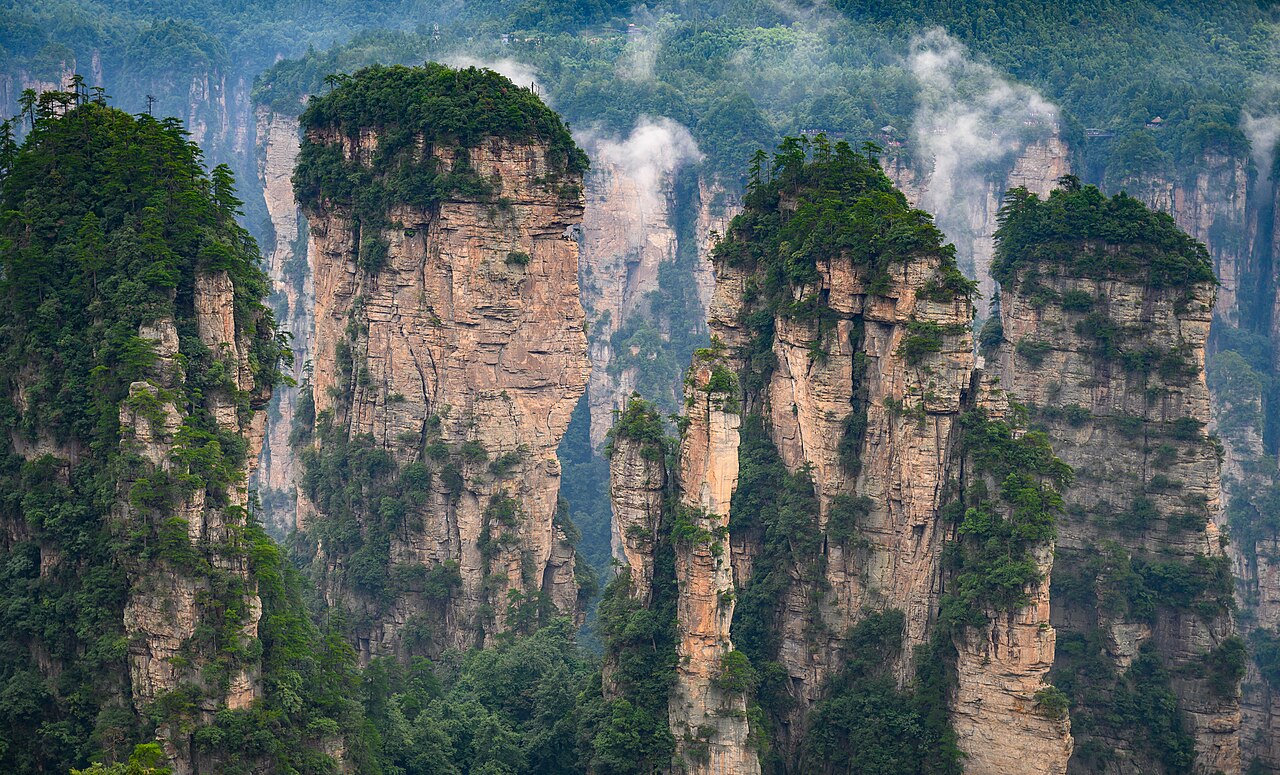
Stone animals on the Sacred Way at Ming Xiaoling
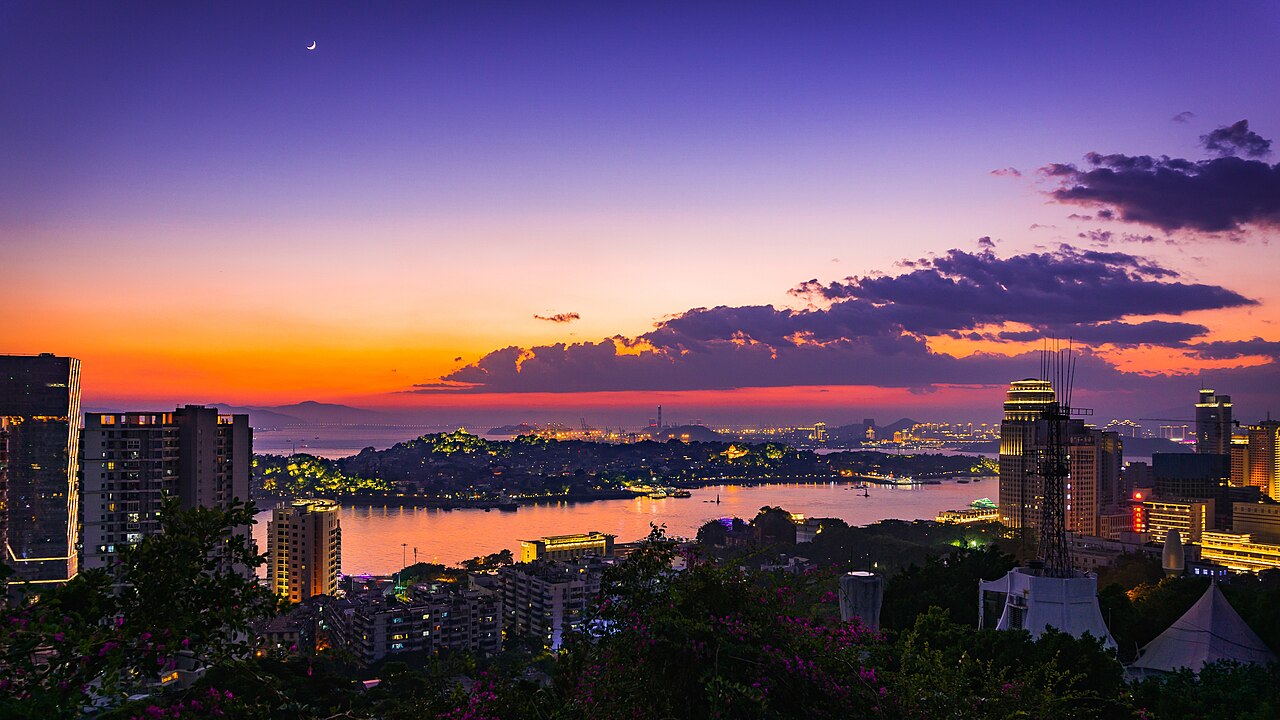
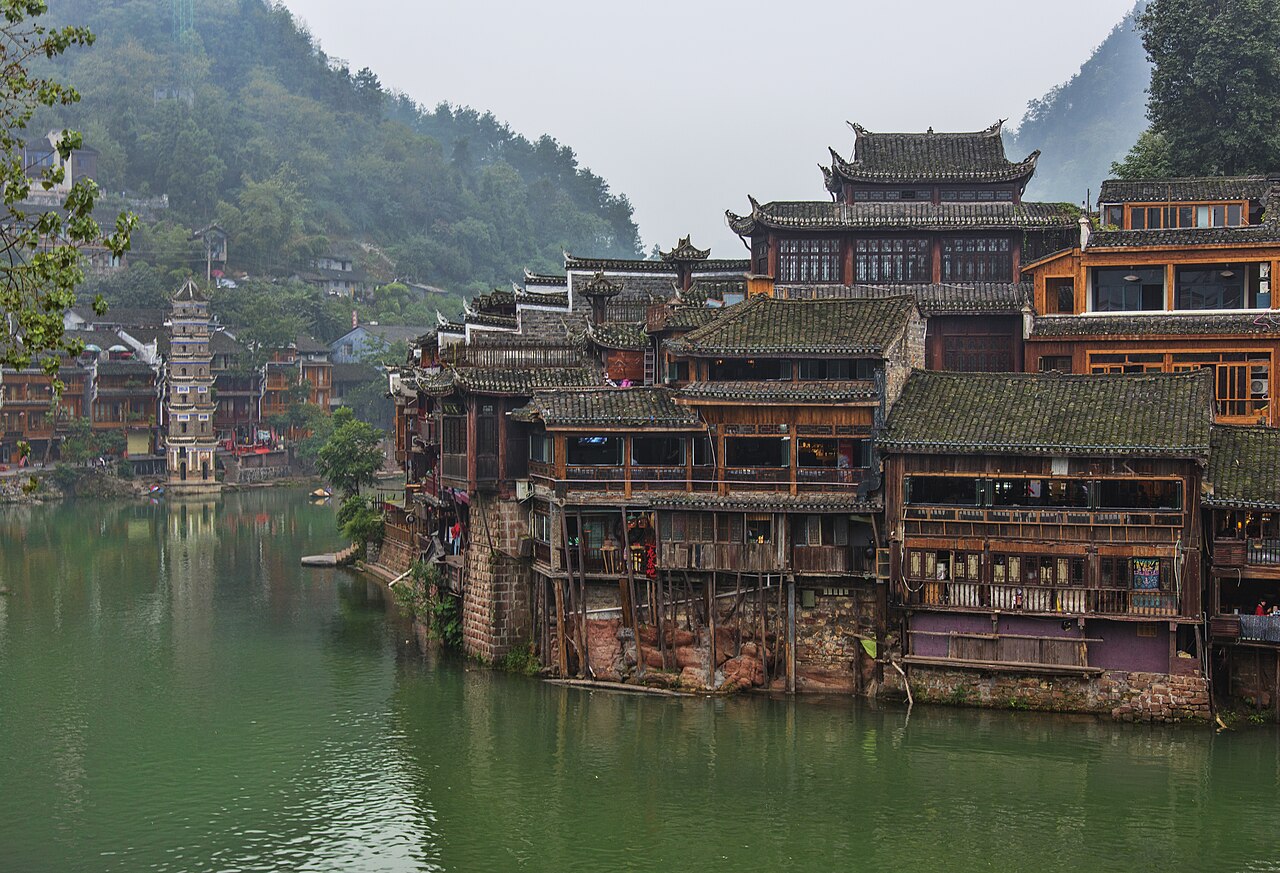
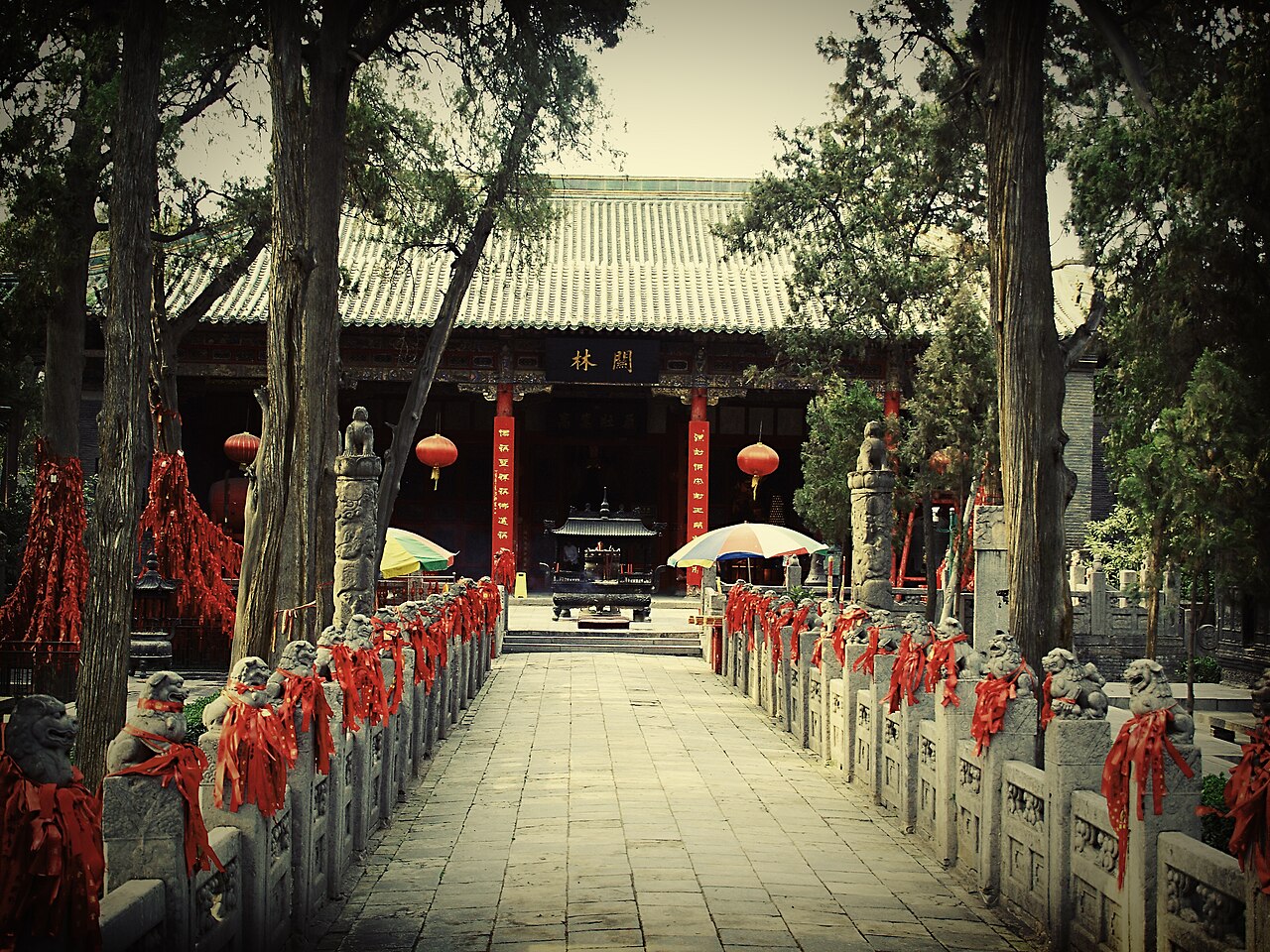
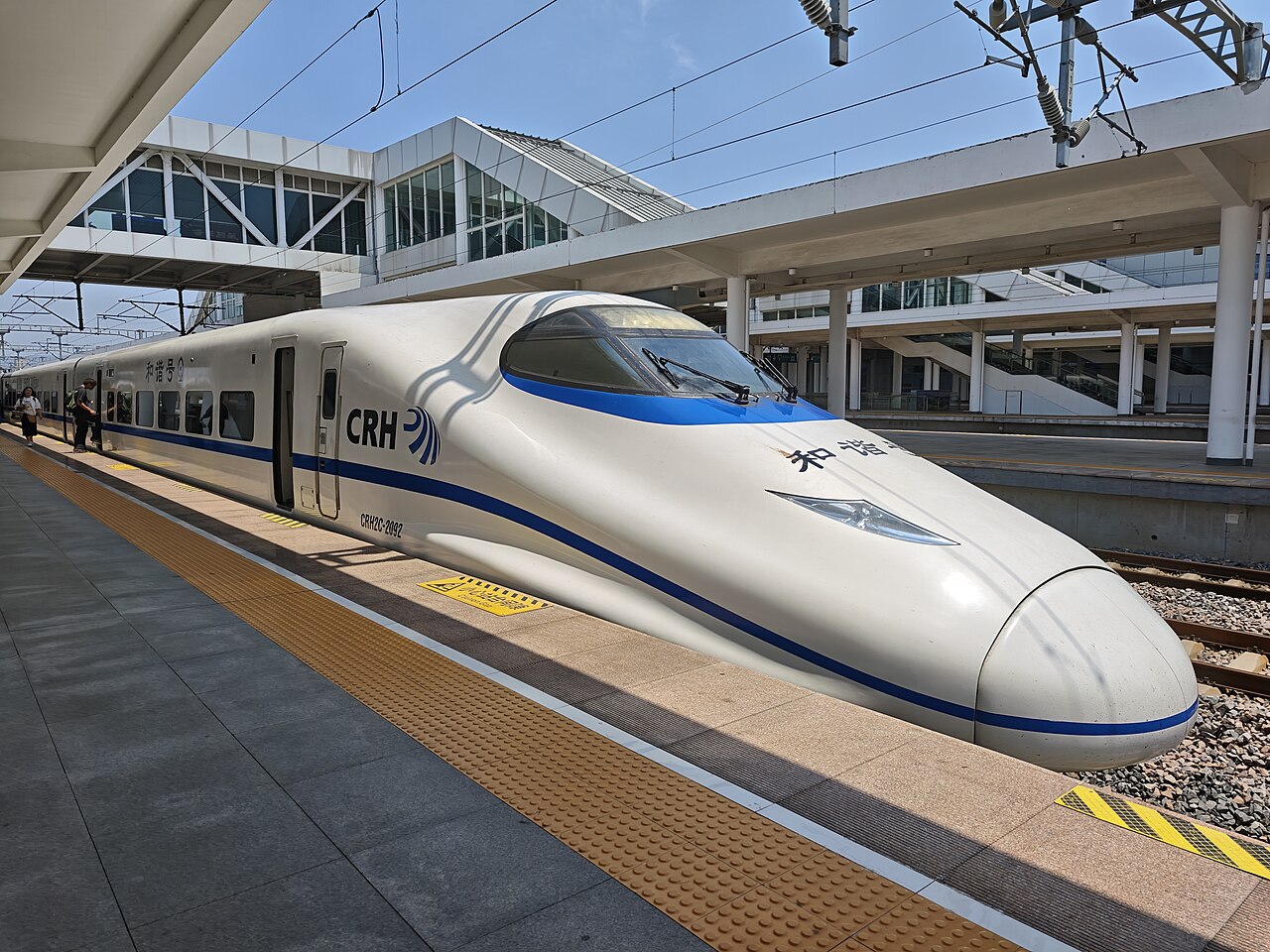
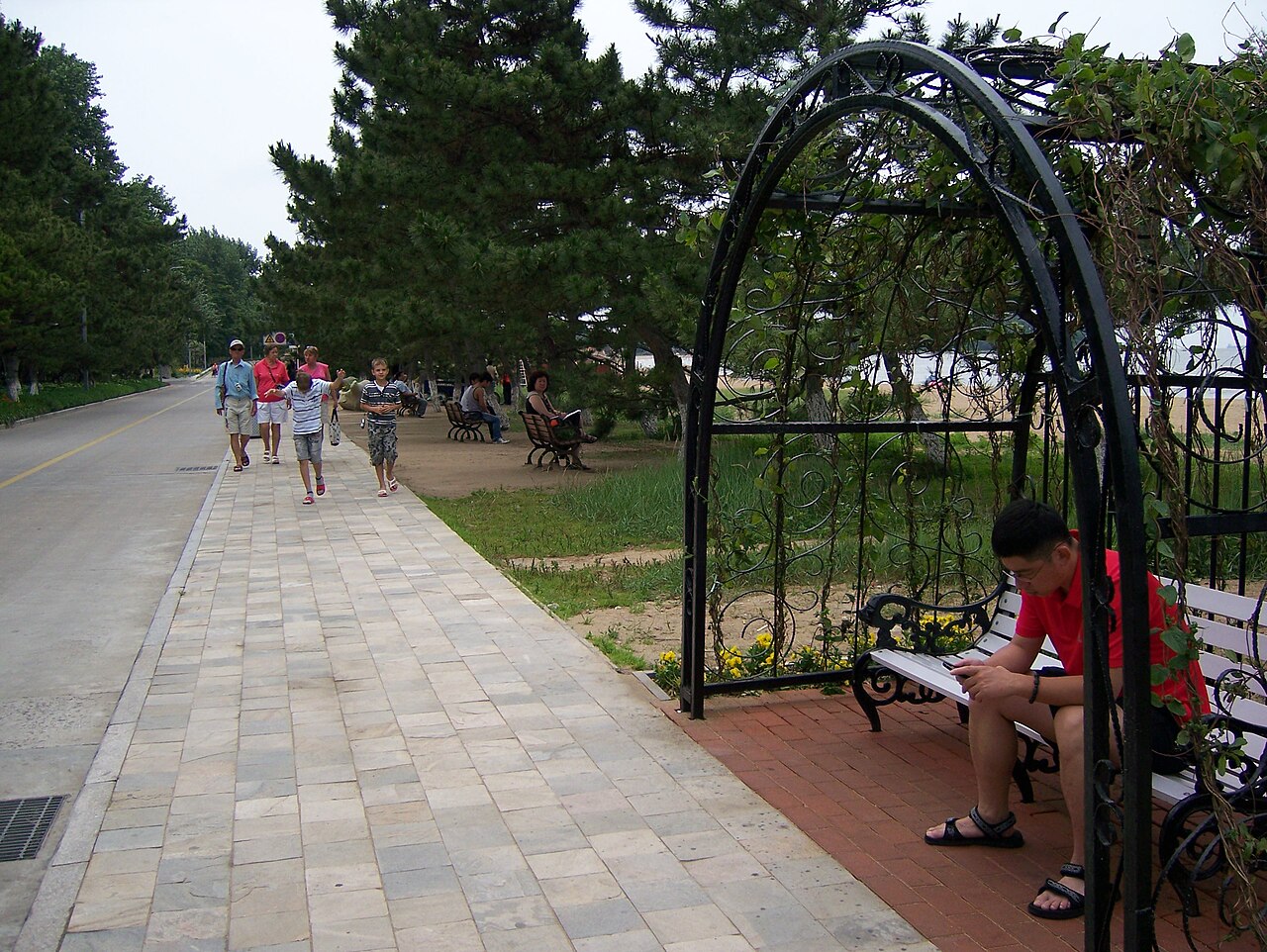
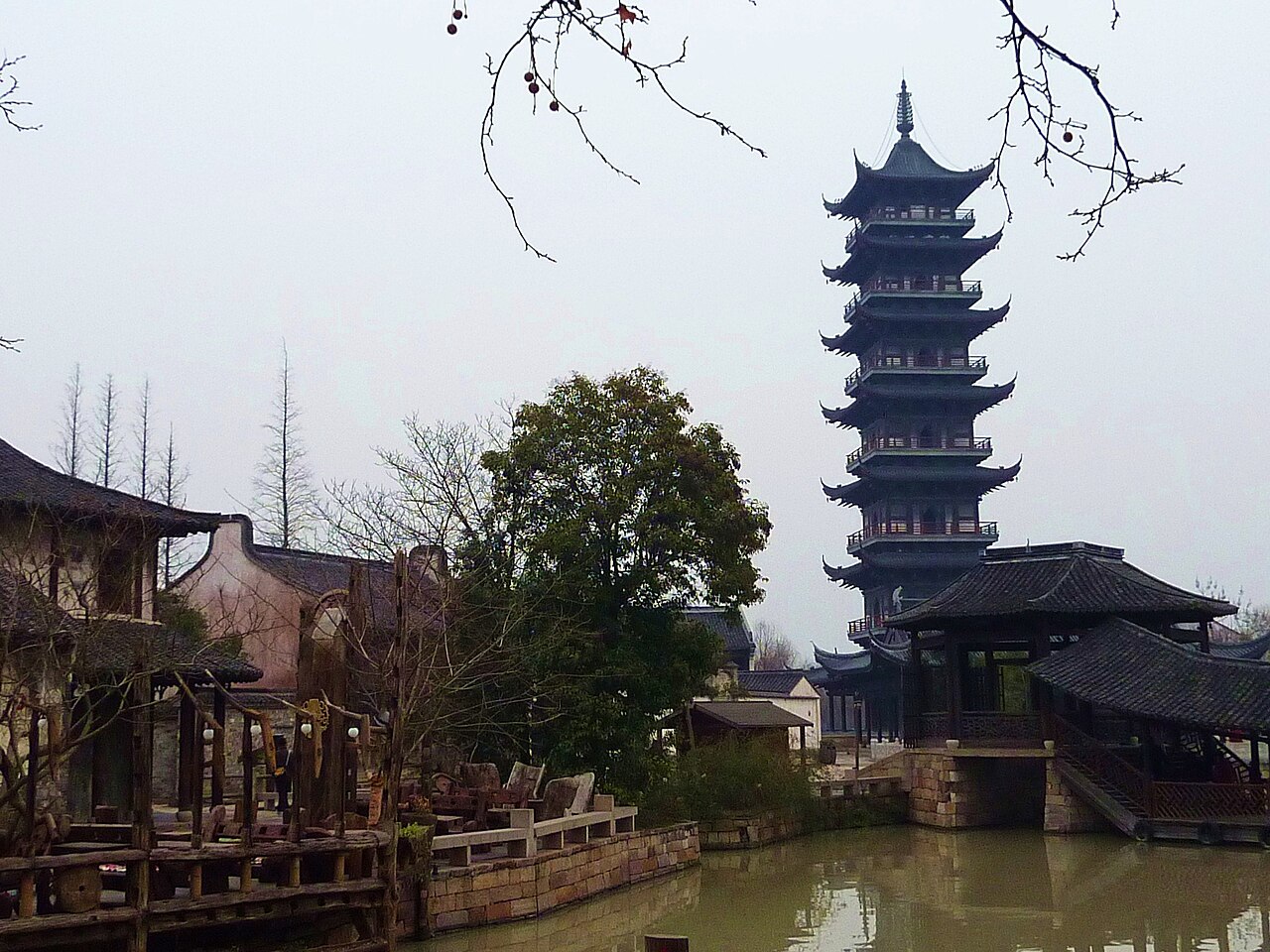
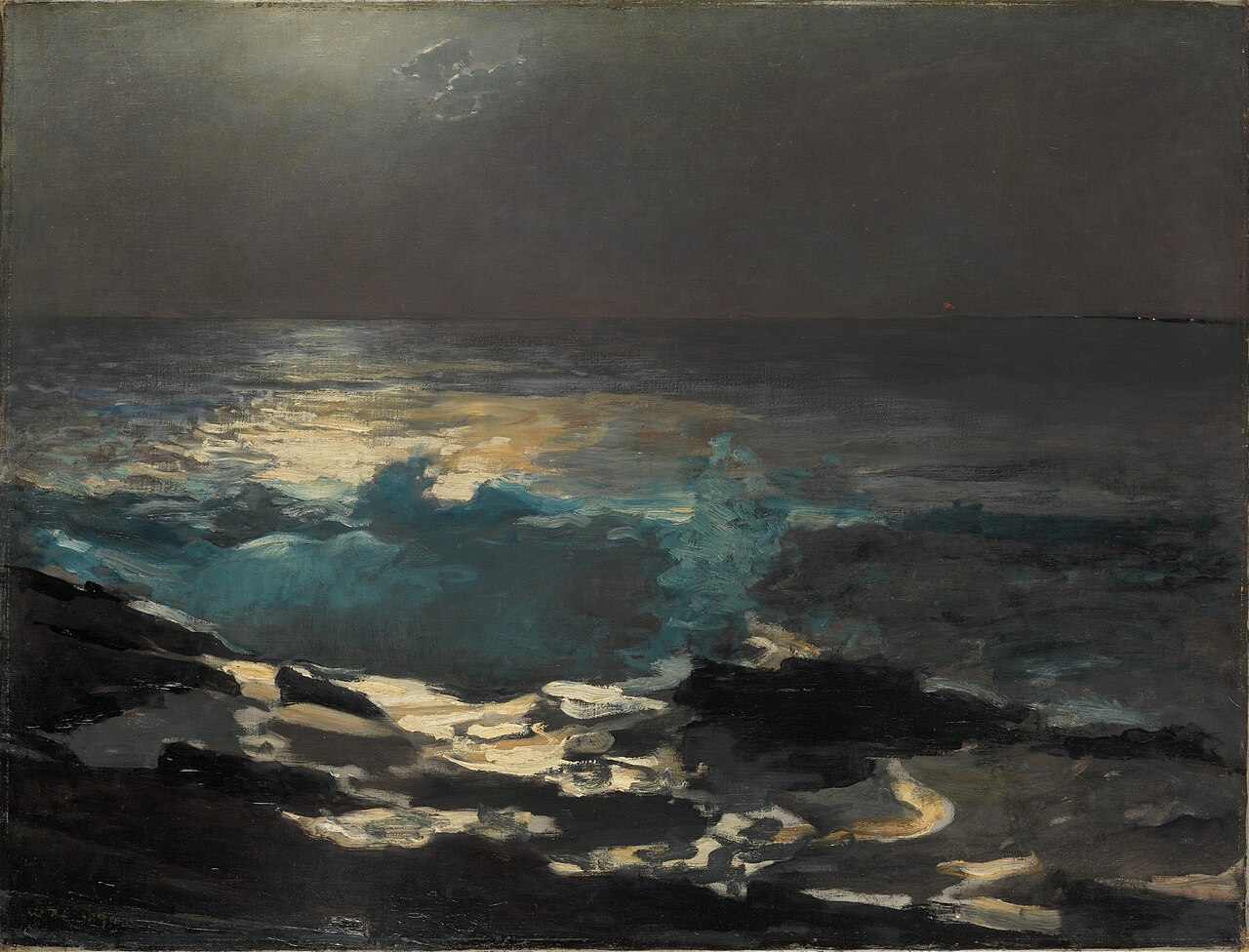
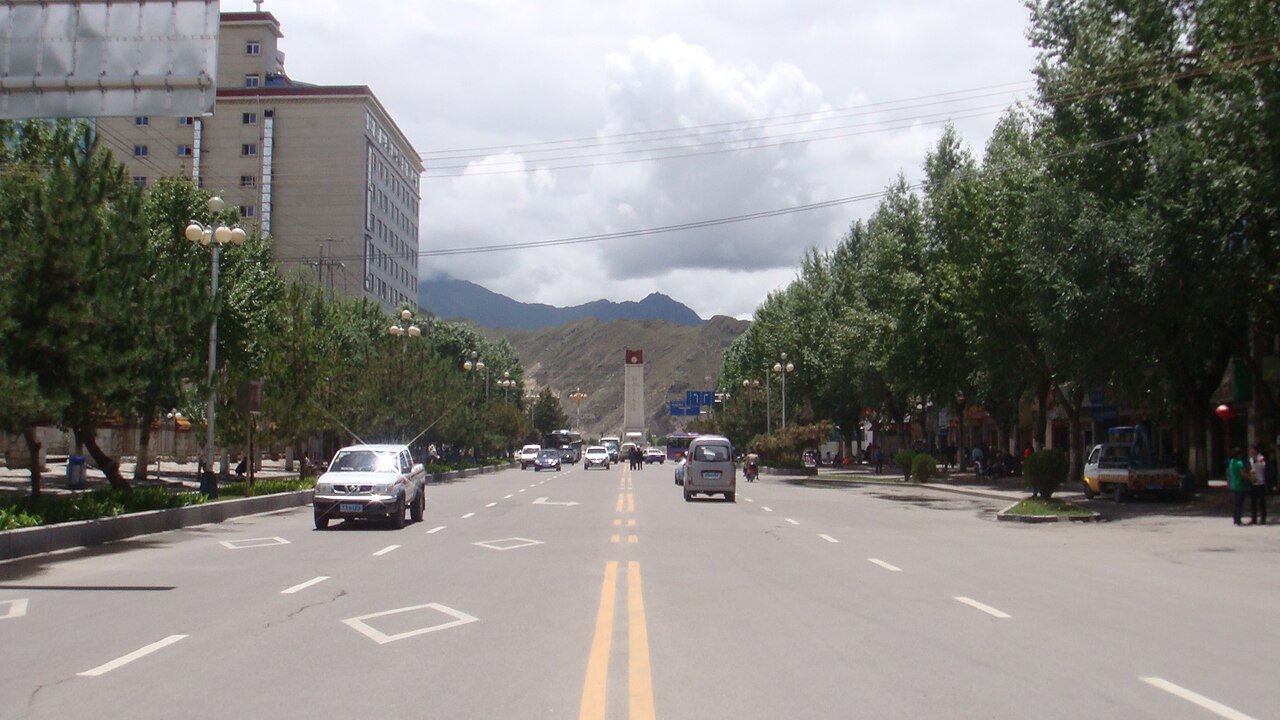
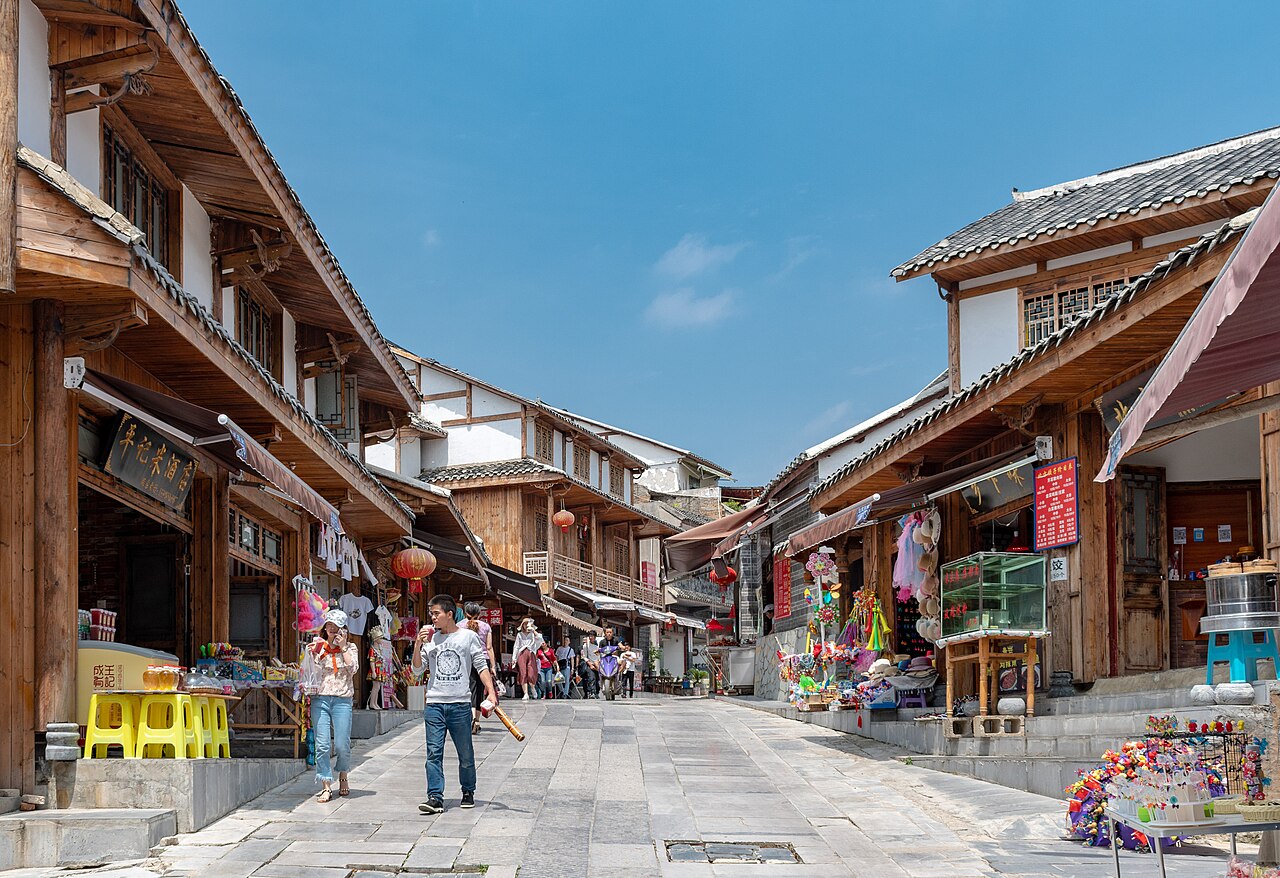
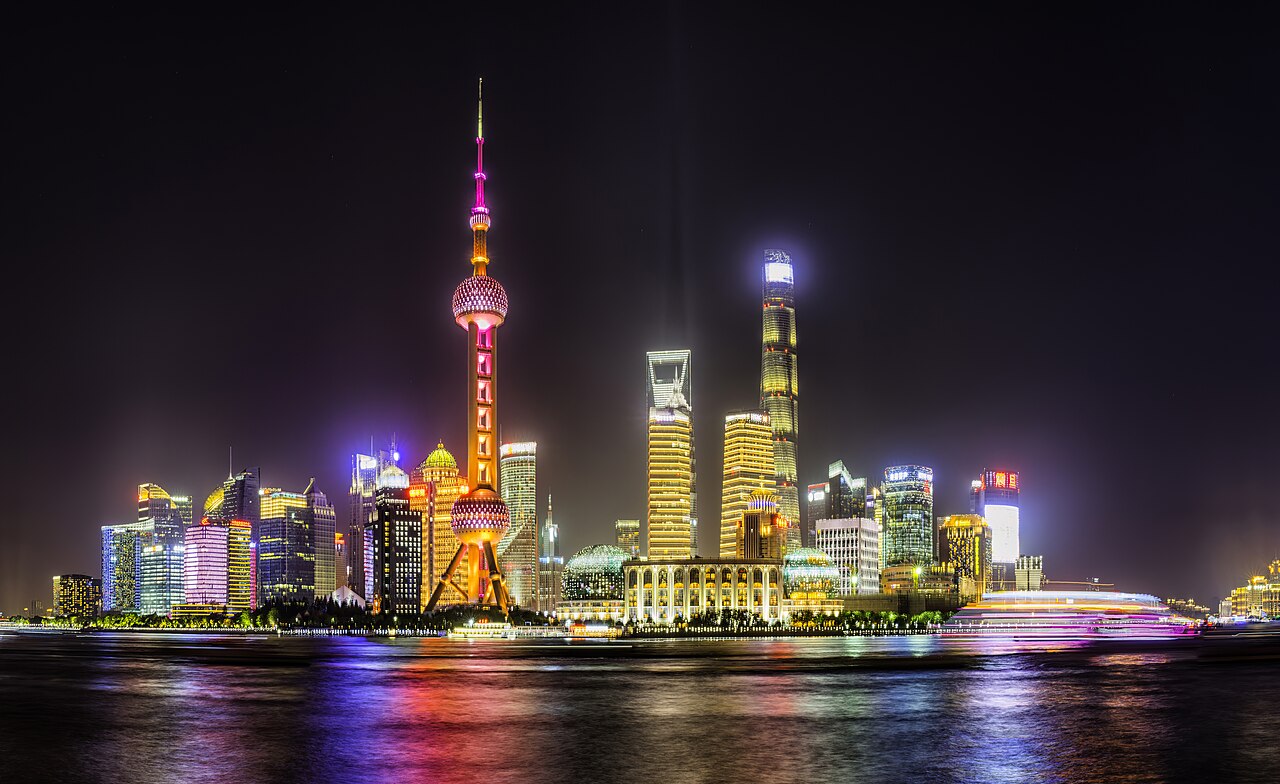
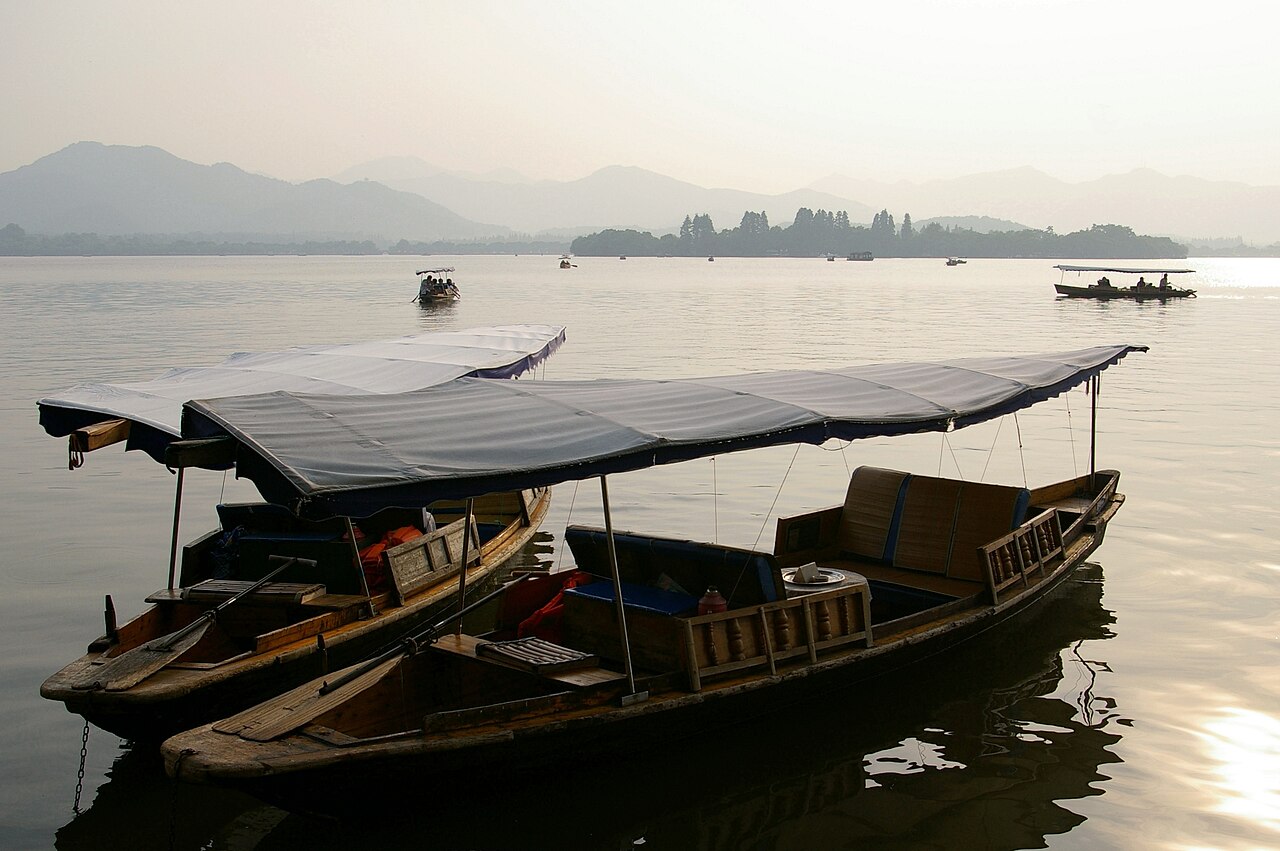
Painted boats and lanterns on the Qinhuai at dusk
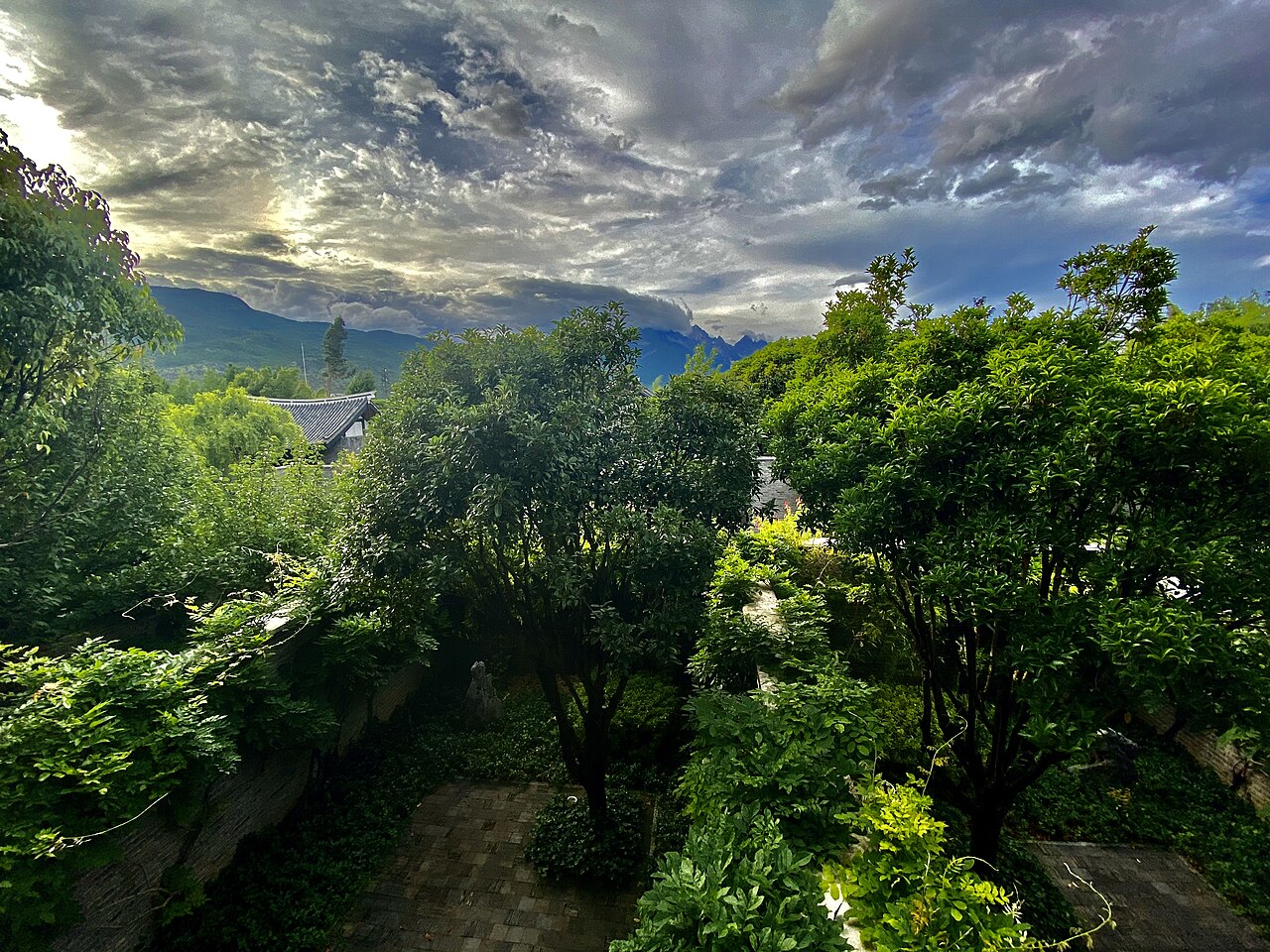
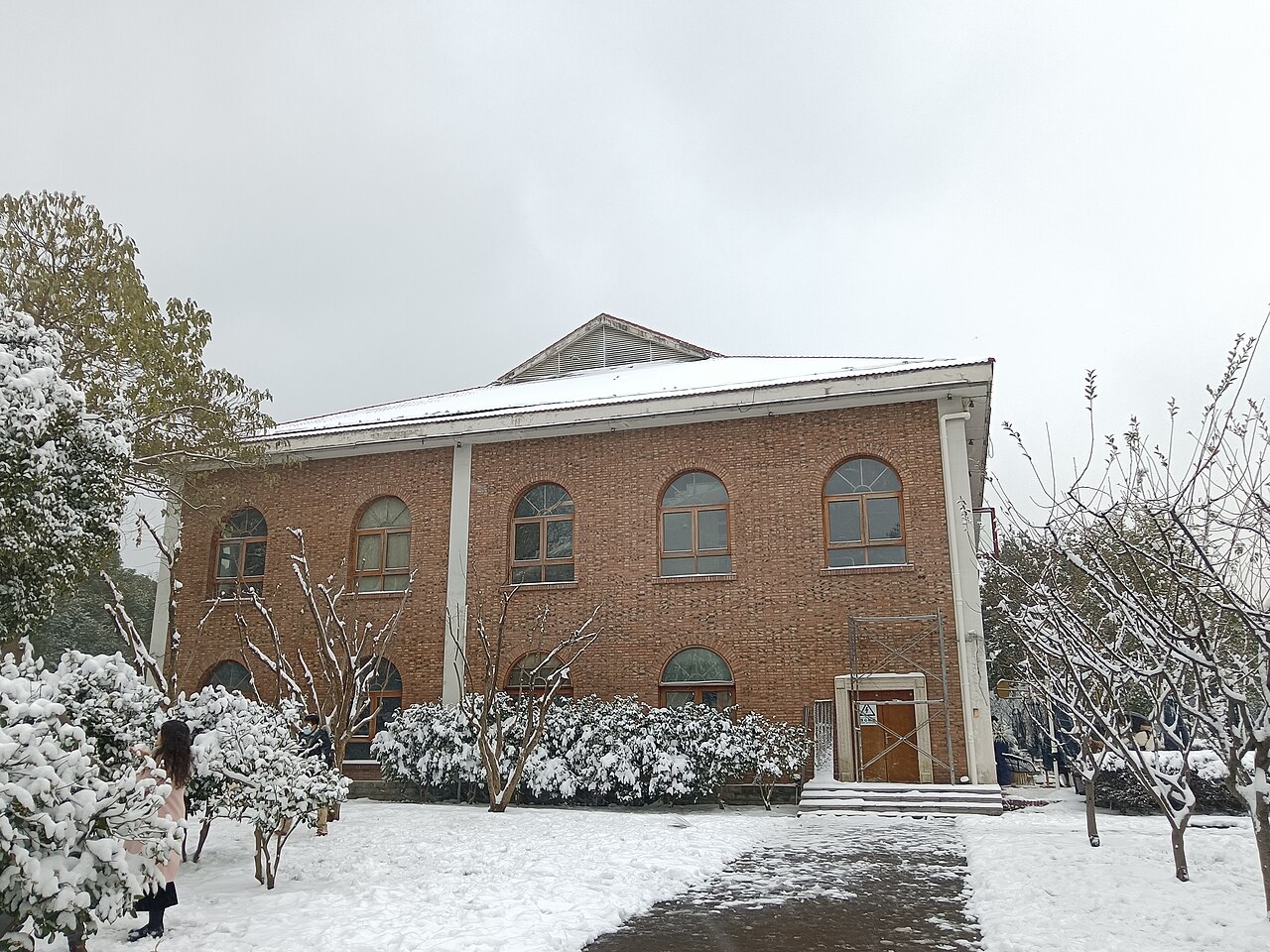
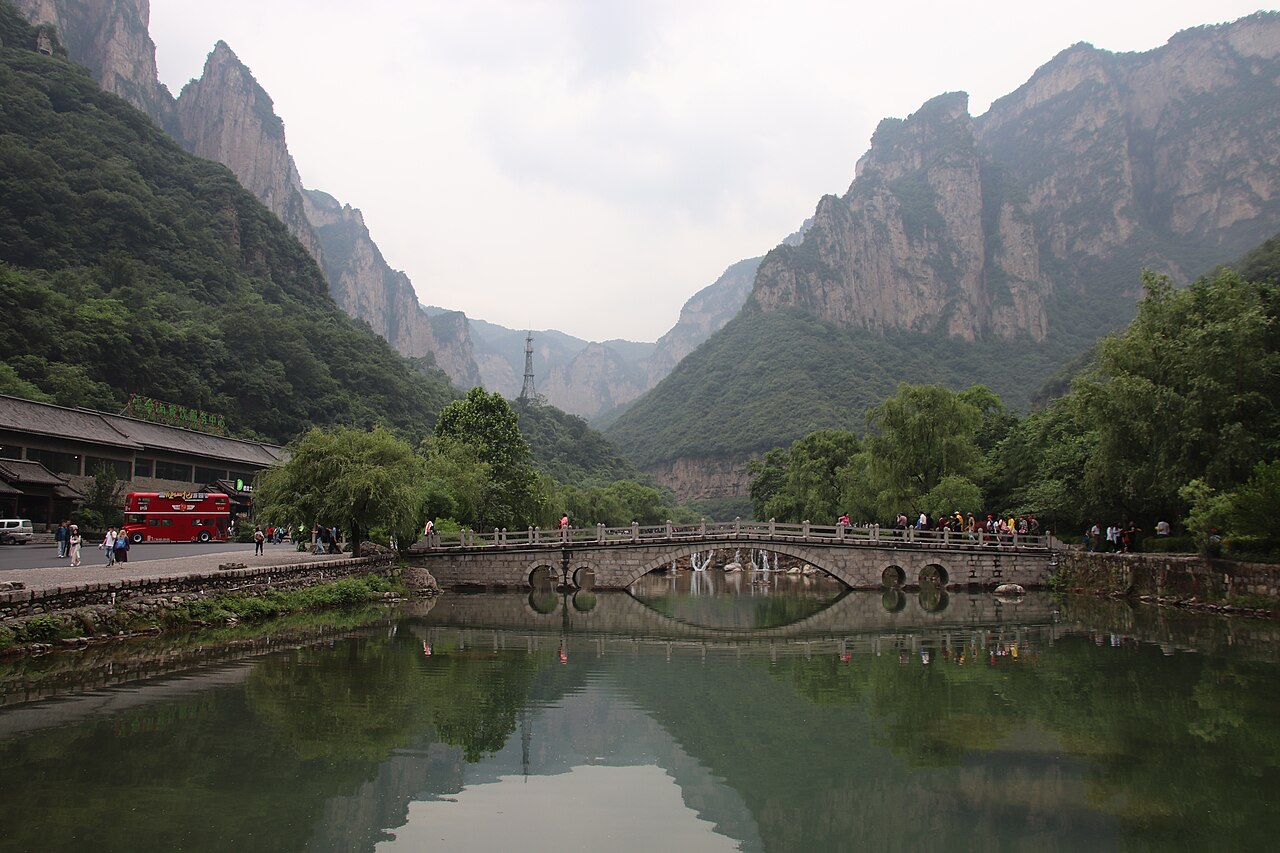
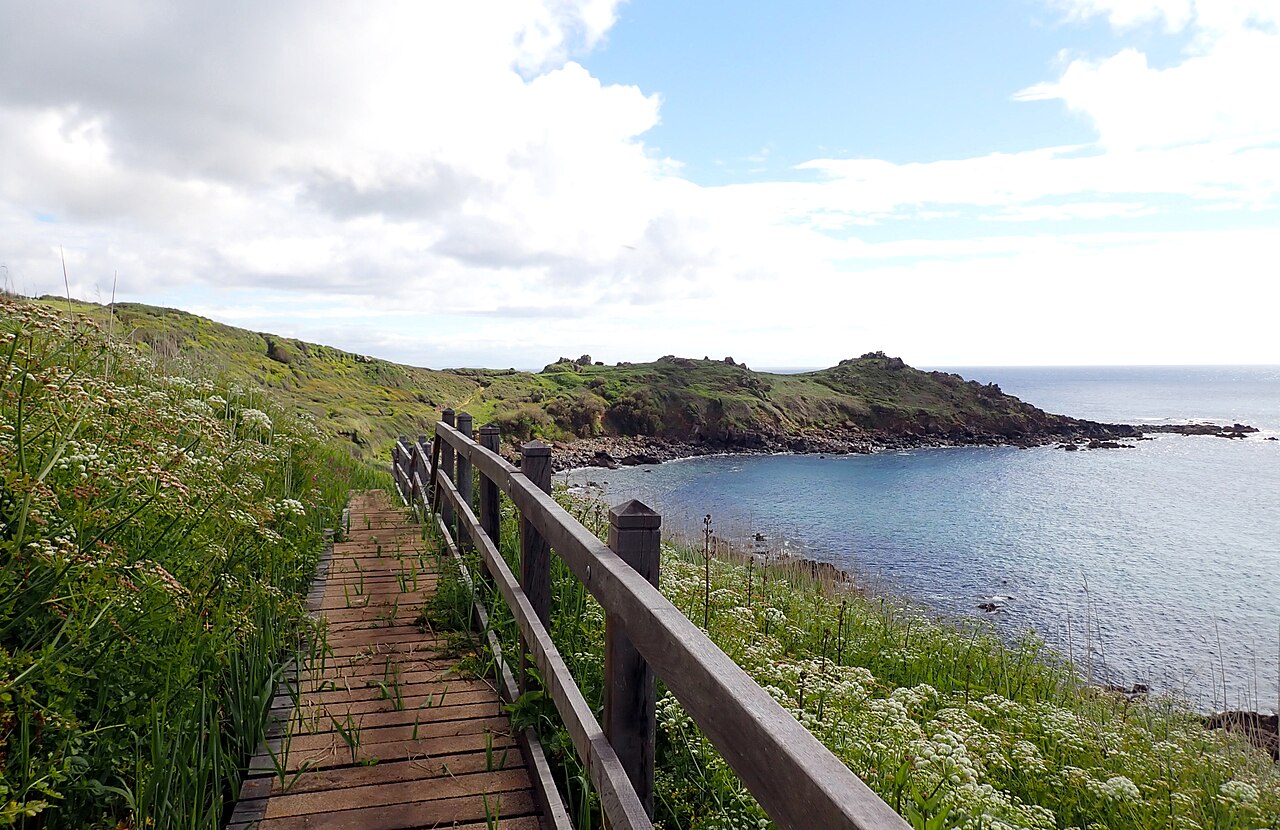
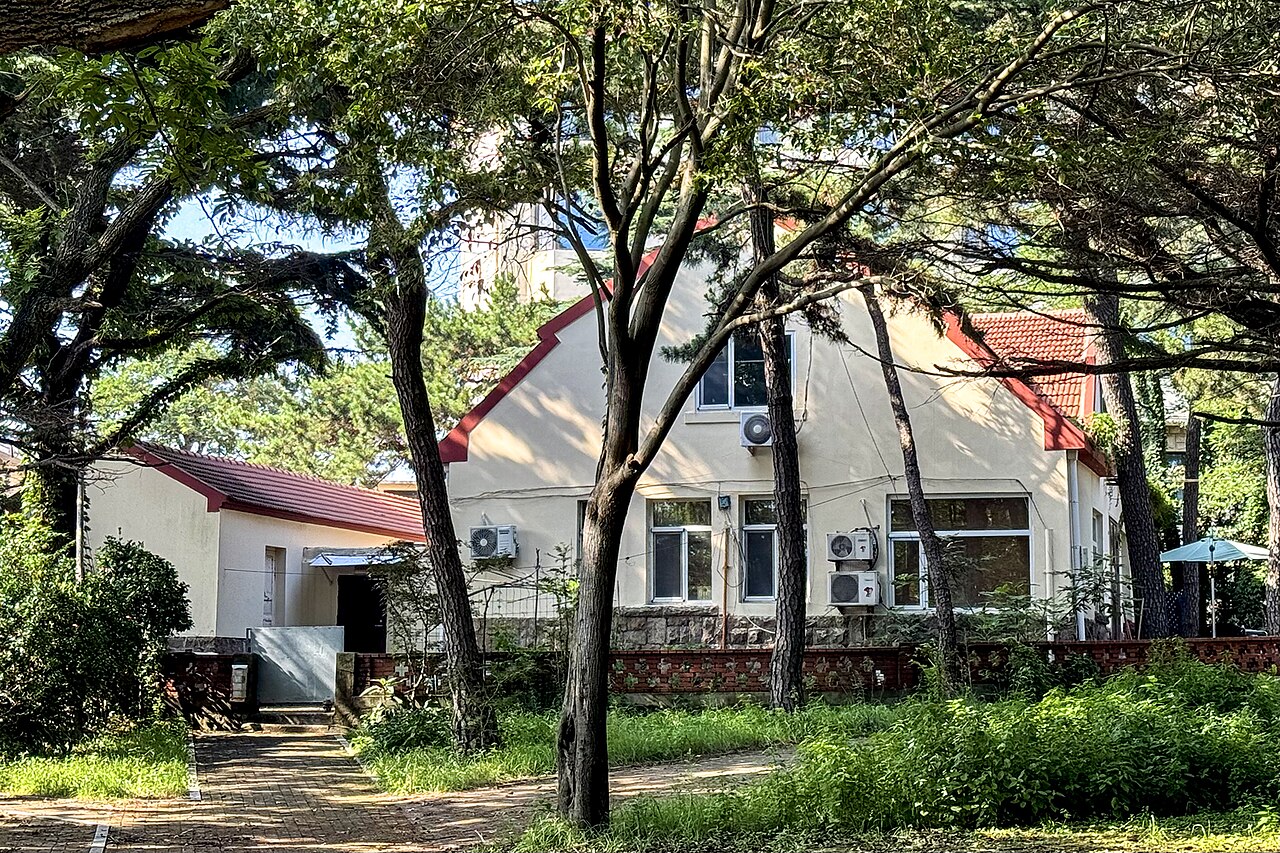
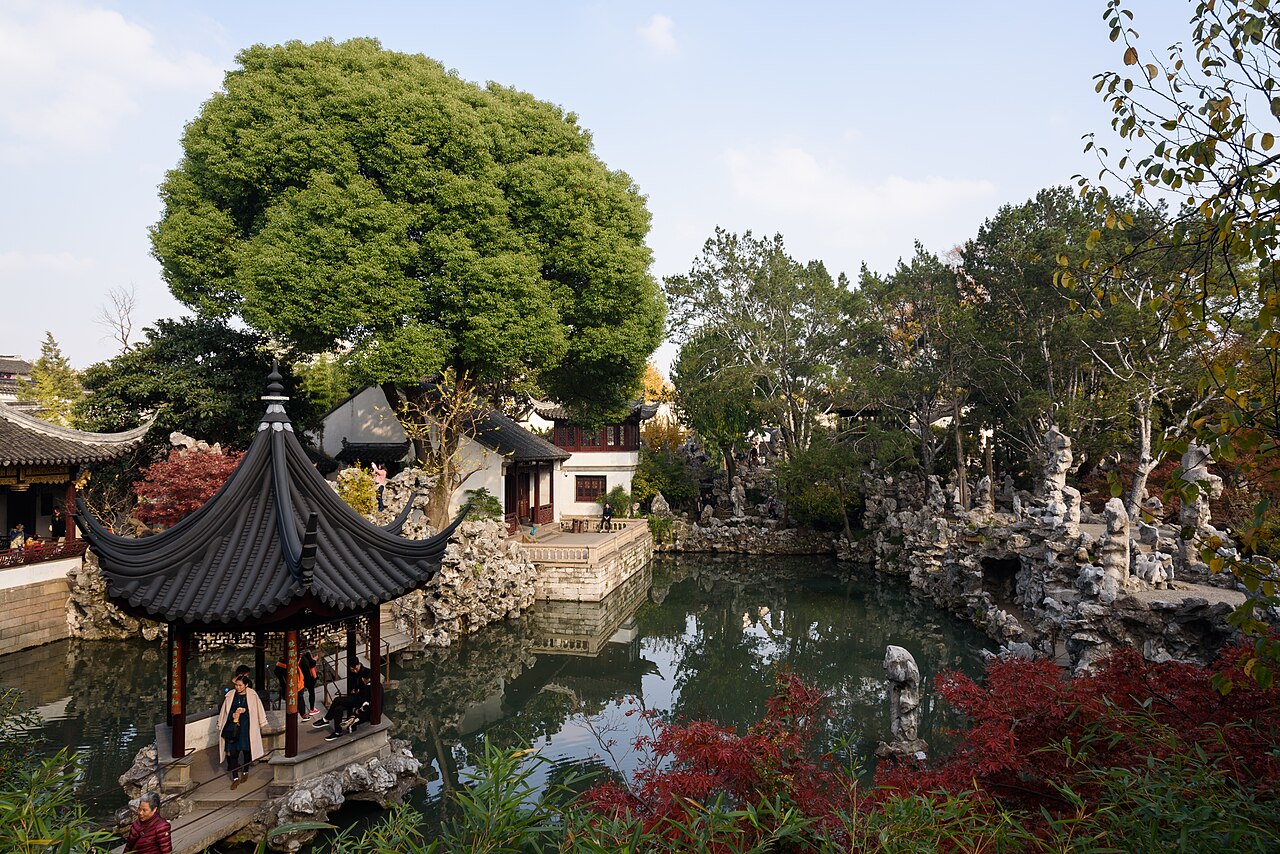
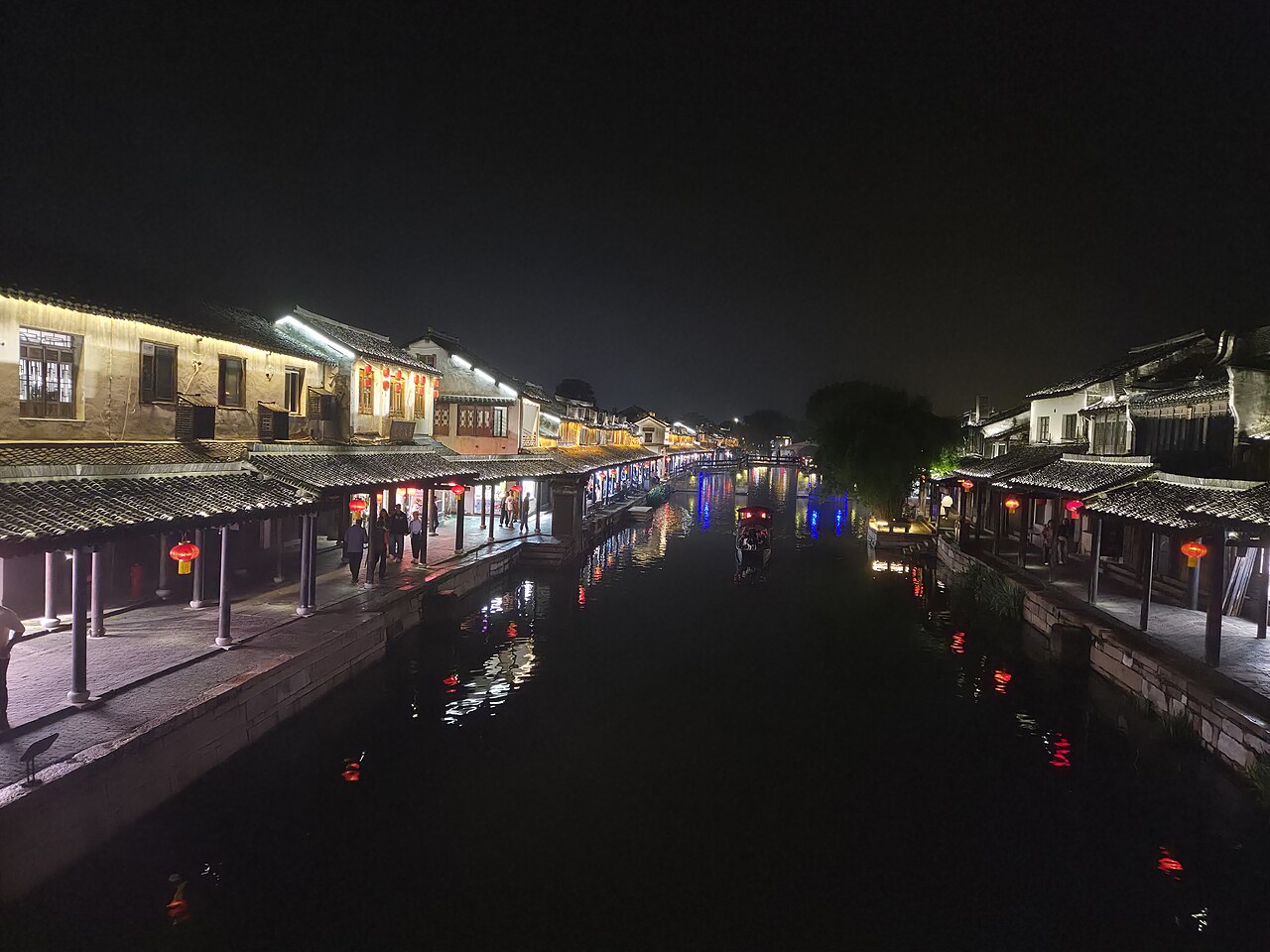
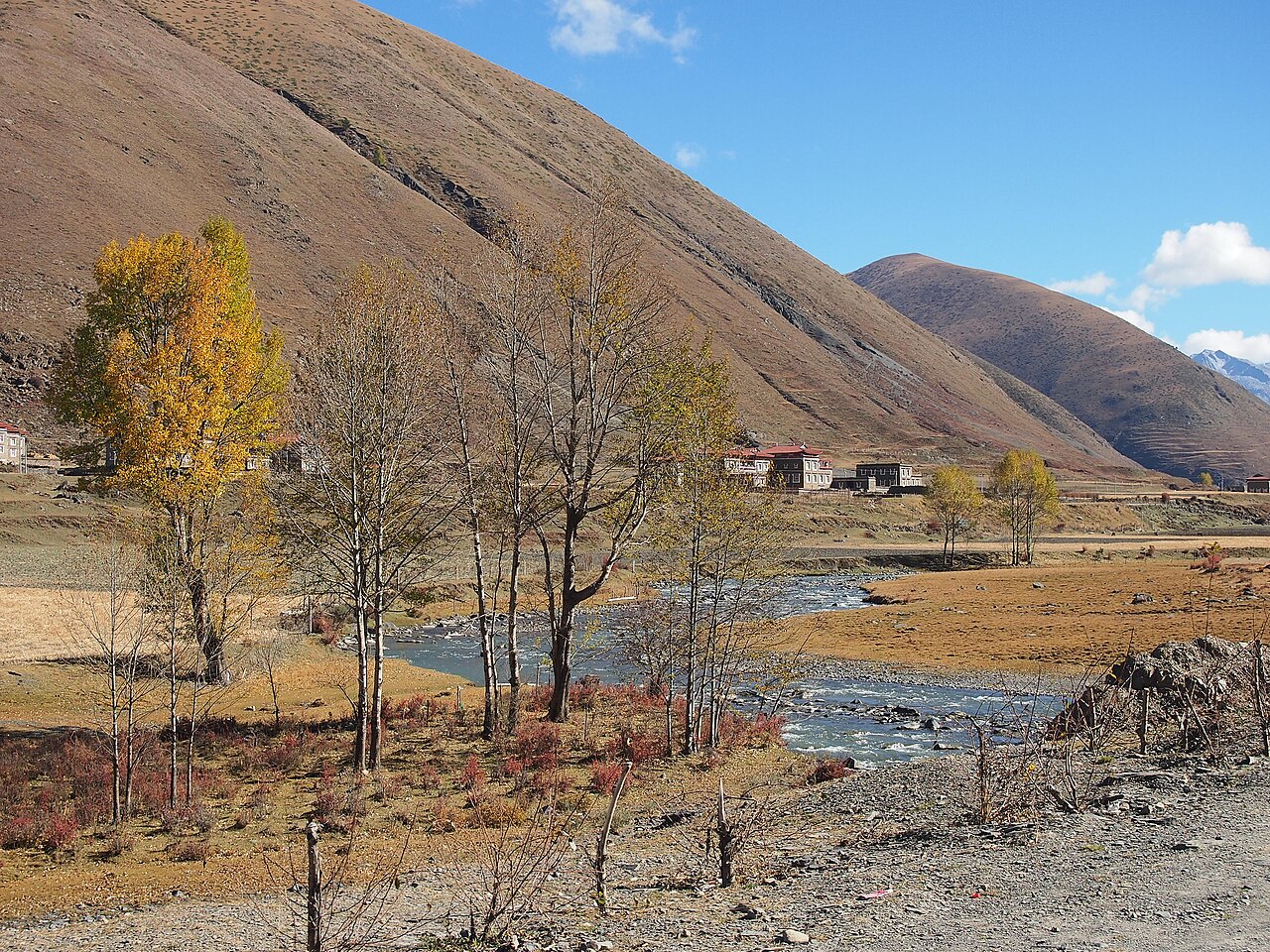
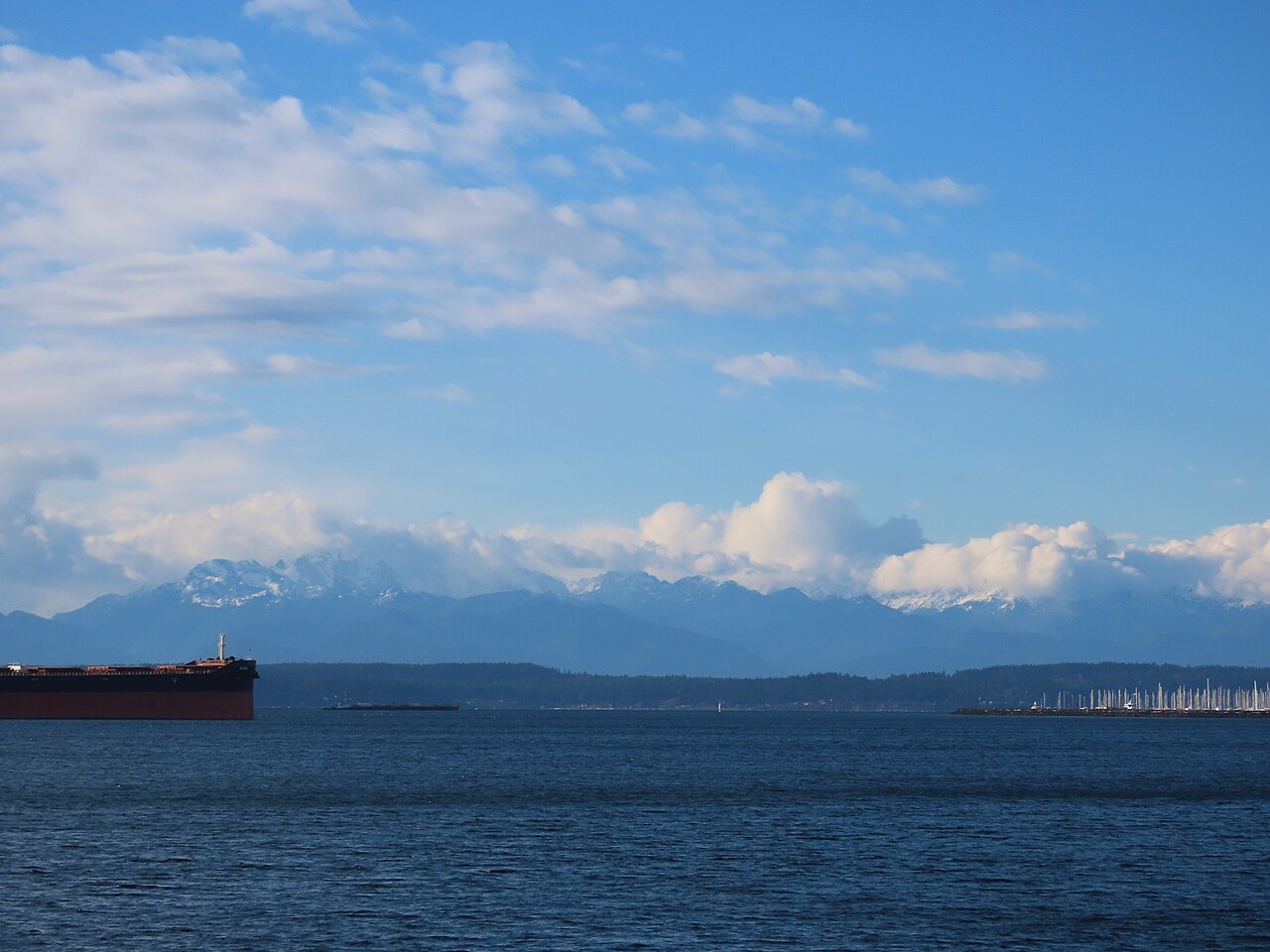
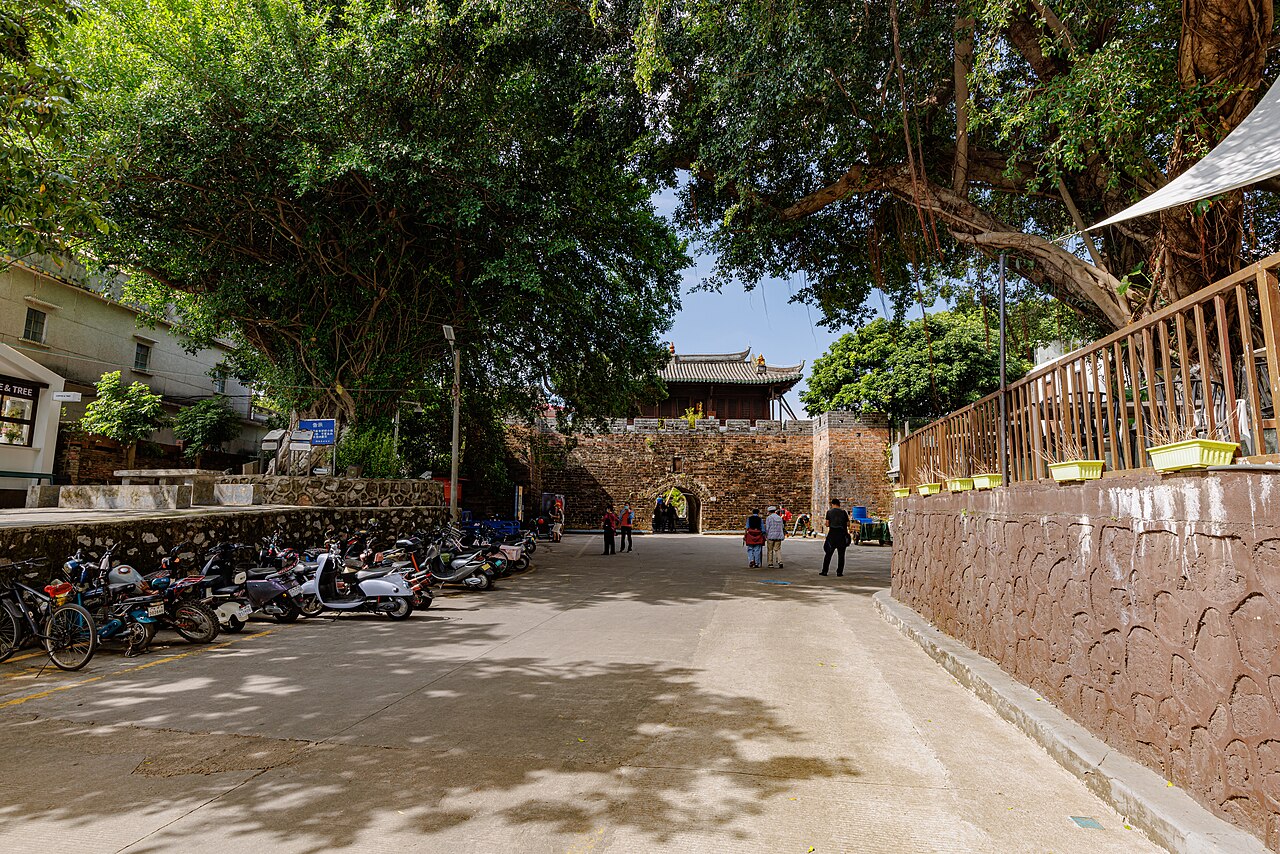
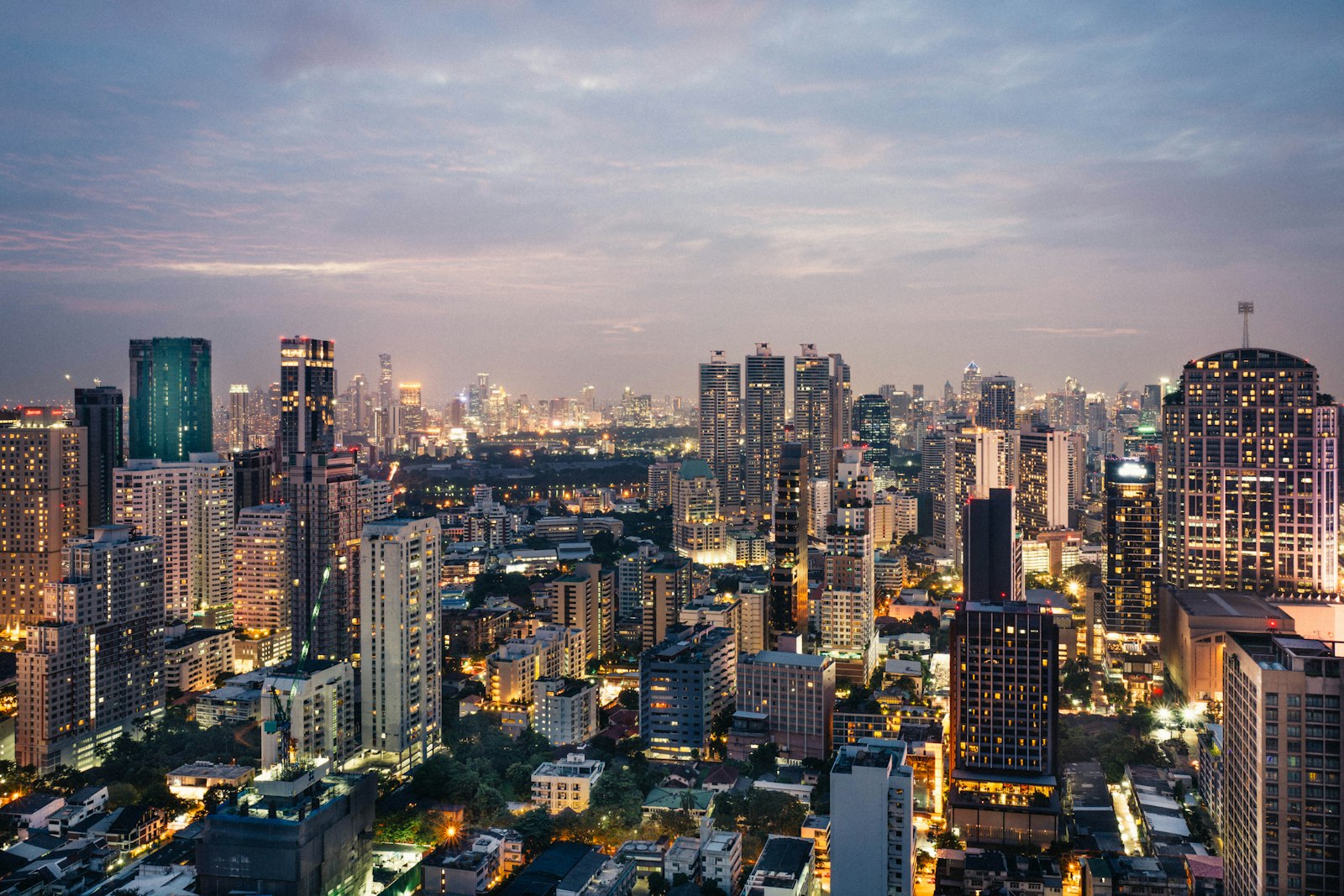
Plane trees over a Republican-era lane near the Presidential Palace

Visiting Nanjing is like browsing an antique shop — there are marks of erosion by time everywhere. You have to look slowly, and let it tell you the story.

Zhu Ziqing, 'Nanjing'

As someone who grew up here, I am as used to Nanjing as I am to my own family. The weekdays are noisy with business, but on a weekend you can walk by Xuanwu Lake or sit under the plane trees and it all feels entirely natural. Once you have lived here, you never really leave.

A Nanjing local, in the source guide

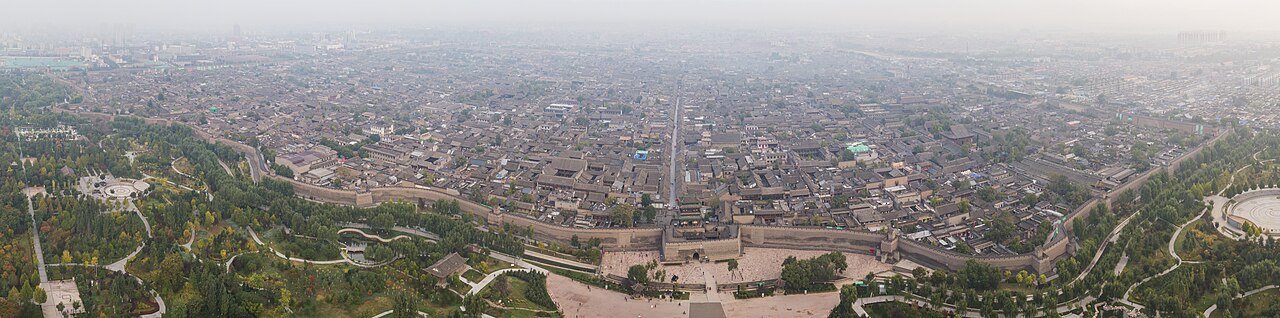
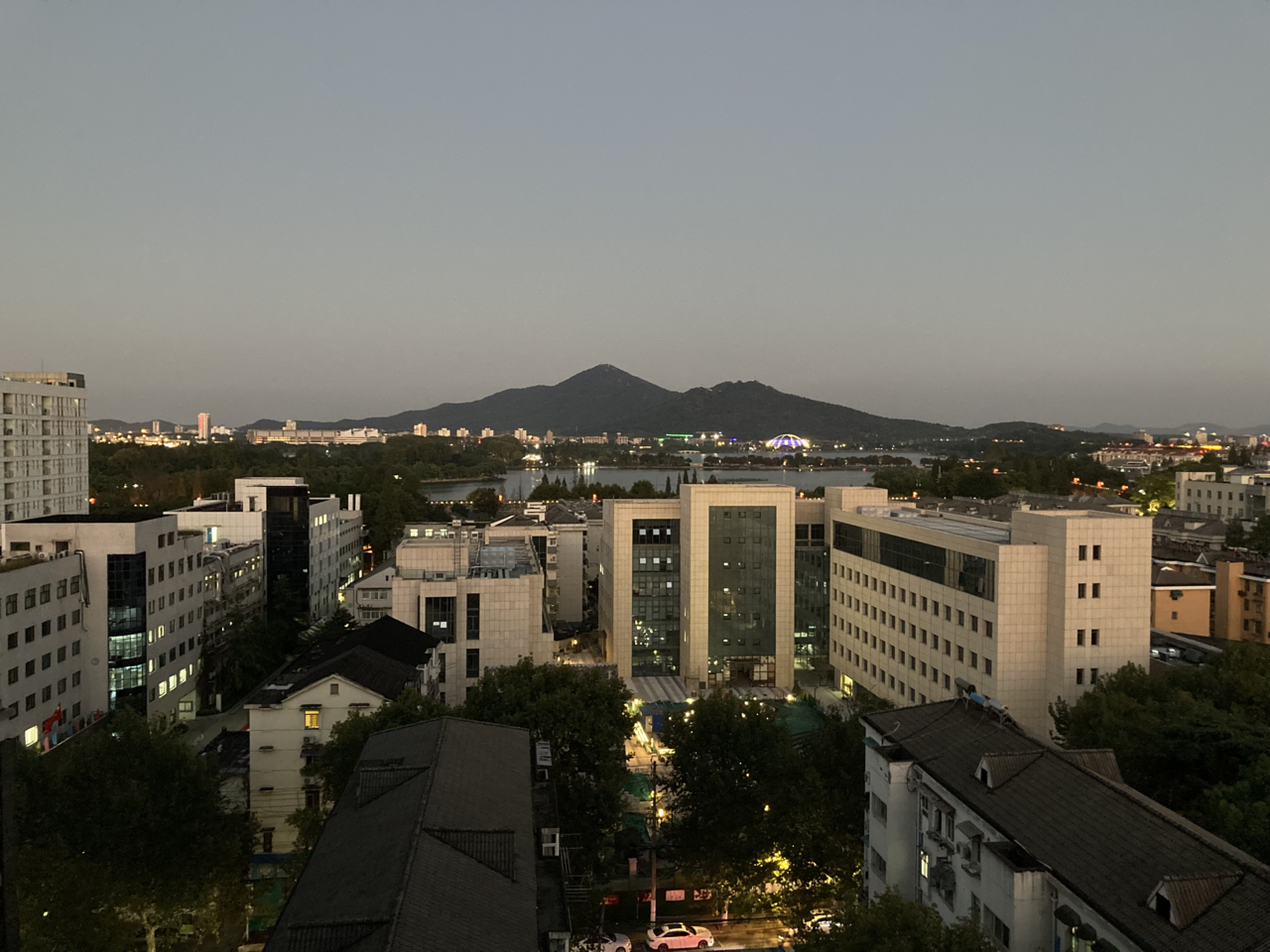
Nanjing does not announce itself. There is no single skyline, no one monument that sums it up. What you get instead is a city where 1,700 years of capital-building has settled into the ground: a Ming city wall you can walk on, a tomb avenue lined with stone elephants, a Republic-era mausoleum in the shape of a bell, and a river quarter that has been rebuilt so many times it now sells nostalgia by the lantern.

The city has been the capital of six dynasties — Wu, Eastern Jin, Song, Qi, Liang and Chen — and then of the Ming before the third emperor moved north, and then of the Republic of China. It has also been sacked repeatedly and rebuilt each time. Zhu Ziqing put it best: visiting Nanjing is like browsing an antique shop, there are marks of erosion by time everywhere. That is the appeal. Nothing here is pristine; everything is layered.

The other thing Nanjing has is trees. The plane trees planted along the Republican avenues are the city's signature, and under them the place slows down: people walk the 15 km shore of Xuanwu Lake at dusk, amateur choirs set up on the lakeside boardwalks, and in the old lanes west of the Presidential Palace the grey-brick villas of the 1930s are still somebody's home.

It is also one of the easiest big Chinese cities to move around. The metro reaches nearly every sight worth naming, buses are ¥2, and almost everything is within a half-hour of Xinjiekou. Come for three days: one for the mountain and the tombs, one for the Republic and the river, one for whatever is in season.

Nanjing

Don't leave without

Seven things that are worth rearranging a day for.

  1. Climb the 392 steps to Sun Yat-sen's tomb and look back down the bell
  2. Walk the Sacred Way at Ming Xiaoling past the stone elephants
  3. Take a painted boat on the Qinhuai after dark, when the lanterns are on
  4. Eat duck-blood-and-vermicelli soup at a counter on Zhanyuan Road
  5. Circle Xuanwu Lake at dusk and stay for the amateur choirs
  6. Walk the Ming city wall at Zhonghua Gate, the largest surviving castle gate in China
  7. Soak in the Tangshan hot springs on a cold winter afternoon

Highlights

Six reasons to get off the train

The capital that kept coming back

Nanjing has been the capital of six dynasties, of the early Ming, of the Republic and of the Taiping rebels, and it has been burnt and rebuilt more times than any other Chinese city. Zhu Ziqing's line about browsing an antique shop is the accurate one — nothing is pristine, everything is layered.
Sun Yat-sen Mausoleum, free and 392 steps up

The tomb of the father of the Republic sits on the shoulder of Purple Mountain and reads, from the air, like a bell lying on the hillside. Free since November 2010, but ticketed by daily quota — reserve the day before. The staircase is 392 steps and gets steeper as it climbs, deliberately.

Ming Xiaoling, tomb of the man who made the Ming

The joint tomb of Zhu Yuanzhang, the Hongwu emperor, and Empress Ma, laid out on the flank of Purple Mountain 600 years ago and still intact underground. The ¥70 ticket bundles the tomb, the 2 km Sacred Way of stone beasts, Plum Blossom Hill and Zixia Lake.

The Qinhuai after dark

Ten li of river that was the pleasure quarter of the Six Dynasties and the Ming, rebuilt in grey brick and now lit end to end. A painted boat costs ¥80 after 18:00 and boards at the pier in front of the Confucius Temple's Dacheng Hall. The point is the lanterns, not the commentary.

A lake that costs nothing and takes 90 minutes

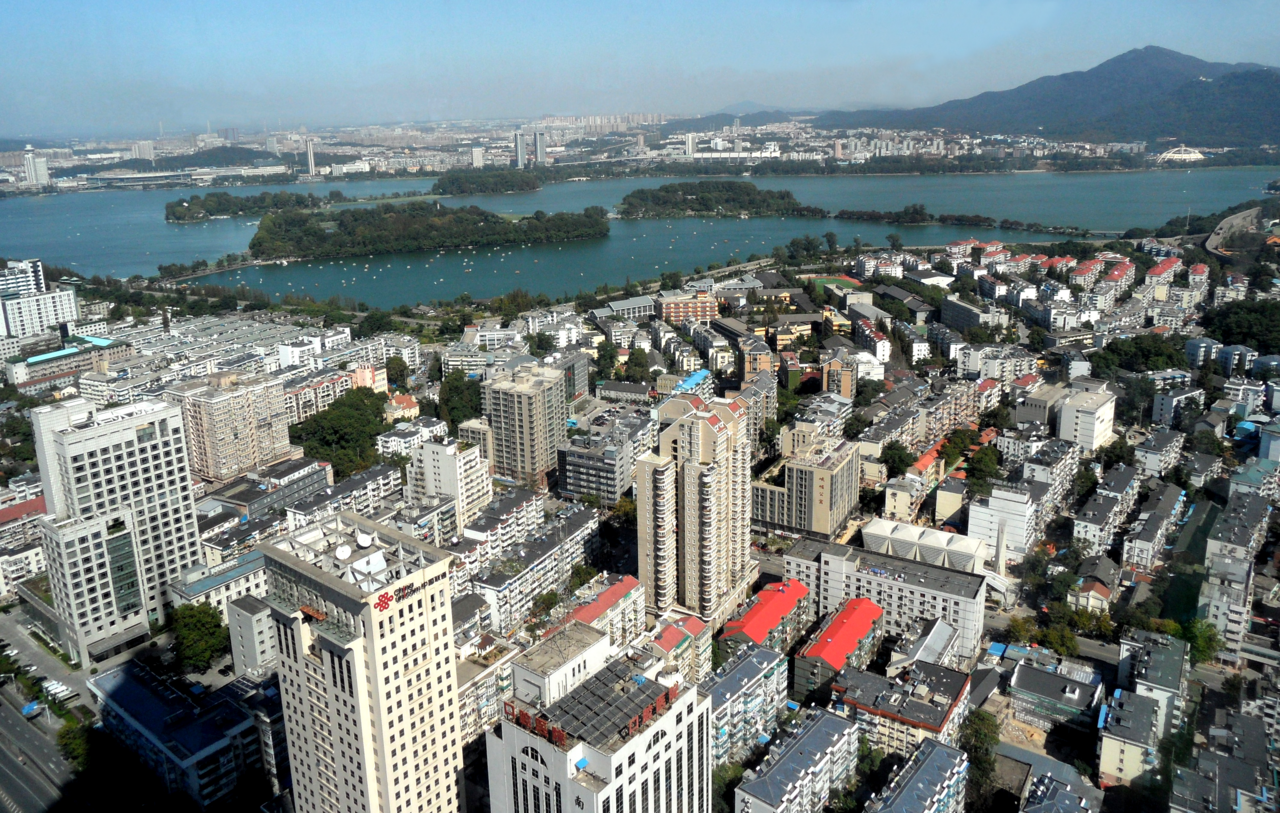
Xuanwu Lake fills the north-east corner inside the city wall: roughly 15 km around, five islets linked by causeways, lotus in summer. Free, and at night the boardwalks by Xuanwu Gate fill with amateur choirs, erhu players and dance groups.

The city that eats duck

Nanjing is called the duck capital. Salted duck has been made here for a thousand years, duck-blood-and-vermicelli soup is the breakfast and the late-night snack, and the roast-duck soup bun is the dish every visitor tries once. Nobody leaves Nanjing without eating duck three times.

Suggested routes

Two days, one day, or three

The antiquities run

2 days days

Ming tombs and Republic memorials on day one, remembrance and the lake on day two. This is the standard first trip.

  1. Day 1

    Mausoleum, tomb, then the river

    Start early at Sun Yat-sen Mausoleum before the quota bites — the 392 steps are cooler at 8am anyway. Come down and take the little tourist train (¥3, free with a joint ticket) across to Ming Xiaoling.

    Walk the Sacred Way in the afternoon, then bus it to the Confucius Temple. Eat your way through the Qinhuai snack stalls at dusk and finish on a boat after the lanterns come on.

    Stops: Sun Yat-sen MausoleumMing XiaolingSacred WayConfucius TempleQinhuai boat

  2. Day 2

    Remembrance, then the lake

    Morning at Yuhuatai — free, 42.3 m memorial obelisk to the revolutionaries, and the pebble and tea gardens. Then the Nanjing Massacre Memorial on Shuixi Street, which needs a quiet hour and costs nothing.

    Recover at Xuanwu Lake in the late afternoon: walk a stretch of the 15 km shore, take the park shuttle to Jiefang Gate, and come out at the Ming city wall ruins. Dinner on the Shiziqiao food street off Hunan Road.

    Stops: YuhuataiNanjing Massacre MemorialXuanwu LakeMing city wallShiziqiao

If you only have one day

1 day days

The three things people would ask whether you saw. Do it by metro and do not try to add a fourth.

  1. Day 1

    Mausoleum — lake — river

    Metro or tourist bus 1 to the mausoleum car park, up the steps, back down within two hours. Straight on to Xuanwu Lake for an hour of walking under the willows.

    Late afternoon cross to the Confucius Temple: the Confucian hall, the old examination compound of Jiangnan, the lane at Wuyi Xiang. Eat the eight Qinhuai snacks, then the boat, then home.

    Stops: Sun Yat-sen MausoleumXuanwu LakeConfucius TempleQinhuai boat

Late autumn, with nostalgia

3 days days

Three slower days built for November: maples, the Republic quarter, the bridge and the old railway station.

  1. Day 1

    Mausoleum and Yuhuatai

    Mausoleum first while it is quiet, then tourist bus 2 or 164 down to Yuhuatai for half a day among the woods. If your legs hold out, bus 33 on to Xinjiekou in the evening.

    Stops: Sun Yat-sen MausoleumYuhuataiXinjiekou

  2. Day 2

    The lake and the snack street

    Boat or walk on Xuanwu Lake, watch the choirs, then bus 52 to Hunan Road and eat the length of Shiziqiao — 330 m of granite paving, from duck-blood soup to soup buns to candied haws. Take the metro back from Xuanwu Gate.

    Stops: Xuanwu LakeShiziqiao food streetHunan Road

  3. Day 3

    The bridge and the old station

    Bus 12, 15, 67, 69 or 307 to the south bridgehead park of the Yangtze River Bridge — 1,577 m of main span, finished in 1968 entirely by Chinese engineers. Walk the deck, then cross to Pukou for the 1914 railway terminus where Zhu Ziqing's father bought the oranges.

    Stops: Nanjing Yangtze River BridgePukou railway station

Sights

What to actually go and see

The Republic

Sun Yat-sen Mausoleum

The tomb of Sun Yat-sen on the south flank of Purple Mountain, laid out so that from the air the whole complex reads as a bell — the 'freedom bell'. The stair is 392 granite steps and deliberately steepens towards the top, which is read as the revolution getting harder. The memorial arch, the tomb passage, the stele pavilion and the sacrificial hall all sit on one axis.

Where
Zhongshan Gate outer, Purple Mountain, Xuanwu district
Ticket
Free since 12 Nov 2010 — free timed ticket, daily quota applies
Best route
Tree-lined avenue — Xingjian Pavilion — memorial arch — tomb gate — stele pavilion — sacrificial hall — Yongmu Lodge — Sun Yat-sen Memorial Hall — Music Terrace
Getting there
Tourist bus 1 to the mausoleum car park, or the Mingzhong line metro
Between sights
Little tourist train to Ming Xiaoling ¥3, free with a combined ticket; 8–10 seat buggy with a guide ¥20 per person

Tip Reserve the free ticket the day before and go at opening. The quota is real — late arrivals get turned around at the gate.

Imperial tomb

Ming Xiaoling

The joint tomb of Zhu Yuanzhang, founder of the Ming, and Empress Ma, sitting under Purple Mountain and facing Plum Blossom Hill across the valley. The Sacred Way begins at Sifangcheng, the stele pavilion his son the Yongle emperor raised; beyond it the Square City is 75 m wide, 16 m high and 31 m deep, with a ramped tunnel of 54 steps up to the top. The burial mound behind is a grassed dome roughly 400 m across.

Where
Eastern suburb, at the foot of Purple Mountain
Ticket
¥70 — covers Ming Xiaoling, Zixia Lake, the Sacred Way and Plum Blossom Hill
Buses
Tourist 3, bus 20 to Ming Xiaoling stop
From the mausoleum
Tourist train ¥3, free with a combined ticket

Tip Come in late February. The ticket includes Plum Blossom Hill, which holds over 200 of the world's 300 known plum varieties in some 30,000 trees.

The city's mountain

Purple Mountain

Known as Zhongshan and, in the Eastern Jin, as Purple Mountain for the purple shale that makes the ridge haze violet from a distance. Three peaks run together like a dragon — the old line is 'Zhongshan coils like a dragon, Stone City crouches like a tiger'. It sits on the boundary between temperate and subtropical, so the planting is unusually rich.

Where
Eastern edge of the city, outside Zhongshan Gate
Ticket
Free; Purple Mountain Observatory ¥15
Buses
Tourist 3, 20, 315, 48, 308, 125 to the Purple Mountain cable-car stop

Tip The cable car is the lazy way up and worth it on a clear day. On summer nights the lower slopes are famous for fireflies.

The river

The Qinhuai and its painted boats

Ten li of river inside the city that was the pleasure quarter of the Six Dynasties and reached its peak under the Ming — painted boats, lanterns, the sound of oars. The boat trip is the whole point of the river: it runs from the Pan Pond pier past the Bailuzhou park, the Seven-Colour Water Street, the East Water Gate and Zhonghua Gate.

Where
Board at the pier in front of the Dacheng Hall, Confucius Temple
Day trip
¥60 per person, roughly 18:00 cut-off for the daytime fare
Evening trip
¥80 per person, 18:00–23:30
Private hire
16-seat luxury boat ¥2,400; 20-seat ¥2,600; 16-seat with the Bailuzhou water show ¥3,600

Tip Go after 18:00 and pay the extra ¥20 — the daytime river is a canal, the night river is the reason the place is famous.

Old quarter

Confucius Temple

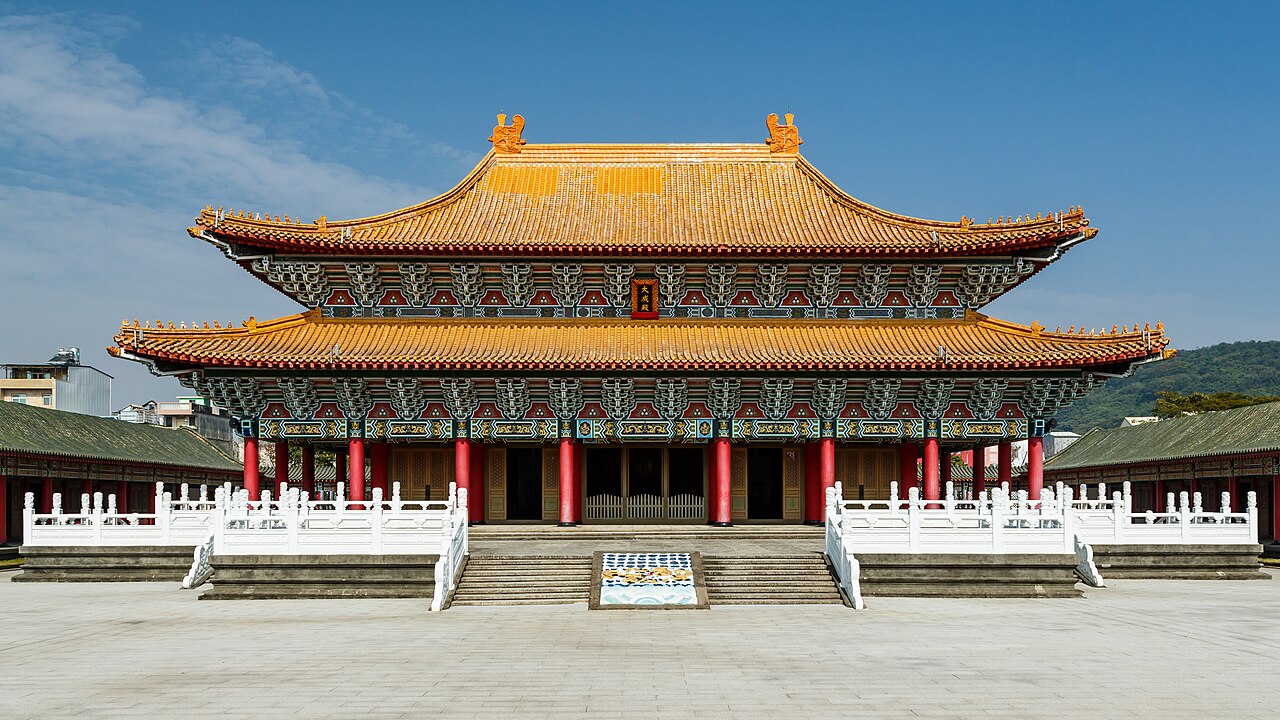
The temple complex north of the river — Confucian hall, academy and the Jiangnan examination hall — restored by the city from 1985 with every shopfront rebuilt in Ming-Qing style. Climb to the Jingyi Pavilion on the mound behind the Chongsheng Hall for the view over the whole quarter. Spring brings the lantern fair, summer the temple market, autumn the food festival and the Confucius ceremony.

Where
Gongyuan Street, north bank of the Qinhuai, just south of the centre
Ticket
Free to walk the quarter; individual halls ticketed
Buses
4, 7, 40, 44, 49, 62, 304 to Confucius Temple (East); tourist 2, 1, 15 to Confucius Temple (North)

Tip Wuyi Lane is a few dozen metres south-west — a narrow, quiet lane, and the place to stand and think about the Wang and Xie families of the Eastern Jin.

City lake

Xuanwu Lake

A lake of roughly 15 km of shoreline just outside the old north wall, joined to the city by Xuanwu Gate and Jiefang Gate. Five islets — Huan, Ying, Liang, Cui and Ling — are linked by causeways and bridges; the park has a children's playground, open-air theatre and boating. It was a naval training ground and then a pleasure ground for emperors, and was renamed in 448 after a black dragon was supposedly seen in it.

Where
North-east of the city centre, at Xuanwu Gate
Ticket
Free
Time needed
About 90 minutes to walk a good stretch
Metro
Xuanwu Gate station
Buses
Tourist 1, 1, 3, 8, 15, 22, 25, 28, 30, 33, 35, 38, 47, 52, 56, 74 to Xuanwu Lake Park

Tip Nights are the best time: choirs, instrumentalists and dance groups set up on the boardwalks either side of Xuanwu Gate. If your legs give out, the park shuttle runs to Jiefang Gate, which drops you at the city wall ruins.

Remembrance

Nanjing Massacre Memorial

The memorial to the victims of the massacre that followed the Japanese capture of Nanjing on 13 December 1937, built on the site of one of the mass graves at Jiangdongmen. Three sections: the open-air display, the skeletal remains and the documentary record. It is free, and it is not a place to hurry — allow an hour and expect to be quiet for a while afterwards.

Where
Chating East Street, Jiangdongmen, west of the centre
Ticket
Free
Metro
Line 2, Yunjin Road station
Buses
7, 37

Tip Go in the morning and leave the rest of the day light. Photography rules inside are strict — check before you raise a phone.

Free park

Yuhuatai

A kilometre outside Zhonghua Gate, named for the legend of the monk Yunguang preaching so devoutly that flowers fell like rain. Six zones: the historic sites, the revolutionary martyrs' memorial, the Yuhua pebble culture zone, the Yuhua tea zone, the amusement area and the dense woodland. The memorial obelisk stands on the 60 m high point and is 42.3 m tall — for 23 April 1949, the day the city was taken.

Where
About 1 km south of Zhonghua Gate
Ticket
Free; guided buggy inside the park ¥10 per person
Metro
Zhonghua Gate South station, then 500 m east to the north gate
Buses
Tourist 2, tourist 4, 26, 33, 88, 105, 111, 137, 305, 814, 816

Tip The famous Yuhua pebbles are not quarried here — they come from Liuhe, on the Yangtze north of the city. Buy them at the Qingliangshan antiques market rather than from a stall on the spot.

City wall

Zhonghua Gate

The largest surviving castle gate in China and the formal south gate of the early Ming capital, built between 1369 and 1375 on the older southern gate of the Song-Jiankang prefecture. It runs 118.5 m east to west and 128 m north to south, stands 20.45 m high, and three enclosures are threaded by four arches; 27 troop-hiding chambers inside could shelter 3,000 men.

Where
South end of Zhonghua Road, Qinhuai district
Metro
Line 1, Zhonghua Gate station
Scale
15,168 sq m footprint, three enclosures, four arches, 27 chambers

Tip Come up here from the riverside and walk the wall — the ramp on the side of the enclosure was built so horses could ride up.

The crossing

Nanjing Yangtze River Bridge

The first bridge over the Yangtze designed and built entirely by Chinese engineers, finished in 1968 as a double-deck road-and-rail crossing: 1,577 m of main span, 6,772 m of railway bridge, 4,589 m of highway deck, 19.5 m wide, with 22 arches of double-curvature approach on the landward ends. Before it, a train crossed by ferry and it took two hours. Now it takes three minutes.

Where
North-west of the centre, between the city and Pukou
Ticket
Bridge park ¥7; bridgehead visit including the exhibition hall and the lift ¥8
South bridgehead
Buses 12, 15, 67, 69, 307 to Daqiao Nanbao Park
North bridgehead
Yange night line, Yange line, Hanjiang line, 131, 132, 136, 150, 151, 157, 159, 172, 174

Tip Buses stopped stopping on the bridge itself on 1 January 2010, so you walk on or take a taxi. Out-of-town plates are barred from the bridge; local cars cross free.

Republic ghost

Pukou railway station

Opened in 1914 as the southern terminus of the Tianjin–Pukou railway, once one of the most consequential addresses in China: Sun Yat-sen's coffin arrived here, the People's Liberation Army launched the crossing of the Yangtze from here, and Zhu Ziqing's father bought the oranges in 'The Sight of Father's Back' on this platform. It closed to passengers decades ago and has become a film set for Republican-era dramas.

Where
North bank of the Yangtze, Pukou
Getting there
Jianghan line to Pulu Road, walk to Xinma Road, then bus 639 to Pukou Park, 500 m on foot

Tip Pair it with the bridge — they are the same story. Late afternoon light on the platform is the photograph.

Side trip

Tangshan hot springs

A spa town about 30 km east of the city that has been used as a bathing place for 1,500 years and was named a world-famous hot-spring town in October 2012. The water is a calcium-magnesium thermal spring carrying traces of strontium and radon, used for skin complaints and arthritis. The resorts open 10:00 to midnight.

Where
Tangshan, Jiangning district, about 30 km east
Entry
Shengquan ¥108; Liaoyangsheng ¥128; Tangshan No.1 ¥158; Yishang ¥158; Baibei Shengquan two-person package ¥216
Hours
10:00–24:00, weather permitting
Bus
Nantang line from the railway station to Tangshan East, ¥4, about 45 minutes; also bus 51 to Taiyangcheng then the Taizuo line
By car
About 35 km from the railway station, roughly 30 minutes, under ¥100

Tip Soak in 15-minute sessions, never on a full or empty stomach, and drink water first. Yishang is the best-equipped of the group. On the way back, stop at the Ming Culture Village for the Yangshan stele — 90.7 m of uncut stone, entry ¥35.

Food

Duck, three ways

Salted duck

The dish Nanjing is judged on, made here for more than a thousand years: fragrant, crisp-skinned, tender. Around the Mid-Autumn festival, when the osmanthus is out and the birds are fat, it is sold as osmanthus duck and it is at its best. Buy three or four duck heads and eat them with beer.

Duck-blood-and-vermicelli soup

The city's street-food signature. Cubes of duck blood like pieces of purple jade in a green-tinged broth, with ivory-white duck intestine and mahogany-red gizzard, and vermicelli wound through all of it. Add vinegar and ask for extra coriander. About ¥14 a bowl.

Roast-duck soup bun

Nanjing's answer to the soup dumpling: a thin wrapper holding duck meat and duck broth, faintly sweet. Bite a small hole in the top, drink the soup carefully, then eat the rest. Do not tear it and do not rush — the soup is genuinely hot.

Beef potstickers

One of the eight Qinhuai snacks, and the reason to queue at a Muslim-run old shop: crescent-shaped, golden-crisp on the outside, full of filling and juice. Locals eat them with a bowl of mild wonton soup to cut the richness. ¥10–20 a head.

Rice-flour cakes

Nanjing takes its sweet things seriously — sweet but not cloying, sticky but not gluey, small, brightly coloured and soft. The cakes are sold by weight and the point is to eat them with a pot of green tea. Fangpo on Wangfu Street is the name locals give first.

Spicy crayfish

Nanjing's other night obsession, sold by the jin at ¥18–50 depending on size. The gills are trimmed and the digestive tract pulled before cooking, so they are clean; the meat stays sweet and firm. The big restaurant chains do it best.

The eight Qinhuai snacks

A fixed set rather than a dish — the local canon of small plates, assembled from the old teahouses along the river: five-spice egg, two-way sesame cake, Yuhua pebble dumplings, dried-shredded-bean-curd soup, and the rest. Order the set once and you have covered the river quarter.

Tangshan board chicken

The one thing worth eating out at the hot springs: pressed, sliced chicken sold by the jin at around ¥20, eaten in or taken away vacuum-packed. A plain country lunch in Tangshan costs ¥20-something a head.
Where to eat

Kitchens worth the walk

The one everyone goes to

Nanjing Impressions

A big, loud, deliberately old-fashioned hall — bamboo blinds, red lanterns, shop banners, a greeter in a long gown calling out in Nanjing dialect, storytelling and pingtan on the stage, and eight-seat tables. Come for the lion's head meatballs and the duck, and book or queue.
Where
7th floor, Deji Plaza, 18 Zhongshan Road, Xuanwu district
Average spend
¥50–60
Phone
025-84722777
Metro
Lines 1 and 2, Xinjiekou station

The bowl

Huiwei duck-blood-and-vermicelli soup, Confucius Temple

Small shop, disproportionate fame. Duck intestine, duck blood, pickled mustard, coriander and peanuts in a big bowl of vermicelli — the broth is clean and the portion is generous. Served in a paper bowl whether you eat in or take away, which is why people trust it. Order two duck-fat sesame cakes with it.

Where
42 Zhanyuan Road, near the west memorial arch
Average spend
About ¥14
Phone
025-52211360

Muslim old shop

Jiang Youji

A well-known old halal name in Nanjing, and the beef potstickers are the reason: crescent-shaped, deep gold, help-yourself from the tray at the door, full of filling and juice. Everyone eats them with a bowl of light wonton soup.

Where
Beside 5 Longmen West Street, Qinhuai district
Average spend
¥10–20
Buses
1, 15, 31

Century-old cakes

Lianhu cake shop

A hundred-year-old shop doing traditional Jiangnan rice-flour cakes: careful ingredients, precise making, and things you look at before you eat. Their filled dumplings and five-colour cake are counted among the eight Qinhuai snacks, and the lotus-seed and red-bean dumplings are a nationally recognised famous snack.

Where
24 Gongyuan West Street, Confucius Temple
Phone
025-52251232

Halal, since the late Qing

Qifangge

An old halal house on the busiest corner of the Confucius Temple, doing halal banquet dishes and the halal version of the eight Qinhuai snacks. Its large dishes and its pastries have won national gold awards more than once.

Where
12 Gongyuan West Street, Confucius Temple
Phone
025-86623159

Huaiyang, old school

Yonghe Garden

A national time-honoured brand in Ming-Qing style buildings that sit naturally inside the temple quarter: self-service on the ground floor, four private rooms upstairs that look out over the river. Known for Huaiyang cooking and for a list of snacks that have won national awards — dried-shredded-bean-curd soup, steamed buns, four-flavour pastry, iron eggs, lotus-leaf and egg-yolk dumplings.

Where
122 Gongyuan Street, Confucius Temple
Phone
025-86629206

Riverside set menu

Qinhuai Renjia

The place to sit down to the eight Qinhuai snacks as a proper meal. Five-spice egg, two-way sesame cake and Yuhua pebble dumplings are the house pieces; shadow-puppet theatre and live music run through the meal, and the windows look straight onto the river.

Where
128 Dashiba Street, Qinhuai district

Where to stay

Pick a quarter first, then a bed

Most popular base

The Confucius Temple and Qinhuai area

The most-requested area and where the city's folk culture concentrates: you step out onto the river, the snack streets are at the door, and the lanterns are the view. Everything from hostel beds to four-star rooms. The one caveat is damp — these buildings sit on the river.

Where
Qinhuai district, around Gongyuan Street and Pingjiangfu Road
Price
Hostel beds from ¥50; doubles from ¥150
Best for
First trips, the river at night, eating

Budget, on the river

Nanjing Confucius Temple International Youth Hostel

Right by Pingjiang Bridge on the Qinhuai, inside the temple commercial district, in a Ming-Qing style building with a bar and simple meals on the ground floor. Owners are friendly and it is minutes from the temple — but in the rainy season the rooms do get damp.

Where
68 Pingjiangfu Road, Qinhuai district
Price
8-bed from ¥50; standard double from ¥150
Phone
025-86624133

Republic villa

Nanjing Time International Youth Hostel

In the Meiyuan Xincun Republican villa cluster just east of the Presidential Palace, one metro stop from Xinjiekou, under the plane trees the whole way in. The house is said to have been lived in by one of Sun Yat-sen's aides and later by Chiang's secretary Chen Bulei. Coffee, a courtyard, billiards, and a long list of things to do in the rain.

Where
6-5 Yongyuan, Meiyuan Xincun, Xuanwu district
Price
Beds ¥45–70; doubles ¥170–380
Phone
025-85569053

University district

Nanjing International Youth Hostel

A Republican villa in a lane between Nanjing Normal University and Shanghai Road — quiet, comfortable, and the area is the cheapest good food in the city. The sort of place where you end up talking to travellers from four countries over breakfast.

Where
No.7 Hequn Xincun, 83 Shanghai Road (100 m into the lane by the Wutaishan North stop)
Price
Beds from ¥55; doubles from ¥145
Phone
025-83300517

Mid-range

Orange Hotel, Xuanwu Gate

On Central Road facing Xuanwu Gate park, near the Hunan Road shopping street, five minutes' drive from the exhibition centre and close to the metro. American-style simple rooms, citrus scent in the lobby. Reviews say the front desk is the weak point and breakfast is ordinary.

Where
224 Central Road, Xuanwu district
Price
Around ¥300
Phone
025-86988971

The splurge

Purple Mountain Villa

Inside the Zhongshan scenic area next to the 27-hole Zhongshan golf course, ten villas set around a lake on the wooded flank of the mountain, most rooms with a wide private lake-view balcony. A quiet place inside a noisy city, if you want the mountain rather than the river.

Where
18 Huanling Road, Xuanwu district
Price
From ¥700
Phone
400-755-8888

Getting around

How to reach Nanjing and move through it

By air

Nanjing Lukou International (NKG) sits about 35 km south of the centre, roughly 45 minutes by airport expressway. Two coach lines run in: line 1 (east) from the first landing of the day to the last, dropping at Yuhua Square, the Qinhuai district government, Xihua Gate and Nanjing railway station; line 2 (west) from 09:30 to 22:30 to Nanjing South station and Zhonghua Gate.

Airport coach
¥20 per person
To Xinjiekou by taxi
About 45 km, around ¥120 including tolls
Coach from Zhonghua Gate
06:00–21:00, every 20 minutes, non-stop
Coach from the railway station east plaza
05:40–21:00, every 20 minutes, stopping at 221 Longpan Middle Road

By train

Two stations matter. Nanjing station on the north shore of Xuanwu Lake handles most services; Nanjing South in Yuhua district is the high-speed hub, wired into eight high-grade lines with G-trains to Beijing, Tianjin, Jinan and Qingdao. Nanjing South to Beijing South is 3h39m at best; Nanjing to Shanghai is 2h17m on the fastest intercity.

Nanjing station
Longpan Road, Xuanwu district — north shore of Xuanwu Lake
Nanjing South station
Yuhua Road, Yuhua district — high-speed services
Nanjing to Shanghai
About 2h17m on the fastest intercity
Nanjing South to Beijing South
About 3h39m

By coach

Nine high-grade highways radiate out of the city and there are eight long-distance stations; the biggest is the Central Gate station in Xiaguan, the largest in the province by departures and passengers, serving Zhejiang, Anhui, Shandong, Henan, Shanghai, Beijing and further.

Central Gate station
1 Jianning Road, Xiaguan — 025-85531288
Buses
1, 10, 13, 22, 28, 30, 72, 73
Hongqiao tourist station
The tourist-coach alternative for day trips

By metro

Fares are banded at ¥2, ¥3 and ¥4; ¥2 covers the first stretch of the network and ¥4 the longest rides. Trains run every day of the week from about 05:56 to 23:04, every 5 minutes at peak and 8 to 10 minutes off-peak. Line 1 links Nanjing station, Xinjiekou, Zhonghua Gate and Nanjing South in one go.

Fare
¥2 / ¥3 / ¥4 by distance
Hours
Roughly 05:56–23:04, seven days a week
Frequency
5 minutes at peak, 8–10 minutes off-peak

By city bus

Mostly ¥2, air-conditioned; ¥1 services are rare now. The numbering tells you what you are getting: 1–159 are city routes, 3xx are small city buses, 8xx are night routes, anything starting with 'you' is a tourist line, 6xx serve Pukou and Liuhe.

Fare
¥2 air-conditioned; ¥1 on the few standard buses
Tourist lines
You 1, 2, 3 and 4 hit the mausoleum, Yuhuatai, Ming Xiaoling and the river
Night routes
8xx series

By taxi or hired car

Taxis flag at ¥9 for the first 3 km, then ¥2.4 a kilometre, ¥2.7 at night, plus a ¥2 fuel surcharge; waiting time is not charged. Rental outfits run from about ¥220 a day for a basic saloon with 300 km included.
Flagfall
¥9 / 3 km, then ¥2.4 per km (¥2.7 at night)
Fuel surcharge
¥2
Car hire
From about ¥220 a day, 300 km included

By ferry

Nanjing is China's largest inland river port and 10,000-tonne ships work it year-round; passenger boats run up and down the Yangtze to Chongqing, Hankou and Shanghai. Locally, the Zhongshan Pier–Pukou Pier crossing is the main way over the river, and three cheap lines serve the sandbars: Yanjiqi to Liuhe and to Baguazhou, and Baguazhou to Dachang.
Main crossing
Ningpu line, Zhongshan Pier to Pukou Pier
Sandbar lines
¥2 a trip, 05:00–19:00 every 20 minutes, then every 30 minutes to 23:00
Enquiries
025-58806455

Shopping

What to carry home

Nanjing brocade

The peak of Chinese silk weaving — solid, deep-patterned, strongly coloured, called the rosy clouds of heaven. It was imperial cloth under the Yuan, Ming and Qing. To buy it properly, go to the Nanjing Brocade Research Institute at Jiangdongmen rather than a souvenir shop.

Yuhua pebbles

A natural agate, called the queen of stones, polished by water into rounded cobbles whose interiors hold landscapes, clouds, flowers, fish, even figures. Collectors keep them in a bowl of water on the desk. Buy at the Qingliangshan antiques market — and know that they are quarried at Liuhe, not at Yuhuatai.

Nanjing velvet

A silk craft with a dense, soft pile: firm in the hand, quiet in colour, pattern standing clear from the ground. Made in pure silk and in silk-cotton mixes, sold as yardage, table runners, cushions and — the signature piece — hanging screens.

Jinling folding fans

Nanjing's own fan brand, famous nationwide at its height, now made by a handful of workshops and a very few old craftspeople. If you see a good one being made, that is the moment to buy it.

Gaochun bone china

Made to the international high-grade bone-china formula with 45% bone ash — fine-bodied, thin-walled, warm and jade-like in the glaze. It is what the city's hotels and gift buyers use.

Vacuum-packed salted duck

The souvenir that gets eaten. Salted duck travels well in vacuum packs, and the ones sold at the old duck shops and the big food halls are the real thing. Buy at the end of the trip, not the beginning.

Practical

The numbers you will actually need

Nanjing rewards staying put rather than ticking off. The city's best hours are early on the mountain, dusk on the lake, and after nine at night along the river — none of which need a ticket.

Best monthsLate Feb–mid-Mar for the plum blossom; Nov for the maples. Subtropical monsoon: 1,200 mm of rain a year, average 15.4°C, recorded extremes 39.7°C and -13.1°C
Key ticketsMausoleum free by quota; Ming Xiaoling ¥70; Purple Mountain Observatory ¥15; Zhonghua Gate area free; bridge park ¥7, bridgehead ¥8; undersea world ¥150; Tangshan springs ¥108–158; Yangshan stele ¥35
Free sightsMausoleum, Xuanwu Lake, Massacre Memorial, Yuhuatai, Purple Mountain, Confucius Temple, Stone City, Wulongtan, Gulou Park, Qingliangshan, Defence Park, Xiuchou Park, Ming Palace, Jiuhuashan Park, Binjiang Park, Qiqiaoweng wetland
Qinhuai boats¥60 by day, ¥80 from 18:00 to 23:30, boarding at the Dacheng Hall pier; private 16-seat ¥2,400, 20-seat ¥2,600
Annual pass¥200 for a year, ¥100 for six months; bring ID and a photo, and it can be bought at each scenic spot
Metro and busesMetro ¥2–4 by distance, roughly 05:56–23:04; buses ¥2 air-conditioned. Tourist lines 1–4 cover the main sights
FestivalsPlum Blossom Festival from late February on Plum Blossom Hill (about 400,000 visitors); Qinhuai lantern fair around Lunar New Year; Confucius Temple food festival and Confucius ceremony in autumn
EmergenciesTourist complaints 025-83418185 / 18951888590; directions 16851556; transport hotline 96196. Jiangsu Province Hospital, 300 Guangzhou Road, 025-83718836; Jiangsu Hospital of Traditional Chinese Medicine, 155 Hanzhong Road, 025-86617141

Tips

Small things that make a big difference

Reserve the mausoleum the day before

Free does not mean walk-in. Entry runs on a timed free ticket with a daily quota, and when the number is reached the gates shut. Book online for the next morning, carry your ID, and arrive before the tour buses.

Order more starch than you think

Nanjing's Jin-Su cooking is deliberately small-portioned and fine — the point is precision, not volume. If you are hungry, add a staple: a bowl of noodles, a plate of cakes, another round of buns. Do not judge the kitchen by the plate size.

March and April are not spring yet

Early spring here is raw: warm one day, cold the next, and when it rains it is properly cold. Pack a real layer and carry a rain cover. This is also the season the plum blossom draws everyone out, so book rooms early.

Accept the damp if you sleep by the river

The Confucius Temple quarter is the best base and the dampest. If you are sensitive to it, stay at Xinjiekou or the university district and metro in — the city is small enough that it costs you ten minutes.

Soak in short sessions

Fifteen minutes at a time in the Tangshan springs, feet in first to test the temperature, and nothing on a full or empty stomach — leave an hour either side of a meal. Anyone with heart disease, high blood pressure or arteriosclerosis should wet the body gradually rather than getting straight in.

Choose a hotel by the metro, not by the view

Independent travellers usually try to fit three sights into a day, and in Nanjing the metro is what makes that possible. A room near a station beats a room with a view of the river every time.

Background

Why Nanjing is the way it is

A city of hills, water and plain

Nanjing sits on the lower Yangtze at roughly 31°14' to 32°37' north and 118°22' to 119°14' east. Low hills and ridges make up 64.52% of the city's area; water another 11.4%; plain and low ground 24.08%. The Yangtze runs about 95 km through it, with the Qinhuai to the south of the river and the Chuhe to the north as the two main tributaries, their valley plains the old farming core. Sun Yat-sen's own verdict was that no other great city in the world had high mountains, deep water and flat plain all in one place.

The climate is a subtropical monsoon: about 1,200 mm of rain a year, four distinct seasons, an annual mean of 15.4°C, and recorded extremes of 39.7°C and -13.1°C. Springs are mild, the plum rain is relentless in early summer, and summer is hot enough that Nanjing has long been counted one of the three furnaces with Wuhan and Chongqing. Autumn is dry and cool, winter cold and dry, and spring and autumn are both short.

Six dynasties, four more capitals

It begins with a fortress: Yue City on the Qinhuai in 472 BC, then Jinling yi on Stone Mountain under the Chu in 306 BC, renamed Moling by the First Qin Emperor. In 211 Sun Quan moved his base here and called it Jianye; in 229 he was crowned emperor of Wu. Then Eastern Jin, Liu Song, Southern Qi, Liang and Chen all kept their capital here — the Six Dynasties, when Jiankang was the largest city in the world with a population of a million. Sui razed it; Tang demoted it; the Southern Tang restored it as Jiangning; Song made it a secondary capital; and in 1368 Zhu Yuanzhang was proclaimed emperor here and named it Nanjing, the southern capital.

His son moved the capital to Beijing in 1420 and Nanjing became the reserve capital — which is why the Ming tomb, the Ming wall and the Ming palace are all here. In 1853 the Taiping rebels took it and called it Tianjing. In 1912 Sun Yat-sen was sworn in here as provisional president of the Republic; in 1927 the Nationalist government was formed here. On 13 December 1937 Japanese forces took the city and killed more than 300,000 people over the following months. The PLA entered on 23–24 April 1949; since 1952 Nanjing has been the capital of Jiangsu.

Religion, and the city flower

Nanjing has its own religious geography: Qixia Mountain is one of the four great Buddhist establishments and the home of the Three Treatises school, with the earliest and largest stone Buddha caves in the south; Qingliang Temple on Qingliangshan is the home of the Fayan school, and gives the language the phrase 'he who tied the bell must untie it'; Niushou Mountain is where the Oxhead school of Chan was founded. Of the city's 51 ethnic groups, Han make up 98.56%, and the largest minority is Hui.

The city flower is the plum, and going out to look at plum blossom has been a local habit since the Six Dynasties without a break. The international plum festival runs from late February to mid-March, and the main venue on Plum Blossom Hill draws around 400,000 visits. The hill now covers more than 1,500 mu and holds over 200 of the world's 300 known plum varieties — some 30,000 trees, including the celebrated Plum King, Plum Queen and Lovers' Plum.

Travel with them

Nanjing in print, film and song

Book

Old Shadows of the Qinhuai

Ye Zhaoyan

More than three hundred old photographs, reassembled and reprinted so that the city's history comes back in a different form each time. Some of the images will be familiar, most will not, and both are part of Nanjing's appeal. Leaf through it before you walk the river.

Book

Dream of the Red Chamber

Cao Xueqin

The great Qing novel, written by a man whose family had held Nanjing for three generations as the imperial textile commissioners, and whose fall from that height is the book's opening move. Read the first chapters here and the city's rise-and-fall rhythm makes sense.

Music

I Love Nanjing

Li Zhi

A folk album made in the city with a long list of Nanjing musicians, by a singer who came back here in 1999 after failing to settle in Beijing and who spent his twenties playing bars and teaching guitar. Best played walking under the plane trees.

Film

The Flowers of War

Zhang Yimou, 2011

Set in Nanjing in 1937: an American posing as a priest, a group of schoolgirls hiding in a church, and fourteen women from the quarter, facing the massacre together. Shot in the city, and the reason many visitors look for the church and the old wall.

The questions visitors ask us most about Nanjing, answered plainly.

Frequently asked questions

Prices and practical details are reviewed every month by our Beijing team and updated the day a rule changes.

What is the best time to visit Nanjing?

Late February to mid-March for the plum blossom, and November for the maples. Nanjing is visitable in every season but it is genuinely unpleasant in high summer — it is one of the old 'three furnaces' alongside Wuhan and Chongqing, with extremes recorded at 39.7°C. Winters are cold and dry, down to -13.1°C, which is exactly when you want the hot springs at Tangshan.

How do I get into Sun Yat-sen Mausoleum if it is free?

It is free but not unticketed. Since 12 November 2010 entry works on a free timed ticket with a daily cap on visitor numbers, and once the cap is reached the gates close. Reserve online a day ahead, arrive early, and carry your passport or ID — you may be asked for it at the gate.

Is Nanjing worth visiting in winter?

Yes, and it is underrated. The crowds go, the lake and the tombs are stark rather than green, and the city's answer to winter is Tangshan, a spa town 30 km east where the springs have been used for 1,500 years. Entry to the big resorts runs ¥108–158 and they are open 10:00 to midnight.

Which sights in Nanjing are free?

More than you would expect. Free: Sun Yat-sen Mausoleum, Xuanwu Lake, the Nanjing Massacre Memorial, Yuhuatai, Purple Mountain itself, the Confucius Temple quarter, Stone City, Gulou Park, Qingliangshan Park, the Defence Park, Mochou Lake's outer grounds, Jiuhuashan Park and the Ming Palace ruins. Purple Mountain Observatory, if you go up, is ¥15.

What should I eat in Nanjing?

Duck, three ways. Start with salted duck, the city's signature, best around the Mid-Autumn festival when it is also sold as osmanthus duck. Then duck-blood-and-vermicelli soup, a greenish broth with duck blood, duck intestine and gizzard. Then the roast-duck soup bun — bite a hole, drink the soup, then eat it. Add beef potstickers and a plate of rice-flour cakes.

Do I need to book hotels in advance?

Yes, more than in most cities. Nanjing runs full on plum-blossom weekends, on the lantern festival and during university terms, and rooms either sell out or go up. The Confucius Temple and Qinhuai area is the most popular base; Xinjiekou is the most convenient; the university district around Shanghai Road is the cheapest.

Can I get to Suzhou and the water towns from Nanjing?

Easily — the Shanghai–Nanjing corridor is one of the busiest rail corridors in China. High-speed trains to Suzhou take about 1 hour and there are dozens a day. Zhouzhuang and Tongli are reached by coach from Suzhou in roughly another hour, so a Jiangsu loop out of Nanjing is straightforward.

Do people speak English in Nanjing?

More than in most inland cities — it is a university town with a large foreign student population — but not enough to rely on outside hotels and the big museums. Sight names are signed in English at the major sites. Have your destination written in Chinese for taxi drivers, and carry a translation app.

Related reading

Related reading

Visas Do I Need a Visa for China? Requirements, Costs and How to Apply China's entry rules changed more in the last three years than in the previous twenty. Here is exactly who needs a visa, what it costs, how long it takes and which passports now walk straight through. 9 min read Visas China's 240-Hour Visa-Free Transit: Who Qualifies and How It Works Ten days in China with no visa application, no fee and no fingerprints — if you hold the right passport and leave for a third country. Here is the rulebook, port by port. 8 min read Money Paying in China: Alipay, WeChat Pay, Cards and Cash Roughly nine in ten urban payments in China now run through a phone. Set up two apps before you fly, carry a modest cash float, and you will never be stuck at a till. 8 min read Transport China's High-Speed Rail: How to Book, What It Costs, How Fast It Goes The fastest way to cross China is also the most pleasant. Here is how to book a ticket with a foreign passport, what the three classes actually give you, and how to survive a Chinese station at rush hour. 9 min read Planning Best Time to Visit China: Month by Month, Region by Region China is the size of Europe, so 'the best month' depends on where you stand. Here is the month-by-month answer for the north, the Yangtze valley, the south and the plateau. 8 min read Planning What to Pack for China: The Complete 2026 Checklist Twenty thousand steps a day, three climate zones and a phone that has to do everything. This is the list we give our own travellers, minus the things they never used. 7 min read Food Chinese Food Culture: Eight Cuisines, One Table There is no such thing as Chinese food. There is Cantonese, Sichuan, Hunan, Jiangsu, Zhejiang, Fujian, Anhui and Shandong — and knowing which one you are eating changes everything. 8 min read Traditions Chinese Tea Culture: Six Classes, One Pot, Two Fingers Tea in China is not a beverage category, it is a social technology: it fills silences, seals deals and sets the pace of a meal. Here is how to sit down in one and not look lost. 7 min read Traditions Chinese Festivals: The Calendar, the Dates and the Crowds Lunar dates mean the calendar moves every year — and two of the festivals move several hundred million people at once. Plan around them or plan into them, but never by accident. 8 min read Etiquette Chinese Etiquette: What Matters, What Does Not, and Why Most etiquette advice for China is either obvious or wrong. These are the dozen behaviours that actually change how you are treated, and the reasoning behind each. 7 min read

Tell us your dates.
We'll do the rest.

Free itinerary design, a revised plan within one working day, and nothing charged until you approve the final version.

  • Sun Yat-sen's mausoleum has been free since 12 November 2010, but entry works on a timed free ticket with a daily quota — reserve the day before or you may be turned at the gate.
  • The ¥70 Ming Xiaoling ticket covers the tomb of the Hongwu emperor, the 600-year-old Sacred Way, Plum Blossom Hill and Zixia Lake in one.
  • Qinhuai painted boats board at the pier in front of the Confucius Temple's Dacheng Hall: ¥60 in daylight, ¥80 from 18:00 to 23:30.

No spam. No sales calls. Just a real itinerary from a real person.